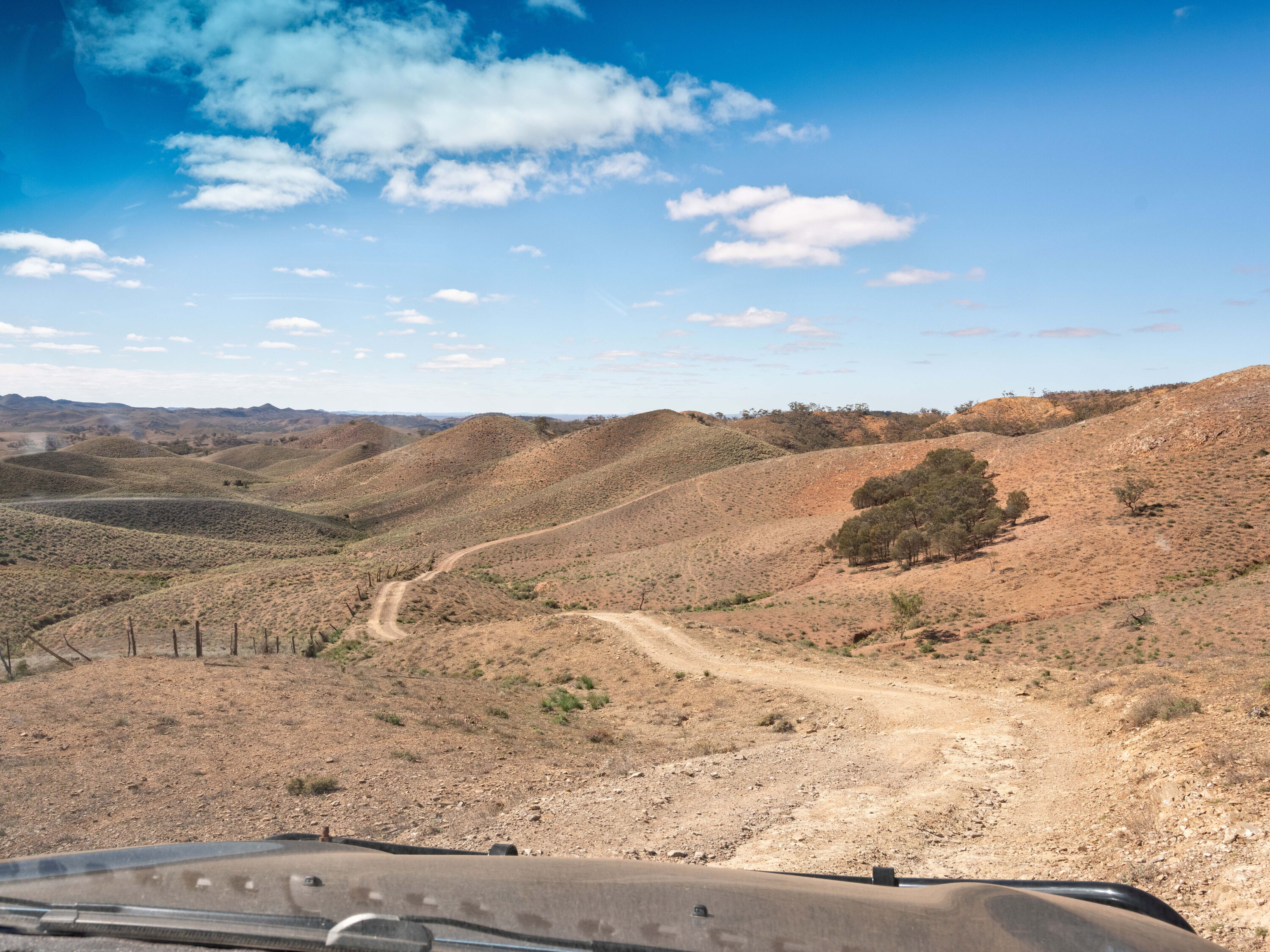
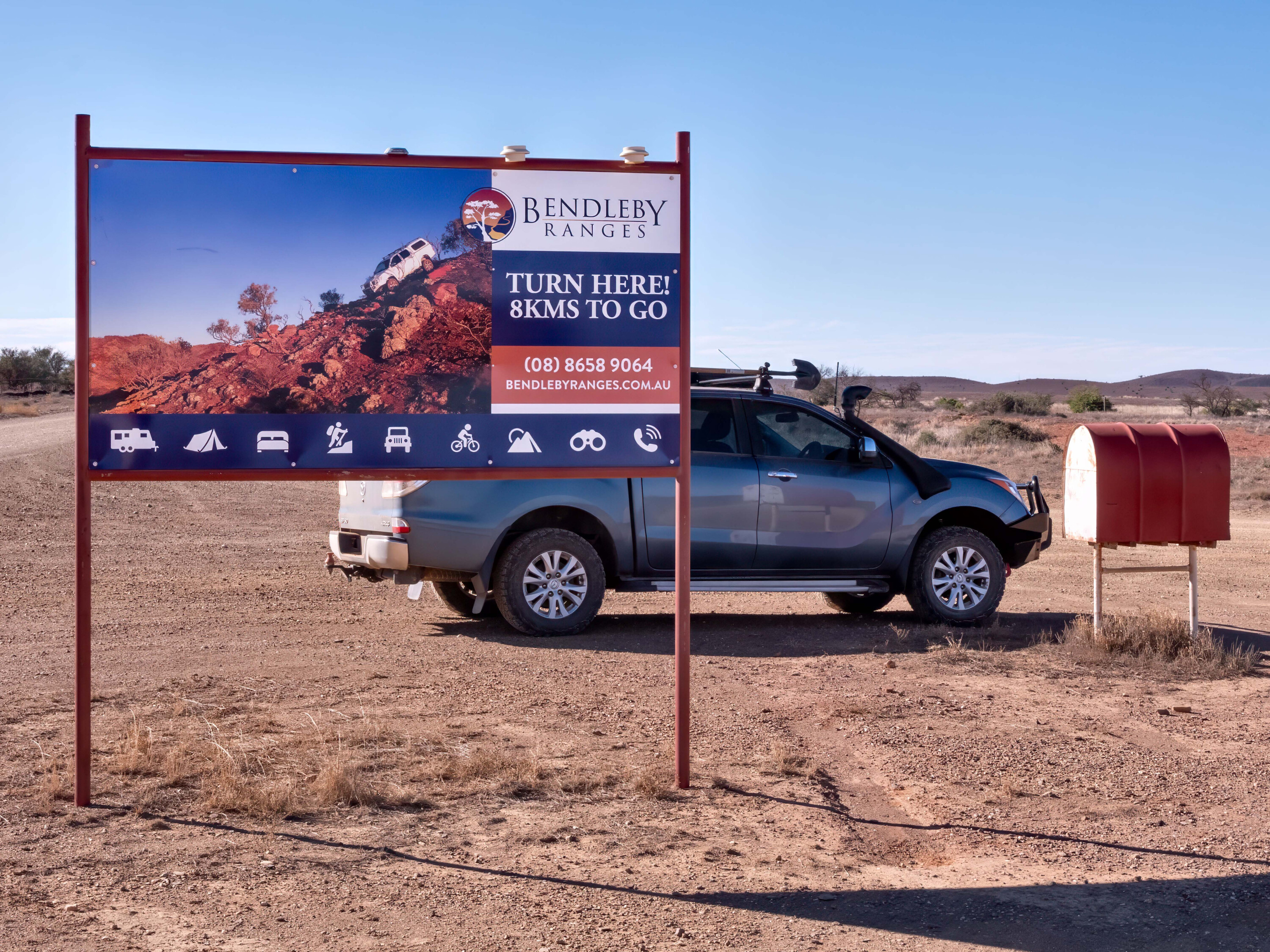
Bendleby Station is a 15,000ha property adjacent to South Australia’s magnificent Flinders Ranges, about 50km north of Orroroo, and it has been owned by the Luckcraft family for more than 50 years.
In that time they have turned what was originally a sheep-grazing operation into a mecca for 4×4 enthusiasts.
After taking over the running of the business five years ago, fourth-generation owners of the station, husband and wife team Charlie and Kylie, have expanded and enhanced this award-winning destination. The main attraction of Bendleby Station is the challenge and satisfaction of driving the property’s some 200km of tracks, most of which can be enjoyed by novice 4×4 drivers through to those with plenty of experience.
As well as the tracks themselves, there are breathtaking panoramic views from the top of the ranges.
When you arrive at Bendleby, you will be welcomed by Charlie or Kylie and provided with maps of the tracks, a brief description of the drives and, importantly, a difficulty rating for each. Your vehicle will also be given a once-over and depending on your 4X4 experience, they will advise what tracks you can tackle as well as those you should probably give a miss.
Don’t think the difficulty ratings are understated; if a track has a difficulty rating of 10 out of 10 expect it to be exactly that, and with a number of the drives being one-way only, once committed there’s no going back.
1
According to Charlie, not many visitors have mechanical issues on the tracks, but for those who do the station provides an emergency service via UHF.
Problems that do arise are usually due to improperly maintained vehicles… and perhaps confidence exceeding ability when driving in what is very unforgiving terrain. Call out and recovery services come at a cost – $600 for a half day with a minimum of $300 – so a full mechanical check beforehand is a good idea.
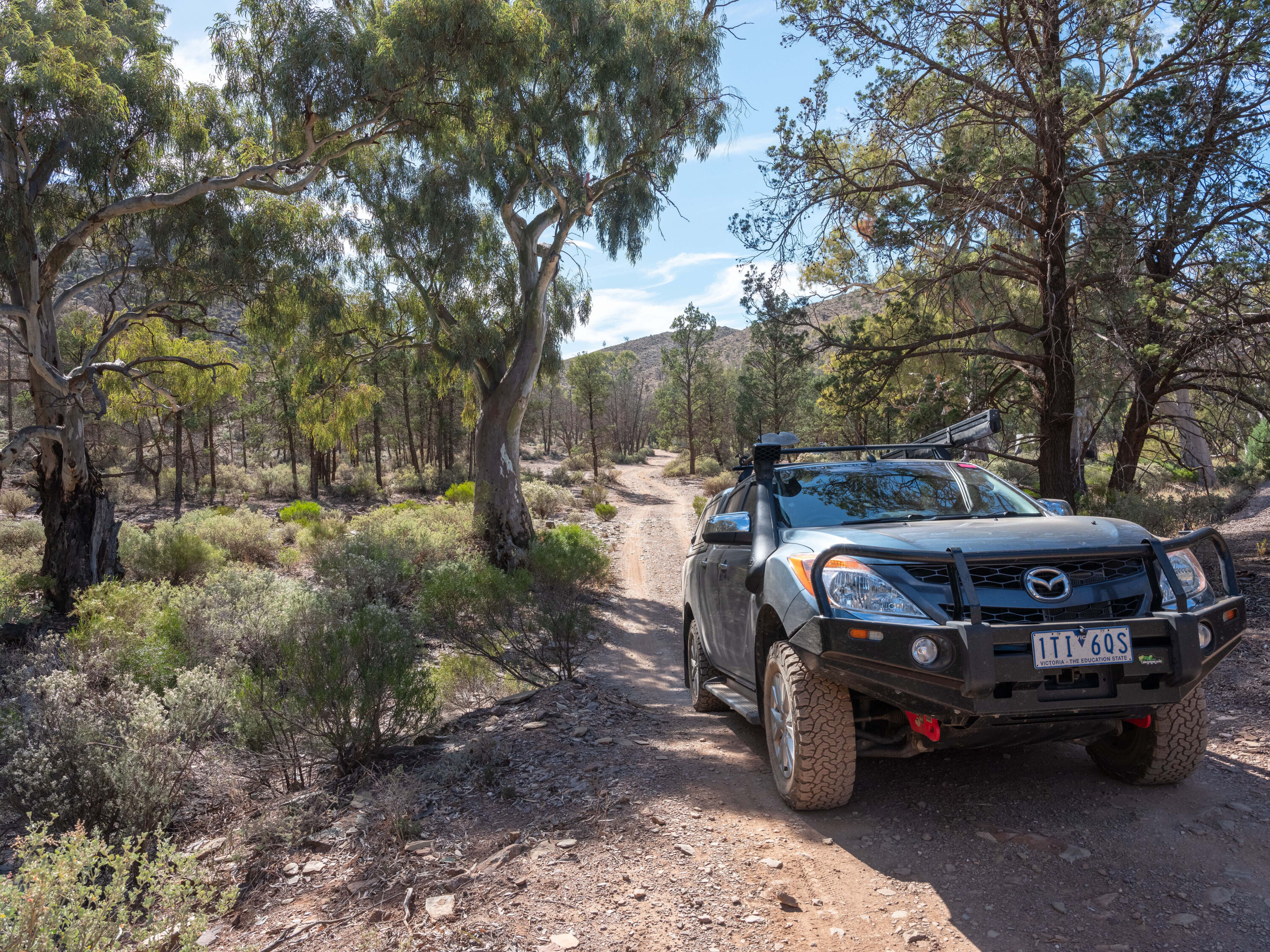
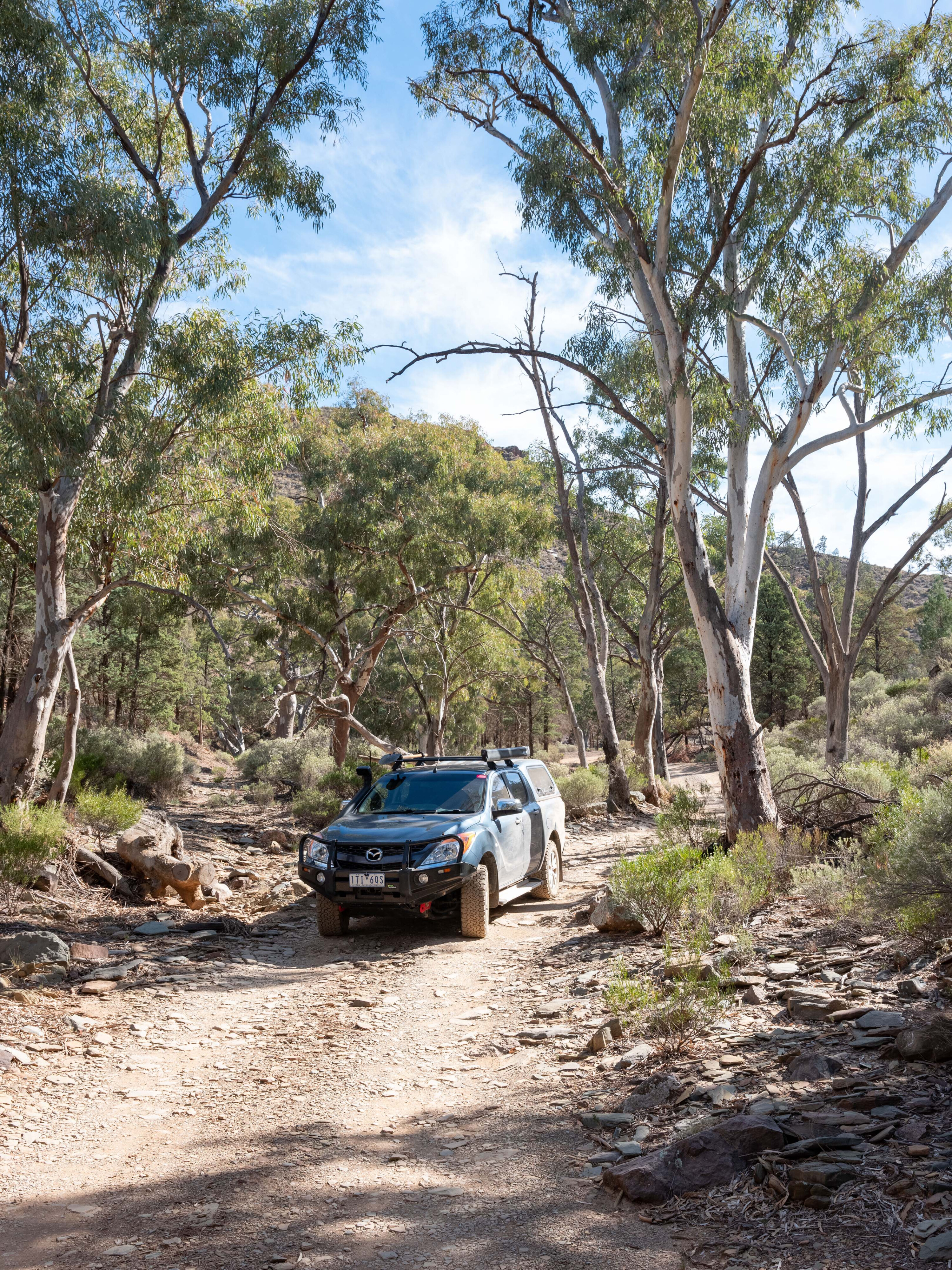
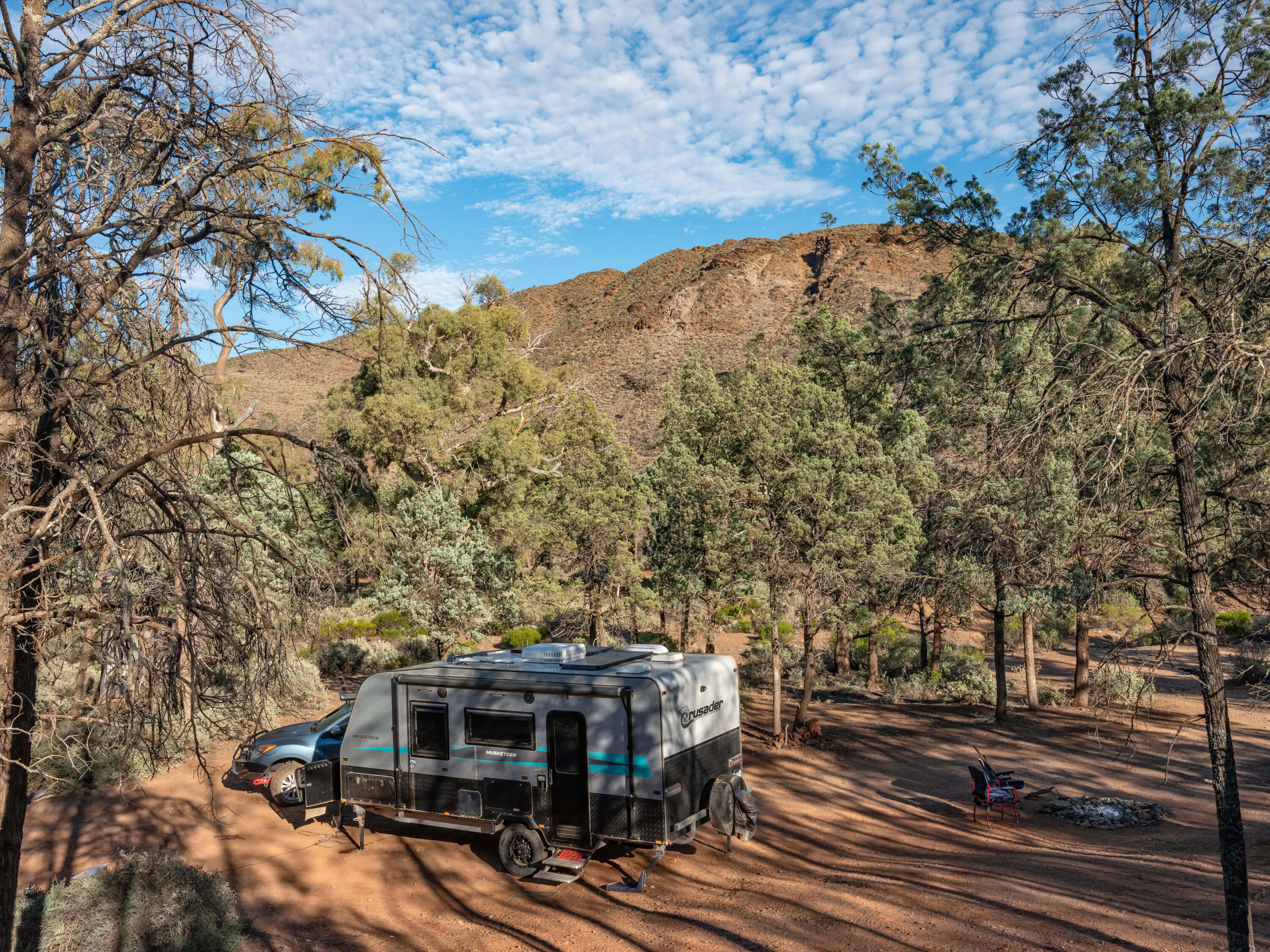
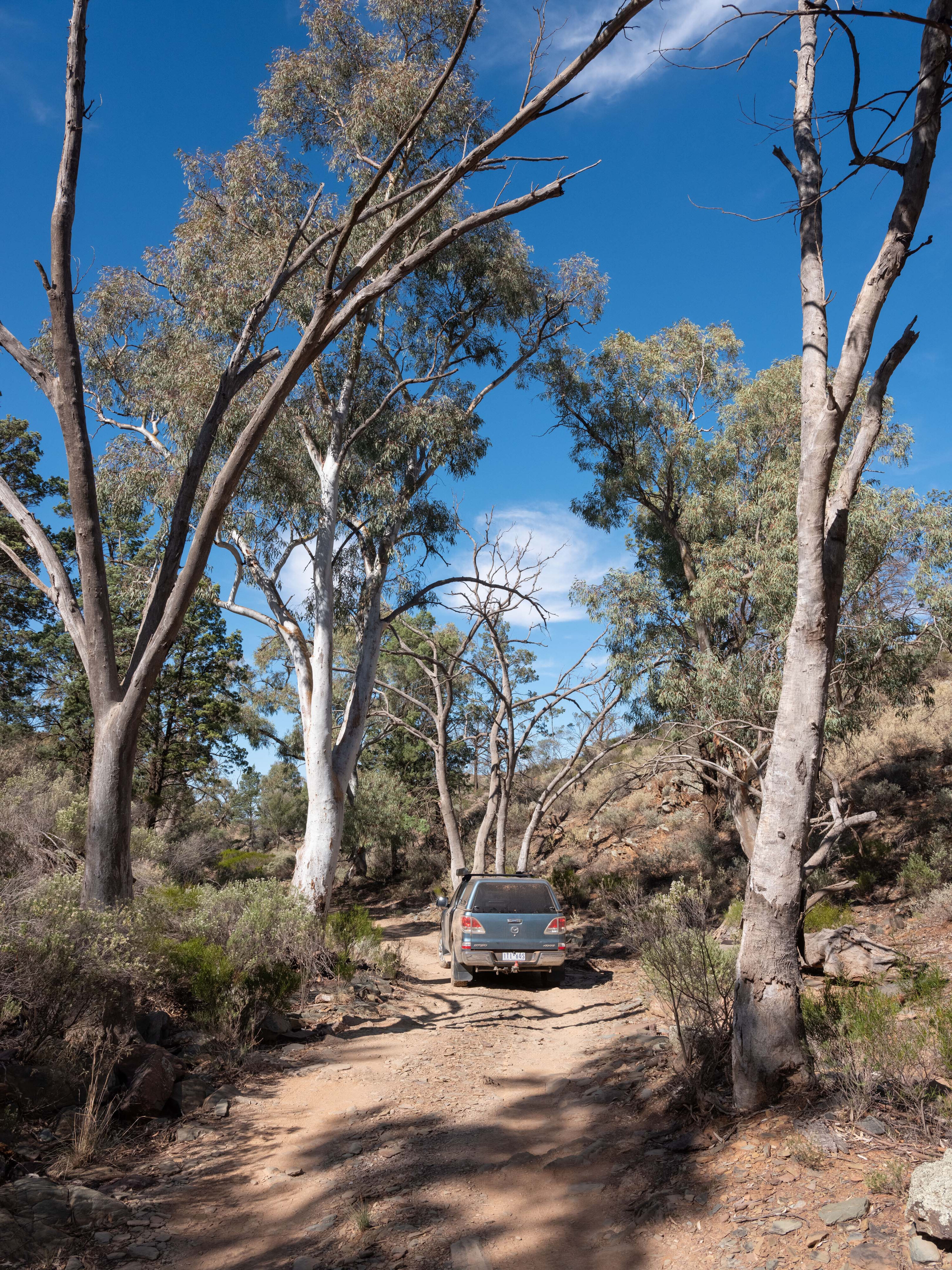
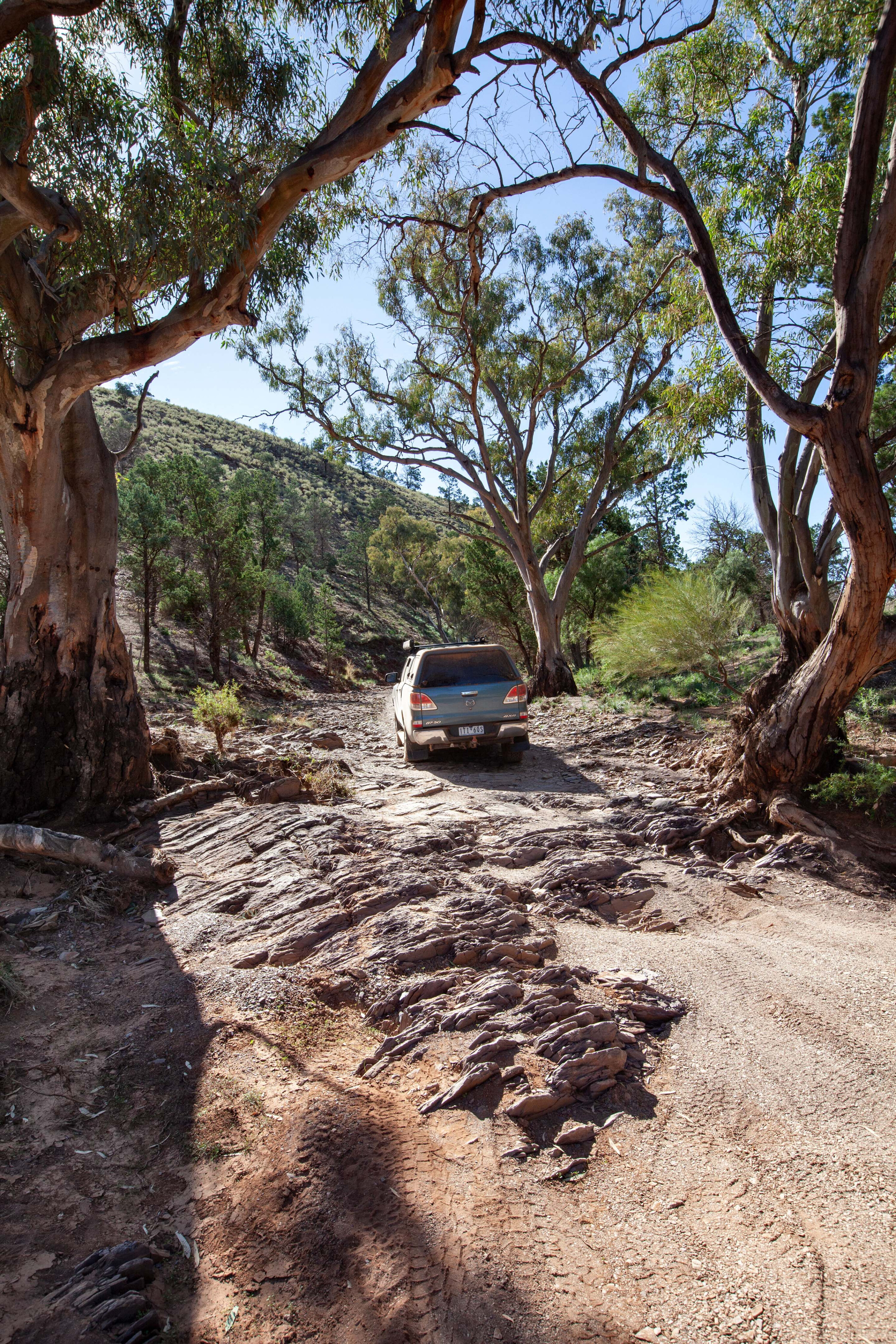
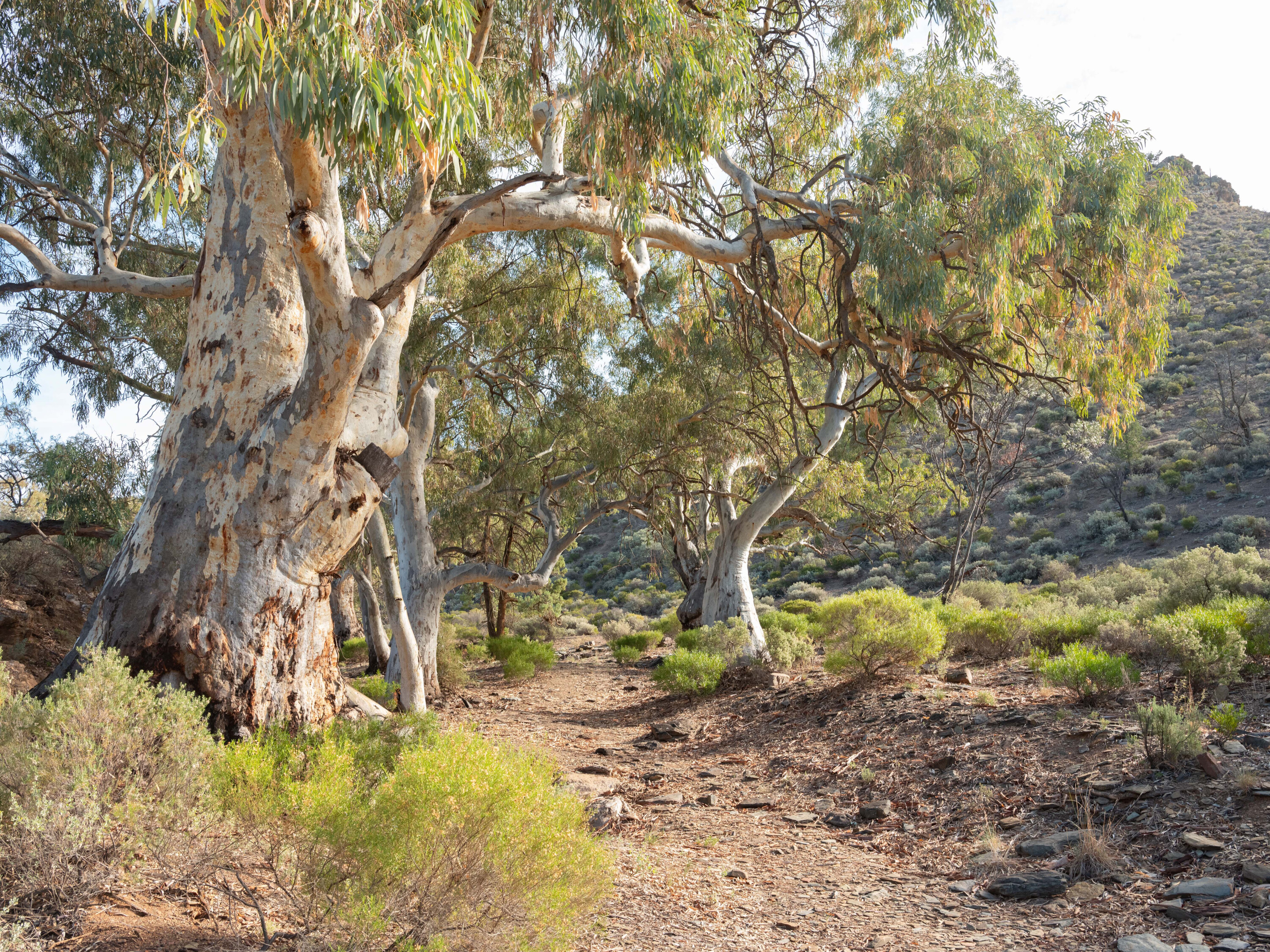
While the campsites have easy access, four-wheel drive is mandatory if you want to explore Bendleby. Possibly the most attractive camps are clustered around Hidden Valley in the north of the property. Set along the course of a dry creekbed flanked by ancient red gums, it is an idyllic location.
1
Over eons, water has carved this passage through the range leaving high ridges with ochre coloured rock outcrops fringing the valley.
Ringneck parrots display flashes of iridescent blues and greens as they swoop and dive amongst the stately old gums that bear the scars of centuries of flash flooding. Set well apart from each other the campsites offer a good level of seclusion and come with complimentary firewood.
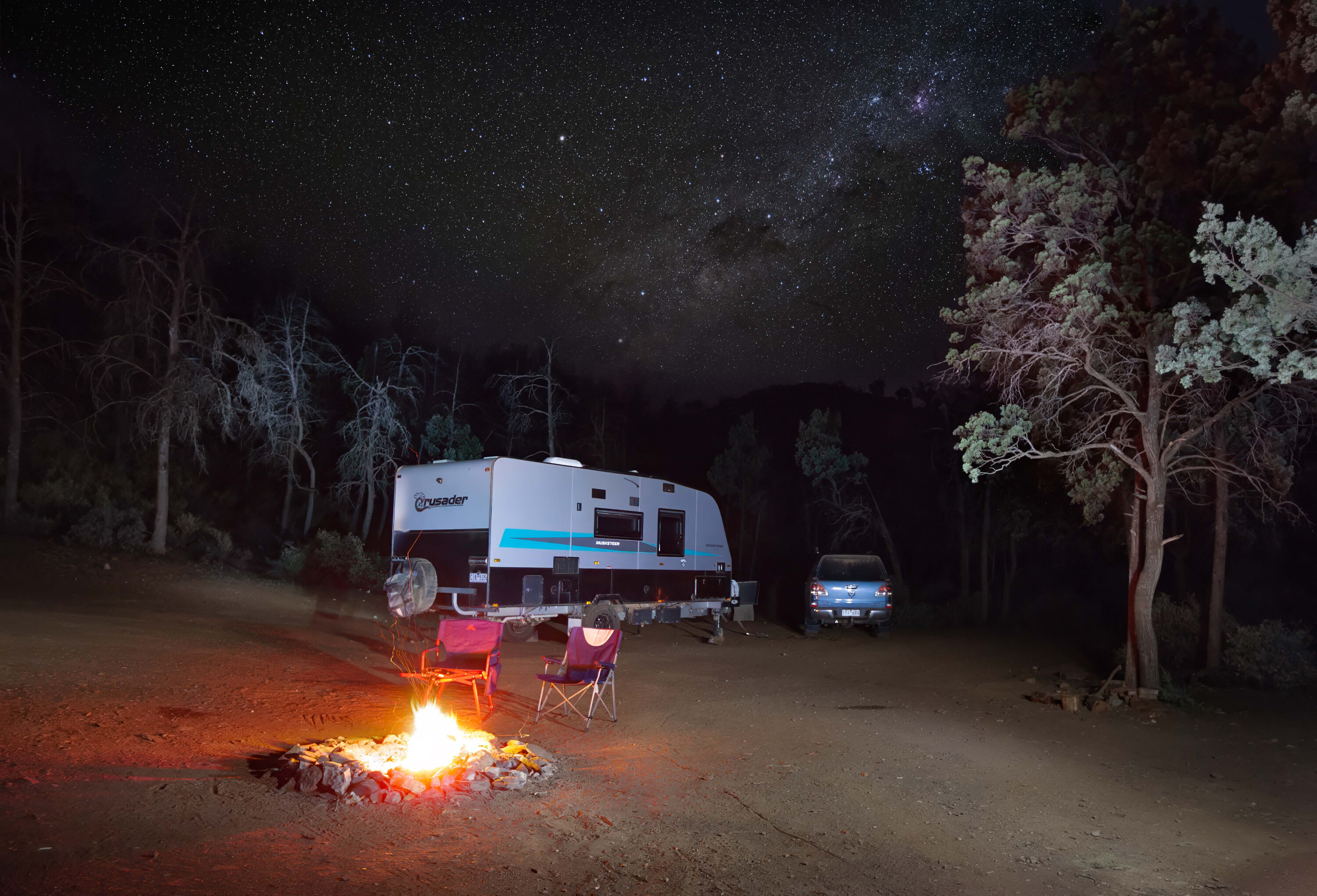
After a long and dusty drive, Bendleby is a fantastic place to just sit down with a drink or two and soak up the beauty and serenity around you. With its rolling foothills and steeper main range punctuated with stands of native cypress pine, the northern section of Bendleby is perhaps best described as being much like the area around Wilpena… but without all the tourists.
1
On our visit here, camper-trailers appeared to be the weapon of choice for most station guests, but there were a few caravans too.
We requested a remote site, which came with a few minor access-related issues for our van, but there are plenty of easy to access sites that can cater for any model of van or motorhome. Armed with the comforting words of “we’ve had a couple of vans in there previously, so you should be okay”, we towed our 19-foot van into Hidden Valley.
The track showed evidence of water damage in places with ruts and potholes which we needed to ease the van through. Once in the valley, we needed to monitor clearance from trees, but we ultimately reached our destination intact and the attractive campsite made the effort worthwhile.
1
In fact, the only real issue we had was positioning our van in the relatively small campsite clearing, bearing in mind that we would need to turn it around for departure.
For those with four-legged friends, Bendleby allows dogs on leads and caters for the non four-wheel drive activities such as mountain biking, bushwalking and horse riding. In a younger life I spent many enjoyable weeks riding and camping out in the nearby Flinders Ranges and I’d recommend Bendleby as a first-class destination for anyone into trail riding.
For the bushwalkers, there are several walking trails scattered over the property, with walking guides available from reception. A couple of the walks at the northern end of the Hidden Valley follow a narrow gorge beneath a leafy canopy created by the red gums lining a dry creek bed.
1
Once away from the valley floor I suspect some of the walks could be more challenging as they climb into the surrounding hills.
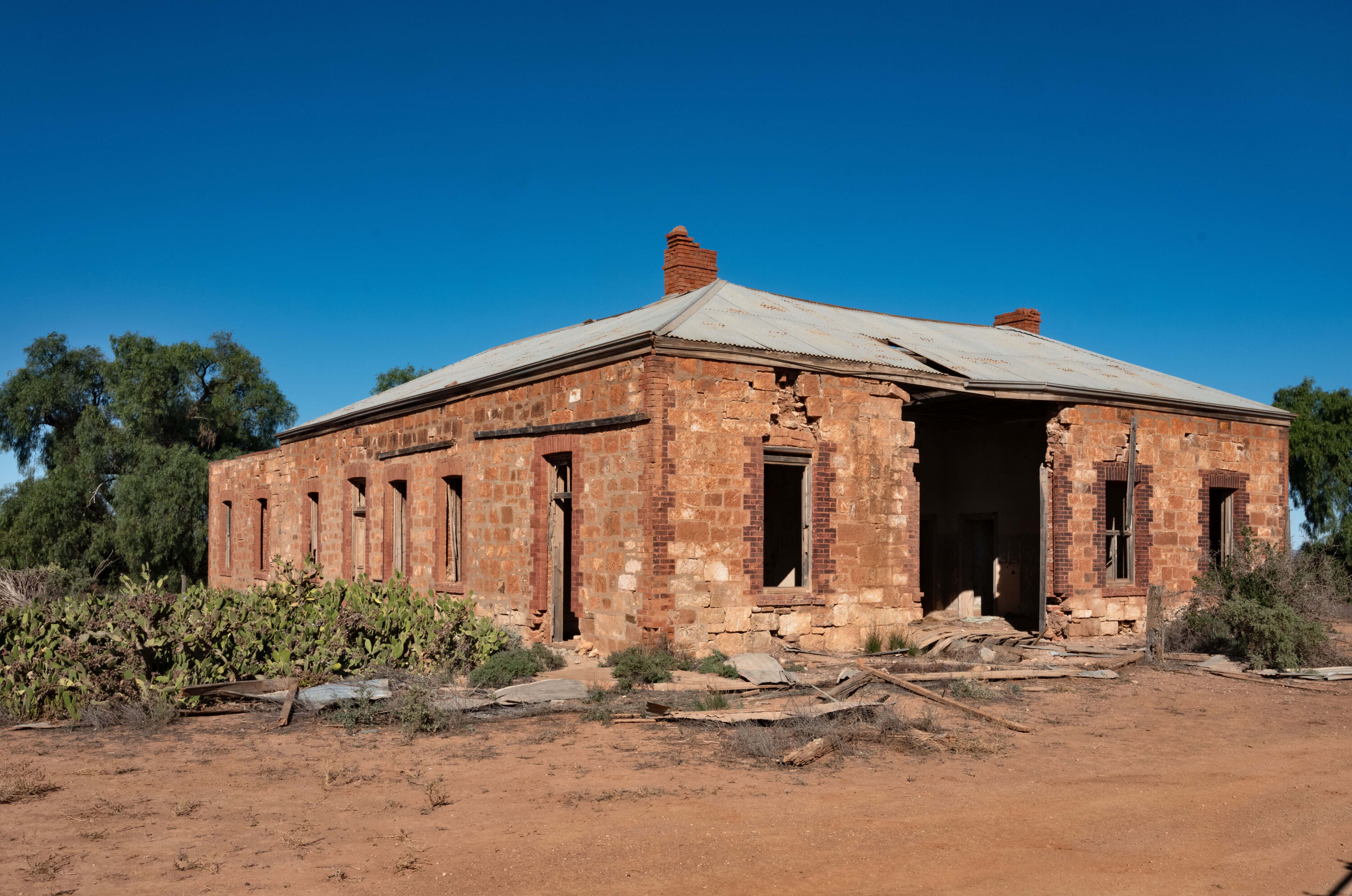
Near the station’s general campground are some old ruins of the original Gumdale Homestead. Dating from the 1800s the ruins give an inkling into the long and varied history the property has seen over the years. When you look at the dry rocky hills and dusty plains today, it is hard to believe this country was originally used for cereal growing and dairy cattle.
Early settlers were lulled into a false sense of what the land could sustain by a long string of unusually good years. Ultimately, weather patterns returned to normal and with this area 50km outside of Goyder’s Line (a line above which agriculture is now deemed unsustainable) regular drought and hardship became the norm.
1
Many properties were abandoned and amalgamated into larger holdings as cropping gave way to grazing.
On the road from Orroroo, just prior to the station turnoff, is Johnberg, another victim of unreliable rainfall. This small cluster of several deserted buildings features a sign declaring the ‘town’ to have a population of just two. While some of the remaining buildings are in disrepair, it is worth pulling over to see a couple of examples of original dwellings that look well maintained.
Like the drive into Hidden Valley most of Bendleby’s tracks showed minor damage from recent heavy rainfall making them a little rougher in places than they might normally be. This was late-Autumn and while there was a hint of green in places, later in the year would be the ideal time to visit.
1
After good winter and early spring rains this country comes alive with wildflowers and fresh growth. However, if planning a visit, keep an eye on the forecast as many of the station’s tracks are closed after even modest rain.
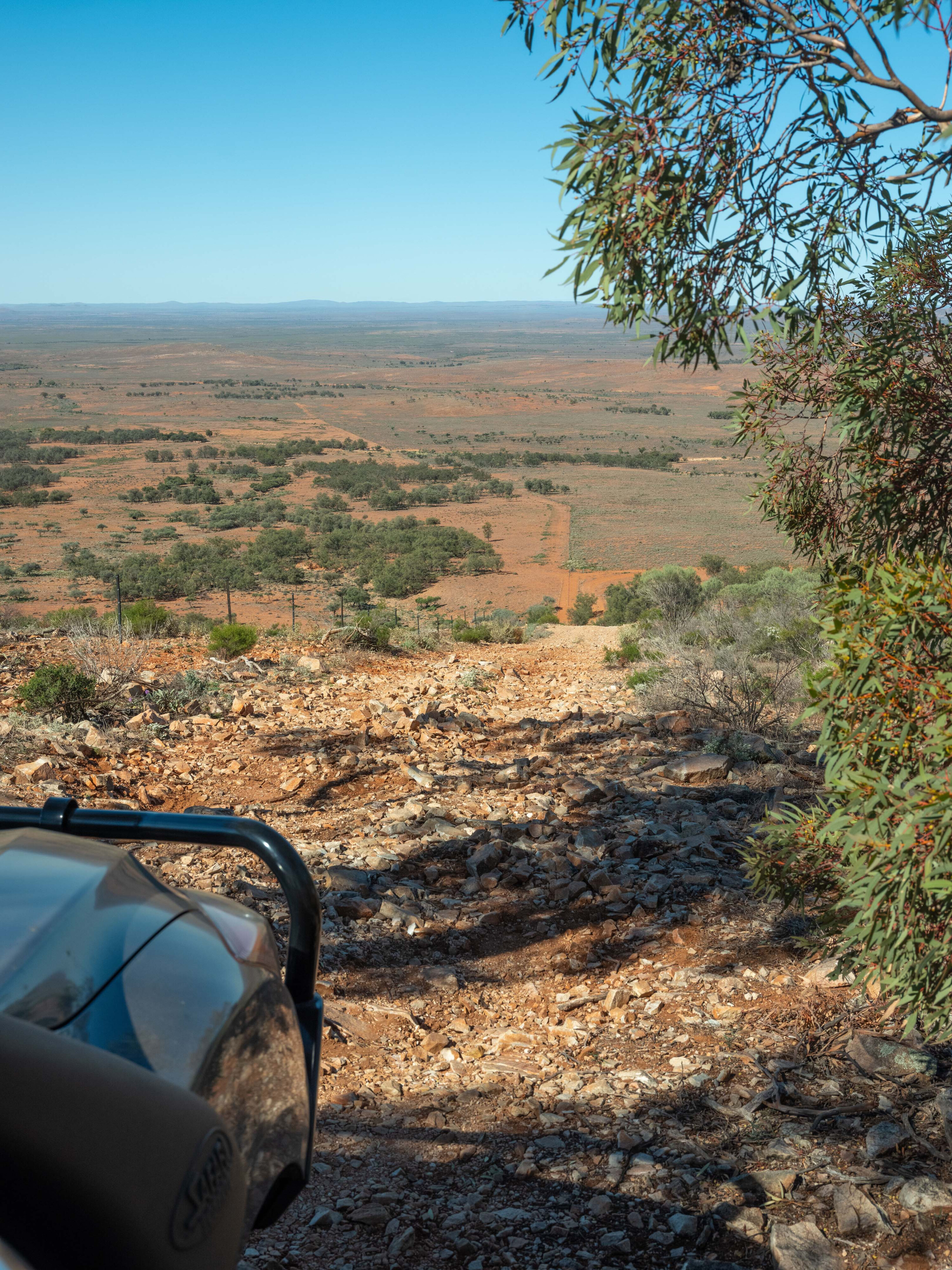
Our initial exploratory drive was the medium-rated Gum Creek Drive. With some steep climbs and descents, a large part of this loop follows a creek bed punctuated with a few gnarly rocky bits to keep you focused. With ruts and washaways aplenty, it is relatively slow going, but the scenery makes up for it. From the gum-lined creek in the floor of a narrow valley you eventually tackle a steep climb to a lookout with 360-degree views that seem to go on forever.
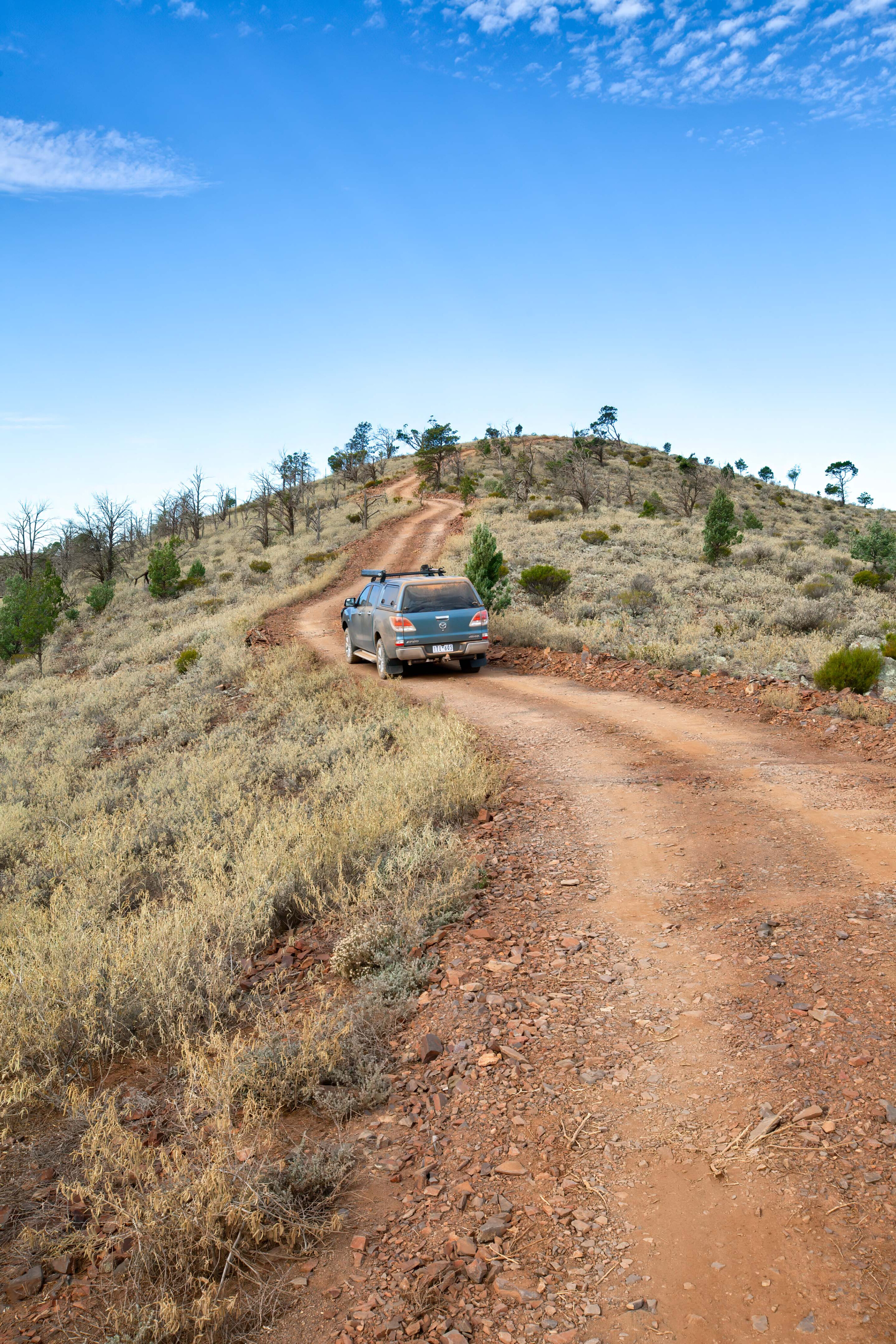
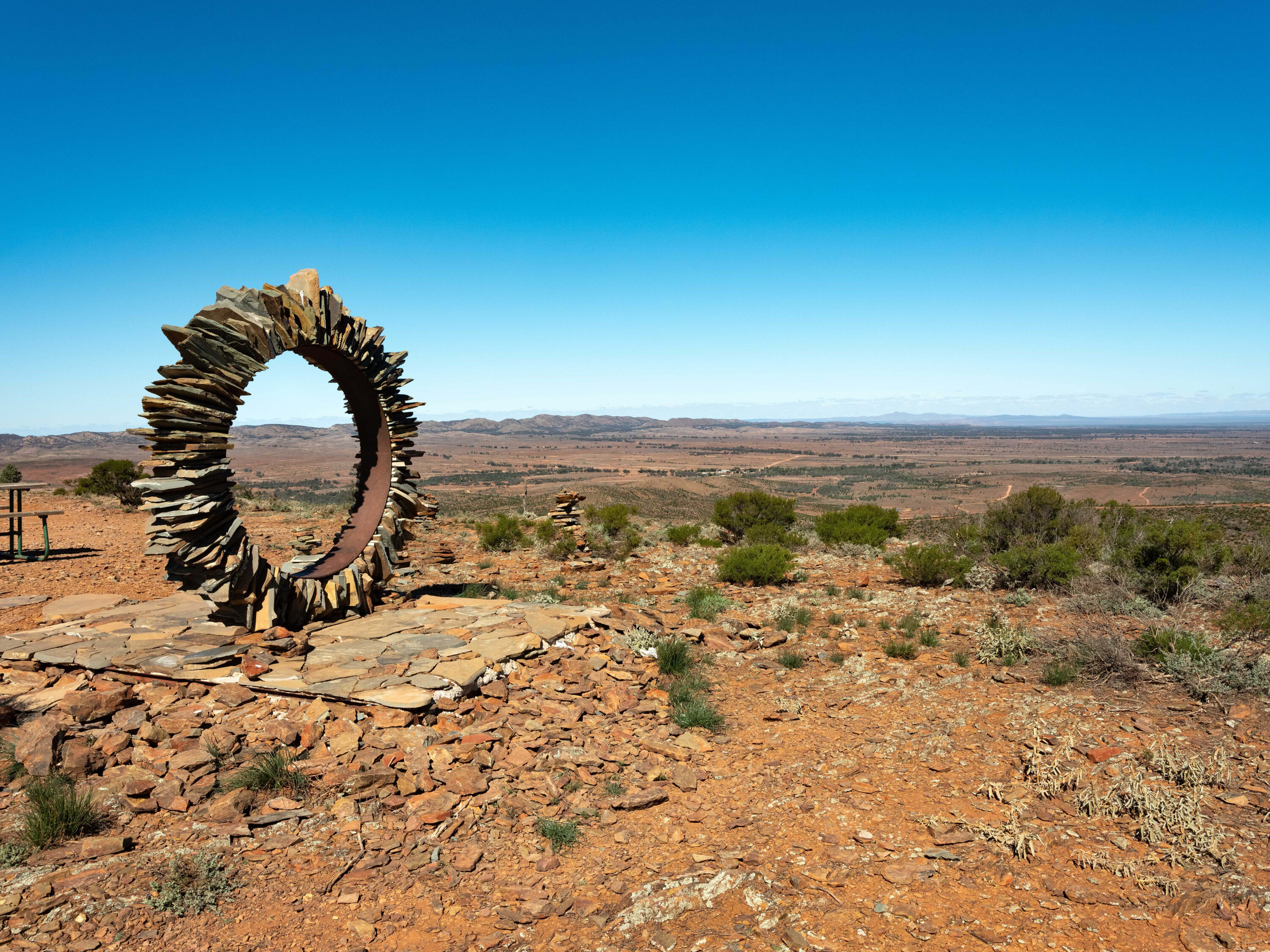
At the end of Gum Creek Drive we picked up North South Ridge Track, which starts with an extensive low-range climb up to the station’s Sunset Lookout with its interesting circular stone sculpture, and more stunning views no matter what direction you look.
1
At the northern end of the ridge a one-way track down the steep Kokoda Trail takes you back to the entrance to Hidden Valley.
Gum Gorge Road is another leisurely wander that largely follows the bed of a wide gum-lined creek starting to the west of the property’s reception, and meandering north before heading up into the range to the east. Along the way into the hills, you pass Dinnertime Springs, a small natural spring and semi-permanent water source named by 19th century shepherds. This medium-rated track joins Monument Loop which features a number of steep climbs and descents.
The track had just been graded when we visited, which made it an easy task in low range, and it provides some of the best views on the station. Beware of the steep crests on this track as the direction the road takes will be hidden by your bonnet; on a couple of occasions, a bend needed to be negotiated immediately over the rise.
1
Monument Loop ultimately meets up with the previously mentioned Kokoda Trail that runs back down to Hidden Valley.
The drier and more rugged Hungry Ranges to the south of the property are where you’ll find Bendleby’s more challenging tracks. We drove south to Lantern Gate and then east to follow Back Track through low rocky foothills with patches of low mallee-like gums. The track had some rough and rocky sections while offering expansive views back towards the homestead.
The northern end of Back Track meets North Fence Track which takes its name from a remnant of the station’s original dog proof fence. This track is quite rocky in places but passes through some great country with more stunning views as it climbs to the top of the range.
1
Rated as requiring a high level of off-road driving skill, a few large rocks along the way challenged our clearance, as evidenced by a now slightly modified sidestep.
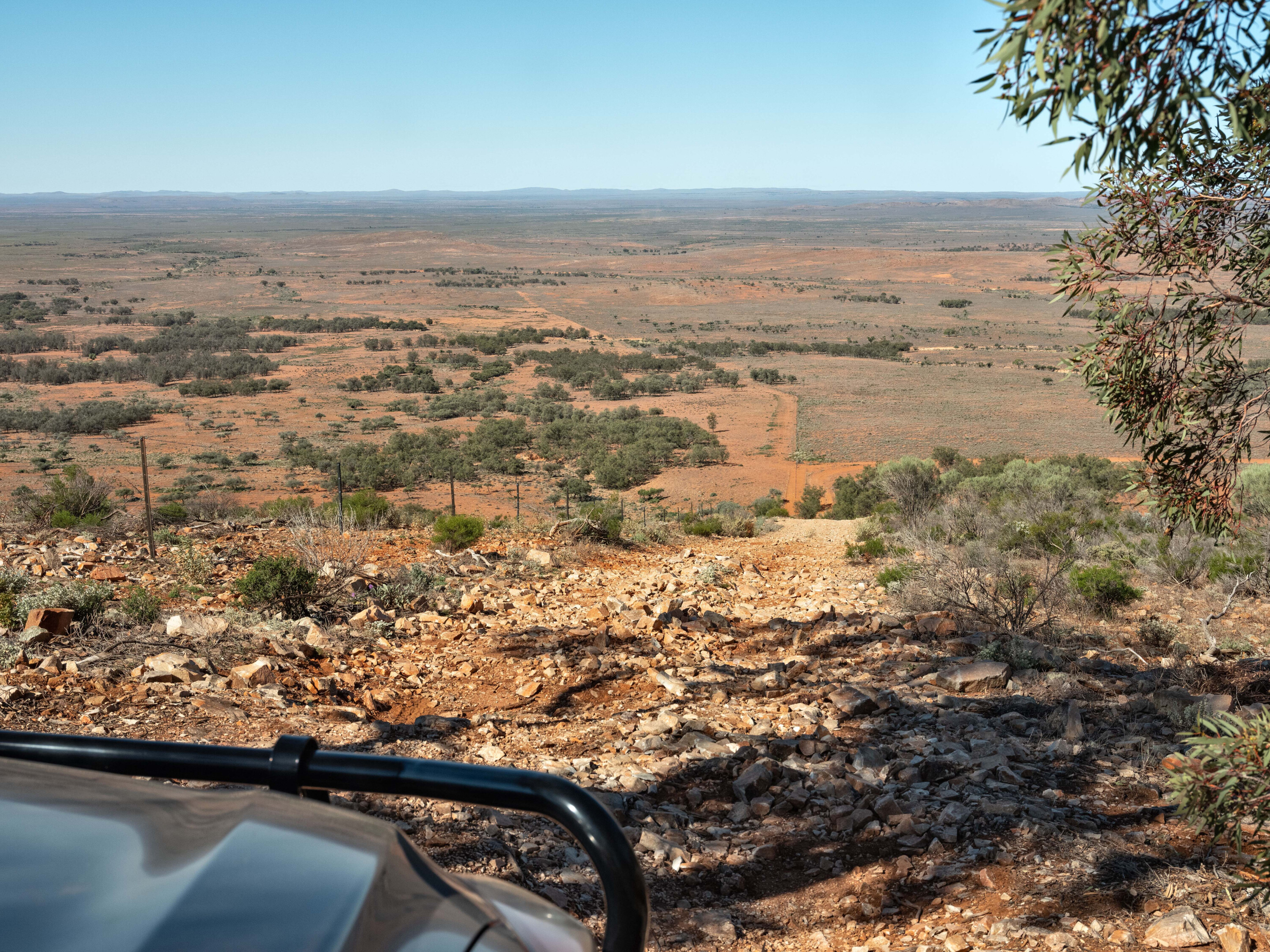
We suffered a ‘pilot error’ at the top of the range (probably due to the adrenalin rush) and went past the intersection with Quartz Gorge, which had been our intended return. Not realising our mistake we ended up at East Fence Track on the edge of the plains below by way of a very steep descent with a loose rocky surface. Even if the track hadn’t been one way only, I think the climb back up the track would have been beyond my pay grade.
The only other way back from East Fence appeared to be the 10 out of 10 difficulty rated Billy Goat Ridge. Having seen what the station’s lesser rated hard tracks entailed, and driving a stock standard BT-50, it wasn’t something that appealed.
1
Anyone thinking of visiting Bendleby and tackling the more challenging tracks needs to have a capable vehicle with upgraded suspension and the driving skills to negotiate tricky situations.
We stopped at Aeroplane Gorge to give Bendleby a call on the two-way to confirm that we could follow the East Fence Track out to the south and loop back around the ranges to Bendleby via Johnberg. Aeroplane Gorge is named for a Flying Doctor De Havilland that made a forced landing there in 1927. The pilot and passenger walked out and (this being a time when planes were made of wood and canvas) the aircraft was ultimately patched up on site and flown out.
Even if you’re an occasional four-wheel driver, don’t think Bendleby is too challenging for you. Many of the vehicles we saw on the tracks were newish 4x4s with middle-aged pilots quietly enjoying the scenery and the satisfaction of dusting off their driving skills.
1
That said, Bendleby has a reputation as a pre-eminent 4×4 destination, and offers an appealing challenge to younger hairy-chested drivers with tarted-up older vehicles they consider indestructible.
We stopped briefly on one rough and stony track to let a heavily modified V8 Patrol pass; seemingly oblivious of the hiding their suspension was getting, there was barely a lift of the right foot for one of the numerous rocky washaways as it bounced and rumbled into the distance heading for Billy Goat Ridge.
Bendleby is a long drive from the eastern states but with its range of amazing and secluded campsites in attractive bush locations, and its fabulous 4×4 tracks, it is certainly worth the effort.
Charlie and Kylie aim to provide their guests with a memorable and enjoyable visit, and with a range of state and national tourism awards including being inducted into the South Australian Tourism Hall of Fame, they have clearly found a winning formula.
1
Fact sheet
WHERE: Bendleby Station is located 350km north of Adelaide just east of the Flinders Ranges. Leaving the bitumen at Orroroo, the last 50km of the drive is on a good gravel road.
BEST TIME TO VISIT: August/September after good winter rains usually sees the station at its best with wildflowers and a carpet of fresh green grass. Expect summer months to be very hot.
SUPPLIES: While some basic supplies can be found at the property’s kiosk, and bore water is available for washing, guests are advised to largely self-cater and bring their own drinking water. Firewood is provided at check-in with more able to be purchased. Collection of firewood is not permitted.
ACCOMMODATION: Apart from the main campground, campsites are unpowered. Other accommodation options include shearers quarters, cottages and the exceptional 1890s Crotta homestead (for those seeking a little more luxury). For those travelling with furry family members Acacia Cottage and all campsites are pet friendly (animals must be kept on leads at all times). Motorbikes are not permitted.
There is no phone coverage, but internet is available near the station’s reception area. There is a UHF channel for use in emergencies and a call-out service is available in the event of mechanical issues.
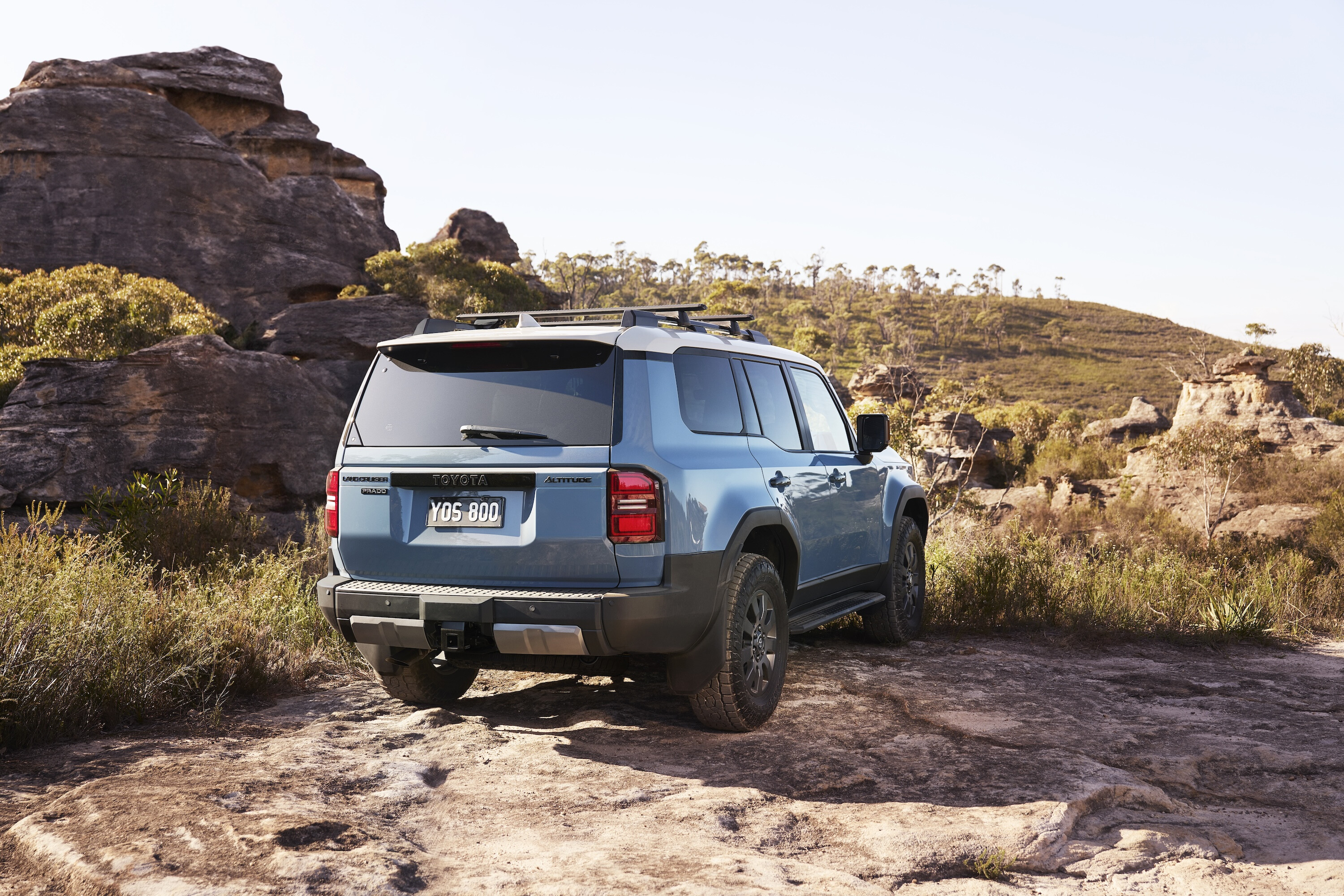
Order books for the new-gen Toyota LandCruiser Prado will officially open for customers at the end of August, with the hotly anticipated off-roader still slated for a launch in Q4 of this year.
In anticipation of the launch, Toyota has also revealed the new Prado’s combined average fuel consumption is now 7.6L/100km, an improvement on the outgoing model’s 7.9L/100km. This 0.3L/100km change is largely thanks to the addition of V-Active technology – the same found on the 48V HiLux – across the entire new-gen Prado range.
The system – a combination of a 48-volt lithium-ion battery, DC/DC converter and 8.4kW/65Nm motor generator – works in step with the vehicle’s 150kW/500Nm 2.8-litre turbo-diesel engine to provide improved driving dynamics and better fuel economy.
In effect, the motor generator will provide a bit more urgency when accelerating from a standing start. When decelerating, it will recoup energy and feed it back into the 48-volt battery. Itu2019s mounted high enough in the engine bay so as to allow for 700mm of wading depth.
Pricing was officially announced earlier this year, with the vehicle markedly more expensive across the range than its predecessor – the cheapest entry point is the GX, at $72,500 (+ $9670), with the line-up topping out with the Kakadu, at $99,990 (+ $12,432).
4
New to the line-up is an off-road-focused Altitude variant priced at $92,700 and sitting below the Kakadu on the model hierarchy. As a point of difference, the Altitude gets a stabiliser disconnect mechanism (SDM) function, for greater wheel articulation; a locking rear diff; and it will roll on 265/70R18 Toyo Open Country all-terrain tyres.
“Australian buyers have always appreciated the rugged off-road performance of the LandCruiser Prado, which has proved to be the perfect overlanding platform for customers who want to travel all over the country without breaking the bank,” Toyota Australia Vice President of Sales, Marketing and Franchise Operations, Sean Hanley, said.
“The new Altitude grade enhances the performance of the LandCruiser Prado, allowing customers to venture further off-road than ever before.
“Meanwhile, introducing V-Active technology brings welcome on-road improvements, with smoother powertrain operation that may also help reduce fuel bills,” Hanley added.
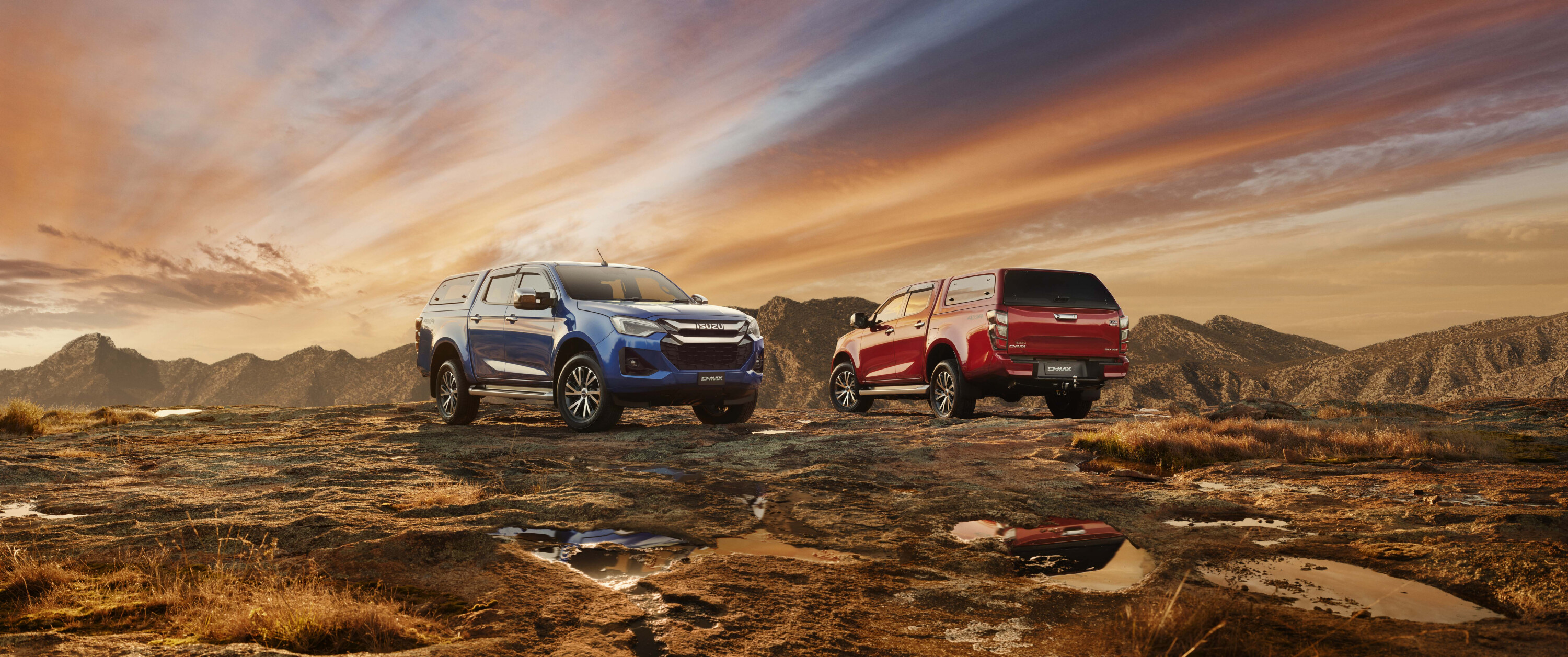
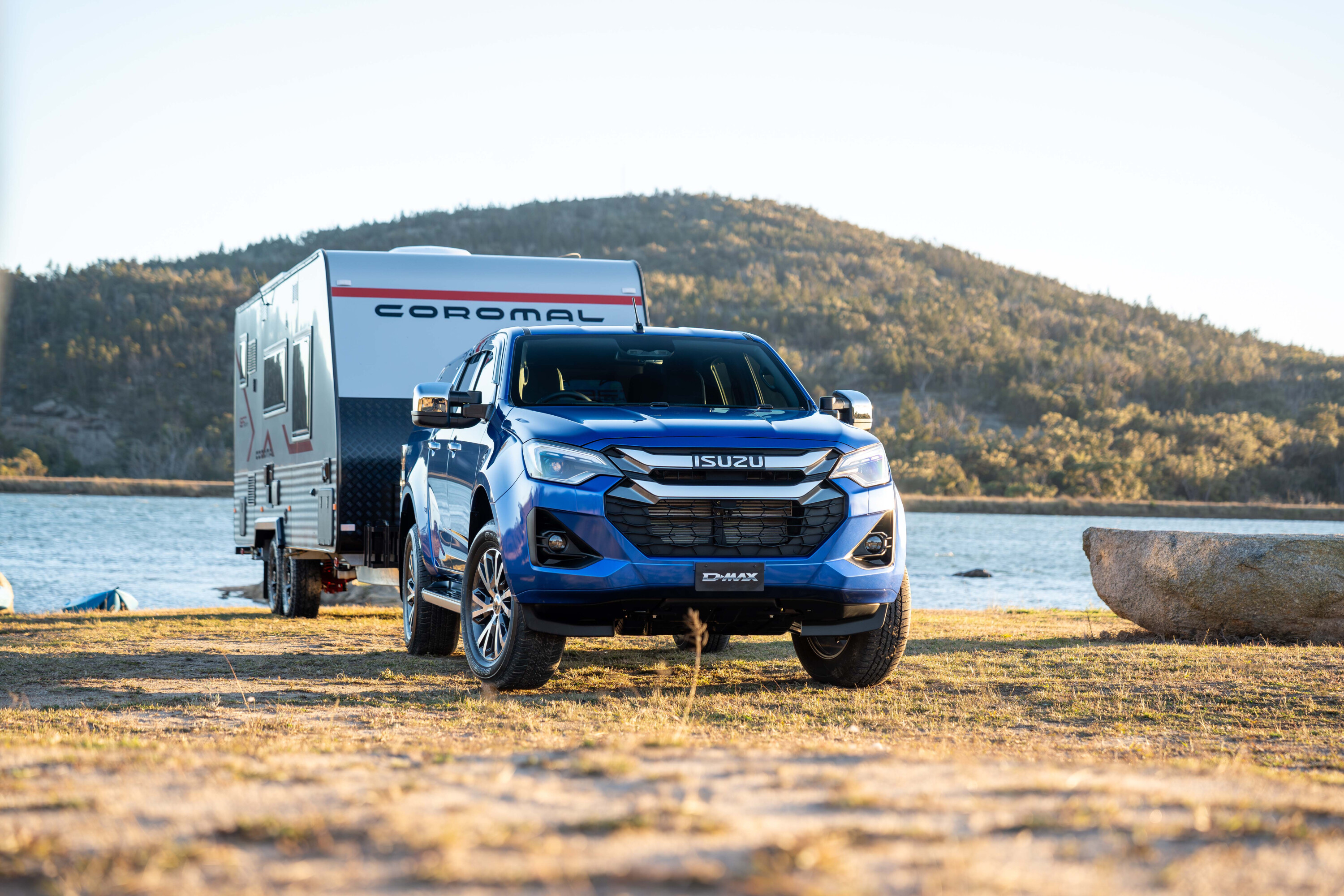
Isuzu has revealed a “Tour Mate” special edition of its popular D-MAX ute which adds $9000 of accessories commonly chosen by customers.
Available for the LS-U and LS-U+ variants, the Tour Mate adds a tow bar tongue with a 50mm ball, 12-inch wiring harness, electric brake controller, heated mirrors, canopy, weather shields and specific badging to differentiate this edition from other D-MAXes.
“The reintroduction of the D-MAX Tour Mate not only adds convenience by simplifying the accessory selection process, but it also offers customers unmatched value for money,” said Isuzu UTE Australia’s Deputy Managing Director, Mr Koichiro Yoshida.
1
Isuzu indicate that optioning these accessories normally would cost $9040, so the Tour Mate offerings provide a $6104 saving on the LS-U and $6194 saving on the LS-U+ versions. The D-MAX LS-U Tour Mate is priced at $69,990, with the LS-U+ offered at $72,990 (both drive away).
“It’s an uncompromising combination of the most sought-after accessories historically chosen by Australian buyers—a package driven by sales data that bundles together what customers want—in a compelling package that offers three times the value for the same money.” Mr Yoshida said.
To further support customers, the Tour Mate is also provided with Isuzu’s Service Plus, which offers flat priced servicing at $449 per year (or every 15,000km), and a six-year/150,000km warranty with seven years of roadside assistance.
The Isuzu D-MAX Tour Mate is available to order from the 1st of August 2024.
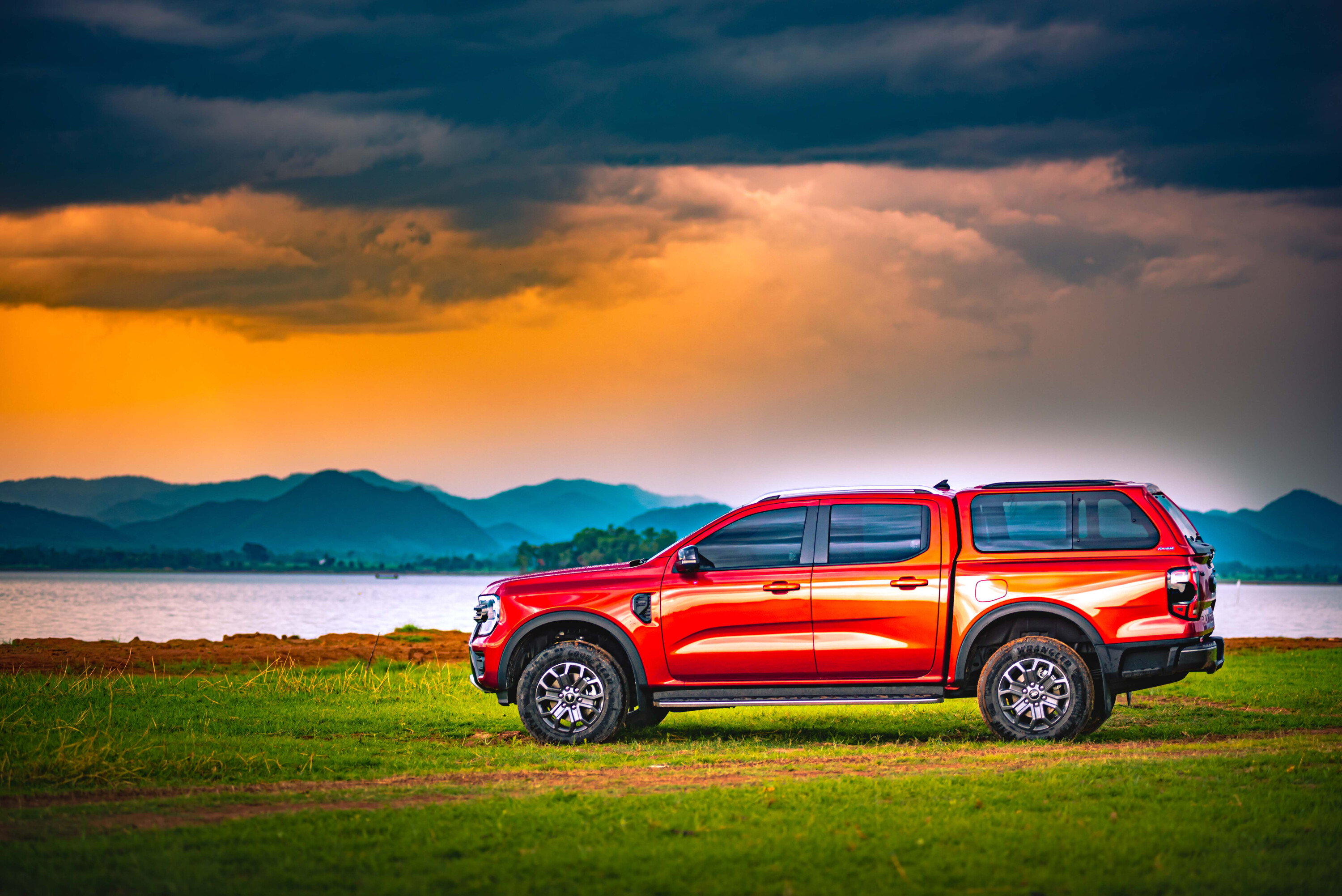
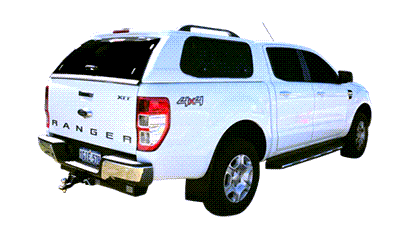
The Aeroklas Injecta canopy for the Ford Ranger is formed using Reaction Injection Moulding (RIM), which is claimed to provide a stronger, more flexible canopy than traditional single-shell ABS or fibreglass canopies. This process, which removes potential joins and weak areas from each canopy, infuses the Injecta with exceptional impact resistance and the ability to reshape it after an impact.
The Injecta’s combination of high-quality materials and superior manufacturing processes come together to form a strong and functional ute canopy. Boasting a roof-rack dynamic load rating of 120kg (350kg static), the Injecta allows you to carry more inside and out.
After the Injecta canopy’s tough shell is formed, it’s robotically painted to OEM standards with added UV protection to ensure its finish matches your vehicle, both in colour and durability. Other features include a drop-down front window and dual lift-up side windows that are key lockable, central locking at the rear door using the standard OEM fob and easy installation with the C-Clamp mounting system.
An LED interior light and an LED brake light are standard features and a canopy vent is available as an optional extra. TJM offers a four-year warranty on the canopy shell and paint and, a one-year warranty on componentry excluding glass.
1
Bendix expands brake-drum range
RRP: POA
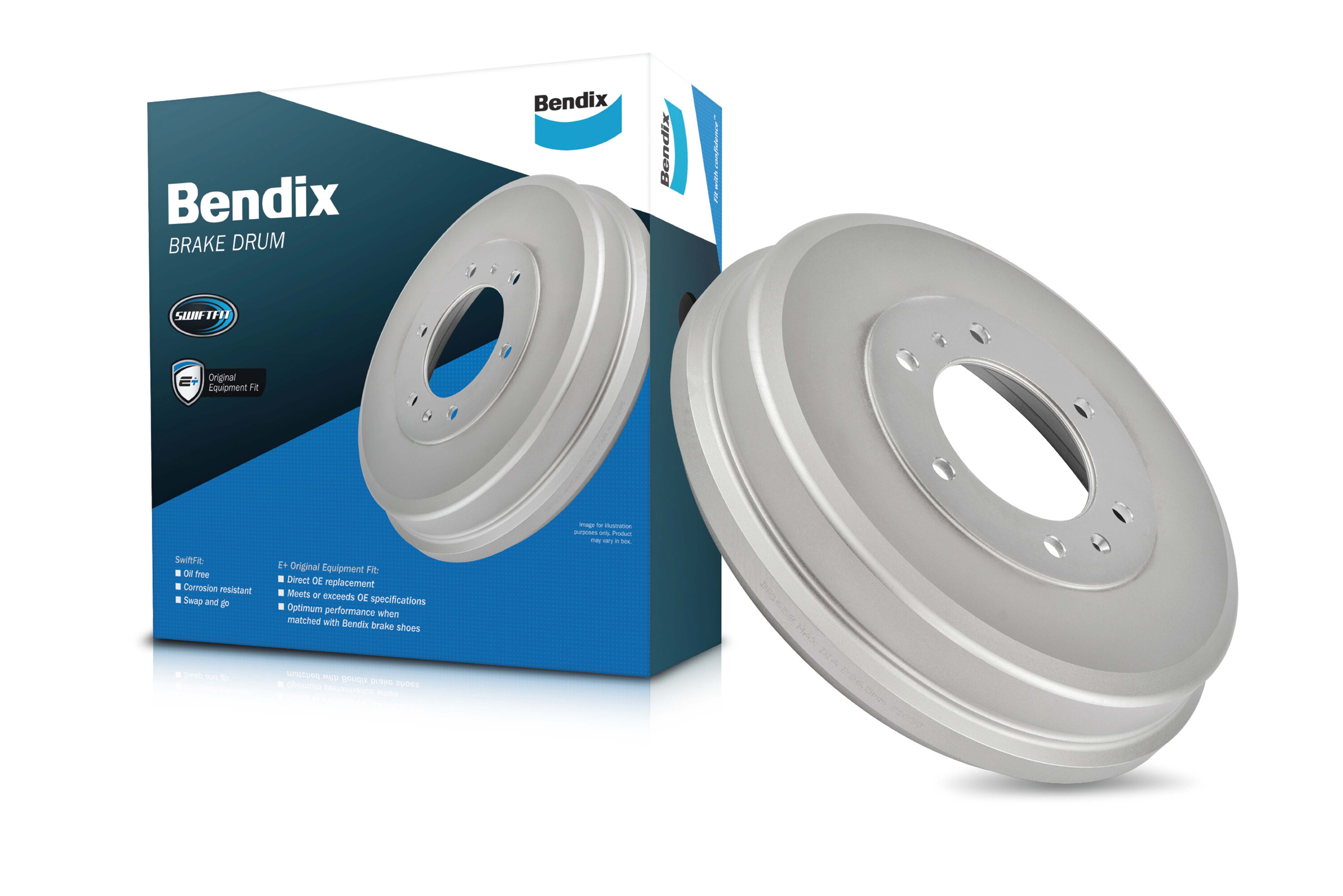
Bendix has applied its knowledge in the design and manufacture of disc-brake rotors to the drum-brake category, with the recent launch of its new brake-drum range. The range fills a niche in the Bendix parts catalogue and targets utility vehicles and their wagon derivatives including selected Rodeo, Colorado, Navara, D-MAX, and Great Wall V200 and V240 models.
Featuring high-quality metallurgy, Bendix brake drums deliver strong braking performance and low-noise operation along with a confident and consistent pedal feel. Bendix says they’re best paired with Bendix Brake Shoes, although the drums are compatible with most brand brake shoes.
Bendix Brake Drums offer an ‘E+ Original Equipment Fit’ that’s designed to be a direct replacement for OE drums and meet or exceed all OE specifications.
1
Ironman 4×4 Apex bull bar
RRP: $2950
Designed for: MY24 Toyota LandCruiser 70 Series
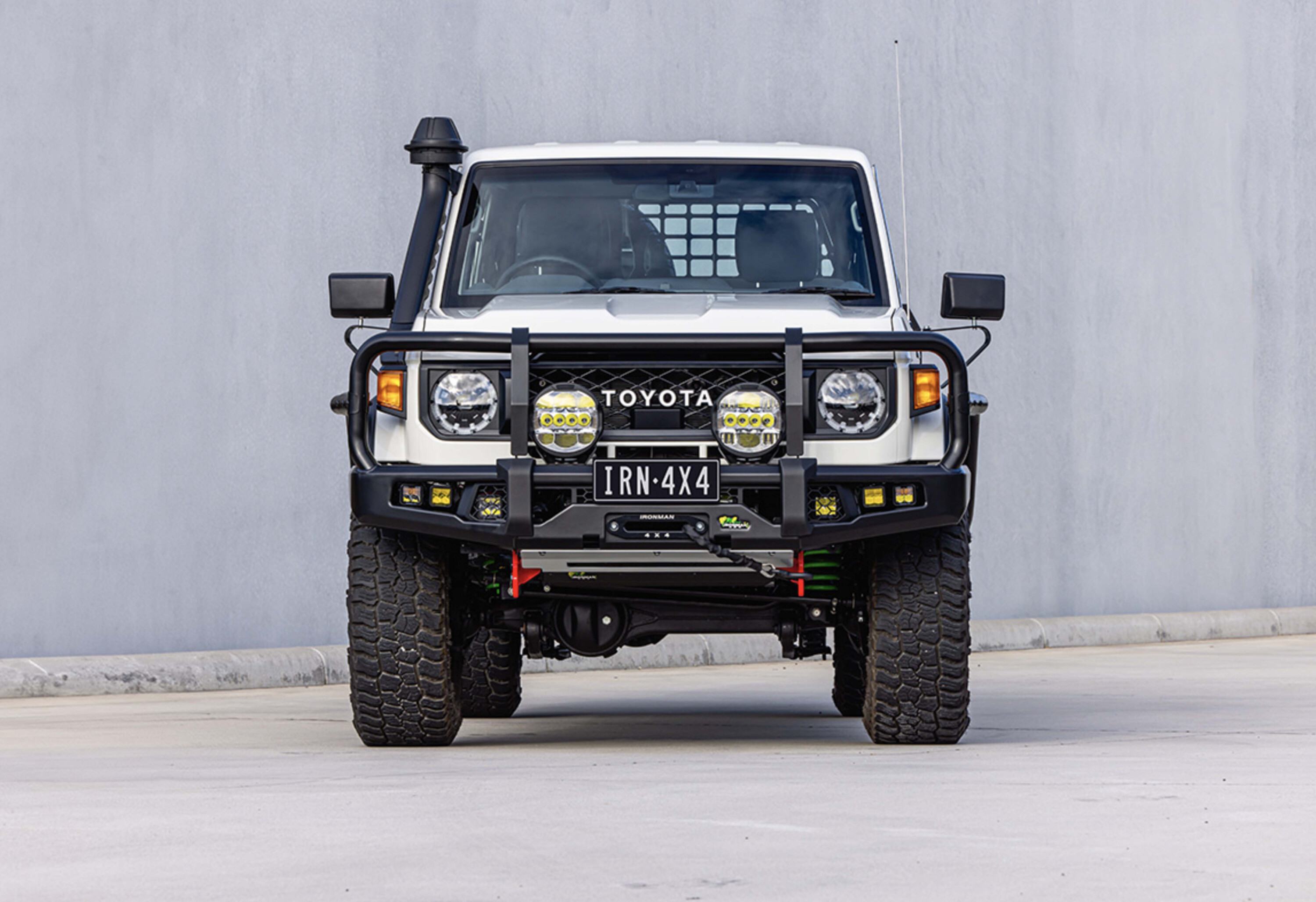
Ironman 4×4 has released its Apex bull bar to suit the MY24 LandCruiser 70 Series that offers a triple-hoop design with bonnet and headlight protection, 60.3mm tubular steel and robot-welded precision. The 3mm steel construction Apex bull bar is winch-ready with a chassis-mounted steel winch cradle and is compatible with winches up to 12,000lb. Two 5t recovery points are also integrated in the bull bar, and it is E-coated for rust protection.
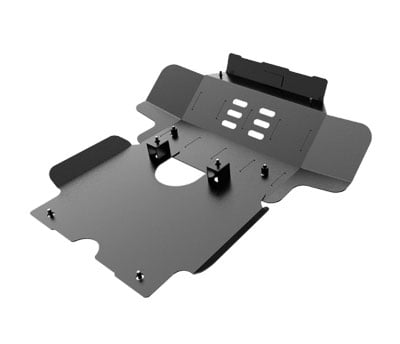
The Apex bull bar is compatible with all Toyota safety features including lane-departure assist and airbags. There are two antenna mounts suitable for UHF or sand flags, and provision for mounting driving lights and light bars. There is also provision for up to six cube or fog lights. A 4mm skid plate is integrated in the Apex bull bar for added protection underneath the vehicle.
1
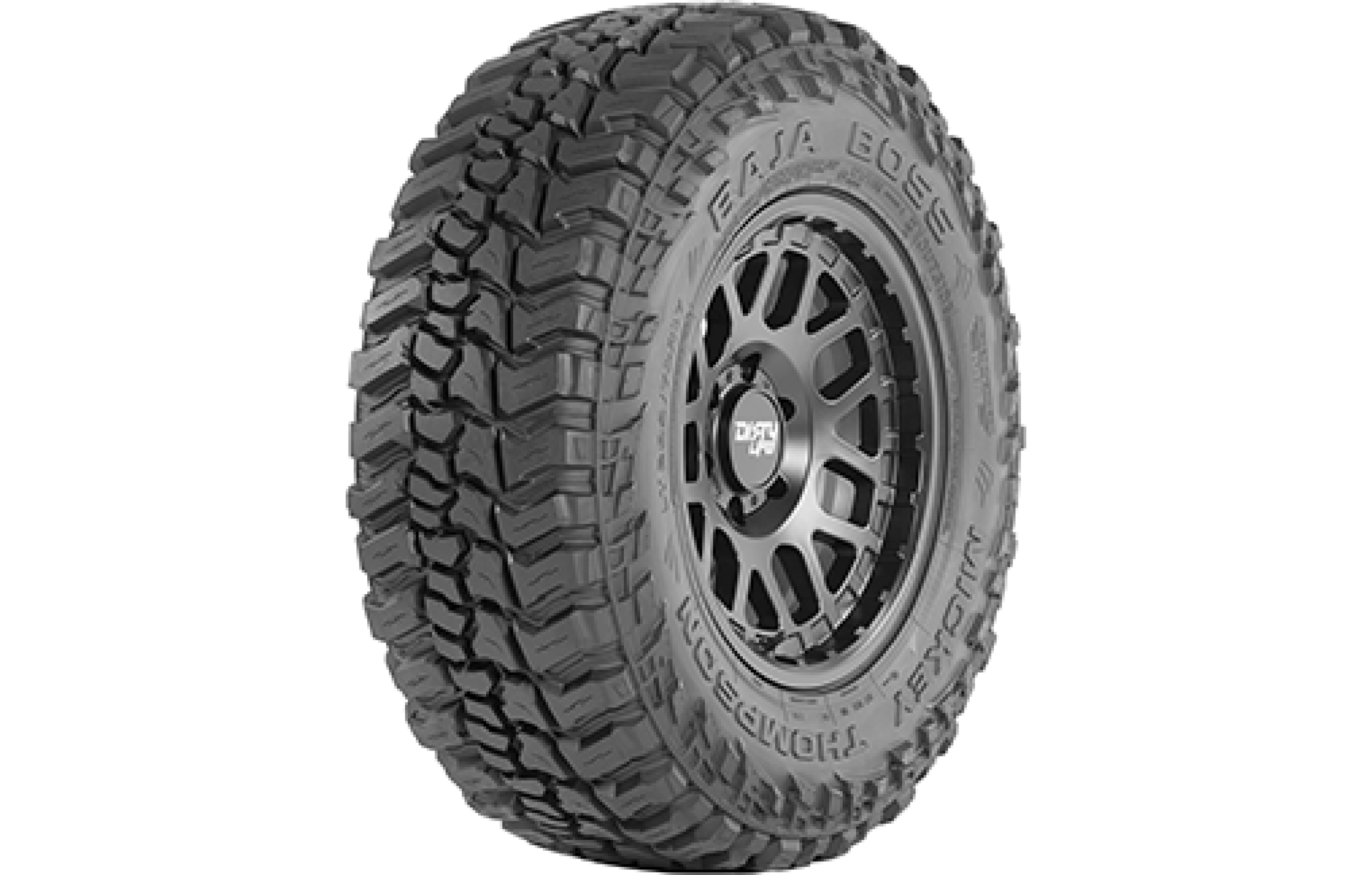
Mickey Thompson Baja Boss tyre
RRP: POA
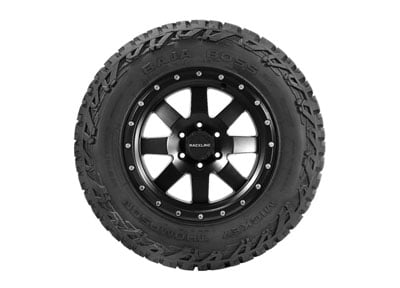
The Baja Boss M/T is Mickey Thompsonu2019s mud-terrain tyre featuring a cutting-edge asymmetrical tread pattern optimised for reduced noise, off-road traction, and on-road handling. It also has extreme side-biters for off-road traction and protection, Powerply XD three-ply construction for sidewall-puncture resistance, and a silica-reinforced compound for on-road tread wear, wet-weather performance and durability.
Stone ejector ribs prevent gravel from being wedged in the tread grooves, and the T4 silica-reinforced compound is claimed to provide excellent wet handling and braking performance, as well as cut and chip resistance. Available in a wide range of sizes – from 15- to 24-inch wheel diameters – with several offering increased load-carrying capacity.
1
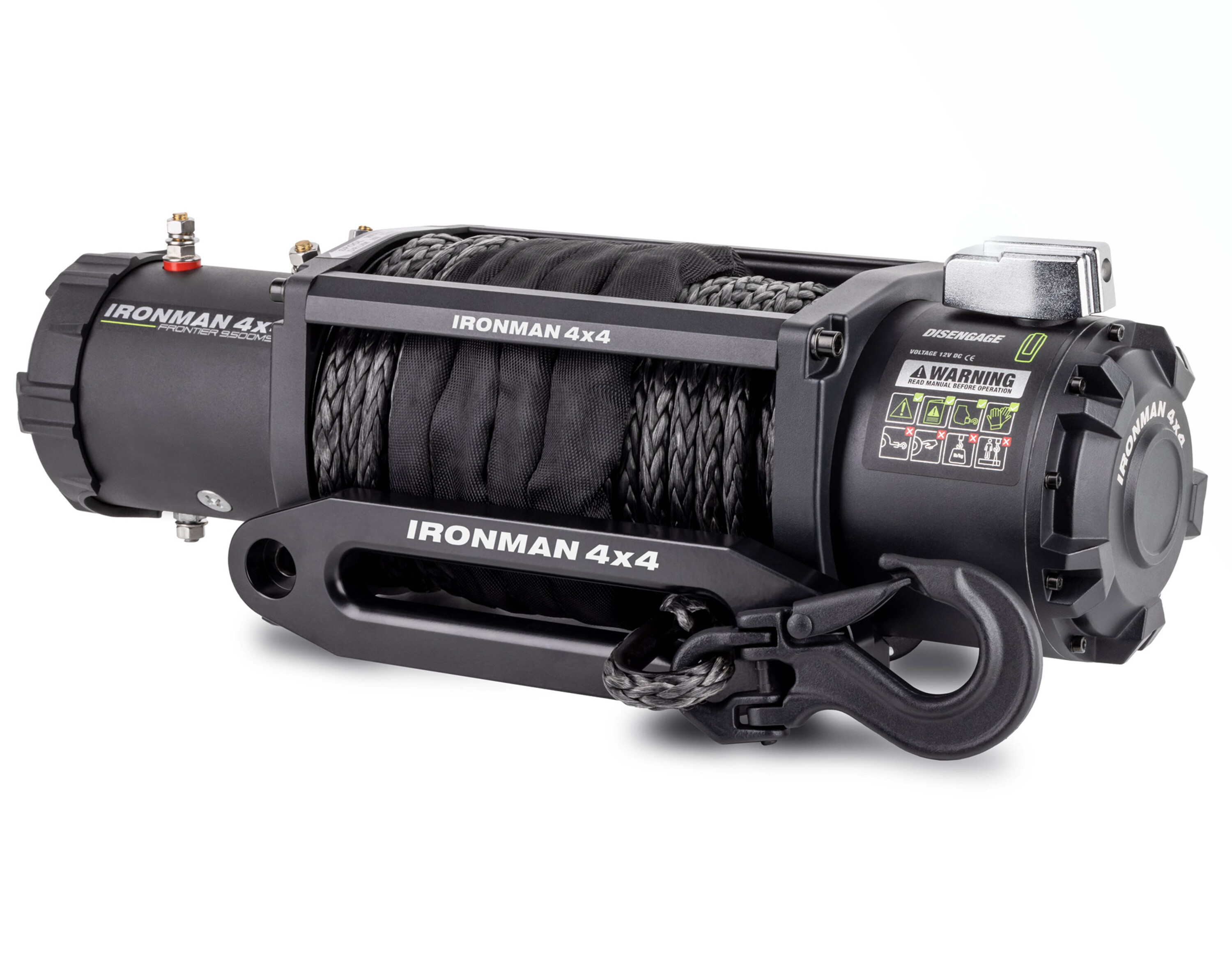
Ironman 4×4 Frontier winches
9500lb wire: $779
9500lb synthetic: $899
12,000lb wire: $879
12,000lb synthetic: $999
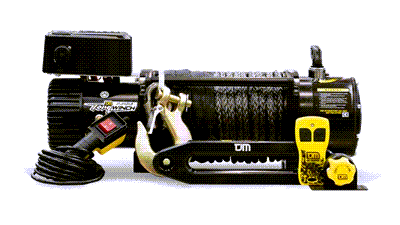
The new Frontier winch range from Ironman 4×4 features a waterproof rating with a built-in breather, three-stage planetary gears, dual-function wireless and wired remote, and a five-year warranty.
To ensure that you have the safest and most appropriate winch, the Frontier winch is available in both 9500 and 12,000lb models, with synthetic and wire rope options. With an IP68 rating, the winch can be submerged to one metre for up to 30 minutes without water getting into the mechanics, so you can drive through rivers to your heart’s content knowing that your winch will be just fine.
A one-way breather allows air from inside the winch to escape when a hot winch gets cold. There’s a science to it, but the simple fact is this little feature will save the seals on your winch and stop water from getting inside, even when a little mistreated. Having a wireless remote adds great practicality and safety to a recovery, until you forget to charge it, at which point you can plug it in.
2
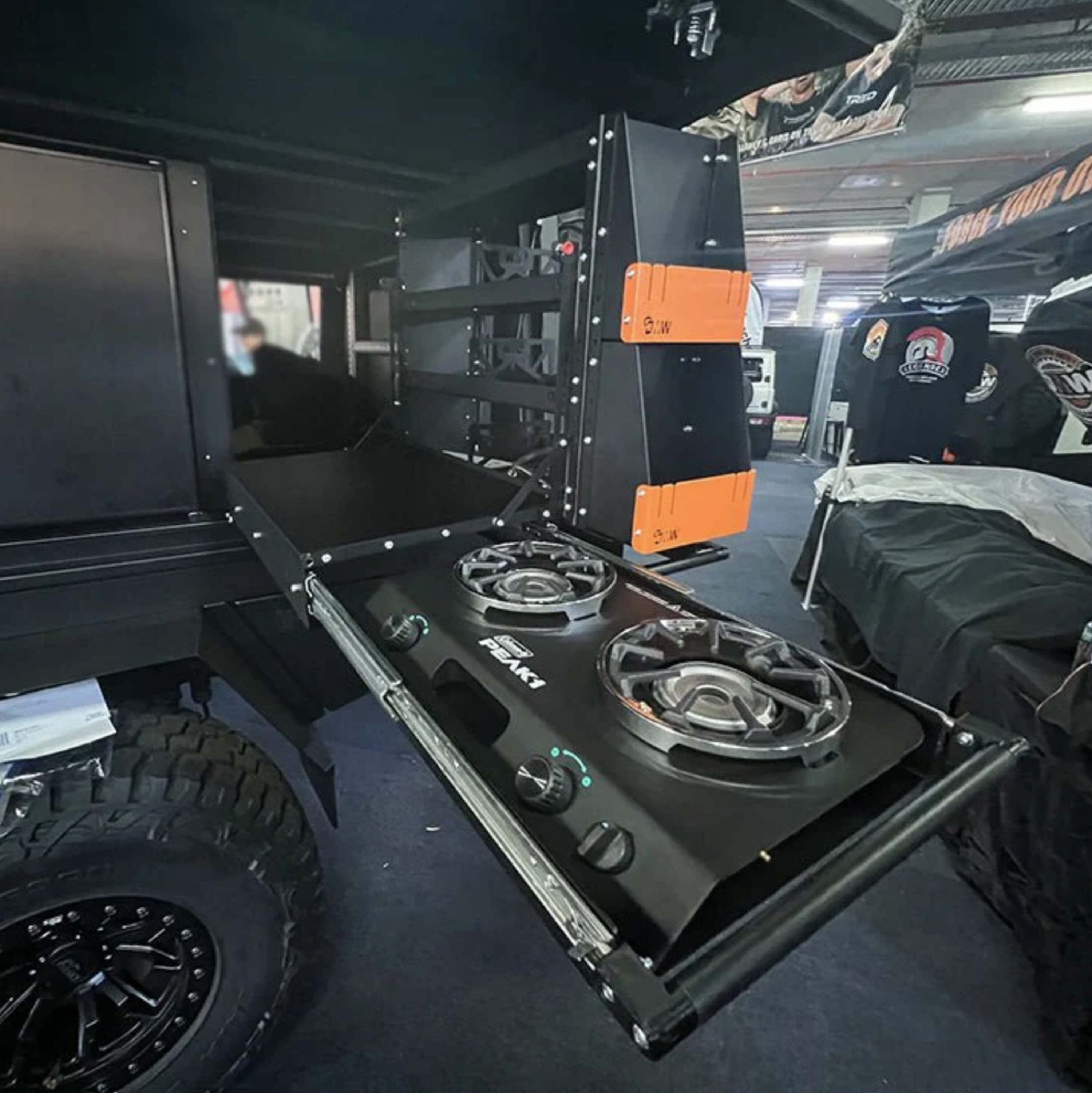
DMW compact kitchen/pantry MKII
RRP: $1950
The DMW compact kitchen/pantry has been designed for travel enthusiasts looking for a compact, sturdy and practical camp kitchen and pantry set-up. An evolution of the first iteration of the DMW kitchen/pantry, the MKII is smaller and lighter, so it takes up less room in a vehicle canopy.
The unit still has a fold-down table that can be accessed without opening the slide-out stove, and the slides can be opened and closed with one hand. There is ample storage space in the pantry for herbs and spices, oil, spreads, paper towels and other pantry items, with three shelves, two of which are adjustable. The drop-down slide-out bench for the stove is designed for use with a Coleman PEAK1 two-burner stove.
The table height is adjustable, and the kitchen can be adjusted along the length of the rails to allow for canopy door clearance. If needed, the drop-down bench and drop-down slide-out stove shelf can be swapped to the opposite side.
Built tough with a durable textured black powder coat with DMW orange accents, kitchen/pantry is 800mm long, 610mm high and 410mm wide (which includes the rubber bumper) when closed. Dimensions when open with the cooker and table folded down are 1900mm (L), 610mm (H) and 1240mm (W).
1
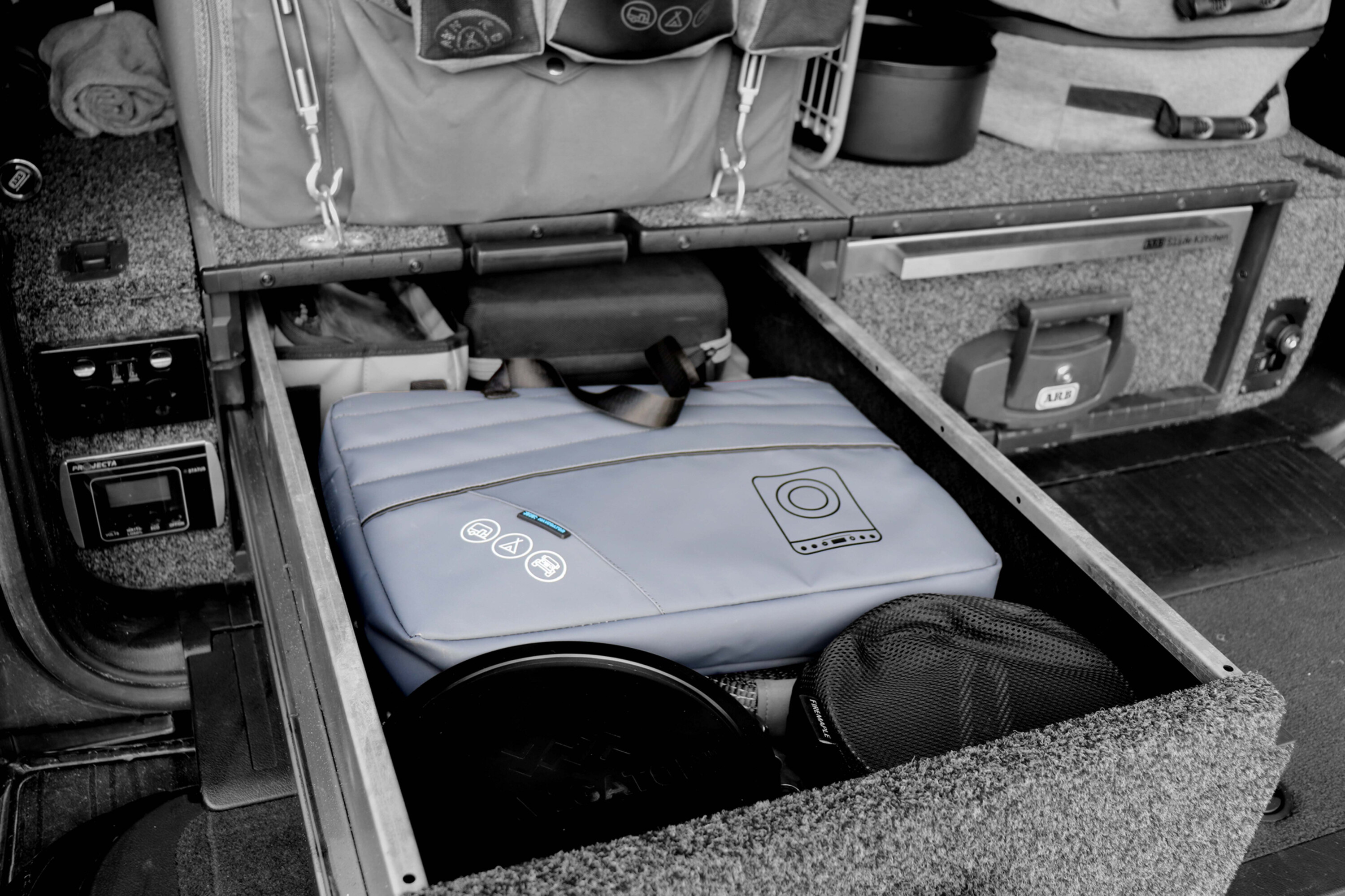
Navigator Gear: Induction Transit Buddy
RRP: $60
Navigator Gear has created another buddy to keep your gear looking as good as new. The Induction Transit Buddy is portable storage for your single induction stove. With a durable PVC out cover and soft protective inner lining, your induction stove will be protected from scratches and possible breakage.
Designed to suit a range of popular induction stoves including Westinghouse, Breville and Tefal, Navigator Gear recommends you check the dimensions of the bag (42cm x 30cm x 6cm) to ensure that your single induction stove will fit. The buddy includes webbing carry handles and strong nylon zippers.
2
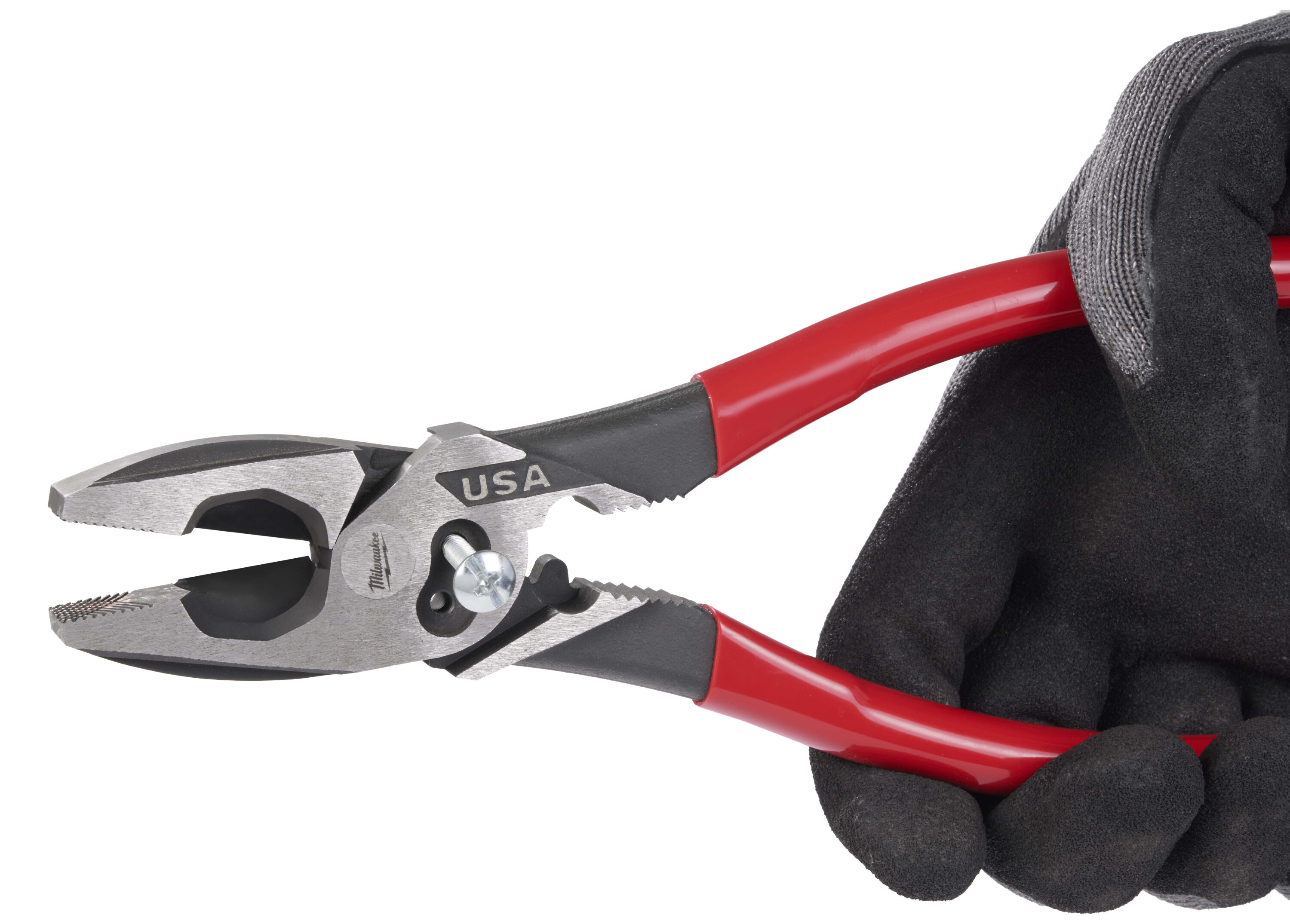
Milwaukee premium hand tools
Comfort grip long nose pliers: $74.95
Dipped grip 228mm lineman’s pliers with crimper: $84.95
Milwaukee Tool has introduced a new line-up of premium hand tools, designed and manufactured in the USA in the tool provideru2019s new state-of-the-art factory in Wisconsin. The hand tool range is backed by a lifetime guarantee.
Milwaukee has leveraged end-user-driven insights to develop the hand-tool range, aimed at reducing user frustration, delivering precision and improving efficiency. Each screwdriver and plier is built to last, with Milwaukee Tool eliminating common frustrations such as slippery screwdriver tips and weak cutting pliers. The range includes 16 items in total, including multiple pliers in both a comfort grip and dipped grip variations, as well as screwdriver sets sold individually or in four- and six-piece offerings.
1
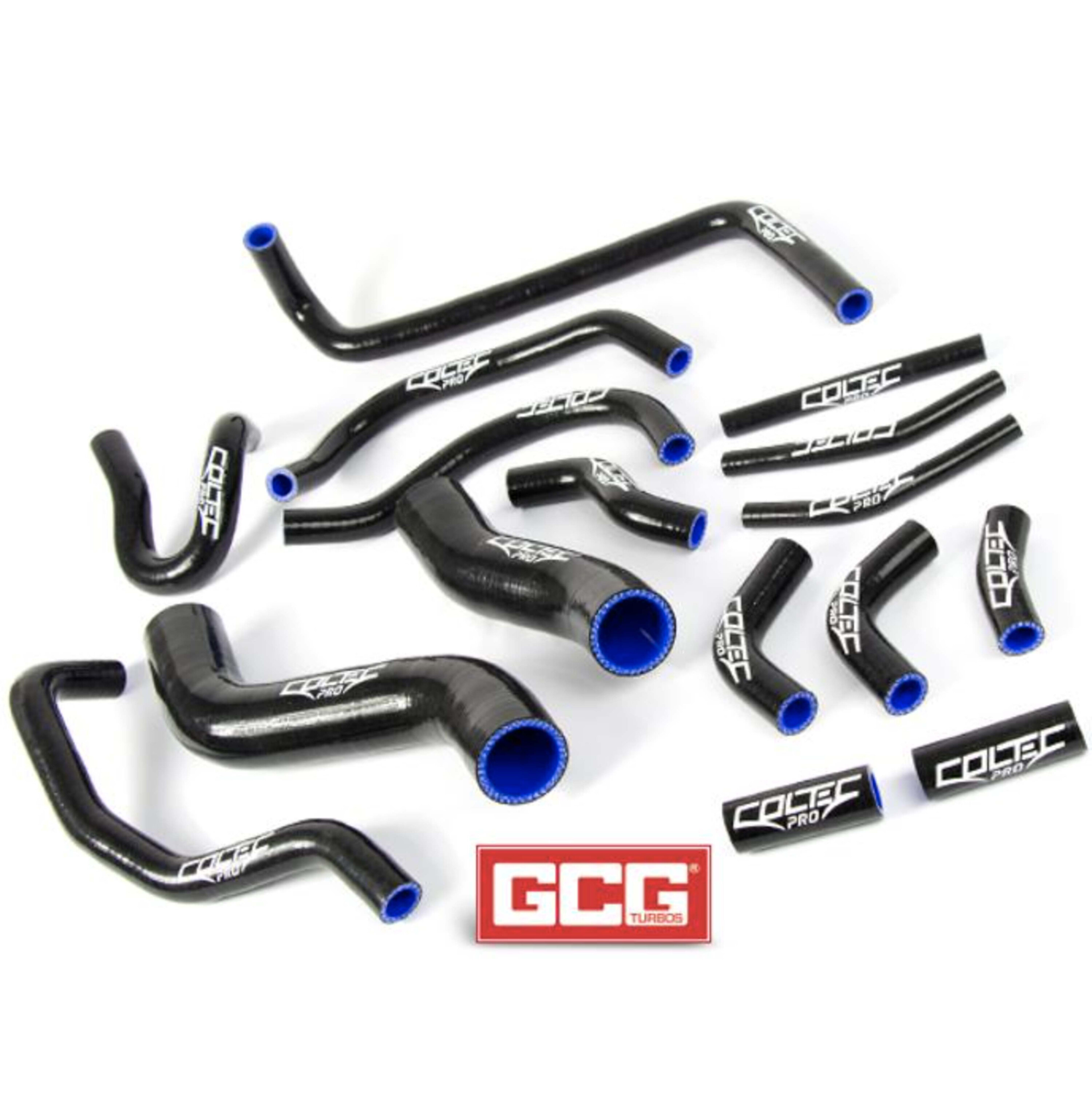
GCG Coltec coolant hose kit
RRP: $245
Designed for: Toyota HiLux KUN26
GCG now has the Coltec silicone hose kit to suit the Toyota HiLux D4D KUN26 1KD-FTV engine. This 16-piece (radiator and heater) kit is stronger, more flexible and longer-lasting than the factory rubber hoses with a special reinforced five-ply silicone construction.
The kit includes replacements for both the radiator and heater coolant hoses which are oil-resistant, while the internal silicone compound combats swelling and prolongs the life of the hoses. The Silicone Nomex oil and heat-resistant layer is exclusive to Coltec products. The hoses are available in OEM Black only.
2
Uniden DashView 60R and 60+
DashView 60+: $399.95
DashView 60R: $499.95
Uniden has announced new additions to its DashView and iGO Cam series with five new dashcam models. Leading the charge is the DashView 60+, Unidenu2019s first 5K Video Ultra Resolution dashcam.
The smartphone-enabled Uniden DashView range fits the latest tech into a compact design. The DashView 60+ boasts a unique 5K resolution, 150-degree wide-angle front-facing camera for high-quality vision while in motion. With built-in Sony Starvis sensors, all models have low-light sensitivity and Wide Dynamic Range for a clear picture in both bright and low light to capture any incident at any time of day.
DashView dashcams also come with energy-saving Smart Parking Mode that records motion-activated events in 60-second blocks. The new Dashview 60R is a 4K Smart Dash Cam and includes a 2K Super HD Rear Camera. The DashView series has built-in WiFi connectivity and free DashView app for Android and Apple smartphones.
1
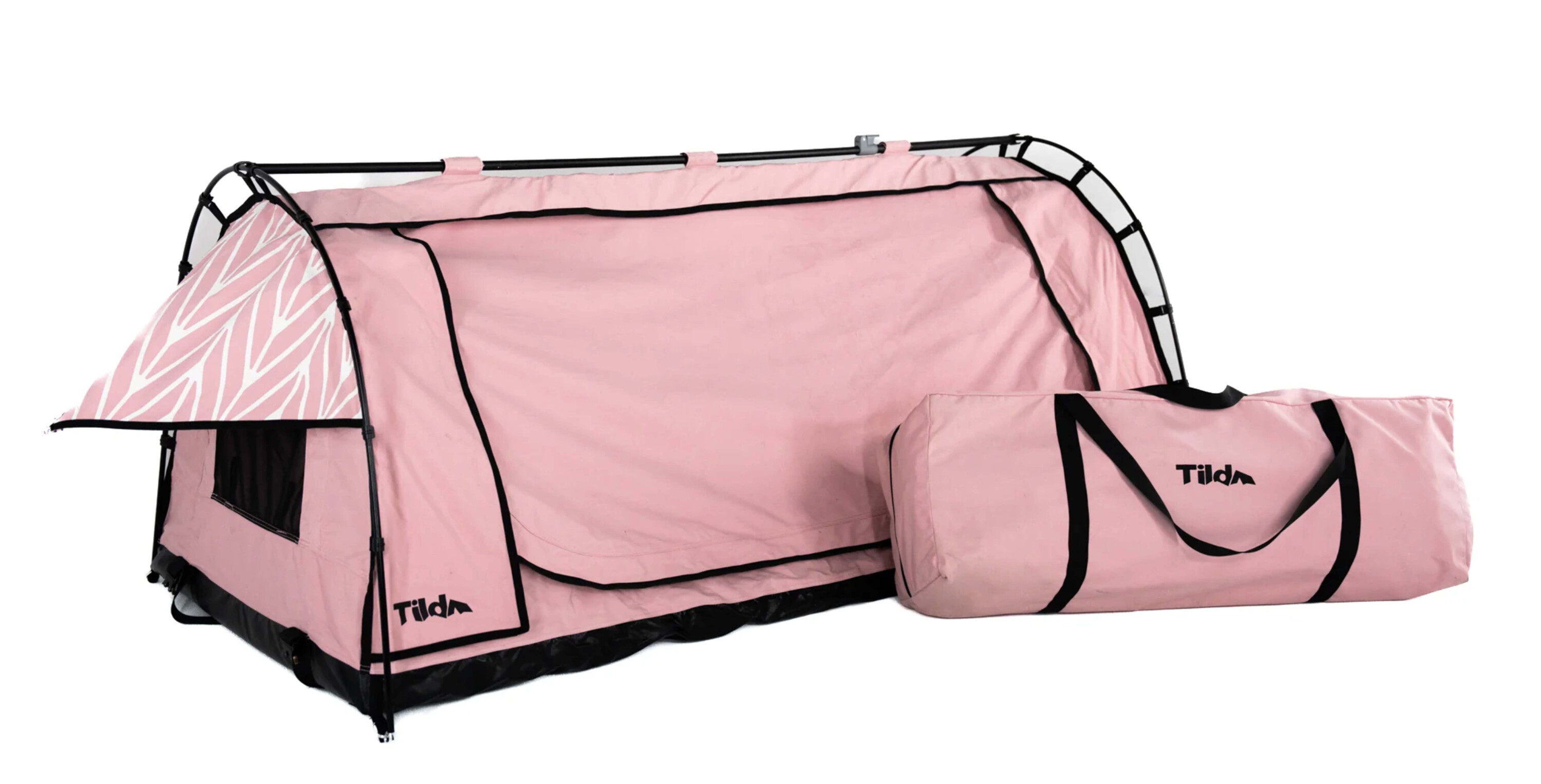
Tilda outdoors swags
RRP: $569.99
Designed by Maddy and Kali with the weekend adventurer in mind, Tilda Outdoors swags are practical and lightweight. There are two models u2013 the Matilda and the Rosie u2013 that both combine comfort, functionality and charm. They feature a classic free-standing dome design and durable construction, offering the perfect blend of traditional practicality and modern style.
Both swags come equipped with robust metal buckles ensuring secure and reliable fastening when rolled up, engineered with curved fixed swag poles that follow the curve of the swag for exceptional durability and stability. For ease of set up the swags have an aluminium alloy centre pole, fortified with a locking device for added stability. A plush 50mm foam mattress with zippable cover provides comfort and easy washing.
Made from premium 400gsm poly-cotton canvas, the swags offer unparalleled weather resistance, keeping you dry and cosy in wind and rain. Fine midge-proof mesh ensures uninterrupted ventilation, while keeping bugs at bay. Keep your phone and keys within reach with four spacious internal pockets, offering convenient storage for the essentials. The oversized carry bag accommodates the swag, doonas, pillows and rolled-up bedding for hassle-free transportation.
3
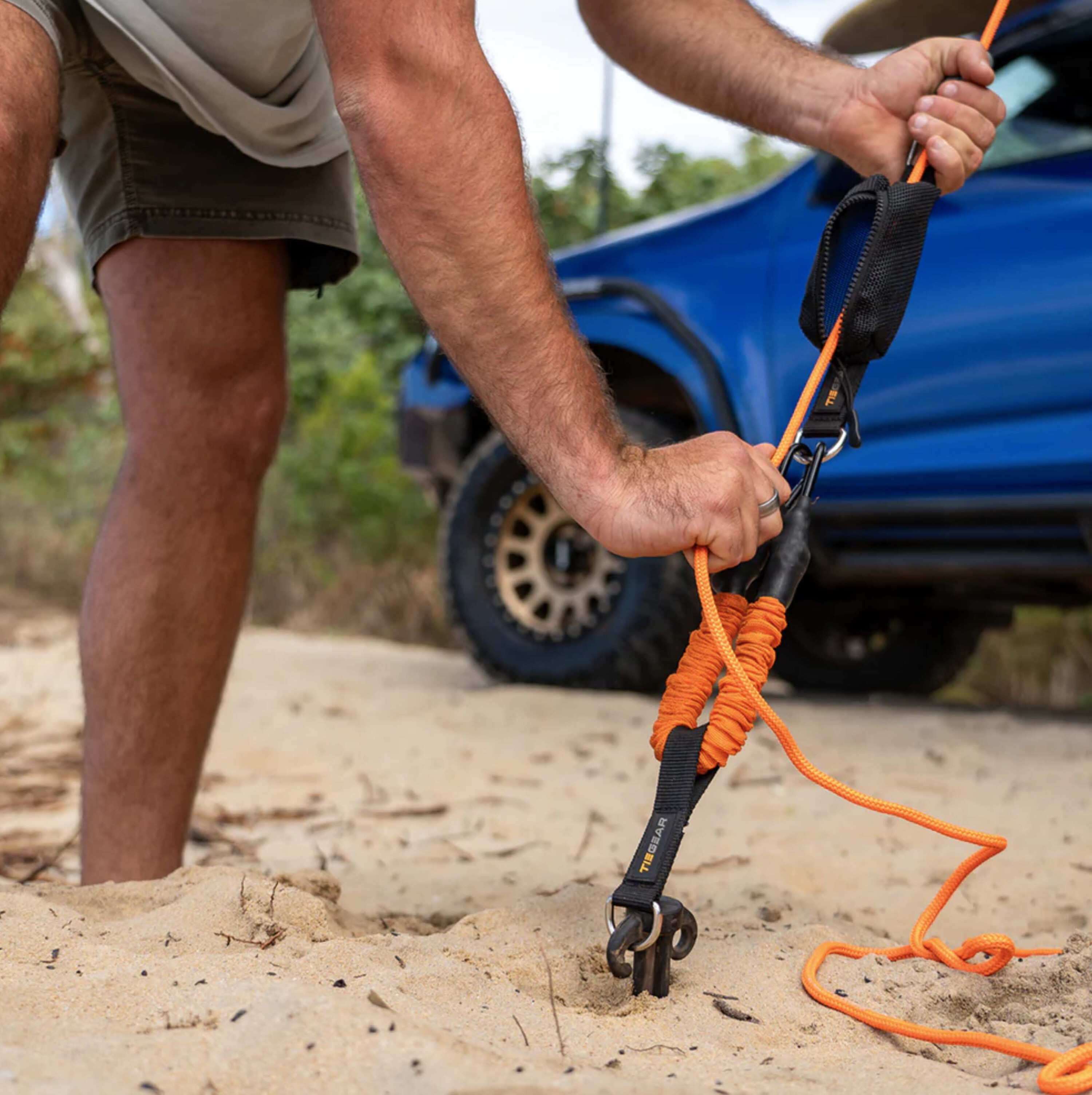
Tiegear Steadfast Awning 4 Pack
RRP: $179.95
The Steadfast Awning 4 Pack from Tiegear includes four guy ropes, four soft springs and a carry bag. The guy rope has been designed for a secure hold thanks to the cast alloy tensioner that allows the 4m of UV-stable nylon rope to be secured at any length. Wrap the remaining rope around your hand and place it in the built-in storage bag to keep the campsite neat and tidy.
The soft spring allows for flex in the tie-down system, ensuring strong wind gusts are absorbed and pegs remain securely fixed to the ground. The spring has a carabiner at each end allowing for it to be wrapped around items such as bullbars, bollards and trees etc. The springs also come with a spring loop allowing them to be easily pegged to the ground.
It has also been designed to wrap around the drum of a caravan awning providing a secure and safe connection point for the guy rope. Soft materials ensure there’s no risk of scratching to the awning. The gear bag is made from high-quality acrylic canvas and mesh so it’s robust and breathable to prevent wet ropes from going mouldy.
1
ARB Parabolic leaf springs: Ford Ranger
RRP: POA
Designed for: MY22 Ford Ranger and later
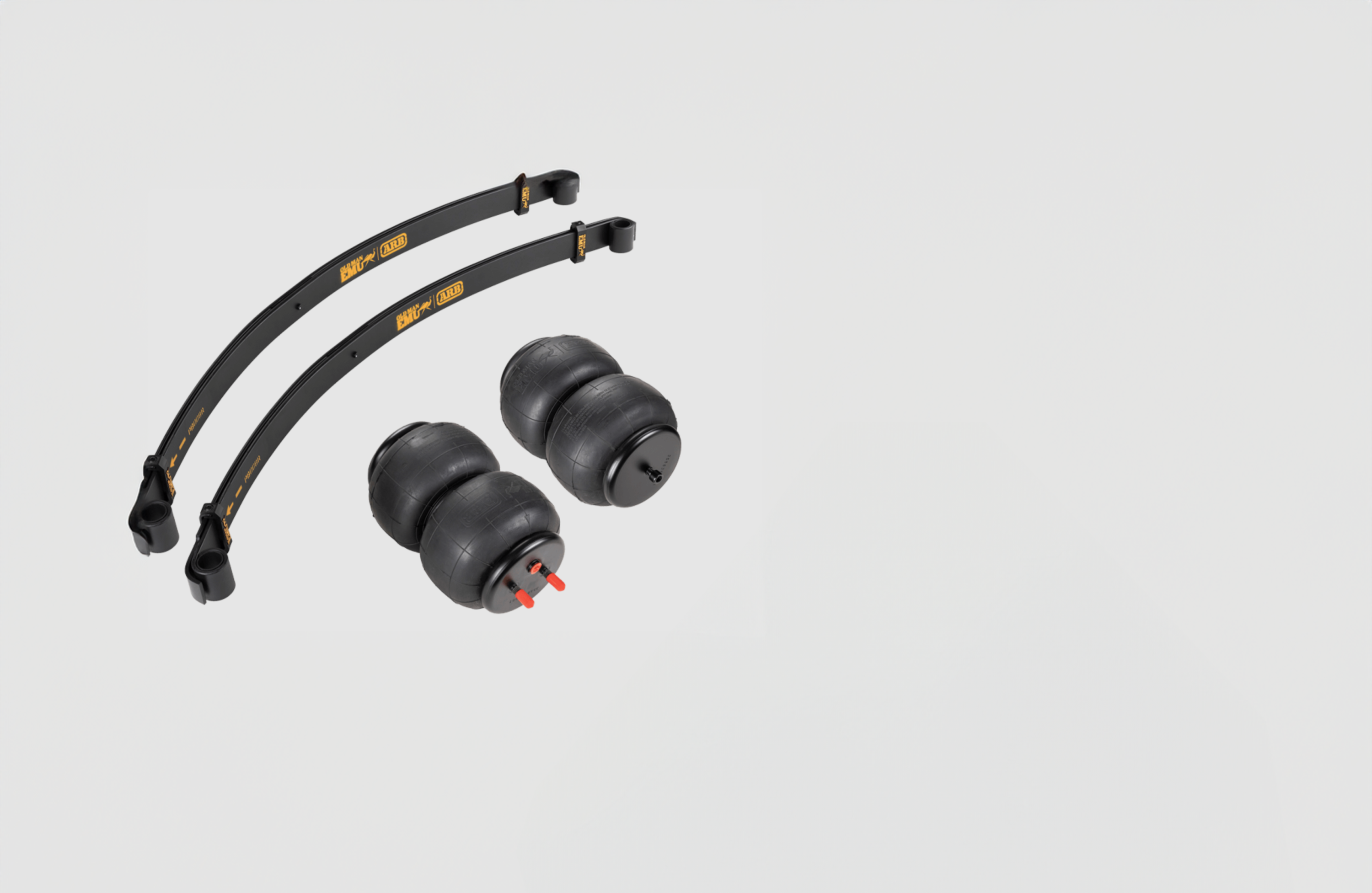
ARB and Old Man Emu (OME) have announced the Parabolic Leaf Springs and Air Bag Kit is now available for the MY2022+ Ford Ranger. This kit seamlessly integrates with the vehicleu2019s OE components, offering the added comfort benefits of parabolic leaf springs and the variable weight-carrying capability of airbags.
The kit accommodates varying loads of up to 600kg so you can handle tools during the week and a rooftop tent on the weekend.
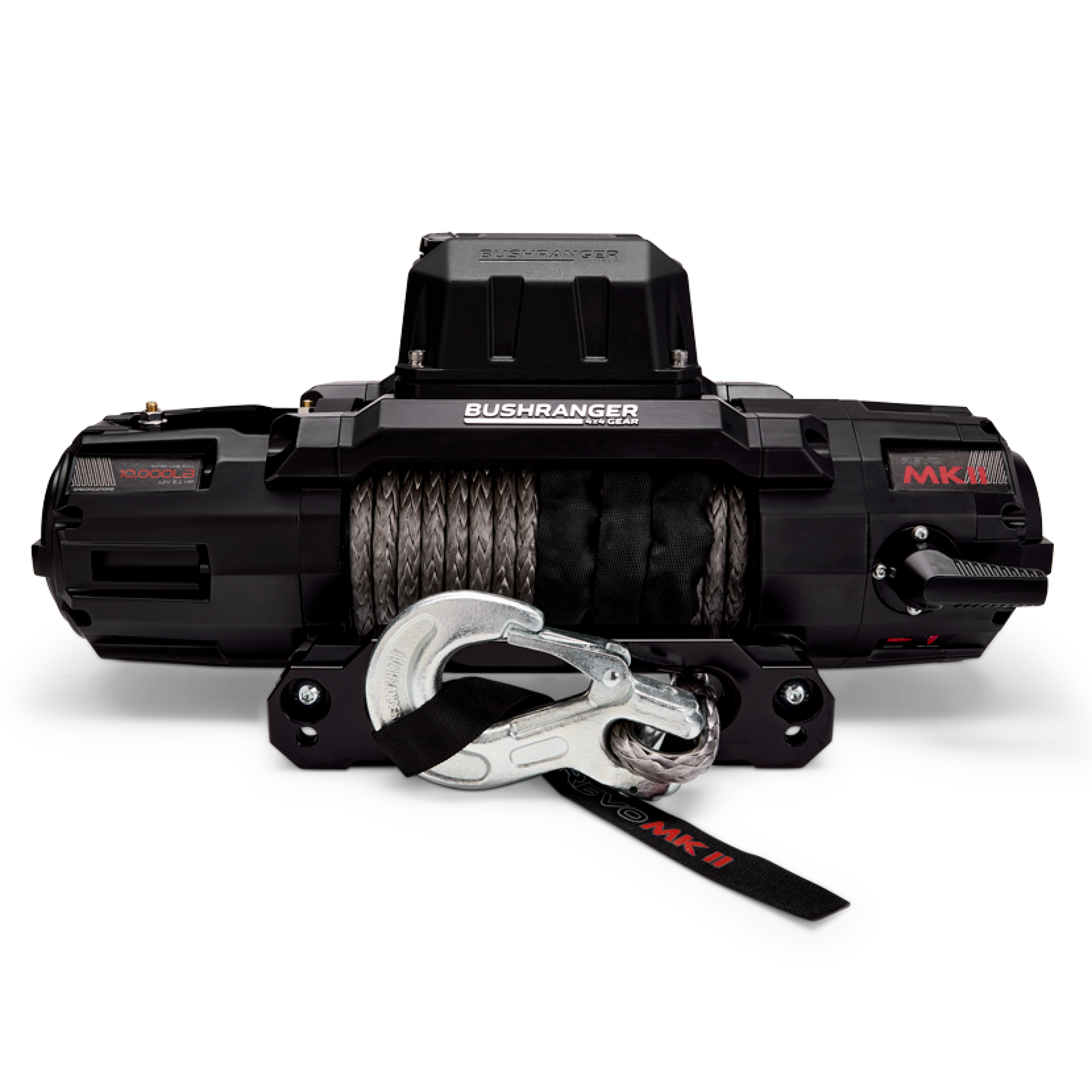
Bushranger 4×4 have followed up on its COVERT winch with the introduction of the next generation REVO MKII.
Priced from $1,030 for its RWM100W winch, rated at 4536kg for its line-pull, Bushranger 4×4 says that the REVO MKII offers uprated reliability, recovery performance and safety.
1
REVO MKII pricing
Part number
Description
RRP
RWM100S
REVO MKII 10,000lb (4536kg) Synthetic Winch
$1,195
RWM100W
REVO MKII 10,000lb (4536kg) Wire Winch
$1,030
RWM120S
REVO MKII 12,000lb (5443kg) Synthetic Winch
$1,370
RWM120W
REVO MKII 12,000lb (5443kg) Wire Winch
$1,195
Features of the new REVO range include Albright contactors, 5.2 and 6.2HP motors, a 4-stage gearbox, robust construction and an IP68 water and dust rating.
Rotating Ring Gear – 90u00b0 Turn Handle (no lift)
Fairlead
Two Position, Aircraft Grade Aluminium Hawse Fairlead or Stainless Steel 304 Roller Fairlead
Finish
Electrophorus Pretreated Black Satin Powder Coat
Waterproof ratings
IP68 Winch Motor and Gearbox
Warranty
Limited Lifetime Warranty (7 Year Warranty on Electrical Components)
Certifications
CE
Show the world your embarrassing 4×4 moment and you could win a $300 voucher for MAXTRAX recovery gear, just like Darryl!
To get involved, please send a few pics of your embarrassing 4×4 moment to [email protected] or alternatively via a private message on our Facebook page!
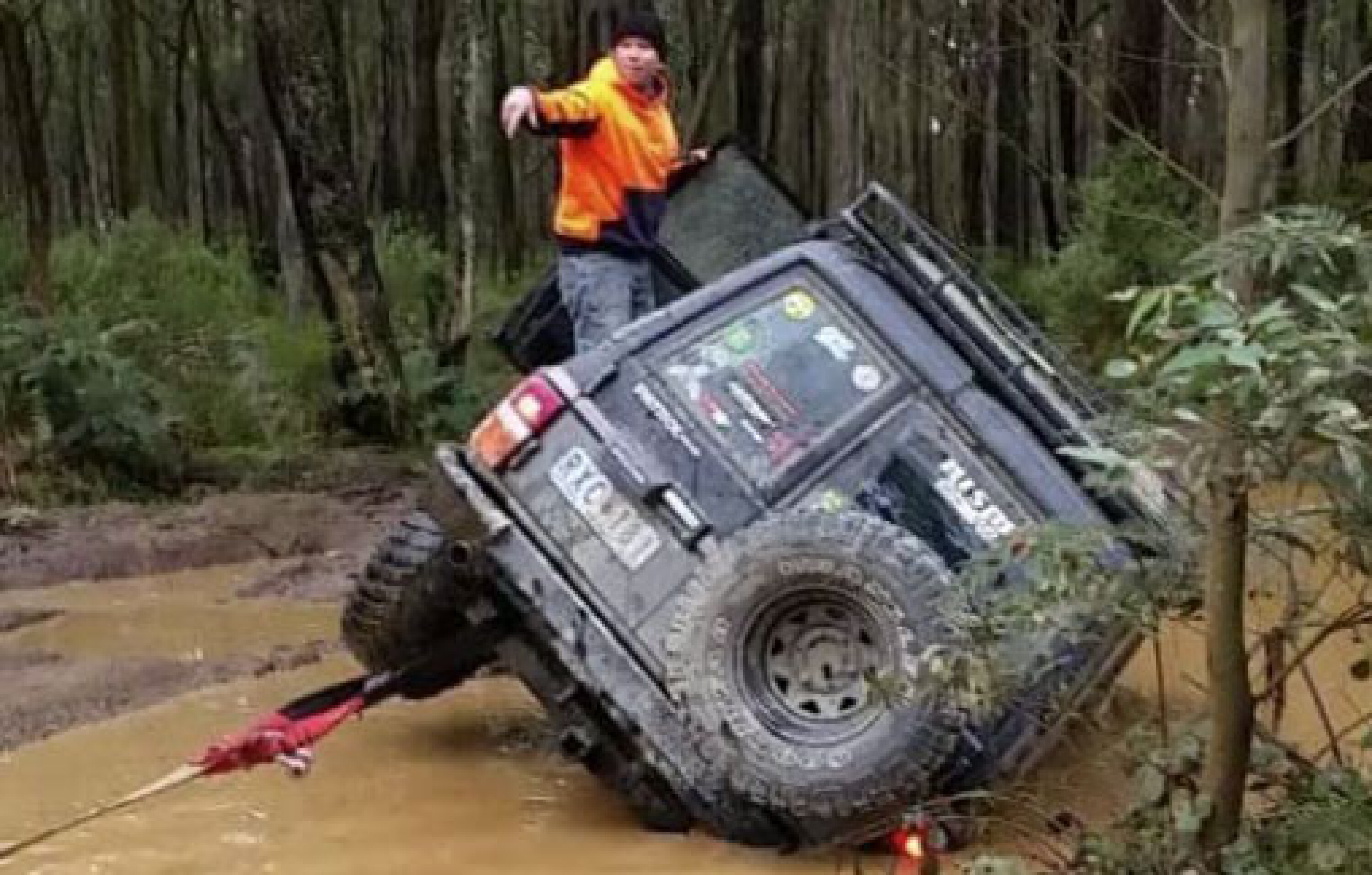
Nine years ago, Darryl Kimmoe was en route to a friend’s place in his Nissan Patrol when he was lured in by a spicy-looking track – now closed – within the Wombat State Forest in Victoria.
“I was driving to a mate’s property and decided to do this track quickly as it was on the way,” Darryl explained. “Drove in full gusto, and ended up sliding into the creek.”
Darryl managed to get a mate to come down in his 2WD HiLux, but as the track was so sloppy they ended up using four snatch straps to clear the mud. After some time spent heavy-duty snatching, they finally managed to get the Patrol out of the muck.
They let it sit for a while, checked fluids and hit the fuse box with WD40.
“It fired up straight away and we continued the drive, although it was completely soaked. The complete dash was under water and the CD player randomly came back to life a few weeks later,” Darryl laughed.
When asked if he has any advice to offer following this incident, Darryl said to make sure you carry recovery gear… “and have decent mates that will drop everything to come out and help!”
T&Cs
• Voucher can only be redeemed through www.maxtrax.com.au
• When using the voucher, any outstanding balance can be paid as normal.
• If you don’t spend the whole thing, the remaining balance can be used on your account in the future.
• The voucher will expire 3 years from the date of activation.
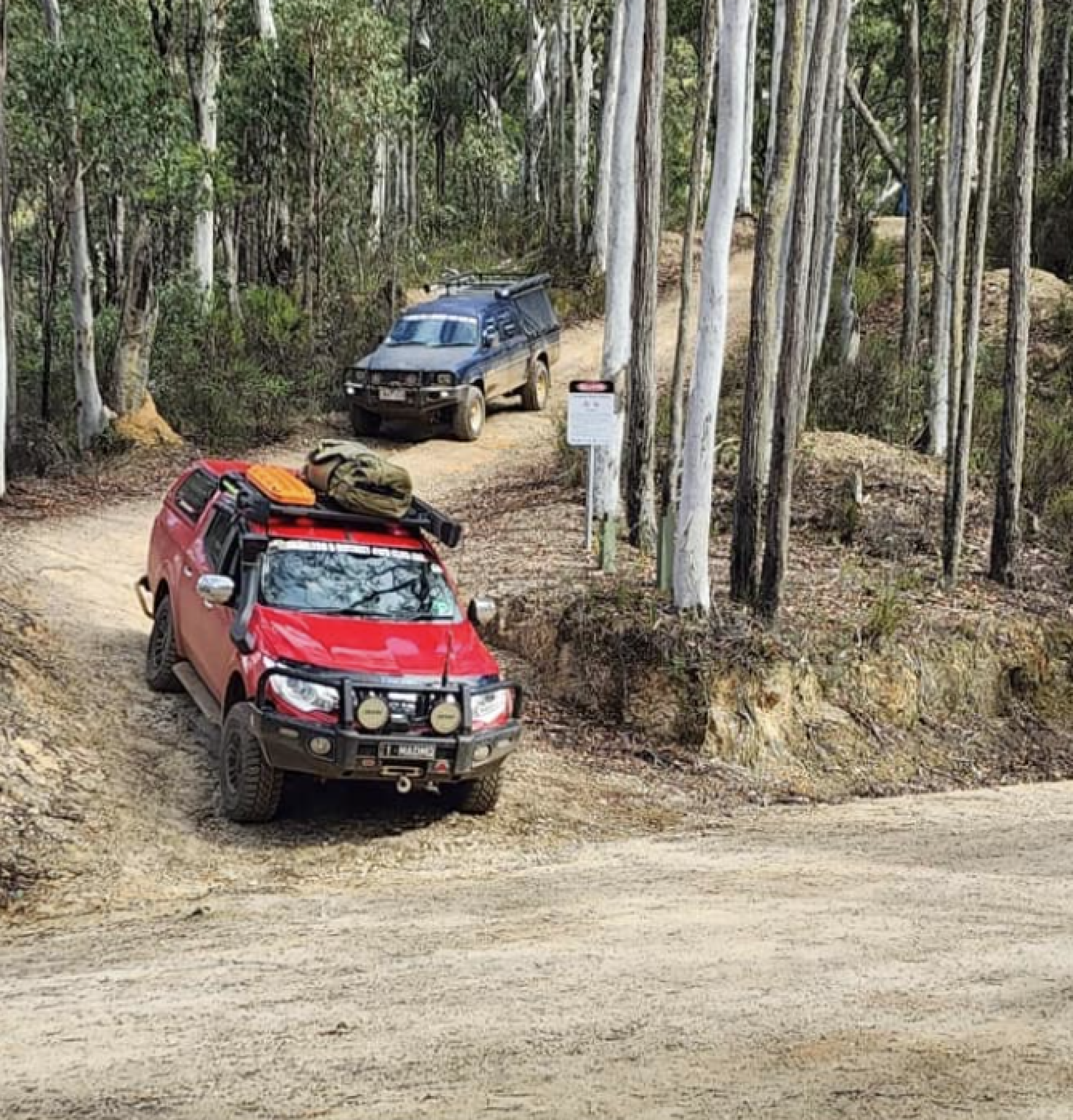
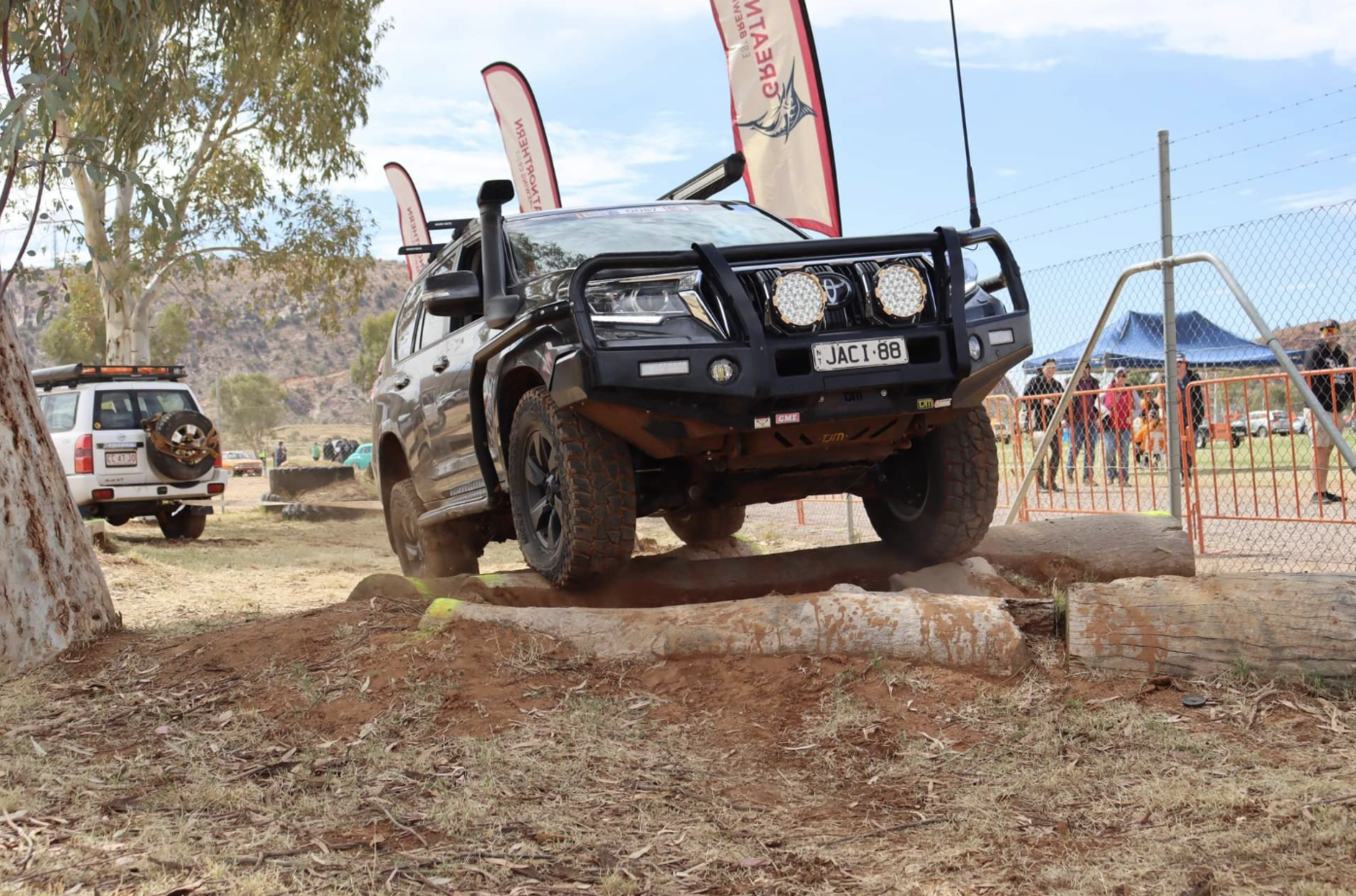
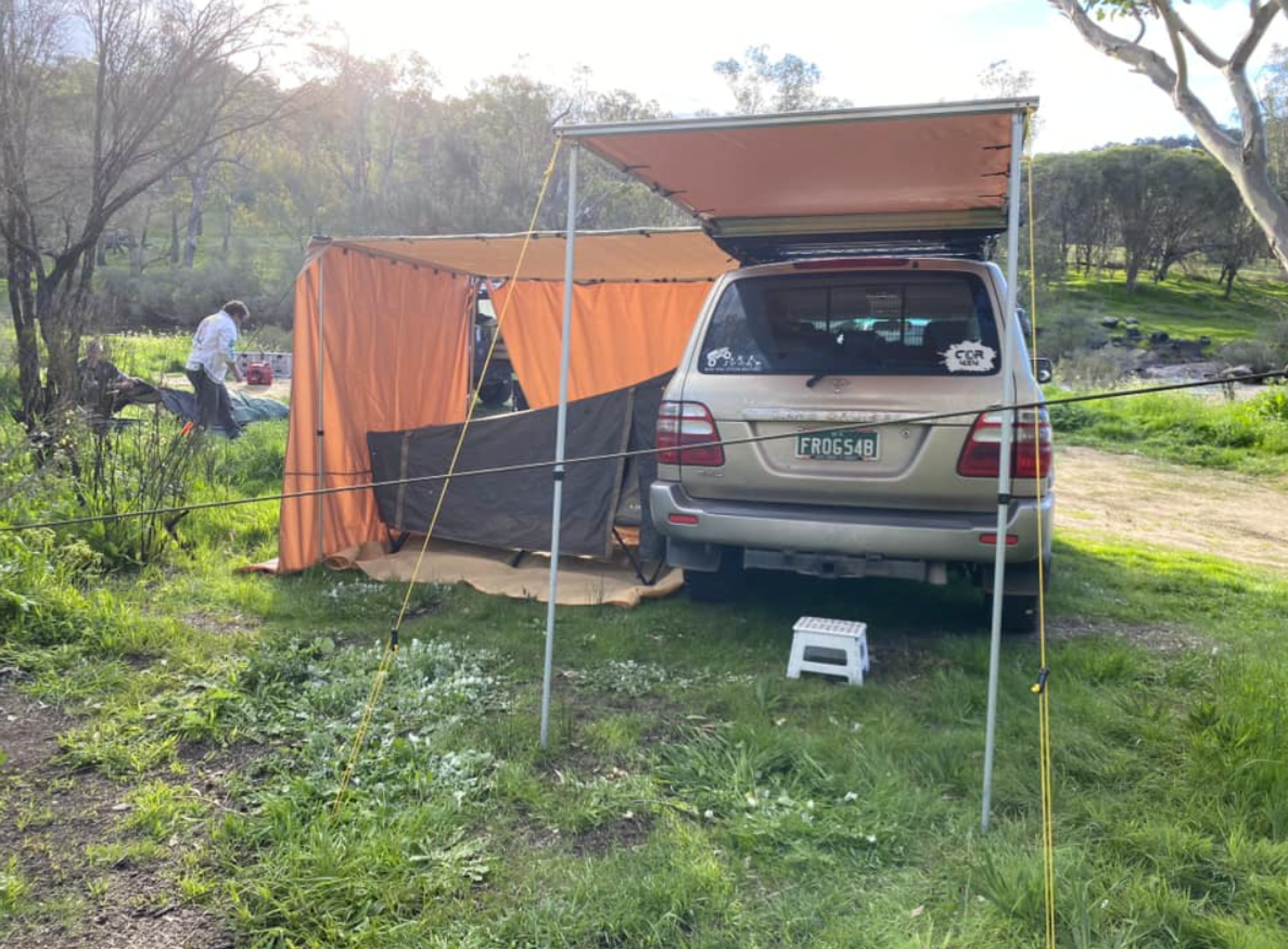
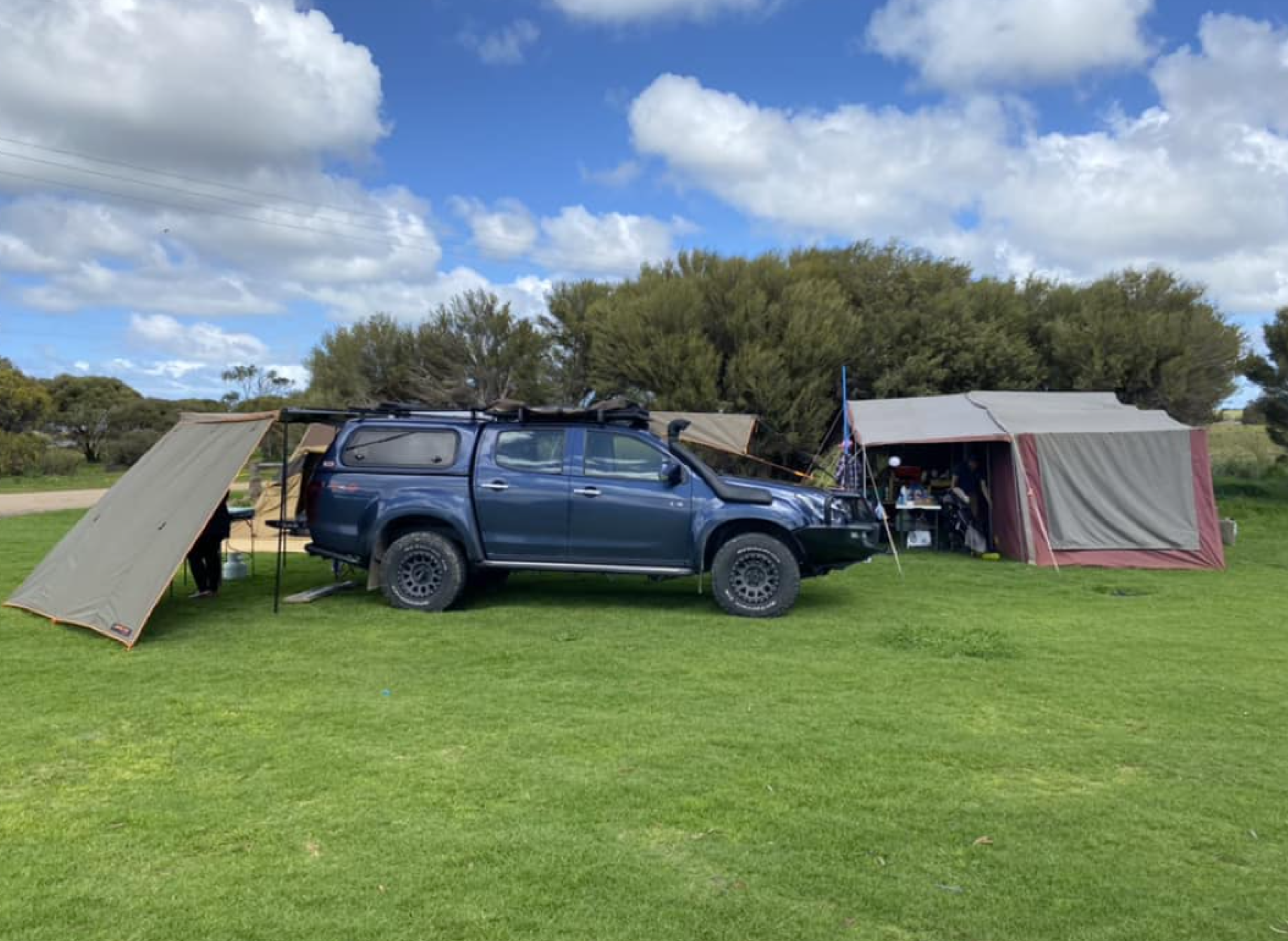
Send on over a few pics of your 4×4 to [email protected] or DM our Facebook page, to see it published. Here are six rigs sent to us in July 2024.
It’s currently running 265/75R16 tyres on ROH Vapour wheels. Plus it has an Old Man Emu two-inch lift; Rhino-Rack platform; Darche 180 awning; and an Ironman 4×4 canopy on the back with bar work. In the tub I have fitted drawers with a 45-litre Kings fridge on a slide, powered by a 125A Enerdrive lithium battery with a 2000W inverter. Also in the back is a Travel Buddy 12-volt oven. I have an ARB compressor on-board to run the rear locker.
On the front I have an ARB Deluxe bull bar with Kings 8.5-inch Laser driving lights, plus a Kings 12,000lb winch to get me out of trouble. It also has an Ironman 4×4 four-inch snorkel, as well as a three-inch exhaust… and probably more things I have forgotten. The Vic High Country would be one of the best places I have taken the Triton. Can’t wait to get back there – Liam Fenwick
Mods include a 2.5-inch Fulcrum Formula lift; 33-inch Mickey Thompson MT tyres; TJM bar work and underbody protection; GME XRS UHF; Stedi Type-X Pro spotties; ProVent diesel pre-filter and catch can; Redarc dual battery system; XTM drawer system; Dometic fridge drawer; Domin8r X winch; Toyota snorkel; Rhino-Rack Backbone Pioneer roof platform; and a HIKE IT X9 throttle controller. The best place I’ve taken it would be to the re-opening of the Owen Springs circuit a few years ago in Alice Springs – Keats Masters
She’s done Perth to Kununurra a couple of times with a stop at Exmouth. I’ve also taken her to Albany, Sandy Cape and a few other places with my local 4×4 group. I’m actually on the road right now to Broome for The Gibb Challenge. My absolute favourite place to go is the Kimberley, but my dream trip would be to Cape York. I did it in a mate’s 100 back in 2018 and would love to go back. Mods include a winch, bull bar, three batteries under the bonnet (two main; one to give power to the rear), rear drawers, awnings, and a roof rack – Alison Renton
The D-MAX is running ARB bar work; Warn winch; Lightforce spotlights; GME XRS; Safari snorkel; ARB canopy; MSA drawers; ARB 60-litre fridge; 120A dual-battery system with 170W solar panel; two-inch OME suspension; and a Darche 270 awning. It has been to Bendleby Ranges multiple times, doing most of the tracks. So many places I want to take it – Rhys Kretschmer
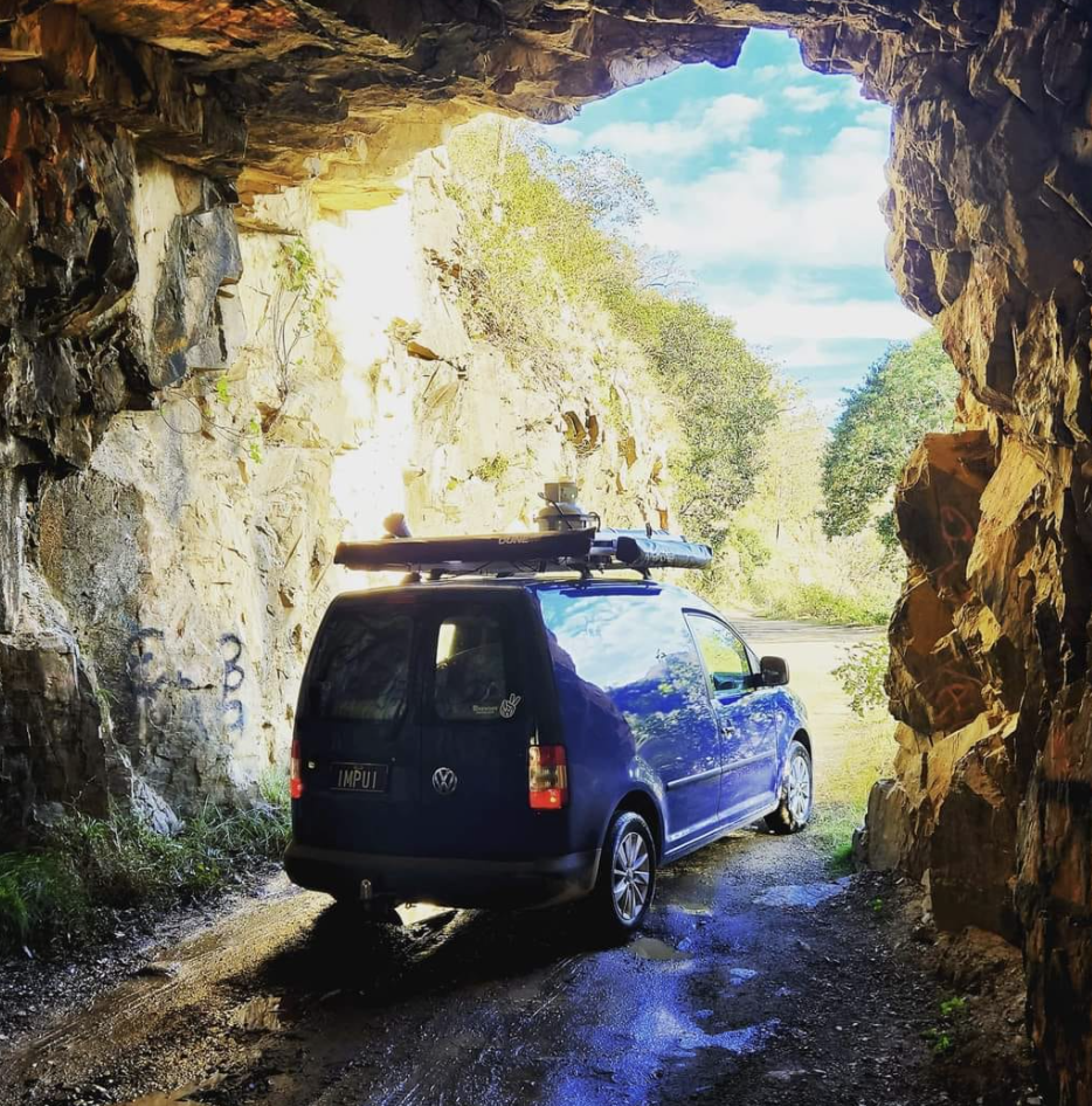
She’s not a 4×4, but the Caddy has taken us on some great adventures and always seems to lead us on to dirt roads. It has a full custom aluminium drawer system; slide-out cooker and kitchen with an Engel fridge; two 120Ah Slimline batteries; and a DC-DC charger/MPPT solar controller with two Renogy flex panels on the roof. All remote systems are monitored through the car’s head unit. Other gear includes a 270 awning; roof-top tent; gas-powered hot water and shower tent with 60 litres of water on board; and Yokohama Geolandar A/T tyres. We spend a lot of time camping at Tenterfield and Glen Innes, NSW – Justin and Terri Cassidy
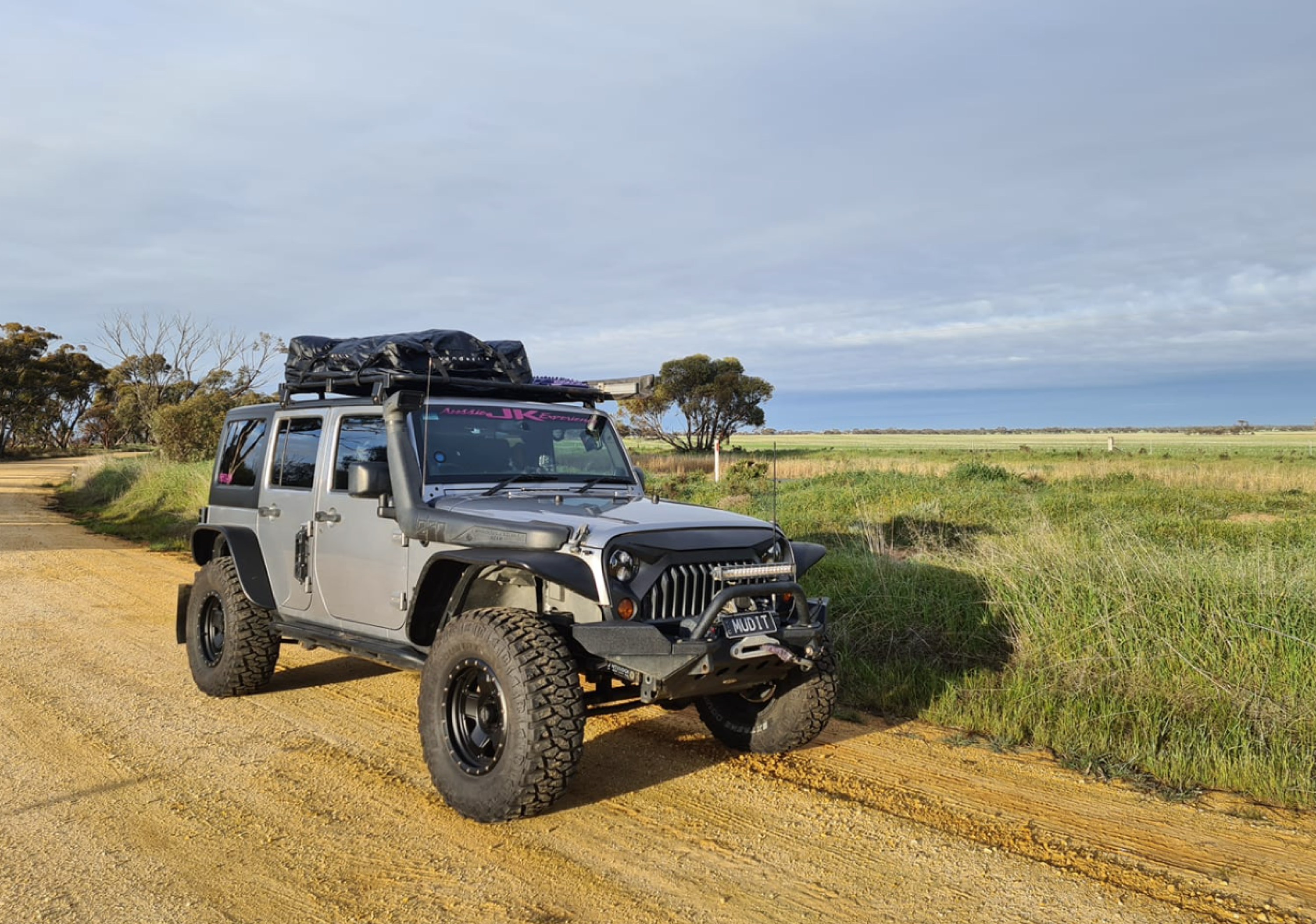
Simpson Desert and Robe, SA, are my favourite places. Modifications include a two-inch lift with Fox shocks, Cepek mud-terrain 35-inch tyres, Smittybilt front and rear bars, a 12,000lb winch, and rear lockers – Teagan Hart
Pick-up trucks are a hit Down Under, and while the late-to-class Ford F-150 is very good, despite offering V6 rather than V8 grunt, you might be in luck if instant torque and silent power is more your thing.
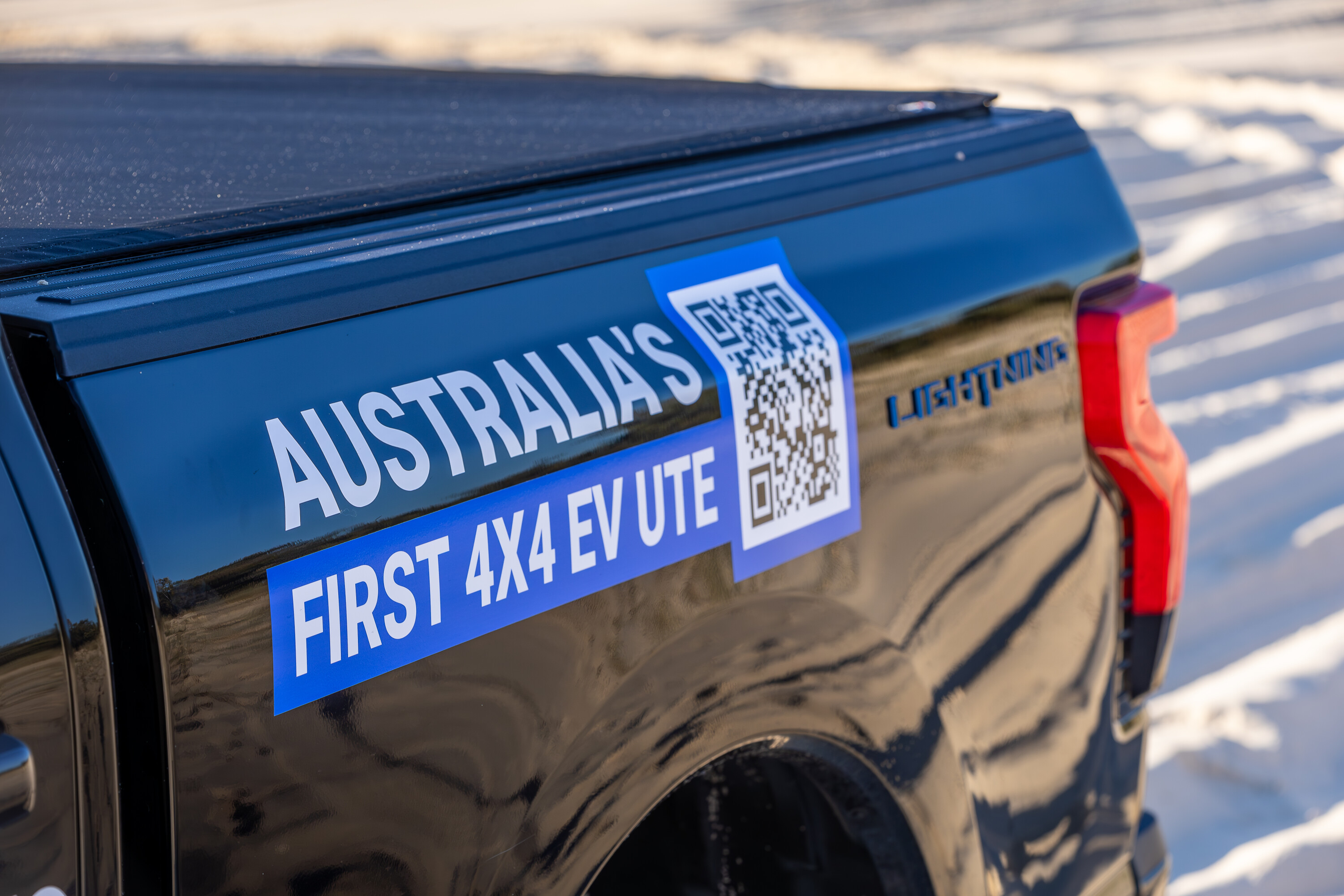
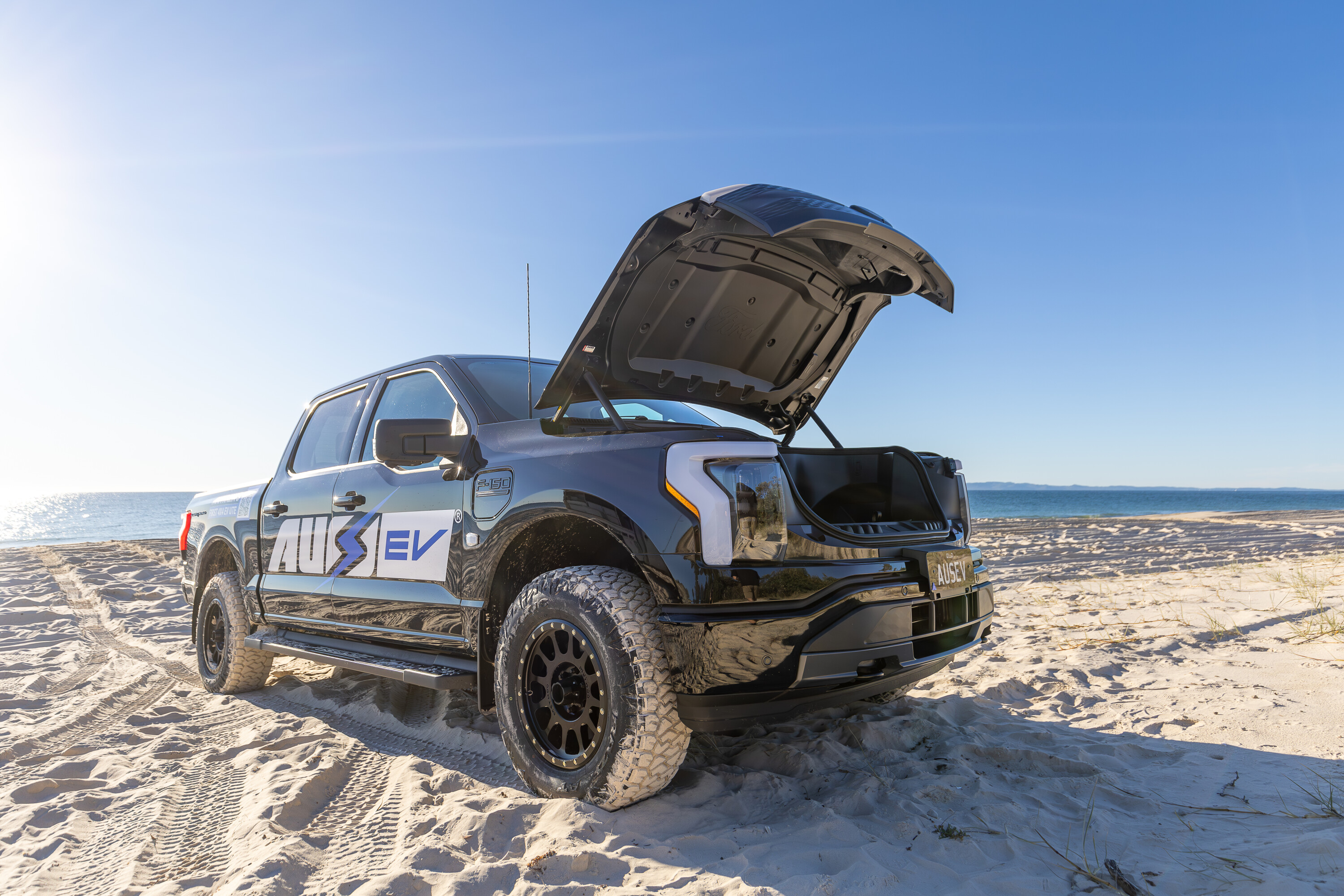
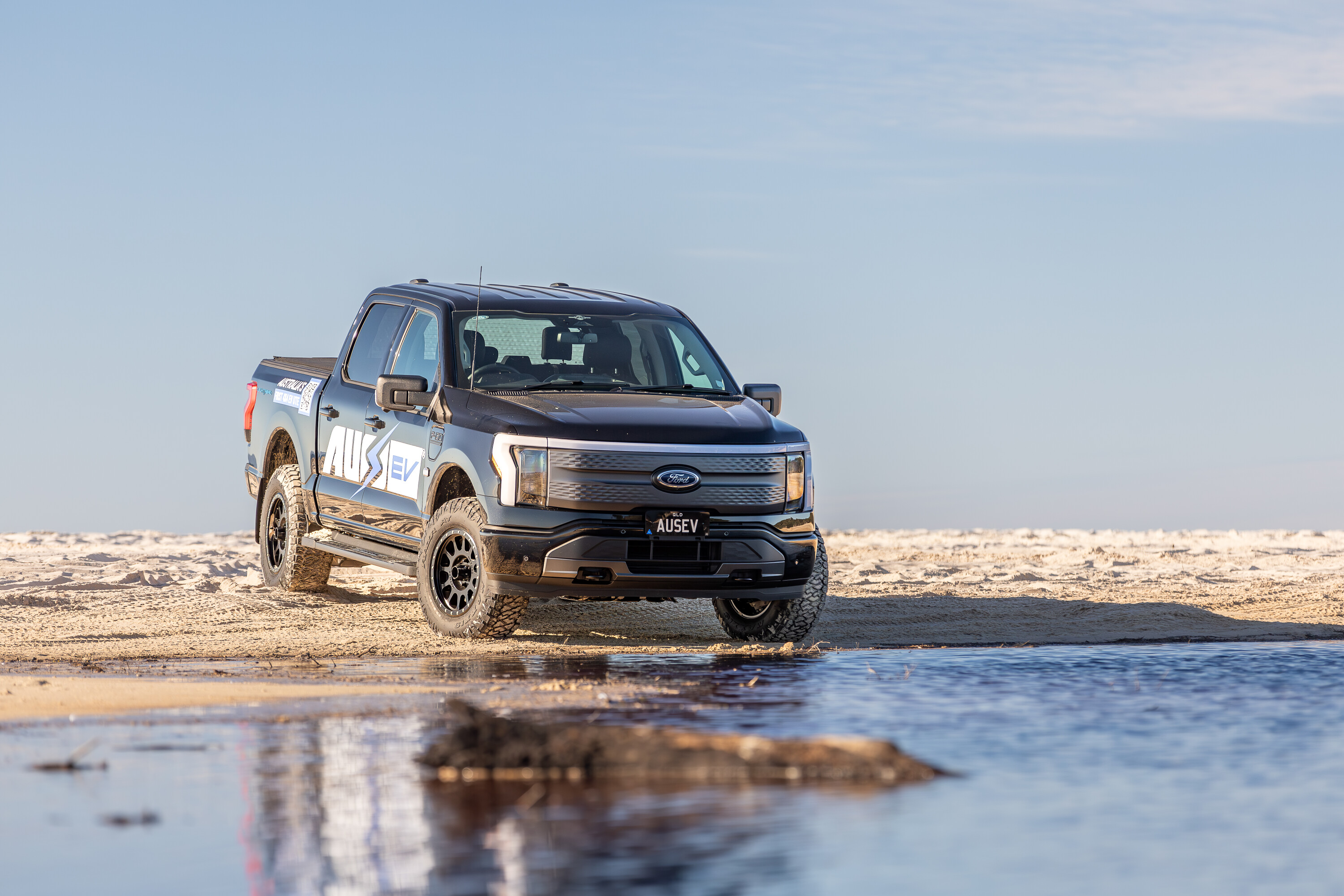
We recently caught wind that there was a warehouse full of all-electric F-150 Lightnings in Brisbane – converted to right-hand drive, no less – so we went knocking. It turns out AUSEV – who brings the Lightnings in, converts and then sells them – said yes to our proposition, which went something along the lines of: “Please let us take one of them off-road… we’ll be gentle.”
The F-150 Lightning Extended Range we picked up was remanufactured to RHD by Advanced Manufacturing Queensland (AMQ). Like AUSEV, who sells them, AMQ is a subsidiary of the broader BOSSCAP Group of companies.
These guys have been converting cars to right-hand drive for around a decade, with a particular focus on yank tanks through sister company AUSMV. However, as of this year, the company has turned its focus to electric vehicles, the first of which is the F-150 Lightning.
We picked up the Lightning with around 90 per cent charge, or 400km of range, from AUSEV’s conversion facility at Brendale in Brisbane’s northern suburbs. The plan was to shoot north, 60km or so to the 4×4 beach at Bribie Island. Using 120km of charge for the journey there and back, we’d have 380km to play with on the sand. Beauty.
We pored over the conversion and, aside from the injection-moulded dash and RHD steering modifications, it’s essentially the same as the US Lightning model.
We wouldn’t have known this was converted if someone didn’t tell us, and we were actively trying to spot imperfections. The guys also fitted this demo model with 18-inch Method Wheels (which look small on an Effie) and 275/70 R18 Maxxis RAZR all-terrains, plus a ReadyLIFT 2-inch lift kit. They told us they actually had 35s on it but they scrubbed, so the decision to move down to 33s was made.
1
A week prior to this drive, we’d used a couple of LWB F-150 XLTs to drive 2500km in convoy from Melbourne to Alice Springs for the Finke Desert Race, so the layout felt familiar. The Lightning is every bit an F-truck inside, with lounge-like comfort and fold-out-this and fold-out-that, not to mention all the switches. It’s still fairly utilitarian for an EV, though, clearly aimed at work or adventure rather than straight-out luxury.
In fact, aside from the huge digital dash and 12-inch infotainment screen, which display all matter of battery and driving range data, you wouldn’t necessarily know you’re in an electric Effie. We like that they haven’t tried to reinvent the wheel here, or change a good thing.
Powertrain
At its core, the Lightning is made up of either a base 98kWh or extended-range 131kWh battery (we tested the big one), with an ‘e-axle’ at each end for constant four-wheel-drive.
The liquid-cooled battery is completely sealed, keeping water and dust out, and electric motors are housed where the diffs would normally sit, with half shafts sending drive to each hub. It’s all covered by underbody protection, but we wouldn’t want to test how well it bounces off a rock. Serious underbody protection would be one of our first purchases, given how much of the vehicle’s value lies beneath it.
1
The total output across both motors is 433kW/1050Nm, which feels as insane as it sounds. Despite the gargantuan torque underfoot, it has a rated range of 515km on a single charge which is, based on our testing, pretty accurate.
All that power means the Lightning will shoot to 100km/h in around four seconds, which puts it neck-and-neck with the F-150 Raptor R and Ram 1500 TRX, but it feels quicker than the stopwatch suggests.
It accelerates more dramatically than other EVs, likely because the Maxxis RAZR tyres weren’t designed to wrangle 1050Nm – from zero rpm – as they squeal and squirm under load. The best way to describe the acceleration is that it shocks the senses during the initial ‘hit’ of torque, but doesn’t continue to build like a big-power engine. It’s more of a blunt-force impact than the three-punch combo we are used to – the noise, smell and buildup of combustion power.
It’s extremely addictive to punch up to speed, before settling right back into regular, whisper-quiet driving… aside from the tyre noise, which seems 10 times louder than usual in an EV.
On-road performance
The Lightning steers and stops much the same as a petrol F-150, which is a good thing, but regenerative braking gives it the edge when pulling up.
You don’t choose the level of regen you want, you just choose from Normal, Sport, Tow or Off-road modes and hit it. There is the option of ‘one-pedal’ driving, but it throws the anchors on hard with every lift off the accelerator pedal. We preferred using both pedals, especially off-road where momentum isn’t something we want to give away for free.
On a side note, the pedals are adjustable, which is an Effie feature that should be standard in more vehicles. A little switch to the right of your accelerator leg adjusts both pedals up or down, letting you fine-tune the position.
1
This Lightning has all the same passive and active safety technology we have come to expect in high-end Ford models, with the usual pre-collision warning, autonomous emergency braking, rear cross-traffic alert and a 360-degree camera system. During our on-road driving, though, we didn’t notice any of the technology interfering with or annoying us.
These Lightnings will tow a full 4500kg, but payload is limited to 885kg, which has a for the 1.6m tub. It’s a heavy ute, tipping the scales at nearly three tonnes, which eats into GVM.
Effie’s and other 1500 class utes – denoting their payload in pounds – are best suited to those who plan to tow, which a lot dual-cab owners do. Seriously heavy canopies are possible, with a GVM upgrade, but a camper trailer is ideal behind one of these. We recently towed two 4-tonne-plus trailers behind petrol F-150 LWB XLT models – for that Finke trip mentioned earlier – and for pulling weight, American pick-ups are unmatched by anything else you can drive on a car licence.
Off-road performance
This Lightning model has ground clearance of 213mm, approach angle of 24.4 degrees, rampover angle of 17.6 degrees, and departure angle of 23.6 degrees.
The 2.0-inch lift and bigger rubber on our test vehicle improves on these numbers, but is still not a match for something like a LandCruiser or Patrol. Then there is the inherent heft of a battery-powered 4×4, tipping the scales at 2885kg, which isn’t normally ideal in sand or mud. But what 1500-class utes lack in genetic potential, they make up for in attitude, and with this much (instant) power all of the numbers were quickly forgotten.
We aired down to 30psi at the beach entry, purely because we wanted to see if it would do it with plenty of air left in the tyres. It did, and it probably would have been fine with the full 40psi. Flicking into off-road mode locks the rear diff, turns traction control off and it’s ready to go. It’s that simple. The beach entry was eventful, because the lightning throws ‘accidental’ roost if you even breathe on the accelerator.
1
The Bribie access track is a good gauge for suspension, too, because it’s rough year-round. We could feel the weight of the Effie but coils at the rear help and a lot of its weight is down between the rails, so it feels lighter than it is.
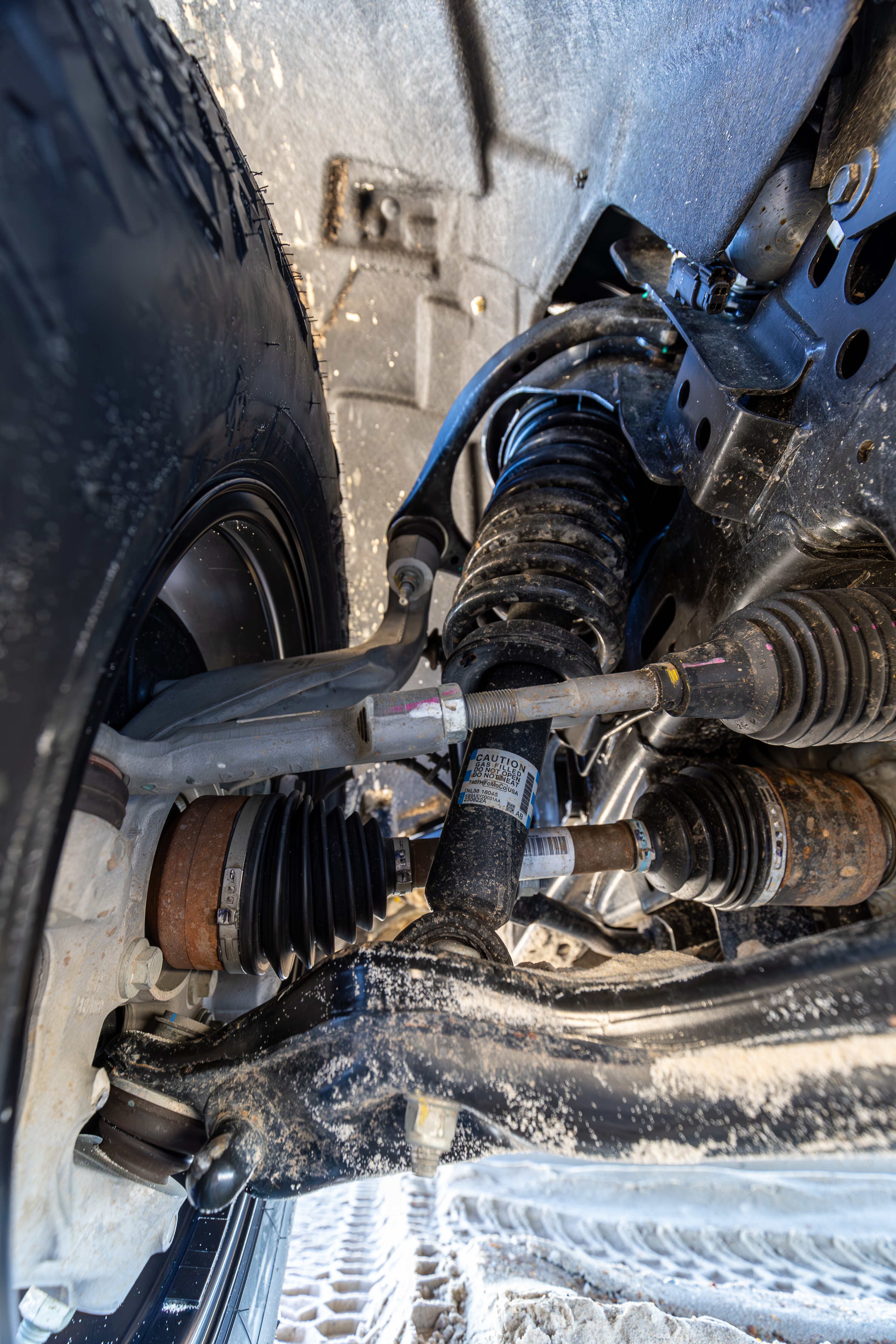
Laying under the vehicle after getting onto the beach, it doesn’t look all that different but did confuse us at first. “Where’s the exhaust?” our photographer asked before quickly remembering it doesn’t have one. The layout is logical, with front and rear diffs (housing motors), shafts, hubs and all the arms you’d expect on a 4×4 ute. The battery is tucked up between the rails, so you can’t even see it from underneath.
While the chassis and general layout is similar to that of a petrol F-150 – bar the missing engine over the front-end – the biggest change is independent suspension all around.
Gone is the live axle and leaf springs at the back, with an independent coil-spring setup in its place. The rear control arms are enormous and even the rear shock mounts look unusually beefy… presumably to handle all that twist. Speaking of twist, performance on the sand is unreal. We don’t really know how else to put it. In a diesel or petrol vehicle, power builds as engine (and wheel) speed increases, so you’re moving by the time peak torque is there. In the Lightning, the full 1000Nm wack-in-the-back is ‘on’ from zero rpm.
1
Suddenly, with no delay whatsoever, it spins up all four wheels and actually requires careful throttle control to avoid digging a hole. It needs to be babied a bit on soft sand, at least until you’re up and moving, but then it’s a riot.
We don’t condone foolishness, but it’s hard not to slam the pedal to the floor in the Lightning. It accelerates like a three-tonne UTV, which is the closest thing we can liken it to. This leads us to the consequence of driving it hard, which is diminished range. Before you nod, agreeing that EVs are doomed because of their range limitations, let’s just acknowledge that lead-footed driving does the same thing in a combustion car.
What the F-150 does is offer an accurate kWh/100km reading, which shoots up during off-road work but remains true to the claims made by Ford. Some earlier EVs we drove, and trucks too, gave blatantly unrealistic range indications and plummeted once they got down to 20 or 30 per cent charge.
This system is pretty simple: monitor the kWh/100km readout and range indicator, while factoring in the 131kWh total capacity. It’s like watching your fuel gauge, knowing you’re into the 20s off-road but will drop back to 10L/100km on the highway, and managing consumption that way.
Range and charging
For the performance on tap, the 500-or-so kilometre range – even if it drops to 350 when being driven hard – seems pretty reasonable.
The average energy use was showing 22kWh/100km when we picked it up, but after beach work it was up to 34kWH/100km. Based on the 131kWh battery, that means a range of 385km including off-road driving. With the standard 98kWh unit, you’d be struggling to get 300 clicks with a consumption average like ours.
We would have liked to see what towing does to the range for this Lightning model, but that’ll be one for another time. If it doubles or even triples fuel use in a combustion vehicle, we can assume it’ll do similar in an EV. The reality is, most beaches and tracks are pretty close to a servo and most have a charger these days. We found one around 10-minutes drive from the beach access track, but had enough range to get back to Brisbane if we wanted to.
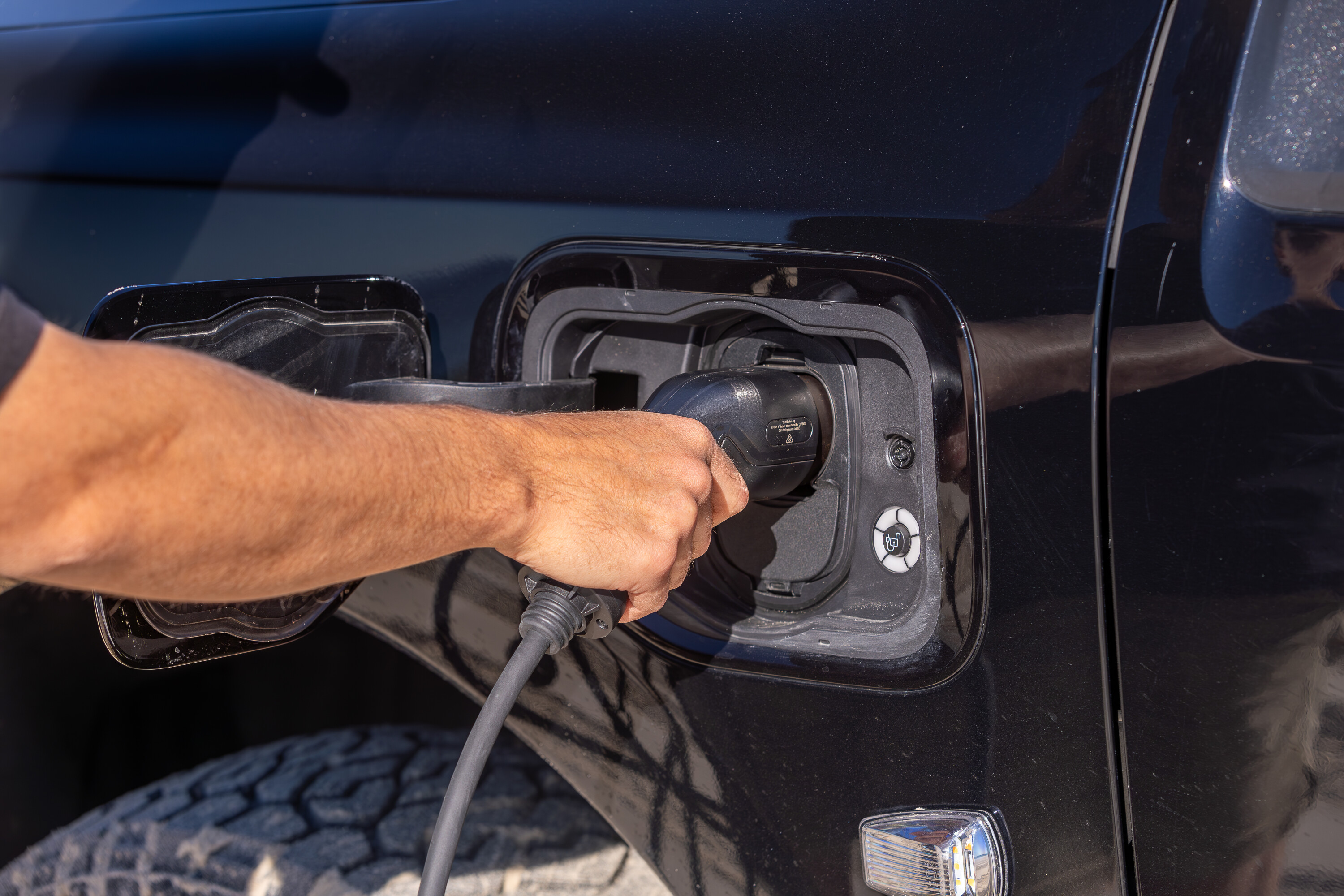
A BP Pulse charger pumped around 50kW of constant energy into the Lightning, nowhere near the 150kW it can receive, but pretty standard in Australia. The AUSEV guys told us they’ve had it right up at the 150kW mark using their own charger, which will get the battery from 15 to 80 per cent in just under 40 minutes.
The BP Pulse charge cost us around $40, after one false start that only put $15 of juice in before the charger decided to go to sleep – a BP issue, not a Lightning issue. As the chargers get better, the hour I spent having lunch could be down to 30 minutes.
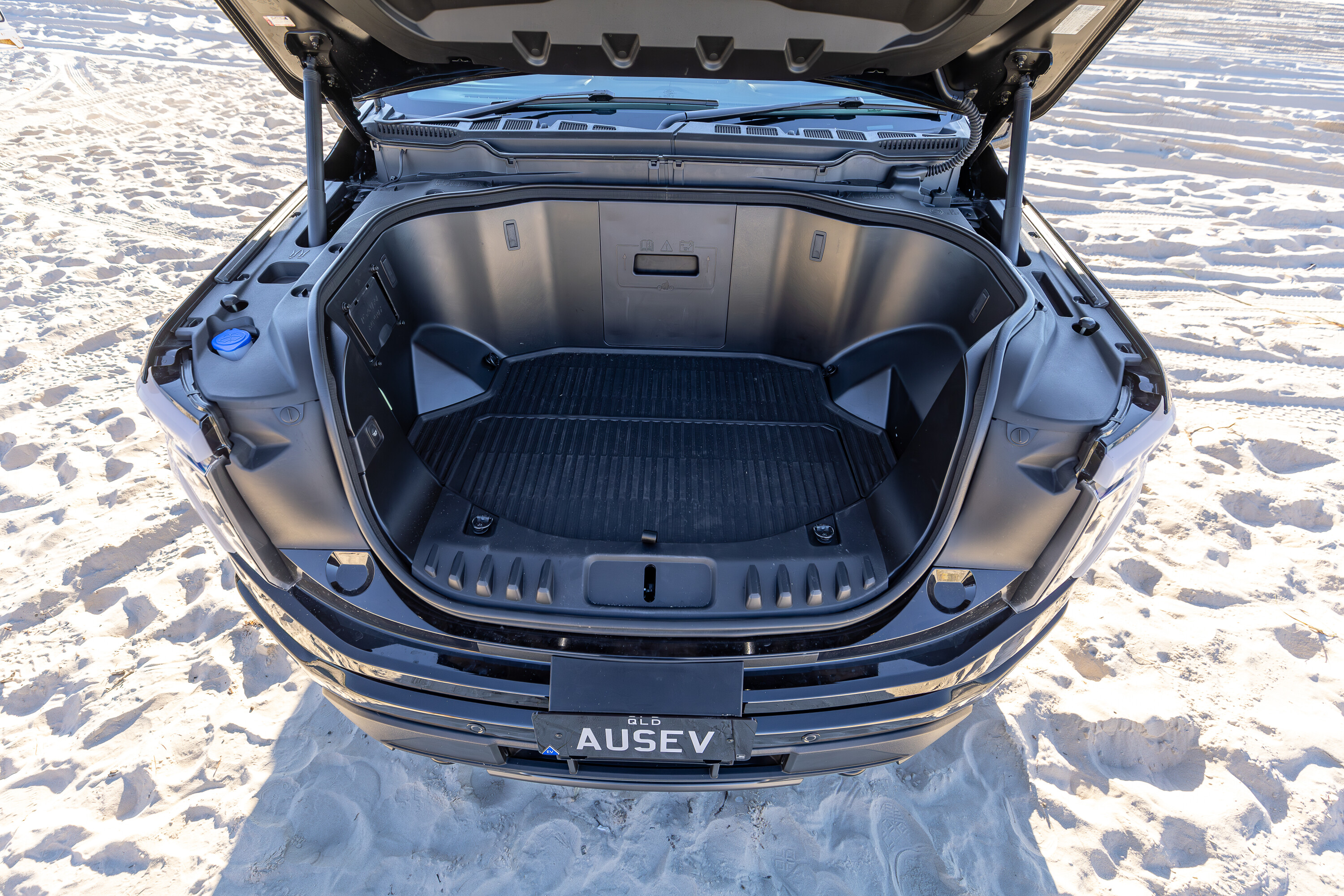
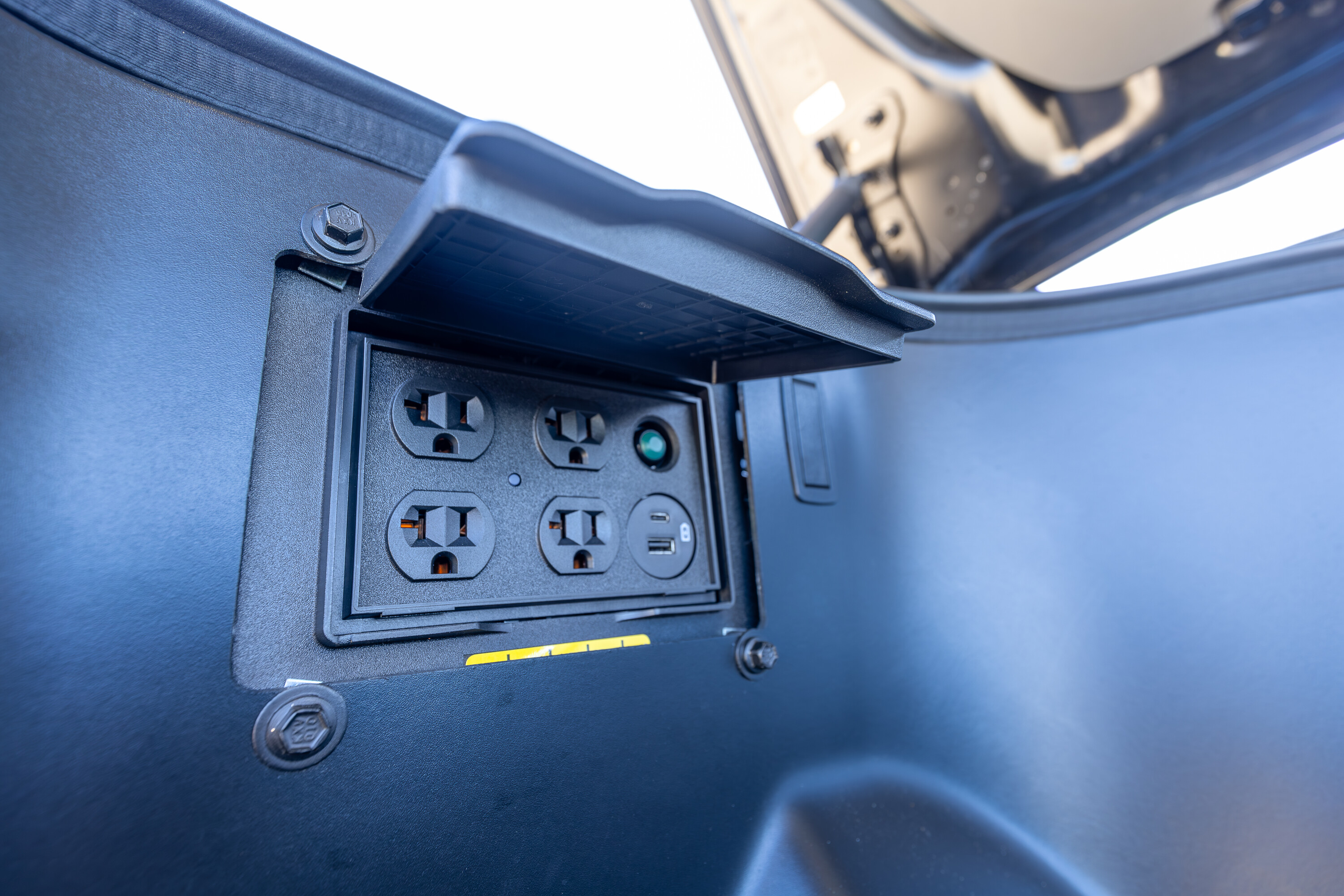
While charging, because it doesn’t take an hour to eat a sandwich, we had a proper look around the Lightning. It has four 120V power outlets at the rear and another four inside the ‘frunk’, the 400-litre front trunk compartment where the engine would otherwise be, but these have been disabled (blanked-out) for compliance reasons. AUSEV told us they have engineered an aftermarket solution, though.
1
Essentially, this means you could run a fridge off outlet power, the frunk being a particularly handy weather-sealed spot for one. The entire vehicle can also put out up to 9.6kW, using the vehicle’s bi-directional charging function, giving you a powered campsite on wheels.
It also has a zone lighting feature, similar to that found in new Ranger and Everest models, which lets you illuminate sections of the vehicle depending on where you need light. Not much good during the day, but a lifesaver if you get to a campsite at night.
Pricing and warranty
Now, US pricing isn’t much use here, so let’s talk about how much you’ll have to fork out for one of these in Australia.
AUSEV offers the extended range Lightning for $209,900 plus on-road costs, and the standard range Commercial spec for $179,000. Our Luxury spec tester had an extra $10,000 thrown at it for the purpose of bettering its off-road ability.
AUSEV also offers a five-year, unlimited kilometre warranty for all Lightning models, which includes five years of complementary servicing. As is the case with other EVs, servicing requirements are seriously reduced and all it needs in the first year is a cabin air filter.
Verdict
The point of the Lightning is probably not to have as much fun as possible off-road like we set out to do, and early electric adopters don’t seem that way inclined. But the fact it can be done is a win in our books. Driven sensibly during the week, packed up for weekend getaways, and occasionally used to embarrass just about anything at a set of lights, it’ll do it all.
It’s not the best EV, nor the best 4×4, but it’s the only 4×4 EV and it’s better than we hoped.
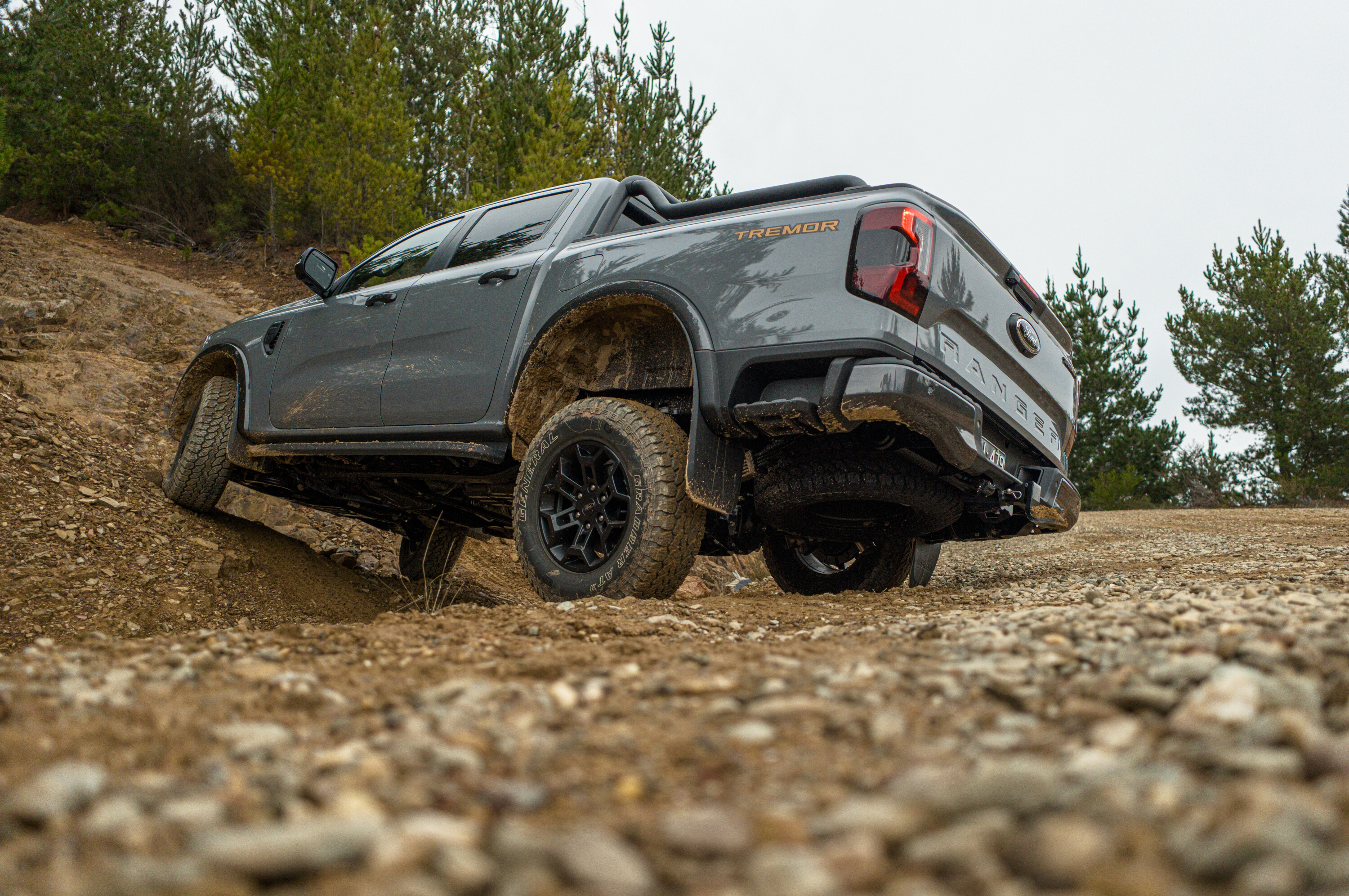
Ford has let loose a dirt-ready Ranger variant dubbed the Tremor, with the off-road-focused 4×4 priced from $69,690.
Inspired by the success of the Ranger Wildtrak X that was released in the second half of 2023, Ford this time took the spanners to its Sport double-cab bi-turbo 4×4 variant, adding a suite of equipment to heighten the Ranger’s off-road nous.
Just like the Wildtrak X, the Tremor gets specifically developed off-road suspension in the form of Bilstein position-sensitive dampers (with external reservoirs). The new suspension package – combined with the addition of 17-inch black alloy wheels, General Grabber AT3 all-terrain tyres, and wheel-arch mouldings – has increased overall ground clearance by 26mm and track width by 30mm.
1
“Ranger Tremor builds on the success of the popular Wildtrak X, offering the same enhanced capabilities, making it ideal for tough Australian conditions,” said Ambrose Henderson, Ford Australia Marketing Director.
“The Tremor takes the highlights of Wildtrak X and combines them with the Sport series, resulting in a more budget-friendly off-road warrior that’s ready to-go for the adventures that hard-working Aussies love.”
The Tremor is powered by the proven 2.0-litre bi-turbo diesel engine, mated to a 10-speed automatic transmission and generating 150kW and 500Nm in the process. It also utilises a full-time (4WD) system that includes Trail Turn Assist, Rock Crawl drive mode, and Ford’s Trail Control (essentially off-road cruise control).
The circa $70K price tag places the dual-cab between the 2.0-litre bi-turbo Wildtrak ($69,390) and the V6-powered Sport ($70,090), making it the most premium 2.0-litre bi-turbo variant in Australian showrooms. Excluding the Raptor ($89,190), the 3.0-litre V6-powered Platinum remains atop the Ranger line-up at $79,390.
1
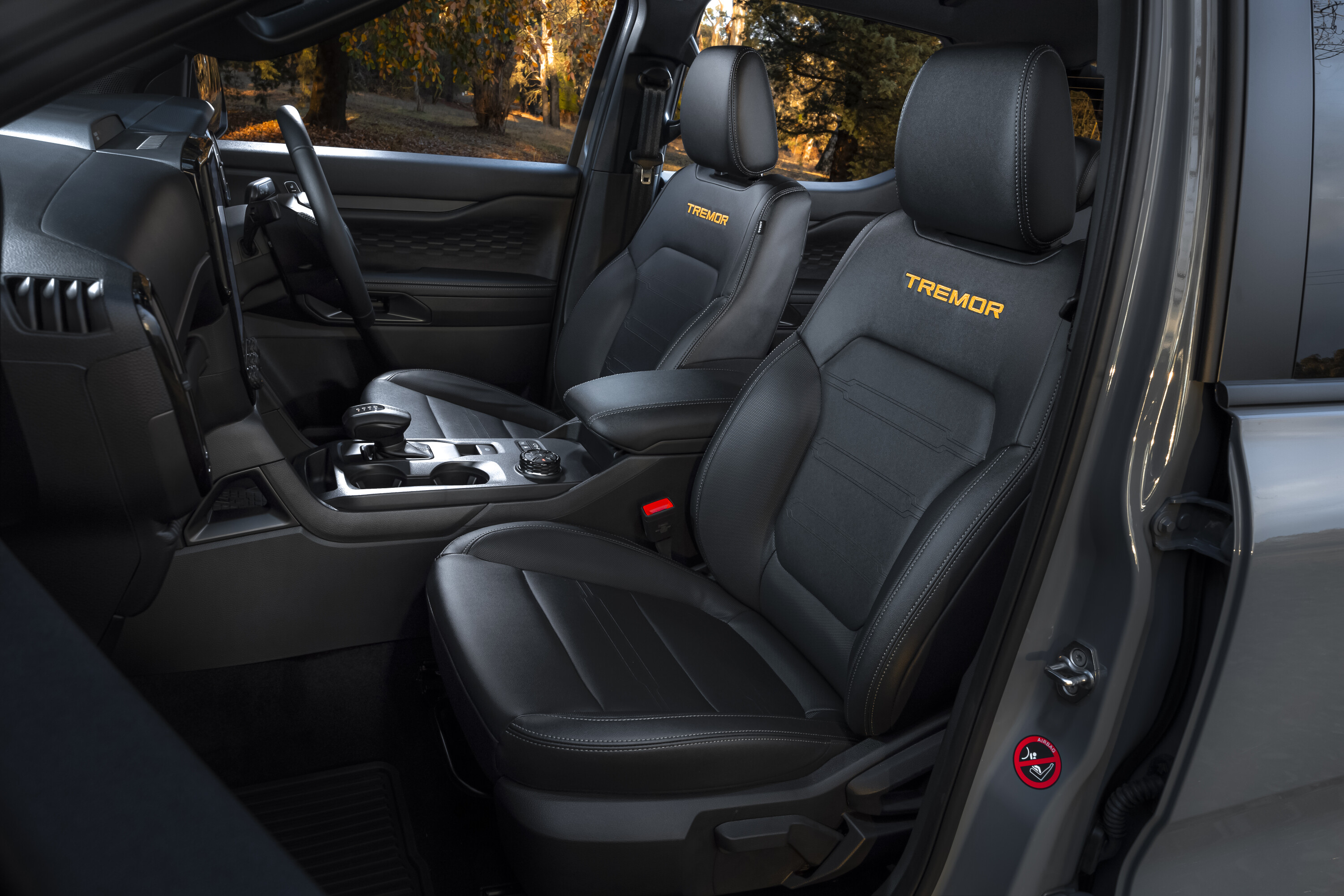
Visually, the Tremor differentiates itself from the Sport variant by adding a honeycomb grille with auxiliary LED lamps; a front steel bash plate; cast aluminium side steps; a long-legged sports bar; and Tremor branding. Inside, it gets Tremor-embossed seats; Tremor-branded all-weather floor mats; and an overhead auxiliary switch bank for aftermarket accessories.
The Tremor is expected to bolster the dominance Ford already has on the new-car market – a total of 30,620 Ranger 4x4s have been sold so far in 2024, the most of any 4×4 vehicle by a whopping 5640 sales.
A limited total of 1150 Ford Ranger Tremors are available to order now.
Queensland-based Superior Engineering has become a mighty brand in the 4×4 aftermarket space, but, as is the case with many Australian-owned businesses in the 4×4 industry, its origins date back to humble beginnings.
Originally based in the suburb of Warner in sunny Moreton Bay – a 4×4 hot spot – Superior Engineeringspawned in 2002 as a sole-operated, home-based business that manufactured just the one product – in its infancy, owner and current director Michael Hayes manufactured a drop shackle for the Toyota Hilux.
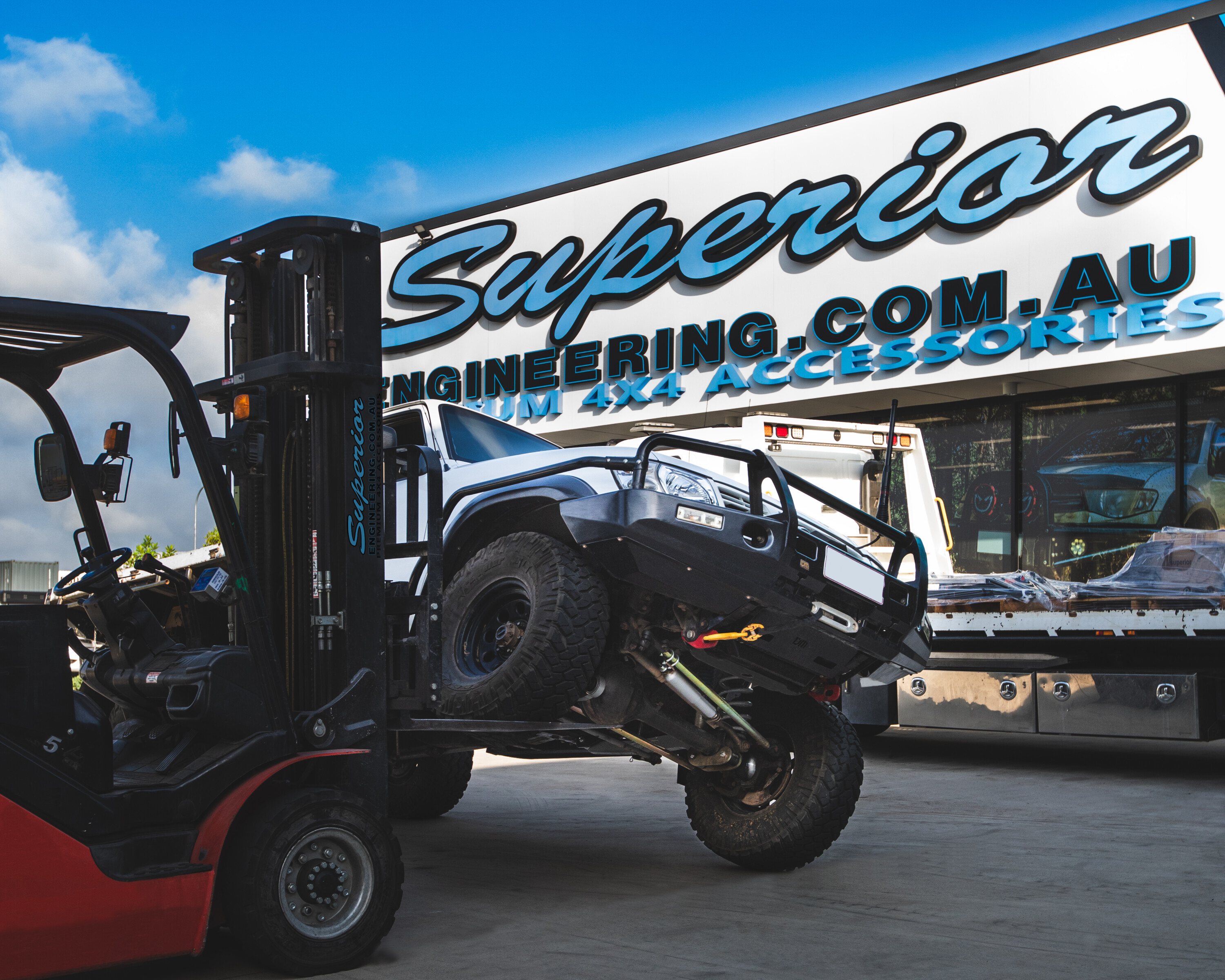
From these humble beginnings, Superior Engineering escalated to become the home-grown success story it is today, where it now utilises a purpose-built, 3000-square-metre facility as its base. Opening in 2022, the massive all-encompassing facility located in Burpengary, Queensland – along the Bruce Highway – houses a new factory, warehouse, showroom, fitting bays, and retail outlet.
1
It’s here at this new facility where Superior Engineering now manufactures and distributes a range of premium 4×4 equipment including its well-renowned suspension accessories and lift kits, but also a wide range of driveline components and 4×4 accessories – anything from diff drops, fridges, recovery gear and more. As well as designing, manufacturing and supplying a massive range of equipment, the company also installs products at its state-of-the-art workshop within the facility. The workshop houses four service and fitting bays, with a team of qualified mechanics and auto-mechanical fitters on-site to perfect your 4WD build.
A one-stop shop, you could say.
“Customer feedback has been fantastic,” said Michael Hayes, director and owner at Superior Engineering. “Our new purpose-built facility has allowed us to speed up manufacturing and increase stock holding, which has made our dispatch times very efficient. This has been a huge benefit for our stockists and customers.
“We are always innovating and growing with the demand; our manufacturing facility only recently had two new machines installed – a CNC mill and lathe – that will further streamline our processes and increase efficiencies. Keeping as much as we can manufactured here in Brisbane and being able to advertise that Australian-made logo.”
Priding itself on developing, manufacturing and selling “superior” products, Superior Engineering is now one of Australia’s biggest manufacturer and supplier of 4×4 accessories and suspension components. Its full suite of R&D staff are avid four-wheel drivers who live and breathe the lifestyle, and the products are built – utilising the latest in CAD programs and CNC machining systems – to meet their lofty standards.
Superior Engineering fits suspension and accessories in-house; plus the company also covers steering and suspension components, presswork, bar work, MIG-welding, metal fabrication, CNC lathe work, laser cutting, bending, machining and turning.
1
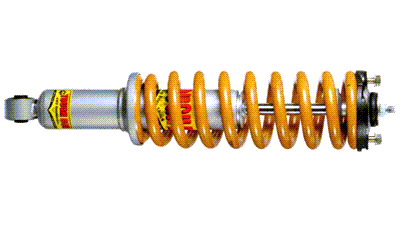
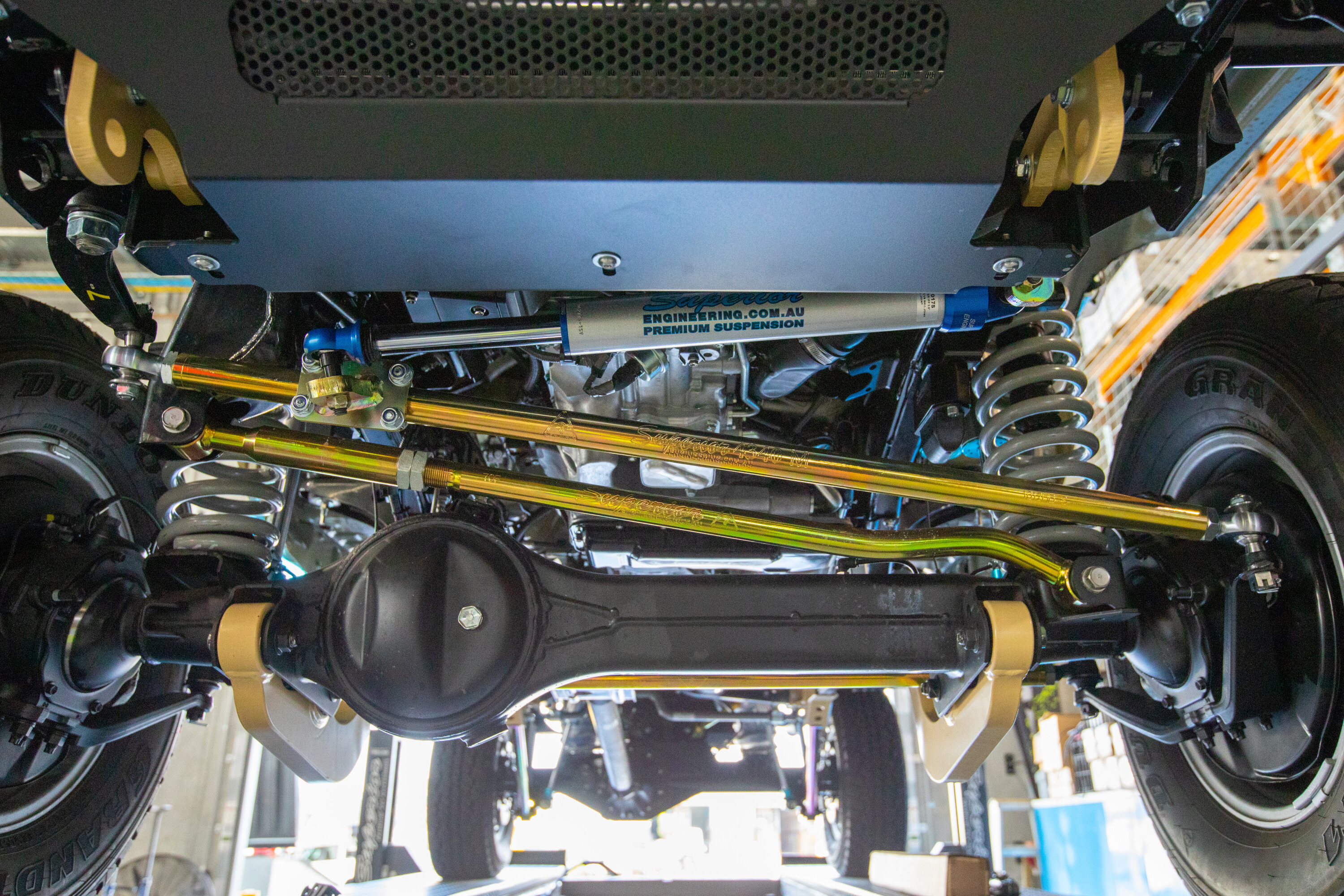
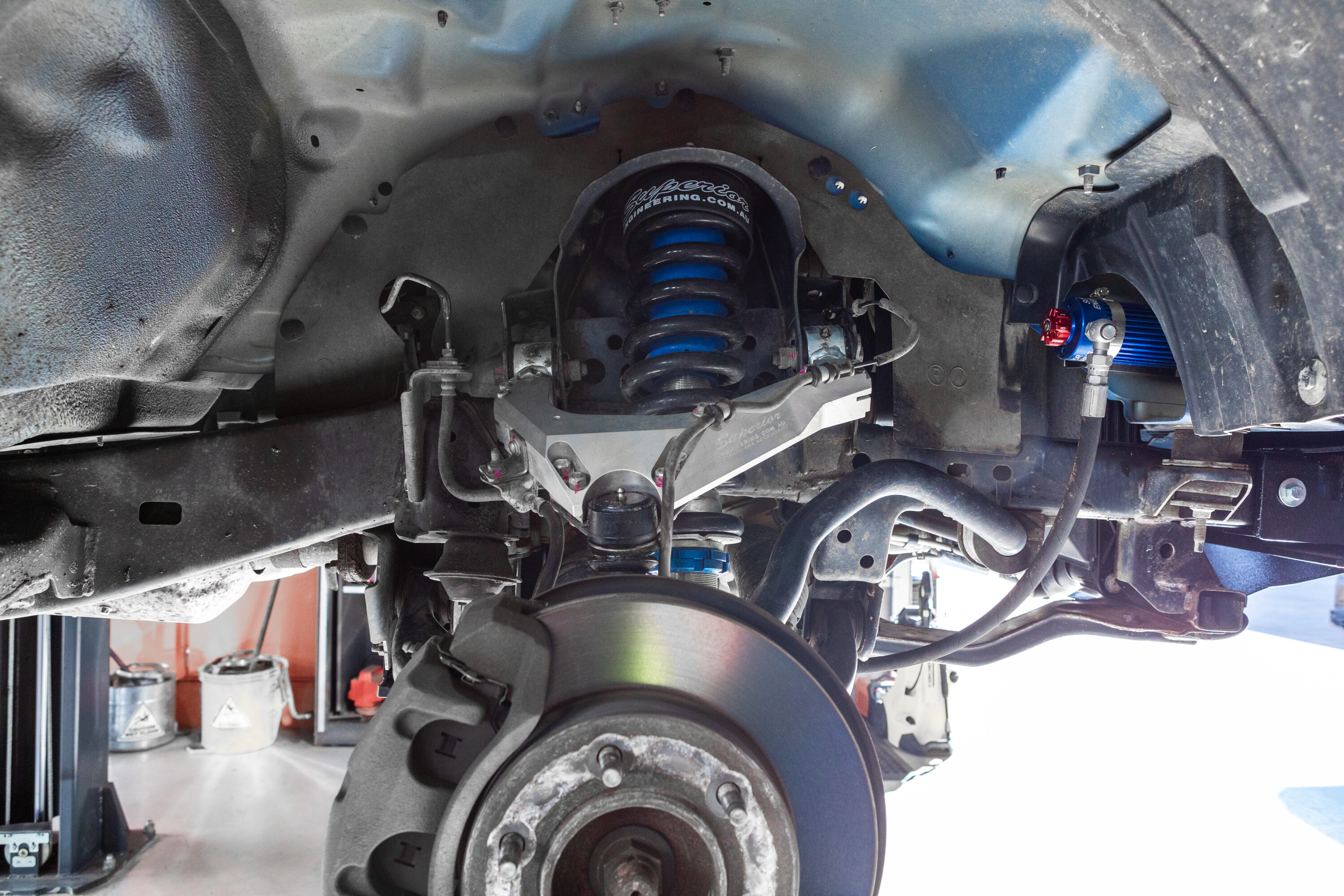
This expert workmanship when combined with high-quality materials results in a premium product, with essentially every type of 4×4 make and model catered for. Super Engineering’s range of aftermarket suspension equipment includes but is not limited to: Hybrid 5 Link, Hyperflex, Superflex and Hybrid radius arms; coil conversions; drop boxes; shock absorbers; coil springs; leaf springs; steering arms; steering dampers; shackles; bushes; drag links; tie rods; coil tower braces; control arms; and airbags.
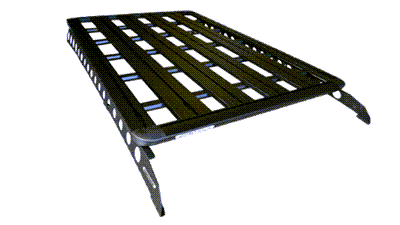
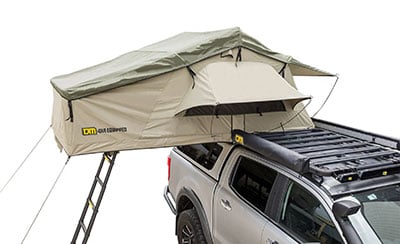
Despite Superior Engineering’s prowess in suspension components, it also develops and produces its own chassis repair plates. Other branded products include bull bars; chromoly heims; coil spacers; air compressors; e-Lockers; exhaust systems; diesel power chips; snorkels; switches; winches; recovery gear; water tanks; lights; roof racks; long range fuel tanks; rock sliders; and even roof-top tents.
The state-of-the-art showroom located within the facility is manned by an experienced crew of specialists, so that the 4×4 public – both new and seasoned explorers – can be guaranteed they’ll leave with an individualised 4×4 set-up tailored to their requirements.
1
In addition, Superior Engineering also stocks and distributes a range of products from other brands including Airbag Man; Bilstein; Bowdens Own; Brown Davis; Camp boss; Carbon Offroad; Carli Suspension; Clearview; Dobinsons; Dometic-Waeco; Dynatrac; EFS; ERPS; Front Runner outfitters; GME; Hardkorr; Hayman Reese; Hema; Icon Vehicle Dynamic’s; King Springs; Legendex; Lightforce; Maxtrax; Mean Mother; Metalcloak; MSA 4×4; Profender 4×4; Rhino 4×4; Rugged Radios; Runva; Safeguard Cargo Nets; Salt Shift; Simpson Racing; Stedi; STR Racing Products; Tough Dog; Trail Gear; Uniden and Warn.
“Our most wanted product is our popular Superior Coil Tower Brace kit, suitable for Nissan GQ/GU Patrol utes and body-lifted wagons,” Michael Hayes told 4X4 Australia.
“Our flavour of the year thus far is our street-legal lift kits, which we, stockists, and our customers love. With strict Australian vehicle modification laws, we put a lot of effort into ensuring we can offer our customers fully street-legal kits from pre-registered Second Stage Manufacture kits to our QLD VSB14 Street Legal kits with a range of different makes and models available.
1
“This allows our customers to tour the most remote locations or take on the hardest tracks around with zero worry of being defected while still driving a car built to take on anything,” he added.
With a burgeoning list of patented products, and an enormous catalogue of quality suspension and aftermarket components, Superior Engineering is a true one-stop shop for your 4×4 build – big or small.
As a bonus, and what everyone really is after, Superior Engineering currently gives a free large sticker and stubby cooler with every order purchased over $100.