
Projecta has expanded its Intelli-Start range by introducing two new jump starters, the IS1400 and IS2000, with patented Rapid Recharge Technology (RRT).
RRT boosts efficiency and convenience for users and owners as – once the vehicle has been started – the Intelli-Start jump starter can fully replenish the energy that was discharged during the starting process in just 40 seconds. Simply keep the clamps connected to the running vehicle’s battery and the Intelli-Start jump starter is ready for the next emergency.
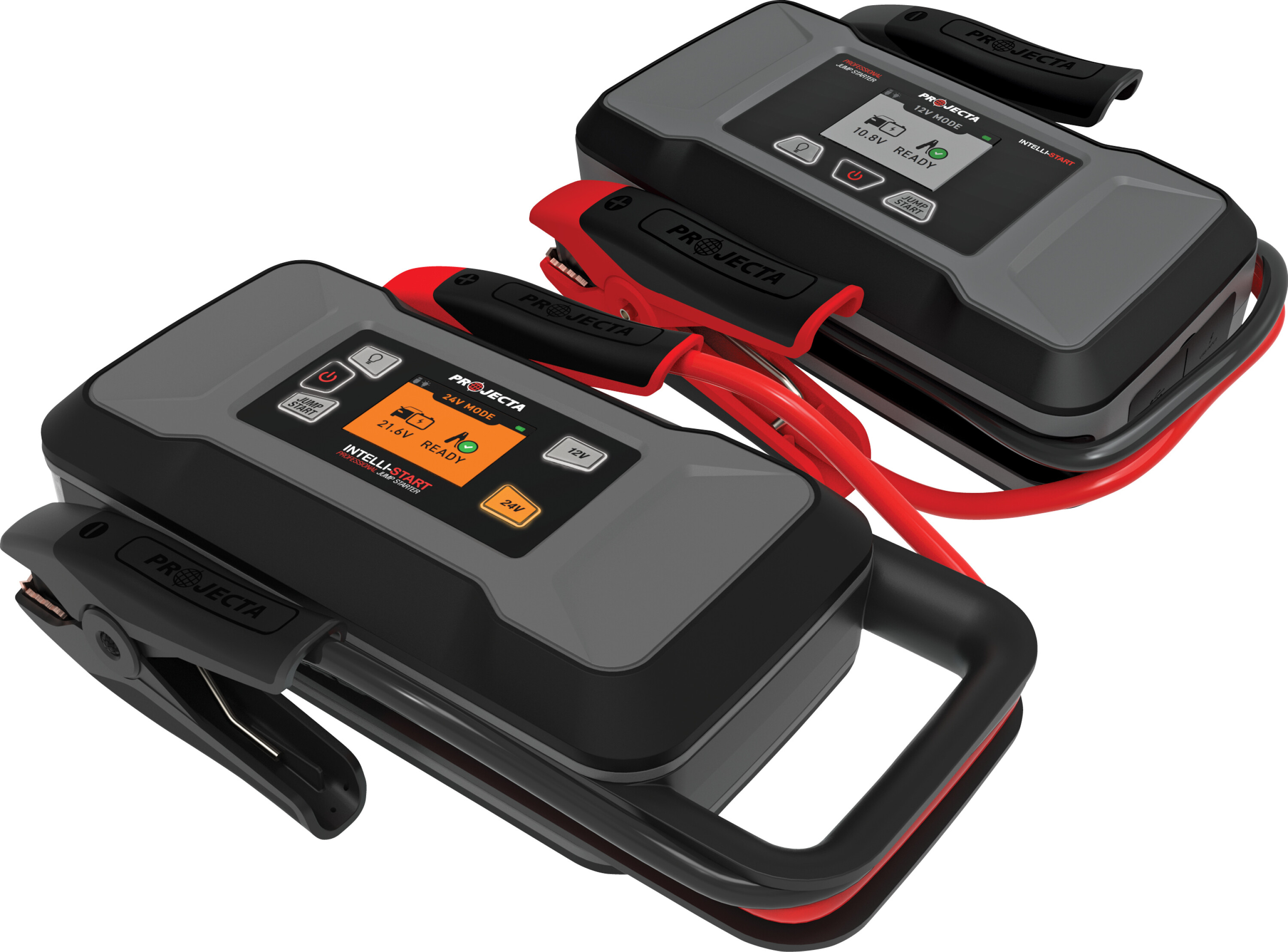
This technology means Intelli-Start jump starters can be used time and time again before needing to be recharged, making the product perfect for applications such as roadside assistance or vehicle-holding depots and car yards.
When recharging is finally needed, this can be done back at the workshop, garage or home using the supplied 5V USB charger. A further benefit of the latest models is their ability to jump-start vehicles and machines that use a variety of battery types including Lithium, Wet, AGM, Gel and Calcium.
The IS1400 is suitable for 12V electrical systems and offers 500A clamp power and 1400 peak amps, more than enough to start petrol-powered vehicles up to 7.0L displacement and diesel engines as large as 5.0L.
Latest Gear Guides!
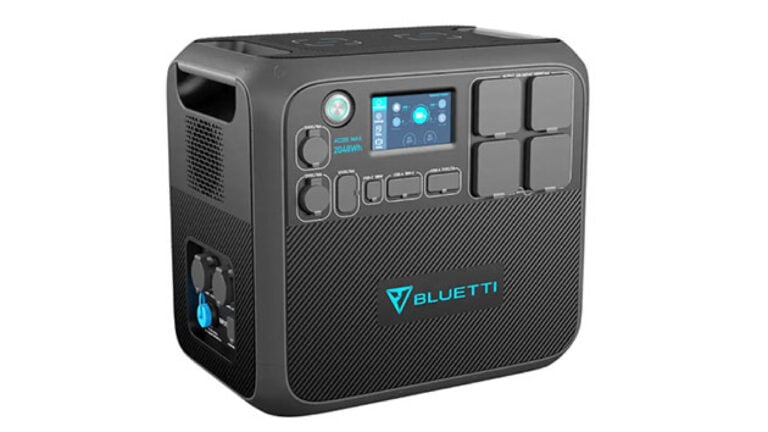
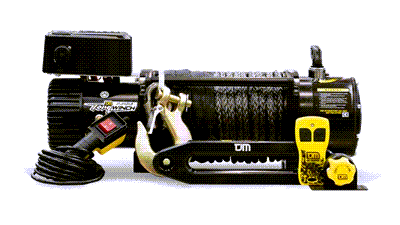
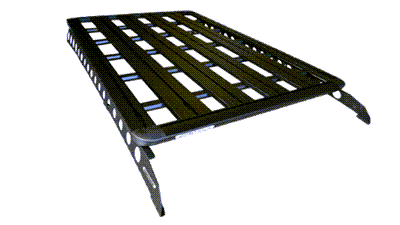
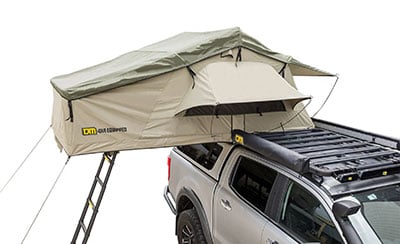
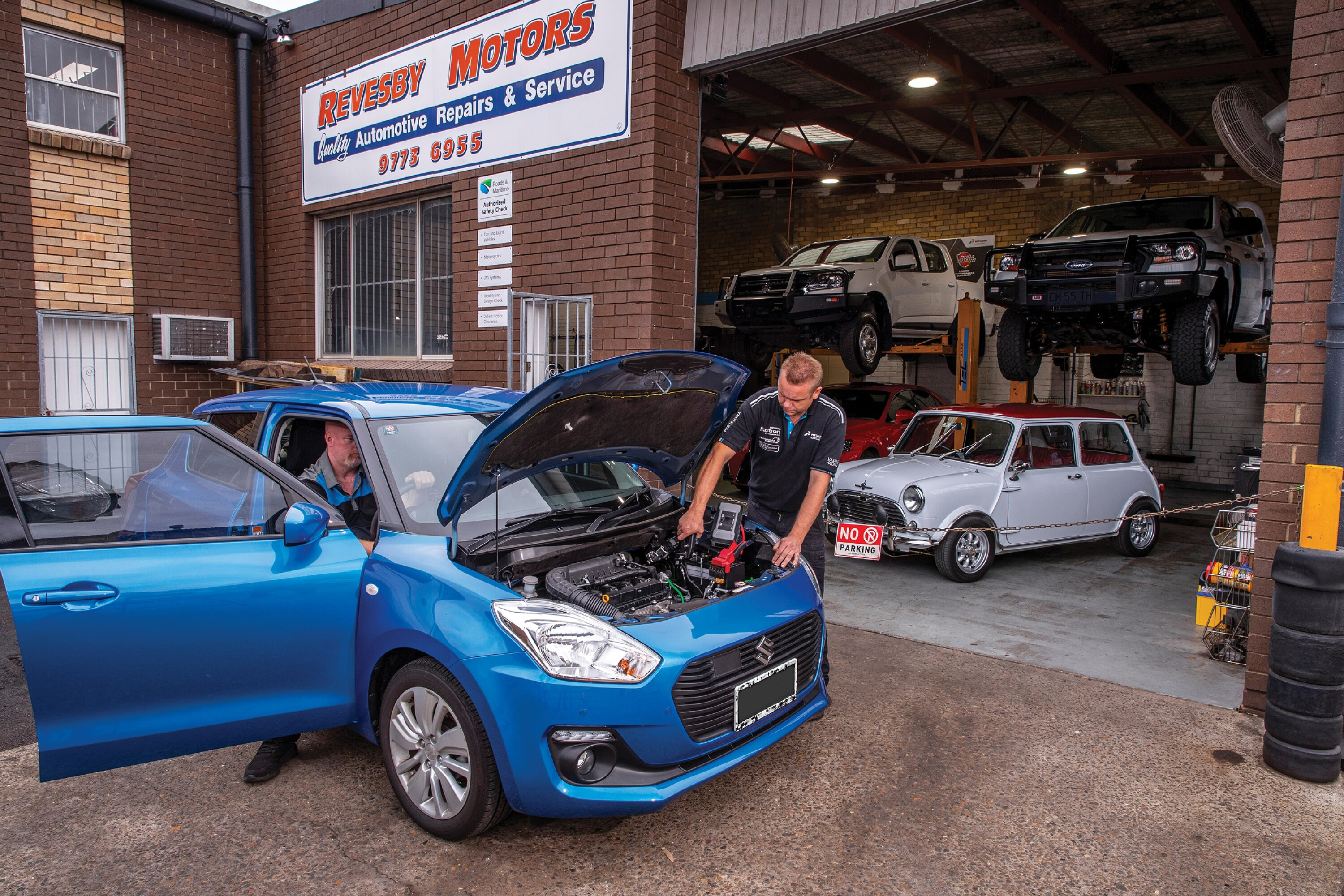
These capabilities along with a compact design make the IS1400 an ideal choice to carry in the glove box for stowage with 4×4 recovery gear, or to keep on hand at workshops or car yards.
The larger-yet-still-compact IS2000 model provides even further versatility, with its auto-sensing clamp connections making it convenient for use on both 12V and 24V electrical systems.
The IS2000 will jump-start 12V petrol vehicles with engines up to 8.0L, and up to 6.0L for diesels. It can also jump-start petrol and diesel 24V vehicles with engines up to 7.0L. This level of performance makes it suitable for passenger vehicles, small trucks, agricultural equipment and mid-sized earthmoving machines.
Along with revolutionary battery technology, the IS1400 and IS2000 utilise an advanced all-in-one protection system that prevents surges, short circuits and overheating
Additionally, the IS2000’s integrated, ergonomic handle allows for easy portability, making it an ideal alternative to cumbersome lead-acid jump starters that are normally moved around on a trolley.
Common to both units are premium spark-free clamps; no solder, high current connections for added longevity and performance; intuitive LCD display with real-time updates; in-built LED work light; EVA storage case; USB charging port; and the ability to be used as a power bank. The IS2000 also features a ‘set and forget’ docking station for hassle-free benchtop charging.
The Intelli-Start range is equipped with premium LiFePO4 batteries and provides more starts with up to 2000 battery cycles. This range delivers a substantially longer operating life and provides a smooth and reliable start, time after time.
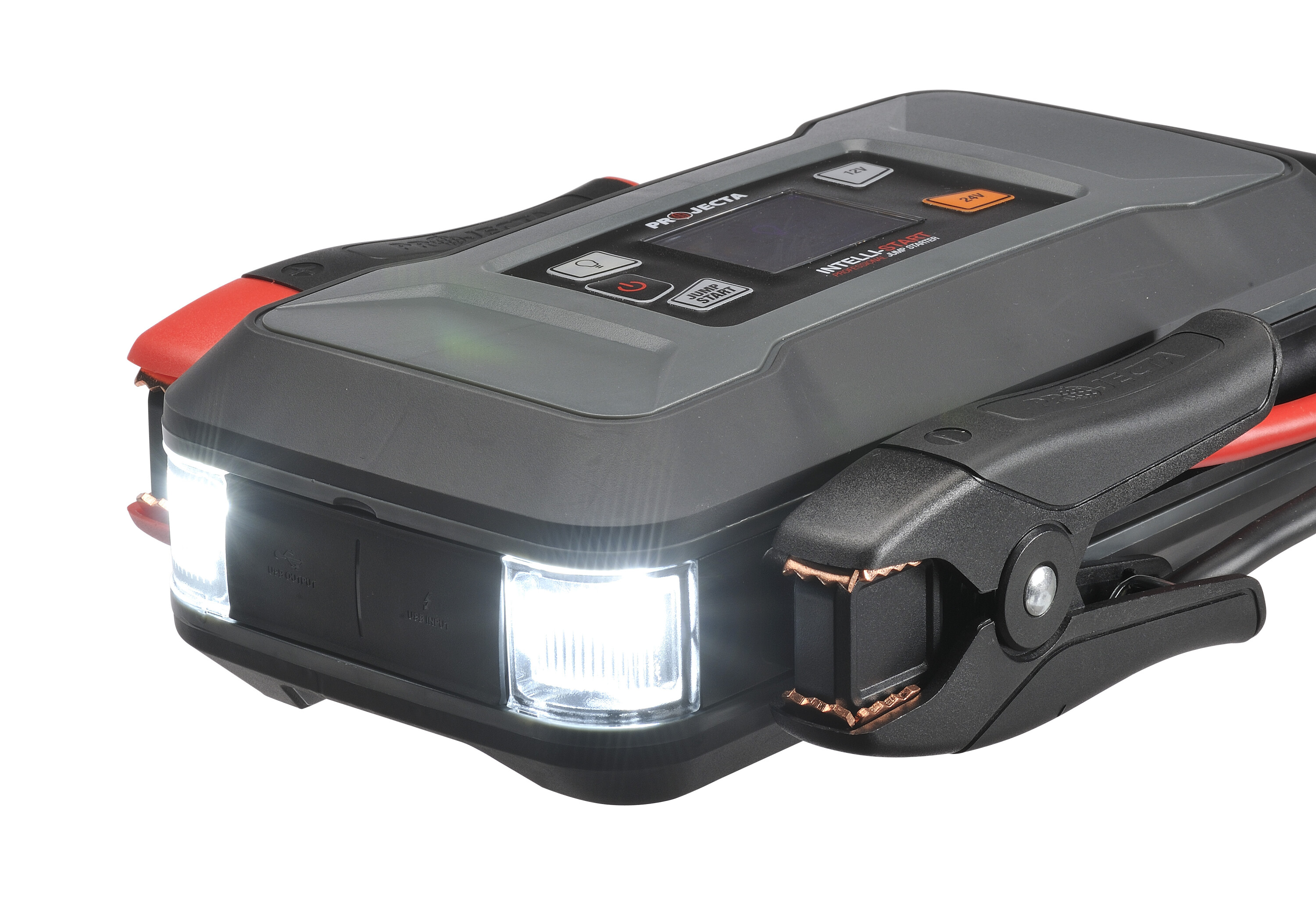
Added durability comes from the range’s rubber-moulded impact and drop-resistant housing and IP-rated dust and water ingress protection. They also now come with an extended five-year warranty.
Along with revolutionary battery technology, the IS1400 and IS2000 utilise an advanced all-in-one protection system that prevents surges, short circuits and overheating. For novice users, a further benefit is that the premium clamps won’t spark if attached incorrectly and won’t damage the vehicle or injure loved ones or employees.
The display will also alert the user of an incorrect connection and advise when they’re ready to use, making these jump starters not only the safest on the market but one of the easiest to use.
Pricing
- IS1400: $550
- IS2000: $999
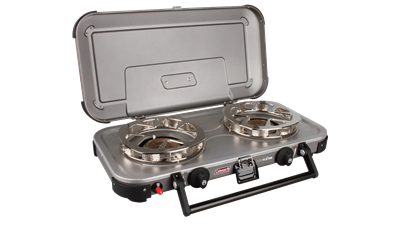
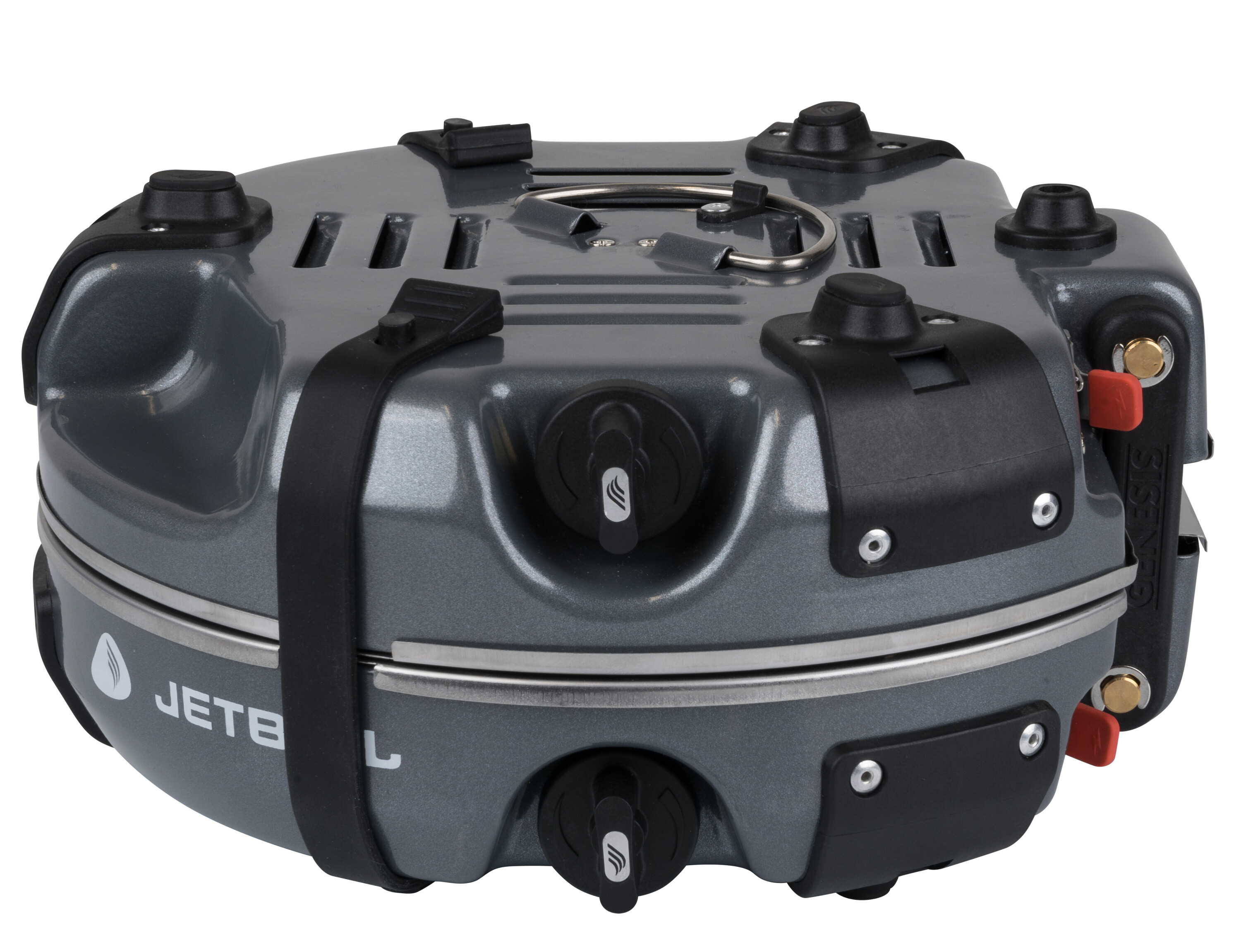
The JetBoil kit is a purpose camping cooking system.
Compared to other camping stoves, the JetBoil camping unit is not cheap, but what you get for the price is a solid, no nonsense lightweight alloy unit that is totally portable when folded and packed away in its carry case.
Plus, it has two burners that burn with sustainable heat when used with the unique ‘fluxring’ technology on JetBoil cooking pots, so there is no waste of gas.
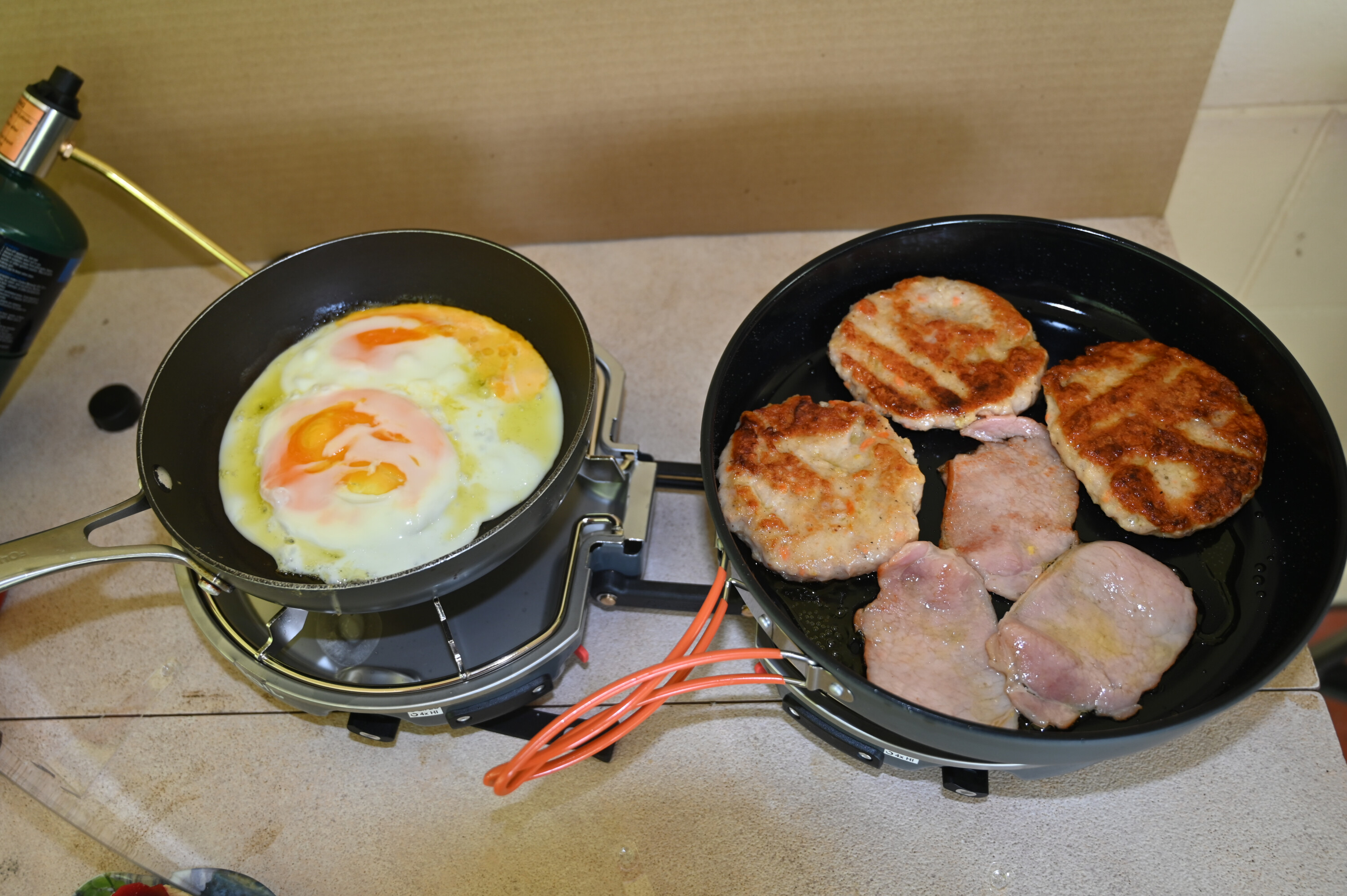
The unit comes with a gas regulator, 10-inch frying pan, a five-litre ‘FluxPot’ lid with inbuilt strainer, a windscreen, and a heavy-duty carry bag fitted with a shoulder strap. The compact package weighs 2.7kg. It’s compatible with the universal 468g Companion Pro:Fuel propane gas bottle and has a 12-month warranty.
Jetboil recommends using fuel canisters with a propane and isobutane mix for best performance especially in cold climates where propane doesn’t burn well. Their own Jetfuel canisters are ideal for any conditions.
Heat exchange
Currently there is nothing on the market that is similar, including the easy-to-clean lightweight ceramic-coated pan and pot bases that have ‘flux rings’ centred underneath them for heat distribution.
The lightweight aluminium frying pan has a high wall that retains internal heat, especially when the lid is on it. The heat is fully controlled, and food can be left simmering for extra taste, made possible with a four-setting control knob on each burner. The frying pan heats up quickly, and it takes little heat to cook a tasty bacon-and-egg breakfast or a juicy steak for tea.
The pot can be used to boil water or cook soup, stews and anything else that takes your fancy. Heat retention is caused by flux rings on the pot base, which are designed to increase heat exchange and save gas in real-time cooking.

It’s said to improve the efficiency of stoves by up to 25 per cent. The pot’s unusual ‘waffle’ bottom design distributes heat from the bottom and directs it up the sides of the pot, unlike heat from a normal gas stove which flares away from the burners and is wasted.
Put simply, heat exchanger pots increase the general surface of the pots’ outside area to allow metal conduction to function at the highest possible peak and performance coupled to fuel efficiency. The task of a heat exchanger is to increase extra heat and transmit it to the pot for boiling and cooking. When all is well, a heat exchange pot saves up to 30 per cent in fuel.
When the JetBoil stove is exposed to wind, the heat blows away from the wind direction. JetBoil has a wind deflector shield which can avoid this; or just cook in an area that is protected from the wind.
Burners
Each burner has Piezo ignition and an individual setting knob. The system can be used with other JetBoil stoves via a connecting port hose to a Luna satellite burner, to boil and make a cup of coffee or tea.
The beauty of the burner is that you can let the coffee pot simmer over a low flame. Should spillage occur, the burner, pot stands and bases are simple to dismantle and clean.
Verdict
The JetBoil system is a lightweight, compact unit of a high quality, albeit with an expensive price tag. It’s surprisingly fuel efficient and ideal for cooking in a vehicle, boat or camper, or as an addition to a caravan.
Can you use other pots and pans on the JetBoil stove? Yes, but it’s not recommended to cook with pots and pans that exceed the diameter of the cooking ports. This is due to flame-spreading, which may cause gas bottles and lines to heat up, something that was dangerous in older butane stoves before updated models rectified this issue. If you do cook with a wide pan, do so on the right-hand burner as it is the farthest away from the gas bottle.
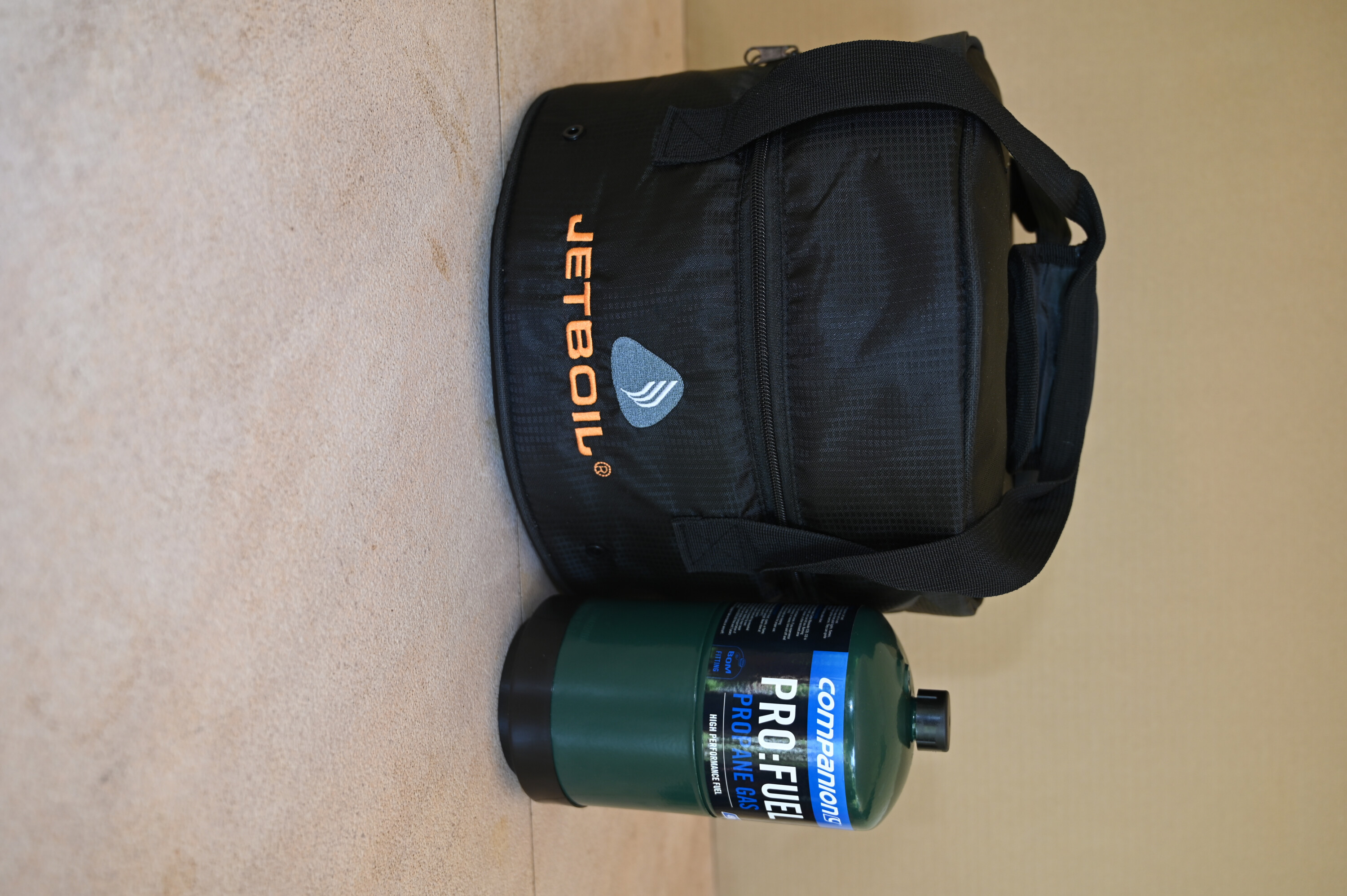
That aside, the JetBoil stove is the most fuel-efficient stove I have ever used and it’s surprising how much can be cooked using a 468g gas bottle. It has two 10,000 BTU burners and takes only three minutes to boil a billy of water for tea or coffee. Another thing we loved is the exacting simmer control that can be fine-tuned the same way as a home gas stove – it cooks perfect meals every time.
Use Kydex/plastic utensils or Jetboil branded ones instead of steel, to prevent marring the non-stick surface of the pots and pans. Also, be careful when cleaning the pot and frying pan, and don’t use any abrasive cleaners or wipes or the surface will be damaged in a very short time. A soft-wash dish cloth and detergent will rid food particles from the surfaces.
I’m very happy with the system and will no doubt add some extra pots, a Luna Satellite burner and other accessories to this stand-alone kit. The cost is around $600, so it’s not for people who only camp once a year; but for outdoor lovers who head bush at the drop of a hat, it’s well-worth having this stove.
October: Nissan Patrol Warrior driven!
4X4 Australia editor Matt Raudonikis tackles Tasmania’s Climies Track in the new Nissan Patrol Warrior.
May 2023: Patrol Warrior imagined
Premcar has finally finished its Warrior transformation of the V8-powered Nissan Patrol off-roader.
With a laundry list of changes from bigger alloy wheels, bush-ready protection, bi-modal exhaust, and 50mm lift kit, the Patrol Warrior is engineered for Australian conditions and remanufactured locally. It’ll cost you $101,160 before on-road costs – $16,260 more than the base car. Read more below ⬇️
Nissan has switched the lights on for its latest Patrol Warrior teaser.
A week on from their first preview of what’s to come, Nissan and partner Premcar have turned out a fresh new clip for their upcoming hero SUV.
The new video shows a camouflaged Patrol Warrior tearing through the desert, with that V8 soundtrack bellowing away. Check it out below, and see our speculative renders further down the page!
4×4 gear guides
May 12: Nissan Patrol Warrior teased in shadowy new video
Following confirmation earlier this year of their plans, Nissan and specialist partner Premcar have handed down a first preview of the upcoming Patrol Warrior.
Before you get too excited, there’s not much to see, but the clip does offer a short sound bite to whet the appetite. In the video below, you can hear it briefly behind the blaring soundtrack, and then again more clearly at the end.
Watch for more details to come in the weeks ahead, and continue reading below for everything we know so far!
April: Next-gen Patrol imagined
A Warrior version of the current Patrol is one thing, but how about an all-new model?
It’s well past due… and we reckon it could look like this. Get the full story and more images at the link below.
January: Nissan Patrol Warrior imagined in new renderings
Late last year, the announcement finally dropped that a Premcar-tuned 2023 Nissan Patrol Warrior is on the way, giving the big V8 SUV a meaner look and a range of performance-focused tweaks.
The details of that announcement can be found in an evolving story below, but in the meantime, we’ve come to wonder how the new hero SUV will look – so we tasked our mate Theottle with imagining it for us.
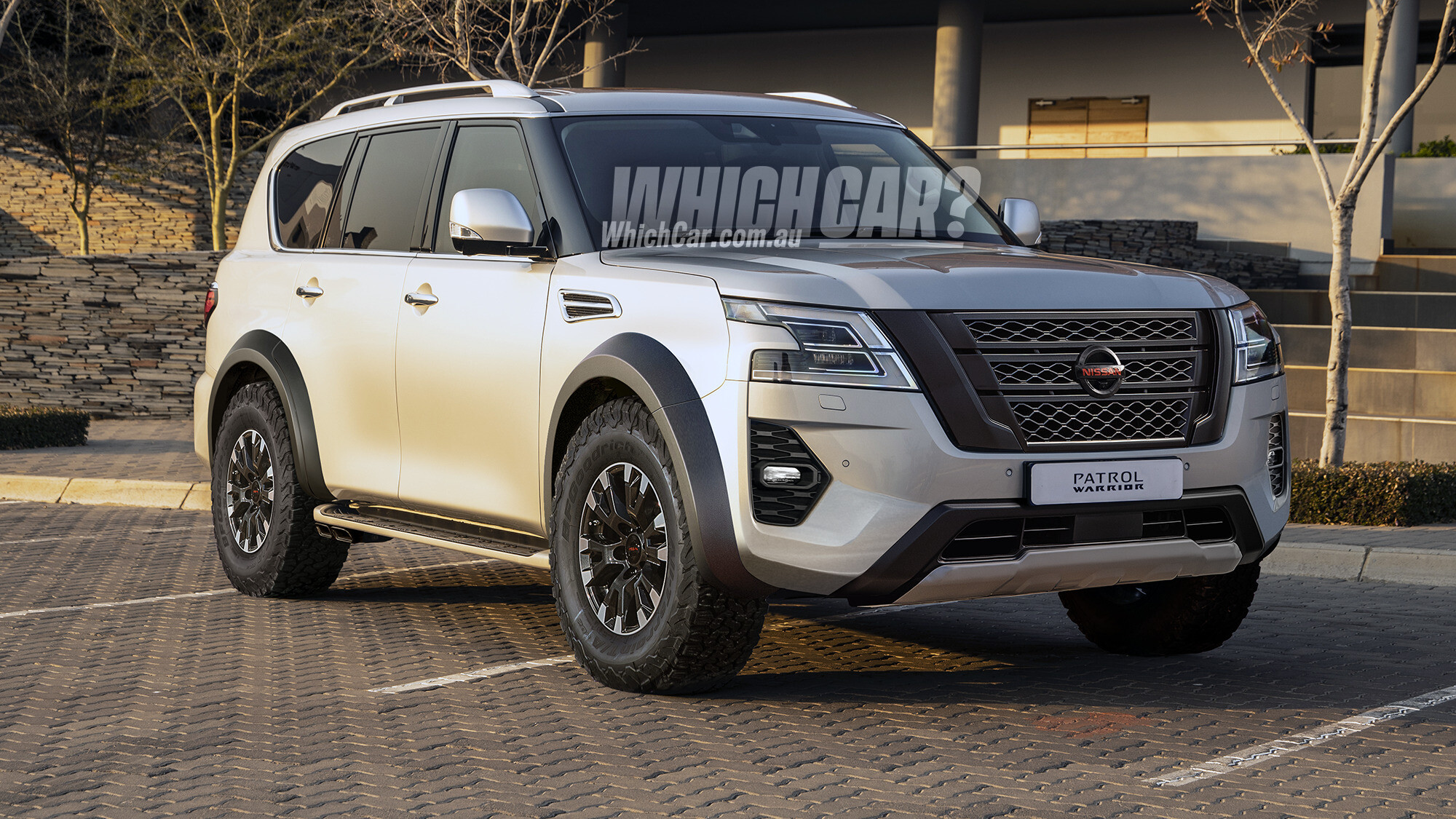
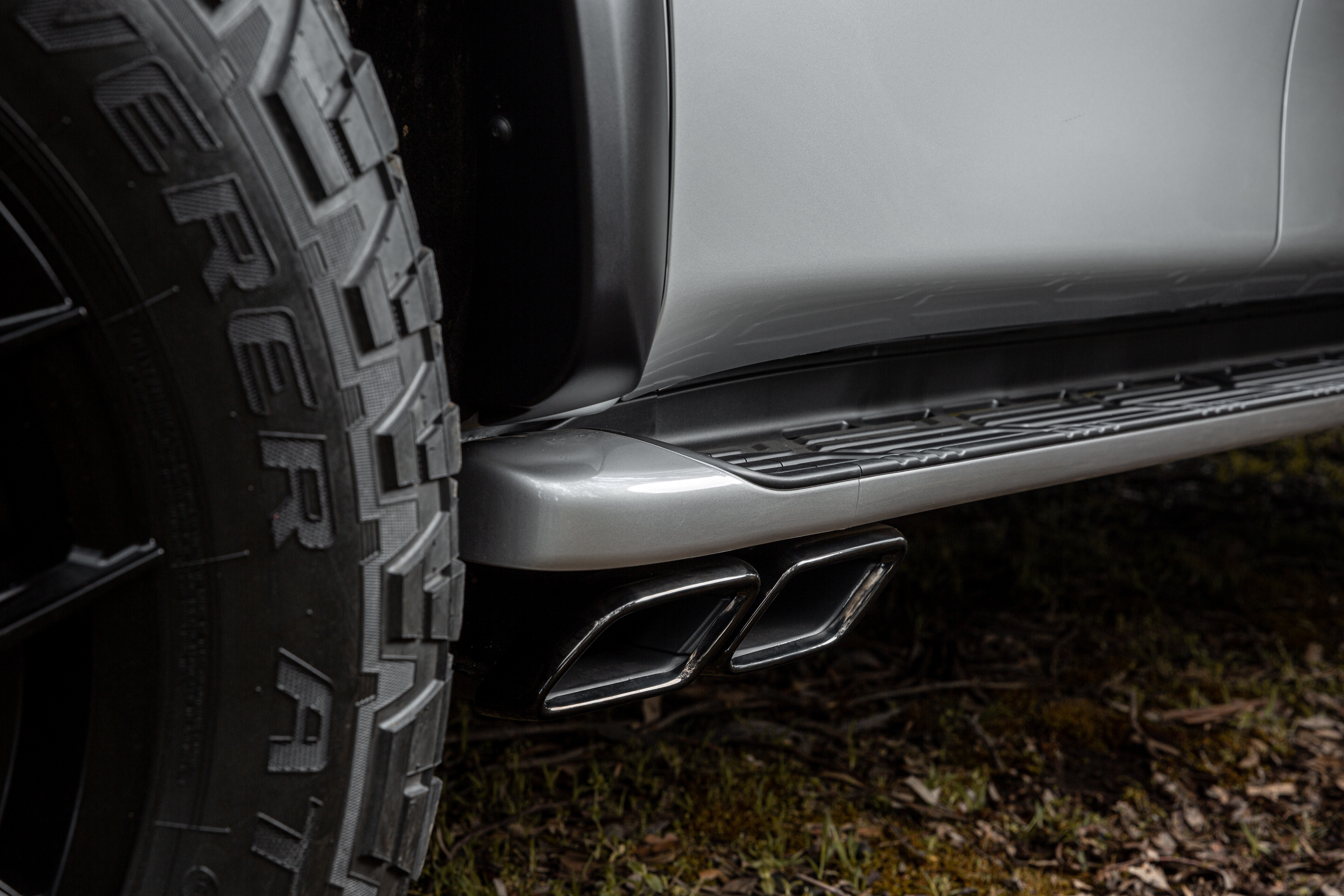
Of course, we already know the new variant will have side-exit exhausts – an incredible change in its own right, really – along with big black flares at its wheel arches.
Little else is known about its design at this point, so we’ve relied on some healthy speculation for the rest. Key among the tweaks is a purposeful skid plate up front and some Nismo-inspired elements at the rear.
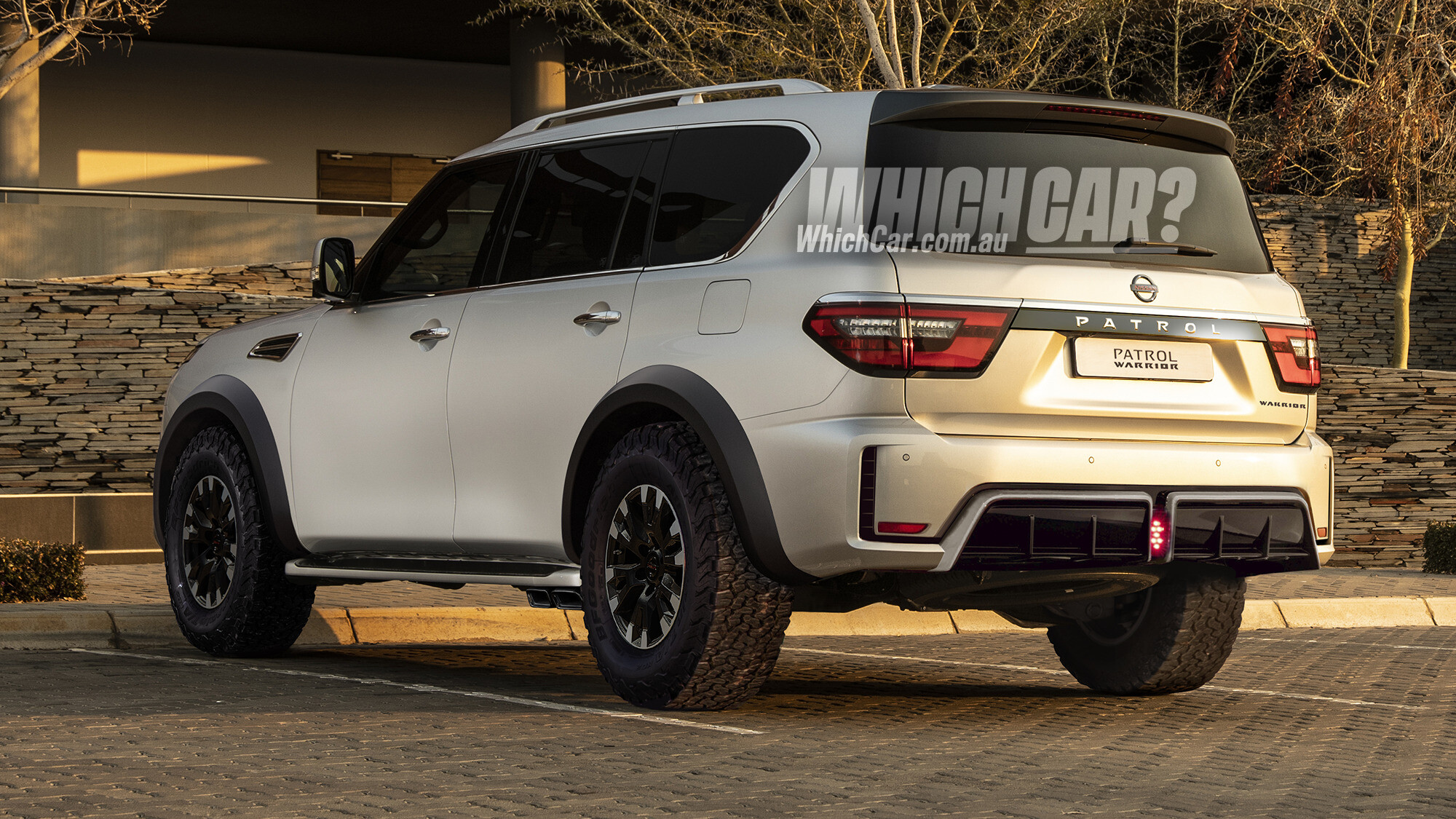
What do you think of this look – is it mean enough, or are you expecting more? Tell us in the comments below!
It probably won’t be long until we see some serious aftermarket power modifications to the Warrior, either…
September 2022: Patrol Warrior confirmed
Further details of the Nissan Patrol Warrior have been confirmed after years of speculation and teasers.
Snapshot
- V8 Patrol Warrior confirmed!
- Hardcore off-roader to rival 300 GR Sport
- Aussie developed and converted
The Patrol Warrior is expected to take around 12 months before it will go on sale, rather late in the Patrol off-roader’s life cycle. When it hits the road, expect a rival for the Toyota LandCruiser 300 Series GR Sport.
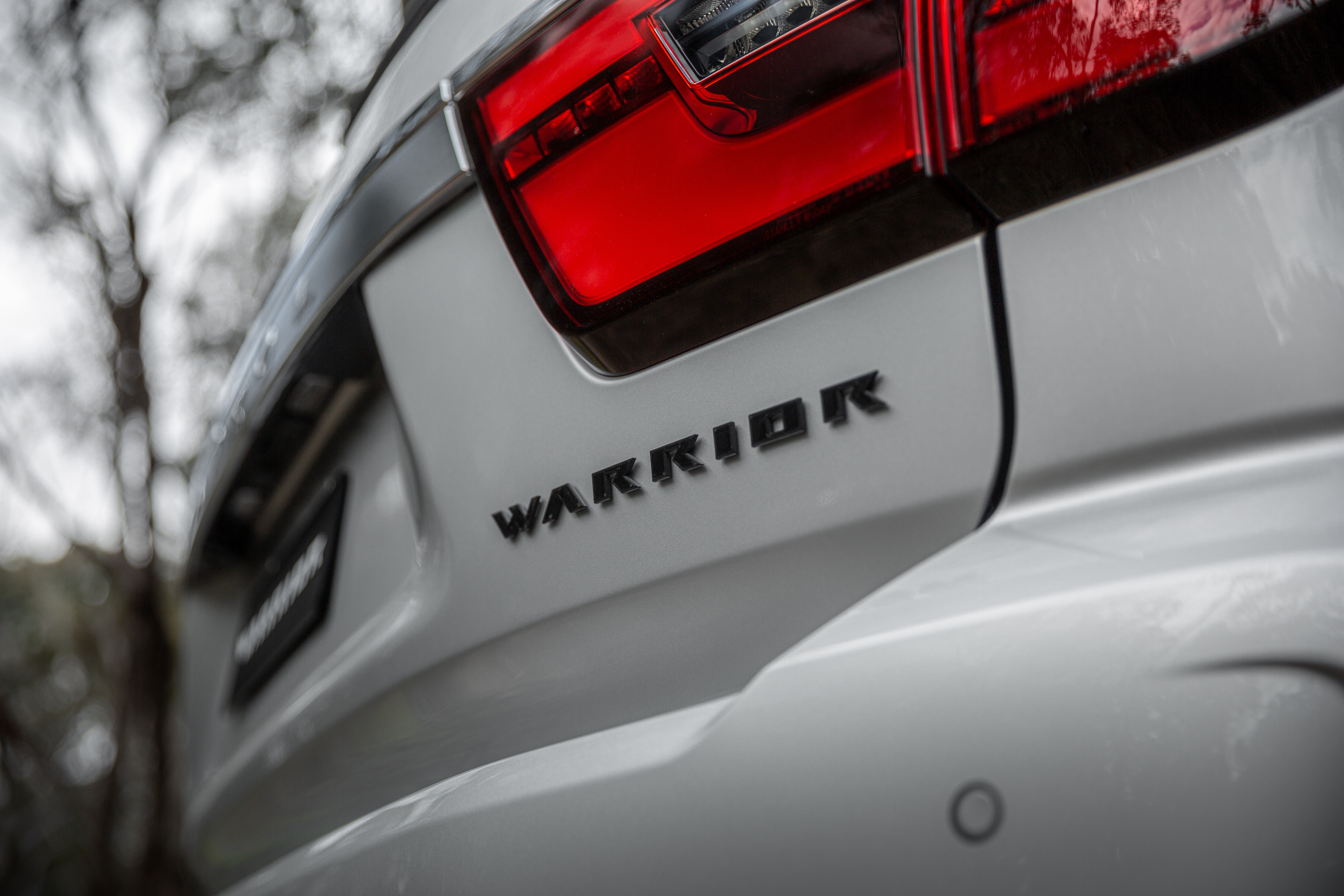
Premcar’s Warrior treatment will be bespoke to the Patrol, but we can expect extra ground clearance via a suspension lift, added under-body protection and the same all-terrain Cooper AT3s fitted to Navaras. Black badging and a sticker kit will likely finish off the treatment.
The best bit? It looks like the Patrol Warrior will have a twin side-exit exhaust for us to hear the full glory of that 5.6-litre direct-injection petrol V8.
Don’t expect any madcap power upgrades from the factory, though.
Despite the exhaust mods, it sounds as though – much like Navara – the Patrol’s 298kW/560Nm outputs will remain untouched, in the name of reliability.
The Patrol Warrior will become the third Warrior product alongside the original Navara Pro-4X Warrior and recently-introduced Navara SL Warrior.
4×4 gear guides
Why a Patrol Warrior now?
The Y62 Patrol will enter its 10th year on-sale in Australia next year, but it’s showing no signs of slowing numbers with a new sales record set in March 2022.
Nissan and Premcar’s Navara Warrior project has proven successful where too, with pretty much every vehicle converted to Warrior spec finding a home so far.
Nissan Australia managing director, Adam Paterson, may be Canadian, but is learning to love Premcar’s unique Australian off-road transformations, saying: “I have no doubt that it will be a huge success.
“The Warrior program, our collaboration with Premcar, has already proven immensely popular in Australia, and a new version of the already hugely capable Nissan Patrol is a vehicle I, like many Australians, can’t wait to drive.
“Our collaboration with Premcar is all about developing vehicles that are perfectly suited to Australian customers and conditions.”
The pictures in this article suggest that the Patrol Warrior development is already in a fairly advanced stage. Stay tuned for further updates.
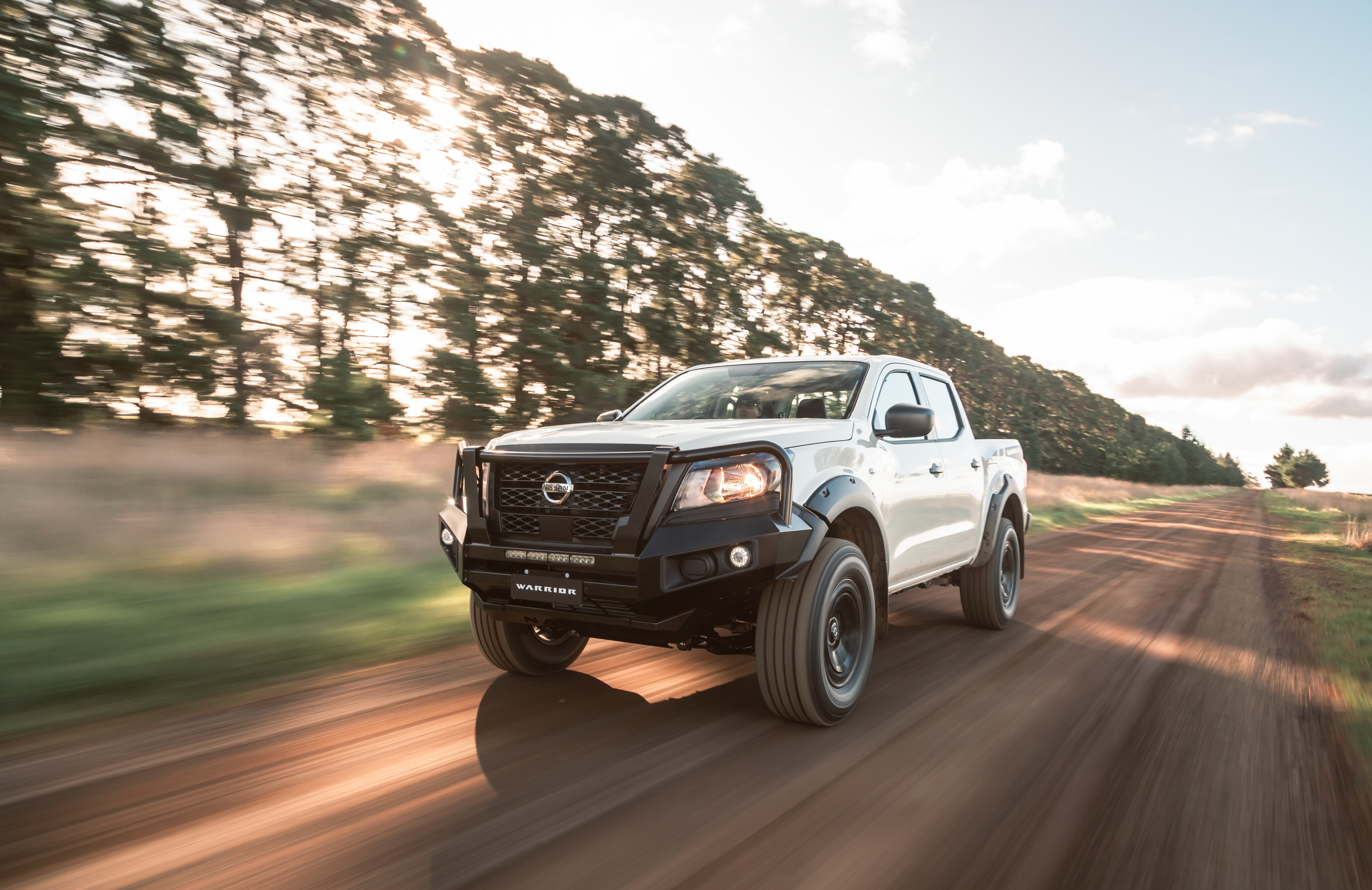
The past-gen Mitsubishi MR Triton is a smartly priced vehicle in an extremely competitive ute market. It has since been replaced by the current-gen 2024 Triton MV.
Smaller and more nimble than most of its ute contemporaries, all 4×2 and 4×4 variants of the Triton MR utilise a 2.4-litre MIVEC turbo-diesel engine that generates 133kW and 430Nm.
The majority of the Triton MR range is occupied by double-cab versions, but single-cab and club-cab body styles are also available, with either cab-chassis or pick-up configurations. The Triton’s 10-year warranty and 10-year capped price servicing is industry-leading.
JUMP AHEAD
- Pricing
- What body styles are available for the Mitsubishi Triton?
- What features are standard in every Mitsubishi Triton?
- What key features do I get if I spend more?
- How safe is the Mitsubishi Triton?
- How comfortable & practical is the Mitsubishi Triton?
- How big is the tray/tub?
- Which Mitsubishi Triton engine uses the least fuel?
- What is the Mitsubishi Triton’s towing capacity?
- How long is the warranty and what are the Mitsubishi Triton’s servicing costs?
- Which version of the Mitsubishi Triton does 4X4 Australia recommend?
- What are the Mitsubishi Triton’s key rivals?
Pricing
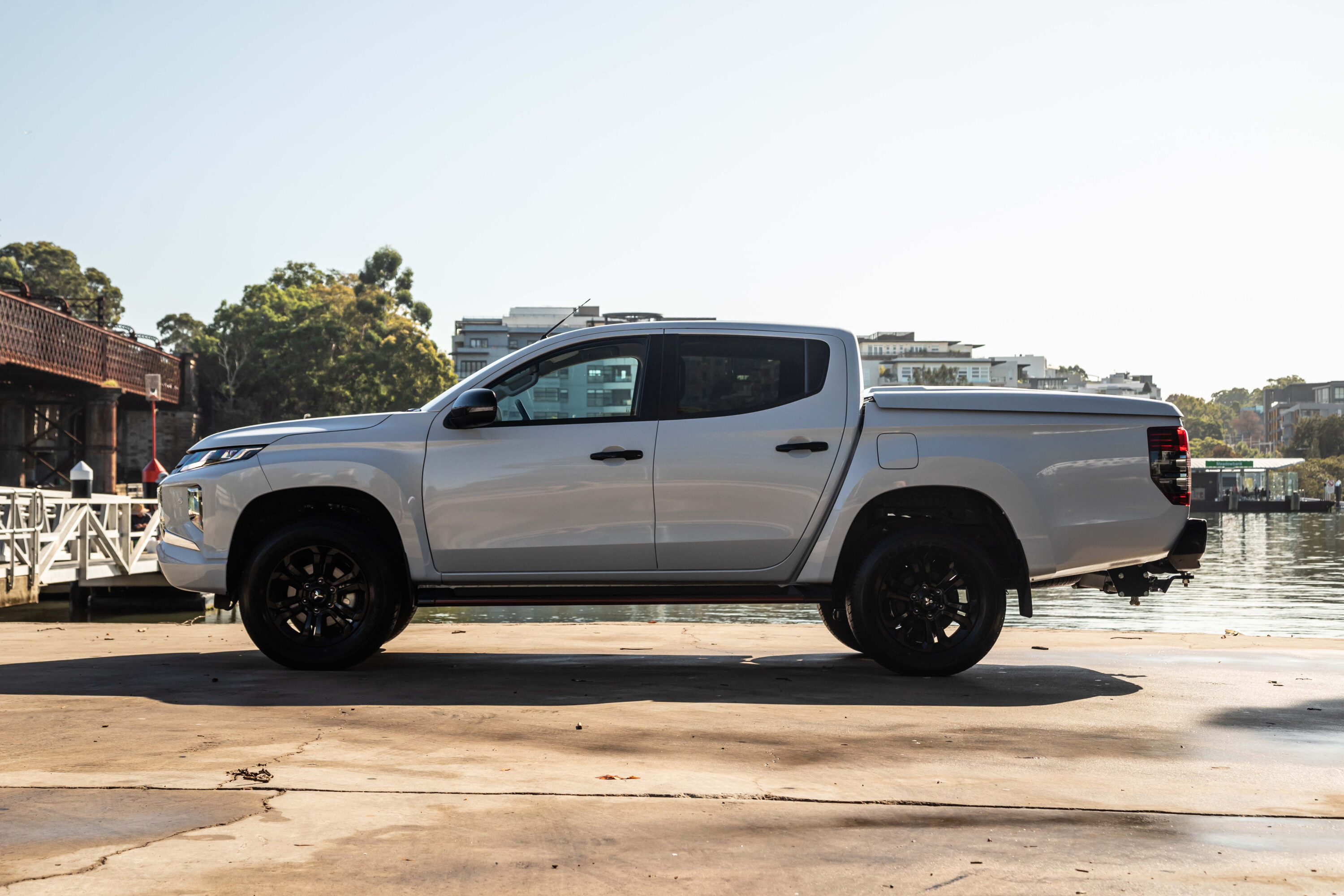
What body styles are available for the Mitsubishi Triton?
The Triton MR is available in 2WD and 4WD, depending on the version. It is classed as a light commercial vehicle, with double-cab, single-cab and club-cab variants available, and with a cab-chassis or pick-up configuration.
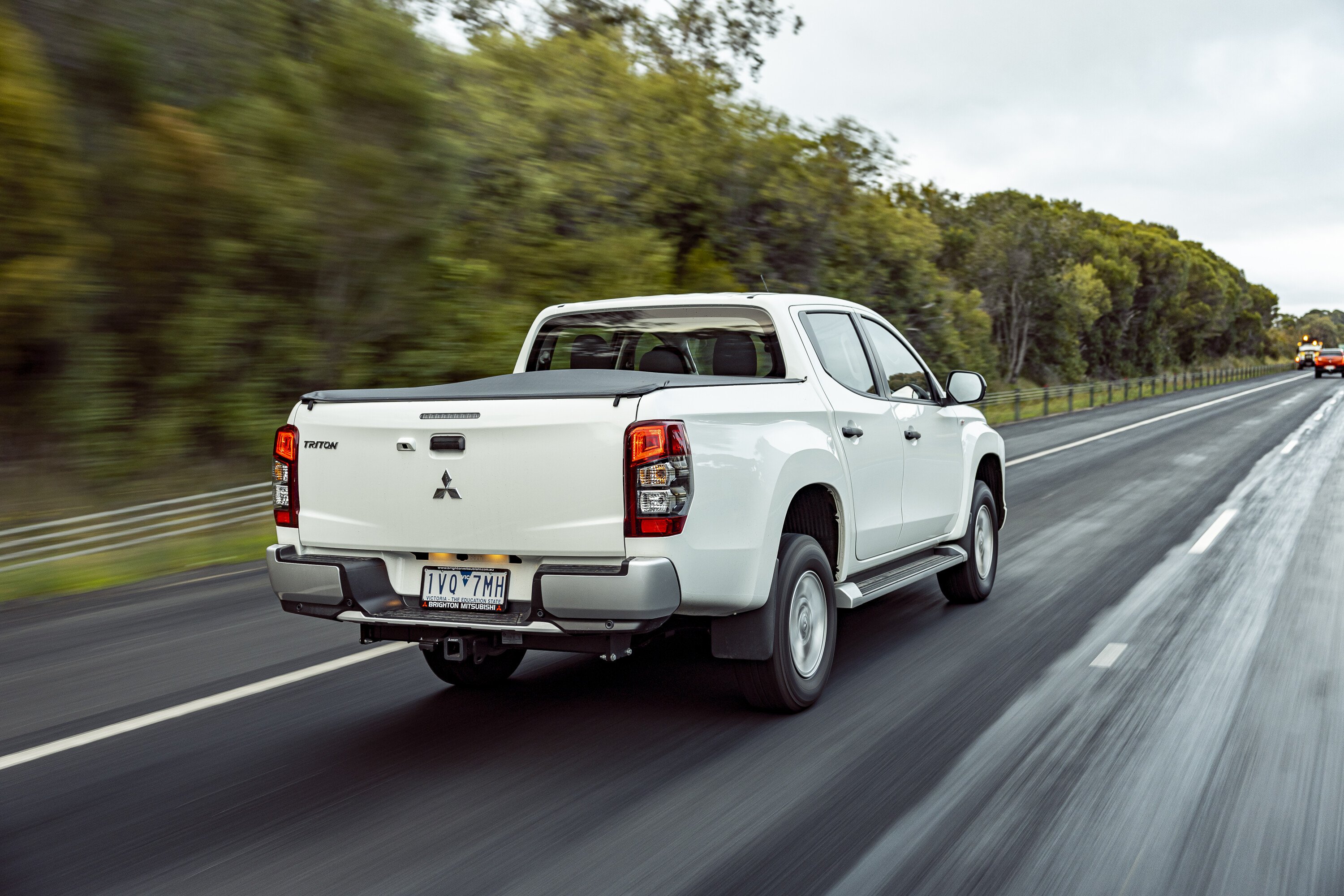
What features are standard in every Mitsubishi Triton?
The features listed below are standard in the entry-level model and will appear in higher-grade models, unless replaced by more premium equivalent features.
| 2023 Mitsubishi Triton standard features | |
|---|---|
| 2.4-litre MIVEC turbo-diesel engine | Mudflaps (front) |
| Seven-inch touchscreen | Air-conditioning |
| Android Auto and Apple CarPlay connectivity | Tilt and telescopic steering column |
| Heavy duty suspension | Cruise control |
| Front skid plate | Three-spoke steering wheel |
| Front tow hook | Accessory power socket |
| Side steps | Seven airbags |
| Halogen headlights | Reversing camera (depending on tray) |
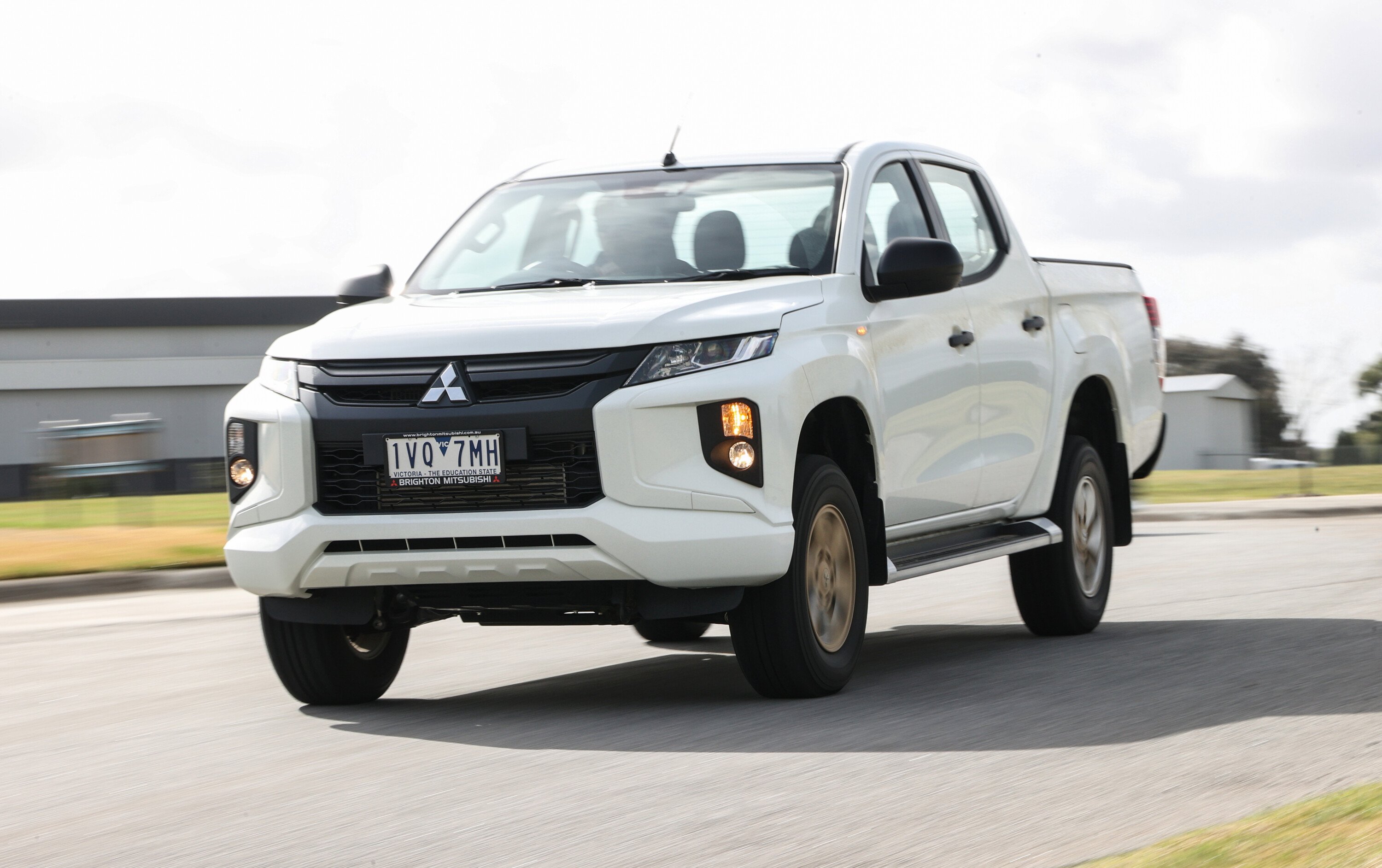
What key features do I get if I spend more?
Opt for the GLX single-cab chassis 2WD base model and it’ll be equipped with the above features.
Upgrade to the 4WD version of the same model and it’ll add an Easy Select 4WD system, two-speed transfer case, 17 x 7-inch steel wheels, a free-wheeling front axle and a 4WD indicator.
The GLX+ double-cab adds:
| 2023 Mitsubishi Triton GLX+ features |
|---|
| 16-inch alloy wheels |
| Climate-control air-conditioning |
| A rear diff lock |
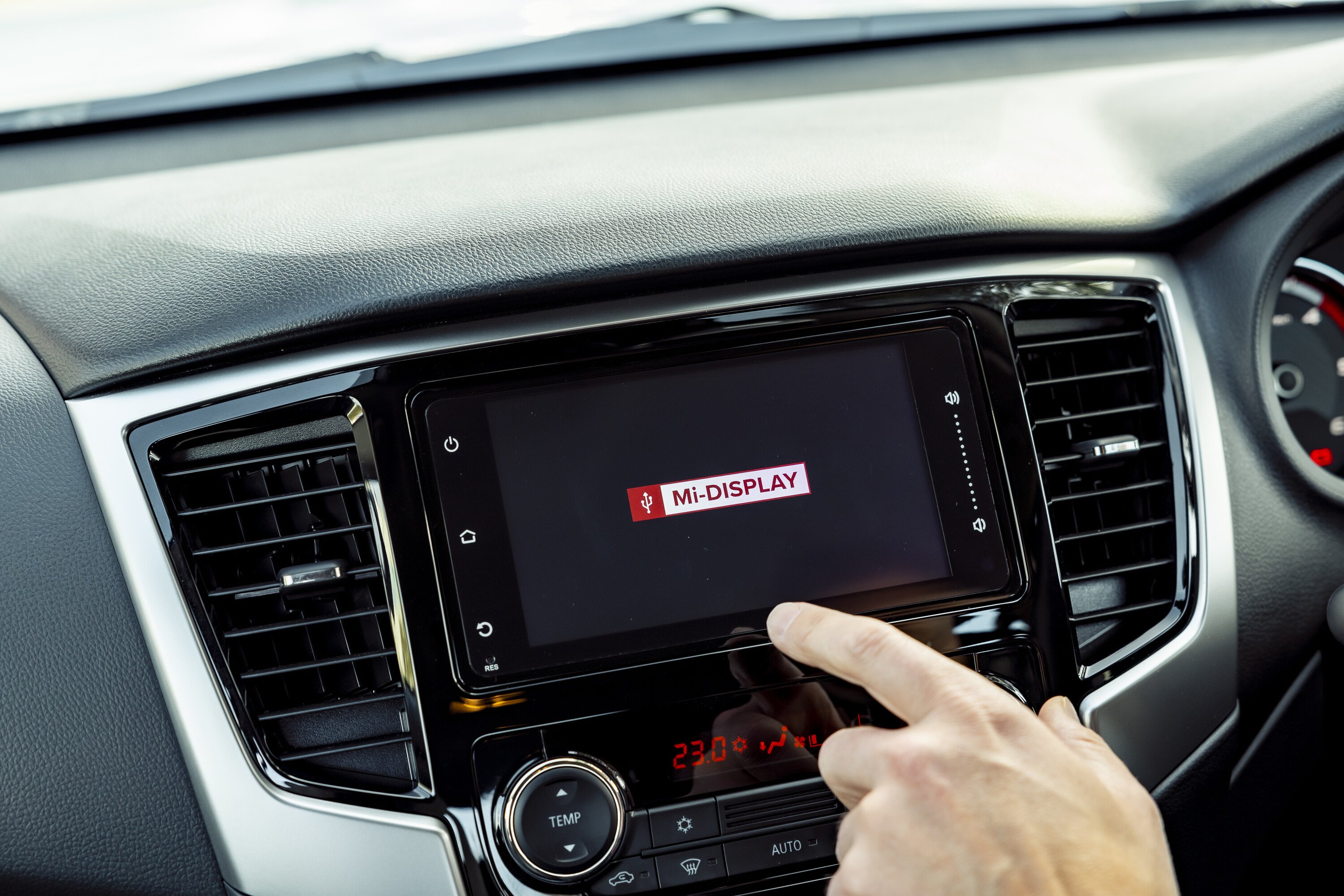
Upgrading to a GLX-R double-cab adds:
| 2023 Mitsubishi Triton GLX-R features |
|---|
| 18 x 7.5-inch black alloy wheels |
| H/T tyres |
| Leather-bound gearshift and steering wheel |
| Carpet floor |
| More chrome and black design touches. |
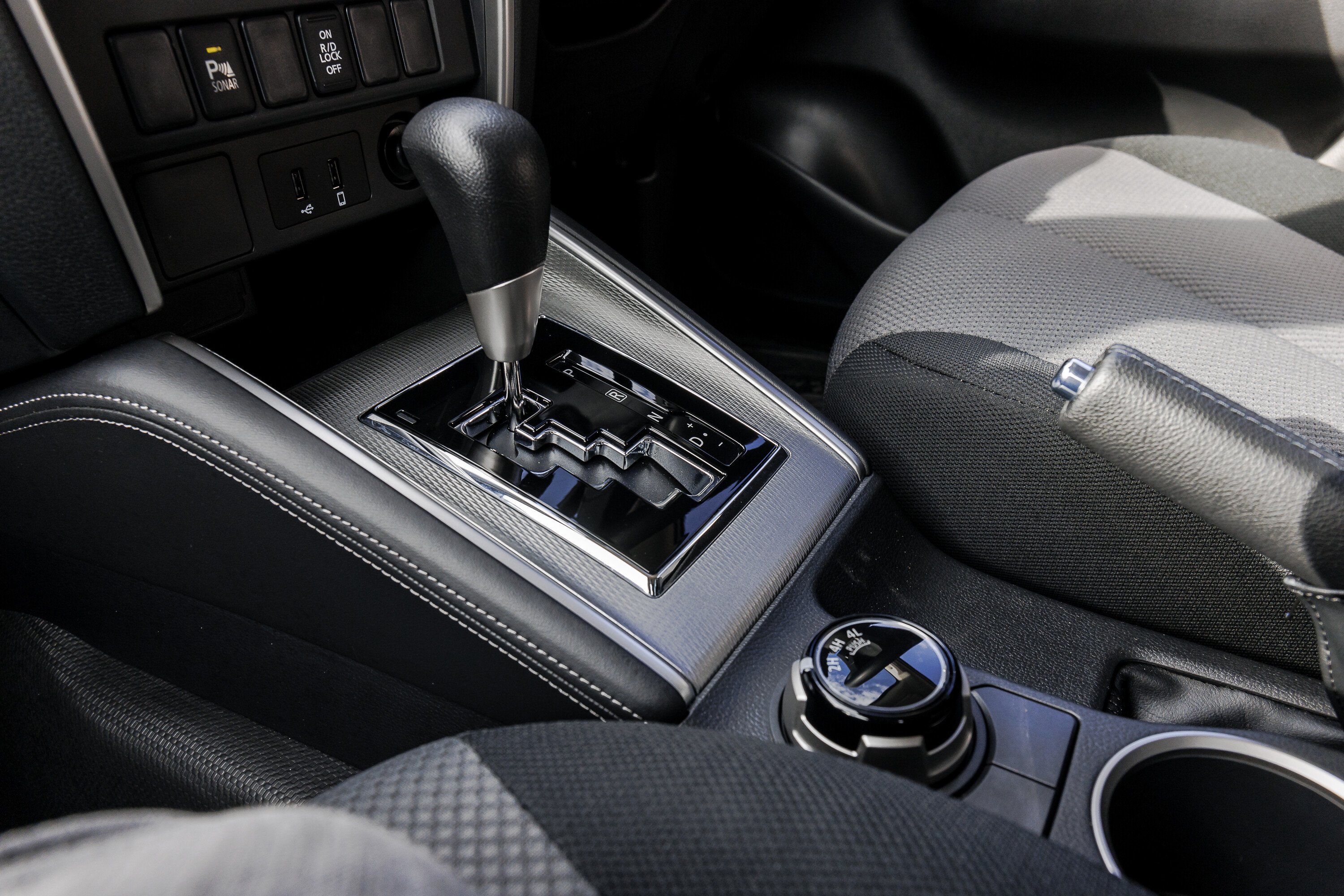
Paying more again for a GLS double-cab adds:
| 2023 Mitsubishi Triton GLS features | |
|---|---|
| Paddle shifters (auto only) | Six speakers |
| Super Select II 4WD system | Second-row USB power supply |
| Centre diff | Hill Descent control |
| 18 x 7.5 two-tone alloy wheels | Off-Road mode |
| LED DRLs | Auto high-beam |
| Smart key and one-touch start | Blind-Spot warning and Lane Change assist |
| Dual-zone climate control | Rear Cross Traffic Alert |
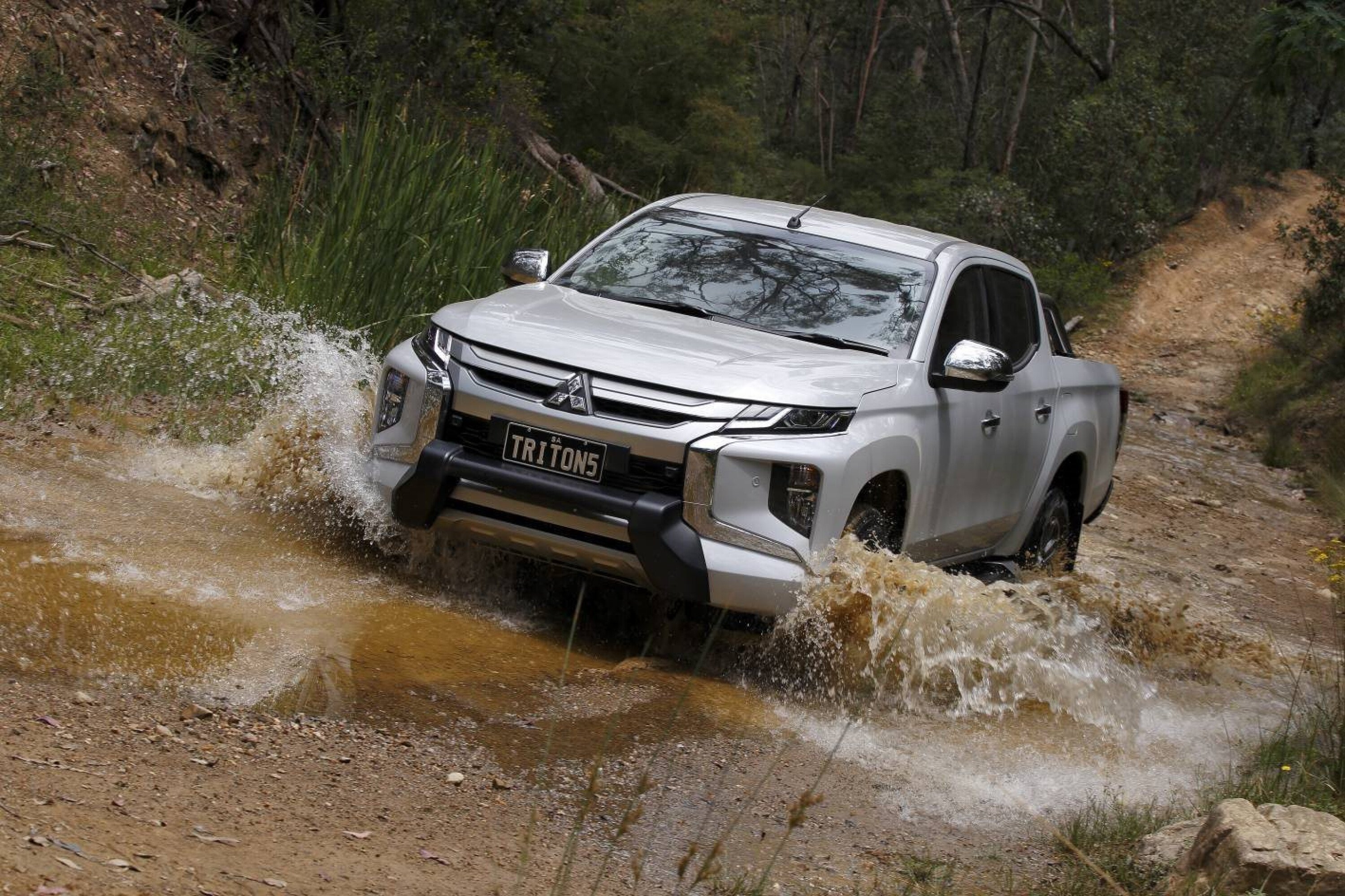
The GSR, the most expensive version, comes with a few aesthetic differences, including:
| 2023 Mitsubishi Triton GSR features | |
|---|---|
| Six-speed auto transmission with manual shift mode as standard. | Heated front seats |
| Black roof | Artificial leather door trim |
| Black grille | Multi-Around Monitor |
| 18 x 7.5 inch black alloy wheels | Tan Orange interior option |
| Black rear bumper | Leather-appointed seats |
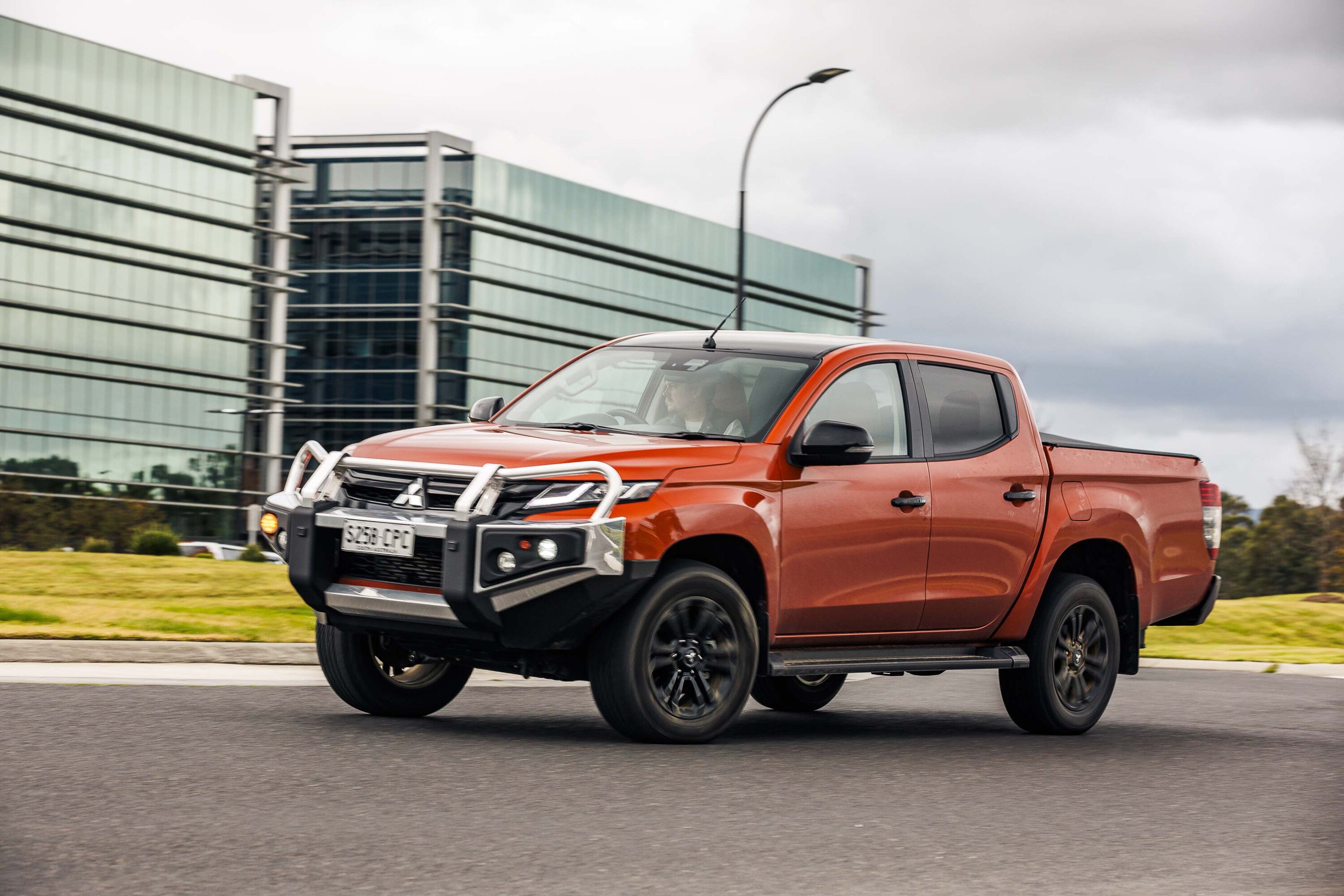
How safe is the Mitsubishi Triton?
The Triton MR received a five-star ANCAP safety rating back in 2015, but all models built from January 2023 are currently classified as “unrated”.
Still, all Triton models are equipped with a speed limiter, Emergency Stop Signal function, Emergency Brake Assist, Hill Start Assist, Active Stability Control, Trailer Stability Assist, Active Traction Control, ABS and EBD.
All models are also fitted with a full suite of airbags: driver and front passenger, driver and front passenger side, curtain, and driver’s knee.
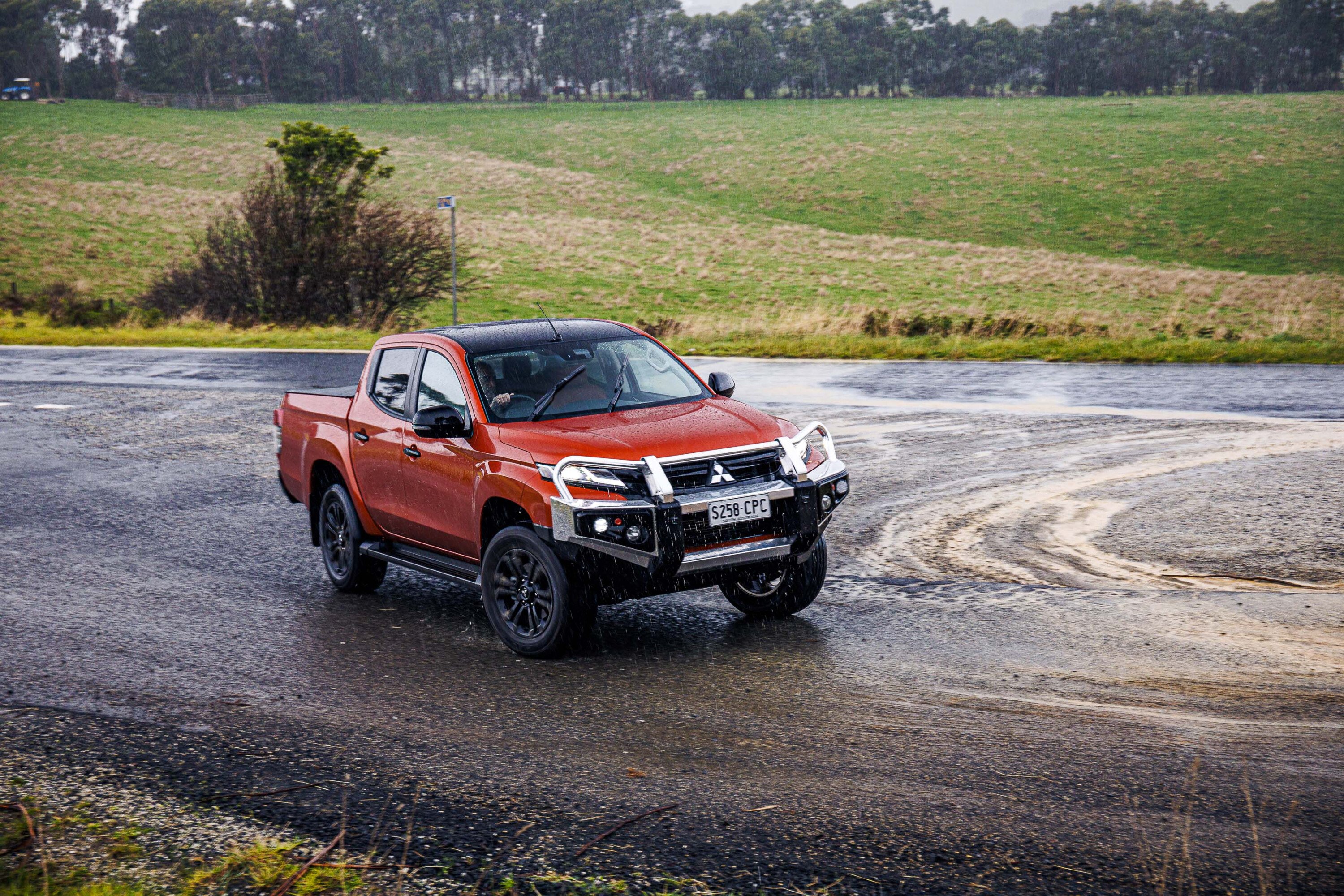
Club-cab and double-cab models are fitted with a Forward Collision Mitigation system (FCM) with pedestrian detection, as well as Lane Departure Warning.
However, to get Blind Spot Warning, Lane Change Assist, Rear Cross Traffic Alert and the Ultrasonic acceleration Mitigation System, buyers must opt for the more up-spec GLS or GSR pickups.
Rear-view cameras and rear parking sensors are standard on pick-up variants only, while front parking sensors are only standard on GLS and GSR pick-ups. A Multi-Around Monitor system is standard with the GSR and optional with the GLS.
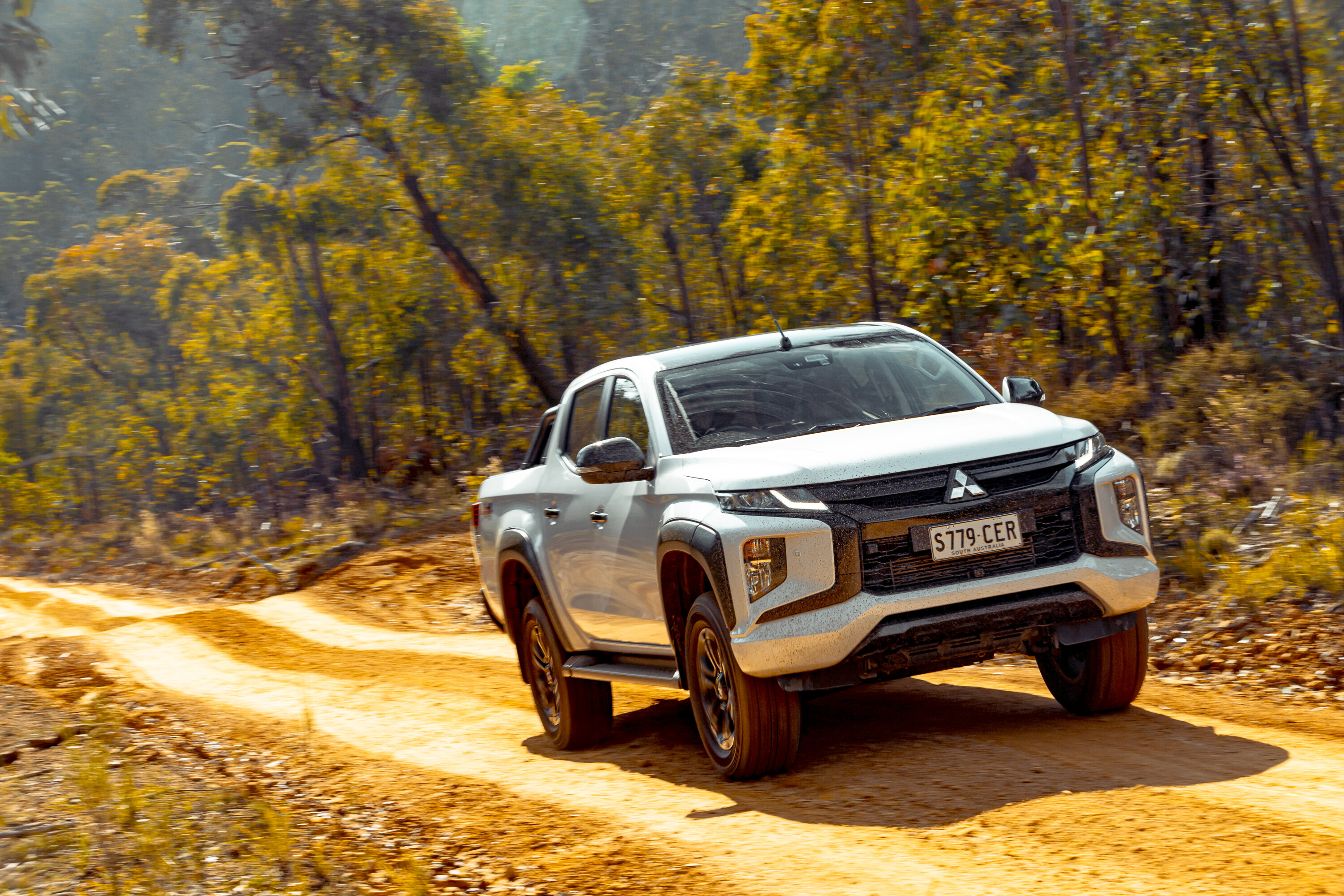
How comfortable and practical is the Mitsubishi Triton MR?
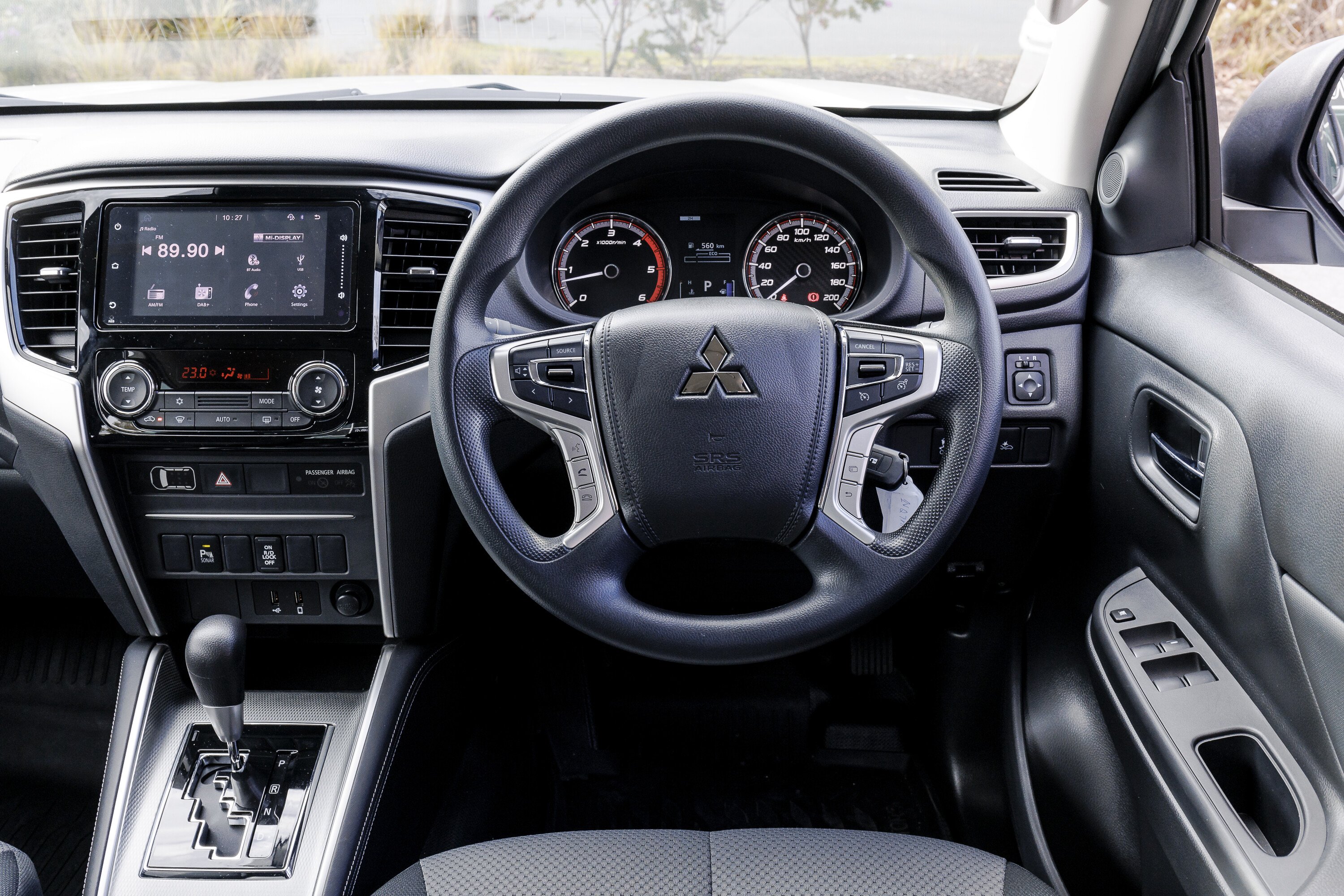
In GLX+ guise, the ute’s cabin is rather utilitarian, as befits its trade-focused purpose.
Its single-zone air-conditioning system and turnkey ignition are outdated, and the infotainment system – consisting of a small 7.0-inch touchscreen – can be slow and confusing to navigate. However, the cabin has an abundance of storage pockets and drink holders, including big bottle holders in the doors, two USB-A points, and a 12-volt power port.
Move up to the GSR and the traditionally blue-collar ute has been updated with tan orange upholstery and leather-covered touchpoints. However, the dashboard still has plenty of hard plastic and the second-row seats are a bit thin but surprisingly supportive.
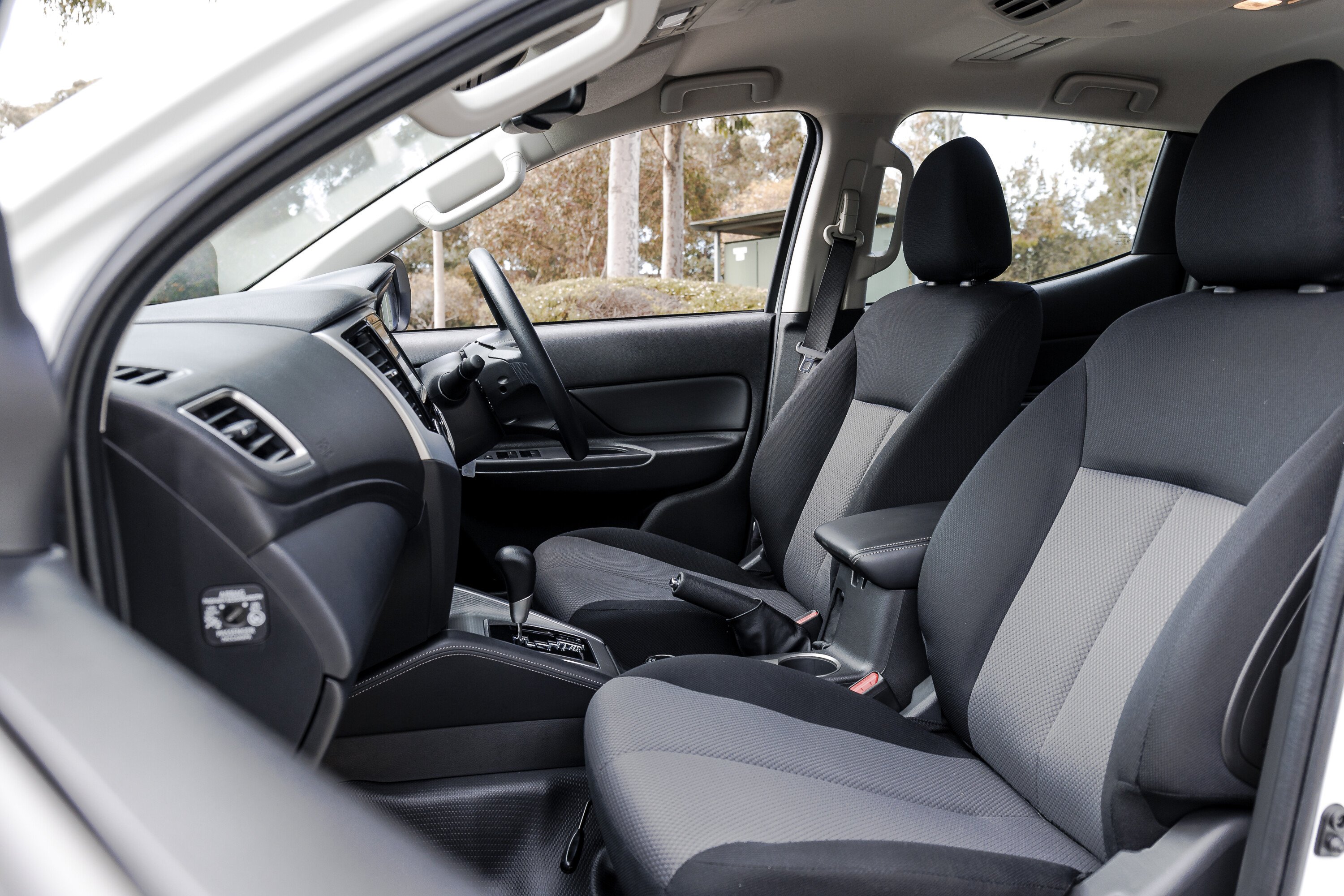
Again, there is ample storage space with cup holders, bins, and large door pockets. Sitting three abreast in the rear pews would be cozy, and there are two further USB ports (only available in top-spec GLS and GSR variants) and cup holders in the fold-down centre armrest for rear passengers.
All cab-chassis variants feature old-school manual temperature control, while only the GLS and GSR dual-cab utes feature dual-zone climate control – the rest has to make do with single zone.
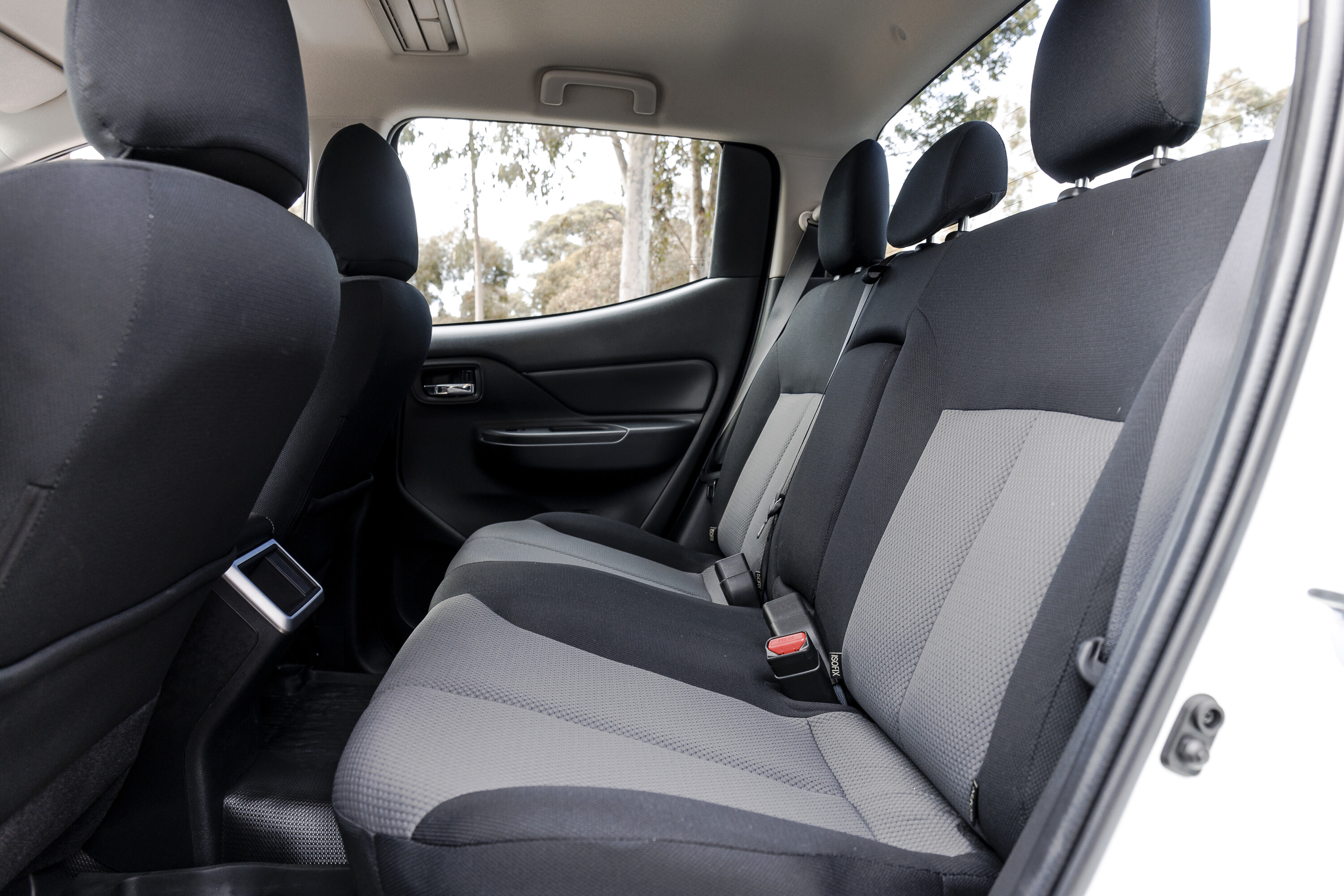
How big is the tray/tub?
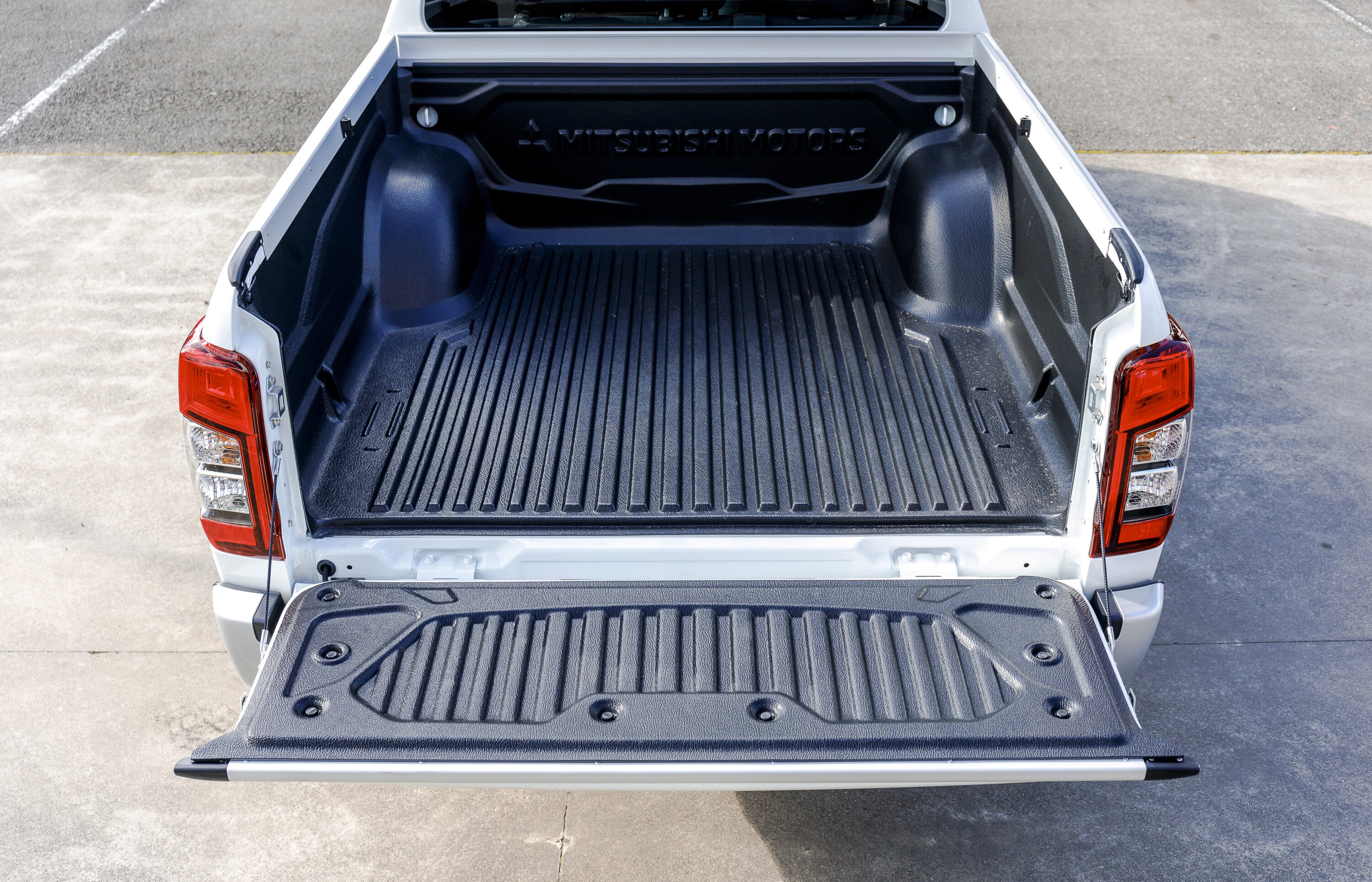
How much equipment you’ll be able to load into the tub of your Triton ultimately depends on the model you opt for.
For double-cab pick-ups, the tub measures 1520mm x 1470mm x 475mm, with 1085mm between the wheel arches. Opt for the club-cab and you’ll be greeted with a longer tub: 1850mm x 1470mm x 475mm, with the same 1085mm between the wheel arches.
The size of the tray in the cab-chassis variants depends entirely on the size of the tray fitted.
I like driving, will I enjoy this car?
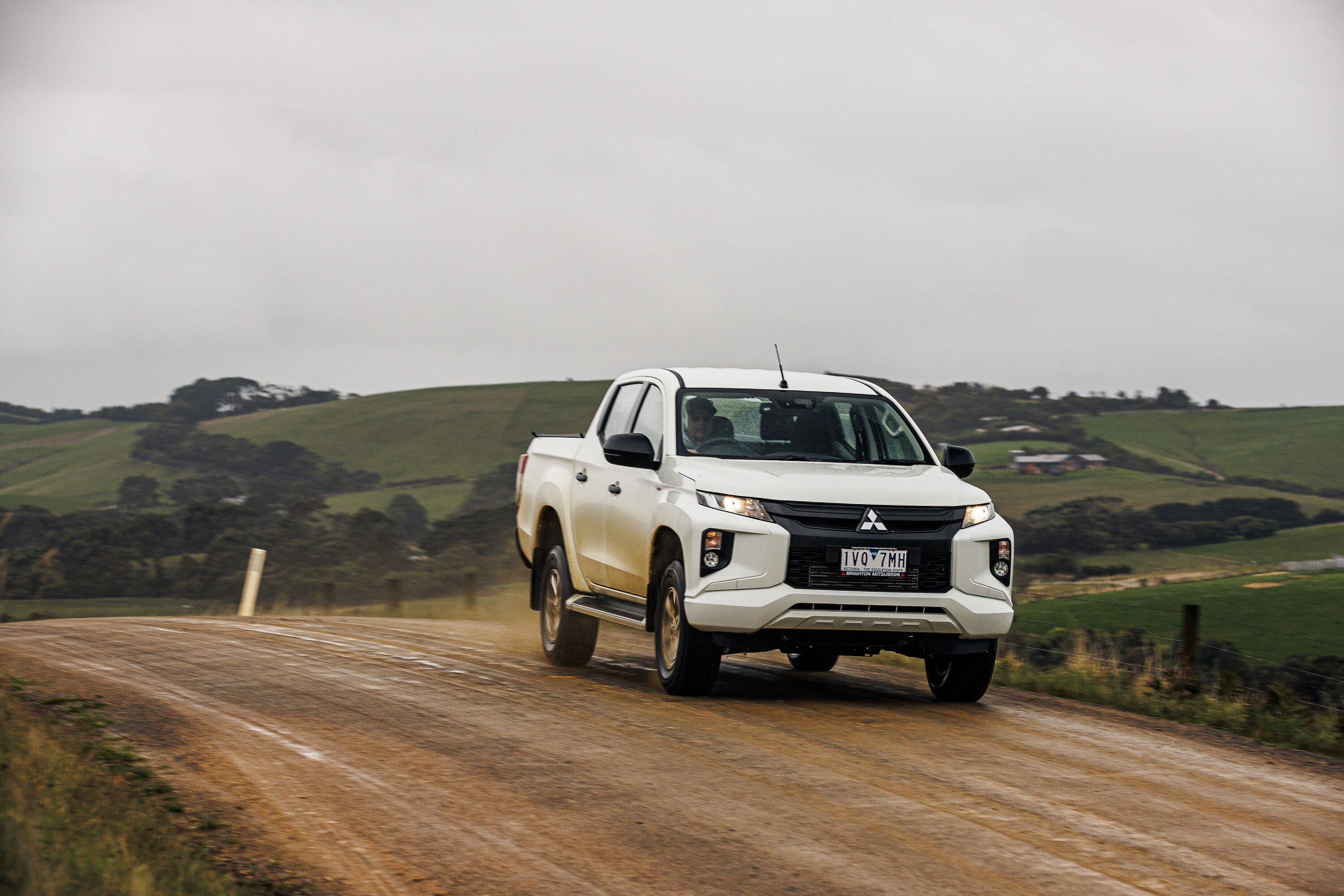
For a ute, the Triton MR is rather nimble and tidy on-road.
The entire Triton range is powered by Mitsubishi’s long-serving 2.4-litre turbo-diesel four-cylinder diesel engine, which generates 133kW at 3500rpm and 430Nm at 2500rpm. It is mated to either a six-speed automatic or six-speed manual transmission. Well-matched to the powertrain, the transmission will rarely hunt for gears, more often than not finding the sweet spot.
Diesel rattle is prominent, but the GLX+ feels more car-like compared to some of its similarly-priced contemporaries. Fitted with leaf springs at the rear and coils up front, the GLX+ in particular feels settled on both bitumen and mild dirt tracks, soaking up larger bumps with aplomb.
Its hydraulically-assisted steering feels dialled-in and well-connected to rain-soaked dirt roads, something which can’t be said of other utes in the around-$40K category. Drive it back-to-back with the GWM Cannon-X and you’ll know exactly what we mean.
All models except for the GLS and GSR pickups miss out on Mitsubishi’s Super Select II 4×4 system; instead relying on the more rudimentary Easy Select 4WD system to modulate between 2H, 4H and 4L via an easy-to-use rotary dial – flicking between 2H and 4H on the fly is a simple affair.
The GLS and GSR are also the only models equipped with selectable drive modes, which adjusts engine output, transmission settings and traction control to best suit the terrain, be it Gravel, Mud/Snow, Sand or Rock.
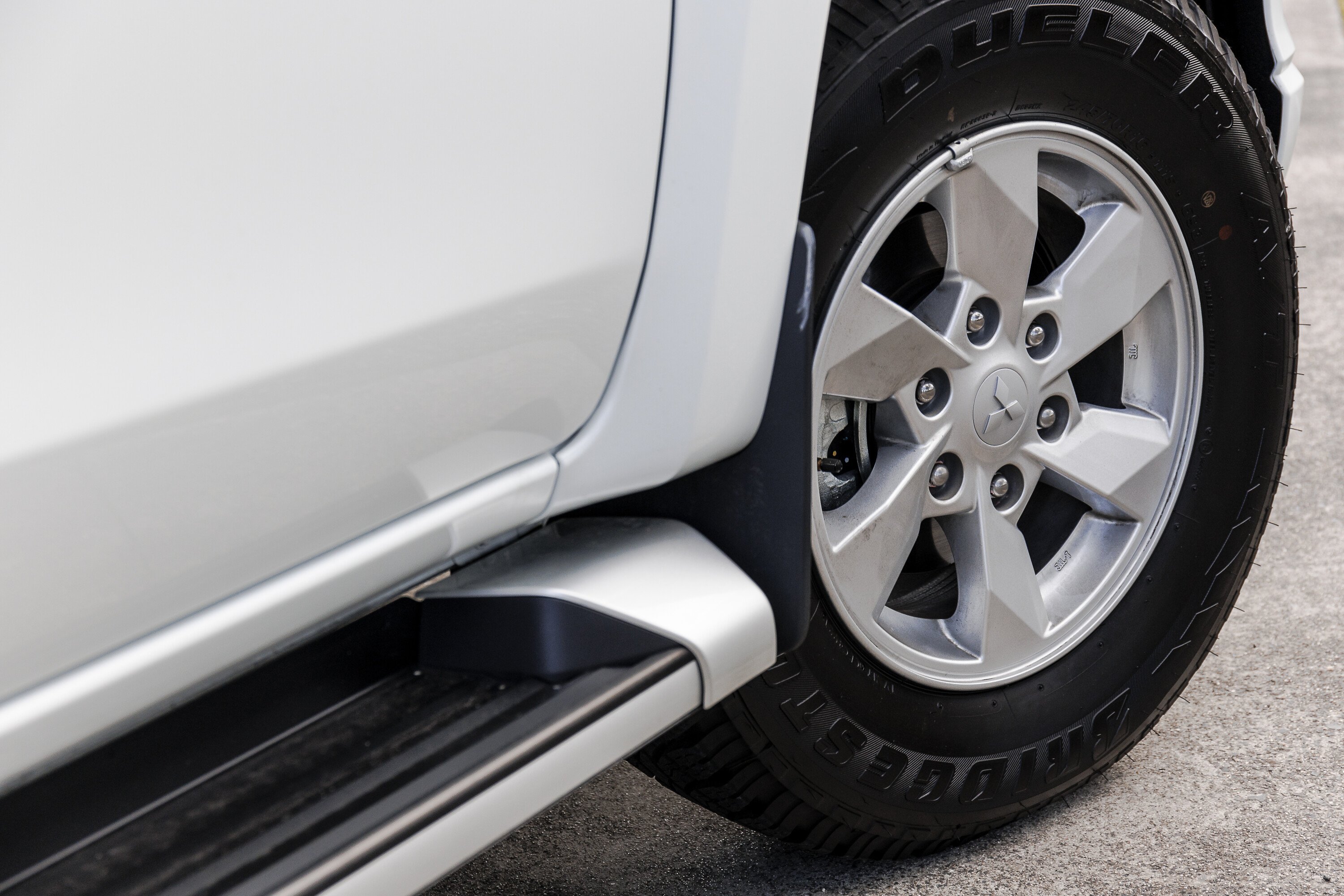
Ground clearance ranges from 200mm to 220mm, depending on the variant. From the factory, the GLX+ is fitted with 16 x 7-inch steel wheels inside 245/70R16 tyres. Opt for the GSR and you’ll get alloys in lieu of steel.
Which Mitsubishi Triton MR engine uses the least fuel?
All 2023 Triton models are equipped with the 2.4L DOHC MIVEC 16 valve common-rail intercooled diesel engine and conservative 75-litre fuel tank.
According to official manufacturer claims, the GLX single-cab cab-chassis 2WD variant with the six-speed manual transmission uses the least amount of fuel, at 7.8L/100km. 2WD double-cab models drink 8.4 litres of diesel per 100km.
All 4WD models in the Triton line-up are said to consume 7.9L/100km (manual) and 8.6L/100km (auto).
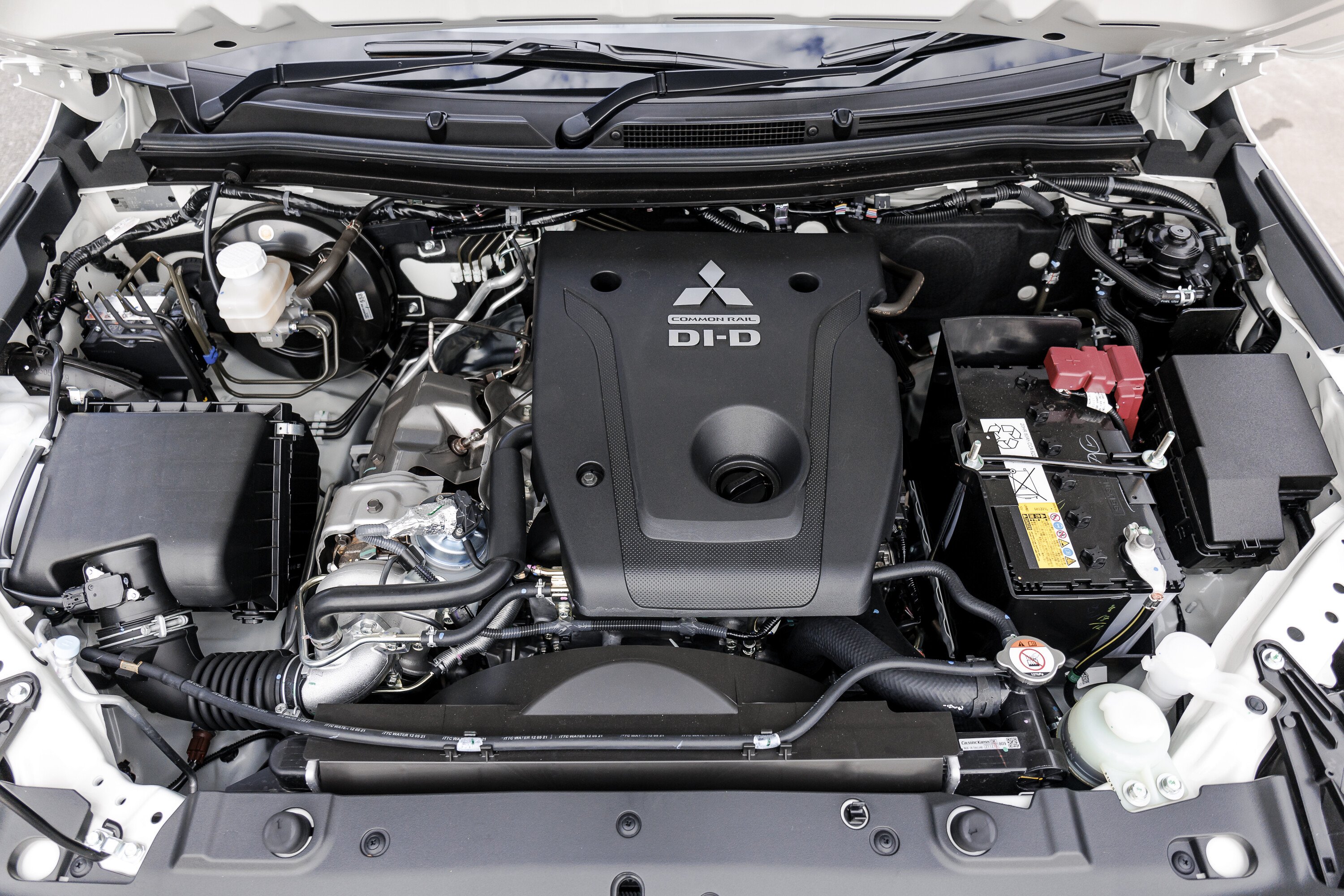
What is the Mitsubishi Triton MR’s towing capacity?
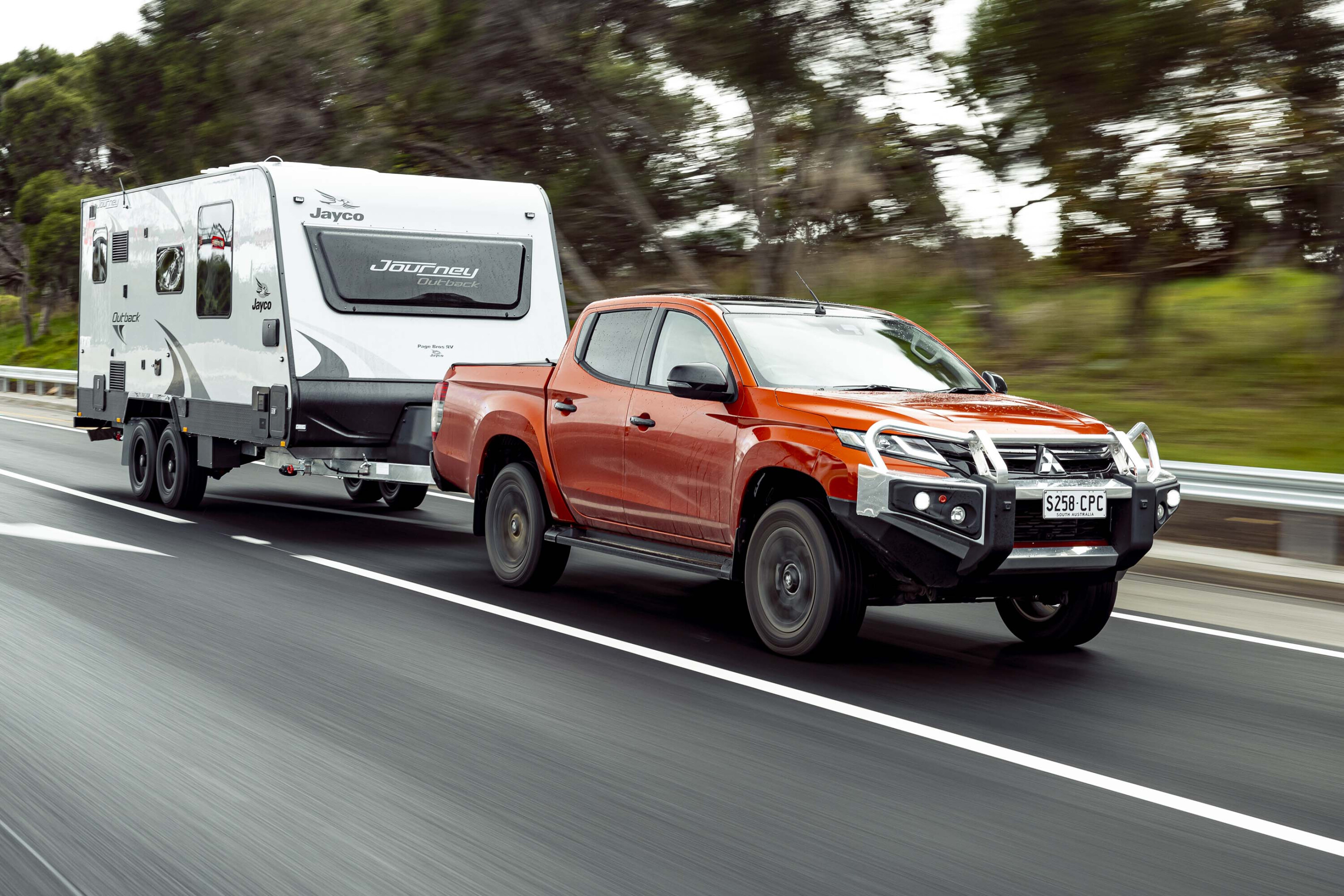
Depending on the variant, the Mitsubishi Triton has several towing capacities.
The GLX single-cab cab-chassis (man/auto) has a braked towing capacity of 2500kg. That’s increased to 3000kg for the GLX and GLX-R 2WD variants, as well as the following 4WD models: GLX single-cab cab-chassis, GLX club-cab cab-chassis (man/auto), and GLX+ club cab pick-up.
The GLX double-cab cab-chassis (man/auto), GLX double-cab pick-up, GLX+ double-cab pick-up (man/auto), GLX-R double-cab pick-pp, GLS double-cab pick-up (man/auto), and GSR double-cab pick-up all have the highest towing capacity in the line-up, at 3100kg.
The Triton’s maximum towing capacity of 3100kg is below the industry standard of 3500kg.
How long is the warranty and what are the Triton’s servicing costs?
The Mitsubishi Triton comes with the industry’s longest factory warranty – ten years / 200,000km.
The Mitsubishi Triton comes with 15,000 km / 12-month service intervals and an industry-leading 10-year capped-price servicing scheme, with the first interval priced at $399. Prices then fluctuate between $499 and $999 for the length of the servicing program.
Which version of the Mitsubishi Triton does 4X4 Australia recommend?
Our reviewers like the Triton GLX+ 4×4. That it’s almost $10K cheaper than the GSR makes it a viable and enticing proposition.
It misses out on some of the nice features the GSR boasts, but you’re still left with a great platform, albeit one with a dated interior.
Overlook these minor shortcomings and the Triton GLX+ makes a lot of sense at this compelling price point.
What are the Mitsubishi Triton’s key rivals?
ud83dudd3c Back to topHere’s the new ?
Snapshot
- New ute based on TNGA-F platform, shared with next-gen Hilux
- Next Hilux could follow Ranger with bold Americanised look
- New hybrid powertrain, tech and suspension possible for Hilux
Ahead of Australia’s anticipated news of the next-gen Toyota Hilux, expected no sooner than 2025, Toyota’s American outpost has unveiled its newest mid-size pick-up – the 2024 Toyota Tacoma.
Newly based on Toyota’s global TNGA-F platform, the same expected for next Hilux, the 2024 Tacoma shows off a bold new design language in line with its larger pickups and SUVs.
Elsewhere, there’s updated powertrains, revised suspension layouts and the expected uptick in safety and technology – all things that might give a clue to what Australia’s next-gen Toyota ute could have.
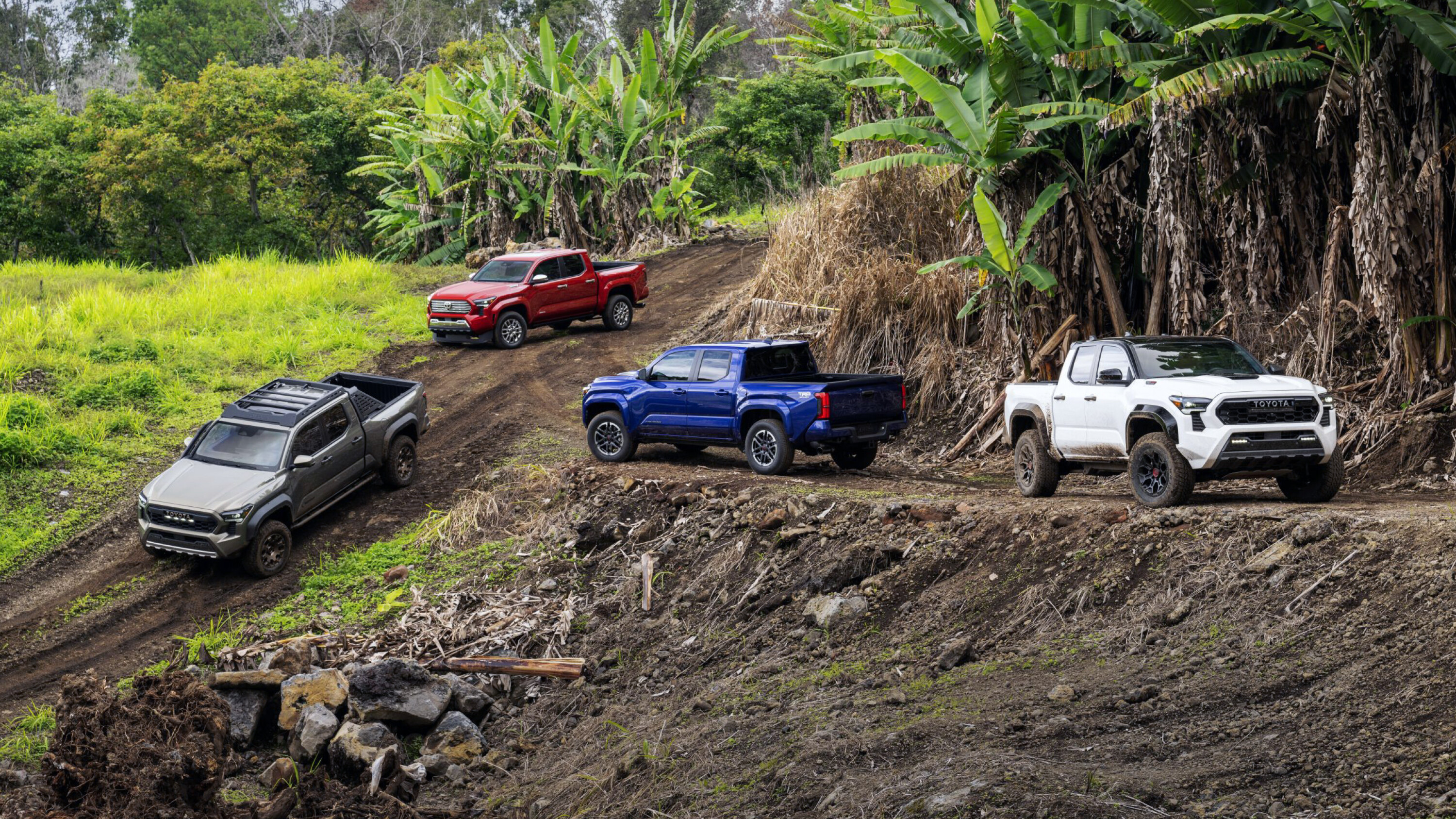
Chassis and suspension
The 2024 Toyota Tacoma steps into modernity with Toyota’s TNGA-F global truck platform providing the underpinnings across the range.
It was back in 2021 when Toyota announced that the next-generation Hilux and Fortuner would share Toyota’s TNGA modular platform with the American Tacoma and 4Runner.
The fully-boxed steel ladder frame chassis also currently provides the bones of the large Tundra ute (and LandCruiser 300).
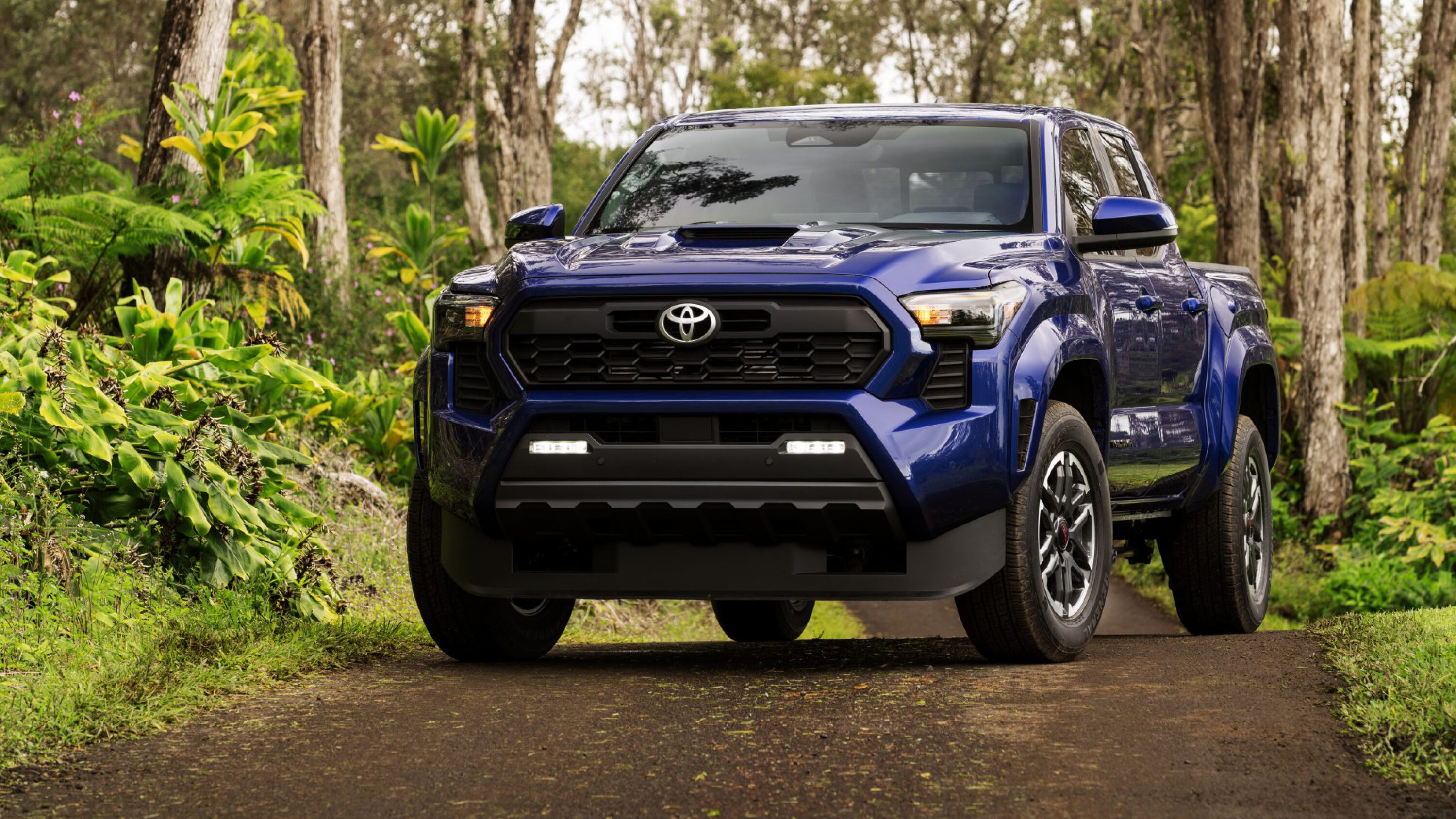
Compared with outgoing platforms, Toyota’s TNGA-F architecture brings an improvement to rigidity, thanks to developments in laser welding, and improved weight efficiencies thanks to an aluminium upper body section. A new, more rigid front crossmember was also developed in order to facilitate electric power steering.
The modular nature of the platform allows American Tacomas to be produced in two- and four-door cab configurations with either a 1.52m (5’ft) or 1.82m (6’ft) beds.
A number of suspension designs have been developed for the Tacoma’s TNGA chassis, with simple and dependable leaf-sprung rear ends still found lower in the range, along with a new multi-link coil-sprung rear end.
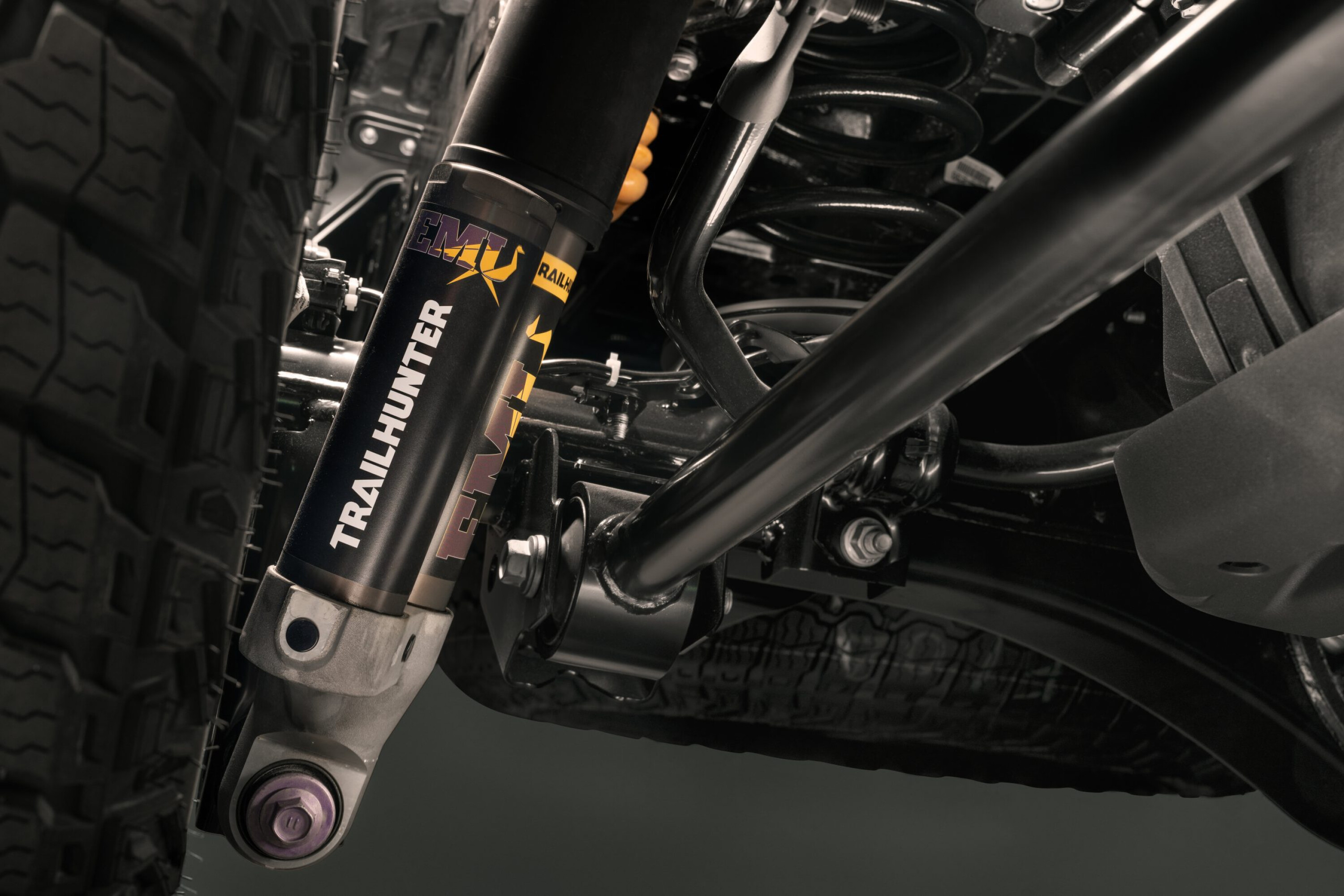
Coil sprung rear ends are not currently found in Hilux from the factory, but would be a very welcome addition to the next-gen range, and bring the HiLux into step with rivals like the Ranger and Navara.
Rear-drive Tacomas are equipped with an automatic limited-slip rear differential, while 4WD models gain a two-speed transfer case with an automatic LSD. More off-road oriented TRD models also gain electronic locking rear differentials, along with uprated suspension packages including remote reservoir units from Bilstein, and three-way adjustable internal bypass shocks from Fox.
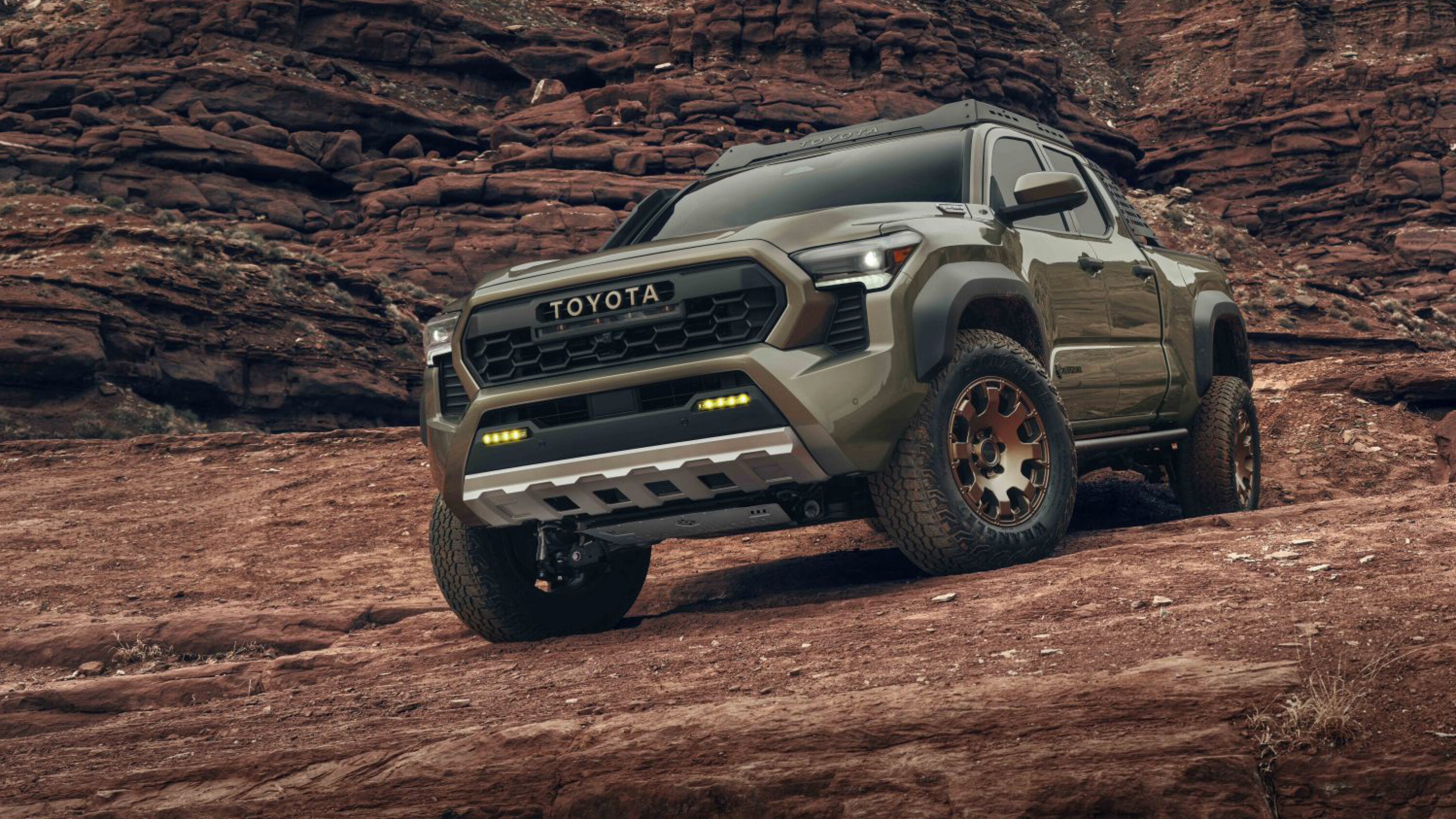
American Tacomas boast 279mm of ground clearance, with approach, breakover and departure angles running 33.8, 23.5 and 25.7 degrees, respectively, on the Toyota Tacoma TRD Pro.
A new front stabiliser bar can be disconnected to improve axle articulation, while four-wheel disc brakes also make their debut for this new vehicle generation.
Powertrains
Powertrains for the new ‘Taco’ include a 2.4-litre turbo four-cylinder engine providing 170-207kW and 329-430Nm, depending on trim and spec.
This is matched to either a six-speed manual, with anti-stall and automatic rev-matching, or an eight-speed automatic.
Pertinently, perhaps for Hilux, is the debut of the hybridized 2.4-litre turbo-four unit that adds a single electric motor and a petite 1.87kWh battery pack to the Tacoma TRD Pro and Trailhunter. Toyota has already hinted that a mild hybrid Hilux ‘looks likely’, and the adoption of the Tacoma’s system would be the path of least resistance from a development point of view.
The hybridised powertrain can only be matched with an eight-speed automatic, and produces 243kW and 630Nm.
Fuel figures have not yet been released, likely awaiting US EPA validation.
Design, interior and technology
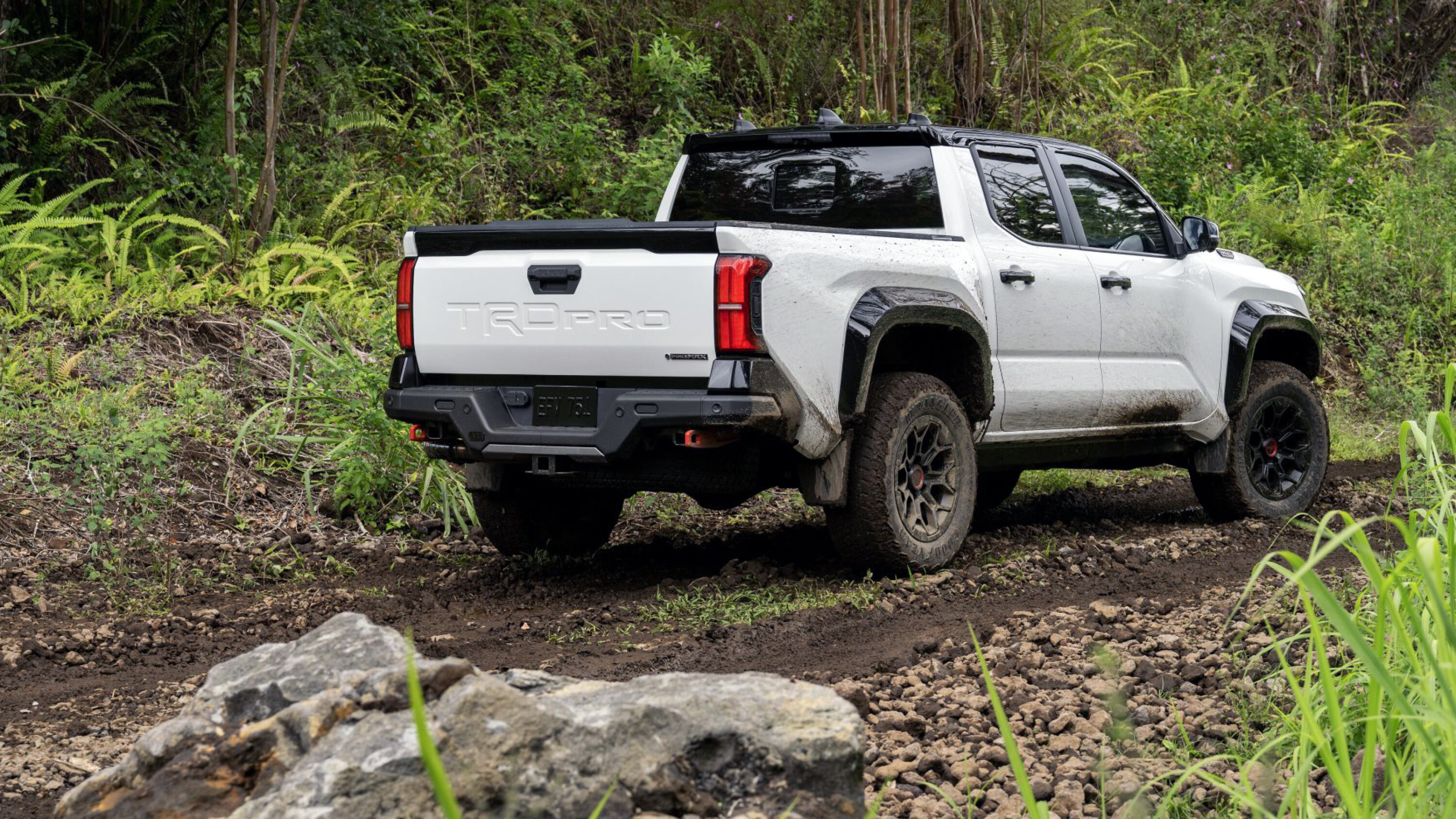
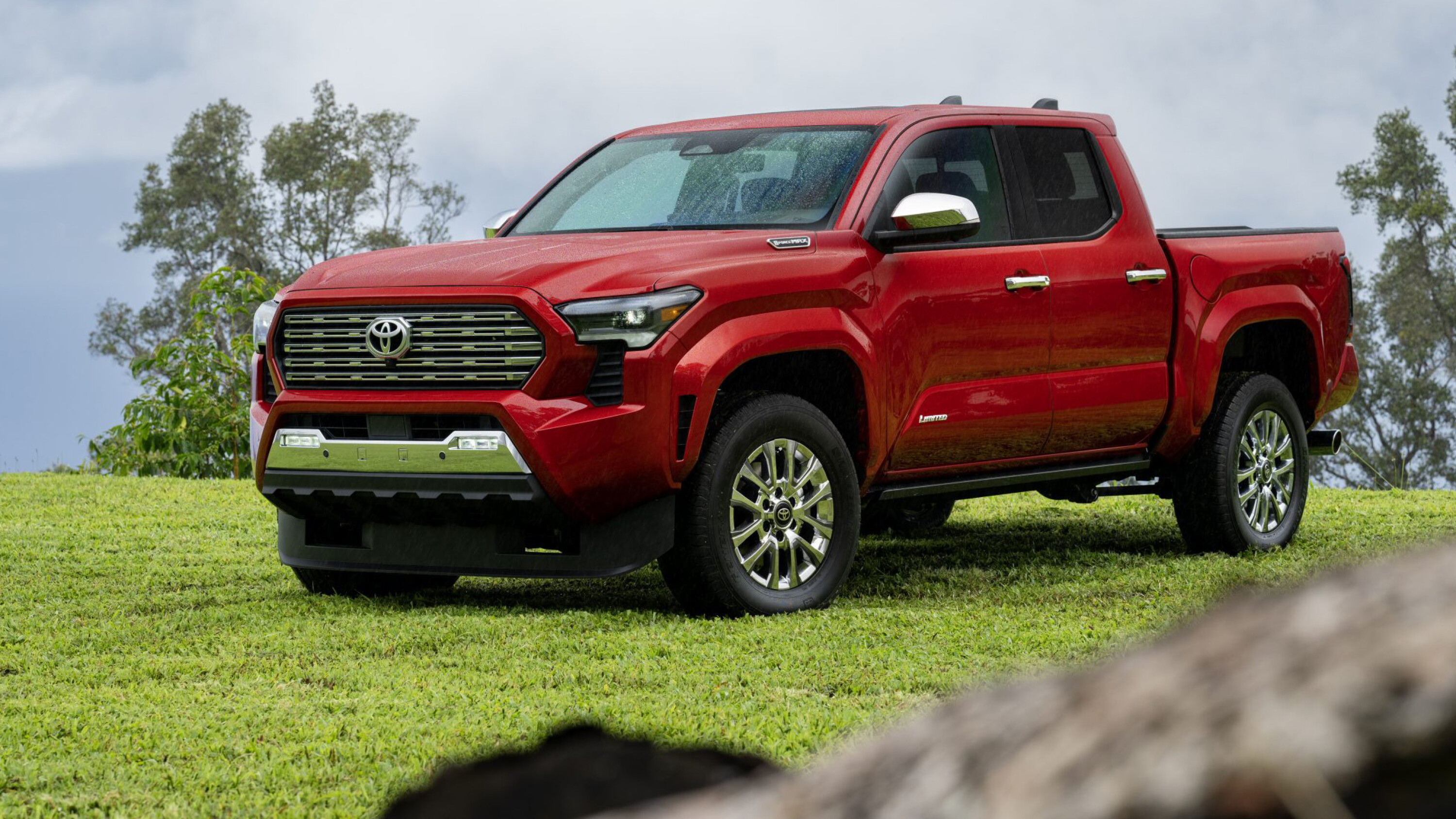
The 2024 Toyota Tacoma for America treads a bold, modern design with an upright turret and nary a curved line anywhere to be found.
The hexagonal grille and small headlight arrangement feel most identifiably RAV4 for the Australian market, but given the frequently best-selling Ford Ranger’s adoption of ‘big American’ styling, don’t be surprised if the 2025 Toyota Hilux follows a similar path.
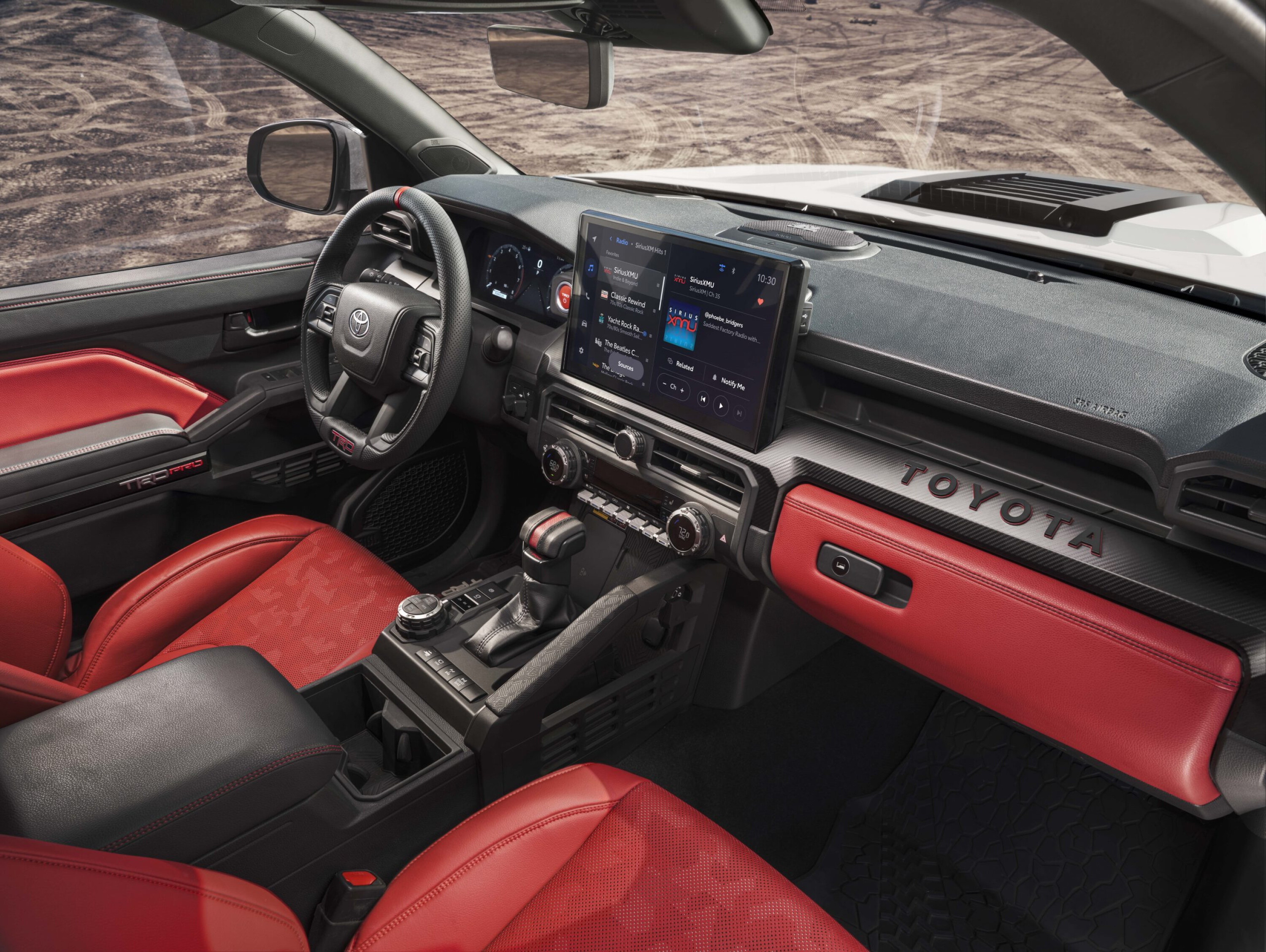
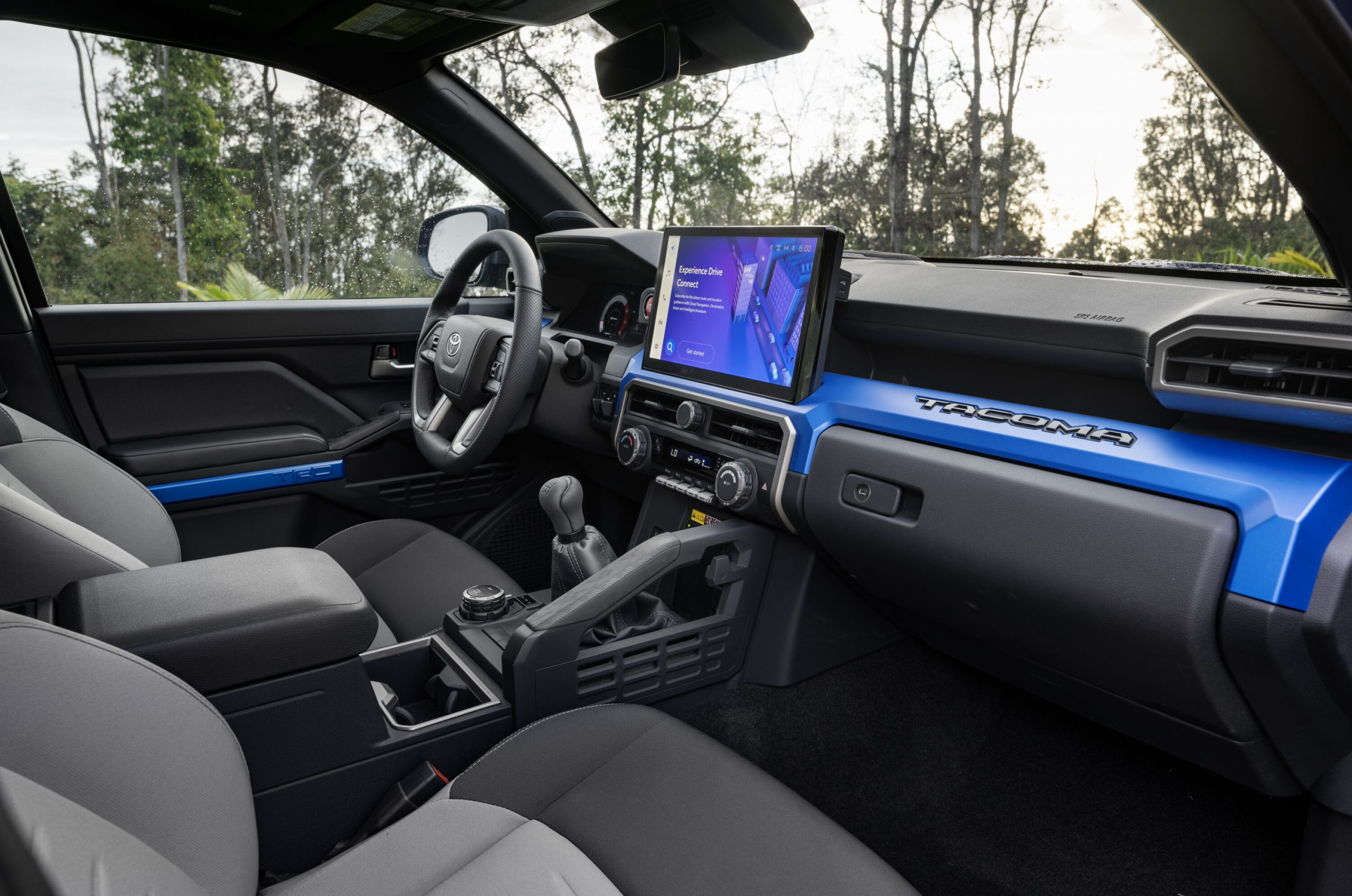
The cabin is anchored with a strong, horizontal dashboard, centred around a digital instrument cluster; 7.0 inches in the lower Tacoma range and 12.4 inches in higher-grade variants, and a landscape infotainment screen; measuring 8.0 or 14.0 inches depending on spec.
Their infotainment systems will support wireless Apple CarPlay and Android Auto, sounding off through a ten-speaker JBL audio system.
Tacomas gain a wireless charging pad along with several USB-C ports.
Packaging-wise, there’s also a-near 300 per cent improvement to the Tacoma’s under-seat storage (for non-hybrid models), along with a neat QR code in the cabin to help owners 3D print their own accessories.
Bed storage has grown by a claimed seven per cent over the outgoing Tacoma.
But it’s not for Australia, right?
The 2024 Toyota Tacoma is a North American model, and is expected to hit showrooms in its native domestic market later this year.
The Tacoma, however, is closely related to Australia’s hotly-anticipated, next-gen Toyota Hilux. Given the modular nature of its development and platform, many of the Tacoma’s features, powertrains and designs may very well appear on what’s sold here from 2025.
While building this Ford Ranger up it has been great to see the way some of the brands involved have worked with each other to make sure everything fits and works as it should.
I’ve said before that having so many different shops work on and fit gear to your vehicle isn’t ideal, but when you’re working with sponsors who in some instances are using your vehicle to develop new products for a new model, then it’s unavoidable.
Massive kudos here to Murray Brookes and the team at Trig Point because, with the canopy on the back of the Ranger containing and affecting so many parts of the build, many other components are relying on it.
As was the case when it came to fitting the Hayman Reese X-Bar to the back of the Ranger. The team at Hayman Reese was developing a new product for the RA Ranger and when I pointed out to them that the rear-end of our example wasn’t like most other new Rangers due to the canopy, we put the two businesses in touch with each other and they were able to work through any problems in the best possible way. This proved a far better solution than finding out later on that the X-Bar wouldn’t suit the vehicle with the canopy already fitted.
Check out the new Ranger forums and you’ll read all about folks who are fitting trays and/or canopies and having trouble with the BLIS (Blind Spot Information System) sensors that are located in the taillights of the styleside ute body and need to be relocated.
Latest Gear Guides
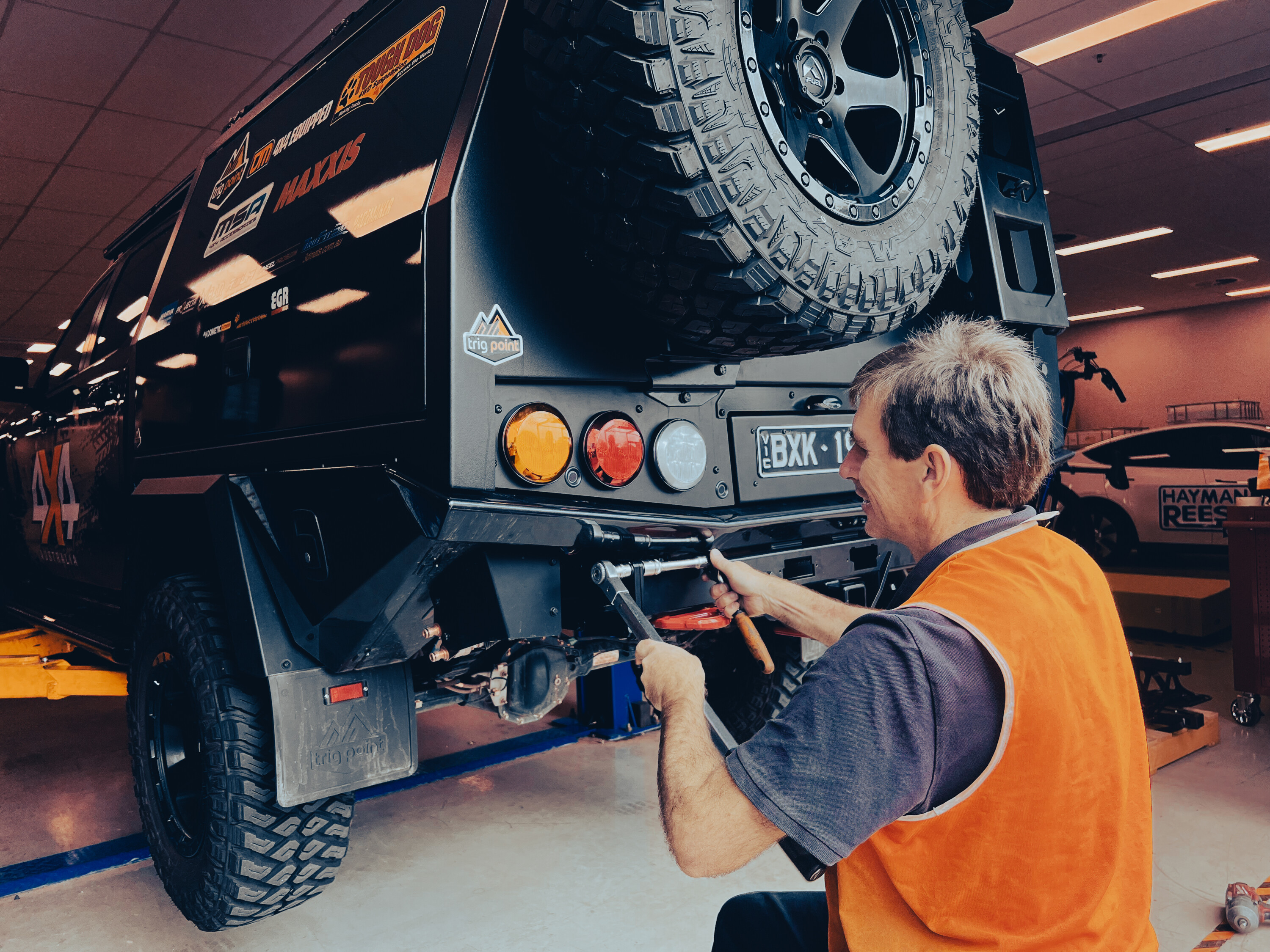
Trig Point was on to this early with its relocation mounts and our Ranger retains all its reversing and BLIS functions as they should work from the factory.
When we looked at the initial plans for the X-Bar, with the outer recovery points mounted vertically on either end of the bar (as they were on our previous PX Ranger build , it was evident that they would interfere with the BLIS sensors. Picking this up early allowed the Hayman Reese team to alter the design so that it all still works as it should, and as a result the new X-Bar was fitted to our vehicle without any problems in its operation.
This X-Bar has been specifically designed to work with Rangers fitted with the Trig Point canopy, but it has given the engineers the basics to make it work with other trays, service bodies and canopy combinations.
X marks the spot
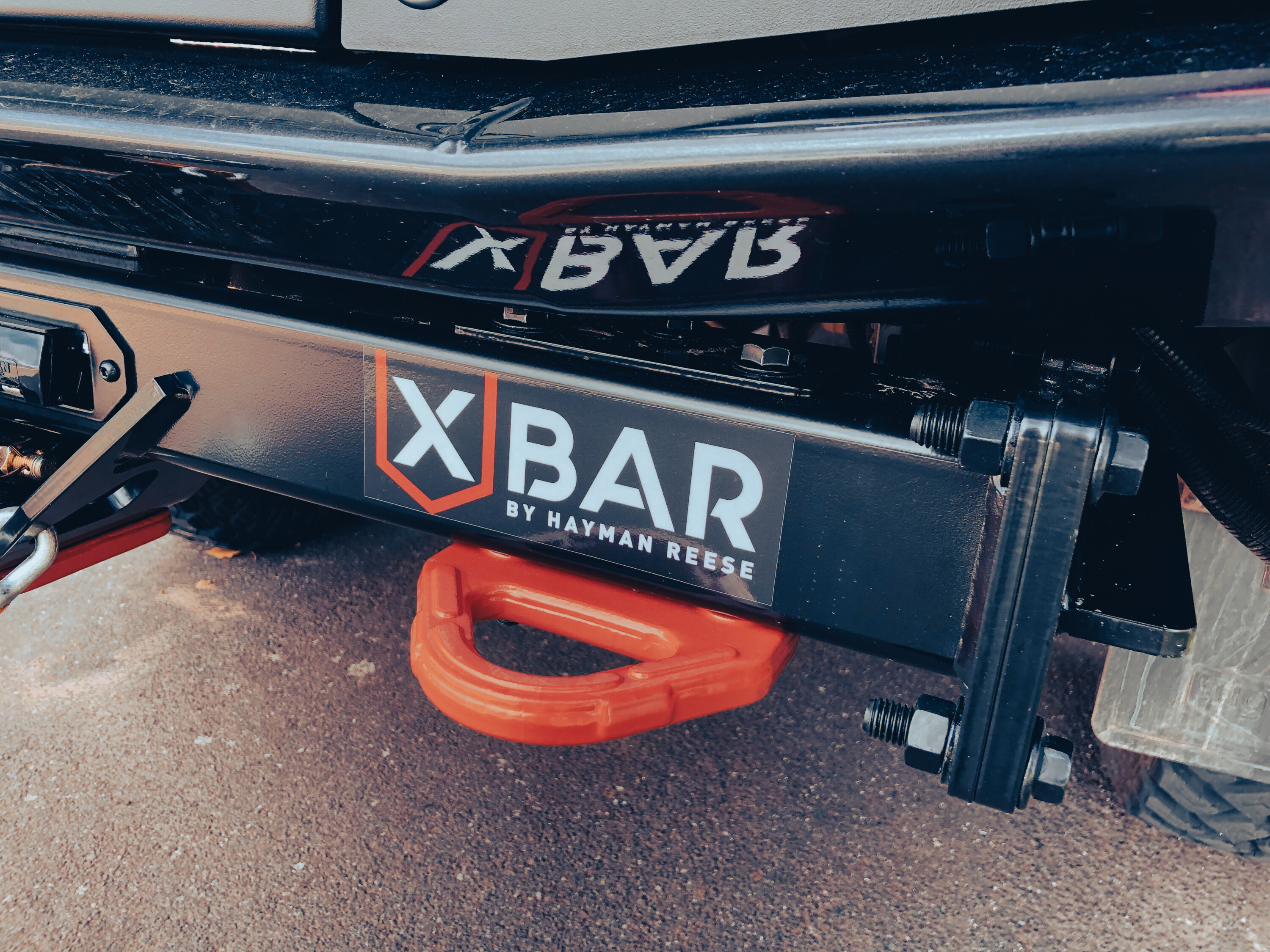
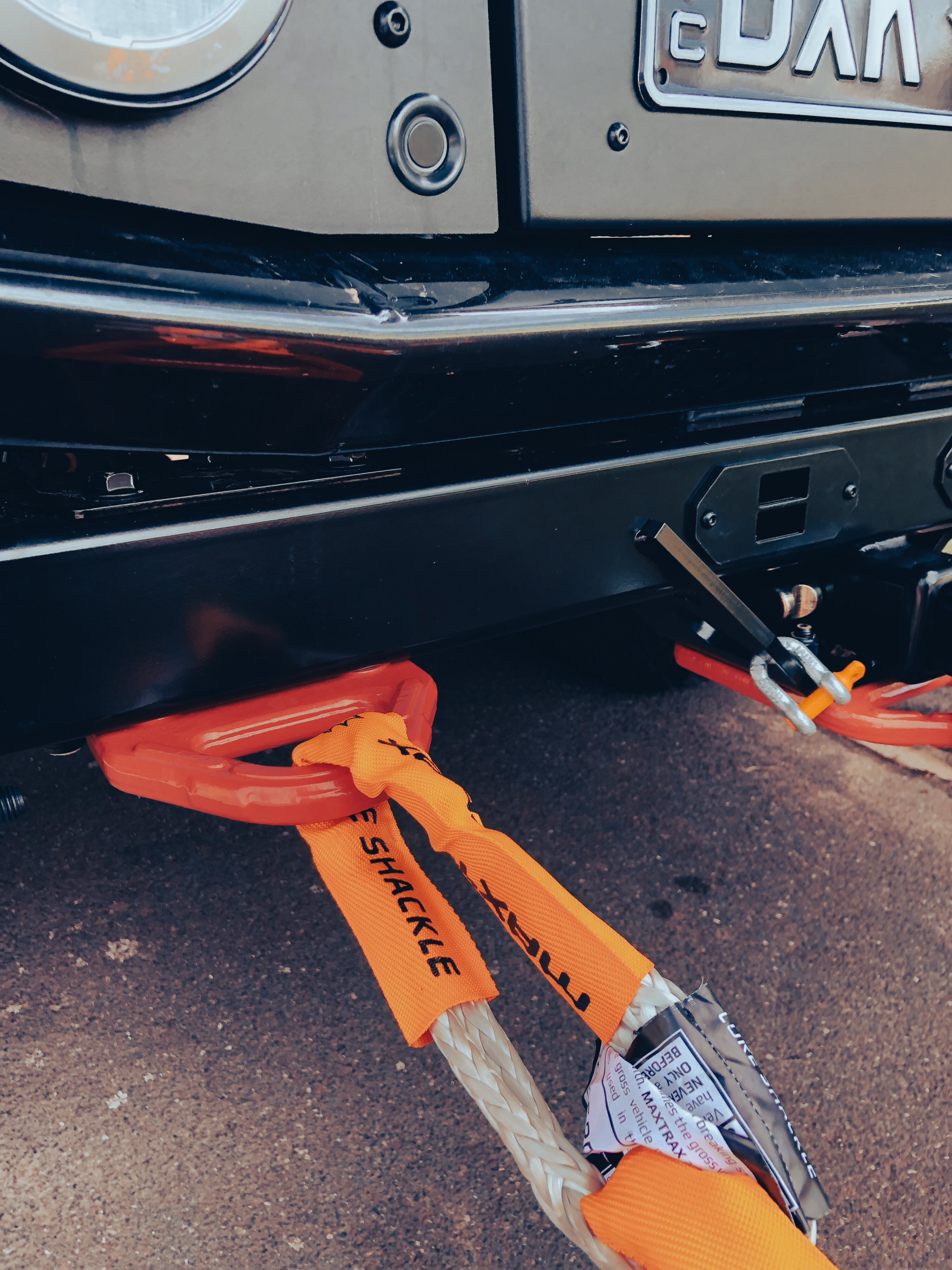
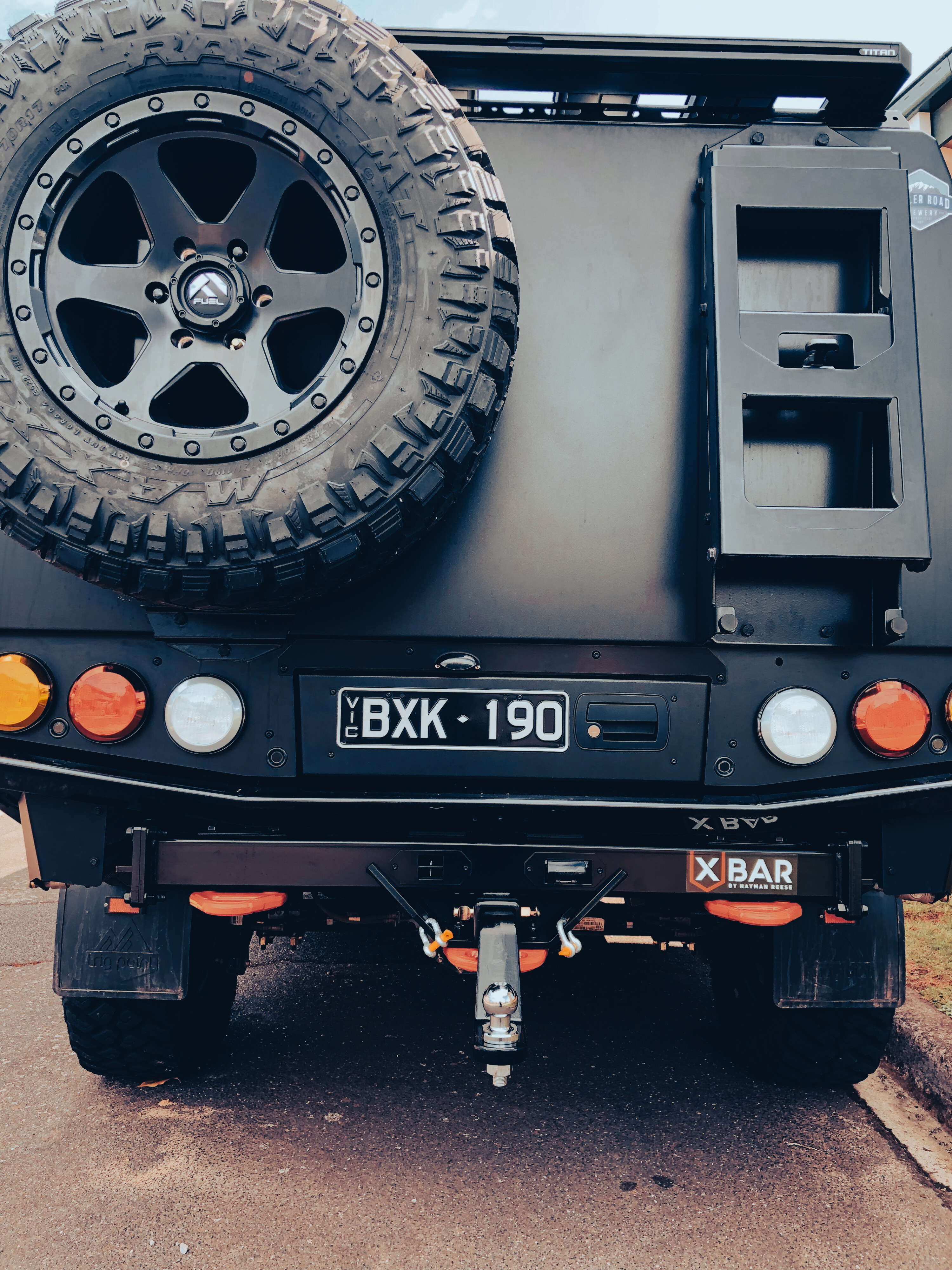
The Hayman Reese X-Bar takes the humble tow bar to the next level of usability as it has been specifically designed for 4×4 use with built-in recovery points at each end as well as in the centre of the bar. The outer recovery points are each rated to 4000kg when used with a bridle strap, while the centre one is rated to 8000kg.
The benefit of using the outer points for heavy recoveries is that they put the load directly on to the chassis rails unlike the one in the centre, or if simply using a box hitch as a recovery point. All three hitching points are heavy forged steel pieces with rounded edges so they are suited to use with soft shackles and straps without damaging them.
Hayman Reese might have been making tow bars for Australians for more than 70 years but its products are always evolving. Aside from adding the three recovery points to the bar, the X-Bar is designed to sit high against the chassis to allow the best possible departure angle for off-road driving. Likewise, the location of the trailer plug has always been mounted up high and out of harm’s way.
Our new X-Bar takes this a step further, debuting a new mounting position within the main channel of the tow bar. There’s also a spot beside this to fit a pair of Anderson plugs if you need to, and the engineers tell us that their testing confirms that putting these in the bar like this has no effect on its integrity or capacity.
Speaking of which, the X-Bar maintains the Ranger’s factory 3500kg towing capacity, so there’s no loss there. In addition, Hayman Reese towbars are covered by a limited lifetime warranty for the original owner, so you can rest assured of their quality.
Pricing
As mentioned, this X-Bar was a one-off, but it will now open up the design for production. As such there is no price for it as yet, but the guys tell us it would likely cost around $1700 for the X-Bar only. Available X-Bars retail for between $1500 to $1800 depending on the vehicle, so it pays to get in touch to check if they have an X-Bar for your 4×4.
The X-Bar not only looks great but adds functionality, and protection to the back of the Ranger.
Wheels Media salesman Paul McCaig spends a few days with the popular Isuzu MU-X to give us his Regular Everyday Bloke “I’m no journalist” take on the popular SUV.
As one of many Wheels Media staffers not tasked with reviewing Australia’s latest new cars, I often ogle longingly at the wide variety of exciting vehicles in our Mulgrave car park. So, when the opportunity arose for me to snag the keys to an Isuzu MU-X LS-T just in time for a family getaway, I jumped at the chance.
The plan was to head from Melbourne to Sydney with my wife and eight-month-old baby, bound for my brother’s wedding – and the prospect of tackling the long drive in a vehicle that is larger, safer and more modern than my older Renault Koleos was very enticing.
I’d heard very good things about the MU-X from my colleagues over at 4×4 Australia, I so was keen to see how it would perform not only on the Hume, but in the tight, narrow and meandering streets of Balmain East where we were to be setting up base for the fortnight.
JUMP AHEAD
The car
| 2023 MU-X LS-T 4×4 | |
|---|---|
| As-tested price | $69,488 drive-away |
First impressions
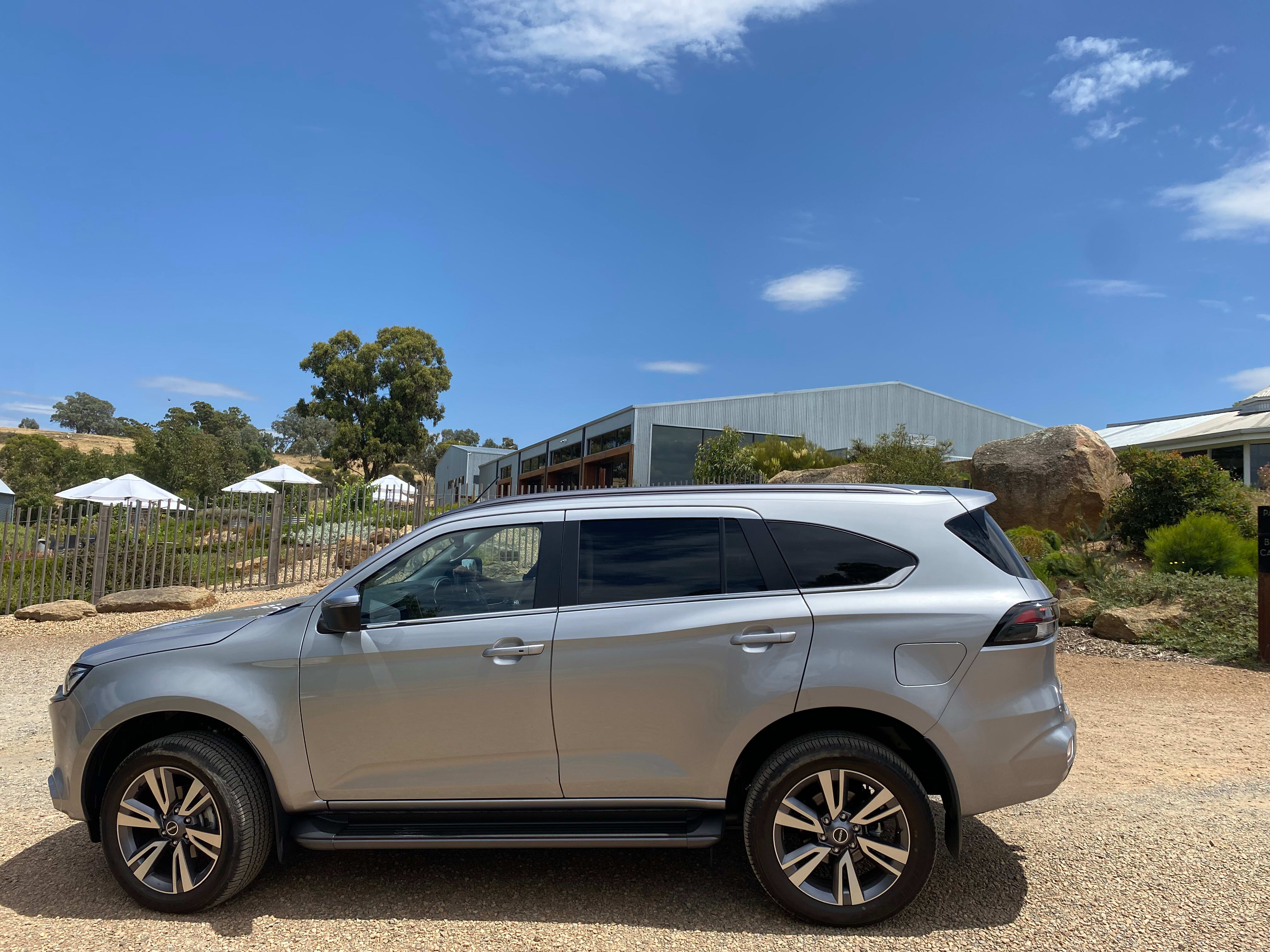
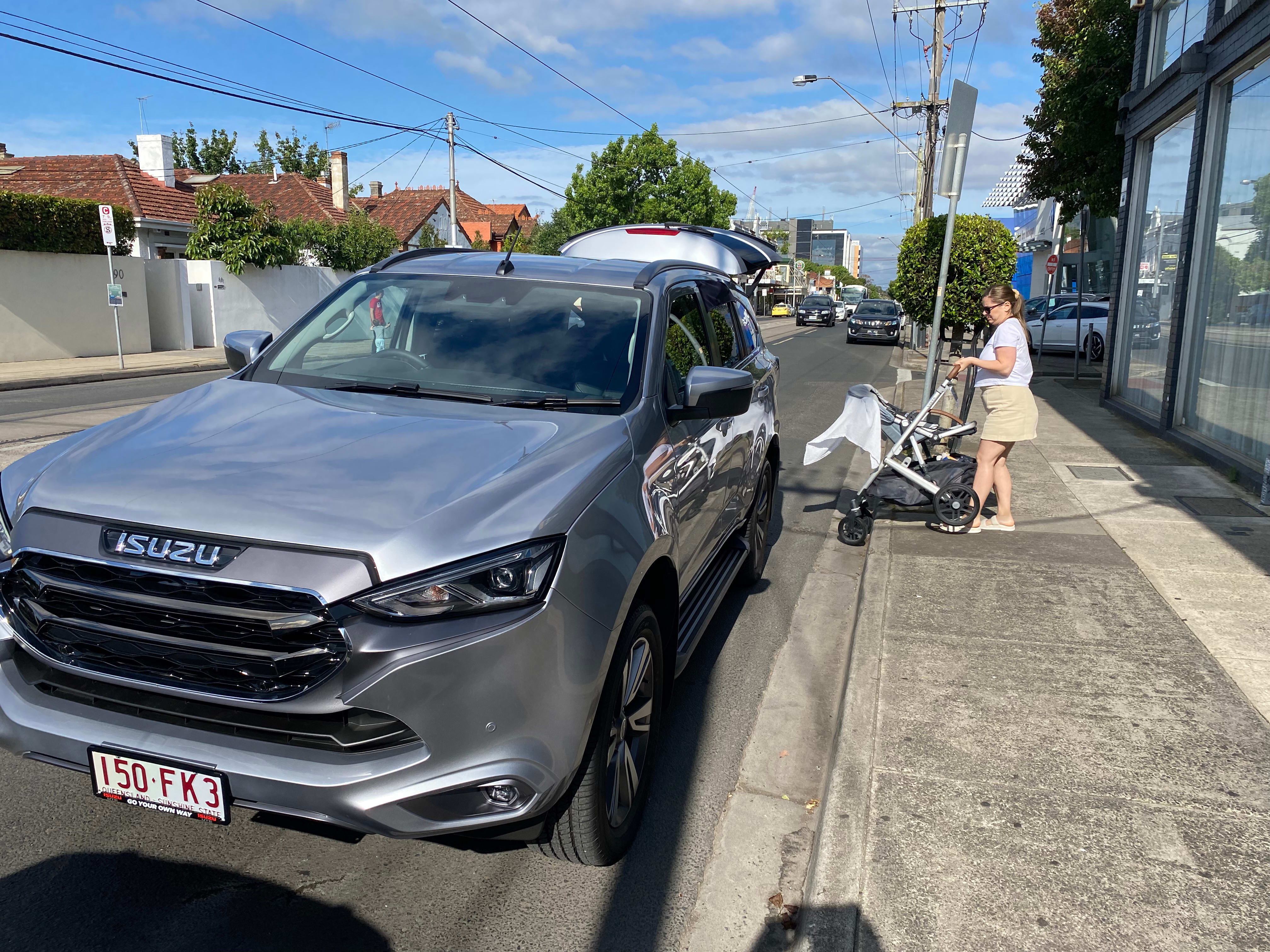
The styling of the MU-X is pleasant, its Magnetite silver paint and dark chrome grille being the first element of its exterior that struck me as impressive – especially when compared to the less athletic, bulkier looks of the previous generation.
I’d managed to score the top-spec grade, the LS-T 4×4, which included Magnetite front bar trim along with 20-inch, two-tone alloy wheels.
This was to be our first road-trip with the baby, and my wife had spent the previous couple of days listing all the items we would need to bring along with us – travel bath, travel cot, baby bouncer… the list was never-ending.
If you add my wife’s (inevitable) four suitcases on top of all that, I was beginning to think I’d need to ask the good people at Isuzu Trucks for one of their prime movers instead.

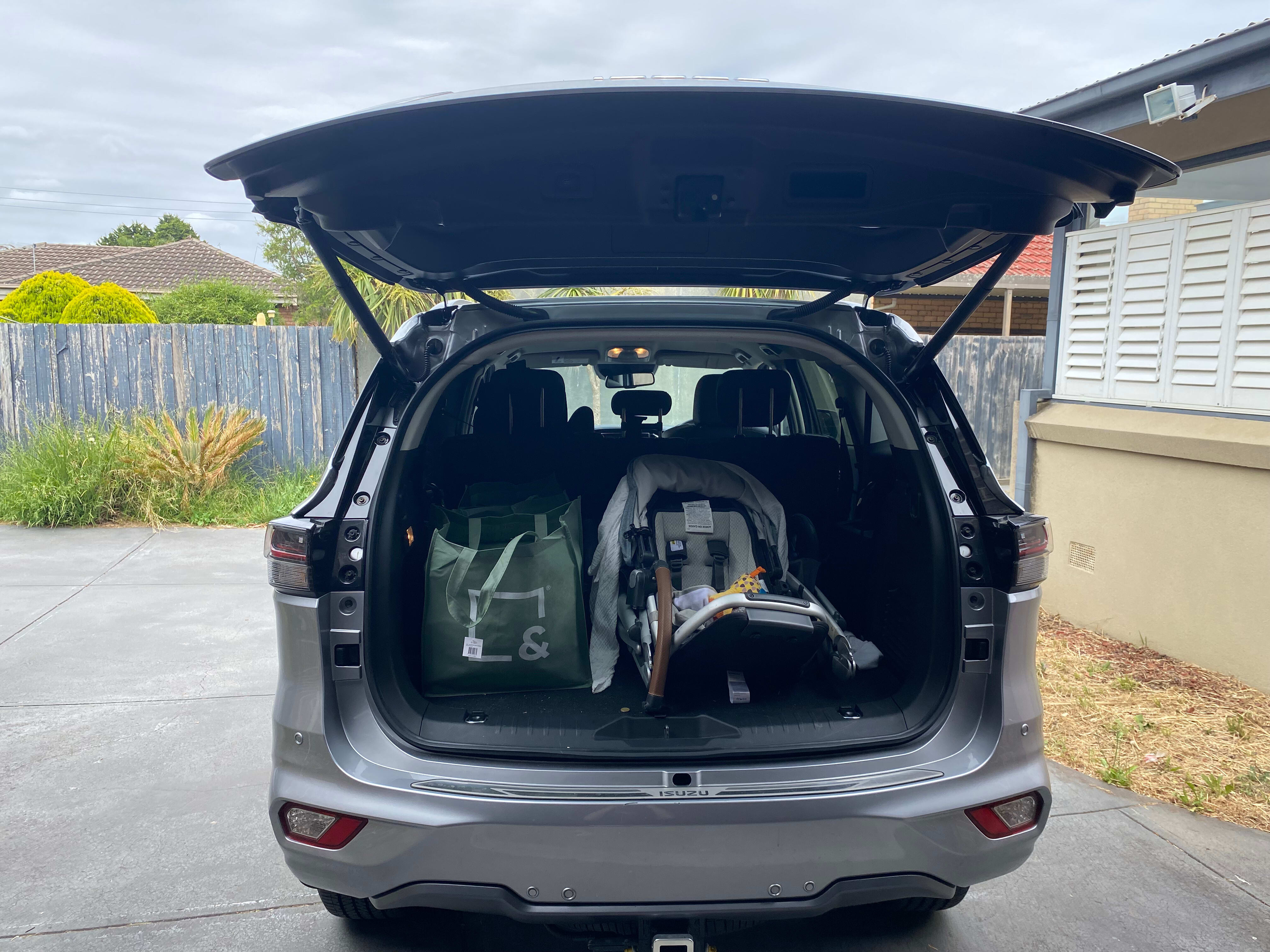
Thankfully, my fears were eased upon entering the cabin, when I was surprised by the hugely spacious feel within. On initial inspection, the MU-X feels roomy, comfortable and very pleasant.
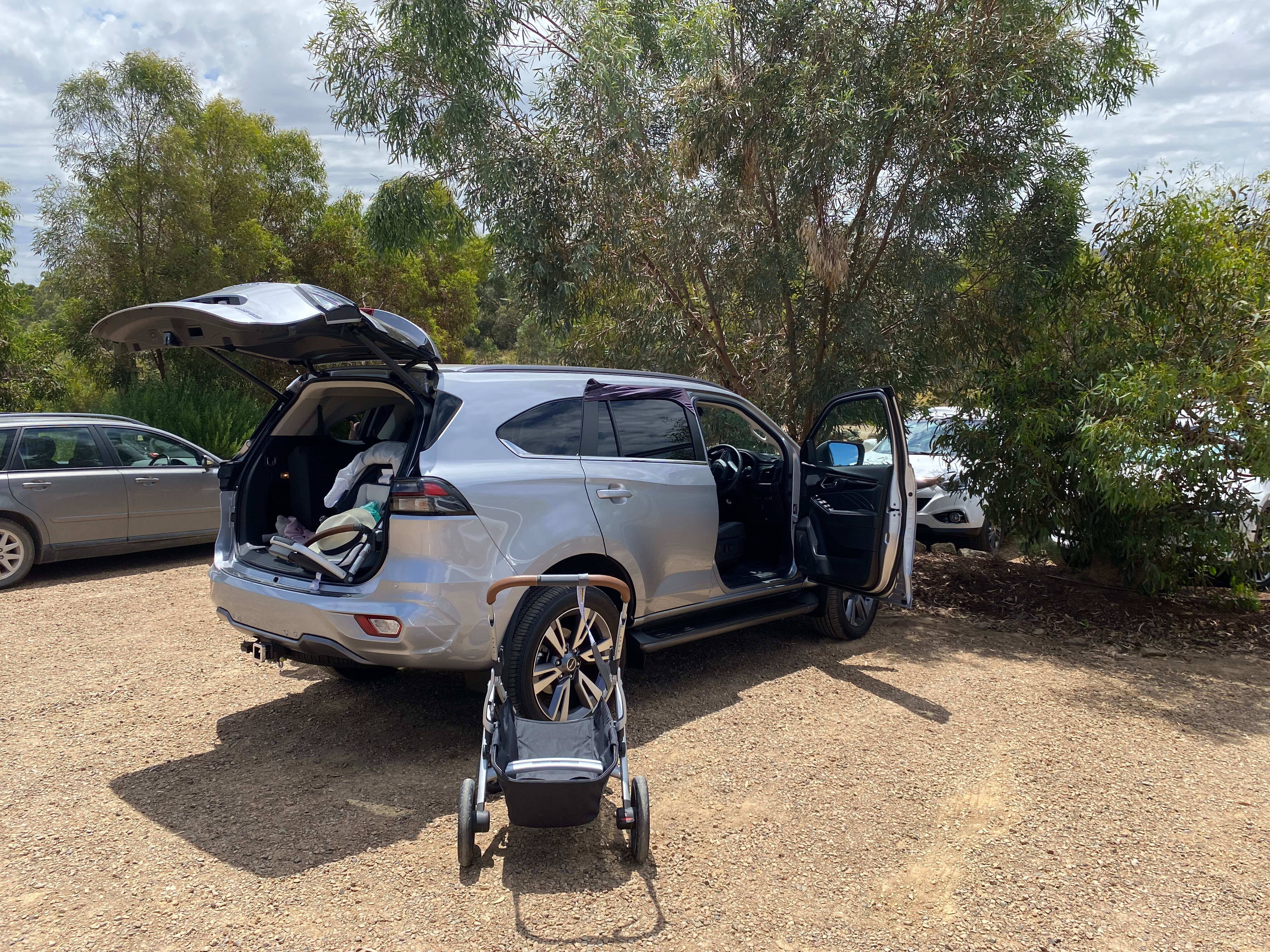
With the third row folded down, there looked to be a ton of space in which to fit all our road-trip luggage – more than a family of three should ever need – and so I was looking forward to packing up the car and putting that to the test. And boy, did my wife put it to the test.
After playing a bit of Tetris and ditching some items (when she wasn’t looking) we finally got it all in with room to spare. There was no chance we would have fit all of this in the boot of our Renault Koleos, so I was quietly relieved we’d snagged this MU-X for the journey. (Although it’s possible our manifest swelled once the bigger boot was spied…)
Comfort
For a vehicle in this class, the MU-X has a refined interior with plenty of creature comforts.
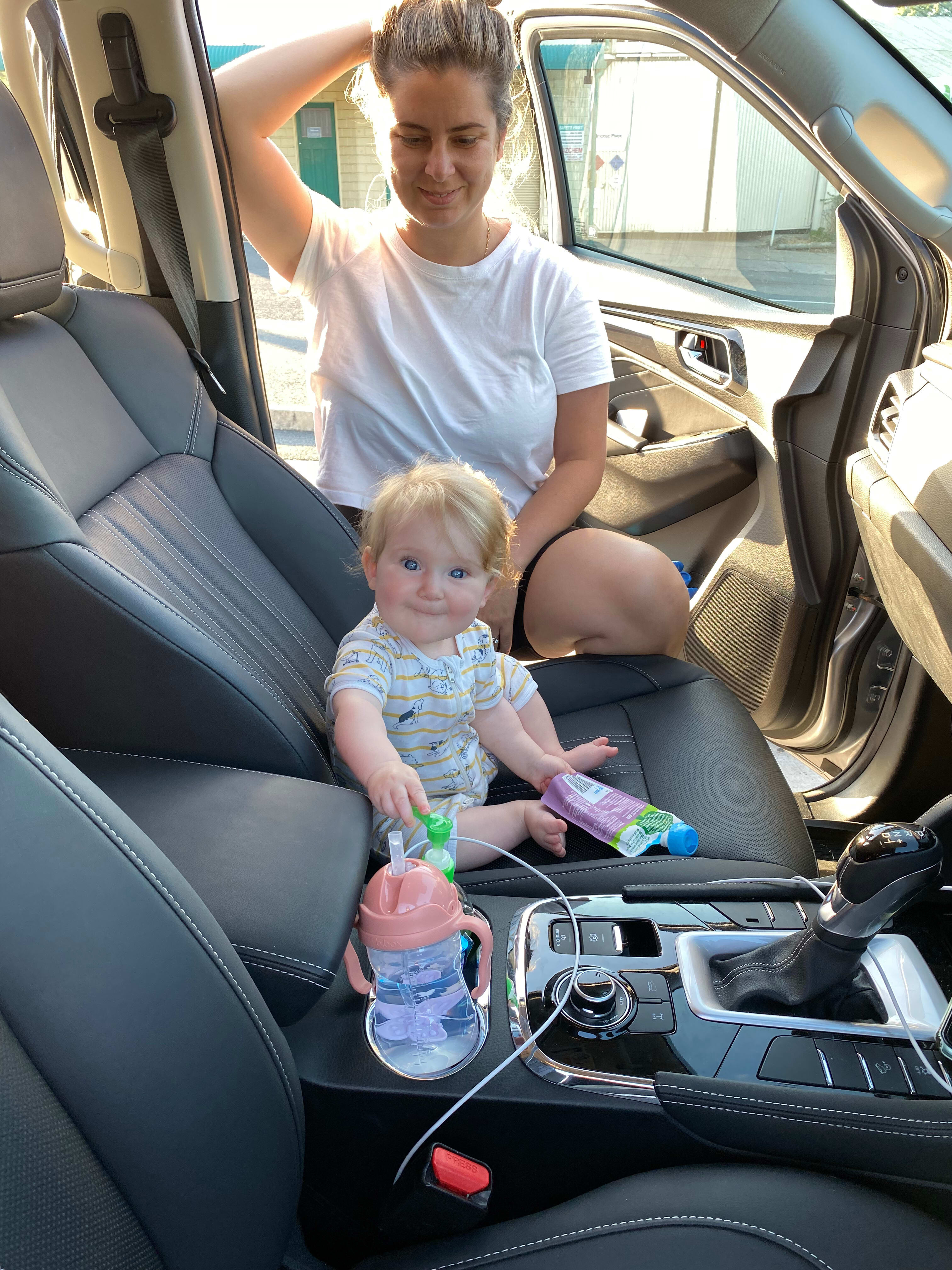
In LS-T trim it comes with leather-accented upholstery, and the leatherette across the interior door trims and centre console is a nice touch. The seats themselves are comfortable, particularly the driver’s position, thanks to the eight-way power adjustable function and adjustable lumbar support.
The LED interior lighting also provides a pleasant ambience within the cabin when driving at night (or early morning!).
On Christmas Day, my brother-in-law over from the UK was desperate to head to the beach for a traditional Aussie experience. The opportunity to watch on as he underestimated the strength of the Aussie sun seemed like fun, so we packed the vehicle with our beach gear, copious amounts of sunscreen, and seven happy bodies.
There’s a great amount of space there for the second-row occupants to sit back and relax, with air vents and reclining seats ensuring a comfortable ride.
I persuaded my aforementioned 188cm brother-in-law to jump in the third row, not just for my amusement but to get an idea of how suitable the rearmost seats are for adults.

He was very happy with the legroom afforded him, although did note that it would be better if the second row could slide forward to provide him with better knee room – particularly given the passengers in front of him had more than enough space to work with.
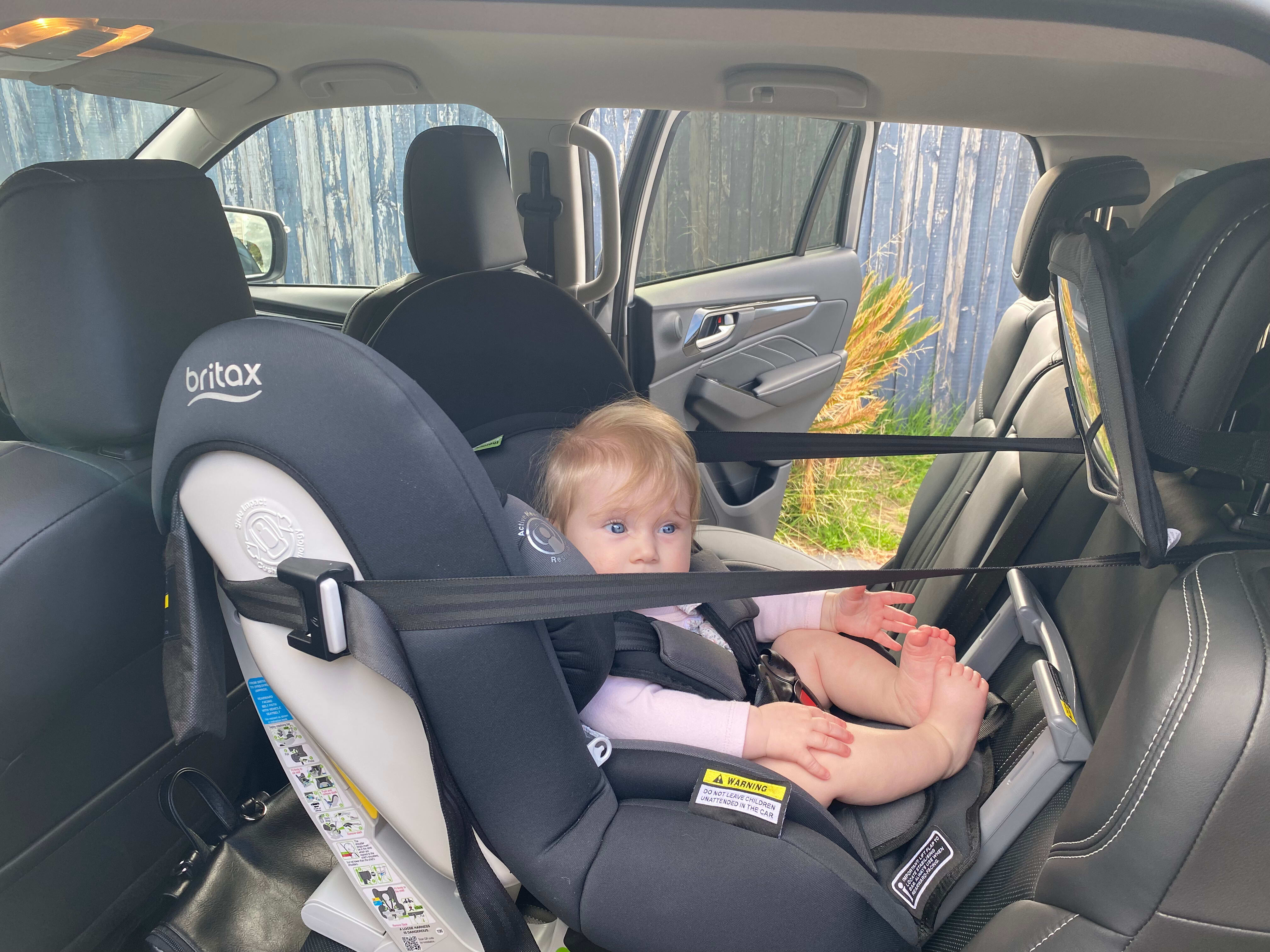
I should also mention that it was very easy to install the baby’s car seat, thanks to the space on offer in the second row and the ISOFIX anchors ensuring an easy and quick experience.
As a new dad at Wheels Media, I’m now a self-anointed pro at installing car seats due to the decent amount of practice I’ve had recently; I often find myself being lured into our garage by colleagues to comment on a vehicle’s suitability for the little ones (they’re nothing if not thorough!), and naturally this involves fiddling around with some car seats. In this regard, the MU-X passes with flying colours.
Technology
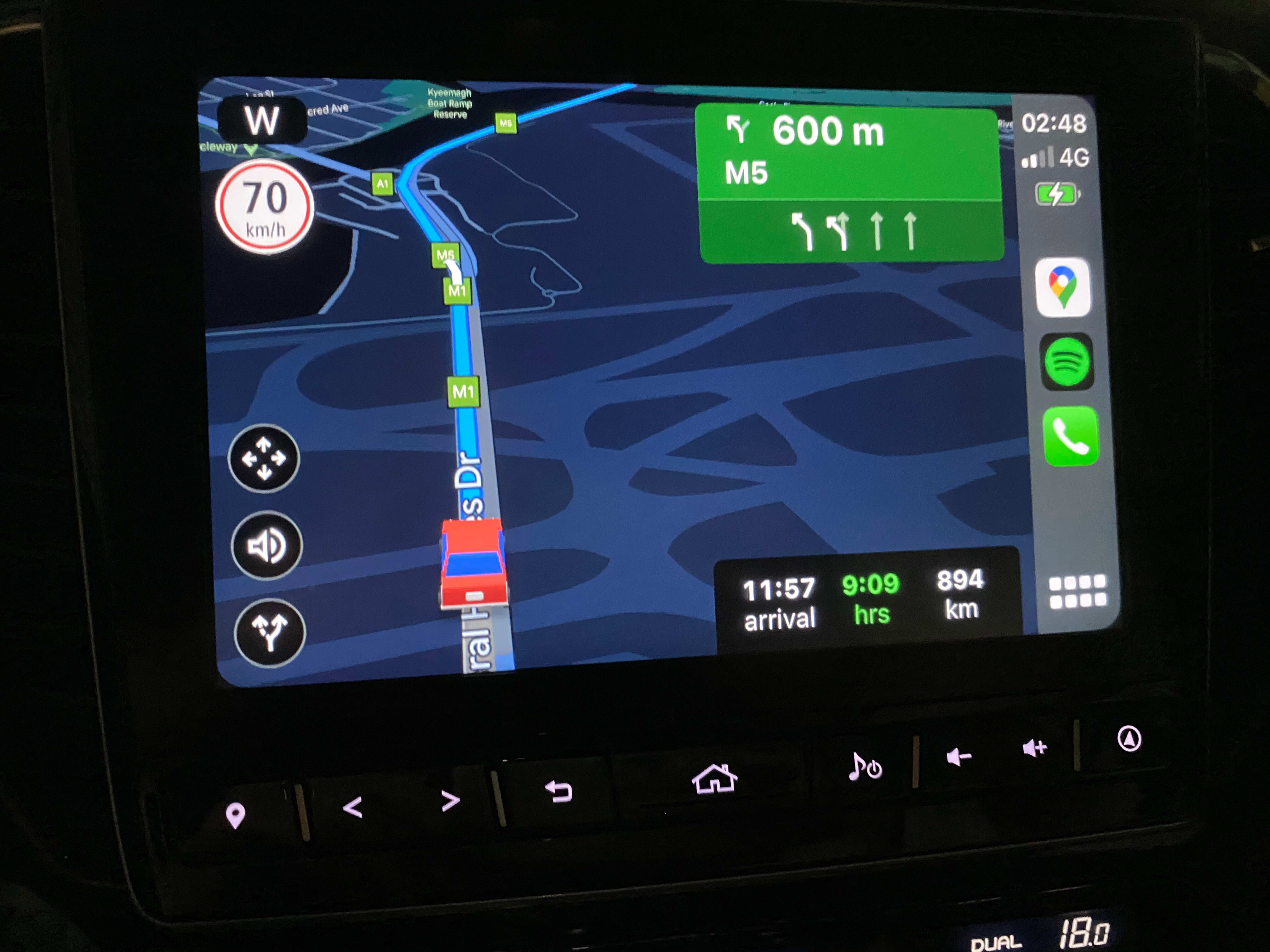
I was delighted to see that the MU-X supports wireless Apple CarPlay which, as always, is effective and easy to use. Avoiding an annoying charging cable laying across the console is now essential for any new vehicle, in my opinion, but it’s a lesson many brands are still to learn.
I did give the built-in infotainment system a crack and while it wasn’t as messy and hard to navigate as some systems I’ve encountered from other manufacturers, it didn’t offer too much beyond the familiarity and functionality of CarPlay. It just felt a little dated in its feature set and appearance.
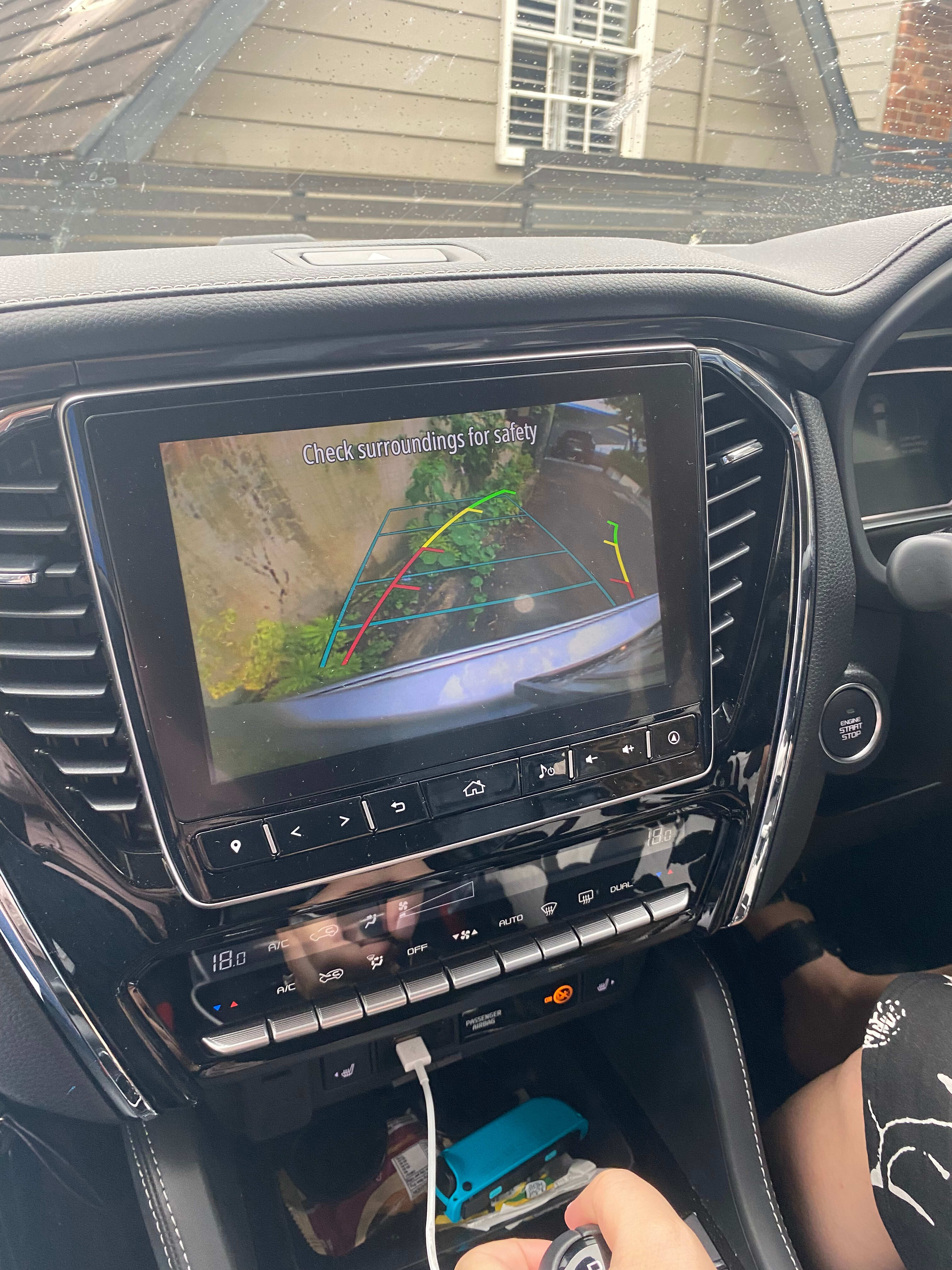
The 9.0-inch infotainment display is fine, but I would love to see a much larger screen in future updates – especially when you look at what Ford is doing with its new Everest (our Wheels 2023 Car of the Year). Infotainment aside, the two USB ports for the second row are really handy additions to avoid any ‘charge anxiety’.
Worth noting is that I found the small screen for the trip computer behind the wheel fairly hard to read while driving, and it was packed with too many symbols and information for a display sized at only 4.2 inches.
I’ll add, however, that I may have been able to simplify some of the information being presented to me if I’d had a more in-depth play around with the settings.
On the road
On this particular trip, we wouldn’t be taking the vehicle off-road beyond some mild stone tracks and bumpy roads in the lovely regional towns we stopped off at on our journey up to Sydney; Rutherglen, Gundagai and Goulburn to name a few.
My wife was already anxious about embarking on the first road trip with our precious cargo, so I decided to pick my battles and resist the urge to bush-bash this beast. Besides, my colleagues at 4×4 Australia had already put the Isuzu through its paces during the press launch, so I was looking forward to assessing the MU-X as a daily driver and road-trip companion.
The 3.0-litre turbo-diesel engine provides plenty of grunt – 450Nm to be precise – and the light steering is responsive and agile, ensuring easy manoeuvrability for this size of vehicle.
Its ride was consistently comfortable, absorbing the majority of bumps effectively without transmitting much noise or vibration into the cabin. Pretty good for an SUV based on a ute chassis.
On one particular leg of the journey, as our eight-month-old approached the three-hour sleep mark, I couldn’t help but feel affection towards the vehicle that had gifted us a big ol’ block of peace and quiet. The MU-X is totally comfortable when cruising at highway speeds, with the 140kW engine barely breaking a sweat.
There is some engine noise that presents itself in the cabin when pulling away from lights, but it’s mild enough that it didn’t bother me at all and is no different to other diesel vehicles.
Safety
The MU-X comes with an excellent stack of safety features, which provided us with plenty of peace of mind as we embarked on our journey.
I was pleased to learn that Isuzu’s Intelligent Driver Assistance System (IDAS) is included across the entire MU-X range, and includes a forward collision warning, adaptive cruise control, lane departure warning (and prevention), blind-spot monitoring and eight airbags. The full five-star ANCAP safety rating is no surprise, here.
At times the extensive safety capabilities did result in, perhaps, some overzealous warnings as the Isuzu took its job of keeping us safe very seriously. I found the blind-spot monitoring in particular to be too sensitive on occasion, and the lane-keep assist was fairly robust as it pulled me back into the middle of the lane with a decent amount of force.
Is this really something I can put in the ‘cons’ column, though? I’ll happily take some mildly annoying warning tones from an overly sensitive safety suite from time-to-time if it’ll keep me and my family safe.
The adaptive cruise control was a very handy piece of kit as we navigated our way past numerous trucks and caravans on the Hume, comfortably cutting our pace as we approached the slower-moving vehicles in front and then easily resuming the set speed once we were clear.
While we wouldn’t be putting the towing capabilities of the MU-X through their paces in this particular review, it would be remiss of me not to mention that the blind-spot monitoring and rear cross-traffic alert systems will now deactivate when towing; no doubt a welcome addition to the 2023 model for those that are hauling-inclined.
Parking
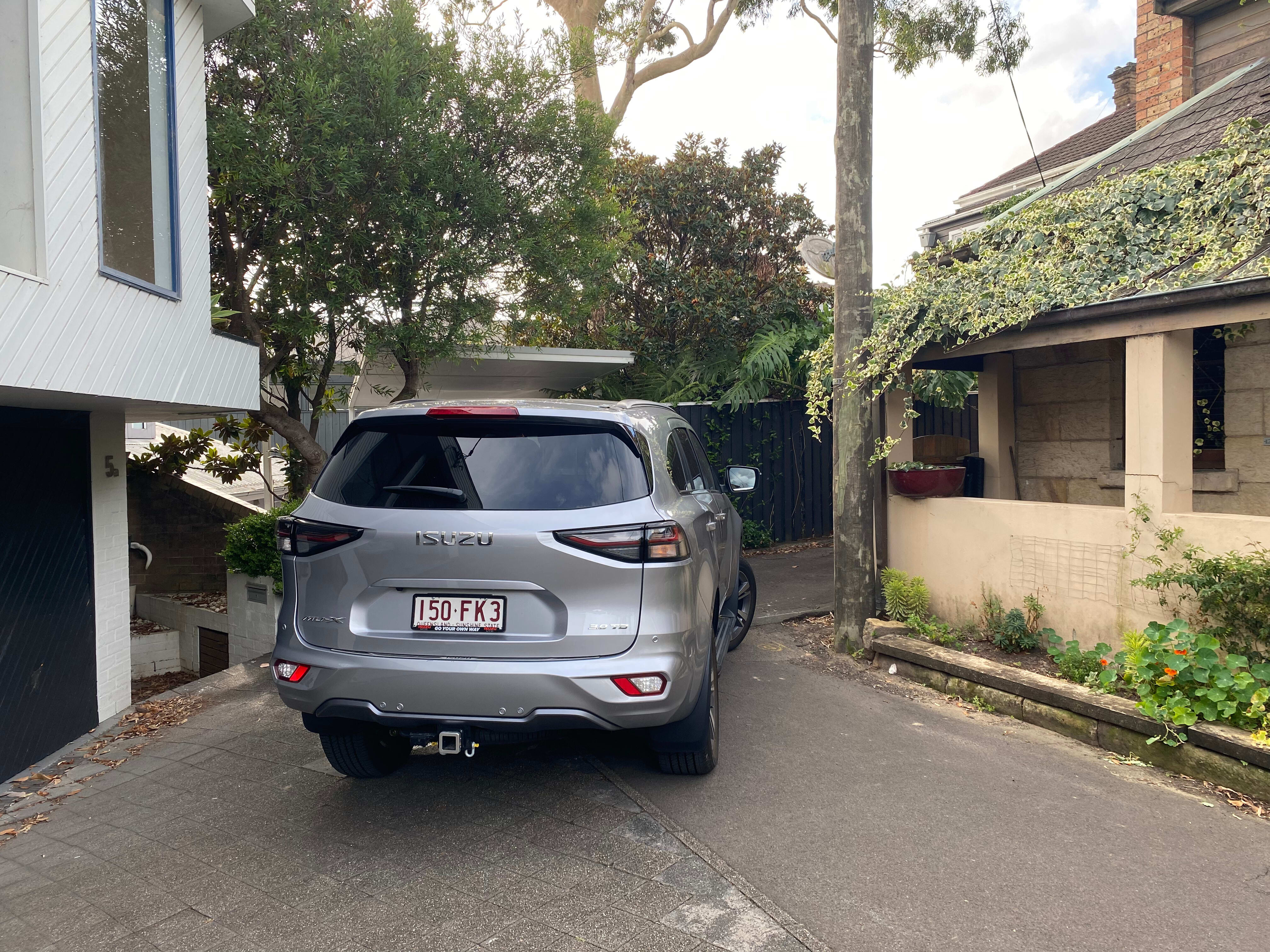
Once we’d navigated the family safely up the Hume, we had the very tight and borderline impractical streets of Balmain to contend with.
Upon pulling into the street where our accommodation was located, I noticed that the majority of residents had opted for far smaller vehicles than ours, with barely a large SUV to be seen.
After navigating the MU-X around these streets over the course of the fortnight, I went from merely follically-challenged to Phil Collins. (We think of you as more a Jason Statham type, mate – Stevo.)
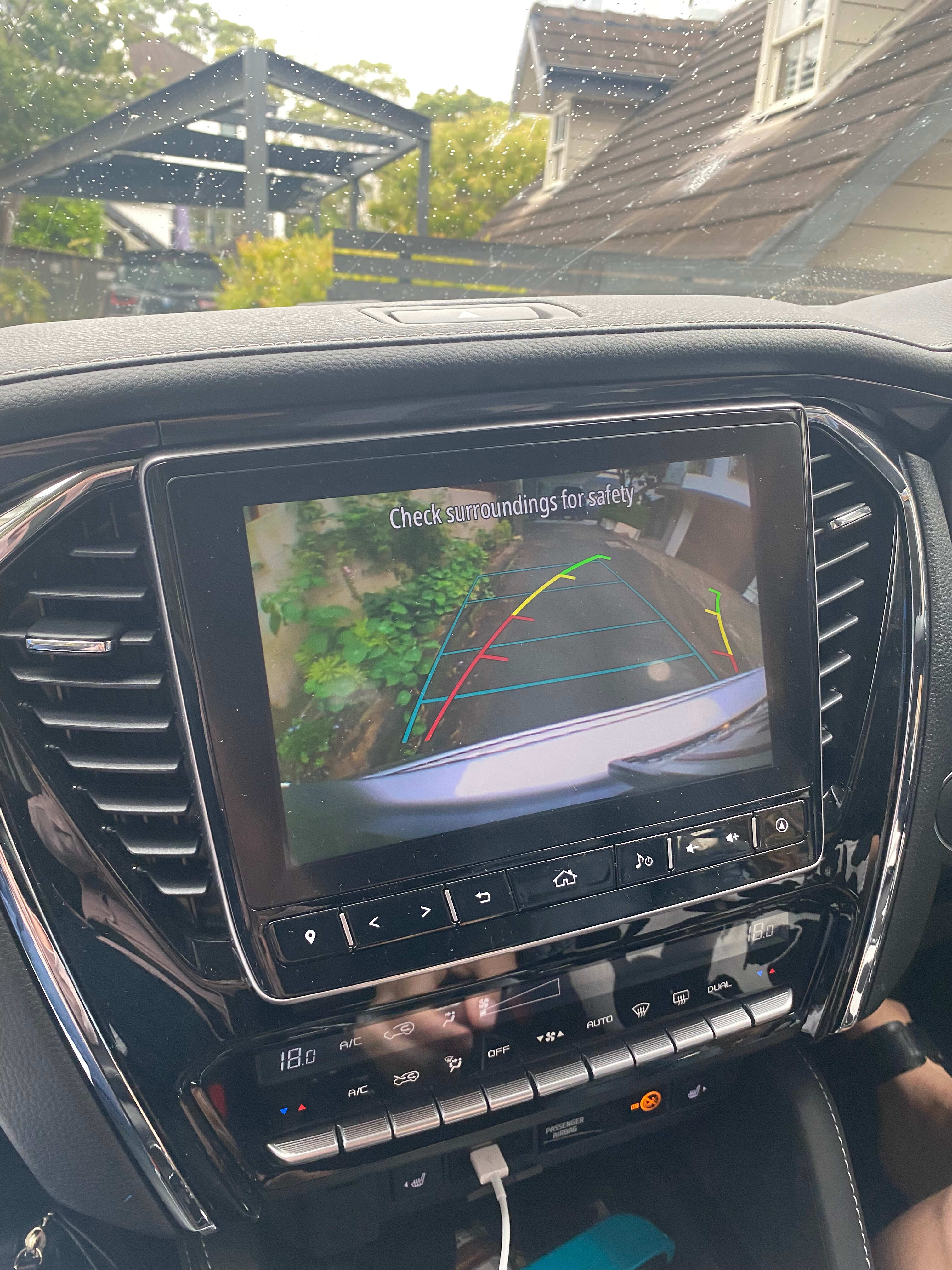
The MU-X does its very best to help out, however, with rear parking sensors and an excellent reversing camera. The camera is effective and easy to use, with an impressive screen resolution guiding me into those tight spots, ably assisted by the sensors clearly alerting me of any obstacles in my way.
Apart from some kerb rash on the front wheels (sorry, Isuzu!), we managed to avoid any collisions, scratches or dents over the course of our loan – for which we’ll attribute a decent amount of credit to a great parking experience, thanks to both the aforementioned features and the generally excellent manoeuvrability of the MU-X.
Last thoughts
I have to admit that I was sad to hand back the keys to the MU-X. Not only had it safely transported my family and me to Sydney and back without a hitch, it was also a thoroughly comfortable, delightfully spacious and all-round enjoyable to drive.
There’s no denying that this is a whole lot of vehicle for under $70K, and if you’re happy to forgo some of the cosmetic upgrades, 20-inch wheels and additional features on show in the LS-T model I tried, then you can even bring this home under $55K (excluding on-roads).
No doubt, Isuzu has served up an impressive offering here with the MU-X; perhaps I’ll find myself popping into an Isuzu dealership one day soon.
For the thoughts of some more widely experienced motorers, see our other MU-X reviews at the link below.
Sometimes there are positives that arise from negative situations.
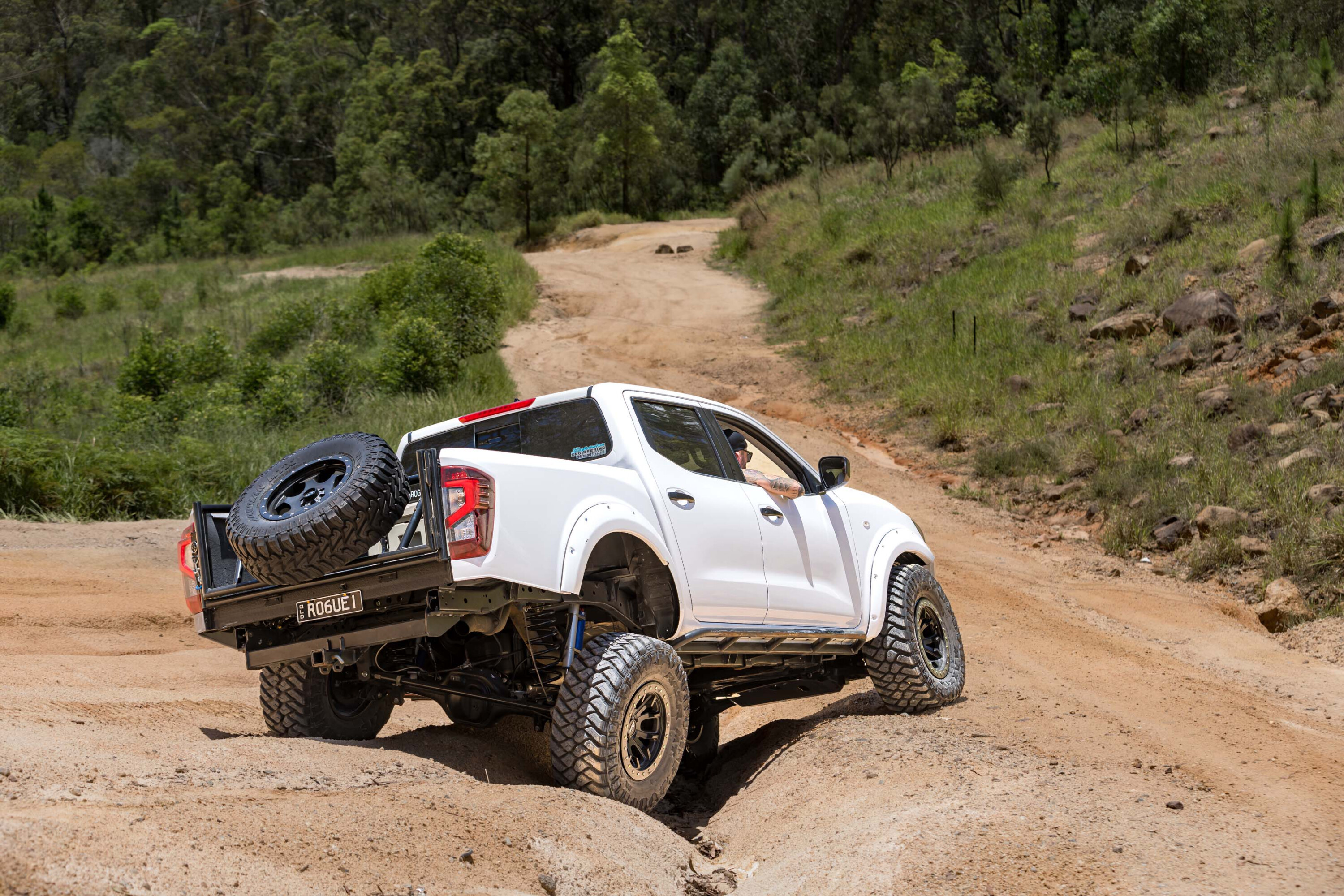
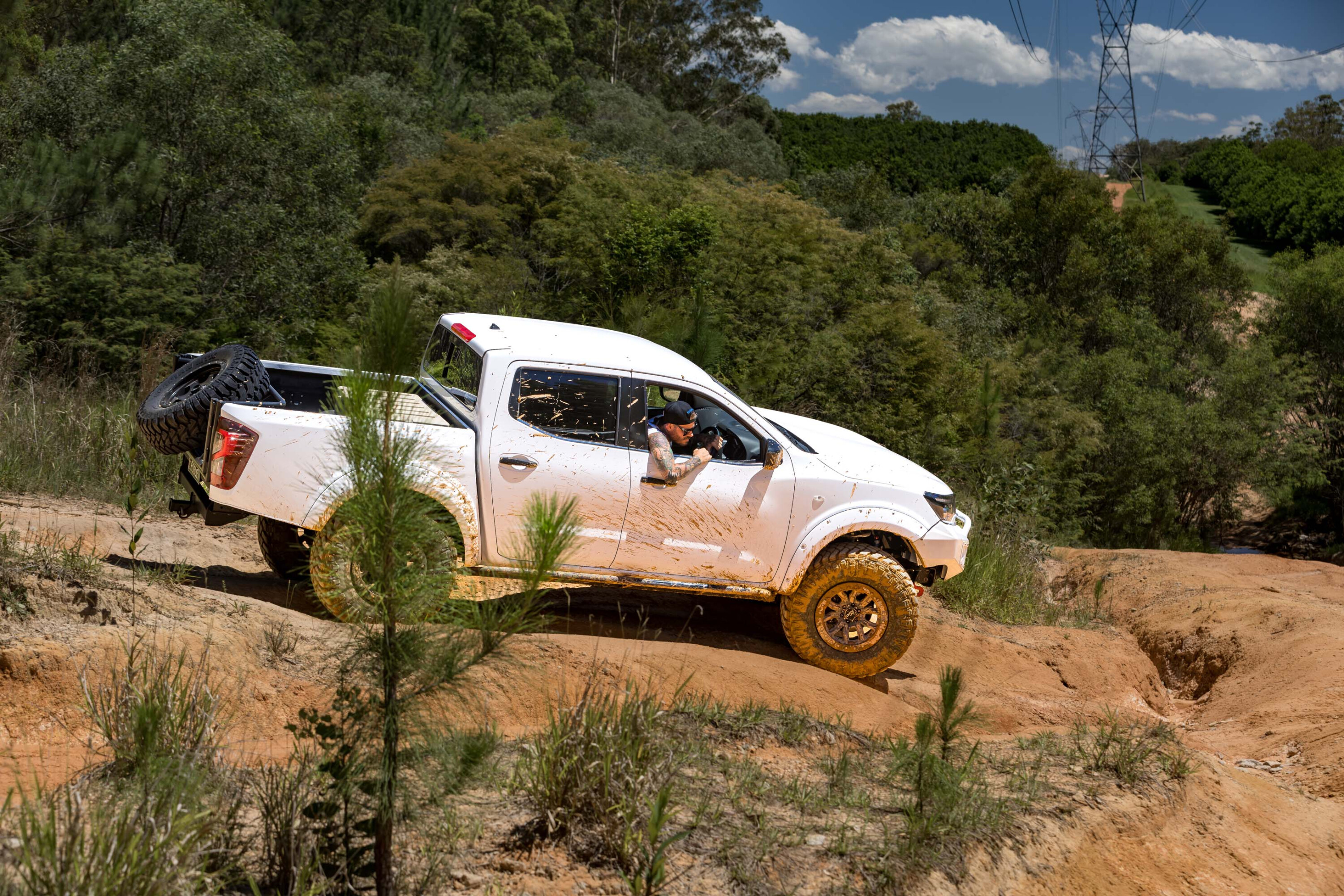
For martial arts gym owner Simon Taylor, creator of this wildly modified Nissan Navara, the positive outcome from an incident involving his first Navara called Rogue 1.0, and what he describes as a car-killing swamp, is that he had the opportunity to build a new Navara and make it his ideal version of a modified four-wheel drive. In saying that, it’s probably for the best if we don’t mention said swamp again.
Rogue 2.0 started life as a bog stock 2019 Nissan Navara, which he chose to purchase again as he was chasing a vehicle that he could comfortably travel long distances in, as well as tackle rocky technical terrain.
The lastest gear guides
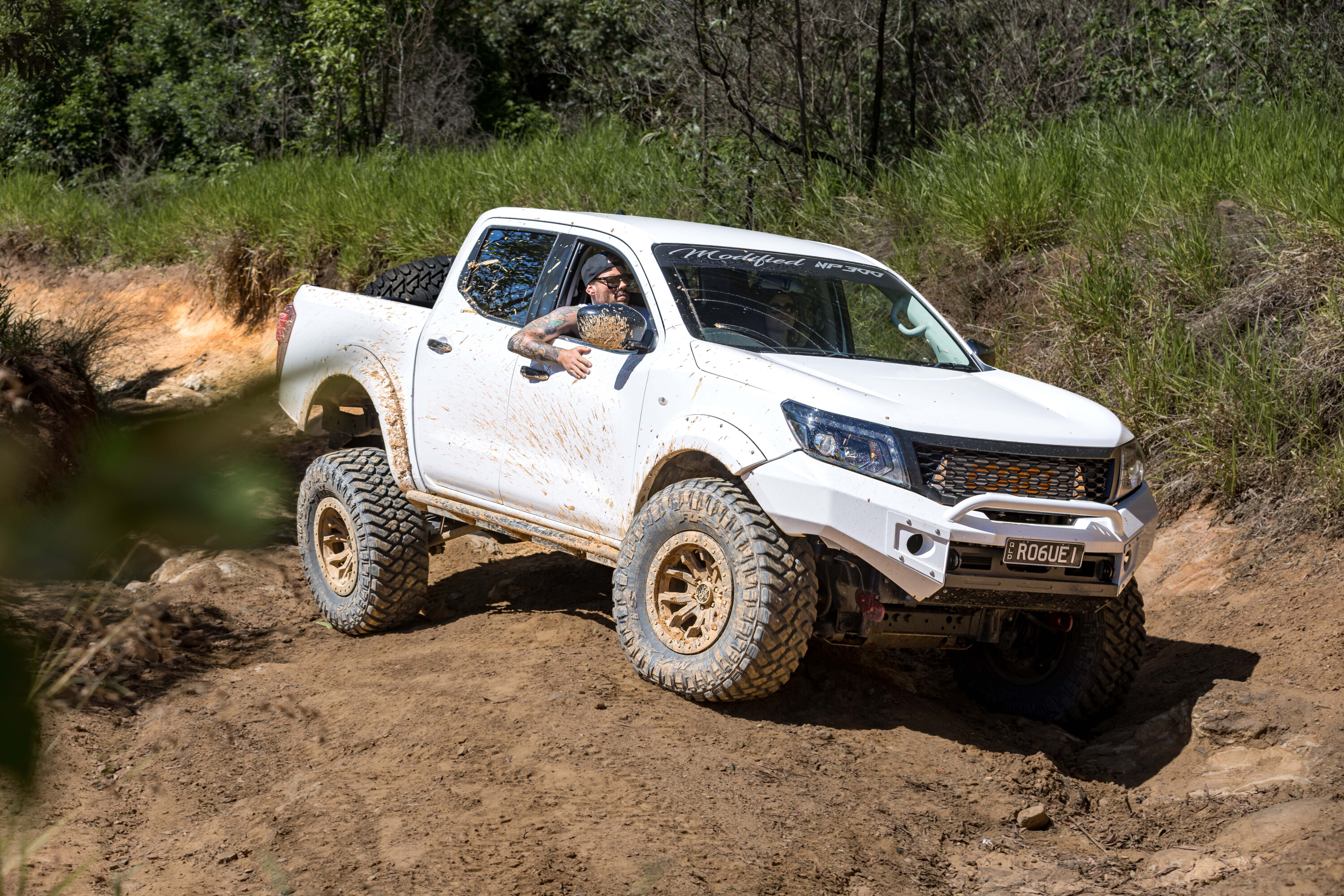
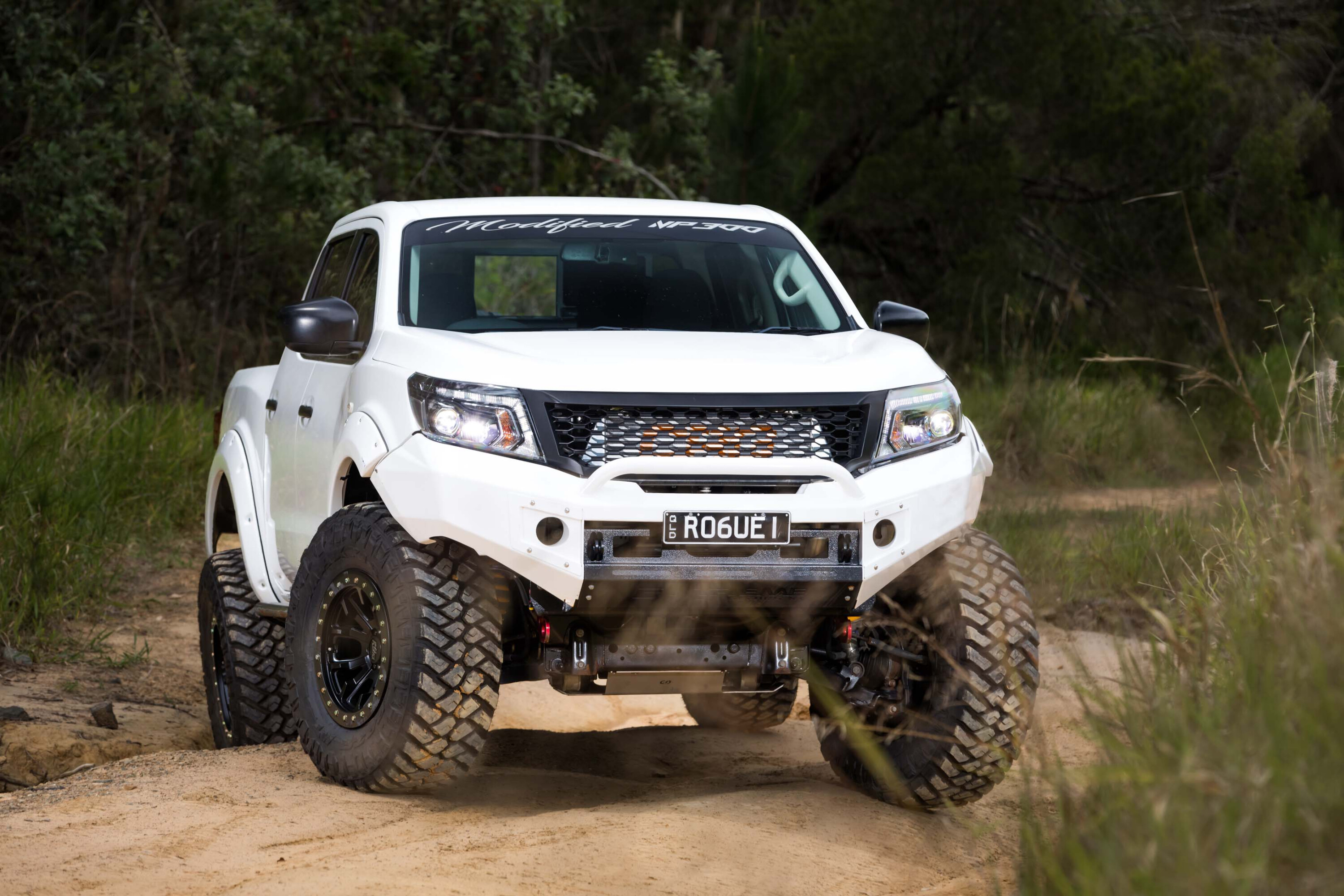
When asked what he likes about the NP300 Navara platform as a vehicle to build up in to his ideal daily driver and escape machine, Simon had this to say: “I’ve always liked the shape of the NP300. It’s an affordable base vehicle that ends up being very capable with the coil-sprung rear end. The inspiration for this build comes from American pre-runners, and I always wanted to inject that style into the build.”
We must say, job well done too mate, as this is certainly a striking custom Navara, that looks to be a hoot to drive on tough tracks. Let’s take a closer look at what makes Rogue 2.0 a special off-roader and see what Simon has learnt about modifying an NP300 the second time around.
Suspension
As Simon alluded to, one of the major benefits of the NP300 platform is the fact it has a coil sprung, solid-axle rear end with a traditional 5-link suspension design similar to what you’d see in a GQ or GU Nissan Patrol. Not only does this ride better than most leaf-spring set-ups, the ability to customise and enhance the off-road performance of the Navara is next level.
Starting with the front, Simon had a pair of four-inch raised Superior Engineering remote res 8-stage adjustable struts, with 3.5-inch raised King springs to give the big Nav some altitude. To make this amount of lift work as well as possible, Simon also ticked the box that said SPC upper control arms, SuperPro offset bushes in the lower control arms and ATI diff drop, please.
The diff drop is necessary to allow the CV joints to operate at a more suitable angle after lifting the front end 3.5-inches, and the upper control arms allow for correct suspension geometry, better wheel alignment and more clearance between the coil springs and upper control arm.
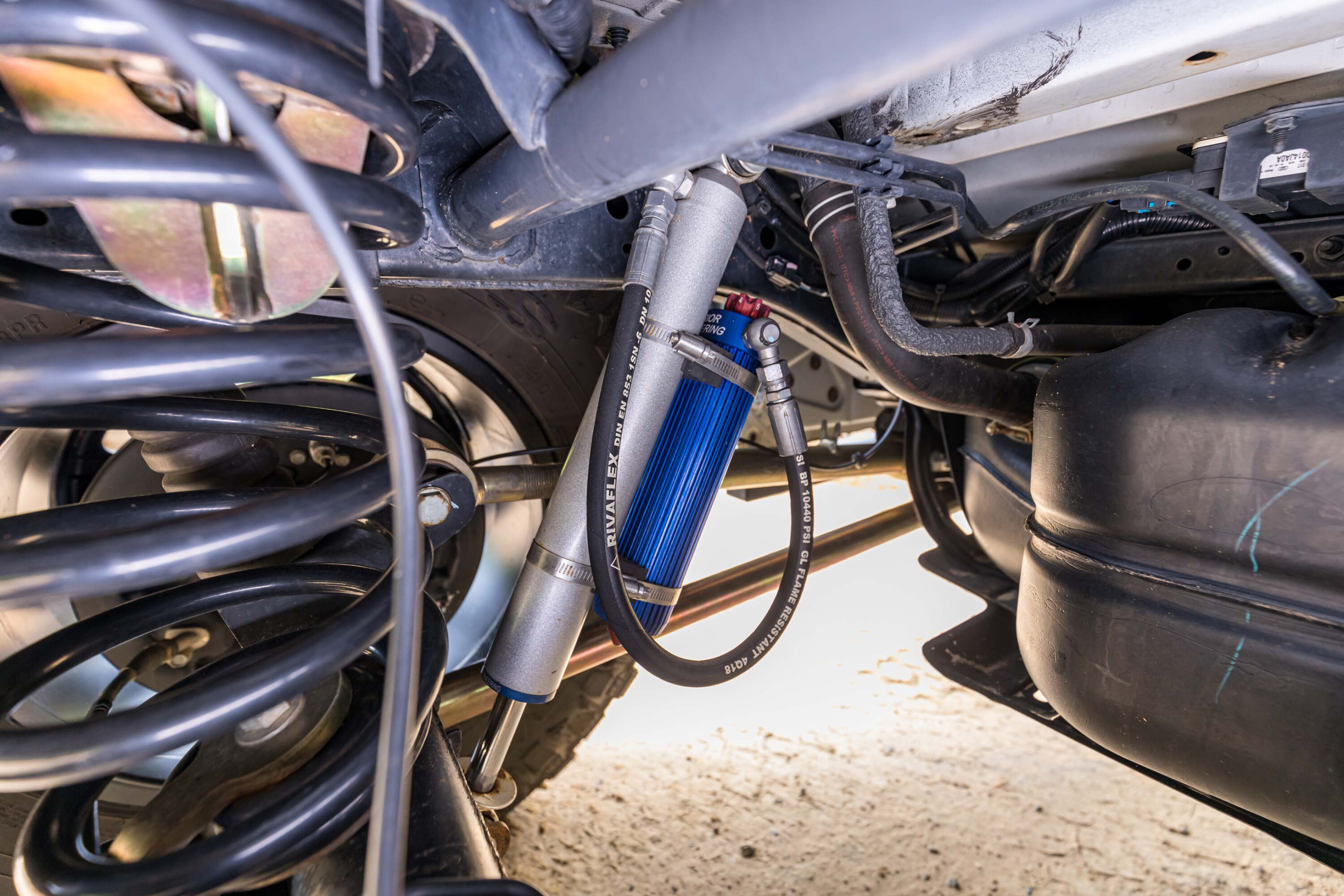
At the rear of the NP300, Simon has gone with a lower two-inch raised tapered coil spring, to give him the nose-up pre-runner look that was the inspiration for his build. Superior Engineering remote res shocks were also installed in the rear, fun fact they were originally designed for a Nissan Patrol, and offer 11-inches of travel.
To get the best from the rear-end flex wise, Simon also opted for Superior Engineering upper and lower control arms, which are much beefier than the stock units. Simon also had an adjustable Panhard rod installed, to keep the axle centred after the lift, as well as beef up another potential failure point.
Coil drop out cones and retainers also make their way into the list of goodies, as do extended braided brake lines to cope with the new-found additional down travel.
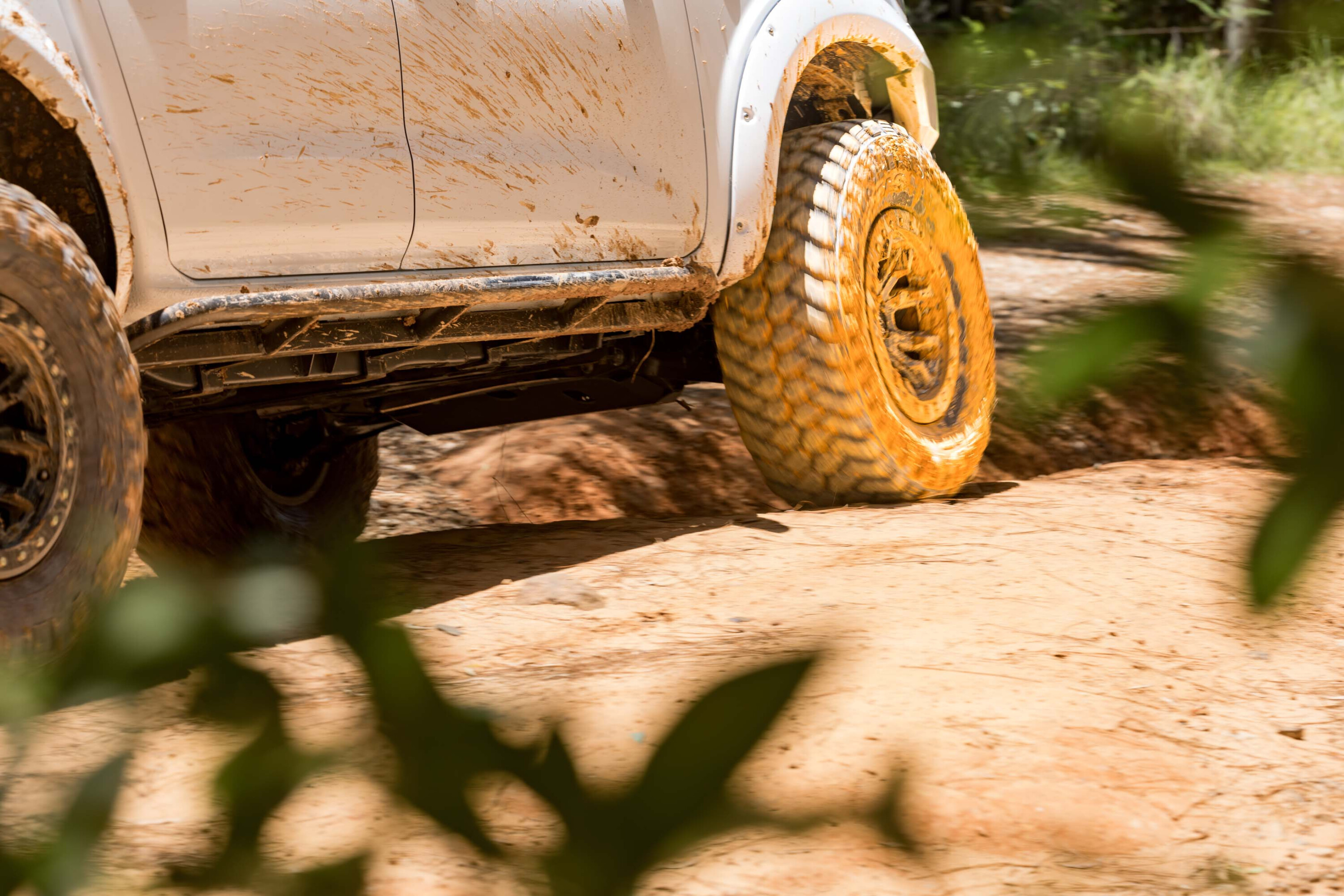
While the NP300 isn’t a big ute, Simon has managed to shoehorn a massive set of 315x70R17, or basically a 35-inch tyre, under the guards. Simon’s tyre of choice is the ever-popular Maxxis RAZR mud-terrain, which he has mounted to a great looking set of Dirty Life DT1 alloy wheels.
Upgrade your 4×4
-
Bullbars

-
Underbody Protection
-
4X4 Tyres
-
Canopies
-
Roof Racks
-
Storage
Engine upgrades
From the factory floor, the Navara isn’t the most powerful ute in its class, powered by a 2.3L twin-turbo diesel motor that produces 140kW and 450Nm. The good news is they respond well to tuning and upgrades, and it’s safe to say Simon hasn’t left his Navara stock in the power department.
Starting with a 3-inch exhaust system to expel gasses quicker than stock (and sound cool in the process), Simon also had the CRG Diesel Tuning team instal a front-mount intercooler to help keep intake temperature down. An aftermarket air-intake pipe and throttle body pipe have also been fitted, offering improved reliability over the stock items.
Lastly, CGR Diesel Tuning worked their magic with a custom tune, that saw figures of 182hp and 615Nm at the wheels on the dyno. That’s a significant jump in both power and torque, especially when you consider it’s a little old 2.3L motor.
And what does Simon think about this increase in power over stock? “I’m happy with where it is at, and how it performs. I wouldn’t change anything,” he tells us excitedly.
Touring Gear
This vehicle needs to be functional, not just capable off-road – it needs to be decent to drive daily as well. Simon has cut no corners here, and had a bunch of quality touring gear fitted up to make his dream package come to life.
Starting with a Redarc Tow-Pro brake controller for safe braking when he hitches a trailer up.
There’s also an Ultimate 9 throttle controller, ARB twin air-compressor mounted under the seat, and an anytime diff lock module that as the name suggests, allows the factory rear diff lock to be activated in 2WD as well as 4WD. To push things even further off-road, Simon decided to lock the front differential as well, by installing a Harrop ELocker.
Body mods
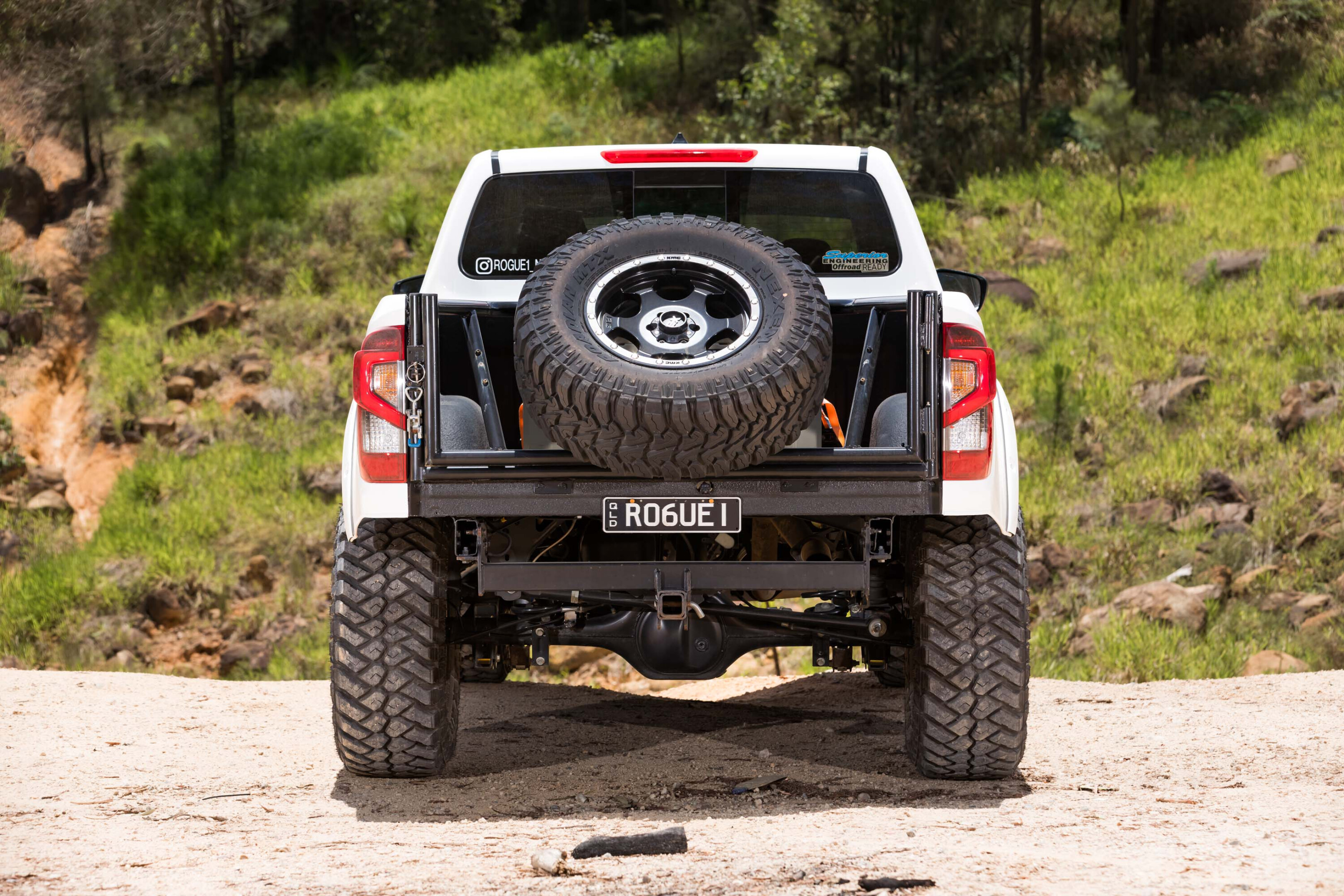
One of the more noticeable additions to the rear of Simon’s Navara, couldn’t really be called an addition – that’s because he took to the rear of the factory tub with an angle grinder, and performed a custom quarter-panel chop to provide a better departure angle when off road.
You’ll probably also notice the custom pre-runner style tyre gate/carrier at the very back of the Navara’s tub, which is a neat touch that looks the part. Inside the tub, a Rhino tub liner protects the paint from scratches, as do the Southern Cross Fab rock sliders, which as you can see by the pictures have copped an absolute flogging and keep coming back for more.
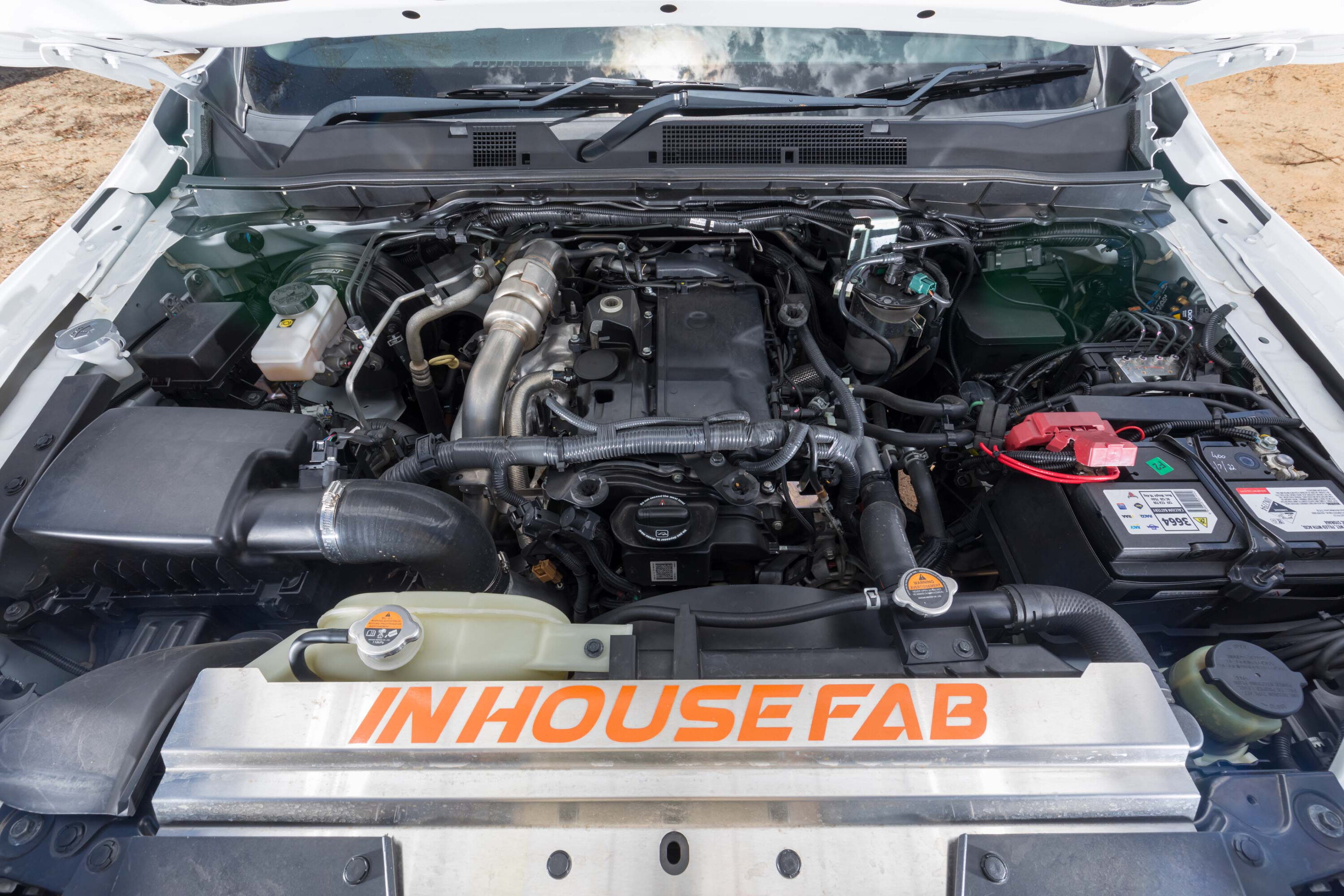
Frontal protection wise, Simon decided on a Shoreline colour-coded front bumper which hugs the contours of the Navara and is lighter than a traditional bullbar.
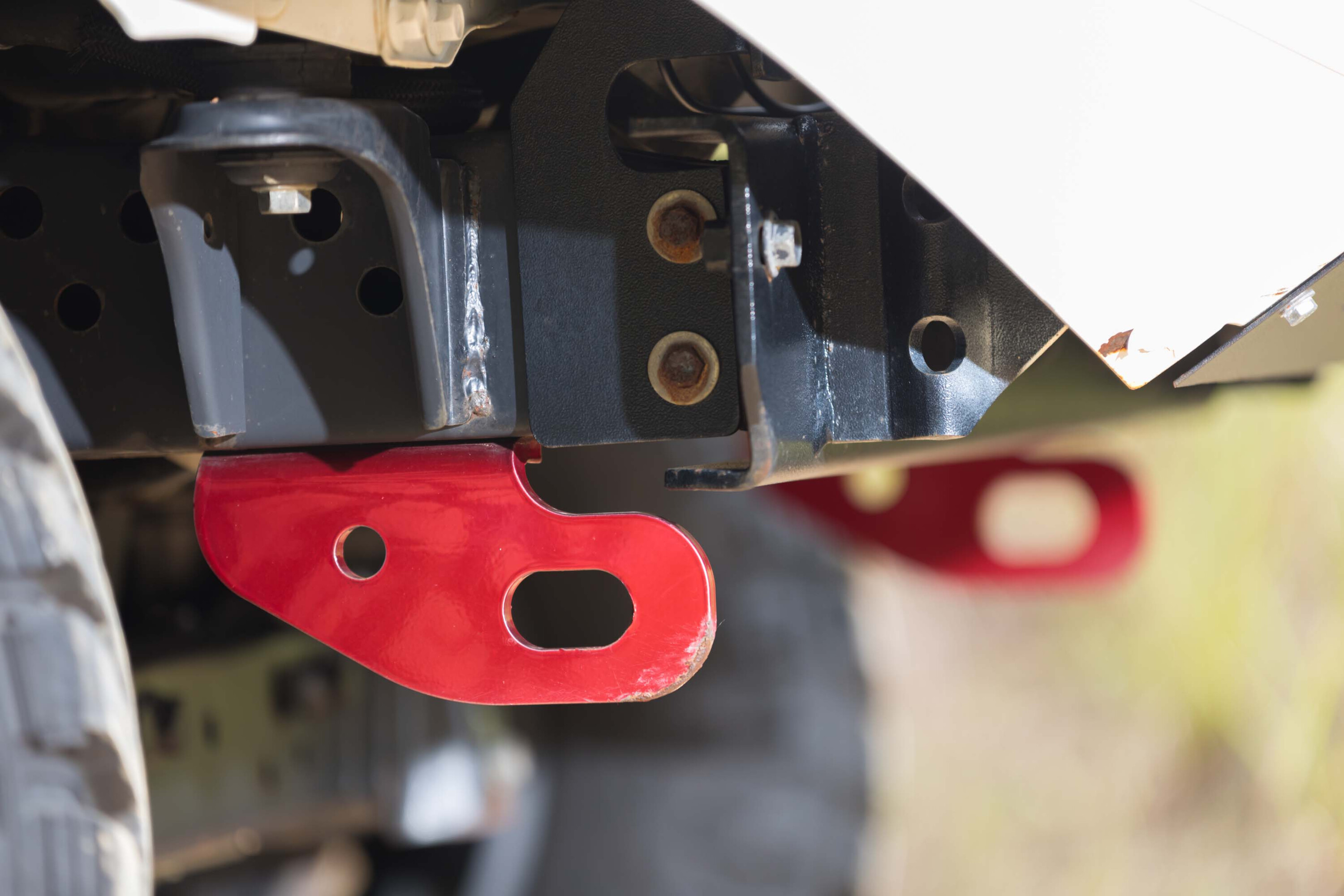
He hasn’t fitted a winch yet, but that’s always on the cards. Roadsafe recovery points have been installed in the event he does need to be recovered, or as is more likely, if he needs to recover someone else. Custom bash plates were also fabricated to fit the Navara, after fitting the diff-drop kit the stock bash plates were never going to fit right.
All up, Simon tells us he’s invested roughly $30,000 in to the build of Rogue 2.0, and it’s taken about three years to get it to this point. In saying that, he has no future plans to change anything on his Navara, expect for perhaps a custom rear bar. Otherwise, his only plan is to get out there and use the vehicle for what it was intended to do.
With thanks
As always, it takes a team of people to build a custom 4WD. Simon would like to thank the people from Superior Engineering, CRG Diesel Tuning and Pushys Fabrication for their help in creating Rogue 2.0.
The most significant mid-size 4×4 ute of 2023 has landed, and we’ve had our first opportunity to spend some time in one.
We’re in the Volkswagen Amarok PanAmericana, which is the fourth highest of five specification grades available in the new VW ute.
The Amarok PanAmericana comes exclusively with the V6 3.0-litre diesel engine, 10-speed automatic transmission and full-time dual range four-wheel drive.
The 2023 Amarok marks the second generation of the ute from VW, but in departure from its standard-setting original, the German brand has partnered with Ford on development of the second-gen ute and the new Amarok shares much of its hardware with the Ford RA Ranger – and that’s not a bad thing.
2023 Volkswagen Amarok range and pricing
| Amarok Core | ||
|---|---|---|
| 2.0 TDI405 | 6-speed manual | $50,990 |
| 2.0 TDI405 | 6-speed auto | $52,990 |
| Amarok Life | ||
|---|---|---|
| 2.0 TDI500 | 10-speed auto | $56,990 |
| Amarok Style | ||
|---|---|---|
| 2.0 TDI500 | 10-speed auto | $66,990 |
| 3.0 TDI600 | 10-speed auto | $70,990 |
| Amarok PanAmericana | ||
|---|---|---|
| 3.0 TDI600u00a0 | 10-speed auto | $70,990 |
| Amarok Aventura | ||
|---|---|---|
| 3.0 TDI600 | 10-speed auto | $79,990 |
| 2.3 TSI452 | 10-speed auto | $79,990 |
The Amarok PanAm on test has Deep Red metallic paint which adds $990 to the price, as well as optional ‘Savona’ leather interior which bumps the price up a further $3000 to a total just shy of $80K plus on-road costs.
While that’s a lot of money for a 4×4 ute, the new Amarok in PanAm spec is a lot of car.
| 2023 Volkswagen Amarok PanAmericana features | |
|---|---|
| Heated 10-way electric driver and passenger seats covered in u2018Cricketu2019 leather | 12-inch digital cockpit pro gauge cluster |
| A premium-feel, leather-covered dashboard | Factory optional electronic brake controller |
| Leather door inserts | 640-watt Harmon Kardon sound system with eight speakers |
| Black hood liner | Dual-zone climate control |
| 12-inch portrait format A/V screen | Leather gear shift selector |
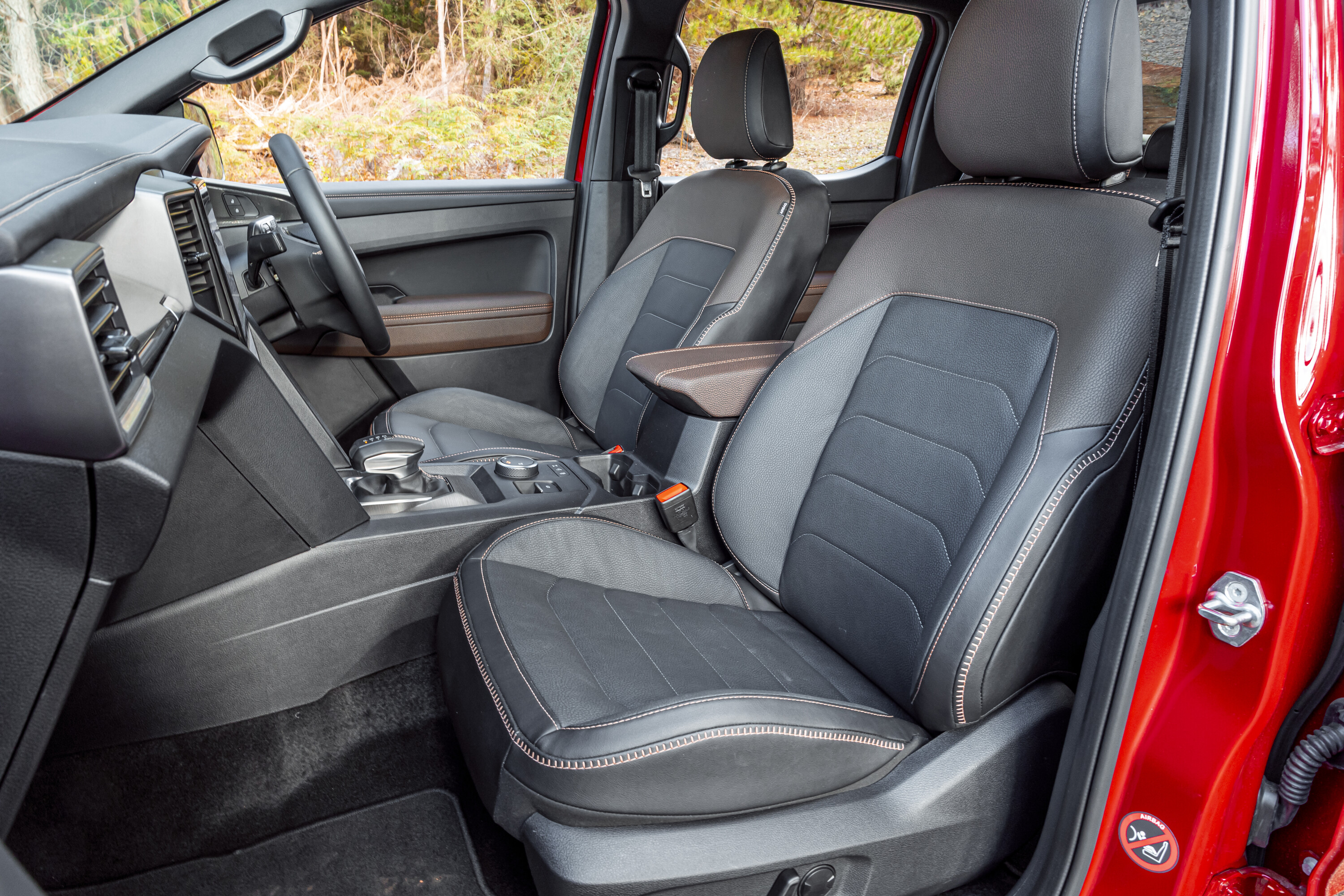
The front seats coddle and support the driver and passenger well, with their heavy bolsters being almost sports car-like.
The premium leather covering on the seats and dash-top give the feeling of being a cut above any other interior in this class of ute.
The rear seats are good for a pair of adults or three children but don’t offer a lot of legroom for taller passengers. This is despite the new vehicle being longer and having a 175mm longer wheelbase than the original.
Another point for bigger drivers is the centre console, which is quite wide and infringes on the space your left leg occupies, making the driver’s cockpit feel a bit narrow. This could be a personal thing that does not affect other drivers, but it was noted by a couple of our testers.
Safety in the new Amarok
| Volkswagen Amarok – Safety features | |
|---|---|
| Tyre pressure monitoring | Adaptive cruise control and Lane Keeping Assist |
| Mechanical differential lock | Multi collision break |
| Intelligent Speed Limiter | Rear sensors and rear camera |
| Speed sign recognition | Knee, centre, side, curtain airbags |
| E-call (emergency call) | |
Passengers are well protected with standard inclusion of knee, centre and side airbags which now extend back to protect rear seat passengers, something that was a deficiency of the original Amarok and kept some family buyers away from the model.
Also on the list of safety kit are the expected AEB; ESC; ABS; lane-keeping assist; speed sign recognition; matrix LED headlights (LED standard across the range); tyre pressure monitor system; park assist; a 360° camera; front pedestrian assist; rear cross traffic alert and side assist; roll-over mitigation; adaptive load control; and trailer sway control.
Driving the new Amarok
While the PanAmericana is powered exclusively by the V6 diesel engine, there are other powertrain options in the new Amarok range.
These include single- and bi-turbo four-cylinder diesel engines and a turbocharged 2.3-litre petrol mill that provides Volkswagen with a point of difference in the crowded and highly competitive mid-size ute market.
The V6 diesel engine is the Ford ‘Lion’ 3.0-litre single-turbo V6 that is familiar from the Ford Ranger and older Land Rover models. In this trim it produces 600Nm and 184kW.
The engine offers smooth and linear performance which, while not as punchy as the previous Volkswagen V6 engine, does its job with a lot more refinement and subtlety.
Helping here is the super smooth 10-speed automatic transmission, also shared with the Ranger, which feels faultless in this application. A small gripe is the electronic gear shifter which is another carry over from Ford, and not as easy to use as it should be, particularly for manual gear shifting.
The engine offers smooth and linear performance which does its job with a lot more refinement and subtlety
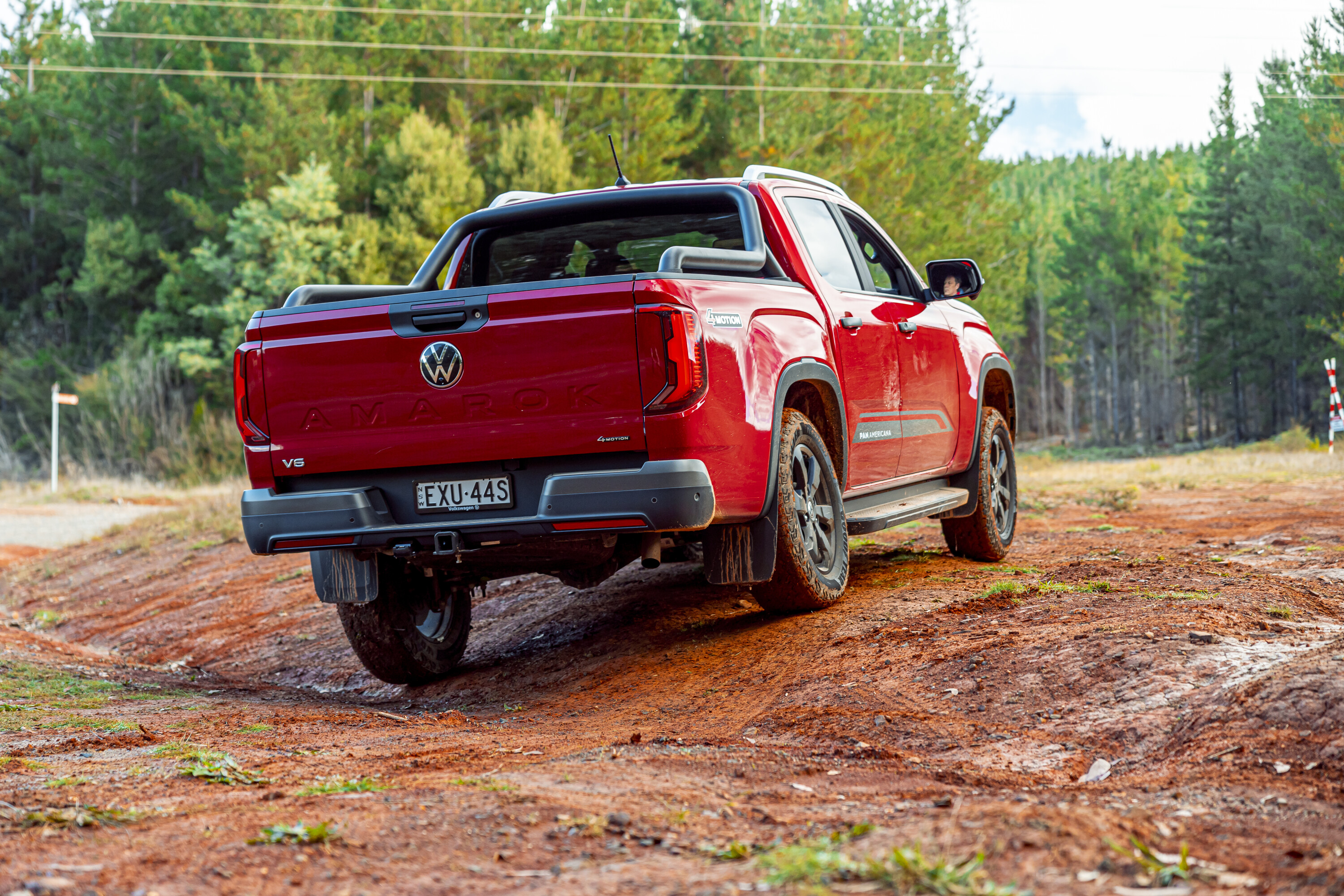
The PanAm features a four-wheel drive system that gives the driver the option of two-wheel drive, automatic all-wheel drive and locked 4×4 in high and low range.
There’s a driver-selectable rear locking differential and a total of six driver-selectable drive modes that optimise the various vehicle systems to suit different driving conditions. Those drive modes are Normal, ECO, Slippery, Mud/Track, Snow/Sand, and Towing for heavy loads.
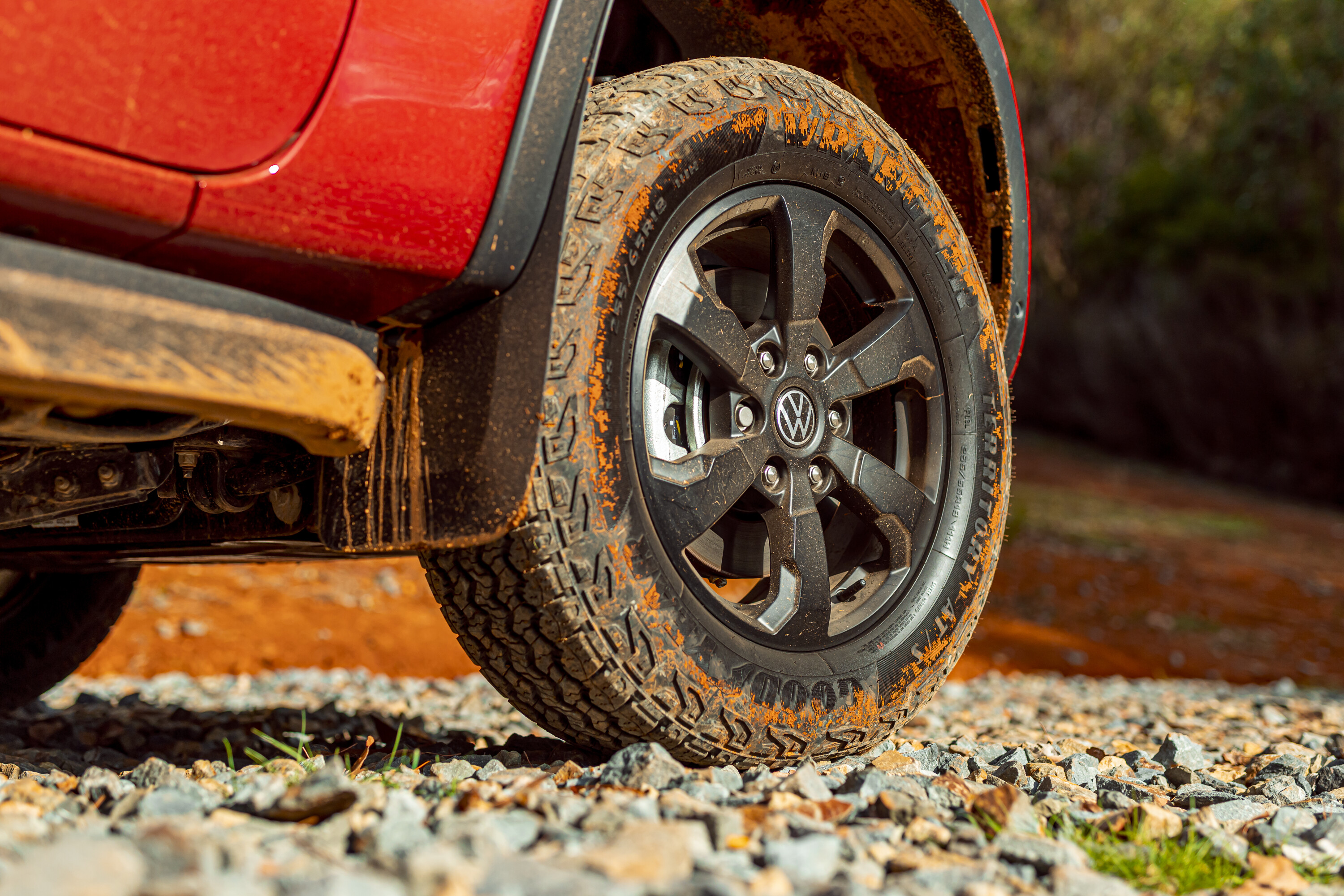
The PanAm is billed as the off-road hero in the range for now and as such it rides on sensible 18-inch alloy wheels wearing 255/5 Goodyear Wrangler Territory all-terrains.
The PanAm is billed as the off-road hero in the range… for now
Maybe not so sensible for the off-road model is the application of the ‘Dynamic’ suspension to the PanAm. The dynamic suspension adds monotube dampeners to the double wishbone IFS and live leaf-sprung rear axle to provide a more sporting ride on both the PanAmericana and Adventura models. The lower grades use the standard suspension package.
This is in keeping with the original Amarok which also gave the choice of suspension for dynamics or load carrying, but the standard and dynamic suspension now share the same payload and towing capacities.
We did feel the suspension felt a bit too sharp and firm on gravel roads as it transmitted the irregularities in the surface through to the cabin more than you might like. We haven’t driven on the standard suspension, so can’t yet comment on how it performs.
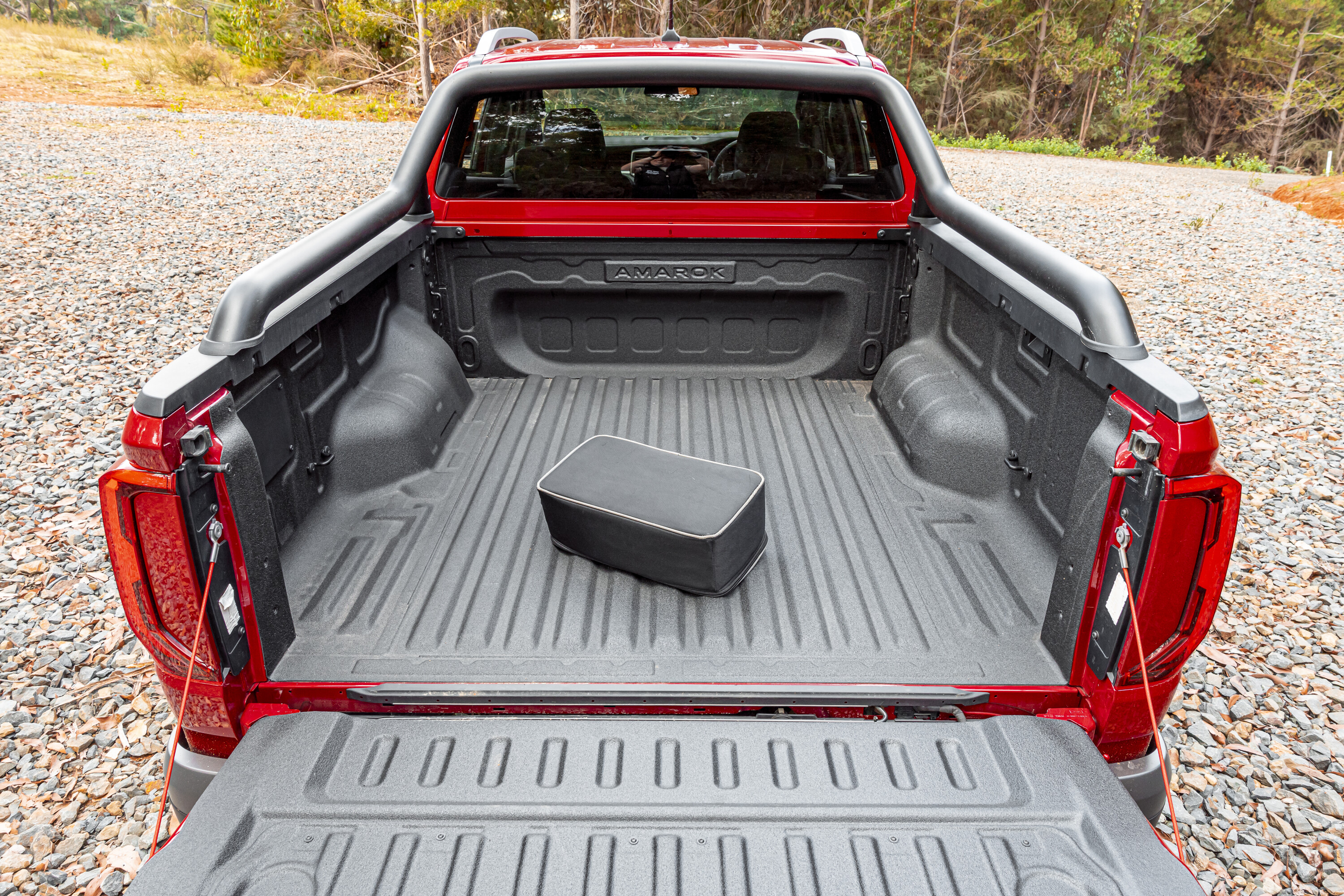
Speaking of payloads, the PanAm offers a 1031kg payload, which is great for such a high-spec and well-equipped ute.
Towing is rated to 3500kg and the GCM is a healthy 6400kg, putting it up there with the best in class for hauling.
We think this rig could be a popular tow tug for those who like to haul but want some luxury on board at the same time.
The cargo tub retains the original Amarok’s ability to put a pallet between the wheel arches, something the old VW brought to the segment but now others have caught up with.
The PanAm’s tub has a spring-assisted tailgate, LED interior lighting, six tie-down points and a spray-in bed liner. Disappointing is the absence of a 12-volt power outlet in the tub, even though the Amarok models below and above the PanAm have one.
| 2023 Volkswagen Amarok load and towing | |
|---|---|
| Tray length (mm) | 1624 |
| Tray width between wheel arches (mm) | 1227 |
| Load lashing rating (kg) | 400 |
| Load clamps rating (kg) | 250 |
| Payload (kg) | 1200 |
| Towing – braked (kg) | 3500 |
| GCM (kg) | 6000-6500 |
It’s ironic that the first Amarok was a class-leading vehicle in so many ways, and only recently have other utes in its class caught up. Now VW has partnered with Ford to develop the new Amarok alongside what is the current class-leading vehicle.
This has allowed VW to retain a lot of the features that made the OG Amarok such a good thing, like a powerful V6 diesel engine, wide cabin and that pallet-taking cargo tub.
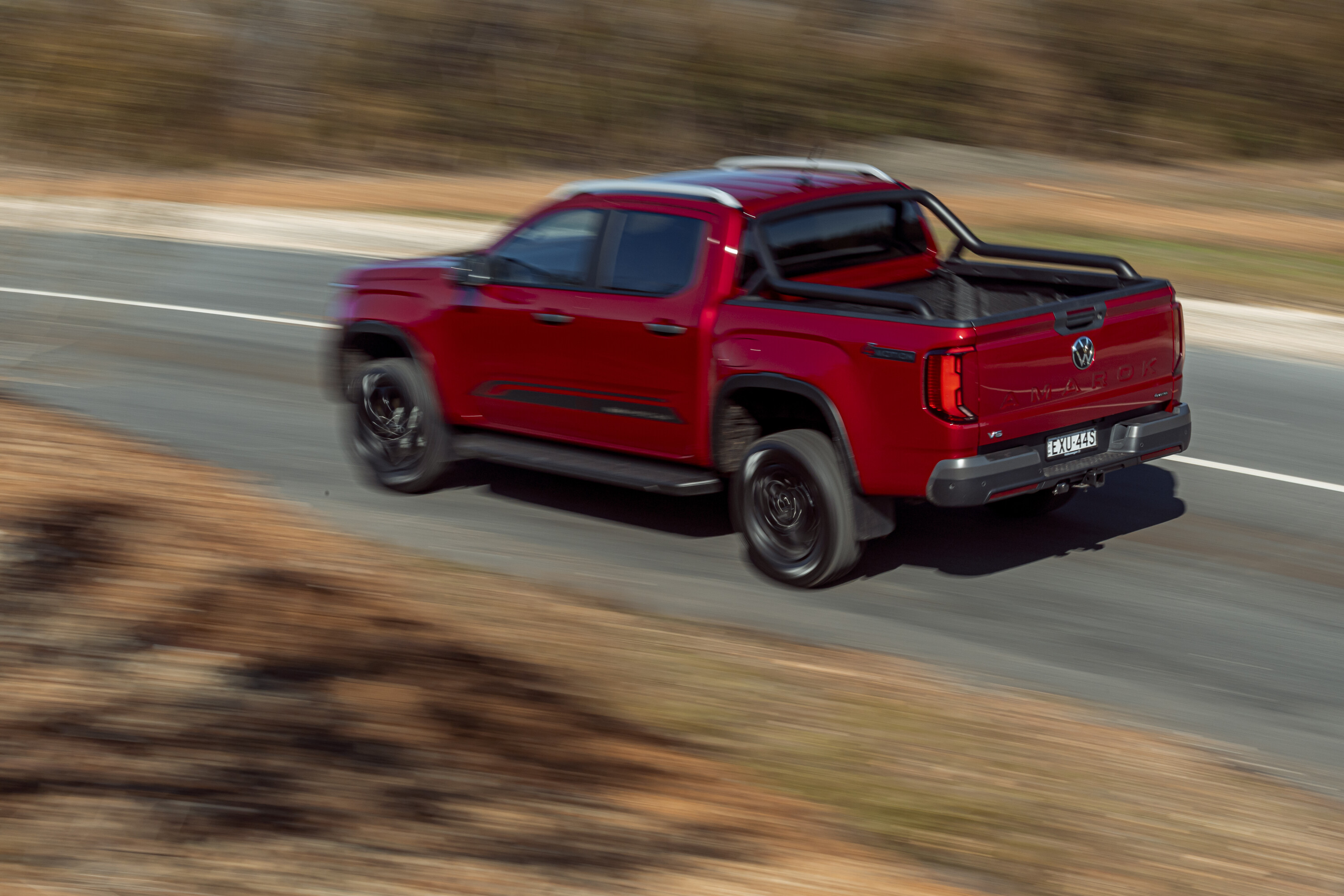
Warranty & servicing
The new Amarok is covered by a factory five-year/unlimited kilometre warranty and comes with 12 months of roadside assistance.
Volkswagen is talking up its aftersales service on the new Amarok with service intervals of 12 months or 15,000km, and fixed priced servicing for the first five services at $329, $329, $414, $329 and $400 respectively (prices subject to change).
Or, customers can select the 5 Year Care Plan, which is locked in at $1800 upfront and is not subject to the variance of paying for services individually.
VERDICT
Is the new Amarok a better 4×4 ute than the product it is based on?
That is yet to be determined, but it is different enough to retain that Volkswagen style and feel with a look that is unmistakably VW.
It will provide another great alternative in this very competitive segment.
2023 Volkswagen Amarok PanAmericana specs
| Price | $75,990 + ORC and options |
|---|---|
| Engine | V6 dieselu00a0 |
| Capacity | 2993cc |
| Max power | 184kW @ 3250rpm |
| Max torque | 600Nm @ 1750-2250rpm |
| Transmission | 10-speed automatic |
| 4×4 system | 2WD, AWD auto, 4×4 locked in high and low range. RDL |
| Construction | 4-door ute cab with tub on ladder chassis |
| Front suspension | Double wishbone IFS with coils |
| Rear suspension | Live axle on leaf springs |
| Tyres | 255/65-18 on alloysu00a0 |
| Weight | 2319kg tare |
| GVM | 3190kg |
| GCM | 6400kg |
| Towing capacity | 3500kg braked |
| Payload | 1031kg |
| Seats | 5 |
| Fuel tank | 80L |
| ADR fuel consumption | 8.4L/100km |
| On-test fuel consumption | 17.2L/100km |
2023 Volkswagen Amarok Panamericana off-road specs
| Approach angle | 30u00b0 |
|---|---|
| Rampover angle | 22u00b0 |
| Departure angle | 25.6u00b0 |
| Ground clearance | 235mm |
| Wading depth | 800mm |
Bumper to bumper. On Easter Sunday, traffic on Cooma’s main street was at a near standstill. But, unlike Sydney’s road conditions during rush hour, this gridlock was a circumstance to rejoice.
That’s because it was entirely caused by the hundreds of Land Rovers participating in the Grand Parade during the Land Rover 75th Anniversary event held in Cooma over the Easter long weekend.
So, why Cooma? Well, Land Rover has a long history with the Snowy Mountains region that extends beyond the marque’s paddock-pounding credentials. The Snowy Mountains Hydro Scheme started construction in 1949 – a year after the launch of the Land Rover Series I.
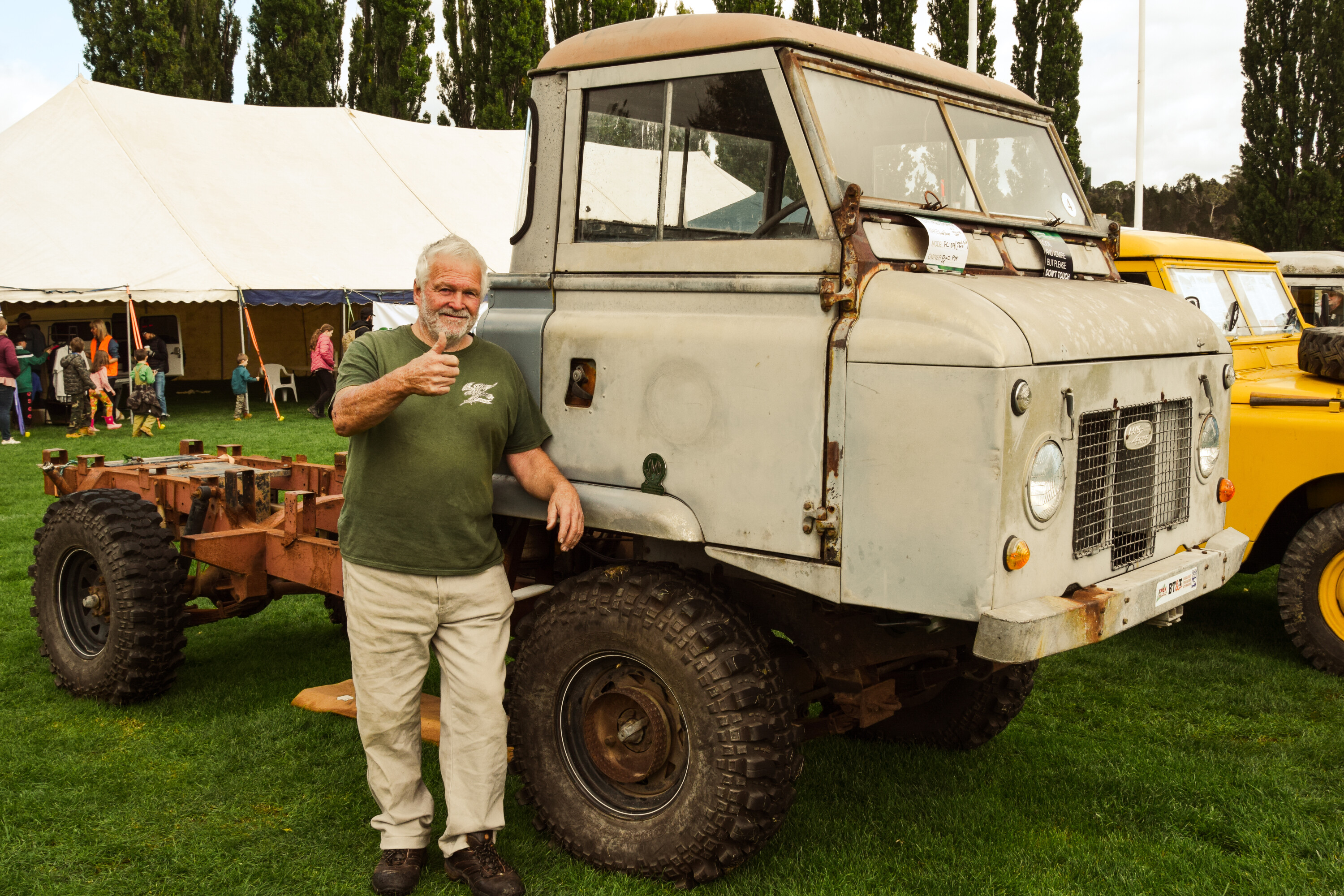
While the Hydroelectric Authority had initially tested ex-military Jeeps to support its efforts in the High Country, Land Rover rapidly established its credentials on the challenging tracks that formed the lifeline of construction works. Ultimately, more than 700 Land Rovers were imported to support the Scheme.
Little wonder then that Cooma, on the doorstep to the Snowies, has cemented its place as a spiritual hub for Land Rover in Australia and is a fitting location for Land Rover anniversary events.
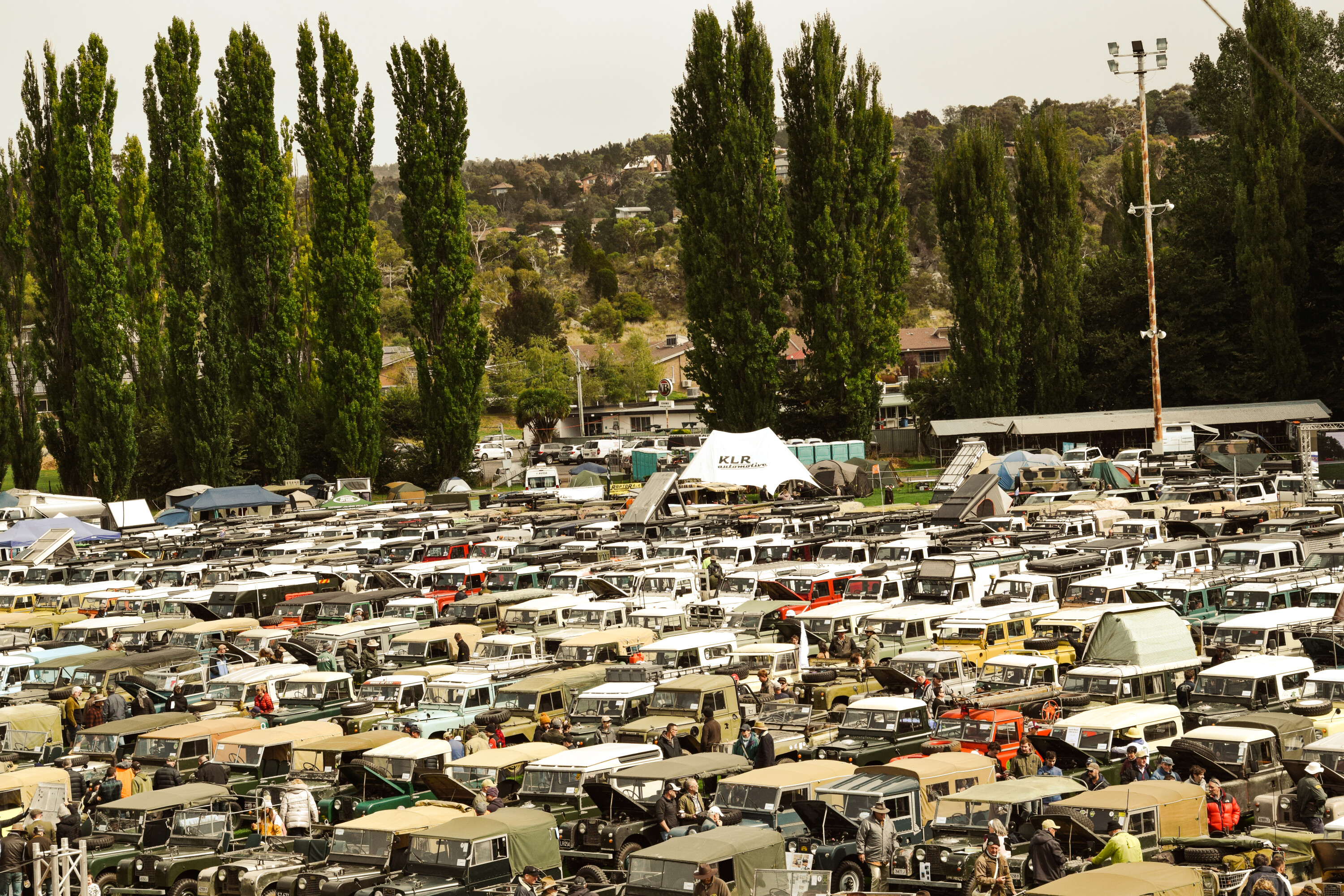
This year’s 75th Land Rover Anniversary attracted nearly 650 vehicles, with 1200 registered participants taking part in a full weekend’s program of activities including off-road trials, a swap-meet, a mix of self-guided and tagalong tours within the local area, live talks by industry celebrities and a gala dinner.
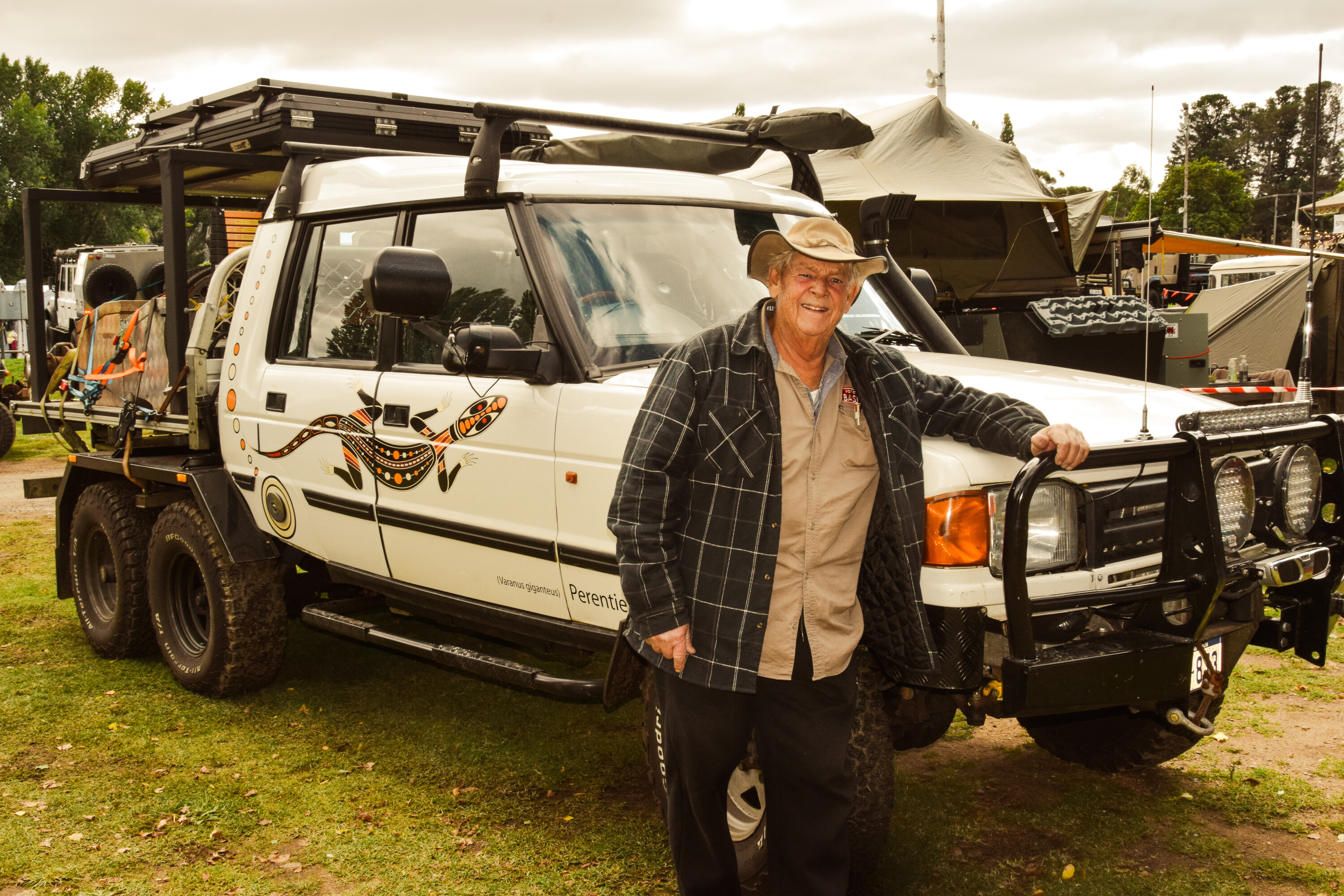
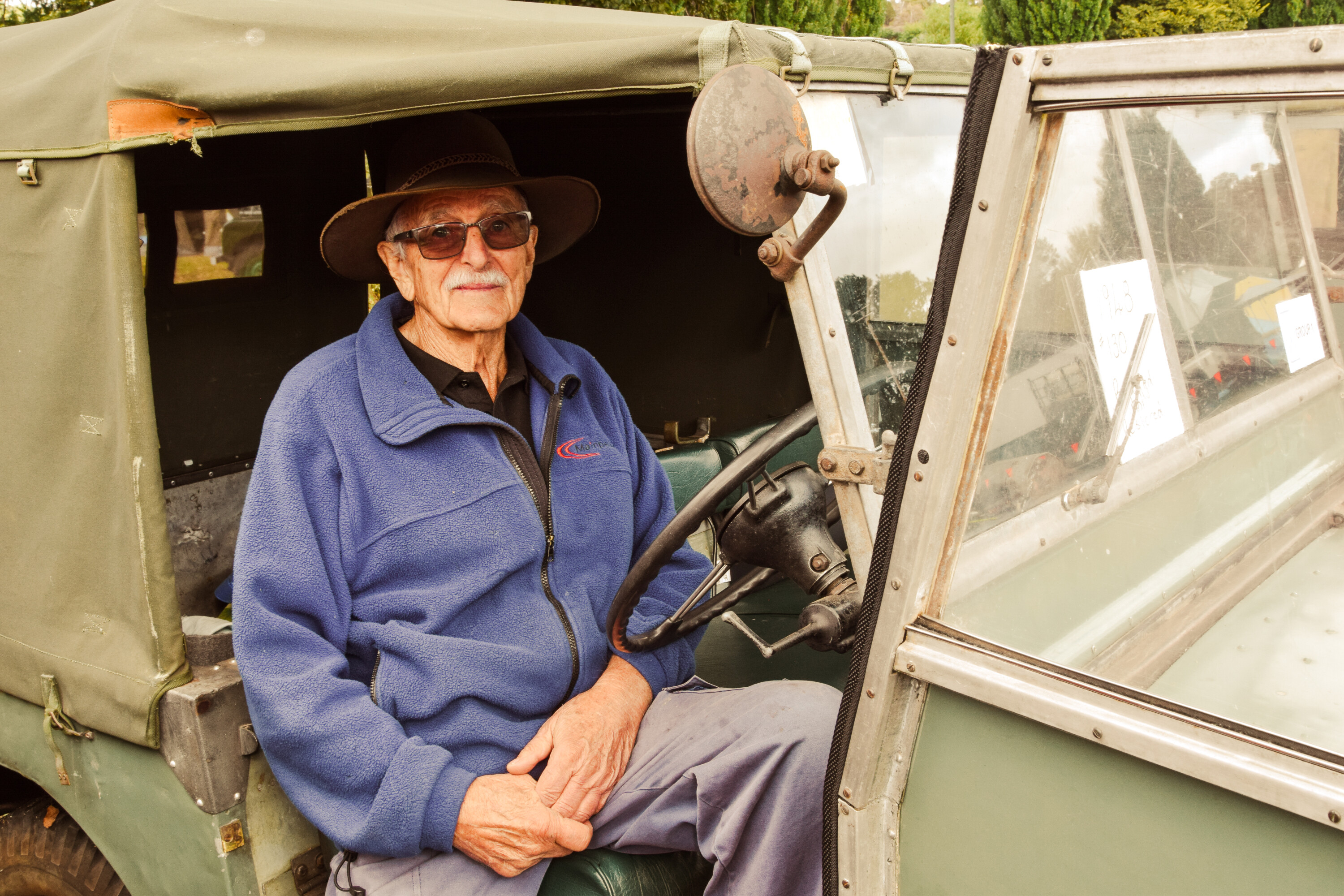
Sunday’s street parade was followed by a vehicle display on the Cooma Showground where Land Rovers were literally nose to tail across the full expanse of the oval. And throughout the weekend, hundreds of Land Rovers of every model could be seen criss-crossing the township on their way to and from events, enjoying all that Cooma has to offer.
Speaking to event organisers, Cooma is said to host the biggest Land Rover gatherings anywhere in the world. This year’s community driven event was organised by the Cooma Car Club, the Range Rover Club of Sydney and the Victorian Land Rover Club, combined with massive support by Service Clubs, the Chamber of Commerce and a large number of volunteers.
Ultimately, an estimated 3000 people lined the streets for Sunday’s parade which is quite a turnout given Cooma’s population of 6700. Based on previous Land Rover events, visitors and participants are expected to have injected nearly $1.5 million into the local community.
We’re looking forward to the 80th Anniversary celebrations already!
Off-road trails
The 75th Land Rover Anniversary event was not just reserved for static displays. The half-day off-road trials, sponsored by 4WD Industries, allowed registered attendees to test their mettle in pursuit of bragging rights, with over 100 vehicles taking up the challenge.
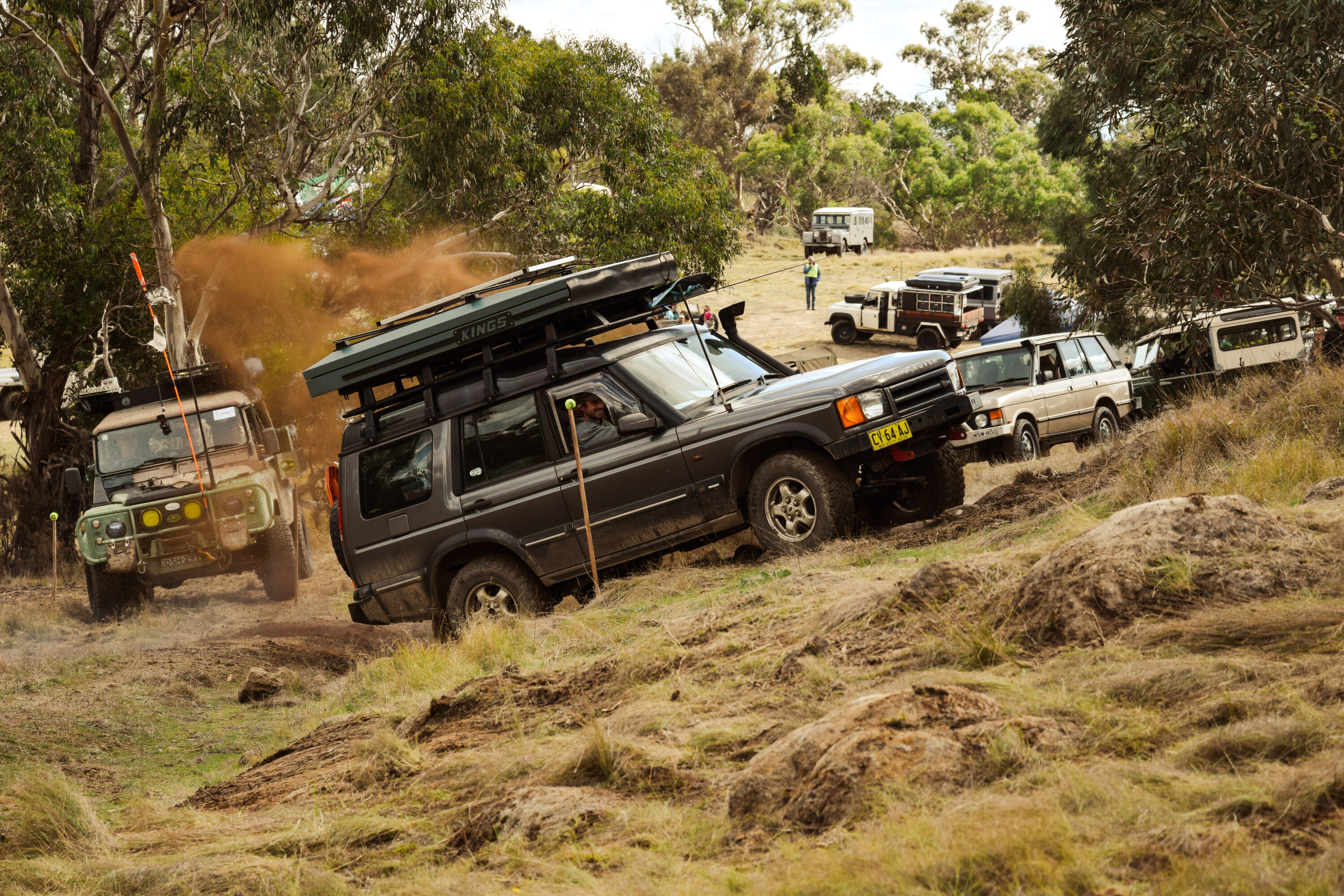
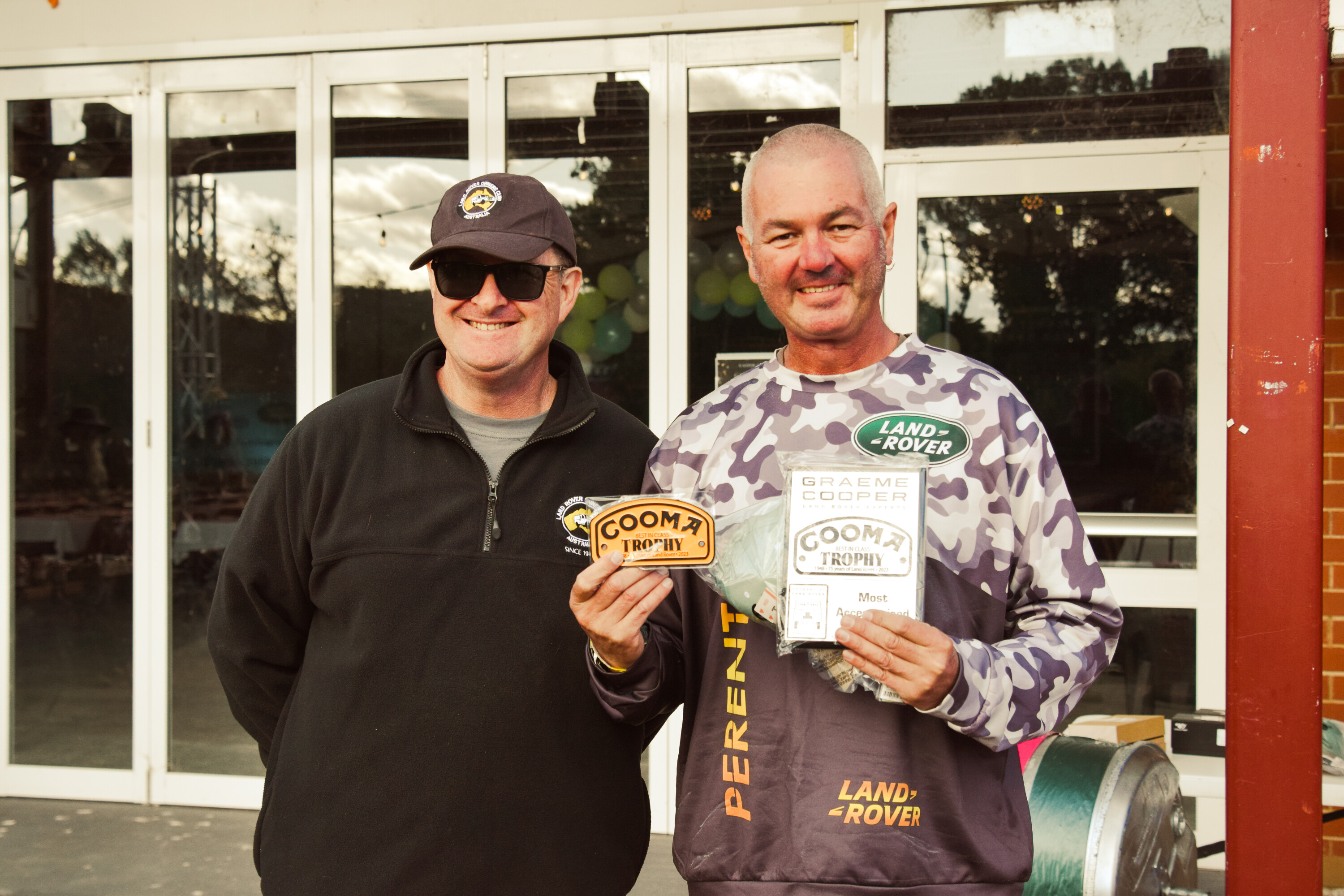
The trial grounds had five separate courses of varying difficulty in agility, visibility and navigation. Walking the track before the event kicked-off, it was clear that some of the tight corners were going to prove a challenge for anything other than a compact rig. But who could begrudge a short wheelbase Series I model 1948 Land Rover the opportunity to show-up its modern-day rivals?
The Defender 110s, 130s and the suite of Perenties didn’t stand a chance on one of the courses due to their long wheelbases. Meanwhile, some of the modern Range Rovers hit the mark (rather than the course markers) with traction control and electronic wizardry helping their cause.
A highlight of the event was a young 19-year-old Jack in his Silver Disco; with only one hand, he tackled the five courses better than many of his dual-handed competitors!
From far and wide
The 75th Land Rover Anniversary event attracted participants from across the country. A walk around the vehicles displayed at the Showground revealed plated vehicles from every State and Territory in Australia – with the exception of the Northern Territory (did we miss you?).
The event has a loyal following with numbers of registered attendees growing steadily:
- 50th Anniversary: 540+
- 60th Anniversary: 767
- 70th Anniversary: 900+
- 75th anniversary: 1200
Movie trivia
Did you know that, according to RoverWorks, there are more than 1781 Land Rover vehicles used in movies, TV series and music videos?
Amongst the Land Rover models, the Defender is the most popular in television series and feature films. Meanwhile, Range Rover and the Range Rover Sport have more appearances in music videos than any other luxury SUV in the world!
In 1995 the movie Judge Dredd showcased a customised Land Rover called a City CAB. Land Rover built 31 City CABs for the movie, based around the 101 Forward Control chassis that was originally manufactured in the 1970s for the British Army.
And while we all know that James Bond likes his Aston Martins, he also has a soft spot for Landies. He drove a Defender in Casino Royale and in Spectre, while the Range Rover also makes appearances in Octopussy, The Living Daylights, Tomorrow Never Dies, Casino Royale and Quantum of Solace.
And who could forget Lara Croft driving a Defender TD5 110 in Tomb Raider?
What’s in a number?
Have you ever wondered about what the classification of Land Rover 90, 101, 110 or 130 means? The numbers represent the respective vehicles’ wheelbase lengths in inches.