Correction 10/11/23
A calculation error had previously ranked the GWM Tank 300, LDV D90 and Ssangyong Rexton as the most affordable off-road large SUV to own. The story has now been updated. Wheels regrets the error.

Mitsubishi Australia has detailed the “rigorous development and testing program” conducted locally for the next-generation Triton, which was completed on public roads and proving grounds – including the Lang Lang facility in Victoria, owned by GM Holden between 1957 and 2020.
Australia and New Zealand-bound versions of the new Triton will feature a bespoke suspension tune, while local engineers assisted Japan in the development of a global electronic power steering tune.
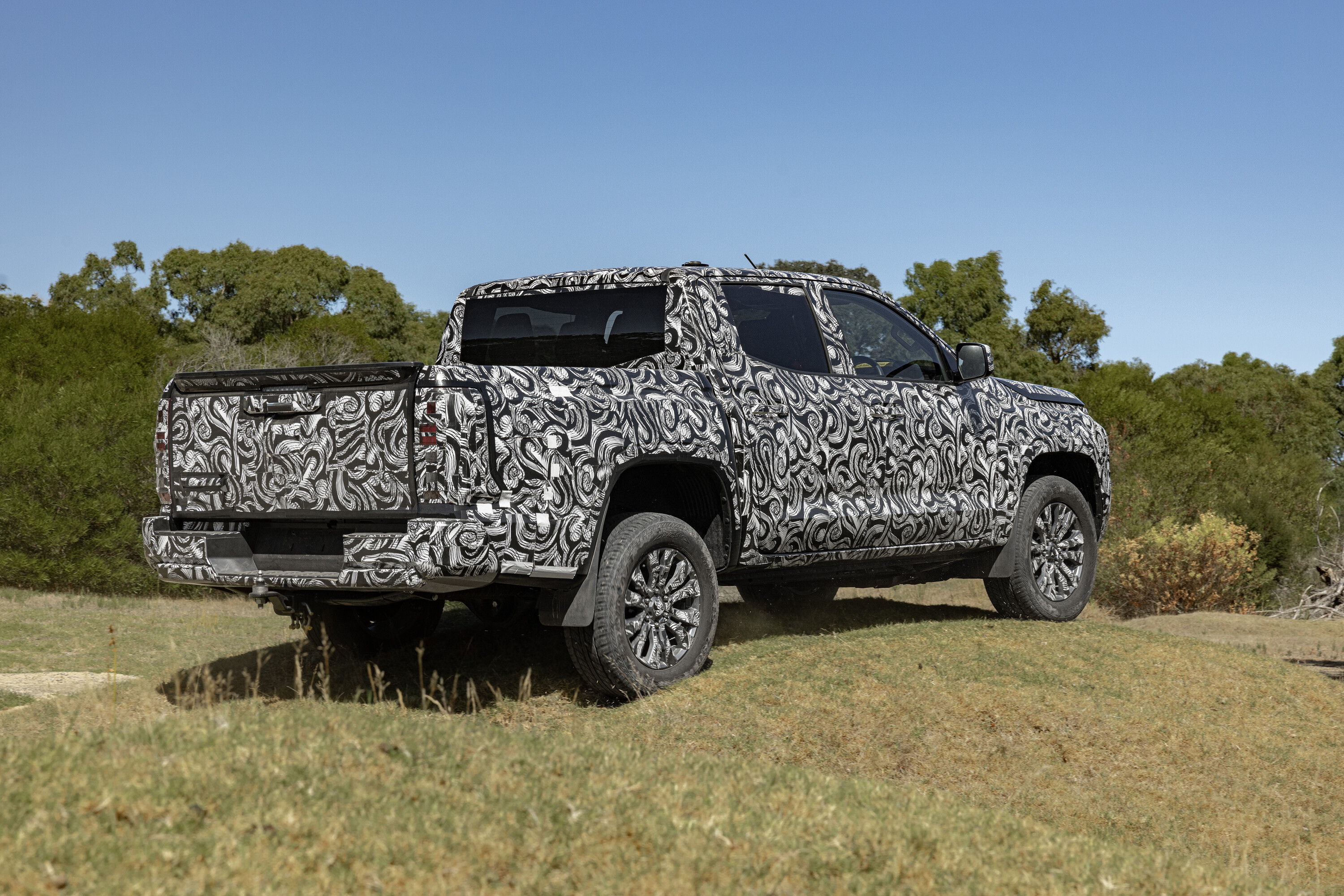
Mitsubishi said it tested “over 100 combinations of front and rear suspension options” over several months, with the final combination selected in time for a ‘key person ride’ attended by senior executives in Australia.
“Having access to somewhere like Lang Lang accelerates the process immensely. We could evaluate changes on multiple road conditions back-to-back to set accurate benchmarks,” said Mitsubishi Australia project manager Tony Dorrington.
Dorrington joined Mitsubishi in 2003, working closely with Japan on the development of the 380’s suspension and steering tunes. After working externally, he returned to the brand in 2019 to head localised engineering initiatives.
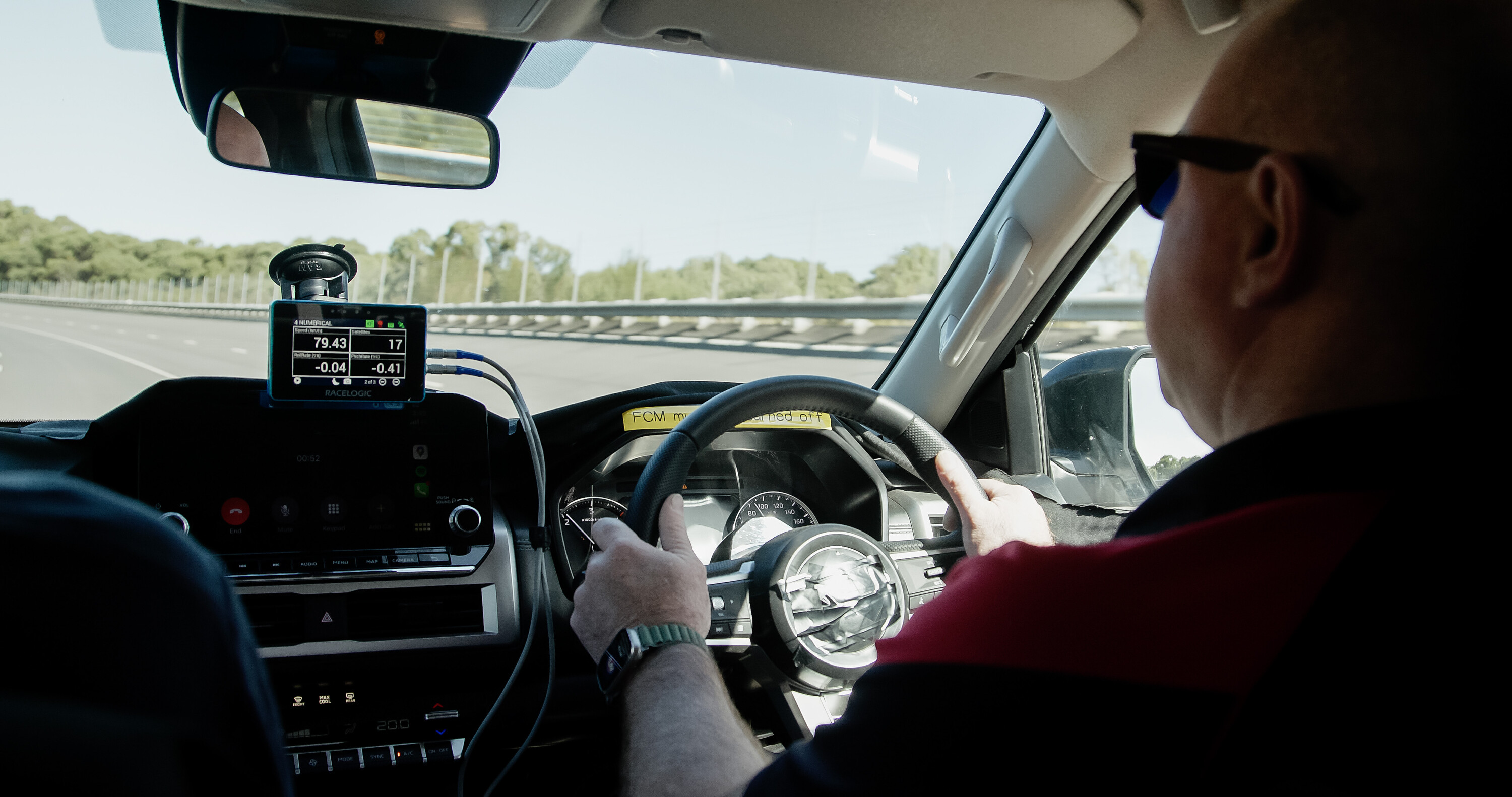
A unique front damper, spring combination, and rear shock will be fitted to local versions of the Triton, which was benchmarked against key rivals – likely including the top-selling Toyota HiLux, Ford Ranger and Isuzu D-Max – and the current model.
“The outcome of our collaboration is a significant reduction in impact harshness, improved body control, enhanced on-centre feel and more linear steering with good feedback,” said Dorrington.
Meanwhile, the adoption of electronic power steering is said to “reduce effort during parking and low-speed manoeuvres”, assist off-road, and improve feedback at higher speeds.
“With new-gen Triton we targeted a similar drive experience to a good SUV, with improved agility, responsiveness and ride comfort, but retaining Triton’s traditional off-road and workhorse capabilities,” he added.
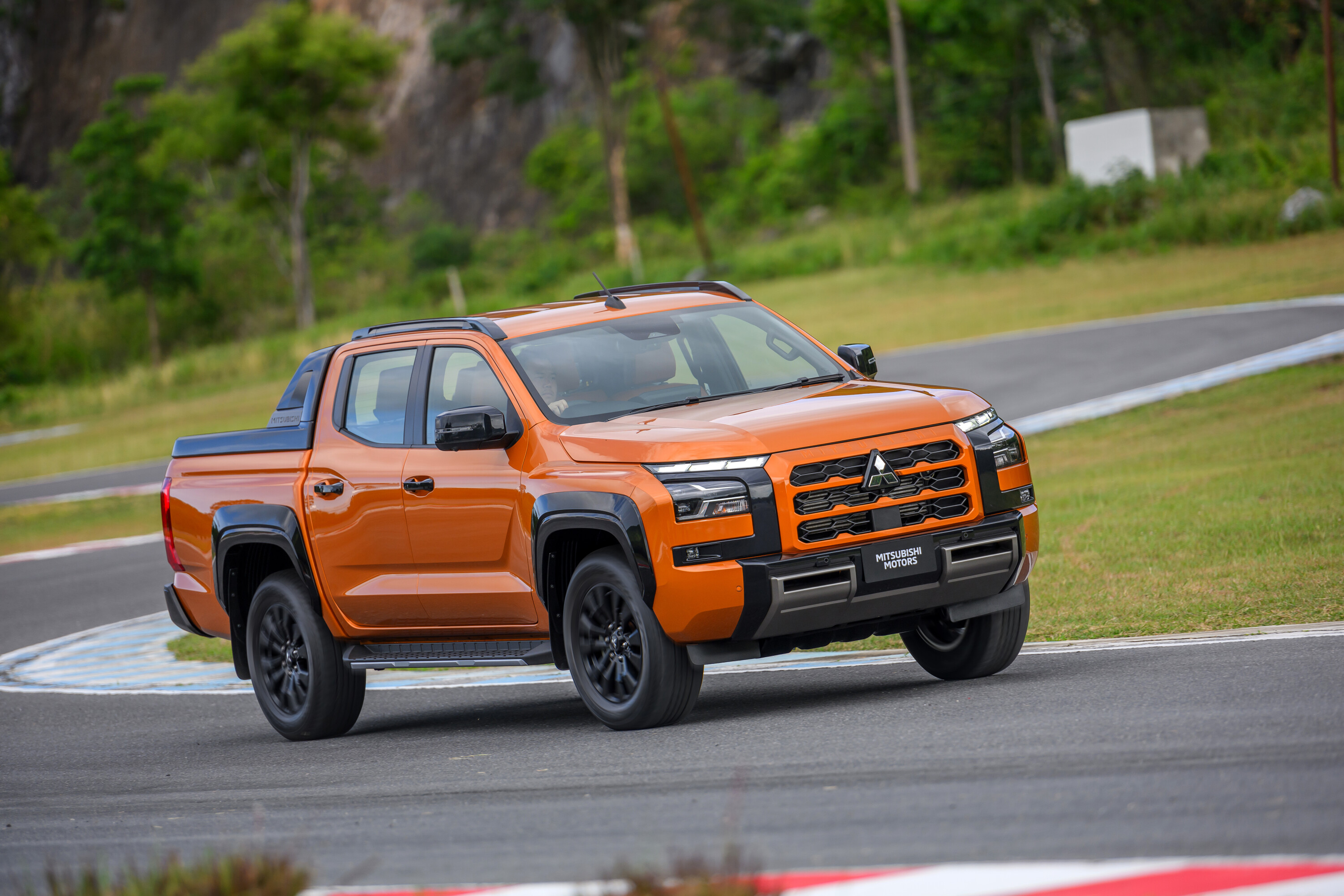
Due in Australia in February 2024, the new Mitsubishi Triton will be available in four trims: GLX, GLX+, GLS and GSR.
A revised 150kW/470Nm 2.4-litre twin-turbo four-cylinder diesel sits underneath the bonnet, initially matched to a six-speed automatic and later joined by an updated manual.
For those who’ve been out of the game for a while, there will be some unfamiliar faces here from China and Korea that stand out on paper with their low purchase prices. The LDV D90, GWM Tank 300, and Ssangyong Rexton all fall into this category.
But are they really cheaper to own than established nameplates like the Isuzu MU-X and Toyota Prado?
We dusted off the calculator to generate a ‘three-year ownership figure’ to compare each entrant.
The goal is to look beyond the purchase price and provide a clearer overall indication of how much each SUV will cost in your driveway. We’ve taken depreciation, servicing, insurance premiums, and fuel use into account and, as you can see, the results are surprising…
Correction 10/11/23
A calculation error had previously ranked the GWM Tank 300, LDV D90 and Ssangyong Rexton as the most affordable off-road large SUV to own. The story has now been updated. Wheels regrets the error.
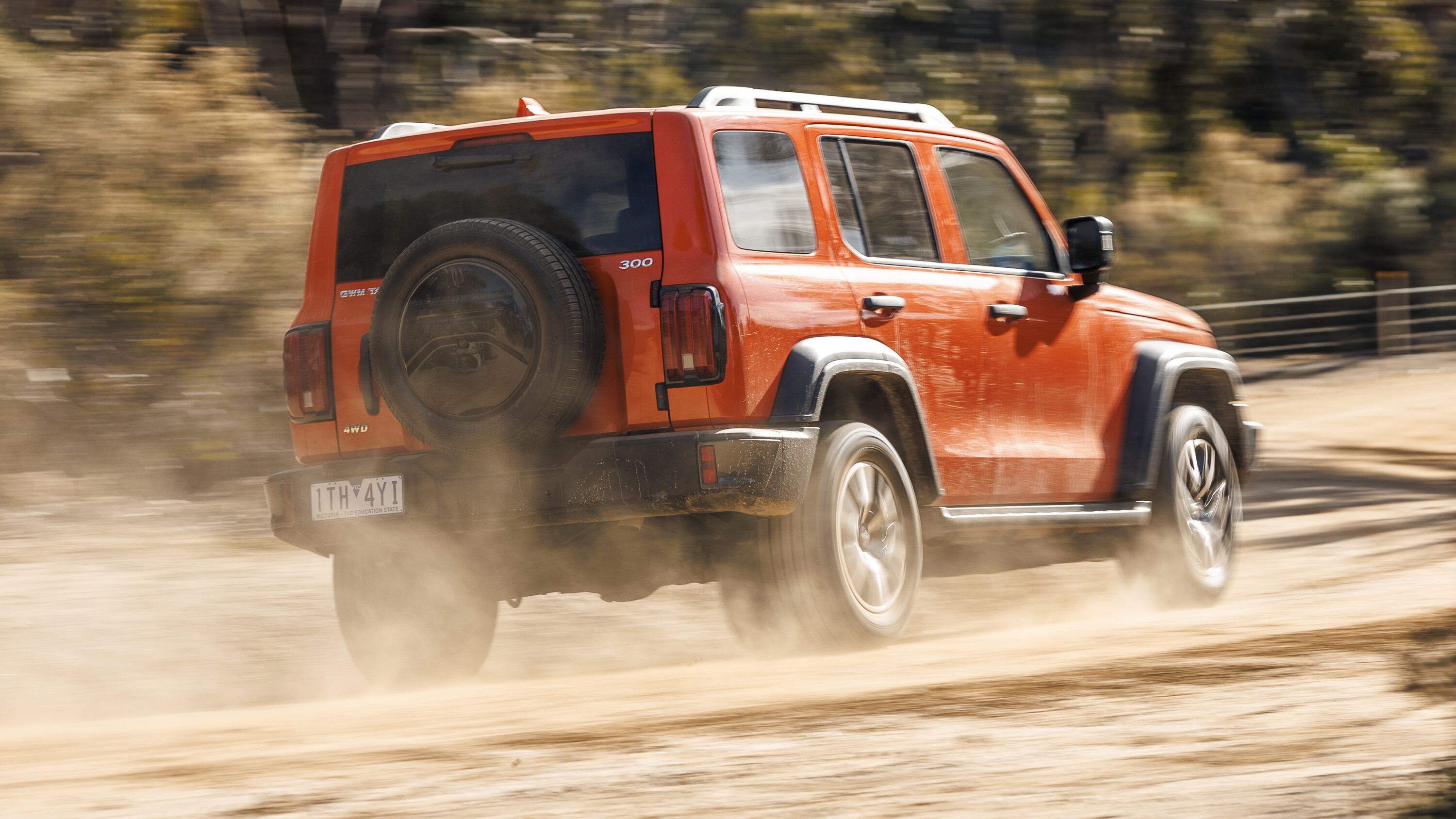
Take the whopping $12,485 difference in drive-away price between the first-place Isuzu MU-X and third-spot GWM Tank 300.
It’s plain to see that the Isuzu commands a hearty number of extra pineapples. Yet, after three years when it comes to moving each car on, the MU-X’s penalty flips on its head to a $3621.59 advantage over the cheaper-to-buy GWM.
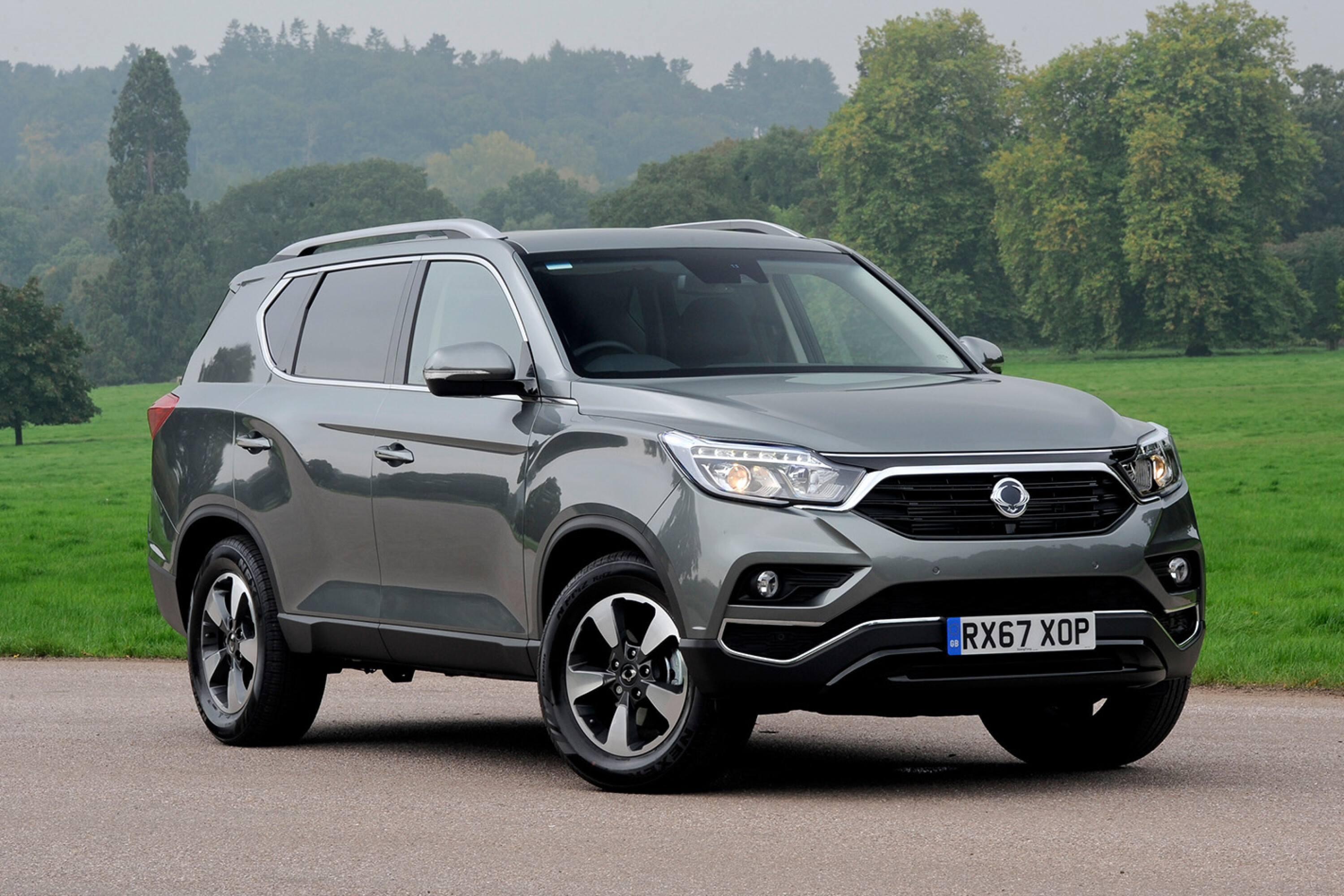
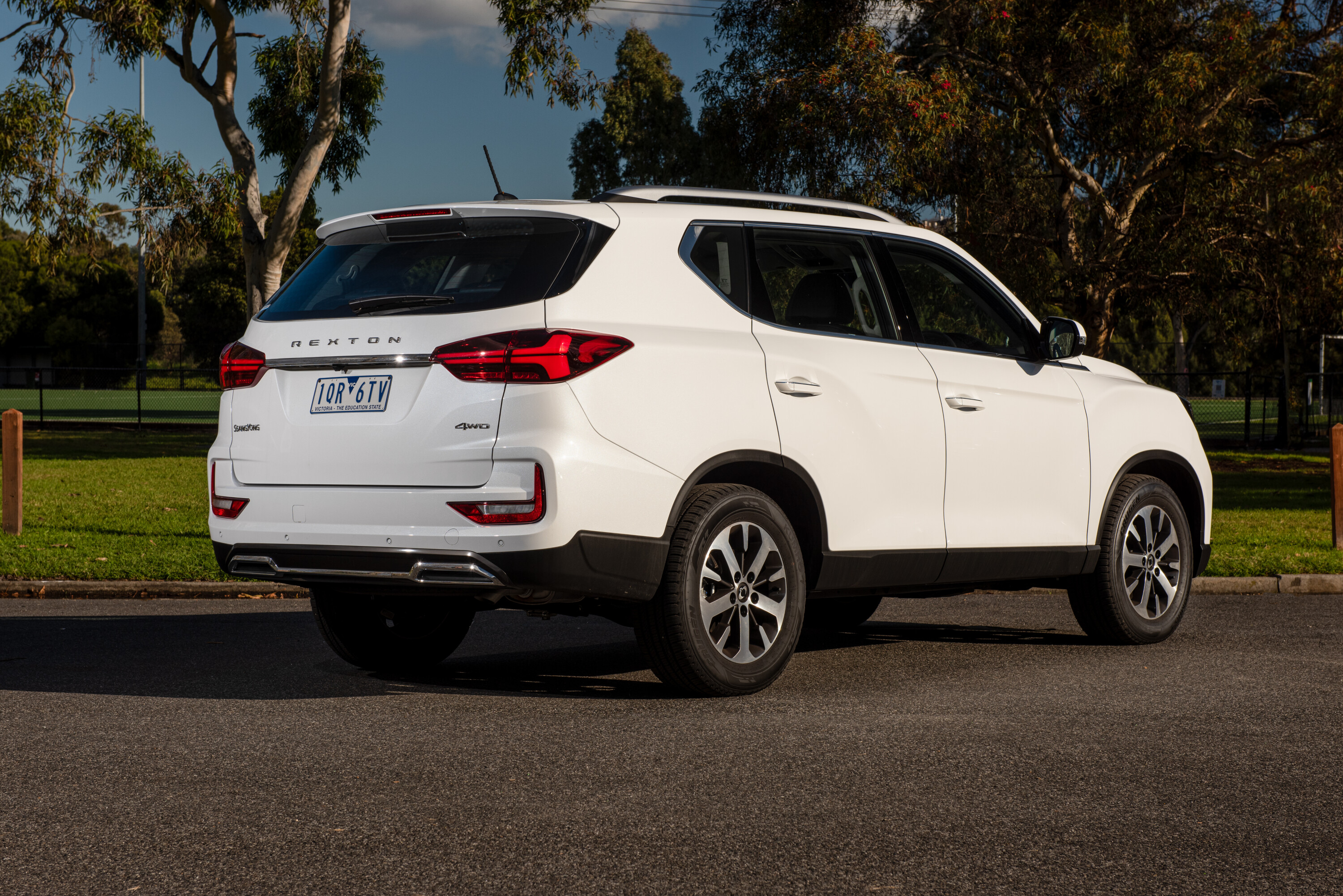
It’s a similar story with other new entrants. The Ssangyong Rexton ELX, for example, may be the third most affordable to buy yet its weak residual (51.5%) puts it a long way behind the second most expensive Ford Everest as an overall ownership proposition.
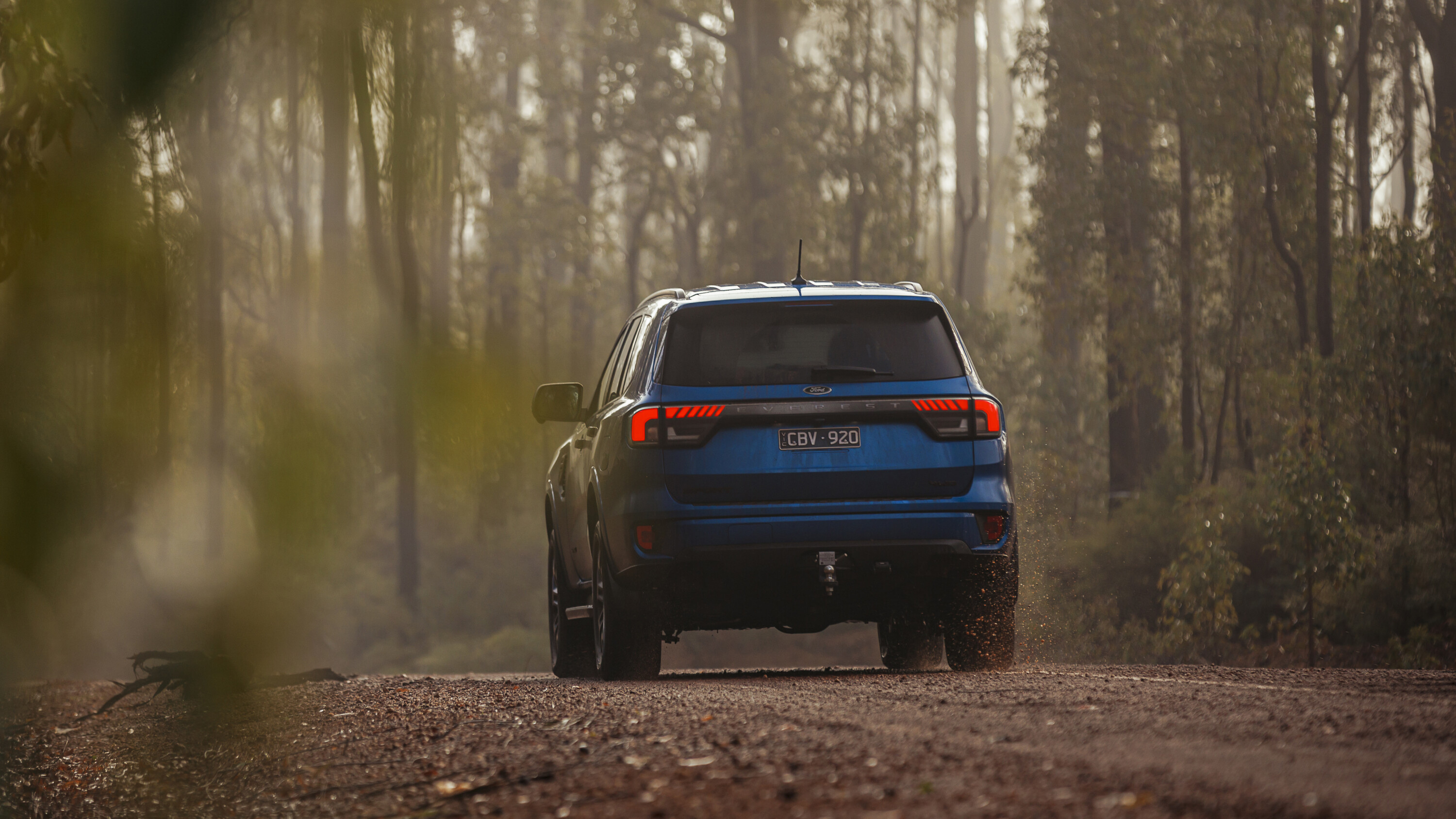
But first, an explanation of how we calculated our ownership figures.
We focused on the cheapest four-wheel drive variants on offer and used drive-away pricing for vehicles delivered in Sydney with no options fitted.
You can go even cheaper by selecting 4×2 variants – especially with the LDV D90 – though given these vehicles’ point of difference to comfort-oriented monocoque SUVs (ranked here) is rough-road and towing capability, it makes sense for private buyers to spend a little extra on 4×4 models.
Fuel bills were calculated based on each contender’s combined economy figure and the assumption that owners will drive 12,100km per year – the Aussie average, according to the Australian Bureau of Statistics. Diesel and 91 RON unleaded were $2.00 and premium 95 RON at $2.10 per litre in our calculations
These figures are a guide only, of course. While they’re based on historical data and official manufacturer figures, they will change depending on where you live, how far you drive, and other market forces such as the swings in used-car values experienced during and after COVID.
But if value is a high priority, here are three top picks to consider in each category…
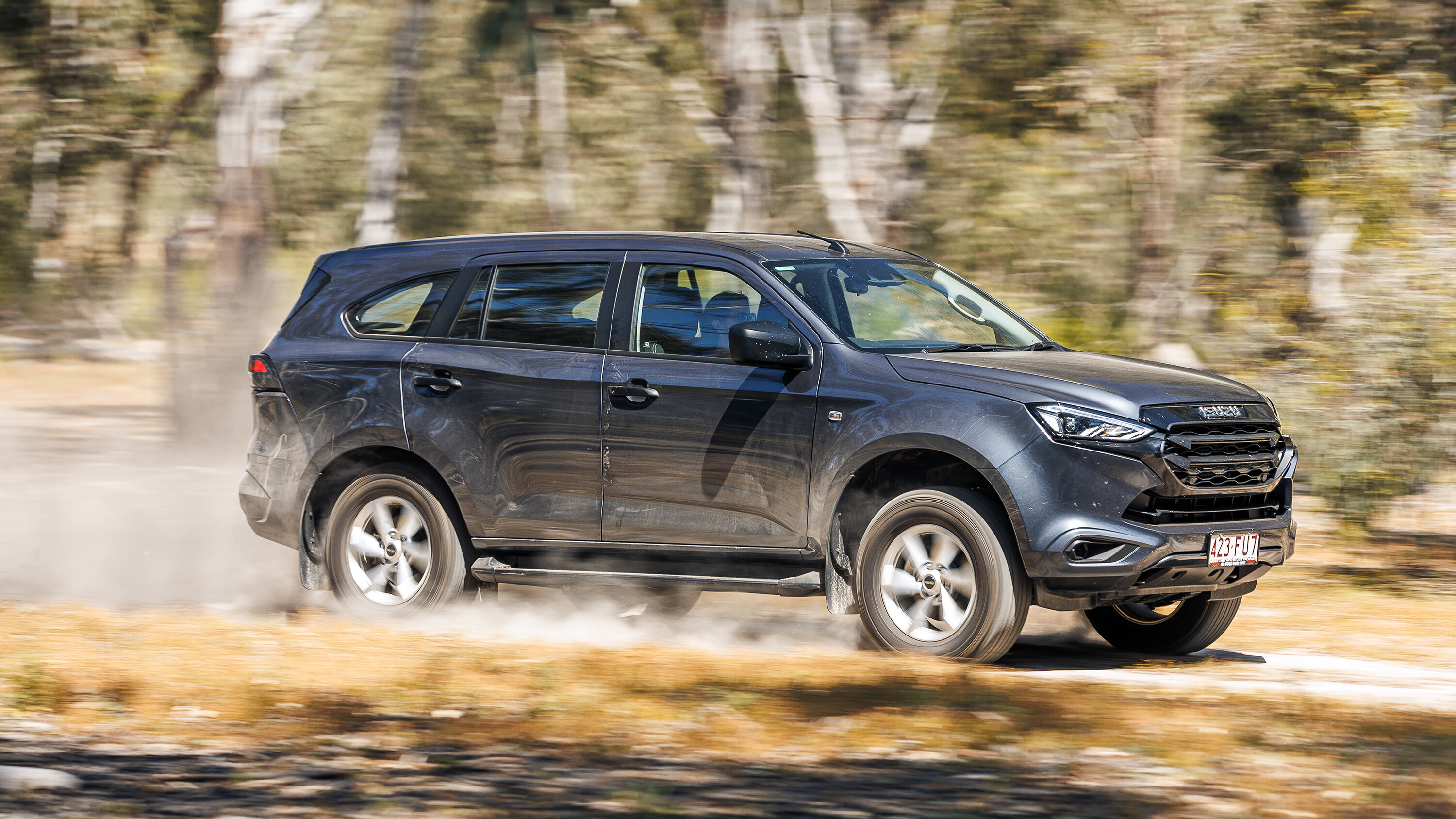
Following the related D-Max’s domination in our best value utes comparison, the MU-X pulled a $2192.07 lead over the Ford Everest over a three-year ownership period thanks to the best resale value (70.3%) of the group.
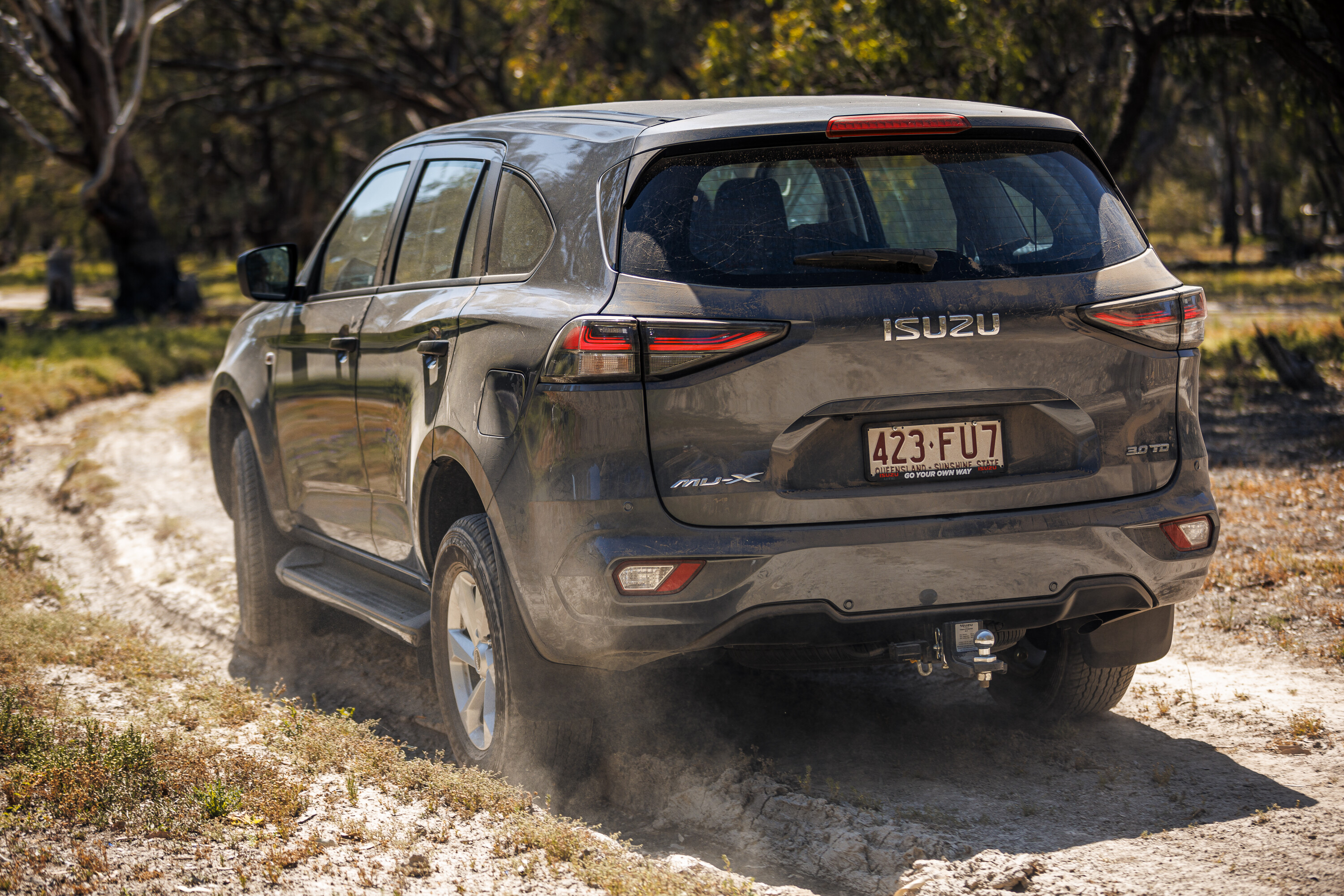
The second-place Ford clawed back some money when it came to servicing and fuel consumption, but the MU-X maintained a healthy lead overall.
In four-wheel drive guise the MU-X is well-equipped for rough Australian terrain and its reliable ‘4JJ3-TCX’ is a towing stalwart with 3500kg braking capacity.
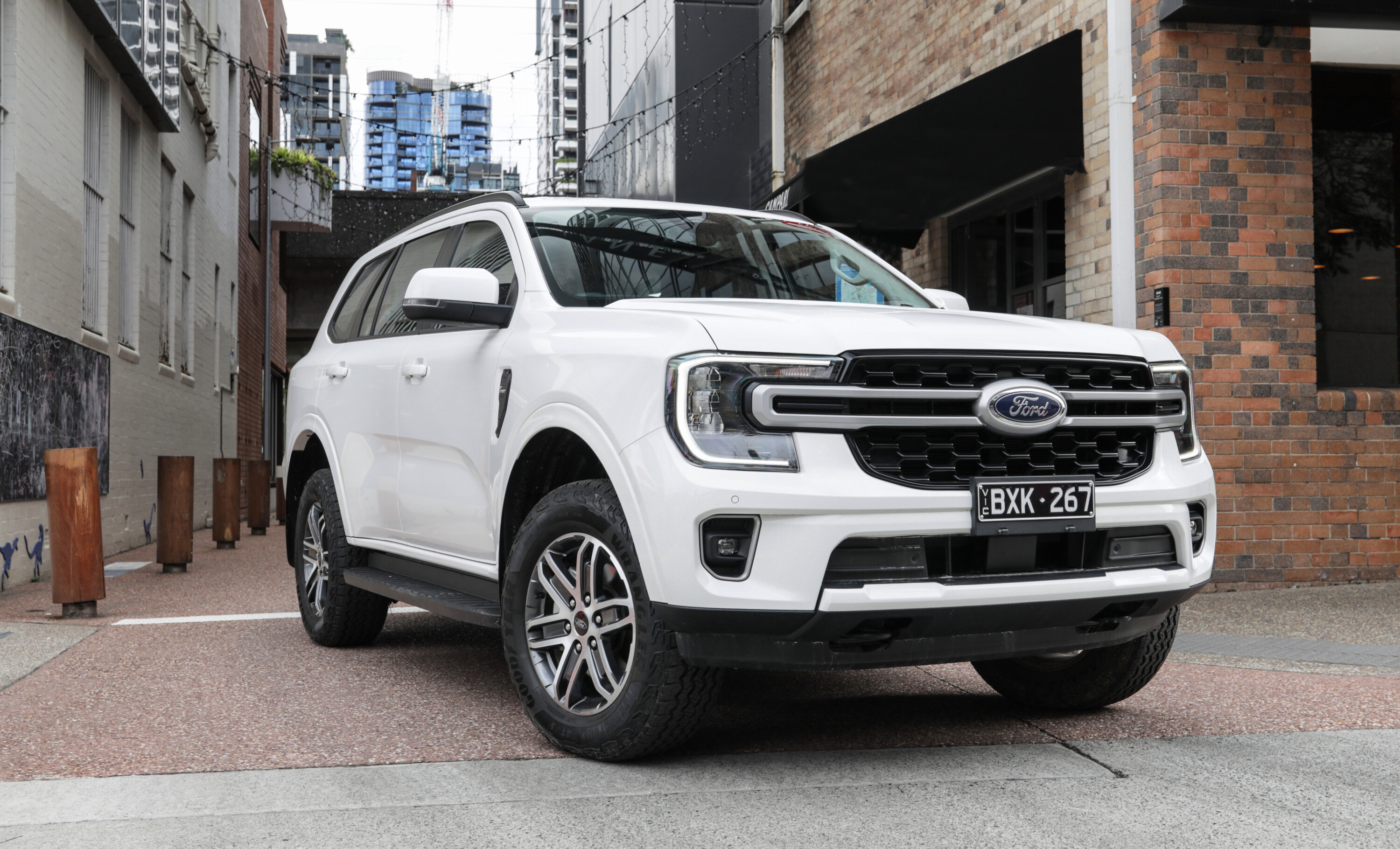
Think about it, 68% of $64,714 is more than 68% of $50,000 – and a hell of a lot more than 51.5% of $50K.
So if you’re going to move a car on after three or five years anyway, it could be worth reaching a little further to get a vehicle with strong residuals such as the Ford Everest.
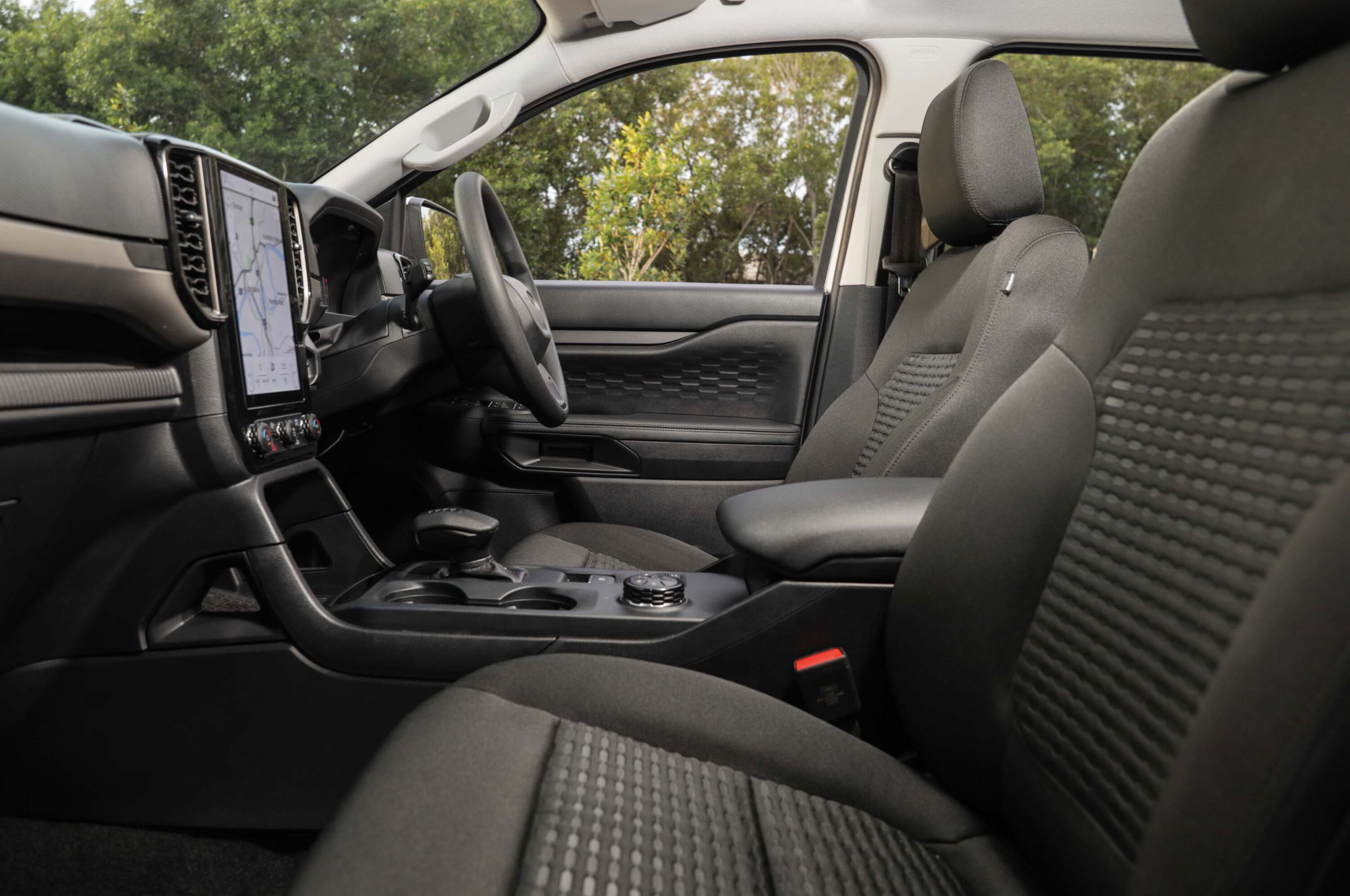
Of course, the Everest also happens to be not only our reigning Car Of The Year but also the overall winner of this test. It’s a good buy, even in base Ambiente trim.
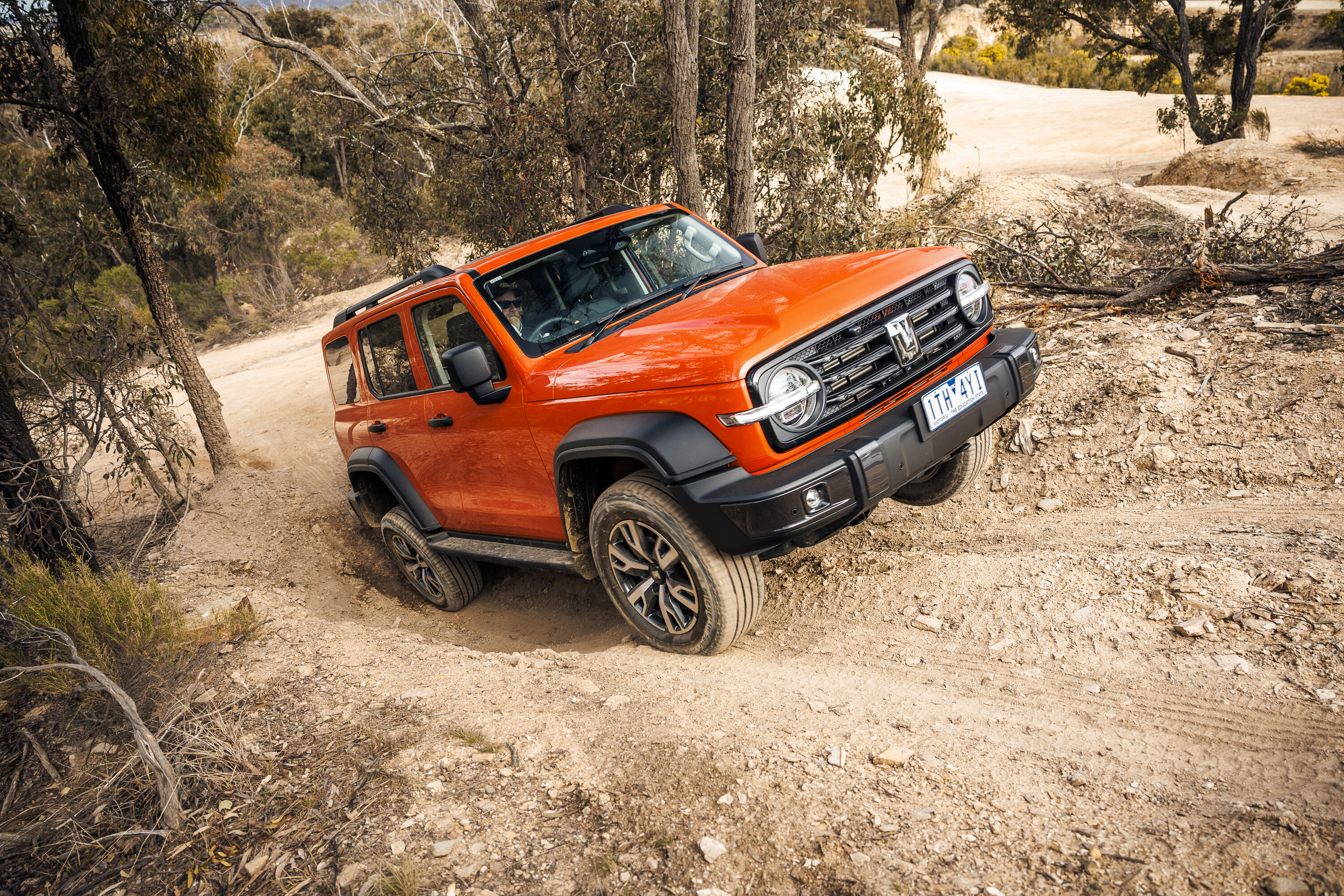
You can use even less fuel by moving up to the hybrid variant, though there isn’t much point stepping beyond the well-equipped Lux when it comes to interior presentation.
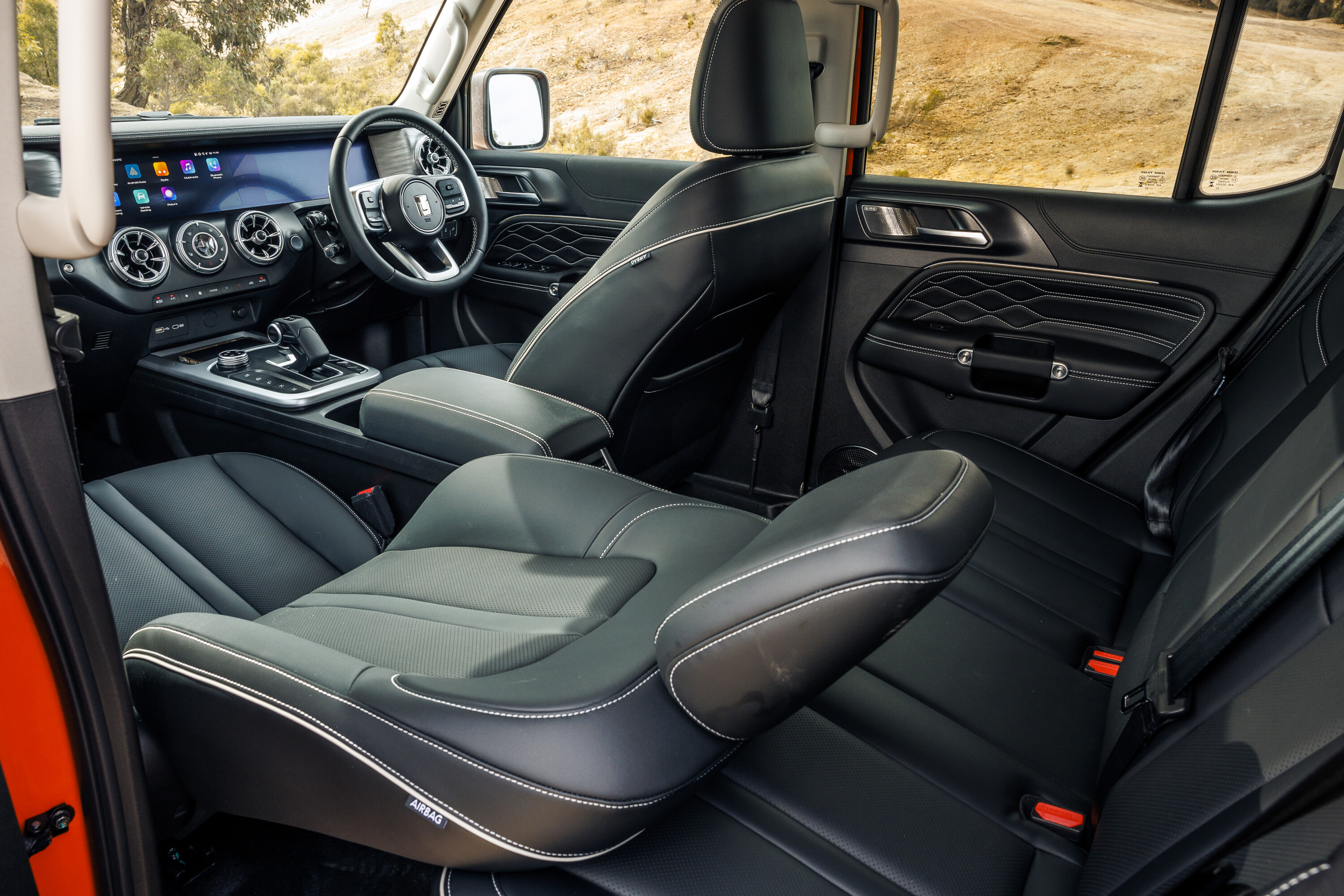
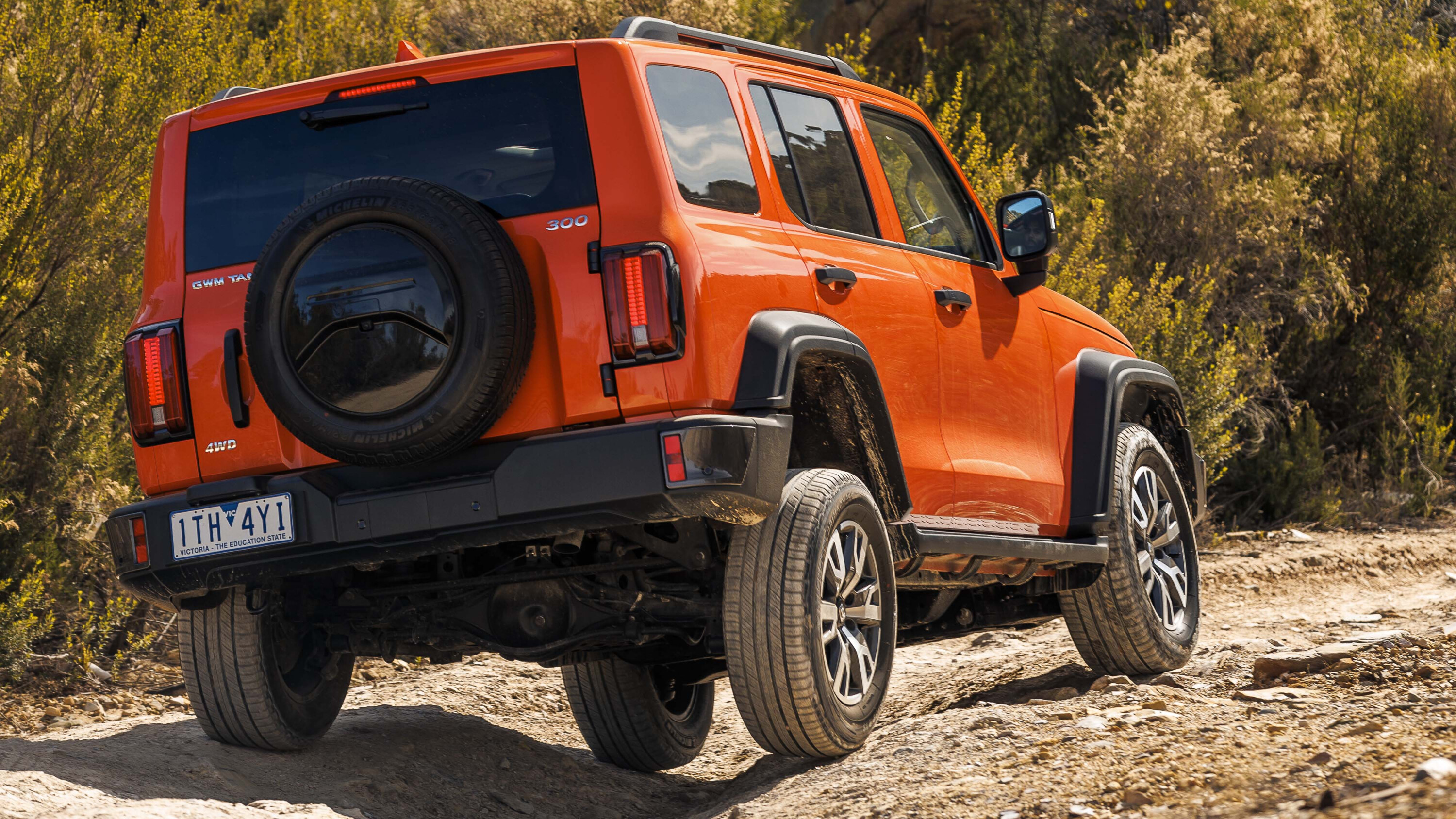
It is worth noting that the GWM Tank 300 is one of the less well-equipped options here for long-range touring and towing. It’s only certified to lug a 2500kg load and its 397kg payload is far from best-in-class.
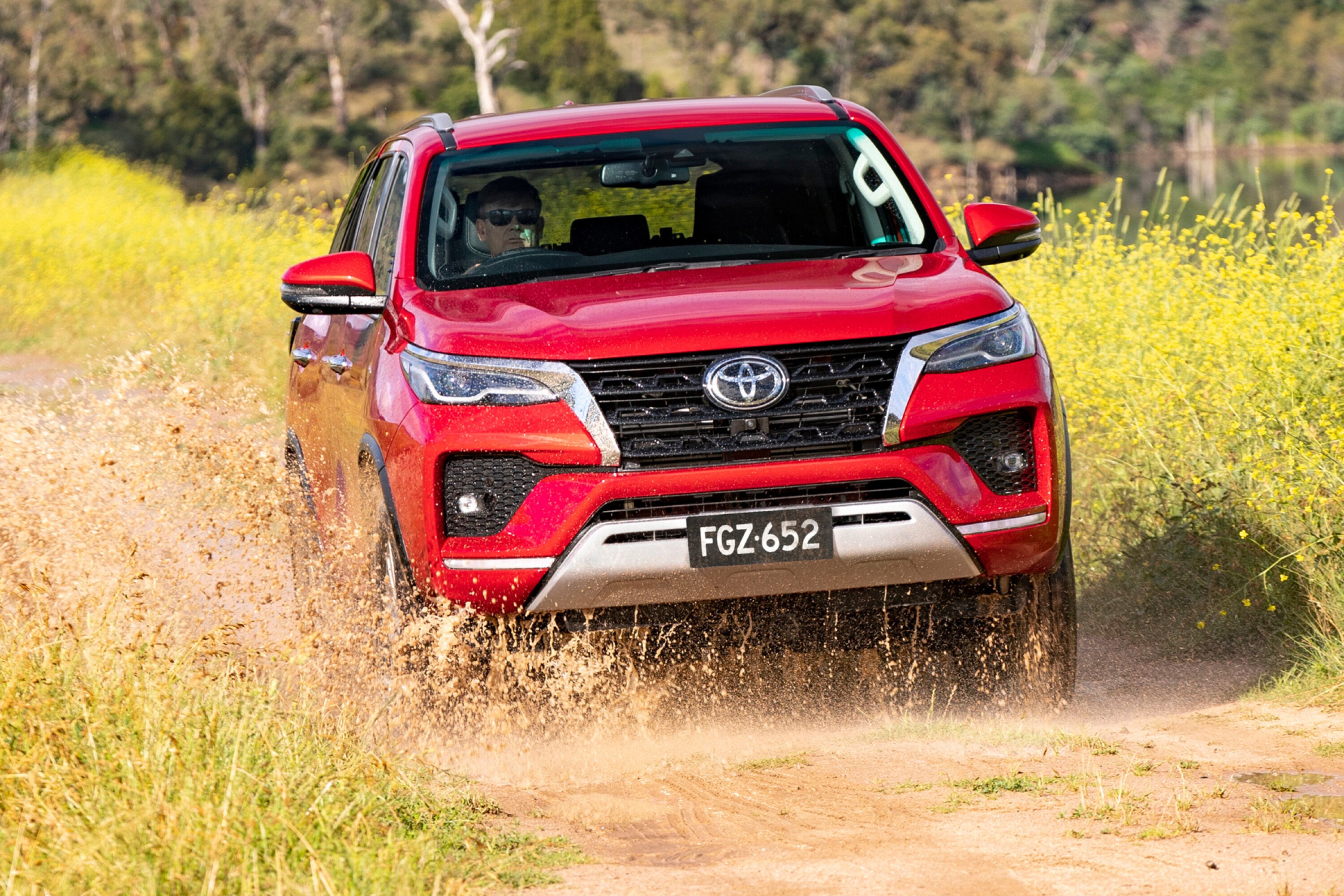
It remains hard to go wrong with a Toyota. The Fortuner may only be fifth but you know that 2.8-litre turbo-diesel will be a reliable companion for many years to come with plentiful parts supply if anything does go awry.
Finally, for those not looking to tow heavy loads or go hardcore off-roading, a monocoque road-focused large SUV may be a better value option – click here to see the best value family-oriented SUVs.
Note: scroll across table to reveal full results
| RANK | Vehicle | Total 3yr ownership cost | Purchase price (including on-road costs) | Purchase price (including on-road costs for 2067) | Redbook 3yr resale | Depreciation cost after 3yrs | Servicing intervals | 3yr servicing costs | Combined fuel consumption | Fuel bills 1yr/3yr | Insurance premium 1yr/3yr |
|---|---|---|---|---|---|---|---|---|---|---|---|
| 1 | Isuzu MU-X LS-M 4×4 | $28,820.99 | $54,900.00 | $59,475.00 | 70.30% | $17,664.08 | 12 months/15,000km | $1545 | 8.3L/100km (D) | $2008.60 / $6025.80 | $1195.37 / $3586.11 |
| 2 | Ford Everest Ambiente 4WD | $31,013.06 | $58,290.00 | $64,714.00 | 68.00% | $20,708.48 | 12 months/15,000km*** | $900 | 7.2L/100km (D) | $1742.40 / $5227.20 | $1392.46 / $4177.38 |
| 3 | GWM Tank 300 Lux | $32,442.58 | $46,990.00 | $46,990.00 | 56.80% | $20,299.68 | 12 months/15,000km* | $1150 | 9.5L/100km (91) | $2299.00 / $6897.00 | $1365.3 / $4095.90 |
| 4 | LDV D90 Executive 4WD | $34,035.02 | $45,990.00 | $46,832.00 | 58.50% | $19,435.28 | 12 months/15,000km** | $1500 | 10.9L/100km (95) | $2769.69 / $8309.07 | $1596.89 / $4790.67 |
| 5 | Toyota Fortuner GX | $34,616.12 | $49,695.00 | $58,610.00 | 60.30% | $23,268.17 | 6 months/10,000km | $1740 | 7.7L/100km (D) | $1863.40 / $5590.20 | $1339.25 / $4017.75 |
| 6 | Ssangyong Rexton ELX | $36,019.66 | $50,000.00 | $50,000.00 | 51.50% | $24,250.00 | 12 months/15,000km | $1125 | 8.9L/100km (D) | $2153.80 / $6461.40 | $1394.42 / $4183.26 |
| 7 | Mitsubishi Pajero Sport GLX 4WD | $37,234.83 | $49,440.00 | $52,740.00 | 56.50% | $22,941.90 | 12 months/15,000km | $1497 | 8.0L/100km (D) | $1936.00 / $5808.00 | $1229.31 / $3687.93 |
| 8 | Toyota Prado GX | $38,978.88 | $62,830.00 | $68,120.00 | 59.50% | $27,588.60 | 6 months/10,000km | $1740 | 8.0L/100km (D) | $1936.00 / $5808.00 | $1280.76 / $3842.28 |
* First service at 12 months/10,000km
** Service pricing estimated as LDV does not publish capped-price servicing
*** Based on pre-purchased $1200 four-year service pack
Note: scroll across table to reveal full results
| Specification | GWM Tank 300 Lux | LDV D90 Executive 4WD | Ssangyong Rexton ELX | Mitsubishi Pajero Sport GLX 4WD | Isuzu MU-X LS-M 4×4 | Toyota Fortuner GX | Ford Everest Ambiente 4WD | Toyota Prado GX |
|---|---|---|---|---|---|---|---|---|
| Price (drive-away for 2067) | $46,990.00 | $45,990.00 | $50,000.00 | $49,440.00 | $54,900.00 | $49,695.00 | $58,290.00 | $62,830.00 |
| Engine | 2.0T I4 petrol | 2.0T I4 petrol | 2.2TD I4 | 2.4TD I4 | 3.0TD I4 | 2.8TD I4 | 2.2TTD I4 | 2.8TD I4 |
| Max power | 162kW @ 5500 rpm | 160kW @ 5300 rpm | 148kW @ 3800 rpm | 133kW @ 3500 rpm | 140kW @ 3600 rpm | 150kW @ 3000-3400 rpm | 154kW @ 3750 rpm | 150kW @ 3000-3400 rpm |
| Max torque | 280Nm @ 1800-3600 rpm | 350Nm @ 2500-3500 rpm | 441Nm @ 1600-2600 rpm | 430Nm @ 2500 rpm | 450Nm @ 1600-2600 rpm | 500Nm @ 1600-2800 rpm | 500Nm @ 1750-2000rpm | 500Nm @ 1600-2800 rpm |
| Transmission | 8spd automatic | 6spd automatic | 8spd automatic | 8spd automatic | 6spd automatic | 6spd automatic | 10spd automatic | 6spd automatic |
| Body | 5-door 5-seat SUV, body-on-frame | 5-door 7-seat SUV, body-on-frame | 5-door 7-seat SUV, body-on-frame | 5-door 5-seat SUV, body-on-frame | 5-door 7-seat SUV, body-on-frame | 5-door 7-seat SUV, body-on-frame | 5-door 7-seat SUV, body-on-frame | 5-door 7-seat SUV, body-on-frame |
| Front Suspension | Double wishbone, coil springs | Double wishbone, coil springs | Double wishbone, coil springs | Double wishbone, coil springs | Double wishbone, coil springs | Double wishbone, coil springs | Double wishbone, coil springs | Double wishbone, coil springs |
| Rear suspension | Multi-link, non-ndependent | 5-link independent, coil springs | 5-link independent, coil springs | 3-link independent, coil springs | Multi-link, coil springs | 5-link independent, coil springs | Live axle with coils and Watts link | 4-link independent, coil springs |
| Weight | 2155kg | 2285kg | 2130kg | 2145kg | 2135kg | 2175kg | 2369kg | 2285kg |
| GVM | 2552kg | 2960kg | 2960kg | 2775kg | 2800kg | 2800kg | 3100kg | 2990kg |
| GCM | 5052kg | 4960kg | 6460kg | 5565kg | 5900kg | 5900kg | 6250kg | 5990kg |
| Payload | 397kg | 630kg | 830kg | 630kg | 665kg | 625kg | 731kg | 705kg |
| Towing capacity | 2500kg | 2000kg | 3500kg | 3100kg | 3500kg | 3100kg | 3500kg | 3000kg |
| Seats | 5 | 7 | 7 | 5 | 7 | 7 | 7 | 7 |
| Fuel / tank | 91 / 75L | 91 / 75L | Diesel / 70L | Diesel / 68L | Diesel / 80L | Diesel / 80L | Diesel / 80L | Diesel / 150L |
| Fuel use (ADR) | 9.5L/100km | 10.9L/100km | 8.7L/100km | 8L/100km | 8.3L/100km | 7.6L/100km | 7.2L/100km | 7.9L/100km |
Looking to get into a brand-new large SUV? Our stories below will guide you to the model that best suits your needs!
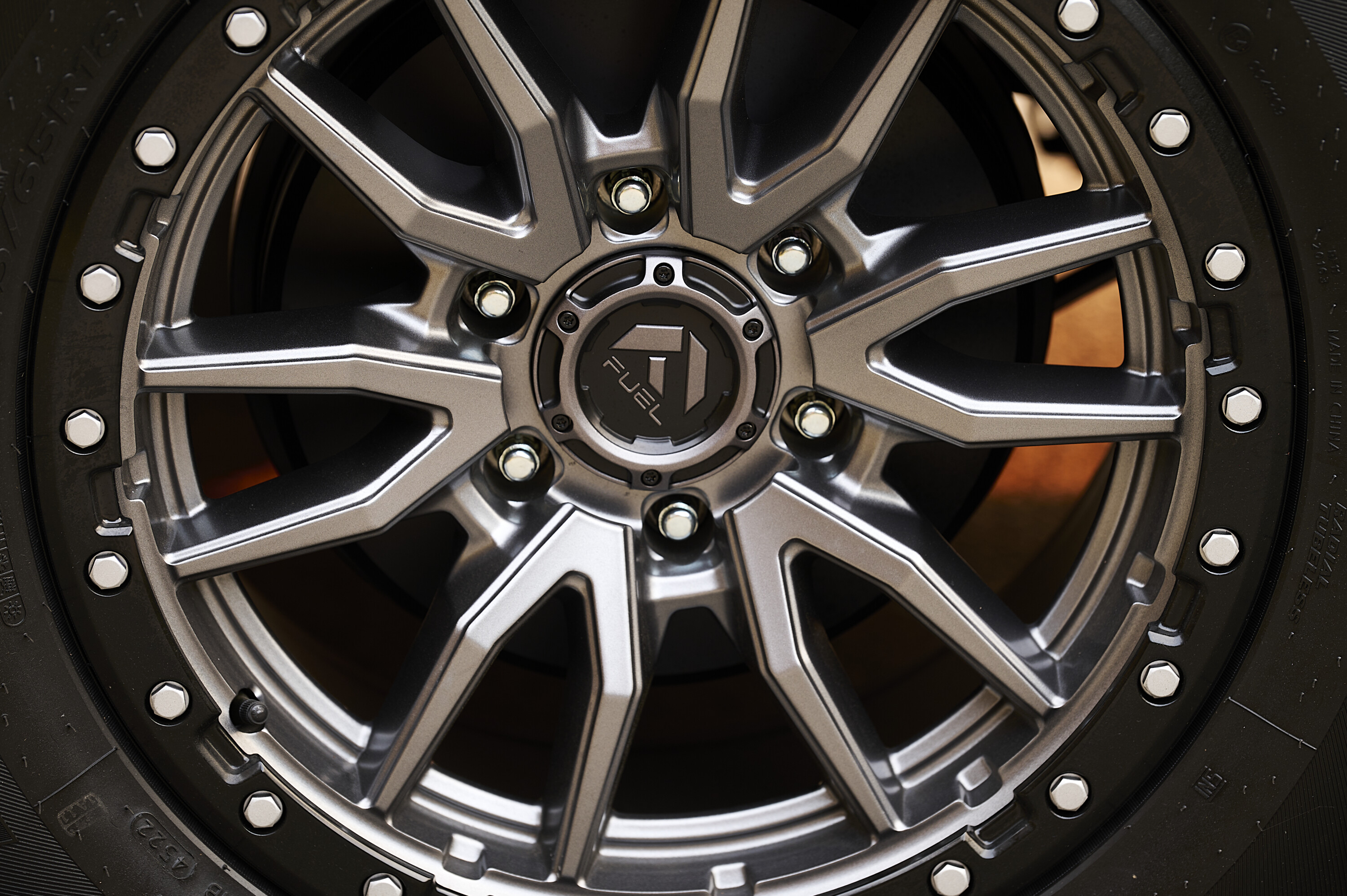
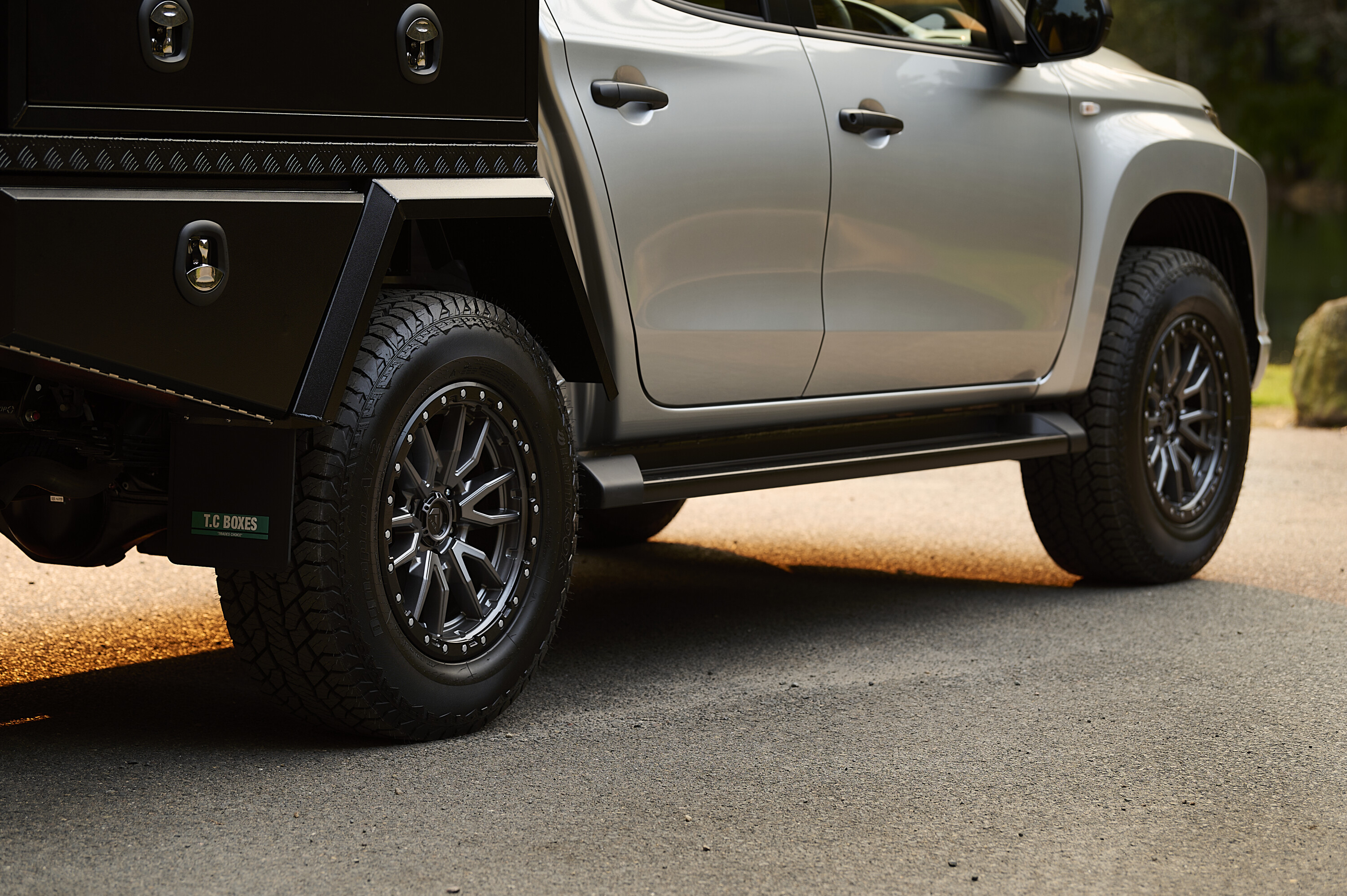
Crafted with cutting-edge engineering and featuring one-piece cast construction, the Fuel Rebels are manufactured from high-quality cast aluminium, ensuring strength and lightweight properties.
According to Fuel, the one-piece cast construction offers maximum stiffness and weight minimisation, which maximises durability and performance.
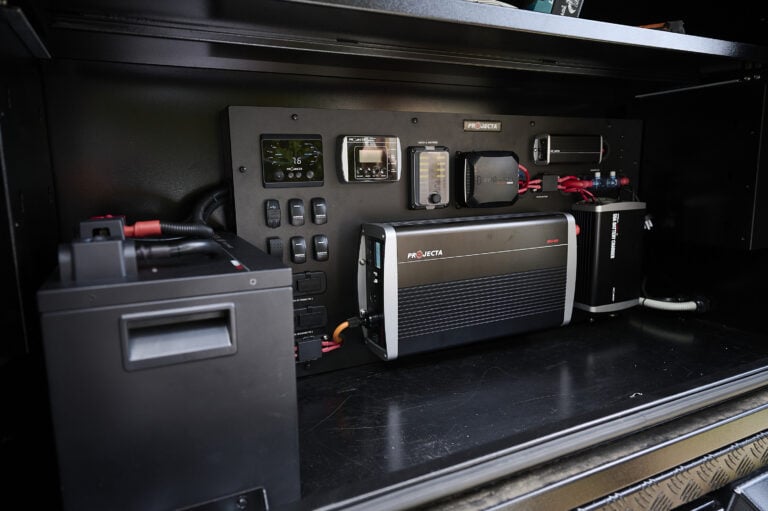
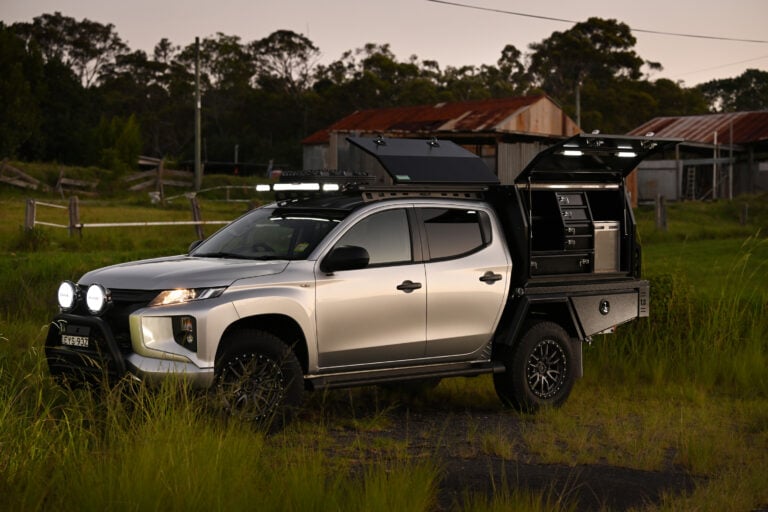
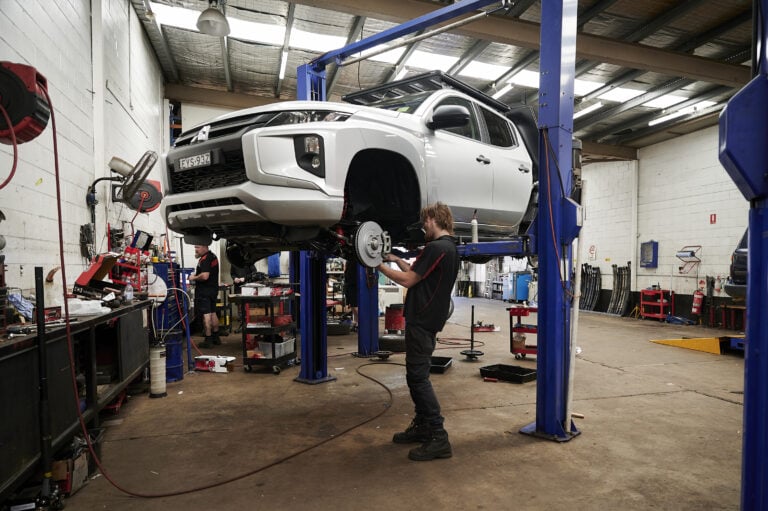
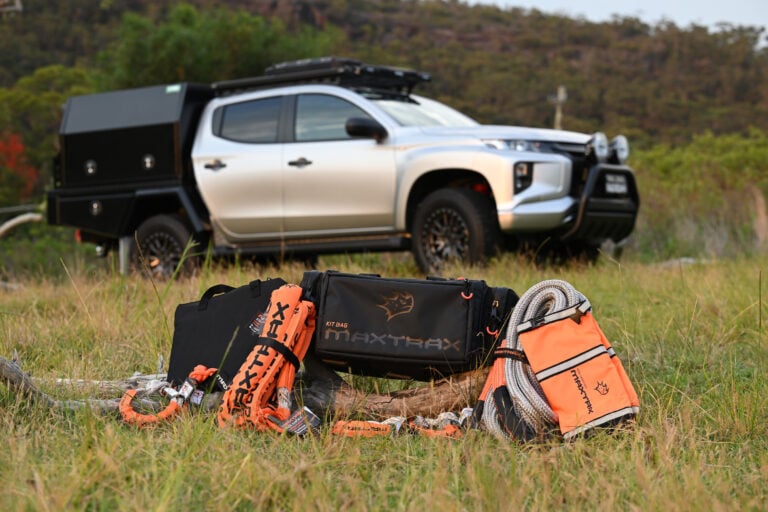
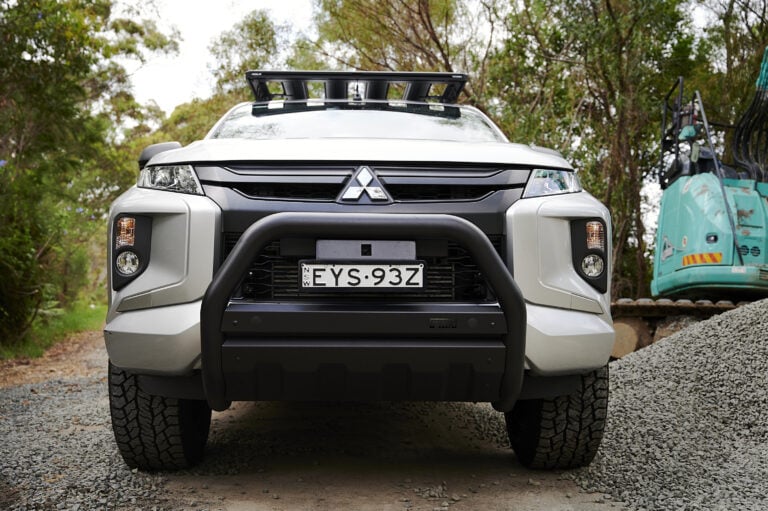
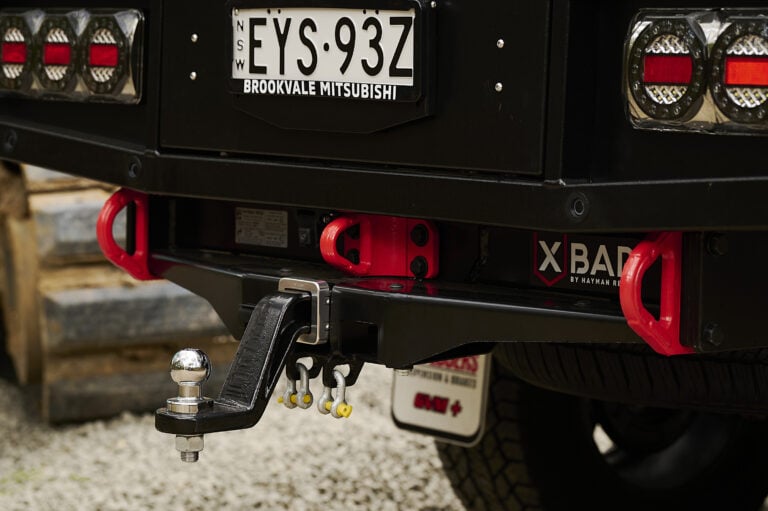
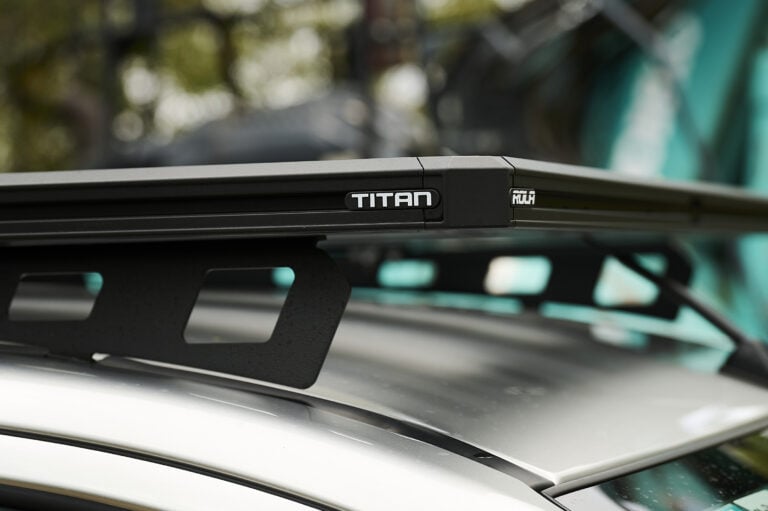
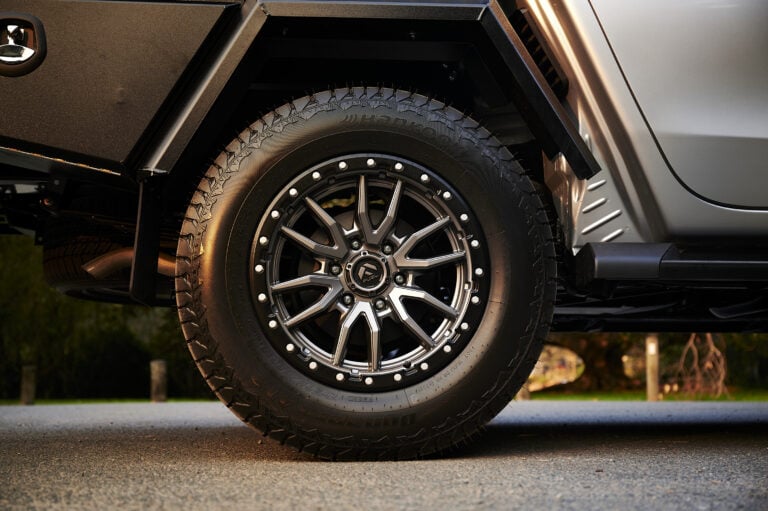
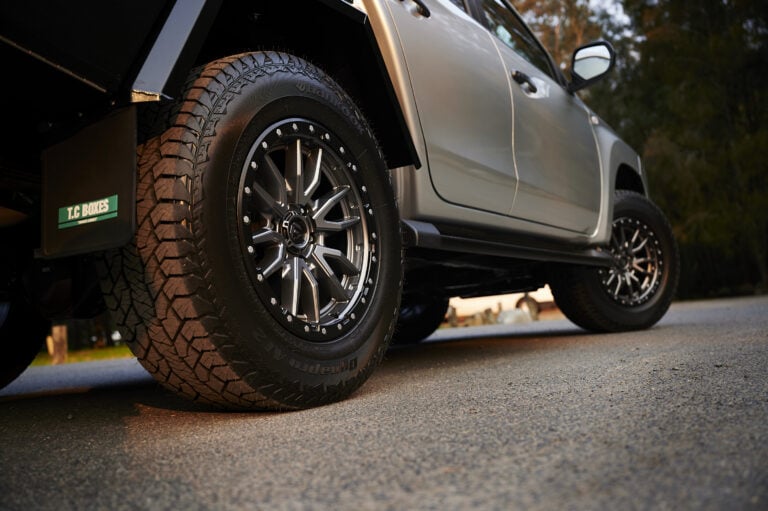
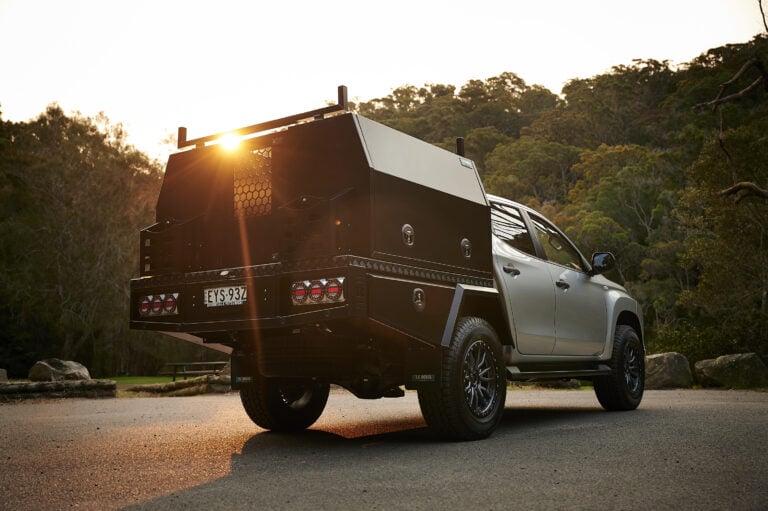
Our Triton work ute will no doubt be expected to carry heavy loads, whether that’s tools and hardware during the week or camping and recreational gear on the weekends, so it’s important it’s fitted with a set of wheels that can handle the load. The Fuel Rebels are no doubt up to the job at hand.
Of course, the other priority when selecting a new set of wheels for your rig is how they look, and we reckon these Fuel Rebels are top-notch in the looks department. They feature a covered lug centre cap that adds to the sleek and finished look, further enhancing their visual appeal, while a smooth-lip design contributes to the overall aesthetics.
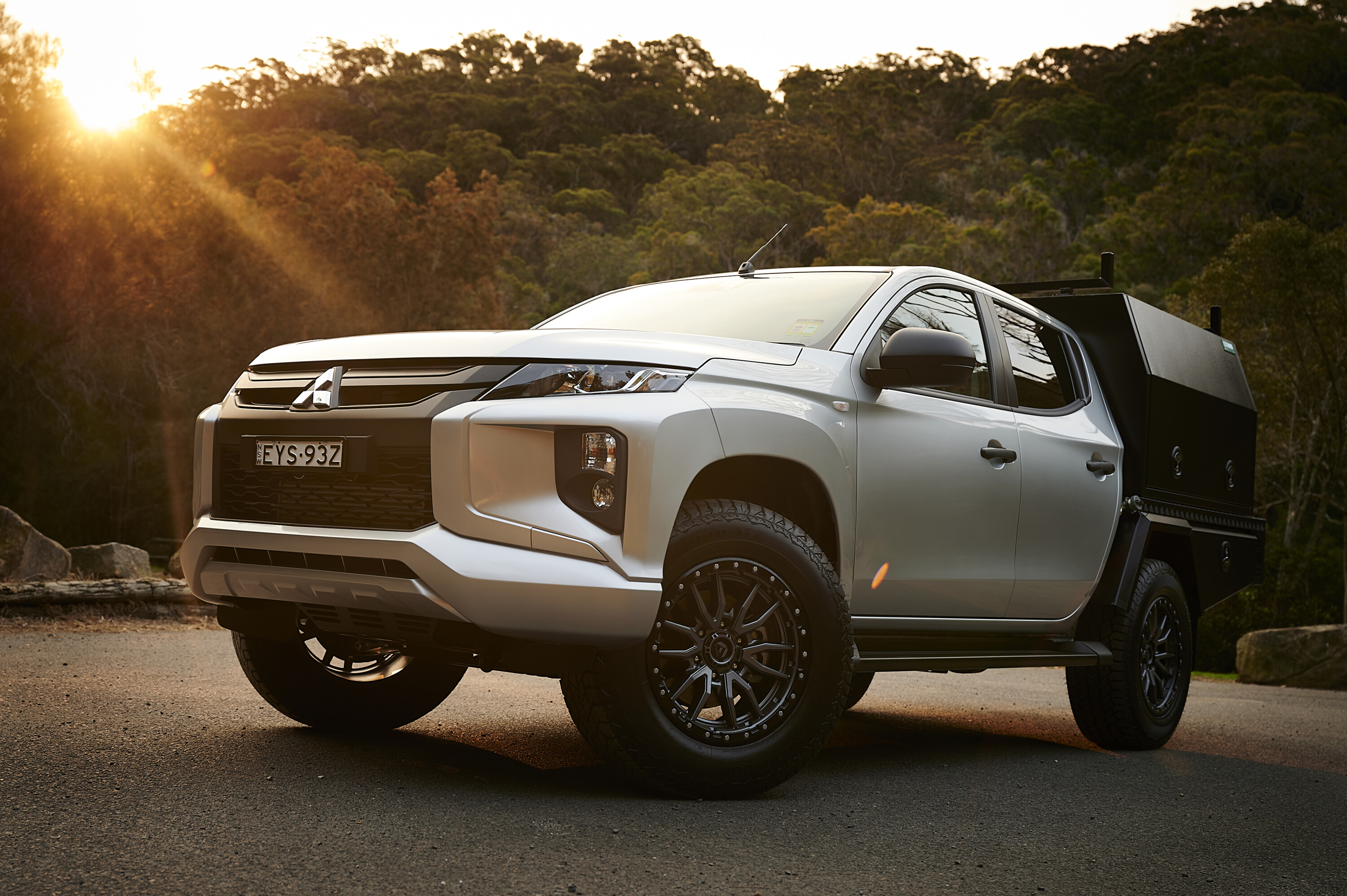
The Fuel Rebel is available in a wide range of sizes and lug patterns to suit most popular 4×4 vehicles. The Rebel comes in 17-inch, 18-inch, 20-inch and 22-inch diameters, while there are five-, six- and eight-lug options as well as various offsets.
With the Fuel Rebels fitted, wrapped in a new set of Hankook Dynapro AT2s, the Triton is really starting to come to life
Fuel says the Rebel is one of the most popular wheels in its extensive line-up of off-road wheels, and this particular model is available in three finish options: Matte Black with Black Ring, Anthracite with Black Ring, and Bronze with Black Ring.
With the Fuel Rebels fitted, wrapped in a new set of Hankook Dynapro AT2s, the Triton is really starting to come to life, and we are well on our way to achieving our goal of transforming it from a basic 4×4 ute into something anyone would be proud to drive, either on the road or off it.
With the same dimensions as halogen globes, the Surefit GEN II LED globes are designed to be an easy and hassle-free replacement, something DIYers will love.
These globes offer an extraordinary 5000 lumens (per pair) of crisp white light at 5700°K, which closely resembles daylight and reduces eye fatigue. This is something important to those who drive long distances at night.
“A key feature of these new globes is their identical size to traditional halogen counterparts, ensuring a seamless fit in nearly any vehicle,” said James Pearson, Senior Brand Manager at Narva.
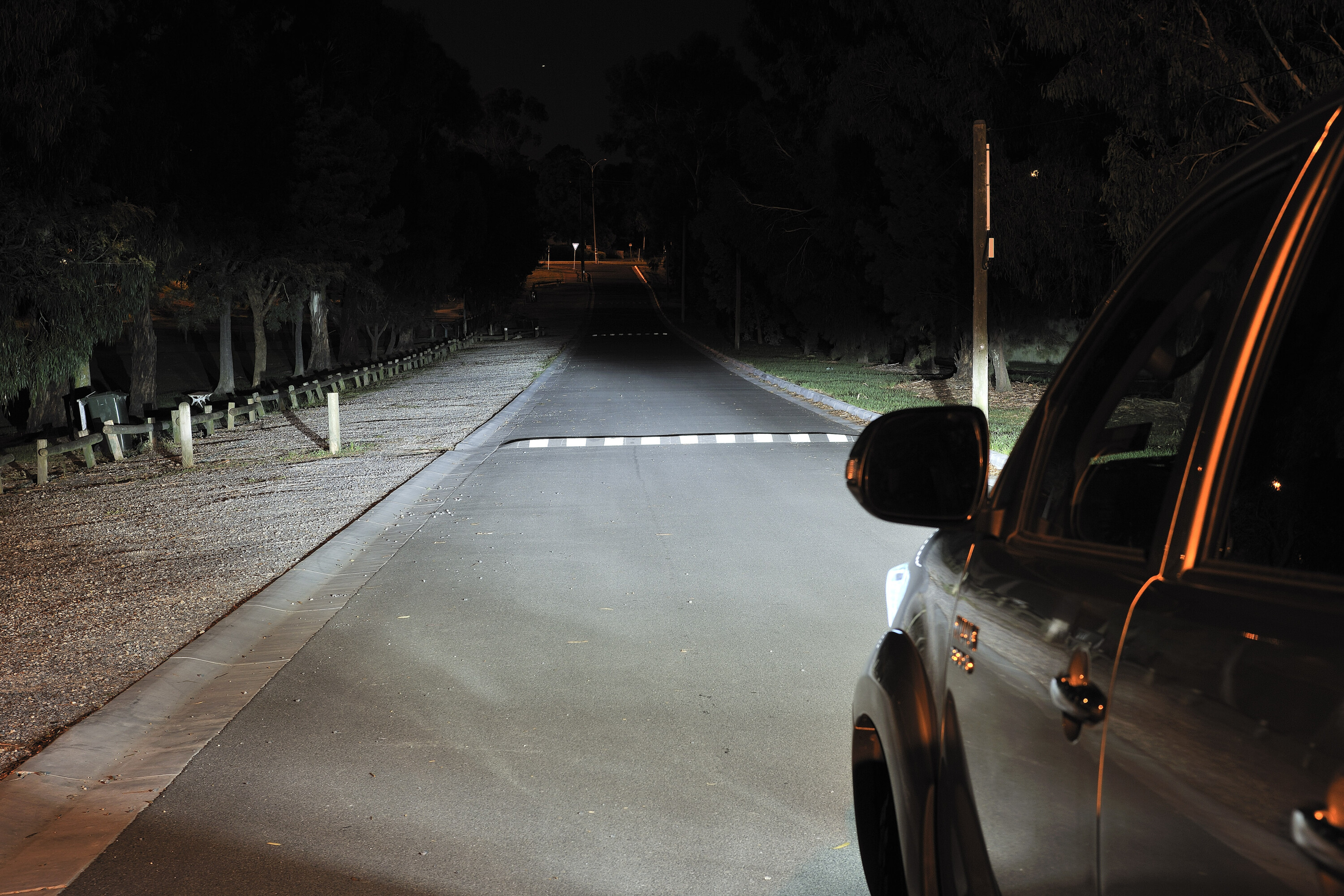
Another feature of the Surefit GEN II globe is its precise beam cut-off when using a low beam, as it directs the light on the road where it is most needed, reducing stray, wasted light. When the high beam is activated, the globes provide an increased beam width and distance combined with an extremely even pattern.
Surefit GEN II LED globes also excel in their longevity and reliability. The globes feature a reinforced housing with no filament and are fitted with low-draw LEDs which produce less heat than halogens. An in-built IP65-rated fan also assists cooling, and together this delivers an operational life that is up to 25 times higher than halogen equivalents.
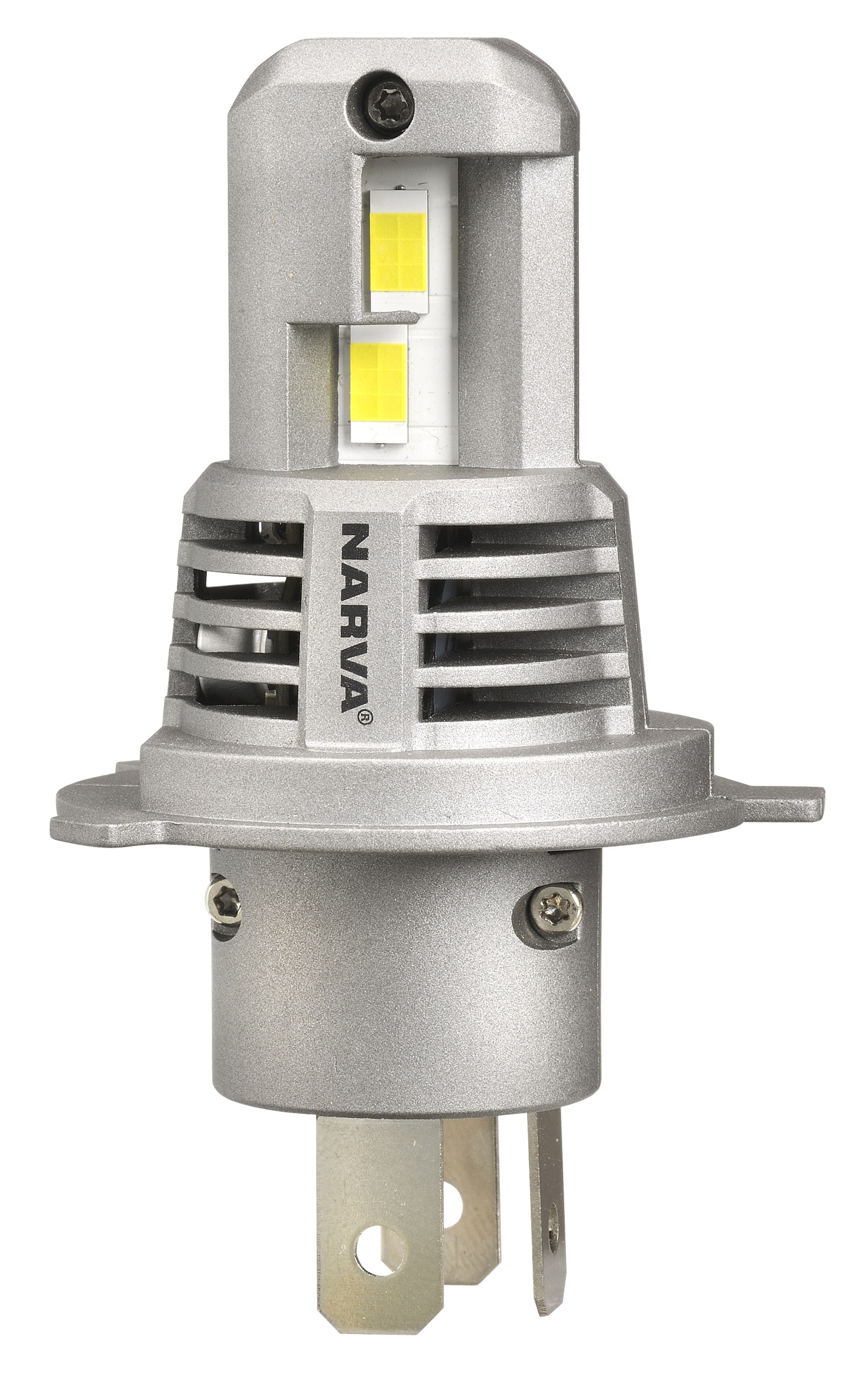
“Surefit GEN II outshines GEN I with a 20 per cent boost, making it 200 per cent brighter than halogen bulbs. High-power LEDs and an IP65-rated fan work together for superior performance. This fan sets Surefit GEN II apart from competitors, outperforming globes with extra heat sinks and drivers,” added Pearson.
The Surefit GEN II LED globes are suitable for many 4WD models and are available in a range of fitments: H4, H7, H8/9/11 and HB3 for standard headlights and H7 for projector-style headlights.
They retail for $129 per set and are backed by a three-year warranty. They are also EMC-approved, ensuring no radio interference when in operation. The globes are available from leading automotive, 4WD and transportation outlets nationwide.
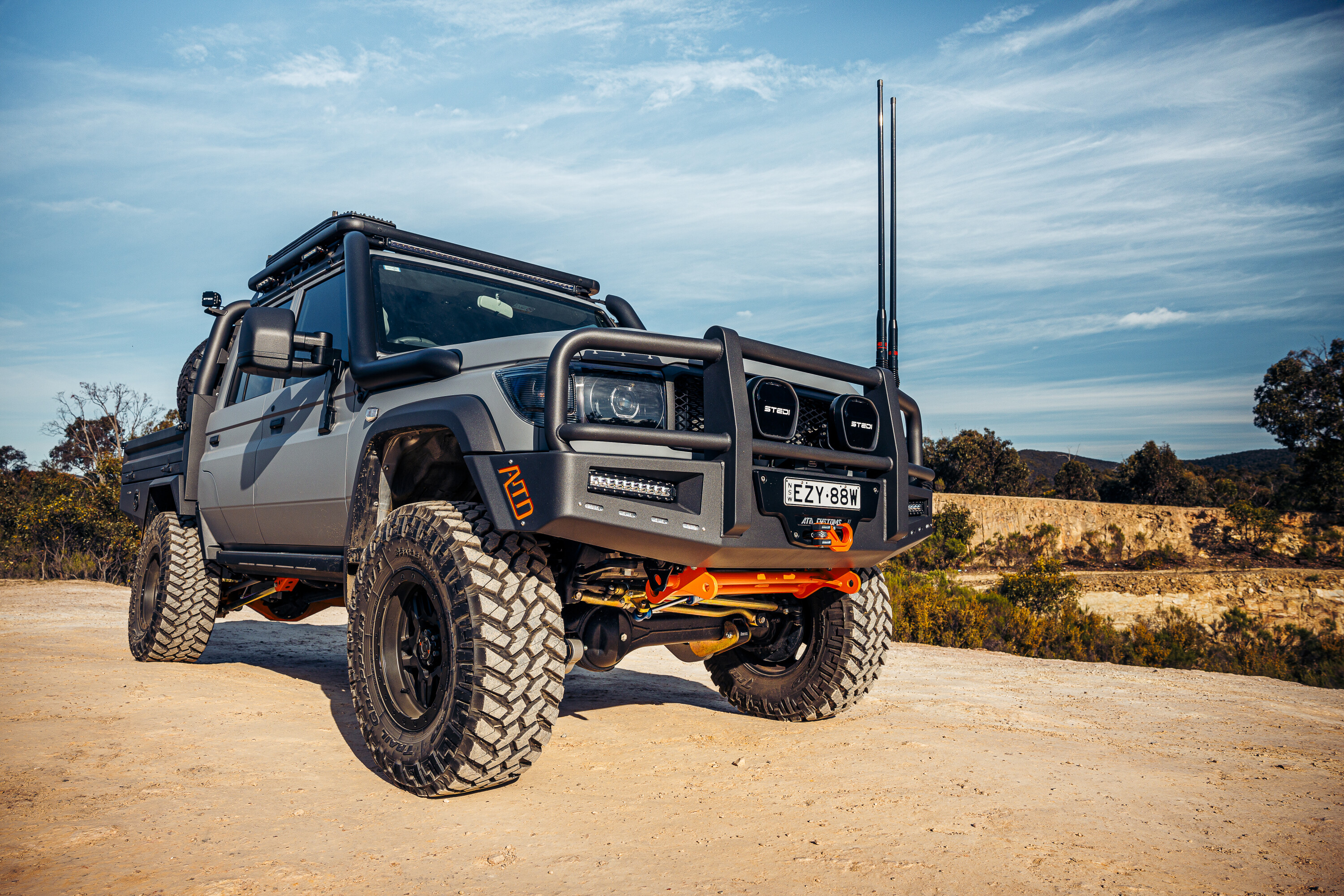
Our cover car to close out 2023 is OzTrack Custom’s showcase 79 Series, built as the ultimate business card for the brand. With a state-of-the-art Superior Engineering suspension set-up and a fettled V8 powertrain resulting in more power and torque, this has to be one of the most expertly made custom LandCruisers in the country.
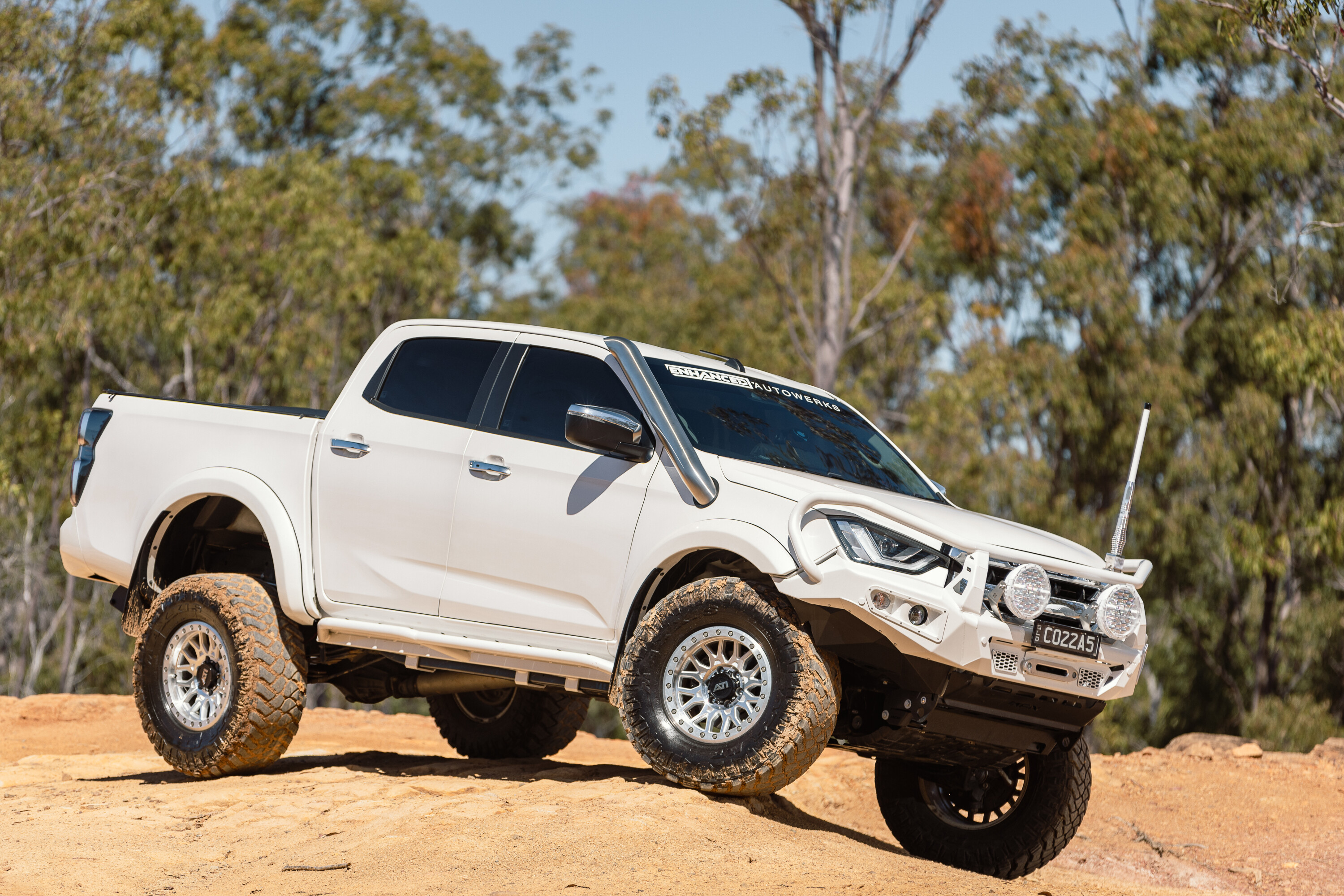
Another custom build we’ve managed to squeeze into this issue is an Isuzu D-MAX bought from the showroom with 0km on the clock. The brand-spanking-new D-MAX provided its owner with the perfect platform to build a personalised do-it-all tourer from scratch.
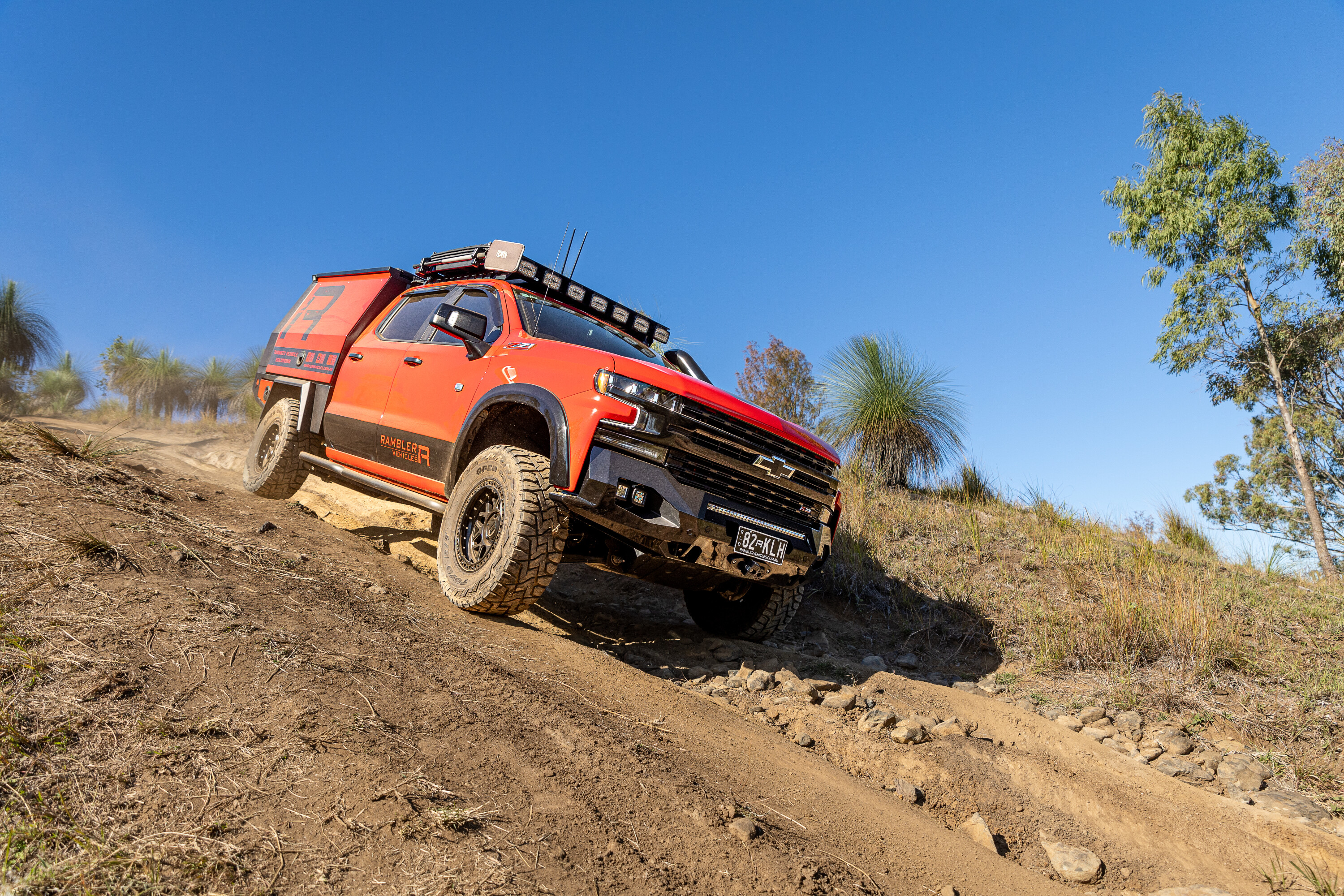
Renowned aftermarket specialists, Rambler Vehicles, has developed a solution to rectify the Chevrolet Silverado Trailboss’s loading and towing deficiencies, by developing a GVM and GCM upgrade package. Rambler offered us the keys to sample it, and we jumped at the chance.
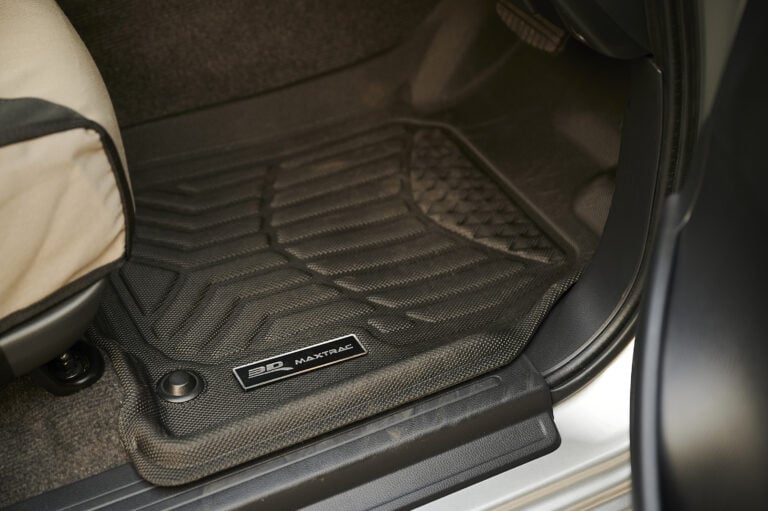
On the topic of quality builds, we’ve taken the spanners to our Tradie Triton, ramping it up with a set of Hankook Dynapro AT2 tyres wrapped around Fuel Rebel wheels. On the inside, we’ve added a set of MSA 4×4 seat covers and covered the floor with TruFit 3D mats.
The December 2023 magazine also marks the return of our budget Patrol build, with the GQ getting a Fulcrum Suspension Formula 4×4 big bore kit.
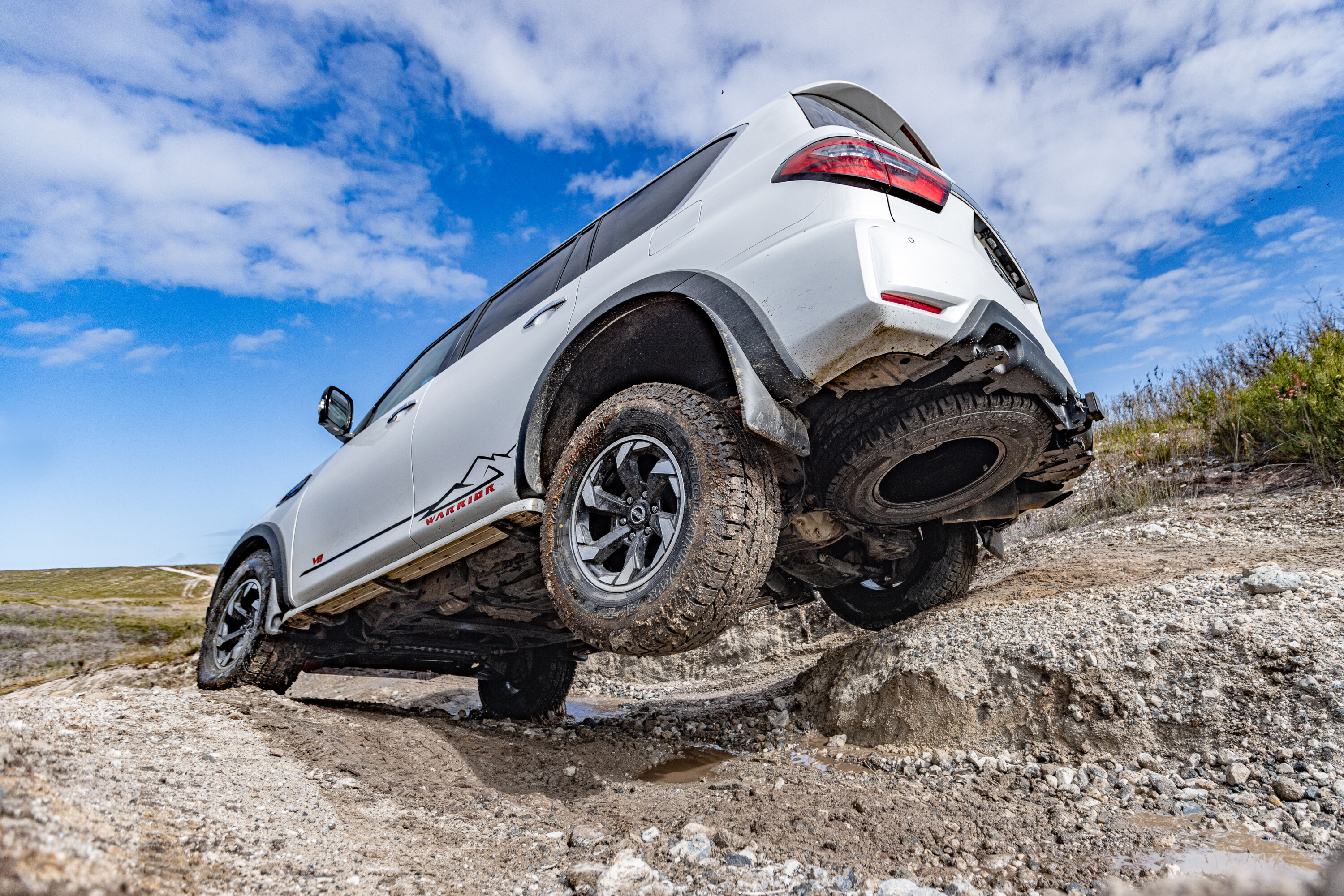
We got our hands on some new metal this month, taking the all-new Premcar-fettled Patrol Warrior to Climies Track. Typically not an environment for showroom-stock vehicles, but can the Patrol Warrior survive Tassie’s toughest off-road track?
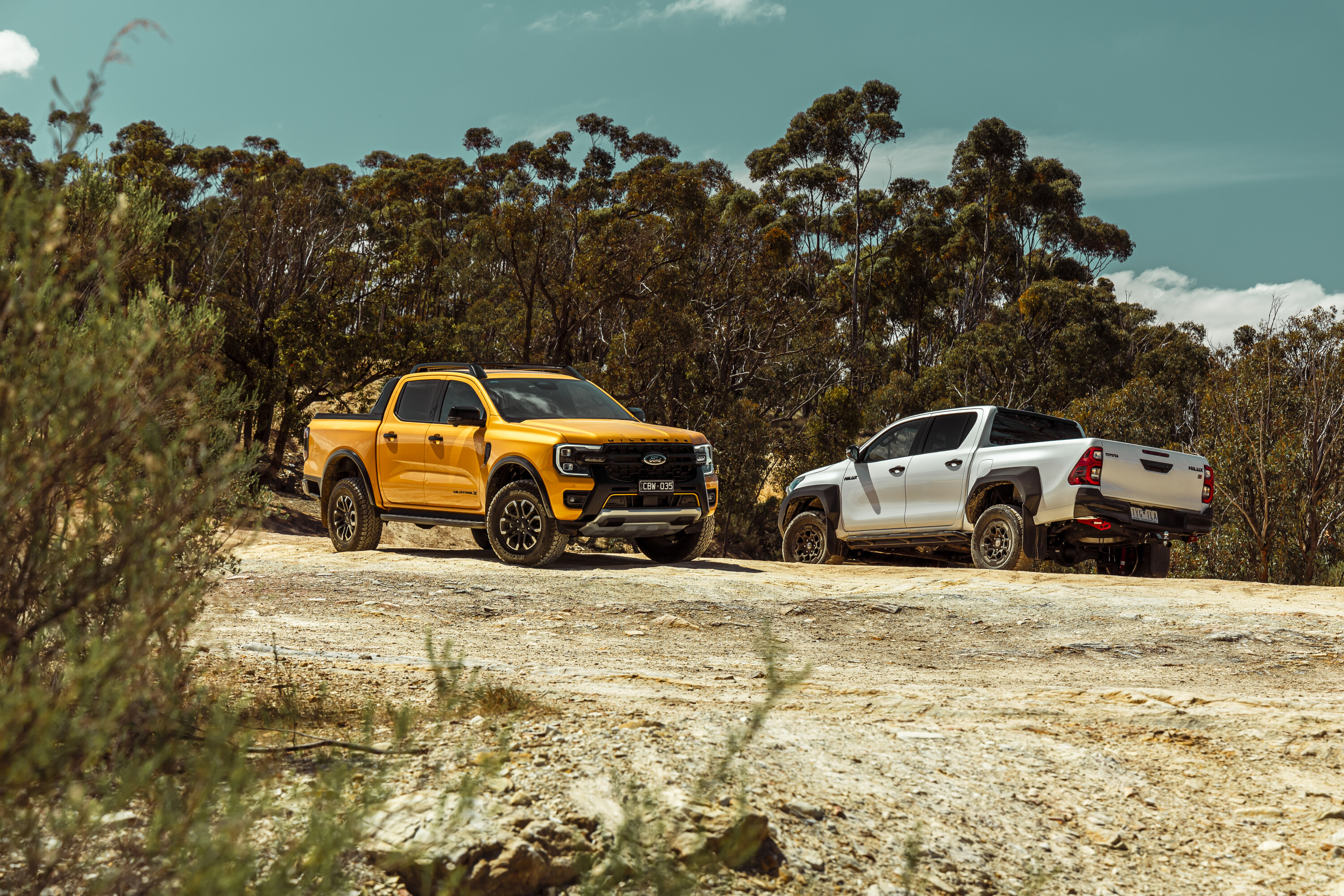
The two most popular new vehicles in Australia – statistically speaking – are the Ford Ranger and Toyota HiLux, so it made sense to test Toyota’s new halo HiLux GR Sport against the highly capable, off-road-ready Wildtrak X. Full comparison inside!
On the travel front, we explore WA’s remote and beautiful Dirk Hartog Island, which is an essential bucket-list destination for those desiring solitude. Plus, we list five of Queensland’s most remote, desolate, historic and breathtakingly beautiful national parks that need to be seen to be believed.
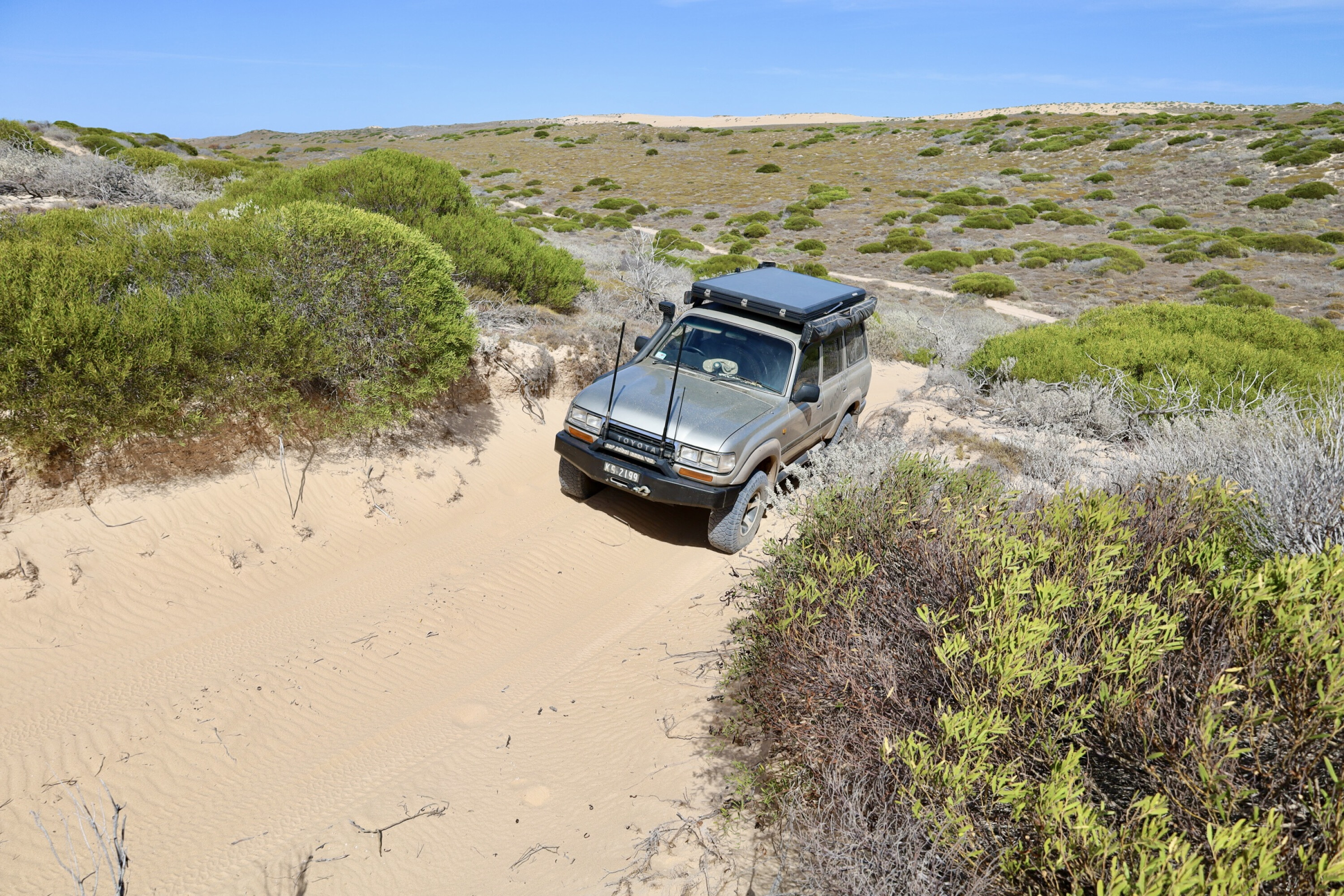
It would have to perform well on the road but also be able to survive and perform when driving on rough, muddy and challenging worksites, including having to manoeuvre over building materials on the ground, and provide traction when dealing with off-road type access onto building sites and work areas… which after rain can become a mudfest.
With these driving conditions in mind, we carefully examined the features of the Hankook Dynapro AT2 to see if it would be suited to the task at hand.
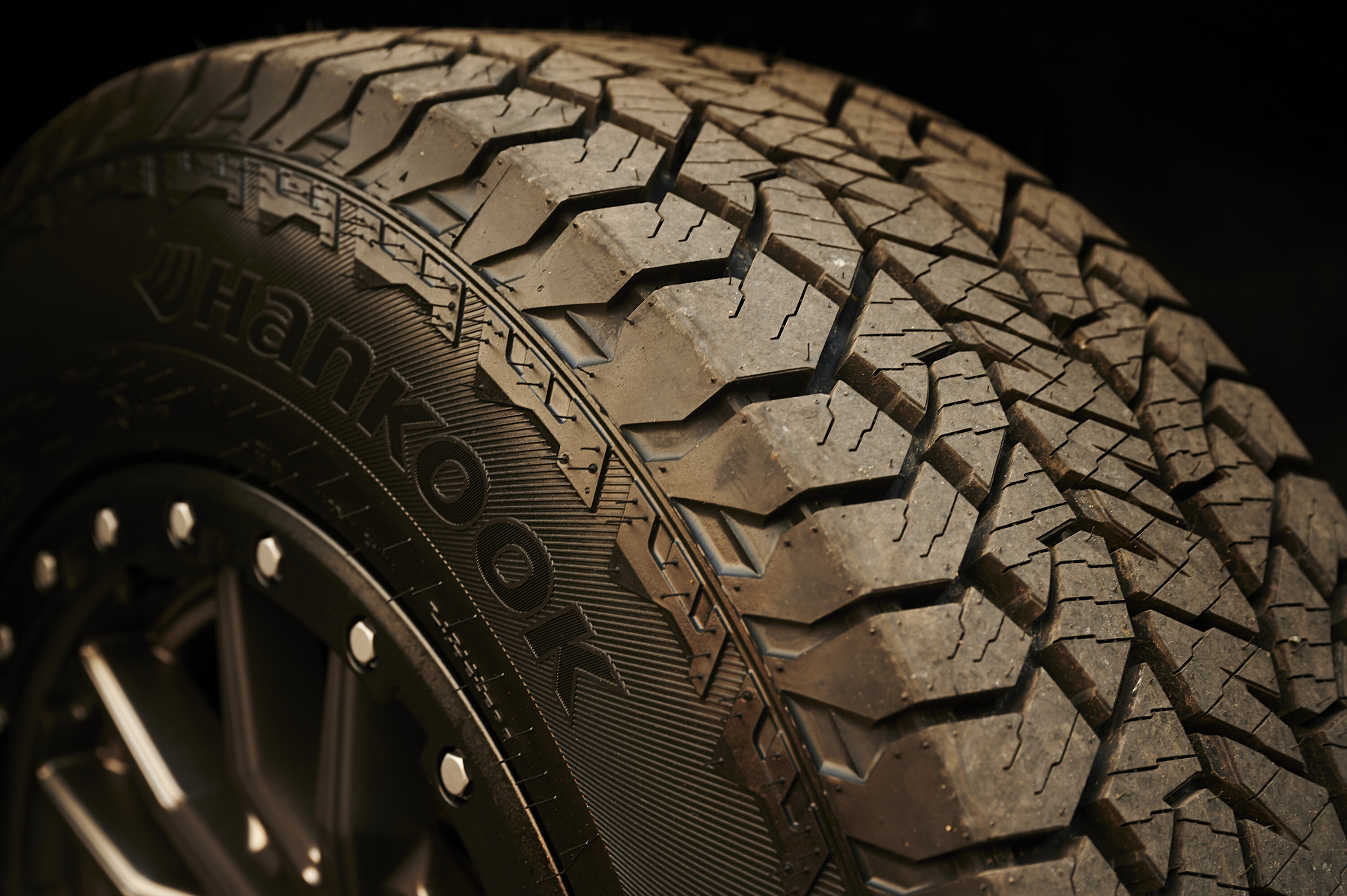
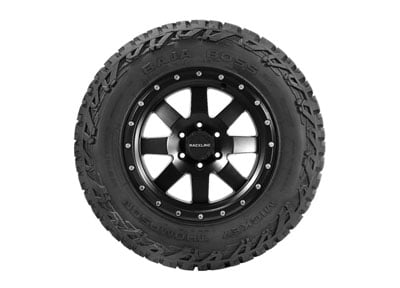
The Dynapro AT2 has what Hankook calls “biting block edges”, which are essentially sharp edges on the tread blocks designed to aid traction in slippery conditions. These work in conjunction with “locking shoulder lugs” positioned on the tyre’s shoulder and rolling over onto the sidewalls to provide additional off-road traction.
Despite these off-road features, the Dynapro AT2 has been designed with on-road comfort in mind
Despite these off-road features, the Dynapro AT2 has been designed with on-road comfort in mind, and features various noise minimisation features; the staged block edges are aimed at creating a sound barrier that reduces road noise, while tie bars stabilise the tread blocks to further minimise noise and optimise movement for a more comfortable ride. Finally, an “aero shoulder design” passes through the shoulder blocks to again keep noise levels in check.
Hankook says the Dynapro AT2’s durable compound uses cutting-edge fillers and flexible rubber materials to maximise tread life, while low-hysteresis carbon black minimises rolling resistance to aid fuel economy and maximise tyre life.
So what does all this mean for tradies looking for a long-lasting, quiet and comfortable tyre?
The Hankook Dynapro AT2s should not only provide decent off-road traction, but also good on-road performance, minimal road noise and great longevity, making them well suited to work utes and drivers looking for equally impressive on- and off-road capabilities.
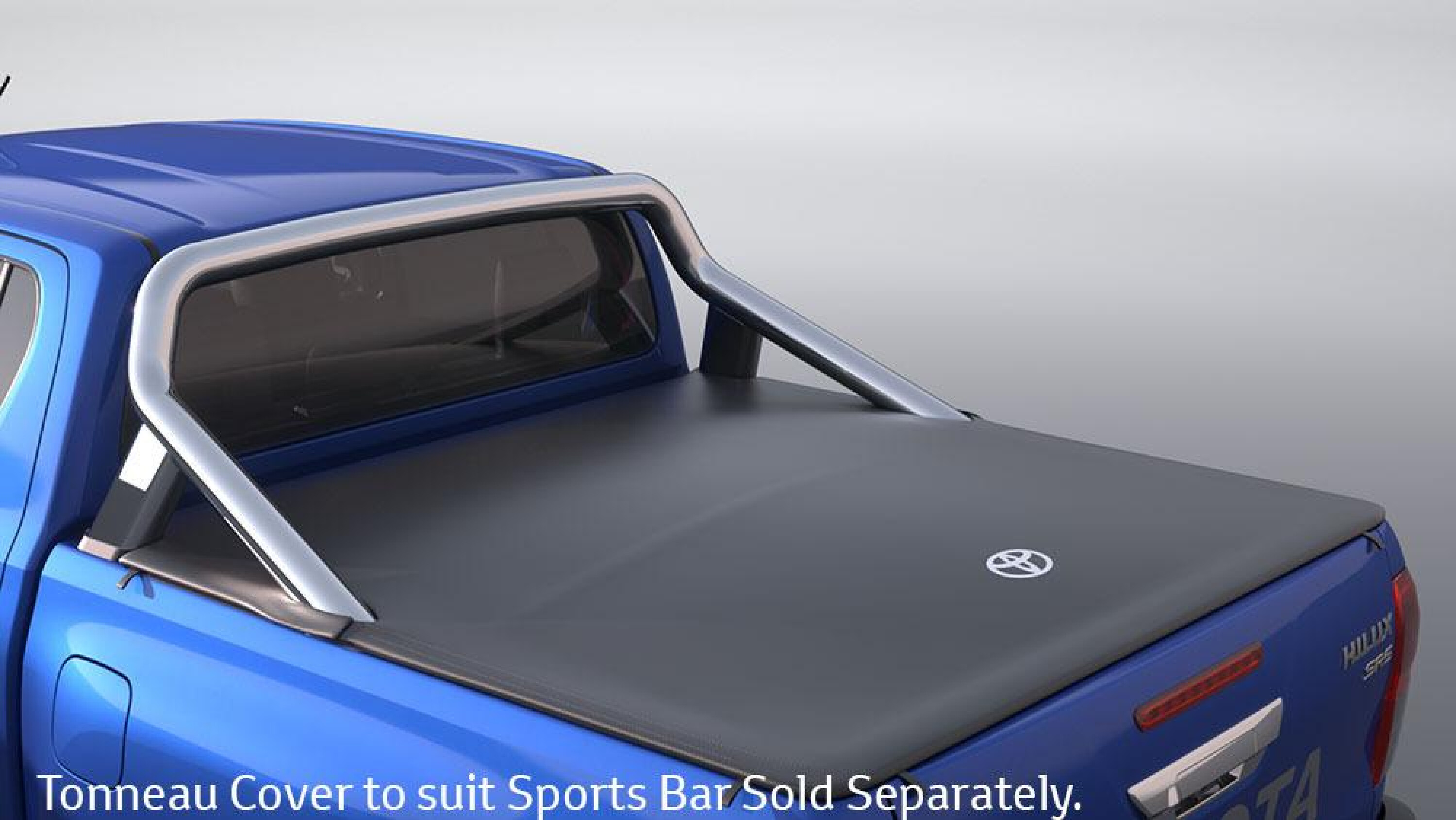
Sports bars provide added support and the option of tie-down points, making it easier to secure heavy items. Plus, they also give the HiLux a more rugged look.
| Material | Finish | Weight | |
|---|---|---|---|
| Toyota | Not stated | Chrome | |
| TWD 4×4 | Steel | Matte black powdercoat | Not stated |
| Mountain Top | Steel | Polished steel or matte black | 10kg |
This genuine Toyota sports bar certainly looks the part, and the lightweight construction means it won’t eat into all-important payload.
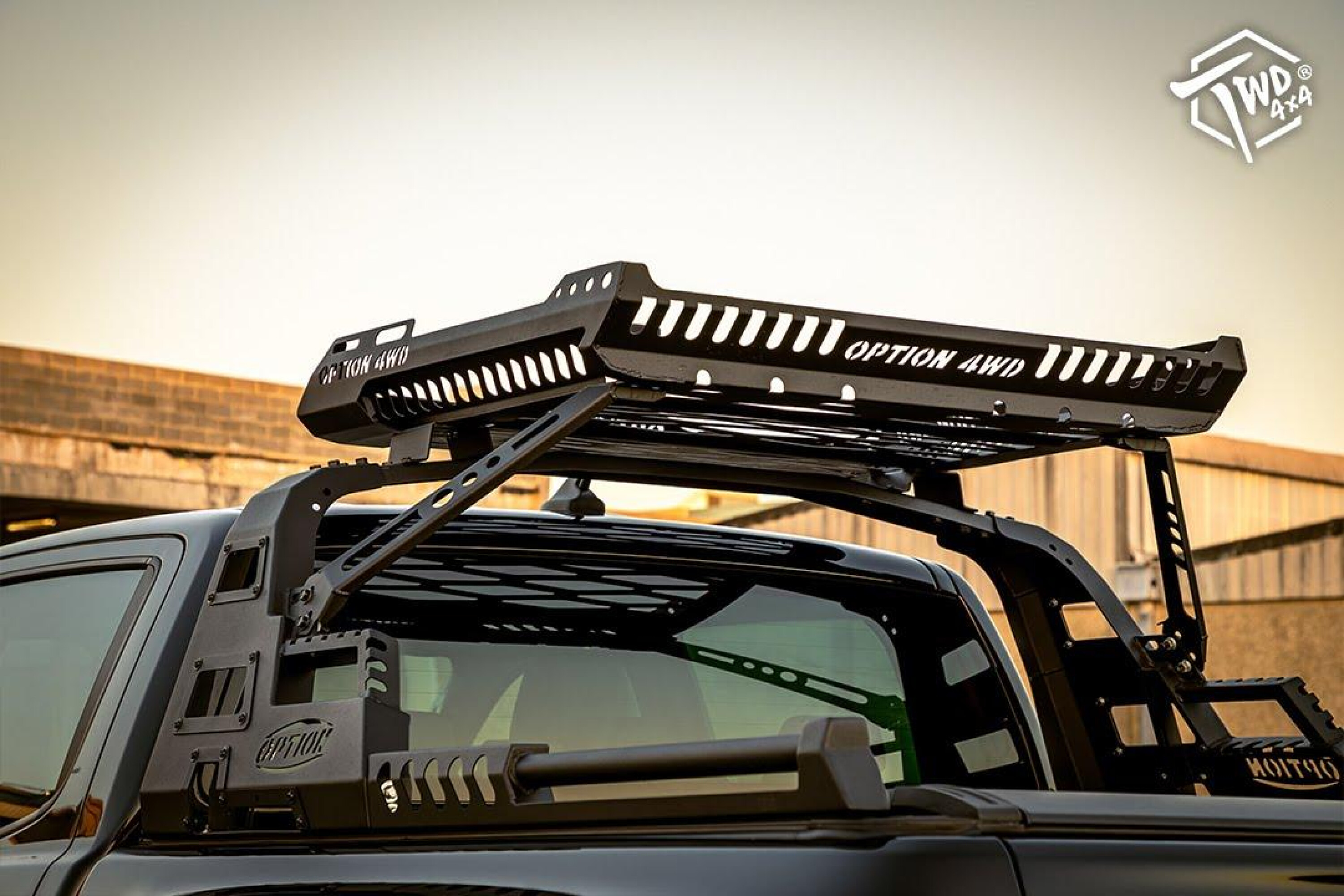
This military-styled sports bar looks the absolute business. The Assault roll bar is one of the most aggressive-looking roll bars on the Australian market, and it’s perfect for those looking for high-quality 4×4 accessories to finish off a mean-looking rig.
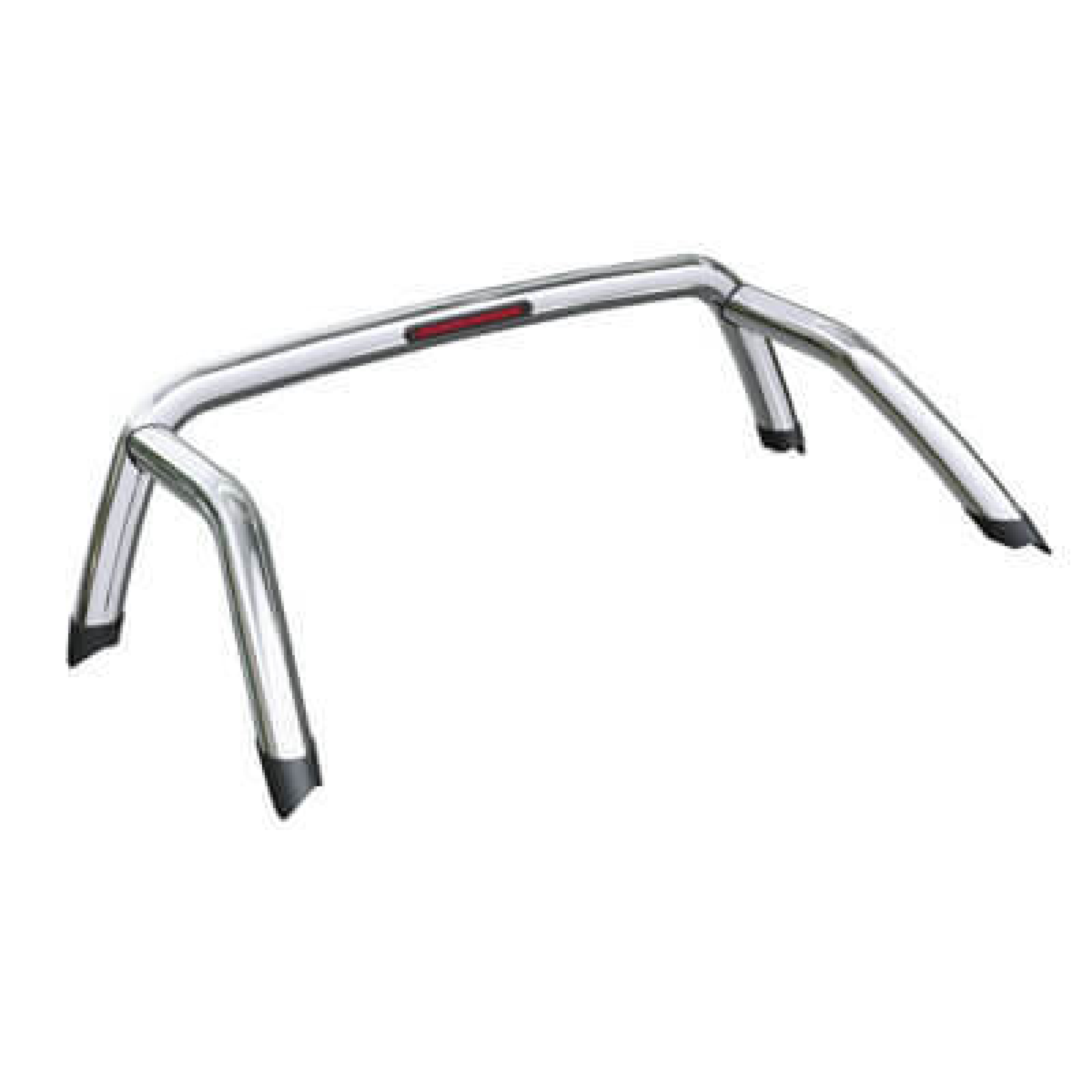
The Mountain Top sports bar is available in black or polished stainless steel and made from durable and corrosion-resistant materials. The sports bar is easy to install and simply mounts in the fitting channels. A simple alternative to the Toyota option.
4X4 Australia has been reviewing four-wheel drive vehicles and aftermarket products for more than 40 years.
When looking for the best accessories for your make and model of 4WD, there are some things essential to making sure you have the best off-roading experience.
When we compare products, here are some of the things we consider:
Disclosure: When you buy through our links, we may earn a commission. We also include products that we do not earn a commission from.
The Ram 1500 Ramcharger will target “an entire sceptical demographic” by slotting into the gap between ICE and electric full-size utes.
Unveiled overnight in the US as part of a Model Year 2025 revamp for the Ram 1500 line-up, the new Ramcharger variant is a range-extender electric ute that uses a Pentastar V6 petrol engine to power its dual electric motors.
Ram says its targets for the Ramcharger plug-in hybrid include a 1110km driving range, 494kW and 834Nm outputs, and a 0-60mph (0-97km/h) sprint time of 4.4 seconds.
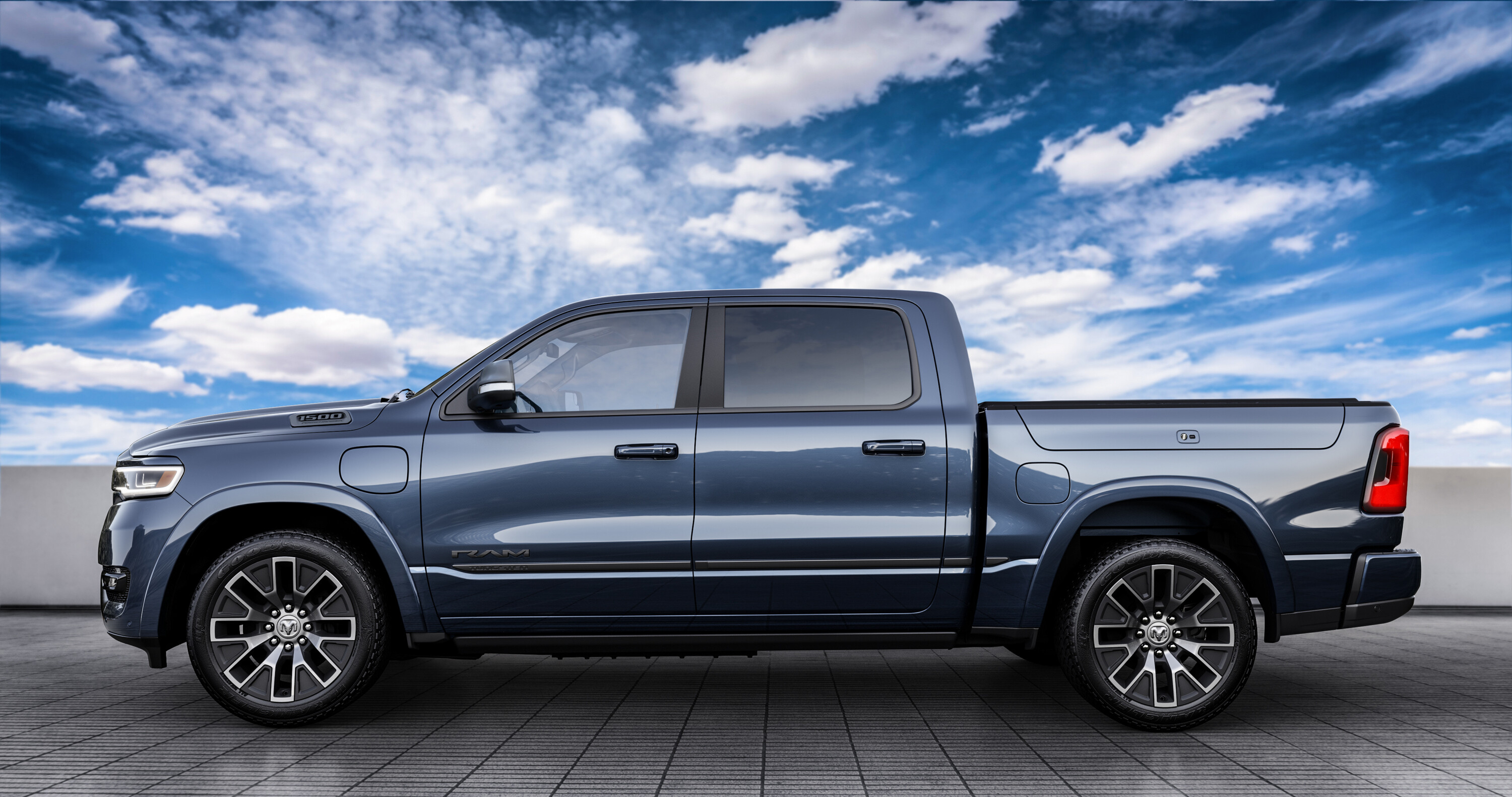
The Ramcharger sits on the same ‘STLA Frame’ battery-electric platform as the Ram 1500 Rev fully electric ute that was revealed in production form in early 2023.
Where the 1500 Rev employs huge, heavy battery packs – 168kWh standard or 229kWh optional – the Ramcharger uses a relatively small 92kWh battery that’s replenished by the 130kW petrol-fed generator.
The result is a potential maximum range of more than 1100km compared with a best quoted range of 805km for the biggest-battery Rev (or 563km for the standard-battery model).
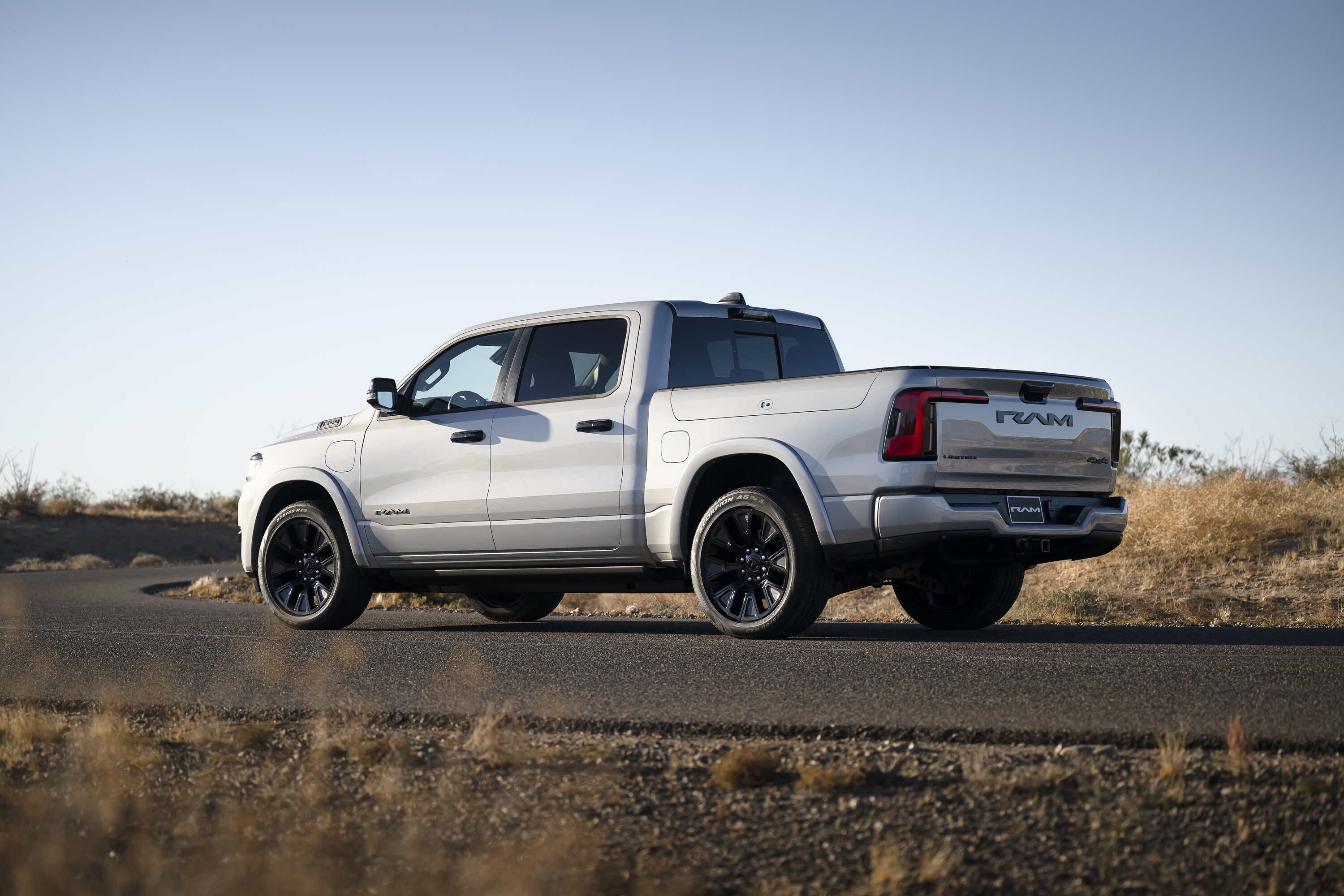
Only the Ramcharger’s dual electric motors – 250kW up front and 238kW at the rear – power the ute’s wheels. Its EV-only range is significantly lower than the Rev’s, at about 233km.
Ram is quoting similar payload and towing figures between the fully electric Rev and range-extender Ramcharger.
The company is targeting a payload of about 1190kg (2625Ibs), compared with 1224kg for the Rev.
Braked towing capacities are identical at 6350kg (14,000Ibs), though the range of the Ramcharger – essentially an unconventional hybrid like Nissan’s E-Power models, except it can also be plugged in for charging – would theoretically be less affected by heavy trailers or payloads.
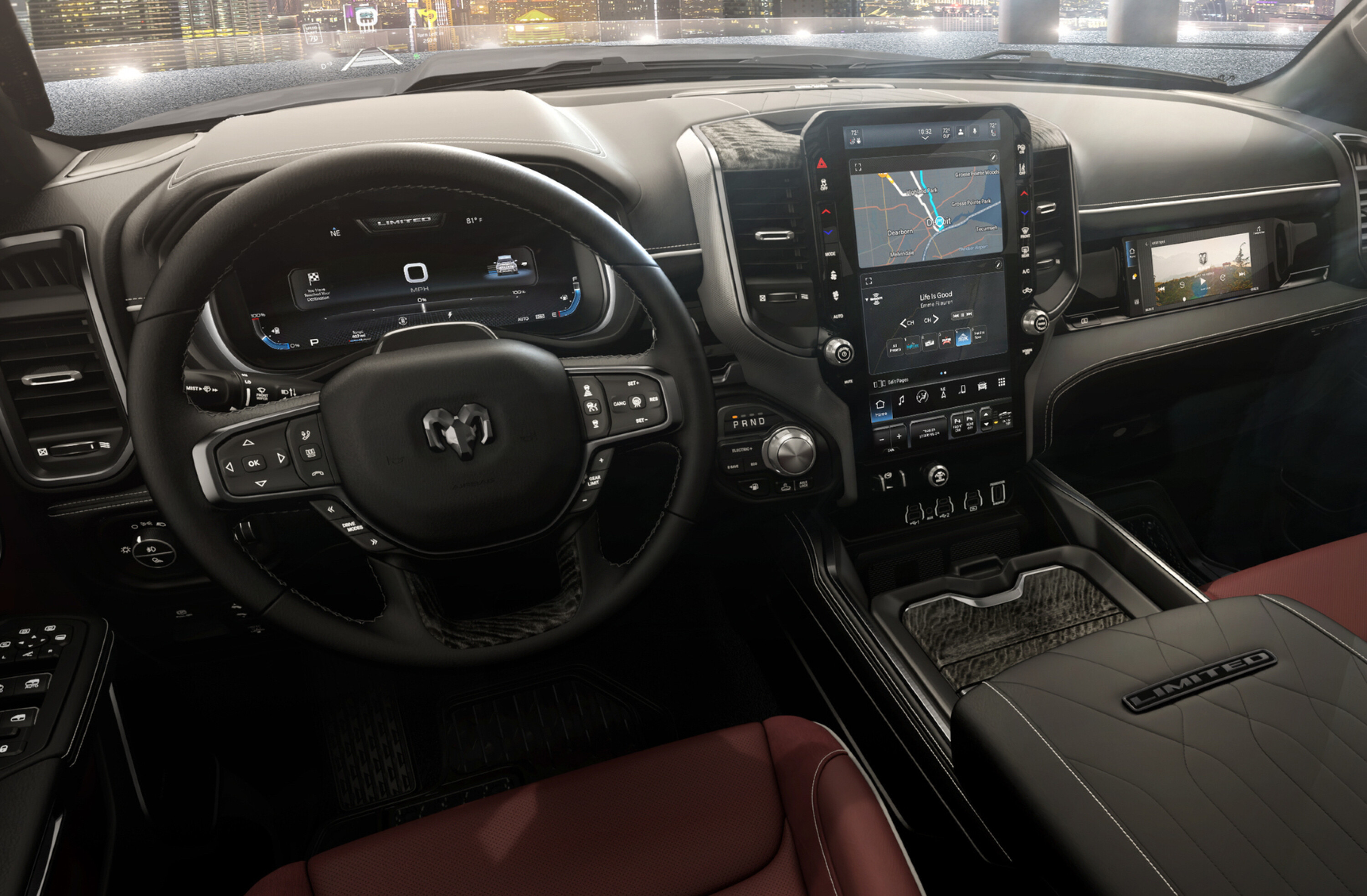
400-volt DC charging of up to 145kW can add 80km of electric range in 10 minutes, according to Ram.
The all-wheel-drive ute can become a front-drive vehicle for improved efficiency with the ability to decouple the front electric motor from the front axle.
An electronic limited-slip differential is also optional for the rear axle.
Ram brand CEO Tim Kuniskis said the Ramcharger expanded the 1500 pick-up’s appeal to those buyers who are either not quite ready for a fully electric ute or not entirely convinced by them.
“We want change to happen at our customer’s pace,” he said. “[The Ramcharger] can address what could be your range anxiety. It’s been built to pull in an entire sceptical demographic.”
The Ram 1500 Ramcharger and Rev are expected to go on sale in the US in late 2024.
Local importer Ateco has yet to confirm official plans for right-hand-drive versions of the electric Rams, though is already understood to be interested in the Rev. The Ramcharger variant, which will be available in various trim grades in the US, would also make plenty of sense for Australia.
There’s also an electric version, known as the 1500 REV (from Q4 2024), that will form part of the range while a separate, 1100km driving range Ramcharger plug-in hybrid has also been confirmed.
“The new 2025 Ram 1500 brings our customers more: more power, more performance and more fuel efficiency with our all-new 3.0-liter Hurricane engines,” said Ram brand CEO, Stellantis Tim Kuniskis.
Ram’s Australian importer, Ateco, is yet to confirm if and when right-hand drive conversions of the new 1500 will commence.
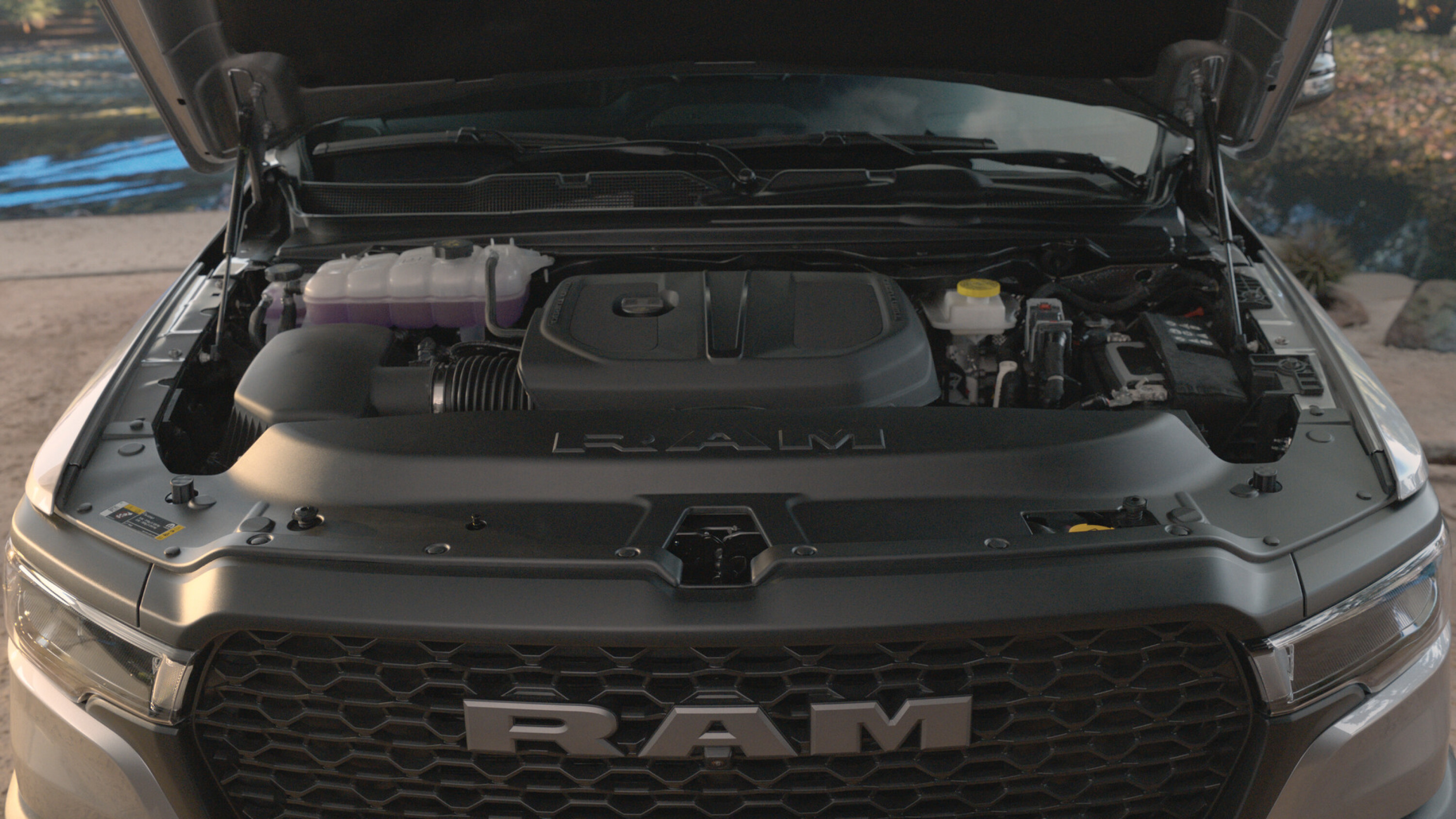
It features a deep-skirt cast aluminium block, structural alloy oil pan, forged crankshaft and connecting rods to balance strength, outputs and weight.
The resulting ‘standard’ engine’s outputs are 313kW/636Nm, improvements of 22kW and 90Nm over the 5.7-litre V8 with the added benefit of lower fuel consumption – though Ram is yet to quantify savings.
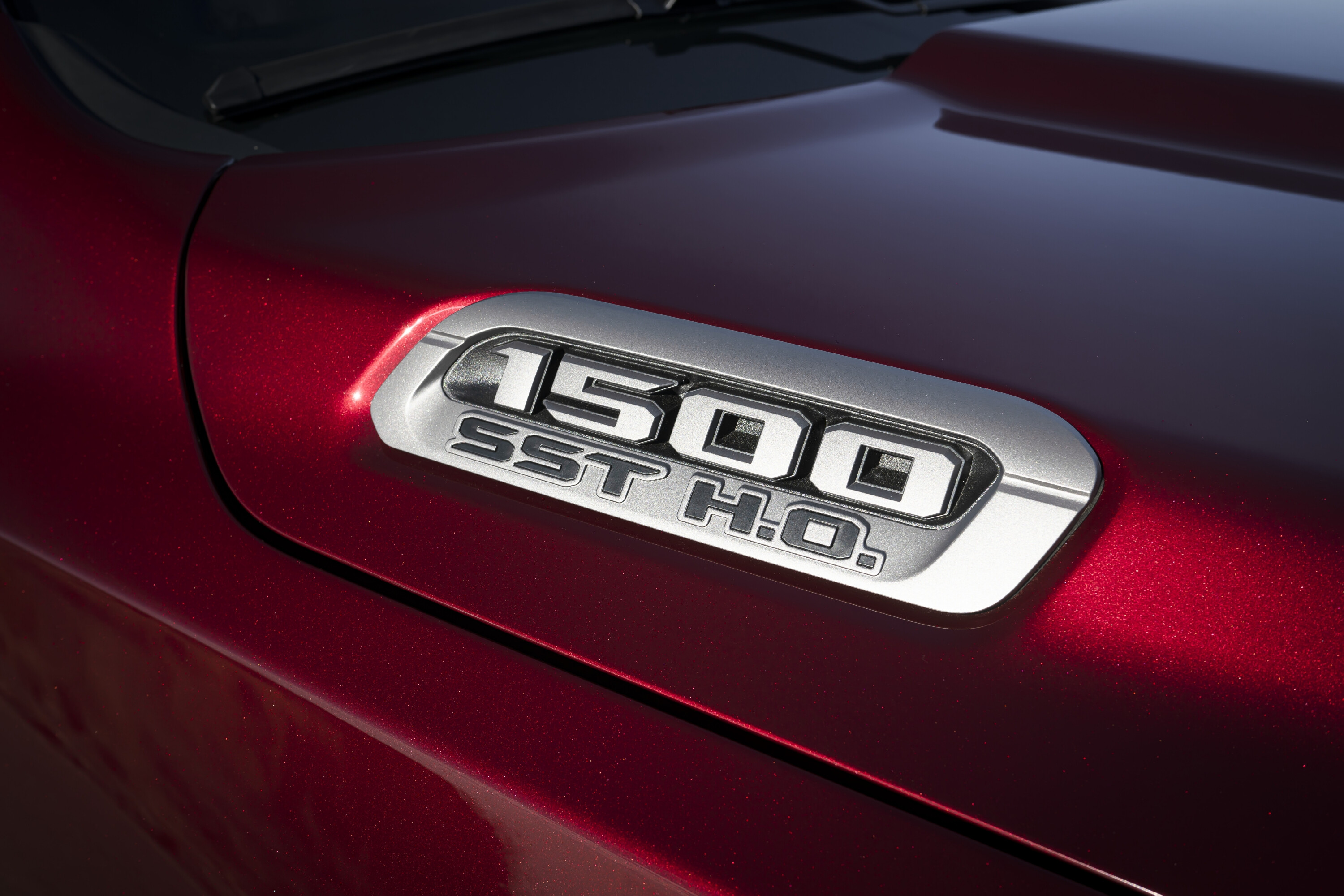
Come the third quarter, a High Output (H/O) version will arrive with 403kW and 707Nm, up on the standard car but down on the 6.2-litre TRX’s 523kW and 882Nm. ‘
Ram hasn’t ruled out a revitalisation of TRX in the future, but at least the H/O will be a nice addition for now.
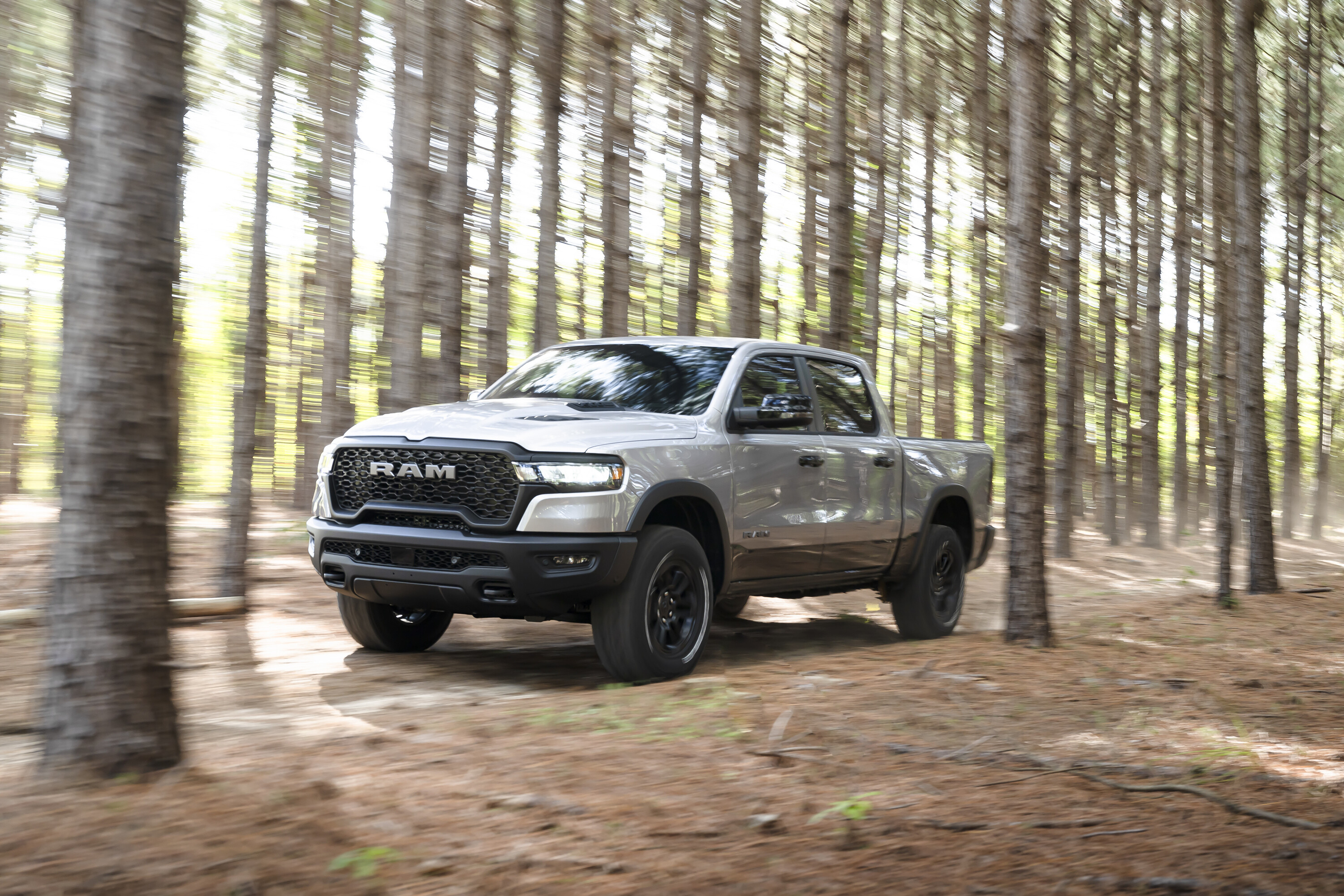
The peak braked towing capacity in the US is 5253kg (11,580lbs) with the heavy-duty tow hitch. There’s up to 1043kg of payload and it’ll wade depths to 610mm.
In North America, the Ram 1500 is available in rear-wheel drive or all-wheel drive with open, limited-slip and electronically-locked rear differentials and various axle ratios to best suit towing or off-road needs.
As before, the ladder-frame Ram 1500 uses double-wishbone front suspension but it has a new five-link solid rear axle and – for the first time in this segment – optional four-corner air suspension with five selectable heights just like a Range Rover.
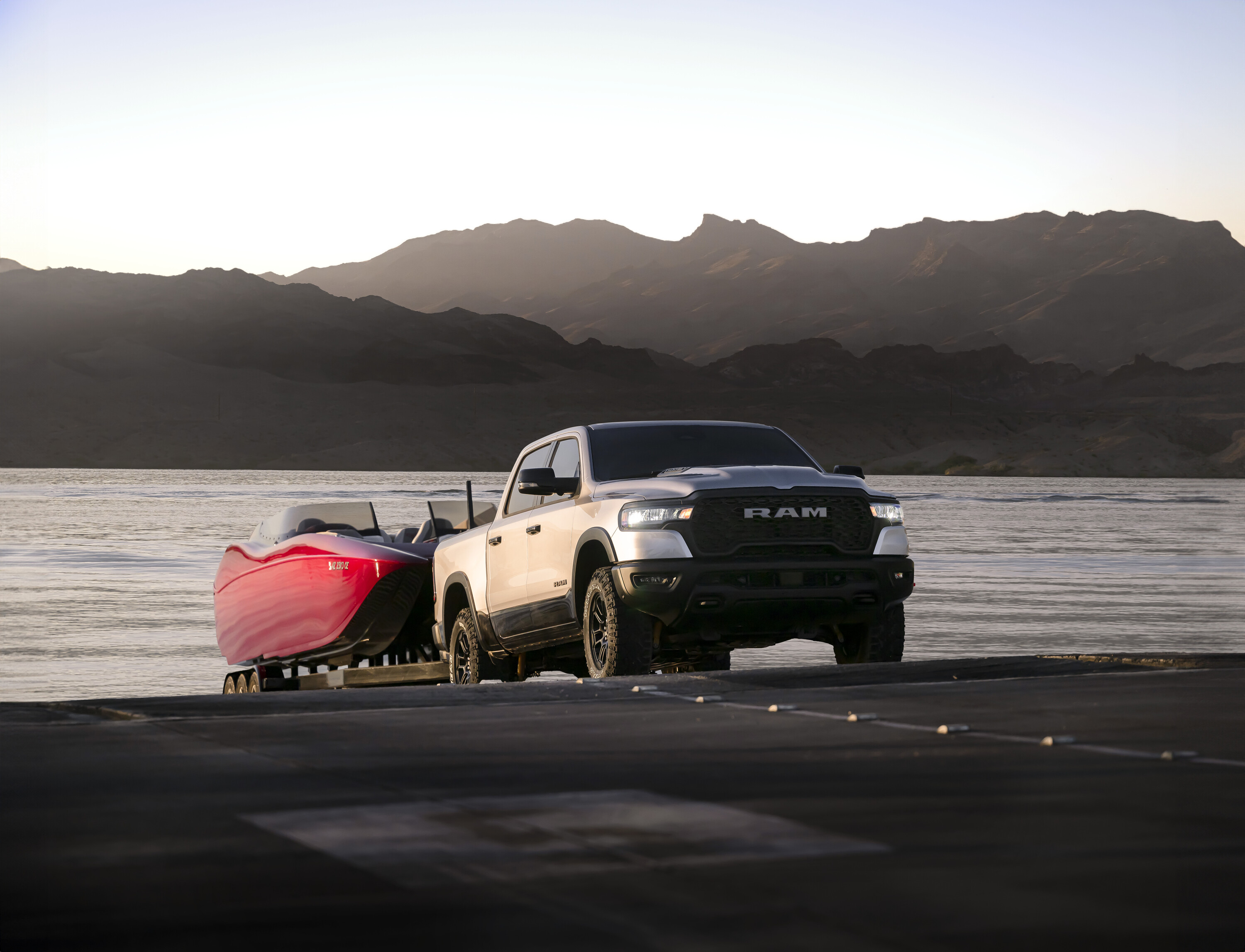
A new R-A-M badge features prominently on the classic grille, and care has been taken to make the bed and cab fit flush to engance aerodynamics. ‘Jewel’-like LED taillights complete the look.
At the top of the 1500 tree sits the new Tungsten model with Indigo/Sea Salt two-tone Natura Plys leather upholstery, diamond-knurled knobs, heated and ventilated seats with 24-way power adjustment and massage function.
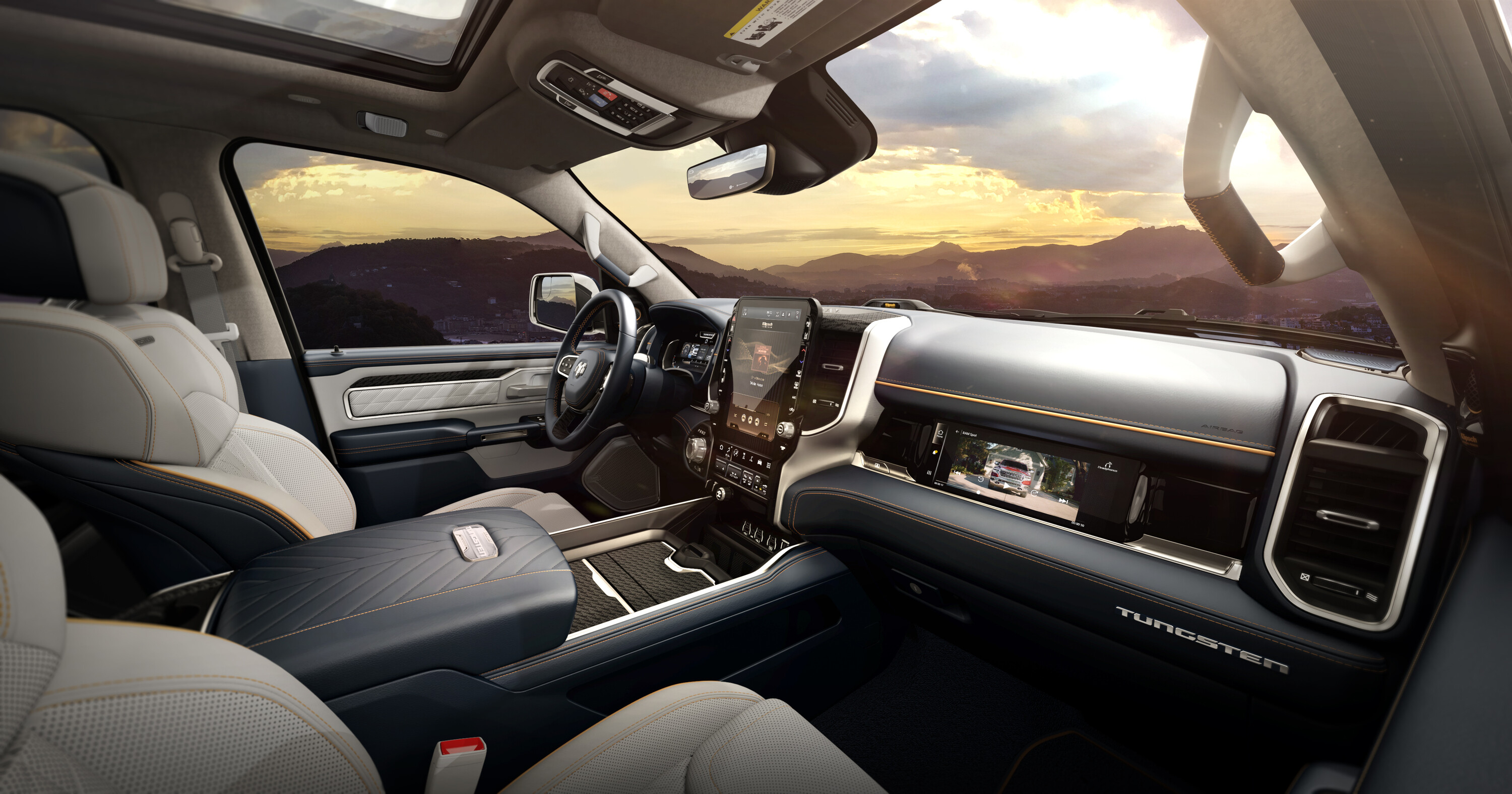
There’s a 14.5-inch central touchscreen and 12.3-inch digital driver’s display and – on certain grades – a 10.25-inch touchscreen for passengers, just like in the Jeep Grand Cherokee L.
The Tungsten scores premium Klipsch audio with 1228 watts of power pumping out of 23 speakers including a 12-inch subwoofer and two one-inch titanium dome tweeters.
Buyers will be able to option a 1.8kW onboard power inverter with two covered outlets in the bed – perfect for powering tools on the worksite or gear when you’re camping.
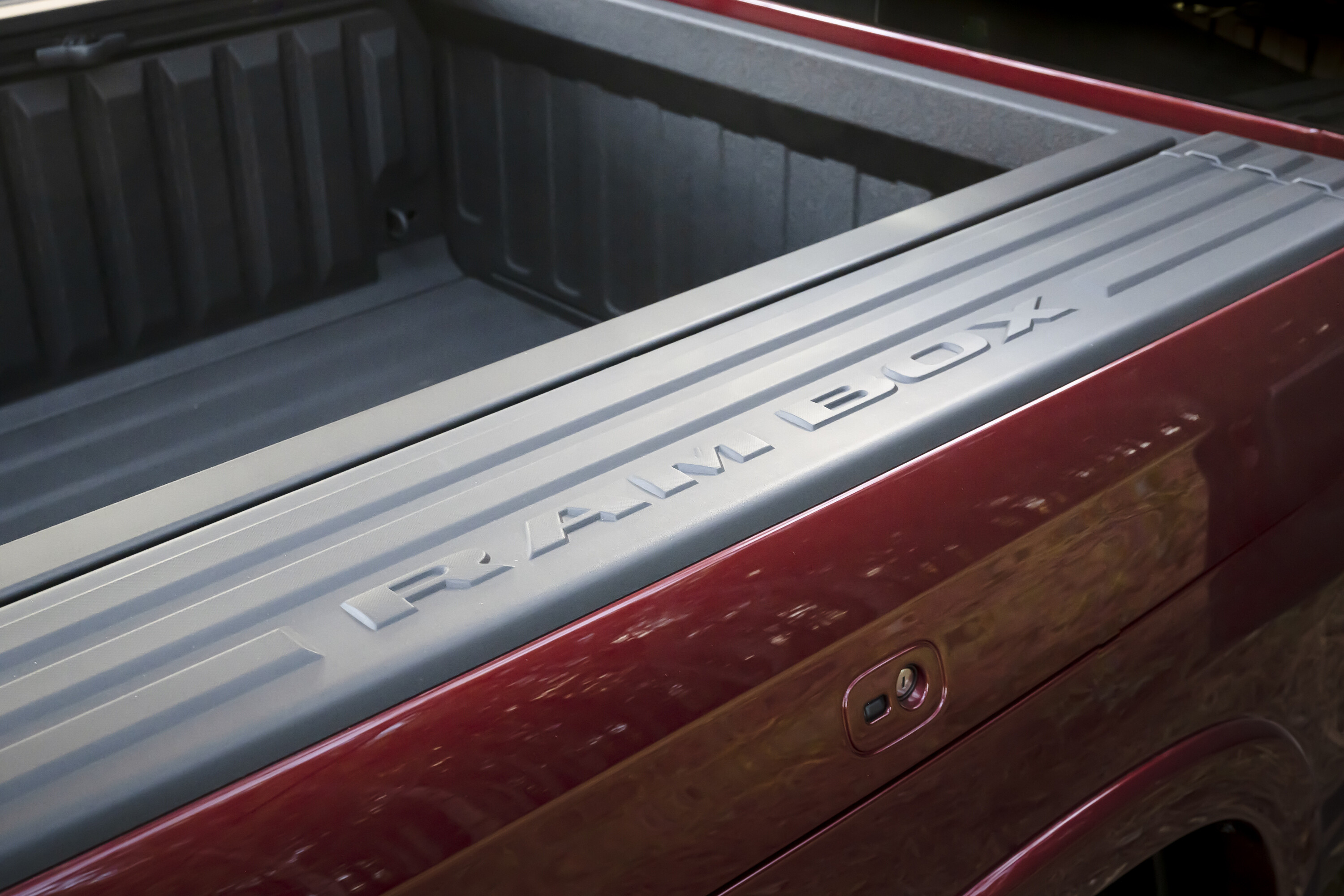
Naturally, the RamBox cargo solution is offered on the new 1500.
There’s a digital rear-view mirror optional, and Ram claims the new 1500 has over 100 driver assistance technologies including level two hands-off motorway autonomy.
Below the Tungsten sit the Limited, Limited Longhorn, off-road focused Rebel, mid-spec Laramie, Big Horne/Lone Star and entry-level Tradesman.
Ateco – Ram’s Australian importer – has yet to announce plans for the updated Ram 1500. It will go on sale in North America next year with the core grades to be joined with the 1500 Hurrican H/O due in Q3, followed by the REV electric version in Q4.
When the Ram arrives, it will face off against the Chevrolet Silverado, Toyota Tundra, and recently-updated Ford F-150 full-size utes.
The move away from V8s and towards electrification comes down to the goals of Stellantis – Ram’s parent company. It aims to half its carbon emissions by 2030 on the way to net zero in 2038.
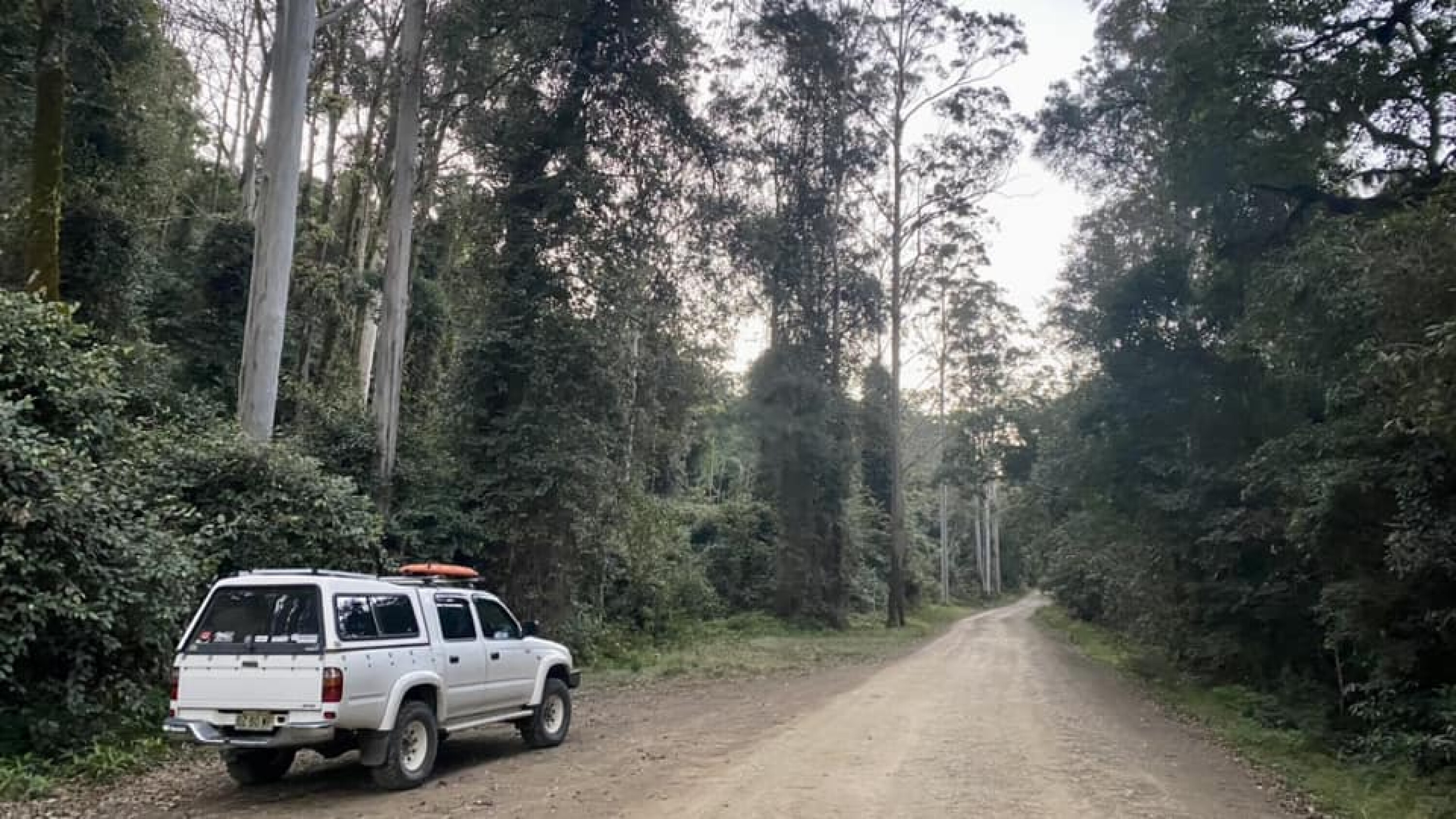
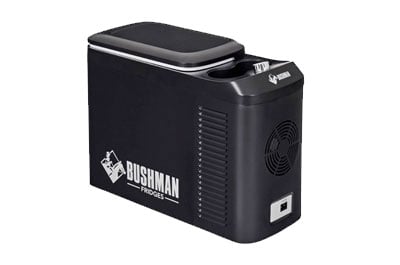
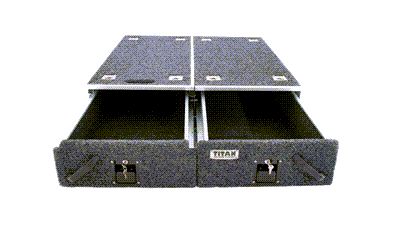
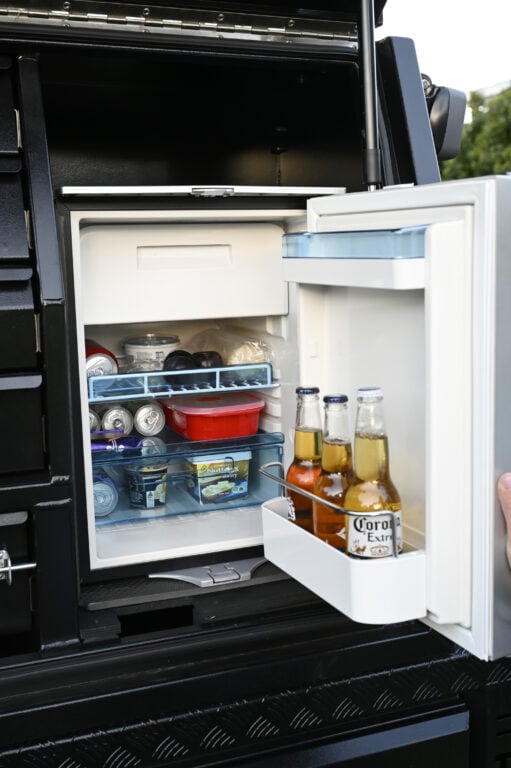
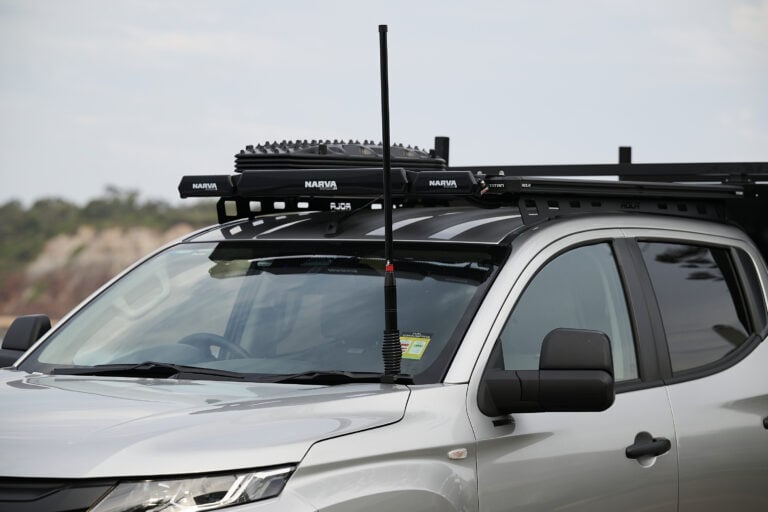
It is the 1KT-ZE 3.0-litre turbo-diesel. The modifications I have added since ownership include a steel bar; XTM spotlights; Kingone winch; Uniden UHF; 31-inch Hankook MT2 tyres; straight-through exhaust; single rear drawer with a fridge slide; 60-litre myCOOLMAN; Dune 2.5m awning (270° to come soon); HD Prorack roof racks with custom MAXTRAX mounting system; and a two-inch Fulcrum lift kit is about two weeks away.
It also has a 140amp AGM dual-battery system with a solar controller for solar input. It came with a Safari snorkel and TJM canopy.
The best places I have taken the HiLux would have to be Fraser Island (K’gari), and into the heart of both the Barrington Tops and the Watagans. I’m planning a trip that will include Robe to Beachport, the Great Ocean Road, the Victorian High Country, Kosciuszko and the NSW south coast – Jack Macpherson
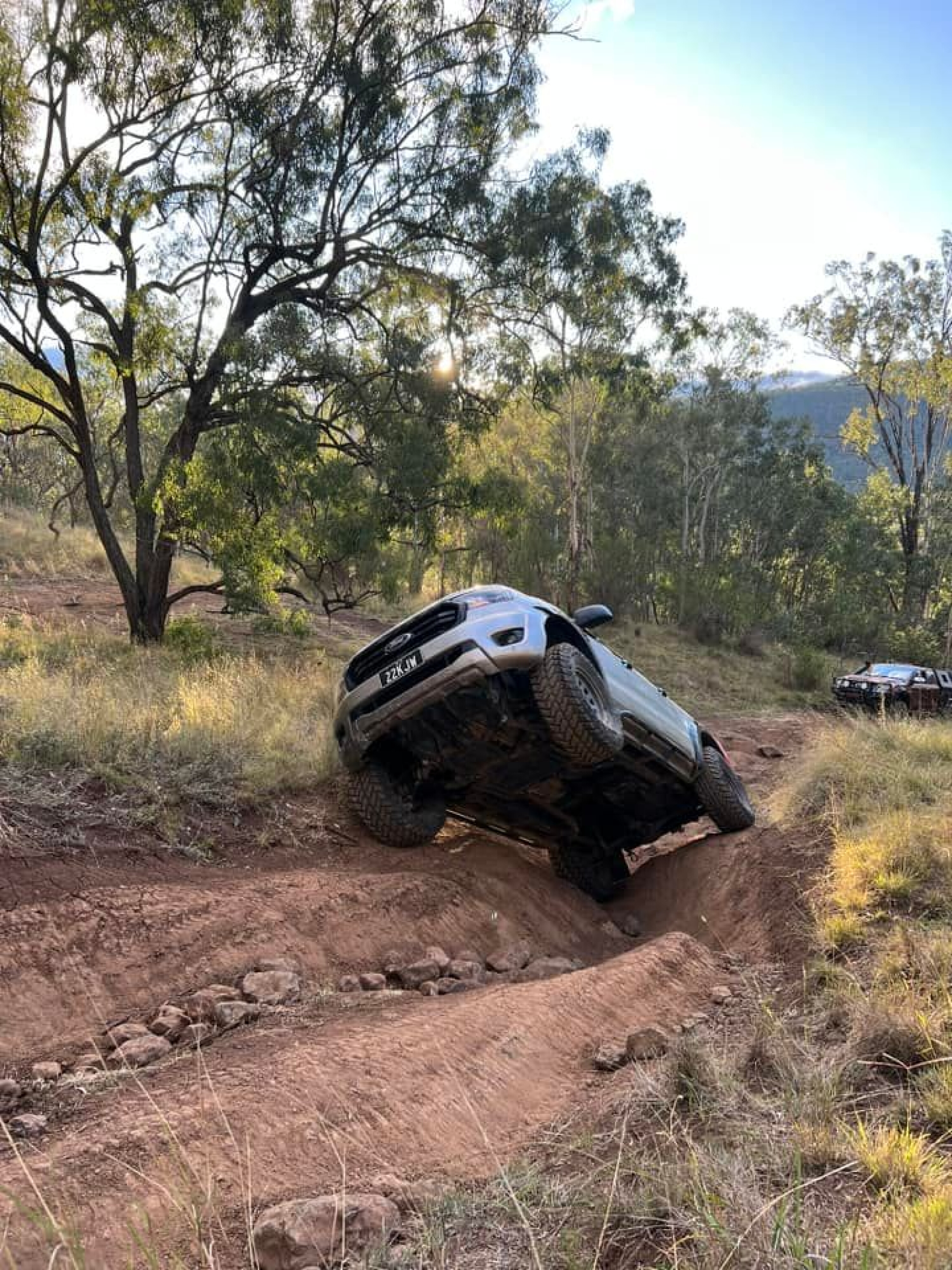
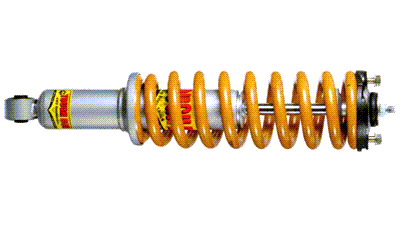
It’s running Superior Engineering remote-res front struts set at three inches of lift, with 35-inch tyres and custom sliders. It also has a dual-battery setup behind the rear seat that powers my fridge in the tub.
The best place I’ve taken this fourbie is to Janowen Hills 4WD Park (in Queensland), spent with good mates and family – Kayde Woods
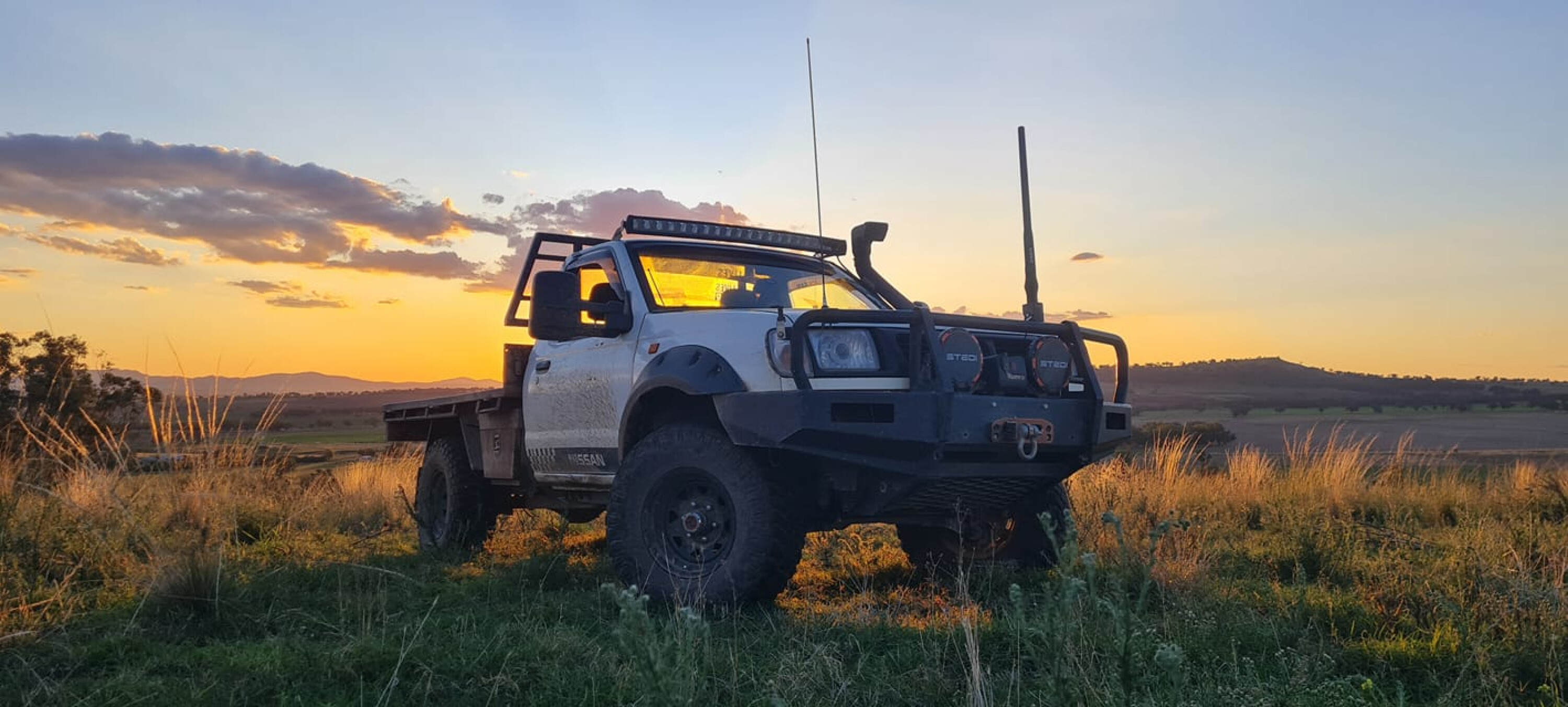
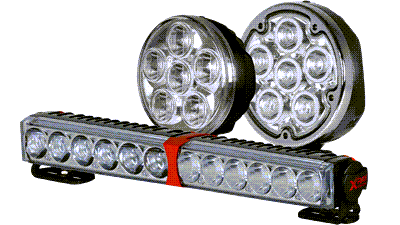
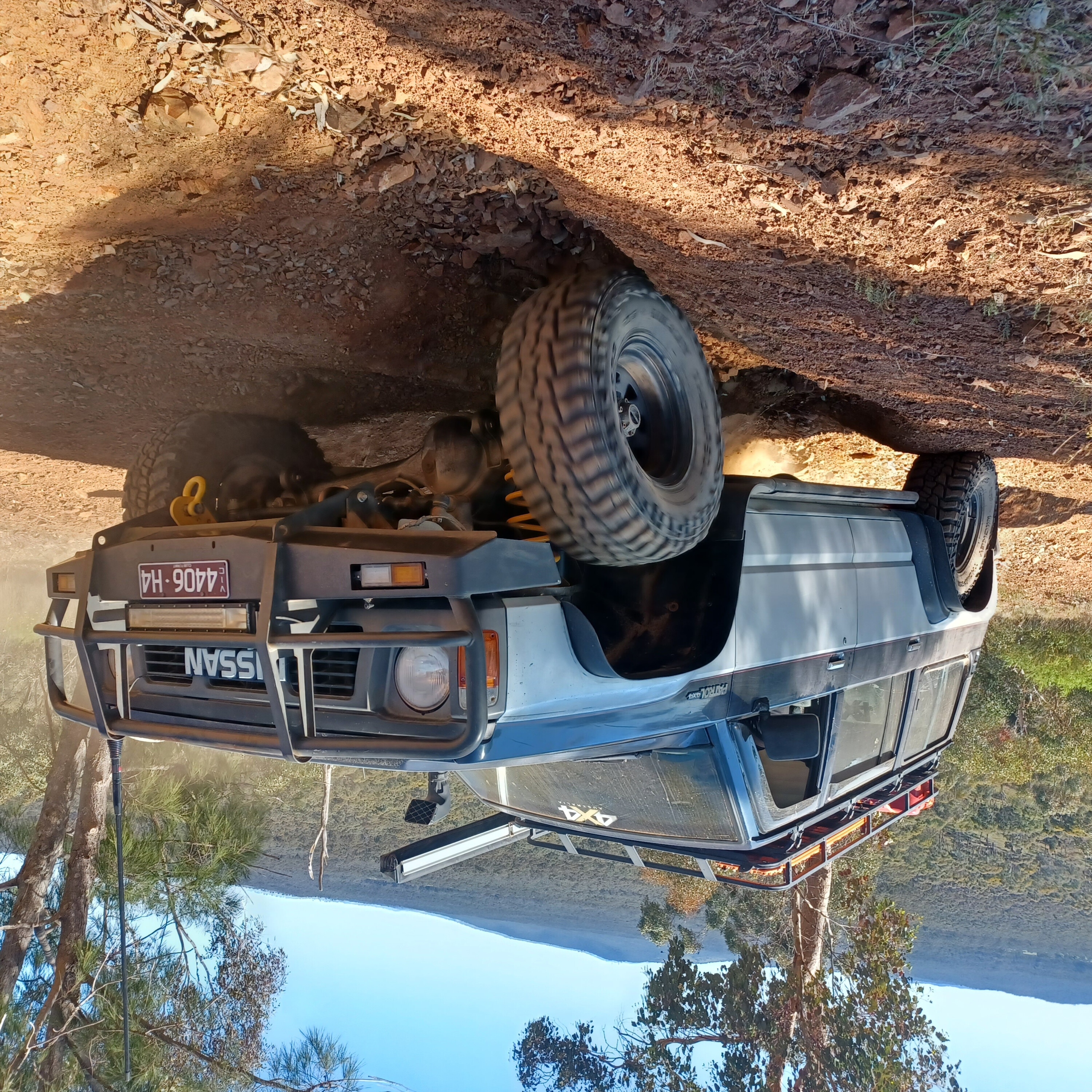
It has the QD32 motor, and mods include aftermarket suspension; a large diesel tank; aftermarket headlights; Stedi light bar and driving lights; custom-made centre console/roof console; and a cut-off exhaust (sounds like a tractor). There are too many mods to remember. Best trip was to Split Rock Dam in NSW – Jamie Roach
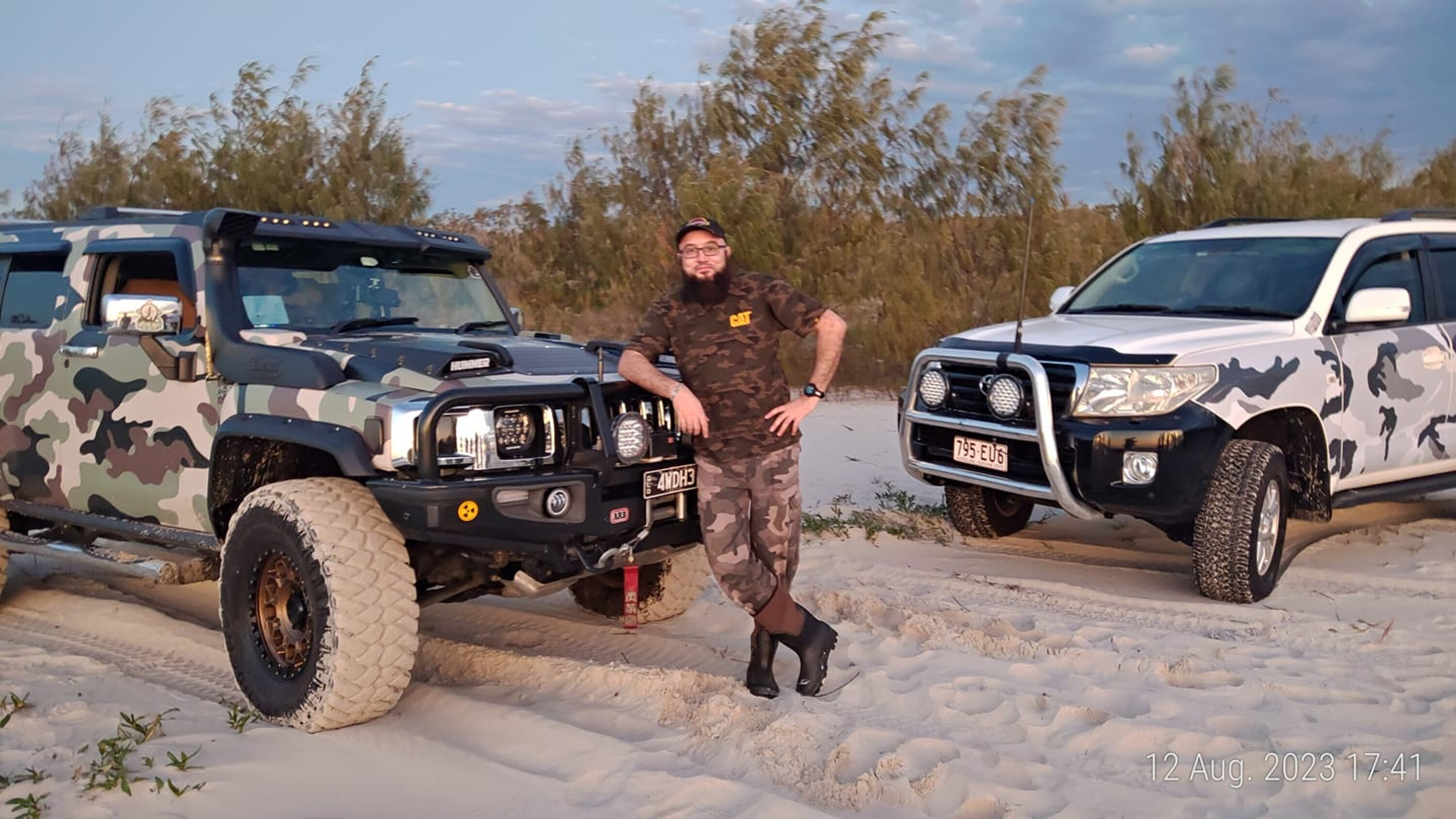
This picture was taken at Moreton Island, and the best place I’ve taken it was to The Springs 4×4 Park in Queensland. Lots of modifications… and lots of accessories – Shahab Bangash
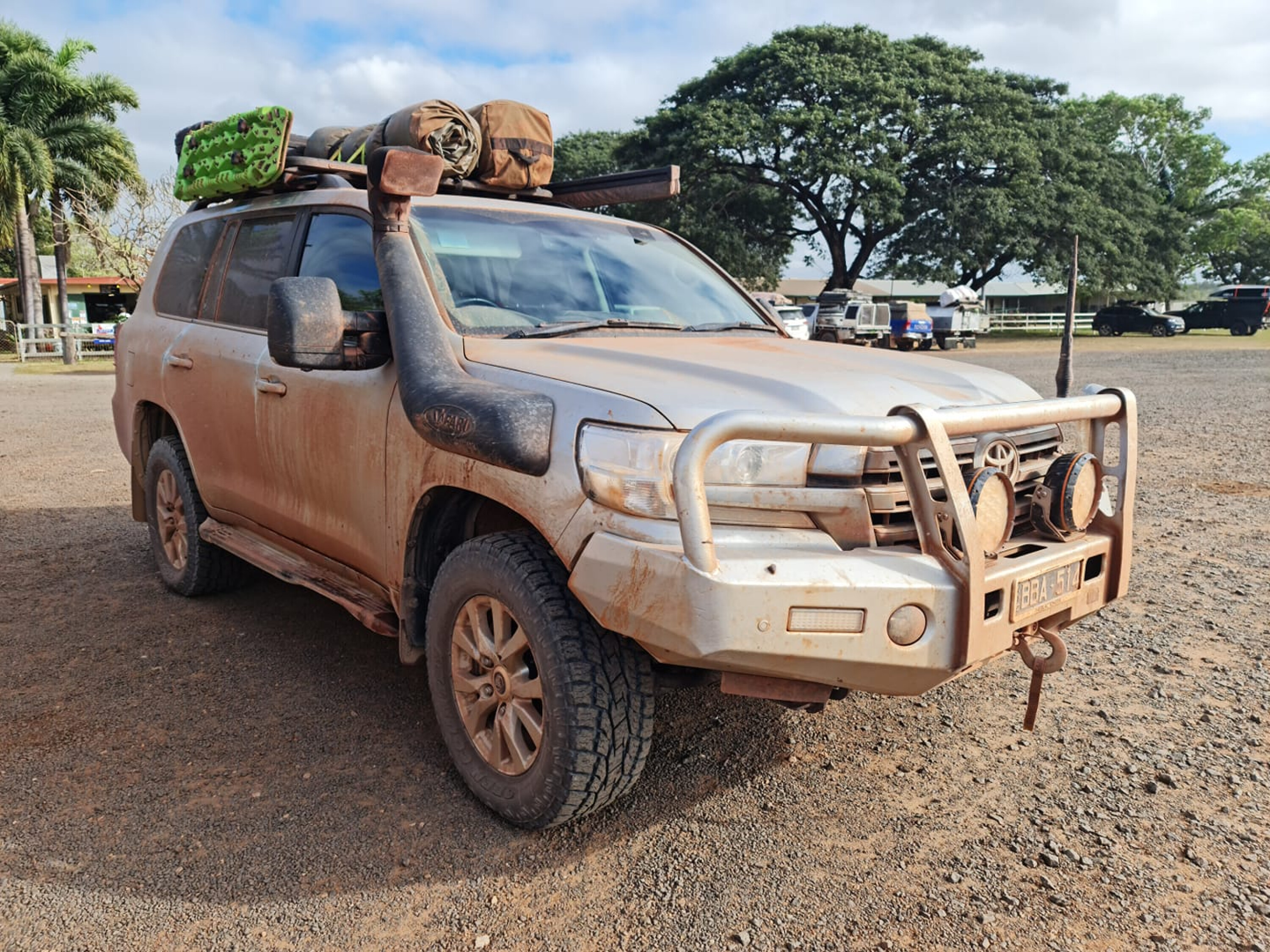
A trip to Cape York was the best place I’ve taken it, but it was cut short due to Covid lockdowns. We went up in July 2021, high-tailed straight to the tip from Western Victoria, with the plan to take our time home. We just got to Loyalty Beach when we got the phone call from home saying NSW was closing the border to Queensland. So we had to pack up and head home.
I had to get a service in Cairns, so most of the group went home through SA, but that border closed before I could get out of Queensland. The car spent three months in Queensland until I could get it home. It was still an awesome trip, but I need to go back at some stage and do it properly.
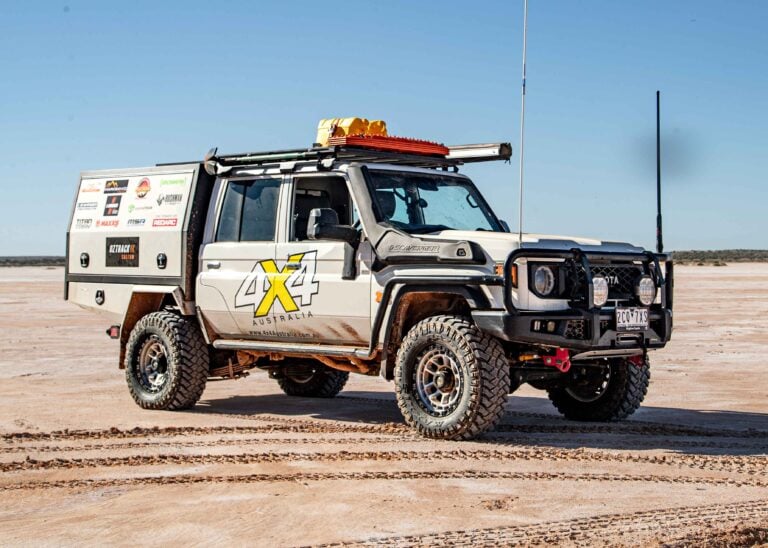
Mods include a Raslarr rear bar with twin jerry can holder and spare wheel carrier; 4T GVM upgrade with a true two-inch lift; Airbag Man airbags; TJM T13 outback bar; 12,000lb TJM Torq winch; dual-battery system with a 150Ah lithium battery charging via a Victron controller with solar input; Redarc brake controller; tow pack with 12-pin socket; and a grey Anderson socket connected to the second battery.
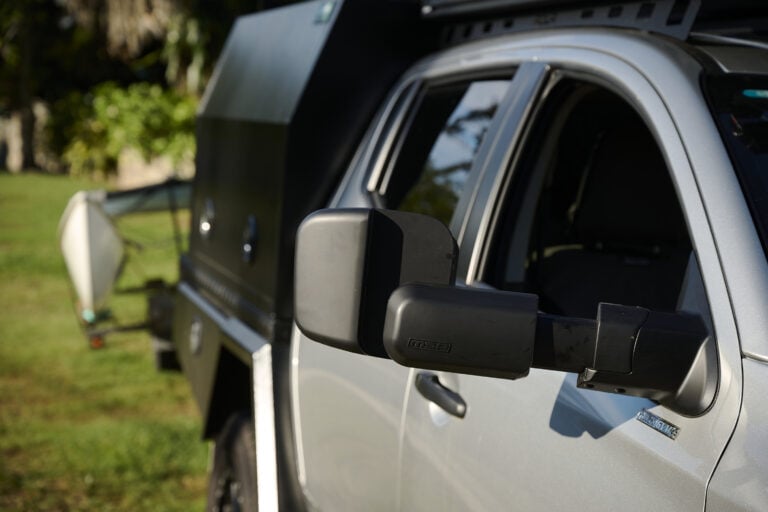
More kit includes a Safety Dave camera cable; Rhino-Rack Tradesman rack with Tred mounting brackets; Rhino-Rack awning; shovel holder brackets; 285/65R18 Toyo A/T II Extreme tyres; Clearview Next Gen towing mirrors; Safari Armax snorkel; Drifta rear drawer with fridge slide (battery system fits into the drawer system); Stedi Type-X Pro spot lights; Telstra Cel-Fi mobile repeater; vent-mounted GME XRS UHF radio; and mobile phone holder with Type-C connection – Cory Beckett