
CREATING your perfect four-wheel drive vehicle can be a mammoth task. One that is not undertaken lightly and requires meticulous planning, recruiting the right team, skilled execution, and knowing when to say enough is enough.
It’s a task akin to scaling a mountain, but once you reach that zenith, only then can you truly enjoy the fruits of your toiling.
Sydneysider Richard Bookhouse knows the feeling of achieving his goal. He set out to build a car that can be used every day, yet still be able to take him on challenging tracks; so after a diet of a few Toyota Prados, he changed teams and climbed into a Ford Everest.
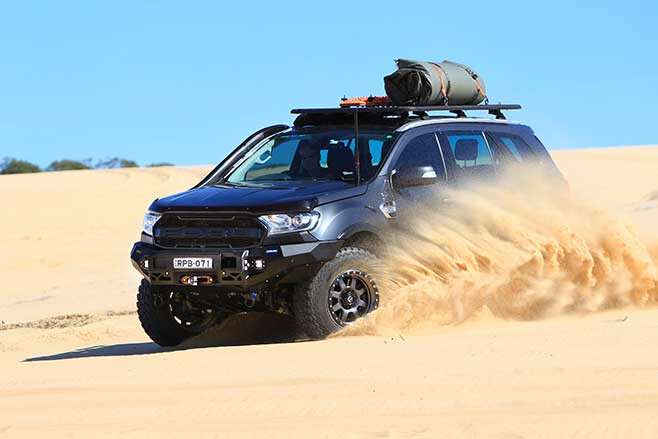
“I was bored of Prados,” says Richard. “I loved the Ranger and how it could be improved but I wanted a wagon not a ute.”
Lucky for Rich, Ford had just the answer, and most of what can be applied to a Ranger works on an Everest. The Everest shares its architecture with the Ranger utilising the Australian engineered and developed T6 platform, but riding and handling better with its Watt’s link and coil-spring equipped rear suspension which is what was adapted to the Ranger to create the Raptor.
“I like that it (the Everest) has Australian origins and I got to speak with an engineer who worked on it (the Ranger/Everest program),” says Richard.
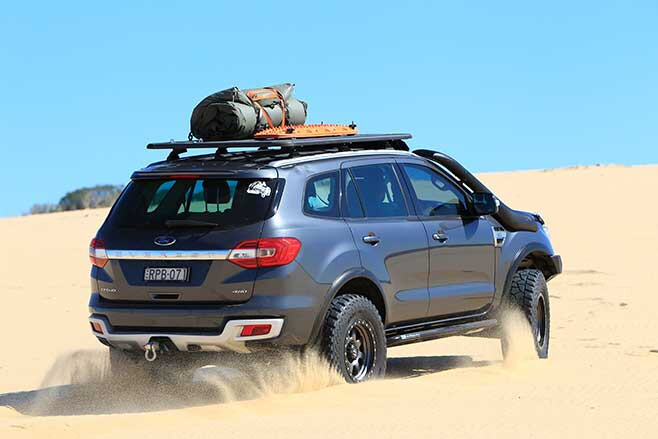
The Everest hit the market in 2015 and Richard was an early adopter snaring this 2016 model. It wasn’t long before he set out his plan to make the Ford the off-road touring vehicle he wanted. However, being the first to try comes with extra challenges.
“There was a lack of information when it originally hit the market, “he says of modifying the Ford, “but the Ford Everest Club of Australia have been incredibly helpful.”
Like mountain- or rock-climbing, successful off-road driving all hinges on how well you connect with terra firma. On your 4×4 rig that starts with tyres, and Rich has fitted a set of Mickey T ATZs to Fuel alloys, improving off-road grip and durability while still being a great tyre for everyday on-road driving. The 285s on +6 rims poked out of the factory ’guards a touch, so a set of slimline flares keep them covered.
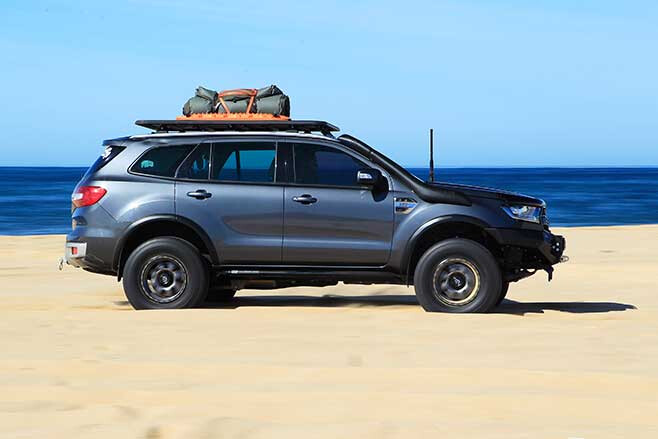
“I felt the original stance is a little too narrow, so getting it right has been most rewarding,” Richard admitted. We reckon he nailed it!
Helping keep the Everest clear of both the tyres and the terrain is a Tough Dog suspension kit that gives the Ford a modest 50mm of lift. For those occasions when even the lift doesn’t give enough clearance, a set of heavy-duty rock sliders from Queensland’s Southern Cross Fabworks run down the flanks to protect the sills from damage.
Frontal protection comes from a Rival loopless alloy bumper that also provides for vehicle recoveries with a pair of rated tow points and a Runva 11XP winch tucked within. The smart-looking Rival bar includes Drivetech LED fog lights and accommodates the Everest’s factory parking sensors and radar cruise control.
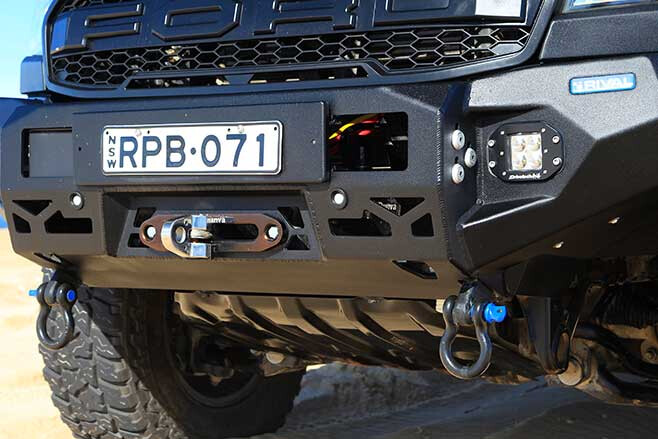
Richard says the safety features of the Everest were one of the reasons he chose it, so it was important that any accessories fitted retain their operation. That and the Ford’s on-road performance, which, after driving Prados in the past, would be like driving a Ferrari compared to a Coaster bus.
Choosing the Everest wagon over a Ranger ute gives Richard better ride and refinement, but as big as the Everest is, it won’t carry as much of a load as the ute. Rich says that a set of drawers for the cargo area are on his list of to-dos, but for now a Rhino-Rack roof platform does the job of carrying anything that won’t fit inside.
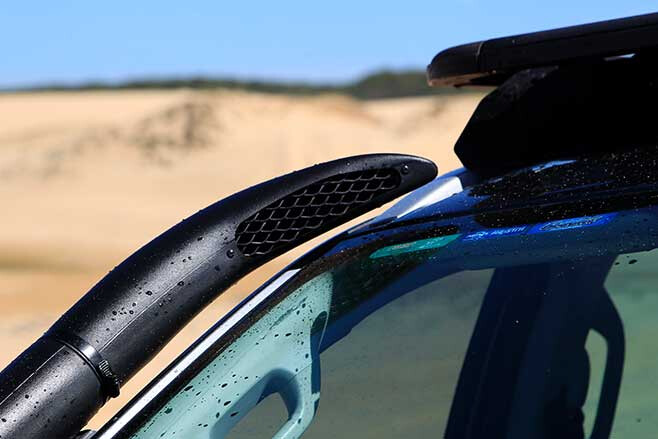
A tune for the otherwise stock 3.2-litre engine is also on the wish list. The loping five-cylinder diesel gets its dose of fresh air via a TJM Airtec snorkel, while the rest of Ford drivetrain with a six-speed auto, driver selectable multi-terrain system and factory rear diff lock, remains up to the task.
It may not be a wildly modified vehicle, but the mods have been well thought-out and implemented to get the job done. The Everest serves double-duty as a daily driver, but Richard isn’t scared to take the car off-road and has hit some of the best off-road locations on the east coast including Moreton and Fraser Islands, the tracks in the Coffs Harbour Hinterland and the Victorian High Country.
“The plan was always to build a car that can be used every day and still be able to take me on challenging tracks,” says Richard. “Although, if I did it again, I would have ordered it in white; the bush pinstriping looks terrible up close.”
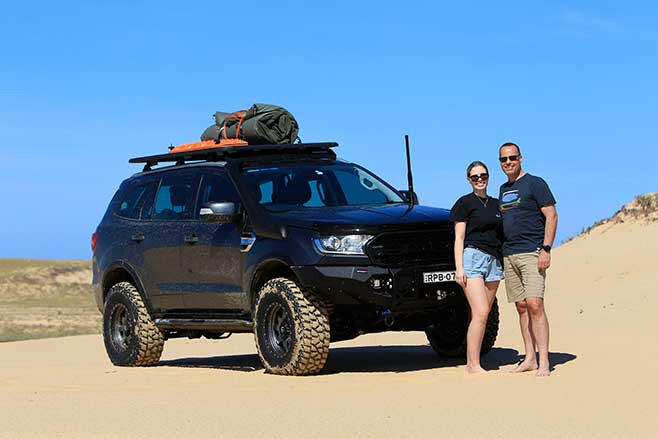
The Ford sees plenty of bush use on the tracks closer to home in Sydney on a regular basis including the Watagans, Yalwal, Stockton and Blacksmiths Beaches, Lithgow and the Blue Mountains; so it’s earned those pinstripes the hard way. Richard says he’s keen to travel farther afield with the Simpson Desert, Cape York, Western Australia and a trip back to the Victorian High Country all on his hit list.
So far the Everest has proved more than up to the task. With the further mods planned for it, and some precious time, we’re sure Richard will reach future summits.
Well, the cat is out of the bag it seems, and what you’re looking at is 4X4 Australia’s new project vehicle.
The Ford Ranger we built up over the last year or so has been such a hit we decided to do it all over again, but this time with the latest offering from Isuzu.
Now, I’ve been lucky enough to do some serious on- and off-road kilometres in the previous generation D-MAX – Coral Coast in Western Australia, the Victorian High Country, and a week in the Flinders Ranges, to name a few destinations. I’m not trying to brag (well, a little), but point out that I know the old model inside-out.
Here are some of my first impressions of the 2020 D-MAX, a vastly different machine to its predecessor.
WHAT’S THE STORY?
As mentioned, this is the new project vehicle for 4X4 Australia, one we’ll be building up and bringing you along for the ride.
We had a great run of our last project – the Ford Ranger you’ve no doubt seen in the mag and on YouTube – but it was time to move that on and sink our teeth into something new, and it doesn’t get any newer than the 2020 D-MAX. Editor Matt again insisted on a manual gearbox, which suits me fine.
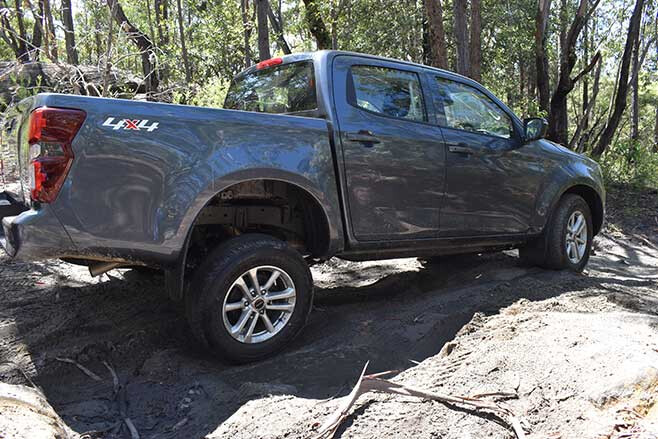
As the vehicle is so new, we’ll be helping key aftermarket accessory companies develop and test new products. We’re partnering with the best of the best in the industry, to show you just what can be done to a current model Isuzu, and the amazing destinations you can then take one to.
To say we’re excited is an understatement, and we’ve wasted no time getting the D-MAX off-road to see what it will do in stock form.
THE SEATS ARE GREAT
The seats are brilliant, with excellent bolstering, support and levels of adjustment. The seats of old felt like two pizza boxes stapled together and, with my dodgy back, I’d struggle after two hours in an old D-MAX.
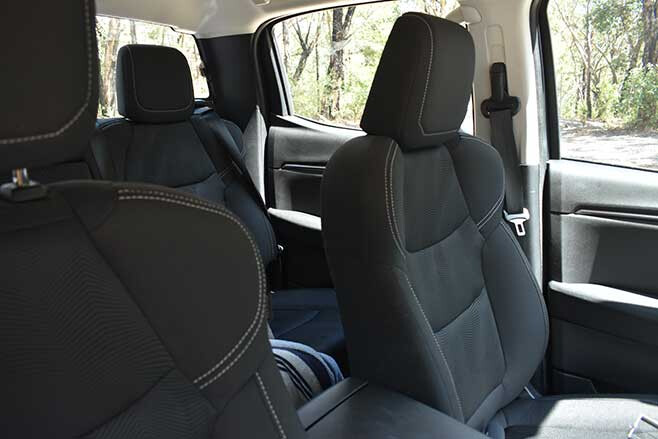
I happily drove the 980km from Melbourne to Sydney last week, and could have kept going to Coffs Harbour, I reckon, without feeling sore or fatigued. The same goes for the whole interior, really; the dash is well laid-out and the whole package feels modern and well screwed together.
VINYL FLOORING
I was stoked to see vinyl flooring in a ute with such a modern interior. And not just any vinyl flooring, this vinyl is thick and well-made. I’ve already put it to test and it looks like new again after a quick wipe down.
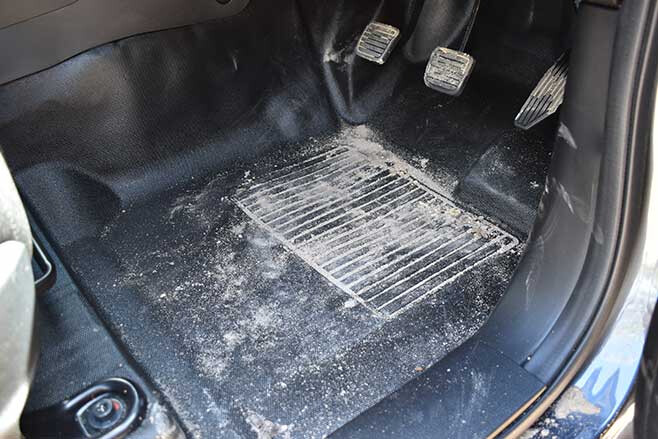
It even somehow looks good, suiting the design of the interior and not looking like a pov-pack afterthought. Far from it. Full points to Isuzu here, as carpet has no place (in my opinion) in a four-wheel drive being used for its intended purpose.
LOCKED IT UP
Rejoice! Isuzu has finally put a rear locker in the D-MAX, and it couldn’t have come sooner. Off-road traction has never been a strong point in the D-MAX, thanks to a road-biased traction control system and limited articulation courtesy of leaf springs and IFS.
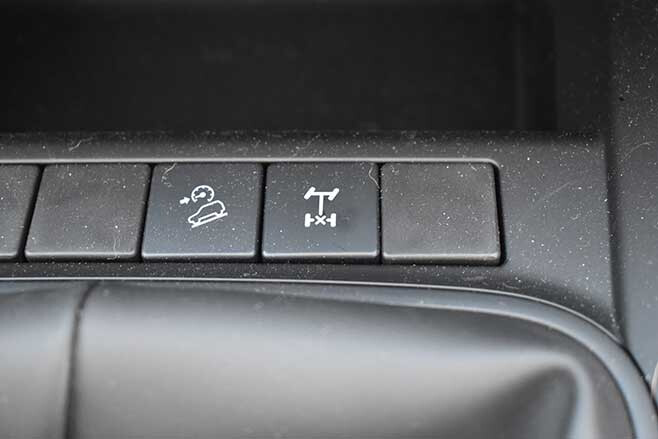
Not only does the 2020 D-MAX have more suspension travel, it can now keep at least three wheels spinning when required. I’ve already needed it a few times, and so far it operates smoothly and without any points of concern. We’re looking into a front locker, because two are always better than one; but so far the rear locker has been enough to get through my local tracks unscathed.
WHAT I DON’T LIKE
I know it’s a ute, but the ride quality is really firm in the D-MAX. My own Hilux has extensively modified suspension and it rides like a dream, even with the camper on the back. I’m happy to put up with it in the D-MAX for now though, as it’s currently totally unladen. We will be upgrading the suspension very soon, with a full Tough Dog suspension system. That should fix the problem nicely.
Another annoyance is the newly included safety gear such as AEB and Lane Departure Assistance. In factory calibration, they are far too sensitive. Even the dash-displayed speed warning is annoying, beeping at you if you’re doing 2km/h over the speed limit. I’m not saying I drive like a speed demon, but it’s exhausting being beeped at every time you overtake a truck.
I’ve since played with the settings and dulled everything down a bit to let me actually drive and still be as safe as possible.
The other issue is I now hate my 2005 Hilux, whereas last week it was the best thing I’ve ever owned … so that says something about the new D-MAX. It’s a winner, and I can’t wait for the build to start so we can hit the tracks and bring you along for the ride.
We’d love to hear from you as well, so get on the socials or comment below and tell us what you’d like to see done to our new D-MAX!
WE’VE spent the better part of two years customising this Ford Ranger XLS into the ultimate off-road tourer, and the finished product you’re currently ogling is now for sale.
A Ranger was initially given the nod due to the massive range of aftermarket kit readily available for the top-selling model, and the build wouldn’t have been possible without the helping hand of Australia’s top-class aftermarket industry.
The Ranger is loaded with quality kit from head to tail, starting with Goodyear MT/Rs housed inside a set of bronze KMC Addict 2 alloys.
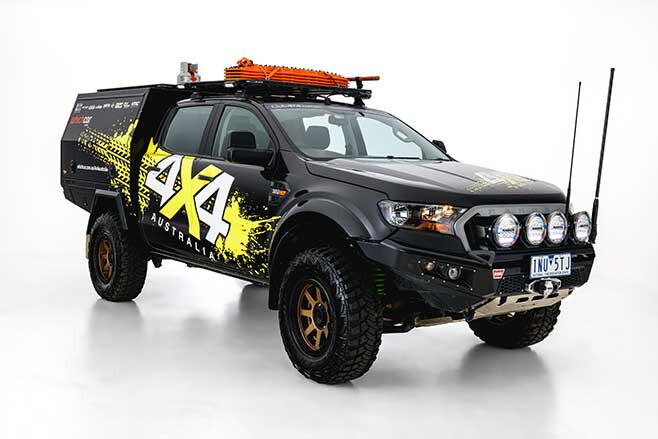
Ironman 4×4 improved the Ranger’s suspension set-up by employing Foam Cell Pro front struts and uprated coil springs, new forged aluminium upper control arms and a constant-load rear leaf spring mated to another set of Foam Cell Pro shocks.
Up front, a Warn winch, Narva Ultima 180 lights (replacing a previous set of Bushranger Night Hawks) and aerials for both the Cel-Fi Go booster and GME UHF radio were embedded in a loopless AFN 4×4 bullbar. Underbody protection is also courtesy of AFN 4×4.
That epic canopy, custom-made from powdercoated aluminium, was constructed by the AMVE team in Queensland. Inside it you’ll find a myCOOLMAN 60-litre fridge on an MSA fridge slide, an integrated water tank and heaps of storage space.
An integrated RedVision Total Vehicle Management System, incorporating a Manager 30 DC-DC charger and a Redarc 2000-watt pure sine wave inverter, monitors and controls all of your power needs.
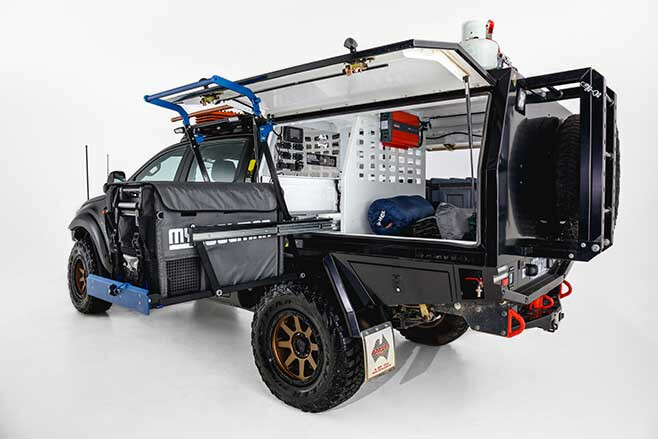
Other equipment includes a Hayman Reese X-Bar, a Rola Titan Tray rack system atop the canopy, MaxTrax Extreme recovery boards, a second Titan Tray atop the Ranger, Narva LED work lights, a Pacemaker Exhausts’ King Brown exhaust system, a Water Watch unit and a Provent oil separator catch-can from Direction Plus.
The Ranger XLS is powered by the 3.2-litre engine, which runs through a six-speed manual cog-swapper.
While it might be the end of the road for the Ranger at 4X4 HQ, work has already begun on our next project car: a 2020 Isuzu D-MAX.
THANKS TO
www.redarc.com.au www.club4x4.com.au www.amve.com.au www.atecoequipment.com.au www.goodyear.com.au www.wheelprosaustralia.com.au www.ironman4x4.com www.afn4x4.com.au www.narva.com.au www.ontrack4x4.com.au www.titantray.com www.maxtrax.com.au www.powertec.com.au www.gme.net.au www.msa4x4.com.au www.pacemaker.com.au www.3dmats.com.au www.x-bar.com.au www.mycoolman.com.au
GRAFTON on the NSW’s north coast is known for the yearly Bridge to Bridge ’ski race and the Jacaranda Festival, but just west of the city is the start of a road where many a fortune was lost and found, known to some as The Old Glenn Innes Road. It’s not a hard drive by any standard, and great in a soft roader or AWD.
As you head west out of Grafton along the Gwydir Highway, turn left towards Buccarumbi; this road follows the route of the old Cobb & Co coaches that trundled between the tablelands and Grafton. It was the main route until 1967 when the new highway was built over the Gibraltar Range.
It’s a pleasant 10-minute drive on the tar until you hit the dirt and soon you’ll cross the low-lying Buccarumbi Bridge. We always stop here and stretch the legs – you can see remnants of massive steel and concrete bridge supports that have been washed away by past floods.
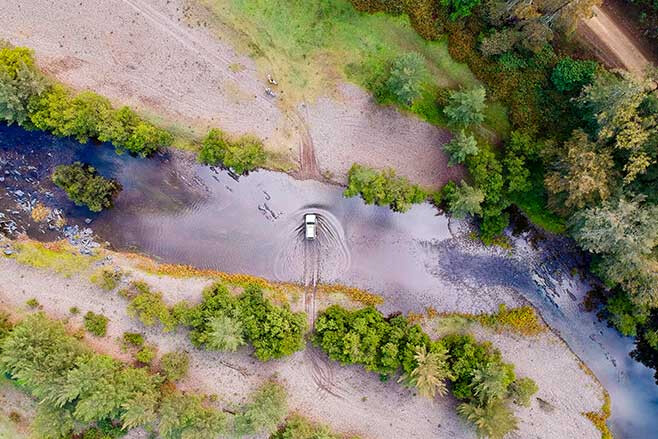
The road then follows the Boyd River as it twists its way through the countryside, giving you stunning views of the area with rugged mountains as a backdrop. For those keen to set up camp down beside the river, keep an eye out around the 50km mark as there are some fantastic secluded riverside spots amongst the twisted native trees that have been shaped by the raging water.
One of our favourite stops is at the old graves that date back to the late 1800s just as you cross the grid along the way. There isn’t much info on these two random graves, but it’s nice to stop and show a little respect.
DALMORTON
IT was around 1861 when gold was found, and by 1871 Dalmorton was declared a goldfield. There were ‘apparently’ 5000 people living here with schools, several pubs, shops and 50 registered gold mines. Around the area there are still a few mines to be found, from simple pits to a few walk-in ones.
From the history files it’s reported that some mines were up to 40m deep where they had massive 10-head stampers operating. Another relic not to miss is the walk from the campgrounds to the old stockman’s hut, where it has been preserved in time.
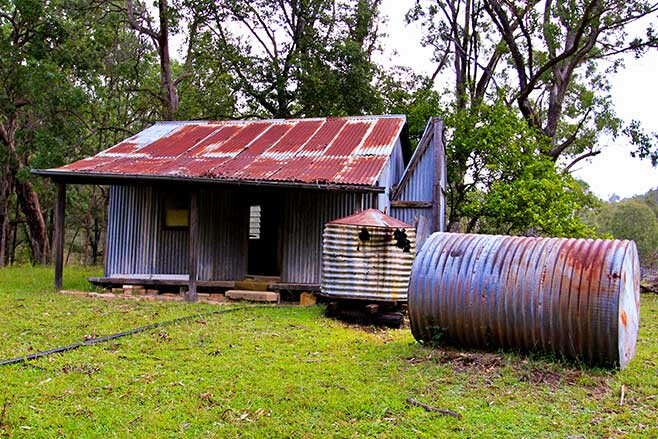
The Cobb & Co mail coach used to run from Glen Innes to Grafton twice a week carrying supplies, mail and passengers between the coast and the tablelands. By the early 1900s the gold was short-lived and families battled to make a living. This area became a ghost town when the new highway was put in over the range. National Parks are restoring some of the old buildings here as part of a history trail; it’s a great spot for the kids to run around and explore.
If you are looking for camping options, turn left here at Dalmorton and travel up the hill, as National Parks have put in a huge effort with some great facilities that would impress the pickiest campers. Plenty of spots for small caravans, camper trailers, tents and even designated spots for day-trippers.
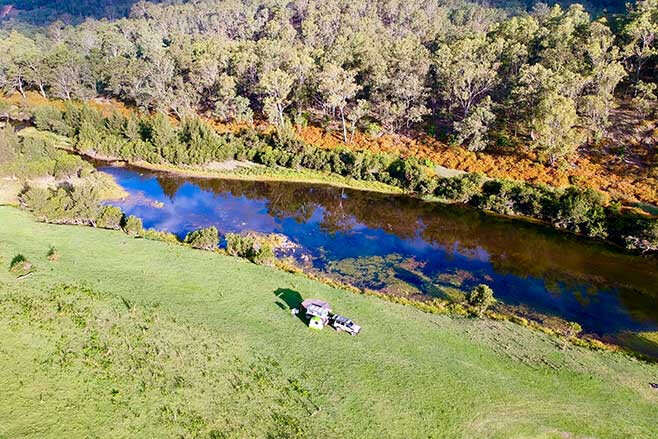
Facilities include drop toilets, fire pits and a great grassed area for the kids to play. We reckon the better camping sites are farther past Dalmorton where the camping is free and with river views, but, unfortunately, you need to be self-sufficient with everything along here.
One of the highlights of exploring here is the tunnel that washand-cut by workers through solid rock. It is just the right size to squeeze a bullock wagon through.
The road continues along the river, passing remote farms where cattle freely wander along the road without a care in the world. At the 100km mark a 10-foot war monument will catch your eye beside the road. It was erected by Norman Archibald MacDonald in memory of the local men who left the area to fight in World War I.
MANN RIVER GORGE
THE Old Glen Innes Road isn’t difficult, but, if you’re after a little 4WD fun, there is a well-maintained track off to the left at the 118km mark. Tommys Lookout Fire Trail will take you up over the 1000-metre mark, all within just four kilometres. A 4WD is recommended, and the views from the top, deep into the Mann River gorge below, are nothing short of stunning.
Another camp is the Mann River Nature Reserve just past the lookout turnoff; a well-maintained area suitable for all campers with ample space, picnic tables, fire places, pit toilets and the cooling Mann River running nearby. In the cooler months the water is bloody freezing but well worth a face splash to wake you up.
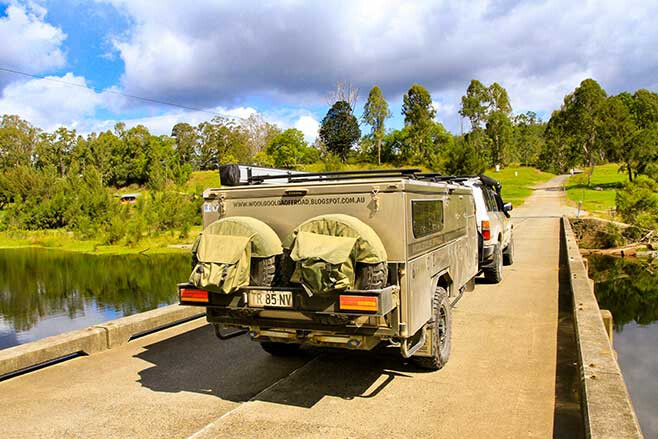
This is a great campsite for the kids as they can play around in the fresh, running water of the Mann River, many of the offshoot pools here are shallow and clean so mum and dad can be rest assured that the youngsters can play safe.
Here at the Mann River camping area is where the dirt stops and the tar begins again as the road winds its way to the top of the range towards Glen Innes. The vegetation changes towards the cooling temperatures of the tablelands where tree ferns, grass trees and tall white gums are more abundant.
The last choice to make is when you hit the Gwydir Highway – do you turn left and head farther west to Glen Innes a mere 35km away, or is it a 120km wander towards the coast to another unique destination, before hitting the coastal hustle and sea air?
This is just the truck for GM truck fans to stick it to their mates in F150 Raptors and Ram TRX trucks.
There’s no denying the popularity of American pick-up trucks has grown in Australia since the demise of locally made 4×2 utes and the introduction of more affordable 1500 models and heavy-duty 2500 towing rigs.
But these trucks don’t make great off-road vehicles in standard trim, and the naturally aspirated petrol V8 engines can lack the torque that many of us prefer in a truck.
US Chevrolet tuning specialists Yenko has a long history with the bow-tie brand, dating back to the muscle-car era of the late 1960s when they produced and marketed some of the quickest and most desirable Camaros and Corvettes available on the street.
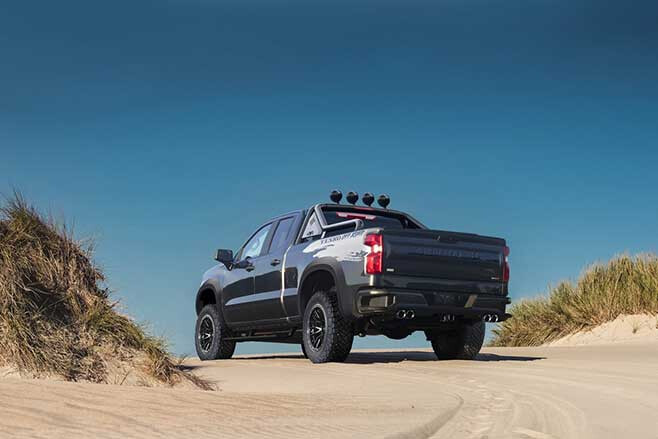
Yenko has applied its performance talents to the off-road segment in the form of the Silverado pick-up, with this supercharged beast of a rig, and it will be available in Australia in right-hand-drive configuration thanks to Melbourne’s American Vehicle Sales (AVS).
The near-on 600kW of power comes from a specifically built version of the 6.2-litre LT1 engine, with balanced internals featuring forged rods and pistons, CNC ported heads up top and fed by a centrifugal supercharger.
Yenko’s Specialty Vehicle Engineering (formerly SLP) has been a Second Stage Vehicle Manufacturer in the USA for more than 25 years, working closely with General Motors.
As such it is able to supply a three-year/60,000km warranty on the engine and driveline, including the specifically built six-speed auto transmission.
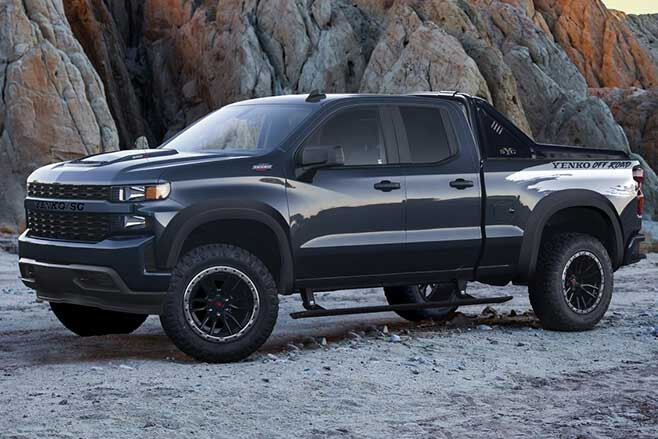
There’s more to the Yenko truck than just horsepower.
Off-road hardware has been addressed with a BDS four-inch, high clearance suspension system, with next-generation FOX shocks and HD Recoil traction bars designed to put the power to the terrain through Nitto on a choice of bespoke 20-inch alloy wheels.
Of course, the Yenko Silverado is loaded with plenty of exterior and interior kit to ensure it stands out from the crowd.
But all this kit doesn’t come cheap, and the Yenko off-road package will add $141,000 to the top of your Silverado purchase – so you’ll be looking at $250,000 to make one yours.
American Vehicle Sales imports, converts and sells a massive range of American vehicles including the various GM trucks.
The 2021 Yenko Silverado will be available to order as a complete vehicle direct from the US, or AVS can carry out the Yenko conversion in Melbourne to your own current model Silverado 1500. AVS can also tailor more affordable upgrades to your GM trucks.
SUVs and 4×4 utes continue to lead the recovery in the local new car market, but the overall market is still down 16.1 per cent for the year to November compared to 2019.
That said, November 2020 sales were up 12.4 per cent over November 2019, showing that the recovery is well and truly in full swing.
This comes as the government announced the country is out of the pandemic-created recession earlier than expected.
Look at the year-to-date numbers and it is clear the Ranger and Hilux are the biggest-selling 4x4s in the country, with each of them selling close to double the amount of units as the third-placed Prado. The Hilux is the biggest-selling vehicle in the country when you combine 4×2 and 4×4 sales, but it would take a miracle for the Toyota to topple the Ford in overall 4×4 sales this year.
The November success of the Hilux can be attributed to the updated model, with a gruntier 500Nm engine and revisions inside and out. The popularity of the updated engine flows on to the Prado, which took third place for the month and leaps ahead of the Triton for third spot on the podium year-to-date.
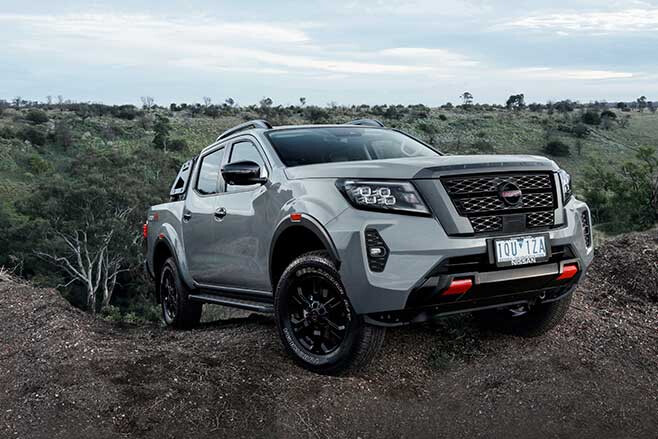
The big loser for November is the Nissan Navara, which is dropping down the table almost as fast as the Holden Colorado, a car that is no longer sold in Australia. Usually a top-five seller the Navara tanked to eighth in November, with the LDV T60 hot on its heels. The bolder-looking 2021 Navara that was unveiled back in October can’t come soon enough for Nissan Australia.
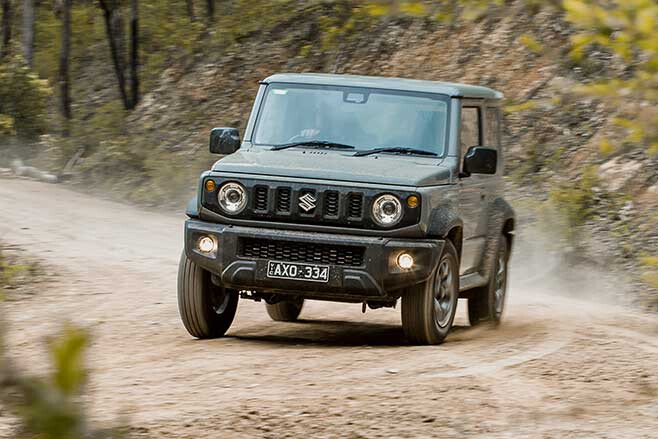
The smaller SUVs rarely get a mention here as there are so few of them that are genuine off-road-capable 4x4s, but the little Suzuki Jimny holds it own in the Light SUV category with 2180 sales so far in 2020. The top seller in this class is the Mazda CX-3, which dominates with 12,620 sales to November.
Just one more month of new car sales before we wrap up what has been a poor year in so many ways; let’s see if the positions change in December.
4X4 SALES: NOVEMBER 2020
- Toyota Hilux: 3854
- Ford Ranger: 3829
- Toyota Prado: 2602
- Toyota LC200: 1981
- Isuzu D-MAX: 1533
- Mitsubishi Triton: 1287
- Toyota LC79: 966
- Nissan Navara: 885
- LDV T60: 871
- Isuzu MU-X: 848
4X4 SALES: YEAR TO DATE (NOVEMBER 2020)
- Ford Ranger: 34,014
- Toyota Hilux: 30,313
- Toyota Prado: 15,534
- Mitsubishi Triton: 14,261
- Toyota LC200: 12,843
- Isuzu D-MAX: 8944
- Toyota LC79: 8737
- Nissan Navara: 8719
- Holden Colorado: 6687
- Mazda BT-50: 6304
BACK in the days when Corona was served with a wedge of lime on hot sunny days, our team at 4X4 Australia were launching into an in-depth look at the latest and greatest in roof platforms.
Low-profile roof trays had become all the rage but, truth be told, our evaluation plan was really an elaborate excuse to get out and play away from the office.
However, a sneaky bugger of a virus turned up uninvited on our antipodean shores and ‘just like that’ the entire world came to screaming halt, including our getaway plans. Now as doors begin to reopen there is increased interest in roof platforms and unprecedented demand for the adventure toys they transport.
We agree, 2020 is a year we’d all like to forget, however it also brings the ten-year anniversary of Aussie engineers teaming up with US brand Yakima to deliver a rack designed to survive the Australian outback. As one of the largest roof rack manufacturers in the world Yakima’s unofficial motto has been “put gear on cars and friends in cars” and with domestic touring surging as we plan our post lockdown escapes, this motto is maybe more relevant today than it ever has been.
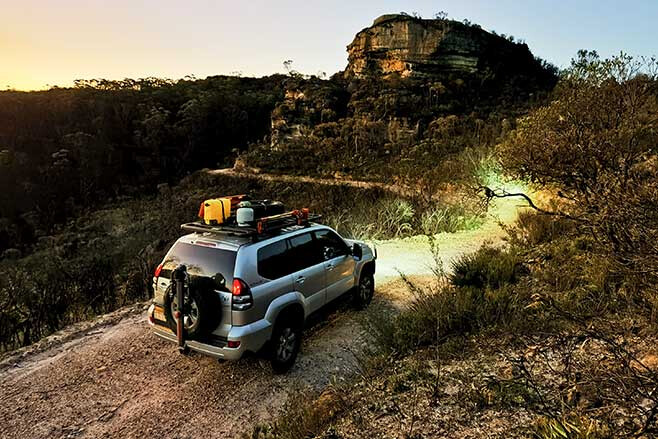
With this in mind we decided it was high time to fit its latest and greatest LockNLoad Platform to our trusty ol’ Prado 120. We then loaded her up with all the essential ‘adventure bits’ and buggered off for ‘a bit’ to examine the pros, cons and everything in between of the latest tech in roof carrying systems.
ONE FOR ALL
CAN a roof platform really do everything? Well in short … yes!
There is a reason low-profile roof platforms have become so popular in recent years. Rather than restricting roof-load placement upon vehicle-specific bars and rails, platforms offer increased space, load capacity and mounting options, along with a plethora of accessories for toys … and most importantly they look tough.
Yakima has a long history stacking stuff on cars and a brief history lesson reveals Otto and Jeanne Lagervall established Yakima as a small machine shop in Yakima County, Washington, USA in 1973. Otto, a tinkerer and inventor was a keen kayaker who began fabricating custom roof racks for paddle sports enthusiasts.
Outdoorsmen Steve Cole and Don Banducci saw promise in Lagervall’s venture and purchased the company in 1979 to relocate the brand to a remote but progressive region of California with a promise to, “put gear on cars and friends in cars.” Now based in Oregon, Yakima has delivered 50 years of doing just that, and continue to produce vehicle mounts for the attachment of sport, commercial and off-road equipment to vehicles globally.
Yakima’s cutting-edge modular e-coated aluminium LockNLoad platform is a long way from Ottos’ original tinkering, so we decided to fit a platform to our Toyota Prado 120 to test the brand’s paddle-sports heritage and see just how well it handled our five-metre, 30kg sea kayak, along with a load of other fun stuff.
The ‘Platform E’ arrives flat packed and immediately obvious is the robustness of the black powder-coated framework and the copious 21mm accessory slots on all slats, including a perimeter mounting track on the frame.
Clear concise instructions meant it took under two hours before two square metres of a fully assembled ‘vehicle adventure hub’ lay before us.
The LockNLoad platform offers track-mount, fixed-point mount or rail-mount options to suit most vehicle variations.
For the Prado we could use LockNLoad Raised Rail Platform Legs to fit to the roof rails or alternatively use LockNLoad Fixed Point kit to direct-mount to our Prado’s roof via the three ditch mounts (in which the factory rails are usually affixed). We chose to fix directly to the ditch mounts to offer a lower profile and deliver a maximum on-road/dynamic and off-road load capacity. (See ‘The Tech Stuff’ box for load details).
Fitting the platform to the roof is a simple process but best done with a mate and involves fixing a few mounting blocks to the legs and then fixing the legs to your vehicle’s mount points. The platform can then be lifted atop the legs before being secured to your ideal roof position with the provided easy-install slat clamps.
Once fitted, our platform was solid and secure, and throughout the entire evaluation period produced very little noticeable wind noise. The platform sits a little higher above the roofline than some competing manufacturers, but in part due to the bulk of the bombproof frame and in part to the slightly stacked leg and block fitment. One advantage to the heightened profile is extra clearance for those who have a tiltable sunroof, but we would ideally like to see an ever-so-slightly lower profile offering.
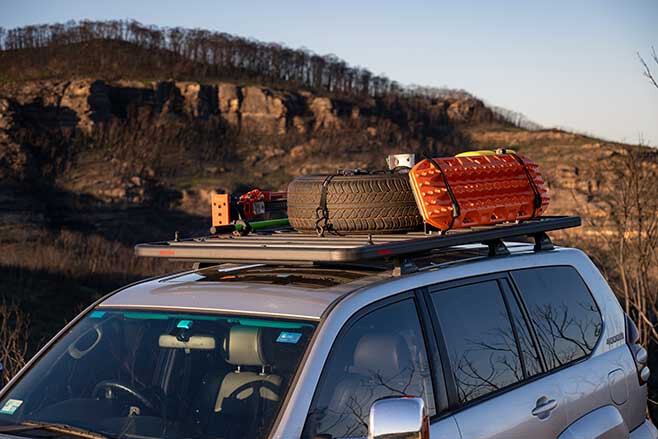
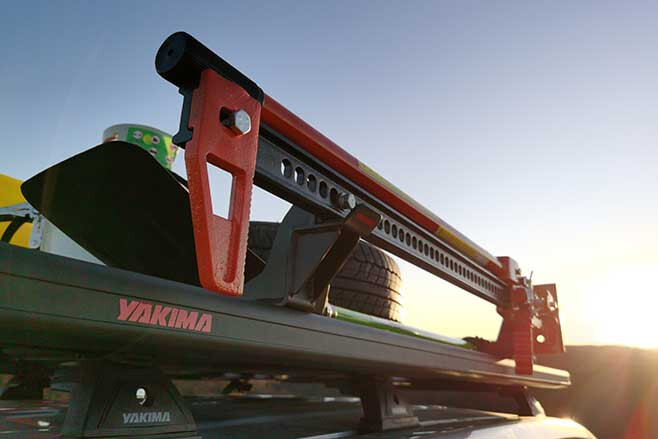
Our off-road adventures were adequately covered with Yakima’s extensive selection of 4×4 Accessories which secured firmly and solidly to our LockNLoad T-slots with a minimum of fuss. We combined eye-bolt kits, spare-wheel restraints, recovery track holders, shovel holder, high-lift jack clamps, gas bottle holder and jerry can holders to fill out our camping kit.
The installation and removal of accessories is where the small things matter, and we were excited to note T-Slot nuts with springs affixed to raise the nut off the T-slot base and assist with ease of installation. The SKS lockable Ace-O-Spades is a nice touch that kept not only our shovel safe but also our carbon kayak paddle, while the three-strap spare wheel restraint, eye-bolt kits and high-lift jack mounts all provided firm, solid securing of their intended accessories.
We chose to use the adjustable Corner Brackets and a tie-down strap to secure our jerry can horizontally rather than vertically and most importantly when we arrived at camp, we found the all-important bottle opener worked without a hitch, over and over again.
We discovered a few minor annoyances such as the gas bottle holder straps are too long to secure a regular 4kg camp-stove bottle, but a few twists in the strap shortened it enough to work. Also, the recovery track holder sits higher than we’d like when side-mounted but can be flat mounted for a lower profile, and both positions secure the tracks firmly in place.
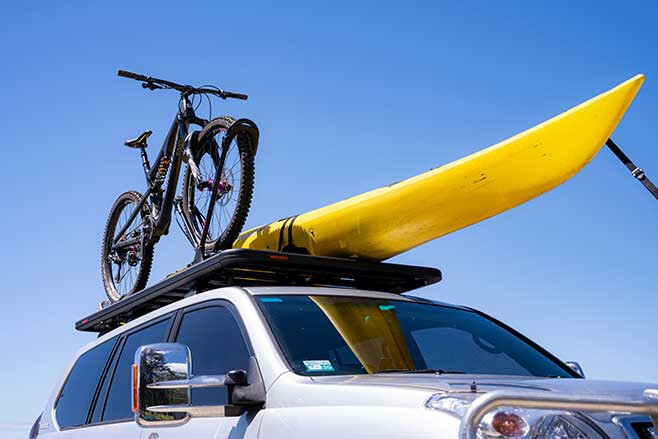
Yakima’s heritage in car mounts for sport apparatus meant we had confidence in the LockNLoad platforms ability to fix our toys to the roof.
For the bike we fitted Yakima’s Front Loader bike mount. The front loader is tool-free, zero-frame-contact bike mount that secures the bike’s wheels rather than the frame and thus avoids potentially damaging carbon frames in particular. Tool-free attachment leads to quick installation and removal of the mount in just a few minutes by unlocking the SKS lock and tightening or loosening the clamps by hand.
Yakima gets bonus points for this because when not in use we can simply whip the mount off to fit under those car park sprinkler systems. The Front Loader will accept a majority of road, hybrid and mountain bikes with wheels from 20 to 29-inch, tyre widths up to 3in and bikes up to 18kg.
Our only bugbear with the Front Loader is the clamp mounts offered only limited placement options on the LockNLoad Platform due to the placement of the fixed-point mounts. Fortunately, Yakima’s new HighRoad is a similar bike carrier but compatible with SmarT-Slot and so will fit to any of the T-Slots on the LockNLoad platform.
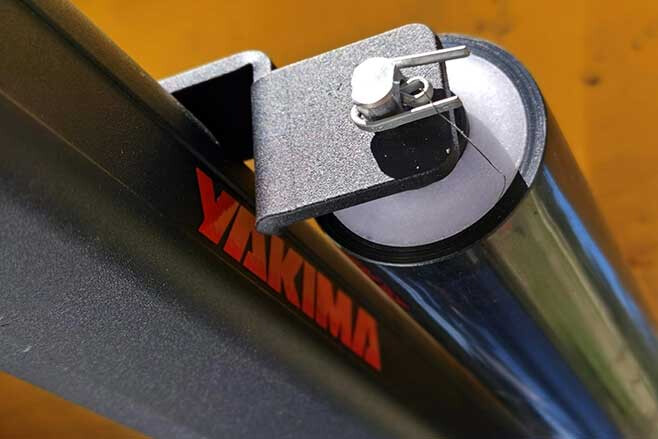
For our 5.13-metre, 30kg Exodus Sea Kayak we fitted Yakima’s rear loading ‘Sweet Roll’ kayak/ski mounts. The Sweet Roll’s neatest features are the small rollers embedded within the two rear hull-slides that allow the kayak to roll cleanly through the brackets. The brackets worked flawlessly and once again being tool free, allows for easy fixing and removal.
We fitted Yakima’s universal Load Roller to the rear of our platform to allow for an easier load and unload of the kayak but when we swapped the Dagger for our sit-on-top kayak, we found the 470mm width of the roller too narrow. We would like to see Yakima provide full-width rollers for the LockNLoad platforms.
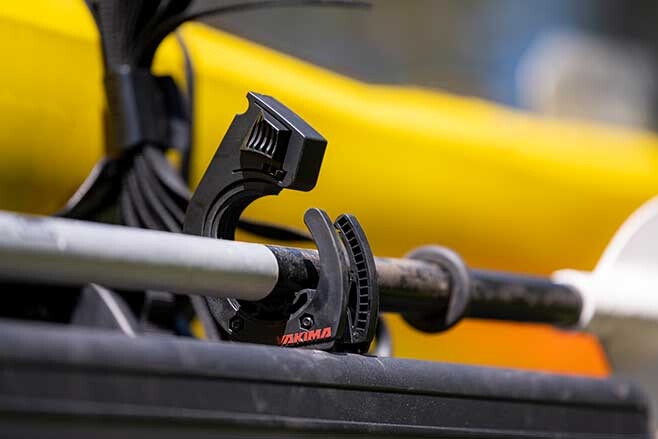
We were excited to discover the AceO’Spades offered a very secure lockable paddle mount, but having such a low profile meant the paddle blade came in contact with the platform. A simple spacer should alleviate this issue. Bonus points go to Yakima however for its clever SKS Lockable Ripcord straps and Soft Strap system which provide a quality neoprene cover for those flailing loose tie down ends.
THE VERDICT
THE Yakima LockNLoad Platform is a solid, hard-wearing roof platform solution from one of the best manufacturers in the market. The system handled all abuse we threw at it, from loading timber for DIY to 4×4 accessories for a quick jaunt to the snow, and bikes and kayaks for local adventures.
The East West slats were one of our favourite features, allowing ease of attachment and removal of accessories. The design and build quality is of an extremely high standard and neither the platform or mounts failed us in any way throughout an extended evaluation.
The Yakima LockNLoad system loses a few points for minor annoyances. Personally, we’d like to see a sleeker, lower profile mount and an ability to easily fix a roof box. We’d like to see some wider load rollers, height spacers for the AceO’Spades, more adjustment in the Gas Bottle Straps, a lower profile recovery track side mount … but all such requests are personal wants rather than a failing by Yakima.
In summary, the Yakima LockNLoad system does what it sets out to do, delivers a strong, durable, user friendly and stylish roof carrying system that certainly sits in the ‘best in class’ category when it comes to putting stuff on your car rather than in it.
THE TECH STUFF : LOAD CAPACITY
WE chose to fix directly to the Prado’s ditch mounts to offer a lower profile and deliver max on-road/dynamic load capacity. When fitted to the Prado’s existing ditch mounts, the Fixed-Point mount sat at 80mm above the centre mount and with the platform affixed atop delivered an overall height of 120mm above the roofline at the center mount.
The max load capacity of the E platform is 150kg and whilst each fixed-point leg can handle 50kg, the system is limited by the Prado’s max roof-load capacity of 120kg. If we deduct the platform, leg and mounts combined weight of 33kg then the max on-road/dynamic load capacity equates to 87kg. As soon as we venture off road we must deduct 30 per cent (for fixed-point mounts) and so we end with a max off-road/dynamic load capacity of 60.9kg.
Of note: Had we fitted our platform to the Toyota factory rails we would have raised our platform height farther whilst reducing our max on-road load capacity to 67kg. Deducting 50 per cent (for clamp-type mounts) would result in a rather limiting max off-road load capacity of 33.5kg.
RATINGS
BUILD: 5 / 5 Solid, durable with a confidence inspiring thickset profile
STYLE: 4 / 5 Smart, matt powder-coated finish slightly let-down by leg fitment which looks a little ‘stacked’. The fit-all-vehicle design is well considered but a flusher, lower profile vehicle-specific rail mounts like Rhino-Rack’s backbone generally fit and look better. Yes! We want to have our cake and eat it too.
FITMENT: 4.5 / 5 Easy to assemble from flat pack. Easy to fit platform to track legs (or existing roof rails). Universal fitment means for ease of installation on a variety of vehicles with roof rails, gutter mount, track mount, fixed point or crossbar. The assembly of x6 individual legs is more time consuming than some other brands … but we’re being picky.
DRIVE: 5 / 5 Excellent solid fit with very little wind noise on-road and no movement or creaking of mounts or accessories off road. Both tool-free and bolt-down accessories fix firmly and securely.
ACCESSORIES: 4 / 5 Well considered and large range of accessories for both 4×4 and adventure equipment, but a few accessories required some ‘tweaking’ to better accommodate our needs.
USE-ABILITY: 4.5 / 5 Extremely usable once set up but loses a few points for some minor annoyances, predominantly due to limitation of tool-free placement due to leg attachment points
OVERALL: 27/30
AVAILABLE FROM: www.yakima.com.au RRP: $1419 (LockNLoad Platform E 1235 X 2130 mm $979, Fixed Point Kit 3 Bar Toyota Prado 120 x 1 $149, Fixed Point & Track Legs mk2 (Pack of 6) $279, Height Packer Pack of 2) $12. WE SAY: Tool-free LockNLoad accessories are strong, sturdy and durable, and easy to fit and remove.
LEADING automotive distribution company Ateco Automotive has launched an online retail outlet – Upfitter – with all the gear you’ll need to kit-out your American pick-up truck.
As the company behind Ram Trucks Australia and the distributor of Ram here, Ateco has plenty of kit available for Ram. However, Upfitter also has products for Ford and General Motors trucks.
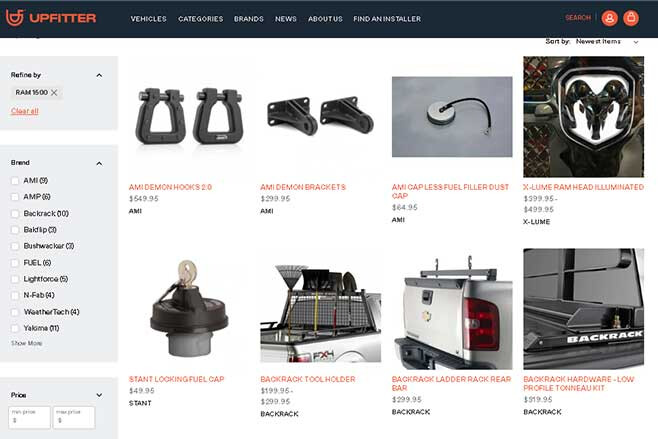
The list of brands represented on the Upfitter site reads like a who’s who of aftermarket US truck suppliers, including leading brands such as Warn, Katzkin, Lund Automotive, Lightforce, KMC wheels, Yakima and many others.
From bullbars to recovery gear and roof racks, Upfitter has assembled the world’s best truck and full-size ute accessories in one easy-to-access – and transact – location.
With access to more than 170 dealer and servicing points nationwide – via Ateco Group – installation and fitment of Upfitter products is simple.
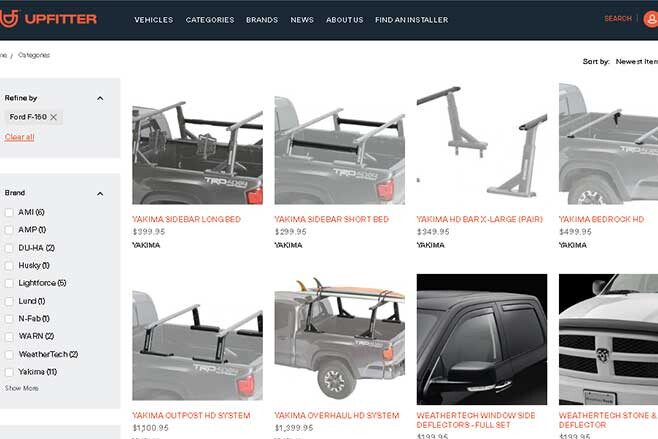
“Upfitter exists to empower full-size truck and ute owners in the customisation process of their vehicles by offering premium, highly-functional accessories and advice,” says David Smitherman, Chief Operating Officer of Upfitter.
“Camping, off-roading, road trips and fishing adventures – these are all activities rooted deep in Australian culture and require fit-for-purpose accessories. If the product comes from Upfitter, it means it’s an accessory we’ve tested and loved.”
Take a look at the full range of truck accessories on offer at Upfitter.
GET your 4×4 in tip-top shape for the end-of-year trip beyond the black stump, with this selection of quality 4×4 kit.
REDBACK 4X4 EXTREME DUTY EXHAUST: Y62 PATROL (02/2013-2019)
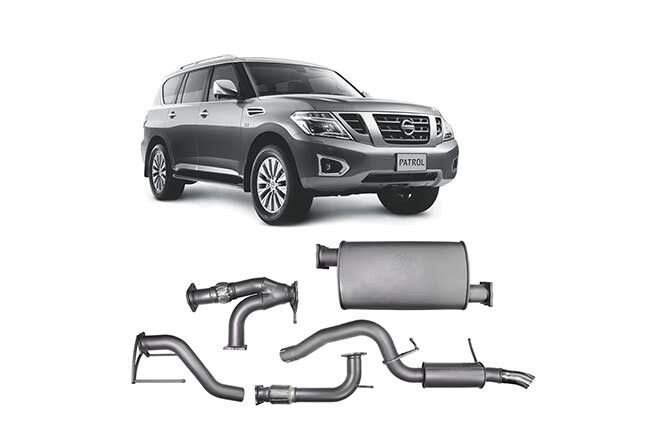
Redback 4×4 recently unveiled its Extreme Duty Exhaust system to suit Nissan Y62 Patrols built between 02/2013 and 2019. The system is designed and manufactured in Melbourne, and features three-inch pipework with four-bolt flanges (10mm, laser-cut), as well as mandrel-bent 409 stainless steel with premium heatproof paint protection. The Redback 4×4 exhuast system comes with a 10-year warranty. RRP: $1109 Website: redback4x4.com.au
SAFARI ARMAX PERFORMANCE CLUTCH
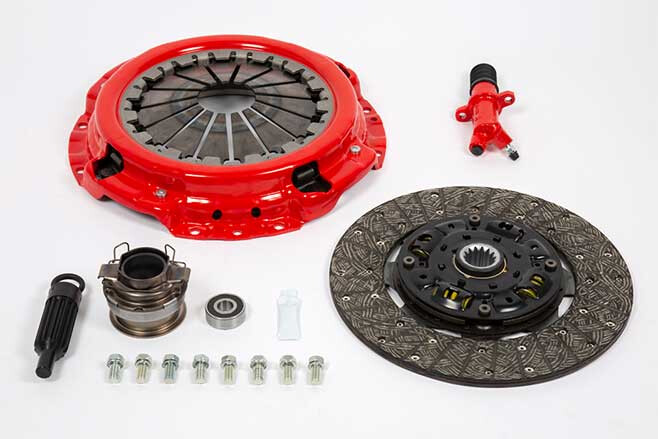
Give your 70 Series LandCruiser more grunt with a Safari Armax 4×4 Performance Clutch. Suited to the 1VD-FTV engine from 2007-on, the Performance Clutch provides a 250 per cent (1100Nm) torque capacity increase, but retains the standard vehicle clutch pedal feel. The uprated clutch also features a Safari ARMAX slave cylinder, with a long service life guaranteed – it comes with a 12-month, 20,000km warranty. Website: www.safari4x4.com.au
XD857 WHIPLASH
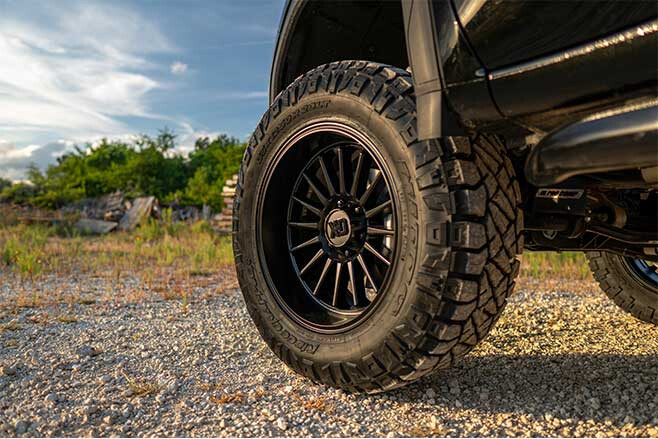
Wheel Pros has revealed the all-new XD857 Whiplash from XD Wheels is now available in a satin black finish. The 20-inch wheels feature a tinted, machined multi-spoke design (16 convex spokes, in fact), which combines with a deep, fat lip, giving it the neck-snapping aesthetics. The wheel also features a new XD cap with a removable logo and star, available in both black and red. Head to the Wheel Pros’ website to see the full wheel specs and size range. Website: www.wheelprosaustralia.com.au
THE 2020 Toyota Hilux has received the TJM treatment, with the aftermarket specialists releasing a range of products suited to the all-new model.
The upgrades start up front courtesy of TJM’s popular Outback and Chaser bullbars, which will both officially be unleashed on the Aussie market in December.
The Outback bar, designed to complement the Hilux’s new-look front end, features all-steel construction, 63mm-diameter tubing, all-new rolled cato straps and a multi-fold channel for increased safety.
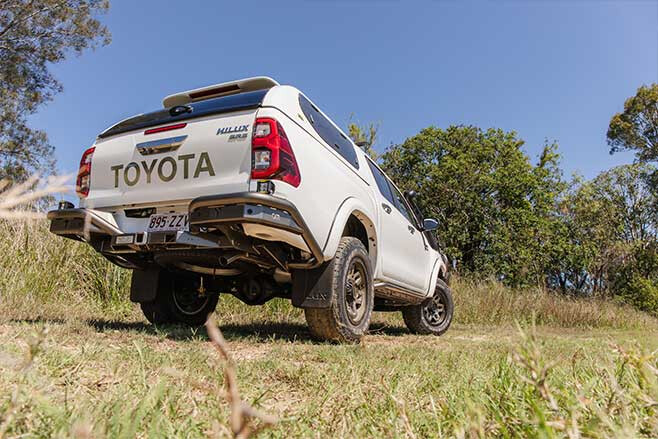
The Chaser’s point of difference is its aggressive angles, which is bound to turn heads on off-road tracks. Both bullbars feature 8000kg rated recovery points, and are ADR compliant and compatible with the Hilux’s safety systems.
Protect your Hilux further with TJM underbody protection, steel side bars, side steps, and a rear step tow bar. An Airtec snorkel will maximise engine performance.
Storage needs are catered for, too, courtesy of canopies, drawers, tailgate assist, roller cover and a ute liner – all from Aeroklas.
Hilux owners can also opt to improve their vehicle’s suspension set-up, with TJM offering upgrades for the Hilux via its XGS and Pace ranges.
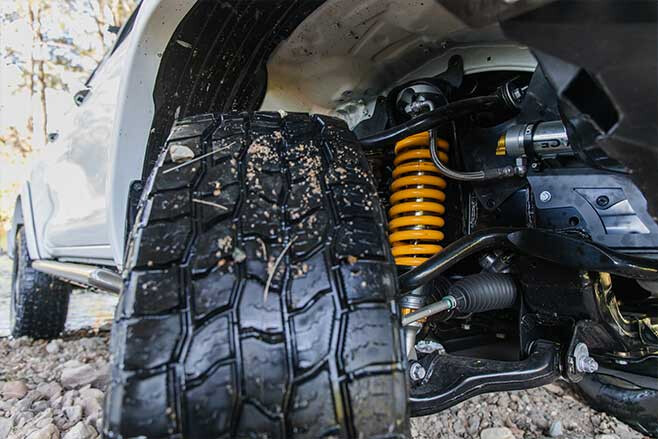
The XGS is a twin-tube shock absorber that features Multi-Stage Velocity-Controlled Valving, which “allows the shock to dynamically adapt to changes in terrain on the fly,” TJM says.
The Pace is a remote reservoir shock absorber, which features a large 52mm-diameter piston, single-wall monotube construction and steel braided hose – “Pace’s innovative eight-stage adjustability control over both compression and rebound allows you to easily alter the ride performance of your suspension to perfectly suit you and your 4×4,” TJM adds.
A TJM GVM Plus suspension upgrade, which lifts the Hilux’s legal GVM by up to 450kg, is available with both the XGS and Pace.
“The 2020 HiLux has bold new design cues and modern features that make it more capable than ever,” said Matt Logan, TJM’s head of customer experience.
“The TJM product range has been designed to complement everything that makes the Hilux so desirable, right the way through from its looks to its off-road capability.”