Custom 4x4s


Gallery 1
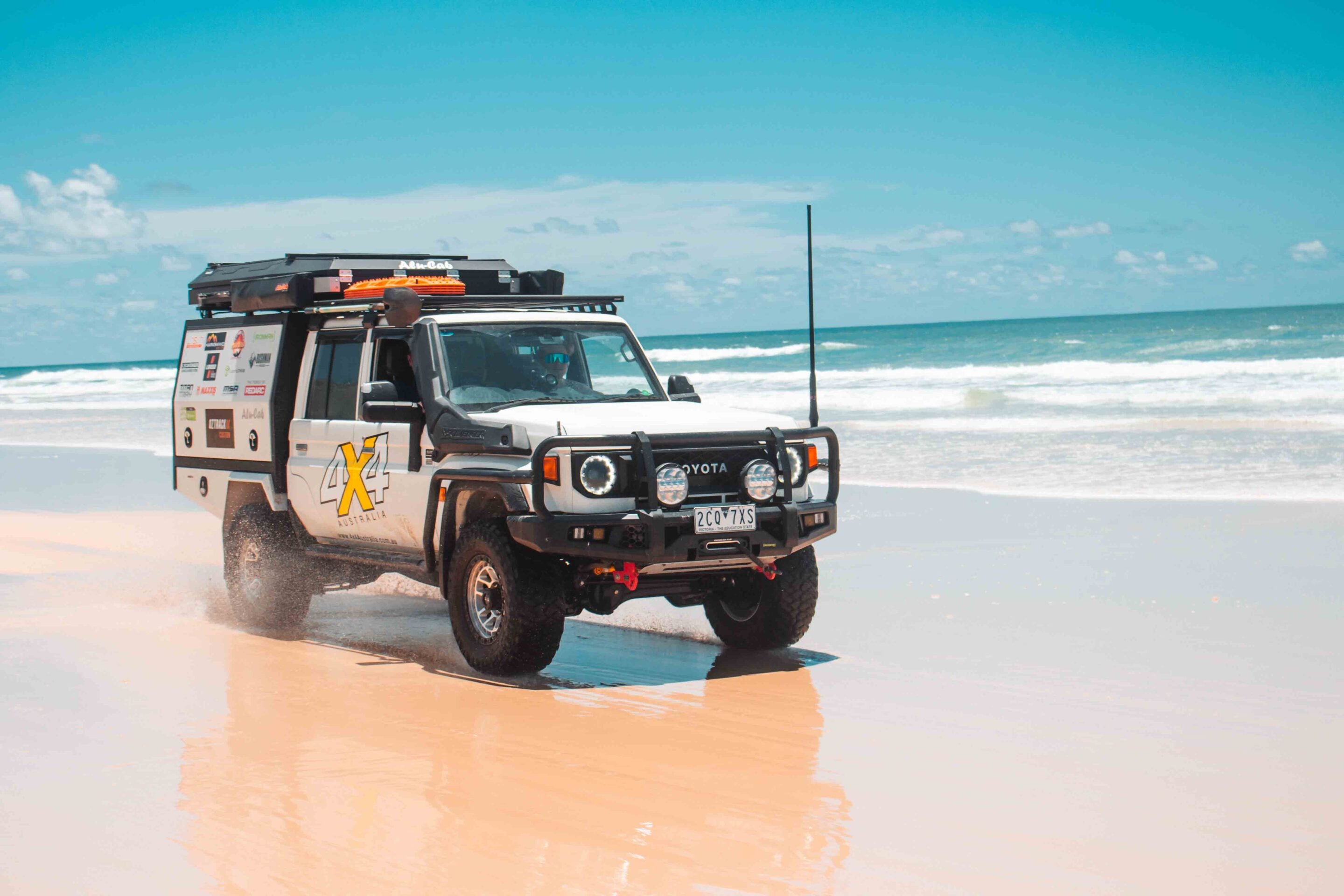
Recently sold via Slattery Auctions earlier this month, our Toyota LandCruiser 79 Series build has officially found a new owner.
The build of our Toyota LandCruiser 79 Series was the most exciting project we’ve undertaken to date. There’s nothing like the 70 Series LandCruiser, and in many ways it’s the ultimate base on which to build your perfect touring 4×4. Its basic heavy-duty construction and V8 engine are unrivaled in the 4×4 sphere, making it the go-to platform for creating the ultimate all-road tourer.
Starting with a blank canvas
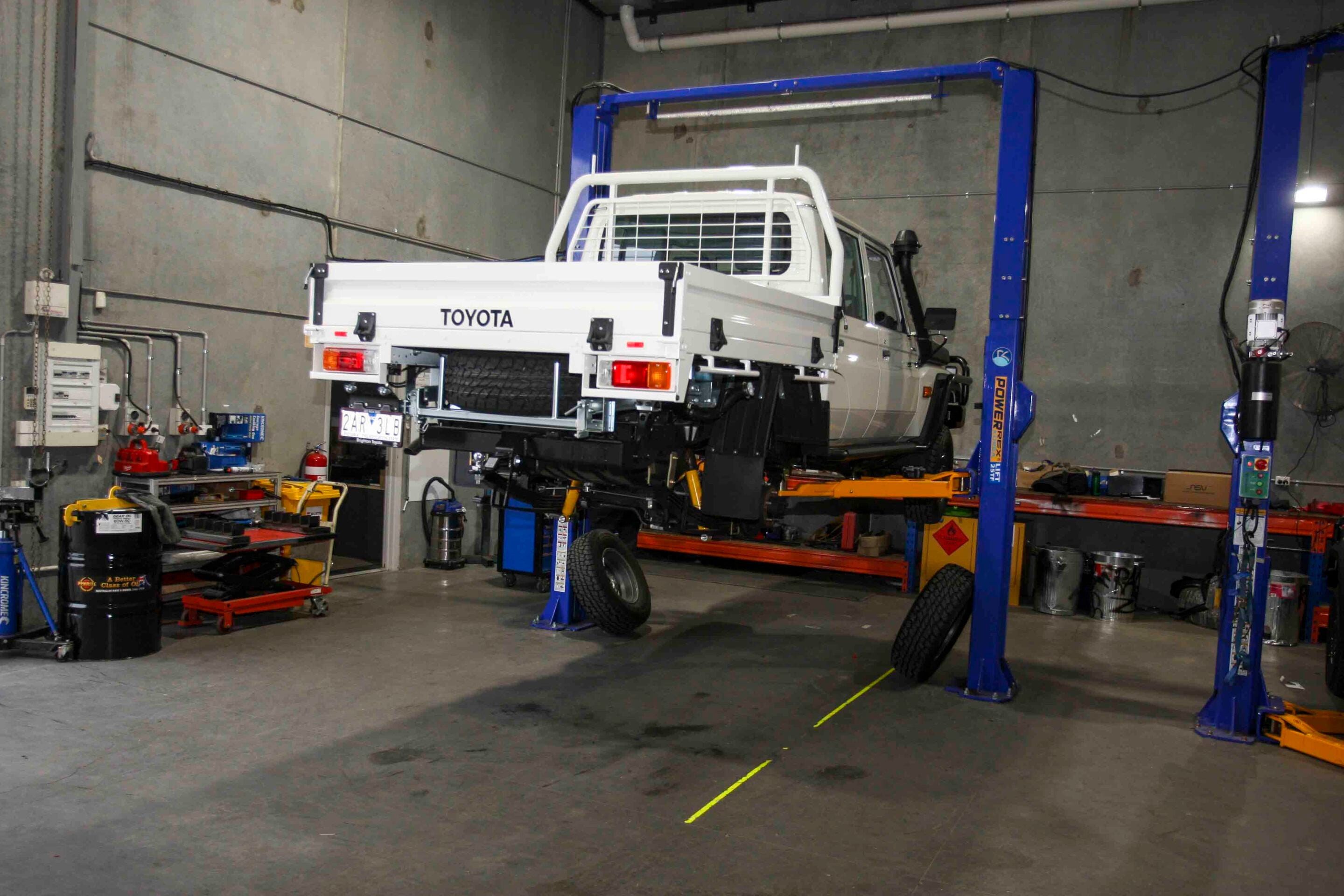
We started with a brand-new double-cab LC79 GXL in plain white as our blank canvas, but before we took delivery and before it was registered, the team at Brighton Toyota shipped it to Terrain Tamer for its suspension and GVM upgrade.
The hardware included Terrain Tamer shock absorbers, TT steering components, TT coils for the front end, a steering damper, and TT parabolic leaf springs for the rear.
We’d heard good things about Terrain Tamer’s parabolic springs from others using them on 70 Series LandCruisers and were keen to try them ourselves. I’ve got to say I was impressed with the ride quality from the start, even when the Cruiser was stock and unladen, and that solid, controlled feel from the suspension has continued as the build progressed and the Cruiser gained more gear and weight. I’d happily recommend them and use them on any 70 Series in the future.
The next step under the truck was a wheel track-correcting rear differential from Multidrive. This replacement diff housing and axle assembly bolts in place of the OE unit and brings the rear wheel track in line with the front.
I love that the Multidrive replacement diff looks just like the Toyota unit, so you can’t tell it’s been changed. The real difference comes when you drive the Cruiser on rutted roads, where the rear wheels now follow in the tracks of the front ones and track straighter without squirming in the ruts.
Also at the back, we fitted a Marks 4WD High Clearance towbar. This unit matches the factory Toyota tow rating but, as the name suggests, sits higher on the chassis to limit any obstruction to the departure angle. A bonus of this bar is the nicely rounded recovery points at each end, optimised for use with soft shackles when you’re dragging your mates out of a bog.
While it was at the Marks 4WD workshop, we had the team replace the factory snorkel with an innovative new product. The Scavenger Snorkel system is designed to extract dust and grit from the intake stream before it reaches the airbox, taking the load off the air filter, and it does its job much more quietly than the Toyota snorkel.
We completed the undercarriage with a set of the then-new Loaded alloy wheels wrapped in 35/12.5R17 Maxxis RAZR mud terrain tyres. The key thing about the Loaded wheels is that they are rated to 1600kg each, making them perfectly suited to a big, heavy 4×4 with an increased GVM such as this. The Loaded ‘Gibb’ wheels look the part too.
19
Canopy setups and camp-ready gear
Moving up to the top of the chassis, we fitted a chassis-mounted canopy from Oz Track Custom and filled it with goodies, including upright and drawer fridges from Bushman, a 200Ah lithium battery from Custom Lithium, and a 12-volt management system and 2000W inverter from Australian manufacturer REDARC.
A Rola Titan roof rack was fitted on top, along with REDARC solar panels to keep things charged when parked up in camp. MAXTRAX recovery boards also went up top, plus a MAXTRAX recovery kit inside.
A comprehensive protection setup for the Cruiser came from Ironman 4×4, starting with Ironman’s signature Apex bullbar with scrub rails running back to steel side-steps/rock sliders. An Ironman 4×4 winch sits in the bar ready for recoveries, and a pair of Ironman 4×4 Scope LED driving lights are mounted up to light the way ahead.
With a Simpson Desert trip planned and the 79 as the support vehicle, we fitted a set of MSA power-fold mirrors and an Icom UHF radio, loaded it up, and sent it on its way.
In preparation for tackling the desert sand dunes, we installed an NSV smart compressor mounted under the passenger’s seat. The smart part is the digital control panel that fits into the dash, where you can set the desired tyre pressure and the system will raise or lower the pressure to the set level. Clever stuff, and it neatly mates with the NSV fire extinguisher mount.
Needless to say, the Cruiser handled the trip like it was made for it, which it kind of was! The desert leg of the trip involved dragging a less capable vehicle over some of the dunes.
Power and performance upgrades
Once the red sand and dust were cleaned out of the Cruiser, we set about tidying up a few things and went back to Phil at Ontrack Automotive to sort them out. To improve the way the Cruiser was driving, Phil fitted a set of caster correction bushes to the front end, gave it a thorough wheel alignment, and tidied some of the kit fitted to the canopy.
REDARC came out with its new REDWorks all-in-one panel system, designed to simplify installation, so we removed the existing REDARC hardware and remounted it in the REDWorks fascia to make it more accessible and easier to operate.
The Cruiser served as a support vehicle and base station for several group road tests and the occasional weekend getaway. It was when returning from a winter High Country trip with some of our favourite suppliers that I realised how slow the vehicle had become as the weight increased, and I knew it was time for a performance upgrade.
The team at Horsepower Factory came to our aid with a package that included before-and-after dyno testing, a Manta 4-inch DPF-back exhaust system, and a Diesel Tune Australia ECU tune. The result was torque climbing to 548Nm and power increasing to 133.5kW, up from the baseline 293Nm and 96kW when we drove it in. A sizable difference that changed the way the Cruiser drove on the highway.
To cope with the increase in torque, we fitted an Xtreme Outback X-Series organic clutch kit. It easily handles the extra grunt without negatively affecting clutch feel or action. In fact, it improved performance, delivering a more positive and precise feel at the pedal.
One last trip for the Cruiser saw an interstate run over the Christmas break, and for this it was fitted with an Alu-Cab Gen 3 rooftop tent and awning that proved to be a perfect package for traveling when on the road every day, shifting from one campsite to the next.
Passing on the keys
As they say in the classics, all good things must come to an end and, with our new builds for 2026 about to start, it was time for someone else to enjoy the fruits of our LandCruiser build.
The Cruiser has now been sold via Slattery Auctions and should be in the hands of its new owner. We’re sad to see it go but hope whoever the lucky new owner is shares its future travels with us. Stay tuned for the first upgrades on our old versus new HiLux builds.
Follow 4X4 Australia on Google
Get more 4x4 news, reviews and gear stories from 4X4 Australia in your Google feeds.

We recommend
-
 Gear
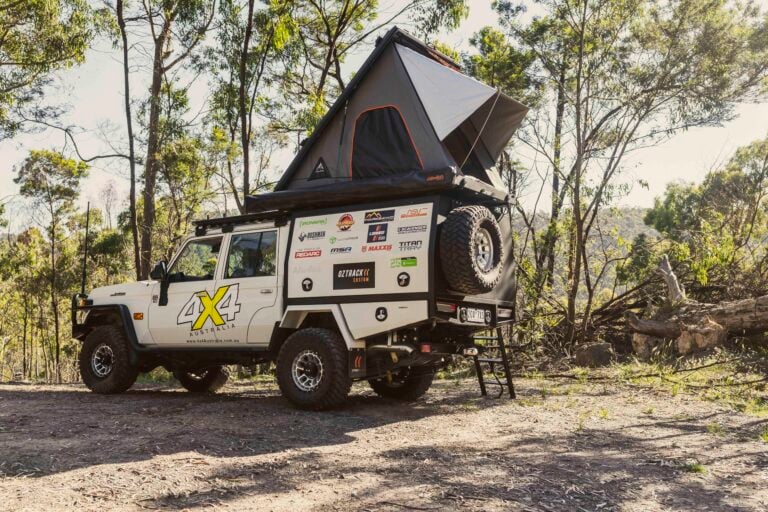
GearAlu-Cab Gen 3-R Expedition rooftop tent tested: Effortless, comfortable and tour-ready
We spent weeks living out of the Alu-Cab Gen 3-R to see if it could handle real touring life
-
 Explore
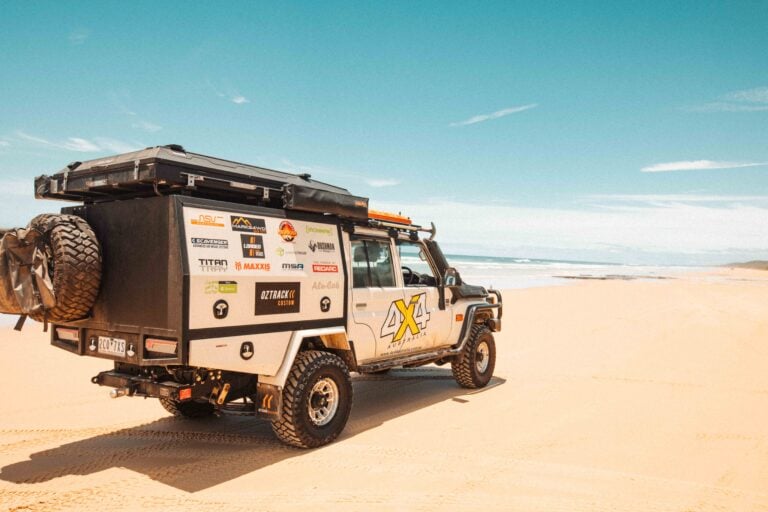
From the outback to the coast: An epic off-road adventure from Tilpa to K’gari
A three-week 4WD convoy through dusty outback pubs, free river camps, and sandy coastal tracks, from Tilpa to K’gari (Fraser Island)
-
 Gear
GearTerrain Tamer Suspension Seats tested on a Simpson Desert crossing
We put a set of Terrain Tamer Suspension Seats through to the test on a Simpson crossing – here’s how they held up