
There are some places around Australia that I am very adept at finding excuses to revisit. For some inexplicable reason a detour of a few hundred kays or adding another night here or there just so I can once again enjoy a place, seems perfectly reasonable.
Of all those places, Bendleby Ranges is right up there for me, but why? Well, with more than 220km of awesome tracks, stunning camps, plenty of wildlife and commanding views, it’s a no-brainer for a 4WD tourer. But it’s also more than that, it’s the ‘feel’ you get from a place that can make all the difference, and Bendleby has a fantastic ‘feel’ to it.
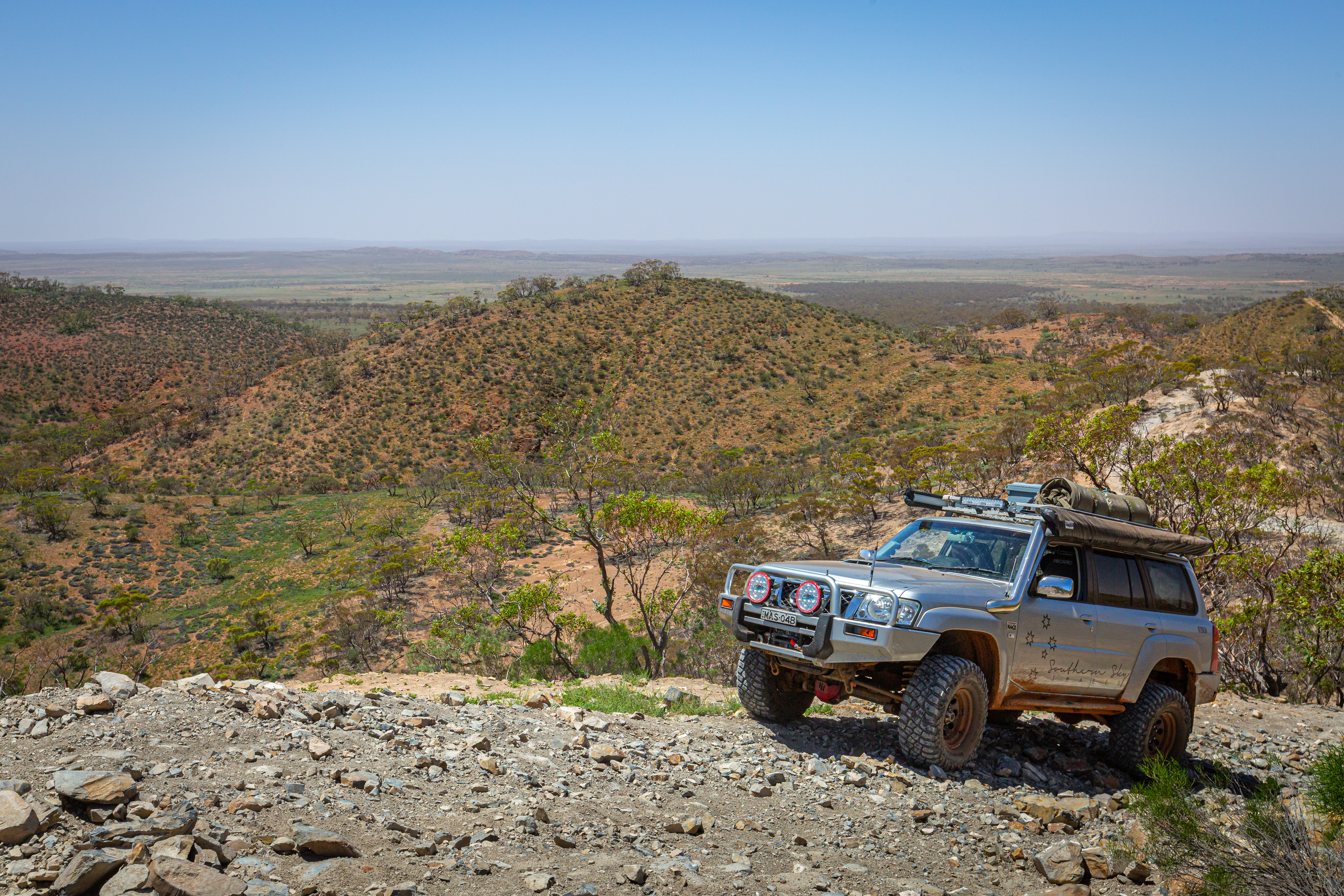
Bendleby Ranges is a privately owned station located near the township of Orroroo in South Australia. You could say it is pretty similar to the Flinders Ranges, but farther south. It is a working sheep station, but what dominates the landscape are the two ranges which almost run parallel to each other and in the middle, a small plain that hosts the homestead, and the multitude of private and secluded camps which mostly nestle into the bottom of the ranges.
PICK-A-RANGE
EACH range has a distinctively different feel to it: the Bendleby Range to the west is more gently sloping with a good scattering of native pine; while the Hungry Range to the east is far taller, steep and rugged, with sharp rock, various gums and plenty of native yakkas. What they each share though, is myriad dirt tracks ranging from easy to hard. There is plenty of driving here for everyone, from stock-standard rigs (and no prior off-road experience) right through to well-modified touring rigs (and plenty of off-road experience).
The great thing too, is that upon arrival you are given a colour topo map with each track clearly marked and graded, so there is little chance you’ll find yourself in trouble unless you deliberately seek it out. In addition, all tracks are well signposted, so for those who don’t believe in looking at maps, you’re covered!
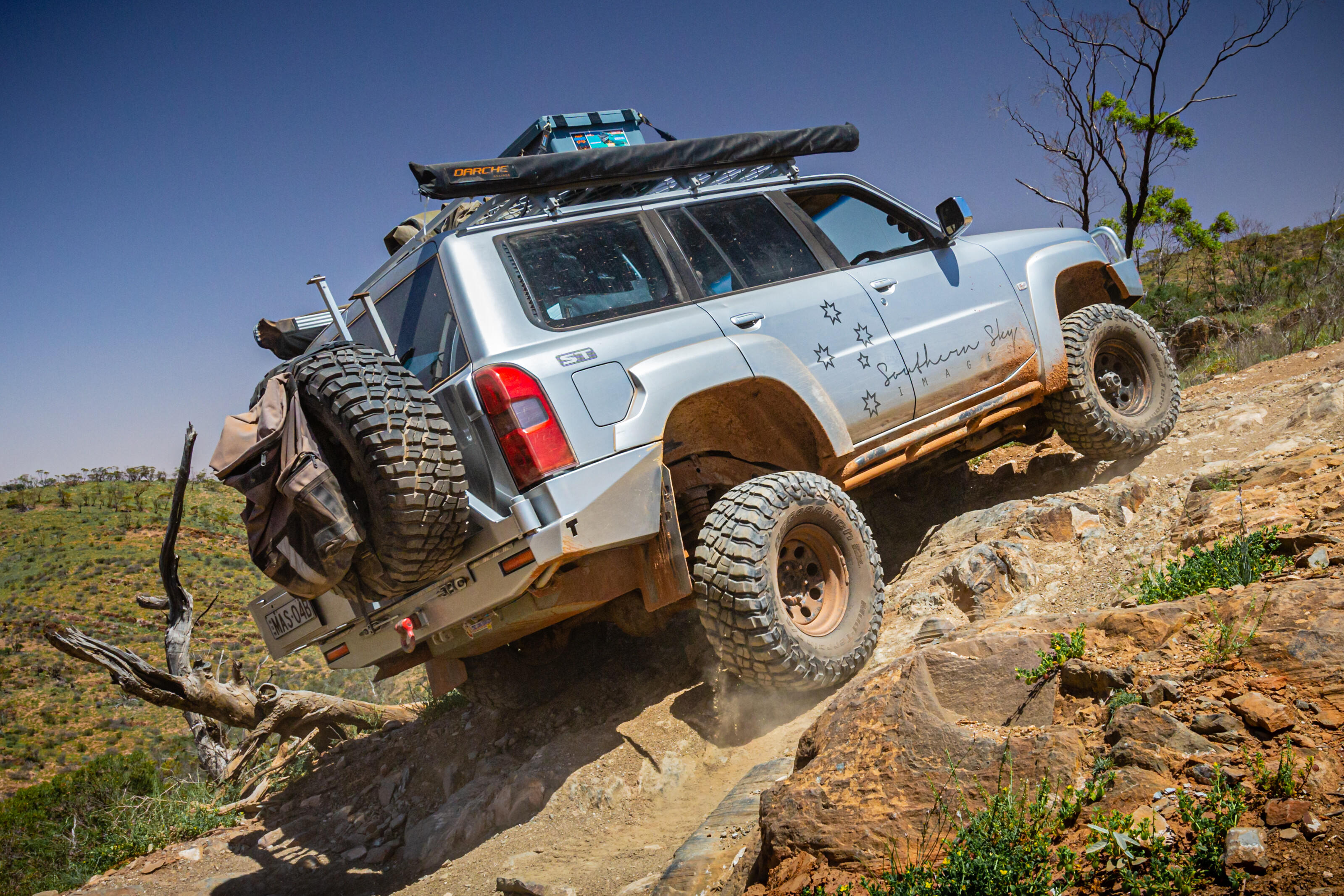
It really is a choose-your-own-adventure here. If towing a trailer, you can either set up at the main campground or head in to one of the easier secluded camps; if you want a little luxury, you can stay at one of three original old cottages or the shearing quarters; or for those who like being absorbed in nature, simply head to a secluded campsite among the trees.
Whatever your choice, there are showers and flushing-toilet facilities available (located near the main camp), long-drop loos scattered around the secluded camps, and no matter where you stay, you can enjoy a nice campfire as timber is also included in your booking. While there is a small range of goods and basics (like beer and local wine) at the reception hut, you will need to bring your own food, water and essentials. If you forget something or need to restock, Orooroo has a grocery, butcher, pub, servo and more, and is only a 30-minute easy drive away.
Dedicated bushwalking trails are scattered around the property, but I cannot speak to their qualities. Every time I visit, I can’t resist getting behind the wheel and simply driving through the ranges and gullies for most of the day, before retiring around a campfire for a cooked meal and a few coldies … perfect.
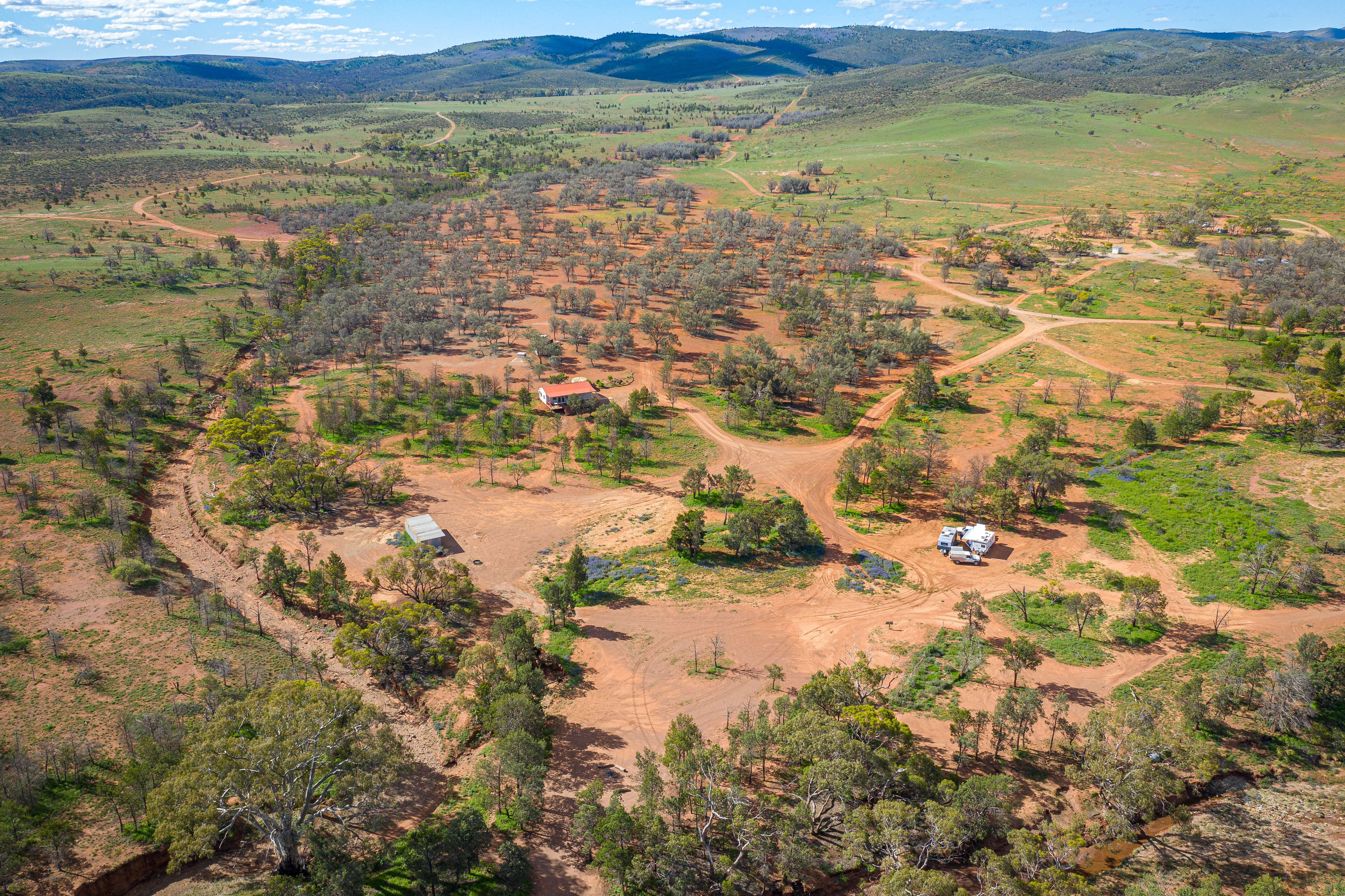
Track development at Bendleby is ongoing and a few crackers have opened up in recent years, – one hill is even named after me, Mount Scott. The latest is called the Hungry Highway, featuring some reasonably steep driving and some gritty leaps in faith with sharp drop-offs, it is an exciting track to drive with epic views. If you are new to 4WDing then its best to have someone guide you in places as you are completely unsighted at times, the track simply disappears below your bonnet. It’s definitely a white-knuckle ride for newcomers and not one to bring a nervous partner along.
If steep is what you are chasing then Pat’s Peak is your fix. It (like a few tracks on the property) is a one-way affair and will have your feet planted firmly against the firewall as you descend.
BILLY GOAT RIDGE
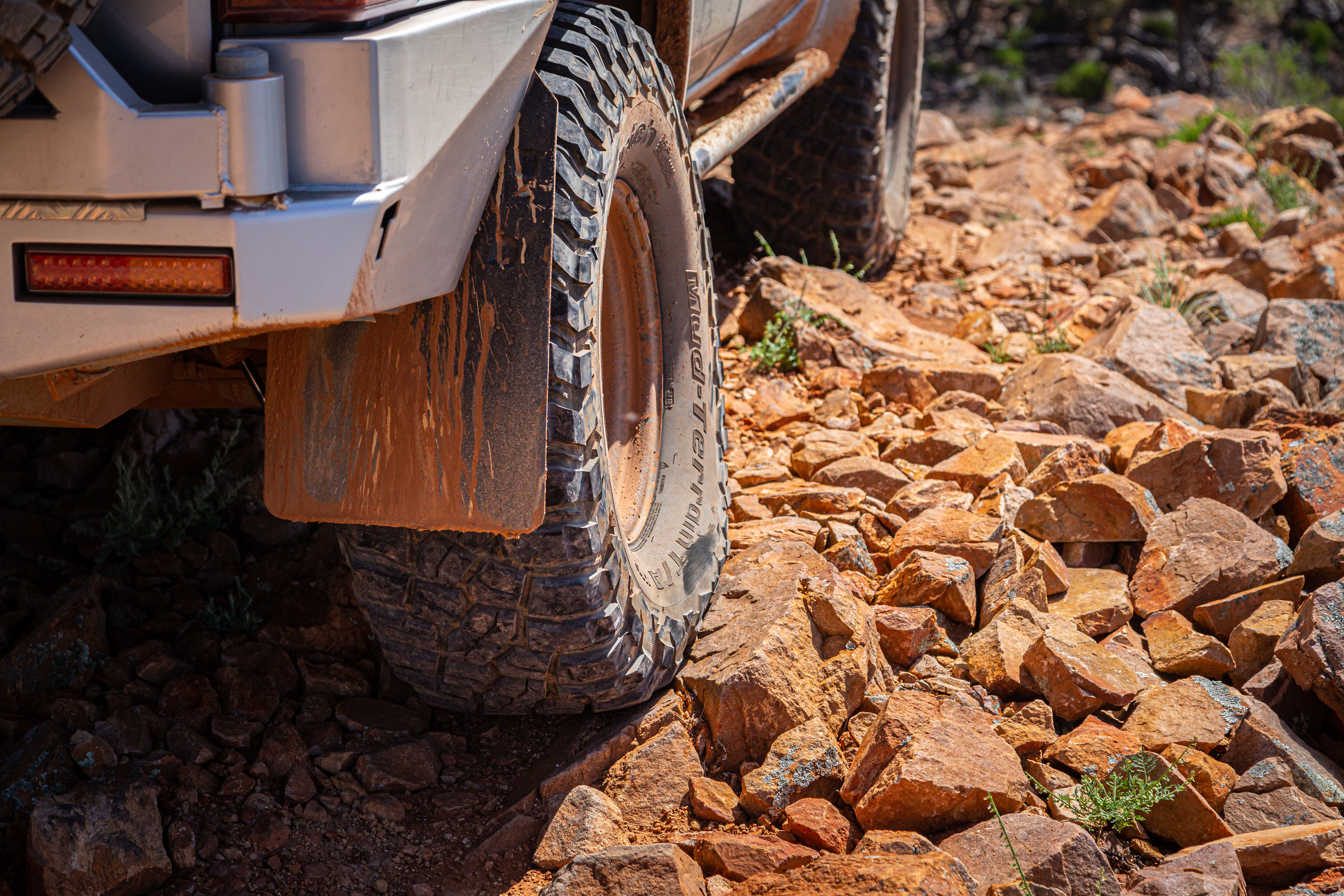
THE flagship drive has to be Billy Goat Ridge. Let’s put it this way, it is not uncommon to see people high-fiving and celebrating reaching the summit of this stunner. While it is neither incredibly steep nor overly technical, it offers both of those elements in spades and will definitely punish those who underestimate it. I would not recommend taking a stock vehicle up it (there is a high chance of hitting the sills and underbody), but many have done just that and enjoyed it.
I have taken factory stock, medium-level and full-on rigs up there successfully and easily, with good line selection, careful and steady throttle and low tyre pressures. It is a real driver’s track and one of the most enjoyable I have driven – and the views are epic. It is also another track which will leave you unsighted at times, so it’s best have a good spotter to help you out in places.
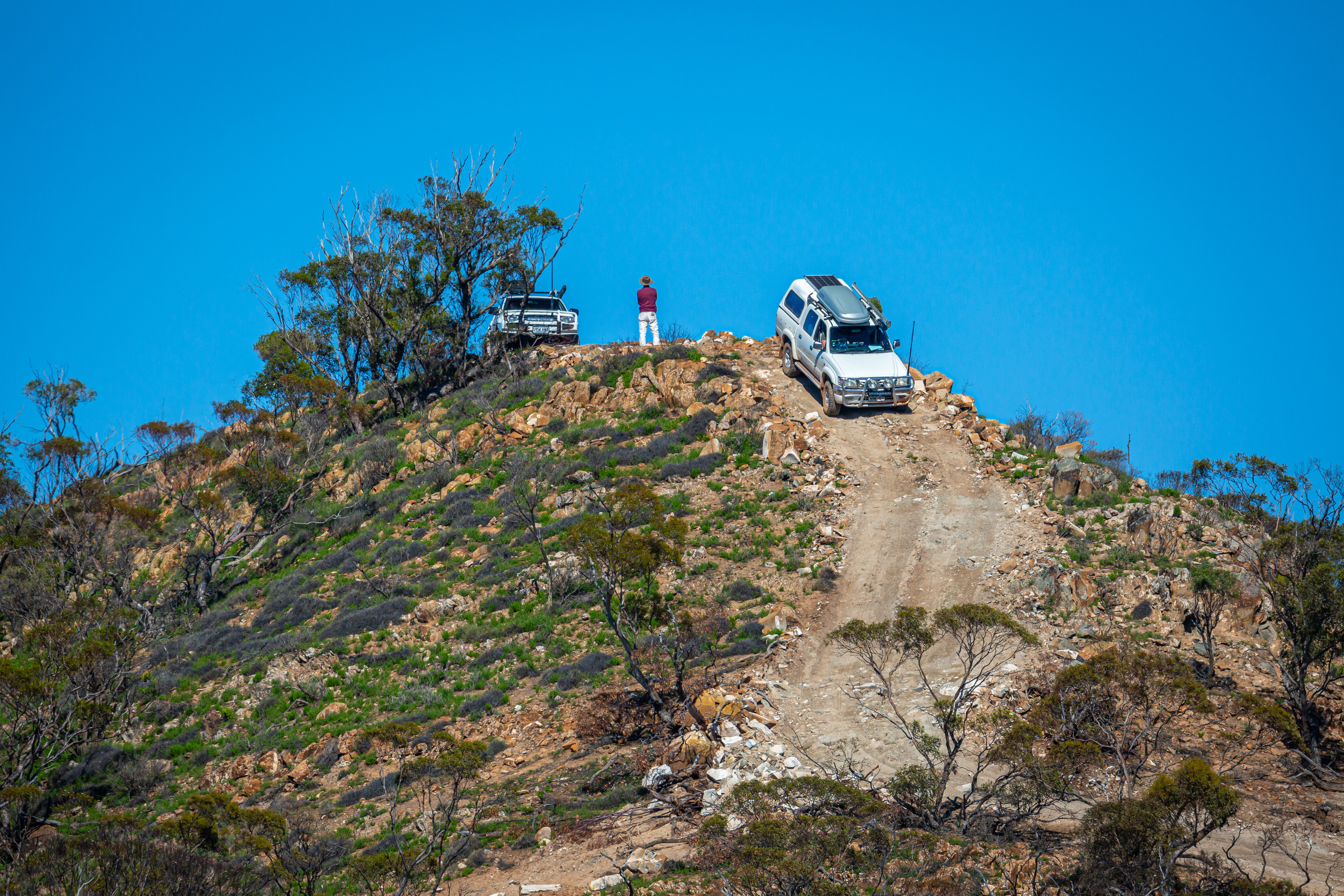
Apart from my favourites tracks above, there are countless others to enjoy at your leisure. The ridgeline tracks and gully tracks all have unique appeal and will have you smiling. One must-do is spend at least one afternoon at Sunset Hill where you look over the plain to a neighbouring range to take in the last rays of sunlight. Quite often you will meet fellow travellers here and enjoy the company of similar-minded people on their own adventures.
I hope I have inspired you by sharing one of my favourite Aussie destinations. Whether it’s a quick stopover or a weeks-long stay, you will not be disappointed by Bendleby, it’s definitely one to put on the list!
FIVE ESSENTIALS
- Billy Goat Ridge track
- Hungry Highway track
- Secluded camps
- Sunset Hill
- Embrace the wildlife
You may remember the Night Hawk, as it won our 2019 LED driving light comparison. Well, Bushranger has just introduced its Night Hawk Variable Series of high-performance driving lights.These all-new lights allow the consumer to control and choose the optimum setting and adjust it as the landscapes changes.
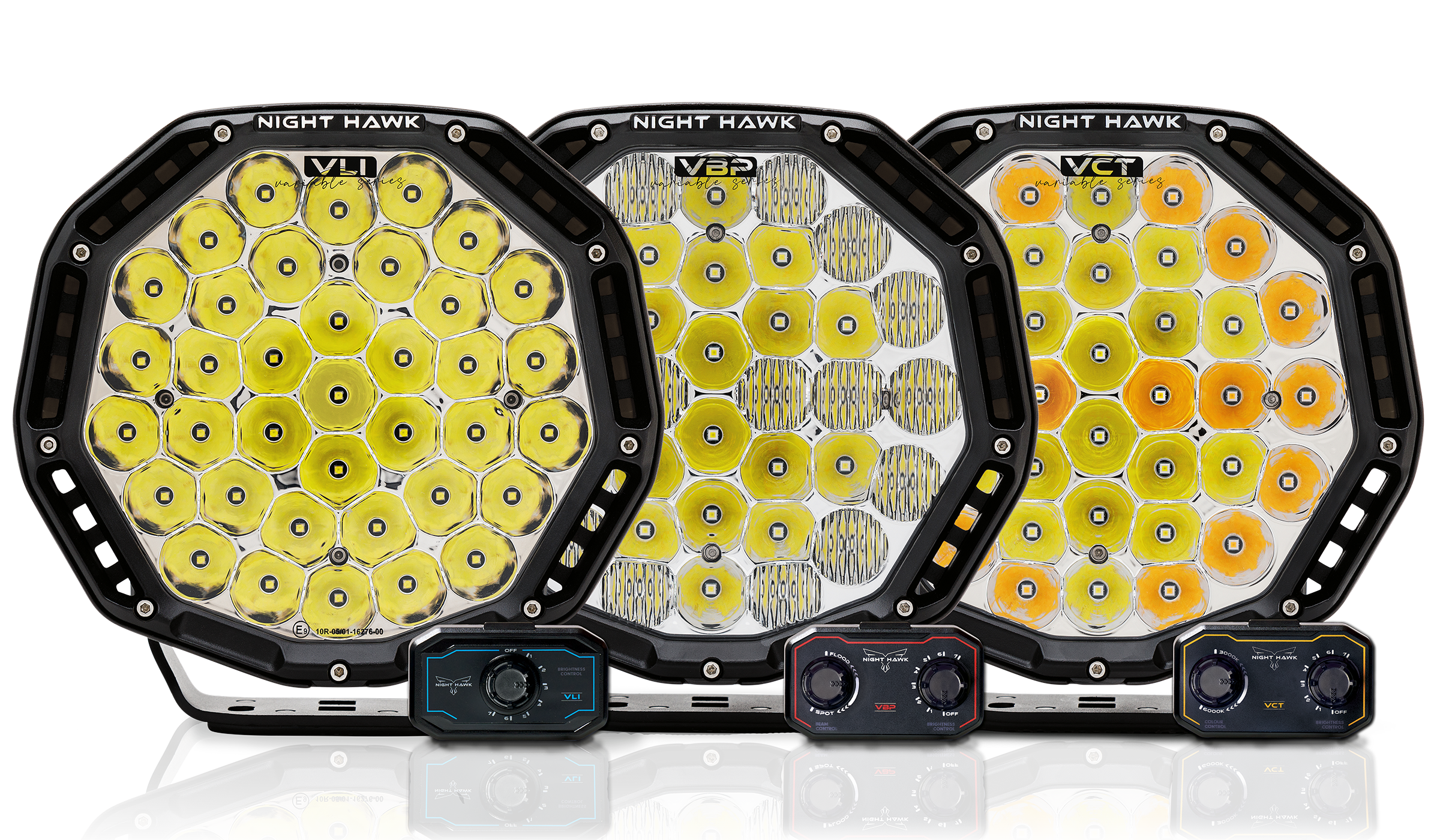
The Variable series includes the Light Intensity nine-inch kit, Colour Temperature nine-inch kit, and Beam Pattern nine-inch kit. All of the kits in this series come with everything required for simple installation. Plus, the units are designed and engineered in Australia.Full details on individual kits can be found by visiting the Bushranger 4×4 website.RRP: $749 (Light Intensity); $949 (Colour Temperature & Beam Pattern)
UPDATE, November 19: Mazda has officially released pricing for its 2022 BT-50, with the entry-level variant starting at a smidge under $40,000.
The all-new, entry-level XS Single Cab Chassis (4×2) starts at a driveaway price of $38,490 for ABN buyers – the XS in Dual Cab form (also 4×2) will set you back $43,490, both of which are powered by the new 1.9-litre diesel engine.
You’ll need to dig a bit deeper to get an XS 4×4, with the auto-only XS Dual Cab pick-up priced at $51,490 before on-road costs.
Also new for 2022 is the BT-50 SP – available exclusively in 4×4 dual cab form, the 3.0-litre-powered pick-up will be priced at $62,990 (manual) and $65,990 (automatic).
The 3.0-litre XT Single Cab Chassis is the cheapest way into the 4×4 line-up, with the manual variant asking for $45,490 and the auto priced at $47,990.
At the other end of the scale sits the flagship Thunder, priced at $65,990 (manual) and $68,990 (auto).
Full price list can be found below.
The story to here
September 21: For the first time since the release of the 2020/2021 Mazda BT-50, there is another powerplant offered other than the highly acclaimed 3.0L four-cylinder turbo-diesel Isuzu 4JJ3-TCX.
Mazda has just announced a stripped-back, entry-level BT-50, dubbed the XS. This is available in 4×2 single-cab chassis, 4×2 dual-cab pick-up and (most importantly) 4×4 dual-cab pick-up models.
While the much-loved 3.0L engine found across the BT-50 and Isuzu D-MAX range is thankfully still available in higher-trim specs, it’s refreshing to see the option of a stripped-down model aimed squarely at tradies or those looking for a simpler and cheaper option to get into a 4×4 dual-cab.
The 1.9L four-cylinder Isuzu turbo-diesel engine in question is claimed to produce 110kW and 350Nm peak torque, which is down from the 3.0L with a claimed figure of 140kW and 450Nm. This is a significant drop in power, so we’re really interested to see how much cheaper this model will be.
It is also only available with a six-speed automatic gearbox, and has a reduced towing capacity of 3000kg.
While new for the Australian market, the origins of the Isuzu RZ4E 1.9L motor date back to its release in Thailand in 2015 and Europe in 2016. What we are receiving in 2021 is now dubbed the RZ4E-TC.
Australia is one of the only markets that hung on tightly to the 3.0L 4JJ3-TCX, as we love our larger-capacity engines. We’re looking forward to taking a 1.9L-equipped BT-50 for a spin to see how they perform in the real world compared to the 3.0L engine.
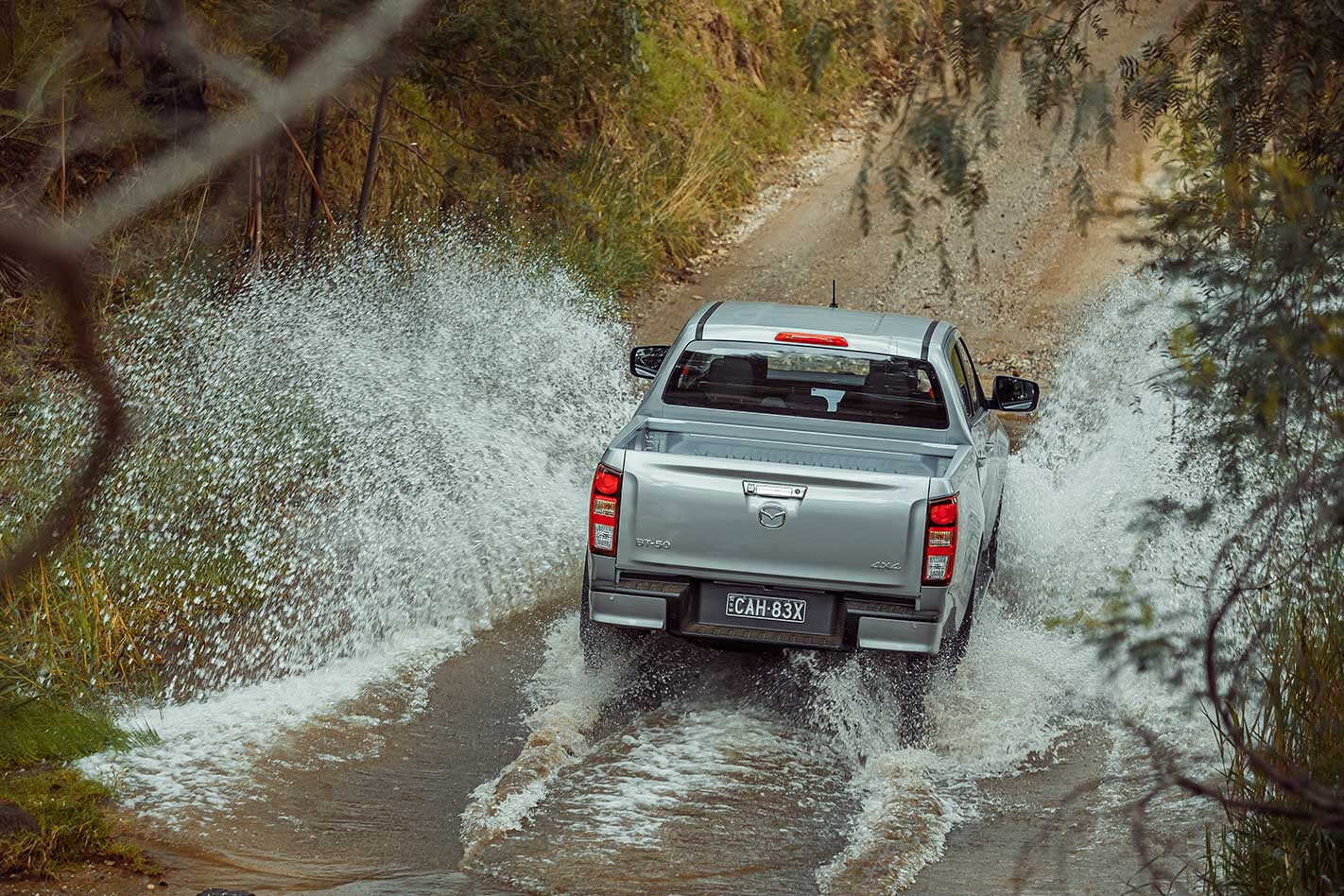
The Mazda BT-50 XS will otherwise share equipment specs of the currently available XT model, but will now be riding on 17-inch steel wheels. This base XS model will still feature a selectable locking rear differential in the 4×4, which is a boon for four-wheel drivers or those accessing muddy worksites.
As well as the announcement of the entry level XS model, Mazda has made several revisions across its BT-50 range including the premium BT-50 SP which now sits above the GT model.
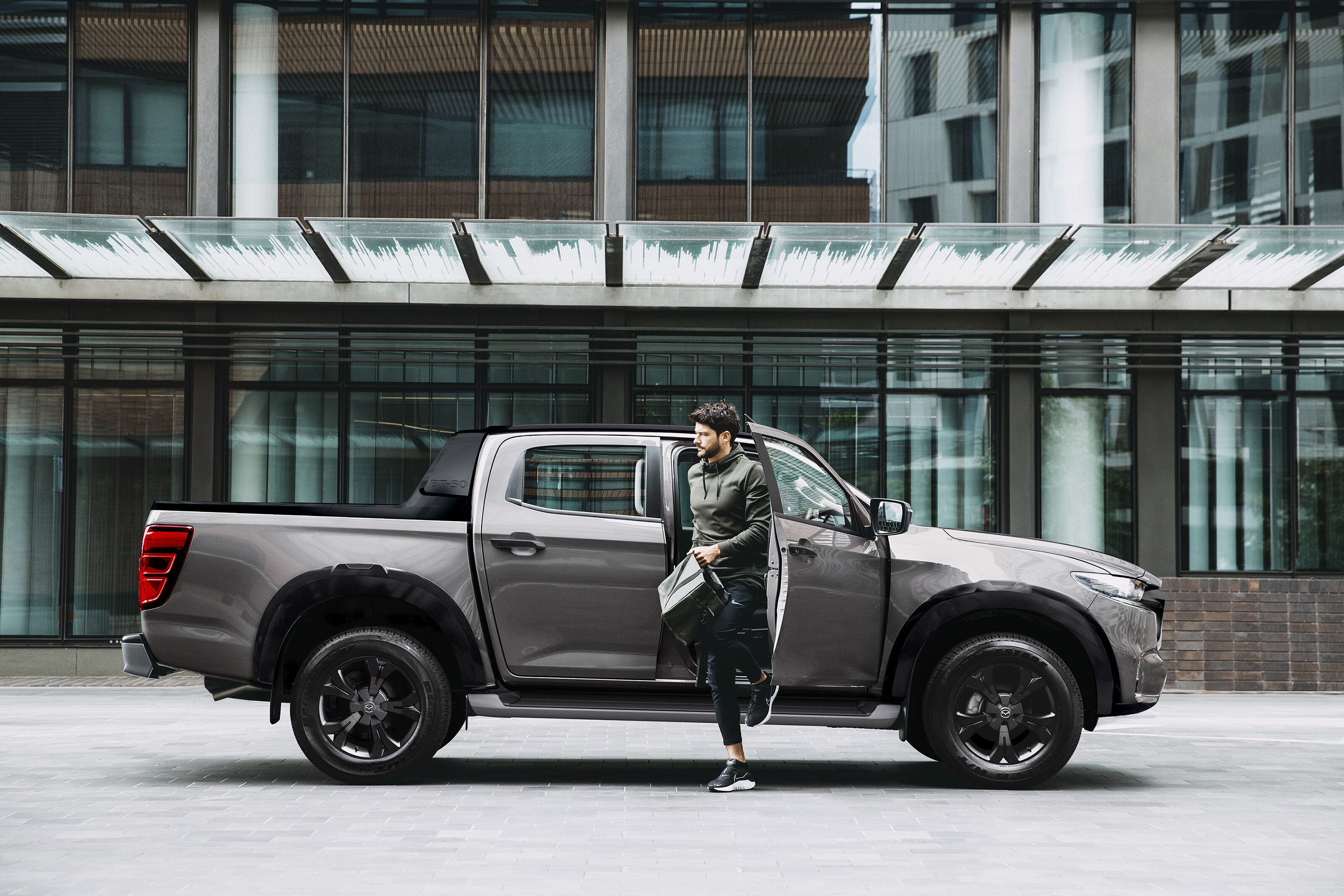
This update includes features such as premium black and dark grey exterior highlights, satin black 18-inch wheels, driftwood leather and black suede interior trim, and gloss black wheel flares.
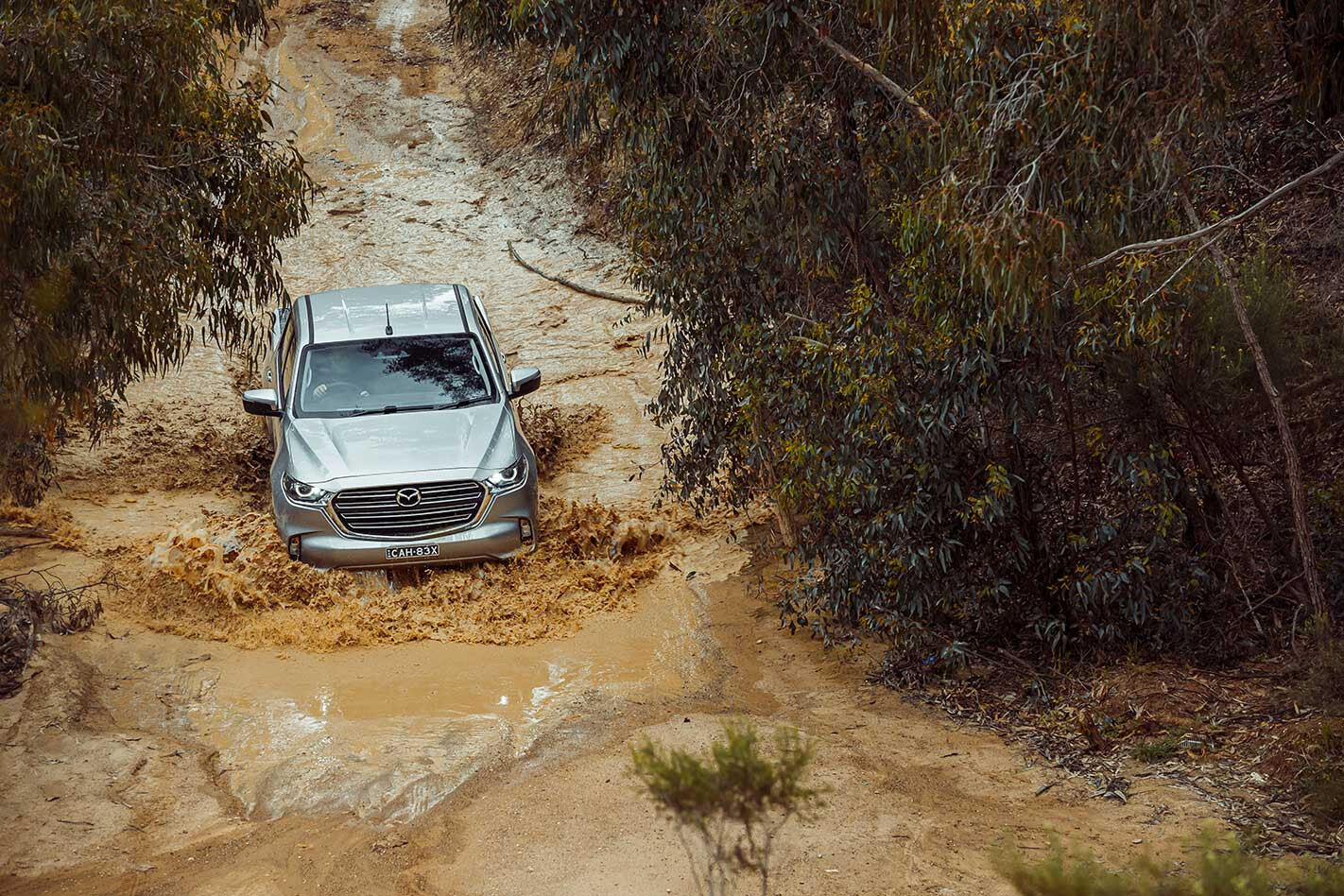
This top-of-the-line model will still be powered by the 3.0L turbo-diesel engine, but will be available with the choice of either a six-speed manual or automatic transmission.
Safety systems across the BT-50 range have also been improved, with the addition of a Lane Support System button. This button can be depressed to disable the standard Lane Support systems when required. This has been developed following customer feedback and is a welcomed addition.
2022 Mazda BT-50 Australian pricing
Driveaway pricing for ABN buyers only:
| GRADE, BODY & DRIVETRAIN | ENGINE | TRANSMISSION | DRIVEAWAY PRICE LIST |
|---|---|---|---|
| XS Single Cab Chassis 4X2 | 1.9L | Auto | $38,490* |
| XT Single Cab Chassis 4X2 | 3.0L | Auto | $40,490 |
| XT Freestyle Cab Chassis 4X2 | 3.0L | Auto | $43,990 |
| XT Dual Cab Chassis 4X2 | 3.0L | Auto | $47,490 |
| XS Dual Cab Pickup 4X2 | 1.9L | Auto | $43,990* |
| XT Dual Cab Pickup 4X2 | 3.0L | Auto | $45,990 |
| XTR Dual Cab Pickup 4X2 | 3.0L | Auto | $48,990 |
| XT Single Cab Chassis 4X4 | 3.0L | Manual | $45,490 |
| XT Single Cab Chassis 4X4 | 3.0L | Auto | $47,990 |
| XT Freestyle Cab Chassis 4X4 | 3.0L | Manual | $48,990 |
| XT Freestyle Cab Chassis 4X4 | 3.0L | Auto | $51,490 |
| XT Dual Cab Chassis 4X4 | 3.0L | Manual | $52,490 |
| XT Dual Cab Chassis 4X4 | 3.0L | Auto | $54,990 |
| XTR Dual Cab Chassis 4X4 | 3.0L | Auto | $57,990* |
| XS Dual Cab Pickup 4X4 | 1.9L | Auto | $51,490* |
| XT Dual Cab Pickup 4X4 | 3.0L | Manual | $50,990 |
| XT Dual Cab Pickup 4X4 | 3.0L | Auto | $53,490 |
| XTR Dual Cab Pickup 4X4 | 3.0L | Manual | $53,990 |
| XTR Dual Cab Pickup 4X4 | 3.0L | Auto | $56,490 |
| GT Dual Cab Pickup 4X4 | 3.0L | Manual | $56,990 |
| GT Dual Cab Pickup 4X4 | 3.0L | Auto | $59,990 |
| SP Dual Cab Pickup 4X4 | 3.0L | Manual | $62,990 |
| SP Dual Cab Pickup 4X4 | 3.0L | Auto | $65,990 |
| Thunder Dual Cab Pickup 4X4 | 3.0L | Manual | $65,990 |
| Thunder Dual Cab Pickup 4X4 | 3.0L | Auto | $68,990 |
Key Points
- Attendance down, but more than100,000 exhibitors
- New off-road adventure West Hall
- New Ford Bronco demo drives
As I walked through the SEMA show this year, I heard rumblings from so-called industry pundits that the show was a bust – it was too small, there weren’t as many vendors and new products, and the overall feeling was sedate. My reply to those naysayers is, “Quit your bitching!”I’ve been attending SEMA since 1995, and while it is true that event seemed a bit quieter than in pre-pandemic years, 2021 attracted more than 100,000 exhibitors, buyers, manufacturers and media attendees. There were thousands of modified cars, trucks, rat rods and overlanders, demo drives in the new Ford Bronco and drift cars, and just about anything else a died-in-the-wool gearhead could love. Also debuted, was the new West Hall, a 1.4-million sq ft building dedicated to SUV, off-road and adventure travel.
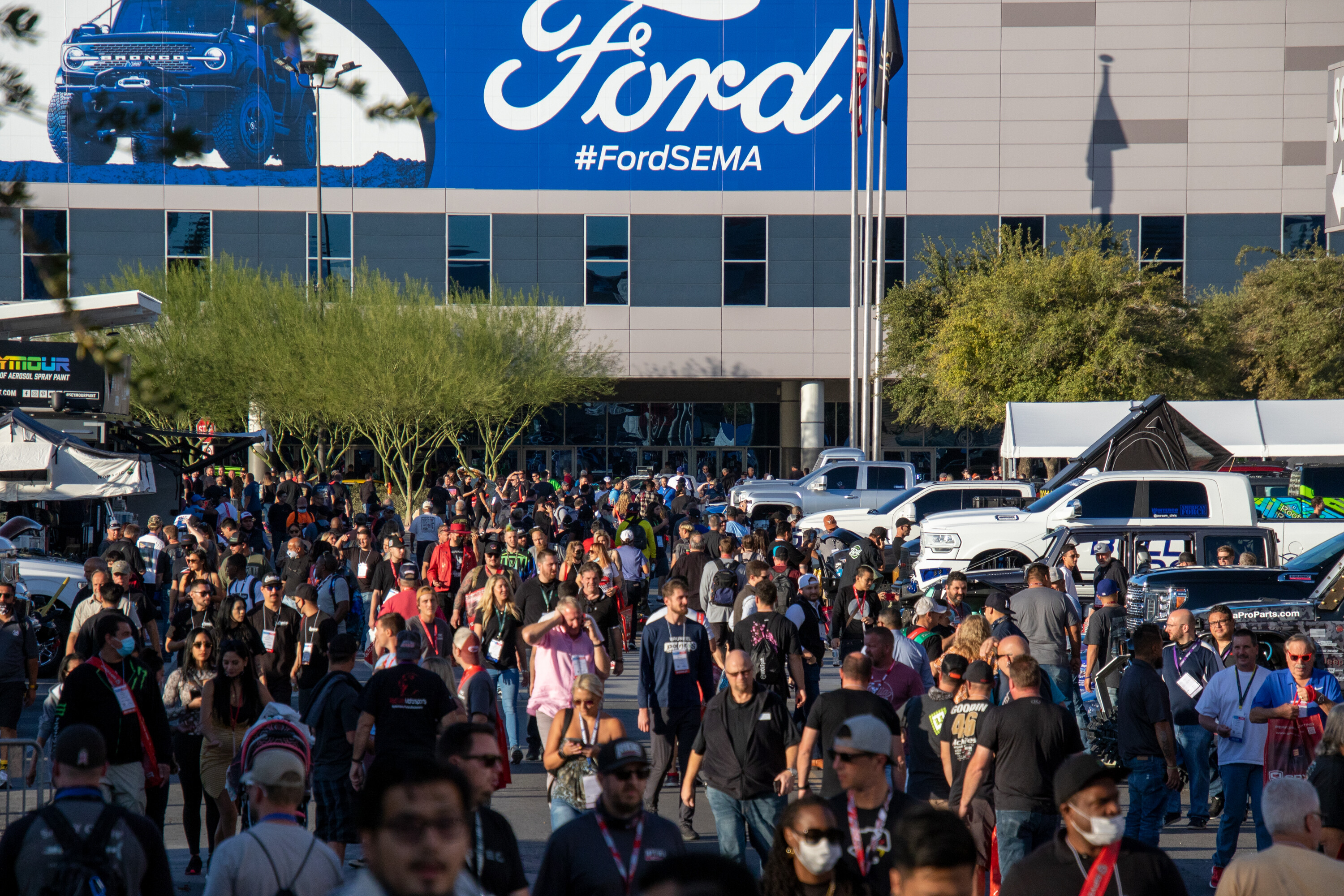
Where the 2021 event struggled was with the ongoing global travel restrictions, which limited the number of international manufacturers and new products. But we choose to look at the glass three-quarters full rather than a quarter empty, and will be focusing cool rigs, a few new OE offerings, and new trends in the off-road industry. At the end of the day, we extend big kudos to SEMA for having the guts to jump in the rink and kick COVID in the arse.
NEW PRODUCTS & TRENDS
We will admit that the ‘new products’ category was a little thin this year, but there were a few that caught our attention. Another thing we noticed was the continued North American trend toward tag-a-long caravans. The Aussies have embraced this method of travel for years, and there were at least a dozen manufacturers with new offerings.
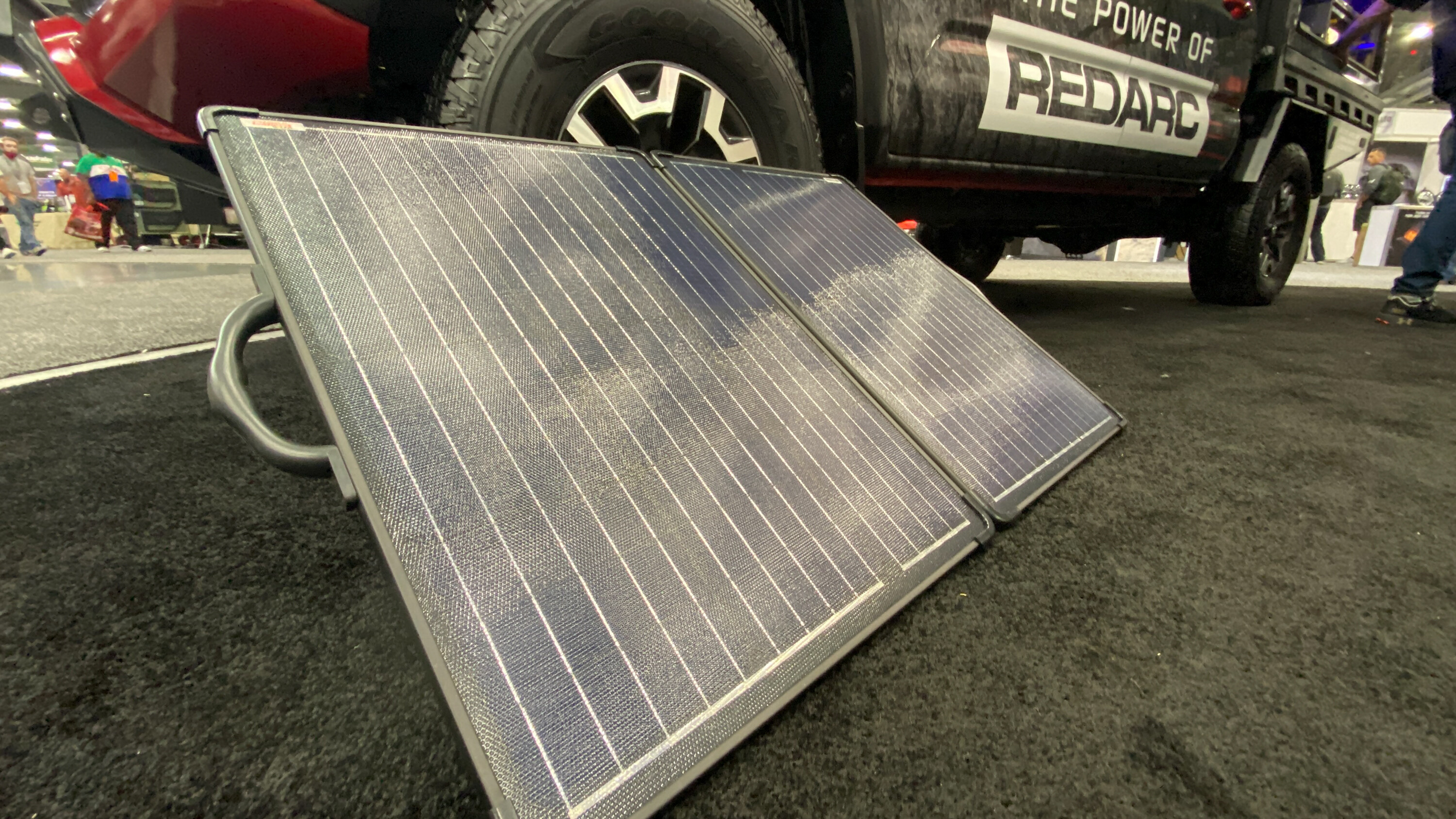
Redarc, purveyor of premium electronic products, has introduced its 120W suitcase-style solar panel. This handy power station can be transferred to any vehicle or location, and when ordered as a kit, includes a five-metre cable with Anderson connectors, and a charge regulator.
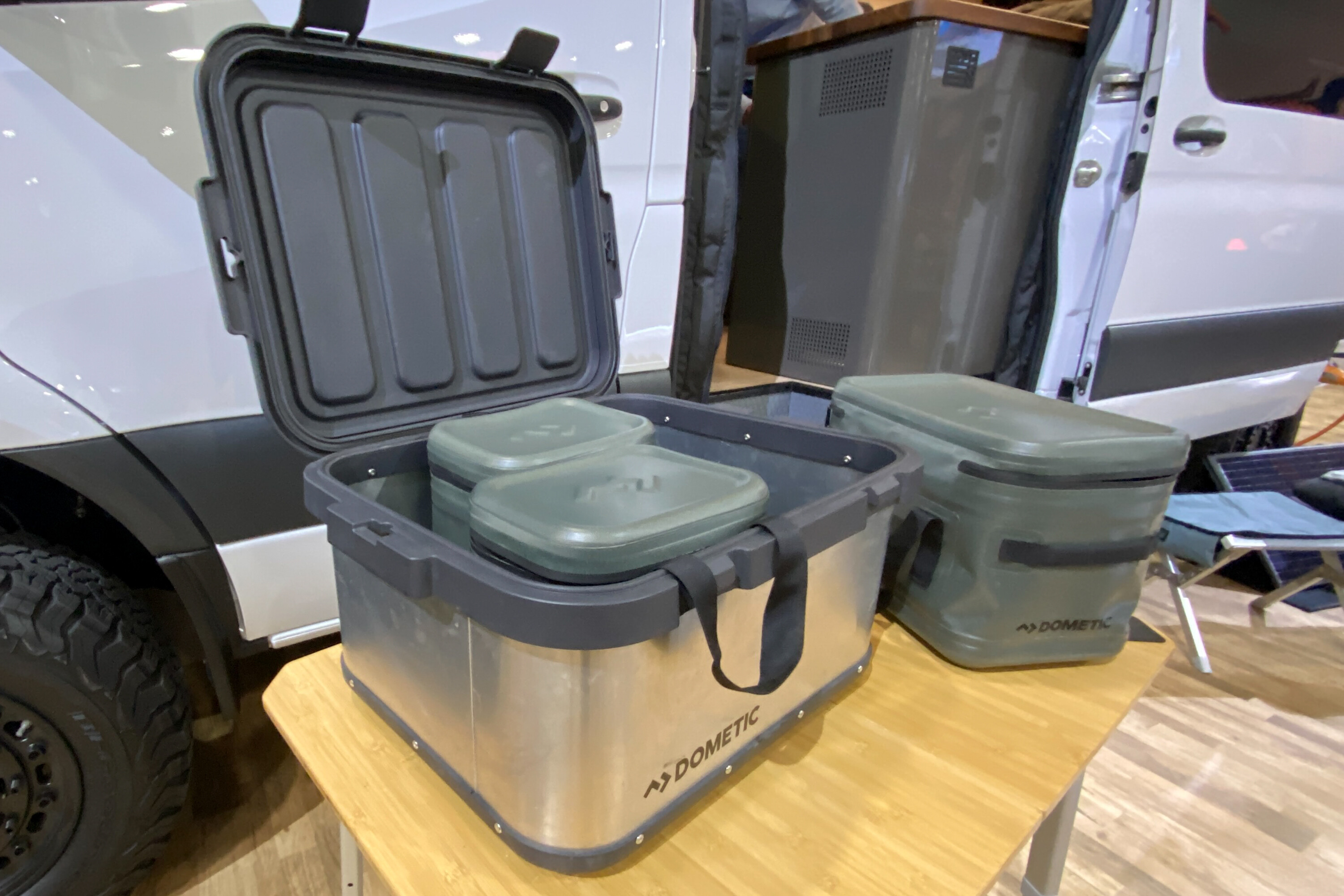
Dometic recently debuted the PAC H50 aluminum storage bins. These sturdy insulated boxes snap-closed with waterproof seals, are stackable and accept Dometic’s handy food-storage containers.
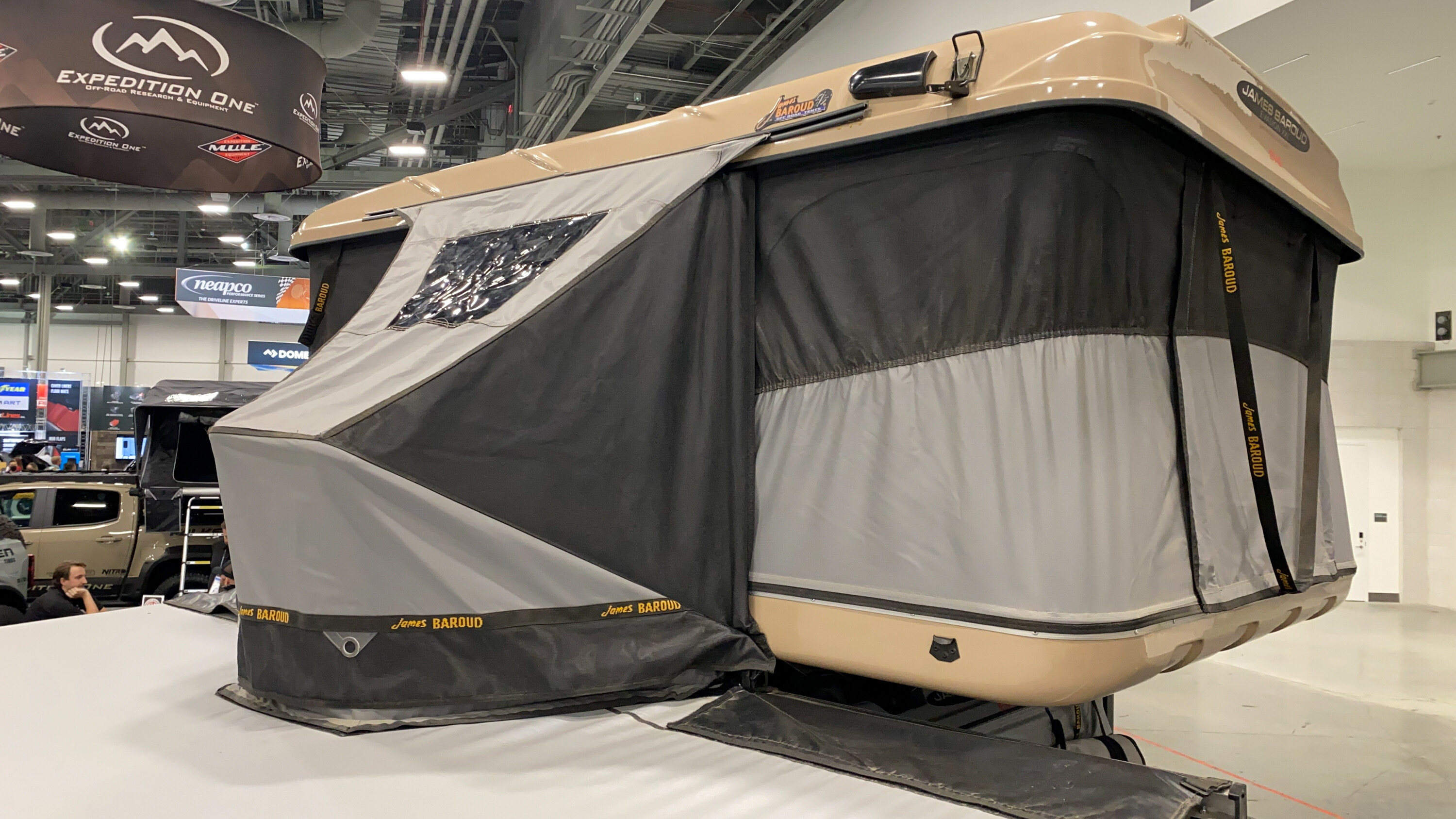
There are a lot of expandable awnings on the market, but James Baroud’s Falcon 270 includes an entry port to your rooftop tent. It can be attached to the door to provide weatherproof access from your shaded camp area to bed.
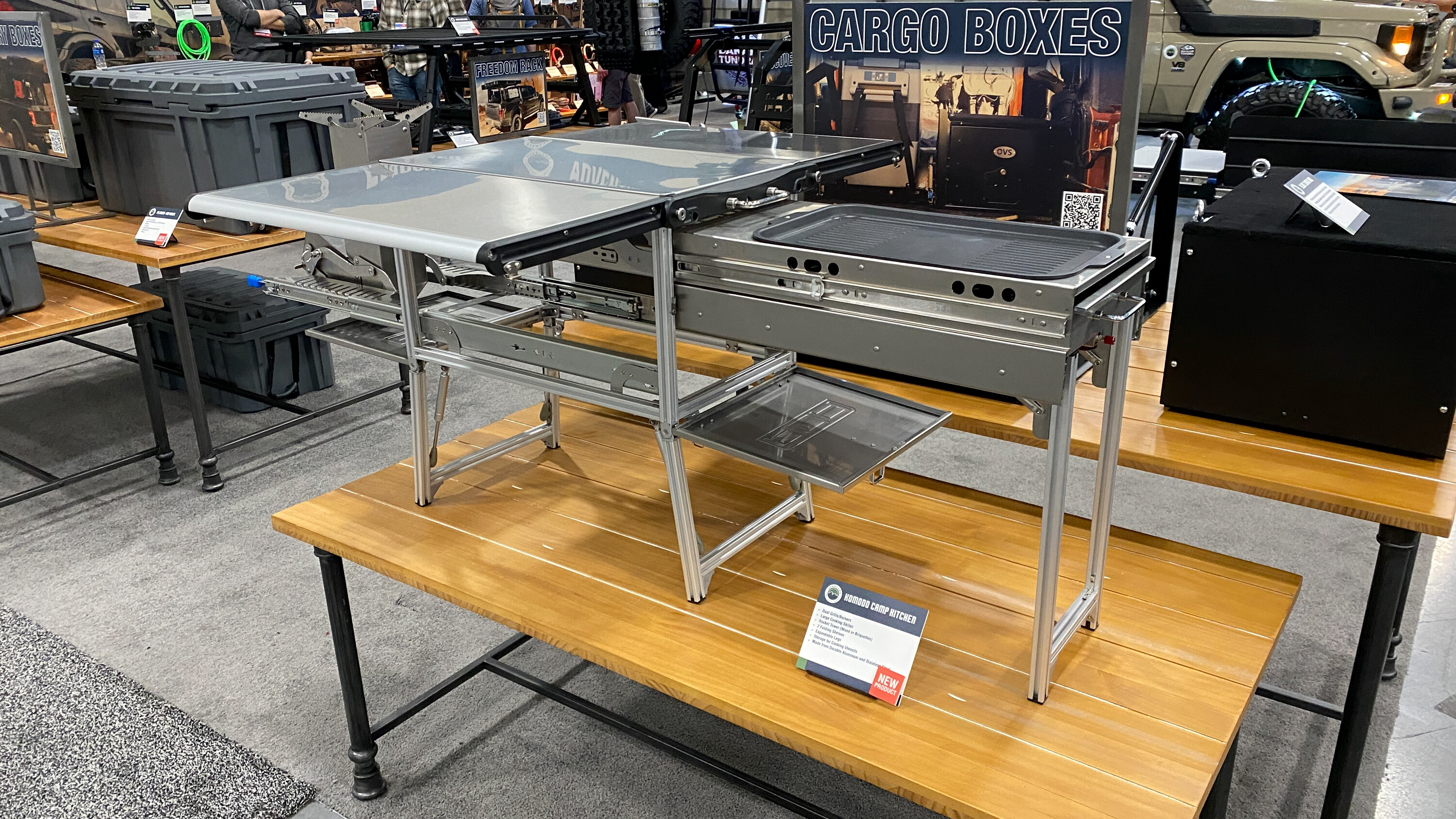
Looking to improve upon tabletop culinary tools, Overland Vehicle Systems has introduced the stainless-steel Komodo Camp Kitchen. Folding out from the mainframe is a gas grill, coal/wood burning cooker, utensil drawer and large workspace.
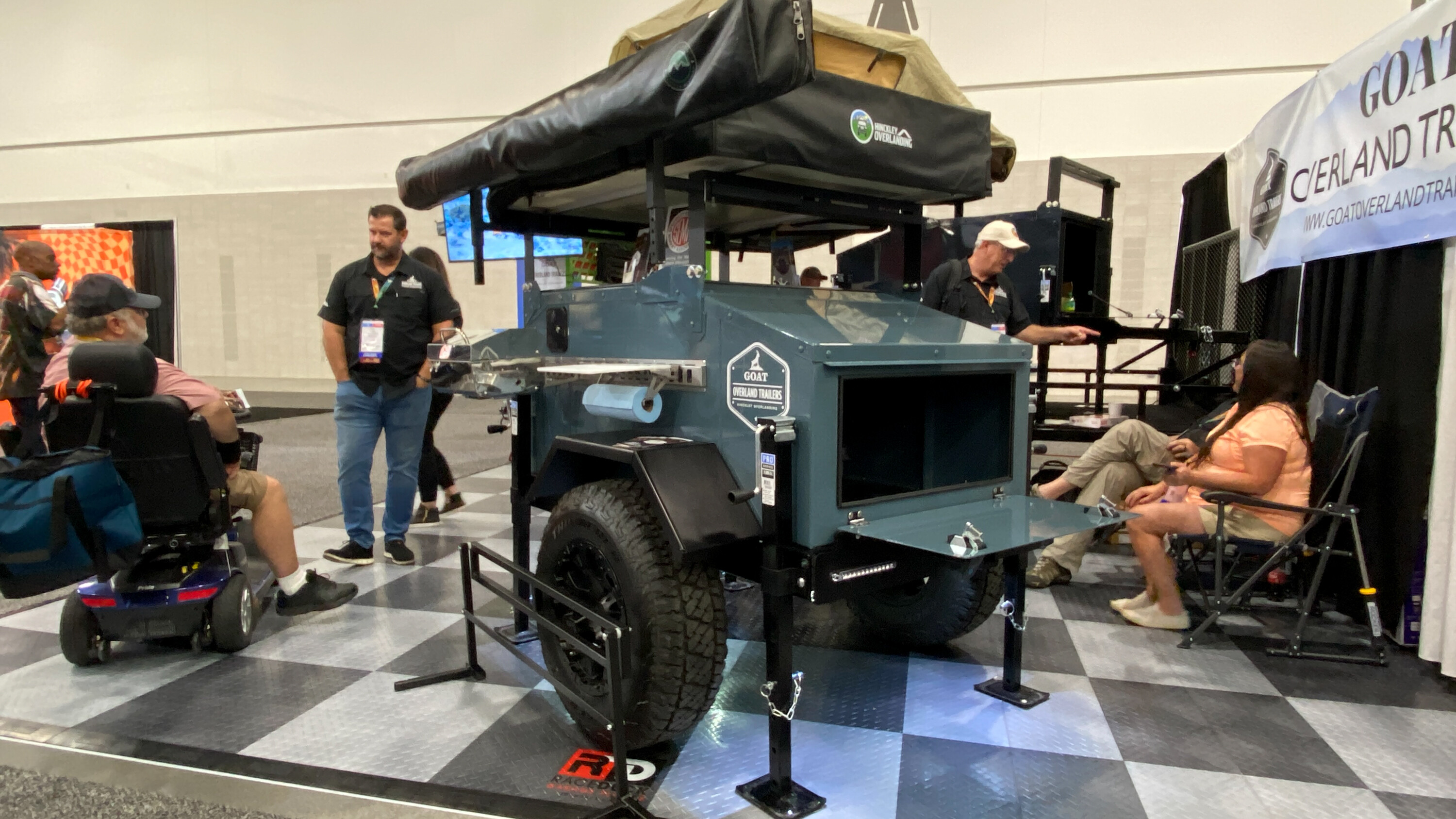
Deviating from the traditional Jeep trailer, Hinkley Overlanding is now offering an option for the UTV market. The pint-sized Goat has room for a 45-litre fridge-freezer, water and propane systems, extra gear and a rooftop tent. On the other end of the spectrum is Black Series’ HQ12 which can sleep four adults, has a stand-up shower, full galley and an overhead pop-top tent.
FROM DETROIT AND THE WORLD
The OE’s never fail to woo us with new models and/or exotic concept vehicles. Their engineers spend the year crafting wild ideas, often pushing the limits of technology or delving in to their off-road heritage. In either case, they never fail to entertain and inspire.
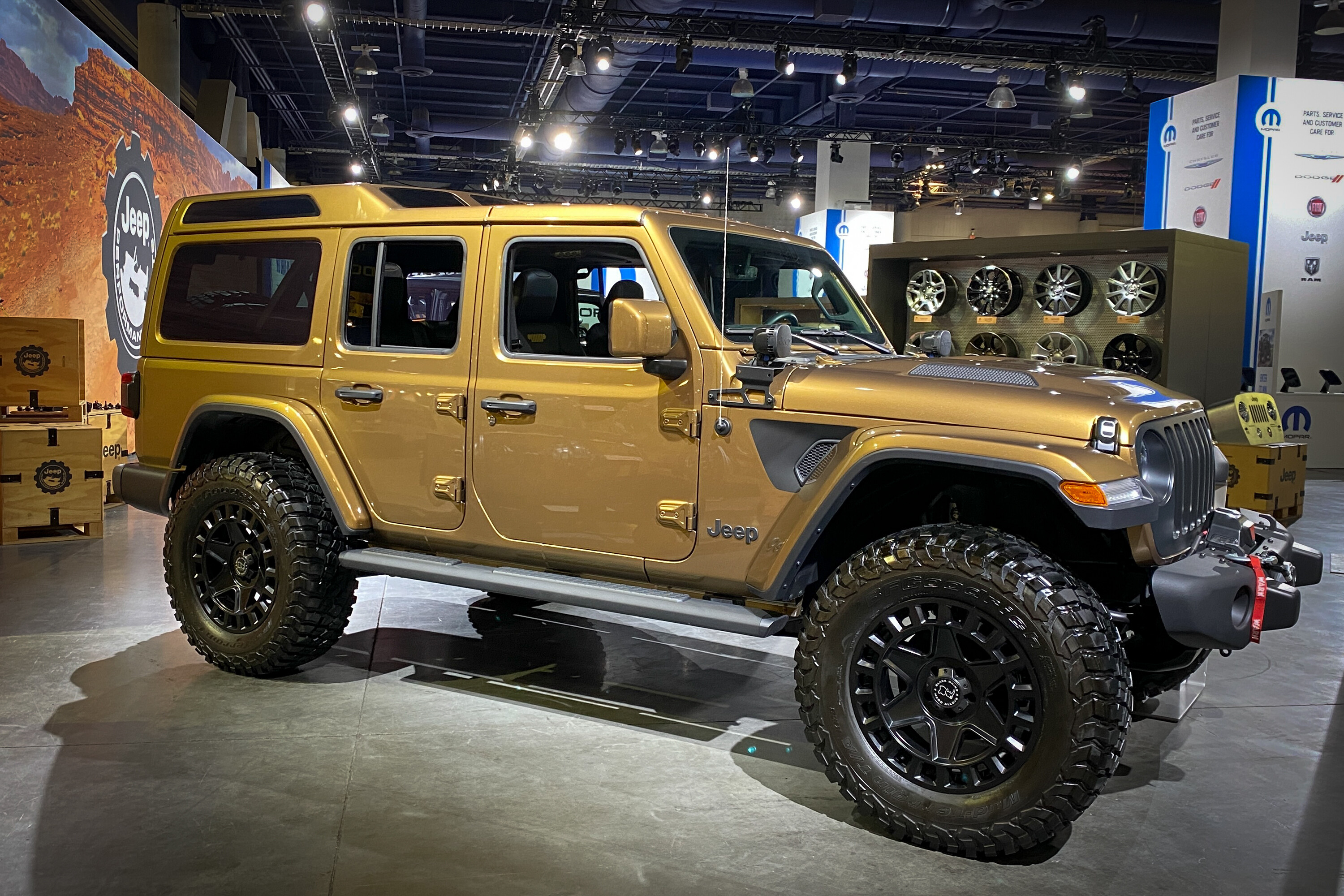
The Jeep Wrangler Overlook, which features three-row seating and custom overhead windows, looks like it should be trekking across Africa in search of big game. Down below is a JPP suspension with Fox shocks, wrap-around armour, and Black Rhino wheels with BFGoodrich KM3 Mud-Terrains tyres. Up front is a Warn winch and heaps of LED lighting.
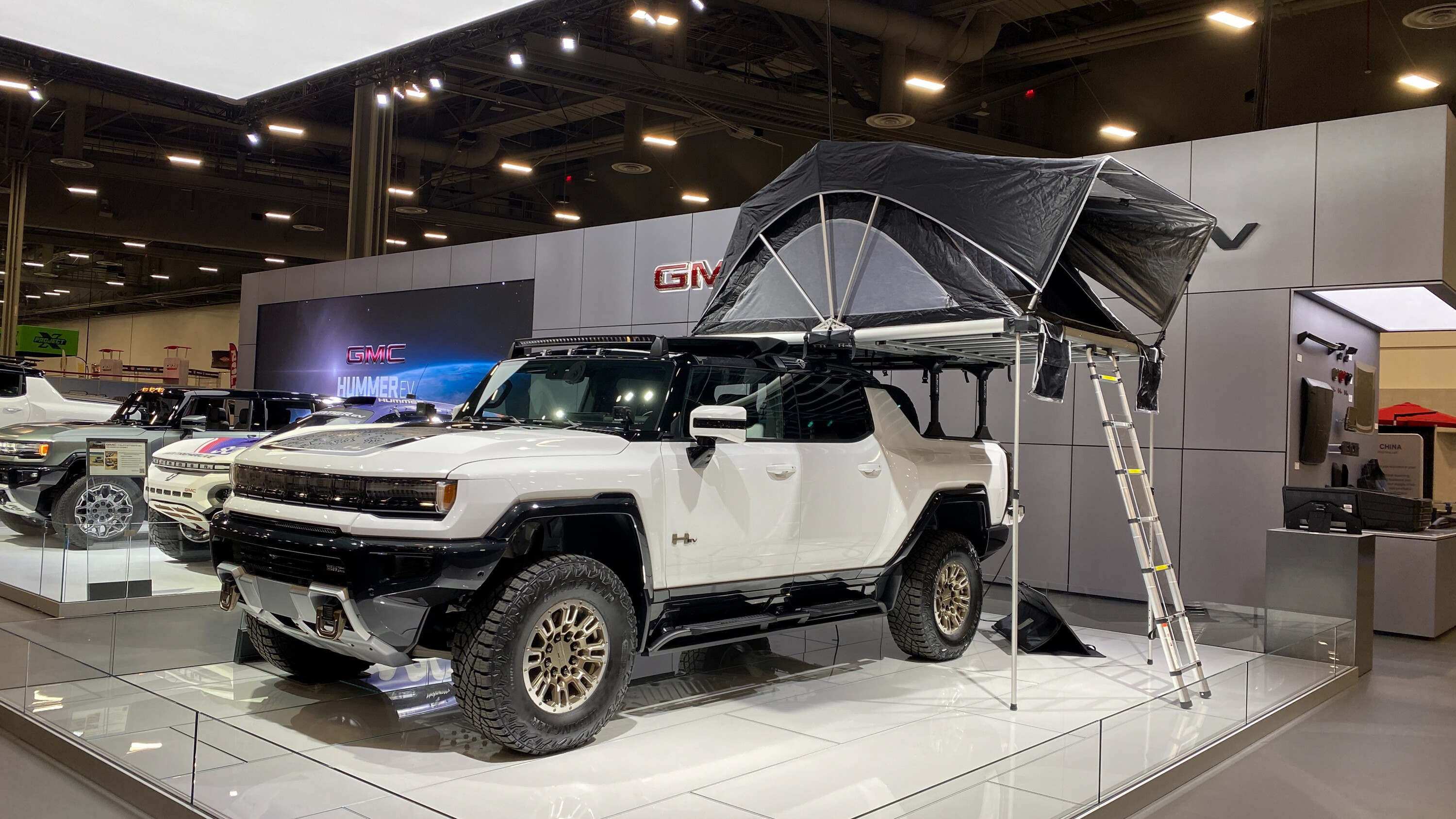
Just when the world has nearly forgotten about Hummer, the brand is making a comeback with a full EV SUV and pickup. While these stats are highly speculative, General Motors claims it will have a range of up to 560km, produces 619kW (830hp), an axle twisting 15,592Nm of wheel torque, and four-wheel steering.
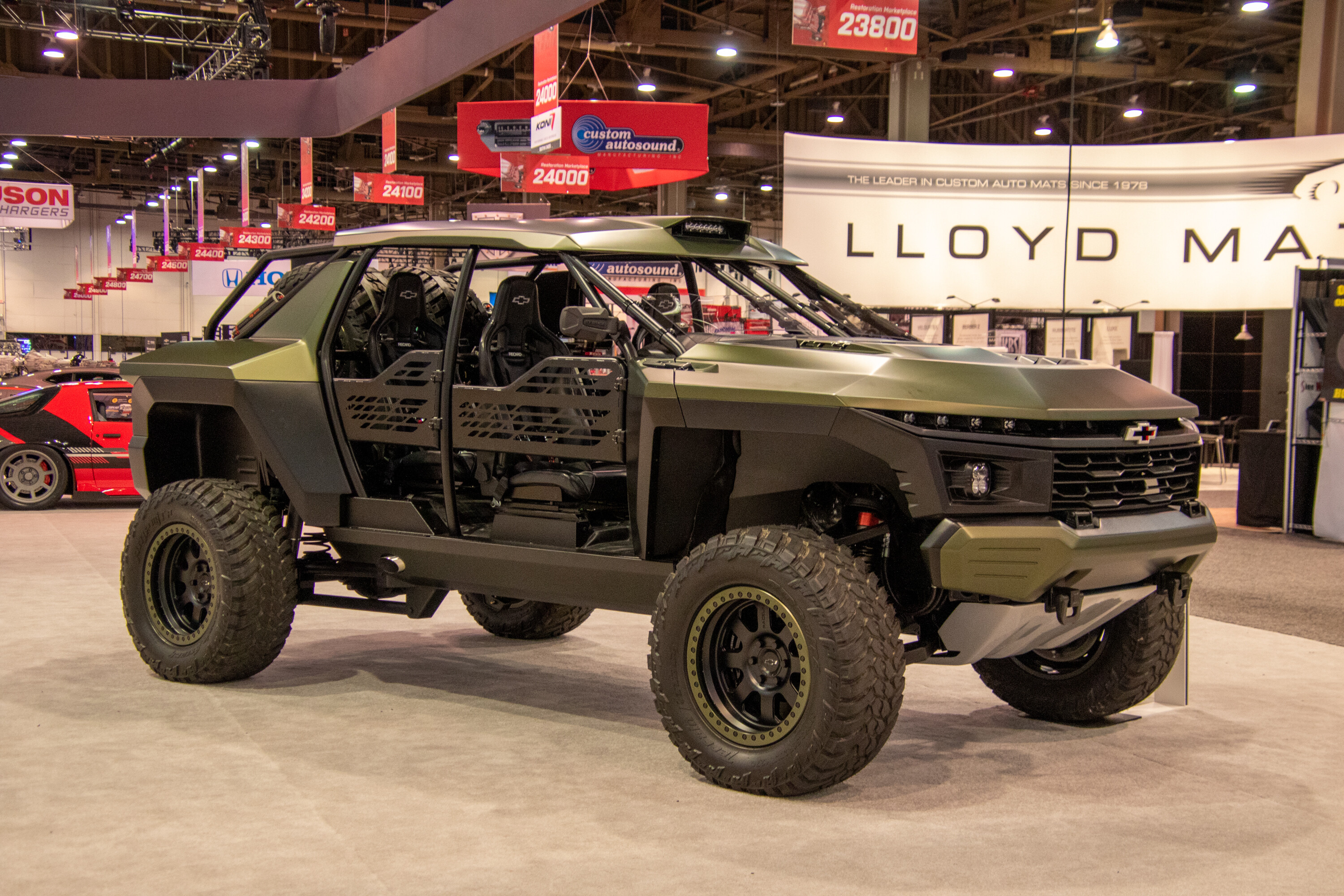
Chevy’s Beast concept leaves little to be desired in the world of wild-and-crazy. Under the bonnet is a supercharged 6.2-litre LT4 V8 (485kW-881Nm) attached to a 10-speed automatic. Down below is a 4-link suspension with 15.5 inches of travel, remote reservoir shocks, beadlock wheels and AMP mud-terrain tyres. Baja Designs LEDs light the way, while Recaro seats and four-point harnesses keep occupants secure.
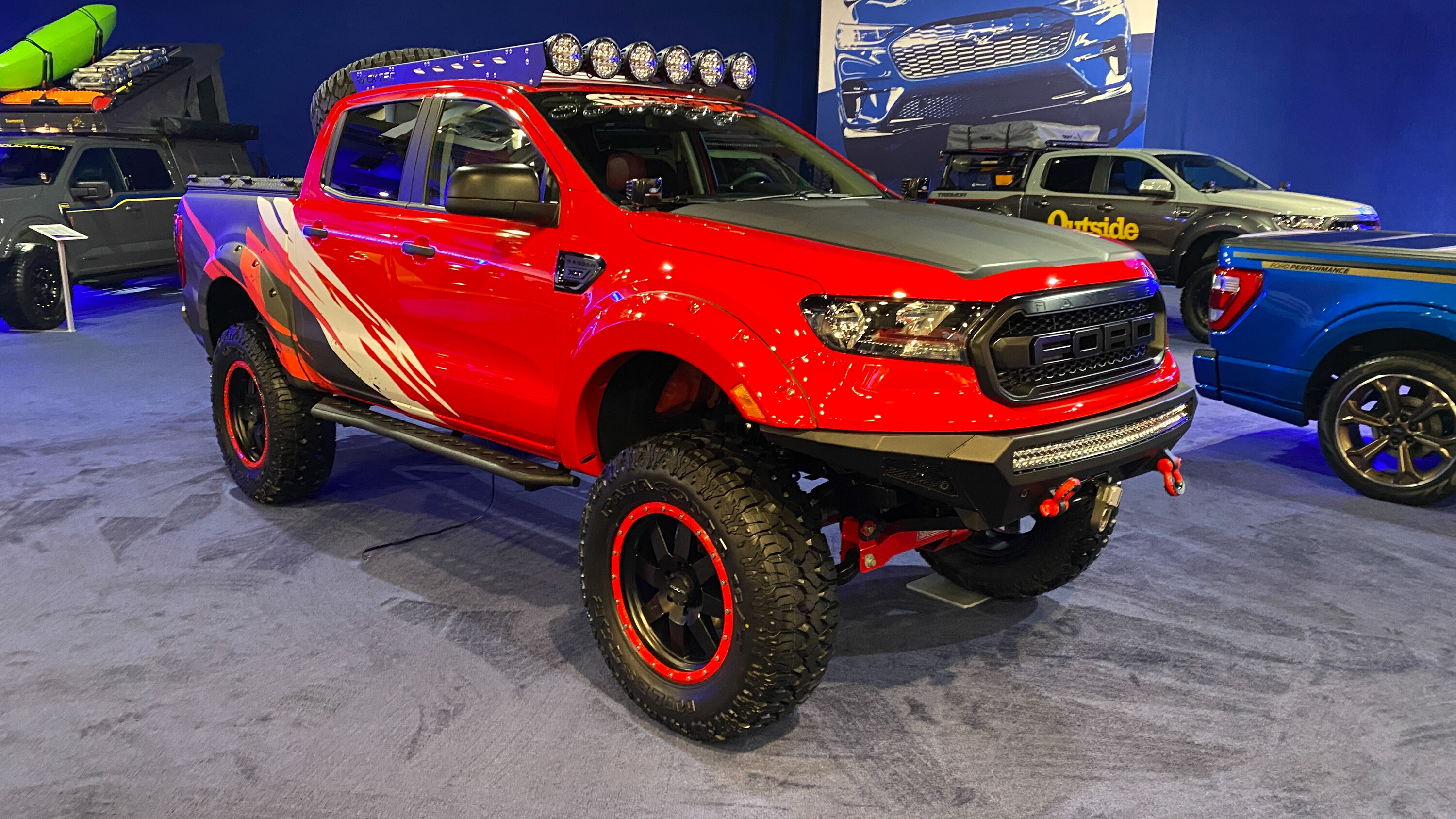
Ford took a different approach with its XLT Supercrew FX4 Ranger. With a focus on ultimate reliability, they left the 2.3-litre EcoBoost mill and 10-speed automatic alone, but worked with Superlift on a six-inch suspension that could tackle the toughest terrain. Milestar Patagonia MTs on Raceline bead locks provide traction, Rigid LEDs ride on a Racktec Phantom roof rack, and up front is a Warn winch and Factor55 thimble.
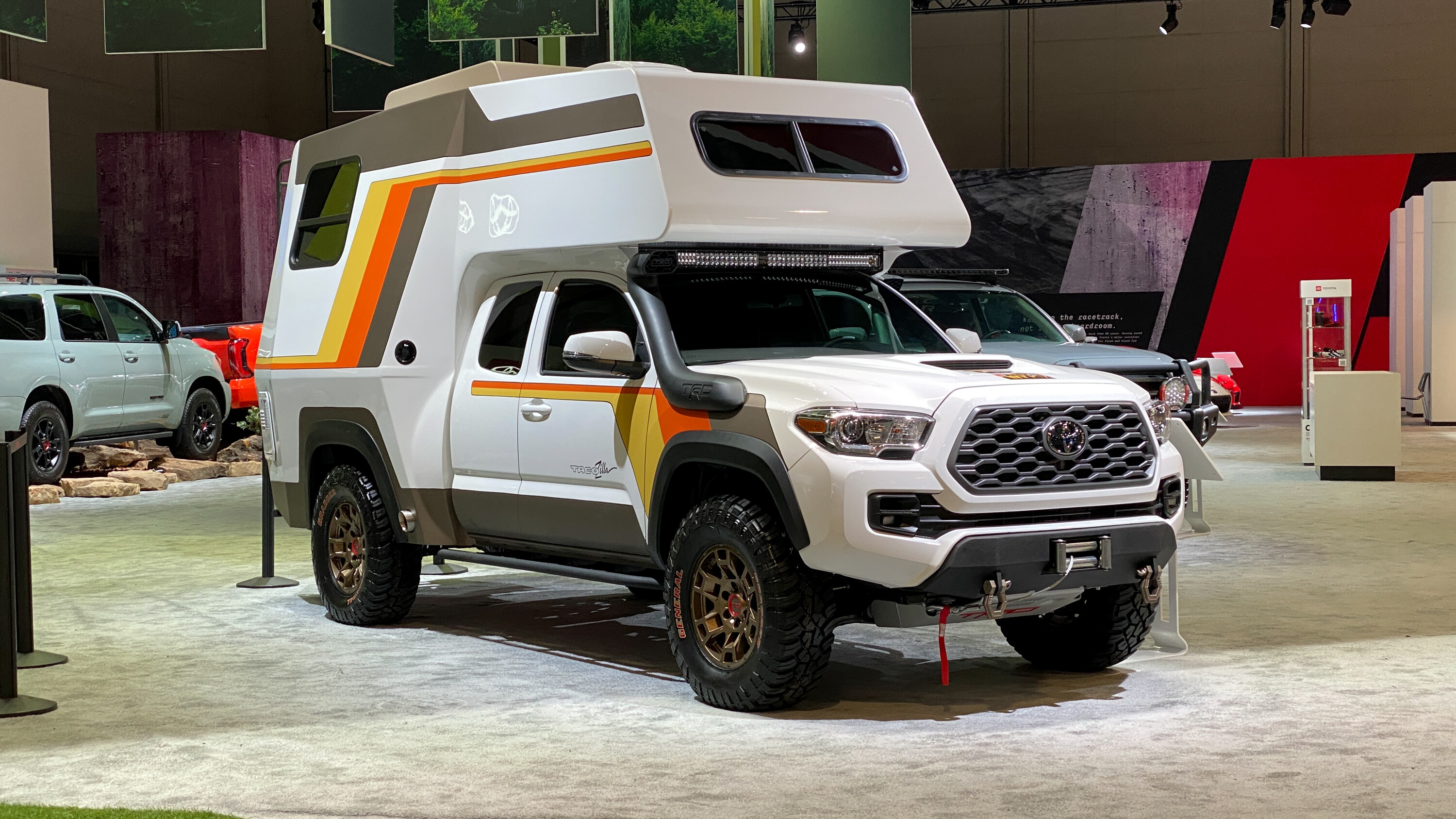
Heading down the overland path, Toyota featured its Tacoma-based Tacozilla, a micro house on wheels. The colour scheme hails from the 1980’s SR5, a supersized version of the classic Hilux Sunraider. It includes a bathroom, kitchen, refrigerator, dual Optima Yellow Top batteries, heavy-duty TRD suspension, and General Tire Gabber X3 tyres.
BEST OF SHOW
One of the main attractions at SEMA is the technology, or lack thereof, that goes in to the display vehicles. While many begin blending in to a collage of repetition, we’ve selected a few that stood out.
WATCH THE VIDS IN THE GALLERY
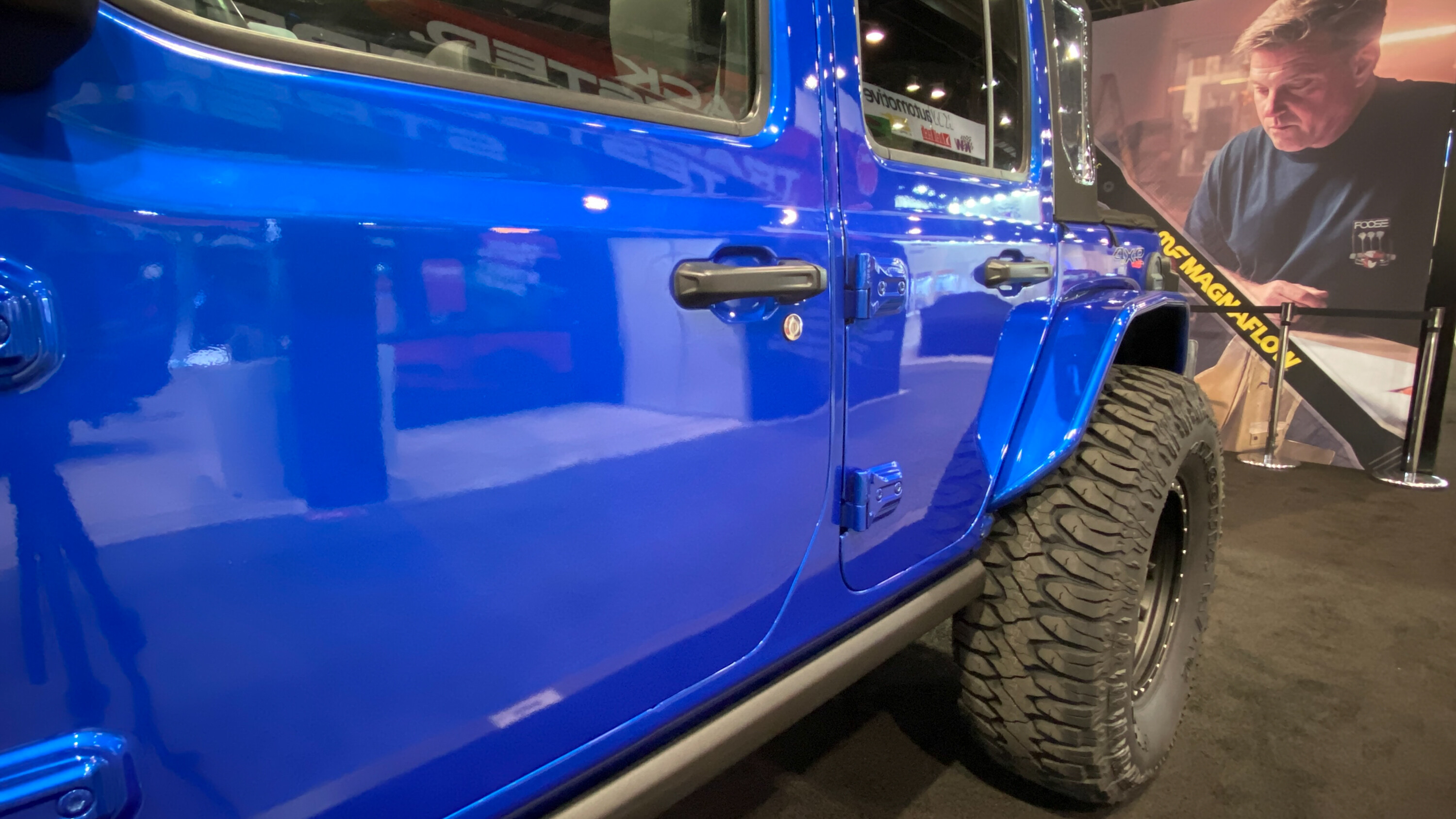
We’ll start with Bestop’s Electric Blue Wrangler. Built by Tony Carvallo, responsible for many of Jeep’s Moab concepts, it has all the normal bells and whistles (Warn winch, Metal Cloak suspension, Method Wheels, etc.), but what caught our eye was the pulsating paint job. Wrapping the vehicle with thin layers of conductive material over the paint, then covering it with blue-tone clearcoat, when electricity is introduced the material illuminates intermittently. Fascinating!
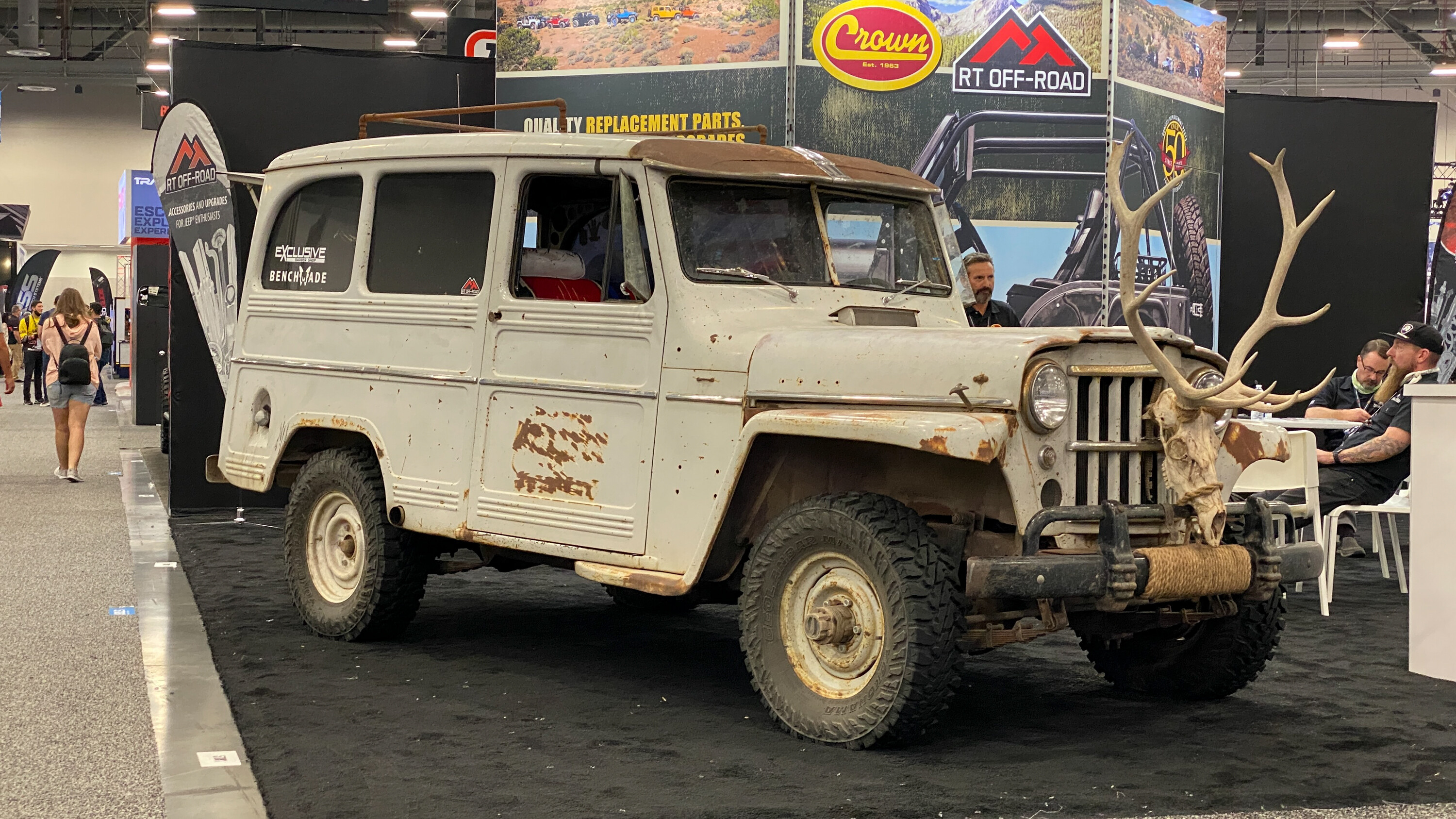
We always look forward to seeing what Crown Automotive has on display. This year it was a MaxBuilt Willys Wagon. Rather than a full resto-mod, it is a backwoods daily driver replete with original paint, patina and rusted out floorboards. Key features: an oil-guzzling Buick V6 and an elk’s head protecting the grille.
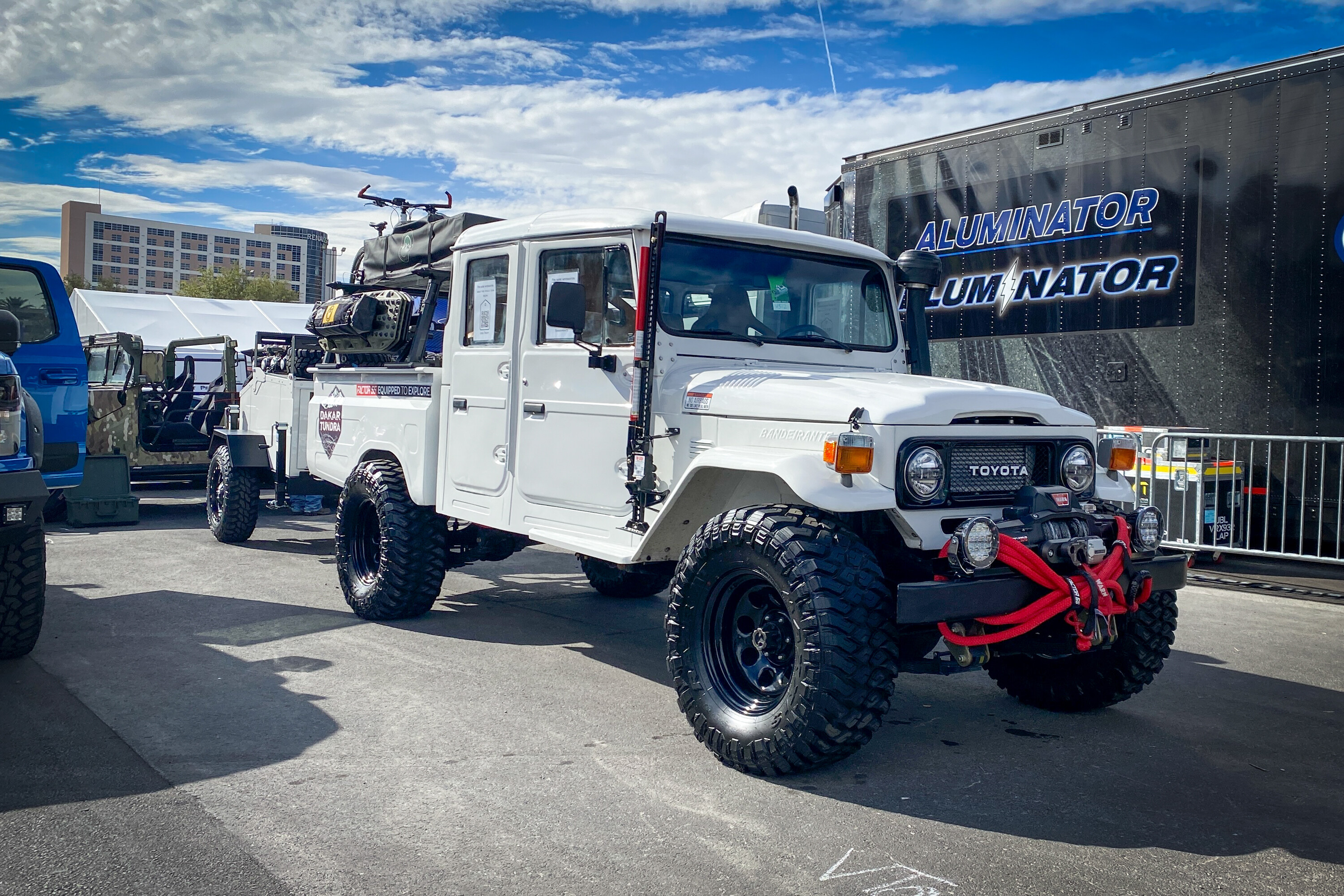
One of our favorites was this Brazilian made Toyota Bandeirante OJ55 crew cab pickup. Fitted with a 3.8-litre Mercedes turbo diesel, OVS rack and rooftop tent, Old Man Emu suspension, Maxxis MT tyres, and camp trailer in tow.
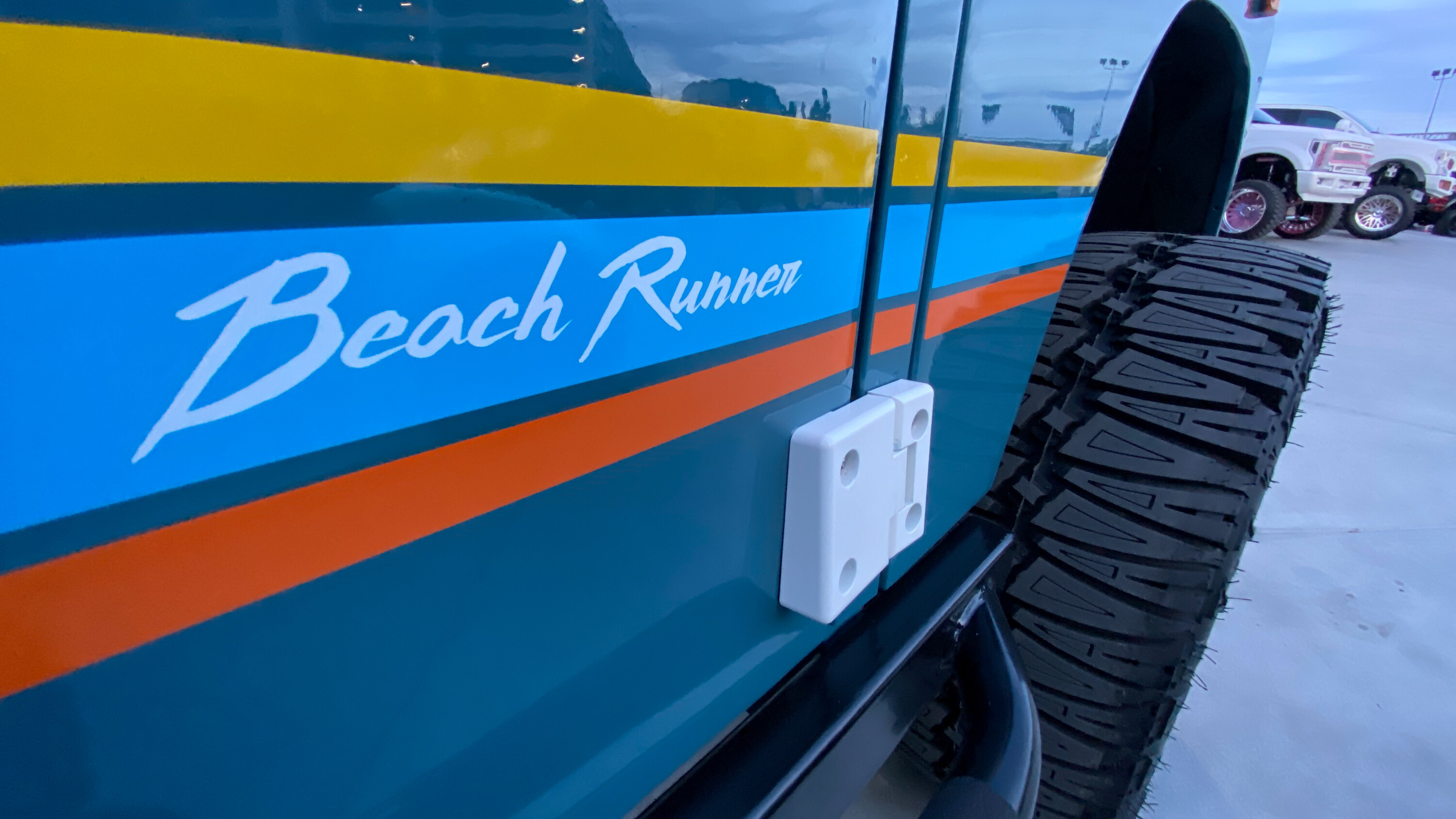
This sweet Land Rover D90 from Royal Overland was one of a select group of 4x4s in SEMA’s Battle of the Builders competition. Riding on Interco TrXus mud-terrain tyres and Roadkill bead locks, it sports a custom roll cage, a Brazilian hardwood interior, recessed ice chest out back, and an Engo recovery winch with a Factor55 thimble. This stunning example of Rover craftsmanship received our vote for the win!
WILD AND CRAZY
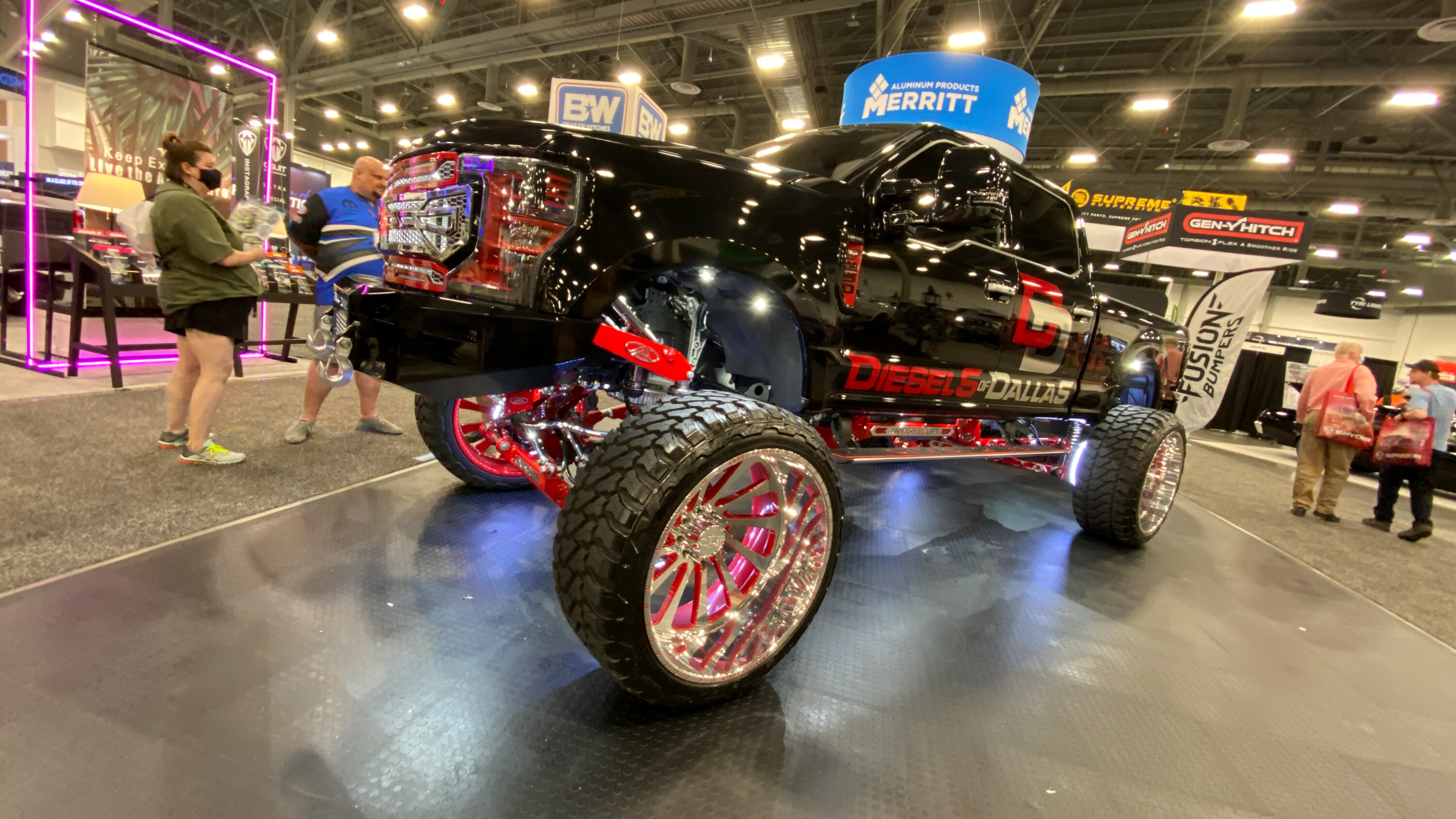
We never fail to be bemused by the creativity behind some of the wild and crazy SEMA builds. Fringing between function and fantasy, a few this year included a Jeep Gladiator swamp buggy, an AMC Gremlin, Wrangler JT and Badlands Bronco on cat tracks, and a Chia Pet Ford Bronco wrapped in a garden of bean sprouts.
WORST OF SHOW
As usual, we can’t talk about SEMA without highlighting a few of the most dysfunctional builds of the year. For some reason, dozens of manufacturers spend obscene amounts of money and time destroying what would otherwise be a useful vehicle. Some folks must like these unicorns, but most are as useful as a 100kg anchor on an aeroplane, and we can’t help but to poke fun at them and ask the question … why?
GENERAL SEMA
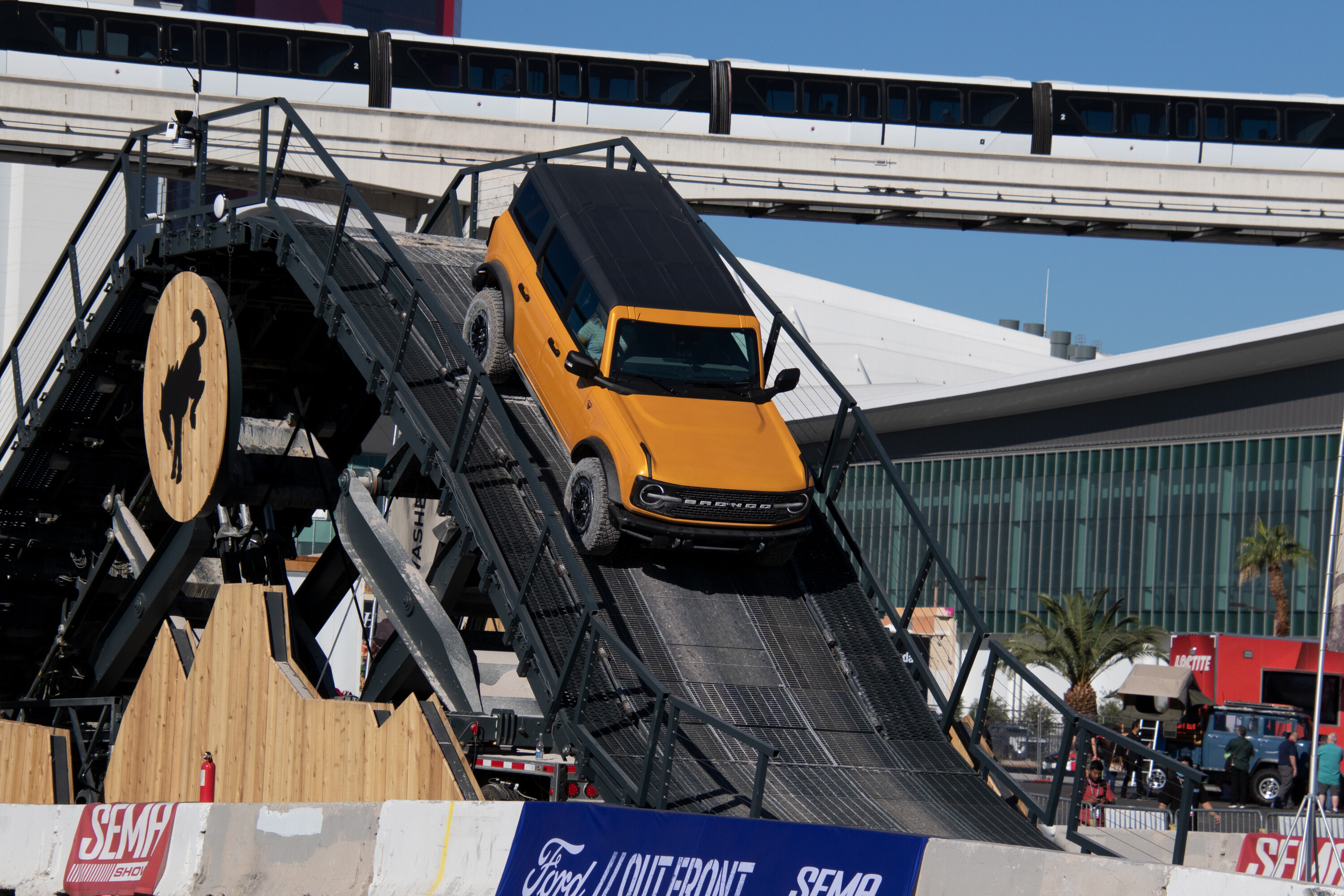
Ford occupies much of the public display area, and this year was all about the Bronco. Attendees waited in line for hours to slip behind the wheel and climb a mountain, splash through a water hole, or test the articulation of Ford’s new Bronco.
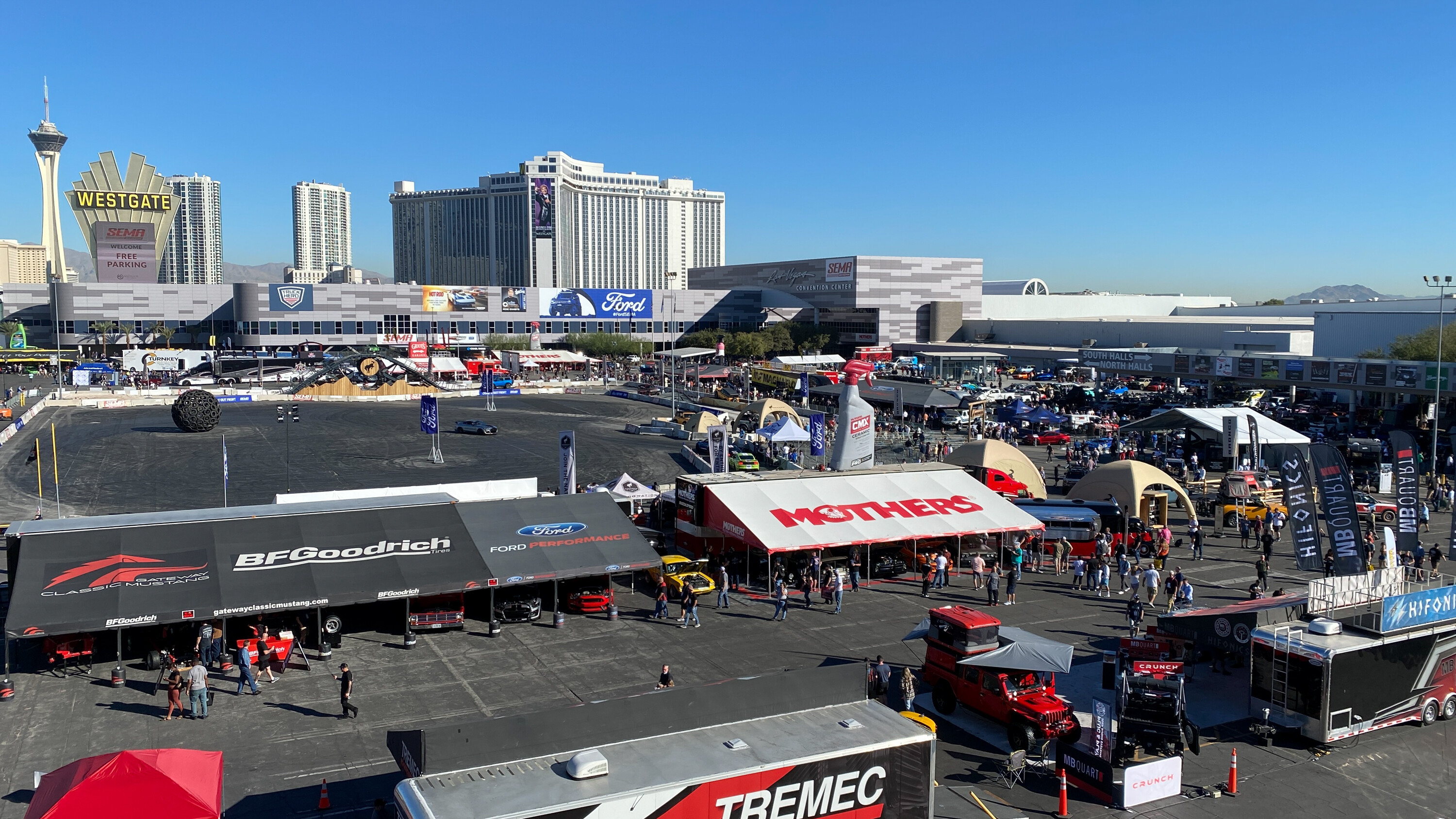
Although attendance was down this year, more than 100,000 manufacturers, buyers, and media registered for the show. And this does not include tens of thousands of spectators that flooded in to the public area.
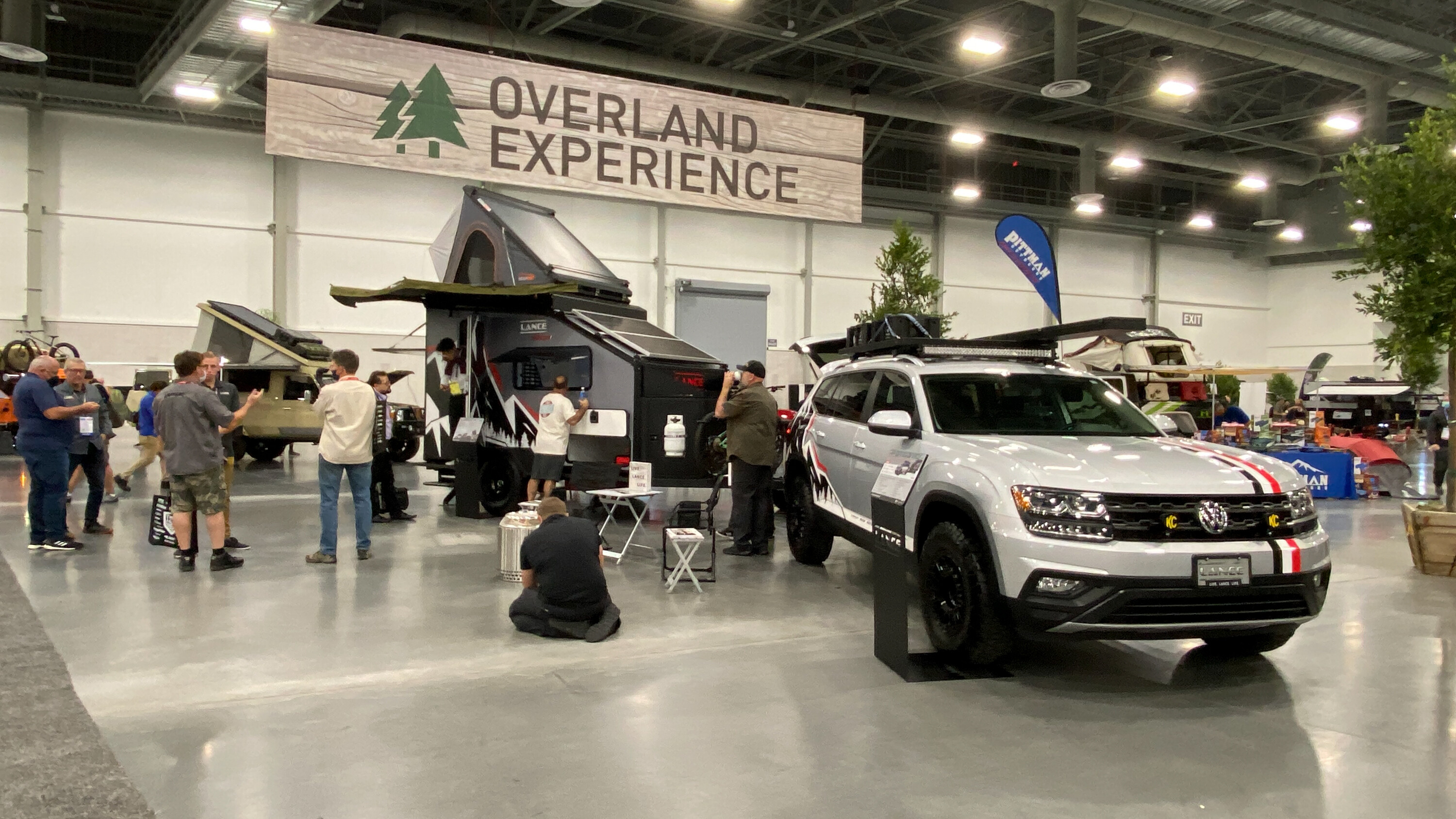
The new 1.4-million sq ft West Hall, dedicated to off-road and truck vendors, included the Overland Experience area which featured seminars and workshops on the future of the genre.
CLOSING THOUGHTS
Wrapping up the week, we departed Las Vegas with a sense of excitement about the future. After nearly two years of being sequestered, borders are opening, manufacturers are stepping on the gas, and the off-road world is ready to deploy. For more than 50 years, SEMA has been the annual who’s who gathering of the automotive world. The fact that they were willing to put their financial neck on the chopping block and help the industry and kick COVID to the curb is evidence that they are in it for the long haul.
There is no better place to test a new four-wheel drive than Moab, Utah. The region’s combination of stunning scenery, diverse terrain and trails ranging from mild to wild renders it a natural platform to evaluate on-road manners and limits of capability.
This summer we drove the new Grand Cherokee L (the larger three-row seating variant) at the Chelsey Proving Grounds near Detroit, but when Jeep presented the opportunity to test the Trailhawk on Moab’s slickrock, we decided to re-visit this fifth generation of the brand’s now-iconic luxury wagon.Before we dive into the details, we’ll start by stating that the Gen V Grand is a completely new platform. While it hails from its predecessors’ DNA, everything from the suspension and chassis, to interior and bodylines, have been brought up to speed with the latest technology and manufacturing processes.Over the past decade, the auto industry has experienced a shift toward utilising high-strength steel and aluminium components. It simply makes sense, as the combination results in platforms that are lighter, more rigid, stronger, and more fuel efficient. In the Grand’s case, a mere 27 per cent is now comprised of conventional mild steel.
UPDATE, May 12 2022: The new Jeep Grand Cherokee L is now in Australia, and we’ve driven it. Read and watch our review at the link below.
The story to here
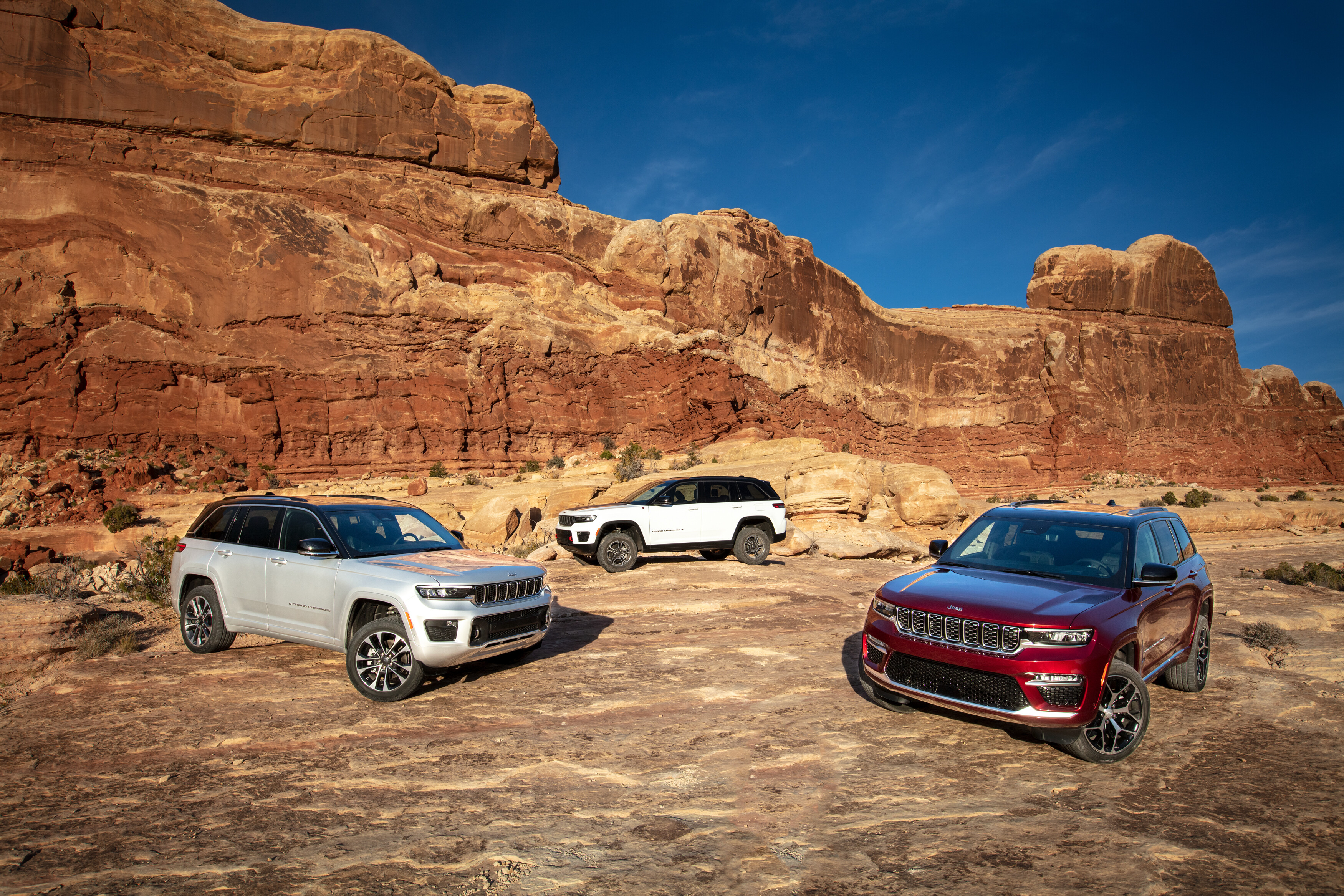
CHASSIS & DRIVETRAIN
It is no surprise that the two powerplant options are the Pentastar 3.6-litre V6 and 5.7-litre Hemi V8. These two mills have proven to be both reliable and powerful during their 10-plus years in existence. Tuned specifically for the Grand, the six-banger produces 218kW and 352Nm, while the HEMI generates a neck-snapping 266kW and 528Nm. Both employ the TorqueFlite 8HP70 8-speed automatic, but things change as we move aft.The base model incorporates the single-speed Quadra-Trac I transfer case, which means no low range. The Quadra-Trac II brings low range back, but move up to the Quadra-Drive II and you have an electronically controlled transfer case that distributes torque fore and aft precisely as needed based on conditions. You also get an electronically controlled rear limited slip differential.
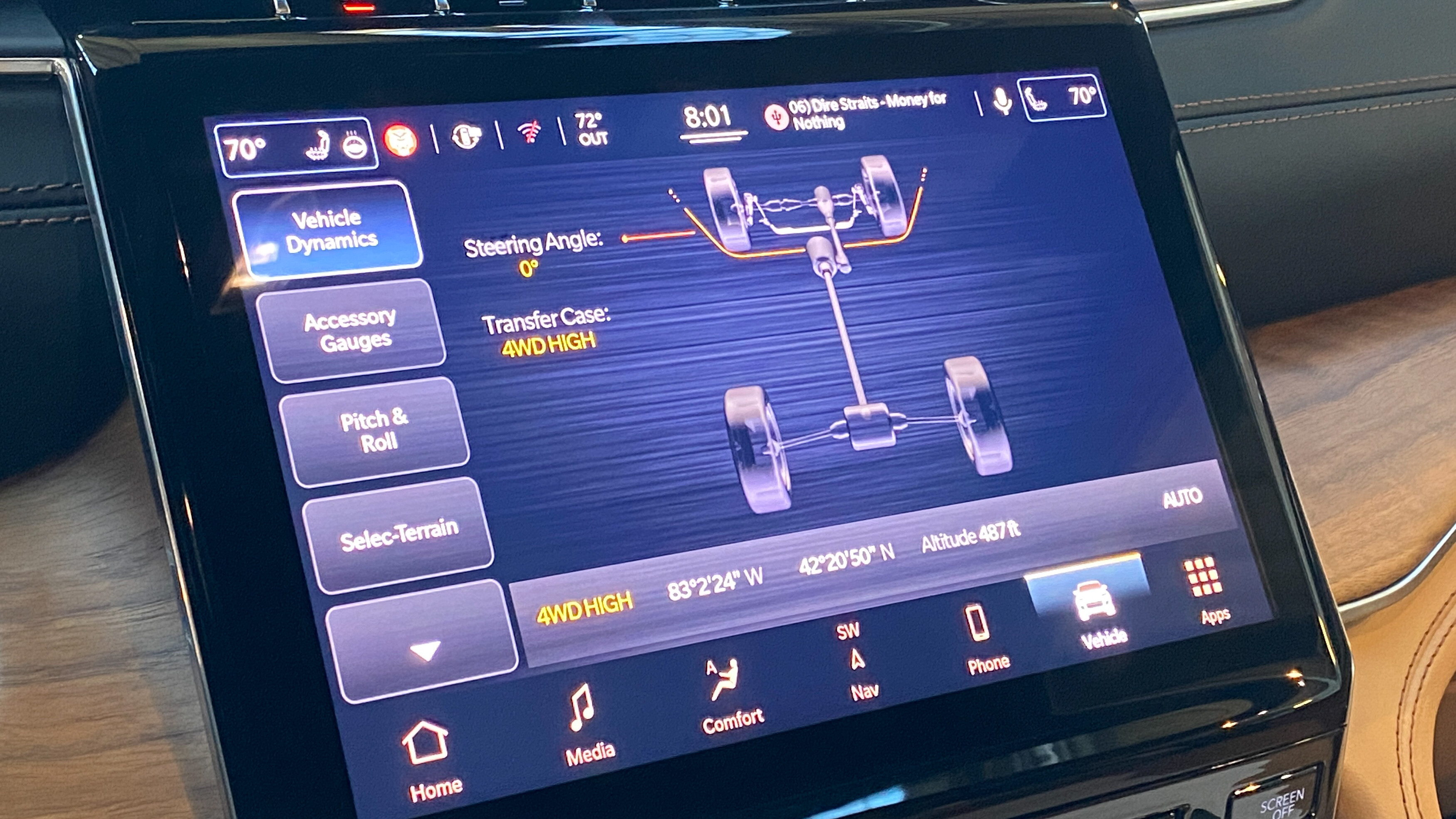
The Grand Cherokee’s four-corner independent suspension is here to stay, so hold off on a firestorm of expletives. The reality is that it works exceptionally well for its intended purpose, and has been improved upon with a rear five-link setup. The front has also undergone a redesign, featuring what Jeep calls a “virtual ball joint.” It allows the tyre’s contact patch to remain flat to the road under almost any steering condition. The result is a consistently larger contact patch, better handling, and reduced tyre wear.
INTERIOR ABODE & TECH
One will barely recognise the Grand Cherokee’s interior if comparing to its granddaddy, the ZJ. Summit Reserve is the premium model, and features natural elements such as fine leather and walnut hardwood trim throughout. The passenger-side LCD screen is new, allowing the co-pilot to manage dozens of functions including second row seat LCD screen, navigation, and HVAC. The audio system, a 950-watt monster by McIntosh, includes an array of 19 speakers sprinkled throughout the cabin. In short, it is sublime and loud enough to annoy your neighbours at a stop light.Glancing across the dash from the heated, 16-way adjustable driver’s seat is an exercise in optical opulence. The utilitarian analogue gauges of lore are now sophisticated LCD screens with Apple CarPlay. The multi-zone HVAC system can be operated from any seat in the house, and knobs and buttons are now machined aluminium eloquently recessed in hardwood panels. Did I mention the back massager? Its pulsating fingers will put you to sleep.
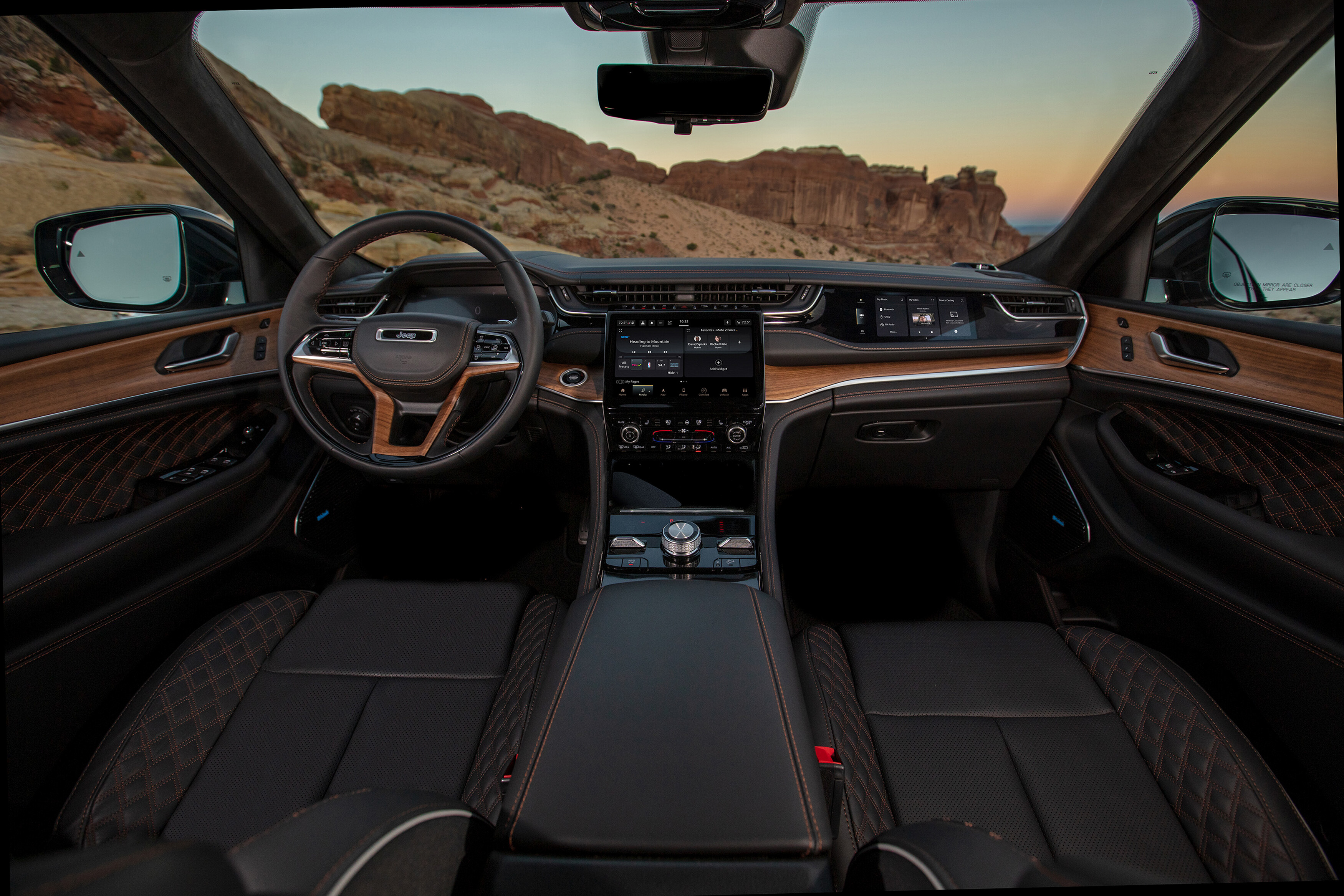
By now we are well-acquainted with Drowsy Driver Alert, Active Cruise Control, and Lane Change Assist, but new technologies include Pedestrian Detection radar, an infrared night vision camera, heads-up display, and a host of other safety features. A goal with the new Grand was to have most functions accessible without taking your hands off the wheel. Re-designed controls on the steering wheel allow you to toggle through engine vitals, media and vehicle pages, navigation, and IR camera settings with your thumb.The re-design also included increasing driver visibility, enlarging interior cabin space, and lowering door access thresholds. The vehicle is about three inches longer than its predecessor. While some of this was required for government-mandated safety requirements, much of it was added to enhance passenger leg room and allow for full-size adults to comfortably ride in the back seat.
ON THE ROAD
Our on-road drive took us to the 2,700-metre heights of the La Sal Mountains through red rock canyons and serpentine alpine roads. The fully-electric power steering was initially a concern to me, expecting it to be a bit unruly and lack the positive feedback found in traditional hydraulic systems. I couldn’t have been more wrong. Steering is precise, controllable and predictable.
The tyres reacted with less than five degrees input at the steering wheel, return to centre was spot-on, and feedback felt very natural … like a well-tuned hydraulic system. Roll cycle (when the vehicle/suspension settles after an emergency lane change) was minimal, a credit to the electronic semi-active damping system.
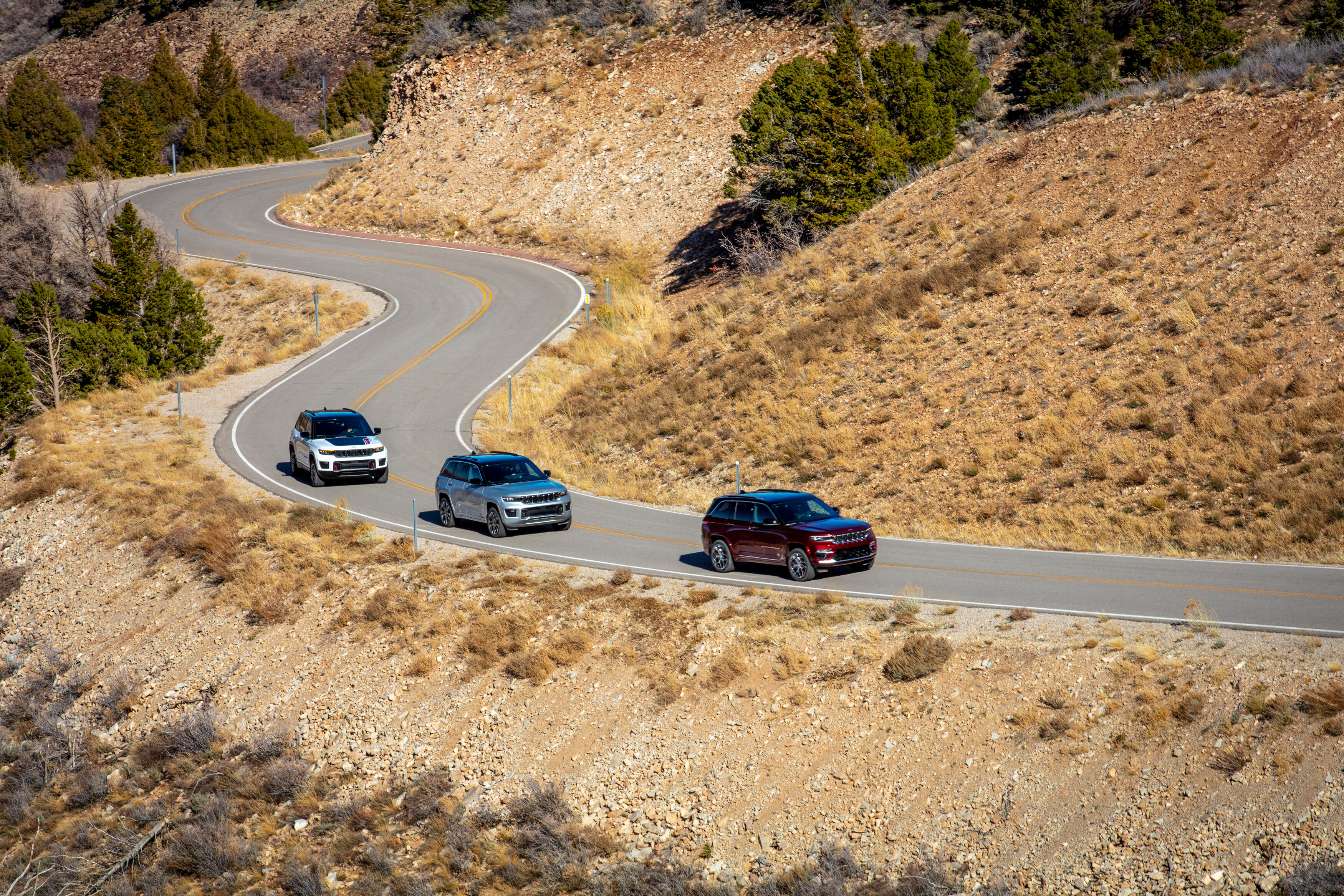
On smooth sections or bouncing over potholes, NVH (noise, vibration, & harshness) were more than acceptable – much quieter than anything I own. Some of this might be credited to the electronic front drive line disconnect, which automatically engages or disengages the axle as needed. All of the aforementioned systems did what they should, and the new Grand was simply a pleasure to drive on the road.
ON THE TRAIL
The proof of the pudding with any vehicle honoured with sporting a seven-slot grill is how it performs on the trail. The latter half of the day was on a technical rock crawling loop in a Trailhawk equipped with a Pentastar V6 and Quadra-Drive system.
With the suspension set on the highest position and in ‘rock’ mode, we had 28.7cm of ground clearance under the chassis. However, the route required more to keep the tyres on the ground. This is where the rear electronic limited slip, a well-tuned traction control system, and active Quadra-Drive transfer case came into play, keeping the vehicle moving smoothly over the larger obstacles.
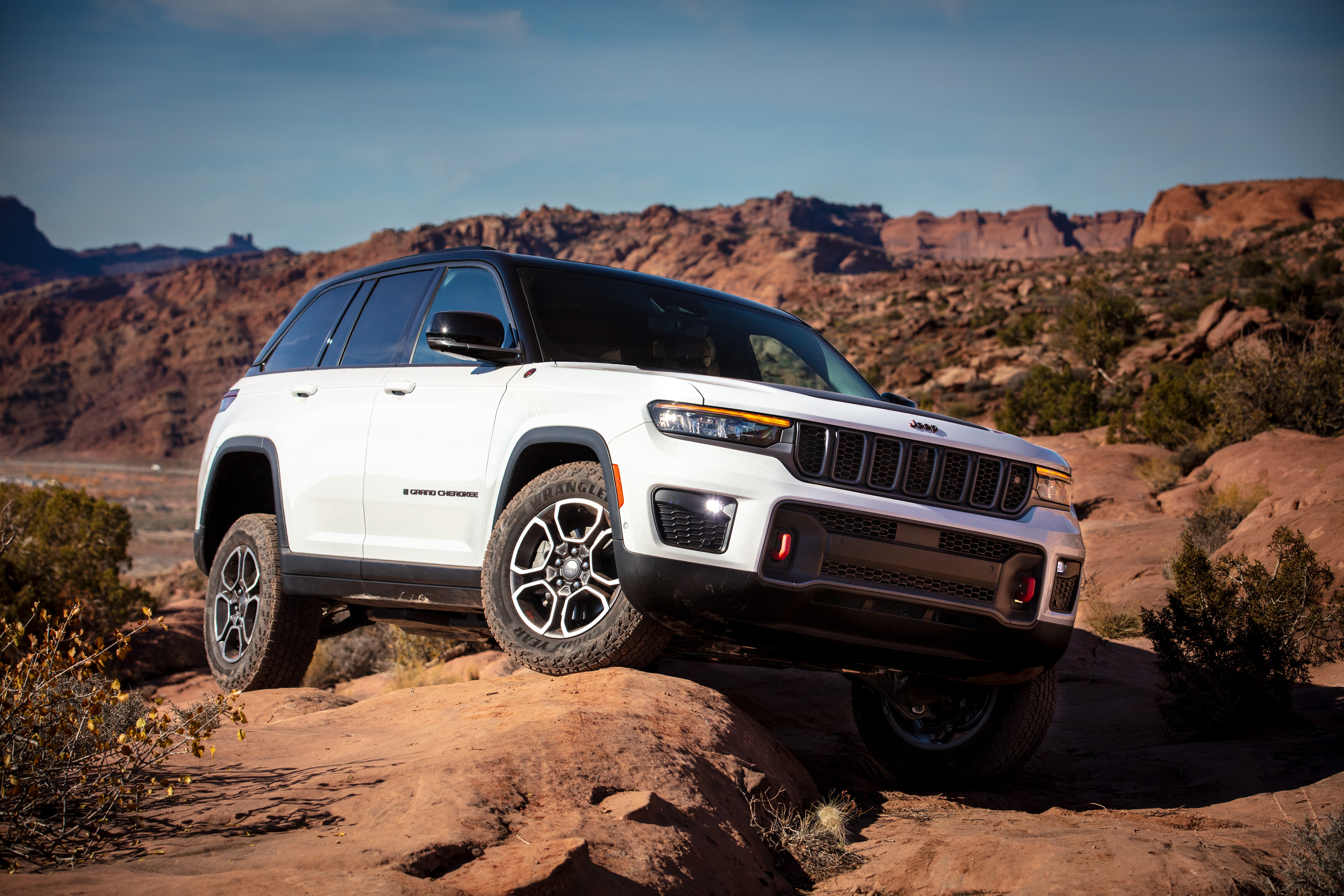
Air suspensions have traditionally been fairly rigid, but enhancements in the Quadra-Lift system have alleviated much of the jarring experienced in previous models. When the dust settled, the Trailhawk tackled this trail – which 99.9% of the public would never consider attempting – with the bravado fitting of a Jeep. We didn’t find any creeks or rivers to play in, but the Grand will also safely handle a 61cm water fording.
DEPARTMENT OF COMPLAINTS
While there is not a lot to complain about, if I had to pick one thing that drives me nuts it is the larger brake discs and calipers. Believe me when I say they work phenomenally well, but that extra diameter requires an 18-inch minimum wheel size (Summit Reserve is 21-inch). Sure, all this means reduced rolling resistance, better fuel economy, safer stopping distances, and blah blah blah.
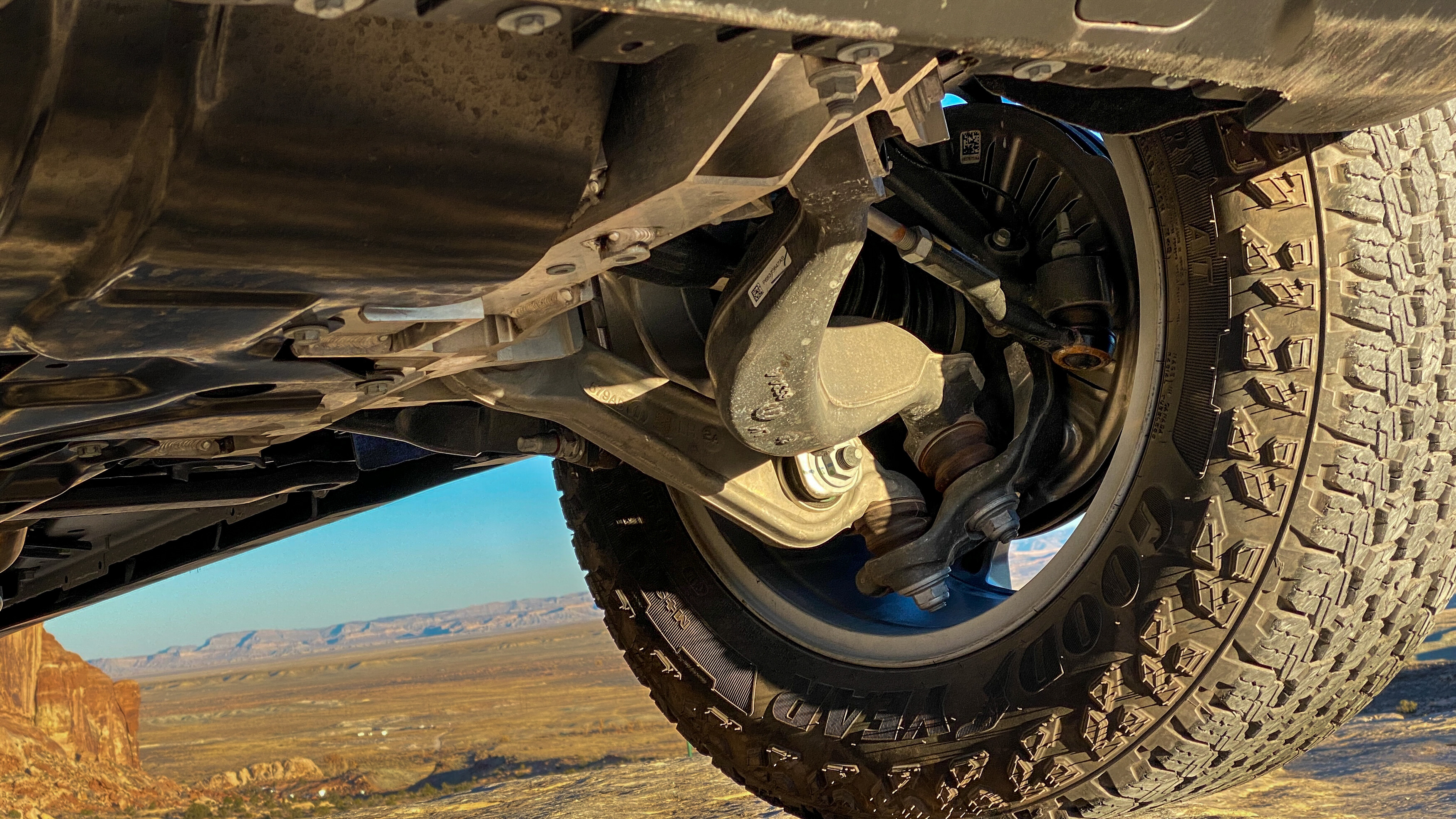
But it also leaves us with nary a sidewall and limited opportunity to reduce tyre pressure when desired. While most of the purchasing public has no idea why one would let air “out” of a tyre, for those of you in the know, you understand my grievance. Fine, call me an old curmudgeon.
ON THE HORIZON
As the Grand Cherokee line-up moves into 2022, the Summit, Overland, and Trailhawk will be joined by a 4xe hybrid version. While they did have a 4xe on display, it is still in the developmental stages and we were not able to drive it.
We did perform a good crawl-around and can say that is aesthetically similar, save the 4xe blue colour scheme. We are told it will have an estimated 440-mile range (708km), 25 of that in full-electric mode, and will get an estimated 57 miles per gallon (24km/L)
As for a full EV Grand, we didn’t get a firm answer but feel as the brand electrifies its fleet a zero-emission Grand Cherokee is in our future.
2022 GRAND CHEROKEE L SPECS
| Engine | 3.6L V6 / 5.7L V8 |
| Output | 218kW, 352Nm / 266kW, 528Nm |
| Transmission | TorqueFlite 8HP70 8-speed automatic |
| Transfer case | Quadra-Trac I, II, and Quadra-Drive II |
| Suspension | Independent, active air lift, twin-tube gas shocks |
| Brakes | Disc, 354mm front / 350mm rear |
| Wheels | Alloy, 18- to 21-inch |
| Tyres | Michelin, Pirelli, Bridgestone all-season |
| Kerb weight | 2052kg / 2428kg |
| Max towing | 3265kg (5.7-litre Trailhawk) |
| Fuel | 87L |
| Ground clearance | 287mm, Off-road II mode |
| Fording depth | 610mm |
The Hummer is returning to its roots, with General Motors announcing it will create a prototype of the model for military use.
The president of GM’s defence arm, Steve duMont, told CNBC the company had plans to create an electric Light Reconnaissance Vehicle (eLRV) based on the new Hummer EV for evaluation by the US Army.
“The Army’s very excited about the fact that we’re investing in this,” duMont told CNBC.
“Our Hummer EV is what we’re going to base that vehicle on.”
The move is a role reversal for the Hummer, as the first-generation Hummer H1 was a civilian version of a US military vehicle: the Humvee.
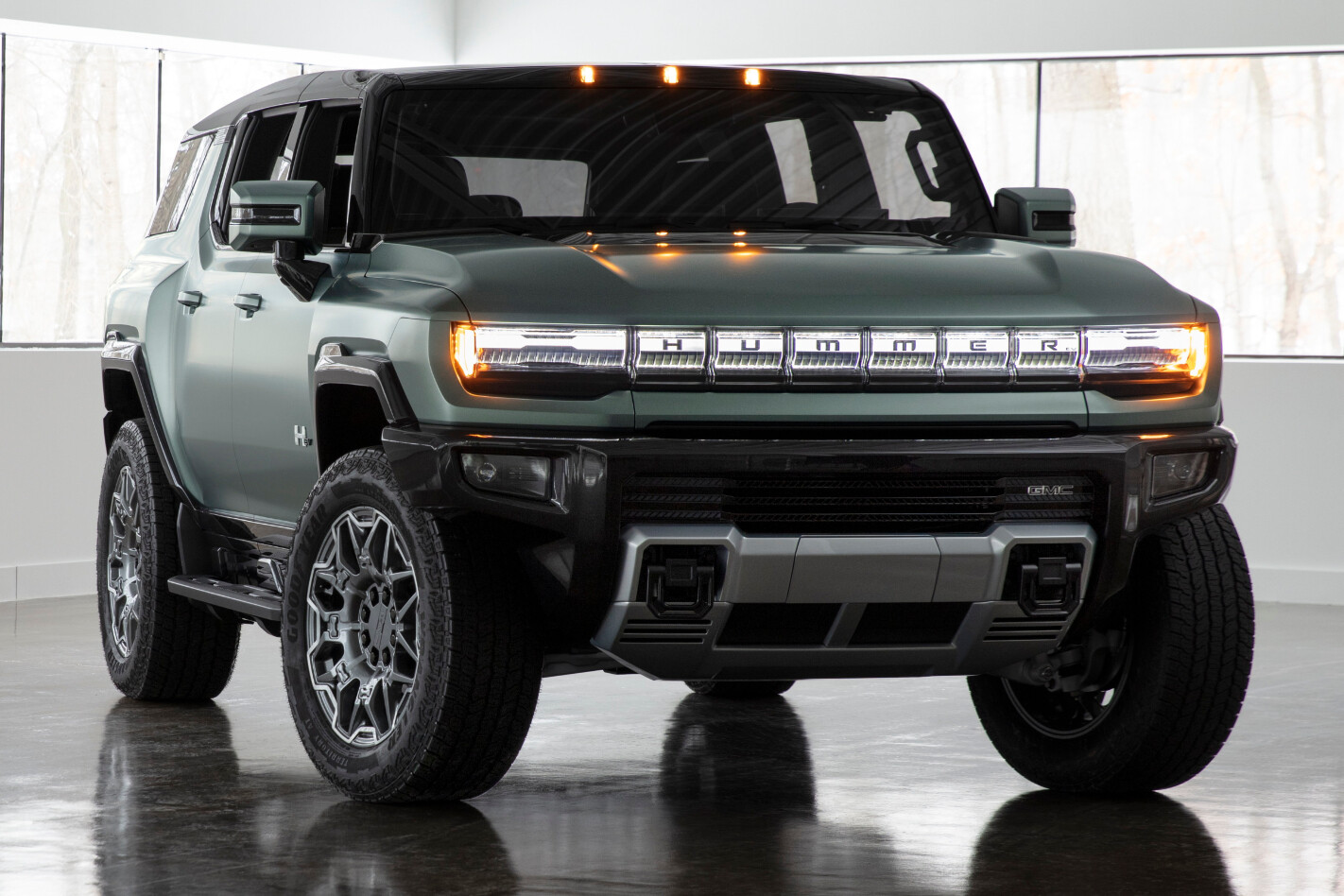
The 2022 GMC Hummer EV offers as much as 746kW and 2033Nm from its ‘Ultium’ battery pack, allowing for a driving range of up to 563 kilometres.
A militarised version will likely use less powerful electric motors and smaller batteries to reduce weight. The rendering (top) by @wb.artist20 provides a glimpse at what an armoured Humvee EV could look like.
“Electric vehicles are quiet. They have a low heat signature and incredible torque, and because they tend to be low maintenance with fewer moving parts, they have the potential to reduce logistics requirements,” US Deputy Defence Secretary Kathleen Hick said on Monday, according to Military.com.
The move to electric vehicles is part of US President Joe Biden’s overarching climate agenda, The Pentagon said earlier this week.
The Verge notes a 2019 study from Brown University which calculated the US military was the largest institutional polluter in the world, accounting for more greenhouse gas emissions than 140 countries.
An Israeli company has developed a machine capable of turning air into water.
Watergen has scaled down its patented technology to create two different mobile water generation devices – the first is around the size of a standard car fridge, while the second can be roof-mounted like an aftermarket air-conditioning unit.
Debuting at this year’s SEMA aboard a Ford Ranger, the smaller 15kg unit is called the Watergen Mobile Box and can produce up to 25 litres of drinking water from the air, just off the standard 12-volt power outlet.
In basic terms, the machine works in a similar way to a dehumidifier – extracting water particles from air, but in this case the water is also purified to ensure it’s drinkable. The company says the optimal temperature for production is between 15 and 45 degrees celsius.
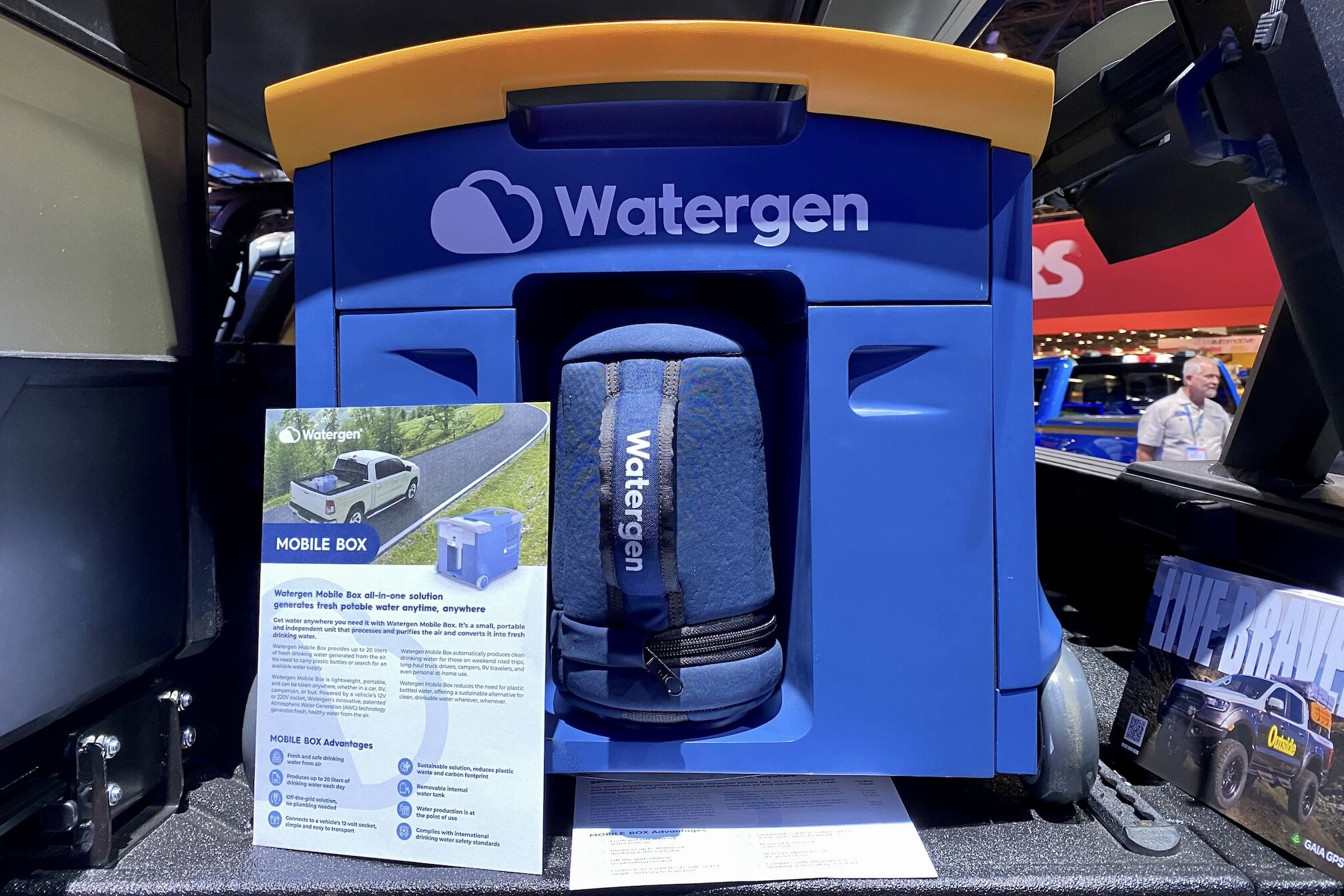
The larger roof-mounted unit can be fitted to campervans, caravans, and trucks, producing up to 50 litres of water each day from a 12V socket.
Health experts recommend adults drink between two and four litres of water each day, but that can increase to as much as 10 litres when in desert environments.
The Watergen Mobile Box has yet to go on sale to the public, but it could end up being a cheap insurance policy for desert touring.
The crew at PCOR has released all-new tray and canopy systems for the Ford Ranger and Jeep Gladiator. We take a closer look.
PCOR TRAY FOR JEEP GLADIATOR
The PCOR team’s latest tray is designed for Jeep’s Gladiator and is, like all of PCOR’s tray and canopy systems, made using tough, powdercoated aluminium for optimum strength with minimal weight – a winner for the Gladiator’s not-so-high GVM. The Gladiator tray mimics the donor vehicle’s approach/departure angles and is also designed to make the most of the space available, to optimise cargo area.
More 4×4 gear guides

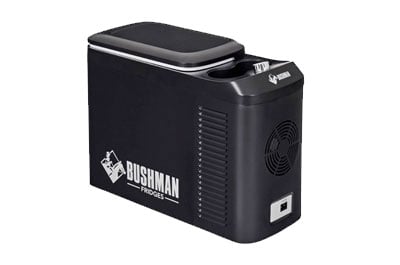
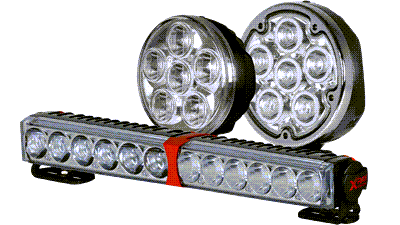
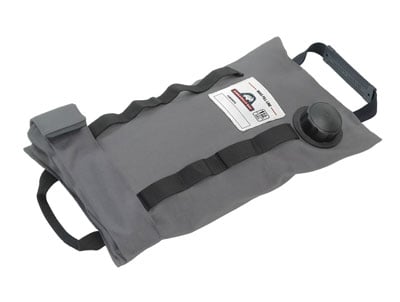
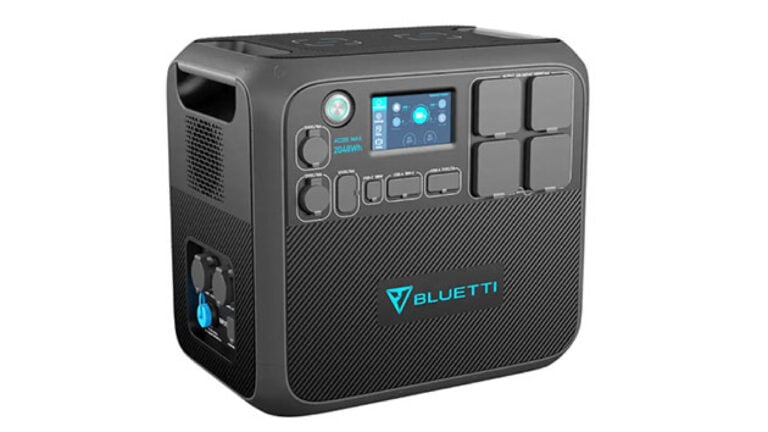

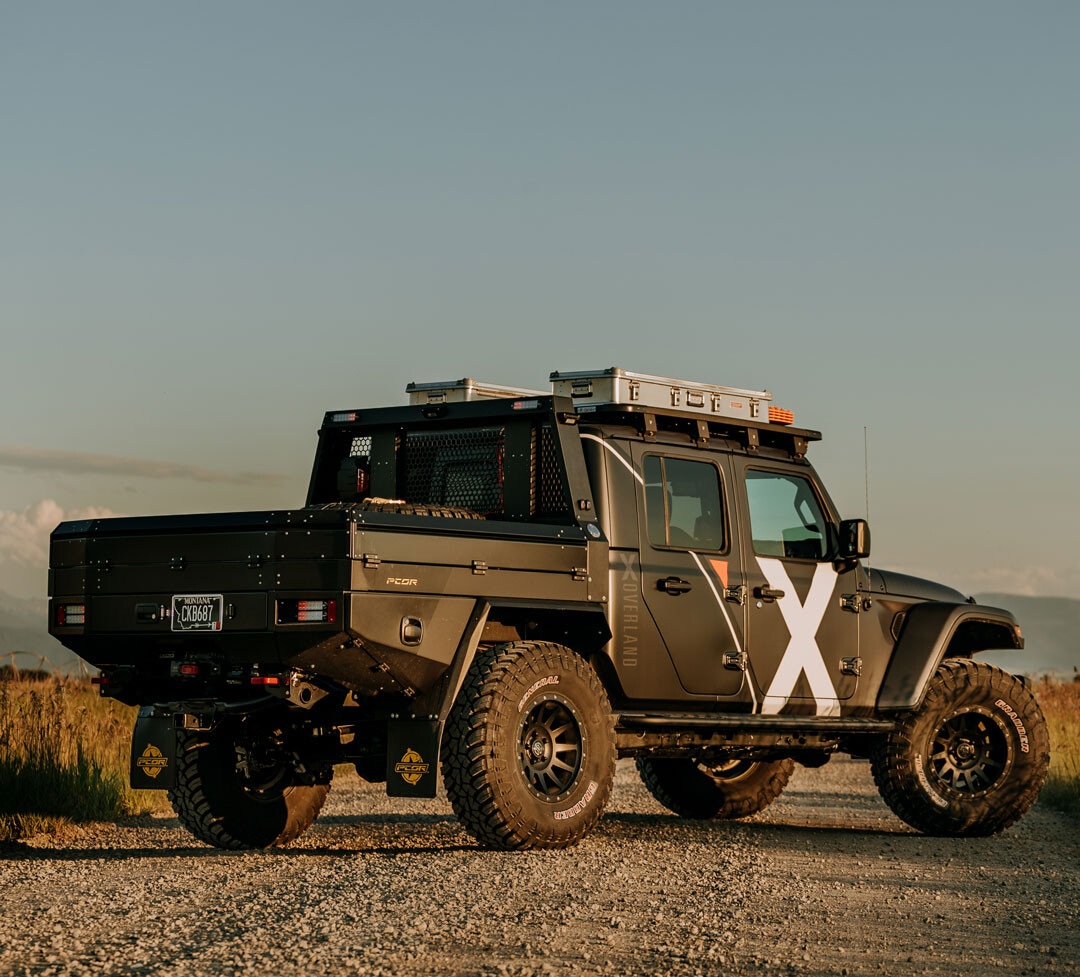
The tray design is aimed at pure functionality, and features include a rear roller drawer, 70-litre water tank (with easily accessed tap), high stop lights, integrated headboard and removable drop-sides. There’s also optional tyre mounts available. Other features include storage areas with central locking and tie-down points.
RRP: From $13,990
PCOR TRAY FOR FORD RANGER
Specifically designed for the PX2 and PX3 Ford Ranger, this PCOR tray moulds seamlessly around the cab for a stylish finish. Plus, PCOR ensures each vehicle maintains its approach angle, so that it doesn’t hinder off-road performance. The tray is constructed from lightweight powdercoated aluminium, which allows for a greater carrying capacity than many other units on the market.
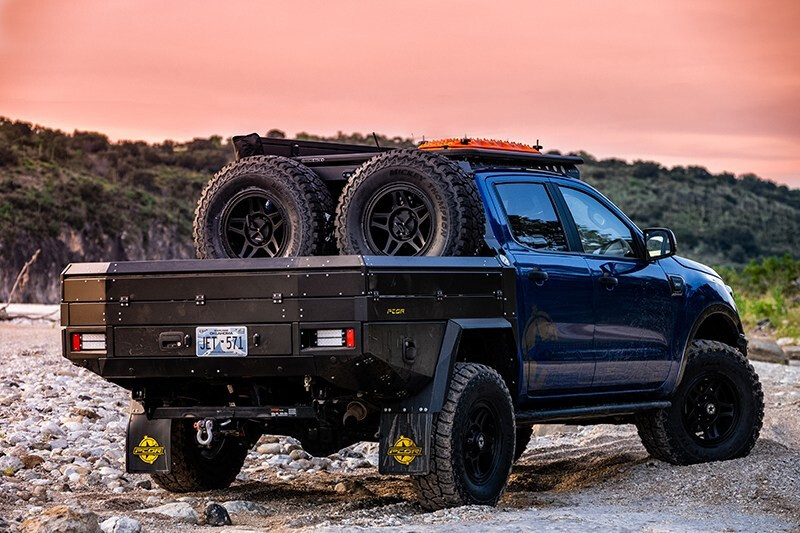
It also has built-in central locking storage areas in the tray bed, and it comes standard with a 70-litre water tank and easy-access tap. Materials are sourced in Australia and constructed to Australian manufacturing standards.
RRP: From $14,990
WEBSITE: www.pcor4x4.com
4X4 Australia's project builds
It’s not too often the prospect of a shotgun ride makes you feel all giddy in anticipation, but that’s exactly how we felt on our way to sit in the front seat of what is arguably the most exciting 4×4 vehicle to come to market in recent memory: the INEOS Grenadier.So the story goes, British billionaire Sir Jim Ratcliffe was enjoying a few ales at the Grenadier pub in London in 2017 – his shout, probably – when the idea was born for a purpose-built off-roader. Apparently, Ratcliffe wasn’t amused with the trajectory of Land Rover’s new Defender, and when Land Rover refused to sell him the rights to the Defender, he decided to take matters in to his own hands to fill a glaring gap in the market.Years of development later and the Grenadier is now in the testing phase of its evolution, with Australia scoring a 2B prototype for local evaluation. The vehicle had recently undergone a thorough testing program at Anglesea in Victoria, with Tom Smith, INEOS’s marketing manager, confirming to 4X4 Australia that the prototype will soon head to the outback for some extreme-weather, desert-bashing evaluation.

Before that, though, INEOS extended invitations to journos and a handful of interested parties who had put money down on a deposit for the vehicle. These people were given the opportunity to get an up-close look at the vehicle, as well as a shotgun ride on a brief off-road circuit.Despite our short stay in the passenger seat, the mud dash certainly proved that this vehicle has the potential to be an off-road powerhouse. The traditional 4×4 – in the sense of its robust construction and simple design philosophy – utilises a box-section ladder-frame chassis. The multi-link suspension set-up features Eibach coils (front and rear), and the beam axles are made by Italian specialists, Carraro. Interestingly, Carraro will also supply the front and rear lockers on production vehicles.

The 2B prototype wasn’t equipped with lockers, but it did have a centre diff – not that it needed to be locked on the off-road circuit. Still, a centre diff and front and rear lockers should make this thing unstoppable. Without them, the Grenadier still comfortably swept through the off-road circuit.It’s built in such a way that you won’t be afraid to point it at difficult tracks, and its utilitarian design means it looks much better with mud dripping from its side-rails than it does sparkly clean. A clear objective for the boffins at INEOS has been to ensure the vehicle remains practical for everyday use, as well as being simple to run should things take a turn when beyond the black stump – an example of this is the use of an old-fashioned key in lieu of push-button start tech.

Still, it’s not without modern niceties, with an easy-to-access central touchscreen that’s compatible with Apple CarPlay and Android Auto. In fact, everything is located centrally on the dash – tacho, maps, etc. – meaning the driver has no dash binnacle behind the steering column.We were assured that the prototype was in line with the production version, just without the final touches. You’ll notice the 4×4 switchgear, interior buttons and knobs, grab handles, and flooring is rough around the edges and incomplete. Despite the interior being a work-in-progress, it’s clear to see there’s been a heavy emphasis on ensuring knobs and dials are easy to reach and simple to use. You may notice some of the dials are big and clunky – this is to enable drivers to adequately use them when wearing winter gloves, for example.In a throwback to retro off-roaders of a bygone era, the Grenadier utilises empty space on the ceiling of the cabin, where you’ll find drive-mode functions, locker controls (if required), and an abundance of auxiliary plugs.In line with the ethos of making it a ‘proper’ off-road vehicle, INEOS elected for plastic flooring so that owners can simply point a high-pressure hose at it after a thorough off-road excursion. Still, carpet floor will be available if required. Drainage plugs are positioned in the rear to help with this process, and the dual-battery and electronic set-up is positioned higher in the rear to keep it dry.

The Recaro seats are properly bolstered, which means they remain supportive and comfortable when bumping and swaying on off-road trails.The Grenadier is highly customisable, with plenty of mounting brackets found throughout both the interior and exterior of the vehicle. It’s also prewired to accept a range of electrical equipment – think driving lights, winches and solar panels. A storage compartment within the spare wheel, for soggy boots and clothes, is a clever addition. The rear barn doors are split 80:20.Available are 17- and 18-inch steel wheels with chunky BFG all-terrains as standard – the 2B prototype was wearing 17s inside those BFG A/Ts, but you’ll also be able to opt for 18-inch alloys if so inclined. A bespoke Bridgestone Dueler A/T 001 tyre will also be available from the factory.

Some may baulk at the fact it’s running BMW-sourced hardware in the form of 3.0-litre in-line-six petrol and diesel engines, but the engine – diesel-powered in the 2B prototype – feels competent in a vehicle of this nature. Further testing should validate this, but it is a bit too early to say. A ZF eight-speed automatic gearbox will be the sole transmission available.Another point of contention is aftersales support, but INEOS has confirmed it will have 16 agents in major cities around Australia, as well as 34 Bosch Service Centres. Owners of the vehicle will also be privy to an open-source aftermarket strategy, where they’ll have access to aftermarket support software including step-by-step tutorials, a digital repair manual, 3D CAD maps of vehicle parts, and a parts catalogue. In addition, the Grenadier will come with a five-year/unlimited-kilometre warranty and five-year roadside assist package.

The Grenadier comes with a 3500kg towing capacity and 7000kg GCM. It starts at $84,500 for the two-seat commercial variant, with more premium models to sit above it – as well as a ute and hydrogen-powered derivatives in the distant future. A host of accessories will be available to add to that starting point, so expect to pay a bit more once you leave the showroom with your desired product. For example, the snorkel on the 2B prototype is a factory extra, as is the ladder attached to the rear – however, the ladder will be standard on up-spec models.The Grenadier starts production next year at Hambach, France, with local deliveries beginning toward the end of 2022.
The 2022 GWM King Kong has been shown off in China, and the dual-cab ute could end up in Australian dealerships.
Details of the GWM pick-up emerged in the database of the Chinese Ministry of Industry, with local media reporting the King Kong is due to be fully unveiled at the Guangzhou motor show later this month.
“We’re always open to new models, such as the King Kong Ute, that could expand the GWM product portfolio in Australia,” a spokesperson for GWM Haval told 4X4 Australia.
“While our regular discussions on product continue with our Head Office colleagues, it’s too early to say whether we’ll see it here,” they added.
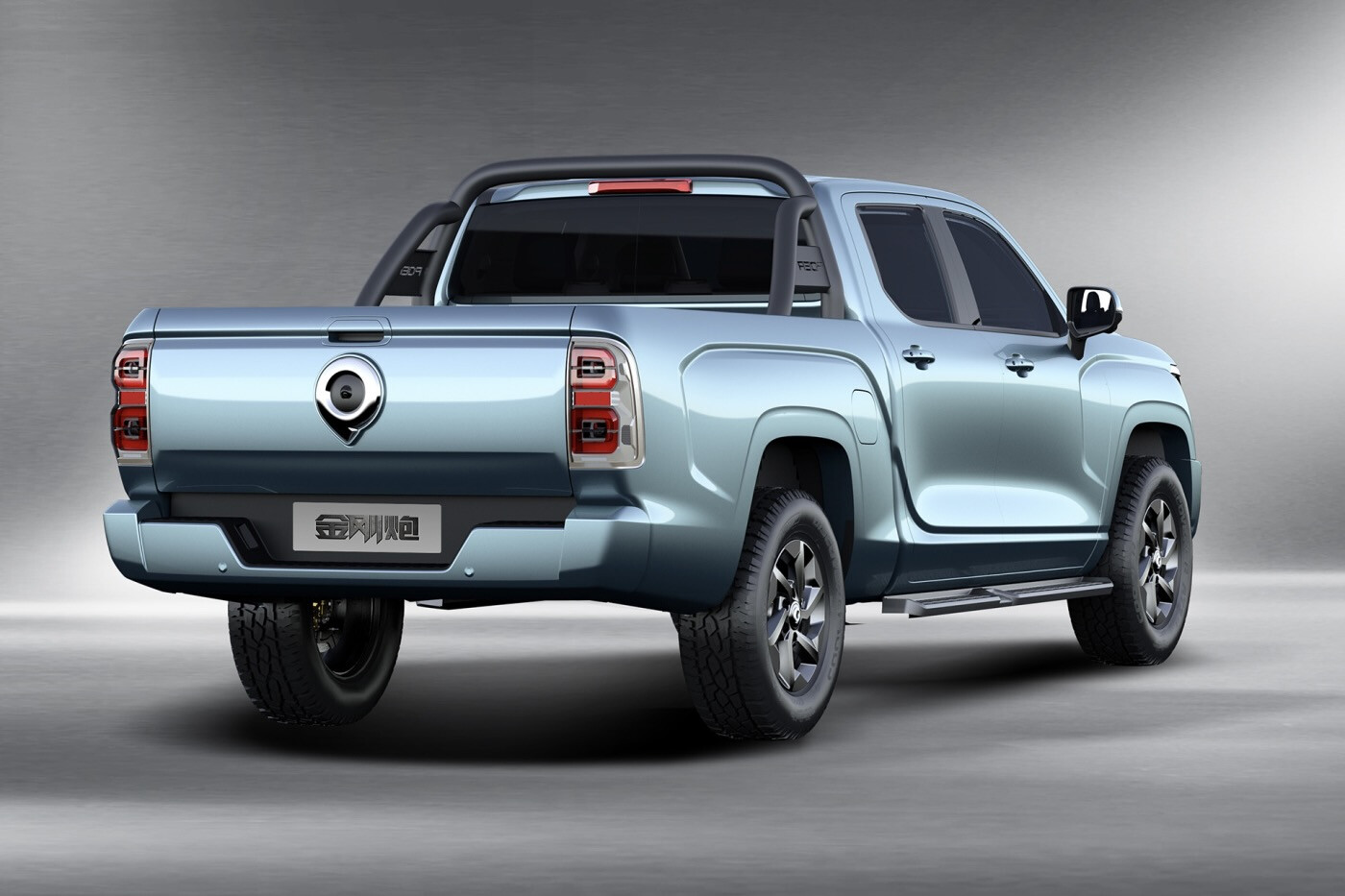
Some outlets are also referring to the King Kong as the Poer Diamond Cannon, with its stablemate – known in locally as the GWM Ute – being badged as the Poer Cannon in its native country.
Curiously, Chinese rival Geely also has a model called the ‘KingKong’.
GWM’s King Kong is available with two different tubs – a standard model with a length of 5365mm, or a long version with a length of 5635mm. Both have a payload of 500kg and a 3140mm wheelbase.
Despite the vehicle’s imposing looks, the standard version is actually shorter, narrower, and lower than the GWM Ute sold here.
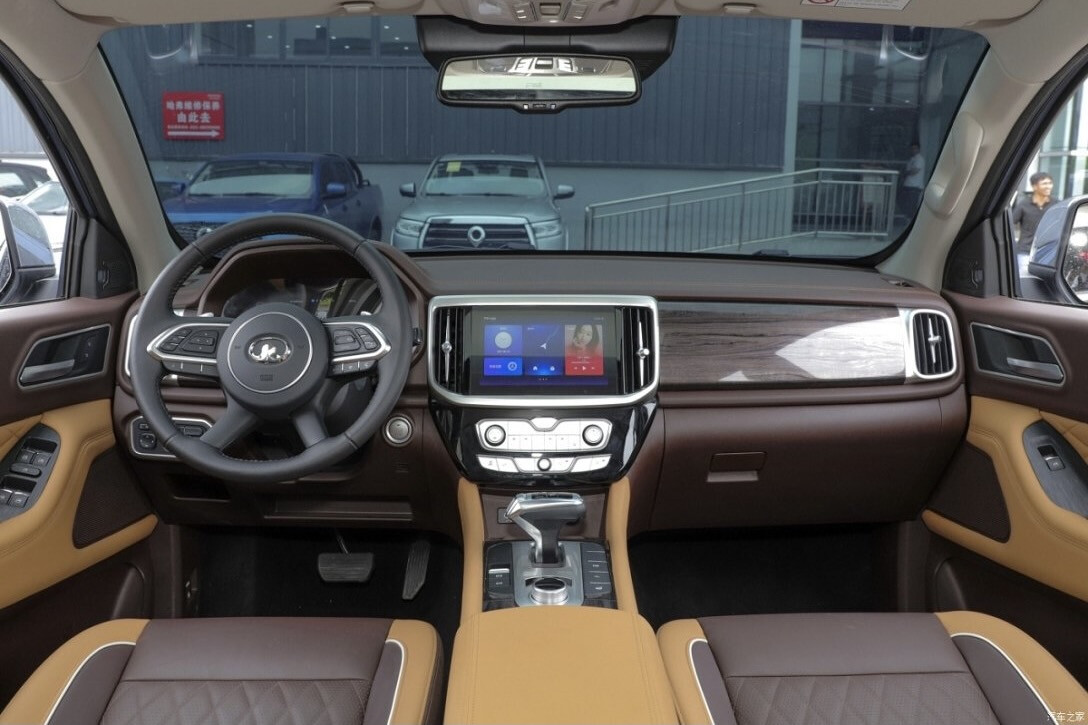
Reports are the King Kong will be offered with a 2.0-litre turbo-diesel four-cylinder engine producing 123kW and 360Nm. Buyers get a choice of rear- or four-wheel drive, with drive fed through either a six-speed manual or eight-speed automatic transmission.
Higher-grade models are expected to come standard with LED headlights, keyless entry, sunroof, rear-view camera, dual-zone climate control, and side-steps.
Expect more information about the 2022 GWM King Kong to emerge following the model’s public debut in the coming weeks.