
A 70 Series is primarily a work and touring vehicle, designed for prolonged exposure to heat, dust, corrugations and sustained load.
That operating environment places constant stress on every component fitted to it, and over time it exposes which upgrades are genuinely fit for purpose. We’ve run a few 70 Series over the years, and our current project LC79 GXL is loaded with quality aftermarket equipment. That experience has shown that lower-quality gear doesn’t just fail sooner, it makes ownership harder in the short term as well. Rattles develop, fasteners loosen, components fatigue and parts begin to work loose. Over time, the effort spent removing, repairing and replacing items adds up quickly, both in time and cost.
Extended sun exposure accelerates material degradation, fine dust works its way into joints and mechanisms, and corrugations place constant load on mounts and fasteners. After a few thousand kilometres, the difference between well-engineered accessories and marginal ones becomes clear.
Equipment that feels secure in urban or light-duty use can loosen, rattle or degrade after extended corrugated travel. Latches lose tension, drawers begin to chatter, and dust ingress increases as tolerances open up. On our LC79 project, we’ve seen how even small compromises in fitment or materials can create ongoing maintenance issues that erode the vehicle’s usability.
Why some upgrades fail
Most failures trace back to basic engineering compromises that don’t align with how a 70 Series is actually used.
Materials may look acceptable initially, but without proper UV stability they fade, harden and crack over time. Fastening systems designed for light or intermittent use cannot maintain preload under constant vibration. Generic fitments rarely sit perfectly in a 70 Series cabin or chassis, which introduces movement and accelerates wear. Cosmetic finishes add little protection against long-term exposure and no structural resilience. These weaknesses rarely appear in short-term use; they emerge under continuous exposure to Australia’s harsh elements.
In our experience, most owners replace at least one interior or utility upgrade within the first year. The first extended trip is usually enough to reveal rattles, loosened mounts, degraded materials or latch failures. What initially appears cost-effective often proves expensive when factoring in the time, effort and repeated replacements. Running lower-quality equipment may seem cheaper upfront, but the cumulative cost of failure quickly exceeds the price of a well-engineered solution.
How to choose upgrades that last
Selecting durable upgrades for a 70 Series means prioritising long-term performance over short-term savings.
Materials should be UV-stable and corrosion resistant, mounting systems designed to handle constant vibration, and fitment precise enough to prevent movement and noise. Warranties can provide some confidence, but real-world evidence matters more. We can attest that even high-spec components fail if not engineered for sustained Australian conditions. Our experience with the LC79 shows that upgrades also need to function as a system. Storage, lighting, protection and utility gear all interact, and failure in one area can compromise the performance of the entire setup.
Solutions for real conditions
Here are some of the top picks from the 70 Series Store to keep your 70 Series sorted for real-world Aussie touring.
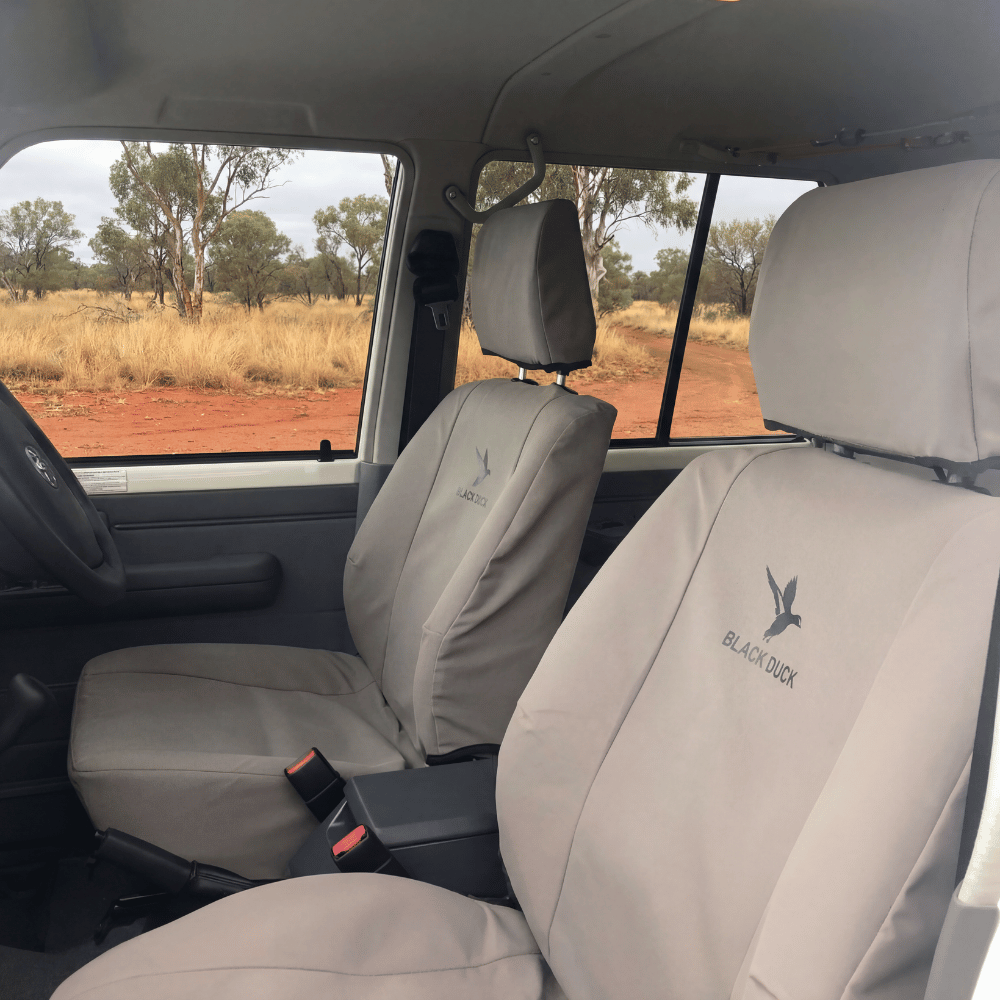
Black Duck provides tailored, heavy-duty covers that protect factory seats while ensuring precise fitment for 70 Series interiors. For storage and organisation, Front Runner offers modular drawers, roof racks and load solutions designed to keep gear secure and accessible.
Interior refinement comes from Sunland Protection including a variety of dash mats. Safari Snorkels ensure reliable engine airflow in dusty or water-crossing conditions, maintaining performance where stock intakes would struggle.
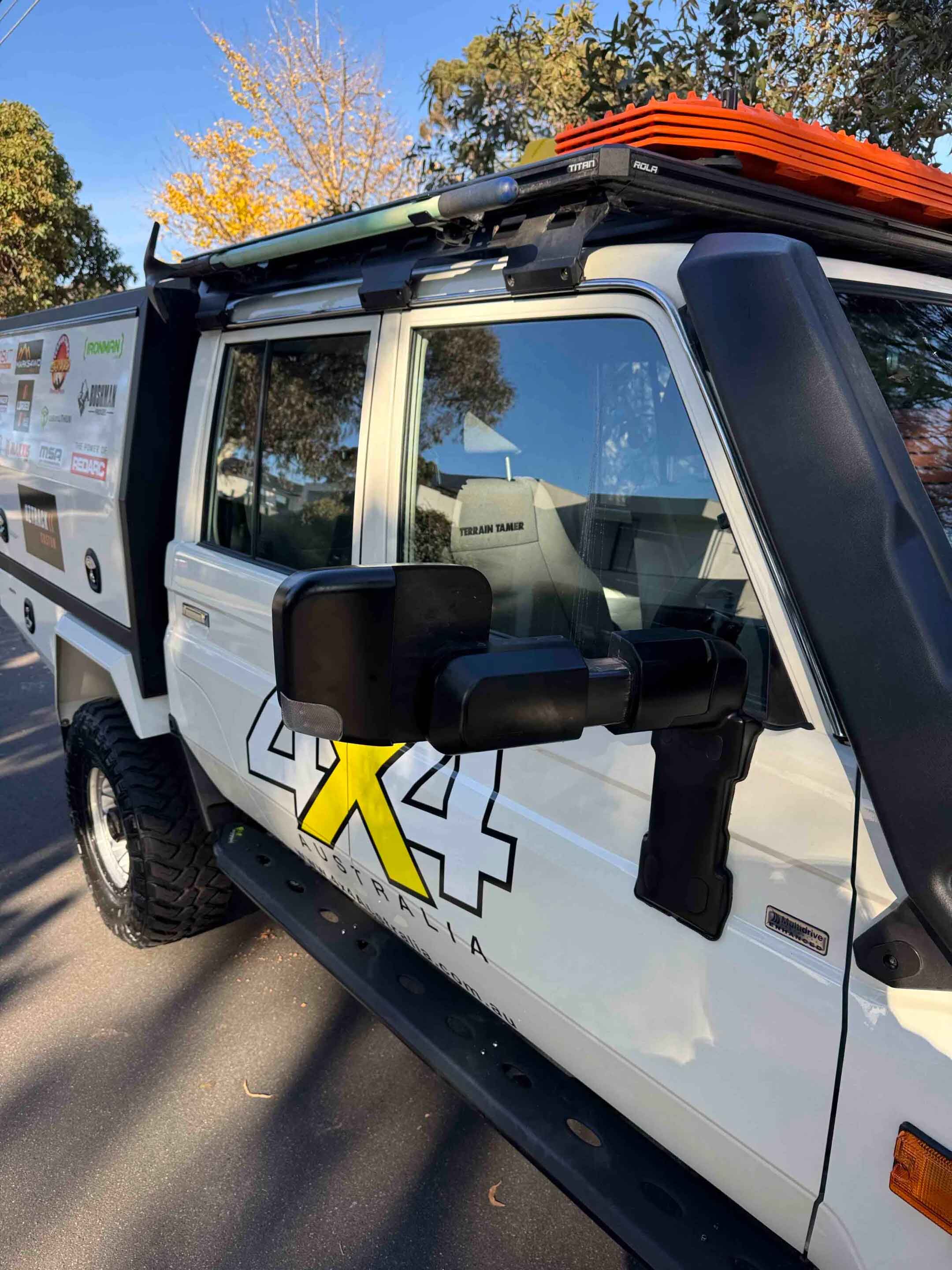
Mudtamer provides a wide range of Aussie-made, heavy duty floor mats; while Manual, Power Fold or Electric Indicator towing mirrors from MSA 4×4 are the perfect addition for a caravan trip around the country. The Freezebrain AC amplifier is 100-per-cent plug-and-play; TAG provides a broad range of heavy-duty tow bars, as well as necessary wiring and recovery hitches; while a massive range of Redback exhaust equipment will take your 70 Series to the next level!
Build once, not twice
A 70 Series is a long-term vehicle, and upgrades should be treated the same way.
Components need to be engineered for sustained load, extended exposure and repeated use. Choosing solutions that meet these criteria up front reduces repeat replacements, minimises wasted time and prevents the frustration of gear failing in the field, lessons we’ve reinforced repeatedly while running our LC79 project.
The goal is not just reliability in isolation; it is a rig that performs consistently as a whole over years of real-world use.
Owning a 4WD isn’t just about where you go, it’s about how you protect what gets you there.
We all know that oil keeps your engine lubricated, but the unsung hero in every service bay is the oil filter, your first line of defence against wear, sludge and the inevitable dust and grit that comes with real-world Australian conditions. That’s why the new Penrite oil filter range is a game changer for 4×4 owners who demand build quality and performance without compromise.
Penrite has taken its almost 100-year legacy as Australia’s home-grown lubricant maker and applied that expertise to oil filtration with products engineered for real roads, outback tracks and everything in between. These aren’t generic filters re-badged and boxed, they’re purpose built with premium media that delivers 98 per cent plus filtration efficiency at 20 microns, so your engine oil stays cleaner for longer and your engine lives longer.
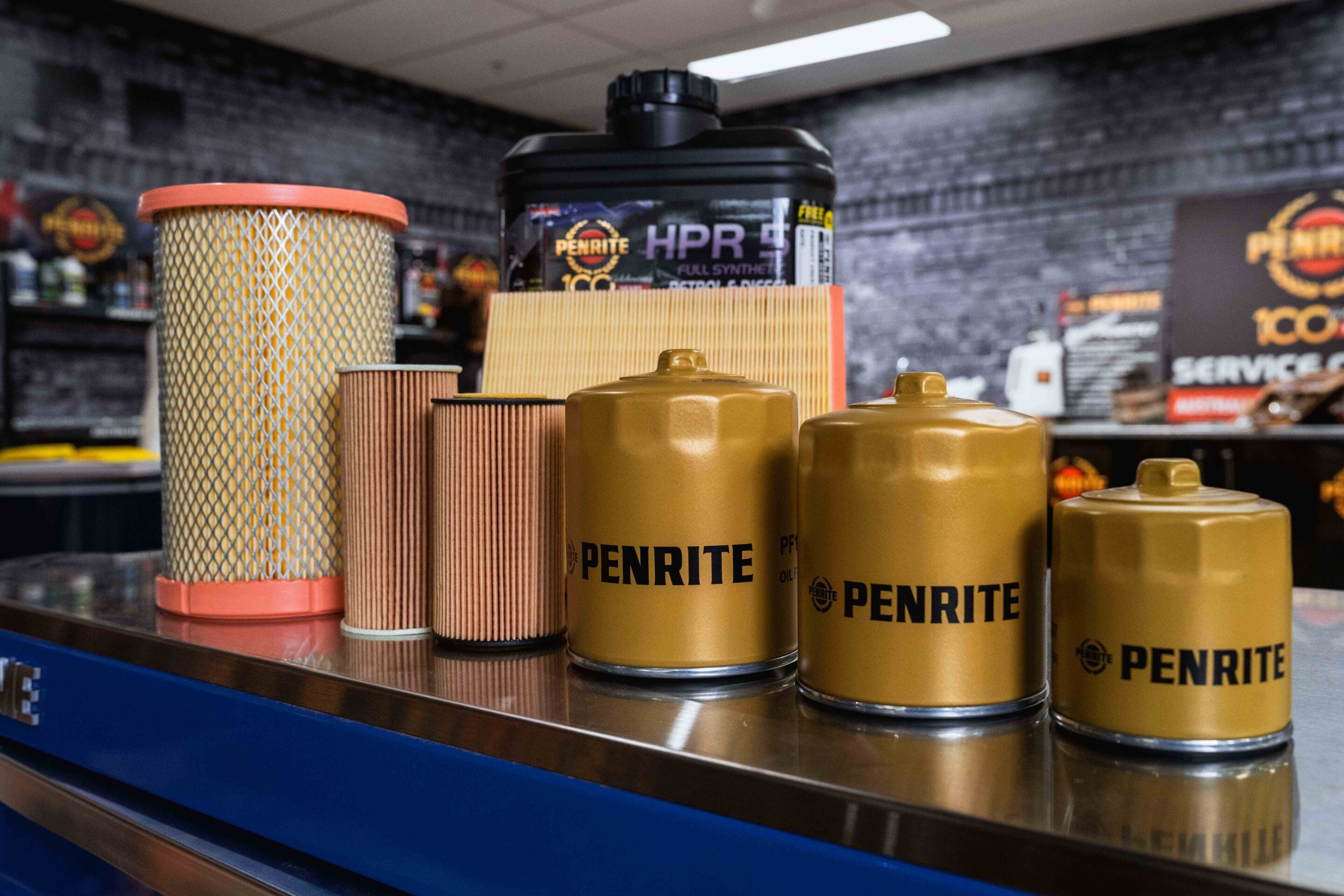
For the 4×4 crowd, convenience and durability matter just as much as protection. Penrite spin-on filters come with an integrated 19mm nut for easy removal, making that next oil and filter change quicker and easier, especially when you’re under the bonnet at home or out on the farm.
The robust steel canister with high burst pressure design stands up to heat and vibration, giving you peace of mind that the filter won’t fail when the going gets tough. A silicone anti-drain back valve retains oil in the filter at shutdown, helping prevent wear on cold starts, something every 4WD owner should care about, particularly after long idle times on jobs or camp mornings.
Cartridge-style filters aren’t left behind, either. Built to tight tolerances for modern housings, these deliver OEM-spec fitment and performance while still backing the same premium filtration media and sealing technology.
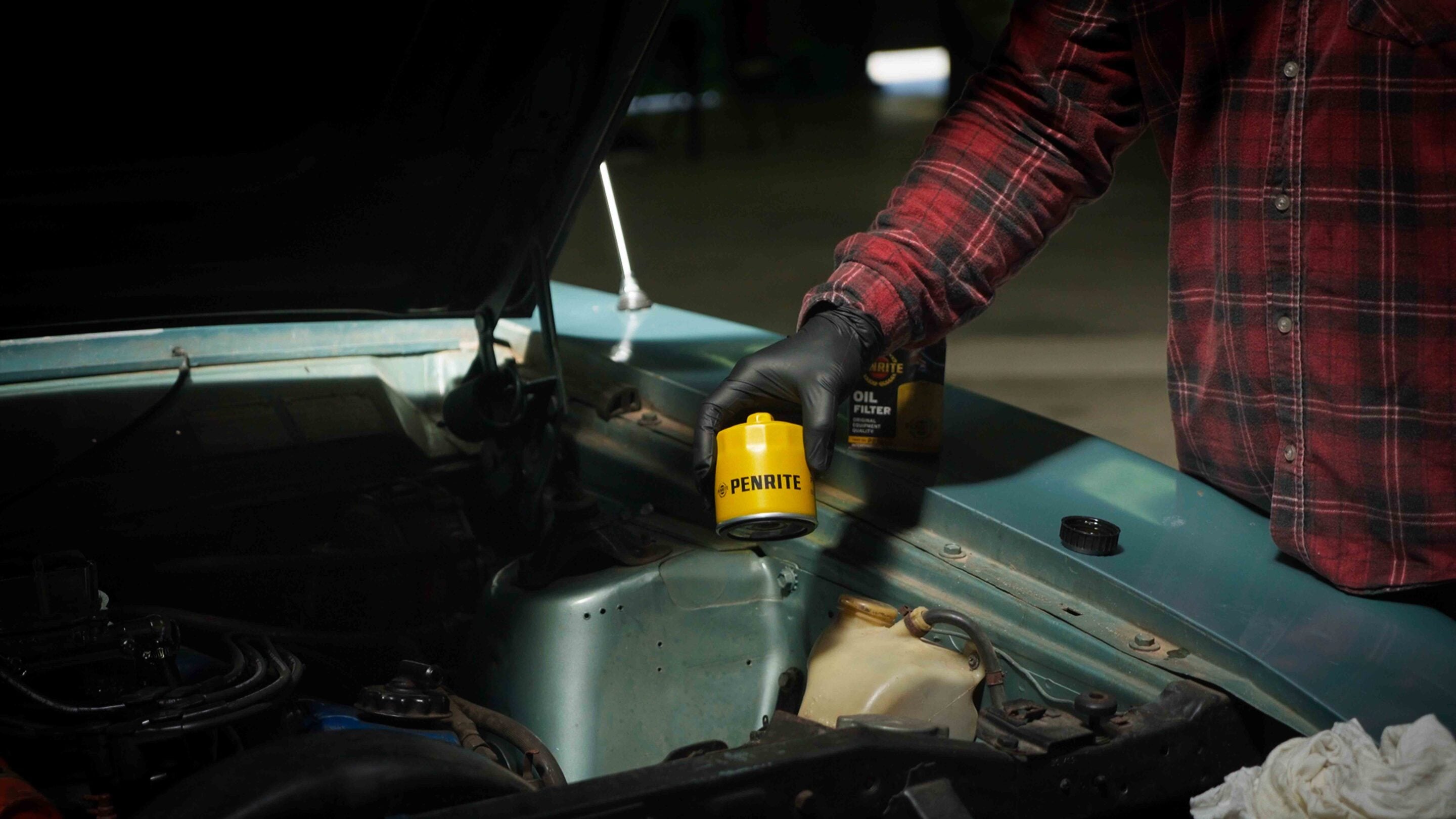
Pairing Penrite oil filters with Penrite engine oils brings a complete protection ecosystem together. Matched products ensure optimal oil quality is maintained through your service interval, enhancing performance and engine life whether you’re towing, navigating boggy creek crossings or cruising the highway. This integrated approach is exactly what 4×4 enthusiasts look for when choosing parts that deliver consistent, reliable results.
Availability is practical, too. The Penrite oil filter range is now stocked nationally through Supercheap Auto, making it easy to pick the right filter for your 4WD, either in store or online. If you’re unsure about compatibility, Penrite’s online REGO search tool helps you find the correct part number in seconds – no guessing, no wasted trips.
The bottom line for 4×4 owners is simple. You don’t want to cut corners on something as critical as oil filtration. Penrite’s new oil filters give you premium performance and reliability, engineered for tough conditions, paired with convenience that fits your service routine.
It’s protection that’s worth fitting yourself.
The superbly turned-out Y62 Nissan Patrol pictured here and on the cover of our February 2026 issue of the magazine reminded me of how much I’ve enjoyed driving the V8 Patrol over its long tenure in Australia.
We know this will be the last year of the Y62 and its glorious VK56 V8 engine, as it will be replaced by the Y63 Patrol with a turbocharged V6 petrol later this year. That vehicle has been on sale in left-hand-drive markets for more than a year already, and there’s no doubt the V6 will be a superb engine that will not only outperform the standard VK56 but be more refined and efficient.
It will, however, be missing that one key characteristic of the V8 that most red-blooded Australians love. There’s no replacing the sound of a V8 engine, and the VK56 has one of the sweetest-sounding growls ever to come out of a 4×4 vehicle – particularly when backed by a free-flowing aftermarket exhaust system, or even the bi-modal side-exiting system that Premcar fitted to the Patrol Warrior. It’s pure delight.
And it’s not just aural delight. The Y62 is no lightweight wagon and the VK56 does a stellar job of propelling the big Nissan across plains and tracks. Cap the engine with a Harrop supercharger kit and you have a real on- and off-road weapon!
In this age of EVs and hybrid powertrains, V8 engines are rapidly going out of fashion. We’ve lost them from Toyota, and soon Nissan. It seems the Chevrolet Silverado will be the last salvation for lovers of a bent-eight-powered 4×4. Ford has announced in the USA that it will stick with the V8 in its vehicles for as long as possible, but for Ford Australia this only relates to the Mustang, as the F-150 offered here only comes with a V6 engine. If you have the budget to afford a Mercedes-AMG G 63, then good luck to you!
Interestingly, there is hope from a manufacturer many wouldn’t expect a V8 from. GWM confirmed last year it was working on a V8 engine with a pair of turbochargers attached, which will be interesting to see if it makes it to Australia. Of all the automotive brands coming out of China, GWM has been the most successful in Australia, and its 4×4 offerings are getting better all the time.
The prospect of driving a V8-powered Tank 500 or Cannon Alpha sometime in the future gives a glimmer of hope that the V8 will live on.
These days, the typical 4×4 buyer is willing to part with a little extra of their hard-earned cash to step up to higher-spec variants, chasing maximum comfort, more tech, and enhanced safety – all while retaining the same rugged capability that makes utes essential tools for work and off-road adventures.
Base models still get the job done, but higher-spec trims make a tangible difference on long trips, daily drives, and when towing. But there’s a sweet spot for buyers who want the benefits of stepping up without paying flagship prices, and it’s found smack-bang in the $60 to $70K mid-range bracket.
Here, dual-cab 4×4 utes deliver most of the creature comforts, safety systems, and cabin tech of top-tier variants, while still keeping them accessible. Beyond just comfort, these mid-range models often hold their value better, as the combination of capability, features, and price makes them more appealing in the second-hand market than entry-level trims.
We’ve picked five of the best mid-range dual-cab utes currently on the market 👇
Toyota HiLux SR5 48V
- From $65,990
Move up to the HiLux SR5 and the shift is less about chasing luxury and more about improving day-to-day livability without compromising the ute’s core working credentials – a big reason this grade consistently outsells the lower trims.
The exterior gains are subtle but meaningful. 18-inch alloys, high-grade auto-levelling LED headlights, LED tail-lights, and darker exterior finishes lift the SR5 above the utilitarian look of entry models, while privacy glass and a powder-coated sports bar (pick-up) add both function and polish.
Inside, the SR5 makes its strongest case. A 12.3-inch digital driver display, dual-zone climate control, and an upgraded comfort package – including heated front seats and steering wheel, a cooled glove box, and an auto-dimming rear-view mirror – transform the HiLux into something far easier to live with across long workdays and touring stints. Wireless phone charging further reinforces its role as a genuine dual-purpose ute.
Toyota has also focused on refinement and control. A comfort-biased rear leaf suspension tune improves ride quality unladen, while larger front brakes and rear ventilated discs sharpen stopping performance – upgrades that pay dividends both on the highway and when towing. Practicality isn’t overlooked either. A damped tailgate with lift assist, front and rear parking sensors, and the Multi-Terrain Monitor (automatic pick-up) add confidence in tight worksites and off-road environments alike.
The SR5 hits the sweet spot in the HiLux line-up, delivering tangible comfort, tech, and refinement gains that explain why many buyers are prepared to spend more without stepping into top-tier pricing. Plus, as with any HiLux, it maintains strong resale value thanks to Toyota’s reliability and enduring popularity.
Ford Ranger XLT
- From $67,990
The Ranger XLT represents a popular step up from the XL and XLS work-focused trims. It keeps the Ranger’s proven chassis and drivetrain options – including the 2.0-litre turbo-diesel engines producing up to 154kW and 500Nm – while layering in comfort, technology, and safety features that make it far easier to live with day to day.
Compared with the lower-spec models, the XLT gains LED headlights with daytime running lights, 17-inch alloy wheels, a chrome-accented grille, body-coloured mirrors, and a black sports bar. Practical upgrades include a factory bedliner, 12V tub socket, rear tub lighting, and a front-mounted tow hook, all of which add genuine utility for work and touring use.
Inside, the XLT steps up with dual-zone climate control, a leather-wrapped steering wheel, Ford’s e-shifter, an auto-dimming rear-view mirror, and rain-sensing wipers. Technology is a major drawcard, headlined by the large 12-inch touchscreen with built-in satellite navigation and DAB+, backed by a strong safety suite including adaptive cruise control with lane centring and stop/go, rear parking sensors, and rear disc brakes.
Compared with Wildtrak and Platinum variants, the XLT misses out on premium touches such as leather upholstery, larger wheels, 360-degree camera systems, premium audio, and some higher-end driver aids. However, it delivers the core Ranger experience at a more attainable price point. Like the HiLux, it also maintains strong resale value in the used market.
Isuzu D‑Max LS‑U
- From $65,000
Step into the LS-U and the D-MAX starts to feel less like a bare-bones work tool and more like a ute buyers can comfortably live with day to day. The mid-spec grade layers in meaningful upgrades without touching the core 4×4 hardware.
Externally, the shift is obvious. Larger 18-inch alloys, chrome detailing, LED rear tail-lights, and silver side steps give it a more finished look, while practical additions such as heated, power-folding mirrors, a factory tow bar, and a tub liner (ute models) save buyers ticking option boxes later.
Inside is where the spending case really stacks up. The jump to a 9.0-inch infotainment system brings built-in navigation, wireless smartphone mirroring, and DAB+, paired with a larger 7.0-inch digital driver display. Dual-zone climate control, keyless entry and start, carpet flooring, and improved cabin materials move the D-MAX firmly into dual-purpose territory, while features like driver lumbar adjustment and an auto-dimming rear-view mirror make long stints behind the wheel easier.
Safety and usability also improve. Rear parking sensors complement the standard reversing camera, TPMS displays individual tyre pressures and temperatures on the main screen, and all the serious off-road gear remains intact, including Rough Terrain Mode and a rear diff lock on 4×4 models.
Mitsubishi Triton GSR
- From $62,290
The Triton GSR sits between $60 to $65K but effectively tops the Triton line-up. It retains the same proven drivetrain and Super Select II 4WD system as some of the lower-spec models, while adding meaningful upgrades.
Externally, the GSR is clearly differentiated with 18-inch black alloy wheels, a full blacked-out exterior theme, unique GSR badging, flared wheel arches, and a distinctive rear sailplane in place of a conventional sports bar. Inside, it steps up with leather-appointed seats with orange contrast stitching, heated front seats, a power-adjustable driver’s seat, upgraded soft-touch trim, and GSR-specific finishes.
The GSR also swaps the heavy-duty rear suspension used in work-focused trims for a more compliant standard-duty setup, improving ride comfort without sacrificing touring or towing capability. Added features such as a surround-view camera, tailgate assist, and standard tub liner further enhance day-to-day usability. While the GLS shares much of the underlying hardware, the GSR’s styling, standard leather, and comfort upgrades set it apart as the most complete Triton variant.
For buyers, the GSR delivers near-flagship presentation without flagship pricing, and that balance helps support better resale than lower-spec Tritons.
Mazda BT‑50 XTR
- From $63,700
The BT‑50 XTR offers a balance of comfort, capability, and practicality that explains why many buyers step up from the entry-level XT or XLS trims. Mechanically it shares the proven 3.0-litre turbo-diesel engine with the D-MAX.
Exterior upgrades include 18-inch alloy wheels, LED headlamps with auto-levelling, LED front fog lights, power-folding side mirrors, and side steps, giving the XTR a more refined and purposeful look while adding practical utility. Inside, it steps up with keyless entry with push-button start, dual-zone climate control, and an auto-dimming rear-view mirror, enhancing convenience and comfort on longer drives.
Technology and infotainment also see a boost at this level: A larger 9.0-inch touchscreen with satellite navigation, wireless Apple CarPlay/Android Auto, and an eight-speaker audio system replaces the smaller screens of lower trims. Cabin trim improvements, including a leather-wrapped steering wheel and gear knob, add to the premium feel without pushing the price into top-tier territory.
The XTR remains a compelling mid-range choice, offering features that matter for daily use and long-distance touring while also supporting strong resale value.
Why mid-range specs matter
- Safety and tech: Lane assist, adaptive cruise, extra airbags, and braking systems are often included in mid-range trims, improving safety for highway and towing work.
- Comfort and convenience: Better seats, climate control, and infotainment enhance long drives, family trips, or daily commuting.
- Capability enhancements: Some mid-range models feature upgraded suspension, multi-terrain modes, and larger wheels/tyres for better off-road handling.
- Resale advantage: Mid-spec utes retain value better because buyers in the used market prioritise convenience, safety, and comfort in addition to brand reputation.
Resale considerations in 2026
Trim level, feature content, and service history now strongly influence used 4×4 dual-cab pricing. Well-equipped mid-spec utes tend to sell faster and closer to their market value than bare-base models, making them a smart choice for buyers looking for a balance of new-car affordability and long-term investment.
Ford Australia has issued a safety recall for 244 examples of the 2022 Ranger and Everest, citing a transmission software defect that could cause the vehicle to stop unexpectedly.
The recall, listed as REC-006541 on the Australian Government’s Vehicle Recalls website, relates to an issue where the transmission may shift into Park unintentionally under specific conditions. According to the notice, if the vehicle’s battery state of charge drops below a critical level while travelling at speeds below 6km/h, the transmission software may command a shift into Park, causing the vehicle to suddenly stop.
In addition to the loss of drive, the rear brake lamps may not illuminate as intended during the event. This reduces warning to following traffic and increases the risk of a rear-end collision.
Ford has advised that even vehicles previously repaired under an earlier related recall campaign (23S40) must be returned, as further corrective action is required.
Ford Australia will contact affected owners directly and request they book their vehicle into an authorised Ford dealership. The remedy involves updating the vehicle’s software, and the work will be carried out free of charge.
Owners who are unsure whether their vehicle is affected are advised to check their VIN against the recall listing on the Vehicle Recalls website or contact Ford Australia directly.
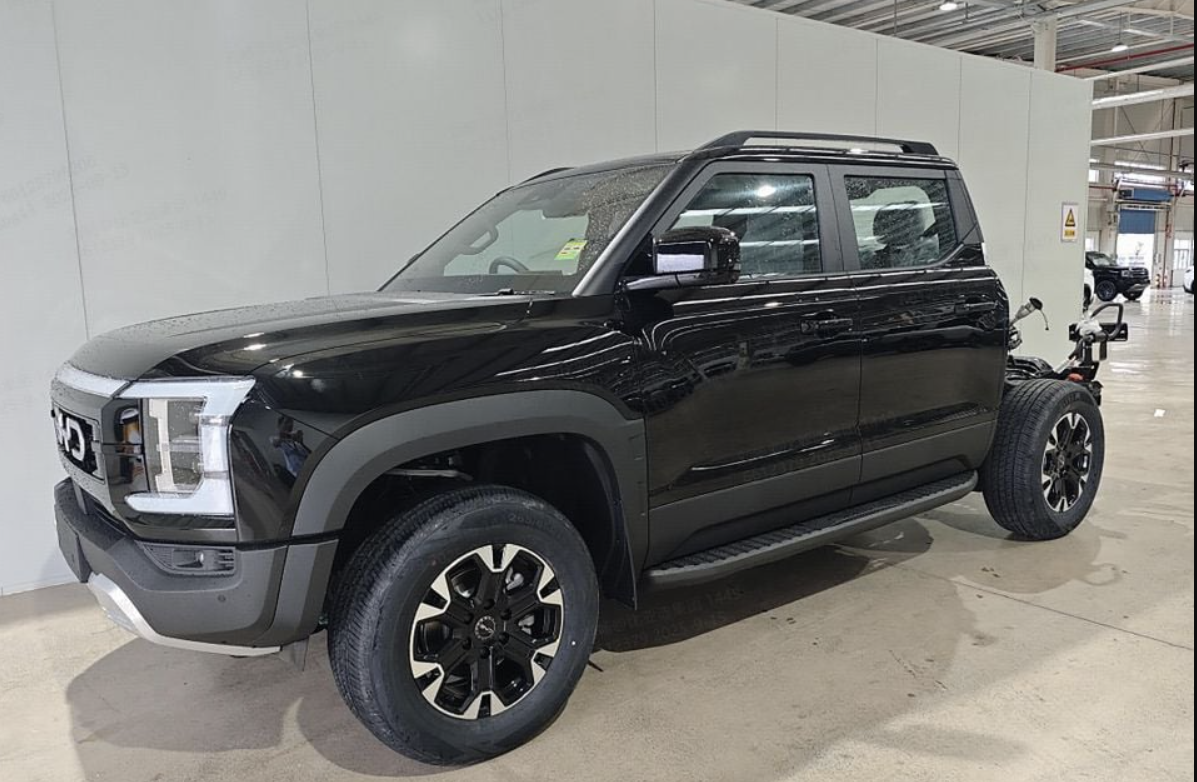
RedBook has listed BYD’s Shark 6 cab‑chassis Dynamic at $55,900 before on‑road costs, undercutting the dual‑cab by roughly $2000 and giving BYD a foothold in the tradie and fleet market.
Certification documents that surfaced late last year confirmed the cab‑chassis would retain the core mechanical layout and much of the dual-cab ute’s front-end styling. Plus, it would carry over the 3260mm wheelbase.
It would, however, replace the factory tray with a bare chassis ready for custom trays, tool modules or canopies. Dropping the tray is expected to reduce the tare weight to 2565kg, making it 110kg lighter than the tray-equipped ute; while the gross vehicle mass will remain 3500kg, giving a usable payload of 935kg – well above the dual-cab’s 790kg.
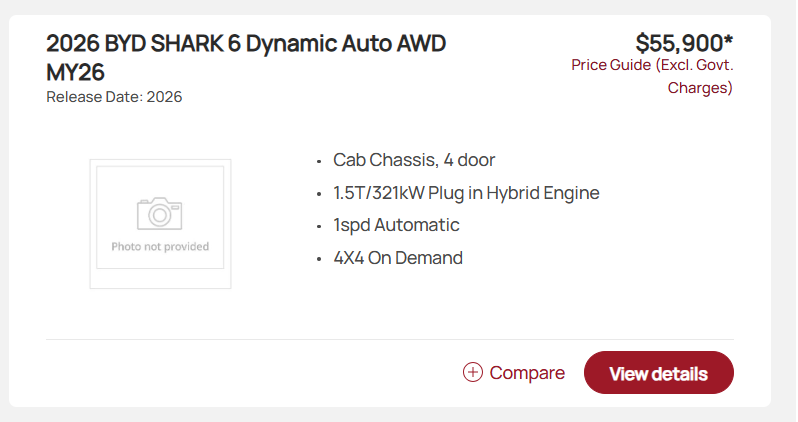
Under the skin, a 1.5‑litre turbo petrol engine paired with dual electric motors produces 321kW and 650Nm, backed by a 29.6 kWh battery that allows around 100km of electric-only driving in the dual-cab. Range for the cab‑chassis is expected to be similar.
The Dynamic trim is expected to be stripped back, with BYD removing some interior luxuries such as the head‑up display, heated and ventilated seats, and larger infotainment screen.
Compared with diesel cab‑chassis rivals, both the HiLux WorkMate and Ford Ranger XL look better at a glance. The Shark delivers 2500kg towing and 935kg payload, while diesel-powered HiLux and Ranger alternatives can tow up to 3500kg and often have payload capacities in excess of 1000kg.
BYD has not confirmed a launch date, but the pricing on RedBook suggests the cab‑chassis could reach showrooms in the first half of 2026.
Is it too much to expect a modern 4.5-litre V8 diesel to hold top gear while cruising on the highway in a Toyota LandCruiser? A 3.0-litre European six will manage it easily enough, but apparently not Toyota’s 1VD-FTV engine.
We all know the Toyota V8 is a lazy engine that does its best work at low speeds, but a recent drive from Mansfield back to Melbourne highlighted just how ordinary its highway performance can be.
Our Cruiser was perfectly fine for long highway trips in stock standard form. However, once we fitted taller tyres and loaded it up with accessories in the back, it really started to feel the extra weight. On that run home from the mountains, the Cruiser simply wouldn’t hold top gear at the speed limit whenever the road pointed even slightly uphill.
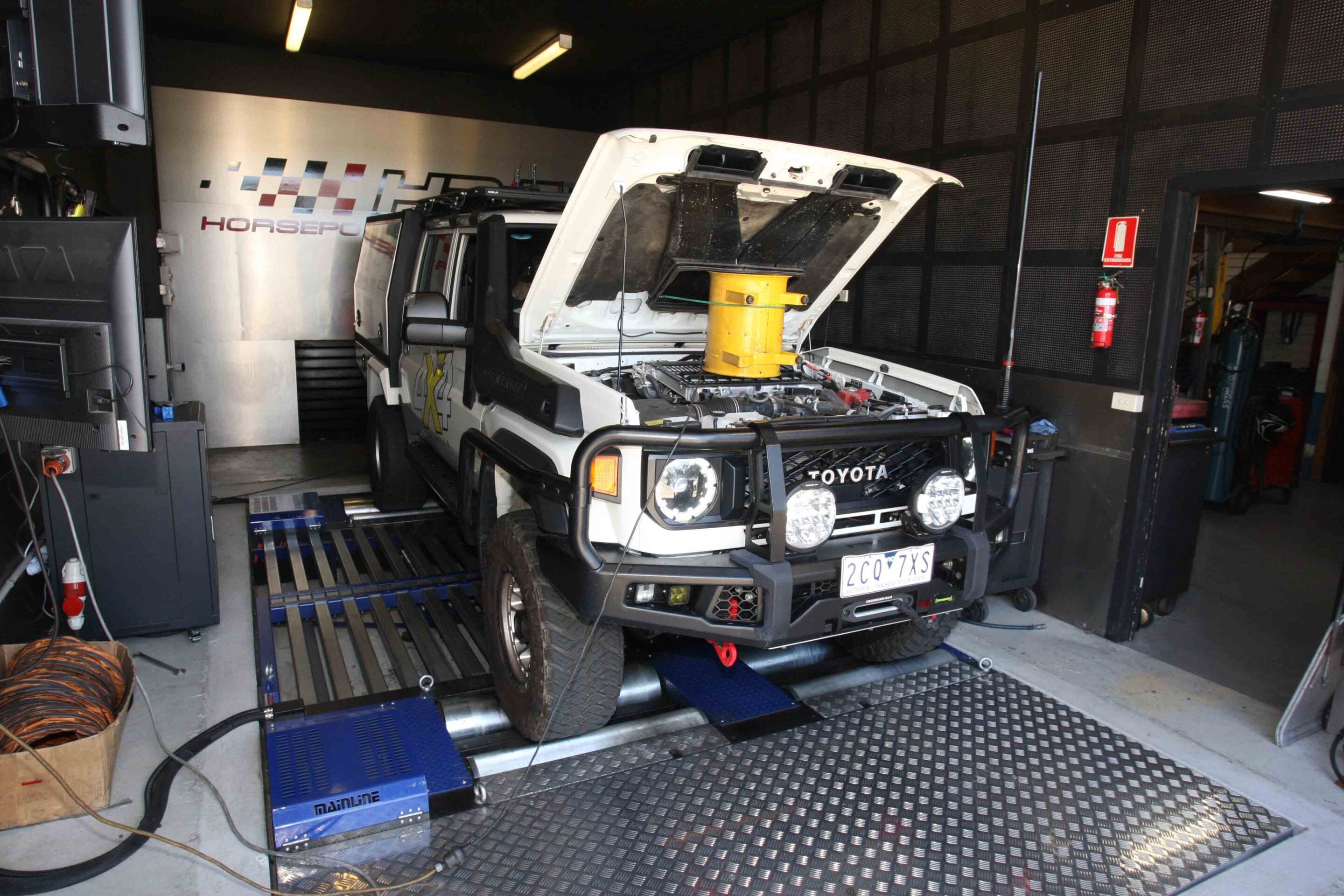
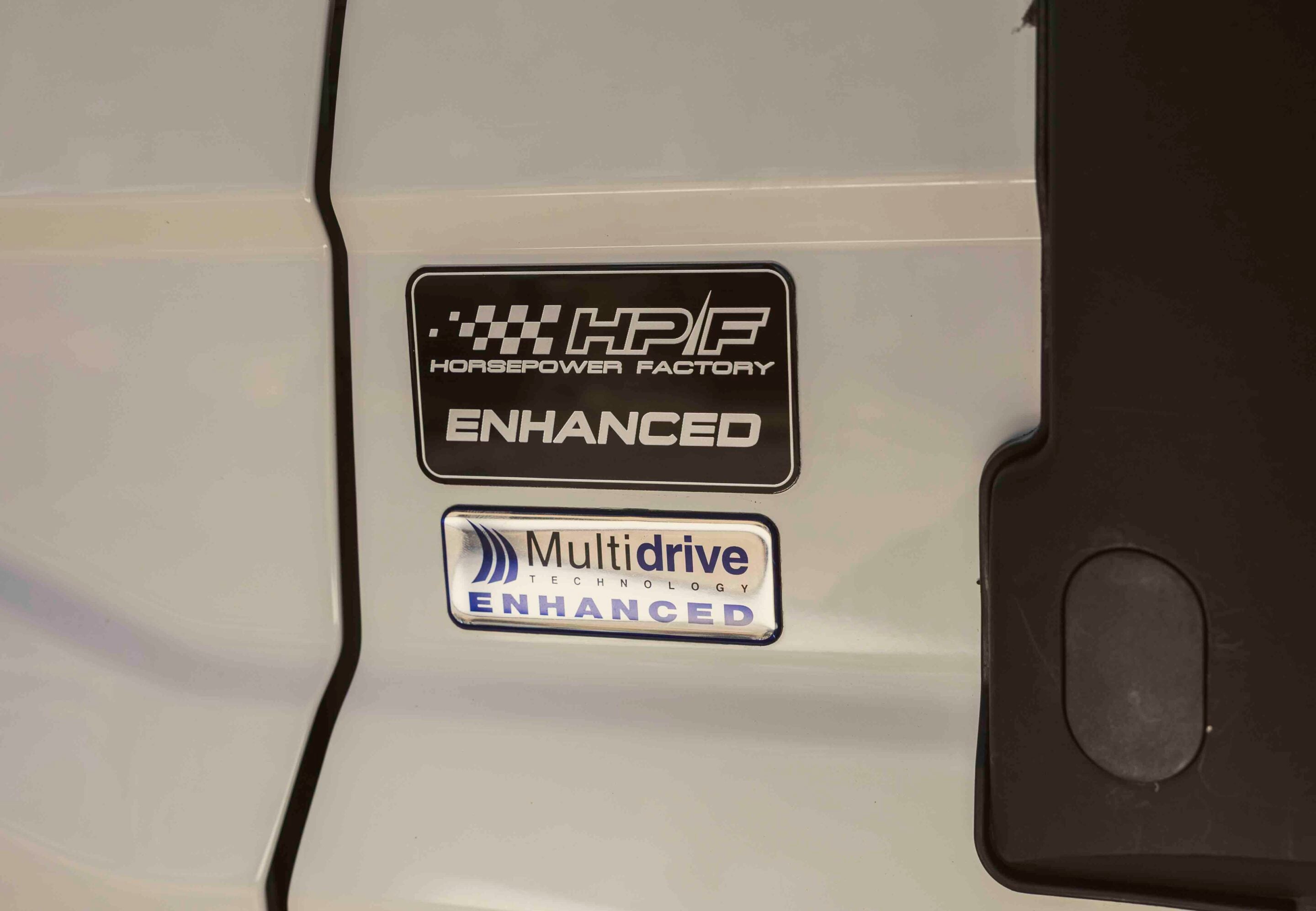
Luckily, the lack of performance is a well-known shortcoming, and Australia has a strong aftermarket industry offering proven solutions. On the recommendation of an industry mate, we contacted Melbourne’s Horsepower Factory (HP-F) to sort the Cruiser out.
HP-F has been in the business of improving the performance of modern vehicles for more than 40 years. While the company built its reputation hotting up Holdens, Fords and other performance cars, it has since turned its attention – and considerable experience – to the four-wheel drive market in line with changing trends.
Diesel Tune Australia is part of the HP-F operation and, as the name suggests, specialises in tuning modern diesel engines as found in four-wheel drives. With two chassis dynamometers onsite at its sprawling Dandenong facility, HP-F is able to build and tune everything from torque-heavy touring 4x4s through to high-horsepower race cars.
Spending a couple of days onsite while work was carried out on our LandCruiser was a treat for the senses, with a constant stream of machinery coming and going and the unmistakable sound of high-revving V8s echoing from the performance dyno. While the LandCruiser was never going to reach such dizzying engine speeds, the machinery surrounding it made it clear we were in the right place.
HP-F offers a range of performance packages for Toyota’s V8 diesel, depending on what owners want from their vehicle. Packages run from Stage 1 through to Stage 4, with the top-tier option quoted at more than 1000Nm – well over double the standard engine’s torque output.
Stage 1 V8 upgrade: Torque and power gains
After talking through our needs with Matt Jackson at HP-F, we settled on the Stage 1 package as the best fit for how we use our LandCruiser.
That tune is quoted at 650Nm and 195kW, up from the factory 430Nm and 131kW. More important than the headline numbers, though, is how the torque arrives earlier and lower in the rev range – exactly where a touring four-wheel drive needs it. The HP-F upgrade is more than just an ECU tune. It’s a complete package based around the Diesel Tune Australia calibration, but it also includes the supporting hardware required to make the gains reliable and durable over the long term.
For the LandCruiser V8 tune, this package includes a 4-inch Manta replacement exhaust system, an upgraded clutch to cope with the increased torque, a Safari replacement intake snorkel head, and an oil catch can. The full tune and installation process takes around a day at HP-F, assuming everything goes to plan.
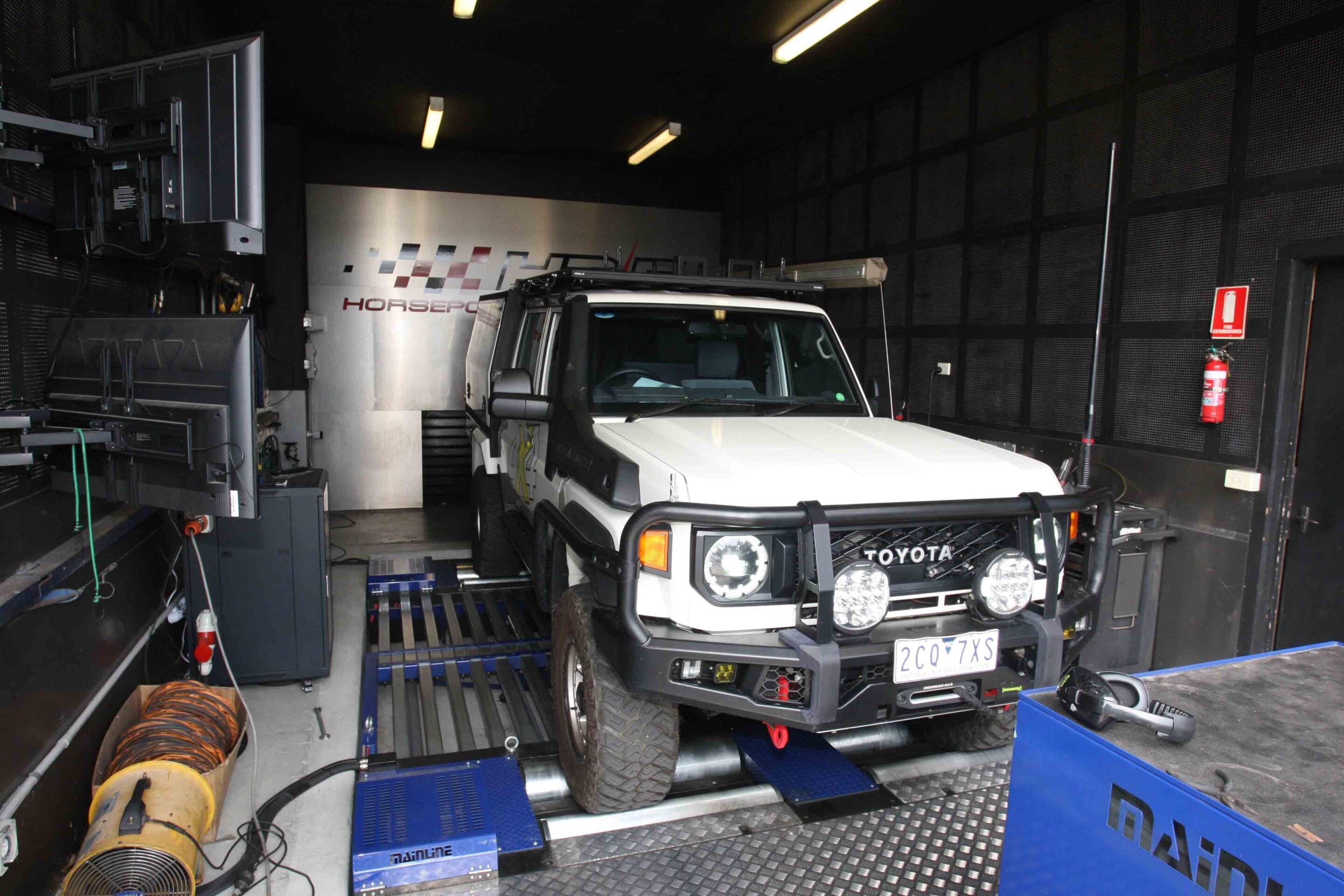
The first step is to strap the vehicle onto the dyno to establish a baseline, confirming where it’s at and ensuring everything is in good health. Our LandCruiser was relatively new at the time of the upgrade, with less than 20,000km on the clock. On the rollers it produced 96kW and 293Nm at the 34-inch tyres. With the baseline recorded, it was then off to the workshop, where the side steps were removed to allow the factory exhaust system to come out, followed by removal of the gearbox crossmember so the gearbox and clutch could be dropped.
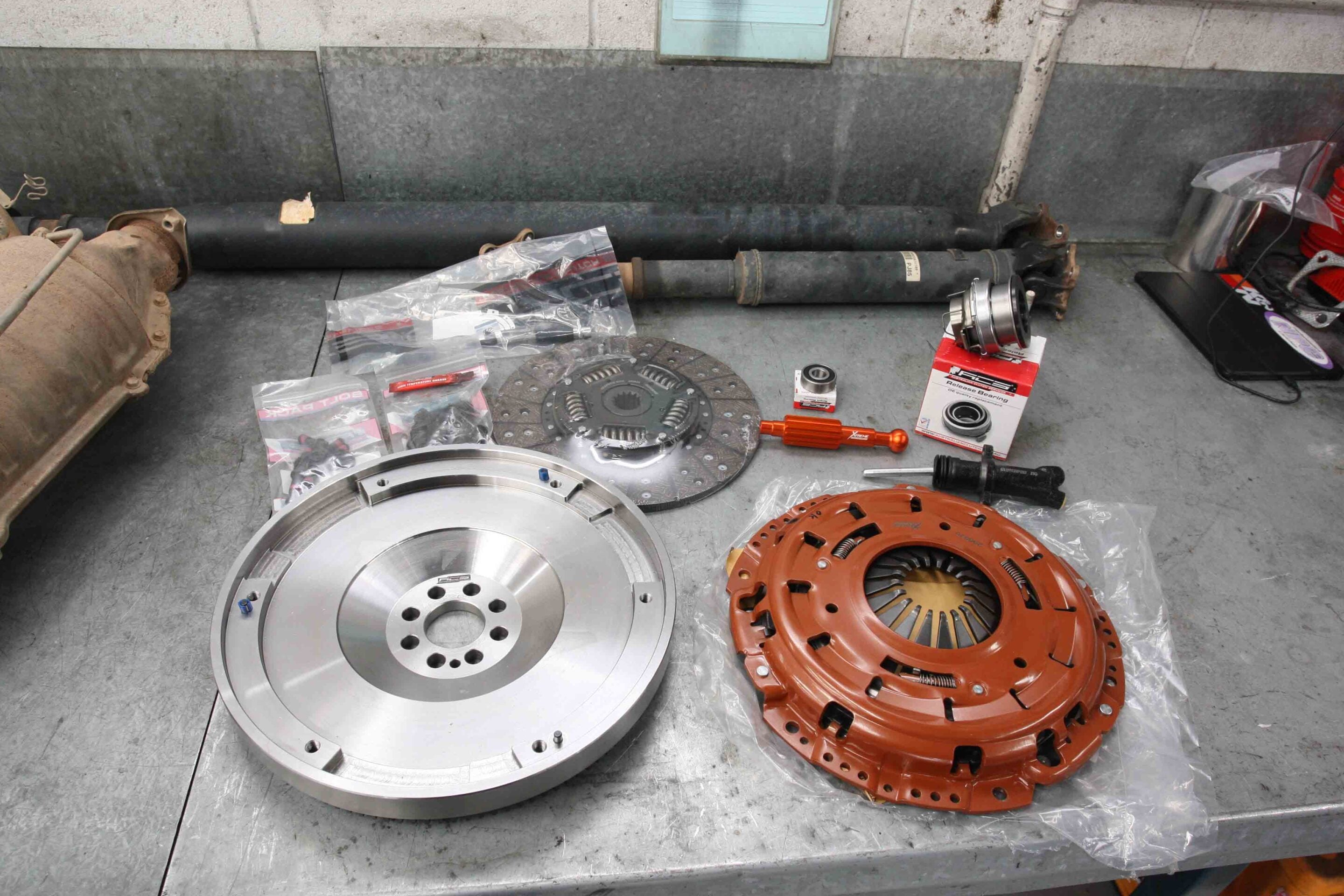
For our clutch upgrade, we’ve gone with the X-Series Organic kit from Xtreme Outback. This is the brand’s latest release for the VDJ LandCruiser and is designed to handle up to 870Nm, so it should be more than capable of coping with the increased output of our Toyota. To ensure it does the job properly, the pressure plate is rated to 1600kg and is actuated by a new self-adjusting slave cylinder. This setup is designed to maintain consistent clutch feel and engagement as the clutch wears over time.
The kit also includes a replacement steel flywheel, which is a beautifully made piece of hardware in its own right. In fact, the entire package is impressive, with all the required components supplied to complete the installation, including a nanosized alignment tool, dual-friction clutch plate and the slave cylinder.
Initial driving impressions are positive. The clutch feels no heavier than the factory unit but delivers a precise, positive pick-up that’s easy to live with in day-to-day driving.
Exhaust, clutch and supporting hardware
The 4-inch stainless-steel DPF-back exhaust system is an equally impressive piece of kit.
It dwarfs the factory exhaust while following the same route beneath the vehicle. The system deletes the rear muffler, as the DPF already takes care of most exhaust noise, leaving the Cruiser with a deep burble at idle and a purposeful note when you put your foot down. The V8 LandCruiser finally sounds the way it should. Importantly, the large stainless-steel outlet clears our Marks 4WD high-clearance towbar, and the system is also designed to allow space for long-range fuel tanks and rear airbag suspension.
With the new clutch and exhaust fitted, the gearbox reinstalled and the side steps bolted back on, it was time to fire the Cruiser up and head back to the dyno. Our vehicle already runs an upgraded snorkel, so there was no need to fit the revised intake.
On the dyno, the operator connects the Toyota to a laptop and uploads the tune into the ECU before spinning it up on the rollers. From there, variables such as boost pressure and delivery are adjusted to optimise the torque curve, while closely monitoring air/fuel ratios, exhaust gas temperatures and engine temperatures.
After several runs and incremental adjustments, the final results are impressive. Torque climbed to 548Nm and power to 133.5kW, up from the baseline 293Nm and 96kW. That’s a substantial improvement, and comfortably beyond what’s quoted for the Stage 1 upgrade. We’re more than happy with the numbers, though the real proof will be in how it drives.
Before handing the vehicle back, the team carried out an extended road test to ensure everything was operating exactly as it should, before we headed off for our own drive.
On- and off-road driving performance
Even though the DPF muffles much of the exhaust note, you can still hear the pleasant rumble of the V8 through the 4-inch system as soon as you turn the key. It’s a welcome sound after the muted factory exhaust note.
Likewise, the action of the Xtreme Outback clutch isn’t dramatically different from standard. It’s certainly no heavier, which is a good thing, and if anything the engagement feels smoother as you release it and take off. It’s only once we pull onto the highway and put our foot down that the Cruiser really comes to life, pulling hard as the gears roll past and reaching the speed limit quick smart. It now cruises comfortably in top gear and, importantly, holds it easily when climbing hills while touring.
The grunt is still there on steeper climbs in the lower gears, but the combination of the HP-F tune and supporting upgrades feels like it’s effectively gifted us an extra gear in most driving conditions.
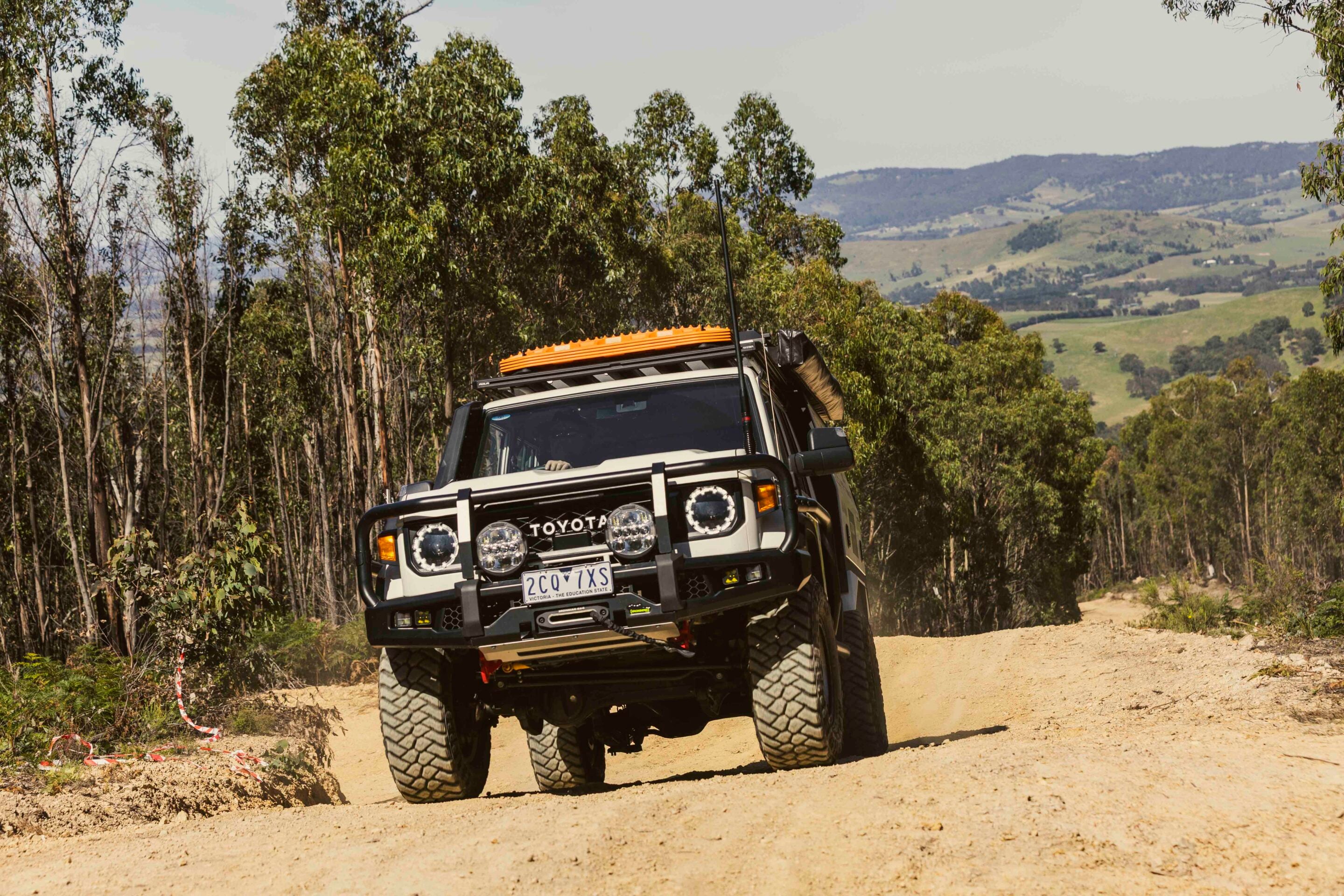
Off-road, we pointed the Cruiser up a steep unsealed fire trail we’ve driven many times before. It’s the sort of climb you’d normally tackle in high-range four-wheel drive, yet the stock LC79 would bog down and require low range. With the tune and modifications in place, it held second gear high range all the way to the top without hesitation – an impressive transformation.
It’s this all-round drivability, particularly in the higher gears, that best highlights the difference the HP-F package delivers. Whether touring on the highway or climbing mountain tracks in the Alps, our LandCruiser is now a noticeably easier and more enjoyable vehicle to drive. It finally goes – and sounds – like a V8 diesel should.
Cost and what’s included
The Stage 1 HP-F upgrade for the DPF-equipped LC79 retails for $4160.
That price includes the ECU tune, 4-inch stainless-steel exhaust system, snorkel head, oil catch can, clutch upgrade, full installation, and before-and-after dynamometer testing. For our vehicle, we opted for the Xtreme Outback X-Series Organic clutch kit, which is priced at $2147.04 through Australian Clutch Services.
The North Queensland Highway Patrol is warning 4WD owners that an increasingly popular 4×4 accessory is illegal on public roads, with reflective window coverings firmly in their sights.
“North Brisbane Highway Patrol would like to warn motorists about a growing trend among four-wheel drive (4WD) owners which is illegal and a danger to other road users,” the statement reads. “There has been an increased popularity of 4WD vehicle having reflective window coverings which comes with a hefty fine.”
At the centre of the crackdown is a broad road rule. Under Section 297(2) of the Transport Operations (Road Use Management – Road Rules) Regulation 2009, a driver must not operate a vehicle unless they have a clear view of the road and traffic ahead, behind and to both sides.
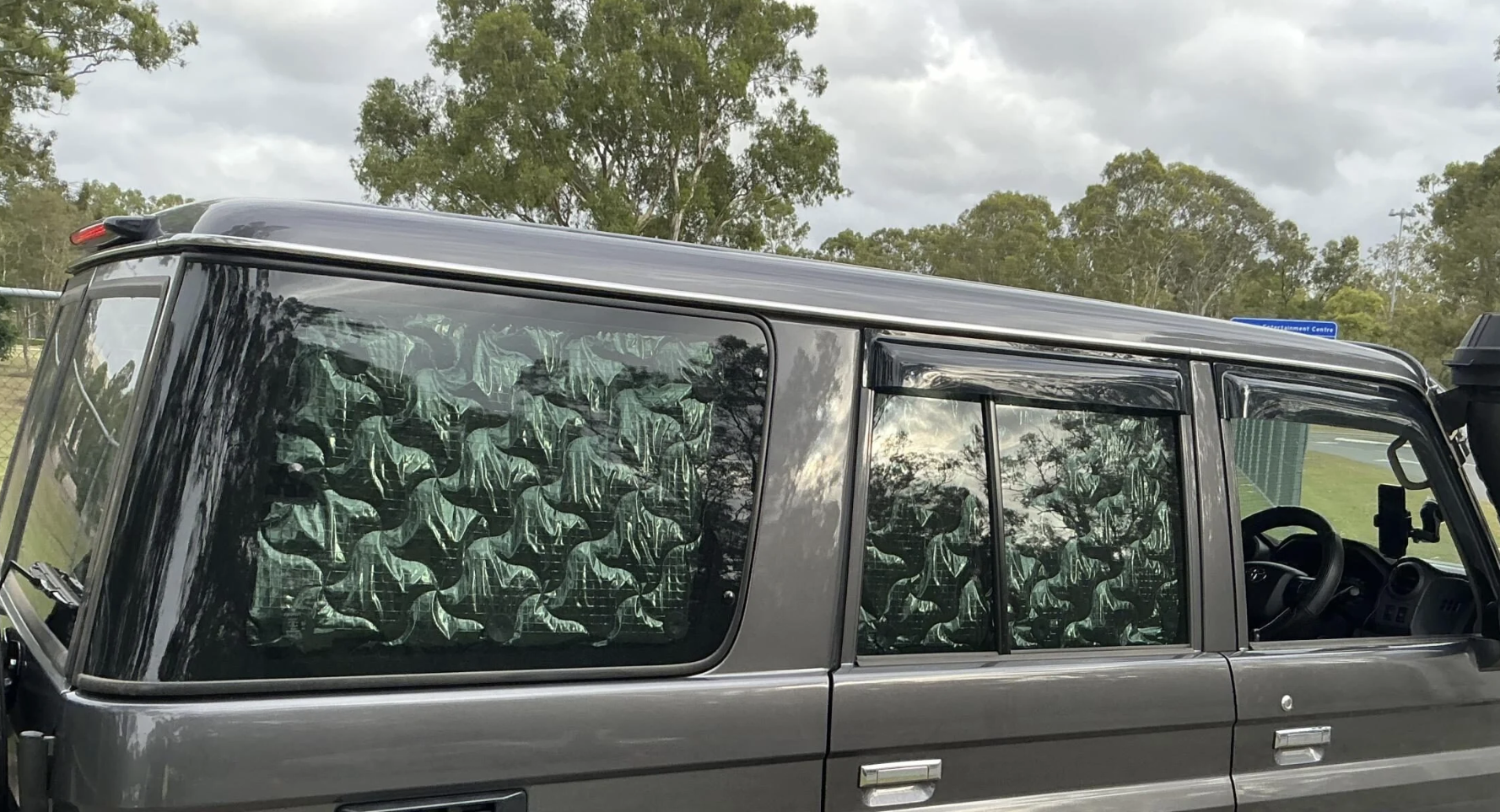
“Not complying with this road rule attracts a $389 fine and risks the safety of vulnerable road users such as pedestrians and bicycle or scooter riders by drastically reducing vision,” the North Queensland Highway Patrol adds.
Reflective window coverings, along with mirror-style dash mats, significantly reduce visibility in certain light conditions, particularly early mornings, late afternoons and at night. Police also remind owners that no reflective material can be displayed on a vehicle at all, even if it’s marketed as a heat or glare reducer. Any breach can result in a defect notice, making the vehicle unroadworthy.
Tinted windscreens are another modification drawing attention. While side and rear window tint is legal within limits, any tint on the windscreen itself is illegal.

For many 4WD owners, confusion may come from the blanket nature of the rule. Accessories are often sold openly as touring or comfort upgrades, and some don’t obviously block vision in everyday driving. However, the legislation doesn’t assess intent or appearance. If a fitting restricts visibility or uses reflective material, it fails the rule regardless of how minor it may seem.
“Don’t risk a fine or the safety of other road users, check your vehicle is compliant before you hit the road,” the statement says.
Last year, at the Australian 4WD and Adventure Show in Perth, police sparked outrage from the 4WD community after 11 vehicles were issued defect notices while parked at the event. The action was seen by many enthusiasts as a targeted enforcement rather than random checks, and it led to concerns about the increasing scrutiny of 4×4 modifications at public gatherings.
There are some things about a Toyota HiLux that you can just take at face value.
You know, for instance, that it’ll be pretty phenomenal off-road. It will tow 3500kg and cart around a tonne in the tub. It’ll be a bit tight inside (mainly the rear pew) but it will offset that with the practicality that is the dual-cab’s calling card. And the same should go for the new model released late last year, right?
The carried-over 2.8-litre turbo-diesel is a known quantity, to be sure, and since Toyota likewise cut-and-pasted many of the basics of the vehicle for this latest version, we kind of know everything there is to know. Or do we? See, websites like this one are very practiced at taking a new vehicle and hurling it into the mulga in the interests of science and consumer information. See what works; see what breaks.
But we also happen to know that, for many Australian families, the HiLux will be the main form of transport in the driveway throughout the year and will be called upon to do more or less everything a 4×4 could ever be reasonably asked to do. And that includes loading up and hitting the tarmac for the annual interstate journey (to satisfy those contractual family commitments) otherwise known as the Christmas road trip.
At which point the HiLux will either rise to the challenge on pure merit or perhaps come up a bit short thanks to the usual dual-cab compromises. And don’t be thinking this stuff isn’t important to would-be buyers: The glamorous off-roady stuff is fine, but the other 50 weeks of the year are where you really learn about a vehicle. And since Toyota sells better than 50,000 HiLuxes here every year, that’s a lot of schlepps to the supermarket and the school run. And Christmas road trips.
Cargo and cabin compromises
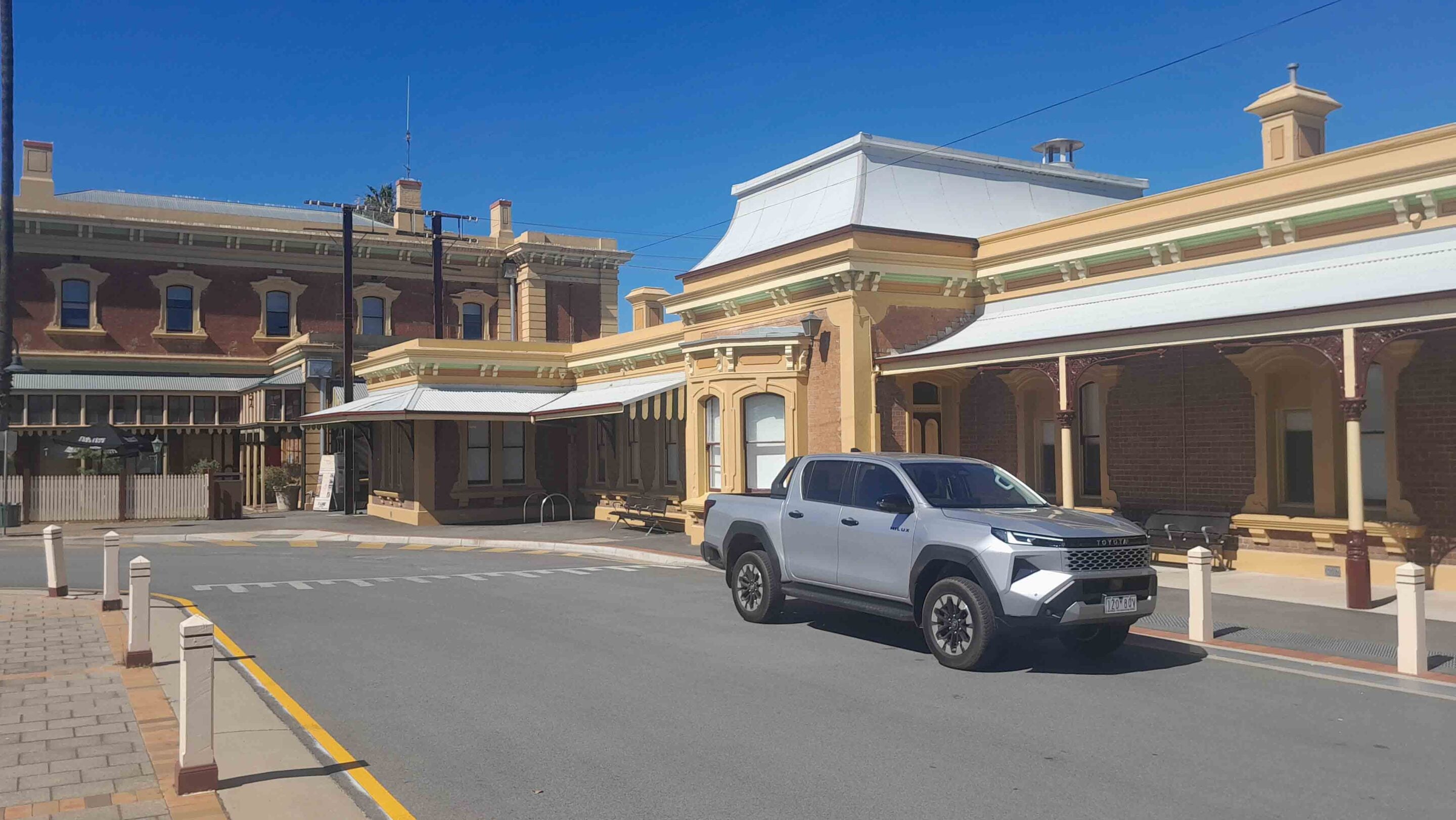
First impressions are less than stellar. And that’s purely down to the fact that this version, the $63,990 SR5, doesn’t come with a tonneau cover of any sort (well, our test vehicle didn’t, anyway).
This means two things. Firstly, that you can’t legally place anything in the tub without securing it with ropes or straps (and half the supplied tie-down points are located too high on the tub sides to be truly useful. Also, how do you tie down a cake?). Secondly, even if the SR5 did come with a vinyl tonneau, it would be about as secure as an idiot’s password, so that rules out valuable stuff like laptop bags, nice luggage and anything else you can’t live without. The `sports bar’ in the tray also blocks access to the front corners of the tub and is, simply, a frippery too far.
The upshot is that all that stuff needs to go on the back-seat and suddenly, your five-metre-plus dual-cab is a two-seater. Oh, and if you have the typical amount of gear for a couple of weeks away, it’ll be pretty tight in there, ruling out the chance for the passenger to recline their seat and sleep while you listen to the cricket on the (digital) radio. The on-board complaints department will be busy. Ask me how I know.
Driving, comfort and controls
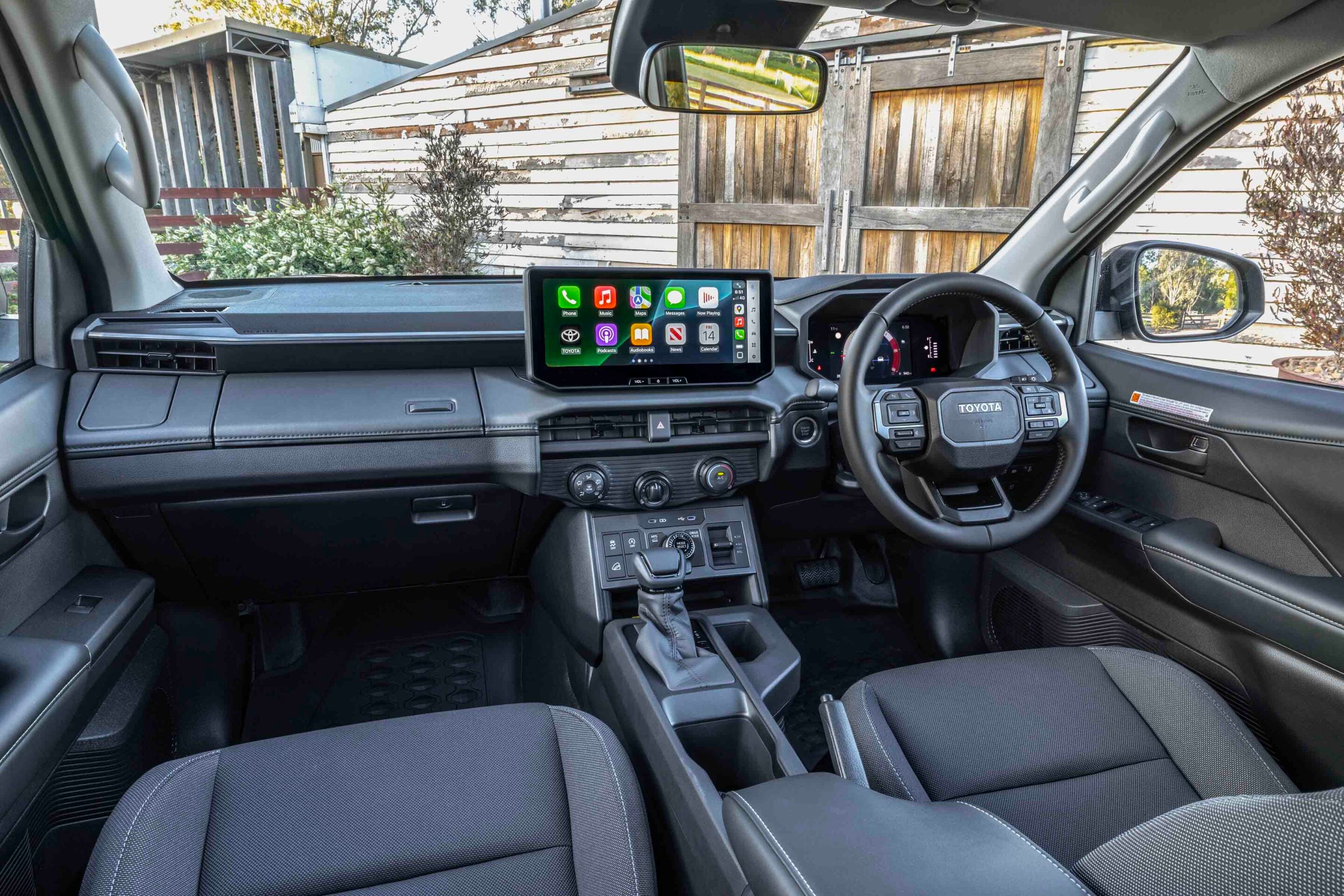
The other constant annoyance is the driver-info interface. You might imagine that in 2026, setting a trip meter and checking it as you motor along would be a simple matter. A one-button job, even.
Nope. The HiLux demands that you (at rest) dial up the options you wish to see on each screen, and then display them one by one. You want to see Trip A as well as your average fuel economy? Bad luck. At least, I couldn’t arrange it in the 10 or so days I shared with the SR5 on the road. From memory, the new RAV4 has a much more logical, user-friendly interface and, hopefully, that will make it to the HiLux at the next facelift (hopefully sooner).
The rest of the interior with its Prado-themed layout is a better deal and there are some really thoughtful touches such as having a big, easy-to-find button for the stop-start function (which you’ll punch every time to avoid the rumblings of the 2.8 starting up at every green light) and the tyre-pressure monitoring system which includes the spare tyre. Not only does this mean it’s harder to ignore (or simply forget about) the condition of the spare, but also, that if you do have to fit it in the bush, you’ll still be able to monitor all four tyres in use.
That legendary Toyota air-conditioning is also worth a shout, and the HiLux’s 22°C felt like 19°C of anybody else’s degrees. Less brilliant is the active cruise-control which (typically, and this isn’t just Toyota) leaves too big a gap between you and the car in front, inviting drongos to zip up the inside and slot in between, forcing you another spot back every time. And for some reason, the cruise would happily sit for kilometres on a flat road, showing one click slower than your preset speed. Beats me.
But, otherwise, the cruise in the HiLux has one good trick up its sleeve. Unlike most cars, the Toyota doesn’t cancel the cruise-control when you dip the clutch. So, instead of having to rush the 100km/h limit, shift into sixth and then hit the cruise button, you can re-engage the cruise in fifth gear, let the engine easily haul up to the set limit and then clutch it into sixth to maintain cruise altitude. Sounds small, but it’s a biggie.
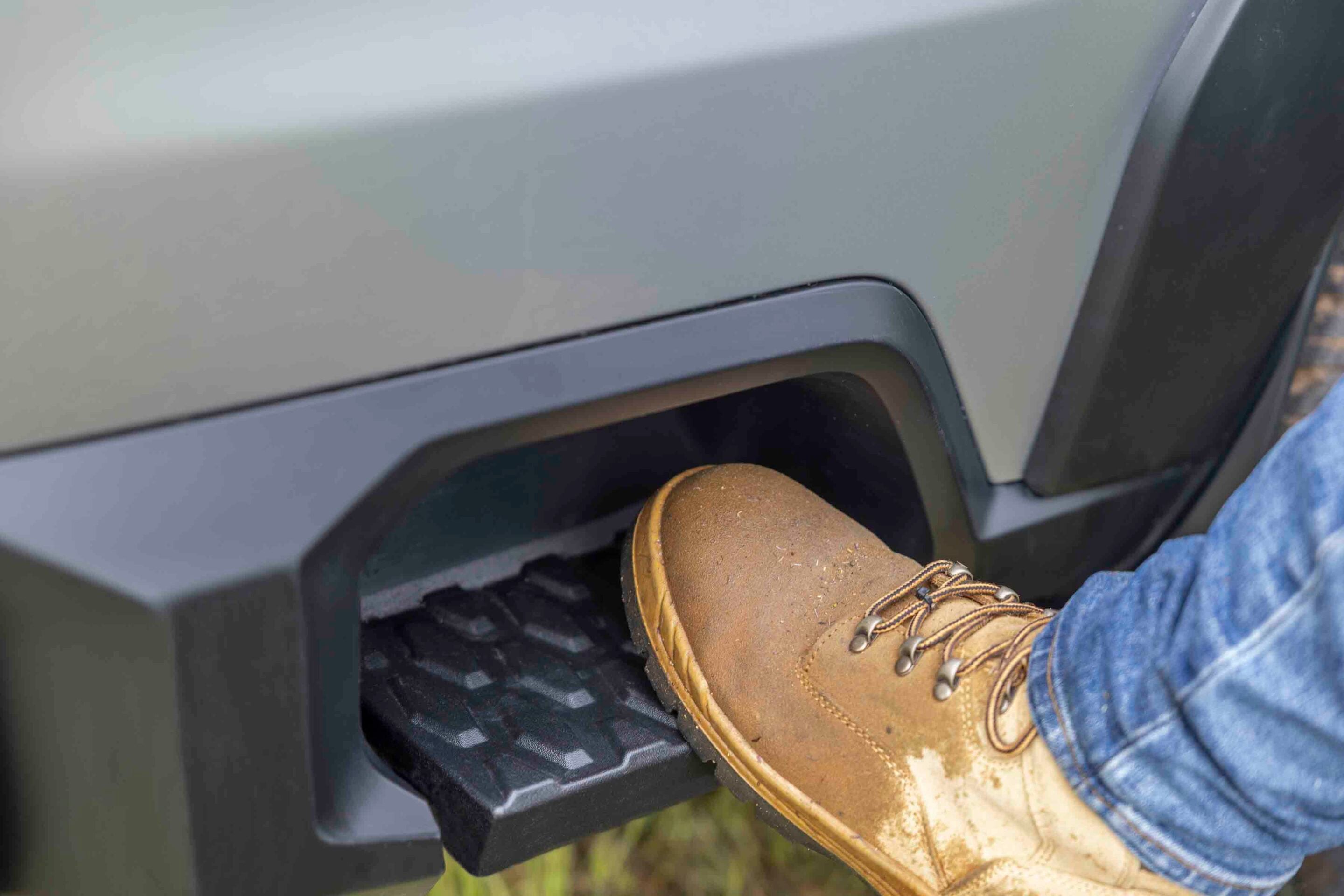
In a cabin-access sense, there’s evidence that the ladder-on-frame construction method has its limitations. Those mainly refer to the small door openings which, since you have to use the side-steps to get over the seat bolster, means you also need to duck your head to get it inside with the rest of you. Okay, so I’m long in the body, but plenty of bigger blokes than me drive HiLuxes.
Sticking with the ease of access thing, the bonnet misses out on gas rams, relying on the old-school manual strut. Who cares? Me and anybody else for whom a morning once-over of the engine bay is a habit formed over decades of road trips. The flipside is that the tailgate does get a pair of gas struts, making it easier to lift back into position.
The engine is utterly familiar, although the one thing that makes us wonder is why Toyota continues to offer a manual transmission such as the six-speed in our test ute. There’s nothing wrong with the clutch or shift action, but when you consider that an automatic is nicer in traffic, better for towing and often way better in the bush (particularly in sandy country) the buying proposition for the manual is getting pretty skinny. Throw in the fact that you lose 80Nm of torque compared with the auto, and we’ll take the self-shifting HiLux, thanks.
The ratios of the manual ’box seem pretty long and spread out, too. You won’t be taking off in second, but sixth is so tall that it’s not really viable below 100km/h and a level of vibration under load at sub-1500rpm is your reward for trying it. For all that, the engine is pretty much done by 3500rpm, so that leaves a fairly narrow rev band to use if you’re going to keep the engine happy. Overtaking on the highway? Back to fifth for best results.
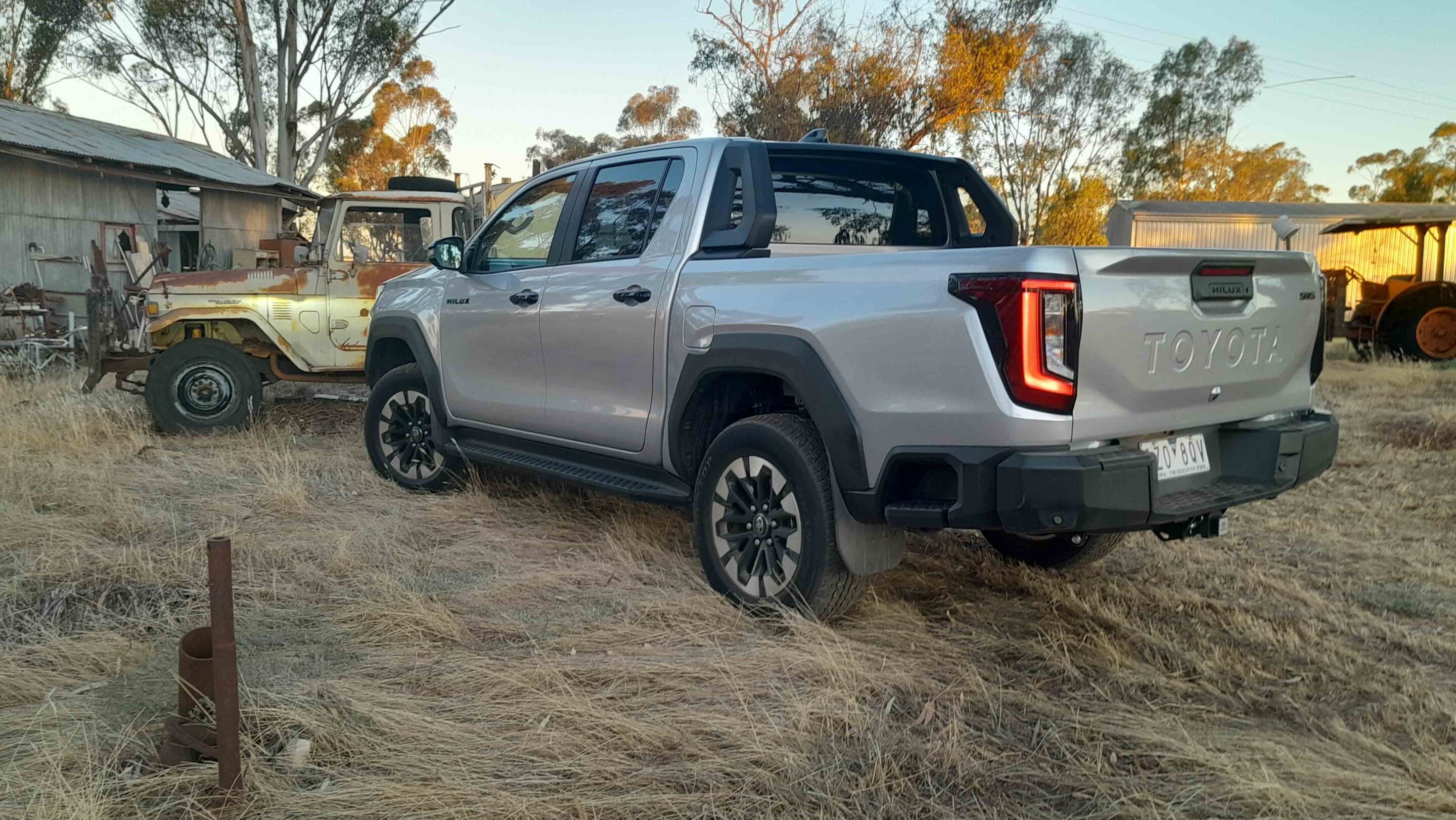
But we can tell you that the manual ’box doesn’t harm fuel economy in any meaningful way, and across 3500km, around 90 per cent of which was on highways at the posted limit (thank you NSW’s double-demerit welcome gift) we recorded a pretty handy 7.9L/100km average. You’d take that any day.
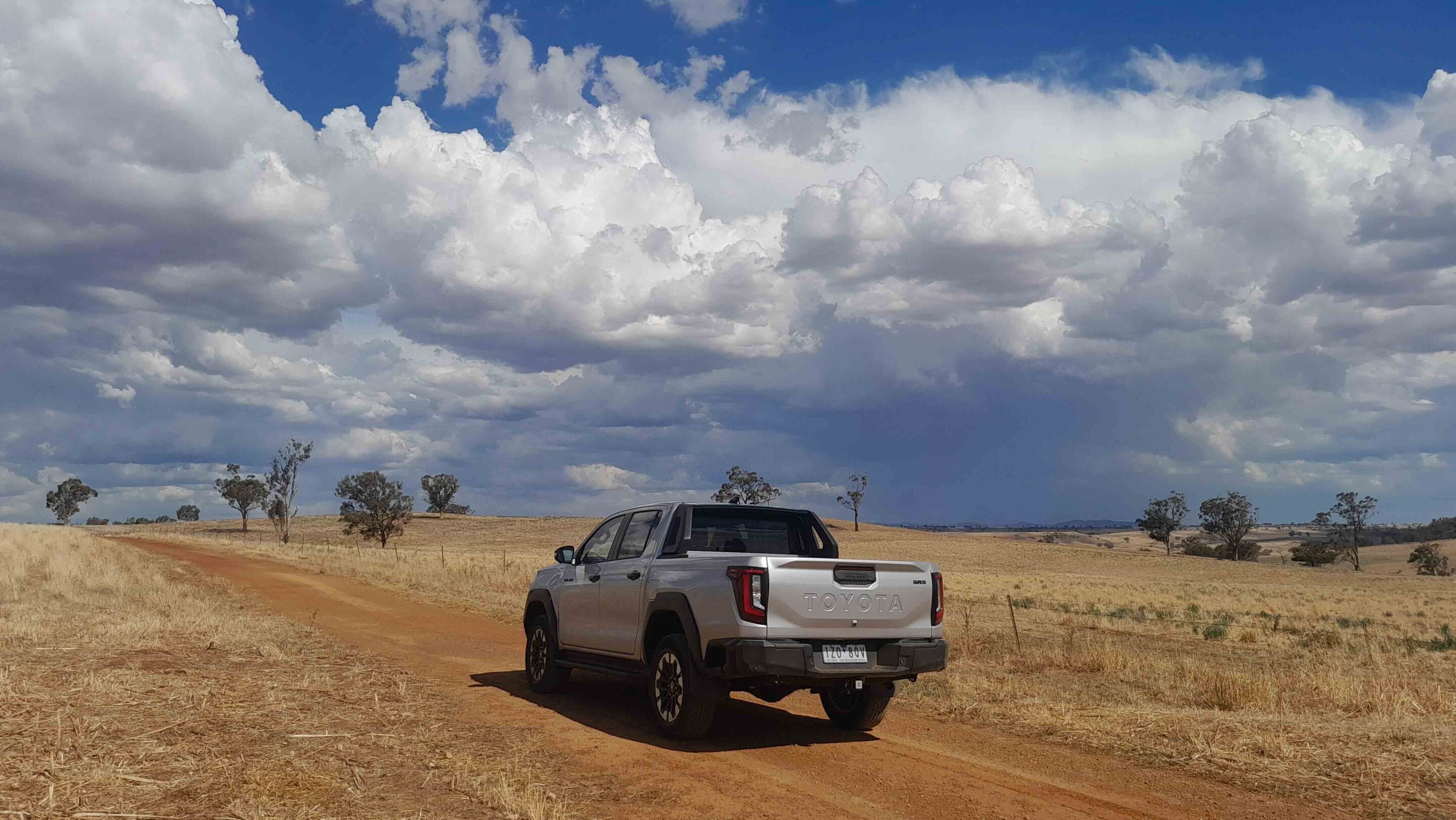
Of course, some things never change (especially when you don’t re-engineer them) and the HiLux faithfully follows generations of dual-cab tradition by being a bit ornery on rough roads at speed. The shameful state of this country’s roads right now means there’s an endless supply of opportunities to test this, and it remains that the plush-factor goes downhill fast when lightly laden and storming across pock-marked bitumen. Faster, bumpy corners can also produce a bit of a sideways shimmy, too, and while it’s never as bad as the live-axle shuffle of older designs, the HiLux always needs a hand on the wheel in such situations.
Naturally, the HiLux features the latest driver aids which, thankfully, weren’t required on this journey. But it remains that the lane-keeping assistance seems a bit keen to push the car to either side depending on what it’s seen (a white line on the road and not the semi coming the other way, usually). And the self-braking function that operates when you’re reversing seems half-baked when confronted by something as perilous as an untrimmed bush lining the driveway.
Verdict
As a means of getting you safely around in a transport-module kind of way, the HiLux is still one of the better dual-cabs.
Okay, it doesn’t represent a huge leap forward technically, and we’re on the side of the commentators who say the 2026 model is a facelift rather than a new model. But 3500km up and down the eastern seaboard in rush hour proves the point that the Toyota can still cut it. Which means it still remains to see who (other than the Ford Ranger) is going to catch up first.
Pros
- Reliable 2.8L with strong towing and hauling
- Excellent highway fuel economy
- Smart interior features: Stop-start and TPMS
Cons
- Cargo space limited without a tonneau cover
- Tight rear seats reduce long-trip comfort
- Clunky driver-info interface for trip stats
| 2026 Toyota HiLux SR5 specs | |
|---|---|
| Engine | Inline 4-cylinder turbo-diesel |
| Capacity | 2755cc |
| Max Power | 150kW@3000-3400rpm |
| Max Torque | 420Nm@1400-3400rpm |
| Transmission | 6-speed manual |
| 4×4 System | Part-time dual-range 4×4 |
| Construction | 4-door ute and tub on ladder chassis |
| Front Suspension | Independent double wishbone with coils |
| Rear Suspension | Live axle on leaf springs |
| Tyres | 265/60R18 on alloy wheels |
| Kerb Weight | 2215kg |
| GVM | 3090kg |
| Payload | 900kg |
| Towing Capacity | 3500kg |
| GCM | 6300kg |
| Seating Capacity | 5 |
| Fuel Tank Capacity | 80L |
| ADR Fuel Consumption | 7.1L/100km |
| Departure Angle | 26 |
| Approach Angle | 29 |
| Ground Clearance | 224mm |
2026 Toyota HiLux pricing
| Variant | 48V | Transmission | Price |
|---|---|---|---|
| WorkMate single cab-chassis | No | AT | $45,990 |
| WorkMate double cab-chassis | No | AT | $52,490 |
| WorkMate double cab pick-up | No | AT | $53,990 |
| SR extra cab-chassis | No | AT | $54,990 |
| SR double cab-chassis | No | MT | $54,990 |
| SR double cab-chassis | Yes | AT | $57,990 |
| SR double cab pick-up | Yes | AT | $59,490 |
| SR5 double cab pick-up | No | MT | $63,990 |
| SR5 double cab-chassis | Yes | AT | $64,490 |
| SR5 double cab pick-up | Yes | AT | $65,990 |
| Rogue double cab pick-up | Yes | AT | $71,990 |
| Rugged X double cab pick-up | Yes | AT | $71,990 |
A rooftop tent only really proves itself when it’s used properly – not for a quick overnight stop in a caravan park, but over days on the road where camp becomes home.
The Alu-Cab Gen 3-R did exactly that on a trip that took us from dusty outback pubs along the Darling River, through New Year’s Eve at Sandstone Point, and into full beach-camping mode on Fraser Island.
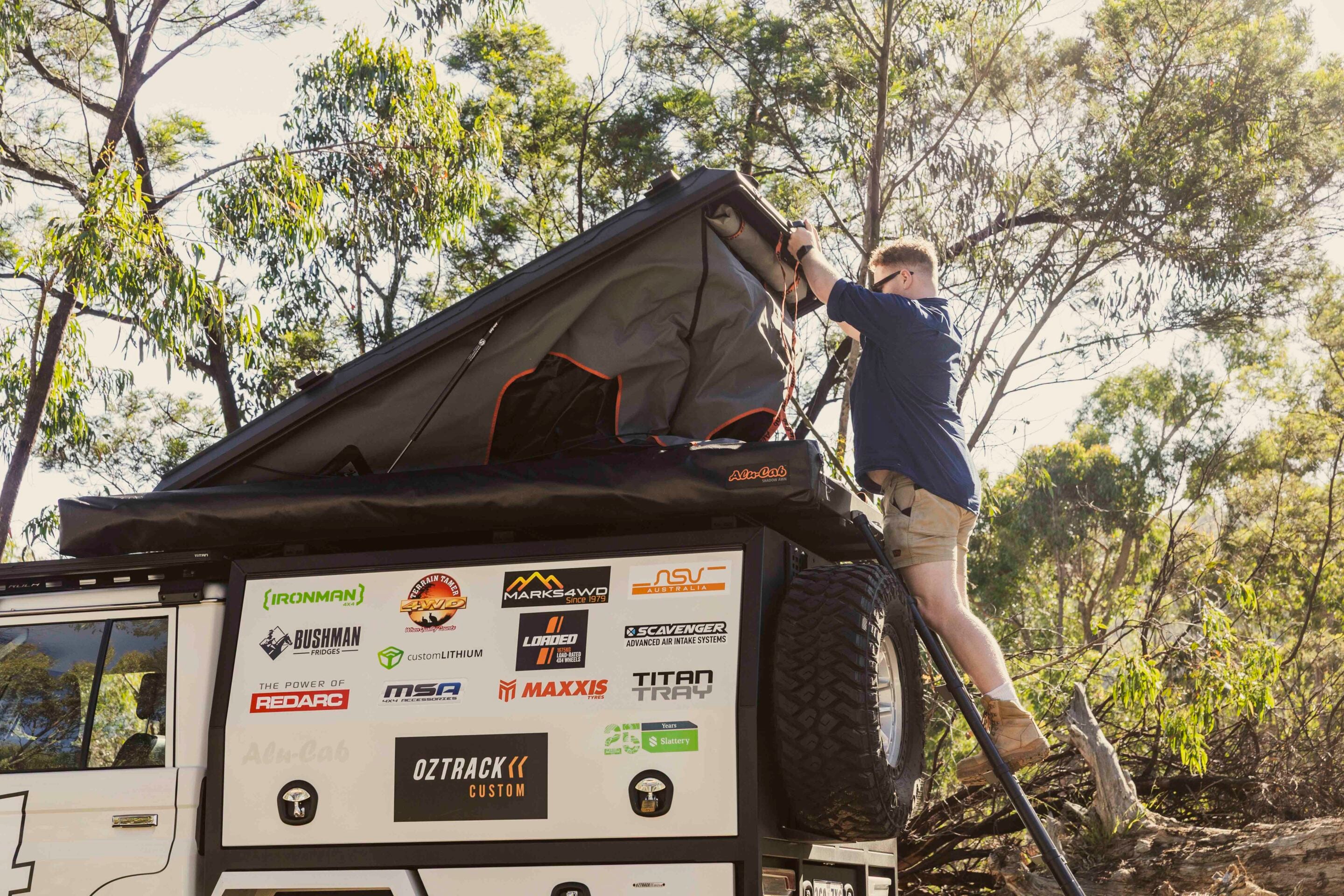
By the time we hit the sand and set up camp for three nights, the novelty of new gear had worn off, which is exactly when the Gen 3-R Expedition started to shine. Warm nights, crashing waves, a full moon lighting up the beach, and early mornings chasing tides. Setup took seconds. Pack-down was painless. No wrestling canvas, no swearing at zips, and no worrying about pinched fabric before jumping back behind the wheel. That’s when it clicked: this is the best rooftop tent I’ve ever used.
For context, 12 months ago I travelled around Australia with a rooftop tent, and I can say with confidence that the Gen 3-R would have fundamentally changed that experience – in all the right ways.
One of the biggest unsung heroes is the space between the canvas and the shell. It sounds minor, but it makes it almost impossible to pinch canvas during pack-down – something you’ll deeply appreciate if you’ve ever owned an RTT before. When you’re setting up and packing down every day, those small design decisions matter more than flashy features.
At camp, the tent quickly became the best seat in the house. Opened up to the ocean breeze, it wasn’t just somewhere to sleep – it was where we escaped the midday heat, planned routes, watched storms roll past, and actually relaxed.
Comfort that stands out
The Gen 3-R isn’t trying to reinvent the rooftop tent; it’s refining it.
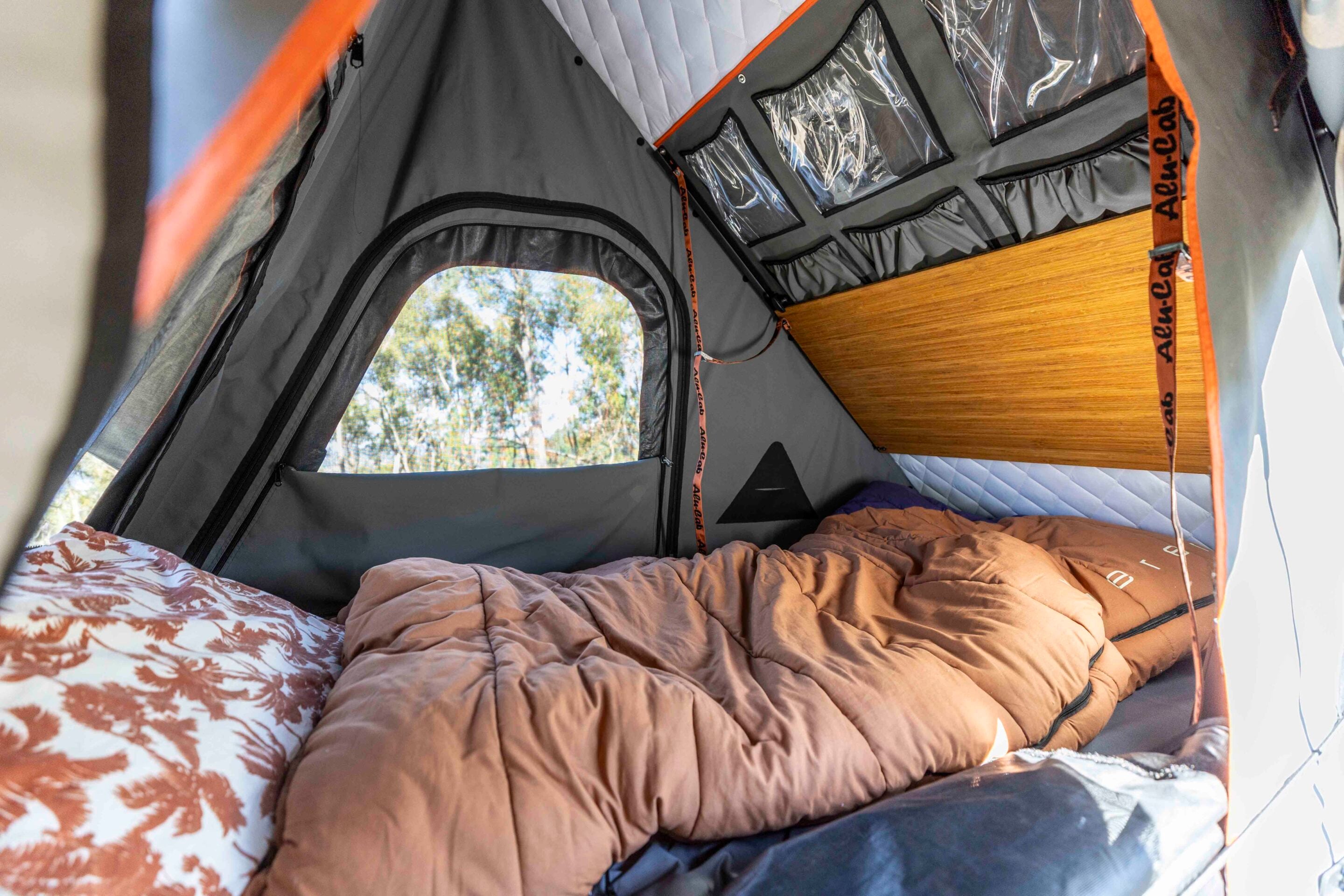
The aluminium hard shell feels genuinely expedition-ready without being overbuilt, and the gas-strut-assisted pop-up design is quick enough that you stop thinking about setup altogether. But where it really separates itself is inside.
The reclining backrest is hands-down the standout feature. Being able to level your bed without moving the vehicle, especially on sand, feels borderline indulgent. Once you’ve used it, you’ll wonder why more tents don’t offer something similar. Add the fold-down internal table and the tent suddenly becomes a usable living and working space. Watching movies on a rainy afternoon, working on photos, eating dinner or playing cards all feels natural rather than forced.
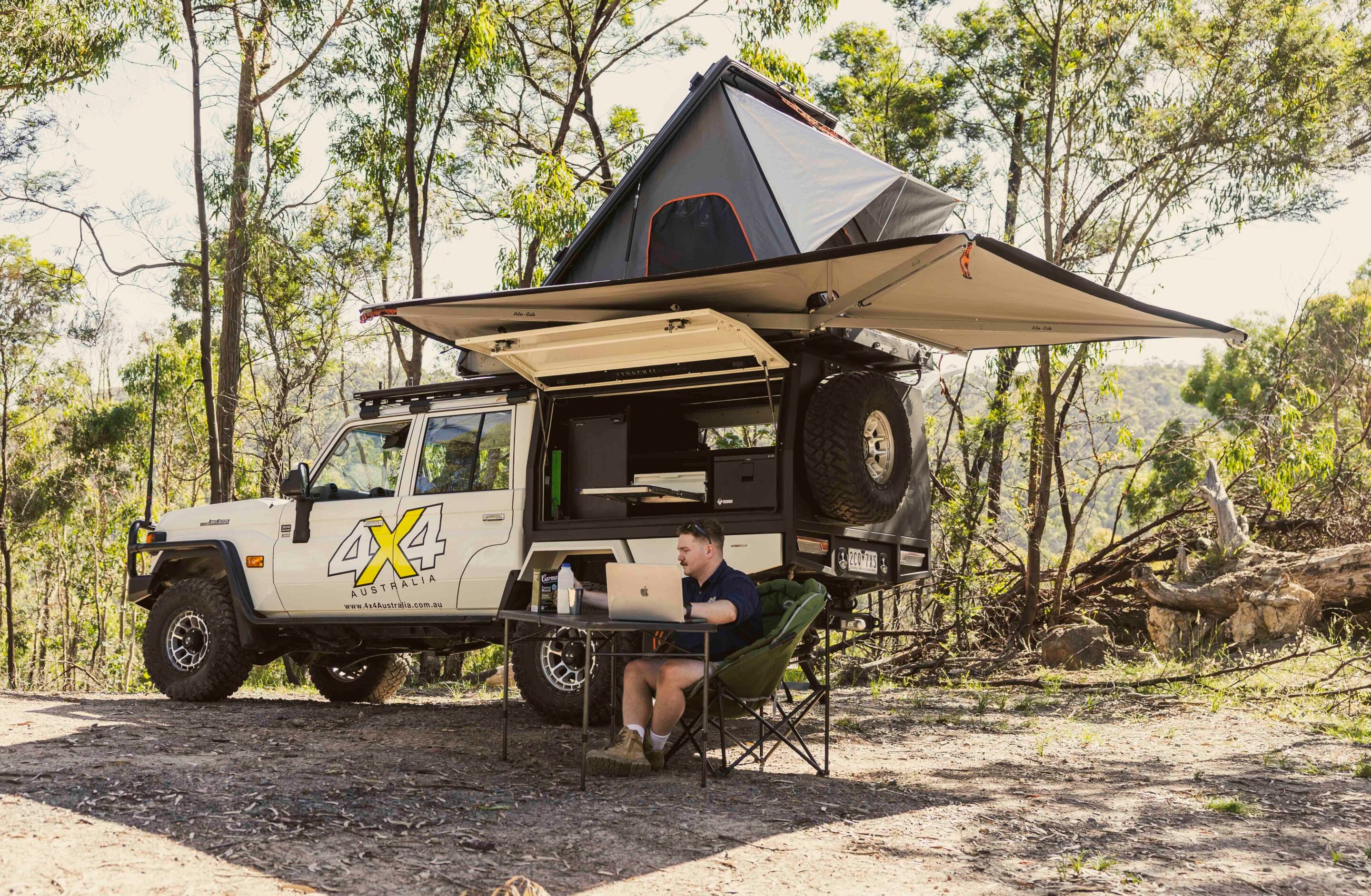
The canvas is another highlight. It’s thick, confidence-inspiring and feels superior to many tents on the market. Combined with the large windows, airflow is excellent, even on warm coastal nights. This is a tent you can comfortably spend time in, not just sleep inside.
The mattress is firm, and that will divide opinion. Some users will want to add a topper. Personally, I found it supportive and far better than softer RTT mattresses that tend to hold moisture. Waking up without that clammy feeling after a humid night is something you don’t fully appreciate until it’s gone.
At around 1200 to 1300mm of internal width, it can feel snug for some couples. That said, the comfort features, build quality and ease of use more than compensate. It’s also worth noting the tent looks far better than earlier Alu-Cab designs – lower, sleeker and more refined on the roof – and we were able to carry two sleeping bags and two pillows inside while driving without any issues.
Power, problems and competitors
Power integration is another area where the Gen 3-R largely nails it. Built-in 12V power and pre-wired solar cabling make setup ridiculously easy. There’s no need to run wires through windows or drill holes – it’s ready to go straight out of the box, which is exactly how touring gear should be. That said, there’s still room for improvement. I’d love to see:
- A 12V cigarette socket
- Additional USB-A and USB-C ports
- Rubber-covered plugs instead of the sliding door
- A voltmeter
- An amber light option for night use
The biggest issue internally was the sliding cover over the USB-C ports. I spent a good five minutes trying to keep the door open with one hand while lining up the cable with the other. It’s not a deal-breaker, but addressing it would elevate an already strong system.
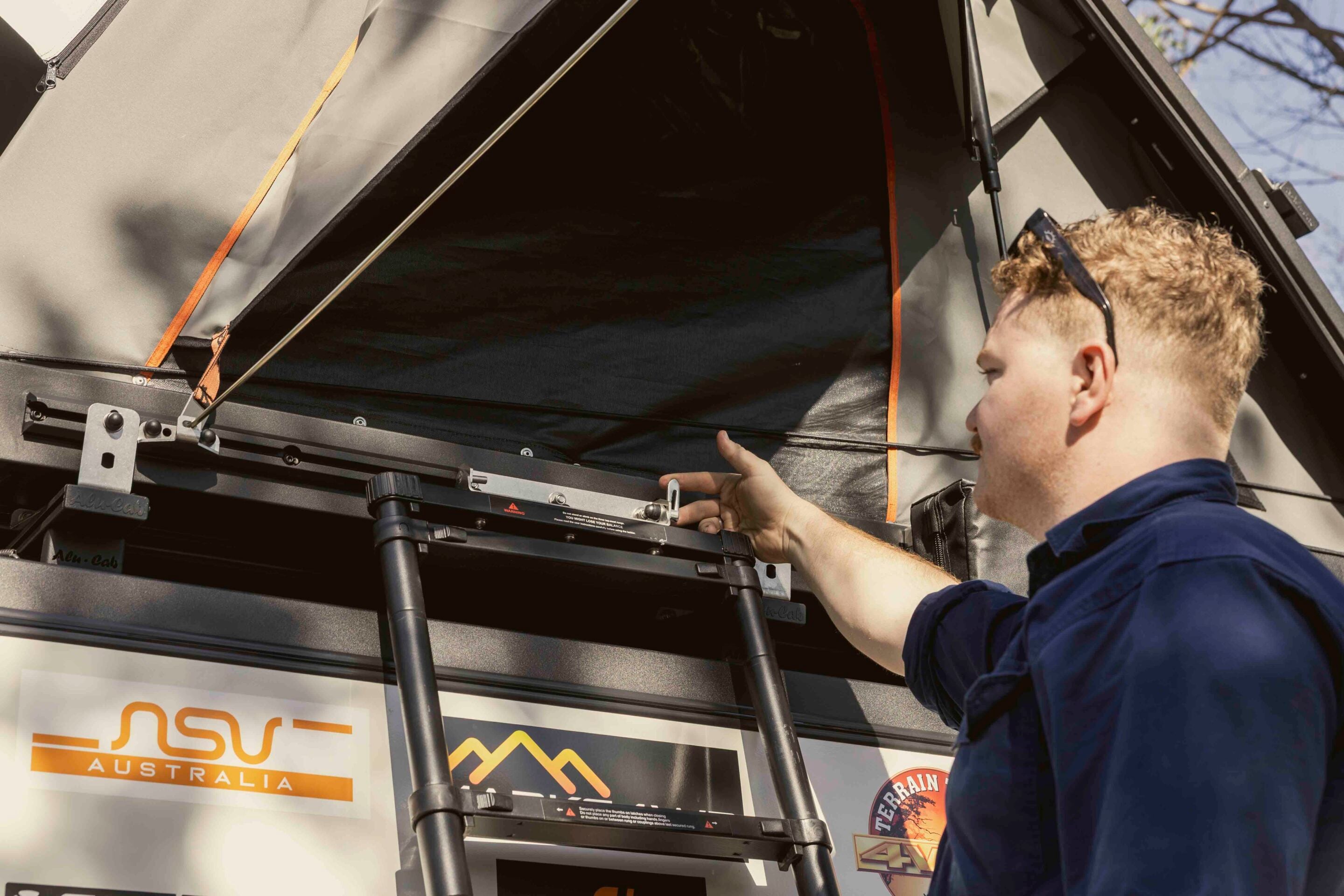
Then there’s the telescopic ladder – the Gen 3-R’s biggest downside. On taller vehicles it’s awkward to hook on, and the locking system feels unnecessarily complicated. It works, but it can be frustrating, especially after a long day on the road or a few cold beers. The only real upside? No squeaking. If you’ve owned RTT ladders before, you’ll know that’s not nothing. Adjustable ladder mounting positions would solve most of the frustration here, and we often found ourselves simply resting the ladder on the spare tyre.
How it compares
There’s no ignoring the elephant in the room: the only other rooftop tent that genuinely comes close is the Bush Company unit. Build quality, canvas and durability are right up there, making it a serious bit of gear. Where Alu-Cab pulls ahead is in accessories and ecosystem. The Gen 3-R’s reclining backrest, fold-down table, integrated power and modular add-ons make it feel more complete as a touring solution. If you plan on living out of your tent rather than just sleeping in it, Alu-Cab takes the win.
Our verdict
The Alu-Cab Gen 3-R isn’t perfect, but it’s close.
The ladder design and power socket layout could be improved, but in real-world touring use it’s one of the most enjoyable rooftop tents you can buy. It made beach camping easier, long trips more comfortable and downtime something to genuinely look forward to – and that’s the real test.
If Alu-Cab offered larger size options and addressed the minor shortcomings, there would be virtually no competition in this category.
Buy the Gen 3-R if you
- Tour regularly and live out of your setup
- Value comfort as much as durability
- Want fast, stress-free setup and pack-down
- Appreciate smart interior features
Consider alternatives if you
- Want a wider sleeping platform
- Prioritise ladder simplicity above all else
- Are chasing a more budget-focused RTT
Specs
| Name | Alu-Cab Gen 3-R |
|---|---|
| Style | Hard-shell pop-up RTT |
| Sleeping capacity | 2 adults |
| Internal length | ~2100 mm |
| Internal width | ~1200-1300 mm |
| Weight | ~76 kg |
| Mattress | High-density foam |
| Power | Built-in 12V + USB, solar-ready |
| Setup time | ~30 seconds |
| Roof load rating | 50 kg |
Pricing
- Rooftop tent: $6649.01
- Backrest: $629
- Interior roof drop down table: $849