
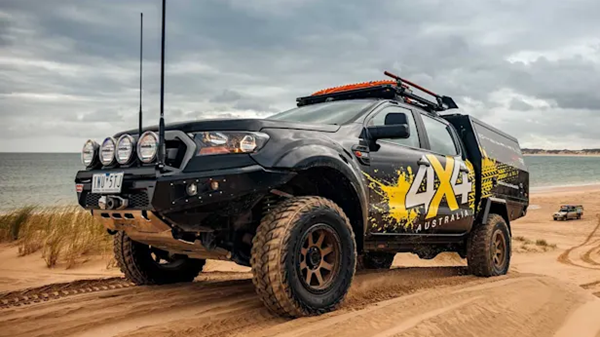
With the 1700mm Trig Point canopy on the back of our double-cab Ranger we have plenty of space up top for carrying kit and accessories.
To make it as functional and usable as possible we’ve gone with individual platform racks on both the cabin and the canopy.
In a moment of serendipity, our requirements were perfectly timed with the release of the MkIII version of Rola’s Titan Trays, so we fitted a pair of them, using the Ridge Mount for the vehicle cabin.
Platform style racks have become the go-to products for 4×4 users as they offer a huge range of mounting options and accessories, as well as stylish looks and a low overall height when nothing is on them. Their popularity has ensured ongoing development of these products to accommodate the needs of users and the latest vehicle designs.
Upgrade your Ranger
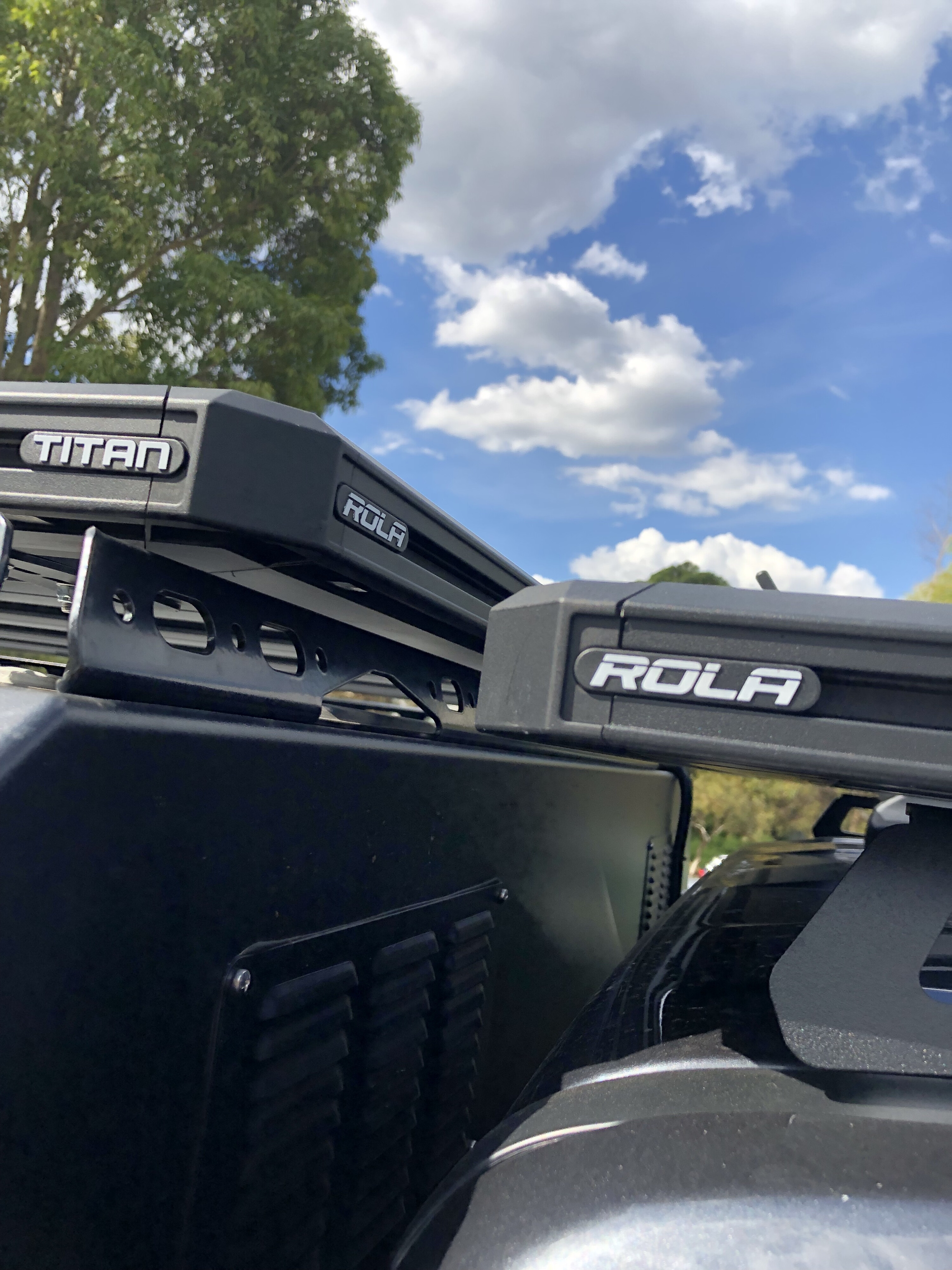
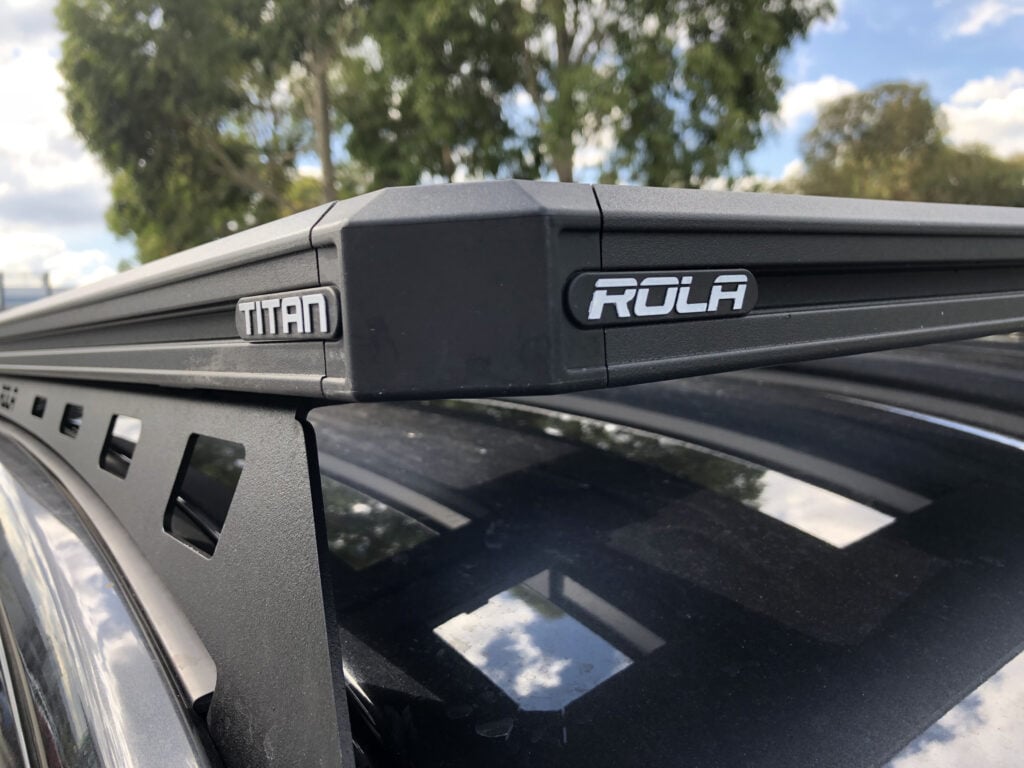
Hence the MkIII version of Rola’s Titan Tray platforms. Originally released in 2016 the Titan Trays and their mounting systems have evolved over time and the MkIII hits the market with a bold new look headlined by a 7mm thicker overall tray for both increased strength and a tougher look.
The MkIII Titan Tray debuts in four sizes, with more to come in the near future.
Key changes over the previous Titan Trays include: channels integrated on all outer edges with centre entry point for drop bolts and/or eye bolts; corners with integrated entry points; adjustable plank spacing with two mounting channels per plank; and grooves running the length underneath each plank designed accept the hooks of tiedown straps. The planks run lengthwise along the trays and the grooves offer limitless positions for attachment.
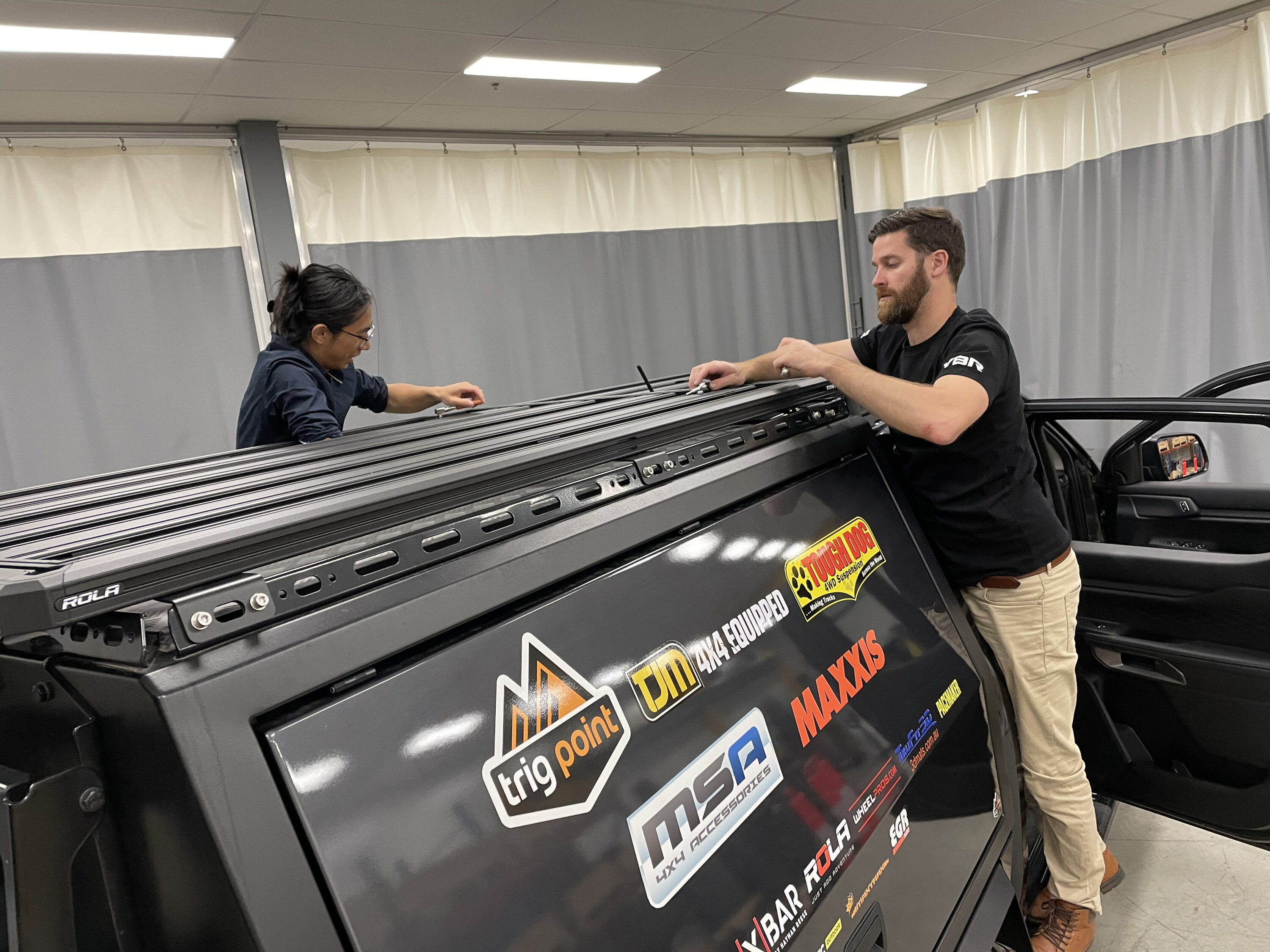
The lightweight aluminium trays come in a tough black powdercoat finish for protection against the elements, and are covered by a five-year warranty.
For the Ranger we’ve gone with a 1500x1200mm tray on the Ridge Mount system for the cabin, and a 1800x1200mm tray on the canopy. The latter tray has been secured to the canopy’s inbuilt rails using custom brackets.
Both trays are rated to 400kg, as are all the products in the Titan Tray range, so they exceed the load rating of the vehicle’s roof.
Rola’s Ridge Mount system is the best way to attach the Titan Tray to the roof of your vehicle so it was the logical choice for our Ranger. The powdercoat stainless steel mounts run the length of the roof in the factory mounting channels to best accommodate and evenly distribute weight placed on the tray.
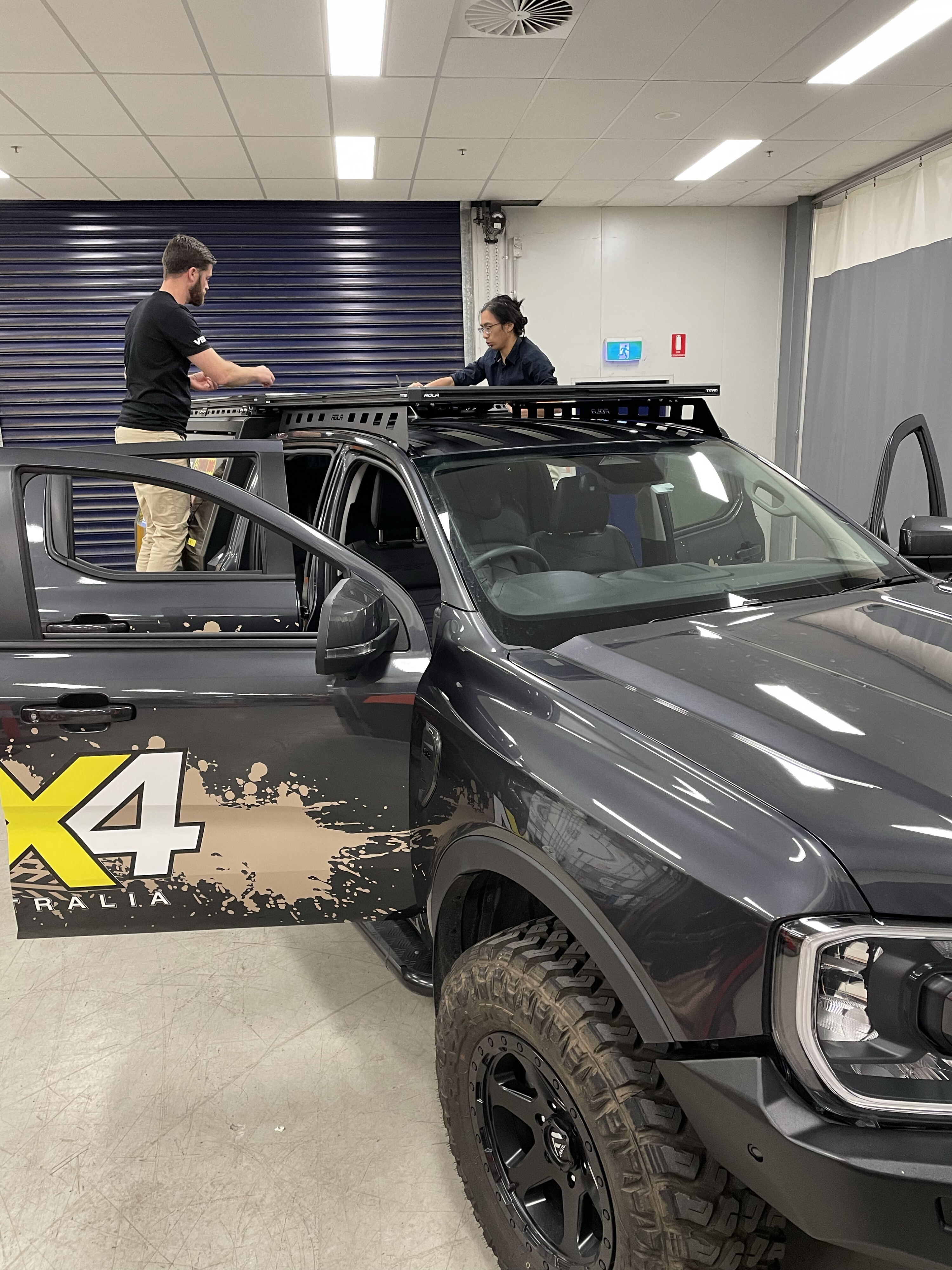
The Ridge Mounts are also a more stylish alternative to traditional cross bars or roof racks, and allow for a lower overall height which, in the case of the Ranger, is just 80mm.
As with earlier designs, the MkIII Titan Tray is compatible with a massive range of accessories for mounting whatever you need up top, including specific mounts for side awnings, rooftop tents, shovel and axe holders, gas bottle mounts, traction board mounts, bike and kayak mounts, light bar and auxiliary light mounts… just about anything you could possibly want to carry on the roof of your 4×4 vehicle.
Like the trays themselves, these accessories are all available on the Rola website and at most leading vehicle accessories retailers.
Pricing
- Ridge Mount for Ranger: $501.44
- 1200×1500 MkIII Titan Tray: $950
- 1200×1800 MkIII Titan Tray: $1150
New and improved trays to carry all your 4×4 adventure gear.
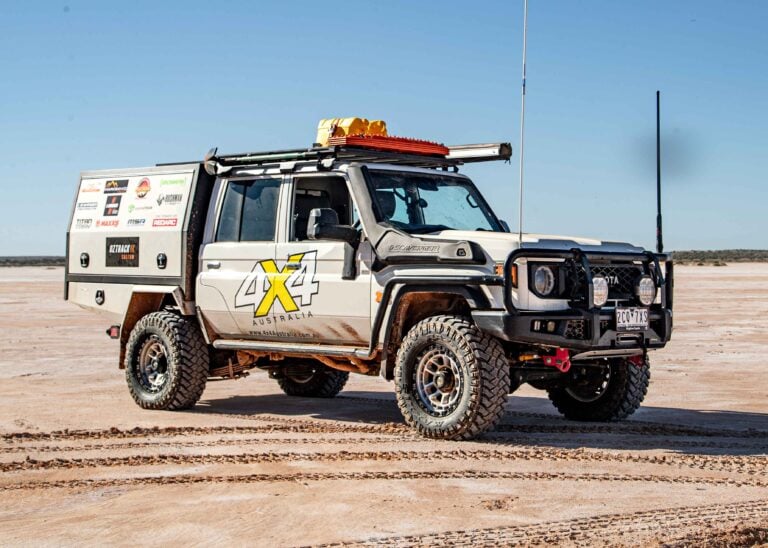
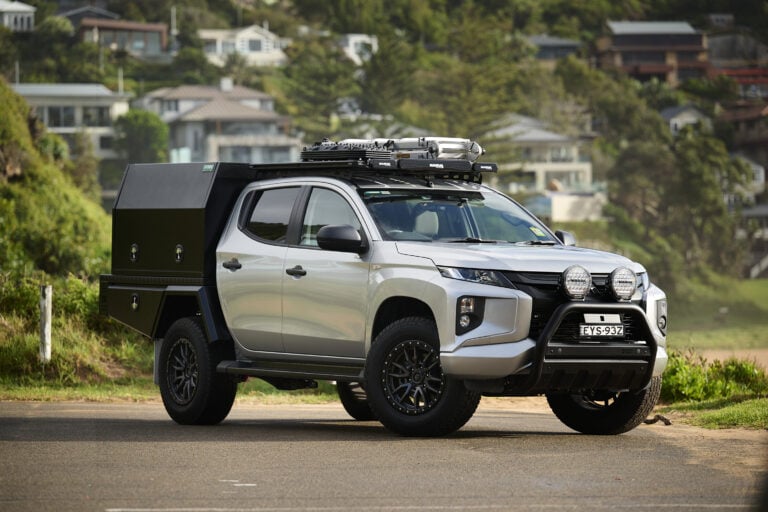
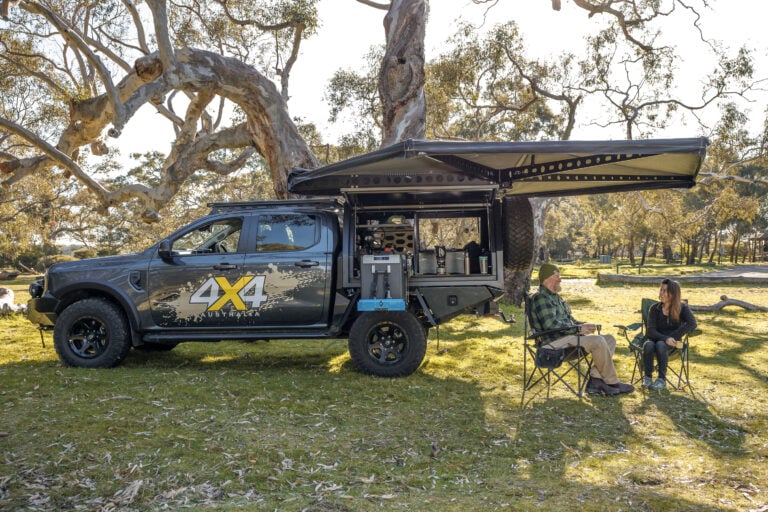
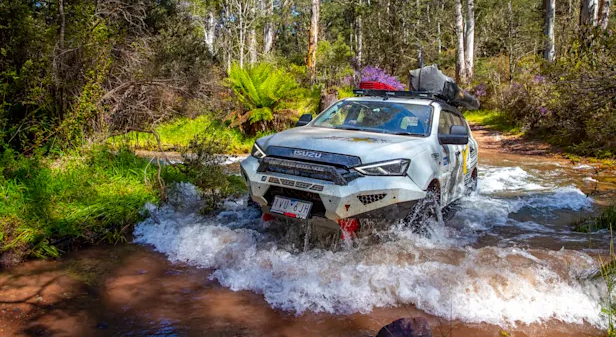
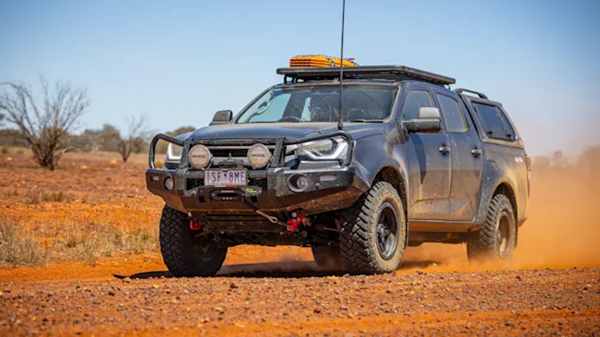
For most young blokes, their first 4×4 will be something cheap and cheerful that they can jump in, turn the key and hit the tracks.
These days, we’re seeing plenty of first timers able to shell out for a brand new vehicle and then equip it with all the trimming, but Melbourne’s Richard Swindel-Hurst took a totally different approach for his first real 4×4 project. Richard didn’t even start with a complete vehicle.
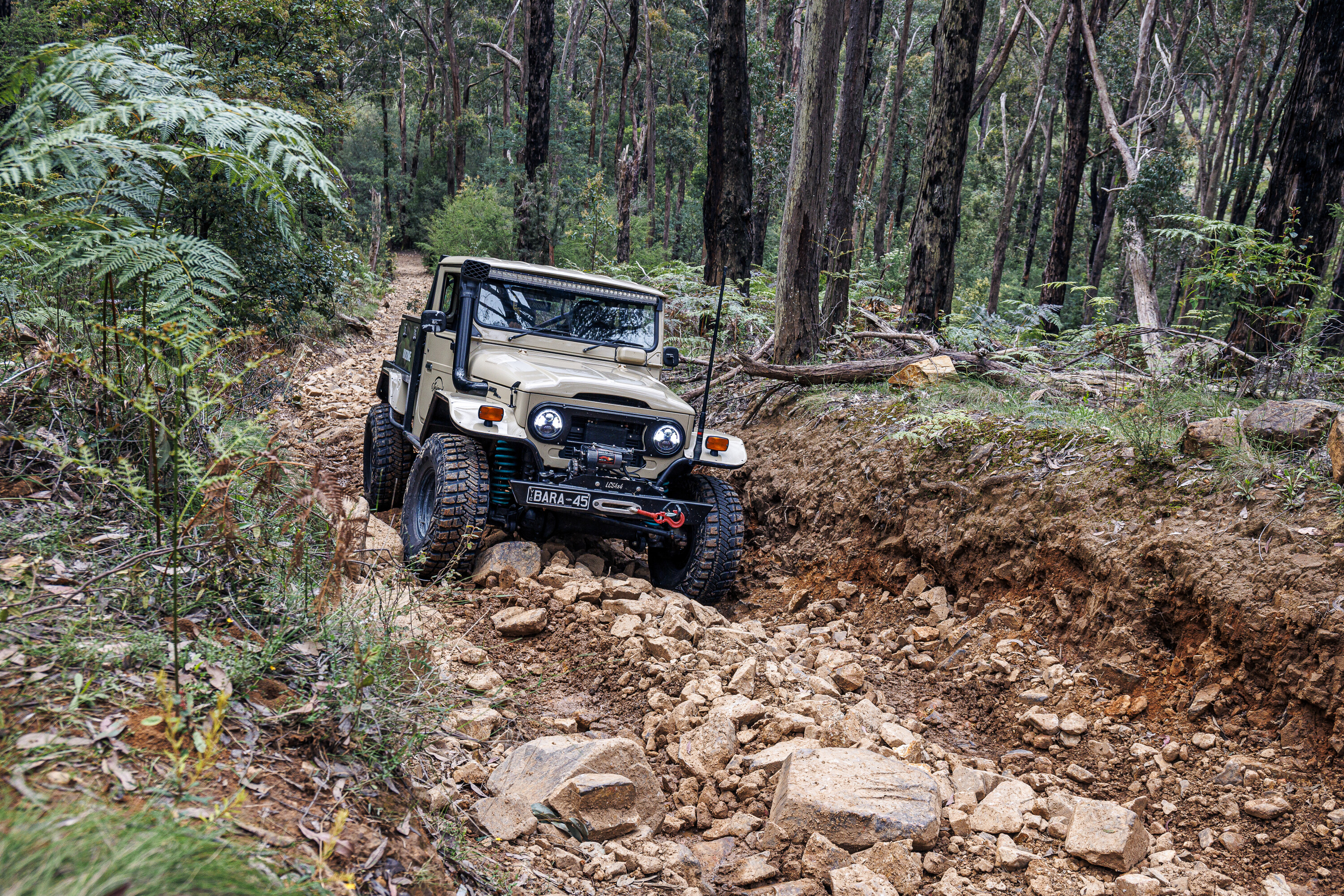
“The 40 Series is my favourite shape of LandCruiser” Richard told us. “While it’s the best looking LandCruiser, it’s a little light on for features so I decided to modernise it and make it a modern car that looks like a 40 Series.”
Upgrade your 4×4
-
Bullbars
-
Underbody Protection
-
4X4 Tyres
-
Canopies
-
Roof Racks
-
Storage
Being a mechanical engineer certainly helps when you want to undertake such a project and gave Richard the knowledge to come up with a plan to achieve his goals. To say he started the home-built project from scratch is an understatement; the first step of the project was building the shed to house it in.
While Richard has done most of the work himselfin his shed, he started off by asking vintage LandCruiser specialists, LCS 4X4, to fit a 45 Series cab on to an 80 Series chassis for him.
“LCS 4X4 mounted a 40 Series cab on an 80 Series chassis for me and it came back to my shed as a rolling chassis,” Richard recalls.
Ford XR6 turbo
“I bought an engine conversion from an XR6 turbo, which came in boxes and I was then able to mount the motor and build everything around it,” Richard added.
That’s right, this classic Cruiser is running a boosted Ford powerplant and, while V8 swaps are popular, the Aussie-made mill is the more logical choice for an engine bay that was made for an inline six.
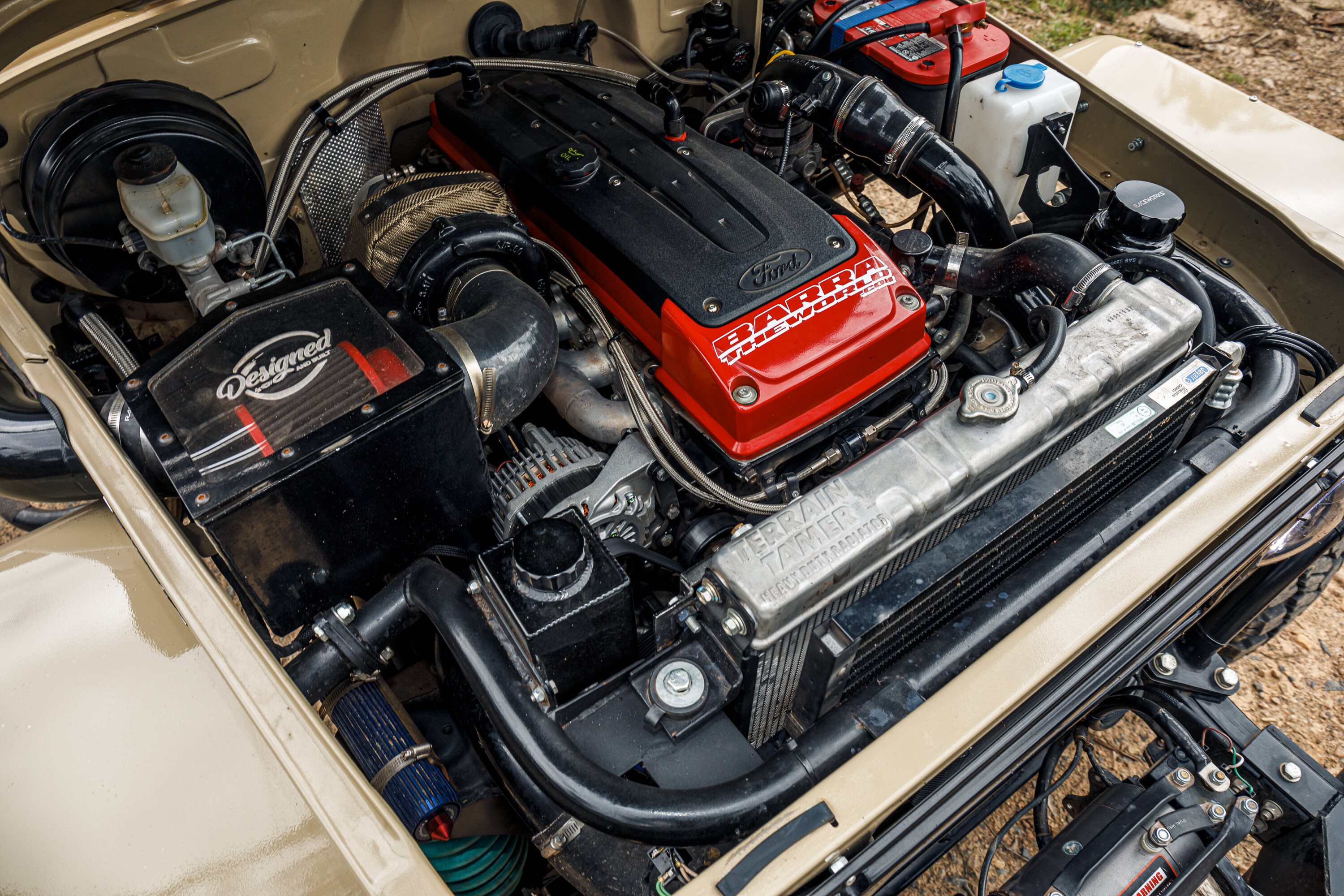
“The Barra was a simple choice,” says Rich. “They are cheap, reliable power. They are great in stock form but the perfectly balanced I6 responds extremely well to boost and it is easy to get power out of them on a budget. They are torquey down the bottom end and once you couple them with a good auto trans like the ZF6-speed which came stock on Falcons they are fantastic for four-wheel driving.”
The six-speed transmission links with a 79 Series transfer case using an adaptor from PJ’s Off Road in Queensland. This classic Cruiser truly is a Frankenstein build, taking the best parts from all the right vehicles and suppliers and being cleverly adapted.
While LCS performed the cab mount using mounts from McKinnon’s Cruisers, Richard still did most of the work himself, learning MIG and TIG welding and computer skills as he went. He 3D-scanned the chassis before shaving all the 80 Series mounts off and CAD modelling new mounts for the various drivetrain, body and tray mounts.
GU Patrol infusion
Plates were designed and fabricated to reinforce the Cruiser chassis and mount a GU Patrol steering box and which works with aftermarket Patrol steering arms and links on the front end.
The diffs are also GU Patrol with the rear housing having all its Nissan mounts shaved off and new mounts fabricated to fit on the chassis using original 80 Series mounting points. The housing was also shaved for clearance and reinforced. Both diffs run ARB Air Lockers with 4.3:1 gears.
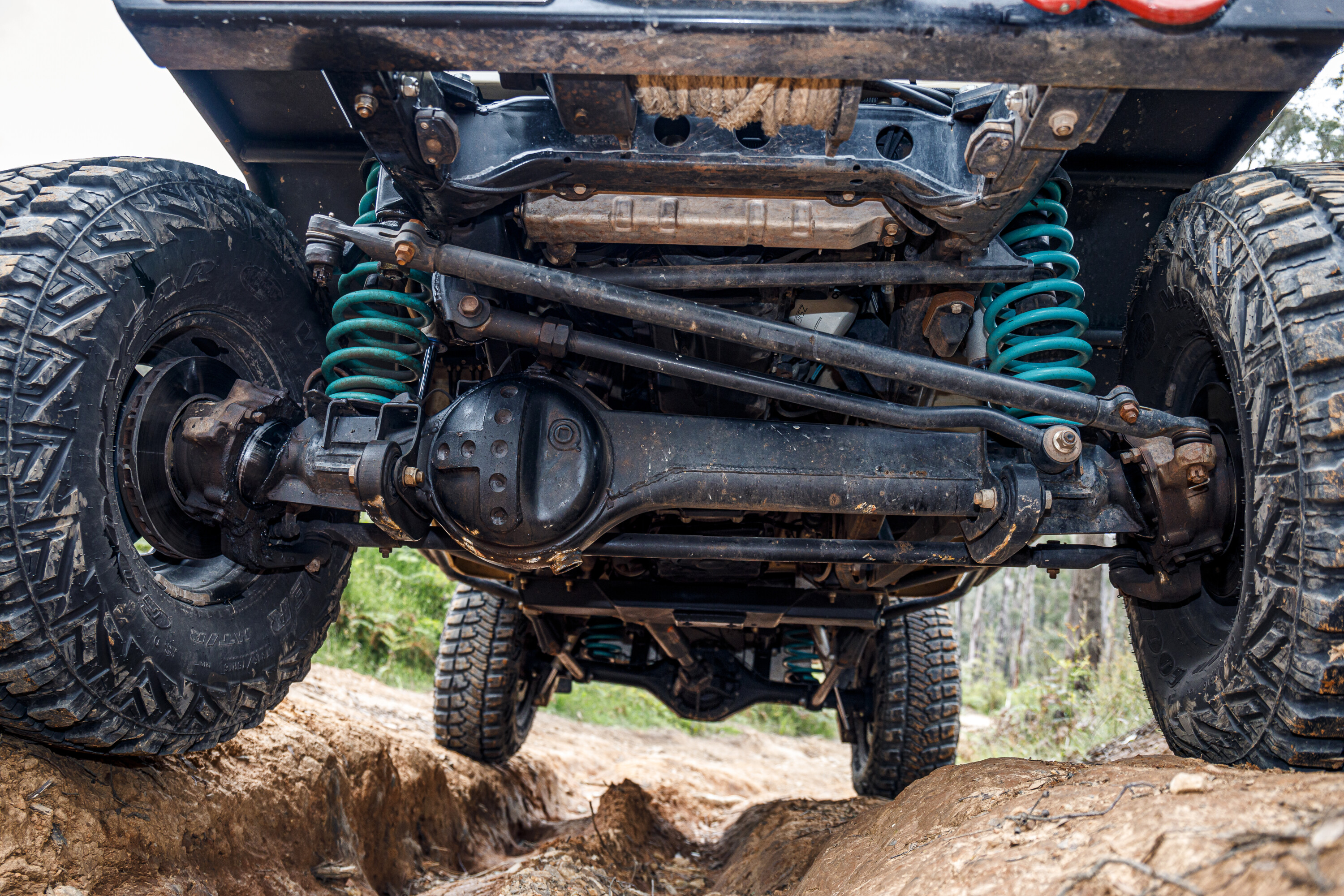
“I picked the Patrol diffs because they are strong and also easy to get parts for,” explained Richard.
The 45 Series cab needed extensive rust repairs before it got its coat of Sandy Taupe paint and final fitting to the chassis. Again, Rich fired up the welder and the CAD programs, fabricating the replacement floorpanels and transmission tunnel. Consideration was made to allow access to a removable panel to make dropping and installing the ZF tranny easier if and when needed.
Richard was working with the guys at LCS on these panels and LCS now offers them and the front guards on their site.
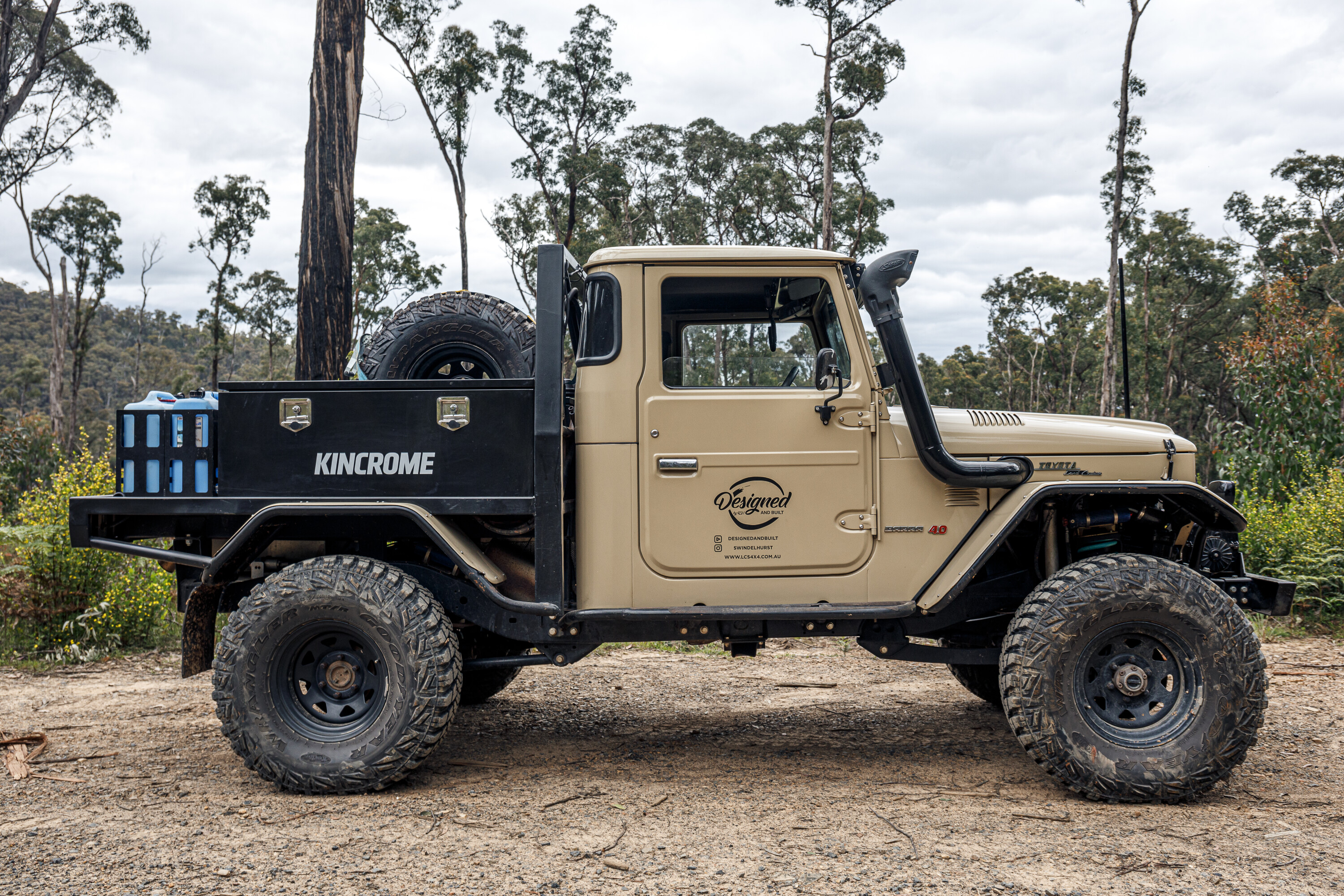
The front and rear ’guards were also similarly fabricated to cover the 80 Series wheel track which is wider than that of a 40, and the 35-inch muddies.
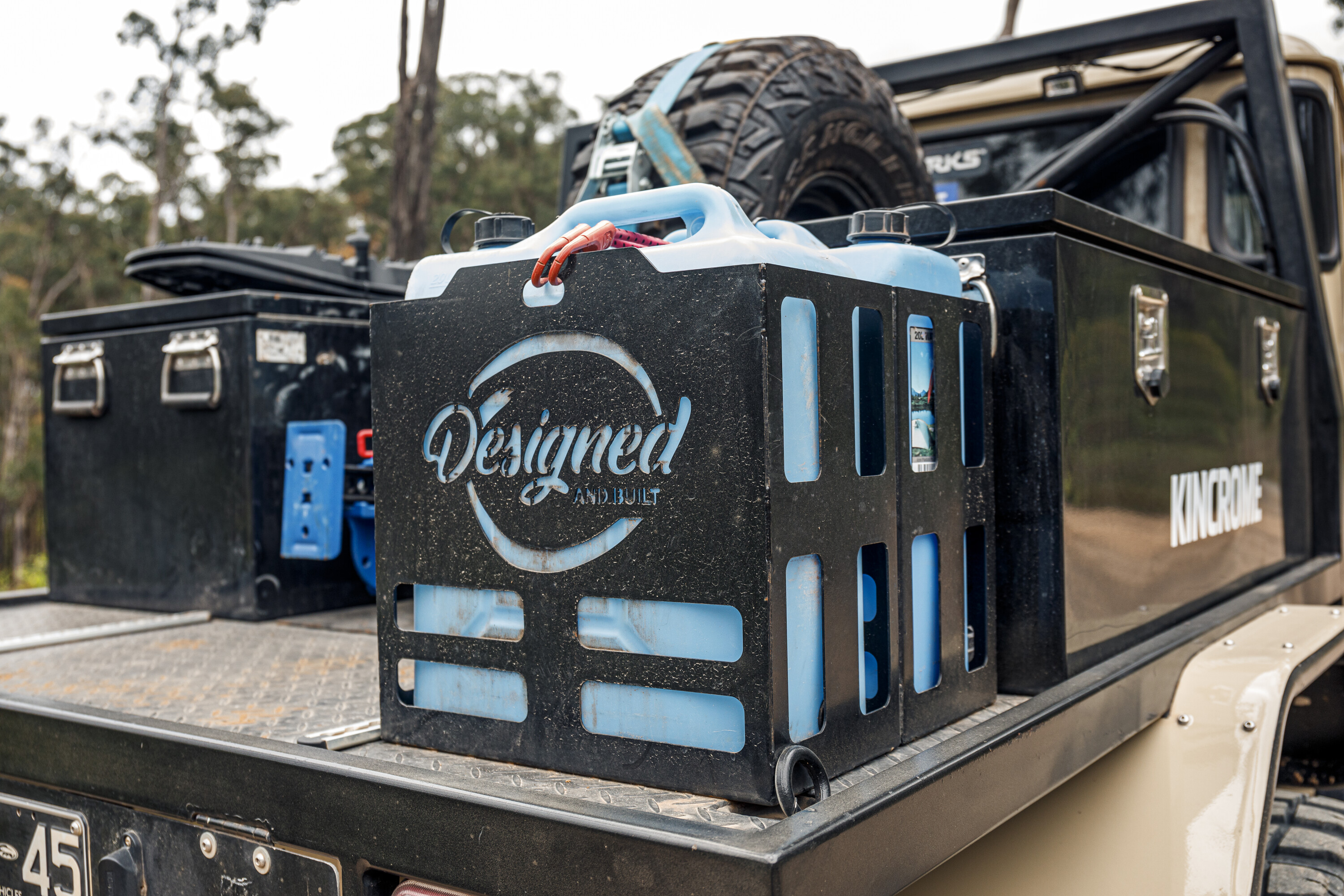
The tray was, of course, designed and built by Richard and is there to mount the spare wheel and tyre, storage boxes and gear for travelling because the Cruiser was created for more than just local wheeling in Victoria.
Great COVID escape
Richard started the build during Victoria’s extensive COVID lockdowns and when they finally ended and borders opened, he couldn’t wait to get out and about with the Cruiser. Not just for local day trips but an epic Melbourne to Cape York adventure to really prove the build’s mettle.
After such a trip, it’s no surprise that Richard lists the Tele Track and Fraser Island as some of his favourite 4×4 locations.
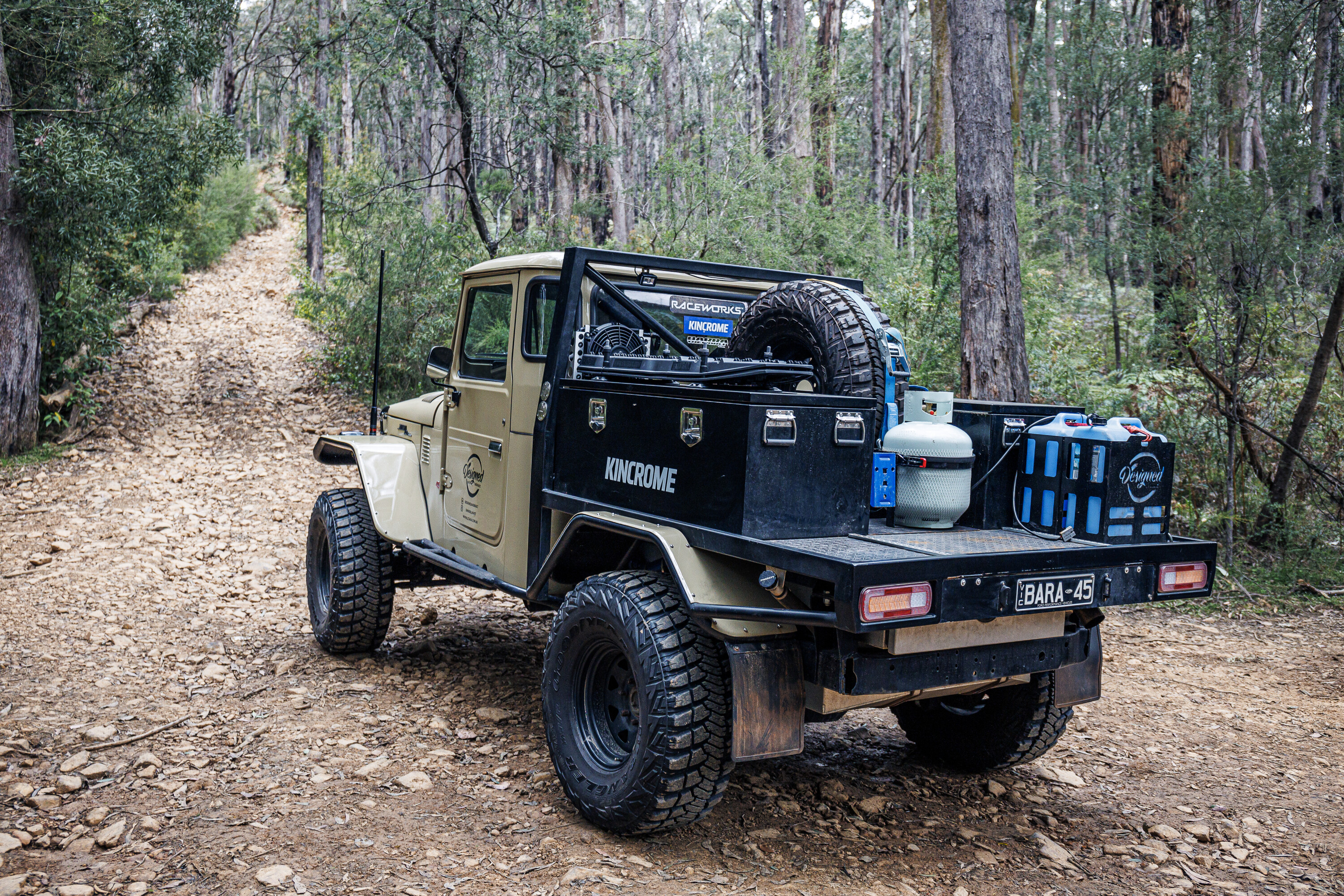
When we spoke with him for this story, Richard was planning to design and build a canopy to go on the tray to make it more suitable for touring as there is a trip to Western Australia coming up that will include the iconic Canning Stock Route and WA’s amazing beaches. What an incredible vehicle to traverse Australia’s best 4×4 tracks in.
As always there’s so much more to this build that what we’ve shared here and thankfully, Richard documented the entire build on video which you can watch on YouTube over more than 30 episodes. Look it up at ‘Designed and built’ and sit back to watch the whole build and some action from the Cape York adventure. Better grab a six pack before you do as there are hours of great info and footage covering the build.
Gear that matters
Engine
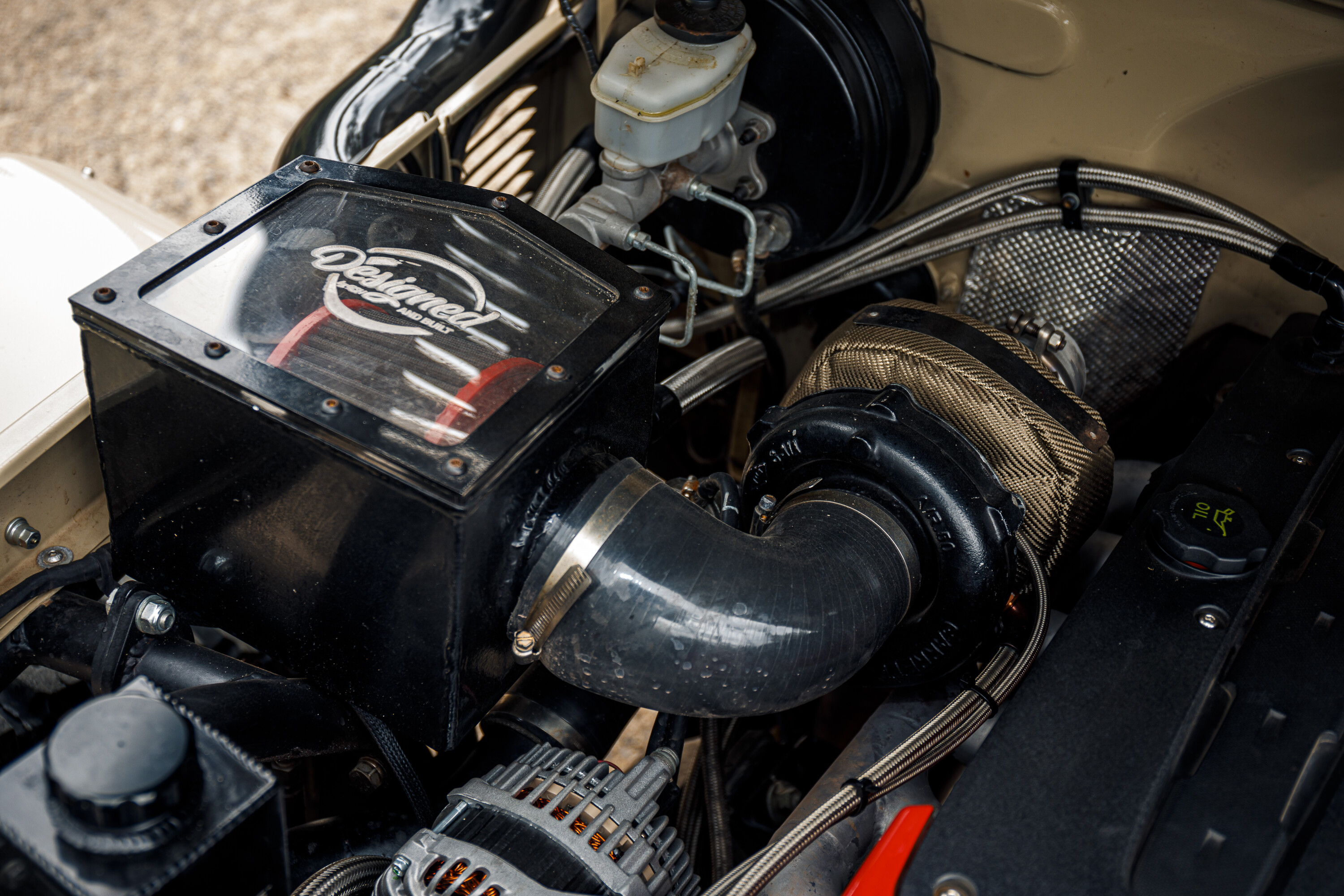
The 4.0-litre ‘Barra’ engine pumps out 300kW and 600Nm thanks to a high-mount intake manifold, custom airbox, front-mount intercooler with custom piping, 3-inch exhaust and a 4-inch snorkel. All the custom fab’ work was done by Richard.
Tyres
The 35-inch Goodyear MT/Rs on steel rims make for durable rolling stock for off-road touring.
Haltech dash
The Haltech IC7 dash is another world-class Australian-made product and allows Richard to monitor and control all of the Barra engine’s vitals from the driver’s seat. He says it was invaluable on the Cape trip allowing him to see and clear any fault codes from the engine.
Rear-end
Plenty of the owner’s handiwork at the rear of this rig; 300mm was chopped off the back of the chassis and the fabricated tray was fitted on custom mounts. Two fabricated fuel tanks each holding 100 litres of 95 octane unleaded went under the tray.
Front bar
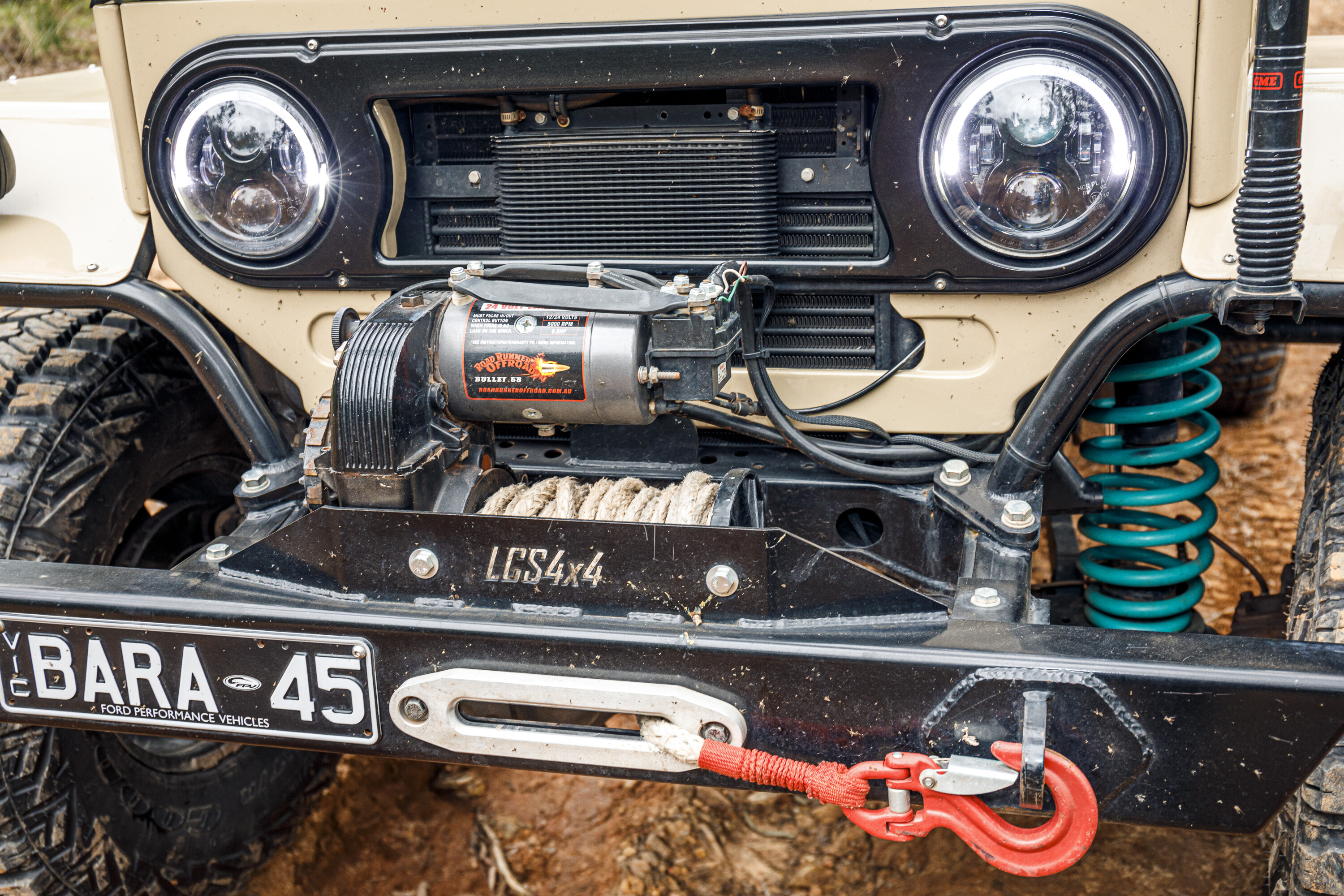
LCS 4X4 front bar cradles an 8274 High Mount winch upgraded with a Bullet 6.8hp motor.
Air compressor
ARB twin air-compressor is mounted under the seat with pressure controlled through the app.
Battery
A 110Ah lithium battery is mounted at the back of the cabin and controlled by a Redarc DC-DC charger. Starter battery is an Optima AGM unit.
Home-made
Richard fabricated the dash panel to mount the switchgear, air-con controls and accessories. Likewise, he fabbed up the frames to mount the Subaru WRX seats to the hand-made floor panels.
4X4 Australia's project builds
After we confirmed we were fitting the Trig Point service body canopy to the Ranger, and Trig Point’s Murray Brookes told us there would be space for an induction cooktop, we had to rethink our 12-volt power set-up.
When we spoke to our partners at Projecta about the power-sapping induction cooktop, they got pretty excited, saying they could supply all the power we needed… and more!
Projecta’s Intelli-Grid power systems were primarily designed for caravans, motorhomes and camper trailers, but with the growing want for more electrical power in 4×4 vehicles, the system has been adapted to suit this application.
Upgrade your Ranger
Projecta told us that this need for more power isn’t just for those living on the road and running fridges, lights, inverters, cooktops and even microwave ovens, but also for tradies who need to charge batteries for the multitude of power tools they use on the job. This also applies to travellers who carry battery powered tools as well.
With multiple charging options to keep the system powered up, we should be able to keep our gear running no matter where we take the Ranger.
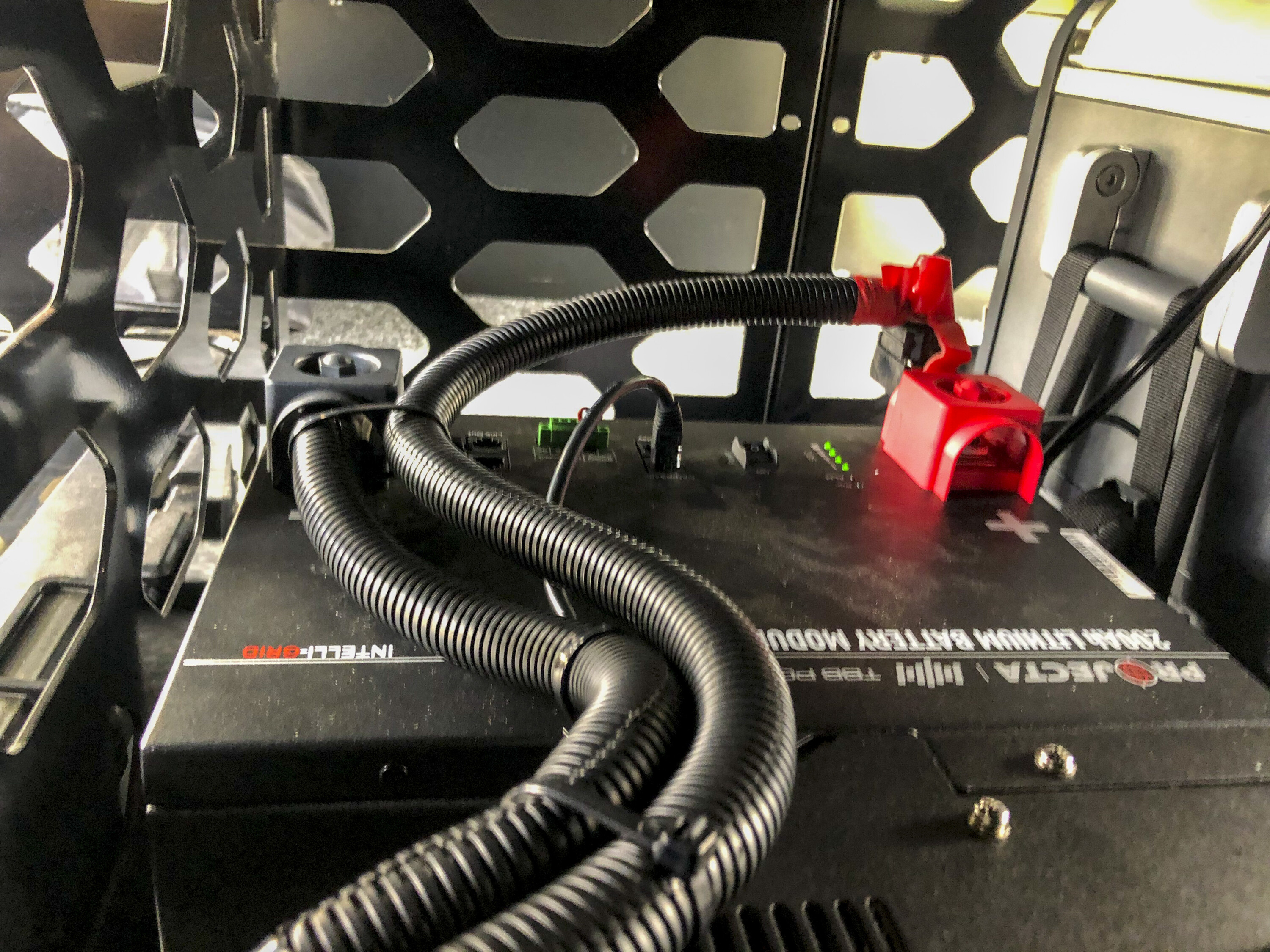
The system that Projecta designed for us centres on the company’s INVCHR3 Inverter/Charger. This is a 3000-Watt inverter with a built-in 12V 180A charger. Put simply, this inverter will provide enough power to charge and run all your accessories and tools via 240V outlets, as well as change the vehicle auxiliary battery which in this case is one of Projecta’s LB200-HD 200Ah lithium batteries.
The five-stage charger can output up to 12V 180A when plugged into mains power, enabling us to not only charge our batteries but also power any 240V appliances we might be using at the same time. The charger works with lithium, wet cell, gel and AGM batteries.
The 3000W inverter should provide plenty of power to run appliances and tools when away from the grid via the GPO power points which are separate from the main unit.
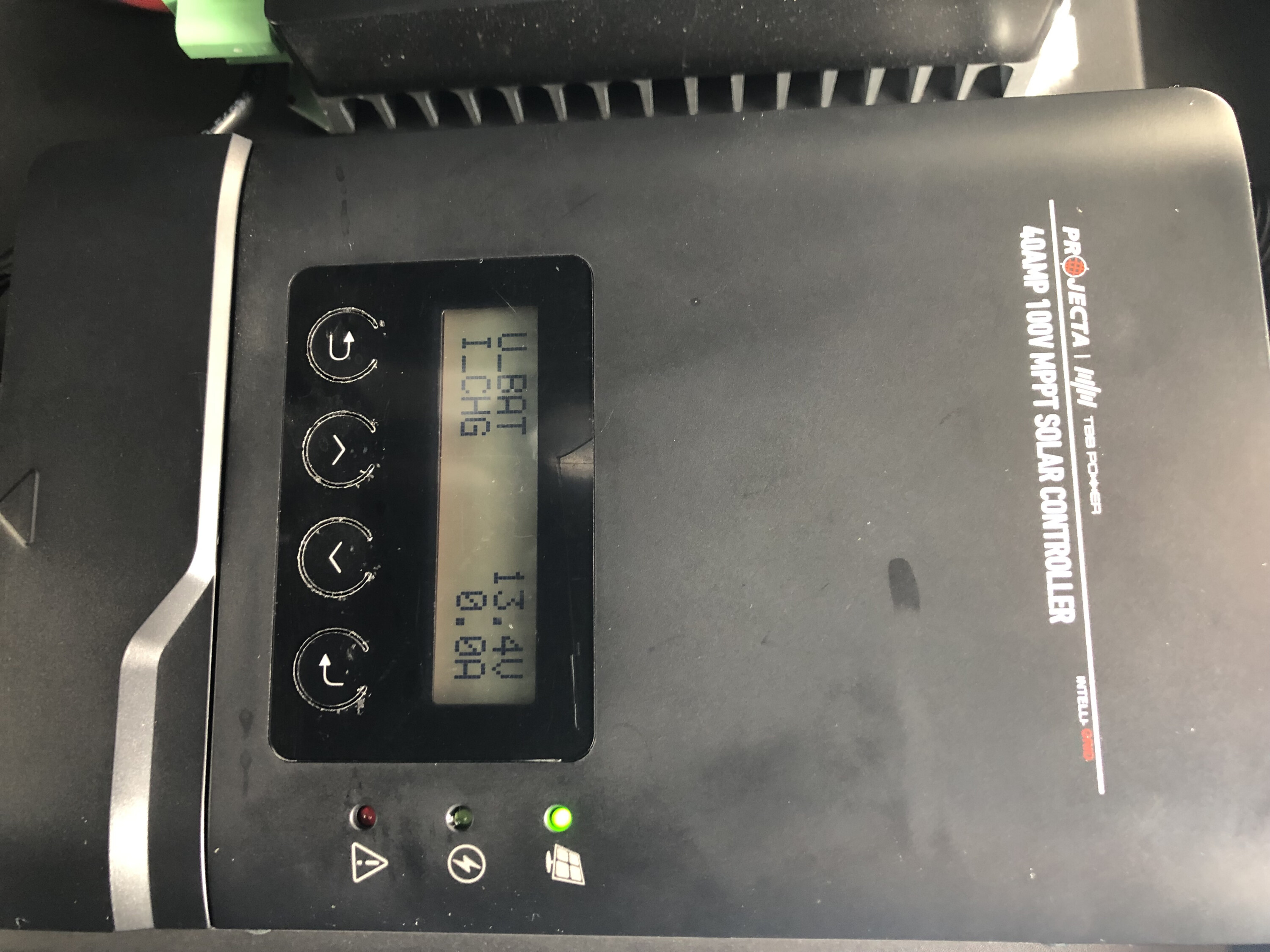
The 40A MPPT solar controller will also help out when we are off the grid once we have fitted some solar panels up top.
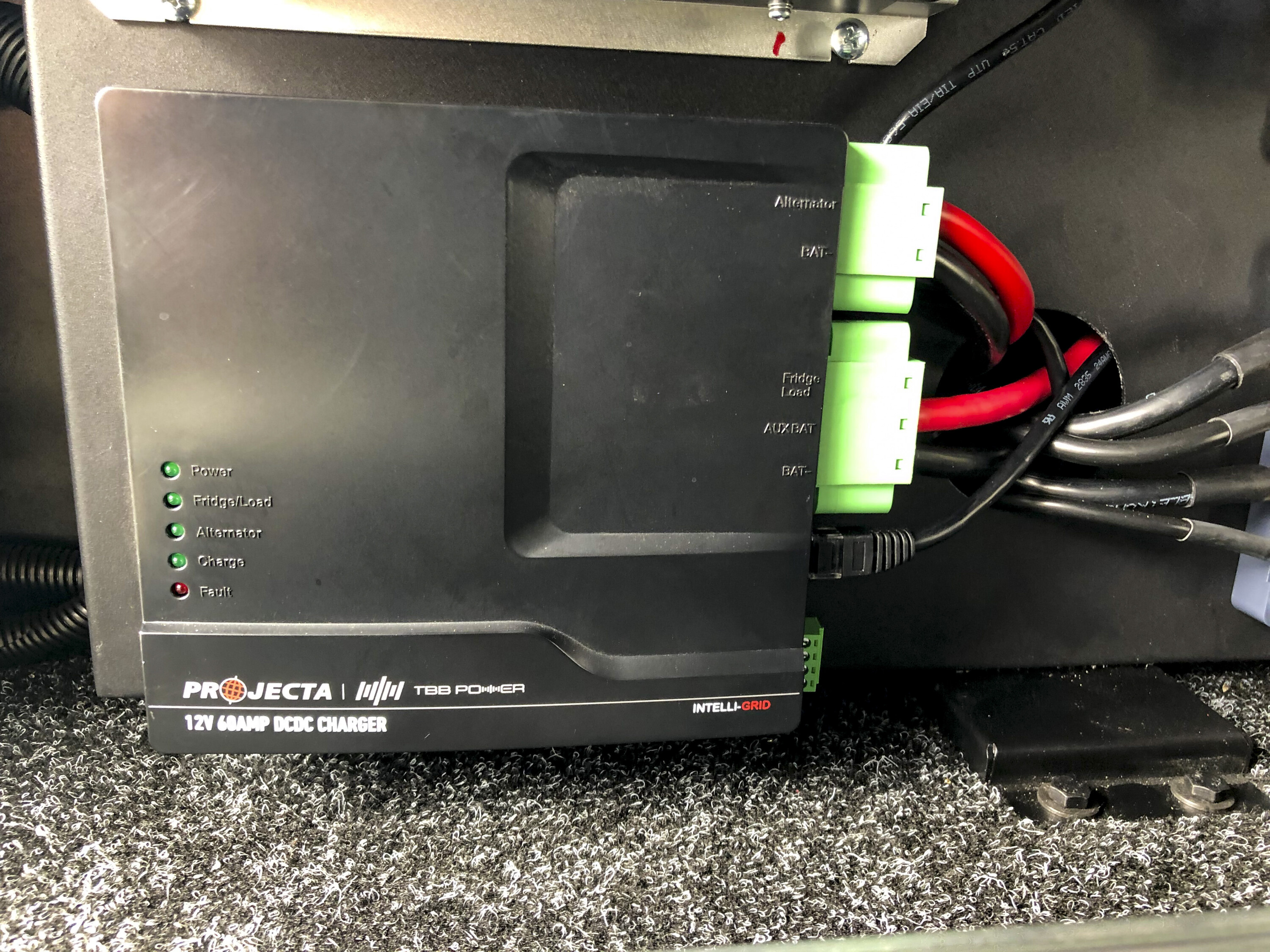
While driving, the Projecta PMDCS60 DC-DC charger manages the battery charging duties from the alternator. Again this is a five-stage charger, but 60-amps, and it still works with lithium, wet cell, gel and AGM batteries, and compensates for so-called smart alternators and their variable outputs, ensuring reliable charging regardless; this has become essential in modern vehicles. It also has inbuilt temperature compensation to maintain operation in various conditions.
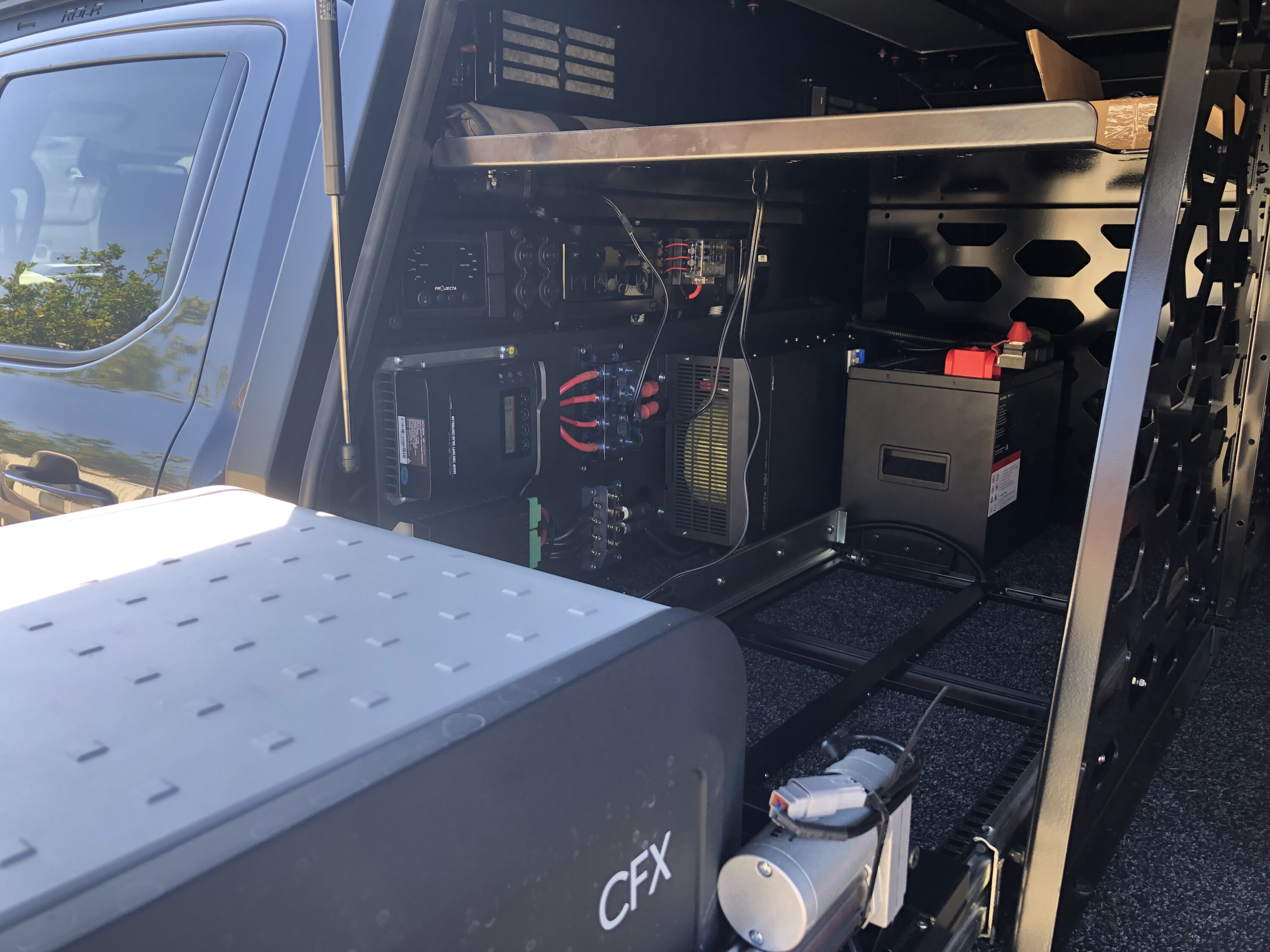
A new product from Projecta is the ready-to-fit plug and play powerboard range. Available in a variety of sizes to accommodate all the hardware needed for your power solutions, they are supplied with all the kit and just need to be fitted and wired into your vehicle.
The team at Trig Point installed the system into our canopy and as it was a first Projecta set-up for them, it required relocation of a few regular Trig Point canopy components. Both the inverter/charger and the LB200 battery are relatively large, requiring extra space, although once fitted there is still enough room available to fit a second LB200 battery if the need ever arises.
As it is designed for use in caravans and motorhomes, the INVCHR3 Inverter/Charger doesn’t have a standard GPO power outlet as you would find on most vehicle-based inverters, and so requires separate wiring to install the GPO.
4X4 Australia project builds
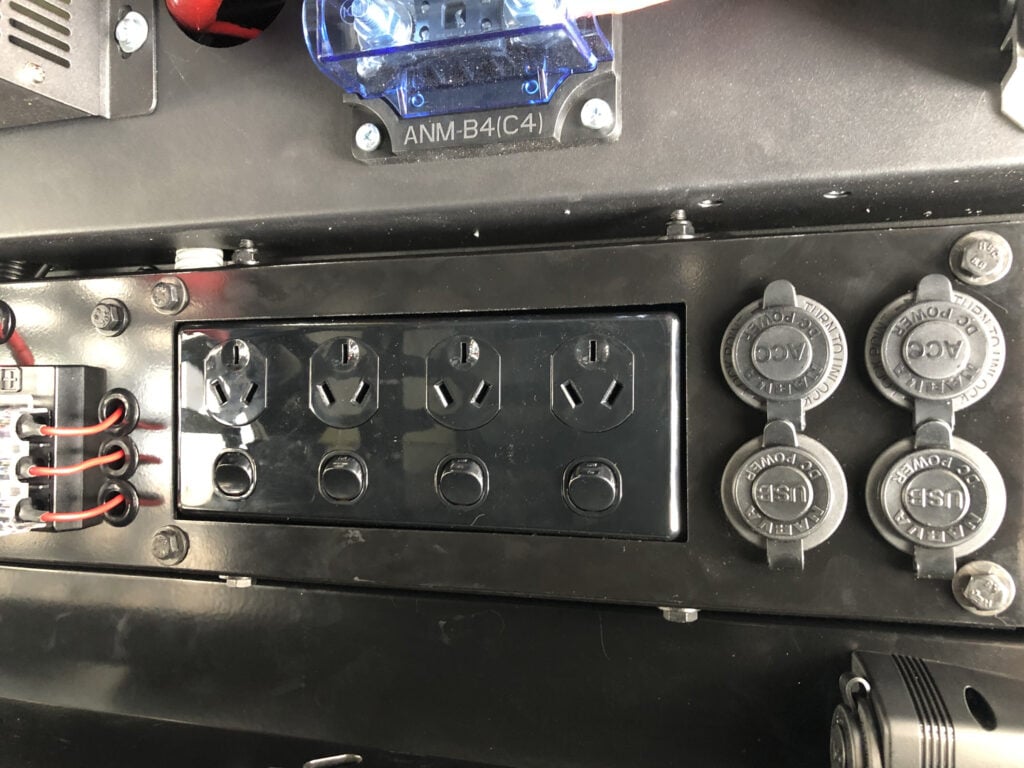
In this case Trig Point fitted a four-outlet GPO to run our 240V tools and accessories, and this part of the installation must be certified by a qualified electrician. Located next to the power points we have 12V and USB outlets for powering and charging smaller accessories.
The Projecta Intelli-Grid is a relatively set-and-forget system once it is installed and up and running. The monitor panel displays the state of charge of the battery as a percentage, and the input and output of the system. It also has a warning for low voltage and a switch to turn the system off if you need to put the vehicle into storage.
Pricing
- Projecta INVCHR3 inverter/charger: $3999
- Projecta PMDCS60 DC-DC charger: $990
- Projecta SC540 MPPT solar charge controller: $649
- Projecta INVCHRD-BT lithium battery monitor: $215
- Projecta LB200-HD: $4586
The Projecta Intelli-Grid system could be considered overkill for a 4×4 but with more and more electrical products finding their way into our vehicles and camping set-ups, we reckon you can\u2019t have enough power.
Next-gen Ford Everest owners can now level up, with Polyair Springs releasing its Polyair kits to suit.
Available in the standard-duty Red Series or the heavy-duty Ultimate Series, both series can accommodate standard height or two-inch lifted suspension. Having used both series to level up in the past, I can recommend getting a set fitted to prevent the rear end from sagging when the Everest is packed for the family holiday.
The Polyair Red Series are load-assist airbags specifically designed to suit coil-sprung vehicles. When you load up the back of the Everest or hook up a small caravan or trailer, you’ll notice the rear end sag; this can have some adverse effects on safety and handling including suspension bottoming out, excessive sway and body roll, poor braking and headlights pointing to the sky.
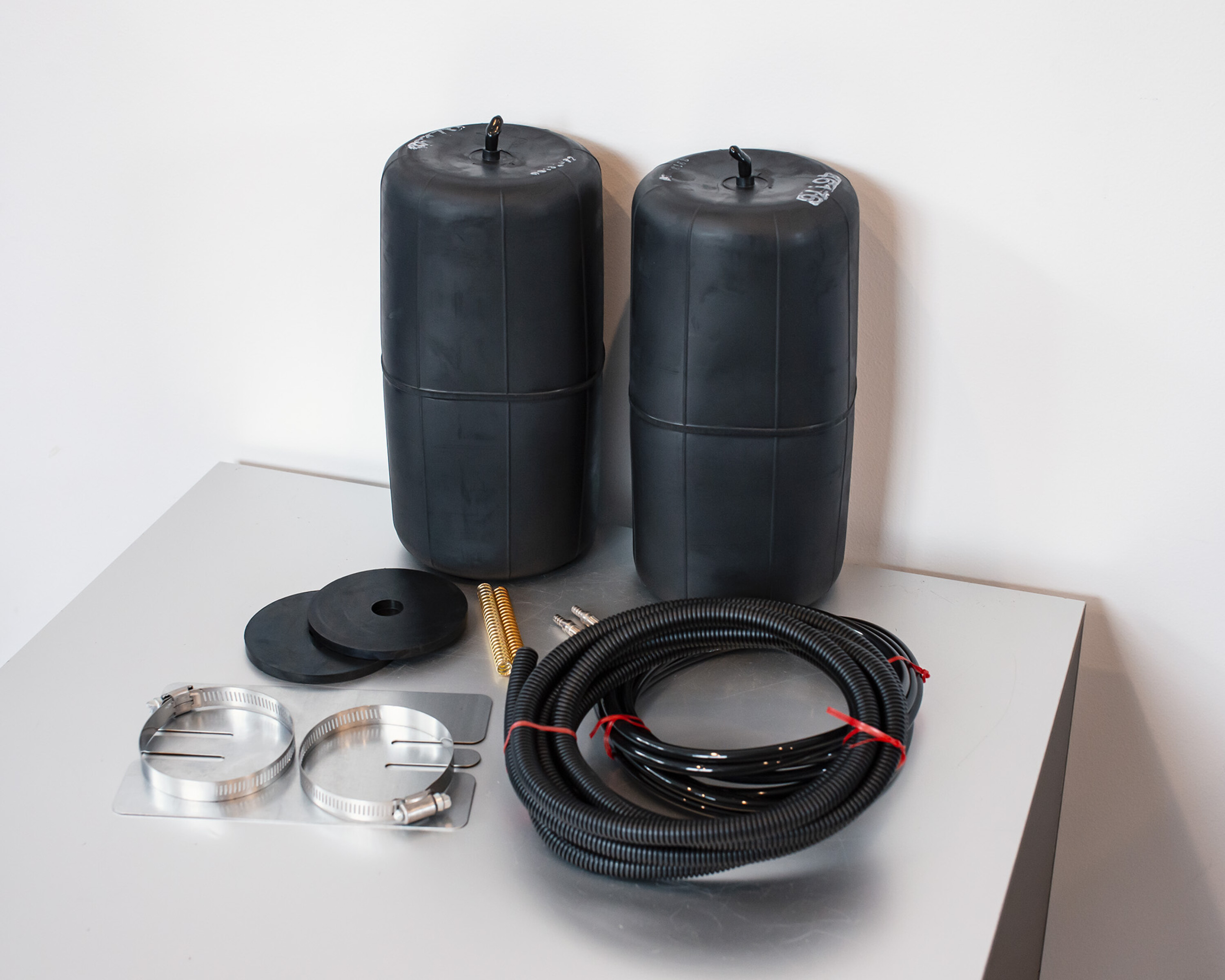
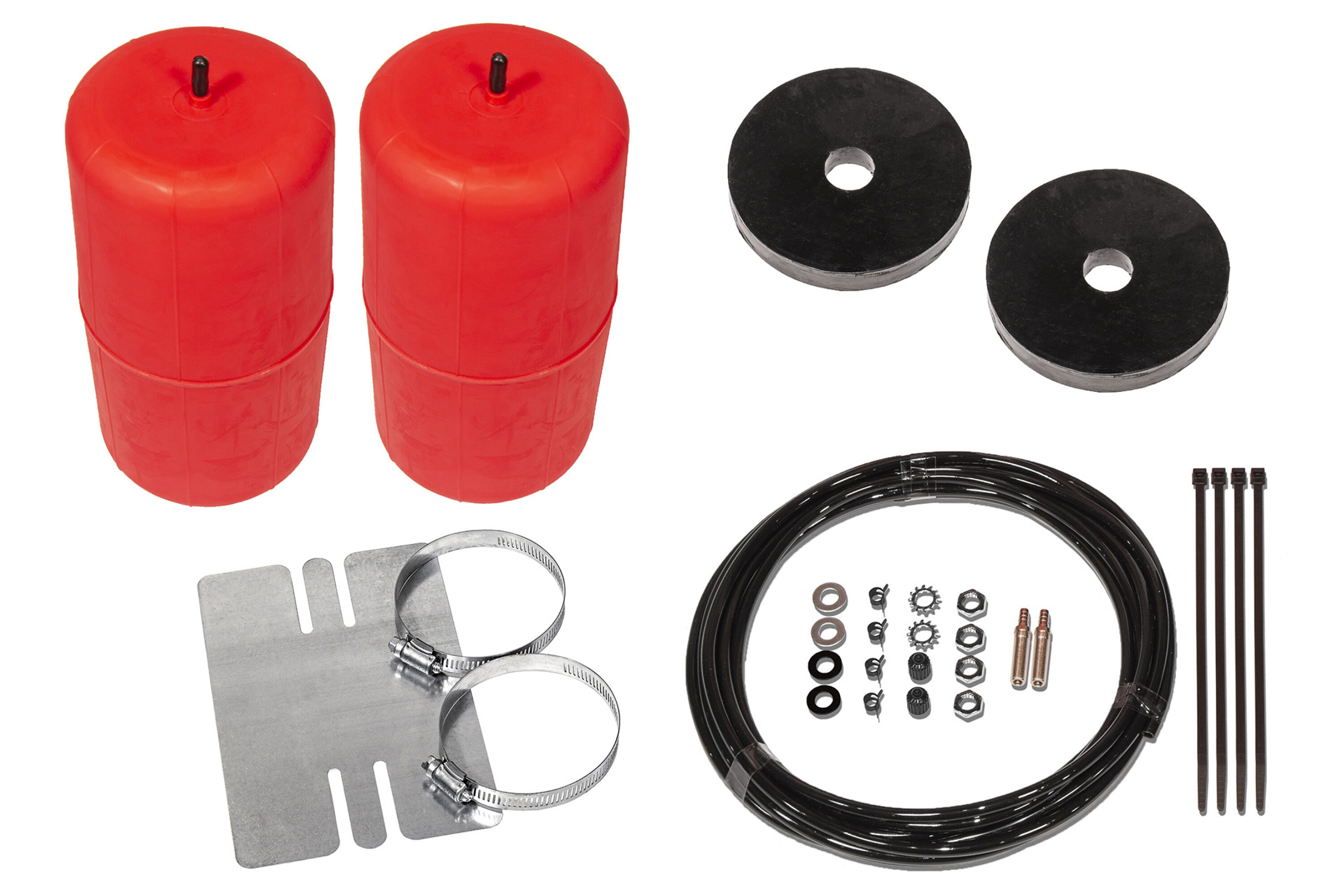
All this can be alleviated by installing a set of Polyair Red Series. The airbag kit is air-adjustable from 5-35PSI, giving you the flexibility to tailor the level of lift for your particular loads and weights.
Having a correctly sprung Everest for constant loads is always recommended, but in most cases the coil springs are rated well above what you will carry daily, giving you a rough, uncomfortable ride when the vehicle is running lighter. Having the flexibility of the adjustable Polyair Red Series means you can have a comfortable OEM ride when unloaded and simply adjust the pressure via the valves when towing.
Red Series airbags are made from polyurethane that is 3-4mm thick, making it very difficult for a stick or rock to damage it. The original airbags were invented in 1950 for American NASCAR before moving into the 4×4 market in the 1960s. The airbags are currently made in the USA while all the other components – rubber spacer blocks and airline, bracketry, etc. – are all made in Australia.
Upgrade your 4×4
-
Bullbars
-
Underbody Protection
-
4X4 Tyres
-
Canopies
-
Roof Racks
-
Storage
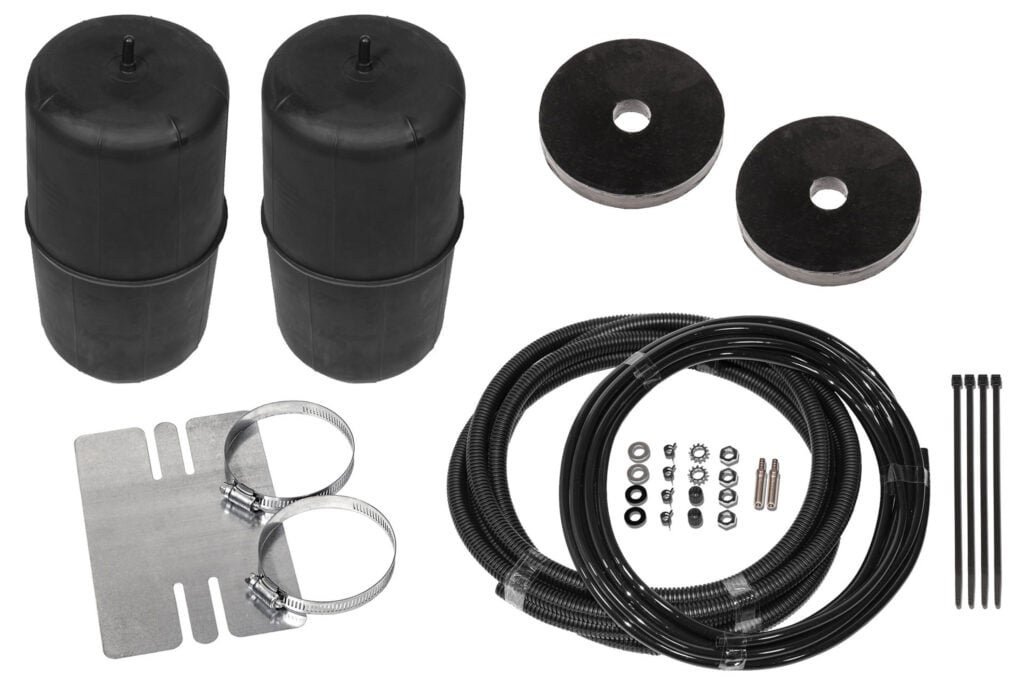
The heavy duty Ultimate Series has been designed to tackle heavier and larger caravans and the kit includes corrugated tubing to protect the airlines. Made using a tougher polyurethane construction that provides greater durability. The Ultimate Series is air adjustable from 5-60psi and suits those pushing the limits of the GVM.
Both the Red Series and the Ultimate Series are easy to install for DIYers as no permanent modifications are needed for the installation. If you want to mount the air valves in a permanent location, like the rear bar or inside the fuel filler cavity, you will need to drill holes; otherwise, they can be cable-tied in a suitable location for ease of airing up or deflating the airbags.
“We offer this important advice for use: inflate the airbags to the maximum PSI before loading up, then release pressure until the Ford Everest is level. We don’t recommend you deflate the airbags below 5PSI. This extends the life of the airbags and ensures the airbag is better-seated into the coil spring, meaning less pressure is needed to do the same job as if it was loaded than inflated,” said Jack Moss, media sales for Polyair Springs.
“Paying attention to pressures is important and monitoring the pressures regularly, even when not in use, will ensure they last a long time,” he added.
Pricing
RRP: $500
Polyair Spring products can be purchased and installed Australia-wide through their dealer network and to find out more, head to the link below.
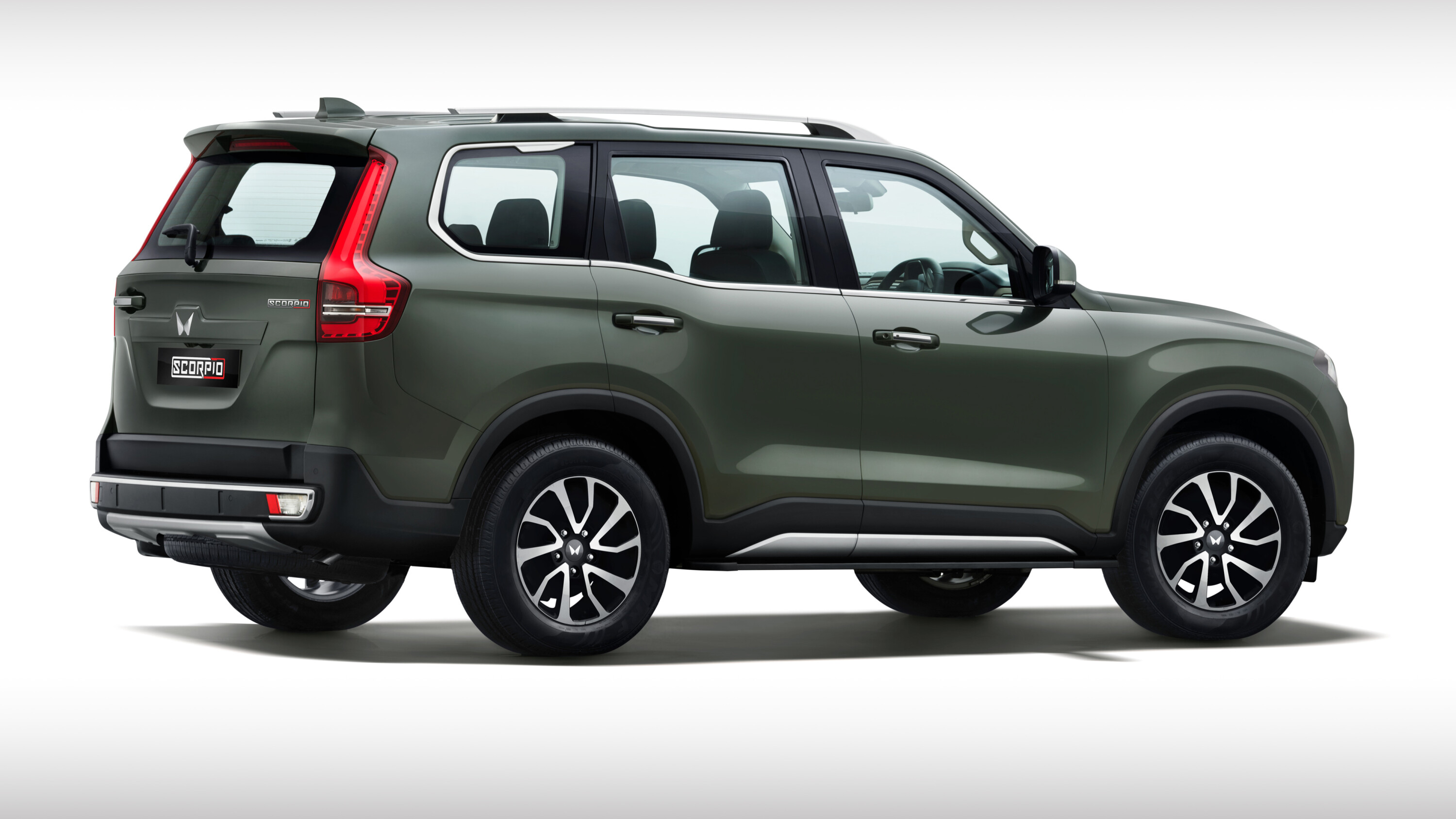
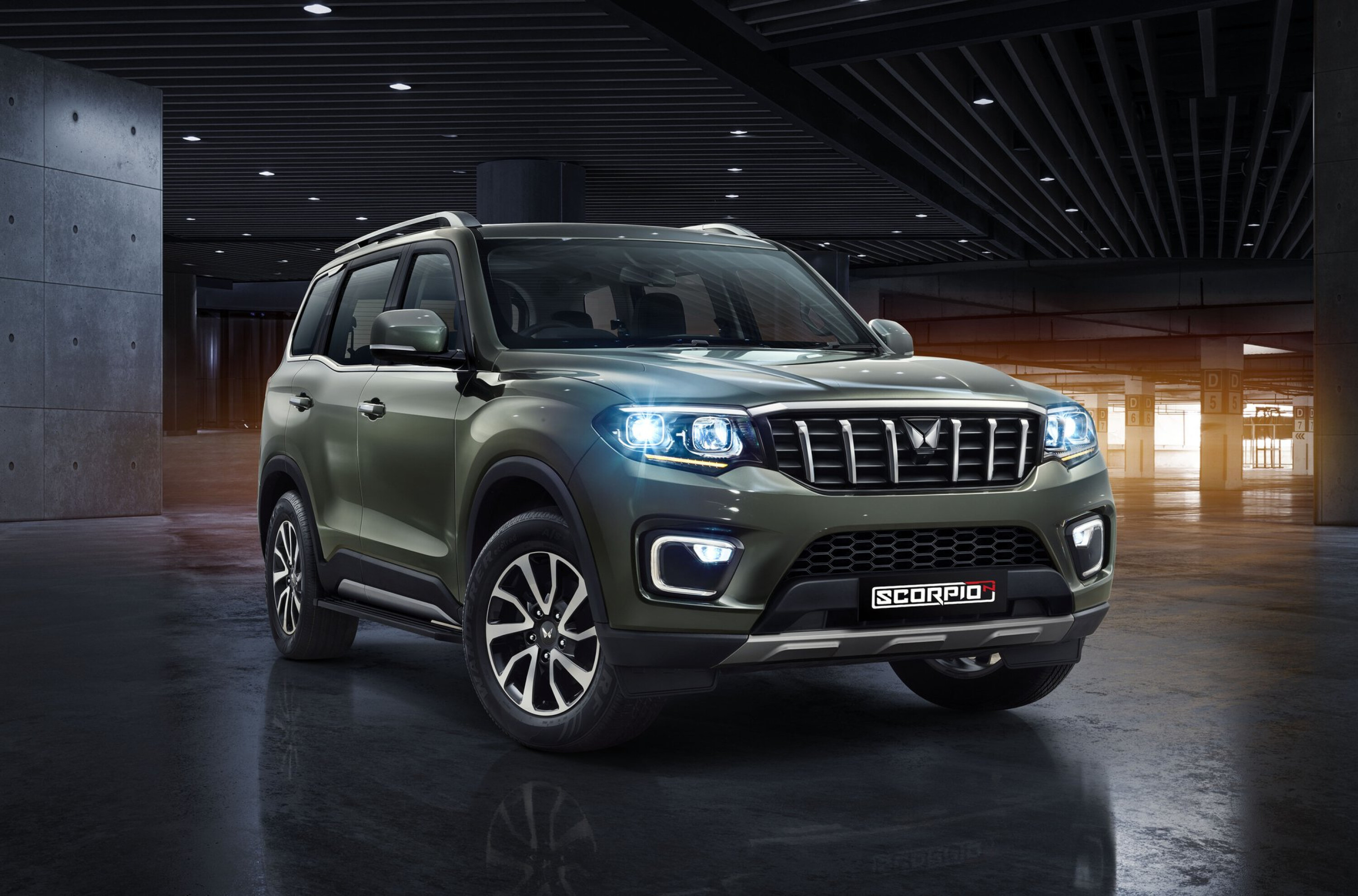
Indian automotive giant Mahindra has launched its 2023 Scorpio in Australia, with sales commencing immediately from its 40-strong national dealer network.
Key Points
- Lucrative pricing starts at $41,990 drive-away
- Plenty of stock in dealers
- New 2.2-litre mHawk engine
With introductory special pricing from $41,990 drive-away for the Z8 and $44,990 drive-away for the Z8L, the Scorpio is priced to sell.
The Scorpio is a three-row, 4×4 wagon developed to compete with the likes of Mitsubishi Pajero Sport, Toyota Fortuner, Ssangyong Rexton, Isuzu MU-X, Ford Everest and even the venerable Toyota Prado.
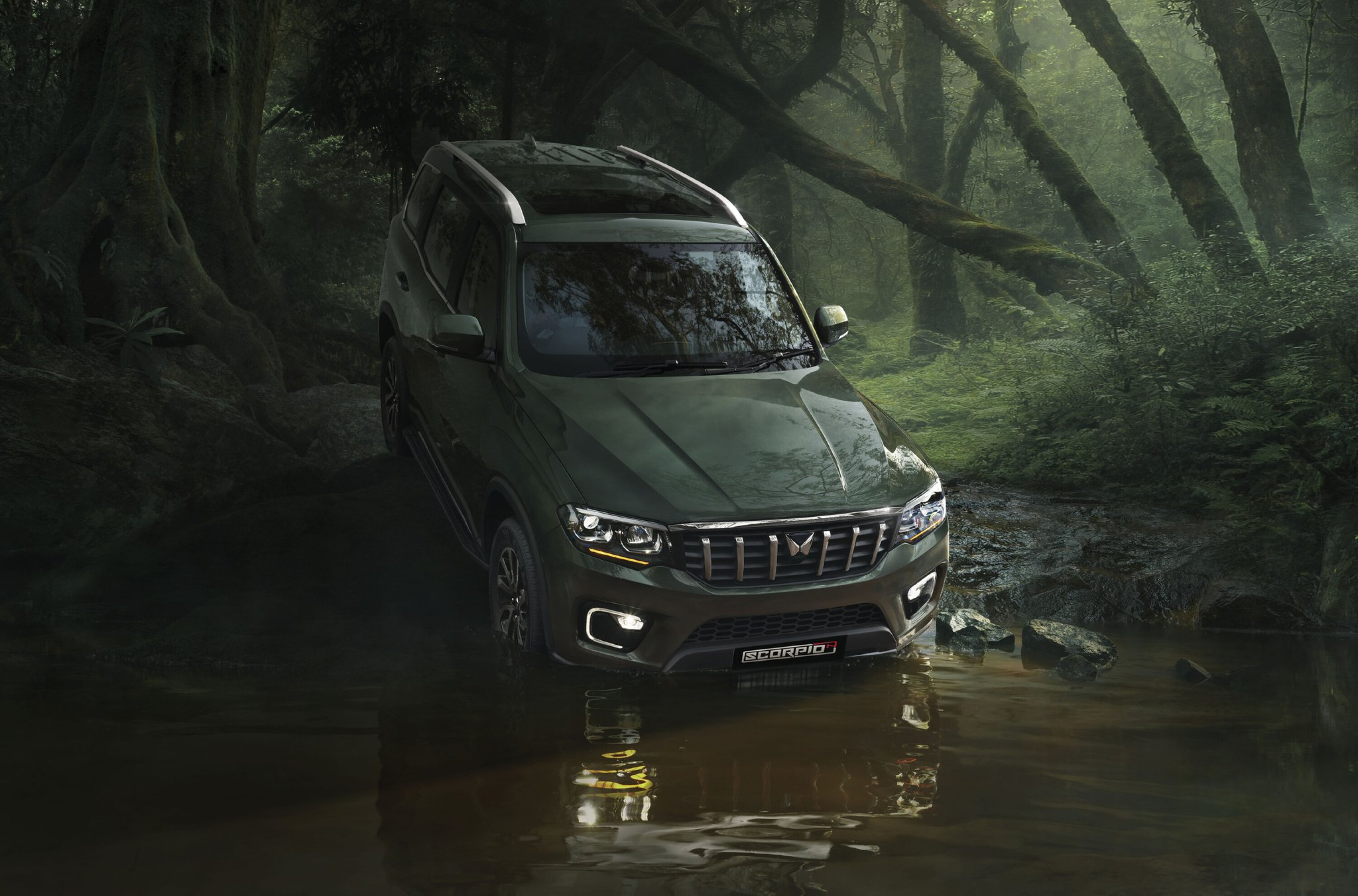
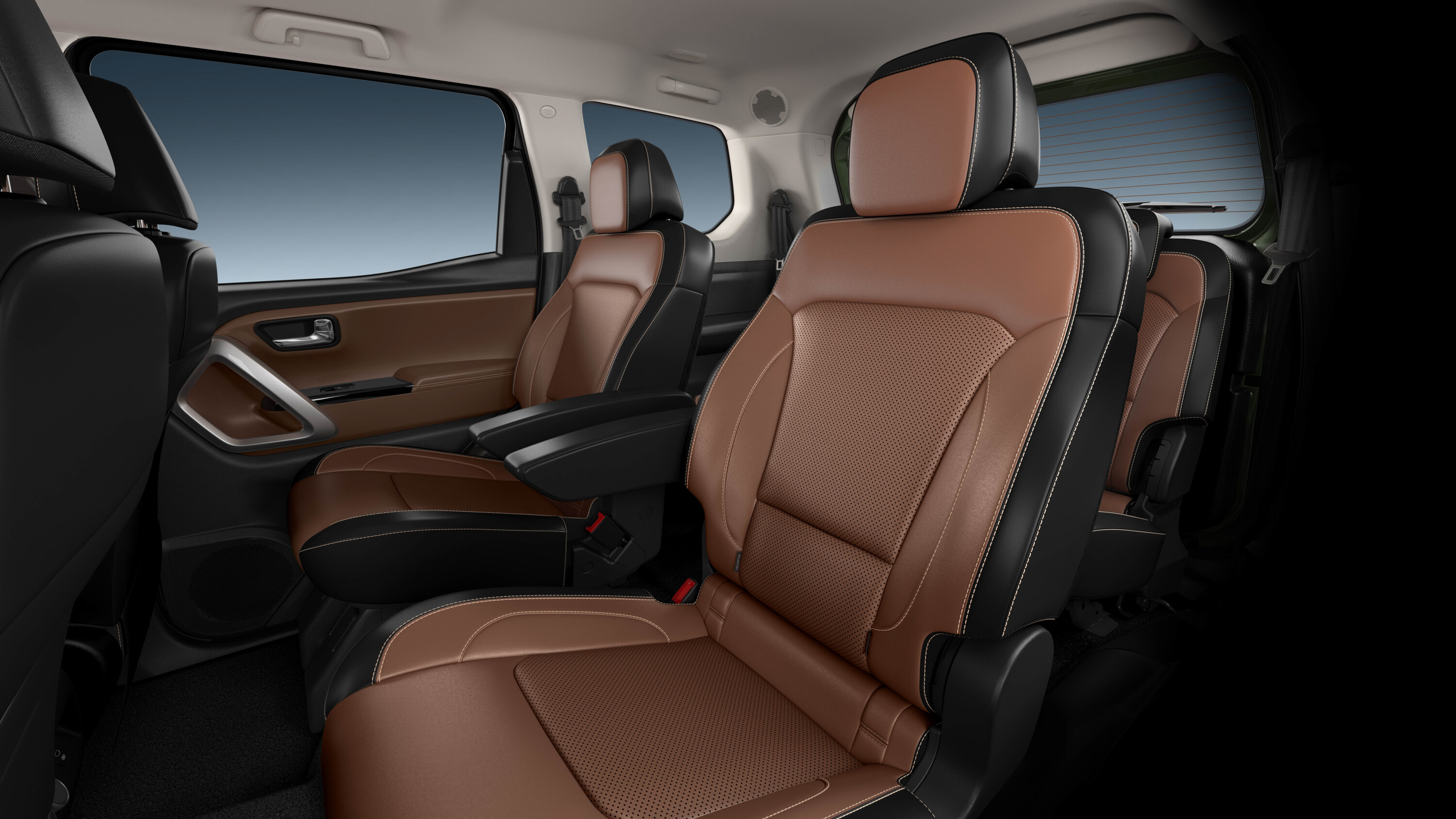
The Scorpio has three rows but only has seats for six passengers, with a pair of bucket seats for two passengers in the second row. Mahindra says there will be a seven-seat version in the future, but no timeline has been confirmed.
The Scorpio is smaller than most of those vehicles mentioned above, and it’s closest in size to the Fortuner and Pajero Sport, both inside and out.
It’s a body-on-frame five-door wagon powered by a new version of Mahindra’s 2.2-litre mHawk diesel engine, which many would be familiar with from the Pik-Up ute.
It now features an aluminium block and cylinder head, with higher pressure fuel injection and a revised turbocharger to produce 129kW and a modest 400Nm.
In that regard it is again more of a competitor to the Pajero Sport and MU-X than the Toyotas or Ford Everest which make 500Nm. Fuel use is rated to 7.2L/100km, but it has a paltry 57-litre fuel tank.
Standard features in both the Scorpio Z8 and Z8L include
| Scorpio-N standard features across range | |
|---|---|
| Seating for six on leatherette seats | TPMS, ABS, ESC and ETC |
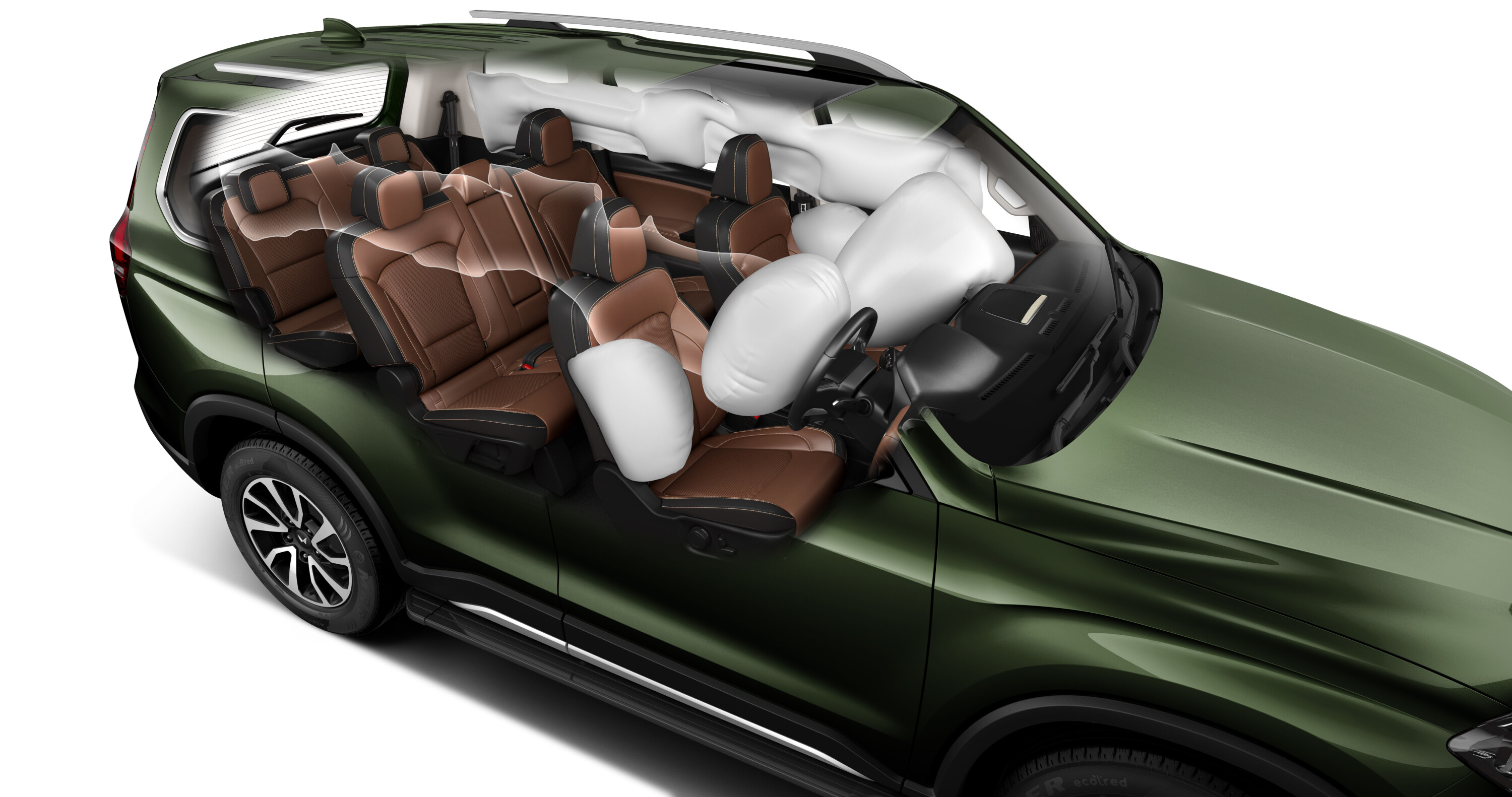
| Three-zone climate control with vents to the second row but not the third | Front, side and curtain airbags, but they donu2019t reach back to the third-row |
| Apple CarPlay and Android Auto, which are cord-connected in the Z8 and wireless in the Z8L | LED headlights |
| An eight-inch A/V nav screen | 18-inch alloy wheels are standard fit on both variants |
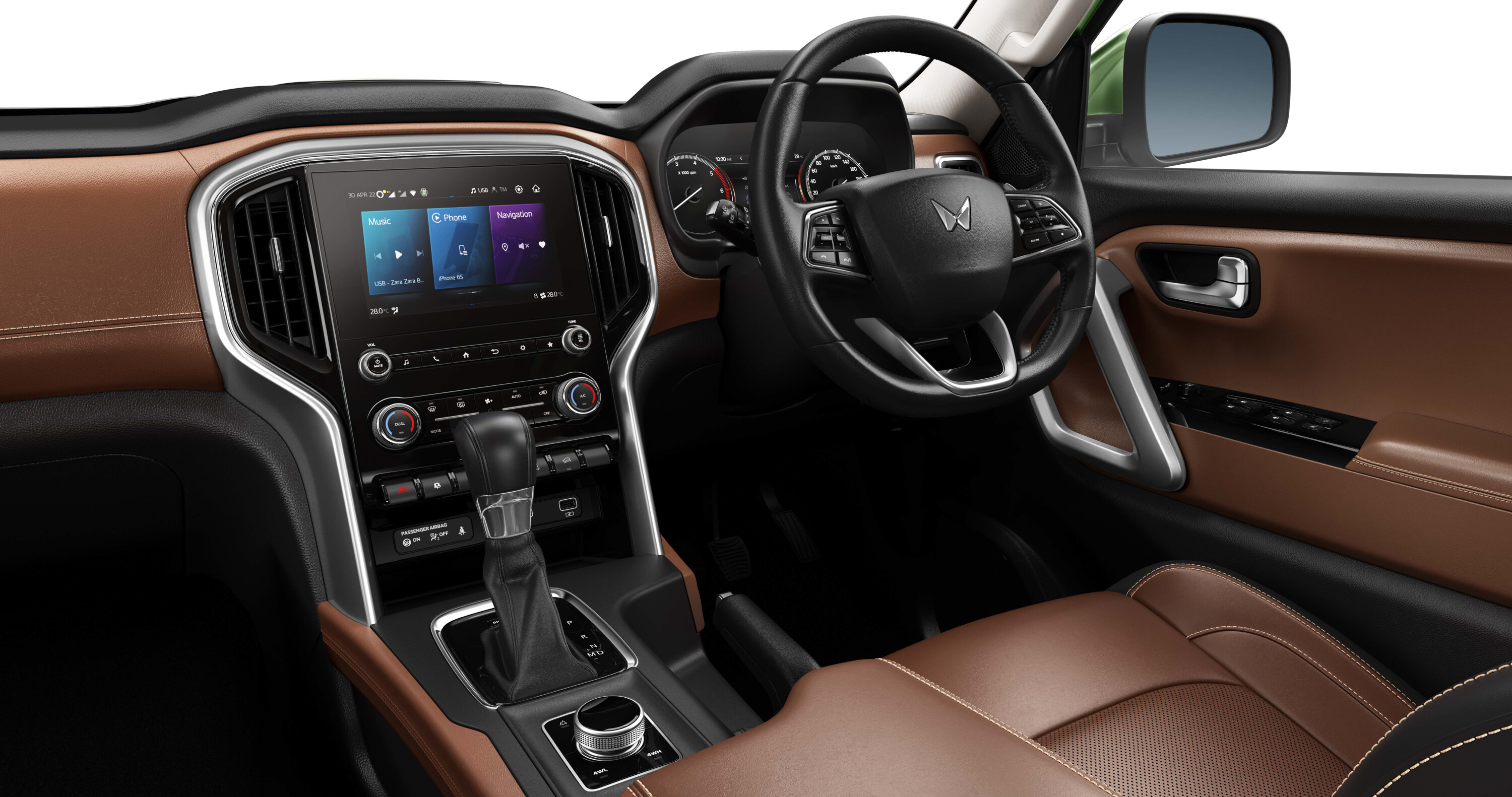
The Z8L adds the aforementioned wireless connectivity, power adjustment for the driver’s seat, and a 12-speaker Sony sound system.
While the cabin is well-equipped, it is missing a few essentials like the rear-row airbags, reach adjustment for the steering column, and no AEB, lane-keeping assist or raider cruise control, both normally considered essential safety features.
The Scorpio has a five-star Global NCAP rating, but the omission of these features will prevent it from achieving this on the ANCAP standard.
The chassis features a double wishbone IFS with coil springs, while the rear end has a live axle on coils with multi-links and a Watts link location. The rear axle has an auto-locking differential.
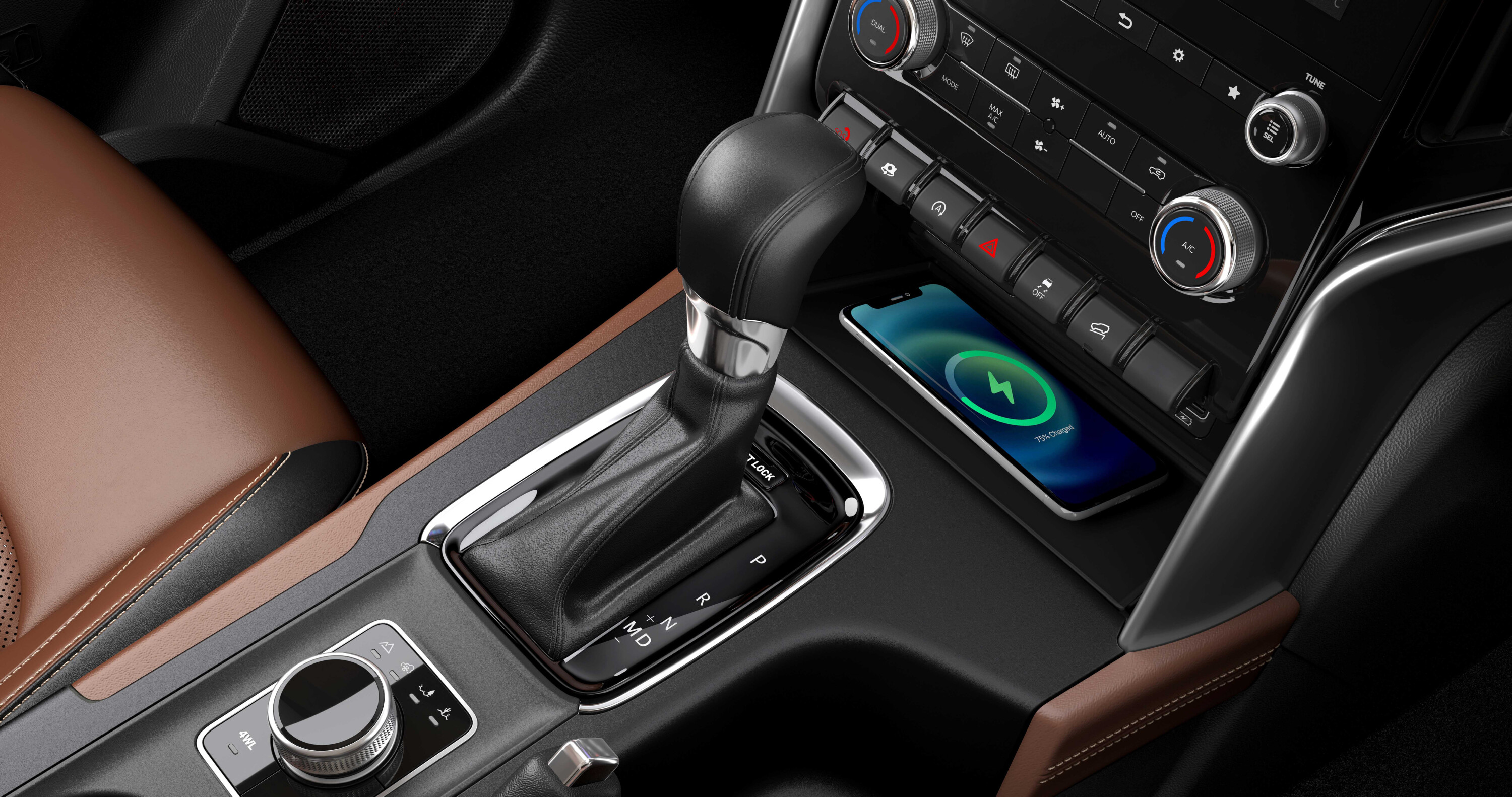
4×4 is part-time with high and low range, plus ‘4Xplor’ driving modes for various terrain. The claimed 227mm of ground clearance is very good for this class of wagon.
Towing capacity is down on its competitors at 2500kg for braked trailers, and it has a 5155kg GCM. Payload is just 525kg for the Z8 and 510kg for the Z8L.
While the Scorpio looks great in some areas it lacks some features which many consider deal breakers. Mahindra says it is working on these deficiencies for the next round of updates, but that will be some years away.
Pricing
It is priced very sharply at an introductory price of $41,990 drive-away for the Z8 and $44,990 for the Z8L. These prices will last until June, but there is no commitment to how much they will go up, if they go up at all.
Mahindra says it has plenty of stock at its Australian dealers, and buyers will be able to take delivery of their vehicle within weeks of purchase, if not days.
Warranty
The Scorpio comes with a seven-year / 150,000km factory warranty and seven years of roadside assistance. Capped-price servicing details are yet to be announced, but pricing on Mahindra’s website [↗] for the PikUp and XUV500 can likely be considered indicative.
Be sure to check back for our first drive impressions on Wednesday, April 26.
Scorpio Z8 features
Scorpio Z8L features
| 12 speaker Sony Branded Audio with twin channel sub-woofer |
| Front Camera |
| Front Park Assist Sensors |
| 6 u2013 Way Drivers Power Seats |
| 7in Colour Drivers Display |
| Wireless Charging |
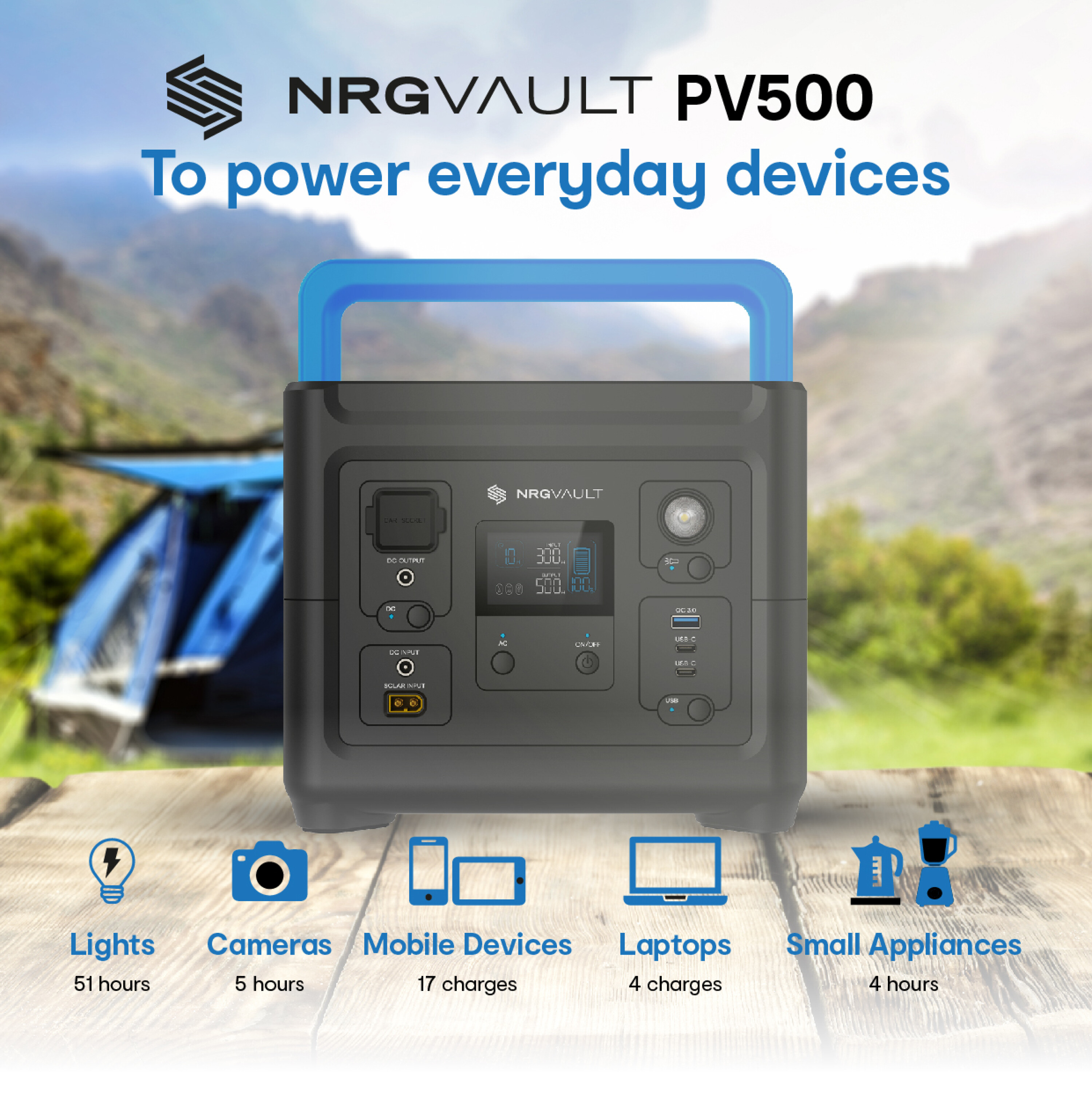
Laser, an Australian-owned and operated company with more than 35 years of experience, has unveiled its NRGVault range of portable power stations that includes the 288Wh capacity PV500.
Equipped with a high-capacity battery and a portable design, the PV500 Portable Power Station makes it easy to recharge multiple devices or deliver power to electronics in off-grid applications.
The PV500 delivers a wide range of benefits for indoors and outdoors, at home or on the road. Portable and lighter than previous generations of mobile power, the PV500 is a great accessory to take camping to power up lighting, run a small fridge, portable speaker, bug zapper and even a coffee maker.
“There is significant interest in mobile power given the benefits it delivers across leisure and business, home and away, but consumers need to know that they have a robust, efficient and reliable option, especially around battery safety and reliability,” said Chris Lau, Managing Director, Laser.
Weighing in at just 3.8kg, the NRGVault PV500 has a 288Wh capacity, two AC outputs, three USB ports and a car socket. The pure-sine power makes it ideal for laptops, mobile devices and cameras. A TV or MacBook Pro will run for four hours or charge an iPhone or drone 17 times over.
The NRGVault range is powered by a LiFePo4 Battery, the safest battery type in use. It can charge to 85 per cent in less than 90 minutes via 240V, and it lasts up to five times longer than lithium-ion batteries.
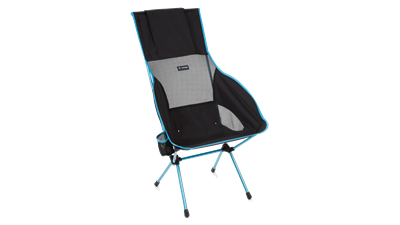
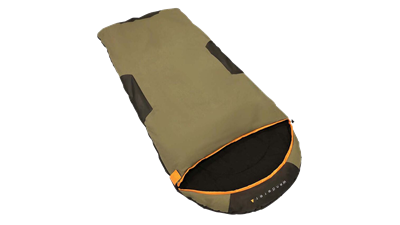
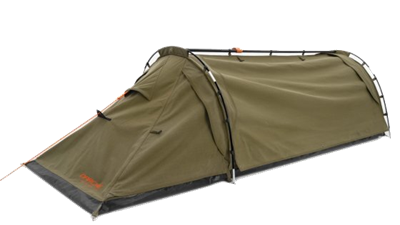
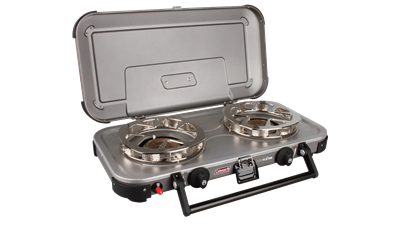
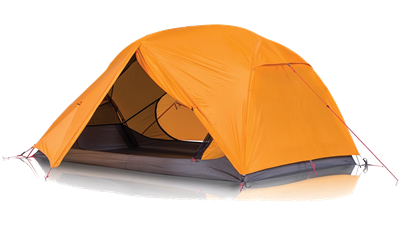
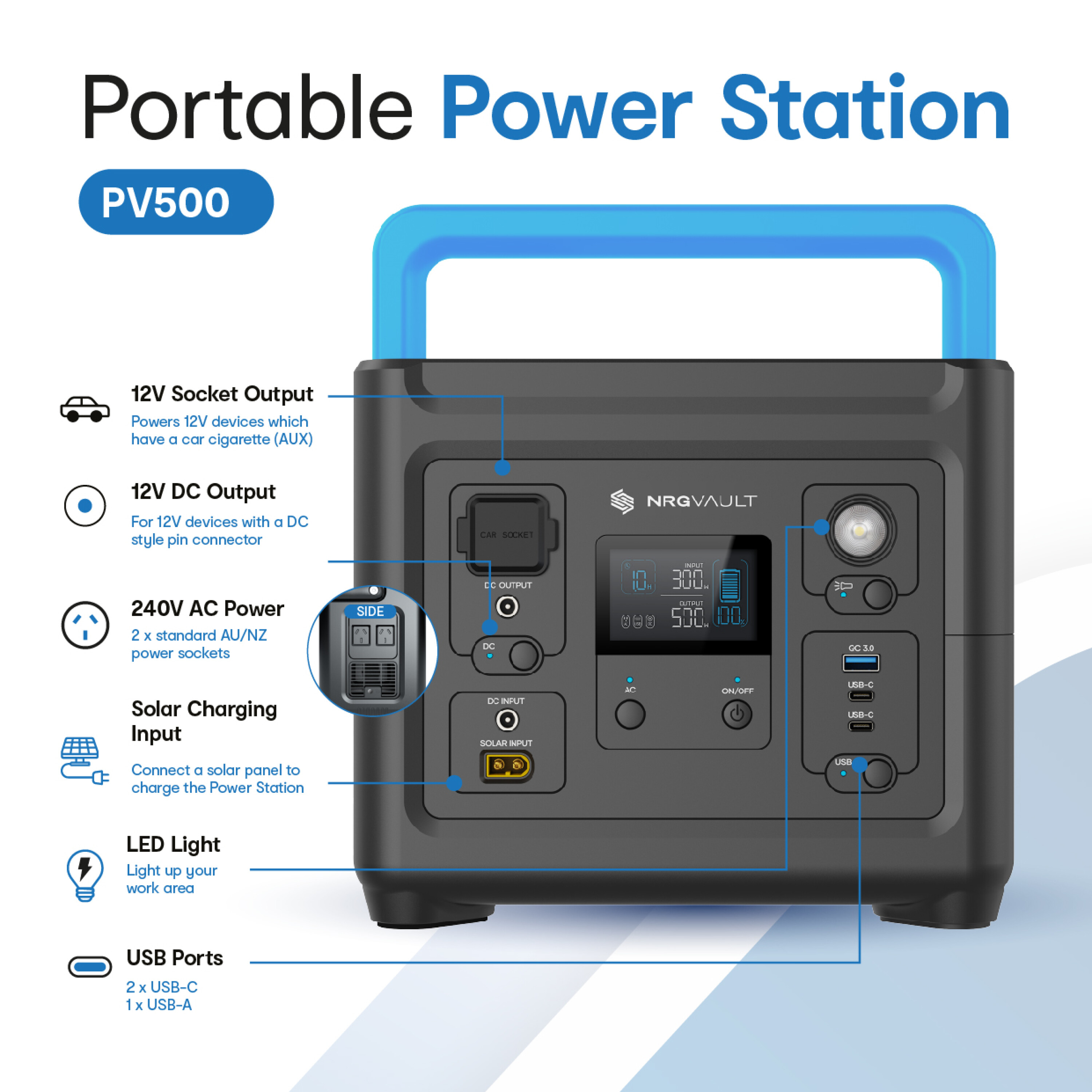
The PV500 also comes with available additional accessories including a 12V DC cable for car charging and an option for solar panel charging to ensure a consistent ability to recharge even when off-the-grid. Plus, it is small enough to fit in your 4WD, making it perfect for camping.
The PV500 utilises the safest battery on the market even if dropped, pierced or crushed, and is rated for more than 2500 charge cycles when discharged to zero. These batteries are non-toxic, can be recycled and come with a variety of built-in safety features including thermal protection, short circuit protection, overcharge and over-discharge protection, and overcurrent and overvoltage protection.
Pricing
The PV500 retails for $599 and is available at Harvey Norman or via www.nrgvault.com.au
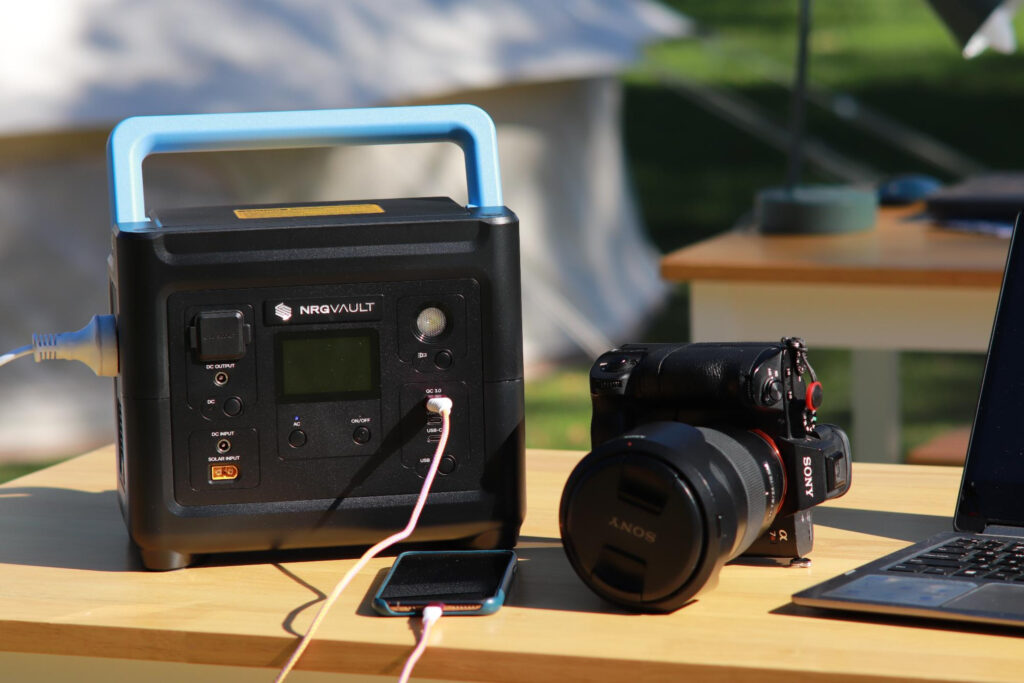
The PV500 is a compact, simple-to-use, powerful, safe and affordable portable power station that delivers flexible charging options to power multiple devices. The range comes with a standard three-year warranty.
This is everything you need to know about the new 2023 Volkswagen Amarok for Australia, from the big reveal to Australian pricing and our first comprehensive drive review. Hit the links below.
May 12: New Amarok driven in Australia!
Get the full story at the link below.
Story continues…
JUMP AHEAD
- May 5: Cheaper V6 Amarok could appear
- May 5: 2023 Amarok servicing costs confirmed
- May 5: VW targeting 10,000+ Amarok sales
- April 19: First arrivals begin
- Feb 3: Amarok price and features
- Dec 7: New Amarok DRIVEN!
- Dec 7: VW confirmed $80k+ for flagship
- Dec 7: Electric Amarok SUV in the works
- Dec 7: VW Amarok EV confirmed
- Nov 27: Walkinshaw Amarok late 2024
- Nov 19: Petrol Amarok to win VW owners
- Nov 17: New Amarok will stay premium
- August 2: Initial Australian details
- July 8: New Amarok designed for Oz
- July 7: New Amarok REVEALED!
- July 7: Amarok v Ranger – SPEC BATTLE!
April 19: First Australian Amarok arrivals commence
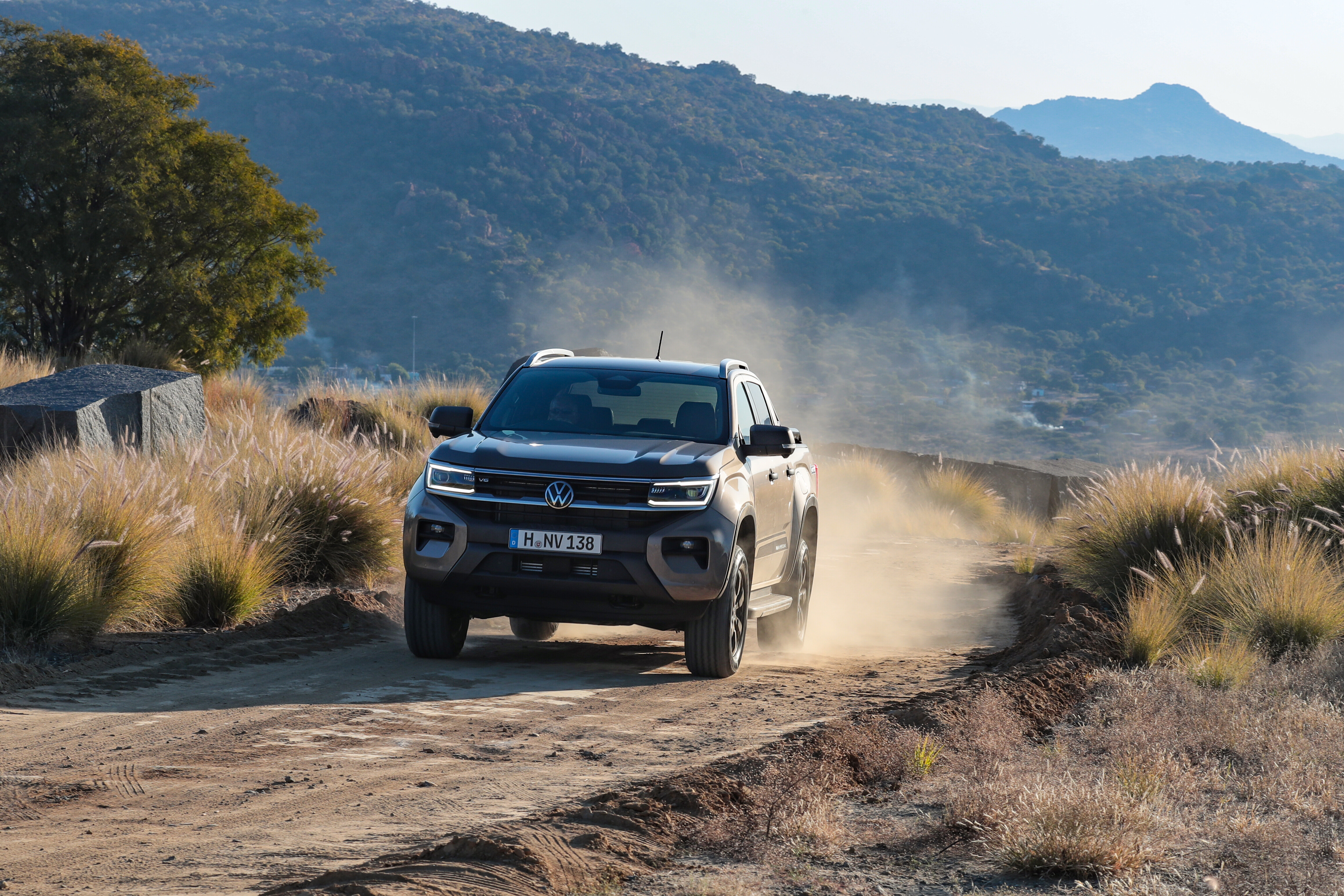
The first examples of the 2024 Volkswagen Amarok ute have hit Australian shores ahead of customer deliveries beginning in May. The early landers are an Aventura TSI452 in light grey metallic and a Style V6 in clear white.
February 3: Australian pricing and features
VW’s second-generation dual-cab will start from $50,990 before on-road costs, representing a rise of $5000 into the entry-level Amarok Core with a range-topping Aventura V6 or turbo-petrol reaching $70,990 before on-road costs.
The Amarok range is dual-cab only, and spans eight total variants with the option of manual, automatic, petrol, and diesel.
December 7: NEW AMAROK DRIVEN! Words & Video
We’ve finally driven the new-gen 2023 Volkswagen Amarok, with Jez jetting (Jet jezzing?) to South Africa for a world’s-first spin in the new ute. Get our full story below.
December 7: VW confirms $80,000+ price point for flagship Amarok
Prices are set to rise as VW positions its second-gen Amarok as the dual-cab ute segment’s most heavily specified and premium offering
December 7: Electric Amarok-based SUV in the works
VW has previously said it had no plans to introduce an Everest-like companion to its Ranger-based Amarok, but now with an EV ute in the works, it seems an electric SUV variant will join it.
December 7: VW Amarok to get an all-electric option!
While it remains to be seen if it will ruin the weekend, Volkswagen has confirmed it will introduce an all-electric version of the new Amarok sometime before 2030.
November 27: Walkinshaw-fettled Amarok due late 2024
Fans of the current partnership between Volkswagen and Walkinshaw in Australia will have to wait until at least late 2024 for a meaner, powered-up version of the new Amarok.
November 19: Petrol-powered Amarok to win over current VW owners
Volkswagen says it will offer a turbo-petrol engine in its new Amarok to win buyers with more urban needs
November 17: New Amarok to stay premium, no plans for single-cab or cab-chassis in Oz
The new-gen Amarok will be more premium than ever, Volkswagen says, and you won’t be able to get a single-cab or cab-chassis variant here in Australia. Details at the link below.
August 2: Initial Australian details announced for 2023 Volkswagen Amarok
Snapshot
- 2023 Volkswagen Amarok to arrive early next year
- Three diesel engines on offer, in addition to first-ever turbocharged petrol
- Five trim levels available; pricing and full details expected in the coming months
The 2023 Volkswagen Amarok will arrive in Australia in early 2023 with an optional turbocharged petrol engine, the brand confirmed to dealers today.
Production for the local market will commence in late October, with assembly taking place in South Africa – allowing for quicker shipping times compared to the outgoing Argentina-built model, an important aspect during the ongoing semiconductor chip shortage.
Volkswagen Australia claims its dealers have been met with an overwhelming amount of inquiries for the second-generation Amarok ute, which shares its platform with the recently-launched ‘T6.2’ 2023 Ford Ranger.
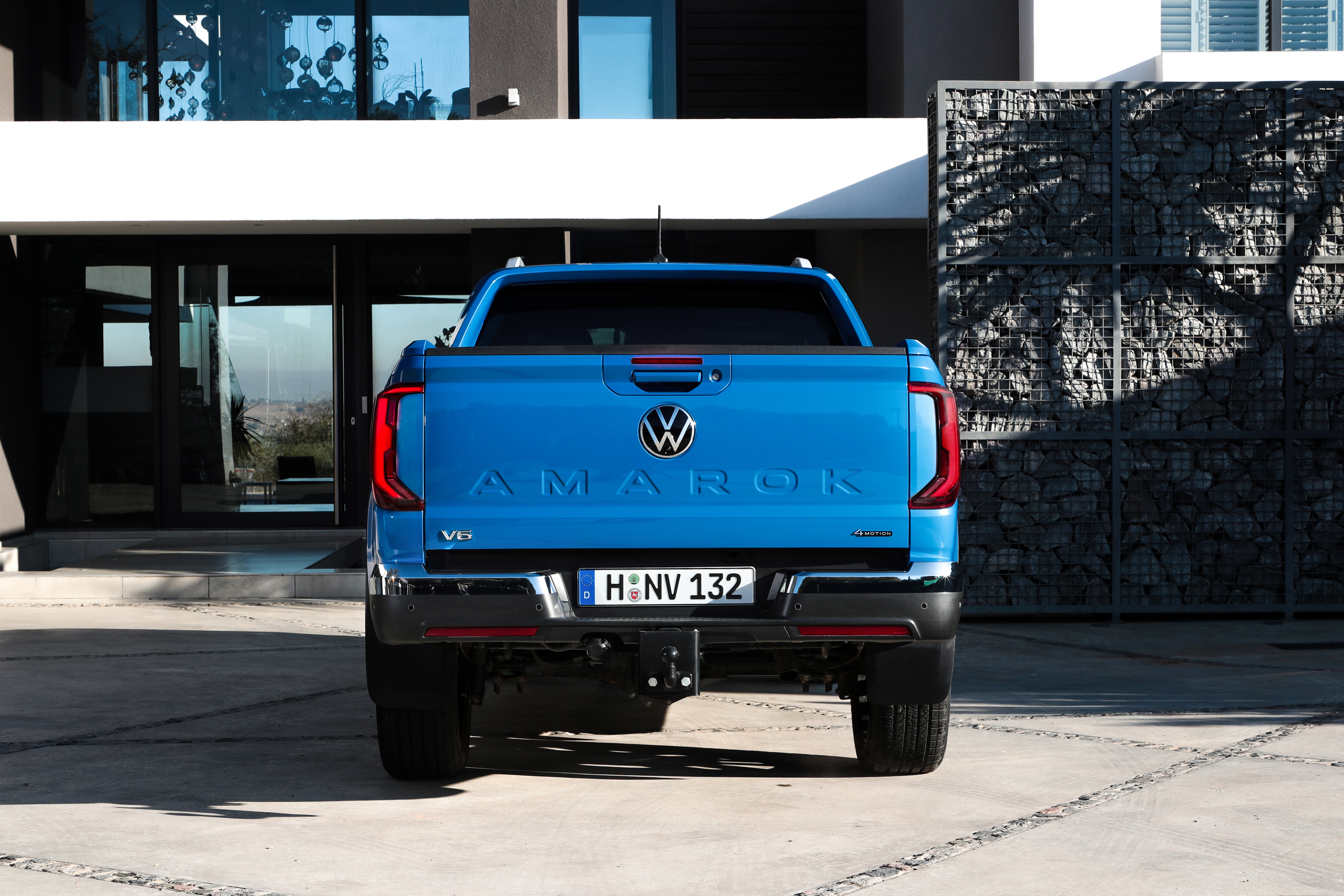
Five grades will be offered in Australia, with the availability of a single- or twin-turbo 2.0-litre four-cylinder diesel, the 3.0-litre V6 diesel, or an Amarok-first 2.3-litre turbocharged petrol.
The new trims are Amarok, Life, Style, PanAmericana and Aventura.
These powertrains are shared with the Ford Ranger, but only the diesel mills are offered in Australia, giving the Amarok a unique selling point in comparison to its heavily-related twin.
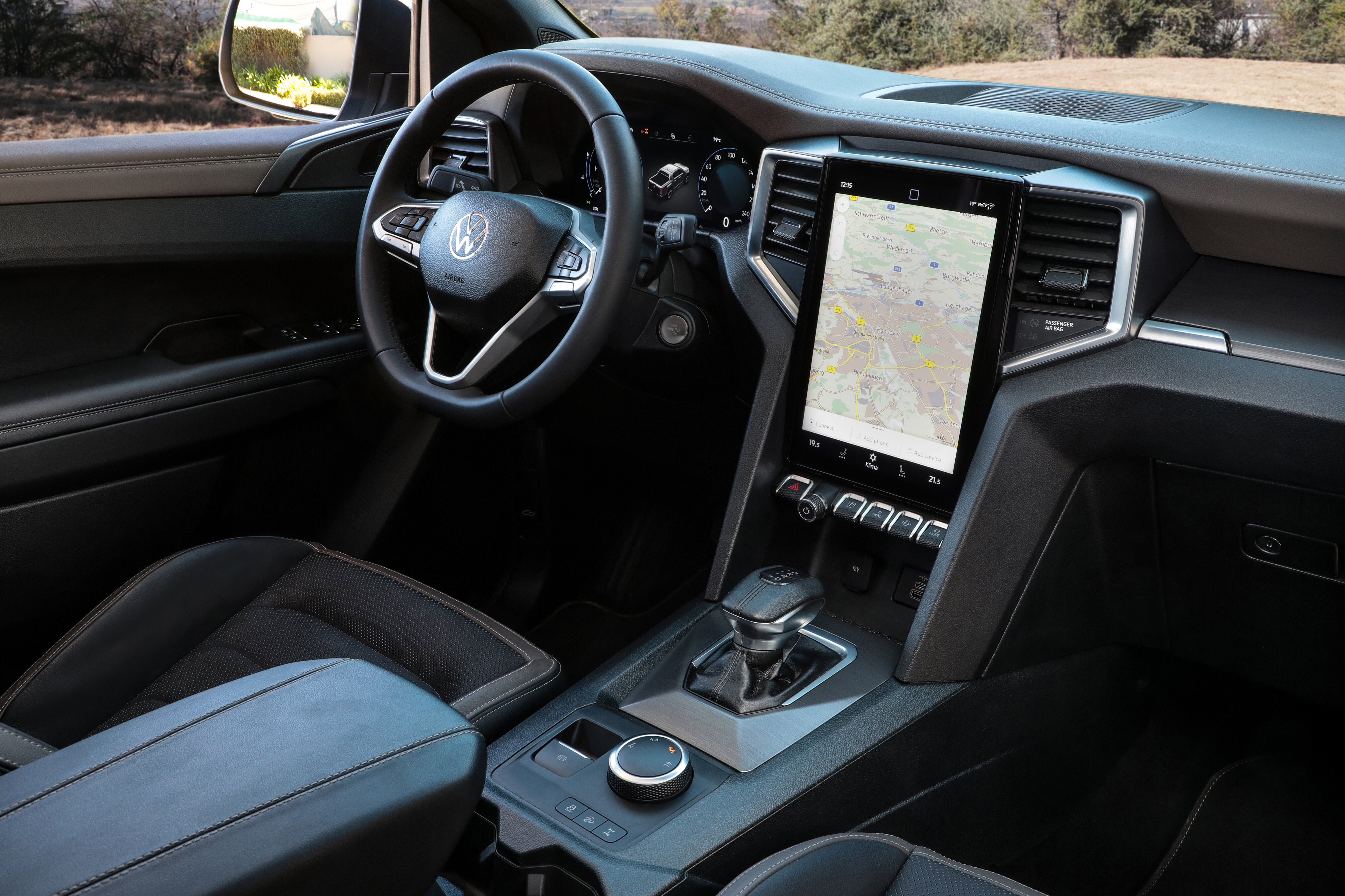
Of note, while the Ford Ranger has gone automatic-only, a six-speed manual transmission will be offered on the entry-level Amarok – joining standard features exclusive to flagship Ranger variants, such as LED headlights, a wireless phone charger and a trailer brake controller.
While a Ranger Raptor-rivalling variant with the twin-turbocharged 3.0-litre petrol V6 is unlikely, the marque’s partnership with Walkinshaw will continue for modified variants engineered locally.
This opens the door for an Amarok W-Series with the four-cylinder petrol unit, joining units with the flagship diesel V6 powertrain.
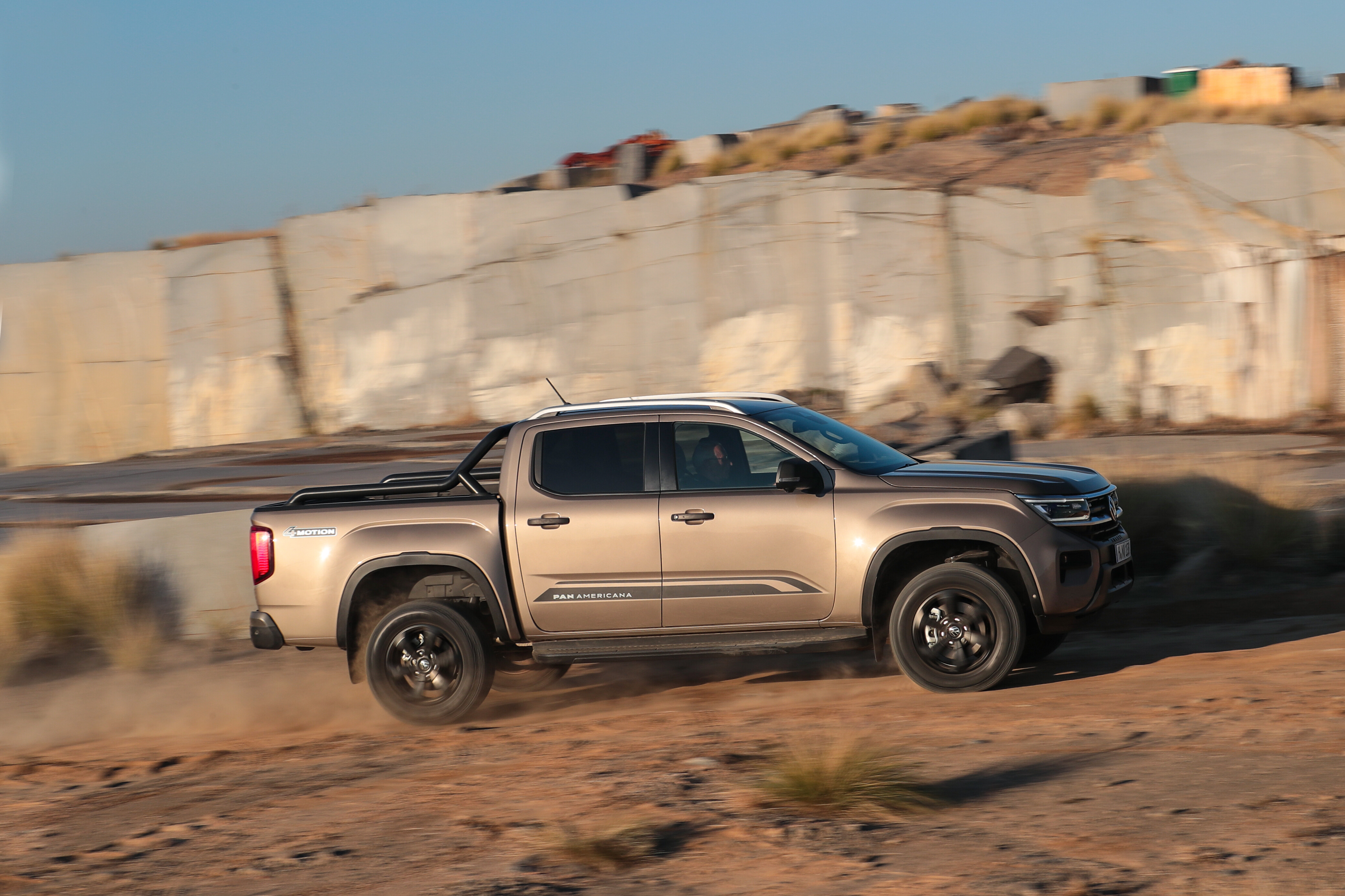
“Since the Amarok was globally revealed four weeks ago Volkswagen dealers have been beset by inquiries and customers intent on placing deposits,” said Ryan Davies, director of Volkswagen Commerical Vehicles in Australia.
Australian pricing and full details for the 2023 Volkswagen Amarok will be detailed in the coming months.
See below for a full specification breakdown and everything else we know about the 2023 Volkswagen Amarok so far.
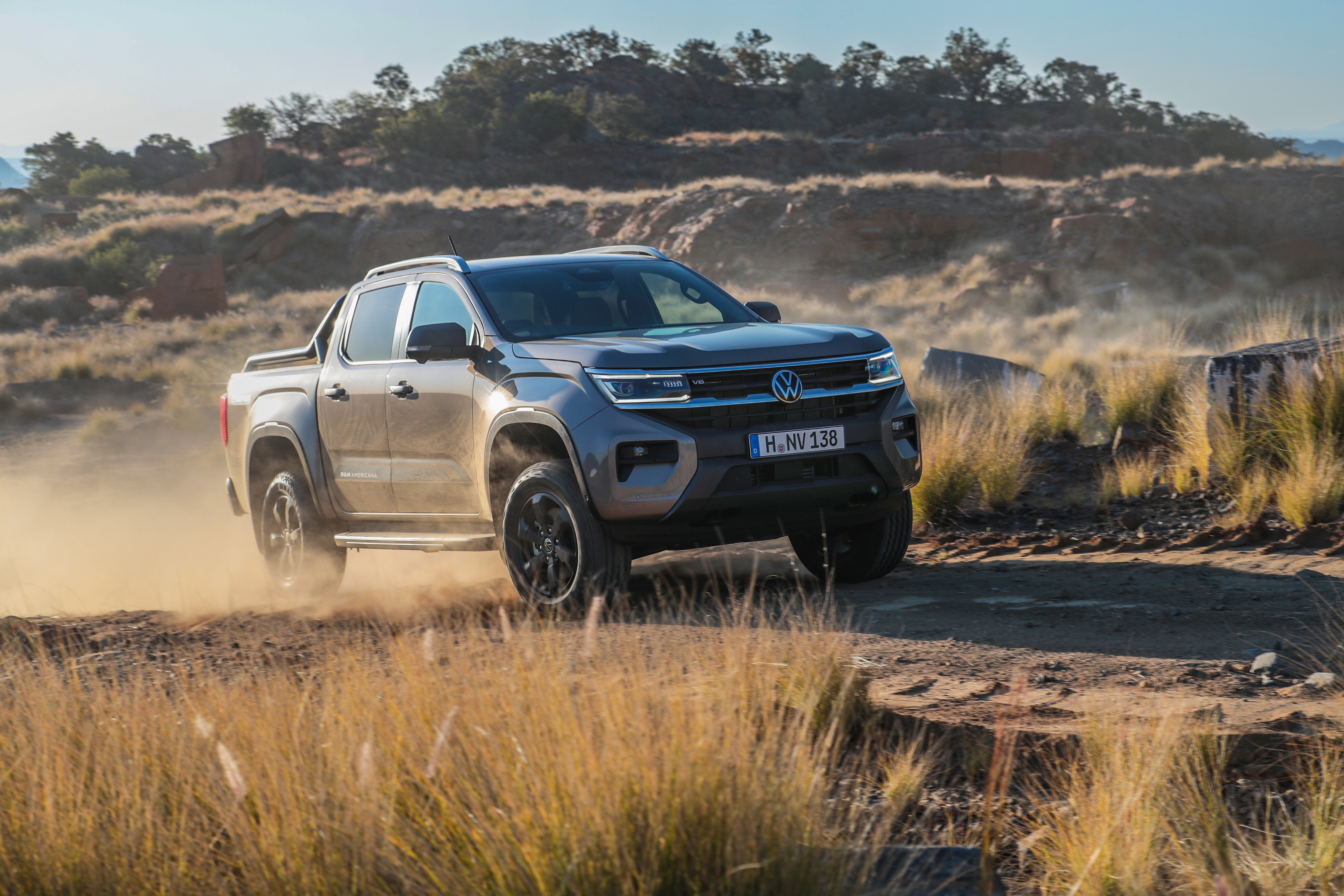
2023 Volkswagen Amarok features
Amarok (replacing Core)
Amarok Life (replacing Sportline)
Amarok Style (replacing Highline and Highline Plus)
Leather upholstery is available as an option.
Amarok PanAmericana (replacing Canyon)
Amarok Aventura
Colours
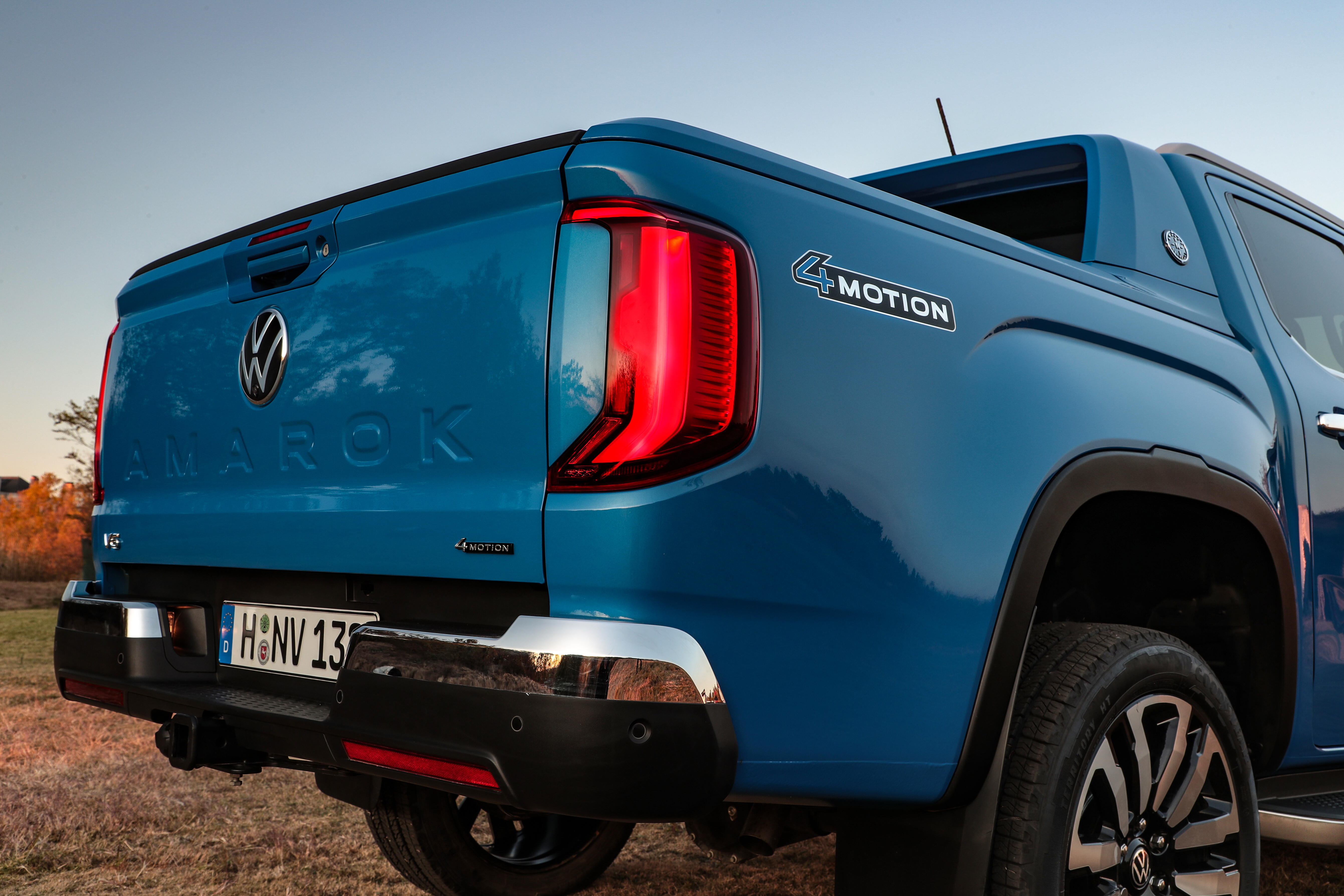
Volkswagen will offer ten colour options for the Amarok, including; frozen white, agate black, blue lightning, carbonized grey, lucid red, moondust silver, diffused silver and moroccan blue.
The latter finish is unique to the Amarok, while the remainder are shared with the Ford Ranger.
Metallic paint is a $710 option across the outgoing Amarok range.
Engines and drivetrains
Volkswagen has confirmed the 2023 Amarok will be offered with four powertrains in Australia, consisting of three diesel units and a turbocharged four-cylinder petrol mill.
The range will kick off with a Ford-sourced single-turbo 2.0-litre turbo diesel four-cylinder engine producing 125kW of power and 405Nm of torque, matched with part-time four-wheel drive and a six-speed manual or automatic transmission.
It is fitted as standard on the entry-level Amarok, with mid-spec Life and Style variants stepping up to the bi-turbo unit.
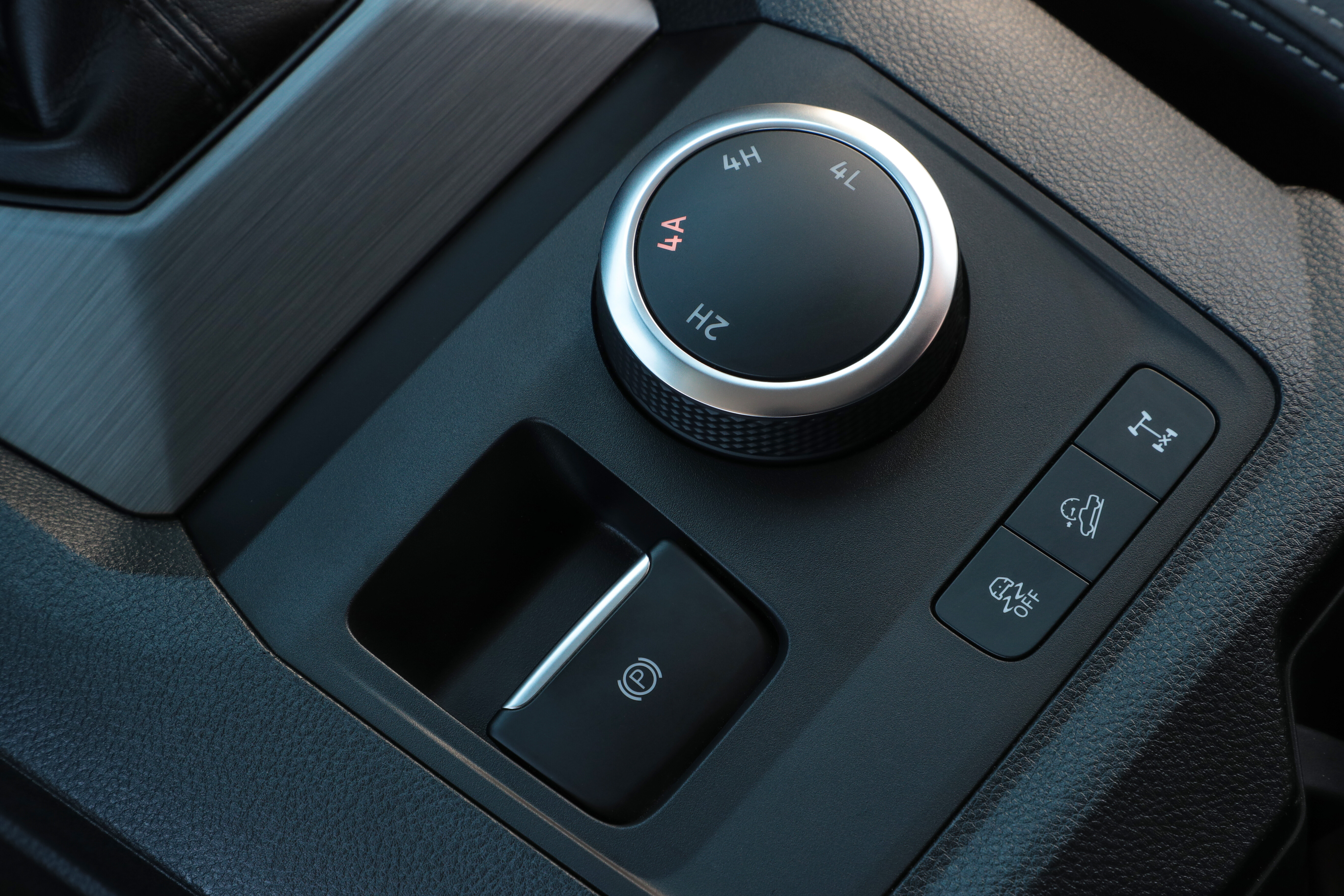
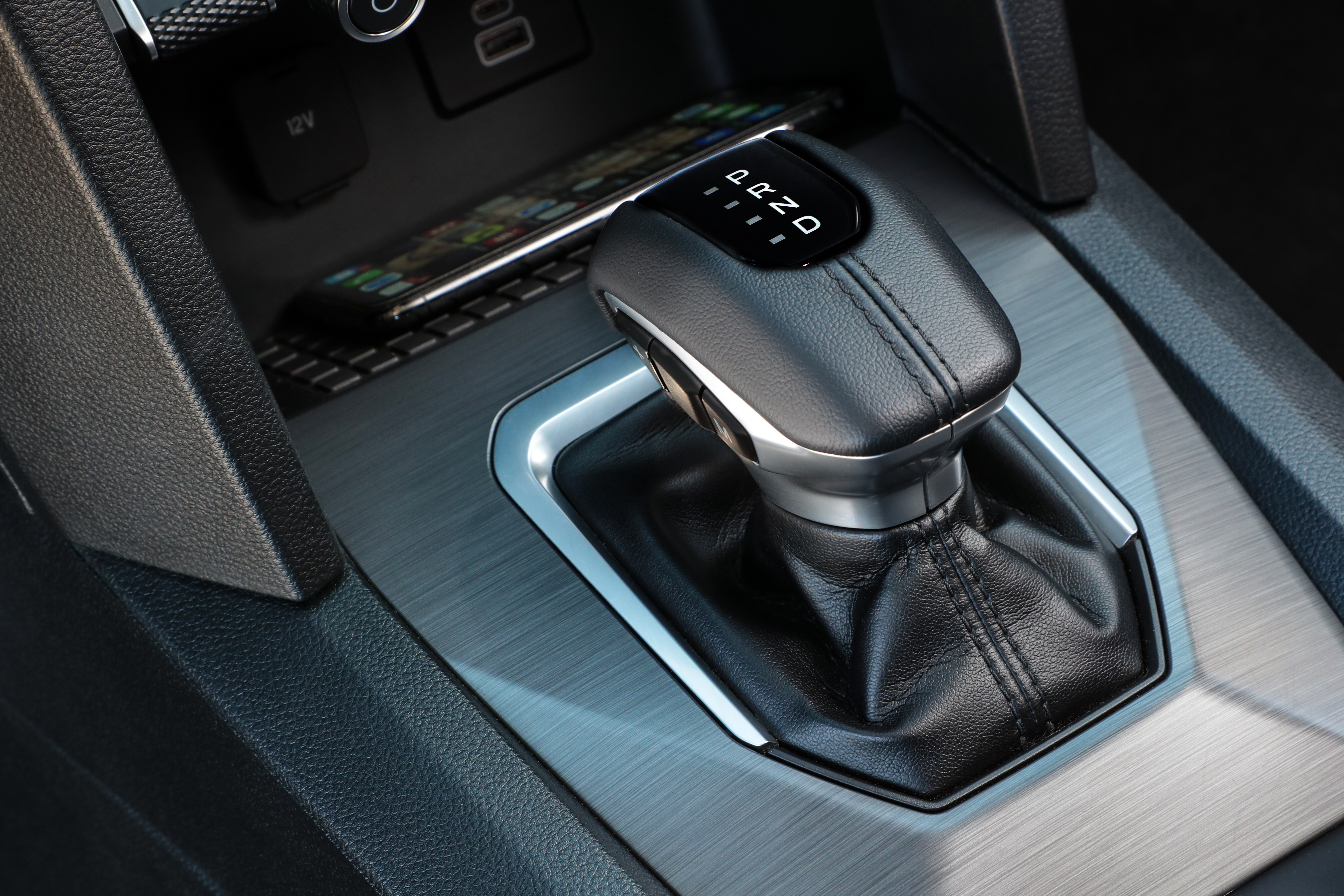
The bi-turbo 2.0-litre has 154kW and 500Nm, with a shift-by-wire 10-speed automatic transmission and selectable 4MOTION four-wheel-drive.
A higher-output 3.0-litre turbo-diesel V6 engine producing 184kW and 600Nm is optional on the Style, and standard on the range-topping PanAmericana and Aventura grades.
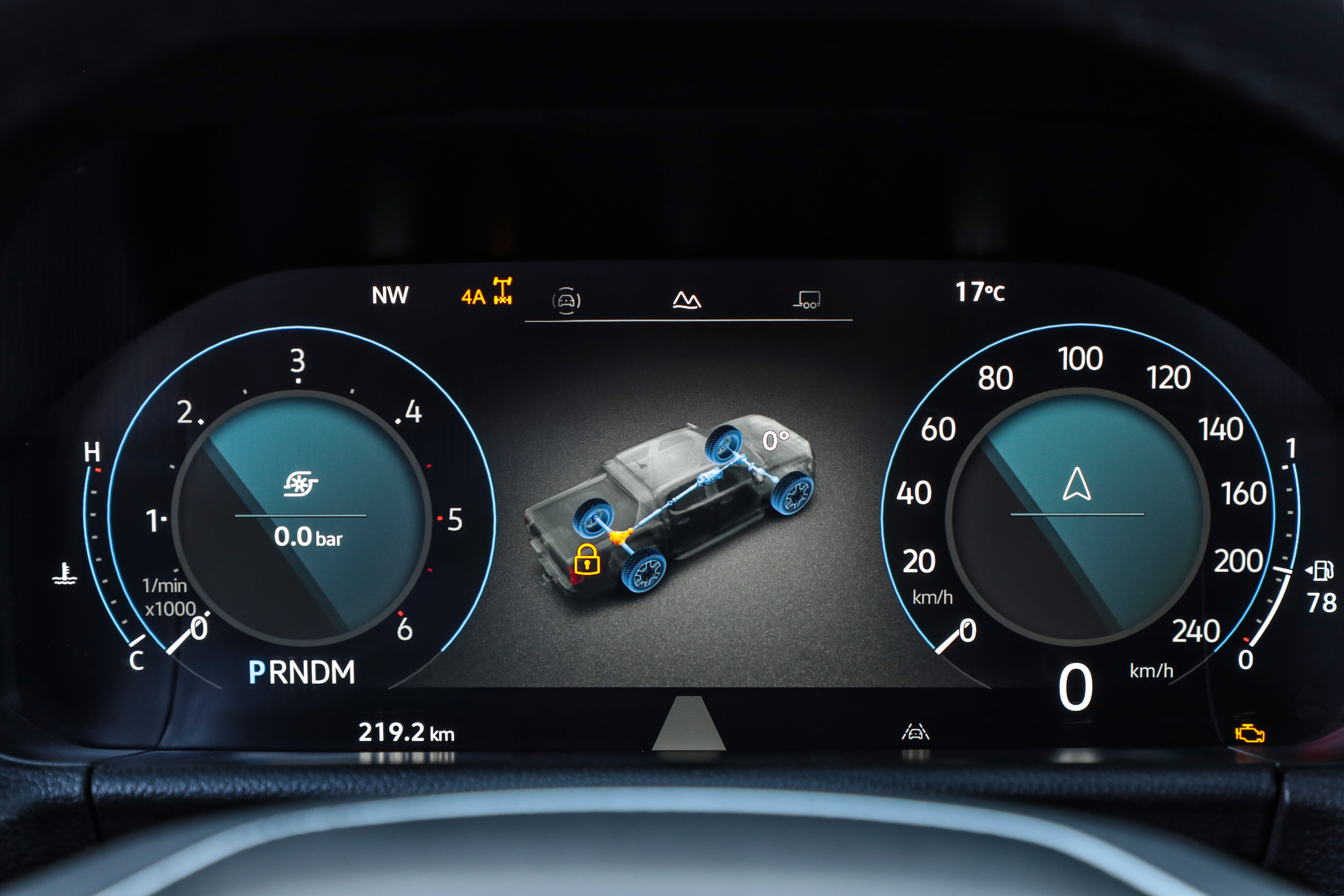
As with the bi-turbo four, it is matched with a 10-speed automatic transmission – replacing the previous VW-sourced eight-speed setup – but with full-time four-wheel-drive (and low-range), as seen on the Ford Ranger.
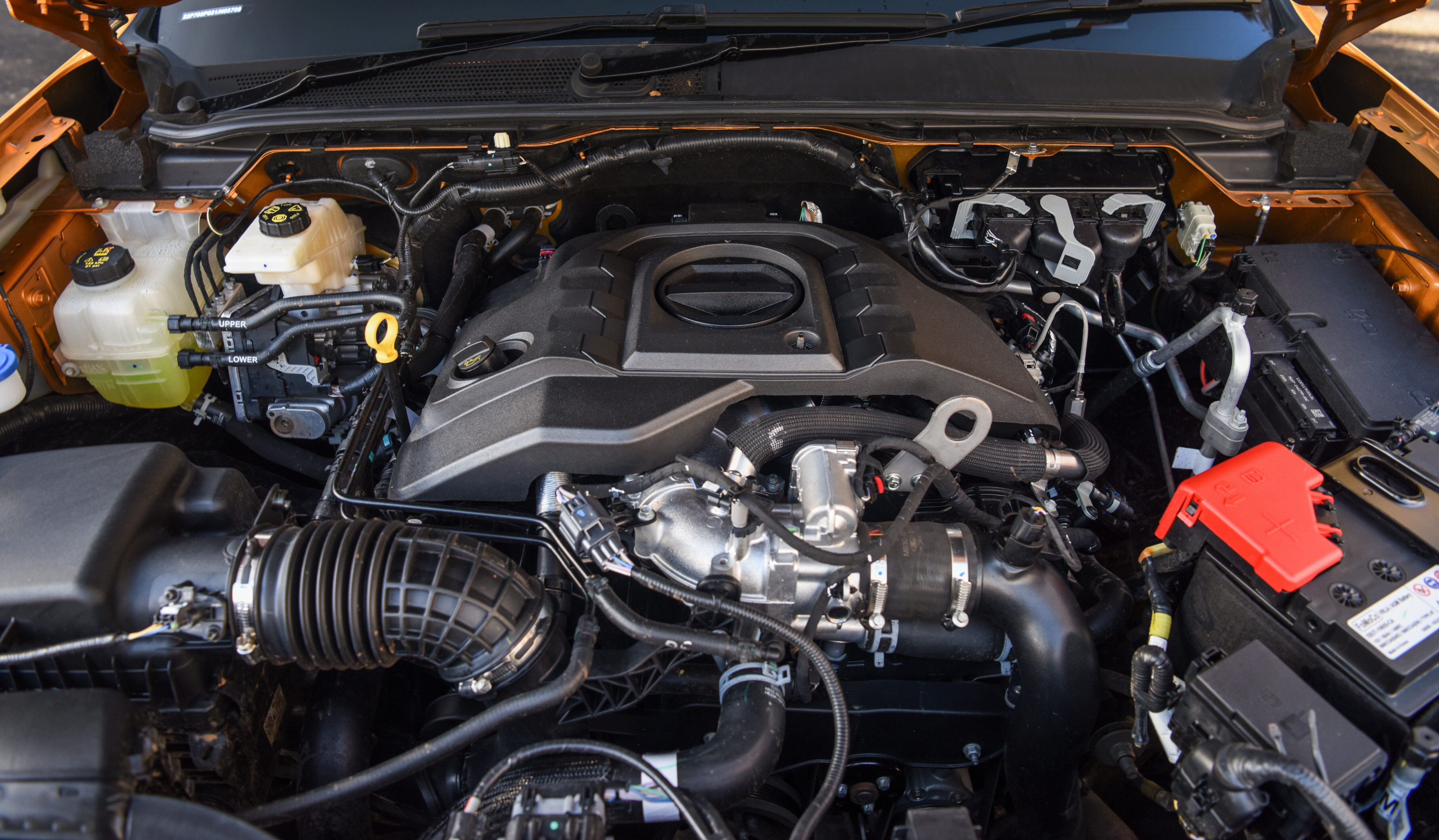
Lastly, a 2.3L turbocharged petrol engine with 222kW and 452Nm – as found in the Ford Mustang and Focus ST – is optional, exclusively in Aventura guise.
Six drive modes are available: Normal, Eco, Slippery, Snow/Sand, Mud/Rut and Tow/Haul.
Combined fuel economy figures for the 2023 Volkswagen Amarok will be announced closer to launch; however, for reference, click here for the 2023 Ford Ranger’s efficiency numbers.
Safety
ANCAP is yet to test the new-generation Ford Ranger or Volkswagen Amarok, but the latest-generation passive and active safety systems are likely to see a five-star result.
Nine airbags (dual front, side, curtain, front knee, and front-centre) are fitted across the range – up from four airbags in the previous Amarok.
Each variant includes the following active safety equipment as standard:
Rear-cross traffic alert and blind-spot monitoring is standard on Life grades and above.
Dimensions
| Height | 1880mm (-2mm) |
| Width | 1910mm (-44mm) |
| Length | 5350mm (+96mm) |
| Wheelbase | 3220mm (+173mm) |
| Towing capacity | 3500kg |
| Payload capacity | 1200kg |
Availability
The 2023 Volkswagen Amarok will launch in Australia in the first quarter of 2023 (January to March inclusive).
Customers can now pre-order the Amarok at Volkswagen dealerships nationwide.
July 8: New Amarok designed and developed in Australia
The second-generation dual-cab has been designed with Australia in mind. get the full story below.
July 7: 2023 Volkswagen Amarok revealed
Here it is, after months of sketches and speculation (and sketchulation), VW has unveiled its new-gen Amarok ute. Get all the details at the link below.
July 7: New Amarok v New Ranger – SPEC BATTLE!
Just how different are the new Ford Range and VW Amarok utes from the each other – and the models they replace?
UPDATE, May 2023: Australian details
As the new Amarok creeps up on its Australian launch, new details have surfaced. Get all of it at the links below, and then continue scrolling to read Jez’s international first-drive review.
May 12: New Amarok driven in Australia!
Get the full story at the link below.
Story continues…
April 19: New Amarok reaches Australia
With pricing for the Amarok confirmed in February, the German carmaker has received its first few utes for staff familiarisation and training.
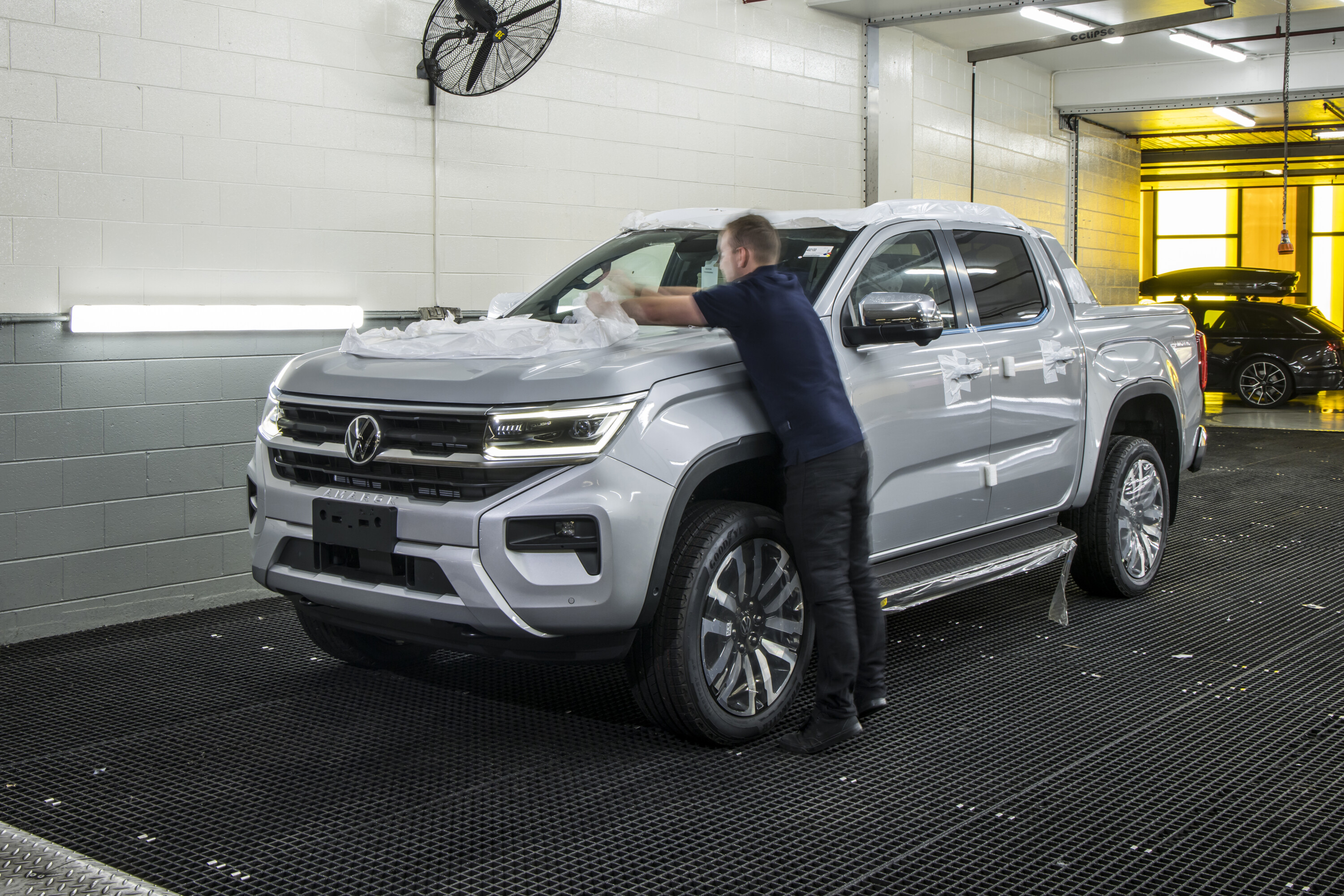
The first arrivals are an Aventura TSI452 in light grey metallic and a Style V6 in clear white.
Customer deliveries will begin in May – a month later than anticipated – at which point all variants and powertrains, from $50,990 Core manual to the off-road focused PanAmericana V6 ($75,990), and top-spec Aventura petrol ($79,990) will be available.
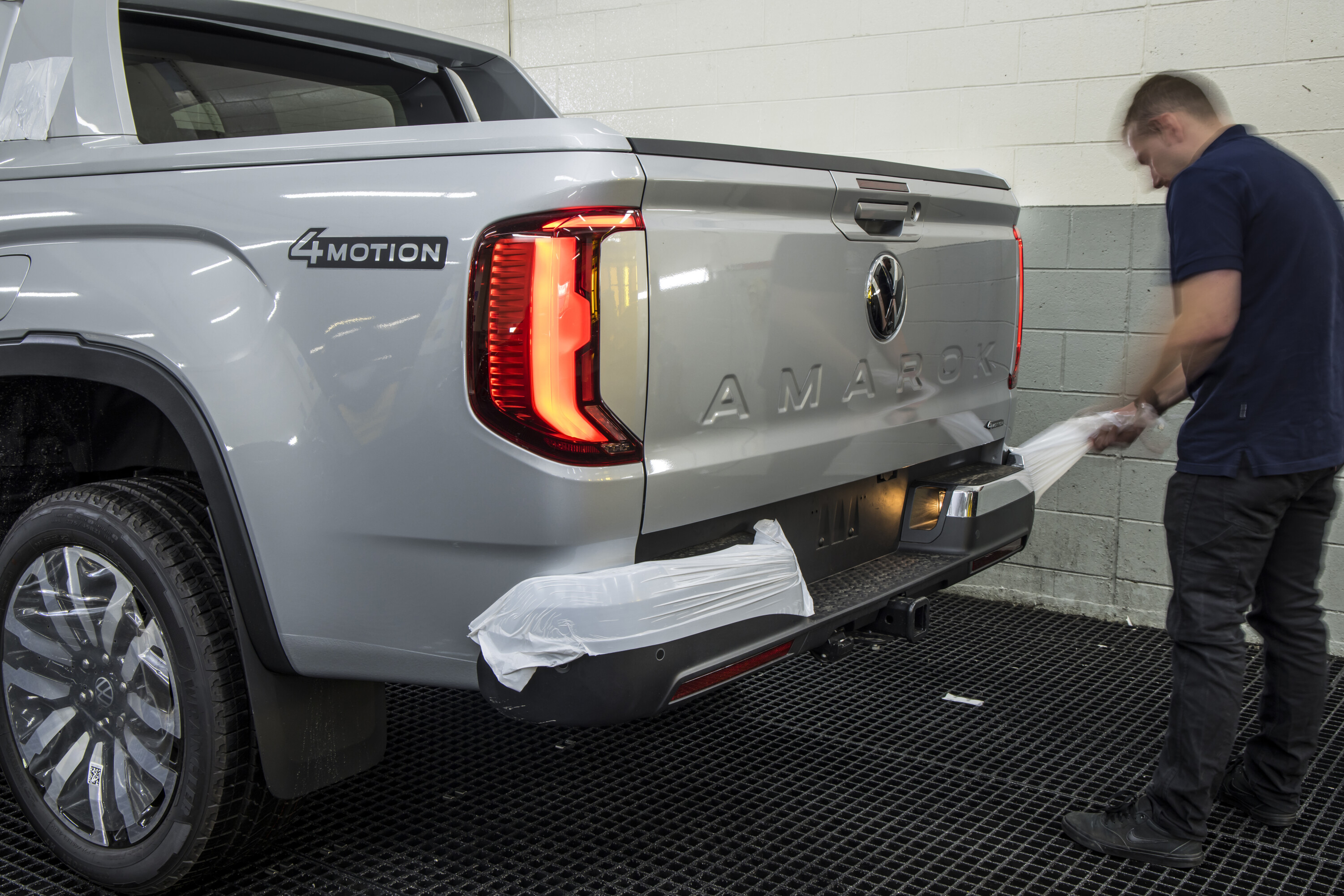
There’s plenty of customer excitement for the new Amarok, with Volkswagen registering 12,000 expressions of interest thus far for the Australian-designed, Ford Ranger-twinned (and South African-built) ute. Volkswagen believes the Style ($66,990-$70,990) will be the biggest seller of all the variants.
VW’s local vehicle configurator has been updated to include the new Amarok.
“As the number one market for Amarok globally, our Australian-based designers have heard the feedback from our market’s cohort of owners and created a tougher, more dynamic and more advanced Amarok,” said Volkswagen Commercial Vehicles director, Ryan Davies.
The arrival of the AT52 is exciting news, especially for those who are ready to upgrade their existing Kumho tyres.
Having received several major design awards and favourable reviews following its launch in major markets including North America, it is great to have them available in Australia.
The AT52 is a direct replacement for Kumho’s top-selling AT51 tyre, which has been a favourite for 4×4 users over the past decade. The AT52 was recently awarded the 2022 Good Design Award (G-Mark) 2022 in Japan, one of the most prestigious international design competitions.
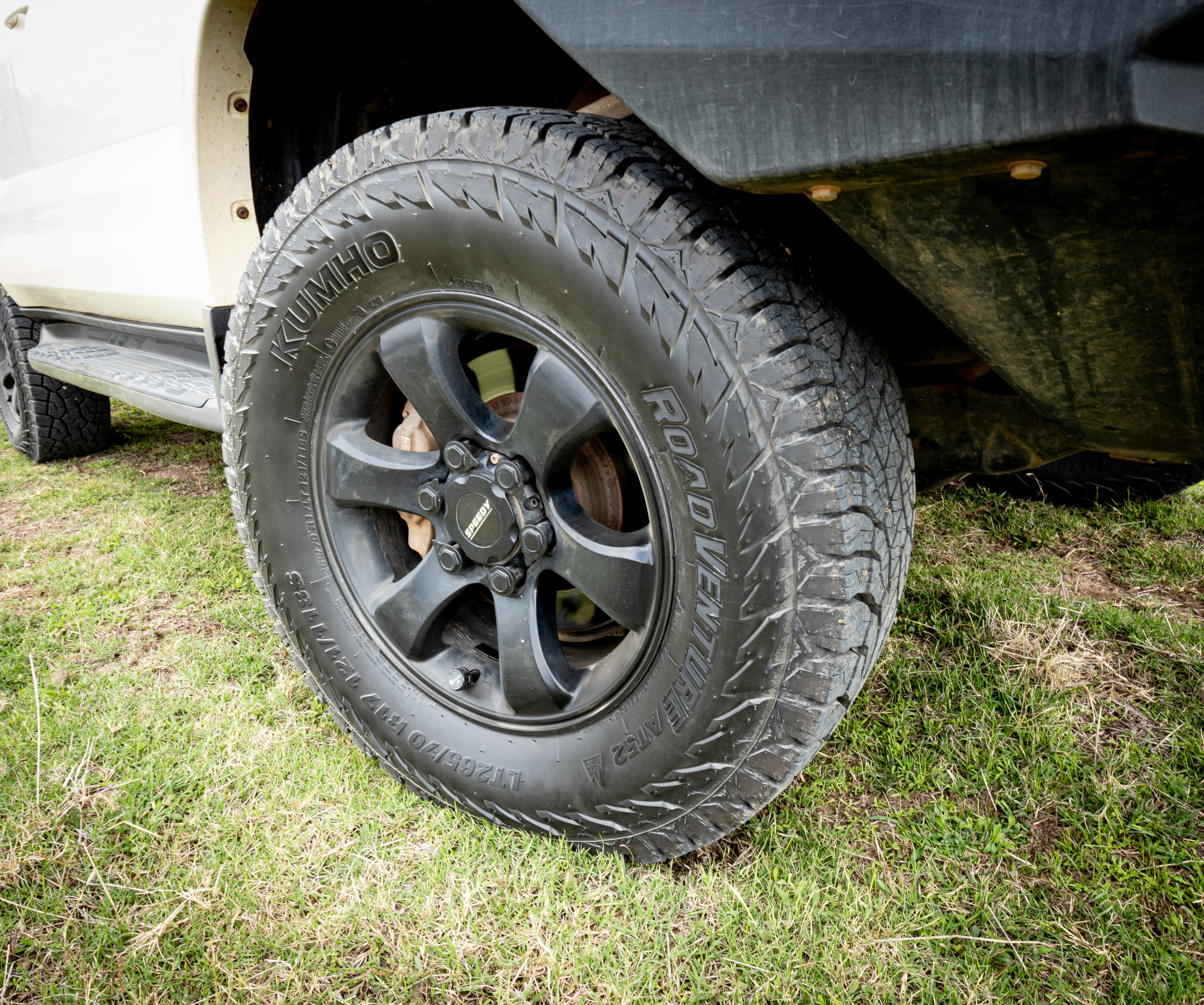
Having been extensively tested in a number of harsh environments across the globe, including Australia, the tyre performed strongly both on- and off-road and in rough terrains including dry, stony conditions, mud and sand.
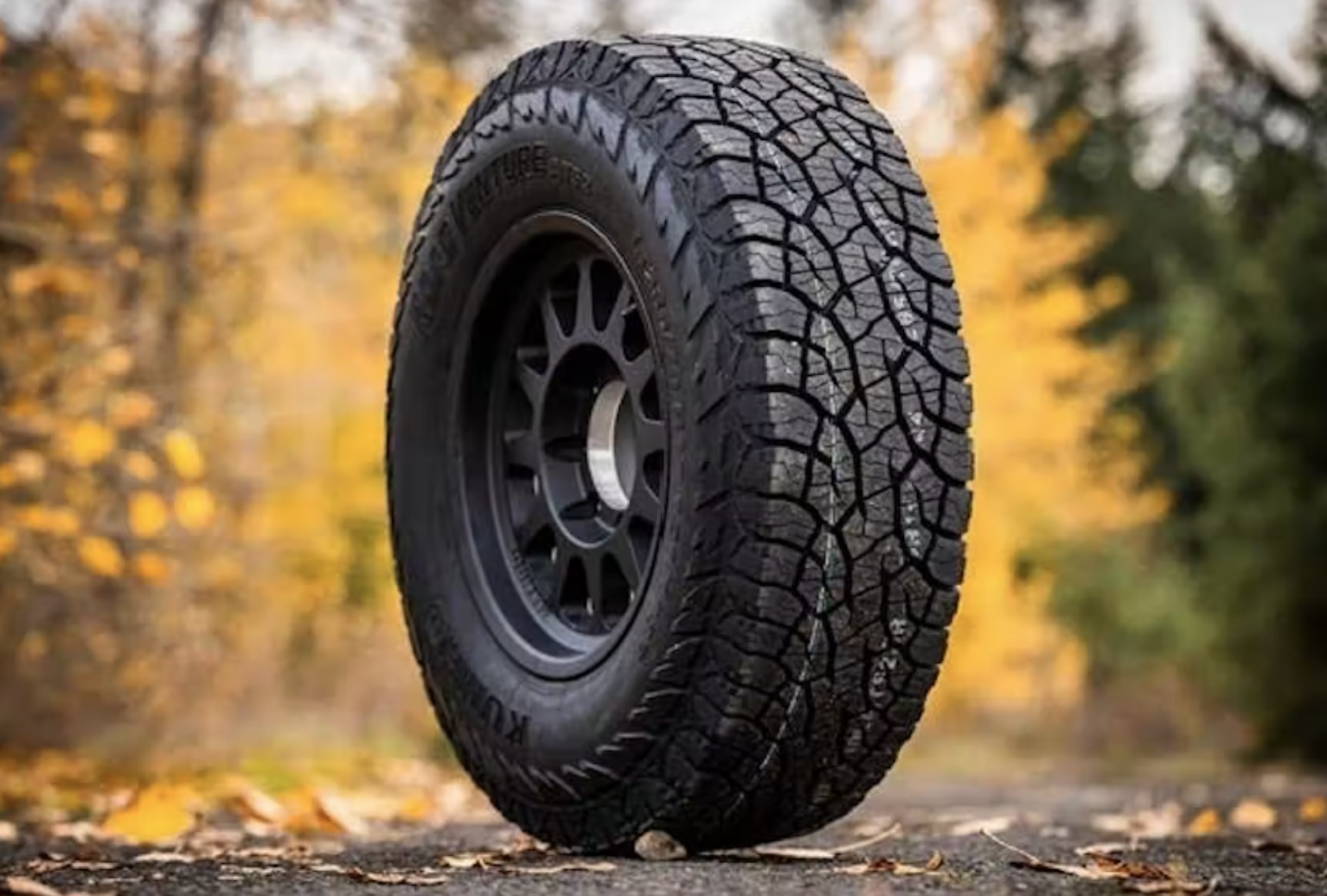
The AT52’s sawtooth-shaped shoulder block tread design tread has been engineered to improve off-road traction while also delivering a comfortable and quiet ride. Aided further on regular roads by its five-length pitch block design which also benefits durability, wear performance and straight-line driving performance. Having just installed a set on my 4WD, I can attest to this.
The AT52 also features a zig-zag-shaped groove and sipe design with multiple angles which enable safer driving even in marginal traction conditions particularly on snow and ice, making it a true all-terrain tyre.
Check out the latest Gear Guides
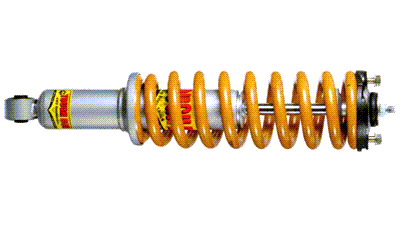
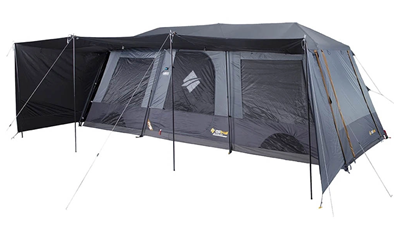
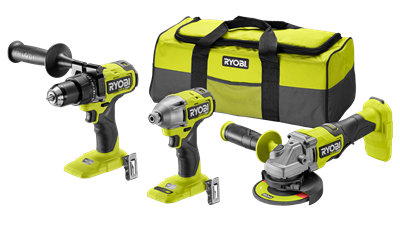
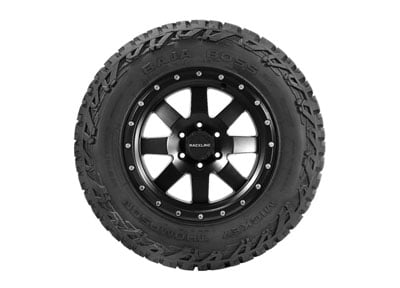
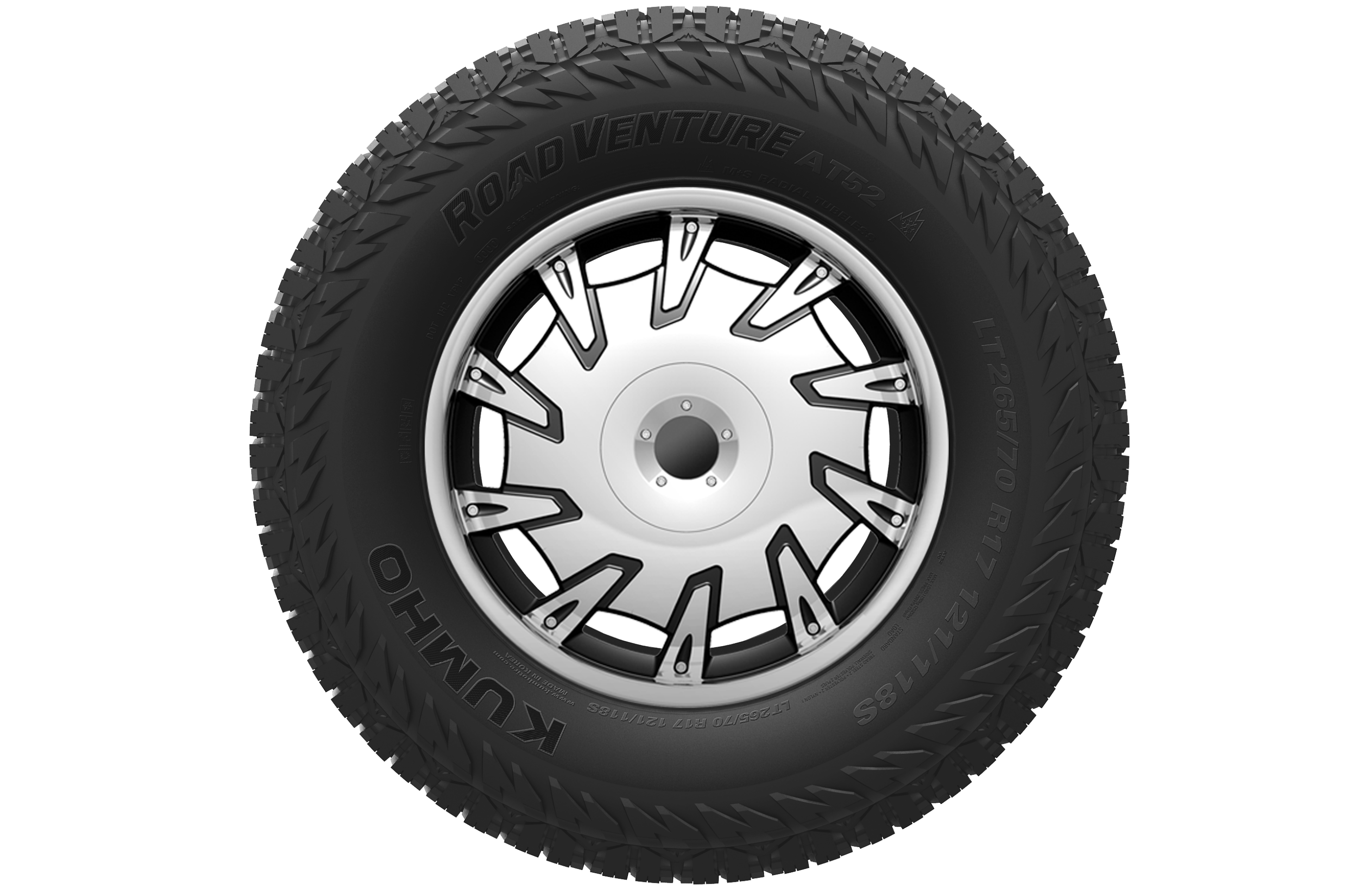
A SideBiter design for the sidewall gives it a solid and aggressive profile while also minimising damage caused by external impacts.
The tyre features a complex carbon black compound with an optimal polymer blend ratio, which helps the tread pattern resist irregular wear and improves cut-and-chip resistance with an overall improvement of tyre life by up to 20 per cent compared to the AT51.
“The AT52 offers ute, SUV and 4×4 owners the ideal all-round performance tyre capable of delivering excellent performance every day driving to work, with the ability to take them off roads on weekends, with innovative Kumho design features that deliver premium performance, durability and comfort in a range of conditions for 4×4 and SUV drivers.” said Kenny Chun, Kumho Tyre Australia’s national marketing manager.
“The new Kumho AT52 blends the perfect combination of performance to take command of rugged terrains, deliver on-road comfort and instil a confidence-inspiring ride across all conditions,” Chun added.
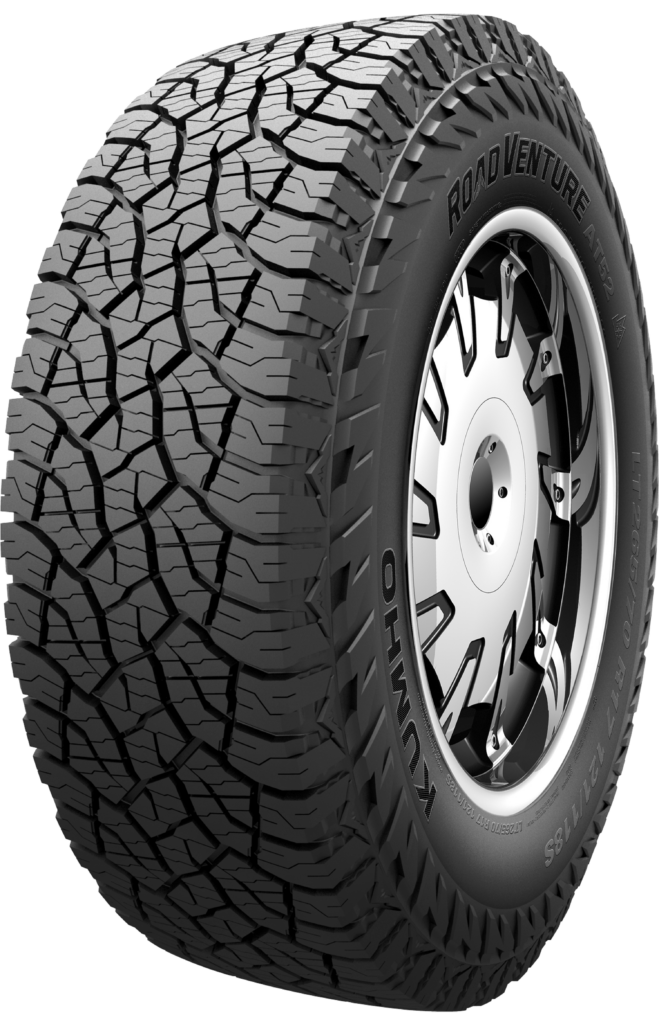
The AT52 is available in a wide range of sizes to fit 15,16,17,18 and 20-inch rims. For pricing and details refer to your local Kumho dealer, which can be found on the link below.
If space is limited when packing for a remote-area adventure, then you may want to consider installing a roof rack.
With a rack up top, you can securely transport extra equipment without sacrificing valuable space inside the cab or in the tray. Plus, you can transport items that can’t be loaded inside such as recovery boards.
Here’s a selection of roof racks we recommend. They’re intended as a starting point, to give you an idea of what’s available. We’ve also included information on Ford Australia’s genuine accessories, in case you’d prefer to stick to OEM.
What it is: Storage systems for your roof.
Why you need it: The roof is a great place to store light, bulky gear such as tents and chairs.
Buying tips: The Ranger’s roof load limit is 85kg, and that weight has to include the weight of the rack. So if your rack weighs 30kg, that’s 55kg of gear you can carry. That 85kg only refers to the cab of the vehicle; any service body or canopy will have its own limit.
| Material | Coating | Weight | |
|---|---|---|---|
| Rola Titan Tray | Aluminium | Powdercoated | Varies with model |
| ARB Base rack | Aluminium | Powdercoated | 20kg |
| OCAM flat roof rack without mesh | Aluminium | Powdercoated | 16kg |
| Rhino Pioneer platform | Aluminium | Powdercoated | 20kg |
| Yakima platform | Aluminium | Powdercoated | 21kg |
Rola Titan Tray
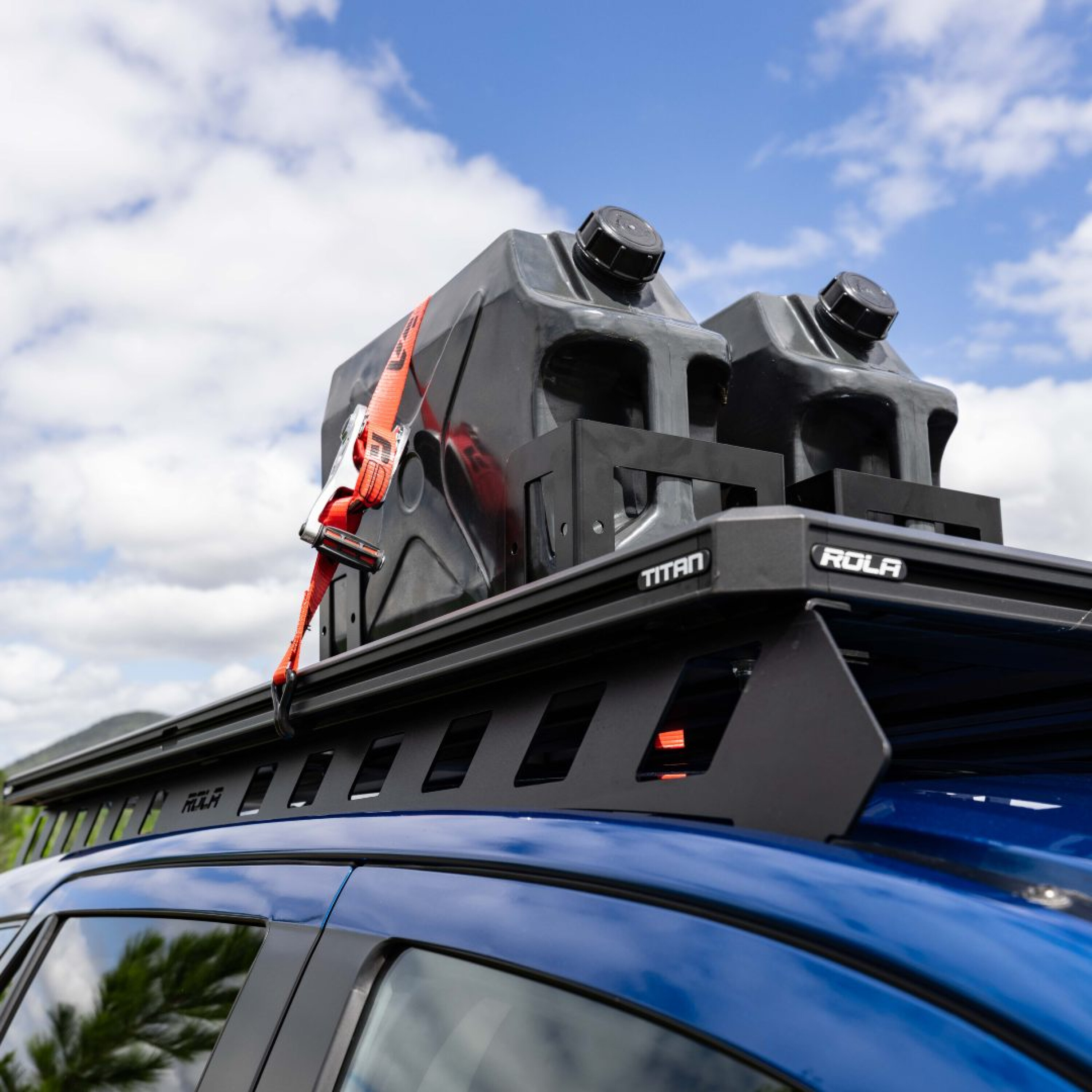
The new Titan Tray is the perfect solution for transporting with ease and efficiency. Its robust profile and sleek features make it an ideal choice for those looking for maximum stability and versatility. With its patented channels and corner entry points, you can easily customise the tray to fit your needs. Plus, its adjustable plank spacing allows for a wide variety of items to be mounted with maximum stability.
Rola Titan Tray specifications
| Material | Aluminium |
|---|---|
| Coating | Powercoated |
| Weight | Varies with model |
Things we like
- Versatile channels and entry points
- Hook attachment channels
- Lightweight yet super strong
Not so much
- N/A
ARB Base rack
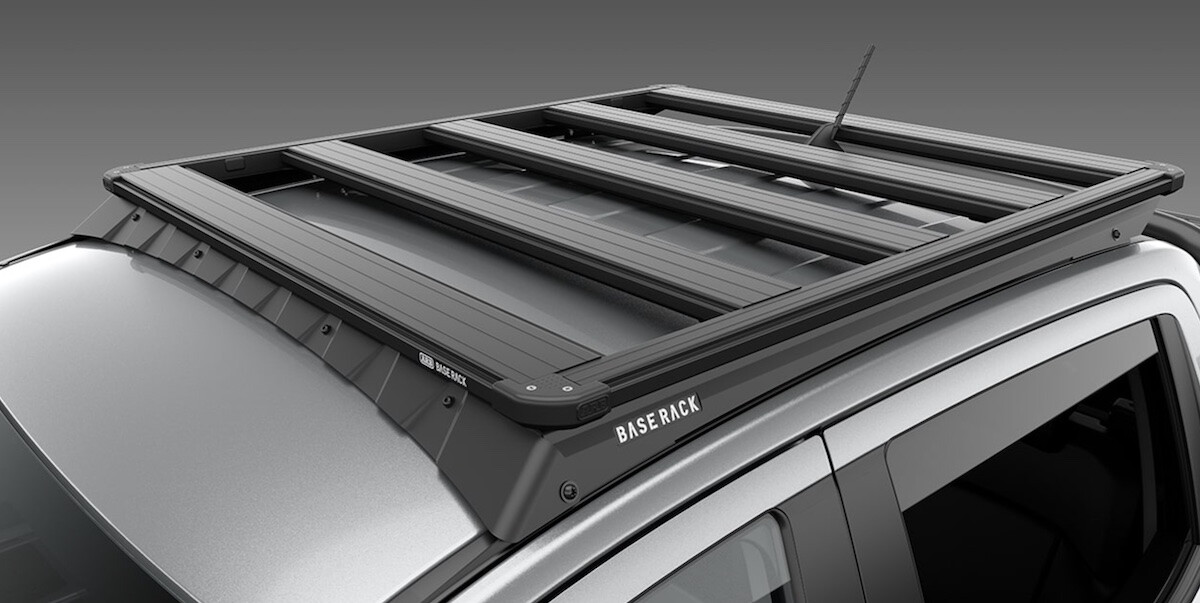
The ARB Base rack is a roof rack designed for off-road and outdoor enthusiasts. They are made from high-strength, lightweight aluminum and feature a modular design that allows for easy customisation and expansion.
The racks are available in various sizes and configurations to fit a wide range of vehicles, and can be used to carry a variety of equipment and gear such as kayaks, bikes and tents. The racks feature a unique mounting system that reduces wind noise and vibration, and they can be easily installed or removed without the need for specialised tools.
ARB Base rack specifications
| Material | Aluminium |
|---|---|
| Coating | Powder coated |
| Weight | 20kg |
Things we like
- Innovative
- Quality build
- Integrated cable ducting
Not so much
- Limited range of accessories
- Not fully compatible with all T-slot accessories
OCAM flat roof rack
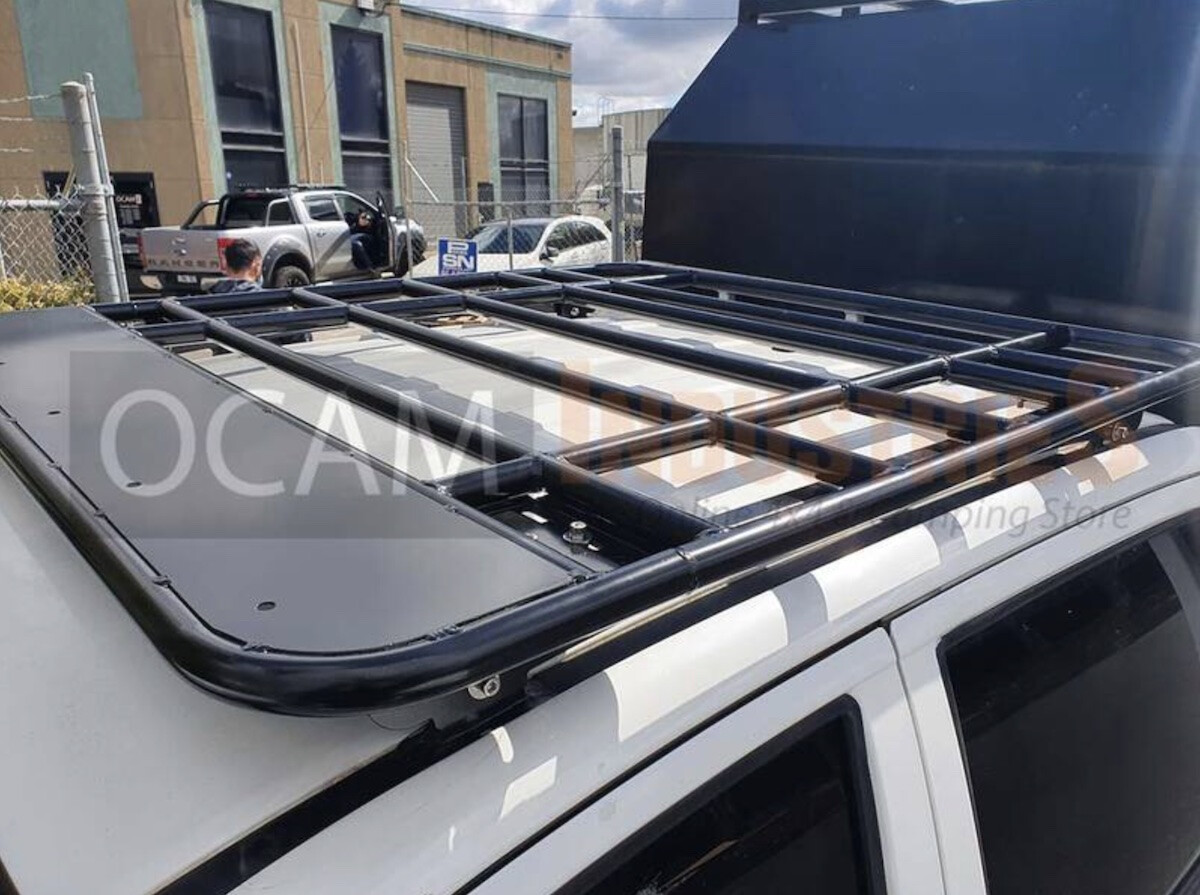
The OCAM Flat roof rack is a strong and durable commercial-grade roof rack that comes with all the necessary hardware for installation. It features six internal cross-bars and dual cross-bars to the mounting plates, ensuring extra support and preventing cracking on rough roads. Quality rubbers are used to protect your vehicle’s paint, and the rack is finished in a high grade black powder coat for added durability. It also comes with stainless-steel hardware and an Allen key for easy installation.
OCAM flat roof rack specifications
| Material | Aluminium |
|---|---|
| Coating | Powder coated |
| Weight | 16kg |
Things we like
- Lightweight
- Stainless-steel fasteners
- Mounting plates straddle two crossbars
Not so much…
- No T-slot channels
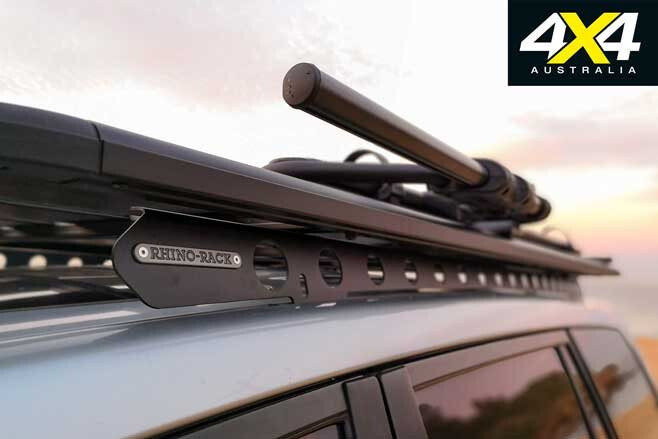
Rhino-Rack Pioneer platform
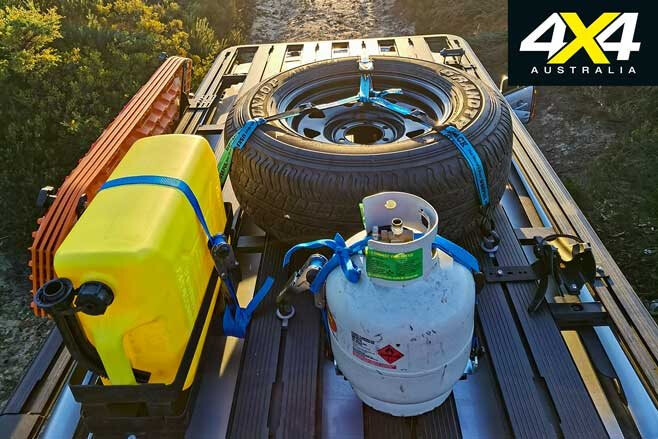
The Rhino-Rack Backbone and Pioneer platform combination comfortably delivers on what it has been designed for. It is low-profile, rugged and hard wearing, with a high build quality. The platform is quiet on road, looks stylish and offers a plethora of options for everything from trade to 4×4 accessories.
Rhino-Rack Pioneer platform specifications
| Material | Aluminium |
|---|---|
| Coating | Powder coated |
| Weight | 20kg |
Things we like
- Additional slots front and rear
- Fully compatible with T-slot accessories
- 100 per cent load-carrying capacity off-road
Not so much…
- Expensive
Yakima LockNLoad platform
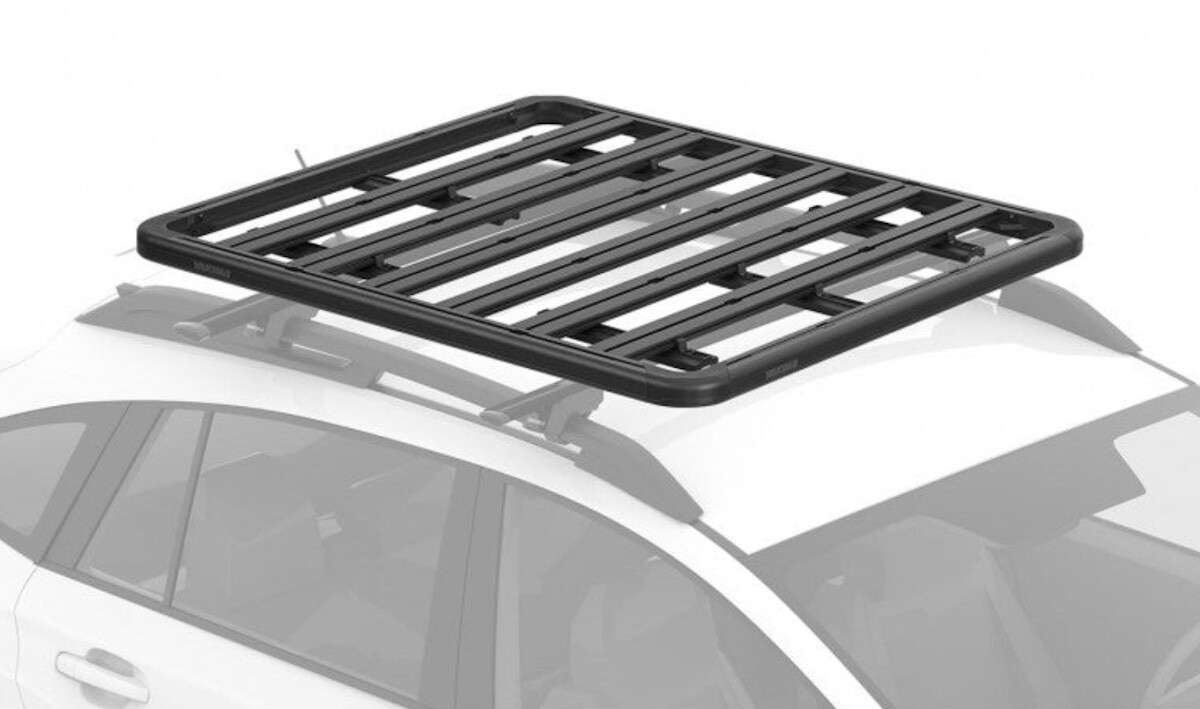
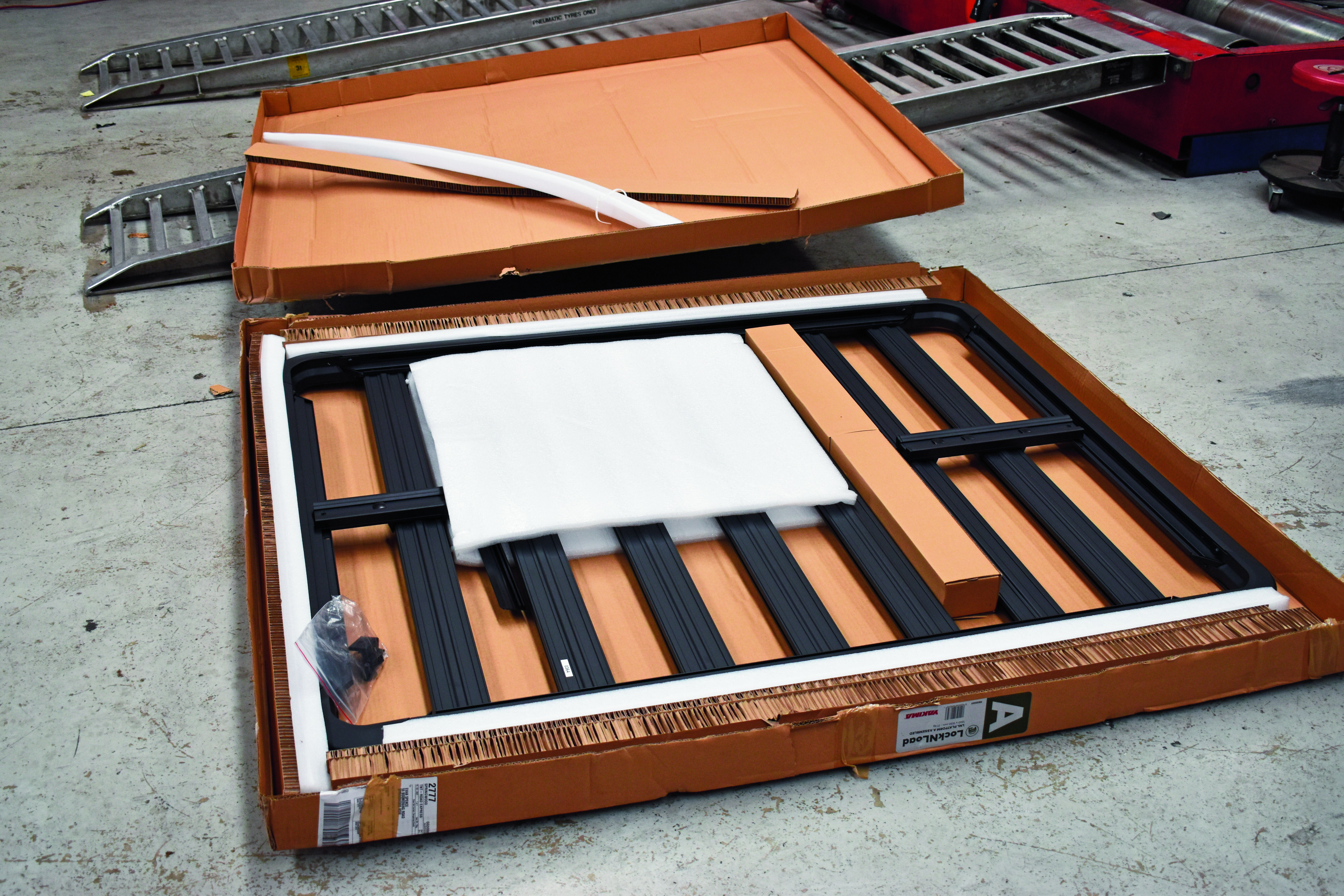
The LockNLoad platform is a versatile solution for carrying touring or off-road gear. It features innovative 21mm accessory slots on slats, with a beefy profile that looks tough and is built to last. The east-west slats provide flexibility to fit your accessories, and the versatile perimeter mounting tracks offer more ways to mount your gear. The platform is made of corrosion-resistant powdercoated aluminium and additional e-coating. It also has seven latitudinal slats, adding to its durability and strength.
| Material | Aluminium |
|---|---|
| Coating | Powder coated |
| Weight | 21kg |
Things we like
- T-slots around perimeter
- Compatible with T-slot accessories
Ford Australia/ARB licensing agreement
Ford Australia have a licensing agreement with ARB. Order ARB accessories when you order your next-gen Ranger, and they’ll be covered by Ford’s five-year warranty. So if you have a warranty issue, there’s no grey areas about which company’s responsible.
If you order ARB accessories after purchase (through a Ford dealer), they’ll be covered by the remainder of the warranty period.
If you’d like to know more about the Ford/ARB partnership, then go here.
Buyers’ Guide: 2024 Ford Ranger roof racks
Storage space in most touring vehicles is at a premium. When we start adding canopies with fridge slides, drawers, kitchens and anything else to make life on the road easier, we start to run out of space to store bulky items like swags, tents and recovery boards.
This is where roof racks come into play. They’re brilliant for transporting bulky but light items. The old square steel bars or big heavy steel racks are a thing of the past – these days we have bars based on aeroplane and bird wings.
Designed for aerodynamics and noise reduction, there’s no need to be driving down the motorway sounding like there’s a kettle boiling on the roof.
With the rising popularity of rooftop tents, roof pods and every accessory mounted under the sun (shovels, high-lift jacks, traction-board quick releases), improved mounting systems are essential. It’s never been easier to strap down your gear and head bush.
The 2023 Ford Ranger comes with an increased roof-load rating over the previous models (85kg vs 80kg) and, as a result, suits a roof rack even more.
Quality (value for money)
A quick browse on the internet will expose dozens of cheap roof-rack options. The problem is, most of them have been designed based on something as aerodynamic as a brick, and they don’t have any published load rating.
See that bloke driving along being chased by all the neighbourhood dogs? It’s either because he’s a butcher with sloppy packing skills or because his roof racks are whistling like crazy.
The lack of a published load rating is risky – not just for you and your Ranger – but for anyone who might be following you. Overload a roof rack when off-road and you’re asking for trouble. There’s plenty of stories around about entire racks coming free, load and all still attached.
For these reasons we’ve excluded anything without a published load rating and have stuck to reputable brands. Value-adding features like clever accessory-mounting systems and efficient designs have been highly regarded here. A solid warranty ensures peace of mind and adds to that value, too.
Functionality
A roof rack is essentially to transport stuff. Every time you do this, you either need to use a purpose-built accessory carrier or you need to strap it down. Attaching accessories and strapping down anything else needs to be simple.
How easy this is to do will tend to govern how often you’re willing to use the racks. Modern roof racks include slots along the top ready to mount eyelets for strapping gear down or ready-to-bolt-on accessory carriers.
Roof racks that require straps and ropes to be tied around the bars or hooked into areas that aren’t designed for that purpose, are hard work and just make life difficult.
When considering what you will use your roof rack for, platforms have the added advantage of a totally flat surface ready to take swags, tents, etc. at a pinch or have a rooftop tent mounted.
Racks that can be quickly removed are super handy for anyone who might use their vehicle for the shopping run or need to park in a low-height garage. The ability to undo four bolts and fit in your garage versus a 90-minute uninstall process, is super handy for those in that situation.
The key here is thinking about how you will use your roof rack and what type of system works best for your needs.
Efficiency of design
Every time we add something to our 4WD we are effectively increasing weight and drag (wind resistance), be it suspension lifts, bigger tyres, drawer systems or bull bars. They all work to do one thing: ensure that little fuel gauge on the dash drops quicker.
So wherever possible, we want to limit this effect. This means roof racks with clever aerodynamic designs are highly valued. Added features like wind deflectors should be considered for Rangers that will spend a fair proportion of their life with an empty roof.
More than this, adding bolt-on accessories runs the risk of creating noise; square roof bars are famous for this. Designs that consider noise reductions really make the driving experience much better.
How to avoid being ripped off
There are plenty of cheap roof racks on the market, but you really want something that has been designed and built for a particular model. Cheap racks without proper load ratings and testing are a big risk.
These things rarely go wrong five minutes from home. More often than not, it’s when you’re halfway across the Simpson Desert or part way around that once-in-a-lifetime big lap.
Keep an eye out for limitations in the fine print like load reductions for off-road use or speed limits. Put your 60kg rooftop tent on a platform with 65kg load rating and think you’re all good? What about the 1.5 times reduction in load rating for off-road use the manufacturer has hidden in the fine print?
That 65kg is all of a sudden 43kg and you’re overweight. Goodbye warranty and, worse, you could run the risk of ruining a trip. Thankfully, some manufacturers have sorted out this issue, but many still include this. It’s often not an issue if you’re only throwing a swag up on top, but if you’re running anywhere near that load limit, it’s something to check.
After-sales support
Well-known and respected brands typically have spare parts in the event anything does go wrong. A good warranty means that if something does go wrong, it’s not you who’s paying for those replacement parts.
Focus too much on price and chances are you will end up with a rack that disappoints, doesn’t last as long as it should, and may come unstuck at the worst possible time.
Safety and loading
Start travelling to remote areas of this wide, brown land and you will certainly come across roof racks that are a disaster waiting to happen. Overloading is the scourge of roof racks and is something that is easy to do if you’re not careful.
Think about the Ranger and its 85kg roof rating. Throw on a 20kg roof platform and you have 65kg to play with. Put a 20-litre diesel jerry can (20kg), a 20-litre water jerry can (20kg), a side awning (10kg), a double swag (20kg) and you will find you’re at 70kg and overweight.
The number of times we’ve seen rows of four jerry cans, plus a gas bottle and tents/swags on the roofs of 4WDs is scary. That’s well over 100kg.
It’s worse when you come across all of the above still strapped to the roof of a vehicle sitting on its side. Roof racks are super handy, but like anything on a touring vehicle, they need to be treated carefully or disaster will happen.
How we review products
4X4 Australia has been reviewing four-wheel drive vehicles and aftermarket products for more than 40 years. When looking for the best accessories for your make and model of 4WD, there are some things essential to making sure you have the best off-roading experience.
When we compare products, here are some of the things we consider:
- Warranty
- Build quality
- Value for money
- Time and ease to set-up/install
- Weight
- Fit and finish
- How well it gets the job done
- What materials they’re made from
- Corrosion/UV resistance
- Coatings
- Compatibility with other accessories
- Compliance with ADRs and vehicle safety systems
- Country of manufacture
- Load ratings, to determine what’s the best product across each price point.
We also consider user reviews and our own experience with these products to make sure our recommendations are for the best on the market.
Disclosure: When you buy through our links, we may earn a commission. We also include products that we do not earn a commission from.