
As Mahindra reinvents itself in Australia with its new range of SUVs including the recently released Scorpio and the soon-to-arrive XUV7OO, the stalwart for the brand here in recent years has always been the durable PikUp.
The current model Mahindra PikUp has been on sale in Australia since 2007 making it one of the oldest new vehicles still available here today. Over that time the range and specifications have changed and now we are only offered the single model – the S11 double-cab with the only real choice being a styleside rear tub or a tray-back.
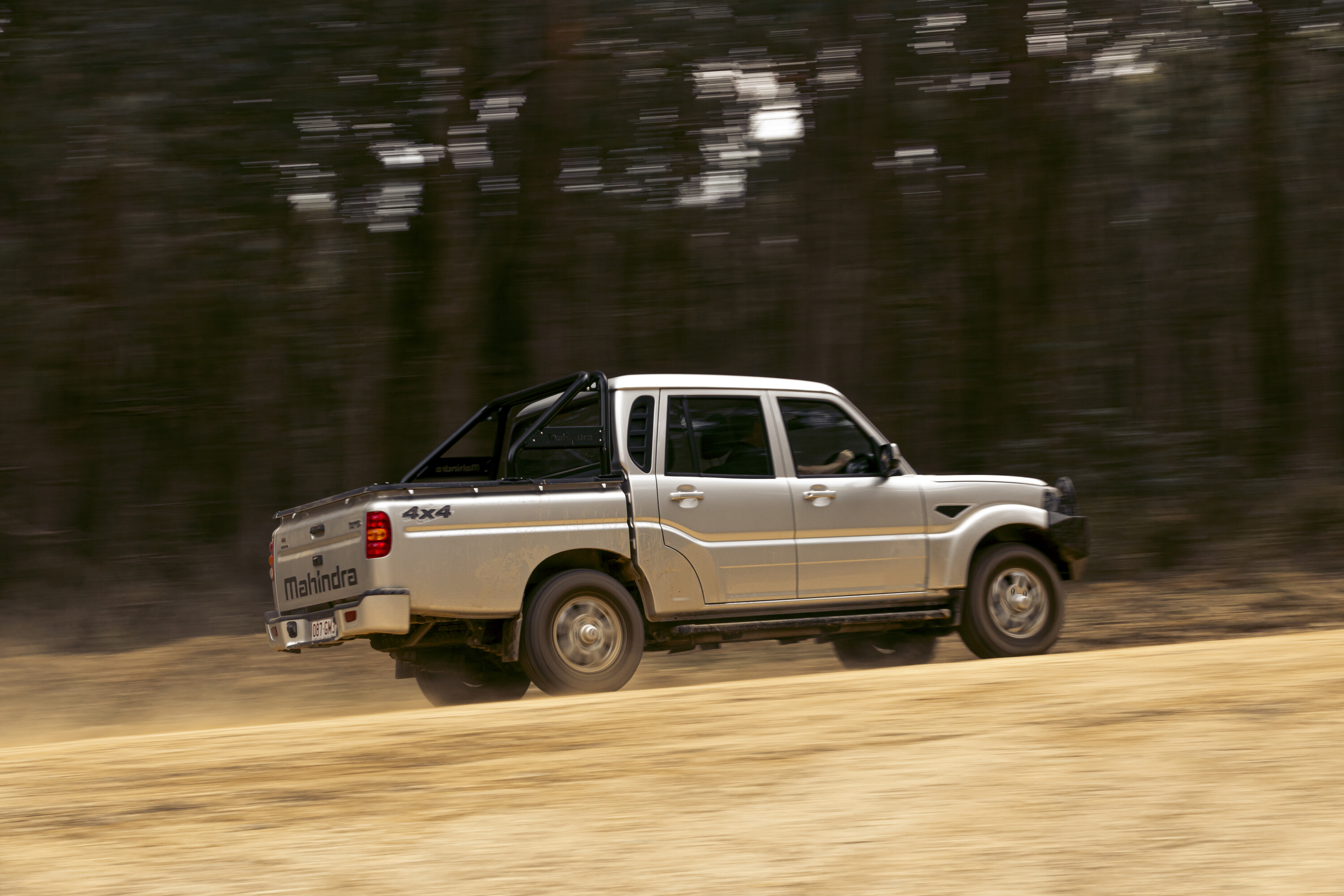
Gone are the farmer’s-friend single-cab and dressed-up Black mHawk models, and also the manual gearbox, as the S11 now only comes with an automatic. That’s not to say that these other models won’t make a return but for now there is no stock of them in Australia.
With the Scorpio wagon recently tested we thought it time to revisit the PikUp and sample its added auto transmission.
JUMP AHEAD
- What do you get?
- Interior
- Safety
- Powertrain and performance
- On-road performance
- Off-road performance
- Living with it
- Verdict
- Specs
What do you get?
The S11 PikUp styleside sells for $38,500 driveaway, making it exceptionally attractive to buyers looking at the double-cab 4×4 ute market. Throw in a five-year/150,000km warranty, five-years roadside assist and four-years capped-price servicing, and it looks even better value.
But as the PikUp is an older design and architecture, it lacks many of the features and comforts that most buyers are looking for in a ute these days.
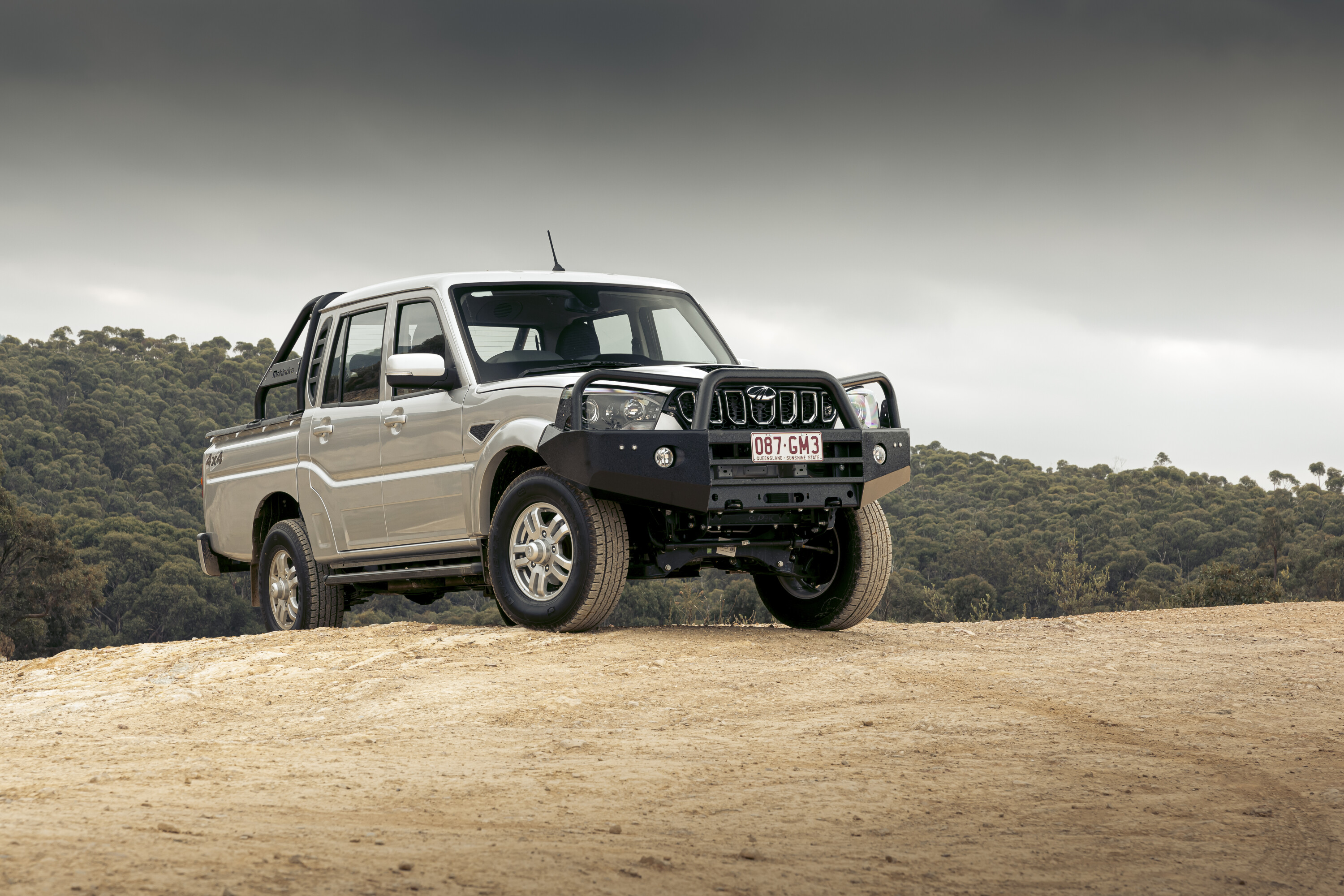
Despite a few upgrades over the years, the PikUp remains an honest workhorse of a ute. Agricultural in design and function it is a true LCV in a market of vehicles becoming softer and more passenger car-like. Spend some time in the PikUp and you can see why the single-cab became popular with farmers and small businesses; it’s rugged, simple and built for purpose.
With its relatively narrow cabin and upright windscreen, driving it reminds me of driving my old 70 Series LandCruiser, only the PikUp is much more refined and better performing. Not so refined by modern passenger-car standards but certainly by 35-year-old Cruiser standards.
Interior
The PikUp’s interior is pretty basic but has most of what you want.
The A/V screen is a seven-inch high-res jobbie with Apple CarPlay and Android Auto capability, using cable connection only. The screen sits lower in the centre stack than what is ideal but you learn to live with it. Below that are the controls for the automatic climate control aircon, which has vents that run through to the rear compartment.
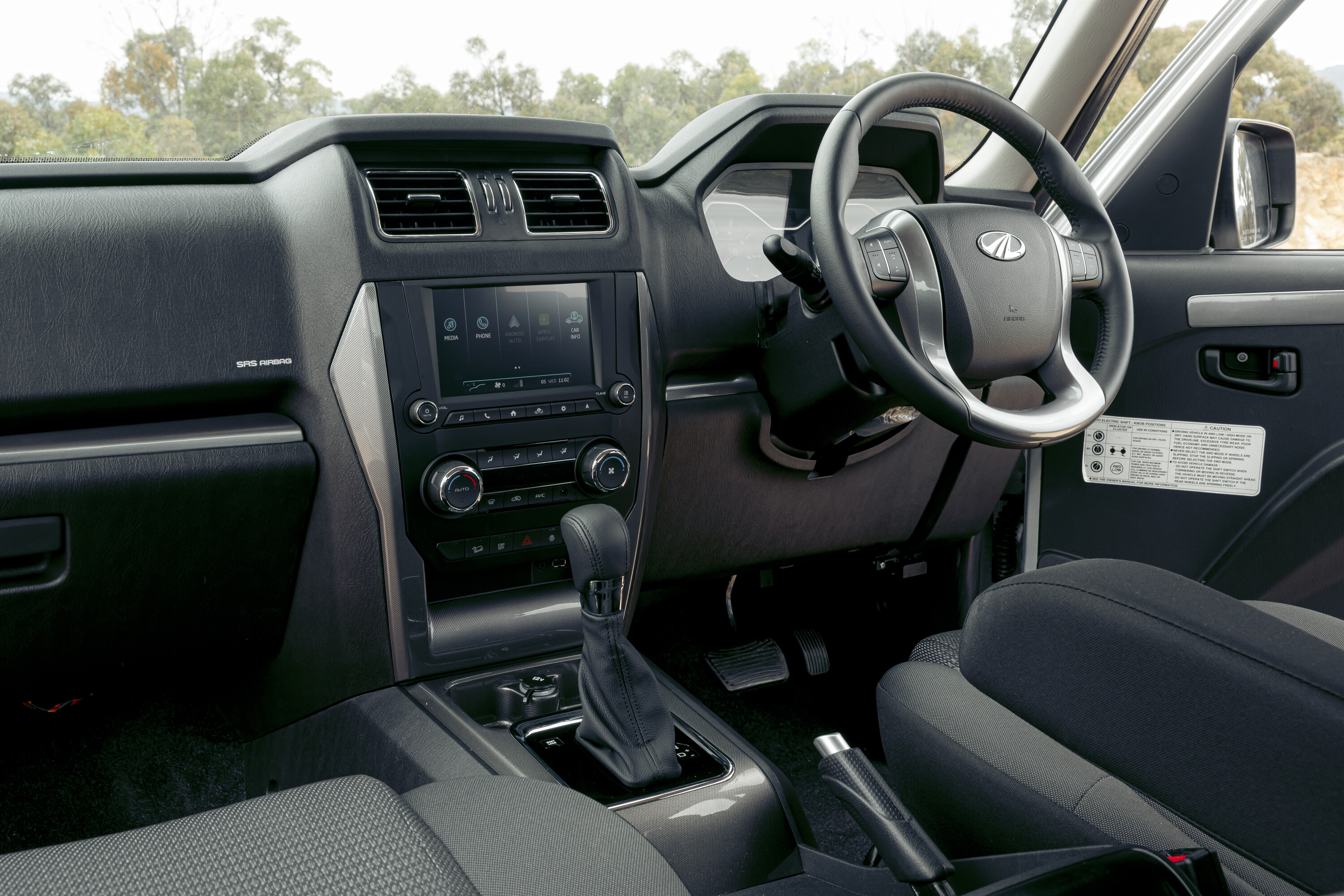
There’s space for five in the cloth-covered seats but the cabin is pretty narrow so it’s a tight fit with three across the back row. Rear-seat legroom isn’t great either but there’s heaps of headroom inside which is plus for those who wear big hats – like farmers.
Central locking is standard and the steering column is adjustable for height only. It’s a basic cabin that shows its working-class design, and that’s great for some, and it’s priced accordingly, which is what a lot of people want from a basic ute.
Safety
Safety kit is another area where the Pik up falls behind the more popular, more modern 4×4 utes. There’s a pair of front airbags, ABS brakes and electronic stability control and traction control, but that’s about the extent of it.
There’s no AEB or lane-keeping devices to save you, just the driver’s skill and commonsense. But again, this lack of tech will be appealing to some buyers of this style of work ute.
Powertrain and performance
The PikUp’S 2.2-litre common-rail diesel ‘mHawk’ engine makes a modest 320Nm of torque and a seemingly paltry 103kW of power yet it pushes the unladen ute along at a reasonable clip. The PikUp weighs less than 2200kg, making it lighter than most of the popular utes in this class.
The mHawk is a tractable engine with a strong torque spread but when it was backed with the six-speed manual gearbox you had to use the gears to get the best out of it, particularly when you had a load on.
There’s none of that with the new-to-PikUp six-speed automatic transmission which does all the work for you in an unfussed manner. This is an Aisin six-speed auto, so a similar ’box to that found in Prado, Hilux and Isuzu 4×4 vehicles, and well proven for its performance and durability.
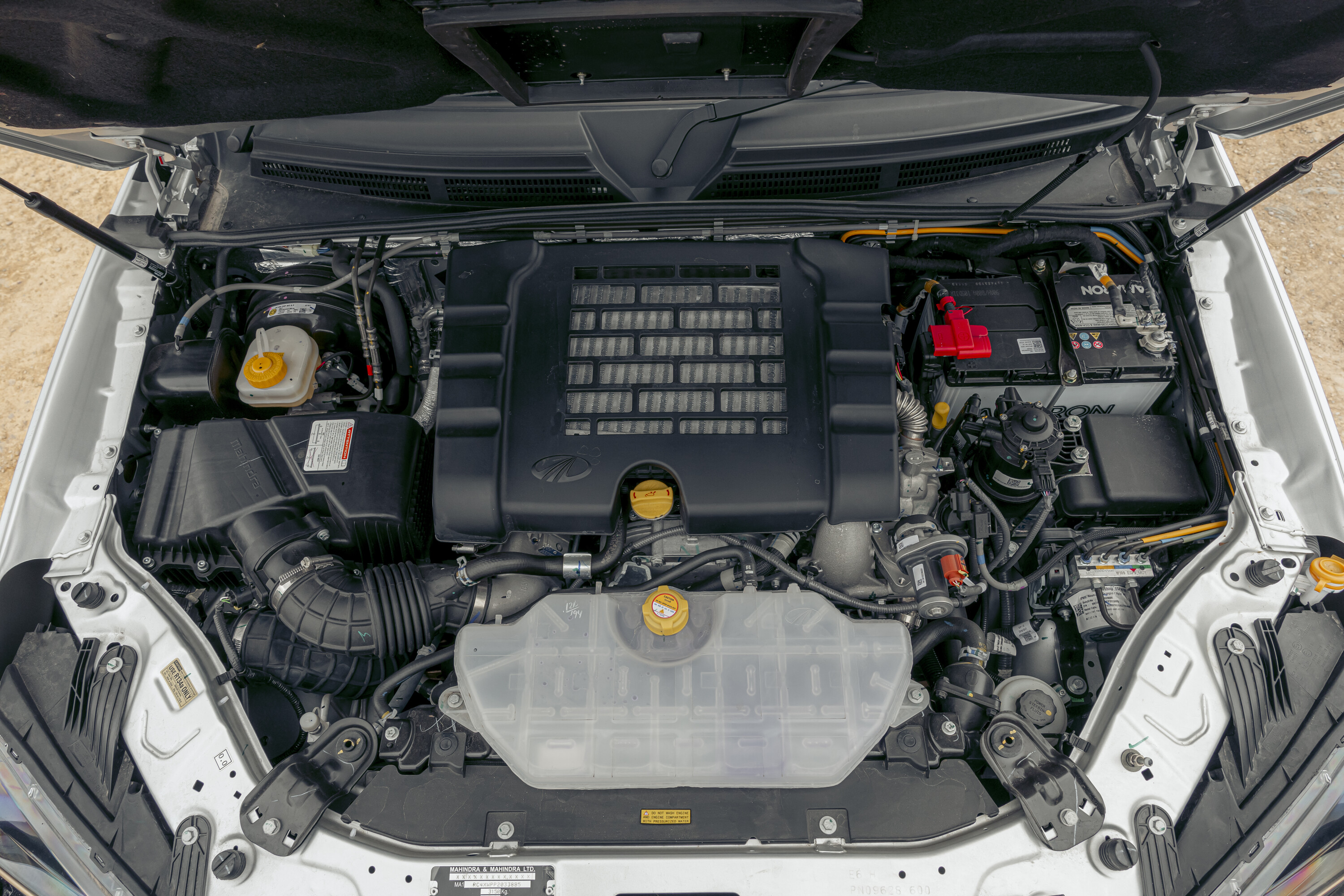
As we’ve found with this transmission in other vehicles, it is quite aggressive in its shift protocols, often holding gears a bit longer than you might like and sometimes downshifting a ratio too many on descents, making the engine rev harder than you might like.
It does give the powertrain more of a sporting attitude, but this is not a sportscar and the mHawk engine is happy to just lope along in the higher gears and lower in the rev range. The transmission shifter has a separate gate to allow fore and aft movement for manual gear selection which is handy on steep tracks or when towing.
The automatic transmission has affected fuel economy and consumption has jumped to 9.3L/100km from the manual’s 8.8L/100km.
The powertrain is backed by a part-time, dual-range transfer case and there’s an Eaton auto-locking differential to back up the electronic traction control in the rough.
On-road performance
The PikUp might feel a bit agricultural when you climb into the tall upright cabin but it surprises with its overall refinement and quiet ride on suburban streets and the highway.
The torsion bar-sprung IFS gives nice control but can feel a bit soft at times, while the leaf-sprung live axle at the rear is sportingly compliant and comfortable. Again, this is a commercial vehicle, and those tall narrow tyres ensure that it feels like one, and not a sportscar.
Off-road performance
With its large upright glasshouse and relatively narrow width the PikUp should be an easy rig to manoeuvrer off road but it is hampered by a wide turning radius. Thankfully the great vision from the cab and a reversing camera make three-point turns as easy as possible.
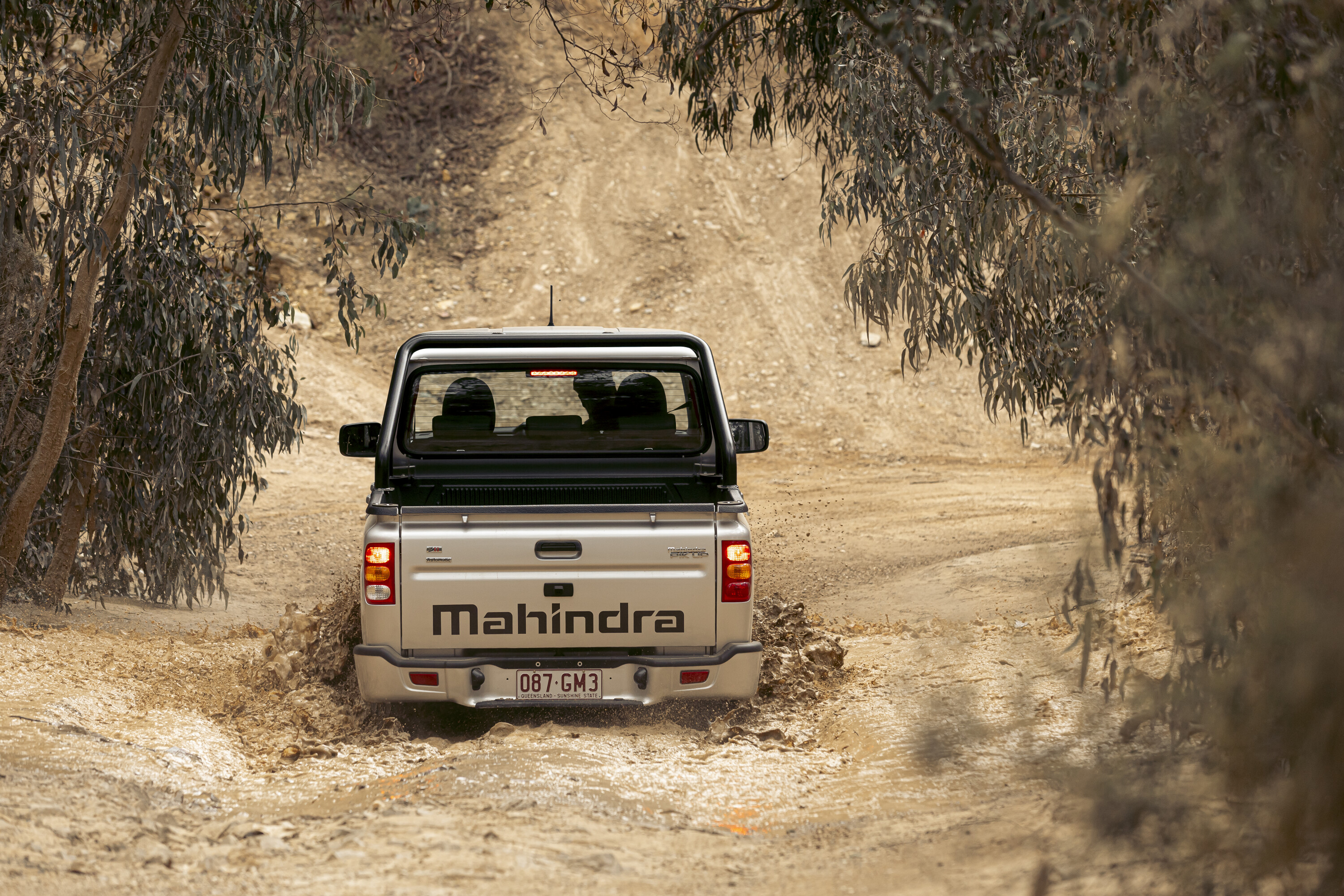
The rear suspension offers reasonable articulation but the IFS not so much, and it easily hangs wheels in the air across uneven terrain. What gets the PikUp though is its auto-locking rear differential; this isn’t a switchable RDL like used in most other utes but one that automatically locks drive across the rear axle when it detects wheel spin.
As one of the lower-priced double-cab 4×4 utes on the market the Mahindra PikUp is very appealing
It’s a bit slow to react and it would be better if you could pre-empt the spin and lock it in manually, but once it locks itself, it is very effective in getting you moving.
Off-road specs
| Departure angle | 15u00b0 |
|---|---|
| Rampover angleu00a0 | 18u00b0 |
| Approach angle | 34u00b0 |
| Wading depth | 500mm |
| Ground clearanceu00a0 | 210mm |
Living with the PikUp
As a low fuss and relatively basic ute the PikUp is super easy to live with. The high seating position and large glasshouse give plenty of vision and make driving it easy while the new auto gearbox adds to the ease of use.
Personally, I thought the manual added to the PikUp’s charm, but most buyers want an auto these days.
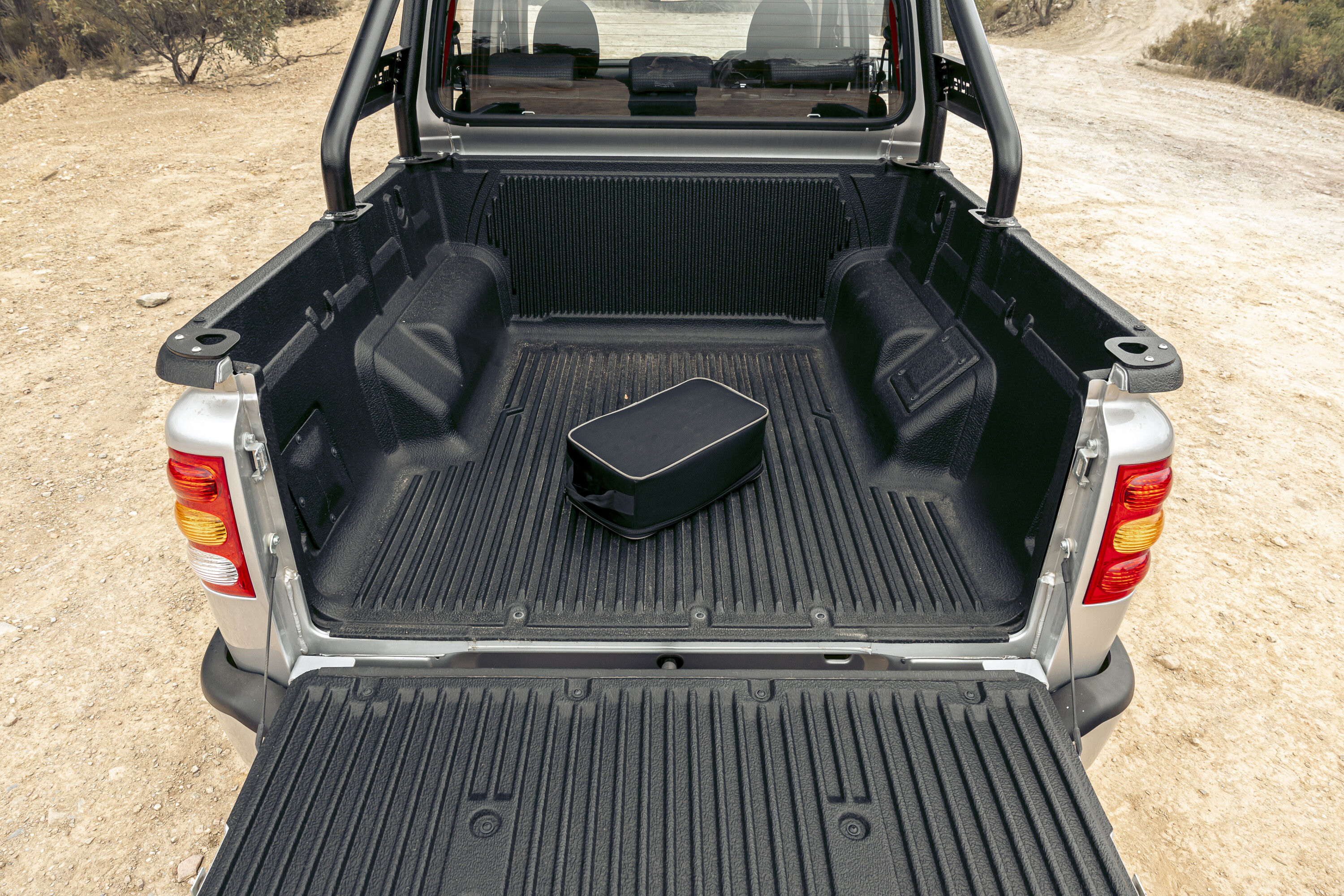
The large turning circle makes manoeuvring a bit of a chore around town and when negotiating tight tracks, but it really just means more three-point turns than you might be used to. For those who need to tow a trailer it must be noted that the PikUp only has a 2500kg braked towing capacity, but payload is a healthy 1035kg, so it will happily carry a heavy load.
Verdict
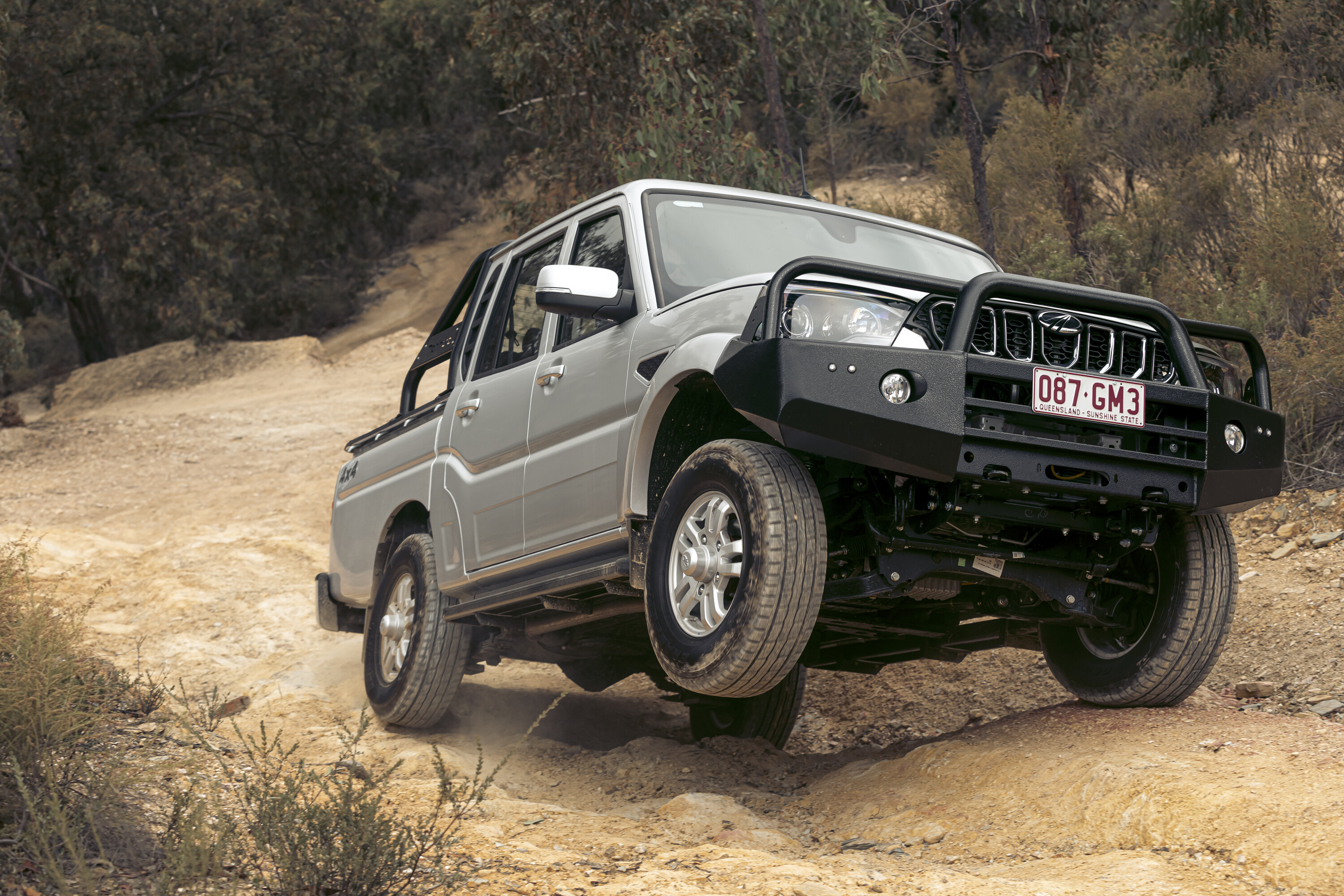
As one of the lower-priced double-cab 4×4 utes on the market the Mahindra PikUp is very appealing, but its agricultural design and basic equipment will put many buyers off. If you can get past the missing safety tech, the modest power output and the large turning circle, then the PikUp could be the perfect ute for you.
We reckon the single-cab PikUp was the model’s sweet spot as it was ideally suited to farmers and small businesses that needed a work ute with rugged construction and some off-road ability. The double-cab retains those traits but adds the flexibility of being able to carry more passengers.
Specs
| Price | $37,990 |
|---|---|
| Engineu00a0 | I4 turbo-diesel |
| Capacity | 2179cc |
| Max power | 103kW at 4000rpm |
| Max torque | 320Nm at 1600-2800rpm |
| Transmission | 6-speed automatic |
| 4×4 system | Part-time 4WD, high and low range, auto-locking rear diff |
| Construction | 4-door ute cab on ladder chassis |
| Front suspension | Independent (IFS) with torsion bars |
| Rear suspension | Live axle with leaf springs |
| Tyresu00a0 | 245/75R16 on alloy wheels |
| Kerb weight | 2115kg |
| GVM | 3150kg |
| GCM | 5175kg |
| Towing capacity | 2500kg |
| Payload | 1035kg |
| Seats | 5 |
| Fuel tank | 80L |
| ADR fuel claimu00a0 | 9.3L/100km |
| On test fuel use | 11.2L/100km |
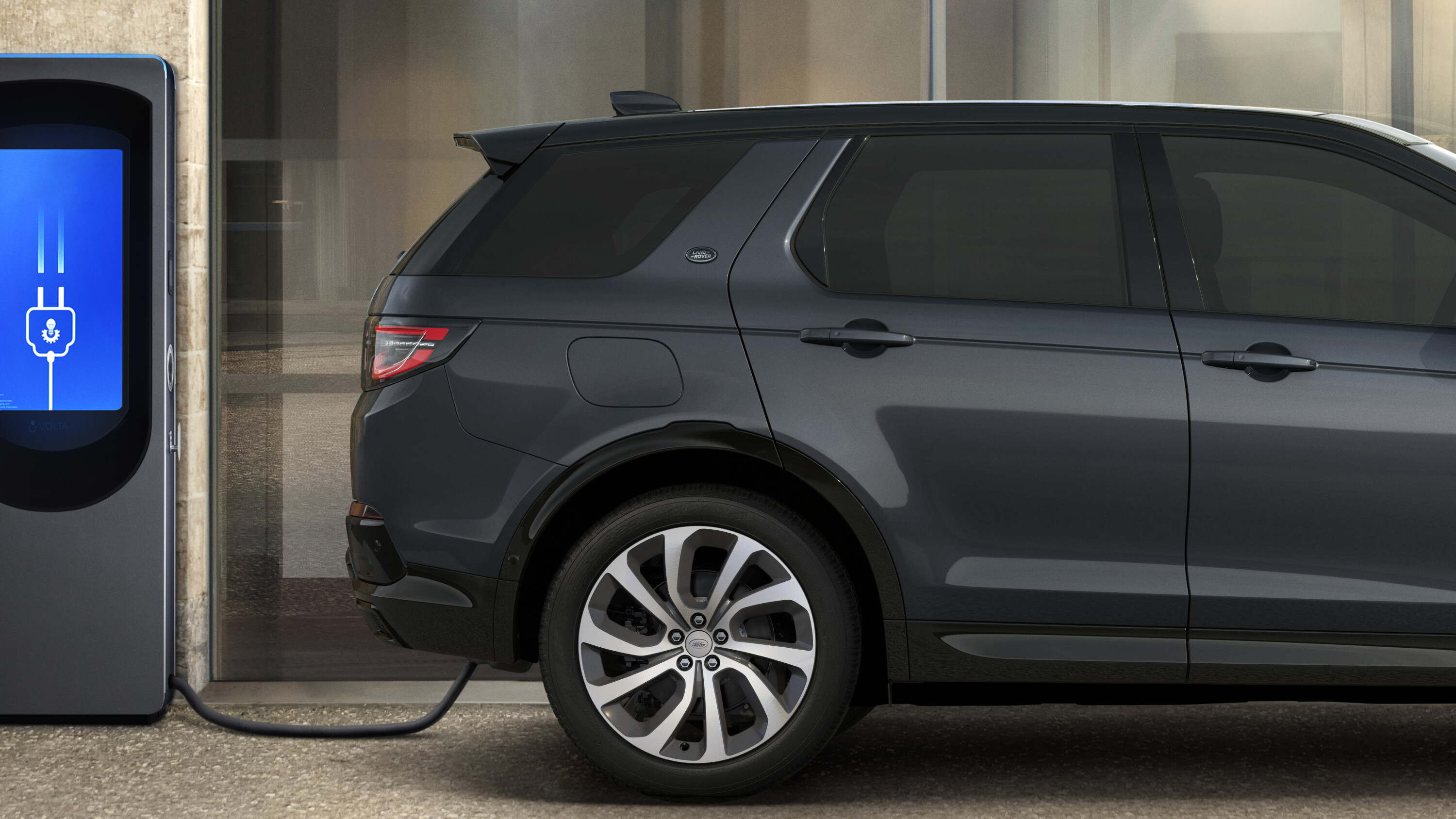
The updated 2024 Land Rover Discovery Sport midsize SUV is available to order now.
It is headlined by a larger, fancier infotainment system and the introduction of a plug-in hybrid halo.
First local deliveries are expected to commence from December 2023.
Pricing
All prices exclude on-road costs and luxury car tax.
| Discovery Sport | Price |
|---|---|
| P250 Dynamic SE | $85,250 |
| P250 Dynamic HSE | $94,800 |
| P300e Dynamic SE | $103,450 |
Powertrains
The updated 2024 Land Rover Discovery Sport range opens with the carryover P250 mild hybrid 2.0-litre turbo-four producing 184kW and 365Nm.
The five-seat vehicle claims 7.8 seconds from 0-100km/h, while the seven-seat model claims 8.1 seconds.
The new-for-Australia plug-in hybrid P300e employs a smaller 1.5-litre three-cylinder turbo engine paired to an electric motor, an eight-speed automatic transmission, and a 14.9kWh lithium-ion battery pack. It has a 227kW total system out, while 0-100km/h is achieved in a claimed 6.6 seconds.
Thanks to new battery chemistry, Land Rover claims the P300e can drive up to 61 kilometres in EV-only mode on the WLTP testing cycle.
What else is new?
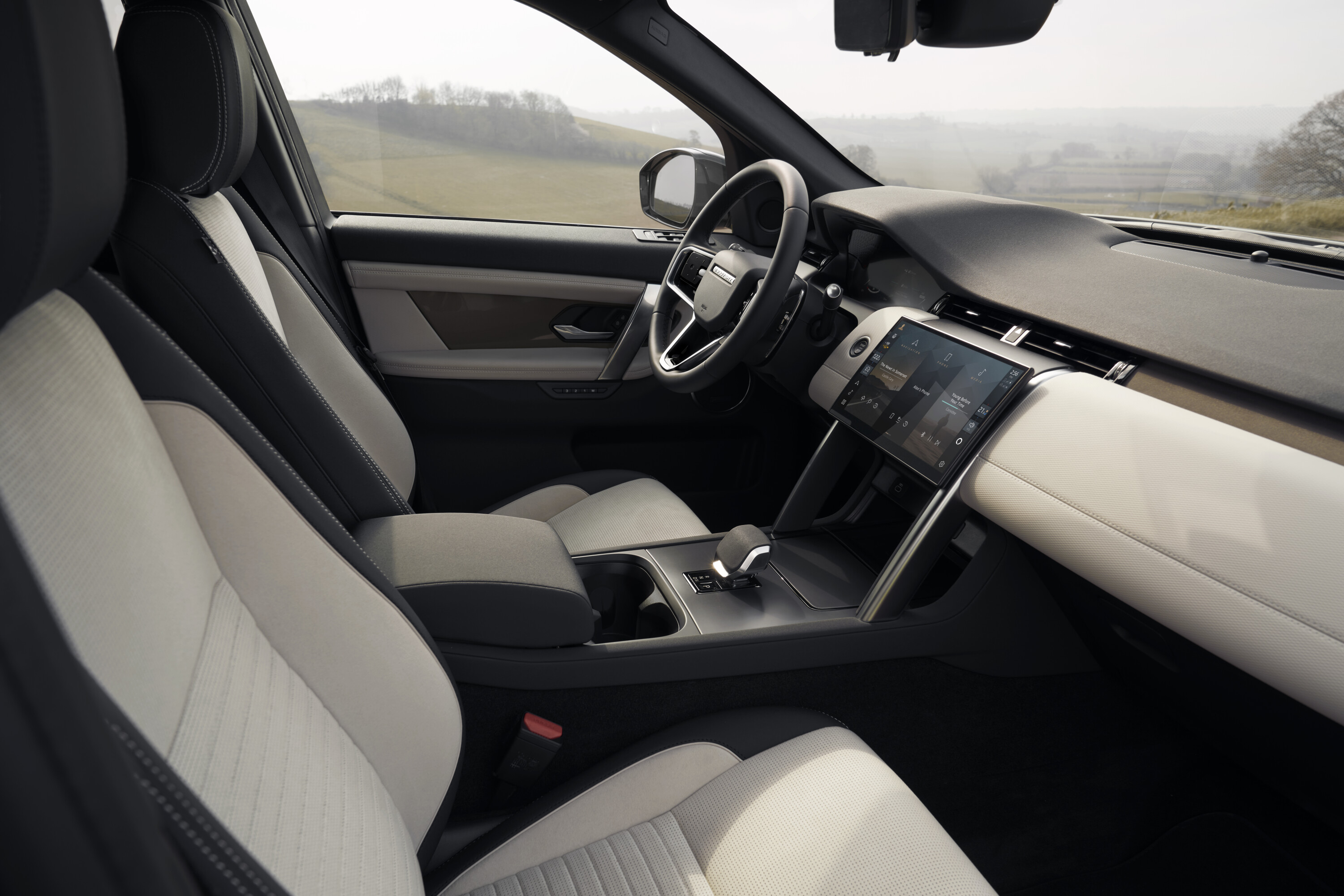
The biggest updates are found inside, with the old 10-inch central infotainment unit replaced with Land Rover’s prevalent Pivi Pro system, interfacing through a larger, floating 11.4-inch curved glass display.
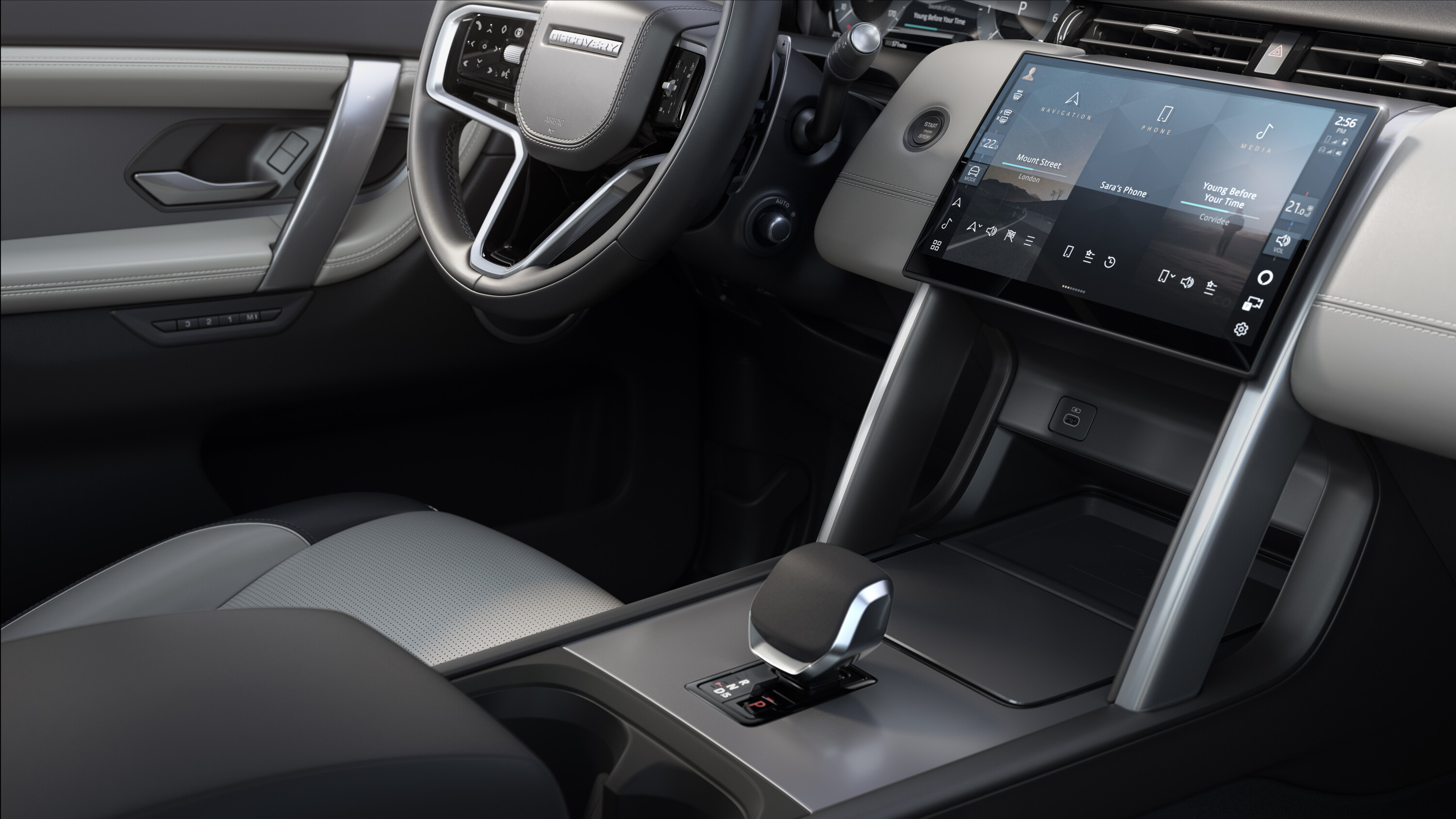
The system supports over-the-air updates, with its latest iteration adopting permanent sidebar shortcuts and hotkey functions, which Land Rover says “allows users to access 90 per cent of tasks within two taps from the home screen”.
The old physical HVAC stack has similarly been migrated into the Pivi Pro system, affording a minimal, clean dashboard fascia with open storage, space for smartphone charging and a more elegant, smaller gear shifter.
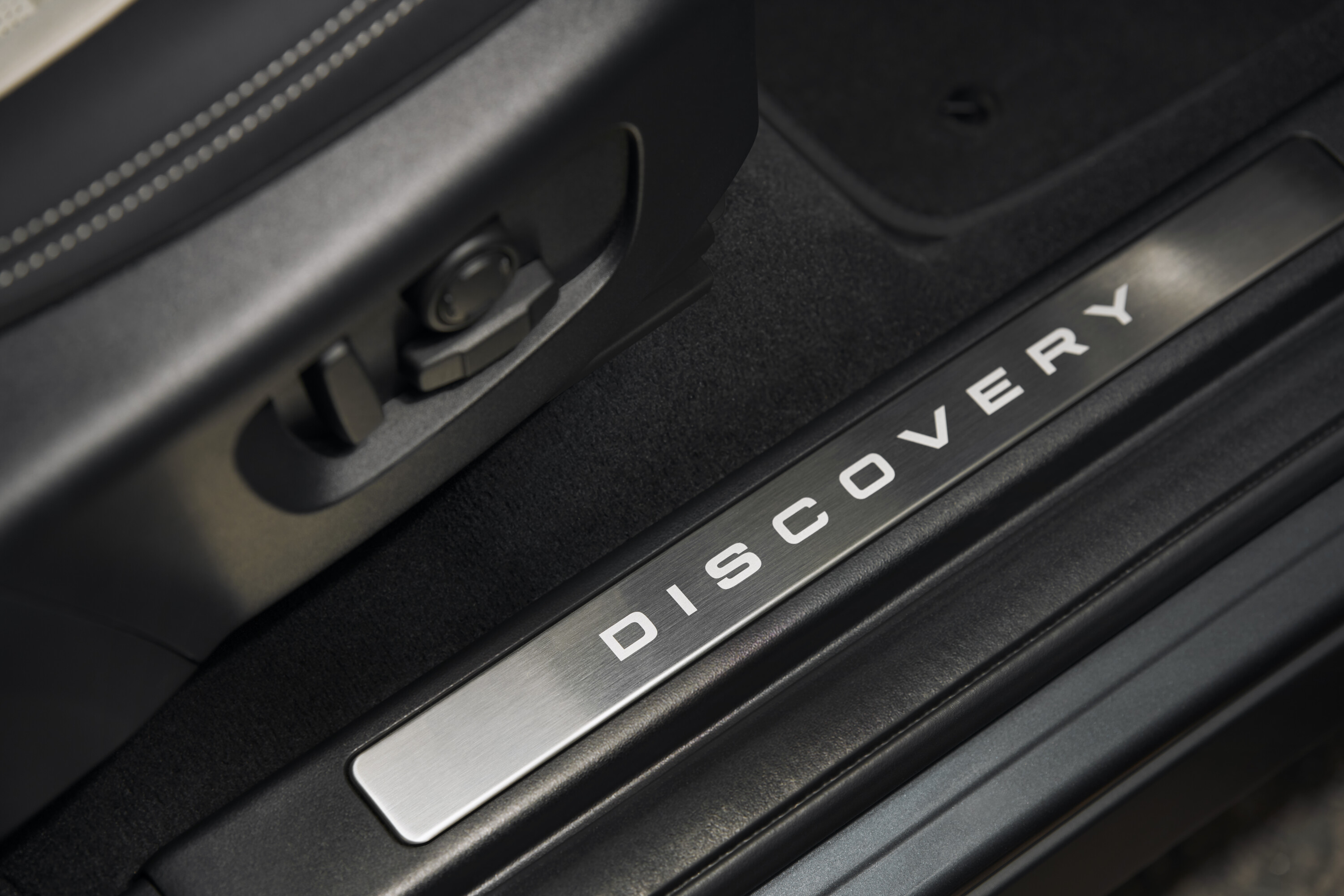
Elsewhere, piano black materials have been swapped for more durable anodised aluminium surfacing, with a new set of cupholders for the rear seats and a covered storage bin up front.
A digital instrument cluster and steering wheel shift paddles are now standard equipment on the new Discovery Sport.
Availability
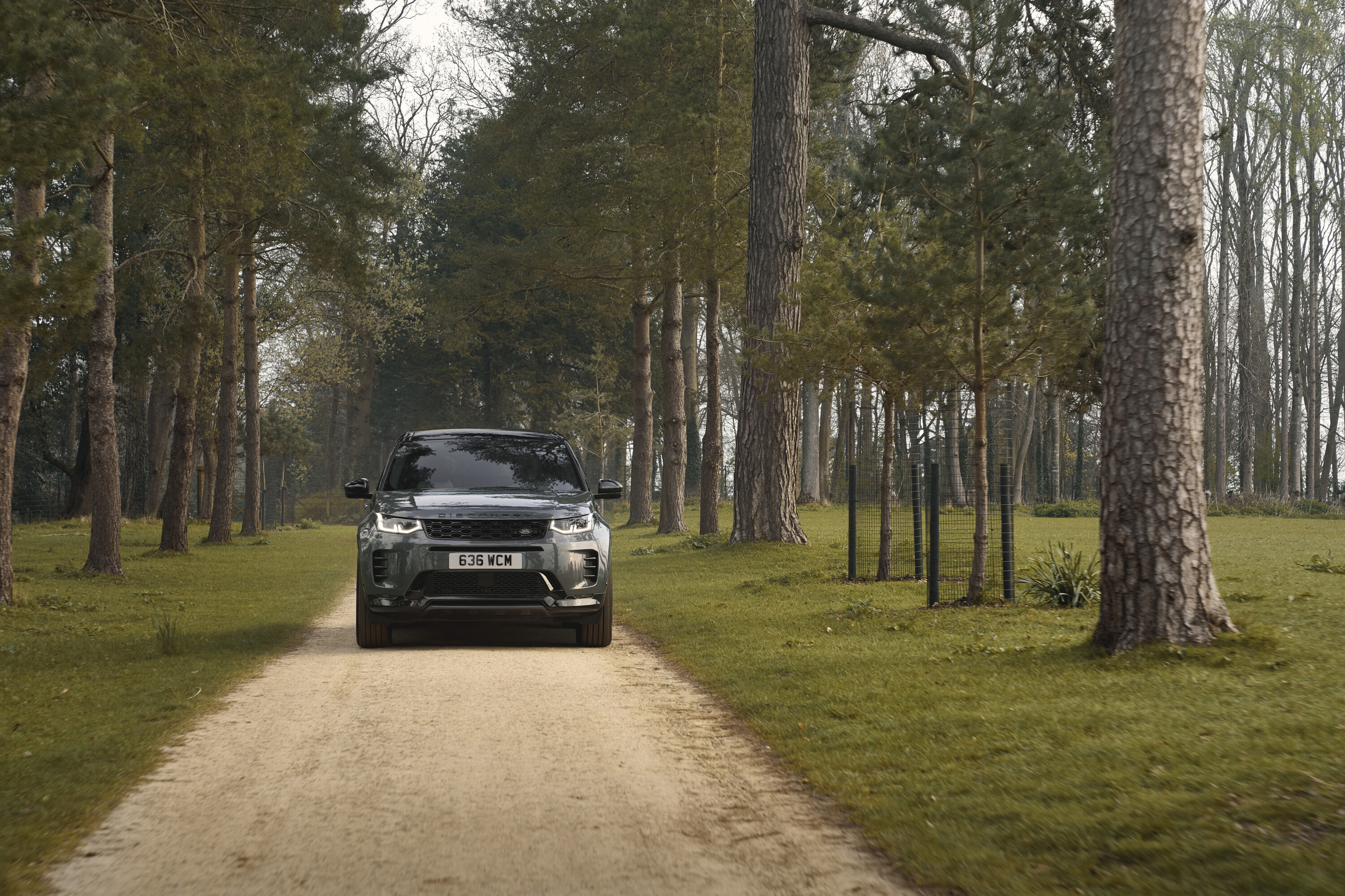
The updated 2024 Land Rover Discovery Sport range is available for order now, with local customer deliveries expected to commence before the end of the year.
Key Points
- Production class victory for Ranger Raptor in Alice Springs
- Same Australian-built Raptor that won its class in the Baja 1000
- Dakar racer will be an outright T1+ class vehicle
Australia’s most iconic off-road race, the Finke Desert Race, was recently won outright by Toby Price in his TSCO Trophy truck in a total time of 3 hours, 21 minutes and 46.6 seconds, which was just 0.4 of a second slower than the record time he set in 2022.
At the other end of the many categories that compete at Finke, a Ford Ranger Raptor driven by father and son team of Brad and Byam Lovell took out the Class 7 production category in 5 hours and 56 minutes.
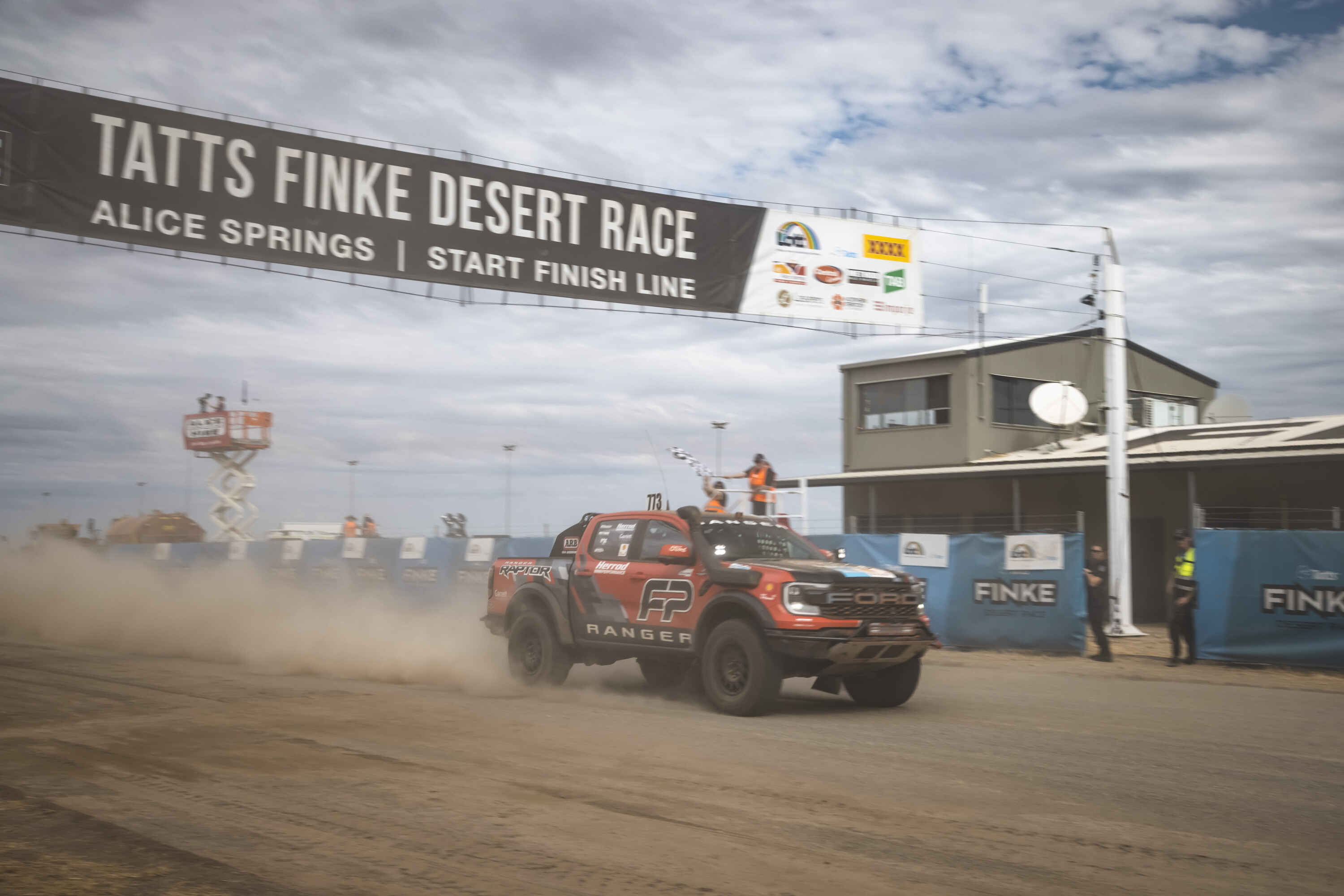
The Lovells were competing in the same factory team car that they won the production class of the infamous Baja 1000 race in, earlier this year. This Raptor was built to compete by Kelly Racing in Melbourne, and supported by Walkinshaw Performance in the Finke race.
Following that victory, Ford Performance (FP) has announced its next off-road racing challenge will be the gruelling Dakar Rally to be held in Saudi Arabia in the first week of 2024.
Unlike the factory team’s efforts in the Baja and Finke races, the Dakar Raptor will compete in the top-tier T1+ class, competing with the might of the factory Toyotas, Audis and other prototype off-road machines.

The T1+ Raptors will be prepared by FP partners M-Sport and South Africa’s Neil Woolridge Motorsports, who have campaigned Ford Rangers at the highest levels of cross-country rally raid events in previous years.
“To lead the charge at one of the ultimate global off-road events – the Dakar Rally – has been a goal of ours,” said Mark Rushbrook, Global Director, Ford Performance Motorsports.
“We cannot underestimate the enormity of the challenge ahead of us. We need to finish and learn first with Ranger T1+ and partners like M-Sport and NWM, who bring their expertise to bear. Together, we can do amazing things in the sand dunes of the Arabian Peninsula.”
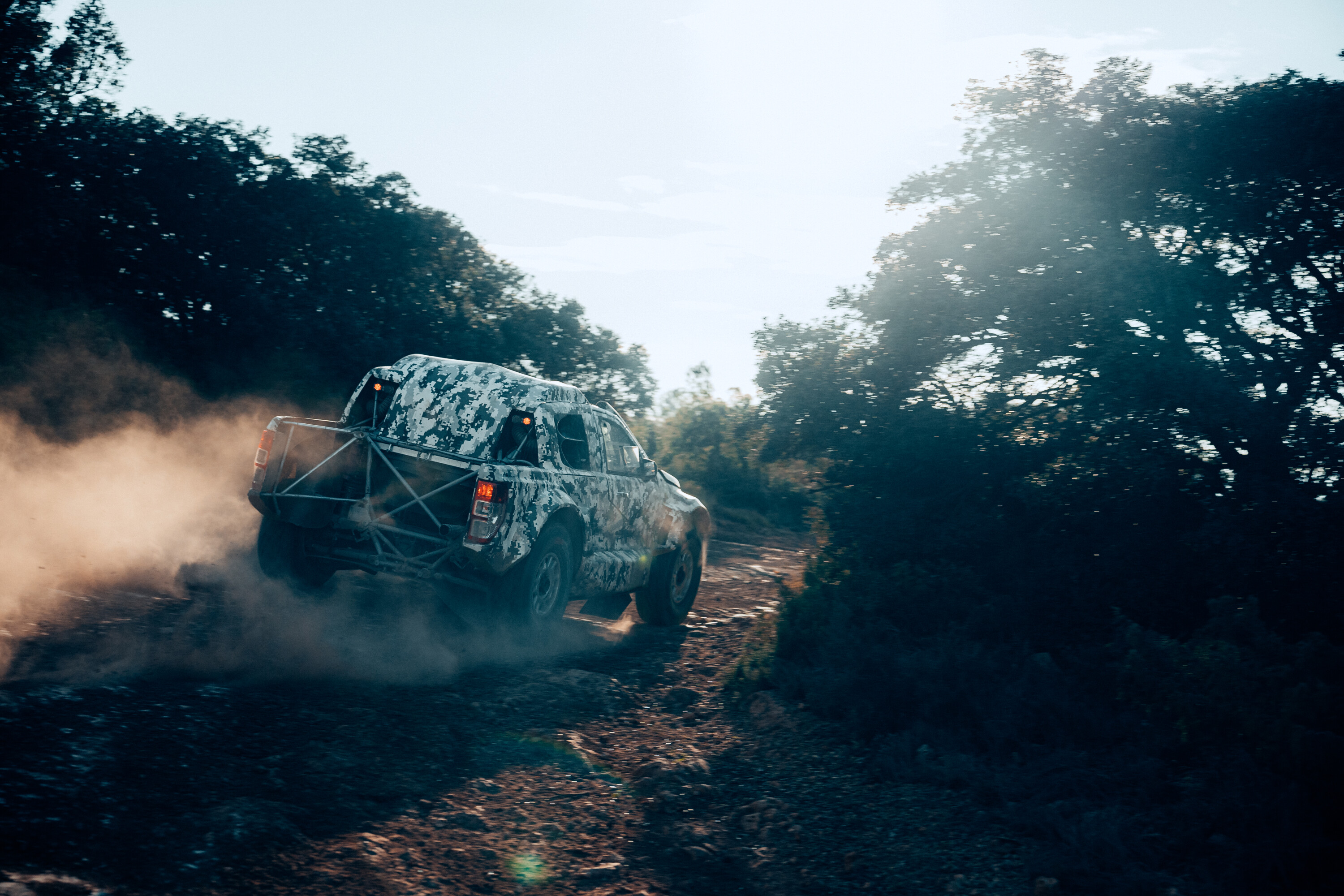
The joint Ford Performance, M-Sport and NWM team has implemented a series of development phases through 2023 and continues testing with the Ranger T1+, based on the previous generation global Ranger, with a 3.5-litre EcoBoost engine.
Test races are expected to include Spain’s Baja España Aragón and Morocco’s Rally du Maroc rallies in July and October, respectively, before tackling the Dakar Rally next year.
The Raptor as it appeared in Alice Springs for the Finke gave clues to Ford Performance’s Dakar aspirations, with the vehicle wrap containing tiny details showing camels and co-ordinates that pointed to the Saudi deserts.
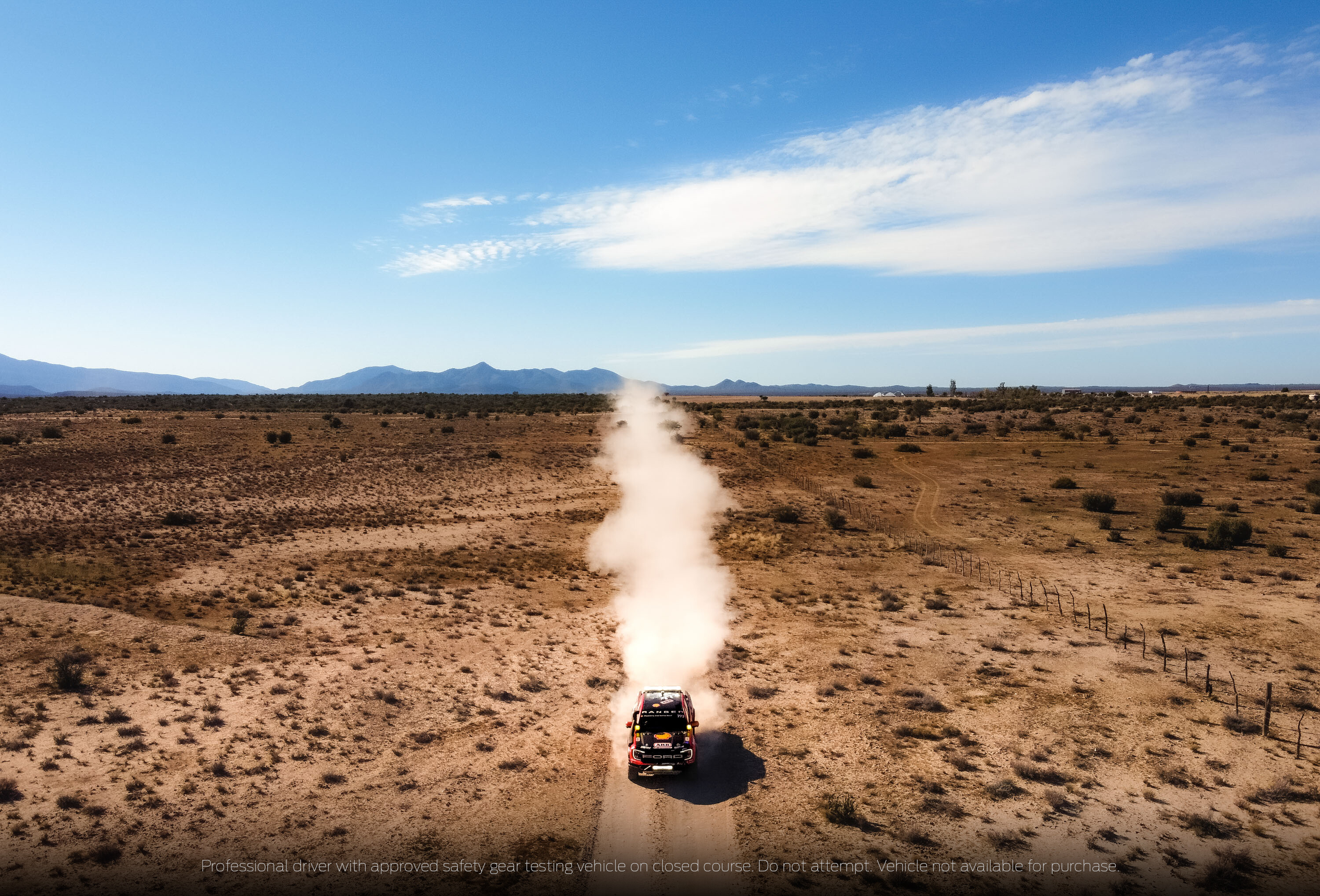
These were among several so-called ‘Easter Eggs’ Ford hid among the rally car that paid homage to the Blue Oval’s off-road heritage in the past and future. Ford performance is obviously hoping that future includes a Dakar title or two.
The 2024 Dakar Rally takes place in Saudi Arabia over two weeks from January 5-19. The Dakar is considered to be the toughest challenge in off-road motorsports on the planet. Ironically, the only Australian to have ever won the Dakar Rally is Finke winner Toby Price, who has taken the Dakar crown twice, both times on KTM motorcycles.
With Price’s recent racing being primarily on four wheels, and rumours that his two-wheel racing career might be coming to a close – possibly as soon as after the 2024 Dakar race – it would be nice to see an Aussie back on top in a Ranger Raptor. We can only hope so.
While we love the Trig Point service body fitted to our Ranger for the functionality and ability to carry gear securely inside it, one minor problem it did create was rear vision when driving.
The body totally blocks vision out through the back window, and while the exterior door mirrors are great, they only show so much behind the vehicle and nothing directly behind it.
Yes the Ranger’s standard reversing camera does an excellent job when you select reverse gear, but at other times you have no idea what is directly behind the vehicle.
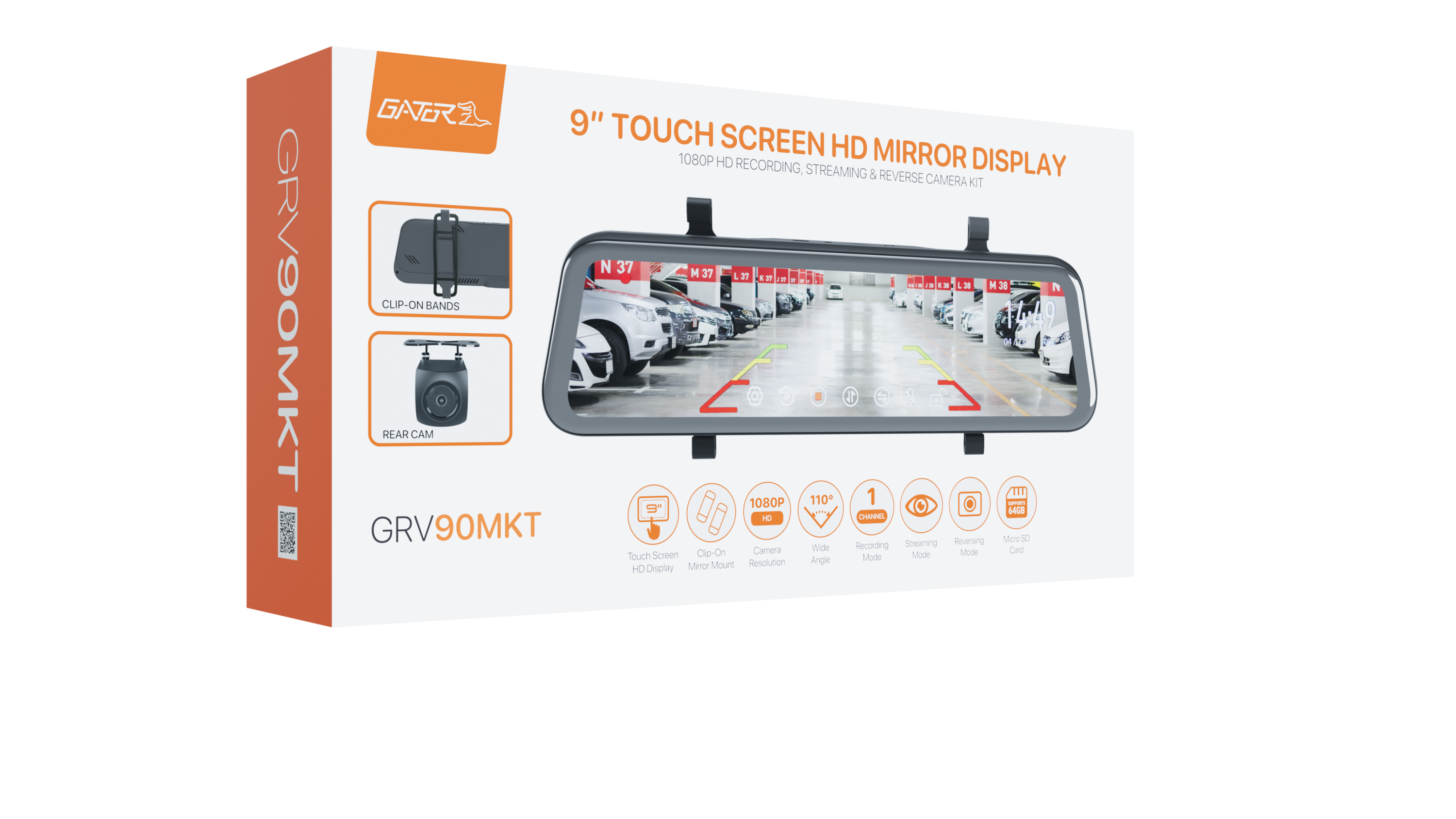
What we wanted was a rear-view camera that permanently displays what’s behind the Ranger and as the interior rear-view mirror had been made redundant, having that image displayed up there where you’d normally look to see what’s behind you made a lot of sense.
We searched online for a suitable product and came across the Gator streaming camera system that sounded like it would be just the ticket.
The Gator GRV90MKT has a rectangular nine-inch LCD touch-screen that clips over your standard rear-view mirror so it’s located exactly where you want it to be. It is hooked up to a wide angle, high-definition 1080p camera that mounts on the rear of the vehicle.
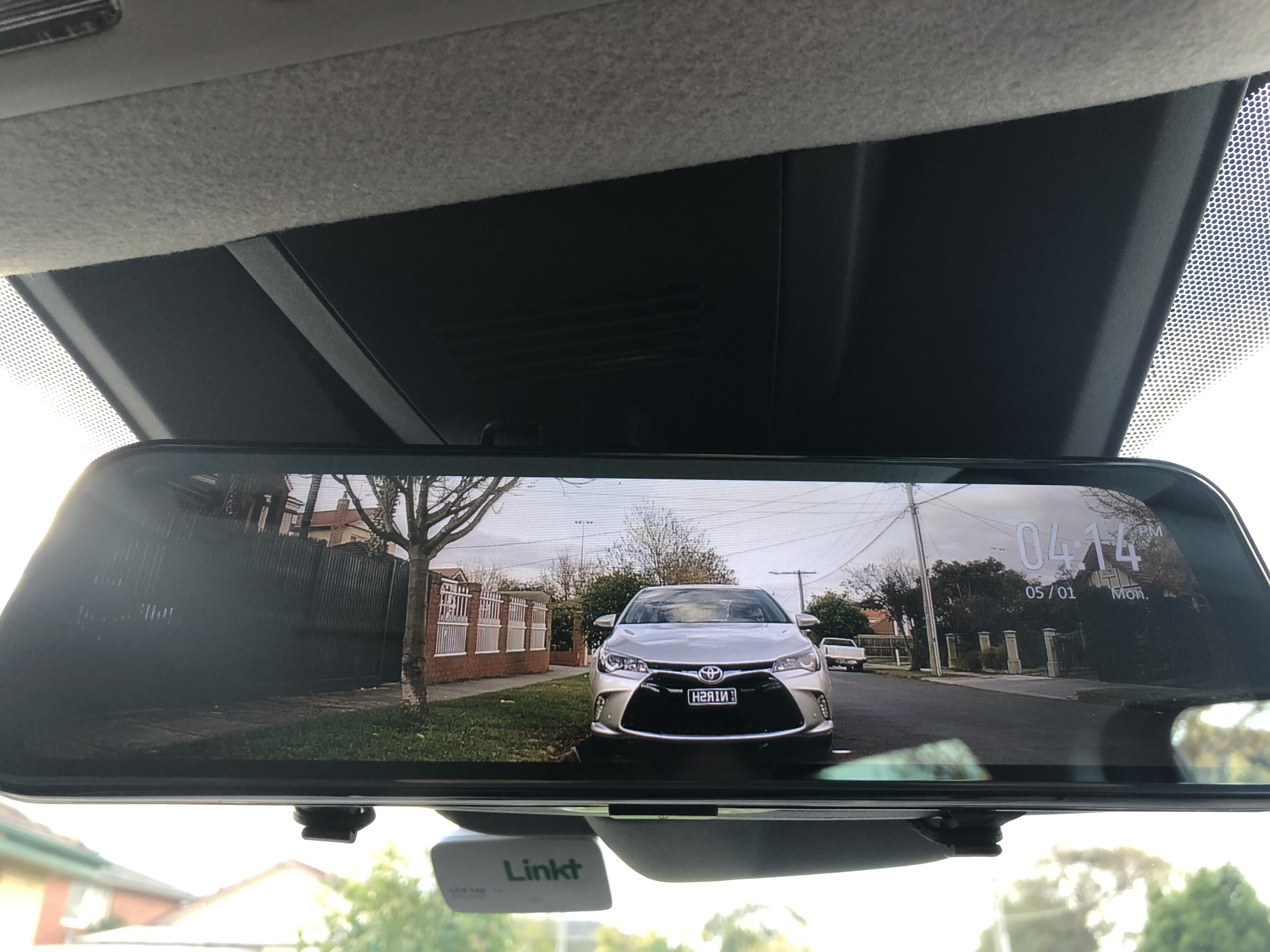
The system can be programmed to operate when you select reverse gear just like a regular reversing camera, or it can stream the image full-time, which is what we wanted.
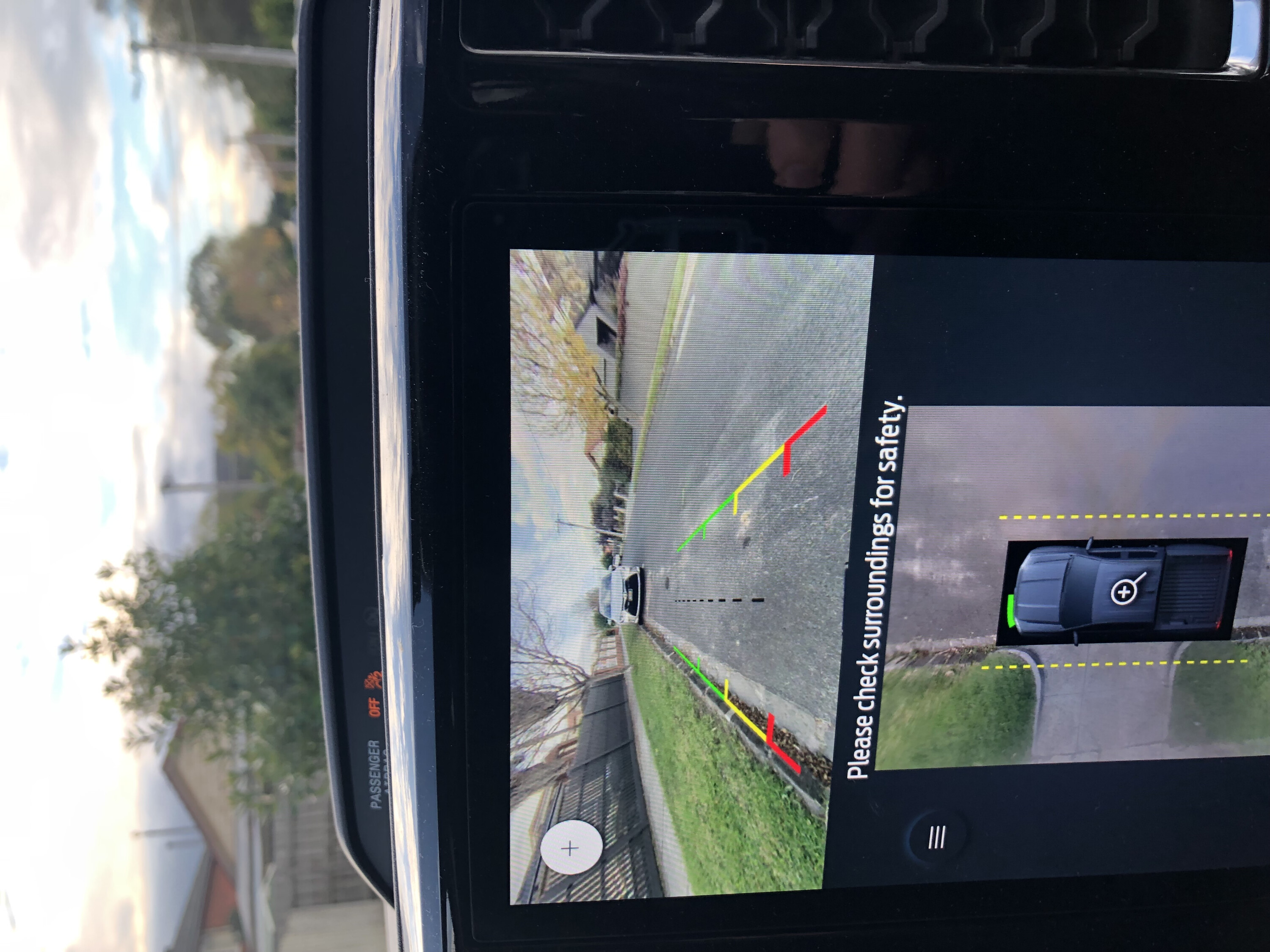
We still use the OE Ford camera and screen for reversing, as it gives a better indication of the proximity of anything behind you, whereas the wide camera of the Gator makes things look much closer to you and isn’t ideal for accurately reversing in tight spots. But the Gator still projects guidance lines on the screen to help when reverse parking just like the clever OE systems.
The width of the image provided by the Gator is beneficial in that it shows vehicles that might otherwise be in the traditional blind spots for extra security. It virtually eliminates any blind spots.
By inserting an SD card you can also use the Gator to record the image being fed into it, and the unit has a G-sensor that automatically saves the footage should a collision be detected. The GRV90MKT doesn’t have a forward-facing camera but there are other products in the Gator range that allow multiple inputs.
We didn’t want or need a dashcam but this unit does what we need it to, which is to provide a constant view of what’s directly behind our Ranger. The image is clear and bright with adjustment for brightness, plus adjustment for the angle of the image it displays. There’s even a handy clock in the corner with big, easy-to-read digits.
The image at night is just as good as in the daylight, however the headlights of following vehicles flare out at times, making you think they are flashing their high beams. This takes a bit of getting used to but the lights are not as blinding as one directly in a mirror image.
Pricing
RRP: $239.99 (shop around online to get it cheaper)
The rejuvenation of Australian engineering and manufacturing in the automotive scene has taken another leap forward, with the Premcar and Nissan alliance officially revealing the Patrol Warrior – well, a pre-production prototype.
Sitting 50mm higher than the Patrol Ti it’s based on, the Patrol Warrior has been given the full Premcar treatment including new suspension, a bi-modal exhaust system and an all-new towbar that enables the storage of a full-sized spare wheel.
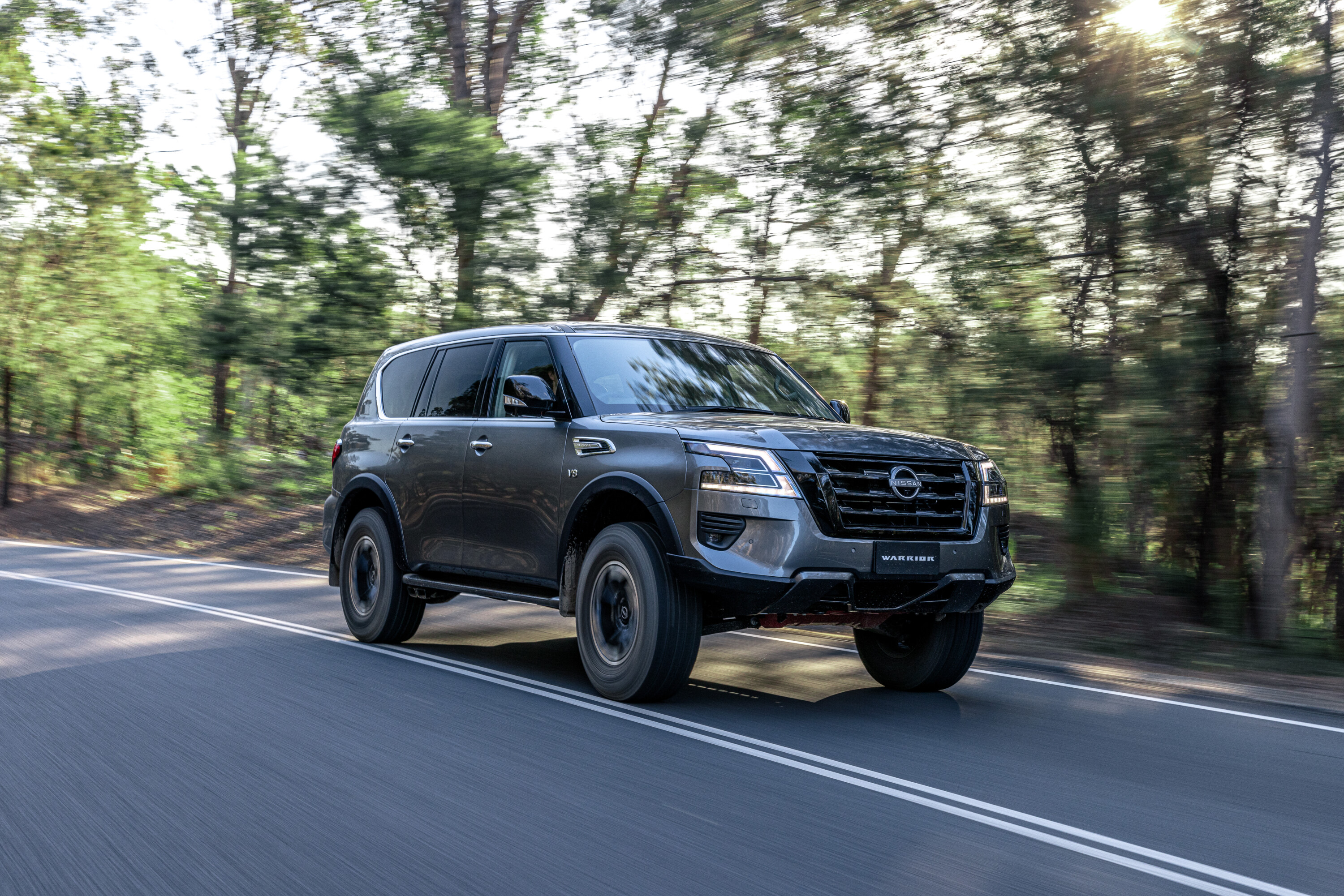
To strike a balance between on- and off-road performance, without leaning too far either way, Premcar equipped the Warrior with a re-engineered Hydraulic Body Motion Control (HBMC) system, which is designed to do away with the need for an anti-roll bar. To assist with this set-up, Premcar totally re-developed both the progressive-rate rear springs and front springs, and the result of this combination is a much smoother, compliant ride on a variety of surfaces.
On a brief and somewhat challenging off-road circuit at Brisbane’s Mt Cotton facility, the Patrol remained competent and reassuring – though admittedly the tight track didn’t pose too many serious challenges. The Patrol’s forward-facing camera proved invaluable on crests and steep descents, but we did have to restart the vehicle after electrical gremlins prevented us from engaging hill descent control. Articulation is adequate, with approach and departure angles remaining unchanged at 34.4 and 23.6 degrees respectively.
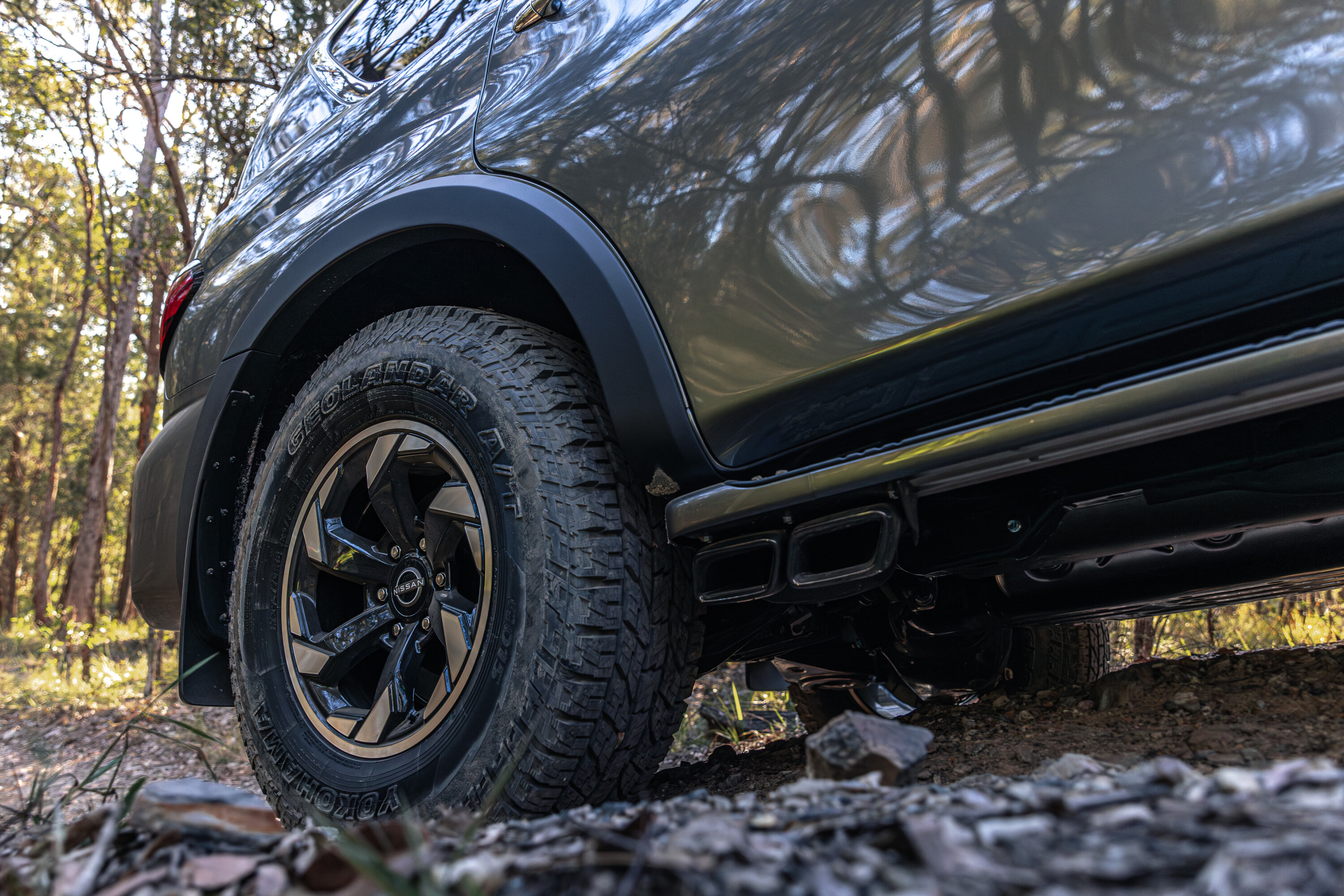
Premcar opted to wrap 34.4-inch Yokohama Geolandar AT G015 tyres around 18-inch alloy wheels, covered by custom-made fender flares and mud flaps. The vehicle is about 60kg heavier than the Ti it’s based on, mainly due to the fitment of these tyres, but, as is the case with Patrol Ti, the heavy vehicle is surprisingly agile for an eight-seater that weighs close to three tonnes. Payload capacity has increased by 58kg.
The addition of a bi-modal exhaust is a great boon for buyers who love that V8 howl. And a neat feature of the system is that the side pipes close when touring, so owners won’t be overwhelmed with a constant V8 bellow on long road trips. Instead, the pipes will open and let loose an almighty V8 bark when owners floor the pedal. The vehicle’s extra ride height should prevent the side pipes from scraping on the ground when off-road – it didn’t touch any rocks on our off-road jaunt, but it’ll be interesting to test it further (stay tuned).
Any changes to the petrol-powered V8?
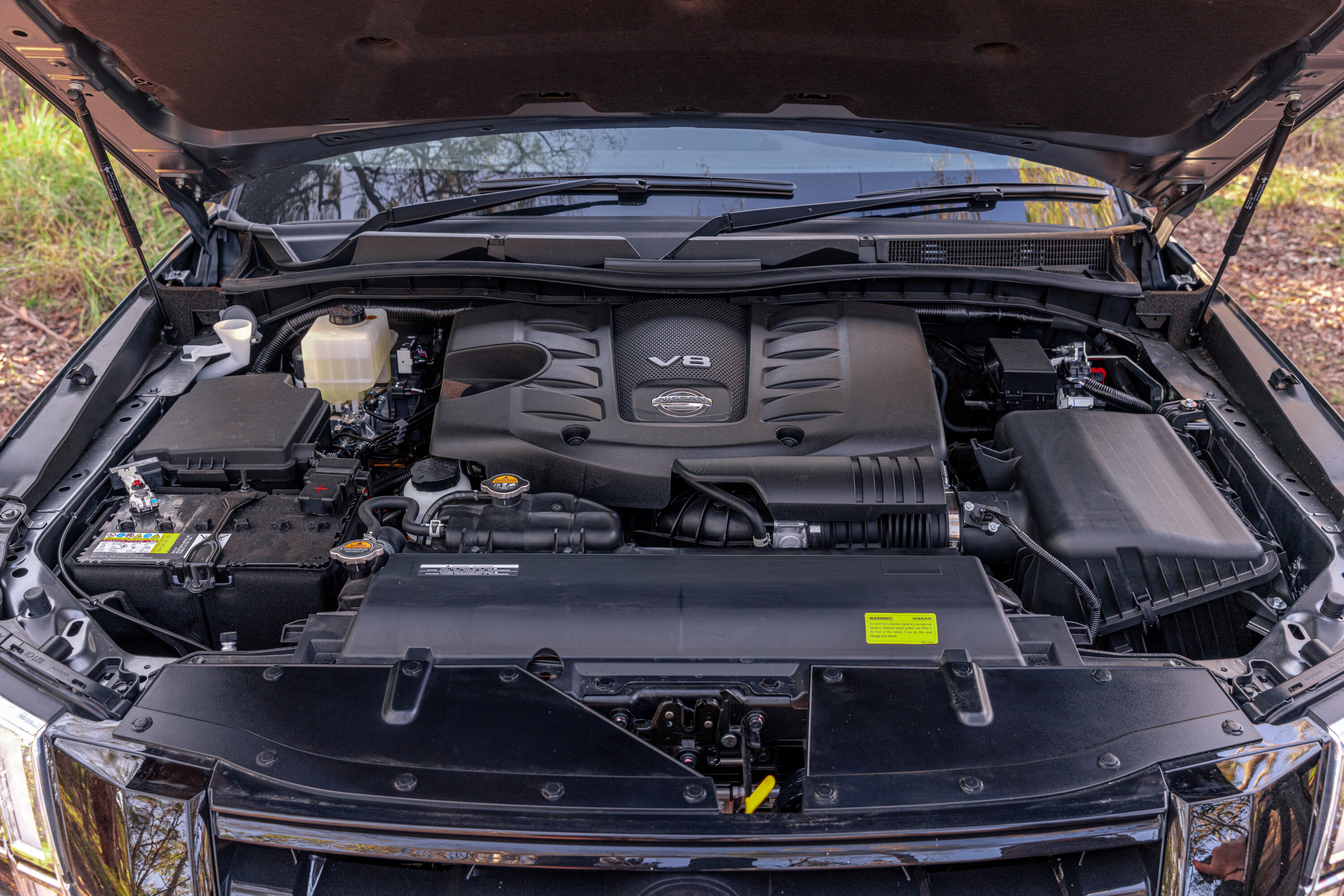
While fettling with the 298kW/560Nm V8 engine was considered by the Premcar team, Premcar’s Engineering Director, Bernie Quinn, told journalists at the vehicle’s launch that it didn’t quite make sense as a business case – so the powertrain remains unchanged, which isn’t exactly a bad thing, mind you.
Previous experience with the Patrol Ti shows that it is a very thirsty engine, but a 140-litre fuel tank should net the owner around 900km from a full tank … should.
Patrol Ti standard equipment
| Intelligent 4X4 with electronic 4WD selection |
| Rear helical limited-slip differential |
| Hill descent control |
| Off-road monitor |
| Front and rear parking sensors |
| Heated door mirrors with power adjustment/folding and integrated indicator lights |
| Audio system with CD/DVD, USB input, Bluetooth audio streaming |
| Satellite navigation with 8.0-inch touchscreen |
| Traffic monitoring system |
| Six speakers |
| Tri-zone climate control air conditioning |
| Eight-seat capacity |
| Eight-way power adjustable driver seat |
| Six-way power adjustable front passenger seat |
| Tyre pressure monitoring system |
| Hydraulic Body Motion Control suspension (HBMC) |
| Leather accented seat trim |
| Automatic headlights |
| LED front fog lights |
| Remote keyless entry |
| Intelligent cruise control |
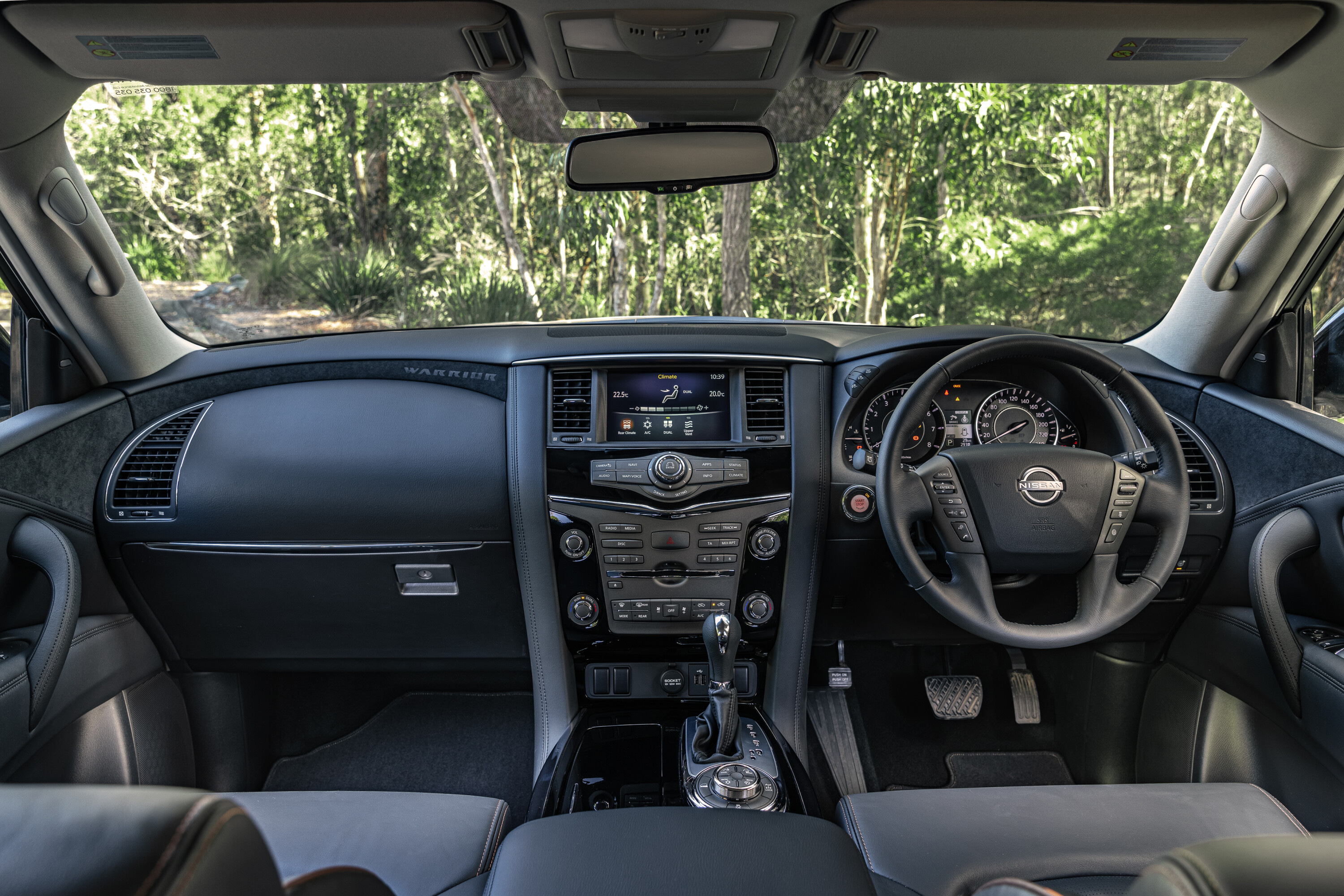
On the inside, Premcar opted to delete all of the Patrol’s woodgrain trim, replacing it with soft-touch Alcantara upholstery surrounded by high-gloss trim – all black.
Warrior insignia is emblazoned on the passenger-side dash above the glovebox, but otherwise the interior remains stock Patrol, with all of its circa-mid-2010 quirks – yep, that includes a CD player.
While quite dated in design, the big buttons and dials in the cabin – like the ones used to control the 4×4 system and climate system – are within easy reach of the driver and are very easy to operate.
The front leather-covered seats are big, comfortable and secure, ideal for long distances behind the wheel in discovery of remote campsites, and there’s plenty of space and storage options in the front row. The second row provides ample room for three abreast, but the third row is better suited to two (cramped) adults or three kids. Plenty of storage pockets and cupholders remain in the back seats, with USB inputs available in the middle row.
Even with all three rows of seats in use, the Patrol still has enough space in the cargo area for camping gear and a few backpacks. Fold the third row down to liberate more space, and then fold the second row down for enough space to catch a few zeds. Plus, there’s a 12V power outlet in the cargo area.
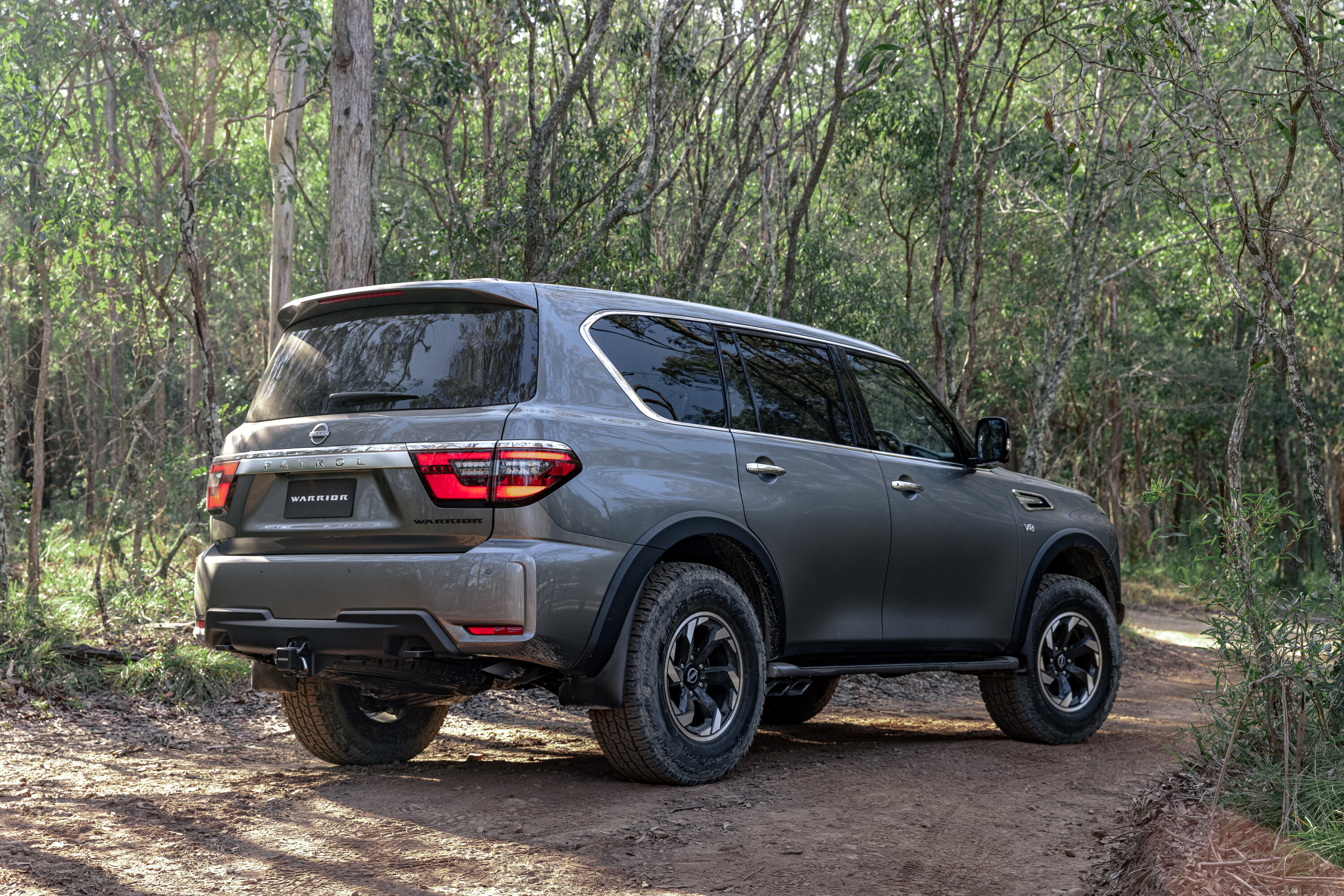
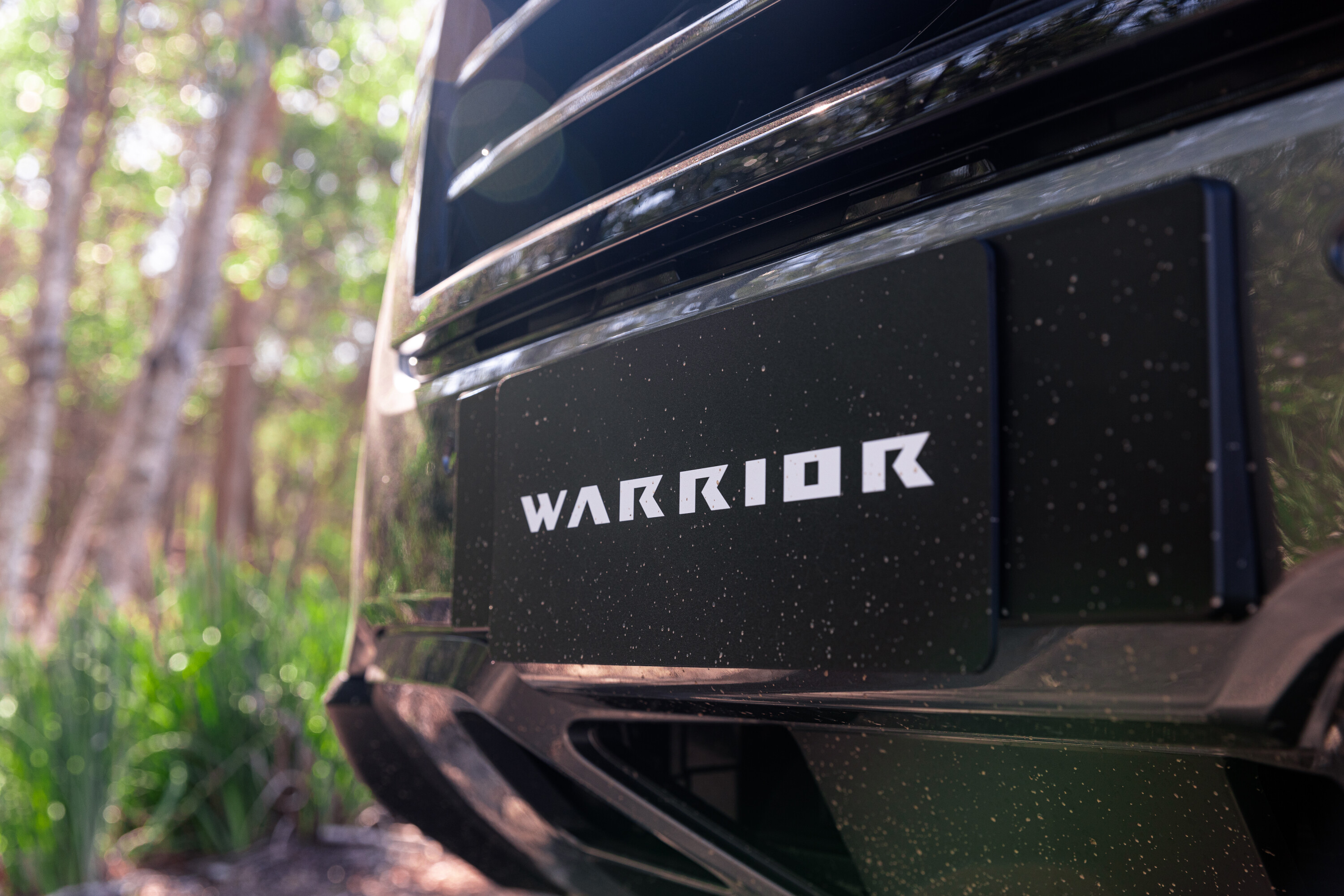
The Warrior has also been updated with black mirror caps, a black grille, a red bash plate and a Warrior-branded front bumper. At the rear Premcar has added a completely new tow bar unit, which allows for fitment of a full-size spare wheel. The towbar doesn’t impede on departure angle and it features two recovery points and a new valance panel.
At the time of writing, the vehicle was in pre-production, with design and testing still being finalised ahead of its launch later in 2023.
Bernie Quinn told 4X4 Australia that the company is still contemplating final decals and artwork, so the subtle use of Warrior badging currently seen on this pre-production vehicle may be jacked-up when the production version launches – something we hope to see.
Premcar is also considering whether to install a more brash bashplate, like the one seen on the Navara Warrior, but that is yet to be confirmed.
Safety features
| Surround-view monitor |
| Intelligent emergency braking |
| Intelligent forward collision warning |
| Rear cross-traffic alert |
| Intelligent lane intervention |
| Lane departure warning |
| Blind-spot warning |
| Intelligent blind-spot intervention |
| Hill start assist |
Premcar expansion
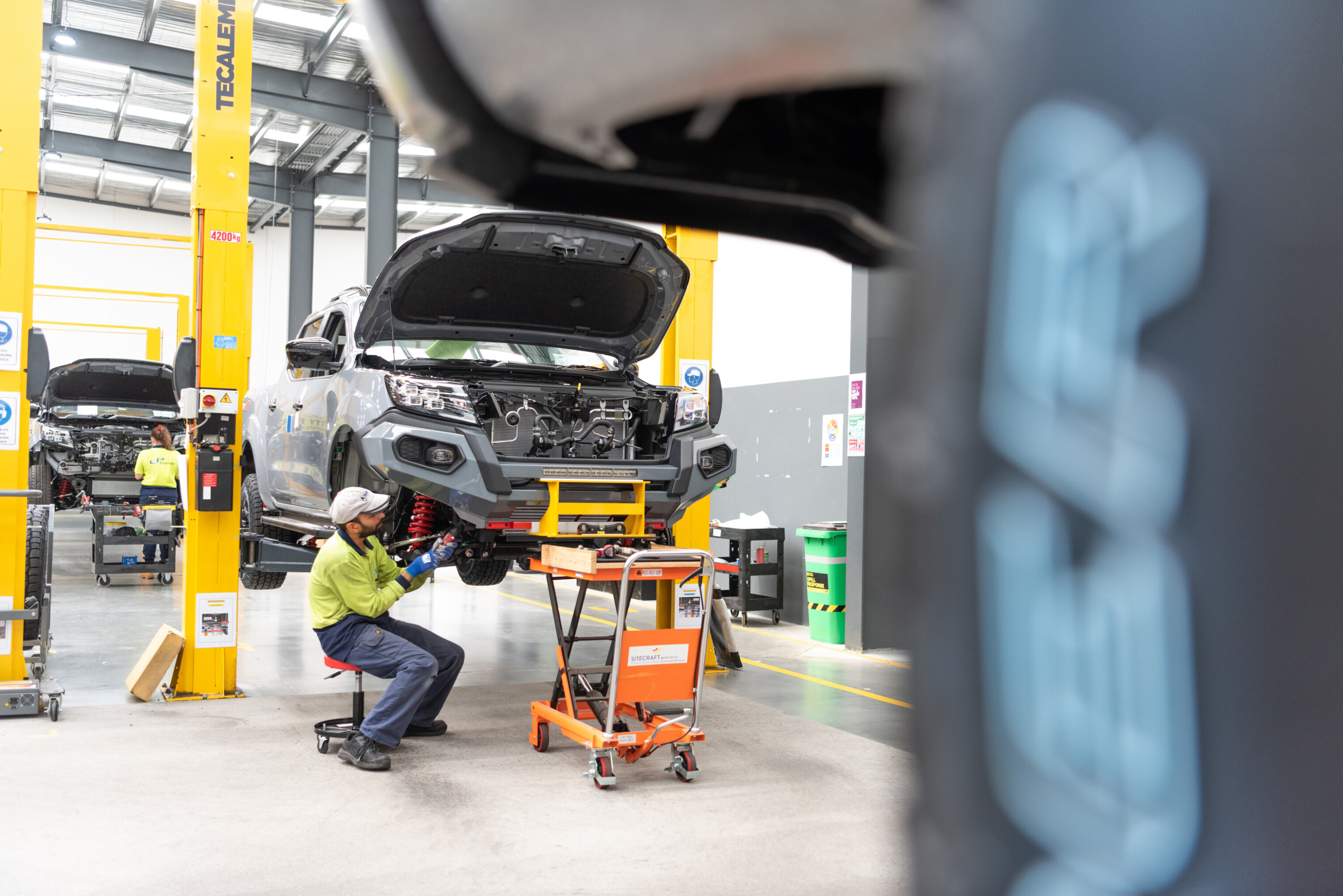
To keep up with the demand of manufacturing both the Navara and Patrol Warriors, Premcar will open a second vehicle assembly plant around the corner from its original base in Epping, Victoria. This will see Premcar increase its workforce with approximately 100 more employees.
“Our current engineering and production facility has produced more than 5000 new vehicles, and adding this new production centre is set to grow this much further,” Bernie Quinn said. “Most of all, it will create many new Australian manufacturing jobs, which is especially important for the local automotive industry.”
Pricing
Pricing for the Patrol Warrior is yet to be confirmed. The Patrol Ti is stamped with an $82,160 price tag – so, basing it on the price discrepancy between the PRO-4X and PRO-4X Warrior, expect to pay at least $10K more for the Patrol Warrior.
Pre-orders for the vehicle opened on June 15, with the Warrior covered by the factory Patrol’s five-year unlimited kilometre warranty.
Patrol Warrior specs
| Engine | Petrol V8 |
|---|---|
| Capacity | 5552cc |
| Max Power | 298kW at 5800rpm |
| Max Torque | 560Nm at 4000rpm |
| Gearbox | 7-speed automatic |
| Crawl Ratio | 44:1 |
| 4×4 System | 2WD dual range locked 4WD |
| Construction | 5-door wagon on separate chassis |
| Front Suspension | IFS w/ double wishbones and HBMC |
| Rear Suspension | IFS w/ double wishbones and HBMC |
| Wheel and tyre | 34.4-inch Yokohama Geolandar AT G015; 18-inch alloy |
| GVM | 3500kg |
| Towing Capacity | 3500kg |
| Seating | 8 |
| Fuel Tank | 140L |
In a boon for automotive engineering and manufacturing in Australia, Premcar will expand its local operations by establishing an all-new vehicle assembly plant.
The new facility – set to result in more than 100 new jobs – will be based close to Premcar’s current Engineering and Production Centre in Epping, Victoria, with the two facilities expected to double Premcar’s manufacturing and assembly operations.
“This is a rewarding announcement,” said Bernie Quinn, Premcar’s Engineering Director. “Our current Engineering and Production facility has produced more than 5000 new vehicles and adding this new production centre is set to grow this much further.
“Most of all, it will create many new Australian manufacturing jobs, which is especially important for the local automotive industry.”
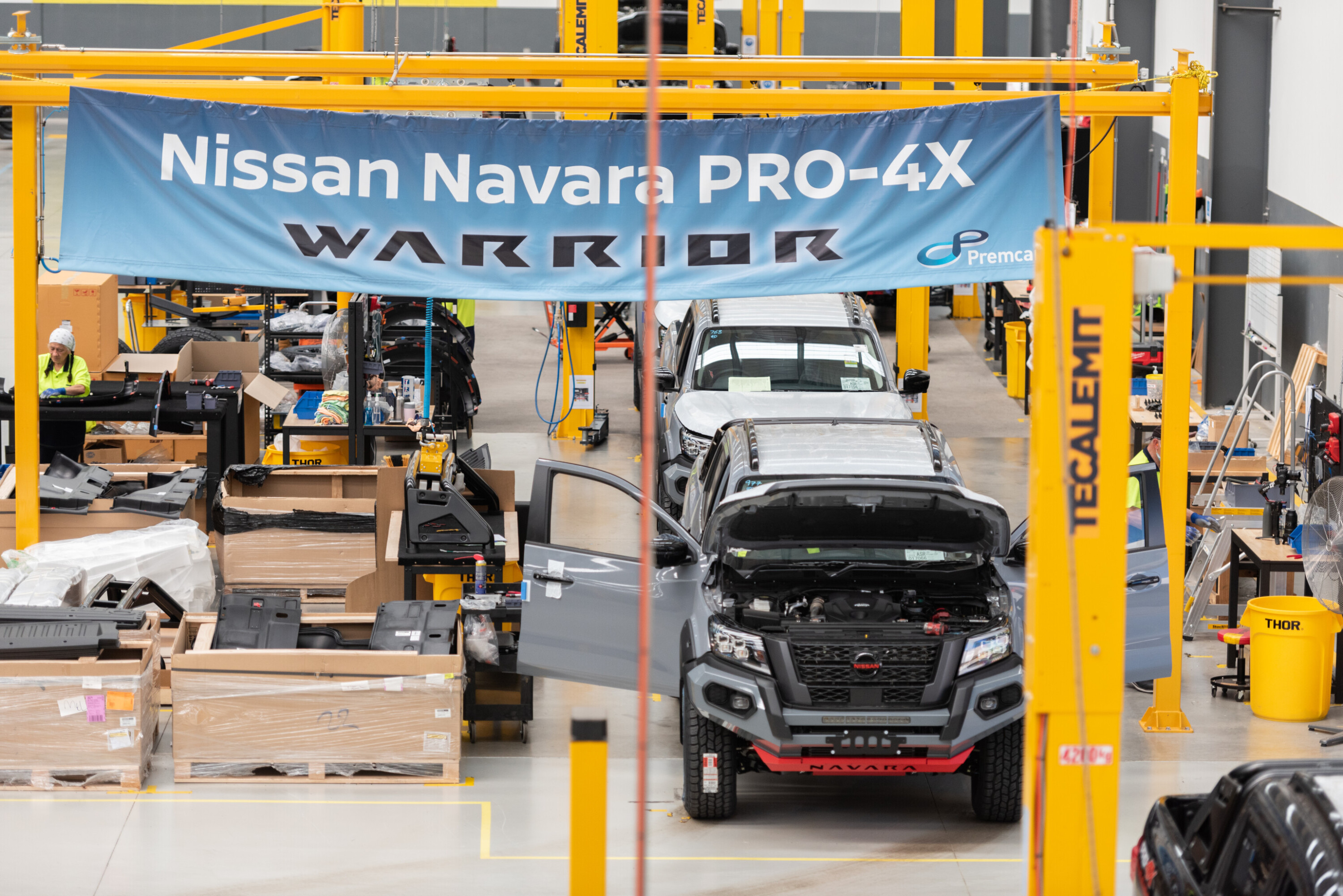
The new site will include production lines of the Premcar-fettled Navara Warrior and upcoming Patrol Warrior, which is expected to be released later this year.
The all-new Patrol Warrior, based on the second-tier Patrol Ti but sitting 50mm higher, features a re-engineered Hydraulic Body Motion Control system, a bi-modal exhaust system and an all-new towbar that caters for a full-time spare wheel.
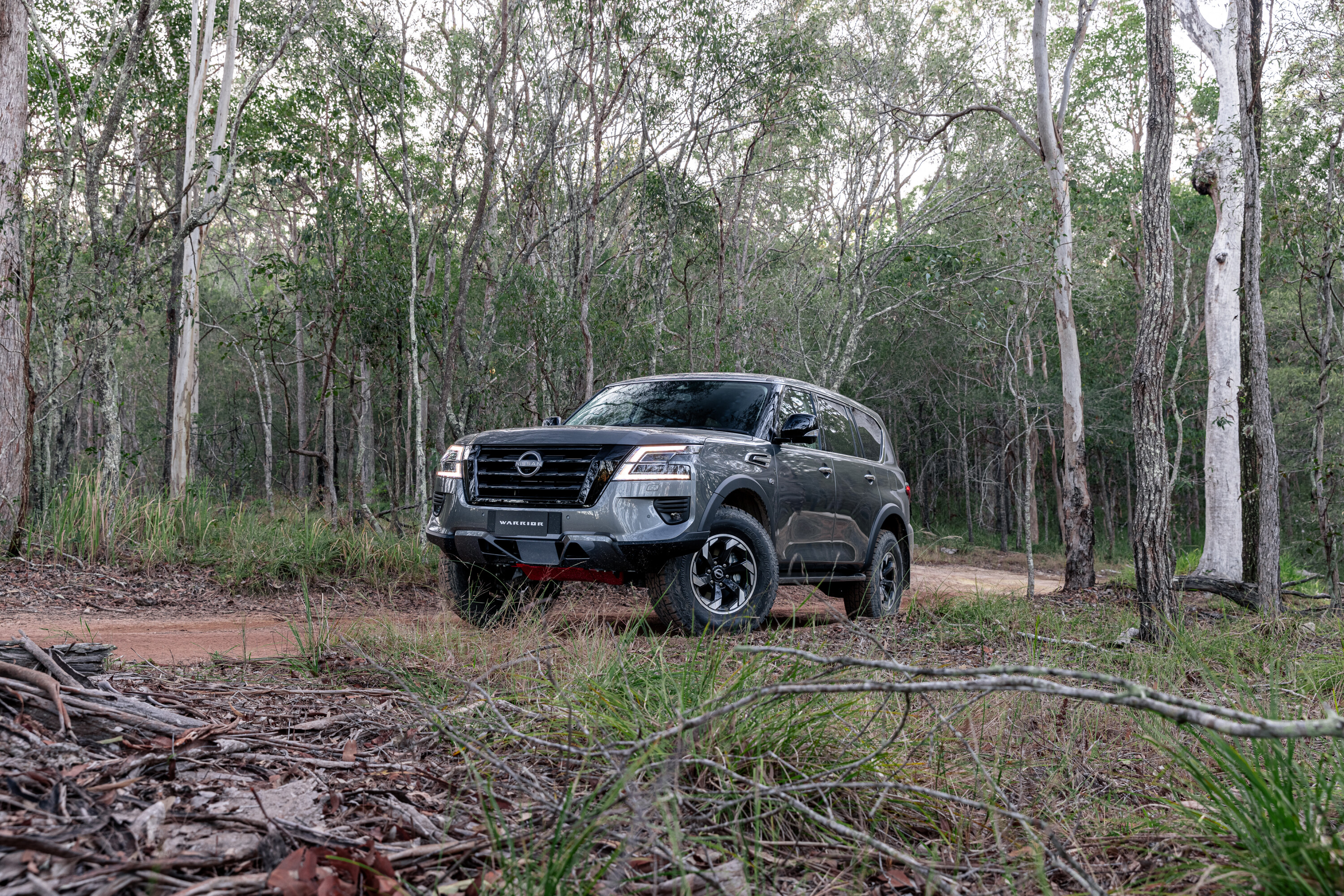
Pre-orders for the Patrol Warrior are now live, but pricing and a release date are to be confirmed.
With the introduction of this new facility, Premcar has increased its Australian new-vehicle manufacturing footprint to more than 13,000 square metres.
UPDATE: 2024 Mitsubishi Triton set for July reveal
The next-generation 2024 Mitsubishi Triton ute will reportedly debut next month.
Thai publication Headlight Mag [↗] reports the all-new Triton will be unveiled at an event in Thailand on July 26 in dual-cab and space-cab form.
It was previewed by Mitsubishi’s XRT Concept in March, with narrower headlights, bolder wheel arches and a muscular shoulder line. A larger footprint is also expected.
The single-cab variant is tipped to follow at a later time.
According to the report, the new Triton will retain its 2.4-litre four-cylinder turbo-diesel engine, as found in the current Triton and Pajero Sport.
It is unknown if Mitsubishi will upgrade the engine and transmission to better match other four-cylinder rivals, which have outputs closer to 150kW and 500Nm, a 3500-kilogram towing capacity, and a 10-speed automatic transmission for the latest Ford Ranger and Volkswagen Amarok.
The current Triton produces 133kW and 430Nm, with a 3.1-tonne braked towing capacity and six-speed manual or automatic transmission options.
March 2023: New Triton imagined
The new-gen 2024 Mitsubishi Triton has been spied testing more than a few times over the past year, and now we know its big unveiling is only months away.
How it’ll look is still unclear, with the spied prototypes revealing little through their swirly camouflage, but close inspection offers a few hints.
It’s clear that Mitsubishi’s ‘Dynamic Shield’ themes will continue up front, but with a big boxy new grille poking out through the centre.
Slim LED lights can also be seen flanking the top edge of the grille, with larger driving lights set at each corner of the front bumper.
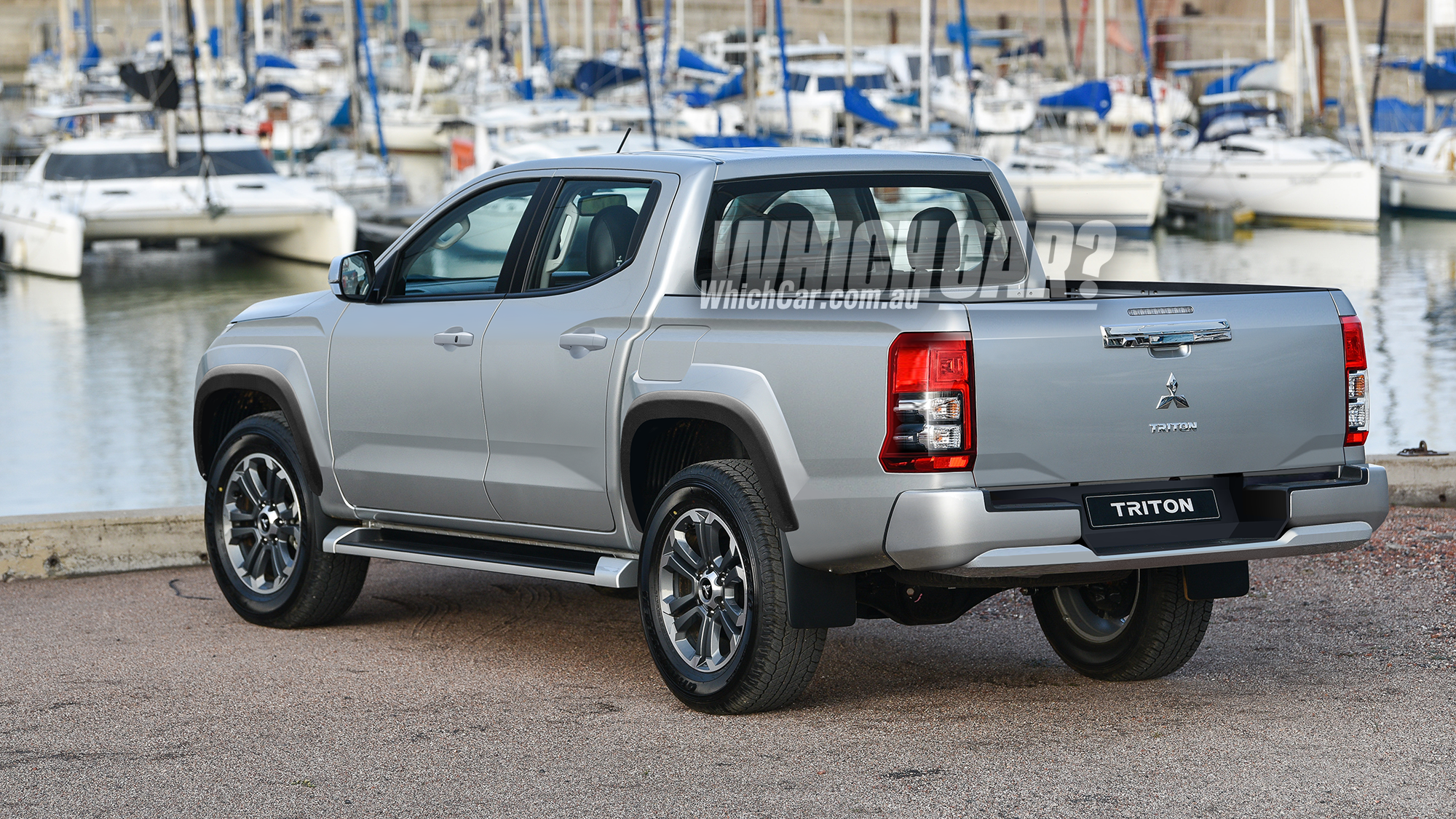
Based on these clues, we’ve produced a set of new renderings that we suspect will prove accurate.
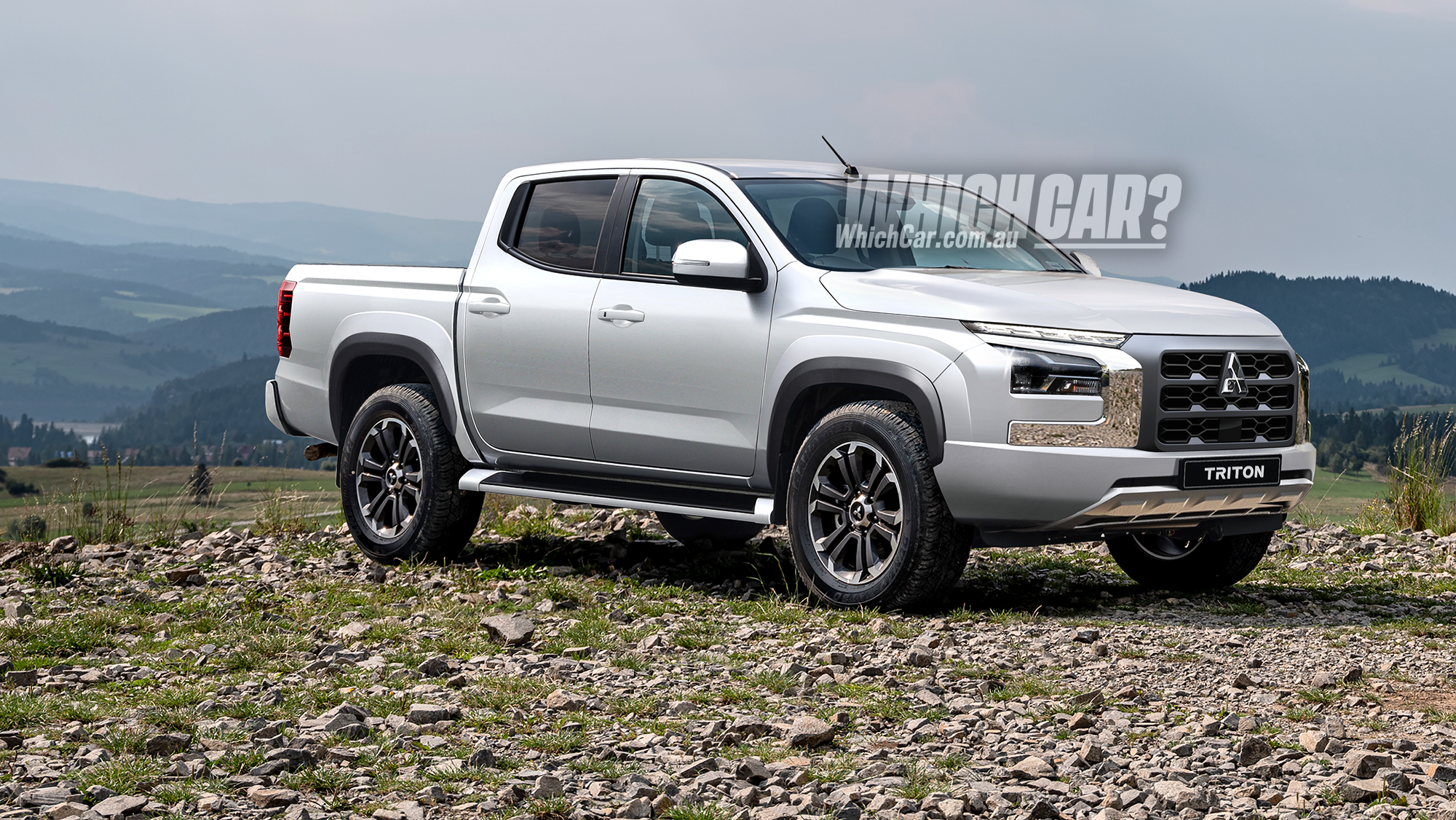
What do you think of the look?
That big new grille may not be the most handsome piece of design out of the Mitsubishi studio, but it will make a bold statement in your rear-view mirror.
Mitsubishi has also this week confirmed it will unveil an electric ute in the coming years, expected sometime before 2029. Read more about that, and the huge haul of other upcoming Mitsubishis, at the link below.
July 2022: New-generation Triton spied testing
Snapshot
- 2023 Mitsubishi Triton spied with production-ready design
- Next-generation ute to share platform with the Nissan Navara
- Longer, wider and squarer body with Outlander-inspired looks
The next-generation 2023 Mitsubishi Triton has been spied with a production-ready body.
Our spy photography partners snapped these images during hot-weather testing in southern Europe.
The production-ready version seen here follows a previous, less-advanced sighting in January, with Mitsubishi placing the body of the current Triton over the top of a test vehicle wearing headlights from an older Mirage hatch.
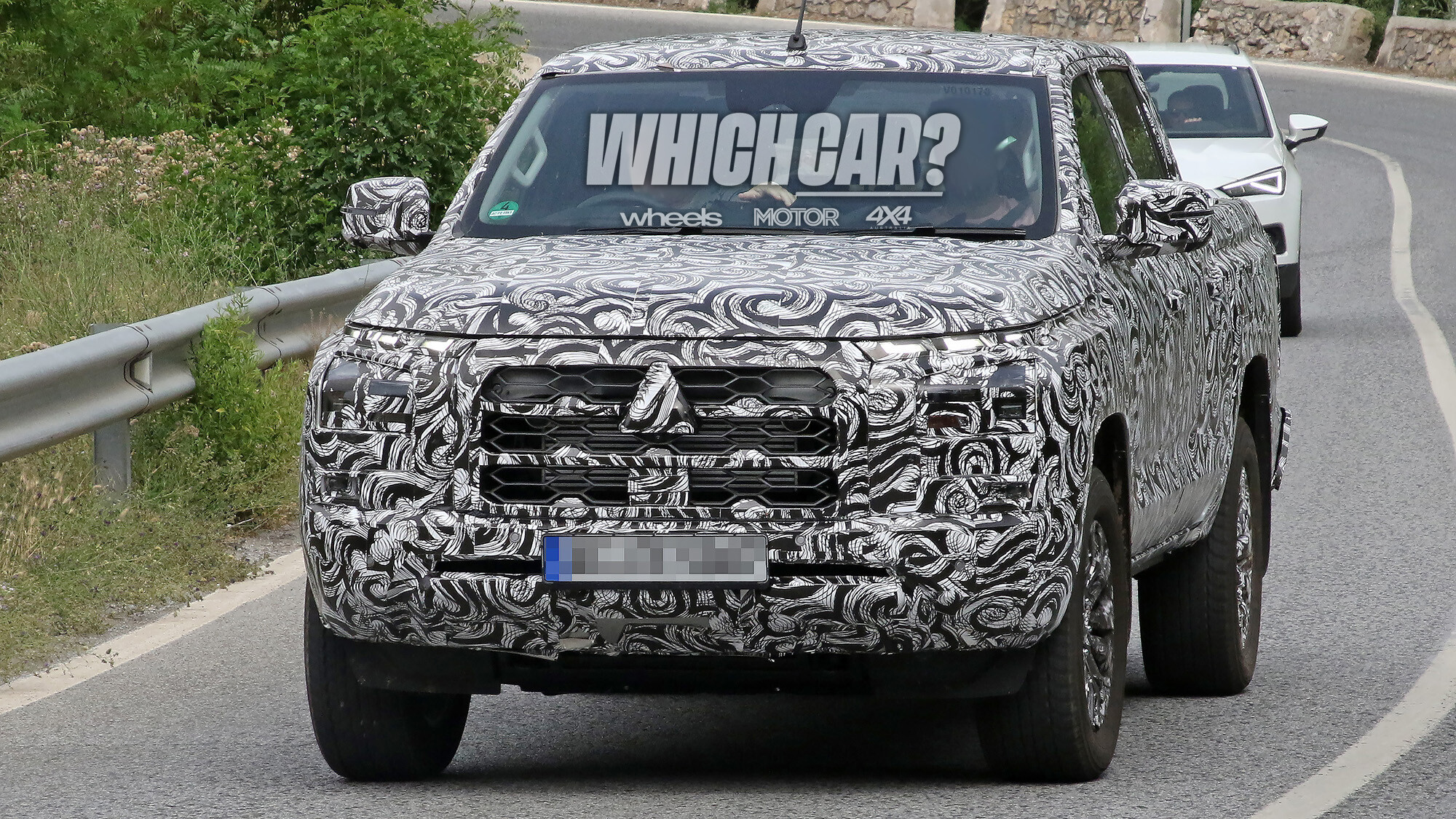
While the current Triton, facelifted in 2018, has combined the brand’s Dynamic Shield design language with the pre-facelift ute’s rounder shape, the new-generation version will feature a boxier design across the board.
At the front, the Triton will adopt a larger front grille, split-level headlights inspired by the latest Outlander, and a clamshell-style bonnet.
Rectangular wheel arches will carry over from the MR Triton, with the addition of a more-prominent shoulder line above.
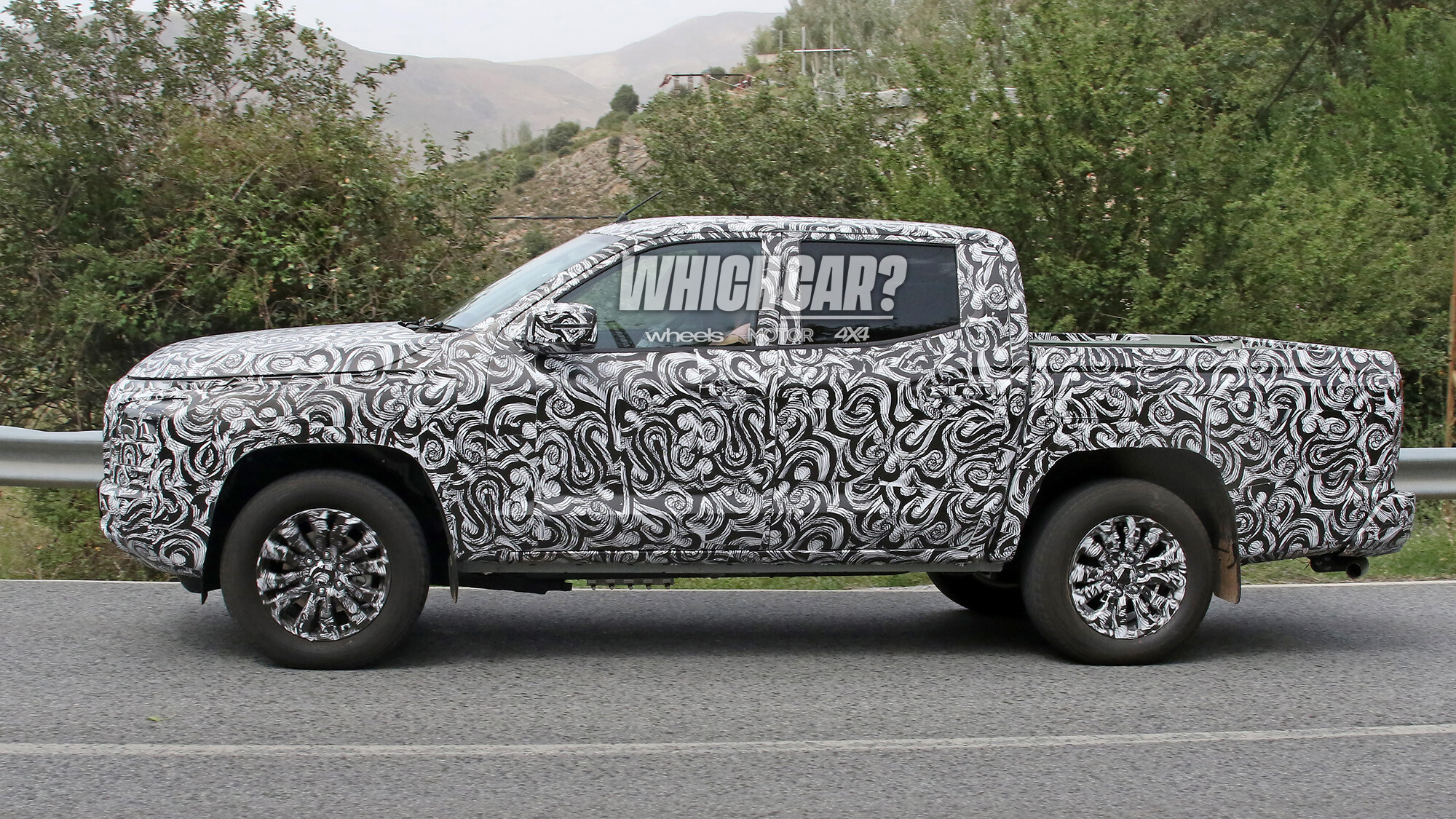
This shoulder line looks to end at the doors – at least in this test vehicle – suggesting a shared cabin design could be used with the next Navara.
The rear of the Triton will feature redesigned tail lights and a bulkier tailgate with an integrated brake lamp, as seen on the current model.
Little else is known about the specifications of the all-new ute, but it is expected to have a longer wheelbase and wider track than the current Triton, which is 5.21m long and 1.82m wide.
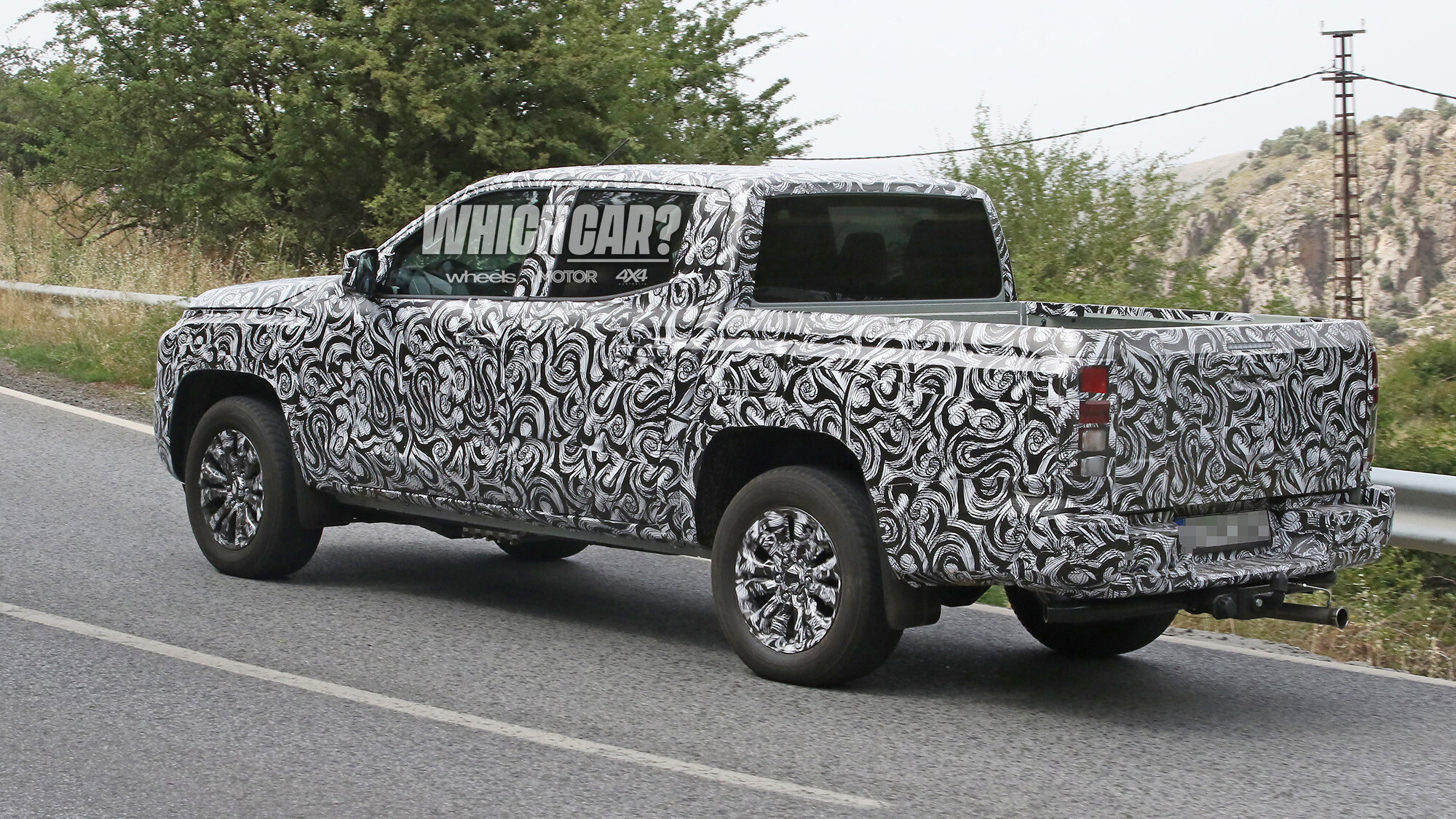
However, we know it will share its underpinnings with the next-generation Nissan Navara, thanks to the Renault-Nissan-Mitsubishi Alliance.
Mitsubishi is believed to be the lead developer for the Alliance’s latest global mid-sized pickup trucks, although the pair’s interior and exterior styling are likely to differ.
Whether this differentiation will be as strong as the Mitsubishi Outlander and its twin-under-the-skin, the Nissan X-Trail, or just a light restyling remains to be seen.
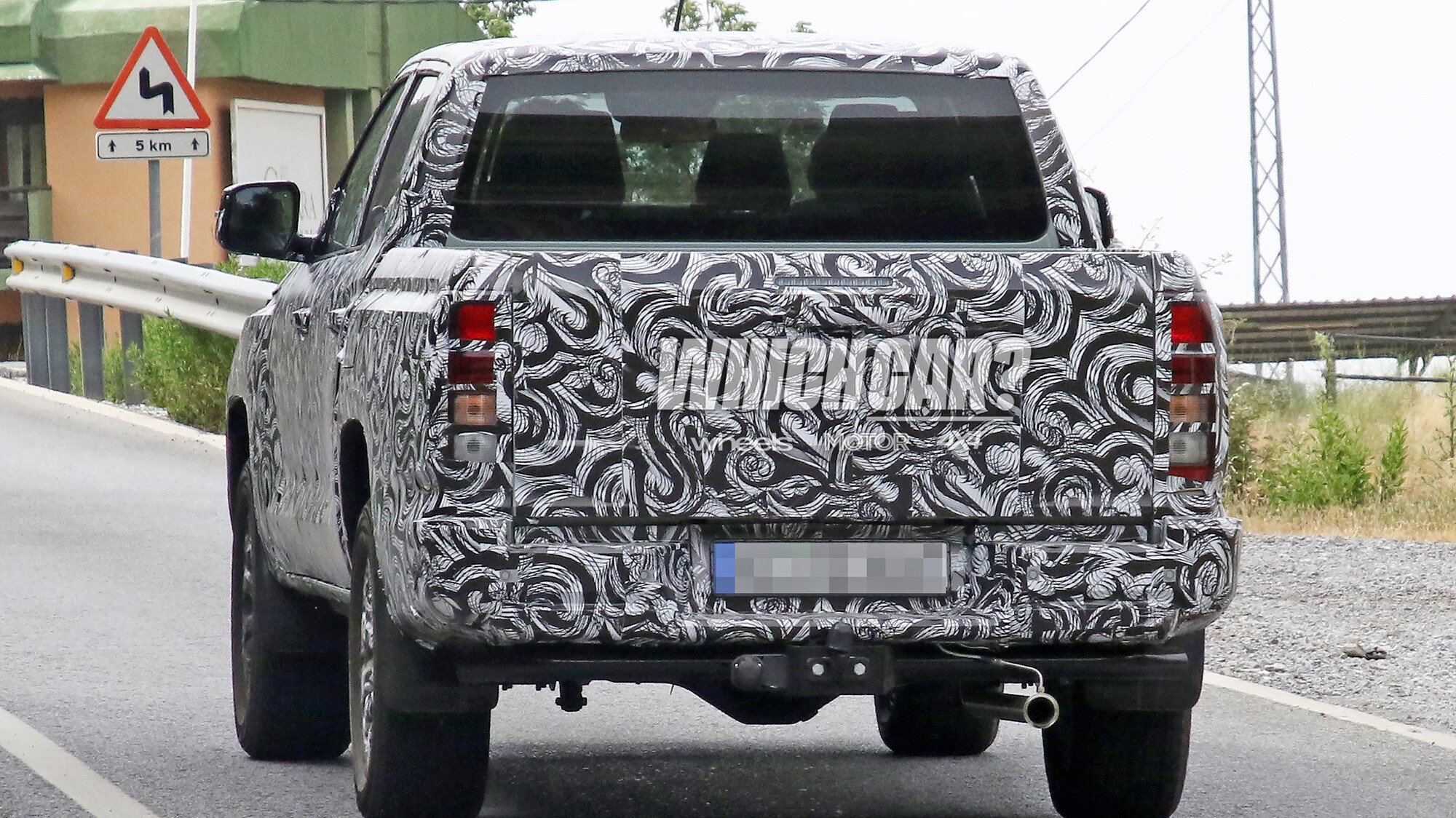
For instance, the Isuzu D-Max and Mazda BT-50 share most parts, while the upcoming Volkswagen Amarok shares its body with the latest Ford Ranger.
While the current Mitsubishi Triton and Nissan Navara are unrelated, both vehicles date back to 2015, one year before Nissan upped its stake in the three-diamond brand to 34 per cent – allowing for greater control of the marque under Japanese law.
The 2023 Mitsubishi Triton is expected to be unveiled later this year or early 2023, ahead of a potential local launch in the second half of next year.
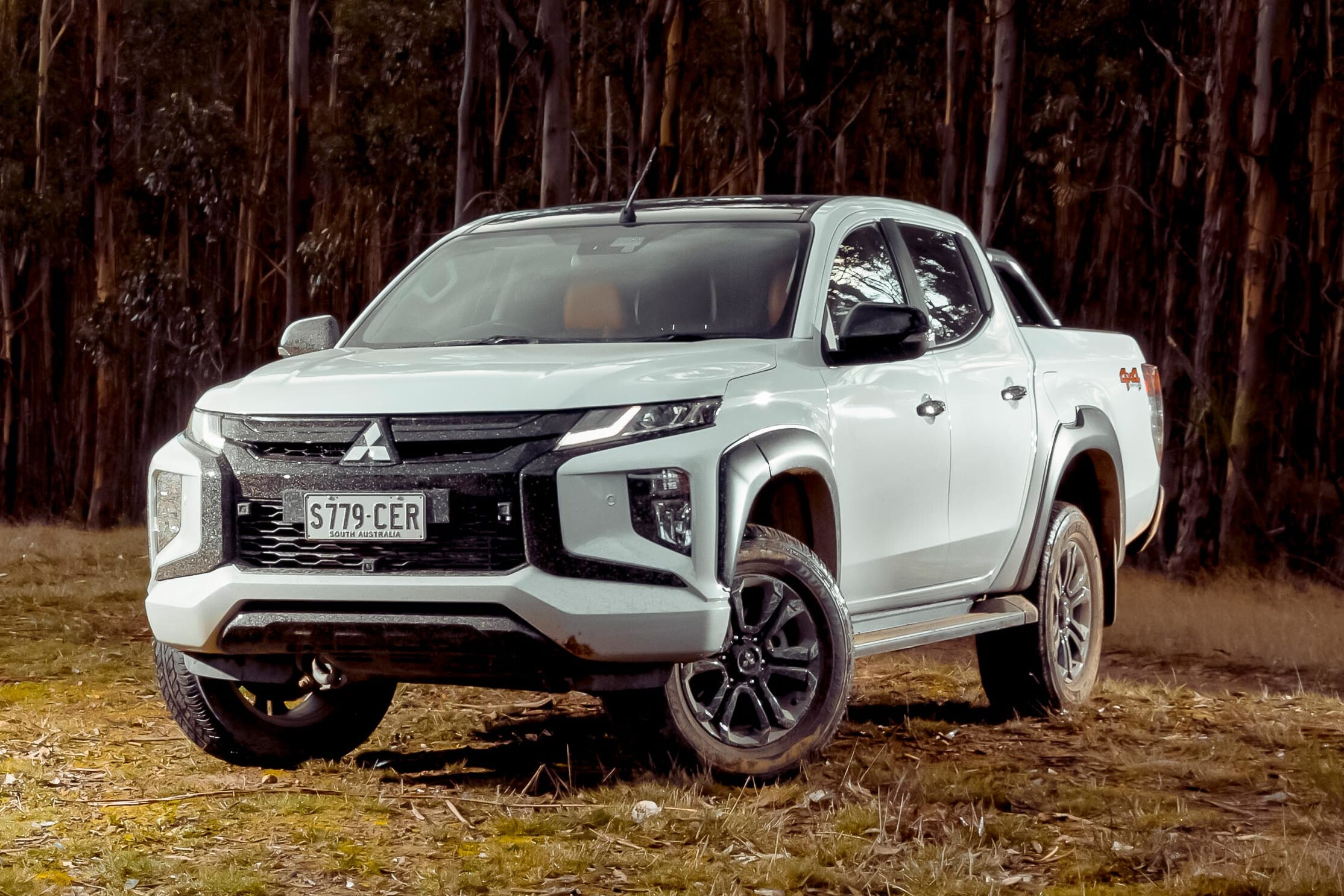
Below: The current 2022 Mitsubishi Triton
Air intake systems play the critical role of providing clean air to your engine.
Sub-standard air filtration systems can result in increased fuel consumption, loss of power, excessive oil burn and premature engine damage.
Engineered specifically for diesel powered 200 Series Toyota LandCruiser vehicles, the robust XLC200K replacement air housing + filter kit incorporates the latest in air filtration technology and provides industry leading performance and engine protection.
Featuring genuine PowerCore® construction with Ultra-Web® media, Donaldson offers you the ultimate harsh environment air filter housing. The compact XLC200K air housing + filter kit includes a high efficiency element that does not compromise on dust holding capacity or negatively impact air flow through your vehicle’s cold air intake system.
PowerCore® filters feature a unique corrugated design which creates a straight-through air-flow path to trap dust in the flutes on the dirty side of the filter. This innovative design pushes air through to the adjacent flutes on the clean side, delivering clean air to your engine.
Ultra-Web® fine fibres are sub-micron in diameter overlaid on a cellulose substrate. The small inter-fibre spaces provide a high initial efficiency, loading engine damaging contaminants on the media surface.
With 3x more effective filtration area than the OEM panel filter, PowerCore® 4×4 delivers more than 30% lower initial restriction at the same airflows, allowing your engine to breathe easy while keeping contaminants out. Using ISO5011 test standard, Donaldson PowerCore® 4×4 filters also delivered 99.99% efficiency, compared to 99.87% efficiency for OEM panel filters resulting in significantly more engine protection.
The science is complicated but the benefits to your vehicle are simple: low initial and on-going restriction, long element life and maximum engine protection.
Whether your 200 series is used for the hardest work or the most adventurous play, the Australian designed quality, high performance filtration included in Donaldson’s XLC200K kit provides the protection you have always demanded. XLC200K is a complete kit which contains a PowerCore® 4×4 Air Cleaner Housing, PowerCore® 4×4 Air Filter, Fastener Kit and Mounting Brackets.
Something I’m over the moon about with the Front Runner roof rack I recently installed on my Toyota FJ Cruiser, is just how many accessories there are available to suit the rack.
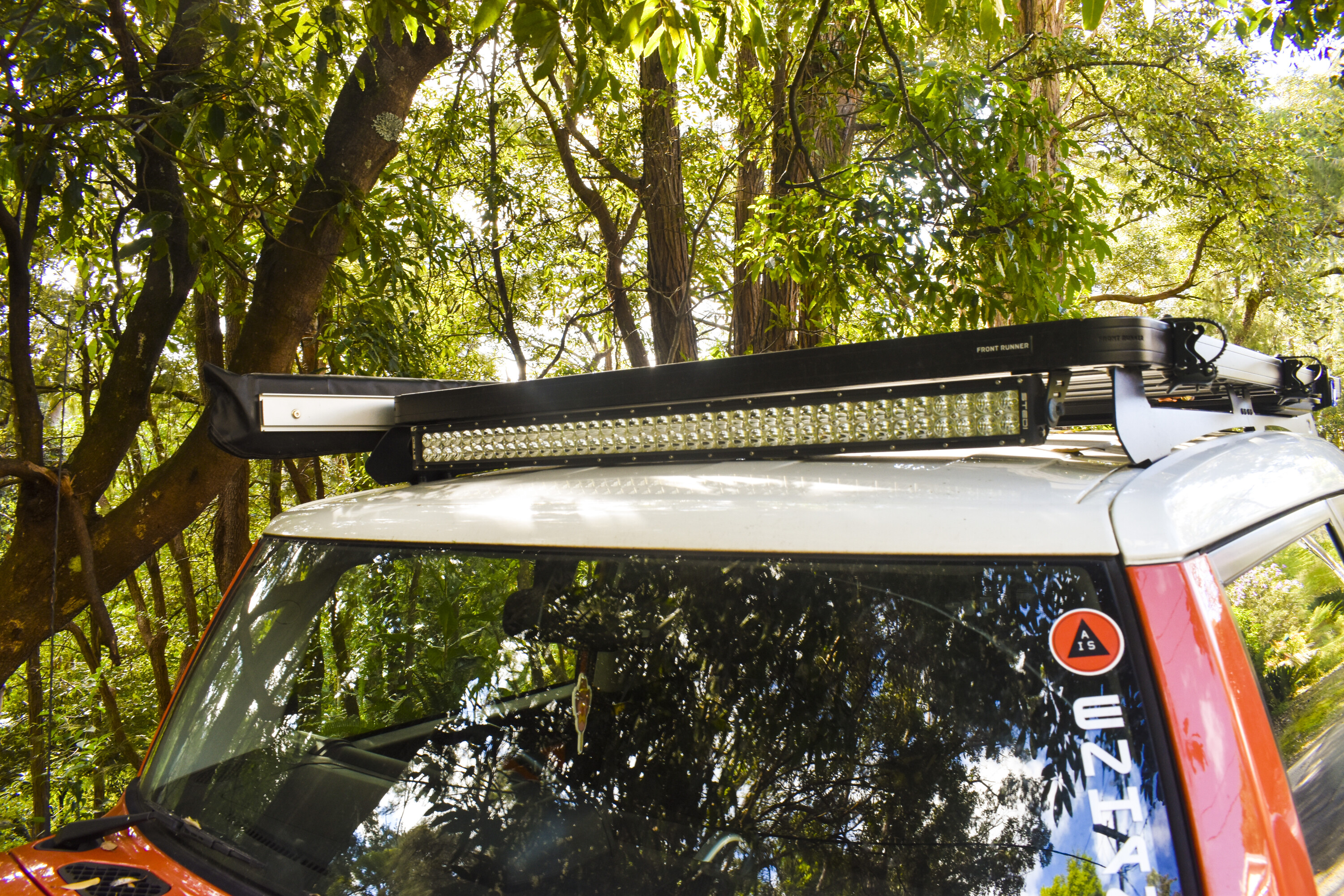
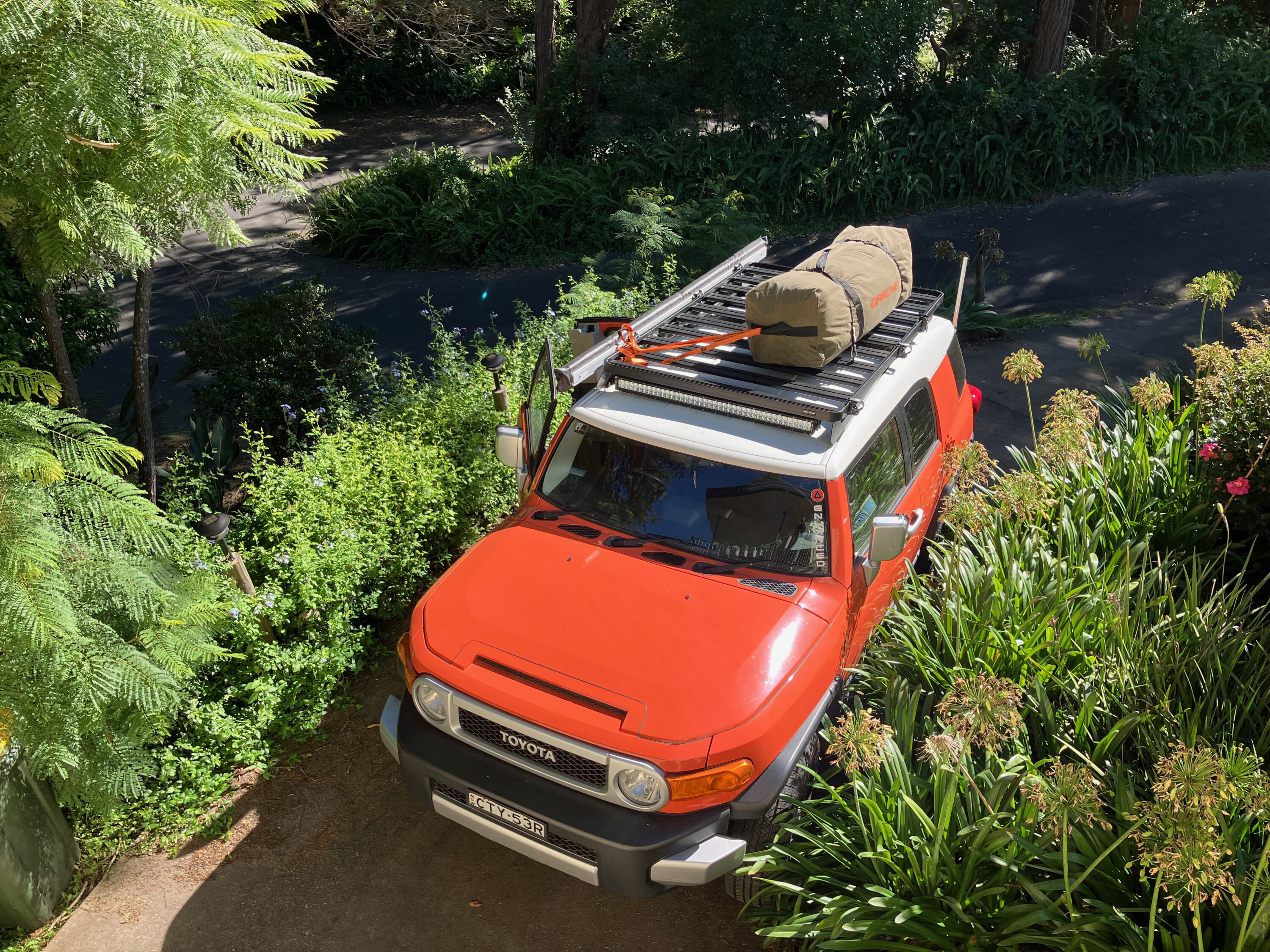
I’m not just talking about tie down points, which are still great to have, no I’m going way further than that. This Front Runner gear carries my swag and occasionally a kayak, is responsible for my shelter thanks to the Front Runner awning mounts that bolted up perfectly to my Darche 2.5 x 2.5m awning and I’ve also fitted up a 40-inch LED light bar on the front of the roof rack using a pair of Front Runner mounts.
Those who have driven an FJ Cruiser will know how rubbish the factory headlights are, so additional lighting was mandatory.
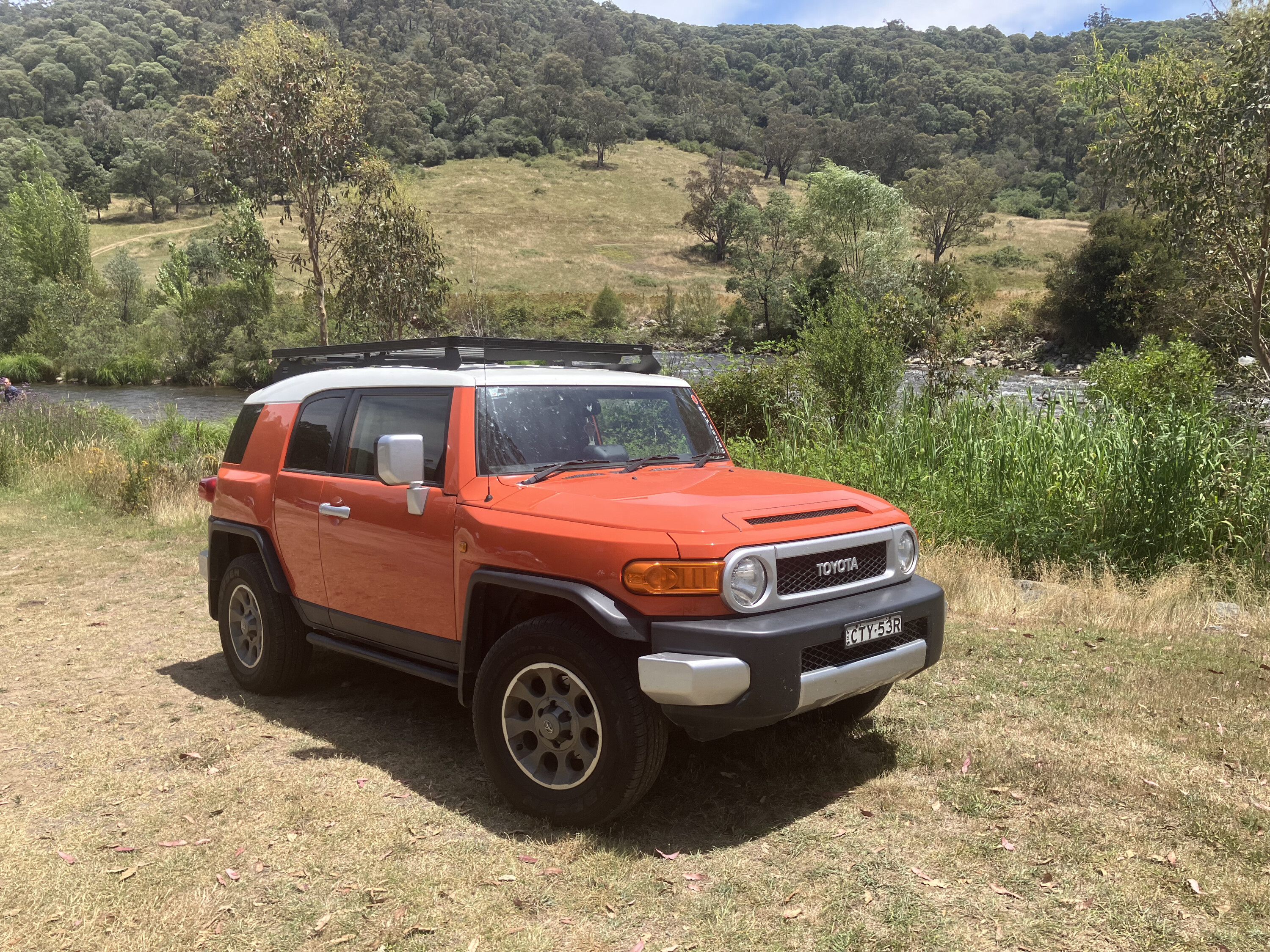
It doesn’t end there, I also selected the Front Runner stainless steel Prep Table, which is not only one of the highest quality camp tables I’ve ever used, it slides underneath the roof rack for storage making use of otherwise completely wasted space. Front Runner now also takes care of my cooking duties, thanks to the slick looking spare tyre BBQ plate I christened on a recent trip to Pebbly Beach on the NSW Mid-North Coast.
You can see where I’m going with this right? One of my main deciding factors for choosing Front Runner was because of how many problems their products solved for my camping setup. And naturally, the swag is easy to chuck up on the roof and secure down, with Stratchits – a unique bungy/ratchet strap designed to make securing items quicker and easier… I can confirm they do both of these things and buy a few more of these in the near future.
I’ve also selected mounts to mount my recovery boards on the roof rack, which work with both Treds and Maxtrax boards, as well as a shovel holder that doubles as a beaut place to secure my kayak paddle. My latest addition is an axe holder, after I was sick of storing my axe inside the vehicle – this will be getting installed this weekend, and I’ll report back on how it’s holding up.
One other accessory I have my eye on and will grab next pay day, is the rear spare wheel step – this will provide easier access to the roof as well as act as the ratchet strap to secure the BBQ plate to my rear wheel – again, making use of wasted space; and I must say it’s a talking point anytime I stop to fuel up.
Now, much like choosing a favourite child, it’s not really fair to select a favourite accessory on the FJ Cruiser. But I will, because we all know there’s always a favourite child. For me, the rear wheel BBQ plate and the slide out prep table are (wait for it) absolute game changers.
When you are poor in space like I am with the FJ, having these two important albeit bulky items tucked away in places I’ll never use has changed the way I camp. And the quality is top notch. Just be aware, you will find yourself addicted to the Front Runner website, looking through the insane range of accessories they have on offer.
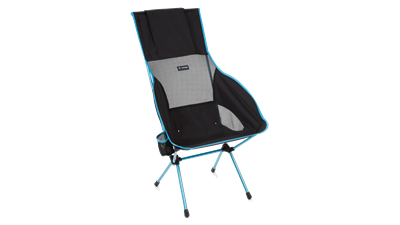
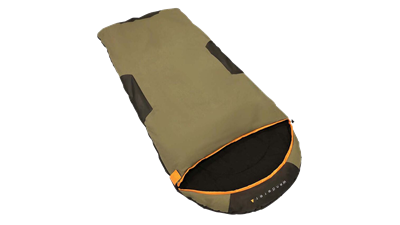
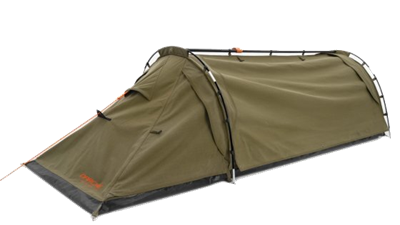
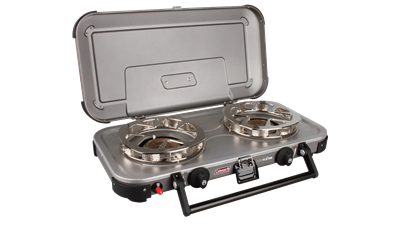
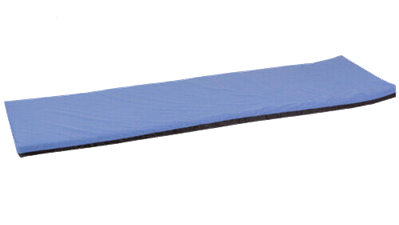
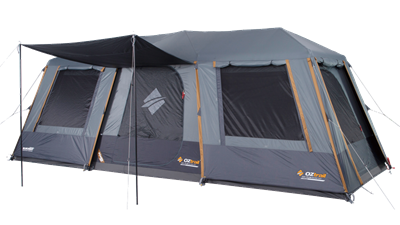
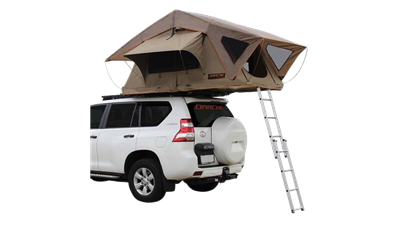
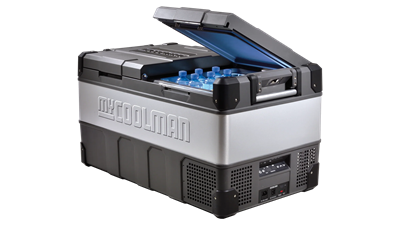
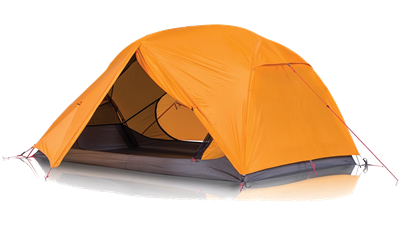
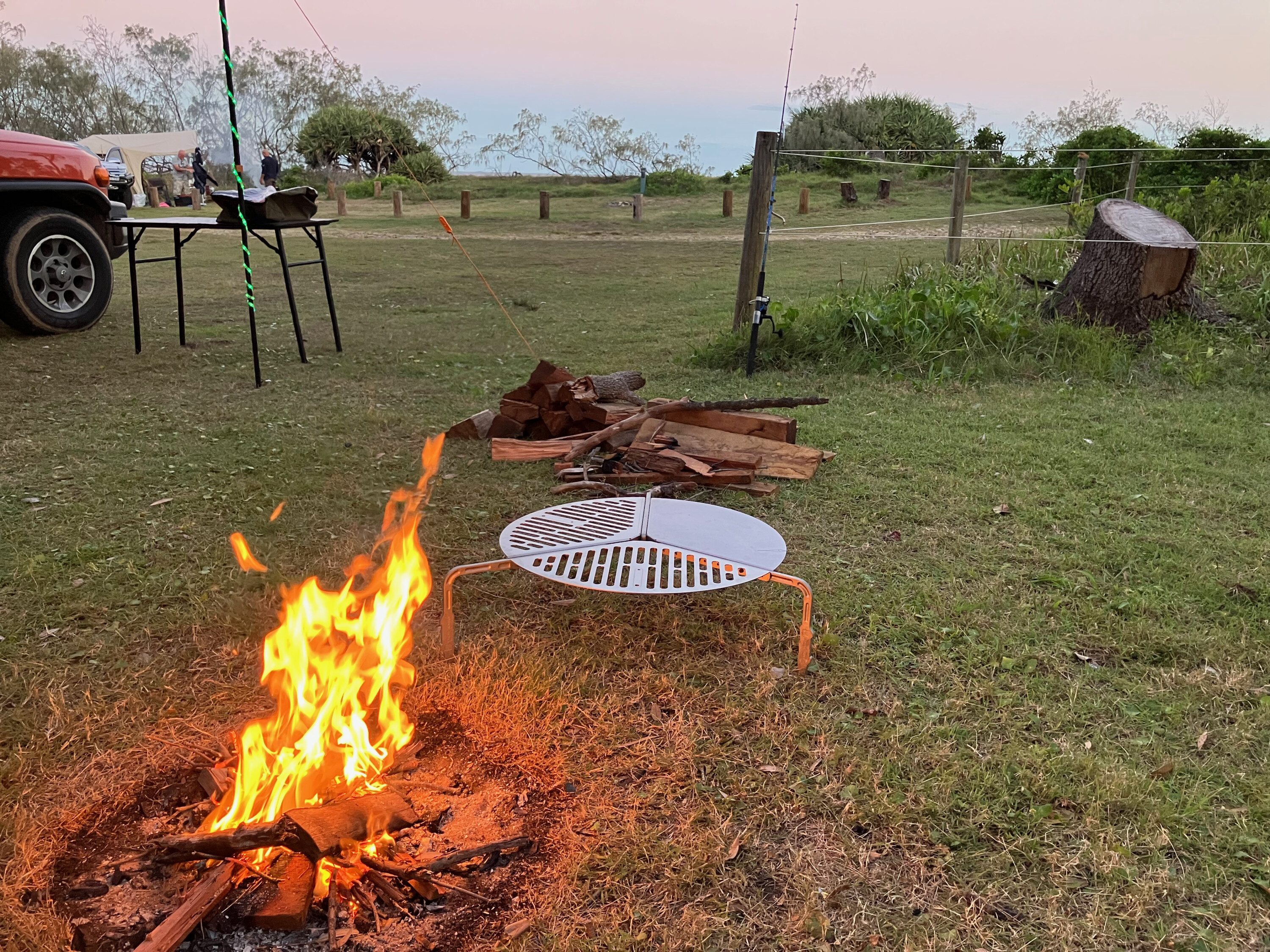
All in all, I’m wrapped with the decision to install a Front Runner roof rack and a select range of accessories. They make camping trips easier, and I feel now that most of my touring needs are met, it’s time to play with suspension and upgraded tyres.
Any negatives? Just one, but it will be easy to fix. The way I’ve mounted the LED light bar on the roof causes it to whistle since I removed the supplied wind deflector. Thankfully, Front Runner provides two mounting options for the LED light bar, so I’ll move it up higher on the rack, and refit the wind deflector. This should take all of five minutes, and job done.
Pricing
There are too many products to list, do yourself a favour and check out the Front Runner website, which has all pricing listed. Be warned, it’s addictive.
Available from: www.frontrunneroutfitters.com
I’ve come to love Far North Queensland, from Cape York across to the Gulf and especially discovering new areas with history attached.
On a recent trip, I was pointed towards an area that sounded pretty cool to explore off the Burke Developmental Road in the Mareeba Shire. Finding the old town or at least the turn-off for Lappa wasn’t that easy as there’s nothing left from the old mining days; if it wasn’t for a prior chat with a local I would have driven straight past.
The sign on the top of a rise was marked for Mount Garnet and this was the turn for Lappa. A short way up the road I found the main area of Lappa and the historic Espanol Hotel built back in 1901.
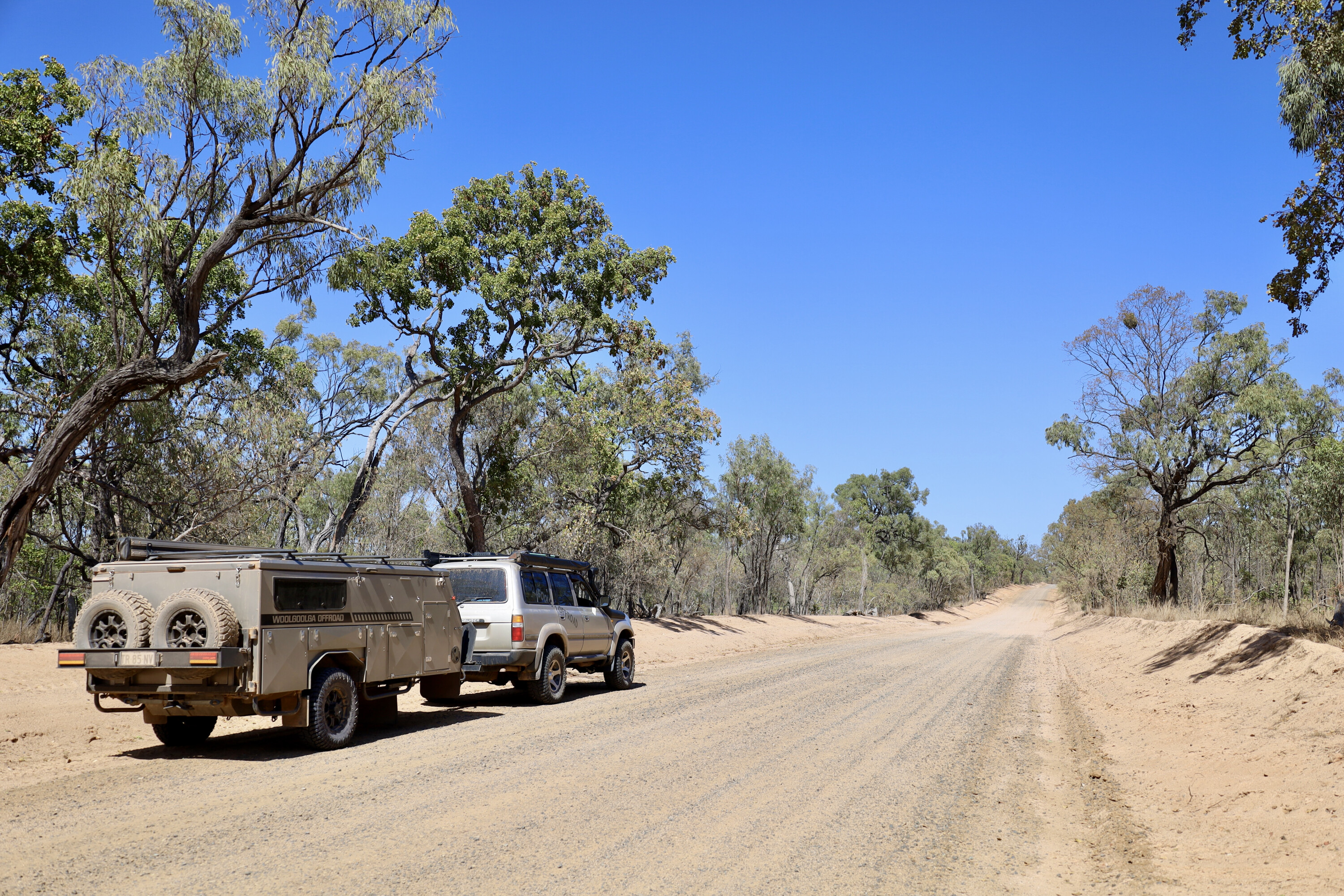
Turn back the clock to January 1891 when silver was discovered by Phil Hamlin and his party after they crossed the Featherbed Range a few miles to the north, and a dozen claims were set up and the town’s name was changed from Wadestown to Lappa (other reports say the town was called Lappa Lappa).
Lappa was just an isolated settlement until the railway line was built in 1899 en route to Chillagoe from the coast, and soon there was a junction at Lappa for the rail to head south to Mount Garnet. The town didn’t last long and soon fell in to disrepute, leaving only the hotel, an old house and the station behind.
Today, the old hotel is jam-packed-full of memorabilia and souvenirs from travellers and locals. Sadly, it doesn’t operate these days but you’re welcome to bring a carton and be mesmerised by the amount of gear in the old pub.
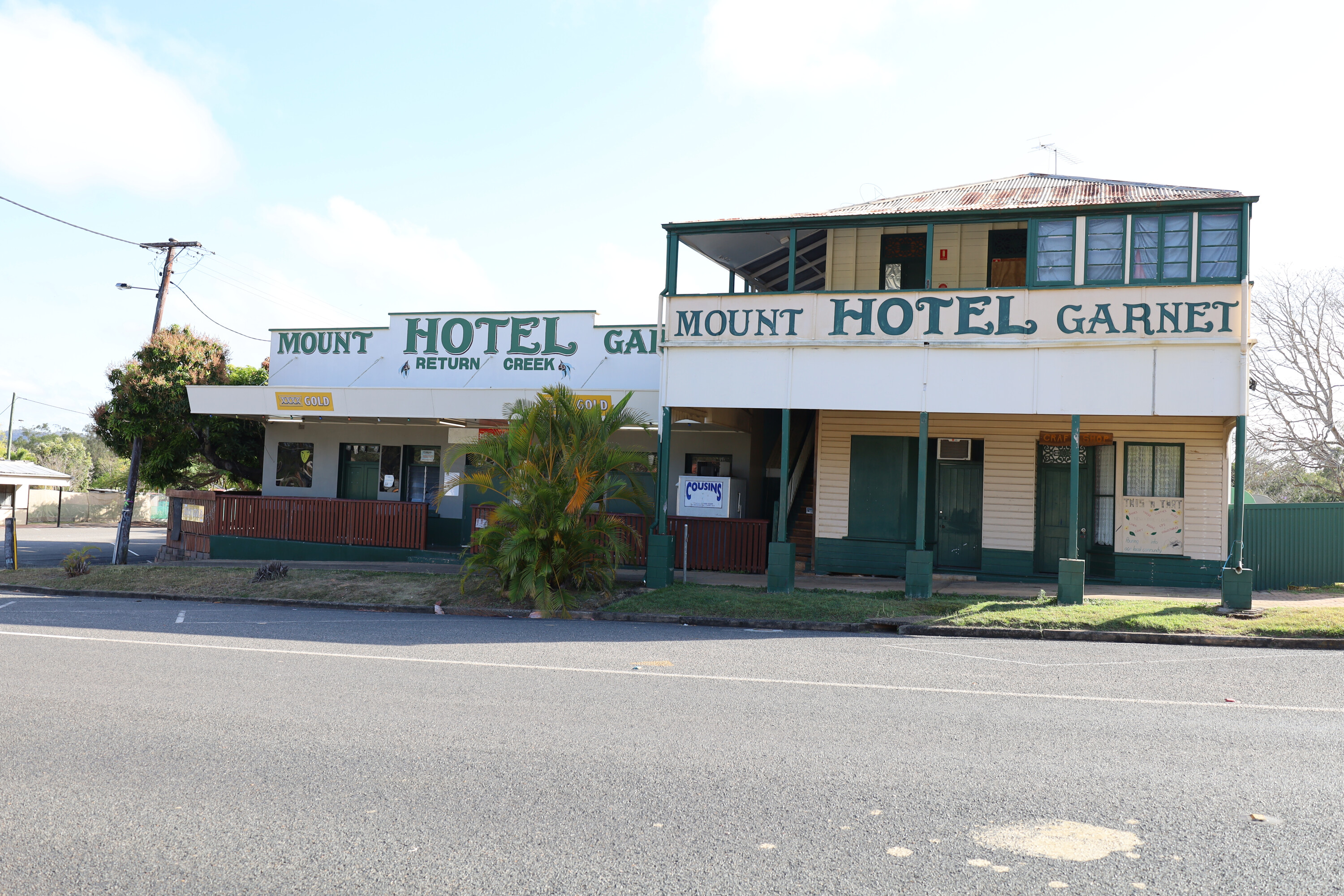
Just next door in the old house lives an interesting character who looks after the pub and is known as the Yappa from Lappa. He has collected a lot of the memorabilia in the pub, can spiel yarns from the days gone by and also help you empty your carton. The old house was the Almaden church built in 1900 and moved to Lappa in 1940.
Across the paddock from the pub is the old railway house that’s been restored after the railway line ceased to operate when the huge mines closed at Chillagoe, the lines were once privately owned by entrepreneur John Moffat based at Irvinebank. Today, the railway line only sees the Savannahlander stop every Wednesday en route from Cairns to Forsyth and passes back every Saturday.
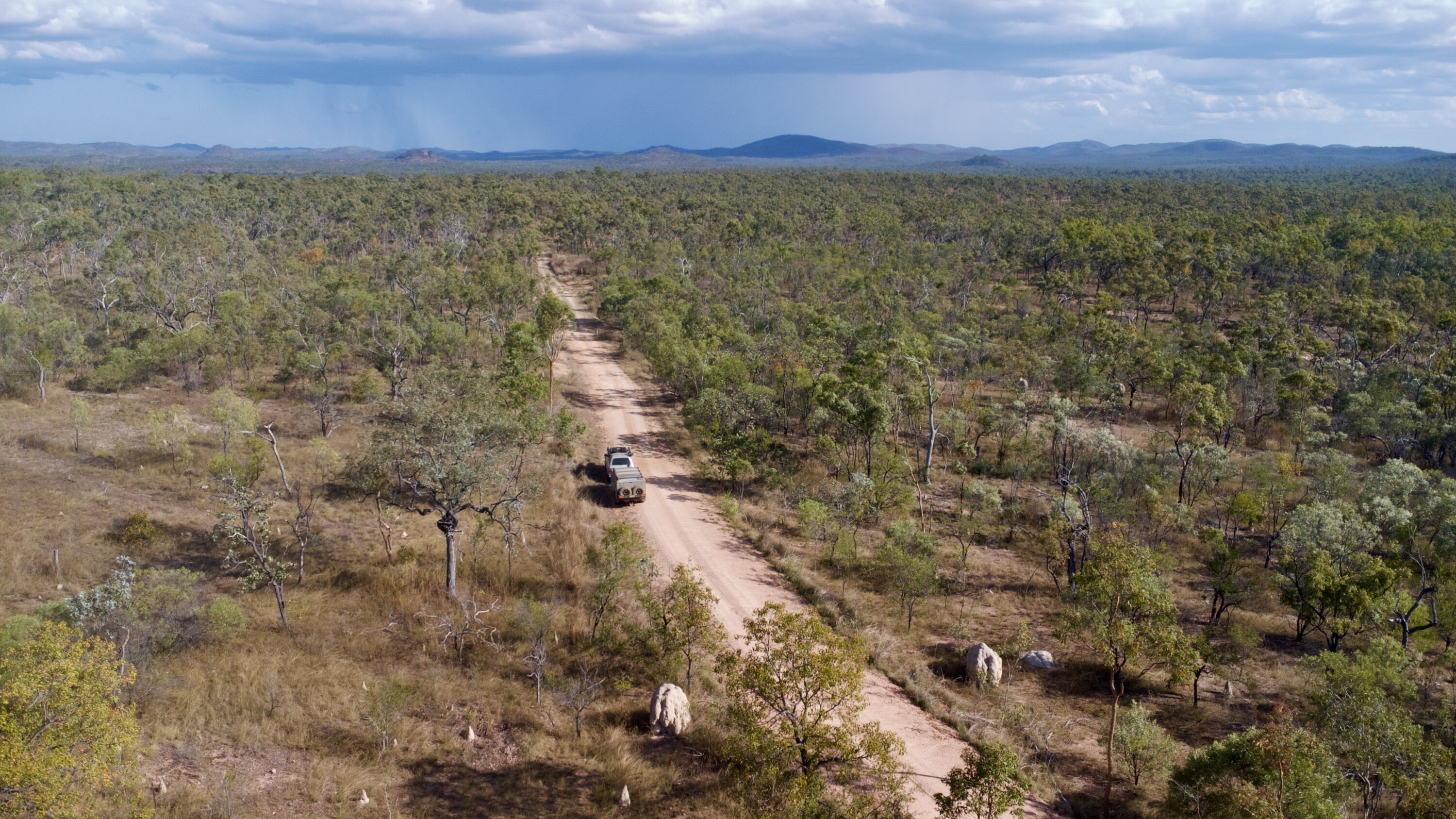
The directions I was given was to follow the old rail trail which was originally a camel track built by Abdul Wade and today is a popular four-wheel drive and mountain biking trail to Mount Garnet, after the line closed in 1961.
Now while it’s only a 55km trip along the Mount Garnet road, the trail goes through magnificent ranges with views of the isolated countryside, and where the road crosses or goes near old sidings you’ll see old frangipani and mango trees that are visible through the scrubby timber.
It’s a pleasant drive, with no real obstacles all the way down to Mount Garnet but keep an eye out for old stone bridges and narrow rock cuttings that are now heritage listed.
Mount Garnet
Mount Garnet is a sleepy little village that’s easy to pass through without stopping, and there’s not much there except for a couple of pubs, service stations, a few shops and houses in the middle of nowhere.
An amazing spot to look at is the beautiful Warrumu Swamp on the eastern edge of town, which can be alive with hundreds of black swans and impressive displays of water lilies year-round. Locals reckon the swamp never dries up, even in the worst droughts, due to subterranean springs that feed clean water up through the ground.
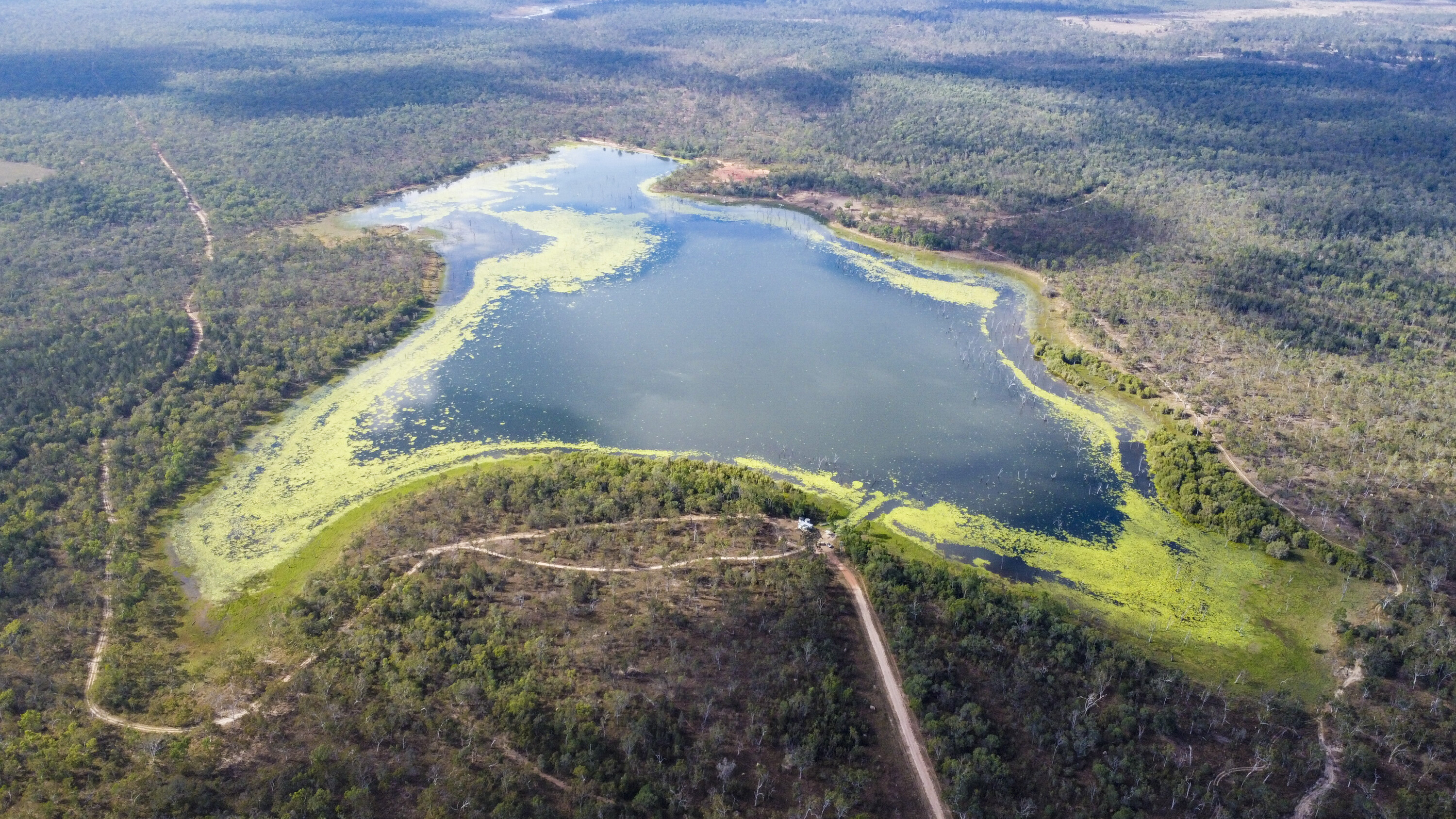
Copper was found in 1883 and the first lot was transported across to the coast by camel. When a branch line came down from Lappa, the smelted copper was moved more efficiently and quickly back out for sale and shipped around the world. Huge deposits of tin were found, and in 1928 a massive coal-fired dredge was transported to Mount Garnet, then 10 years later the company moved to an electric-driven dredge, but in 1986 tin prices collapsed and mining stopped.
My next stage of this trip was westward for 22km and to Ootann Road and up towards an old railway siding at Fossilbrook and eventually to Mount Surprise. Again, these are pretty decent dirt touring roads and I think I only encountered a couple of locals in their 4WDs. About 65km along, I swung left on to the Gingerella-Fossilbrook Road and it was another 30km where I found the abandoned Fossilbrook siding.
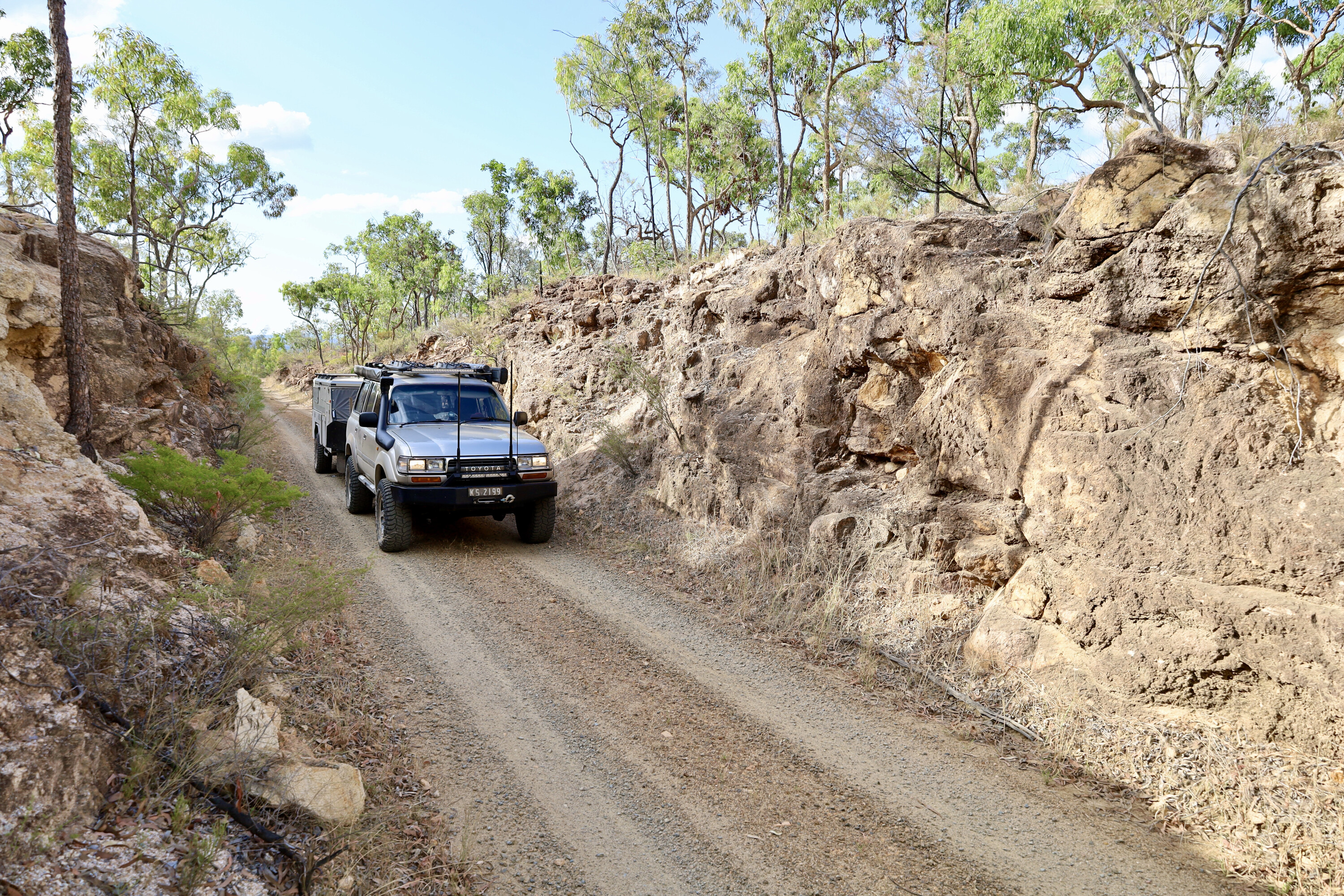
Once an important stopover to collect livestock, drop mail off and even collect passengers, the only relics left at Fossilbrook today are a raised concrete siding, cattle yards and an old water tank that looks like it was used for mail drops. The narrow-gauge line sits on low-profile metal sleepers that help combat termites and reduces washaways in flood times. Fossilbrook survived from 1885 until the mines ran dry, it had a school but that closed in 1926, and Fossilbrook now only has a population of local station owners.
Springfield Road was my way out to the Gulf Developmental Road and on to Mount Surprise. Passing through private stations, across dry riverbeds and covering a very dusty 45km back, it wasn’t long before I hit the tar.
Mount Surprise
Today, Mount Surprise is a pleasant stop along the never-ending gulf road, but this place had so much to offer over 100 years ago. Ezra Firth took up pastoral land back in 1864 and continued to grow his wealth for many years.
When he came to the area, it’s said that local Aborigines saw him and other white people on a passing dray, while having a feast. They ran away after seeing them and that night the Aborigines lit small fires across the nearby mountain and apparently that’s how the town got its name, Mount Surprise.
As in most outback and isolated towns, if the railway went through there was always a hive of activity and this place was no different, with a busy hotel and post office building across the road from the former railway station.

Today, it’s a quiet place where tourists make up most of the population year-round exploring the area. In town, the highlight for most travellers is the railway station where there’s a comprehensive museum showcasing a stack of memorabilia for the area’s past. Also the restored buildings, rail relics and info boards all set in amongst a cool, green park.
The 90-year-old Savannahlander rail motor (or Silver Bullet) passes through and stops at Mount Surprise several times a week, taking passengers farther afield or on day trips across the savannah landscape. Nearby to Mount Surprise are the ancient Undara lava tubes claimed to be some of the largest in the world, all part of a link of 164 volcanoes that formed more than 190,000 million years ago.
There’s also the Forty Mile Scrub NP that was also created as part of volcanic action where this ancient rainforest has been left virtually untouched since being formed. Rare plants and animals call this home and the park’s forest is regarded as the most concentrated and greatest of its kind in Australia. There’s been links within the forest to India and Burma that were once connected before continental drift.

For the fossickers, there are O’Briens Creek and the Agate Creek gem-fields. Both are different in their own ways but great to find coloured rock pieces. Gems from these areas are regarded as world-class for their clarity, size and colour. They include thundereggs, clear and smoky quartz pieces, plus amethyst. If that’s not enough, there are also Cobbold and Copperfield gorges just a short drive away where you can marvel at basalt formations, explore water holes and possibly see a freshwater croc.
Even though most of the history has gone now, this remote and often hostile area has so much to see and do, I would nearly say there is something for the whole family to enjoy.
Five fast facts
Where
My starting point Lappa was 200km west of Innisfail. Mount Surprise and Mount Garnett are also inland from Innisfail in Far North Queensland. After leaving the beautiful Qld coastline and passing through rich lush rainforest areas, the landscape surrounding these historic places is regarded as harsh and isolated.
All aboard!
There’s a plethora of railway history to explore, driving the rail trail, a historical mine trail, free camping along the way through to riding the Savannahlander train on parts of the northern line and accommodation in vintage railway carriages at Undara Volcanic NP. The Savannahlander, a 1960s classic ‘Silver Bullet’ railmotor, departs Cairns weekly, winds its way through the wet tropics area of the Kuranda ranges through the Savannah country to Forsayth and back, a unique outback railway trip.
Undara Volcanic National Park
Between the townships of Mount Garnet and Mount Surprise on Highway 1 is the turn-off to the fascinating Undara Volcanic NP, famous for its massive lava-tube caves and Kalkani Crater scoria cone. Undara offers camping, railway carriage accommodation, guided tours, picnic and day-use areas, walks, and more. An easy walk is around Kalkani’s crater rim offering spectacular views to other volcanic cones in the distance and nearby savannah woodlands.
Take note
This is remote and harsh country. Now while there are a few signs and cattle stations along the way, there’s no phone service for the trip between Lappa and Mount Garnet and the loop up via Fossilbrook. Use a good mapping GPS and you’ll be able to criss-cross through the area exploring the old relics.
The towns
The pubs at Mount Surprise and Mount Garnet have an array of history within the buildings. Closer to Mount Surprise are the above-mentioned ancient lava tubes, rare forests, gorges to explore and gem finding nearby. Although volcanic activity ceased some 10,000 years ago, there is still a geothermal presence in the region.
At Innot Hot Springs near Mount Garnet, the town is noted for the hot waters of Nettle Creek with seven pools of varying temperatures to try. Even the surrounding sand gets hot, so be wary walking around in bare feet.