
If you want to increase the number of storage and carrying solutions on the tub of your ute, look no further than the ARB Bed Rack.
Being modular, the Bed Rack system allows you to add mounting solutions to suit all your needs, whether it be a rooftop tent, recovery tracks, jerry cans or storage cases. The Bed Rack utilises the unique and innovative BASE Rack dovetail. This dovetail provides mounting solutions allowing you to mount gear on the top, underside, outside and inside of the Bed Rack rail.
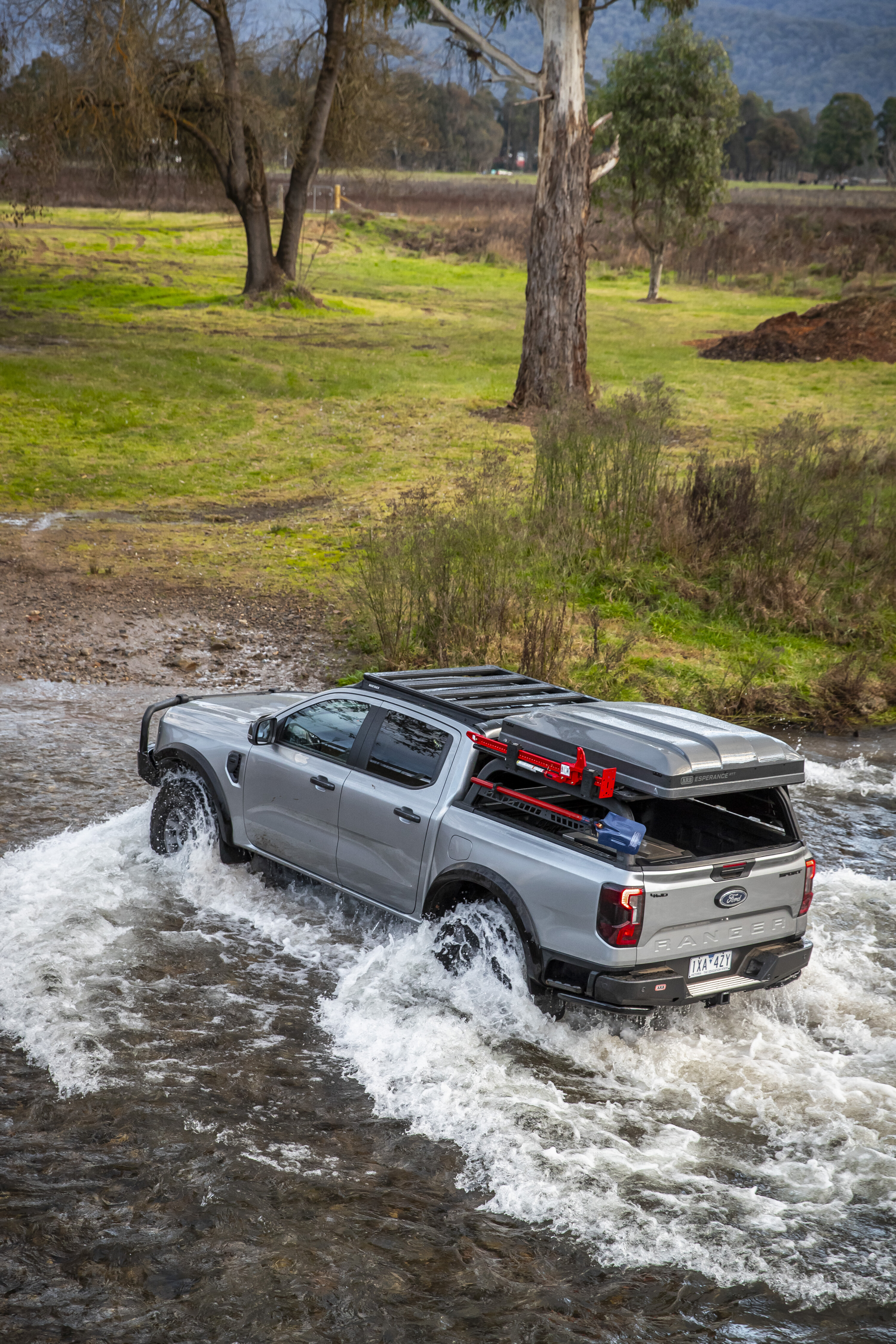
The north-south configuration doesn’t impede access to the load-carrying area of the tub, allowing taller items to be loaded if fitted with optional cross beams, great for loading items such as motorbikes, bicycles or your mate’s fridge. An extrusion in the aluminium frame allows wiring to run inside the extrusion for lights and power at the rack’s top or within a rooftop tent.
“Vehicle-specific mounting brackets and hardware have been developed which pick up on key locations of the vehicle tub and ensures that load is transferred into the structural areas of the vehicle,” said Mark de Prinse, product manager of fabricated products. “Mounting brackets can fit with or without tub liners fitted. Specifically for Ford Ranger the FLA-approved J brace is also required to supplement the mounting kit.”
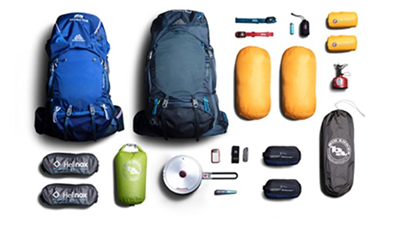
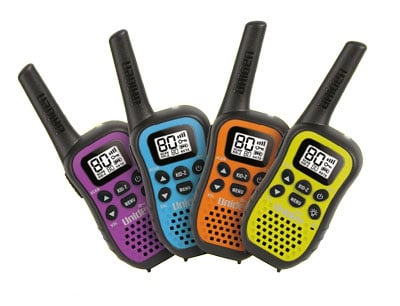
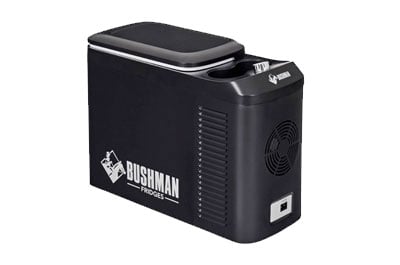
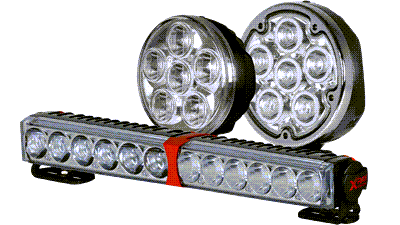
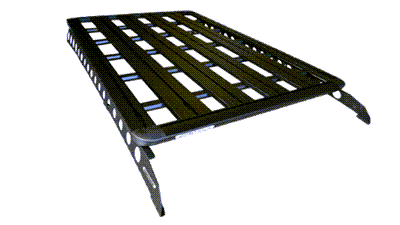
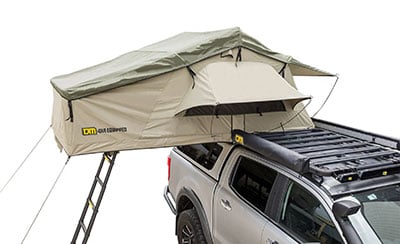
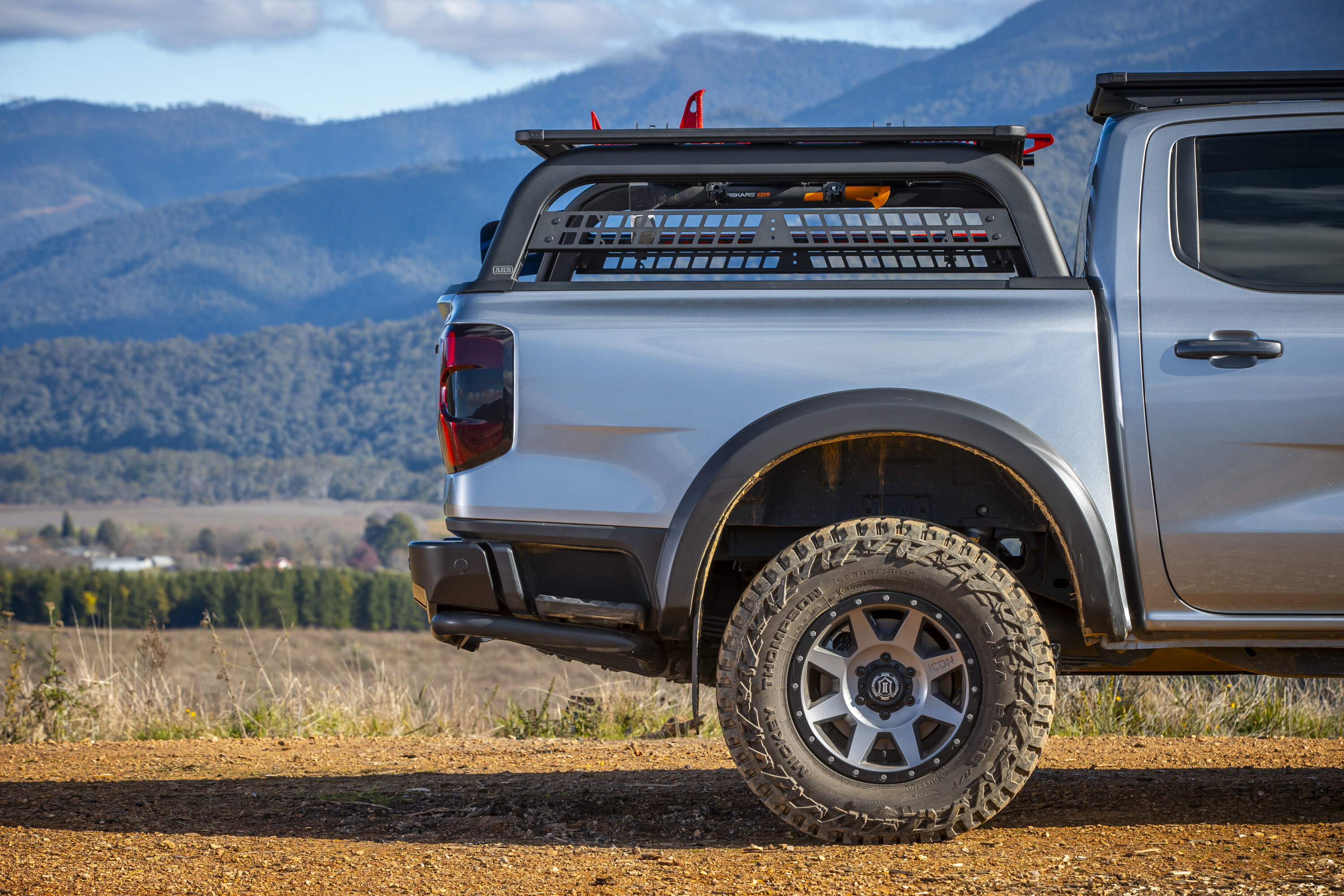
Constructed from 6061 aluminium extrusion, the ARB Bed Rack is lightweight and strong and provides a load rating of 150kg that is not going to adversely affect the durability of the vehicle’s tub. The low-profile curved styling not only integrates with the vehicle but it reduces the height and wind drag caused by fitting rooftop tents.
Specific mount kits have been developed for both the Ford Ranger and Toyota HiLux to suit each vehicle’s specific tub, with more applications still to come.
Pricing
| Productu00a0 | Price |
|---|---|
| Bed Rack Mount Kit / Ranger MY22u00a0 | $1300 |
| Supplementary Brace Kit / 22+ Ranger Dcu00a0 | $182 |
| Supplementary Brace Kit / 22+ Raptoru00a0 | $226 |
| Bed Rack Mount Kit / Hilux 2015+u00a0 | $1300 |
| ARB Baserack 1255x1445u00a0 | $900 |
| Bed Rack Cross Bars Pr 1252mmu00a0 | $450 |
| Bed Rack Cross Bars Pr 1230mmu00a0 | $450 |
| Base Rack Mnt Kit To Bed Racku00a0 | $190 |
| Bed Rack Side Channel / Suit Hiluxu00a0 | $160u00a0 |
| Bed Rack Side Channel / Suit Rangeru00a0 | $160u00a0 |
| Bed Rack Single Mountu00a0 | $100 |
| Bed Rack Twin Support Mountu00a0 | $60 |
| Bed Rack Case Mount / Suit ARB Carry Case Singleu00a0 | $175 |
| ARB Carry Case (Single)u00a0 | $79.99u00a0 |
| Bed Rack Recovery Mountsu00a0 | $60u00a0 |
Being able to utilise a vehicle’s maximum tow rating is important for tradies who can expect to tow anything from trailers loaded with sand, stone or gravel to heavy machinery like excavators and loaders.
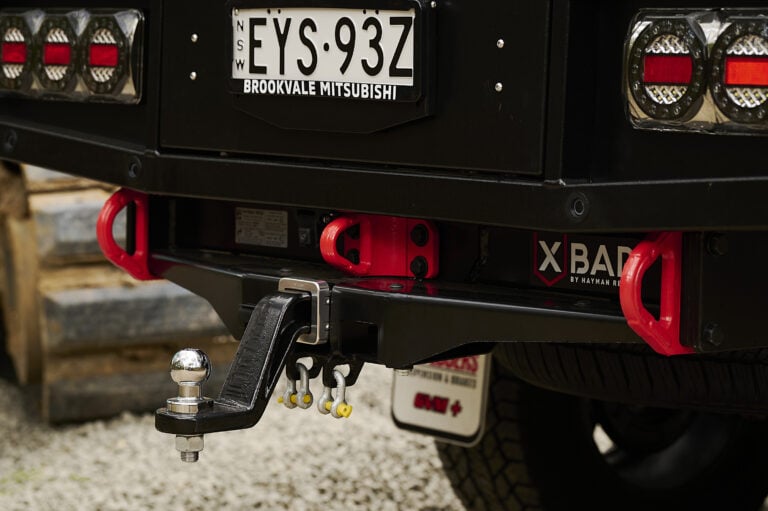
Then, when you throw in some weekend off-road adventures, with the requirements for improved departure angles and rear recovery points, you need a pretty specific towing setup. The Hayman Reese X-Bar ticks all those boxes.
There is an impressive list of features that contribute to the X-Bar’s capabilities, including a removable bash plate for increased protection underneath where it counts, and the availability of an extended drop forged ball mount that provides the correct ADR-compliant height for a standard trailer or caravan connection on vehicles with a 50mm suspension lift.
-
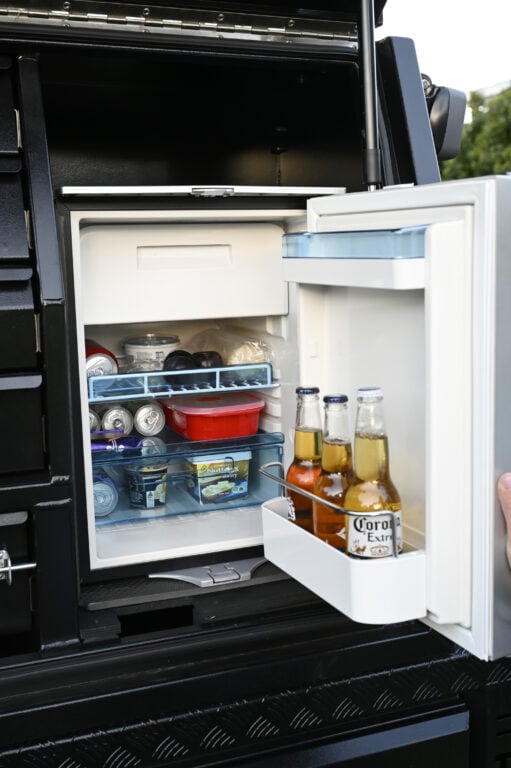
Dometic CoolMatic CRX 50 upright fridge
-
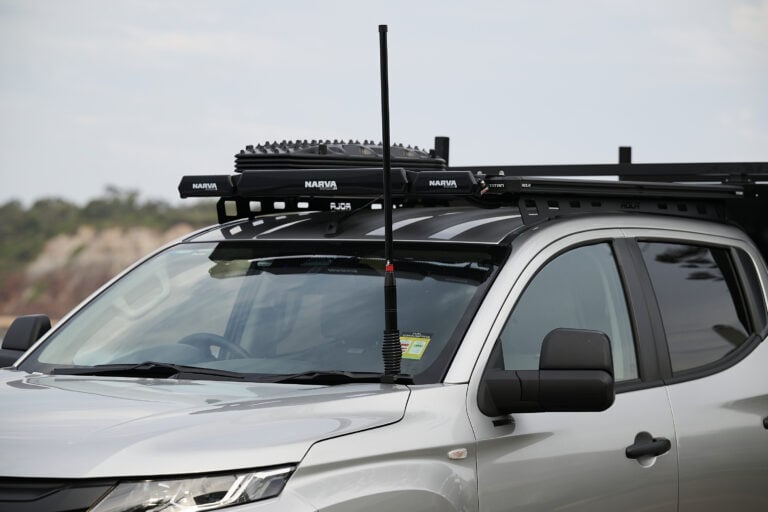
Cel-Fi GO mobile booster
-
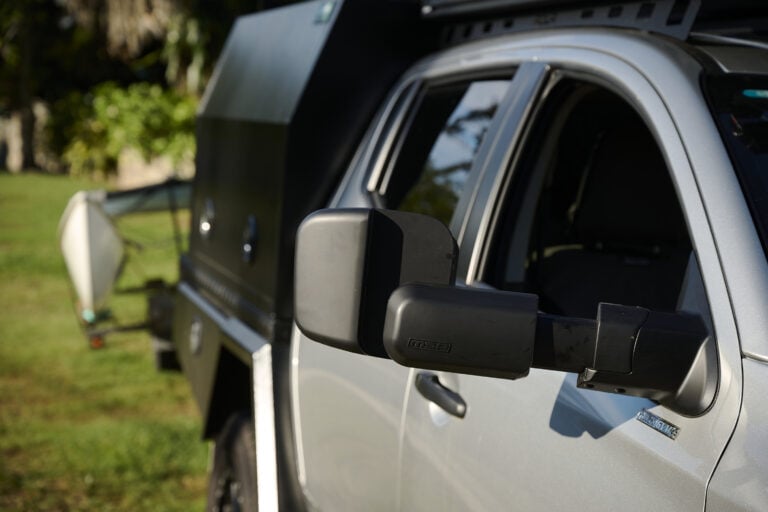
MSA 4×4 towing mirrors
-
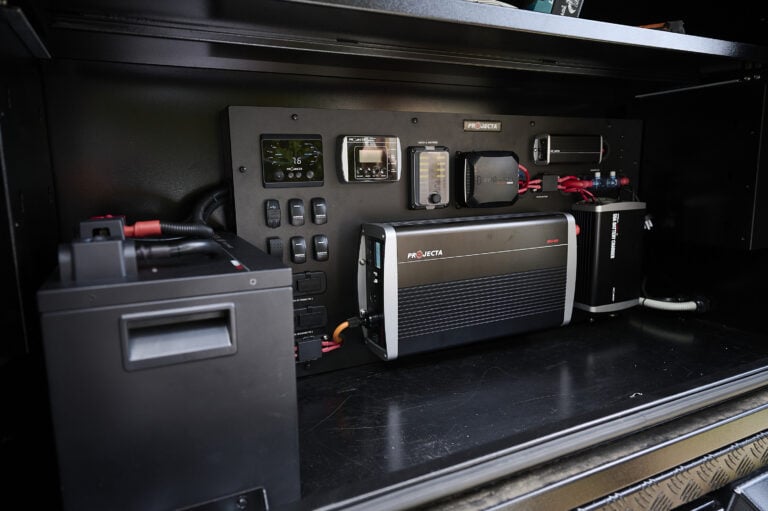
Projecta power management
-
Narva LED lights
-
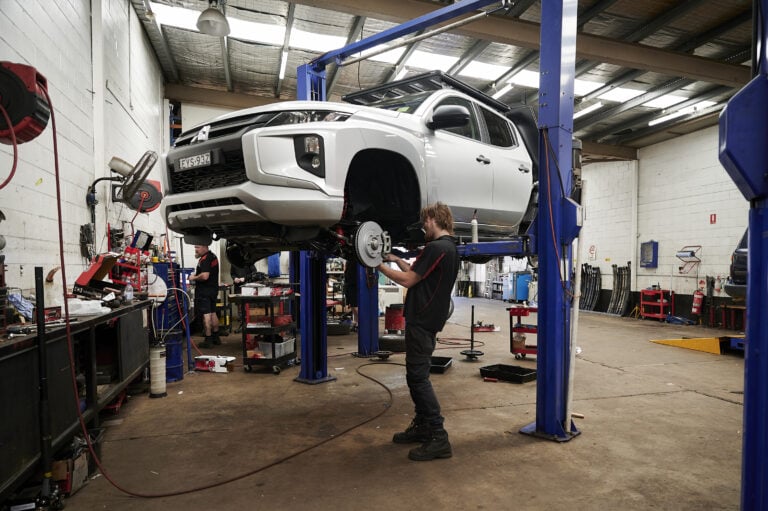
Pedders GVM and brake upgrade
-
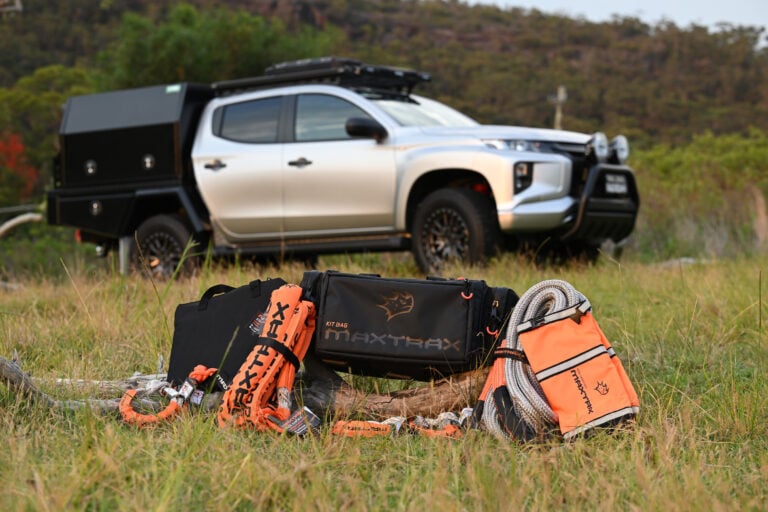
Maxtrax recovery kit
-
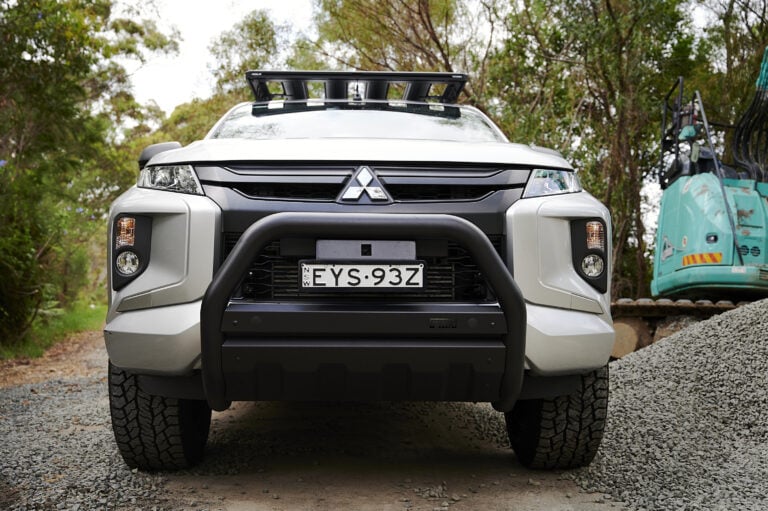
PIAK nudge bar
-
Hayman Reese X-Bar
-
Rola MKIII Titan Tray
-
TruFit 3D mats
-
Fuel Rebel wheels
-
Hankook Dynapro AT2 tyres
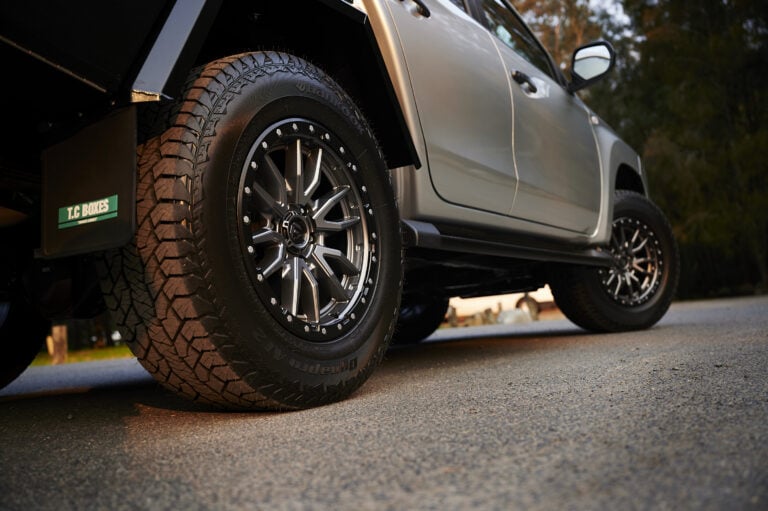
-
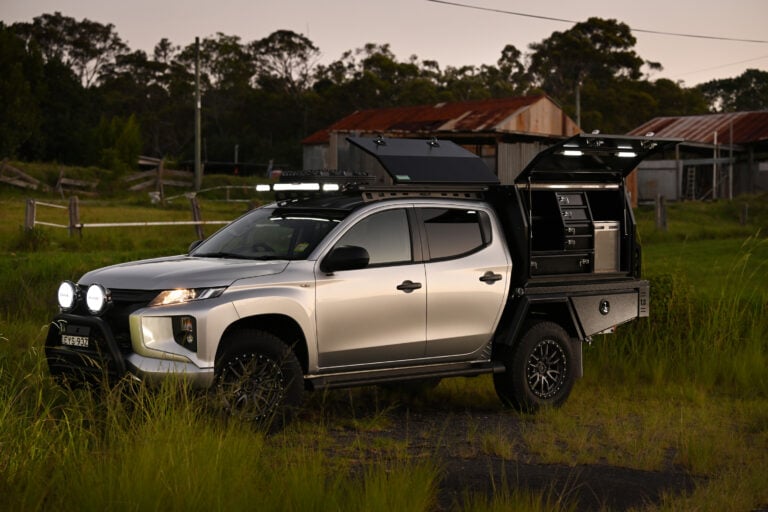
TC Boxes tray and toolbox
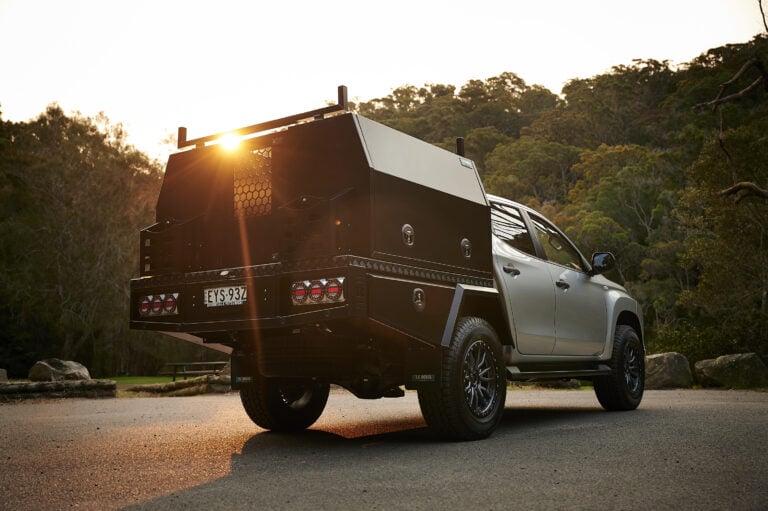
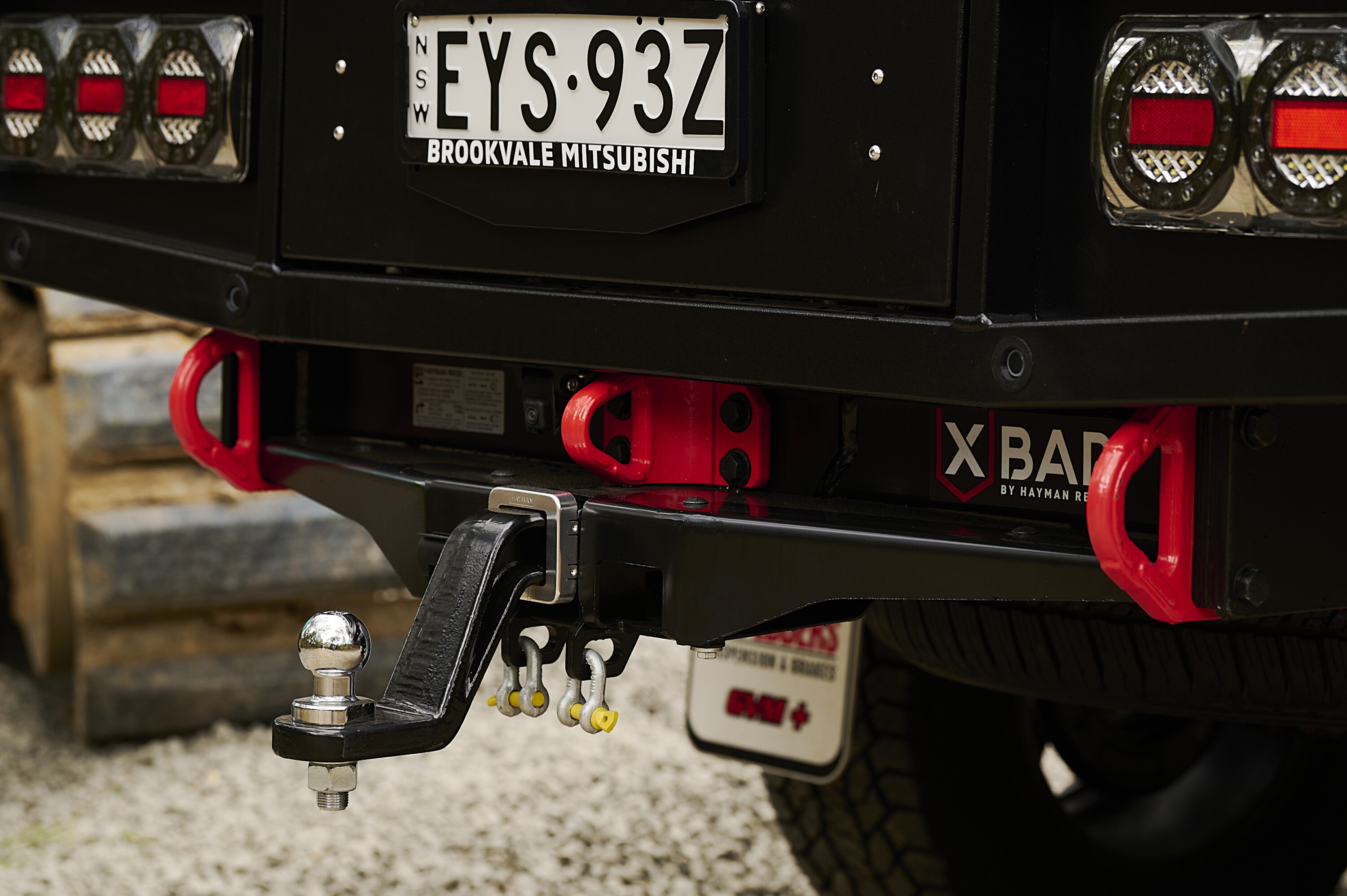
The trailer plug is mounted in an elevated position within the main channel of the X-Bar to keep it out of harm’s way, and reduce the risk of damage during off-road excursions or when navigating challenging building sites. It also contributes to the overall aesthetic and functionality of the tow bar. Next to the trailer plug are a pair of Anderson plugs that add an extra layer of versatility for users with specific electrical needs.
The X-Bar features two side-mounted forged recovery points rated at 4000kg each. These are painted red so they are easy to see and ready for quick attachment in urgent recovery situations. A centrally mounted recovery point is also easy to access and use, and this one is rated to a massive 8000kg.
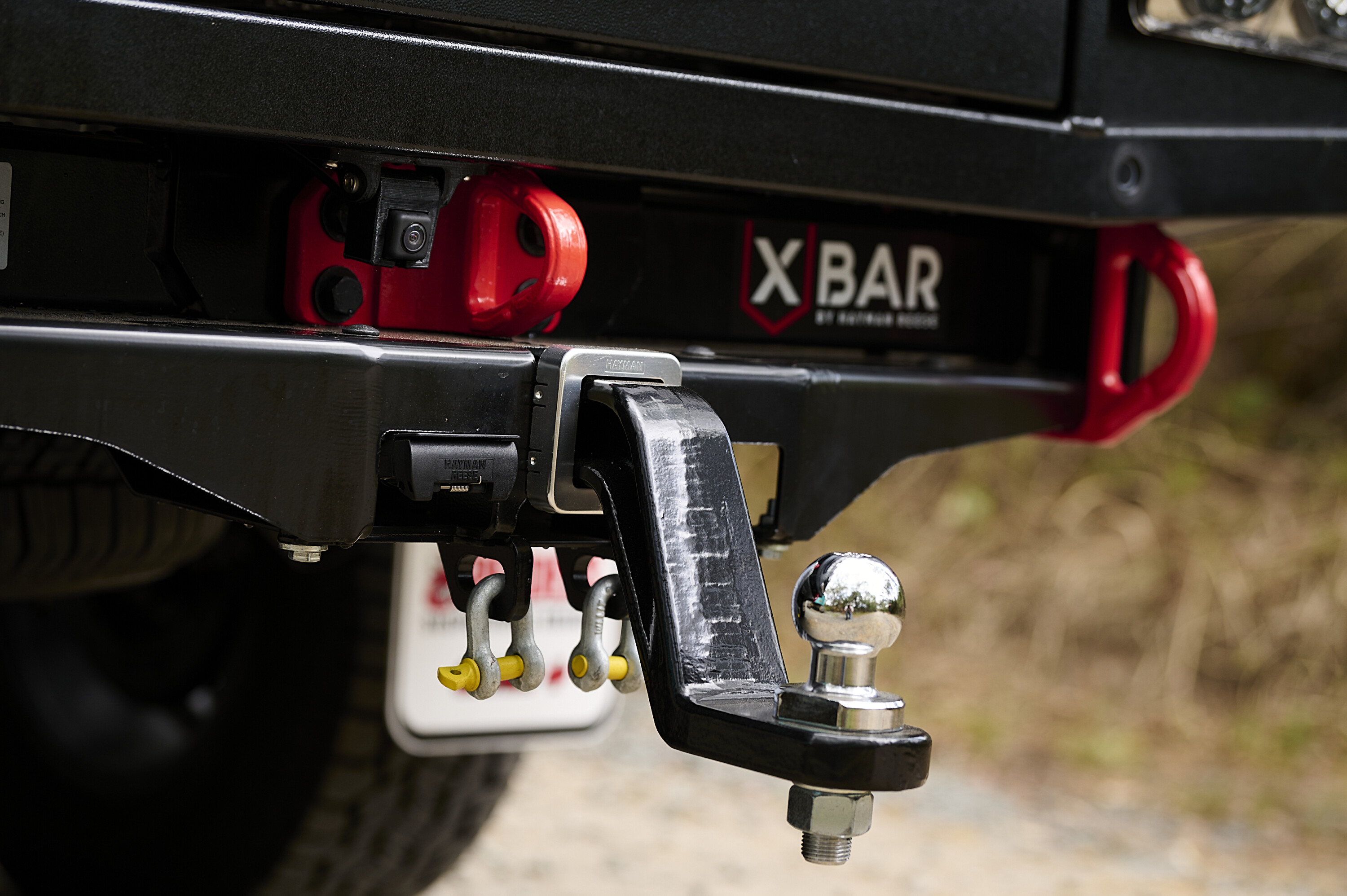
The X-bar mounts quite high on the back of the Troton which ensures optimised departure angles for off-road driving, so this cleverly designed tow bar not only facilitates towing but it also enhances the vehicle’s performance in challenging terrains. And for tradies relying on their utes for work and play, this design consideration is important when navigating challenging environments.
As our Triton creeps closer to the finish line, it has been great to stand back and appreciate its gradual transformation as each key piece has been added to the build.
Want to see your 4×4 on the pages of 4X4 Australia? Then send us a photo to our Facebook page, and we’ll publish it online and in an upcoming magazine.
2001 Toyota SR5 HiLux
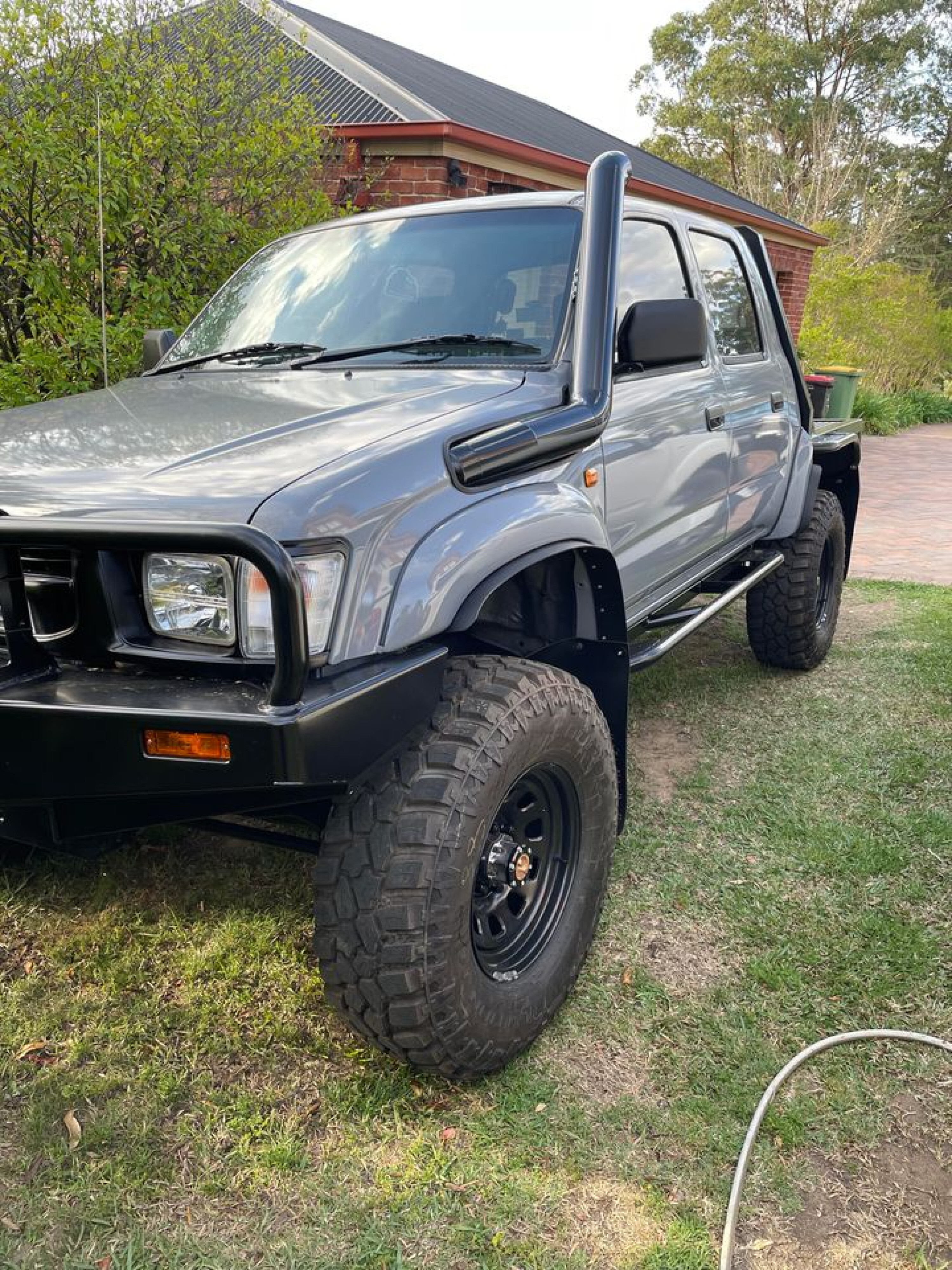
I’ve done 100 per cent of the work at home, which has taken me two years to complete. Mods include an ARB front bar with Warn 9500 winch; custom paint job which is Nardo grey; custom steel tray with tube guards; and custom rock sliders. I’ve also fitted a custom front-mount intercooler and TIG-welded stainless steel intake piping to suit, and welded up a custom three-inch exhaust system. I’ve converted the EFI diesel pump to a 12mm mechanical fuel pump with a high-flow turbo for just enough power to spin the muddies when I stomp on it.
For the front, I’ve cut all the IFS suspension out to fit an 80 Series LandCruiser diff with a factory front locker (rare as hen’s teeth), welding in coil/shock towers and custom flipped radius arms to make it a solid axle-swapped HiLux. It’s also running an 80 Series steering box.
For the rear, a custom diff housing has been made to accept an 80 Series diff centre, wheel bearings and brakes, with a custom set of true hardened axle splines at both ends. I’ve folded up my own leaf spring u-bolt flip plates and inverted the rear shocks, making all the custom mounts to suit – Mitch Kucinskas
1982 Toyota FJ40
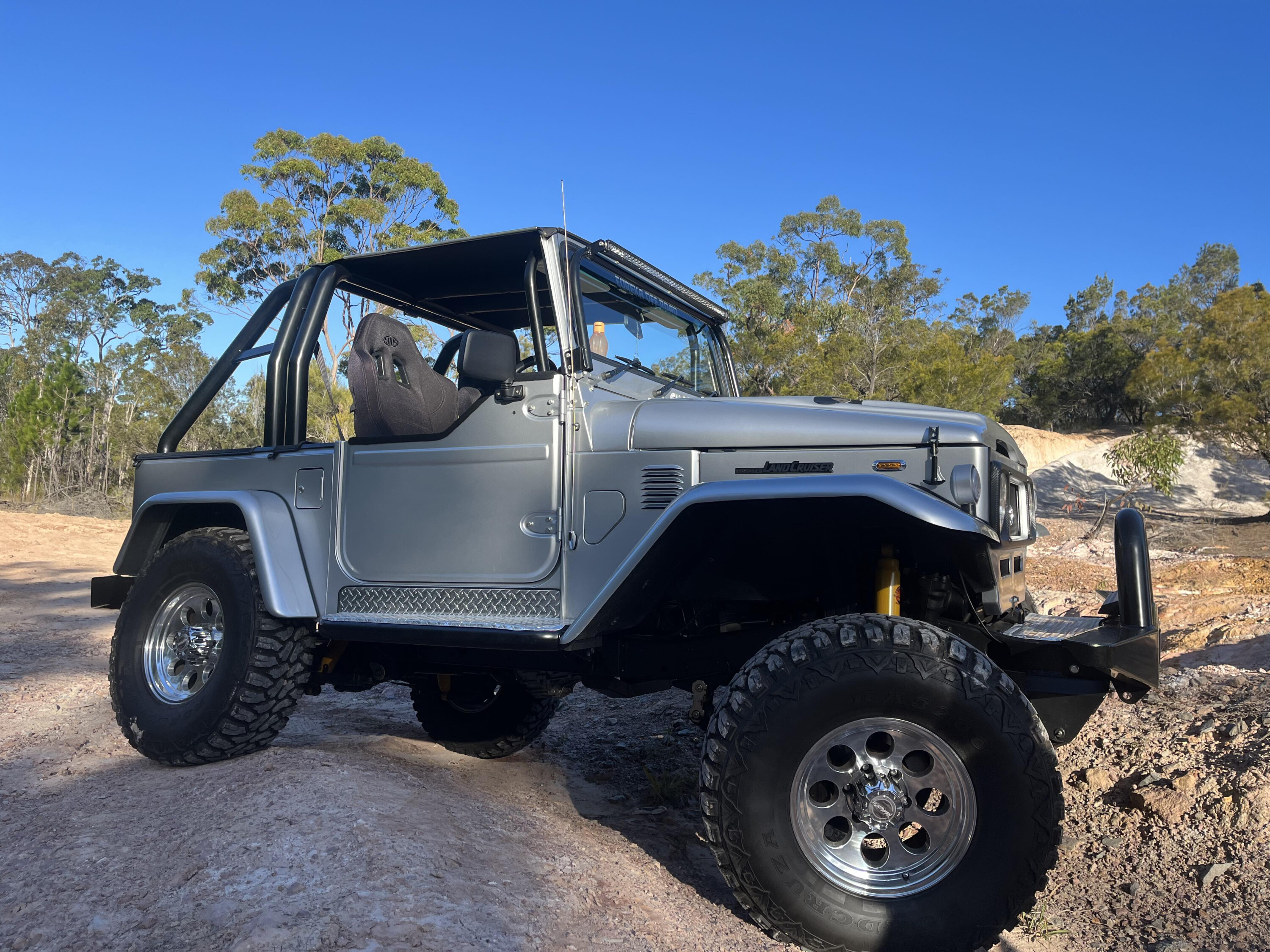
Barn-find wreck transformed! Kit includes a full reverse-shackle conversion; 80 Series diff conversion with a 350 Chev motor; Turbo 400 three-speed auto; six-point roll cage; bucket race seats; Auto Meter gauges; 35-inch tyres; and a six-inch lift. Full build from Eureka Off-Road – Jayde Serre
2022 Nissan Y62 Patrol TiL
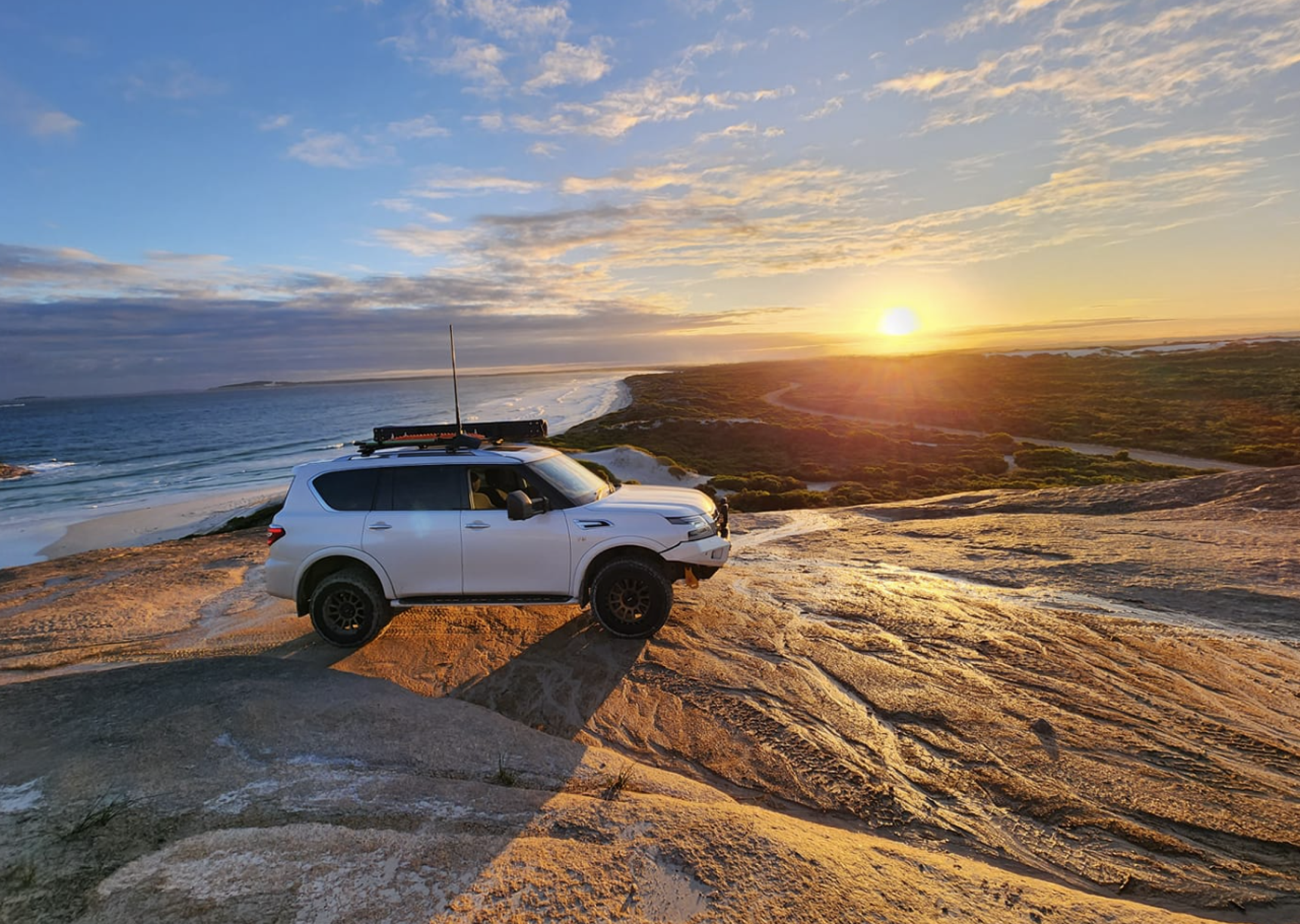
We’ve had the DMW Industries 4499kg GVM upgrade with two-inch lift. Tricked it up with a Raslarr front bar, carbon winch, Elite Podium wheels and a Bushwakka 270° awning. We’ve towed our 21ft caravan 35,000km around Australia so far and it’s going to be hard to beat going along the Gibb River Road. An absolute amazing part of the country and an epic journey to get there as well – Brenden Clark
2011 Toyota LandCruiser 76
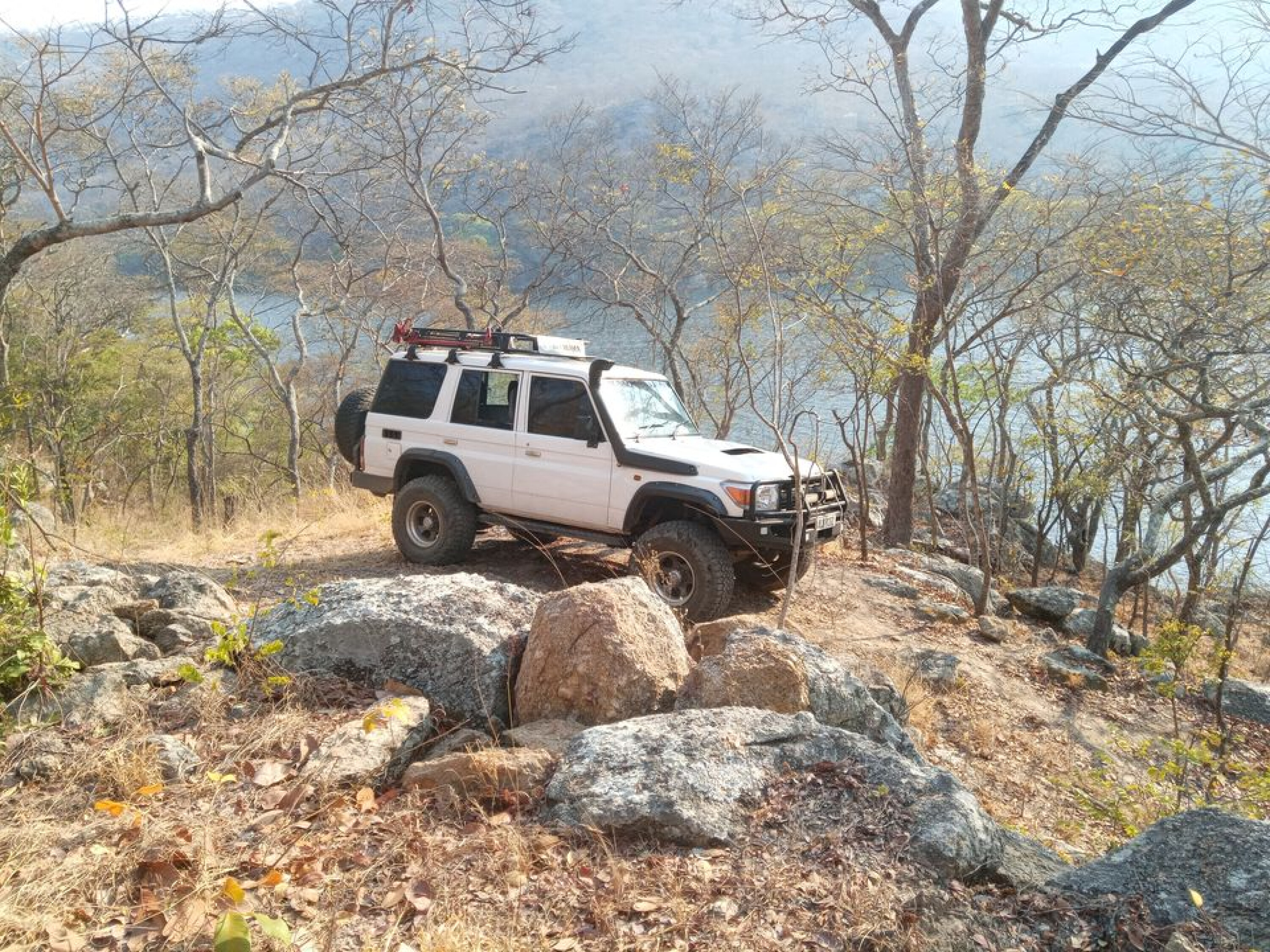
I have modified it a bit, with the main mod changing the tyre profile from the original 7.5-R16s to a Black Bear 315/75R16, a brilliant tyre that handles the terrian in the Great Escapement of Southern Africa perfectly – Reuben Siame
2022 Mitsubishi Triton GSR
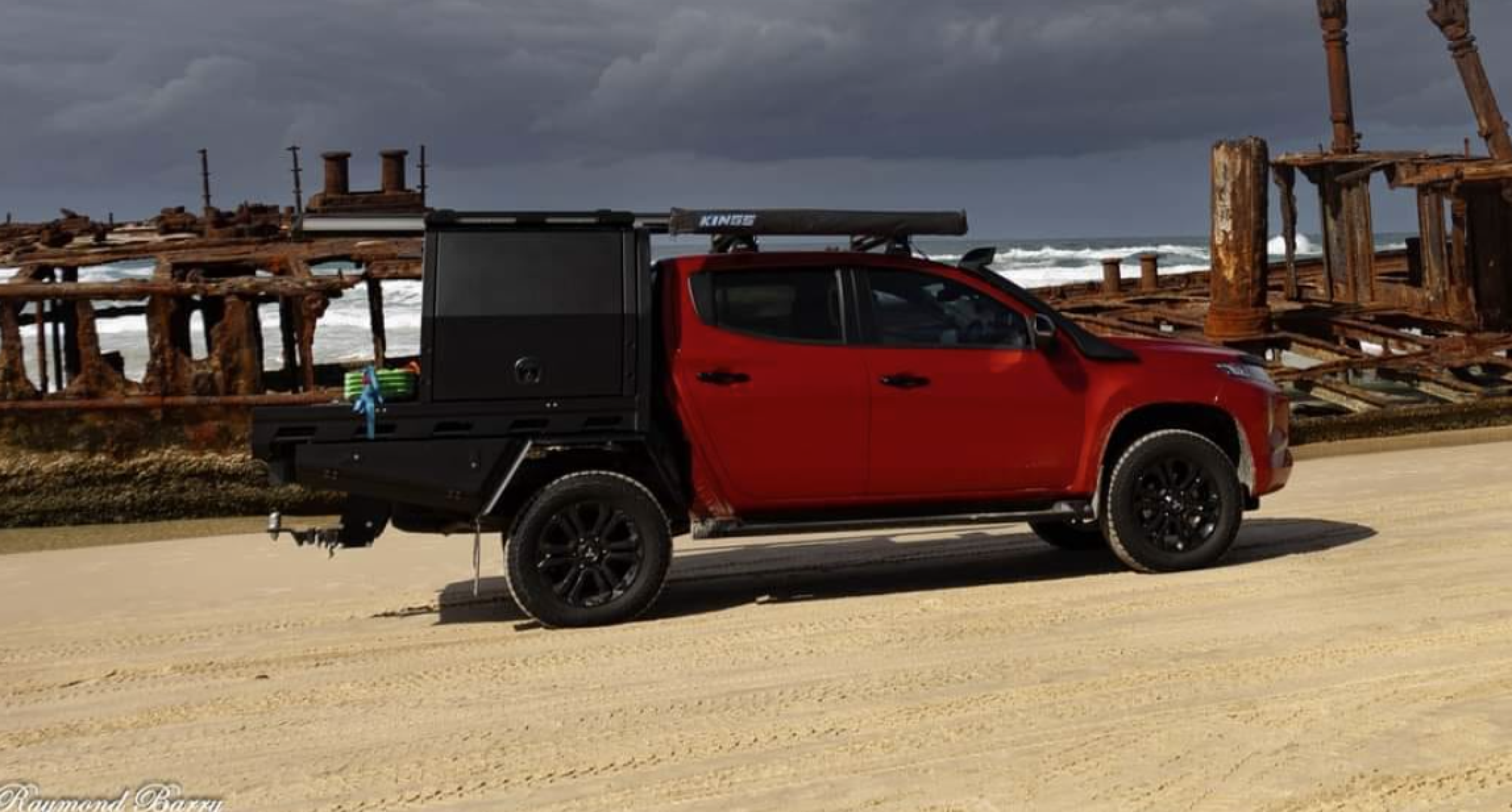
Still pretty much stock. I’ve just added a Mitsubishi alloy tray and canopy, and upgraded the rear suspension. Will be built for touring when finished. So far the best place I’ve taken it to is K’gari (Fraser Island) – Raymond Barry
2023 Ford Ranger Raptor
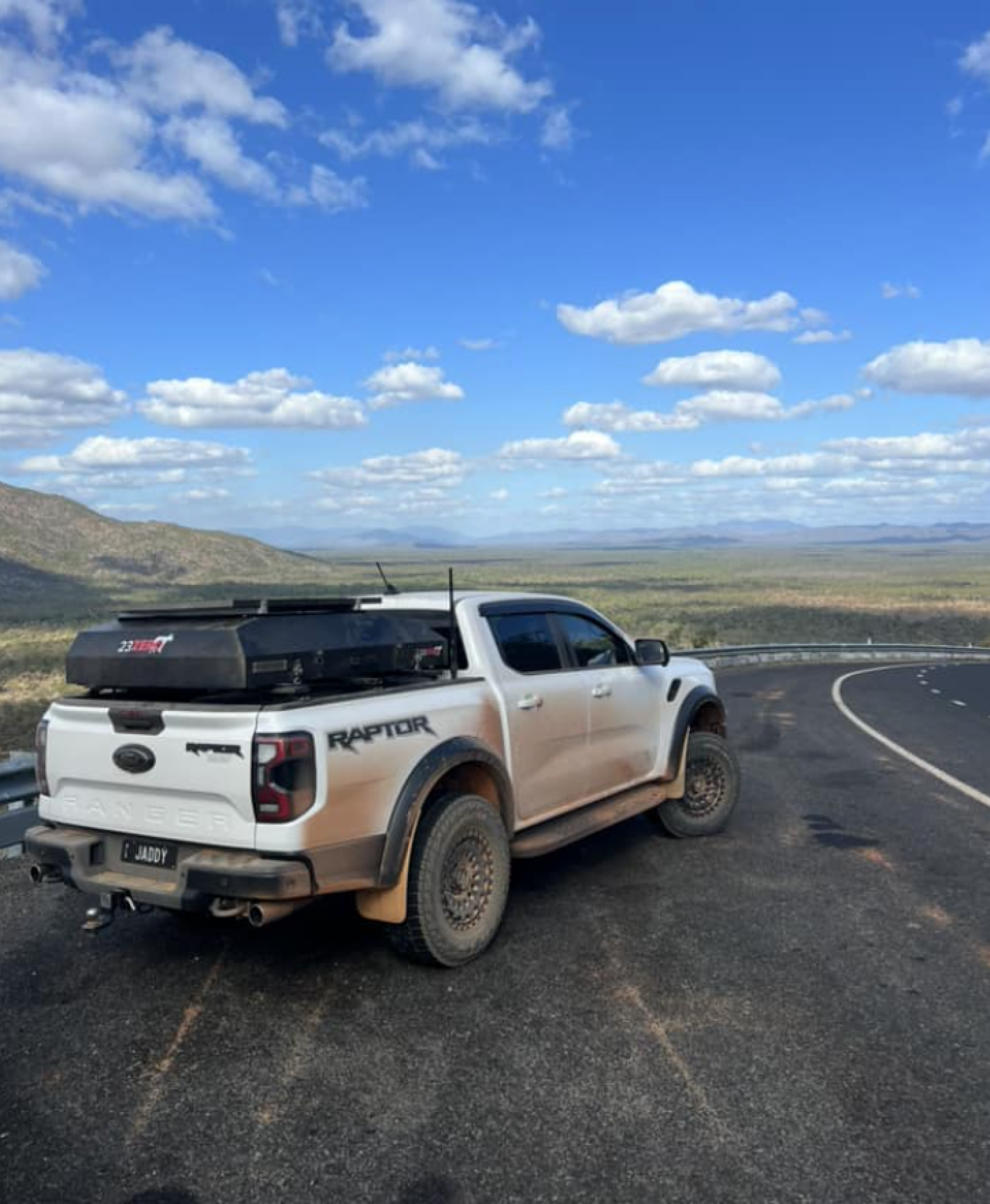
By far the best place I’ve been is Lakefield National Park in Cape York – camping, barra fishing and no phone reception. The Raptor has a two-inch King spring lift; Hussler rims; Falken Wildpeak tyres; 23zero roof-top tent; dual battery set-up, and a Uniden Hideaway UHF – Jadd Cohu
Latest Gear Guides
The 2024 Isuzu MU-X off-road large SUV will offer a smaller, cheaper engine option next year.
Isuzu Ute Australia said the 1.9-litre turbo-diesel from base versions of the related D-Max ute (and its Mazda BT-50 twin-under-the-skin) will be added to the seven-seat MU-X line-up sometime in 2024.
“IUA plans to introduce the Isuzu 1.9L engine available in some current D-MAX variants to the MU-X range in 2024,” said an Isuzu Ute Australia spokesperson.
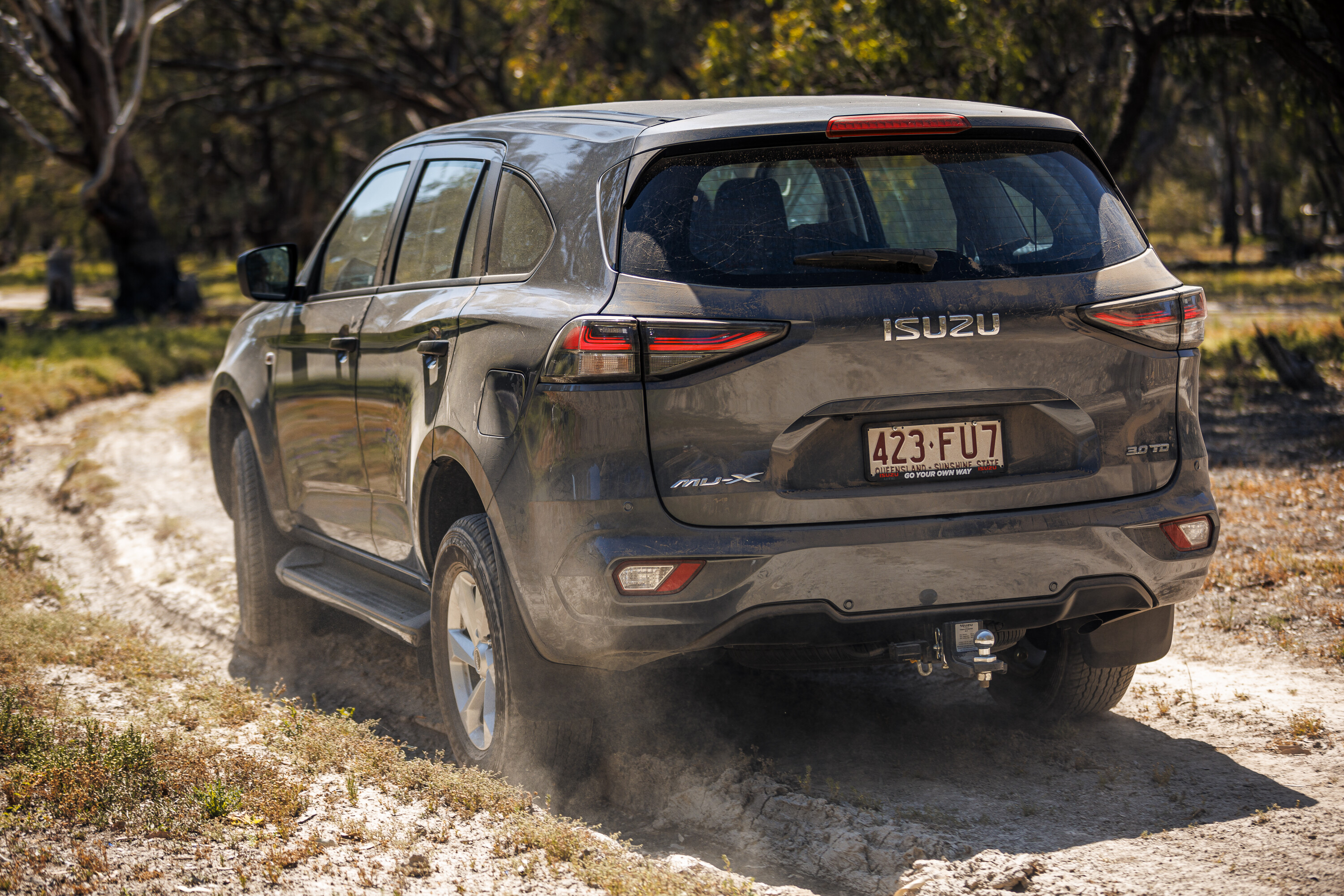
“Exact timings and model range at this stage is not confirmed, but we will provide more information when it becomes available”
Available in the current MU-X overseas, the ‘RZ4E’ 1.9-litre turbo-diesel produces 110kW and 350Nm – down 30Nm and 100Nm compared to the familiar 150kW/450Nm ‘4JJ3-TCX’ 3.0-litre four-cylinder turbo-diesel.
Both powertrains are matched to a six-speed torque-converter automatic transmission.
If the D-Max is a guide, the 1.9-litre engine would likely be offered in the entry-level MU-X LS-M two-wheel-drive variant aimed at fleet buyers.
The price difference between a D-Max SX 1.9-litre auto and SX 3.0-litre auto is $2000, suggesting the MU-X’s entry price could fall to approximately $46,900 before on-road costs.
D-Max and BT-50 variants fitted with the 1.9-litre diesel have a reduced braked towing capacity of 2800 kilograms for the manual or 3000kg for the automatic, compared to 3500kg for 3.0-litre diesel versions of the MU-X, D-Max and BT-50.
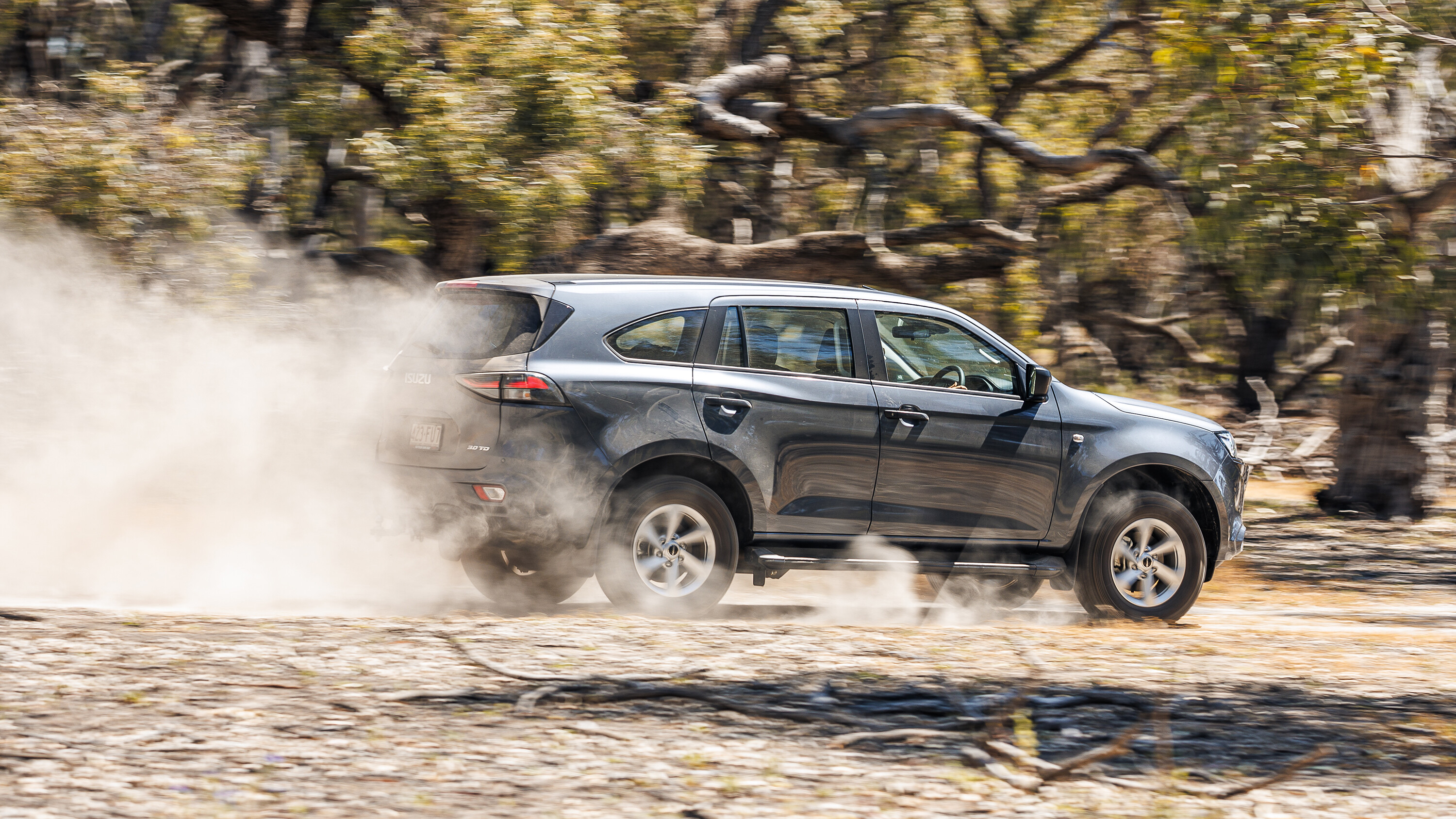
The 1.9-litre MU-X is likely to also be limited to a three-tonne capacity.
An improved fuel consumption rating is expected with the 1.9-litre D-Max 4×2 dual-cab auto rated at 6.7L/100km compared to 7.7L/100km for an equivalent 3.0-litre variant – suggesting the 1.9-litre MU-X 4×2 could fall from 7.8L/100km to around 6.8L/100km, less than a four-cylinder bi-turbo Ford Everest 4×2.
Further details about the 1.9-litre 2024 Isuzu MU-X SUV are due to be announced at a later date.
If you own a 76, 78 or 79 Series LandCruiser, you know that you can’t trust the handbrake as it is a useless accessory.
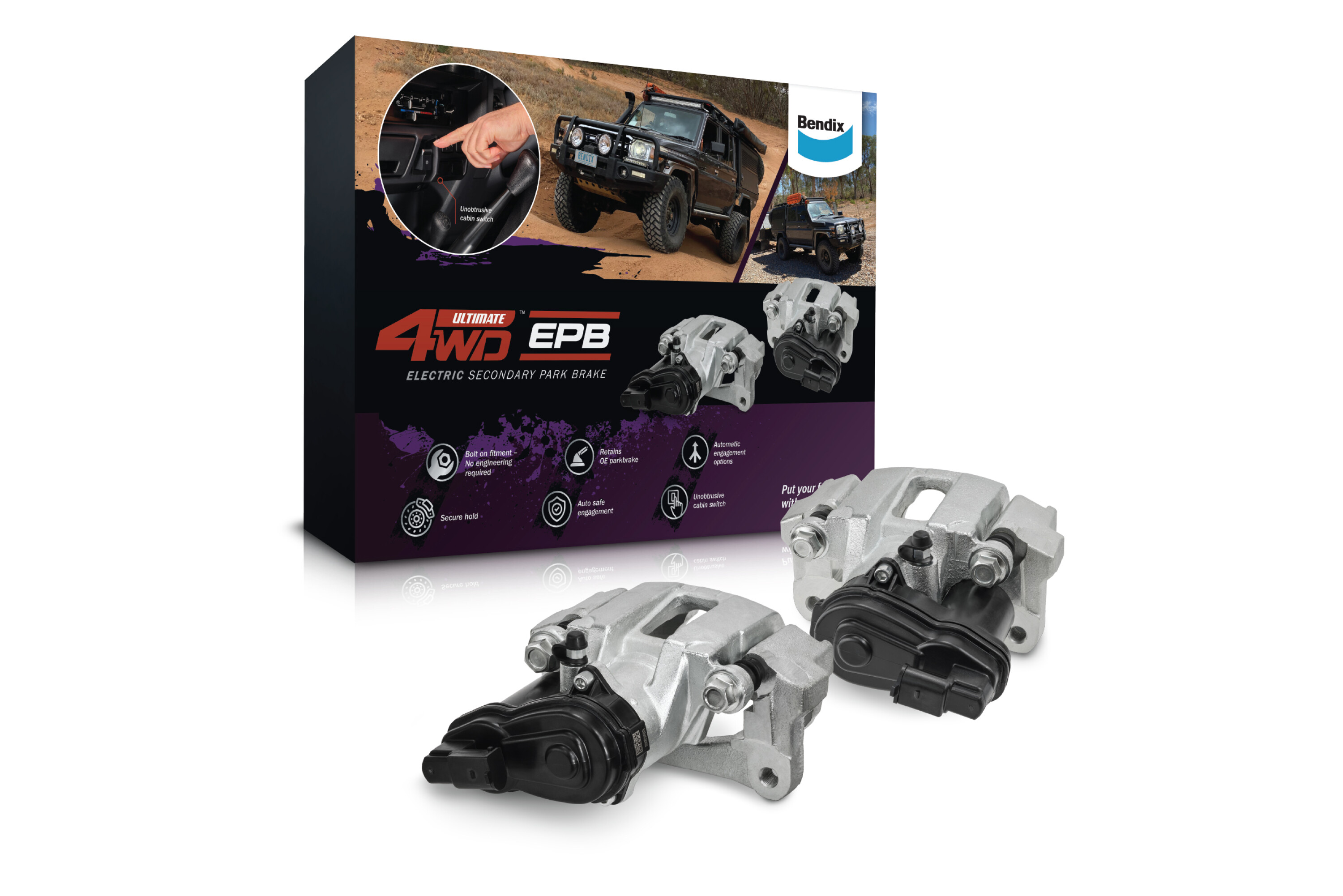
Bendix has launched its Electric Secondary Park Brake (EPB) for these vehicles which will change the way they are parked. The Bendix EPB provides additional holding ability as it features single-piston callipers that act on the rear disk brake rotors which minimise the likelihood of your 70 Series rolling away from you on steep hills.
For added versatility, the EPB can also be configured for automatically engaged functionality for instances such as when the driver’s door is left ajar when you jump out to open a gate. The EPB also has a ‘service mode’ that winds back the EPB to enable the brake pads to be changed, with instructions detailing this mode included in each kit.
“The new Bendix Electronic Park Brake was developed and tested over an 18-month period, and we’re very excited to now bring this product to market,” said Ian Campbell, Bendix Product Manager.
“For owners and regular users of LandCruiser 76, 78 and 79 Series – particularly those who tow or carry high payloads – the secondary brake is a revelation in the added surety and safety it will provide against rollaway,” he added.
The new Electric Secondary Park Brake offers a ‘bolt-on’ fitment and complements the existing OE park brake, with no change to the vehicle’s hydraulic mechanism, brake pad shape or original hand brake necessary.
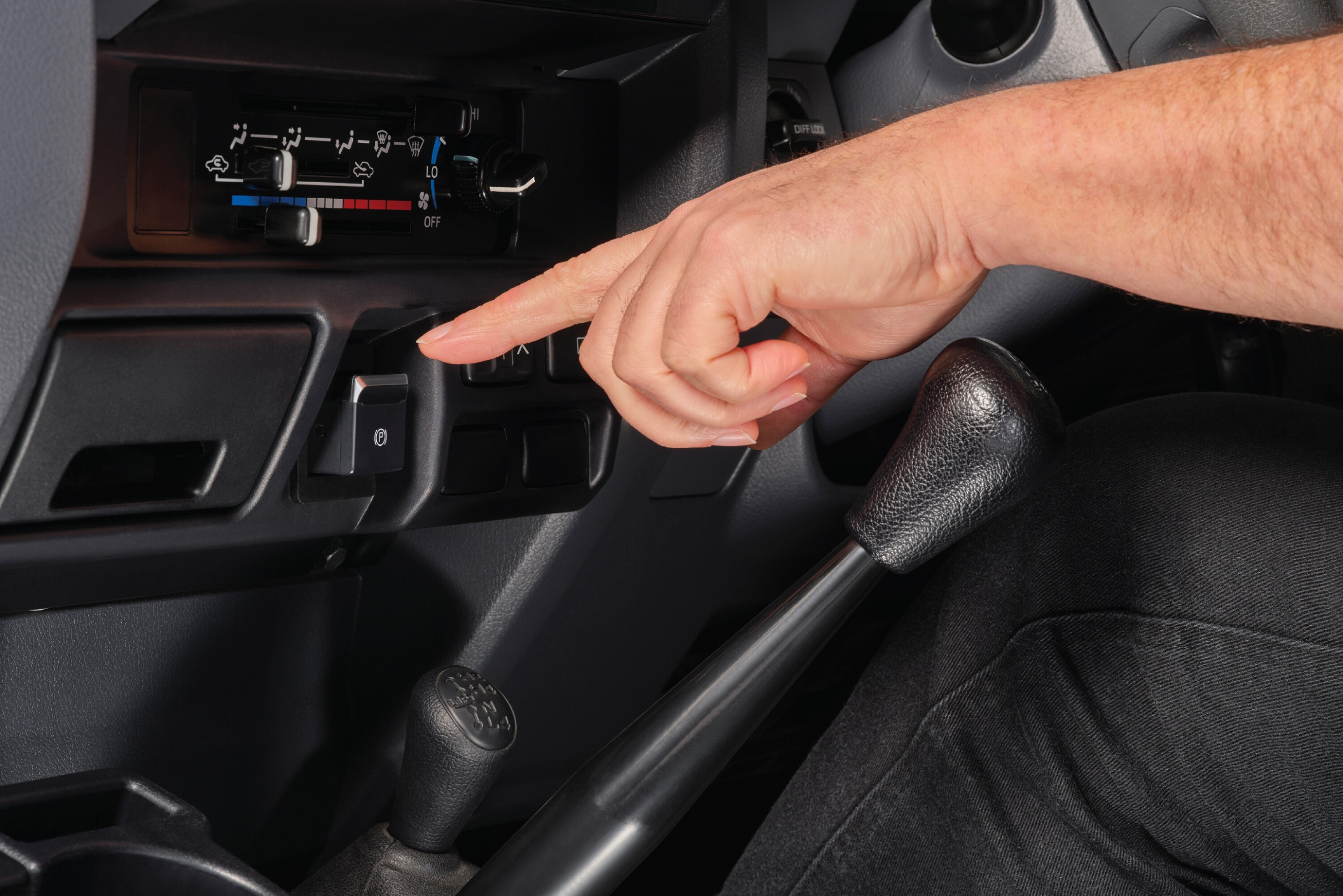
Fitting the EPB is a simple job for a mechanic with detailed installation instructions provided. Bendix suggests an experienced technician will take 60 to 90 minutes, with no special tools required. ADR compliance of the 70 Series is maintained and doesn’t require engineering certification once the EPB is installed.
Included in each EPB kit, which retails for $2799, are two brake callipers with EPB functionality, a wiring loom, the electronic control module, an OME-style control switch for dashboard installation and one pair of DB1200 Ultimate 4WD Brake Pads.
Bendix’s new Electric Park Brake is a simple and cost-effective bit of kit that maximises the park braking performance of your 70 Series LandCruiser.
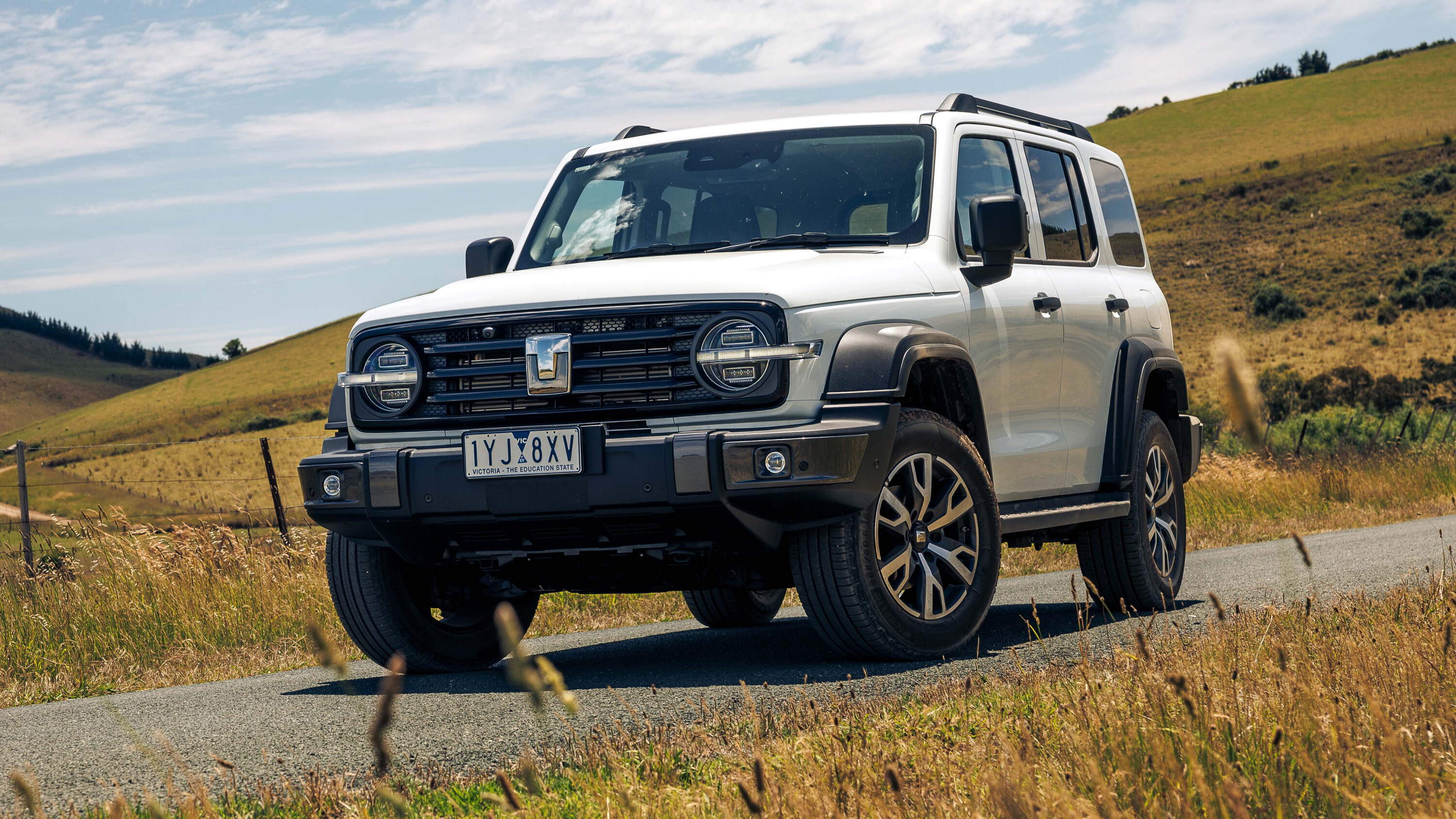
Cars from China are shaking up the world of electric vehicles, and now they’re disrupting segments such as the retro-styled, off-road SUV.
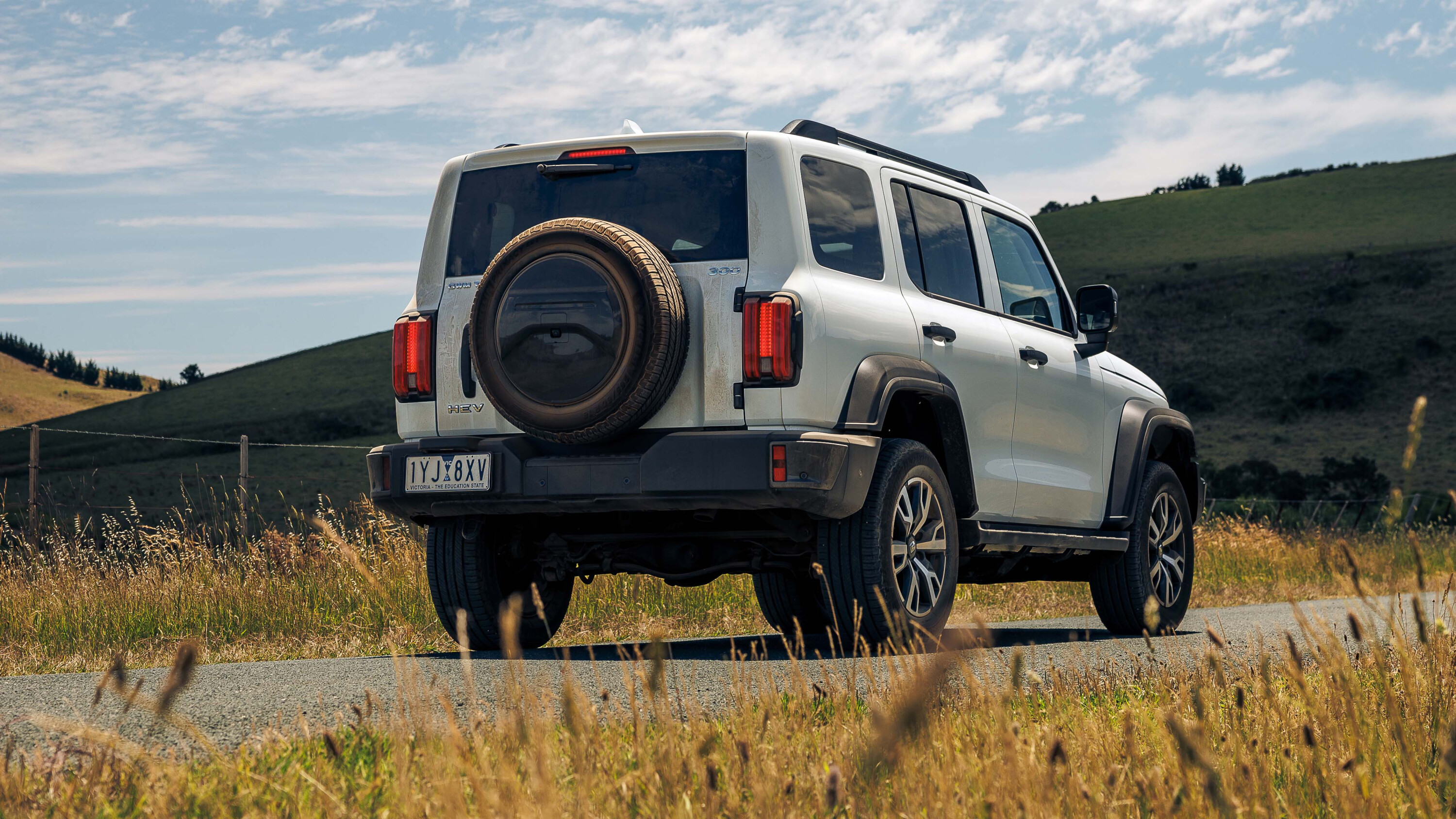
At $60,990 drive-away for the range topping Ultra Hybrid, the Great Wall Motors Tank 300 undercuts vehicles in the same vein by tens of thousands of dollars. To get a five-door Jeep Wrangler, you’ll need at least $81,450 (before on-roads), while an Ineos Grenadier starts from $97,000 and the Mercedes-Benz G-Class, well, you know what they say – if you have to ask.
A Suzuki Jimny, meanwhile, is a three-door option for now and could probably fit in the Tank’s glovebox.
That’s not to mention Great Wall has offered a hybrid, petrol-electric powertrain before any of the above – Jeep’s plug-in Wrangler 4xe especially is still nowhere to be seen.
Built on a ladder chassis and with a solid rear axle – the same platform as the GWM Cannon dual-cab ute – the Tank 300 combines ruggedness with cuteness, this white example channelling a bit of Giant Panda in its front styling, as if it would be just as happy having bamboo crammed down its fuel filler neck as it would regular unleaded.
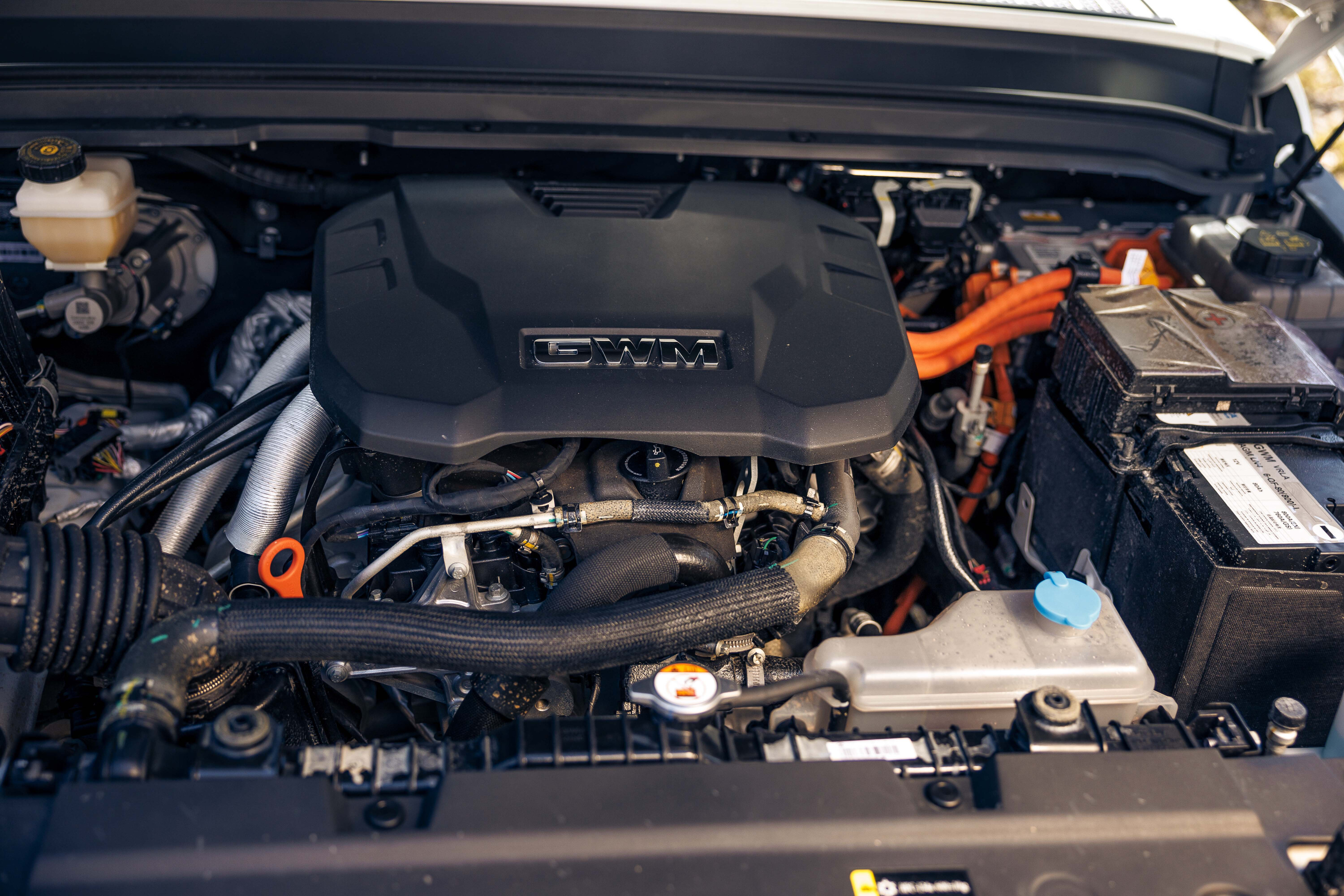
While the Tank 300 range starts with the $49,990 (drive-away) Lux, at $60,990 (also drive-away), today’s range-topping new Ultra Hybrid mates a 180kW/380Nm 2.0-litre turbocharged inline-4 with a 78kW/268Nm electric motor for a very headline-grabbing total combined output of 255kW/648Nm.
That’s more than an HSV Clubsport from yesteryear, even if the Clubbie weighed somewhat less than the GWM’s 2313kg, itself 158kg more than the non-hybrid model – the figure on the scales very much keeping true to the vehicle’s name.
The hybrid gets a nine-speed auto (versus the non-hybrid’s eight) with all-wheel-drive and rear differential lock.
The range-topping Ultra Hybrid adds a front differential lock, while all Tanks offer 33-degree approach and 34-degree departure angles, 224mm of ground clearance, and low range, making for some serious off-roading promise. (We aren’t testing it off-road today – but you can read what our dirt-loving 4×4 Australia colleagues had to say about the petrol-powered Tank 300 here.)
Interior & features
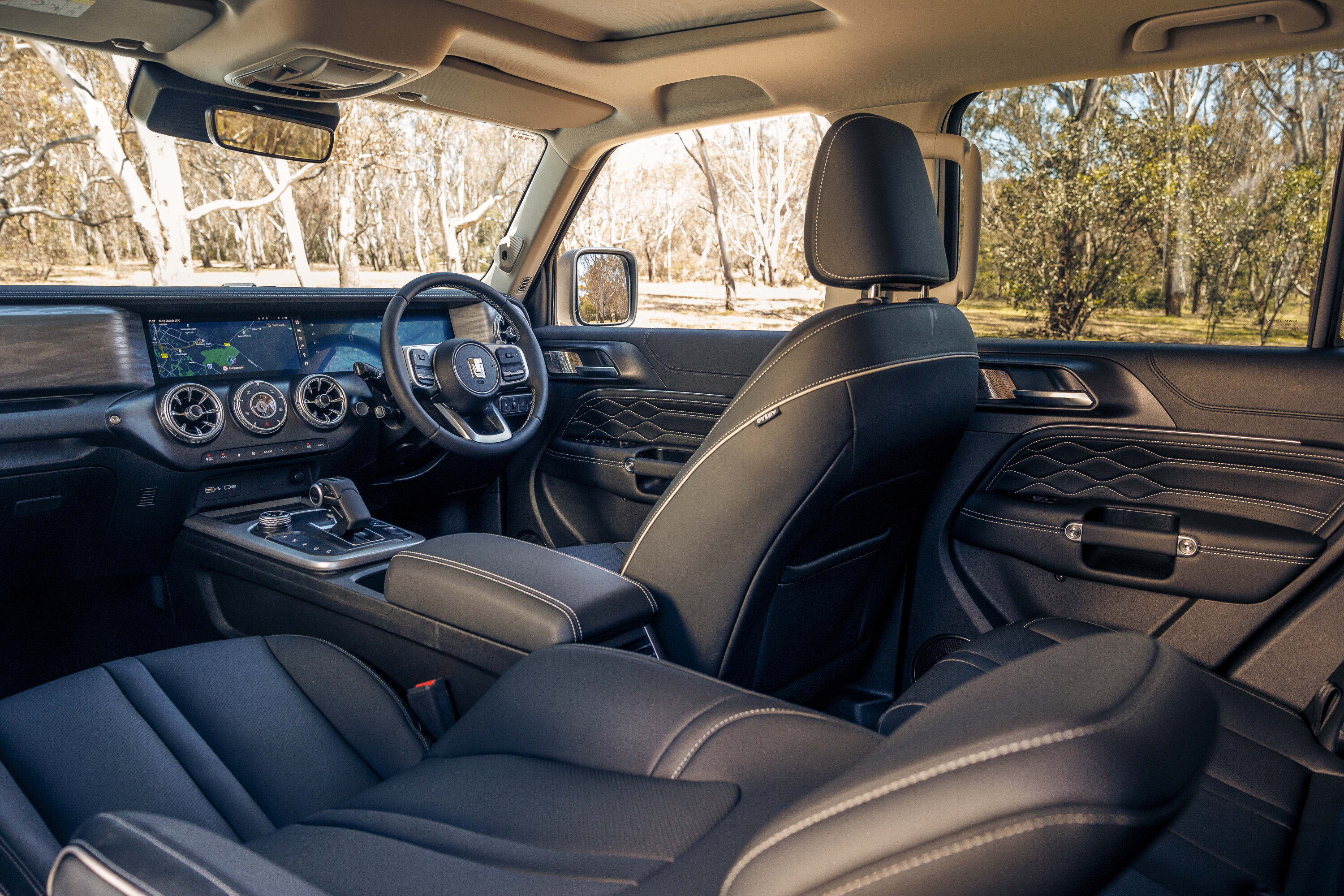
Climbing into the Tank for the very first time – quite a feat, as the driver gets no grab handle, unlike all other passengers – you sit quite high, and find yourself in a nicely appointed place.
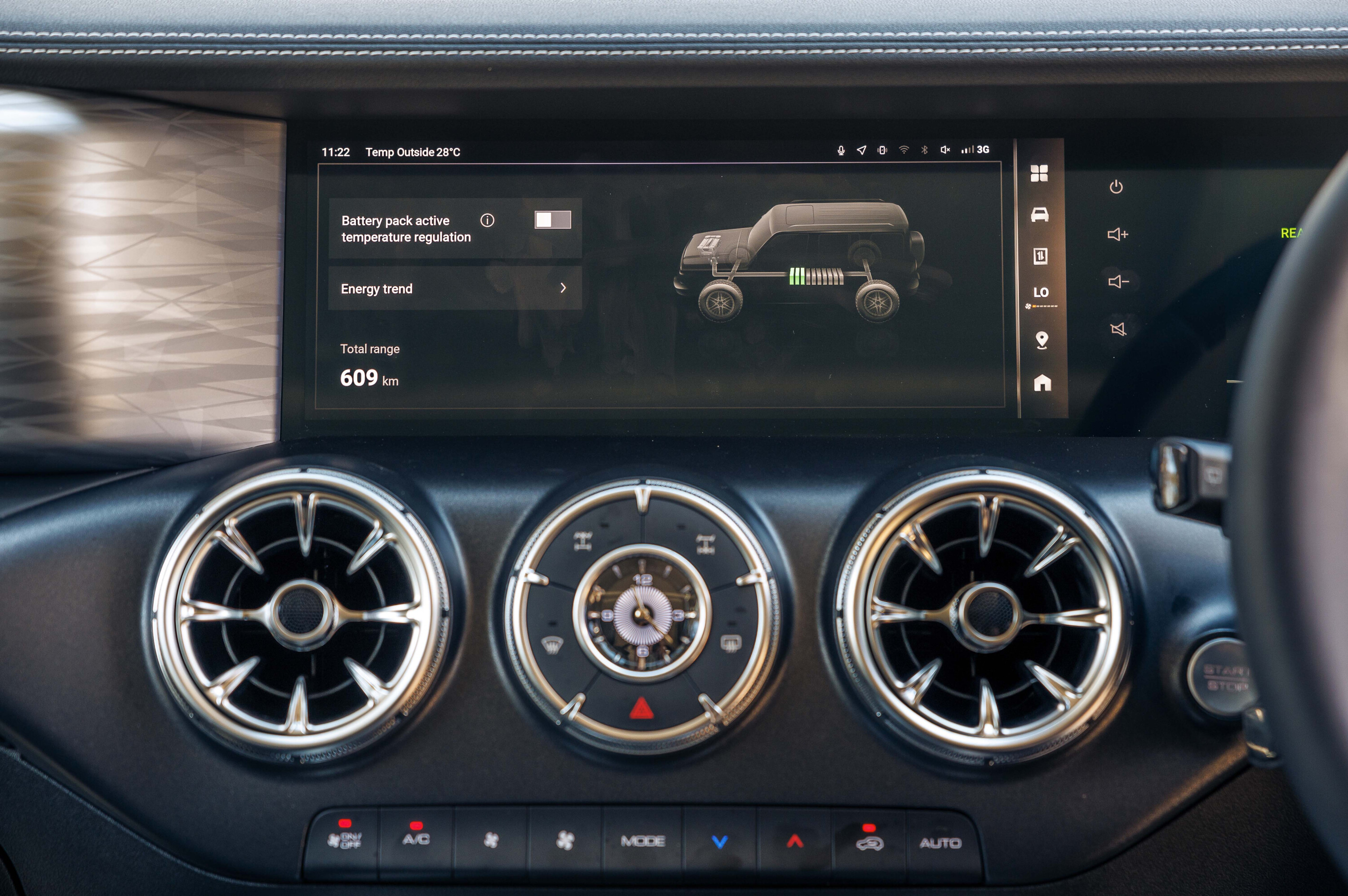
Aside from a quietly rattling sunroof, build quality feels good, while the circular, turbine-like air-vents are a shameless rip-off of a certain German brand. That said, if your new SUV had to copy someone, better Mercedes-Benz than Lada.
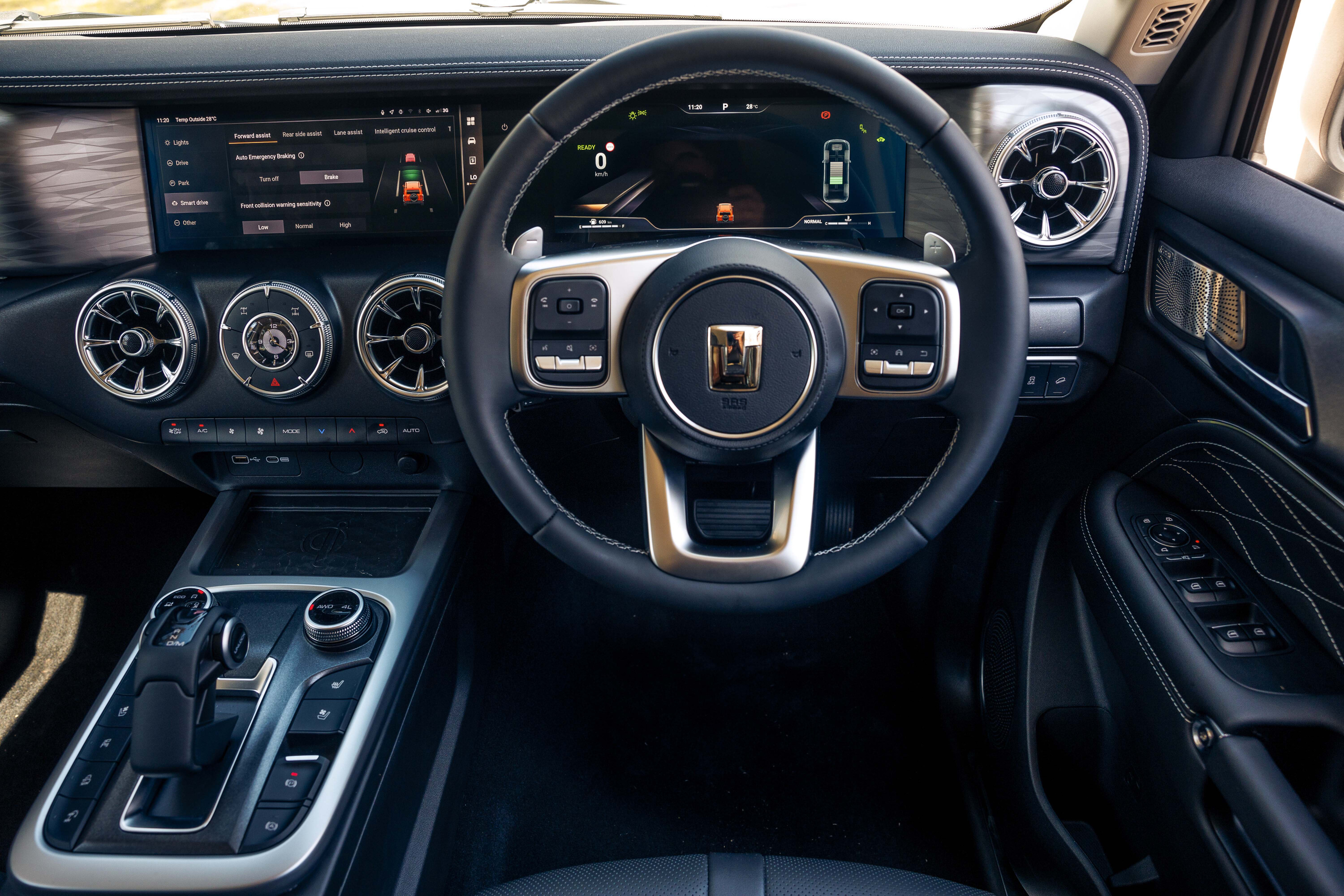
Dual, 12.3-inch screens comprise the infotainment system and instrument cluster, while curiously the Ultra Hybrid is the only Tank to offer wireless Apple CarPlay (Android Auto is still wired). There’s even a small analogue clock in the middle of the dash, a quirky contrast to everything else which is on a screen.
In top-spec hybrid trim, this is a fully laden vehicle, too, with all the features you could ever want – from sunroof to heated/cooled front seats (appointed in Nappa leather), heated steering wheel, memory driver’s seat (only available on the Ultra Hybrid) to the myriad minor conveniences like the 220-volt outlet in the boot.
There are certainly easier and more practical (if not-as-funky) SUV options available
The seats themselves are merely okay, but we enjoy that the windscreen, flat and near-vertical, isn’t too far away, serviced by cute, stubby little wipers. It makes you feel like you’re in something a bit more special and cooler than your usual cookie-cutter SUV – because you are.
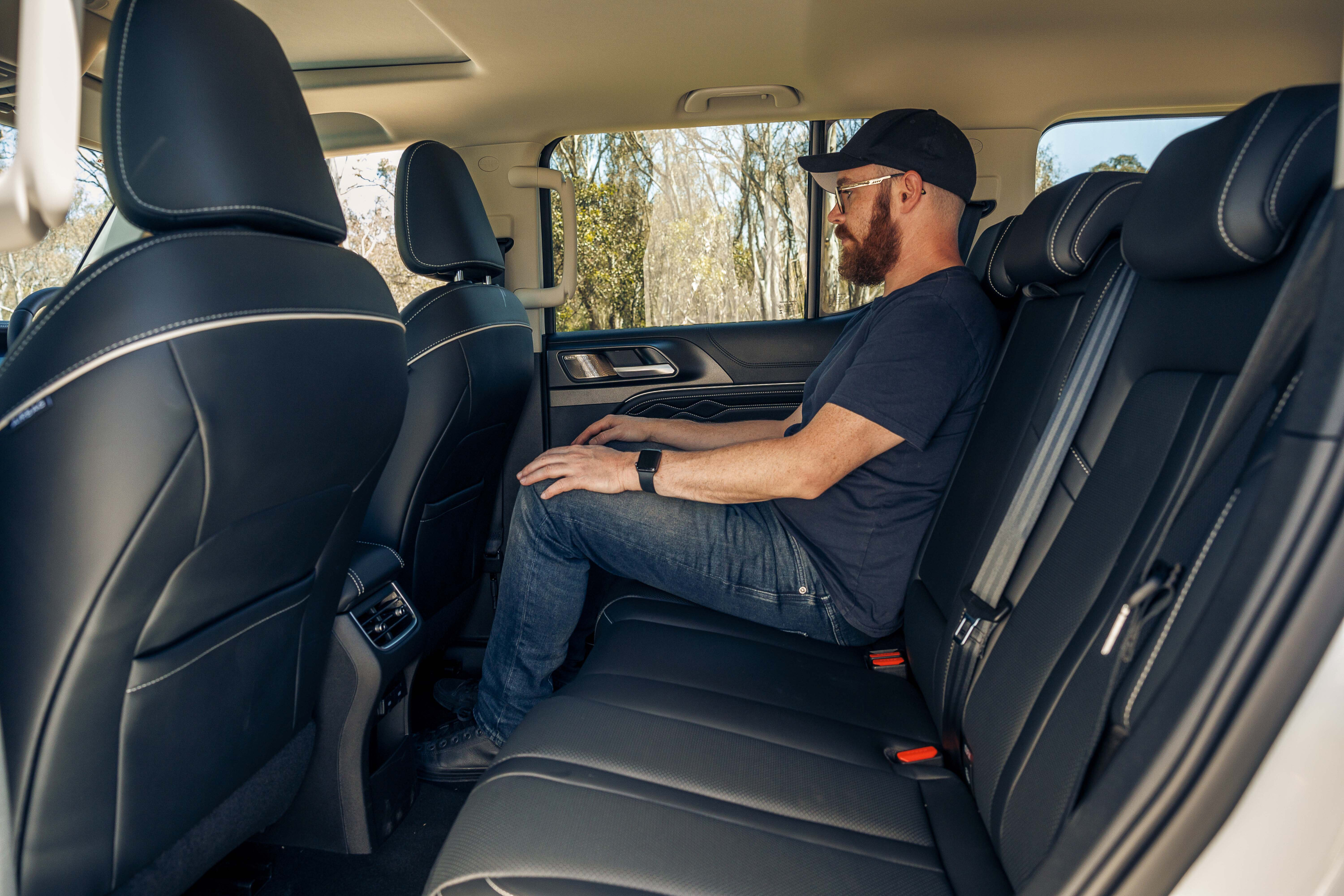
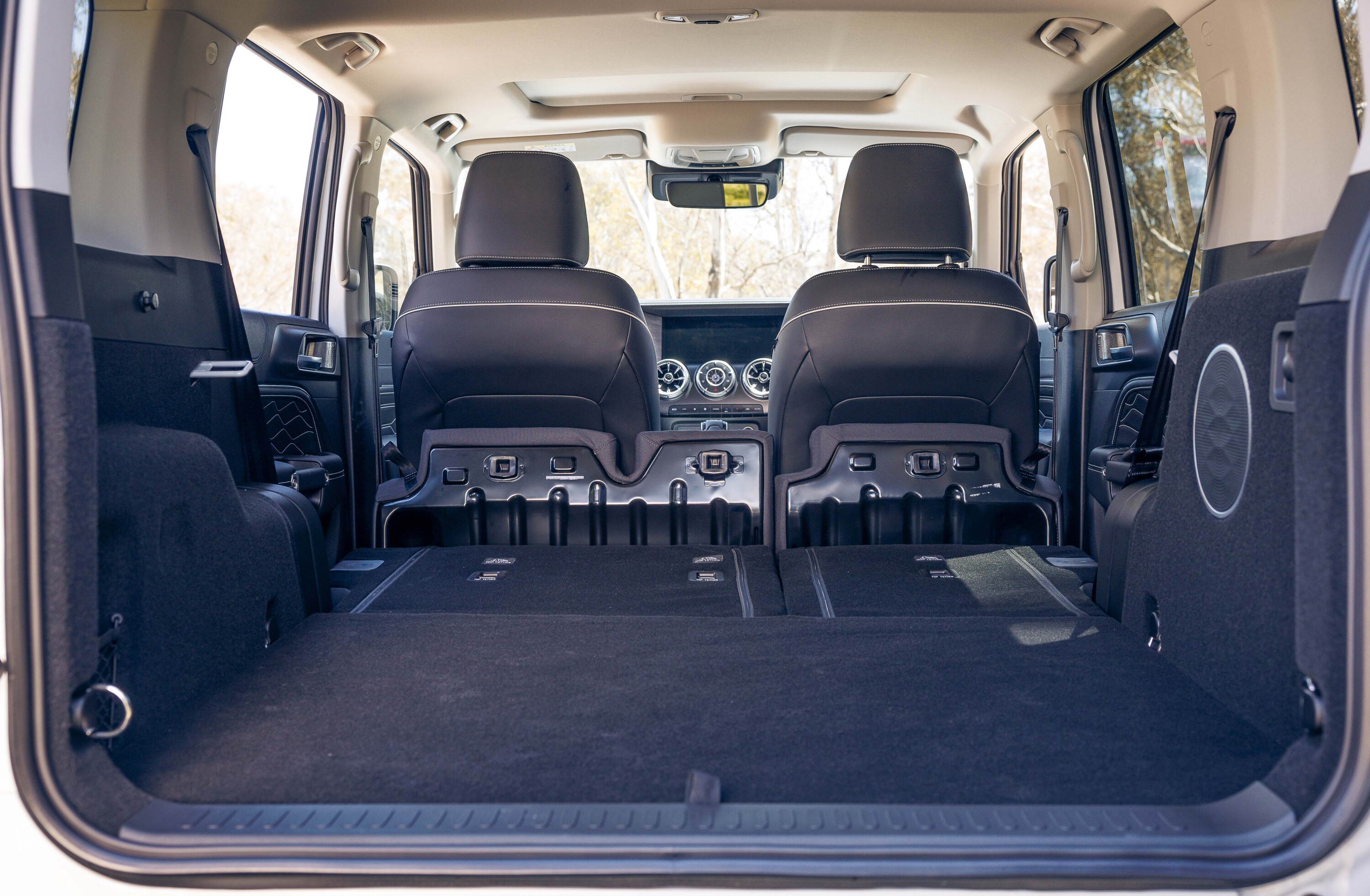
The back seat, meanwhile, is reasonably spacious, offering two sets of ISOFIX points and three top tethers; while the boot is a bit small, giving up some space to the hybrid battery. GWM hasn’t confirmed a specific boot volume for the hybrid, but the regular model lists 400 litres with the rear seats upright.
and the rear door is the wide-opening, heavy, swinging type. If you are thinking of carting around kids – and a pram – there are certainly easier and more practical (if not-as-funky) SUV options available.
How does it drive?
Turn on the Tank – a sentence which conjures images of an old V12 spluttering to life – and there’s no engine noise, just like an electric vehicle or any other hybrid.
At low speeds, the Tank moves near silently in its automatic EV mode (there’s no button in which to fix the Tank into an electric-only mode), provided the small, onboard battery has enough charge.
At urban speeds, the Tank is impressively quiet, requiring you to glance down at a graphic on the instrument cluster to know whether you’re being powered by petrol, or exclusively electrons. You won’t be able to tell through the seat-of-the-pants, either, as it switches between petrol and electric almost invisibly. Very well done, GWM.
While the steering has a bit of play off-centre – sometimes it doesn’t feel connected to the front wheels – and the brake pedal could use more bite, this would be an easy enough vehicle to drive everyday, assisted by an excellent suite of parking cameras and sensors.
We also enjoy the ‘torque fill’ of the Tank hybrid’s electric motor, giving it a bit of additional urge at lower revs, allowing you to punch into gaps in traffic – quite a funny feeling when you’re driving something that feels like a small meteor.
The Tank Hybrid is also rapid for such a heavy vehicle, its 258kW/615Nm offering plenty of acceleration from the lights or during overtaking – even if the small battery means the electric performance is limited.
On a winding road, the Tank’s battery quickly depletes, rendering it a very heavy 180kW vehicle with a lot of dead weight in the form of electric motor and battery. It’s not the end of the world, as while there’s a fair amount of mid-corner grip, you’ll hardly be relishing its dynamics – a ladder-chassis vehicle can only do so much.
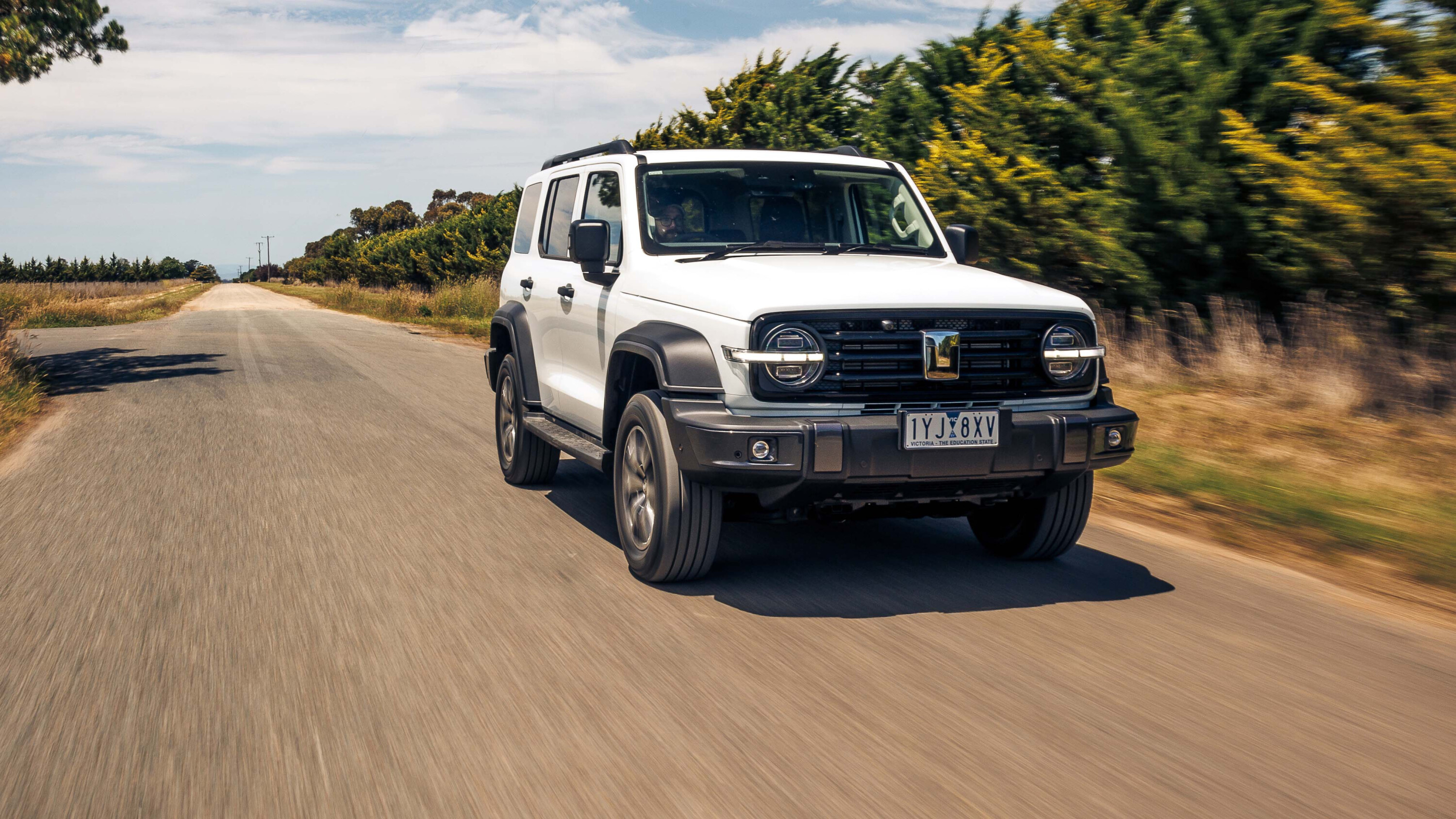
Driven sportily, the nine-speed auto gets a bit confused and doesn’t know what gear to be in, while the brakes get hot and fade surprisingly early, dramatically extending the emergency stopping distance.
This is a Tank that, like its namesake, is best suited to rumbling around slowly.
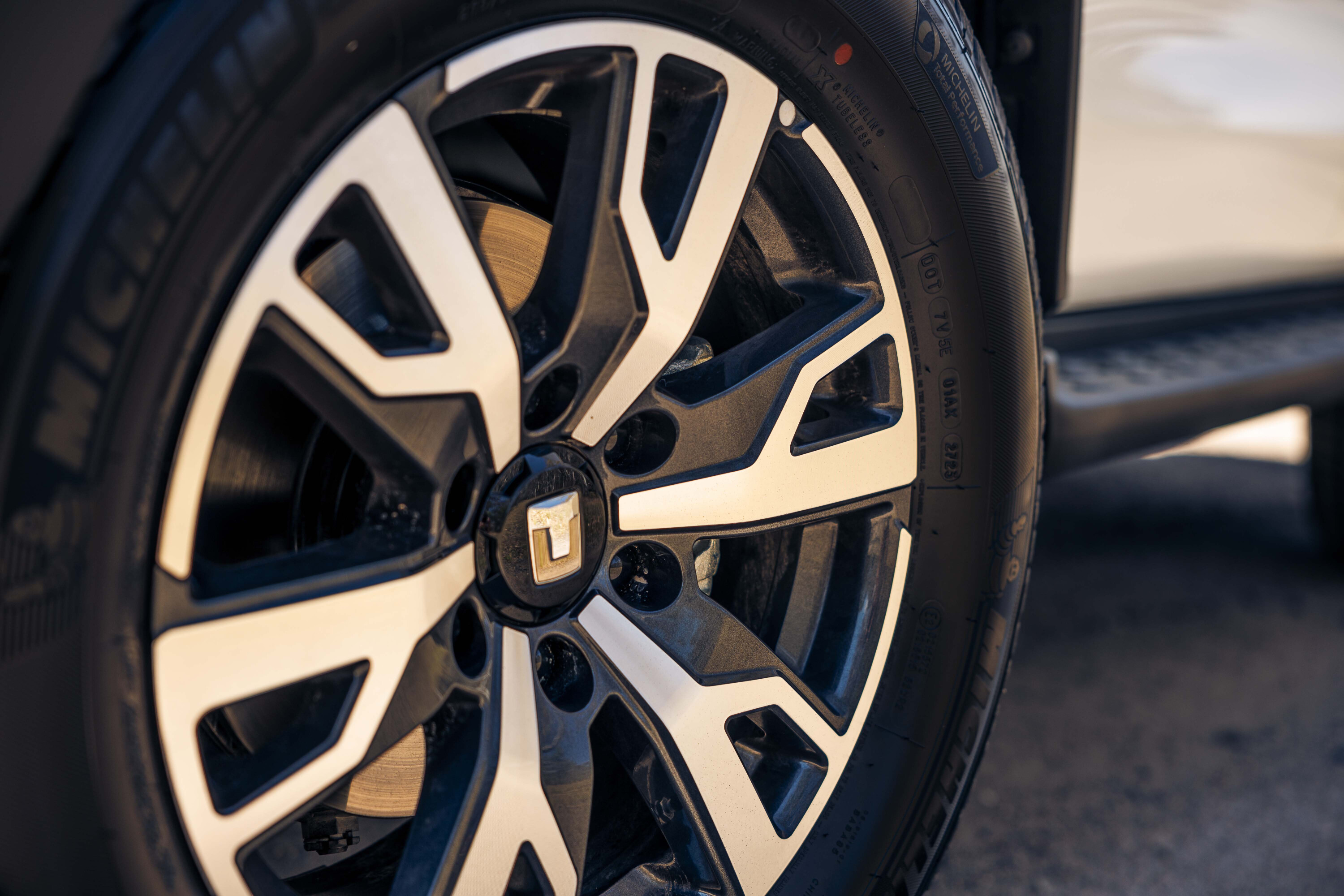
On dirt, the Tank feels more in its element, owing to the permanent all-wheel-drive but also the generous fitment of high quality Michelin Primacy SUV tyres. While the ABS could use some more dirt calibration – easily triggered, it can extend the braking distances on unsealed surfaces – the ESC works well, neither lackadaisical or hyperactive.
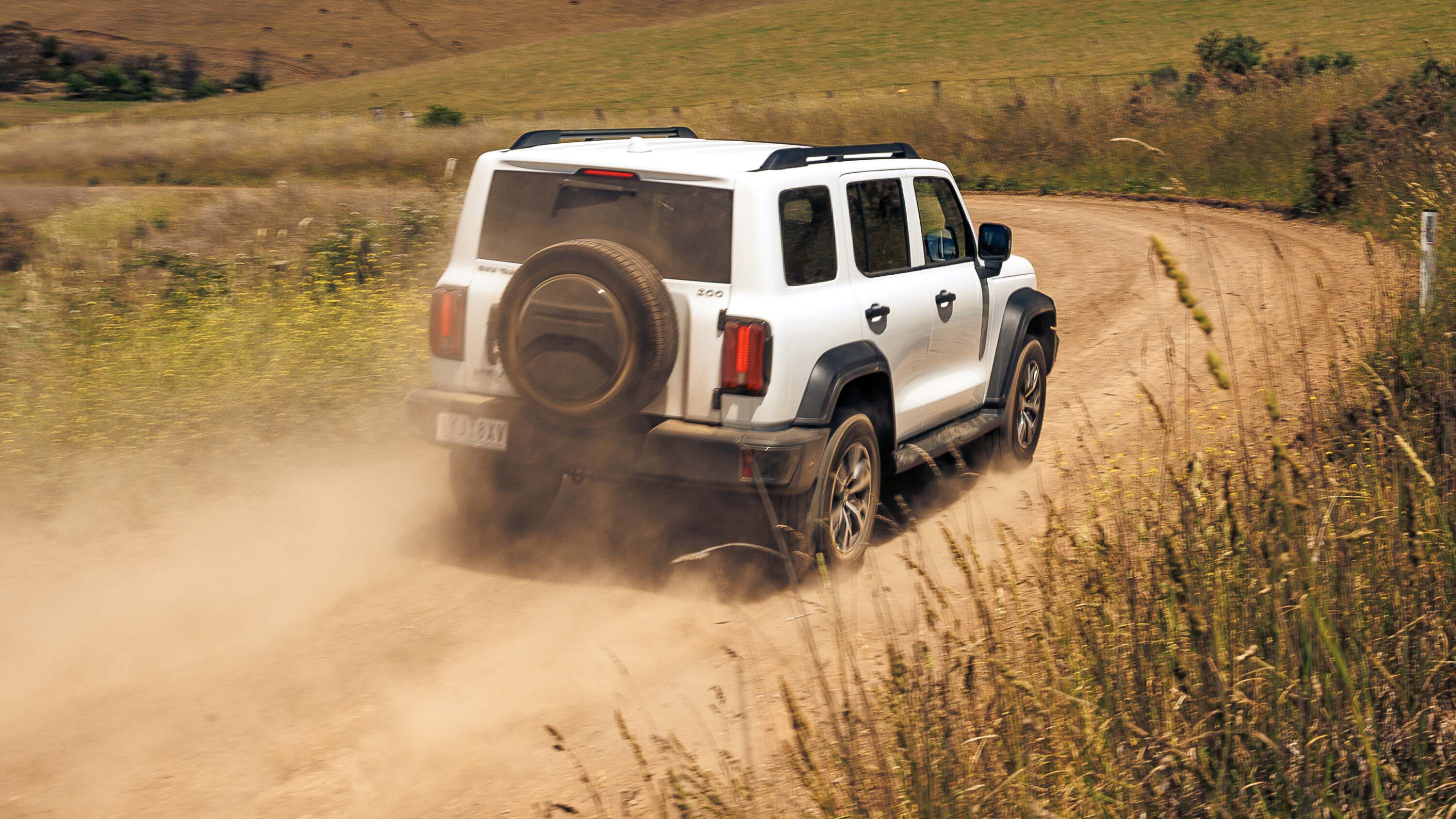
Overall the Tank is good to drive, but, while there’s no single great flaw of this vehicle, there are plenty of minor ones.
The ride quality, while good most of the time, is busy on something like a country backroad. If you live in the bush and spend a lot of time on classic Australian 100km/h country roads, buy a Tank Hybrid and you might finally go insane, its incessantly jiggly ride never seeming to settle.
Our biggest gripe, however, is to do with the Tank’s driver assistance systems. The Driver Attention Monitor is far too eager to tell you to keep your eyes on the road – even when they are. It wouldn’t be an issue if you could permanently turn it off, but it turns itself back on, so you have to turn it off again every time you start the car. This would drive us mad.
The Lane Departure Warning will vibrate the steering wheel when you get close to a lane-marking rather than crossing over it. You’ll never have a stronger urge to turn something off.
Same, too, the overspeed warning, which will distractingly blink a small speed readout on the dash if you go a couple of kays over. Unless we’ve missed something, you can’t turn any of this permanently off.
You’ll also learn early to never attempt a three-point turn on a busy road, as between drive and reverse, and back to drive again, the Tank has to think an awfully long time – while your eyes grow wide as vehicles come barrelling towards you.
Fuel consumption
Until we do a long-term test, it’s tricky to comment authoritatively about the hybrid’s fuel economy, which in theory should be a major drawcard.
According to the trip computer, over 7h43m of data from previous drivers, the Tank hybrid had achieved 11.5L/100km. Over our own 1h9m of testing, driving normally in an urban environment with some freeway miles, that dipped to 9.6L/100km. GWM claims 8.4L/100km on the combined cycle.
Warranty and safety
Having scored five stars in 2022 ANCAP testing, GWM also warrants the Tank for seven years or unlimited kilometres, matching the best warranty of any in the Australian market.
Five-year servicing costs are yet to be confirmed.
VERDICT
In considering this flagship Tank variant, the additional $10K outlay for the hybrid is worth it.
It’s still hardly an expensive vehicle, and makes a compelling case against more expensive rivals, but with its warranty and additional safety, also against similarly priced second-hand vehicles like a Toyota Prado.
Specifications: The basics
| 2023 GWM Tank 300 Ultra Hybrid specs | |
|---|---|
| Engine | 180kW/380Nm 2.0L turbo petrol |
| Electric | 78kW/268Nm single motor |
| Combined | 255kW / 648Nm |
| Drive | Four-wheel drive (part time) |
| Transmission | 9-speed automatic |
| Spare tyre type | Full-size |
| Tow rating | 2500kg braked / 750kg unbraked |
| Turning circle | 12.0m |
| Seats | Five |
| Length / Width / Height | 4760mm / 1930mm / 1903mm |
| Wheelbase | 2750mm |
| Boot space | N/A (regular model lists 400L) |
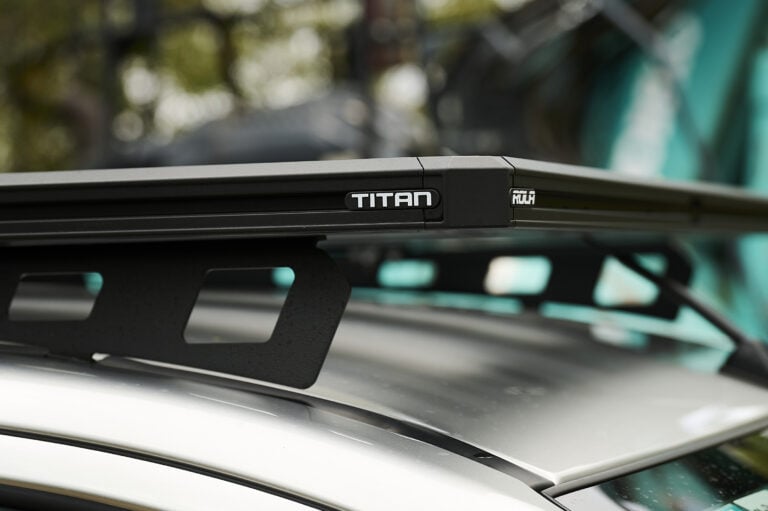
Most will agree that the ideal roof rack system is capable of carrying a decent load, is easy to access and use, and has a low profile allowing for access to car parks.
The Rola MKIII Titan Tray on a Ridge Mount system is one such setup with an increased load rating, and a number of clever features that make securing a load easier than ever, whether it’s tools, equipment or hardware for the job site, or camping and recovery gear for weekends in the bush.
-
Dometic CoolMatic CRX 50 upright fridge
-
Cel-Fi GO mobile booster
-
MSA 4×4 towing mirrors
-
Projecta power management
-
Narva LED lights
-
Pedders GVM and brake upgrade
-
Maxtrax recovery kit
-
PIAK nudge bar
-
Hayman Reese X-Bar
-
Rola MKIII Titan Tray
-
TruFit 3D mats
-
Fuel Rebel wheels
-
Hankook Dynapro AT2 tyres
-
TC Boxes tray and toolbox
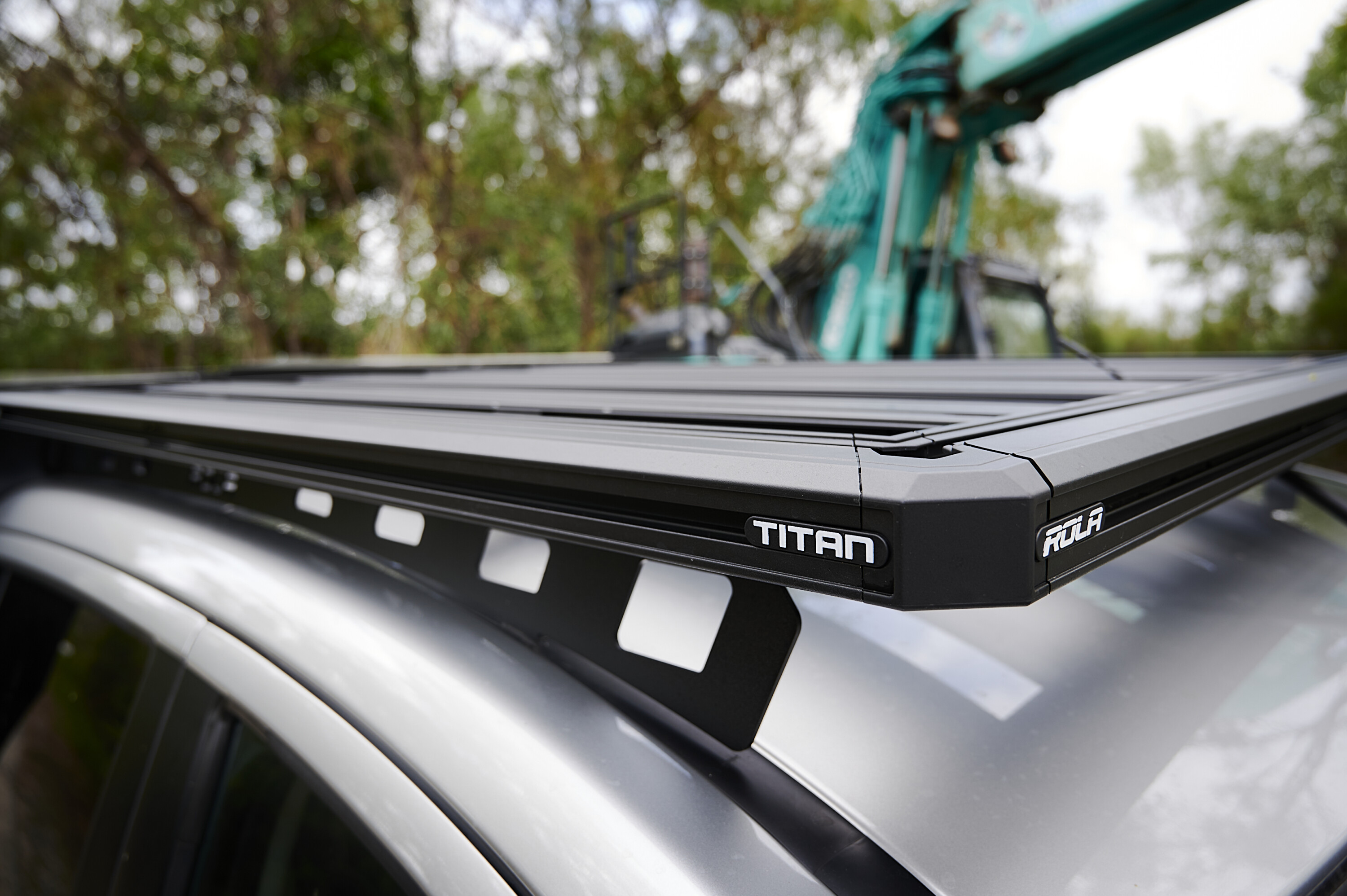
The low profile MkIII Titan Tray now has a load rating of up to 400kg, up from the 300kg of the previous model. It features integrated channels along its outer edges that provide an entry point for drop bolts and eye bolts, making it easy to safely secure your tools, equipment and materials, no matter their size or shape. In addition, a new corner design features entry points for the top channels, simplifying the attachment of accessories and providing additional securing options.
An adjustable plank spacing on the Titan Tray allows for more specific customisation to suit a user’s specific needs and fit-outs, and extra planks are available. With two mounting channels per plank, you can customise the layout of the Titan Tray based on the size and shape of your load.
Underside grooves that run the length of each plank have been designed to accept S and J hooks (such as those on tiedown straps) in virtually any position, minimising the chance of a load shifting while in transit, which obviously enhances safety and security.
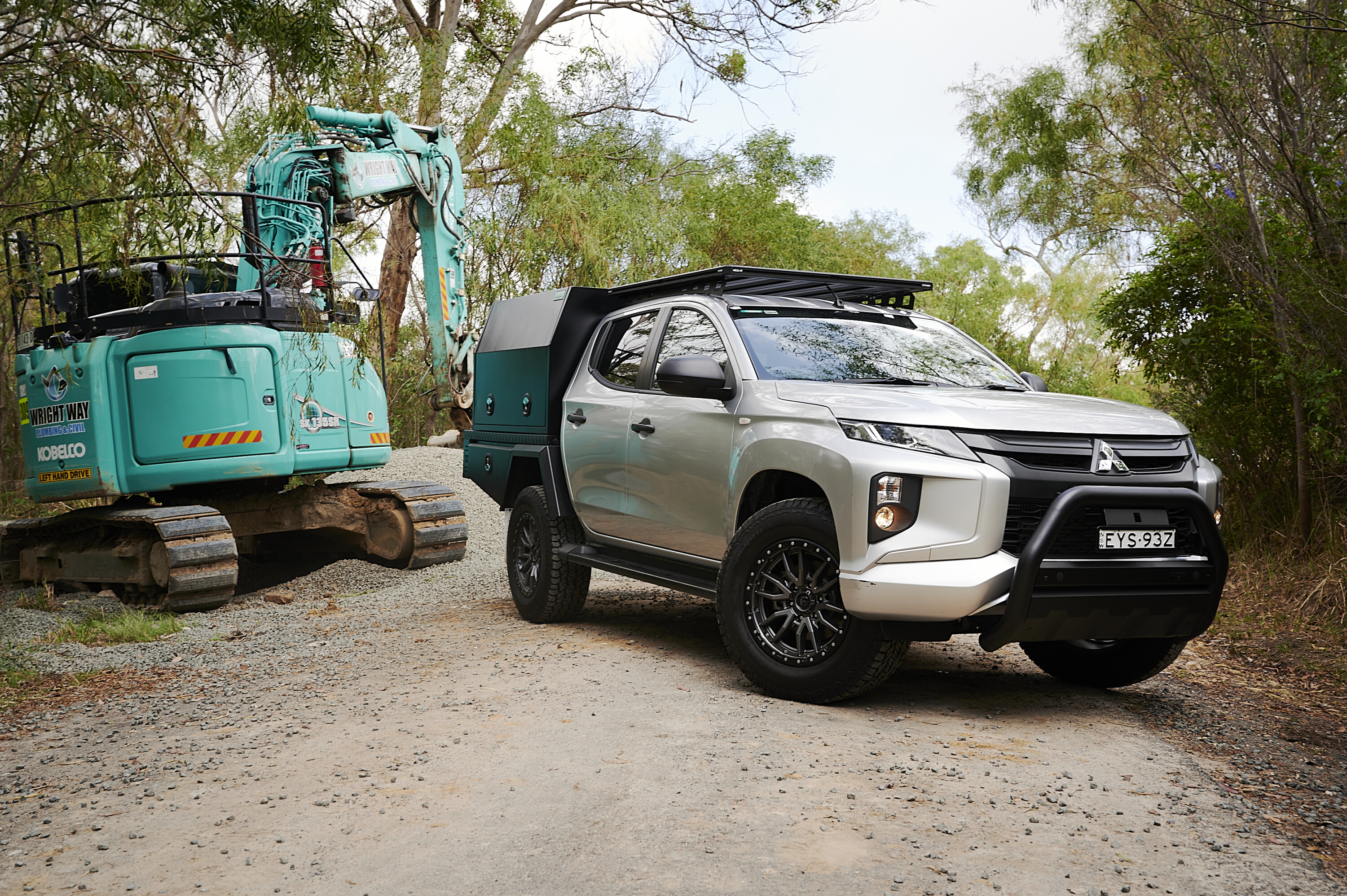
The Ridge Mount system has been designed to evenly distribute the weight of a load on the roof of the vehicle. It features a low profile design and is manufactured using stainless steel with a durable powder coat finish.
The lightweight but tough Titan Tray has a durable and good-looking stipple powder coat finish and Rola offers a huge range of accessories from shovel and high-lift jack holders to light bar brackets and spare wheel holders.
RRP: $1451.44 (1500mm Titan Tray with Ridge Mount)
Ignite has introduced laser LED technology across its range, with a new driving light as the standout option.
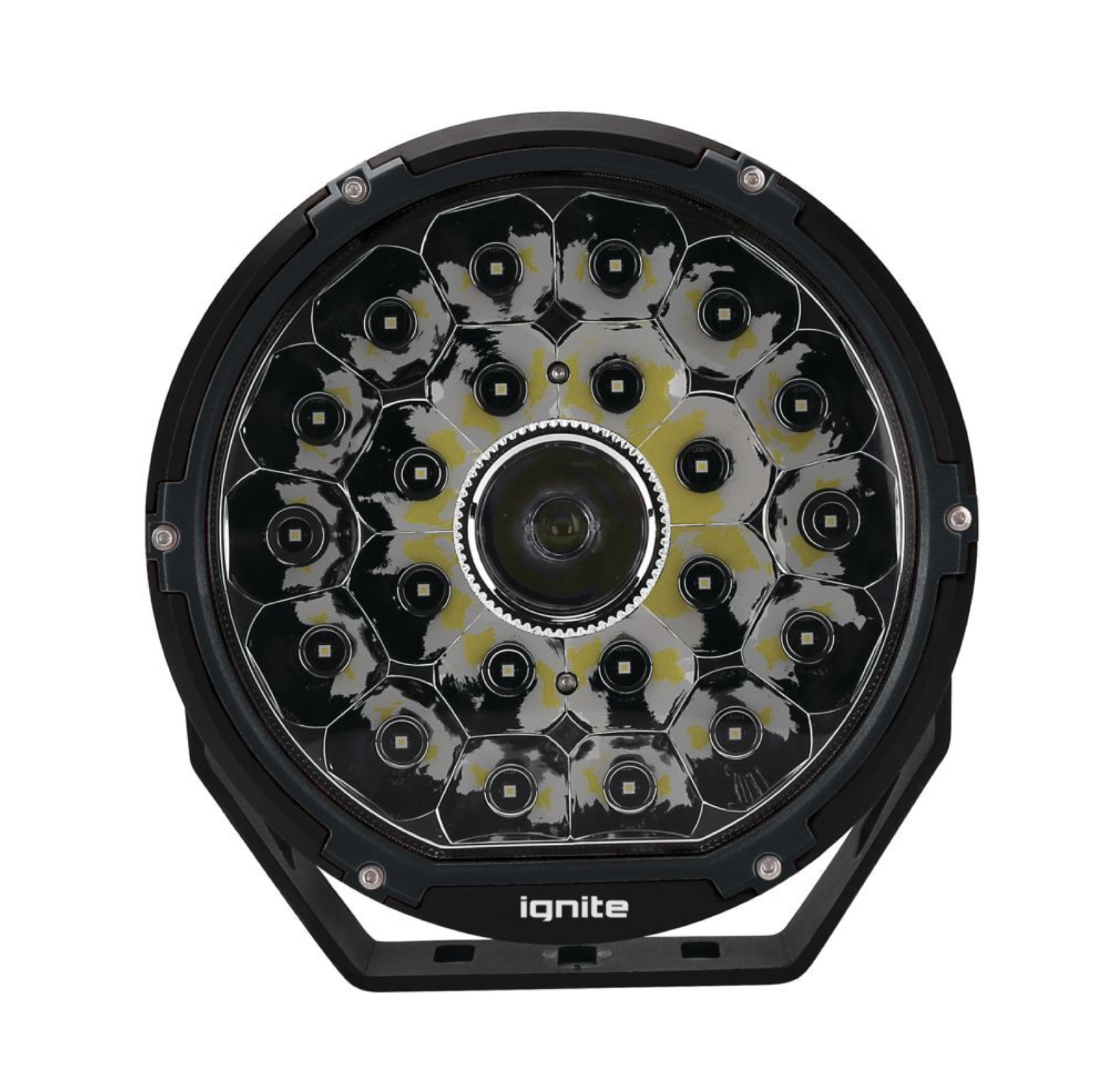
This new 9-inch slimline laser LED driving light delivers exceptional performance and durability, for a powerful and enhanced driving experience.
With a combination of 22 six-watt high-intensity LP LEDs and one 20-watt high-intensity Osram laser LED, the unit provides a potent lighting output of 12,600 effective lumens. The combination of Laser LED and LED Illumination technology provides superior lighting output and increases the normal laser 2° spot beam pattern to an impressive 8°, ensuring optimal road visibility and coverage by giving 1 lux at 1008m.

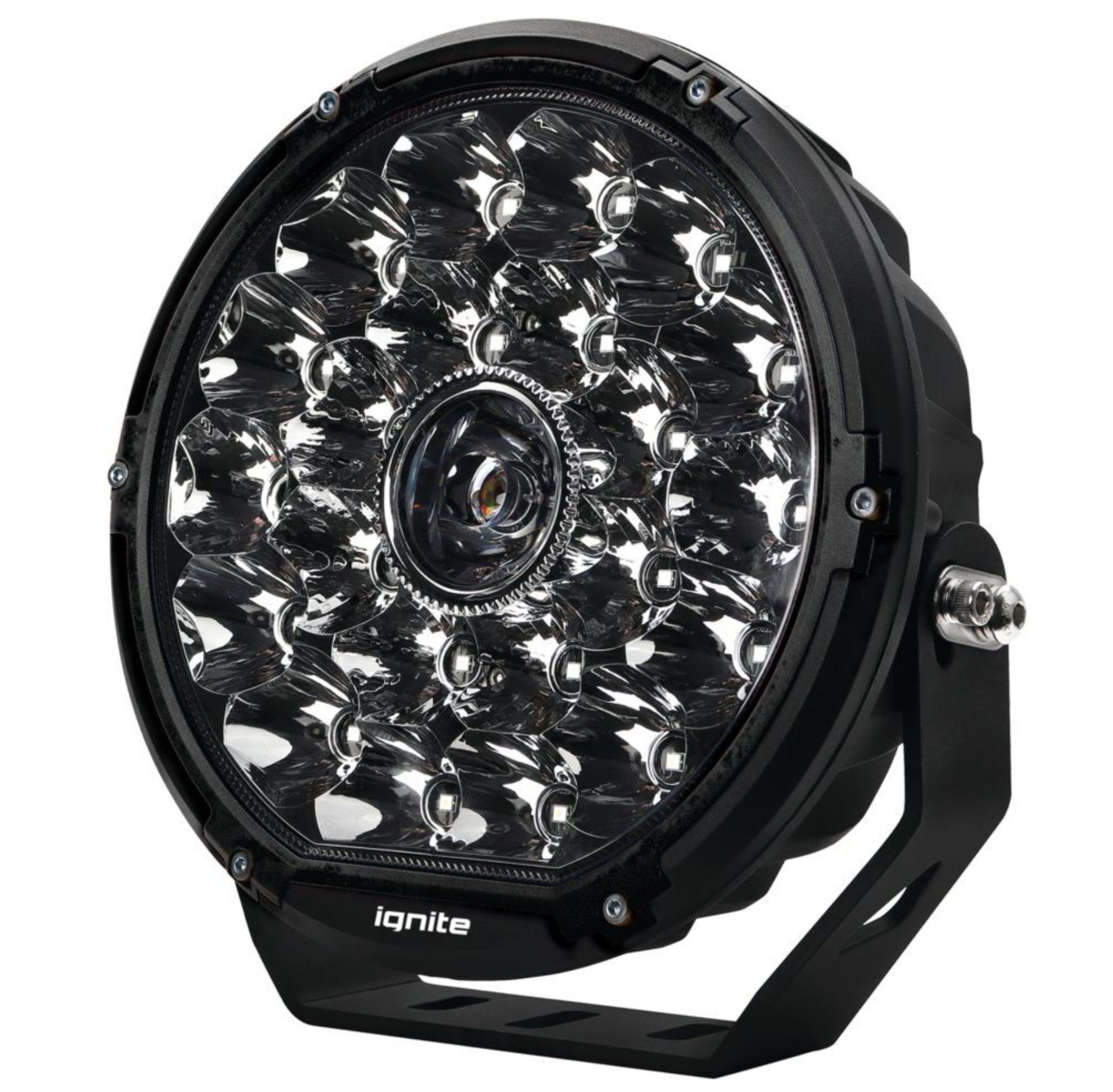
The new Ignite 9-inch Laser LED driving lights comply with ECE R10 and CE international standards and can withstand whatever the tough Australian conditions can throw at it, operating flawlessly from -40°C to +60°C, making it ideal for diverse weather conditions and any outdoor adventure.
The Ignite 9-inch Laser LED lights also boast UV, water, and shock resistance properties, and feature a robust yet lightweight black powder-coated die-cast aluminium alloy housing. The casing is resistant to rust, corrosion, and freezing, and is backed by an IP68 and IP69K rating to withstand dust and water ingress.
Ignite Lighting is one of the most prominent suppliers of LED lighting solutions in Australia, with its range designed to exceed customer expectations with the latest lighting options, all manufactured to the highest quality standards.
Ignite’s 9-inch Laser LED driving lights are backed by a five-year warranty, so you can illuminate your journey with confidence knowing Ignite has your back.
Pricing
These lights can be purchased through Hulk 4×4 and retail for $299 each. This includes one 9-inch round slimline Laser LED driving light with 500mm lead and two-pin Deutsch plug, one orange bezel fitted standard, and one black bezel supplied.
With dimensions of 232mm high and 225mm wide, it is best to check that these lights will fit on your bullbar as, unfortunately, they wouldn’t fit on the ARB bullbar on my Prado.
Ram Trucks Australia (RTA) has introduced the Ram 1500 Big Horn as its entry level into Ram ownership in Australia. This comes as the older DS series of Ram 1500s is in the last stages of run-out sales, and the 1500 fleet will exclusively comprise the newer generation DT vehicles.
This means that it will now cost buyers at least $119,950 +ORC to get into a new Ram from RTA, and Ram will no longer offer the cheapest full-size American pickup truck in Australia. That title now goes to the Ford F150 SWB XLT, which starts at $106,950 +ORC.
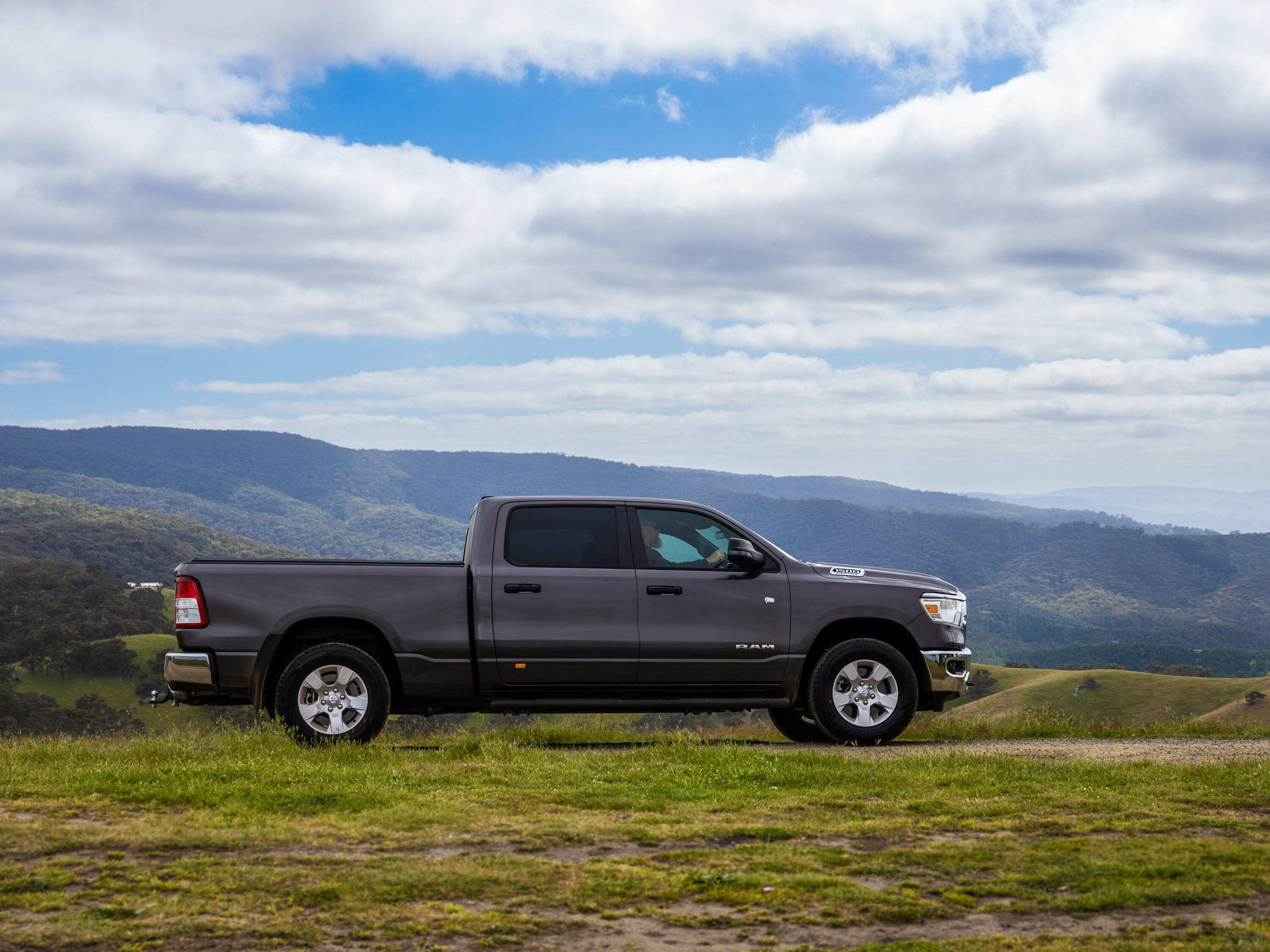
Yep, gone are the days when you could get into a Ram Express for less than $90k and, in fact, these days you won’t get into any new full-size pickup truck from any of the three factory-backed importers for less than $100k.
The more affordable DS model Rams went a long way to helping RTA become the biggest factory-backed seller of American pickups in this country, with close to 25,000 units being sold here since 2015. We say factory-backed as there are plenty of companies importing American vehicles into Australia, and have been doing it a lot longer than the factory-backed operations. Only RTA (Ram), GMSV (Chevrolet) and Ford Australia, however, import and convert vehicles with support from the OEMs in Detroit.
JUMP AHEAD
- What do you get?
- Powertrain and performance
- Safety features
- Weights and capabilities
- Warranty
- VERDICT
- Specs
What do you get?
The vehicle on test here is the long wheelbase version of the Big Horn, which starts at $120,950.
The extra $1000 spend extends the wheelbase by 226mm, and the cargo bed from 1700mm to 1930mm in length. The Big Horn uses the Double-Cab body which is bigger than the Quad-Cab offered on some models, and this offers more rear seat space. While there’s a seat in the centre of the front row, there is no seat belt fitted there, so unfortunately this model is sold as a five-seater only in Australia.
The Big Horn might represent the new entry point to Ram ownership but it doesn’t feel like it in the way it drives. The DT is a much more advanced vehicle over the old DS even if it does share the same V8 engine and eight-speed transmission – it delivers a quieter and more refined driving experience.
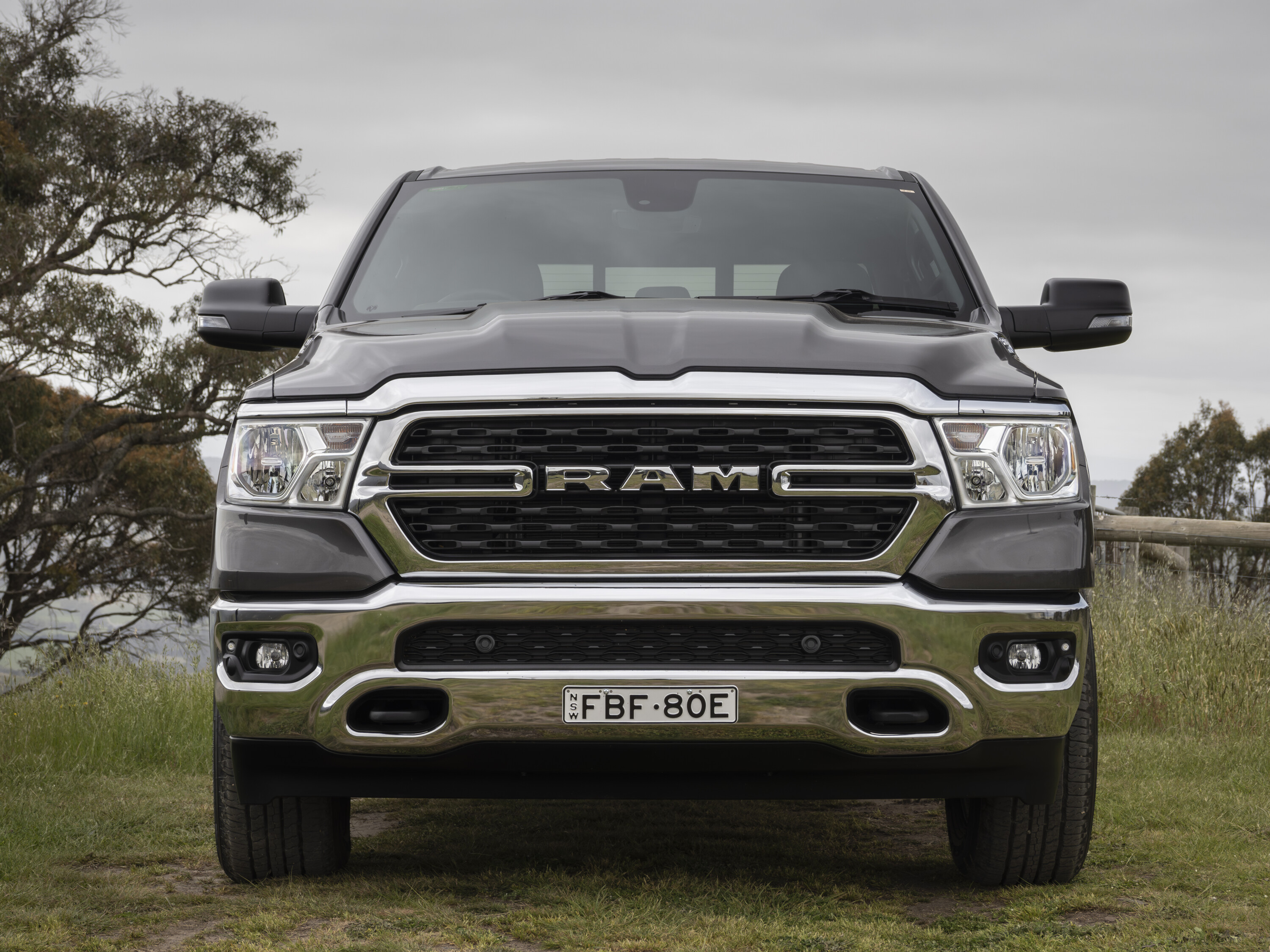
In fact, if we hadn’t driven the Ram Limited recently, with its massive centre screen and acres of leather trim, we wouldn’t think we were missing out on much in this lower-grade model. Having said that, operating the single-zone manual airconditioning feels like a throwback to the 80s, and the 213mm centre a/v screen is relatively small, but it’s still practical and usable, and includes wireless CarPlay and Android Auto connections, so the Big Horn’s interior is still well equipped.
The cloth covered seats (heated up front) offer plenty of space but the lack of height adjustment on the driver’s seat is a particular annoyance, as it had me sitting too high in the cabin and looking out though the top part of the windscreen.
The front centre seat that’s not really a seat folds down to give a massive multi-function centre console with many layers of storage inside it. In fact, there are ample storage areas inside the cabin including huge door pockets and cubby bins under the floor in the rear footwell.
The flat rear footwell has four tie down points in it so you can secure luggage or other items there, and with the rear seat folded up the space in the back is very usable for cargo. With the seat in use the space provides abundant legroom for passengers and the cabin width will comfortably accommodate three adults across its generous width.
Powertrain and performance
Like the other Ram 1500s sold in Australia (except the TRX), the Big Horn is powered by a 5.7-litre Hemi V8 petrol engine that features a mild hybrid system for improved efficiency.
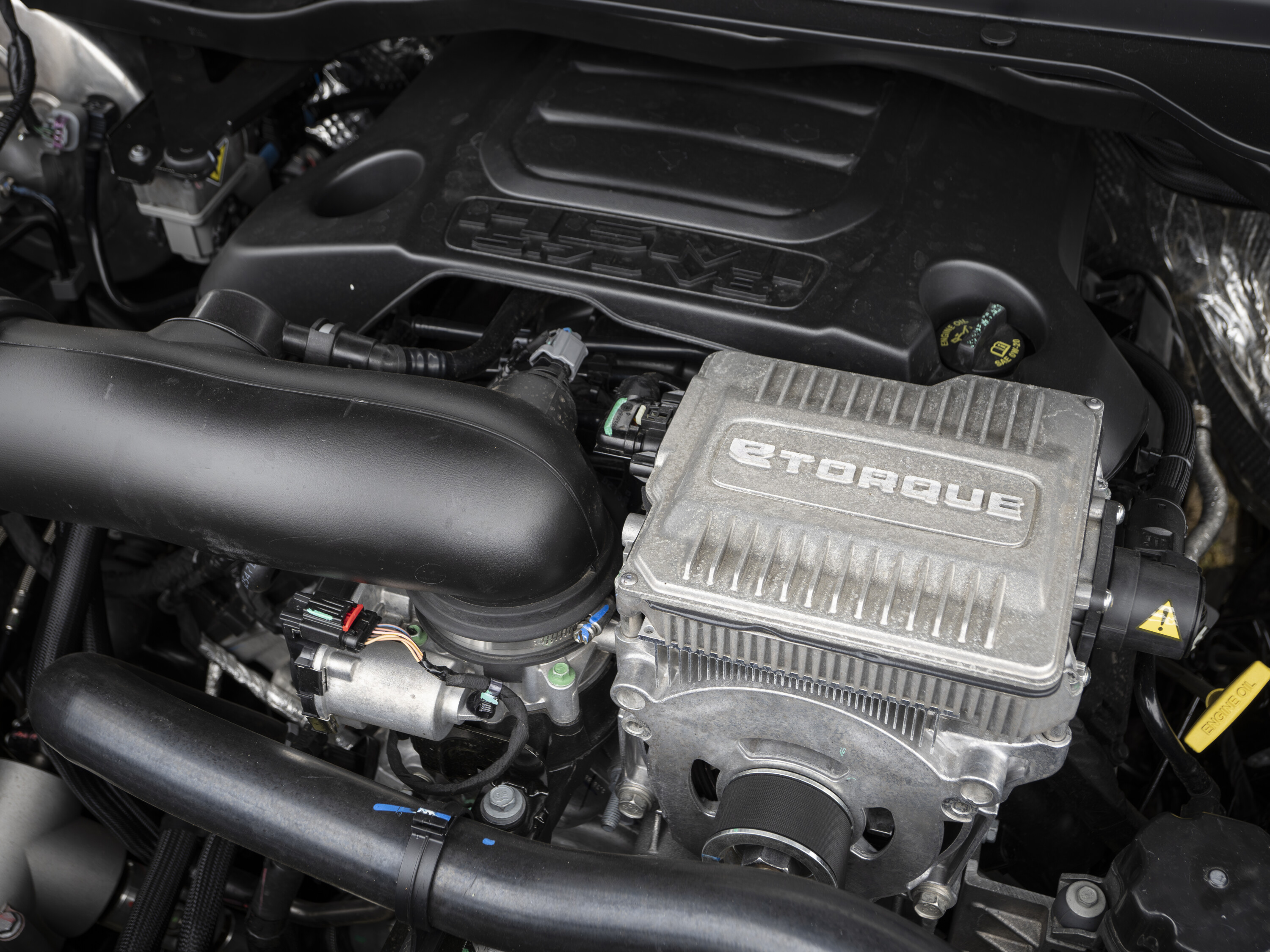
This system uses 48-volt electrics and a belt-driven generator to ease stop/start operation, and is able to send torque back to the crankshaft for brief intervals for a mild boost in performance. While the power and torque figures remain the same at 291kW and 556Nm with and without the E-Torque system, it does help the ignition stop/start function feel almost seamless, and for once I didn’t find myself wanting to switch it off.
Something I wish I could change however is the transmission selector dial on the dash. While the performance of the eight-speed ZF-sourced transmission is relatively flawless, operating the selector dial is fiddly, especially when you are doing multi-point U-turns on narrow tracks. Manual gear selection is also fiddly, as the tiny buttons on the steering wheel hub are not suitably positioned… unless you have freakishly long thumbs, that is!
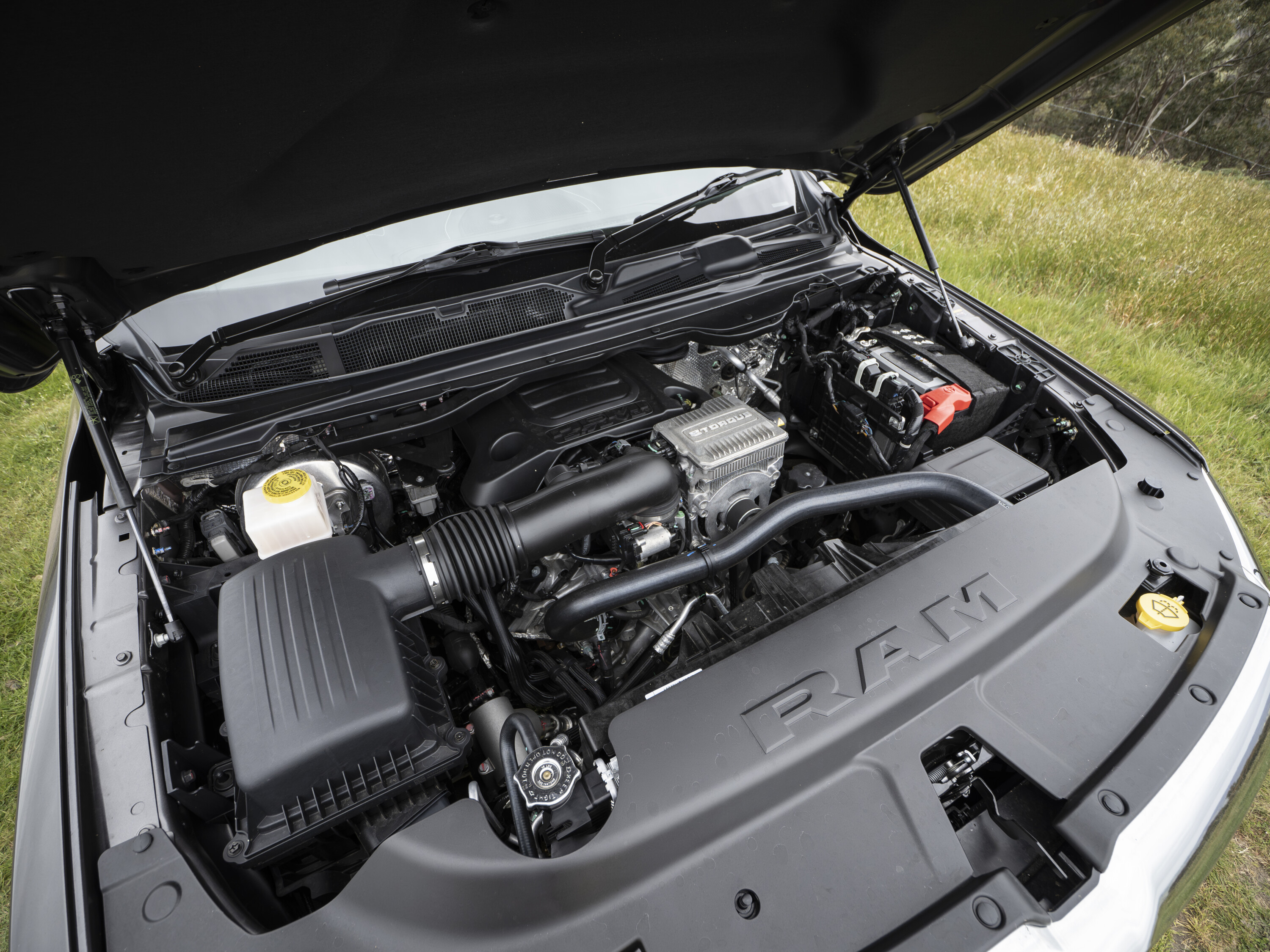
The V8 and auto deliver smooth and effortless performance considering the size of the Ram Big Horn, and the accompanying soundtrack is a sweet V8 bellow when you plant your foot. It’s worth noting that the Hemi V8 used in the 1500 has less power than the Silverado’s 6.2-litre V8, and less torque than the F150’s turbocharged V6 engine, but it still delivers plenty of grunt for its intended use.
A claimed 12.2L/100km fuel consumption on the combined cycle for the V8 Ram is a little optimistic, but during our week of mixed driving it still returned a more-than-respectable 13.6L/100km.
Those who want a Ram V8 should take note that Ram is following Ford’s lead and will replace the naturally aspirated V8 engine with a turbocharged six-cylinder petrol engine. The twin-turbocharged inline six has already debuted in the Jeep Grand Wagoneer and is due to find its way under the hood of the 2025 model year Ram. While it promises improved efficiency and performance, like the F150, it will lack that V8 appeal.
When we drove the Ram Limited we criticised its ride and handling over gravel and broken road surfaces thanks to its ludicrous 22-inch diameter wheels with low profile tyres and air suspension, but we are happy to report the Big Horn, on its steel coil springs and 275/65R18 tyres, showed no such aggravation, and offers a smooth and supple ride without wallowing or pitching. Such low profile tyres as those on the Ram Limited have no place on a work truck, let alone one that will be driven off road.
An area in which we did find the Big Horn lacking was the poor performance of its halogen headlights, even to the extent I was switching them off and back on to make sure they were working. This was driving on a multi-lane suburban highway where the cars around me offered more light ahead of the Ram. Ram model grades above the Big Horn are equipped with LED headlights.
Safety features
The Big Horn retains the safety features of the DT range including forward collision warning with active braking (AEB), lane-departure warning, rear cross-traffic alert, front and rear ParkSense assistance, trailer sway control, adaptive cruise control, blind-spot monitoring and six airbags.
The rear ParkSense system automatically brakes the truck when reversing too close to an object or person, and it is a great feature considering the number of kids that are hit in driveways or carparks, but it’s annoying on tracks when reversing as it even brakes for long grass, dirt banks and large puddles. Thankfully, you can switch it off in the bush or when hooking up a trailer, but we’d leave it active at other times.
Weights and capabilities
Full-size pickups might be big but that doesn’t mean they can haul heavy loads. These 1500 class trucks have a lower payload than most of the popular midsize 4×4 utes like HiLux, Ranger and Triton.
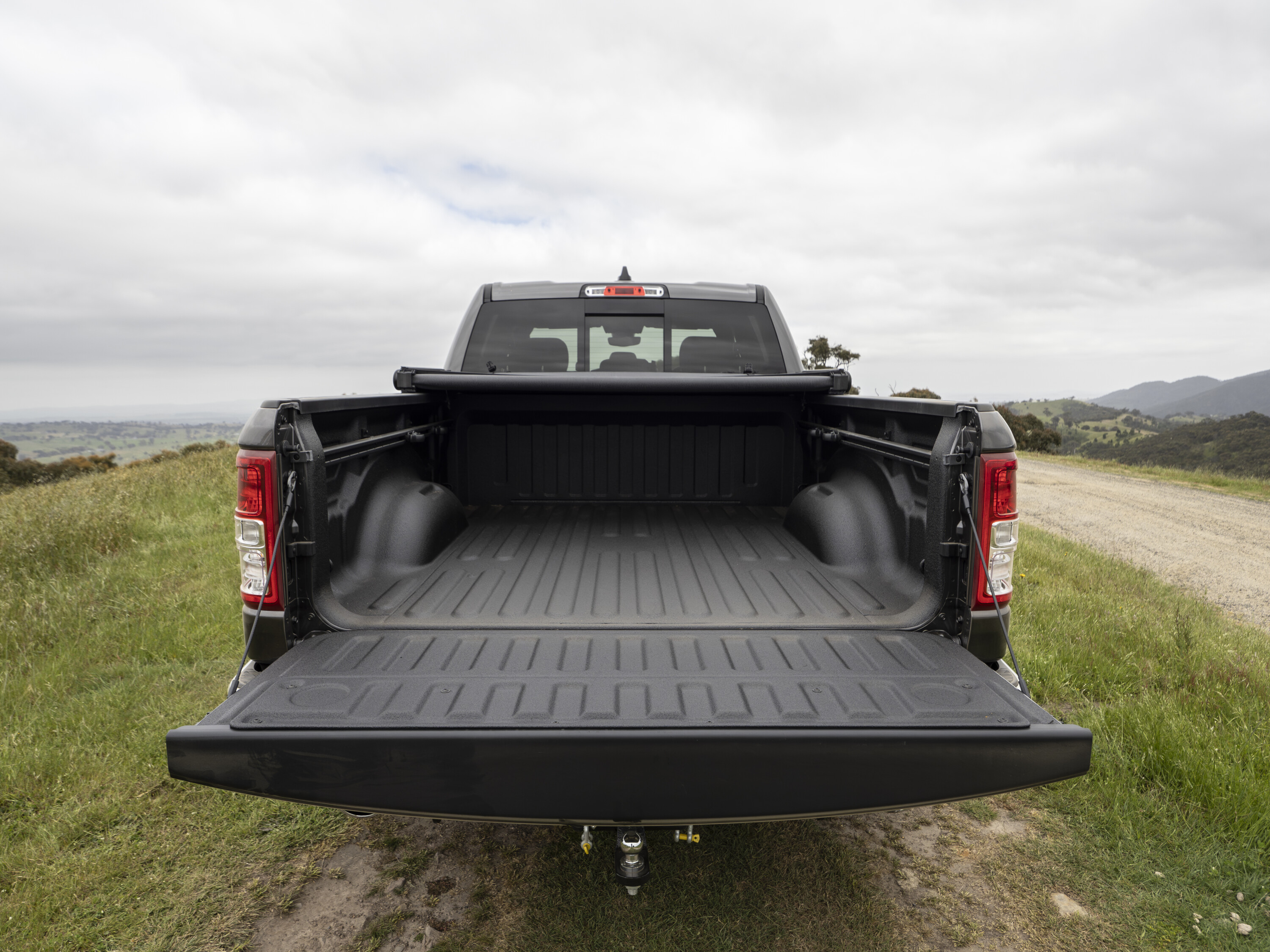
The Ram Big Horn has the highest payload in its class at 878kg, while the Ram Limited can carry just 701kg, the Ford F150 XLT LWB 794kg, and the Chevrolet Silverado LTZ 757kg.
The Big Horn matches the other 1500 trucks for towing with a standard 3500kg rating, or 4500kg on a 70mm towball. But with a 7713kg GCM, if you were to hitch up a 4500kg trailer with a 10 percent ball weight of 450kg, you would only have 13kg left for driver and any other passengers or cargo. While we wouldn’t expect many people to tow close to the 4500kg limit, what the Ram will do well is tow 3000kg to 3500kg trailers a lot better and safer than any of the midsize utes ever could, as they would be at their legal limits.
Warranty
Like the Silverado from GMSV, the RTA-sold Ram only comes with a three-year/100,000km warranty (plus three-year roadside assist), while Ford offers the same five-year/unlimited kilometre warranty on the F150 as the rest of its vehicle range in Australia.
Verdict
At $121k the entry-level Ram 1500 Big Horn is by no means cheap.
However, it looks like decent value for money when you consider it’s another $7k step up to the Ram 1500 Laramie, and the Ram Limited will now set you back more than $154k. In between them is another new model, the Ram 1500 Laramie Sport, which is priced at $137,000.
Thankfully the Big Horn doesn’t feel cheap thanks to its refined driving experience, standard features and the feel of its thick leather-covered steering wheel. While it might not be the cheapest full-size truck offering in Australia anymore, the Big Horn is a huge step up from the old DS Ram Express.
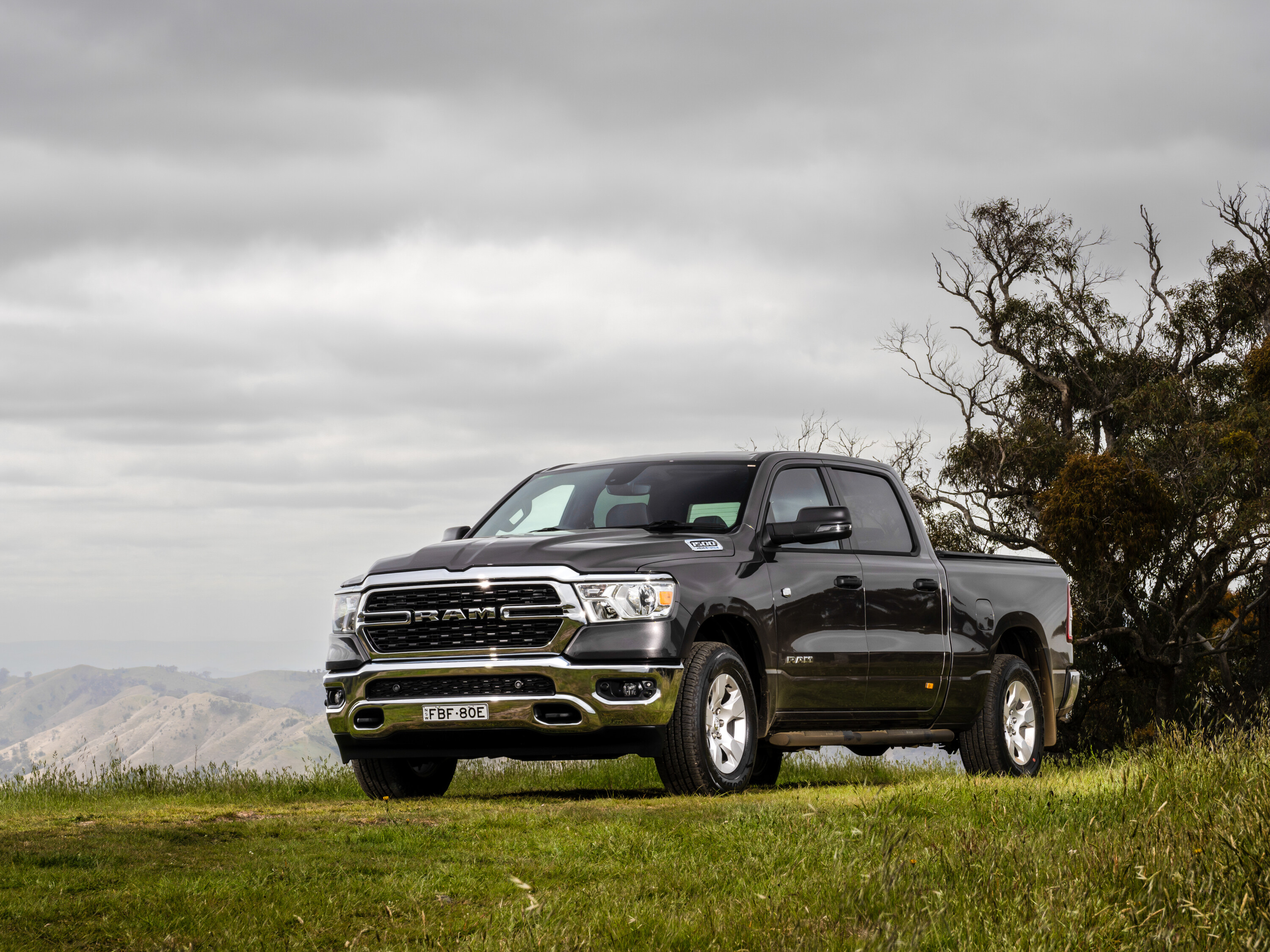
Sure, it lacks the big screen, leather trim and climate control of the higher-specification models, but the Big Horn isn’t missing anything you really need. It keeps all the essentials like the huge cabin with its massive rear seat space, large cargo bed, V8 performance and refined ride quality. And just as important for anyone heading off smooth sealed roads, it’s not restricted by the Limited’s 22-inch wheels and air suspension.
The Big Horn arrives at the perfect time to compete with the new F150 from Ford and to reinforce Ram’s dominance of the sector in the face of new competition.
Specs
| 2024 Ram 1500 Big Horn | |
|---|---|
| Price | $120,950 +ORC |
| Engine | OHV petrol V8 with mild hybrid system |
| Capacity | 5854cc |
| Max power | 291kW @ 5800rpm |
| Max torque | 556Nm @3950rpm |
| Transmission | 8-speed automatic |
| 4×4 system | On demand with high and low range |
| Crawl ratio | 48.74:1 |
| Construction | 4-door ute body on ladder chassis |
| Front suspension | IFS with coil springs |
| Rear suspension | Live axle with coil springs |
| Tyres | 275/65R18 on alloy wheels |
| Kerb weight | 2750kg |
| GVM | 3450kg |
| GCM | 7713kg |
| Towing capacity | 4500kg (on a 70mm towball) |
| Payload | 878kg |
| Seats | 5 |
| Fuel tank | 98L |
| ADR fuel consumption | 12.2L/100km |
| On test fuel consumption | 13.6/100km |
| Approach angle | 24.5u00b0 |
| Ramp-over angle | 22.0u00b0 |
| Departure angle | 23.3u00b0 |
| Ground clearance | 221mm |
| Wading depth | N/A |
Just as important as the launch of the all-new Triton is the message Mitsubishi Motors Australia is sending with it, with the Japanese marque relinquishing its ‘value’ tag and preparing itself to no longer compete on price alone – just take a look at the new Outlander as a case in point.
Since the first-generation Triton launched back in 1978, value has always been a unique selling point for the commercial Mitsubishi model.
So the brave move to step into the highly competitive premium class currently dominated by the Ford Ranger and Toyota HiLux is not without risk, but as MMA president and CEO Shaun Westcott puts it, “Volume without profit is vanity.” The fact that it’s becoming increasingly difficult to compete with spreadsheets from GWM, Mahindra and LDV must also be considered.
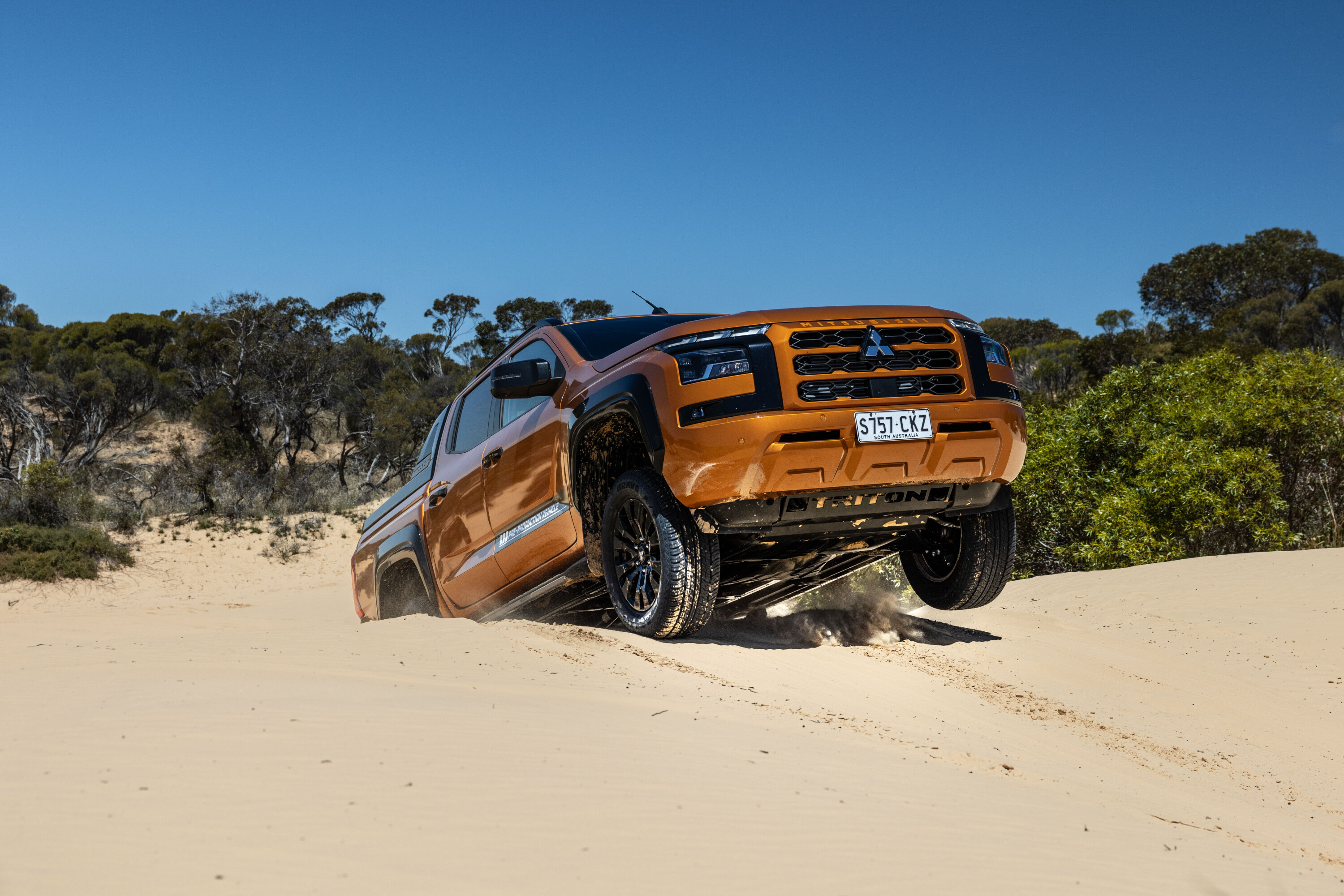
To enable this shift in class, Mitsubishi has spent the better part of seven years – the journey on this vehicle began in 2017 – essentially rebuilding the Triton from the ground up, thoroughly reworking everything from the dimensions, chassis, engine, interior and driving dynamics.
Most overdue and a boon for caravanners, its towing capacity has increased by 400kg to now meet the industry standard of 3500kg.
While the new-gen Triton is still in pre-production ahead of its debut early in 2024, we managed to secure some seat time. However, as it’s still in pre-production, there were restrictions in place on where we could drive the vehicle.
As such, we were limited to a few laps of a private off-road sand course in Peake, South Australia – but it was enough to prove that this vehicle is markedly improved compared to the outgoing model.
JUMP AHEAD
- How much is it, and what do you get?
- Powertrain and performance
- Driving impressions
- Interior package
- Safety kit
- VERDICT
- Specs
How much is it, and what do you get?
The Triton will arrive early in 2024 in dual-cab and club-cab pick-up guise, with Mitsubishi confirming cab-chassis variants won’t be available when the vehicle launches in February.
One 4×2 variant will be offered: a GLX double-cab pick-up priced at $43,690. The cheapest 4×4 model will be a GLX+ club-cab pick-up priced at $50,340, while a GLX double-cab pick-up is fractionally more expensive at $50,940. The range then extends to GLX+ ($53,290), GLS ($59,090) and GSR ($63,840) double-cab pick-up models.
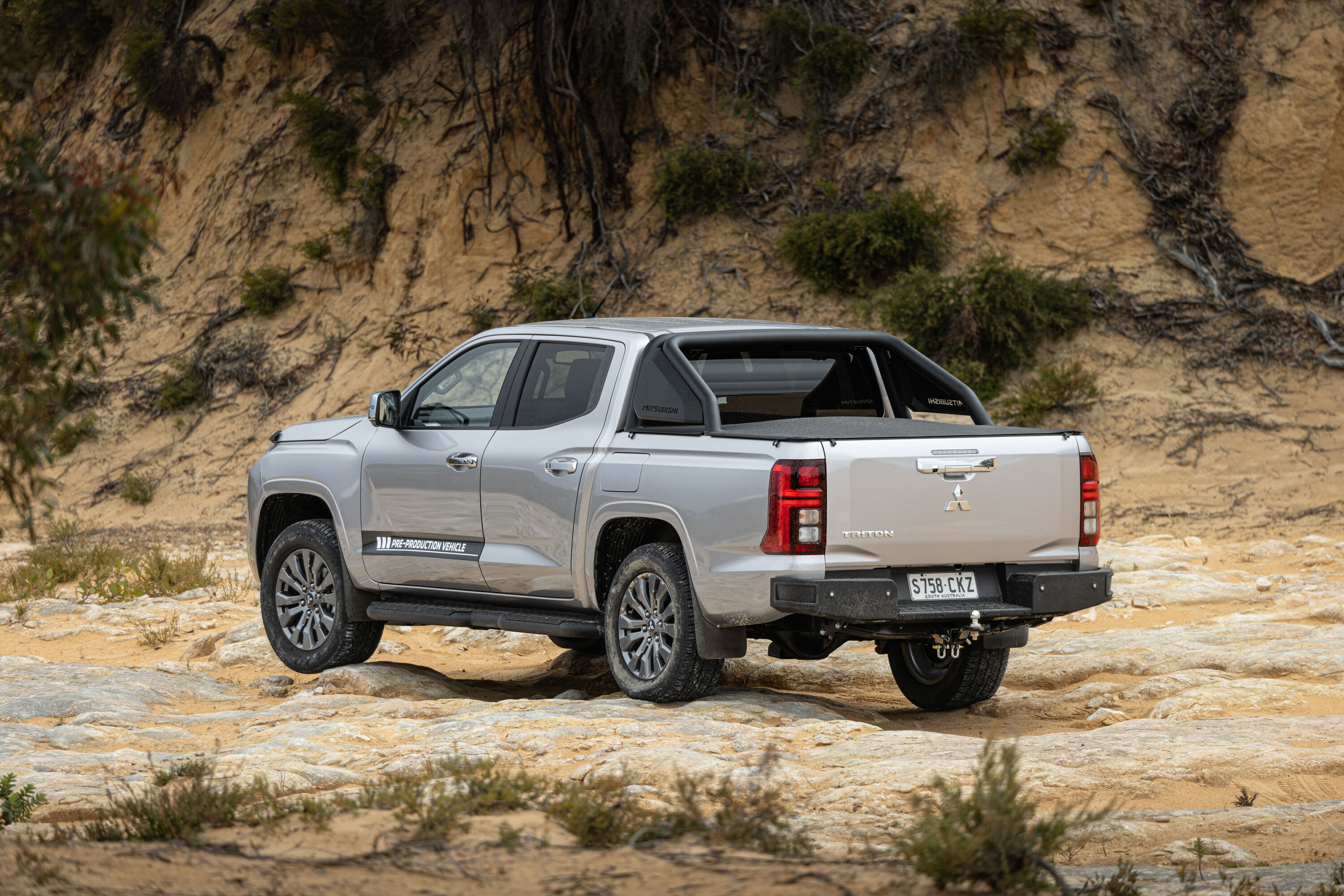
Immediately obvious is the increase in price compared to the outgoing model, with the current GSR listed at $56,940, for example, that’s an increase of $6900.
For a vehicle utilising and sourcing new parts, in addition to the global hike in logistical costs, it’s an inevitable price rise, but the new Triton is a vastly different and far more premium vehicle.
Still, like for like, $63,840 for the top-spec GSR variant is cheaper than a 2.0-litre, four-cylinder Ranger Wildtrak that retails for $68,490. The same applies when compared to the Toyota HiLux, with both the Rogue and GR Sport variants topping out at more than $70k.
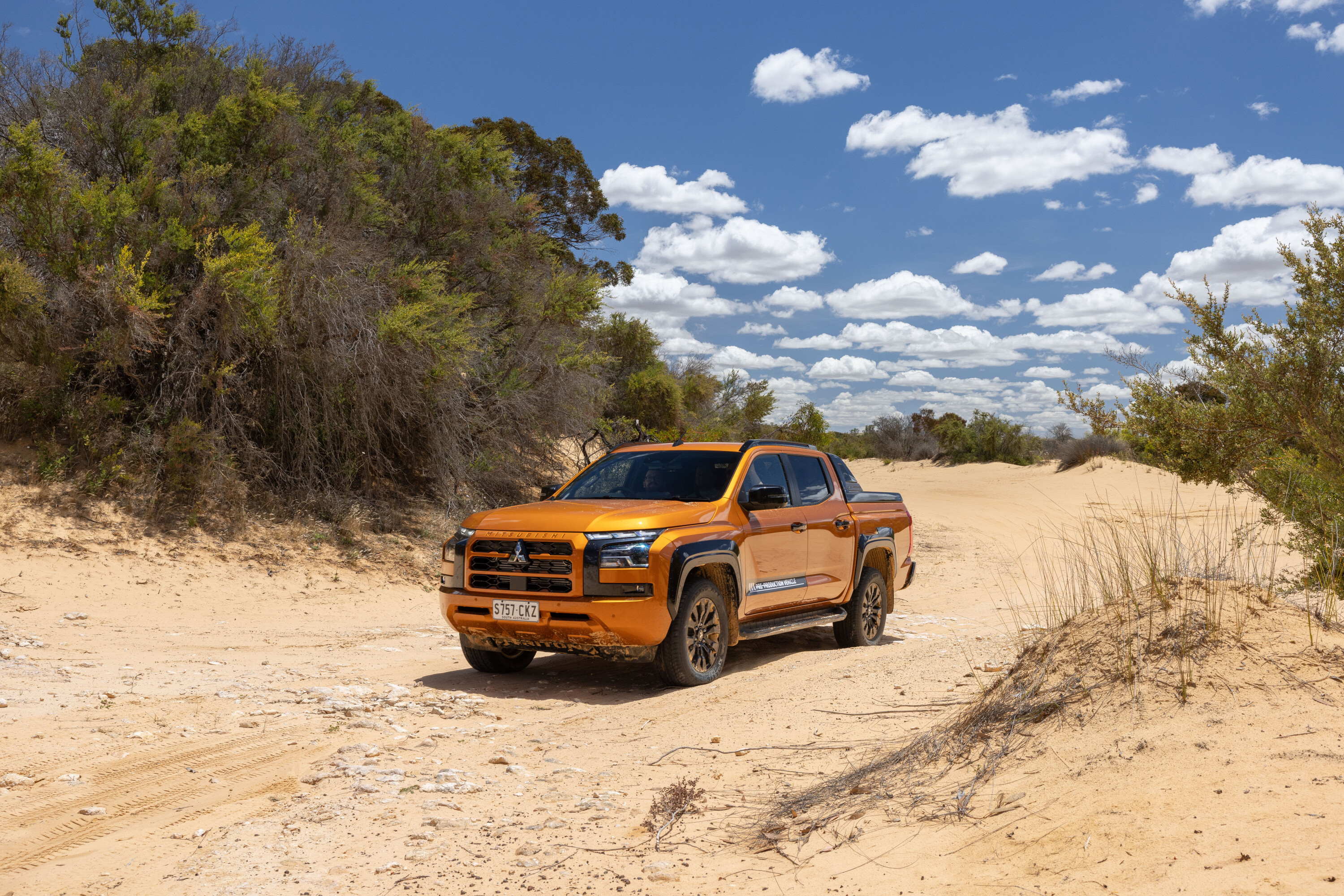
The bold, aggressive-looking Triton is bigger in every dimension than the vehicle it replaces, with the new model 15mm longer and 50mm wider. Its wheelbase is considerably longer (+130mm), as is the tray length (+35mm). Because of this growth, the new Triton is built using high-tensile steel to minimise weight increases.
| Dimension | Double Cab (change) |
|---|---|
| Body lengthu00a0 | 5320mm (+15mm) |
| Body width | 1865mm (+50mm) |
| Wheelbaseu00a0 | 3130mm (+130mm) |
| Tray length | 1555mm (+35mm) |
| Interior shoulder room | 1479mm (+49mm) |
| Hip point couple | 780mm (+40mm) |
| Towing capacityu00a0 | 3500kg (+400kg) |
The new Triton’s ladder-frame chassis is completely new from the ground up, with its bending rigidity said to be increased by 40 per cent, and torsional rigidity by 60 per cent.
Larger diameter front struts are implemented and exclusive to Australia (about 10 per cent larger than other markets), and beefier shocks are also unique for Australia.
A big change – and arguably the most impressive after our day behind the wheel – is the adoption of an electric power-steering system for the first time in a Triton, which has radically improved the overall feel and feedback at the tiller. In fact, the gear ratio has gone from 3.7 to 3.3 turns lock-to-lock.
Only the GLS (with the leather option pack) and top-spec GSR models were available for this pre-production test drive, so assessment of the GLX and GLX+ models will have to wait. These two top-end vehicles are equipped with Mitsubishi’s Super Select 4WD II.
The GLX and GLX+ make use of the more rudimentary Easy Select 4WD system. A rear diff lock has been introduced on the GLX+ model, and a Tyre Pressure Monitoring System is a welcome inclusion across the range.
Powertrain and performance
All models released at launch will be powered by a new Mitsubishi-built 2.4-litre twin-turbo DOHC 16V MiVEC diesel engine, which develops a claimed 150kW of power at 3500rpm and 470Nm of torque from as low as 1500rpm.
That’s an increase of 17kW and 40Nm compared to the old model. All variants utilise an updated six-speed automatic transmission, with a six-speed manual to be offered on some models post-launch.
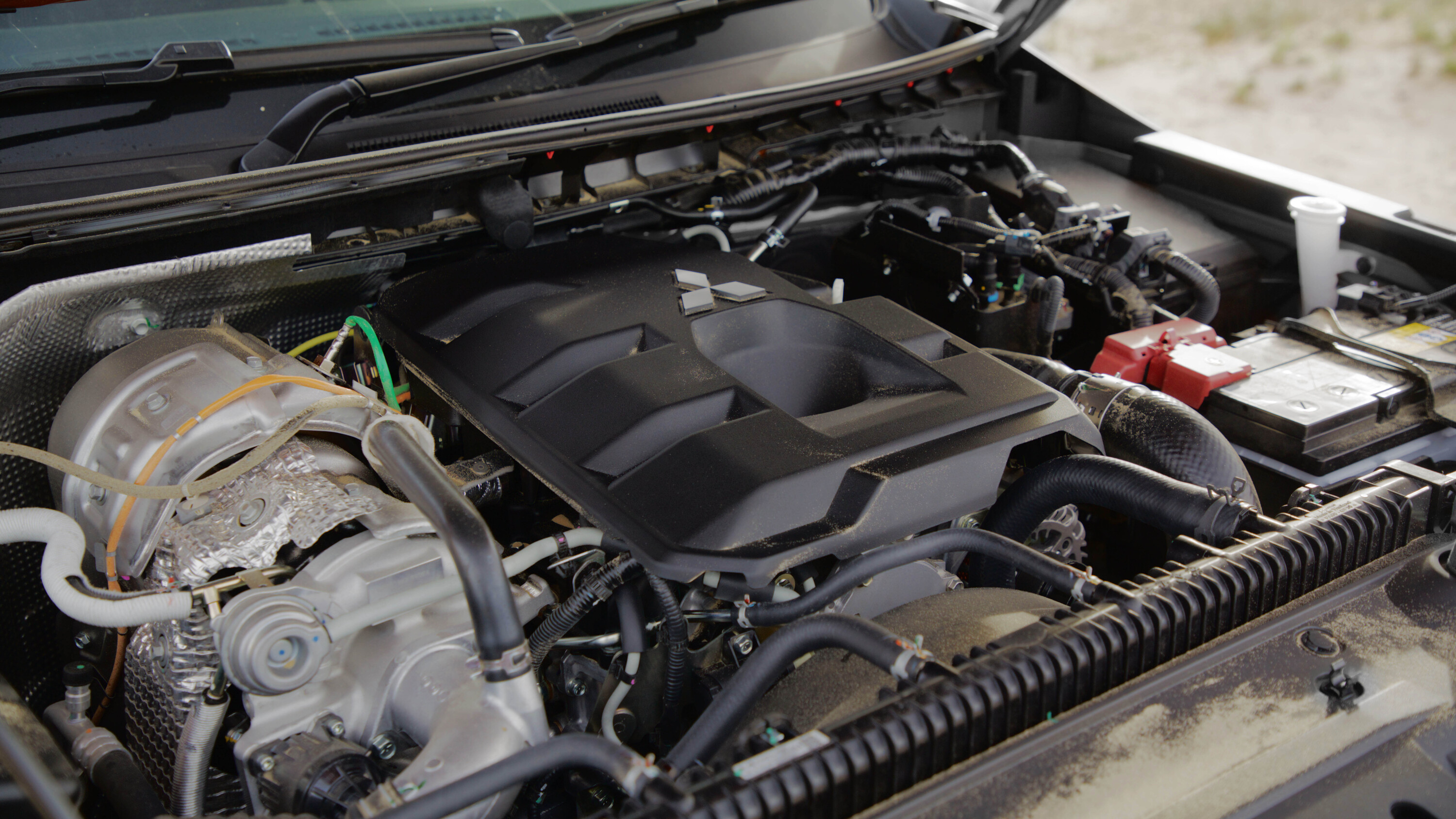
MMAL’s senior manager of product strategy, Owen Thomson, was emphatic that this engine is completely new, telling us that as well as now featuring a twin-turbo setup, a higher-pressure fuel delivery is partially responsible for this increase in power and torque – up by 10 per cent each, actually – and that other mechanical changes such as longer piston rods have been employed.
An “Auto Stop and Go” system is standard across the range, and is said to improve fuel economy. Mitsubishi says the ADR fuel consumption of both the GLS and GSR vehicles is 7.7L/100km.
As mentioned, lower-grade models utilise Mitsubishi’s Easy Select 4WD (part-time 4×4) system while upper-spec models – like the GLS and GSR as tested – benefit from Mitsubishi’s signature Super Select II system with 2H, 4H (full-time 4×4), 4HLc and 4LLc. The number of drive modes has also increased from four to seven, and now consists of Normal, Eco, Gravel, Snow, Mud, Sand and Rock.
Driving impressions
To stay on the right side of the law, our testing grounds were limited to a private off-road track with terrain that consisted almost entirely of sand.
So to fully test the vehicle’s capabilities and additional drive modes, a more comprehensive drive program is slated for early 2024. And yes, that will include bitumen. Until then, our impressions are largely limited to how the vehicles – GLS and GSR models – fare on sand.
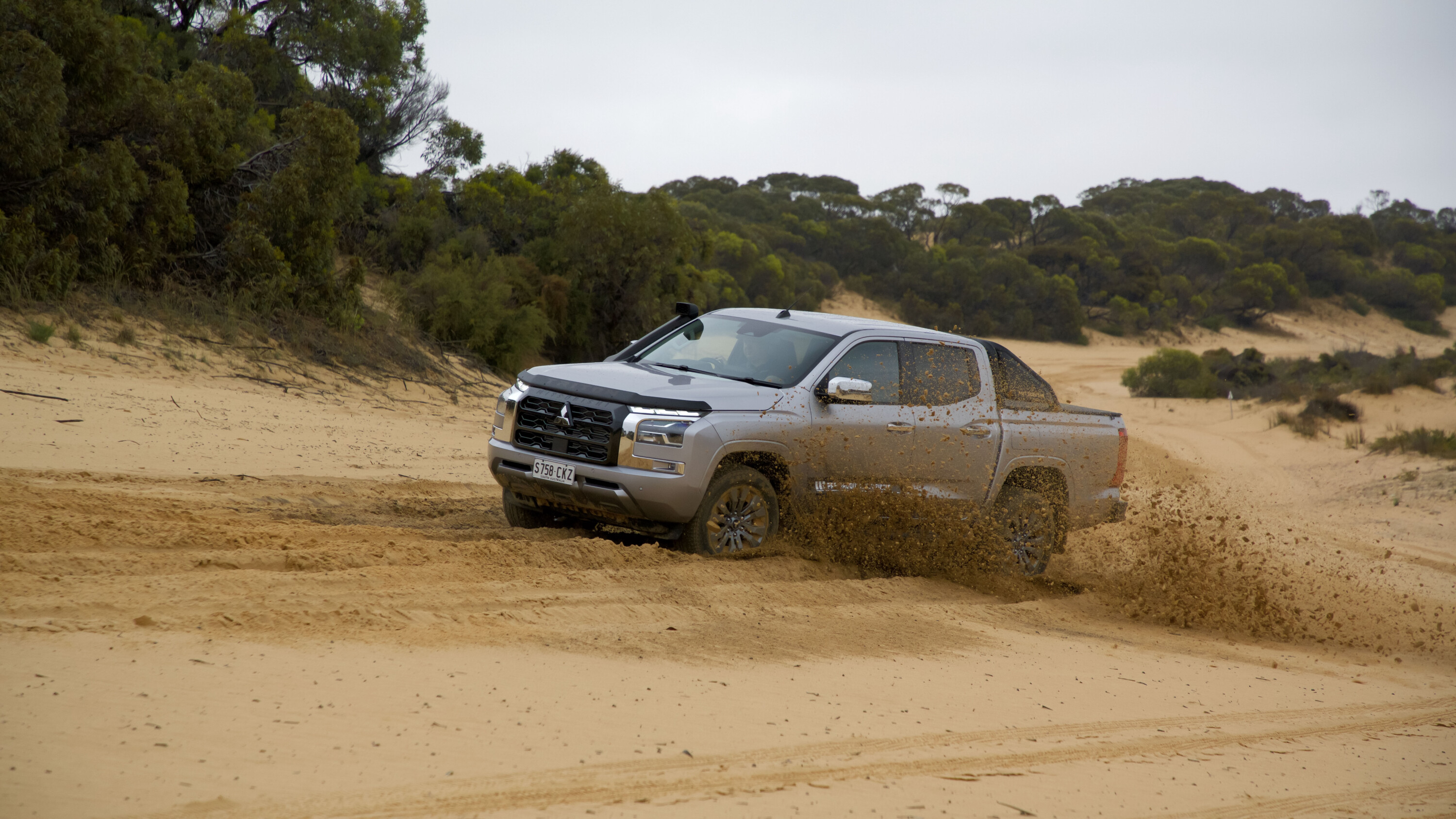
Sitting 50mm wider than the vehicle it replaces, the new Triton certainly feels more surefooted.
Combined with the redesigned chassis and the adoption of the electric power-steering system, the Triton feels direct and extremely well planted, with a feel and feedback through the steering wheel not experienced before in the Triton. The double-wishbone front suspension soaks up bumps and ruts well, and there’s a noticeable decline in head-wobble as a result. The rear leaf springs are also lighter, and provide a more compliant ride.
Most striking about the new 2.4-litre engine is the low-down delivery of torque which, as mentioned, peaks from as low as 1500rpm. As sand was the only surface on the menu – and perhaps chosen by Mitsubishi for this reason – this early torque delivery gives the Triton a responsive and spritely feel when burying the foot from standstill, and on our drive loop it climbed big dunes with ease.
Interior package
The 50mm-wider overall dimensions of the Triton have given it noticeably more interior space.
Combined with a modern and elegant cabin, Mitsubishi has definitely succeeded in transitioning the Triton from a purely value proposition to a premium product. Whether this premium feel carries over to the thriftier GLX and GLX+ is yet to be seen.
The redesigned A-pillars highlight Mitsubishi’s focus to not only improve space, but also benefit those on-board. They’re flatter and more upright, which in effect means there’s less curvature at the front of the vehicle, which not only opens up the field of vision and increases cabin space, but it makes vehicle entry and exit easier.
Both the GLS (with $1500 leather option pack) and GSR feature soft leather trim and contrast stitching – silver on GLS and orange on GSR. On our short drive the seats felt comfortable, supportive and appeared to be bolstered in all the right areas with additional lower back support, aided by a 20mm higher hip point.
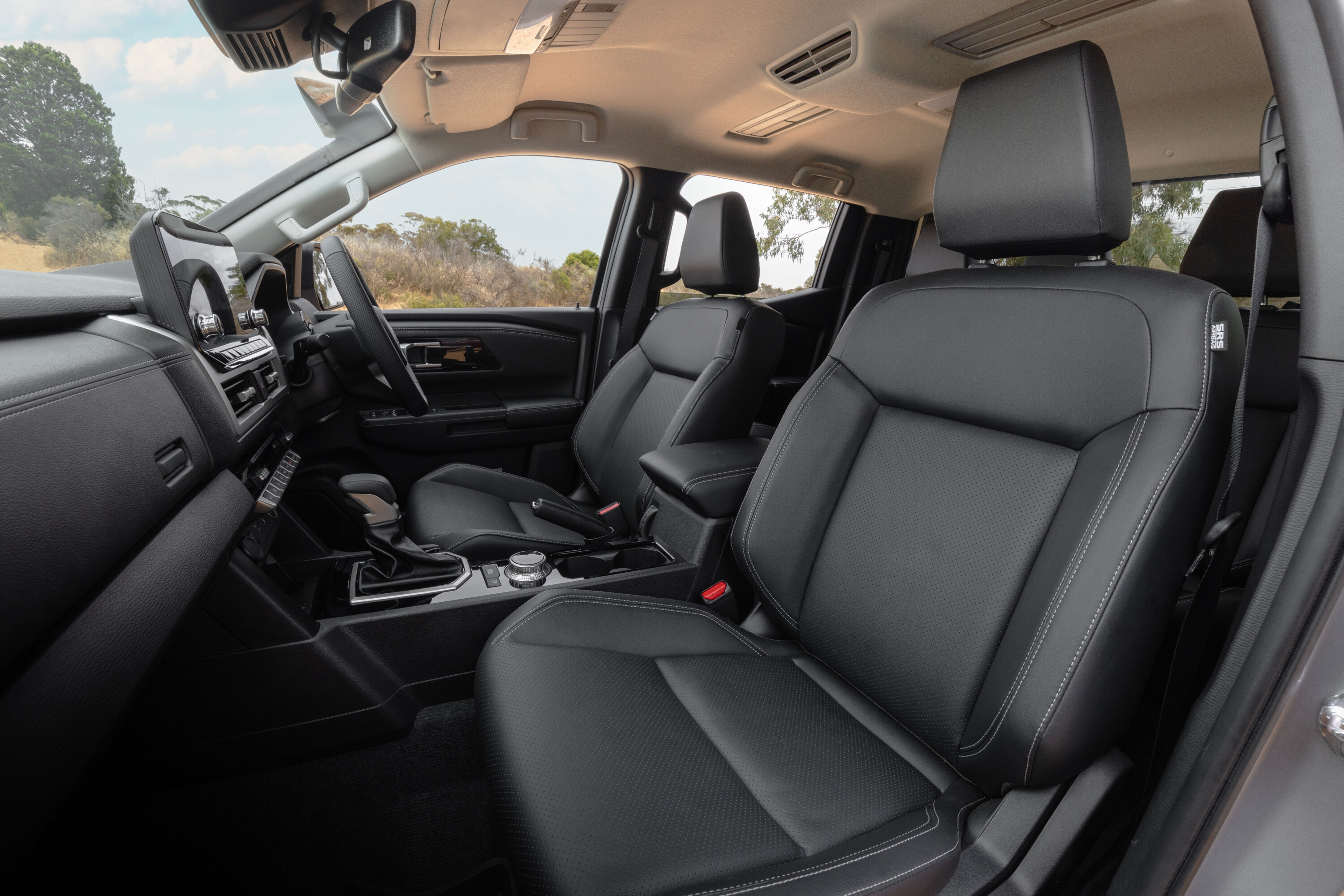
The GLS gets heated front seats while the GSR adds GSR-specific floor mats and extra cup holders on the front dash. Both variants feature powered driver’s seat adjustment.
The rear seats are comfortable and spacious for three abreast – with 49mm more second-row shoulder room than before – and provide easy access to USB-A and USB-C ports. Rather than rear air conditioning ducts, the air-circulation system for rear passengers has been carried over from the previous model.
Other interior features standard across the dual-cab range include numerous cup and bottle holders, sunglasses holder, driver’s seat electric lumbar support, seat-back pockets for phone and tablet storage, and an armrest in the rear bench seat.
The nine-inch infotainment grows by two inches compared to the outgoing model and it features embedded satellite navigation, traffic sign recognition and wireless Apple CarPlay (wired Android Auto). It is clear and bright and easy to use.
Climate controls and the Super Select 4WD II system are controlled via dials rather than buttons, which is a plus in our book. The dash layout is also user-friendly and well laid out.
Safety kit
The next-gen Triton won’t be tested by ANCAP until Q1 of 2024 so results are unlikely to be available until mid-April.
Hazarding a guess and looking at the long list of standard safety kit, a five-star ANCAP rating is likely.
All dual-cab models are equipped with a suite of airbags (driver and front passenger; centre; driver and front passenger side; driver’s knee; and curtain). Standard safety kit across the range includes Forward Collision Mitigation with pedestrian detection, cyclist detection and junction assist; Adaptive Cruise Control; Blind Spot Warning/Lane Change Assist; Emergency Lane Keeping; Emergency Lane Assist; Lane Departure Prevention; front and rear parking sensors; a rear-view camera; front and rear cross traffic alert; multi-collision brake; traffic sign recognition; Driver Attention Alert and Driver Monitor System (deactivated during our test); an Intelligent Speed Limiter; and an Automatic High Beam system.
As expected, Active Stability Control; Anti-Lock Braking System; Traction Control; Electronic Brake Distribution (EBD); Brake Assist system; Trailer Stability Assist (TSA); Hill Start Assist (HSA); Emergency Stop Signal (ESS) are all included. Rear Automatic Emergency Braking is missing on the GLX variant but available on GLX+ and above grades.
VERDICT
Mitsubishi’s brave yet inevitable decision to break away from the value stigma attached to its brand means it’ll now have to compete more intimately with the heavy hitters of the segment, but does the Triton have the chops to seriously contend with the Ranger and HiLux?
Sure, our time behind the wheel of the new-gen Triton was rather brief and one-dimensional (sand), but it was enough to convince us that the Triton has transformed into a bigger and better vehicle worthy of the premium-vehicle label. However, until we get a more comprehensive experience behind the wheel on all road surfaces, it’s hard to say how competitive it will be.
What is obvious is that the new Triton is far better than the model it replaces in just about every way, and we expect it will have a place at the table with the segment’s best.
Specs
| 2024 Mitsubishi Triton GSR double cab | |
|---|---|
| Price | $63,840 +ORC |
| Engine | I4 twin-turbo DOHC 16V MiVEC dieselu00a0 |
| Capacity | 2442cc |
| Max power | 150kW @ 3500rpm |
| Max torque | 470Nm @1500-2750rpm |
| Gearbox | 6-speed automatic |
| Crawl ratio | 37.782:1 (auto) |
| 4X4 system | On-demand selectable full-time 4×4 with high and low range |
| Construction | 4-door ute body on ladder chassis |
| Front suspension | IFS with struts and coil springs |
| Rear suspension | Live axle with leaf springs |
| Tyres | 265/60R18 Maxxis Bravo 790 A/T |
| Towing capacity | 3500kg |
| Seating capacity | 5 |
| ADR fuel consumption | 7.7L/100km combined cycle |
| Departure angle | 22.8u00b0 |
| Rampover angle | 23.6u00b0 |
| Approach angle | 29.0u00b0 (30.4u00b0 GLX and GLS) |
| Ground clearance | 222mm |