
When it was introduced in 2020, this latest generation of D-MAX led the mid-size ute category with an unrivalled suite of safety features; but with new models coming out since and other competitors upgrading their utes, the pack has caught up.
Isuzu has now updated and refined its package to stay at the forefront and continue the strong sales it has enjoyed from the ute segment. Not only was the D-MAX the third best-selling ute in Australia in 2023 but it was the country’s third best-selling car overall, behind the Ford Ranger and Toyota HiLux.
Model range
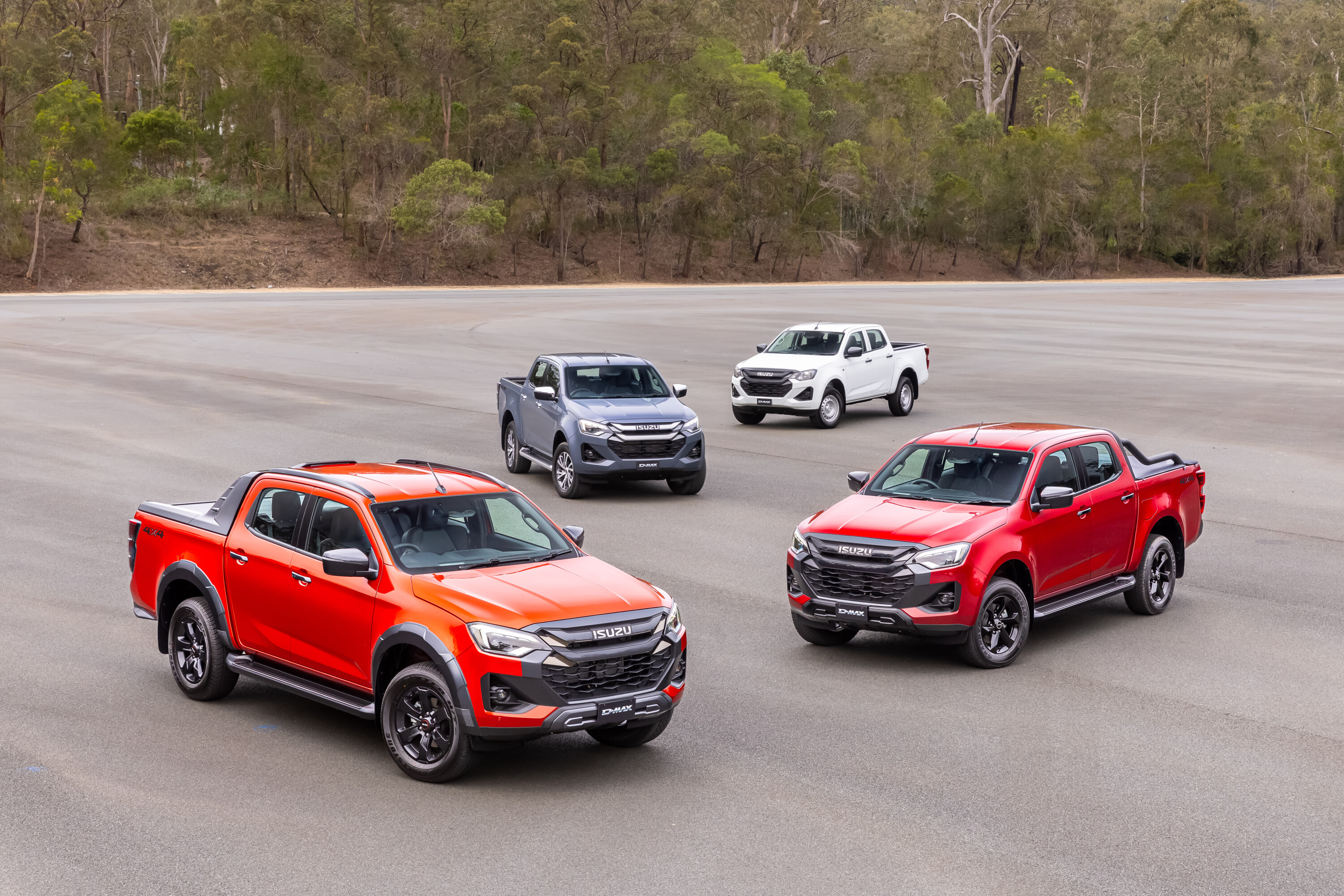
The 2024 D-MAX range comprises 26 variants consisting of single-cab, extra-cab and double-cab passenger compartments; cab-chassis and styleside bodies; 4×2 and 4×4 drivelines; and the choice of 1.9- and 3.0-litre diesel engines. There’s a D-MAX to suit everyone, from the lollipop-spec 2WD SX cab-chassis to the top-of-the-range X-Terrain.
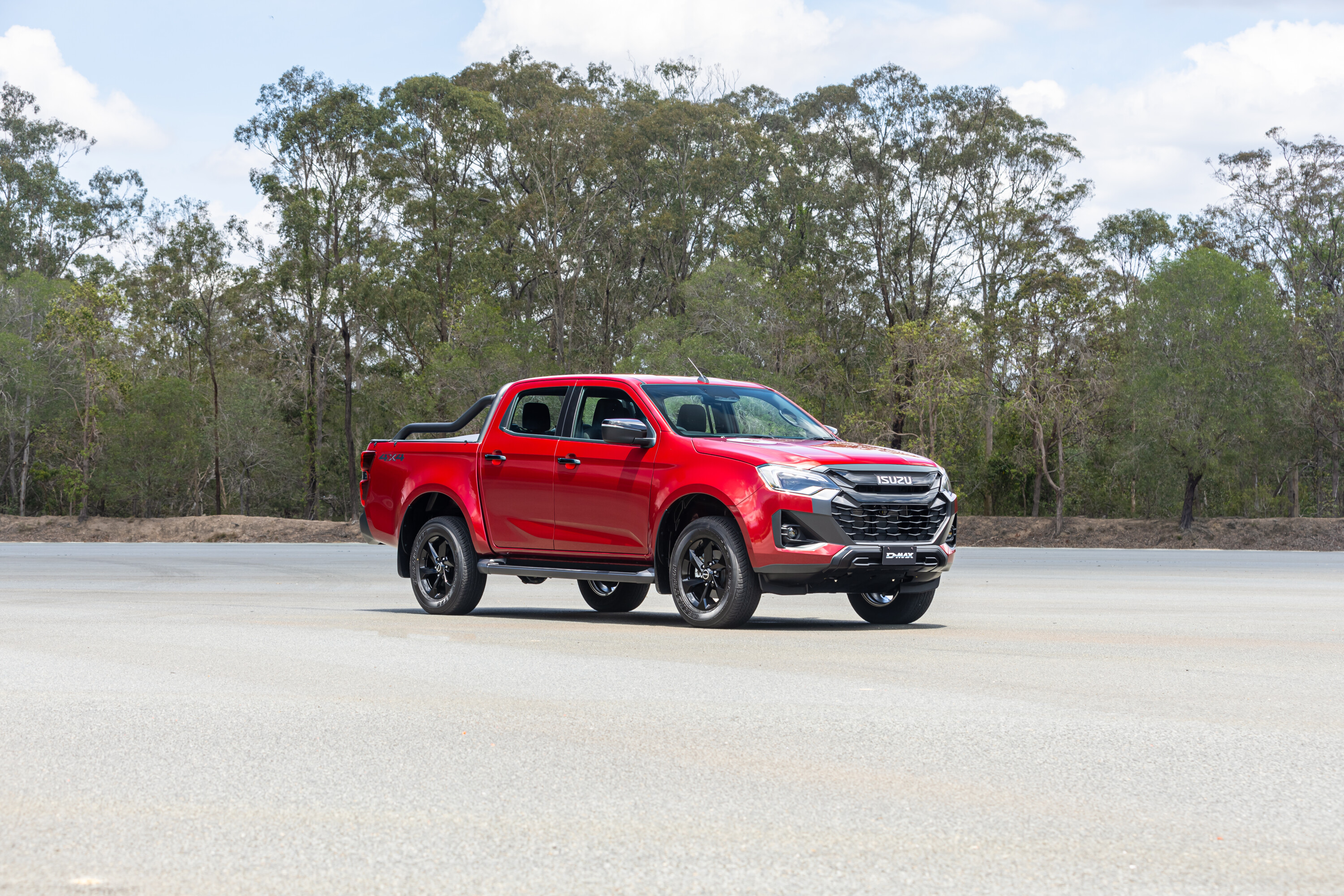
The new kid on the block is the X-Rider, which only comes as a double-cab tub 4×4 with the 3.0L engine and automatic transmission for $59,500 (plus ORC). The D-MAX X-Rider brings the blacked-out looks of the higher-spec utes that all the cool kids have, to a more basic truck with the smaller eight-inch infotainment screen, cloth interior trim and vinyl floor coverings. It’s the ute to get if you want that look without all the extras and expense of the X-Terrain model.
New look
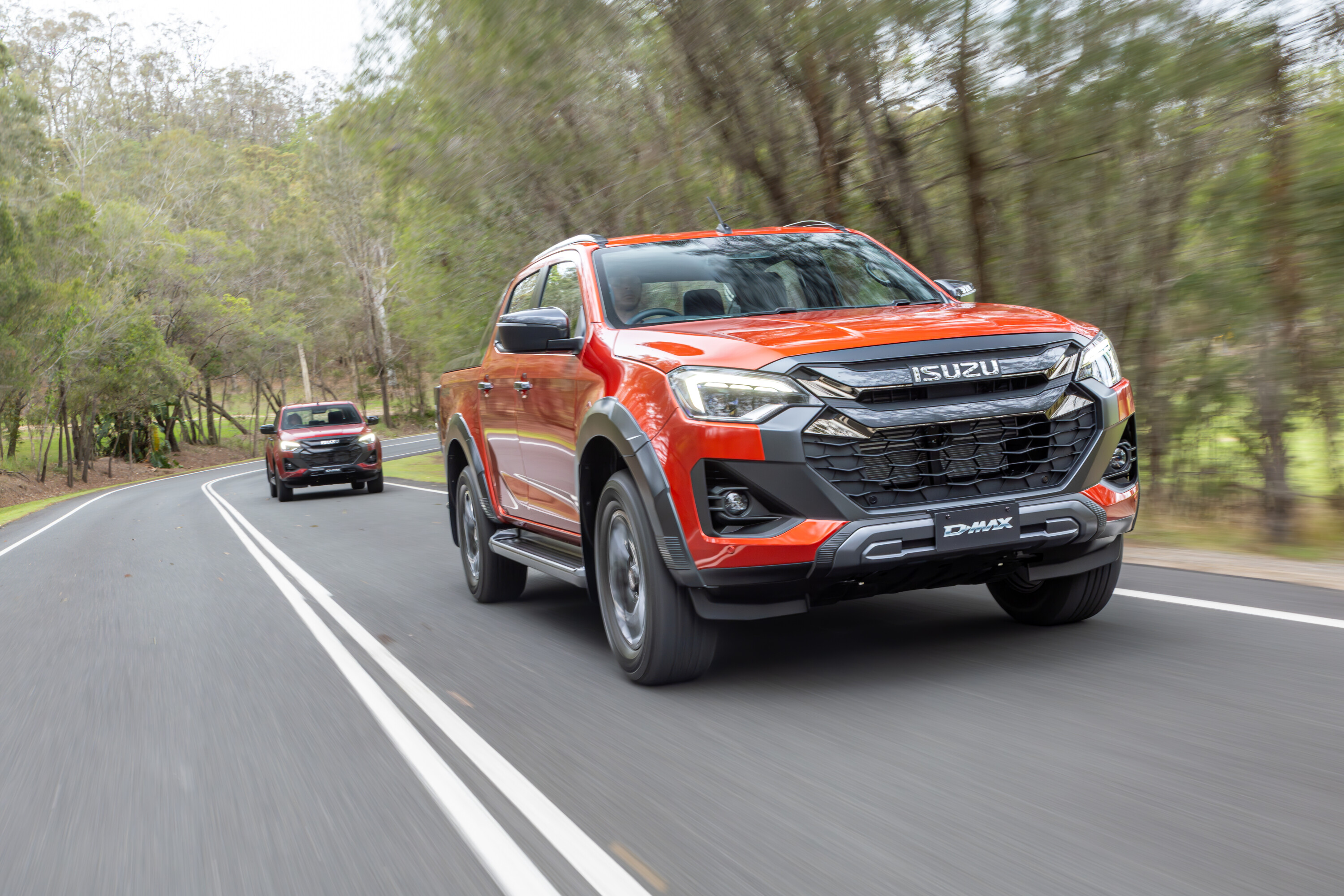
While the bones of the D-MAX remain the same, Isuzu has freshened the styling with a new grille, headlights and front-end treatment. Different trim colours and designs of the alloy wheels differentiate the many model specifications, but the overall vibe remains distinctly Isuzu.
Improved safety
While we applauded Isuzu for fitting such a comprehensive suite of so-called driver aids and safety features in its ute back in 2020, the refinement and calibration of some of the systems left a lot to be desired. Over-aggressive lane keeping, annoying beeps and buzzers, and frustrating lane cantering were just some of the systems that detracted from the driving experience and only made you wish it would all end as soon as possible.
To its credit, Isuzu listened to those criticisms and addressed them with more than a simple recalibration, by introducing all-new hardware to give better results. Key to that hardware is the new forward-facing 3D stereo camera that scans and reads the road ahead to assist with lane-centring or to warn the driver of obstacles.
Isuzu says it can do this with greater accuracy than the previous system thanks to wider peripheral vision and depth perception. The camera’s field of view increases from 40° to 120°. Vehicle detection range also increases from 120m to 150m, with the system able to identify the headlights of oncoming vehicles that are 700m away.
The full range of ADAS and safety across the D-MAX range now includes:
| Eight airbags (dual front, dual seat side, dual full-length curtain, front knee and centre) |
| AEB with Turn Assist |
| Forward Collision Warning |
| Updated Adaptive Cruise Control |
| Speed Limiter |
| Mis-acceleration Mitigation |
| Driver Attention Assist |
| Traffic Sign Recognition |
| Lane Departure Warning |
| Lane Departure Prevention |
| Updated Lane Keeping Assist |
| Emergency Lane Keeping |
| Blind Spot Monitoringu00a0 |
| Rear Cross Traffic Alertu00a0 |
| Trailer Sway Control |
| Updated Adaptive Cruise Control |
| Rear Cross Traffic Brake |
| Digital reversing camera |
Isuzu does offer a tyre pressure monitoring system on the D-MAX, but not on all models. That’s a shame, as it’s a major exclusion on an otherwise comprehensive safety package. That and the new TPMS is a good one with a feature we haven’t seen before, where, when you are inflating the tyres and the tyre reaches the placard recommended pressure, the car beeps and the lights flash to let you know. Clever stuff. The TPMS also provides readouts and warnings of tyre temperatures.
Powertrains
The comprehensive D-MAX range continues with a choice of 4×4 and 4×2 drive lines; manual and automatic transmissions; and the 110kW/350Nm 1.9-litre or 140kW/450Nm 3.0-litre diesel engines. The 1.9 is only available in select models, with the popular 4JJ 3.0L being the popular choice for those who like to tow and load up their utes.
The 4×4 models now benefit from a Rough Terrain button that changes the calibration of the electronic traction control (ETC) for better response when driving off-road. This is a feature that has been adapted from the MU-X wagon. It also keeps the ETC active across the front axle when the rear differential lock is engaged, making it a handy function and a nice addition from the MU-X.
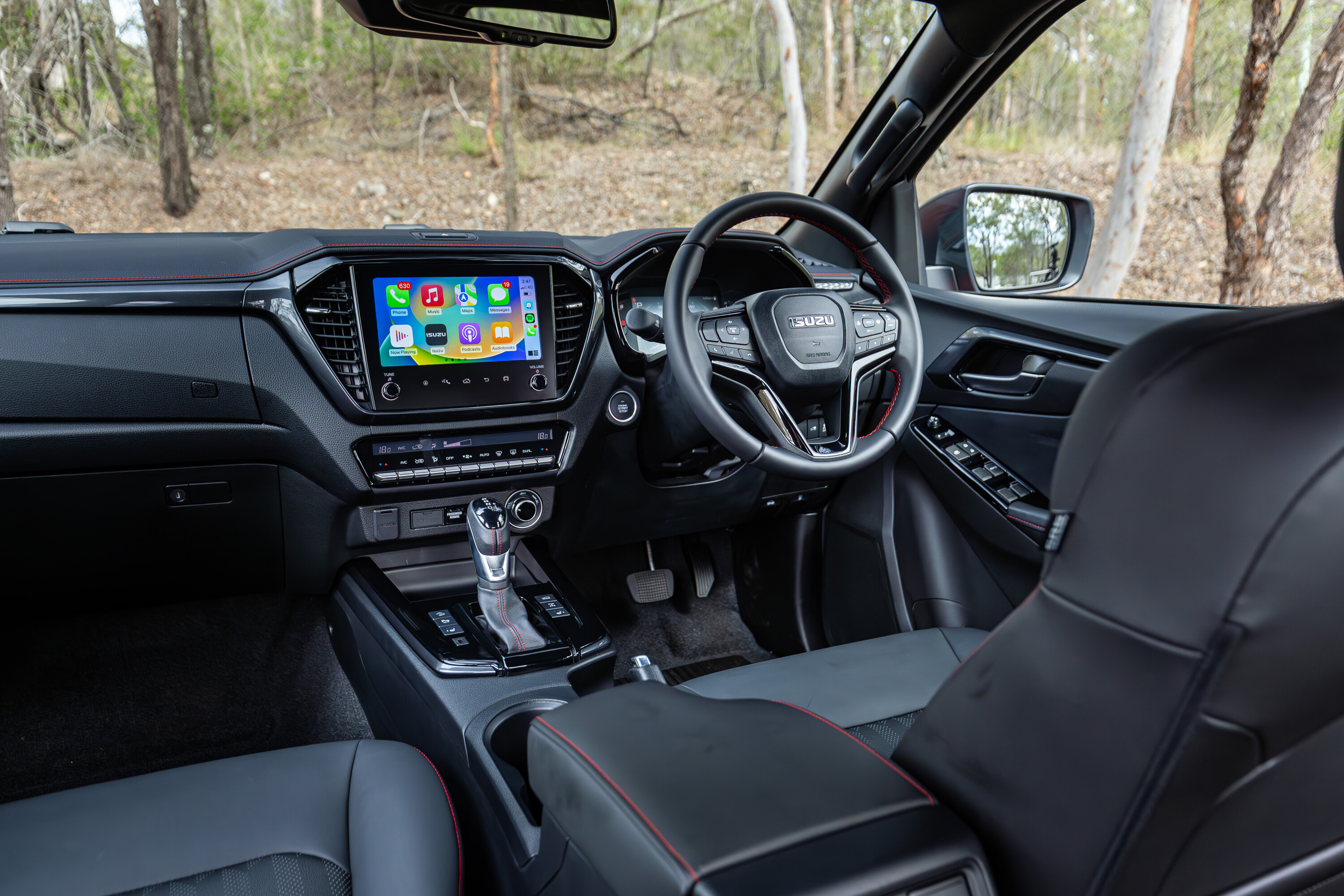
The new X-Rider is based on the mid-range LS-M specification. Over the LS-M it gets a soft tonneau and sports bar, with black accents. The interior also gets the black-out treatment with black accents and black roof lining, while maintaining its working-class roots with cloth seats, vinyl floor coverings, the new eight-inch infotainment system, and a 4.2-inch Multi-Information Display. Models above the X-Rider get a new nine-inch infotainment screen and a more comprehensive seven-inch multi-information gauge display.
Overall
The changes made to the D-MAX range refine what has always been a great package, and Isuzu has addressed some of the complaints we’ve had of the electronic driver aids in the past. It’s a solid mid-life upgrade for the line-up that comes at the perfect time following the recent introduction of an all-new Mitsubishi Triton that aims to challenge the D-MAX for that third place behind Ranger and HiLux. Mitsubishi had a lock on that third place for years and you can bet they will fight to get it back.
Looking further ahead, the 2025 Kia Tasman will also be looking to step squarely into the Isuzu’s terrain and, all of a sudden, the D-MAX will become one of the older vehicles in the segment. For now, these latest upgrades will keep the D-MAX a popular choice with families, tradies and adventurers.
2024 Isuzu D-MAX pricing
| Variant | RRP (before on-road costs) |
|---|---|
| SX Single Cab Chassis 1.9L Manual 4×2 | $32,700 ($32,490 drive away) |
| SX Single Cab Chassis 1.9L Automatic 4×2 | $34,700 |
| SX Single Cab Chassis 3.0L Manual 4×2 | $34,700 |
| SX Single Cab Chassis 3.0L Automatic 4×2 | $36,700 |
| SX Space Cab Chassis 3.0L Automatic 4×2 | $40,200 |
| SX Crew Cab Chassis 1.9L Automatic 4×2 | $41,200 |
| SX Crew Cab Chassis 3.0L Automatic 4×2 | $43,200 |
| SX Crew Cab Ute 1.9L Automatic 4×2 | $42,700 |
| SX Crew Cab Ute 3.0L Automatic 4×2 | $44,700 |
| LS-U Crew Cab Ute 3.0L Automatic 4×2 | $54,500 |
| SX Single Cab Chassis 3.0L Manual 4×4 | $42,700 |
| SX Single Cab Chassis 3.0L Automatic 4×4 | $44,700 |
| SX Space Cab Chassis 3.0L Automatic 4×4 | $48,200 |
| SX Crew Cab Chassis 3.0L Manual 4×4 | $49,200 |
| SX Crew Cab Chassis 3.0L Automatic 4×4 | $51,200 |
| LS-M Crew Cab Chassis 3.0L Automatic 4×4 | $54,300 |
| LS-U Crew Cab Chassis 3.0L Automatic 4x4u00a0 | $61,000 |
| SX Crew Cab Ute 1.9L Automatic 4×4 | $50,700 |
| SX Crew Cab Ute 3.0L Automatic 4×4 | $52,700 |
| LS-M Crew Cab Ute 3.0L Automatic 4×4 | $55,800 |
| X-RIDER Crew Cab Ute 3.0L Automatic 4×4 | $59,500u00a0 |
| LS-U Space Cab Ute 3.0L Automatic 4×4 | $59,500 |
| LS-U Crew Cab Ute 3.0L Automatic 4×4 | $62,500 |
| LS-U+ Crew Cab Ute 3.0L Automatic 4×4 | $65,500 |
| X-TERRAIN Crew Cab Ute 3.0L Automatic 4×4 | $70,500 ($67,990 drive away) |
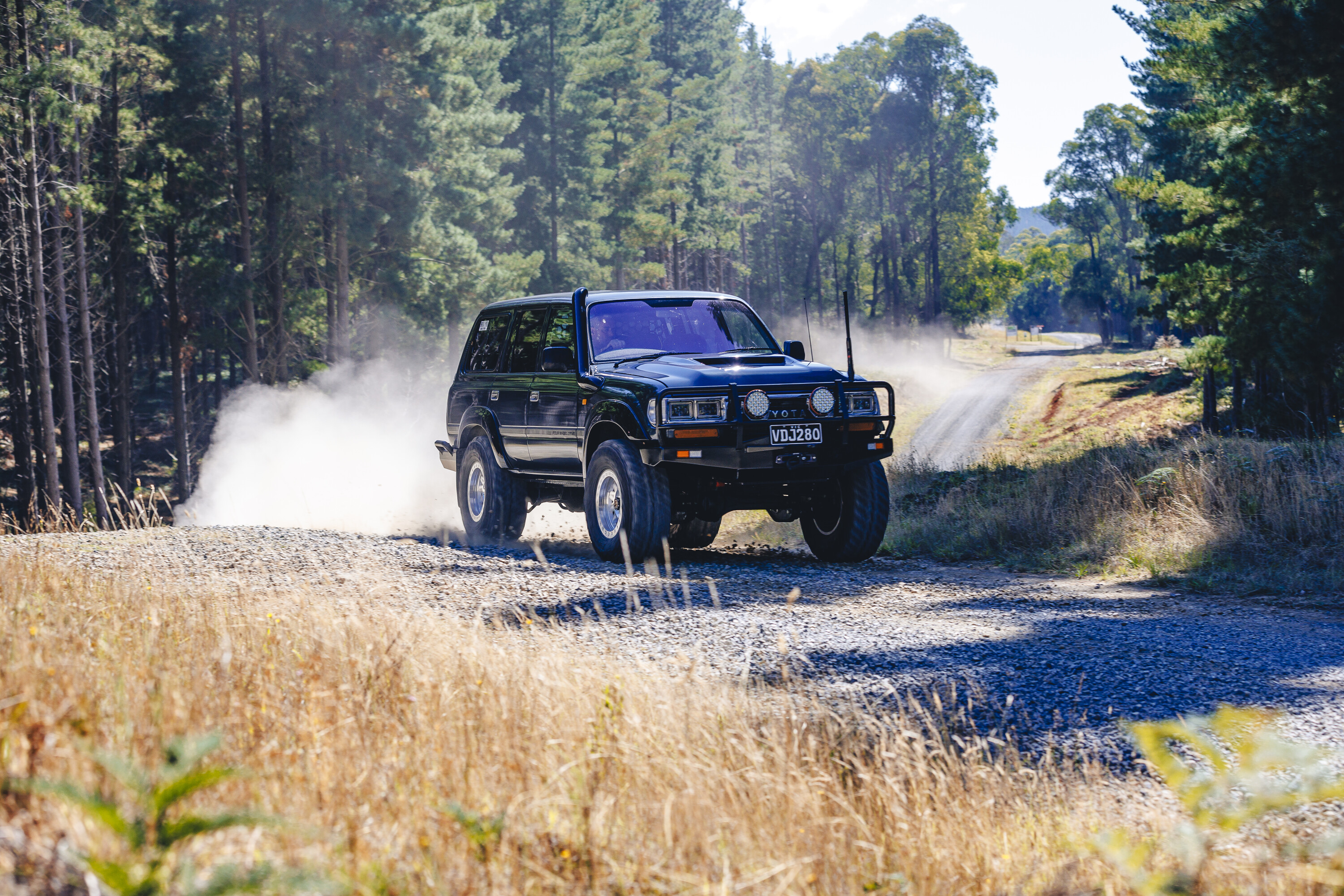
The May 2024 issue of 4X4 Australia is in stores and arriving in subscribers’ letterboxes as we speak, with an unassuming 80 Series leading the charge.
‘Take a quick glance at this LandCruiser and you might think there’s nothing spectacular about it, but dive a bit deeper and it’s anything but ordinary. A 1VD-FTV 4.5L quad-cam twin-turbo V8 diesel has been transplanted into this unassuming monster, as well as a suite of serious aftermarket gear including an ARB Deluxe bar, Stedi LEDs and an overhauled interior.
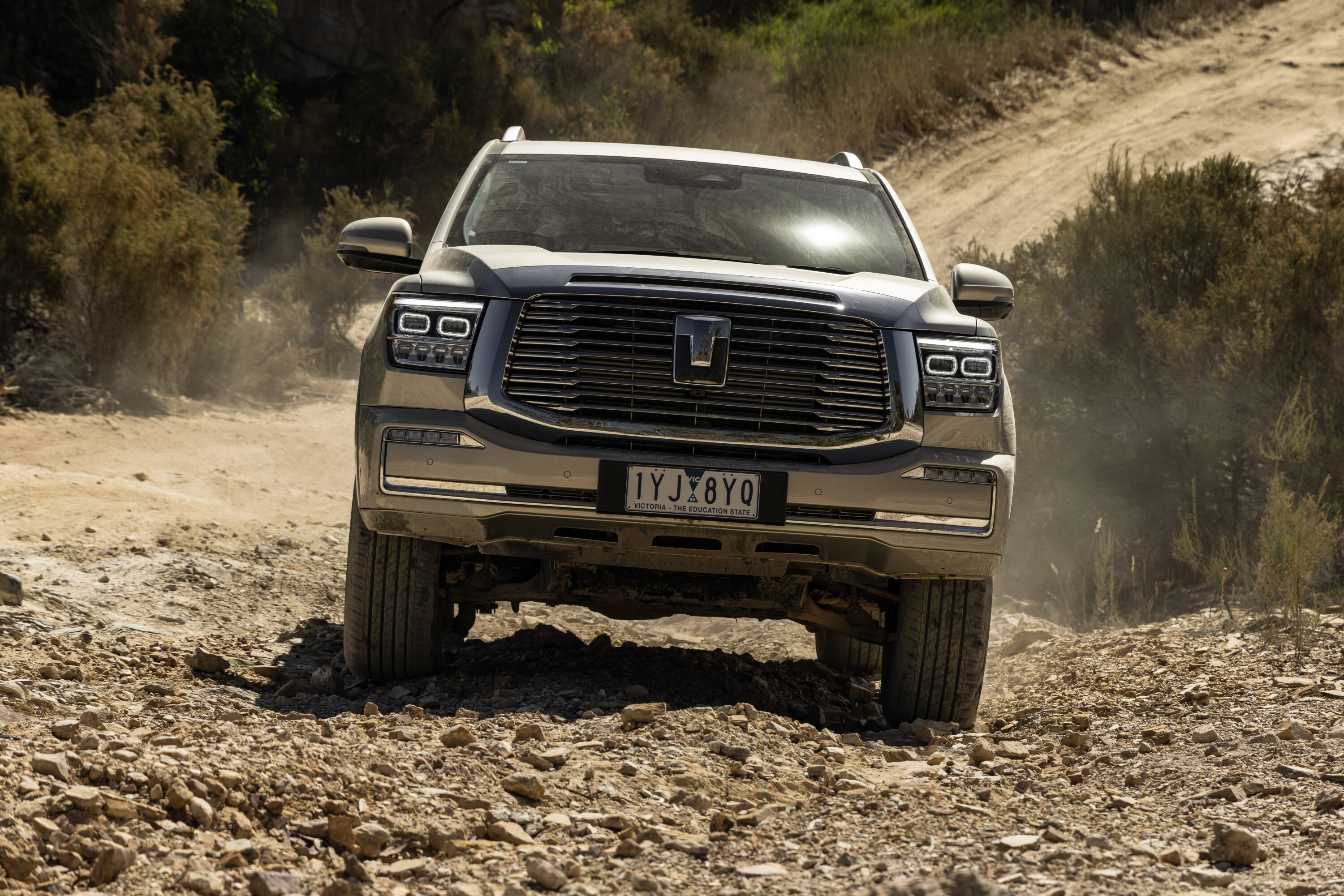
On the new car front, GWM recently launched its luxe off-road wagon dubbed the 500. It may be a similar size to the ever-popular Nissan Patrol and Toyota LandCruiser 300 Series, but is it worthy of consideration in this company? Matt Raudonikis drove the three-row seven-seater to find out.
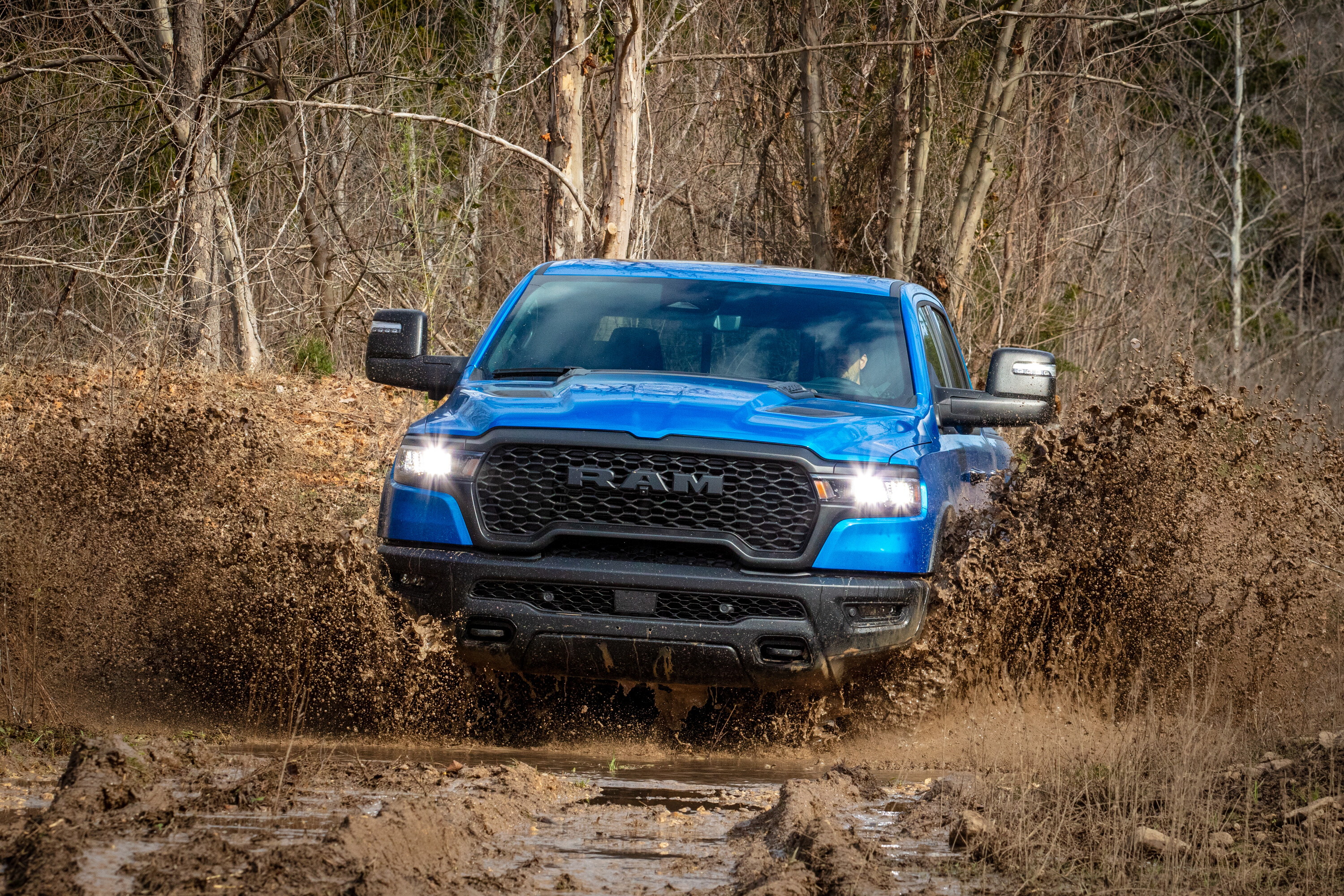
We also headed to Texas in the south of the States to drive RAM’s fifth-gen 1500. In a massive change for the burly ute, RAM has dumped its HEMI V8 for a 3.0-litre Hurricane straight-six. Has RAM buggered things up? Before you jump on the bandwagon, best read Chris Collard’s review.
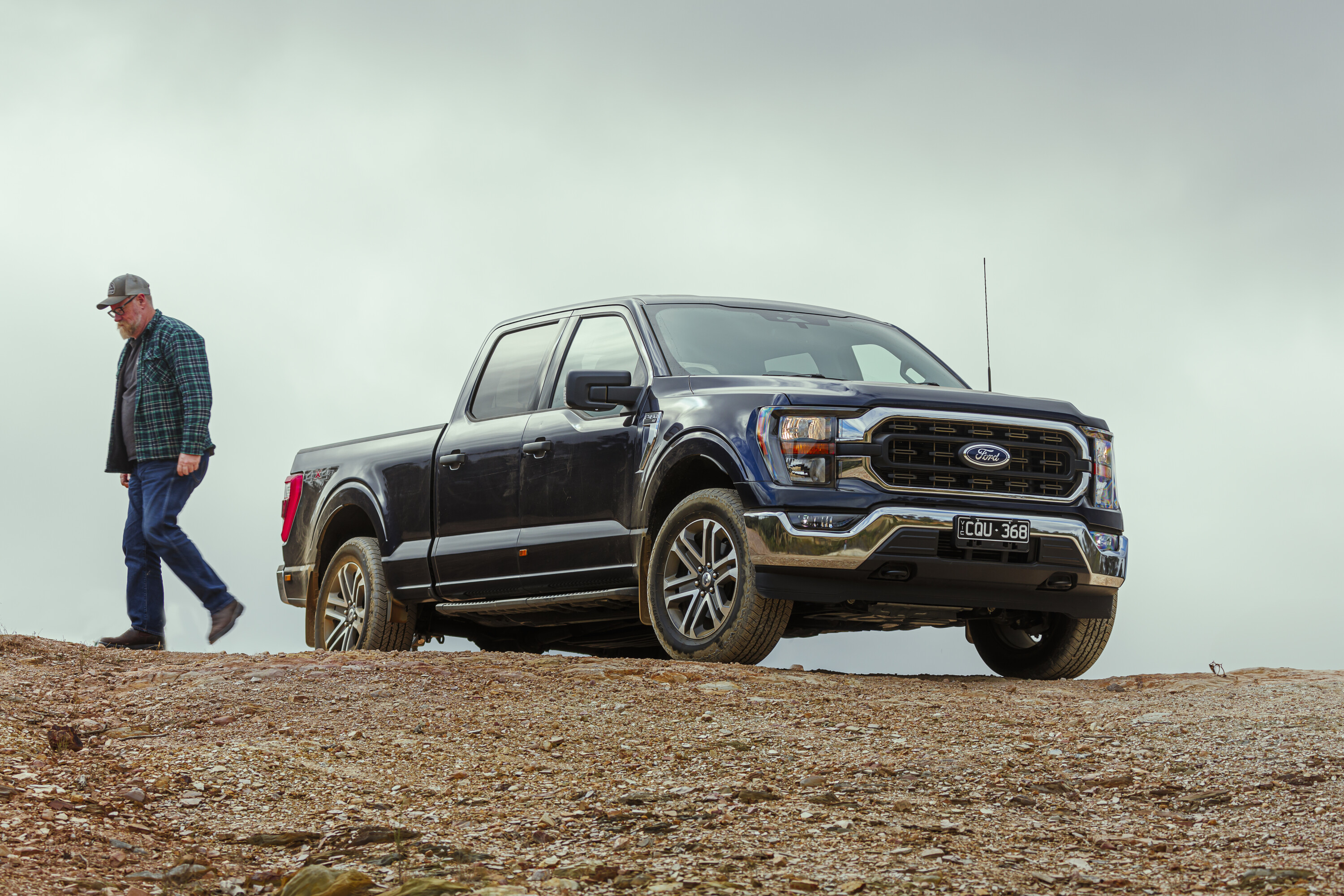
Speaking of big utes, we’d driven the 298kW/678Nm petrol-powered 2024 F-150 last year at the vehicle’s local launch, but considering there was no off-road element to the test we were itching to properly dirty the big ute’s tyres. So we took an XLT LWB variant to see how capable the vehicle is at 4×4 travel when driven directly from the showroom. It went about as expected…
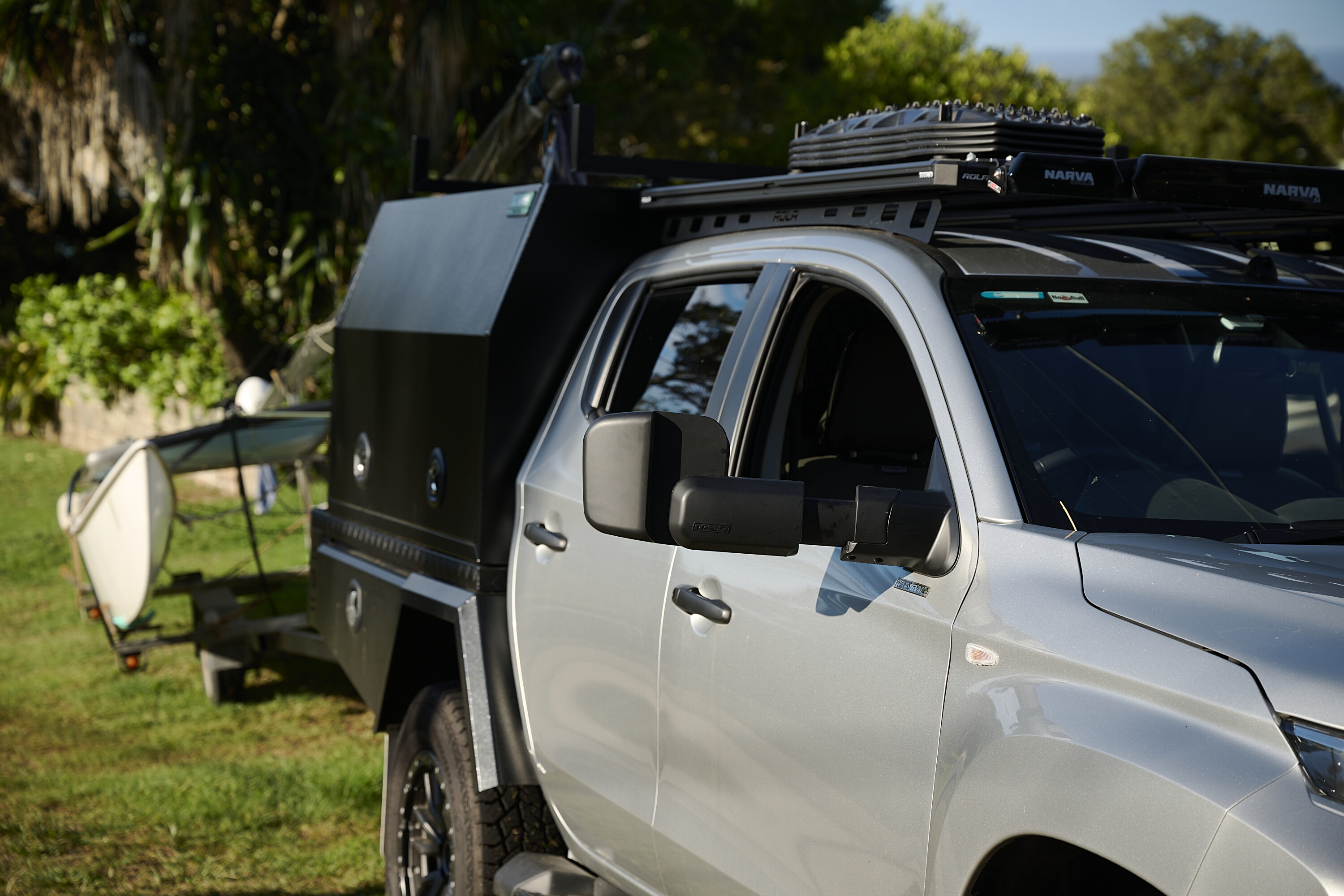
Our Tradie Triton build continues, with the Mitsi receiving a pair of award-winning MSA 4×4 towing mirrors to help with rear vision. We also installed a Cel-Fi GO mobile booster to improve phone reception if we decide to head beyond the black stump once work duties are done for the week.
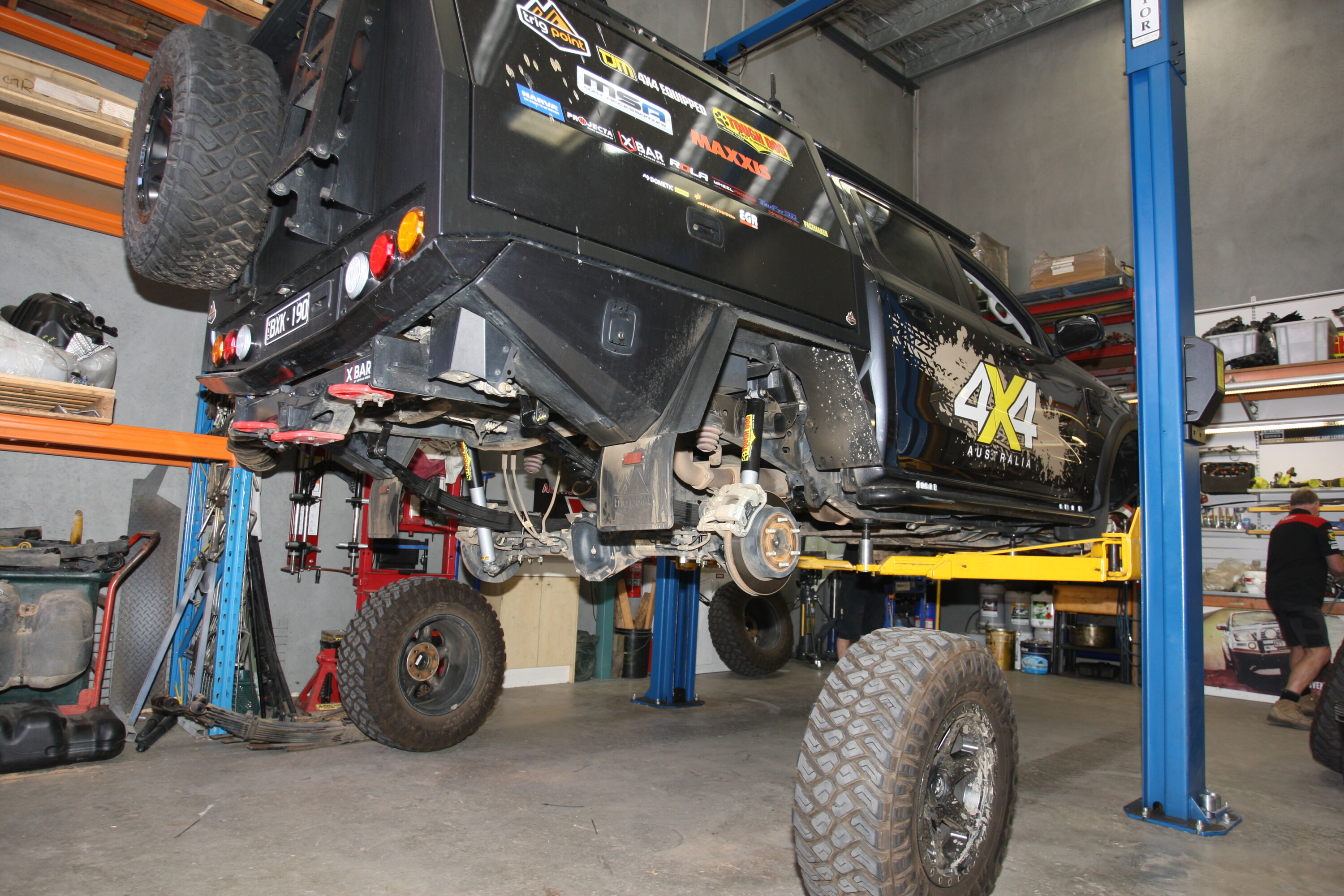
Now that our other build – the Ranger V6 – is all but finalised, it was time to upgrade its GVM with a Tough Dog GVM Upgrade Kit. With all the required certification now ticked off, the Ranger is ready to comfortably tour our vast continent.
On the travel front this month, Dan Grec aired down his Gladiator’s tyres and took a ferry to paradise, also known as K’gari (Fraser Island); we venture to the vast expanses of Western Australia’s ancient Pilbara region; and we also embark on an outback pub crawl to some of South Australia’s famous watering holes.
What else is there?
- C-TEK CS ONE battery charger tested.
- Ron’s Troopy gets an ARB bull bar and Carbon winch.
- Lightforce Beast LED driving lights tested.
- Pertronix Electronic ignition upgrade for Kian’s GQ Patrol.
- New products, news, travel advice and more.
The May 2024 issue of 4X4 Australia is out now.
The XRS 390C UHF radio from GME has been out for a few years now but it still retains its spot as one of the best and most capable UHF radios on the Aussie market.
While there are a number of radios in the XRS line-up, the 390C sits at the top of the pile and like others in the range features a hide-away main unit and a separate speaker microphone that can be mounted at any handy location in a vehicle’s cabin… or on an ATV or similar.
The 390C is an 80-channel radio that features 5-Watt output power, while the top line speaker mic has an impressive 2-Watt front facing speaker that delivers crisp clear sound with plenty of volume – I reckon it’s the best I’ve heard. Both the main unit and the mic have IP67 ingress protection against water and dust, and MIL-STD810G rating for vibration and shock resistance.
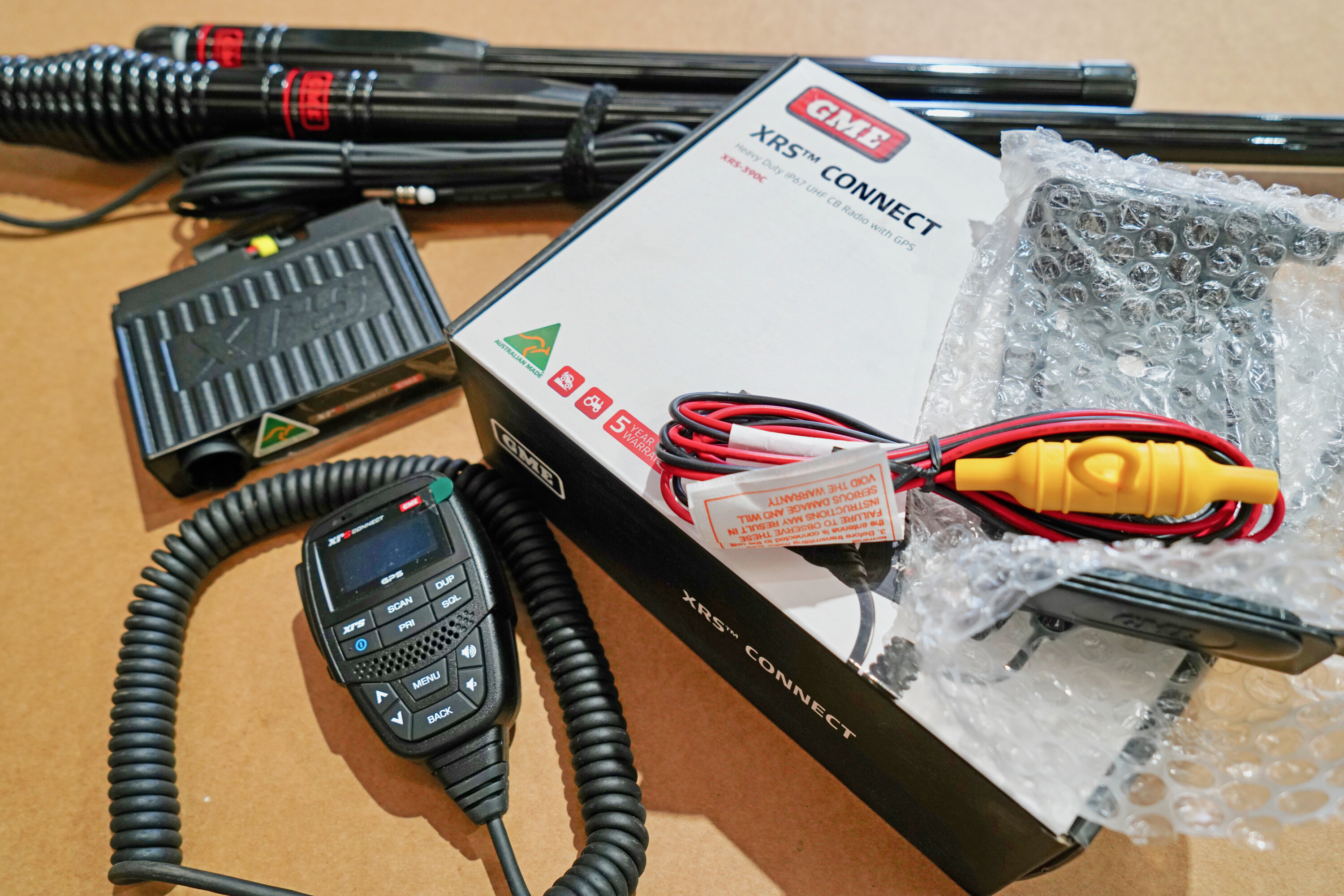
The 390 was the first UHF radio to feature a built-in GPS receiver, located at the top of the handset, offering true location awareness without relying on a smartphone to provide GPS location data. With Bluetooth wireless technology, this radio has app control via your smartphone which allows such things as creating and sharing scan lists and location sharing. All XRS radios are software upgradable via the app, keeping your unit up to date with the latest features and technology.
There’s a heap of other expected features such as Repeater and Duplex modes, priority channel, and adjustment of the squelch level (too high a squelch level can cut out a weak signal you are trying to listen for). There’s also Selcall, which is only activated when your own radio’s unique identification number is called. A voice scrambler function allows you to enjoy private comms with others who have activated the same settings.
The radio also has a range of scan settings including open scan, net scan and priority scan. Priority scan is a favourite of mine as you can scan your main or priority channel (say Ch 16) as well as a group of user-selected channels (eg. Ch 10 and 40). There’s much more detail on the GME website and the 80-page instruction manual is available as a pdf download.
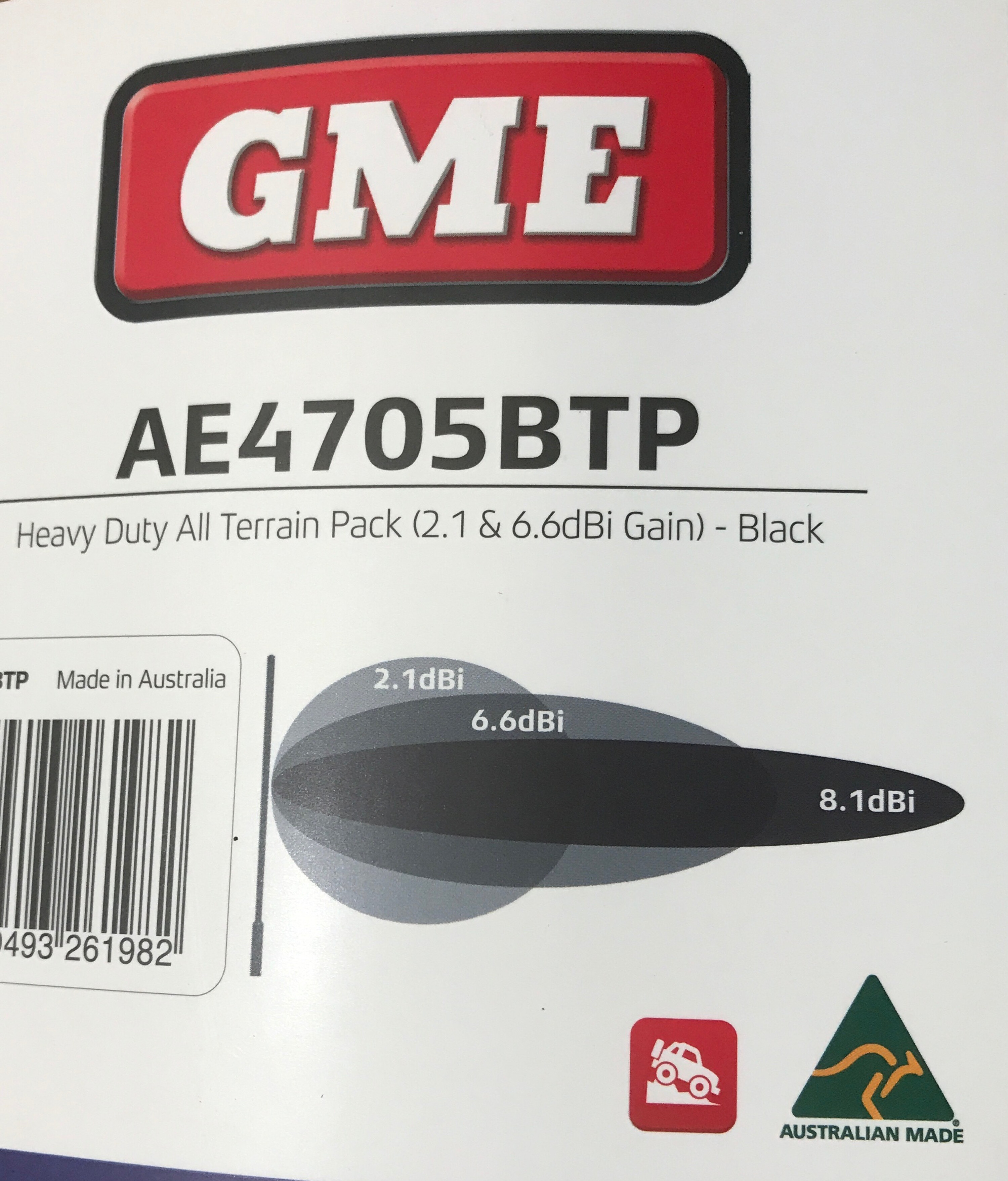
The antenna twin pack we added to make this radio work combines two of GME’s most popular antenna options – the AE4705B (6.6dBi gain antenna) and the AW4704B (2.1dBi gain) – in a convenient all-in-one package. The former is ideal for wide open spaces (think our desert country) while the latter is the one to choose when in the Victorian mountains or similar, or around town. With a bit of wiring to be done to power the radio, and the antenna lead to run from the remote unit to the front antenna mount, I left the technical work to the crew at Outback 4WD (www.outback4wd.com.au).
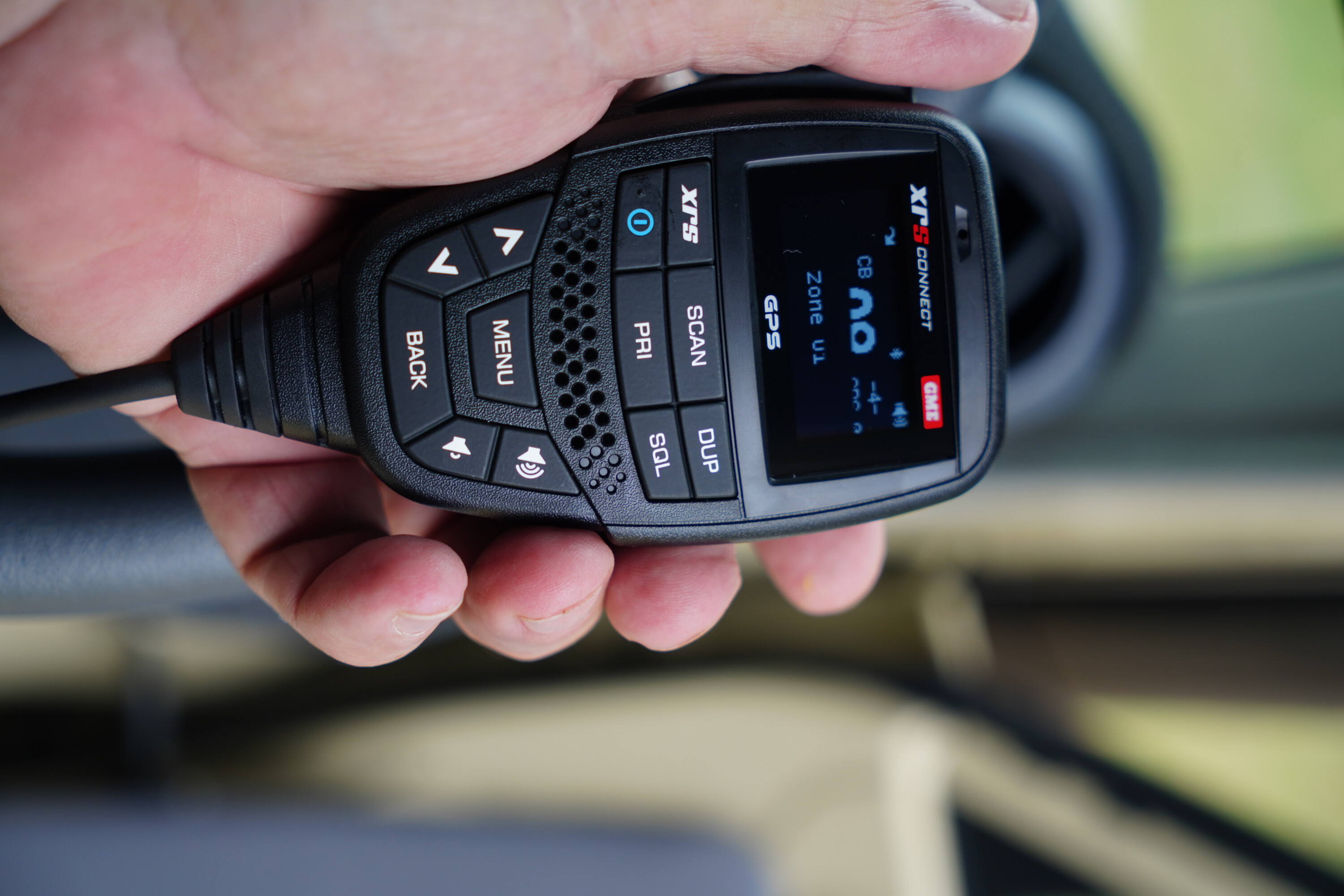
The radio is easy to use with good reception in all sorts of terrain and situations with clear and crisp voice modulation. While I’ll probably never use most of the functions or the Bluetooth abilities of this radio, its capability is there for those who want it or need it.
THE 390 is covered by a five-year warranty while the antennas have a one-year warranty. I don’t think you could do better than this UHF radio for 4WD touring wherever you are in Australia. Yeah, it’s that good.
Pricing
Radio: $619 Twin antenna pack: $439
UPDATE: Triton awarded 5-star ANCAP safety rating
The 2024 Mitsubishi Triton has become the first dual cab ute to achieve a five star ANCAP safety score under fresh, more stringent testing criteria.
The sixth-generation Triton, which we rated as 8/10 in our launch review, scored highly in ANCAP’s physical crash tests and recorded strong results for both front passages and child dummies in the second row.
To see exactly how the new Triton measured up in its crash test, hit the link below.
July ’23: 2024 Mitsubishi Triton pricing & features
The new Mitsubishi Triton has been priced for Australia. Running from $43,690-$63,840 before on-road costs, prices have increased between $3250 and $7600 for the dual-cab heavy range.
More variants will arrive post-launch. Sales are expected to start in February 2024 – hit the link below for all the details.
August 7: 2024 Mitsubishi Triton initial Australian details revealed
Following the Triton’s reveal yesterday, Mitsubishi Australia has released additional details regarding when and what we can expect from the bigger, faster, safer, and more comfortable sixth-gen ute.
Snapshot
- First drives in January 2024; customer deliveries in February
- Four variants available initially
- Twin-turbo diesel is exclusively available
- Bigger in every direction with a focus on cabin and ride comfort
Available in four trim levels from GLX to GSR, our first sample of the Triton will come in January 2024, with a target to get them on sale to the public by the first week of February. Exact specifications, including trim features, kerb weights, GCM and GVM are yet to be confirmed.
As for pricing, that remains up in the air as Mitsubishi continues to benchmark rivals to see where the Triton will sit in the market – but don’t expect it to cost the same as the existing car.
The GSR flagship currently costs $56,490 before on-road costs, significantly undercutting the segment stalwart Toyota HiLux SR5 ($62,490). We’re wagering the new Triton GSR will move up to meet the Toyota, so expect a circa-$60K price on the range-topper.
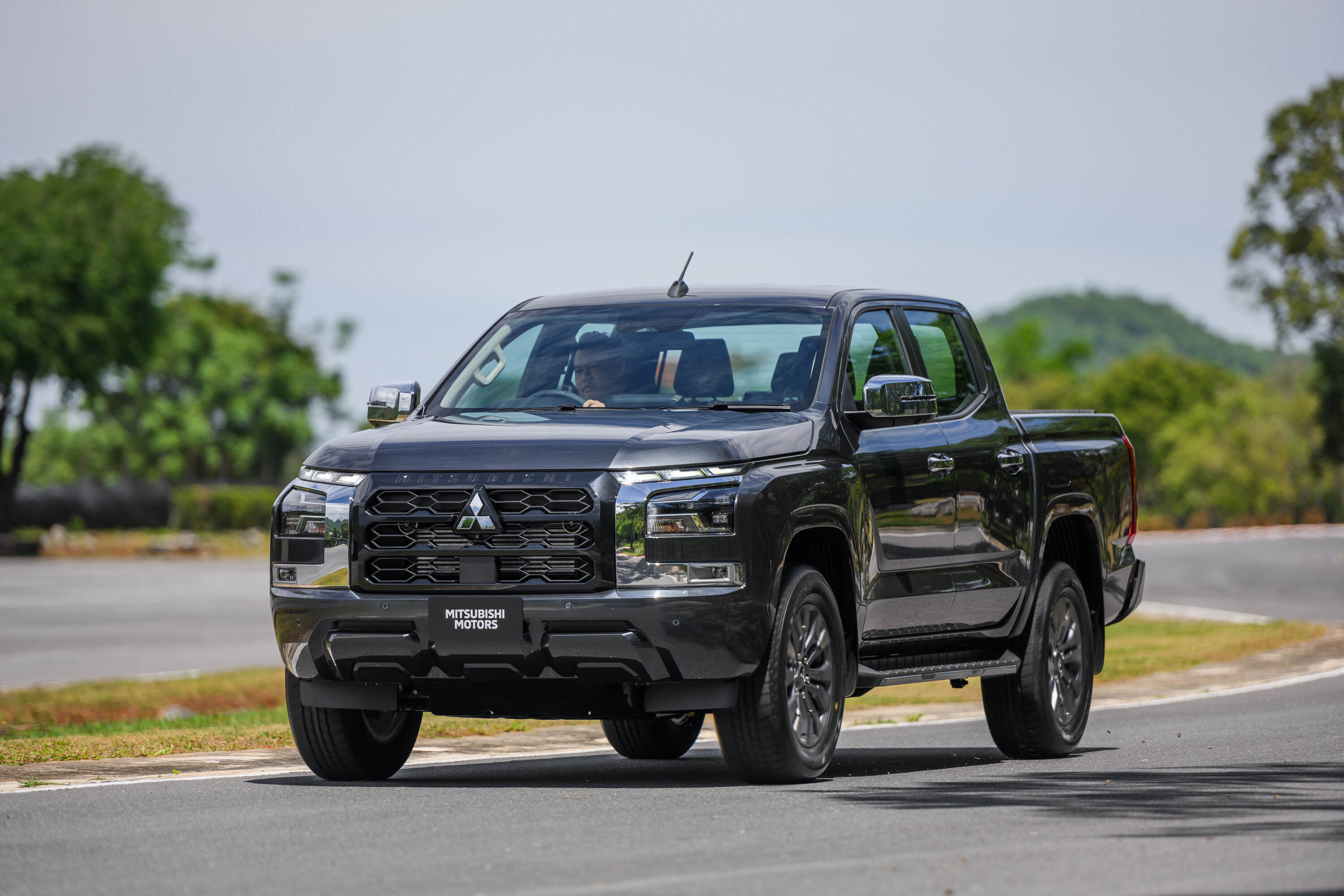
What trim levels are coming to Oz?
As before, the Triton range begins with the GLX with the option of 4×2 and 4×4. Four-wheel drive models are equipped with Mitsubishi’s Easy Select system, and although unconfirmed the GLX and GLX+ will likely score cloth upholstery.
The GLX+ typically gained more safety features, though with most of the necessary bits (including a centre airbag, as well as front and rear AEB) promised standard across the range, this may not be the case. The GLX+ does get a rear differential lock as standard, making this grade good for off-roaders on a budget.
Both the GLS and GSR are fitted with Mitsubishi’s Super Select II AWD system which allows all four wheels to be driven on paved surfaces thanks to a limited-slip centre differential that can be locked for loose surfaces. A low-range transfer case and rear locker will aid low-speed traction.
The GSR is exclusively available in a new hero colour, called Yamabuki Orange, while Blade Silver joins the paint palette as well.
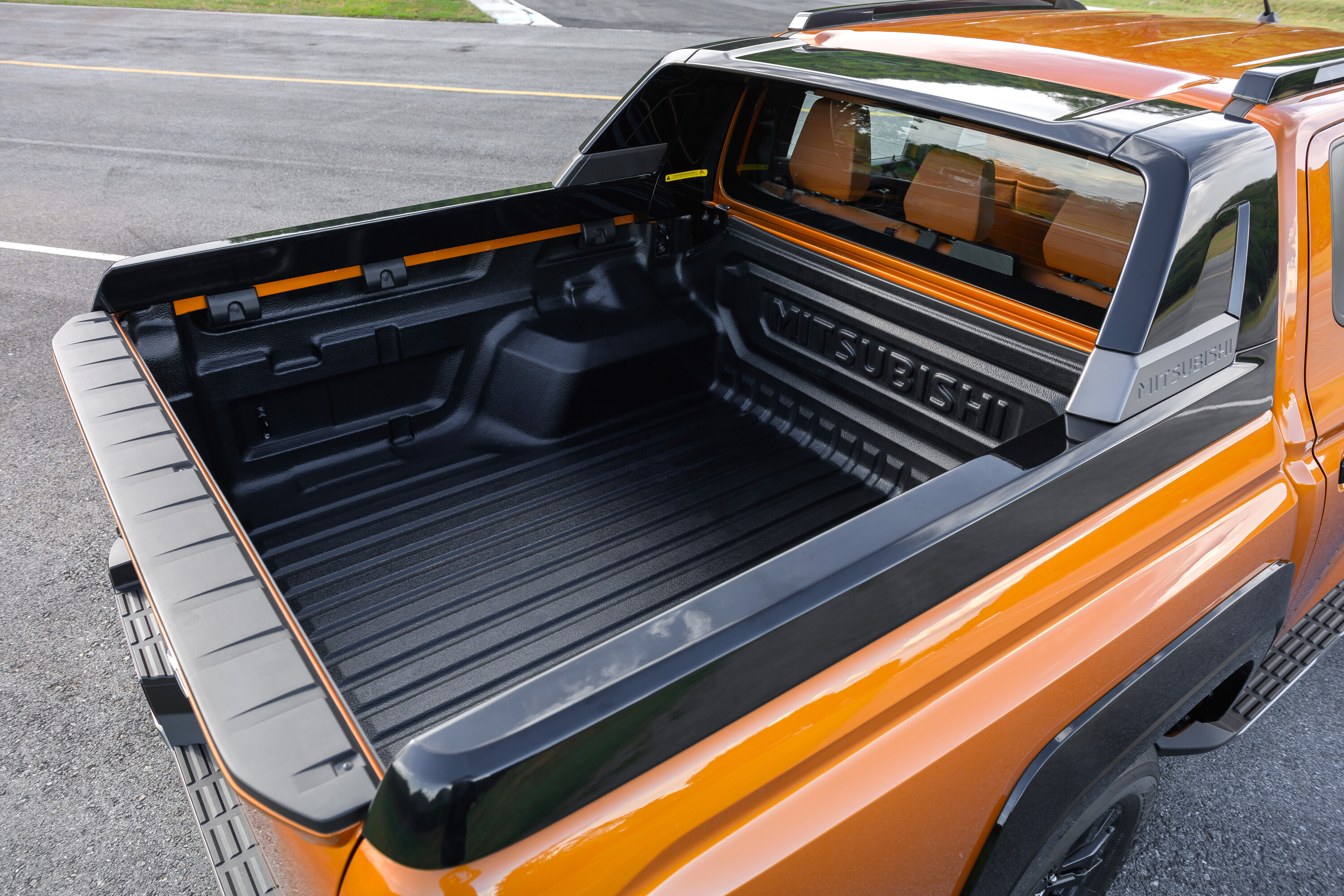
Under the bonnet is a 2.4-litre twin-turbo diesel four-cylinder producing 150kW/470Nm, with a six-speed automatic the only transmission at launch (though a revised manual will follow). It shares the head and block with the old Triton’s 2.4-litre, but gets new injectors and a second turbo, among other changes.
Safety credentials are massively improved, with range-wide front and rear AEB, adaptive cruise control, blind-spot monitoring, lane-trace assist, and centre airbag.
Mitsubishi has modernised interior design, improved occupant comfort and made for a better-riding ute. There’s a 9.0-inch touchscreen inside, redesigned seats with added support and enhanced storage solutions.
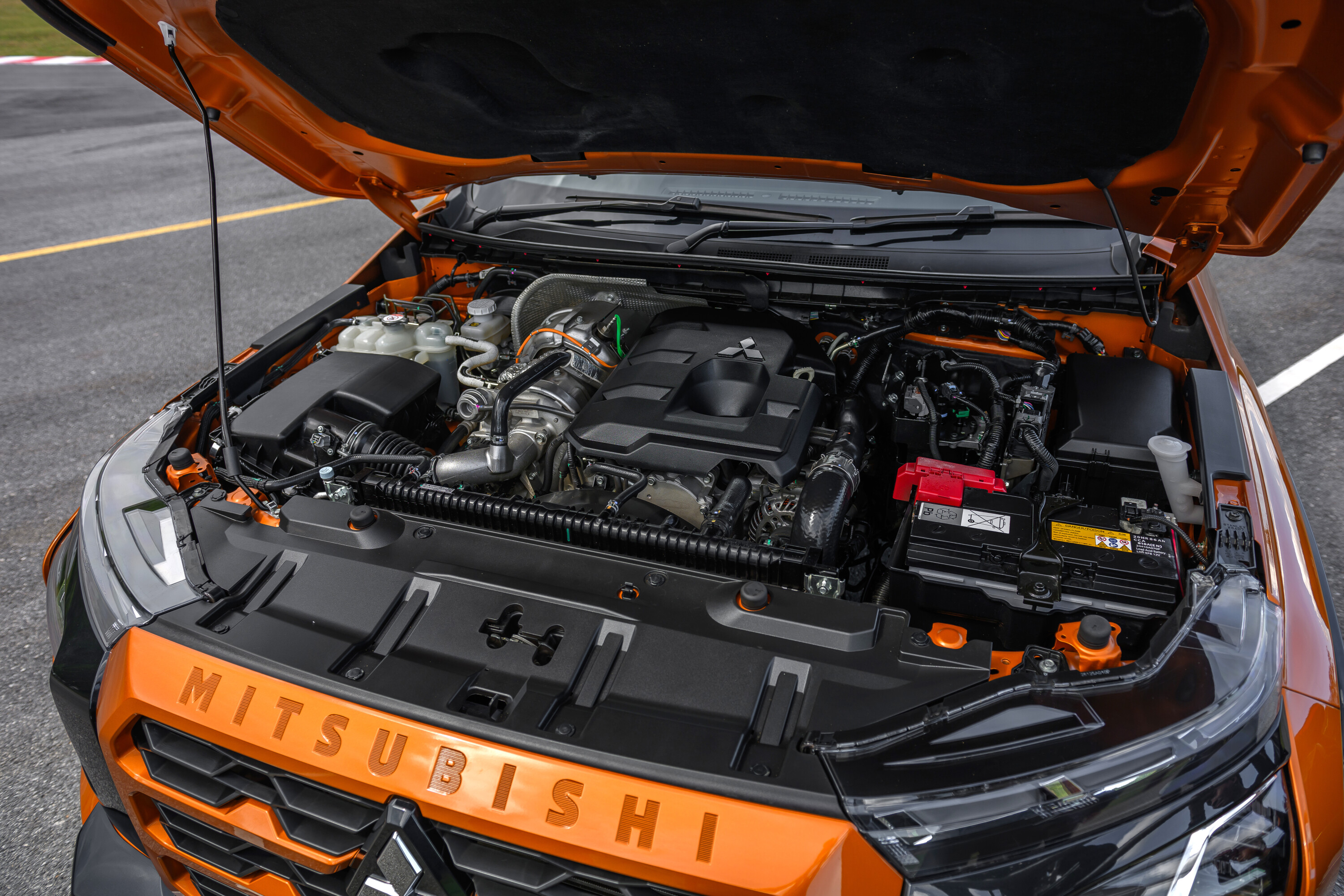
The vehicle itself has swollen in size, by 15mm in length, 50mm in width (including track) and – crucially – has a 130mm longer wheelbase, thanks to a new ladder frame chassis that’s 60 per cent more torsionally rigid. Along with the more powerful engine, the Triton is now certified to tow 3500kg braked.
Australia is the second-biggest market for Triton after Thailand and is easily the most profitable as local buyers love higher-margin GLS and GSR variants.
The 2025 Kia Tasman ute has been teased in a unique camouflage wrap ahead of its full debut later this year.
Images released this week show a pre-production example of the Kia Tasman in an “Australia-inspired camouflage wrap” designed by local artist Richard Boyd-Dunlop.
Reflecting the Tasman’s significance for the Australian market, the bright-coloured wrap – a different take to traditional black-and-white camo – is said to be “influenced by the untamed beauty of Australia’s diverse landscapes” from the coast to the outback.
“Our Tasman pickup truck embodies Kia’s commitment to design and innovation, as well as its spirit of adventure,” said Kia executive vice president and global design boss Karim Habib.
“Artist Richard Boyd-Dunlop crafted an exclusive camouflage design, with the support of the Kia design team, that depicts a journey and reflects an essence of adventure that is unique to the Tasman.”
Boyd-Dunlop said he based the Tasman’s wrap on his personal experiences travelling across Australia.
“These experiences are influential to my work, and the Tasman enabled me to create a continuation of this, depicting the connection, joy, and sheer sense of adventure that is inherent to Australian culture.”
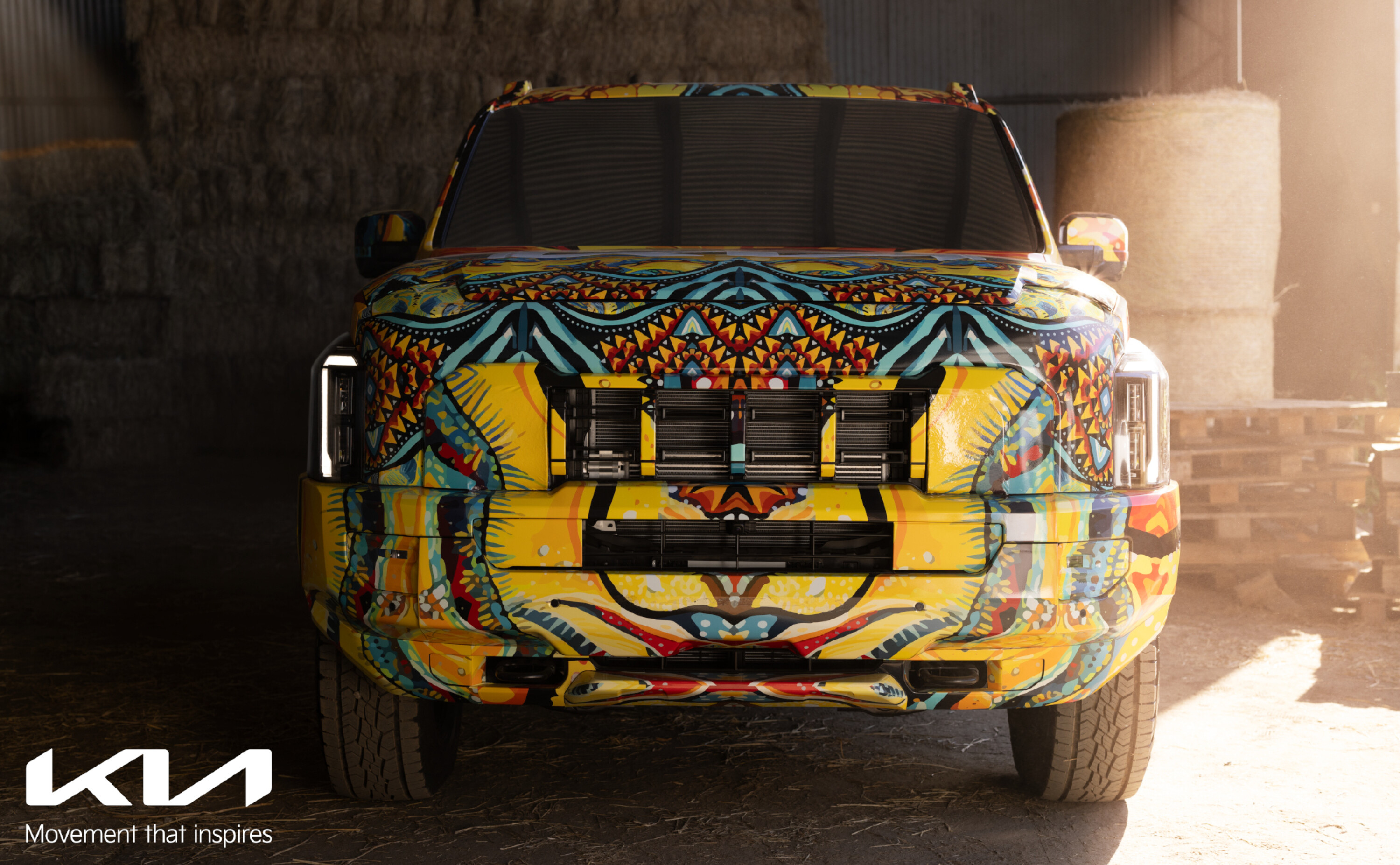
The latest teaser follows confirmation of the Tasman name for Kia’s new ute – due in local showrooms in mid-2025 – earlier this month, after the brand officially announced its entry into the hotly-contested segment in March. It will be unveiled in full later this year.
Based on a newly developed body-on-frame platform, the Tasman will compete against the popular Ford Ranger, Toyota HiLux, Isuzu D-Max and Mitsubishi Triton.
It is widely tipped to offer the familiar 2.2-litre four-cylinder turbo-diesel from the Sorento and Carnival, matched to an eight-speed torque-converter automatic transmission.
While the powertrain currently maxes out at 148kW and 440Nm, the Tasman could have more power to match the 150kW and 500Nm four-cylinder class benchmark.
A 3.0-litre six-cylinder inline-six diesel – borrowed from the Genesis GV80, where it produces 204kW/588Nm – is also a possibility to rival diesel V6 versions of the Ford Ranger and Volkswagen Amarok.
However, this six-cylinder diesel may be too expensive for Tasman, or the Hyundai-Kia Group could decide to reserve it for its premium Genesis brand.
Kia will offer the Tasman in single- or dual-cab form with a cab-chassis tray or pick-up tub options, while there are no plans for an extended cab option due to low sales potential.
The Korean brand hopes to sell around 20,000 Tasman units annually, which would assist in its ambition to overtake Mazda, Ford and Hyundai to become Australia’s second-largest car brand behind Toyota.
For more information on the 2025 Kia Tasman ute, click on the featured article below.
Dealers in the US are slapping enormous mark-ups onto the price of the new 2024 Toyota LandCruiser Prado, with some examples of the highly sought after SUV rising to nearly AUD $160,000.
The 2024 LandCruiser Prado has only recently gone in sale in the US and dealers are clearly looking to cash-in on high demand with some adding up to USD $21,000 (AUD $32,000) in “dealer adjustments” to the new SUV’s MSRP.
The price hikes are most prevalent among dealers in California, where several have added circa-$20,000 in dealer adjustments.
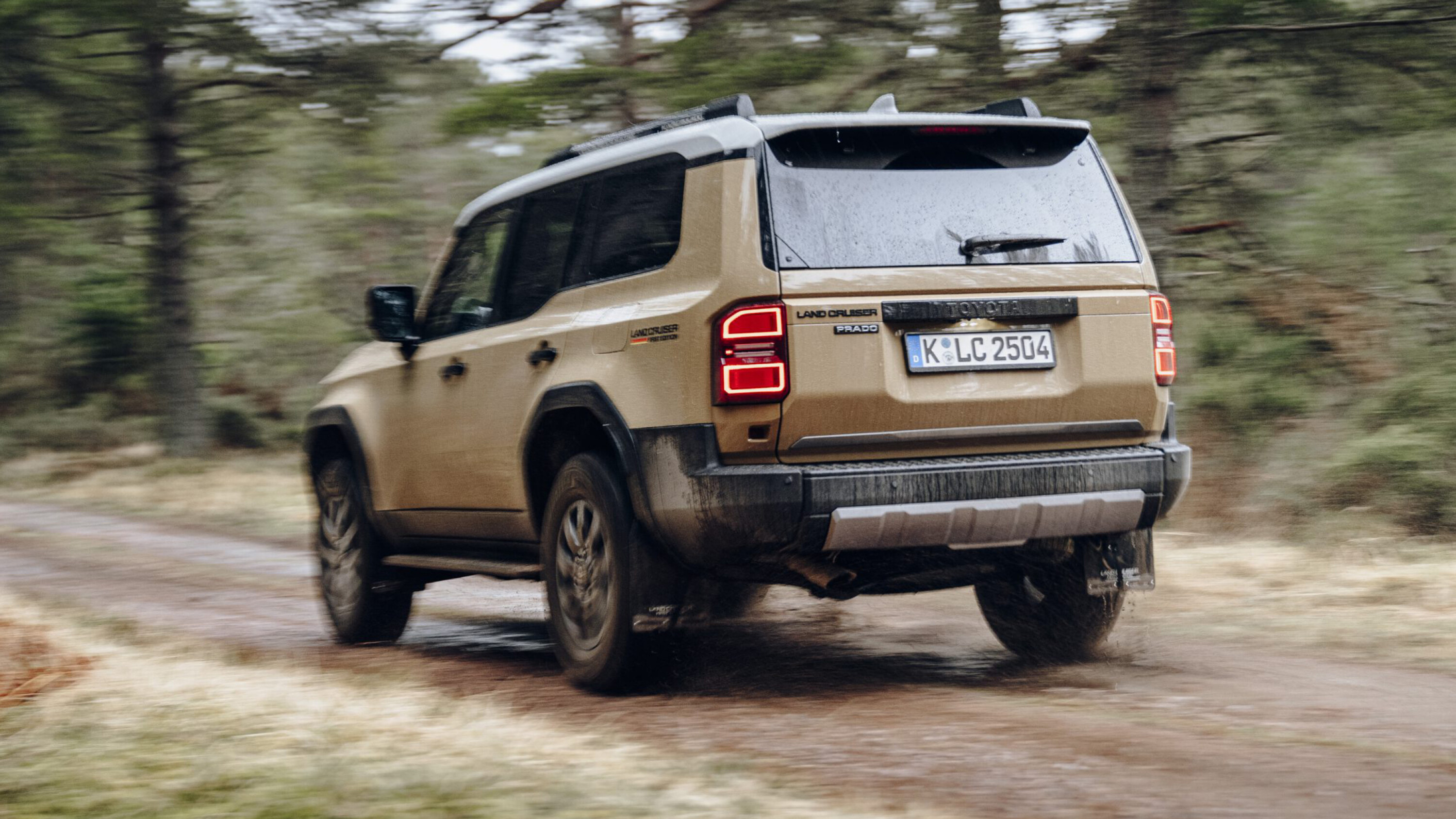
Carscoops [↗] is reporting Future Toyota of Yubu City, for example, has listed a pair of LandCruiser Prado First Editions for US $96,690 despite the SUV carrying an MSRP of $76,695.
Price gouging is a fairly common practice in America and we’ve seen similar ‘price adjustments’ here in Australia when demand far exceeds supply.
As Australia’s biggest car brand, Toyota is especially susceptible to price gouging due to high demand and long wait times on popular models that can extend as far as three years.
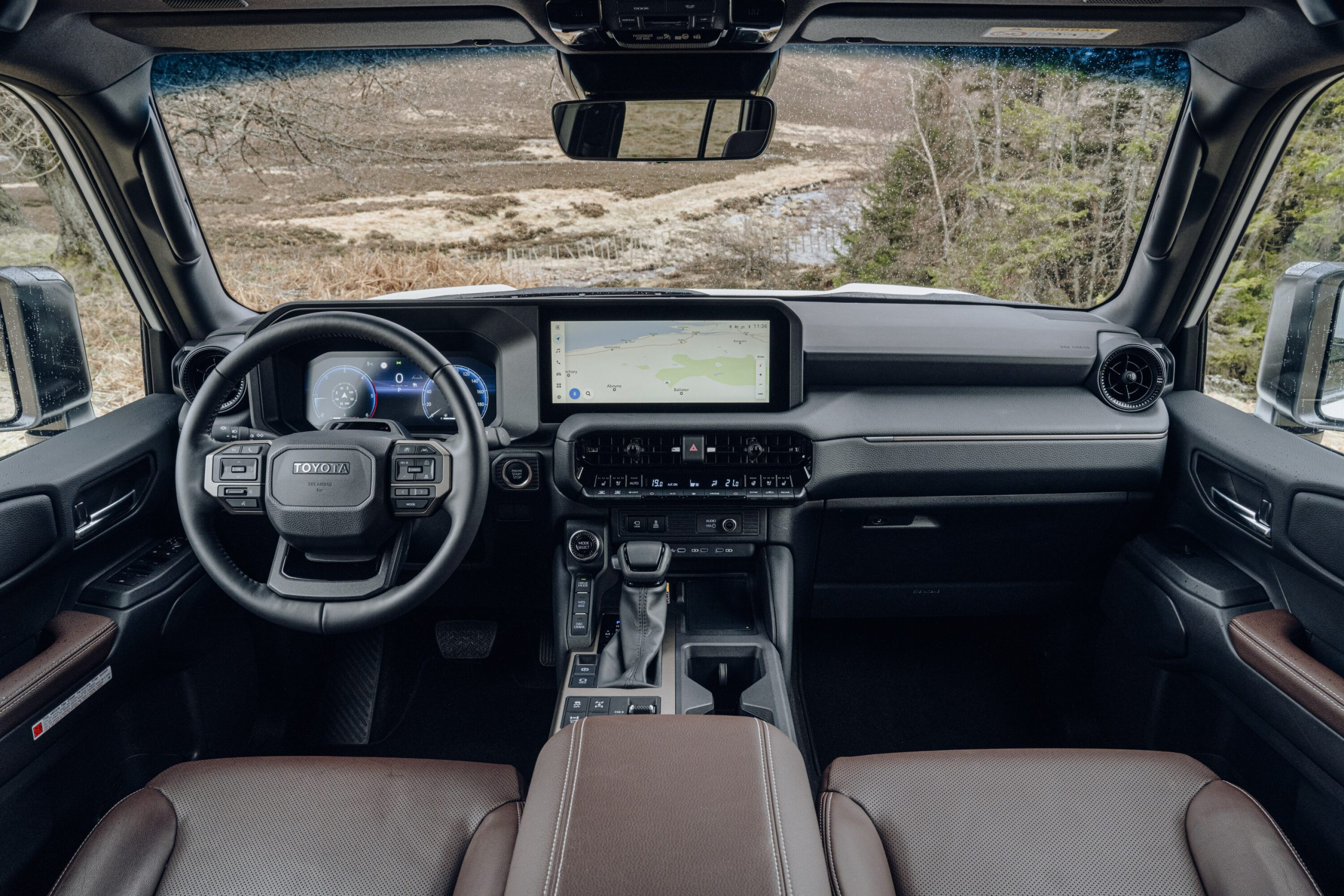
Happily, as well as improving supply, Toyota has recently taken action to help prevent dealer gouging here.
Last year, the brand changed the rules around how demonstrators are classified by its dealer network to help prevent brand-new vehicles being reclassified as ‘demos’.
New vehicles are bound by rules that prevent dealers from charging higher than a brand’s set national drive-away pricing, but demonstrators aren’t bound by the same guidelines. Instead, dealers can offer demos with low kilometres at inflated prices to customers willing to pay more if its means jumping ahead of the queue.
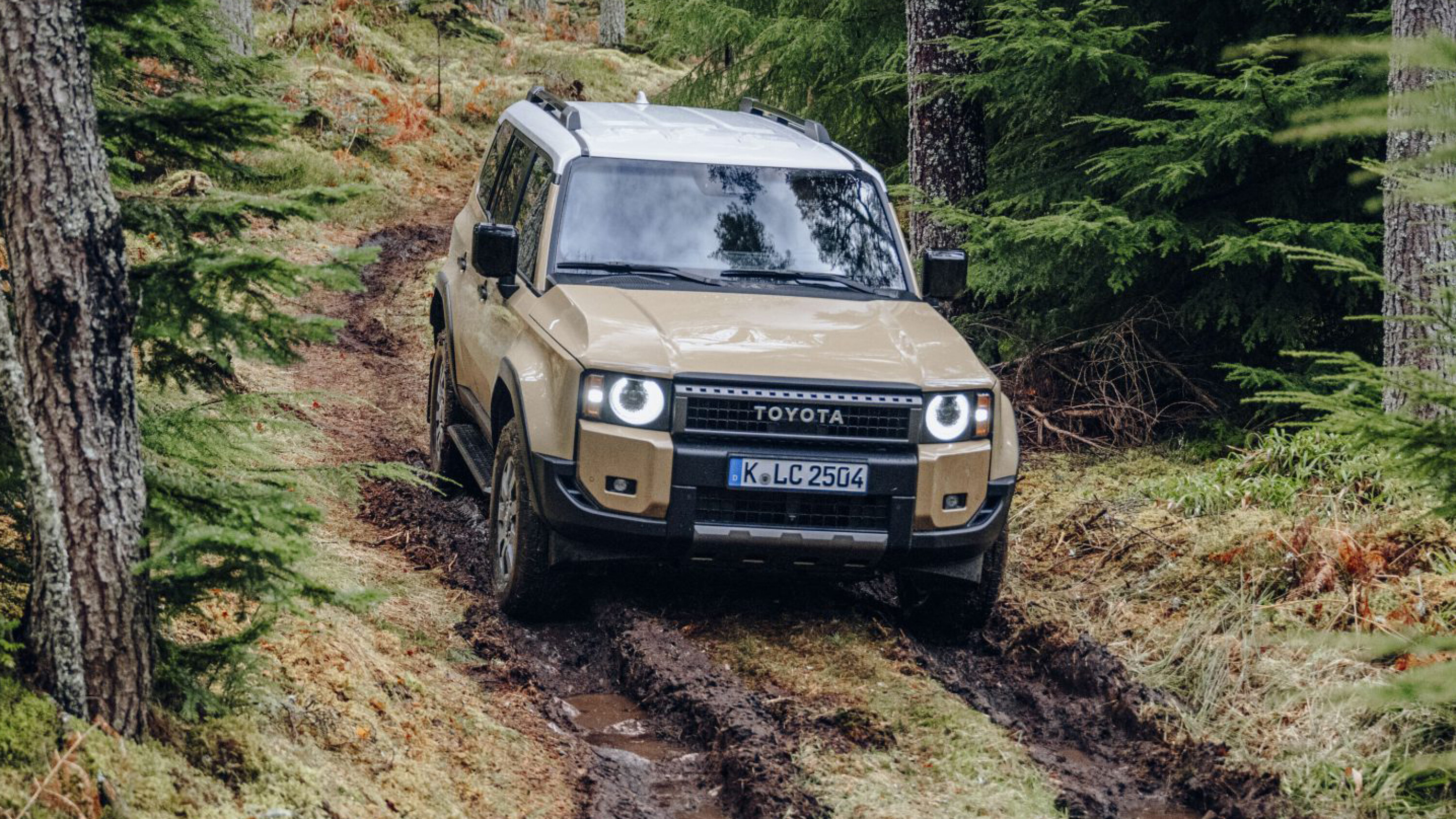
The fifth-generation Toyota Prado, which is the first all-new Prado in 14 years, will go on sale in Australia in ‘mid-2024’.
Toyota is yet to release pricing for the new line-up that will boast 48-volt mild-hybrid tech, retro styling and higher standard equipment levels, although price rises over the current Prado are almost guaranteed.
Klarmann Automotive Solutions has made a name for itself in the 4×4 market as top-notch custom installers, especially with Troop Carriers.
Based in Perth, the company has often been asked to manufacture a Troopy Interior Solution Kit that can be shipped to customers who can’t come to the shopfront.
The challenge with this solution was that once the plumbing and 12V electrics were installed, the storage units usually could not be taken apart. However, this interior solution is versatile and designed so that it can be taken apart once the electrics and the plumbing are installed. This enables Klarmann Automotive Solutions to freight the kit anywhere in the world, and for it to be DIY-installed easily with premium in-house backup support.
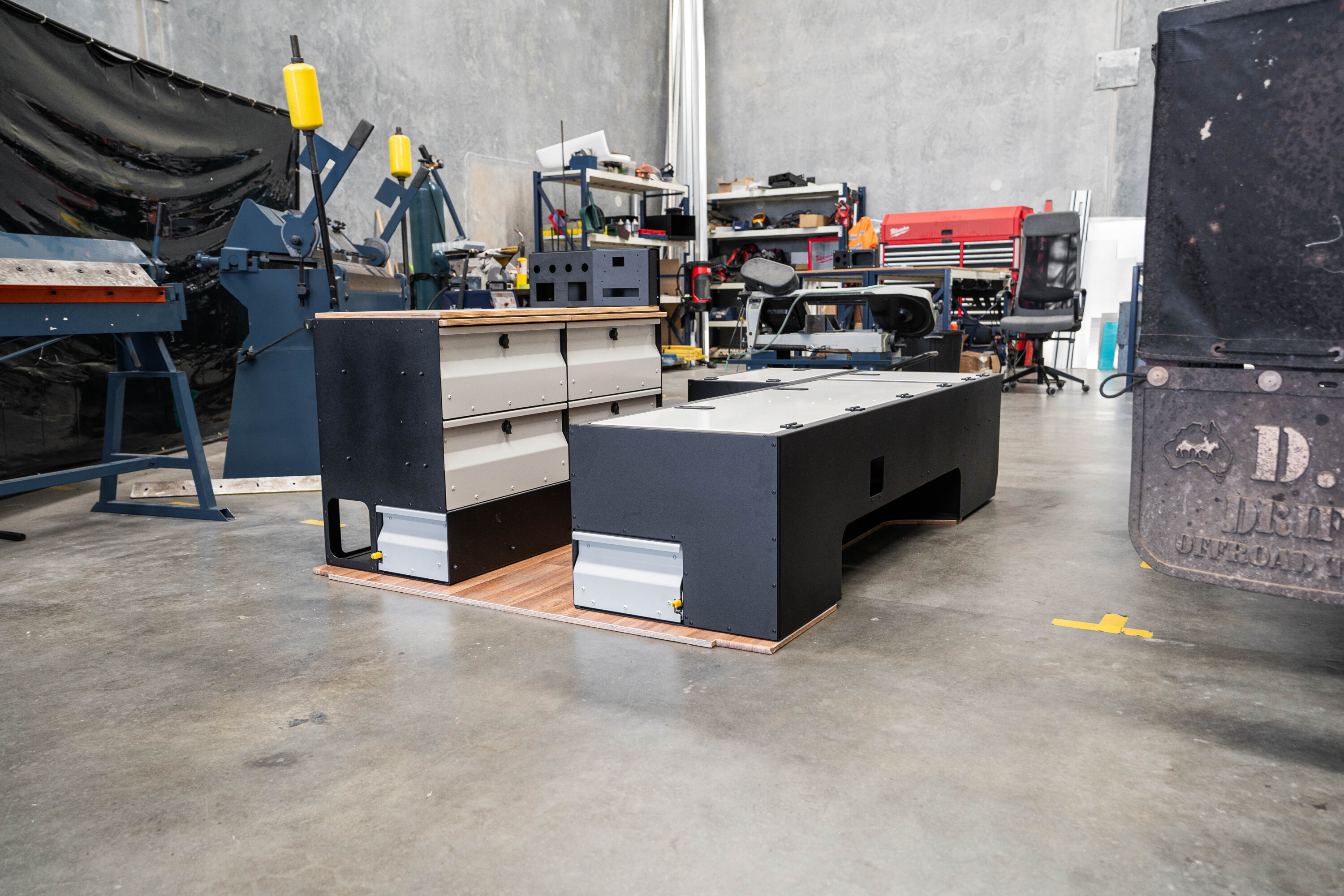
“Customers are getting a state-of-the-art electrical and plumbing system which has been proven over years, while at the same time have a storage solution which is easy to maintain and extremely practical to use,” said Heiner Klarmann, Managing Director of Klarmann Automotive Solutions.
Another important aspect of this kit is the floor panel supplied by Odyssey Custom Fitouts, which enables Klarmann Automotive Solutions to mount all of the cabinets to set positions within the Troopy while keeping the mounting holes in the vehicle in the same position.
The lightweight Troopy Interior Kit is made from powder-coated aluminium and includes lockable drawers and top-access lockable storage boxes. Plus it offers plenty of storage space with access from the front seats, the inside and through the rear left-hand side door for quick access. The fridge can be accessed from the inside or a left-hand-side gullwing window.
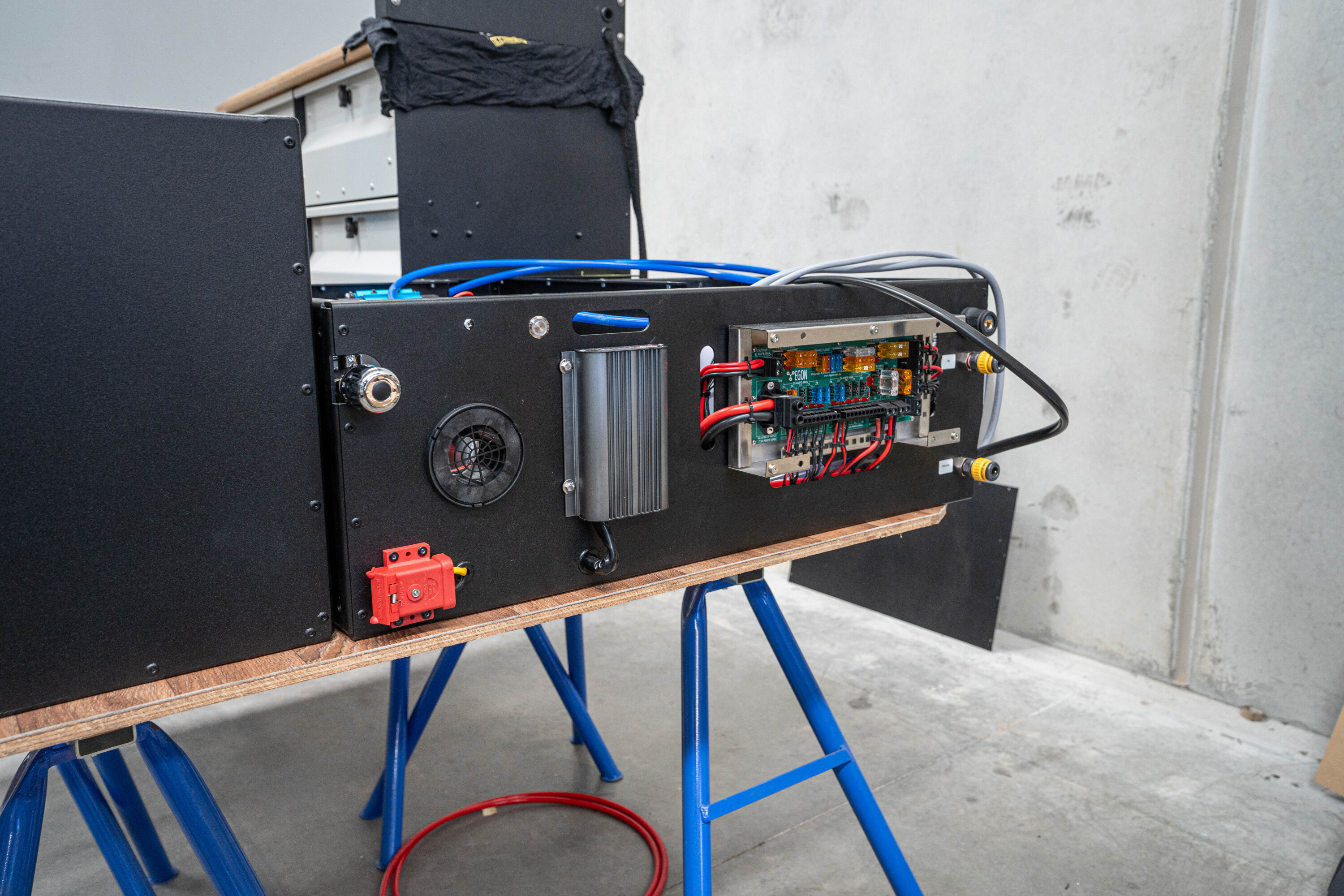
The unit offers plenty of battery storage and a hot water system with two pump circuits to separate shower/dishwashing and drinking water. These can be carried in two separate tanks, or one tank for drinking and external jerry cans for shower/dishwashing water.
The complete kit retails for $13,250 for Australian purchasers and $12,500 for international customers. The reason it costs more for Australian purchasers is that the kits have to have an additional vented battery compartment due to new regulations. Freight is not included in these prices.
The complete kit contains the following products
- 2 x Redarc BCDC chargers
- EGON Relay Hub
- EGON DC-Hub
- 10L Duetto Water Heater
- EGON Water Hub Kit
- 2 x 200Ah Amptron LiFePO4 batteries
- Victron 100/30 MPPT
- Victron Cerbo GX & Touch 50 monitoring system
- 3KVA Victron MultiPlus Inverter / Charger
- ARB twin piston compressor with tank
- Webasto Diesel Heater
- Travel Buddy
- Up to 90 Litre National Luna fridge
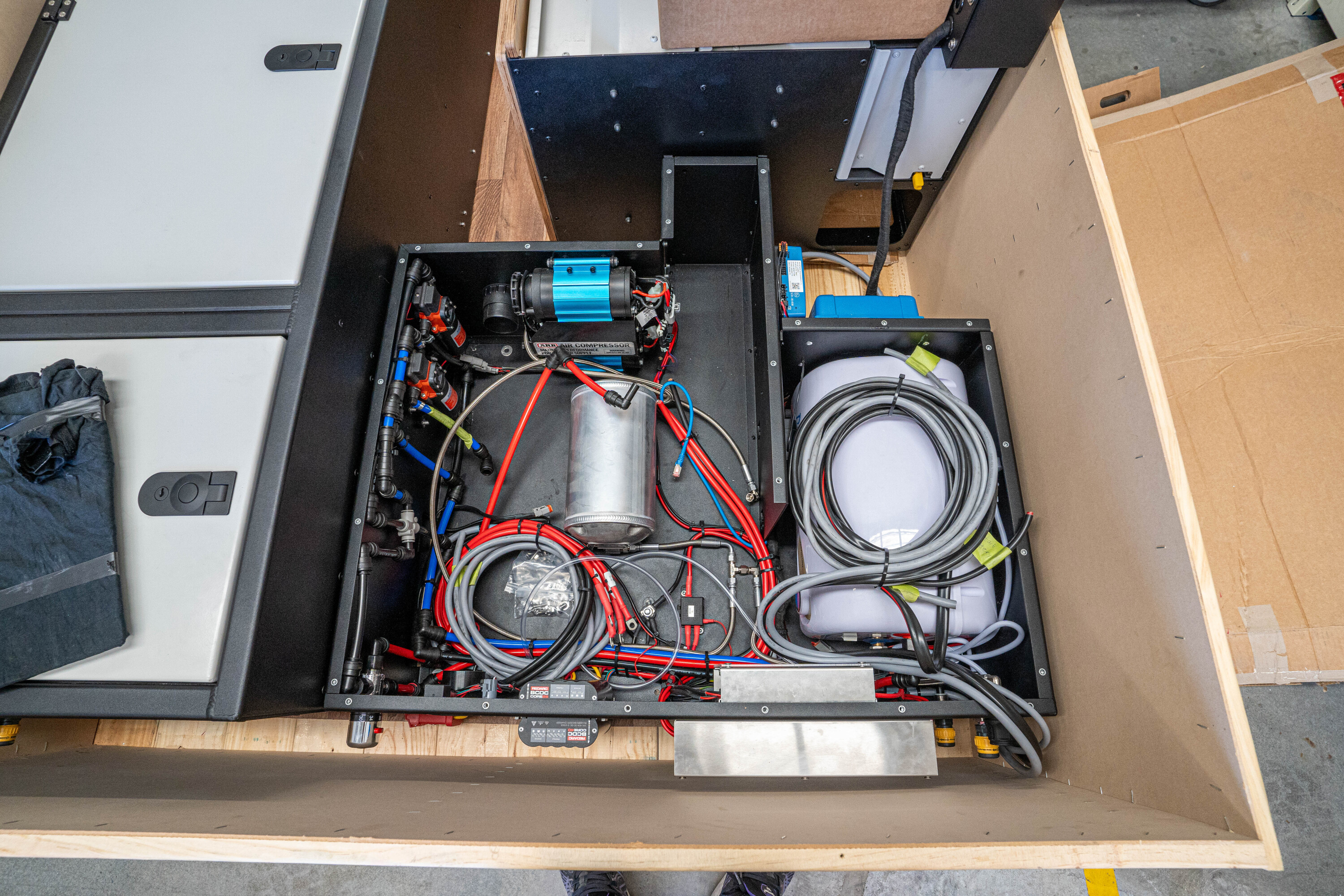
“We have chosen the best products from the best manufacturers instead of sticking to one brand, as we want everything to be as perfect as it can be,” added Heiner Klarmann. “Victron makes the best inverters/chargers, MPPTs and system monitoring systems; Redarc makes the best DC/DC chargers; and EGON has the best power and water distribution systems.”
The kit can come prewired with multicore cables to the roof and the dash and a charger supply cable to the start battery, so that integrating dash switches for items such as roof lights and connecting solar panels is very easy. The kit can also be supplied without any plumbing or electrics installed.
Isuzu Ute Australia (IUA) expanded its MU-X wagon model range in early April by adding the 1.9-litre turbo-diesel engine to the line-up in both 4×2 and 4×4 drivetrains.
The small oiler is available in entry-level LS-M specification in both drivetrain options, while it’s also available in the mid-spec LS-U 4×4 variant. While the existing 3.0L turbo-diesel engine makes a claimed 140kW and 450Nm, the smaller 1.9-litre diesel engine produces a more modest 110kW and 350Nm.
In most other markets, the 1.9L mill is the only engine option for the MU-X and D-MAX, but the Australian arm of Isuzu campaigned its head office to update and retain the long-serving 4JJ 3.0L engine for our market. Little wonder when you consider how popular both the MU-X and D-MAX are for towing trailers and hauling heavy loads, thanks largely to the extra output developed by the larger engine.
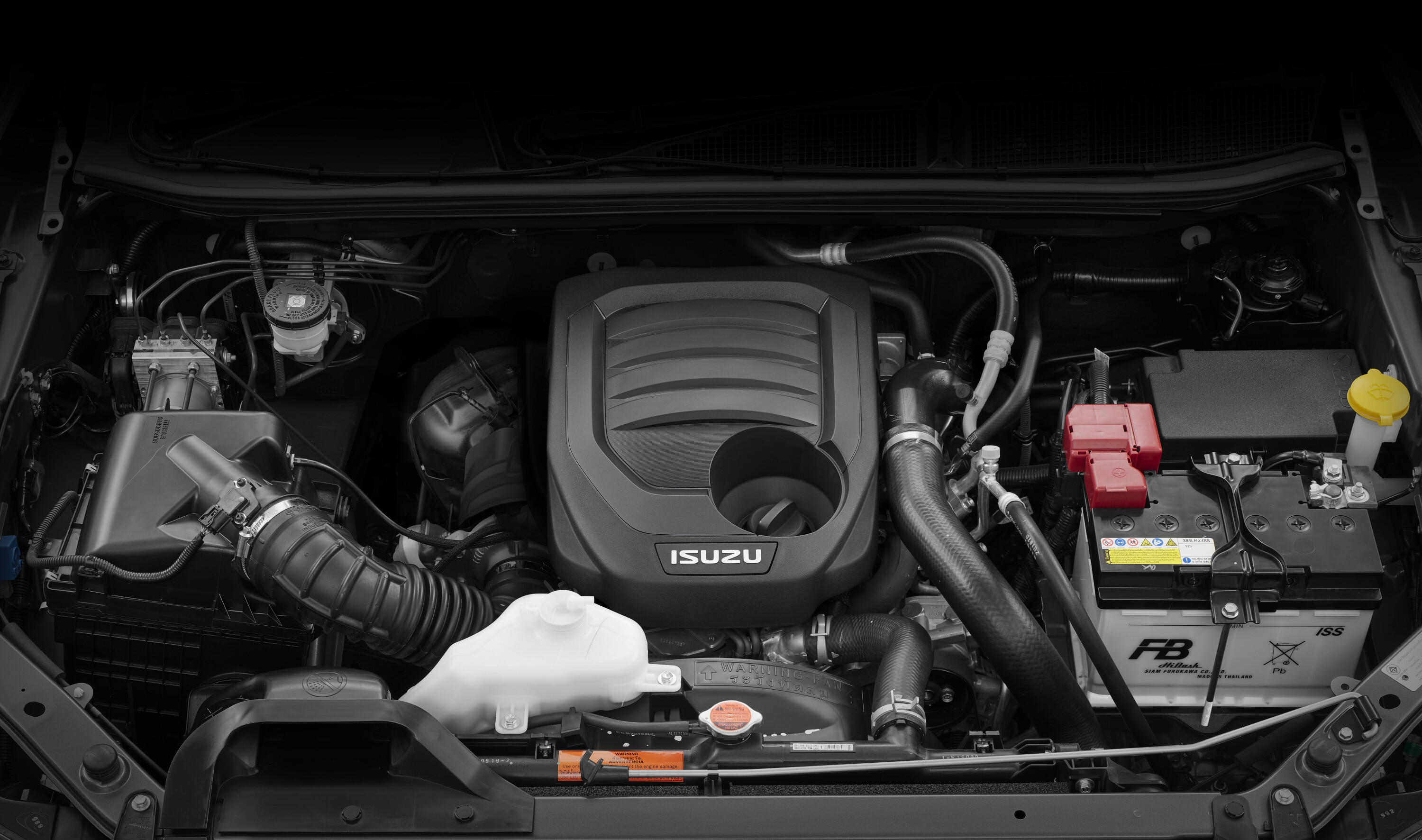
Now, however, IUA has also introduced the RZ4E-TC 1.9-litre engine to the Australian market as a more frugal alternative to the 3.0-litre powerplant. On the combined fuel consumption cycle the 1.9L achieves a claimed 7.4L/100km in both 4×2 and 4×4 models, while the 3.0L achieves 7.8L/100km in 4×2 MU-X and 8.3L/100m in 4×4 MU-X models. The newer and smaller engine is also cleaner in terms of CO2 output.
The 1.9L engine has also been introduced in select D-MAX ute models; although, the 3.0L engine remains the predominant engine across the range. The lower fuel consumption figure of the 1.9 engine will help IUA with the incoming New Vehicle Efficiency Standard (NVES) which, as a company that sells just two diesel-fuelled models, would struggle to meet.
IUA’s push to keep the 4JJ 3.0L engine was a smart move, as our initial drive of the 1.9 MU-X reveals it’s a lot busier on the open road. The launch drive was relatively short, but covered suburban roads and highways. We had the opportunity to drive 3.0L-powered vehicles earlier in the day and when we swapped over to the 1.9 we found you really have to squeeze the accelerator pedal down a lot more to motivate the MU-X, especially on hills or when overtaking. Our vehicle was quite heavily laden, with four adult passengers and luggage in the cargo space.
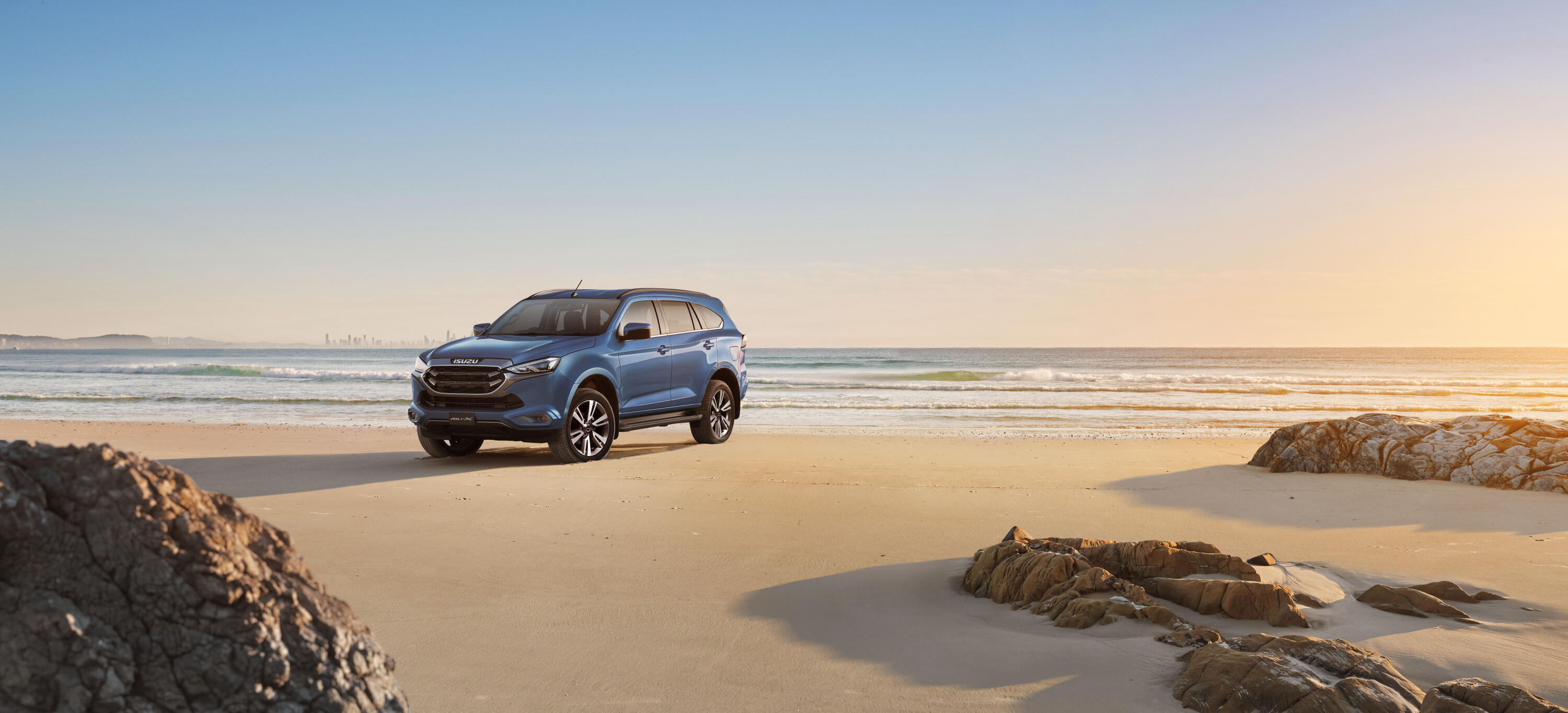
The 1.9 works the six-speed automatic transmission a lot more and it needs to kick back into lower gears to maintain speed in accordance with the throttle input. The Aisin six-speed is a great transmission and does the job well, but you notice it working harder behind the smaller capacity engine.
Thankfully, the 1.9 is a more modern and refined engine than the 3.0 and as such is not as harsh and noisy as the bigger mill, producing far less vibration. Had IUA not been able to convince head office to retain the 3.0 for our market, we reckon it would have been the death knell for the company in Australia. Die-hard customers who like to travel and tow with their MU-X wagons and D-MAX utes would have stayed away in droves from the 1.9.
That said, the towing capacity of 1.9-powered MU-X models is a relatively impressive 3000kg (down from 3500kg with the 3.0L), while GCM is 5500kg. Gross Vehicle Mass (GVM) is dependent on drivetrain, with 4×2 and 4×4 models tipping the scales 2700kg and 2800kg respectively. The lighter weight of the 1.9-litre models gives them a higher payload than 3.0L variants, with the MU-X LS-M 1.9L 4×4 able to carry up to 735kg.
All 2024 MU-X wagons get the full suite of Isuzu’s Intelligent Driver Assistance System (IDAS) which includes AEB with Turn Assist; Forward Collision Warning; Traffic Sign Recognition; Lane Departure Warning; Lane Departure Prevention; Lane Keeping Assist; Emergency Lane Keeping; Blind Spot Monitoring; Rear Cross Traffic Alert; Trailer Sway Control; and a total of eight airbags.
Isuzu has listened to the complaints from reviewers and owners about the uber-intrusive driver control systems on the MU-X and has toned them down a bit so that they don’t bug you as much with beeps and boings, or intervene erratically when keeping you in your lane.
While we give Isuzu credit for offering a comprehensive safety suite across the whole range, it still only offers tyre pressure monitoring on upper spec models. We reckon TPMS is a more important safety feature than some of other electronic aids that are included just to achieve a five-star safety rating. I mean, how many times do you need to check your rear seat? It was still there every time the dashboard told me to check it!
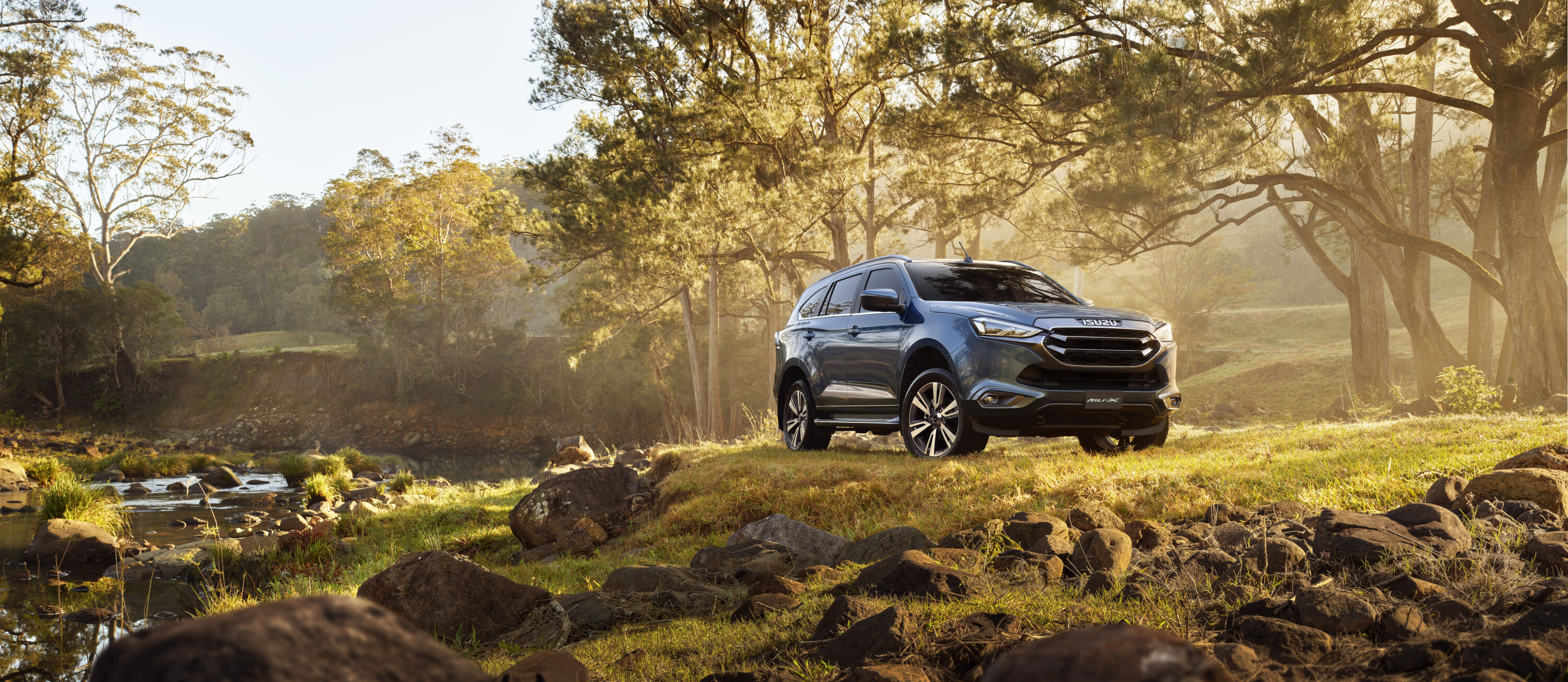
The MU-X LS-M grade gets cloth interior trim as standard; remote keyless entry; a seven-inch infotainment screen with Apple and Android phone mirroring; four speakers; auto air conditioning with rear vents and controls for rear seat passengers; 17-inch alloy wheels; and LED headlights.
Step up to the LS-U and you get TPMS; 18-inch alloys; rear privacy glass; auto door locks; power adjustment for the driver’s seat; a leather-wrapped steering wheel and gear shifter; a nine-inch centre screen with eight speaker sound system; wireless CarPlay and Android connection; and model-specific trim colourways.
Both models are well-appointed family wagons and the 4×4 variants have real off-road potential with dual-range part-time 4×4, a locking rear differential (RDL) and a rough terrain mode that keeps the traction control (ETC) operational across the front axle when you engage the RDL. Plus, it sharpens up the performance of the ETC.
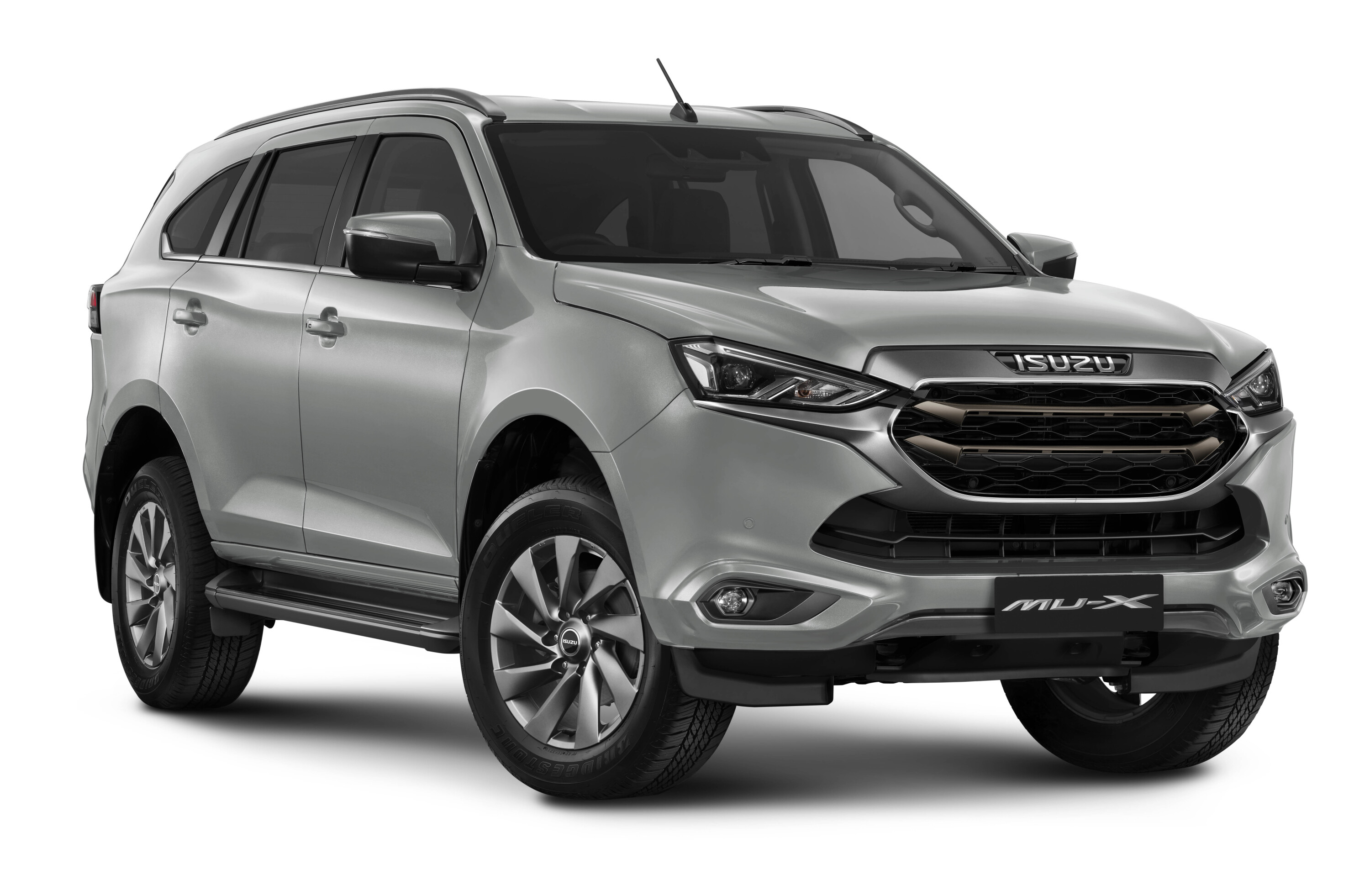
While we didn’t test it on this drive, the low-speed off-road performance shouldn’t be affected by the smaller engine, but we feel the bigger 3.0L version of the MU-X is still the best choice, especially if you will be loading it up with the family and/or towing a load.
The 1.9 MU-X might be okay for suburban family SUV use, but it wouldn’t meet the heavy-duty demands dedicated Isuzu owners expect of their vehicles.
2024 Isuzu MU-X pricing (+ORC)
| Model | Pricing |
|---|---|
| LS-M 1.9L 4×2 | $47,400 |
| LS-M 3.0L 4×2 | $49,400 |
| LS-U 3.0L 4×2 | $55,900 |
| LS-T 3.0L 4×2 | $63,400 |
| LS-M 1.9L 4×4 | $53,400 |
| LS-U 1.9L 4×4 | $59,900 |
| LS-M 3.0L 4×4 | $55,400 |
| LS-U 3.0L 4×4 | $61,900 |
| LS-T 3.0L 4×4 | $69,400 ($67,990 drive-away) |
Hema has released its latest electronic navigator, the HX-2+.
Whether navigating through dense urban streets or exploring remote off-road locations, this new-generation GPS navigator enables you to easily plan, experience and share your adventures.
In addition to Hema Maps’ iconic off-road mapping and guidance, it also features hundreds of thousands of Points of Interest (POI) such as camping sites, caravan parks, hotels, motels, rest areas, boat ramps, fuel stops, tourist spots and post offices.
Sam Hayward, Executive Chairman at Hema Maps, said Hema Maps is pleased to be working with its partners at HemaX Digital and Directed Technologies to release the new HX-2+ GPS Navigator. “This new-generation navigation device promises to deliver unparalleled precision so that our customers can explore Australia with confidence,” he said. “The HX-2+ also connects to the Hema Maps Cloud, so explorers can map their own adventures and also get inspired by the community of Hema Maps 4WD and touring enthusiasts.”
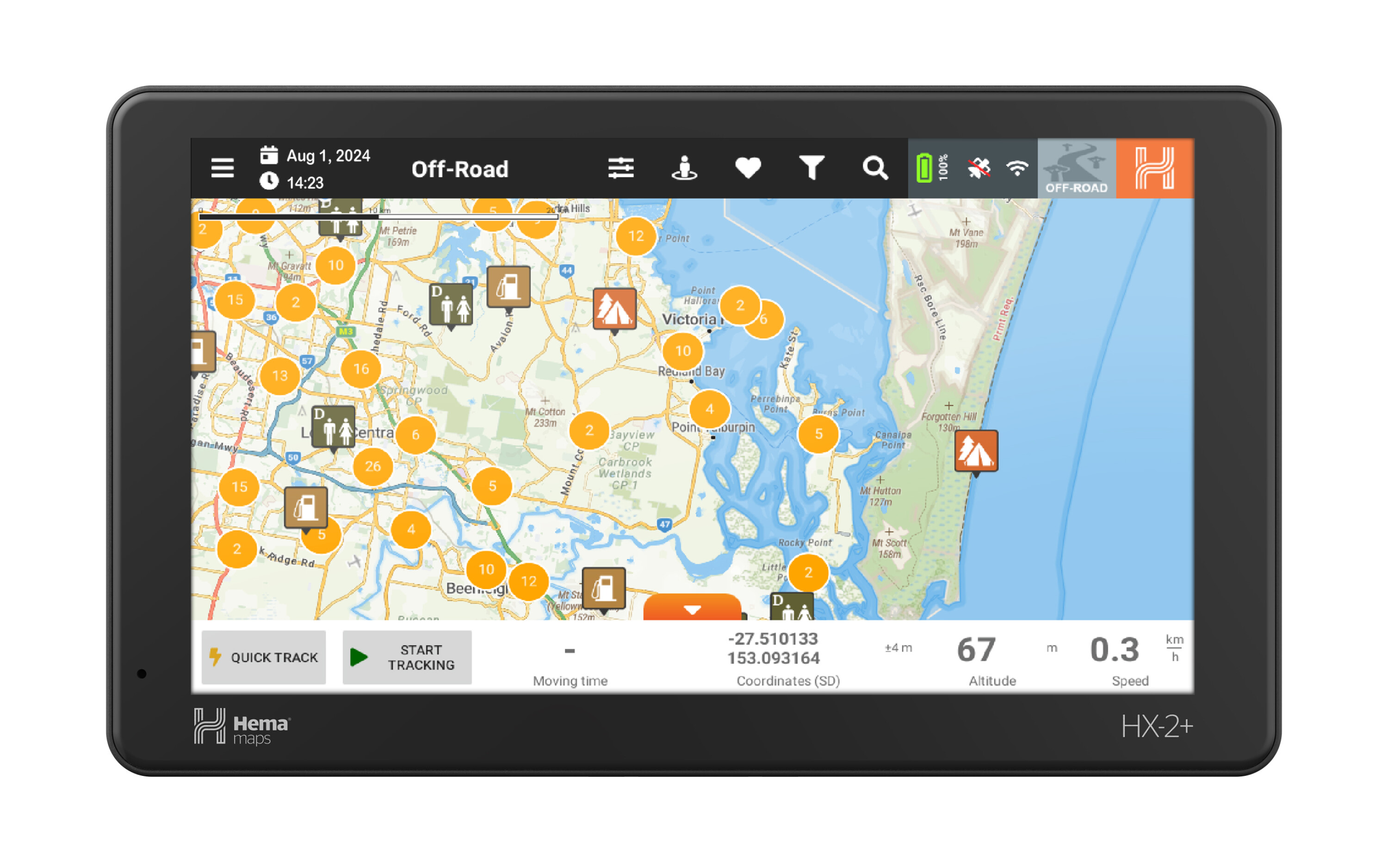
The new model is the first of many new products in Hema Maps’ expanding range of navigation and automotive electronic devices created by its new technology partner at Directed Technologies, giving Hema Maps the confidence to now provide a three-year warranty. The HX-2+ is well-supported by Hema-X Digital, providing regular map and software updates, as well as access to community-created content via the Hema Maps cloud.
The main differences between the original HX-2 and the HX2+ are the new sleek design; increased storage and memory; hardcover protective carry case; new shorter and stronger windscreen mount (better for corrugations, I hear); and the three-year warranty. It will be interesting to see how the HX-2+ performs long-term as the increased storage and memory has resulted in a reduced battery capacity, which is one issue I have had with my HX-2.
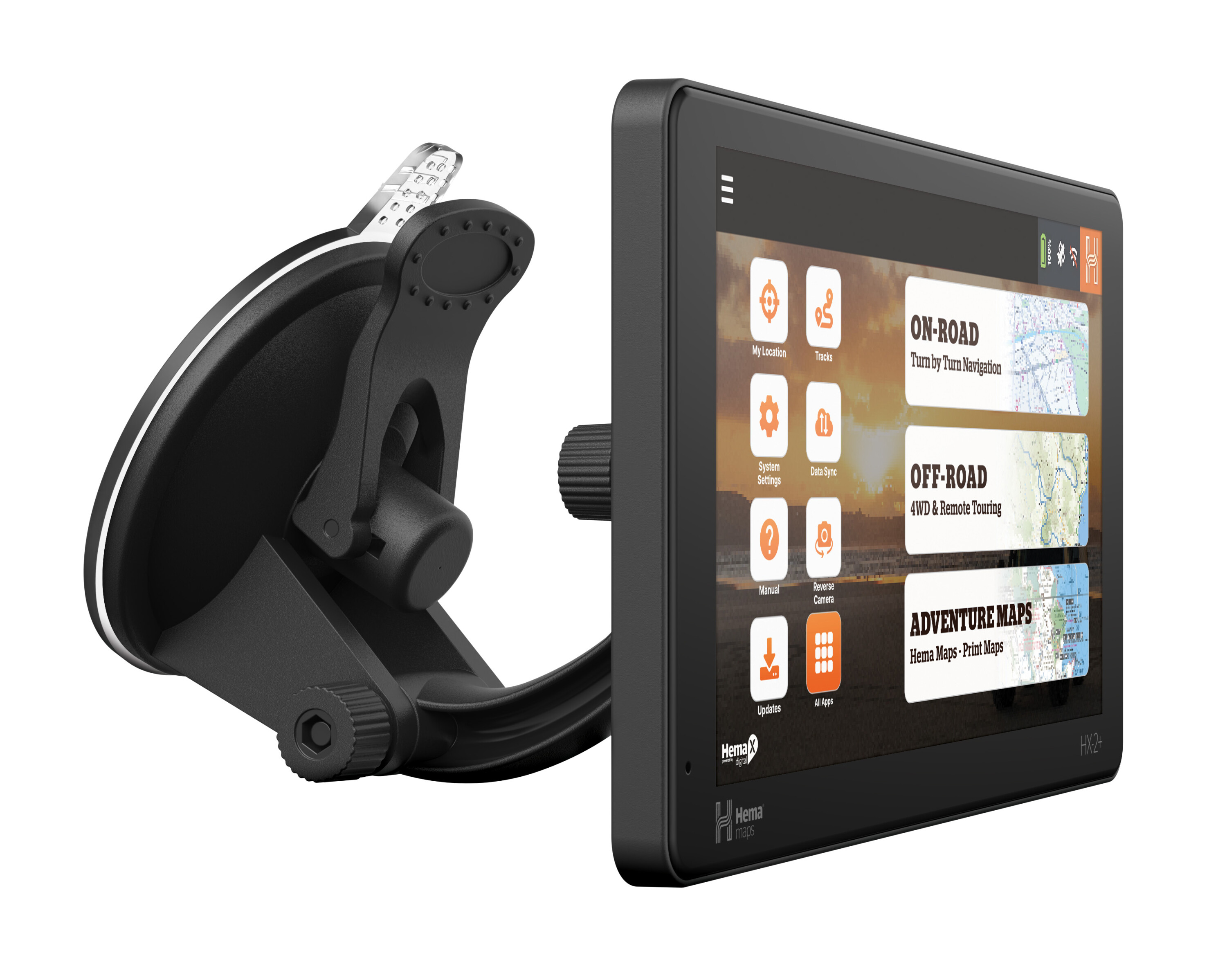
Sam Hayward added that improvements to the hardware and software design make this edition of the HX-2 easier to use. “It has double the memory on both RAM (now 4GB) and internal memory (now 64GB); better GPS connection with a new GPS receiver, to make a connection to GPS satellites more consistent; and better warranty coverage from one to three years,” he said.
The HX-2+ also has a different charging configuration, with an integrated charging cable and 12V accessory plug and an L-shaped USB-C output. The mounting system also has a different configuration, which may sit differently in your 4×4.
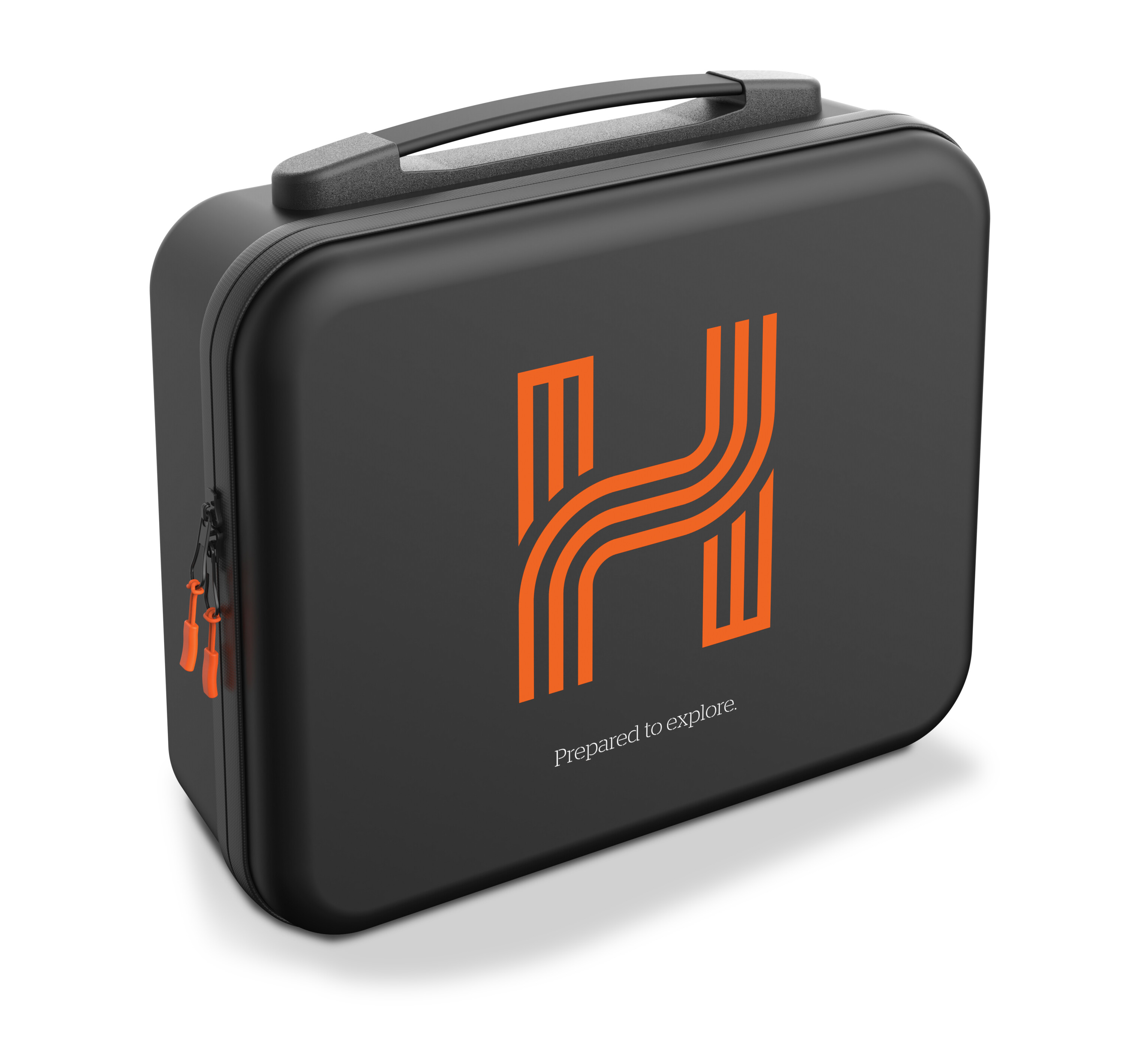
Similarities between the HX-2 and the HX-2+ include the seven-inch touchscreen; performance and stability; software experience and features; access to map, software and database upgrades; and access to the Hema Maps Cloud.
The HX-2+ package includes a new hard carry case to protect the device when not in use, as well as a suction mount, 12V/24V 2A car charger, USB-A to USB-C heavy-duty charging cable and quick-start guide.
RRP: $849.95
Tune into 4X4 Australia and you might think our intrepid travel contributors have the best job in the world.
After all, they get to travel all over Australia and the world, to places most of us can only dream about, and they call it work!
Truth be told it’s not all stunning views and campfires under starlit skies; capturing these amazing images and informative stories can be hard work. Rolling out of the swag several hours before dawn, and travelling through the dark to get that magical sunrise photo, only to find that Mother Nature didn’t get the memo, can be pretty tough.
Then there are the long days on the road getting from one location to the next, battling with poor or closed roads, sorting mechanical problems, forking out for expensive fuel and supplies in remote places, and sometimes going for days without a shower or seeing another person.
Not to mention having to deal with pesky editors always wanting words and photos delivered yesterday, and wondering why you didn’t get that stunning sunrise photo at that special place that’s renowned for it.
But ask any one of them and they’ll tell you that it’s a pretty good life. All those miles on the road, and the locations and the tracks they lead to, mean that these guys and girls need dependable and well-sorted 4×4 vehicles to ensure they can get to where they need to be and back again, without any problems or fuss.
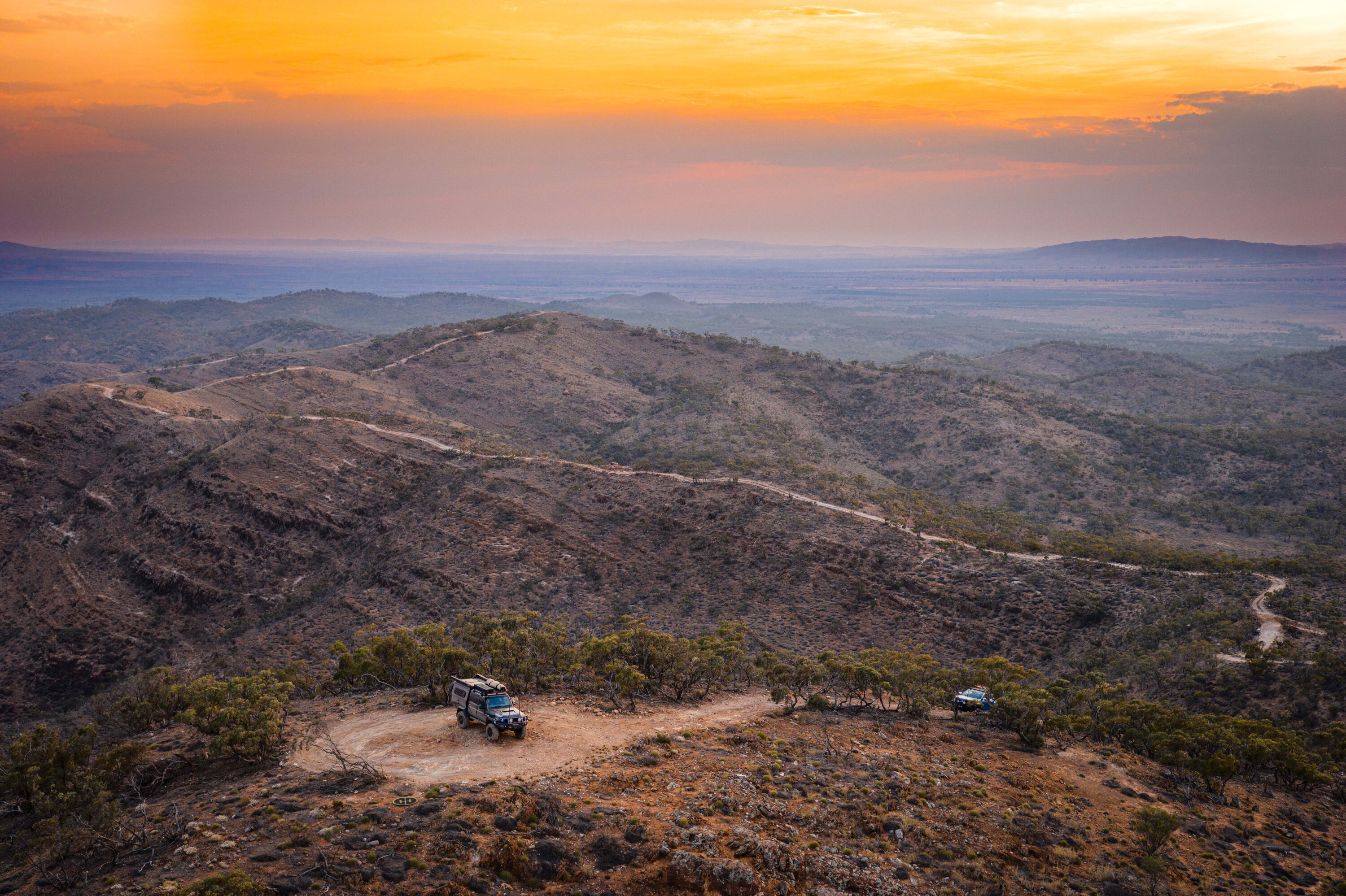
They need a vehicle they can live out of for extended periods, that has the ability to power and recharge specific equipment like lights, cameras and drones without killing their batteries, and one that has the communications gear needed to keep in touch with the world they left behind.
We asked some of our key travel photographers and writers from around the world to tell us a bit about what they drive to get the job done, and why they chose it.
These are 4×4 vehicles built by people who have been doing this work for decades, travelling thousands of outback kilometres, and they know how to set up a vehicle for remote travel. It makes for interesting reading and gives us something to consider when equipping our own 4x4s.
JUMP AHEAD
- Mick Ellem’s 79 Series
- Ron Moon’s GU Patrol
- Matt Williams’ GU Patrol
- Ellen Dewar’s FJ Cruiser
- Glenn Marshall’s Prado 120
- Kevin Smith’s 80 Series
- Brad Miskiewicz’s HiLux
- Chris Collard’s Tacoma
- Dan Grec’s Gladiator
Michael Ellem: 2018 Toyota LandCruiser GXL 79
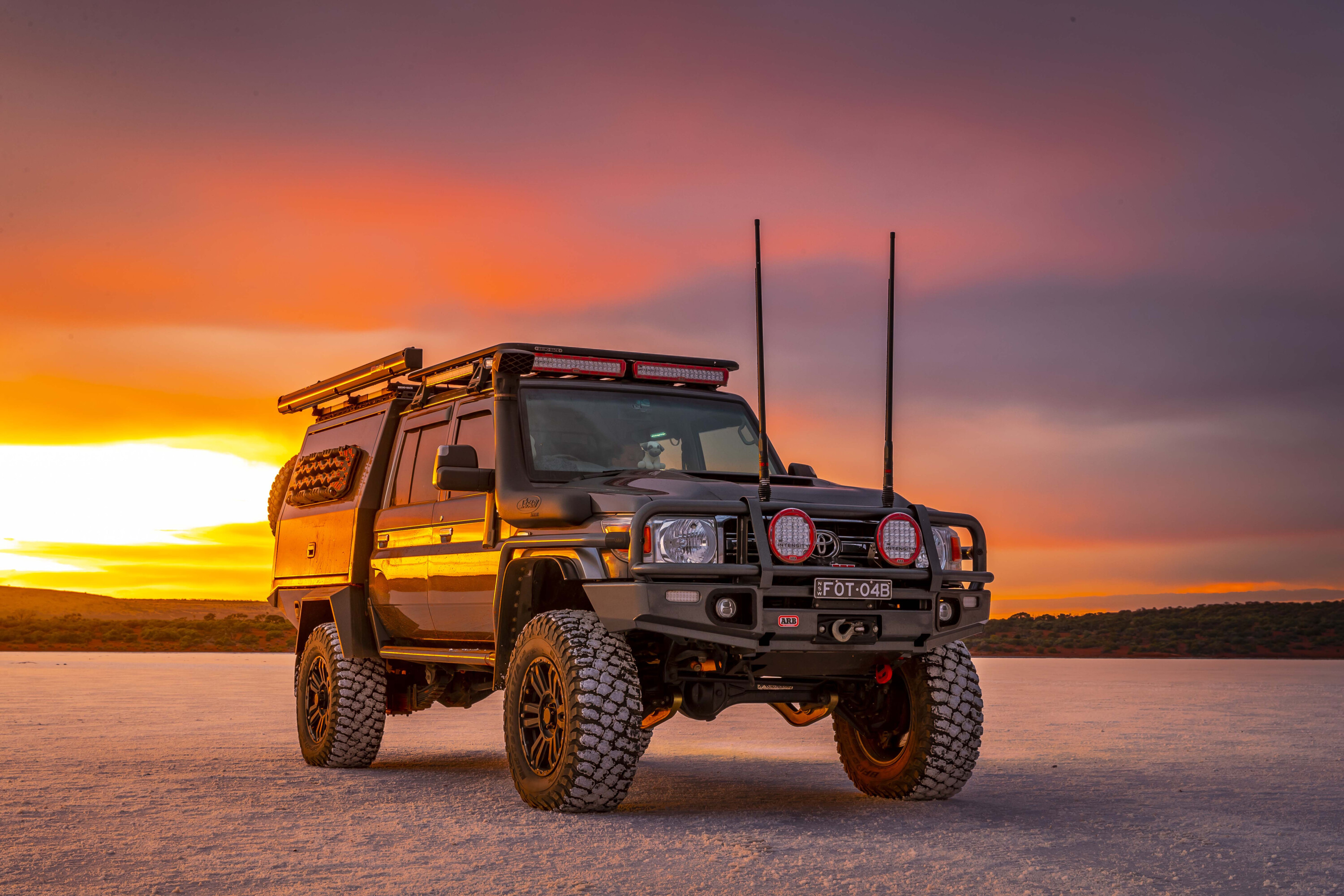
At Offroad Images, we photograph and film 4x4s for a living and have been shooting for 4X4 Australia on and off for more than 20 years. In order to achieve the best results, we built The Mighty 79 camera vehicle.
It’s purpose-built specifically to safely carry cameras, lighting equipment and drones to remote areas. It provides us the capability to achieve big results in the middle of nowhere with speed and efficiency.
To be organised, we say “everything has a place and there is a place for everything.” It’s amazing what a difference an organised workspace makes to a photoshoot which will usually always be in an unusual workplace.
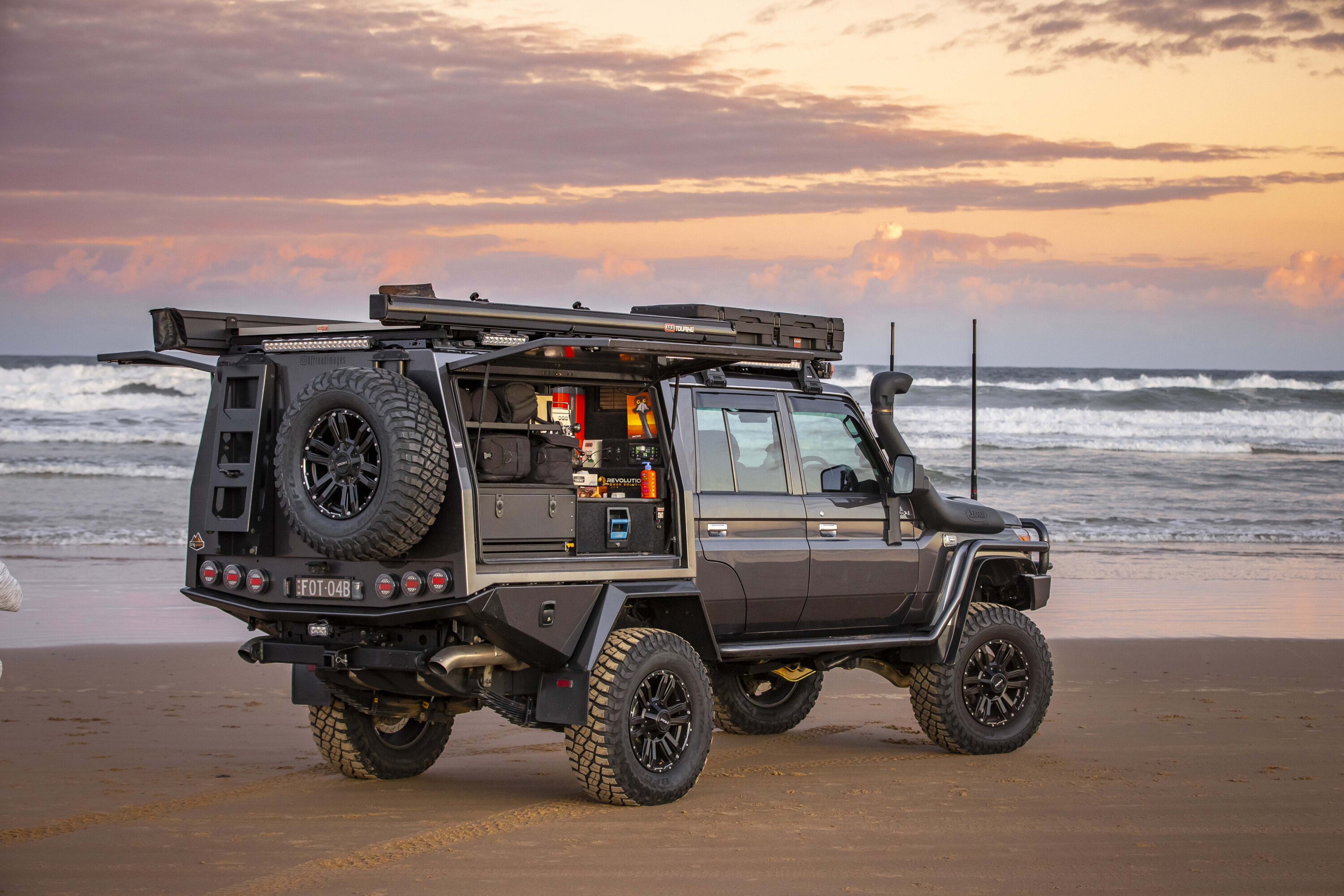
This purpose-built LandCruiser 79 Series is built on Marks 4WD portal axles, providing a great platform with more ground clearance but also a wider stance. It has reduction hubs that provide gearing to suit the 35- or 37-inch BFG KM3 tyres we run on ROH Vapour wheels.
To iron out the bumps on the tracks and keep the cameras safe, we run ARB OME BP-51 shock absorbers, which are adjustable to suit the terrain we are driving on at the time. These are the best shocks I have ever run.
For protection from the wildlife we may encounter we have an ARB Deluxe bull bar. We also run ARB Intensity lighting on the bar and up at the roof line. For vehicle recoveries, we have a Warn Zeon 1200lb winch up front, and a Marks 4WD high clearance rear bar on the back.
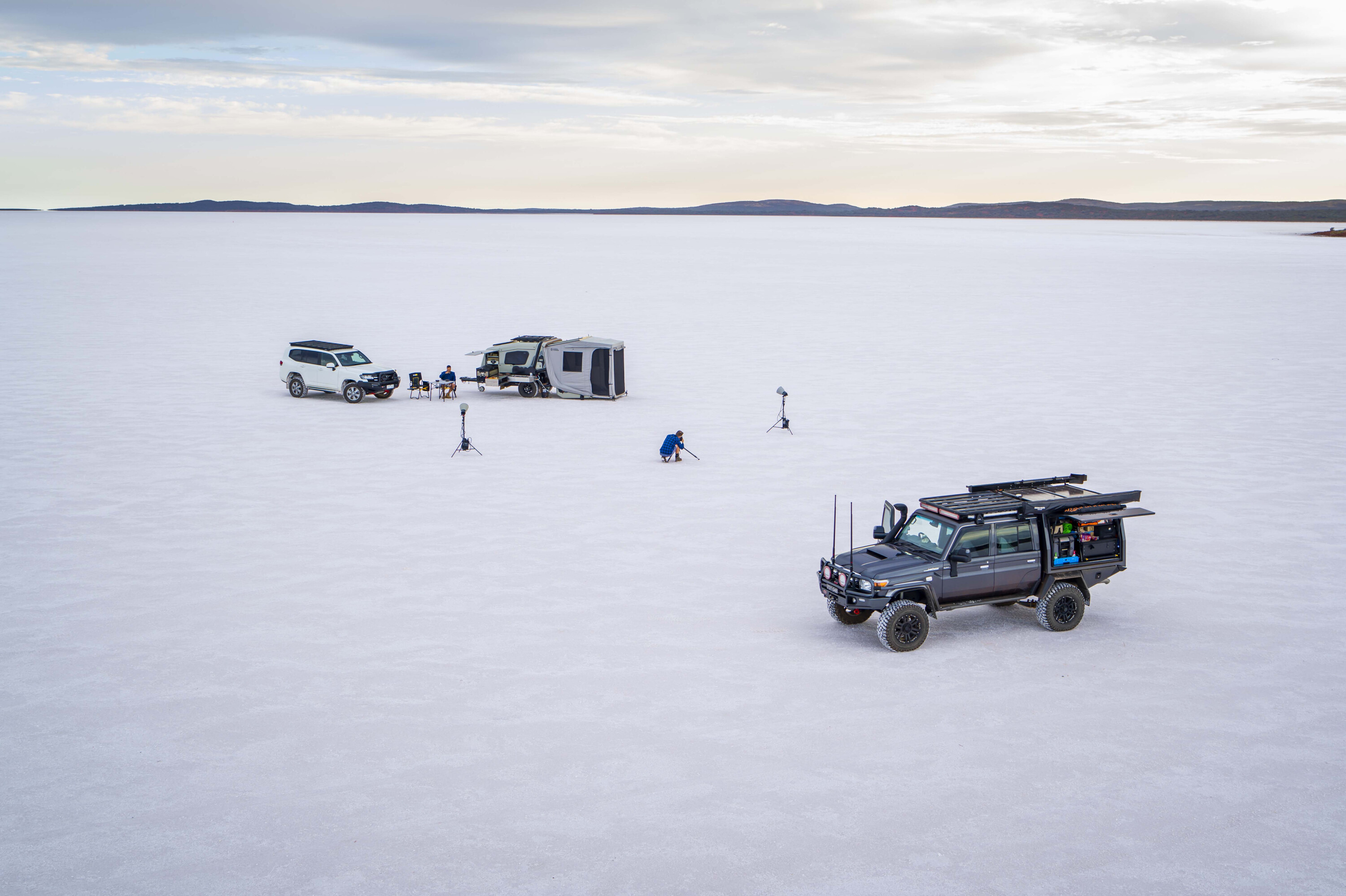
We have designed the 79 so it has two distinct halves, with camera equipment on the driver’s side and catering equipment for the crew on the passenger’s side.
With the rear seat removed, and camera storage behind the driver’s seat, combined with the drawers in the Trig Point service body, we are extremely well set-up to allow for quick access and organisation of cameras, lighting and drones out of the drivers side.
We also have plenty of power on board thanks to a Redarc system with a 3000 watt inverter and 240 Amps of Revolution lithium batteries helping to keep everything charged… and to run the coffee machine. Yep, the coffee machine gets a workout all around Australia.
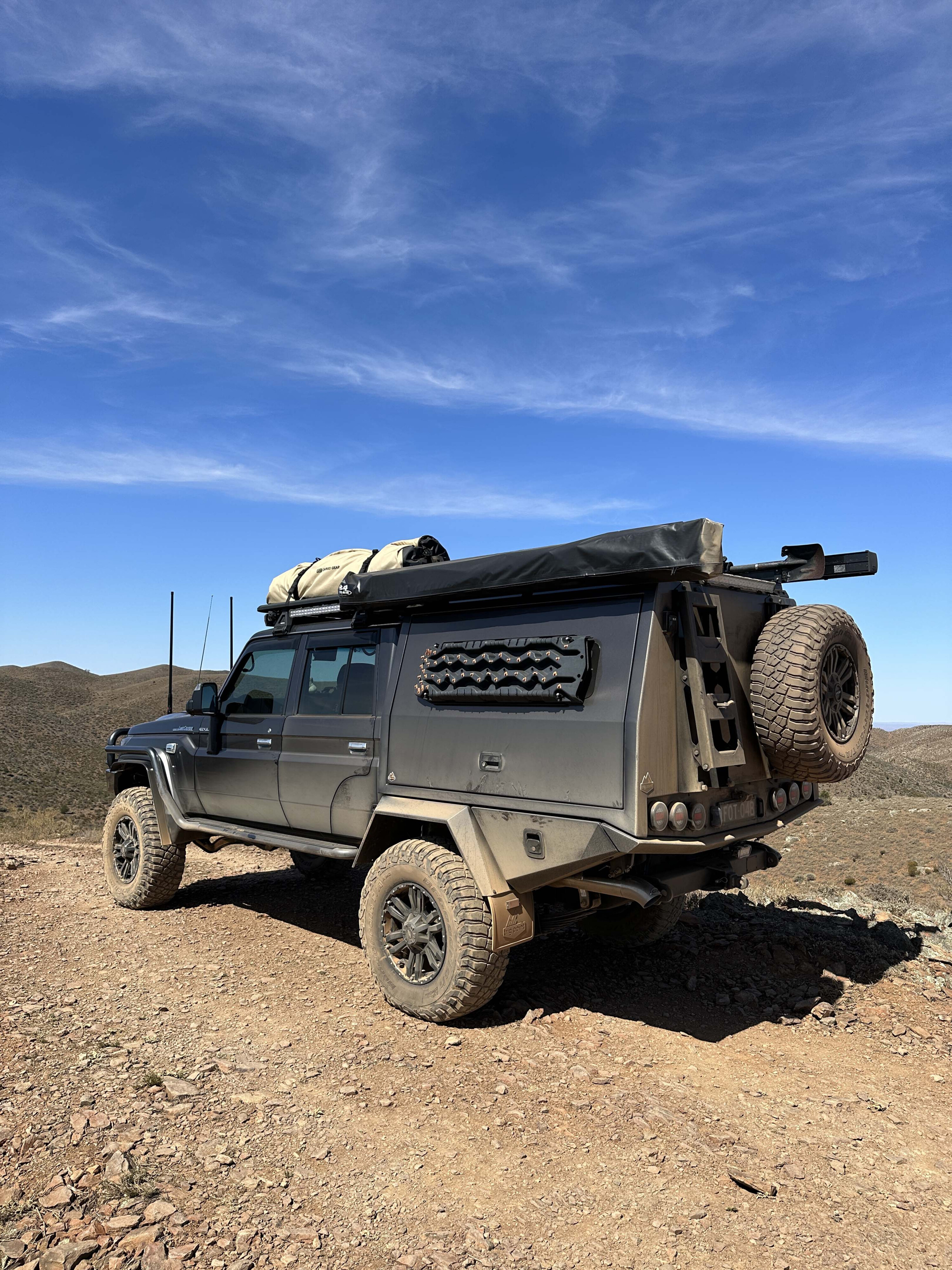
On the passenger’s side, we have a single Recaro in the back for a crew member, and in the service body we have Trig Point’s new pantry and an ARB Classic 60L fridge on an MSA motorised drop slide.
Thanks to a Boss 270° free-standing awning we can get our crew and other people out of the elements quickly in any environment. The LandCruiser 79 and all the equipment on it has really proven itself over the last five and half years, and it’s now approaching 290,000km of extremely reliable service to our business.
Ron Moon: 2001 Nissan GU Patrol
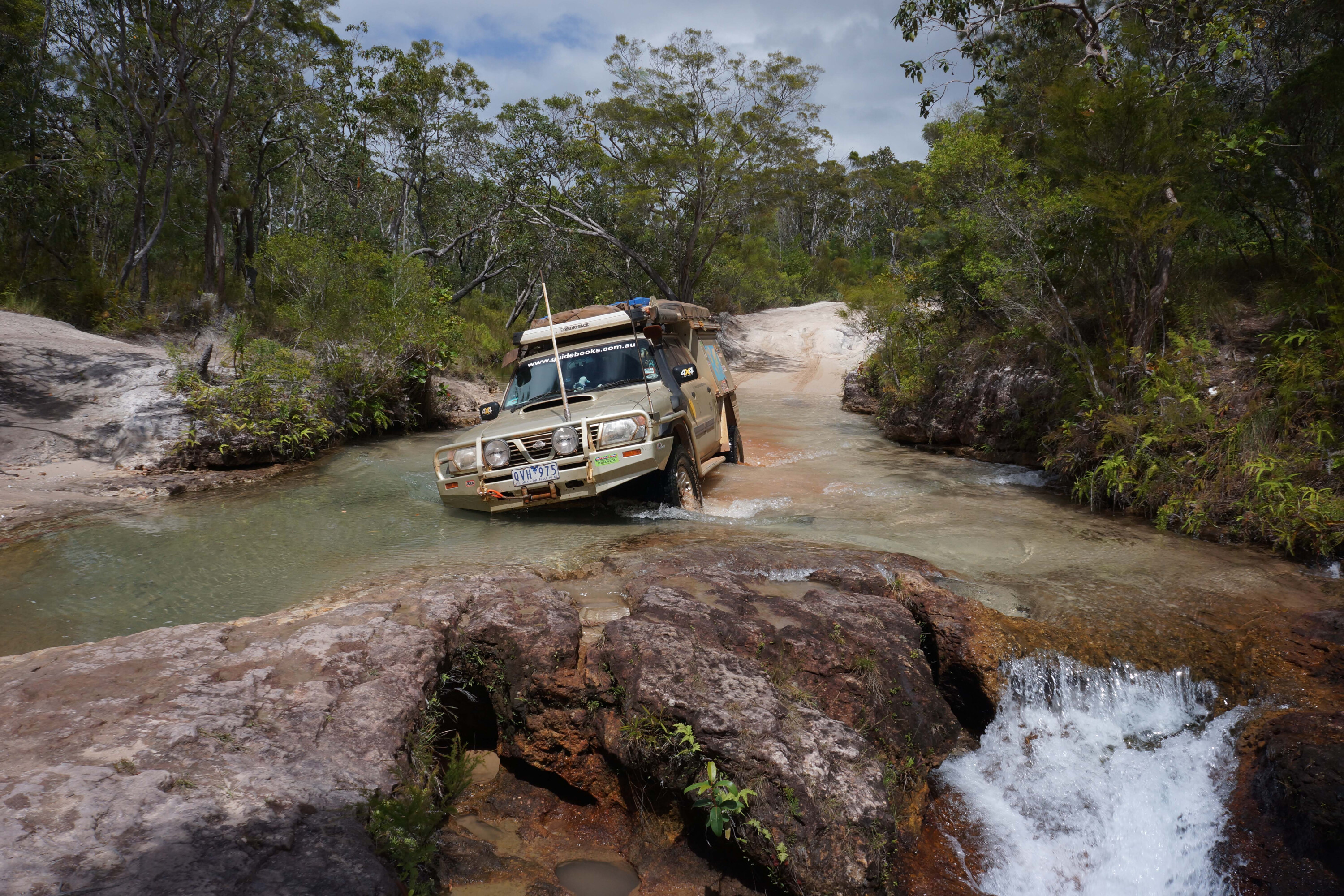
The ol’ 4.2-litre GU Patrol, owned since new, is now 23 years old but surprisingly, some might say, it has only clocked up 460,000km. But what a 460k!
It was cut and stretched in its first year by Creative Conversions and while that has never caused an issue or any discontent, we have fitted a number of different trays and canopies over the years, all changes made to suit my varying travel requirements. It’s currently running an All4Fabrication alloy tray and canopy.
Of course, there have been a heap of mods and accessories in that time as well, some of the not-so-obvious being a Marks Adaptor super low range transfer box, ARB Air Locker diffs, OME springs and Koni shocks, and a Natrad full-copper radiator to help keep the engine cool, which is often an issue with the venerable TD42 diesel.
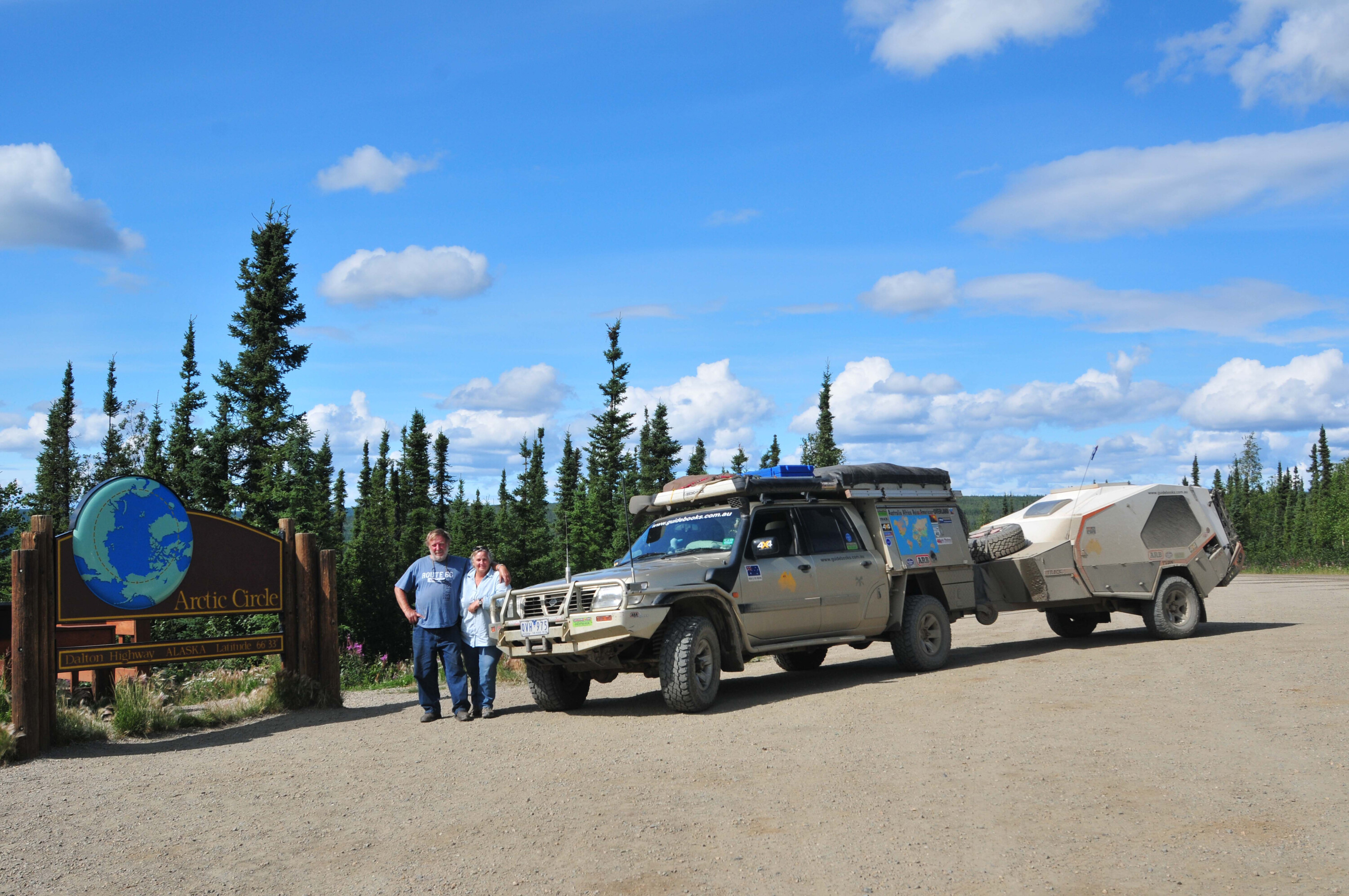
Most of those aforementioned kilometres have been covered wearing Cooper tyres, although at present the Patrol is shod with Mickey Thompson Baja Boss A/T tyres.
All in all, it is a very capable vehicle and while it’s not as refined as the current crop of 4×4 vehicles on the market, it has a lot less electronic so-called aids. The long list of broken down vehicles it has towed or recovered from seemingly impossible situations is testimony to its strength and off-road capability.
Over the years it has travelled all the great four-wheel drive routes in Australia at least once, with the Canning Stock Route and Simpson Desert being negotiated a couple of times, while Cape York and the Victorian High Country have been travelled more times than I care to remember.
As well, Central Australia, the Kimberley, the Gulf Country, western NSW and the Flinders Ranges have all been on the agenda more than once, as have the wilder parts of Tassie.
The route along the edge of the Great Australian Bight is arguably the best and longest coastal beach run in Australia and it certainly throws up a number of challenges, all of which the Patrol has easily overcome. In fact, there are not too many places in Australia it hasn’t been to.
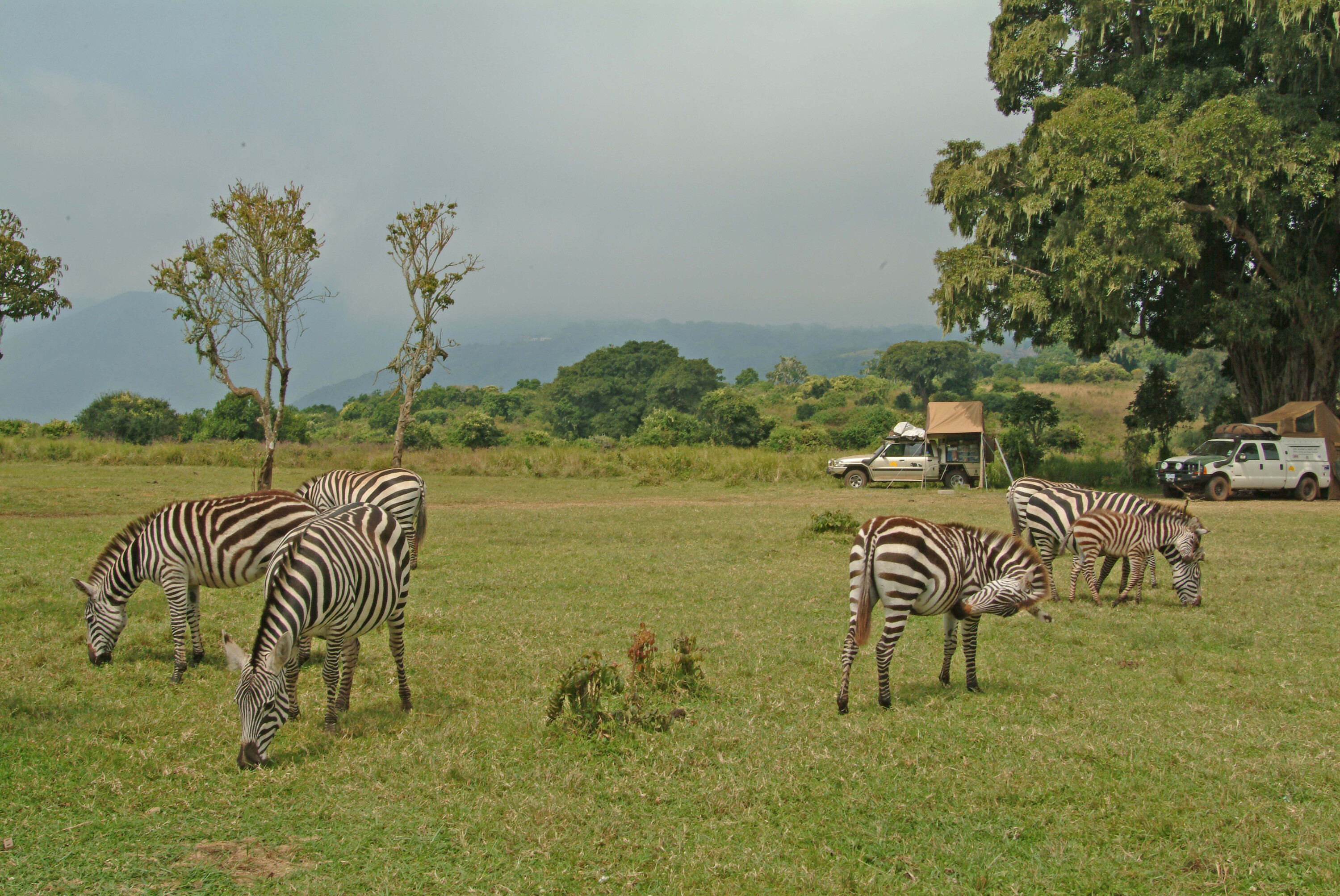
From 2007 to 2012, we took the Patrol around the world, clocking up 160,000km on a circumnavigation of the planet through 70 countries as disparate as Alaska, the Sudan, South Africa, Libya, Mongolia, Paraguay, Canada and Mexico.
The battle-worn rig is having it a bit easier these days as I bring a new V8 Troopy onto the scene, which I hope will take us to just as many exciting destinations and generate as many pleasant memories of places visited and camped at.
But I’ll never get rid of the Patrol… a couple more years and I’ll be able to put it on historic registration, but its travelling days won’t cease.
Matt Williams: 1999 Nissan GU Patrol ST
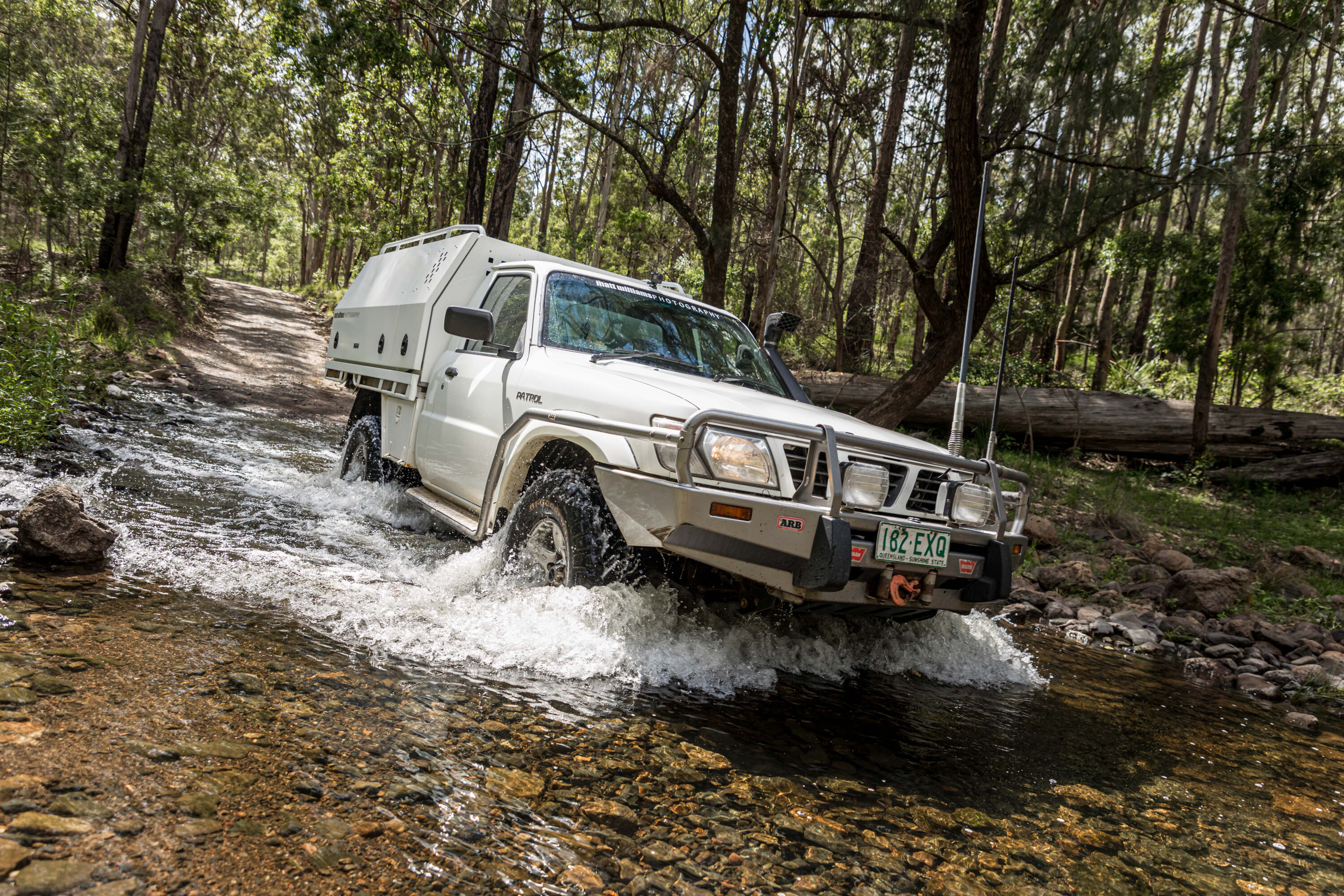
One of my best mates calls me a professional camper. While there may be an element of truth to that description, camping isn’t all I do, but it is a big part of my work.
In reality, I’m an automotive photographer, mainly off-road automotive, and a large part of my work takes me to remote places, working for some of the biggest names in our industry. So, to do what I do, I need a capable and reliable vehicle to operate out of and live out of… for extended periods.
Funnily enough, though, I struggled a lot when it came time to write this article and find photos of my ute. When out on work trips, I’m so busy taking pics of all the other vehicles I forget about getting a few of my own!
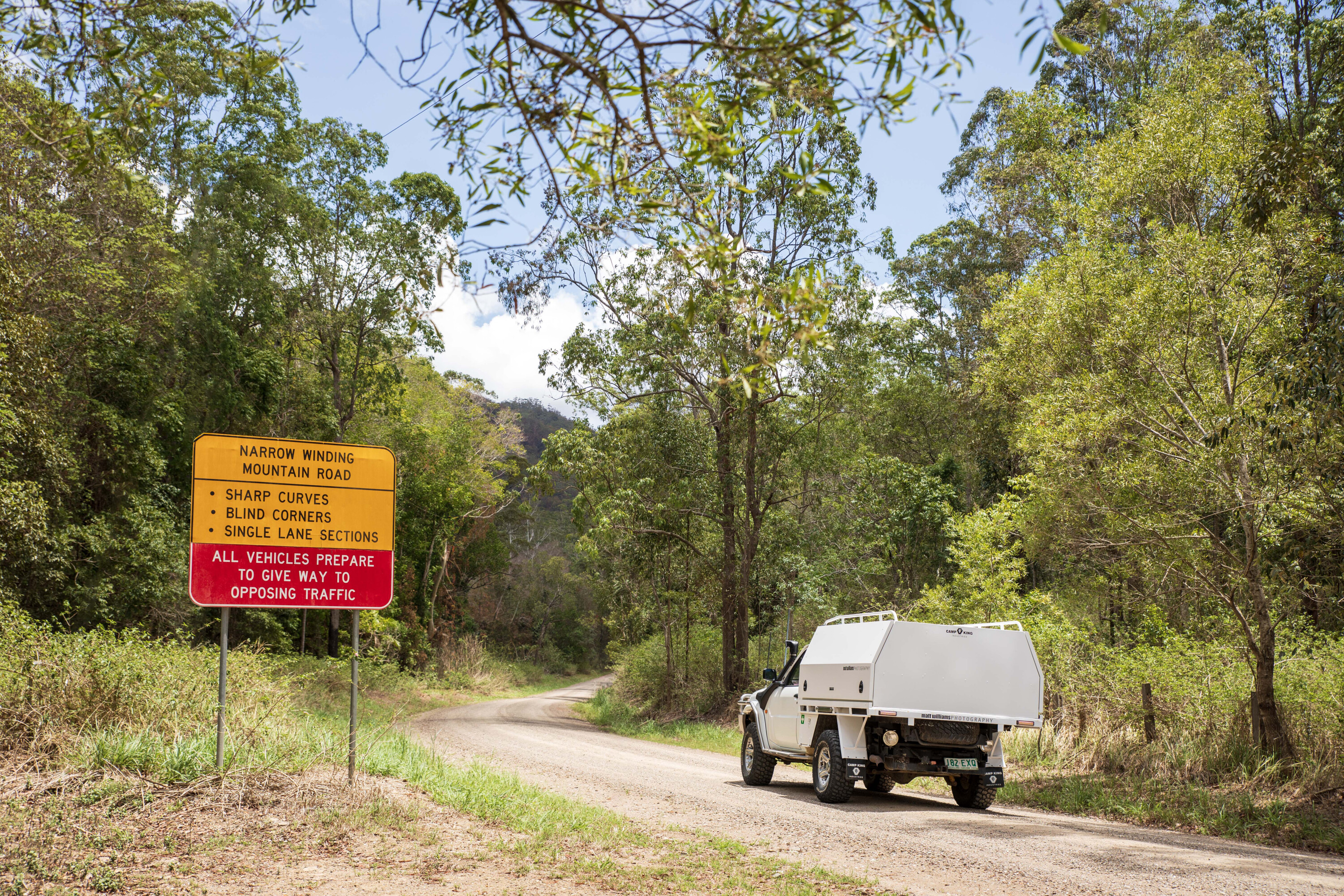
Back in my previous life, I worked in sales at ARB, and it is here where I developed a love for our big brown land.
While working at ARB, in August of 2005, I purchased my 1999 Nissan Patrol ST TD42 ute for weekend trips and extended touring. On the test drive, I ticked over 50,000km on the odometer. Now, it’s got well over 300,000km on the clock.
I threw an ARB catalogue at it and saw what stuck. ARB bar work protects the front and sides from animal strikes and panel damage on tight tracks. A Warn 9000lb winch is fitted in the bar, as well as a pair of Hard Korr LED spotties, which upgraded a pair of old IPF units.
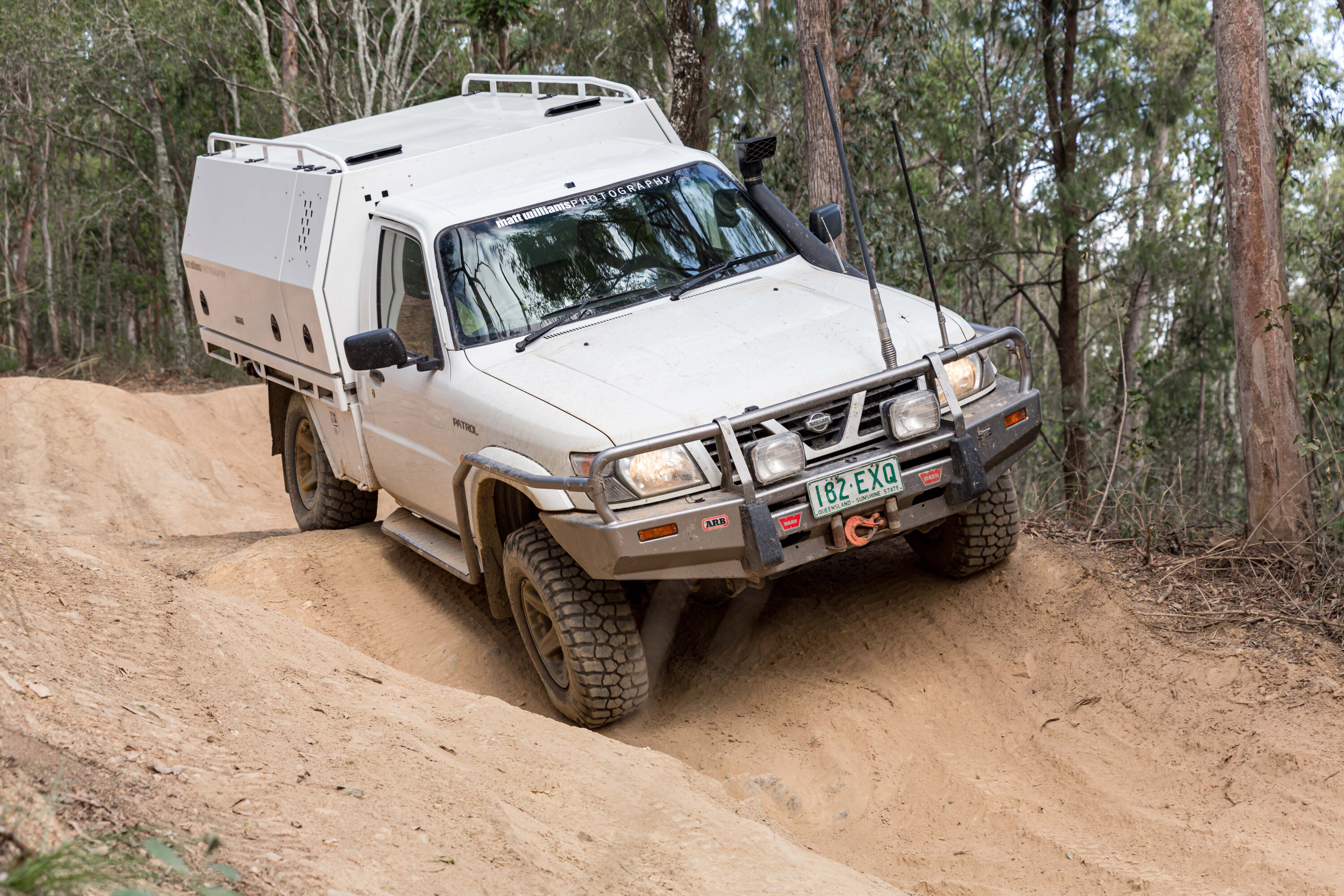
Underneath, I’m running OME suspension, and over the years, as my usage for the vehicle has changed, as has the capacity of the rear springs. I now run constant 400kg coils and a Superior Engineering Coil Tower Brace Kit.
Front and rear diffs have been fitted with ARB Air Lockers, while the under-bonnet compressor pumps my BFG Muddies up after their many off-road adventures.
Recently, I joined the 21st century and installed a 120Ah lithium battery to look after my extensive battery charging requirements while on the road. The battery is charged via a REDARC BCDC unit and supplies 240v through a 600W inverter.
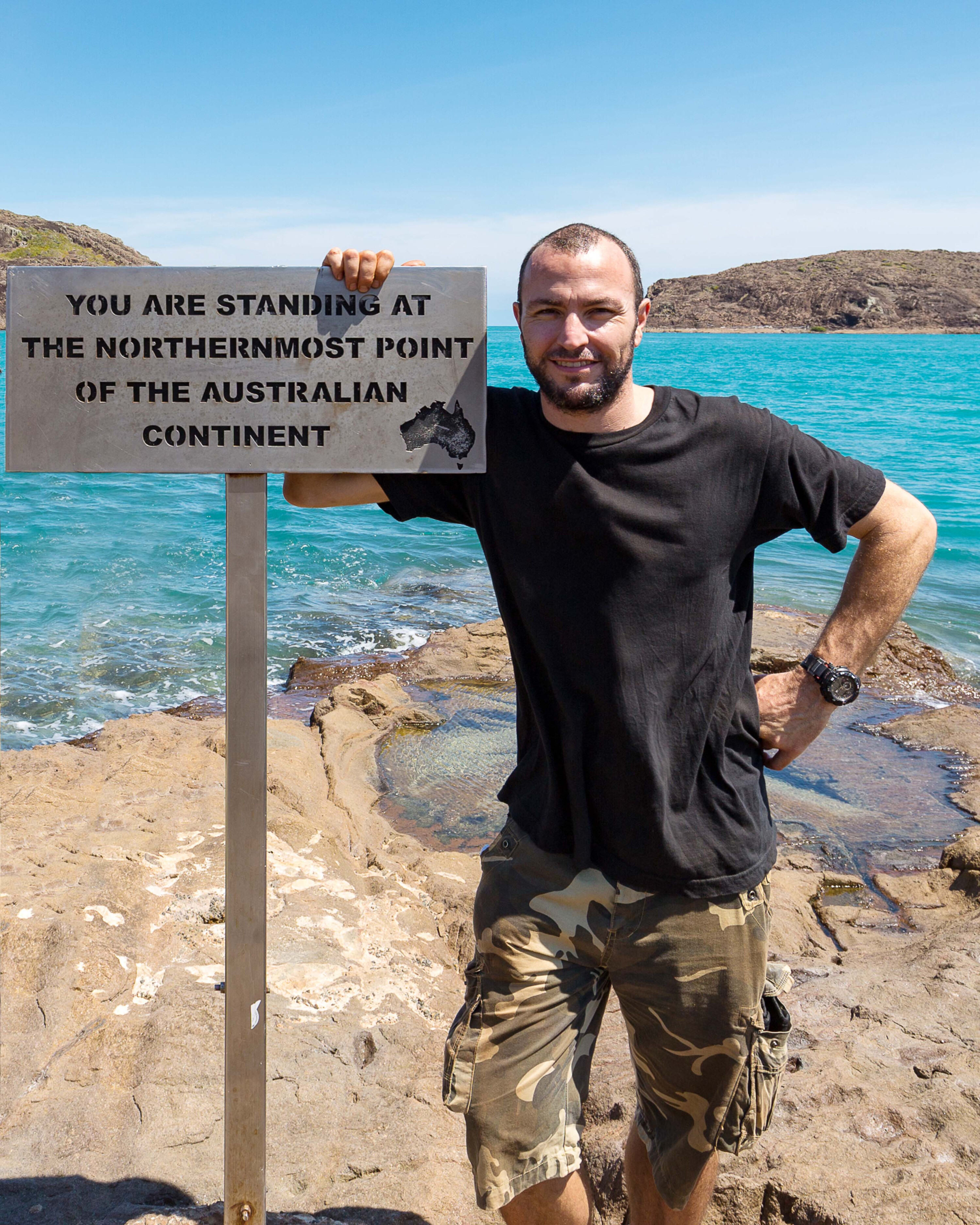
In 2017, I started shooting for 4X4 Australia, and using my ute became more work trip-centric.
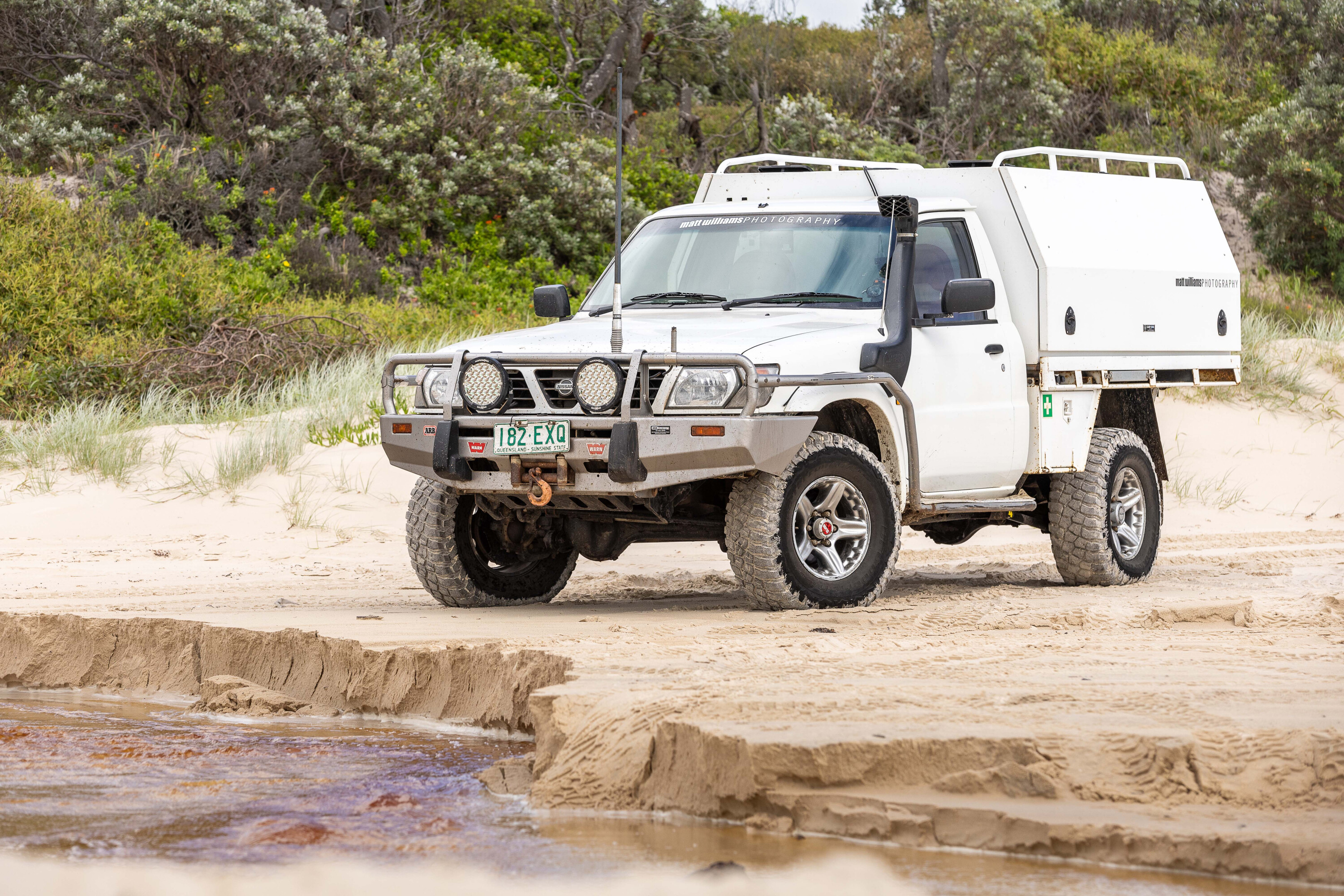
To work efficiently, I decided to fit a custom-designed canopy instead of working out of space cases bolted to the tray.
Camp King Industries delivered precisely what I wanted: custom-made drawers for my camera gear, a full-width pull-out pantry/kitchen drawer, and a fridge compartment take up the passenger’s side; a pair of drawers house my recovery gear, spares and tools on the driver’s side; while a big open area holds my swag and other oversized items.
I’ve been lucky to travel a fair chunk of this country thanks to being able to press a little button, and my trusty Patrol has taken me to Cape York, the Simpson Desert and the Flinders Ranges, to name just a few.
However, in October last year, I visited the Victorian High Country for the first time, and five days in the region was not enough. I need to get back there and explore some more.
Ellen Dewar: 2016 Toyota FJ Cruiser
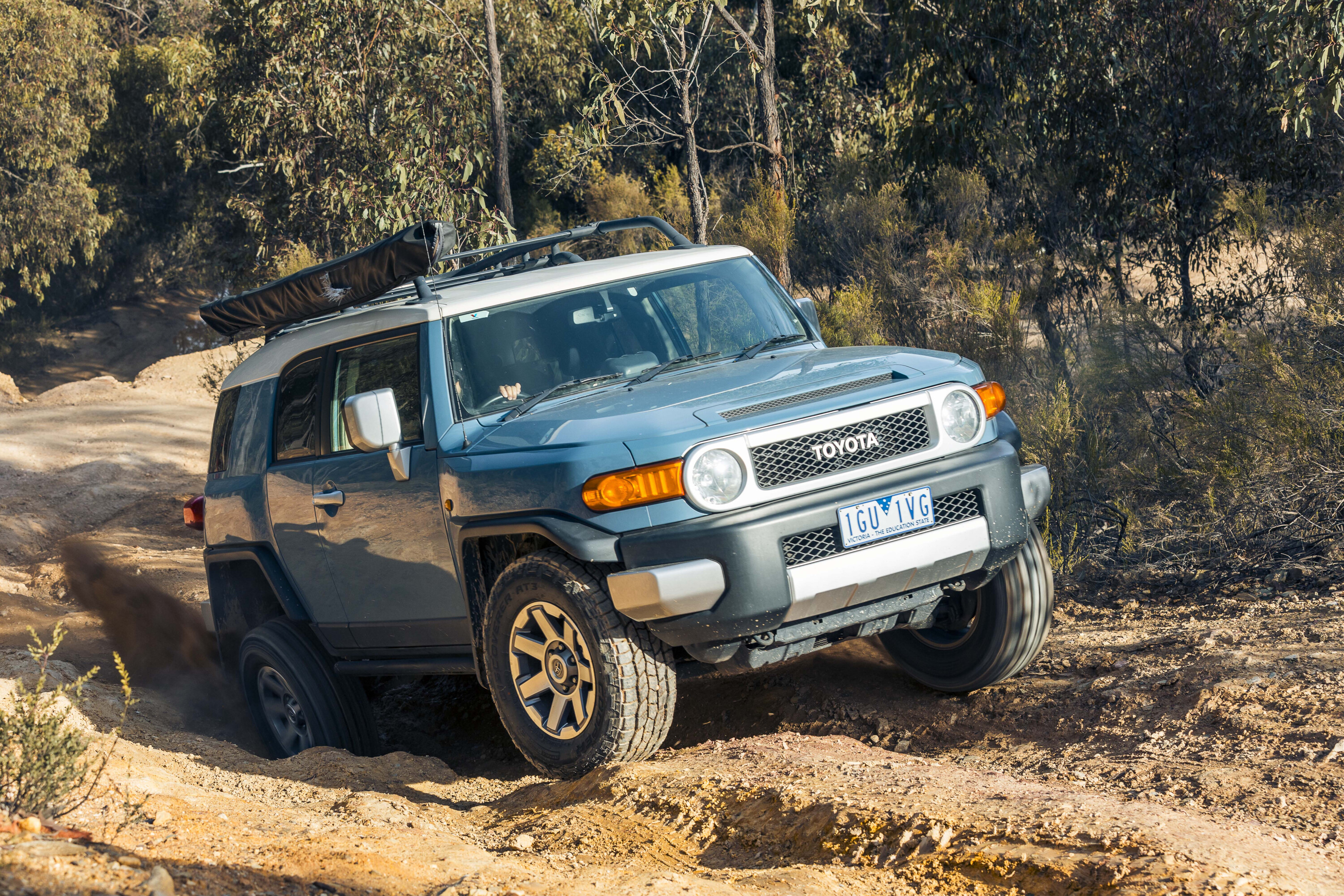
Being an automotive photographer of 26 years, I’ve seen a car or two – capturing images of vehicles driven back and forth by my journo colleagues, snapping them in motion and in all conditions; it’s been an adventure.
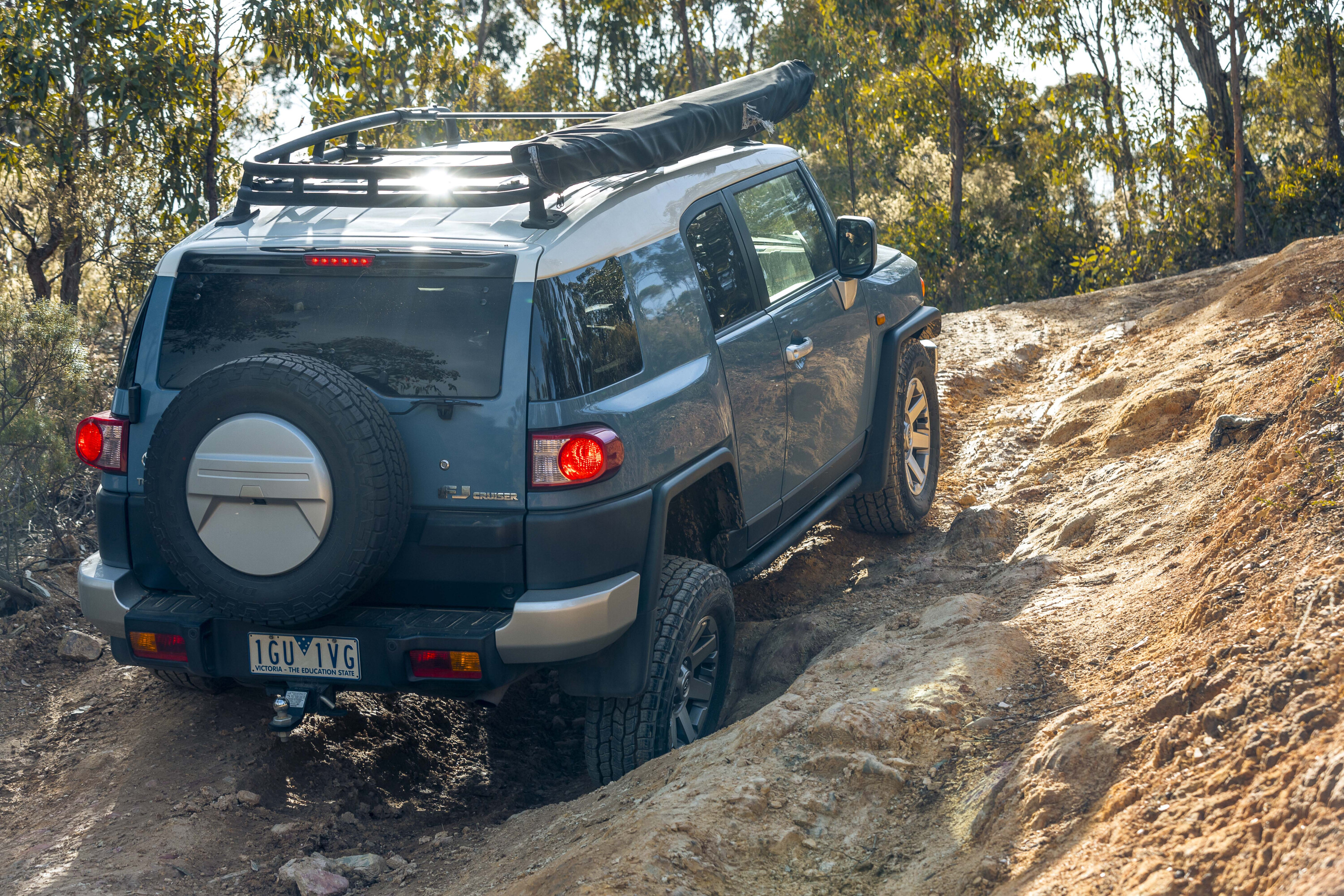
I have owned many cars myself and historically I was the hot hatch gal. Call it a midlife crisis or a crazy turn of events, but I found myself selling my VW Polo GTi and jumping into one of the last of the Toyota FJ cruisers; I call it my Tonka truck.
I picked it up for a great price in mint condition, with only 5000km on it, and since then it’s just clocked up 100,000km. I’m not the hardcore 4×4 type, more the camping, touring, attempting the easier off-road tracks type, but I do love to travel, throwing a swag and my cameras in to experience the great Aussie landscape.
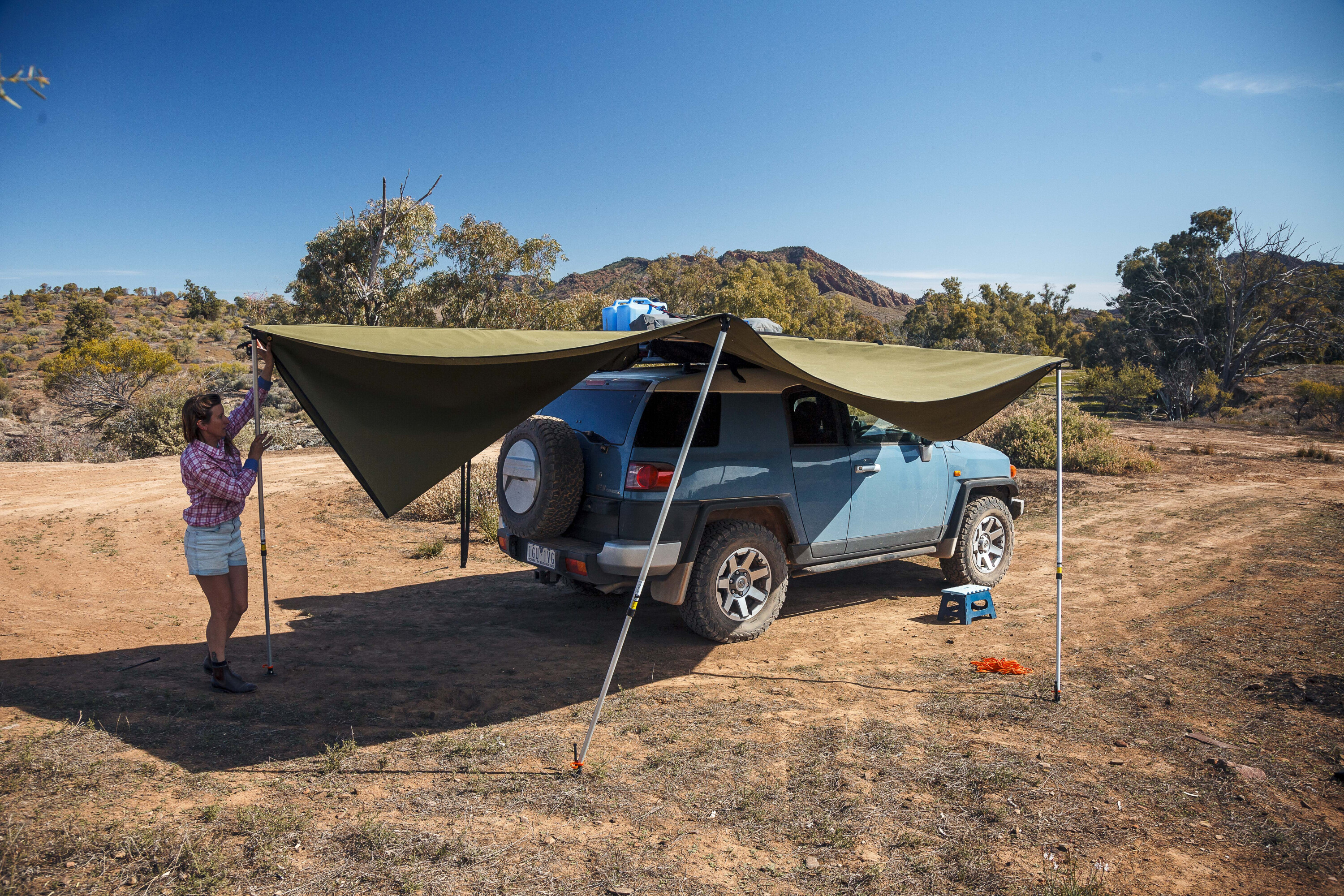
My greatest trip in the FJ was a Thelma and Louise style road trip from Melbourne, Vic through the NSW outback, up to the Birdsville Races, and returning via the Gammon and Flinders Ranges with my fellow photographer mate Jenny.
The FJ has the OEM rack and rock sliders, and initially I had a set of BFGoodrich All-Terrains that were recently changed over for a set of Cooper AT3 LT tyres, which are definitely quieter on the blacktop. Leading up to the outback trip I had a Drifta drawer kit and fridge slide installed, and a Drifta 270° Batwing awning.
I considered a slight suspension lift and adding some recovery points, and new front bumper, but indecision means I haven’t got around to it. Being a small frame at 5ft 2in, I reckon climbing in and out with a big lift would be comical.
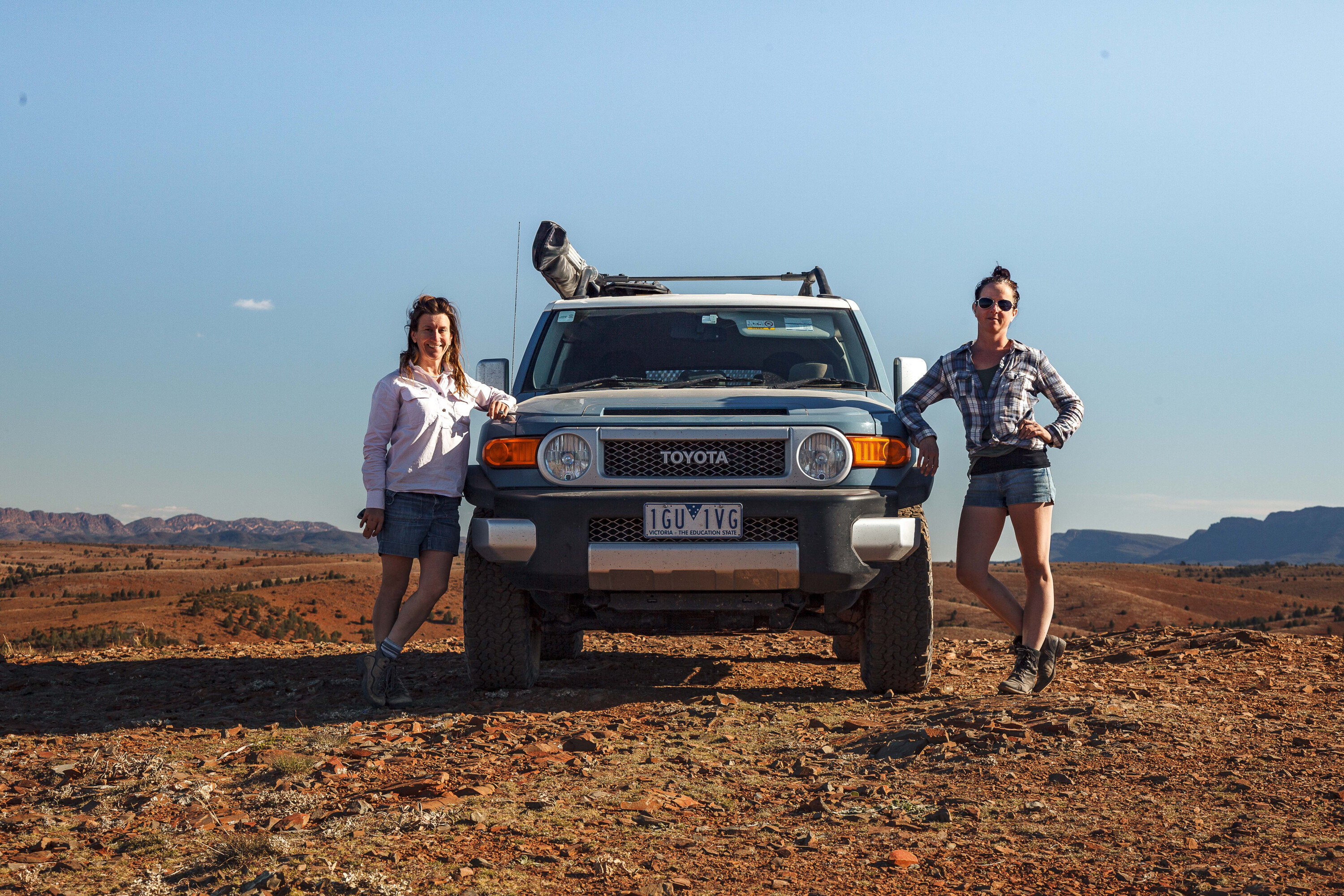
The FJ still runs well, but it’s overdue for a suspension upgrade. Since production of this model ceased the resale value has held up well.
The FJ has been my reliable steed to many a music festival, and for simple weekend trips away. Until the next adventure, the FJ, whilst not so economical, is great for loading copious amounts of camera gear and it makes an excellent shooting platform. Where to next? I’d like to venture west to Karijini NP in WA someday but until then I’ll just keep cruisin’ on.
Glenn Marshall: 2006 Toyota Prado 120 Series
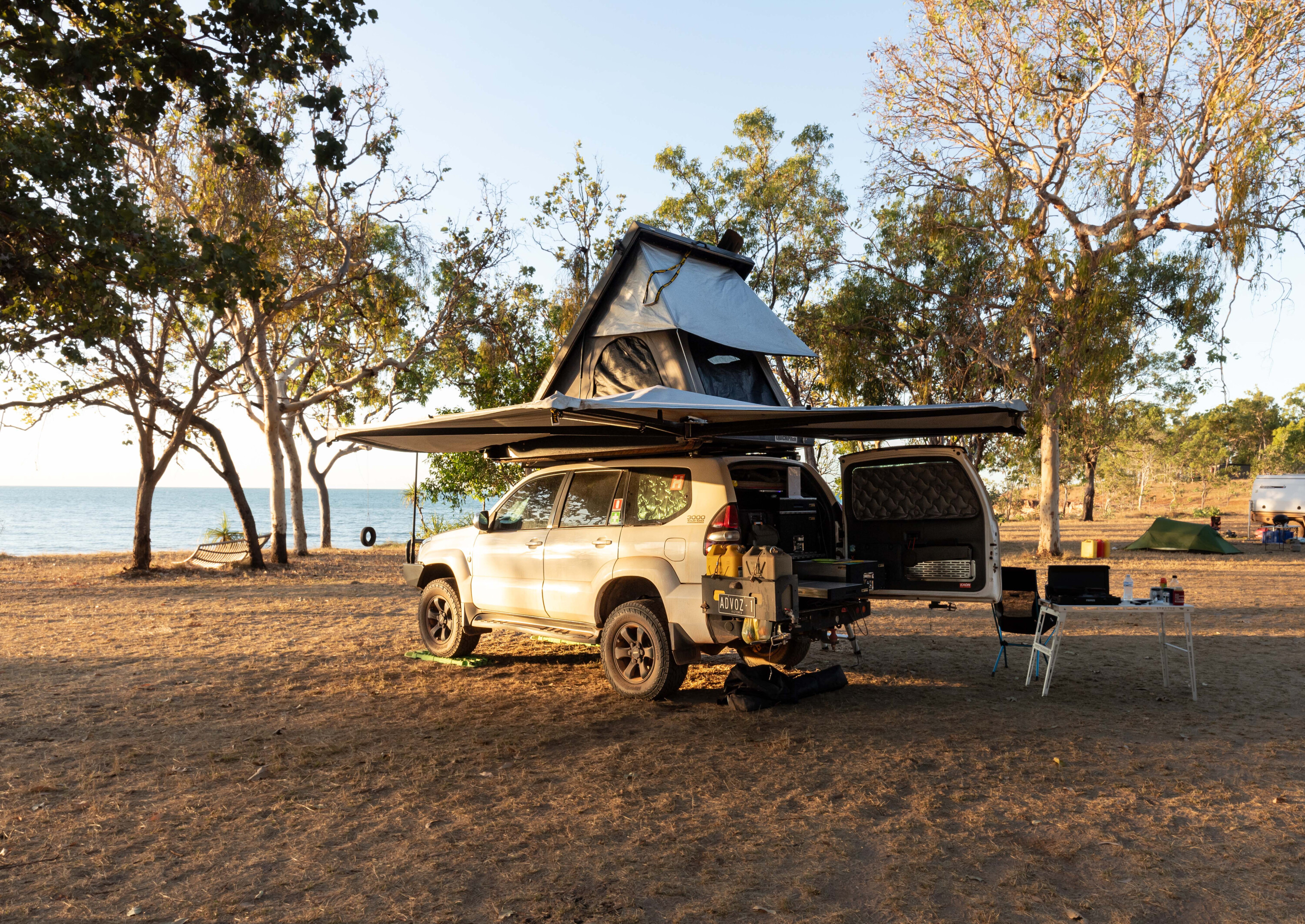
Many suggest that a Prado is for soccer mums and shopping centre carparks, but I’ve turned mine into the ultimate touring weapon that looks out of place in any carpark. I’ve been shooting and writing for 4×4 Australia since 2019.
Constructed in 2006, this is the last of the 1KZ-TE engine Prados and it has now covered more than 450,000km without a problem, however I have had the inlet manifold cleaned out and replaced the injectors and glow plugs within the last three years.
At the front, she wears an ARB Sahara Bar with GME UHF antenna, Lightforce Venom LED spotties and an Ironman 4×4 12,000lb winch with synthetic rope and Factor 55 Ultra Hook.
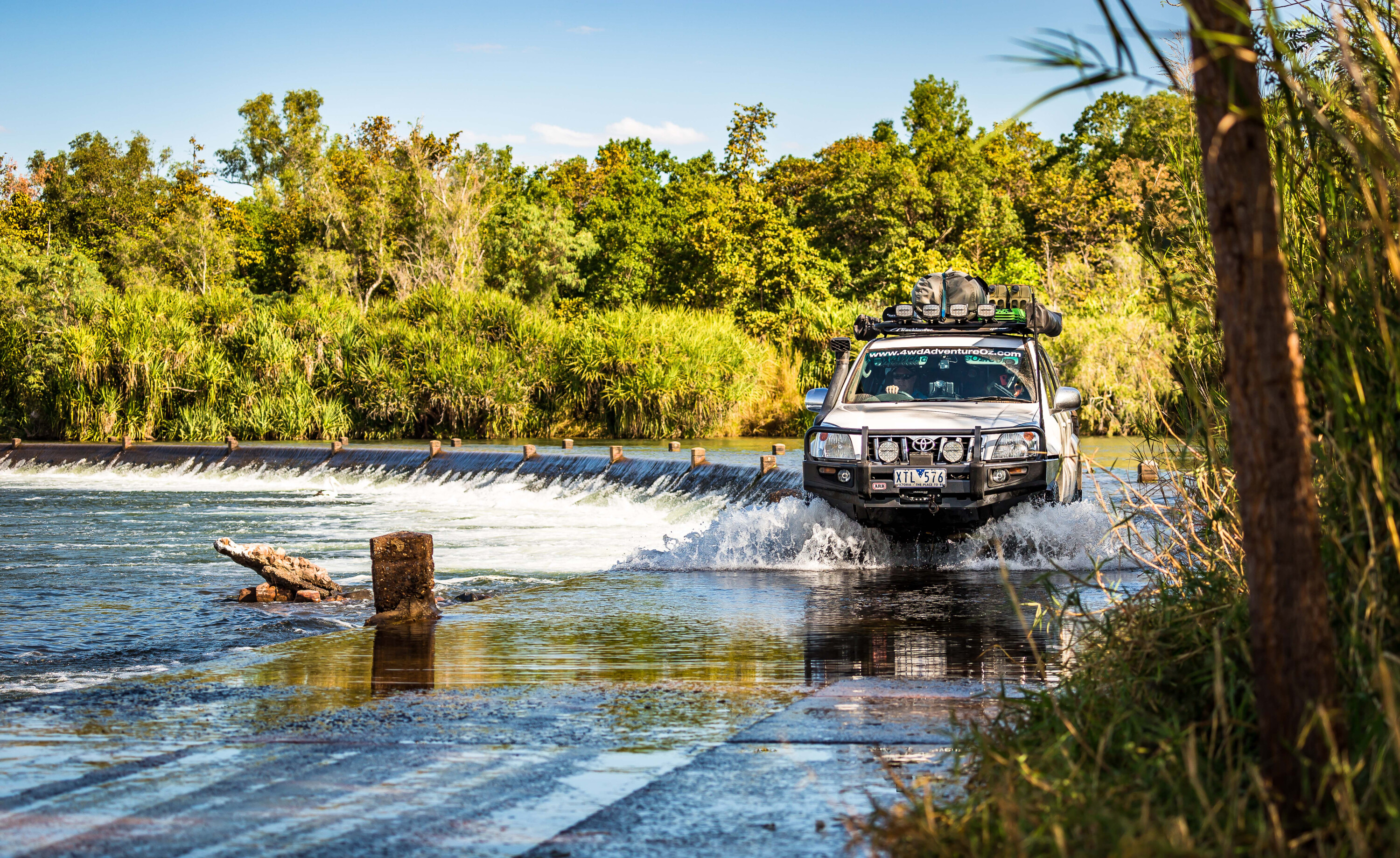
At the rear the MCC Rear Bar can carry two spare wheels or a spare and double jerry can holder, and incorporates a Lightforce ROK20 camp light.
Two valves have been fitted to the rear bar to control the Polyair Ultimate airbags that sit inside the 300-500kg Kings rear coil springs. The ARB air tank also sits behind the rear bar with the outlet fitted to the bar, while the ARB double compressor is under the bonnet.
On the roof is a Quick Pitch rooftop tent, a 270° awning and an ensuite tent with four Lightforce Striker LEDs at the front for better night vision. The shovel is secured with Yakima holders and the four TRED Pros are for levelling and self-recoveries. Four Lightforce ROK10 LED camp lights are mounted to the RTT which has internal 12V power and a Sirocco fan.
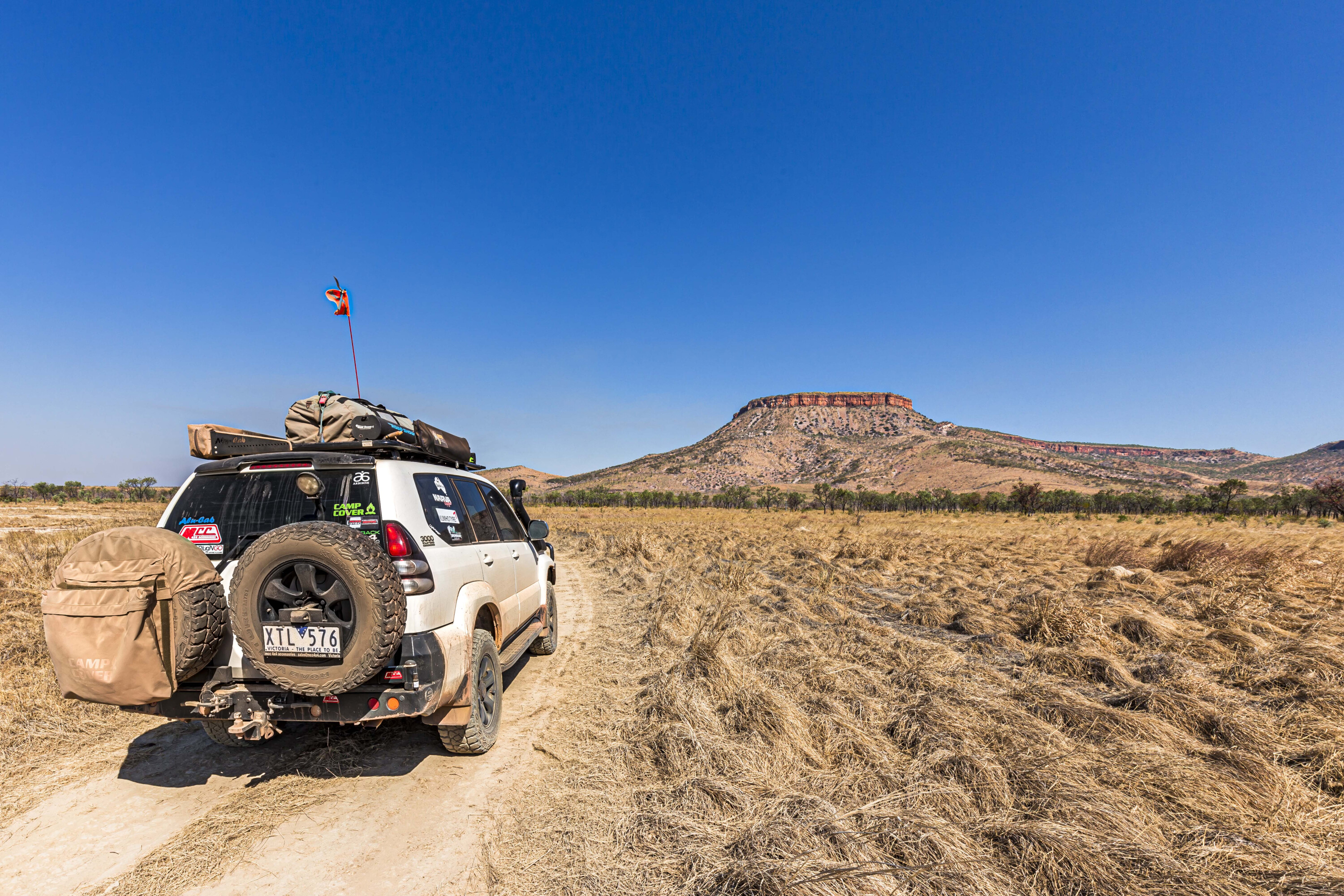
An RVSS aluminium drawer system with a top shelf and cargo barrier occupies the rear of the Prado, with an ORS fridge slide and a 44L MyCoolman fridge.
A hidden 12v water pump is plumbed to the 40L BOAB water tank that sits in the rear footwell and there’s a tap on the front of the drawers.
A Projecta PM300-BT system controls 12v power and accessories and includes a 25A DC-DC charger and 300W pure-sine inverter from Projecta. My 100Ah Amptron lithium battery is housed in an MSA battery box. The rear seats have been removed and replaced with a false floor for improved storage options.
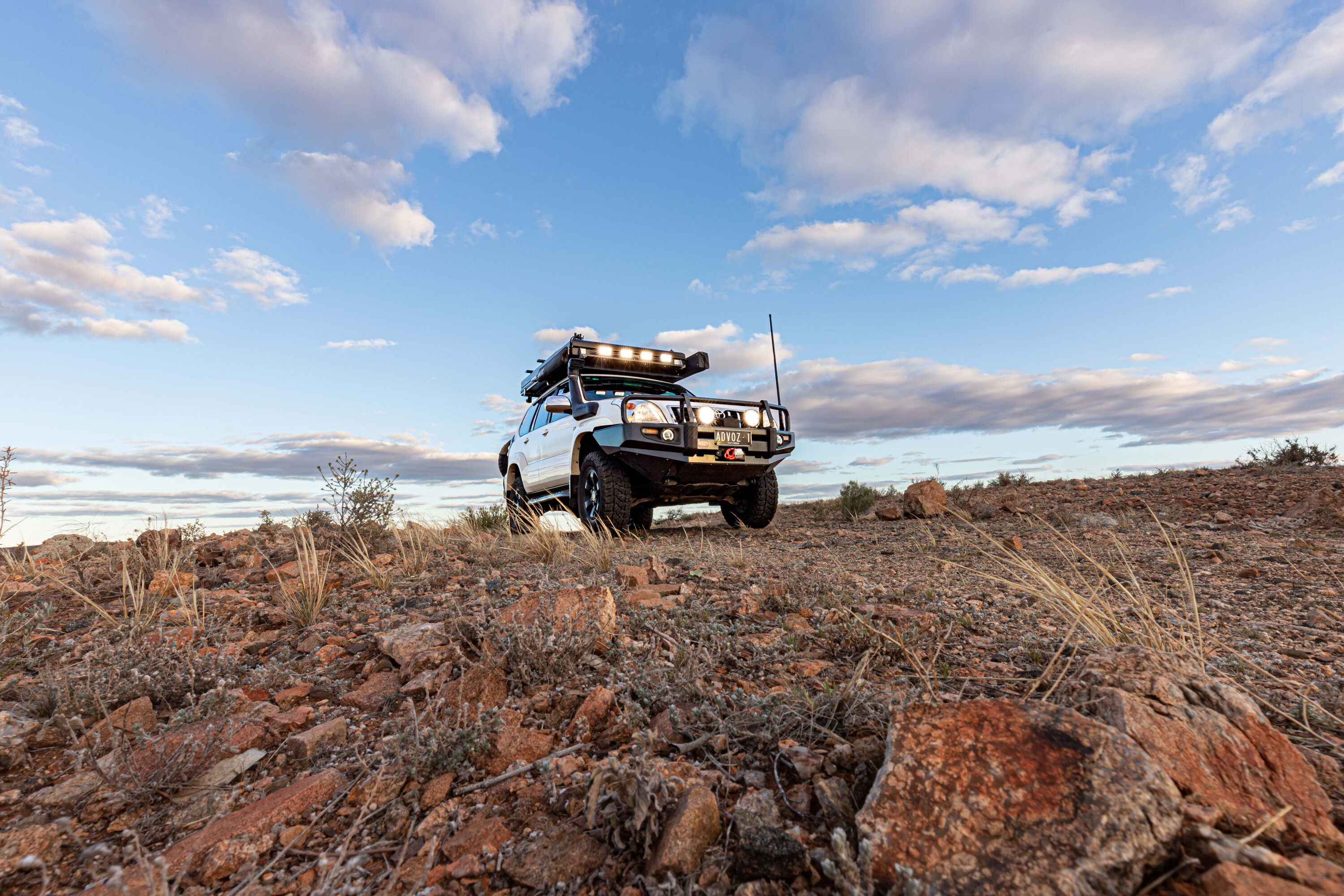
The driver’s seat is a Recaro Expert M that provides a much more comfortable driving position.
Navigation is via a Hema HX2, while a Uniden DashView 50R records everything. Navigator Gear seat buddies keep things tidy behind the front seats and the Dashboard Buddy and Visor Buddy provide additional storage.
Underneath the exhaust has been upgraded to a 3-inch Torqit Performance system, and the suspension consists of Ironman 4×4 Foam Cell Pros and Tough Dog Upper Control Arms. The lower control arms have also been replaced, as has the clutch (forced) and the rear diff (forced).
Kevin Smith: 1991 Toyota LandCruiser 80 Series
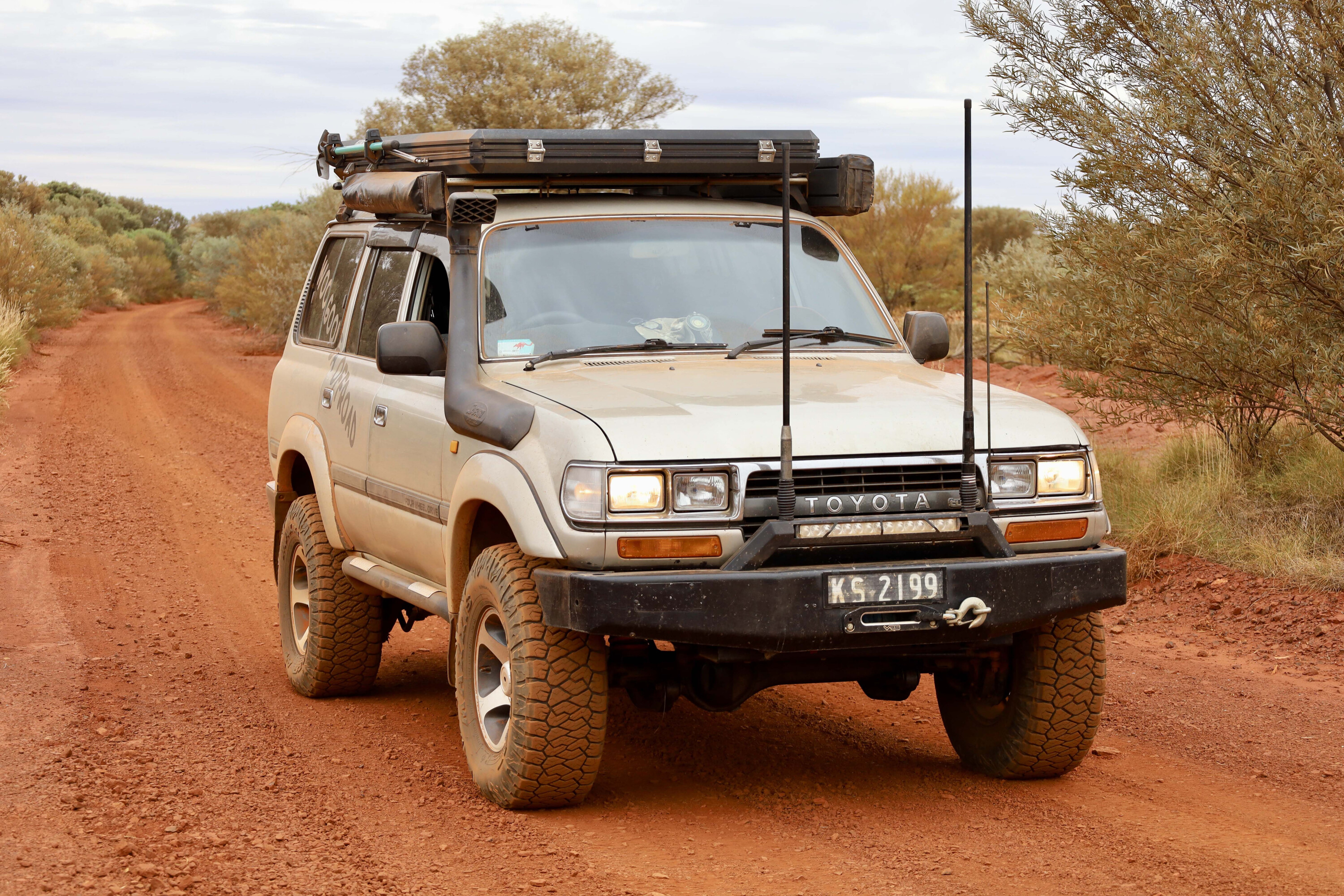
It must be around 15 years now that I have been shooting for 4×4 Australia magazine, seeking out some of the most amazing destinations that our country has to offer.
My loyal ride is a 1991 Toyota LandCruiser 80 series, and I have owned it for around 20 years. I just love the old-school retro trucks with their looks, simplicity and parts availability… no matter where I go.
Clocking just over 620,000km with its 1HD-T engine, I’ve had a great run from the old girl, and hopefully it will see a few more miles before it retires. The 80 is comfy doing the touring tracks and across deserts. I’ve just come back from nearly a year travelling extensively in WA, hitting a lot of the iconic tracks, both remote ones and tourist trails.
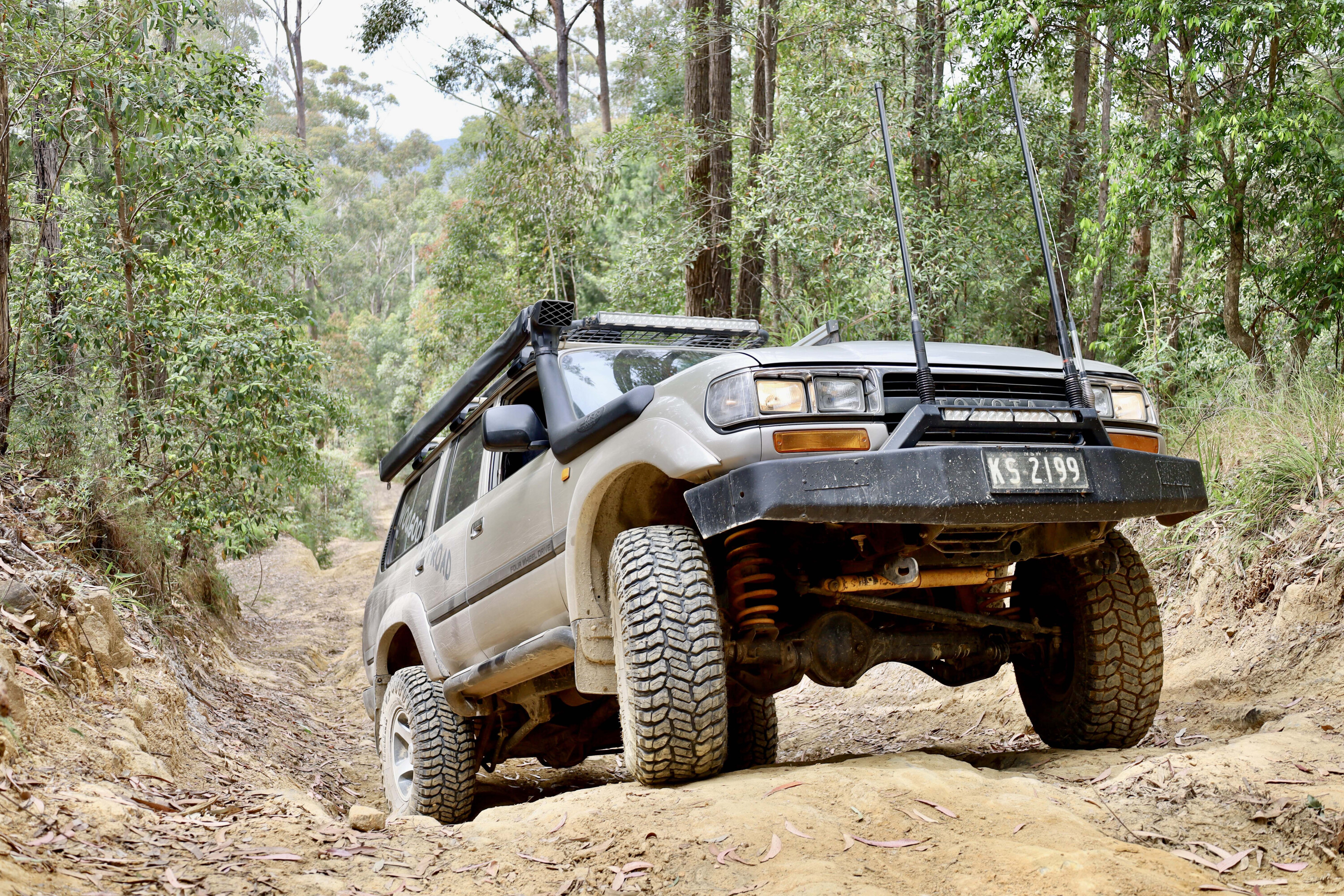
Point the old girl down a hard-slog track and it certainly will give anything a crack, like the Creb, up and down the mountainous great dividing range, and so on.
With my extensive travelling and the vehicle’s simplicity, the build for its touring and offroad life has been kept simple for many years. Upgrades include the turbo and exhaust, dual-battery setup, modified front bar with a 9000lb winch, lightbar, and a simple drawer system in the back with fridge. There’s UHF and phone comms, and I always run decent A/T tyres and good quality suspension.
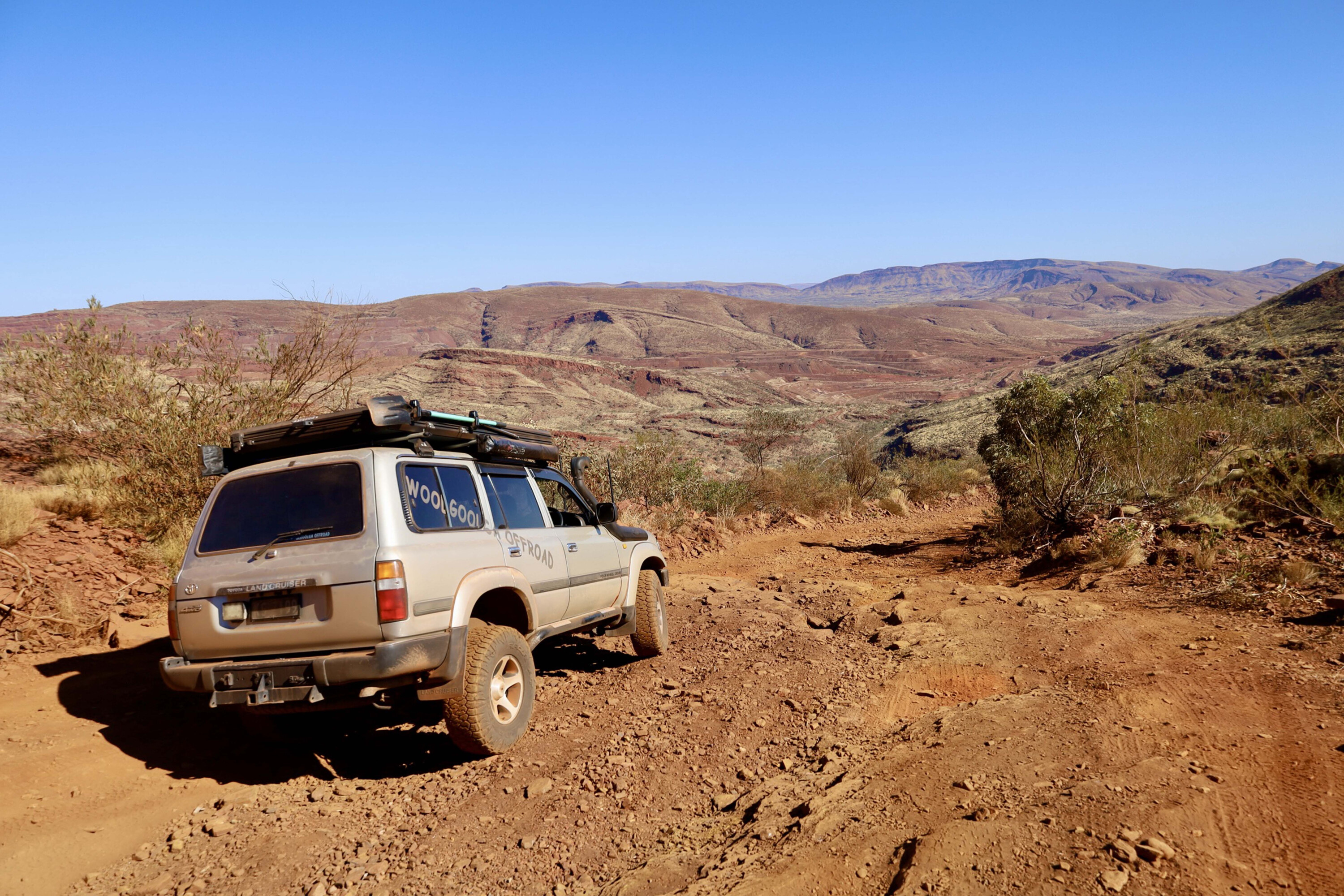
Since my return from WA, however, the 80 has gone through some bigger changes and scored a complete freshen-up.
It’s copped a full respray, sound deadening, new suspension, twin drawer fridges, a new electronic management system, a new 270° awning and shower tent, a tailgate storage setup, gullwing rear windows, pressurised 50-litre water tank with tap to supply water for the coffee pod machine (we all need one of these, right?), and a huge 3000W inverter.
My passion for the outdoors has led me all over Australia to some unique destinations and every corner of our land. So the question is, have I got a favourite place? Well, I love the remoteness, isolation and raw beauty across the Top End, the Cape and into the Kimberley, but then I love the challenging 4×4 tracks of the eastern seaboard, and then there’s the beauty of Tassie, WA and the bottom of SA. I really can’t name a one-time favourite place; I see the good in all the places I venture to.
Brad Miskiewicz: 2006 Toyota HiLux N70
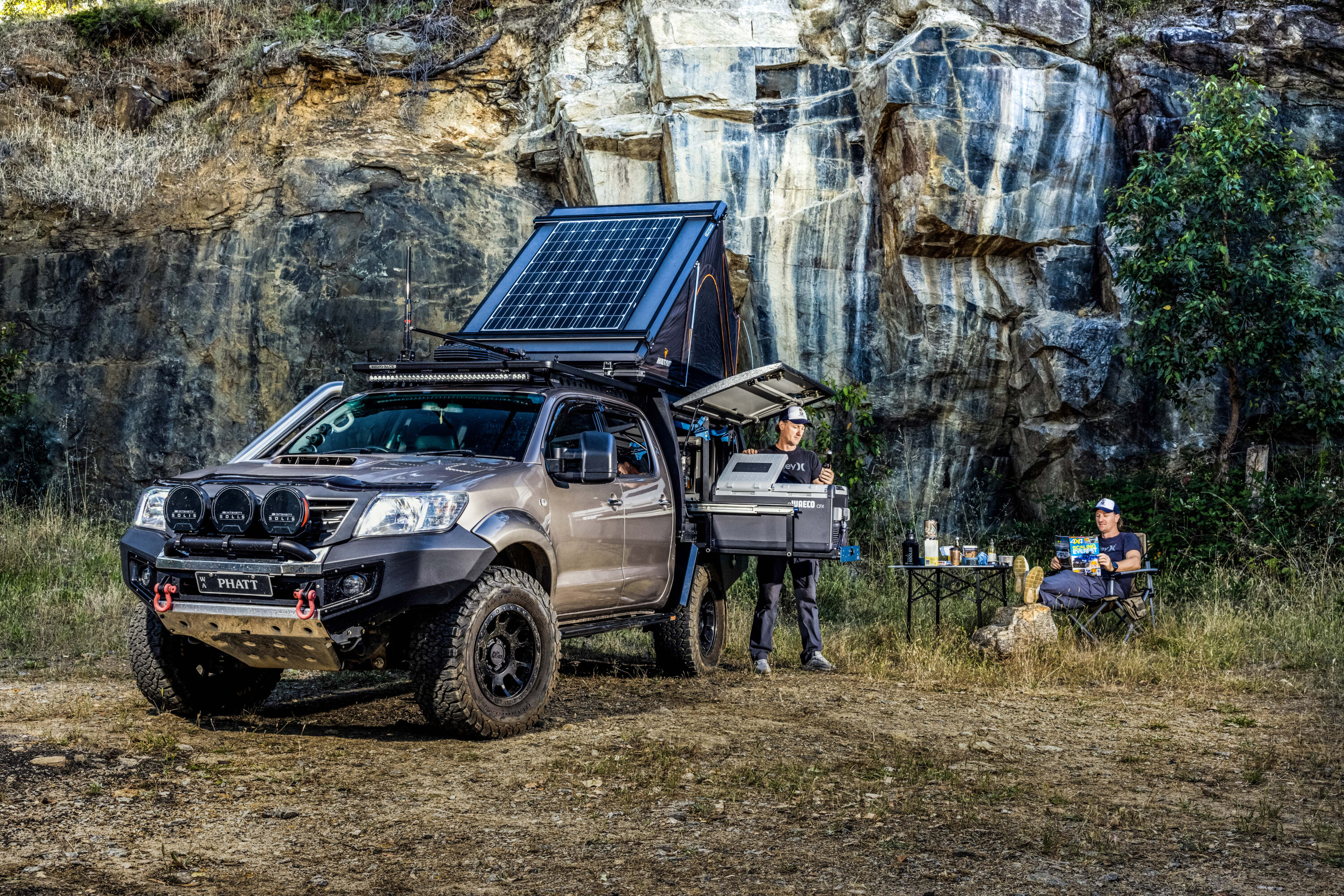
It’s no surprise to find out that one of the most popular choices for an everyday 4×4 is the humble HiLux.
The extra tech piled into the more recent N80 iteration has been impressive, but when it comes to something that can be worked on in your own driveway with relatively simple tools, the N70 is definitely the way to go.
After buying it in 2019, I carried out the usual upgrades like bigger wheels and tyres, better suspension, bar work and comms gear. Having been on multiple photoshoots all over Western Australia, and seeing plenty of modified 4X4s, puts me in the unique position of seeing what works and what doesn’t.
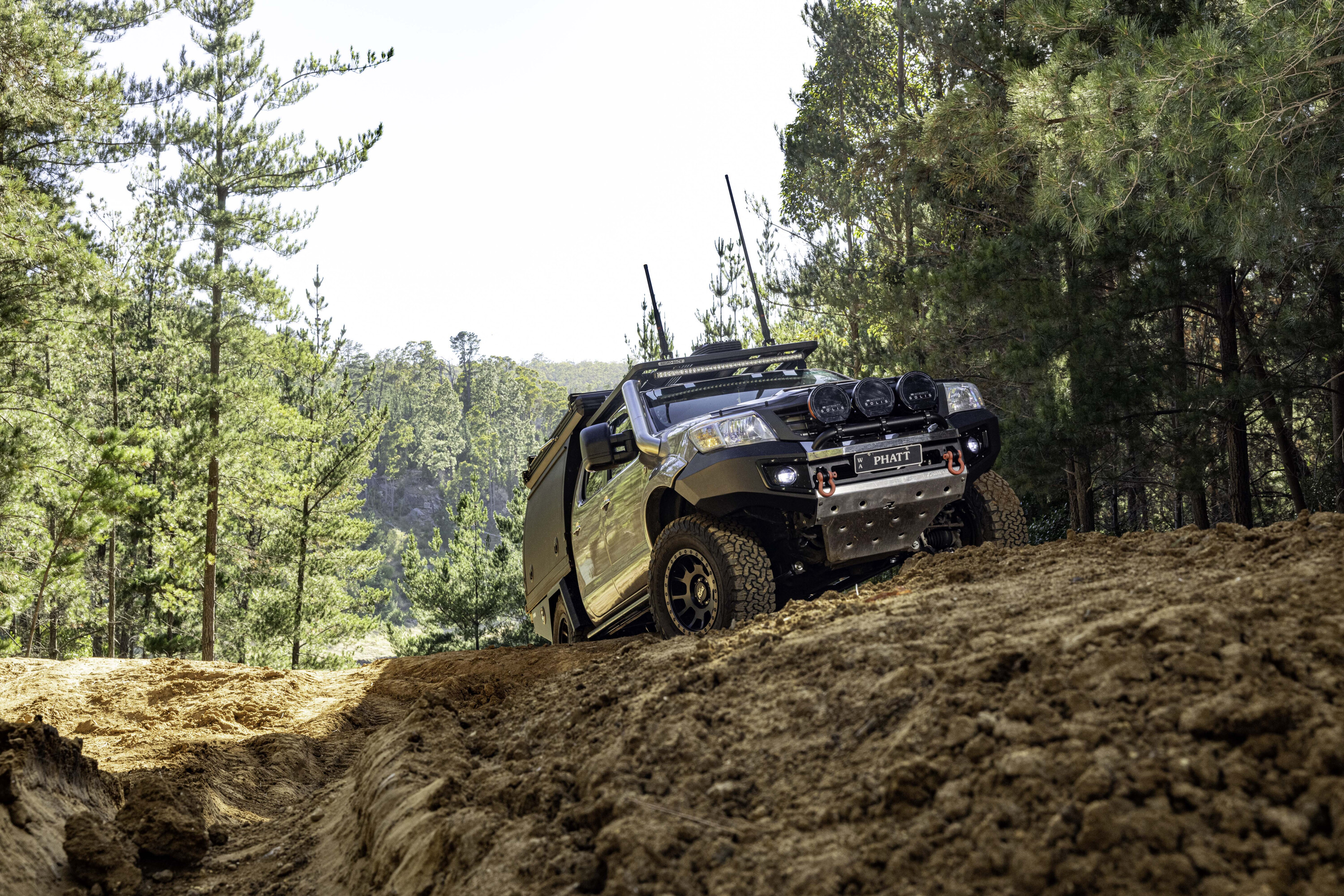
But that doesn’t mean mistakes haven’t been made with my HiLux, like selling the full aluminium canopy just before prices went bonkers.
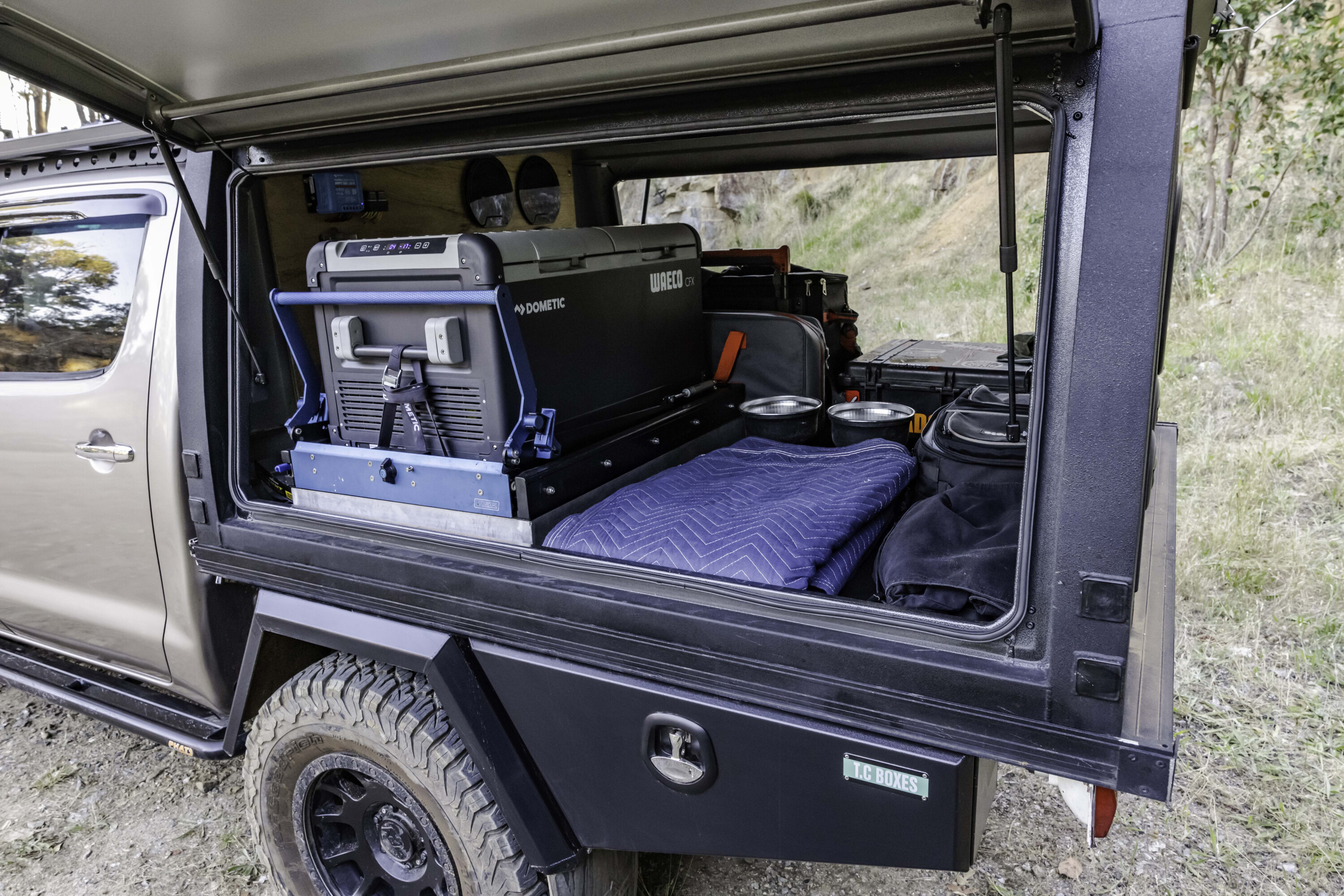
Hopefully it’ll run one again someday, but for the time being the tub with its Marketplace fibreglass topper and self-made drawers is doing the job.
This much-messed-with HiLux has been treated like it was made of Lego with parts being changed out constantly. In fact, selling the old parts has made the exchanges easier to achieve. Starting out as a no-frills manual 2006 Workmate, it’s now pretty much a 2014 Facelifted SR with a five-speed automatic conversion, and 2014-model electronics, interior, dash, safety systems and diffs.
The latest modification is a front brake upgrade to 120 Prado rotors and calipers as featured in the February 2024 issue of 4X4 Australia.
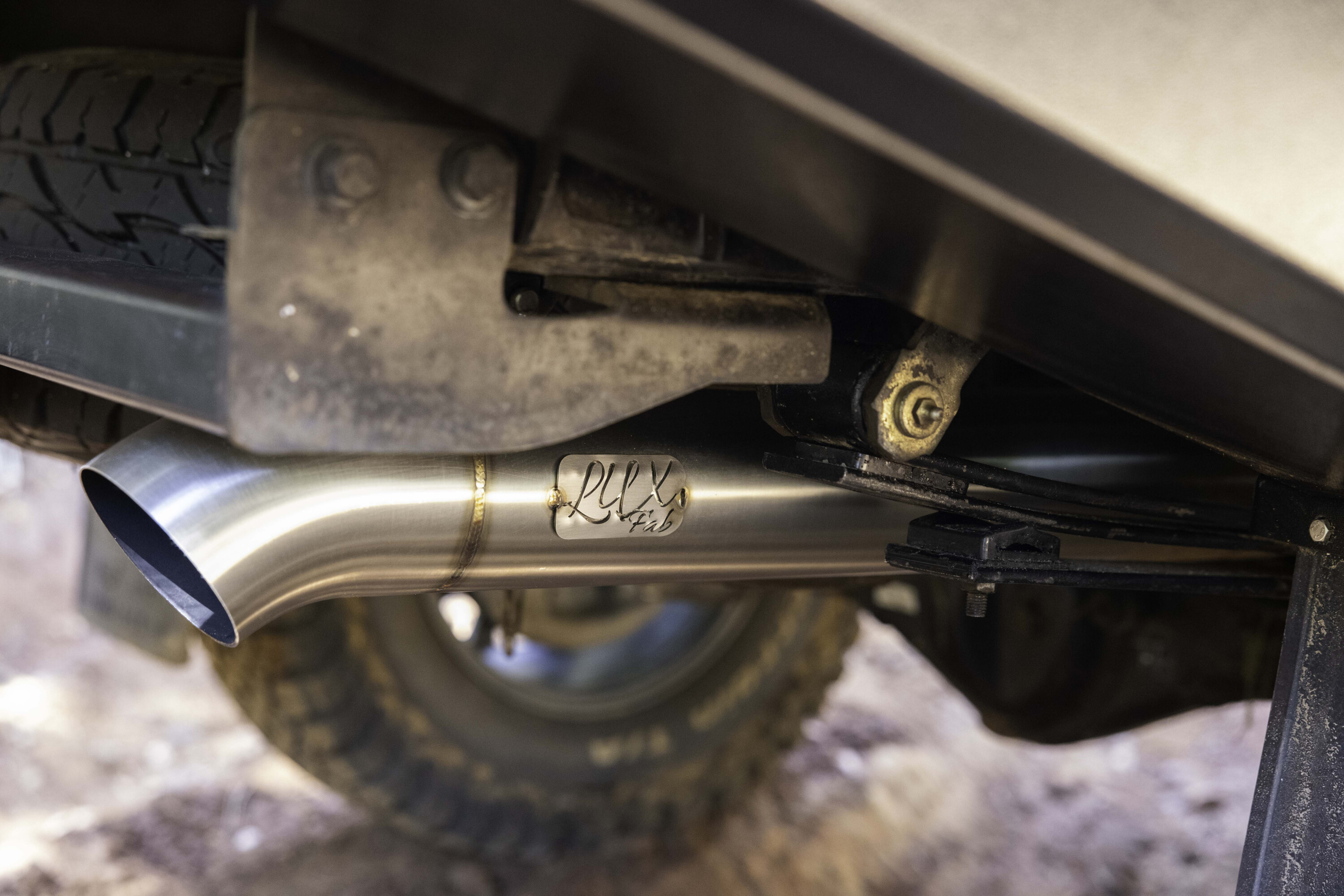
The 1KD-FTV has close to 280,000km on it so far, with ancillaries like injectors, an AC compressor and an alternator thrown at it, but next up is a tune to make the most of the Lux Fab 4-inch exhaust and PDF intercooler, with a tweak or two to the auto while we’re at it.
While heading south is always welcome for the beaches and the forests, the best trip in recent memory in the HiLux was to the beaches of Broome in WA’s far northwest, before coming back through the spectacular Karijini. Cyclone Ilsa had just come through the area with some creeks becoming raging torrents, but the roads were quiet and the temperature pleasant in the high 20s.
After mornings spent swimming gorges and exploring, we’d lower the tailgate and cook up a feed under the shade of the paperbarks – beaches and gorges, what a blast.
While the HiLux is a fantastic 4×4 that is super capable with everything that’s been thrown at it, there’s a project in the shed nearing completion that satisfies my affliction for imperfect 1980s 4x4s: a 1985 Land Rover County 110 that now rocks a choppy 6.0L LS V8 complete with 6L80E six-speed auto, all monitored through a customised Powertune Digital Display Dash.
The County also has airbag suspension with height and pressure monitoring, and 35-inch beadlocks custom machined for the perfect offset. If you’re a Landy fan you can follow along on Instagram @_only_lands_ [↗️].
Chris Collard: 2002 Toyota Tacoma TRD
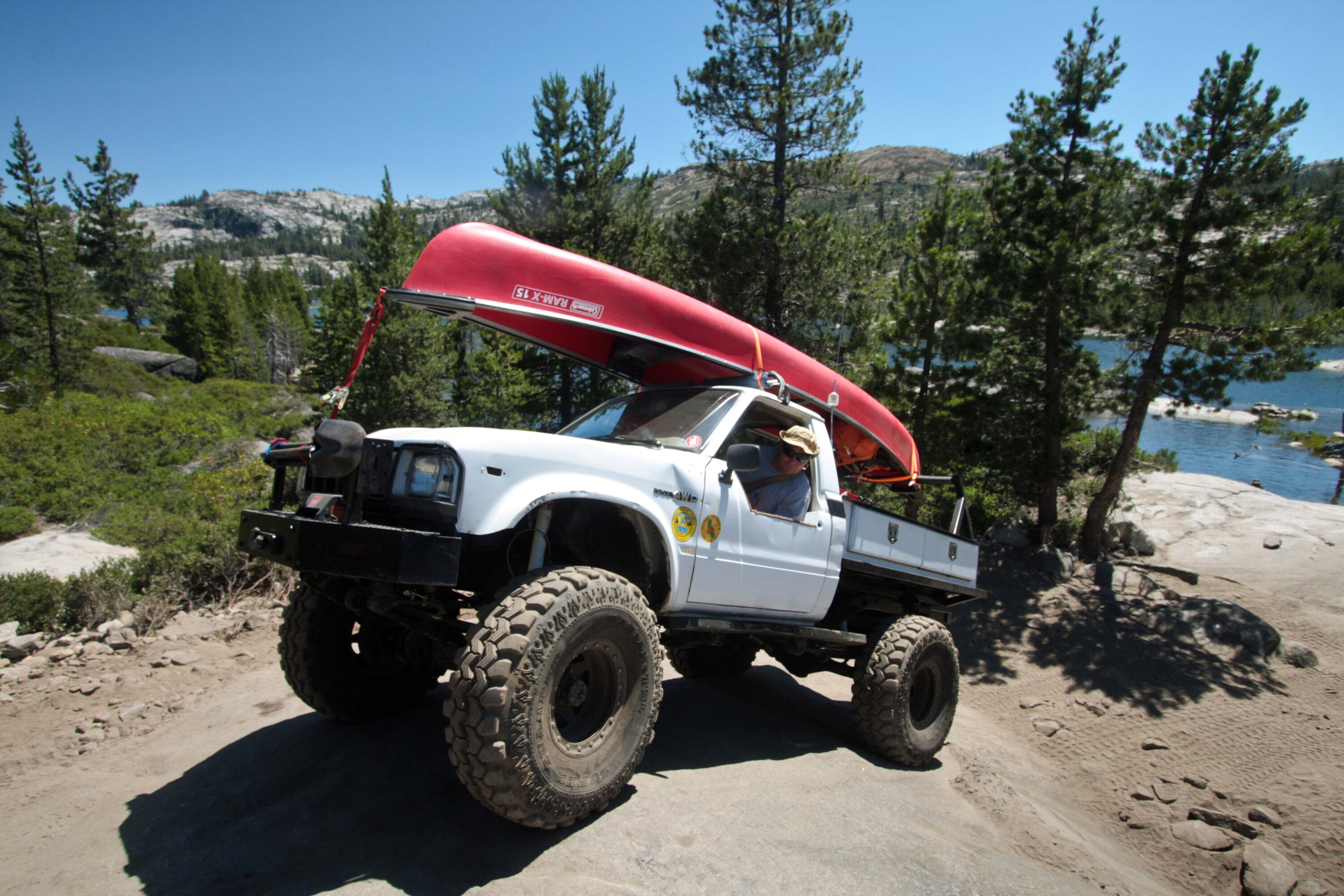
The motivation that drives us to buy a new 4×4 can come in many forms. For me, at least in the case of my Tacoma, it struck while I was replacing the head gasket on my beloved ’82 HiLux amidst a Baja dust storm.
My buddies, both driving Tacomas, looked so comfortable in their newfangled trucks. But move to the IFS/EFI air-conditioned dark side? A blown U-joint and broken leaf spring later, I considered blasphemy as I limped my old friend back to the US border.
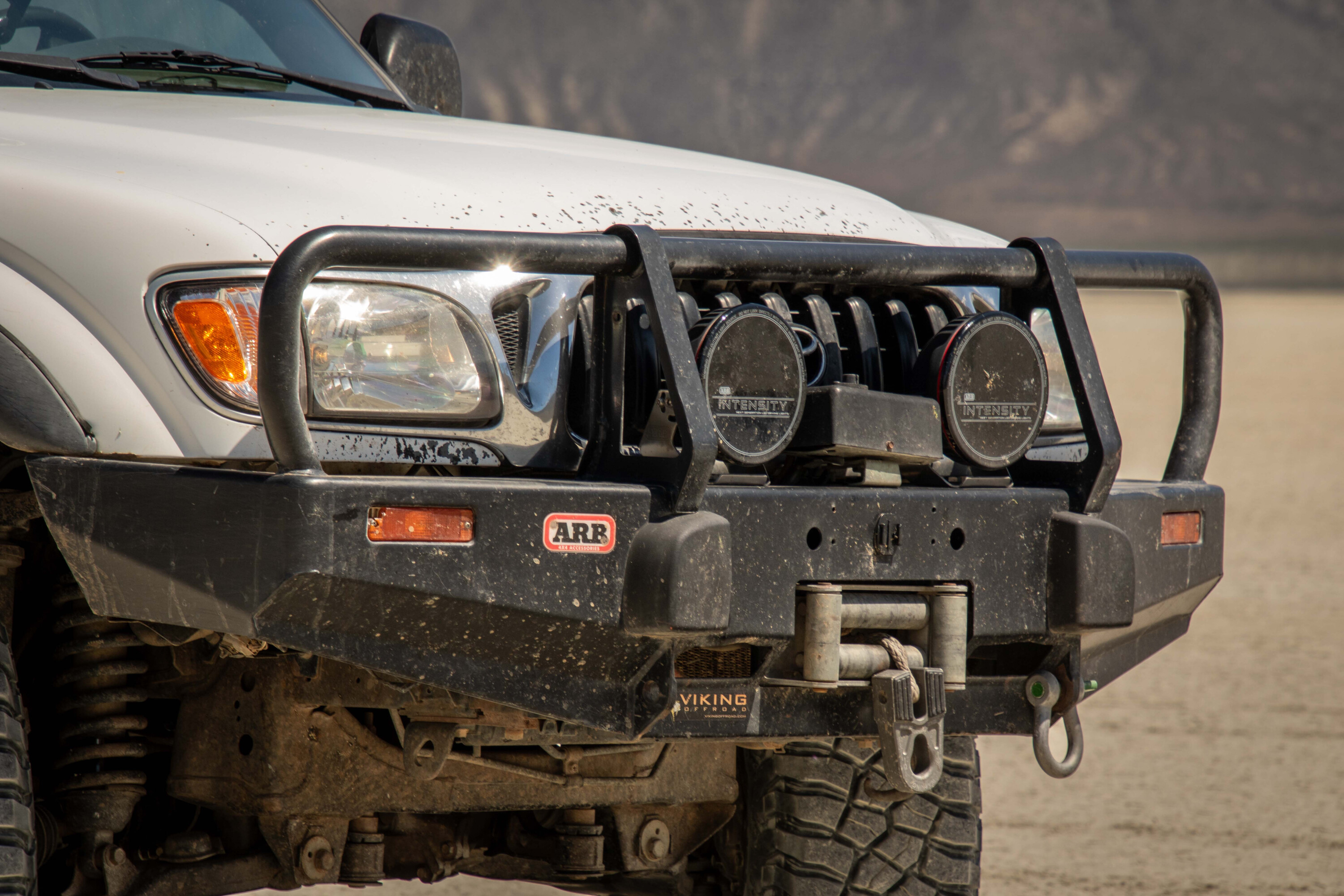
In 2004 I purchased this ’02 Tacoma TRD with 27,000km on the ticker. It would be my primary backcountry rig, and because I often travel solo, all modifications would require a 100 percent reliability factor. I started with an All-Pro rear bumper, ARB bull bar fitted with a Warn winch and IPF Lights (now ARB AR21s).
It has had various tyres and suspensions, but my ‘keeper’ setup is Icon Vehicle Dynamics’ CDC coil-overs, custom Deaver rear springs, and BFGoodrich KO2s on Mickey Thompson wheels.
It came with a Leer canopy, but I occasionally run my canvas Bestop SuperTop. I’ve slept in ground tents all my life, but have spent more than a year living in rooftop chalets. I have two, an AutoHome hard shell and Tepui fold-out; each fills a different need.
While many pump up their mill’s horsepower, I didn’t want to compromise Toyota’s unmatched reliability, and the drivetrain is bone stock – save a Safari Snorkel air intake.
Instead, I selected accessories for their utility: a Premier Power Welder, ARB compressor, dual Odyssey Extreme batteries, and 2000W inverter start the list. Recovery gear is a mix of ARB, Factor55, Bubba Rope, MaxTrax, and of course a Hi-Lift jack.
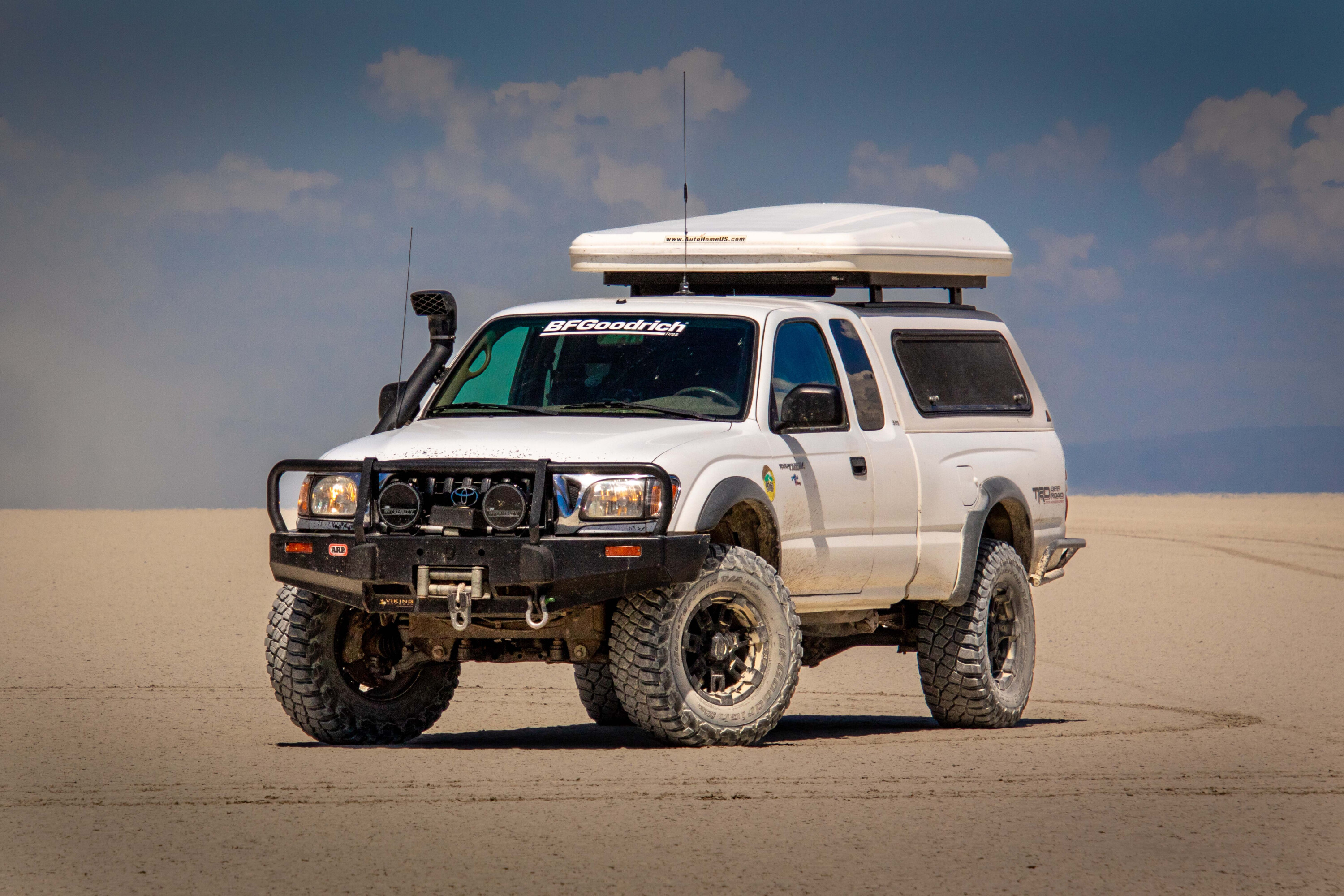
An ARB Fridge sits behind the driver’s seat and out the back is a home-built 80s-style carpet kit. My previous publisher called it “white trash”, but it’s been extremely durable and provides incredible storage.
You’ve seen my now-old Baja Taco in Mexico’s Sonora Desert, on America’s emigrant trails, and 4×4 Australia Editor Matt Raudonikis helped me pilot it down the Baja peninsula chasing the NORRA Mexican 1000. If you asked what I love about it… everything! I trust it.
The odometer now reads 500,000, and I’d take no issue in heading back to Baja or South America tomorrow. As for my old HiLux (643,000km), it awaits spring thaw and summer runs on the Rubicon, Fordyce and Dusy-Ershim trails.
Dan Grec: 2021 Jeep Gladiator Rubicon
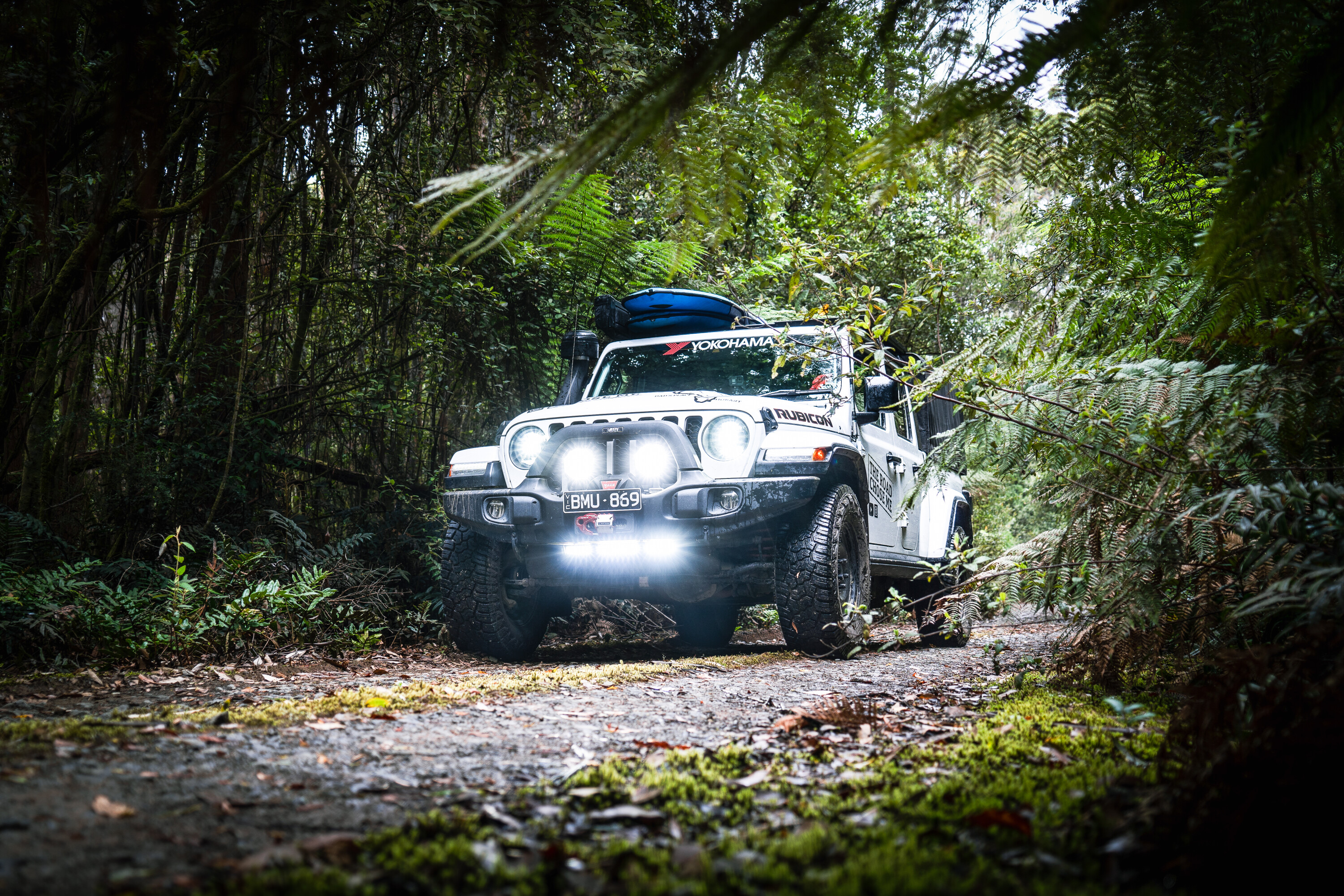
A Jeep is not everyone’s first choice to explore and document the wild and remote corners of Australia, which is exactly why I chose it.
I’ve never been one to follow the crowd, and after quitting my engineering job to explore Africa and the Pan-American Highway from Alaska to Argentina, there’s no reason to start now.
I started with a fully loaded 2021 Gladiator Rubicon, which comes from the factory with front and rear lockers, electronic sway bar disconnect, 4.1 axle ratios and a very low 4.0:1 low range, giving a stupidly low crawl ratio of 77.2:1.
With the addition of 33-inch all-terrain Yokohama Geolandar tyres and a 50mm lift from AEV, the oversize Jeep is a flex and crawling weapon, easily walking up everything the Old Tele Track could throw in it’s way without lifting a single tyre.
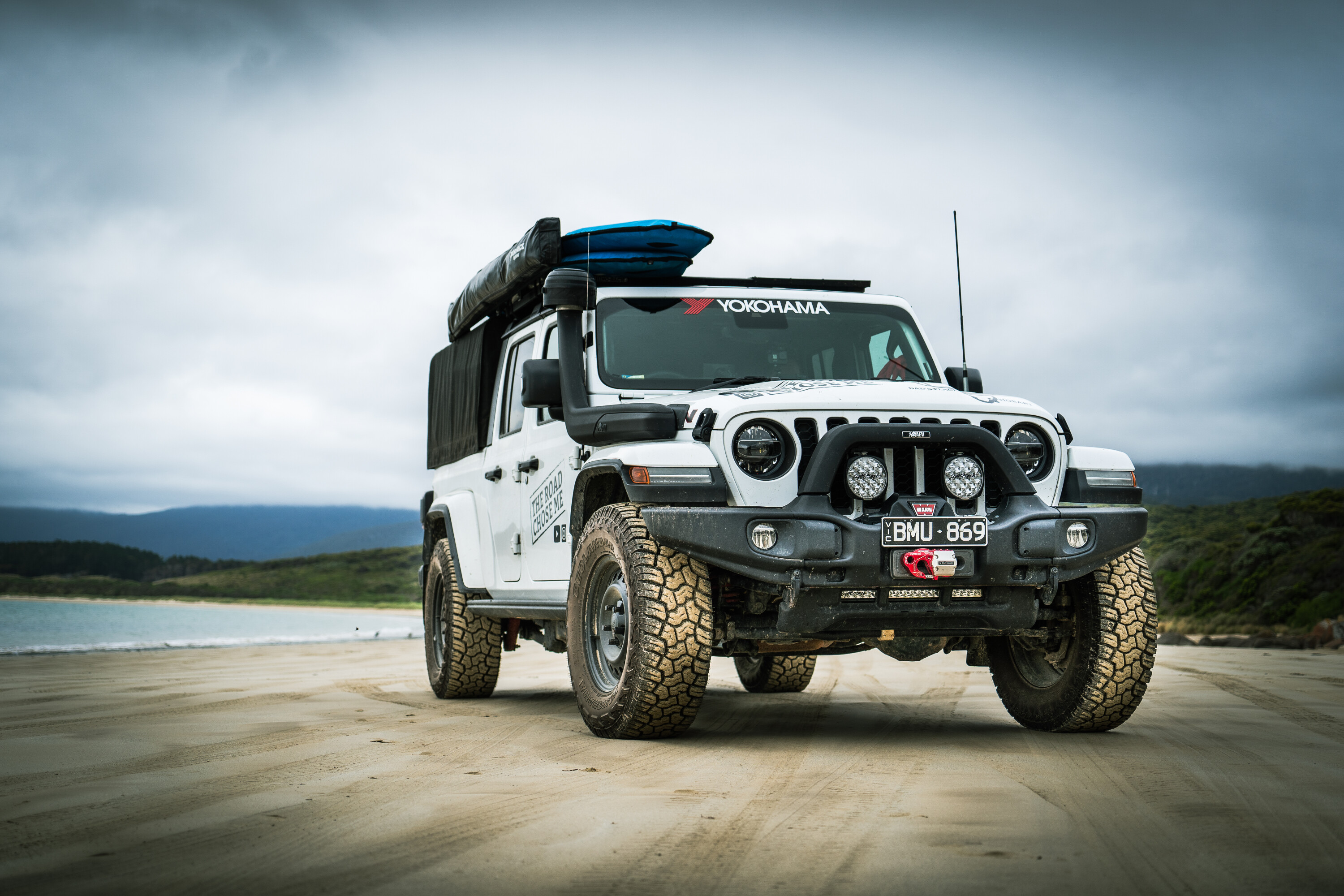
To enjoy long stretches out in the Simpson, Cape York and remote WA, a large kitchen drawer, fridge and storage drawers were added to the bed, all powered by solar and a Lithium battery from Renogy Solar.
A 55L drinking water tank with pump and filter added some luxury in the form of roadside showers, and a Long Ranger fuel tank added sorely needed range. An extremely tough stamped boron steel front bar and skid plate from AEV protect the radiator from chance meetings with skippy, and a pair of LED driving lights from Lightforce help me spot him as early as possible.
Up top a Rhino-Rack platform lets me bring surfboards, mount the solar panel and it provides a nice high mounting point for the sand flag.
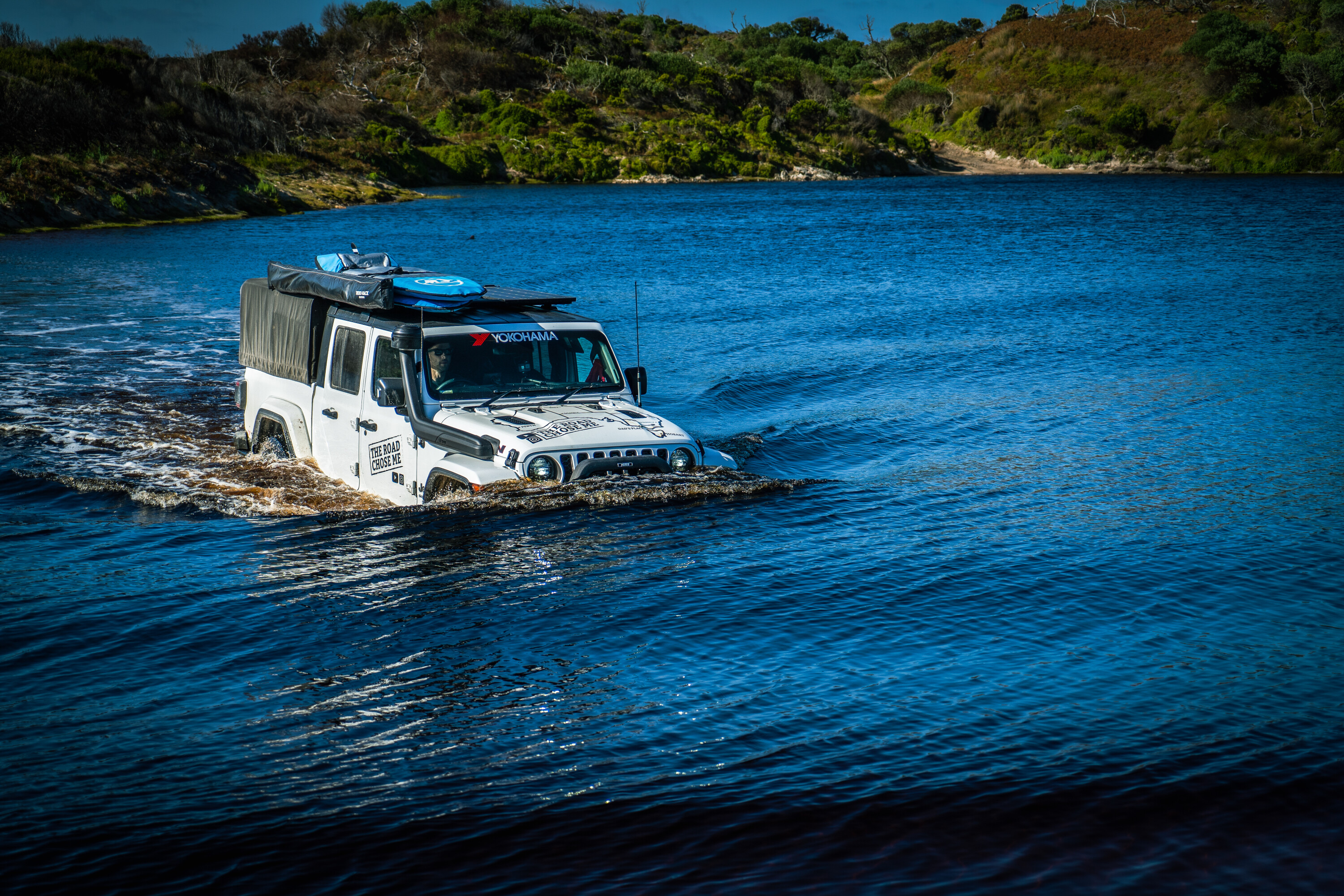
Part of the backseat was replaced with a lockable storage box fully wired up to keep all my camera gear and drone safe and continuously charged.
The Gladiator has taken me all over Australia to everywhere I dreamed of exploring, and I can easily say the most out there adventure was 1600km on the Canning Stock Route without once seeing another vehicle or person on the track. The scorching sun and a tropical thunderstorm tested both man and machine, and I’m happy to say we came through to the other side unscathed.
After 57,250km around Australia, and 18 months shooting for 4X4 Australia, the Gladiator has proved flawless and continues to put a smile on my face.
Want to stay updated on the Gladiator? You can follow along on YouTube and Instagram @TheRoadChoseMe [↗️].