News
Gallery 1
The next few years are shaping up to be huge for Australia’s 4×4 market, with a stack of new models set to hit local showrooms.
Traditional diesel-powered utes and wagons will be joined by an expanding range of plug-in hybrids and EVs, as manufacturers look to combine improved efficiency with the capability Australian buyers demand. From workhorse utes and family-friendly adventure wagons to more specialised off-roaders, the latest arrivals will bring new technology, updated platforms and fresh competition to one of the country’s most fiercely contested vehicle segments.
We’ve rounded up the new and updated 4x4s confirmed or expected to arrive in Australia, including models that are set to challenge the established favourites and broaden the options available to touring, towing and off-road enthusiasts.
JUMP AHEAD
- LDV eTerron9
- JAC Hunter PHEV
- BYD Yangwang U8
- Nissan Y63 Patrol
- Chery Stockman
- KGM Musso
- Ram TRX
- Tank 300 update
- Ford Ranger Super Duty XLT update
- Mitsubishi Pajero
- Ford Ranger PHEV update
- Chery-Land Rover Freelander 8
- Nissan Frontier Pro PHEV
- VW Amarok W600
- Chevrolet Silverado EV
- Rivian R1T
- Riddara RD6
- Isuzu D-MAX EV
- JAC T9 EV
- Ford F-150 Lightning EREV
- Mahindra Pik-Up
- GWM Cannon Alpha (3.0L diesel)
- GWM Tank 500 (3.0L diesel)
- GWM Cannon Hi4-T PHEV
LDV eTerron 9: TBC
The all-electric eTerron 9 is expected to launch in Australia, while the turbo-diesel Terron 9 is already available locally.
The eTerron 9 is expected to offer either a single 200kW rear motor or a dual-motor setup producing a combined 325kW. The Terron 9 is powered by a 2.5‑litre turbo-diesel engine delivering 163.5kW.
Both models are said to share identical dimensions: 5500mm long, 1997mm wide, 1860mm high, with a 3300mm wheelbase. Ground clearance is 230mm for the electric variant and 220 mm for the diesel, and both can tow 3500 kg braked and 750kg unbraked. Release dates and pricing for the eTerron 9 are yet to be confirmed.
JAC Hunter PHEV: August 2026
JAC has confirmed Australian pricing for its Hunter PHEV ute, with the range set to arrive in August 2026 from $49,988 plus on-road costs. Available in two variants, the Hunter Pro is priced from $49,988, while the higher-spec Hunter X starts at $54,844.
Ahead of launch, JAC says the Hunter has completed more than 100,000km of Australian testing, including towing, load carrying, hot-weather evaluation, and on- and off-road testing. The plug-in hybrid system combines a 2.0-litre turbo-petrol engine with front and rear electric motors, producing claimed outputs of 360kW and 1010Nm. JAC quotes a 1.6L/100km combined fuel consumption figure (NEDC), a 1005km combined driving range, and up to 100km of EV-only range. Both variants feature a 915kg payload and 3500kg braked towing capacity.
The Hunter X adds features over the Pro including front and rear differential locks, black exterior styling upgrades, heated front seats, a powered passenger seat, 360-degree camera, front parking sensors, power-folding mirrors, roof rails, rear privacy glass, puddle lamps and a rear 220V outlet. Optional extras include a front and rear differential lock package for the Hunter Pro ($1888) and a power sunroof for the Hunter X ($1500).
BYD Yangwang U8: Unconfirmed
The luxury plug-in hybrid SUV from BYD’s premium Yangwang sub-brand is expected to launch in Australia, with RHD development said to be underway.
The U8 features a quad-motor setup delivering a combined output of up to 880kw, enabling exceptional off-road capabilities and performance. The U8 boasts a 37kWh battery, offering an electric-only range of more than 100km, and includes advanced features such as 360-degree tank turns, crab mode, and the ability to float on water, thanks to its IP68-rated waterproofing. Inside, the cabin is equipped with multiple screens, premium materials, and advanced infotainment systems.
Nissan Y63 Patrol: Late 2026/ Early 2027
The all-new Y63 Nissan Patrol is expected to arrive in Australia in late 2026, with right-hand-drive production set to commence earlier in the year.
The V8 will be gone, but the upcoming Y63 Nissan Patrol won’t be lacking in power. It will feature two V6 engine options: a 3.5-litre twin-turbo V6 producing 425hp (317kW) and 700Nm, and a naturally aspirated 3.8-litre V6 making 236kW and 386Nm. While it won’t have V8 muscle, the Y63 will become the most powerful factory Patrol ever offered. Early pricing estimates put the Patrol at about $90,000.
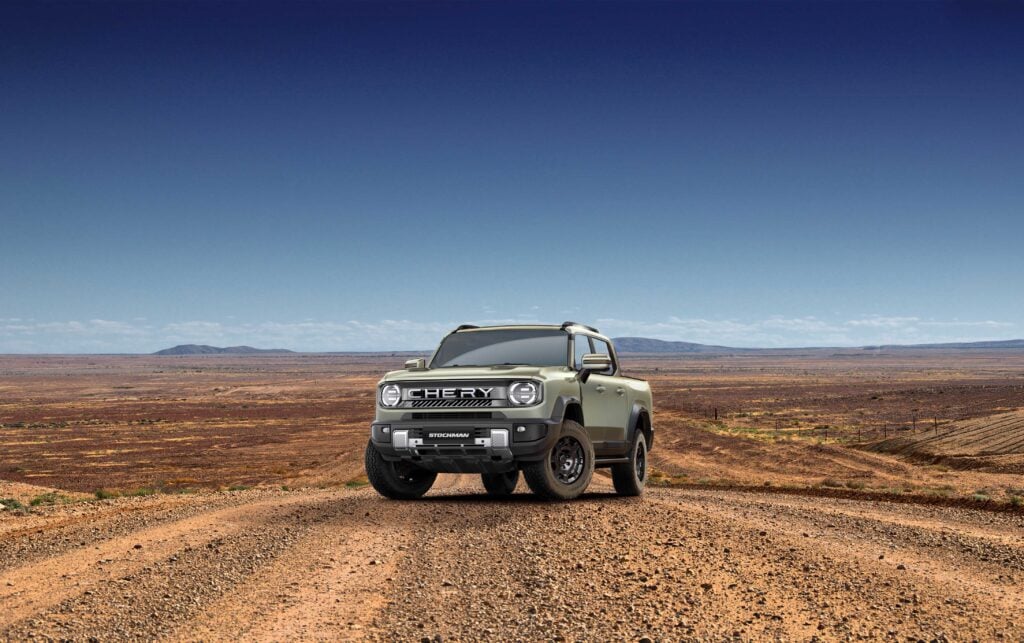
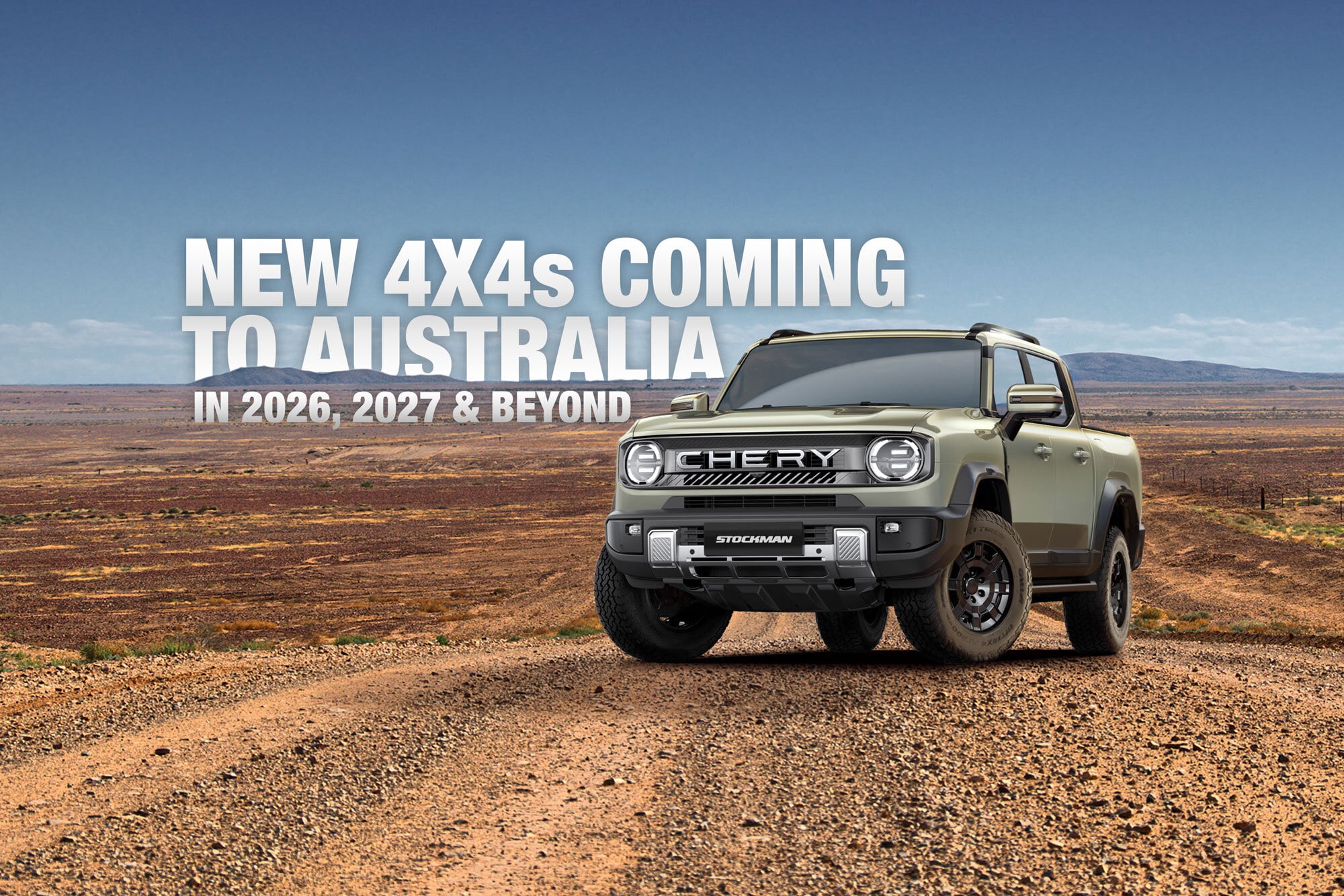
Chery Stockman: Q4, 2026
The Chery Stockman plug-in hybrid ute is due to arrive in Australia in the fourth quarter of 2026, launching with a 2.5-litre turbo-diesel PHEV powertrain producing a claimed 350kW and 800Nm. It will offer up to 100km of electric-only range (NEDC) and claimed fuel consumption of 2.0L/100km.
The Stockman will feature a 3500kg braked towing capacity, 750kg unbraked towing, and off-road equipment including four-wheel drive, all-terrain tyres, triple differential locks, crawl control and tight-turn assist. Ground clearance is rated at 247mm.
Measuring 5450mm long, 2010mm wide and 1890mm tall, the Stockman has a 3250mm wheelbase and a 1560mm x 1560mm cargo tub. It uses double wishbone front suspension and leaf springs at the rear, with locally tuned suspension and driver assistance systems planned for Australian models.
Interior features include leather upholstery, heated and ventilated front seats, wireless charging, dual-zone climate control and premium audio. A petrol-powered variant will join the lineup in 2027, with Australian pricing, model grades and final specifications to be confirmed closer to launch.
2026 KGM Musso: Q3, 2026
The 2026 KGM Musso range is set to arrive in Australia as an updated version of the brand’s long-running dual-cab ute. The line-up is expected to include multiple grades, with revised styling, upgraded interior technology and a broader equipment spread across entry, mid-range and flagship variants.
Power is expected to continue to come from a 2.2-litre turbo-diesel engine producing around 133kW and up to 441Nm, paired with a six-speed automatic transmission and part-time 4×4 system with low-range gearing. Capability remains a focus, with a 3500kg braked towing capacity, competitive payload figures and a ladder-frame chassis suited to both trade and touring applications.
Equipment updates include a larger digital display setup, improved infotainment with smartphone integration and expanded driver assistance technology, while higher-spec variants will add further comfort features.
Ram TRX: TBC
Ram Trucks Australia is exploring the possibility of bringing back the high-performance Ram 1500 TRX to local showrooms following its relaunch in the USA.
While not yet confirmed, the Australian distributor says it is working through the details, including the engineering and remanufacturing requirements needed for local conversion.
The latest TRX returns with a supercharged Hemi V8 producing 777hp (579kW), along with upgraded off-road hardware including Bilstein dampers and oversized wheels and tyres. However, pricing is expected to remain high, with the model previously selling in Australia for around double its US$100,000 home-market price.
Tank 300 update: TBC
The updated GWM Tank 300 has been revealed with exterior, chassis and powertrain changes previewed.
The refreshed model gains a redesigned front end with large ‘TANK’ lettering, a revised bumper with more prominent recovery points, and updated A-pillar trim with additional mounting points for accessories. The updated Tank 300 is reported to be larger than the current model, measuring 4886mm long, 1984mm wide and 1927mm tall, with a 3010mm wheelbase. Chassis revisions include a relocated front axle and shorter front overhang to improve approach angle and off-road capability.
Powertrain options are expected to expand with the addition of a new Hi4-Z plug-in hybrid system, featuring a 60kWh battery and up to 200km of electric driving range. Existing petrol, diesel and Hi4-T hybrid options are expected to continue, with Australian timing and specifications yet to be confirmed.
Ford Ranger Super Duty XLT update: 2027
Ford is expanding the Ranger Super Duty XLT line-up with new Single Cab Chassis and Super Cab Chassis variants as part of the MY27 update.
Priced from $88,990 before on-road costs for the Single Cab Chassis and $92,490 before on-road costs for the Super Cab Chassis, both sit above their standard Super Duty equivalents and are sold without a tray.
The new variants retain the same 3.0-litre turbo-diesel V6, producing 154kW and 600Nm, paired with a 10-speed automatic transmission and full-time 4WD. Capability remains unchanged, with 4500kg braked towing, 4500kg GVM and 8000kg GCM, while payload is rated at up to 1982kg for the Single Cab and 1885kg for the Super Cab.
Equipment mirrors the existing XLT, including leather-accented seats, heated and ventilated front seats, carpet flooring, all-weather mats and 18-inch alloy wheels, giving trade and fleet buyers a more premium option without moving to a dual-cab layout.
Mitsubishi Pajero: TBC
Mitsubishi has confirmed the Pajero nameplate will return, with an all-new model set to be unveiled in Japan in late 2026. The revived SUV marks the return of the iconic badge after overseas sales ended in 2021, with Australian run-out stock finishing in 2022.
The new-generation Pajero will be based on a ladder-frame platform derived from the Mitsubishi Triton, with bespoke suspension and body development targeting a balance of off-road ability and improved on-road refinement. It is expected to compete against the Toyota LandCruiser Prado, Ford Everest, Isuzu MU-X and Nissan Patrol.
Mitsubishi has yet to confirm Australian specifications or arrival timing, with the world premiere scheduled for Japan’s autumn 2026 period (September-November).
Ford Ranger PHEV update: Q3, 2026
Ford’s 2026 Ranger PHEV will arrive in Australia later this year with a three-grade lineup comprising XL, Sport and Wildtrak variants. Priced from $59,000 driveaway, the entry XL undercuts key rivals including the BYD Shark 6 once on-road costs are factored in.
All Ranger PHEV models use a 2.3-litre EcoBoost petrol engine paired with a 10-speed modular hybrid transmission, 75kW electric motor and 11.8kWh battery, producing a combined 207kW and 697Nm. A 3500kg braked towing capacity is standard across the range.
The XL includes features such as alloy wheels, a digital instrument cluster, 12-inch infotainment screen, dual-zone climate control, adaptive cruise control, steel underbody protection and a bedliner. The Sport adds upgraded styling, leather-accented trim, wireless charging, 360-degree camera and Pro Trailer Backup Assist, while the Wildtrak gains premium features including Matrix LED headlights, powered roller shutter, heated seats, ambient lighting and a Bang & Olufsen audio system.
Australian deliveries are scheduled for the third quarter of 2026, with full specifications to be confirmed closer to launch.
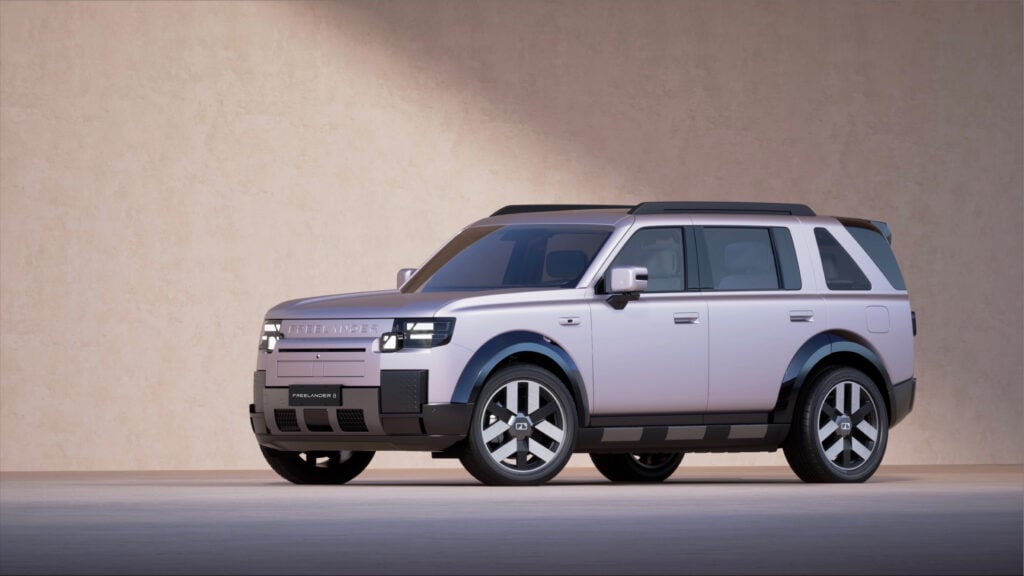
Chery-Land Rover Freelander 8: 2027
The Freelander 8, the first model from the revived Freelander brand created through a Chery and Jaguar Land Rover joint venture, has been detailed through Chinese regulatory filings. The large SUV will launch in China later this year, with right-hand-drive testing underway and an Australian arrival targeted around 2027.
Measuring more than 5.1m long with a 3040mm wheelbase, the Freelander 8 will be offered with electric, plug-in hybrid and range-extender powertrains based on an 800V architecture developed by Chery. The range-extender version uses a 1.5-litre petrol engine as a generator, with CATL battery technology supporting DC fast charging up to 350kW.
The SUV will feature premium hardware including twin-chamber air suspension, an electronic limited-slip differential, all-terrain drive modes, roof-mounted LiDAR and Huawei driver assistance technology. Inside, it will offer a six-seat 2-2-2 layout with a large dashboard display, secondary touchscreen and physical controls.
Nissan Frontier Pro PHEV: 2027
The Nissan Frontier has built a reputation for tough, no-nonsense 4×4 capability, and a plug-in hybrid variant is becoming increasingly likely as part of Nissan’s broader electrification strategy.
The Frontier Pro PHEV is expected to combine a 1.5-litre four-cylinder petrol engine with a transmission-mounted electric motor, delivering around 320kW and 800Nm. A 33kWh battery is claimed to provide up to 135km of electric-only range (CLTC), with fuel consumption rated at 6.9L/100km.
Utility remains a priority, with a 3500kg braked towing capacity allowing it to compete with diesel-powered rivals. Timing remains unconfirmed, although an early 2027 launch window is widely anticipated.
VW Amarok W600: Q3, 2026
The new Amarok W600 special edition will headline Volkswagen’s 2026 Amarok range, with the model developed in collaboration with Walkinshaw Automotive Group.
Positioned as the flagship of the MY26 lineup, the W600 will introduce Australian-engineered performance upgrades aimed at enhancing Amarok’s on- and off-road capability for local conditions.
Joining the W600 at the top of the range is the limited-run Amarok Dark Label V6, with 200 units available nationally. The special edition combines V6 performance with a black-themed styling package, including 20-inch matte black Bendigo wheels, black IQ.Light LED Matrix headlights, darkened taillights, black exterior trim, a spray-in tub liner, black tonneau cover and a bespoke Dark Label sticker pack. Pricing and arrival timing will be confirmed closer to launch.
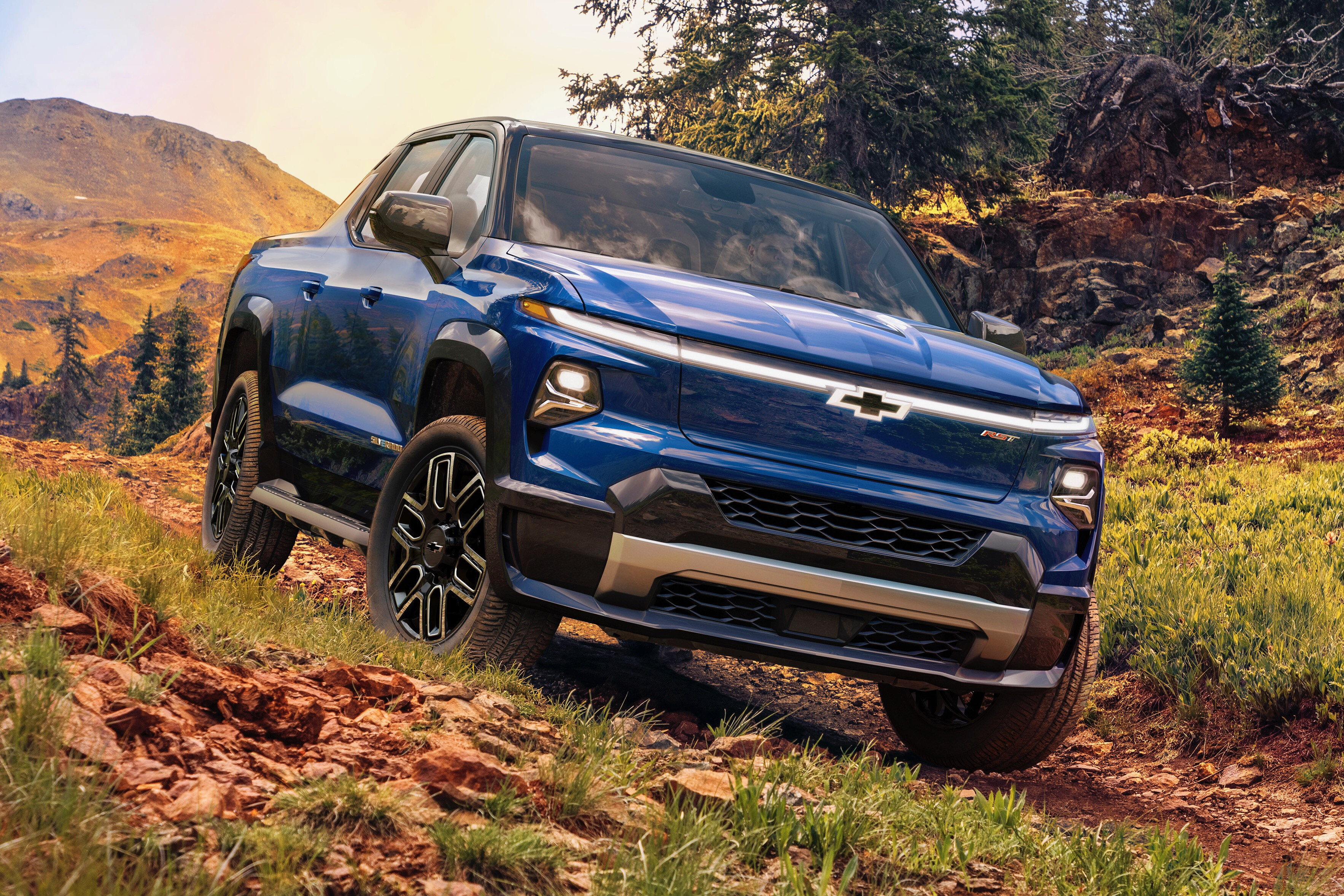
Chevrolet Silverado EV: TBC
The Chevrolet Silverado EV brings full-size American ute capability into the electric era, using GM’s Ultium platform with dual-motor all-wheel drive producing up to 541kW and 1051Nm in performance-focused variants.
Battery and variant choice determine its claimed driving range, with some versions capable of up to around 780km, while towing ability remains a key strength with a capacity of approximately 4500kg. The global lineup includes the work-focused Work Truck, retail-oriented RST/Max Range and off-road Trail Boss variants, with available features such as 350kW DC fast charging, adaptive air suspension, four-wheel steering, a configurable tailgate and Midgate, and onboard power export.
While the Silverado EV is not officially available through Australian dealerships, specialist importers including Autogroup International offer right-hand-drive conversions, allowing local buyers to access a full-size electric American ute.
1
Rivian R1T: TBC
The Rivian R1T is an electric mid-size ute sold overseas in dual-motor and quad-motor all-wheel-drive configurations, combining strong performance with off-road capability.
The quad-motor system features advanced torque vectoring, while adjustable air suspension can provide up to 381mm of ground clearance. Depending on the battery and motor configuration, acceleration from 0-97km/h is achieved in the low three-second range, with battery options including 105kWh, 135kWh and 149kWh units delivering 370-645km of range under WLTP/EPA testing. Interior features include a 12.3-inch digital instrument cluster, 15.6-inch touchscreen, multiple drive modes and practical storage solutions such as the Gear Tunnel.
The R1T is not officially available in Australia, with no right-hand-drive consumer model currently offered. A limited number of left-hand-drive vehicles have been imported for mining and industrial applications by WA-based MEVCO, while a test mule was spotted on Melbourne roads in late 2025. These vehicles are generally restricted to private sites and are not available for public road use.
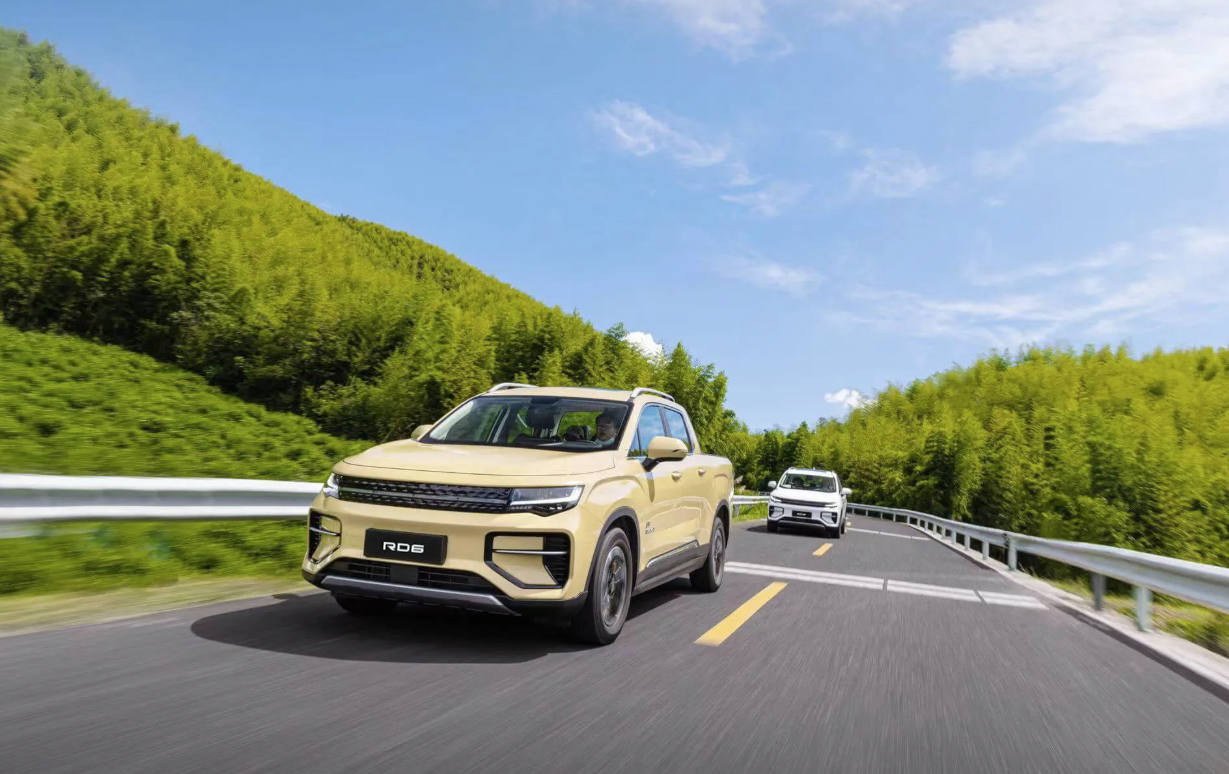
Riddara RD6: TBC
The Riddara RD6 is an all-electric dual-cab ute from Geely’s Radar brand that is expected to arrive in the Australian market.
Available in rear-wheel-drive and all-wheel-drive configurations, the RD6 produces between 200kW/384Nm and 315kW/594Nm, with claimed 0-100km/h acceleration times of around 7.3 seconds for the RWD model and 4.5 seconds for AWD variants. Battery options provide between 385km and 500km of range (CLTC), while AWD versions offer up to 3000kg of braked towing capacity.
The cabin features a 14.6-inch touchscreen, digital instrument cluster, dual-zone climate control and a practical layout aimed at both work and off-road applications. Right-hand-drive production has been confirmed, and following its launch in Thailand, an Australian introduction is possible in 2026. Pricing and full specifications are yet to be announced.
1
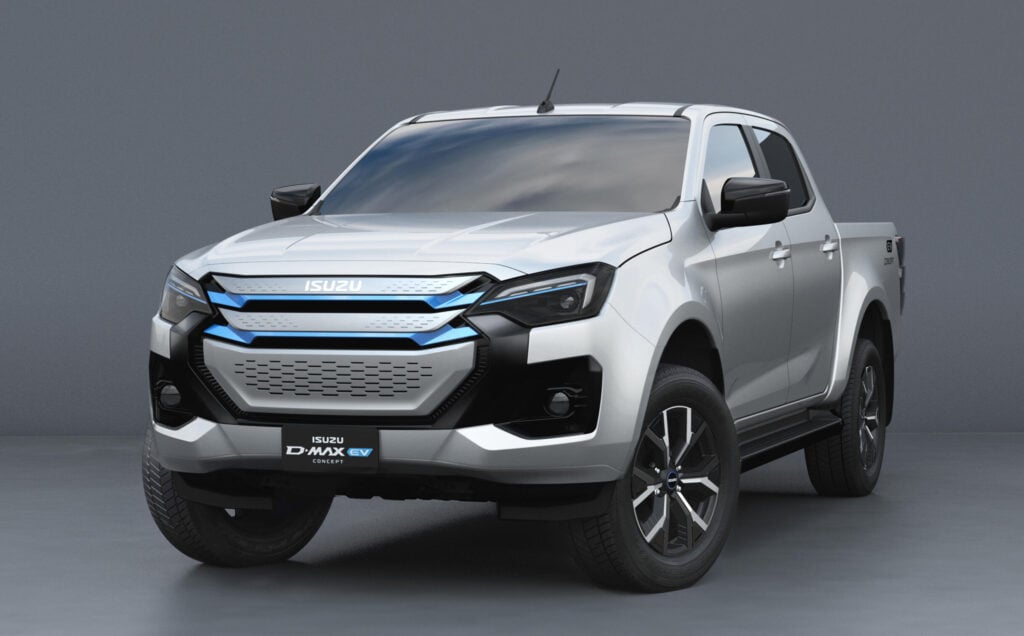
Isuzu D-MAX EV: TBC
The Isuzu D-MAX EV brings fully electric power to the popular mid-size ute, with right-hand-drive examples expected to arrive in Australia in 2026 or 2027.
Powered by a dual-motor full-time 4×4 system, the D-MAX EV produces 140kW and 325Nm and uses a 66.9kWh battery to deliver around 263km of WLTP range. It retains similar work-focused capability to the diesel model, with a 1010kg payload and 3500kg braked towing capacity.
Isuzu UK confirmed pricing from £59,995 in 2025, equivalent to around $117,000 AUD before on-road costs. UK deliveries are scheduled to begin in 2026, although Isuzu Ute Australia has not yet confirmed local availability or pricing.
JAC T9 EV: TBC
The JAC T9 EV is a fully electric dual-cab 4×4 ute that has been showcased in Australia, although local sales timing and pricing have not yet been confirmed.
It uses an 88kWh LFP battery paired with a dual-motor all-wheel-drive system producing 220kW and 516Nm, with an estimated WLTP range of 330km. Designed to retain ute practicality, the T9 EV offers a 900kg payload, a tub capable of carrying a standard Australian pallet and vehicle-to-load capability for running tools or campsite equipment.
JAC has also commenced mining industry trials in Western Australia to assess performance and battery durability in harsh conditions. While a full Australian launch remains unconfirmed, the T9 EV is positioned as one of the more achievable near-term electric 4×4 ute options for tradies, fleets and off-road users.
Ford F-150 Lightning EREV: 2027
The next-generation Ford F-150 Lightning Extended Range Electric Vehicle (EREV) is expected to arrive in Australia in 2027 through a right-hand-drive conversion program, with US-sourced left-hand-drive vehicles converted locally before release rather than being officially sold by Ford Australia.
Unlike the current battery-electric Lightning, the EREV uses electric motors to drive the wheels alongside a smaller battery pack and a petrol engine that operates solely as a generator to recharge the battery while driving. While final specifications are yet to be confirmed, US figures indicate a combined driving range of more than 1125km, a significant increase over the current Lightning’s 386km to 515km range depending on variant.
The EREV is expected to retain key F-150 Lightning capabilities, including dual-motor all-wheel drive, strong towing ability, DC fast charging and vehicle-to-load functionality for powering tools and equipment.
Mahindra Pik-Up: Late 2026
The next-generation Mahindra Pik-Up is expected to arrive in Australia around 2026, introducing a complete redesign of the brand’s long-running dual-cab ute.
Known internally as the Z121, the new model will move to an all-new ladder-frame platform designed to improve safety compliance, refinement and overall appeal, addressing key shortcomings of the previous-generation model that was phased out locally.
Power is expected to continue from a 2.2-litre turbo-diesel engine with improvements to performance and torque delivery, while reports suggest a hybrid variant could join the lineup later. Maintaining its workhorse focus, the new Pik-Up is expected to retain a part-time 4×4 system, low-range gearing and strong payload and towing capability for trade and recreational use, alongside a significant upgrade in safety technology to meet modern Australian standards.
GWM Cannon Alpha 3.0-litre diesel: September, 2026
A new 3.0-litre turbo-diesel engine will join the GWM Cannon Alpha range from September, bringing a sizeable increase in torque over the existing diesel option.
Replacing the current 2.4-litre turbo-diesel four-cylinder, the new engine delivers 170kW and 620Nm, an increase of 35kW and 140Nm. It is matched with GWM’s nine-speed automatic transmission and continues to offer a 3500kg braked towing capacity.
Claimed fuel consumption for the new diesel Cannon Alpha is 7.3L/100km, with the higher torque output aimed at improving towing performance and long-distance touring capability. Before launch, the new powertrain completed more than six months of Australian engineering and validation testing.
Pricing and full specifications will be confirmed closer to the September launch, with expressions of interest now open.
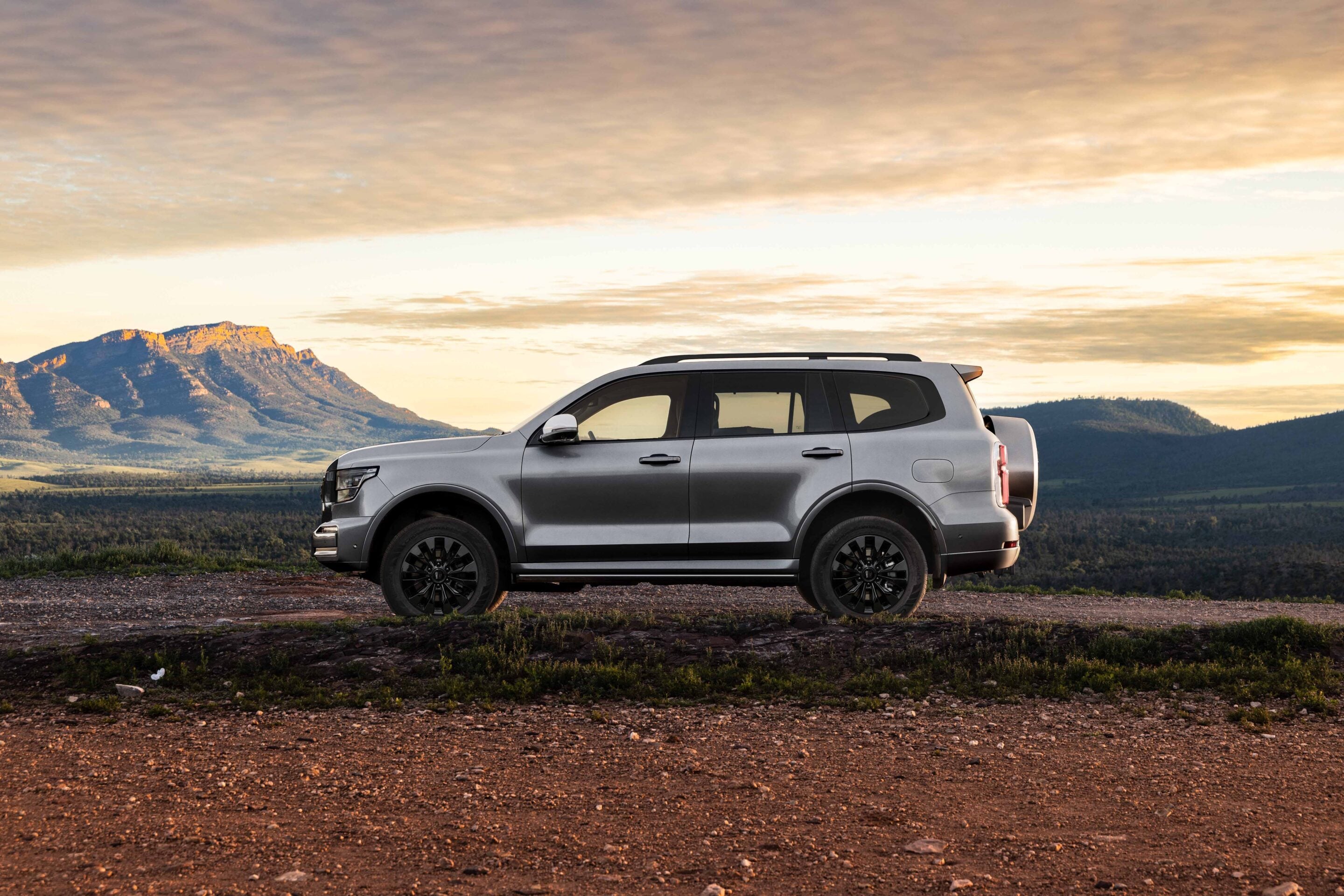
GWM Tank 500 3.0-litre diesel: September, 2026
Like the Cannon Alpha, the Tank 500 will also receive the brand’s new 3.0-litre turbo-diesel engine, adding a higher-torque option to the large seven-seat SUV range.
Designed for buyers who spend time towing and travelling long distances, the new diesel produces 170kW and 620Nm, paired with a nine-speed automatic transmission. It replaces the existing 2.4-litre turbo-diesel and delivers a 35kW and 140Nm increase. The diesel-powered Tank 500 maintains its 3500kg braked towing capacity, while GWM claims fuel consumption of 7.1L/100km.
The new engine has been locally tested for more than six months, with validation covering Australian roads and conditions. It will sit alongside the Tank 500 Hybrid and Hi4-T plug-in hybrid variants, which offer higher combined outputs, but the diesel is targeted at buyers who value torque delivery, towing capability and touring efficiency.
Full pricing and specifications will be revealed closer to the September launch, with expressions of interest now open.
1
GWM Cannon Hi4-T PHEV: Late 2026
GWM is set to expand its electrified ute line-up in Australia with the arrival of the Cannon Hi4-T PHEV, a plug-in hybrid dual-cab aimed at rivals including the BYD Shark and Ford Ranger PHEV.
Sitting below the larger Cannon Alpha PHEV, the Cannon Hi4-T combines a 2.0-litre turbo-petrol engine with GWM’s Hi4-T plug-in hybrid system, delivering expected outputs of around 300kW and 750Nm.
Designed to retain genuine ute capability, the Cannon Hi4-T will offer a four-wheel-drive system and a confirmed 3500kg braked towing capacity, making it a potential option for touring and towing buyers looking to move away from diesel power.
Local specifications, including payload, electric driving range and pricing, are yet to be confirmed, but the Cannon Hi4-T PHEV is expected to arrive in Australia in 2026.
Follow 4X4 Australia on Google
Get more 4x4 news, reviews and gear stories from 4X4 Australia in your Google feeds.

We recommend
-
 4x4 Comparisons
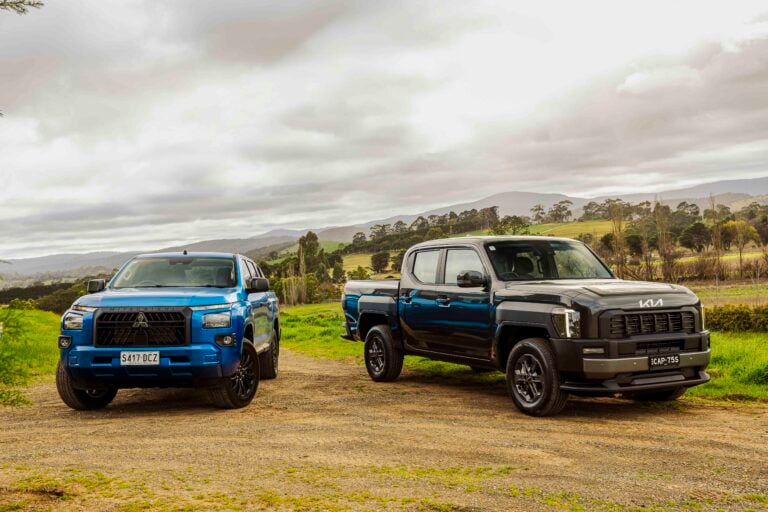
Beauty contest: Kia Tasman SX vs Mitsubishi Triton GLX-R
They won’t win any beauty pageants, but the Tasman SX and Triton GLX-R have plenty to offer tradies, tourers and families alike
-
 Reviews
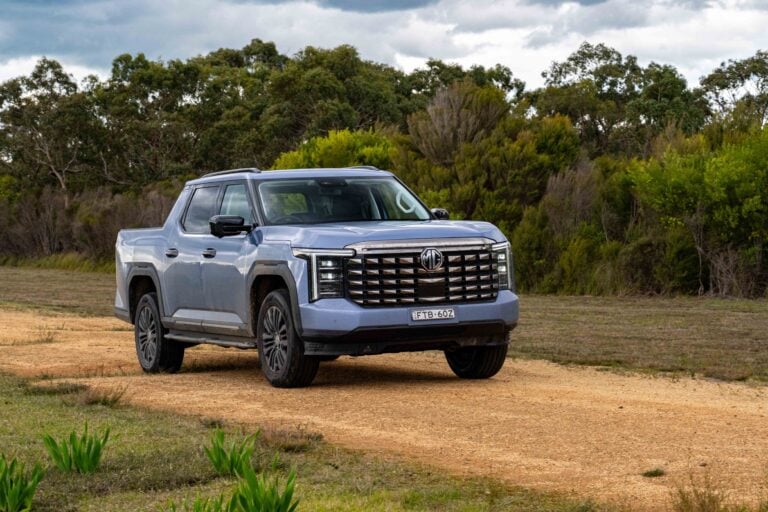
First drive: All-New MGU9 enters Australia’s dual-cab contest
MG has joined Australia’s toughest segment with a bold dual-cab. We sample it on a short off-road drive
-
 Reviews
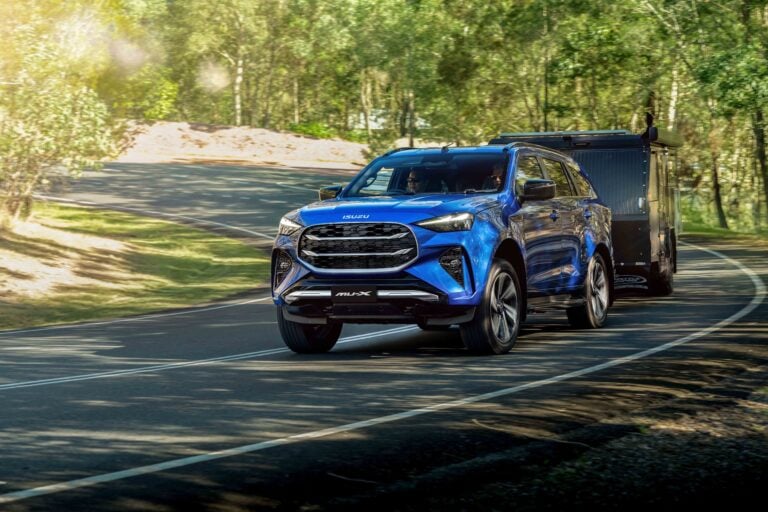
Isuzu D-MAX AND MU-X 2.2L 2026 Review
Isuzu has just dropped a 2.2-litre engine into the D-MAX and MU-X to meet new emissions regulations. We drive it to see if it’s any good