Advice

Gallery 1
Buying a used 4×4 can be a great way to get into four-wheel driving without paying new-car prices.
However, before you hand over the money and head for the tracks, there are a few things worth checking, particularly when it comes to insurance. Unlike a new vehicle, a used 4×4 may have a history of off-road use, aftermarket modifications or accessories fitted by previous owners. Some of that gear might not be legal, properly installed or covered by an insurance policy.
A few checks before you buy can help avoid surprises later, both on the road and if you need to make a claim.
Check the vehicle’s history and condition
Start with the basics. Ask for the service history, check the registration details and look into the vehicle’s background before committing to the purchase.
A PPSR (Personal Property Securities Register) check is worth doing. Using the vehicle’s VIN, it can show whether there is finance secured against it and may also provide information about whether it has been reported stolen or recorded as written off. Keep in mind that stolen and written-off information is supplied through other government databases and may not always be available or up to date.
It’s also worth getting an independent mechanical inspection. Have a mechanic look over the chassis, underbody, suspension and driveline, as well as checking for rust, leaks and signs of previous accident damage or poor repairs. A vehicle’s condition can affect your insurance options, so it’s better to know what you’re buying before you take ownership.
Check modifications and accessories
Plenty of used 4x4s come with a few extras already fitted.
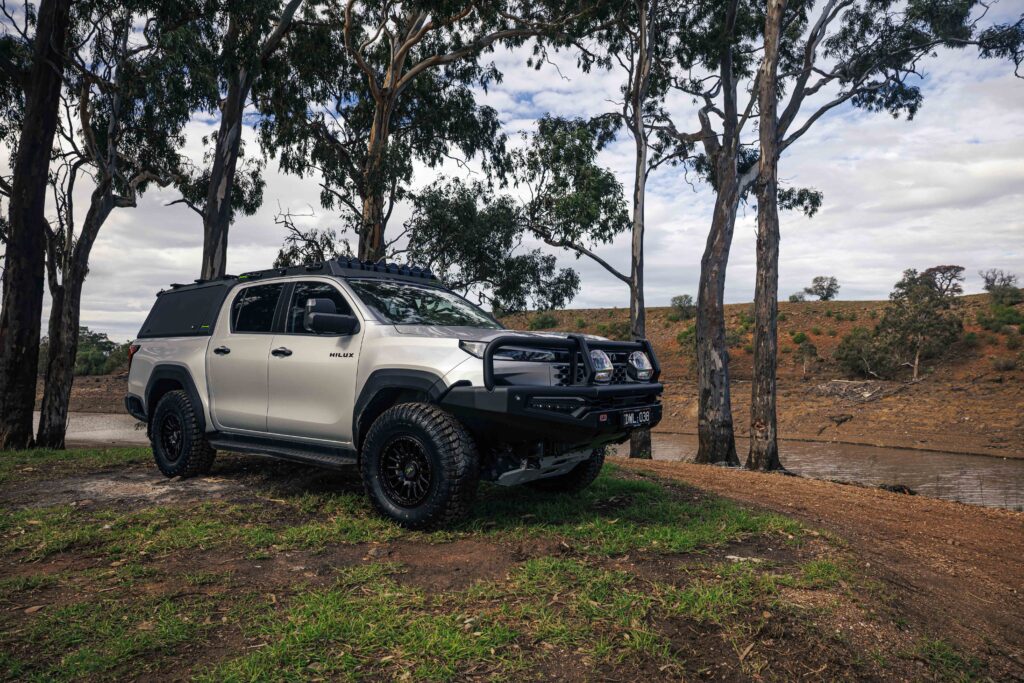
Bull bars, winches, suspension lifts, larger tyres, snorkels, long-range fuel tanks, canopies and drawer systems can all add value to a touring vehicle, but don’t assume they’re automatically covered by insurance. Ask the seller for a list of modifications and accessories, along with receipts and any relevant installation or engineering documentation. You’ll also want to check that modifications meet applicable legal requirements.
When arranging insurance, make sure you understand which accessories need to be declared and how they’re treated under the policy. If you’ve paid extra for a vehicle with a well-equipped touring setup, it’s worth checking that value is reflected in the cover.
Check the insured value
The price you pay for a used 4×4 and the amount it’s insured for aren’t necessarily the same thing.
Some policies offer market value, which is generally based on the vehicle’s value immediately before a claim. Others offer agreed value, where an amount is agreed with the insurer when the policy is taken out.
If the vehicle has expensive accessories or modifications, check whether they’re included in the insured value or need to be listed separately. Don’t assume a bull bar, winch, canopy or upgraded suspension will automatically be covered just because it’s fitted to the vehicle.
It’s also worth checking any limits that apply to accessories and modifications, particularly if the previous owner has spent a fair bit building the 4×4 into a touring rig.
Look for signs of previous off-road use
A few scratches and stone chips are to be expected on a vehicle that’s spent time off the bitumen. More serious damage underneath deserves closer inspection.
Look for dents in bash plates, damage to the chassis rails, scraped differentials, bent suspension components and signs of hard knocks around recovery points. Mud and sand in unusual places, water stains inside the cabin or signs of corrosion can also point to previous off-road use or water crossings. None of this automatically makes a vehicle a bad buy, but it gives you a better idea of how it has been used and what condition it’s in.
Ask the seller how the vehicle has been used and whether it has been involved in any accidents, recoveries or water crossings. If you’re unsure about anything, get it checked before buying. You’ll also want to understand how your insurer treats off-road use. Coverage can vary between policies, particularly when it comes to remote travel, recovery costs and damage sustained while four-wheel driving.
Check towing capacity and vehicle weights
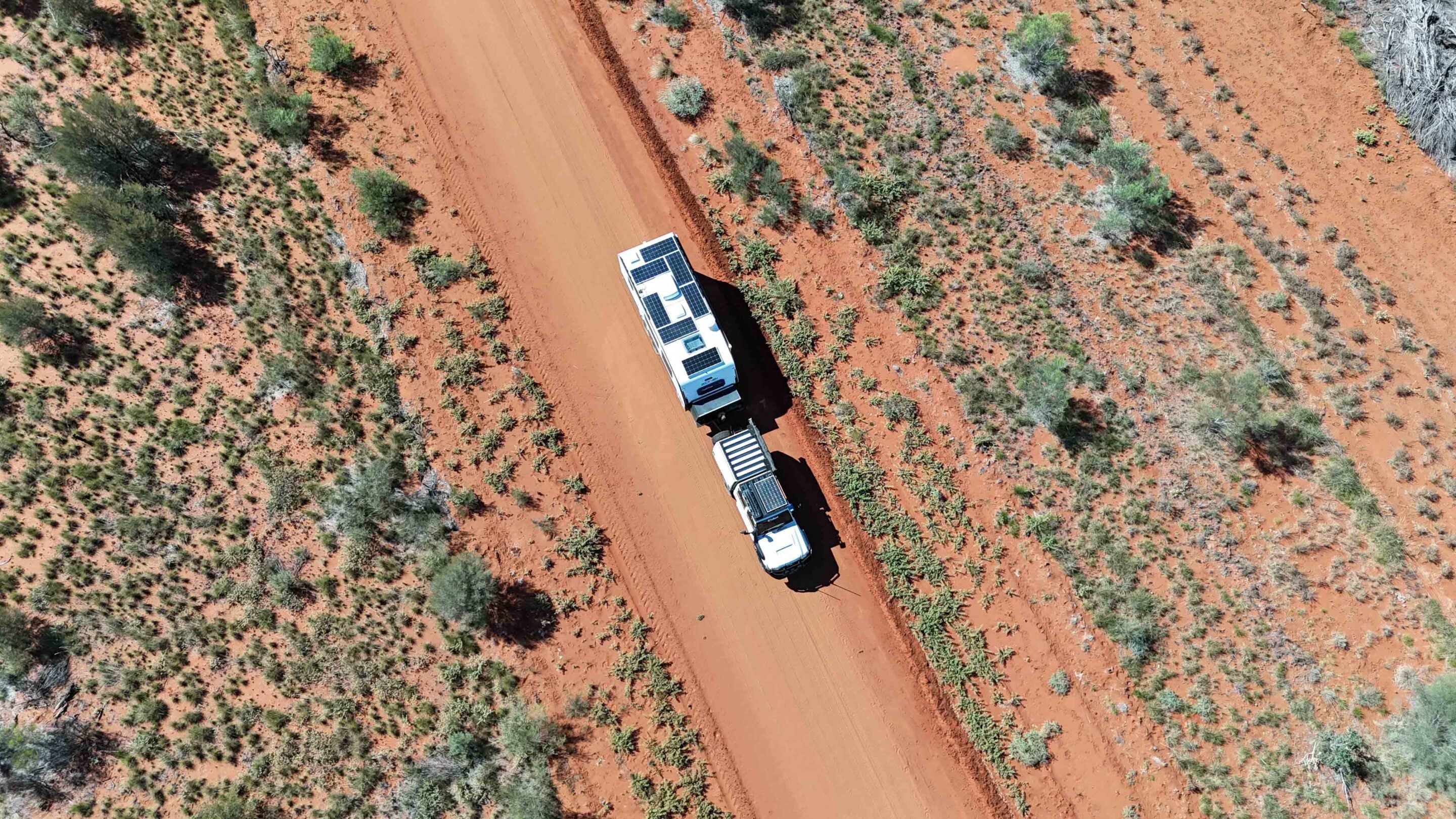
If you’re buying a 4×4 to tow a caravan or camper trailer, don’t overlook its weight ratings.
Check the vehicle’s gross vehicle mass (GVM), gross combination mass (GCM), braked towing capacity and axle load limits. These figures determine how much the vehicle can carry and tow, and they can become particularly important once accessories, passengers and touring gear are added.
If the vehicle has a GVM upgrade, ask for the relevant documentation and make sure the upgrade has been properly certified and recorded where required. Overloading a vehicle or towing beyond its limits can create safety issues and may affect an insurance claim, particularly if the excess weight contributed to an accident or damage.
Check your insurance before you buy
It’s worth speaking to an insurer before handing over the money, especially if the vehicle has a long list of modifications or a history of off-road use.
Have the registration details or VIN handy, along with information about its accessories, modifications and any GVM upgrades. Be upfront about how you intend to use the vehicle, whether that’s commuting, towing, touring or regular off-road driving.
Ask what needs to be declared, how accessories are covered and whether the policy includes the type of off-road driving and recovery you’re planning to do. Read the Product Disclosure Statement (PDS) and check any exclusions, limits and conditions that might apply.
You can organise insurance ahead of collection and arrange for the policy to start when you take ownership of the vehicle. Confirm the start date and time with your insurer so there’s no gap in cover.
Choosing 4×4 insurance with Club 4×4
If you’re buying a used four-wheel drive for touring or off-road use, it’s worth looking at insurance designed with those vehicles and their accessories in mind.
Club 4×4 (↗) specialises in insurance for four-wheel drives, with options aimed at owners who use their vehicles for touring, recreation and off-road driving. That’s why we insure all of our project cars with them.
As with any insurer, the important thing is to check how the cover applies to your particular vehicle and setup. Consider the modifications and accessories fitted, how you plan to use the 4×4 and whether the policy suits the type of trips you have in mind. Take the time to read the PDS, check the limits and understand what’s covered before choosing a policy.
FAQs
Should I arrange insurance before buying a used 4×4?
Yes. It’s worth speaking to an insurer before you buy so you know whether the vehicle and its modifications can be covered. You can usually arrange cover in advance and confirm when it will start with your insurer.
Do I need to declare aftermarket modifications?
You may need to. Requirements vary between insurers and policies, so check which modifications and accessories need to be declared. Don’t assume they’re automatically covered.
Does previous off-road use affect insurance?
It can. Previous off-road use may have resulted in damage or repairs that affect the vehicle’s condition and insurability. Be sure to check the vehicle thoroughly and answer your insurer’s questions honestly.
Can I insure a 4×4 with a GVM upgrade?
Some insurers offer cover for vehicles with GVM upgrades, but requirements vary. Check that the upgrade is properly documented and tell your insurer about it when arranging cover.
Does 4×4 insurance cover off-road recovery?
Not necessarily. Recovery cover and the circumstances in which it applies vary between policies. Check the PDS to see whether recovery costs are included, what limits apply and whether remote-area recovery is covered.
Follow 4X4 Australia on Google
Get more 4x4 news, reviews and gear stories from 4X4 Australia in your Google feeds.

We recommend
-
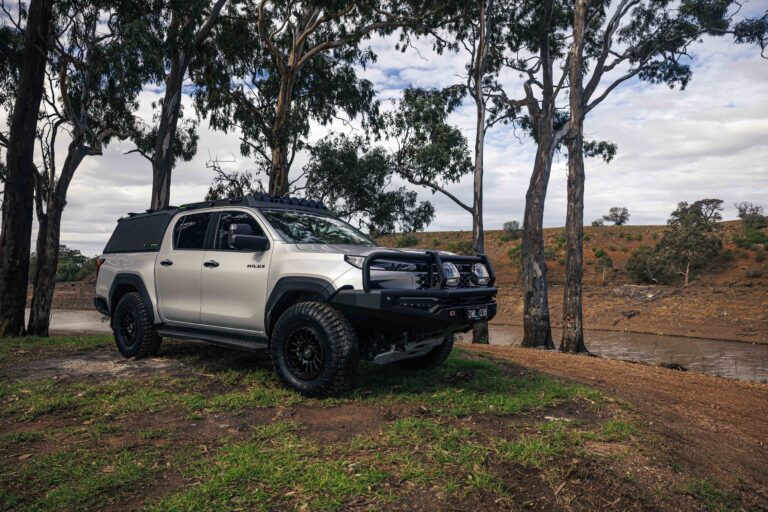 Advice
What are the common insurance exclusions for 4x4 vehicles?
Built your 4WD for the bush? Make sure your insurance covers it. Here are the common exclusions that could leave you footing the bill
-
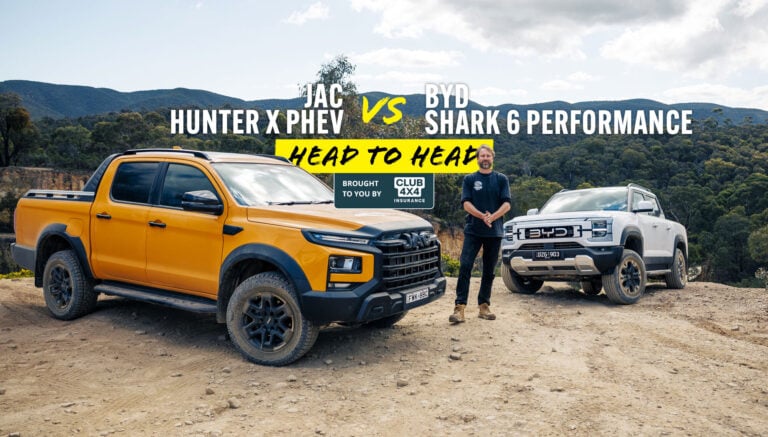 4x4 Comparisons
JAC Hunter X vs BYD Shark 6 Performance: Is the Shark worth $8000 more?
The JAC Hunter X undercuts the BYD Shark 6 Performance by more than $8000 and brings more traditional 4x4 hardware. But is value enough to topple Australia's PHEV ute benchmark?
-
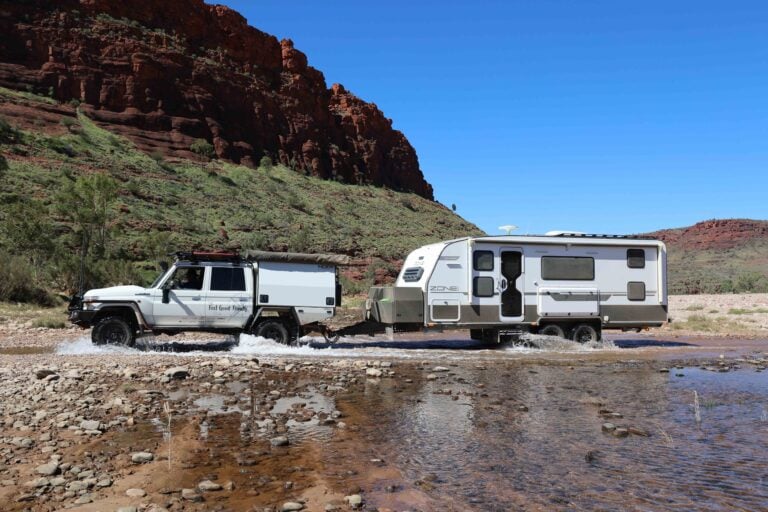 Advice
Does 4WD insurance cover beach and off-road driving?
Taking your 4WD off-road can raise questions about where your insurance cover applies