Advice


Gallery 1
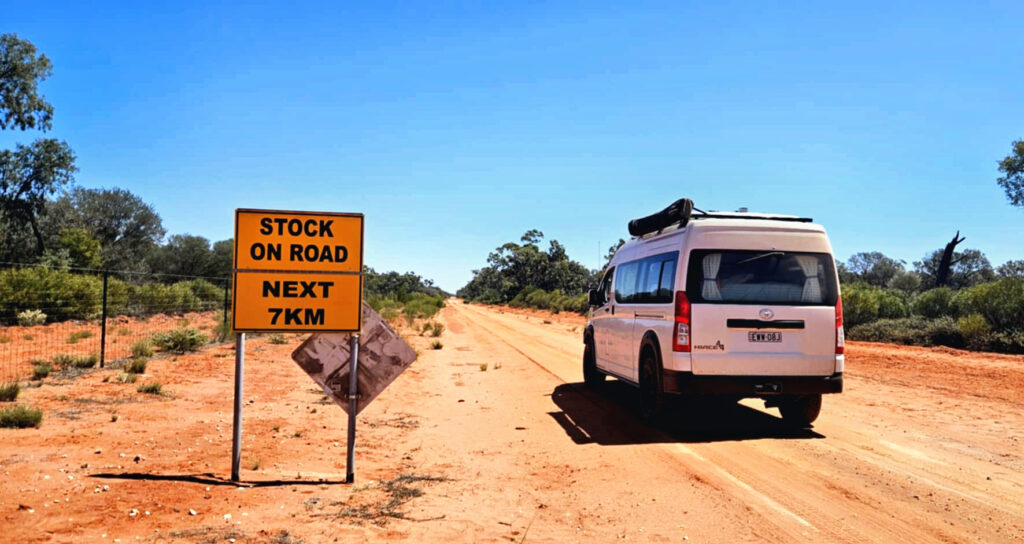
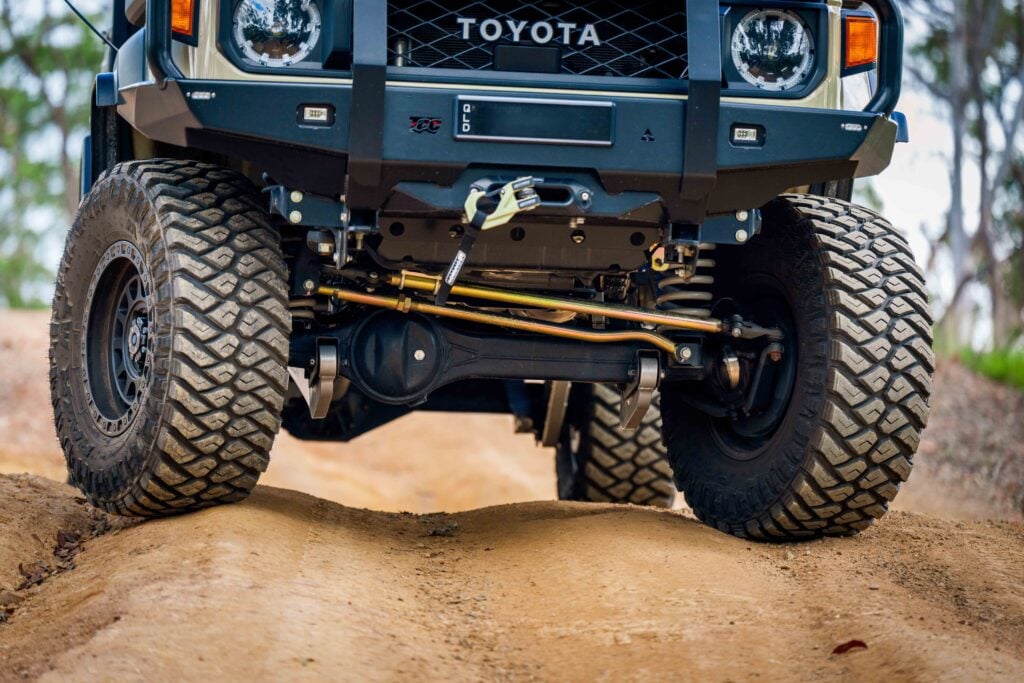
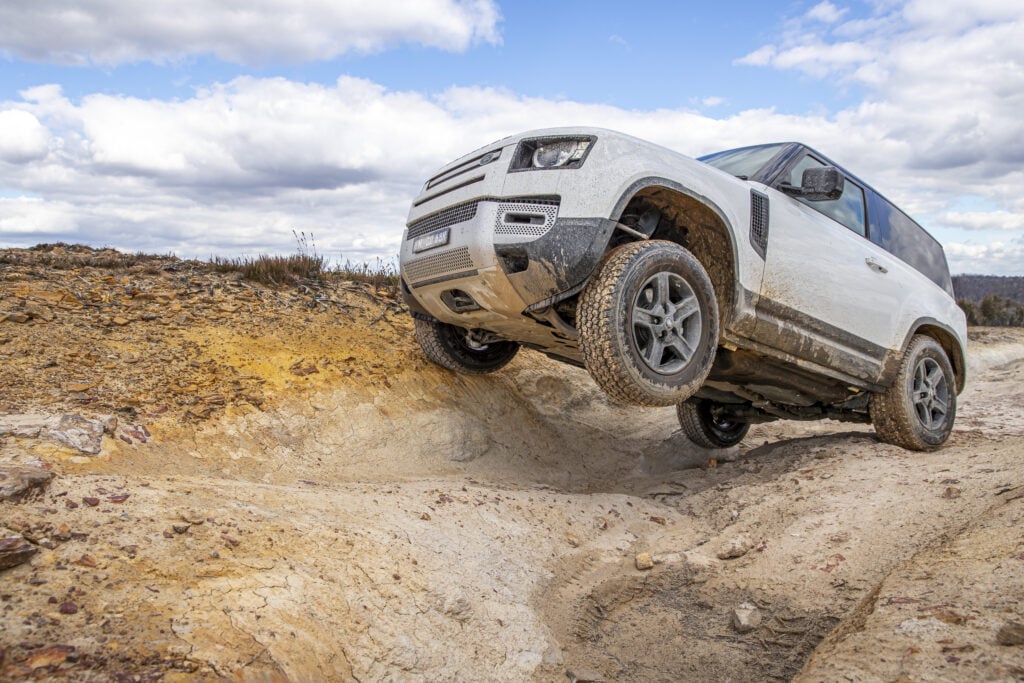
It’s no secret that off-road driving and remote travel are tough on a vehicle. Days of pounding corrugations, scrabbling for traction and fording deep water are enough to make most 4x4s cry for mercy.
This is why it’s so important for those of us who journey into the bush, particularly people who travel with only one or two rigs, to have the right tools and equipment on hand and a working knowledge of how to use them. Being able to effect strong and dependable trackside repairs can make all the difference between throwing in the towel and moving on with the adventure. Here is a short list of some of the more common repairs you will likely have to make at some stage.
1: How to plug a flat tyre when 4WD touring
Punctures happen, even with today’s high-quality rubber compounds. Gibber stones, tree roots and miscellaneous trail debris can all cause a flat. Being able to quickly plug the leak and get back on track is simply the price of entry for remote touring. Travelling without a tyre repair kit (which are extremely affordable) isn’t Sparta, it’s madness.
2: How to replace a CV joint on the track
Solid axle, IFS, it doesn’t matter. Play in low range enough and sooner or later you’re going to pop a CV. Being able to swap it out for the spare in your kit is an essential skill to have. The good news is it’s not that hard. The bad news is you’re going to get greasy. But hey, it’s all part of the fun and no good story starts with “the trip went super smoothly…”
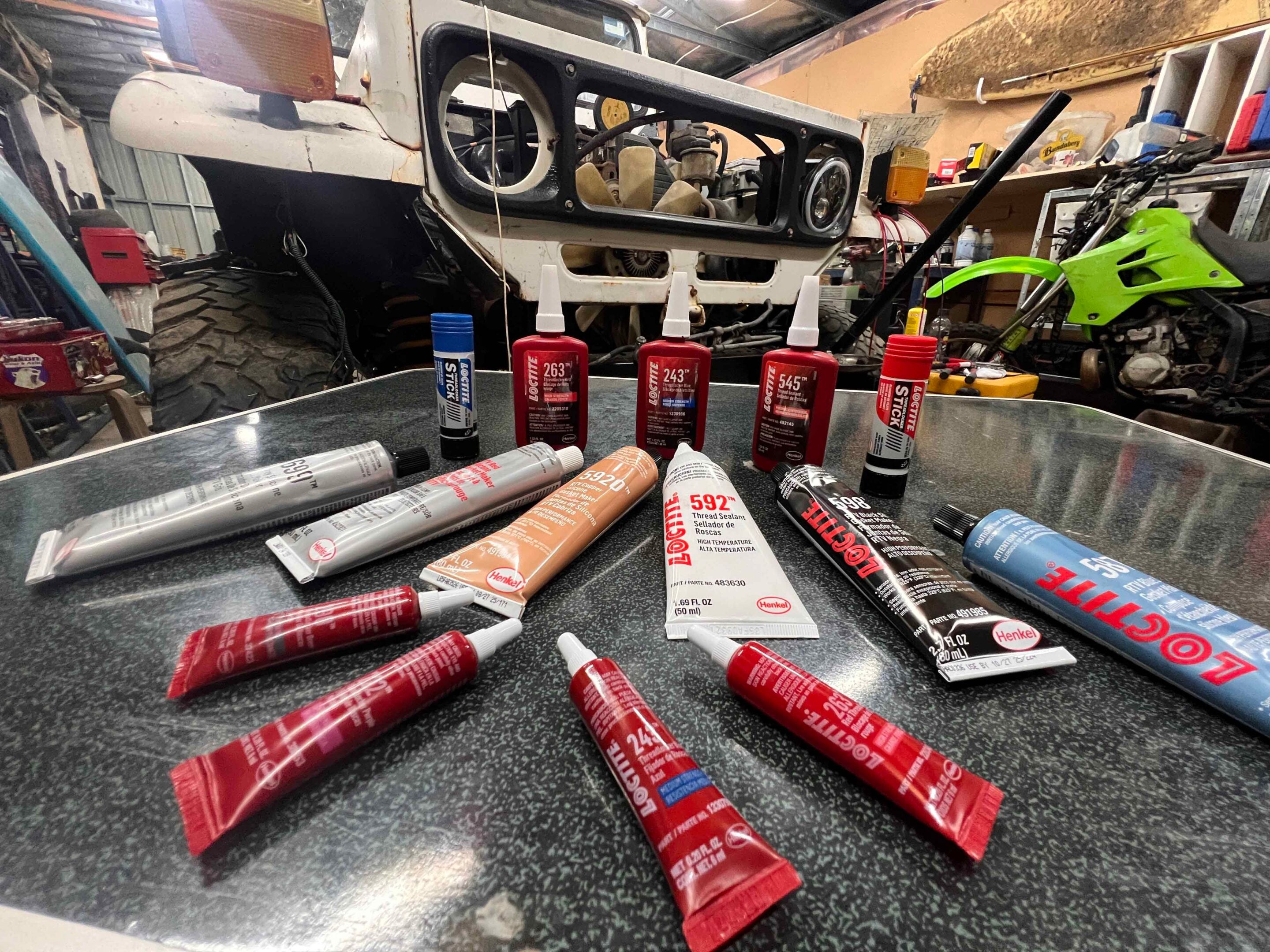
Oh, and don’t forget the Loctite (↗) when throwing it all back together, eh? Having to re-tighten hub nuts or steering arm fasteners every few hundred km is nobody’s idea of relaxing.
3: Emergency gasket repairs in the bush
4x4s can leak under normal daily driving. Throw in a bunch of high-load driving, big revs, sinking mechanical components in muddy water and towing the boat or caravan over some inhospitable terrain, and it’s no wonder the odd leak springs up. Obviously, carrying an entire gasket catalogue for your vehicle is a bit extreme, but having a tube of quality RTV gasket sealant on hand is a no-brainer.
Diff pumpkin leaking? Get it flexed up so the oil drains to one side, whip the pumpkin out or cover off (depending on your diff type), seal it back up and you’re back on your way. Airbox letting in dust (2.8L Toyota owners, we’re looking in your direction)? A light smear of RTV on the sealing surface will get you home without incident.
Turbo wastegate letting precious boost escape? Some copper gasket maker will have you sorted in the time it takes the turbo to cool down. Also, let’s not forget about the fact that if you don’t have these things on board, you’ll almost certainly need them. If they’re packed in the tool kit, you’ll rarely require their services. Cheap insurance if you ask us.
4: How to fix common 4WD electrical problems
Just ask any old Land Rover owner or bloke who installed all of his 12V accessories using the old twist-n-tape method, or worse, Scotchlok connectors, what their number one reliability issue is, and they’ll answer: electrical issues.
The shaking, rattling and (hopefully not) rolling that many 4x4s go through also mucks with your electrical terminations and connections. The rule of thumb is: if something’s not working, check the grounding points first. Chances are they’re loose or not offering a good enough connection. Remove the fastener, remove any paint or dirt that’s preventing the ground from being established, throw a good wipe of dielectric grease on everything and reassemble. Fixes the problem 70 per cent of the time, every time.
5: Daily 4WD checks to prevent breakdowns
Okay, this isn’t so much a repair as a good guideline for preventative maintenance, but running a spanner over things that can work loose from corrugations is an important item on your daily checklist when travelling remote. Off-road travel is a fastener’s worst nightmare and stuff works loose all the time.
This is where a quality thread-locking compound like Loctite (↗) is your best friend. Check all your usual bolt-on stuff like awnings, racks, bar work, mounting brackets and driving lights. A tube of Loctite 243 (blue) will see you clear of a lot of trouble in our experience.
It’s not so much about being able to rebuild your entire vehicle; it’s more about being self-sufficient and being capable of repairs to get you back to civilisation. A solid tool kit that’s tailored to your rig (metric spanners won’t help you on your 1970 F-Truck) and the right products to help shore up any leaks, damage or unforeseen parts coming loose will see you out of all but the most serious of mishaps.
FAQs
What are the most common trackside repairs when 4WD touring?
Tyre punctures, CV joint failures, gasket leaks and electrical faults are among the more common repairs.
What should you carry in a 4WD repair kit?
A tyre repair kit, basic tools, spare parts, RTV gasket sealant, dielectric grease and Loctite (↗) are useful inclusions.
Can you replace a CV joint on the track?
Yes. Carrying a suitable spare CV joint and knowing how to fit it can help get you moving again after a failure.
How can you fix a gasket leak in the bush?
RTV gasket sealant can provide an emergency repair for certain leaks, including differential covers and airbox sealing surfaces.
Why should you check your 4WD after driving corrugated roads?
Corrugations can loosen fasteners and electrical connections. Regular checks of accessories, mounting brackets and other fittings can help prevent problems.
Follow 4X4 Australia on Google
Get more 4x4 news, reviews and gear stories from 4X4 Australia in your Google feeds.

We recommend
-
 Gear
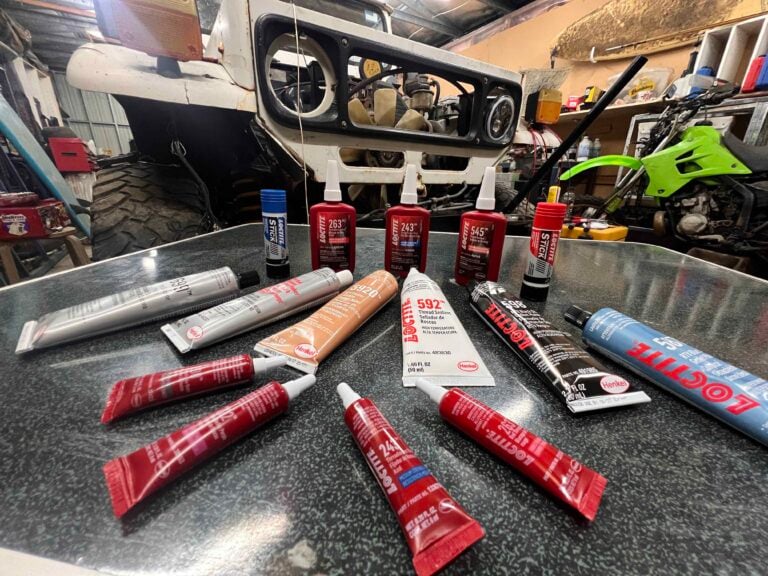
How Loctite can help prepare your 4x4 for a major outback adventure
Corrugations can shake nuts, bolts and accessories loose, but a little Loctite and some pre-trip prep can help keep your 4x4 together in the bush
-
 Gear
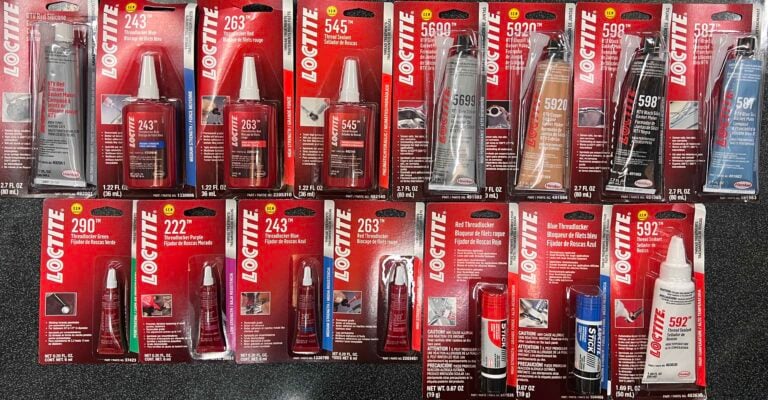
How Loctite can stop 4WD accessories coming loose on corrugated roads
Corrugations shake 4WDs to bits. Here’s how to stop your accessories rattling loose