Advice

Gallery 1
Four-wheel driving can put a vehicle through plenty, from rocky tracks and deep sand to corrugations and water crossings.
If something breaks or gets damaged along the way, you might expect your insurance to cover the cost. But not every problem is covered, and the difference can leave you with a hefty repair bill. Mechanical failures, wear and tear, certain modifications and illegal use can all affect an insurance claim. Exclusions vary between insurers and policies, so it’s worth understanding what your cover includes before loading up for your next trip.
Wear and tear isn’t covered like accidental damage
Suspension components, wheel bearings, bushes and driveline parts all take a beating on rough tracks. Over time, that use can lead to worn components, rust or other gradual deterioration.
Comprehensive vehicle insurance generally isn’t designed to pay for parts that wear out through normal use. Wear and tear, corrosion and gradual deterioration are common exclusions.
The distinction is between gradual deterioration and damage from an insured event. A component wearing out over thousands of kilometres is different from damage caused by an accident on the track. The circumstances and policy wording determine whether a claim is covered.
Mechanical breakdowns and maintenance issues
A mechanical failure can derail a touring trip, especially when you’re a long way from the nearest workshop. But comprehensive vehicle insurance isn’t the same as mechanical breakdown cover.
Engine, transmission, electrical and other component failures are commonly excluded. Damage caused by poor maintenance, faulty repairs or defective parts may also fall outside cover, depending on the policy and circumstances. That doesn’t mean every incident involving a mechanical component is automatically excluded. Damage caused by a separate insured event may be treated differently from a component that simply fails. The cause of the damage matters.
Regular servicing and pre-trip inspections can help identify problems before they become bigger issues. Check for leaks, worn suspension components, damaged hoses and loose fittings before heading into remote country.
Undeclared or illegal 4×4 modifications
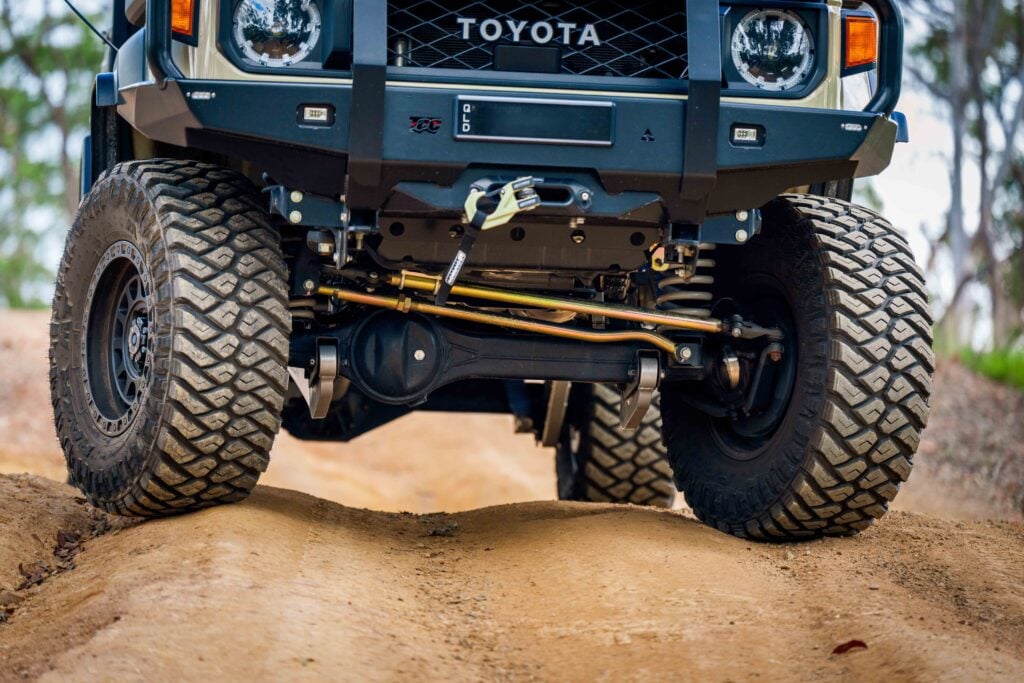
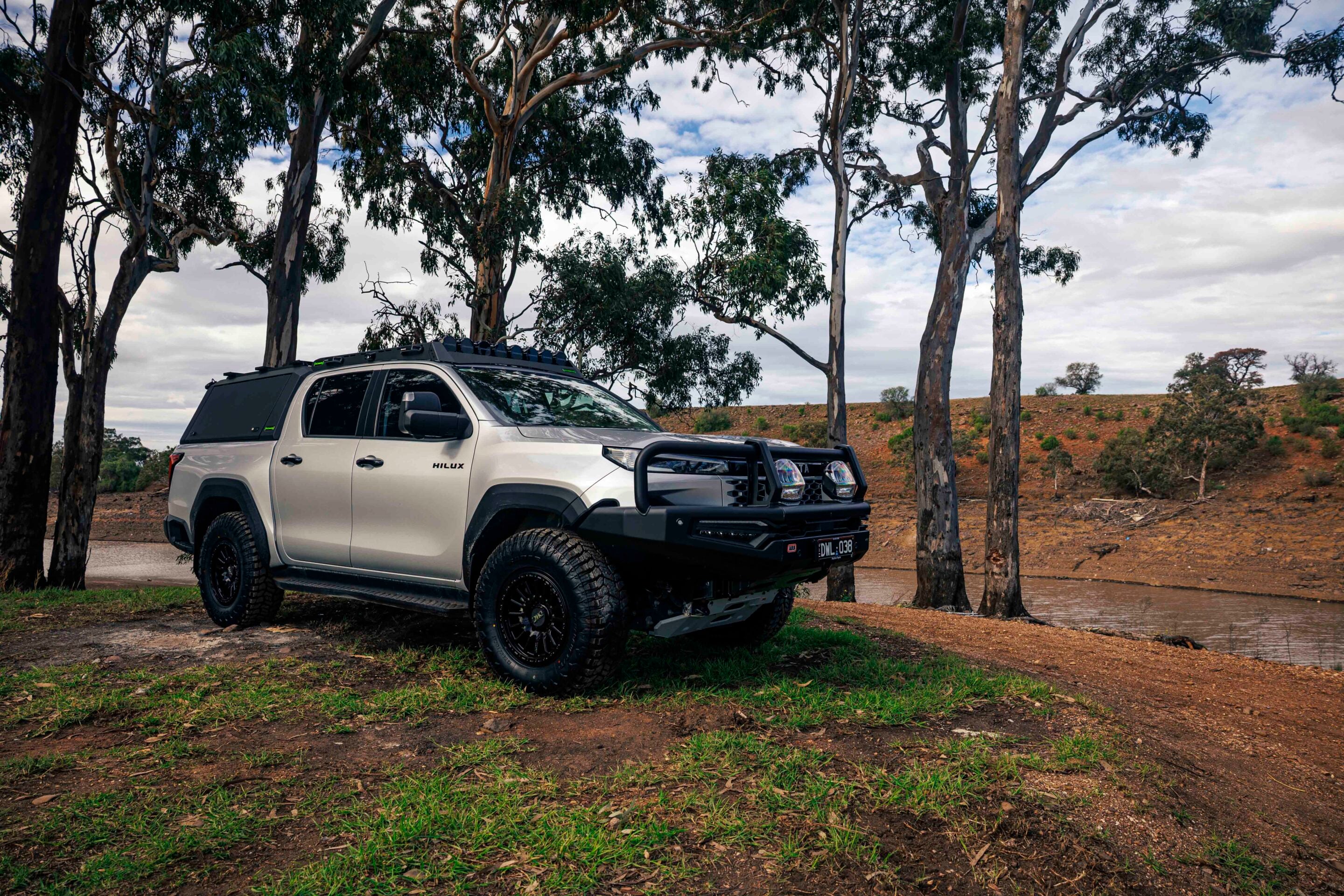
Modifications are a big part of four-wheel driving, whether you’re fitting a suspension lift, upgrading the tyres, adding a bull bar or building a touring setup with a canopy, drawers and auxiliary power.
Make sure your insurer knows what you’ve fitted and how those changes are covered. Club 4X4 (↗), for example, offers modifications cover as a separate agreed value, allowing you to nominate a dollar amount for your upgrades rather than providing an itemised list of every modification. If you’ve invested thousands of dollars in upgrades, check that they’re included in your insured value rather than assuming they’re automatically covered.
Legality matters, too. Illegal modifications that make a vehicle unroadworthy or unlawful can affect a claim, particularly if they contributed to the incident. Requirements and policy conditions vary, so make sure your setup complies with the relevant rules and tell your insurer about significant changes.
Overloading your 4WD or towing beyond its limits
It’s easy to add weight to a touring vehicle without thinking too much about it. Bull bars, winches, roof racks, long-range fuel tanks, drawers, fridges, camping gear and passengers all contribute to the load.
Exceeding your vehicle’s weight limits can put extra strain on the suspension, tyres and chassis, while excessive towing loads can affect braking, stability and handling. Before a big trip, check your vehicle’s gross vehicle mass (GVM), gross combination mass (GCM), axle limits and towing limits. Remember that accessories, passengers, luggage and towball download all contribute to the overall load.
Overloading can also affect an insurance claim. Some policies exclude damage associated with carrying or towing more than the vehicle was designed for, particularly where the excess load contributed to the incident. Check your policy wording and keep your vehicle within its applicable limits.
Off-road driving and illegal use
Not all car insurance policies cover the same types of off-road driving. Some restrict where you can drive or exclude particular activities, so check the terms against the way you use your 4WD.
If you regularly drive on beaches, bush tracks or remote trails, make sure your policy covers those activities where driving is legally permitted. Don’t assume that comprehensive cover automatically extends to every off-road situation. Motorsport is another area to check. Racing, speed trials and competitive events may be excluded, even if the vehicle is otherwise insured for recreational use. Other policy conditions can apply to unregistered vehicles, unlicensed drivers or vehicles being used unlawfully.
If you’re planning to enter a competitive event or use your vehicle for something beyond ordinary touring and recreation, check with your insurer first.
Existing damage and faulty repairs
Insurance isn’t intended to pay for damage that was already there or to fix every problem discovered during a later repair.
If your vehicle has existing panel damage, structural problems or evidence of previous repair work, be clear about its condition when arranging cover. Existing damage and gradual deterioration can affect how a later claim is assessed. Faulty repairs, poor workmanship and defective parts may also be excluded. Some policies make exceptions in specific circumstances, so check the wording rather than assuming that damage linked to previous repairs will be covered.
If you’re having work done to your 4WD, use a reputable repairer and check whether any planned work could affect your cover.
How to check what your 4×4 insurance covers
Before heading away, read your Product Disclosure Statement (PDS) and Certificate of Insurance. Pay particular attention to exclusions, excesses, cover limits and any conditions that apply to your vehicle or how you use it.
Check that your insured value reflects your current setup, including any modifications and accessories you’ve added. It’s also worth confirming whether off-road recovery is covered, particularly if you travel in remote areas where a recovery can be expensive.
Keep your vehicle serviced, make sure modifications are legal and check your weights before loading up. These steps won’t prevent every problem, but they can help reduce the risk of an unexpected repair bill or a disputed claim. If you’re unsure whether a particular modification, activity or type of damage is covered, ask your insurer before you travel. Your PDS and policy documents are the best place to confirm the details.
Choosing 4×4 insurance with Club 4X4
Four-wheel drives often need different insurance considerations to everyday passenger cars, particularly when they’re modified for touring or regularly driven off-road.
Club 4X4 (↗) specialises in insurance for four-wheel drives, with options designed around the needs of owners who use their vehicles for touring, recreation and off-road adventures. If you’ve fitted a bull bar, suspension lift, canopy, drawers or other accessories, check how these are treated under your policy and whether their value is included in your cover. It’s also worth considering how you use your 4WD, from weekend trips on local tracks to extended journeys into remote country.
Recovery costs are another consideration when travelling off-road. Getting a vehicle out of soft sand or recovering it from a remote track can be expensive, so check whether recovery is included in your chosen cover and what conditions or limits apply.
Before choosing a policy, review the available options and read the relevant Product Disclosure Statement (PDS). You can find out more about Club 4X4 insurance (↗) and compare the cover available for your vehicle, modifications and touring needs.
Quickfire FAQs
Does 4×4 insurance cover mechanical breakdowns?
Generally, no. Mechanical, electrical and structural failures are commonly excluded, although the exact terms depend on your policy.
Are 4×4 modifications covered by insurance?
They may be, but check whether your insurer requires them to be declared and listed on your policy.
Can overloading affect an insurance claim?
Yes. Exceeding your vehicle’s designed load limits can affect cover, particularly where the excess load contributes to an accident.
Does comprehensive insurance cover off-road driving?
That depends on the policy. Check that your cover includes the tracks and activities you plan to tackle.
Does insurance cover wear and tear?
Generally, no. Gradual deterioration and components wearing out through normal use are different from accidental damage.
MORE
Club 4×4 Insurance!
Follow 4X4 Australia on Google
Get more 4x4 news, reviews and gear stories from 4X4 Australia in your Google feeds.

We recommend
-
 Advice
Does 4WD insurance cover beach and off-road driving?
Taking your 4WD off-road can raise questions about where your insurance cover applies
-
 Gear
Do you need specialist 4WD insurance for a modified vehicle?
A 4WD can quickly become a modified touring rig, so it's worth checking whether your insurance keeps up with your vehicle and how you use it
-
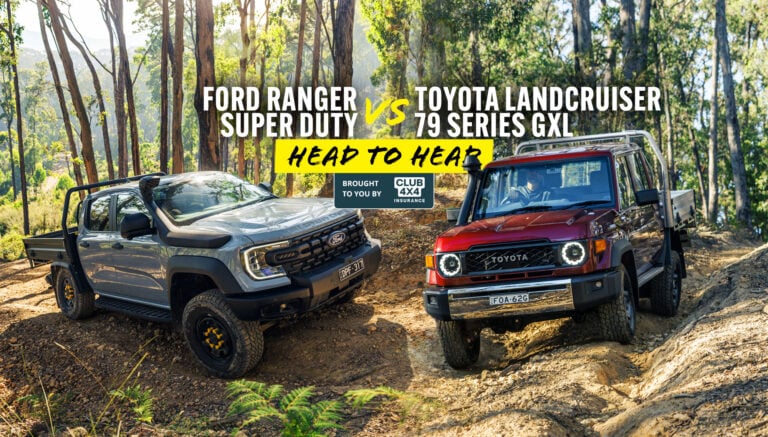 4x4 Comparisons
Ford Ranger Super Duty vs Toyota LandCruiser 79: Can Ford topple the ultimate work ute?
Has Ford's new Ranger Super Duty got what it takes to knock the iconic LandCruiser 79 off the top of the mountain?