Advice

Gallery 1
Remote touring is one of the best things you can do with a capable 4×4, but it’s also where small mistakes can quickly snowball into bigger problems.
Most experienced travellers will tell you the same thing – preparation, planning and common sense matter more than how much gear you’ve bolted to the vehicle. Whether you’re heading into the High Country, tackling desert tracks or setting off on a long outback run, avoiding these common mistakes will make your trip safer, easier and far more enjoyable.
1. Overloading your 4×4 and ignoring GVM limits
One of the most common touring mistakes is simply carrying too much gear.
Drawer systems, fridges, roof racks, spare parts, water, fuel and camping equipment can add weight quickly. Many touring vehicles exceed their Gross Vehicle Mass without the owner realising it. Overloading stresses suspension, brakes and tyres, increases fuel consumption and raises the centre of gravity, especially when gear is stacked on the roof. Suspension upgrades alone don’t change the legal carrying capacity.
Before heading away, weigh the vehicle fully loaded, remove anything that isn’t genuinely necessary, and understand your vehicle’s payload limits. For serious touring builds, an engineered GVM upgrade may be worth considering.
2. Poor weight distribution
Even if your vehicle is technically under its legal weight limit, how you pack it can dramatically affect handling and safety.
Heavy items mounted high on a roof rack, positioned far behind the rear axle, or stacked unevenly can make the vehicle feel top-heavy and unstable, especially on corrugated roads, steep climbs or side slopes. This can lead to unpredictable steering, increased body roll, and a higher risk of tyre spin or rollovers in tricky terrain. It also places extra strain on suspension components and can accelerate wear on tyres and bearings.
The basic rule is simple: Keep heavy items low, close to the vehicle’s centre of gravity, and evenly distributed from side to side. Place fuel, water, recovery gear, and fridges as close to the floor and between the axles as possible. Lighter, bulkier items such as tents, sleeping bags, and camping chairs can go higher or on the roof.
3. Relying entirely on phone reception
Mobile coverage disappears quickly once you leave towns or main highways, and even well-travelled tracks can have dead zones.
Many new travellers assume their phone will be enough for communication or navigation, but relying solely on it can leave you stranded or off-course. In remote regions, a satellite communicator, satellite phone, UHF radio, or even a portable Starlink terminal can be critical for emergencies or staying in touch.
For navigation, supplement your phone with offline maps, a dedicated GPS unit or even Hema printed maps – tools that don’t rely on mobile coverage – to ensure you can still find your way if reception fails. Regularly checking your route before leaving camp and noting key waypoints can also prevent getting lost in unfamiliar terrain.
4. Not lowering tyre pressures
Tyre pressure is one of the most important factors in off-road performance, yet many drivers forget to adjust it for the terrain.
Running highway pressures on sand, corrugations, mud or rocky tracks reduces traction, increases the risk of punctures, and places extra stress on suspension components. Lowering tyre pressure allows the tyre to better conform to the ground, increasing the contact patch, improving grip and helping absorb impacts from rocks or washouts. It also reduces vibration and wear on the vehicle over long stretches of rough terrain.
Even small adjustments can make a big difference. For example, dropping pressures by just 5 to 10psi on sand can drastically improve flotation, while on rocky tracks slightly lower pressures reduce the chance of tyre cuts. Investing in a quality tyre pressure gauge and an air compressor to adjust pressures on the move is one of the simplest and most effective ways to boost off-road capability.
5. Travelling without recovery knowledge
Owning recovery gear doesn’t automatically mean you know how to use it safely. Winches, snatch straps, traction boards and shackles can damage your vehicle – and even cause serious injuries – if used incorrectly.
Before heading into remote terrain, familiarise yourself with basic recovery techniques and practice them in a controlled environment. Make sure all your gear is rated for your vehicle, in good condition, and correctly stored for easy access.
Having a simple recovery plan before leaving camp can make all the difference. For instance, knowing where to anchor a winch, how to rig a snatch strap correctly, or how to use a traction board to self-recover can save hours of stress and prevent dangerous mistakes. A calm, methodical approach is almost always more effective than rushing into a risky recovery under pressure.
6. Ignoring fuel planning
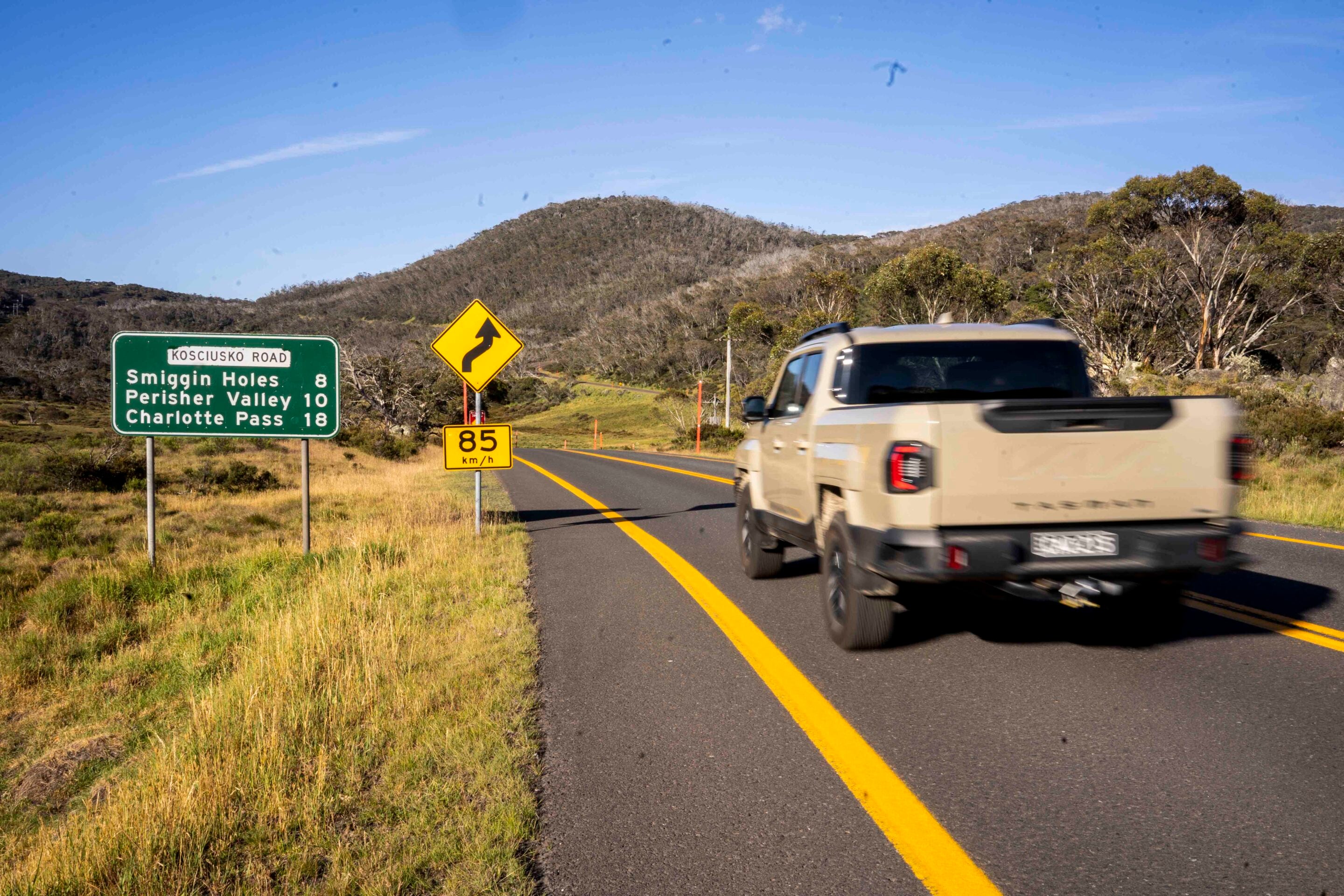
Fuel availability in remote areas can be inconsistent, and distances between stops are often longer than they appear on a map.
Factors such as headwinds, heavy loads, low-range driving, steep climbs, or soft sand can dramatically increase consumption, sometimes doubling what you’d expect from highway figures. Always calculate your fuel needs conservatively, and carry a safety margin beyond the planned route – extra jerry cans or an auxiliary tank can be a lifesaver on long outback runs. Running low on fuel in remote terrain can leave you stranded hundreds of kilometres from the nearest town, with no guarantee of help.
Planning ahead also means knowing where reliable refuelling points are, checking station opening hours, and accounting for detours or delays. A little preparation can mean the difference between completing a remote track comfortably and limping into the next town on fumes.
7. Skipping vehicle maintenance before the trip
A long trip is not the time to discover worn suspension components, failing batteries, leaking hoses, or other hidden issues.
Even small faults can escalate quickly when you’re hundreds of kilometres from the nearest workshop, turning a minor inconvenience into a major problem. Basic pre-trip checks should include tyres and tyre pressures, wheel bearings, brakes, suspension bolts, belts, hoses, fluid levels, battery condition and cooling system performance. Don’t forget to inspect lights, recovery points and any aftermarket accessories that may have loosened during previous trips.
Performing preventative maintenance is far cheaper, faster and less stressful than dealing with a breakdown in the bush. Taking the time to carefully inspect and service your vehicle before leaving can make the difference between a smooth, safe journey and an expensive, frustrating recovery.
8. Driving too fast on rough tracks and corrugations
Corrugations and rough tracks punish vehicles driven too fast.
Excessive speed generates heat in tyres, shocks, and suspension components, increasing wear and the likelihood of failures such as blown shocks, broken springs, or even tyre delamination. Extended runs over corrugated roads are particularly punishing on heavily loaded vehicles. High speeds can also make steering twitchy, reduce traction and increase the chance of losing control on loose surfaces or around corners.
Slowing down reduces stress on the vehicle, allows tyres and suspension to absorb impacts more effectively, and gives the driver more time to react to washouts, rocks, ruts or wildlife. Simple practices, like dropping speed on long corrugated stretches, maintaining consistent momentum and scanning the track ahead, can prevent damage and improve overall control.
9. Underestimating the environment
Conditions can change quickly in remote areas, often catching travellers off guard.

Tracks can become impassable after rain, river crossings can rise unexpectedly, and temperatures can swing dramatically between day and night. Even familiar routes can present unexpected hazards such as washouts, sand drifts or fallen trees.
Always check local conditions before entering remote tracks, including recent trip reports, shire updates or ranger information. Be prepared to change plans if conditions deteriorate, and allow extra time in your itinerary for delays. Carrying additional water, food and essential supplies is critical, as weather events, mechanical issues or track closures can extend your trip unexpectedly.
Good planning also includes having a backup route or exit strategy, and making sure someone knows your intended path and expected return.
1
10. Rushing the trip
Trying to cover too much distance is one of the easiest ways to turn a touring adventure into a stressful grind.
Long driving days increase fatigue, put extra strain on the vehicle, and leave little time to enjoy campsites, scenery or side tracks. Allow extra time in your itinerary and resist the urge to push on just to tick off more kilometres. Some of the best experiences come from slowing down, exploring hidden tracks, taking unplanned detours, or simply enjoying a scenic spot for longer than expected.
Flexible scheduling also gives you room to respond to unexpected delays, whether that’s track closures, river crossings or mechanical issues.
Special mentions
Running the wrong tyres for the trip
Not all tyres are suited to long remote touring. Worn all-terrains, thin sidewalls or overly aggressive mud tyres can increase the risk of punctures depending on the terrain. Choosing a durable light-truck construction tyre suited to the trip can make a major difference to reliability.
Poor water crossing preparation
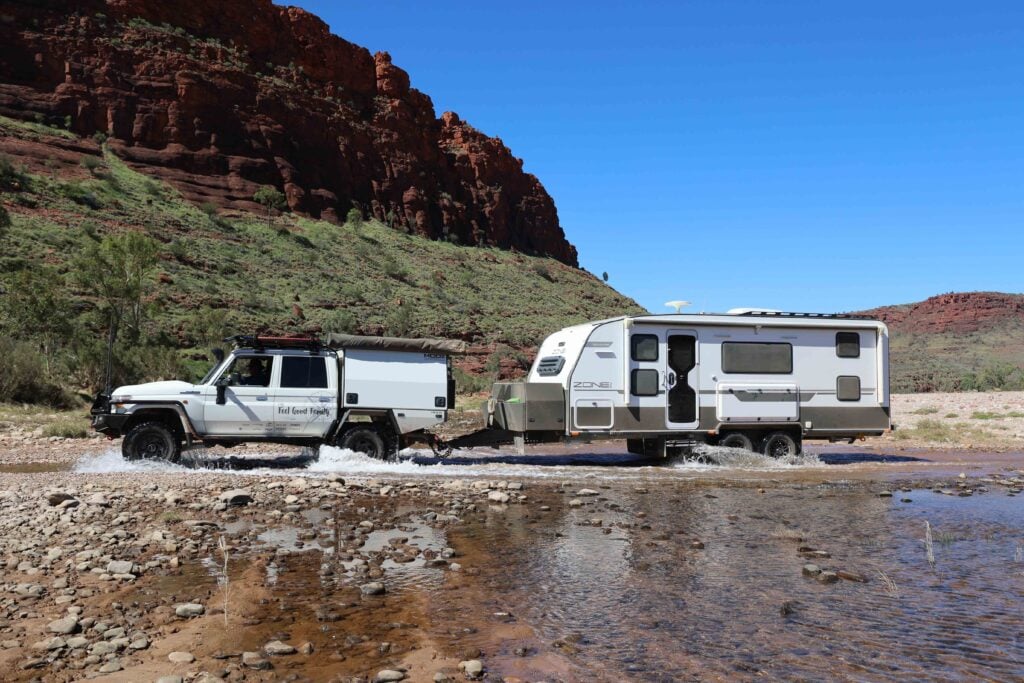
Water crossings can end a trip quickly if approached carelessly. Not checking depth, current or the condition of the exit bank is a common mistake. Walking the crossing first and choosing the right line can prevent engine damage or a difficult recovery.
Entering obstacles without checking the line
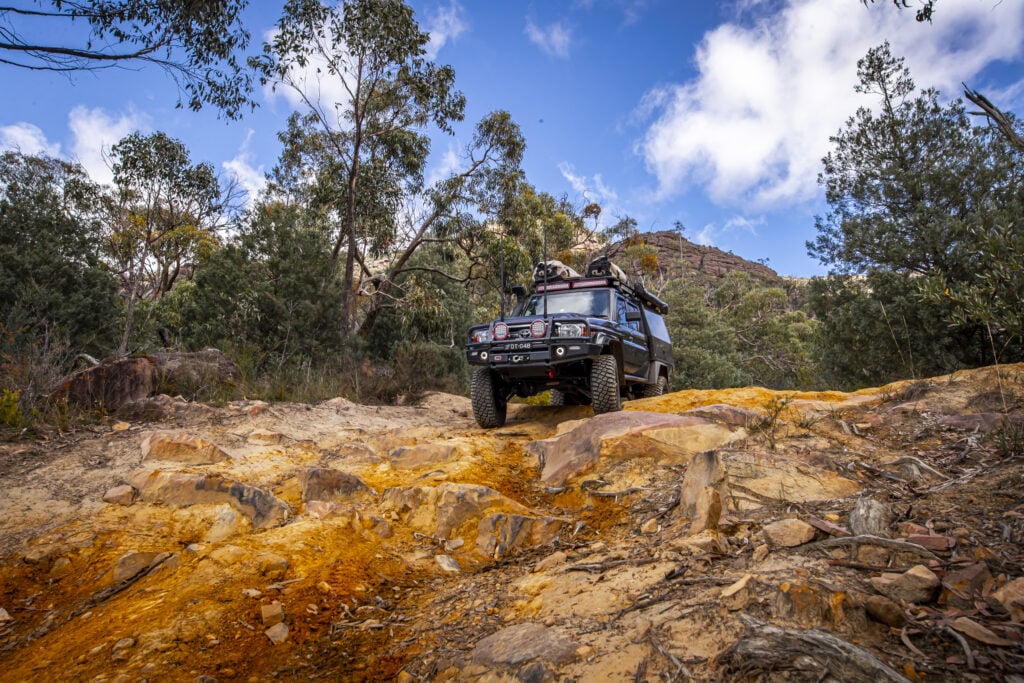
Steep climbs, rock shelves and technical sections often look very different from the driver’s seat. Taking a few minutes to walk the obstacle and assess traction points can prevent underbody damage, tyre cuts or unnecessary recoveries.
Forgetting basic spares
You don’t need to carry a full workshop, but a few simple spare parts can save a trip. Belts, radiator hoses, fuses, wheel studs and a proper tyre repair kit can turn a potential recovery job into a quick trackside fix.
Poor convoy communication
When travelling in a group, clear UHF communication makes everything smoother – from calling oncoming vehicles on narrow tracks to coordinating recoveries. A simple channel plan before leaving camp avoids confusion once you’re on the track.
Follow 4X4 Australia on Google
Get more 4x4 news, reviews and gear stories from 4X4 Australia in your Google feeds.


We recommend
-
 Advice
Top 10 pet peeves of Aussie 4x4 drivers
From slow lane hogs to dusty convoy chaos, these are the frustrations every Aussie off-roader knows too well
-
 Advice
Smarter ways to save fuel when travelling
Essential tips to make every litre go further on your journey
-
 Advice
Dusk remains the most dangerous time for wildlife collisions – here’s how to stay safe
New data from AAMI confirms dusk as the peak danger period for wildlife collisions on regional roads