Advice


Gallery 1
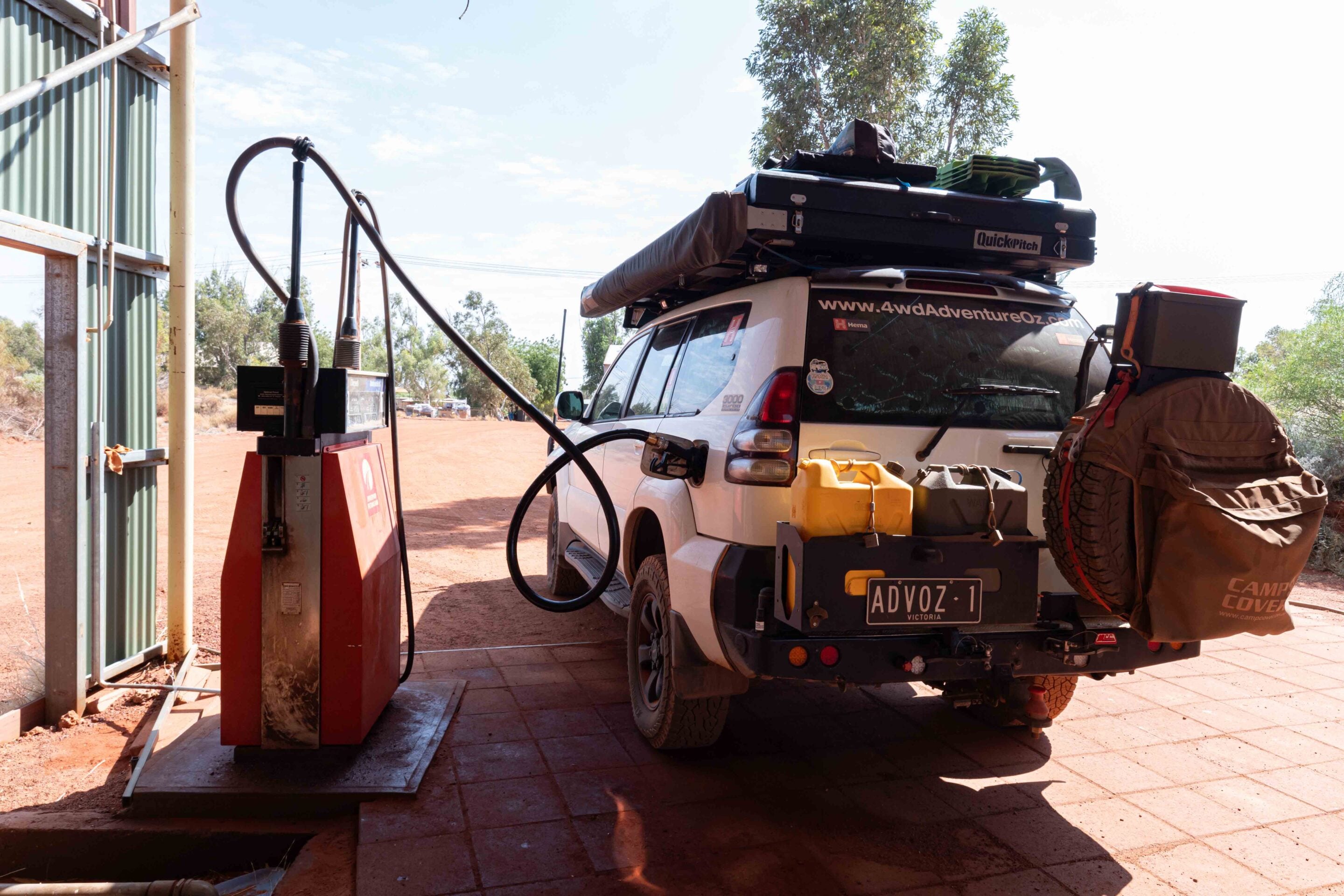
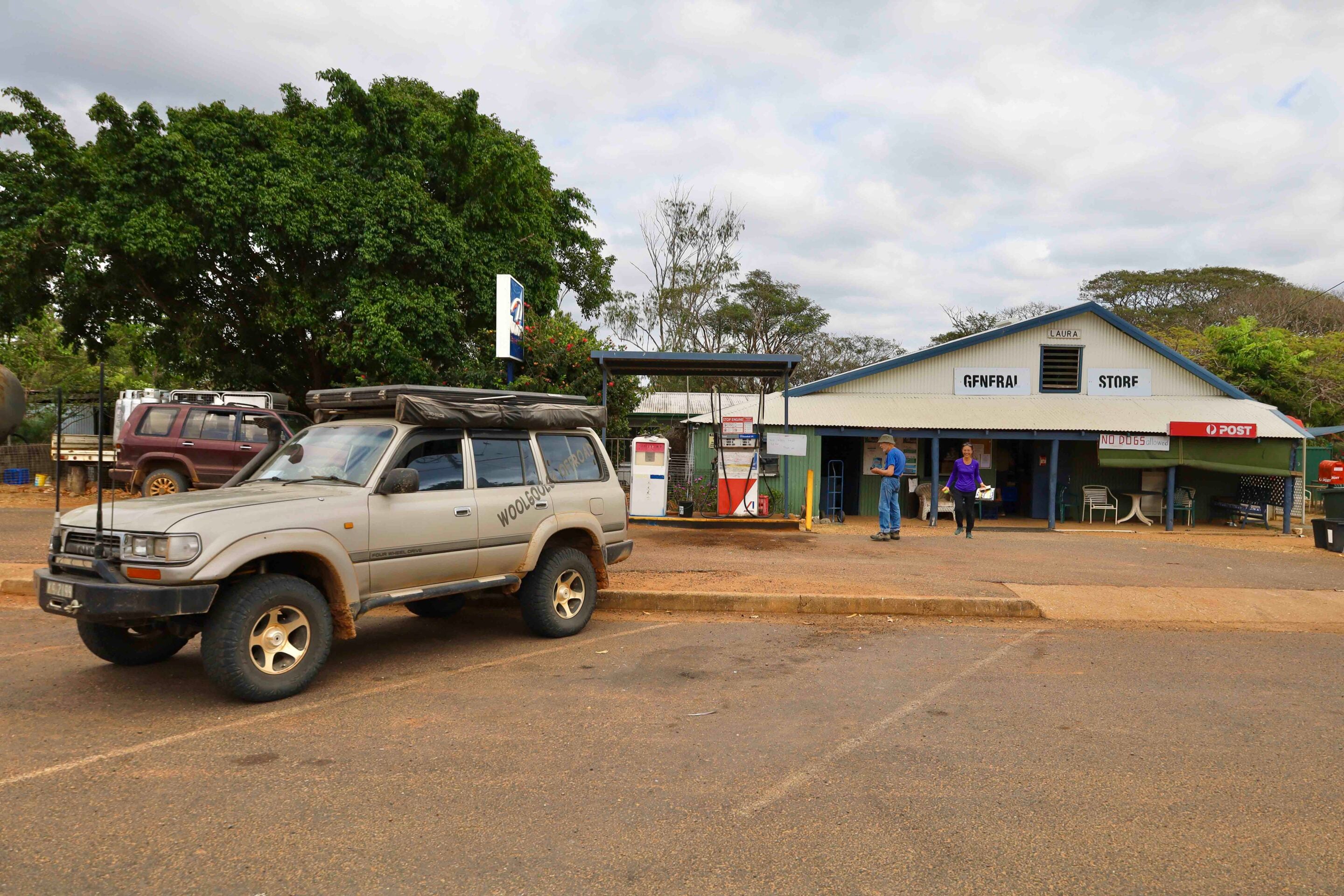
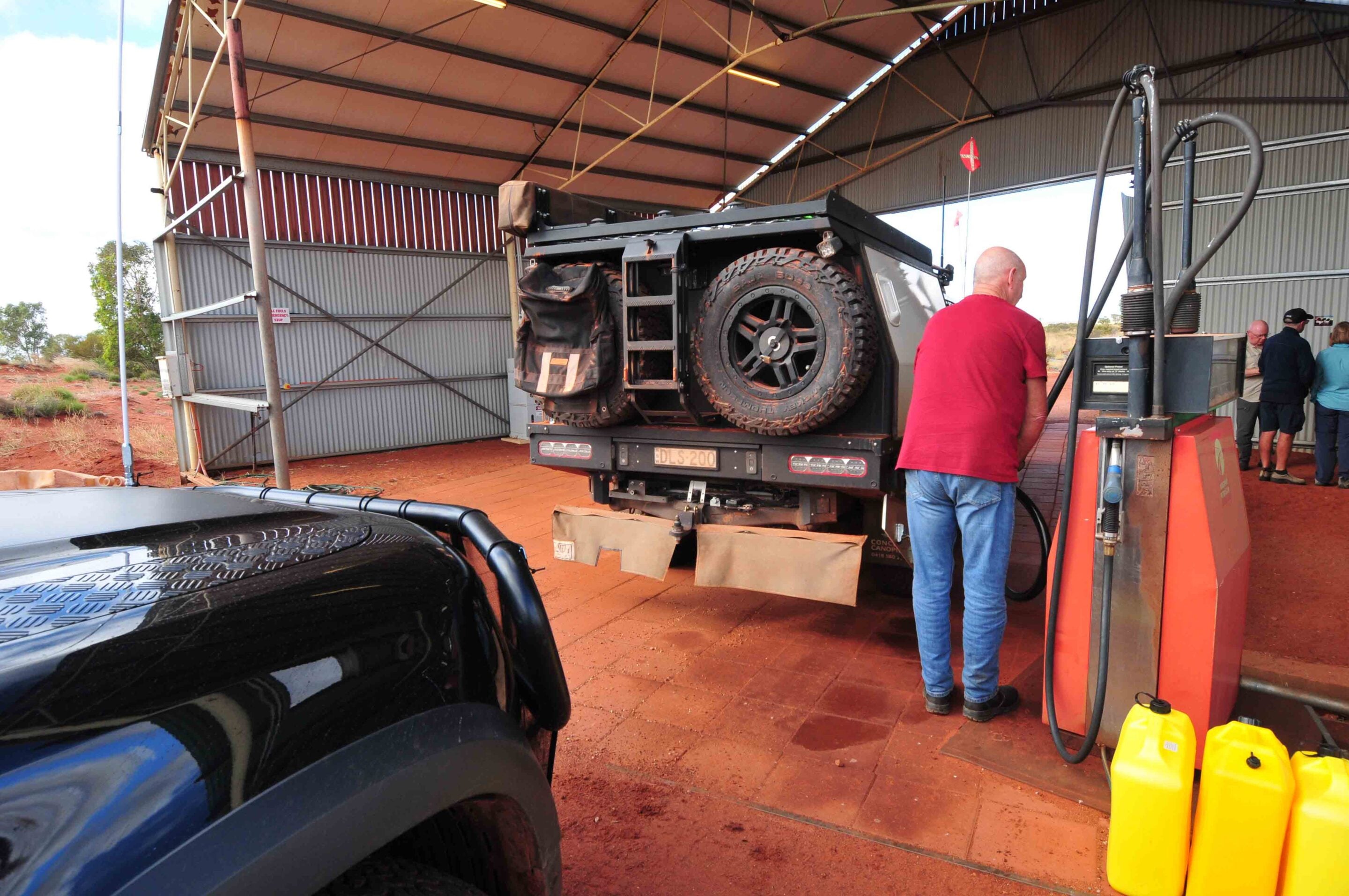
As four-wheel drive travellers, one of the most significant expenses we encounter when crossing this wide brown land is the cost of fuel.
It still surprises me how many people don’t realise that a fully loaded 4×4 cruising at 100km/h down an outback road will use considerably more fuel than a family hatchback doing the school run. There are a few things you can do to minimise fuel use and running costs, but it’s important to understand that you don’t get anything for nothing – the more you carry, the more it’s going to cost.
Once upon a time, fuel consumption was measured in miles per gallon (MPG) – a system still used in the US – while in Australia we use litres per 100km (L/100km). This simply refers to how many litres of fuel an engine burns to travel a distance of 100km. Now, a small hatchback travelling at 30km/h will use less fuel to cover 100km than a fully loaded 4×4 pushing into a headwind at 100km/h. That’s why the standard fuel-consumption figure shown on the yellow windscreen label of new vehicles is derived from laboratory testing.
1
The test is carried out on a dynamometer under controlled conditions so everything is as even as possible, producing a figure that allows buyers to compare fuel consumption between different vehicles. This testing is conducted in accordance with ADR 81/02 (Australian Design Rule). The figure on the label is not meant to reflect what you will achieve on the highway in the real world. Real-world fuel consumption is affected by many variables, including speed, load, altitude, how often you stop and start, and how you drive. The fuel efficiency label exists to help you compare the rated fuel consumption of vehicles you may be considering purchasing.
It still amazes me to read online posts from Joe Bloggs on FaceAche, claiming he’s incredibly disappointed – and out for blood – because the new XYZ Super 4×4 Black Edition he’s just bought and hooked up to a caravan for a run up the coast isn’t matching the fuel-consumption figure shown on the yellow sticker. Oh, and then he mentions he’s fitted a suspension lift, bigger all-terrain tyres, a bullbar and a roof rack – all installed by the dealer before taking delivery. But he still wants to know who’s going to compensate him for fuel consumption that’s higher than expected.
No one, buddy. You don’t get anything for nothing, and all those extras you’ve fitted to the vehicle will have a significant impact on how much fuel it uses wherever you drive it.
How accessories and load affect 4×4 efficiency
In this job, I regularly drive up the Hume from Melbourne to Sydney and back, and it’s a trip I genuinely enjoy. About 850km of just me, a machine and a playlist of old punk tracks – life doesn’t get much better than those nine or so hours behind the wheel.
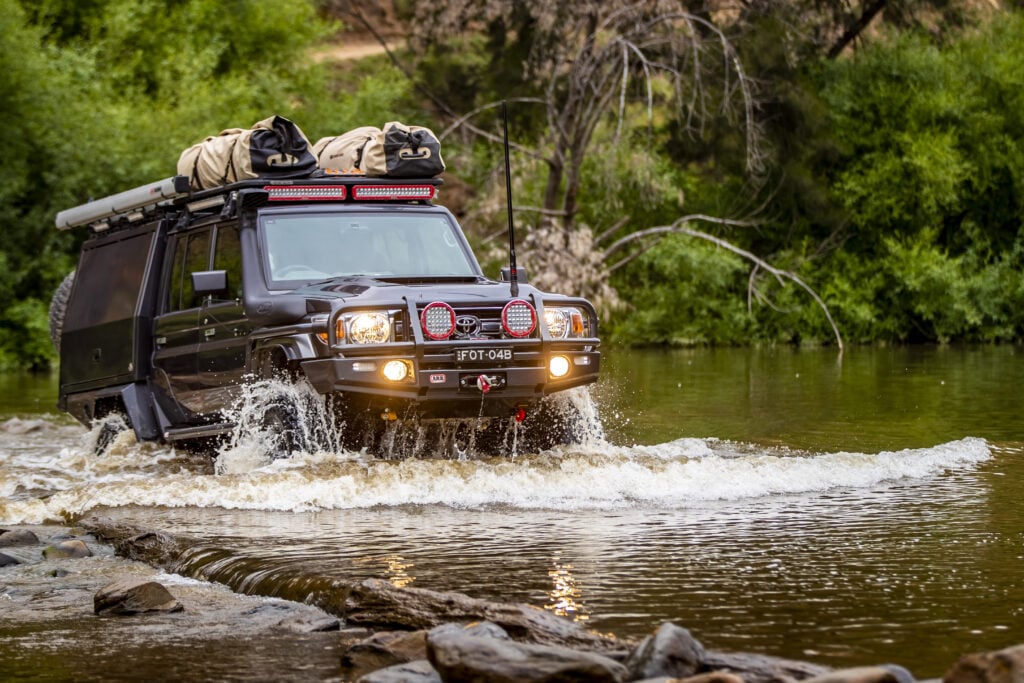
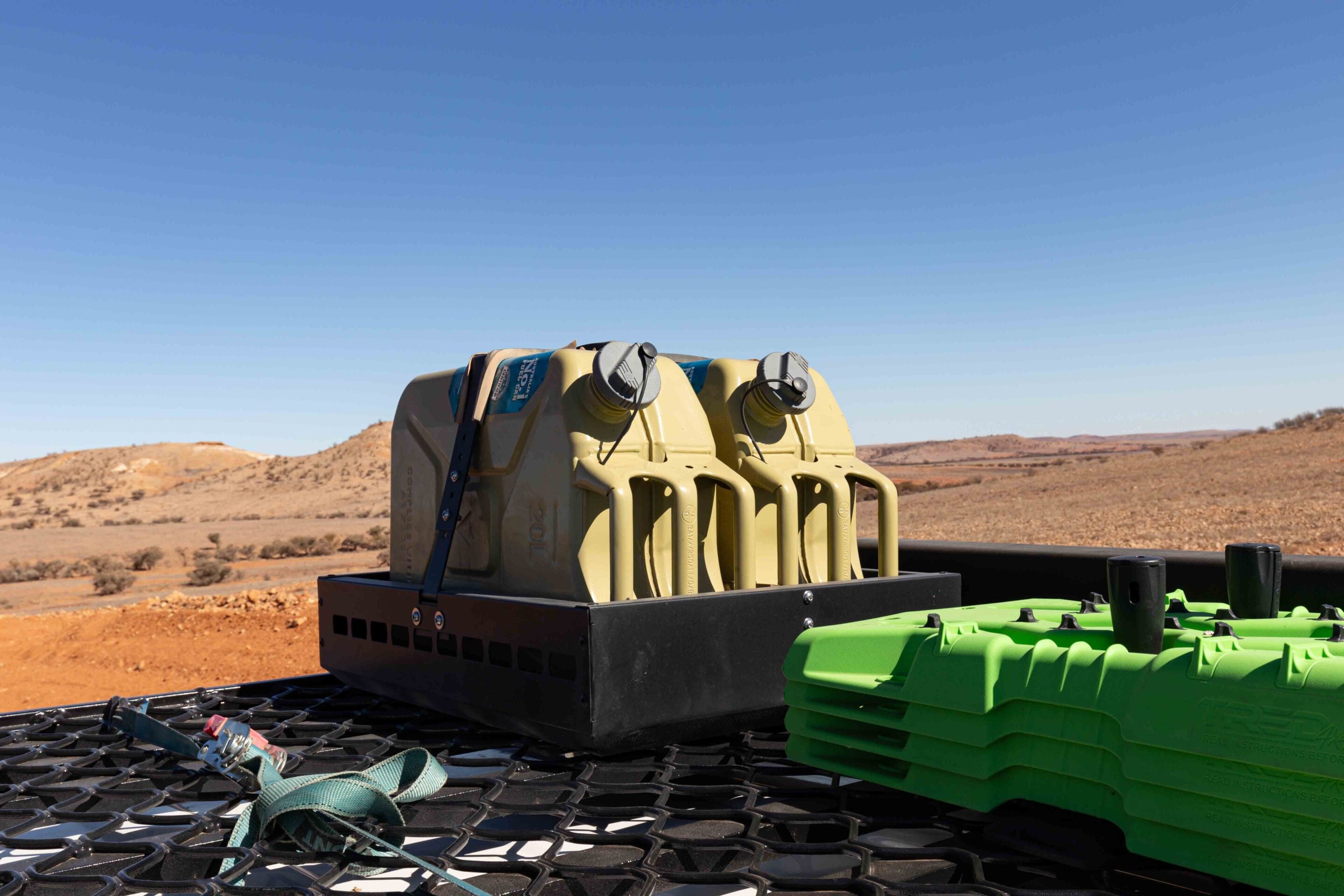
When we had our V6 Ranger Sport, the Ford would return around 18-19L/100km on that run, travelling at the posted 110km/h speed limit. The ADR 81/02 combined-cycle rating for that vehicle is 8.4L/100km, but ours was fitted with larger, heavier 285/70 mud-terrain tyres, a bullbar that was less aerodynamic than the standard bumper, spotlights, raised suspension – again, less aerodynamic – roof racks, and a large rear canopy loaded with touring equipment. All of those additions to the standard Ford added weight, increased wind resistance and aerodynamic drag, and resulted in more fuel being required to complete the trip.
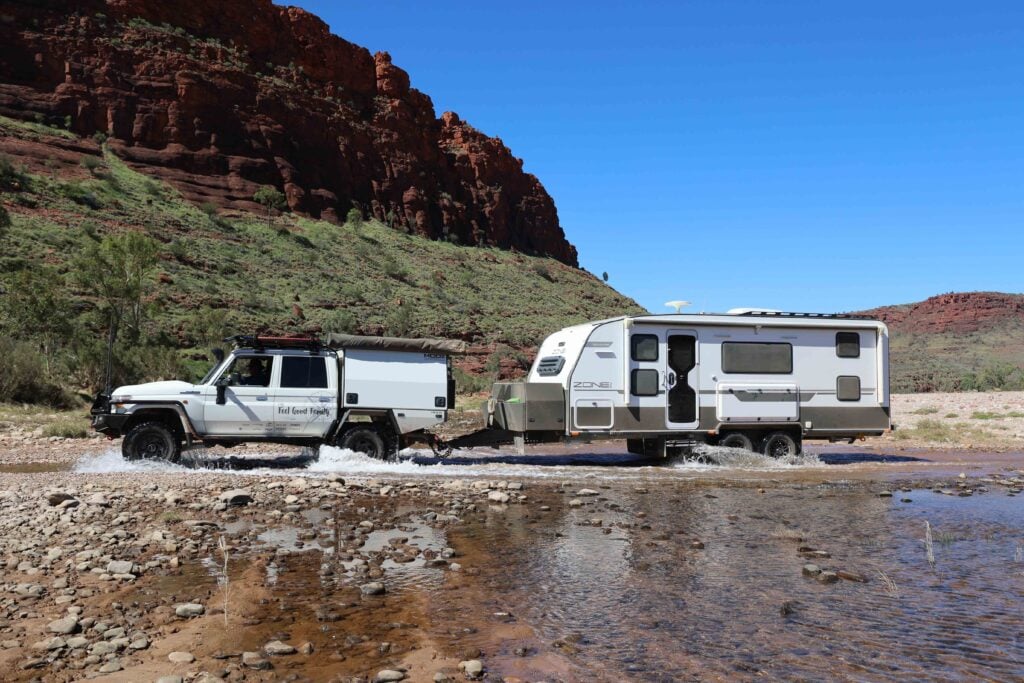
While we still had that Ranger, I had the opportunity to make the same journey in a bone-stock Ranger Platinum with the same drivetrain but no accessories fitted. It averaged 8.9L/100km for the drive, allowing me to travel considerably further on the same 80L diesel tank before needing to refuel. Take that same accessorised and modified Ranger, hitch a 2500kg trailer behind it, and you can expect fuel consumption to almost double again.
1
How to reduce fuel consumption on your 4×4
If you’re worried about the cost of fuel on a lap of the map, there are steps you can take to minimise fuel consumption and, in turn, reduce running costs.
- Buy the right vehicle for your use: Do you really need a V8-powered full-size 4×4 if it’s just one or two of you travelling and you’re not towing, or would a smaller-capacity ute be sufficient?
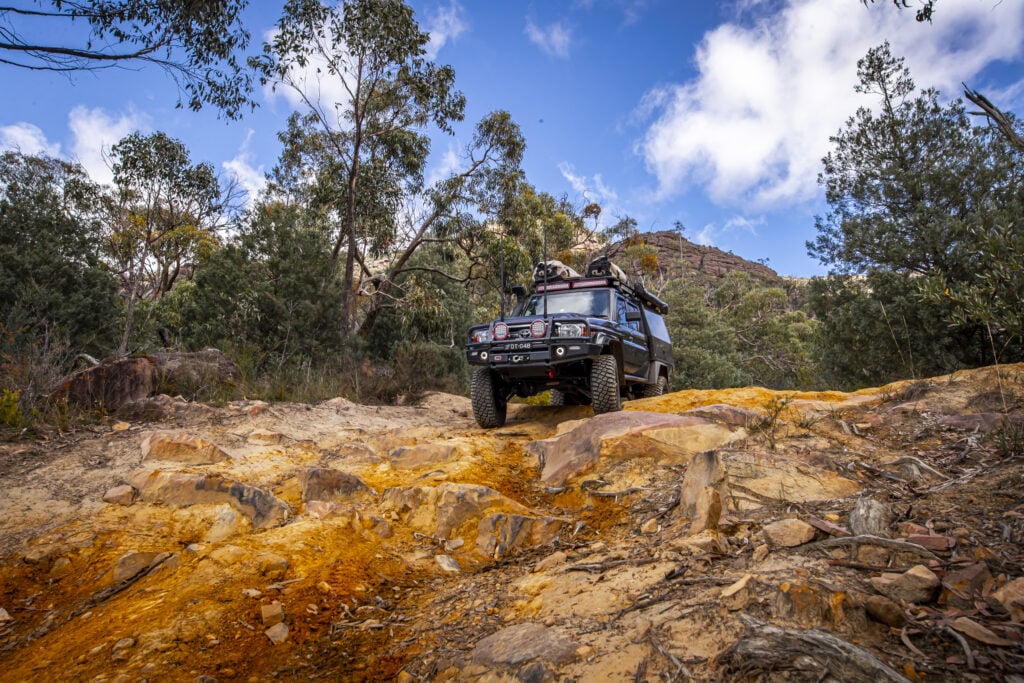
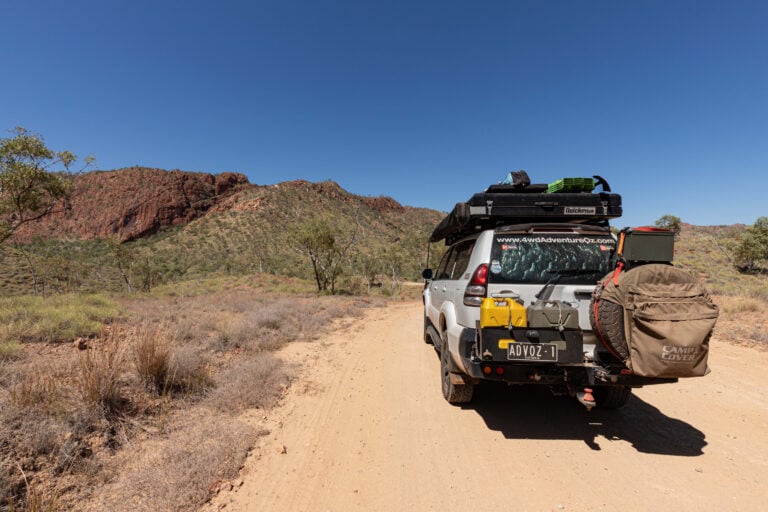
- Consider your accessories and modifications: As outlined above, anything that adds weight or increases aerodynamic drag will have a negative effect on fuel consumption. If you’re mostly driving around town with the occasional trip up the coast, do you really need a bullbar, winch and driving lights?
- Choose tyres carefully: Will lighter, less aggressive all-terrain tyres suit the tracks you’ll be driving, or do you really need fuel- and power-sapping oversized mud-terrain tyres?
- Think about suspension: Is the OEM-supplied standard suspension adequate for where you’re going? You might be surprised how far a lightly laden, bone-stock modern 4×4 will take you.
- Keep your vehicle serviced: A well-maintained vehicle is not only more reliable but generally more efficient. While there’s not much you can do yourself on modern vehicles while on the road, simple tasks such as monitoring tyre pressures and replacing the air filter regularly when travelling in dusty conditions can make a difference. When the vehicle is due for a service, get it done at the next available town and talk to the mechanic about the type of driving you’re doing so they can check for issues specific to your usage.
15
Lighten the load
Service-body style replacement canopies for cab-chassis utes have opened up far more space to carry gear and equipment on the back of a 4×4.
The amount of stuff people load into them can seem endless, but even though it’s enclosed within the canopy, it still adds weight and will increase fuel consumption. Likewise, anything mounted on the roof adds aerodynamic drag and will cost you more at the bowser.
For many, the idea of escaping town for a bush getaway means leaving everyday comforts behind and enjoying a simpler life without the microwave, coffee machine, television and a myriad of other items you can easily do without. Taking stock of what you’re carrying in and on your 4×4, then reducing it significantly to save weight and cut aerodynamic drag, can deliver meaningful savings – not just in fuel costs, but also in vehicle maintenance. A heavy or overloaded vehicle places excessive strain on suspension, tyres and other mechanical components, accelerating wear and shortening their service life.
The money saved on fuel and by avoiding premature wear of mechanical components could leave you with more to spend on what really matters – time enjoying life on the road.
Follow 4X4 Australia on Google
Get more 4x4 news, reviews and gear stories from 4X4 Australia in your Google feeds.

We recommend
-
 Advice
Dusk remains the most dangerous time for wildlife collisions – here’s how to stay safe
New data from AAMI confirms dusk as the peak danger period for wildlife collisions on regional roads
-
 Advice
8 essential tips for a safe outback adventure in Australia
Stay safe on your next outback adventure with these eight practical tips
-
 Advice
Outback travel water guide – how much you really need to carry on remote trips
Straight-up advice on how much water you really need to carry for safe and comfortable travel in the Aussie Outback