News

Gallery 1
Petrol prices in Australia are expected to increase following recent military action by the U.S. and Israel against Iran.
The attacks have raised concerns about the security of the Strait of Hormuz, a key route for about 20 per cent of the world’s oil. This has caused the price of Brent crude, the global benchmark for oil, to rise by 8 to 10 per cent. Brent crude prices are used by refineries around the world to set the cost of fuel. When the price of Brent crude goes up, it eventually leads to higher petrol prices at the pump.
Analysts warn that Australian petrol could increase by up to 40 cents per litre if the situation continues. Petrol is already high, with prices in Melbourne and Sydney as high as 213.9 cents per litre for 91 as of March 2.
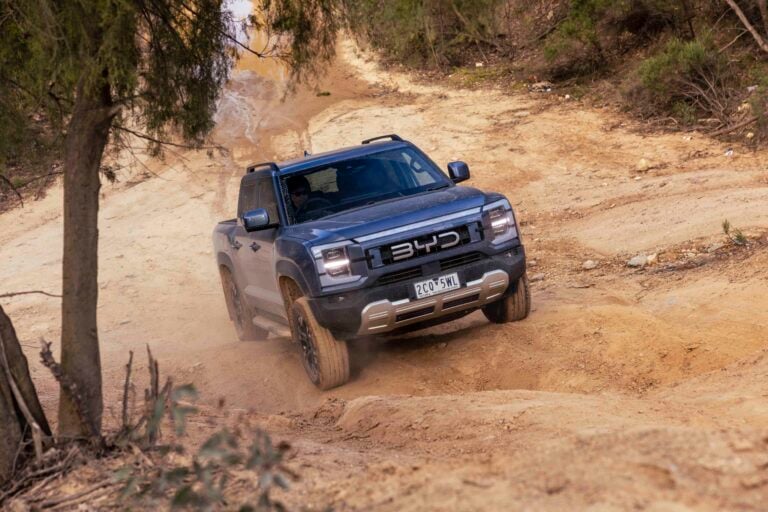
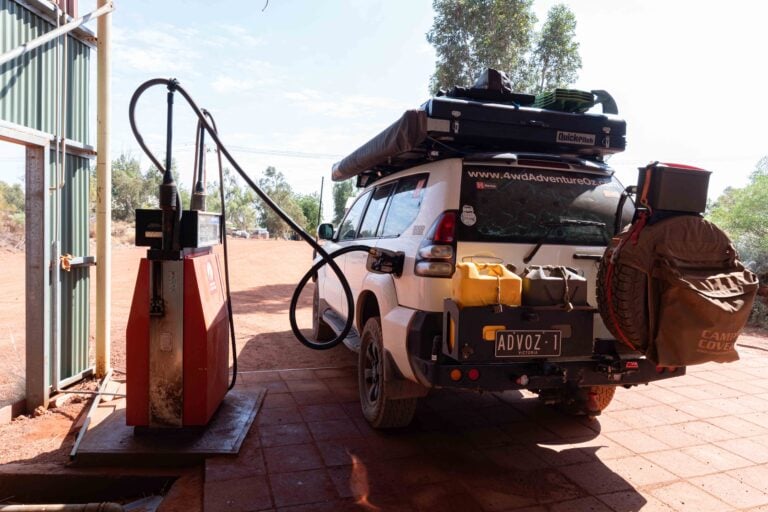
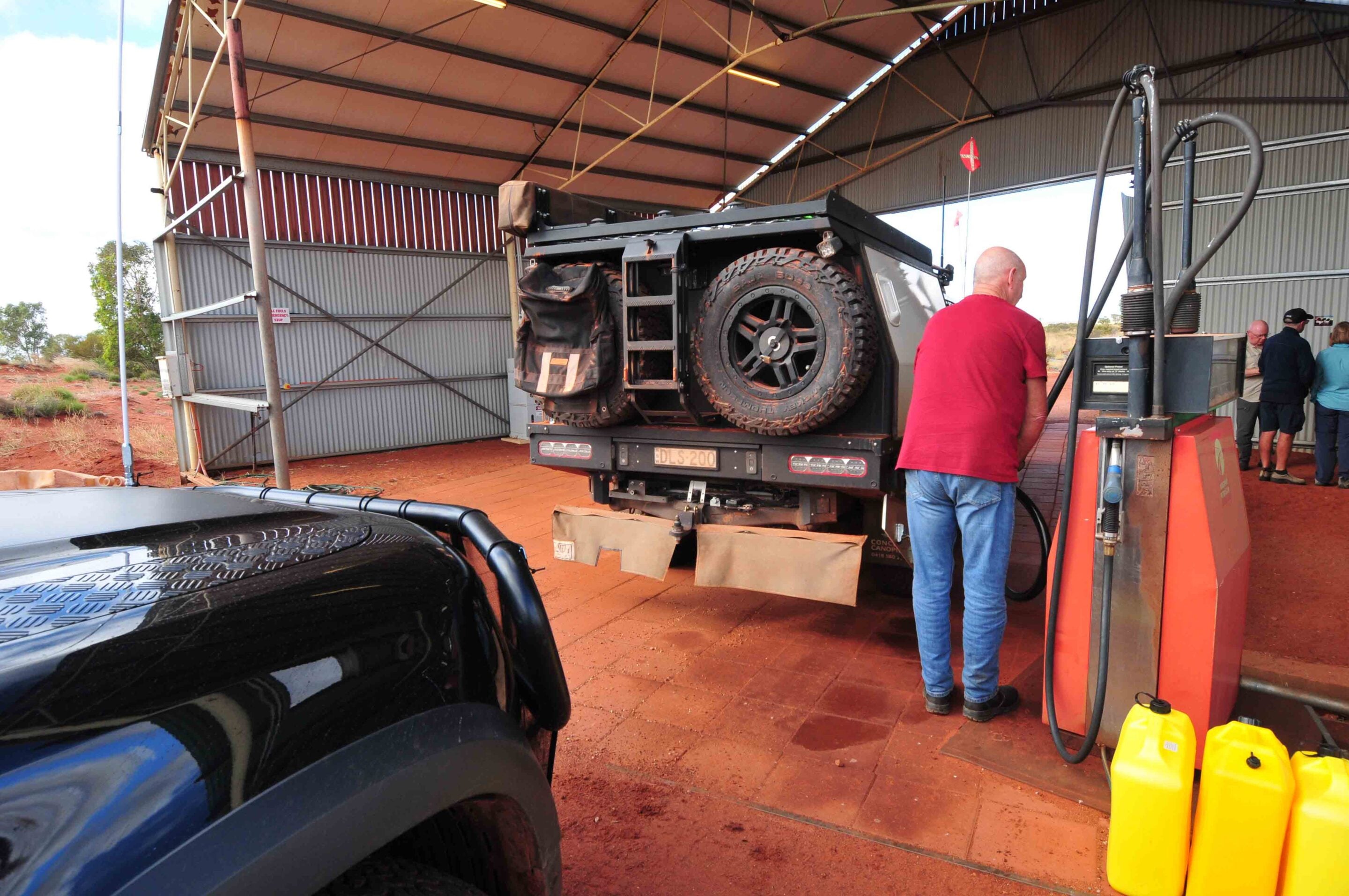
For the 4×4 community, higher petrol prices have a direct impact: Off-road vehicles generally use more fuel, and remote locations often charge extra for petrol. Long-distance trips can become significantly more expensive. Rising petrol prices also affect transport and freight costs, which can increase the cost of vehicle parts, maintenance and touring gear.
With prices this high, 4×4 travellers can reduce costs by adopting practical fuel-saving measures. Minimising vehicle weight and unnecessary accessories, using tyres suited to the terrain, maintaining tyre pressures, and keeping the engine and filters in good condition all improve fuel efficiency. Planning routes carefully, avoiding detours, and using fuel-price apps can also help stretch each litre further.
Drivers can further manage costs by refuelling before expected price spikes and carrying extra fuel safely where permitted. While these steps won’t prevent price rises, they can reduce the financial impact on long tours and remote trips.
Follow 4X4 Australia on Google
Get more 4x4 news, reviews and gear stories from 4X4 Australia in your Google feeds.