News
Gallery 1
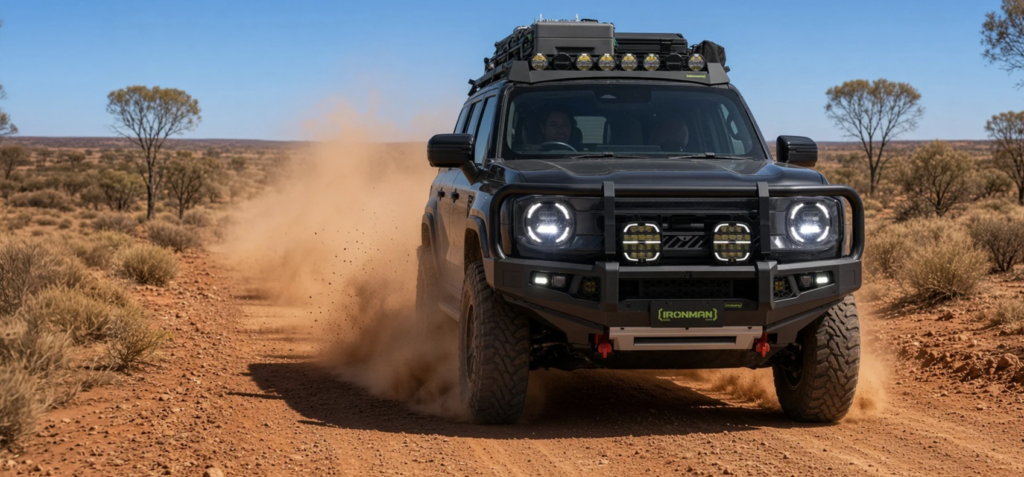
ARB’s Australian accessory sales fell during FY2026, but the new Toyota HiLux and Ford Ranger Super Duty are already producing potentially record fitment rates.
That contrast is the key takeaway from ARB’s full-year results. Australian aftermarket revenue fell 3.3 per cent to $390.1 million as softer new-4×4 sales, restricted vehicle availability and inflation put pressure on spending. Yet some of the strongest fitment rates are coming from two of the newest vehicles on the market, suggesting demand for accessories remains strong when the vehicle is available and the products are ready.
Fewer new 4x4s means fewer accessories
ARB’s total sales revenue fell 3.8 per cent to $702 million in FY2026, with the Australian aftermarket accounting for much of the pressure. Ranger and HiLux sales both fell by about four per cent during the year, reducing the number of new vehicles available to buyers looking to modify them.
The impact was even more pronounced in original-equipment accessories, where revenue fell 27.2 per cent to $43.4 million. Vehicle shortages and the timing of model changes were key factors, showing how closely OEM accessory programs are tied to the vehicle production and delivery cycle.
Inflation also put pressure on spending, adding another hurdle for buyers considering accessory purchases. ARB’s figures do not break down performance by product category, so they do not establish whether buyers are delaying larger purchases such as bullbars, suspension and canopies while continuing to spend on smaller touring accessories. What they do show is that the number and timing of new vehicles reaching customers remains critical to the accessory market.
New HiLux and Ranger buck the slowdown
The new HiLux and Ranger Super Duty provide the clearest counterpoint to the weaker overall result.
ARB had early access to both vehicles and says they have produced improved, potentially record, accessory fitment rates. That’s significant given the wider decline in Australian aftermarket revenue and suggests the issue is not simply that 4×4 owners have stopped modifying their vehicles.
If accessories are available as customers take delivery, they can become part of the initial vehicle build rather than a purchase pushed further down the track. The stronger fitment rates for the new HiLux and Ranger Super Duty show what can happen when products are ready at launch.
It also makes early product development increasingly important. As new vehicles arrive, buyers can configure them before or immediately after delivery, creating an opportunity for accessory manufacturers that have products ready to go.
Chinese OEMs and new platforms open a wider front
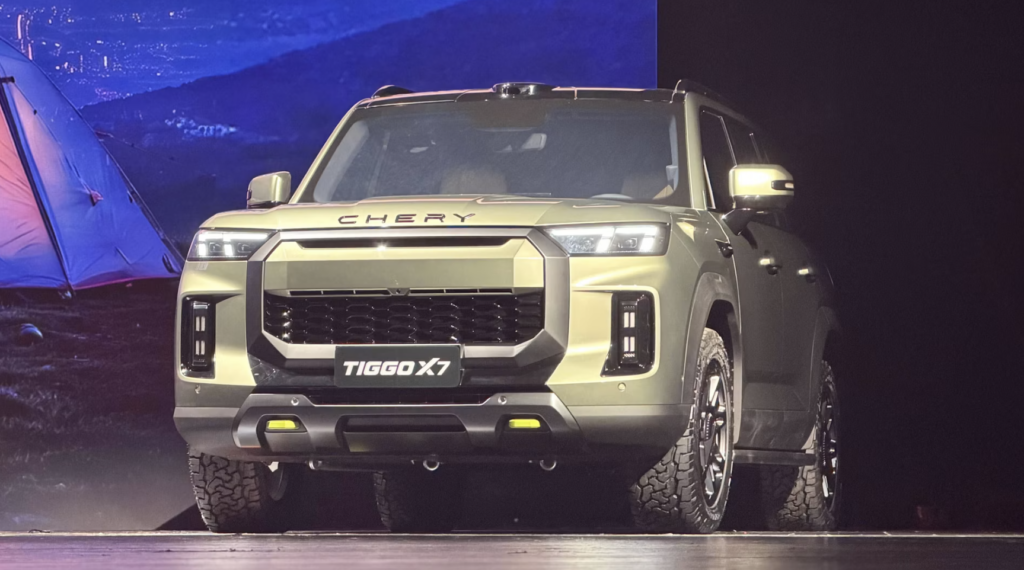
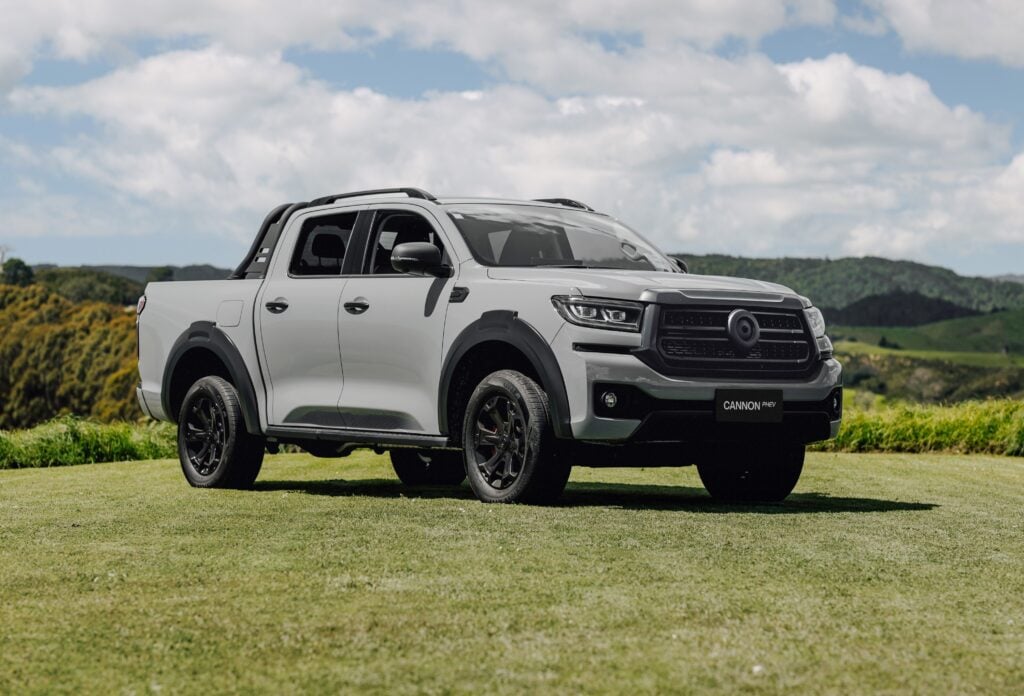
The vehicles coming into the market are changing, too.
ARB established a Chinese subsidiary in May and secured two additional US manufacturer contracts during FY2026, including one involving an electric platform.
That reflects a wider shift in the accessory market, with manufacturers increasingly developing products for Chinese and electric vehicle platforms alongside the established 4×4 market.
Products now need to be ready for a wider range of manufacturers and powertrains, making early access and development increasingly important. The HiLux and Ranger Super Duty provide a clear example of the potential benefit, with stronger fitment rates despite the broader market slowdown.
Toyota supply could drive the next recovery
The next lift in Australia’s accessory market could come from improving supply of key Toyota models.
ARB expects better availability of the new HiLux, Prado, LandCruiser 300 and 70 Series to support sales. Those vehicles are important to the Australian 4×4 market, so increased deliveries would create more opportunities for accessory sales.
The new HiLux is already showing what that could mean. Despite the broader decline in the Australian aftermarket, its accessory fitment rate has increased alongside the Ranger Super Duty.
International sales are providing another source of growth, with US sales up 10.2 per cent in Australian-dollar terms. ARB is also expanding its international operations, with a South African warehouse and distribution operation planned for the first half of FY2027.
But the Australian figures tell the more important story for local 4×4 owners and accessory businesses. Aftermarket revenue is down, OEM accessory revenue has taken a much larger hit, and new-vehicle supply remains a constraint.
At the same time, the new HiLux and Ranger Super Duty are producing stronger, potentially record fitment rates. The message from the numbers is fairly simple: Australian 4×4 owners are still spending on accessories, but there need to be enough new vehicles available, with the right products ready when they arrive.
FAQs
Did ARB’s Australian accessory sales fall in FY2026?
Yes. Australian aftermarket revenue fell 3.3 per cent to $390.1 million during FY2026.
Why did ARB’s Australian accessory revenue fall?
ARB attributed the decline to softer new-4×4 sales, restricted vehicle availability and inflation putting pressure on spending.
How much did ARB’s original-equipment accessory revenue fall?
Original-equipment accessory revenue fell 27.2 per cent to $43.4 million, with vehicle shortages and the timing of model changes identified as key factors.
Are the new Toyota HiLux and Ford Ranger Super Duty selling accessories?
ARB says both vehicles have produced improved, potentially record, accessory fitment rates after the company had early access to them.
Why is early accessory development important?
Having accessories ready when a new vehicle launches allows buyers to configure their vehicles before or immediately after delivery, rather than waiting for products to become available.
Could improving Toyota supply boost the 4×4 accessory market?
ARB expects better availability of the new HiLux, Prado, LandCruiser 300 and 70 Series to support sales, which could create more opportunities for accessory purchases.
Follow 4X4 Australia on Google
Get more 4x4 news, reviews and gear stories from 4X4 Australia in your Google feeds.

We recommend
-
 Gear
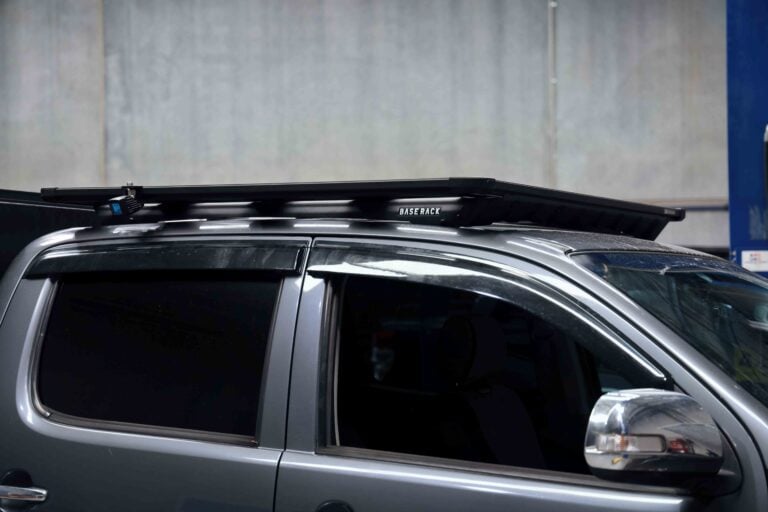
GearARB Base Rack review: Built for serious 4x4 touring
The ARB Base Rack brings a strong mounting system, low-profile design and smart accessory fitment to this well-used N70 HiLux
-
 Gear
GearARB Frontier long-range fuel tank review: Why plastic makes sense
The ARB Frontier long-range fuel tank adds serious touring range without the weight penalty of steel