
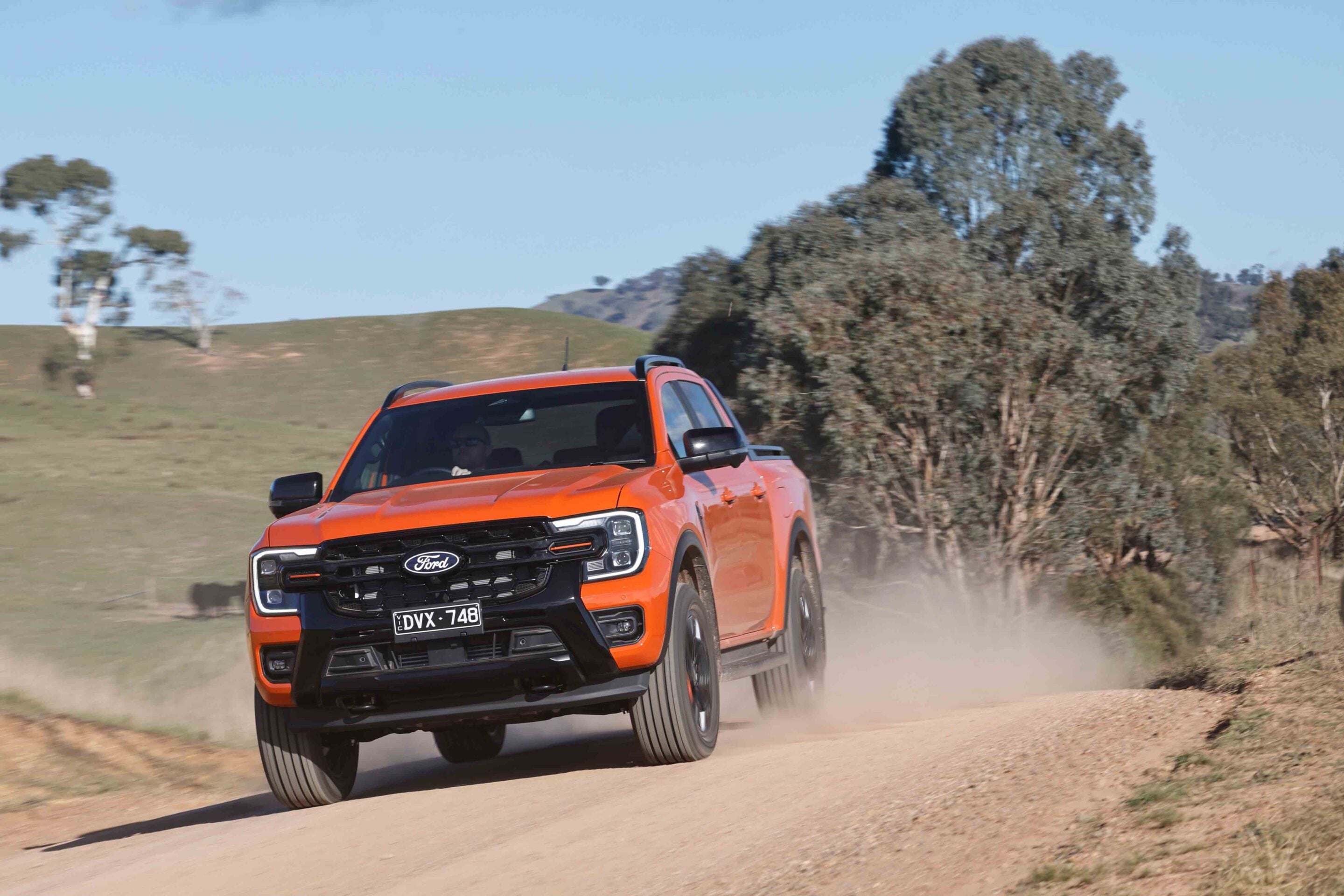
Ford is putting a sweetener on the table for Ranger buyers this Black Friday, bundling a $5000 fuel card with three years of scheduled servicing.
The deal won’t be around for long (↗), with the limited-time promotion running until 30 November 2026. It applies to 2026.5MY Ranger XLT, Wildtrak and Tremor models fitted with either the 2.0-litre four-cylinder or 3.0-litre V6 engine.
“Ranger has become Australia’s best-selling vehicle by giving customers the capability, versatility and confidence they need for work, weekends and everything in between,” said Ambrose Henderson, Director of Marketing, Ford of Australia.
“For Black Friday, we’re adding even more value to selected MY26.5 Ranger models, with a $5,000 fuel card and three scheduled general services included, helping customers make more of every journey from day one.”
The three included general services are scheduled at 12 months/15,000km, 24 months/30,000km and 36 months/45,000km. The offer covers the general service items listed in Ford’s Service Portfolio, excluding additional repairs, consumables and maintenance work outside those inclusions.
The promotion is available to private, Blue, Silver and Gold Business Fleet customers at participating Ford dealers and cannot be combined with other offers. All three services must be carried out by an authorised Ford dealer.
The $5000 fuel card is a digital prepaid Mastercard restricted to fuel-related purchases at participating retailers. Buyers can instead opt for an equivalent $5000 discount off the vehicle’s purchase price. Fuel card claims must be submitted within 90 days of vehicle purchase, with Ford allowing up to two weeks to verify claims.
Separately, Ford is offering a $4000 fuel card or equivalent purchase-price discount on select Ranger, Everest and F-150 models until December 31, 2026. The offer covers specified 2026.5MY and 2027MY Ranger and Everest variants, plus 2024MY F-150 XLT, Lariat and Platinum models.
Full details of the Black Friday deal are available through Ford Australia’s offers page (↗) or local Ford dealers.
FAQs
How much is the Ford Ranger Black Friday fuel card worth?
Eligible buyers receive a $5000 digital prepaid fuel card.
Which Ranger models are included?
2026.5MY Ranger XLT, Wildtrak and Tremor models with either the 2.0-litre or 3.0-litre engine.
How long does the offer run?
Until November 30, 2026.
Does the deal include free servicing?
Yes. The first three scheduled general services are included, covering up to 36 months or 45,000km, whichever comes first.
Can buyers take a discount instead of the fuel card?
Yes. Buyers can choose an equivalent $5000 discount off the vehicle’s purchase price instead of the digital fuel card.
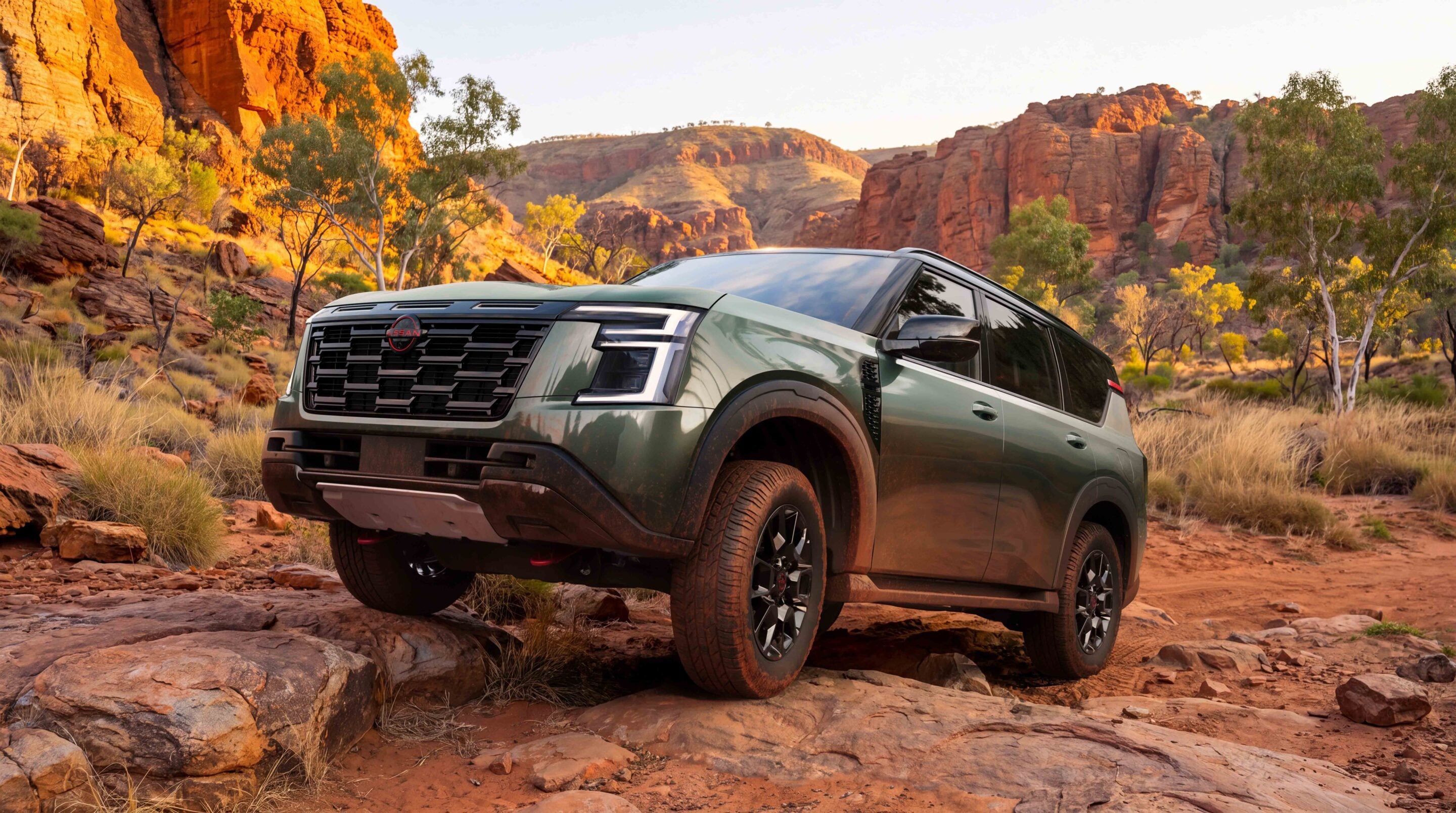
Nissan Australia has released further specifications for its new-generation Patrol ahead of first customer deliveries in December 2026, confirming payload, weight and off-road figures across the range.
Nissan has confirmed the new Patrol can tow 200kg more than its predecessor and key full-size rivals, while a lower kerb mass and increased Gross Vehicle Mass (GVM) deliver more usable carrying capacity. It also claims at least 15 per cent lower combined-cycle fuel consumption than the outgoing V8-powered Y62, despite the new model offering more power and torque.
All six grades, comprising the Ti, Ti+, Ti-L, Ti-L+, PRO-4X and Ti-L Reserve, share a 3700kg braked towing capacity and 370kg maximum towball download. The Patrol has a 3550kg Gross Vehicle Mass (GVM), up 50kg over its predecessor, and a Gross Combined Mass (GCM) of 6800kg.
Kerb weight varies between grades, which means payload ranges from 734kg in the flagship Ti-L Reserve to 848kg in the entry-level Ti. Those payload figures become particularly important when towing. With a 3500kg caravan and a typical 10 per cent towball download, the Ti-L Reserve has 384kg remaining for occupants and luggage. That’s around 80kg more than the outgoing Patrol Ti-L, and more than comparable flagship versions of the LandCruiser 300 Series and DENZA B8. The entry-level Ti has considerably more capacity left under the same conditions, at up to 498kg.
At the maximum 3700kg towing limit, the Patrol’s full 6800kg GCM is used, leaving between 284kg in the Ti-L Reserve and 398kg in the Ti for occupants and luggage.
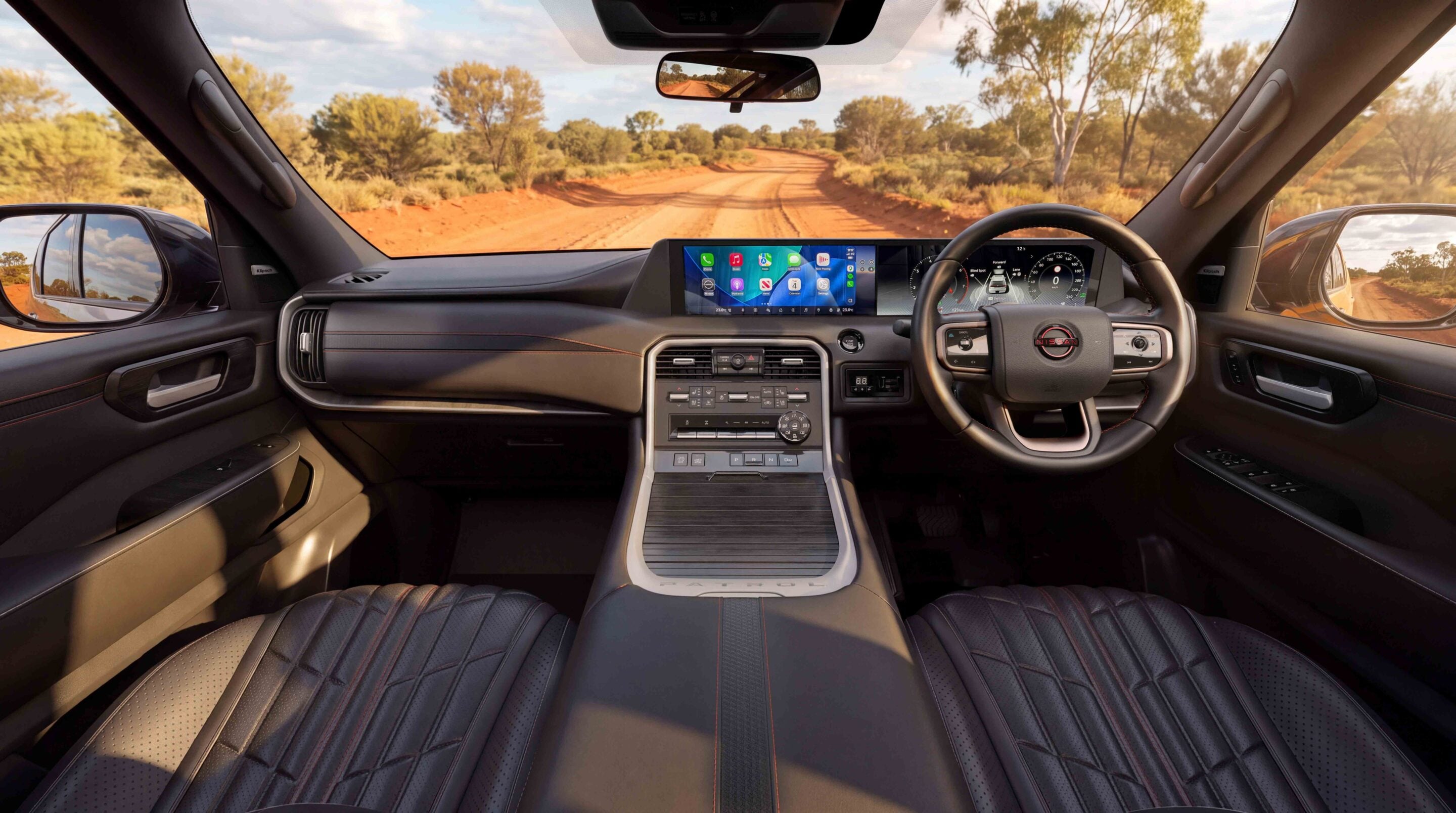
“Australians don’t just tow – they tow a long way, fully loaded, with the family on board. With the all-new Patrol, we focused on giving owners more of the capacity they can actually use, not just a bigger number on a spec sheet,” said Steve Milette, Managing Director, Nissan Oceania.
“More usable payload, a higher towing capacity and 700Nm on tap make the all-new Patrol the most capable towing Patrol we have ever offered Australian customers.”
Power comes from a 3.5-litre twin-turbo petrol V6 producing 317kW and 700Nm, paired with a nine-speed automatic transmission. All six grades feature full-time four-wheel drive, a dual-range transfer case with high and low range, and an electronic locking rear differential. Eight drive and terrain modes are also standard: Standard, Eco, Sport, Tow, Snow, Sand, Rock and Mud/Rut. A full-size matching spare wheel and tyre rounds out the standard equipment.
PRO-4X gets the off-road hardware
The PRO-4X is the most off-road-focused grade in the range, gaining adaptive air suspension alongside Nissan’s Intelligent Dynamic Damping system.
In Off-Road Mode, the suspension raises ride height to deliver 271mm of ground clearance, a 29-degree approach angle, 25.5-degree departure angle and 27.5-degree ramp breakover angle.
It also gets 20-inch black alloy wheels with 275/60 R20 all-terrain tyres and black wheel-arch flares. The Ti-L Reserve shares the adaptive air suspension, with 272mm of ground clearance in Off-Road Mode, a 27-degree approach angle and 27-degree ramp breakover angle. Both grades also come standard with an electronic trailer brake controller.
Warranty and availability
Orders for the new Patrol are open now through Nissan dealers nationally, with first customer deliveries scheduled to commence in December 2026.
All variants are covered by Nissan’s 10-year/300,000km Nissan MORE warranty, including up to 10 years/300,000km of roadside assistance when serviced through authorised Nissan dealers. Servicing is priced at a flat $499 for the first five years, with service intervals set at 12 months or 15,000km, whichever comes first.
FAQs
How much can the new Nissan Patrol tow?
The new Patrol has a maximum braked towing capacity of 3700kg, up 200kg over the outgoing Y62.
What is the new Nissan Patrol’s payload?
Payload ranges from 734kg in the Ti-L Reserve to 848kg in the entry-level Ti.
What are the new Patrol’s GVM and GCM?
All grades have a 3550kg GVM and 6800kg GCM.
Which new Patrol has the best off-road angles?
The PRO-4X offers 29 degrees of approach, 25.5 degrees of departure and 27.5 degrees of rampover in Off-Road Mode.
When do first customer deliveries begin?
First customer deliveries are scheduled to commence in December 2026.
2027 Nissan Patrol weights and dimensions
| Specification | Ti / Ti+ | Ti-L / Ti-L+ | PRO-4X | Ti-L Reserve |
|---|---|---|---|---|
| Length (mm) | 5325 | 5325 | 5325 | 5325 |
| Width (mm) | 2040 | 2040 | 2065 | 2040 |
| Height (mm) | 1945 | 1950 | 1945 | 1945 |
| Wheelbase (mm) | 3075 | 3075 | 3075 | 3075 |
| Track front/rear (mm) | 1730/1725 | 1730/1725 | 1730/1730 | 1730/1730 |
| Ground clearance (mm) | 226 | 231 | 219/271 | 220/272 |
| Approach (degrees) | 25 | 25 | 26.5/29 | 24.5/27 |
| Departure (degrees) | 23 | 23.5 | 23/25.5 | 23/25.5 |
| Ramp breakover (degrees) | 24 | 25 | 23/27.5 | 23/27 |
| Kerb mass (kg) | Ti: 2702 / Ti+: 2731 | Ti-L: 2770 / Ti-L+: 2776 | 2792 | 2816 |
| GVM (kg) | 3550 | 3550 | 3550 | 3550 |
| Payload (kg) | Ti: 848 / Ti+: 819 | Ti-L: 780 / Ti-L+: 774 | 758 | 734 |
| GCM (kg) | 6800 | 6800 | 6800 | 6800 |
| Braked towing (kg) | 3700 | 3700 | 3700 | 3700 |
| Unbraked towing (kg) | 750 | 750 | 750 | 750 |
| Maximum towball download (kg) | 370 | 370 | 370 | 370 |
| Fuel tank (L) | 89 | 89 | 89 | 89 |
| Wheels and tyres | 18-inch, 265/70 R18 | 20-inch, 275/60 R20 | 20-inch, 275/60 R20 AT | 22-inch, 275/50 R22 |
| Suspension | Coil, multi-link independent | Coil, with Intelligent Dynamic Damping (e-Damper) | e-Damper and adaptive air suspension | e-Damper and adaptive air suspension |
| Electronic trailer brake controller | Not standard | Not standard | Standard | Standard |
Ground clearance and off-road figures for PRO-4X and Ti-L Reserve show normal ride height / Off-Road Mode high setting where available.
2027 Nissan Patrol pricing
| Grade | Price (MSRP) |
|---|---|
| Ti | $98,990 |
| Ti+ | $109,480 |
| Ti-L | $122,690 |
| Ti-L+ | $134,690 |
| PRO-4X | $137,590 |
| Ti-L Reserve | $145,990 |
Prices exclude on-road costs.
iThrottle (↗) is an Australian business specialising in electronic throttle controllers and innovative automotive tech for 4WD owners.
Built around the idea of developing a better throttle controller with more practical features and greater value for Australian drivers, the business has since expanded its range to include Bluetooth connectivity, vehicle security and specialised driving modes, alongside accessories such as GPS displays, battery monitors, OBD2 scan tools, wireless CarPlay units and tyre deflation valves.
“Our focus has evolved beyond throttle response alone. We’ve invested in developing smarter technology, incorporating Bluetooth connectivity, vehicle security and specialised driving modes into a single compact device,” said Sam Ross, Director of iThrottle.
The business sells directly through its online store and through automotive retailers across Australia, with customer feedback helping shape its products and ongoing development.
More than throttle response
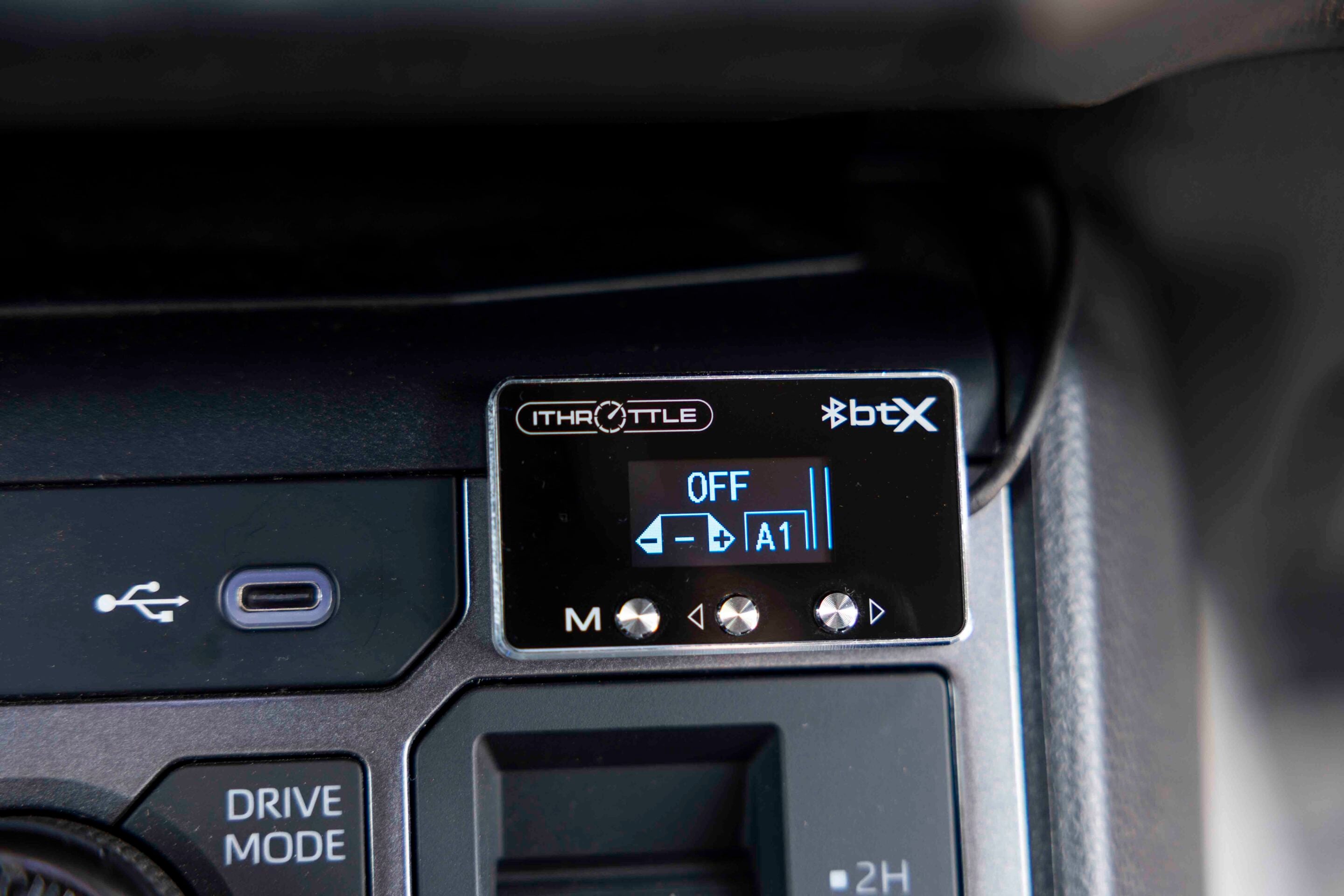
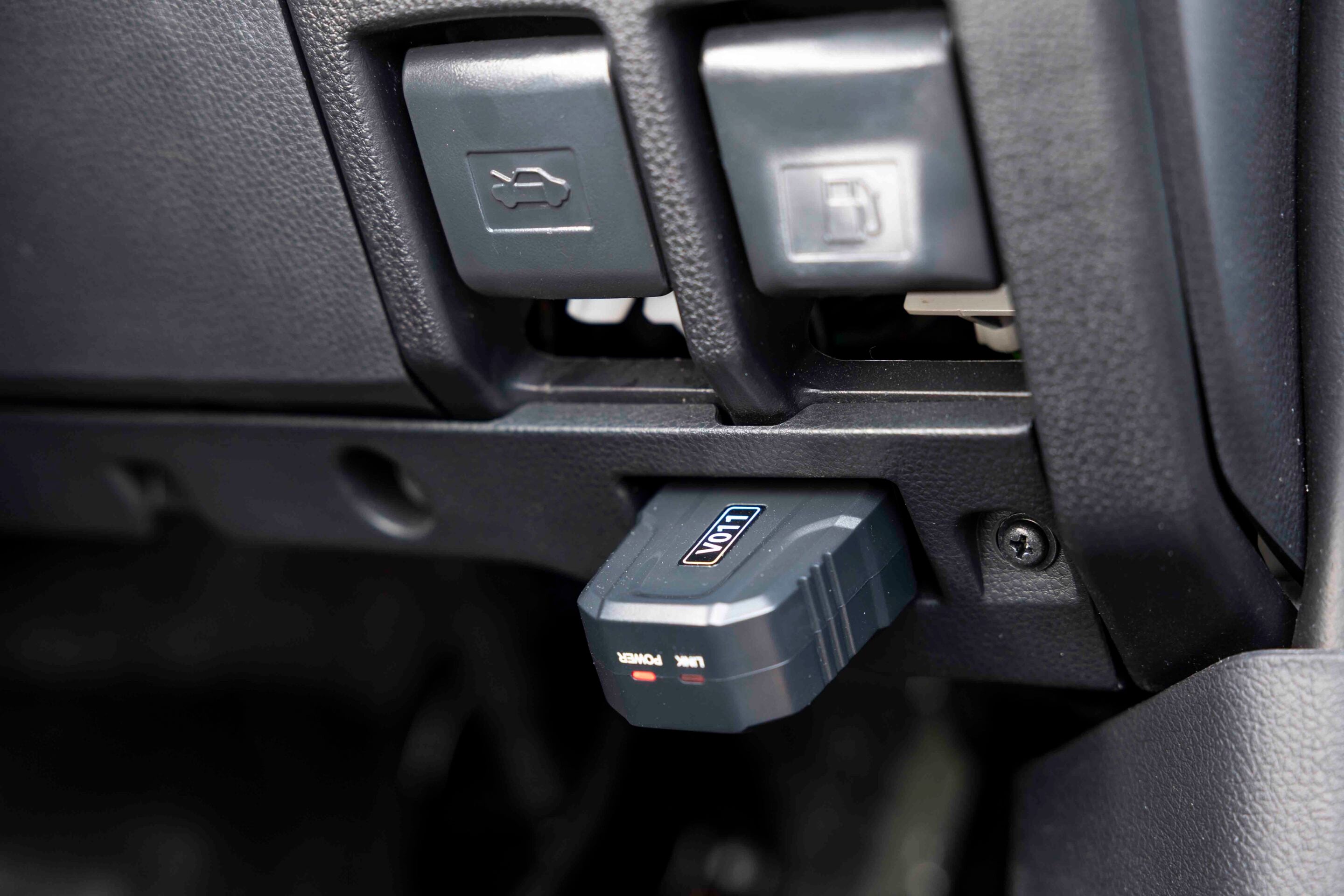
The iThrottle Bluetooth Throttle Controller (↗) is the business’s flagship product, allowing drivers to customise accelerator response to suit different conditions, from towing and off-road driving to everyday use.
Its Automatic SmartLock feature is a key point of difference, adding a pedal immobiliser that automatically locks and unlocks through Bluetooth proximity. The feature has attracted significant customer interest, with iThrottle (↗) claiming to be the only throttle controller in Australia to offer automatic pedal locking and unlocking.
“These features reflect our philosophy of creating products that solve real problems rather than simply following industry trends,” said Ross.
Customers and challenges
iThrottle’s customers range from everyday 4WD owners and touring enthusiasts to those regularly towing caravans, boats and trailers. Ross says buyers are increasingly looking for accessories that do more than one job.
“We’ve noticed a growing demand for products that offer multiple benefits. Customers increasingly want technology that improves their driving experience while also providing convenience, security and easy smartphone integration,” he said.
Meeting those expectations isn’t easy in a market increasingly crowded with inexpensive imported products. Rather than competing purely on price, iThrottle (↗) focuses on product features, quality and customer support.
“One of the biggest challenges is standing out in a market increasingly flooded with inexpensive imported products. For us, the answer is innovation, quality and genuine customer support,” added Ross.
He also sees growing interest in vehicle security, smartphone connectivity and technology that makes off-road driving easier and safer as an opportunity for the business.
What’s next for iThrottle?
The business is continuing to expand its range of 4WD accessories and vehicle security products, with further development planned around Bluetooth connectivity, vehicle diagnostics and security.
“Our focus remains on integrating intelligent technology into practical, easy-to-use products that improve the ownership experience,” said Ross. “Our goal is simple: To keep pushing the boundaries of what customers should expect from 4WD accessories while building iThrottle (↗) into a recognised and trusted Australian automotive technology brand.”
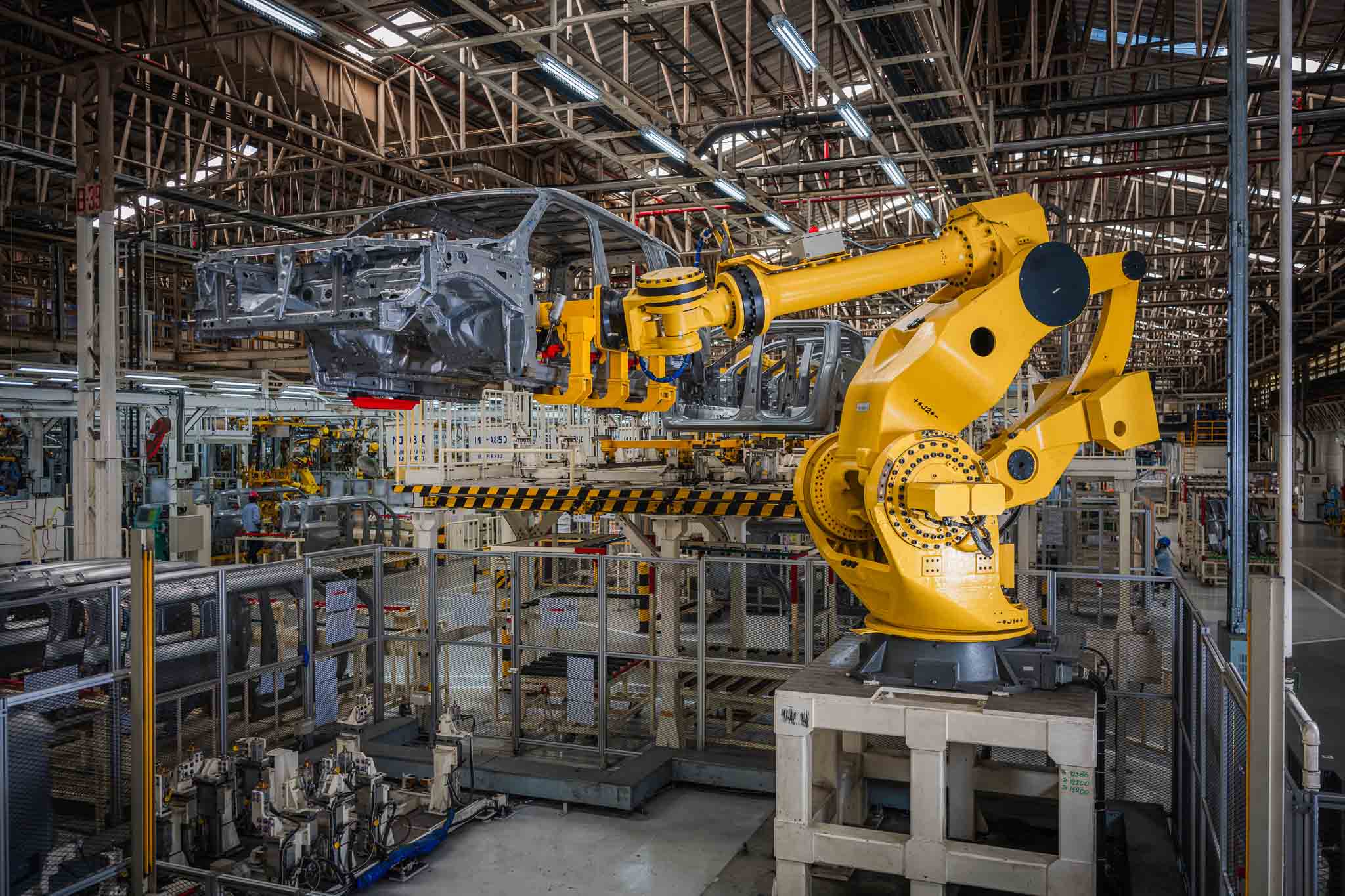
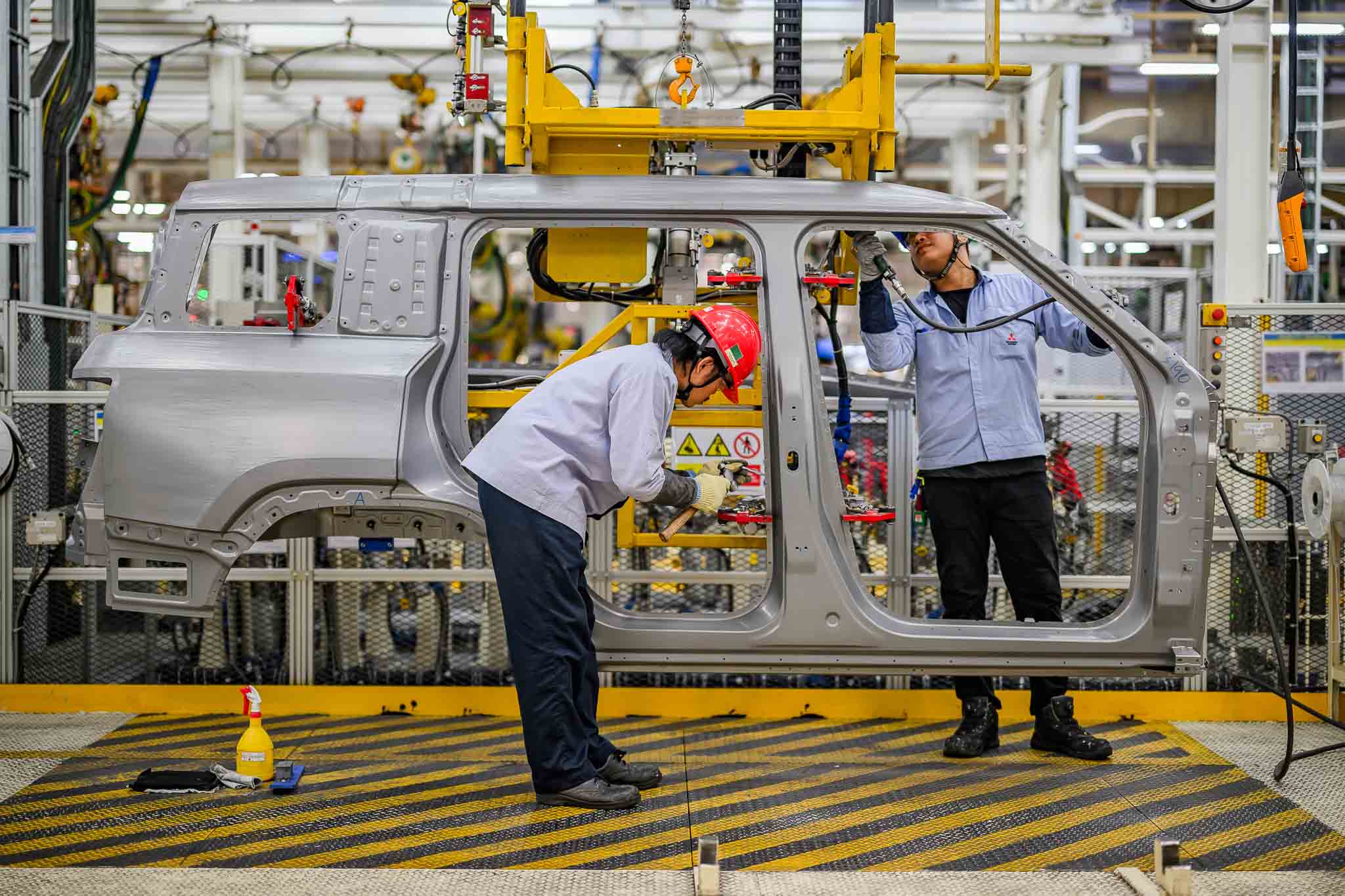
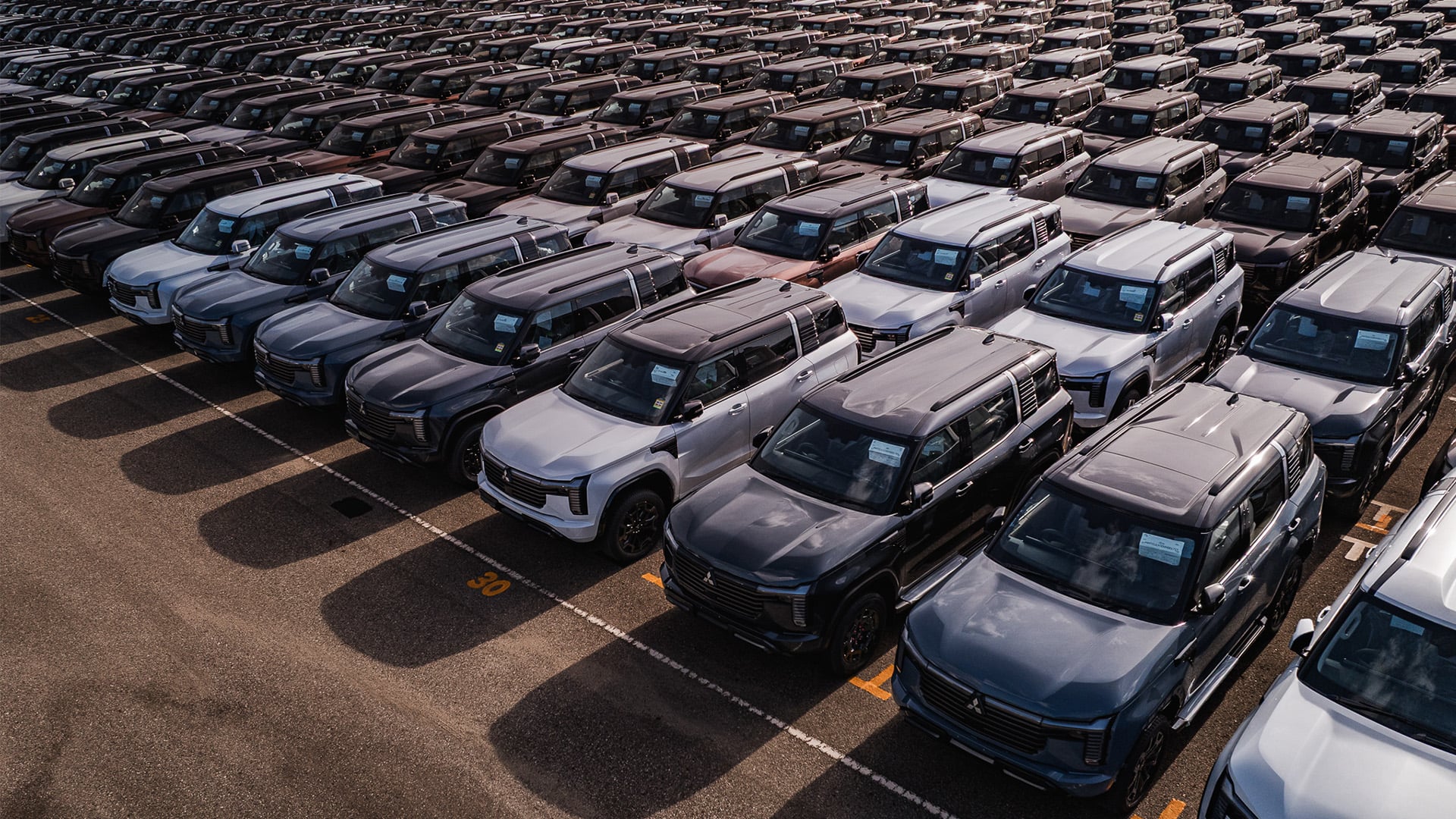
The first allotment of the all-new Mitsubishi Pajero is en route to Australia, with production of Australian-market models now underway in Thailand ahead of the new-gen off-roader’s December 2026 arrival.
The first vehicles have departed Mitsubishi Motors’ Laem Chabang production facility. Australia is among the first three markets scheduled to receive the new Pajero, alongside Japan and Thailand.
“Since September’s global premiere, excitement around the All-New Mitsubishi Pajero has remained incredibly high,” said MMAL CEO, Shunichi Kihara. “Customer interest is unprecedented, with over 10,000 expressions of interest received to date, and a growing Australian order bank.
“Initial dealer and media feedback has been extremely positive, and we are looking forward to seeing the first customers on Australian roads in their new Pajero before Christmas,” he said.
The new Pajero will be available in Australia with five- and seven-seat configurations. All variants are powered by a 2.4-litre four-cylinder turbo-diesel engine producing 150kW and 480Nm, paired with an eight-speed automatic transmission.
Four-wheel drive is handled by Mitsubishi’s Super Select 4WD-II system, which includes a dual-range transfer case and rear differential lock across the range. Seven drive modes are available: Normal, Eco, Gravel, Snow, Mud, Sand and Rock. Ground clearance is 230mm, with approach, breakover and departure angles of 30.4, 22.6 and 25.8 degrees respectively. Braked towing capacity is rated at 3500kg.
The Pajero will also launch with a range of Australian-developed accessories, including locally made steel front protection bars in hooped and hoopless designs, a snorkel, roof rack, side protection bars and towing equipment. Mitsubishi’s local engineering team has been working on the accessories for almost five years, with the protection bars designed to retain the vehicle’s full advanced driver assistance systems.
Inside, the range gets a 12.3-inch digital instrument display and infotainment touchscreen, while higher-specification models receive a larger 14.3-inch centre display. Wireless Apple CarPlay and Android Auto are standard across the range.
Mitsubishi’s 10/10/10 Diamond Advantage program includes a 10-year/200,000km warranty, 10-year capped-price servicing and 10-year roadside assistance, subject to program conditions.
Australian pricing starts at $68,490 for the five-seat GLS, rising to $84,990 for the seven-seat GSR.
2027 Mitsubishi Pajero pricing
- Pajero GLS five-seat: $68,490
- Pajero GLS seven-seat: $69,990
- Pajero EXCEED seven-seat: $79,990
- Pajero GSR seven-seat: $84,990
What do you get?
Pajero GLS
- 2.4-litre 4N16 turbo-diesel | 150kW/480Nm
- Eight-speed automatic
- Super Select 4WD-II
- Rear differential lock
- Seven drive modes
- 3500kg braked towing capacity
- 18-inch alloy wheels with 255/65R18 Mud and Snow tyres
- Five- or seven-seat configuration
- Waterproof black fabric seats
- 12.3-inch digital instrument cluster
- 12.3-inch multimedia display
- Wireless Apple CarPlay and Android Auto
- Wireless phone charger
- Mitsubishi CONNECT
- Dual-zone front and automatic rear air conditioning
- Electric tailgate
- Comfort and convenience
- Heated steering wheel
- Keyless entry and push-button start
- Electric park brake with auto-hold
- Rain-sensing wipers
- Auto-dimming rear-view mirror
- Privacy glass
- LED headlights, fog lamps and DRLs
- Black roof rails
- Grey side steps
- Black wheel-arch mouldings
Pajero EXCEED
In addition to GLS
- 20-inch machined alloy wheels
- Black leather seats
- Electric front seats
- Heated front and rear seats
- 14.3-inch multimedia display
- 14.3-inch digital instrument cluster
- Refrigerated centre console
- Second-row sunshades
- Yamaha Ultimate 12-speaker audio system with amplifier and subwoofer
Pajero GSR
In addition to EXCEED
- 20-inch black alloy wheels
- Two-tone camel and black leather seats
- Ventilated front seats
- Front-seat, steering-wheel and door-mirror memory
- Panoramic sunroof
- Black headlining
- Black exterior mirrors and wheel-arch mouldings
- Dark bumpers
- Front grille LED lighting
- Digital rear-view mirror
- Adaptive Driving Beam
- Nanoe X air purifier
The plug-in hybrid ute market is getting more interesting, with the JAC Hunter and Chery Stockman taking two different approaches to electrified four-wheel driving.
The Hunter pairs a 2.0-litre turbo-petrol engine with two electric motors and a four-speed dedicated hybrid transmission (4DHT). The Stockman uses a 2.5-litre turbo-diesel plug-in hybrid system, also with a dedicated hybrid transmission. For this spec comparison, we’re putting the JAC Hunter X up against the flagship Chery Stockman Ultimate. The Hunter X is priced at $54,844, while the Stockman Ultimate costs $57,990. Both prices are before on-road costs. Chery also offers a cheaper Urban grade at $52,990, while JAC’s range includes the $49,988 Hunter Pro.
Both utes claim around 100km of electric range, but their towing figures aren’t quite equal. The JAC is rated to tow 3500kg, while the Chery Stockman falls just short at 3495kg. There are also key differences in payload, GCM and off-road hardware. Differential locks, low-range gearing and standard equipment also help separate the two. Here’s how the two flagship variants compare.
Quick verdict
- Power: JAC, with 360kW and 1010Nm of claimed combined output against the Stockman’s 350kW and 800Nm.
- Electric range: Both claim around 100km, although the figures use different test cycles and aren’t directly comparable.
- Towing and payload: The Hunter X is rated to tow 3500kg, just ahead of the Stockman Ultimate’s 3495kg. Its 915kg payload also beats the Chery’s 800kg H/T or 765kg A/T, giving the JAC a 115kg or 150kg advantage respectively. It also has the higher calculated remaining allowance when towing at maximum capacity.
- Off-road ability: Stockman Ultimate is equipped with low range, three differential locks and greater ground clearance on its optional all-terrain tyre package. The Hunter X gets standard front and rear lockers.
- Value: Hunter X priced about $3000 below the Stockman Ultimate, before on-road costs.
Specifications
| Specification | JAC Hunter X | Chery Stockman Ultimate |
|---|---|---|
| Price | $54,844 | $57,990 |
| Powertrain | 2.0L turbo-petrol PHEV | 2.5L turbo-diesel PHEV |
| Fuel type | E10-compatible petrol | Diesel |
| Engine power | 160kW | 140kW |
| Engine torque | 370Nm | 450Nm |
| Combined power | 360kW | 350kW |
| Combined torque | 1010Nm | 800Nm |
| Transmission | 4-speed dedicated hybrid transmission (4DHT) | 4-speed dedicated hybrid transmission (4DHT) |
| Drive | 4WD | 4WD |
| Battery | 31.2kWh LFP | 34kWh LFP |
| Electric range | 100km NEDC | 100km WLTC (H/T); 96km WLTC (A/T) |
| Combined range | 1005km NEDC | Not supplied |
| Combined fuel consumption | 1.6L/100km NEDC | 1.0L/100km WLTC (H/T); 1.1L/100km WLTC (A/T) |
| Fuel tank | 77L | 80L |
| AC charging | 11kW | 6.6kW |
| DC charging | 46kW | 70kW |
| Braked towing | 3500kg | 3495kg |
| Kerb weight | 2555kg | 2700kg H/T; 2735kg A/T |
| Payload | 915kg | 800kg H/T; 765kg A/T |
| GVM | 3470kg | 3500kg |
| GCM | 6430kg | 6500kg |
| Ground clearance | 200mm | 235mm H/T; 247mm A/T |
| Wading depth | 550mm | Not supplied |
| Approach angle | 28 | 30 |
| Departure angle | 23 | 25 |
| Rampover angle | 23 | Not supplied |
| Low range | No | Yes |
| Front differential lock | Yes | Yes |
| Centre differential lock | No | Yes |
| Rear differential lock | Yes | Yes |
| External / internal power | 6.6kW V2L; 220V internal power outlet | Two 230V power outlets |
Chery’s Ultimate comes standard with highway-terrain tyres. Its optional all-terrain package brings 17-inch wheels, 285/70 R17 tyres, 247mm ground clearance and a higher kerb weight. The JAC Hunter X also offers optional dealer-fit all-terrain tyres, with buyers able to choose between Pirelli Scorpion AT or Yokohama Geolandar AT4 rubber. Chery’s indicative specification sheet lists electric range and fuel consumption using the WLTC test cycle. Its Australian pricing announcement also quotes a 100km NEDC electric range.
Price and equipment
The JAC Hunter X costs $54,844, making it $3146 cheaper than the Chery Stockman Ultimate at $57,990. Both prices are before on-road costs. The Hunter Pro starts at $49,988, while the entry-level Stockman Urban is priced at $52,990.
The Stockman Ultimate adds a head-up display, heated and ventilated front seats, heated steering wheel, digital rear-view mirror and 14-speaker audio system over the entry-level Urban. However, several of its other features are also fitted to the Hunter X, including a 360-degree camera with chassis view, roof rails, front fog lamps, heated and power-folding mirrors and rear privacy glass.
Both utes also have large infotainment touchscreens, wireless and wired Apple CarPlay and Android Auto, synthetic leather upholstery and powered front seats. The Hunter X has standard front and rear differential locks, while the Stockman Ultimate gets three locking differentials: front, centre and rear.
The Hunter X’s suspension and handling have also been locally tuned by Multimatic’s Michael Barber, the vehicle dynamics engineer behind the development of several high-performance vehicles, giving the ute a chassis setup tailored to Australian conditions.
Powertrain and performance
The two utes take different routes to electrification.
The Hunter uses a 2.0-litre turbocharged petrol engine producing 160kW and 370Nm, backed by front and rear electric motors. The front motor produces 130kW and 300Nm, while the rear motor delivers 150kW and 340Nm. JAC quotes combined system outputs of 360kW and 1010Nm, making the Hunter X the more powerful of the two on paper.
The Stockman uses a larger 2.5-litre turbo-diesel engine producing 140kW and 450Nm. It is paired with a 34kWh lithium iron phosphate battery and electric drive components, with combined system outputs of 350kW and 800Nm. Both utes use a four-speed dedicated hybrid transmission (4DHT) and send drive to all four wheels.
The JAC has the higher quoted combined power and torque, while the Chery’s diesel engine produces more torque on its own. The combined figures are manufacturer-quoted system outputs, rather than measurements at the wheels.
Electric range and charging
Both utes offer a claimed electric driving range of around 100km, although their published figures need a little explanation.
JAC quotes 100km of electric range for the Hunter X on the NEDC test cycle, from its 31.2kWh battery. Chery’s Australian pricing announcement also quotes up to 100km on the NEDC cycle, but its indicative specification sheet lists 100km on the WLTC cycle with highway-terrain tyres and 96km with the optional all-terrain tyres. Those figures should not be treated as a direct comparison unless the same test cycle is used. The Stockman has a slightly larger 34kWh battery, with both vehicles using LFP chemistry.
JAC quotes a combined NEDC driving range of 1005km and fuel consumption of 1.6L/100km. Chery’s indicative sheet lists combined consumption of 1.0L/100km on WLTC for the Ultimate with highway-terrain tyres, rising to 1.1L/100km with the all-terrain package. A directly comparable combined driving-range figure has not been supplied for the Stockman.
Charging is another area where the Chery has the advantage on paper. The Stockman supports up to 70kW DC charging, while the Hunter X is listed with a maximum DC charging rate of 46kW. The Hunter X also has a 6.6kW vehicle-to-load (V2L) function for powering external appliances, along with a 220V power outlet in the cabin. The Stockman specification sheet lists two 230V power outlets, although it does not provide a corresponding V2L output rating.
Towing, payload and GCM
Both utes are designed to tow heavy loads, with the Hunter X rated to 3500kg braked and the Stockman just behind at 3495kg. The Chery also has a 750kg unbraked towing capacity and a maximum towball download of 350kg.
Payload is where the JAC has a clear advantage. The Hunter X is rated at 915kg, compared with 800kg for the Stockman Ultimate on standard highway-terrain tyres. Fitting the optional all-terrain package increases the Chery’s kerb weight and reduces payload to 765kg.
GCM is just as important as the maximum towing figure when working out how much weight a ute can carry while towing. Using the formula below:
GCM − trailer weight − kerb weight = remaining allowance
- Hunter X: 6430 − 3500 − 2555 = 375kg
- Stockman Ultimate (H/T): 6500 − 3495 − 2700 = 305kg
- Stockman Ultimate (A/T): 6500 − 3495 − 2735 = 270kg
On these figures, the Hunter X has 70kg more theoretical remaining allowance than the Stockman Ultimate with highway-terrain tyres, increasing to a 105kg advantage over the all-terrain version when both are towing at their maximum rated capacity.
This is a calculation based on GCM, trailer mass and kerb weight, not an additional payload allowance. Occupants, luggage and accessories all need to be accounted for, along with towball download. The vehicle must also remain within its GVM and front and rear axle limits.
The JAC has the higher payload and more remaining allowance in this calculation, while the Stockman has a slightly higher GCM. The difference in the Stockman’s kerb weight and its lower maximum towing rating affects the final result.
Off-road capability
The Stockman Ultimate has the more conventional four-wheel-drive setup, with selectable 4H and 4L, Intelligent 4WD and centre, rear and front differential locks. The front locker is the key difference between the Ultimate and the entry-level Urban, which gets centre and rear lockers.
The Hunter X has front and rear differential locks as standard, but it doesn’t have a conventional low-range transfer case. That’s an important distinction for buyers who regularly tackle steep, slow-speed tracks or technical terrain.
Ground clearance also favours the Chery. The Stockman Ultimate is listed at 235mm with its standard highway-terrain tyres, increasing to 247mm with the optional all-terrain package. The Hunter X has 200mm of ground clearance. The Stockman also has better quoted approach and departure angles, at 30 and 25 degrees respectively, compared with 28 and 23 degrees for the JAC. The Hunter X has a 23-degree rampover angle, but Chery has not supplied a corresponding figure for the Stockman.
The Stockman has the advantage in low-range gearing, ground clearance and published approach and departure angles. The Hunter X counters with its standard front and rear lockers, but the absence of conventional low range will matter to buyers who regularly venture onto more challenging tracks.
Warranty and ownership
Both utes come with a seven-year vehicle warranty, but JAC has a clear advantage for buyers planning to use their ute for work.
The Hunter X is covered by a seven-year, unlimited-kilometre warranty that includes commercial use, meaning there is no separate 150,000km cap for business buyers. JAC also includes seven years of capped-price servicing and roadside assistance, along with an eight-year/150,000km battery warranty.
Another useful inclusion is JAC’s Ute-for-Ute loan program. If a Hunter needs warranty repairs that take it off the road, JAC provides a replacement ute at no cost to the owner. For metro customers, a loan vehicle can be arranged the same day if ordered before 2pm, while regional customers can expect one the next business day, subject to ordering before 2pm.
Chery also offers a seven-year, unlimited-kilometre warranty for private use, but its terms limit coverage to seven years or 150,000km, whichever comes first, for vehicles used primarily as taxis, rideshare vehicles, hire or rental vehicles, driving-school vehicles, or for delivery and courier work. Its high-voltage battery is covered for eight years with unlimited kilometres. Chery also offers seven years of capped-price servicing and up to seven years of roadside assistance, renewable annually through scheduled servicing at an authorised dealer.
| Ownership coverage | JAC Hunter X | Chery Stockman Ultimate |
|---|---|---|
| Vehicle warranty | 7 years/unlimited km, including commercial use | 7 years/unlimited km for private use; 7 years/150,000km for specified commercial uses |
| High-voltage battery warranty | 8 years/150,000km | 8 years/unlimited km |
| Roadside assistance | 7 years | Up to 7 years, renewable annually through scheduled servicing |
| Capped-price servicing | 7 years | 7 years |
| Commercial use | Covered under the 7-year/unlimited-kilometre vehicle warranty | 150,000km limit applies to specified commercial uses |
| Replacement vehicle | Ute-for-Ute loan program | Not specified |
Which one should you buy?
The JAC Hunter X is the cheaper of the two, has higher quoted combined power and torque, and carries a useful payload advantage. Its 915kg payload and calculated remaining allowance while towing at maximum capacity will appeal to buyers who need to carry gear as well as haul a trailer.
The Hunter is also now in stock, with the added benefit of a locally developed vehicle dynamics tune. Multimatic engineer Michael Barber developed the setup in Australia, with JAC saying it applied every one of his recommendations to production vehicles.
The Chery Stockman Ultimate costs more, but brings a conventional low-range transfer case, three differential locks, greater ground clearance and a more extensive equipment list. Its diesel-electric powertrain will also appeal to buyers who prefer a diesel engine in a touring or towing ute.
The decision comes down to how the ute will be used. The Hunter X makes a strong case on price, power, payload and its local vehicle dynamics tune, while the Stockman Ultimate has the more traditional off-road hardware and a better-equipped cabin.
Quickfire FAQs
How much does the JAC Hunter X cost?
The JAC Hunter X is priced at $54,844 before on-road costs. The Hunter Pro starts at $49,988 before on-road costs.
How much does the Chery Stockman cost?
The Stockman Urban is priced at $52,990, while the Ultimate costs $57,990. Both prices are before on-road costs.
Which ute has more power?
The JAC Hunter X has higher quoted combined outputs of 360kW and 1010Nm, compared with 350kW and 800Nm for the Chery Stockman.
Which has the better off-road equipment?
The Stockman Ultimate has low range, three differential locks and greater ground clearance. The Hunter X has standard front and rear differential locks but no conventional low range.
A long stretch of outback corrugations can put shock absorbers to work for hours at a time.
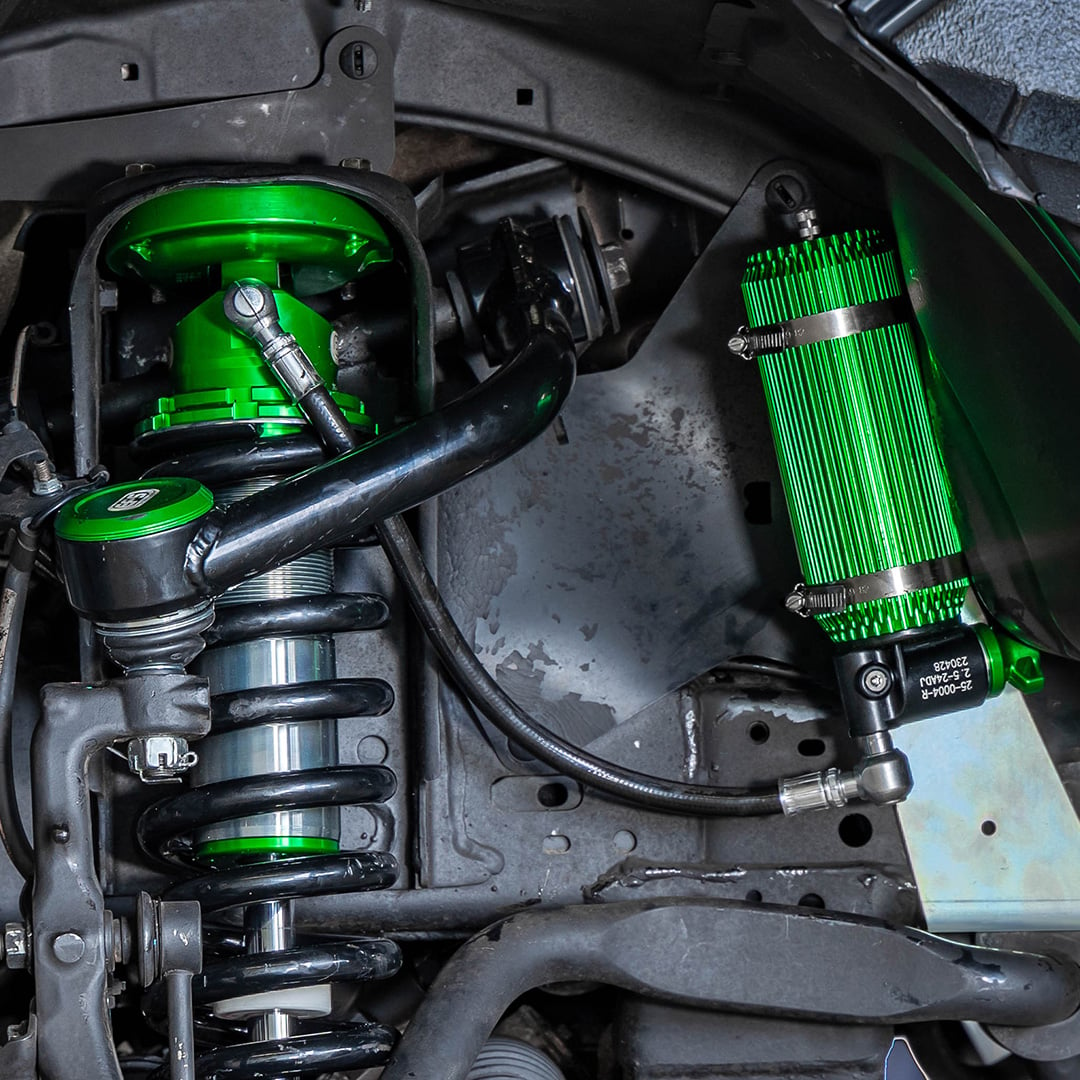
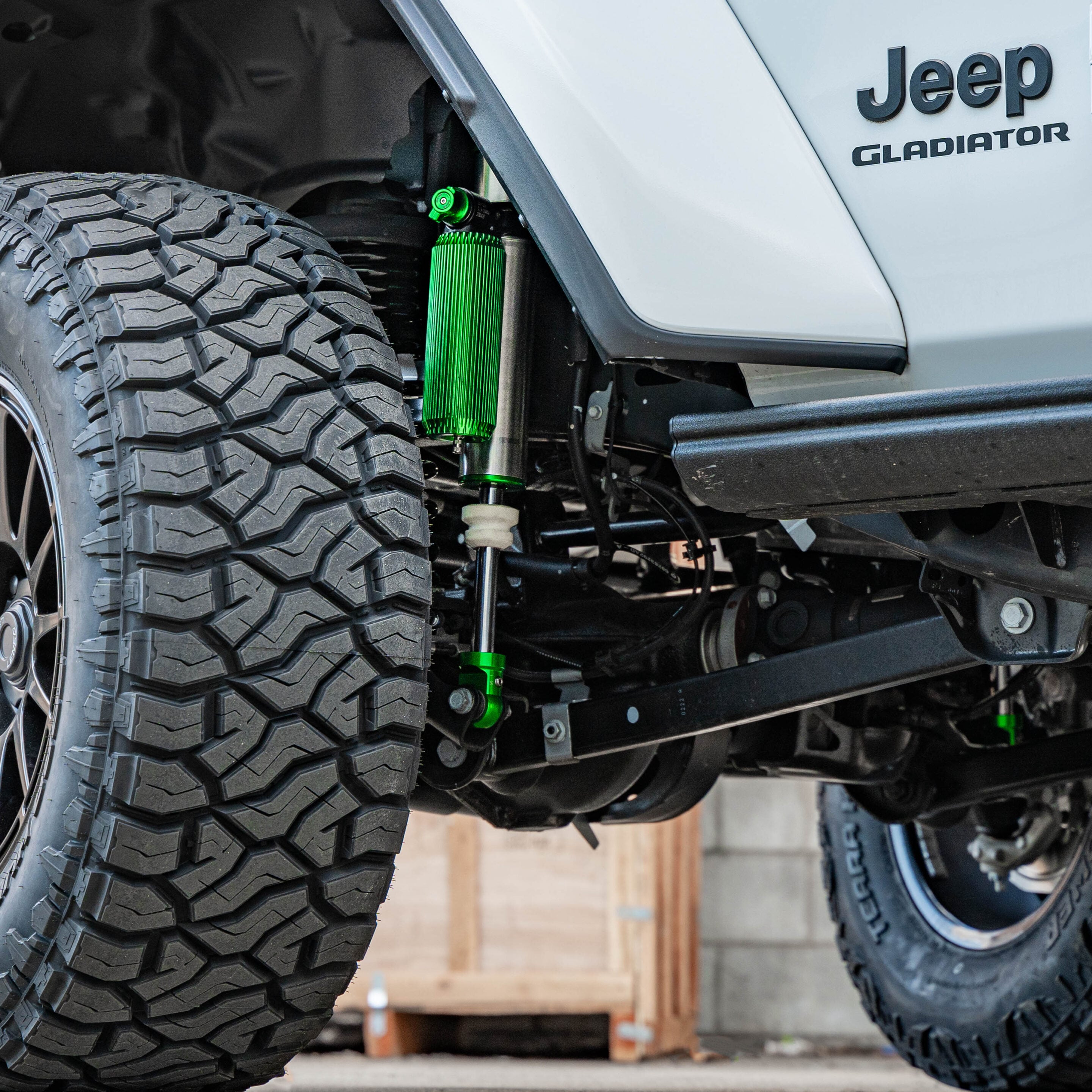
As the bumps keep coming, dampers generate heat while controlling the suspension’s movement, and a heavily loaded 4WD can place even more demand on the setup. That’s where remote-reservoir suspension comes into the picture. EFS MRP 2.5 (↗) is a range of adjustable monotube shock absorbers and struts designed for owners wanting more control over suspension performance. But what does the extra hardware actually do, and is it worthwhile for everyday touring?
What is EFS MRP 2.5 suspension?
MRP stands for Monotube Remote Reservoir. EFS MRP 2.5 (↗) is a range of large-diameter monotube shock absorbers and struts, with external reservoirs on applicable units.
The springs carry the vehicle’s weight, while shock absorbers control how quickly the suspension moves over bumps, dips and corrugations. A more sophisticated damper can offer greater control and a broader tuning range, but it still needs to be matched to the vehicle, its load and how it’s driven.
What do remote reservoirs and adjustable damping do?
A shock absorber turns suspension movement into heat.
On a long corrugated road, that happens thousands of times, which can put considerable demand on the dampers. A remote reservoir provides additional space for fluid and gas management, helping the shock handle sustained hard work.
On applicable MRP 2.5 units (↗), EFS lists 24 compression settings and up to 36 rebound settings. Compression damping controls resistance as the wheel moves up into the vehicle over a bump, while rebound damping controls how quickly the suspension extends again.
The two settings work together, but they aren’t interchangeable. Too much damping can make the ride harsh or unsettled, while too little can leave the vehicle wallowing or bouncing after a bump. Having adjustment available gives owners and installers more scope to tune the suspension to different loads and driving conditions. Settings and adjustability vary by part number, so check the specific front and rear units for your vehicle before buying.
Are remote-reservoir shocks worth it for touring?
Remote-reservoir shocks can be useful for vehicles that regularly carry substantial loads, tackle rough tracks or spend long periods working their suspension.
A touring ute might spend the week running around town, then head away with a canopy full of gear or a camper in tow. Adjustable damping provides more scope to tailor the suspension response to those changing conditions. But not every 4WD needs remote reservoirs. For a lightly loaded vehicle doing mostly bitumen kilometres and the occasional easy gravel road, a well-matched conventional shock absorber may be perfectly adequate.
Nor can adjustable damping compensate for the wrong springs. If the rear suspension is overwhelmed by a permanent load, winding up the damping won’t fix the underlying problem. Springs, shock absorbers, tyre pressures and vehicle loading all need to work together.
What should you check before buying EFS MRP 2.5?
MRP 2.5 (↗) is a different proposition from a basic suspension lift, which is often chosen for increased ride height or load support.
The EFS range is aimed at owners wanting greater damper adjustability and performance under sustained use, but it still needs to be part of a properly matched suspension package. Availability depends on vehicle model, year and lift configuration. Some fitments may also require specific brackets, upper control arms or other components, so check the complete application details rather than pricing individual shocks in isolation.
EFS markets the MRP 2.5 as a premium performance suspension range. Rebuild options, service requirements, warranty eligibility and maintenance intervals should be confirmed with EFS for the exact part number and intended use.
For vehicle applications and current product listings, check the EFS MRP 2.5 range (↗). The best setup will depend on your vehicle, typical load and the sort of driving you actually do.
FAQs
What does MRP stand for?
Monotube Remote Performance.
What does a remote reservoir do?
It provides additional space for fluid and gas management, helping the shock absorber handle sustained hard work.
How many adjustment settings do EFS MRP 2.5 shocks have?
EFS lists 24 compression settings and up to 36 rebound settings on applicable units. Check the specific part number for details.
What’s the difference between compression and rebound damping?
Compression controls resistance as the suspension moves upwards over a bump, while rebound controls how quickly it extends again.
Are remote-reservoir shocks necessary for touring?
No. They’re more relevant to vehicles regularly carrying heavy loads or tackling rough tracks for extended periods. A conventional shock may be sufficient for lighter use.
Can adjustable shocks compensate for overloaded springs?
No. Damping adjustment can’t fix springs that are unsuitable for the vehicle’s permanent load.
Does EFS MRP 2.5 fit all 4WDs?
No. Availability depends on the vehicle model, year and lift configuration. Check EFS’s fitment information before buying.
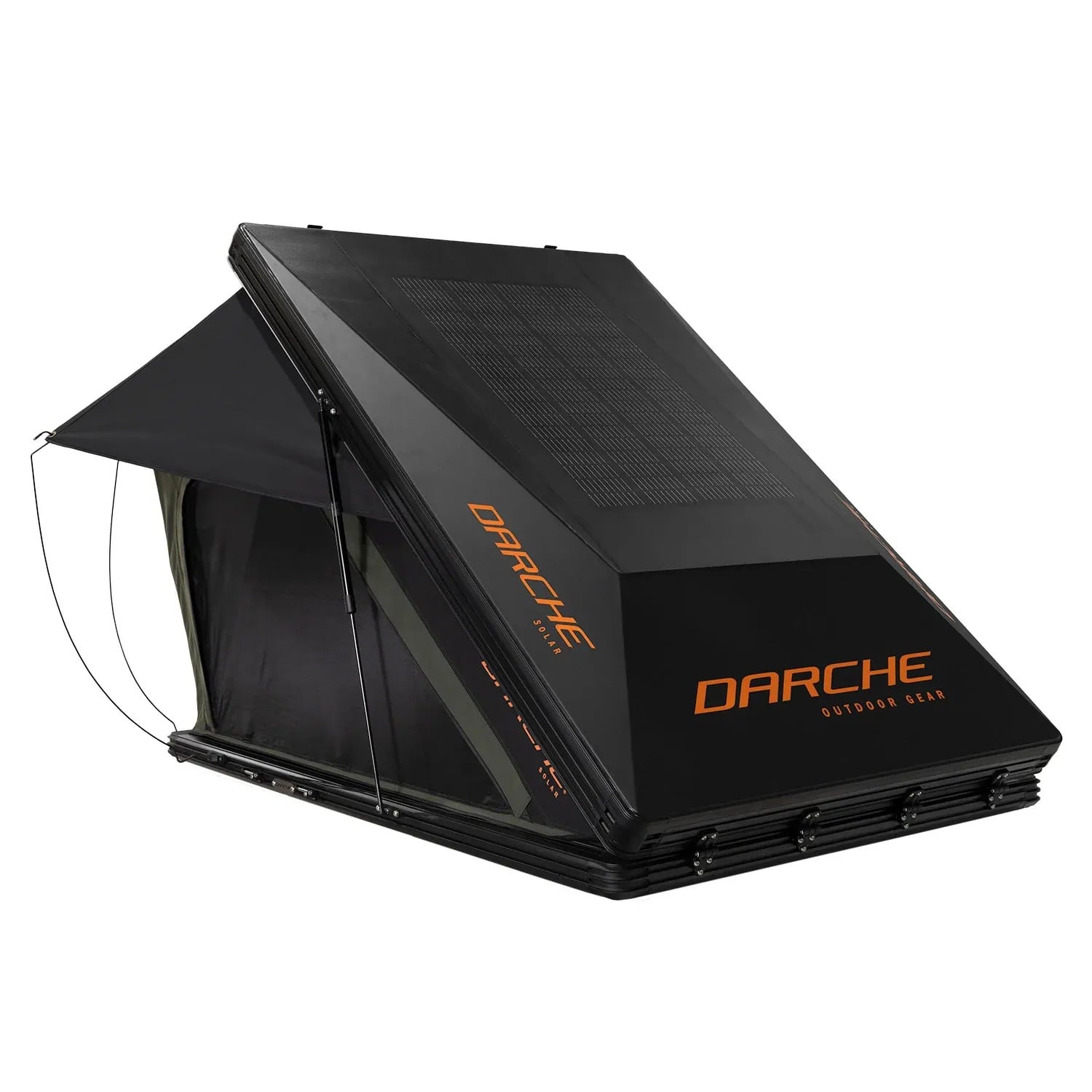
A roof top tent falling off while you’re driving is a pretty alarming prospect, but that’s the risk facing owners of Darche’s Solar Roof Top Tent, which has been recalled over a hinge issue that could see the roof detach from the vehicle.
The recall affects tents sold across Australia between July 1, 2025 and November 4, 2026, with the ACCC (↗) warning that a hinge failure could cause the tent’s roof to separate while travelling, posing a serious risk to occupants and other road users.
According to the recall notice (↗), incidents of hinges cracking have already occurred. If a hinge fails, the roof could separate from the tent while it’s mounted to the vehicle, potentially resulting in serious injury or death, as well as property damage.
Which tents are affected and what should owners do?
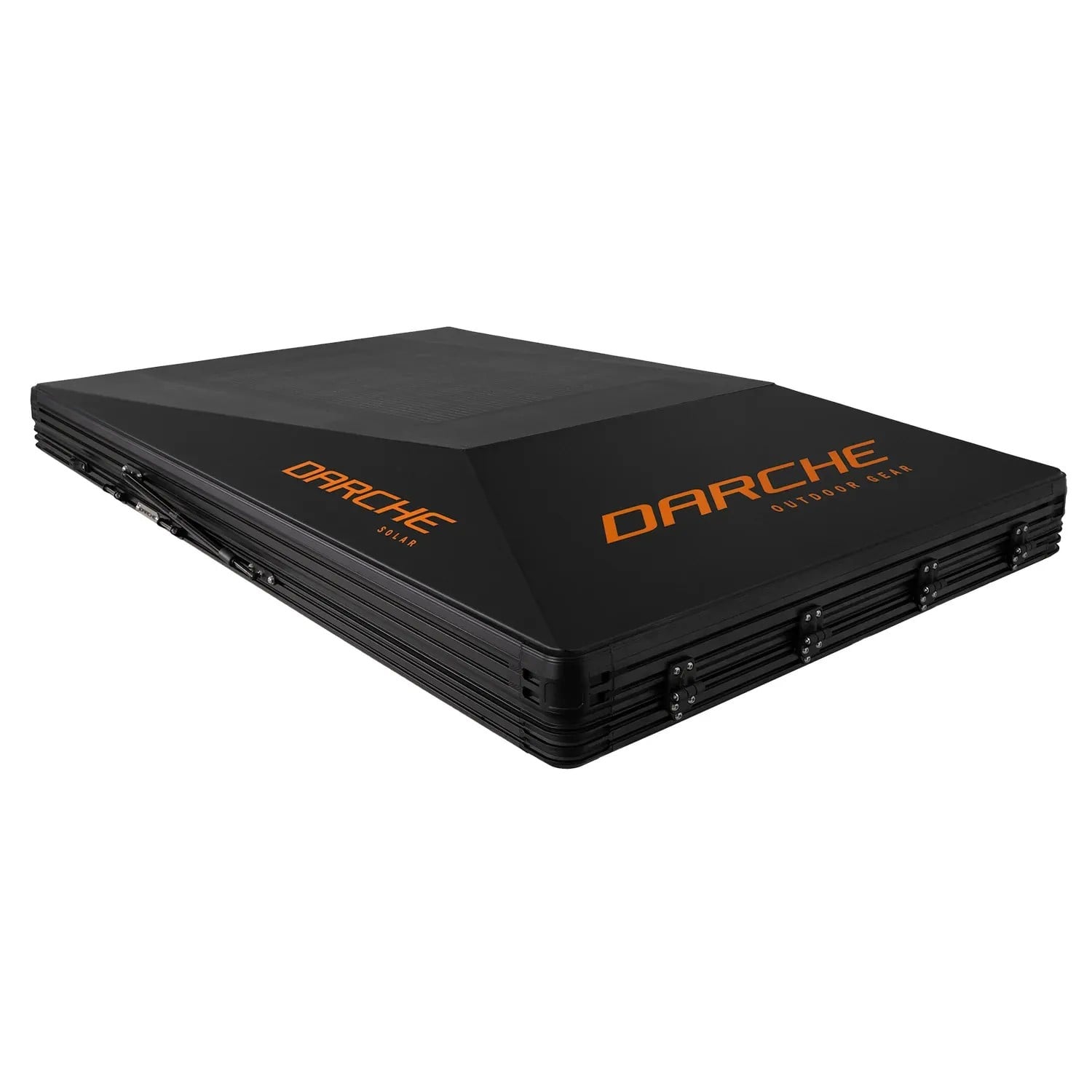
The recall is limited to the Darche Solar Roof Top Tent, designed to be fitted to the roof or rear tray of a vehicle.
The affected tents were sold nationally and online between July 1, 2025 and November 4, 2026, with Darche confirming no other roof top tent models in its range are affected. If you’ve got one fitted to your 4WD, the advice is straightforward: Stop driving with it mounted until the issue has been addressed.
Owners are being offered three options: A refund, a replacement product or free replacement of the hinges, including installation by a technician. To check whether your tent is affected and arrange a remedy, contact Darche on 1300 367 695 (9am to 5pm, Monday to Friday) or email [email protected].
Where were the affected tents sold?
The ACCC has published a list of retailers that supplied the affected Darche Solar Roof Top Tents. They include:
- BCF
- Roof Racks Galore
- Tentworld
- Lyal Eales Stores
- Opposite Lock Kununurra
- Opposite Lock Darwin
- Pro 4×4 SA
- BBQs Galore Wagga Wagga
- Mudgee Camping & 4WD
- Compleat Angler
- TJM Shepparton
- Stoney Creek Campers
- TJM Hunter Valley
- Snowy’s Outdoors
- Opposite Lock Albury Wodonga
- Camping World
- Heeler Australia
- Leightons 4×4
- Northern Rivers 4WD
FAQs
Which Darche roof top tent has been recalled?
The Darche Solar Roof Top Tent. No other Darche roof top tent models are affected.
Why has the Darche tent been recalled?
The hinges can crack or fail, potentially allowing the roof to separate from the tent while it’s mounted to a vehicle.
When were the affected tents sold?
Between July 1, 2025 and November 4, 2026, through retailers nationally and online.
Can I keep driving with my Darche Solar Roof Top Tent fitted?
No. Owners should immediately stop driving with an affected tent mounted to their vehicle until the issue has been addressed.
What should affected owners do?
Contact Darche to arrange a refund, replacement product or free hinge replacement, including installation.
There’s plenty to think about when planning a new Toyota HiLux build.
A bullbar, canopy, drawers, suspension and camping gear can quickly add weight, eating into the ute’s available payload before you’ve even packed for a trip. That’s why it’s worth working out how much your finished HiLux will weigh before ordering a stack of accessories.
Suspension and GVM options are also worth considering early, particularly if you’re building a heavily accessorised tourer or work vehicle. EFS 4WD offers a GVM upgrade for the new-generation HiLux (↗), with a vehicle-specific package for eligible N90 4WD models.
HiLux payload: How much weight can you carry?
Not all HiLux builds are created equal.
A ute with a lightweight tray and a couple of toolboxes will have very different weight requirements from one carrying a canopy, long-range touring gear, water, drawers and a towbar-mounted trailer load.
Every accessory adds to the vehicle’s weight and reduces its available payload. Passengers, luggage and camping equipment all need to be factored in, too. Rather than relying solely on claimed accessory weights, start with the actual vehicle weight and keep a running total as the build progresses. Once the major accessories are fitted, a weighbridge visit will give you a much clearer picture of how much carrying capacity remains.
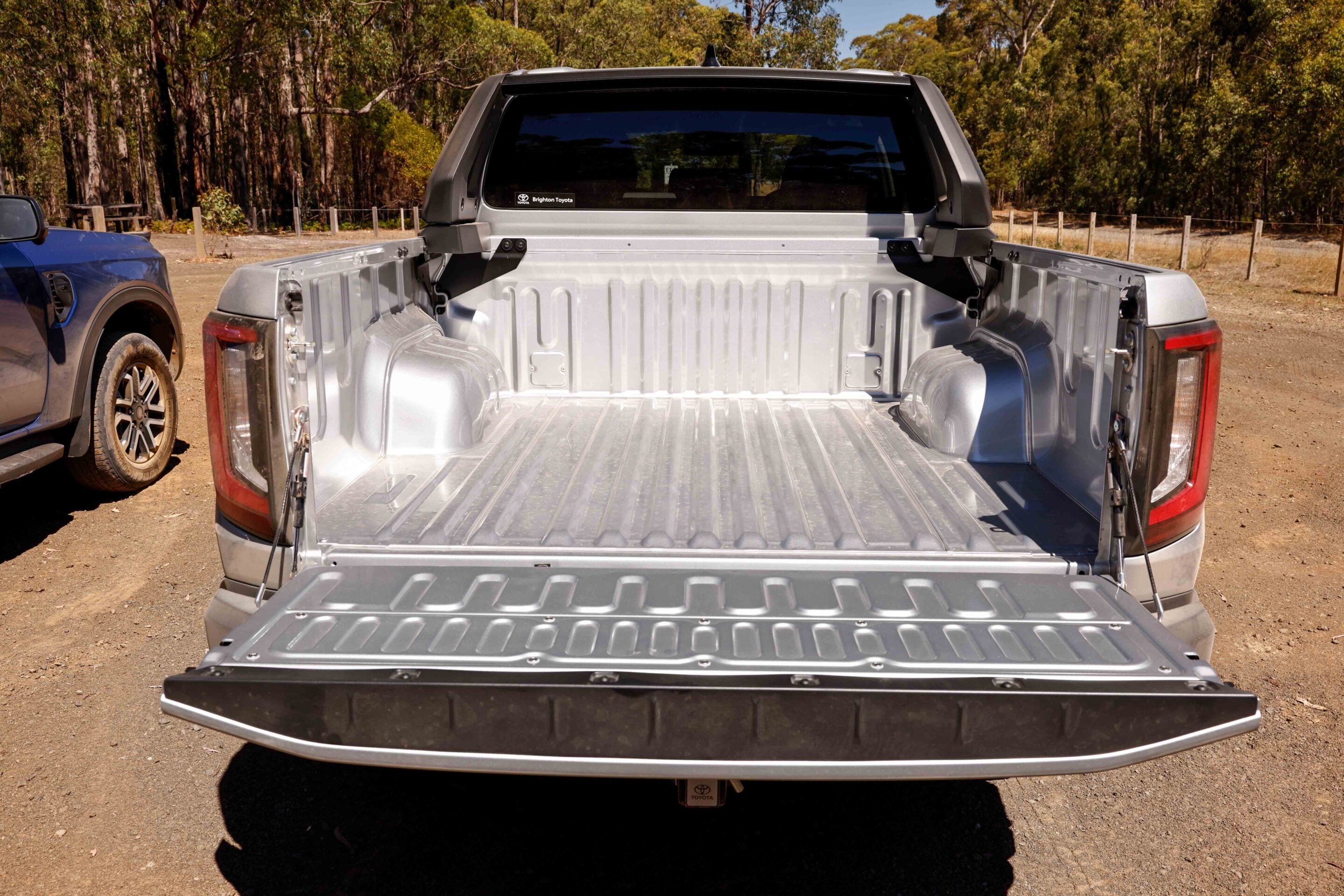
New Toyota HiLux GVM upgrade: What owners need to know
The new-generation N90 HiLux uses a different approved GVM upgrade package from the earlier GUN-series models.
Even where the upgraded GVM figure is similar, the suspension components, vehicle applications and approvals can differ, so an older HiLux GVM kit isn’t automatically suitable for the new model. When shopping for an upgrade, check the model generation, build date, drivetrain and exact kit number rather than relying on a generic ‘HiLux GVM upgrade’ listing.
If you’re planning a heavily accessorised HiLux, it’s worth looking at GVM options before the vehicle is first registered. EFS offers a federally approved Second Stage of Manufacture package, allowing the upgrade to be certified as part of the vehicle’s second-stage manufacturing process before first registration. Once a vehicle is already registered, the approval and certification pathway can differ depending on the state or territory, so owners should check the applicable requirements.
That doesn’t mean every new HiLux needs a GVM upgrade. If your finished build will remain comfortably within the standard weight limits, a correctly matched suspension setup may be all that’s required. It ultimately comes down to how much weight you’ll be adding and carrying.
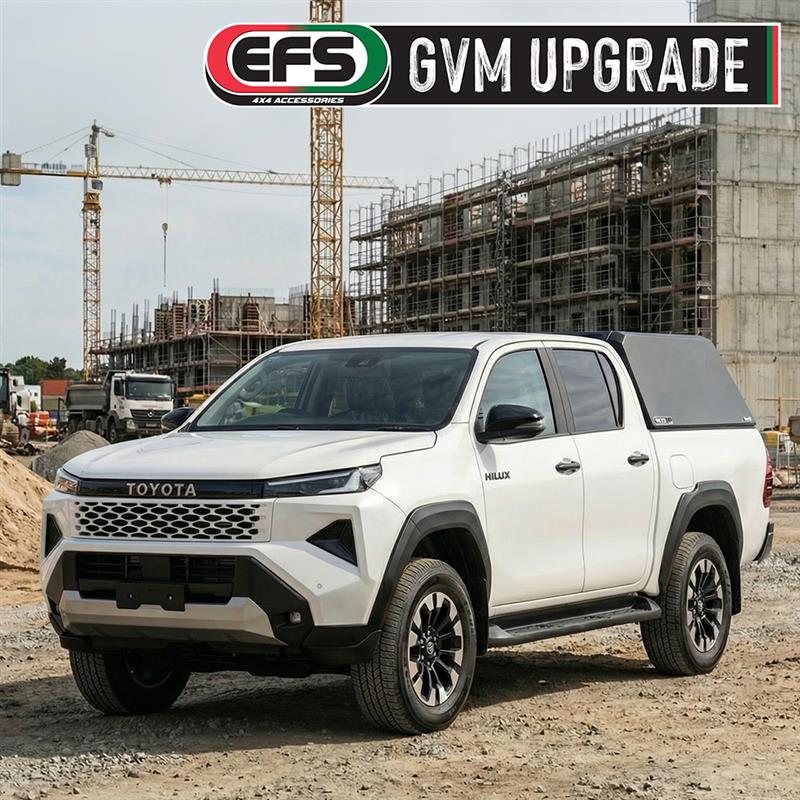
EFS 3620kg GVM upgrade for the Toyota HiLux N90
EFS offers a 3620kg GVM upgrade for eligible Toyota HiLux N90 4WD models built from December 2025. With standard GVM ranging from 3065kg to 3120kg, depending on the variant, the upgrade allows up to 555kg of additional vehicle mass.
The package is listed under approval number VTA-066018, with kit reference K-THX-N90-GVM. Owners should confirm their exact vehicle variant with EFS before assuming the published figures apply.
The approved package includes heavy-duty front and rear shock absorbers, front coil springs, rear leaf spring packs, bushes, shackles, U-bolts and compliance hardware. It’s a vehicle-specific suspension package, not simply a lift kit with firmer springs.
Installation must be completed by an EFS-approved authorised installer, with the correct approval and certification process followed. Fitting stronger suspension components alone doesn’t change the legal GVM recorded against a vehicle.
Does a HiLux GVM upgrade increase towing capacity?
No. A GVM upgrade doesn’t automatically increase the HiLux’s braked towing capacity or gross combination mass (GCM).
When towing a caravan, the vehicle’s loaded weight, including towball download, must remain within its GVM. The combined weight of the loaded vehicle and trailer must also stay within the manufacturer’s GCM limit. The trailer itself must remain within its applicable ATM rating.
A GVM upgrade increases the permitted maximum weight of the vehicle, but doesn’t change its braked towing capacity or GCM. It’s important to consider all three limits when planning a touring setup.
EFS’s approved 3620kg GVM upgrade is available for eligible N90 4WD models. You can find product details, including vehicle applications and kit information, at efs4wd.com.au.
Quickfire FAQs
What is the GVM of the new Toyota HiLux?
The standard GVM is listed at 3065-3120kg, depending on the model.
What GVM upgrade does EFS offer for the new HiLux?
EFS lists a 3620kg GVM upgrade for eligible Toyota HiLux N90 AN2 4WD models.
How much extra payload does the EFS GVM upgrade provide?
The upgrade provides up to 555kg of additional permitted vehicle mass, depending on the standard GVM of the model.
Can you use an older HiLux GVM upgrade on the new model?
No. The N90 AN2 HiLux requires a different approved package from the earlier GUN-series models.
Does a GVM upgrade increase towing capacity?
No. A GVM upgrade doesn’t automatically increase braked towing capacity or gross combination mass (GCM).
Can you get a HiLux GVM upgrade before registration?
Yes. EFS offers a federally approved Second Stage of Manufacture package for eligible vehicles before first registration.
A suspension lift that’s legal in one state could land you in trouble in another, with different rules applying to 4WD modifications across Australia.
Building a 4WD for touring or off-road use often means fitting a suspension lift, larger tyres and a bull bar. But before bolting on the next upgrade, it’s worth checking the rules in your state, because Australia’s modification laws aren’t consistent nationwide.
A breakdown by Australian accessory supplier OCAM 4×4 Accessories (↗) has highlighted just how much those rules differ, particularly when it comes to suspension lifts. Depending on where a vehicle is registered, the published limits range from 50mm to 100mm without engineering certification, although the conditions and how that height can be achieved vary.
Suspension lift limits vary between states
The Northern Territory is the most accommodating, allowing a total lift of up to 100mm without engineering approval. NSW, Victoria and Queensland permit up to 75mm, while Western Australia, South Australia, Tasmania and the ACT cap the increase at 50mm.
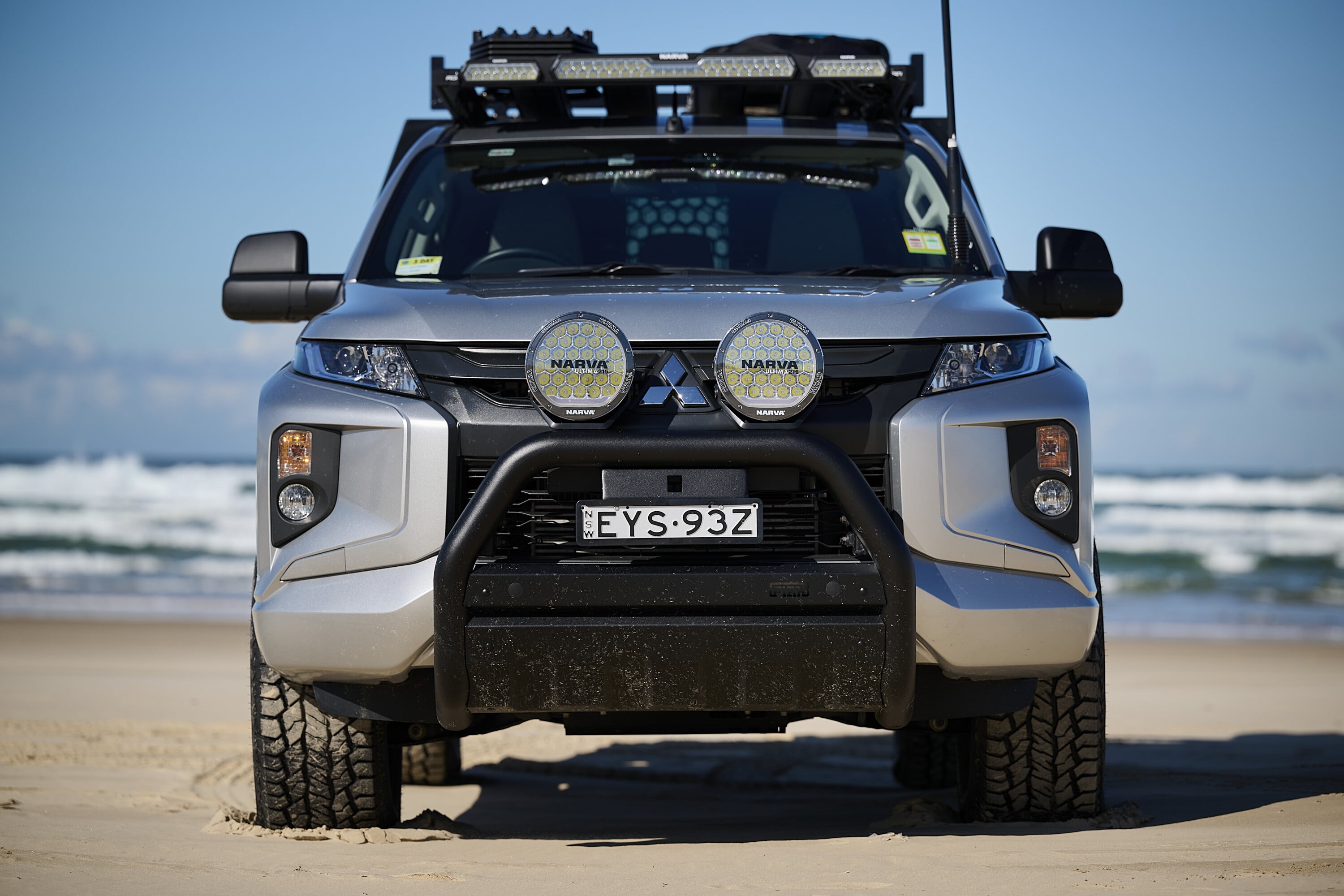
But those figures don’t tell the whole story. In NSW, Victoria and Queensland, no more than 50mm of the total increase can come from the suspension itself. Larger tyres also count towards the allowance, with half their additional diameter included in the calculation.
That means fitting tyres that are 50mm taller than the originals adds 25mm to the vehicle’s lift, potentially pushing an otherwise compliant suspension upgrade over the limit. These limits aren’t blanket approval to fit any combination of suspension and tyres. Vehicle category, the type of components fitted and applicable safety requirements can all affect whether certification is needed.
OCAM director Peter Gorgievski said it’s a common misunderstanding among owners planning a suspension upgrade.
“People see 75mm and think they can bolt on a 75mm lift kit,” Gorgievski said. “But that 75mm is the suspension and the tyres together. If you put bigger tyres on top of a big kit, you’ll go over the limit without even realising it.”
Measurement methods can also vary between jurisdictions, as Gorgievski explained: “In the Northern Territory, for example, it’s measured to the roof, so everything underneath counts: suspension, body lift, tyres, the lot. Same car, same tape measure, and you can get a different answer depending on where you are in the country.”
Illegal modifications can cost hundreds in fines
Getting caught with an illegal modification can also be expensive, although there isn’t a specific on-the-spot fine for suspension lifts in any Australian state or territory. Instead, police can issue penalties under broader vehicle standards, dimensions, tyre and roadworthiness offences.
According to OCAM’s research (↗), Victoria has potential on-the-spot penalties of up to $836 for relevant vehicle standards offences, while Tasmania’s penalties reach $852. At the other end of the scale, the Northern Territory’s general unsafe vehicle penalty is $60. These figures are for light vehicles and are current as at September 2026.
Bull bars are another potential compliance headache, particularly on newer 4WDs. As well as meeting Australian Standards, bull bars need to be suitable for the vehicle and must not interfere with factory safety equipment such as radar sensors, cameras and autonomous emergency braking systems. Suspension and tyre changes can also affect electronic stability control (ESC), which must continue to operate correctly.
“On a modern car, there’s radar and cameras sitting right behind where the bar mounts,” Gorgievski said. “Fit the wrong bar and you might not find out you’ve blinded your safety systems until the day you need them.”
Obstructing a number plate can also attract significant penalties, with OCAM identifying a potential $1200 fine in Western Australia.
While most modification rules change depending on where a vehicle is registered, OCAM says aftermarket wheel spacers are prohibited across Australia unless they were supplied as original equipment. The devices push wheels further out from the hubs to increase track width.
“Spacers come up constantly,” Gorgievski said. “People want the wheels sitting out a bit further and don’t realise it’s the one thing that’s illegal in every single state.”
Could Australia’s modification laws become standardised?
OCAM says Australia’s differing state and territory rules can make it difficult for 4WD owners to know exactly what’s permitted, particularly when planning a major build or moving interstate.
The company recommends checking local lift limits before ordering parts, confirming whether an engineer’s sign-off will be recognised interstate and obtaining approval before starting modifications in Western Australia.
“One set of rules would make our job easier and our customers safer,” Gorgievski said. “Until then, our advice is simple: check before you build, not after.”
FAQs
How much can you legally lift a 4WD in Australia?
It depends on where the vehicle is registered. OCAM’s research puts the limits at between 50mm and 100mm without engineering certification, although vehicle category and state-specific conditions can affect what’s permitted.
Do bigger tyres count towards your suspension lift?
Yes. Under the lift calculations outlined by OCAM, half the increase in tyre diameter counts towards the overall lift. A tyre that’s 50mm taller than standard, for example, adds 25mm to the vehicle’s height.
Are wheel spacers legal in Australia?
OCAM says aftermarket wheel spacers are prohibited across Australia unless supplied as original equipment. They push the wheels further out from the hubs, increasing track width.
Are bull bars legal on modern 4WDs?
Yes, provided they’re suitable for the vehicle, meet the relevant requirements of Australian Standard AS 4876.1-2002 and don’t adversely affect factory safety systems, including airbags and driver-assistance technology.
Can you drive interstate with a modified 4WD?
Generally, yes, but owners should check that their modifications are approved under the rules applying to their vehicle’s registration. Engineering approvals and modification requirements can vary between jurisdictions, so it’s worth checking before travelling.
Do you need engineering approval for a 50mm lift?
Not necessarily. A lift of up to 50mm can be permitted without certification if it meets the relevant requirements. However, certain modifications may still require engineering approval, regardless of the overall lift height.
Source: OCAM 4×4 Accessories (↗). Lift limits are based on published state and territory modification requirements. Fine figures are on-the-spot penalties for light vehicles as at September 2026. Owners should confirm requirements with their relevant transport authority before modifying a vehicle.
Plug-in hybrid utes are still a relatively new proposition in Australia, but the JAC Hunter X and GWM Cannon Alpha PHEV show how differently manufacturers are approaching the technology.
Both combine turbo-petrol power with electric motors, offer 3500kg braked towing capacity and can provide power to external appliances through vehicle-to-load (V2L) outlets. Their specifications, however, reveal some important differences.
The GWM has a larger battery, a longer claimed electric driving range and a conventional low-range transfer case. The JAC delivers higher quoted combined outputs, more payload and standard front and rear differential locks. There is also a sizeable price difference, with the JAC undercutting both GWM grades. Here’s how the two plug-in hybrid utes stack up.
| Specification | JAC Hunter X | GWM Cannon Alpha PHEV |
|---|---|---|
| Price | $54,844 + ORC | Lux $61,490; Ultra $67,990 |
| Engine | 2.0L turbo-petrol | 2.0L turbo-petrol |
| Engine power | 160kW | 180kW |
| Engine torque | 370Nm | 380Nm |
| Electric motor output | Front: 130kW/300Nm; rear: 150kW/340Nm | 120kW/400Nm |
| Combined system output | 360kW/1010Nm | 300kW/750Nm |
| Transmission | Four-speed dedicated hybrid transmission (4DHT) | Nine-speed hybrid transmission |
| Drivetrain | 4WD | 4WD |
| Battery | 31.2kWh LFP | 37.1kWh ternary lithium |
| Claimed EV range | 100km NEDC | 110km NEDC |
| Claimed combined range | 1005km NEDC | 880km NEDC |
| Claimed fuel consumption | 1.6L/100km NEDC | 1.7L/100km NEDC |
| Fuel tank | 77L | 75L |
| Maximum braked towing | 3500kg | 3500kg |
| Payload | 915kg | 685kg |
| GVM | 3470kg | 3495kg |
| GCM | 6430kg | 6745kg |
| Kerb weight | 2555kg | 2810kg |
| Ground clearance | 200mm | 224mm |
| Wading depth | 550mm | 800mm |
| Approach angle | 28 | 28.5 |
| Departure angle | 23 | 23 |
| Rampover angle | 23 | 19 |
| Low range | No conventional low range | Yes |
| Differential locks | Front and rear | Lux: centre and rear; Ultra: front, centre and rear |
| V2L output | 6.6kW | 3.3kW |
| Maximum DC charging | 46kW | 50kW |
| Maximum AC charging | 11kW | 6.6kW |
| Vehicle warranty | Seven years/unlimited kilometres | Seven years/unlimited kilometres |
| Battery warranty | Eight years/150,000km | Eight years/unlimited kilometres |
Specifications are based on manufacturer information supplied for this comparison. Equipment and figures can vary by grade. NEDC figures are laboratory test results and should not be treated as guaranteed real-world range or fuel consumption.
Quick verdict
- Power and payload: JAC Hunter X, with 360kW/1010Nm and 915kg payload, against the GWM Cannon Alpha’s 300kW/750Nm and 685kg.
- Electric range: GWM, with a 110km NEDC claim and 37.1kWh battery, compared with the JAC’s 100km and 31.2kWh.
- Off-road ability: GWM has low range, greater ground clearance and deeper wading capability, while the JAC has the better rampover angle and standard front and rear lockers.
- Value: The Hunter X is priced $6646 below the Cannon Alpha Lux, its closest price equivalent, with the GWM Ultra sitting $13,146 above the JAC. The JAC price is before on-road costs.
Price and equipment
The JAC Hunter X is priced at $54,844 plus on-road costs, while the GWM Cannon Alpha PHEV is priced at $61,490 for the Lux and $67,990 for the Ultra.
That puts $6646 between the JAC and GWM Lux on their listed prices, before accounting for the JAC’s on-road costs. Stepping up to the GWM Ultra increases the difference to $13,146.
The Cannon Alpha is available in Lux and Ultra PHEV grades. The Lux includes 18-inch alloy wheels, dual-zone climate control, a 12.3-inch driver display and touchscreen, wireless Apple CarPlay and Android Auto, leatherette upholstery, electric front-seat adjustment and a 360-degree camera. It also gets a centre and rear differential lock, along with a suite of driver assistance and safety equipment.
The Ultra adds the front differential lock, a panoramic sunroof, a larger 14.6-inch touchscreen, a 10-speaker Infinity sound system, head-up display and leather-accented upholstery. It also brings heated, ventilated and massage functions for the front seats, heated and ventilated outer rear seats, a heated steering wheel and additional convenience features.
The JAC Hunter X is the higher-specification version of the Hunter PHEV range, with its twin differential locks included as standard. The lower-priced Pro is listed at $49,988, but this comparison uses the X grade. The Hunter X rides on black 18-inch alloy wheels, with optional dealer-fit Pirelli Scorpion AT or Yokohama Geolandar AT4 all-terrain tyres available for buyers wanting more off-road-focused rubber.
The Hunter is now in stock and available for immediate delivery. Its suspension and handling also benefit from a local vehicle dynamics tune developed by Multimatic engineer Michael Barber. JAC says it applied every one of his recommendations to production vehicles.
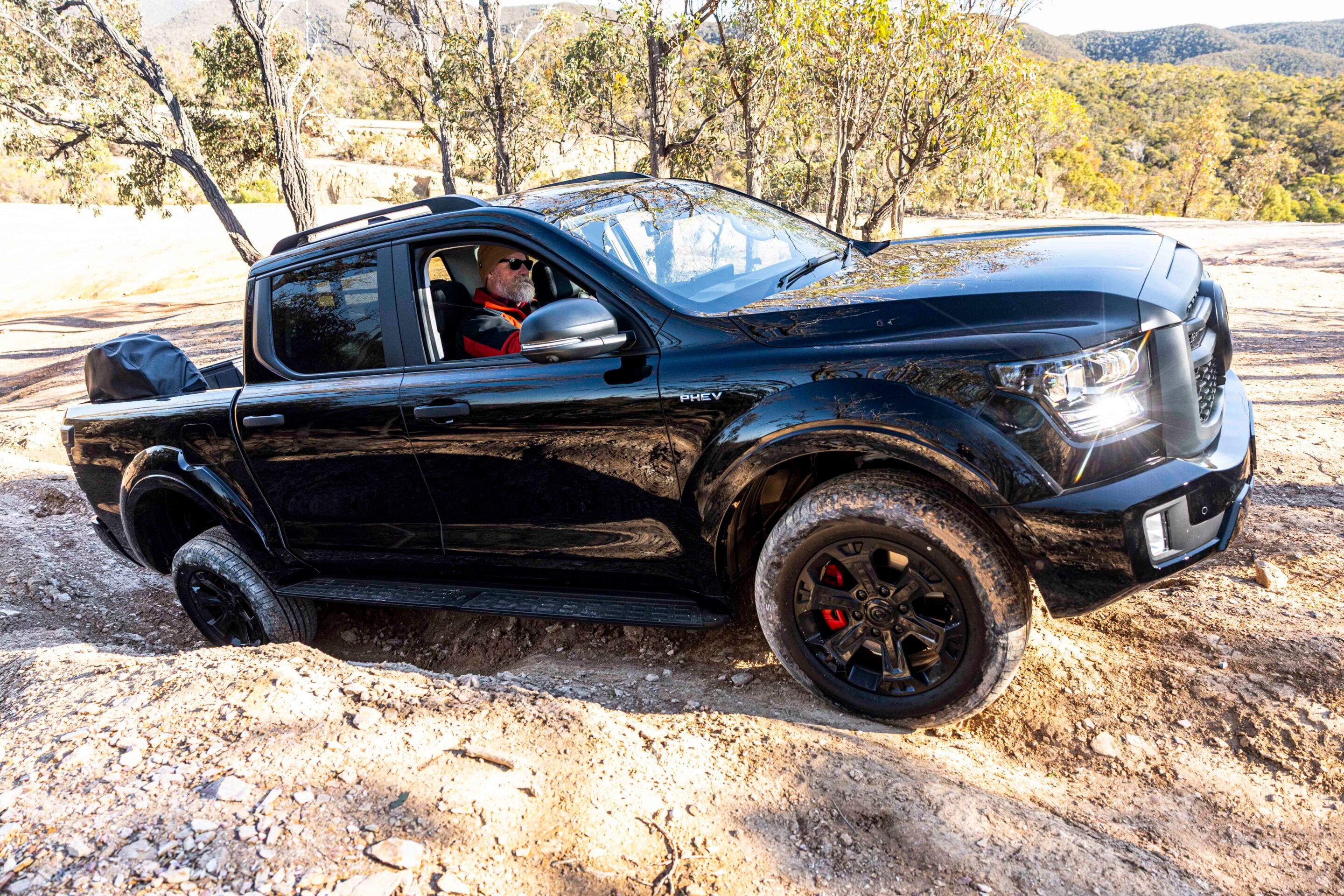
Power and performance
The two utes take different approaches to their plug-in hybrid systems, and the JAC has the advantage on the combined output figures.
Its 2.0-litre turbo-petrol engine produces 160kW and 370Nm, while separate front and rear electric motors produce 130kW/300Nm and 150kW/340Nm respectively. JAC quotes combined system outputs of 360kW and 1010Nm.
The GWM’s 2.0-litre turbo-petrol engine produces 180kW and 380Nm, working with a 120kW/400Nm electric motor. Combined system output is quoted at 300kW and 750Nm, with power sent through a nine-speed hybrid transmission. The JAC Hunter X pairs its 2.0-litre turbo-petrol engine with two electric motors and a four-speed dedicated hybrid transmission (4DHT). The GWM Cannon Alpha therefore has the stronger petrol engine on its own, but the JAC has the higher quoted combined system output. The figures are manufacturer-claimed system totals and should not be interpreted as a direct comparison of individual motor outputs or torque delivered at the wheels.
Both systems can operate as plug-in hybrids, allowing the battery to be charged externally and used for electric driving before the petrol engine becomes more involved.
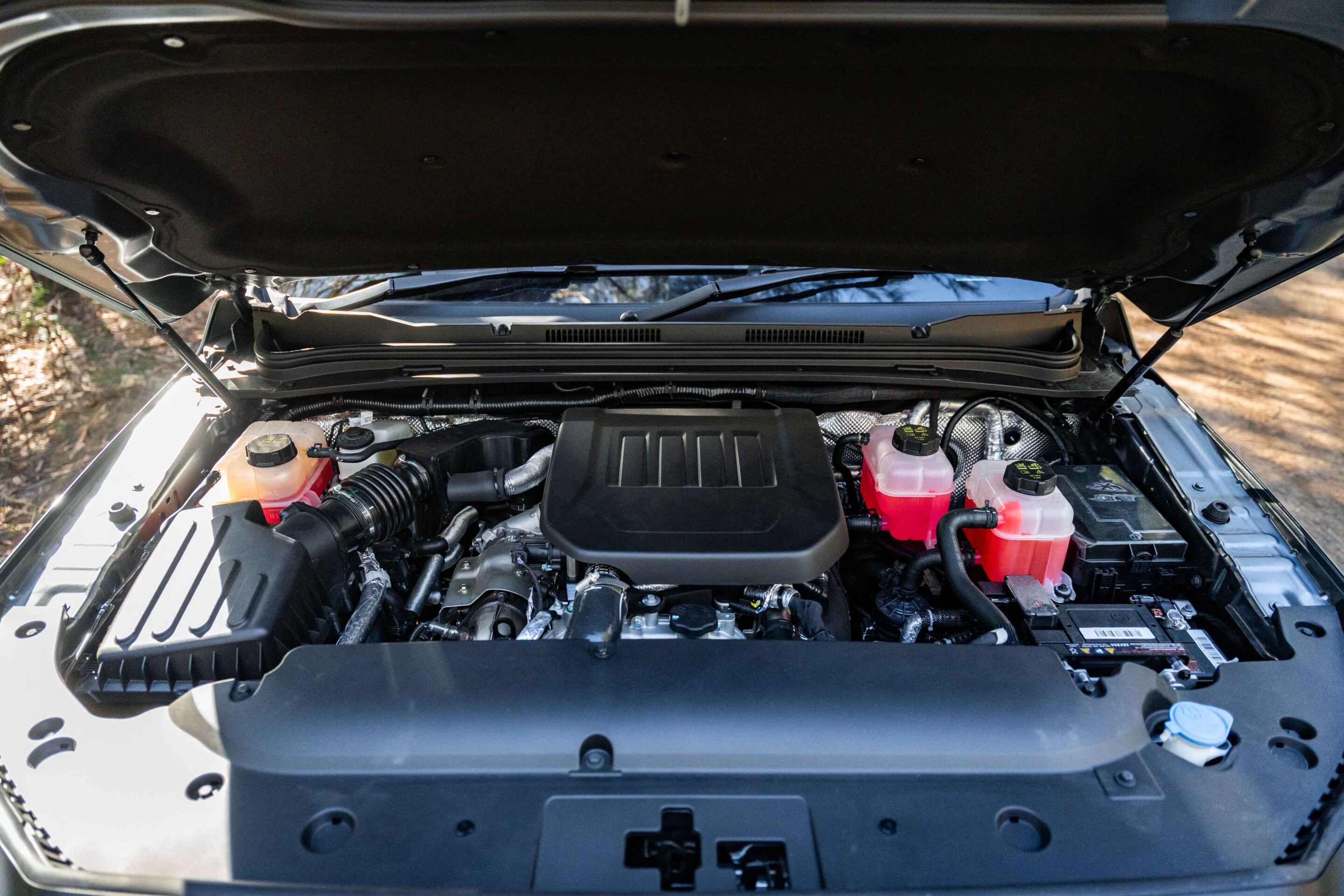
Towing and payload
Both utes are rated to tow up to 3500kg braked, but their payload figures and remaining weight allowances differ.
The JAC Hunter X has a 915kg payload, comfortably ahead of the Cannon Alpha PHEV’s 685kg. That’s a 230kg advantage for the JAC before a trailer is attached. GCM is also important when assessing how much weight each ute can carry while towing at its maximum rating. Using the formula below:
GCM − trailer weight − kerb weight = remaining allowance
- Hunter X: 6430 − 3500 − 2555 = 375kg
- Cannon Alpha PHEV: 6745 − 3500 − 2810 = 435kg
On these figures, the GWM has a 60kg advantage in remaining allowance when towing 3500kg. However, this is a theoretical calculation, not an additional payload figure. Occupants, luggage and accessories must still be accounted for, and neither vehicle can exceed its GVM or axle limits. Towball download also needs to be factored into the actual load. The JAC carries more when not towing, while the GWM has a slight advantage in its calculated remaining allowance at maximum towing capacity.
Electric range and battery
The GWM has the larger battery and the longer claimed electric range.
Its 37.1kWh ternary lithium battery is claimed to provide up to 110km of electric driving on the NEDC cycle. The JAC uses a 31.2kWh LFP battery, with a claimed NEDC range of 100km. That gives the Cannon Alpha a 10km advantage on the quoted figures, although both claims are based on the NEDC test cycle and real-world range will vary with speed, load, terrain, temperature and driving style.
The combined range figures favour the JAC. It is quoted at up to 1005km on the NEDC cycle, compared with 880km for the GWM. The claimed fuel consumption figures are close, at 1.6L/100km for the JAC and 1.7L/100km for the GWM.
The JAC has a 77L fuel tank, while the GWM has a slightly smaller 75L tank. The claimed combined range figures therefore favour the JAC despite the GWM’s larger battery and slightly longer electric-only range.
As with all plug-in hybrids, those fuel consumption figures depend heavily on regular charging and the amount of driving completed using battery power. They should not be treated as representative of long-distance driving with a depleted battery.
Off-road capability
This is where the GWM Cannon Alpha has a clear mechanical advantage, although the JAC has some useful figures of its own.
The Cannon Alpha PHEV uses a conventional mechanical four-wheel-drive system with a selectable high- and low-range transfer case. It also has a centre differential lock and rear differential lock in Lux form, with the Ultra adding an electronic front differential lock. That gives the GWM a familiar set-up for low-speed off-road driving, particularly when negotiating steep climbs, rocky tracks and difficult terrain where low range is useful.
The JAC takes a different approach, using separate electric motors to drive the front and rear axles. The Hunter X has front and rear differential locks as standard, but it does not have a conventional low-range transfer case.

The GWM has 224mm of ground clearance, compared with 200mm for the JAC. Its quoted wading depth is also greater, at 800mm against 550mm. The approach and departure angles are close. The GWM quotes 28.5 degrees for approach and 23 degrees for departure, compared with 28 and 23 degrees respectively for the JAC. The JAC has the better rampover angle, at 23 degrees against 19 degrees for the GWM.
That gives the JAC an advantage when cresting sharp rises where the underside could otherwise make contact. The GWM’s extra ground clearance and wading depth are useful advantages, but its lower rampover angle is worth considering for buyers tackling uneven tracks.
For those who regularly tackle technical terrain, the GWM’s low range and mechanical 4WD system will be a significant consideration. The JAC’s twin lockers are useful equipment, but they do not replace the gearing advantage of a low-range transfer case.
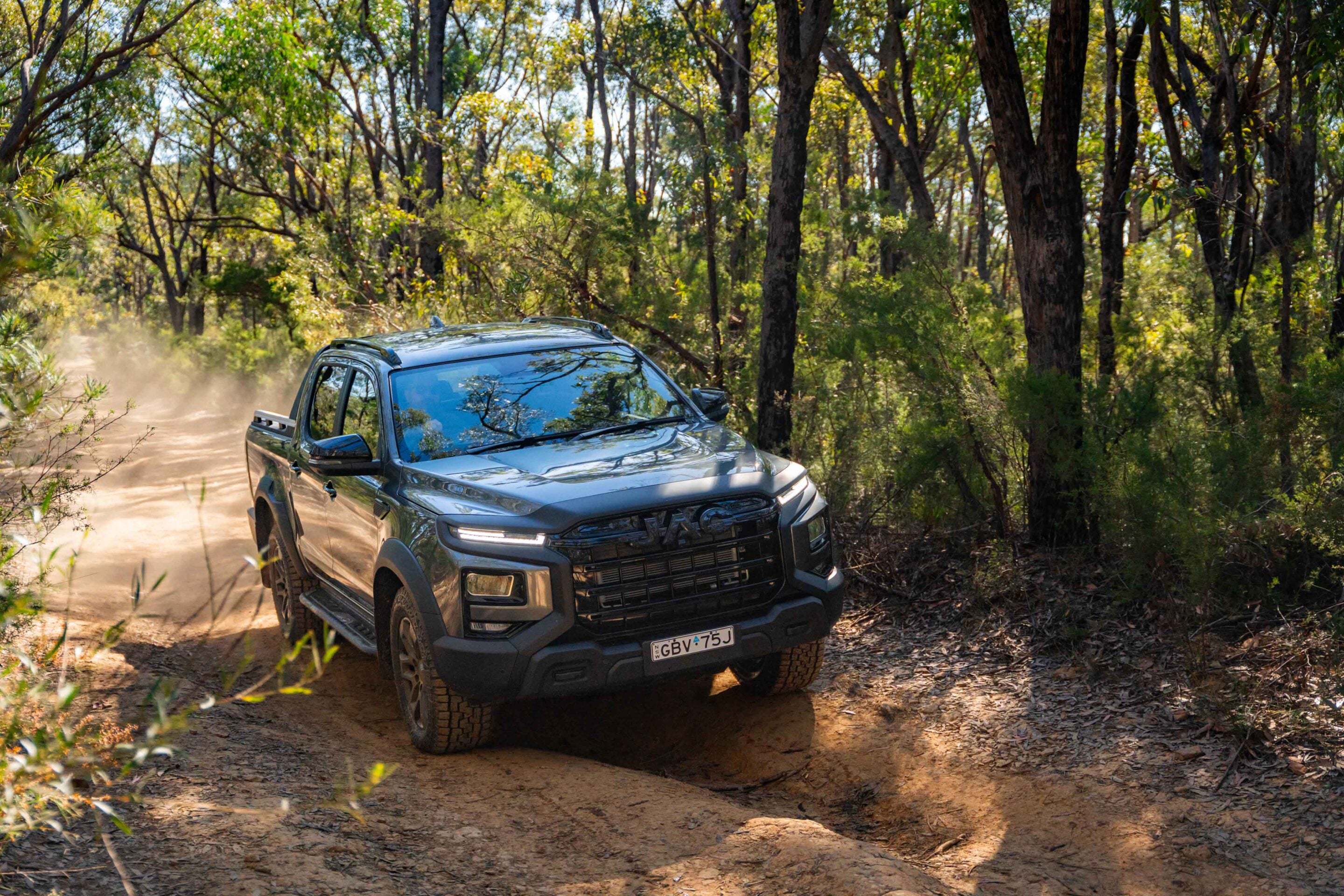
Charging and campsite power
Both utes offer vehicle-to-load functionality, allowing compatible appliances and camping equipment to be powered from the vehicle’s battery.
The JAC Hunter X produces up to 6.6kW of V2L output, double the GWM Cannon Alpha’s 3.3kW. The Hunter also has a 220V internal power outlet.
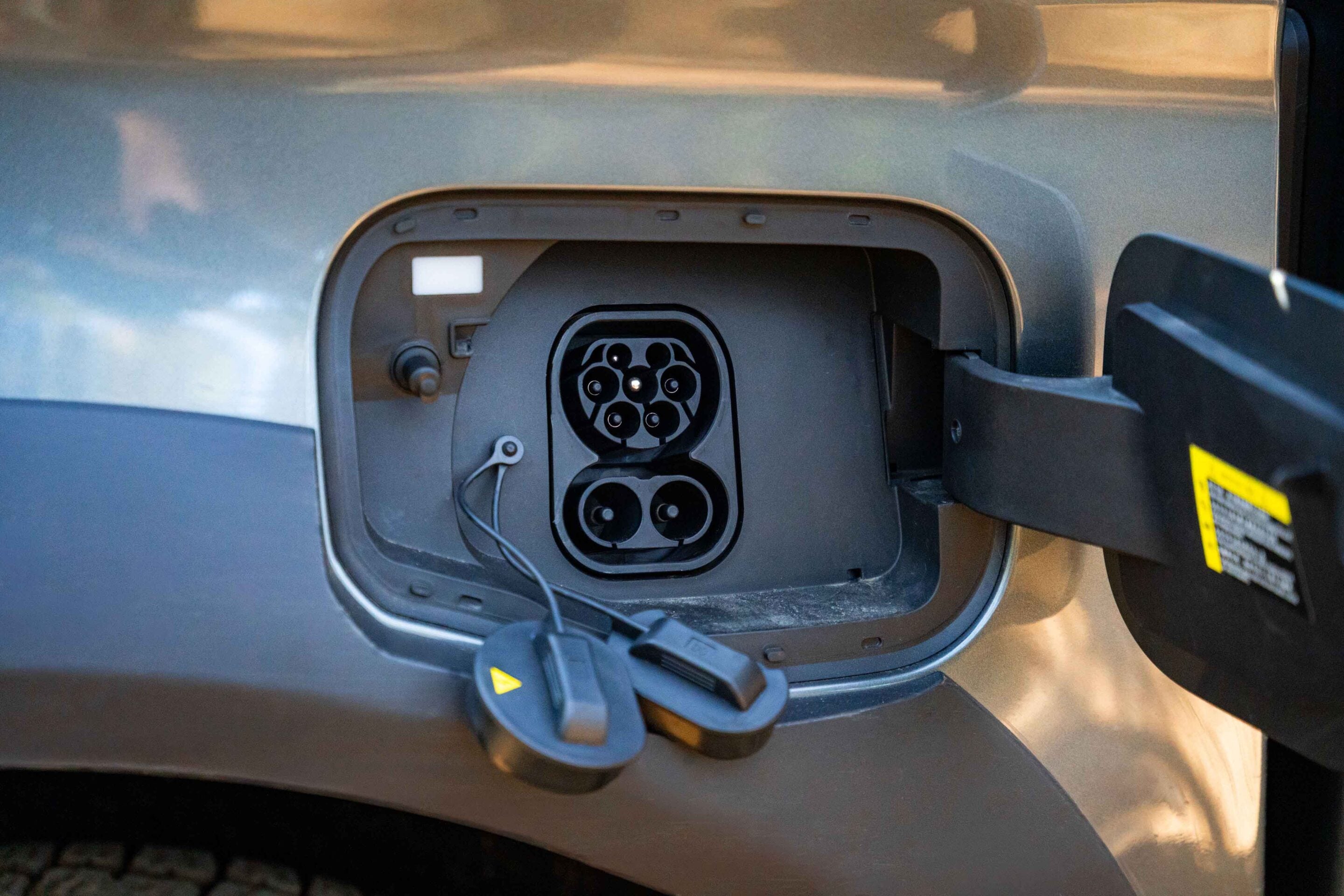
The GWM Cannon Alpha has a maximum DC charging rate of 50kW and supports AC charging at up to 6.6kW. GWM quotes approximately 26 minutes for a 30 to 80 per cent DC charge and around 6.5 hours for a full AC charge. The JAC supports DC charging at up to 46kW and AC charging at up to 11kW. While the GWM has a slight advantage in maximum DC charging speed, the JAC has the higher quoted AC charging rate and V2L output.
Warranty and ownership
Both manufacturers offer a seven-year, unlimited-kilometre vehicle warranty.
The battery warranties differ. JAC covers the Hunter X battery for eight years or 150,000km, whichever comes first, while GWM lists an eight-year, unlimited-kilometre battery warranty. JAC also offers seven years of roadside assistance and capped-price servicing, covers commercial use under its seven-year vehicle warranty, and provides a Ute for Ute loan program. GWM includes seven years of roadside assistance and seven years of capped-price servicing.
Warranty conditions and exclusions apply, so buyers should check the relevant manufacturer’s terms, particularly for battery coverage and vehicles used for towing or commercial work.
Which plug-in hybrid ute should you buy?
The JAC Hunter X and GWM Cannon Alpha PHEV have the same headline towing capacity, but they are aimed at buyers with different priorities.
The JAC makes a strong case on paper with its higher combined power and torque figures, 230kg payload advantage and longer claimed combined range. It also includes front and rear differential locks as standard on the X grade. Its main off-road compromise is the absence of a conventional low-range transfer case.
The GWM counters with a larger battery, slightly longer claimed electric range, greater ground clearance and wading depth, and a more traditional mechanical four-wheel-drive system with low range. Its approach angle is marginally better, although the JAC has the advantage on rampover angle. The GWM’s payload is lower, and its Ultra is considerably more expensive than the JAC on the listed prices.
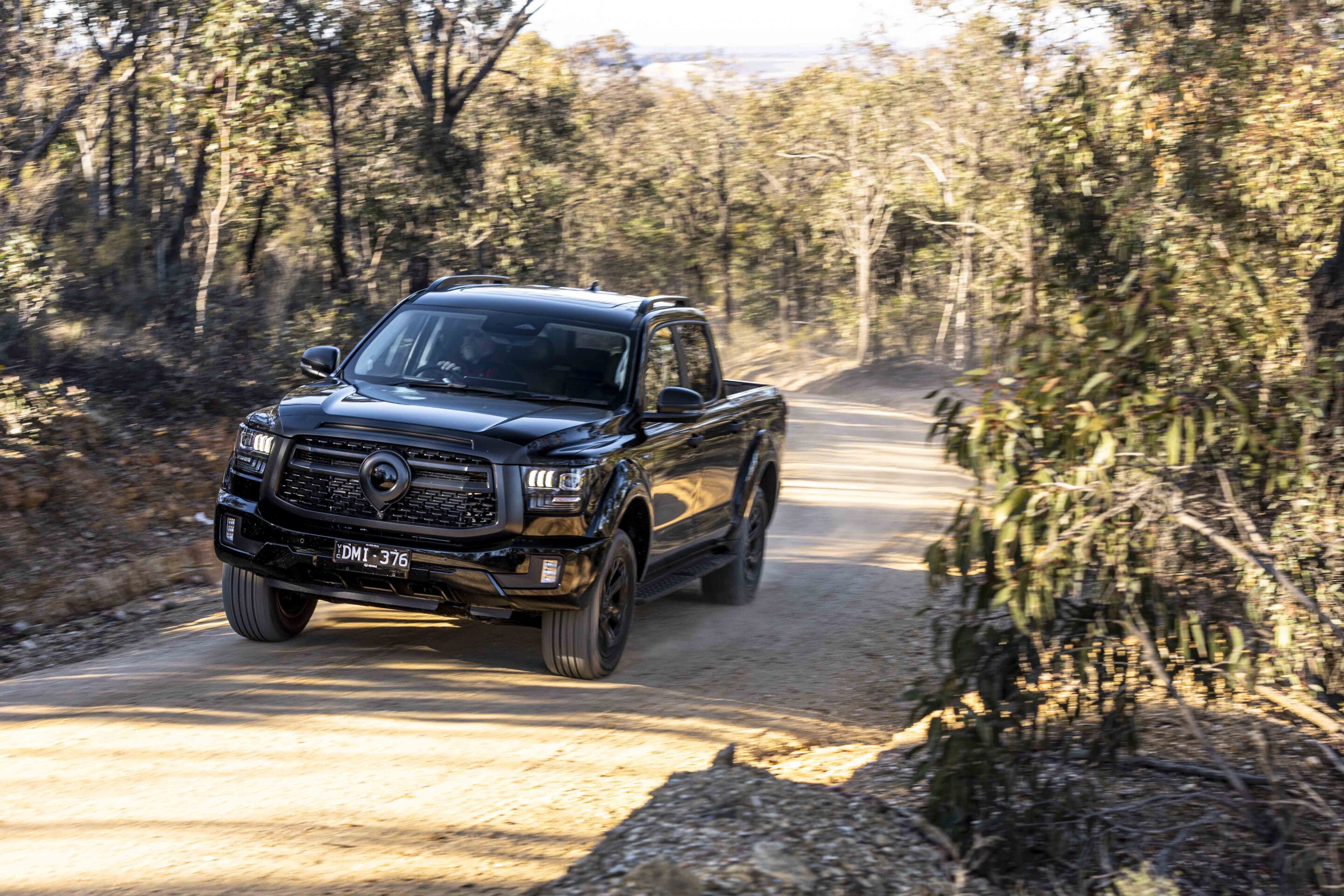
For buyers prioritising payload, quoted system output and value, the JAC Hunter X is the stronger specification proposition. For those who want conventional low-range 4WD hardware, a larger battery and a longer claimed electric range, the GWM Cannon Alpha PHEV is the more complete fit.
The deciding factor is likely to be how the ute will be used. A high payload and strong system output won’t compensate for the lack of low range if technical off-road driving is a regular part of the plan. Equally, the GWM’s extra off-road hardware may be less important to buyers who spend most of their time touring on formed roads.
FAQs
Which has more power, the JAC Hunter X or GWM Cannon Alpha PHEV?
The JAC Hunter X has the higher claimed combined system output, at 360kW and 1010Nm. The GWM Cannon Alpha PHEV produces 300kW and 750Nm.
Which has the longer electric range?
The GWM Cannon Alpha PHEV has a claimed NEDC electric range of 110km, compared with 100km for the JAC Hunter X.
Which has the higher payload?
The JAC Hunter X has a quoted payload of 915kg, which is 230kg more than the GWM Cannon Alpha PHEV’s 685kg.
Can both utes tow 3500kg?
Yes. Both the JAC Hunter X and GWM Cannon Alpha PHEV have a maximum braked towing capacity of 3500kg. Buyers should also check GCM, GVM, axle limits and towball download when calculating how much they can carry while towing.
Does the JAC Hunter X have low range?
No. The JAC uses an electric four-wheel-drive system, with separate motors driving the front and rear axles. It does not have a conventional low-range transfer case, but it does have front and rear differential locks on the X grade.
Does the GWM Cannon Alpha PHEV have low range?
Yes. The GWM has a conventional selectable high- and low-range transfer case, along with a centre and rear differential lock in Lux form. The Ultra adds a front differential lock.
Which has the bigger battery?
The GWM Cannon Alpha PHEV has a 37.1kWh battery, compared with the JAC Hunter X’s 31.2kWh battery.
How much does the GWM Cannon Alpha PHEV cost?
The GWM Cannon Alpha PHEV is priced at $61,490 for the Lux and $67,990 for the Ultra.
- Specifications and pricing are based on information available at the time of writing. NEDC range and fuel consumption figures are laboratory claims and will vary in real-world use. Always confirm vehicle specifications, pricing and warranty terms with the manufacturer or dealer before purchase.
- Sponsored by JAC Motors Australia