Gear

Gallery 1
We’ve all got that mate who will spend thousands bolting gear onto his 4WD before a big trip, but when it comes to the clutch, he’ll shrug and say, “It’ll be right”.
And to be fair, if the vehicle is lightly loaded, mostly driven around town and never asked to do much more than commute to work, he might get away with it. But start adding a bull bar, winch, long-range tank, canopy, drawers, camping gear, bigger tyres, a trailer and a few thousand kilometres of remote travel, and that humble factory clutch suddenly has a much harder job on its hands.
Because while suspension, tyres and recovery gear get all the attention, the clutch is one of the components quietly working away every time you drive. It’s the link between the engine and drivetrain, transferring all that torque to the ground every time you pull away, climb a steep track, crawl over an obstacle or reverse a loaded trailer into a campsite. And when it starts struggling, you’ll know about it.
Modern 4WDs are carrying serious weight
The reality is that most touring 4WDs today are a long way removed from their factory specification.
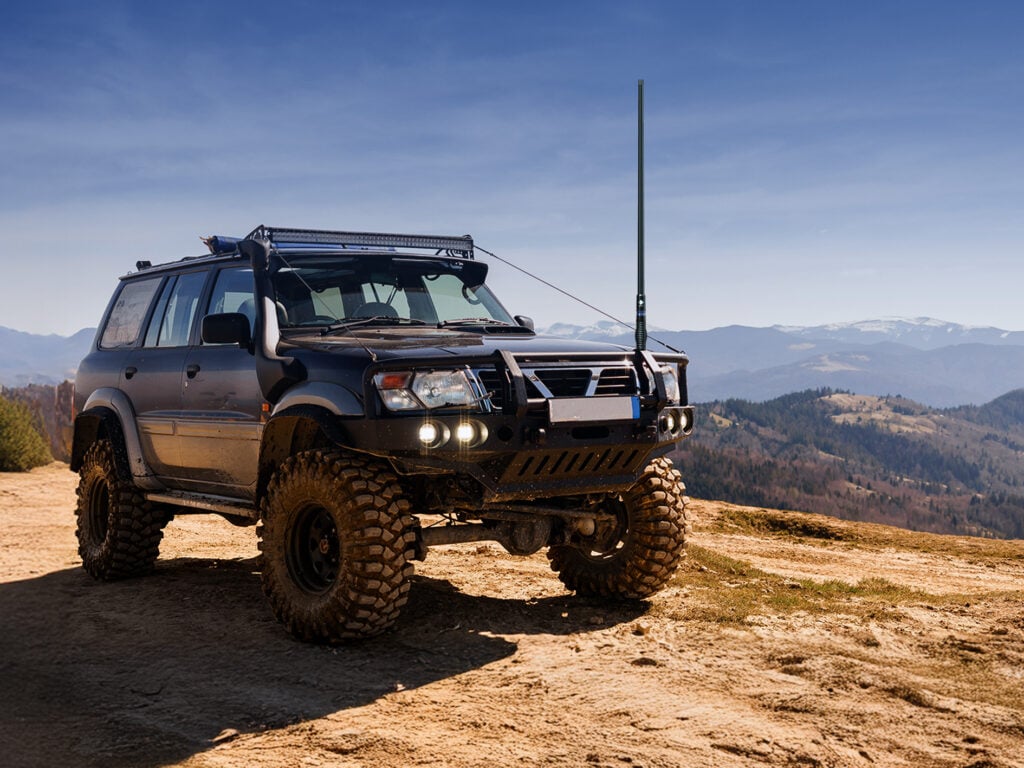
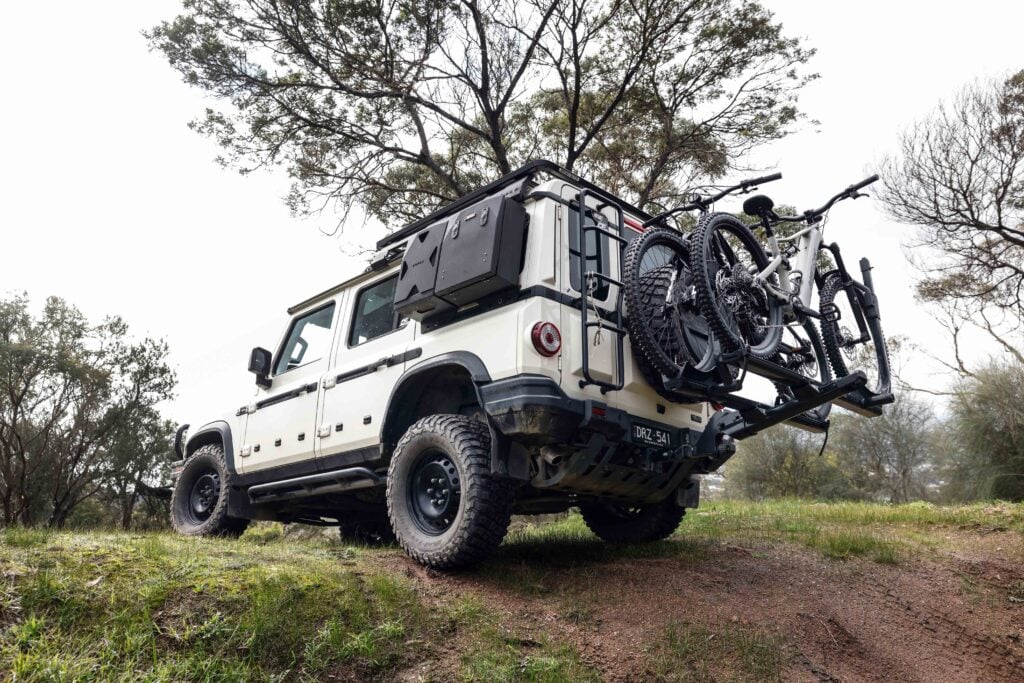
A dual-cab ute might roll out of the dealership weighing around two tonnes, but that number can climb quickly once owners start building them for touring. Add barwork, a winch, roof rack, fridge, recovery gear, water, tools, camping equipment, passengers and everything else that comes along for the ride, and suddenly the vehicle is working with a very different set of demands.
Then there’s towing. A camper trailer, off-road caravan or boat adds another layer of stress, particularly during the situations where a clutch is already working hardest: Hill starts, slow-speed manoeuvring and technical tracks. The problem isn’t that the clutch isn’t capable. It’s that many vehicles are being asked to do far more than they were originally designed to handle.
Heat is the real clutch killer
A lot of people assume clutch wear simply comes down to kilometres travelled, but heat is often the real enemy.
Every time a clutch slips, friction creates heat. That’s normal operation, but when you’re moving more weight, towing heavier loads or spending hours working through slow technical terrain, the amount of heat being generated increases significantly. Too much heat over time can glaze the friction material, reduce clamping efficiency and eventually lead to clutch slip.
The first sign is often when towing. You put your foot down, the engine revs climb, but the vehicle doesn’t accelerate like it should. The clutch is slipping because it can no longer transfer the engine’s torque effectively. And if it’s happening out on a remote track, it’s not exactly the sort of mechanical issue you want to discover.
1
Why more torque means more clutch demand
Modern 4WDs are more powerful than ever. Turbo-diesel engines in vehicles like the Toyota HiLux, LandCruiser 70 Series, Ford Ranger, Isuzu D-MAX and Mitsubishi Triton produce impressive torque straight from the factory.
That low-down grunt is great for towing and off-road driving, but it also means the clutch has to manage more force every time that torque is transferred through the drivetrain.
Throw in larger tyres, extra vehicle weight, towing duties and aftermarket engine upgrades, and the workload increases again. That’s where a heavy-duty clutch starts to make sense.
Built for touring, not just big numbers
Not every upgraded clutch is designed with touring in mind.
Some performance clutches are built to handle extreme torque figures but can come with compromises that include heavier pedal effort, sharper engagement and less refinement in everyday driving. That might be fine for a competition vehicle, but it’s not always ideal when you’re spending eight hours behind the wheel travelling across Australia.
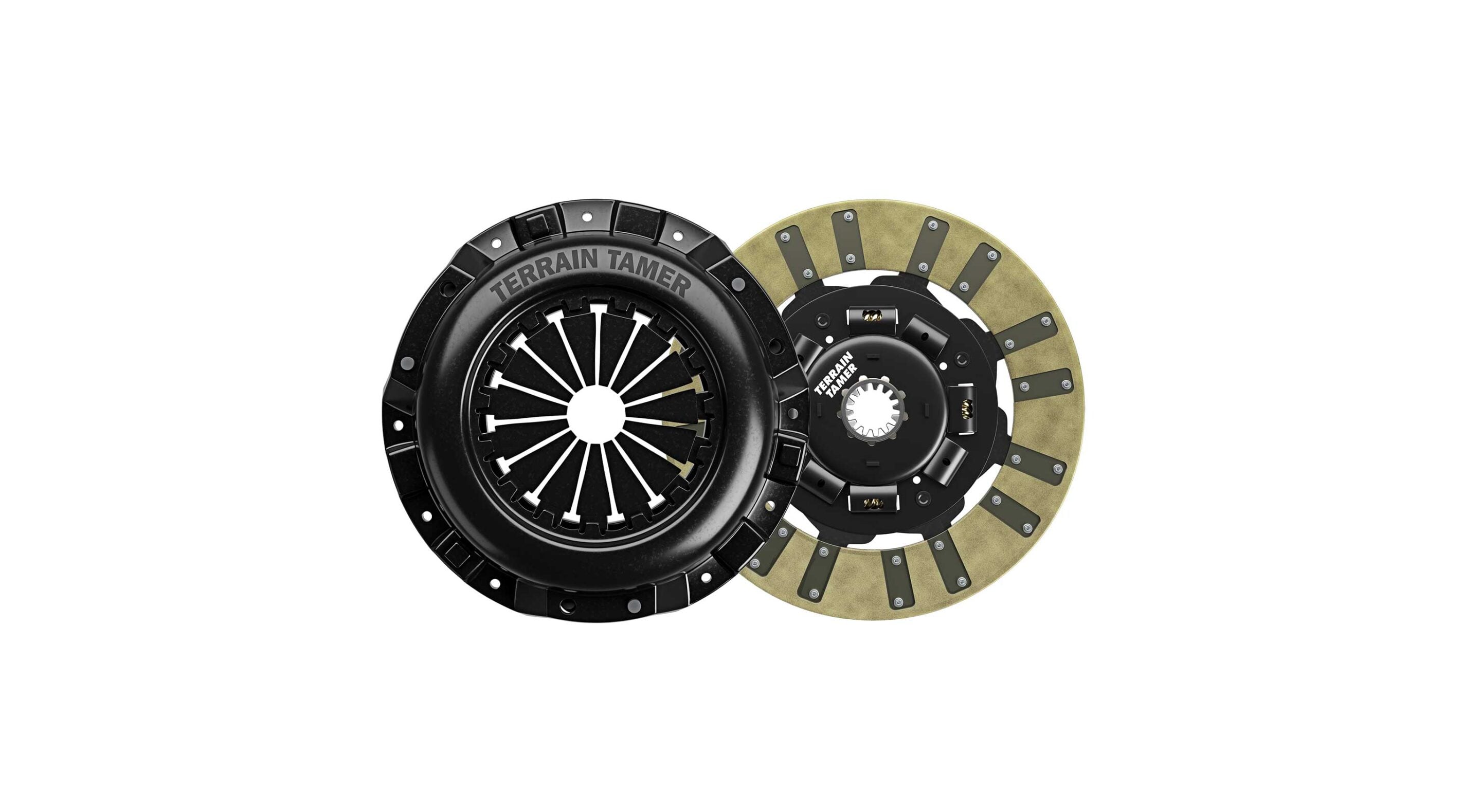
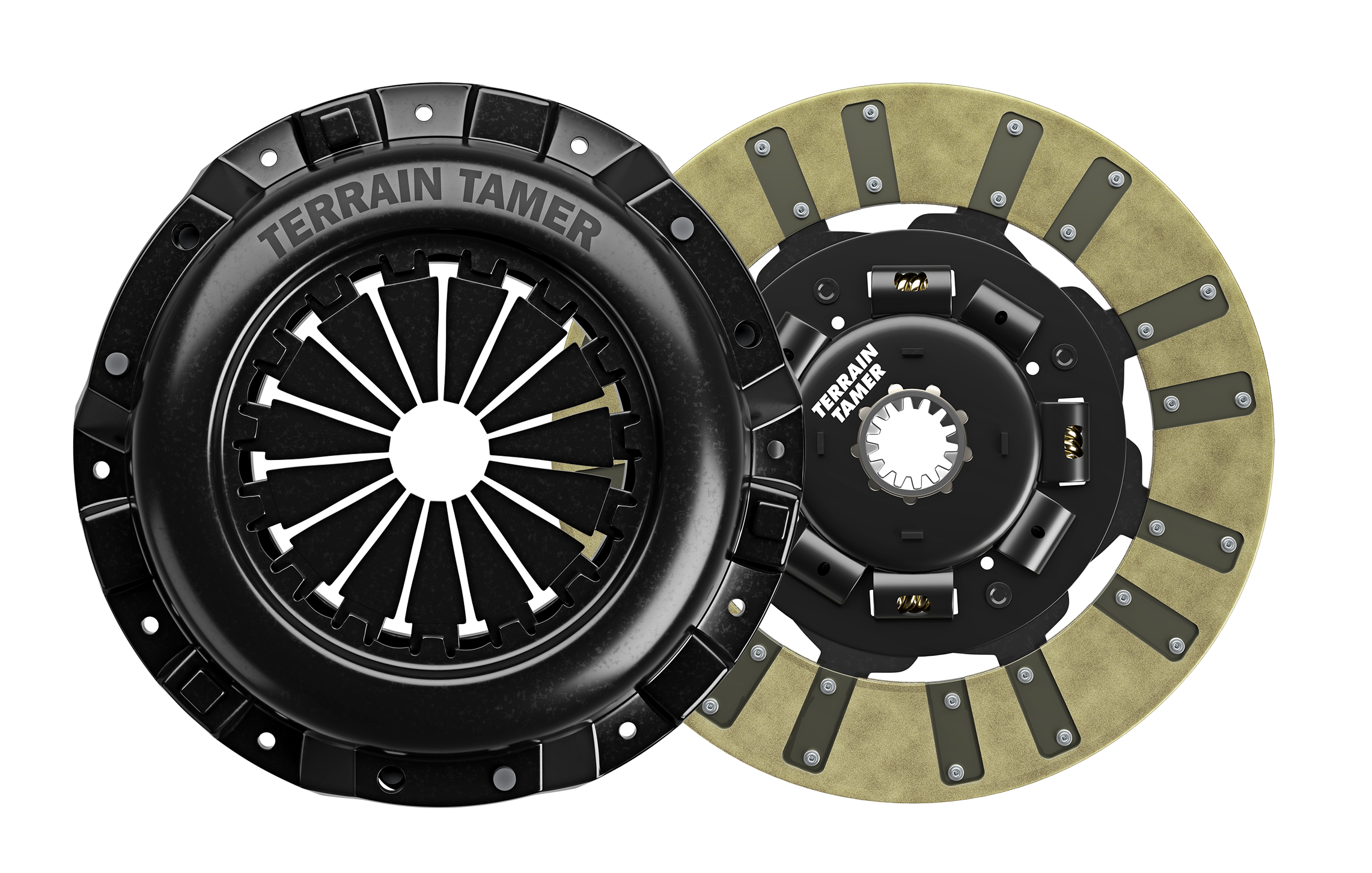
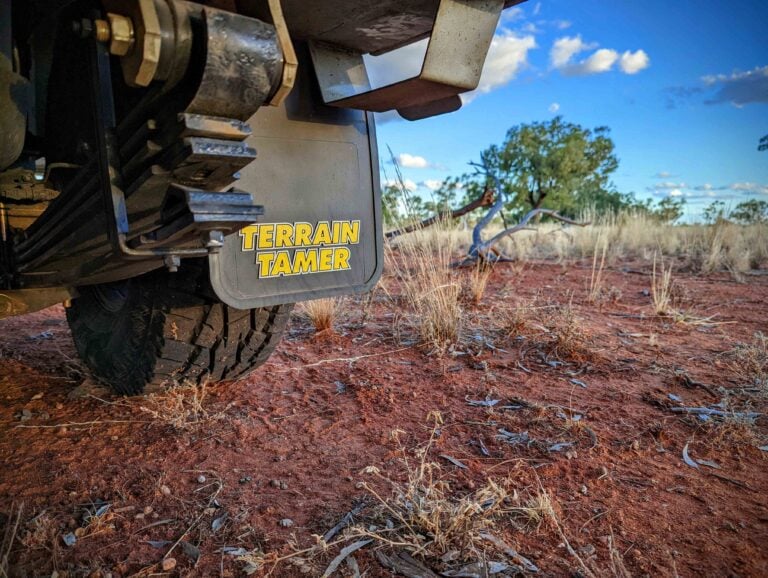
For touring, the goal is different. You want increased strength and reliability without turning every gear change into a workout. That’s the thinking behind the Terrain Tamer Fortified Plus Clutch range (↗), which has been developed for vehicles dealing with the extra demands of touring, towing and off-road use.
The system combines upgraded pressure plate assemblies with high-quality friction materials to increase torque capacity while maintaining the drivability expected from a vehicle that still sees plenty of road kilometres. It’s not about building a race clutch. It’s about giving a hardworking touring vehicle the durability it needs.
A clutch is more than just the disc
One of the common misconceptions about clutch upgrades is that the clutch plate is the only important part. It isn’t. A clutch system is made up of several components, and each one plays a role.
The pressure plate provides the clamping force. The clutch disc transfers power between the engine and transmission. The release bearing controls engagement, and the flywheel provides the foundation for the whole assembly. If one part is worn or compromised, the entire system can suffer.
That’s why complete clutch kits are often the preferred option when replacing a clutch in a touring vehicle. Replacing the major wear components together helps ensure the system works properly from day one. Especially when the next destination is somewhere without a parts store around the corner.
Towing is where clutches really earn their keep
Ask any clutch specialist what puts the most stress on a clutch and towing will usually be high on the list.
Moving a heavy vehicle and trailer combination from a standstill requires plenty of clutch slip. Reversing a caravan up a slope or carefully positioning a trailer at camp can be just as demanding. These situations create heat quickly.
An upgraded clutch won’t magically remove those stresses as physics still applies, but it can provide a greater safety margin for vehicles regularly used in these conditions.For anyone who spends weekends towing into the bush or weeks travelling remote Australia, that extra durability can be worth its weight in peace of mind.
Another piece of the touring puzzle
A clutch upgrade isn’t a standalone modification. Like suspension, tyres, brakes and cooling systems, it’s part of the bigger picture.
More weight requires better support from the suspension. Bigger tyres increase loads through the drivetrain. Towing places more strain on the transmission and clutch. A well-built touring rig is about making sure all those components work together.
The clutch might not be the most exciting thing to talk about around the campfire, but it plays an important role in keeping all those other upgrades doing their job.
Reliability is the real upgrade
Most touring drivers aren’t chasing lap times. They want to get there, get home and know their vehicle will keep doing the job trip after trip.
Nobody wants to be sitting beside a remote track with a slipping clutch and a long recovery ahead.The best touring upgrades are often the ones you barely notice. They simply work. A good suspension setup keeps the vehicle comfortable. Good tyres keep it moving. A capable clutch ensures the engine’s torque actually reaches the ground when it matters.
It might not be the flashiest modification on a 4WD, but for vehicles that carry more, tow more and travel further, a heavy-duty clutch can be one of the smartest reliability upgrades you make.
Frequently Asked Questions
Q: Why does a touring 4WD need a heavy-duty clutch?
A: Touring vehicles carry far more weight than a standard 4WD, with bullbars, winches, accessories, gear, passengers, larger tyres and towing loads all increasing drivetrain demands. A heavy-duty clutch provides extra capacity for these conditions.
Q: What causes clutch failure?
A: Normal wear is expected, but excessive heat is one of the biggest causes of premature clutch failure. Repeated clutch slip generates heat, which can glaze friction material, reduce clamping efficiency and eventually cause slipping under load.
Q: What are the signs of a failing clutch?
A: Common signs include engine revs rising without matching acceleration, clutch slip under load, a burning smell after towing or steep climbs, shuddering during take-off, and changes in clutch pedal feel.
Q: Does towing damage a clutch?
A: Towing places some of the highest loads on a clutch. Moving a heavy vehicle and trailer from a standstill, reversing a caravan or manoeuvring on an incline all create extra heat and accelerate wear.
Q: Are all heavy-duty clutches the same?
A: No. Some are designed for maximum performance, while touring-focused clutches are built to balance increased capacity with smooth engagement and everyday drivability.
Q: What makes the Terrain Tamer Fortified Plus Clutch suited to touring?
A: The Terrain Tamer Fortified Plus Clutch range (↗) is designed for vehicles used in touring, towing and off-road conditions. It offers up to an 80 per cent increase in torque capacity over standard and uses Clutchtex Kevlar friction material to improve strength and durability.
Q: Is upgrading a clutch just about replacing the disc?
A: No. The clutch is a complete system including the disc, pressure plate, release bearing and flywheel. Replacing the full clutch kit helps maintain consistent operation and reliability.
Q: Will a heavy-duty clutch make my 4WD harder to drive?
A: Not necessarily. Unlike some performance clutches designed for maximum torque capacity, touring-focused upgrades are designed to improve durability while maintaining smooth everyday operation.
Q: Do I need a heavy-duty clutch if my 4WD is mostly standard?
A: Not always, but towing, added vehicle weight, larger tyres and increased touring loads can put extra strain on the factory clutch.
Q: Why does clutch reliability matter for remote touring?
A: A clutch failure far from support can quickly end a trip. Improving clutch durability helps give touring vehicles a better margin of reliability when travelling through remote areas.
Follow 4X4 Australia on Google
Get more 4x4 news, reviews and gear stories from 4X4 Australia in your Google feeds.

We recommend
-
 News
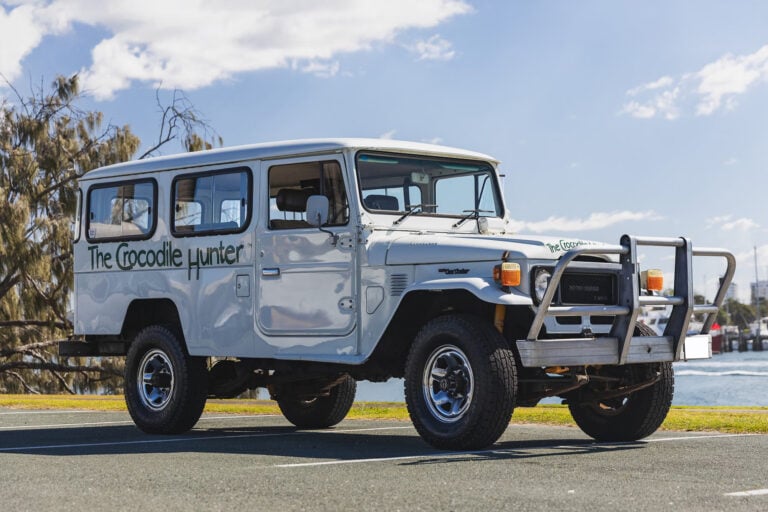
NewsTerrain Tamer purchases Steve Irwin’s iconic 1982 Toyota LandCruiser Troop Carrier
The Crocodile Hunter’s legendary HJ47 Troopy has been bought by Terrain Tamer
-
 Gear
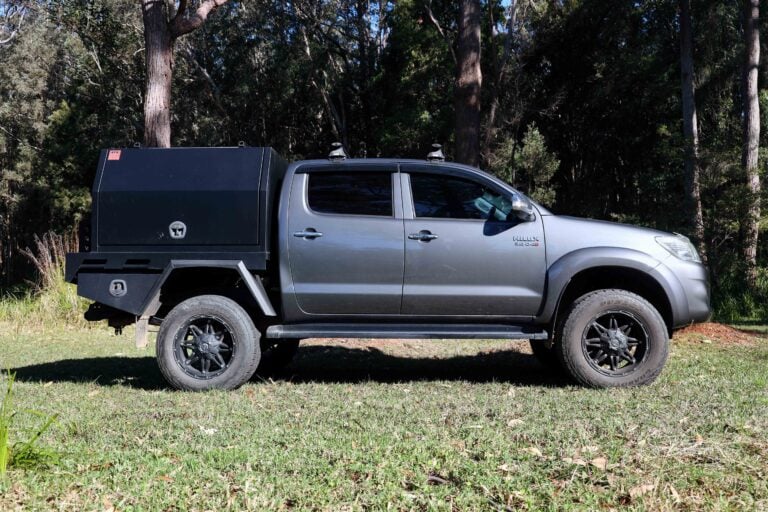
GearTerrain Tamer suspension upgrade transforms the HiLux into the ultimate all-rounder
We find out whether Terrain Tamer’s suspension lives up to its all-round reputation
-
 Gear
GearWhy more tourers are looking at parabolic springs
Parabolic leaf springs, like those available at Terrain Tamer, offer a lighter, more compliant alternative to traditional multi-leaf packs