Gear

Gallery 1
When it comes to suspension upgrades, most conversations revolve around lift heights, load ratings and shock absorbers. Yet one of the oldest suspension designs is quietly finding its way back under some of Australia’s most common touring rigs.
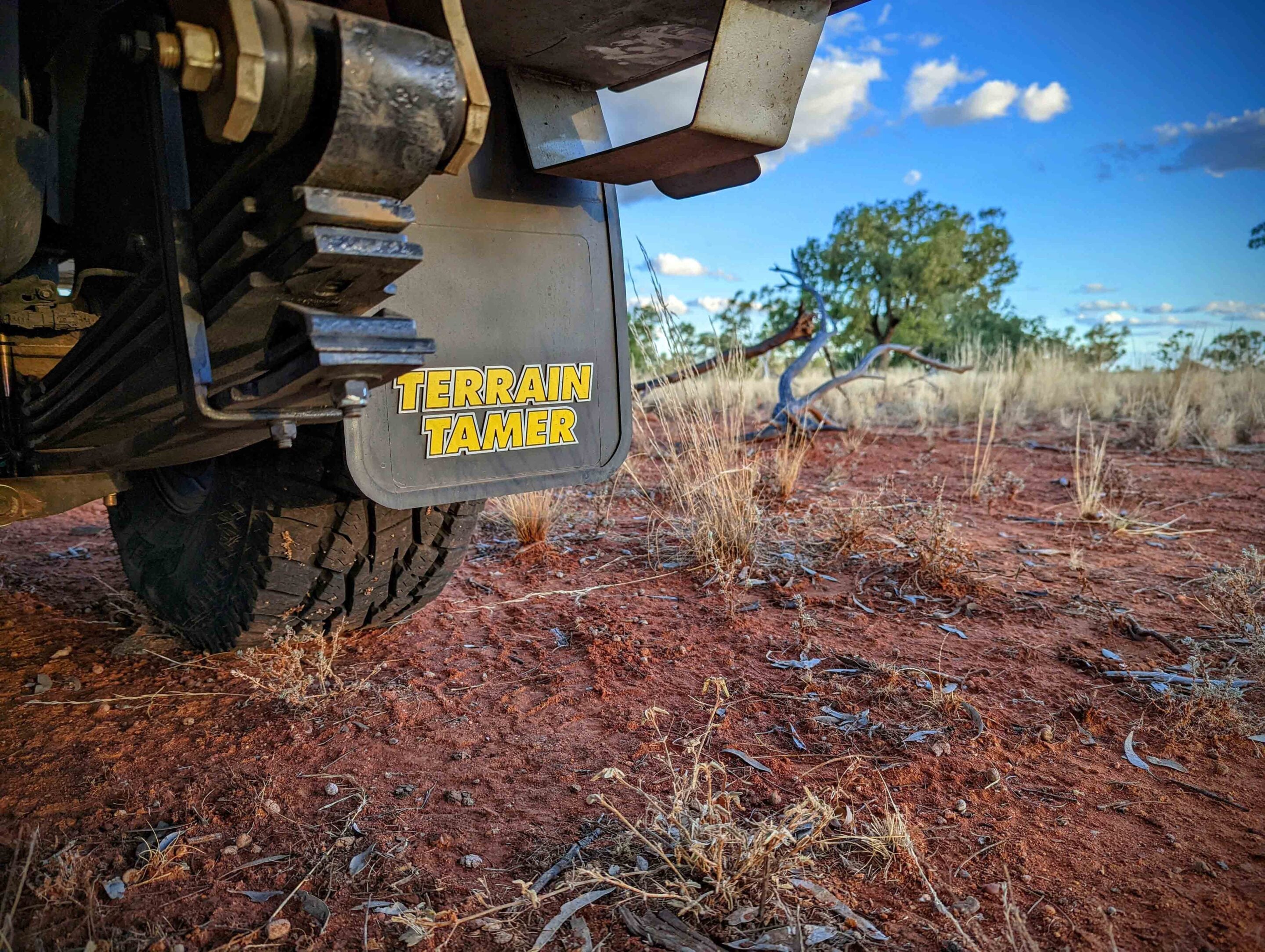
Parabolic leaf springs, like those available at Terrain Tamer (↗), aren’t new. In fact, they’ve been used in heavy vehicle applications for decades. What’s changed is how they’ve been adapted for modern touring vehicles. But what exactly is a parabolic spring, and why are more travellers considering them for long-distance touring?
JUMP AHEAD
- Understanding the difference
- Why ride quality can improve
- Reducing unsprung weight
- The complete suspension package
- Not the right fit for every build
Understanding the difference
Traditional leaf spring packs rely on multiple steel leaves stacked tightly together. They’re strong, reliable and capable of carrying substantial loads, which is why they’ve been fitted to workhorses like the Toyota Hilux and LandCruiser 79 Series over many years.
The downside is weight and interleaf friction. As the leaves move against each other, that friction can affect ride comfort, articulation and overall suspension response.
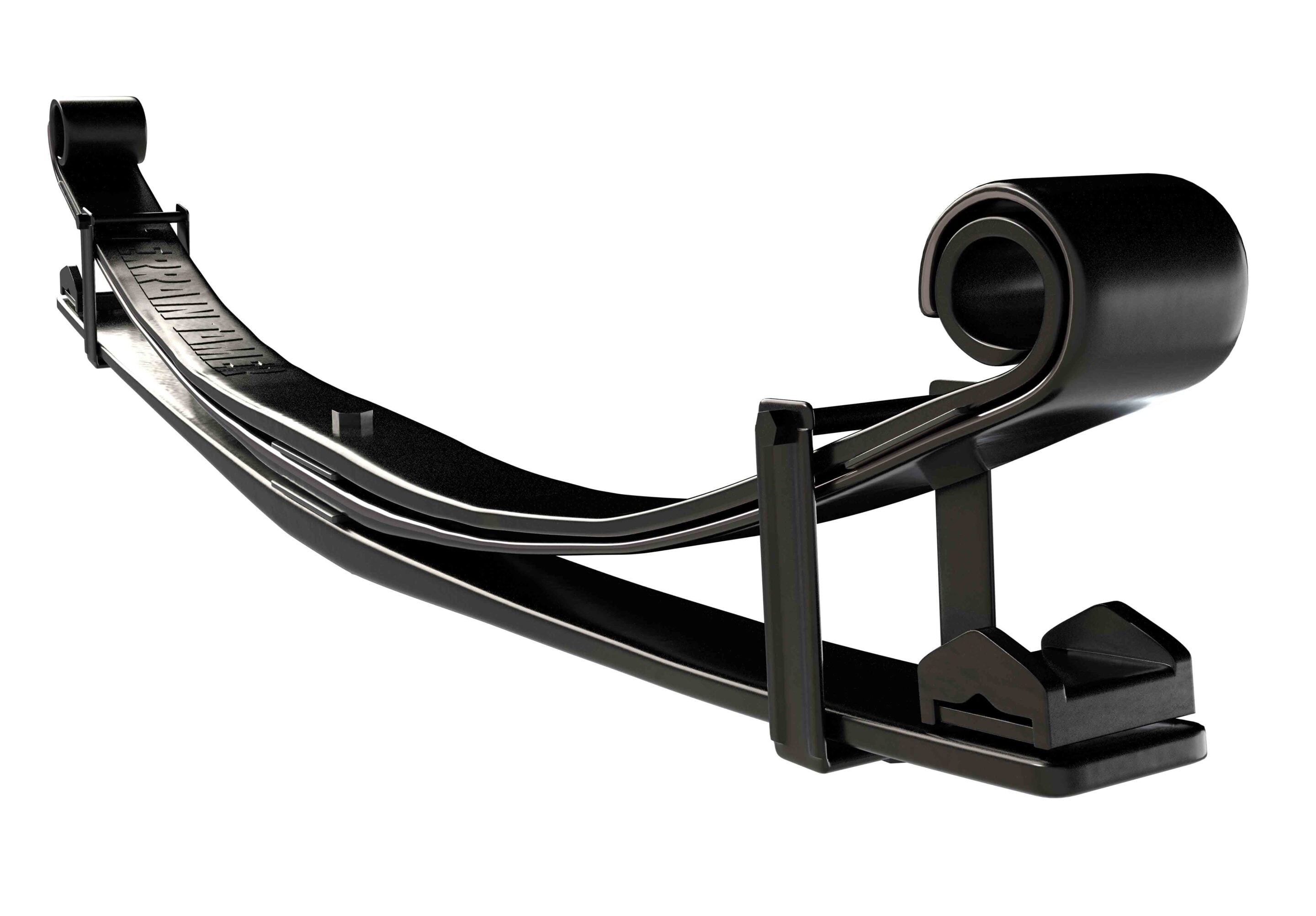
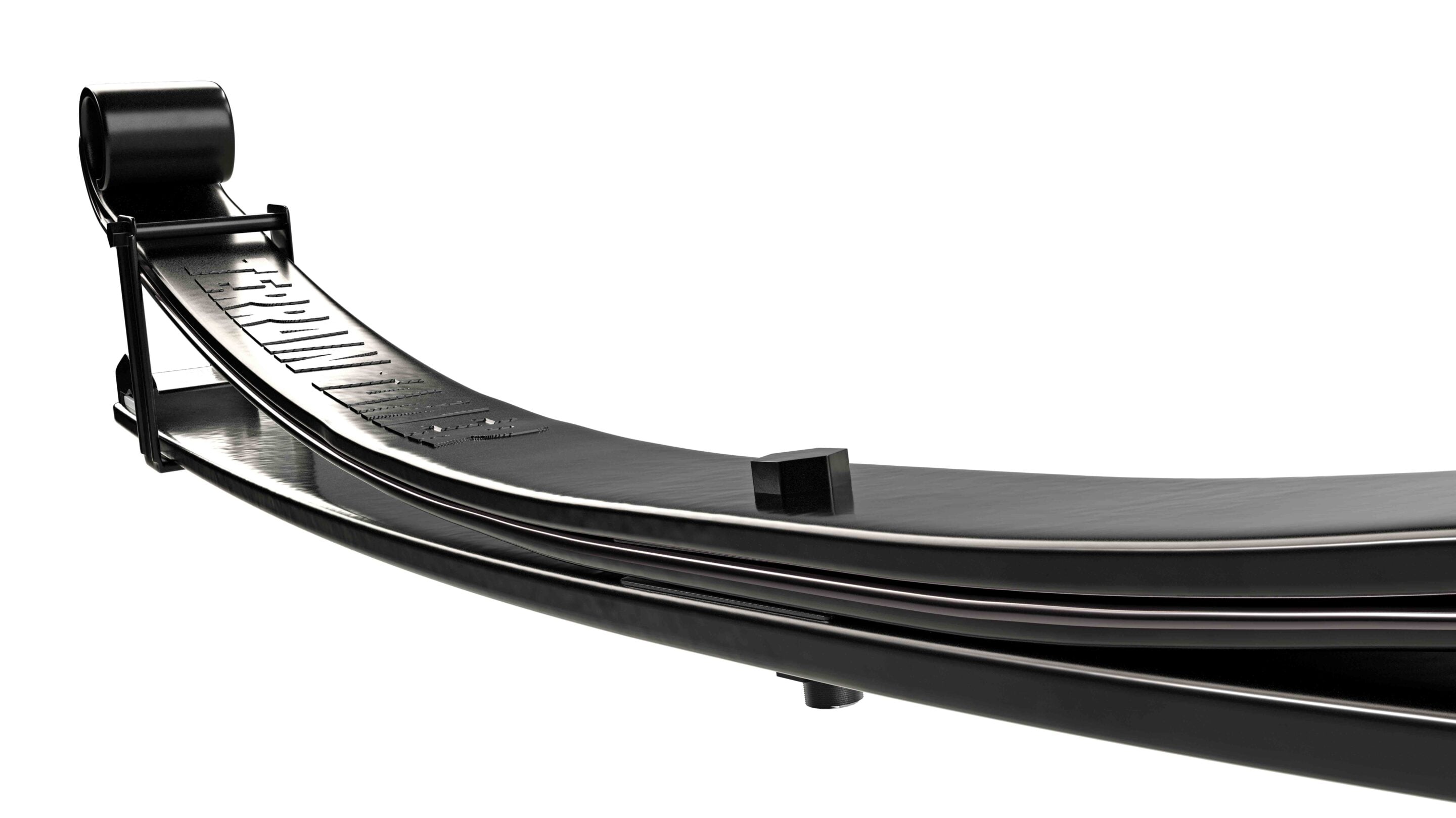
Parabolic springs take a different approach. Rather than using a large number of leaves, they use fewer tapered leaves that are thicker through the centre and thinner towards the ends. The profile resembles a parabola, which is where the name comes from. The design allows each leaf to work more independently while distributing load more evenly through the spring.
The result is often a lighter assembly than a comparable multi-leaf pack, while still retaining the strength needed for touring and load carrying.
1
Why ride quality can improve
Anyone who’s driven an unloaded dual-cab ute knows how firm the rear suspension can feel. The challenge is building a spring that can carry weight when needed without feeling overly harsh when it’s not.
This is where parabolic springs make a compelling case. Because there is significantly less interleaf friction, the suspension can react more freely to bumps and corrugations instead of fighting against multiple leaves sliding across each other.
On long outback roads, that can translate into a smoother ride, less vibration through the cabin and reduced driver fatigue. For anyone who’s spent a full day on corrugations between remote fuel stops, those small improvements quickly add up.
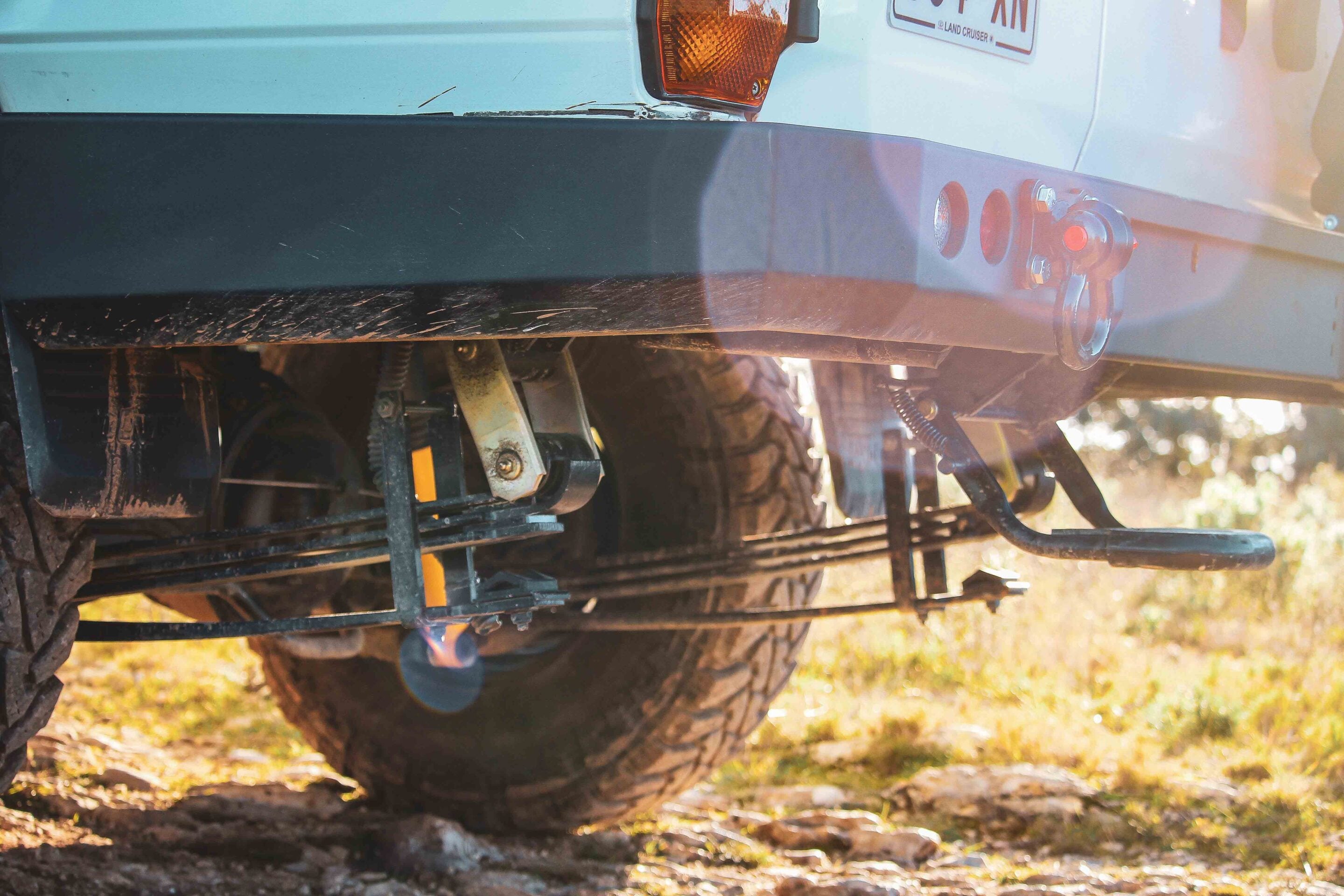
Ride comfort is only part of the story. One of the biggest advantages of parabolic springs is the way they allow the axle to articulate over uneven terrain. When a wheel drops into a rut or climbs over a rock, the spring can flex more freely than a traditional multi-leaf pack, helping maintain tyre contact with the ground. That can improve traction in slow, technical off-road conditions.
That’s not to say a parabolic spring suddenly transforms a leaf-sprung ute into a coil-sprung wagon. Physics still applies. But the increased flexibility can make a noticeable difference in the sort of terrain many Australian tourers regularly encounter.
1
Reducing unsprung weight
Most suspension talk tends to focus on what gets added to a vehicle, from bullbars and winches through to canopies, roof racks and long-range fuel tanks.
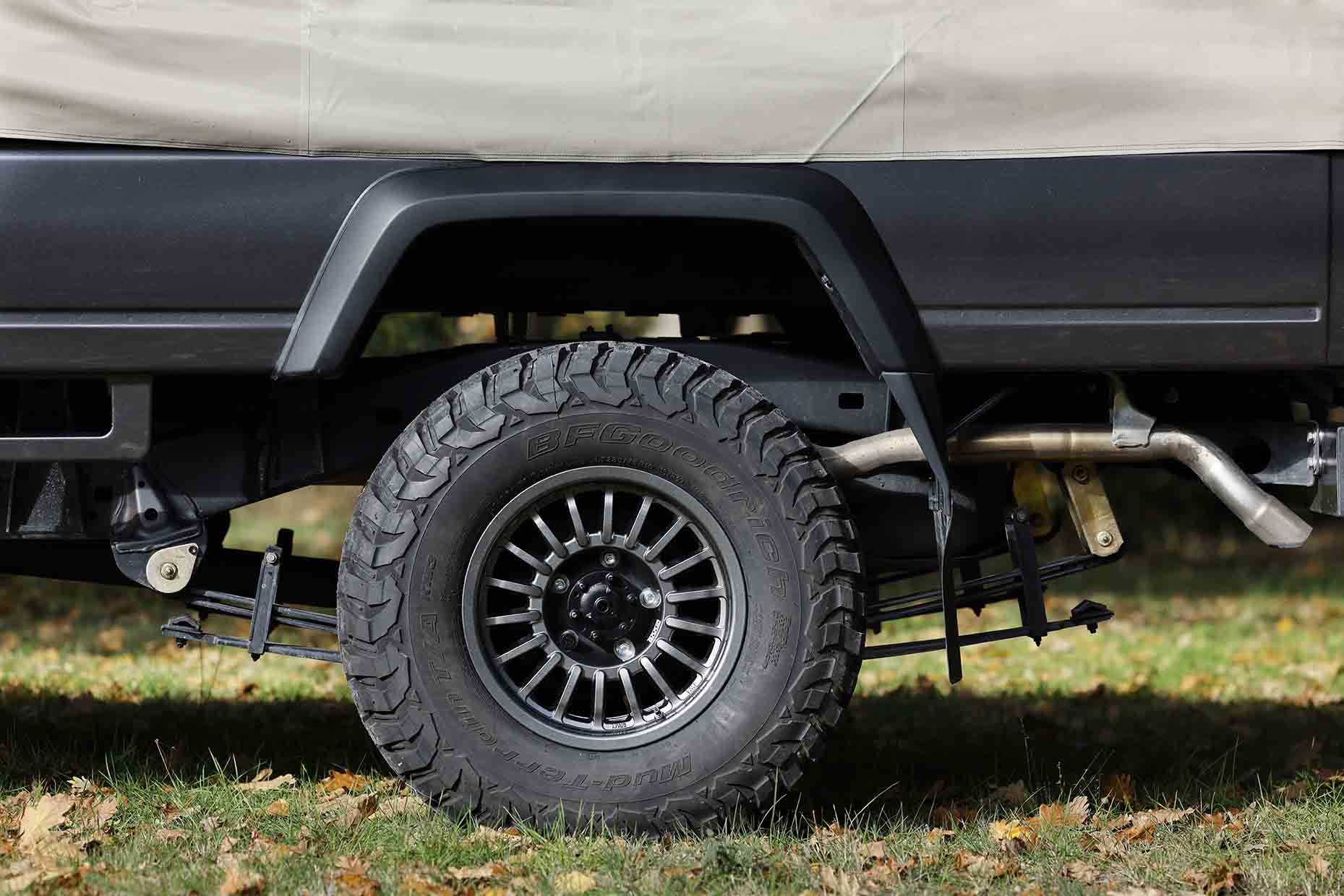
Parabolic springs go the other way. Because they use fewer leaves, they can reduce unsprung weight compared to traditional heavy-duty leaf packs. Unsprung weight refers to components that move with the wheels and suspension rather than the vehicle body itself.
Reducing that mass allows the suspension to respond more effectively to terrain changes, improving ride quality and helping maintain tyre contact with the ground. It’s not a silver bullet, but every kilogram removed from the unsprung side of the equation can help.
1
The complete suspension package
Like any suspension upgrade, springs should never be considered in isolation. A quality touring setup works because all components are designed to work together.
Parabolic springs (↗) perform best when paired with appropriately valved shock absorbers that can control movement and maintain stability. Industry experience suggests shock selection becomes even more important with parabolic systems due to their ability to move more freely than conventional leaf packs.
In a typical touring build, a rear suspension package might include Terrain Tamer Parabolic Springs (↗), matched shock absorbers, upgraded bushes, shackles and U-bolts, all selected to suit the vehicle’s constant load.
Get the spring rate wrong and the vehicle may sag under load. Go too heavy and ride quality can suffer. The best setups are always built around realistic vehicle weights rather than accessory lists. Many touring vehicles spend part of the year fully loaded for big trips and the rest of the year running around largely empty. Traditional heavy-duty spring packs can struggle with this balancing act.
Parabolic designs aim to offer a more compliant ride when unladen while still maintaining the load-carrying characteristics needed when the canopy is packed, the fridge is full and the camper trailer is hooked up. For touring-focused vehicles, that flexibility can be a genuine advantage.
1
Not the right fit for every build
Vehicles that permanently carry substantial weight or spend most of their time towing are often better suited to conventional heavy-duty leaf packs designed specifically for that kind of use.
As always, suspension choice comes down to how the vehicle is actually used. However, for many modern touring rigs that need to comfortably handle both daily duties and long-distance adventures, parabolic springs offer an interesting alternative to traditional leaf spring designs.
They won’t solve every suspension problem, but they do challenge the long-held assumption that carrying load and achieving ride comfort are mutually exclusive goals. For Australian tourers chasing a more comfortable ride without giving away the practicality that makes leaf-sprung vehicles so popular in the first place, that’s a conversation worth having.
Follow 4X4 Australia on Google
Get more 4x4 news, reviews and gear stories from 4X4 Australia in your Google feeds.