Gear

Gallery 1
A touring 4WD can place far greater demands on its suspension than a standard vehicle.
A canopy, drawers, fridge, rooftop tent, recovery gear, extra fuel and water all add weight, while towing a camper trailer adds another load to the vehicle. That extra weight changes how the 4WD sits, rides and handles. It can also affect suspension travel, braking and how much capacity is left within the vehicle’s weight ratings.
Choosing suspension for a loaded touring 4WD isn’t simply a matter of picking a lift height or ordering the heaviest springs available. The setup needs to suit how much weight the vehicle carries, where that weight sits and whether it’s there all the time or only when you’re heading away.
The best place to start is with actual vehicle weights. Weighing the 4WD in its normal touring configuration, including front and rear axle weights, gives you the information needed to select springs and shocks for the vehicle you actually drive.
Why loaded touring changes suspension requirements
A stock or lightly modified 4WD and a fully loaded touring rig can have very different suspension requirements.
A vehicle carrying permanent touring equipment needs to support that weight every kilometre, while one that only gets loaded for occasional trips needs to cope with a much wider range of weights. Add a camper trailer and the suspension also has to deal with the extra load transferred through the towball.
The vehicle’s accessories, passengers, fuel, water and camping equipment all contribute to its laden weight, while their position affects how that weight is distributed between the front and rear axles.
The most useful numbers when selecting load-specific suspension are the vehicle’s actual weight and its front and rear axle weights. Weigh the 4WD in the condition you expect to travel, including passengers, fuel, water, camping equipment and permanent accessories. If you’re towing, include the trailer ball weight in the assessment. A heavy bull bar and winch can increase front axle weight, while drawers, a canopy, fridge, spare wheel and water can add plenty of weight at the rear.
Those figures give a suspension specialist like Superior Engineering a much better basis for selecting spring rates than the vehicle model or a generic “heavy-duty” recommendation.
| Use | Suspension considerations |
|---|---|
| Light touring | Balanced spring rates and good ride quality |
| Permanent touring load | Springs matched to constant front and rear loads |
| Heavy touring load | Appropriate spring rate and shock valving |
| Touring plus camper trailer | Vehicle load and trailer ball weight considered together |
| Heavy modified touring rig | Payload, axle ratings, GVM and compliance requirements |
Spring rate matters more than lift height
When suspension is being selected for a loaded touring vehicle, spring rate matters more than simply deciding how much lift you want.
The spring needs to support the actual load while maintaining appropriate ride height and usable suspension travel. A spring that’s too soft can allow the vehicle to sag under load, while one that’s unnecessarily stiff can make the 4WD uncomfortable when unloaded and limit suspension movement.
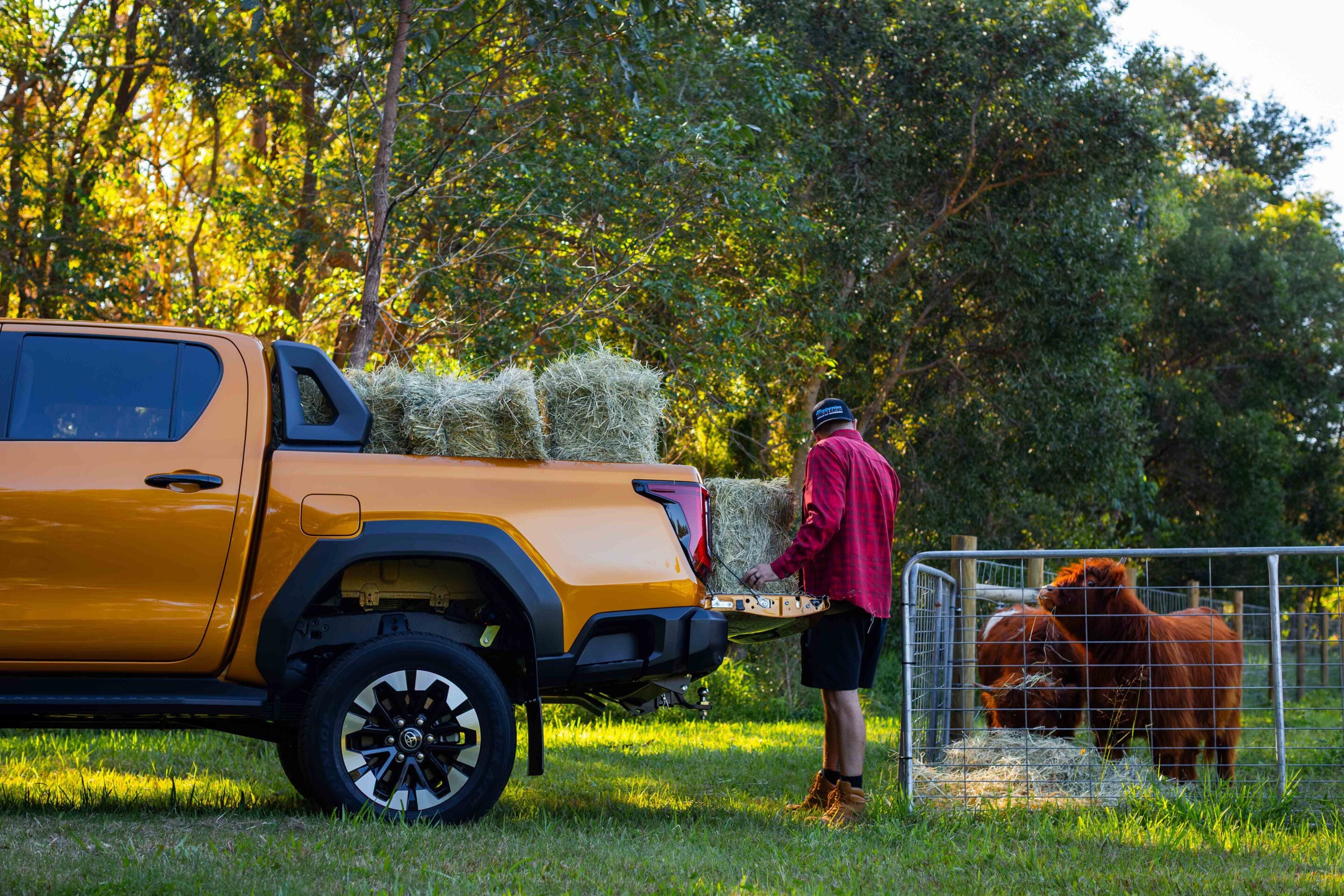
Front and rear spring rates also need to be considered separately. A heavy bull bar and winch add weight at the front, while drawers, a canopy, fridge, water and other touring equipment can put considerably more weight over the rear axle.
There isn’t one universal “touring” spring rate. It comes down to the vehicle’s actual load and how that load is distributed. Constant-load springs are designed for vehicles that carry extra weight most of the time. They’re suited to a 4WD with permanent touring equipment where the extra load is always present. Variable-load setups are better suited to vehicles that spend much of their time relatively lightly loaded but gain a lot of weight when preparing for a trip.
Going for the heaviest spring available isn’t necessarily the better option. If the spring rate is too high for the vehicle’s normal load, the result can be a harsh unloaded ride and reduced ability for the suspension to articulate over uneven ground.
1
Matching shocks to the load
Springs support the vehicle’s weight, while shock absorbers control suspension movement.
Once a 4WD is carrying a lot more mass, the shocks need to control that extra weight. Shock valving needs to be considered alongside spring rate rather than treating shocks as a one-size-fits-all component.
A vehicle carrying a constant heavy load can require different valving from one that only carries that weight occasionally. Terrain and intended use also matter, particularly for vehicles spending long periods on corrugations or tackling demanding off-road tracks.
More specialised shock designs can suit certain applications. Remote-reservoir shocks can provide extra oil volume and heat-management capability, while bypass shocks, more commonly seen in high-speed off-road use, offer greater scope for specialised damping control. Neither is automatically required for a touring 4WD. The shock needs to suit the vehicle, load and type of driving.
Adding weight can change how a 4WD responds to steering inputs, corners and uneven terrain. The effect can be more noticeable when a vehicle carries a heavy touring load high on the body or when its suspension has been modified.
Sway bars and other load-related handling components can form part of the overall suspension package, including disconnectable sway bars where extra articulation is needed for off-road touring. Their suitability needs to be considered alongside spring rates, shocks, vehicle weight and intended use rather than treated as an isolated upgrade.
Towing adds another load
A camper trailer changes things because some of the trailer’s weight is transferred through the towball.
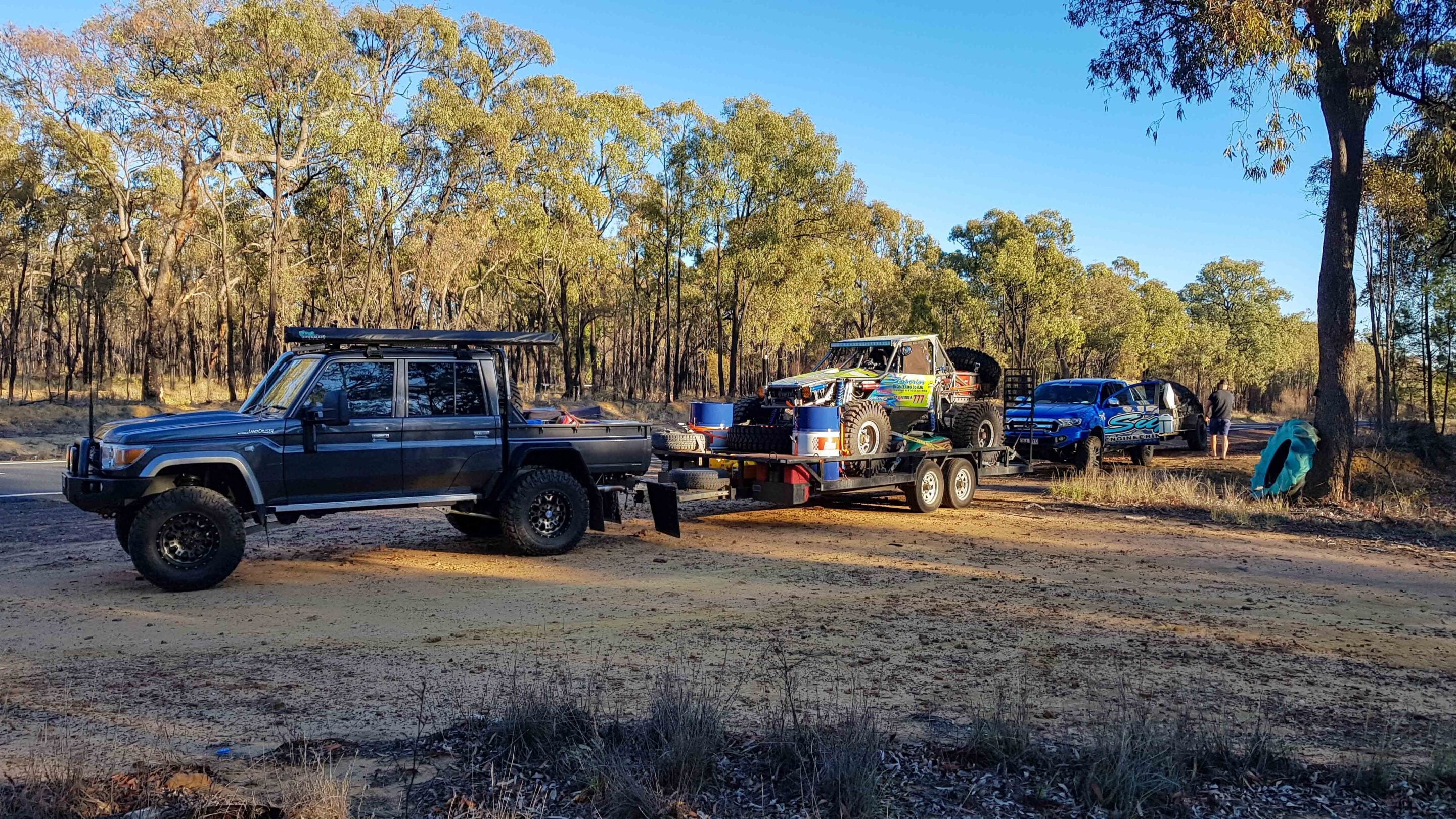
That ball weight is transferred into the tow vehicle and contributes to its axle loading. A 4WD with a heavy canopy, drawers, fridge and water system may already have significant rear axle loading before the trailer is connected. A setup designed around the vehicle’s camping equipment alone may not be appropriate once a camper trailer is added. The vehicle’s actual towing configuration should be part of the suspension assessment from the beginning.
Airbags or auxiliary load-assist systems can be useful where the vehicle’s load varies a lot or extra rear support is needed for a particular application. They don’t remove the need to select an appropriate primary spring. A vehicle carrying a constant heavy load still needs a spring rate suited to that load rather than relying on airbags to compensate for an unsuitable setup.
For vehicles that alternate between unloaded daily driving and heavily loaded touring, an auxiliary system can be one way of managing the change in load. The best option comes down to how much the vehicle’s weight varies and what it is being used for.
1
When does a GVM upgrade become necessary?
A suspension upgrade doesn’t automatically increase how much weight a vehicle can legally carry.
Every 4WD has applicable weight ratings, including its GVM and axle ratings. Once accessories, passengers and touring equipment are added, the available payload can reduce quickly.
For heavily modified touring vehicles, a GVM upgrade kit may be necessary where the extra equipment and intended load would otherwise push the vehicle beyond its original rating. These kits can involve specific suspension components and compliance requirements, depending on the vehicle and the applicable approval.
A GVM upgrade also doesn’t mean axle ratings or other applicable limits can be ignored. Requirements for GVM upgrades and their legal recognition vary between states, territories and countries, so check the requirements that apply to your vehicle before making modifications.
Which setup suits your touring load?
The suspension setup should reflect how the vehicle is actually used, not just how much lift it has.
Light touring: If the vehicle only carries camping equipment occasionally and spends most of its time unloaded, a variable-load setup can avoid unnecessarily stiff suspension during everyday driving.
Heavy touring: A vehicle with permanent drawers, canopy, fridge, fuel, water and other equipment needs springs matched to those constant loads, with shock valving suited to the resulting weight.
Touring and towing: If the vehicle carries a heavy touring load and regularly tows a camper, both the laden vehicle and trailer ball weight need to be considered when selecting the suspension.
What suspension does your touring 4WD need?
For loaded touring, suspension isn’t about chasing the highest spring rate or greatest lift. It needs to support the vehicle’s actual load while providing appropriate damping, handling and suspension travel.
Before buying, get the 4WD weighed in its touring configuration and obtain front and rear axle weights. Take those figures, along with details of any trailer and its ball weight, to a suspension specialist or experienced fitter like Superior Engineering.
That gives you a suspension setup based on the load the vehicle actually carries, helping avoid springs that are too soft for the job or unnecessarily stiff for the way you use the 4WD.
Follow 4X4 Australia on Google
Get more 4x4 news, reviews and gear stories from 4X4 Australia in your Google feeds.


We recommend
-
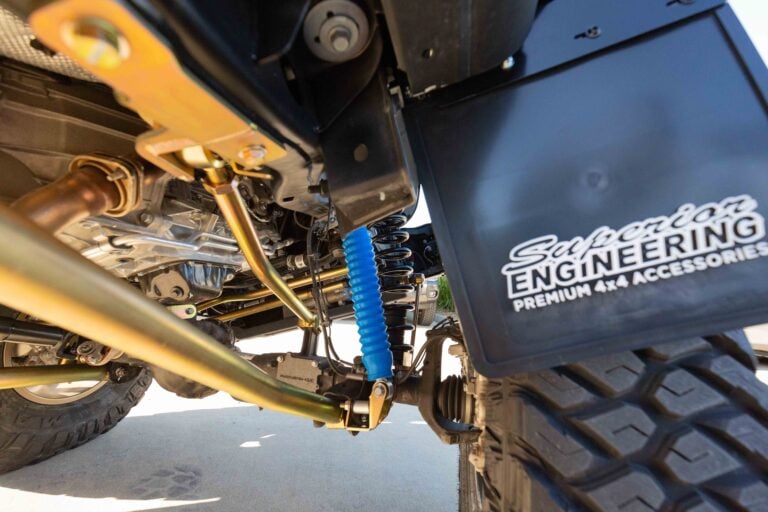 Gear
GearTwo-inch vs three-inch lift kits: Which 4WD suspension lift is right for you?
Choosing between a two-inch and three-inch lift comes down to how you use your 4WD, the tyres you want to run and how much suspension complexity you're prepared to take on
-
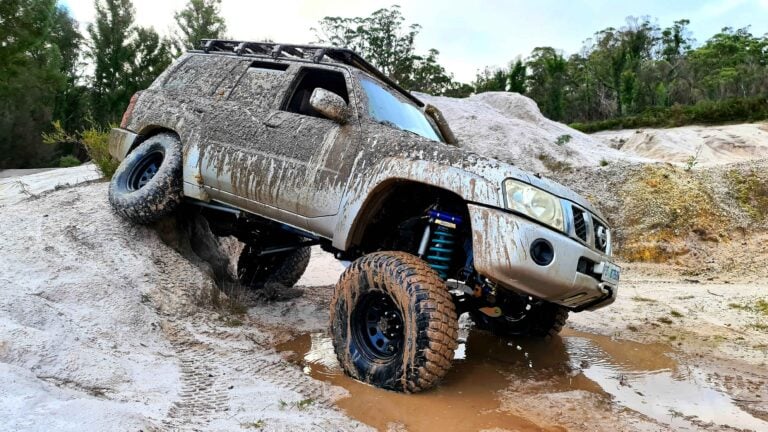 Gear
GearPicking the right shocks for your 4WD: Inside Superior Engineering’s range
Superior Engineering explains the different 4WD shock options and how to choose the right setup for your rig
-
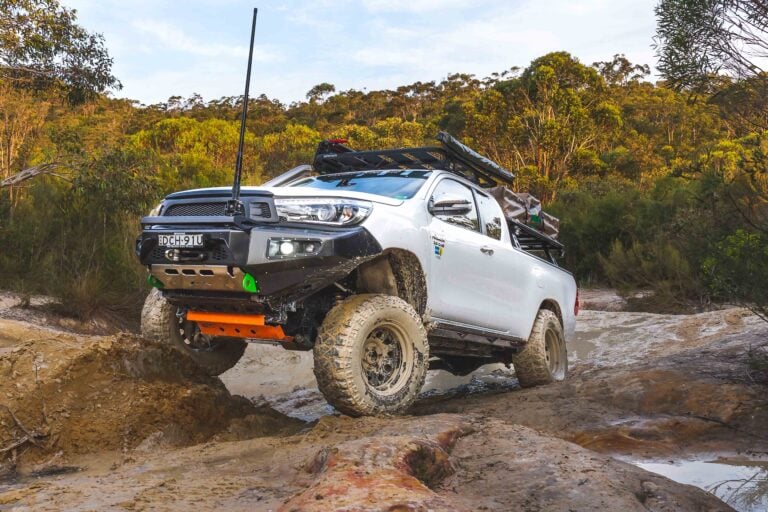 Advice
Upper Control Arms: The essential guide for modern 4x4 suspension lifts
Why upper control arms are essential for correcting geometry, restoring alignment, and maintaining safe handling on lifted modern IFS 4x4s