
Lazer’s Grille Integration Kits pack serious lighting power ready for any outback adventure, whilst achieving a clean aesthetic that looks right at home on any 4×4. Designed for a quick and easy, flush-mounted install, they perfectly blend with the vehicle’s original styling to deliver a true OE-grade finish.
Since its founding in 2010, Lazer Lamps has been a leader in LED lighting technology, ensuring incredible quality by designing, engineering and manufacturing all of its high-performance lighting solutions in-house in the UK. Although their heritage lies in the high-octane world of motorsports, where performance and reliability is everything, the same standard has earned them the trust and confidence of everyday 4×4 drivers.
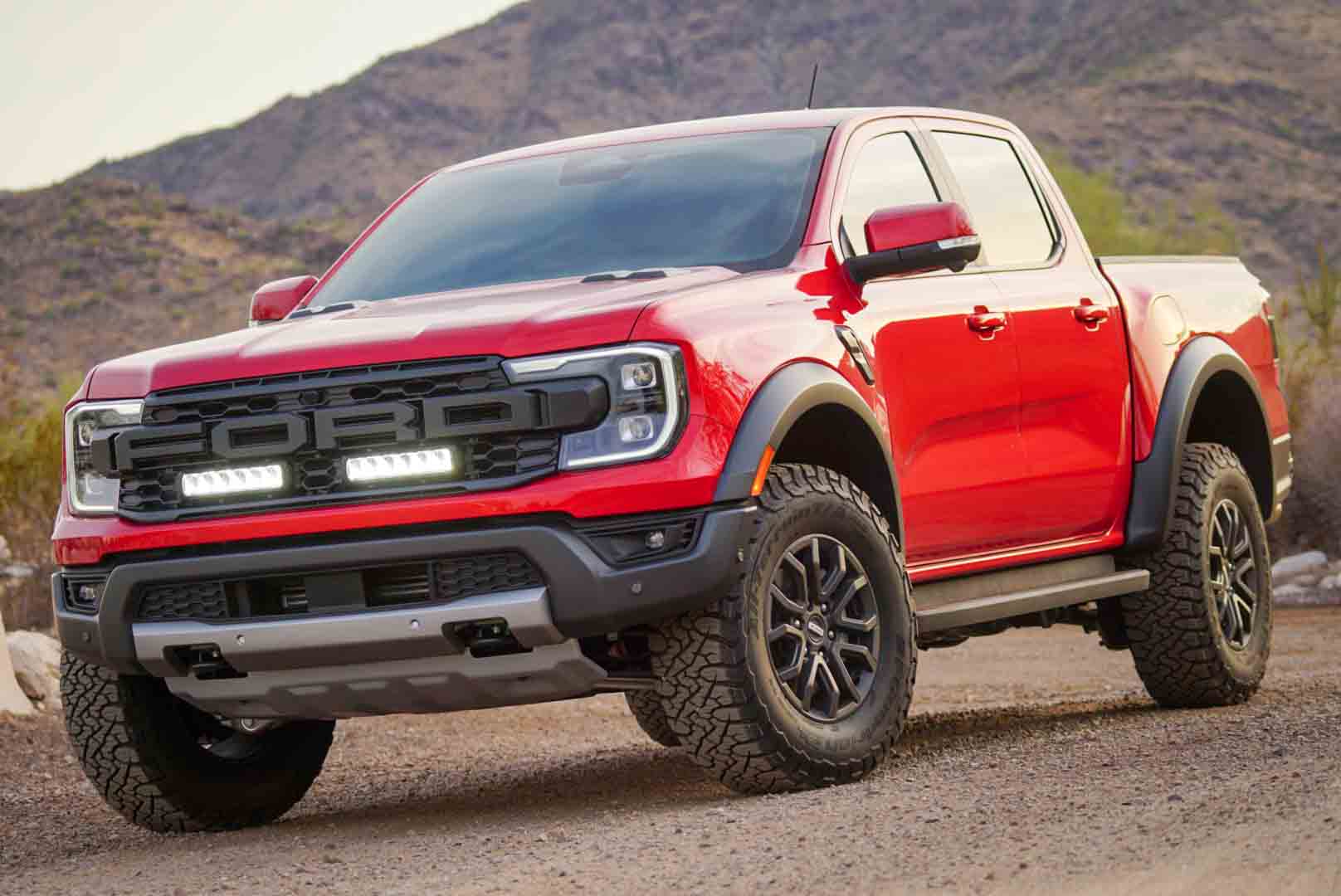
With its standout lighting performance, rock-solid build, and ability to handle everything from the intense heat and dust of the Australian Outback to the sub-zero temperatures of Scandinavia, Lazer’s products have earned their place on a growing number of 4x4s in Australia and across the world.
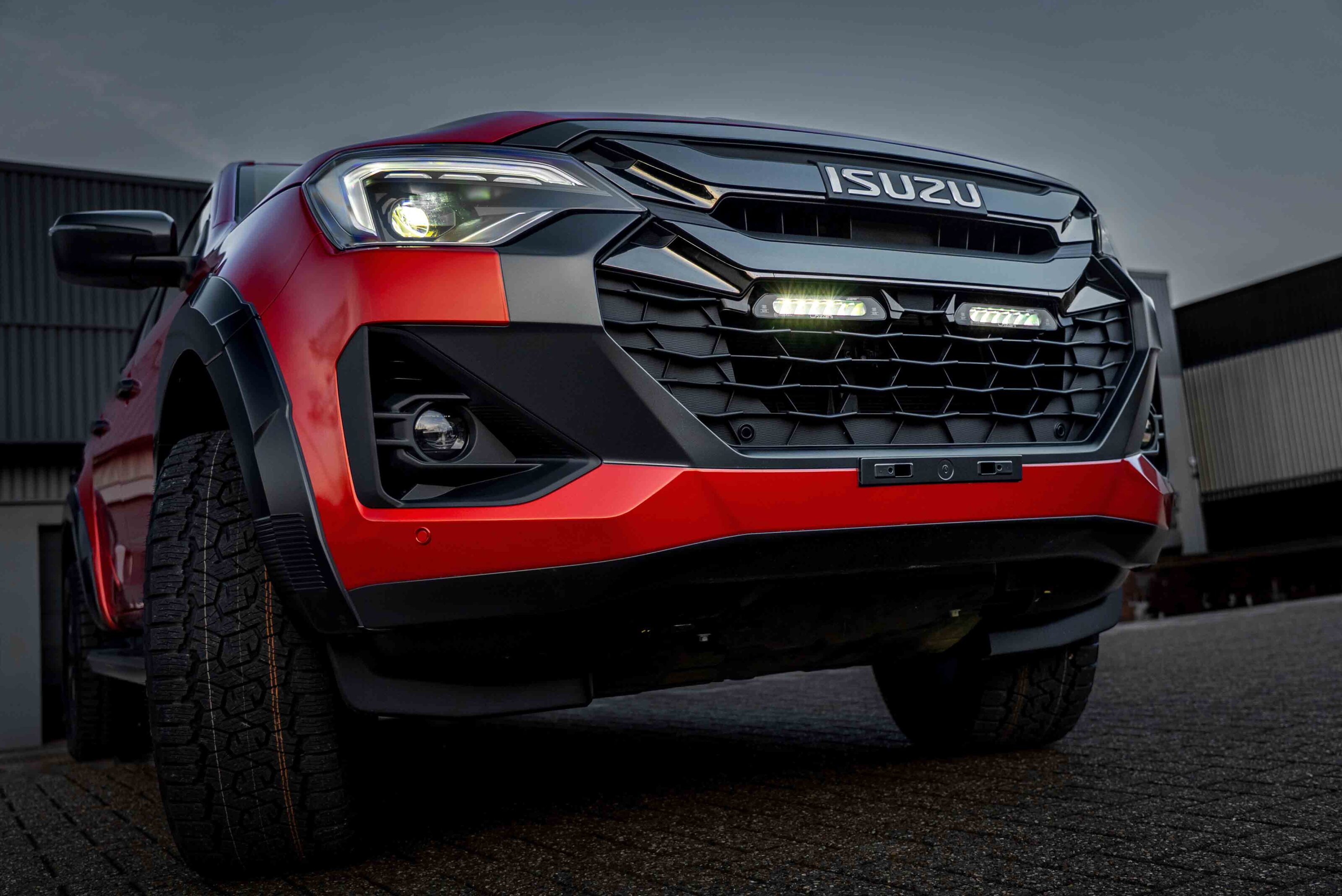
Recognising that when you’re upgrading your driving lights, the quality of the install can be just as important as the quality of the driving lights themselves, Lazer puts just as much thought into its Grille Integration Kits as they do its high-performance light bars. These kits are built tough and made to fit seamlessly into the front grille of the most popular 4WDs and light commercial vehicles; no dodgy mounting brackets or messy installs.
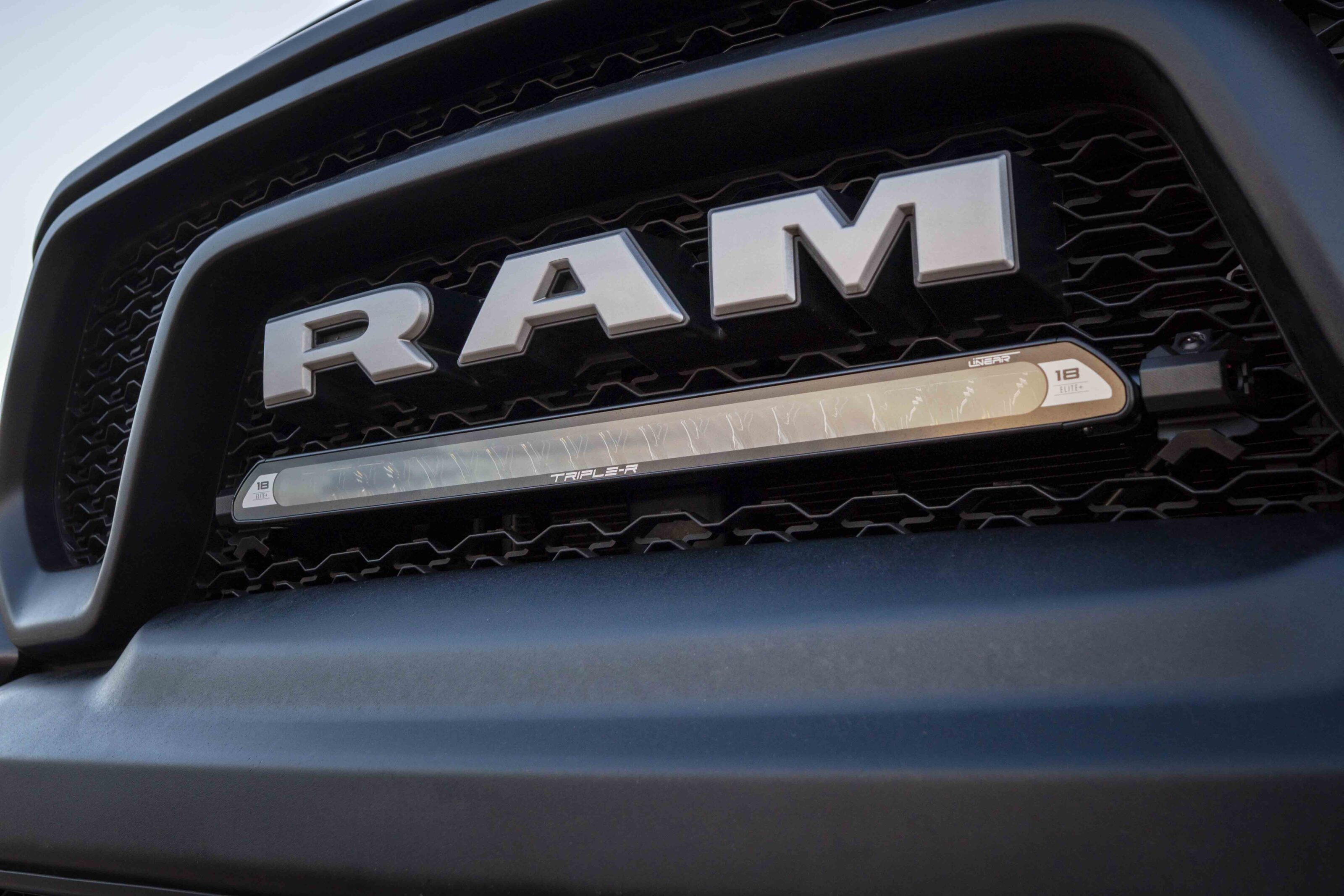
While plenty of ‘grille kits’ are popping up these days, Lazer pioneered the innovation behind flush-mount LED Grille Integration Kits, launching its first kit back in 2015. The idea to make lighting more accessible and integrated was driven by company Director, Ben Russell-Smith, who has been working at the forefront of vehicle lighting design since 2002, managing exterior lighting projects at Nissan and Ford of Europe. Lazer have since continually grown the range into the biggest line-up of custom-fit grille solutions available on the market today.
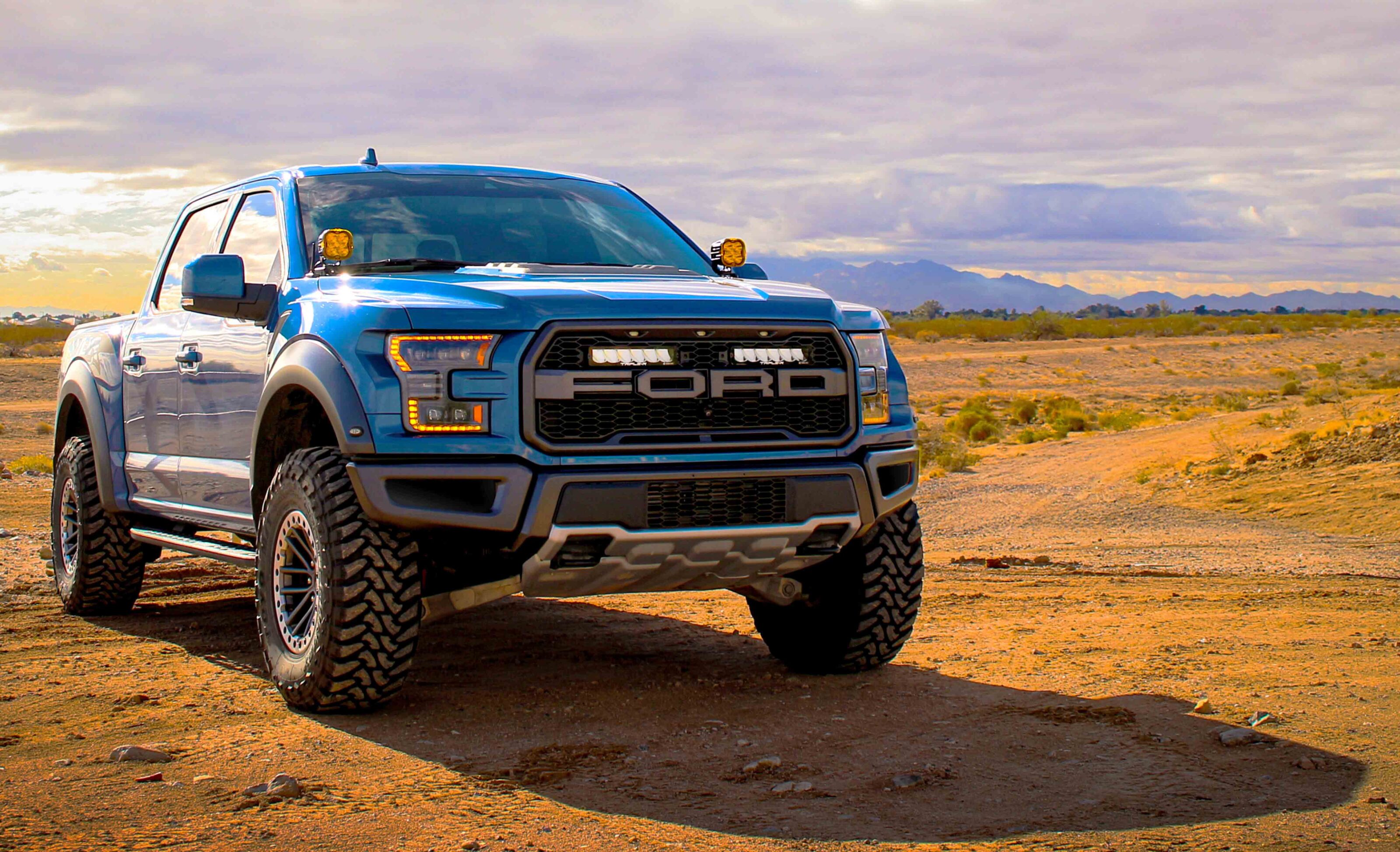
With more than 100 kits available, Lazer offers solutions for a wide range of manufacturers, including Chevrolet, Ford, Isuzu, Land Rover, Mercedes, Mitsubishi, Nissan, Ram, Toyota, VW and more. Lazer is constantly developing new kits for not only the latest trending vehicles but also solutions for older models that have high popularity.
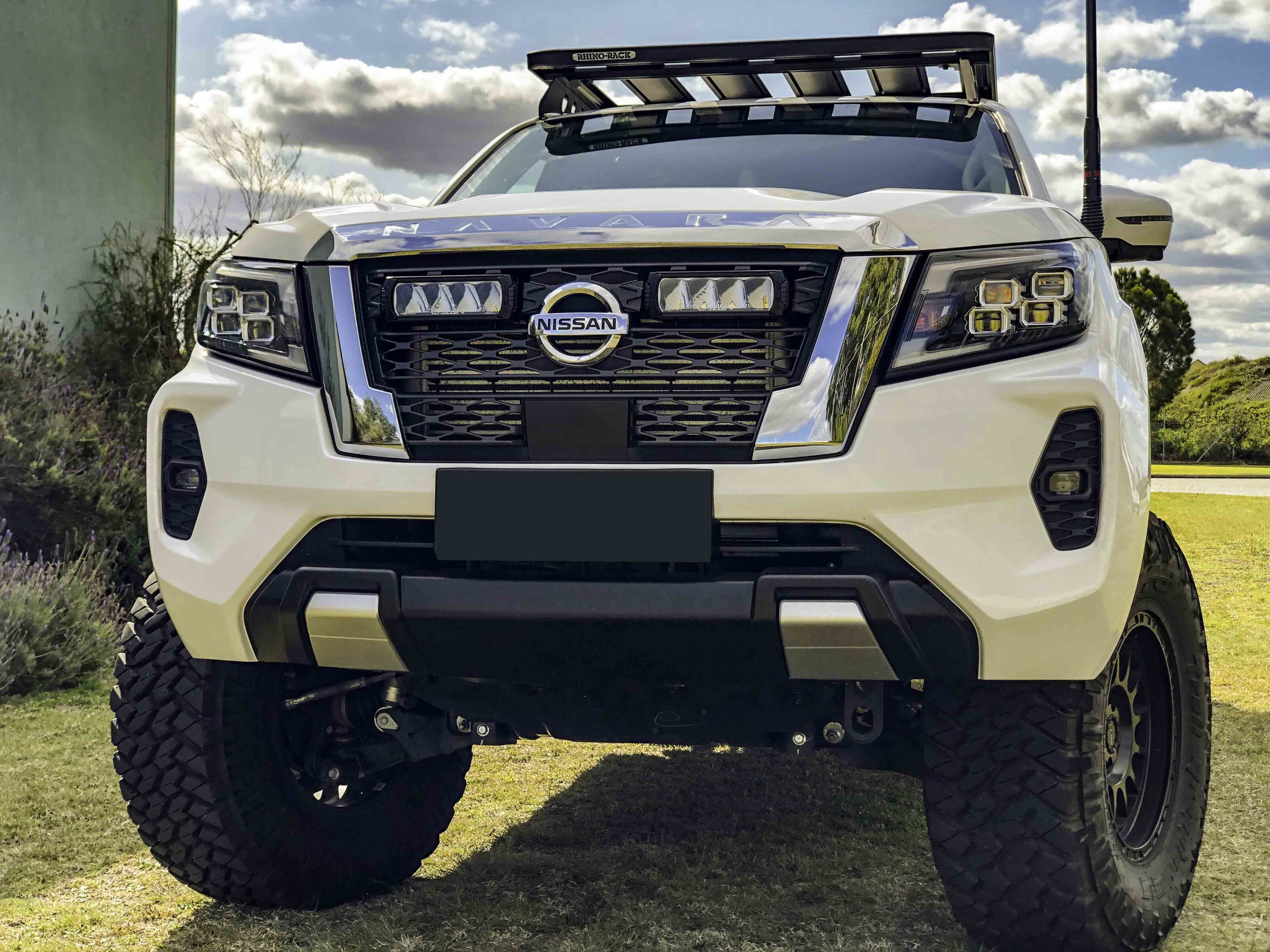
Mark Gelo, Market Manager at Hamer 4×4, has seen first-hand how well Lazer’s Grille Kits hold up against the elements, and as an official Australian distributor, they’ve fitted plenty and know what sets them apart.
“At Hamer 4×4, we’re committed to providing our customers with accessories that blend superior protection with stunning aesthetics, Lazer’s integration kits do exactly that,” Gelo said. “The build quality is exceptional, but what truly sets them apart is their attention to detail, which is clear throughout. The installation process is remarkably straightforward, the kits include detailed cutting guides and comprehensive wiring harnesses that make fitting efficient and professional.
When paired with our premium bull bars, they don’t just deliver an exceptional lighting upgrade, they elevate the overall aesthetics of the vehicle for a true statement look. Lazer continues to set the benchmark in the industry with overall build quality and technology that other products just simply can’t match,” he said.
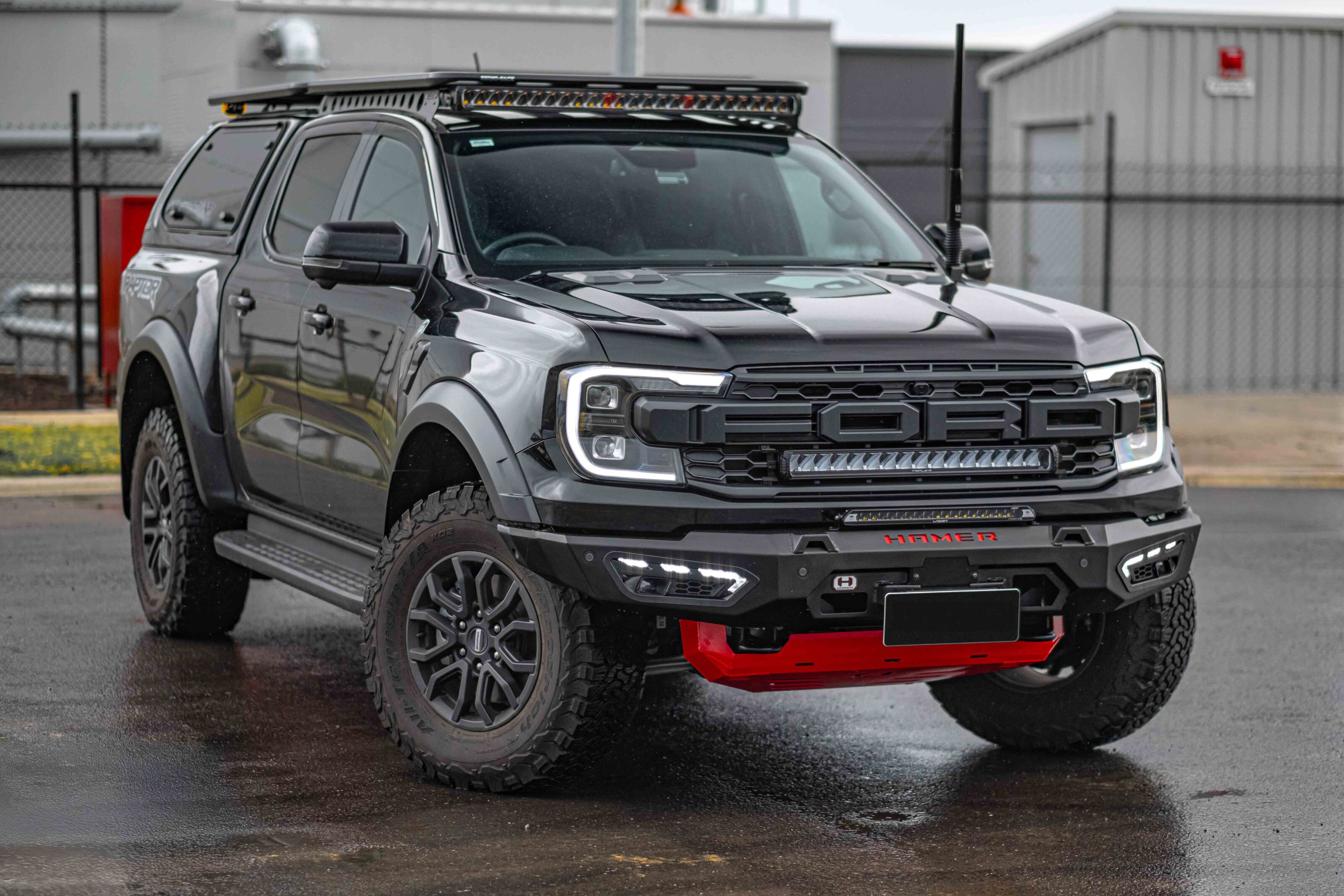
Lazer’s success comes down to precision engineering and in-house manufacturing. Using advanced software, it designs bespoke mounting brackets that not only ensure a seamless install but also place the lights for optimal output and beam spread – crucial for visibility and safety in even the toughest Aussie conditions.
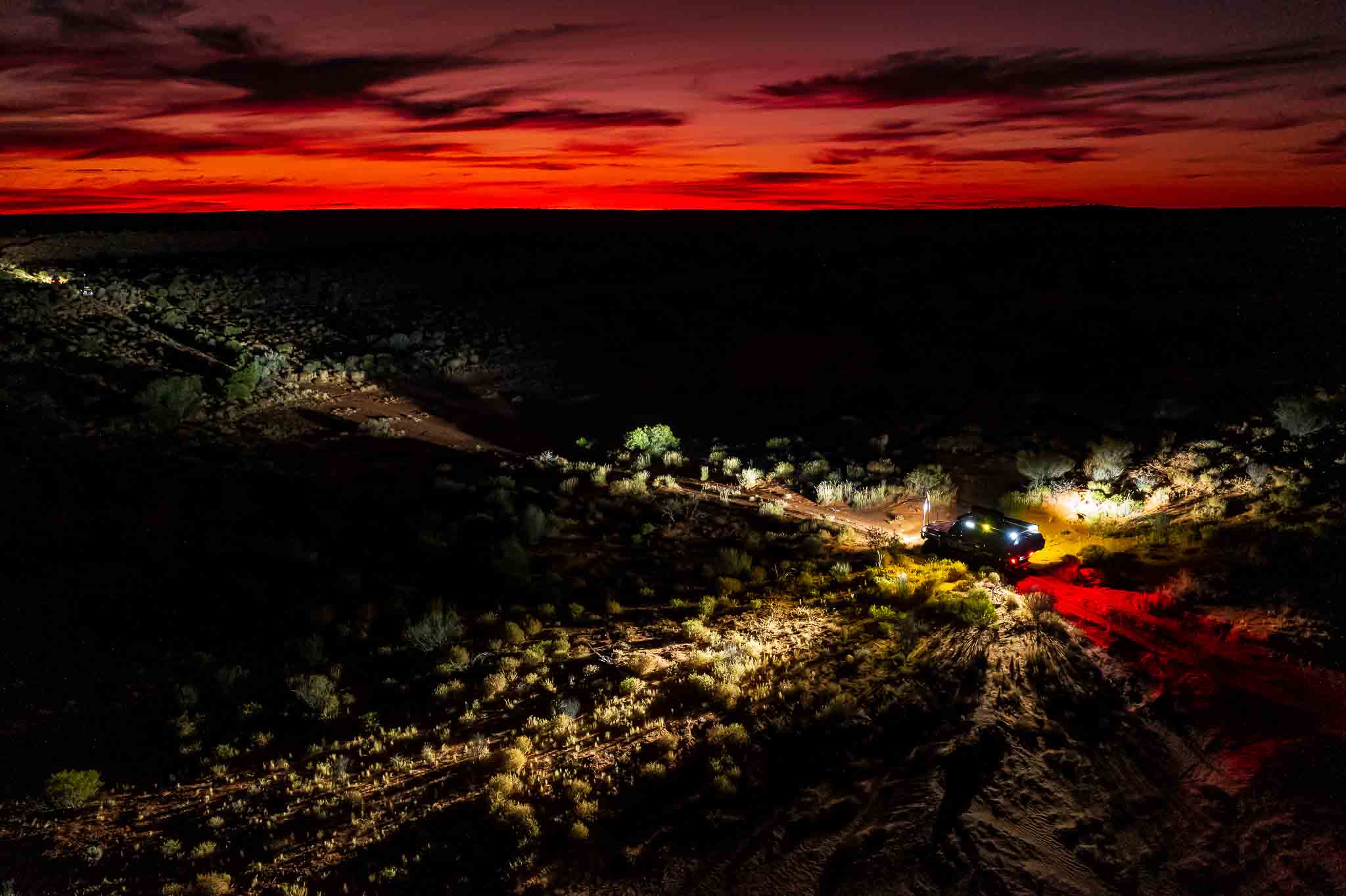
The brackets are made from a high-strength composite known for its UV stability and resistance to chemicals and weather, making them built to last in harsh environments. Each kit includes detailed cutting guides, so there’s no need to remove the grille or bumper, just a clean, rock-solid install that looks great and performs even better.
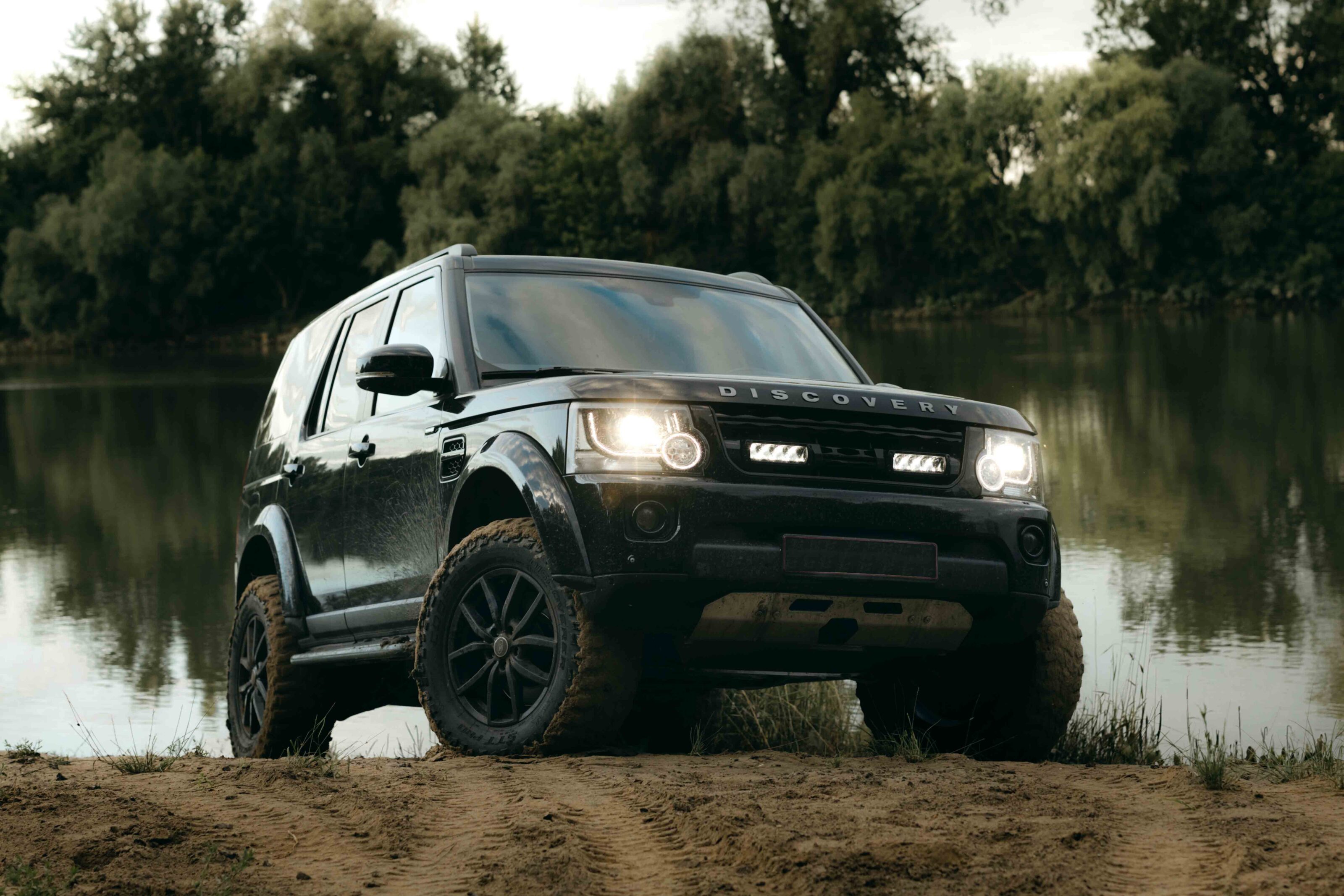
“Each grille integration kit begins with using our cutting edge software to scan the vehicle’s original grille, capturing every contour and detail with true precision. From there, our engineers spend time choosing the perfect light for the kit and are able to design the custom brackets for exact fitment and structural integrity,” said Graham Bailey, Engineering Director at Lazer Lamps.
“Nowadays we apply advanced manufacturing techniques to mirror every detail down to the original grille textures and grain patterns, achieving a finish that blends flawlessly. This level of craftsmanship and engineering rigour is a testament to the expertise of our team, and it ensures our kits deliver the true OE-quality finish Lazer is renowned for,” he added.
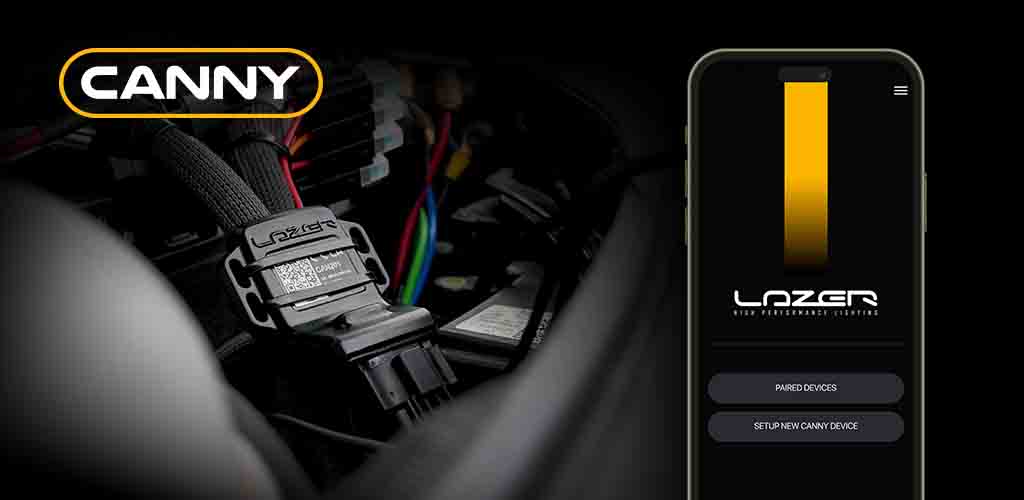
That same focus on smart design also translates into Lazer’s electronics development and another recent innovation comes in the form of Lazers new Canny module, a CAN interface device that simplifies the activation of auxiliary lights in vehicles with advanced electronic systems.
As many modern vehicles and 4x4s now use LED headlights controlled via CAN signals rather than traditional 12V triggers, the Canny device bridges this gap and ensures reliable integration. For more electronically complex modern vehicles, Lazer’s Canny interface is a truly ground-breaking solution.
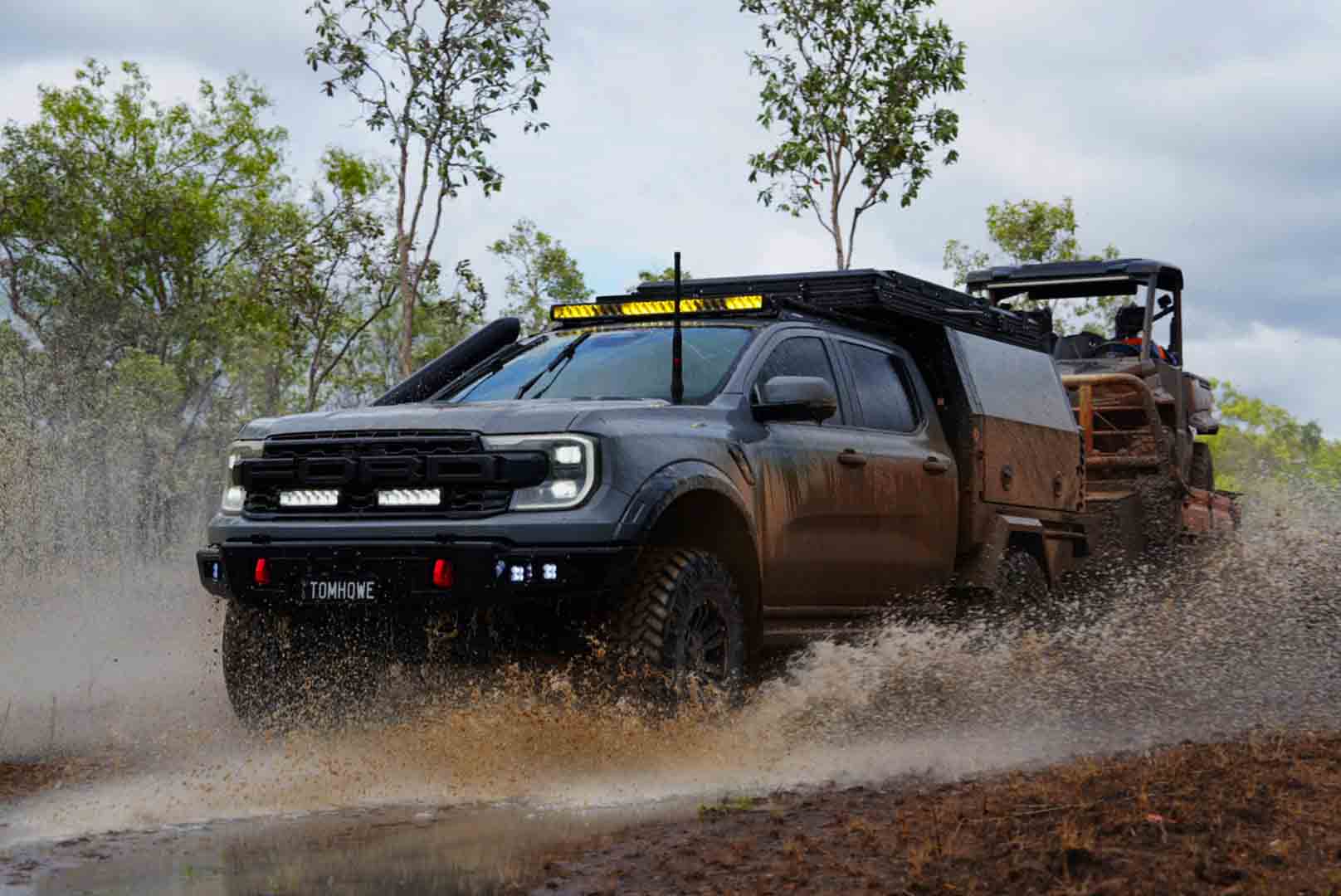
Whether you’re building a rig for weekend escapes or need a set up for serious off-road touring, Lazer’s Grille Integration Kits offer a no-compromise solution for 4×4 lighting, delivering performance, style, and durability. Engineered for a quick and easy flush-mounted install, they blend seamlessly with your 4×4’s original design to deliver a clean, OE-grade finish.
Proven in the toughest environments and backed by industry-leading warranties, they’re the smart choice for anyone looking to upgrade their lighting setup to get true high performance output in the most simple, fast and most efficient way.
Here’s a selection of Lazer’s top featured Grille kits for some of Australia’s most popular 4x4s
Lazer Lamps Ford Ranger Raptor / Ford Ranger Grille Kits
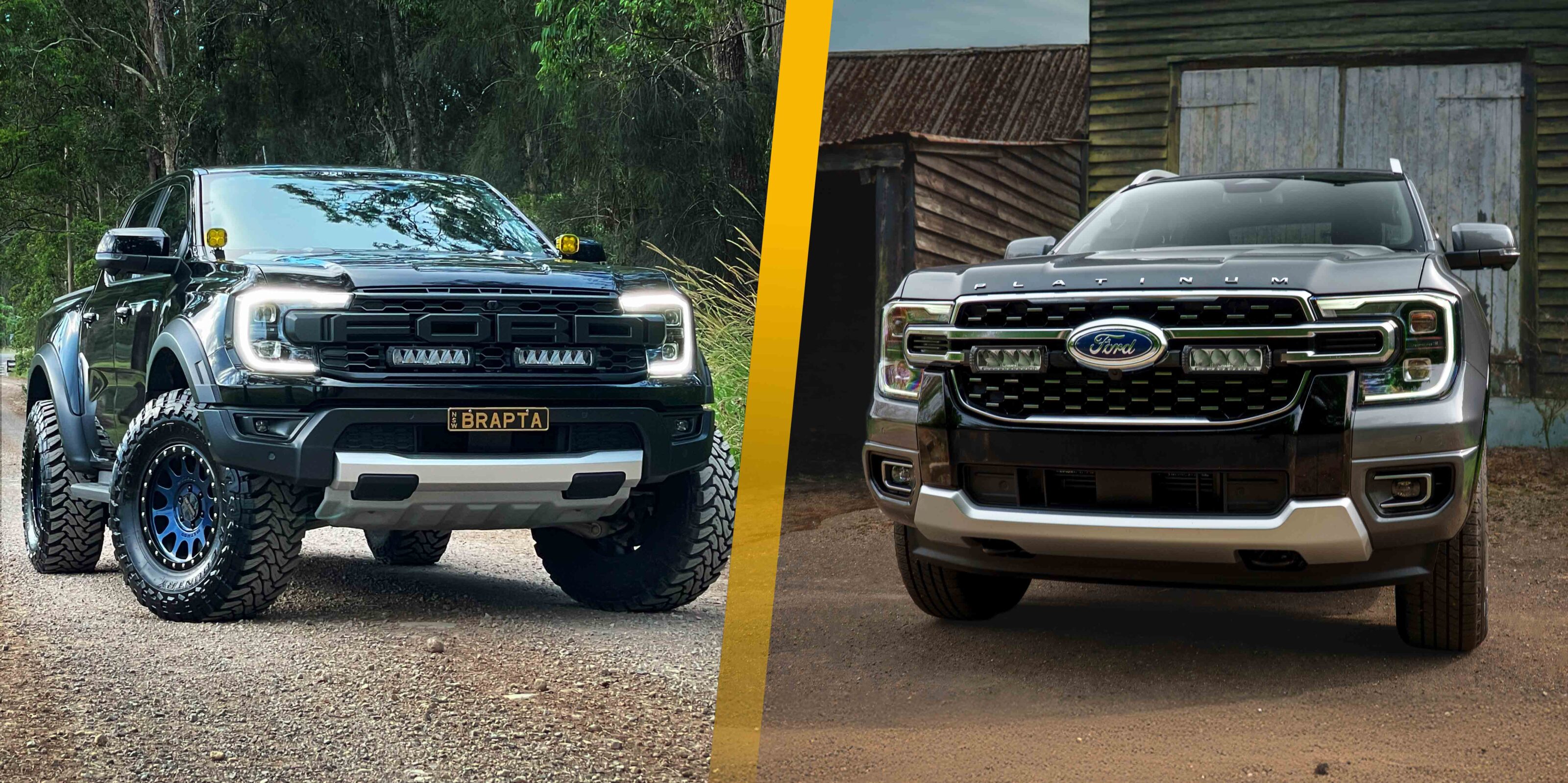
- Ford Ranger Raptor (2023+) Grille Kit – x2 Triple-R 850
- Ford Ranger Raptor (2023+) Grille Kit – x1 Triple-R 16 Elite
- Ford Ranger Raptor (2018-2022) Grille Kit x1 Linear-24 Elite
- Ford F-150 Raptor (2017-2020) Grille Kit x2 Carbon-6
- Ford Ranger Wildtrak (2023+) Grille Kit – x2 Triple-R 850
- Ford Ranger Wildtrak (2023+) Grille Kit – x2 Triple-R 1250
- Ford Ranger Platinum (2023-2024) Grille Kit – x2 Triple-R 750
- Ford Ranger XLT (2023+) Grille Kit – x2 Triple-R 850
- Ford Ranger XL/XLS (2023+) Grille Kit – x2 Triple-R 750
- Ford Ranger (2019-2022) Grille Kit – x2 Triple-R 750
- Ford Ranger (2016-2018) Grille Kit – x2 Triple-R 750
Lazer Lamps Ineos Grenadier Grille Kits
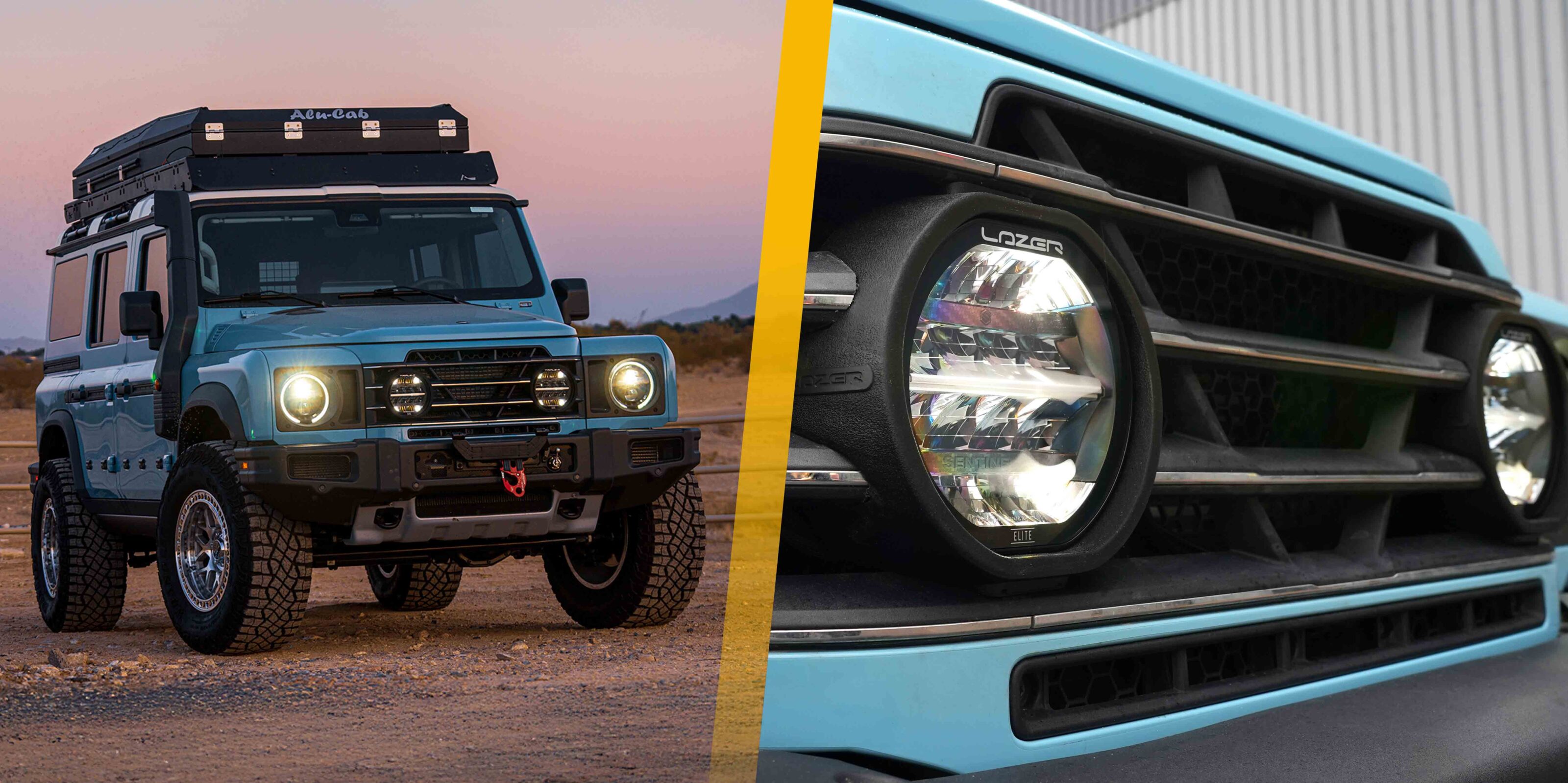
- Ineos Grenadier (2023-Present) Grille Kit – x2 Triple-R 750
- Ineos Grenadier (2023-Present) Grille Kit – x2 Sentinel 7″ (Coming Soon)
Lazer Lamps Toyota Hilux Grille Kits
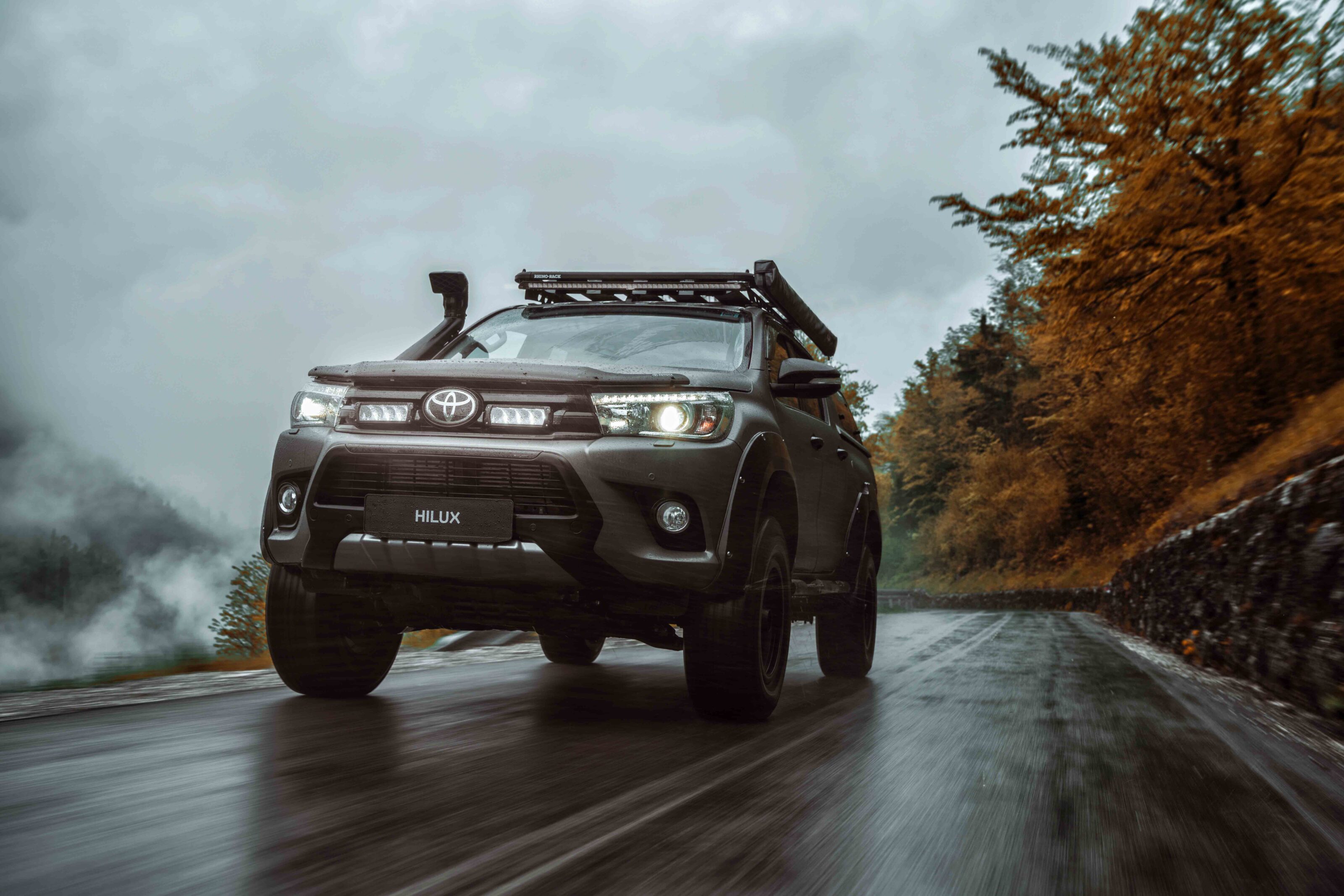
- Toyota Hilux (2021+) Grille Kit – x2 Triple-R 750
- Toyota Hilux (2021+) Grille Kit – x2 Linear-6
- Toyota Hilux Rogue (2021+) Grille Kit – x2 Triple-R 750
- Toyota Hilux Invincible-X (2017-2020) Grille Kit – x2 ST4
- Toyota Hilux (2017-2020) Grille Kit – x2 Triple-R 750
Lazer Lamps Toyota Rav4 Grille Kits
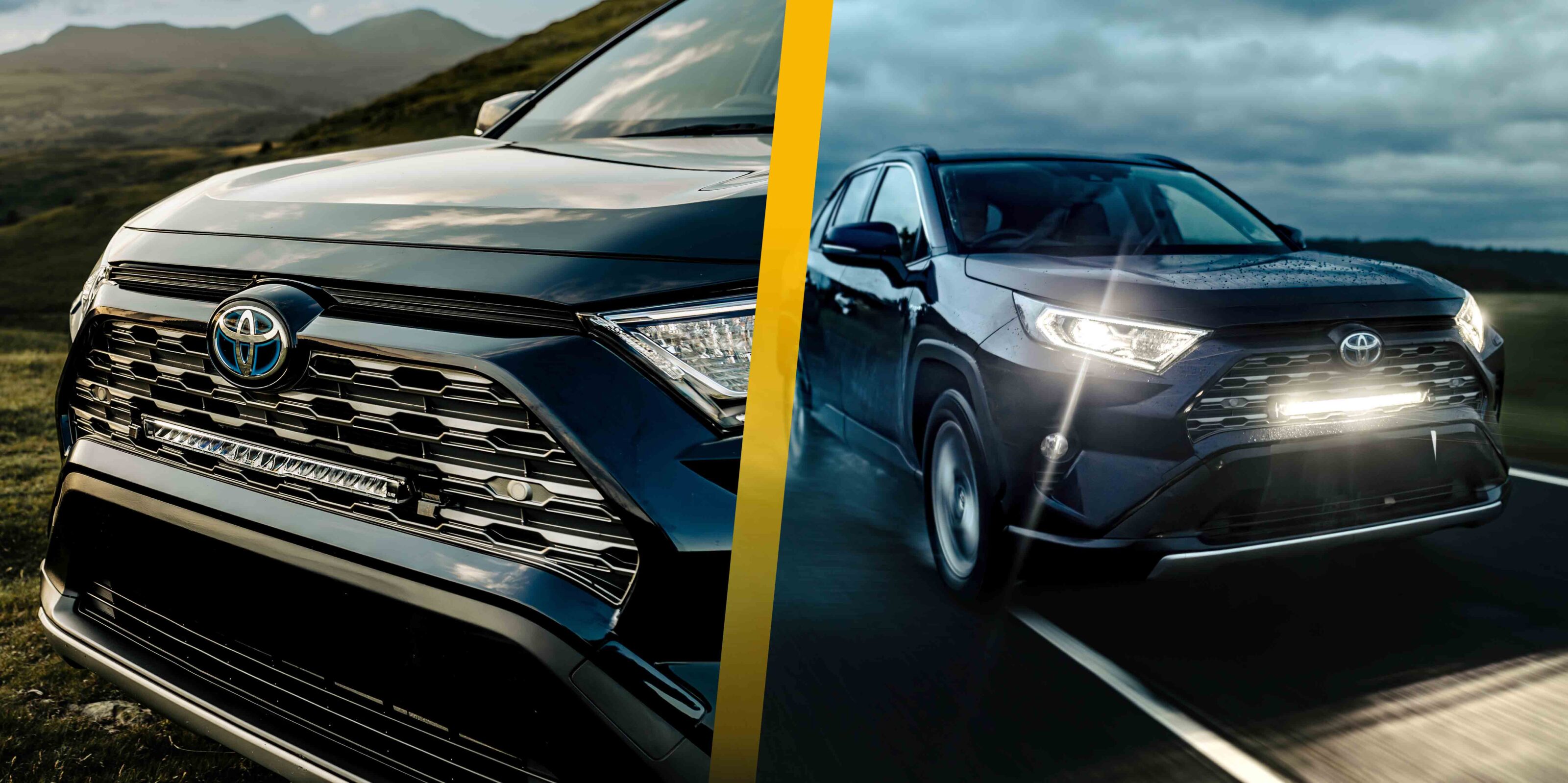
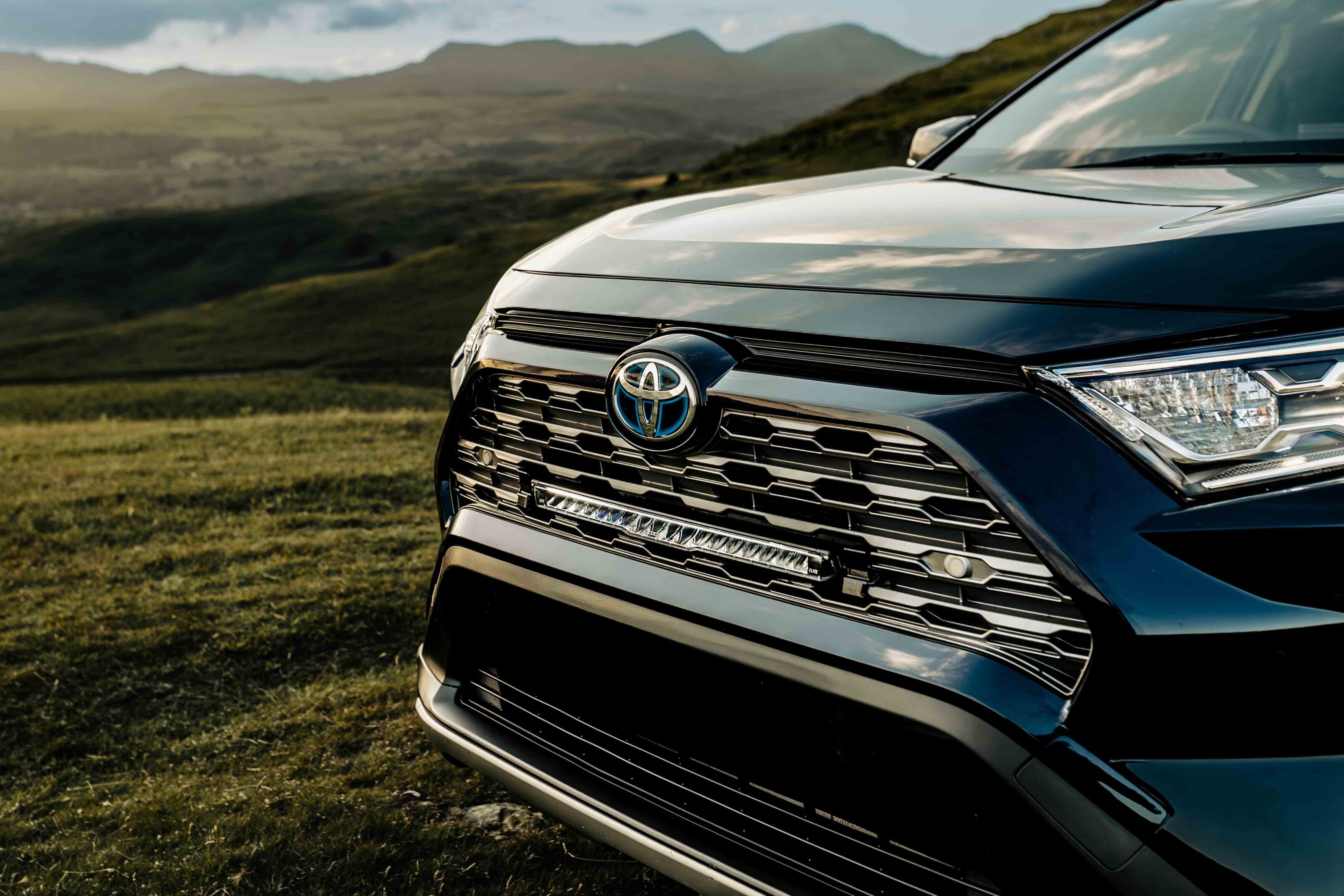
- Toyota RAV4 Hybrid (2019+) Grille Kit – x1 Linear-18 / x1 Glide
Lazer Toyota Land Cruiser Grille Kits
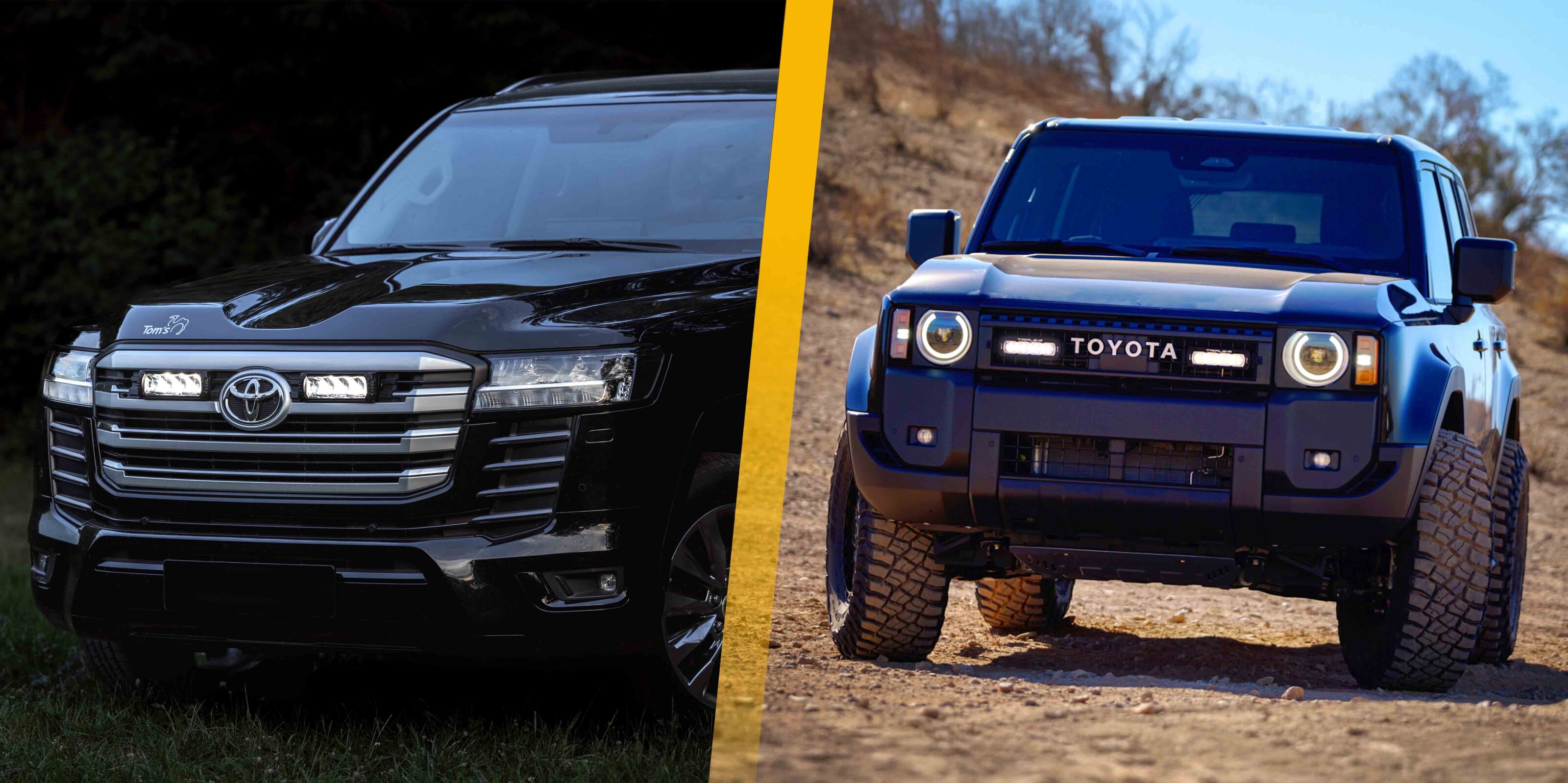
- Toyota Land Cruiser 250 (2024+) Grille Kit – x2 ST4
- Toyota Land Cruiser 300 Series (2022+) Grille Kit – x2 Triple-R 750
- Toyota Land Cruiser 200 Series (2015-2021) Grille Kit – x2 Triple-R 750
- Toyota Land Cruiser 70 Series (2007-2023) Grille Kit – x2 ST4
Lazer VW – T6 / T5 / Crafter Grille Kits
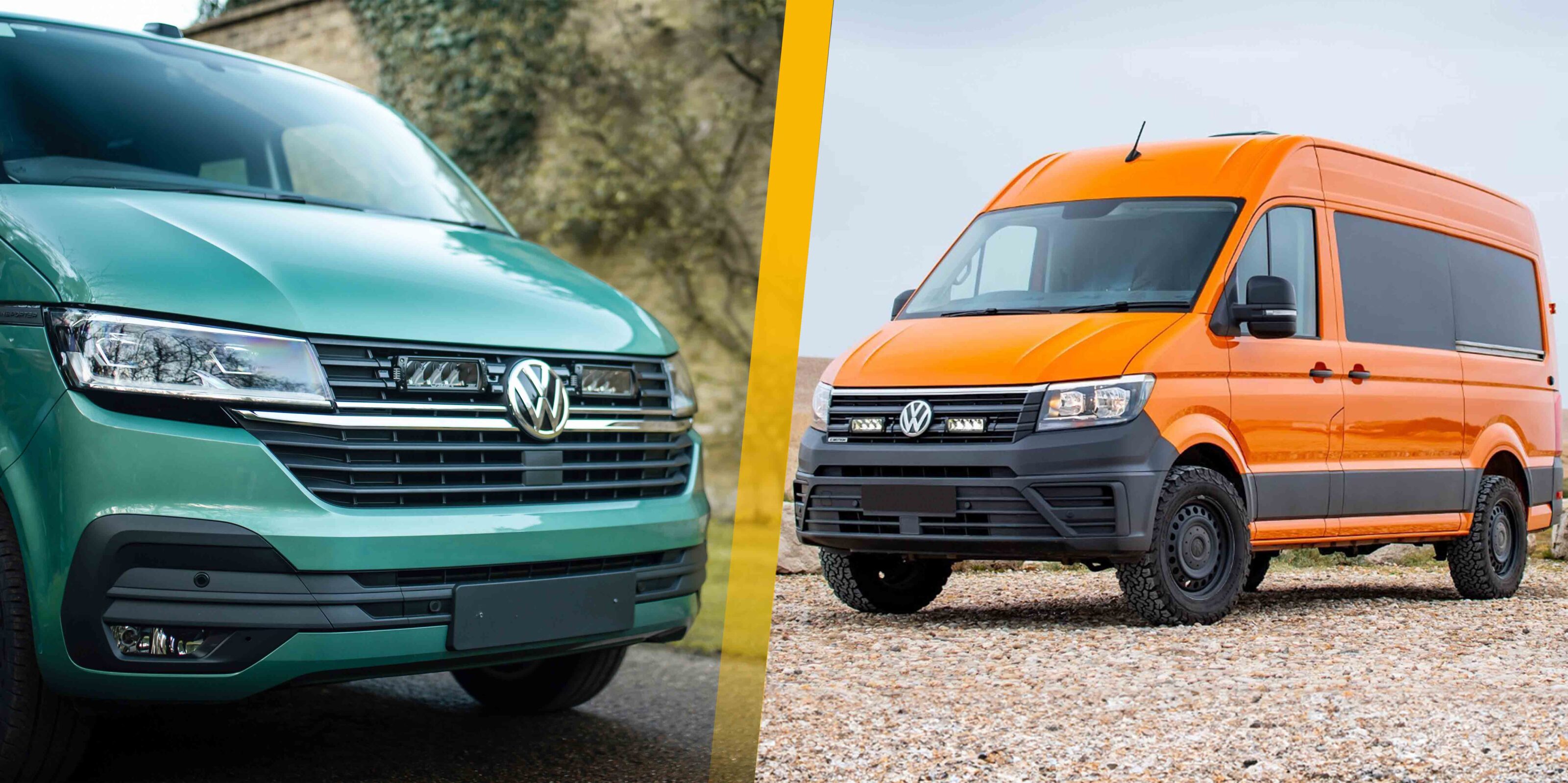
- VW T6.1 Grille Kit – x2 Triple-R 750
- VW T6 Highline Grille Kit – x2 Triple-R 750
- VW T6 Startline Grille Kit – x2 Triple-R 750
- VW T6.1 Grille Kit – x2 ST4 Evolution
- VW T6 Highline Grille Kit – x2 ST4 Evolution
- VW Crafter (2017+) Grille Kit – x2 Triple-R 750
- VW T5.1 Grille Kit – x2 Triple-R 750
Lazer VW Amarok Grille Kits
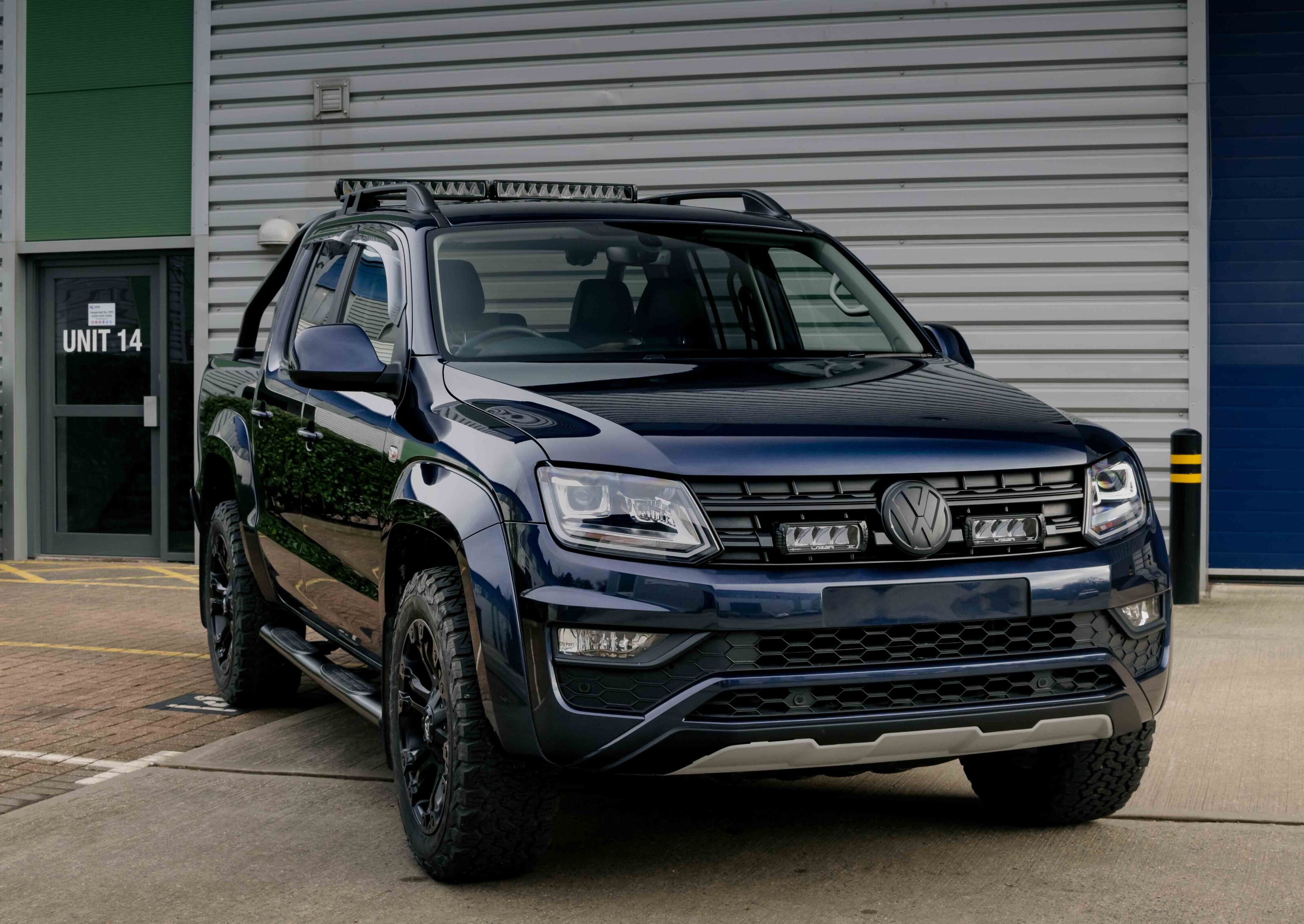
- VW Amarok (2023+) Grille Kit – x2 Triple-R 750
- VW Amarok V6 (2016-2022) Grille Kit – x2 Triple-R 750
- VW Amarok (2011-2015) Grille Kit – x2 Triple-R 750
Lazer Lamps RAM Grille Kits
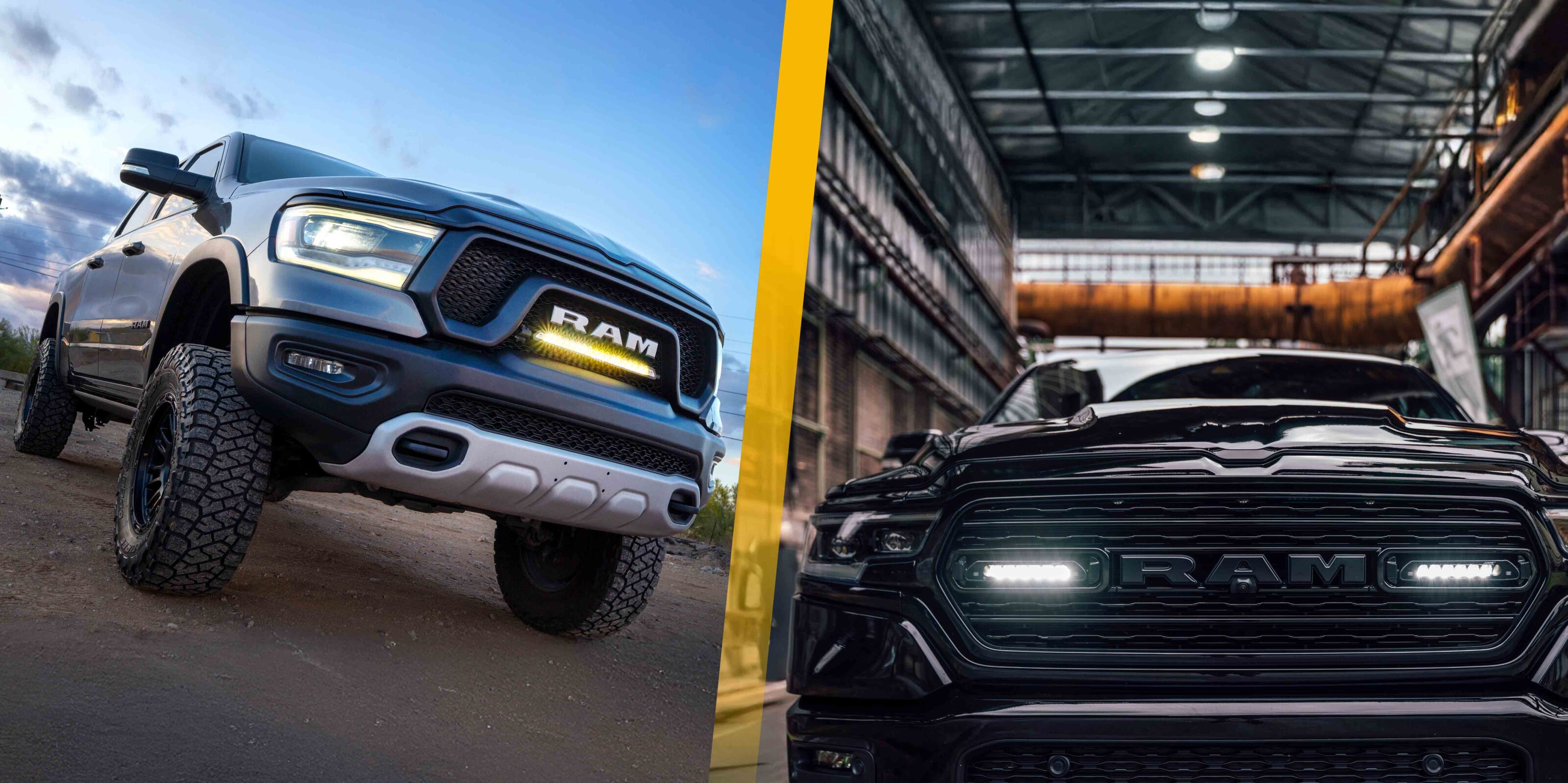
- RAM 1500 DT Series – Limited (2019-2023) Grille Kit – x2 Linear-6
- RAM 1500 DS Series – Classic (2013+) Grille Kit – x2 Triple-R 750
- RAM 1500 Rebel (2019 – 2024) Grille Kit – x1 Linear-18 (Coming Soon)
Lazer Lamps Chevrolet Grille Kits
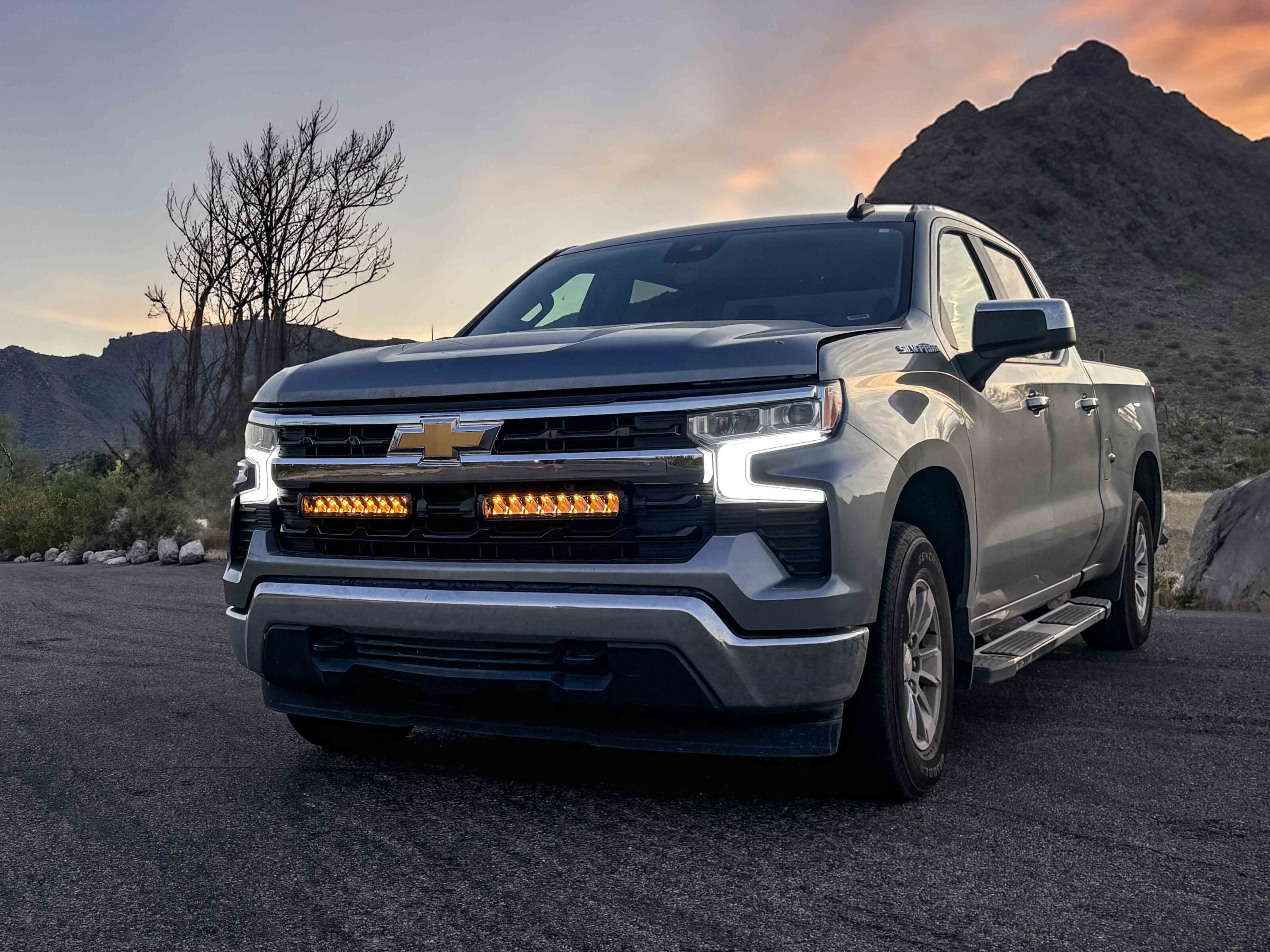
- Chevrolet Silverado 1500 LTZ Premium (2022-2024) Grille Kit – x2 Triple-R 1000
- More on the way soon…
To view Lazers full range of kits, please visit: Lazer Lamps Integration Kits or get in touch with the Adelaide based sales office via [email protected]
However please note, if there is not a specific kit for your vehicle, it does not mean an install is not possible. Lazer has a large network of dealers and approved fitters across Australia to help: https://www.lazerlamps.com.au/dealer-locator
Both the GWM Cannon Alpha plug-in hybrid (PHEV) and the diesel-powered Tank 300 have been awarded five-star ANCAP safety ratings, following updated assessments released by the independent vehicle safety authority.
The five-star ratings come after a review process in which GWM submitted extra technical data to ANCAP to demonstrate its new variants matched the safety performance of previously tested models.
ANCAP confirmed the new scores are extensions of existing ratings, based on supplementary analysis and engineering data. It’s a common step when manufacturers introduce new drivetrain variants or trim levels after an initial safety assessment.
“These latest safety ratings build on GWM’s consistent record of strong ANCAP results and underscore the brand’s commitment to the highest safety standards – delivering confidence and peace of mind to our customers,” said Steve Maciver, GWM’s Head of Marketing and Communications.
The Cannon Alpha PHEV scored:
- 84% for adult occupant protection
- 93% for child occupant protection
- 82% for vulnerable road user protection
- 81% for safety assist technologies
The Tank 300 diesel variant recorded similar results:
- 88% for adult occupant protection
- 89% for child occupant protection
- 81% for vulnerable road user protection
- 85% for safety assist
The Cannon Alpha PHEV – positioned as a direct rival to the BYD Shark – was introduced to the Australian market in April 2025, with prices starting from $63,990 drive-away.
The diesel-powered Tank 300 diesel officially debuted in March 2025, with pricing starting at $47,990 drive-away for the Lux variant and $51,990 for the Ultra. The diesel variant is powered by a 145kW/480Nm 2.4-litre four-cylinder turbocharged engine, paired with a nine-speed automatic transmission and part-time 4WD system.
Just last week GWM updated the Tank for 2025, increasing the towing and payload capacities of both its petrol and hybrid variants. The Chinese marque also axed the Tank 300 Lux grade, in both petrol and hybrid configurations.
This culling streamlined the Tank 300’s Australian line-up to just four variants: the Lux (diesel); and the Ultra (petrol, diesel and hybrid).
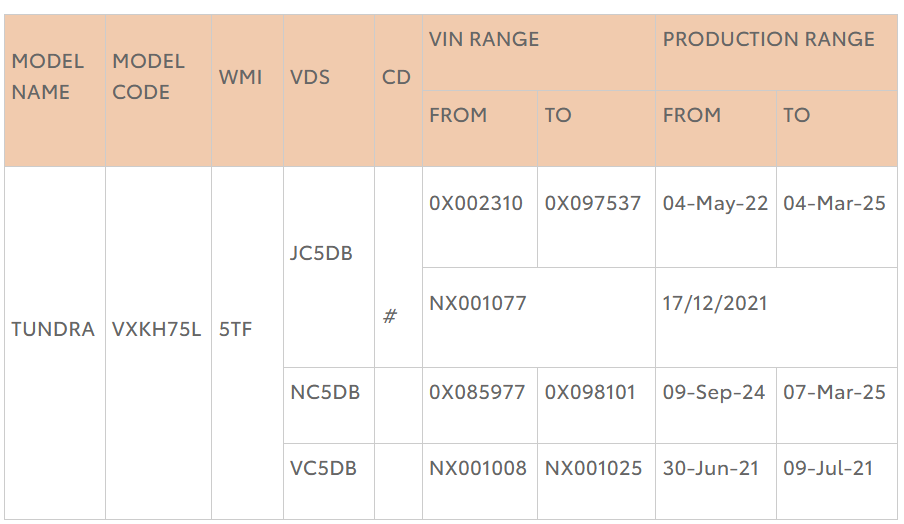
A safety recall has been issued for a total of 1532 Toyota Tundra vehicles produced between 30 June 2021 and 7 March 2025.
The recall addresses a potential fault in the factory reversing lamp assemblies that could compromise rear visibility and increase the risk of collisions.
The affected vehicles are equipped with two reversing lamp assemblies, each containing a multi-layer vent patch designed to protect against water intrusion. Over time, thermal cycling may cause the vent patch to separate, allowing moisture to enter the assembly.
This intrusion can lead to corrosion of internal components, potentially causing the reversing lamps to fail. If both reversing lamps are non-functional, drivers may experience reduced visibility when reversing, particularly in low-light conditions, and other road users may not be aware the vehicle is reversing.
To rectify the issue, Toyota dealers will replace both reversing lamp assemblies free of charge. The repair is expected to take approximately two hours, though service times may vary.
Toyota Australia will contact all affected vehicle owners directly with details of the recall. Owners are encouraged to ensure their contact information is up to date to receive timely notifications.
It’s no longer easy to find Aussie-made products that are built to handle our harsh conditions, which can be a challenge for a bloke like me who wants to know the products I buy for my year-round travels won’t expire before I do.
While travelling through the Kimberley region I recently discovered the brand Downunderlust Canvas and its range of handmade bags and accessories.
Downunderlust Canvas founders Kimm and Matt have an extensive four-wheel driving and camping background, and they saw the need for custom products while travelling on the road many years ago. Starting with a little sewing machine to make their own bags in Broome, their friends soon saw how great the products were and began asking for their own. Roll onto today and they are now sending custom orders all over Australia.
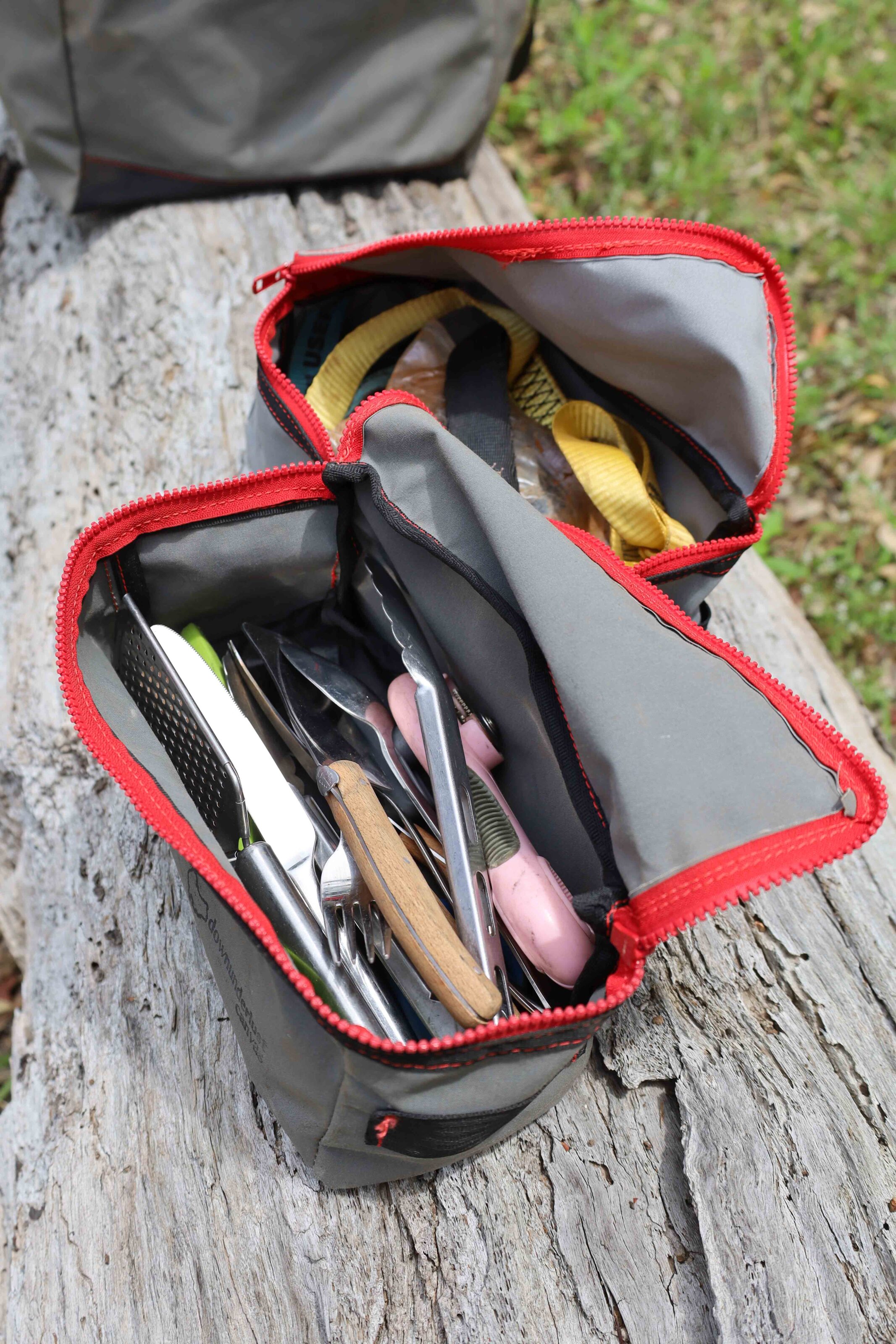
Based in the remote Kimberley region, Downunderlust Canvas is a small Australian-owned and operated company that specialises in recycling old canvas products into useful bags, pouches and more. Kimm and Matt source old swags and canvas material offcuts either online or locally to make their range of products. As well as the gear available on their online shop they accept custom orders. Kimm sewed up a large duffel bag for me, as well as some smaller bags to use while touring, and I can definitely say these things are as tough as nails.
The secondhand canvas is washed and dried prior to being used and while some of it may retain some marks and blemishes from its previous life, I reckon that gives it a fascinating backstory.
The straps are made from new seat-belt-style webbing material as these components can be the first to degrade in Australia’s harsh climate. The larger duffel bags have flaps that fold over the zips for added protection and so far I have had no water or dust get into any of my bags while travelling.
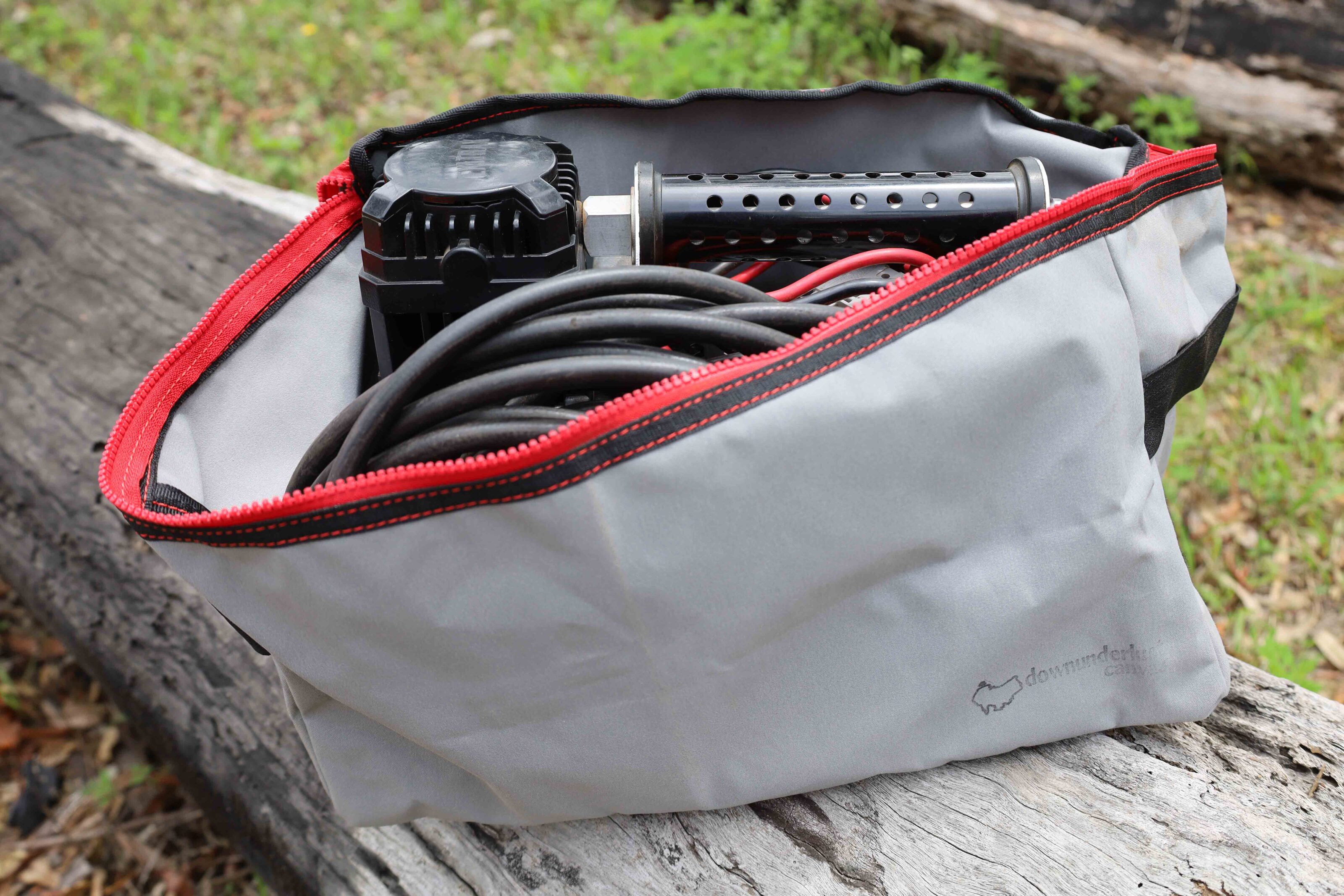
As they are not mass produced, every product is unique; when ordering a custom made bag you can request contrast stitching, a zip upgrade or even a custom colour depending on what canvas is on hand at the time of manufacture.
I discovered Downunderlust Canvas at Mount Barnett Roadhouse on the Gibb River Road, where Matt and Kimm are managing the operation. Here you’ll find a range of bags in different configurations for sale, or you can order custom made bags.
Pricing
- Small Storage Bag: $35
- Regular Storage Bag: $50
- Firewood Carrier: $65
- Duffel Bag: $165
We’ve always said that the Jeep Wrangler Rubicon is the most off-road capable 4×4 vehicle that you can get off the showroom floor and the addition of a new turbocharged petrol engine hasn’t changed our opinion.
Our recent time in a short wheelbase 2025 Rubicon gave us the chance to tackle some tracks we wouldn’t usually attempt in bone-stock press vehicles but the Jeep reminded us that it’s still the off road champion.
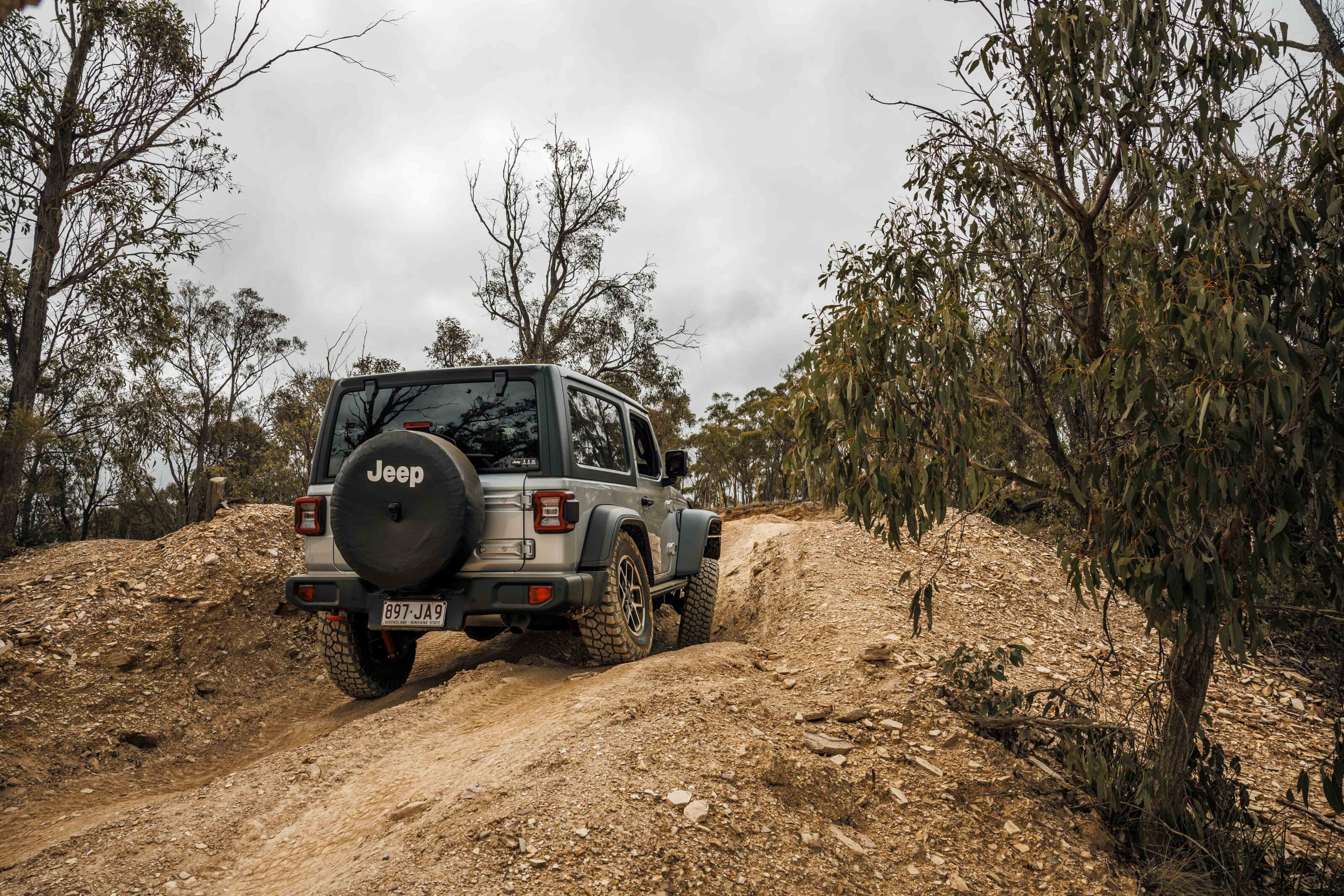
Triple locking diffs, a disconnecting sway bar and factory fitted BFG muddies are all you could really ask any vehicle manufacturer for, but only one company delivers – the Godfather of the recreational 4×4 – Jeep! The Wrangler always has been and remains the one new vehicle that stays true to the off-road ethos and gives users what they want in a vehicle to take them anywhere, while having fun all the way.
Add in a removable roof, fold-down windscreen and cool retro styling and the Jeep Wrangler is the ultimate off-road fun truck. Yes, Jeep could give is the bigger tyres as fitted to this model in the USA instead of the puny 255/75R17s that come on Aussie-delivered Rubicons, and we’re sure there’s something it could do about the near-$85k price tag, but aside from these gripes the iconic Jeep remains a favourite.
JUMP AHEAD
What’s new?
The latest updates to the Wrangler Rubicon saw the end of the Pentastar V6 engine and in its place sits a turbocharged four-cylinder petrol mill that outperforms the old V6 in every way.
The Wrangler’s new 2.0L four-cylinder turbo-petrol engine produces a claimed 200kW of power and 400Nm of torque compared with the previous V6’s claimed peaks of 209kW and 347Nm, and it’s that extra torque of the turbo four that makes all the difference in the way the latest Wranglers drive. It’s not the peak torque that makes the difference but the broader spread of torque from down low and through the midrange that makes it better to drive both on and off road.
Making life easier for the little-engine-that-could is a superb eight-speed automatic transmission that never seems to put a cog wrong.
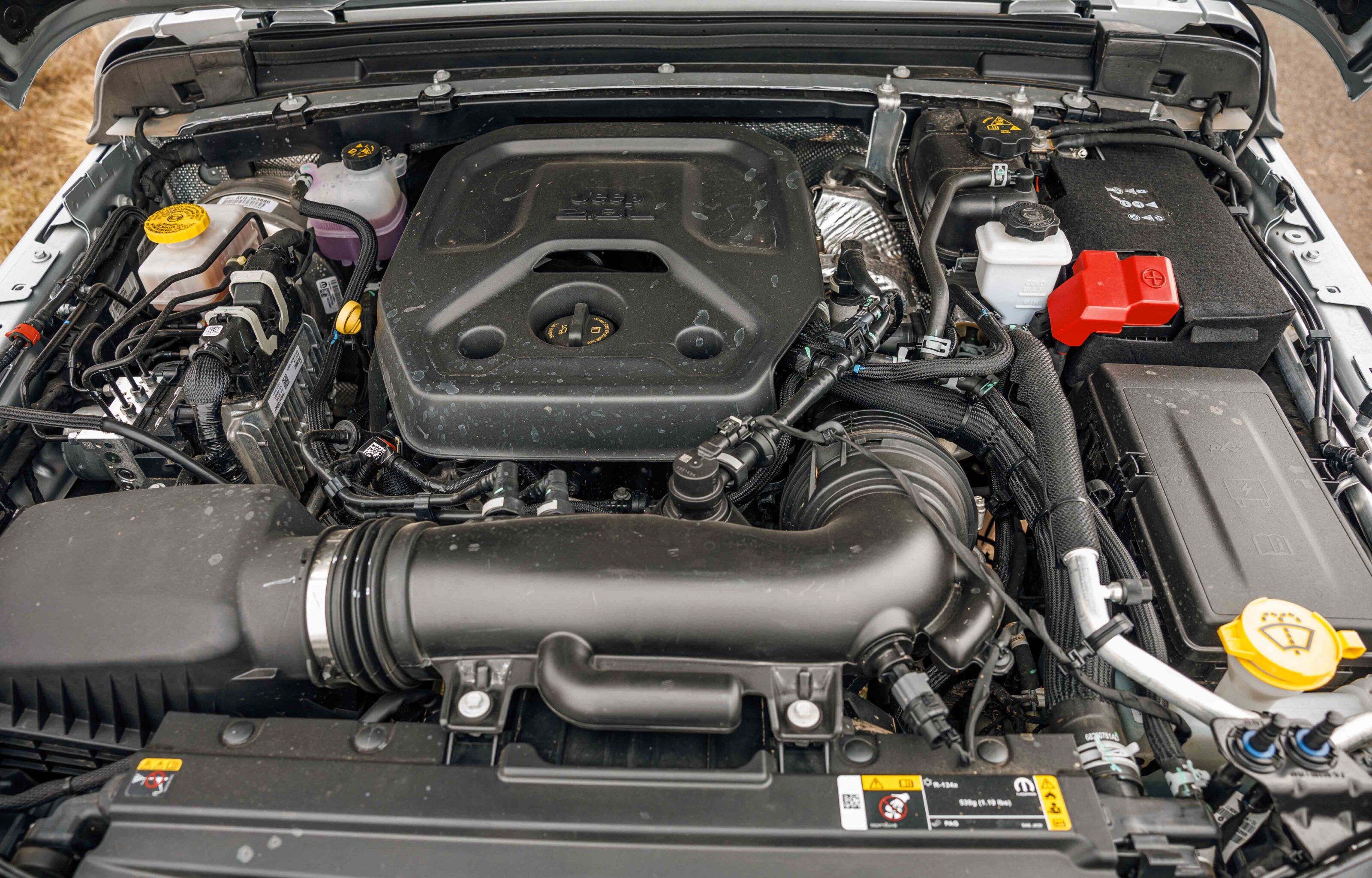
When we say that the Rubicon is the off-road champion we’re talking about low-range crawling and rock hopping over gnarly terrain. It’s far from an ideal off-road tourer as it’s very limited for space and carrying capacity (especially in SWB form), and it’s not great for towing a large trailer. The Rubicon is a focused off roader but it is also heavily loaded with features and premium touches.
Inside the new dash pad has a soft-touch black material, while a new 12.3-inch panoramic multimedia touchscreen fills the centre of the dash. As well as being bigger than before it includes the latest U-Connect 5 system with wireless Apple and Android phone mirroring.
The Rubicon now gets 12-way power adjustable (driver’s only) and heated front leather seats. The rear seat is small but usable and thankfully folds forward to give some semblance of cargo space; when it is in position there is very little space for gear.
Off-road performance
With its old-school off-road design and construction, the Wrangler still only achieves a three-star safety rating despite the addition of new side curtain airbags for both front and rear passengers. Other standard safety kit includes rear cross traffic alert, front and rear cameras, forward collision warning, six airbags and a TPMS.
The interior of the Wrangler has never been quiet but the hardtop helps. To further quieten the cabin, acoustic laminated glass is now used in the front doors of Rubicon models. Speaking of glass, the Wrangler’s front windscreen is now made of Gorilla glass; this is the same heavy-duty glass that’s used on Apple iPhones and it’s said to be tougher than regular glass, so much so that Jeep warrants the windscreen against damage for two years.
As much as the high level of luxury and tech in the Rubicon is appreciated, and goes some way to justifying the price tag, I wonder if a more affordable model with all of the Rubicon’s off-road hardware, but a lower-spec interior and deleted rear seat, would be more popular with 4×4 enthusiasts.
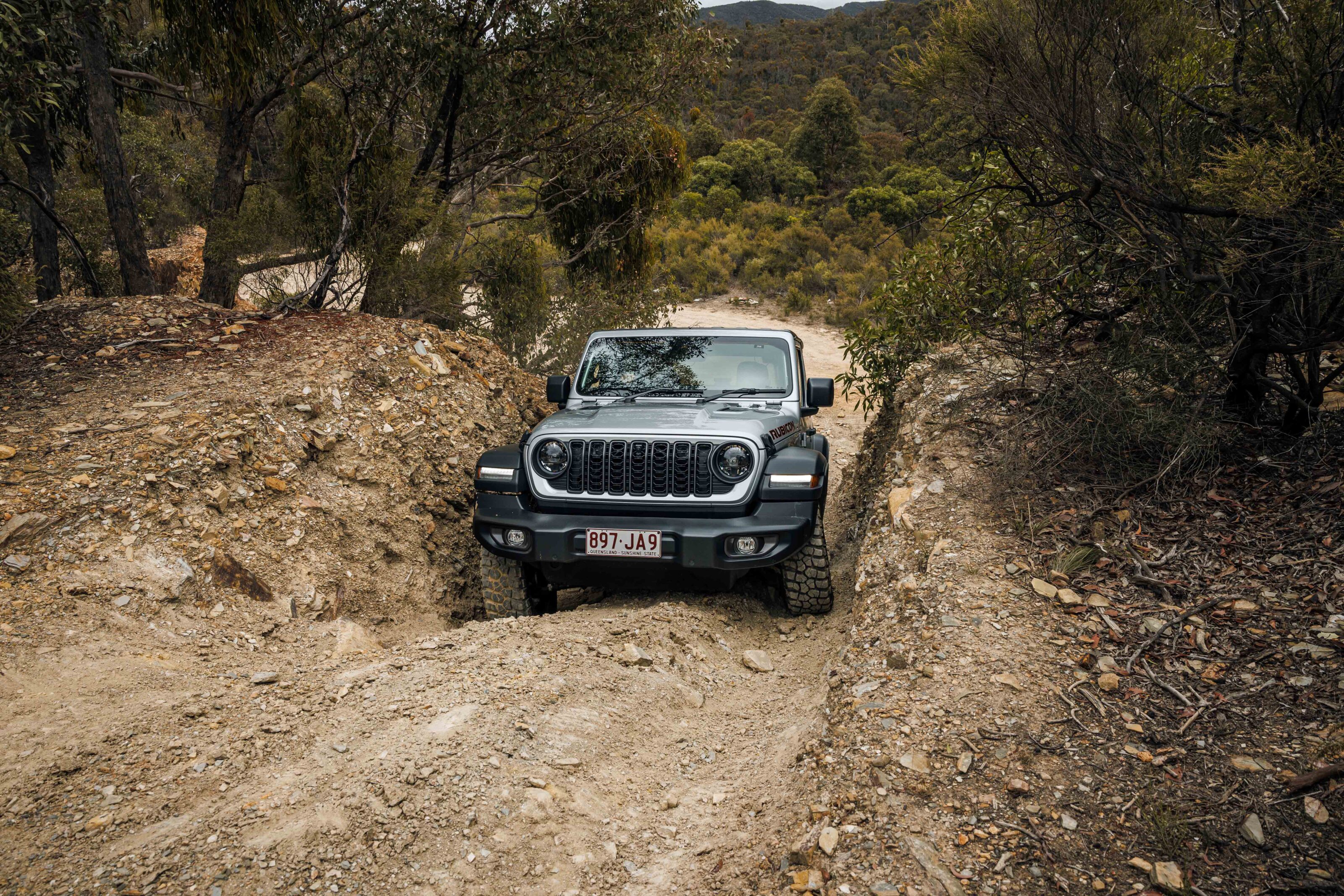
Along with its iconic looks, it’s the off-road capability that sets the Rubicon apart from all other new 4x4s. Point it up any piece of challenging track and employ the diff locks and swaybar disconnect, and the Rubicon feels unstoppable. The rear axle flexes nicely to give plenty of drive through the BFGs, and the swaybar disconnect allows the front axle to match it for articulation.
The short wheelbase makes it easy to poke the little Jeep in between rocks and trees as you negotiate tight trails but the feeling that you are sitting over the back axle can be a bit uneasy when climbing rock steps on already steep hills. There’s an unfounded feeling that with the weight on the rear axle the Wrangler might flip backwards… but it’s a feeling you get used to with time which allows you to fully appreciate the vehicle’s abilities.
Verdict
On-road performance is what you might expect of a vehicle with such great off road chops.
The mud-terrain tyres hum and vibrate on sealed roads, the soft suspension allows for plenty of body roll and the short wheelbase makes it super easy to park, but highway driving is not the Rubicon’s forte.
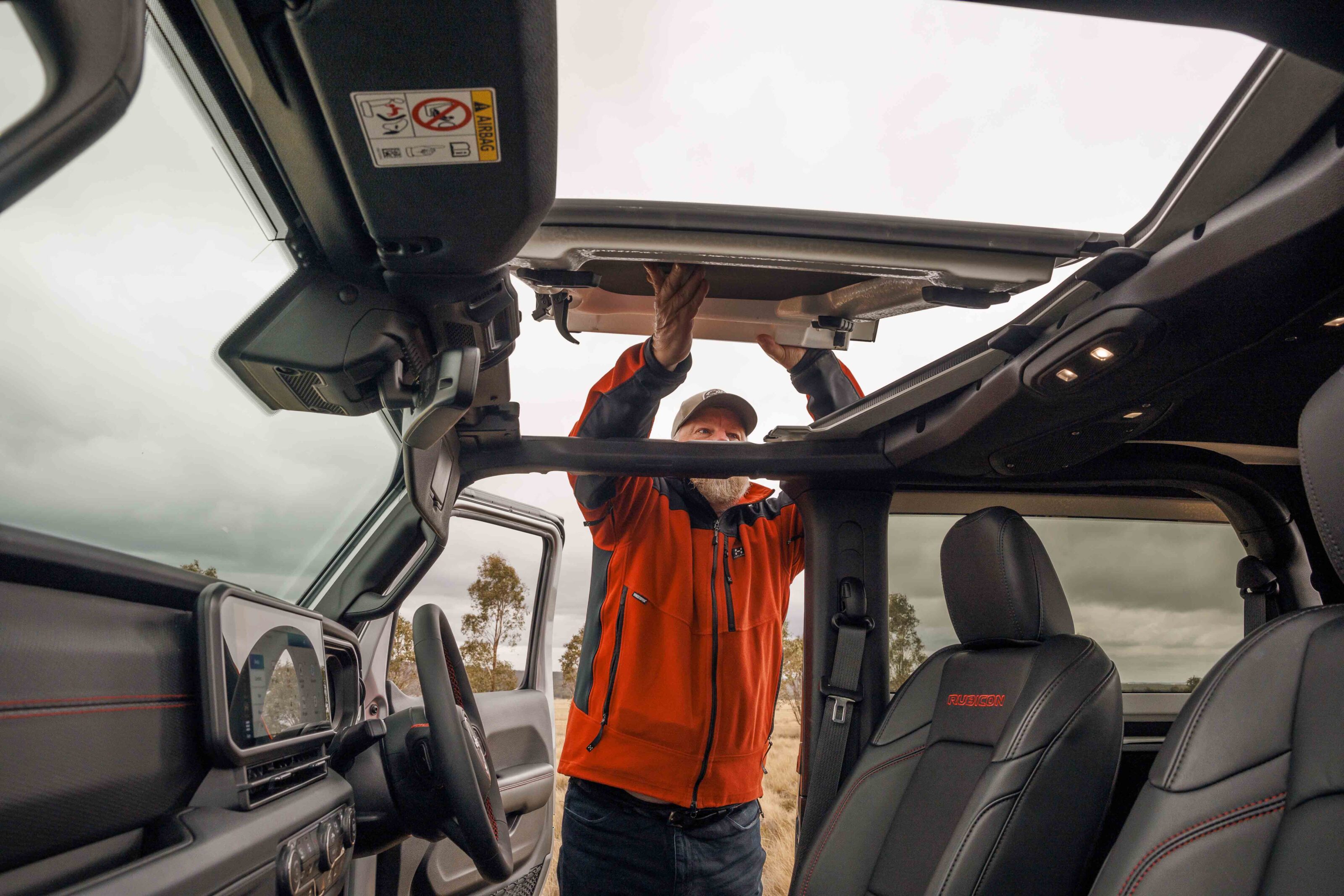
On or off road the Wrangler is best appreciated with the roof off. This can be as simple as removing the two panels over the front-seat occupants which only takes a minute and lets the sun shine in, or you can remove the entire roof section and drop the windscreen down onto the bonnet, but this takes considerably longer. The first option is quick and easy, and is great for those sunny days in the bush or on the beach.
The Wrangler Rubicon is not the vehicle for everyone but use it for what it was made for and you will be truly rewarded. The off-road ability is unmatched but comes at the expense of on-road comfort and practicality. Keep that in mind when you buy one of these and you won’t be disappointed.
Specs
| Price | $83,950 + ORC |
|---|---|
| Engine | I4 Turbocharged Petrol |
| Capacity | 2.0L |
| Max Power | 200 kW @ 5250rpm |
| Max Torque | 400 Nm @ 3000-4500rpm |
| Transmission | 8-speed automatic |
| 4×4 System | Rock-Trac selectable full-time 4×4 dual range, front and rear diff locks |
| Crawl Ratio | 77.24:1 |
| Construction | 3-door body on ladder frame chassis |
| Front Suspension | Live axle, links, coil springs, disconnecting stabiliser bar |
| Rear Suspension | Live axle, links, coil springs, stabiliser bar |
| Tyres | 255/75R17 |
| Kerb Weight | 2219kg |
| Payload | 620kg |
| GVM (Gross Vehicle Mass) | 2574kg |
| GCM (Gross Combined Mass) | 4819kg |
| Towing Capacity | 2495kg |
| Seats | 4 |
| Fuel Tank | 81 L |
| ADR Fuel Consumption | 9.2 L/100km |
| Departure Angle | 37.0 |
| Rampover Angle | 22.6 |
| Approach Angle | 43.9 |
| Wading Depth | 760mm |
| Ground Clearance | 255mm |
The GWM Tank 300 has been updated for 2025, with the Chinese marque increasing the towing and payload capacities of both its petrol and hybrid variants.
This towing capacity bump from 2500kg to 3000kg now brings the petrol and hybrid models in line with the Tank 300 diesel, which launched in Australia earlier this year. Payload capacities have increased by a minimum of 600kg across the range.
These improvements have been made possible by the implementation of more than 20 engineering enhancements, including larger front brakes and calipers; strengthened front knuckles; upgraded wheel bearings; and a reinforced prop shaft.
“These important updates reflect our global team’s growing understanding of the Australian market, where towing capability and payload remains a key consideration for buyers in this segment”, said Steve Maciver, GWM’s Head of Marketing & Communications.
GWM has also streamlined its local line-up, axing the Tank 300 Lux grade, in both petrol and hybrid configurations. GWM says they have been discontinued to “align with a shift of customer preference towards diesel”, with the Tank 300 diesel now accounting for 60 per cent of monthly sales.
The culling of these two models has cut the Tank 300’s Australian line-up to four variants: the Tank 300 Lux (diesel); and the Tank 300 Ultra (petrol, diesel and hybrid).
Despite these updates, GWM has left the pricing for its Tank 300 unchanged.
Specs: 2025 GWM Tank 300
| Specification | Tank 300 Lux Diesel | Tank 300 Ultra Petrol | Tank 300 Ultra Diesel | Tank 300 Ultra Hybrid |
|---|---|---|---|---|
| Driveaway price | $47,990 | $49,990 | $51,990 | $56,990 |
| Max Braked Towing Capacity – kg | 3,000 | 3,000 | 3,000 | 3,000 |
| Unbraked Towing Capacity – kg | 750 | 750 | 750 | 750 |
| Kerb weight – kg | 2,280 | 2,155 | 2,280 | 2,335 |
| Front & rear kerb weight – kg | 1,270 / 1,010 | 1,173 / 982 | 1,270 / 1,011 | 1,250 / 1,085 |
| Max front axle load – kg | 1,365 | 1,275 | 1,365 | 1,350 |
| Max rear axle load – kg | 1,515 | 1,490 | 1,515 | 1,585 |
| Gross vehicle mass (GWM) – kg | 2,880 | 2,765 | 2,880 | 2,935 |
| Payload – kg | 600 | 610 | 600 | 600 |
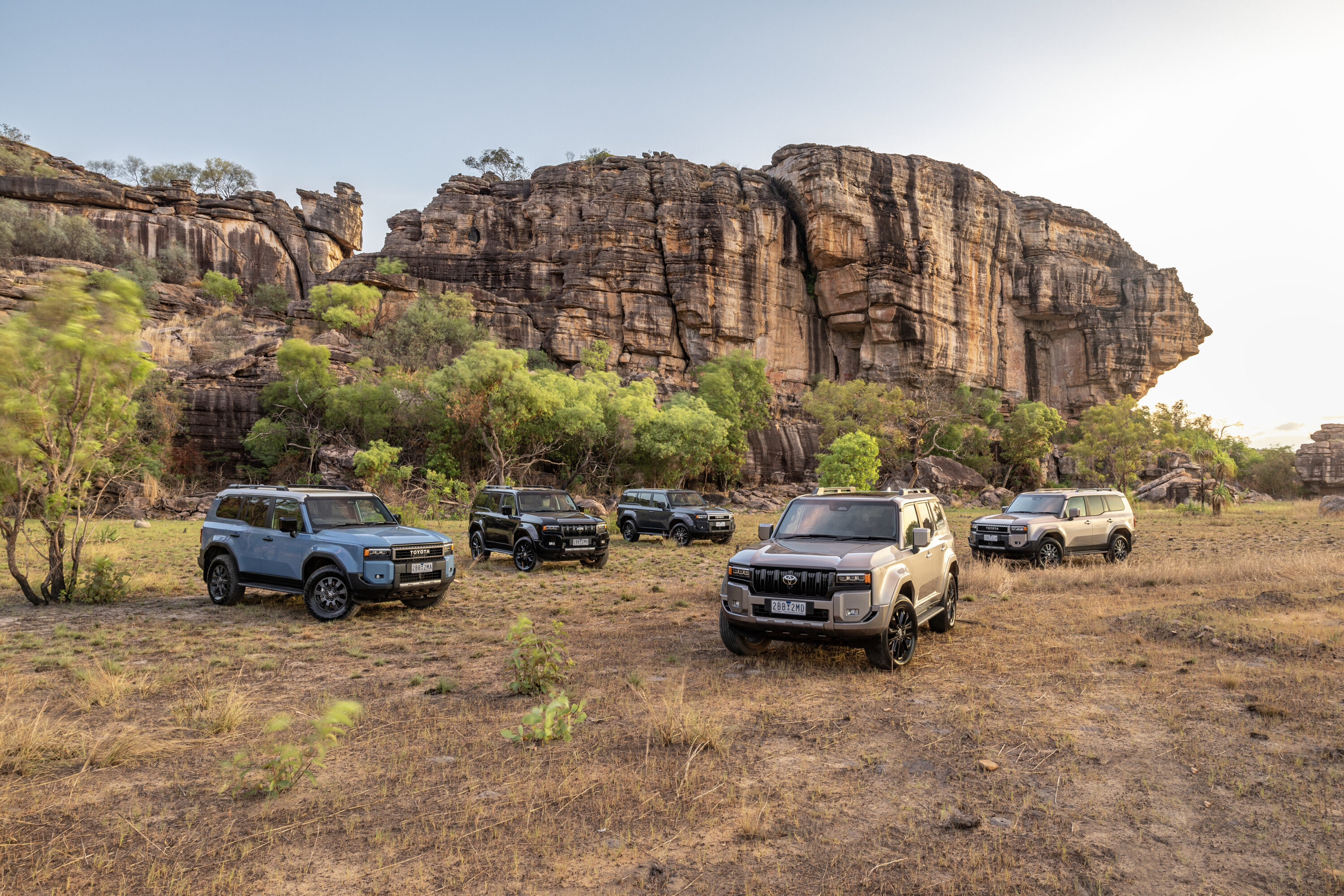
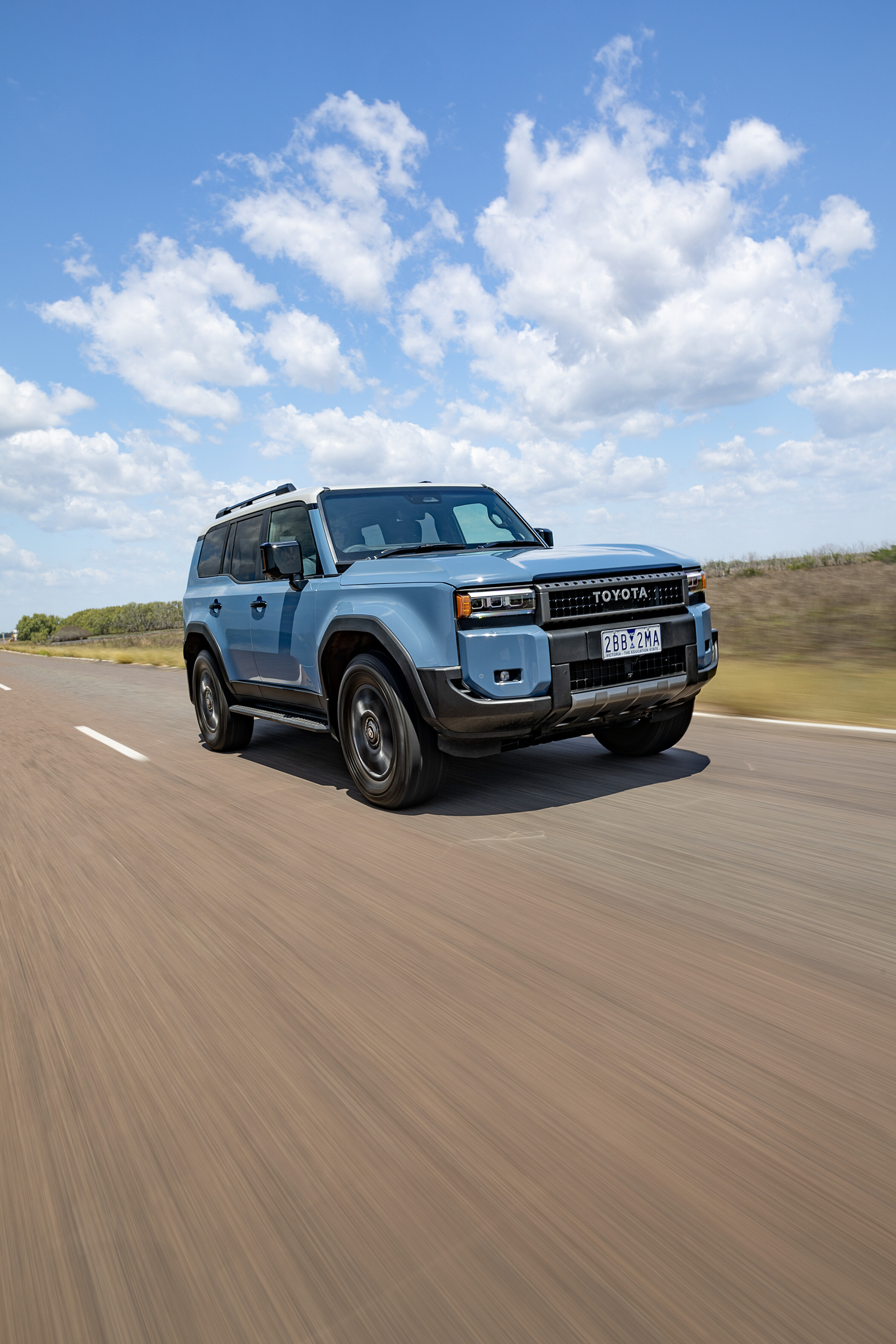
A 2025 Toyota Prado GXL with five seats has been confirmed for Australia, with the new model available to order now at $78,990 before on-road costs.
This incoming five-seat GXL costs marginally less than the existing seven-seat GXL already on sale in Australia, which is priced at $79,990 before on-road costs. And it will be the only variant in the Prado line-up to be available with multiple seat configurations.
The mid-tier GXL sits above the GX and below the VX in the Prado hierarchy. In addition to the GX, the GXL is equipped with roof rails, heated and ventilated front seats, rear privacy glass, eight-way power-adjustable driver’s seat, silver front and rear bumper trim, leather-accented steering wheel and gear shifter, electric tailgate, auto-dimming rear-view mirror, rear climate control, wireless phone charger, and six USB-C ports.
Considering the well-documented limitations of the seven-seater’s boot space, the five-seat GXL will allow owners to comfortably pack more in the cargo compartments for extended camping trips.
So far this year – until the end of April – the Toyota Prado is the third best-selling 4×4 vehicle in Australia (10,674 sales), behind the Ford Ranger (16,238) and Toyota HiLux (12,762). This positions it as the best-selling 4×4 wagon in the country, ahead of the Ford Everest (7220) and Isuzu MU-X (4142).
Pricing
| Model | Price |
|---|---|
| GX | $72,500 |
| GXL (five-seat) | $78,990 |
| GXL (seven-seat) | $79,990 |
| VX | $87,400 |
| Altitude | $92,700 |
| Kakadu | $99,990 |
2025 Toyota Prado features
2025 Toyota Prado GX
| 2025 Toyota Prado GX features | |
|---|---|
| Five seats | Manual tailgate with glass hatch |
| 18-inch dark grey alloy wheels | Six-way manual driveru2019s seat |
| LED headlights and daytime running lamps | 7-inch semi-digital instrument cluster |
| Power-folding body-coloured side mirrors | Dual-zone climate control |
| Darkened front and rear bumpers | All-weather rubber floor mats |
| 220-volt rear power outlet | 12.3-inch widescreen infotainment system |
| Wireless Apple CarPlay and Android Auto | Built-in connected satellite navigation |
| DAB+ digital radio | 10-speaker audio system |
| Toyota Connected Services | Front and rear parking sensors |
| 360-degree camera system | Trailer sway control |
| Pre-wiring harness for tow hitch | Four USB-C ports |
2025 Toyota Prado GXL
| In addition to GX | |
|---|---|
| Seven seats | Synthetic leather upholstery |
| Roof rails | Heated and ventilated front seats |
| Rear privacy glass | Eight-way power-adjustable driveru2019s seat |
| Silver front and rear bumper trim | Leather-accented steering wheel and gear shifter |
| Electric tailgate | Auto-dimming rear-view mirror |
| Rear climate control | Wireless phone charger |
| Six USB-C ports | |
2025 Toyota Prado VX
| In addition to GXL | |
|---|---|
| 20-inch dark metallic alloy wheels | Leather upholstery |
| Body-coloured front and rear bumpers | Driveru2019s seat power lumbar support and memory |
| Over-fender moulding and rear guard trim | Four-way power-adjustable passenger seat |
| Bi-LED headlamps with dynamic auto-leveling | Power-adjustable driveru2019s seat |
| Adaptive high-beam | Carpet floor mats |
| Refrigerated console box | Tyre pressure monitoring |
| 12.3-inch digital instrument cluster | 14-speaker JBL audio system |
| Adaptive variable suspension | Five selectable drive modesu00a0 |
| Multi-terrain select | Multi-terrain monitor |
2025 Toyota Prado Altitude
| In addition to VX | |
|---|---|
| 18-inch matte grey alloy wheels | Moon roof |
| Toyo Open Country all-terrain tyres | Optional two-tone colours |
| Rear locking differential | Digital rear-view mirror |
| Stabliser disconnect mechanism (replaces adaptive variable suspension) | Heated steering wheel |
| Black door handles and tailgate garnish | Head-up display |
| Black over-fender mouldingu00a0 | Five seats (down from seven) |
2025 Toyota Prado Kakadu
| In addition to VX | |
|---|---|
| Panoramic moon roof | Adjustable driveru2019s seat thigh support |
| Illuminated side steps | Digital rear-view mirror |
| Heated and ventilated rear seats | Head-up display |
| Heated steering wheel | Rear torque-sensing limited-slip differential |
On paper, the Navara is the dual-cab to beat. Coils all around, nice interiors and a twin-turbo engine. However, much like Tinder, the reality does not live up to the jauntily-worded bio.
The coil rear-end is, to put it nicely, lacklustre. The interior, while not awful, can be an uncomfy place to spend a long drive (mainly thanks to the janky stock suspension). And the engine I can only imagine was cooked up by Renault’s most sado-masochistic engineers who decided to give it a pair of turbos that somehow didn’t include the side-effect of making power. However, they did manage to uphold the long-standing Renault tradition of including leaks (rear mains and transmission inputs particularly).
Getting the impression I don’t like the Navara? Actually, I really do. Seriously. There isn’t a vehicle on the road, especially new vehicles, that don’t have issues, and with a bit of work the Navs can make excellent touring rigs. Would I buy one for months-long trips through the Top End and Outback? No, but I wouldn’t buy any mid-size dual-cab for that purpose (single or extra-cabs: different story). But for a work rig, weekend wheeler and beach cruiser, the Navara can be built into a weapon.
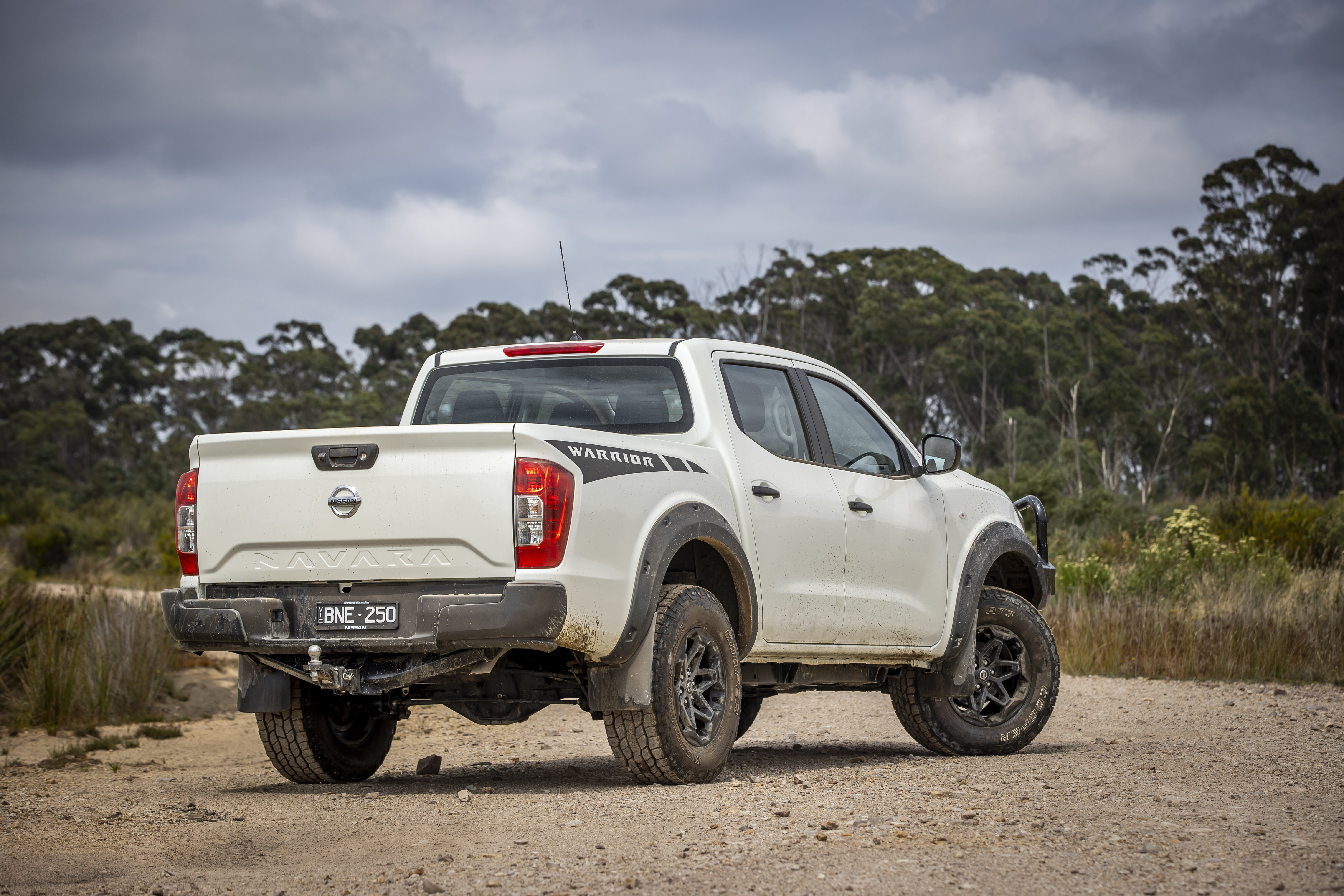
The top-tier Pro4X Warrior brings up around $71K at the price check, while the bottom rung SL 4×4 dual-cab is a comparatively paltry $48,606, leaving more than 25 gorillas for me to turn my bottom-of-the-barrel SL into something that’d make the Pro4X Warrior hold its back pocket in the prison yard. Can it be done? No problemo.
First off, yeet the plastic front bar and replace it with an alloy item from Rhino 4×4 along with an Ironman 4×4 Frontier winch ($4000), as well as a set of Bushranger nine-inch VBP driving lights ($1000). I’d also be getting some sliders and a tub rack from SCF 4×4 for around $1500. This would protect my sills (duh) and give me a place to mount my RTT.
From there I’d be getting a basic dyno tune (call it $2000) to wake the 2.3L up. This’d get me to roughly 600Nm at the flywheel, so call it 500Nm through the pedal, which isn’t exactly a rocket-ship, but it’s reliable and much less tiring to steer over a 1000km day. I wouldn’t bother with an exhaust. The four-banger doesn’t sound good enough for me to warrant it, frankly.
A lithium set-up is next on the to-do list. I tend to travel light and don’t have a heap of electrical gear like induction cookers or microwaves, so 100Ah is more than enough to run my fridge, charge my camera gear and run my camp lights. I’d use a behind-the-back-seat bracket and Victron BMS stuff to run it all, which would set me back around the $2800 mark. This leaves around $9000 to spend on tyres and suspension. And spend it I will.
Tyres would be 33-inch BFG KM3s ($2500), which are up there as one of the nicest-to-drive-on mud terrains on the market. 33s are the largest I’d go on any IFS mid-size ute, which hurts, because I love bigger rubber, but it’s just not worth the headaches for the minimal increase in capability. Some minor guard trimming may need to happen to fit the tyres, but hashtag worth it.
From there, the standard springs and shocks would be used to prevent the workshop bin from floating away and replaced with some high-end Bilstein B60 replacements for a 50mm lift and corresponding H&R coils ($5000). The remaining $1500 will get soaked up with the installation of an ARB Air Locker in the front.
Same price as a Pro4X Warrior, way better ride, way faster, way better at towing, way more capable, way better traction, way better tyres, way more ready for fun weekenders with my family and mates, and way better looking. Tell me I’m wrong.
The Lexus LX has been refined for 2025, with the flagship SUV receiving a suite of updates including the introduction of the Overtrail variant.
Tailored for off-road performance, the five-seat Overtrail comes equipped with front and rear locking differentials; unique 18-inch matte grey alloy wheels wrapped in high-profile Toyo Open Country all-terrain tyres; and distinctive design elements including black treatment to the radiator grille, front and rear bumpers, door handles, wheelarches, outer mirrors and door window mouldings.
In addition to the trio of locking diffs, the LX Overtrail is equipped with a suite of off-road traction aids including Multi-Terrain Select, Downhill Assist Control, Crawl Control, a Multi-Terrain Monitor and Active Height Control.
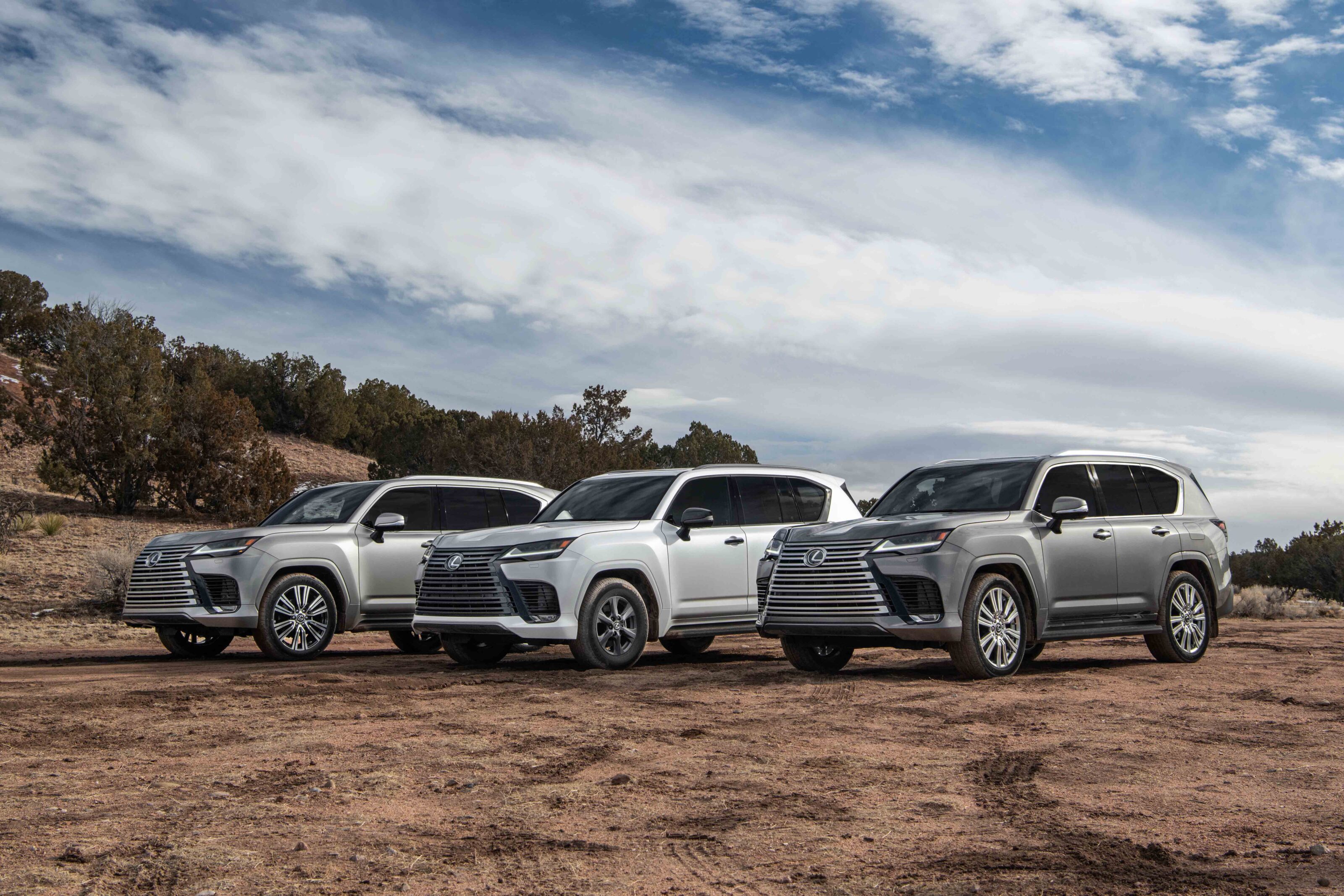
Like the rest of the LX range, the Overtrail does not come cheap, priced at $182,300 for the diesel and $185,800 if petrol power is desired. The cheapest entry point into the range is with the LX Luxury seven-seater, which starts at $158,700 (diesel) or $162,200 (petrol). The line-up tops out with the LX Ultra Luxury at a whopping $220,950 (petrol only).
Prices have increased by between $2724 and $3324 across the range, excluding the newly introduced Overtrail, which was confirmed by Lexus earlier this year.
The Lexus LX remains powered by two twin-turbocharged V6 engines: a 227kW/700Nm 3.3-litre 500d diesel and a 305kW/650Nm 3.5-litre 600 petrol. Both are paired to a 10-speed auto and a full-time 4WD system. Both powertrains carry a 3500kg braked towing capacity.
Across the range, the outgoing eight-inch multi-information display has been replaced with a fully digital 12.3-inch unit. Wireless Android Auto now joins Apple CarPlay as a standard feature, as does the inclusion of a centre console cool box and an additional USB-C port, giving the burly SUV six in total.
As part of the update, the mid-tier Sport Luxury and LX F Sport grades now get driver and front passenger massaging seats and four-way adjustable headrests. The top-spec Ultra Luxury also gains a front wireless smartphone charger as standard.
Safety updates to the LX range include the expansion of the Lexus Safety System+ suite, which adds motorcyclist detection (day) and cyclist detection (day and night); autonomous emergency braking when crossing intersections; acceleration suppression at low speeds; safe exit assist; an emergency driving stop system; and a driver monitor camera.
The updated Lexus LX range is out now.
The Jeff Bezos-backed Slate all-electric pick-up is creating a buzz.
The electrified ute from startup Slate Auto has already received more than 100,000 reservations, with eager buyers putting down just US$50 (AU$75) to secure their spot. With a price tag starting at only US$25,000 (AU$38,000), the Slate truck promises to deliver a no-frills, American-made EV that’s both affordable and practical.
The Slate currently only sends power exclusively to the rear wheels – and yes, we know we’re a 4×4 website – but a dual-motor AWD version is reportedly in development. But, as it now stands, the RWD layout is better suited for urban driving rather than off-road use.
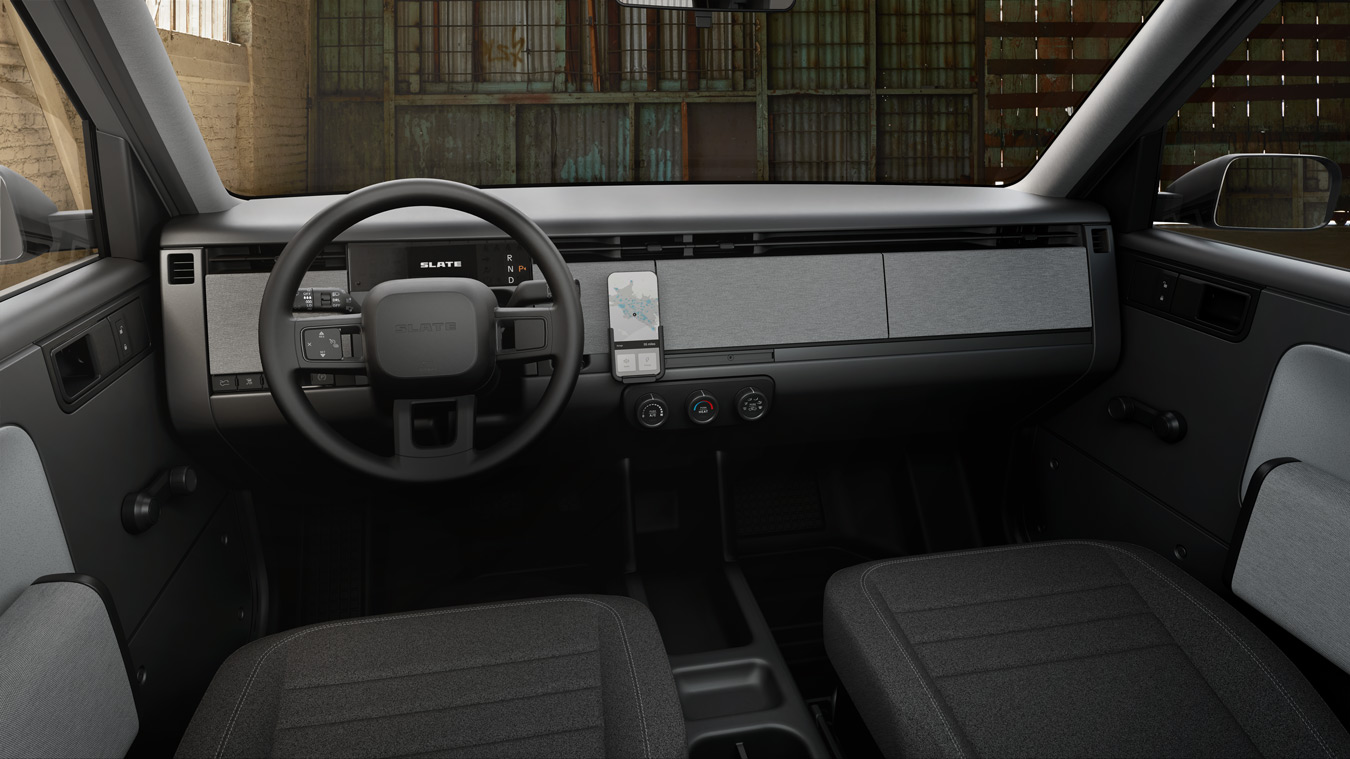
Officially unveiled in April 2025, the Slate truck is the first offering from Michigan-based Slate Auto, a company determined to make electric trucks more accessible without sacrificing functionality or durability. What sets the Slate truck apart from its competitors is its versatile design and affordability, with its entry-level price potentially a game-changing alternative for anyone looking to go electric without breaking the bank.
The truck features a 201hp (148kW) motor with rear-wheel drive, making it more than capable of handling both daily commutes and tougher tasks. It offers two battery options: a standard 52.7kWh pack that delivers around 240km of range, and an optional 84.3kWh pack that extends the range to about 385km. It also has a payload capacity of 1433 pounds (650kg) and Slate says it can only tow about 1000 pounds (454kg).
What gives the Slate its point of difference is its modular design – it can easily be converted from a pick-up to an SUV using optional kits, giving buyers the flexibility to adapt the vehicle to their needs. More than 100 accessories are also expected to be available, allowing customers to customise everything from storage solutions to off-road upgrades.
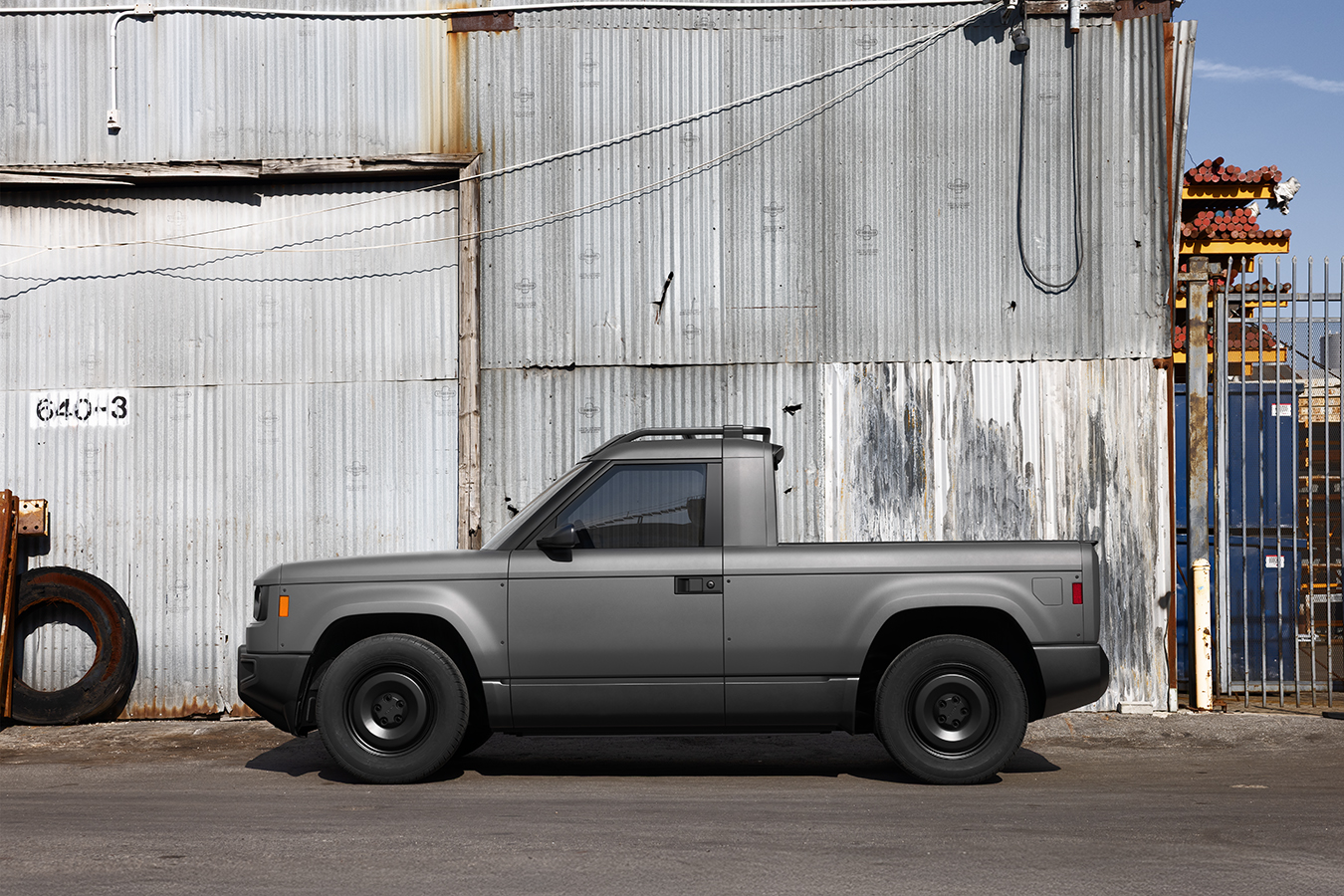
Slate is backed by some big names in the business world, already securing more than AU$1 billion (US$700 million) in funding – with notable investors including Jeff Bezos, Mark Walter and Thomas Tull. The company plans to build a manufacturing facility in the US Midwest, aiming to create jobs and keep production domestic. This will also allow Slate Auto to use locally-sourced battery components, contributing to a fully American supply chain.
Production is set to begin in late 2026, with deliveries expected to start in 2027. The fact that 100,000 reservations have already been locked in, even before the truck has officially hit the production line, speaks volumes about the demand for a reasonably priced, practical electric truck – and the $50 refundable deposit speaks volumes.