
A new year of Readers’ Rigs is led by an immaculate 1990 Land Rover Perentie. To see your vehicle in our magazine and on our website, post a snap of it on our Facebook page.
1990 Land Rover Perentie GS
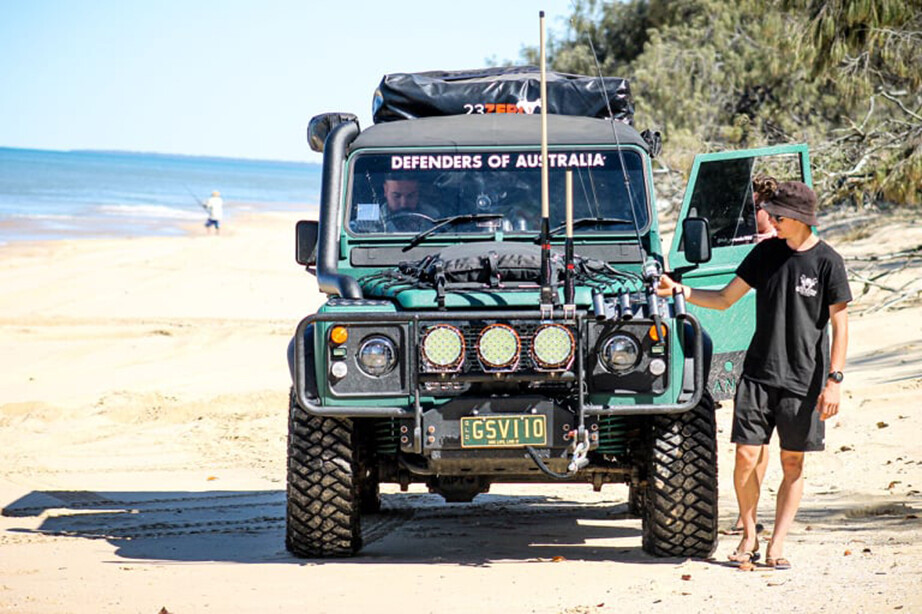
It currently has 161,000km on the clock. It has plenty of kit including a custom turbo kit running 18psi through a GT2560R with 600×300 Aeroflow front-mount intercooler and custom airbox; a VDO boost gauge; VDO EGT gauge; VDO oil-pressure gauge; power steering; four-inch APT snorkel; Stedi lighting; three-inch Superior Engineering lift kit; extended braided brake lines; and new SuperPro bushes throughout.
Other gear includes an upgraded front diff to 24-spline and heavy-duty Ashcroft shafts; rear diff lock; Flatdog flares from UK; 35-inch Maxxis RAZR tyres; 16×8 5×165.1 beadlock Dynamic wheels; steel rock sliders; and new ute cab canopy with tub cover.
On the outside is a custom rooftop tent mounts with six LED camp lights; 23ZERO 1400 Dakota rooftop tent, shower tent and 270 awning; Bazooka water tank; Ontap black edition; and an 1800mm rear trundle drawer.
It also has Car Builders sound deadening with carpet interior; new respray in Raptor liner; bonnet net and bag; GME 6.6 and 2.1dB antenna; and a GME radio.
Instagram page: 4x4_perentie1990 – Emanuele Perrotta
2019 Ford Ranger PX3
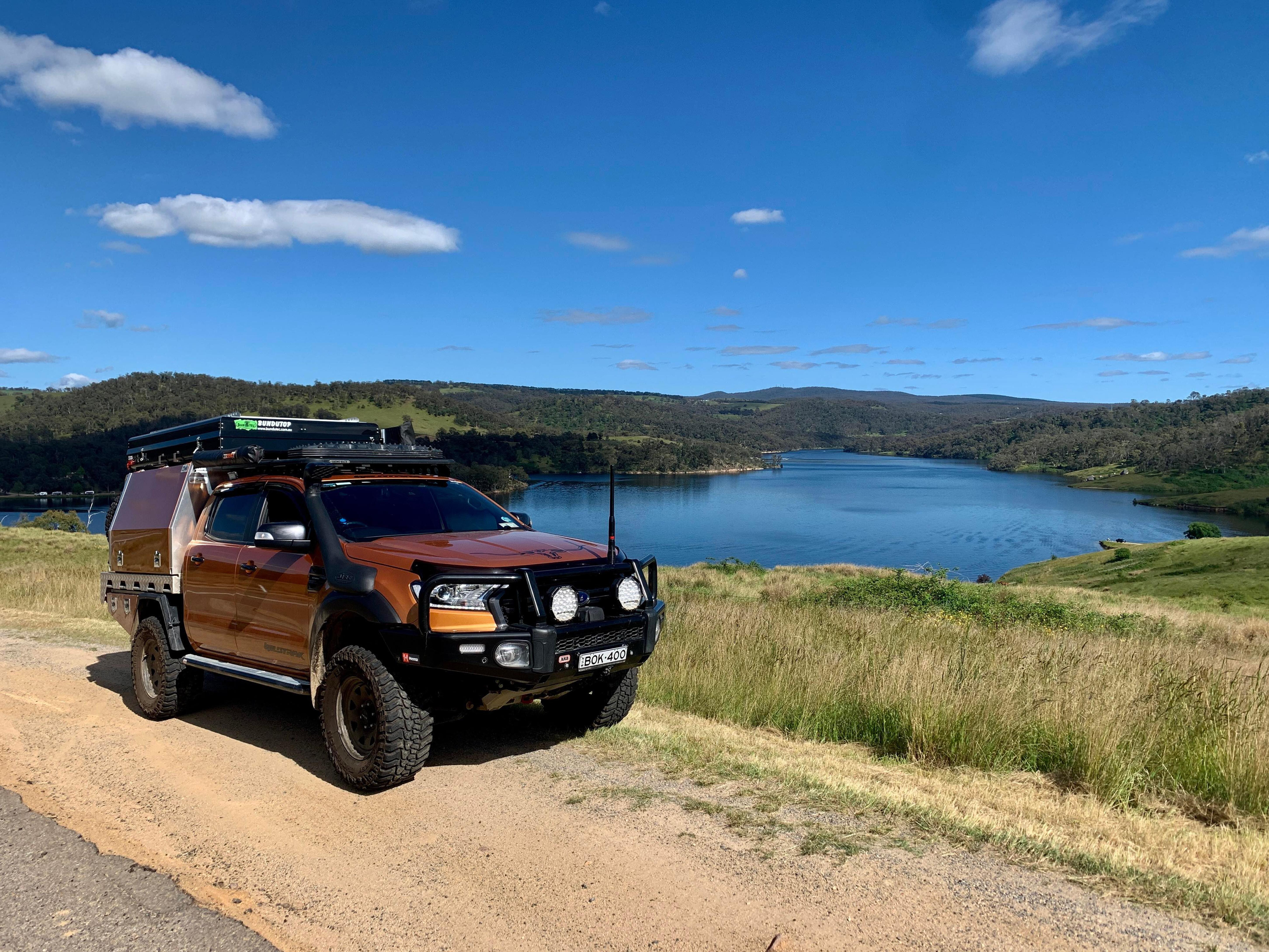
It’s the 2.0-litre bi-turbo variant. Kit includes a Norweld canopy, OME BP-51s, Bundutop RTT, 140-litre fuel tank, 60-litre water tank, ROH Blak steel wheels, Safari snorkel, ARB bullbar, Mickey Thompson Baja 33-inch tyres, and a Smittybilt 10,000lb winch – Ben O’Keefe
2012 Mitsubishi Challenger
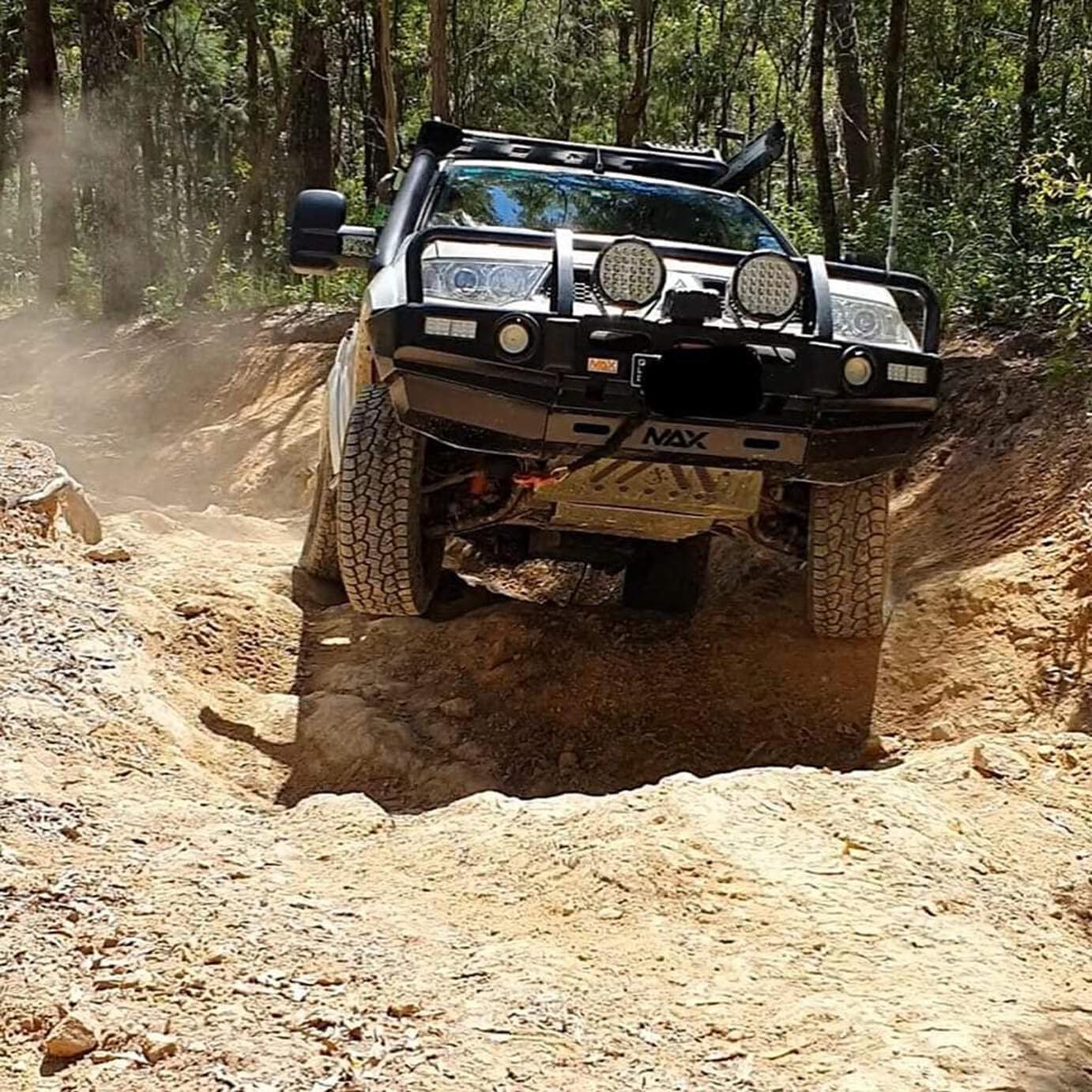
Here it is at the Glendon campgrounds. It’s twin-locked and has a Max front bar, Carbon winch, TJM snorkel, dual-battery system, Rhino platform, Geko underbody protection plate, and SCF rock sliders.
It’s also had a two-inch Outback Armour lift with Kings springs and diff breathers. Built it up from brand-new and it now has 120K on the clock. Been to the Cape and climbed Big Red – Brett Martin
2019 Ford Ranger PX3
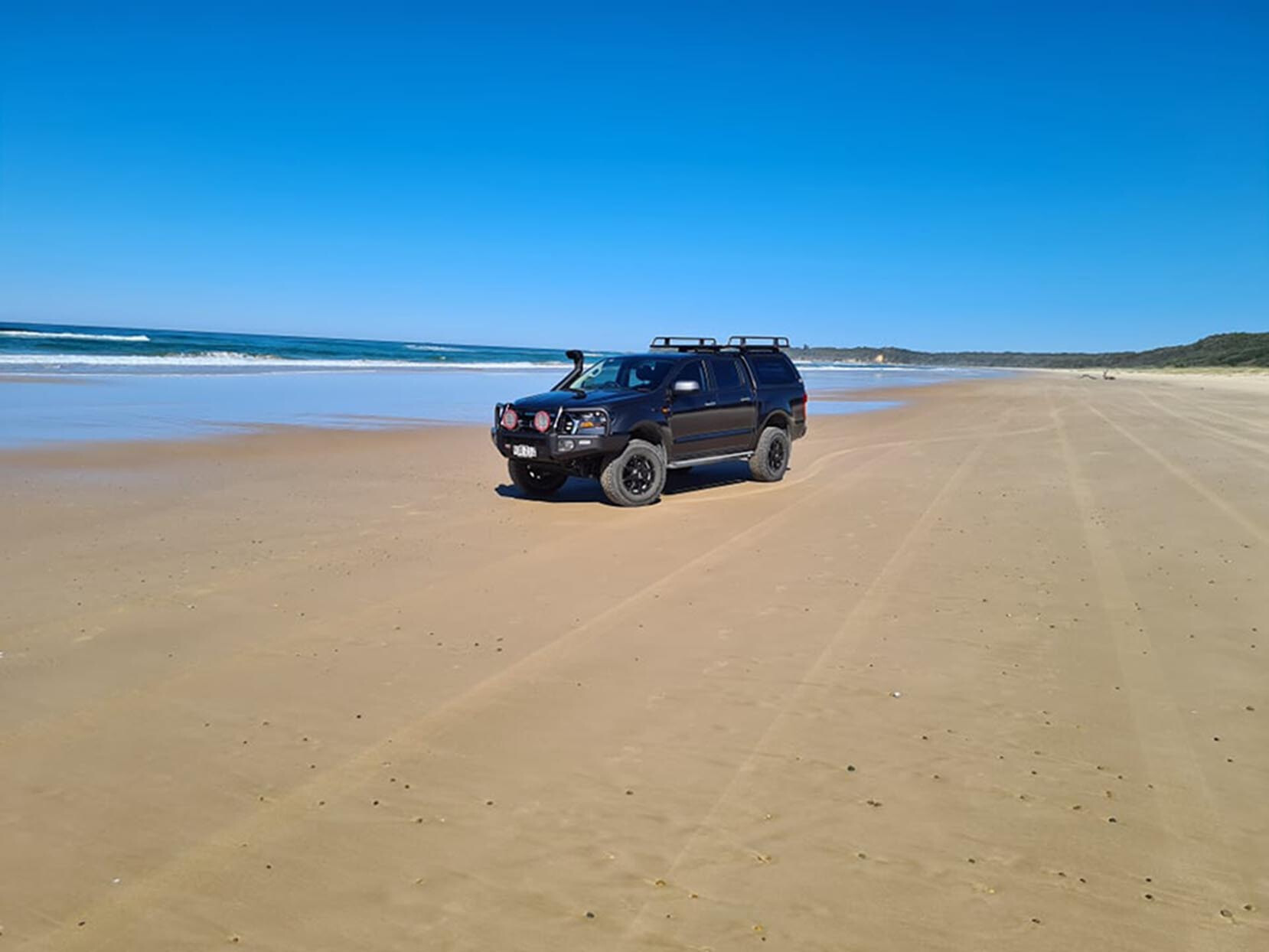
Equipment includes ARB BP-51 shocks and suspension, ARB Safari bar and side-steps, Safari snorkel, ARB roof rack, Frontier long-range fuel tank, ARB Intensity spotlights, ARB Ascent canopy, ION 196 17×8 alloy wheels +30, and 275/70R17 AT3 Cooper tyres – Adrian Schmidt
2012 Mitsubishi Pajero GLS
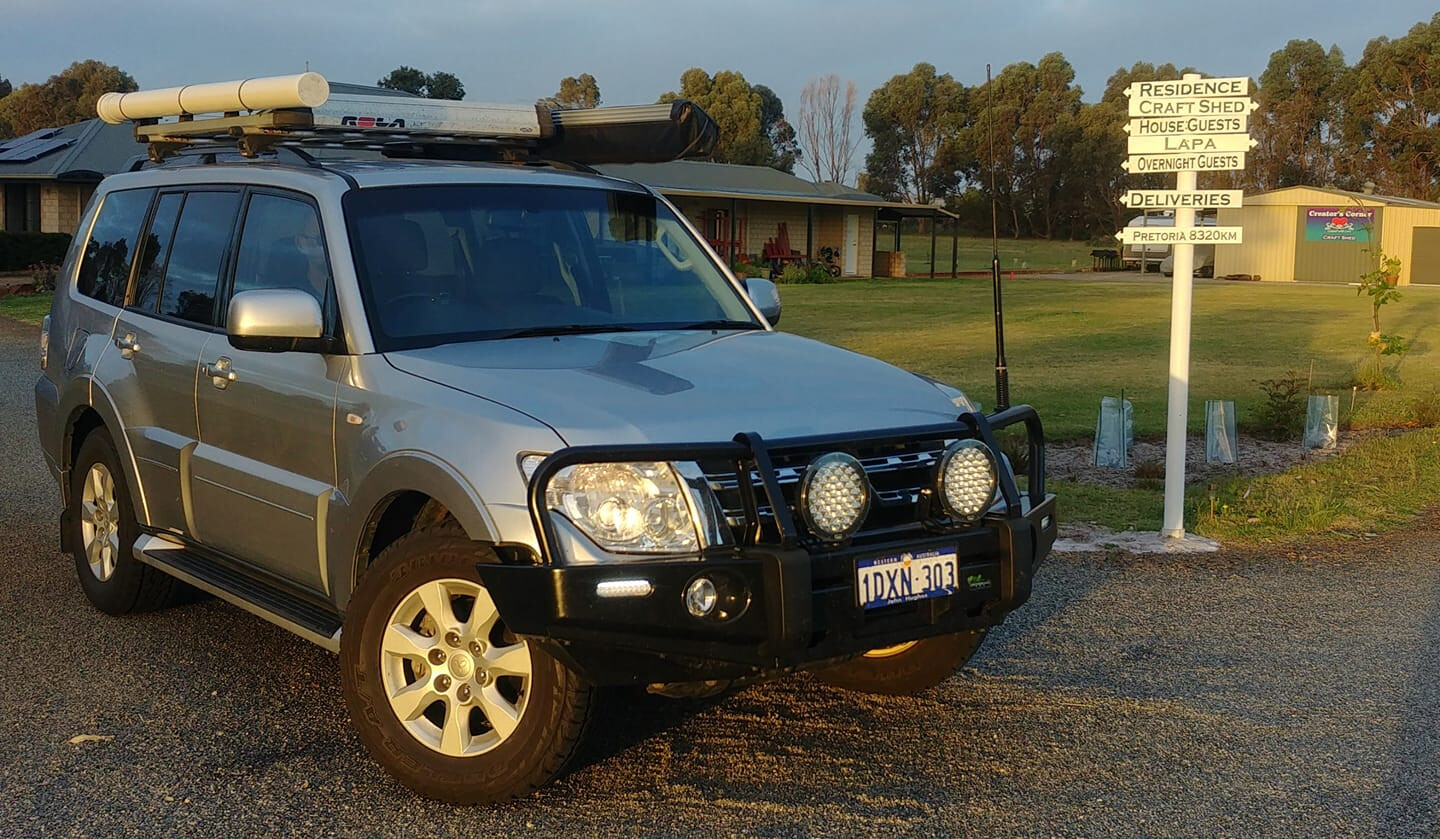
Bought stock in 2017 with 40,000km on the clock. It now has an Ironman bullbar, bash plates, Oricom UHF, Helios spotties, Redarc brake controller, roof rack, 270° awning, fishing-rod carrier, custom handmade floor mats, 1200W pure-sine inverter, and it’s wrapped with Dueller 31 ATs. All mostly installed this year. A long-range tank and airbags are in the pipeline – Willem Moolman
1993 Toyota LandCruiser HZJ75
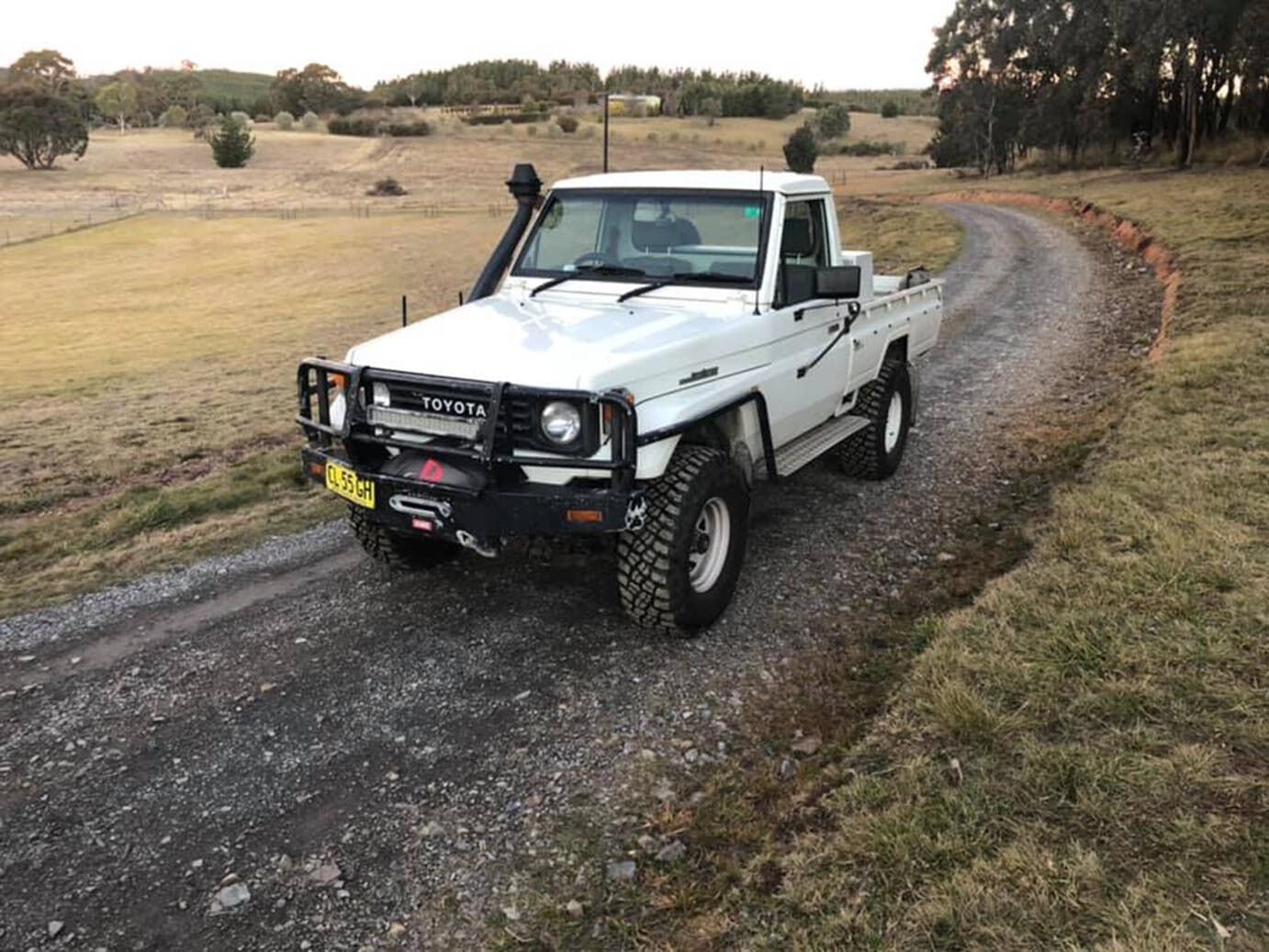
Having some fun in the Watagans. It’s not highly modified, but it has adjustable Rancho shocks, two-inch lift, Tough Dog springs with military wraps (front and back), 15-inch white Sunraysia wheels with 33×12.5 BFG mud tyres, Lokka auto-locking diff centre in the rear, Runva 11XP winch, and a DTS turbo system on the 1HZ, making a whopping 85kW on the dyno.
It has a factory tub, factory dual fuel tanks, and factory dual-battery system. Mainly just used for camping, but I like to do some hard stuff every now and then – Andrew Spicer
UPDATE, January 28, 2022: The covers have come off Toyota’s three-row SUV, with the Sequoia set to be powered by a mild-hybrid, twin-turbo 3.5-litre V6 petrol engine.
Replacing the 15-year-old current generation Sequoia, the 2022 model is a ground-up replacement, basing itself on the new Toyota Tundra and LandCruiser’s TNGA-F platform.

Available in North America, the large SUV is available in SR5, Limited, Platinum, Capestone and range-topping TRD Pro variants – the latter of which carries across a bulk of the off-road oriented upgrades from its Tundra counterpart.
Unfortunately for Australians, the Sequoia won’t be coming to local showrooms, with the huge interest in the LandCruiser 300 Series guaranteeing Toyota’s popularity with large SUV buyers.

The story to here
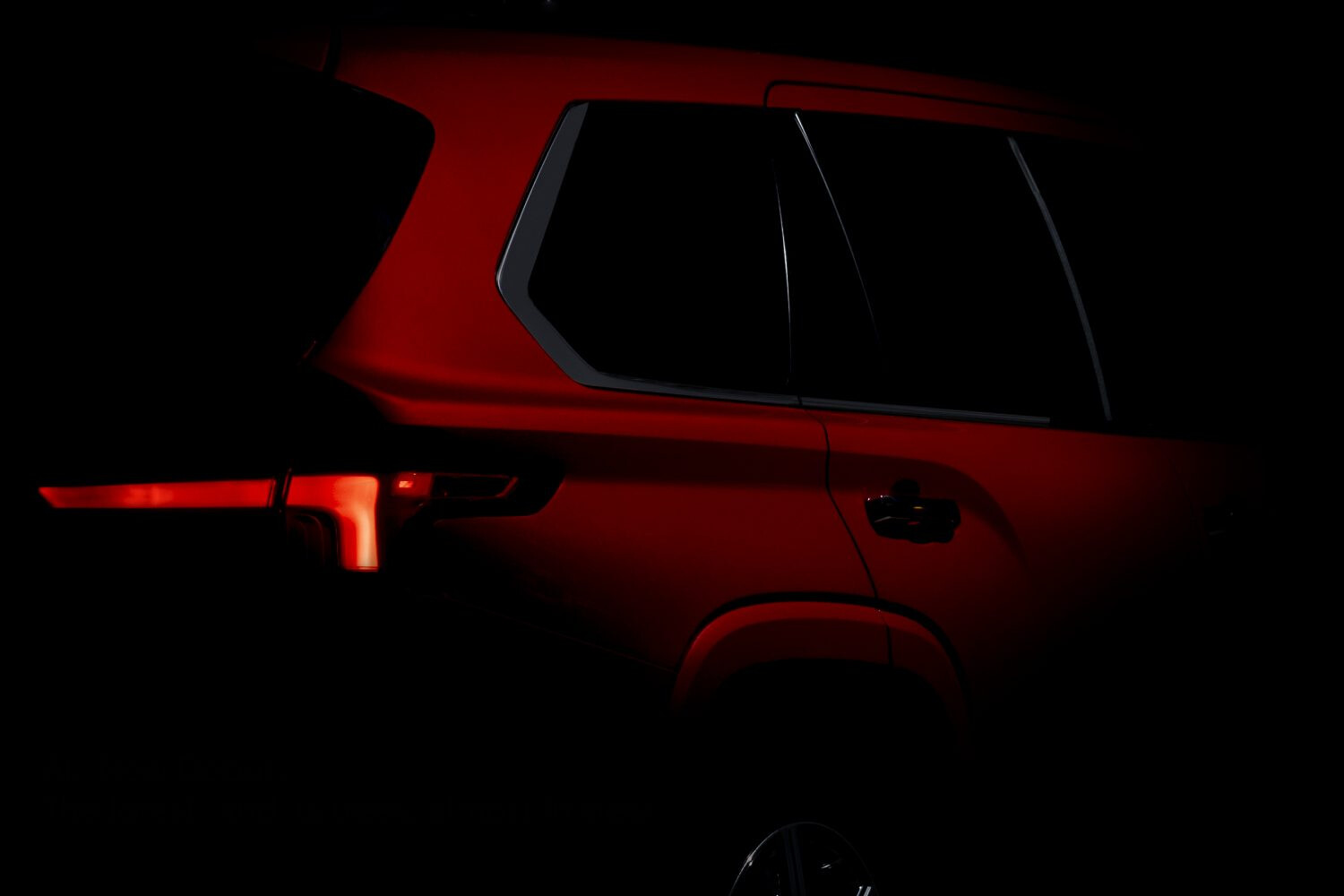
January 20, 2022: The North American division of Toyota has teased its latest SUV offering, with many believing the next-generation Sequoia will be the vehicle in question.
With the current Sequoia – a large, three-row SUV based on the same platform as the Tundra – entering its 15th year in service, it’s only natural to assume Toyota is gearing up to refresh the high-riding five-door.
Rumoured to again share its underpinnings with the Tundra, this is a positive for the Sequoia as the pick-up truck was recently given a comprehensive update for 2022, moving to a completely new platform to contend with the likes of Ford’s F-150, Chevrolet’s Silverado and the Ram 1500.
If the Sequoia does end up with much the same specs as the Tundra, we can expect a 3.5-litre, twin-turbocharged petrol V6 under the bonnet in its most basic guise, a unit which pushes out 290kW and 650Nm in all Tundra variants bar the range-topping, 326kW/790Nm TRD Pro mild-hybrid engine.
The teaser gives us a rough look at the rear three-quarter view of the SUV, featuring a mix of sharp, angular lines as well as smoothed out edges. With the flaring around the wheel arch, the design is reminiscent of the new LandCruiser 300 Series, as are the thin tail-lights.
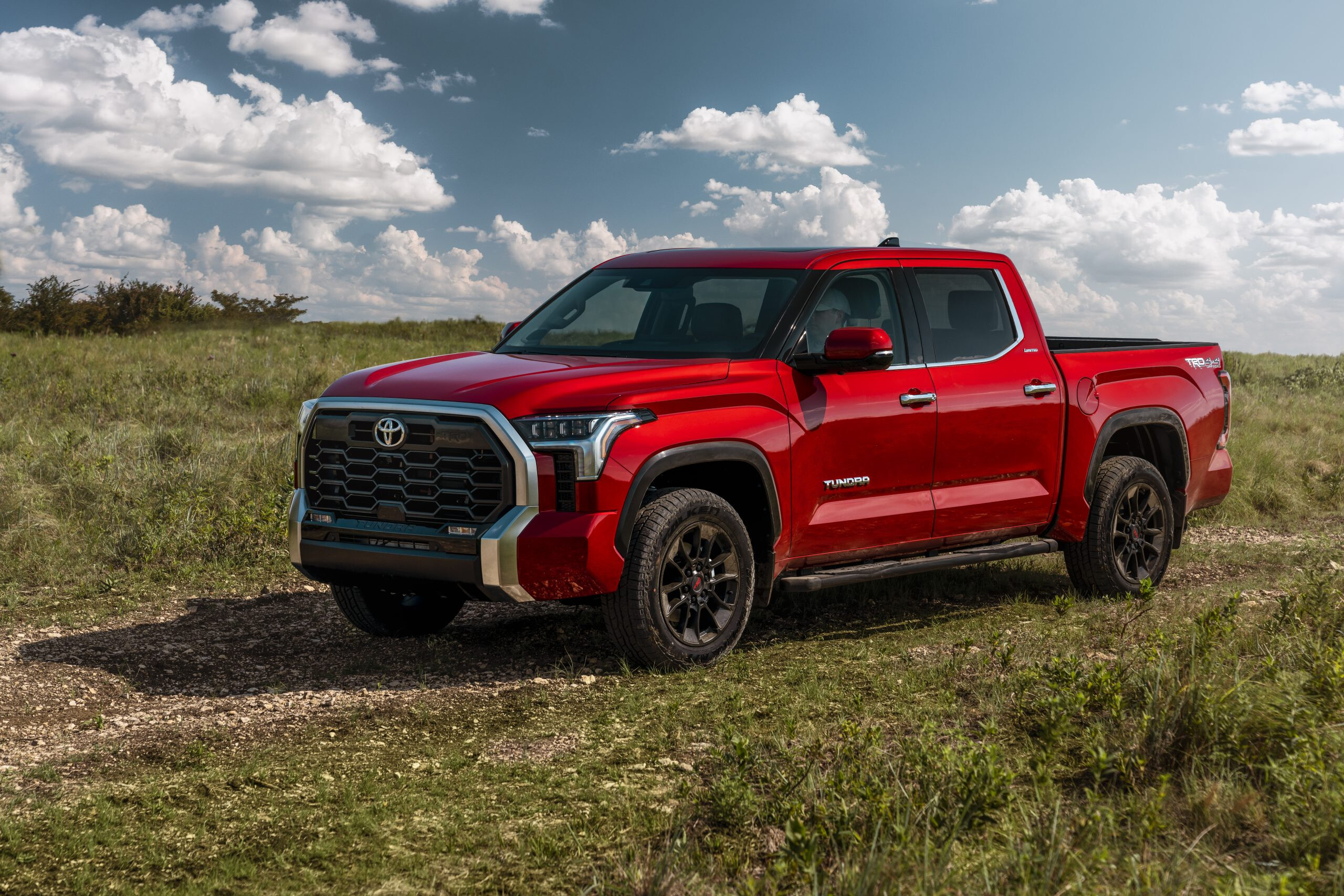
Ironically, despite both being based on the new TNGA-F platform, Toyota has chosen not to sell the LandCruiser in North America from the introduction of the 300 Series.
Even though the luxury fourbie is popular in Australia, last year just 3711 units of the outgoing 200 Series were sold stateside – significantly less than the 8070 Sequoias which were shifted in the same timeframe.
A prototype 2024 Mitsubishi Triton has been caught undergoing testing in Sweden.
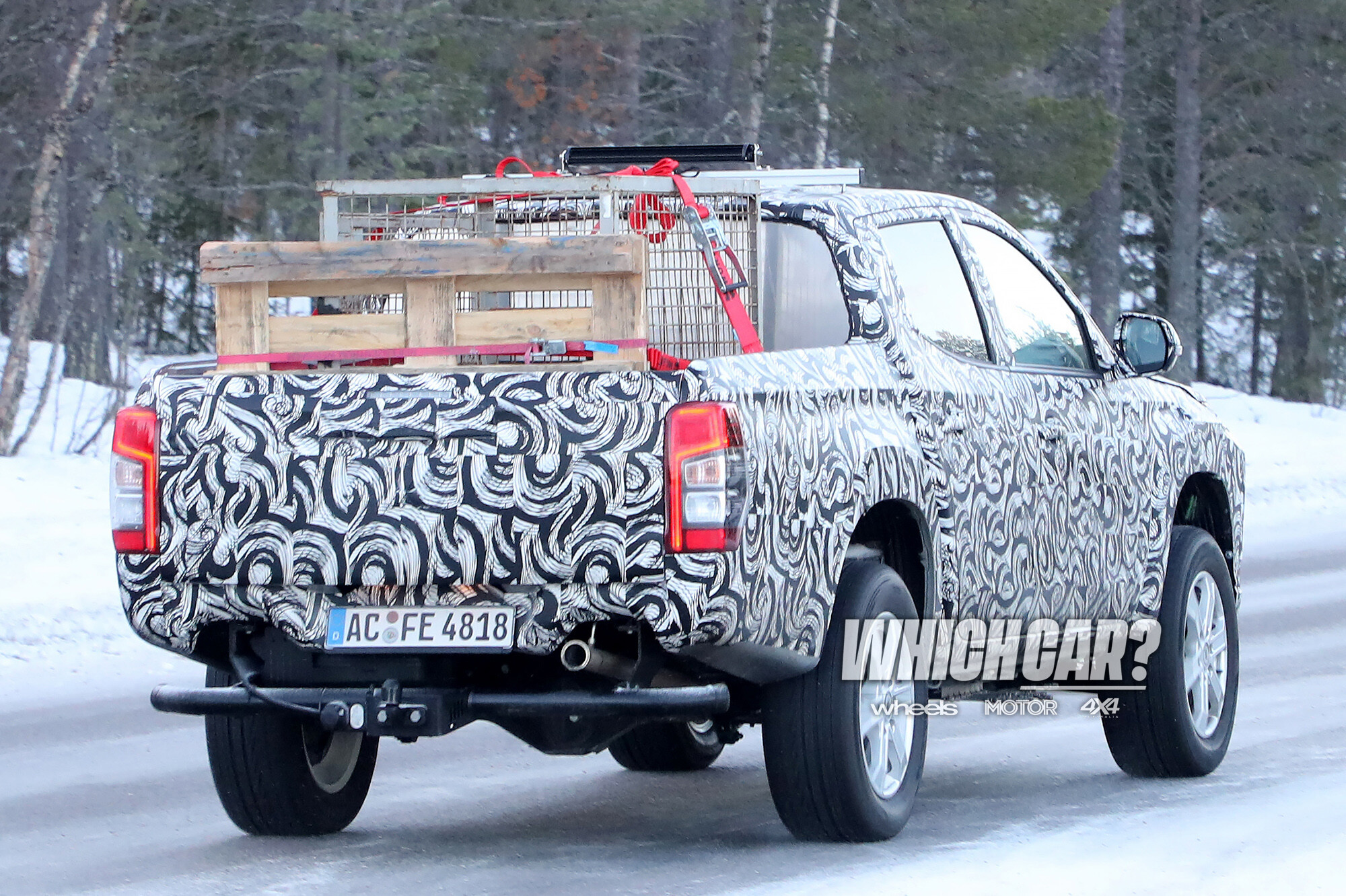
The new-generation Triton was snapped during cold-weather testing in the Arctic Circle by our spy photography partners, who spotted the Mitsubishi wearing an unconventional disguise.
While it’s not unusual for manufacturers to drape the body of the current model over the top of test vehicles to hide them in plain sight – as Toyota did with the 300 Series – Mitsubishi has strangely decided to mount older Mirage headlights to the front bumper of the Triton body.
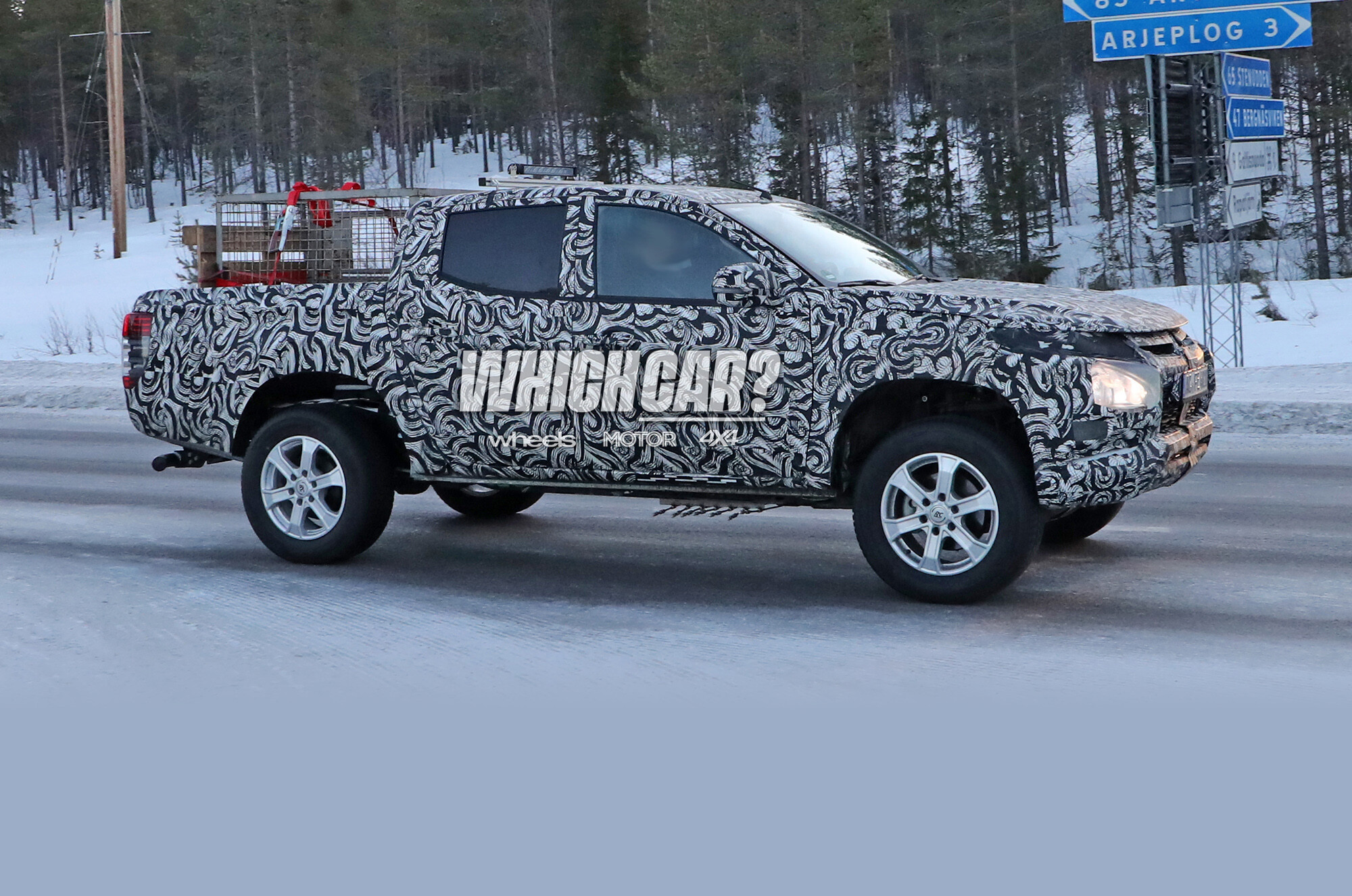
Little is known about the next-gen ute at this stage, but the prototype here appears to have a slightly longer wheelbase and wider track than the current model.
A Euro pallet and a wire cage in the tub may be there to help test light loads in low-traction environments.
Thanks to the Renault-Nissan-Mitsubishi Alliance, it’s expected the Triton and the Nissan Navara will share the same platform, with each brand assigned the development of certain models, but to be used by all three companies.
Artist Theottle has created a rendering of what the new model could look like, based on Mitsubishi’s current design language. You can watch a video of his process by clicking the play button at the top of this story.
There’s no official word yet on when the 2024 Mitsubishi Triton will be revealed, but timing indicates we could see its unveiling either late this year or early 2023, with a local launch possible for the second half of next year.
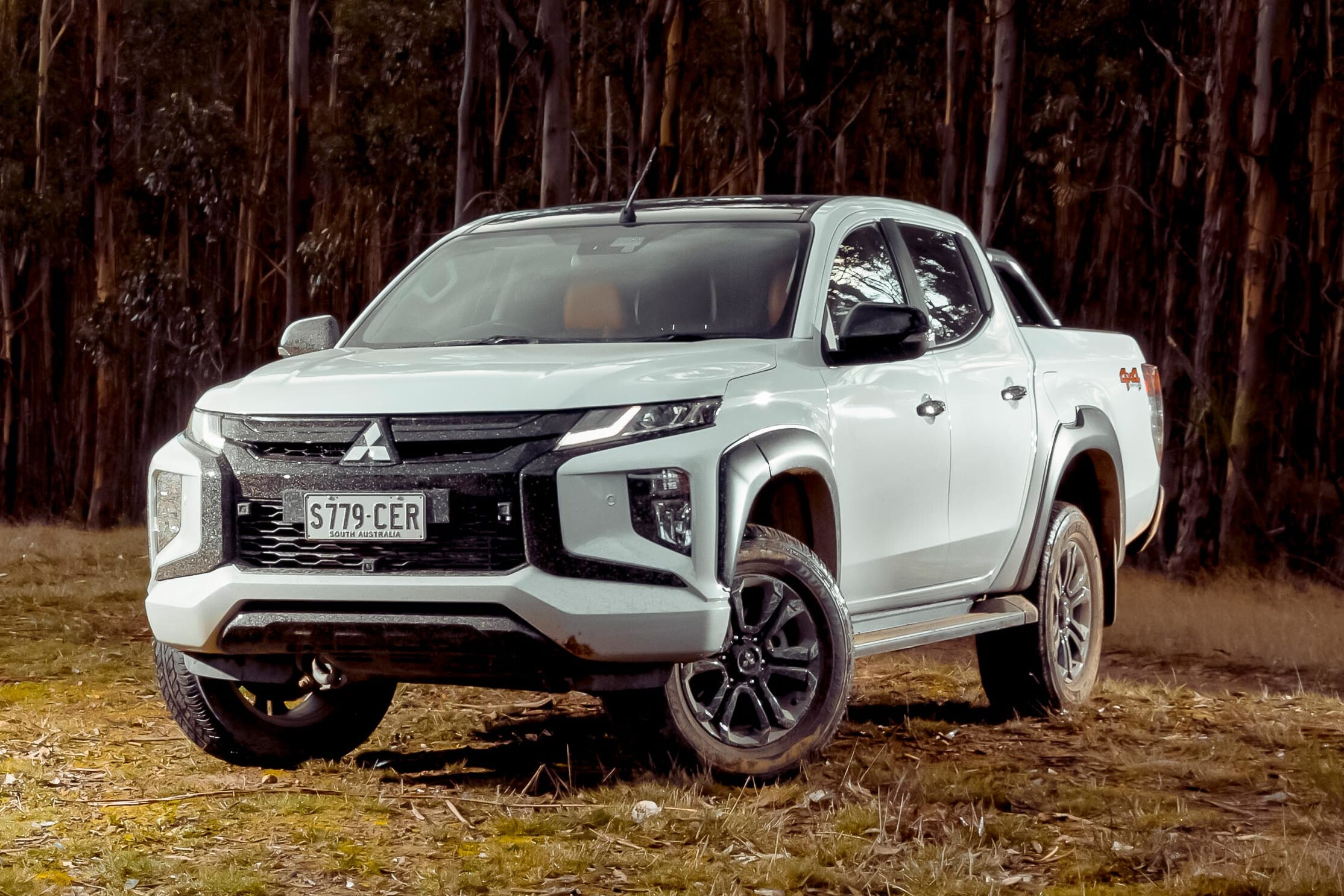
Below: The current 2022 Mitsubishi Triton
Snapshot
- 2023 Range Rover pricing and specifications outlined
- Buyers can choose four, five, or seven seats
- Fully-electric Rangie to arrive in 2024
UPDATE, January 27, 2022: Order books for the 2023 Range Rover plug-in hybrid (PHEV) variants have opened up for Australia.
The first of two PHEV powertrains is the P440e, available exclusively in SE form, which pairs the existing 3.0-litre inline-six with an electric motor for 324kW of power and 620Nm of torque.
A more-powerful P510e powertrain can be added to the HSE and Autobiography grades, bumping outputs to 375kW and 700Nm.
Official ratings have exceeded initial claims made by Land Rover last year, with an electric driving range of 113km and CO2 emissions as low as 18g/km beating the suggested 100km and 30g/km, respectively.
In addition, the flagship Range Rover SV is also now available to order locally.
Priced from $341,300 before on-roads in regular-wheelbase form, the SV gains a unique front design, exclusive materials, a wider colour palette, and greater personalisation – with Land Rover claiming around 1.6 million configurations are available.
Full pricing details can be found below.
The story to here
October 27, 2021: The 2023 Range Rover has launched internationally, marking the fifth generation of the iconic luxury off-road vehicle.
The all-new Range Rover, codenamed L460, is underpinned by Land Rover’s MLA-Flex architecture, which has been designed to work with mild-hybrid, plug-in hybrid, and fully-electric powertrains – as well as a twin-turbo diesel six and BMW-sourced twin-turbo petrol V8.
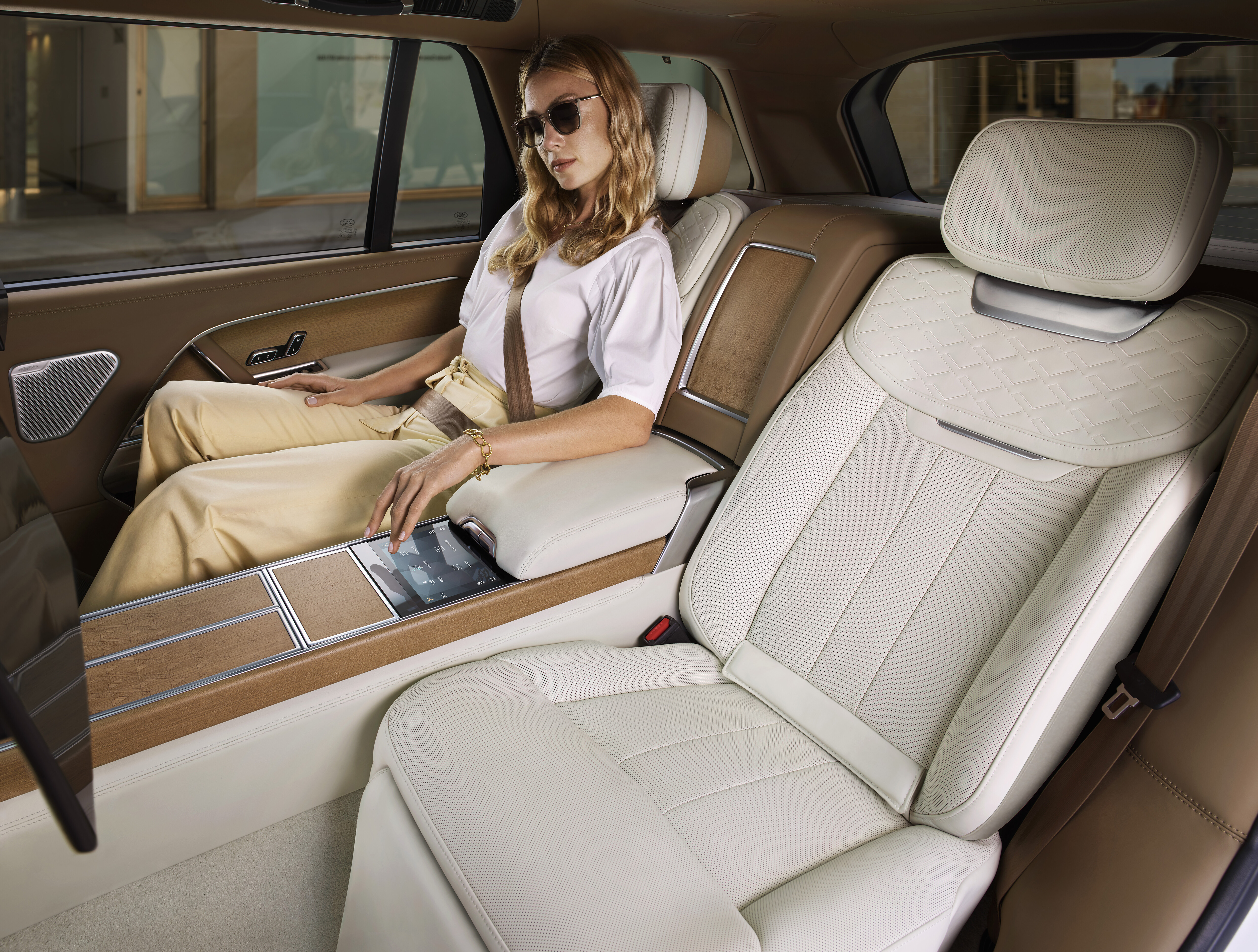
Three different seating configurations will be on offer from two different bodies – an executive four-seater short-wheelbase, a standard five-seater short-wheelbase, an ultra-luxury four-seater long-wheelbase, a standard five-seater long-wheelbase, or a seven-seater long-wheelbase.
Prices will start from $220,200 plus on-road costs for the entry-level short-wheelbase Range Rover SE D300.
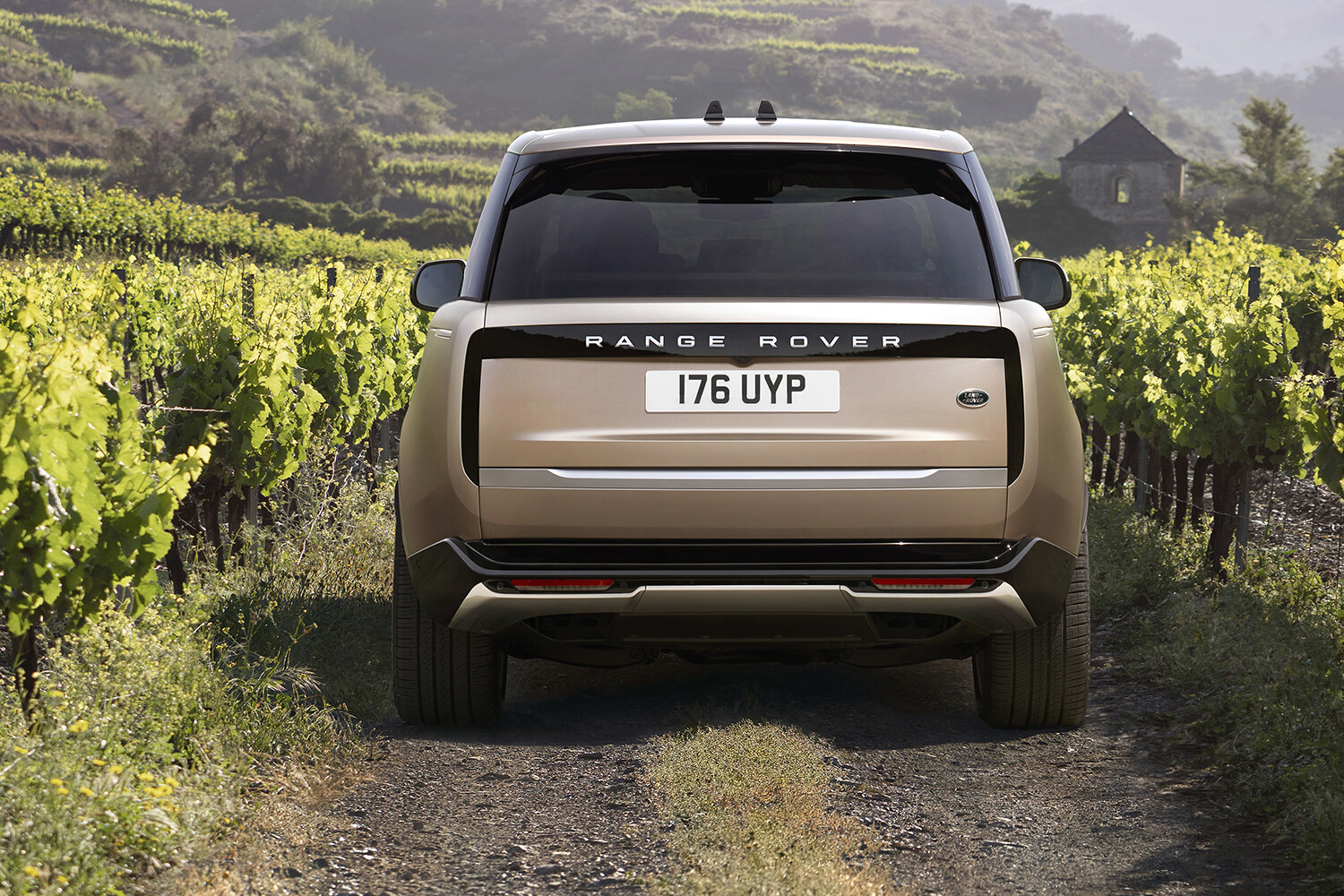
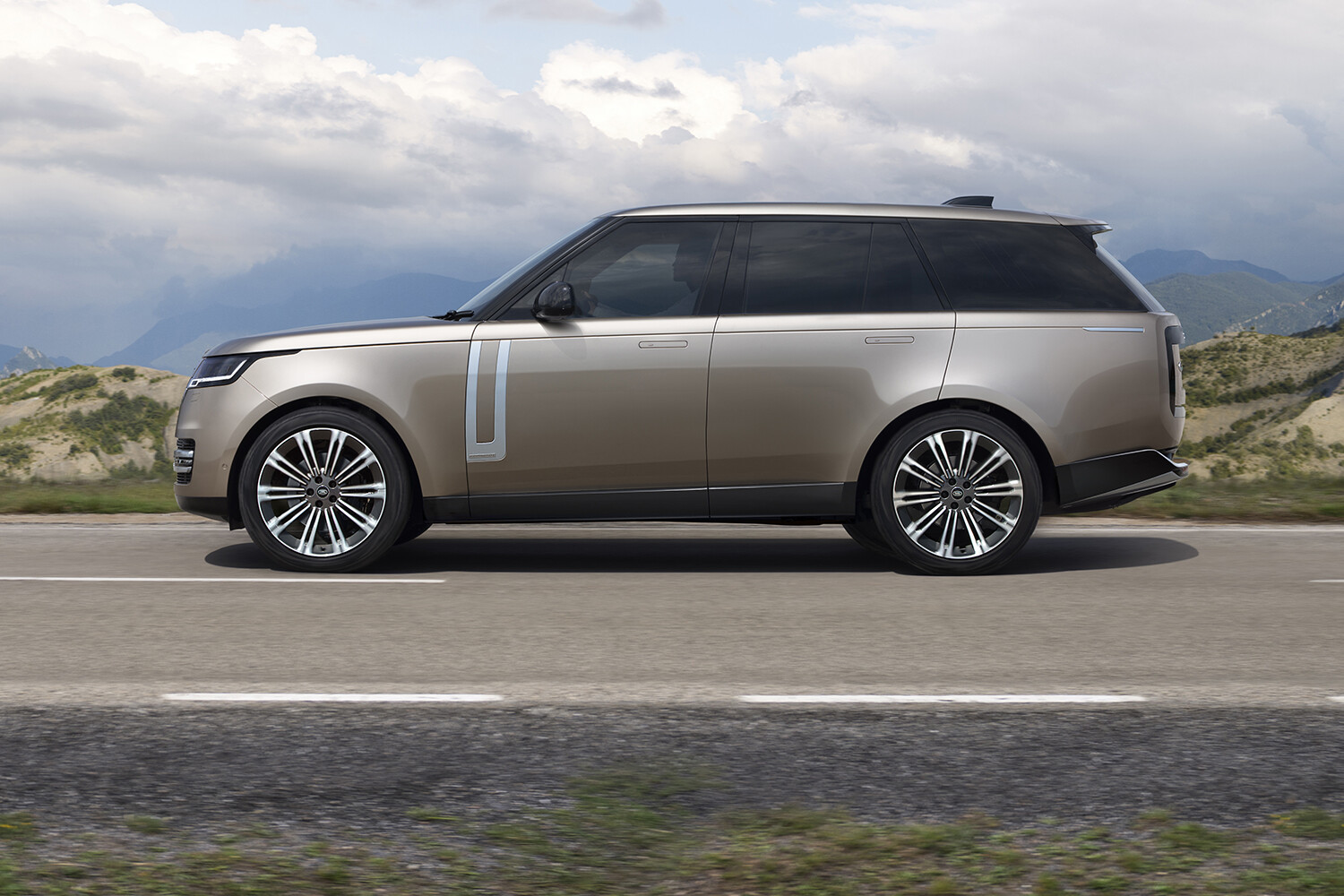
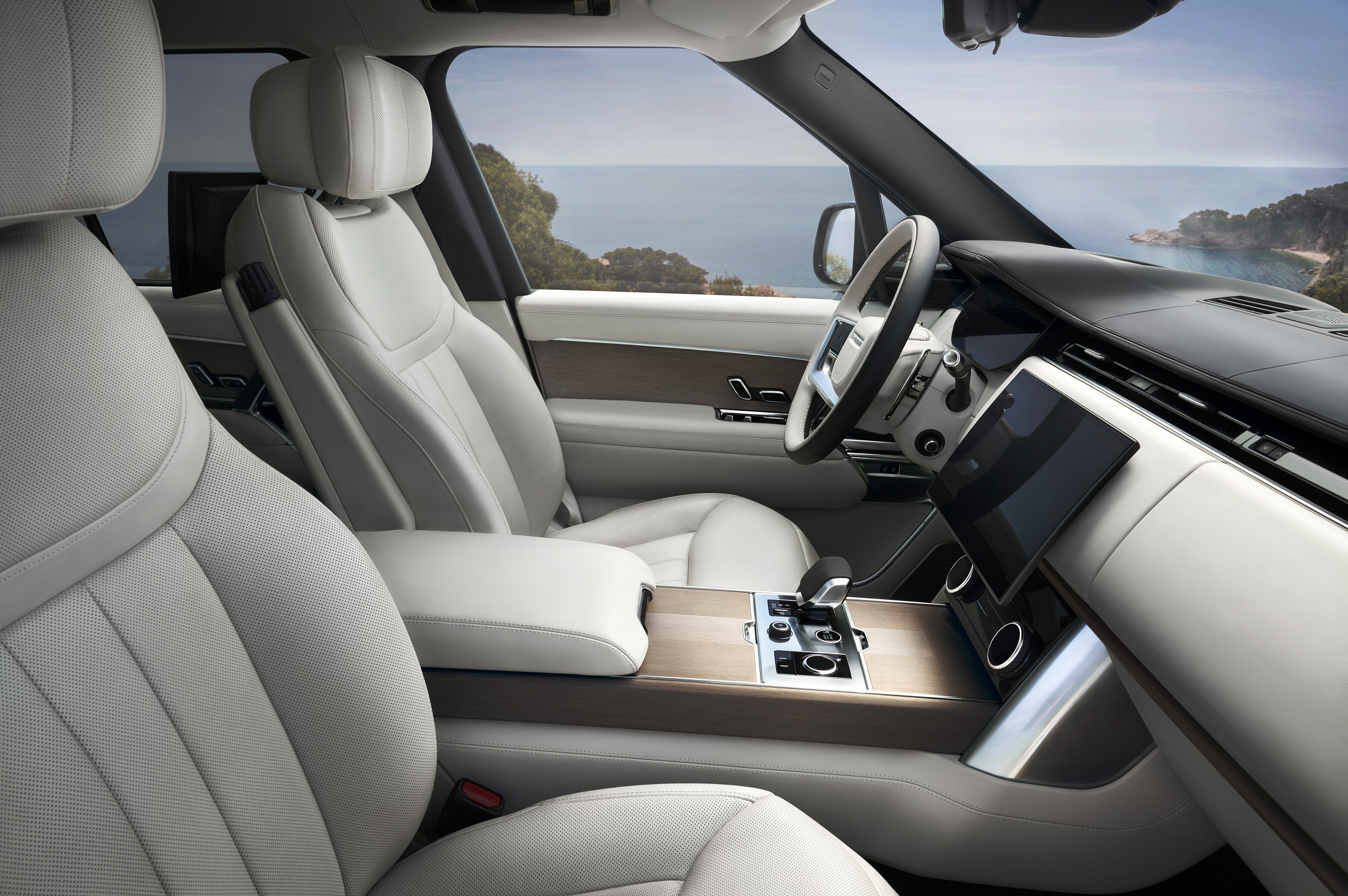
The first all-electric Range Rover will arrive in 2024 – but, for the time being, buyers can choose between P440e and P510e plug-in hybrid variants, allowing up to 113 kilometres of battery-only driving before the petrol six-cylinder engine takes over.
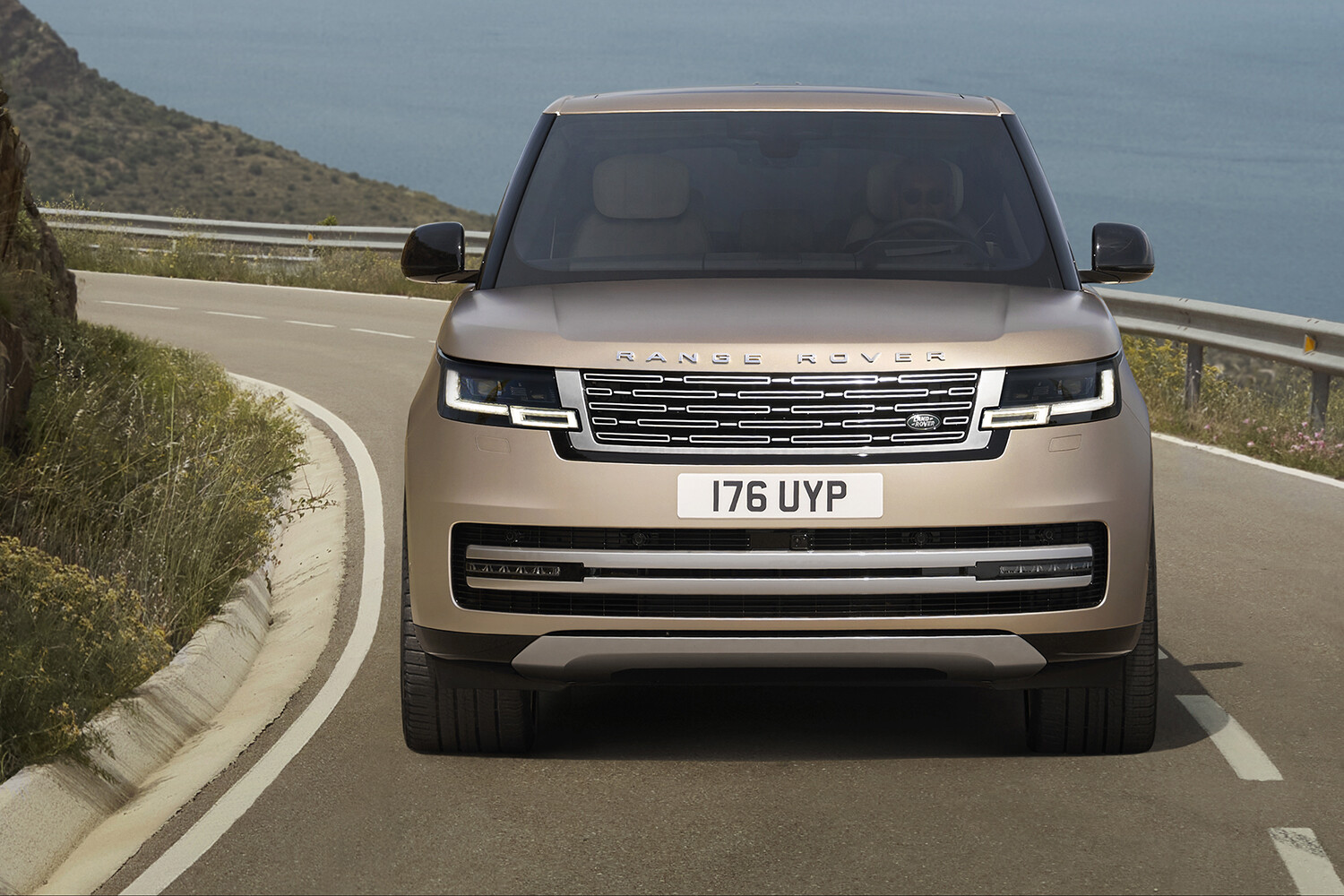
Four trim levels will be available in the short-wheelbase (SWB) body – known as the Standard body – comprising SE, HSE, and Autobiography, along with the range-topping SV model from the company’s Special Vehicle Operations division.
Meanwhile, the long-wheelbase (LWB) version will only be available in Autobiography and SV trims.
A limited-run First Edition will be included for the first year of production for both SWB and LWB bodies, based on the Autobiography but offering special features unique to the variant.
2023 Range Rover Australian pricing
Prices exclude on-road costs.
Features
| Four-wheel steering |
| Full-time four-wheel-drive with low-range |
| Eight-speed automatic transmission |
| Gearshift paddles |
| Electronic active differential with torque-vectoring |
| Electronic active air suspension |
| All-terrain progress control (ATPC) |
| Off-road driving mode selector with crawl and wade programs |
| Automatic access height |
| Electric parking brake (EPB) |
| Keyless entry and start |
| Soft grain leather multi-function steering wheel |
| Electrically adjustable steering column |
| Sports pedals |
| Four ambient lighting zones with 30 configurable colours |
| Air quality sensor |
| Luggage tie-downs in loadspace |
| Hooks in loadspace |
| Electronic flush door handles |
| Heated washer jets |
| Acoustic laminated windscreen |
| Automatic windscreen wipers |
| Winter wiper park position |
| Heated, electric, power fold door mirrors with approach lights and auto-dimming |
| Front and rear recovery points |
| Automatic headlights |
| Headlight power wash |
| Automatic headlight levelling |
| LED tail-lights |
| Hands-free powered tailgate |
| 13.1-inch Pivi Pro infotainment system (Connected) with voice control, bluetooth, DAB digital radio, and Apple CarPlay/Android Auto capability |
| Online Pack with data plan |
| Includes Cloud Car 12-month subscription, three-year Connected Speech License and 12-month data plan and Amazon Alexa |
| Includes smart settings, Connected Navigation Pro, nuance speech license, Mapcare subscription (for warranty period only) |
| Wireless smartphone charging |
| All-Terrain Info Centre |
| 12.0-inch interactive driver display |
| Perimetric alarm |
| Soft door close |
| Customer-configurable auto-lock |
| Customer-configurable single-point entry |
| Power-operated child locks |
| Rear Isofix in second-row outboard seats and third-row seats on seven-seater LWB. |
Engine, drivetrain and fuel economy
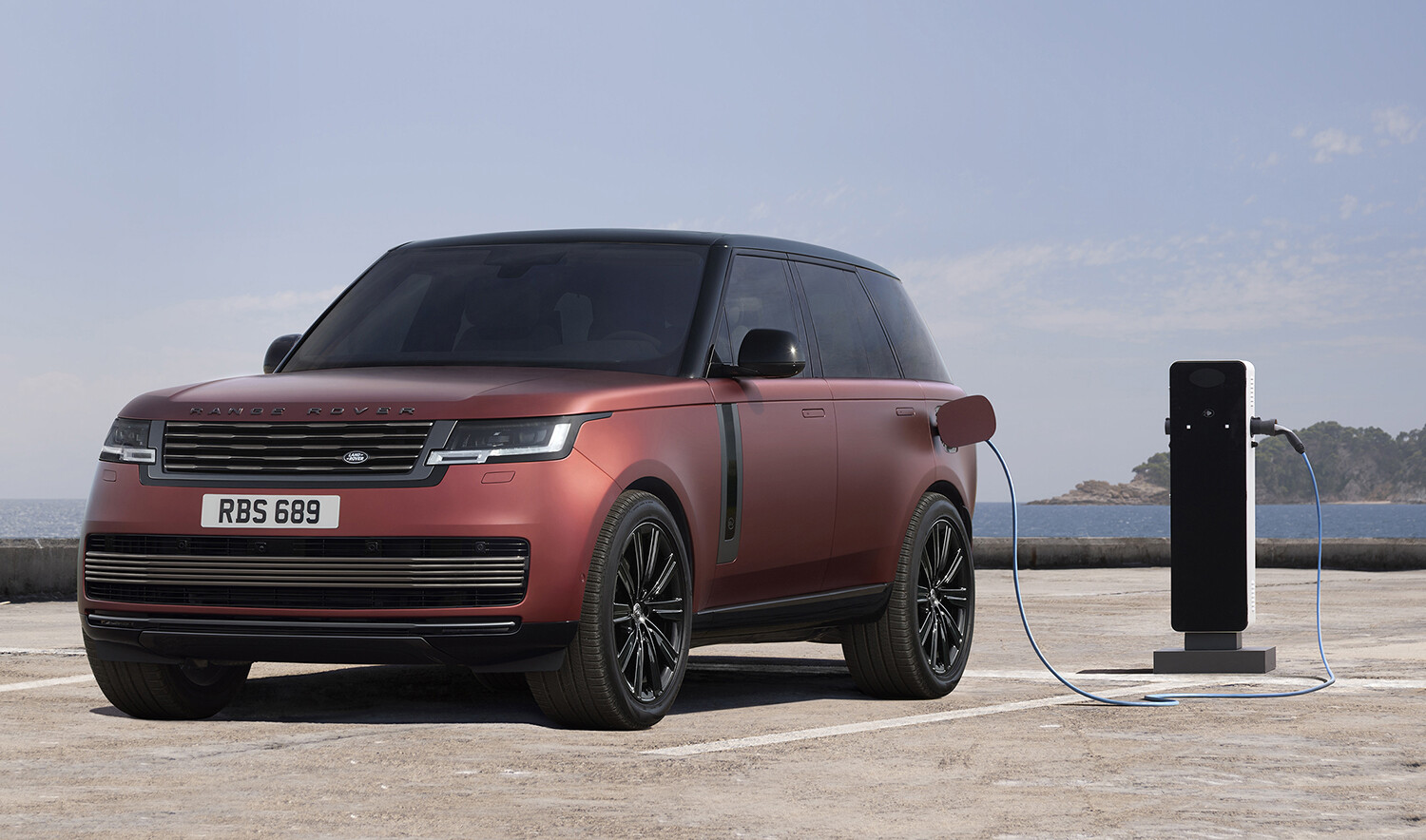
The 2023 Range Rover is offered with six powertrains, with two plug-in hybrid engines acting as the newest additions to the range.
Opening the range is the D300, a mild-hybrid 3.0-litre twin-turbo diesel inline-six producing 221kW and 650Nm, delivering the vehicle to 100km/h from a standstill in a claimed 6.9 seconds.
Those who opt for the D350 get improved performance figures of 258kW and 700Nm, dropping the 0-100km/h time to 6.1 seconds.
Combined fuel economy for the diesel engines is listed as 7.2L/100km, with CO2 emissions as low as 190g/km.
The P400 is a mild-hybrid 3.0-litre turbocharged six-cylinder petrol engine with 294kW and 550Nm, with claimed fuel consumption of 9.1L/100km and a 0-100km/h time of 6.3 seconds, and CO2 emissions of 213g/km.
The first plug-in hybrid, known as the P440e, combines the turbo-petrol six with an electric motor to produce a total system output of 324kW and 620Nm, allowing for a 0-100km/h sprint in six seconds.
Stepping up to the P510e bumps outputs up to 375kW/700Nm, which drops the sprint time to 5.6 seconds.
The company says both plug-in models will produce CO2 emissions as little as 18g/km.
Fuel economy has yet to be certified for the PHEV models, but the carmaker claims a WLTP-rated all-electric driving range of up to 113km – though it will only be available on short-wheelbase models.
The range-topping P530 is a 4.4-litre twin-turbo petrol V8 sourced from BMW, putting out 390kW and 750Nm and propelling the new Rangie to 100km/h in 4.6 seconds, with a combined fuel economy listing of 11.8L/100km.
Dimensions
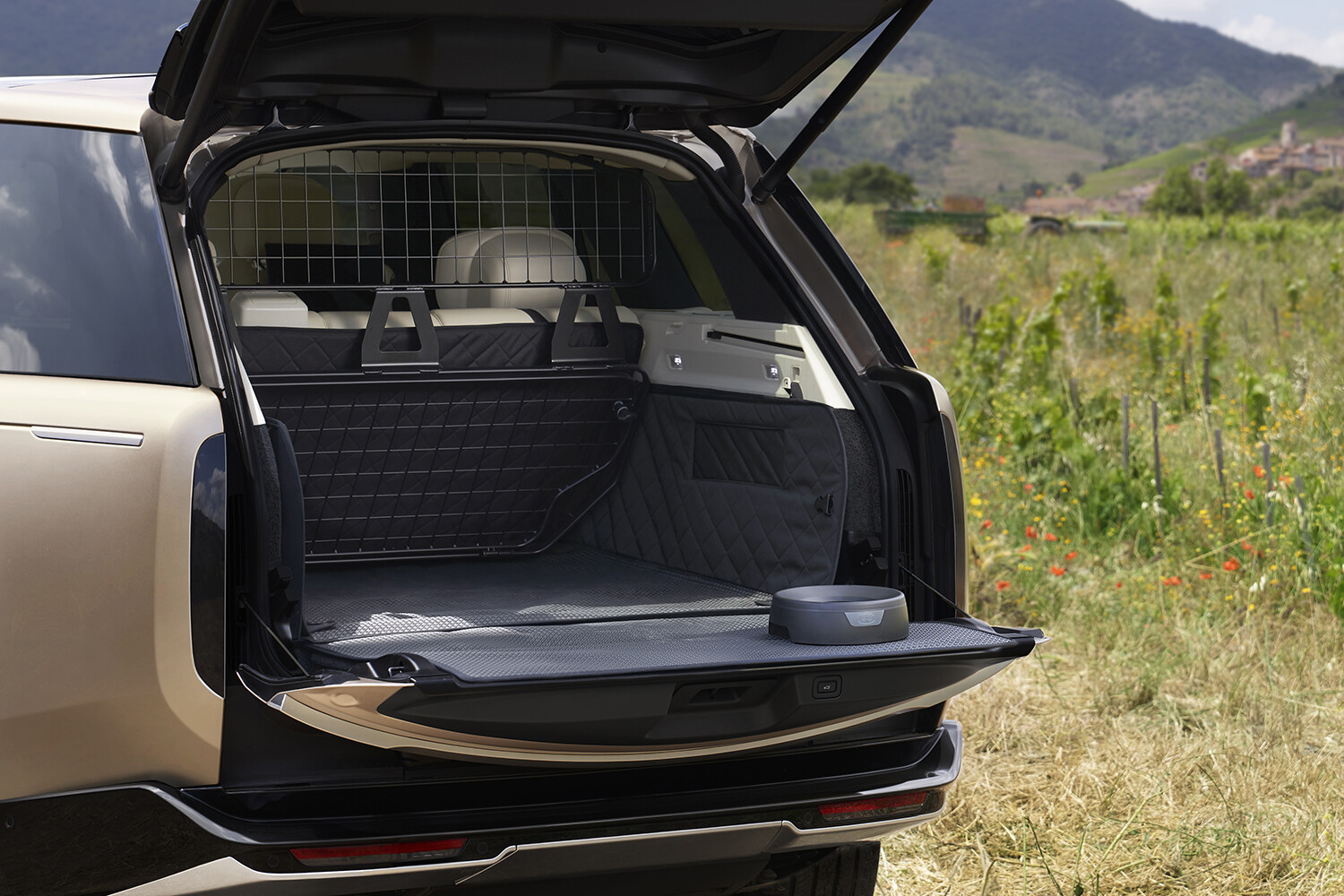
The SWB Range Rover is 5052mm long, 2209mm wide, 1870mm tall, and has a wheelbase of 2997mm. Storage is up to 818 litres (or 725L below the privacy cover), and 1841L with the second row of seats folded down.
The model weighs between 2454kg and 2505kg depending on specification.
The LWB Range Rover is 5252mm long, 2209mm wide, 1870mm tall, and has a 3197mm wheelbase.
Storage is up to 1050L in the five-seater (725L below the cover), and up to 2165L when the second row of seats is folded flat.
On the seven-seater model, those numbers change to 312L (229L under the cover) behind the third-row of seats, 1061L with the third-row folded (713L below the cover), or 2601L with the second and third rows folded down.
The five-seater LWB model weighs between 2569kg and 2626kg, while the seven-seater weighs 2666kg to 2725kg.
Towing capacity is listed as 3500kg braked, or 750kg unbraked.
Safety
| Front airbags, with passenger seat occupant detection and front side airbags |
| Emergency braking |
| Blind-spot assist |
| 3D surround-view camera |
| Adaptive cruise control with steering assist |
| Driver condition response |
| Lane-keep assist |
| Front and rear parking sensors |
| Rear collision monitor |
| Rear traffic monitor |
| Traffic sign recognition and adaptive speed limiter |
| Occupant protection assist |
| Hill launch assist |
| Hill descent control (HDC) |
| Electric power-assisted steering (EPAS) |
| Dynamic stability control (DSC) |
| Low-traction launch |
| Electronic traction control (ETC) |
| Roll stability control (RSC) |
| Cornering brake control (CBC) |
| Brake hold |
| Emergency brake assist |
| Anti-lock braking system (ABS) |
| Electronic brake-force distribution (EBD) |
| Trailer stability assist (TSA). |
Warranty and servicing
The 2023 Range Rover will come with a five-year/unlimited-kilometre warranty.
Details of servicing have yet to be outlined, but the outgoing model offers five years free.
Availability
Order books for the 2023 Range Rover first opened in October 2021, ahead of first deliveries beginning in June 2023.
Plug-in hybrid and SV models are on sale from January 27, 2023, and are expected to begin deliveries later in the year.
The fully-electric Range Rover will make its debut in 2024.
Snapshot
- 1000 examples of the Navara Warrior to be produced by the end of March
- More than 750 units are already complete, with around 600 delivered to local customers
- Key enhancements include rugged styling, new tyres, and a tougher stance
The first 1000 units of the locally-engineered Nissan Navara PRO-4X Warrior are on track to be produced by the end of March.
Premcar, the Australian company behind the Navara Warrior program, has already built more than 750 examples of the updated ‘Warrior 2.0’ since production commenced in mid-2021.
Claimed to be the ‘world’s toughest Navara’, the PRO-4X Warrior – priced from $67,490 before on-road costs – builds upon the foundations of the factory PRO-4X through extensive re-manufacturing work at the firm’s facility in Epping, Victoria.
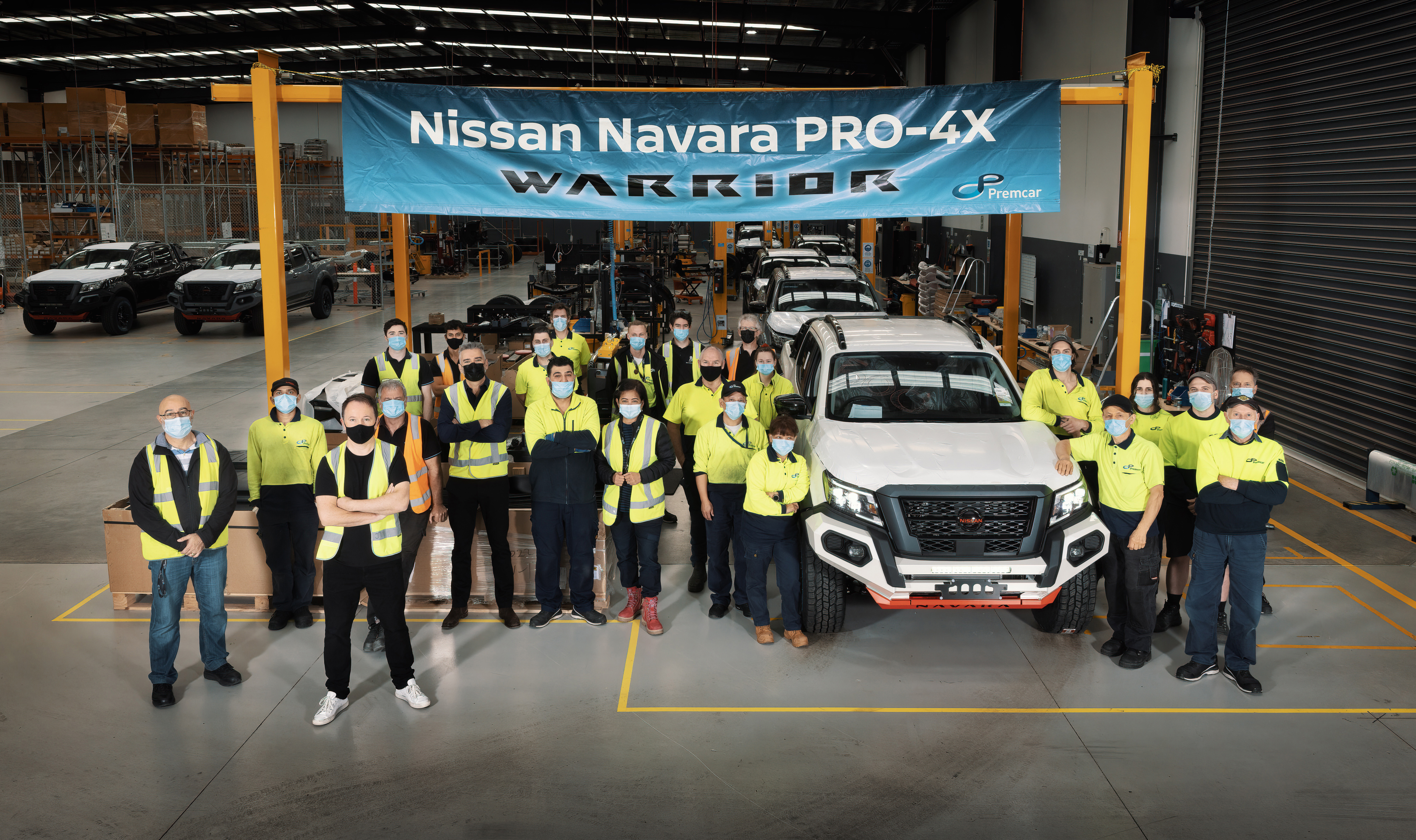
Enhancements to the dual-cab ute include; a Safari-style bull bar, red Navara-branded steel bash plate, 17-inch Cooper Discoverer all-terrain tyres, a 100 kilogram gross vehicle mass (GVM) upgrade (3250kg), increased ground clearance, improved ride and handling, Warrior-specific fender flares, decals, and new interior headrests with Warrior embroidery.
“We’ve been hard at work on Warrior 2.0 from almost the moment we finished the first Warrior, initially in the design and engineering space, and now on producing what we consider to be the world’s toughest Navara,” said Premcar engineering director, Bernie Quinn.
“This is so much more than some kind of sticker pack. This is an extensively re-engineered vehicle that’s designed and built by some of the world’s most talented automotive manufacturing experts, right here in Victoria.”
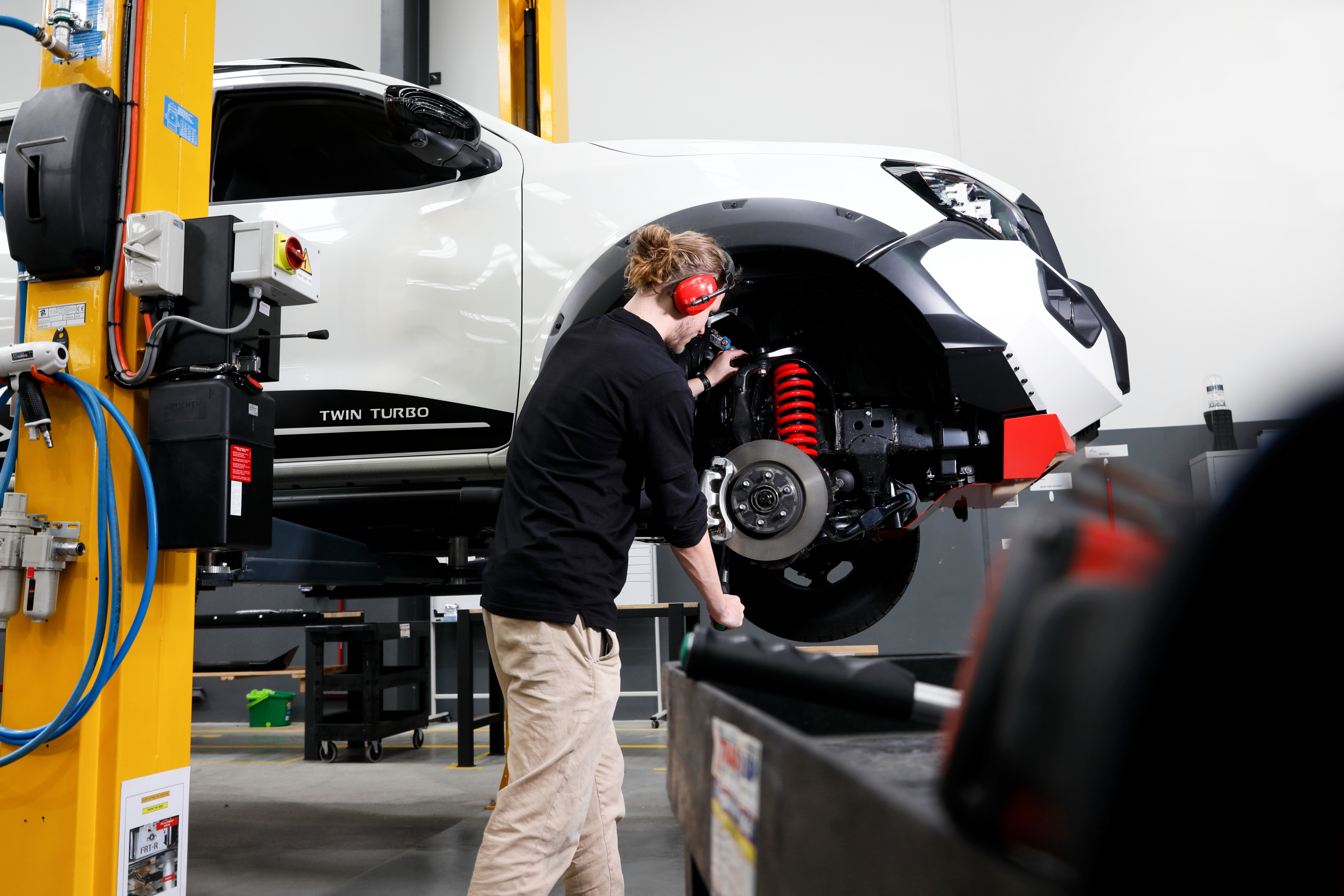
The 35-strong employees work to a tight schedule and to OEM standards, with the PRO-4X Warrior put through 10 manufacturing stations from start to finish.
Compared to the five-hour estimate for the original N-TREK Warrior, every PRO-4X Warrior takes approximately 10 hours to complete – with each station requiring around one hour of work to each car.
The factory has the capacity for up to ten cars per day, and runs five days a week, with Premcar stating it has already delivered more than 600 examples to local customers.
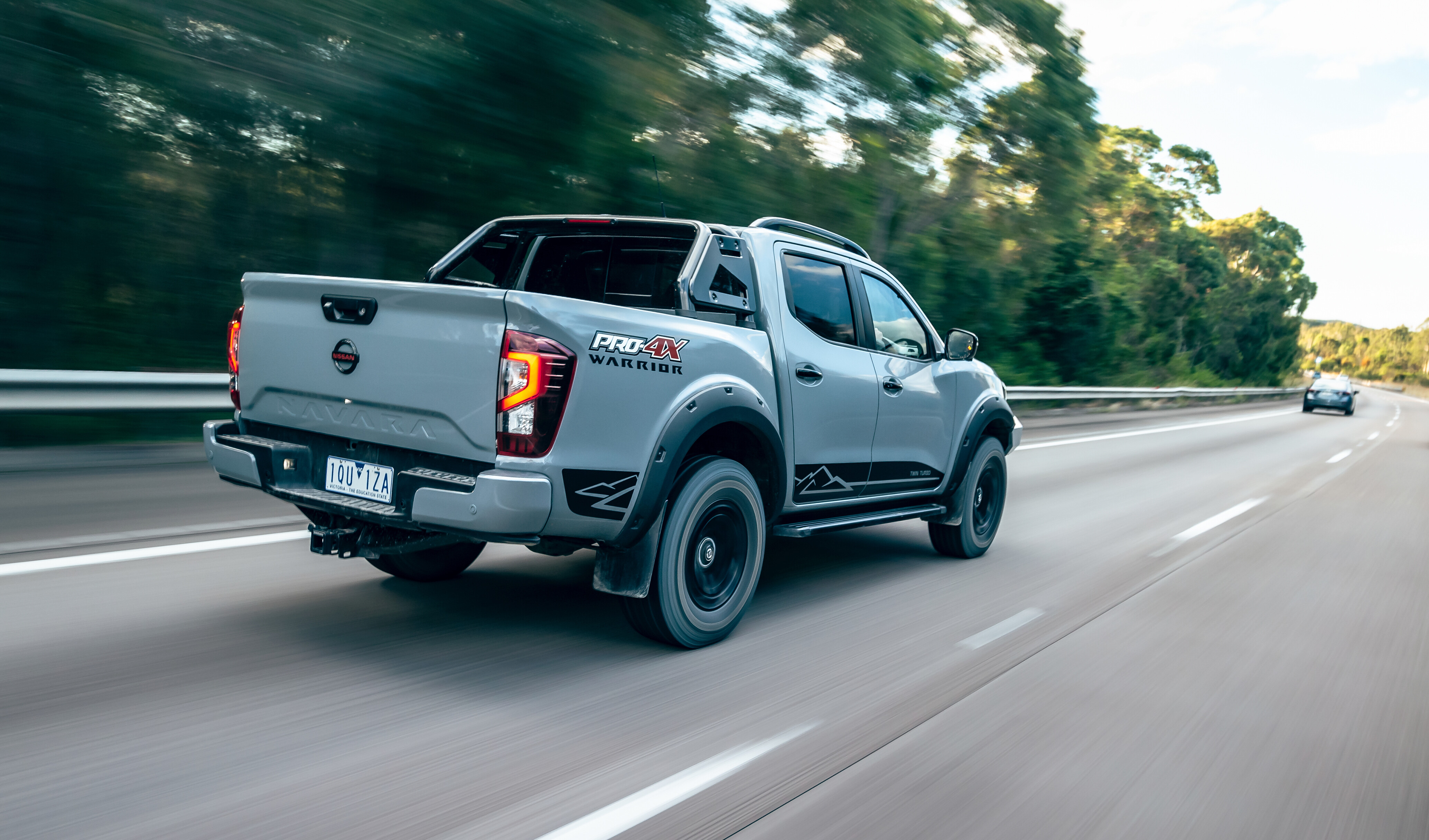
“It’s a buzz for the whole team every time we see a Warrior out in the wild, whether it’s on the road or on a bush track or beach,” added Quinn.
“We know how much hard work and expertise has gone into producing every single Warrior, and to see owners out enjoying the final product is the ultimate in job satisfaction.”
The team evaluating the INEOS Grenadier 2B prototype in Australia recently experienced the extremes Australian weather can throw up at travellers. Heading for South Australia’s Googs Track, which is a sandy track that heads north from Ceduna up into the desert country, the team was caught in a wild storm front that led to flash flooding.
The team sought special permission to use the Googs Track, as it is closed to travellers during summer because of hot temperatures and the risk of getting stranded in such conditions.
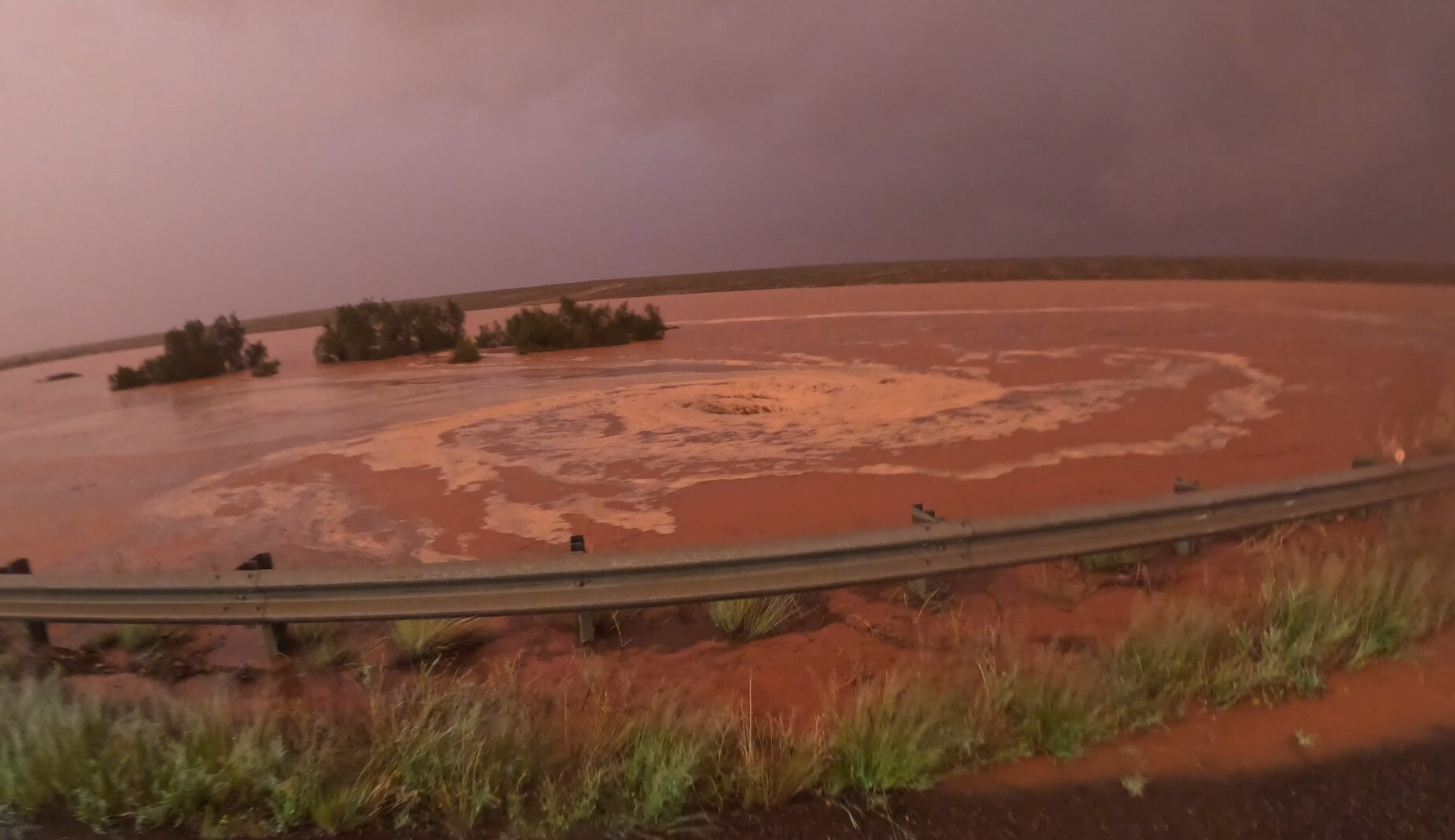
With daytime temperatures exceeding 35°C, it provided perfect conditions for hot weather testing of a new 4×4 vehicle in soft sand. The torrential downpour hit the team after they left the Barton Gold Mine at Tarcoola, which marks the northern end of Googs Track, and it dumped so much rain it closed the Outback roads and severed the East and West rail line.
This forced the team back to the Barton Gold Mine, but it wasn’t long before both the INEOS team and the mine were running low on supplies, so they had to seek out a permit and make tracks to the Stuart Highway.
It was on the highway south of Pimba that the road was blocked and the team witnessed the amazing whirlpool and captured it on video (watch it above). Regular 4X4 Australia contributors Cam Inniss and Cristian Brunelli were on the trip to film the INEOS testing and snapped the whirlpool as well.
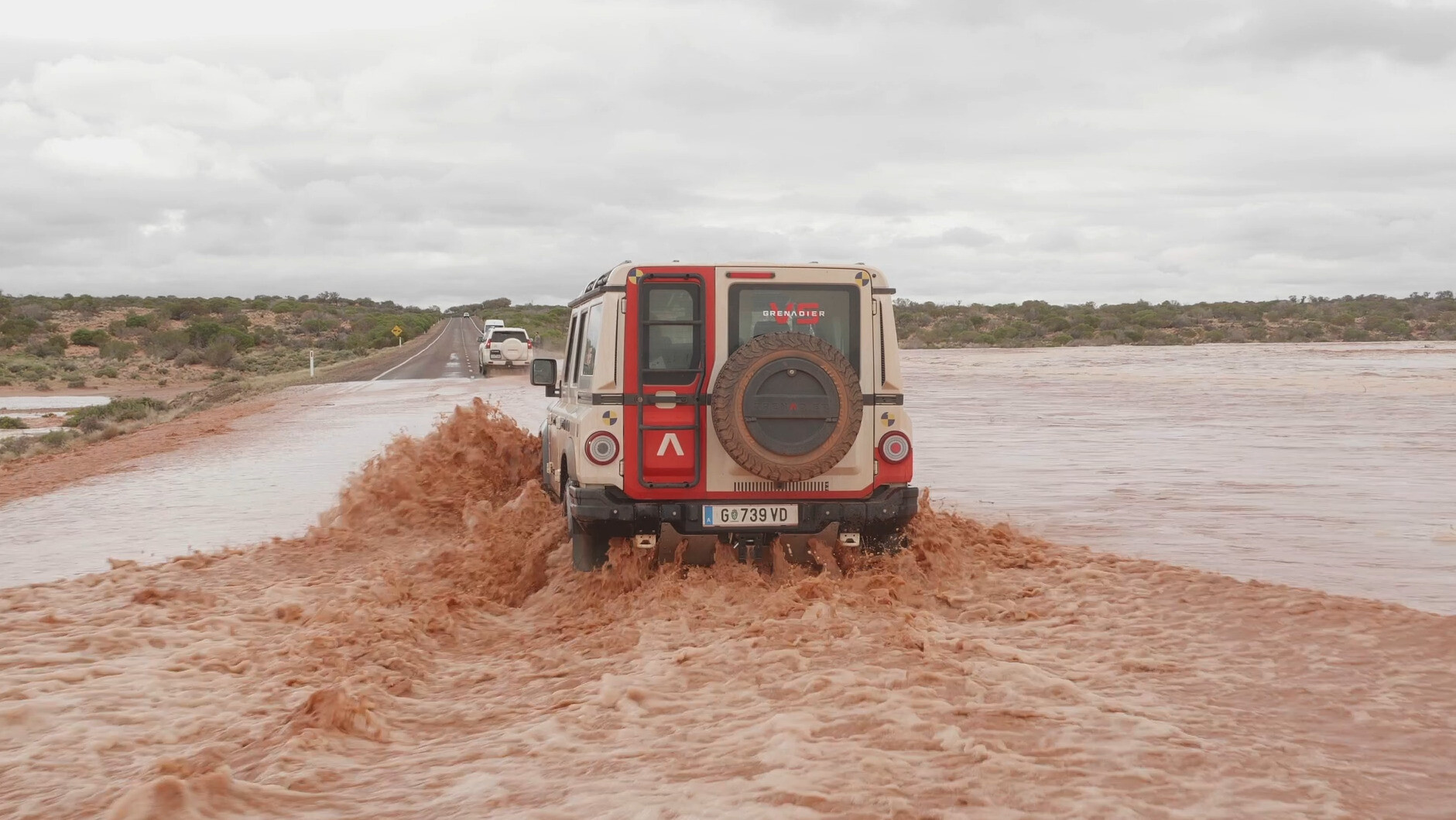
The water over the road again forced a retreat, this time back to the Pimba Roadhouse for the night. The following day the police gave permission for trucks and 4x4s to pass through the floodwaters in convoy, and again the guys captured the spectacle.
The Grenadier prototypes are nearing the end of their global testing phase and have logged more than 1.5 million kilometres in some of the most extreme conditions, just as they found in South Australia.
Order books for the traditional 4×4 vehicle are open now and it will go on sale in Australia in the last part of 2022.
Unless the world takes a massive and seemingly impossible U-turn in its environmental mindset, there will be no next-generation diesels, even if current diesel tech is tweaked to give it a few more years of commercial life.
The brick wall that diesels have run in to is built from ever-stringent exhaust emission regulations and reinforced by broader environmental policies. The future of internal combustion engines – what there is of it – lies with turbocharged petrol engines, in part designed and built with lessons learnt from current diesel technology.
The reason why you’re most likely driving a diesel now has its roots in Europe in the 1990s. In what was – now somewhat ironically – an environmentally driven European Union policy, diesel development was fostered due to its lower carbon dioxide (so-called greenhouse gas) production compared to equivalent petrol engines.
Diesel and petrol fuels produce roughly the same amount of carbon dioxide for each unit of fuel burnt, but diesels burn less fuel to do the same job so win on the greenhouse-gas count.
Carried by a range of EU-wide incentives, the take-up of diesel cars in the EU went from 22 per cent of new-car sales in 1997 to 50 per cent in 2005, and by decade’s end accounted for the majority of new-car sales in Europe.
The spill-over effect took longer to reach here but can be seen most graphically in today’s new 4x4s where petrol engines are very few and far between. Amongst the overwhelmingly popular 4×4-ute sector, there isn’t a petrol engine anywhere in a mainstream model.
The 1990’s environmental policy-driven preference for diesel laid the platform for the European automotive industry to work on developing diesel engines that could match the performance and refinement of petrol engines of the time.
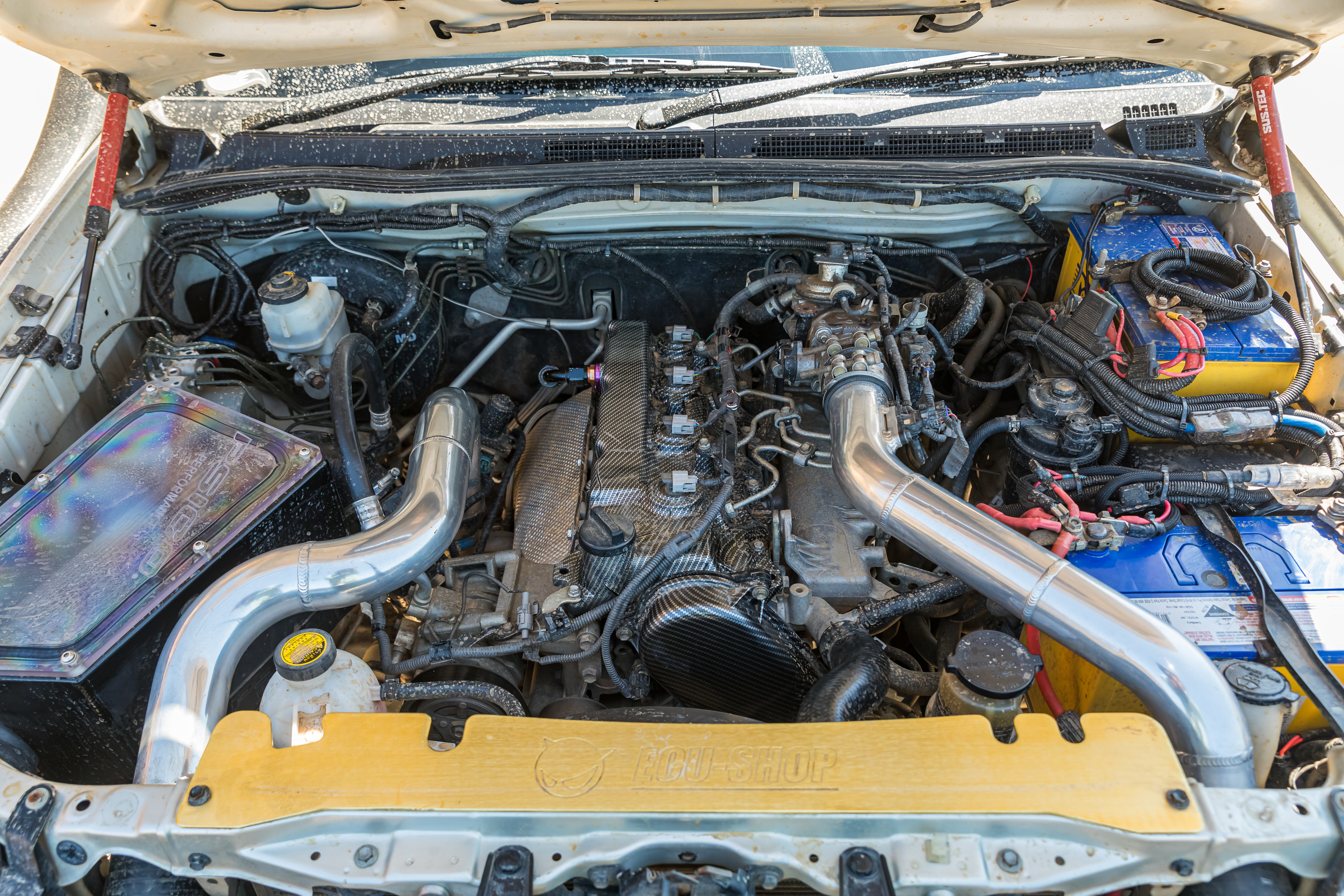
Over time, the advances in diesel performance – especially in specific power output – have been phenomenal and have come off ever-more sophisticated turbocharging, increasingly higher-pressure common-rail injection, and piezo-crystal (and other fast-switching) fuel injectors, all controlled by smart electronics.
Before all this happened, things were very different, as a quick look back in time illustrates. Back in 1990, Toyota’s then all-new 3L diesel, first seen in the then-new (fifth-generation) Hilux was a 2.8-litre four. Two engine generations (and three model generations) down the track, today’s Hilux is again powered by a 2.8-litre four but one that’s very different from the 3L, the power and torque numbers telling a stunning story.
Where the 3L 2.8 made 60kW of power at 4400rpm and 183Nm of torque at 2400rpm, the current Hilux’s 2.8 makes 150kW at 3400rpm and 500Nm at 1600rpm to 2800rpm. So that’s that 2.5 times as much power and 2.7 times as much torque. And all the while, and most tellingly, the new 2.8 isn’t revving nearly as high as the old 2.8.
But, as in a late-night TV ad, there’s more to come. As impressive as Toyota’s new 2.8 might be against the old 2.8, the pointy end of current tech is even more advanced.
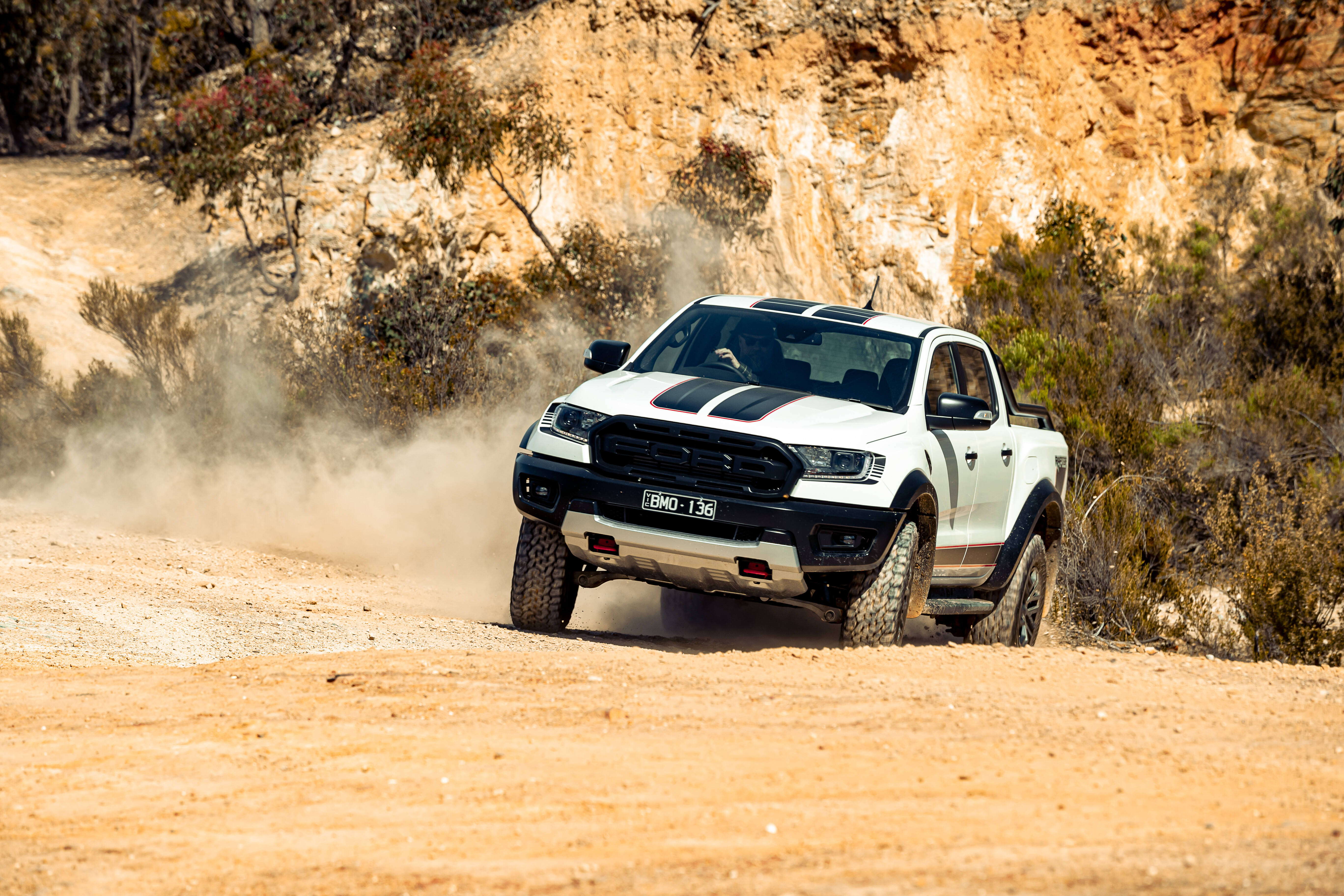
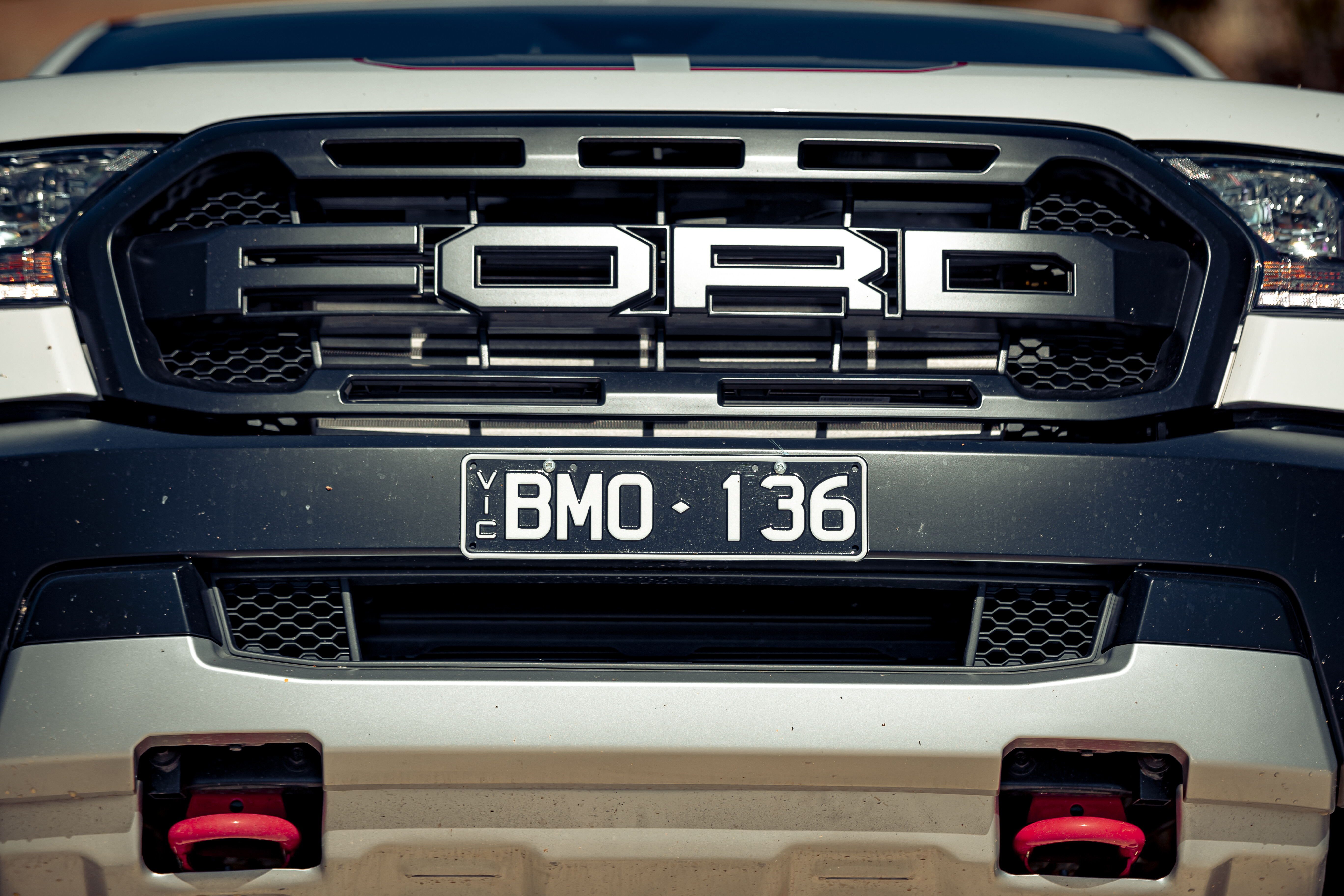
The current Ford Ranger, for example, has a 2.0-litre bi-turbo diesel that betters the current Hilux’s 2.8 for power (157kW vs 150kW) and matches it for torque (500Nm) despite being the better part of a litre smaller.
On a power-per-unit-of-capacity (specific power) basis that means Ranger 2.0-litre makes 3.5 times as much power as the 3L. And in terms of specific torque, it’s 3.8 times as much torque of the pre-diesel revolution 3L, a phenomenal, mind-boggling increase.
If you’re driving a bi-turbo Ranger right now, you would be shocked to get behind the wheel of a 3L Hilux … it would feel like two of your four cylinders had died and the third was almost dead. Hills that you couldn’t even see would slow down your 3L and have you reaching for a lower gear. Anything steep would soon have you down to a crawl. Believe me, I’ve been there. And it wasn’t pretty.
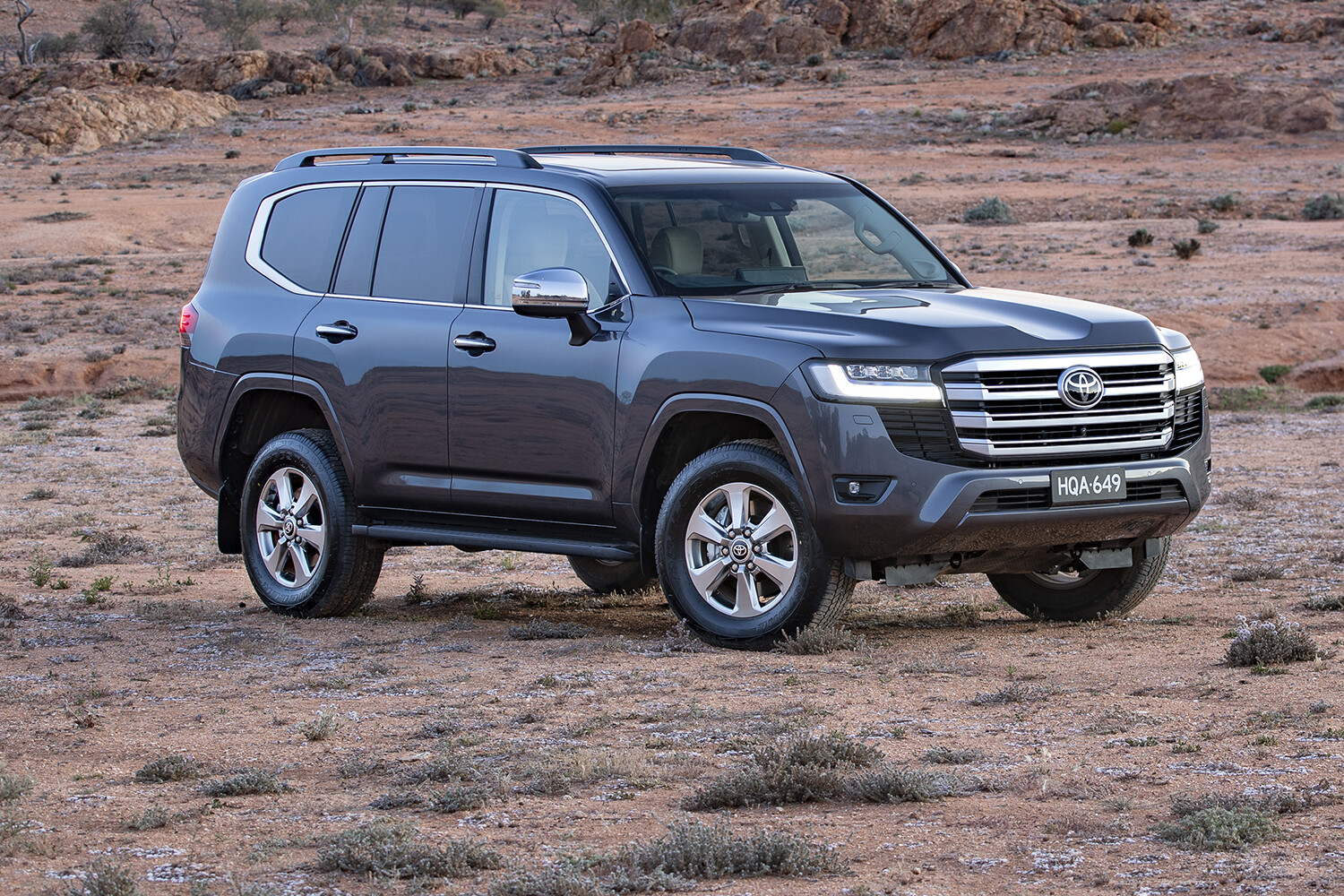
UPDATE, January 25: With a week left before February begins, Toyota has updated its January production expectations, announcing 28 production lines across 14 Japanese factories will be suspended.
Toyota had been targeting output of 800,000 vehicles for January, but this number is now expected to reduce by 65,000 due to COVID-related parts shortages.
While many of the models included in this announcement are for models not sold in Australia, production will affect the LandCruiser 300 Series, LandCruiser 70 Series, LandCruiser Prado, GR Yaris, Corolla, Camry, C-HR, HiAce, Prius, and a number of Lexus vehicles.
Most of the 28 production lines will be shut for just two days this week, though six factories will also see shut-downs in February.
The story to here
January 21, 2022: Toyota’s Japanese website is quoting a wait time of up to four years for the Toyota LandCruiser 300 Series.
The four-year timeframe being advised by Toyota is for Japanese customers there who place an order for a new-generation LandCruiser from this point forward.
“We sincerely apologise for the fact that LandCruiser has been very well received not only in Japan but also around the world, and it is expected that it will take a long time to deliver it after receiving an order,” the translated statement read.
“The delivery time for ordering from now on may be about four years. We will do our utmost to shorten the delivery time for our customers, and we appreciate your understanding.”
But while Toyota Japan has provided an update for its customers, Toyota Australia has yet to explain what the implications are for Australian buyers except to say the two situations aren’t comparable.
“Vehicle allocation is market specific, so suggestions that Japan’s reported LC300 wait times are attributable to Australia is incorrect,” a representative for Toyota Australia told 4X4 Australia.
“We ask our customers to please contact their local dealer for updates on the status of their individual orders. Quoted wait times will vary between dealers, depending on their individual stock situation, which is why you may hear of different advice on delivery times being provided to customers around the country.”
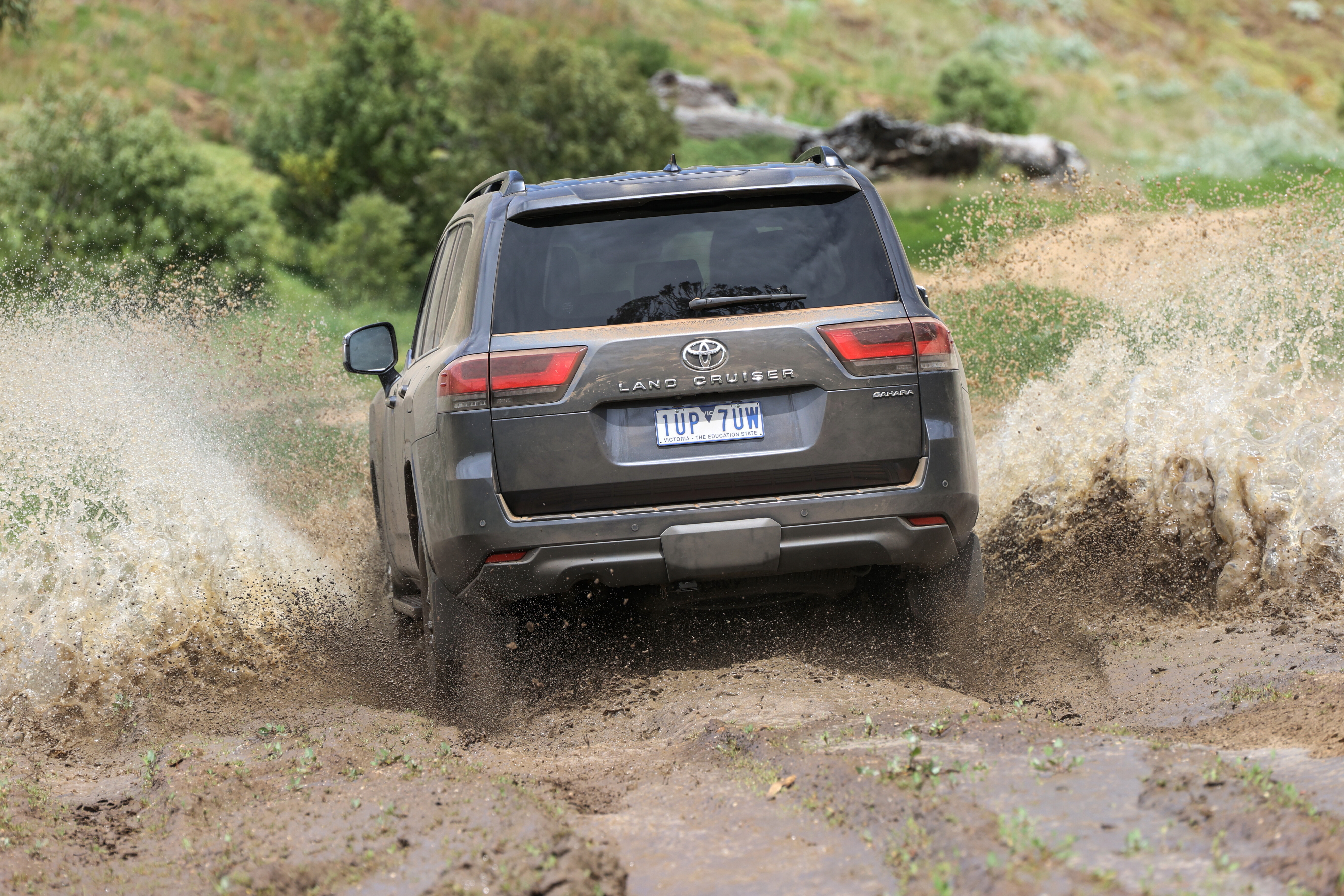
Toyota was forced to shut down some manufacturing in December, including production for the LandCruiser, impacting output of up to 20,000 vehicles – though the company did not provide any information on how these shut-downs would affect Australian deliveries.
While Toyota has confirmed LandCruiser production will be at full speed in February, the carmaker has been forced to pause production of the Corolla, RAV4, Yaris, Yaris Cross, and Camry next month thanks to the ongoing semiconductor shortage – with up to 150,000 vehicles affected.
“The latest update from this week shows there is currently no plan to reduce production of the LandCruiser 300 for the month of February,” a spokesperson said in a statement.
“Toyota Australia is continuing to work closely with our global production team to support our dealers and our customers. Together with our parent company, we are doing everything we can to get customers into their new Toyota vehicles as soon as possible.
“We apologise to customers experiencing delays and we sincerely thank them for their patience.”
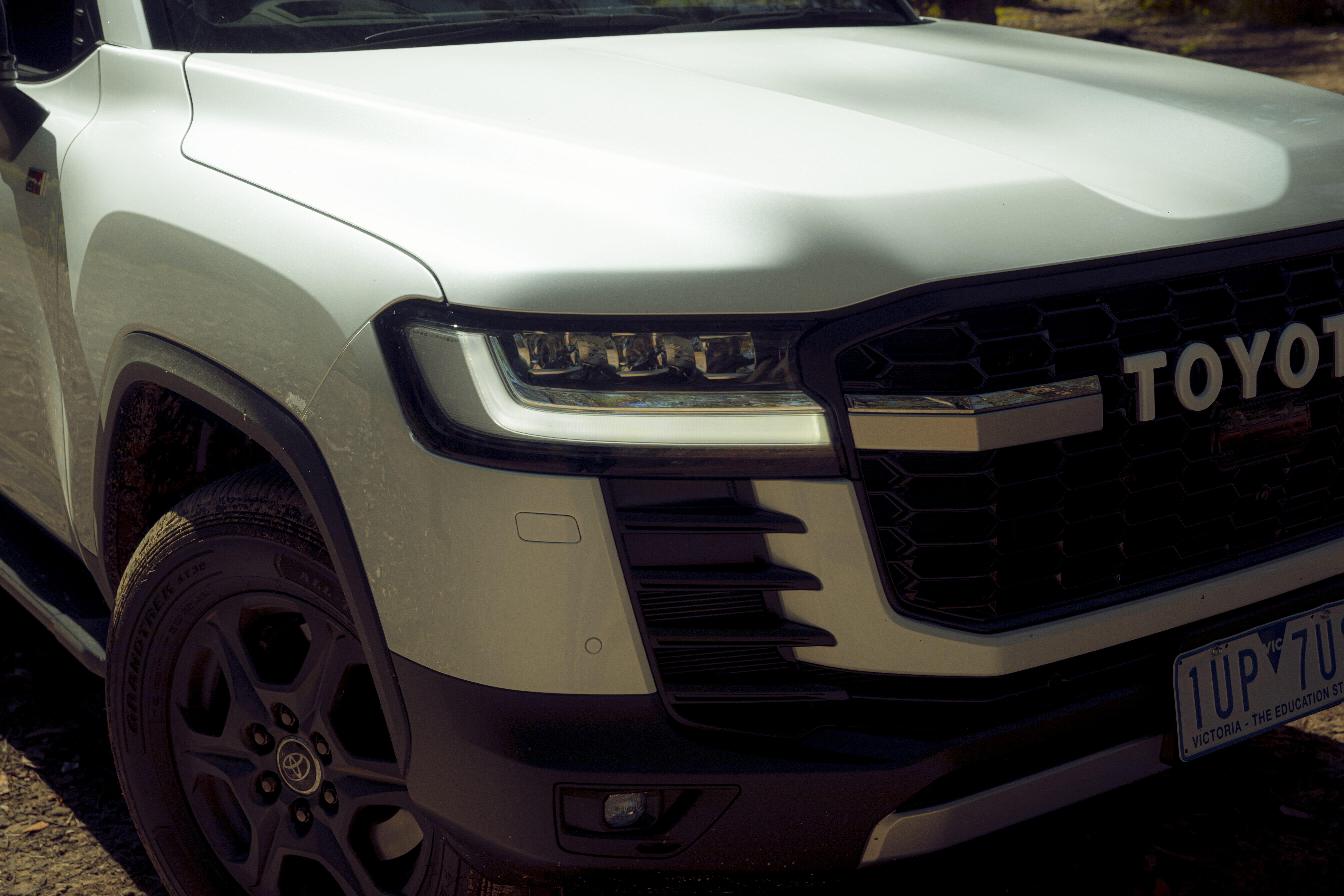
December 21, 2021: A fifth Toyota factory will suspend production from January, with estimates increasing to 20,000 vehicles affected.
The latest report from news outlet Reuters adds one more factory shut-down to the list, with four Japanese plants already at a standstill due to COVID-related parts supply issues originating in Southeast Asia.
Within a matter of weeks, the Japanese car giant has revised its estimated production impact from 3500 vehicles to 20,000, while also announcing it is expecting to reach its target of 800,000 units in January.
While the shut-downs impact LandCruiser 300 Series output, Toyota Australia has yet to advise what delays – if any – will be applied to local orders.
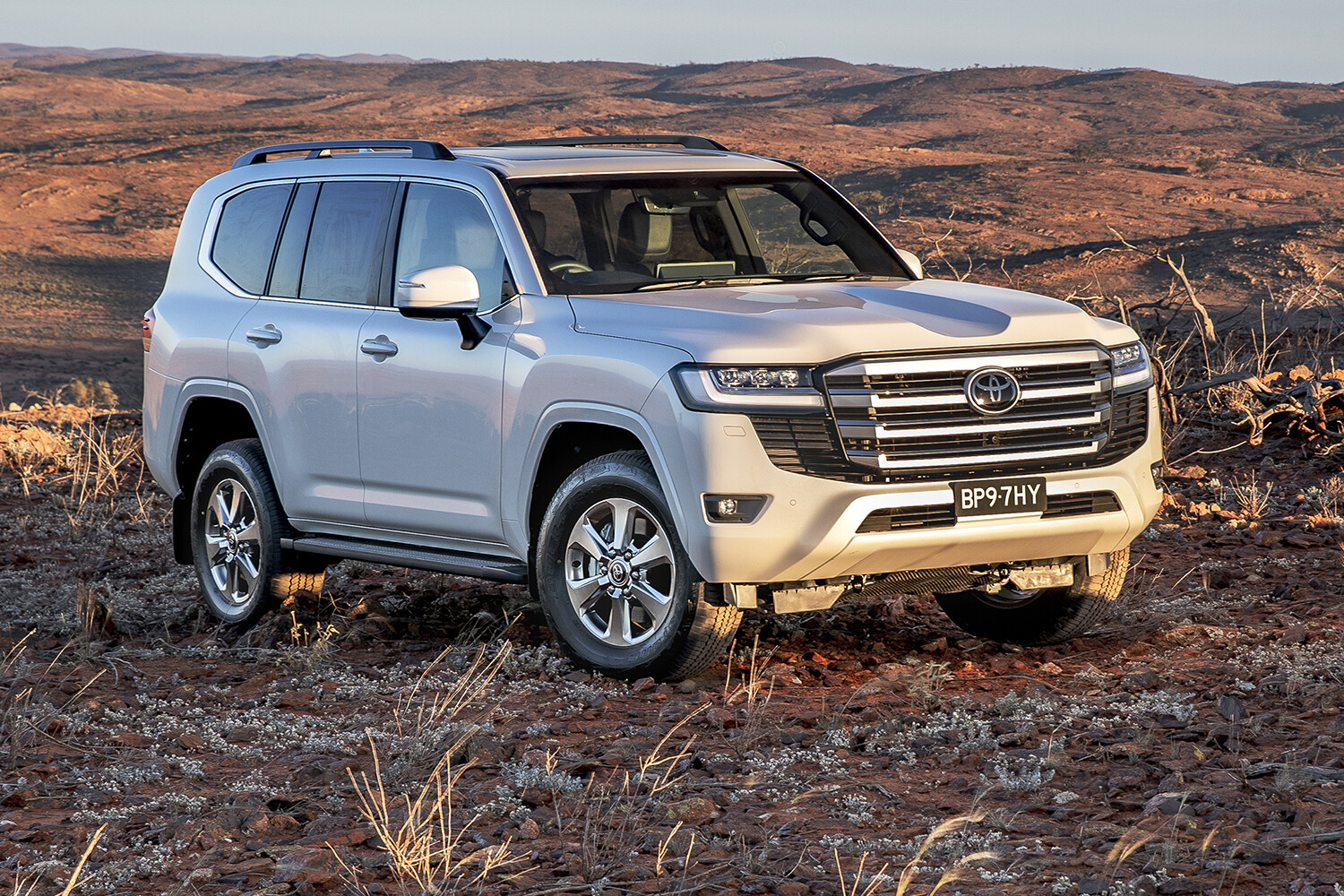
December 16: Toyota has increased its expected production losses for December from 9000 to 14,000, according to Reuters.
It’s the third revision upwards in a matter of days, with Toyota originally estimating output losses to be capped at 3500 vehicles for the month – though it’s not clear what percentage is made up of the LandCruiser.
The information comes as Toyota announced production for January was expected to reach 800,000 vehicles. However, the announcement was a carbon-copy of its December production estimates released just weeks before it was forced to shut down a number of its plants.
The current production cuts are said to affect Lexus models and the LandCruiser 300 Series, but Toyota Australia has yet to provide information on whether the shortages will impact Australian buyers.
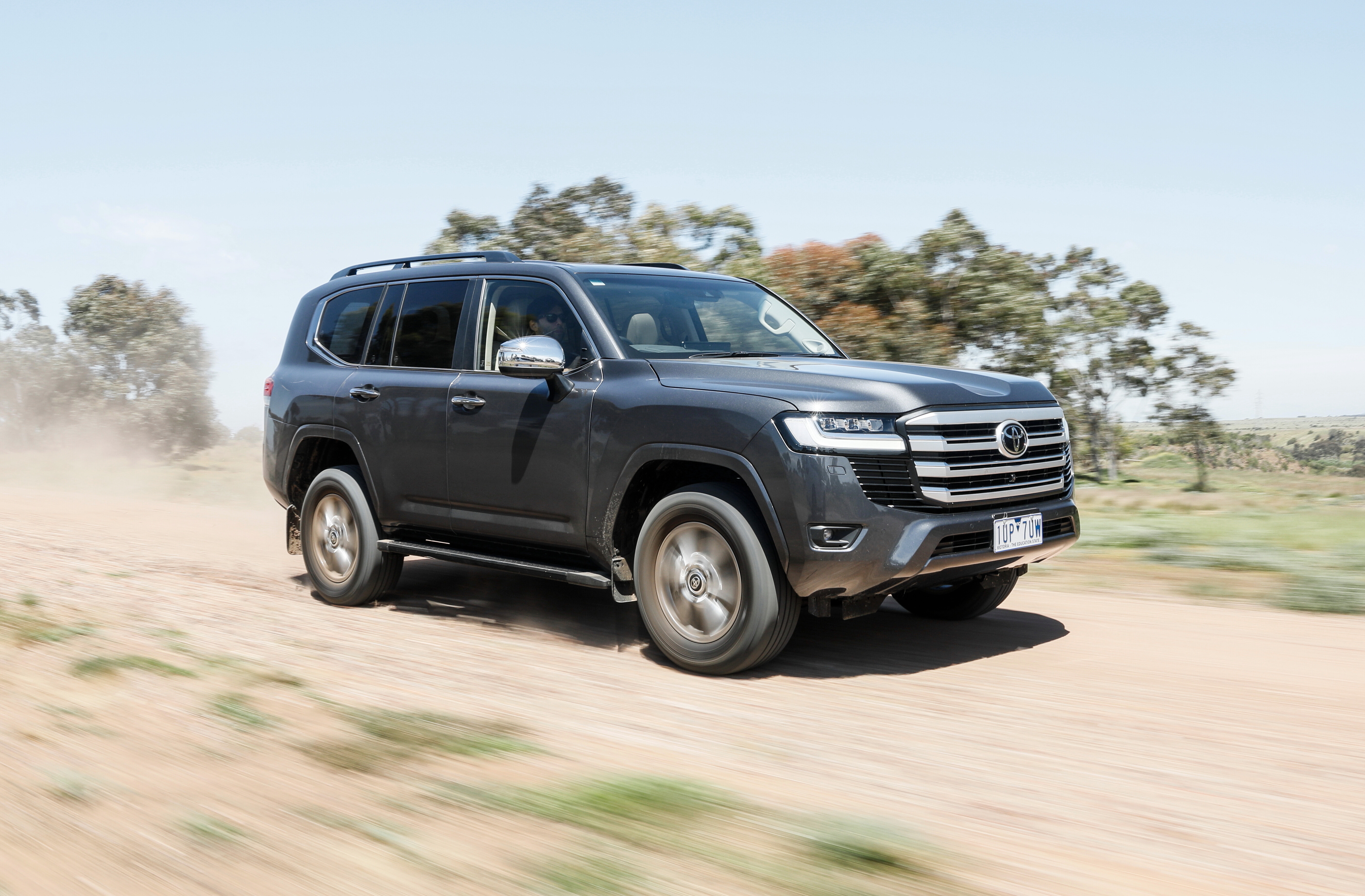
December 13: The 2022 Toyota LandCruiser 300 Series has experienced yet another delay, according to Reuters, following a parts shortage from suppliers in Southeast Asia.
Almost a month exactly after Toyota said it would resume full production for December, the company announced late last week it would be halting work at four Japanese factories – with the new LandCruiser 300 Series impacted by the unexpected delay.
Within 24 hours, Toyota’s own expected production losses grew from 3500 to 9000 – less than 0.1 per cent of the carmaker’s forecasted annual production – though it’s not known at this stage whether there will be any delays to Australian deliveries.
4×4 Australia has contacted Toyota for comment.
Earlier this month, buyers on social media reported being contacted by local Toyota dealerships and offered the opportunity to take immediate delivery of LandCruisers in different specifications to the vehicle they placed an order for.
It’s believed some dealerships received a handful of new LandCruisers at short notice, but have since been briefed and have given information on customer order build dates and expected arrivals – with many vehicles currently on their way here.
“The resumption of right-hand-drive LandCruiser production in Japan in November has seen customer orders start to arrive in Australia, following initial demonstrator-only availability in dealerships to support test drives at launch of the LandCruiser 300 Series in early October,” a spokesperson for Toyota Australia told 4X4 Australia.
“The first retail stock of LandCruiser 300 began arriving in dealerships [last] week and dealers are doing their utmost to get customers into a new LandCruiser as quickly as possible. Our dealers have the latest information to assist customers with expected delivery timing on individual orders.”
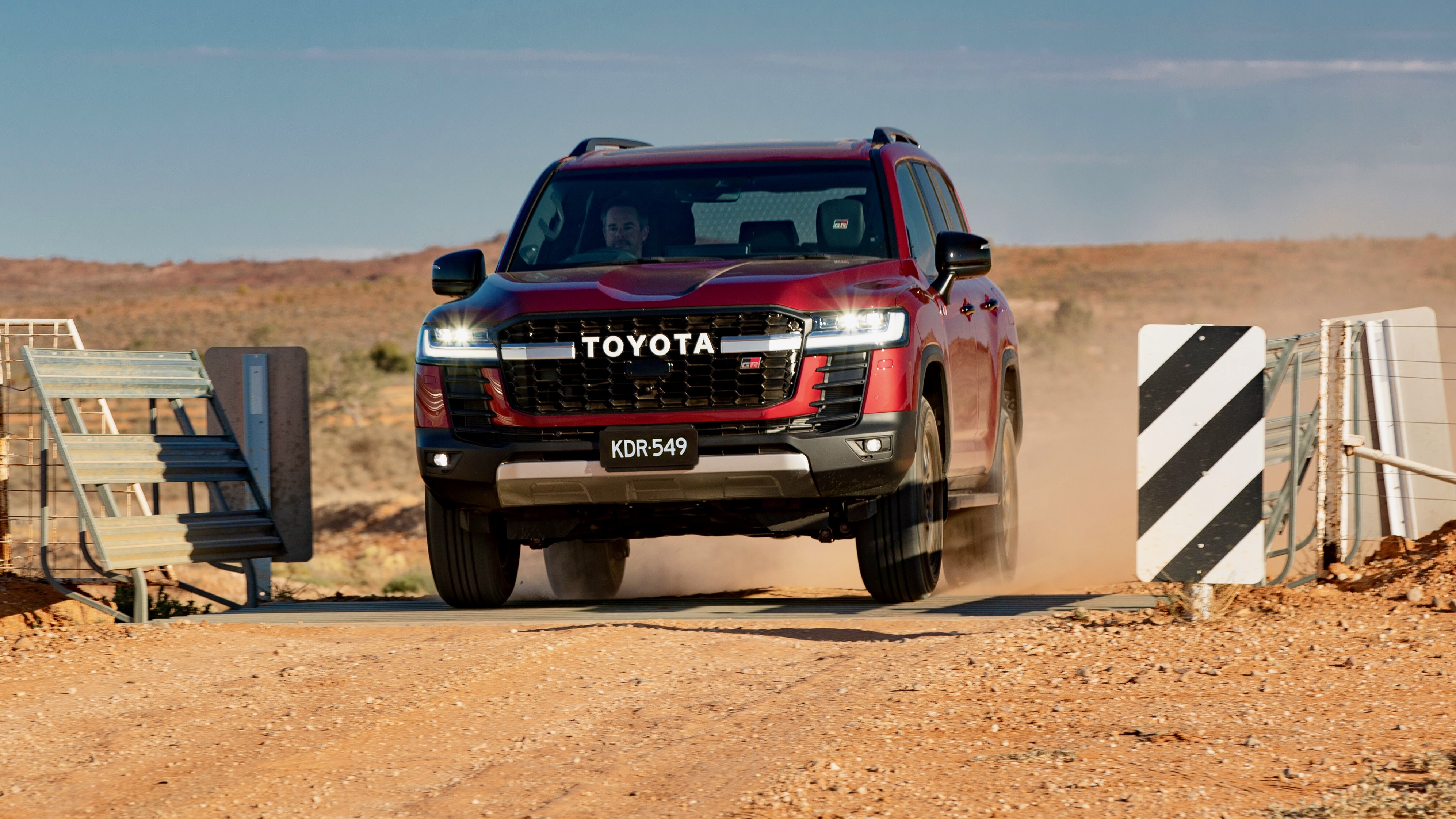
The story to here
December 6: The first 2022 Toyota LandCruiser 300 Series has been delivered to a customer in Australia.
Despite worldwide production delays, and some waiting times reported up to 12 months, those who put their orders in early for the new LandCruiser have begun to take delivery of the first batch of vehicles not specifically allocated as Toyota dealership demonstrator models.
“We would like to thank our customers for their understanding. It has been a challenging few months, with COVID-19 causing production stoppages in Japan and elsewhere across the region,” Toyota Australia Vice President of Sales Sean Hanley said at the announcement.
“We are pleased to announce that with Toyota’s production in Japan restored to normal levels in December, LandCruisers are now starting to land in Australia ready to be delivered to their new owners,” he said.
“Our dealers have the latest information on customers’ individual orders and expected delivery timing, and we thank our customers again for their patience.”
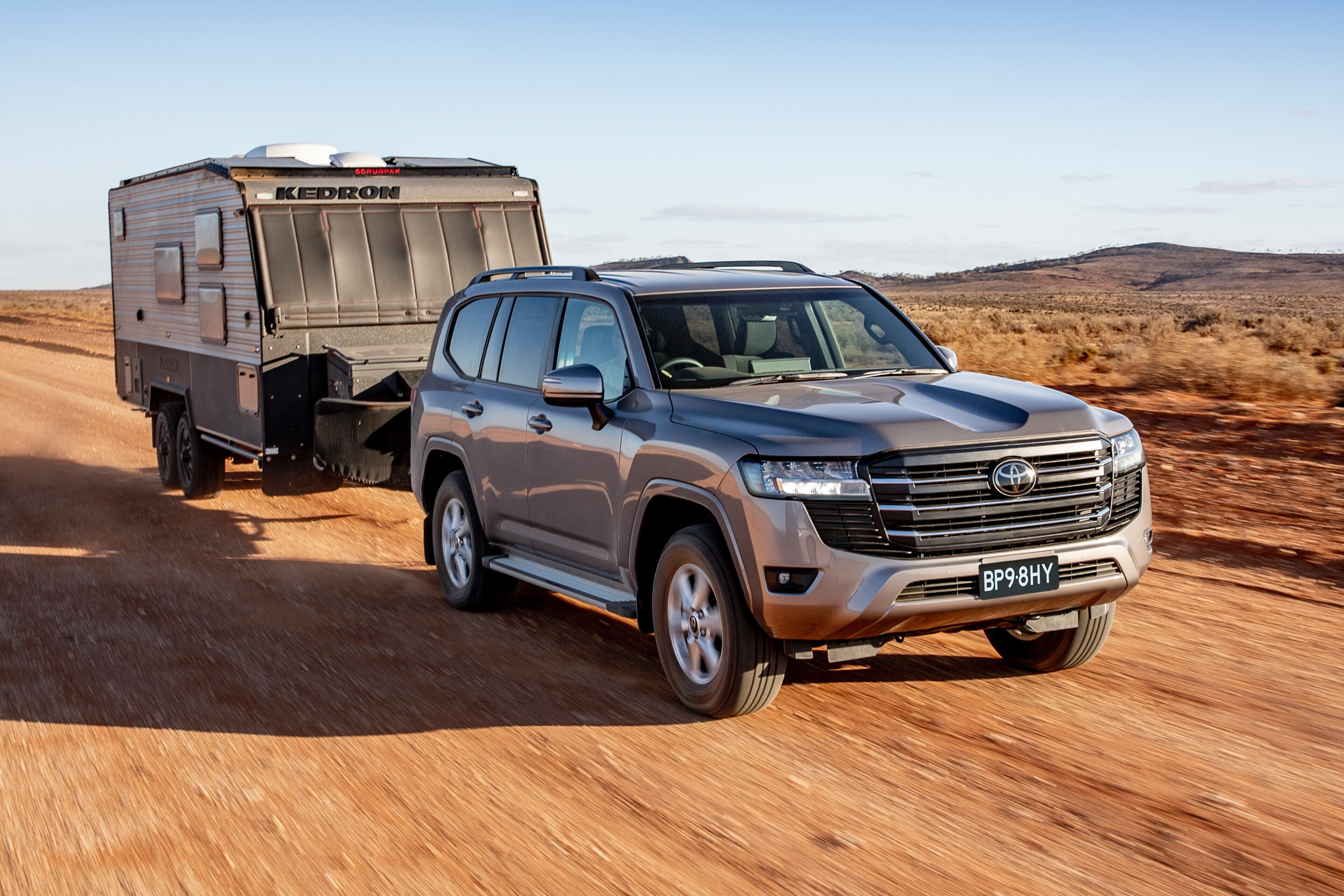
However, some buyers are reporting being offered vehicles different to the specifications they ordered.
According to one person on Facebook, a Toyota dealership offered them the opportunity to take delivery of a new LandCruiser GR Sport in crystal pearl with a black and red interior, despite ordering an arctic white with black interior.
Another person in the group was told a LandCruiser GX they ordered in late October was already on their way to Australia, due for delivery in late December, while others who placed orders months earlier are still waiting to be contacted by their dealerships.
In October, Toyota announced it would resume full production of the new LandCruiser in November.
October 27: Australian deliveries of the 2022 Toyota LandCruiser 300 Series will be delayed, the company’s local arm has confirmed today.
A statement issued by Toyota Australia says it apologises for “any inconvenience caused,” and its dealers will contact customers to provide individual updates on orders already placed.
As reported in August, Toyota has suspended production across 14 of its Japanese factories throughout September, citing a parts supply shortage caused by the ongoing COVID-19 pandemic.
Japanese media is reporting waiting times for the LandCruiser 300 Series are expected to be as long as 12 months after initial order placement.
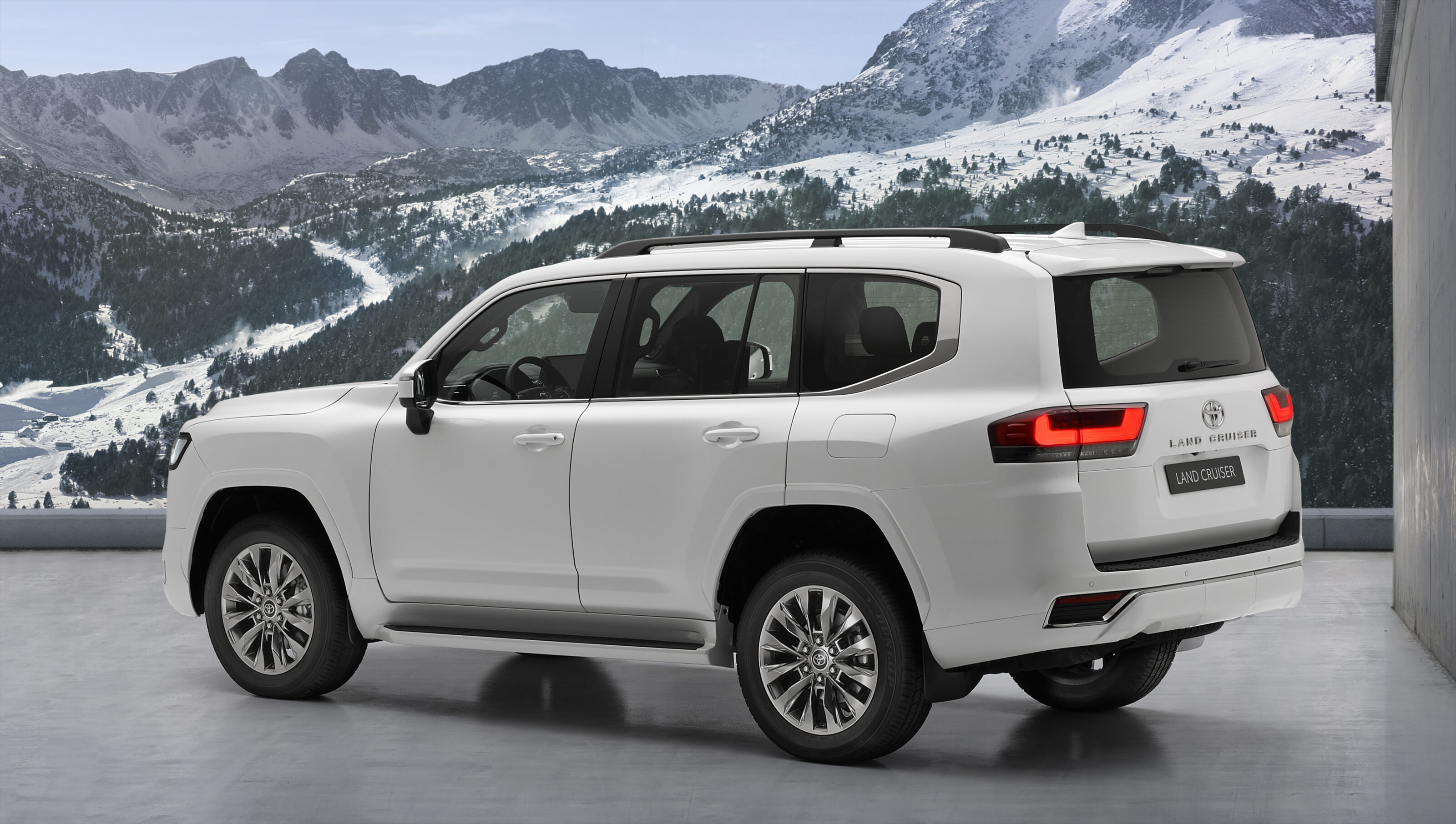
According to website Response, the company is considering new ways to deliver the four-wheel-drive to customers earlier than currently anticipated – which could mean reducing production of its other models to help free up semi-conductor chipsets required to build the new, technically-advanced LandCruiser.
All major car manufacturers are currently experiencing a supply shortage of the critical semi-conductor computer chips, forcing carmakers to reduce outputs or halt production lines entirely.
Toyota Australia says it is “continuing to work closely with our global production team to provide the latest information for dealers and to support our customers”.
Despite the delay, Toyota says a limited number of demonstrator vehicles will be available in Australian dealerships for customers who want to experience the latest LandCruiser model.
UPDATE, July 2022: New Ford Ranger review – it’s here at last
The new 2023 Ford Ranger is now on sale in Australia, and the local media launch has been run. The Wheels and 4×4 Australia teams have both driven the new Ranger, and you can find their stories at the links below.
Story continues…
UPDATE, April 7, 2022: Australian pricing for the new 2023 Ford Ranger has now been revealed. Get the full details at the link below.
UPDATE, February 22, 2022: New Ford Ranger Raptor revealed!
The new 2022 Ford Ranger Raptor has been unveiled at last, and we’ve got a comprehensive rundown on everything you need to know. Catch our stories and big reveal video at the links below.
Snapshot
- 1200mm between the wheel arches
- Pre-wired overhead auxiliary switch panel
- Shorter folks rejoice: an access step has been added
January 25, 2022: Ford has continued to drip-feed information on its looming 2022 Ford Ranger, with the Blue Oval’s European arm unveiling key specifications related to the vehicle’s cargo tub.
As the best-selling 4×4 vehicle in Australia in 2021, the Ford Ranger is now the vehicle of choice for families opting for a lap of the map, grey nomads with camper trailer in tow, and even for parents as the daily runabout – so, clearly, it’s not just used to ferry tools to the worksite.
Upgrade your Ranger

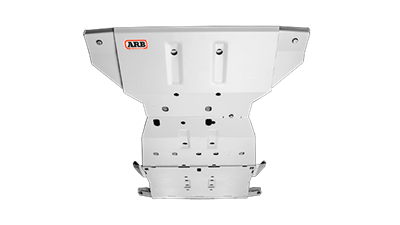
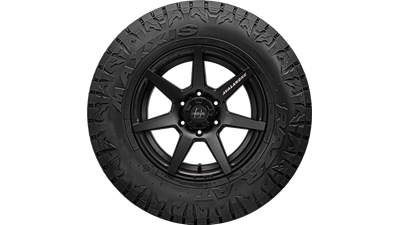
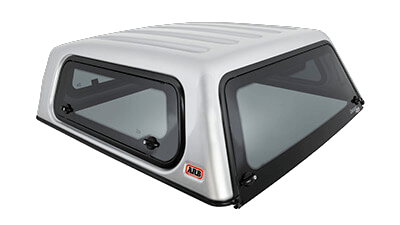
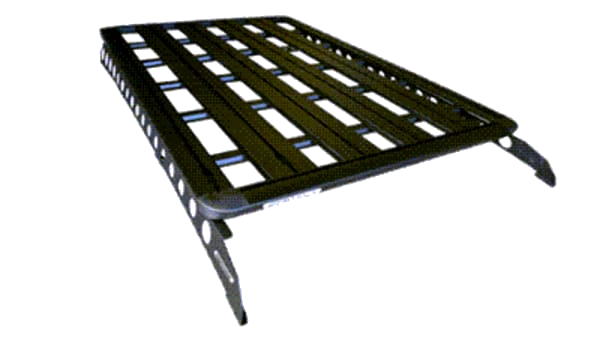
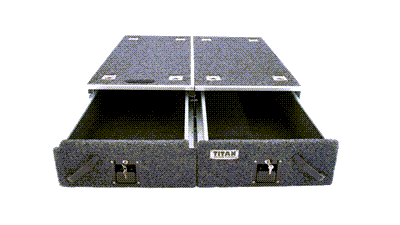
To this end, Ford has ensured the cargo area of its 2022 Ranger remains useful and practical for its evolving demographic. To the average eye it mightn’t look like anything special, but dig a bit deeper and it’s obvious the design boffins at Ford put in considerable effort to optimise the cargo space with useful features and accessories. Let’s take a closer look.
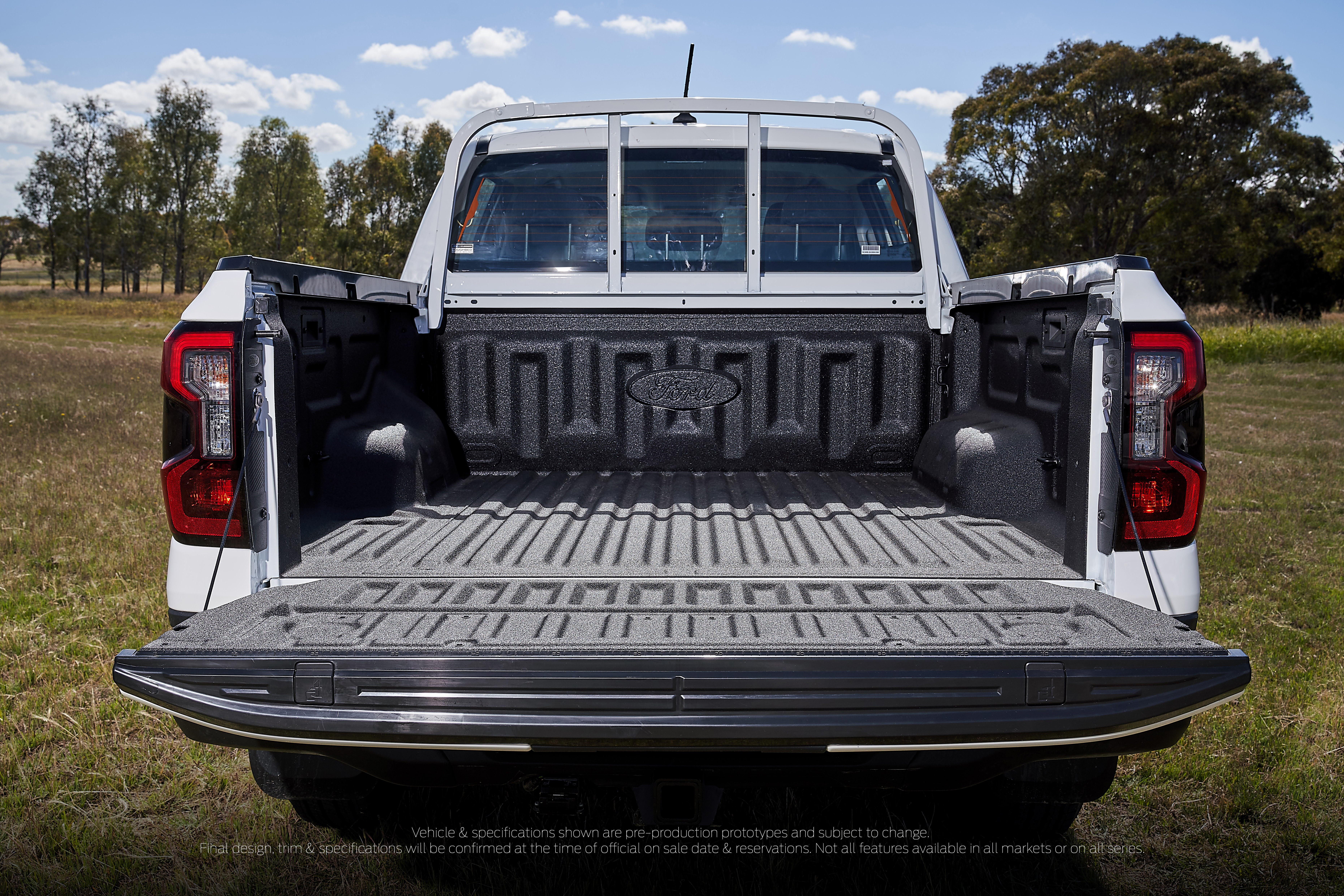
A new drop-in bedliner incorporates functional divider locators, allowing owners to organise the tub using custom-made dividers – which can be added or removed at any time. The bedliner is also said to be more comfy on knees, provide better grip, and be easier to clean.
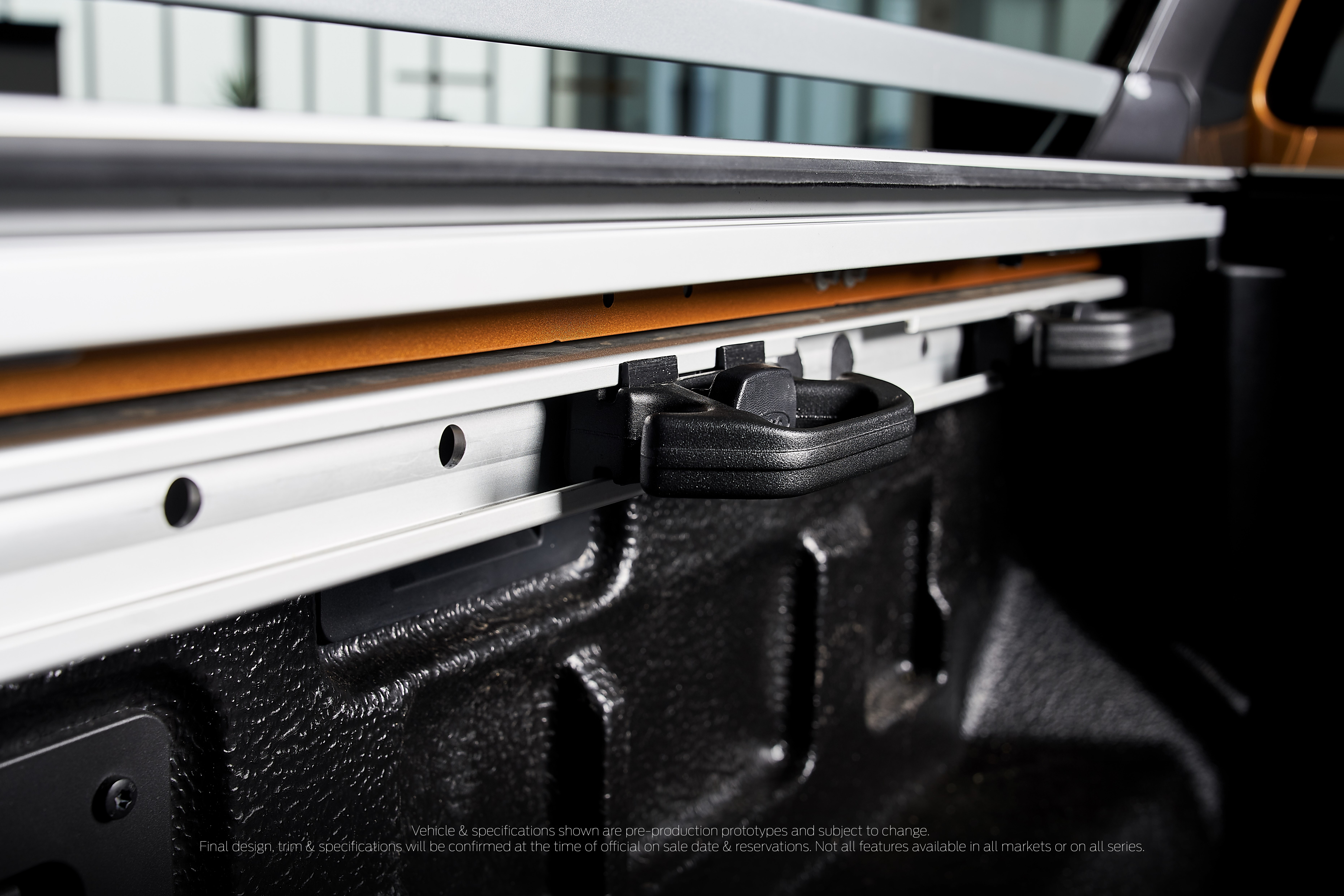
In addition to external tie-down rails and six fixed tie-down points, internal rails on either side of the tub feature spring-loaded, adjustable cleats, which can slide and lock into nine locations along the rail – making it easier to secure loads of different shapes and sizes. Wildtrak models come with aluminium extrusions that double as tie-down rails.
The easy-lift tailgate doubles as a work surface when lowered, featuring two clamp pockets concealed by spring-loaded caps, and a built-in ruler with 10 millimetre increments (only available when no bedliner is fitted).
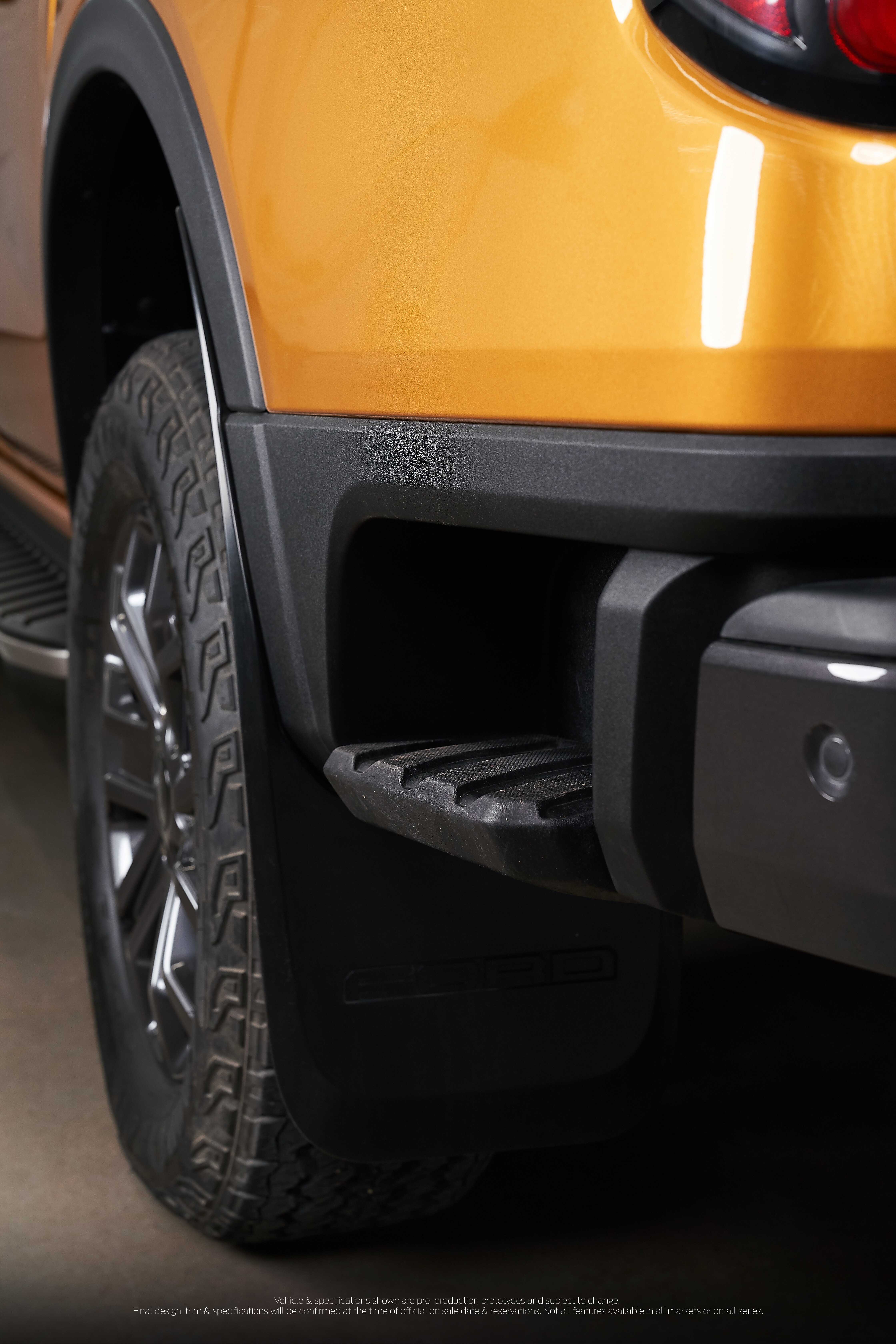
Reaching contents in the tub is made immensely easier – especially for shorter folk – thanks to the addition of an access step, directly attached to it via two steel supports.
To easily attach accessories such as roof racks, the Ranger features roof-top channel mounts – roof load limits are up to 350 kilograms (static) and 85kg (dynamic).
The tub itself features a volume of 1233 litres, with Ford claiming it can accommodate a standard European pallet (1200 x 800mm) between the wheel arches – the load-box length varies from 1544 to 2305mm, depending on the variant.
A powered roller shutter is available as an optional extra; power comes in the form of 12-volt sockets; and there are better lighting solutions in the tub, as well as “Zone” lighting, which is controlled via the FordPass app.
In addition, Ford has revamped the interior of the Ranger to include more storage space: a new centre console will feature dedicated storage compartments; the rear seats will now double as storage bins (and now also fold flat); and retractable cup-holders have been installed.
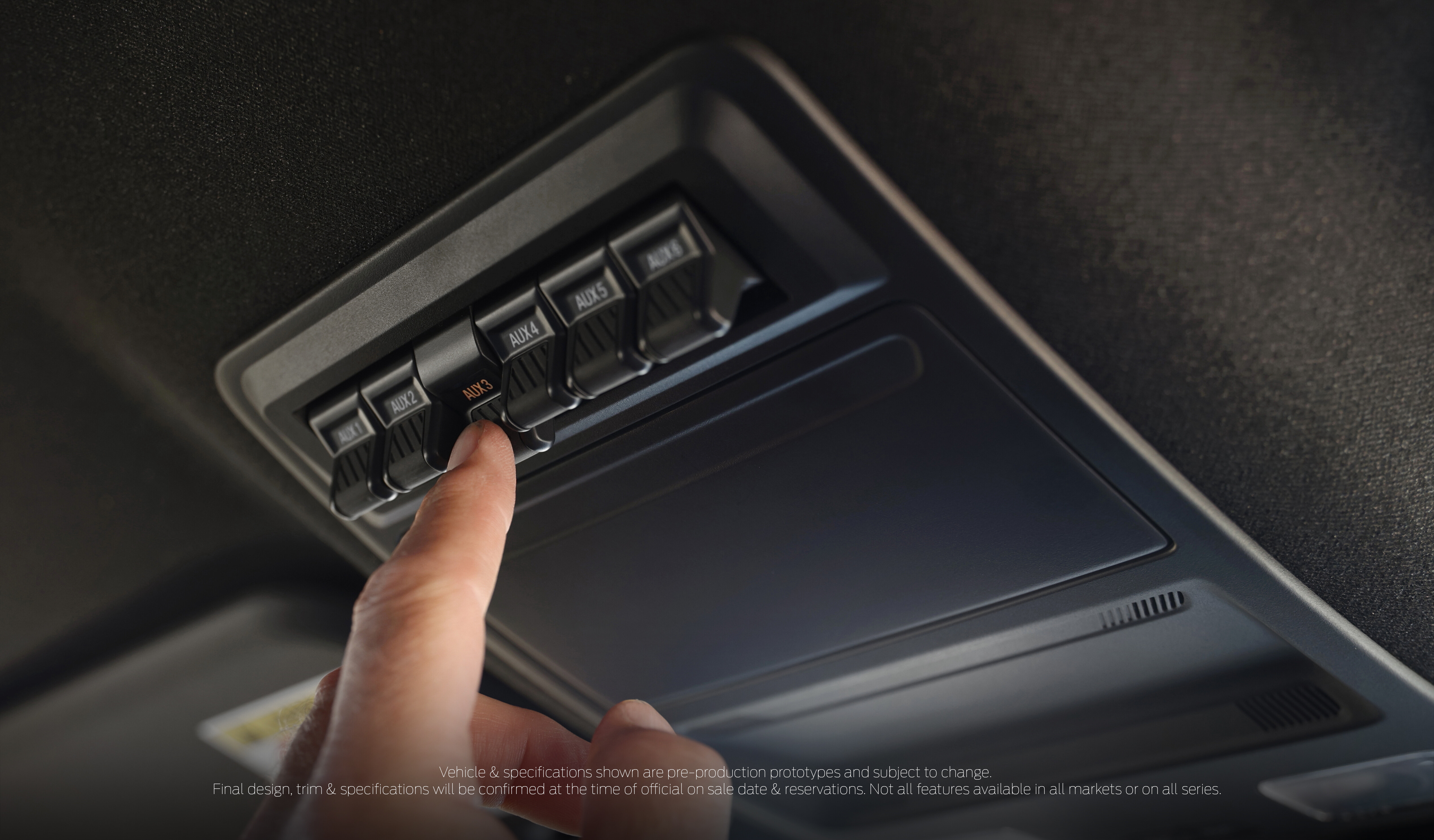
Ford has engineered space for a second battery in the engine bay, as well as a pre-wired overhead auxiliary switch panel. At launch, the 2022 Ranger will be available with more than 600 factory-backed accessories, which includes those developed in collaboration with ARB.
The 2022 Ford Ranger will come with a V6 diesel engine and full-time 4×4 options, as well as a 50mm wider track and 50mm longer wheelbase.
The next-gen Ranger will be on sale in Australia from mid-2022.
4X4 Australia's project builds
Snapshot
- Ford targets nearly 300kW from 3.0-litre EcoBoost twin-turbo V6
- Raptor track just under 22cm wider than standard Bronco
- Suspension travel up 60 and 40 per cent at front and rear
Ford has officially taken the covers off its highly-anticipated Bronco Raptor – the most aggressive version of its reborn off-roader yet.
While forums leaked the Bronco Raptor’s existence in September last year, it’s the first time outside of teasers Ford has shown off the dream machine, complete with its EcoBoost engine and massively flared arches.
Adopting the Raptor moniker, which adorn’s all of Ford’s latest and greatest off-road oriented vehicles, the Bronco has endured the same treatment as its Blue Oval cousins such as the F-150 and Ranger – sticking to the simple recipe of bigger engine, fatter tyres and more ground clearance.
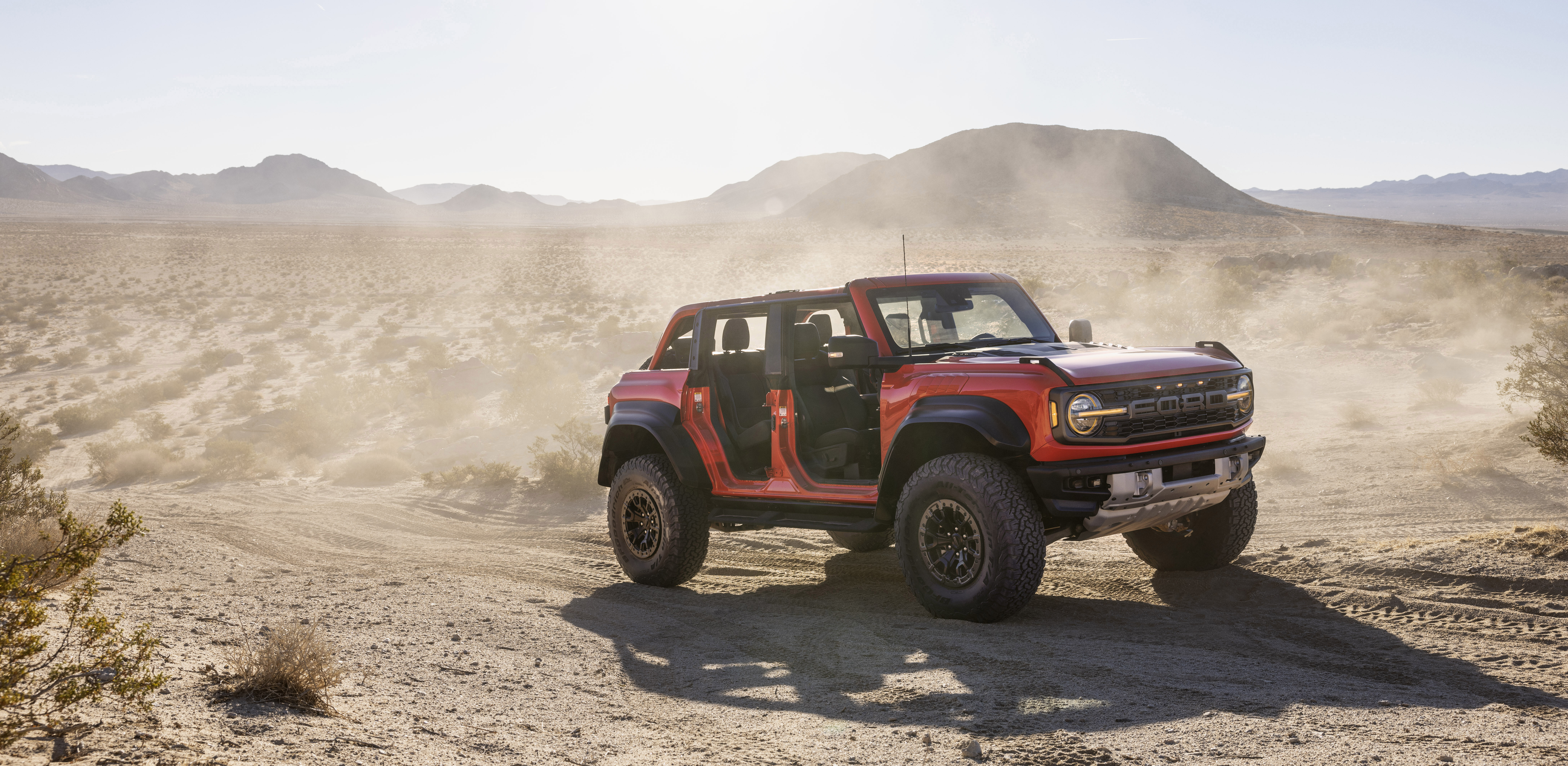
Riding on the body-on-frame T6 platform, which underpins the Ranger and Everest as well as lower Bronco variants, the Raptor gains a 3.0-litre EcoBoost V6, with Ford targeting 298kW – or 400 horsepower in the old money – from the twin-turbo unit. Even though official figures haven’t been released, there’s a chance this engine could push out in excess of 600Nm of torque.
As with a wide range of Ford’s vehicles, power is sent to the wheels through a 10-speed automatic gearbox, coupled with an upgraded transfer case featuring 3.06 4×4 low-range gearing for up to 67.7:1 crawl ratio.
Under its pumped out guards you’ll find massive 37-inch BFGoodrich KO2 all-terrain tyres (the largest fitted to a production SUV in the US), Fox Live Valve shock absorbers (raising the ride height by 12.2 centimetres to 33.3cm) and a 8.6-inch (21.9cm) wider track to make sure its sizeable stance is matched with go-anywhere ability.
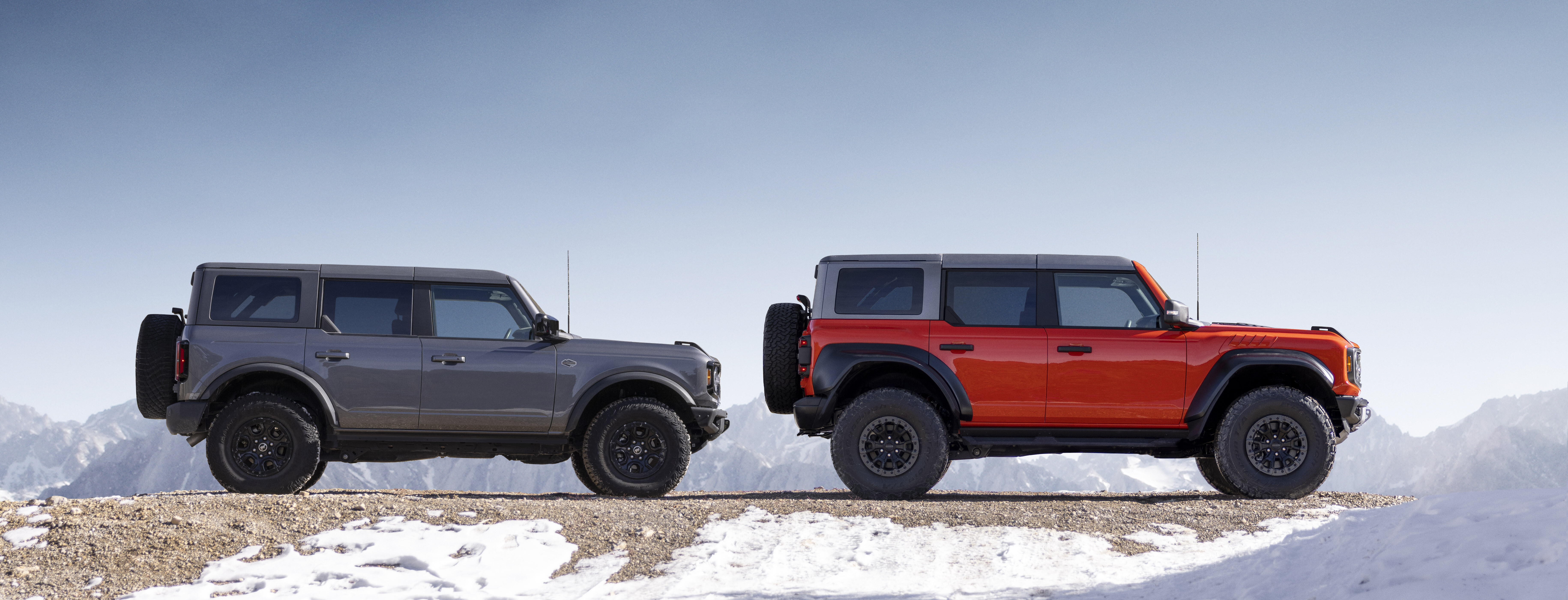
Those Fox shocks aren’t for show – Ford worked with the damper manufacturer to develop its High-Performance Off-Road Stability Suspension (HOSS) system, allowing on-board sensors to work with the dampers and their remote reservoirs to ensure the tyres are provided maximum grip at all times.
Revised control arms also boost the Raptor’s suspension travel by up to 60 per cent at the front and 40 per cent at the rear, now up to 33cm and 35.56cm respectively.
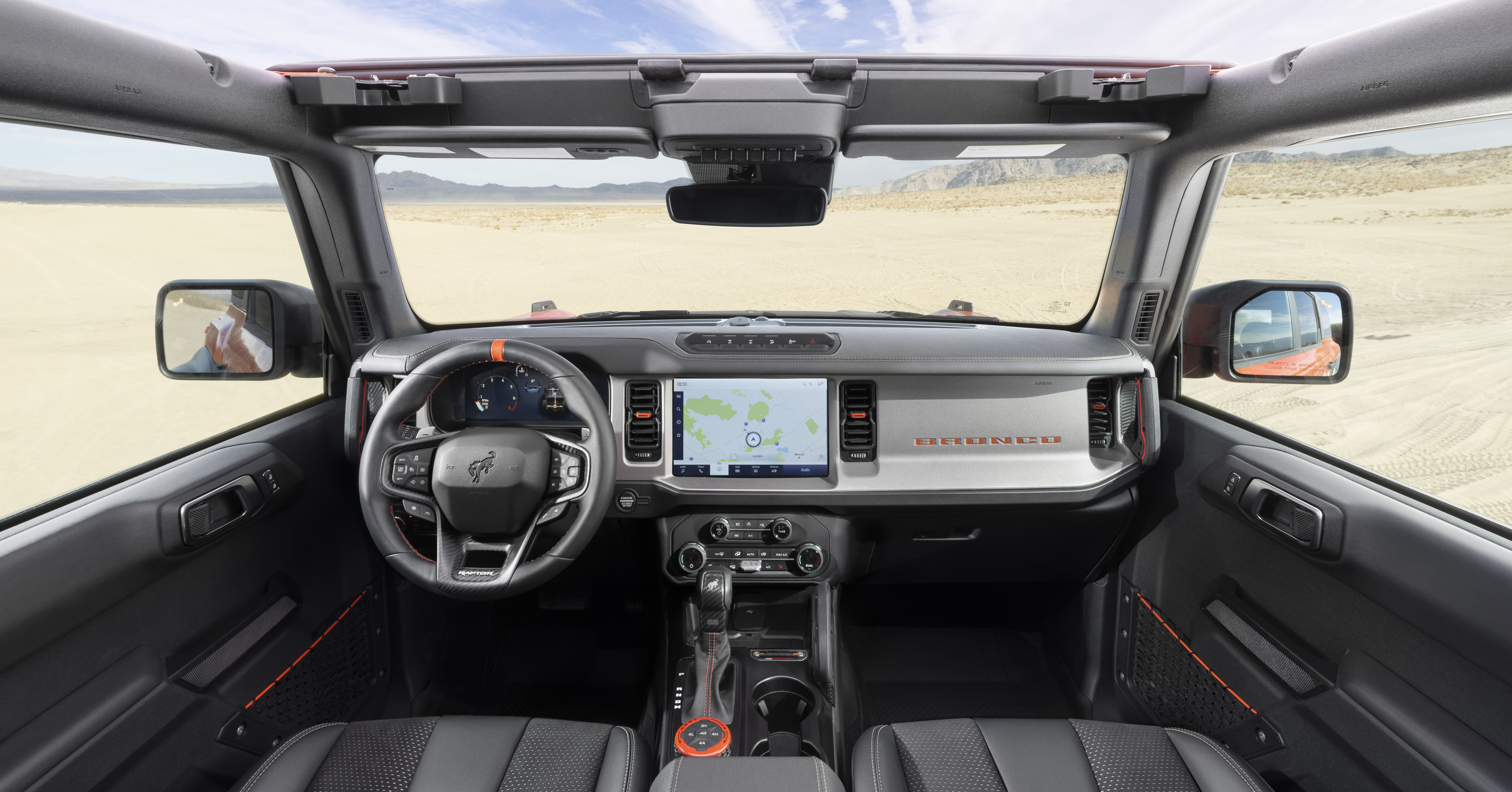
Despite not being available as a three-door, the five-door Raptor makes up for it by keeping all the mod cons a driver could need, from wireless phone charging to voice-activated satellite navigation, a 12-inch instrument cluster (with Raptor-exclusive Performance View) and Ford’s Sync 4 12-inch infotainment system.
Ford offers the Lux Package for a more refined interior experience, adding a 10-speaker Bang & Olufsen sound system as well as Adaptive Cruise Control.
As had been revealed last year, the Bronco Raptor will be only variant of its range which can be ordered in the Ford Performance-exclusive code orange paint, joining the nine other finishes available, as well as multiple interior options ranging from marine-grade vinyl seats to black onyx neo suede pews.
And yes, just in case you were wondering, it comes as standard with rubberised washout flooring, however carpets are an optional extra.
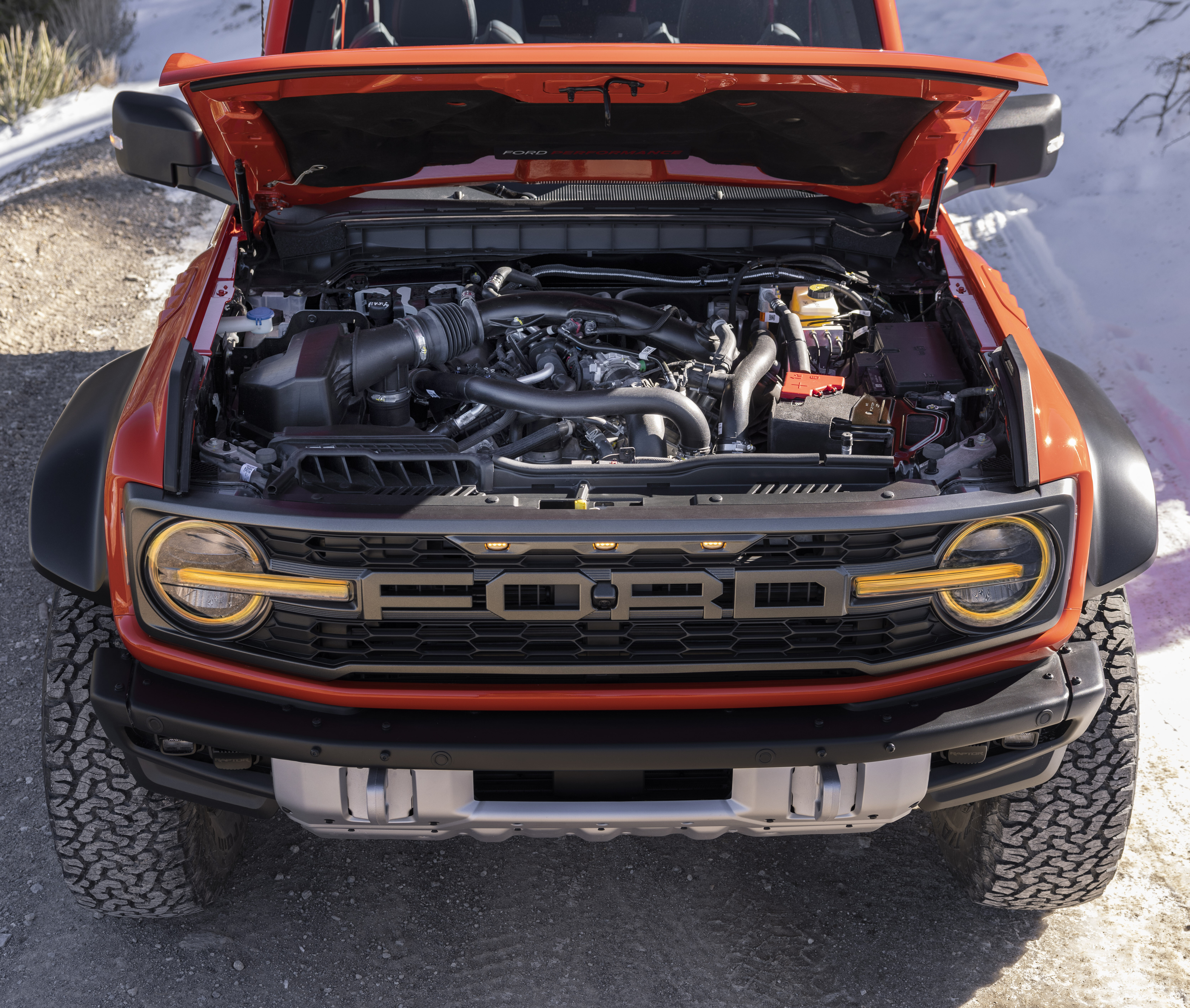
Inspired by the vehicles which compete in the extreme off-road sport known as Ultra4 Racing, the Bronco Raptor has been built as Ford Performance’s flagship model, according to CEO Jim Farley.
“Raptor is the apex of our off-road line-up and is now a full line-up with race proven content and design that you can’t get from anyone else,” said Farley.
“Only Ford could create a Bronco Raptor.”
“We had to build the Bronco Raptor – it’s our ultimate vehicle for hardcore off-road enthusiasts who demand something more,” said Carl Widmann, Ford Performance’s chief engineer.
“Like the Ultra4 desert race trucks, the ‘Raptor of SUVs’ conquers desert dunes at highway speeds and is equipped with competition-level off-road technology and hardware.”
While the Bronco is unlikely to come to Australia, we can expect it to play a big part in influencing the next Ranger Raptor, having already been teased with a V6 EcoBoost engine under the bonnet, although the ute has been spied on the road sans massive tyres.