To celebrate the 10,000th vehicle to recently depart its local assembly line, Premcar has released an updated version of the 2024 Nissan Patrol Warrior to coincide with the recent changes to the Patrol 4×4 wagon it’s based on.
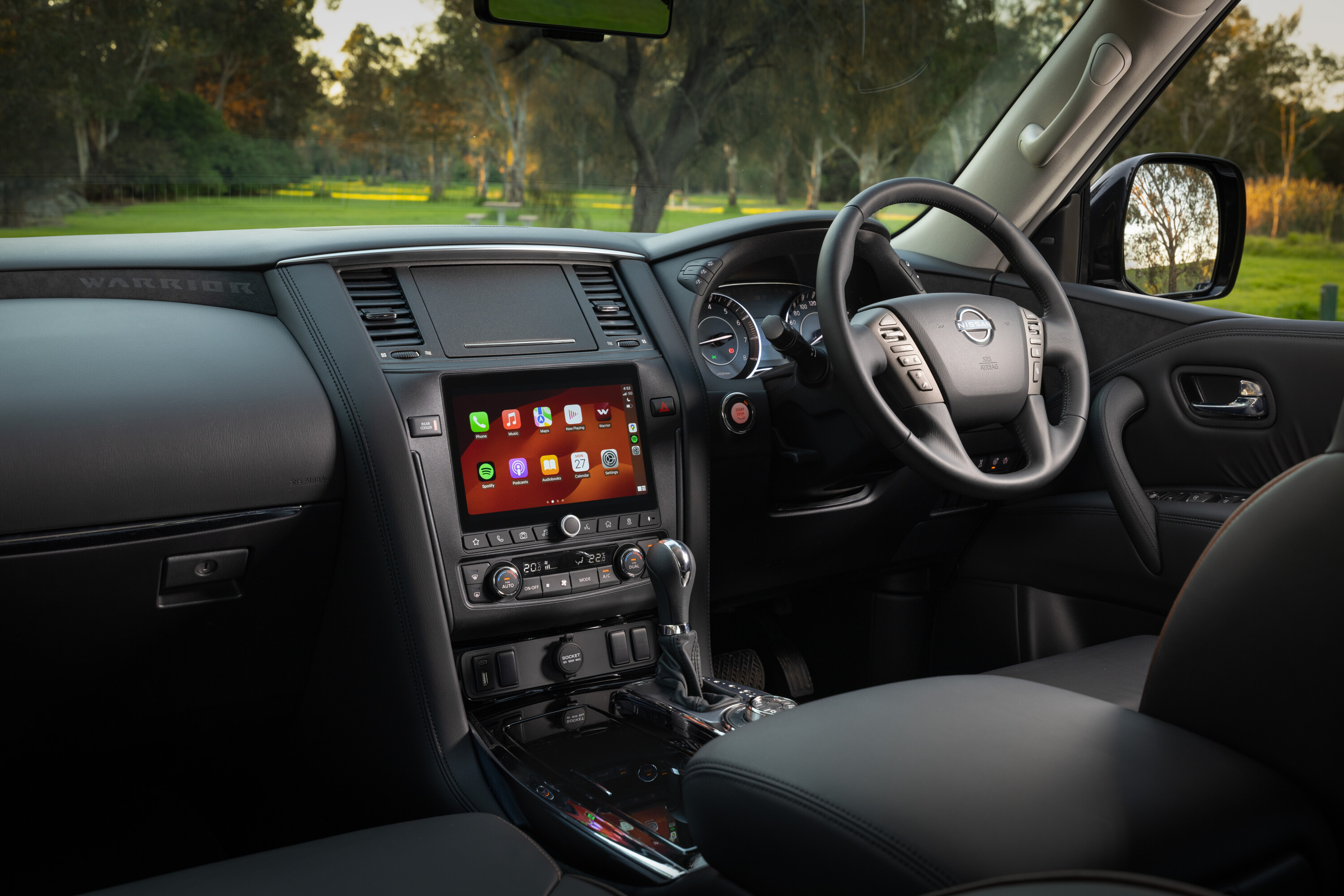
Priced at $104,160, changes to the Patrol’s in-cabin tech were performed in partnership with another Australian-based mob, Directed Technologies. These updates include a new 10.1-inch high-resolution central touchscreen; two USB ports (USB-A and USB-C); the inclusion of front and rear cameras and a digital video recorder; wireless Apple CarPlay and Android Auto; and a wireless smartphone charge pocket.
IGO Street Navigation and a 30-day trial of Hema Maps’ widely used 4×4 navigation software is included within the new infotainment system.
“The Patrol Warrior by Premcar was developed in Australia specifically for Australian conditions, and to partner with another Australia-based company in Directed Technologies for these important cabin technology updates is fantastic,” said Premcar’s Engineering Director, Bernie Quinn.
“This modern cabin technology meets true capability in the 2024 Patrol Warrior by Premcar, and it only improves the Warrior recipe.”
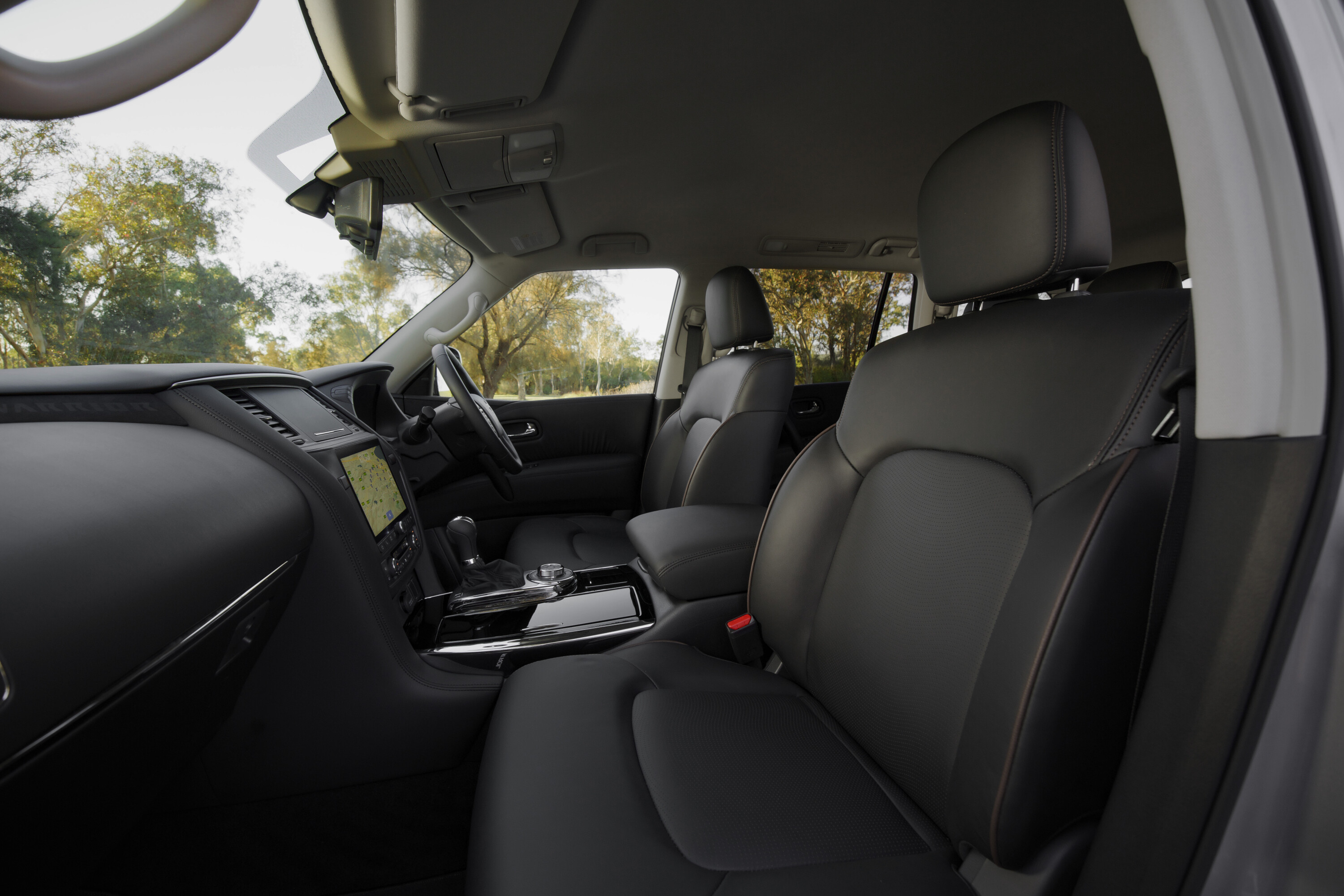
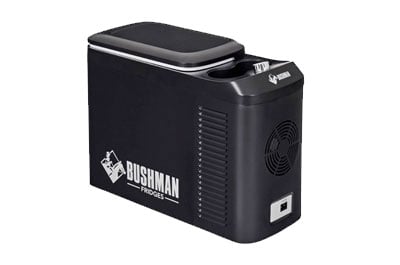
Other changes include an increase from four to six speakers; dual-zone climate control air conditioning with second-row; an intelligent rear-view mirror; and a coolbox located in the centre console between the front seats.
1
The updated 2024 vehicle is unchanged mechanically and aesthetically. It continues to be powered by Nissan’s potent 298kW/560Nm 5.6-litre V8 petrol engine, which is mated to a seven-speed automatic transmission.
Premcar also fettles its own version of Nissan’s Navara – the PRO-4X Warrior, released in 2021, and the SL Warrior, launched in 2022 – and the Aussie company expects to see sales of its Warrior-badged vehicles nearly double in 2024. A total of 2717 Warrior models were delivered to customers in 2023, with Premcar expecting to shift 5100 vehicles in 2024.
As with all Warrior vehicles, full testing is undertaken entirely within Australia on a vast expanse of on- and off-road terrains. The recent updates to the Patrol Warrior are covered by the security of Nissan’s full manufacturer’s warranty.
1
Patrol Warrior kit
Warrior-specific additions over a standard Nissan Patrol Ti include:
50mm lift (+29mm suspension lift, +21mm wheel and tyre package)
40mm wider track
40-degree approach angle
23.3-degree departure angle (measured with towbar fitted)
Hydraulic Body Motion Control (HBMC) system tuned by Premcar
Re-developed front springs
New progressive rate rear bump-stop
New multi-rate rear springs
409 stainless steel side exit exhaust with bi-modal valve and actuator
120kg GVM upgrade
Warrior-branded front bumper assembly
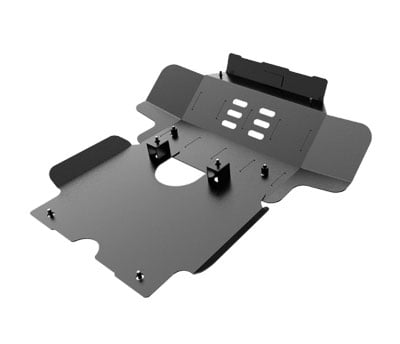
Red Warrior-branded bash plate
Black fender flares
18-inch alloy wheels
Yokohama G015 295/70 all-terrain tyres
Bespoke towbar with two rear recovery points
Bi-modal exhaust
Rear bumper assembly with black valance panel
Black mirror caps
Black grille
Warrior decals and badging
Black interior colour theme
Alcantara door and dash inlay featuring Warrior branding
Keen to get your 4×4 published online and in the next issue of 4X4 Australia magazine? Then send a few pics to [email protected] or DM our Facebook page. Here are six rigs sent to us in June 2024.
1
Isuzu D-MAX
1
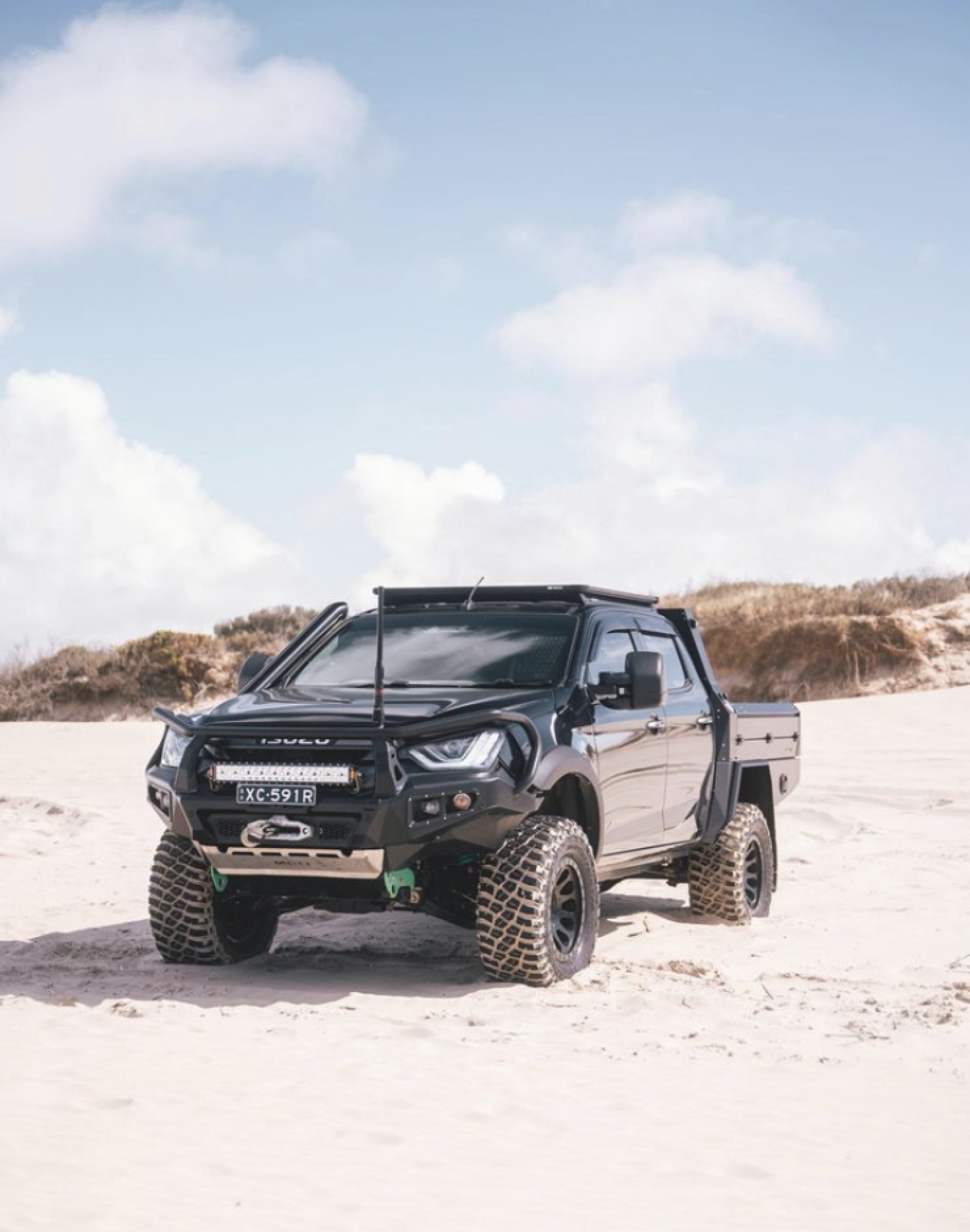
It’s my daily driver for work, but ultimately we set it up for touring. We used to run a rooftop tent but got sick of having to pack up anytime we wanted to go exploring, so we bought a Lotus Off Grid. We usually set up camp and unload the gear, unhitch and then head off to explore local areas and tackle the hard tracks. We travel with our whole family – myself, my partner and our three kids. When the kids are a bit older we plan to get a Patriot camper. We’ve done trips to the Great Ocean Road, Yorke Peninsula, Flinders Ranges, Murray River, Newcastle area and are currently doing a trip on the Gold Coast.
Mods include a PCOR tray; ARB Baserack; ARB twin air compressor built into the tray; ARB long-range tank; Hayman Reese X-Bar; rear airbags by Airbag Man; AFN bullbar; Stedi light bar; GME XRS; Fabulous Fab snorkel and airbox; KM3 33×12.5 tyres; EGR flares; Munji steering rack drop and wheel alignment brace kit; Dobinson adjustable remote res shocks; and a Blackhawk Ultimate adjustable UCA – Luke Vigh
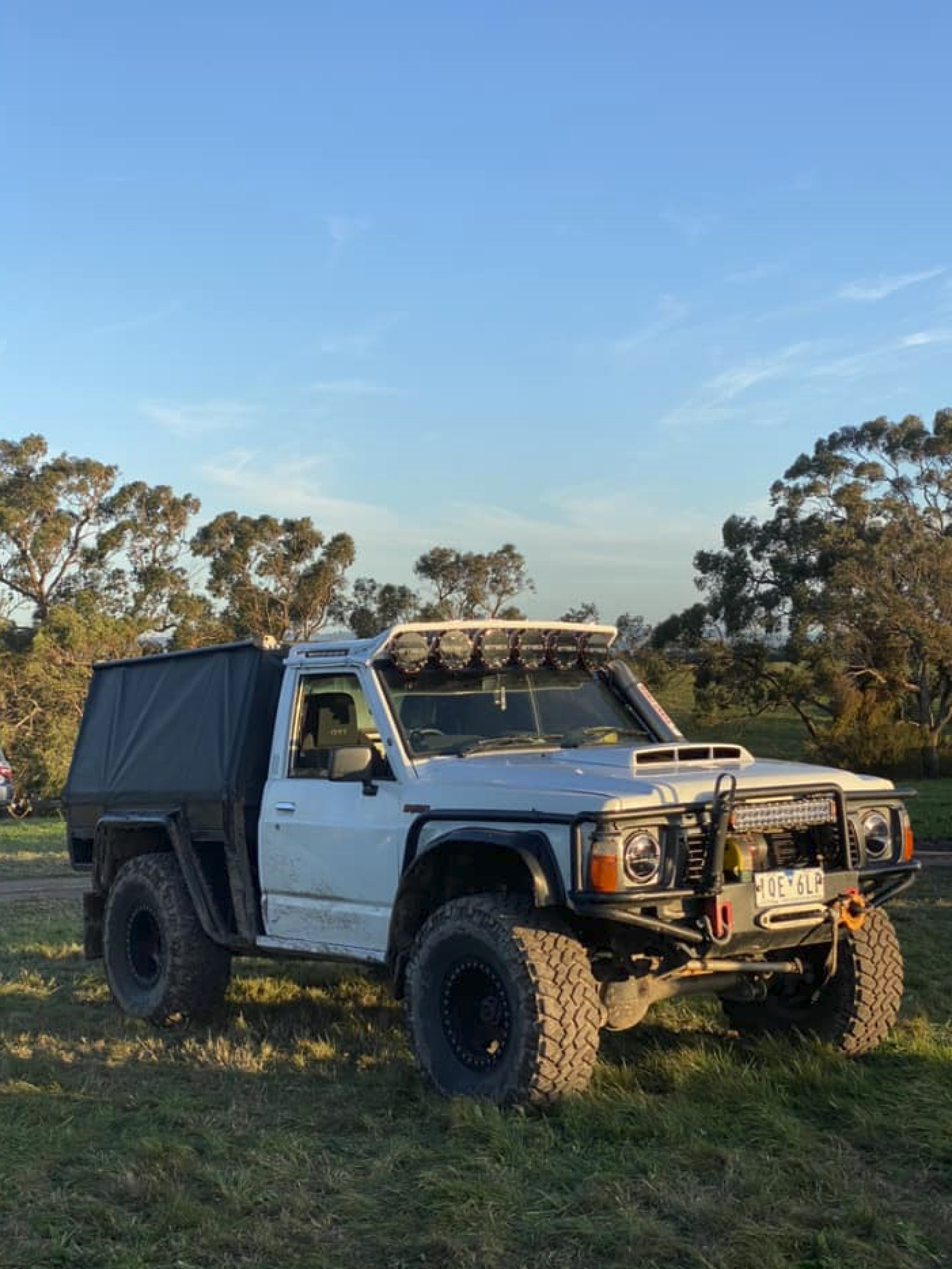
1991 Nissan GU Patrol TD42
1
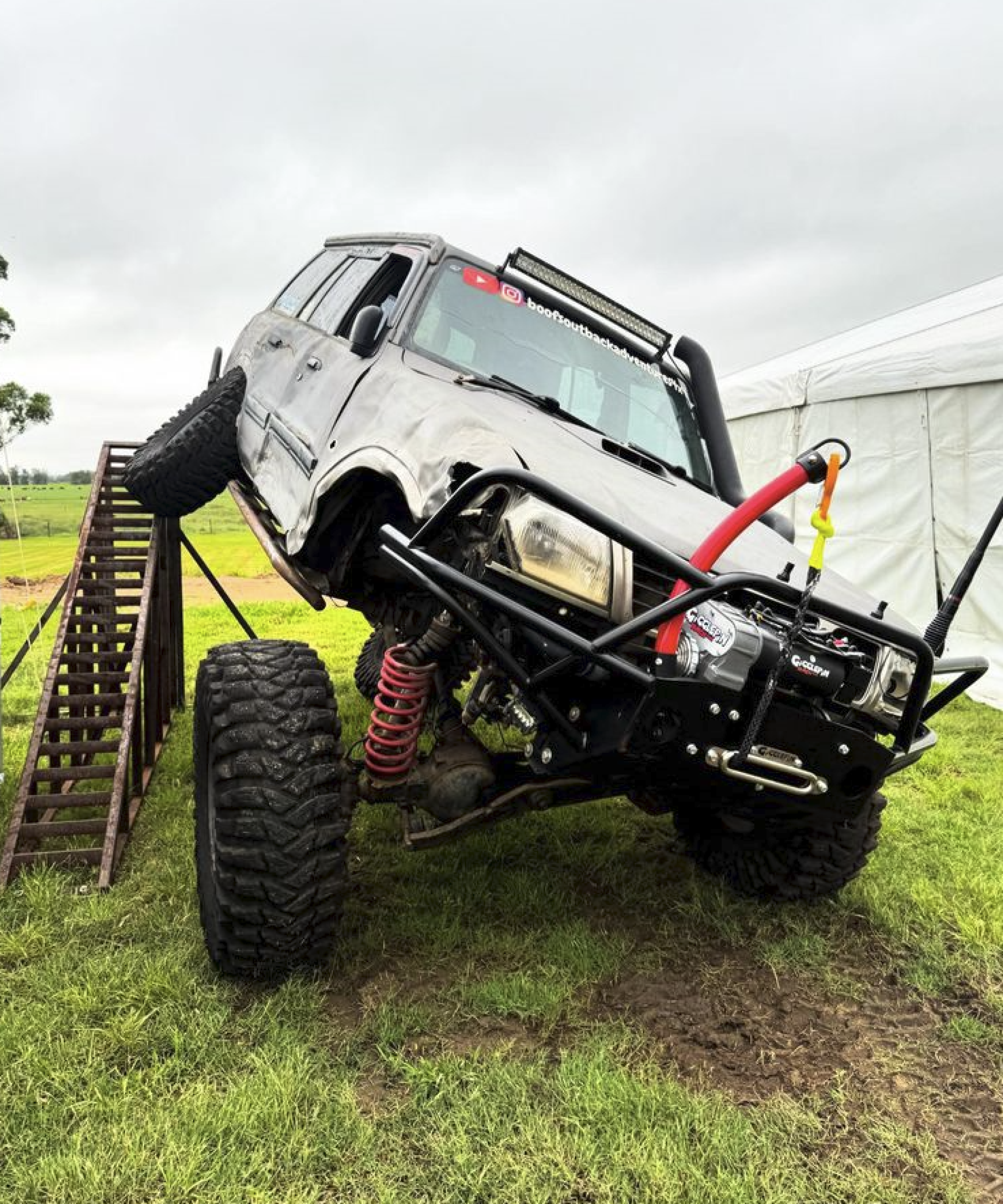
I trailer this rig all around Australia, mainly visiting the Watagans as that’s local to me. We have been to most 4×4 parks in NSW and Queensland, and Killingsworth is another spot we like to go!
Mods include a 12mm fuel pump; front-mount intercooler; bonnet-entry snorkel; 20g turbo running 35psi; 40-inch Maxxis Treps; 16-inch coilovers; three-inch hydro bump-stops; double triangulated four link; Xlink; 4.88 diff centres; front and rear ARB lockers; 85 per cent transfer reductions gears; 24V Gigglepin winch; 24V alternator; two 1800cca lithium batteries; roof sliders; front and rear bars; 17-inch beadlock rims; rear sway bar; Blackhawk radius arms; GME XRS; and an ARB dual compressor – Brett Gambrill
1990 Ford Maverick
1
It’s a Maverick mid-wheelbase with a 351 Windsor V8, GU diffs and a GP100 24V winch. The thing is rough as it has been driven and raced, but it’s a good rig! – Rhyder Kennedy
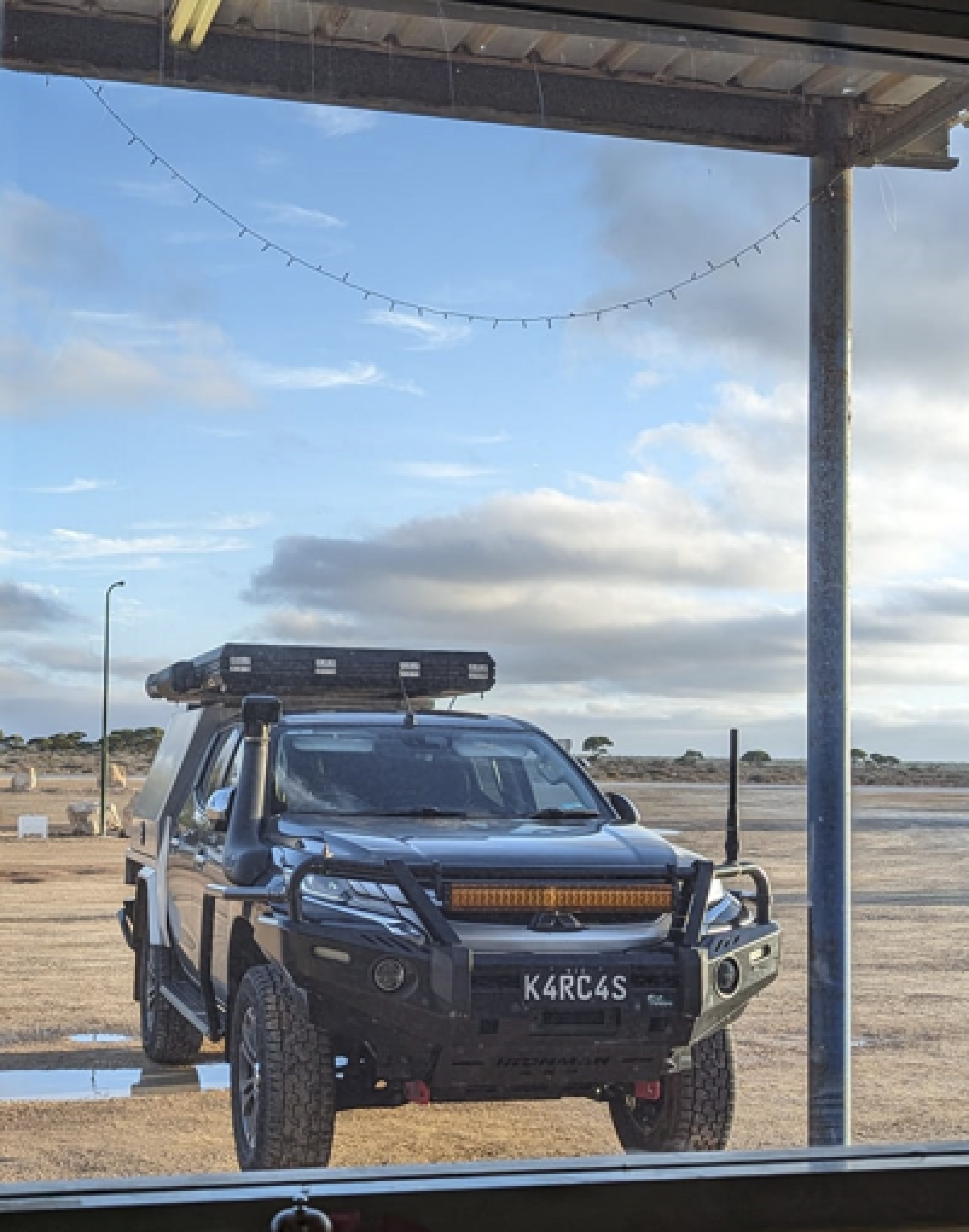
2019 Mitsubishi Triton GLS
1
I’m a Victorian and have been to SA, WA, NSW and Queensland. The Triton has a two-inch Bilstein lift; 31-inch Pirelli tyres; Ironman bull bar, steps, brush bar and rear bar; Safari snorkel; 23Zero rooftop tent; and a custom service body canopy – Kent Arc
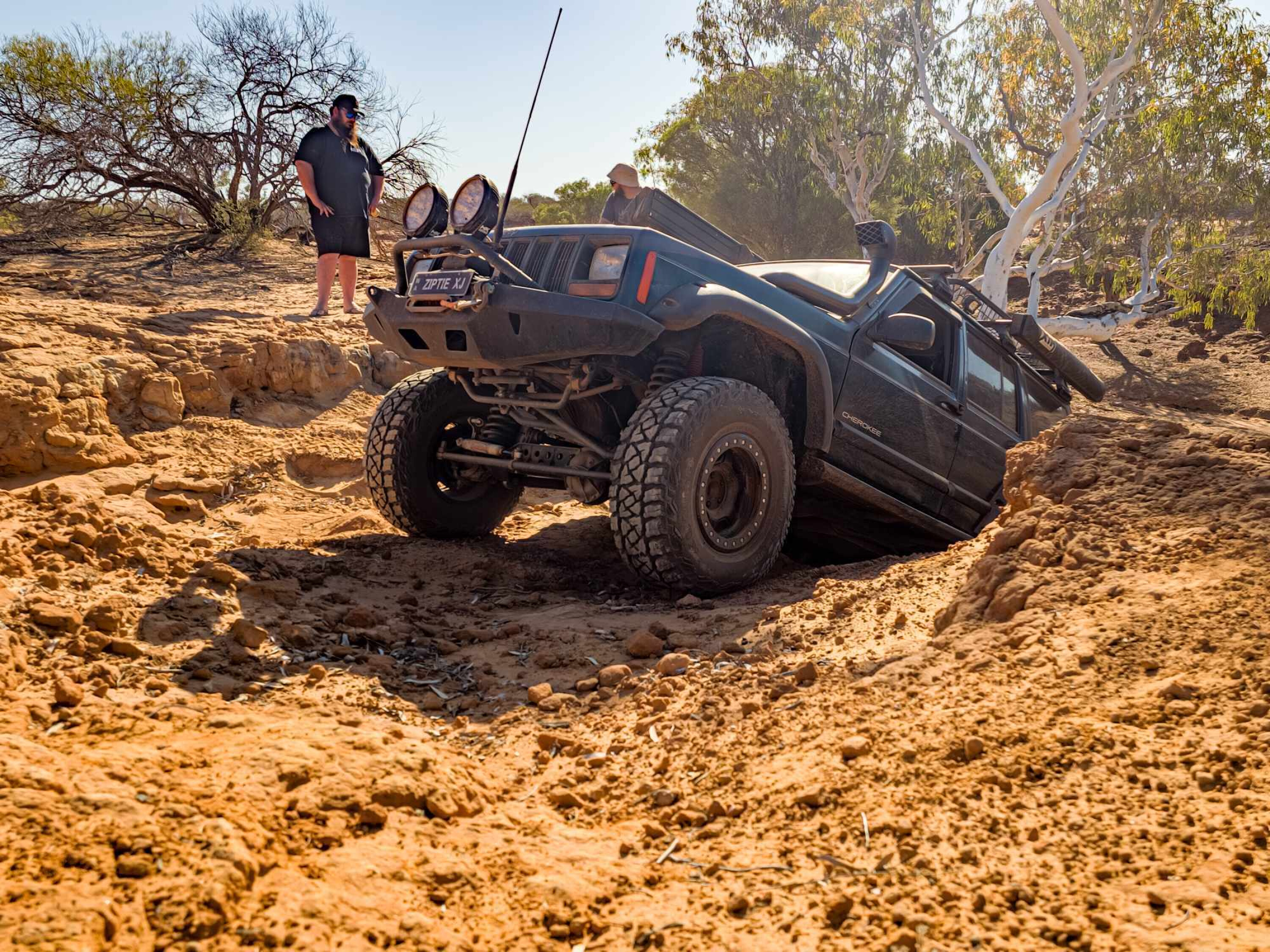
1998 Jeep XJ Cherokee
1
It was built in 2022 using parts from my old Cherokee. Interior was stripped and the car stripped right back to have stiffeners welded on and suspension installed. Original mounting points for control arms removed and long arms installed. Sound deadener installed and all 12v wiring for accessories done while interior apart. Rear 12v setup is in the wing of the drawer setup with DC to DC.
Did a trip last year in June to the Kimberley, Gibb River Road through to Kununurra. Has also been up to Red Bluff, Carnarvon; down south to D’Entrecasteaux in Brunswick, as well as Collie and Harvey. Also summer beach runs from Seabird through to Wedge Island and Jurien Bay. Does both the tough tracks and touring towing a camper.
Some mods include six-inch long arm and five-link front lift kit; custom crossover steering with Heim joints; custom front Panhard with drop brackets; upgraded front brakes to twin piston with bigger callipers from a Grand Cherokee; rear diff from a TJ Wrangler, braced with Eaton ELocker and chromoly axles re-geared; transfer case from a TJ Wrangler with slip yoke eliminator; Rancho adjustable shocks front and rear; Bushwacker high clearance wide flares; rear quarter panel armour; rear wheel carrier; Smittybilt front winch bar; chassis has been braced and reinforced front to back with Iron Rock frame stiffeners; slimline Smittybilt rock sliders; 12,000lb winch; MSA drop slide; and plenty more! – Joshua Page
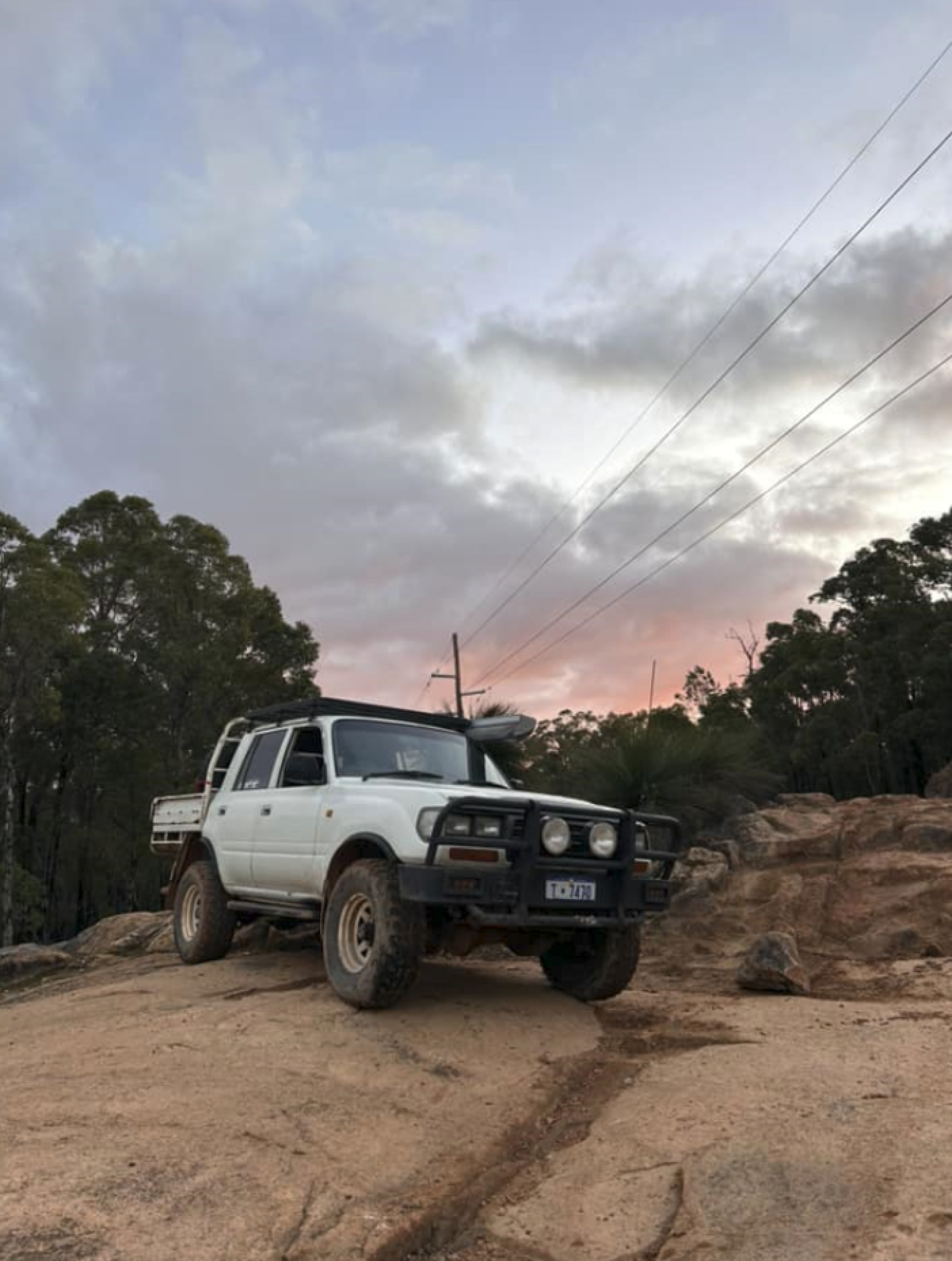
1996 chopped 80 Series DX
1
It’s running a two-inch lift on 33-inch muddies and is pretty much stock as a rock except for GME aerial, roof rack and 270-degree awning. The best place I’ve taken it would be Brunswick Junction to have a play in the forest – Jack Northey
Leisure-Tec – owners of the myCOOLMAN brand – has teamed up with Italian fridge manufacturer Vitrifrigo and released a new range of luxury lightweight and slimline refrigeration products.
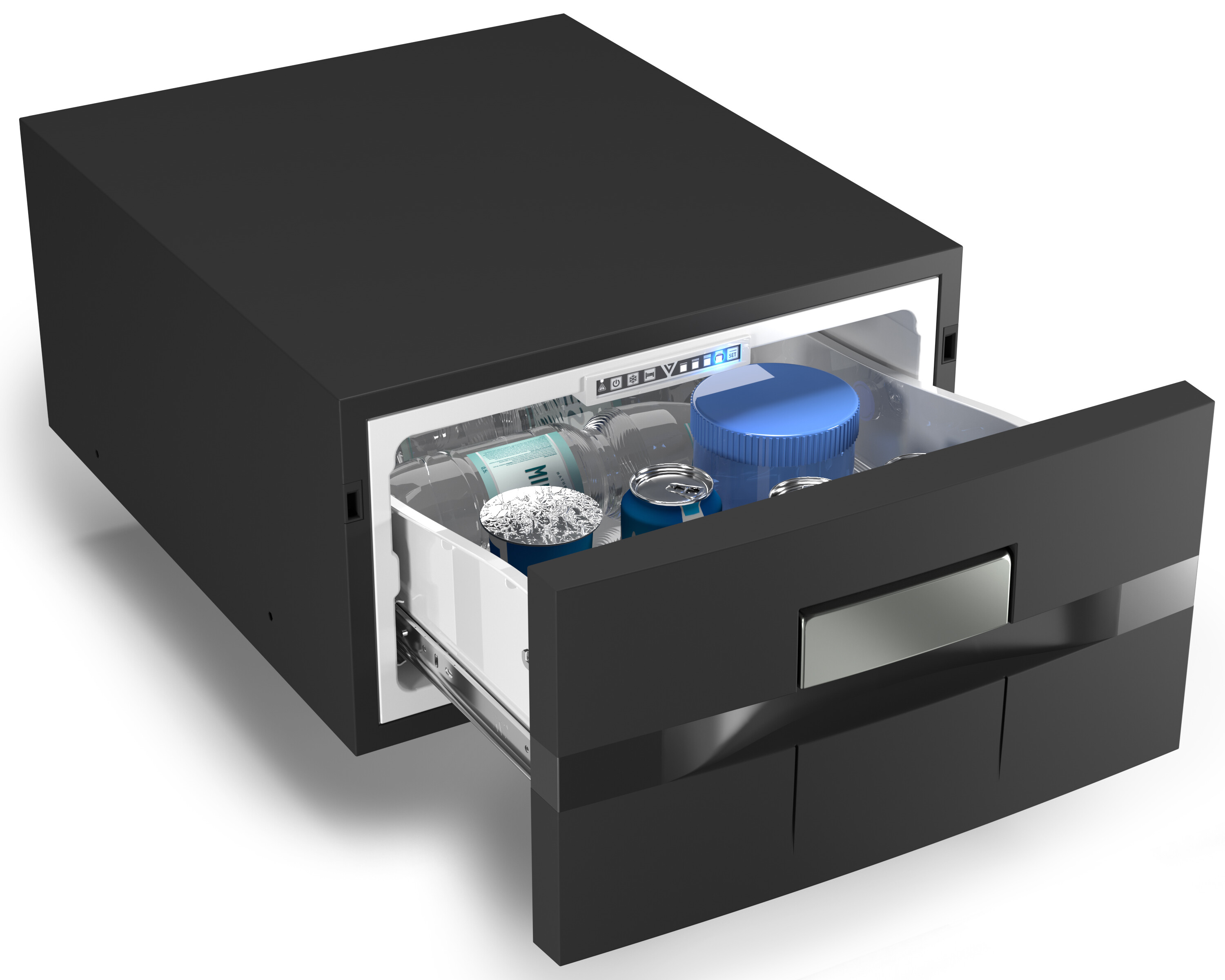
What caught our eye is the new Vitrifrigo D30A drawer fridge that is perfect for the 4WD market. Designed to be installed in compact spaces, the D30A drawer fridge is innovative both aesthetically and technologically. The Vitrifrigo 30-litre drawer fridge offers the additional advantage of not releasing cold air even with numerous openings throughout the day. The D30A weighs 17kg with dimensions 440mm W x 721mm L x 250mm H.
2
Being a condensed drawer fridge/freezer, the Vitrifrigo 30-litre drawer fridge is suitable for small spaces. Designed using specific components for overland applications, the temperature can be set by selecting either the fridge mode, with four temperature set points, or the freezer mode. The temperature ranges from -10 in freezer mode to +10 degrees in fridge mode. Available with a black or white fascia, the fridge has an elegant and refined finish that is suited to any 4WD interior.
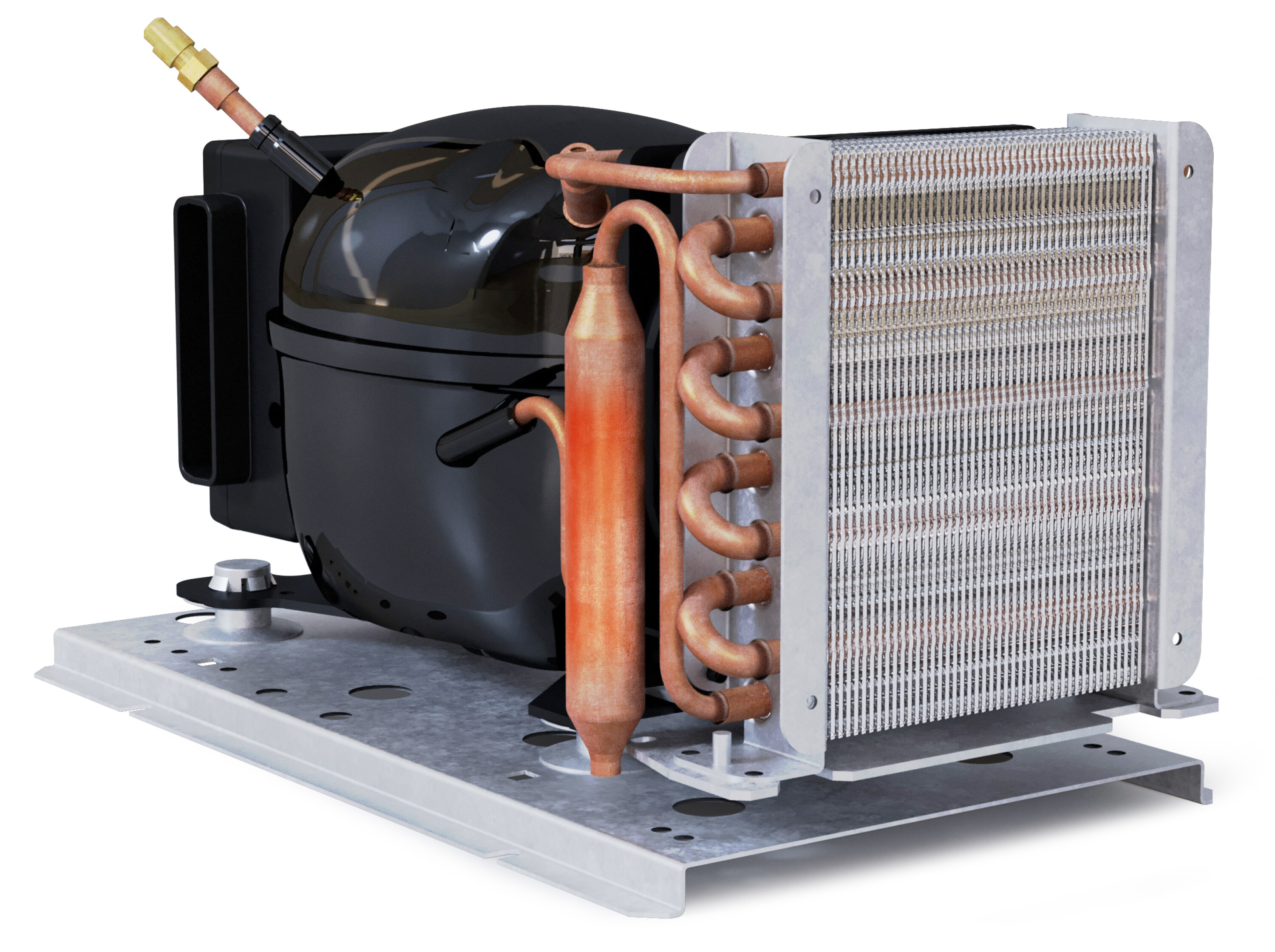
The removable external cooling unit offers added volume inside the refrigerator. In addition, it expands the installation possibilities in terms of functionality, efficiency and soundproofing. The compressor can also be relocated up to 1.5m from the drawer fridge. The D30A also comes with four mounting brackets.
The 12/24-volt fridge is controlled by a digital thermostat, ensuring precise control of both temperature settings and optimisation of compressor operation, balancing efficiency and consumption combined with a reduction in compressor noise during the night, thanks to the sleep mode.
Adam Olive, Media and Marketing Manager for Leisure-Tec, told us: “The new Vitrifrigo fridge/freezer range will provide 4WDers with options for when space is limited, as the new Vitrifrigo D30A drawer fridge will keep food and drinks nice and cold and fresh.
“Where space isn’t a problem, the new Vitrifrigo drawer fridge will also compliment those carrying the myCOOLMAN fridge range with added storage for those needing an extra 30 litres of food and drink storage.
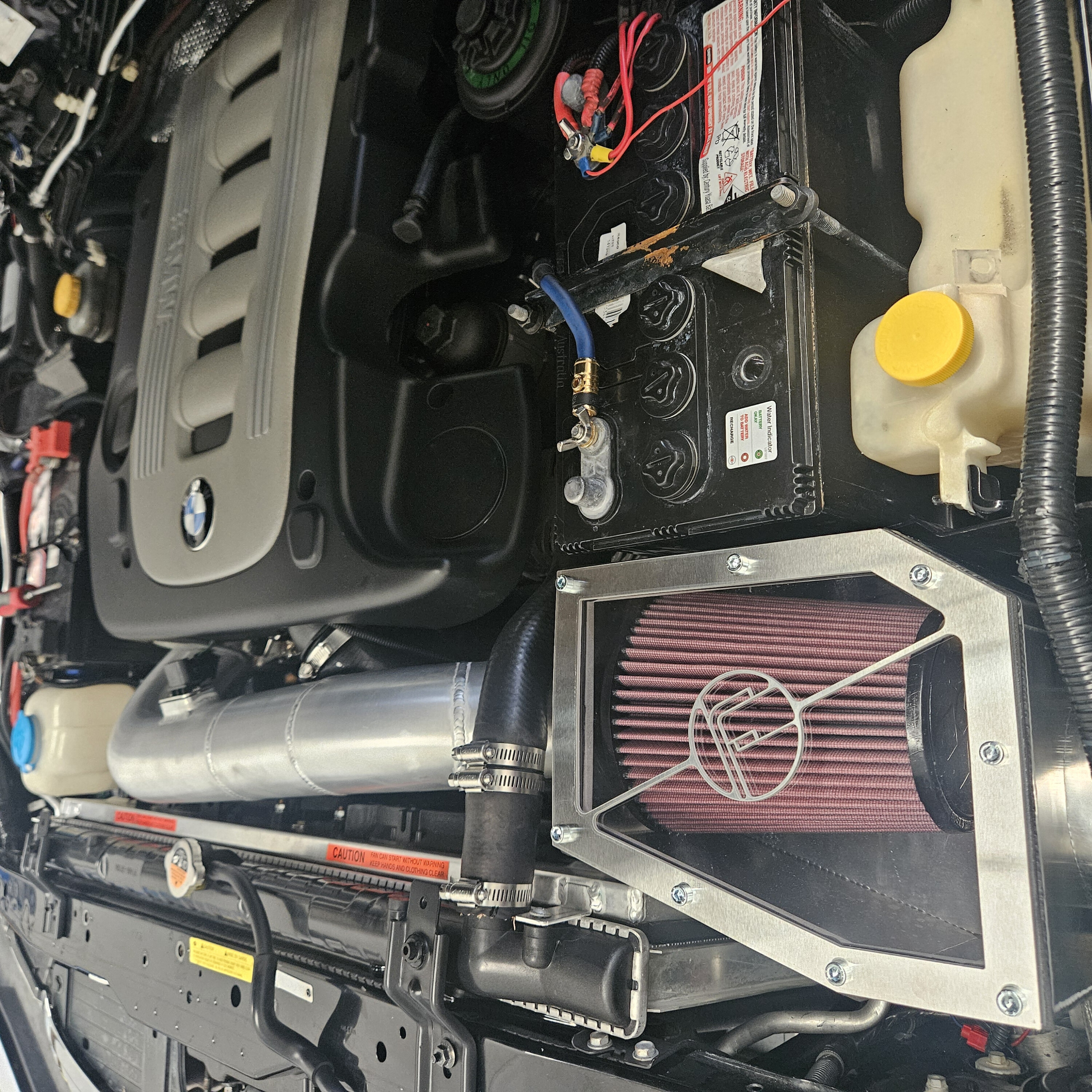
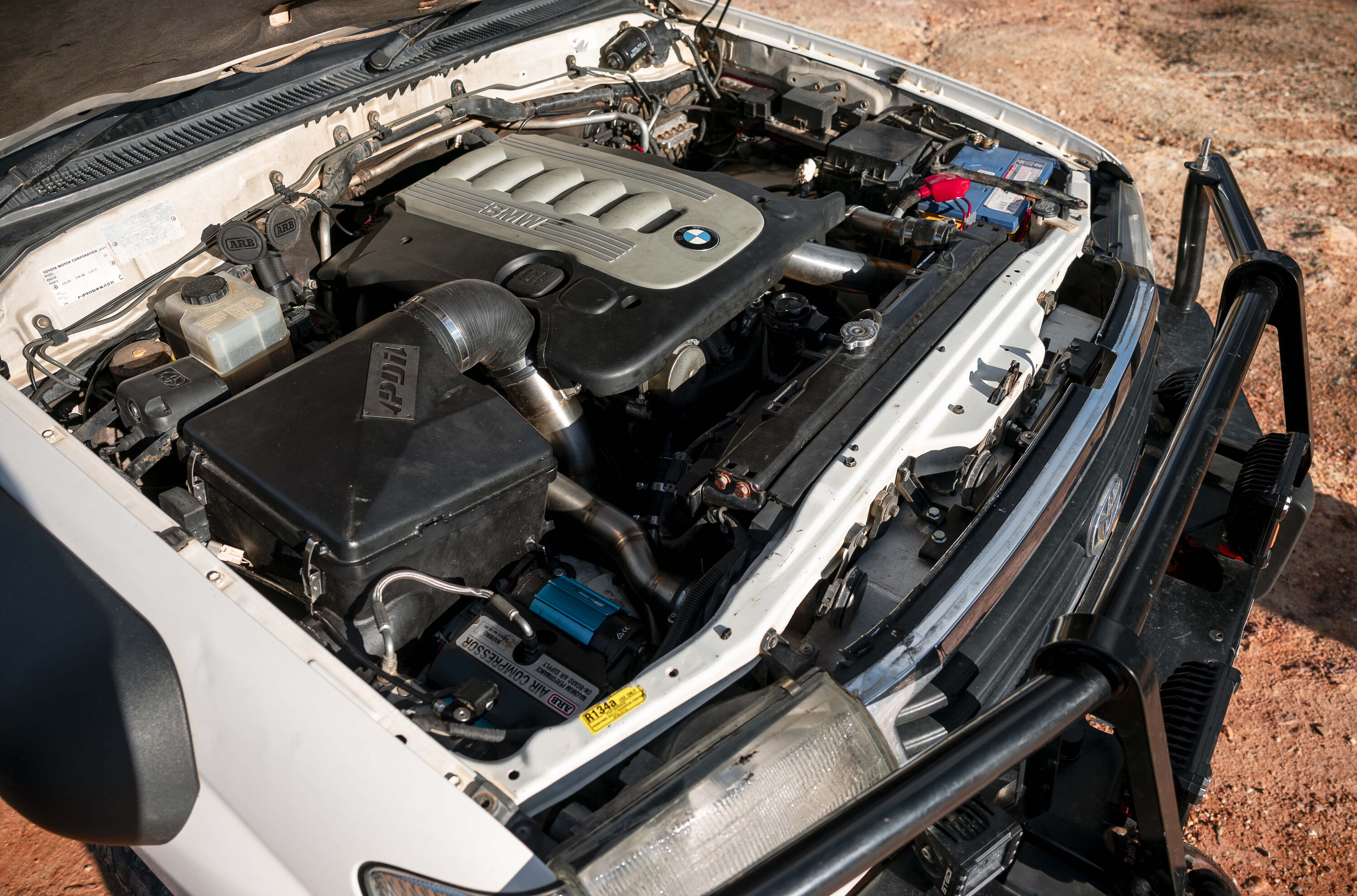
Why would you want to sully your beautiful Japanese or British steed with some Eurotrash engine from a BMW, the manufacturer known for oil leaks and a lack of reliability? Because the M5s isn’t like a lot of other Beemer engines. In fact, it’s pretty bloody brilliant for 4X4 applications.
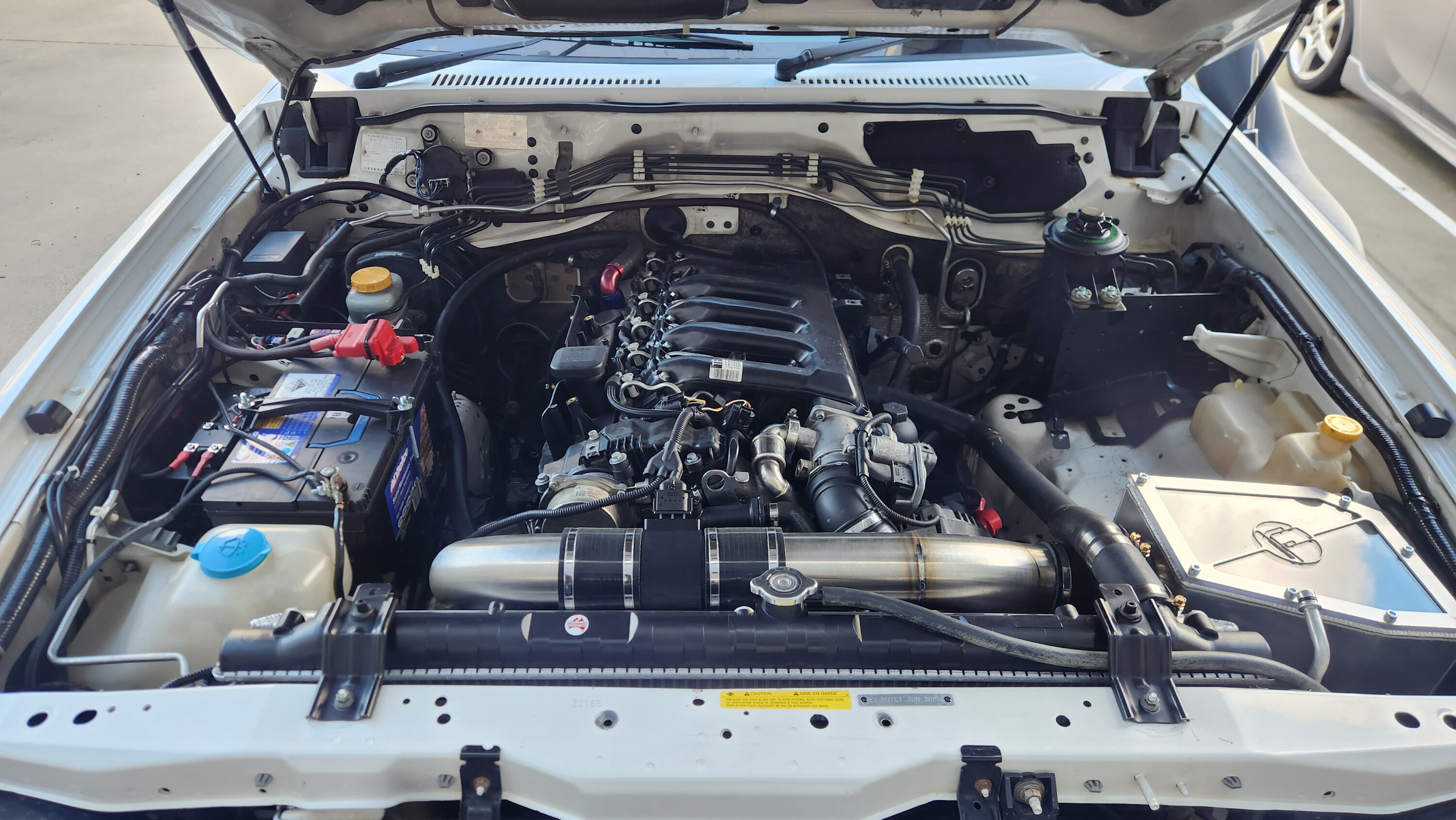
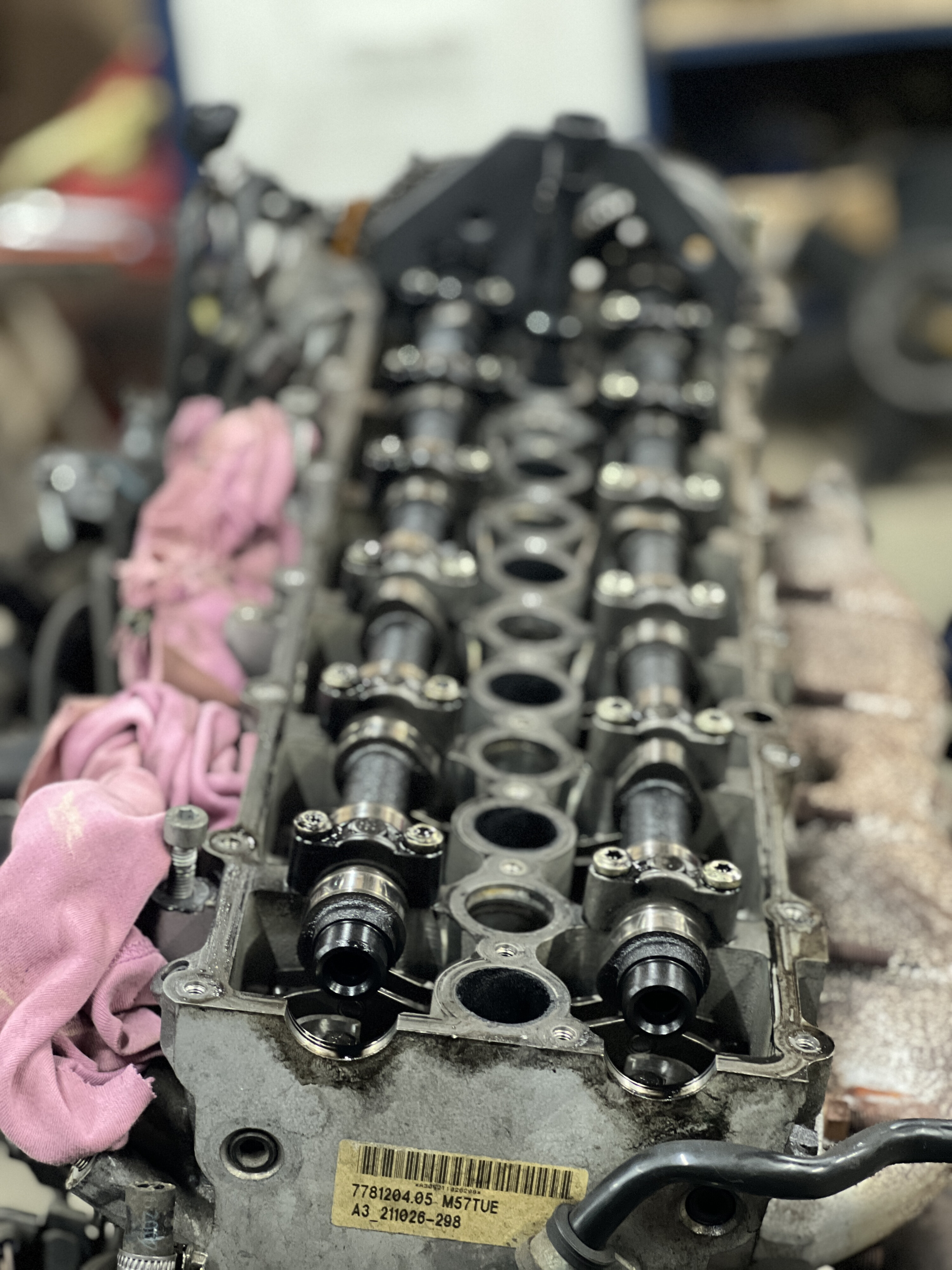
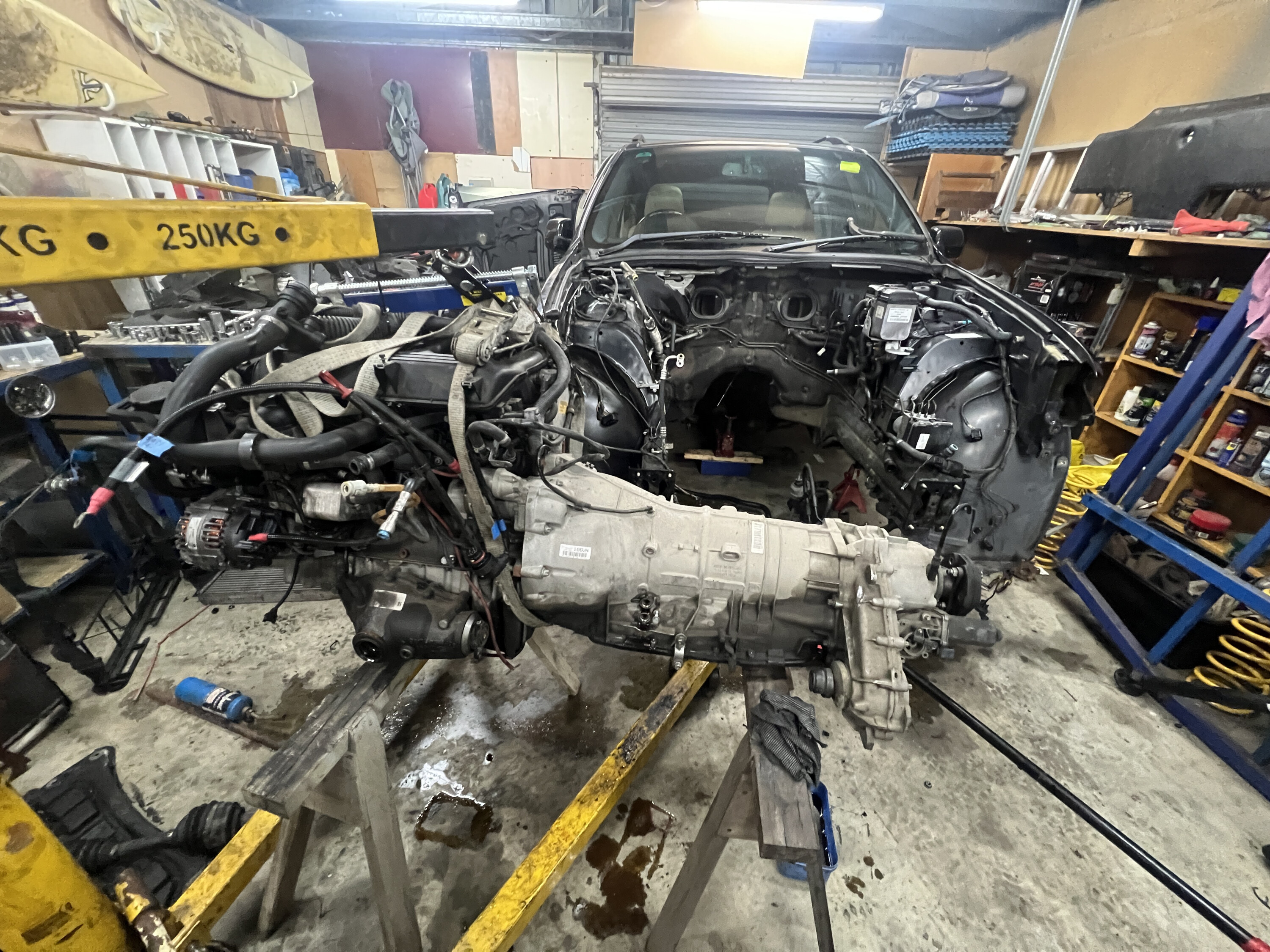
In short, it’s a six-pot, DOHC, turbocharged, common rail injected, 3.0L diesel, and it has a strong aftermarket following thanks to our cousins from Europe who have been throwing them into Land Rovers for the past decade or so.
The bottom end features forged rods and is proven to handle up to 1300Nm of torque in stock form. The head is capable of flowing upwards of 260kW with turbo and fuel upgrades. The CP3 high-pressure fuel pump is also found (in slightly different form) on the 6.7L Cummins and 6.6L Duramax engines in the big-boy Chevs and Rams.
1
Put simply, the M57 is overbuilt, powerful, reliable, fuel efficient (10L/100km is commonly achieved with gentle driving) and capable of being upgraded into an absolute ball-tearer if you’re so inclined. Oh, and they’re relatively cheap to buy and maintain too.
Now it’s not all puppy bellies and free seafood, the TD42s and 1HZ engines will still be able to put out as much or more torque due to their larger displacement, but the M57 absolutely kills them on power; 190kW is easily achievable with nothing more than a tune, and you still get a pretty darn impressive 600Nm from the same mod. Tally up how much it’ll cost to get your Nissan or Toyota engine to that level and these things start making a lot of sense. So yeah, pretty much the ideal engine for a lot of us, and there’s no real downside to shot-putting one in the direction of your rig.
1
Model differences
TL;DR: the engine you probably want is found in the 04-06 BMW X5s. Oh, you want more detail? Cool, strap in.
Before we start, we should point out that M57 came in a variety of BMWs, from the 5 Series, E60, E90… the list goes on. To keep this yarn to a reasonable length we’ll just focus on the most popular vehicle for the swap, the BMW X5, which can be picked up from as little as $3500.
The M57 first came out in 1998 and stayed more or less the same until 2003. This 137kW model (with a narrow bellhousing) came with a five-speed auto. Some X5s even came with a six-speed manual box, but these are as rare as hen’s teeth and are pretty pricey as a result.
The pick of the bunch is the ZF 6HP which is a highly regarded six-speed auto that’s strong as buggery and is silky smooth.
If you’re feeling really sporty you could go for the ZF 8HP which is an eight-speed ’box, but while arguably the best transmission available for the engine it also has a lot more wiring to suss out, and adds about $8k to the conversion total.
The wider bellhousing model M57 arrived in 2004 (M57TÜ or M57N) in the E53 X5 and was available until 2006. This is generally considered to be the easiest engine for conversion and there’s the perceived advantage of its strong iron block, and it’s a single turbo, so straightforward to upgrade if required. From stock these models put out north of 150kW and around 500Nm.
1
2007 to late 2009 saw the introduction of an alloy block M57 (M57TÜ2 or M57N2) in the E70 X5, which saved 50kg on the scales but is seen as a potentially weaker starting point if you’re planning on throwing some big numbers at it.
With that said, there are quite a few of these around putting down some serious power and holding up without drama, so don’t be too deterred. They also come with piezo injectors rather than the solenoid injectors of the M57TÜ engines. While the piezo injectors are more reliable and efficient, they’re also unable to be rebuilt and the nozzles can’t be upgraded to produce more power.
1
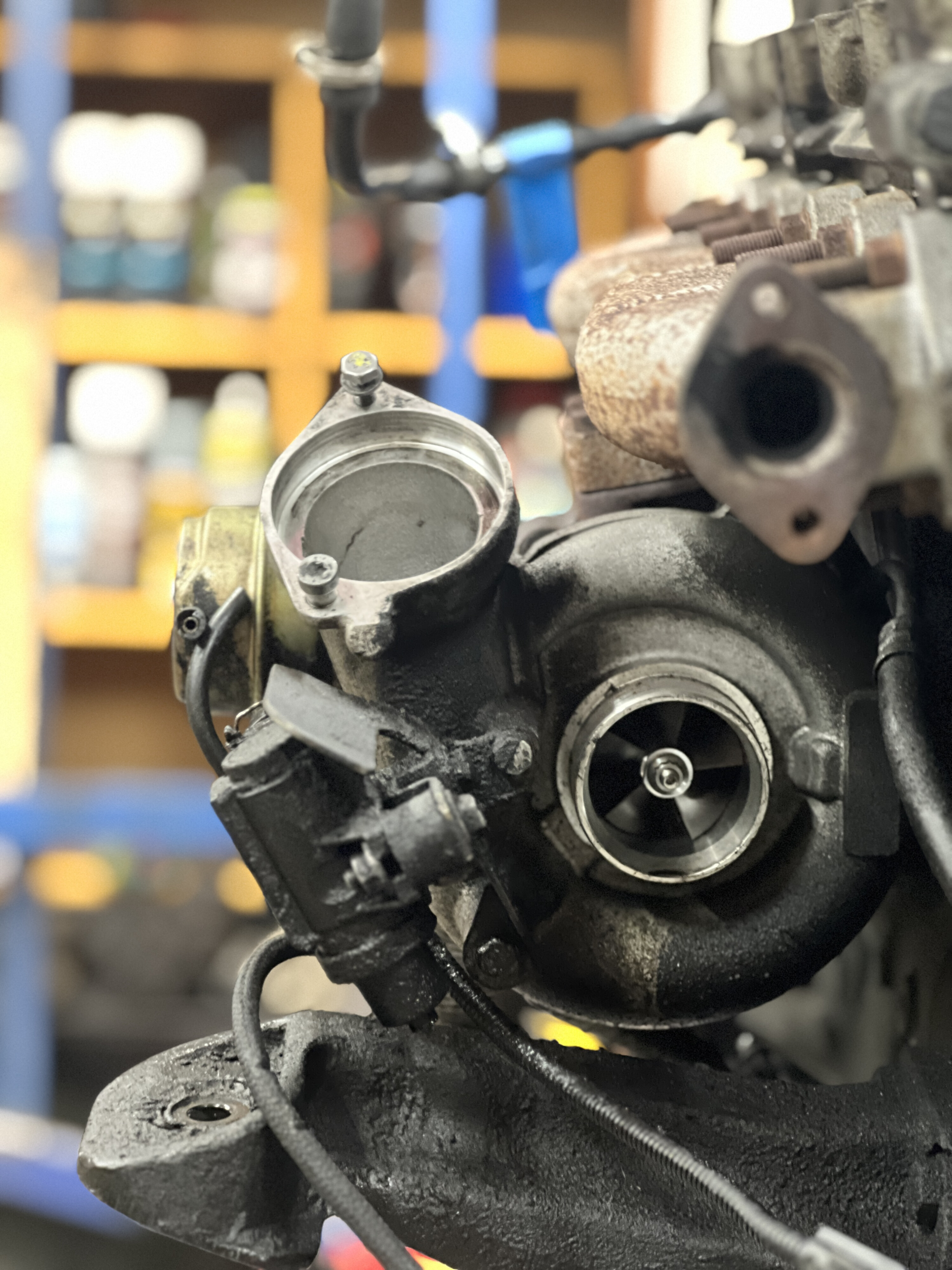
Speaking of power, the E70 X5 (30SD and 35D models) came with the option of a twin-turbo M57TÜTOP engine featuring a pair of smaller BorgWarner huffers on the side.
They’re more difficult to fit but many prefer the extra power (200kW stock and a bunch more available with just a tune) despite the increased complexity of the installation. For the simplest option with the least headaches, we recommend you grab an ’04 to ’06 E53 X5 diesel with low mileage.
Things to watch for
EGR/DPF issues
This isn’t as much an M57 problem as an every-modern-diesel issue, but the M57 still can have problems with its emissions countermeasures. We’d tell you to do yourself a favour and ditch the EGR and DPF, but that would be promoting illegal activity which we’d never do. Moving on…
Swirl Flaps
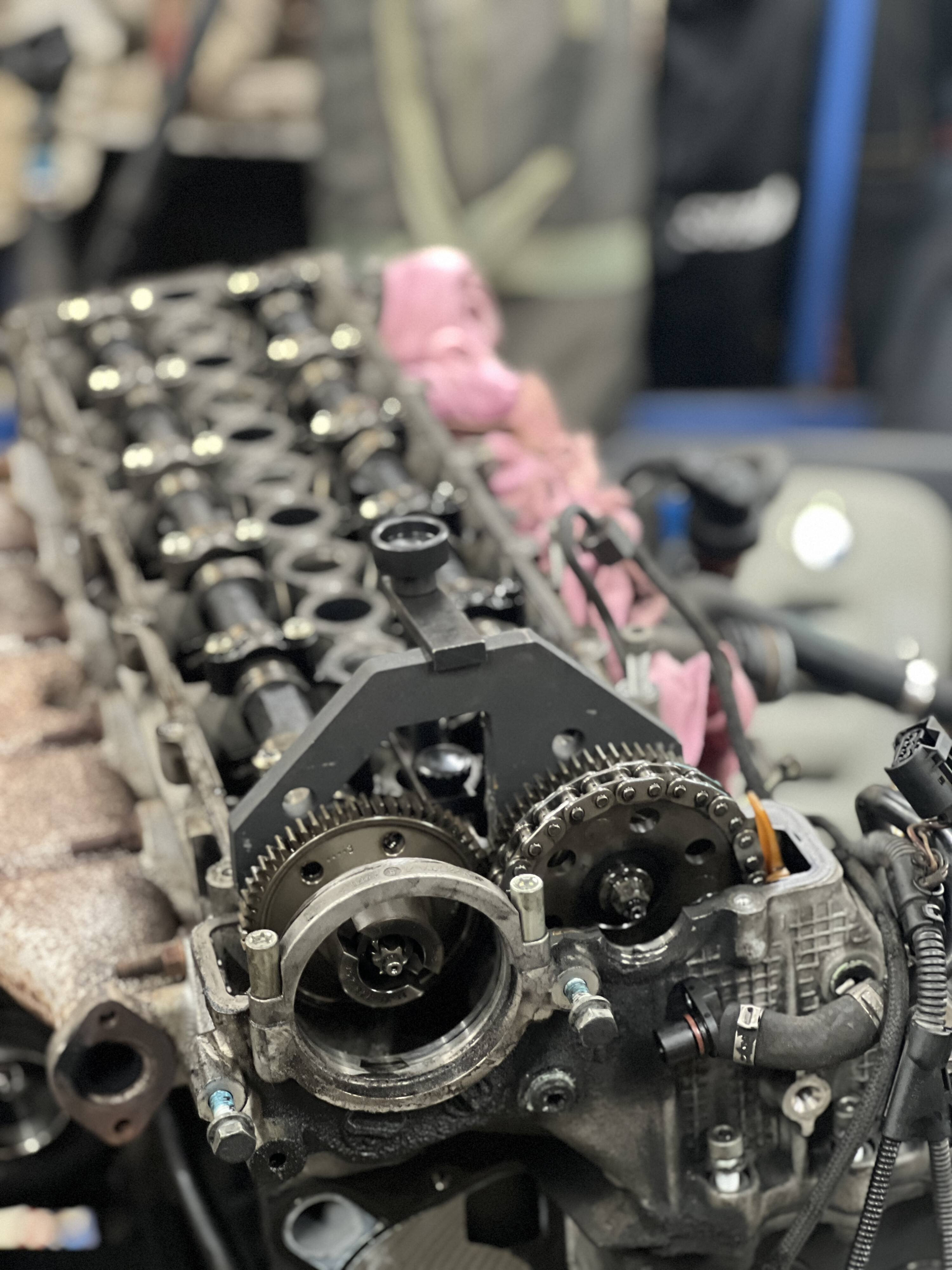
Located in the intake, these are designed to optimise the air-fuel ratio however they are known for failing and dropping their mounting screws into the combustion chamber, causing potential carnage. Delete kits are cheap and one of the first mods to do if your engine has them.
1
Valve springs
If you’re chasing north of 225kW, the valve springs will need upgrading. They’re quite soft and can cause problems, especially with worked engines.
Timing chains
Not an issue really; in fact there are many 500,000km engines getting around on stock chains, but if you’re pulling your over-300,000km M57 out anyway, throwing new chains at it is good preventative maintenance.
Exhaust manifold
On the M57TÜ BMW went for a stainless exhaust manifold which is known to crack. Replacement with a cast manifold is the fix.
1
Glow plugs
Again, as preventative maintenance the glow plugs and glow plug module are common causes of faults. They’re easier to swap out on the stand than in the vehicle.
Leaks
The sump, rear main seal, valve cover, oil filter housing and injector washers and seals should all be swapped out when the engine is out. They’re not really known problem areas, but you’d be nuts not to do them on a 15+ year old engine while it’s all easily accessible.
1
Getting it in there
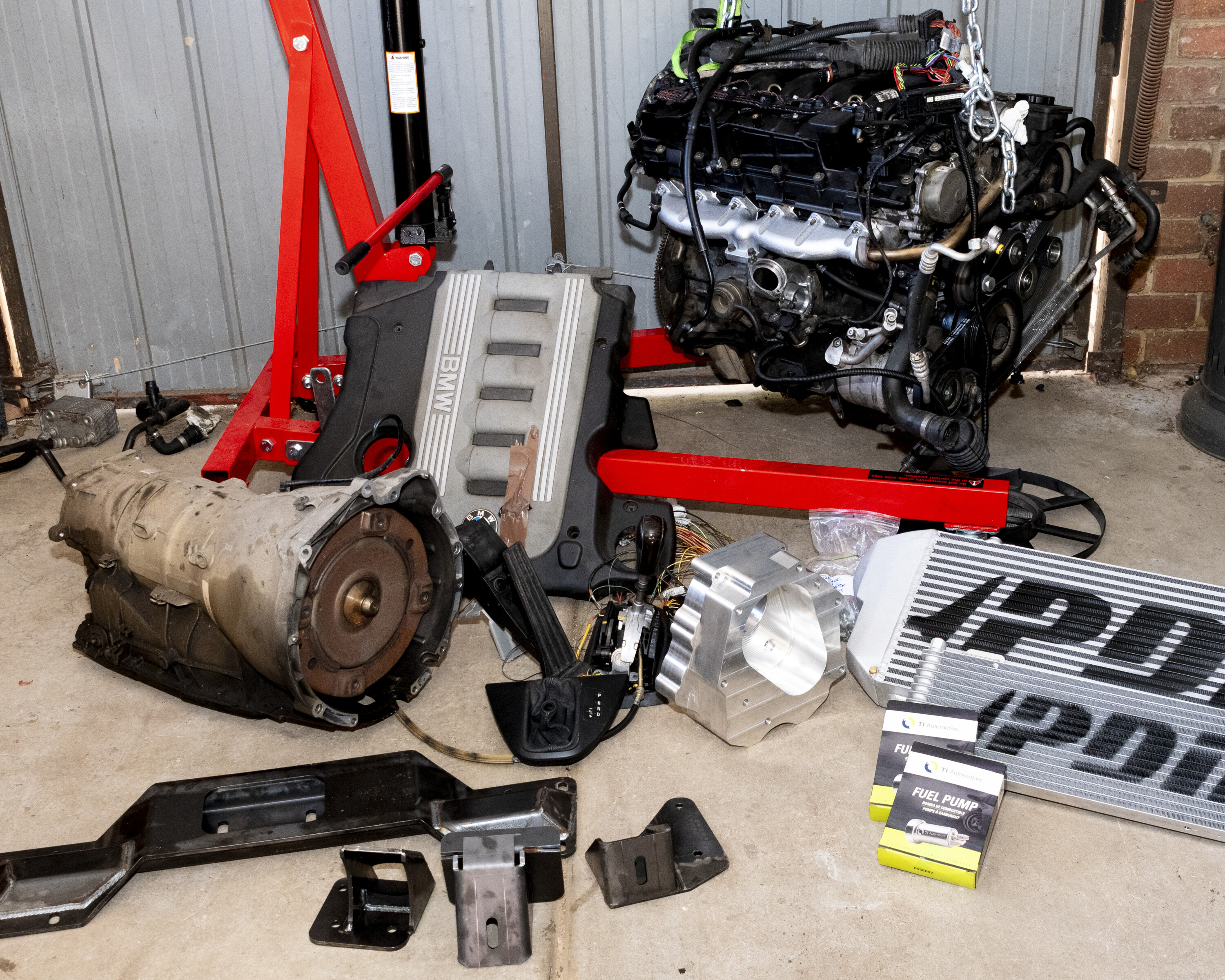
Before breaking out the torque wrench and oxy torch, there are a few things you’re going to need (other than the engine, ancillaries and transmission, duh) to make your conversion go smoothly. Ash from Fusion Fab gave us the rundown:
ECU and complete engine harness “A” (this is marked on the BMW wiring, but it’s basically the engine side of the harness).
Throttle pedal, including the pedal-position sensor.
Electric fuel pump (and filter if you’re planning on running BMW filters), located on passenger frame rail about halfway down.
Transmission shifter and wiring harnesses for both the transmission and shifter.
Lines to transmission cooler (which are possible, but not mandatory, to re-use).
Once you have all that ready and your rigu2019s stock engine and transmission are out, itu2019s time to hook in.
1
Patrols
Adapters & Mounting
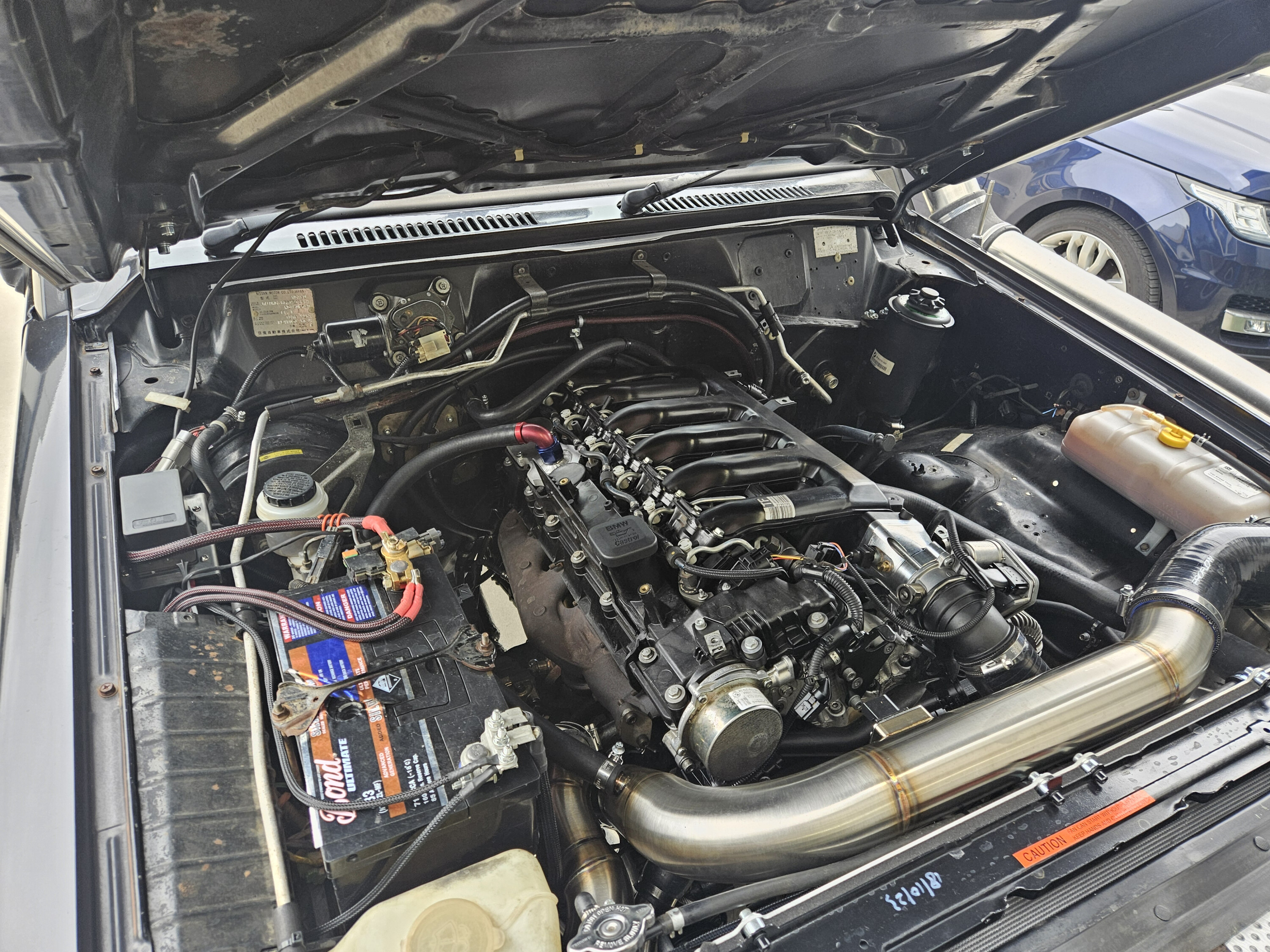
All mounts are available through Fusion Fab – engine mounts may require chassis welding depending on the model of Patrol you’re converting. Fusion Fab prefers to use stock Nissan mounting rubbers.
The Fusion Fab transfer case adapter allows for stock driveline lengths to be kept and the standard transfer case to be run.
Wiring
Fusion Fab sells a standalone wiring harness that connects to the stock BMW engine and transmission harness.
The stock BMW ECU will require the immobiliser to be tuned out, as well as EGR and DPF if you’re getting rid of them. While you’re there, an easy 185kW is available from the M57N and even more from the M57N2, all from stock, so there’s no real reason not to.
1
Cooling
A stock TB45 radiator and fans are enough to keep the engine comfortably cool.
Aftermarket intercooler required.
Exhaust
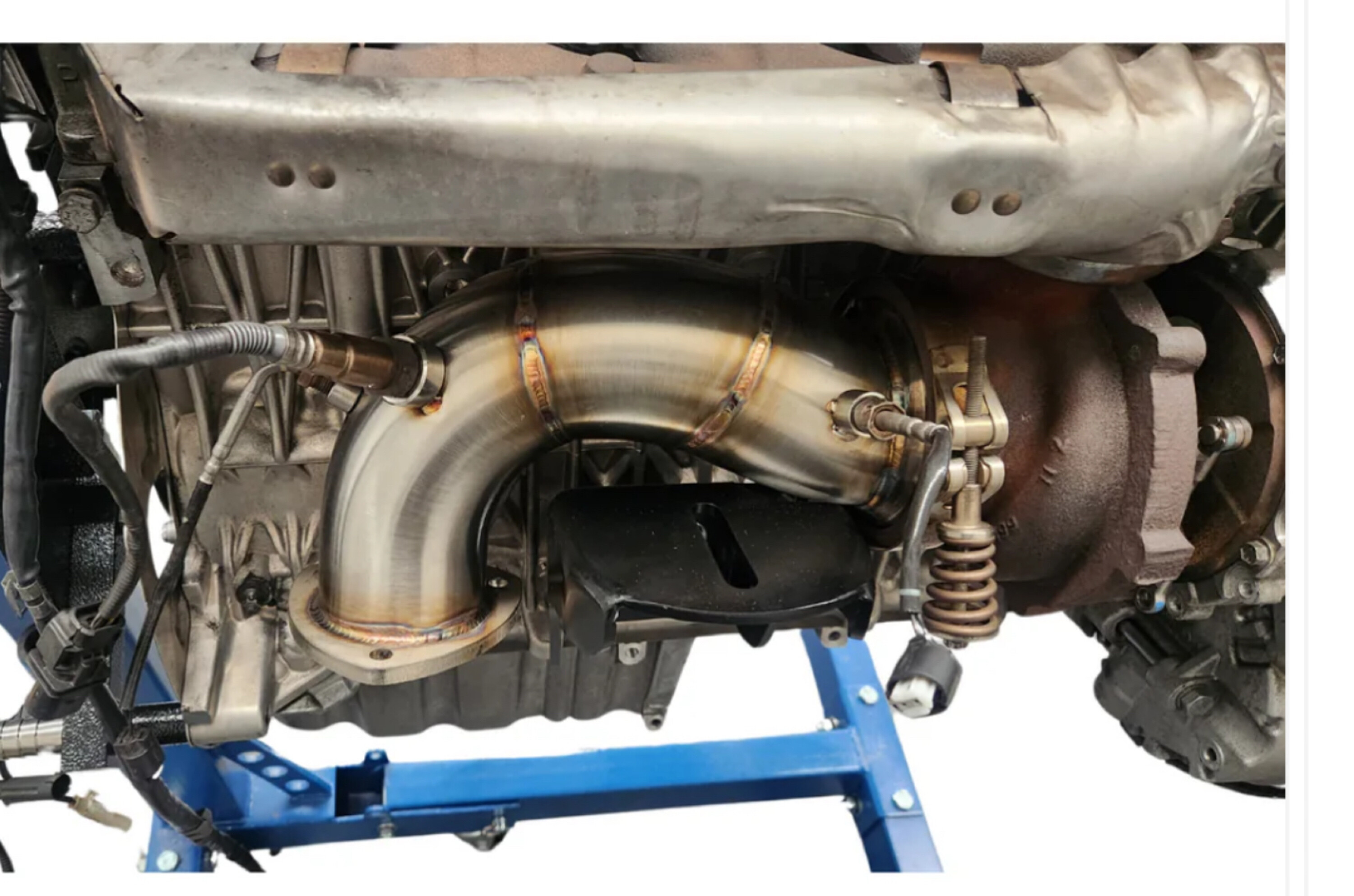
Will have to be custom built, or pieced together from an aftermarket Patrol exhaust with custom downpipe (Fusion Fab again).
Options
CANBUS module – allows the BMW system to talk with the Nissan stuff, and provides things like gear position indicator and tacho signal etc.
Steering box spacer – for use with twin-turbo conversions.
PCV breather plate – for use with single-turbo conversions.
1
LandCruisers
Adapters & Mounting
Engine mounts and transmission crossmembers available through McKinnon’s Cruisers.
Adapter to HF1A and HF2A Toyota transfer cases available from Fusion Fab.
Wiring
Standalone harness available through Fusion Fab.
1
Cooling
Stock petrol Cruiser radiators with aftermarket fan set-up or BMW clutch fan with custom shroud are up to the task.
Aftermarket intercooler and piping required.
Exhaust
Custom dump pipe required for 3-inch-plus systems. Can use BMW dump pipe to 2.5-inch aftermarket or stock exhausts.
Options
Aftermarket airbox beneficial.
Intake and exhaust on same side as factory stuff, so makes it easier.
Land Rovers
Adapters & Mounting
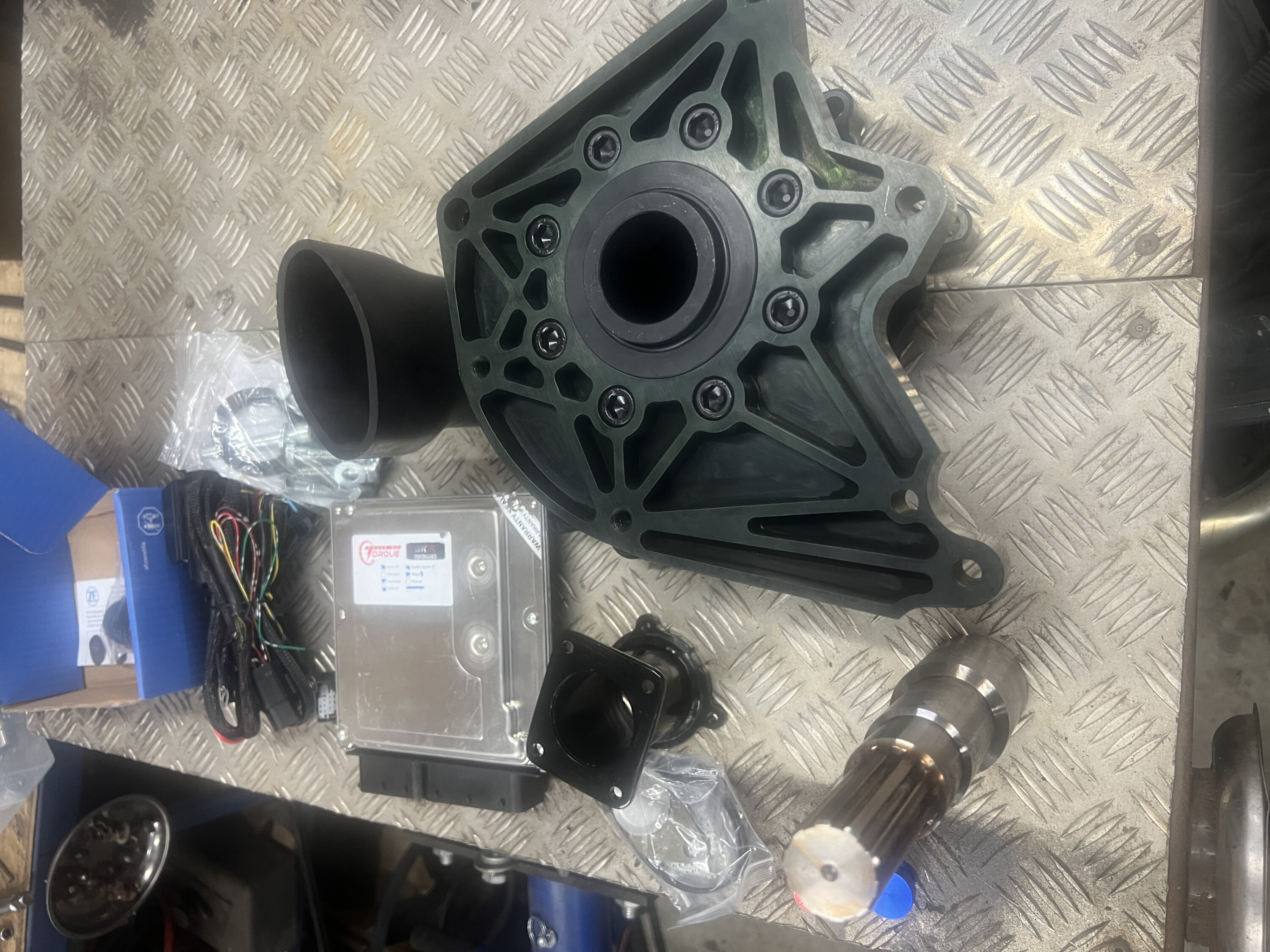
All adapters and mounts (for Defender) available through House of Torque. For Range Rover and Discovery, custom engine mounts will need to be fabricated.
Defender can use Puma tailshafts to work, Discovery and Range Rover will likely need custom length shafts built.
Wiring
Standalone harness available through House of Torque.
1
Cooling
TD5 radiator and intercooler pack has been shown to work, although upgraded Allisport unit is preferable. More options for Defenders.
Exhaust
BMW dump pipe into factory TD5 exhaust or full custom 3-inch-plus system.
Options
P38 steering box conversion – moves box from inside chassis rail to outside, allowing more room for engine fitment.
Other vehicles
Adapters & Mounting
Custom engine mounts and transmission crossmembers will be required.
Recommend fitting Patrol/Cruiser/Land Rover transfer to enable BMW transmission to be adapted with custom tailshaft.
Wiring
Custom adapting plug and play harness from Fusion Fab.
Cooling
Case by case, but as large a radiator, intercooler and transmission cooler as you can fit.
1
Exhaust
Yep, custom baby, although Fusion Fab dump pipe could potentially be routed into aftermarket 3-inch exhaust.
Options
As above. Steering, AC lines, intake routing and probably several other things will need to be considered.
Power hunting
Chasing big power from an M57 is definitely possible, but when you can net a fairly easy 220-260kW from an M57N2 twin-turbo, not many folks bother looking for more as fuel use and reliability inevitably take a hit.
However, if we had to break it down by the usual means of making diesels sing, it’d go a bit like this:
Tune
Getting a tune should be first and foremost as it’s the easiest way to grab a sneaky 20-30 per cent more power and torque without affecting reliability or fuel use. Keep in mind that any injector, turbo or pump mods will require an updated tune to make the most of them.
1
Injectors
The piezo injectors are good for around 335kW, so no real joy there. The solenoid injectors can have larger nozzles from a 535D fitted but even then you need a turbo upgrade to get it working properly.
Turbos
Much over 220kW and the single turbos start becoming a little lacklustre. A popular upgrade is the Garret GTD2872VR which can handle up to around the 300kW mark. Bigger turbos can provide more, but then you’re looking at serious porting and strengthening work of the internals.
Valve springs
Chasing more than 220kW? The stock valve springs will need upgrading.
Pumps
Curiously, the M57N2 came with the smaller R70 (1600 bar rail pressure) pump while the M57N came with the larger R90 (2000 bar rail pressure). If more power is required from your M57N2 an R90 upgrade can be beneficial.
Just a reminder, these CP3 pumps came out in Duramaxes and 6BTs, so they’re no slouches. With that said, twin pump kits are available if you want to do your best to destroy the dyno.
Intercooler
The larger the better, really. You can’t freeze your intake charge. Fun fact: Gale Banks ran straight nitrous-oxide rather than an intercooler in his drag Duramax. Different engine, but the point is the same; the cooler (aka denser, aka more oxygen-rich) the intake charge the better it is for your available power output.
Cams
Cams and head studs can be fitted without removing the head, although once again, this is for race-spec builds trying to get every last ounce of power out of a rig rather than for people who want enough under the right boot to comfortably get across the Simpson without worrying about getting up the taller dunes. Horses for courses, folks.
1
Parting thoughts
If you’re looking for an engine that has the holy trinity – power, reliability and economy – then the M57 engine is pretty close to bang-on.
A short (only 700mm or so long) straight six that’s torquey, has enough power for pretty much anything and won’t be a Chuck Norris roundhouse to the wallet every time you hit the servo. The M57 is also matched to one of the nicest six-speeds in the game (same ZF box as in the Barra turbo), or an eight-speed which is arguably the ideal 4X4 transmission.
Importantly, a whole BMW X5 can be had for a few grand, giving you the engine, transmission and the majority of the wiring needed.
Entire conversions have been completed for less than $10k, which is roughly what a 3.8L Commodore V6 used to cost 20 years ago, so the value is right up there. Could this be the next big thing in hot-rodded diesels? We reckon it could be, yeah.
Thanks
Big thanks to Ash and the Fusion Fab Industries team for their expert knowledge and help with this article.
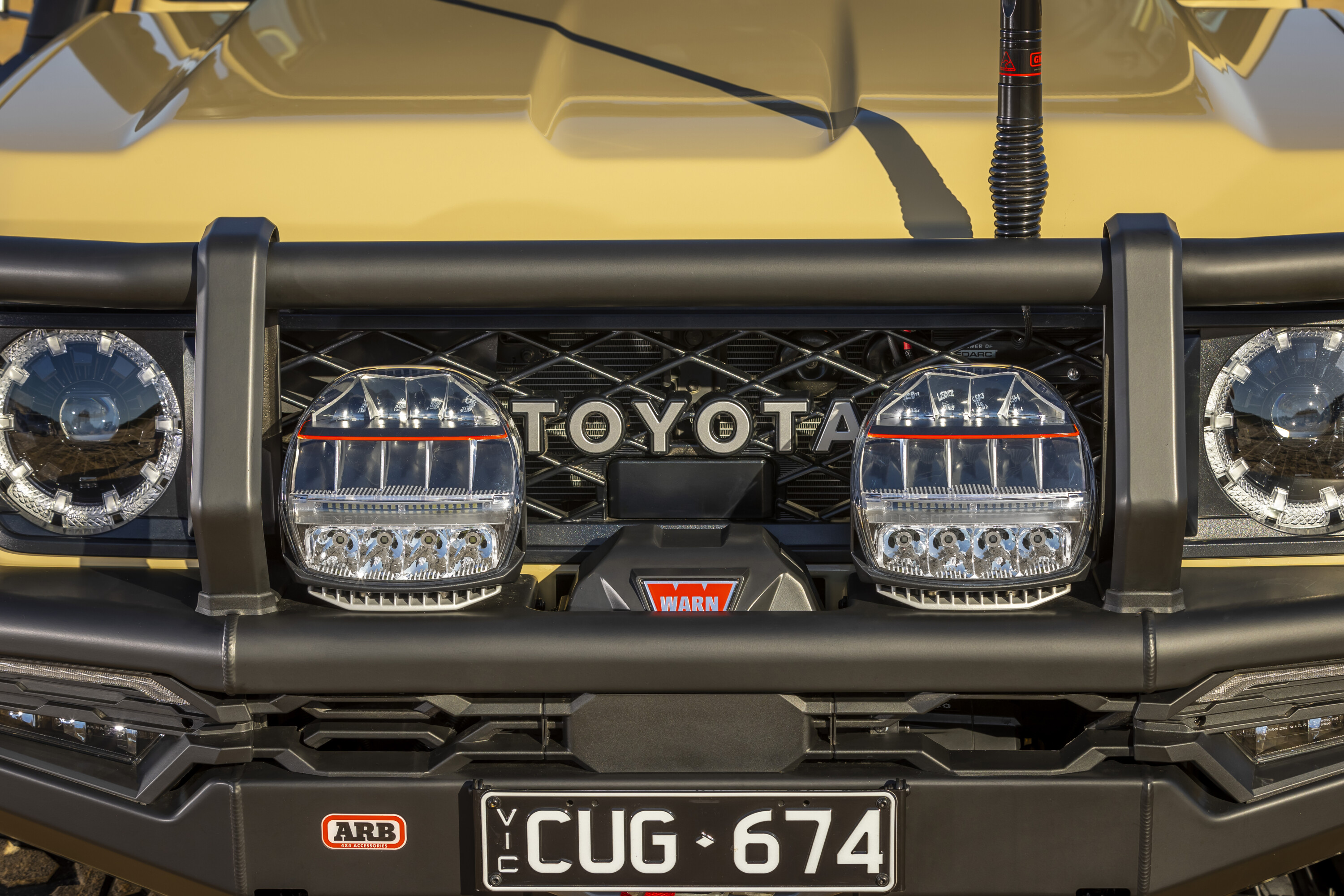
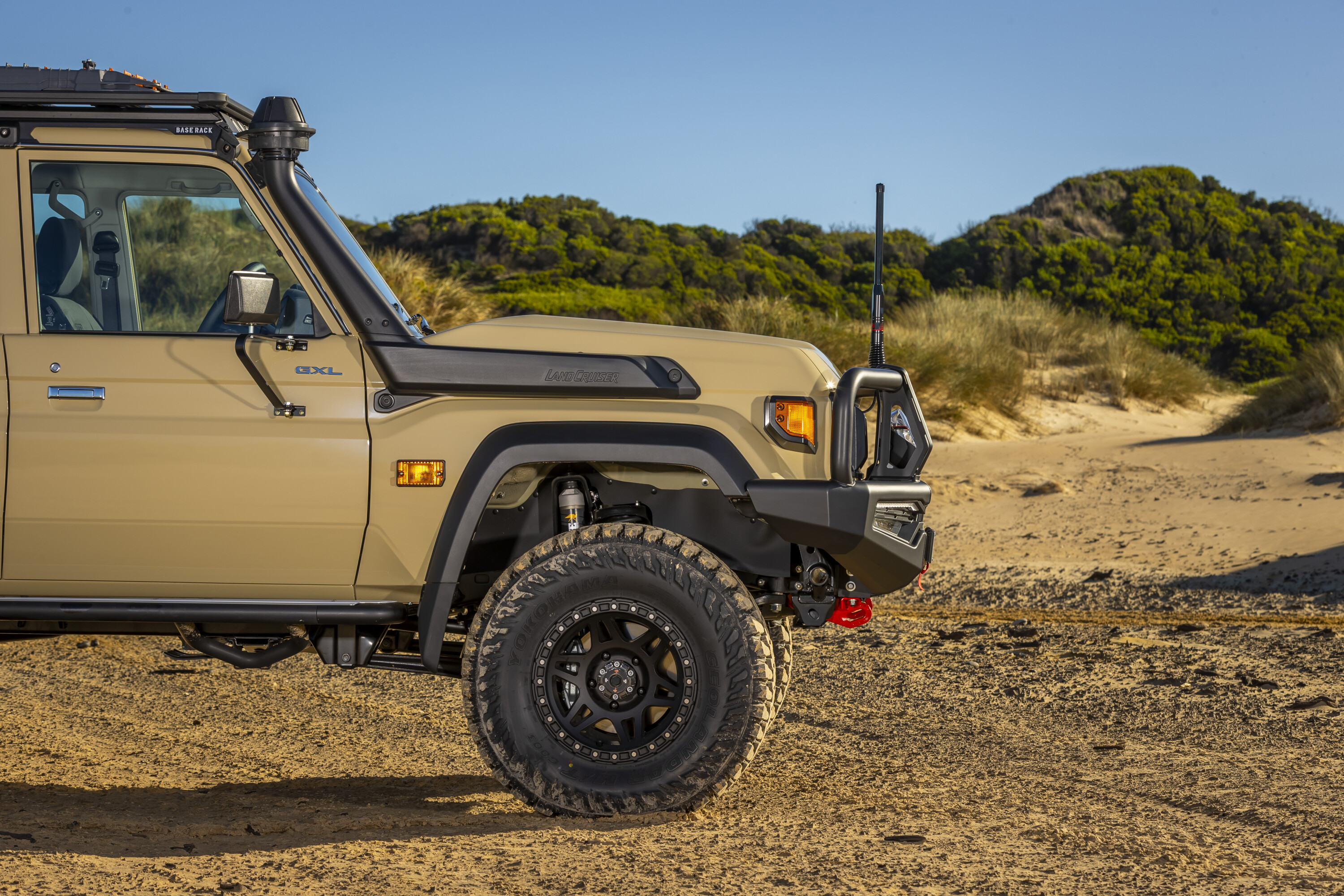
ARB has unleashed the full potential of the MY24 LandCruiser, with its Summit MKII bull bar.
This bull bar has been designed specifically for the new 70 Series LandCruiser, providing unparalleled off-road protection and a sleek, modern design. With a durable steel construction, the Summit MKII ensures maximum protection and incorporates ARB’s renowned multi-fold upswept and tapered wing design for optimum strength and approach angles. The registered design of styling components provides a unique look that will turn heads.
4
Advanced design elements include a 30mm radius on the wings and centre section, 60.3mm outer frames and centre cross-tube and press-formed top pan and aluminium (powder-coated matt black) winch cover panel. The split pan design offers maximum strength and airflow while the robot welds on the bar’s front face, highlighting ARB’s excellence in sheet metal fabrication.
The Summit MKII bull bar is crafted to elevate your MY24 LandCruiser’s performance and aesthetic. Engineered for resilience and designed for modernity, this bull bar adds approximately 45mm to the overall length of your 4WD. Finished in a matte black powder coat and treated with Metaprep primer for additional corrosion resistance, the Summit MKII stands the test of time and terrain.
2
The Summit MKII includes enhanced functionality with twin ARB Jack or Hi-Lift jacking points located on the lower pan, two aerial brackets located on the centre frame, and optional winch fit and winch hawse spacer kits. It can accommodate Warn, Bushranger, Smittybilt low mount electric winches up to 12,000lb, and it has the provision to accommodate ARB Intensity V2, IQ, Solis and Bushranger driving lights.
ARB has also released a full suite of accessories to complement the launch of the MY24 LandCruiser, which has undergone extensive and rigorous durability testing for optimal integration and performance.
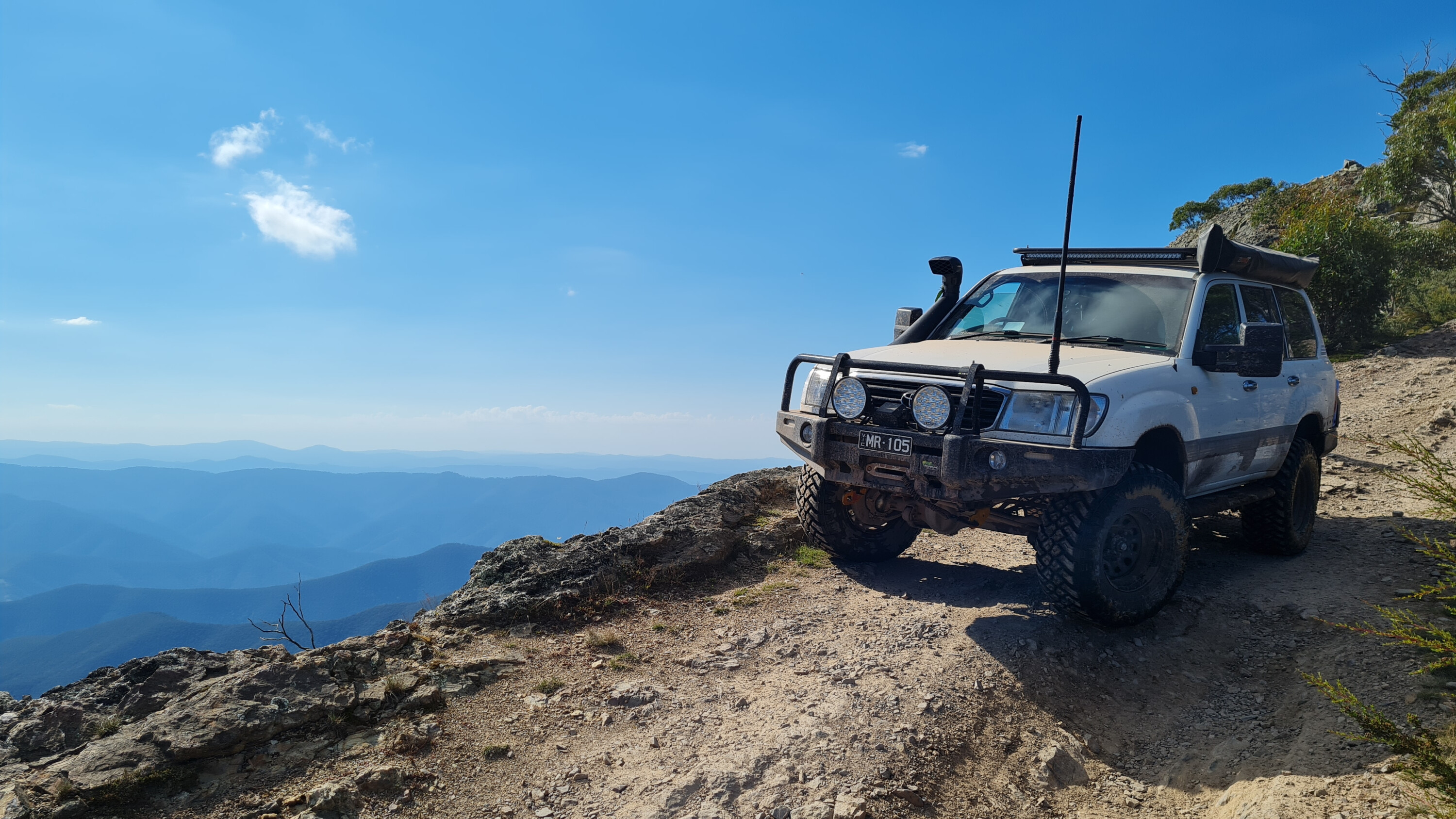
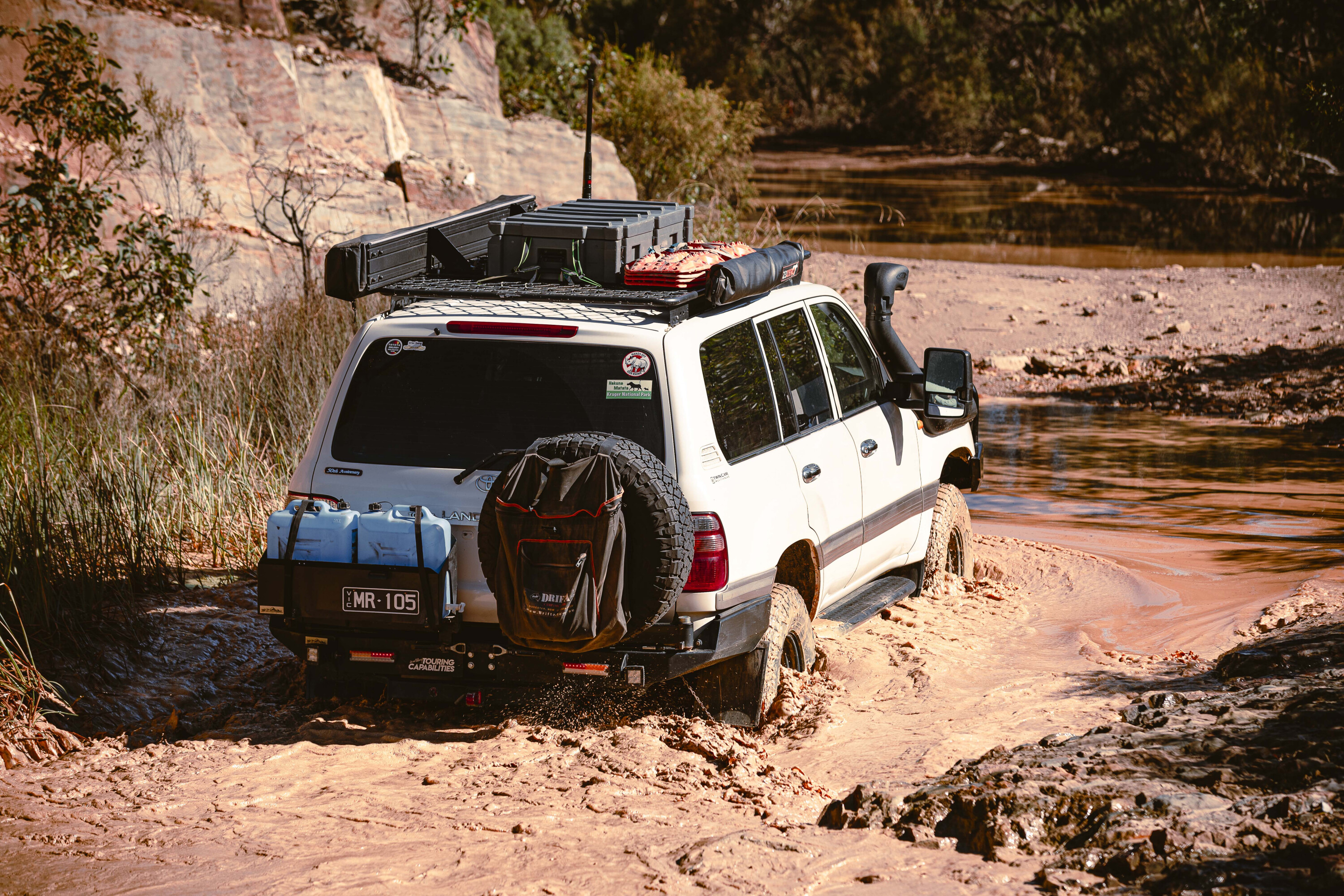
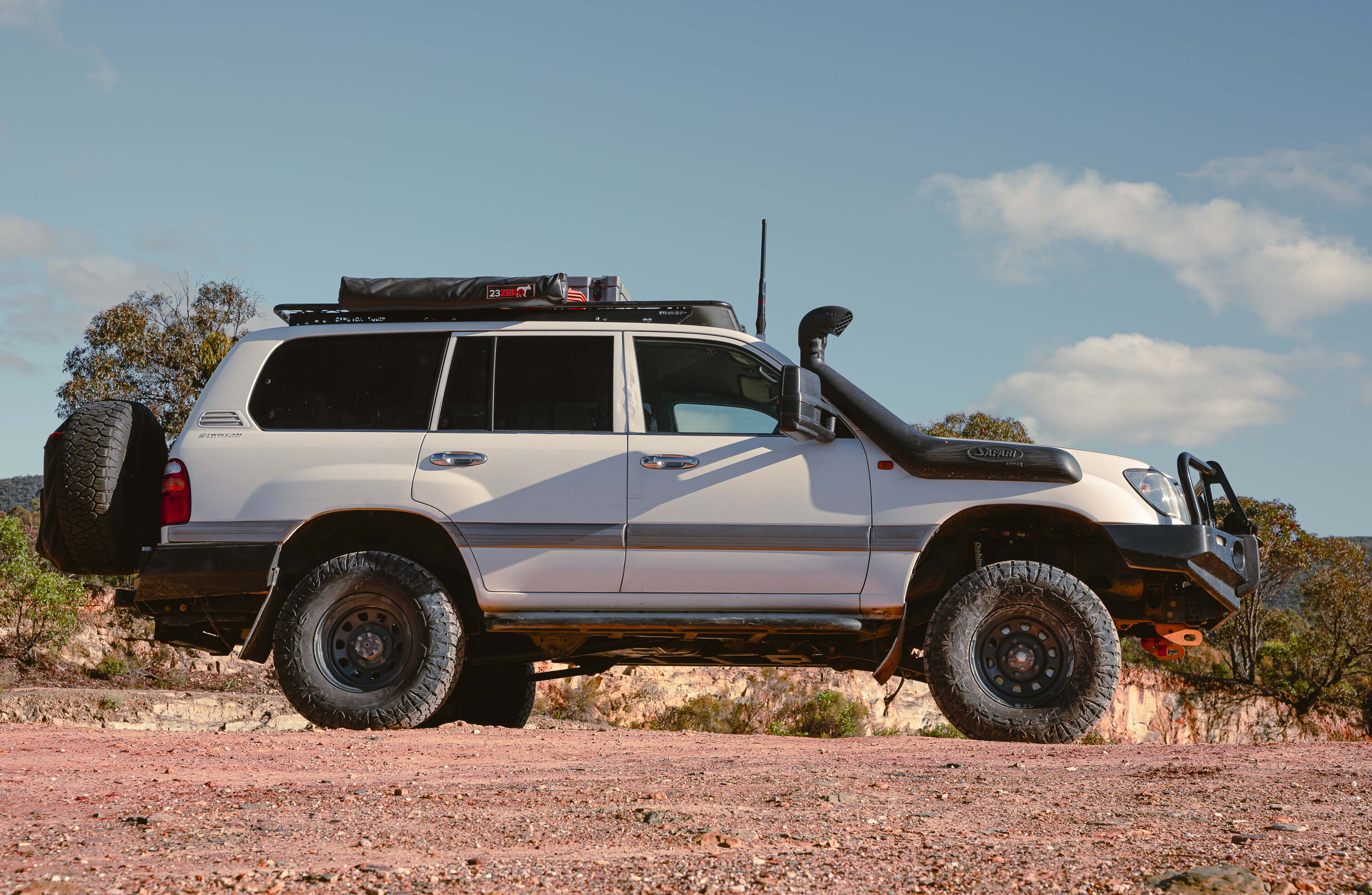
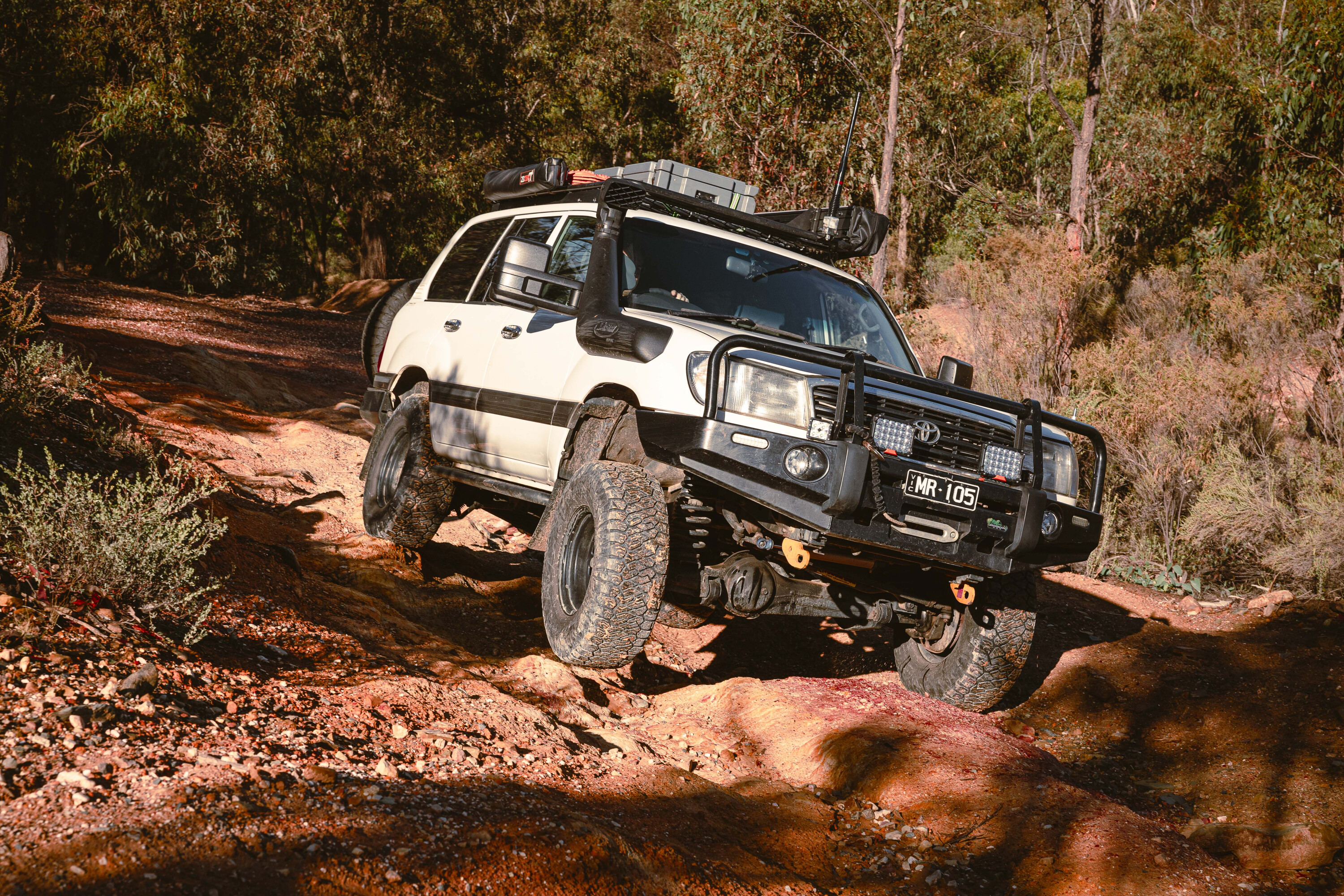
At first glance, you could be forgiven for thinking this is just another tidy 105 LandCruiser, one you might see at any number of campsites across the country on any given weekend.
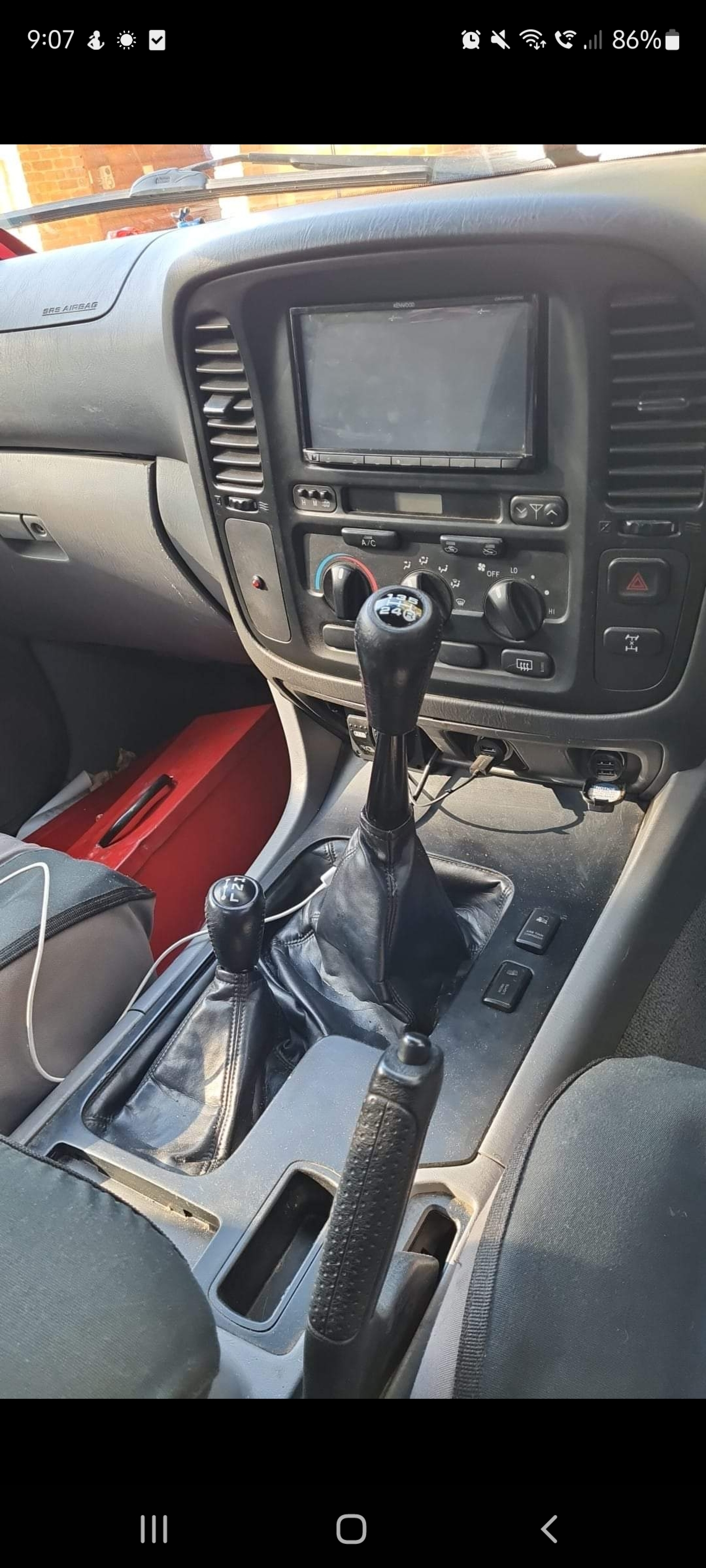
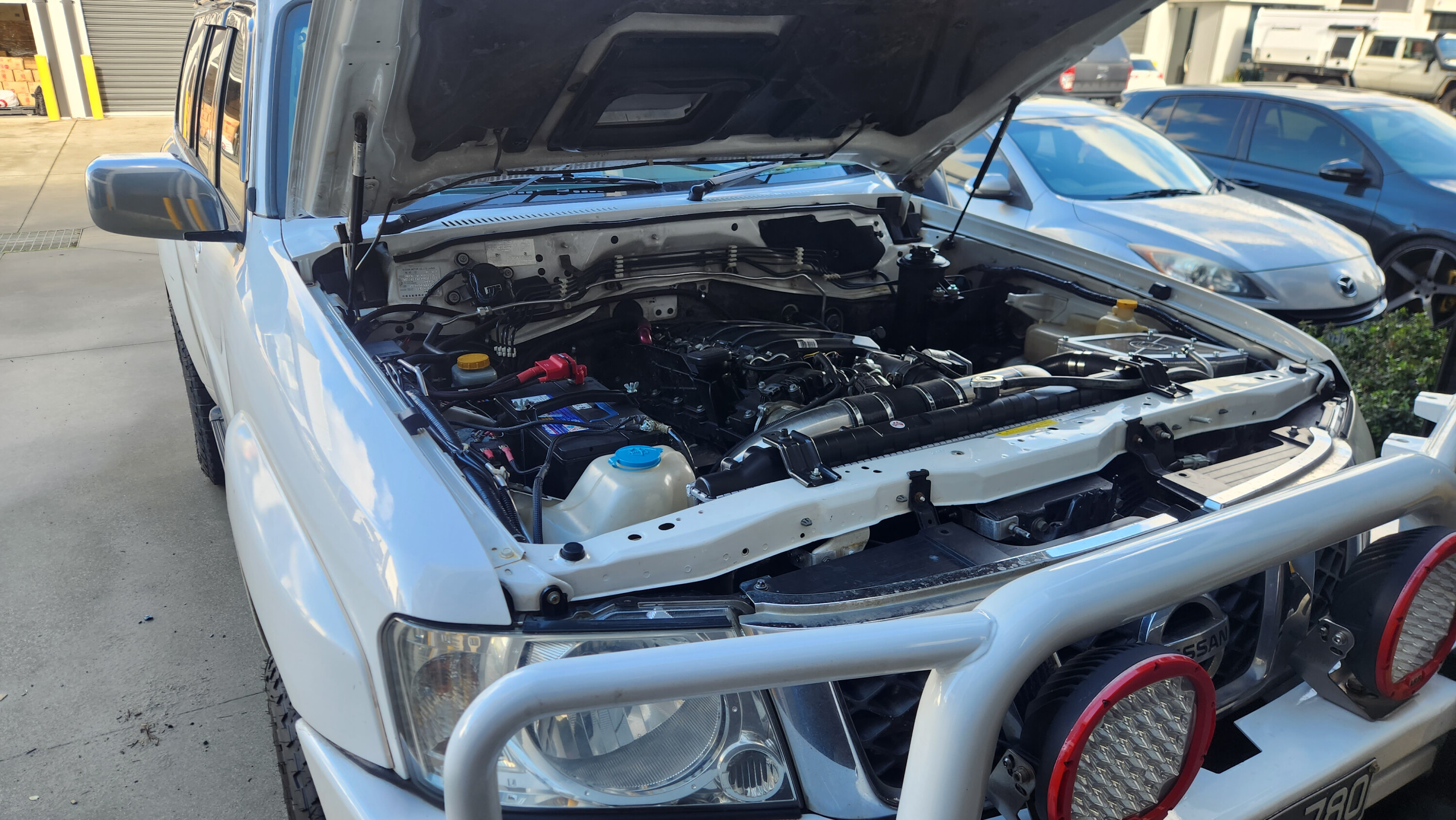
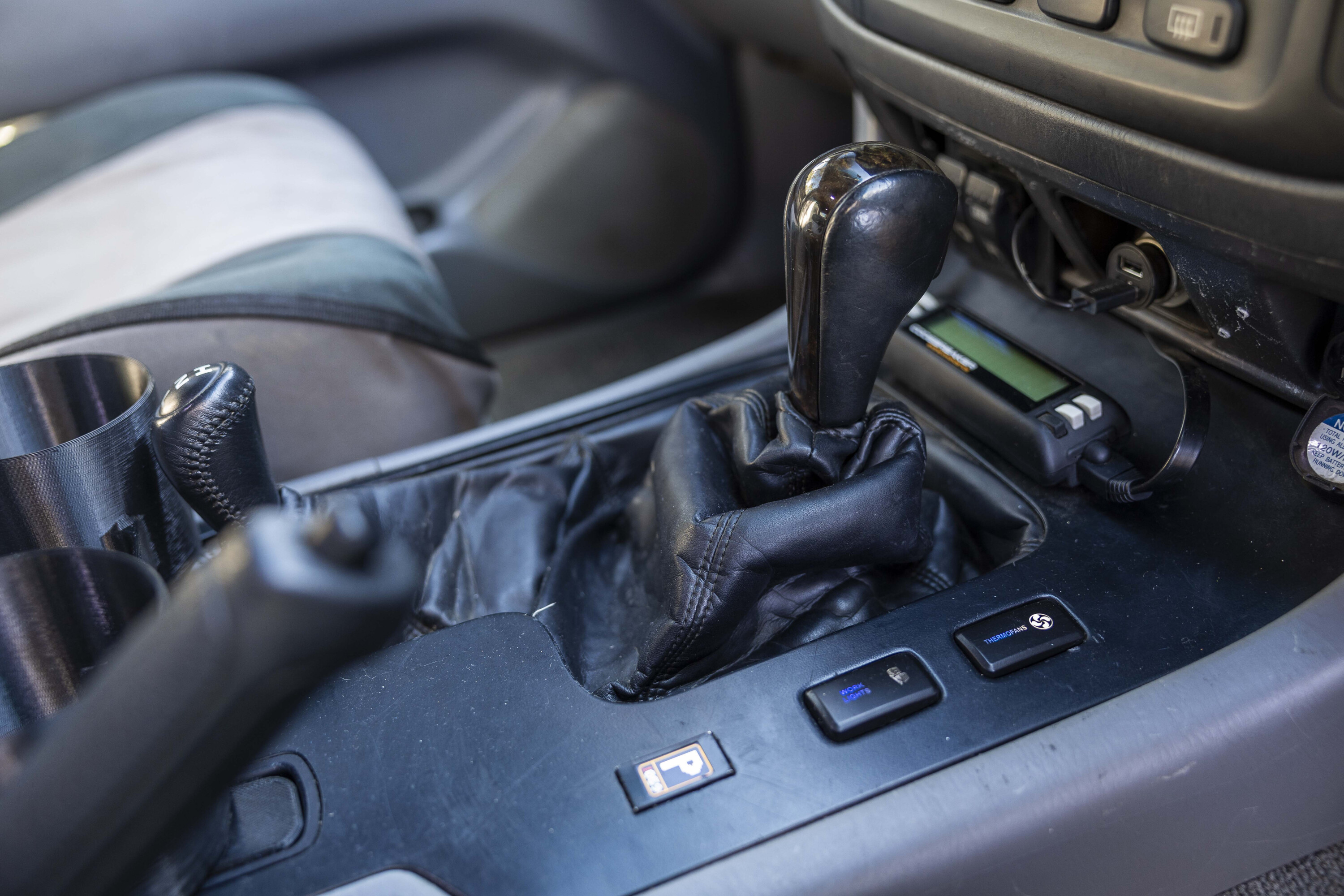
However, dive a little deeper and you’ll notice things like the throaty straight-six exhaust note, the non-Toyota shifter in the console, and the BMW badge on the engine cover. What the… ?!
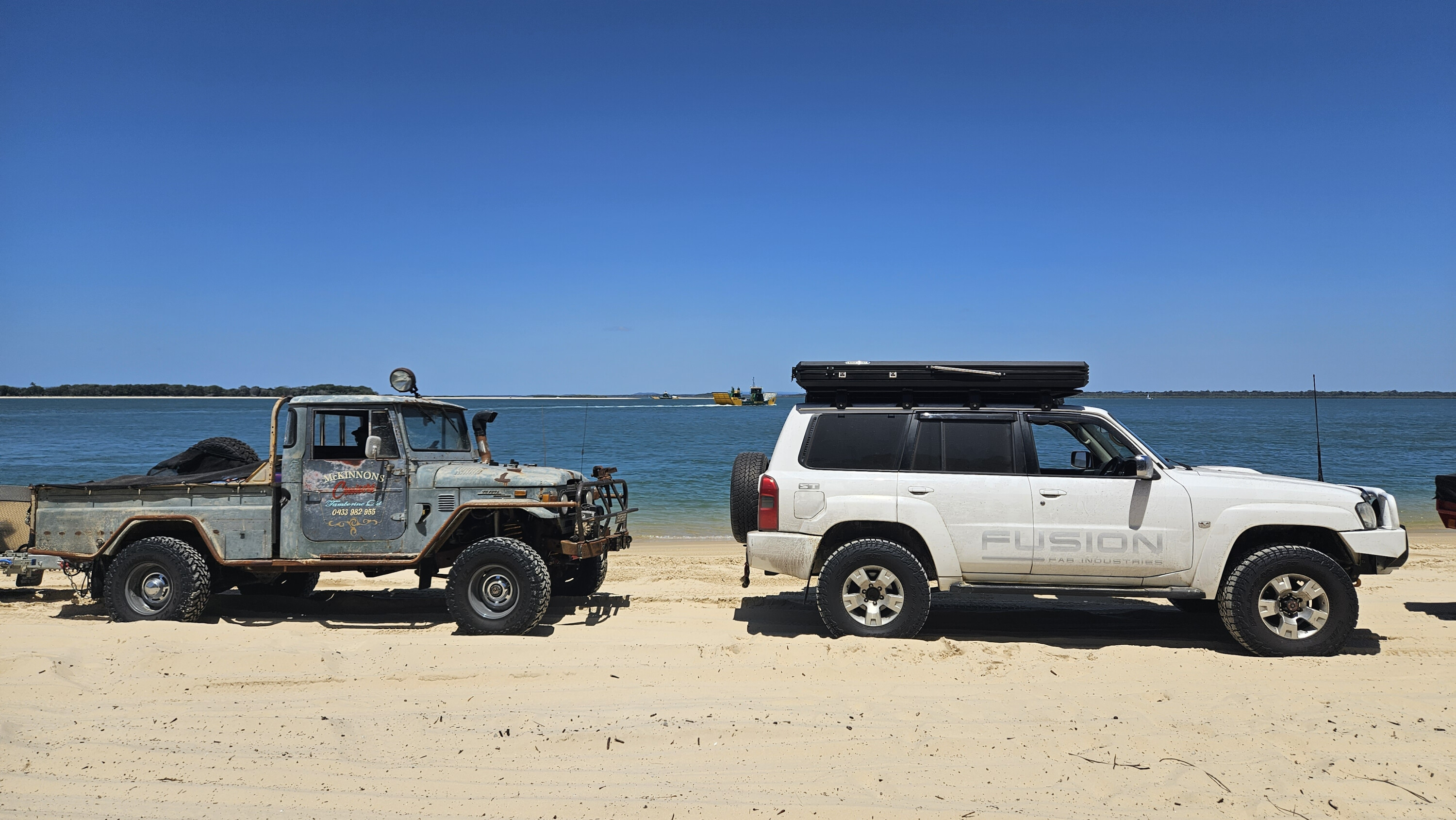
Yep, this particular bus belongs to Max Ratzlaff, and not only does it have an engine conversion that’s bordering on sacrilegious to Yota purists, but it’s also the first of its type in the country. Not bad considering Max bought this as his first ever 4x.
1
He was originally chasing a dependable, comfortable wagon with a live-axle front-end to do some touring with when he came across this mint petrol-powered 105.
Easy to work on and modify, the big hundreds are well-known as being basically bulletproof, and a fantastic baseline on which to build the ideal rig. The 4.5-litre unleaded engines are also way more affordable to buy than the same model diesels, which suited 19 year old Max to a tee.
That was back in 2020. Fast forward a few years and we had Covid, which punted the price of stock turbo-diesel Cruiser motors to the moon (think $20k for the engine alone), and the price of fuel hasn’t exactly gone in the right direction either – so a diesel swap that was torquey, reliable and relatively cheap was put on the front burner.
Which led Max directly to BMW’s finest: the mighty M57. But we’ll get to that in a sec…
1
The bolt-ons
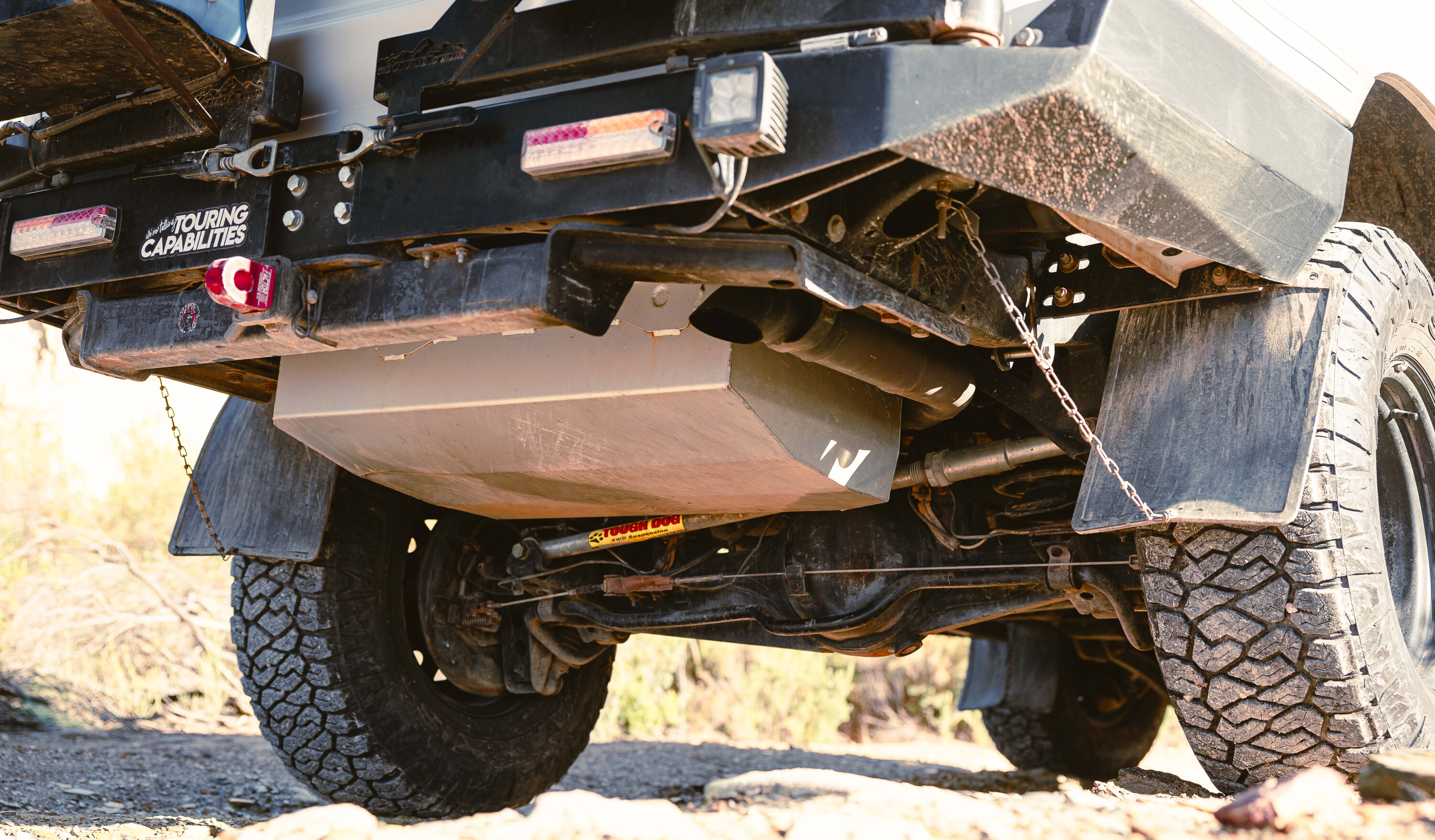
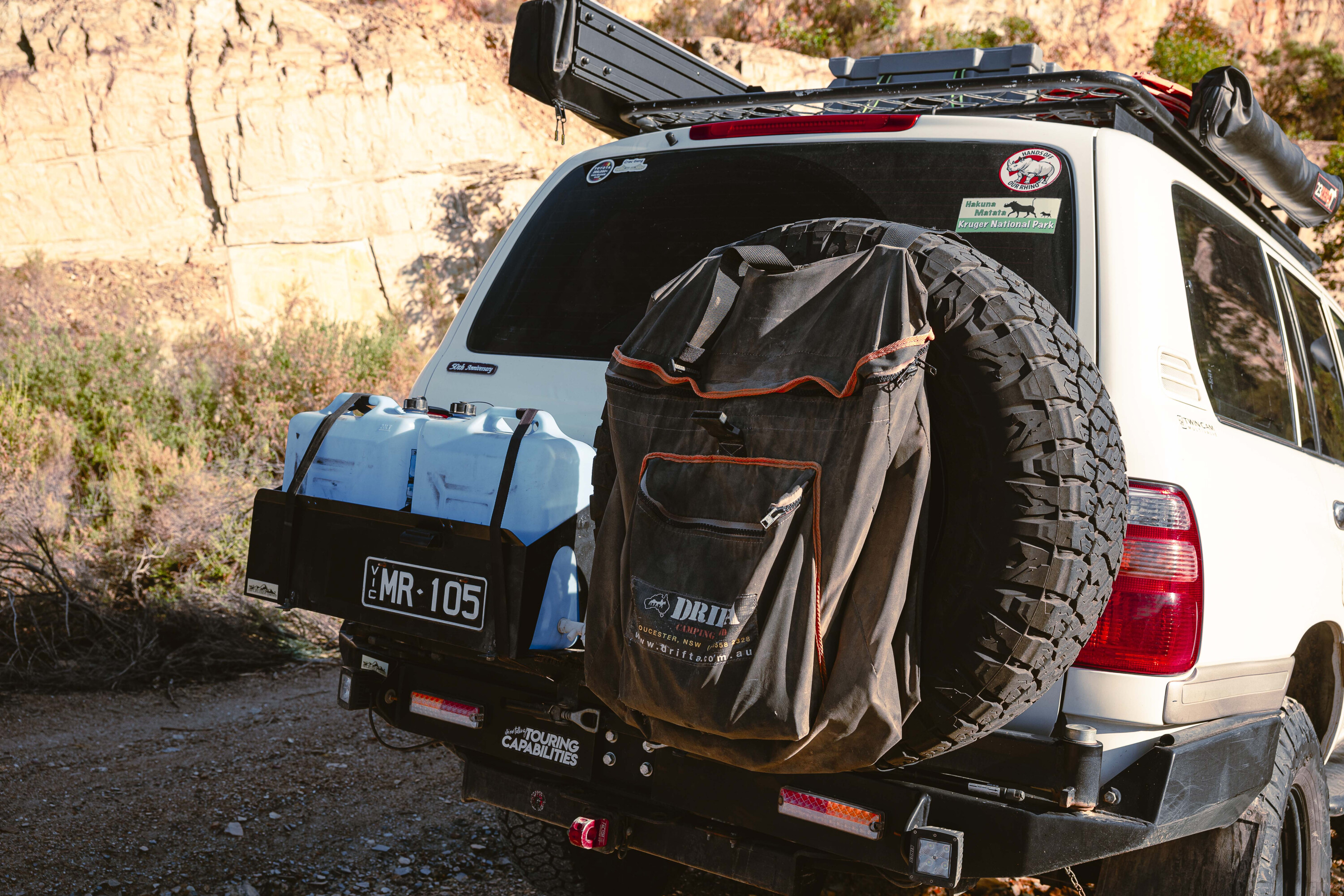
Even if you disregard the engine conversion, this thing is still as neat as a pin. Moving from back to front, the rear bar is from The Cruiser Company and features dual jerry can holders and a swing-away mount for the spare 33.
Southern Cross Fabrication provided the heavy-duty steel sliders that have been Raptor coated for maximum cool points, while up top an aluminium Cane Toad Equipment flat rack provides somewhere for the space case, 23Zero shower tent and Bushwakka Extreme Darkness 270 awning to live.
Out front, an Ironman 4X4 commercial deluxe steel bar has been bolted to the rails along with a set of Roadsafe recovery points and an arsenal of Stedi LED lighting. The bar also houses a cheapy 12,000lb winch, which Max is in the process of replacing with a Runva 11XP with air free-spool.
1
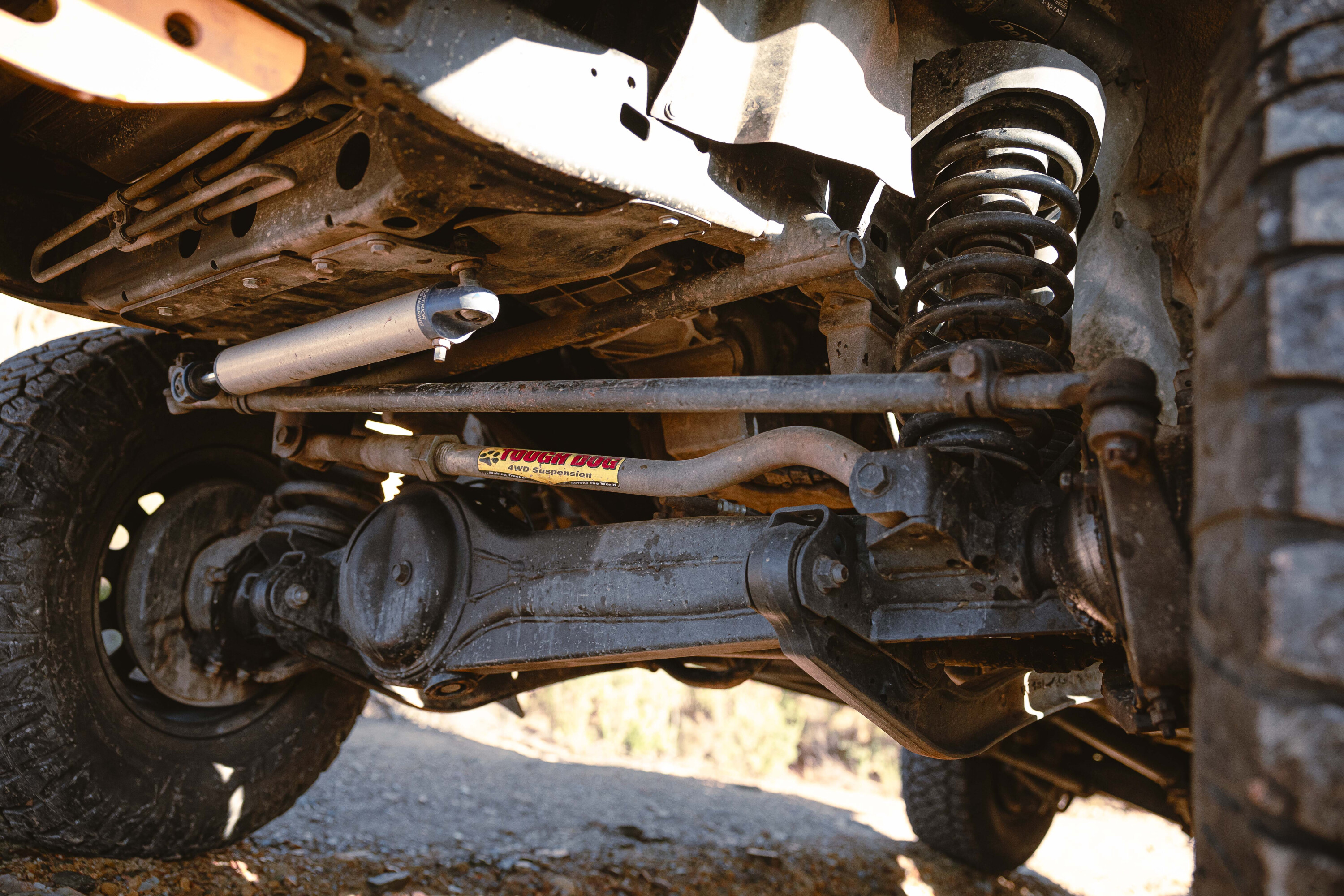
The suspension has been sent 50mm northward via a set of longer coils and Dobinsons MRA remote-resevoir 60mm bore shocks.
Most people would call that good and send it, but Max apparently likes to do things properly as he also added some Blackhawk radius arms, Roadsafe heavy duty uppers and 11mm-longer lowers out back, and a Tough Dog adjustable Panhard to ensure his geometry is set to “better than good”.
He also extended the brake lines, swaybar links and bump stops, and went ahead and braced both diff housings. All work was done by himself with the help of a few mates.
Speaking of the diffs, there’s an ARB Air Locker (along with the all-important solid pinion spacer that makes Toyota diffs a bunch stronger) out back and a set of 285/75R16 Maxxis RAZRs on 16×8 steelies.
1
Max has the standard 95L fuel tank in place, and has also fitted up a whopping 150L sub-tank from Long Ranger Australia. That’s 245L of juice that’s good for more than 2000km. Sheesh.
The inside has the standard LandCruiser 50th Anniversary seats with MSA 4X4 seat covers, while engine internals are monitored with VDO boost and EGT gauges. A Kenwood stereo keeps Slim Dusty sounding crisp while the GME UHF lets the weird trucker conspiracy theories flow thick and fast.
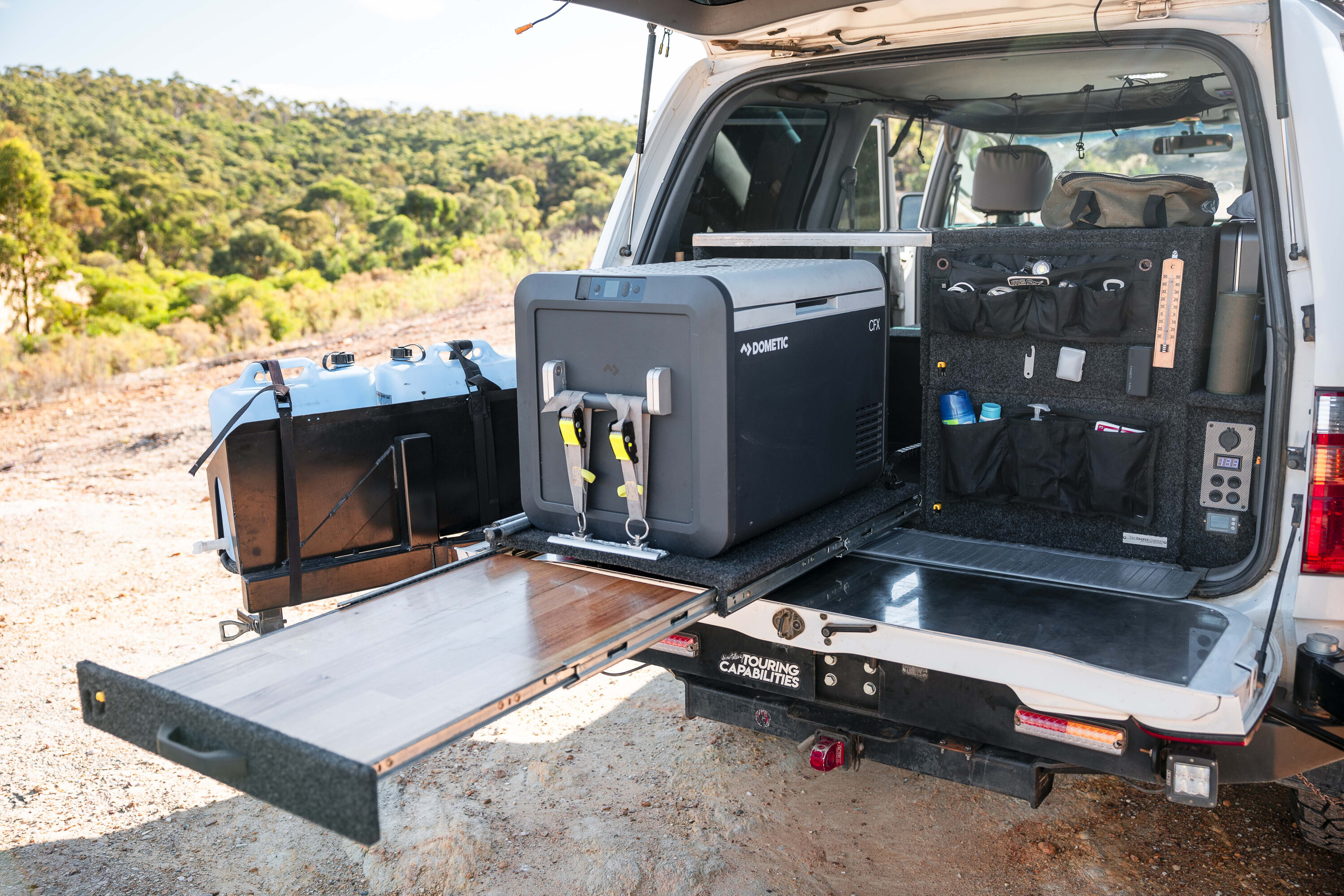
The cargo area has been upgraded with a custom The Drawer Company setup, with added pantry wing storage drawer and a stainless steel table that clips onto the swing-away jerry can holder.
The rear section of the system houses the Redarc BC-DC charger and Amptron 100Ah Lithium battery that’s overseen by a simple shunt screen mounted within easy sight. The middle row seats were also yeeted in favour of a storage platform that was custom made by Max.
2
The M57 swap
Max always planned on making his beast a diesel. After pricing the Toyota six-cylinder offerings and recovering from the minor heart attack that gave him, he came across Fusion Fabrication who are the go-to guys for transplanting BMW 3.0L straight-six turbo-diesel engines into Patrols.
These engines are just about perfect for use in a 4X4; they’re reliable, cheap to source, put out around 200hp from stock and with a few mods can easily be bumped up to around the 350hp mark (or beyond).
M57s also come mated to the beautiful ZF 6-speed auto, which Max reckons is simply a joy to drive off-road. With a nice low first gear ratio which allows for decent engine braking, and the torque converter locking almost immediately (unlike the Aisin autos found in Toyotas), it’s almost like it was made for wheeling.
1
The engine bolted thanks to engine mounts and a transmission crossmember from McKinnon’s Cruisers, and there’s plenty of room to work in the big engine bay of the too.
Max says he can have the turbo off in about 10 minutes and that the engine weighs around 50kg less than the 1FZ it replaces. Almost like it’s meant to be.
The transfer case was mated to the transmission thanks to a Fusion Fab adapter, which clocked the transfer and necessitated a double cardan front driveshaft be installed to suit, but nothing too arduous. It really was as close to bolt-in as it gets. Max even reckons the stock Cruiser radiator (fitted with BA Falcon thermos fans) very nearly lines up with factory hoses.
1
Ash from Fusion Fab also designed the plug and play harness, which allows for the Toyota dash to retain full functionality and has the engine and transmission cooperating nicely.
A custom pedal bracket was fabricated to adapt a GU Series 4 pedal into the 105 to handle the change from throttle cable to drive-by-wire, while PDI supplied the airbox, intercooler and transmission cooler, designed for a 1HD-FTE 100 Series, which bolted right in.
A 3-inch exhaust with cat and a single resonator provides a healthy bark when under throttle while maintaining comfortable highway cruising, and custom stainless intercooler pipes were made up along with the AC lines and heater hoses to top things off.
1
The cherry on the cake is the Stage 2 ECU retune from GKR in the UK, which sees the M57 pumping out a healthy 270hp at the wheels and an easy 600Nm.
Similar output figures from the 1HD-FTE Max initially wanted to put in requires a turbo and injector upgrade along with a few other mods to get close.
The result? Max tells us his 3.5-tonne Cruiser drives steep highway hills and sand without a single worry, while consistently seeing 11-12L/100km on the bitumen. A fair bit of an improvement over the 25L/100km-plus the old petrol engine consumed on the same trips.
He also says it’s revvy and incredibly responsive, with 25psi showing on the boost gauge almost instantly once the foot goes down. It also makes for a much less tiring drive on longer trips, which you can’t be mad at.
1
What’s next?
Max is actually pretty happy with the state of his fully engineered Cruiser as it sits, and he reckons there are no major mods left to do, other than maybe a bit of sound deadening.
And he wants to upgrade the stereo, but mainly he’s just keen to get out and use it.
With a Simpson Desert trip this year, and with nearly 10,000km on the dial and a bunch of High Country trips since the M57 went in, it’s safe to say he’s stoked with how it all turned out. We can’t imagine anyone who wouldn’t be.
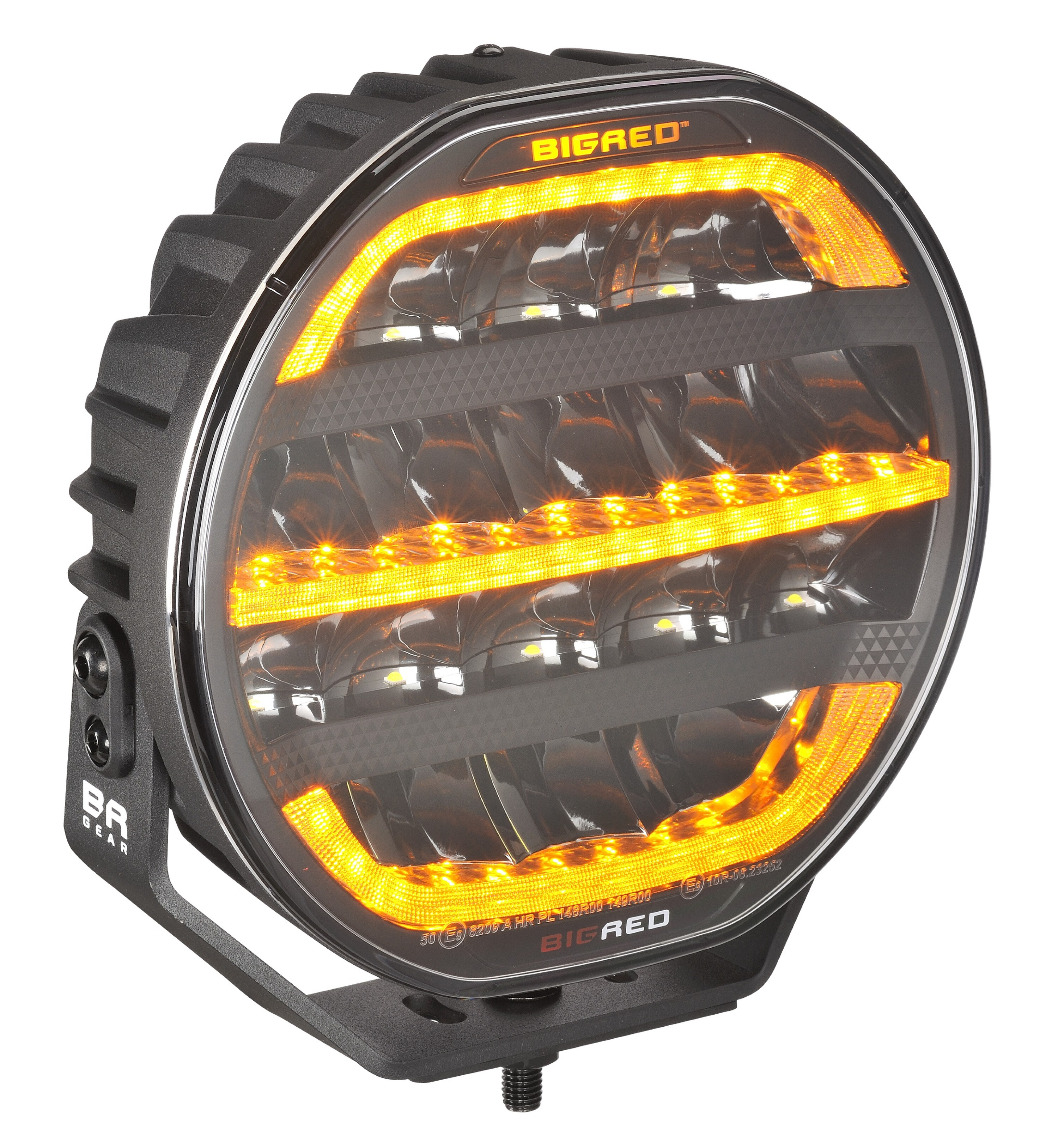
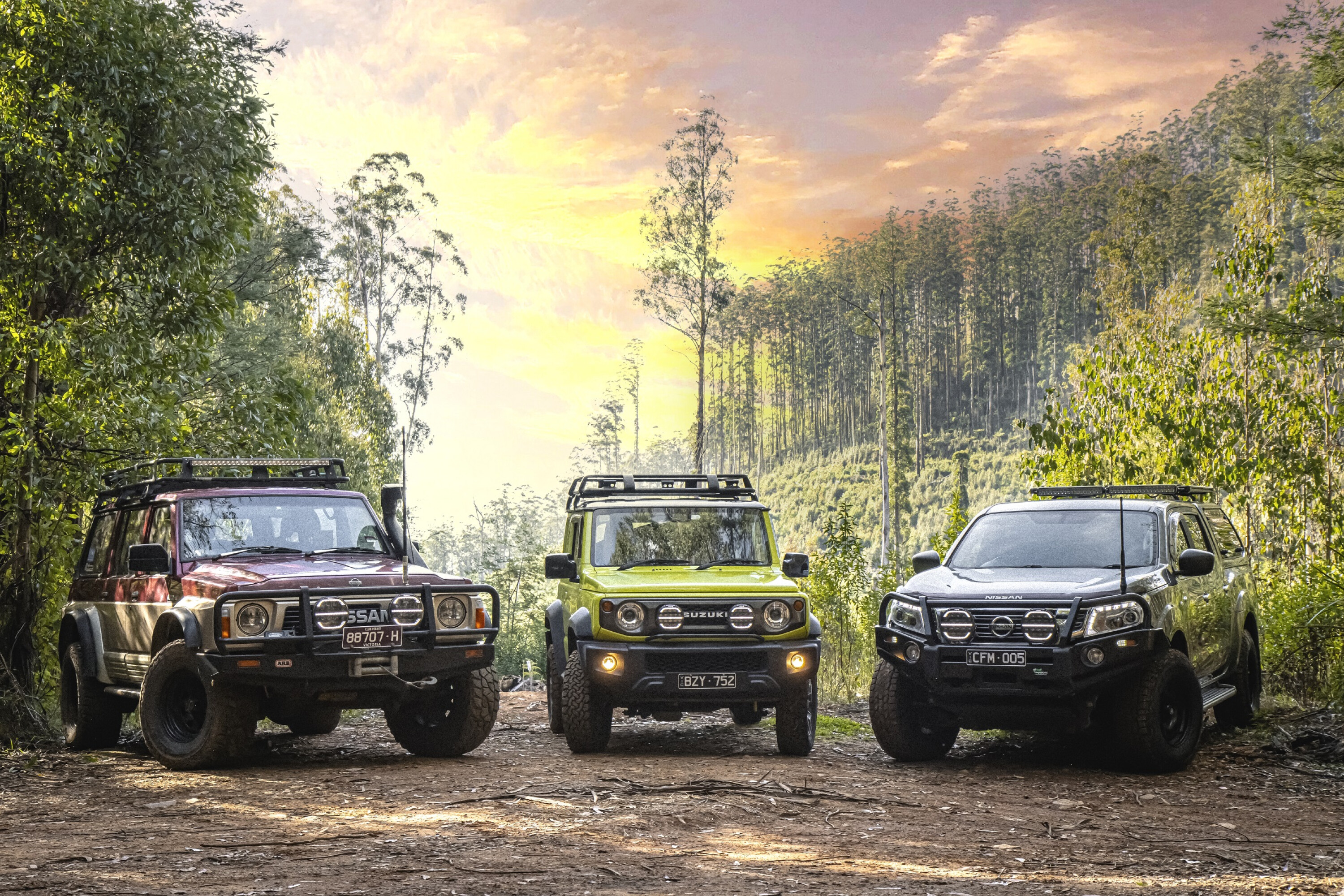
Big Red Gear has released a new range of hybrid beam LED driving lights that combine amazing bright light output with a sleek ‘blacked-out’ appearance, resulting in a tough, stealth look for 4WDs when the lights are not in use.
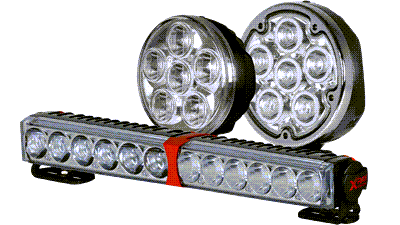
At the heart of the new range is a Covert black chrome appearance that boasts a striking visual impact and boosts light clarity, helping you see further down the road at night. High-power OSRAM LEDs generate a natural white light at 5700°K. Available in seven-inch (1 lux at 680 metres) and nine-inch (1 lux at 790 metres) options.
Another feature of the Covert range is the prominent Dynamic Position Light, providing additional vehicle visibility to other road users. The position light is dual-colour, allowing the user to choose between white or amber output; although, the amber is for off-road use only as isn’t ADR-approved.
The Covert range was designed to be resilient in Australia’s tough conditions, with the lamps featuring robust construction and virtually unbreakable polycarbonate lenses. They’re also fully sealed and weatherproofed to IP67 and come with heavy-duty stainless-steel brackets (with three-bolt mounting) and mounting hardware. An integrated and sealed DT connector is also included. For added protection when not used, the lamps feature blacked-out polycarbonate lens protectors, while the included ‘plug and play’ wiring harness makes installation simple.
Big Red Gear Product Manager, Jake Smith, said the brand’s latest release provided buyers with a well-balanced range that combined strong lighting performance with attractive aesthetics at a cost-effective price point.
2
“The new Covert LED driving lights from Big Red Gear showcase a stealthy black chrome reflector design that projects an impressive light output from the OSRAM LEDs, dramatically boosting visibility across a variety of conditions,” Jake said. “With this release, Big Red Gear has again made quality lighting accessible to recreational enthusiasts, proving that performance and great looks don’t have to cost the world.”
Pricing
The LEDs can be purchased for $449 (seven-inch pair) and $599 (nine-inch pair) including shipping. You will also receive a plug-and-play wiring harness, HB3 and H4 beam adaptors, 12V 40A relay, 12V rocker switch and fitting instructions. A three-year warranty backs Big Red Gear’s new Covert LED driving lights.
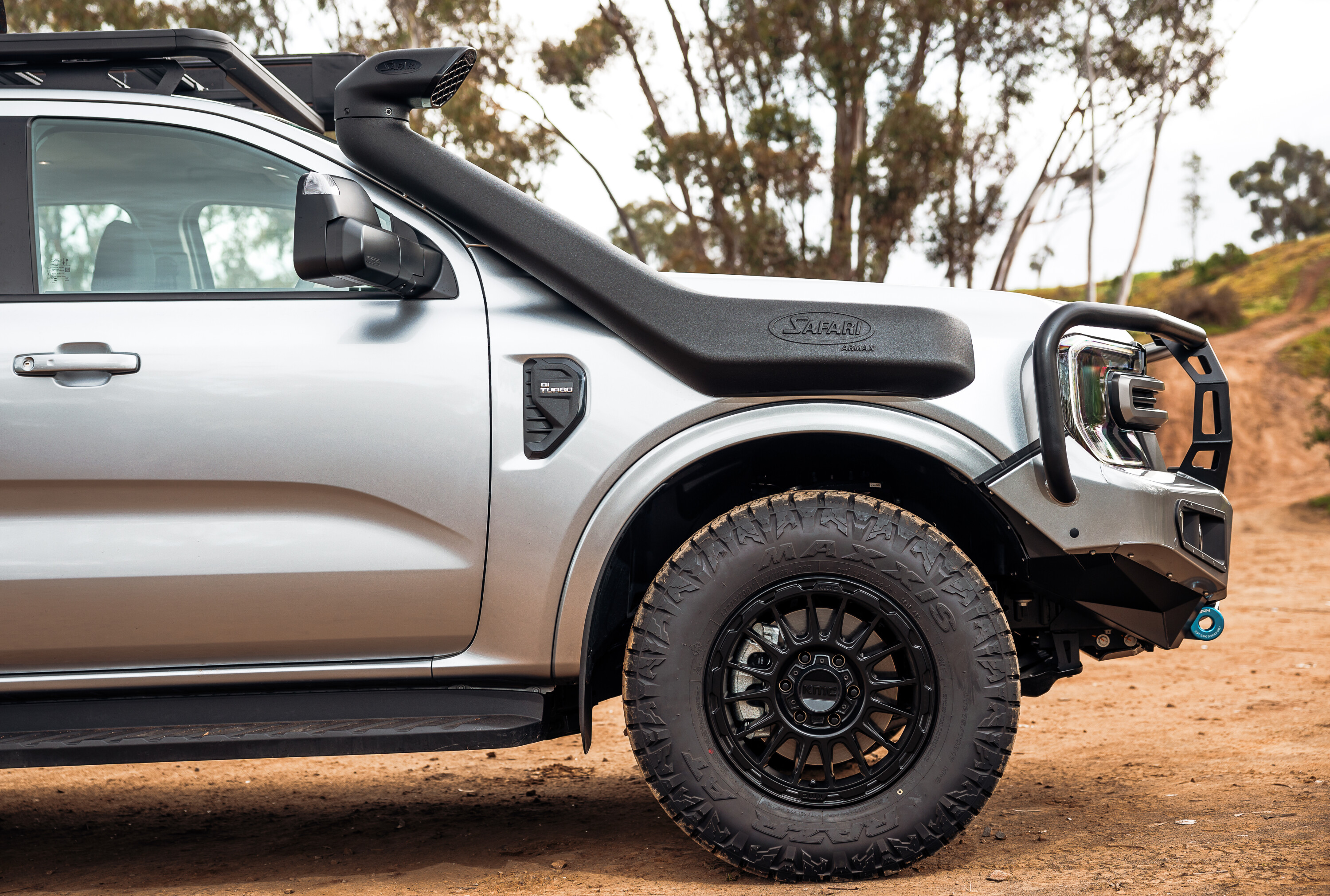
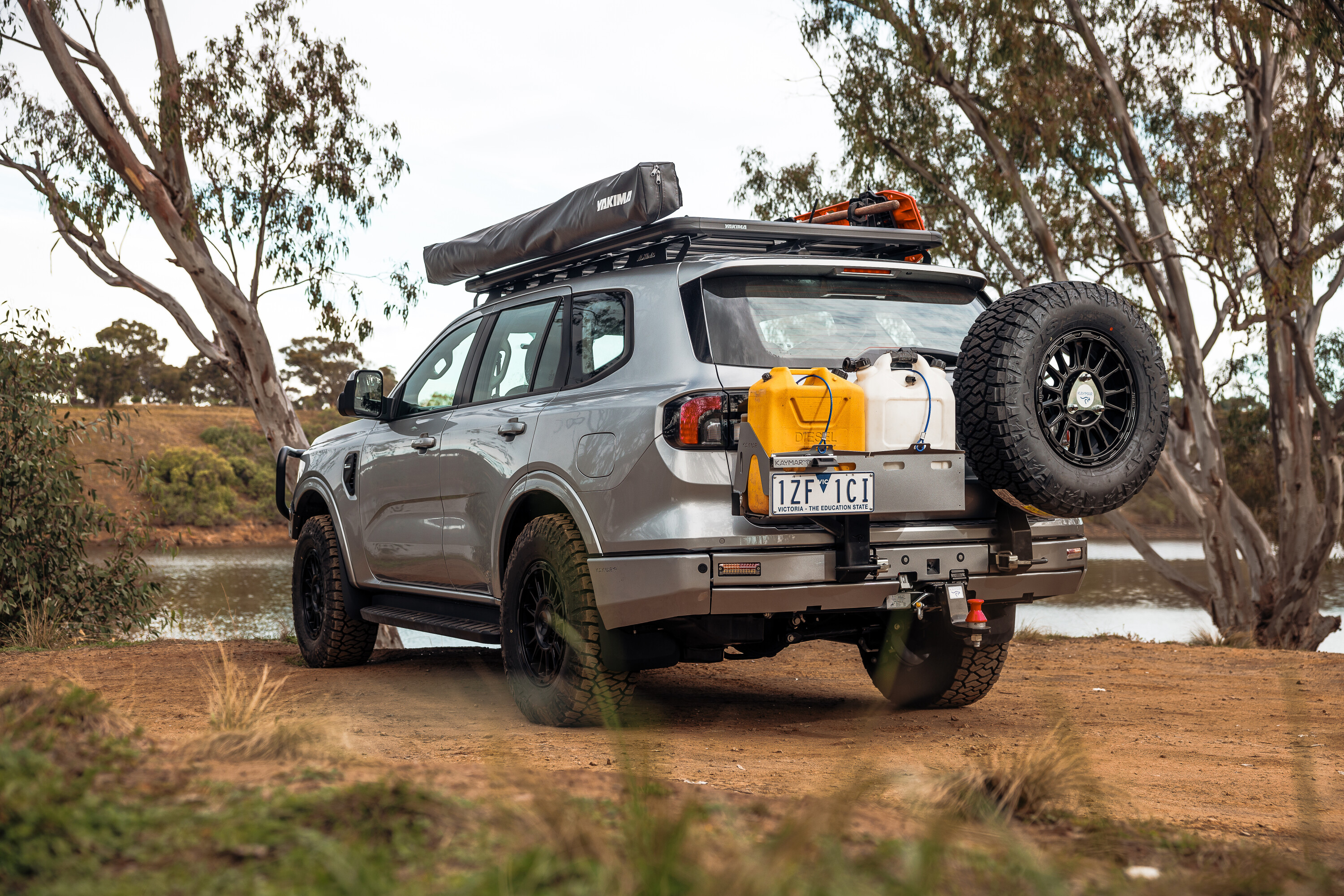
After having a set of MSA 4×4’s excellent touring mirrors fitted to our previous three vehicles, we really missed them on our latest Ranger.
Development of the mirrors for the new Fords took a bit longer than the team at MSA would have liked, and it wasn’t until April 2024 when they were finally released. Perfect timing for our Everest!
Like the other MSA mirrors we’ve loved using in the past, these are bigger than the OEM Ford units and can pivot and extend outwards for rearward visibility when towing or to view around a large service body. The large rectangular mirror sits vertically in its regular position, but rotating it 90° moves it to a horizontal position for a better rearward view.
1
This would have been a great feature on our Ranger as the Trig Point service body did poke out a bit at the sides, and wider mirrors would have helped with vision. The real clever part of this is that when you rotate the mirror, the electric adjustment still operates the same way when you want to tilt it up, down, inwards or out. Nifty!
Most aftermarket towing mirrors are ugly and ungainly when stuck on the side of your car, but the MSA mirrors have an OEM look to them when they are in their standard position. If and when you need a wider view for towing, they can be extended outwards on a slide mechanism to a second position further out from the door to give a wider frame of view.
If you’re driving with the mirrors extended all the time and you want to keep that OEM look to the arms, you can also get an infill panel that clips on over the extension slide to cover it up. Again, in this position, all the power adjustments operate as normal. All other features of the mirror operate as they are supposed to as well. This includes heated glass, blinkers, blind spot monitoring, and power fold when fitted to the original car.
Something the MSA mirrors don’t retain is the cameras mounted in the Ford mirrors for the 360° views. At the time of writing, MSA was still working on this and it should be available soon, if not already. Not that it worries us with our Everest Ambiente, which has no such fancy camera feature.
1
We are just happy to have a better view from the bigger mirrors for everyday driving or when we might need to extend them for towing. The image is not only bigger but crystal clear from the quality glass mirror. We’d fit a set of these to every 4×4 we own, if we could!
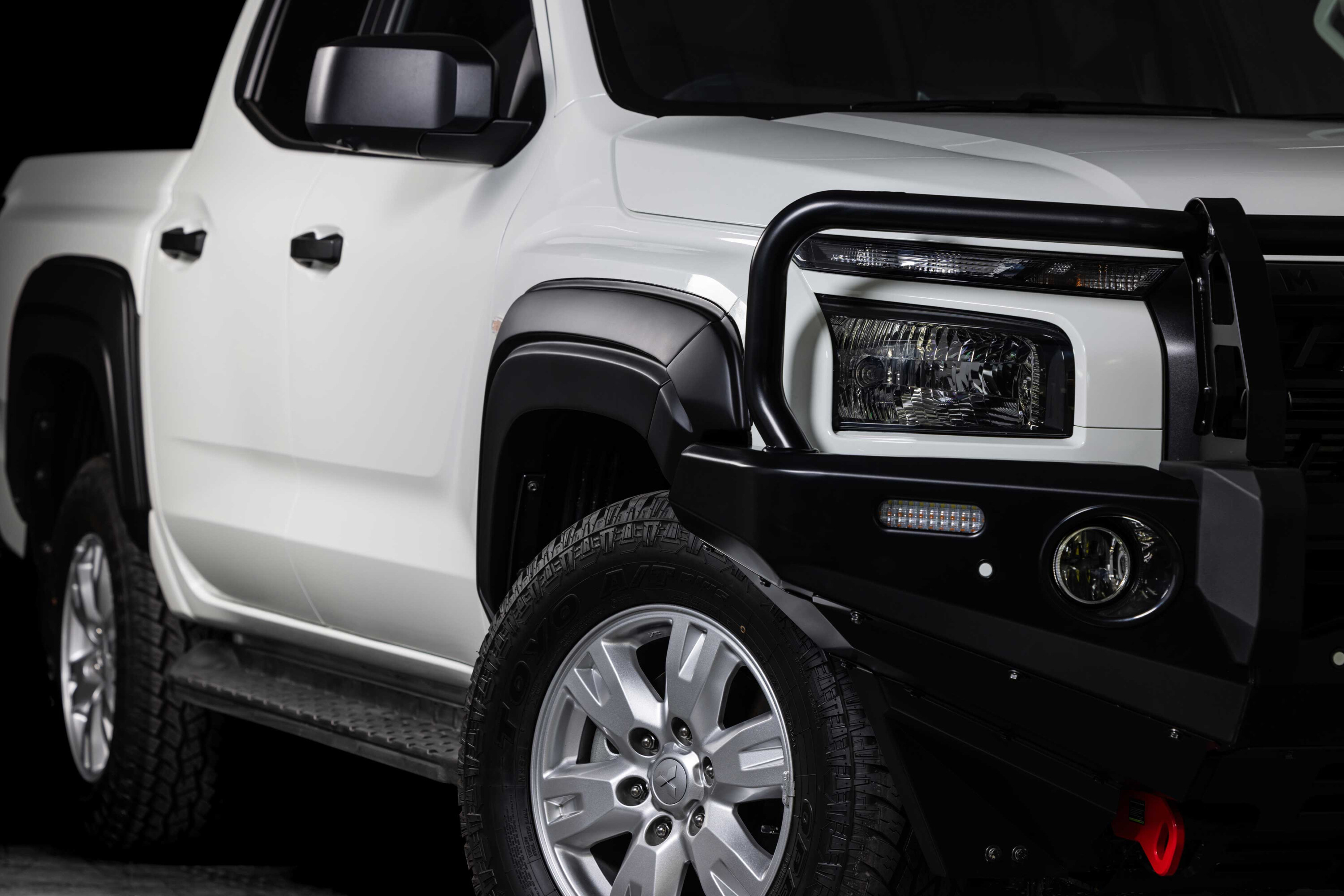
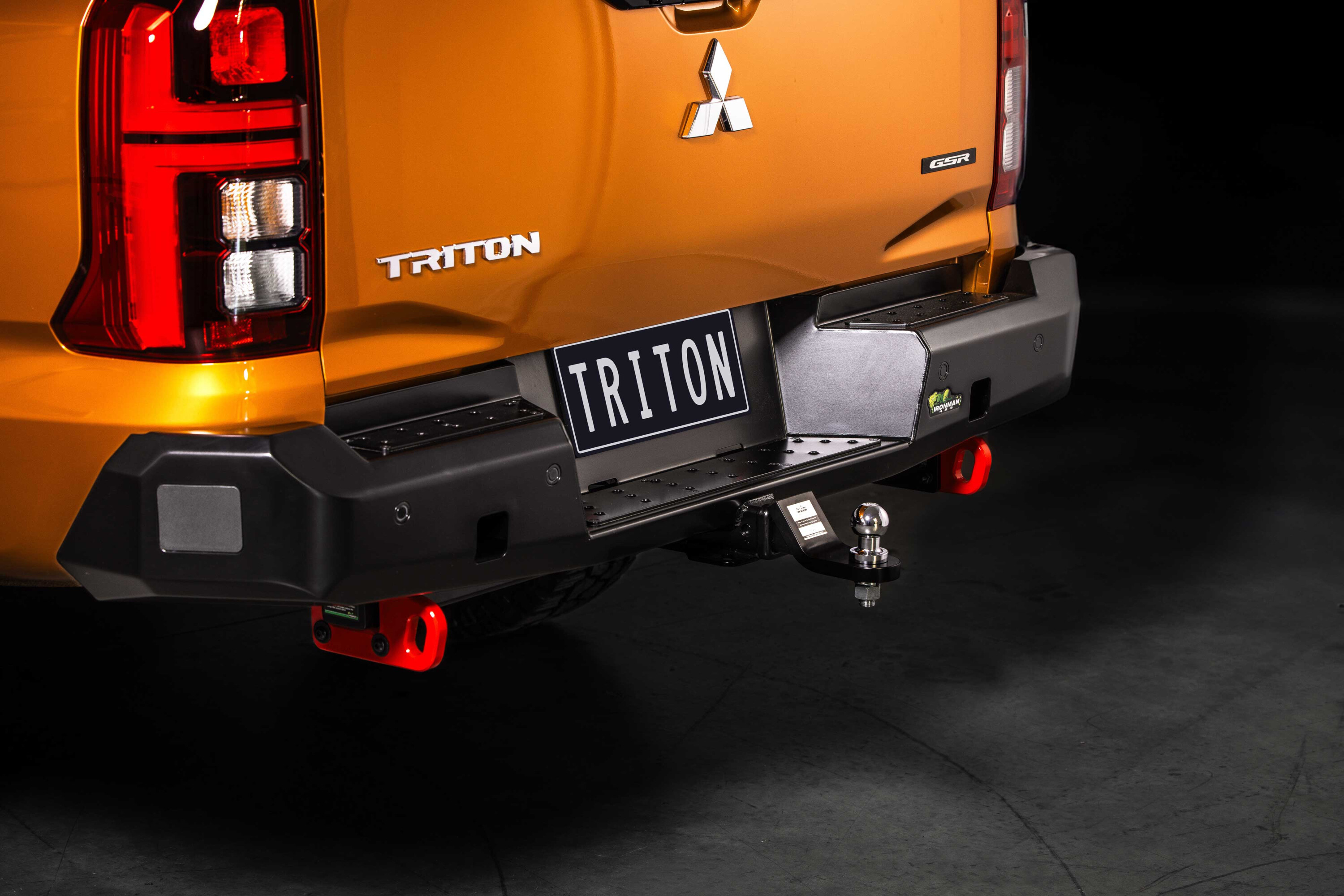
If you own a Mitsubishi MV Triton, you will be pleased to know that Ironman 4×4 has released a heap of new gear to turn your 4WD into a beast.
The range includes the radar-ready Deluxe and Raid bull bar, rear protection tow bar, suspension kits, fender flares and fender flare extensions.
The Deluxe bull bar includes a triple-loop design with bonnet and headlight protection, 50mm tubular steel and robot-welded precision. It is compatible with up to a 12,000lb winch, has a chassis-mounted steel winch cradle and two integrated 5T recovery points. There are two antenna mounts and a provision for driving lights. DRL and LED indicators are included.
The Raid bull bar includes radius edges for soft shackles, two 5T recovery points and uses 16mm steel. It can carry up to a 12,000lb winch on the chassis-mounted steel winch cradle and has a flip-up number plate. The integrated lighting options include up to four fog or cube lights, a 32-inch light bar or top-mounted driving lights. Both the Deluxe and Raid bull bars are compatible with all Mitsubishi safety features including front cross-traffic radar and airbags.
The Ironman 4×4 Rear Protection Tow Bar offers a combined 3500kg tow rating and 180-degree protection which includes high-lift jacking points and integrated recovery points. The fender flares are designed to follow the contours of the MV Triton and provide additional coverage for users who want to fit wider offsets and more aggressive tyres, with no drilling required to fit them.
2
There is also a large range of Ironman 4×4 suspension packages available for the MV Triton including Foam Cell Pro and Nitro Gas options in light, medium, heavy or extra heavy and lift kits.
“Our core focus when designing any 4×4 accessory is practicality, reliability, and affordability. When it comes to bull bars, there are the obvious additions of cosmetics and safety,” said Mark Berger, Ironman 4×4 General Manager of Marketing.
“We felt the new Triton lent itself to a bull bar design which complemented the squared look of the new headlight design. Additionally, once we became aware of the Australian-specific safety standards, such as the cross-traffic radars, we needed to design the bull bar to accommodate.”
When the day began with the sweet smell of baked bread wafting in our direction, it was time for us to get moving.
We’d been camping overnight at Farina and could see the queue growing at the bakery’s door well before it opened. Over the years, Farina’s bakery has become a real institution that only opens for eight weeks each year around May to July.
Hearing people come from far and wide simply to visit the bakery, you know it’s going to be good. The fact we walked out with a few sweet lip-smacking treats, pies, and some bread, there was no way we were going to go hungry on this trip. The bakery can sell out early, so get in quick because, as they say, first in, best dressed.
1
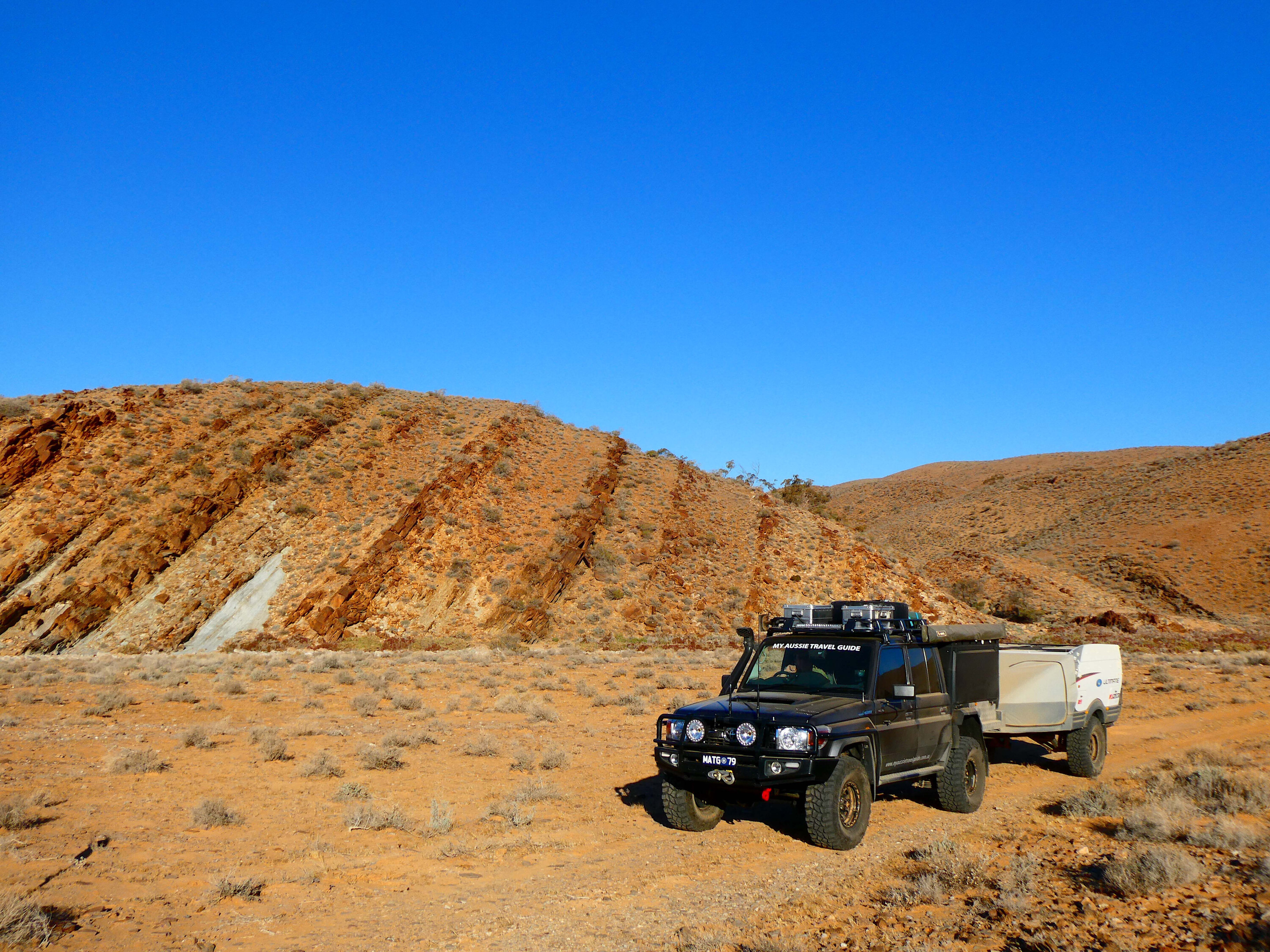
Loading all our goodies into the 4×4, we were looking forward to getting out onto the track. The Witchelina Nature Reserve covers 420,000ha and has several 4×4 loop tracks to choose from.
Most of these tracks start and finish at the southern entry point by Farina with one loop accessed from the northern end by Marree. The area’s diversity is one of the biggest reserve drawcards; besides the pastoral and geological history, you’ll find two old Ghan railway lines pass right through the Witchelina reserve, so there are plenty of things to see and experience.
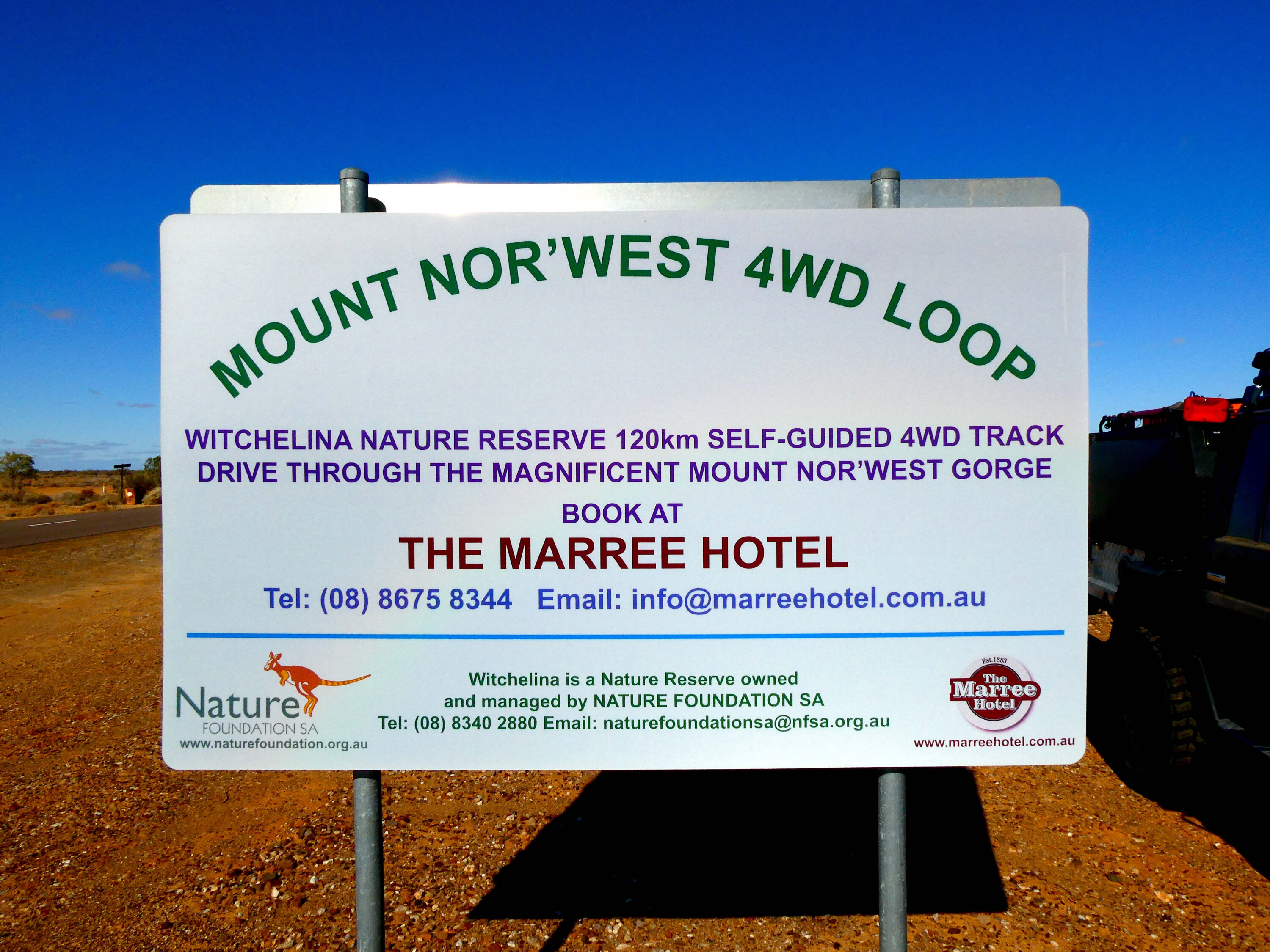
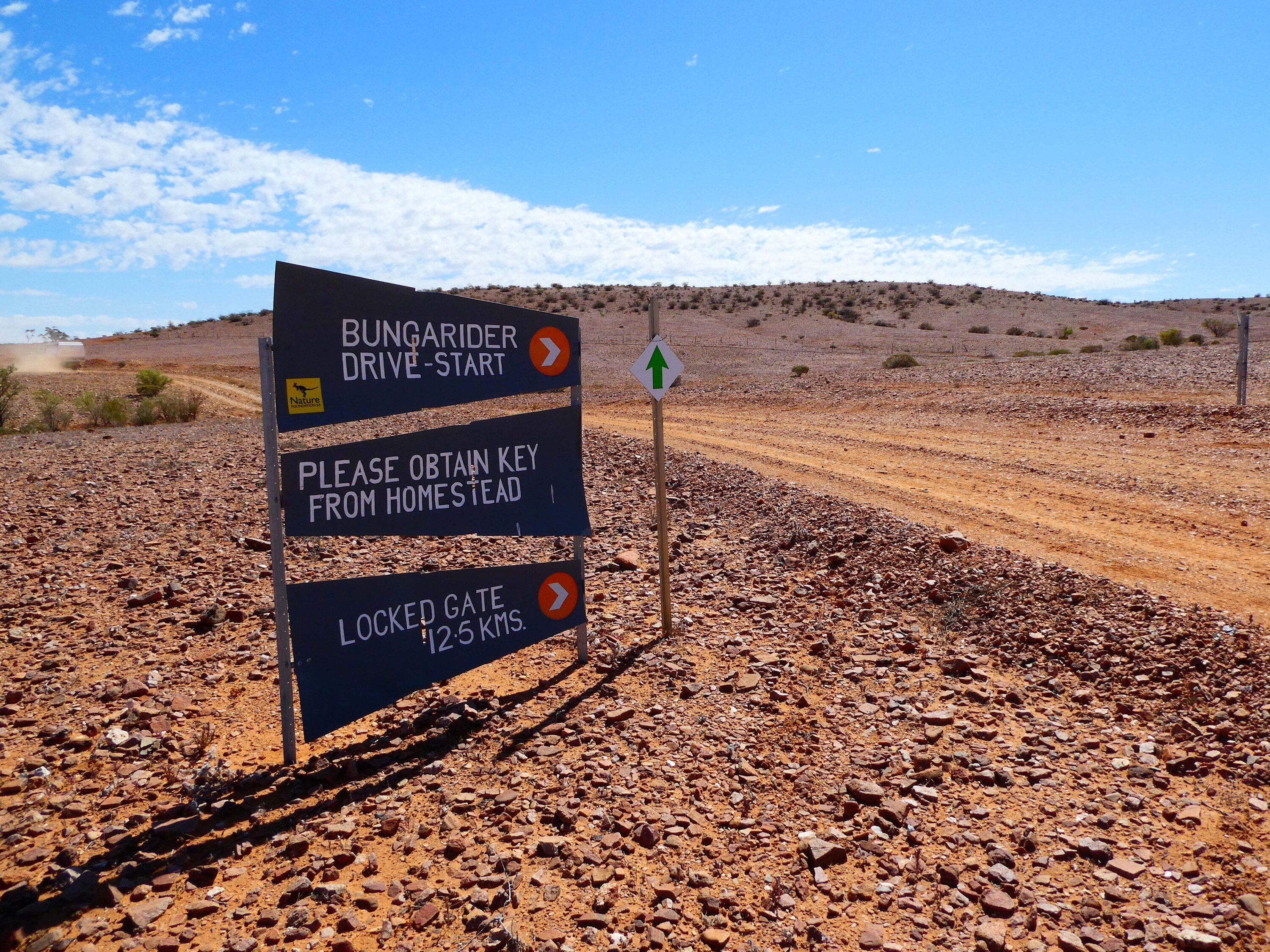
This Witchelina visit was going to be our second, and we chose the Marree loop around the Old Mount Nor-West station area this time around. We’d picked up our gate key and mud map from the Marree Hotel the day before and were now ready to roll. Out on the blacktop, we hightailed it 20km towards Marree and took the signposted turnoff to the Witchelina Track.
1
A bit of history
The first early explorer who travelled through this region was Edward John Eyre in 1840. Around this time, there were two indigenous groups within the land making up the reserve.
Almost 20 years after Eyre’s visit, surveyor Samuel Parry mapped much of the region and south to the Flinders Ranges in 1858. A year later, George Goyder, who was SA’s Surveyor General at the time, then continued where Parry left off.
As far as pastoral history goes, Witchelina truly kicked off for pastoral use around the 1870s with sheep and cattle being grazed for the next 130 years, although pastoralists soon found sheep were better suited to the conditions as they could cope with the saltier water.
1
The station has had numerous landowners throughout this period including once being part of Sidney Kidman’s empire.
When the property was put on the market again just over 15 years ago, it was picked up by the South Australian not-for-profit organisation, Nature Foundation.
Since coming under their ownership, the foundation has de-stocked and removed feral animals. They’ve also put in programs to help restore the land and its diverse habitats.
1
Old Mount Nor’West 4WD loop
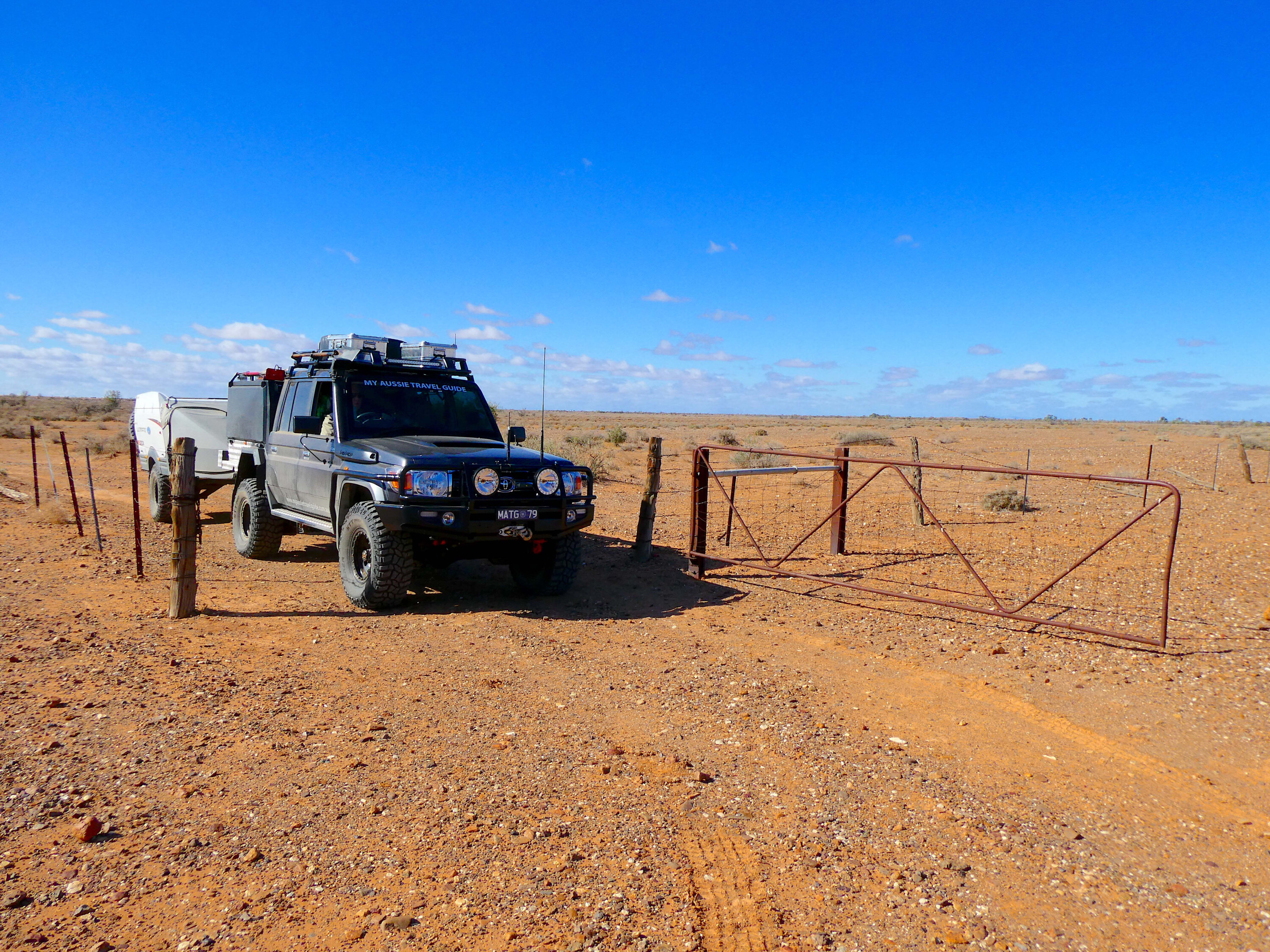
After unlocking and passing through the gate to get onto the track, a quick look at our mud map revealed we’d just crossed the narrow gauge (3 feet, 6 inches) railway line to Alice Springs.
For railway buffs, this is the original Ghan line that was extended from Farina to Marree in 1884. Following the mud map and corresponding trackside signpost, we ran along the nature reserve’s boundary fence line for more than a kilometre.
The relatively new fence has been erected on top of what was the old railway line so it’s not hard to miss. When reaching a turnaround point, it was evident this whole area was situated on a floodplain. Although the region doesn’t receive frequent rainfall, some incredible stone paving had been laid trackside to prevent floodwaters washing out the ballast and undermining the tracks.
1
What a back breaking job this must have been, as it spanned one hundred metres at the very least.
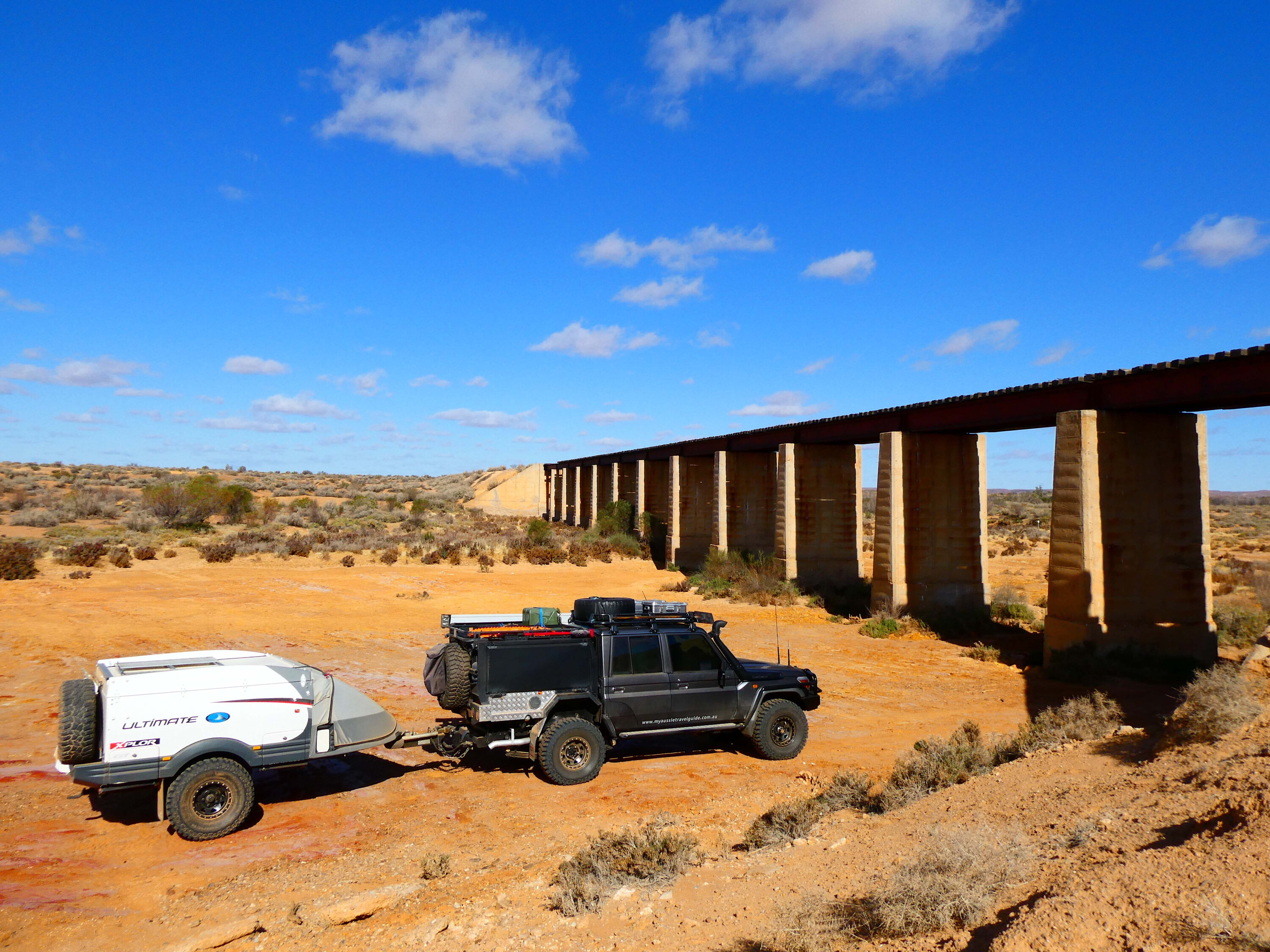
Travelling further west, it was hard to ignore a large railway bridge that dominated the landscape ahead. This bridge is part of a newer Ghan line that was put in less than 70 years ago. Unlike the original Ghan line, this newer version utilised standard gauge (4 feet, 8.5 inches).
Back in the day, it was used to freight coal from Leigh Creek to Port Augusta’s power station before the line was extended to Marree. It’s a short walk to the top of the bridge where we found spectacular views in every direction.
1
Murrumbidgee Waterhole was the next landmark along the track which we’d heard is generally dry, so finding it with a series of shallow pools and some black swans in the distance was a real bonus.
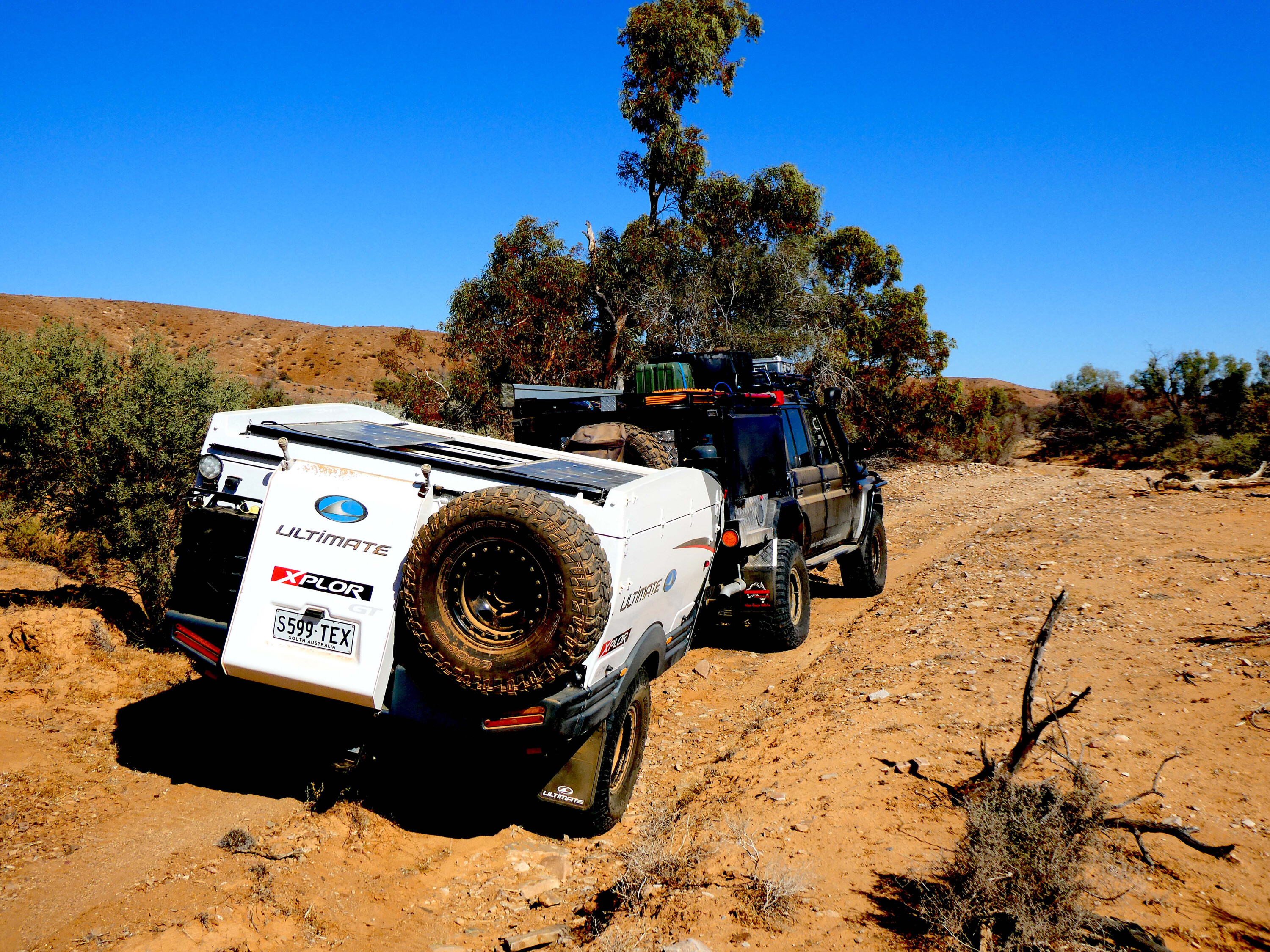
The track then leaves the floodplain and passes through some rolling hills. There were numerous dry creek crossings along this section that were either steep or a bit washed out, but nothing serious. We found those first 25km slow going, but not because of the track’s conditions.
There were simply so many attractions that grabbed our attention and had us stopping and out of the vehicle. Here the track passes numerous old wells, plus an assortment of water tanks that vary in age, size and condition.
1
Spring Well and an old stone tank are prominent features in this section of the track, and the old sheepyards found nearby are still used occasionally for trapping goats.
Further on, walking into Spring Gully Gorge was another highlight. A substantial slate trough about 15m long is located at the gully’s entrance that was once used for watering stock. Finches and budgies flocked to the small waterholes within the gorge which was also a delight to watch. The track then follows a dry Willawalpa Creek for around 13km.
Along this section we passed a large ridge of quartz strata. It’s a natural ridge of rock that rises a few metres above the ground and spans a couple of hundred metres. In reality, it looks so good that you could easily think it’s been man-made.
1
Exploring Old Mount Nor’West
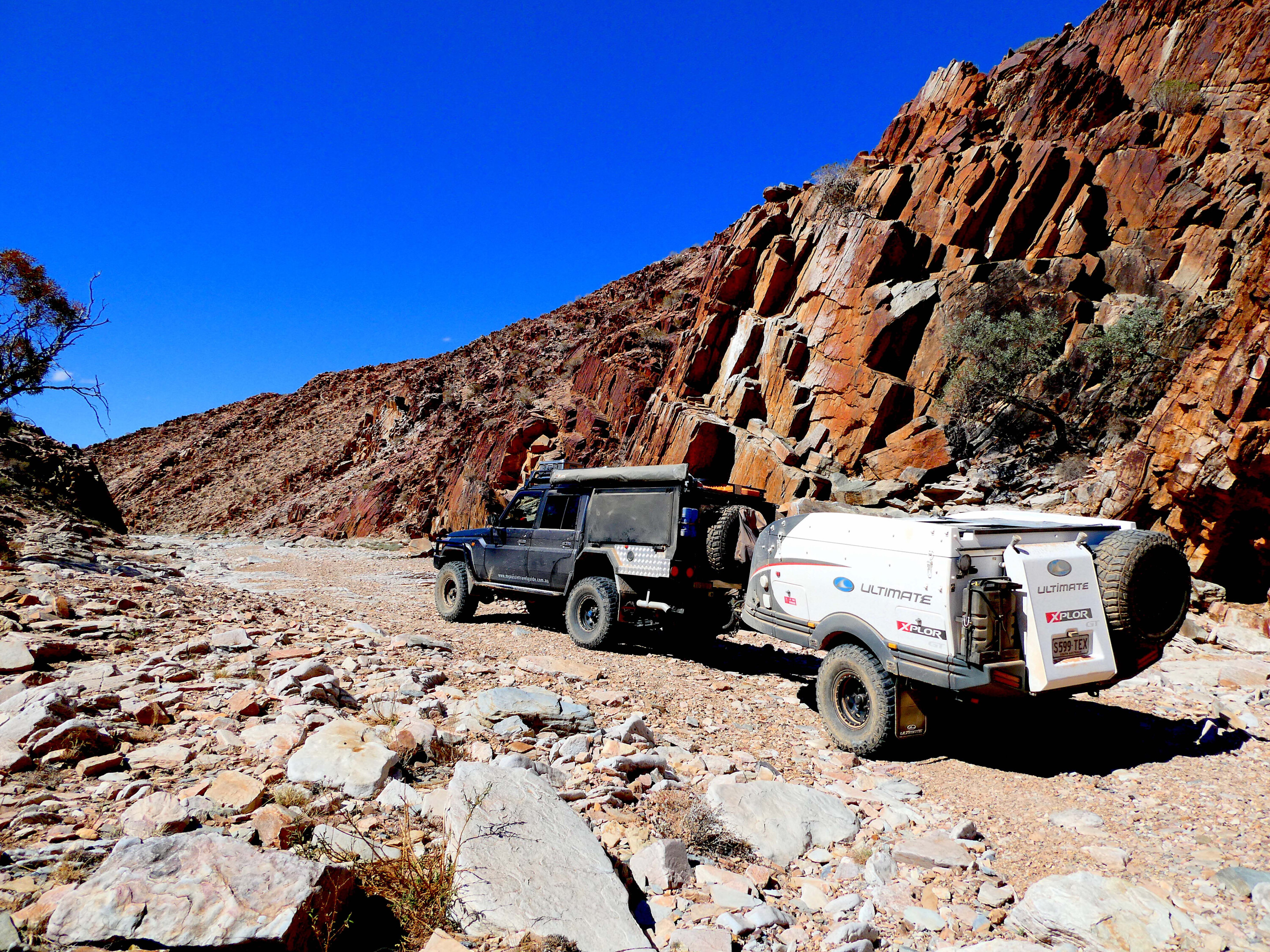
Swinging northeast for a kilometre, the track then reaches the entrance to Mount Nor’West Gorge. This section of the track is along a dry creek bed for well over a kilometre and the only place where we used low range.
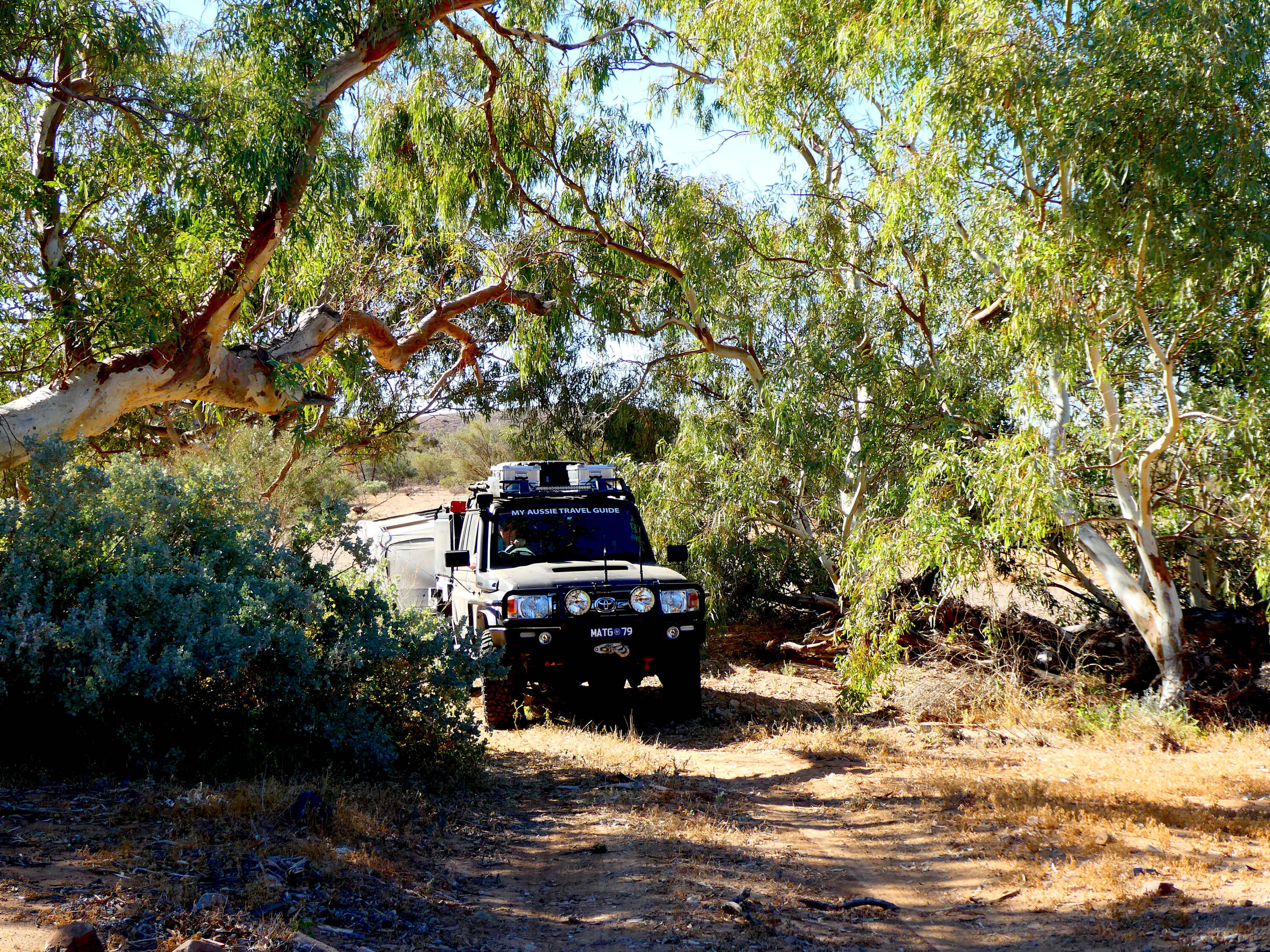
It’s an impressive landscape where you’re surrounded by towering cliffs and a creek bed full of large rocks. It was a slow crawl in the 79 to criss-cross the creek and roll over the rocks with our camper in tow. A spotter came in handy here when the track disappeared to avoid getting hung up on rocks.
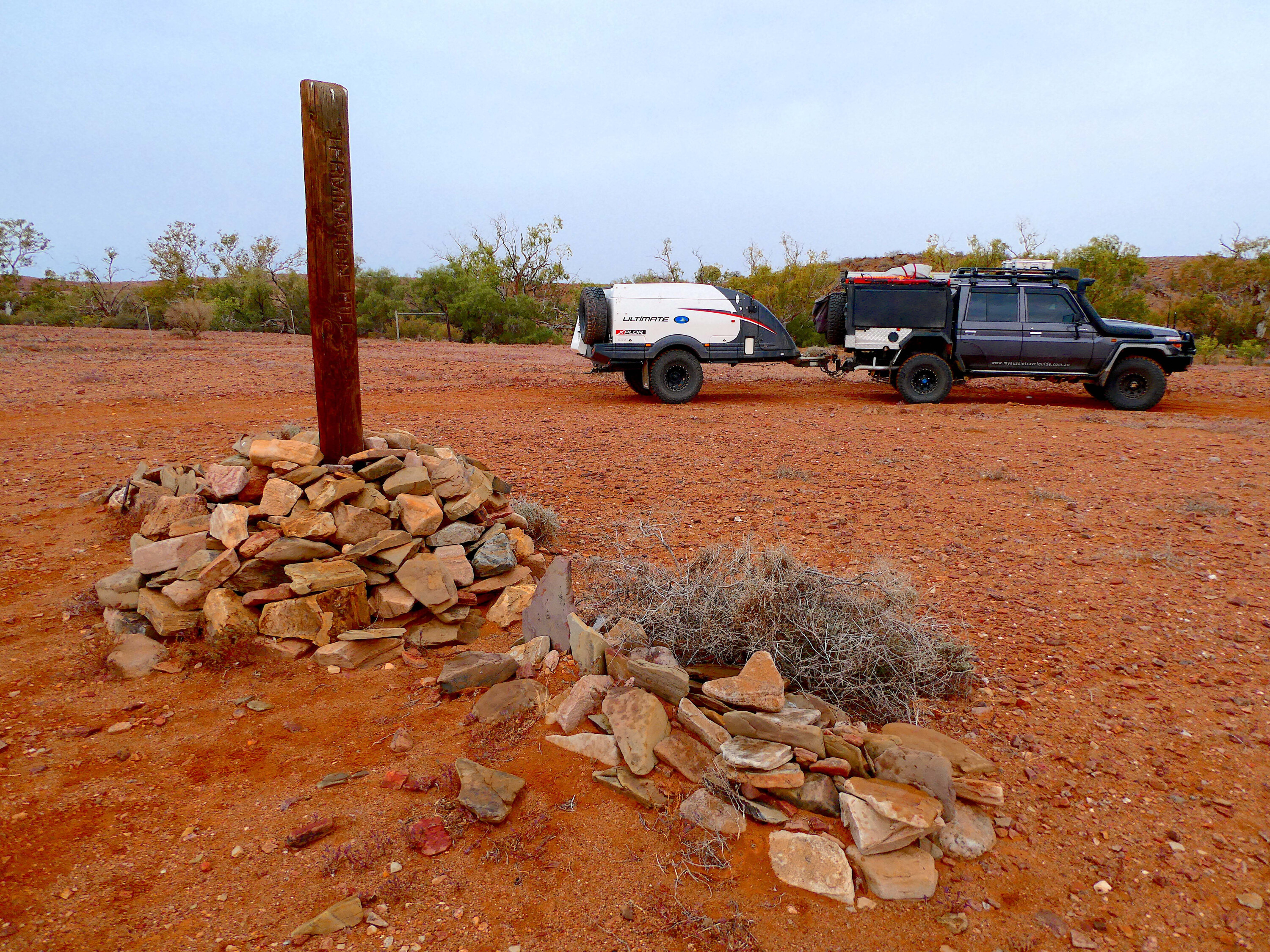
With the afternoon shadows growing longer, it was a good time to pull up stumps for the day. Coincidentally, a campground and drop toilet are located only a few hundred metres from the gorge near the Old Mount Nor’West homestead and surrounding ruins.
1
Setting up just as the sun was dipping, it was good to put the feet up and soak in the surroundings.
Nearby you’ll find the station’s old stockyards that sit alongside the campground. After crossing the creek, the old homestead is just a short distance away. This area was originally part of a separate lease to Witchelina called Old Mount Nor’West Station.
The station was established by pastoralist Henry McConville in 1873, but he didn’t hold the lease for long. As is the case with many pastoral properties, getting water for stock was a costly exercise. Before long, Henry ended up carving off a portion of his land to his Witchelina neighbours later that same year.
1
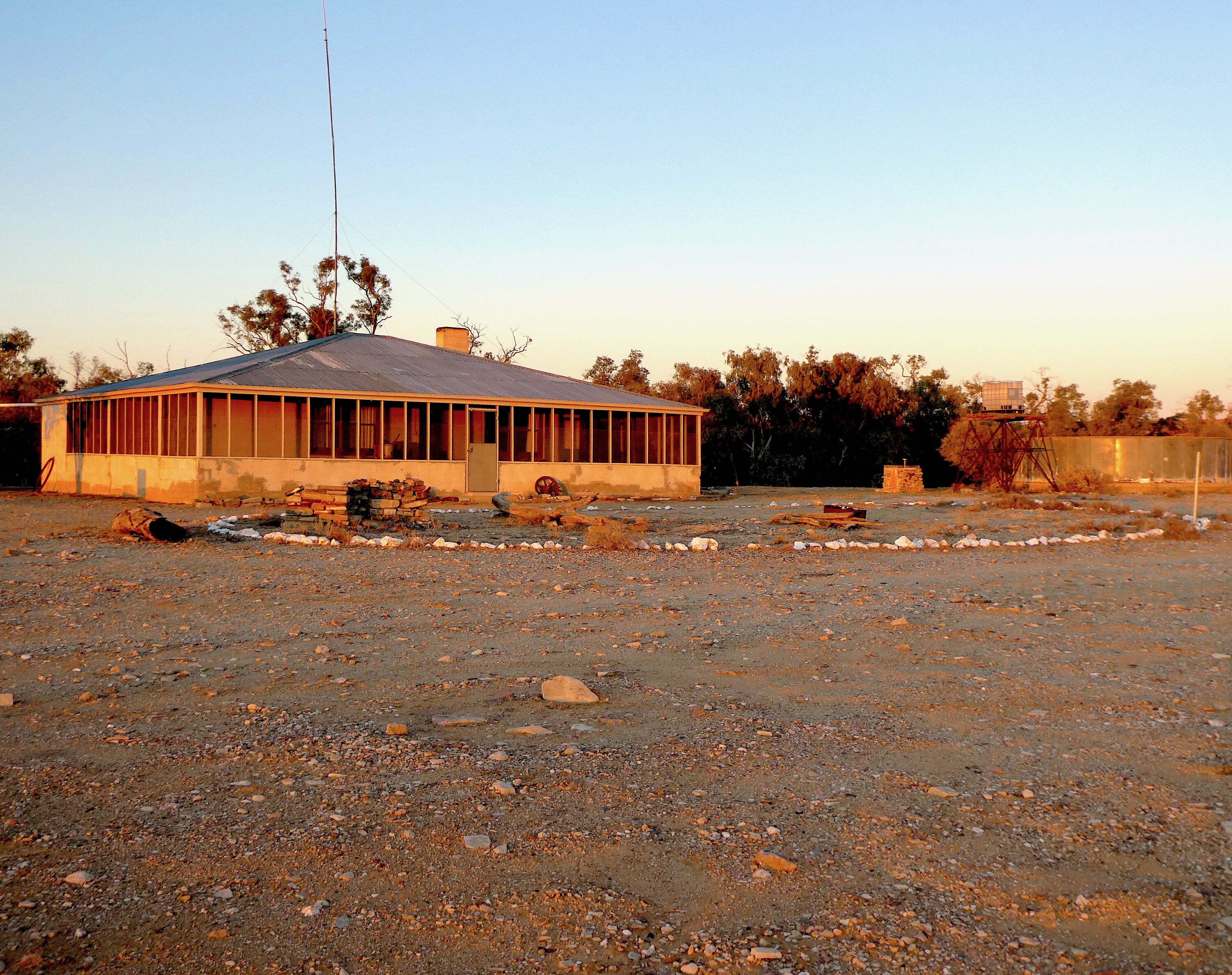
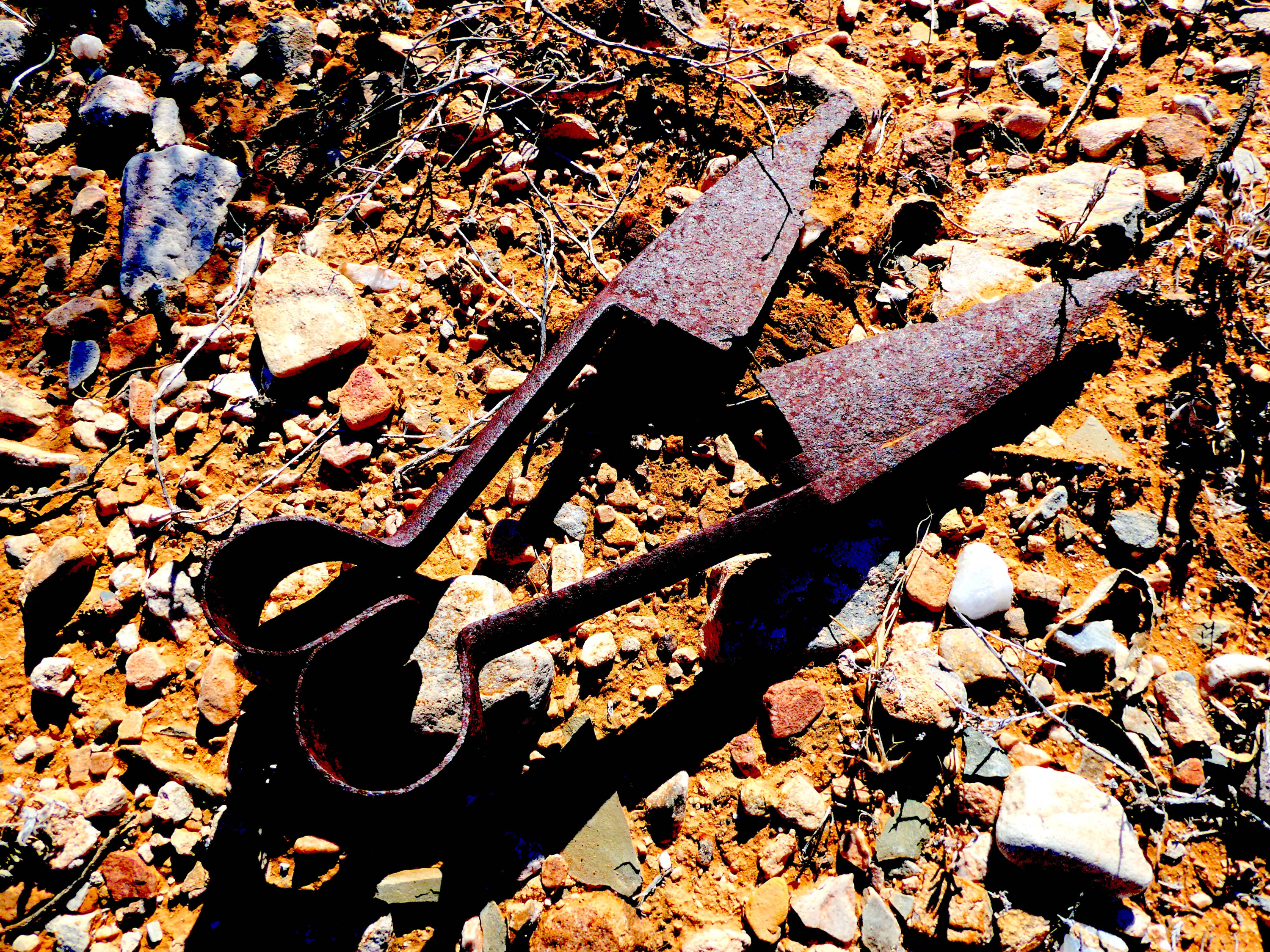
The Old Mount Nor’West homestead has since been restored by the Nature Foundation and available for overnight stays. Alongside the homestead, there are ruins of an original store and a few of the smithy’s bits and pieces scattered about.
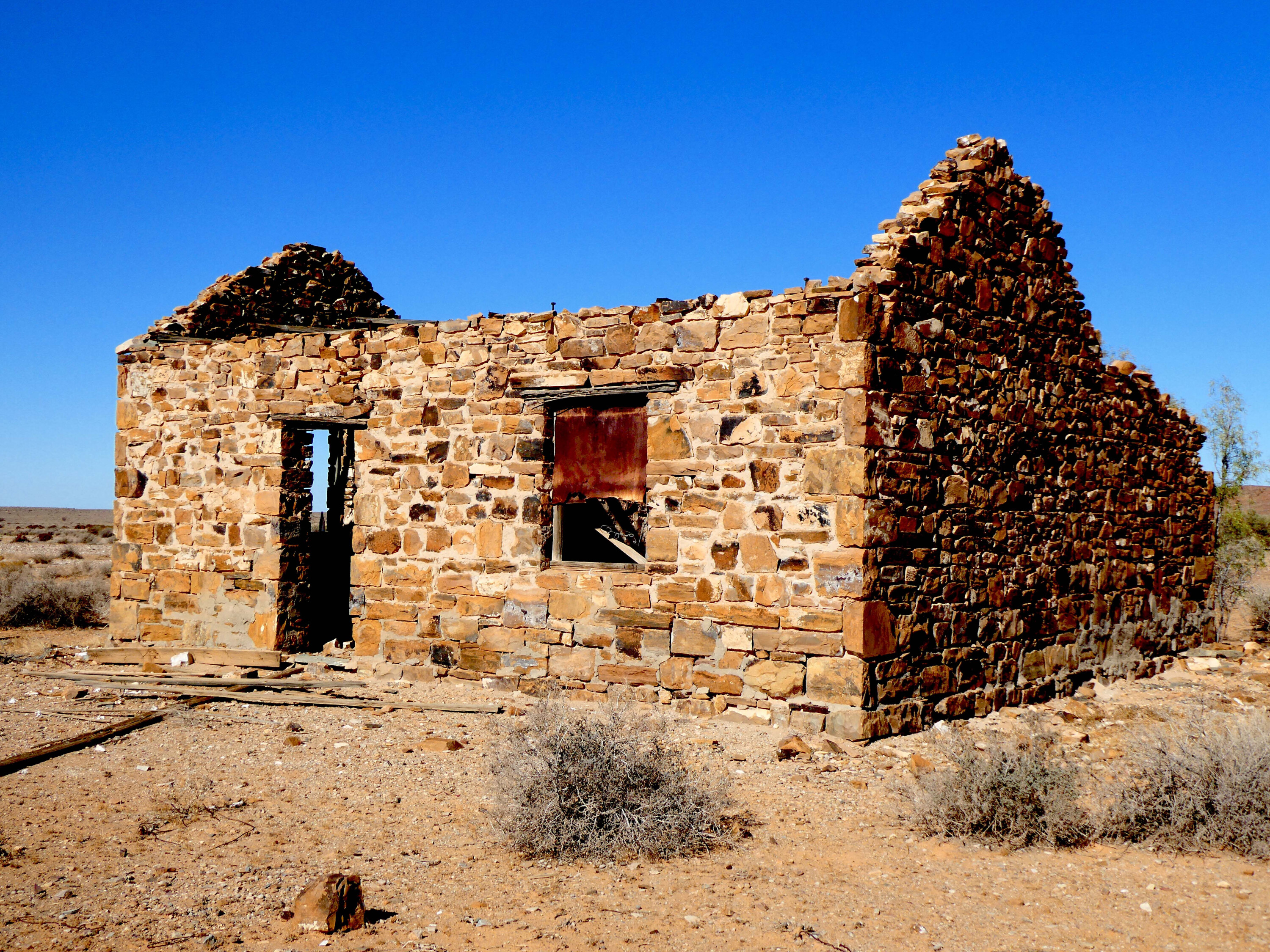
With the number of relics and landmarks to explore around Witchelina, there’s no shortage of experiences to be had. Less than a few hundred metres up the track, we were again out of the vehicle. The substantial ruins of what once used to be old stone shearers’ quarters stood before us.
A quick look around and we found a few shearing implements, plus an old bread oven and a couple of coppers for doing laundry. Nearby were the ruins of the station’s woolshed.
1
Back in those early days, the woolshed’s 24-blade shearing stands would have been a feast for the senses before swapping over to mechanical shearing in about 1918. In its heyday, the station peaked with 24,000 sheep.
There’s plenty to see around the place with old blade shears, shearing combs, kerosene tins, and other bits and pieces to fossick through.
Thinking the best of the track was already behind us, we found it still had a trump card up its sleeve. Ahead of us lay a very impressive 19-span bridge belonging to the standard gauge railway that made for a cracking lunch stop.
1
From the top of the bridge, we soaked in spectacular 360° views of the reserve and the magnificent Willouran Range in the distance. It was a fitting way to end the track.
While Witchelina and its tracks may not be as well-known as its Oodnadatta Track neighbour up the road, it’s got so much going for it. As well as offering up a real good insight into the region’s pastoral, railway and geological history, it has some of the most diverse and spectacular outback landscapes you’ll find in SA’s far north.
And if you can coincide your visit with the Farina Bakery opening times, then you’re onto a real winner. It might be a big call, but we think the Witchelina Track could be one of the state’s best kept secrets.
More information
Witchelina Nature Reserve is located in South Australia’s north between Farina and Marree. The reserve has five different loop-style tracks that are best suited to 4x4s with high clearance.
The Marree-Old Mount Nor’West Gorge loop starts and ends in Marree. It’s approximately a 138km round trip which includes 70km on dirt.
This area is remote and isolated, so carry food, water and comms. Campfires are only permitted in designated areas on the reserve and BYO firewood. From Farina, fuel is available from Marree to the north (64km) and Lyndhurst (51km to the south).