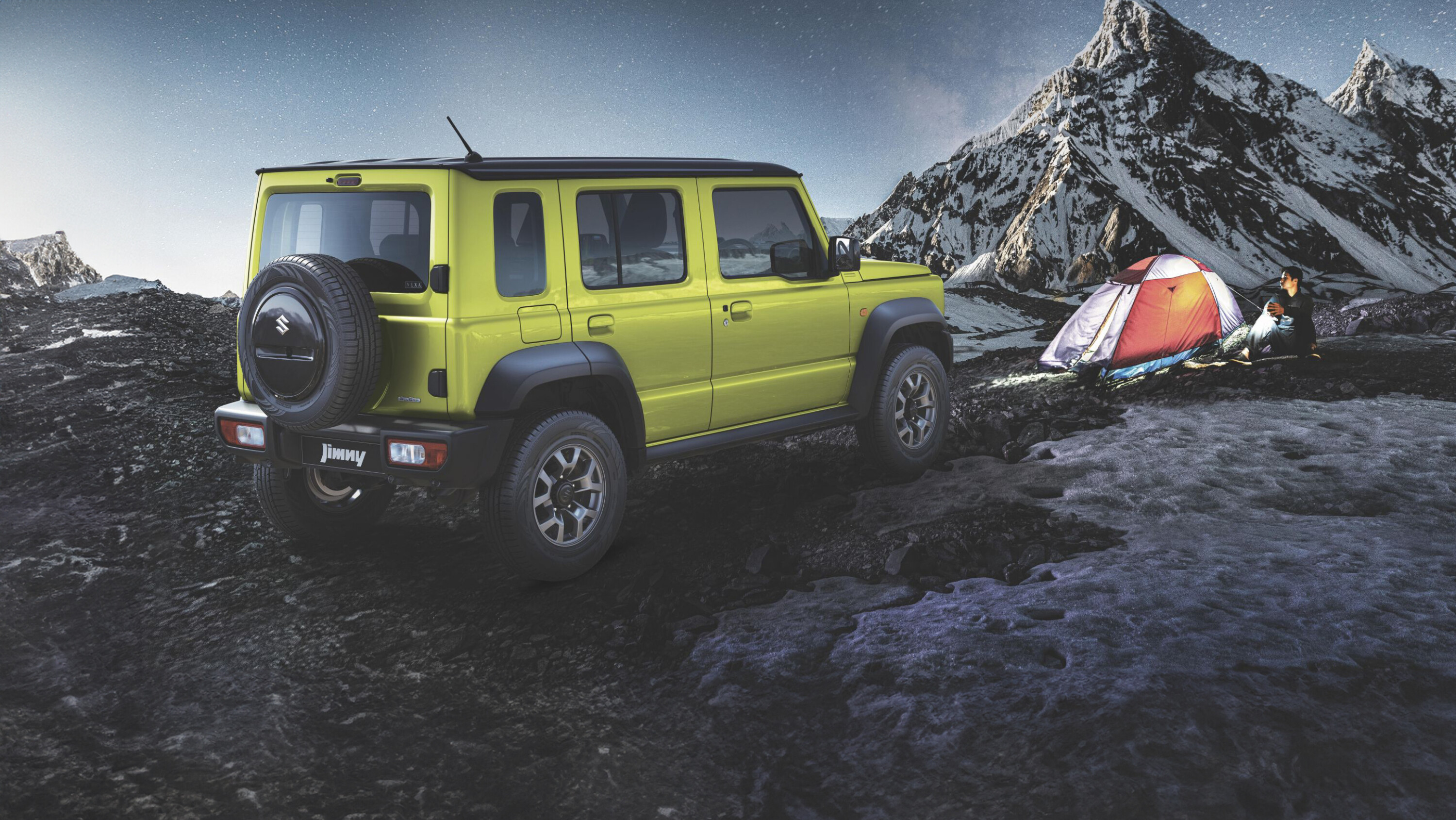
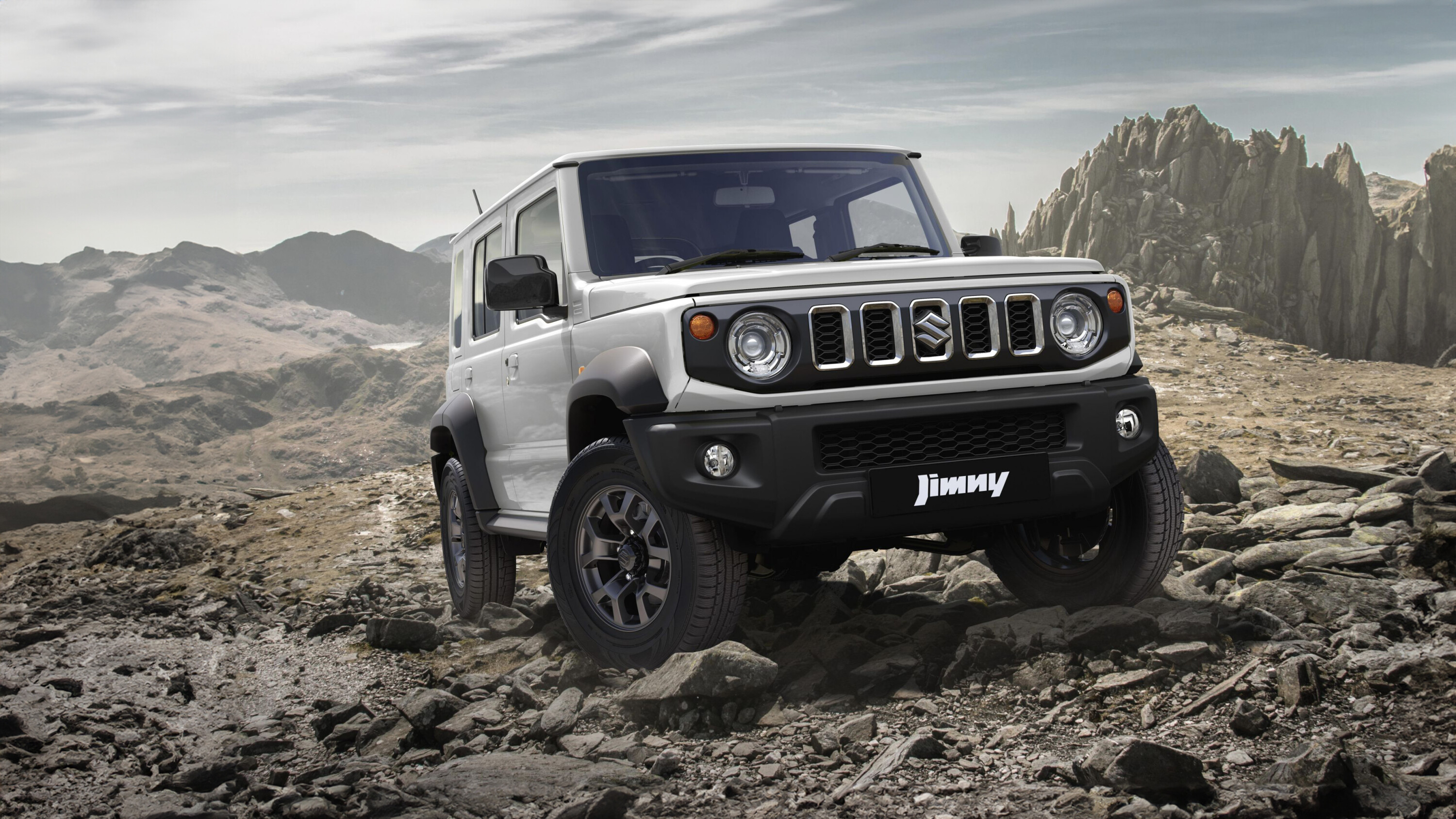
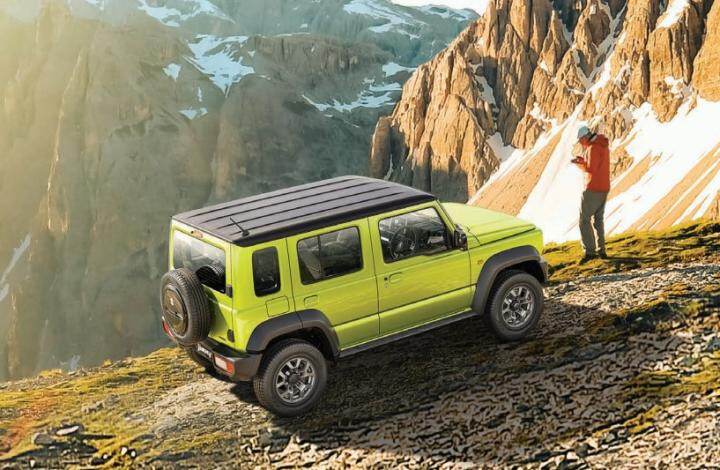
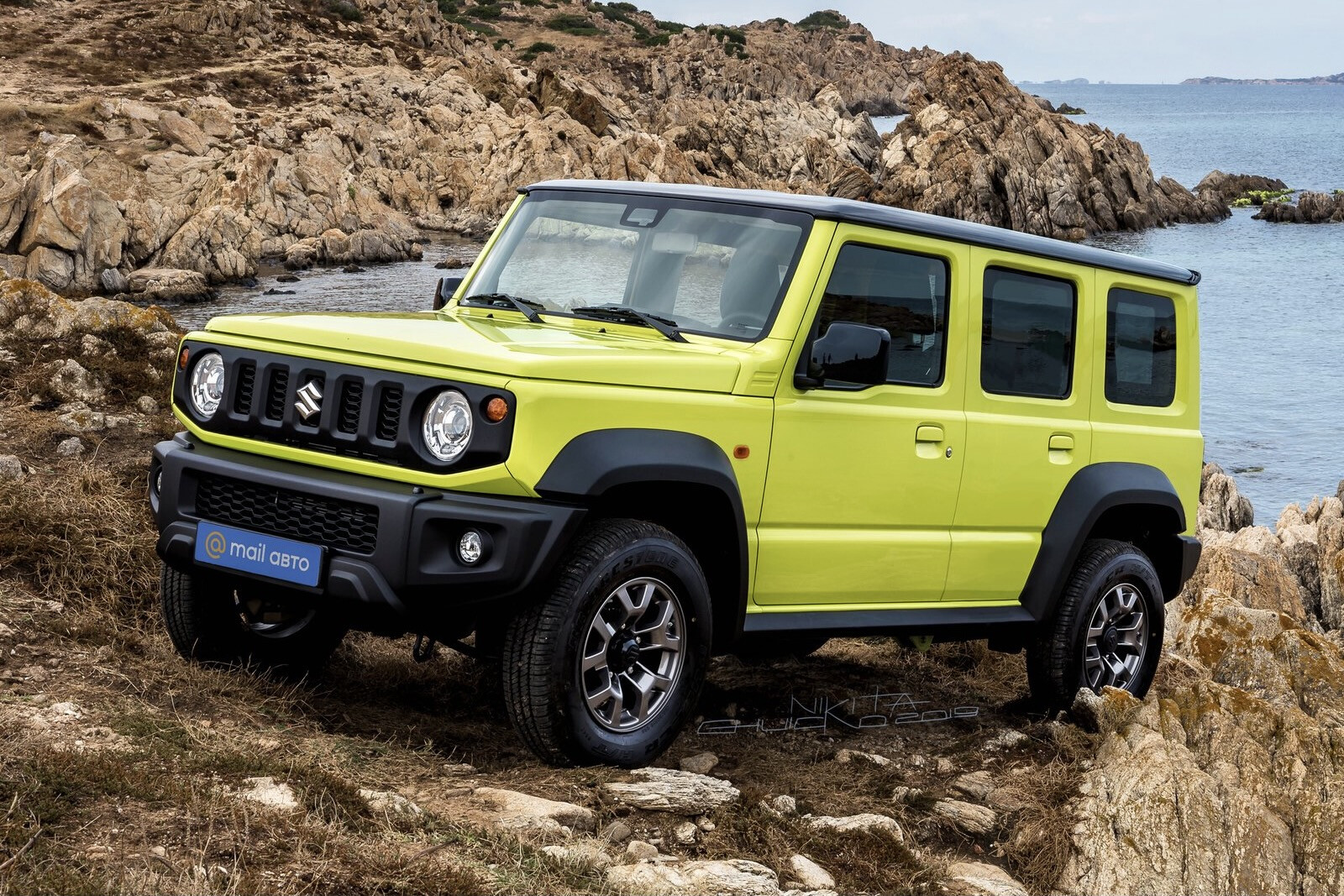
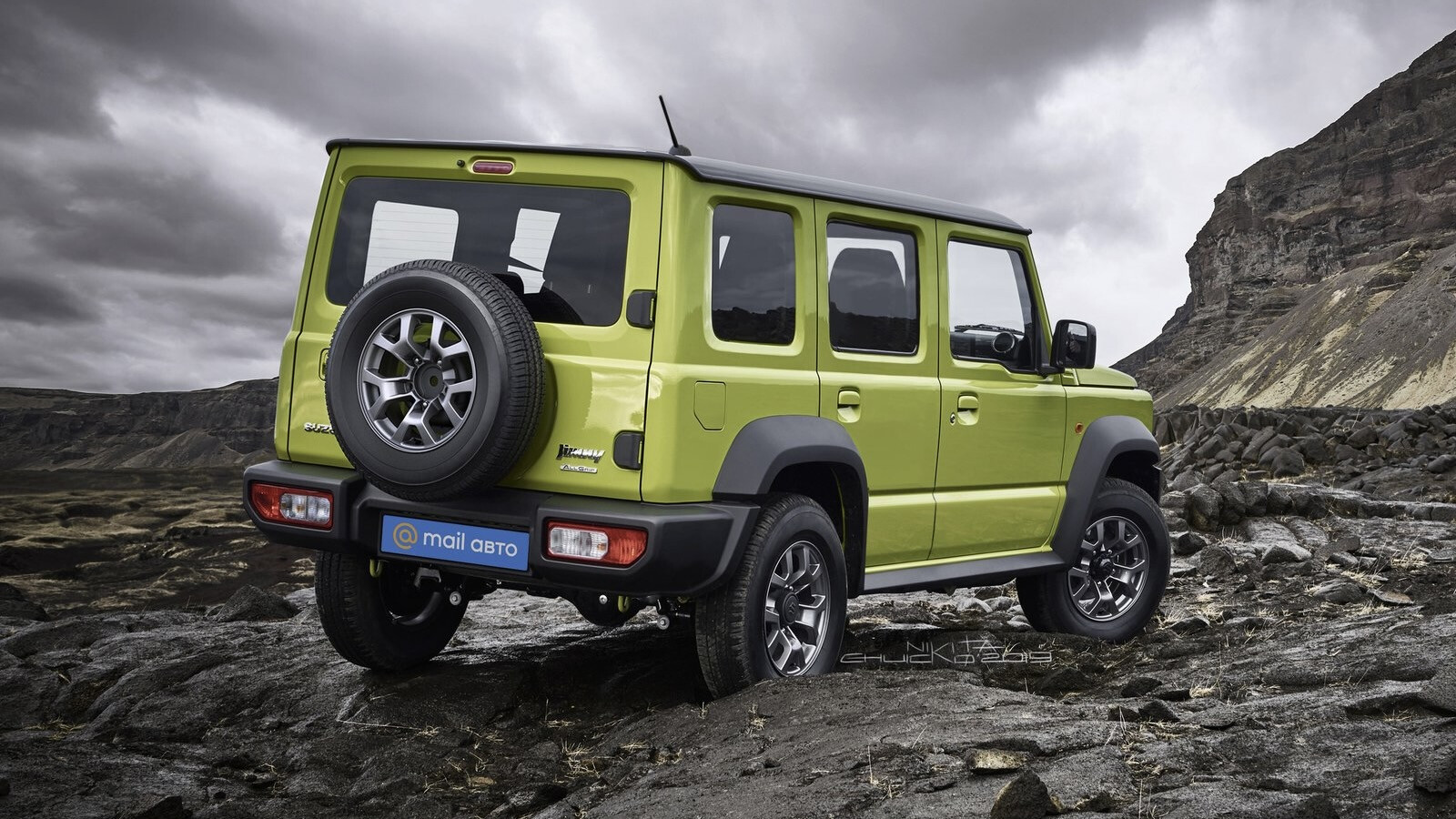
Suzuki has confirmed Jimny XL five-door pricing and features for Australia.
The single variant starts at $34,990 before on-road costs for manual and $36,490 for automatic transmission variants. A premium of $3000 over the regular Jimny.
Like the three-door, the 340mm longer model features selectable four-wheel-drive and four seats, while promising excellent off-road capability.
Customer deliveries begin imminently for those with pre-orders in, and buyers who order the Jimny XL today will be looking at a six-nine month wait.
Boot space climbs from 85L to 211L, while weight is up by a mere 90kg (1185kg manual) for the Indian-built XL.
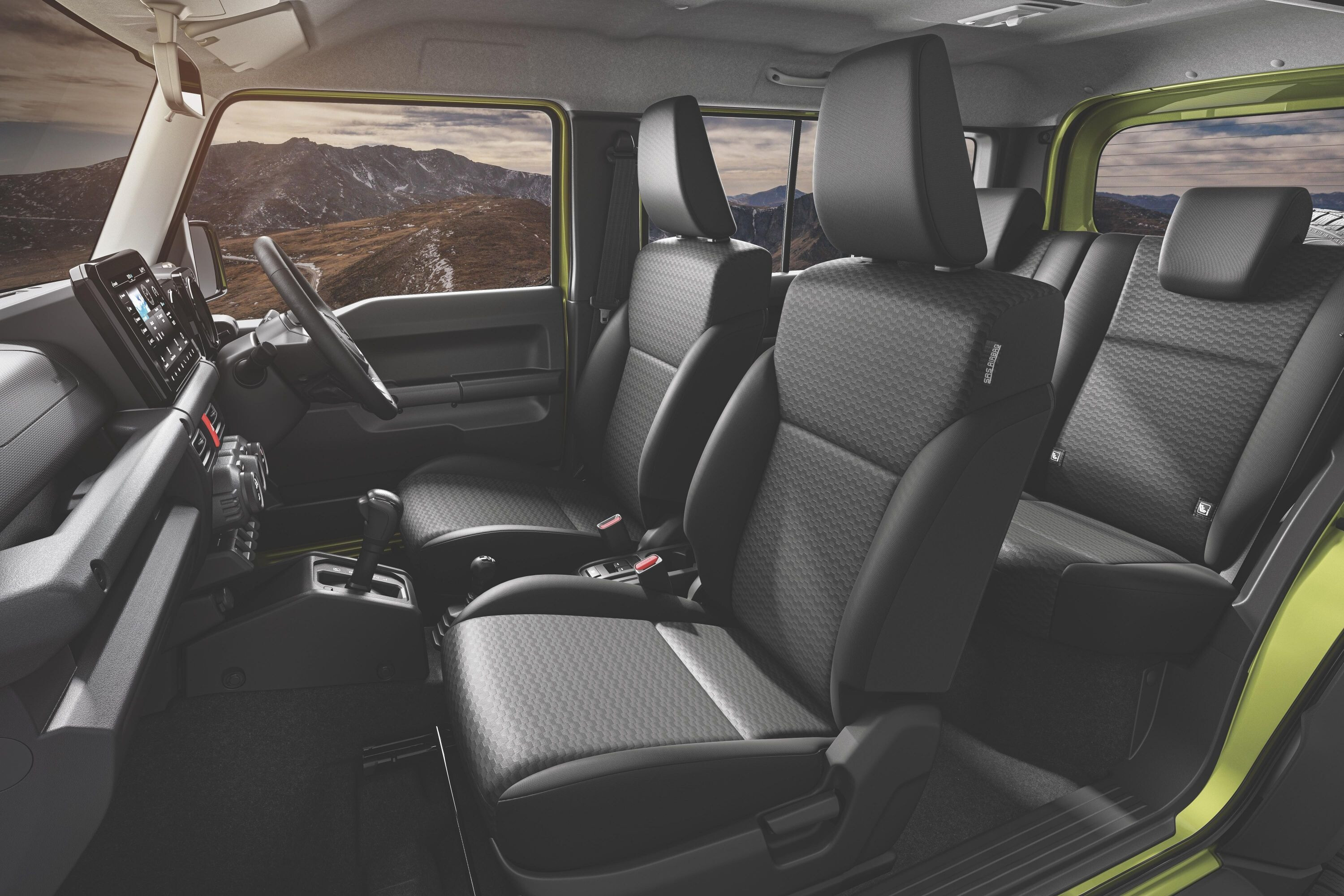
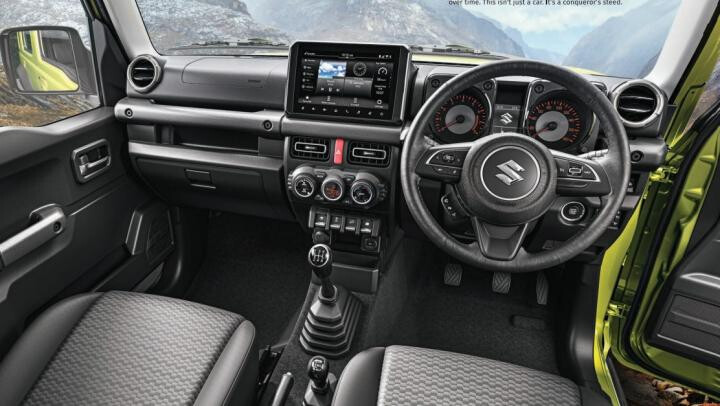
Other changes include a 9.0-inch touchscreen with wireless Apple CarPlay and Android Auto capability. For safety, there’s also adaptive cruise control fitted to four-speed automatic variants.
Aside from those minor changes, the Jimny XL mirrors the specification of GXL (now known simply as the ‘Jimny’) trim.
November: Jimny XL name confirmed, pricing due soon
The Suzuki Jimny five-door launches officially next month and will live up to its extra-large status with the ‘XL’ badge.
Snapshot
Official release locked-in for early December
340mm increase to both length and wheelbase
1.5L four-cylinder engine and transmission options same as three-door
Suzuki dealers are hoping to receive demo versions of the longer-wheelbase Jimny by the end of November, ahead of the Jimny XL’s media launch in early December.
Pricing and specification details are expected to be revealed around the 5th December media drive day for the highly anticipated model that was unveiled at the start of 2023.
Extra interior space is created by a 340mm extension to the wheelbase, which accounts for the entire increase in vehicle length.
1
According to specs of the India version where the five-door is built, boot space behind the second-row seats increases from the Japan-built three-door’s tiny 85 litres to a more useable 208 litres.
The Jimny XL will share the majority of its components and features with the three-door Jimny – including 1.5-litre petrol engine and part-time four-wheel-drive system.
The kerb weight will increase by about 100kg for either manual or automatic models.
For off-road enthusiasts, the five-door’s approach and departure angles are similar but its ramp-over is shallower – 28 degrees to the three-door’s 24 degrees.
The Jimny XL remains a four-seater as with its shorter sibling.
4X4 Australia will report on official pricing and specs for Australian versions as soon as they’re confirmed.
Suzuki has pulled the wraps off its much anticipated 505mm longer five-door Jimny off-roader at the 2023 Delhi Auto Expo.
Snapshot
Coming to Aus Q4 2023!
1.5L four-cylinder engine and transmission options retained
505mm increase in length, 340mm longer wheelbase
Export and Australian arrival on the cards
After months of spy photos emerging from India, the formal unveiling comes as a pleasant surprise. Even more so that the 505mm longer Jimny will hit Aussie dealerships in Q4 this year.
“We’ve been knocking back hundreds of orders and customers for customers that have been speculating that a five door will be available”, General Manager Suzuki vehicles, Michael Pachota told 4X4 Australia.
“Now that we’ve confirmed it for Australia, we’re taking orders. First in, best dressed.”
The Jimny five-door will be constructed in India and exported to Latin America, Africa and Australia from there.
There’s little need to worry that a five-door Jimny won’t fit into your garage, it’s still less than four metres.
Measuring 3985mm long, 1645mm wide and 1720mm tall, the stretched Jimny five-door rides on a generous 2590mm wheelbase – that’s comparable to a small SUV such as a Hyundai Kona.
Compared to a three-door Jimny, it’s 505mm longer overall with a 340mm longer wheelbase. Significant increases, and some that may indeed harm the Jimny’s off-road chops despite the five-door’s 210mm ground clearance being unchanged.
The Jimny will also soldier on with its 1.5-litre petrol four-cylinder engine that develops 75kW of power and 130Nm of torque. A four-speed automatic or five-speed manual will be available.
Further details are very hard to come by, though it appears the five-door scores second-row curtain airbags, too. Pricing for the new five-dorr Jimny will be confirmed closer to its Q4 2023 local launch.
Our original story, below, continues unchanged
1
December 2022: Five-door Jimny spied without camouflage
Well, we’ve heard rumours, we’ve seen images of it under covers and now we can finally see what the 2023 Suzuki Jimny 5-door Long model will look like in final production form.
This image appeared today on Autocar India, and you can find the original article here – but the original source, an Instagram post, appears to have been removed.
According to Autocar India, the 5-door Jimny is due for its global debut at the Auto Expo 2023 next month. The vehicle was spotted somewhere in north India, rumoured to be undergoing final rounds of testing before release.
1
What we know so far
Based on the popular JB74 Suzuki Jimny, the five-door Jimny is reported to have a length of 3850mm – offering a rumoured increase of 300mm to the wheelbase.
This allows space for two additional doors, providing a more comfortable seating experience for occupants, if you can call a Jimny comfortable.
This additional length is also a boon for recreational users, offering more space inside to store camping gear and so on, especially with the seats folded flat.
1
It’s expected the five-door Suzuki Jimny will retain the K15B 1.5L naturally-aspirated four-cylinder petrol engine, unchanged from the current Jimny.
The same applies to the transmissions on offer, a five-speed manual and 4-speed automatic transmission will also carry over.
Personally, I would have loved to see a turbocharged engine offered for a bit more poke to help carry the additional weight of the five-door model, but I’m not surprised either to hear the same engine and transmission combo will remain. Fingers crossed we see something more powerful in coming years, but for now it seems like the 1.5L engine is it.
Autocar India reports that the production of the Jimny five-door is expected to begin next year, with an Indian-market launch due in mid-2023.
1
Will the 5-door Jimny be sold in Australia?
Australian delivery has not been confirmed, however, Suzuki’s CEO Michael Pachota said this earlier in 2022:
“The moment it’s available for our country, I will place as many orders as I can. When anything starts with the word Jimny, it just ends in sales.
“I can tell you there’s a lot of speculation out there, but can I confirm there’s one coming at all and or to Australia? No, I can’t. It’s an unbelievable product, we are definitely going to have our hands up for it,” he said.
Stay tuned for further updates as they come, and It’s safe to say we are looking forward to getting our hands on one for a proper off-road test.
Will that extra wheelbase be a hindrance off-road? Will the 1.5L engine have enough grunt to move the larger 5-door Jimny? And how much will it all cost? These are the questions we’re keen to answer.
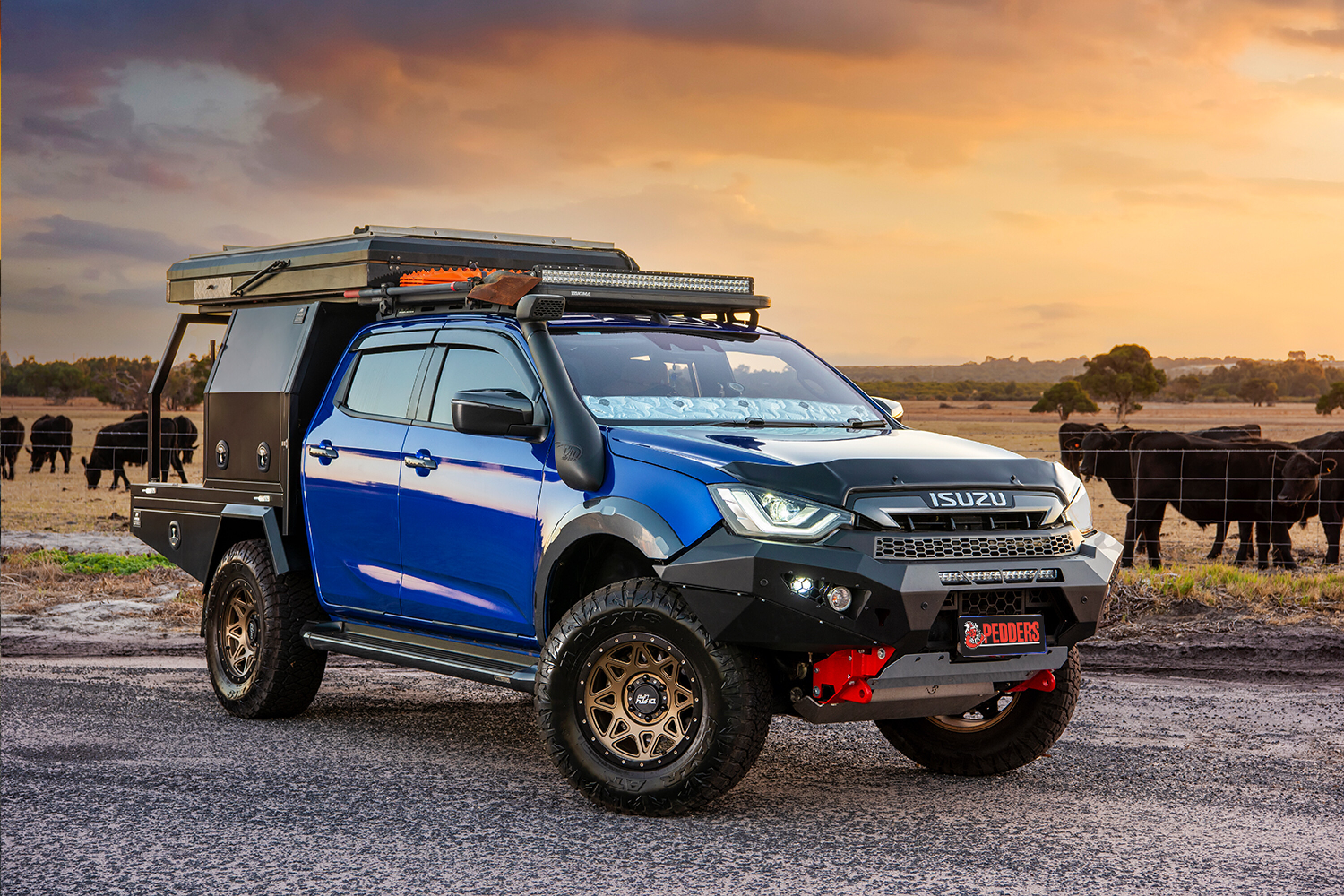
When it comes to setting up your four-wheel drive for Towing or Touring, Pedders Suspension & Brakes are the experts and can specify your vehicle with a total undercar solution designed to enhance your vehicle’s handling and braking performance.
Loading up your vehicle with heavy duty accessories like a bulbar, winch, canopy, underbody protection, plus all of your cargo can leave your four-wheel drive’s suspension struggling to keep up with the additional load. Or worse, you could exceed your vehicle’s Gross Vehicle Mass rating, resulting in fines and possible voidance of insurance.
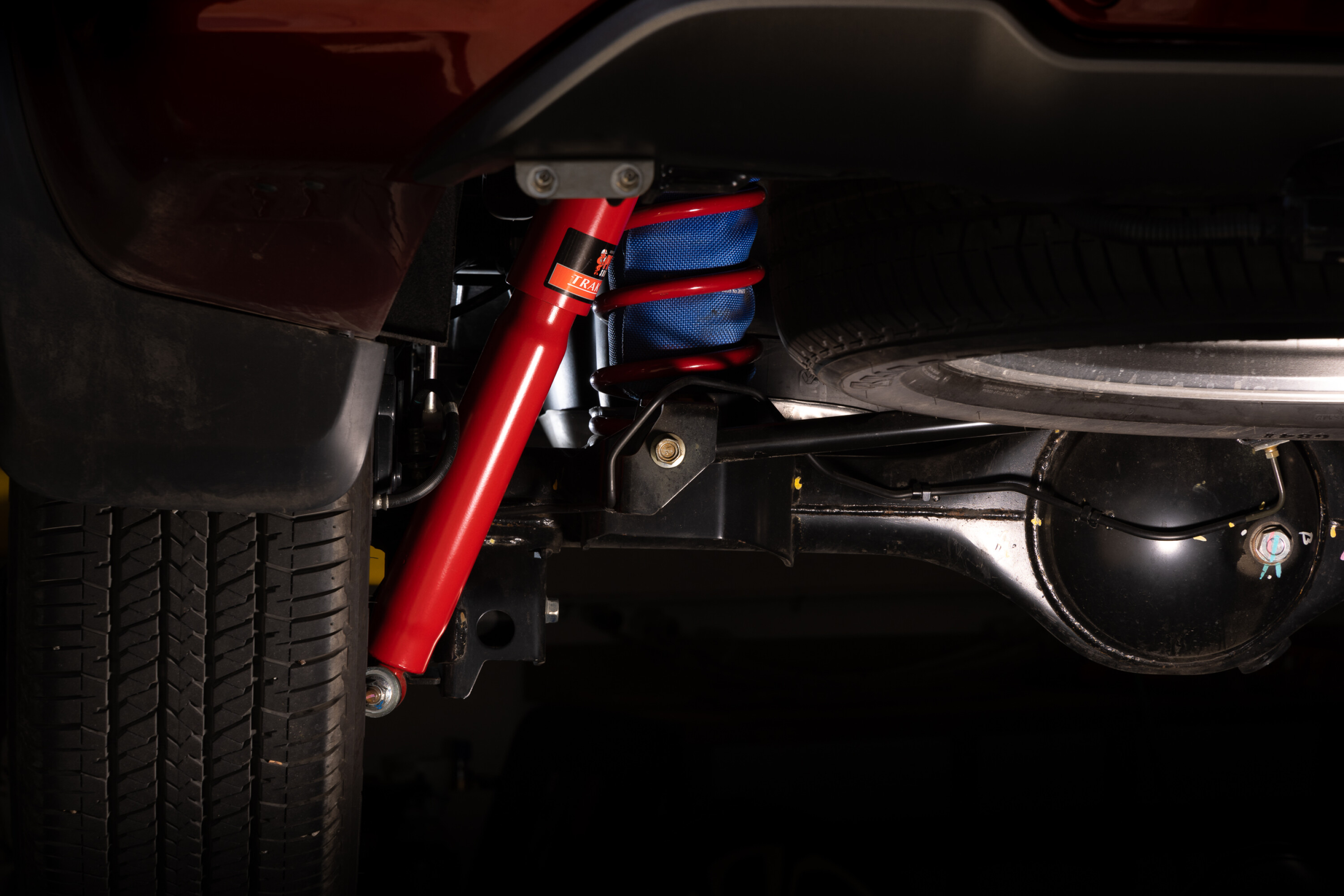
This is where a tailored Pedders GVM+ Upgrade can significantly boost your four-wheel drive’s Payload capacity as well as improve it’s handling performance. Pedders GVM+ Upgrade kits are specially engineered to restore handling balance to heavily-loaded vehicles, as well as enhance off-road performance.
3
Pedders engineer their GVM kits to meet all Federal Government requirements, so they are fully legal and compliant Australia-wide.
They also offer multiple spring options depending on the vehicle and load requirements, meaning they don’t offer a one-size fits all solution. When you opt for a Pedders GVM+ Upgrade, their team will tailor a spring package to suit you and your four-wheel drive, allowing it to sit level while maintaining ride comfort.
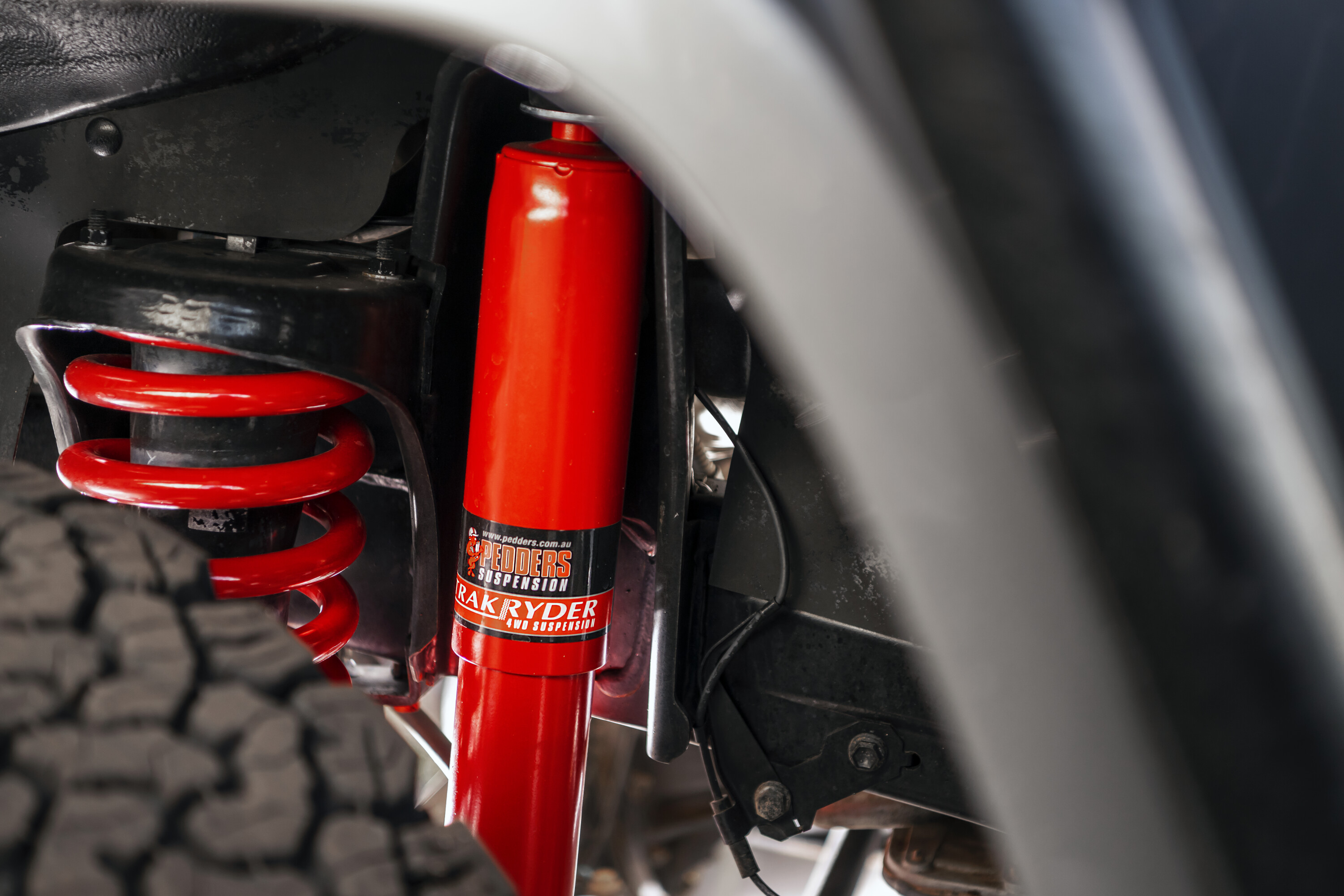
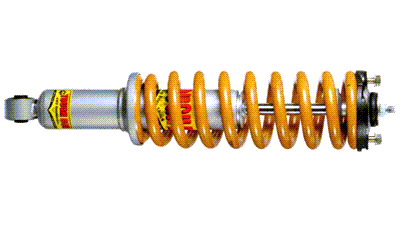
Because Pedders understands that many vehicles equipped with GVM+ Upgrades will be used for touring or four-wheel driving, each Pedders GVM kit is fitted with the brand’s premium Foam Cell Shock Absorber. This not only helps with ride comfort on rough terrain, but it enhances off-road performance.
1
Pedders Foam Cell Shock Absorbers are designed to eliminate any mixing of the shock absorber oil with air, meaning bubbles cannot form within the shock, allowing the shock absorber to maintain optimal damping control even over rough corrugations.
Understandably not every vehicle needs a GVM+ Upgrade, particularly if you’re only towing occasionally, which is why Pedders also offers a range of suspension lift kits, levelling springs, and air bag suspension to suit many popular 4x4s.
Loading up your four-wheel drive with heavy duty accessories can also put a serious strain on your vehicle’s braking system. Hot brakes and a soft pedal are a big warning sign that you need an upgrade.
1
Pedders offer an impressive range of braking products suited for towing and touring vehicles, including performance rotors and pads and full conversion kits.
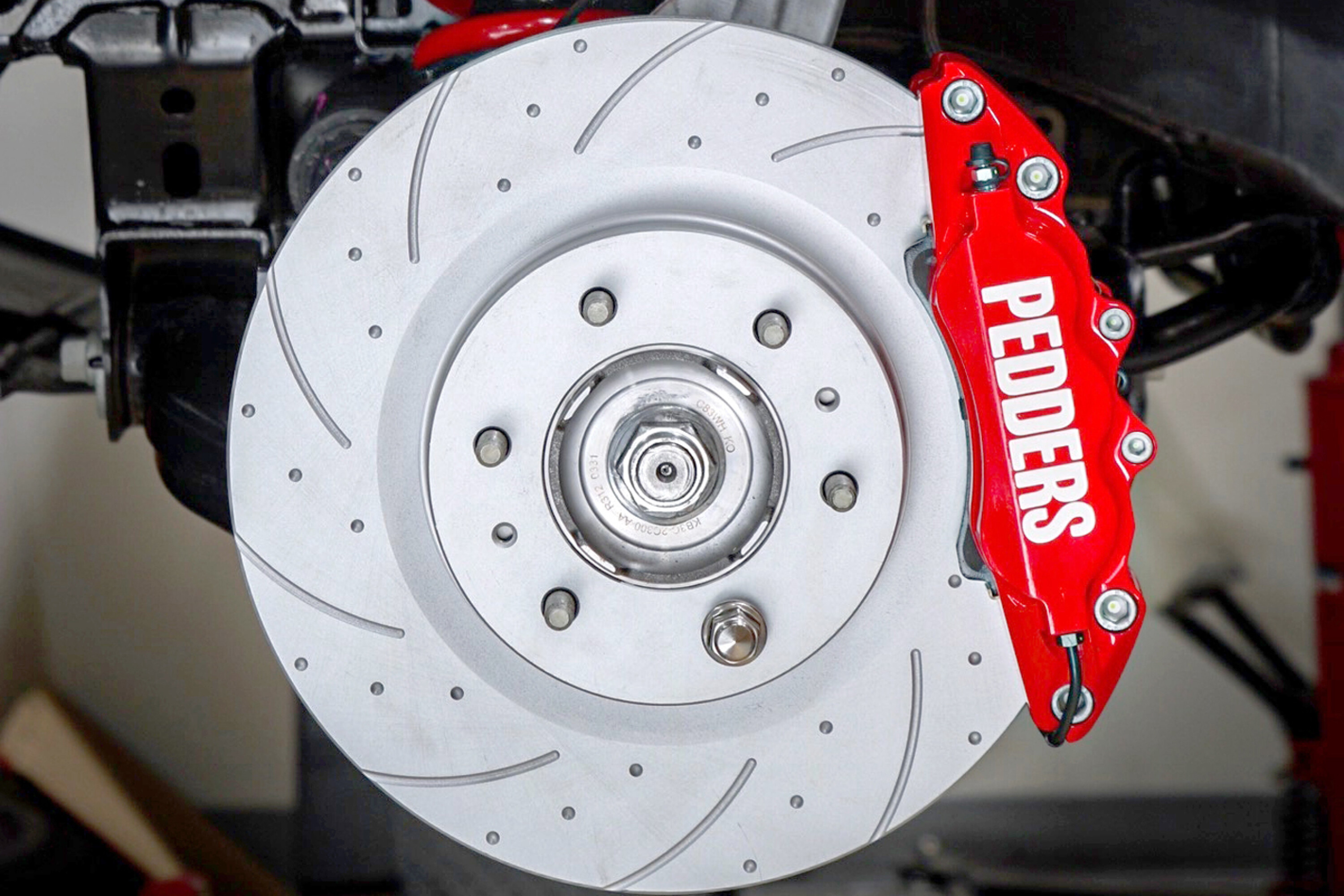
Pedders slotted brake rotors are more resistant to heat fade than original equipment components, thanks to the specially designed curved slot design which improves cooling efficiency.
While Pedders Kevlar Ceramic brake pads are formulated to enhance your vehicle’s braking system by providing more consistent performance during repeated stops. These rotors and pads are available from Pedders for many popular 4×4 vehicles.
1
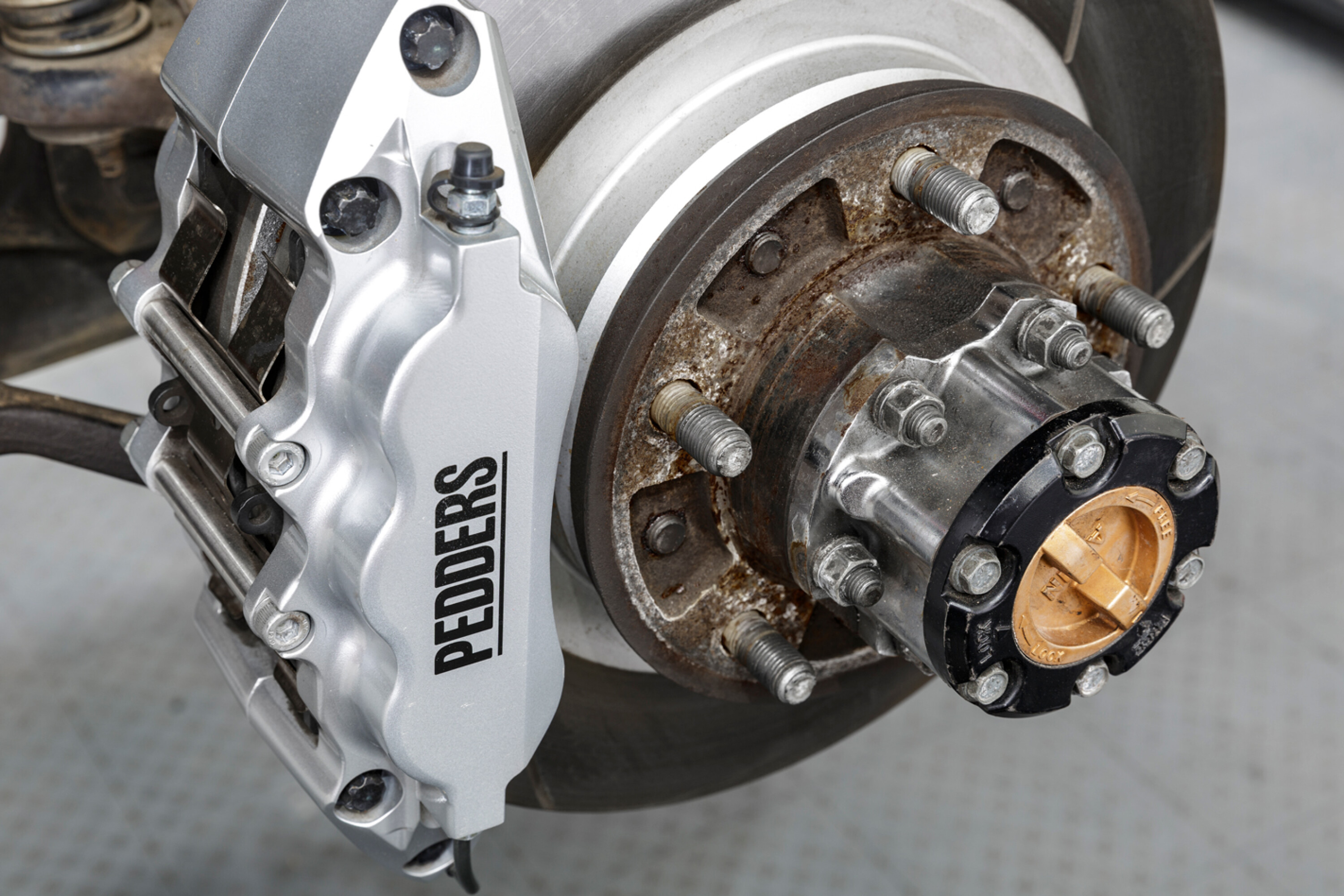
If your vehicle has factory rear drum brakes, then consider upgrading to a Pedders Rear Disc Brake Conversion kit.
This kit from Pedders completely transforms your rear drums to more efficient discs and calipers, providing a serious boost in braking performance and more consistent stopping power, which is ideal for vehicles that tow or carry heavy loads.
Beyond this, Pedders also offer their Big Brake Conversion kit which includes high performance calipers featuring multi-piston design, enlarged brake rotors, braided brake lines, and Kevlar Ceramic performance brake pads.
1
Pedders Big Brake Kits have been proven to reduce stopping distance significantly compared to factory brakes and are available for select 4×4 models including Toyota HiLux & LandCruiser, Ford Ranger, Isuzu D-Max and more.
So if you’re loading up your rig for work, touring Australia, or towing a big caravan, check out Pedders Suspension & Brakes and enhance your vehicle’s handling and braking performance for a Better Journey on the road.
Snapshot
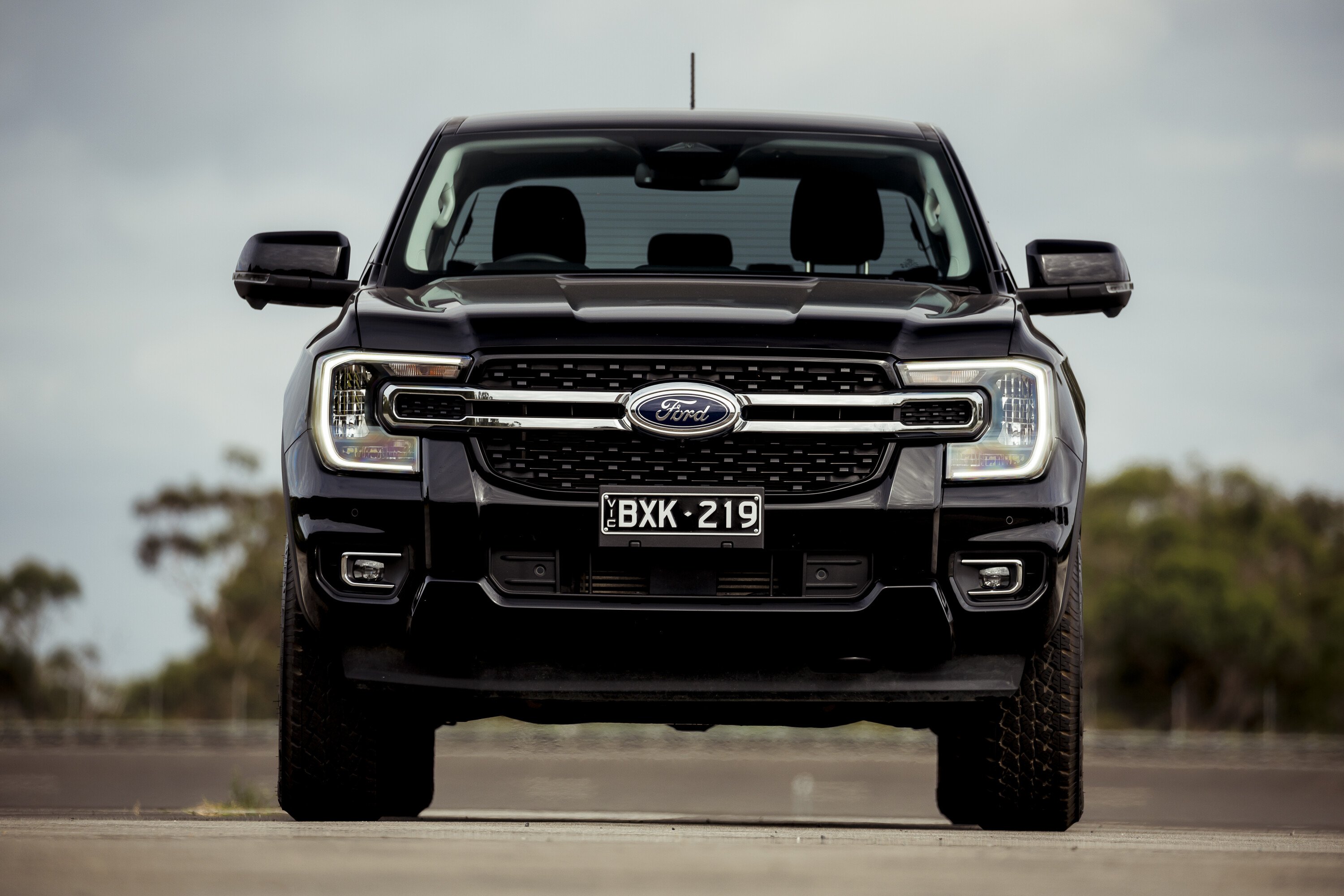
Ford Ranger best-selling vehicle in November
Less than 400 units separate Ranger and HiLux year to date
A Ford model been Australia’s best-selling model since mid 1990s
The Ford Ranger beat its Toyota HiLux nemesis by 400 units in November’s sales as it closes in on its target of becoming Australia’s most popular vehicle.
Ford Australia registered 6301 sales of its locally developed ute last month compared with 5901 for its rival that has been the country’s best-selling model for the past seven years.
The Ranger’s 4×4 variants continue to be its trump cards, with the HiLux maintaining an incredibly narrow year-to-date lead thanks to strong sales of its 4×2 models.
1
Ford sold just 301 4×2 Rangers in November compared with 6000 4×4 models. In contrast, there were 1058 and 4843 registrations for 4×2 and 4×4 HiLux models, respectively.
With just December remaining, the HiLux leads the Ranger by just 379 units – 55,968 versus 55,589.
The Ranger has been the new-car-sales bridesmaid since 2017. After running the HiLux close in 2021, it was thrashed last year by its rival.
Ford’s ute has the momentum, however, having beaten the HiLux for the last two months. Ranger sales are up 30 per cent – or 12,773 sales – on this time last year, compared with HiLux sales that are down seven per cent (or by 4152 sales).
1
If it were to overtake the HiLux in December, it would be the first time a Ford has been Australia’s best-selling vehicle since the Falcon was No.1 in 1995.
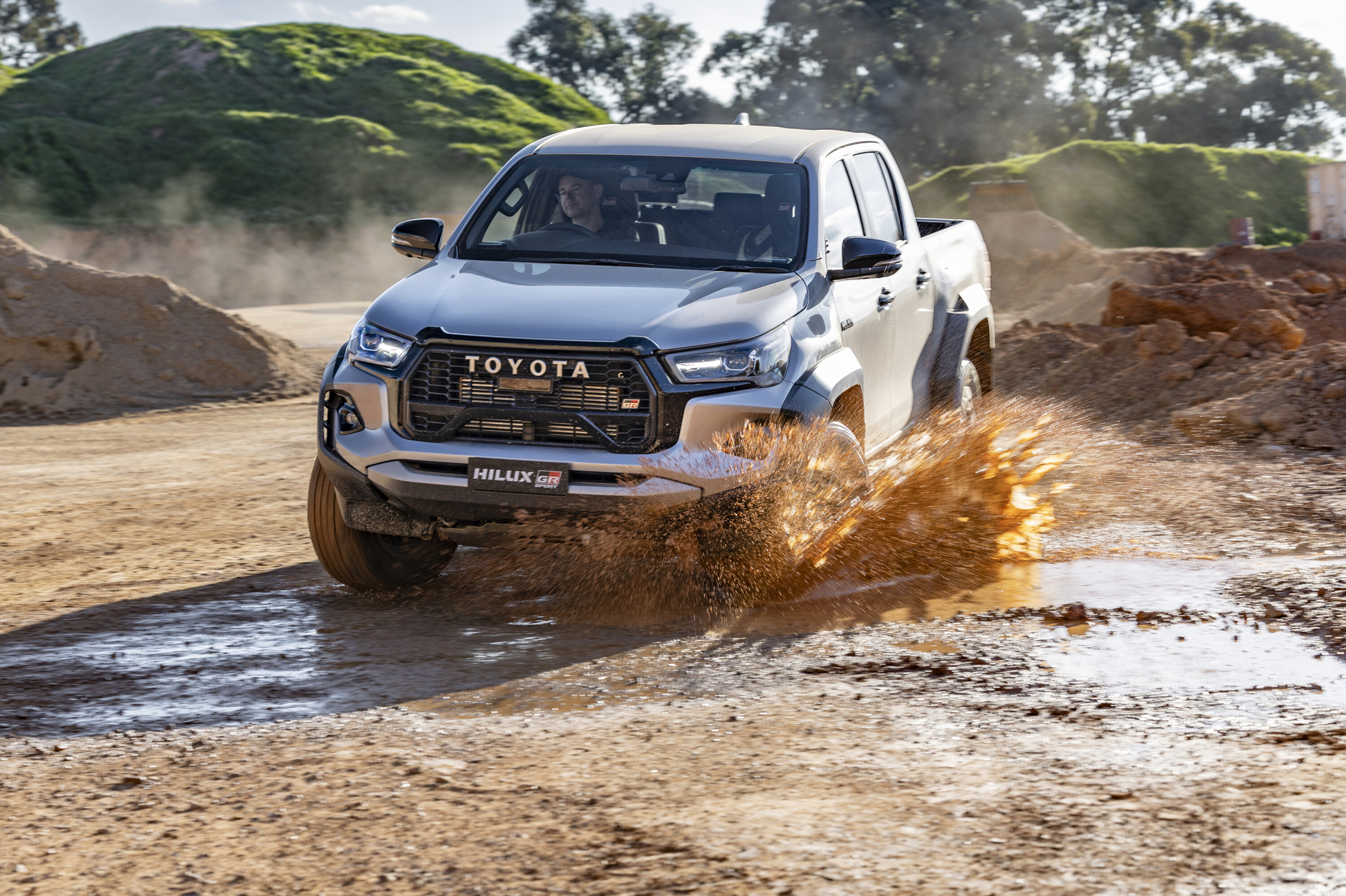
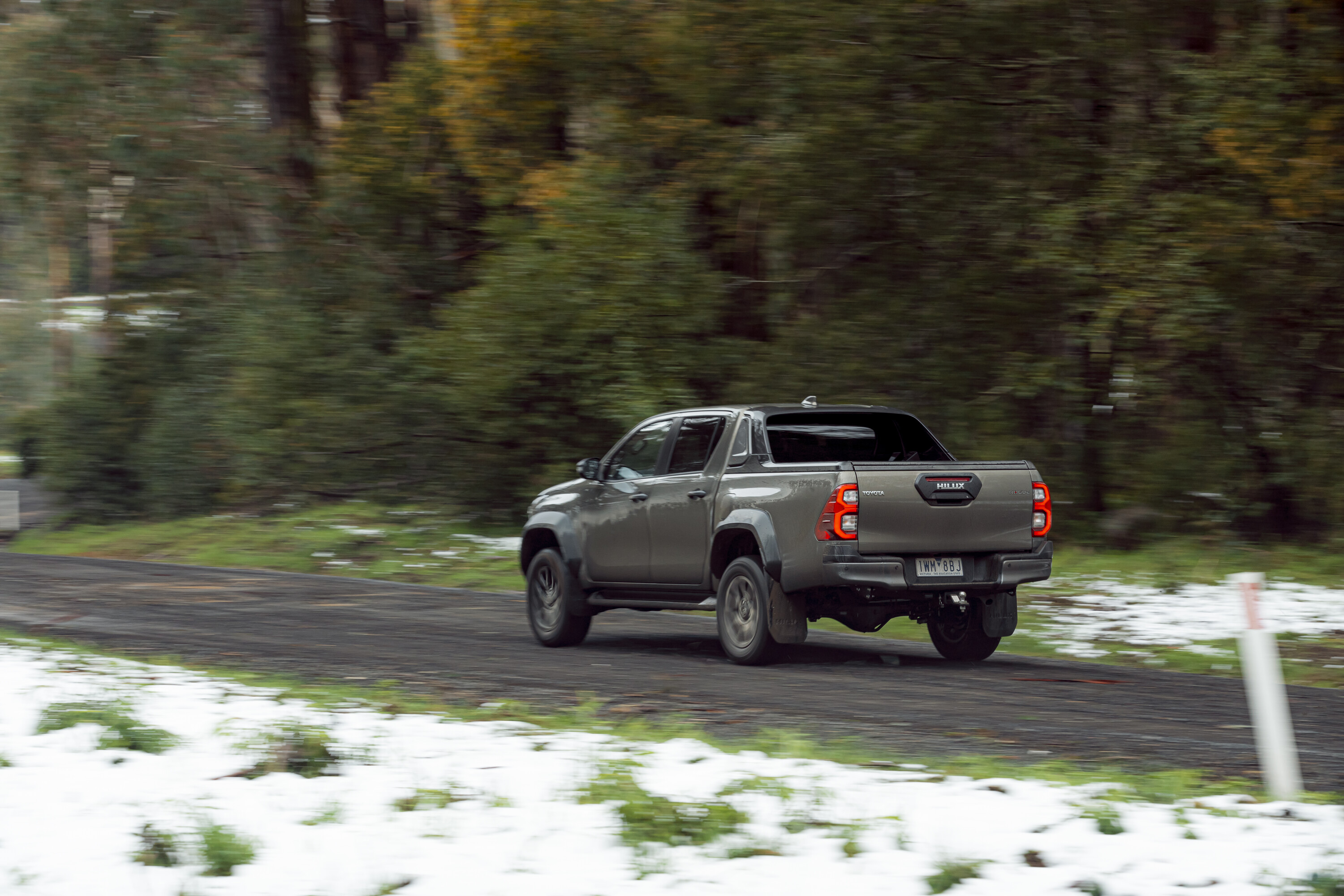
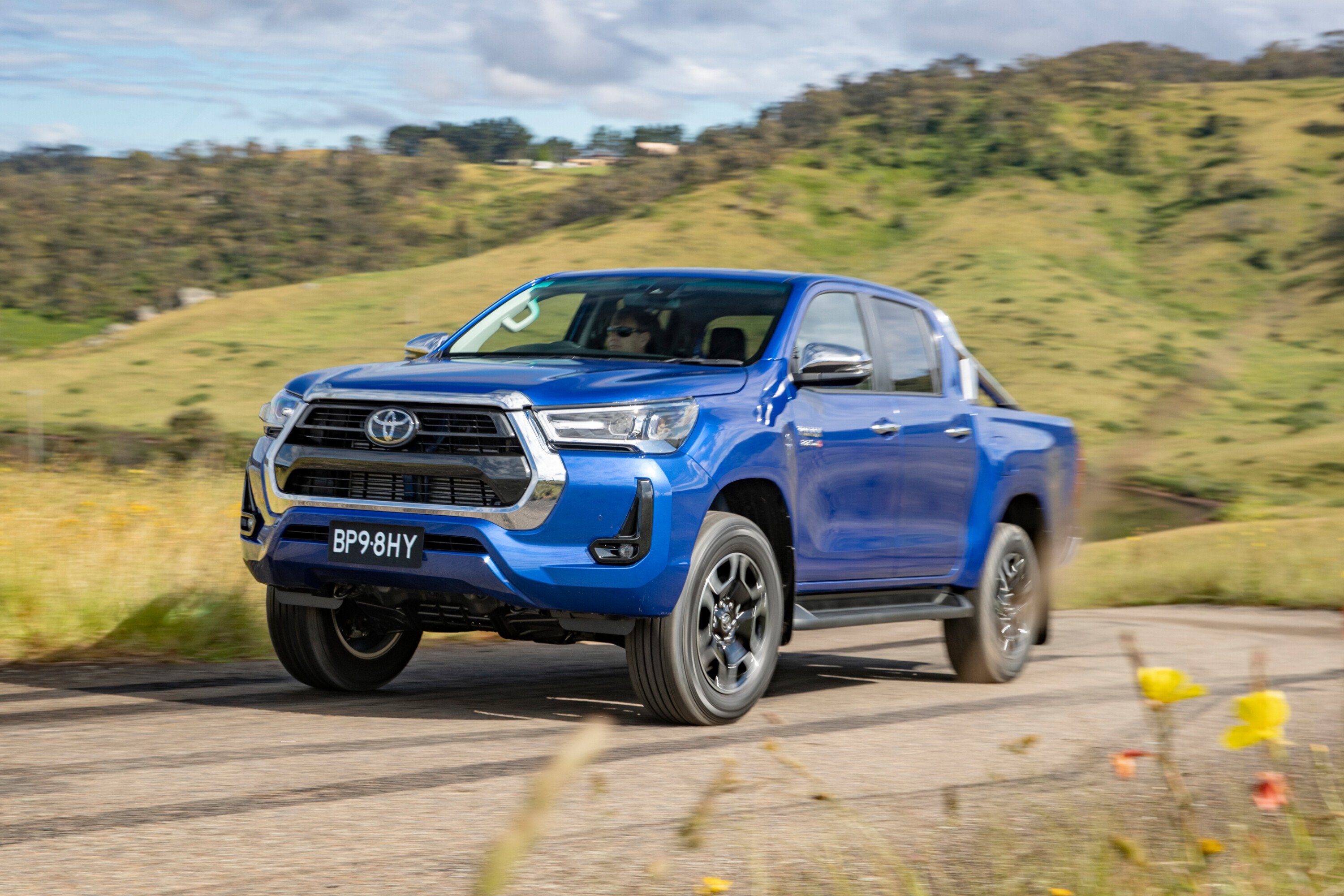
The Ranger has the advantage of being the much newer vehicle, having launched in the second half of 2022 in latest-generation form. The current HiLux has been around since 2015, albeit with significant updates over the years including new variants such as the GR Sport (pictured above).
Multi-Terrain Select system, new infotainment and improved safety
Mild-hybrid system confirmed for SR5 and Rogue dual-cab variants, optional for SR
Due to arrive in Australia in the first half of 2024
December 5: New infotainment, improved safety and Multi-Terrain Select system
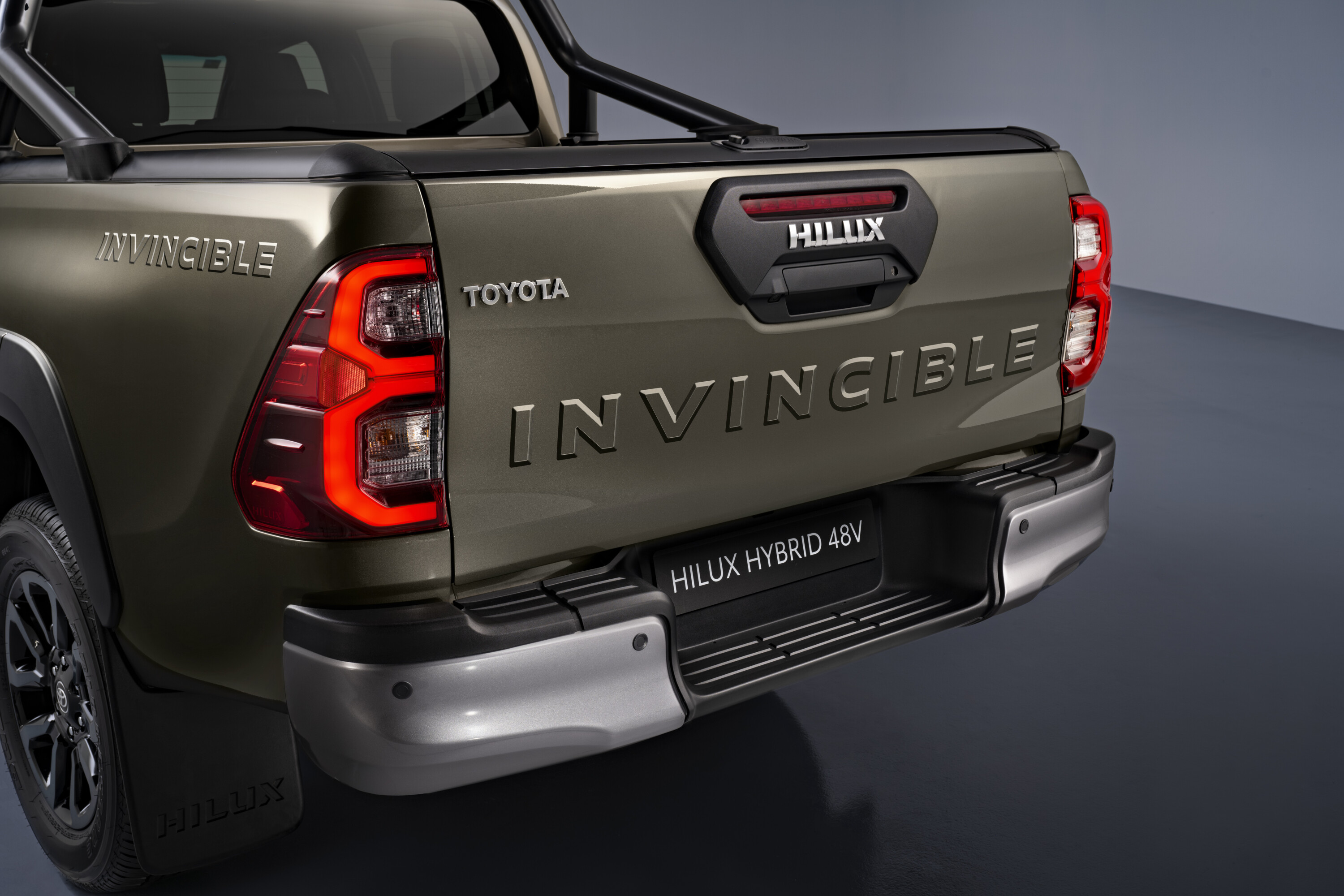
Further details have emerged about the upcoming HiLux Hybrid 48V, with the electrified ‘Lux to receive a new Multi-Terrain Select system, new infotainment system, and improved safety.
As revealed back in June, Toyota will add an electrified powertrain to its HiLux line-up, powering SR5 and Rogue 4×4 dual-cabs and optional for SR 4×4 dual-cab variants. Toyota’s venerable 2.8-litre diesel engine will remain, but it will now be strengthened by the hybrid 48V system.
1
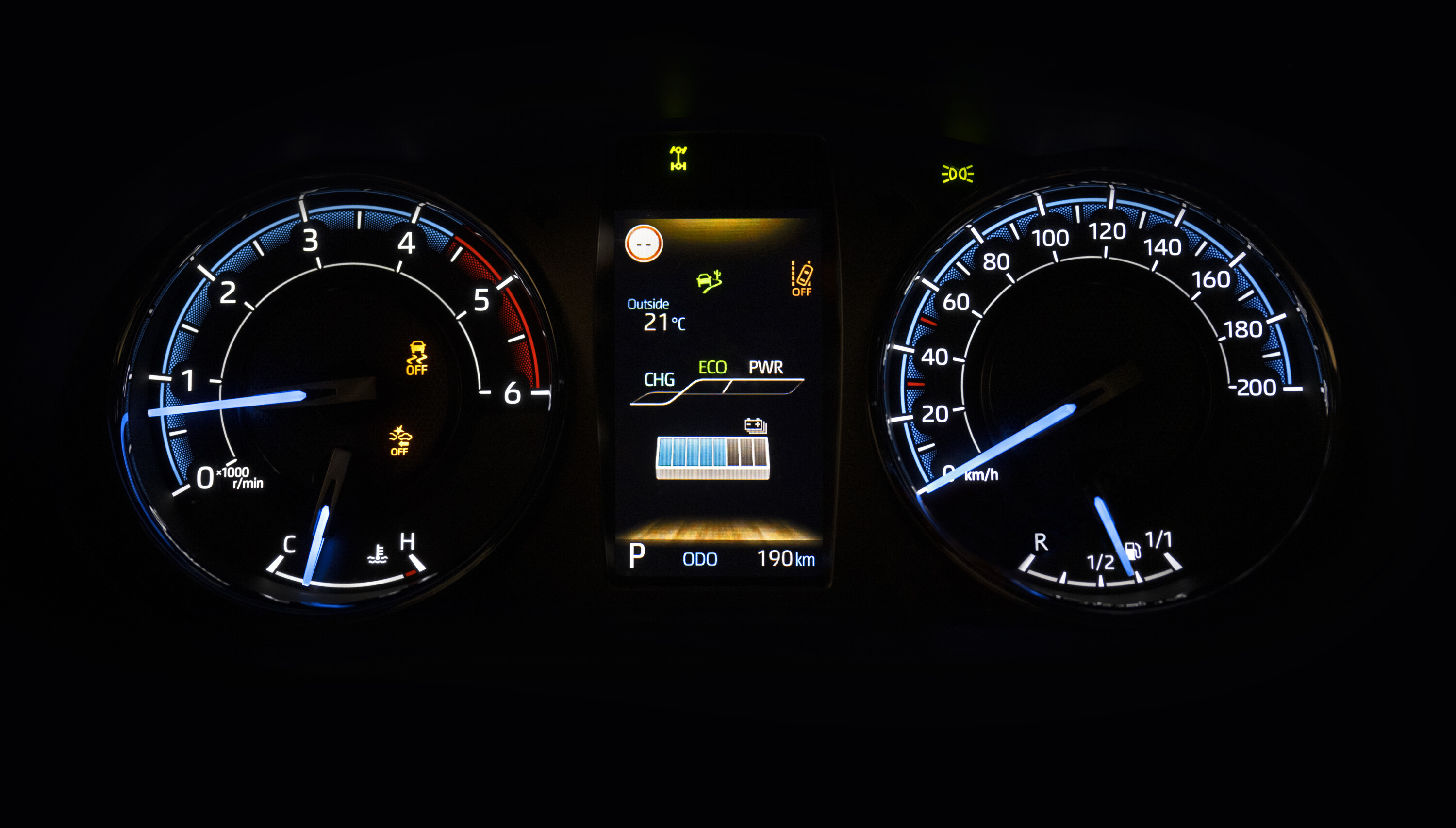
This combination will generate 150kW at 3400rpm and 500Nm between 1600-2800rpm, and is said to improve fuel efficiency by up to five per cent compared to the conventional diesel powertrain.
When charged through regenerative braking, Toyota says the 48V battery sends up to 12kW and 65Nm of additional power and torque, respectively, throught the motor generator to the engine “to enhance acceleration, power and efficiency”.
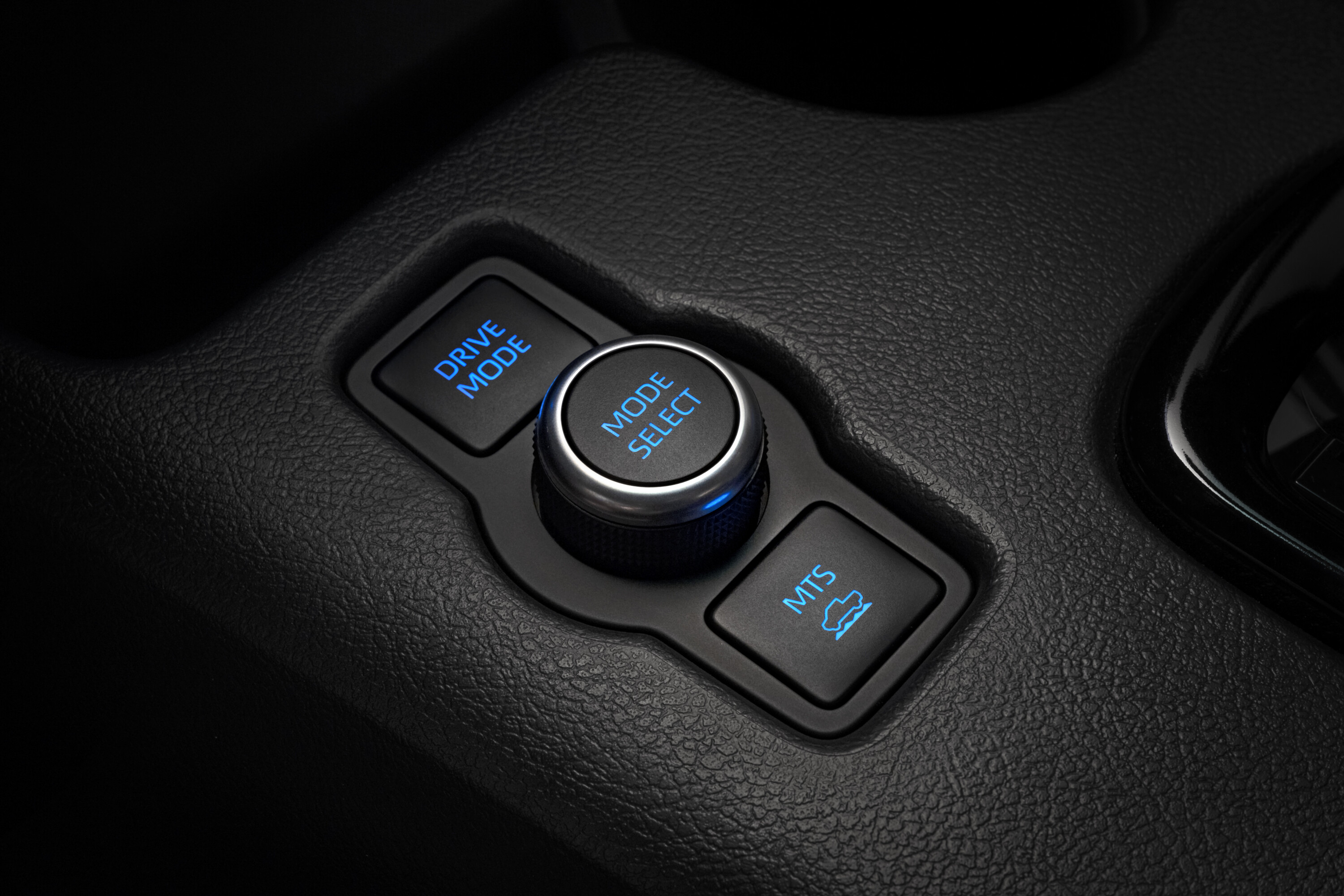
In addition to this electrified powertrain, Toyota has confirmed the HiLux will get a new Multi-Terrain Select system for the first time. The system, widely adopted in some form across the 4×4 landscape, modulates vehicle performance and control settings depending on terrain and driving conditions. In addition to an automatic setting, five pre-set options will be available: Dirt, Sand, Mud, Deep Snow and Rock.
1
The Hilux Hybrid 48V will remain on a ladder-frame chassis, with leaf springs and twin shocks at the rear for improved off-road ability and handling.
Hilux Hybrid 48V (double-cab) measurements
Length
5325mm
Width
1900mm
Height
1815mm
Tray length
1525mm
Towing capacity
3500kg
Payload capacity
1000kg
Water fording
700mm
Ground clearance
310mm
Approach angle
29
Departure angle
26
The HiLux Hybrid 48V will also be equipped with the latest Toyota Safety Sense tech, which consists of an enhanced Pre-Collision System (PCS); an updated Lane Departure Alert (LDA); Adaptive Cruise Control (ACC) with Road Sign Assist (RSA); and Adaptive High Beam (AHB).
1
Also new is the latest iteration of Toyota’s Smart Connect system which features an eight-inch screen, cloud-based navigation and wireless Apple CarPlay and Android Auto connectivity. Depending on the grade, drivers will be able to lock and unlock their ‘Lux, as well as control the air-con, via a smartphone app.
The HiLux Hybrid 48V is slated to arrive in Australia in dual-cab guise in 2024.
June 2023: 48-volt mild-hybrid confirmed for Australia
Australia’s top-selling vehicle – the Toyota HiLux ute – is on the path to electrification.
An update for the 2024 Toyota HiLux will introduce a 48-volt mild-hybrid system, the brand has confirmed.
Due to arrive in Australia in the first half of 2024, the electrified powertrain will be standard for the SR5 and Rogue 4×4 dual-cab variants, and available as an option for the SR 4×4 dual-cab.
The mild-hybrid system will be paired to the HiLux’s familiar 150kW/500Nm 2.8-litre four-cylinder diesel engine, six-speed automatic transmission and 12-volt auxiliary battery, with an additional 48-volt battery, a small electric motor-generator, and “other components”.
1
Toyota claims the system will reduce fuel consumption by around 10 per cent, from 8.4L/100km to approximately 7.6L/100km – in line with four-wheel-drive Ford Rangers fitted with the 2.0-litre bi-turbo diesel engine.
A stop-start system to automatically turn off the engine when it is idling will be added to mild-hybrid variants, while the technology is also said to improve drivability and reduce the engine’s noise, vibration and harshness.
“We are continually striving to reduce the fuel consumption of our vehicles to help reduce on-going costs for customers, as well as helping reduce our environmental impact, and the addition of 48-volt technology to our biggest-selling vehicle line will contribute to this,” said Toyota Australia vice president of sales and marketing, Sean Hanley.
“This new technology will not only improve fuel consumption, but customers will also benefit from enhanced on and off-road performance, making the HiLux even more appealing for a weekend away or longer term excursion into the outback.”
Toyota has confirmed the mild-hybrid system “will not have any impact on the capability of the HiLux”, with all 4×4 models set to maintain a 3500-kilogram braked towing capacity.
It is unknown if the update will introduce minor tech updates – such as rear disc brakes on more variants and a larger, updated infotainment system with wireless Apple CarPlay – to better match the Ford Ranger, which could overtake the HiLux to become Australia’s top-selling vehicle in 2023.
The 2024 Toyota HiLux mild-hybrid will arrive in the first half of next year, with further details to be announced closer to launch.
1
Toyota has yet to confirm if the related Fortuner off-road large SUV will receive the 48-volt mild-hybrid system, while the next-generation LandCruiser Prado – expected here in 2024 – could have this powertrain as its base engine.
A series-parallel 2.4-litre turbocharged four-cylinder petrol-electric hybrid system is also likely to be offered as the 2024 Prado’s flagship engine.
As previously announced, Toyota Australia plans to offer an electrified version of every model in its range by 2030 – including HiLux, LandCruiser and HiAce – but not GR performance cars.
“Well, there’s hybrid. You know, plug-in hybrid, there’s all sorts of variants. We’ve been looking at H2 (hydrogen) conversions, we’re looking at [battery-electric vehicles], we’re looking at everything. This is exactly what we’re saying, that Toyota won’t put all of its eggs in one basket,” he said.
A series-parallel hybrid is likely for the next-generation HiLux, due around 2025.
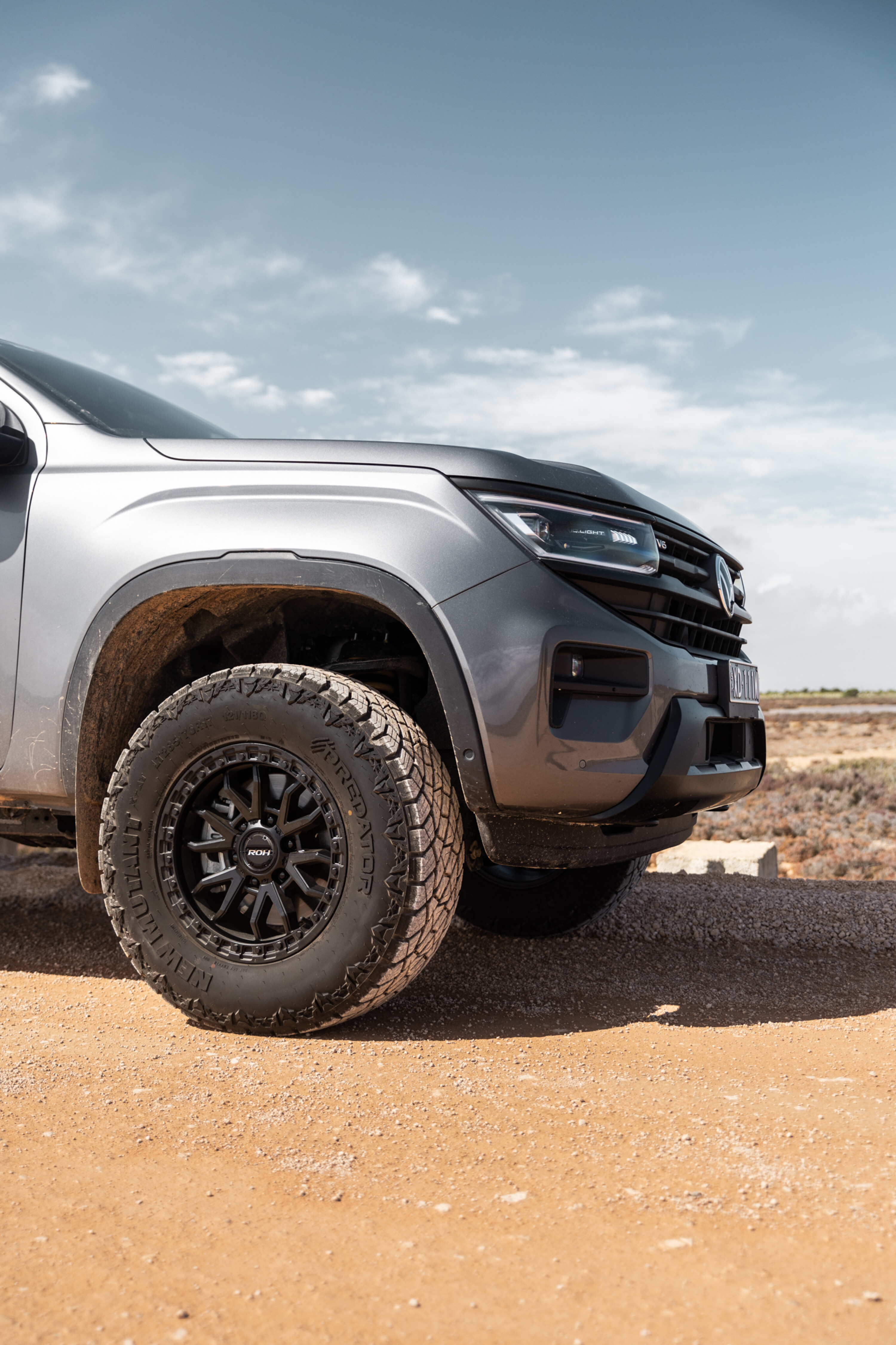
Predator Tyres has arrived in Australia with its versatile New Mutant X-AT, an all-terrain tyre that is said to be comfortable, quiet and practical on the highway, yet equally surefooted on weekend wilderness explorations.
You may not have heard of Predator Tyres, but you’ve most likely heard of ROH Wheels, one of Australia’s leading wheel brands with a long history in both the OEM and aftermarket, dating all the way back to 1946. And it’s actually the ROH team who are now distributing Predator Tyres into the Australian market as part of an exciting new project.
Given ROH’s strong reputation in the wheel industry built over many years, the team took their time to find the right high-quality tyres to suit what the Australian market desires. This involved stringent testing of noise, control, wet performance, dry performance, off-road capability and highway driving, across multiple tyre brands, before they settled on Predator Tyres.
1
As ROH Wheels is known for being one of the toughest, highest quality wheels around, the ROH Team were determined to find tyres that match this same level of quality and performance its wheels have become known for. Predator Tyres also backs the performance and longevity of its tyres, offering an 80,000km Tread Life Guarantee on the New Mutant X-AT range.
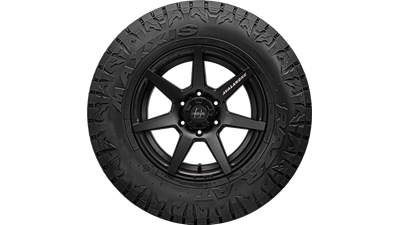
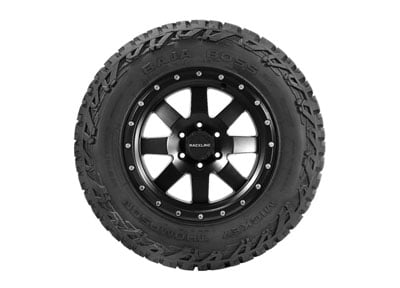
The tyre is built with a reinforced structure and a robust compound, making it exceptionally resistant to damage. Key to this is an aggressive “SPIKE” X-AT dual sidewall design, which increases off-road traction, bolsters sidewall protection and provides an aesthetic option for enthusiasts. As a result, the tyre maintains its optimal shape under pressure and is resistant to cuts, impacts, punctures and tearing.
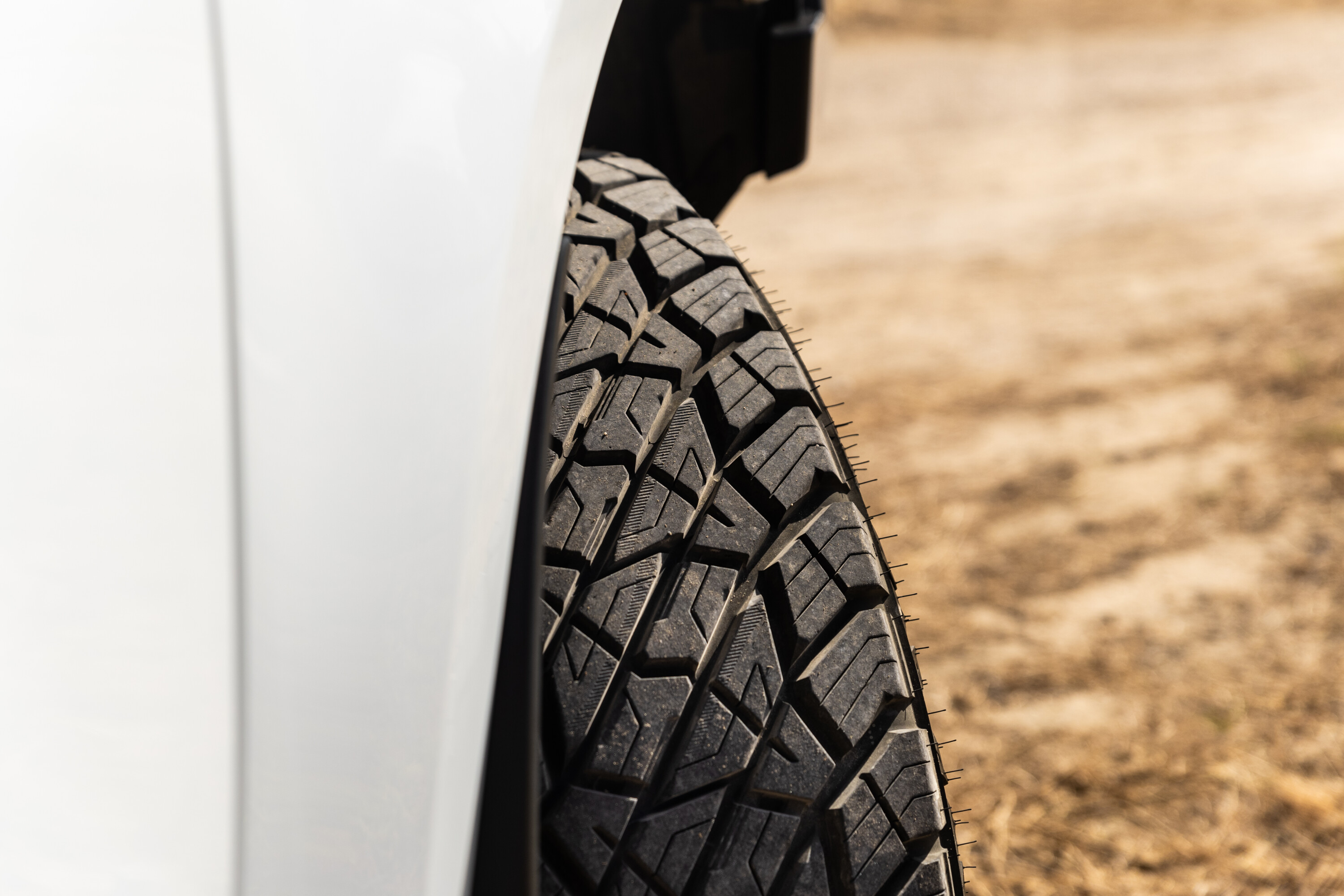
Dubbed an “all-season” compound, the tyres can adapt to temperature fluctuations, and this is complemented by a finely detailed tread which features dense siping and numerous biting edges. Staggered shoulder lugs provide an enhanced biting edge and improve traction on rocky terrain.
1
The aggressive tread pattern features tread blocks strategically staggered and irregularly shaped, which forms a network of zigzagging grooves which can efficiently get rid of mud, dirt, snow and other debris and maintain a clean footprint for consistent grip and handling.
These deep, multi-functional tread grooves enhance traction on a wide variety of road surfaces and also help to prevent hydroplaning. An advanced “X” tread pattern and pitch variation also reduces road noise, for a smoother highway ride. The tyre also features a wider contact patch thanks to densely packed tread blocks, delivering additional handling stability for both on- and off-road driving.
The performance tyre – available to suit 16-, 17- and 18-inch wheels – balances performance and safety, making the Predator New Mutant X-AT tyre a serious option to consider for remote-area tourers.
Send a photo or two of your 4×4 to our Facebook page, and we’ll publish it online and in an upcoming magazine!
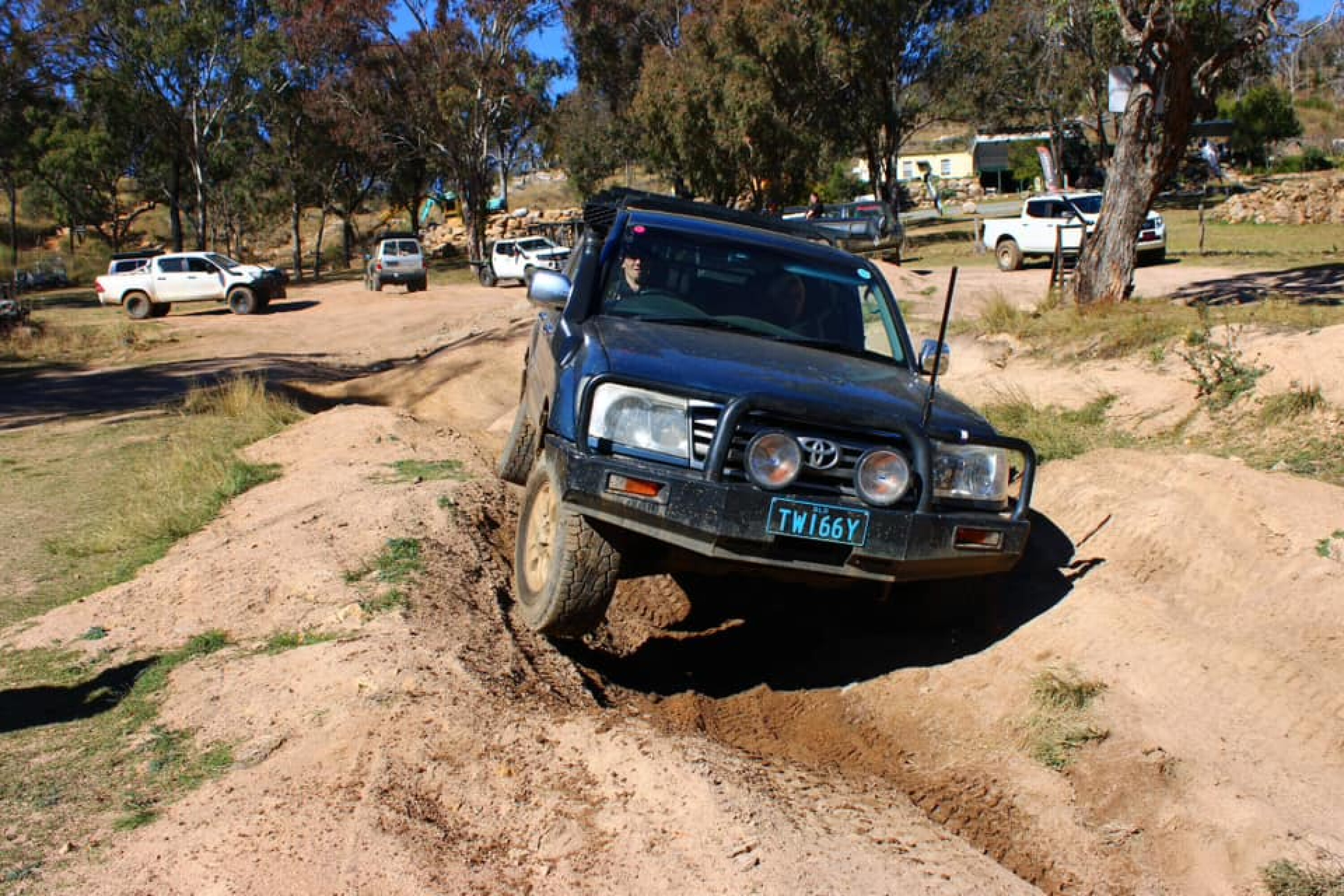
2005 Toyota LandCruiser 100
1
The V8 Cruiser has a two-inch lift and standard tyres. It’s very capable the way it is now, but I can’t wait to get better tyres. I’ve taken it to The Springs 4×4 Park, Janowen Hills and Gordon Country. K’gari (Fraser Island) was the first time I drove on the beach and it was easy in the old girl – she did Ngkala Rocks with ease – Brock Twiggy Torpy
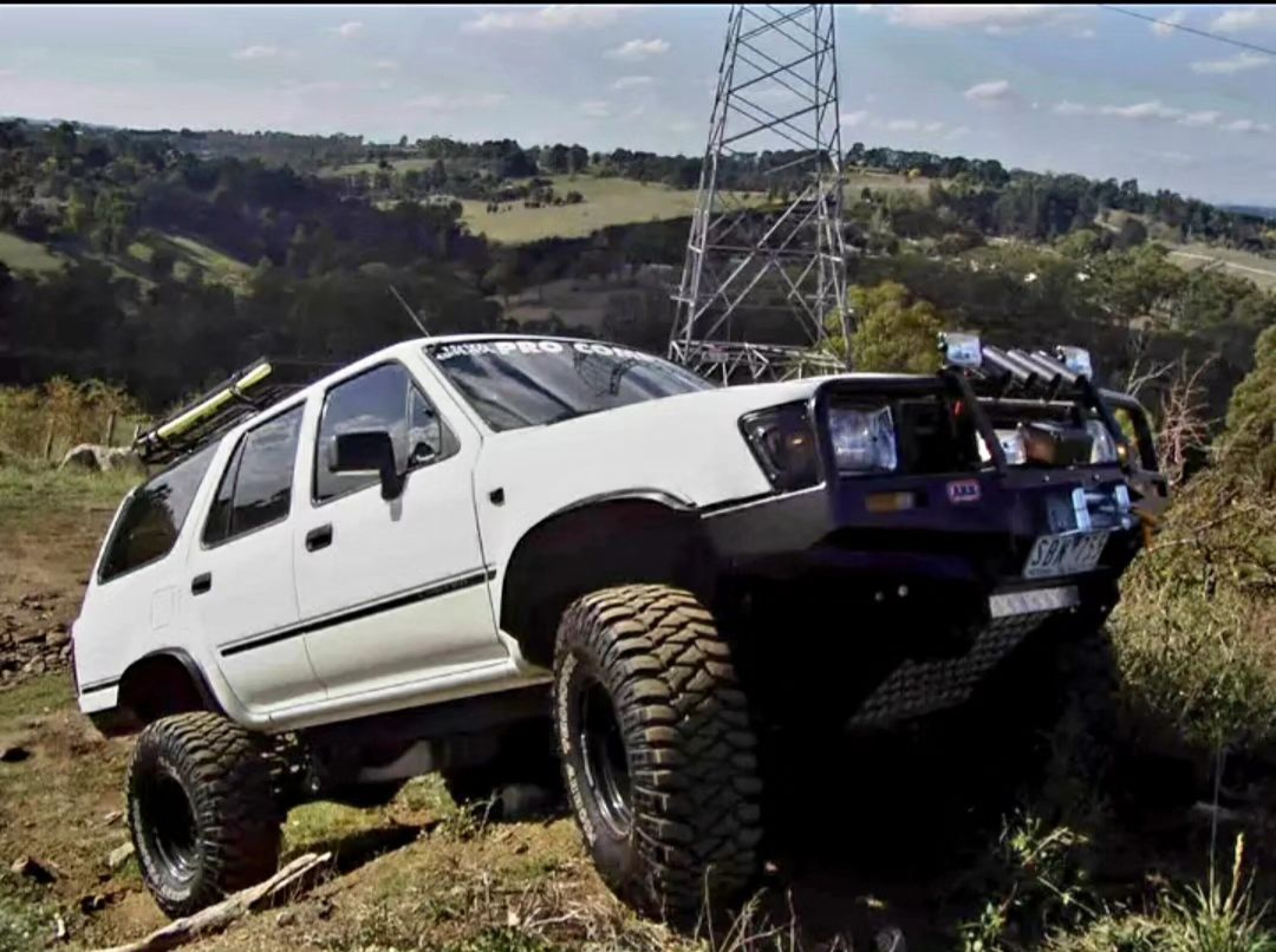
1991 Toyota 4Runner SR5
1
The 3.0L V6 engine was fully rebuilt in 2007. Suspension is a Tough Dog two-inch lift with foam cells and a two-inch body lift. Barwork is also lifted to suit the body lift. Other mods include a Warn winch; 35-inch Mickey Thompson MTZs on 15-inch steel wheels; custom exhaust; Outback drawer system; custom-made bash plates; homemade roof rack; and rear quarter chop.
I had the car from stock and built it up mostly by myself.
The best trip I went on was from Melbourne and through SA and WA on the Nullarbor, where I spent two weeks fishing on the Great Australian Bight. It performed really well on the sand dunes down there, even with the 1500kg of gear on a trailer that we needed to survive the two weeks fishing (quad-bikes, chest freezer, generators, etc.) I sold the 4Runner in 2008, but regret it as it was my first 4WD and got me into the lifestyle I lead today. My current 4×4 is a 2013 200 Series VX – Shane Lines
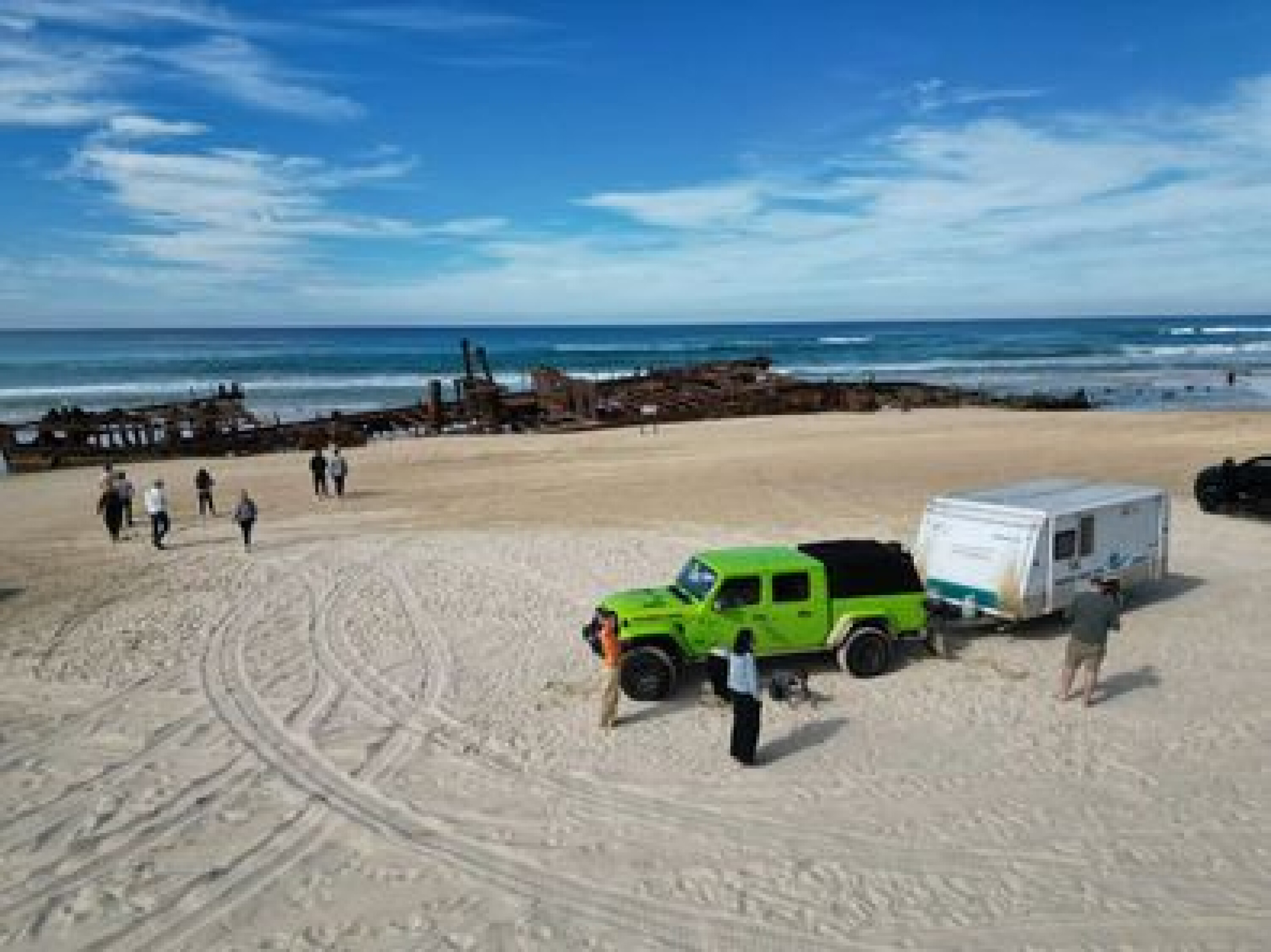
Jeep Gladiator Rubicon
1
It currently has a two-inch Dobinson MRR lift with 295/70R17 Cepek Extreme tyres on Dirty Life DT-1 beadlock rims. Other gear includes an LRA long-range tank; Bestop rear twill canopy; and a Rugged Ridge bull bar with a pair of Narva 215s.
Our family just completed a bucket-list trip from Melbourne to K’gari, where we spent a week discovering the amazing sights of the island from the amazing rainforest to the beautiful beaches and rock pools. It is on the books to return one day – Ted Sparks
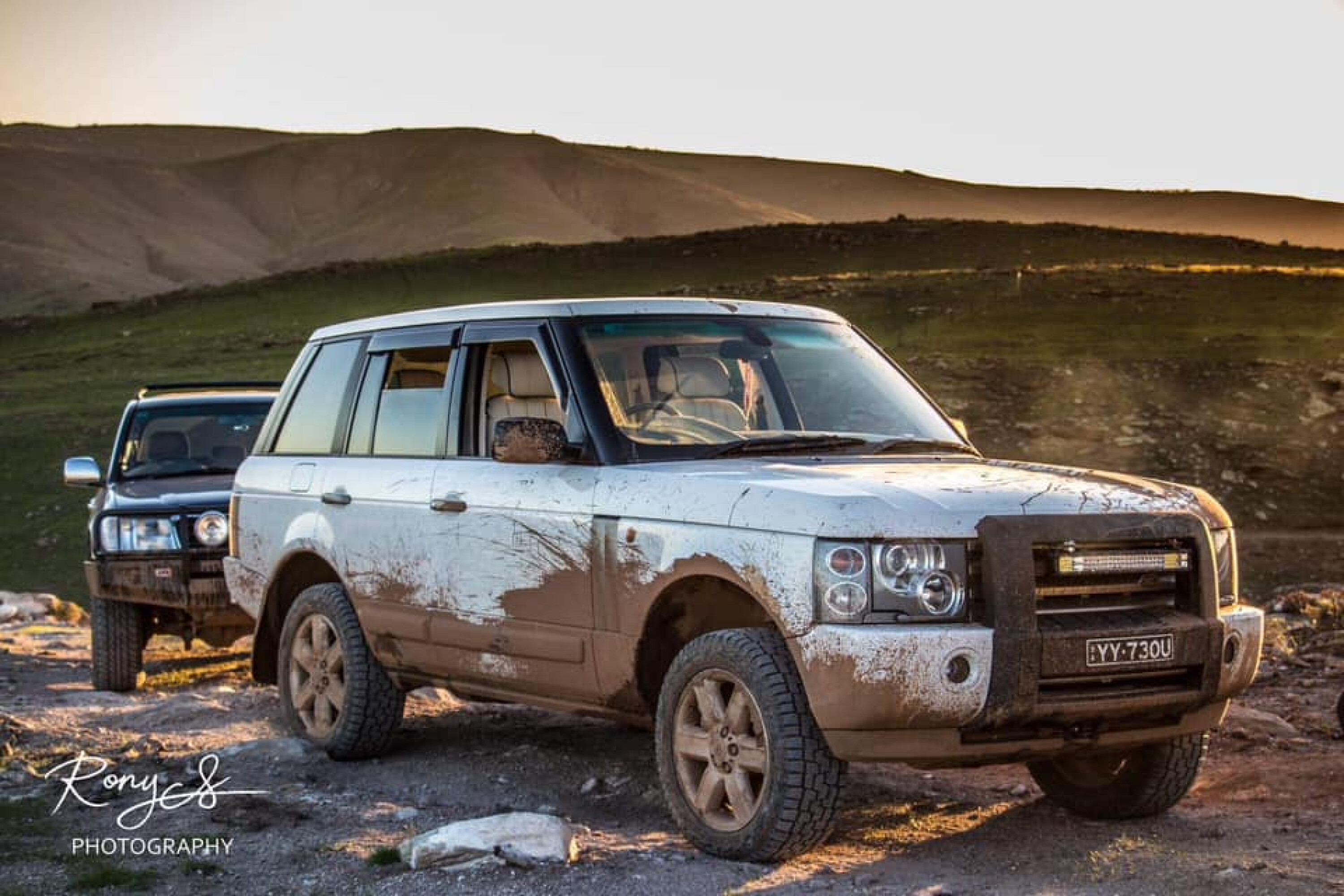
2002 Range Rover L322
1
It’s the Vogue variant with the 4.4L V8 petrol engine. 4×4 accessories are really not made for Range Rovers, and when you say Land Rover 4×4 places really don’t want to know you. I have upgraded the essential items though: genuine nudge bar; CB radio; light bar; and a set of Pirelli Scorpion AT tyres that made a huge difference. The Range Rover’s 4×4 system works a treat, to keep power down or to crawl up hills.
By far the best trip would have to be six days in the Flinders Ranges with my family and friends, all 100 Series and HiLux owners. Towing a camper trailer, some of the climbs were freaky with all the weight, but the Rangie did it like a champ.
Other great places I have been to include Salt Creek 32-mile beach; Saunders Gorge; Bushys Track, Tintinara; Skytrek, Willow Springs; Googs Track; Port Lincoln; and a few other random places with mud – Cain Fricky-Butler
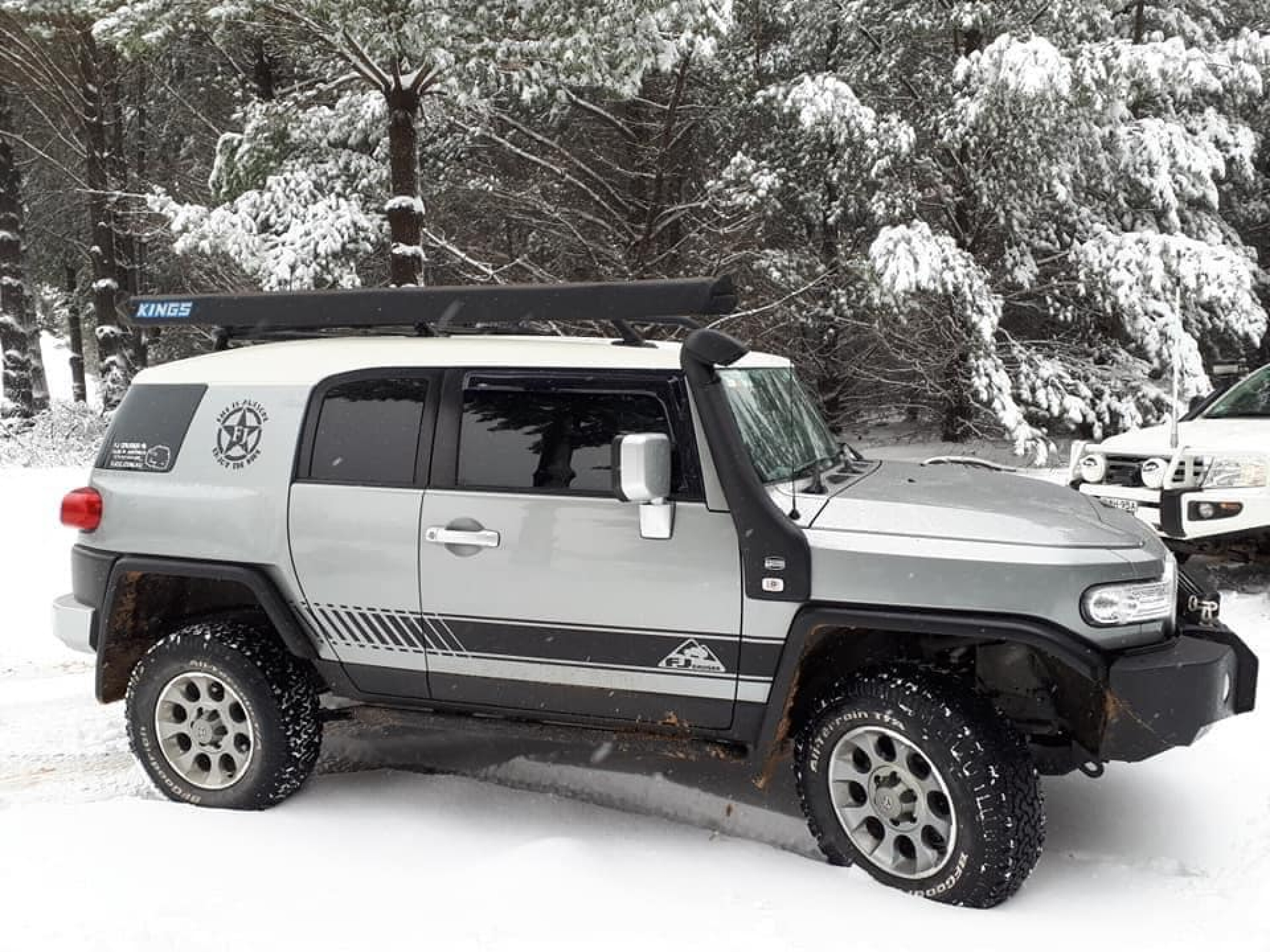
2001 Toyota FJ Cruiser
1
It has a three-tonne GVM Upgrade with two-inch lift using Lovells springs, Bilstein shocks and Ironman alloy upper control arms. Plus it has a TJM T3 bull bar and winch; Long Ranger 125-litre auxiliary fuel tank in the rear; dual battery with Projector BCDC charger and solar; rear Drifter drawers with fridge slide fitted; Ironman 40-litre fridge in the rear; Kaon cargo barrier and shelf; Travel Buddy 12v marine oven fitted to the Kaon shelf; Raptor tune; 285/75R17 BFG KO2 tyres; and LED clear front indicators. The best place I have taken it to would be K’gari – Brad and Charlene Steyn
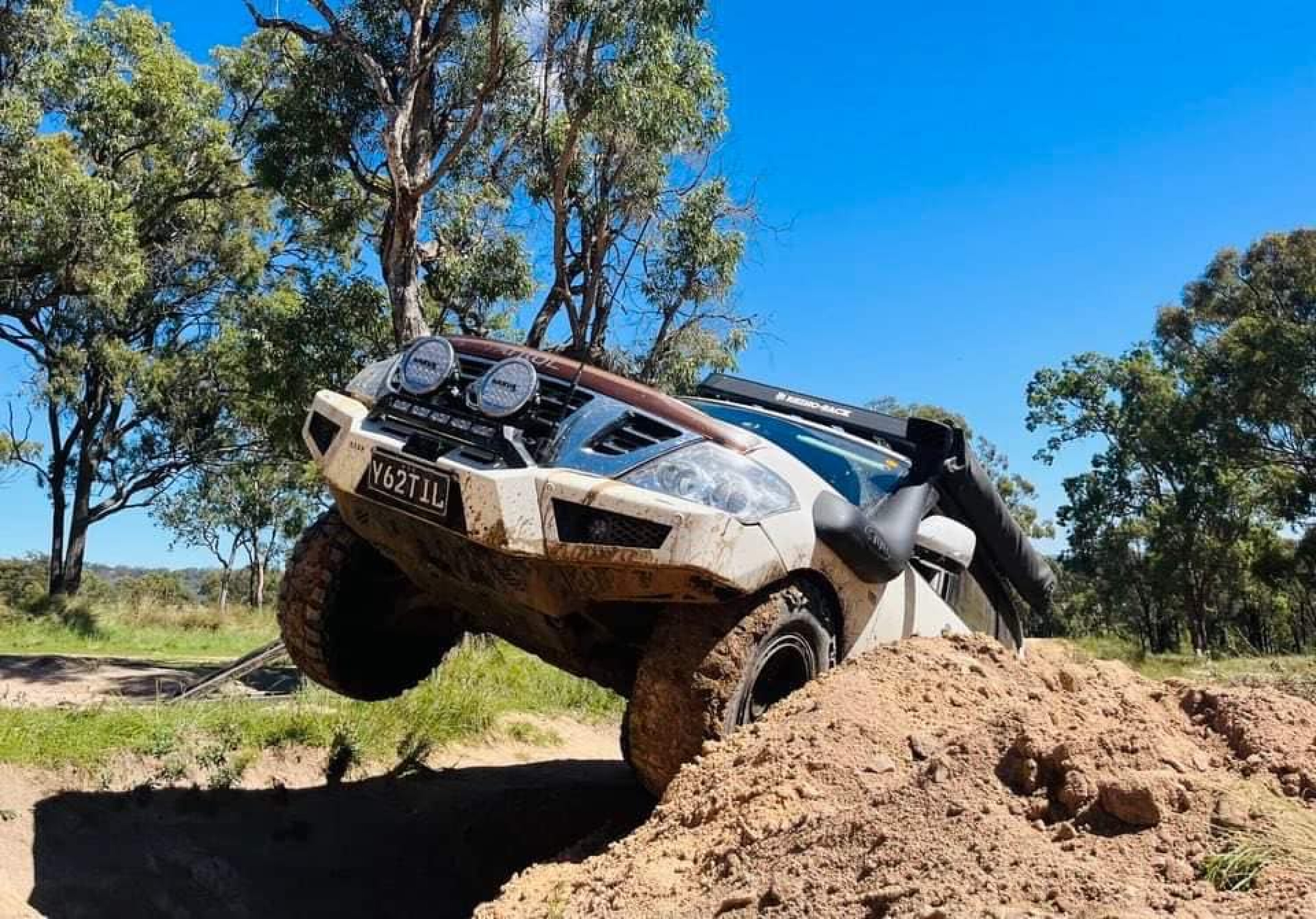
2019 Nissan Patrol Y62 S4
1
Kit includes a Raslarr front bar by DASH OffRoad; step and rear bar with a rear winch; the swing-away has a jerry can and gas bottle holder with fold-down table; VRS 12,500lb winch up front and a VRS 9500 in the rear bar; 35-inch Nitto Mud Grapplers tyres on 18-inch rims; an Emuwing on the left side with the oven in it; rear setup with drawer, fridge and batteries; and there’s a 200w solar panel on the roof – Robert Forbes
It’s a challenge to beat Queensland in the National Parks stakes with its desert country, rugged mountains, natural springs, and stunning flora and fauna, as well as its indigenous culture, pastoral history and threatened species.
Queensland national parks are diverse in what they offer, and it would certainly be a challenge to visit them all, so here are seven that we highly recommend you add to your bucket list.
1
Mariala National Park
The turn-off to Mariala National Park is 124km west of Charleville via Adavale Road.
The majority of this stretch is bitumen and on the way there’s an interesting cemetery up a side track to the right, just before crossing the Langlo River. A small sign points you in the right direction, and plaques reveal the interesting stories of how the people buried in the vicinity passed away. Once across the bridge there is also a good free camp on the banks of the river.
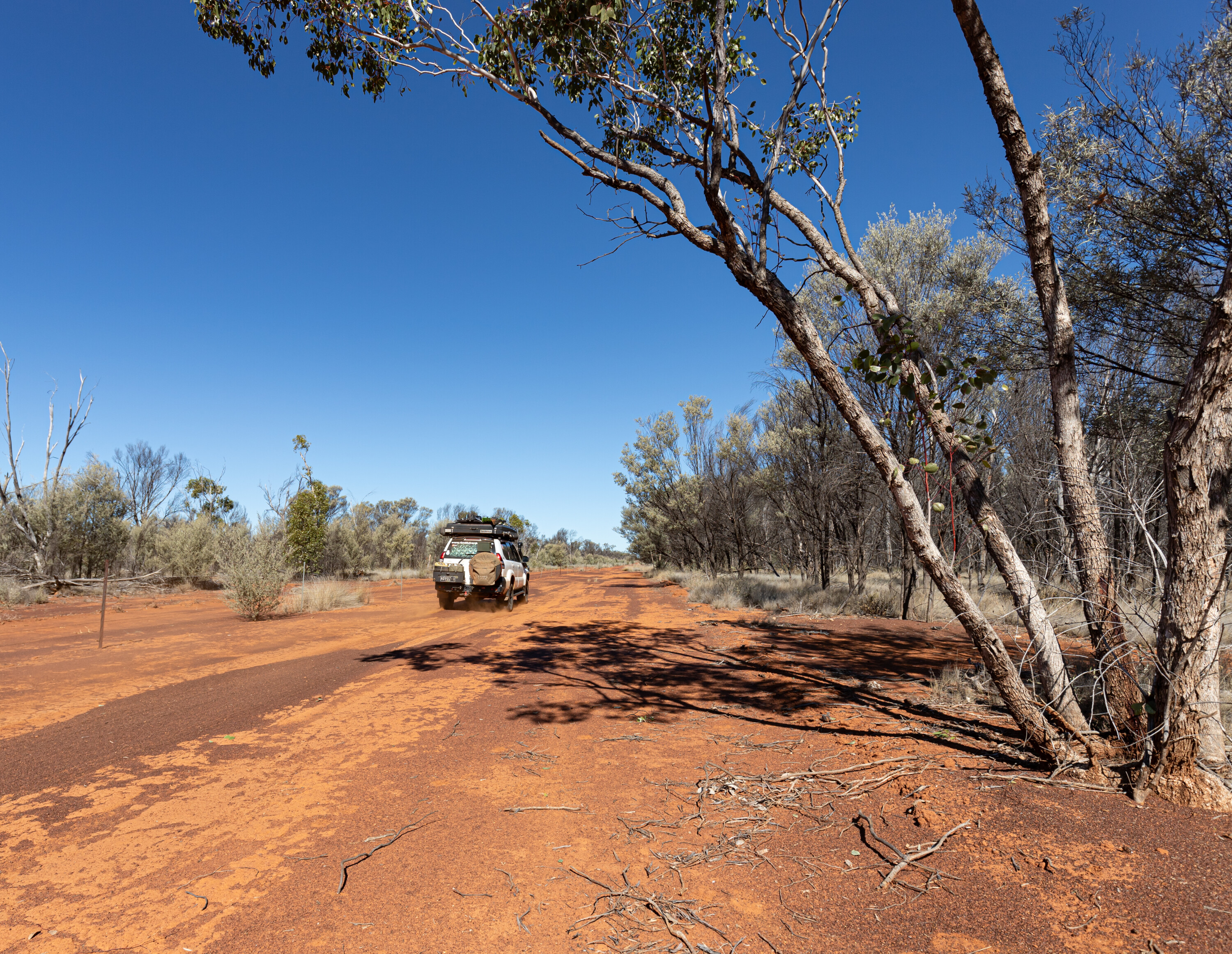
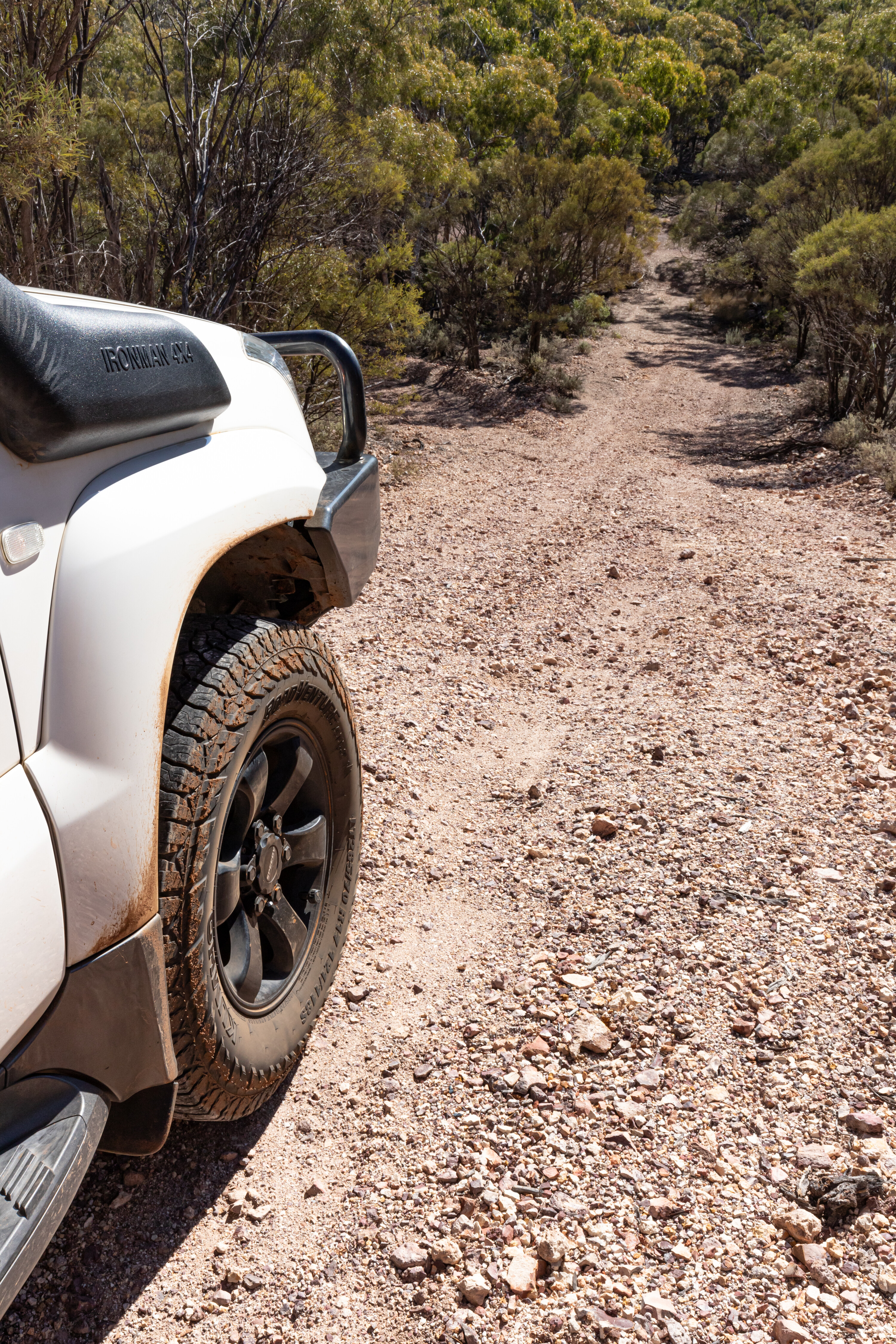
Upon reaching the entrance to Mariala National Park, dropping some air out of your tyres will make the going smoother. The track follows the fence line for the first few kilometres and there are plenty of speed humps and termite nests to keep your speed down.
1
Once the track turns west, the first stop is at Bore No.3, which is also one of the three designated camping areas within Mariala.
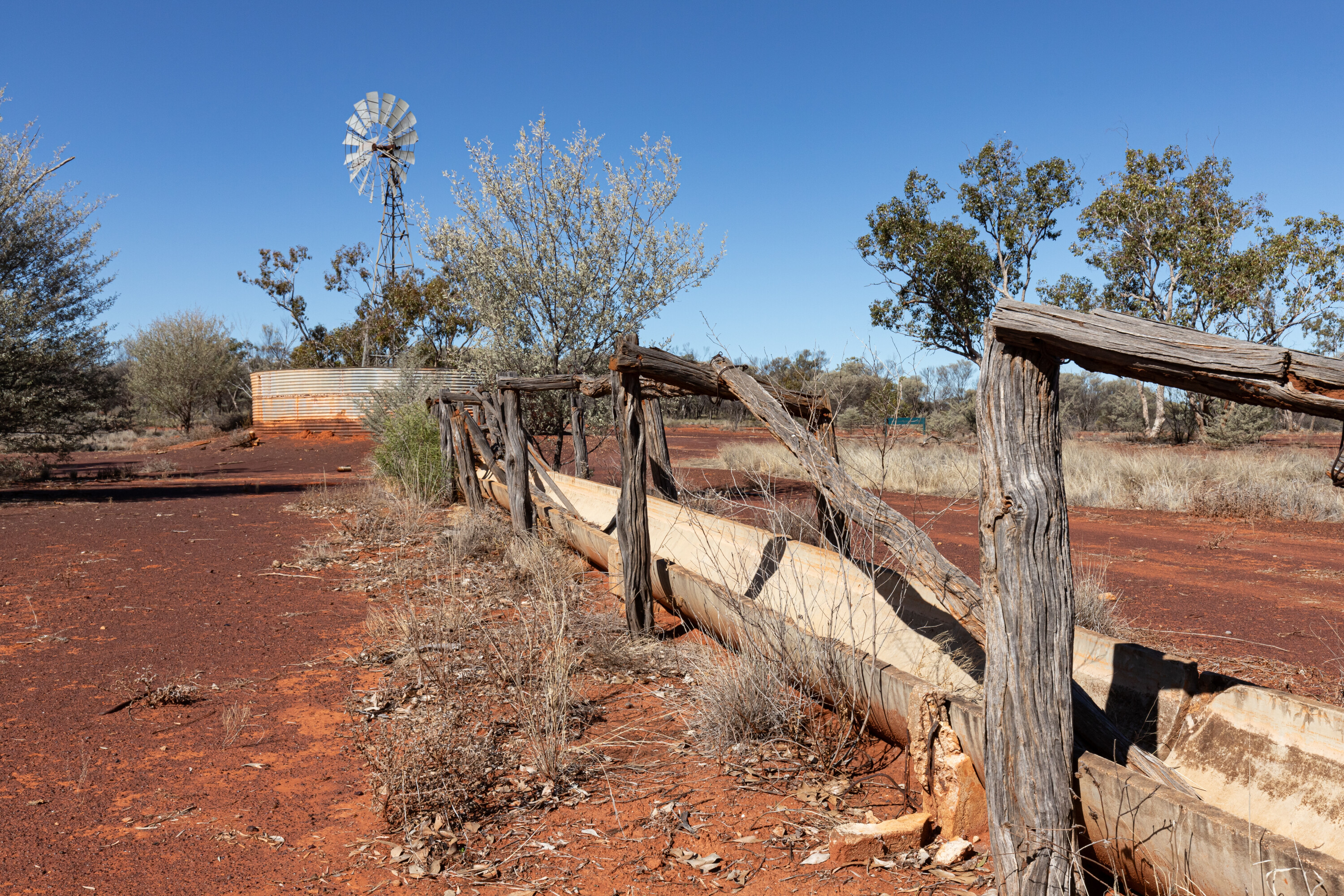
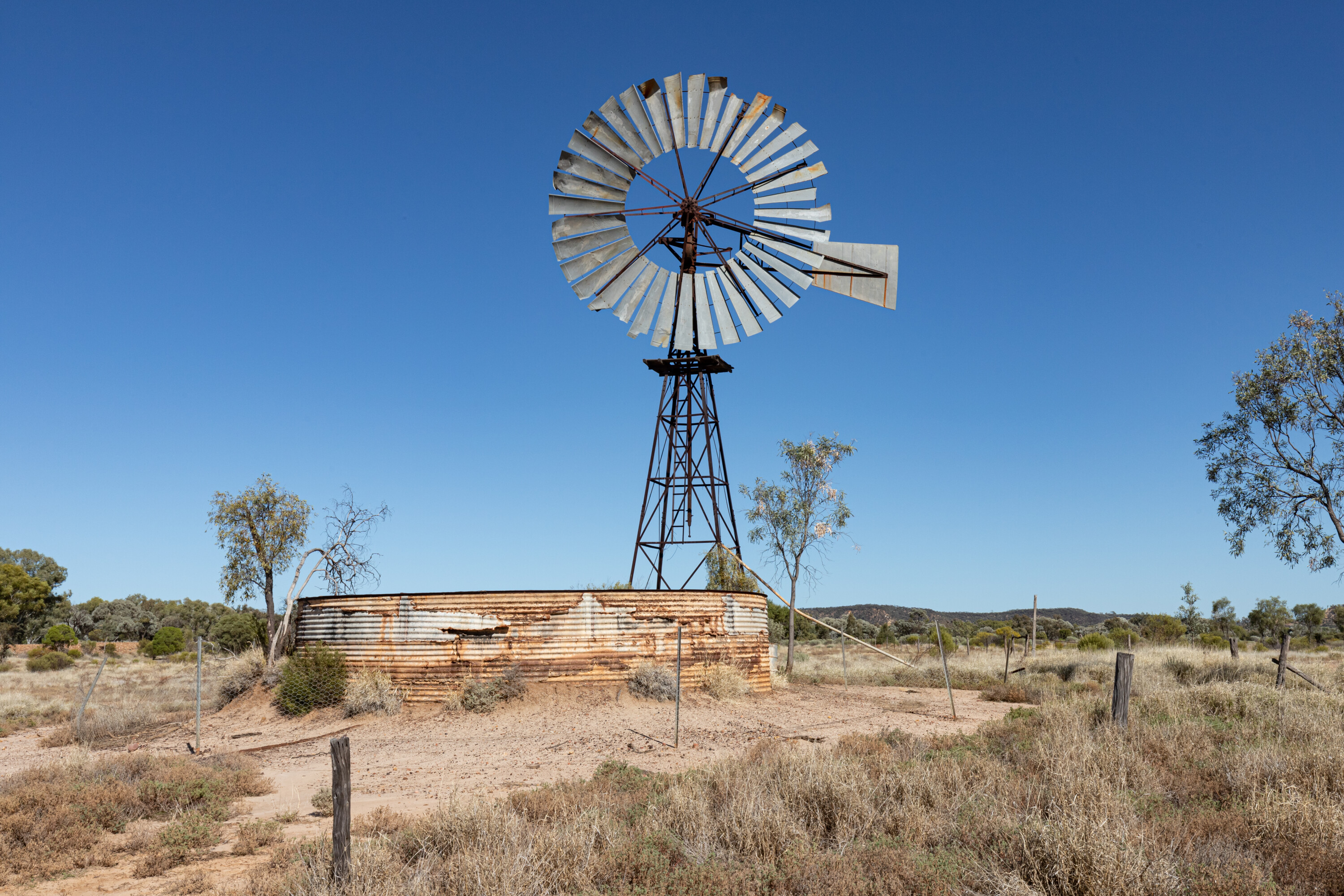
Here you’ll find a rusting water tank, a dilapidated windmill and an old steam pump; there are no facilities at any of the campsites so take out what you bring in and leave the campsites better than you found them.
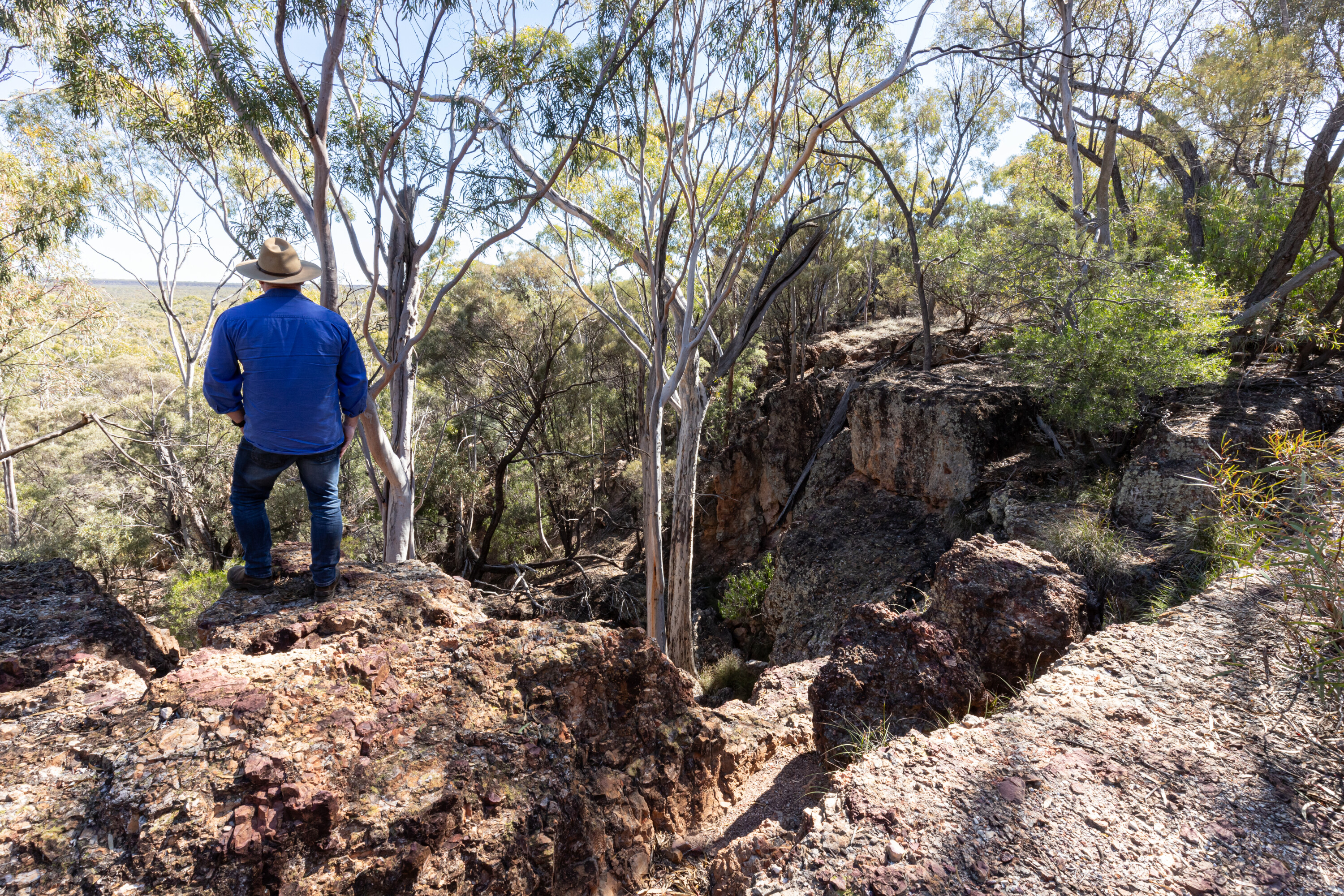
The track continues past Bore No.3 after which it changes from a solid orange sand base to stony and rocky as it runs up and down the escapements. Before dropping down the first steep section, there is a lookout and picnic spot on the right.
1
The views across the park from here are stunning and if you’re quiet you may spot a yellow-footed rock-wallaby that inhabits this remote park.
Mariala was one of the breeding parks for these wallabies that were once so close to becoming extinct. It was such a successful breeding program that the number of yellow-footed rock-wallabies now in Queensland means the marsupial is close to being off the threatened species list.
From the lookout, it is slow going as the testing track leads out to the Rockpools camping area. This is another great spot to keep an eye out for yellow-footed rock-wallabies, especially when there is water in the rockholes. The camping area here is small and well-shaded amongst the mulga.
4
Fires are permitted at all the campsites, but they must be fuelled by milled wood, as wood collection is not permitted within the park.
If you like a bit pf peace and quiet, you’ll love this park; there is so much silence, it is refreshing. Even in the morning, the most you’ll likely hear are a couple of small birds chatting with each other. It’s such a rare experience and very beautiful.
Essentials
Camping: Rockpools, Bore No.3 and Roadside camping areas have limited sites and bookings must be made online before arrival. Fires are permitted (except when bans apply) and wood is BYO.
Closest Town & Facilities: Charleville is 124km away, with caravan parks, fuel, shops and dump point.
Items: Food and drinking water, satellite phone or PLB, rubbish bags, portable toilet, insect repellent, sun protection, first-aid and snake bite kits.
Access to Hell Hole Gorge National Park is from Adavale and it’s a good idea to have a chat with the publican before you head out as he can offer some great tips on what to see and do, as well as point you to a free camp on the way out if you can’t book a campsite in the national park.
The 70km track out to Hell Hole Gorge NP was in great condition when we were last there and as you drive along the landscape changes from treeless plains to mulga trees and cane grass.
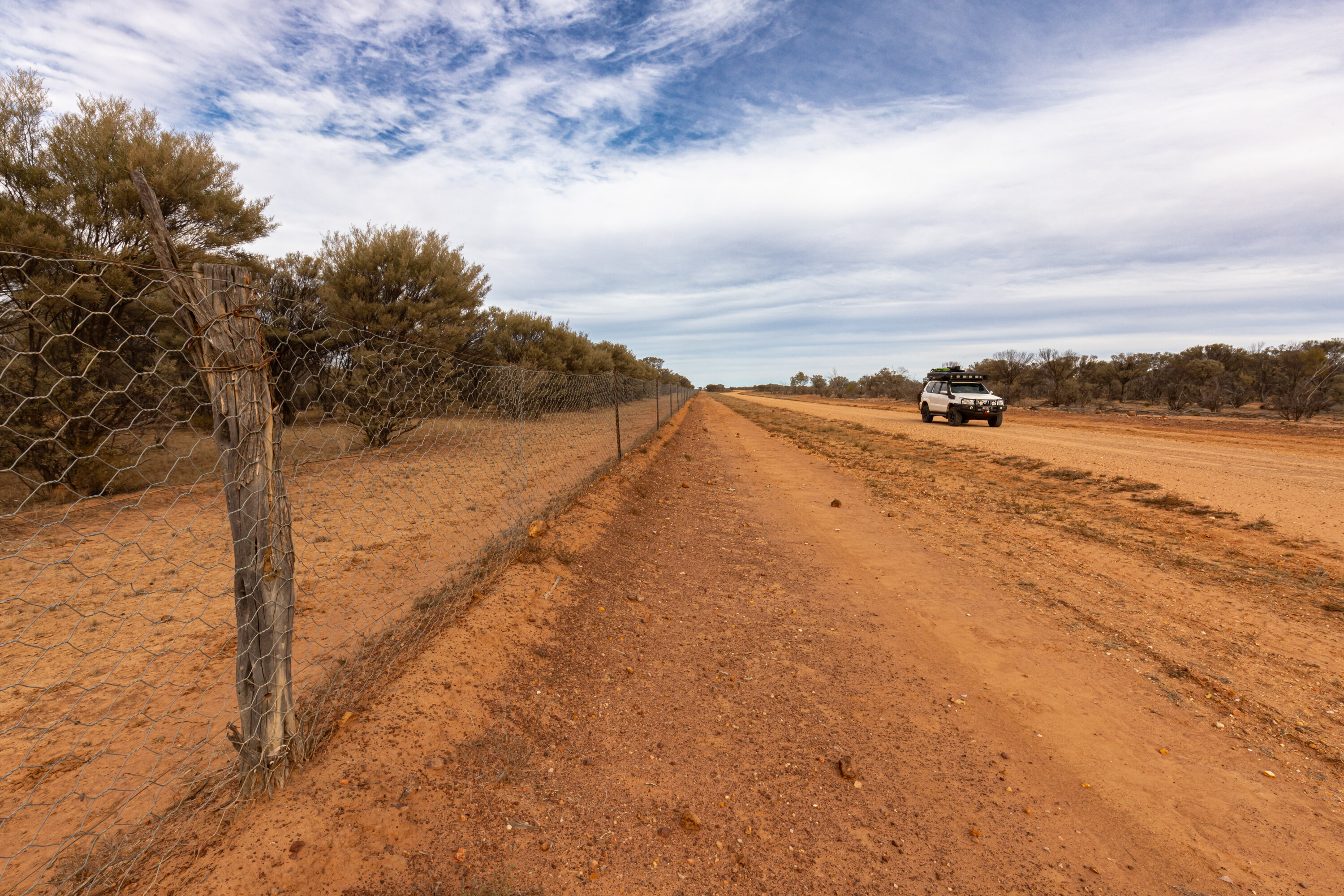
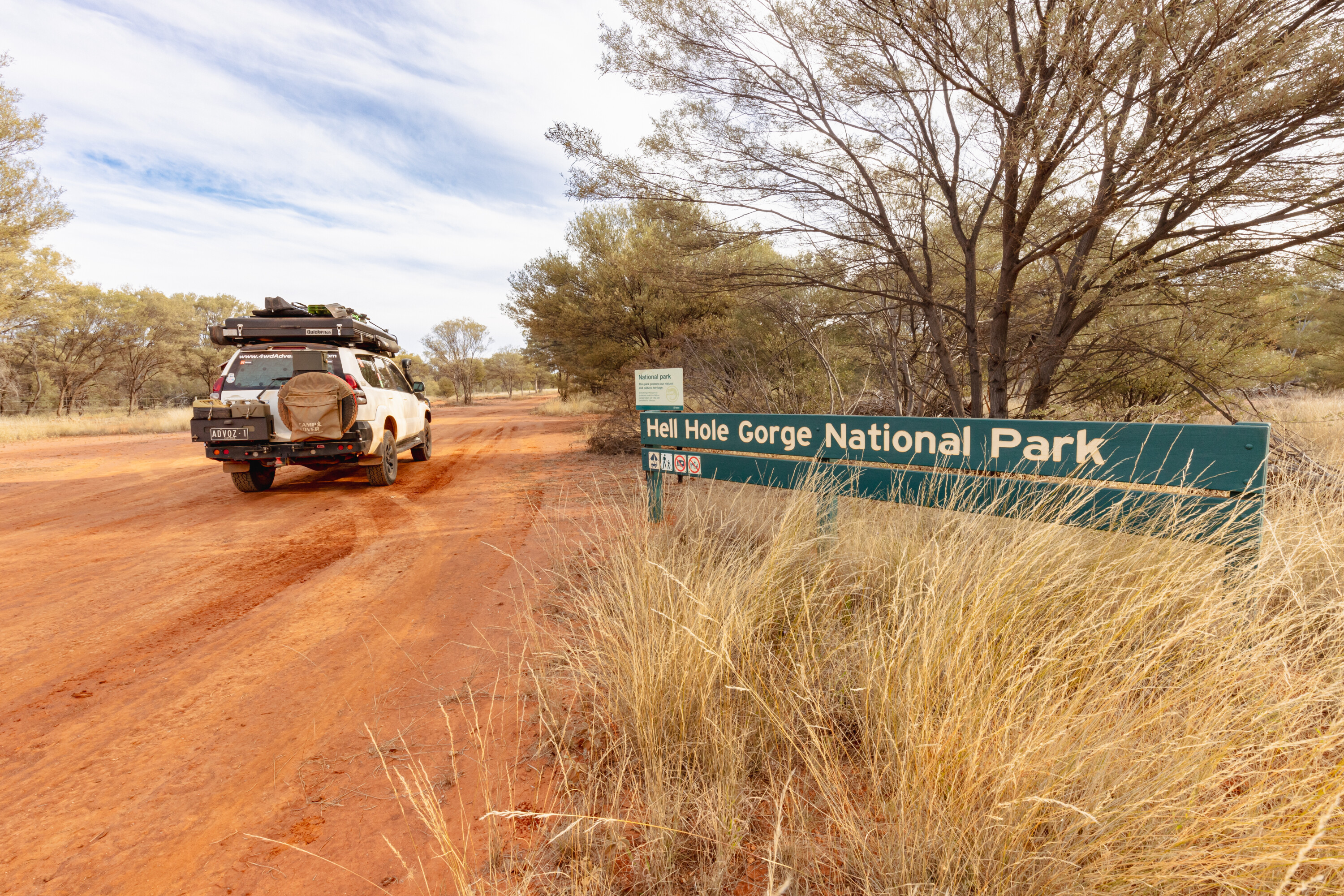
The track follows the Wild Dog Fence for a while before turning west towards the park. Entrance to the park is through a gate – please leave it as you find it – and an information board offers an insight into the assets of Hell Hole Gorge.
1
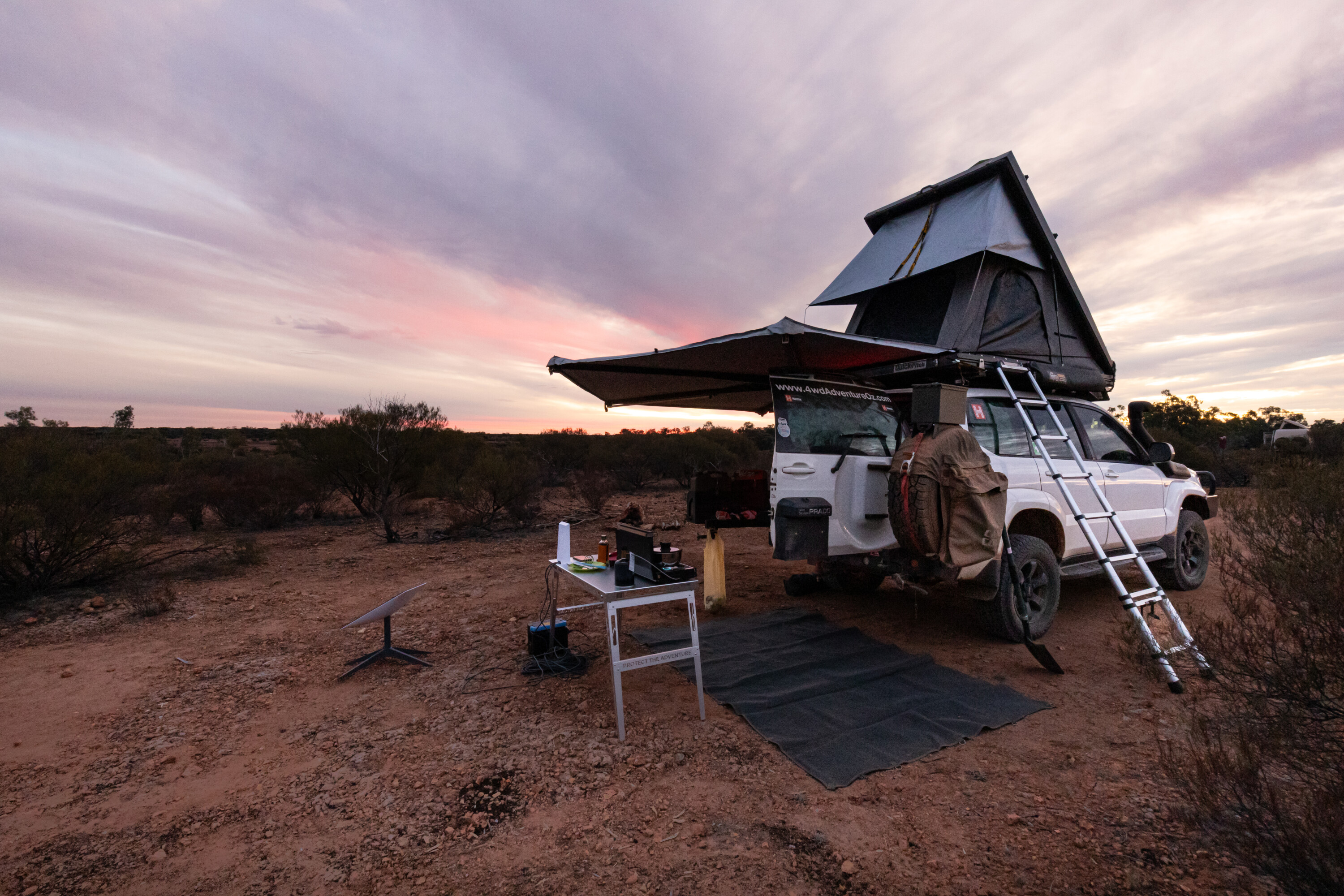
From here it is 7km to the Powell Creek camping area which has dispersed camping options on a stony plateau amongst low wattles and mulga trees, but with no facilities.
While the Queensland Parks camp booking site suggests there are only four campsites at Powell Creek, there is certainly space for more.
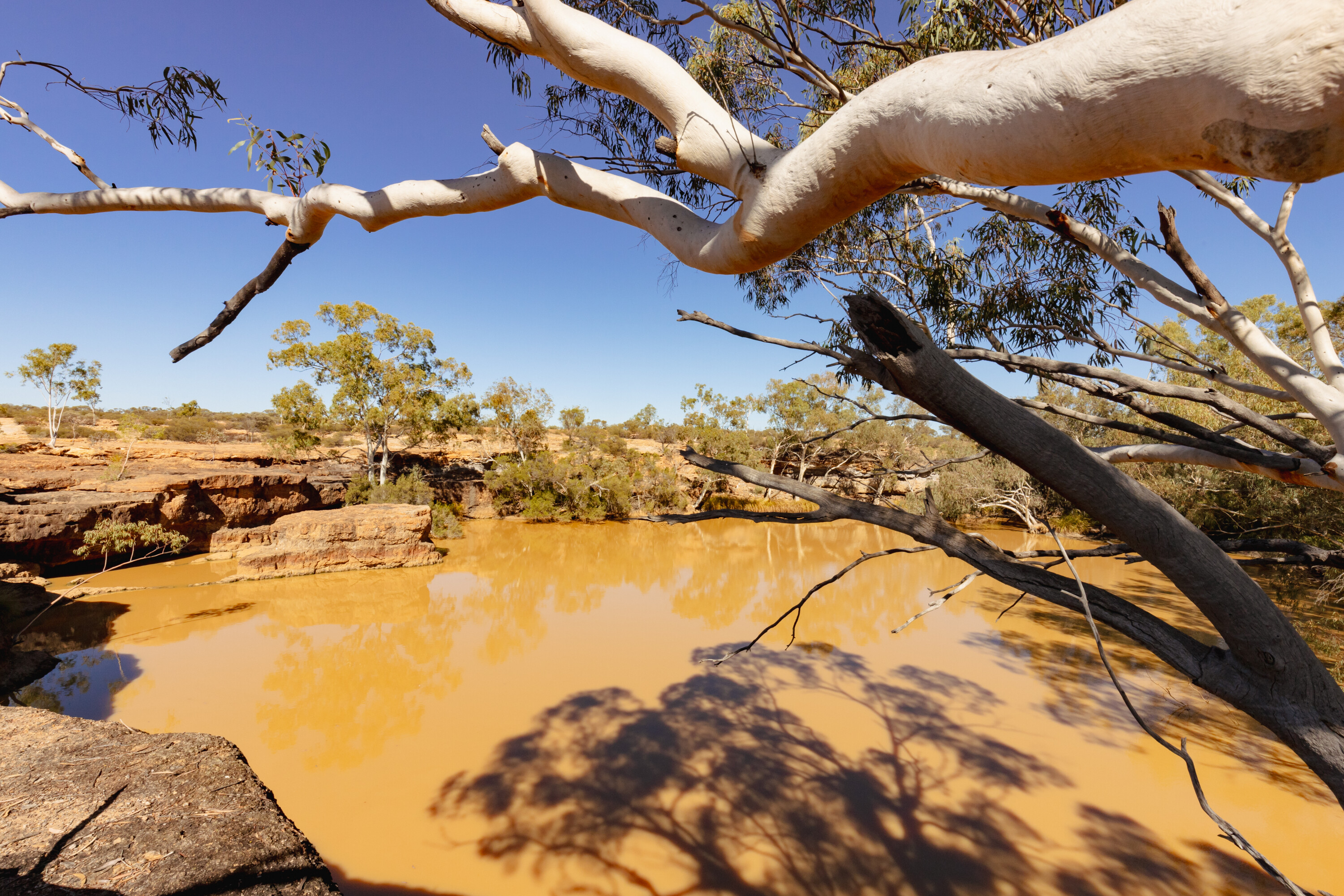
From the campground, it is a 1200m return walk out to Hell Hole Gorge. It isn’t a challenging walk across the rockshelf, and the views of the waterhole are special. Keep an eye out for Krefft’s river turtles swimming in the water or sunning themselves on the rocky banks.
1
The best time to view it is at sunset as the colours of the rock explode, but make sure you take a torch as walking back to camp in the dark can be dangerous.
There’s another nice walk further upstream; keep an eye out for yellow-footed rock-wallabies that live along the cliffs. Hell Hole Gorge was also part of the successful breeding program so the chances of spotting one or more of these critters is quite high.
Take care along the cliff face as the rock is prone to breaking off, and you can see that this has already happened in some places.
4
On the way to Powell Creek camping area, you’ll likely spot the track to Spencers Waterhole and this is another gem within the park.
It’s a short walk if you want to look over the stunning waterhole, but take the time to explore upstream and check out the seasonal waterfall – it would be spectacular to witness it flowing. The sandy riverbed sections of Spencer Creek are dotted with ghost gums along the bank while mulga trees thrive in the rockier sections.
Unfortunately we saw evidence of campfires and vehicle tracks past the ‘No Access’ sign; Hell Hole Gorge is such an epic destination that we’d hate to see it closed because of idiots who ruin it for everyone else. The same goes for toilet paper; please take out what you bring in, leave only footprints and take only photos so that more people can enjoy this amazing national park.
Essentials
Camping: Powell Creek has limited sites and bookings must be made online before arrival. Fires are permitted (except when bans apply) and wood is BYO.
Closest Town & Facilities: Quilpie is 260km away, with caravan park, fuel, shops and dump point.
Items: Food and drinking water, satellite phone or PLB, rubbish bags, portable toilet (or be prepared to bury human waste and toilet paper in the rocky ground at least 150m away from watercourses), insect repellent, sun protection, first-aid and snake bite kits, and a torch.
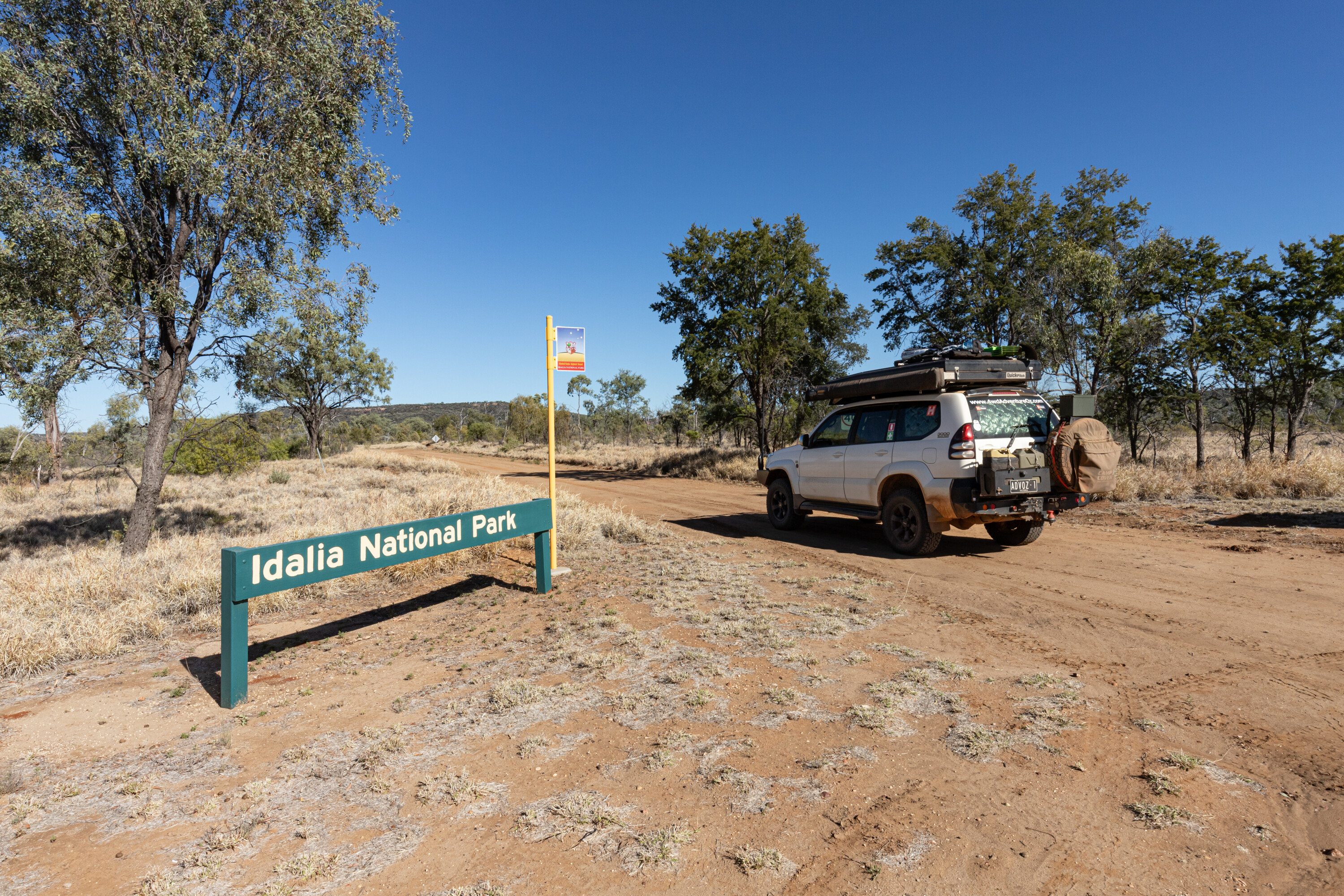
Of the 113km drive from Blackall, only the final 44km to Idalia National Park is on black soil, the rest is bitumen.
The information board near the entrance to the park provides a great explanation of what to expect, as well as a bit about the pastoral history of the region and the story of saving in-danger macropods, the yellow-footed rock-wallaby, and the bridled nail-tail wallaby.
Chucksters Bore is worth checking out, with its windmill squeaking in the breeze. Keep an eye out for the old stick stockyards made from tree branches and wire; this method was used throughout Idalia when it was a cattle station.
1
The Idalia ruins site is also worth exploring, with collapsed wooden walls and lots of old relics lying around.
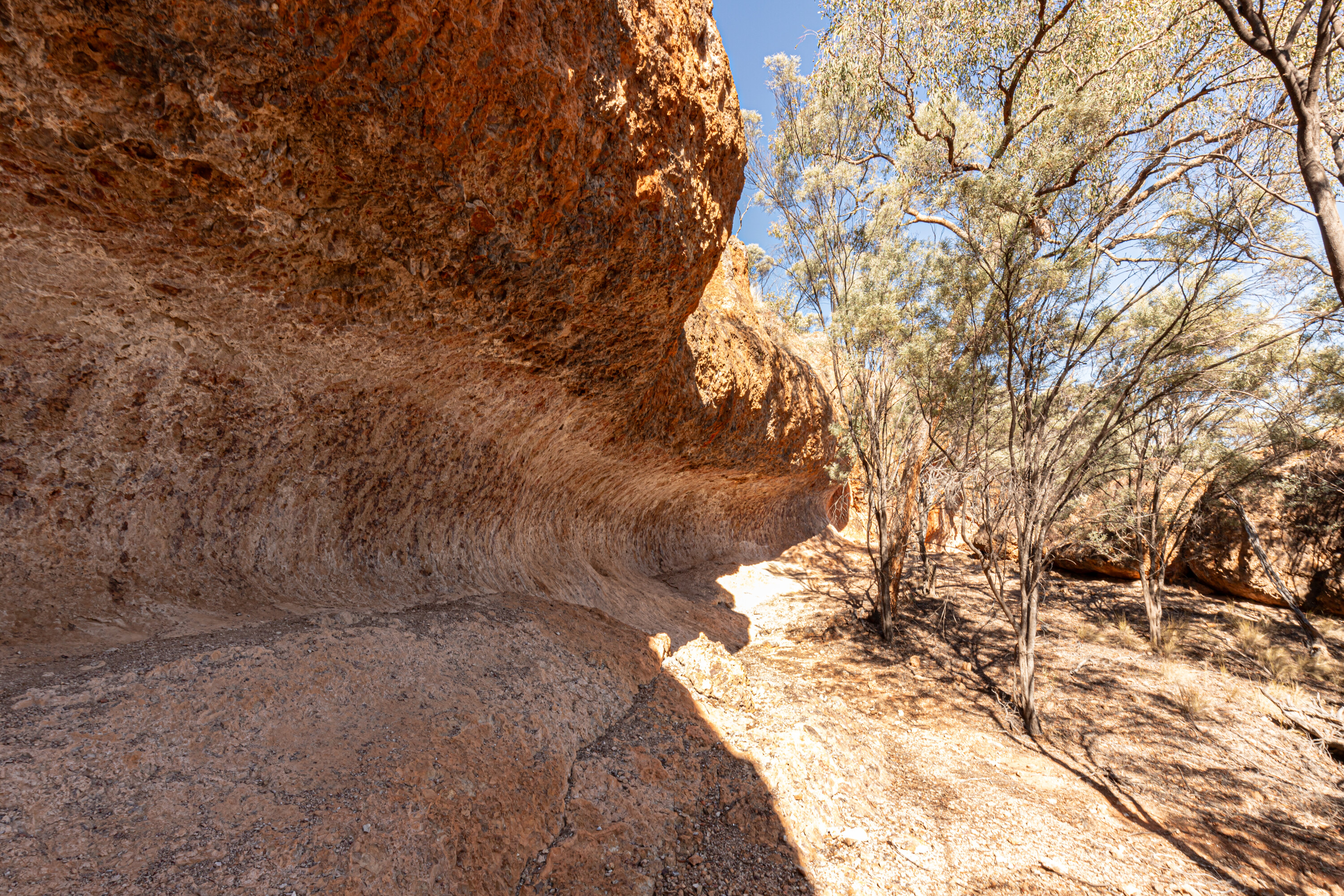
The old home yards can be spotted amongst the scrub. There is also a walk to a scenic lookout that is well worth the effort, and this is well marked with arrows or white spots painted on trees. The reward is a wave rock that has been eroded over time so that it now looks like a surf break.
I spotted a couple of yellow-footed rock-wallabies, but they fled up the rock face and disappeared before I had a chance to raise my camera. The birds give you away, issuing a warning to the critters that humans are coming.
1
It’s a 33km drive to the Monks Tank campground from the park entrance. Spread out amongst the mulga woodlands, there is plenty of space for a few adventurers without it becoming crowded.
There were two off-road caravans and an Earth Cruiser there during my stay. The only facilities are a drop toilet that is serviced daily when the ranger is about and fire rings.
Please extinguish fires with water as there is plenty of grass and trees surrounding the campground that would go up very easily.
10
It’s a pleasant drive out to Murphys Rockhole – one of the largest rockholes you’ll ever see – but unfortunately it is seasonally dry, even if the region has had bucketloads of rain.
Emmet Pocket is the furthest point of interest, and it is worth visiting for the views across the valley from the lookout. There is a 4.4km return walk that leads into the gorge with a rating of difficult.
Nearby Bullock Gorge is the pick of the walks, consisting a 2.7km loop walk that offers many stunning outlooks across the plains; it was here that I spotted another couple of yellow-footed rock-wallabies.
Essentials
Camping: Monks Tank has limited sites and bookings must be made online before arrival. There is a drop toilet and fires are permitted (except when bans apply) and wood is BYO clean-cut and weed-free.
Closest Town & Facilities: Blackall is 113km away, with caravan parks, fuel, shops, and dump point.
Items: Food and drinking water, satellite phone or PLB, rubbish bags, insect repellent, sun protection, first-aid and snake bite kits, torch.
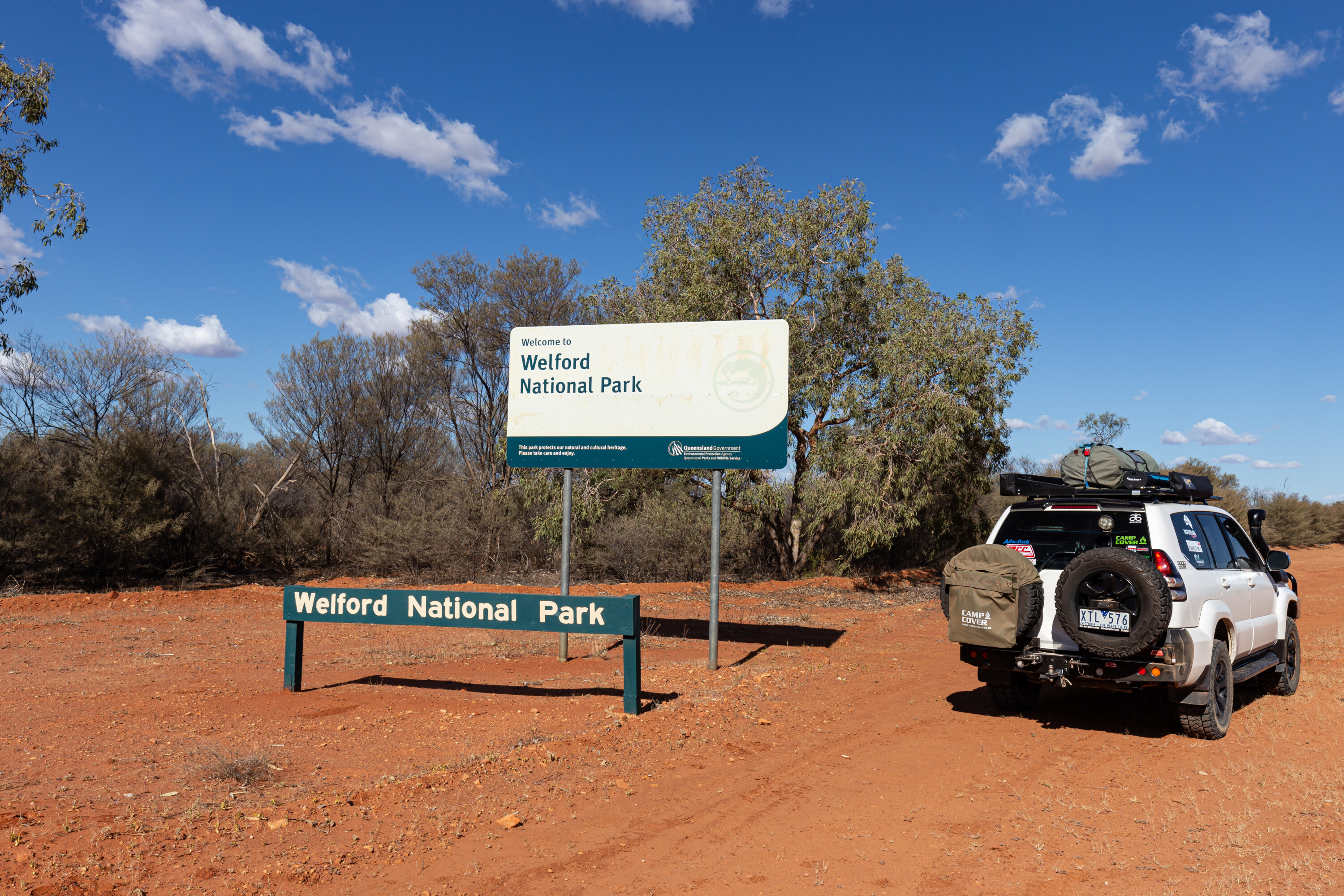
Welford National Park is a favourite amongst landscape photographers.
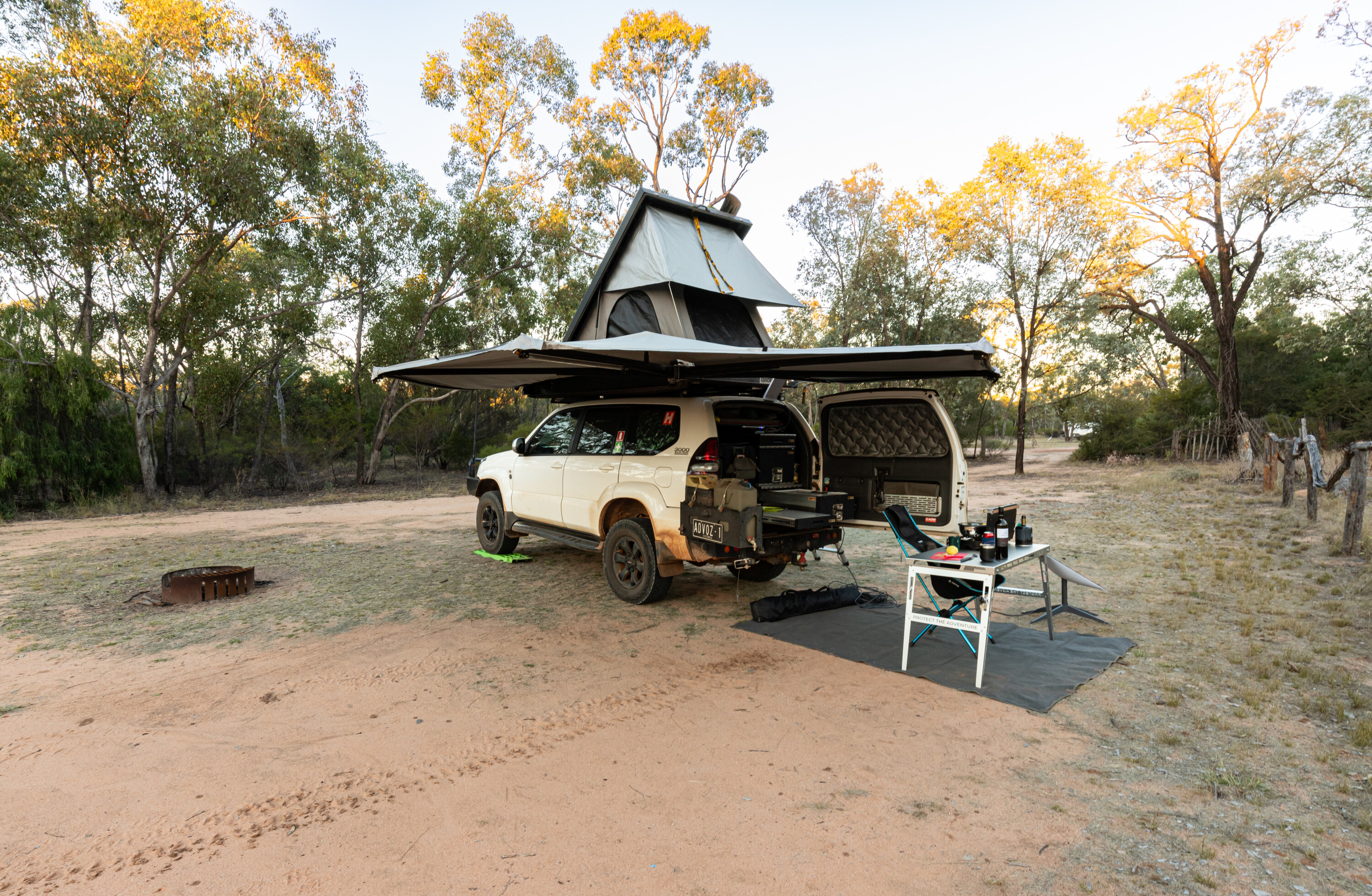
Bordered by the Barcoo River, when it floods, the park can be cut off for weeks, however when open it provides a great place to set up camp and explore the self-drive tracks over a couple of days. Or just throw in a line, a yabby net or cruise the river in a kayak or a canoe.
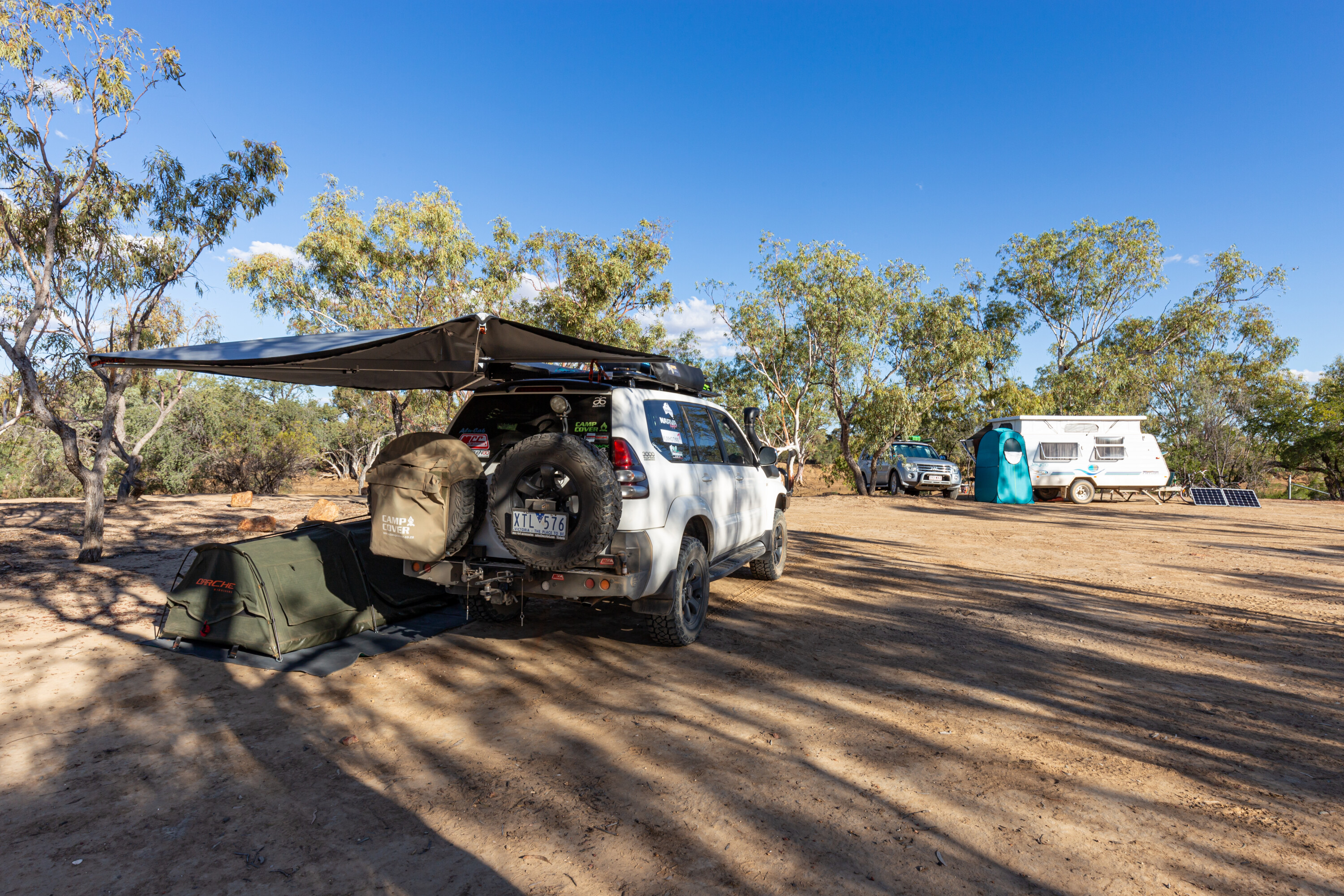
Access to the only camping option within Welford NP, Little Boomerang, is via the Jundah Quilpie Road, a maintained gravel road that is situated on the steep banks of the Barcoo River.
1
Jundah to the northwest and Windorah to the southwest are the closest towns with fuel and pubs at both.
The Bullo River meets Cooper Creek just outside the park and there are free camping options at the bridge over the Cooper east of Windorah if Little Boomerang is booked out.
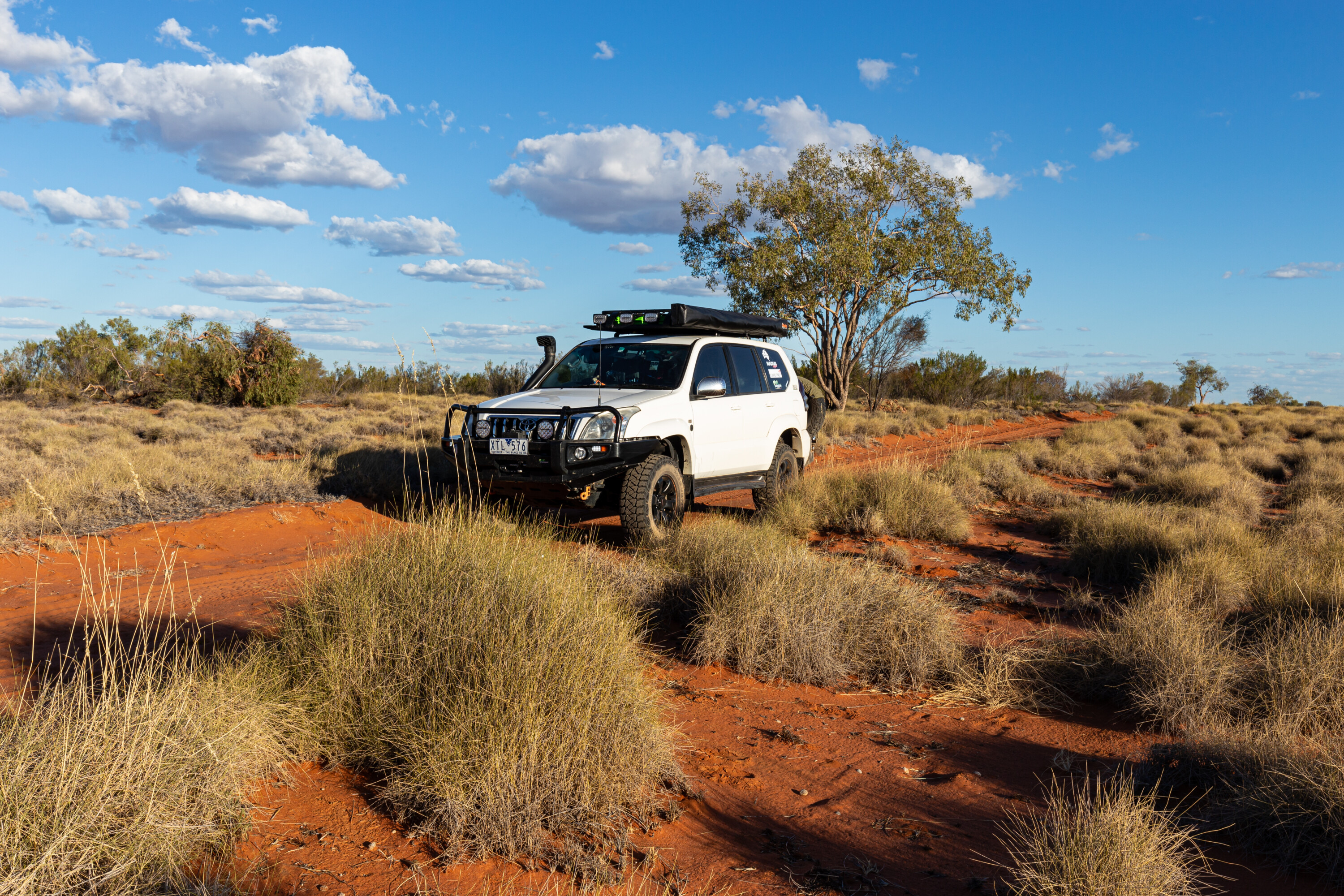
Welford has three exceptional self-drive routes you can experience, and you’ll get to see a lot of the park. The 12km River Drive takes you upstream following the Barcoo River lined by river red gums in some sections.
1
The Mulga Drive is a 71km return journey and is 4WD only onceyou venture past the old homestead (no public access) and the stockyards.
Make sure you visit Frances and Trafalgar Waterholes, with the latter being the best spot to launch a canoe or catch a fish. Across Mitchell grass plains and into the rugged mulga country, you’re led to Sawyers Lookout and then Sawyers Creek before returning to the homestead via a dusty loop track.
The 22km loop Desert Track is best left until the late afternoon so that you can capture the desert colours from atop a large orange dune, the most photographed feature within Welford NP. With golden-green spinifex thrown in, you will think you’re in the Simpson Desert.
6
Essentials
Camping: Little Boomerang Campground, Barcoo River, limited sites, drop toilet, fire pits.
Closest Town & Facilities: Jundah is 45km away, with caravan park, fuel, shop, hotel, free camping nearby, and dump point.
Items: Food and drinking water, satellite phone or PLB, rubbish bags, insect repellent, sun protection, first-aid and snake bite kits, and torch.
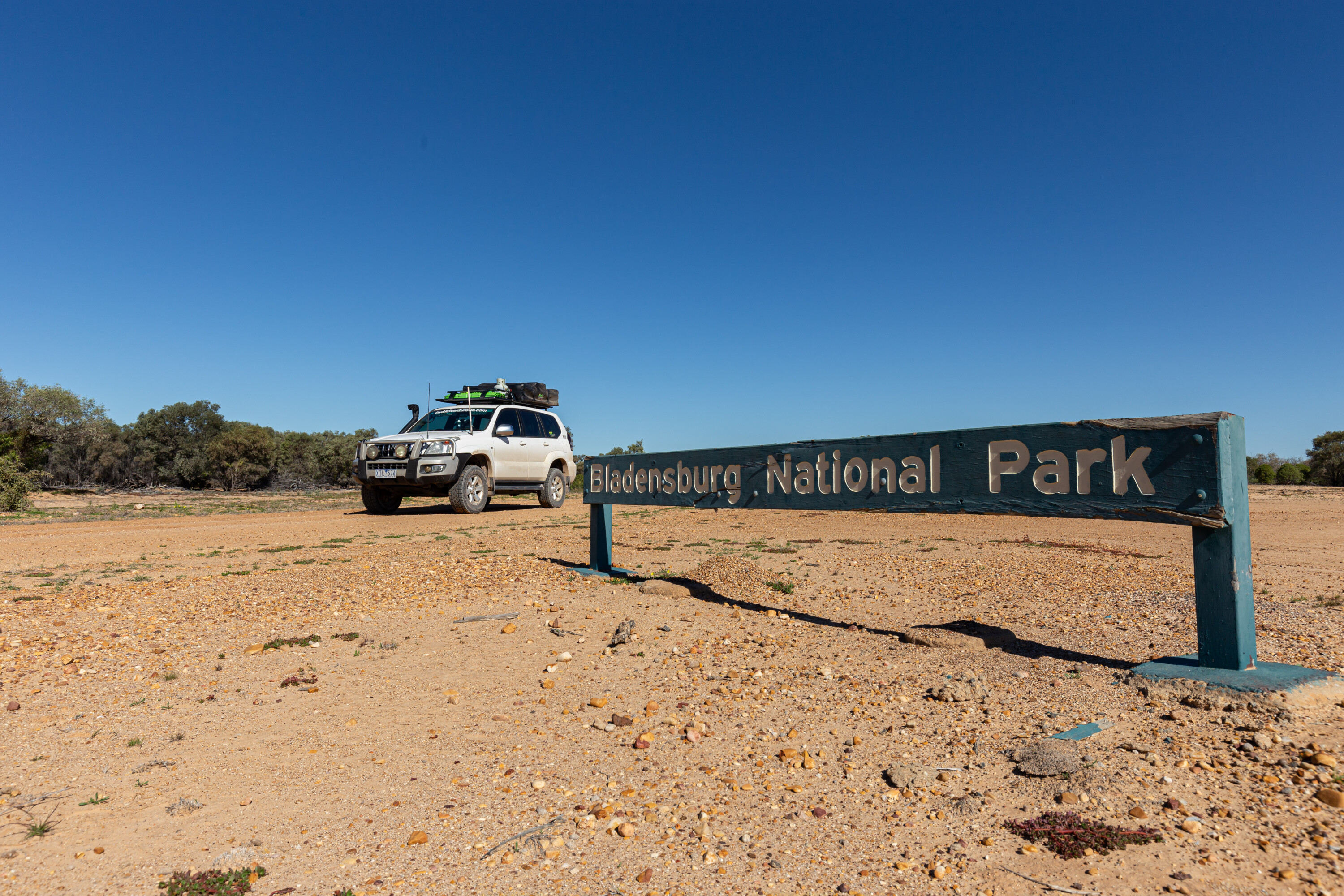
Bladensburg National Park was once a thriving sheep station but is now a beautiful park ready to be explored by four-wheel drive adventurers.
The old homestead is now the Information Centre and Rangers Station, and you have easy access to the display boards that show the history of the property, while you can also explore most of the outbuildings.
The nearby Shearing Shed still smells of lanolin from long-gone sheep. The yards are off limits though due to the risk of arsenic poisoning.
1
To access the park from Winton, take the Jundah Winton Road, or Lark Quarry Road as some people call it, and then follow the signs for the Route of the Rivergum Road to the camping area at Bough Shed Hole.
If booked out, Long Waterhole is a popular free camp on the Western River, also accessed via the Jundah Winton Road.
The Route of the River Gum will take you to Engine Hole, a great place to picnic or take a dip. It also leads to Skull Hole, reputed to be the site of a tragic Aboriginal massacre in the late 1800s.
6
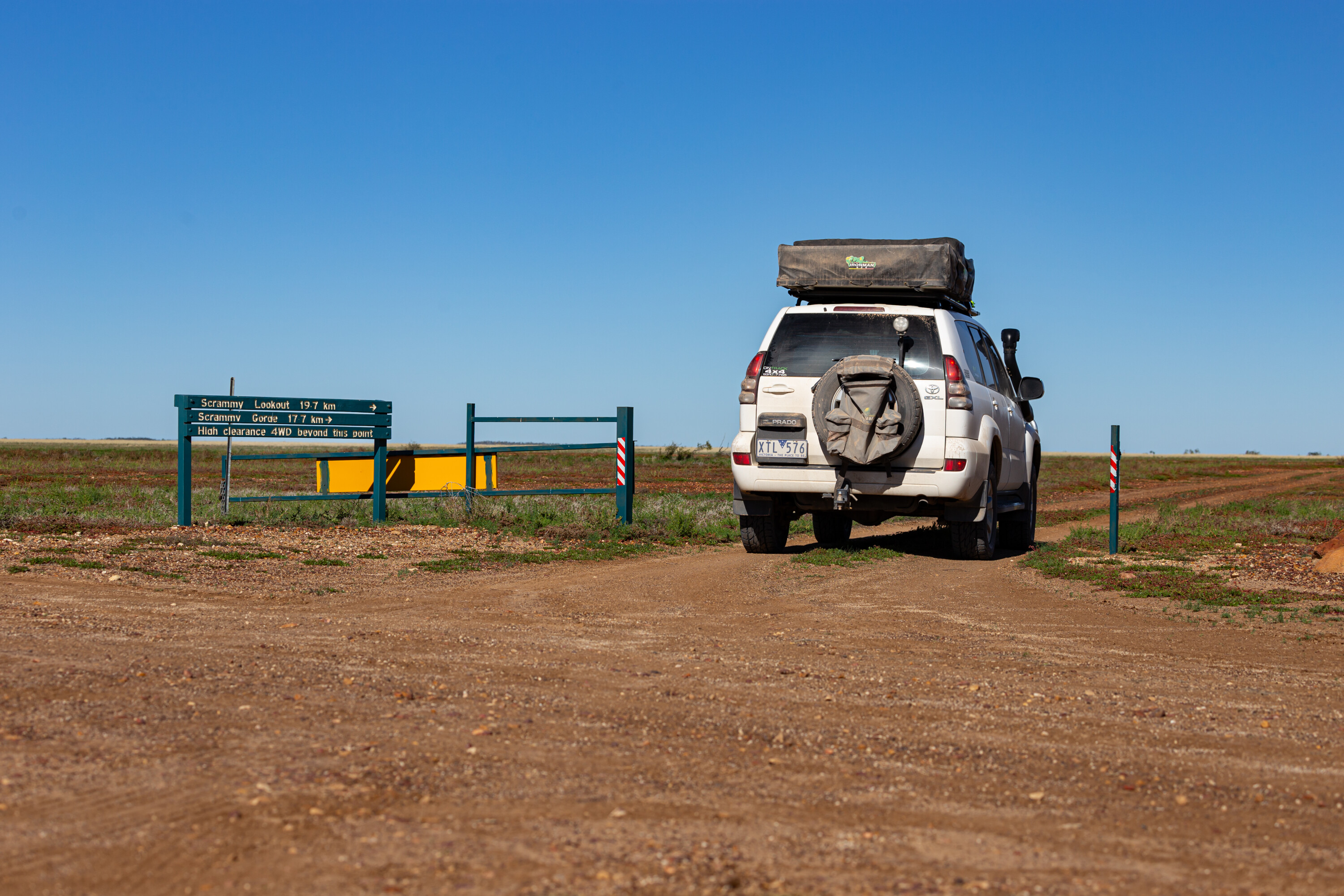
One of the best 4WD tracks in the outback is the 40km return Scrammy Drive. Scrammy was a roustabout on the property who sadly drowned while camped on the jump-up.
This circuit takes you across the flood plains, past the old racecourse and the lonely grave of a young child before you climb up the jump-up to see the waterhole where Scrammy lost his life.
The gorge named after him, and the lookout across the plains, will leave you breathless.
Essentials
Camping: Bough Shed Hole and Surprise Creek have limited sites, drop toilets and fire pits. Bookings must be made online before arrival.
Closest Town & Facilities: Winton is 17km away, with caravan parks, fuel, shops, and dump point.
Essential items: Food and drinking water, satellite phone or PLB, rubbish bags, insect repellent, sun protection, first-aid and snake bite kits, and torch.
Amptron has gone from strength to strength with its range of LiFePO4 batteries for the 4WD and RV market, delivering products that are reliable, safe and do exactly what they are designed to do.
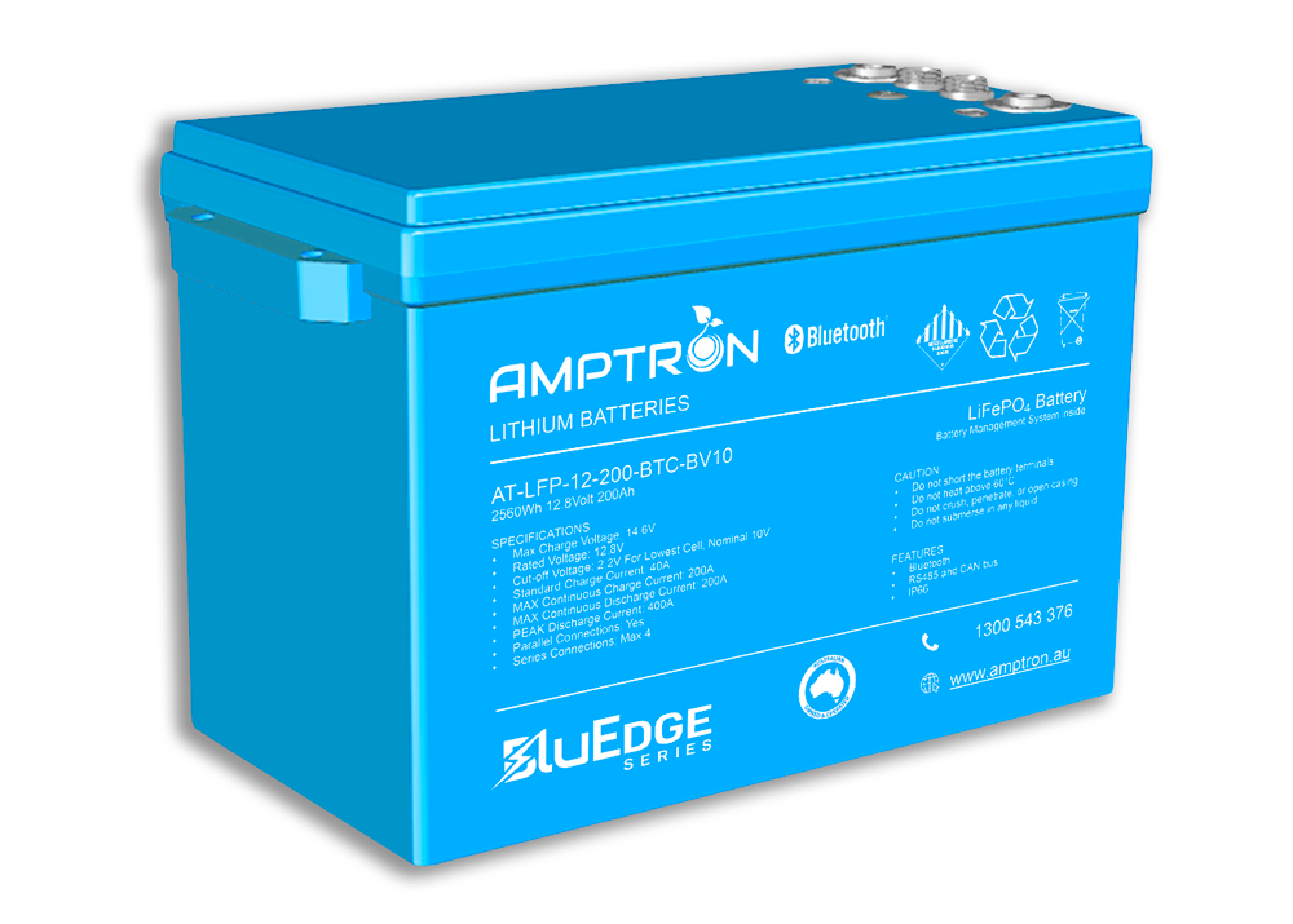
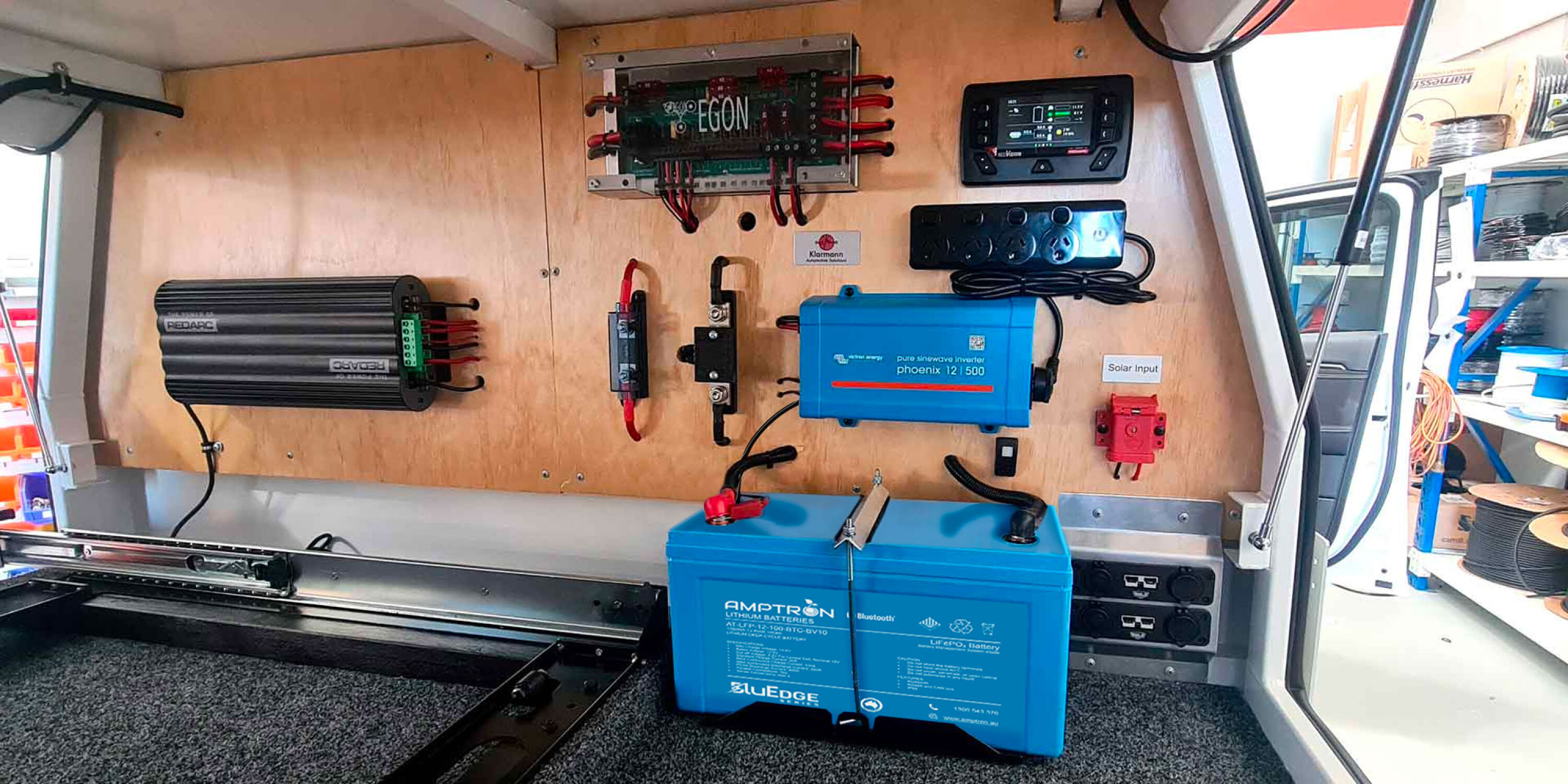
The Amptron BluEdge series of lithium batteries is its new premium smart battery range that raises the bar in quality and sophistication. Designed using only the highest quality components, and built with robust, tough construction that meets the demand for reliable, long-lasting cycle lithium batteries.
“Our new BluEdge Lithium battery series has been designed to endure the application challenges we have experienced over the years,” said Kevin von Weichardt, business development manager. “The unique robust construction and technology enhancements to this new battery range are a cut above the standard options available in Australia.”
The BluEdge series also has specific functionality that complies with all the requirements of the new AS/NZS 3001.2:2022 standard (connectable electrical installations and supply arrangements). Amptron’s batteries are independently tested to comply with the IEC62619 safety standard and are UN38.3 certified, giving you peace of mind for safe, reliable and compliant performance.
1
“The new BluEdge series is loaded with a host of new smart technology features specifically targeting the broader interpretation of the new AS/NZS 3001.2-2022 standard as well as the marine AS/NZS 3004.2 -2014 standard,” said Frik Stuart, Technical Director.
The advanced Battery Management System (BMS) provides comprehensive protection to the battery with high precision configurable protection and monitoring features, that protect the battery and carefully manage the safe long-term performance of each cell and the battery pack, or a bank of inter-connected batteries. The system will also report any alarm and protection statuses through its communication interfaces to allow the user to troubleshoot and identify any issues.
The BluEdge BMS also gathers detailed information on the battery, such as the Running State, State of Charge (SOC), Voltage, Current, Temperature, individual cell voltages, Alarm/Protection statuses etc. This information can then be accessed externally via the CANBUS and RS485 communication ports for integrated systems and via Bluetooth with the Android or iOS app.
An optional colour screen display can be added that displays all key battery parameters to the user. The display will also have an audible alarm that will be triggered in the event of a fault/alarm condition.
1
The cell cycle life has been enhanced by newer prismatic cell designs and improved cell management by the new BMS to maximise battery life. Depending on the model, these batteries offer a very long cycle life of between 4000 to 6000 cycles at 100% Depth of Discharge. The BluEdge series is backed by an Australian-based five-year warranty.
Increased shock and vibration resistance is provided via enhanced framing around the cell packs to prevent internal movement of the cells and/or electronics that may result in failures or metal fatigue over time. This makes these models very suitable for applications in rough offroad conditions.
Amptron ensures that all internal wiring is protected, and high-quality internal connectors and bus bars are used so intermittent failure modes are not introduced in harsh environments. The BluEdge series also has unique triple-layered moisture protection that provides barriers against potential moisture ingress.
Amptron ensures that all internal wiring is protected, and high-quality internal connectors and bus bars are used so intermittent failure modes are not introduced in harsh environments. The BluEdge series also has unique triple-layered moisture protection that provides barriers against potential moisture ingress.
Amptron BluEdge pricing
Model
RRP
12V 100Ah / 200A LiFePO4 ABS BluEdge
$1036
12V 200Ah / 200A LiFePO4 ABS BluEdge battery with Bluetooth and data comms
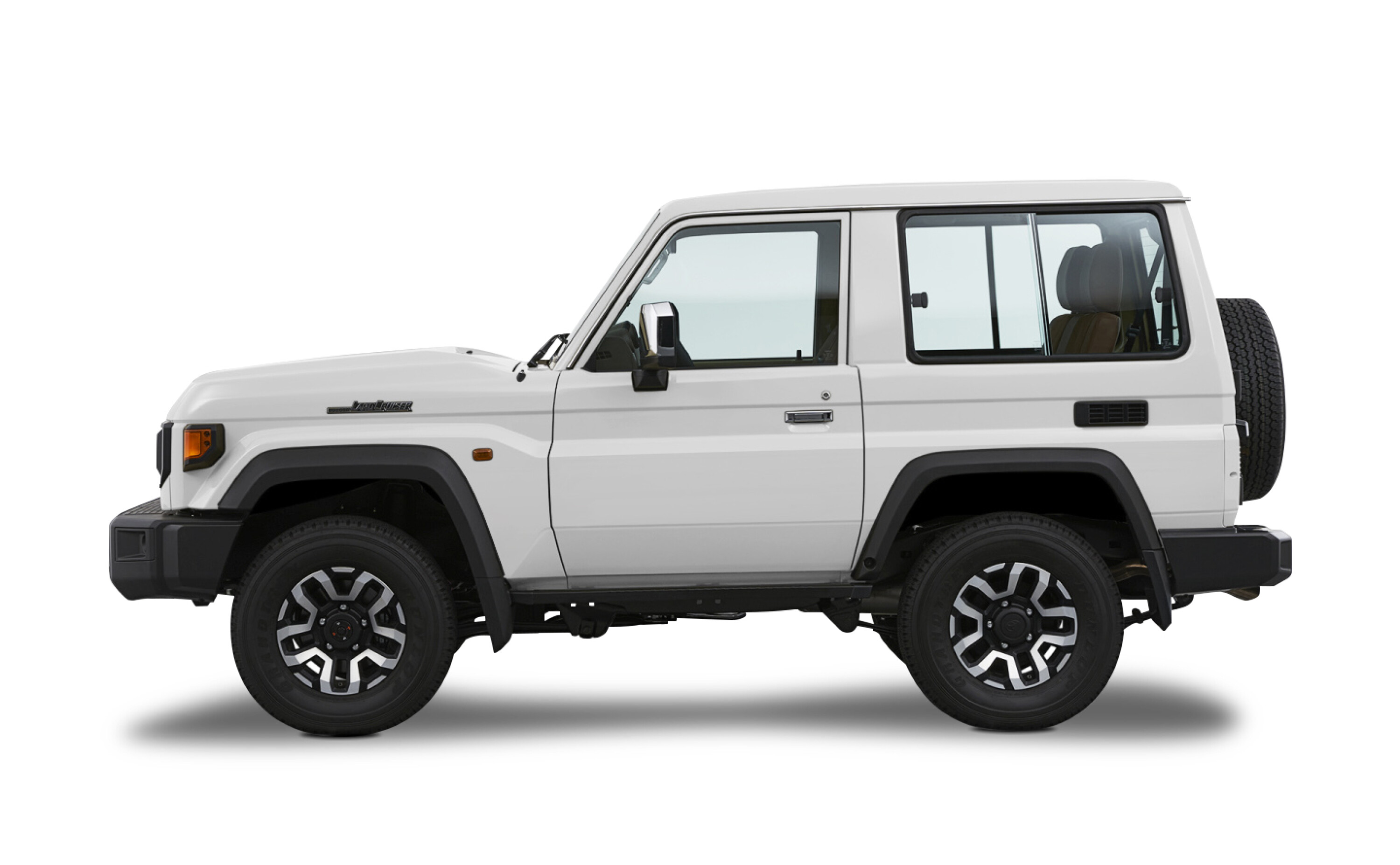
The facelifted Toyota LandCruiser 70 Series ‘shorty’ three-door has debuted in the Middle East.
Known officially as the ‘71 Series’, the three-door wagon has received the same updates as its larger ute, five-door wagon and Troop Carrier siblings now arriving in Australia.
Toyota Australia has no plans to re-introduce the ‘shorty’ locally. It was last sold in Australia in 1992, seven years after the LandCruiser 70 Series launched, with hardtop and convertible body types.
1
Compared to the five-door wagon, the 71 Series rides on a 420-millimetre-shorter 2310mm wheelbase – less than a Kia Picanto light car, and similar to a Suzuki Jimny and Fiat 500.
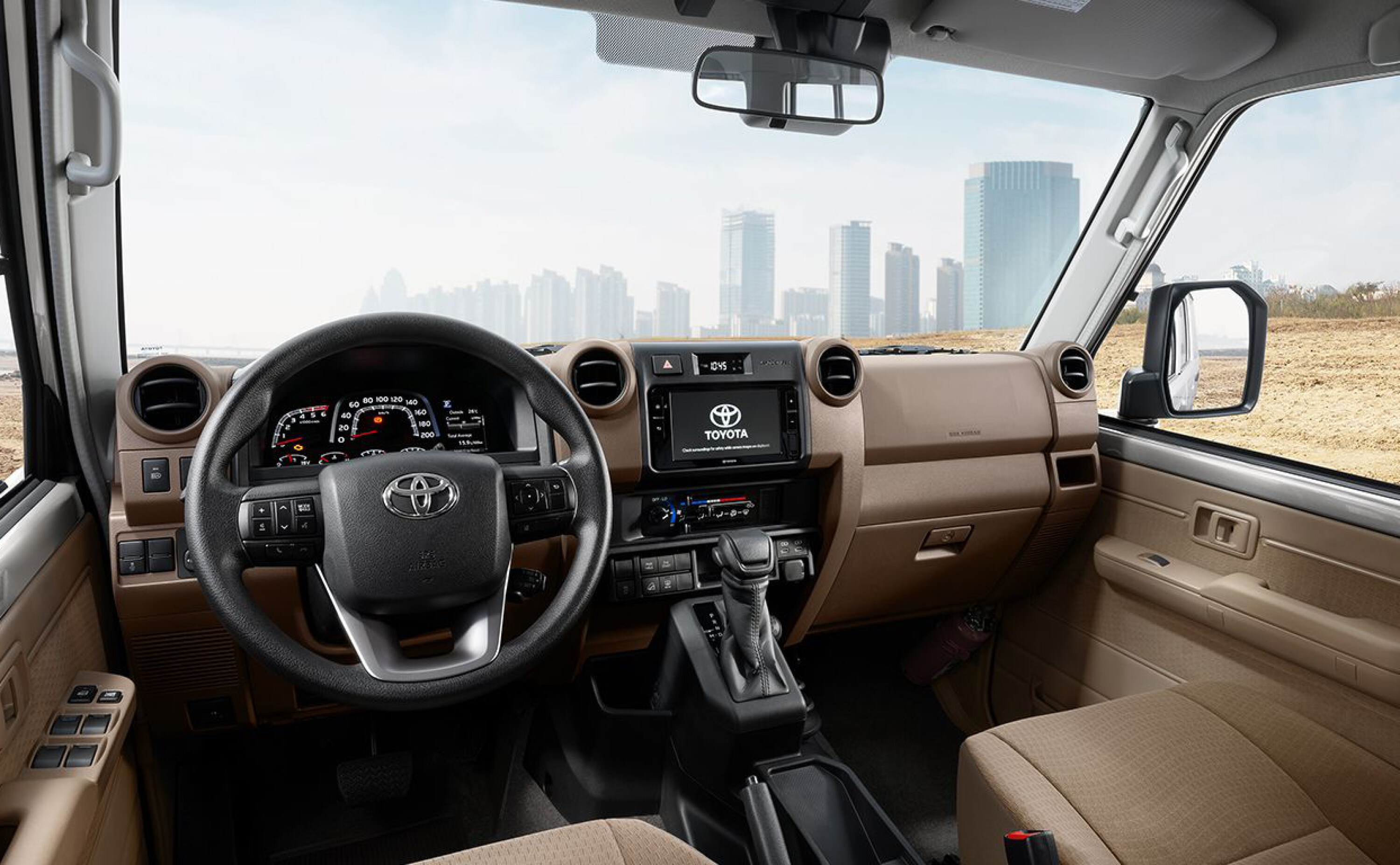
Unique features include a larger 9-inch infotainment system with wireless Apple CarPlay and Android Auto – up from 6.7-inch, with wired-only connectivity – a tan-coloured leather upholstery option, and new 16-inch alloy wheels.
Under the bonnet, Middle Eastern versions of the LandCruiser 70 Series are fitted with a naturally-aspirated 4.0-litre ‘1GR-FE’ petrol V6 – also found in FJ Cruiser, HiLux and Prado models from the 2000s and 2010s – developing 170kW and 360Nm and matched to a six-speed automatic. No diesel option is available.
That is the opposite to Australia and Japan, which offer a new 150kW/500Nm 2.8-litre four-cylinder diesel from the HiLux and Prado with a six-speed auto.
The tried-and-tested 4.5-litre single-turbo V8 diesel and five-speed manual is also retained for the Australian market, though it remains unavailable to order due to existing demand.
Would you like to see the LandCruiser 71 Series return to Australia as a dearer, more-powerful Suzuki Jimny tiny off-roader alternative? Let us know below!
Stay tuned for our first local drive of the 2024 Toyota LandCruiser 70 Series next month.
Stuck for stocking-filler ideas this festive season, or perhaps you’re contemplating a cool gift for yourself? Never fear, we have you covered, with our 2023 Christmas gift guide.