Plug-in hybrid utes are making some big promises, but the numbers don’t always tell the same story.
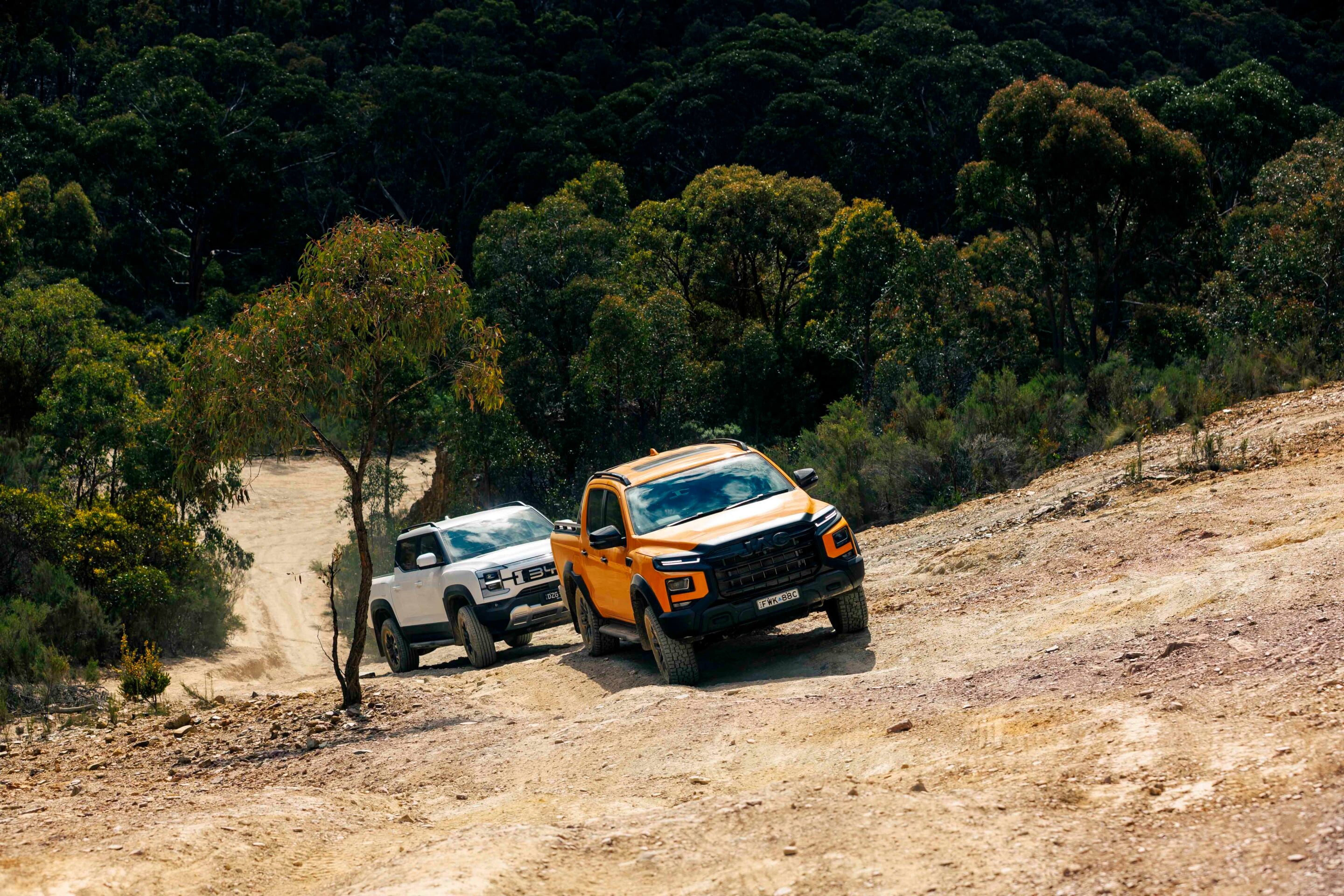
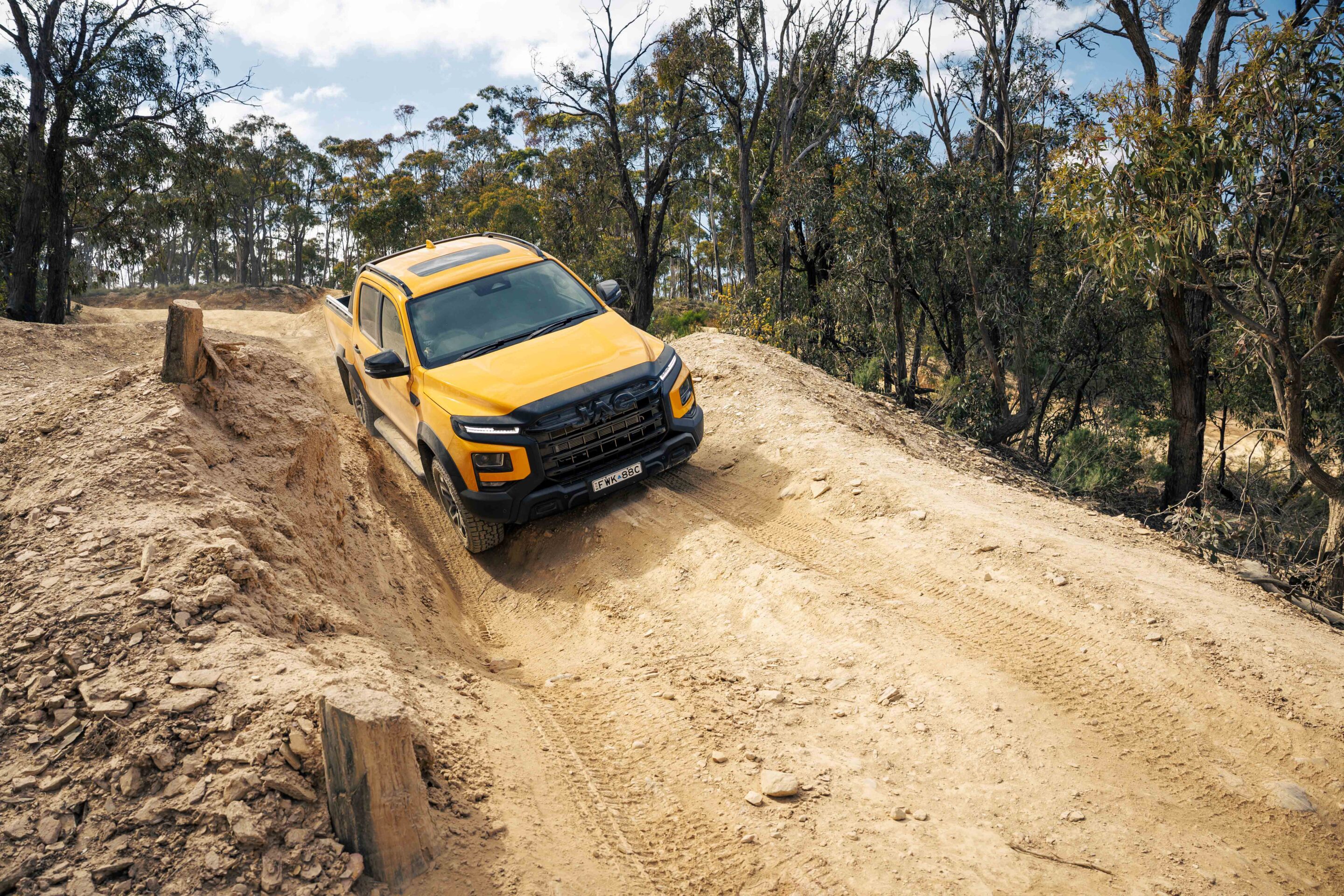
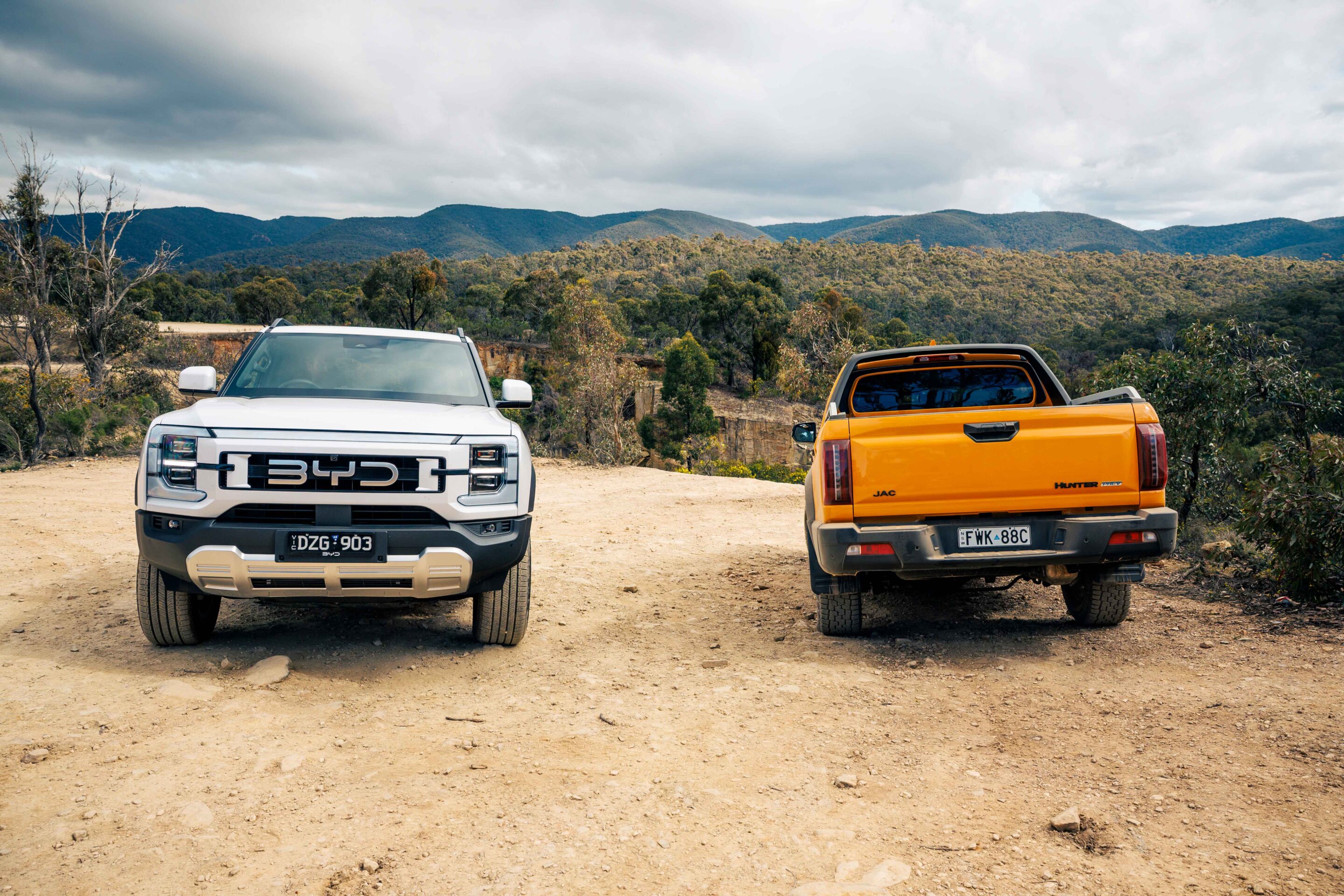
As at November 2026, the JAC Hunter X and BYD Shark 6 Performance both combine petrol power with electric motors, offer a claimed 3500kg towing capacity and bring plenty of grunt to the table. The difference is in the detail. The Hunter X is $8056 cheaper and claims more combined power and torque, while the Shark counters with greater ground clearance, deeper wading capability and faster DC charging.
Both have their strengths, but when you crunch the numbers on price, payload, towing and off-road hardware, which one gives you more ute for your money?
Quick verdict
- Cheaper: JAC Hunter X, by $8056 before on-road costs.
- More claimed power and torque: JAC Hunter X, with 360kW and 1010Nm.
- Towing: Based on the numbers, it’s a draw. Both are rated to tow 3500kg. The basic GCM calculation leaves 375kg for occupants and other loads in either ute when towing that weight.
Specs compared
| Specification | JAC Hunter X | BYD Shark 6 Performance |
|---|---|---|
| Price | $54,844 + ORC | $62,900 + ORC |
| Engine | 2.0L turbo-petrol | 2.0L turbo-petrol |
| Engine output | 160kW/370Nm | 180kW/380Nm |
| Electric motors | Front: 130kW/300Nm; rear: 150kW/340Nm | Front: 200kW/360Nm; rear: 150kW/340Nm |
| Combined power | 360kW | 350kW |
| Combined torque | 1010Nm | 700Nm |
| Battery | 31.2kWh LFP | 29.6kWh LFP |
| EV range | 100km (NEDC) | 80km (WLTP) |
| Combined range | 1005km (NEDC) | 640km (WLTP) |
| Fuel consumption | 1.6L/100km (NEDC) | 1.3L/100km (WLTP, battery charge above 25%); 10.5L/100km (WLTP, below 25%) |
| Fuel tank | 77L | 60L |
| Kerb weight | 2555kg | 2775kg |
| GVM | 3470kg | 3500kg |
| GCM | 6430kg | 6650kg |
| Payload | 915kg | 725kg |
| Braked towing | 3500kg | 3500kg |
| Calculated allowance while towing 3500kg | 375kg* | 375kg* |
| Ground clearance | 200mm | 230mm |
| Wading depth | 550mm | 700mm |
| Approach angle | 28 | 31 |
| Rampover angle | 23 | 17 |
| Departure angle | 23 | 19.3 |
| V2L output | 3.3kW | 6.6kW |
| Maximum DC charging | 46kW | 55kW |
| Low range | No conventional low-range transfer case | No conventional low-range transfer case |
| Differential locks | Front and rear lockers | No mechanical front or rear lockers |
| ANCAP | Five stars, 2024 rating | Five stars, 2025 rating |
| Vehicle warranty | Seven years, unlimited kilometres | Six years or 150,000km |
| Battery warranty | Eight years or 150,000km | Eight years or 160,000km |
*Calculated allowance = GCM minus a 3500kg trailer and kerb weight. This is a theoretical figure, not a guaranteed usable payload. Occupants, accessories and towball download count towards the vehicle’s limits, and GVM and axle limits must also be observed.
*Warranty conditions apply. Range and fuel consumption figures use the stated test cycles and should not be treated as directly equivalent.
Which is cheaper and what do you get?
At $54,844 plus on-road costs, the JAC Hunter X undercuts the $62,900 BYD Shark 6 Performance by $8056.
That’s a substantial saving for two plug-in hybrid 4×4 dual-cabs with 3500kg braked towing capacity, but the difference isn’t just about price. The Hunter puts its money into power and mechanical off-road hardware, while the Shark adds cabin technology, comfort features and a more developed suite of electronic off-road functions.
The Hunter X gets black 18-inch alloy wheels with Pirelli Scorpion all-terrain tyres, black exterior detailing, roof rails, rear privacy glass and power-folding mirrors. Inside, there’s leather-accented upholstery, heated front seats, power adjustment for both front seats, a 10.4-inch portrait touchscreen, a 10.25-inch digital instrument display, wireless Apple CarPlay and Android Auto, and an eight-speaker sound system.
Front parking sensors and a 360-degree camera help with manoeuvring, while adaptive cruise control, lane-keeping assistance and blind-spot monitoring add to the safety kit. A rear 220V accessory socket is useful for powering gear, and a powered sunroof is available as an option. The Hunter also gets a locally developed vehicle dynamics tune for Australian roads and conditions, with Multimatic engineer Michael Barber brought in to fine-tune the ute’s handling and ride.
The Hunter X is also in stock and available for immediate delivery in Australia, so buyers don’t have to wait for incoming shipments
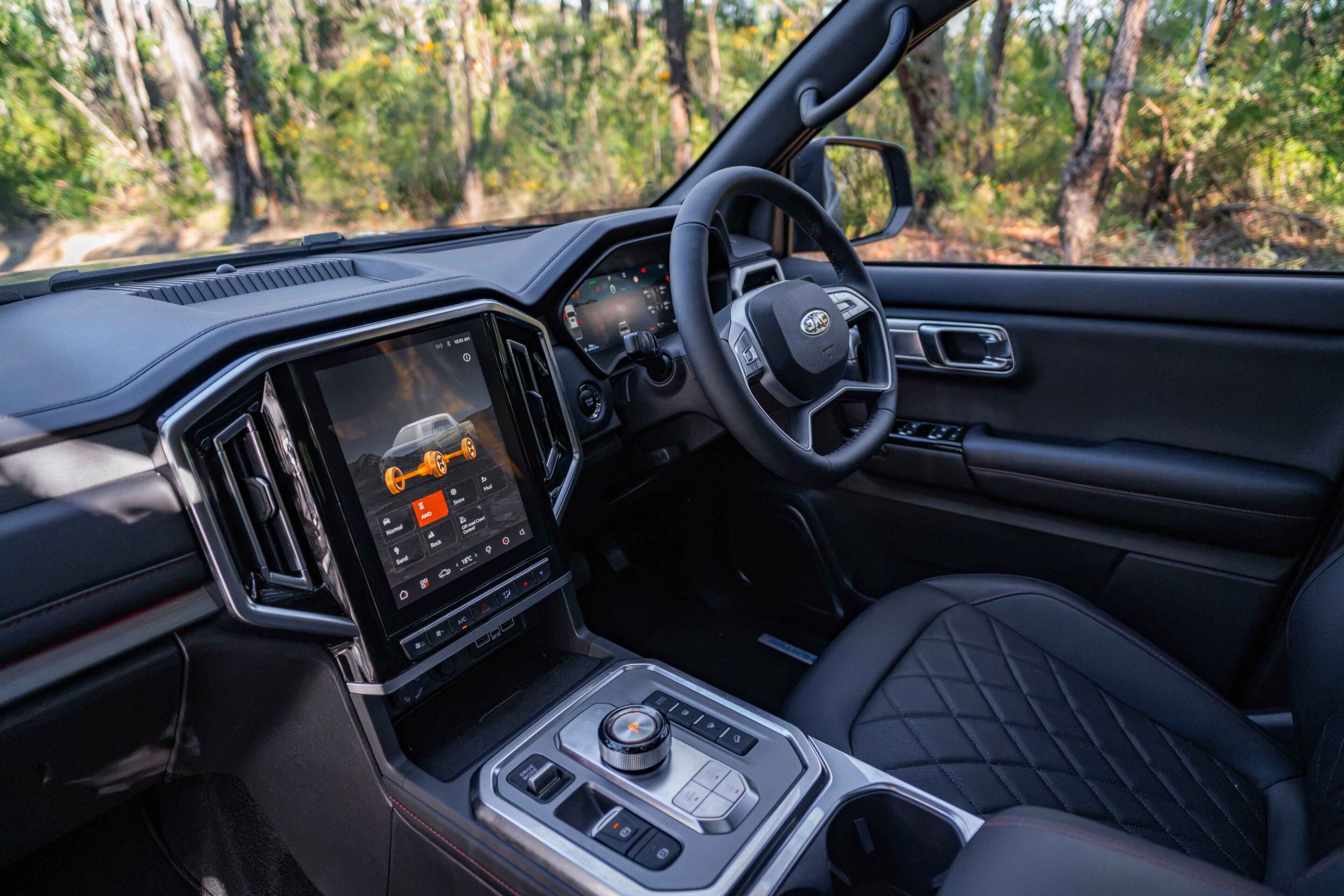
The Shark 6 Performance gets a larger 15.6-inch touchscreen, a 10.25-inch digital instrument cluster, wireless Apple CarPlay and Android Auto, wireless phone charging and an 11-speaker Dynaudio sound system. Both front seats are power-adjustable, heated and ventilated, and there’s a 360-degree camera, tyre-pressure monitoring, a full-size spare wheel and a suite of driver-assistance systems. Its off-road modes include Sand, Snow, Mud and Mountain, while Crawl mode is designed to improve control at low speeds over rough terrain.
The biggest hardware difference is the way they handle traction. The Hunter X has mechanical front and rear differential locks, giving it an advantage when wheels lose grip. The Shark relies on its electronically managed all-wheel-drive system and traction controls, with no mechanical front or rear lockers. It counters with more ground clearance, a deeper claimed wading depth, higher maximum DC charging and a more powerful V2L system.
Both are well equipped, but they have different priorities. The Hunter’s lower price, twin lockers and higher claimed combined outputs make a strong case for buyers who value mechanical off-road hardware. The Shark costs more, but adds ventilated front seats, a larger infotainment screen, Crawl mode and better clearance and water-crossing figures.
Which is more powerful?
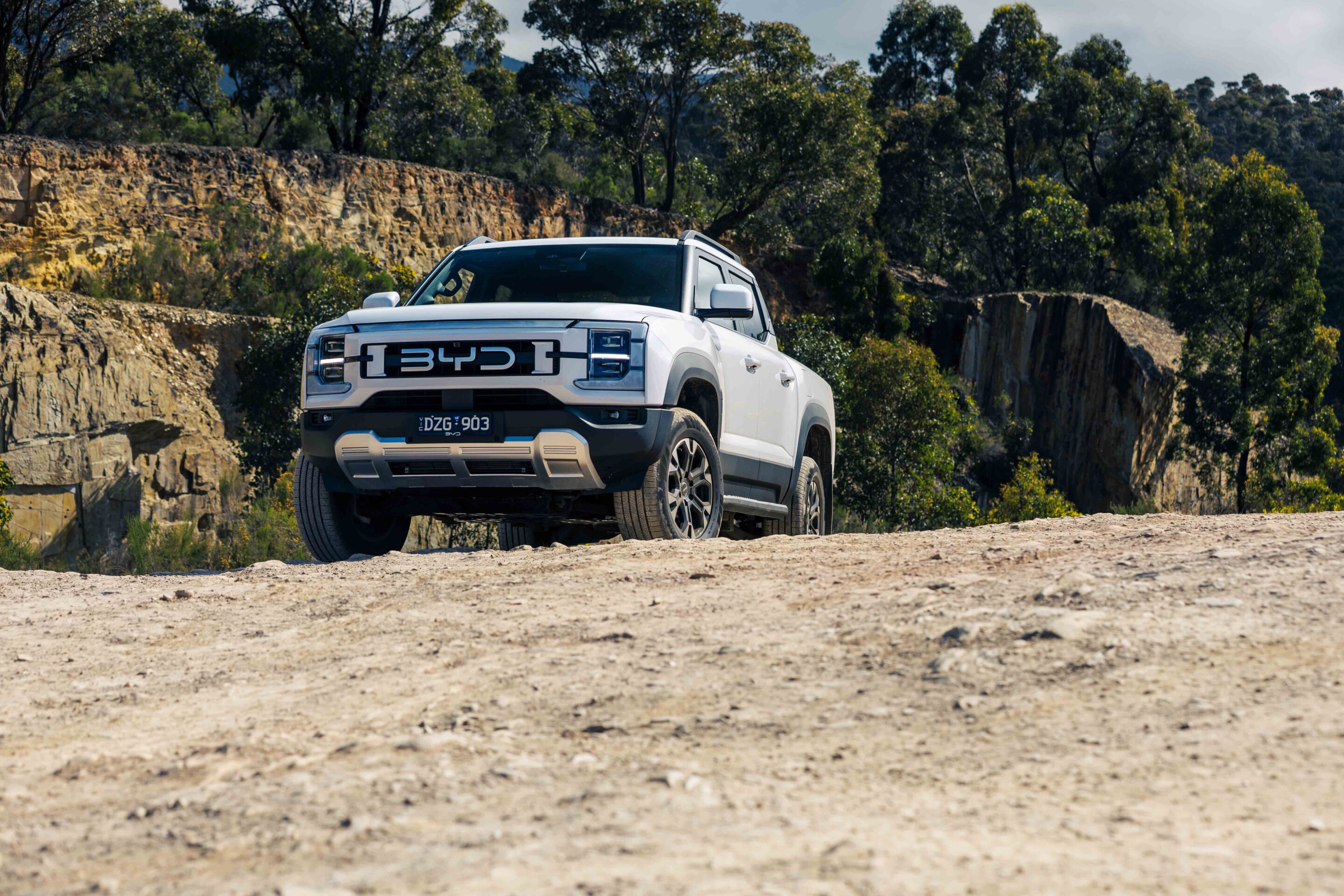
On paper, the Hunter has the higher combined outputs: 360kW and 1010Nm against the Shark’s 350kW and 700Nm.
Those figures need context, though. The Hunter’s headline torque figure is a claimed combined driveline figure, not a conventional engine torque rating, and it shouldn’t be read as a direct measure of how much torque reaches the wheels at any given moment.
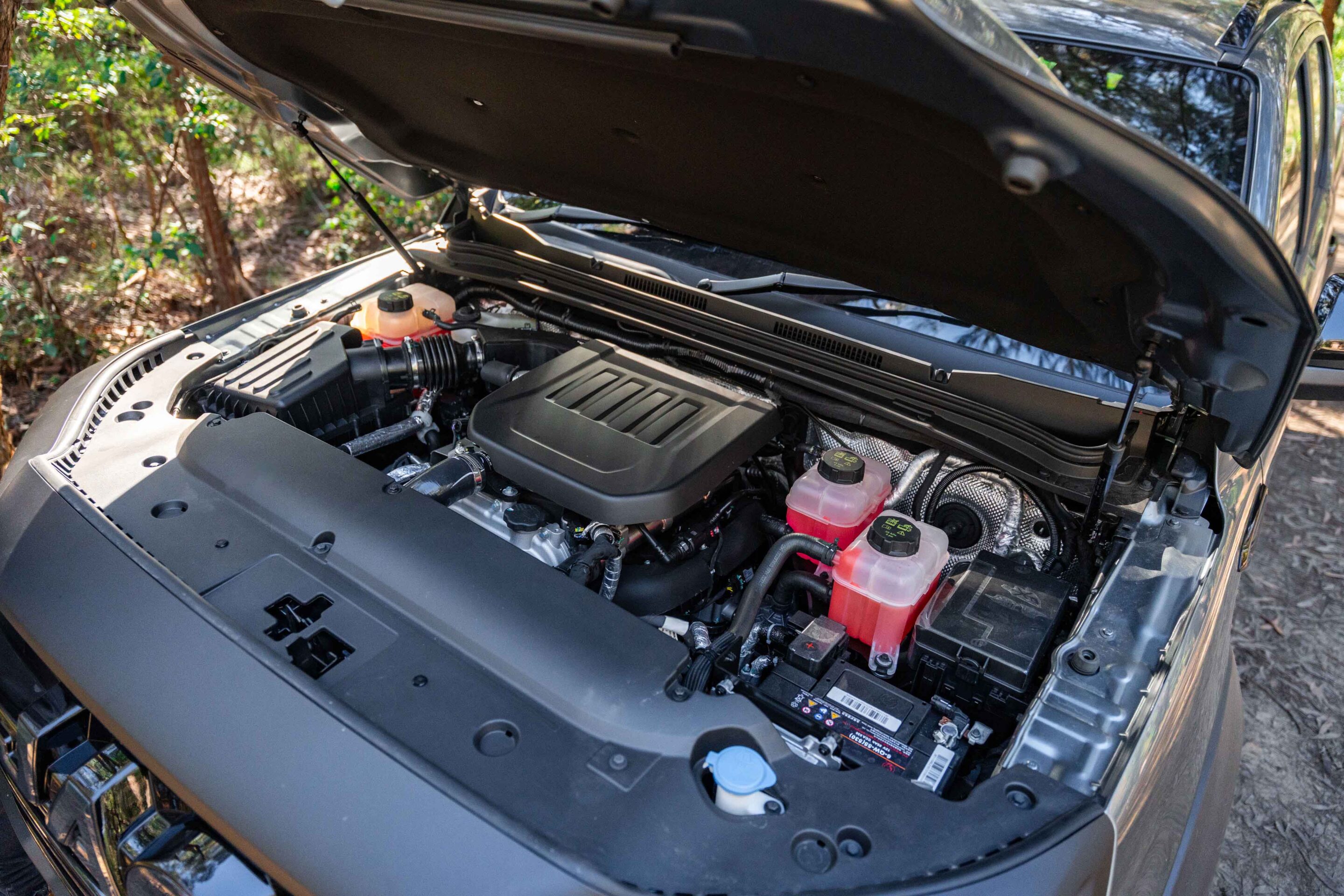
The Shark has the stronger front electric motor, rated at 200kW and 360Nm against the Hunter’s 130kW and 300Nm. Its petrol engine also makes more power than the Hunter’s, at 180kW versus 160kW. Despite that, JAC quotes the higher combined system power figure. As always with plug-in hybrids, the way the engine and motors deliver their output matters as much as the headline numbers.
Which tows better?
Both utes are rated to haul a 3500kg braked trailer, but the tow rating is only part of the story.
The gross combined mass (GCM) sets the maximum permitted weight of the vehicle and trailer together. To calculate the theoretical allowance left for occupants and other loads while towing 3500kg, use:
GCM − trailer weight − kerb weight = remaining allowance
- Hunter X: 6430 − 3500 − 2555 = 375kg
- Shark 6 Performance: 6650 − 3500 − 2775 = 375kg
Unhitched, the Hunter carries 915kg against the Shark’s 725kg, so the draw only applies when both are towing at their 3500kg maximum. The Shark has the higher GCM, but it also weighs more. The result is the same theoretical 375kg allowance for both when towing at their maximum rated capacity.
That’s not 375kg of gear you can automatically throw in the tub. Passengers, accessories and towball download all count, and the vehicle must also stay within its GVM and axle limits. The headline payload figure on its own won’t tell you how much you can carry with a trailer attached.
Which goes further on electric power?
The Hunter claims 100km of EV range under the NEDC cycle, while the Shark 6 Performance claims 80km under WLTP.
NEDC is an older test cycle that generally produces more optimistic range figures, while WLTP uses more demanding driving conditions designed to better reflect real-world use. The two figures aren’t directly comparable, so the Hunter’s higher claimed range doesn’t necessarily mean it will travel further on electric power in everyday driving.
The same applies to combined range: the Hunter’s claimed 1005km is measured under NEDC, while the Shark’s 640km is under WLTP. Fuel consumption needs the same care. JAC quotes 1.6L/100km under NEDC, while BYD quotes 1.3L/100km under WLTP with battery charge above 25 per cent, rising to 10.5L/100km when charge drops below 25 per cent.
Don’t pick a winner based on those headline figures alone. Test cycles, battery charge and driving conditions all affect the result, so real-world range and fuel use will depend on how and where you drive.
Which is better off-road?
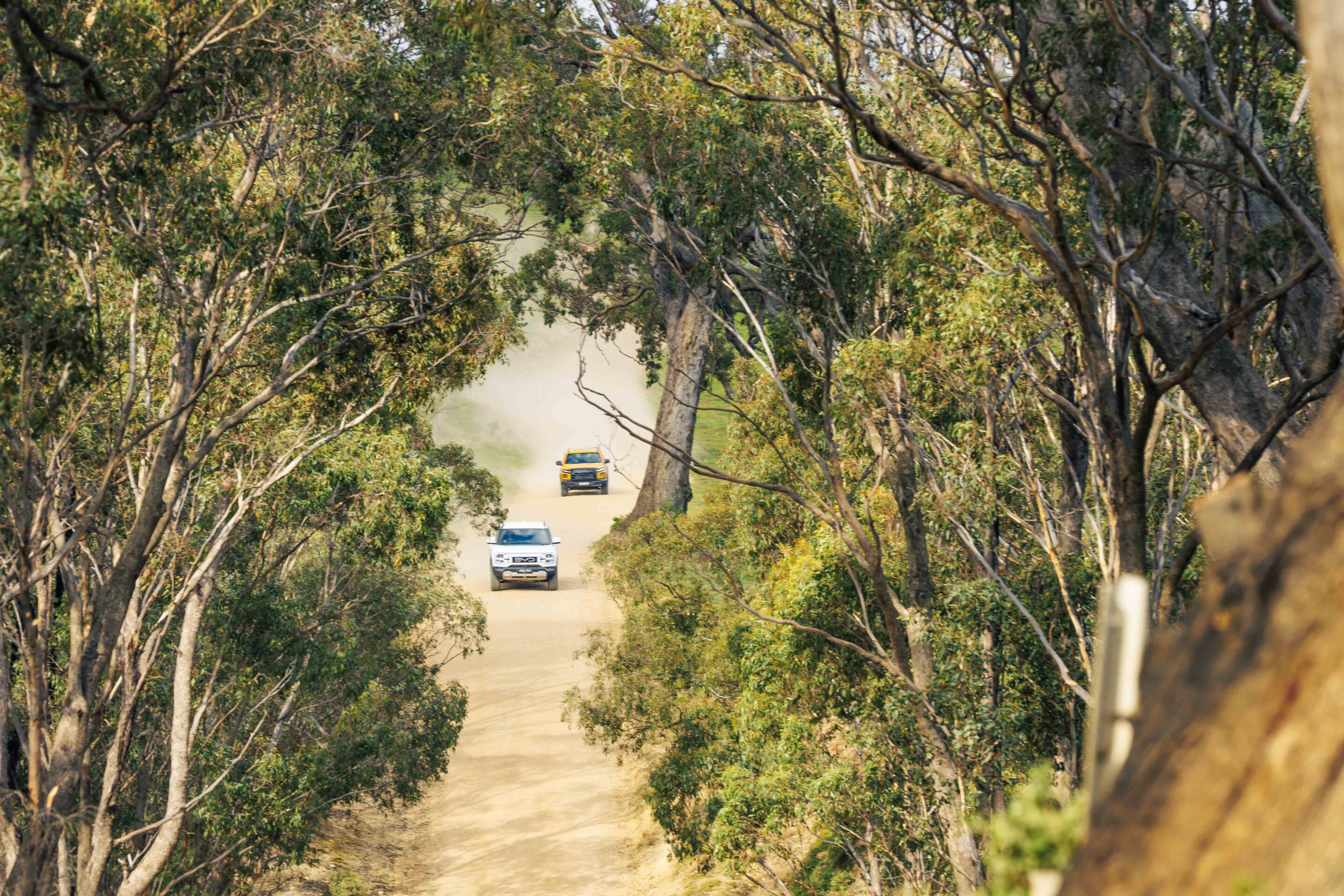
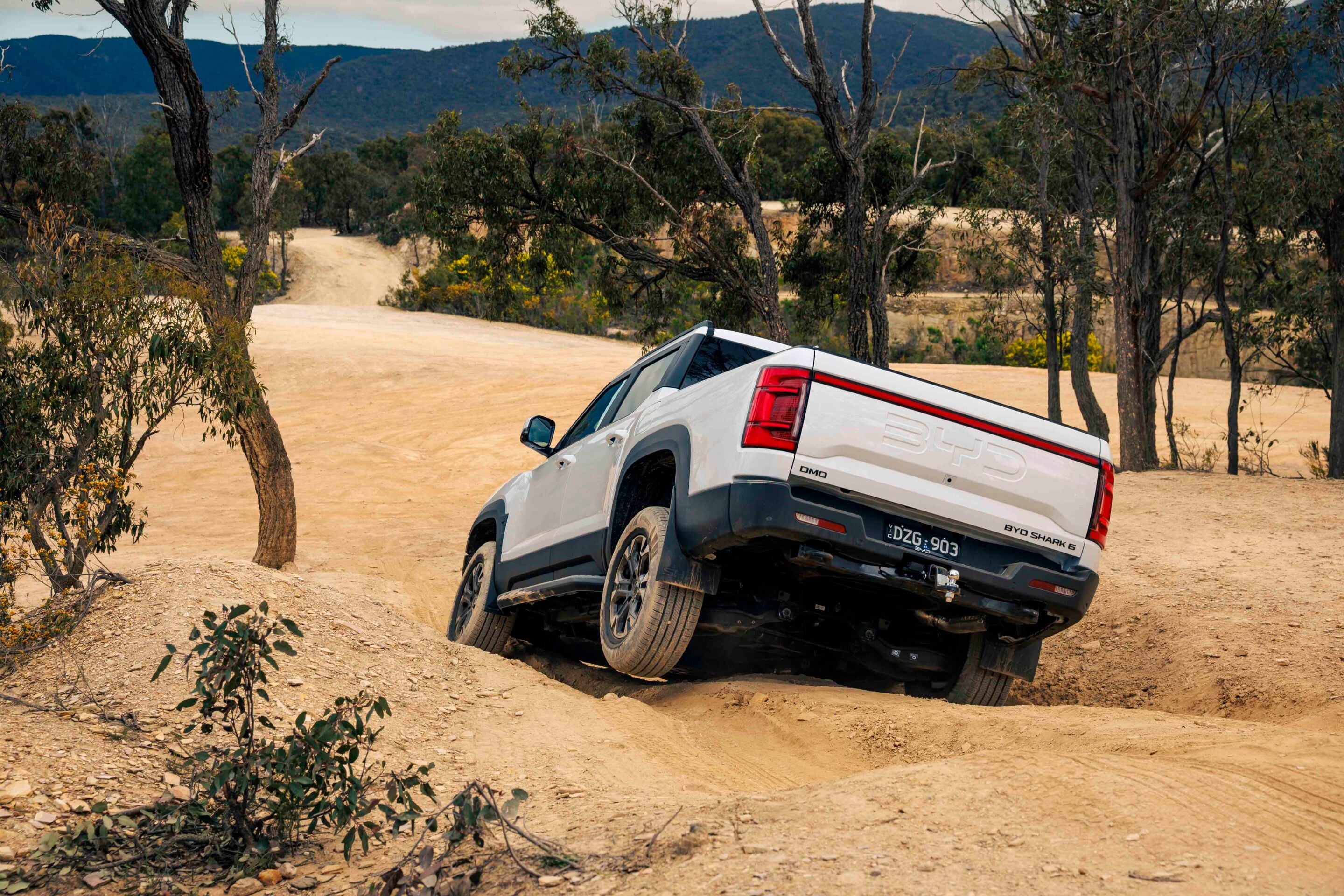
The Shark leads on ground clearance, wading depth and approach angle. Its claimed 230mm clearance, 700mm wading depth and 31-degree approach angle stack up against the Hunter’s 200mm, 550mm and 28 degrees.
The Hunter fights back with a 23-degree rampover angle, compared with the Shark’s 17 degrees, and has mechanical front and rear differential locks. The Shark has no mechanical lockers, but its Performance model adds Crawl mode to help manage low-speed progress over rough terrain.
Neither has a conventional low-range transfer case. The Shark’s Crawl mode is designed to simulate some of the control you’d normally get from low gearing, but it isn’t the same hardware as a dual-range transfer case. For buyers who regularly tackle steep, rocky tracks, the Hunter’s twin lockers are a meaningful advantage. The Shark’s extra clearance and wading depth are useful in other conditions, although its relatively shallow rampover and departure angles are worth bearing in mind.
Which runs the campsite?
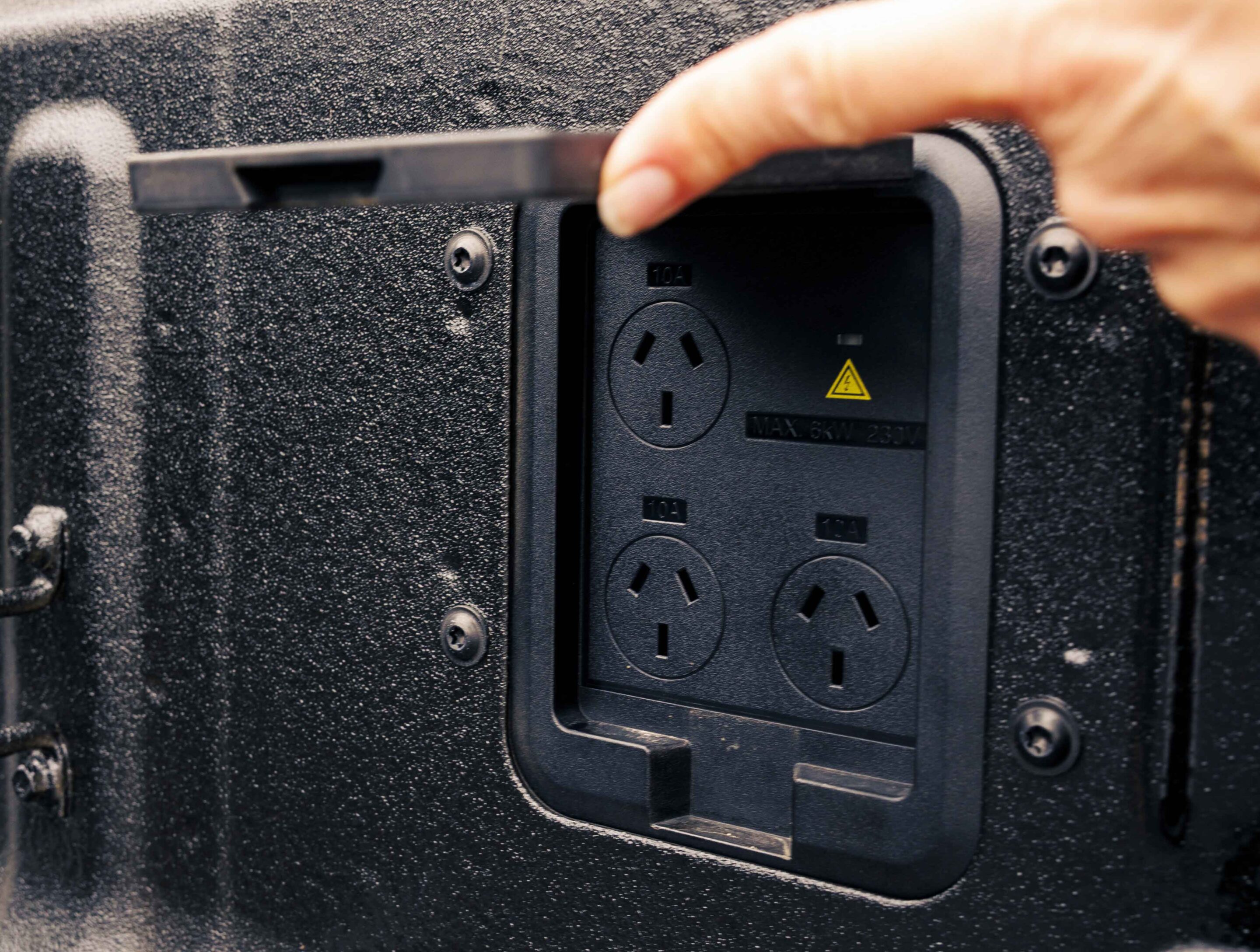
Both offer vehicle-to-load (V2L), allowing compatible electrical equipment to draw power from the high-voltage battery.
The Hunter’s rated output is 3.3kW, while the Shark offers up to 6.6kW. That gives the BYD more headroom for running compatible appliances and camping equipment.
The Shark also has the higher maximum DC charging rate at 55kW, compared with up to 46kW for the Hunter. Maximum rates don’t tell the whole charging story, though. Actual speed depends on conditions and the charging curve, so the peak figure alone doesn’t establish how long a stop will take.
Which is cheaper to own?
The Hunter has the longer vehicle warranty, covering seven years with unlimited kilometres compared with six years or 150,000km for the Shark.
JAC also offers seven years of roadside assistance and capped price servicing, covers commercial use under its seven year warranty, and provides a Ute for Ute loan program. BYD includes 12 months of complimentary roadside assistance and no equivalent loan program. Both have eight year battery warranties, capped at 150,000km for the Hunter and 160,000km for the Shark. Conditions apply. Based on this, the JAC has the stronger ownership support package
Fuel costs will depend on how often you charge, how far you travel and how much time you spend driving with a low battery. The published consumption figures use different test cycles and, in the Shark’s case, different battery charge conditions. They’re useful reference points, but they don’t guarantee what you’ll see at the bowser.
Which should you buy?
The Hunter X makes a strong case if you want to spend less, get higher claimed combined power and torque, and have mechanical front and rear differential locks. It also matches the Shark’s calculated allowance while towing 3500kg.
The Shark 6 Performance has the edge in ground clearance, wading depth, V2L output and maximum DC charging rate, plus a higher GCM. But its extra kerb weight means that higher GCM doesn’t translate into more calculated allowance while towing at the maximum rating.
On the specs alone, the Hunter is the value pick for buyers who prioritise price, claimed outputs and mechanical off-road hardware. The Shark suits those who put more weight on cabin comfort, technology, clearance, water-crossing figures and campsite power.
FAQs
Can the JAC Hunter X tow 3.5 tonnes?
Yes. The Hunter X has a 3500kg braked towing capacity.
Is the JAC Hunter X cheaper than the BYD Shark 6 Performance?
Yes. It costs $8056 less before on-road costs.
What is the electric range of the JAC Hunter X and BYD Shark 6 Performance?
The Hunter claims 100km under NEDC, while the Shark Performance claims 80km under WLTP. NEDC is an older, generally more optimistic test cycle, while WLTP uses more demanding, real-world-style driving conditions. The figures aren’t directly comparable, so the difference doesn’t necessarily mean the Hunter will travel further on electric power.
Does the BYD Shark 6 Performance have low range or differential locks?
It has no conventional low-range transfer case and no mechanical front or rear differential locks, but it does feature Crawl mode.
- Specifications are as published by the manufacturers. Nothing in this table was measured by 4X4 Australia unless stated.
- Sponsored by JAC Motors Australia
Sources
Buying a used 4×4 can be a great way to get into four-wheel driving without paying new-car prices.
However, before you hand over the money and head for the tracks, there are a few things worth checking, particularly when it comes to insurance. Unlike a new vehicle, a used 4×4 may have a history of off-road use, aftermarket modifications or accessories fitted by previous owners. Some of that gear might not be legal, properly installed or covered by an insurance policy.
A few checks before you buy can help avoid surprises later, both on the road and if you need to make a claim.
Check the vehicle’s history and condition
Start with the basics. Ask for the service history, check the registration details and look into the vehicle’s background before committing to the purchase.
A PPSR (Personal Property Securities Register) check is worth doing. Using the vehicle’s VIN, it can show whether there is finance secured against it and may also provide information about whether it has been reported stolen or recorded as written off. Keep in mind that stolen and written-off information is supplied through other government databases and may not always be available or up to date.
It’s also worth getting an independent mechanical inspection. Have a mechanic look over the chassis, underbody, suspension and driveline, as well as checking for rust, leaks and signs of previous accident damage or poor repairs. A vehicle’s condition can affect your insurance options, so it’s better to know what you’re buying before you take ownership.
Check modifications and accessories
Plenty of used 4x4s come with a few extras already fitted.
Bull bars, winches, suspension lifts, larger tyres, snorkels, long-range fuel tanks, canopies and drawer systems can all add value to a touring vehicle, but don’t assume they’re automatically covered by insurance. Ask the seller for a list of modifications and accessories, along with receipts and any relevant installation or engineering documentation. You’ll also want to check that modifications meet applicable legal requirements.
When arranging insurance, make sure you understand which accessories need to be declared and how they’re treated under the policy. If you’ve paid extra for a vehicle with a well-equipped touring setup, it’s worth checking that value is reflected in the cover.
Check the insured value
The price you pay for a used 4×4 and the amount it’s insured for aren’t necessarily the same thing.
Some policies offer market value, which is generally based on the vehicle’s value immediately before a claim. Others offer agreed value, where an amount is agreed with the insurer when the policy is taken out.
If the vehicle has expensive accessories or modifications, check whether they’re included in the insured value or need to be listed separately. Don’t assume a bull bar, winch, canopy or upgraded suspension will automatically be covered just because it’s fitted to the vehicle.
It’s also worth checking any limits that apply to accessories and modifications, particularly if the previous owner has spent a fair bit building the 4×4 into a touring rig.
Look for signs of previous off-road use
A few scratches and stone chips are to be expected on a vehicle that’s spent time off the bitumen. More serious damage underneath deserves closer inspection.
Look for dents in bash plates, damage to the chassis rails, scraped differentials, bent suspension components and signs of hard knocks around recovery points. Mud and sand in unusual places, water stains inside the cabin or signs of corrosion can also point to previous off-road use or water crossings. None of this automatically makes a vehicle a bad buy, but it gives you a better idea of how it has been used and what condition it’s in.
Ask the seller how the vehicle has been used and whether it has been involved in any accidents, recoveries or water crossings. If you’re unsure about anything, get it checked before buying. You’ll also want to understand how your insurer treats off-road use. Coverage can vary between policies, particularly when it comes to remote travel, recovery costs and damage sustained while four-wheel driving.
Check towing capacity and vehicle weights
If you’re buying a 4×4 to tow a caravan or camper trailer, don’t overlook its weight ratings.
Check the vehicle’s gross vehicle mass (GVM), gross combination mass (GCM), braked towing capacity and axle load limits. These figures determine how much the vehicle can carry and tow, and they can become particularly important once accessories, passengers and touring gear are added.
If the vehicle has a GVM upgrade, ask for the relevant documentation and make sure the upgrade has been properly certified and recorded where required. Overloading a vehicle or towing beyond its limits can create safety issues and may affect an insurance claim, particularly if the excess weight contributed to an accident or damage.
Check your insurance before you buy
It’s worth speaking to an insurer before handing over the money, especially if the vehicle has a long list of modifications or a history of off-road use.
Have the registration details or VIN handy, along with information about its accessories, modifications and any GVM upgrades. Be upfront about how you intend to use the vehicle, whether that’s commuting, towing, touring or regular off-road driving.
Ask what needs to be declared, how accessories are covered and whether the policy includes the type of off-road driving and recovery you’re planning to do. Read the Product Disclosure Statement (PDS) and check any exclusions, limits and conditions that might apply.
You can organise insurance ahead of collection and arrange for the policy to start when you take ownership of the vehicle. Confirm the start date and time with your insurer so there’s no gap in cover.
Choosing 4×4 insurance with Club 4×4
If you’re buying a used four-wheel drive for touring or off-road use, it’s worth looking at insurance designed with those vehicles and their accessories in mind.
Club 4×4 (↗) specialises in insurance for four-wheel drives, with options aimed at owners who use their vehicles for touring, recreation and off-road driving. That’s why we insure all of our project cars with them.
As with any insurer, the important thing is to check how the cover applies to your particular vehicle and setup. Consider the modifications and accessories fitted, how you plan to use the 4×4 and whether the policy suits the type of trips you have in mind. Take the time to read the PDS, check the limits and understand what’s covered before choosing a policy.
FAQs
Should I arrange insurance before buying a used 4×4?
Yes. It’s worth speaking to an insurer before you buy so you know whether the vehicle and its modifications can be covered. You can usually arrange cover in advance and confirm when it will start with your insurer.
Do I need to declare aftermarket modifications?
You may need to. Requirements vary between insurers and policies, so check which modifications and accessories need to be declared. Don’t assume they’re automatically covered.
Does previous off-road use affect insurance?
It can. Previous off-road use may have resulted in damage or repairs that affect the vehicle’s condition and insurability. Be sure to check the vehicle thoroughly and answer your insurer’s questions honestly.
Can I insure a 4×4 with a GVM upgrade?
Some insurers offer cover for vehicles with GVM upgrades, but requirements vary. Check that the upgrade is properly documented and tell your insurer about it when arranging cover.
Does 4×4 insurance cover off-road recovery?
Not necessarily. Recovery cover and the circumstances in which it applies vary between policies. Check the PDS to see whether recovery costs are included, what limits apply and whether remote-area recovery is covered.
Two BYD offices in the Netherlands have been raided as part of an investigation into alleged copying of the Land Rover Defender by the Chinese carmaker.
As first reported by The Times (↗), court-appointed bailiffs acting for JLR seized digital records from BYD premises in Schiedam and Hoofddorp in August, seeking evidence that Defender tech had been reverse-engineered during development of the Ti7.
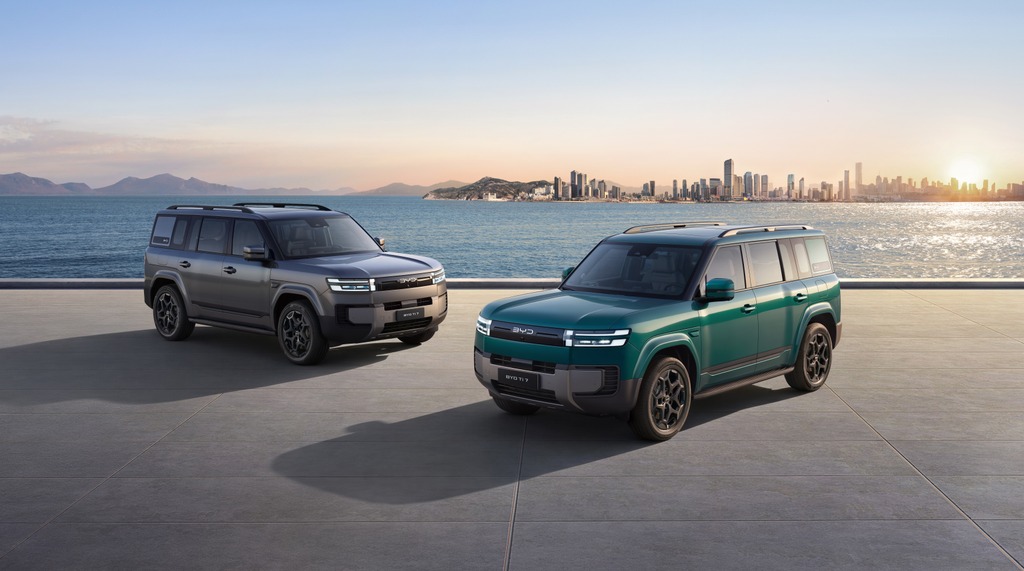
Sold in China under BYD’s Fangchengbao brand, the seven-seat plug-in hybrid has attracted comparisons with the Defender due to its upright, boxy styling. However, JLR’s concerns reportedly extend beyond styling similarities to the possible copying of underlying technology.
According to The Guardian (↗), BYD has challenged the seizure of its records, arguing too many files were taken. Its lawyers reportedly described the operation as a ‘fishing expedition’, while JLR’s advisers accused BYD of obstructing the process.
A court in The Hague is expected to rule this week on which seized records JLR can use in pursuing its case. Neither manufacturer has commented on the ongoing proceedings.
The Ti7 has received Australian government approval for local sale. Approval documents list two plug-in hybrid variants, producing 200kW in two-wheel-drive form and 300kW with all-wheel drive. BYD has yet to confirm local pricing or a launch date.
This isn’t the first time JLR has pursued a Chinese manufacturer over alleged vehicle copying. In 2019, it won a case against Jiangling Motor Corporation over the Landwind X7, which was found to infringe design rights associated with the Range Rover Evoque.
The outcome of the BYD dispute remains to be seen, with no finding of intellectual property infringement made at this stage.
Kia is offering up to $5000 cashback on select 2025 Tasman models, with the discount available on new and ex-demo vehicles purchased and delivered during November.
The offer covers select dual-cab pick-up, dual-cab chassis and single-cab chassis variants, with cashback ranging from $3000 to $5000 depending on the grade. Dual-cab pick-up buyers get $5000 cashback on SX and SX+ 4×4 grades, while the S 4×4 returns $3K.
All eligible dual-cab and single-cab chassis variants receive $5000 cashback, covering S 4×4 and SX 4×4 grades. The cashback is applied as a reduction in the purchase price at the time of sale, rather than paid directly to buyers.
The offer runs from November 1 to 30, 2026, at participating Kia dealers. Private and business buyers are eligible for the dual-cab pick-up deal, while the cab-chassis offer is limited to ABN holders. Fleet, government and rental buyers are excluded.
The discount comes as Kia looks to lift Tasman sales. The ute recorded just 275 sales in October, highlighting the challenge it faces in an already competitive market.
The Tasman is powered by a 2.2-litre four-cylinder turbo-diesel engine producing 154kW and 440Nm, paired with an eight-speed automatic transmission. Four-wheel-drive models also get low-range gearing.
Kia Tasman cashback offers
| Tasman variant | Cashback |
|---|---|
| Dual Cab Pick-up SX+ 4×4 | $5000 |
| Dual Cab Pick-up SX 4×4 | $5000 |
| Dual Cab Pick-up S 4×4 | $3000 |
| Dual Cab Chassis SX 4×4 | $5000 |
| Dual Cab Chassis S 4×4 | $5000 |
| Single Cab Chassis SX 4×4 | $5000 |
| Single Cab Chassis S 4×4 | $5000 |
FAQs
How much cashback can you get on the Kia Tasman?
Up to $5000, depending on the model and grade. The dual-cab pick-up S 4×4 attracts $3000, while all other eligible variants receive $5000.
Which Tasman models are eligible?
Some 2025-build dual-cab pick-up, dual-cab chassis and single-cab chassis models, including S 4×4 and SX 4×4 grades. The dual-cab pick-up SX+ is also eligible.
When does the Tasman cashback offer end?
The offer runs from November 1 to November 30, 2026. Eligible vehicles must be purchased and delivered within this period.
Are demo Tasmans eligible?
Yes. Both in-stock new and demo 2025-build vehicles are eligible at participating Kia dealers.
Who can claim the cashback offer?
Private and business buyers can access the dual-cab pick-up offer, while the cab-chassis offer is restricted to ABN holders. Fleet, government and rental buyers are excluded.
Australian-developed and manufactured accessories will feature heavily when the new Mitsubishi Pajero launches here later this year, with locally-developed items available from day one.
Mitsubishi Motors Australia’s engineering team began work on the range almost five years ago, building on the company’s history of local accessory development that dates back to its vehicle manufacturing days.
The accessories will be sold as Mitsubishi Genuine Accessories and are covered by the brand’s warranty. Items fitted before a new vehicle is delivered are covered by the standard five-year/100,000km new car warranty. Eligible vehicles can receive up to 10 years/200,000km of coverage, provided all scheduled servicing is carried out by a Mitsubishi dealer. The extended warranty also covers Genuine Accessories.
The locally-developed items will form part of a broader accessory range available when the Pajero arrives in Australian showrooms.
Australian accessory development
Steve Pearson, MMAL’s Engineering Manager for Accessory Development, has overseen the transition to the new Pajero, drawing on more than 35 years with Mitsubishi across manufacturing, body design and accessory engineering, as well as decades of four-wheel-driving experience across Australia.
“Pajero has been part of my entire career. I bought my first one in the early-1990s, and I’ve spent decades travelling Australia in Pajeros, Challengers and Pajero Sports,” Pearson said.
The Australian accessories team began working with Mitsubishi Motors Corporation (MMC) on the new Pajero program in early 2022, helping shape the vehicle around the requirements of locally developed accessories. That work included identifying the need for pre-wiring, mounting points and structural changes to accommodate items such as protection bars and towing equipment before the vehicle reached production.
“Australians ask a lot of their four-wheel drives. They tow caravans, travel off-road and cover enormous distances, so our accessories must be more than cosmetic additions. They need to be engineered as part of the vehicle experience,” Pearson said.
“So the core of our role is to understand what Australian customers need, work with MMC and our suppliers to find the right engineering solution and make sure the finished accessory works with the vehicle rather than against it.”
Early access to computer-aided design (CAD) data also allowed the team to develop local accessory concepts before physical vehicles were available.
“The next phase is vital; it’s the face-to-face engineering work that we conduct at MMC’s Okazaki R&D facility in Japan,” Pearson said.
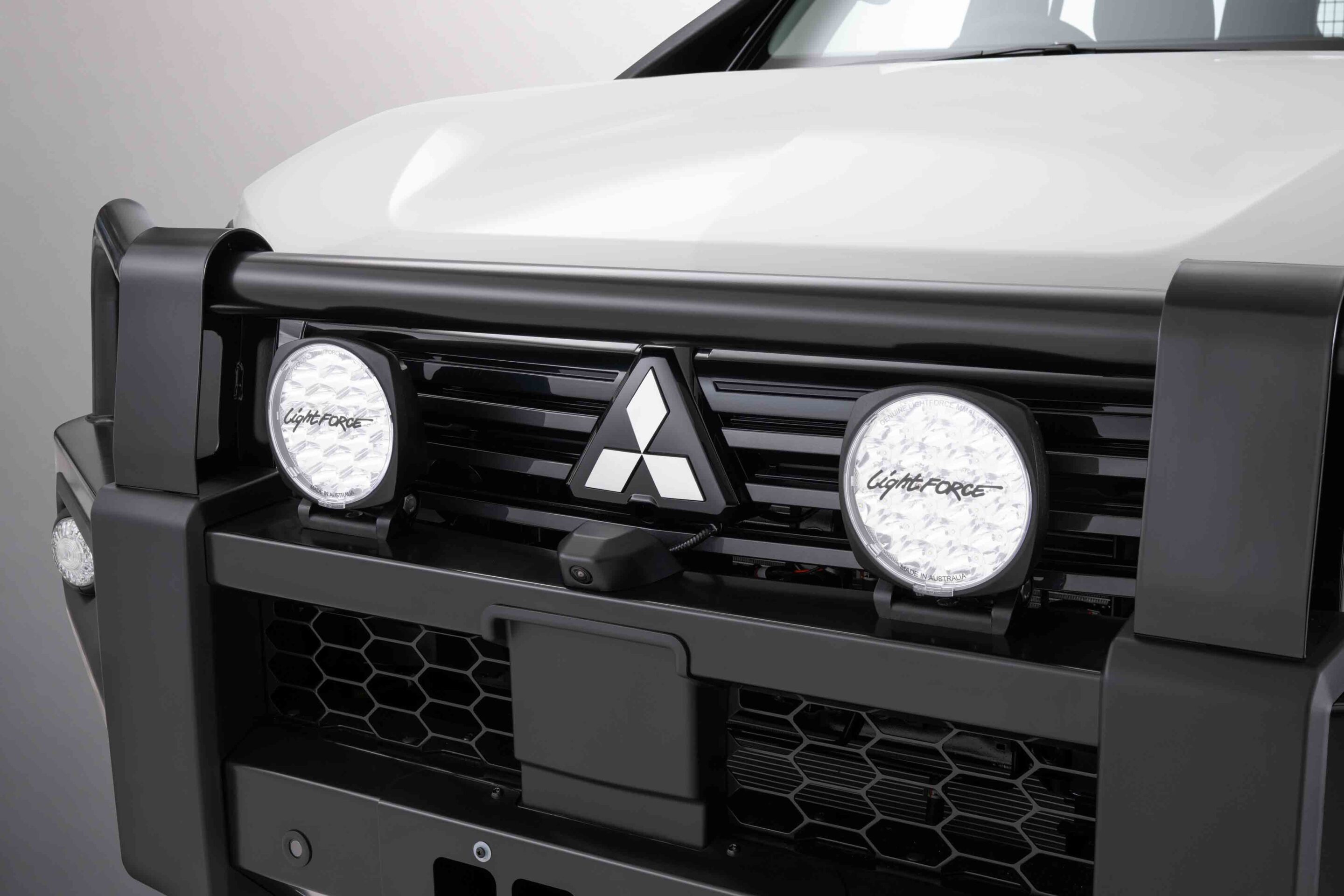
“These visits, with access to the physical cars and the MMC engineering team years ahead of launch enable us to fit and test prototype accessories to assess marketability, functionality, practicality and durability aligned with the vehicle development schedule.
“From there, we can then work with specialist suppliers to translate the concepts into production-quality parts that balance engineering, regulatory, durability, design and manufacturing considerations… all with the customer outcome at the forefront.”
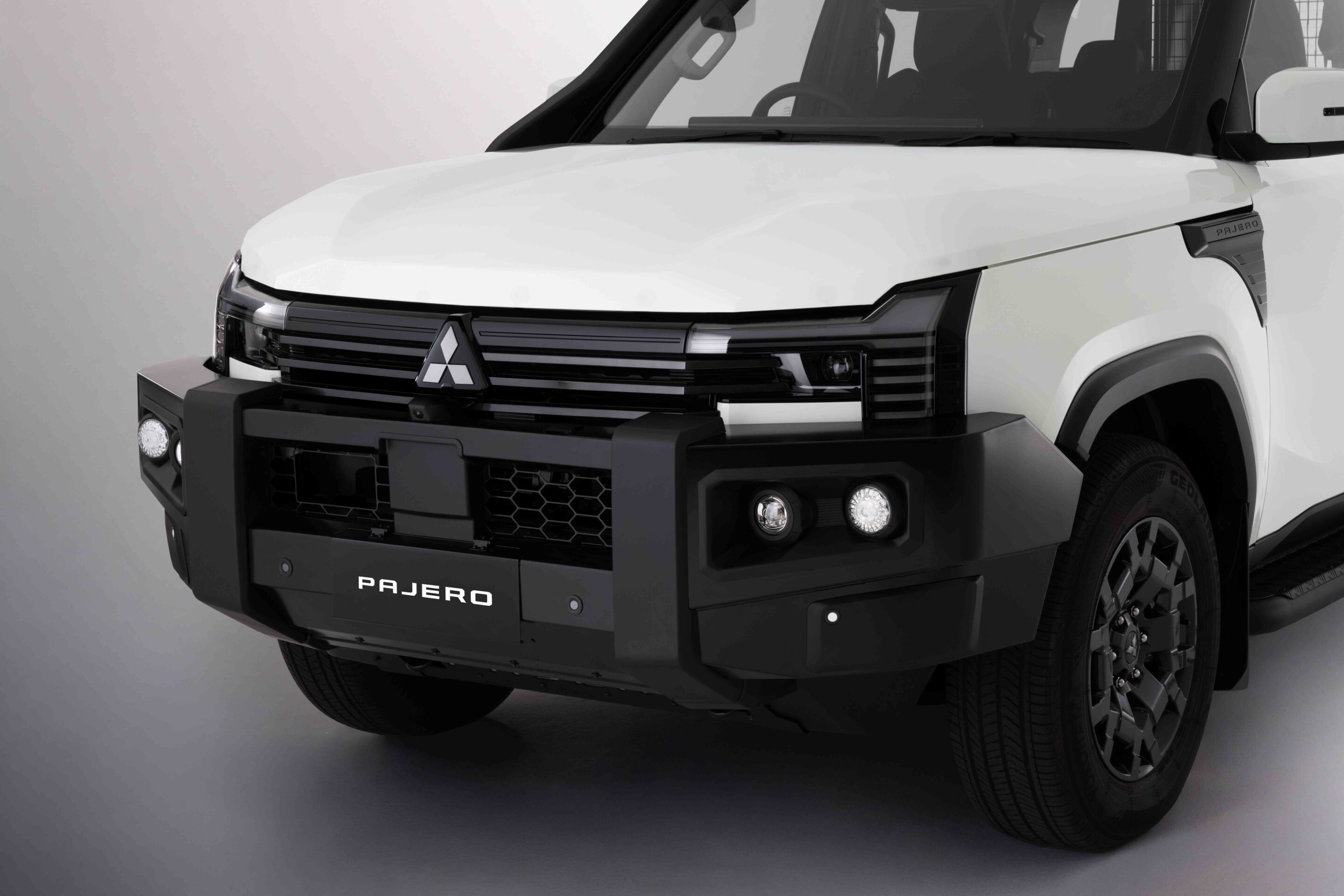
One of the key outcomes is a pair of Australian-developed and manufactured steel front protection bars, available in hooped and hoopless designs. Both retain the Pajero’s full advanced driver assistance systems (ADAS) functionality.
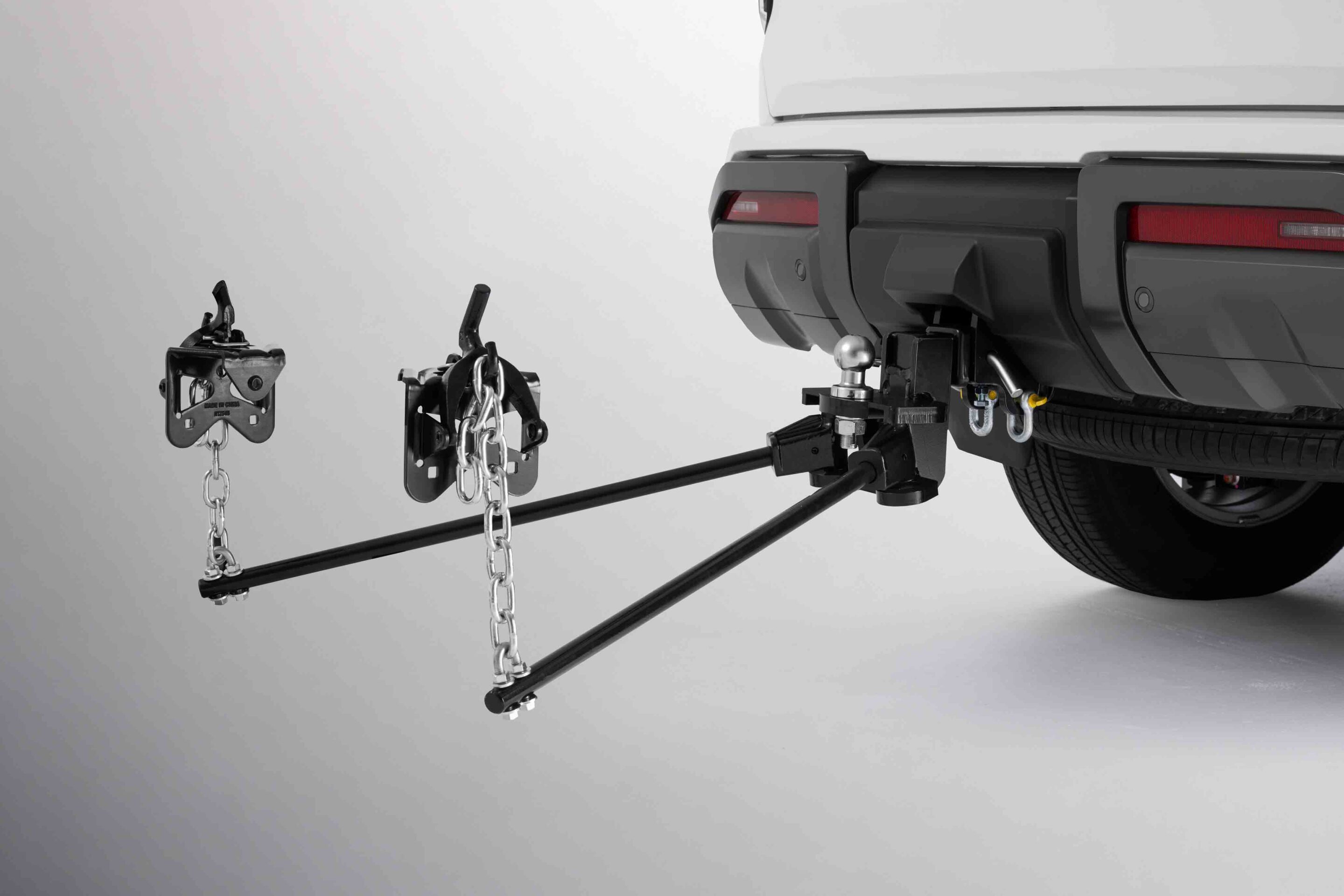
“The Front Protection Bar projects really demonstrated what local accessory engineering can achieve. We wanted something genuinely tough and functional, but we also knew from the beginning that it had to work with Pajero’s driver assistance technology,” Pearson said.
“That solution required us to work with MMC, the styling team, the accessory supplier and the technology suppliers from the project’s infancy. That early collaboration is what has allowed us to bring those different requirements together for a FPB that looks tough and does its job, with no compromise to the Pajero’s active safety systems. Another point of pride is that the FPB is manufactured in Australia,” he said.
The towing package was another major focus, with the Australian team working with MMC to make changes to the vehicle structure to accommodate local towing requirements.
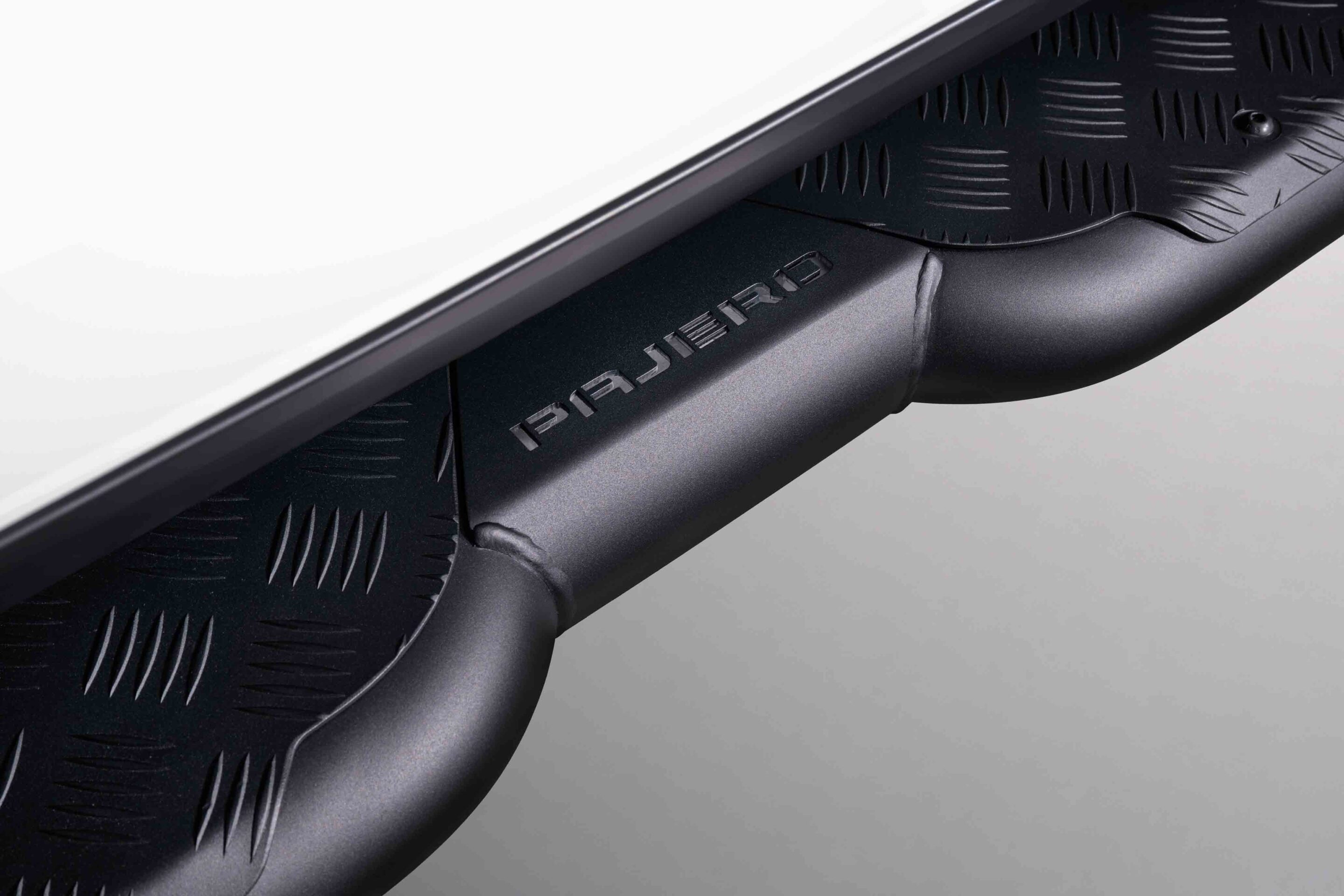
“The tow bar might not be the most glamorous accessory, but from an engineering perspective it is something we are incredibly proud of,” Pearson explained.
That work included reinforcing the frame and modifying the tow bar mounting points to ensure the finished package integrates properly with the vehicle.
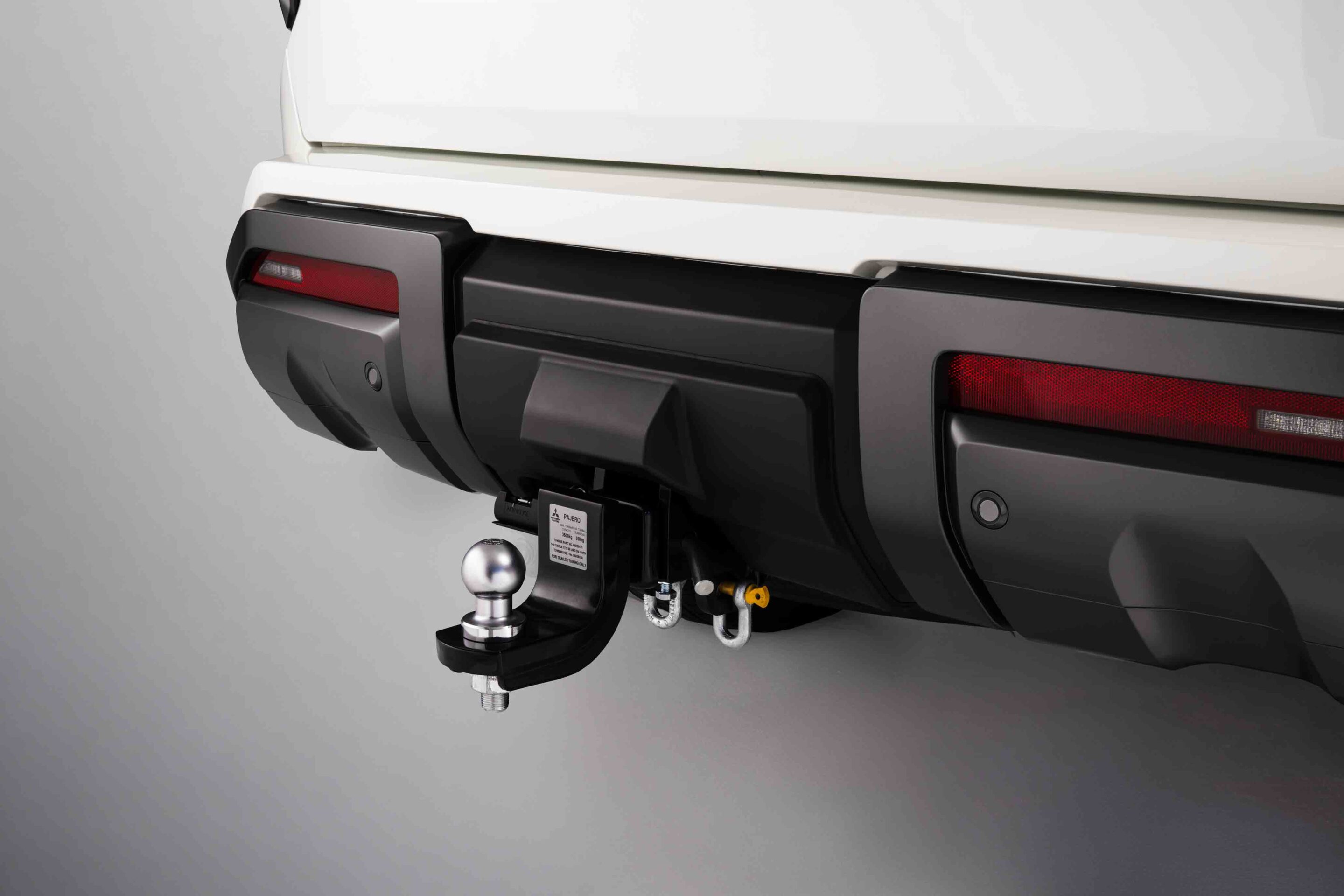
“With the close collaboration, we could look beyond simply designing a tow bar and work with MMC on its vehicle accommodation. That means Australian customers will have a genuine towing solution designed around the way they use their vehicles.
“We can now offer a genuine weight distribution hitch, and our solution also supports the various off-road couplings touring Australians now demand,” he said.
What accessories will be offered at launch?
Australian-developed accessories
- Driving lamps
- Electric brake harness
- Front protection bar (hooped)
- Front protection bar (hoopless)
- Headlamp protector
- Hood protectors (clear, tinted and matte black with integrated Pajero logo)
- LED light bar
- Nudge bar (black)
- Nudge bar (polished)
- Roof rack
- Side protection bar
- Snorkel
- Towbar
- Towbar harness
- Under-ride protection
- Weight distribution hitch
- Winch cradle
Which ones are manufactured in Australia?
- Driving lamps
- Front protection bar (hooped)
- Front protection bar (hoopless)
- Headlamp protector
- Hood protectors
- Weight distribution hitch
- Winch cradle
FAQs
How much will the new Mitsubishi Pajero cost in Australia?
Prices start at $68,490 for the five-seat GLS, rising to $84,990 for the flagship GSR (all RRPs).
When does the new Mitsubishi Pajero arrive in Australia?
The new Pajero is expected in Australian showrooms from December 2026.
Does the new Pajero have low range and a rear diff lock?
Yes. All variants get a low-range transfer case, rear differential lock and Mitsubishi’s Super Select 4WD-II system.
How much can the new Mitsubishi Pajero tow?
All variants have a 3500kg braked towing capacity. Payload, towball download and GCM figures are yet to be confirmed.
What engine does the new Mitsubishi Pajero use?
It gets a 2.4-litre four-cylinder turbo-diesel producing 150kW and 480Nm, paired with an eight-speed automatic transmission.
There aren’t many pubs in Australia where the journey is as memorable as the destination.
Crossing the Barkly Tableland is an exercise in scale. The highway stretches arrow-straight towards a horizon that never seems to get any closer; road trains dominate the landscape, and distances are measured in hours rather than minutes. The country is vast, flat and unforgivingly beautiful. Then, almost out of nowhere, Barkly Homestead (↗) appears.
Like a mirage beside the highway, this iconic outback stop has been welcoming travellers since 1984. What began as a fuel and supply point serving nearby cattle stations and travellers crossing the Territory has evolved into one of the Northern Territory’s best-known roadhouses and an institution for anyone tackling the Barkly Highway.
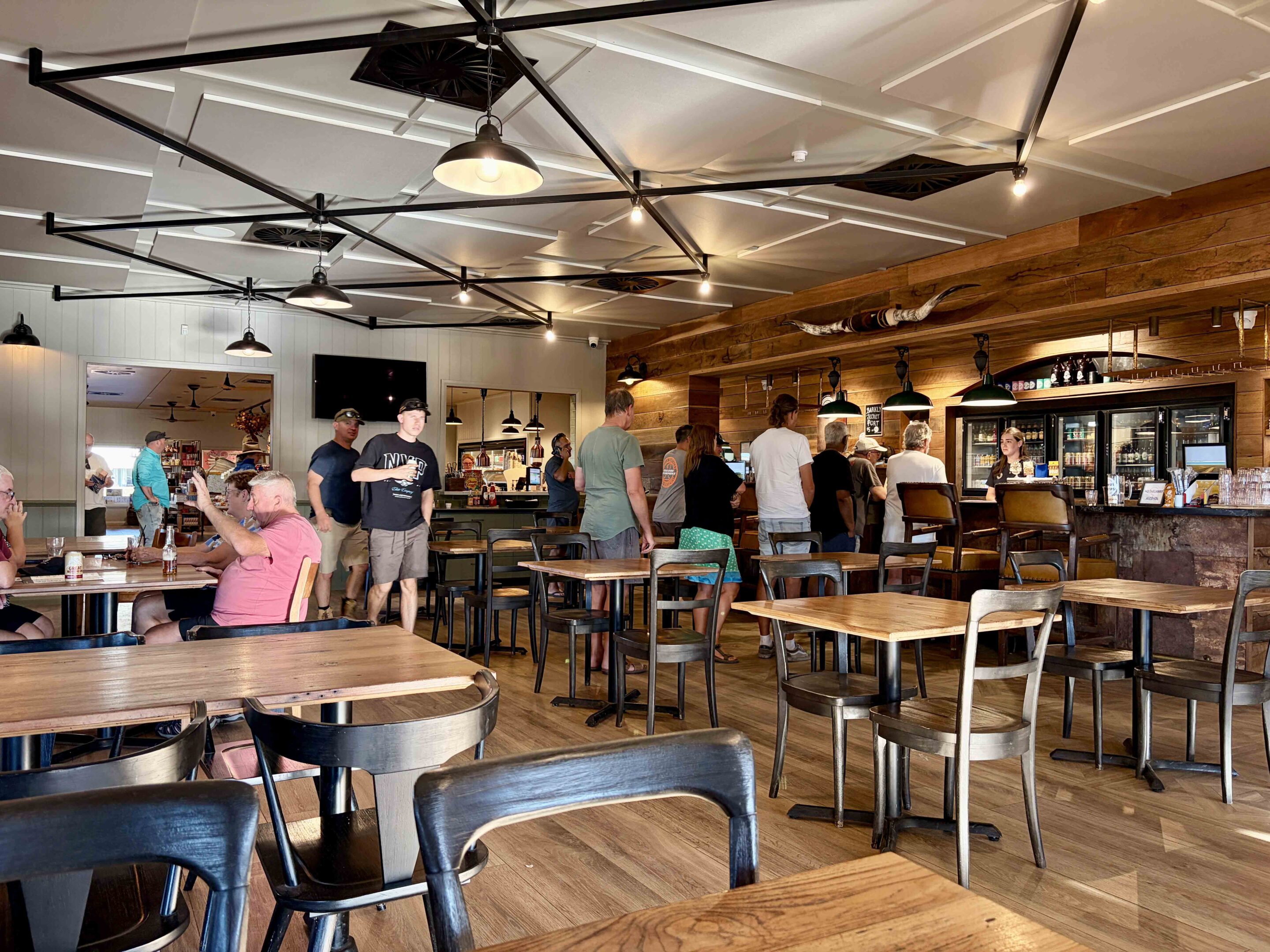
Barkly Homestead: An outback oasis on the Barkly Highway
Located roughly halfway between Tennant Creek and Camooweal, Barkly Homestead is more than simply a place to top up the tank.
For many travellers, it’s the highlight of the crossing. As you pull into the grounds, the first thing that strikes you is how unexpected it all feels. After hours of open plains and endless bitumen, the green lawns, shady trees and well-maintained facilities feel almost out of place. It’s little wonder visitors regularly describe it as an oasis in the desert.
Duty manager Ash says that’s a reaction she sees almost every day: “I love seeing how surprised people are when they arrive,” she says. “When you think outback pub or roadhouse, you think it’s going to be pretty average. Then people arrive, and they’re just so excited. They love it and think, ‘This is so beautiful and so unexpected’.”
The surprise is understandable. Many outback pubs survive on character alone. Barkly Homestead has character in spades, but it also offers modern accommodation, spacious caravan sites, excellent facilities and a level of comfort that many travellers simply don’t expect to find this far from a major town.
Accommodation ranges from motel-style rooms and family cabins to pet-friendly options and budget rooms, while caravanners have access to around 65 powered sites and virtually unlimited unpowered camping space.
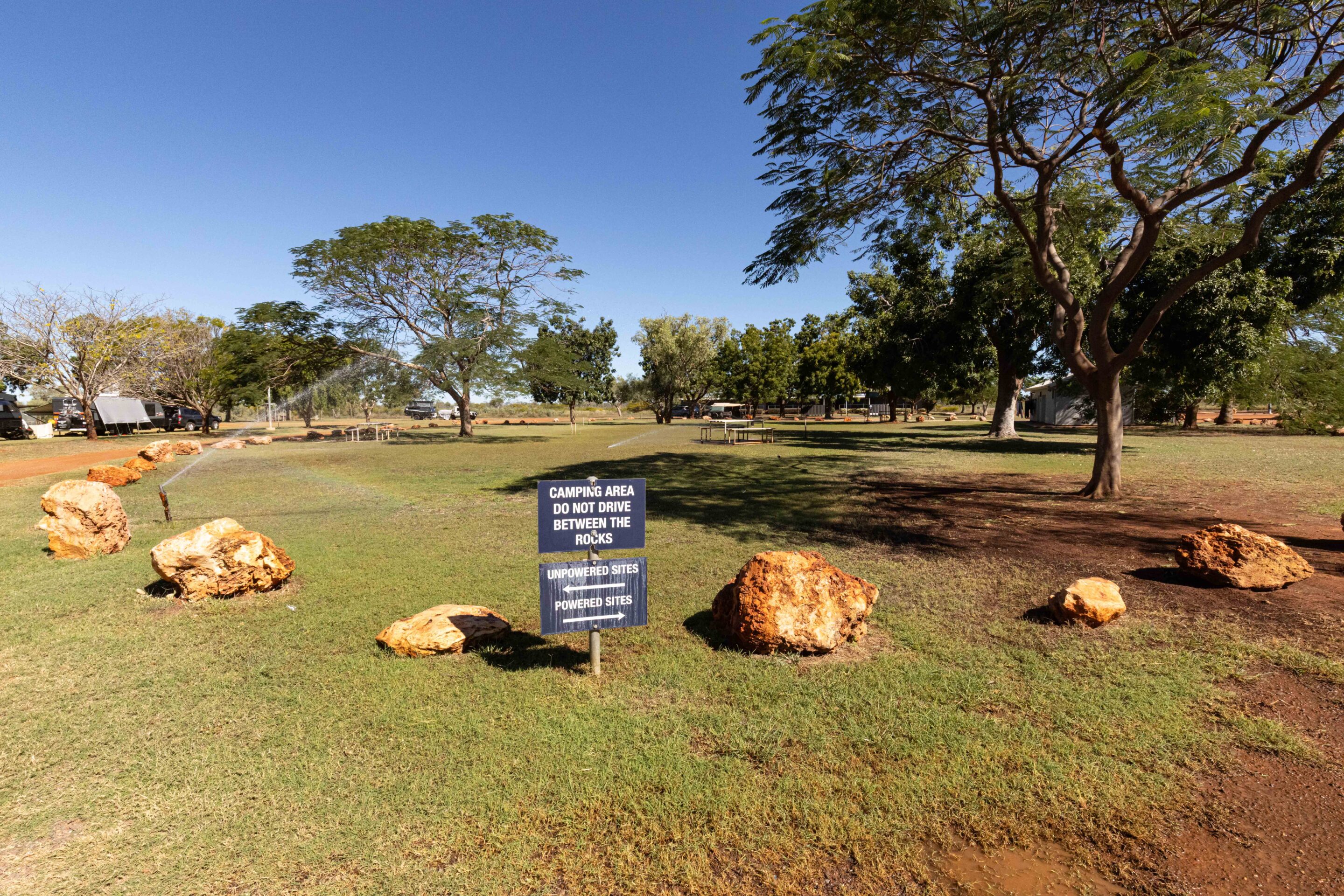
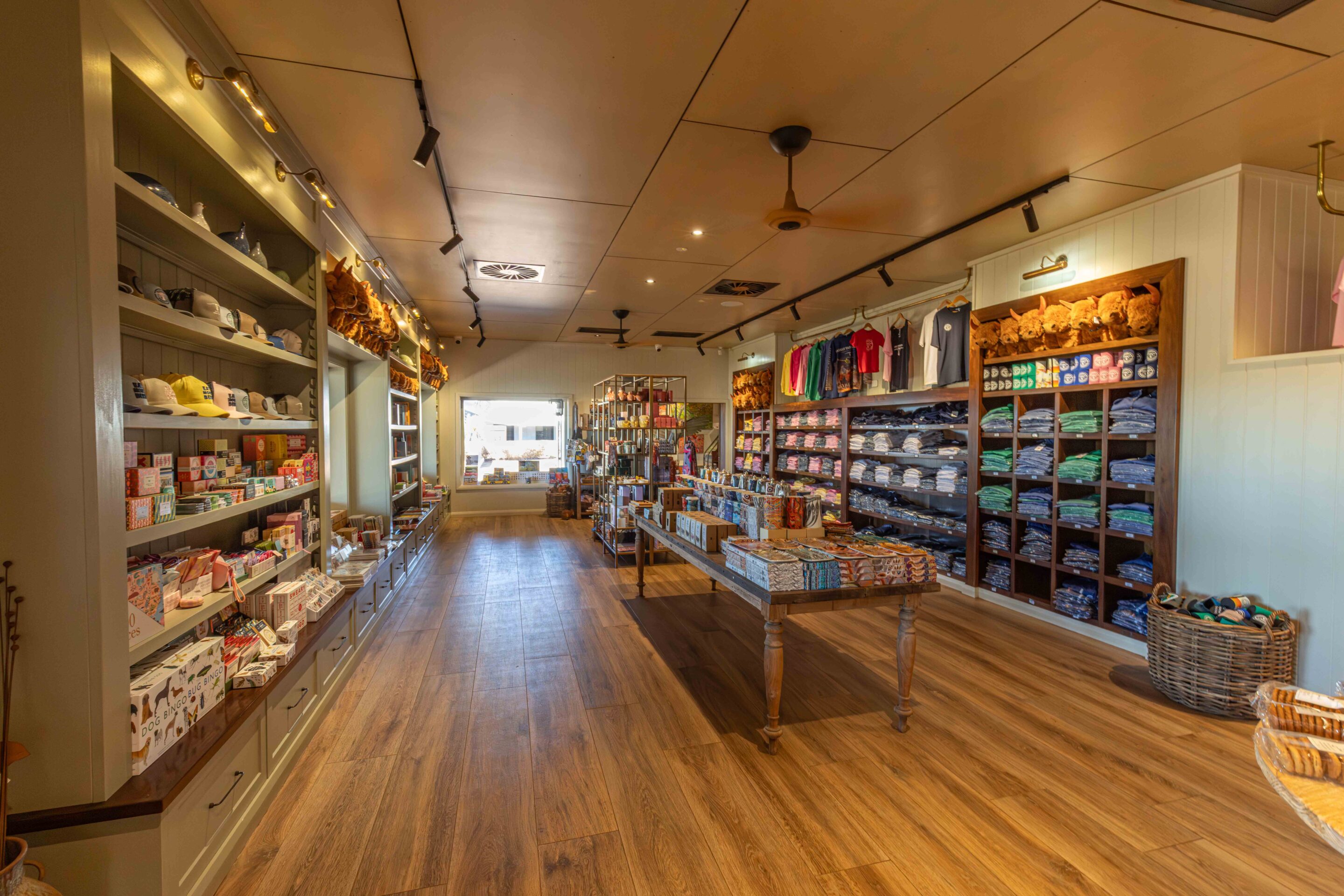
Inside the Barkly Homestead pub
Yet despite the modern facilities, the heart of Barkly Homestead remains the pub.
Inside, the atmosphere is exactly what you’d hope to find in an outback watering hole. Truck drivers, station workers, grey nomads, international visitors and four-wheel drive tourers all gather around the bar, swapping stories and comparing notes on road conditions, fuel prices and destinations still to come.
As in all great outback pubs, everyone seems to have a story. Some are stranger than others. One day, a memorable traveller arrived with a donkey and a Jack Russell terrier, setting up an impromptu performance beside the fuel bowsers. Before long, the dog was balancing on the donkey, and curious onlookers had gathered to watch the show. Only in the outback.
The pub itself is a reminder that remote Australia still runs on conversation. In an age when many people spend more time staring at screens than speaking to strangers, places like Barkly Homestead encourage travellers to slow down and reconnect. Whether it’s sharing a table with fellow adventurers or chatting with staff who have heard every travel story imaginable, the social side of the pub remains one of its greatest strengths.
The kitchen plays an important role, too. After a long day behind the wheel, few things are more appealing than a hearty meal and a cold beer. According to staff, the Barkly Burger remains the standout favourite among travellers, while happy hour continues to draw a crowd each afternoon.
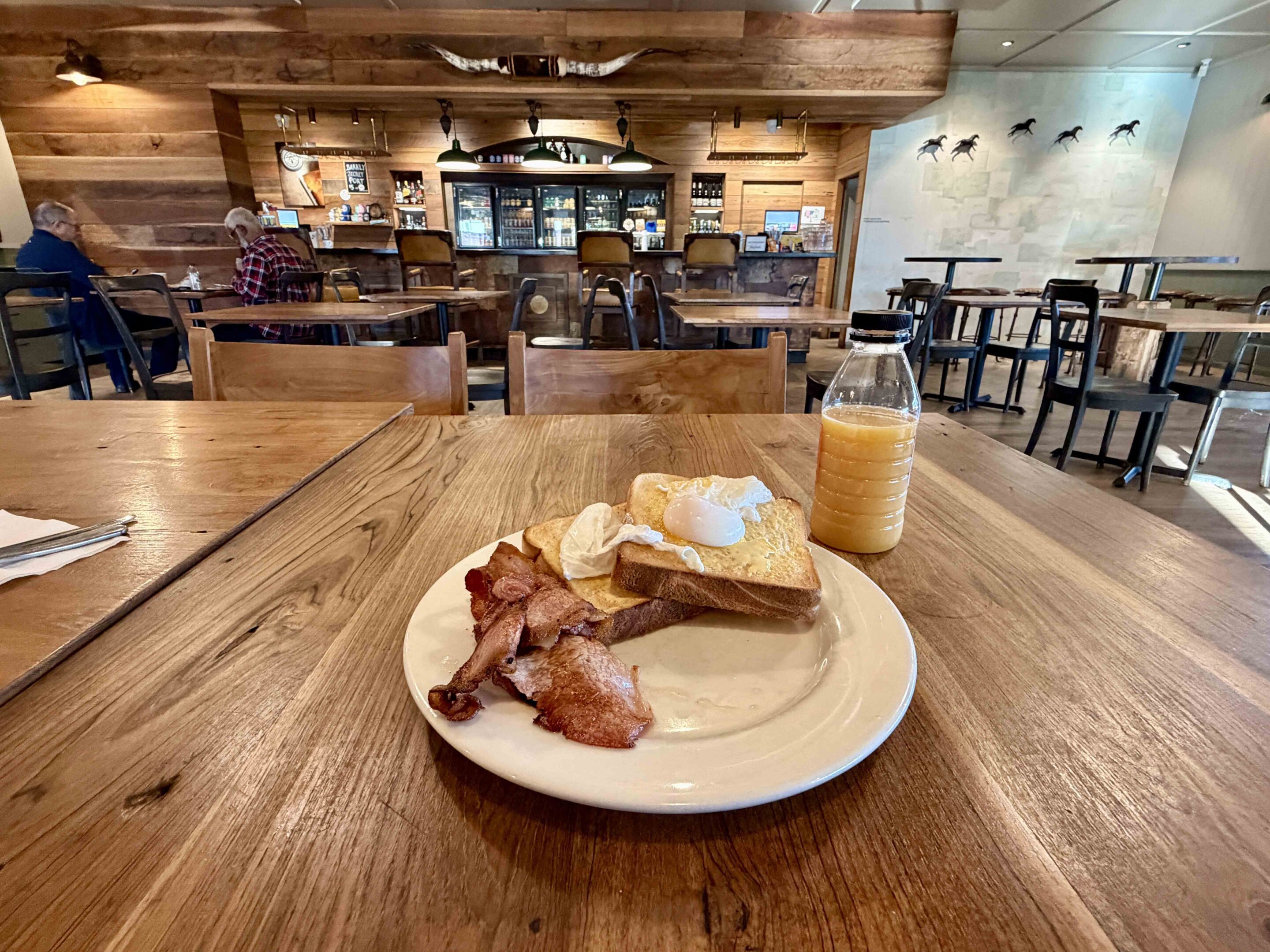
Life at a remote Northern Territory roadhouse
Keeping the kitchen, bar and accommodation running smoothly is no easy task in such a remote location.
Unlike in larger centres, there is no quick trip to the hardware store when something breaks and no army of tradespeople waiting on standby. Out here, solutions often require creativity and teamwork. Power outages, flooding, broken equipment and even wildlife can create challenges that most pubs never have to consider. Yet the team keeps everything operating with the sort of calm efficiency that comes from living and working in remote Australia. Perhaps that’s why Barkly Homestead has earned such a loyal following.
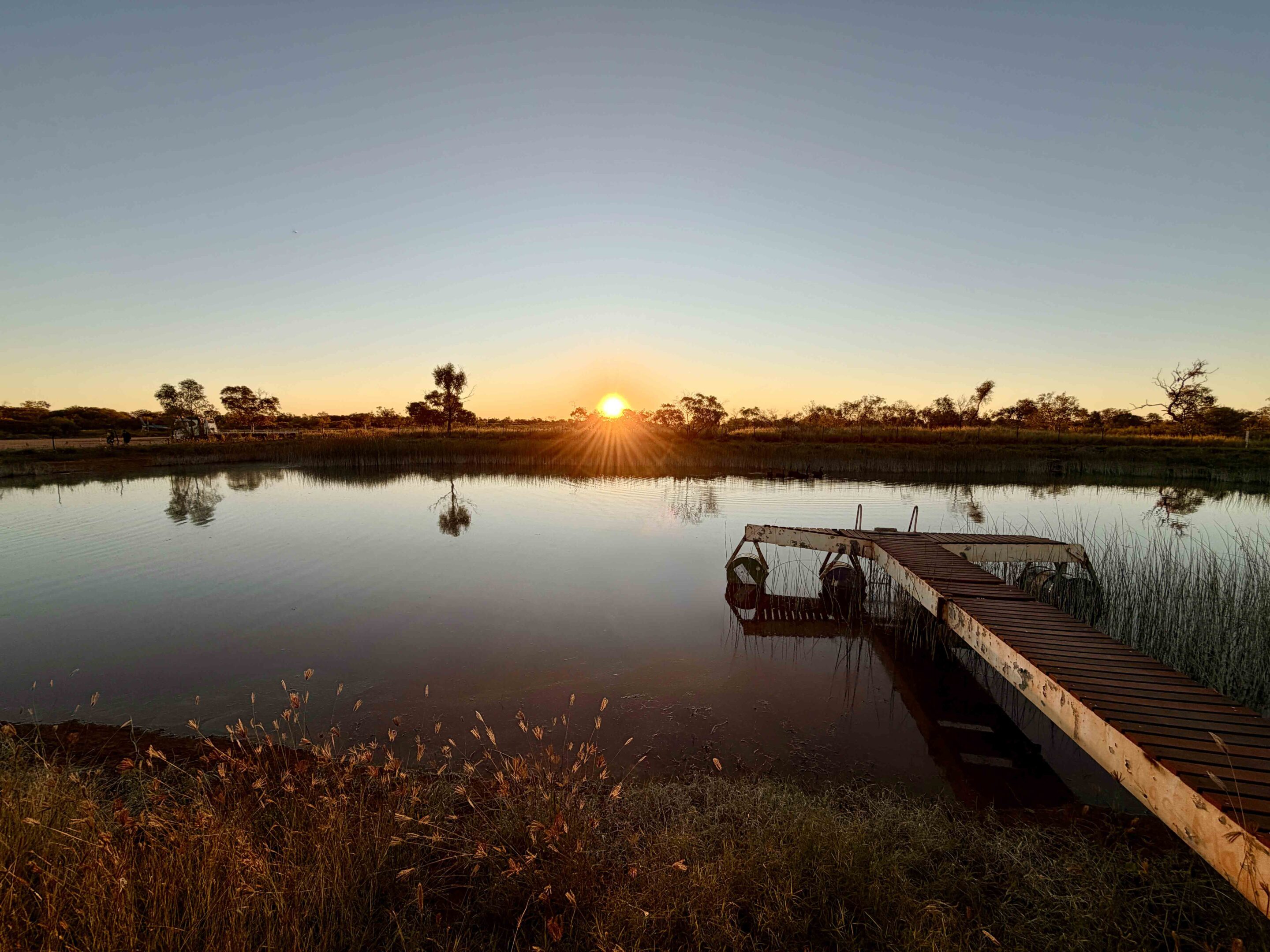
Why Barkly Homestead is more than a fuel stop
Many travellers arrive expecting little more than a fuel stop and leave wondering why they didn’t plan to stay longer.
As afternoon turns to evening, the pace slows. Travellers gather outside, the day’s heat begins to fade, and the vast Barkly sky takes centre stage. My own sunset didn’t explode into the fiery colours often associated with the Northern Territory. Instead, it arrived quietly. Sitting beside the homestead dam with a cold drink in hand, I watched five black swans glide silently across the water while the last light faded from the plains. The birds seemed almost as interested in watching me as I was in watching them. It was peaceful, unexpected and perfectly suited to the Barkly.
The tableland might lack the dramatic landscapes of some of Australia’s more famous destinations, but its appeal lies in its simplicity. Big skies, open country and a sense of space that’s increasingly difficult to find. As Ash puts it: “We’re so remote here, but it feels like its own little town.” That may be the best description of Barkly Homestead you’ll hear.
Here on one of Australia’s loneliest highways is a place that offers good food, cold beer, comfortable accommodation and genuine hospitality. For travellers crossing the Territory, that’s often exactly what’s needed. And for many, it’s a place they remember long after the dust has settled and the kilometres have rolled by.
Frequently asked questions
Where is Barkly Homestead located?
Barkly Homestead is located at the corner of the Barkly and Tablelands highways, via Tennant Creek, NT 0862.
Why is Barkly Homestead a popular outback stop?
Established in 1984, Barkly Homestead is an iconic outback stop on the Barkly Highway, offering comfortable accommodation in a remote location, a friendly pub atmosphere, beautiful grounds and facilities, and sunset views across the Barkly Tableland. It’s popular with caravanners, grey nomads and four-wheel drive travellers, and is one of the Northern Territory’s great road-trip stopovers.
What accommodation, camping and facilities are available at Barkly Homestead?
Accommodation includes 10 motel rooms, 10 family cabins, pet-friendly cabins and budget single rooms. There are also approximately 65 powered caravan sites, an extensive unpowered camping area, a swimming pool, camp kitchen and laundry facilities.
What beers are available on tap at Barkly Homestead?
Beers on tap include Great Northern Super Crisp, Great Northern Original, XXXX Gold, Hahn Super Dry, Hahn Super Dry 3.5 and Coopers Pale Ale. Availability is subject to seasonal changes.
What food is available at Barkly Homestead?
Food highlights include the Barkly Burger, premium Territory steaks and classic pub meals, with generous portions ideal after a day on the road.
How can I contact Barkly Homestead?
You can contact Barkly Homestead by phone on (08) 8964 4549 or email at [email protected].
Four-wheel driving can put a vehicle through plenty, from rocky tracks and deep sand to corrugations and water crossings.
If something breaks or gets damaged along the way, you might expect your insurance to cover the cost. But not every problem is covered, and the difference can leave you with a hefty repair bill. Mechanical failures, wear and tear, certain modifications and illegal use can all affect an insurance claim. Exclusions vary between insurers and policies, so it’s worth understanding what your cover includes before loading up for your next trip.
Wear and tear isn’t covered like accidental damage
Suspension components, wheel bearings, bushes and driveline parts all take a beating on rough tracks. Over time, that use can lead to worn components, rust or other gradual deterioration.
Comprehensive vehicle insurance generally isn’t designed to pay for parts that wear out through normal use. Wear and tear, corrosion and gradual deterioration are common exclusions.
The distinction is between gradual deterioration and damage from an insured event. A component wearing out over thousands of kilometres is different from damage caused by an accident on the track. The circumstances and policy wording determine whether a claim is covered.
Mechanical breakdowns and maintenance issues
A mechanical failure can derail a touring trip, especially when you’re a long way from the nearest workshop. But comprehensive vehicle insurance isn’t the same as mechanical breakdown cover.
Engine, transmission, electrical and other component failures are commonly excluded. Damage caused by poor maintenance, faulty repairs or defective parts may also fall outside cover, depending on the policy and circumstances. That doesn’t mean every incident involving a mechanical component is automatically excluded. Damage caused by a separate insured event may be treated differently from a component that simply fails. The cause of the damage matters.
Regular servicing and pre-trip inspections can help identify problems before they become bigger issues. Check for leaks, worn suspension components, damaged hoses and loose fittings before heading into remote country.
Undeclared or illegal 4×4 modifications
Modifications are a big part of four-wheel driving, whether you’re fitting a suspension lift, upgrading the tyres, adding a bull bar or building a touring setup with a canopy, drawers and auxiliary power.
Make sure your insurer knows what you’ve fitted and how those changes are covered. Club 4X4 (↗), for example, offers modifications cover as a separate agreed value, allowing you to nominate a dollar amount for your upgrades rather than providing an itemised list of every modification. If you’ve invested thousands of dollars in upgrades, check that they’re included in your insured value rather than assuming they’re automatically covered.
Legality matters, too. Illegal modifications that make a vehicle unroadworthy or unlawful can affect a claim, particularly if they contributed to the incident. Requirements and policy conditions vary, so make sure your setup complies with the relevant rules and tell your insurer about significant changes.
Overloading your 4WD or towing beyond its limits
It’s easy to add weight to a touring vehicle without thinking too much about it. Bull bars, winches, roof racks, long-range fuel tanks, drawers, fridges, camping gear and passengers all contribute to the load.
Exceeding your vehicle’s weight limits can put extra strain on the suspension, tyres and chassis, while excessive towing loads can affect braking, stability and handling. Before a big trip, check your vehicle’s gross vehicle mass (GVM), gross combination mass (GCM), axle limits and towing limits. Remember that accessories, passengers, luggage and towball download all contribute to the overall load.
Overloading can also affect an insurance claim. Some policies exclude damage associated with carrying or towing more than the vehicle was designed for, particularly where the excess load contributed to the incident. Check your policy wording and keep your vehicle within its applicable limits.
Off-road driving and illegal use
Not all car insurance policies cover the same types of off-road driving. Some restrict where you can drive or exclude particular activities, so check the terms against the way you use your 4WD.
If you regularly drive on beaches, bush tracks or remote trails, make sure your policy covers those activities where driving is legally permitted. Don’t assume that comprehensive cover automatically extends to every off-road situation. Motorsport is another area to check. Racing, speed trials and competitive events may be excluded, even if the vehicle is otherwise insured for recreational use. Other policy conditions can apply to unregistered vehicles, unlicensed drivers or vehicles being used unlawfully.
If you’re planning to enter a competitive event or use your vehicle for something beyond ordinary touring and recreation, check with your insurer first.
Existing damage and faulty repairs
Insurance isn’t intended to pay for damage that was already there or to fix every problem discovered during a later repair.
If your vehicle has existing panel damage, structural problems or evidence of previous repair work, be clear about its condition when arranging cover. Existing damage and gradual deterioration can affect how a later claim is assessed. Faulty repairs, poor workmanship and defective parts may also be excluded. Some policies make exceptions in specific circumstances, so check the wording rather than assuming that damage linked to previous repairs will be covered.
If you’re having work done to your 4WD, use a reputable repairer and check whether any planned work could affect your cover.
How to check what your 4×4 insurance covers
Before heading away, read your Product Disclosure Statement (PDS) and Certificate of Insurance. Pay particular attention to exclusions, excesses, cover limits and any conditions that apply to your vehicle or how you use it.
Check that your insured value reflects your current setup, including any modifications and accessories you’ve added. It’s also worth confirming whether off-road recovery is covered, particularly if you travel in remote areas where a recovery can be expensive.
Keep your vehicle serviced, make sure modifications are legal and check your weights before loading up. These steps won’t prevent every problem, but they can help reduce the risk of an unexpected repair bill or a disputed claim. If you’re unsure whether a particular modification, activity or type of damage is covered, ask your insurer before you travel. Your PDS and policy documents are the best place to confirm the details.
Choosing 4×4 insurance with Club 4X4
Four-wheel drives often need different insurance considerations to everyday passenger cars, particularly when they’re modified for touring or regularly driven off-road.
Club 4X4 (↗) specialises in insurance for four-wheel drives, with options designed around the needs of owners who use their vehicles for touring, recreation and off-road adventures. If you’ve fitted a bull bar, suspension lift, canopy, drawers or other accessories, check how these are treated under your policy and whether their value is included in your cover. It’s also worth considering how you use your 4WD, from weekend trips on local tracks to extended journeys into remote country.
Recovery costs are another consideration when travelling off-road. Getting a vehicle out of soft sand or recovering it from a remote track can be expensive, so check whether recovery is included in your chosen cover and what conditions or limits apply.
Before choosing a policy, review the available options and read the relevant Product Disclosure Statement (PDS). You can find out more about Club 4X4 insurance (↗) and compare the cover available for your vehicle, modifications and touring needs.
Quickfire FAQs
Does 4×4 insurance cover mechanical breakdowns?
Generally, no. Mechanical, electrical and structural failures are commonly excluded, although the exact terms depend on your policy.
Are 4×4 modifications covered by insurance?
They may be, but check whether your insurer requires them to be declared and listed on your policy.
Can overloading affect an insurance claim?
Yes. Exceeding your vehicle’s designed load limits can affect cover, particularly where the excess load contributes to an accident.
Does comprehensive insurance cover off-road driving?
That depends on the policy. Check that your cover includes the tracks and activities you plan to tackle.
Does insurance cover wear and tear?
Generally, no. Gradual deterioration and components wearing out through normal use are different from accidental damage.
The Toyota HiLux has bounced back to reclaim the title of Australia’s best-selling 4×4, outselling the Ford Ranger in October after the Ford took the honours in September.
The HiLux recorded 5228 4×4 sales for the month, compared with 4556 for the Ranger. Add 4×2 sales and the HiLux was also Australia’s best-selling vehicle overall, with 5954 sales against 4841 for the Ranger.
The Toyota RAV4 was third overall with 4718 sales, followed by the BYD Sealion 7 (2524), Toyota Prado (2397), Chery Tiggo 4 Pro (2178), BYD Atto 2 (1943), BYD Shark 6 (1843), Geely EX5 (1789) and Ford Everest (1741).
Toyota Australia Vice President Sales, Marketing and Franchise Operations John Pappas said increased vehicle supply was helping reduce wait times for customers.
“Since securing additional vehicle supply for Australia in recent months, we’re seeing the benefits flow directly to customers, with improved availability and shorter wait times across a range of key Toyota models,” Mr Pappas said. “This additional supply has supported a strong October result and positions us well for a particularly strong finish to 2026 as more customers take delivery of their vehicles.
“It is clear that Australians trust the performance, durability and reliability of HiLux, which was the best-selling vehicle in the country last month. Securing extra stock means we can deliver more vehicles to our valued customers, which helps showcase the true popularity of Toyota with Australian buyers.”
Toyota remained well ahead of the other manufacturers, recording 20,649 new-vehicle sales in October. BYD was second with 10,025, while Ford finished third on 7310. Toyota sales were up 4.7 per cent year-on-year, while BYD surged 153.2 per cent. Ford sales went the other way, slipping 3.4 per cent.
The year-to-date figures tell an even bigger story. BYD sales are up 106.9 per cent so far in 2026, while Toyota is down 13.9 per cent and Ford has fallen 12.8 per cent.
Ranger still leads the year-to-date 4×4 race
The Ranger still has the upper hand across the year, with 40,300 sales to the end of October. The HiLux is chasing on 37,466, with the Toyota Prado (18,062) and Ford Everest (17,944) some way back in third and fourth.
The BYD Shark is making a decent fist of its first full year in the rankings, sitting fifth on 15,429 sales. It is ahead of the Isuzu D-MAX (14,519), Mitsubishi Triton (12,716), Isuzu MU-X (11,379), Toyota LandCruiser 300 Series (11,017) and GWM Cannon/Cannon Alpha (8764).
Further down the ute charts, the Kia Tasman recorded 275 sales in October, with the Nissan Navara not much further ahead on 288. The Volkswagen Amarok managed 224, while the Mazda BT-50 did better with 668 sales, although it remains outside the top 10.
In the more affordable 4×4 ute ranks, the GWM Cannon and Cannon Alpha combined for 763 sales, comfortably ahead of the LDV T60 (500), Foton Tunland V7/V9 (134), KGM Musso (81), MG U9 (55) and JAC T9 (34). At the opposite end of the market, the Chevrolet Silverado and Silverado HD combined for 260 sales, ahead of the Ford F-150 (158), Ram 1500 (138) and Toyota Tundra (85).
The Toyota Prado continued to lead the 4×4 SUV market, with 2397 sales in October. The Ford Everest followed on 1741, while the Toyota LandCruiser 300 recorded 1230 sales. The Isuzu MU-X managed 823, ahead of the Nissan Patrol on 445.
The GWM Tank 300 and Tank 500 recorded 326 and 185 sales respectively. BYD’s Denza brand is also starting to find its feet, with the B5 recording 220 sales in October and 2092 for the year so far. The larger B8 added 128 sales for the month, taking its 2026 tally to 1453.
Ute sales remain under pressure
The light-commercial vehicle market is still doing it tough.
October sales totalled 21,469, down 2.6 per cent on the 22,053 recorded in October 2025. The bigger picture isn’t much brighter, with 205,797 LCVs sold so far this year compared with 230,763 at the same point in 2025, a drop of 10.8 per cent.
The PU/CC 4×4 segment was almost dead even with last October, recording 16,804 sales against 16,802. However, year-to-date sales are still down 12.3 per cent, with 157,214 4×4 utes sold compared with 179,259 over the same period last year.
Despite the softer commercial vehicle numbers, Australia’s overall new-vehicle market had a better month, recording 103,325 sales in October 2026. That’s up 3.8 per cent on the same month last year, although the mix of vehicles Australians are buying continues to change.
EV and PHEV sales continue to climb
Petrol and diesel sales continue to head in the opposite direction, with both fuel types recording sizable year-on-year declines as EV and PHEV sales surge.
Petrol sales fell 35.9 per cent compared with October 2025, dropping from 36,807 to 23,605. Diesel was also down, falling 14.7 per cent from 30,073 to 25,649. Meanwhile, battery-electric vehicle (BEV) sales jumped 228.7 per cent, from 6291 to 20,677. Plug-in hybrid (PHEV) sales weren’t far behind in terms of growth, climbing 148.6 per cent from 4724 to 11,745.
The year-to-date numbers paint a similar picture. Petrol sales are down 27.6 per cent in 2026, with diesel falling 16.3 per cent. BEV sales have surged 171.2 per cent, while PHEVs are up 126.7 per cent. Combined BEV and PHEV sales reached 32,422 in October. That’s now well ahead of either petrol or diesel individually, with the traditional fuel types recording 23,605 and 25,649 sales respectively.
“Consumers are making rational choices and are attracted to options that reduce their costs. Despite continuing pressure on household budgets and higher borrowing costs in 2026, the October result shows there is extraordinary resilience in new vehicle demand,” said Tony Weber, FCAI chief executive.
“This increase in new vehicle demand, especially BEVs, must be supported by reliable and accessible charging infrastructure that keeps pace with demand.”
| 4×4 sales: October 2026 | |
|---|---|
| 1. Toyota HiLux | 5228 |
| 2. Ford Ranger | 4556 |
| 3. Toyota Prado | 2397 |
| 4. BYD Shark | 1843 |
| 5. Ford Everest | 1741 |
| 6. Toyota LC300 | 1230 |
| 7. Isuzu D-MAX | 1179 |
| 8. Mitsubishi Triton | 895 |
| 9. Isuzu MU-X | 823 |
| 10. GWM Cannon/Cannon Alpha | 763 |
| 4×4 sales: Year-to-date | |
|---|---|
| 1. Ford Ranger | 40,300 |
| 2. Toyota HiLux | 37,466 |
| 3. Toyota Prado | 18,062 |
| 4. Ford Everest | 17,944 |
| 5. BYD Shark | 15,429 |
| 6. Isuzu D-MAX | 14,519 |
| 7. Mitsubishi Triton | 12,716 |
| 8. Isuzu MU-X | 11,379 |
| 9. Toyota LC300 | 11,017 |
| 10. GWM Cannon/Cannon Alpha | 8764 |
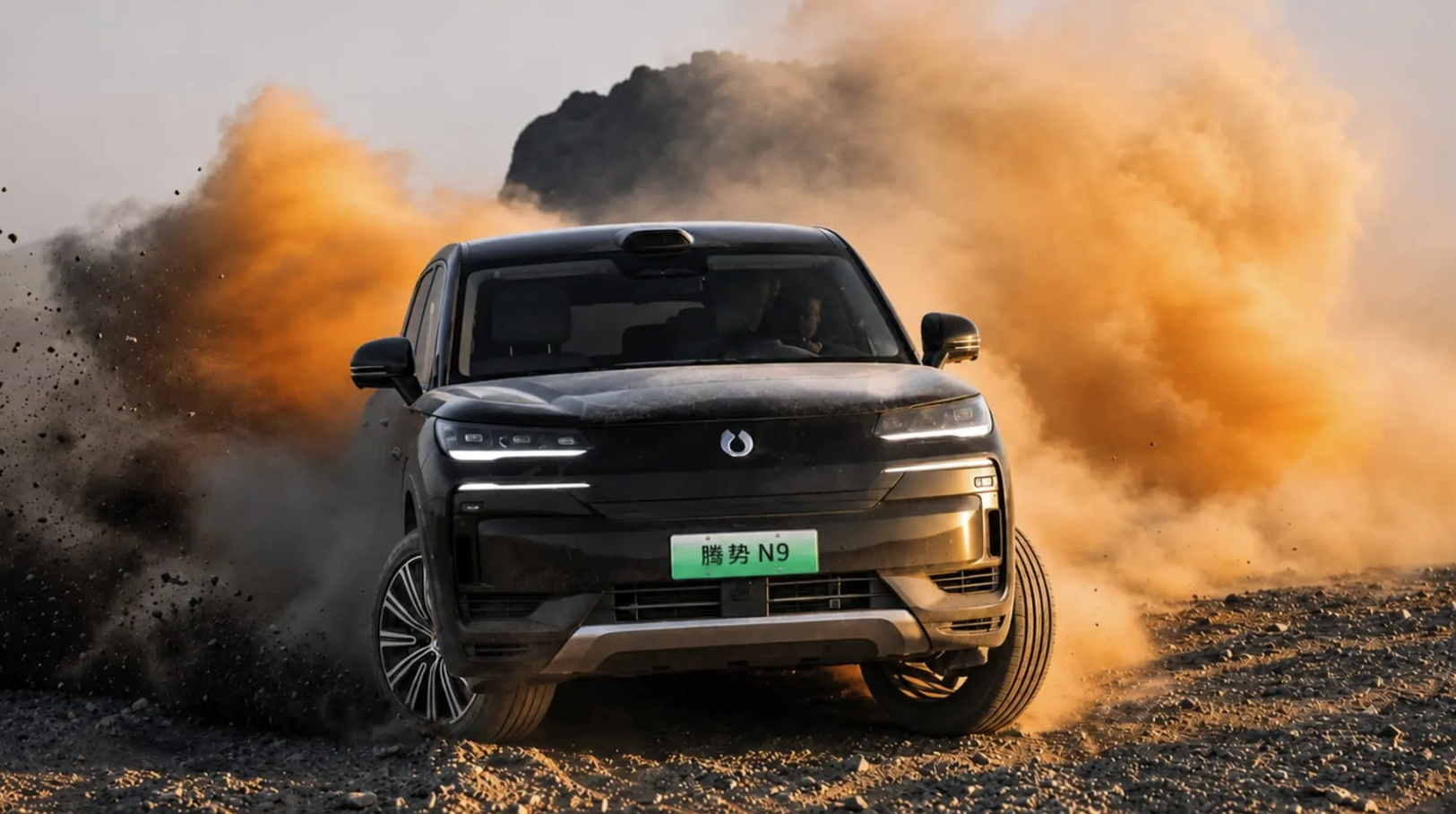
BYD’s Denza N9 luxury SUV is set to gain an all-electric version, with Chinese regulatory filings revealing a tri-motor AWD system producing 890kW.
Chinese automotive publication CarNewsChina (↗) reported the model’s appearance in filings published by China’s Ministry of Industry and Information Technology (MIIT), detailing its powertrain, dimensions and weight.
The Denza N9 EV will use three electric motors, with a 270kW unit at the front and two 310kW motors at the rear. Combined output is 890kW (1194hp), with a listed top speed of 240km/h.
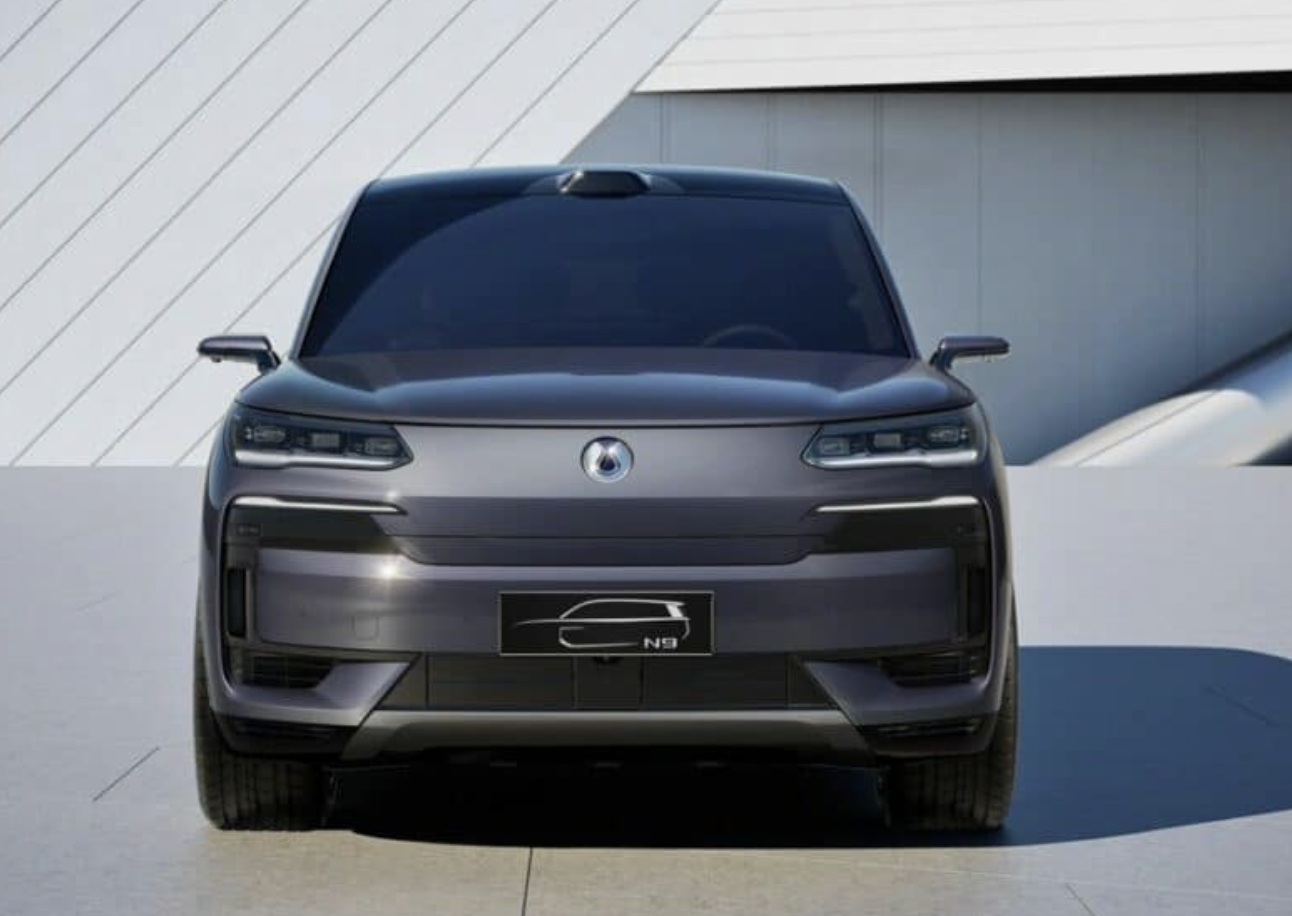
The SUV measures 5270mm long, 2030mm wide and 1830mm tall, with a 3125mm wheelbase. Kerb weight is listed at either 3105kg or 3180kg, depending on specification, while gross vehicle weight is a hefty 3760kg. Five- and six-seat configurations are listed, along with a roof-mounted LiDAR sensor and optional 22-inch forged alloy wheels.
The electric N9 uses a lithium iron phosphate (LFP) battery supplied by BYD subsidiary FinDreams. Battery capacity, driving range and charging specifications have not yet been disclosed.
Will the BYD Denza N9 come to Australia?
An Australian arrival remains possible, but BYD has yet to confirm plans to bring the Denza N9 here.
The plug-in hybrid N9 has already appeared in Australian regulatory certification documents, while BYD’s ultra-luxury Yangwang U8 received Australian Design Rules (ADR) certification in October 2026. The 880kW, four-motor SUV’s approval covers the five-seat standard-wheelbase model, although certification does not guarantee a local launch.
The all-electric N9 is a separate development, and there is currently no indication it has been certified for Australia or earmarked for local release. BYD has made no announcement about local availability.
FAQs
How much power does the BYD Denza N9 EV produce?
The Denza N9 EV has a reported combined output of 890kW from three electric motors.
Is the BYD Denza N9 fully electric?
The new version is fully electric, while the existing Denza N9 sold in China is a plug-in hybrid.
How heavy is the BYD Denza N9 EV?
Kerb weight is listed at 3105kg or 3180kg, depending on specification.
Will the BYD Denza N9 come to Australia?
BYD has yet to confirm Australian availability for either the electric or plug-in hybrid version.
Ford is preparing a new, more affordable midsize ute for international markets, with the potential to slot below the Ranger as a cheaper alternative in Australia.
The new pick-up was confirmed by Ford CEO Jim Farley during the company’s third-quarter earnings call, with a 2027 launch planned. The move is part of Ford’s push to attract new customers and compete with increasingly popular Chinese ute brands.
“Alongside strengthening our best franchises, we’re opening new paths to grow at more affordable price points next year. We’ll be launching our pickup for international markets.
“We expect the base material cost for this truck to be 20 per cent lower than today’s Ranger, just as the Maverick has done in the US. This truck is designed to bring new customers into the Ford truck line-up internationally at a cost structure that allows us to compete, in this case with China,” Farley said.
The lower production costs should give Ford scope to position the new model below the Ranger, although its eventual pricing and market positioning are yet to be revealed.
An Australian launch is far from certain. Ford Australia has yet to comment on whether the new ute will be offered locally, and there has been no confirmation of a right-hand drive version.
The pickup is a separate model from the Maverick sold in North America and the upcoming all-electric Fathom ute. It will add another model to Ford’s global ute line-up rather than replace the Ranger.
Ford has yet to reveal the new ute’s name, platform, powertrain or manufacturing location. But if it does make it to Australia as a more affordable alternative to the Ranger, would you consider one?
FAQs
When will the new Ford ute launch?
Ford plans to launch the new midsize ute in international markets in 2027.
Will the new Ford ute come to Australia?
An Australian launch has not been confirmed, but Ford’s international-market plans leave the door open.
Will it be cheaper than the Ranger?
Ford expects its base material costs to be 20 per cent lower than the current Ranger, suggesting it could be positioned as a more affordable alternative.
Is it the electric Ford Fathom?
No. The new midsize pickup is a separate model from the upcoming all-electric Fathom ute.
Will it be available in right-hand drive?
Ford has yet to confirm a right-hand drive version or an Australian export program.