Gear

Gallery 1
Good lighting can completely change how usable a camping or touring setup feels once the sun goes down.
Whether you’re cooking under the awning, digging through drawers for recovery gear, or setting up camp late in the evening, having reliable lighting in the right spots makes life a lot easier. It’s one of those upgrades that doesn’t seem essential at first but quickly becomes something you rely on every trip.
That’s why LED strip lighting has become so common across modern 4WD builds. They’re compact, low-draw, easy to install, and work well in everything from canopy setups through to wagons, ute trays, and camper trailers. Because they can be cut to length and mounted almost anywhere, they also suit both simple weekend touring rigs and more complex full-time setups without taking up usable space.
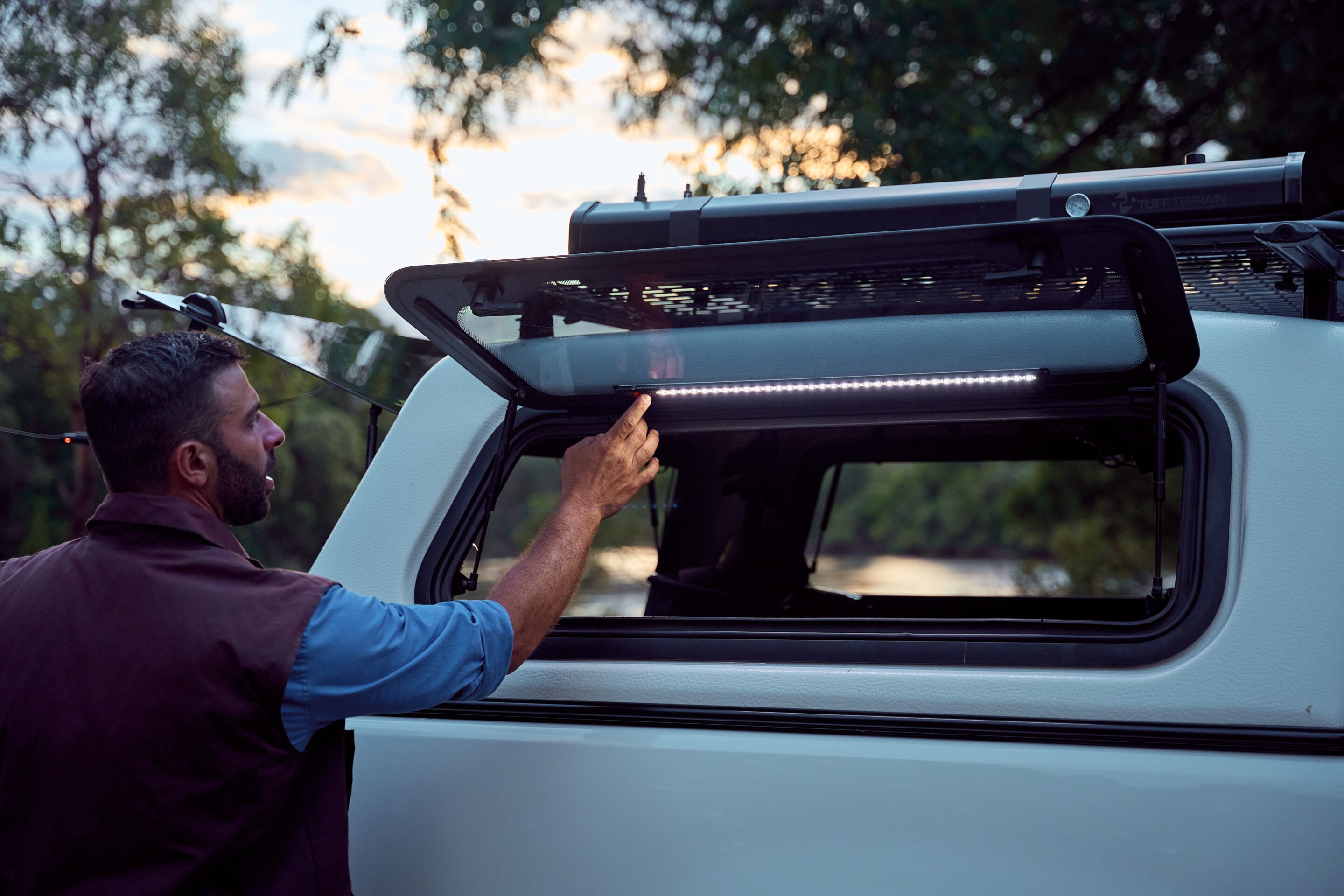
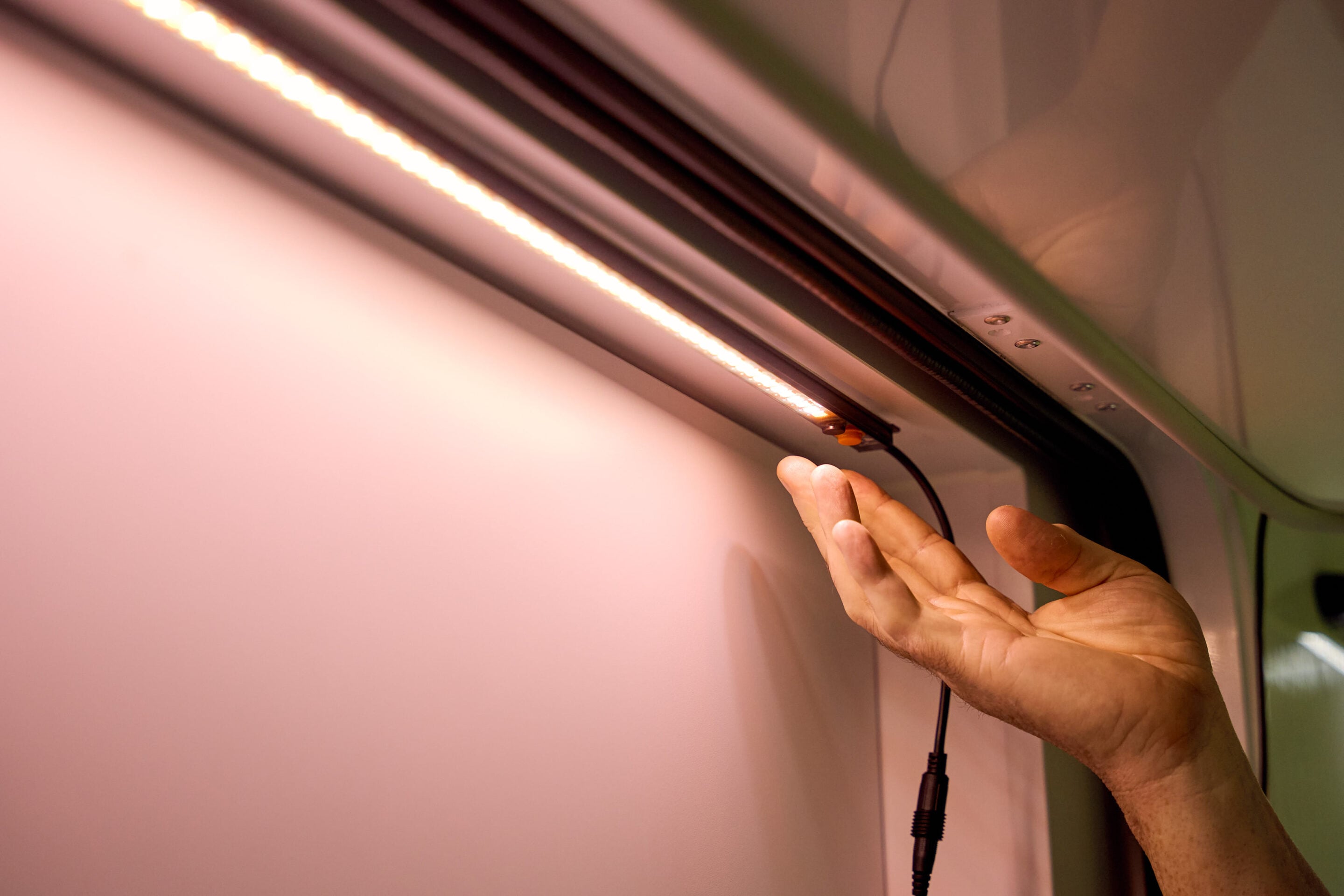
Options like the Tuff Terrain LED Strip Light range (↗) are designed specifically for touring setups, with compact 30cm, versatile 60cm and larger 80cm sizes available to suit everything from drawers and canopies through to full awning setups.
1
Benefits of LED strip lighting for touring
Unlike standalone camp lights or torches, strip lighting becomes part of the vehicle setup itself.
Mounted properly, they provide clean, even lighting exactly where you need it without taking up valuable space or needing constant repositioning. Popular mounting locations include:
• Under awnings
• Inside canopies
• Drawer systems
• Rear tailgates
• Roof racks
• Toolboxes and ute trays
The other big advantage is power efficiency. Most quality 12V LED strip lights draw very little power, making them ideal for dual-battery and lithium touring setups where battery management matters on longer trips. Even running them for extended periods at camp typically has minimal impact compared to traditional lighting options, which helps when you’re off-grid for multiple nights.
Types of 12V LED strip lights for 4WD setups
Not all LED strip lights are the same, and choosing the right type makes a big difference in reliability and performance.
For most touring builds, dual-colour waterproof strips offer the best balance of flexibility and durability. Common types include:
• Single-colour strips: basic white or amber lighting for general use
• Dual-colour strips: Switch between white (task lighting) and amber (camp lighting)
• Waterproof sealed strips: Epoxy-coated for dust and water resistance
• Flexible adhesive strips: Easiest for canopy and drawer installs
• High-output strips: Brighter setups for large awnings or work areas
1
White vs amber LED lighting
One thing that’s become increasingly popular in recent years is dual-colour lighting.
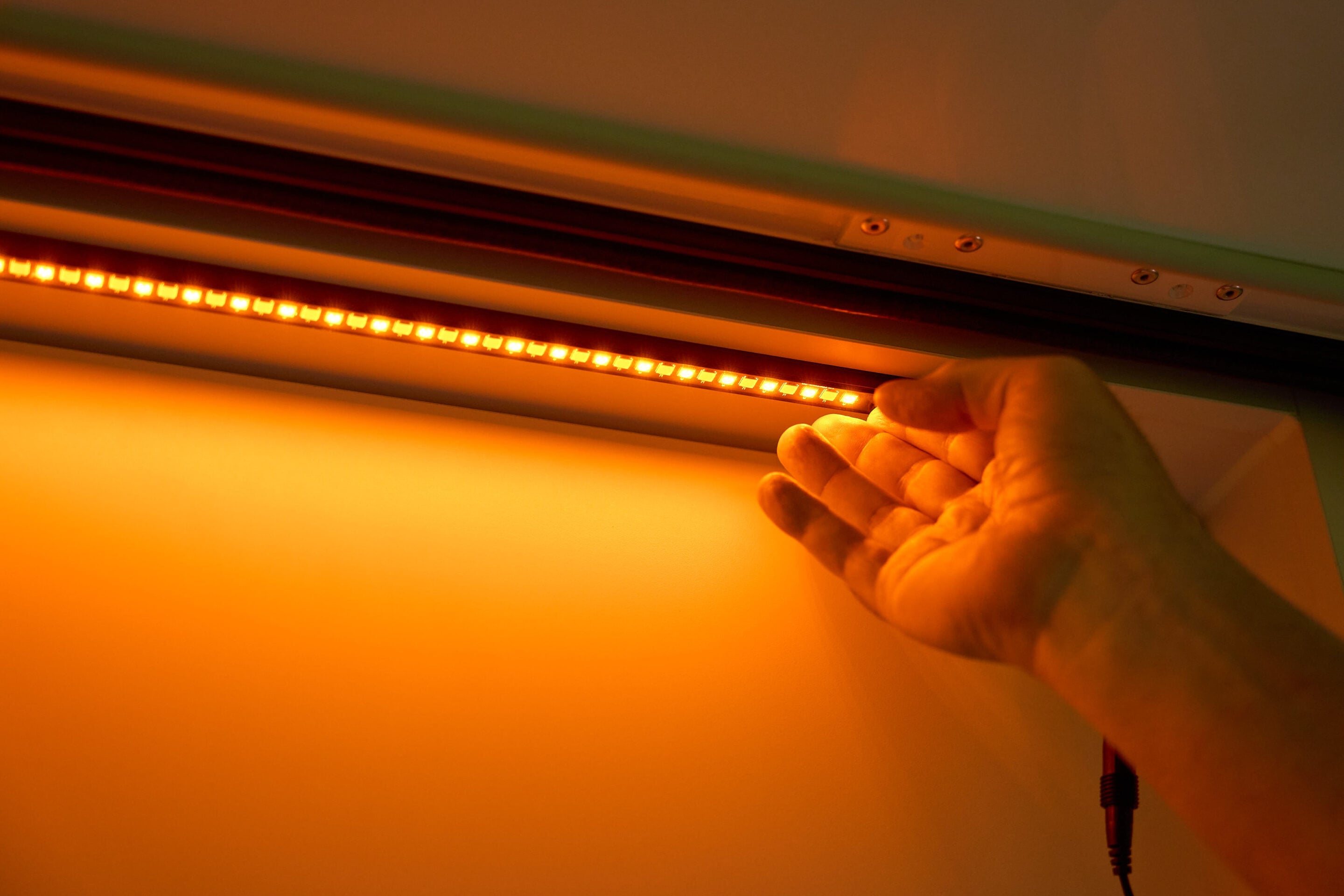
Bright white LEDs are ideal for cooking, repairs, and general tasks where you need maximum visibility and accuracy. On the other hand, amber lighting creates a softer camp atmosphere and is generally easier on the eyes at night.
Amber also tends to attract fewer insects, which makes a noticeable difference in warmer or more humid environments. A lot of touring setups now run dual-colour strips so they can switch between the two depending on the situation.
The Tuff Terrain LED Strip Lights (↗) feature dimmable white and orange lighting modes, allowing you to switch between bright task lighting and softer ambient camp lighting depending on the environment and time of night. These strips are particularly handy because they can be tucked neatly into awnings, canopies, and drawer systems without getting in the way, while still giving you flexibility for different camp scenarios.
Best awning LED strip lighting
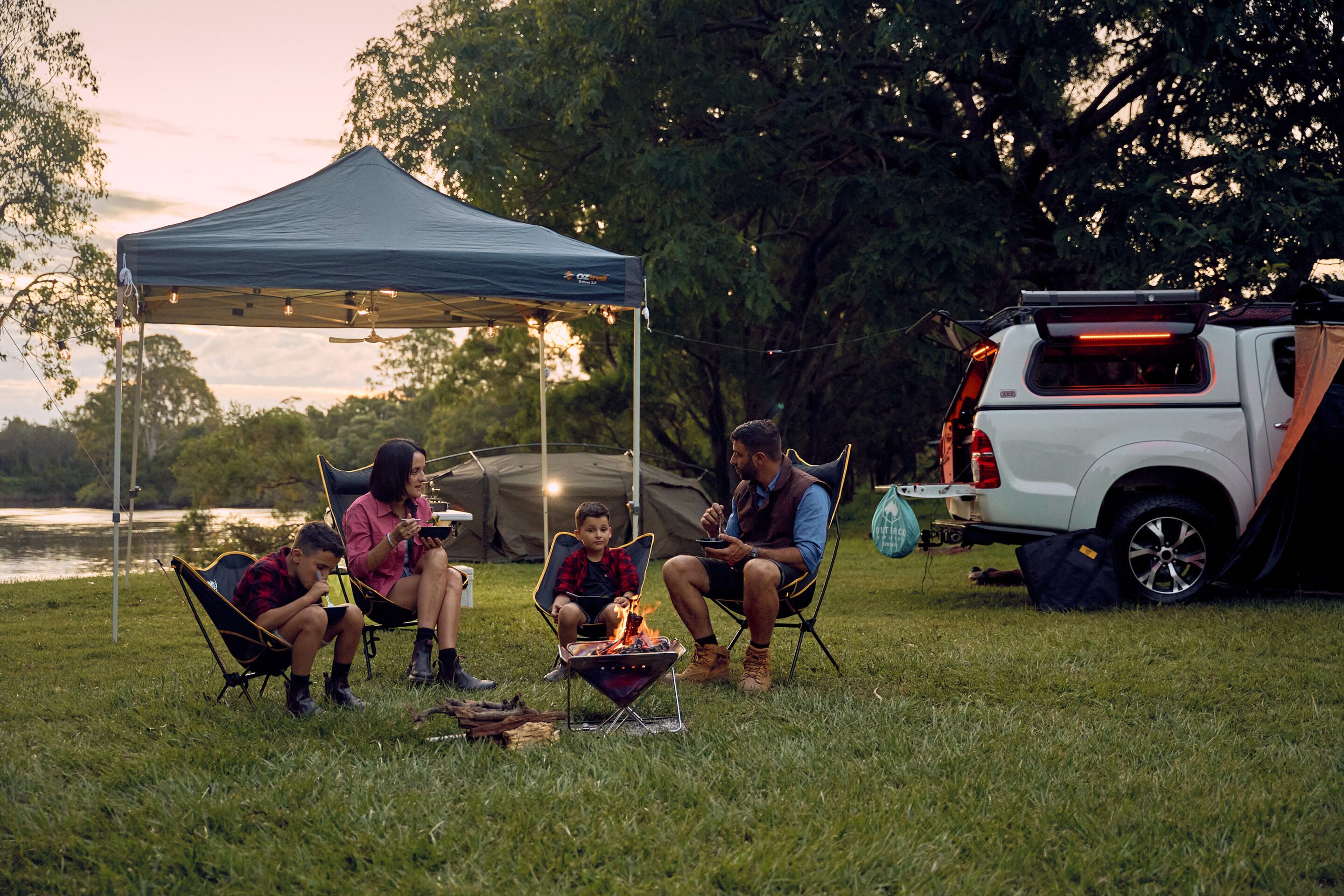
If you only fit one strip light to your setup, under the awning is probably the best place to start. It’s the most-used lighting zone at camp and often where you spend the most time in the evenings.
A good awning light spreads light evenly across the whole campsite rather than creating the harsh glare you often get from spot-style camp lights. This makes it easier to cook, sit, and move around without constantly being blinded or casting heavy shadows. It also keeps the lighting fixed and ready to go every time you pull into camp, removing the need to set up separate lights.
For most setups, a slim 60cm or 90cm strip works well mounted along the underside of the awning housing or frame. Longer runs can also be used on larger awnings, but the key is even distribution rather than raw brightness.
Canopy and drawer LED lighting solutions
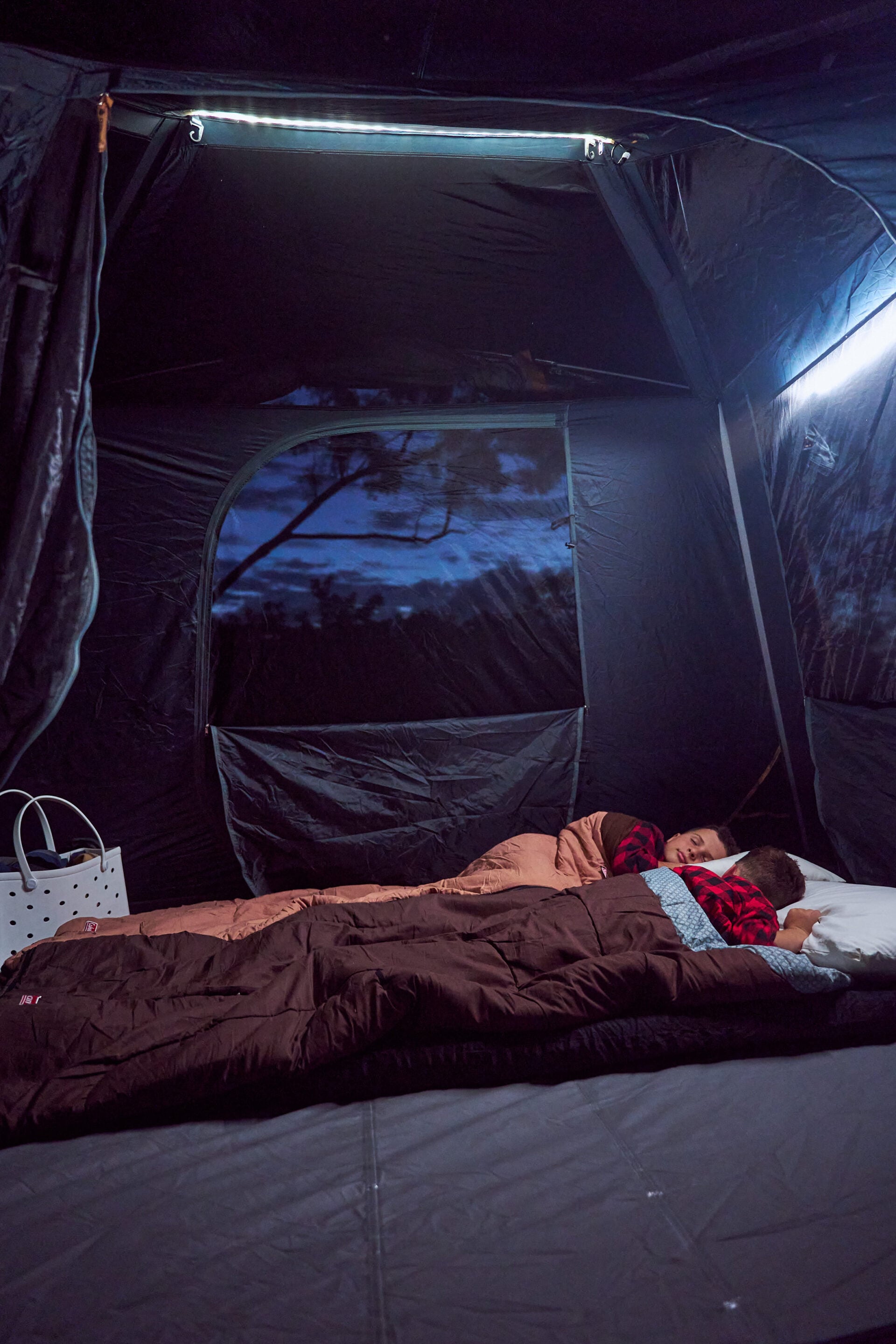
One of the most useful additions on any touring build is proper canopy lighting.
Once you’ve used it, it’s hard to go back to fumbling around with torches or headlamps, especially when you’re trying to find small items at night. LED strip lights work particularly well:
• Along canopy roof rails
• Inside gullwing doors
• Under drawer tops
• Beside fridge slides
• Inside storage compartments
Smaller 12V strip light options are ideal for these tighter spaces where you want usable light without bulky fittings. They help eliminate dark corners and make it much easier to stay organised, particularly on longer trips where gear gets moved around regularly. They also improve safety when accessing tools or recovery equipment in low-light conditions.
1
Easy DIY LED strip light installation
Most strip light setups are fairly straightforward to install and can usually be done at home with basic tools.
They’re generally low-complexity compared to other electrical mods, which is part of why they’re so popular in DIY touring builds. The general process is:
• Measure the mounting area
• Clean the surface properly
• Mount the strip securely
• Run wiring back to a switch panel or power source
• Test both lighting modes
Many touring builds now integrate strip lighting into switch panels or battery management systems for a cleaner overall setup. This not only improves usability but also reduces visible wiring and makes the install look more factory-finished once complete.
Durable off-road LED strip lighting
Anything permanently mounted to a 4WD needs to survive dust, vibration, corrugations, and wet weather.
Cheap lighting kits often struggle once they’ve spent time on rough tracks or been exposed to the elements, with issues like peeling adhesive, moisture ingress, or inconsistent output.
That’s why sealed epoxy-style strip lights are worth considering for touring vehicles, particularly if the setup sees regular off-road use. These are better protected against water and dust ingress and tend to hold up more reliably over time when mounted externally or in high-exposure areas.
The newer generation of 12V camping LED strip lights (↗) is designed specifically for harsh touring conditions while still keeping power draw low for extended off-grid trips. They’re also more resistant to flex and vibration, which is important in canopies, tailgates, and awning mounts that constantly move and shake on rough terrain.
What to look for when buying LED strip lights
If you’re choosing LED strip lights for a 4WD or camping setup, a few key specs make a big difference in real-world use.
Choosing the right strip upfront avoids issues like dim ends, peeling mounts, or premature failure on corrugated roads. Important factors include:
• IP rating: IP65 minimum for camping use, IP67–IP68 for exposed mounting
• Brightness: Higher lumens for awnings, moderate for canopy/drawer use
• Power draw: Important for dual-battery and lithium setups
• Mounting method: Adhesive-backed vs screw-mounted channels
• Voltage drop: Longer runs may need thicker wiring or multiple feed points
• Cut-and-join capability: Useful for custom canopy and drawer layouts
1
LED strip lights vs traditional camp lighting
LED strip lighting has largely replaced portable camp lights in many touring setups due to practicality. This makes them more efficient for both short trips and extended off-grid touring. Compared to traditional lights:
• No setup or pack-down required
• More consistent lighting coverage
• Lower power consumption
• Cleaner integration into vehicle builds
Final thoughts on LED strip lighting
LED strip lighting (↗) is one of those upgrades that seems simple but genuinely improves day-to-day usability around camp.
From awning lighting through to canopy and drawer setups, having reliable lighting where you actually use your gear makes a big difference on any trip, especially once you’re off-grid and relying on your own setup.
Dual-colour lighting is also worth considering for anyone spending extended time camping, particularly for the softer amber light around camp at night. It improves comfort, reduces glare, and makes evenings more relaxed without sacrificing functionality when you need proper task lighting.
Compact, low-draw 12V LED strip light setups are well suited to anyone planning a canopy build or upgrading their touring setup for camping and 4WD use, especially where space efficiency, reliability, and simple installation are priorities.
FAQs
Q: Are LED strip lights good for camping setups?
A: Yes. They’re ideal for camping and 4WD setups because they provide even, low-power lighting that can be mounted permanently in key areas like awnings, canopies, and drawers.
Q: How much power do 12V LED strip lights use?
A: Most quality 12V LED strip lights use very little power, making them suitable for dual-battery or lithium setups. Even extended use at camp typically has a low impact on battery capacity.
Q: Can LED strip lights run off a dual-battery system?
A: Yes. They’re commonly run off dual-battery or auxiliary lithium systems and are well suited to long off-grid trips due to their low draw.
Q: What should I look for in LED strip lights for 4WD use?
A: Look for a good IP rating (IP65+), solid adhesive or mounting system, appropriate brightness for your setup, and low voltage drop for longer runs.
Q: What’s better for camping: white or amber LED lighting?
A: White light is best for tasks like cooking and repairs, while amber light is softer, reduces glare, and attracts fewer insects. Many setups use dual-colour strips for flexibility.
Q: Where is the best place to install LED strip lights in a 4WD?
A: Common locations include under awnings, inside canopies, drawer systems, tailgates, roof racks, and ute trays. Awning lighting is often considered the most useful starting point.
Q: Are LED strip lights easy to install?
A: Yes. Most setups are DIY-friendly, typically involving surface mounting, basic wiring to a switch or power source, and minimal tools.
Q: Do LED strip lights hold up off-road?
A: Quality sealed or epoxy-style strips are designed for dust, vibration, and weather exposure, making them suitable for corrugated tracks and long-term touring use.
Follow 4X4 Australia on Google
Get more 4x4 news, reviews and gear stories from 4X4 Australia in your Google feeds.

We recommend
-
 Gear
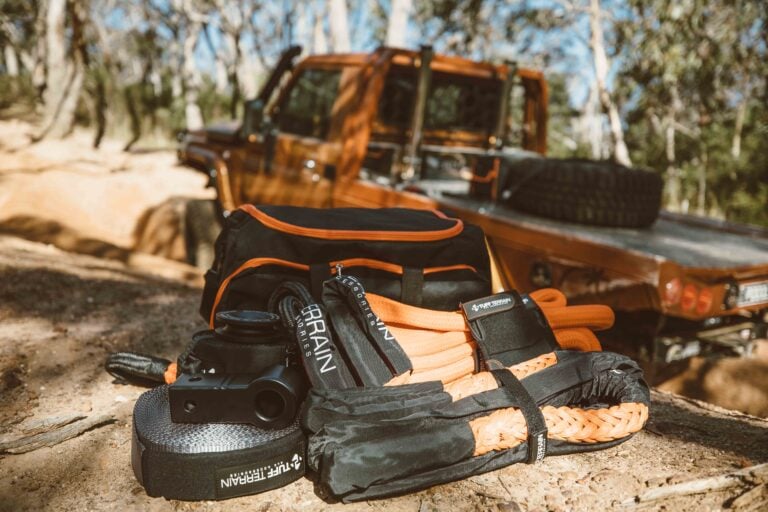
Gear4WD recovery gear explained: Building a setup that actually works off-road
Knowing what gear you need, and how it all works together, is what makes a recovery safe and effective
-
 Gear
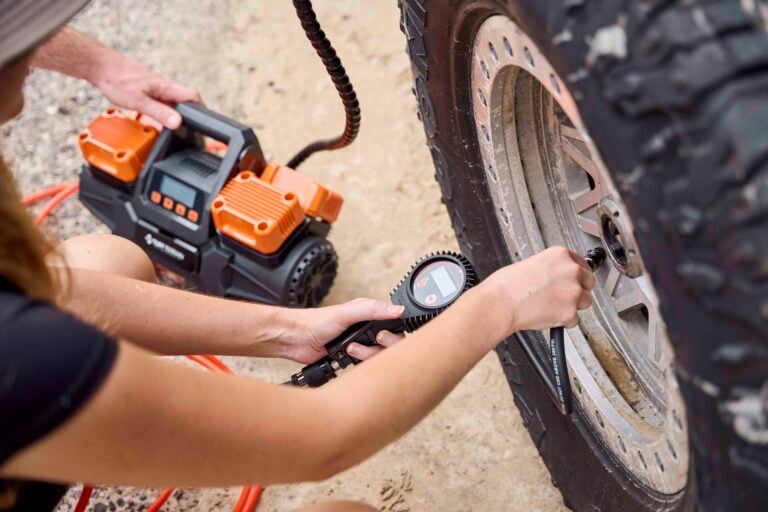
GearTuff Terrain V4 High Output Air Compressor: Built for the end of the track
A high-output 4WD compressor built to make post-track tyre inflation faster, easier and more consistent
-
 Advice
10 essential 4x4 touring mistakes to avoid
Common touring mistakes that can turn a great 4x4 trip into an expensive or dangerous exercise