Gear


Gallery 1
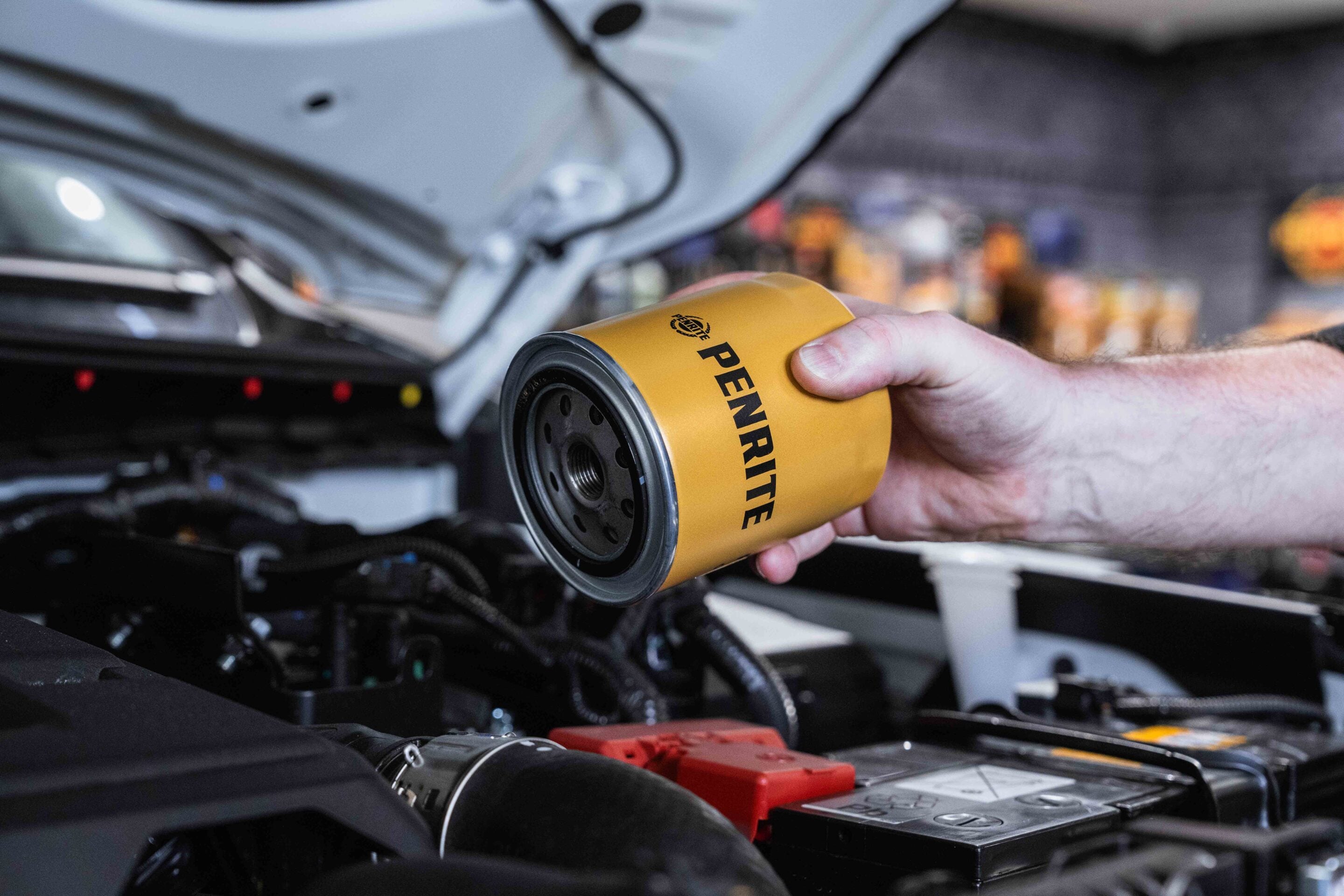
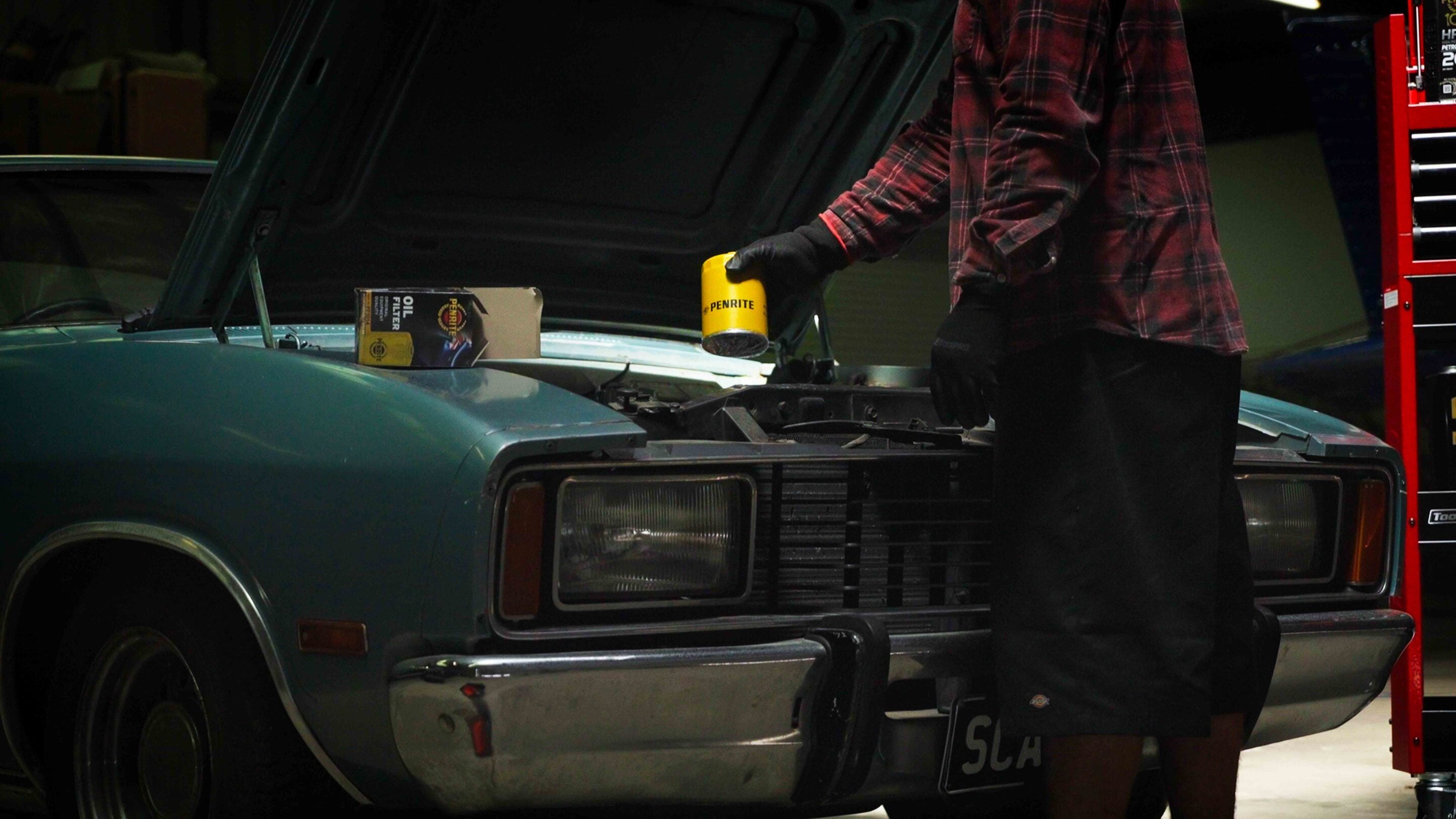
We’ve all got that one mate whose idea of trip preparation extends to “She’ll be right, I’ll chuck some fresh oil and a filter at it and call it good.”
This is usually hours before you’re due to leave on an adventure like the Canning Stock Route or a week in the High Country or anywhere with a lot of kilometres between you and the nearest mechanical workshop. You want to tell him he’s nuts. You want to call him an idiot. But the thing is, he’s not wrong, or at least not exactly. Keeping quality oil and filters up to the demands of your vehicle is rules 1, 2 and 3 for making your engine last.
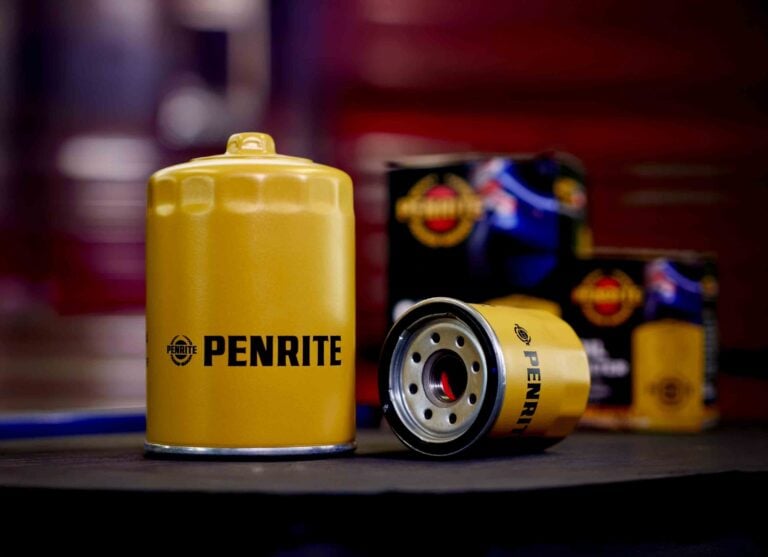
That’s why when Penrite (↗), who have long been one of the premiere oil mobs in the country, told us it was bringing its own oil filters to market we thought we’d better check them out to see if they were up to the job of handling what Aussie 4WDers could throw at them.
1
Cheap vs quality oil filters: Does it really matter?
I know what you’re thinking. “Oil filters are oil filters, they’re all the same,” but there’s actually a bunch of engineering and hard-won knowledge that goes into these things, and choosing the wrong one can cost you upwards of thirty-grand on a new engine.
Don’t believe me? A few years back, a customer showed up to a workshop I was at saying his fairly new 100 Series LandCruiser (upon reflection it may have been more than a few years ago) was running sluggishly. One thing led to another and before you know it the rocker cover was off and the thickest, greasiest, nastiest sludge this side of a Menai mud hole was discovered.
The cause: A distinct lack of servicing and using the cheapest possible oil and filters. Long story short, deeper inspection showed that his engine was cooked and was duly consigned to the big 4WD park in the sky.
The takeaway: Don’t scrimp on your fluids and filters if you want your engine to last. And that goes doubly for modern common-rail diesels that are as highly-strung as a soprano violin.
1
Why oil filters matter more when you’re 4WDing
Here’s the thing. The above example was an urban-driven vehicle that was able to limp in to a fully-kitted workshop.
The Australian bush is not nearly as forgiving and generally doesn’t come with the convenience of a mechanic and their tools to solve your problems. If something let’s go, you’re largely on your own.
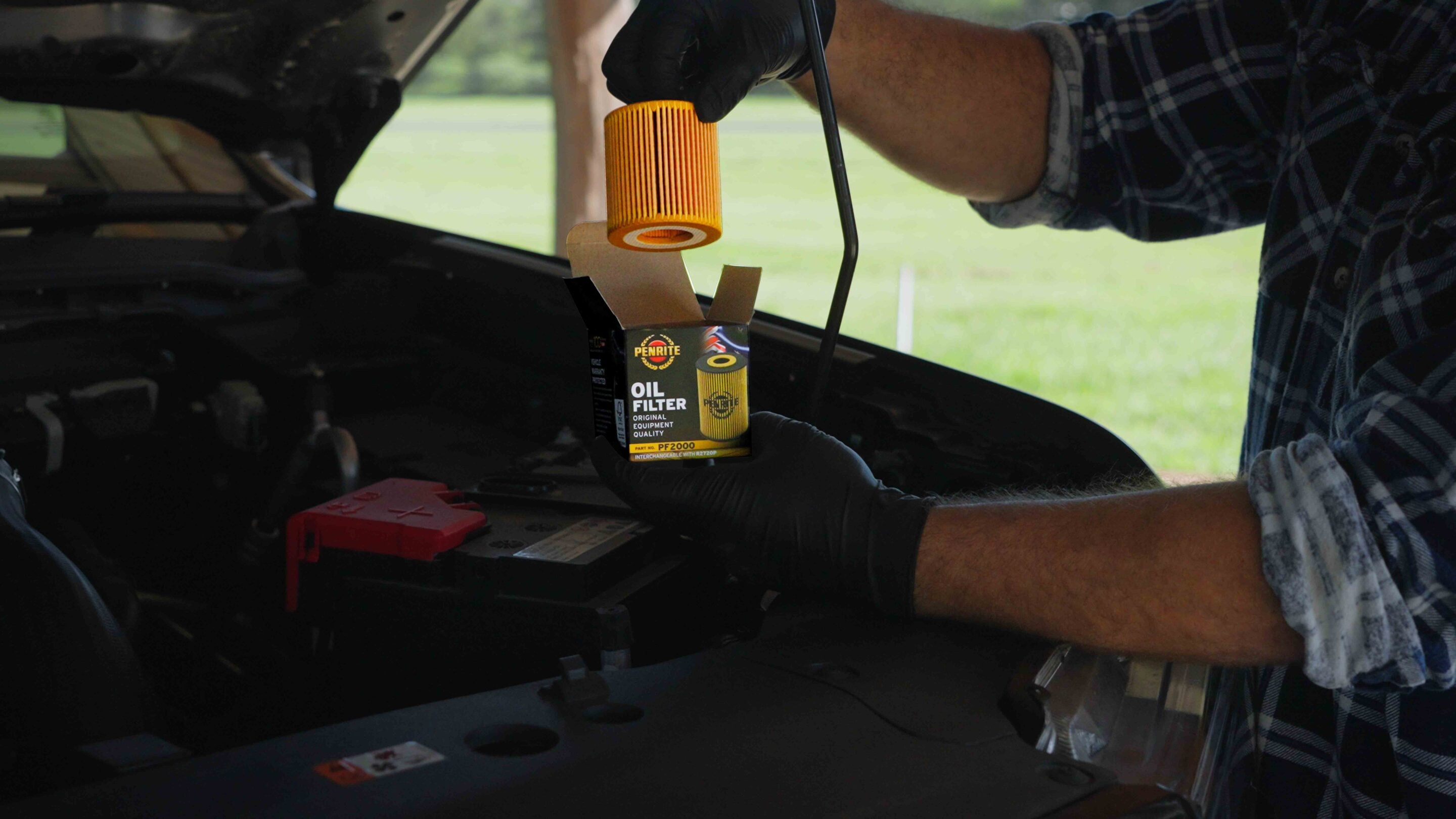
They’re generally inexpensive so people think they hold little value, but their job is one of the most important in the entire engine bay. This is where Penrite (↗) has brought its expertise to the game. Not only does the filter do what it says on the box, it’s designed for use in harsh environments. You know, the places us 4WDers like to spend as much time as possible in.
What’s inside a quality oil filter?
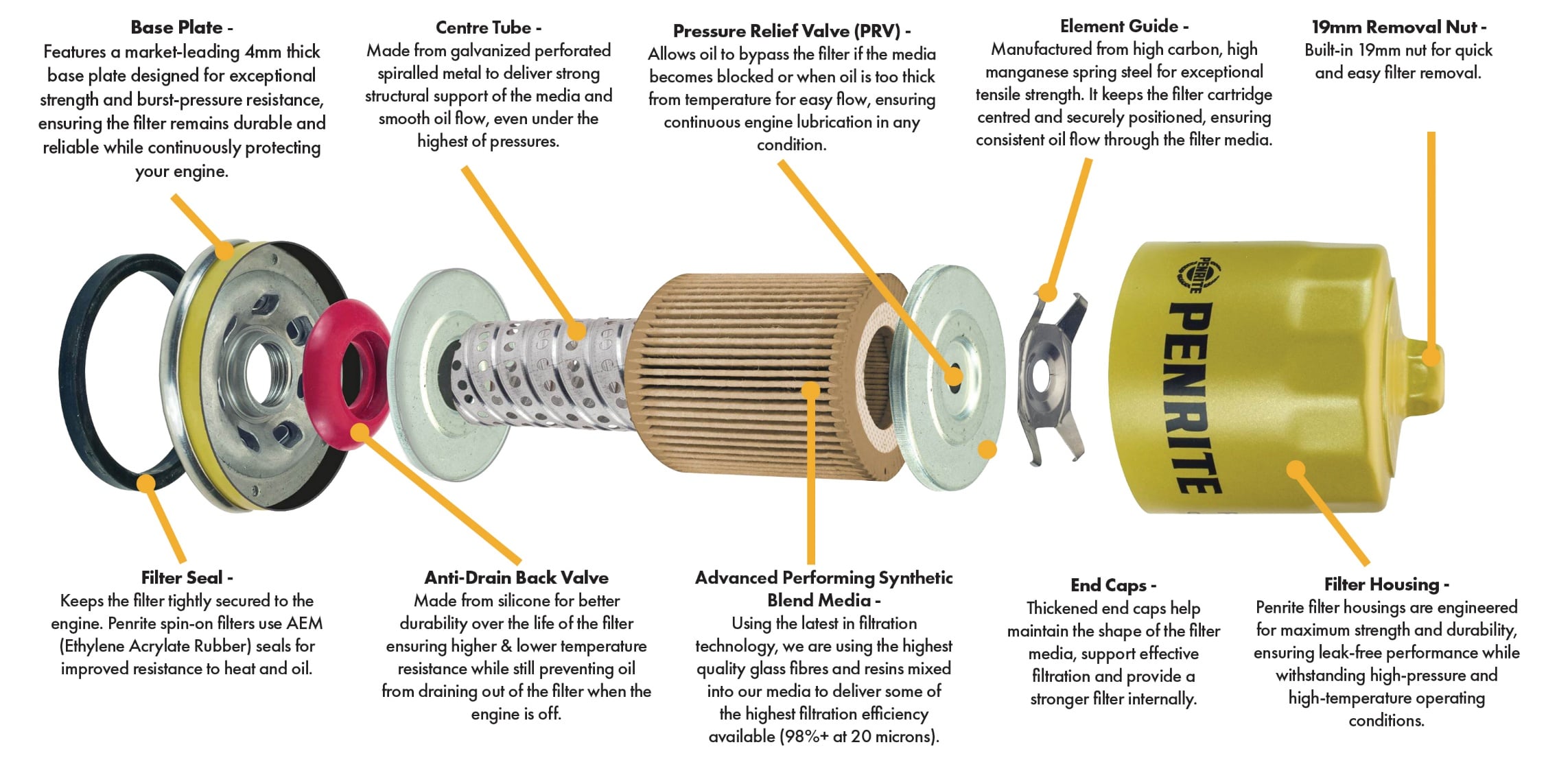
Starting at the base of the filter, there’s a 4mm steel plate that’s tougher than Tyson-in-his-prime and there to stop your filter from bursting over ten billion Cape York corrugations.
From there they’ve fitted a silicone (as opposed to a cheaper rubber) anti-drain-back valve which keeps oil in the filter with the engine off to minimise damage on start-up.
Ever been to Tassie in winter? It’s the kind of cold that makes your ancestors shiver and your engine oil turn into thick sludge, which is why Penrite (↗) have included an internal pressure relief valve (PRV) that allows oil to bypass the filter if it becomes blocked or the oil is too thick to push through. A cheaply-made blocked filter can be a good way to starve the moving parts of lubrication, but not in this case.
1
Then there’s Penrite’s glass fibre and resin filter element blend which they reckon offers over 98% filtration efficiency at 20 microns. In case you don’t wear a white coat and swan around a laboratory for a living, that’s pretty darn excellent and just the thing you want when barrelling through the bulldust along the Darling River Run.
The perforated steel centre tube keeps the oil flowing under pressure and prevents the element from collapsing, while the thickened end caps hold the media in shape and a carbon and manganese-heavy spring steel guide keeps everything centred. Just the thing for bombing over the Simpson Desert dunes at speed without a worry.
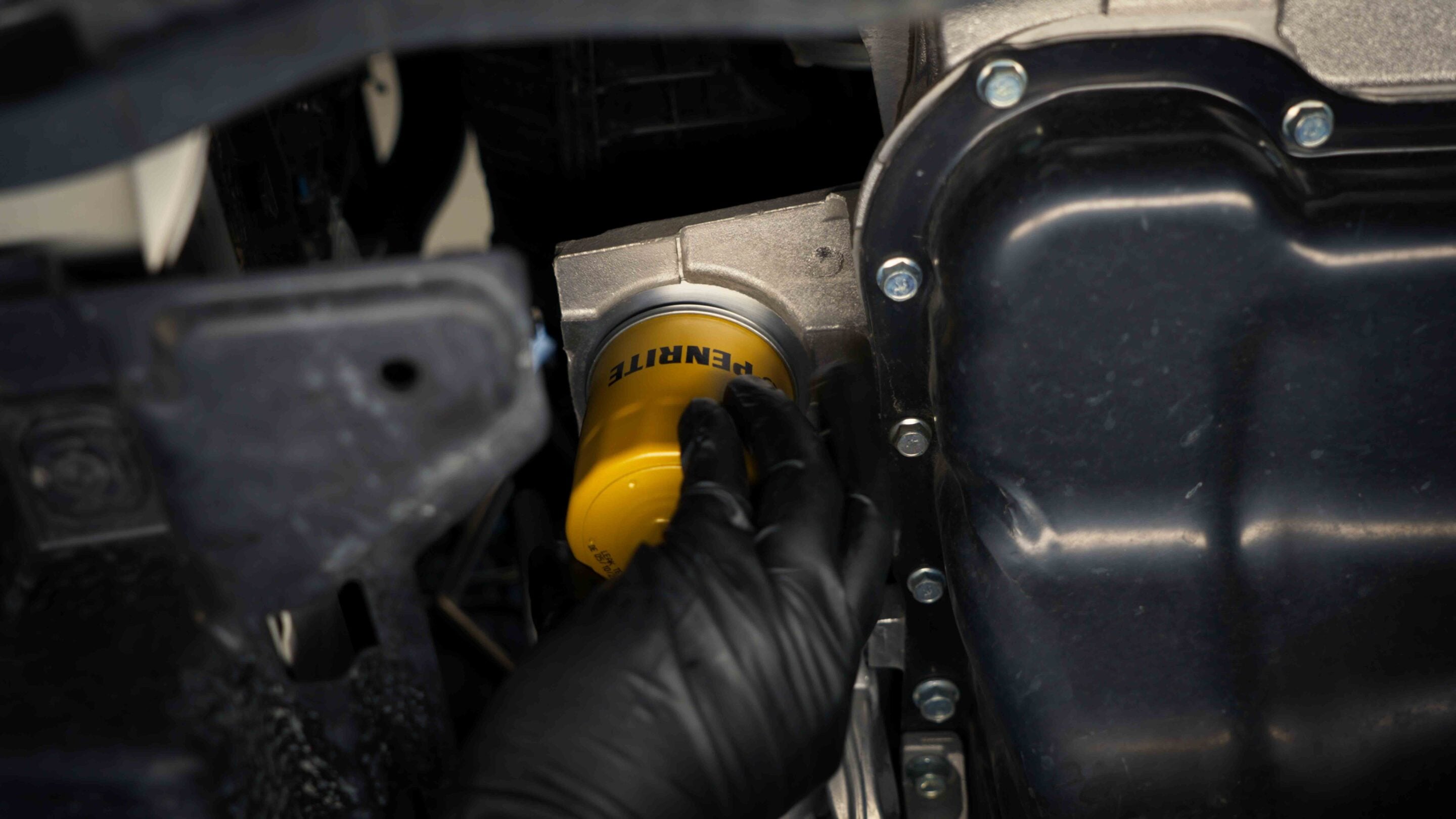
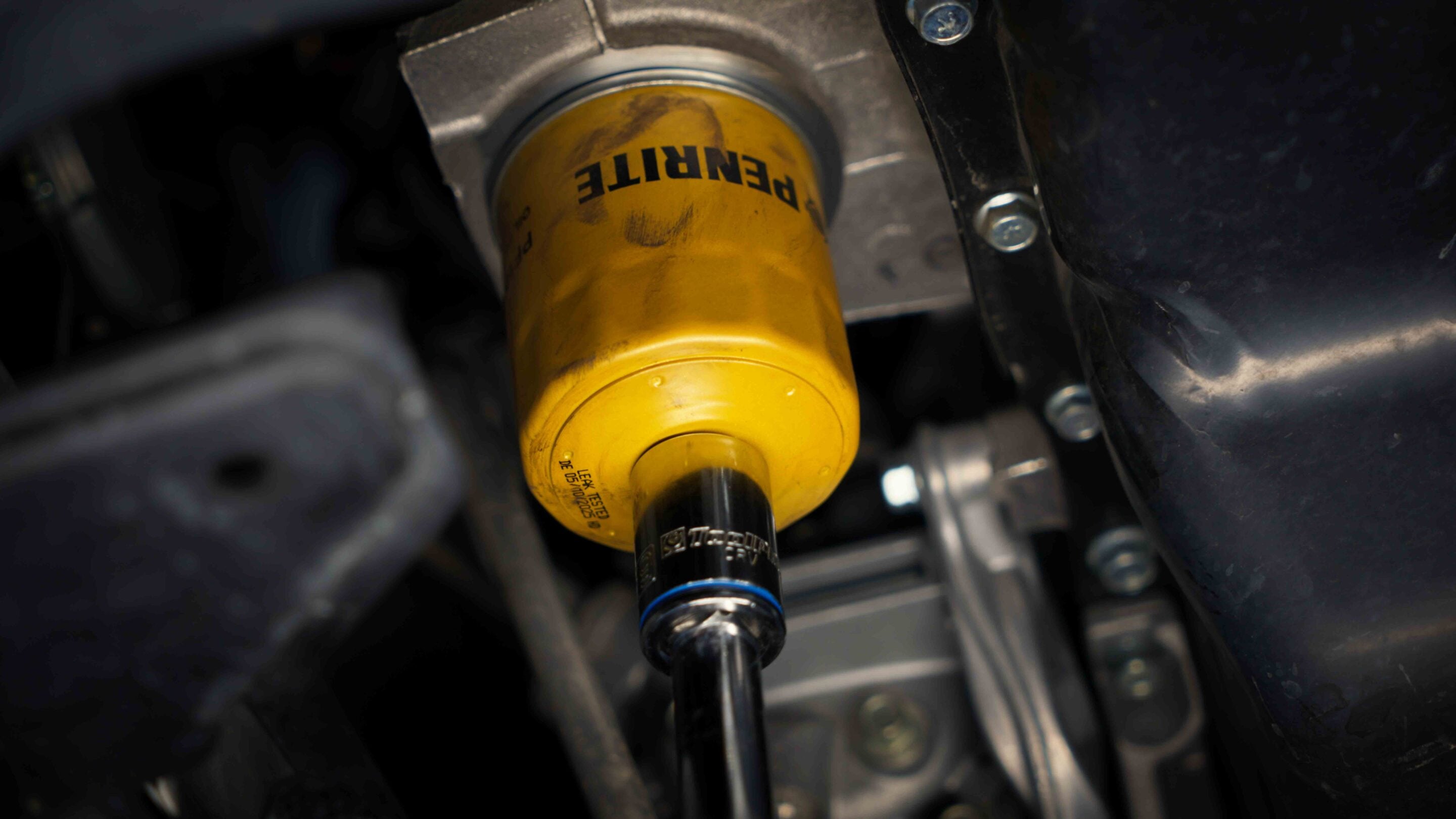
Oh, and my pick for the best thing about the Penrite filters? The 19mm hex nut on the spin-on housings. No more shaving your knuckles and giving yourself carpal tunnel on the driveway while cursing the last guy who definitely secured the last filter in place with a rattle gun and a lot of anger at his father.
1
So, are quality oil filters worth it?
Look, nobody is saying an oil filter will save your engine from destruction.
There are simply too many variables for that to be true. But what we are saying is that having a high quality filter in place has to be the cheapest insurance money can buy. Plus, a good oil filter can save your engine from an early death from lubrication-based damage. On top of that, a filter that’s been designed from the ground up to handle the rigours of Aussie wheeling has to be one of the best first steps towards bulletproofing your rig against the terrain, the conditions and just plain old bad luck.
Your mate may not be the sharpest tool in the shed, but he’s onto something with his “fresh fluids and filters” thing.
4
Oil filter FAQs
Are premium oil filters worth it?
For a vehicle you plan to keep and drive hard, yes. A quality filter uses tougher materials and more efficient media, and it is about the cheapest insurance against lubrication damage you can buy.
What does an anti-drain-back valve do?
It keeps oil inside the filter when the engine is off, so the engine is not running dry for the first few seconds of a cold start, which is when most wear happens. Penrite uses a silicone one for better heat resistance.
What does a pressure relief valve (PRV) do in an oil filter?
It lets oil bypass the filter media if the media blocks up or the oil is too cold and thick to flow through, so the engine keeps getting oil. Unfiltered oil beats no oil.
Is 98% filtration efficiency at 20 microns good?
Yes. Penrite quotes that figure for its synthetic blend media, meaning it traps the large majority of particles down to 20 microns, far smaller than the eye can see.
What size socket fits the Penrite oil filter?
Penrite’s spin-on filters (↗) have a built-in 19mm hex nut on top, so a standard 19mm spanner or socket removes them without a cup wrench.
Follow 4X4 Australia on Google
Get more 4x4 news, reviews and gear stories from 4X4 Australia in your Google feeds.