
Australian buyers have a final chance to secure a V8-powered Y62 Patrol, with production of the current model set to end this August.
The run-out also brings the curtain down on the Australian-developed Patrol Warrior by Premcar shortly after, closing out the current generation before the next model shifts the nameplate into a new era. The V8 Patrol is currently listed at $96,540 for the Ti, $108,040 for the Ti-L, and $111,600 for the Warrior.
The end of the Y62 marks more than just a model change. It also brings the final chapter for Nissan’s 5.6-litre V8, which produces 298kW and 560Nm in Australian specification, and has underpinned the Patrol’s local identity for more than a decade. In its place, the next-generation Nissan Patrol Y63 is due in Australia later this year, switching to a 3.5-litre twin-turbo V6 petrol engine as part of a broader global shift.
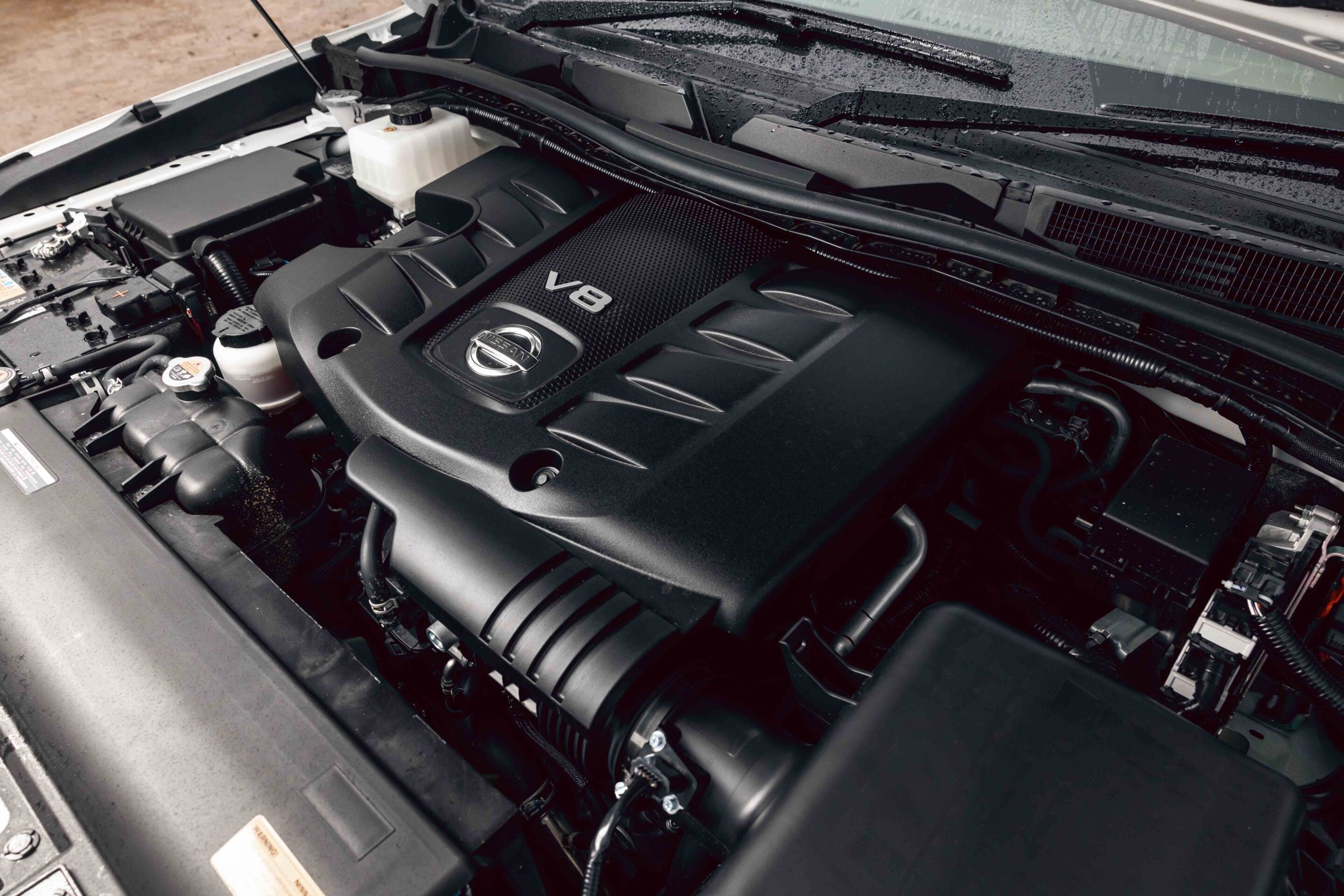
“The Patrol has been a constant presence in Australian motoring, and the Y62 has played a defining role in that legacy. Its 5.6-litre V8 is part of what has made this generation so beloved by enthusiasts, families and adventurers alike,” said Steve Milette, Managing Director, Nissan Oceania. “As we look ahead to the all-new-to-Australia Y63 later this year, the run-out of the Y62 represents a genuine ‘last chance’ moment for Australians who want to add a new V8 Patrol to their garage.”
“Powered by a 5.6-litre V8 delivering 298kW and 560Nm, the Patrol has earned its reputation for exceptional towing and off-road capability, effortless performance and proven durability; qualities that will likely make the Patrol V8 a highly sought-after collector’s item once remaining stock is gone.”
The Nissan Patrol has been part of the Australian 4WD landscape since 1961, when the second-generation G60 Datsun Patrol first arrived locally. Over that time, more than 258,000 examples have been sold here, cementing it as one of the more enduring full-size 4WD nameplates on the market.
The Y62, introduced in 2013, was the point where the Patrol clearly moved into a more modern, large SUV direction while still holding onto its off-road foundations. The 5.6-litre V8 remained its defining feature, backed by fully independent suspension with Hydraulic Body Motion Control and features like an Intelligent Rear View Mirror, lifting refinement without fully blunting its touring and off-road capability.
That same platform also underpinned the Patrol Warrior by Premcar, developed locally in partnership with Melbourne engineering firm Premcar. Built specifically for Australian conditions, it added revised suspension tuning, increased ground clearance, all-terrain tyres, unique wheels and exterior changes aimed at use beyond sealed roads. A bi-modal side-exit exhaust system also features, delivering a quieter note at cruise and a sharper V8 sound under load.
With production winding down, remaining Y62 Patrol and Warrior stock is now limited and varies by dealer. The current range continues to be supported by Nissan’s up to 10-year/300,000km warranty and roadside assistance when serviced through authorised dealers, along with capped-price servicing for the first five scheduled services.
The incoming Y63 Patrol will open for orders later this year.
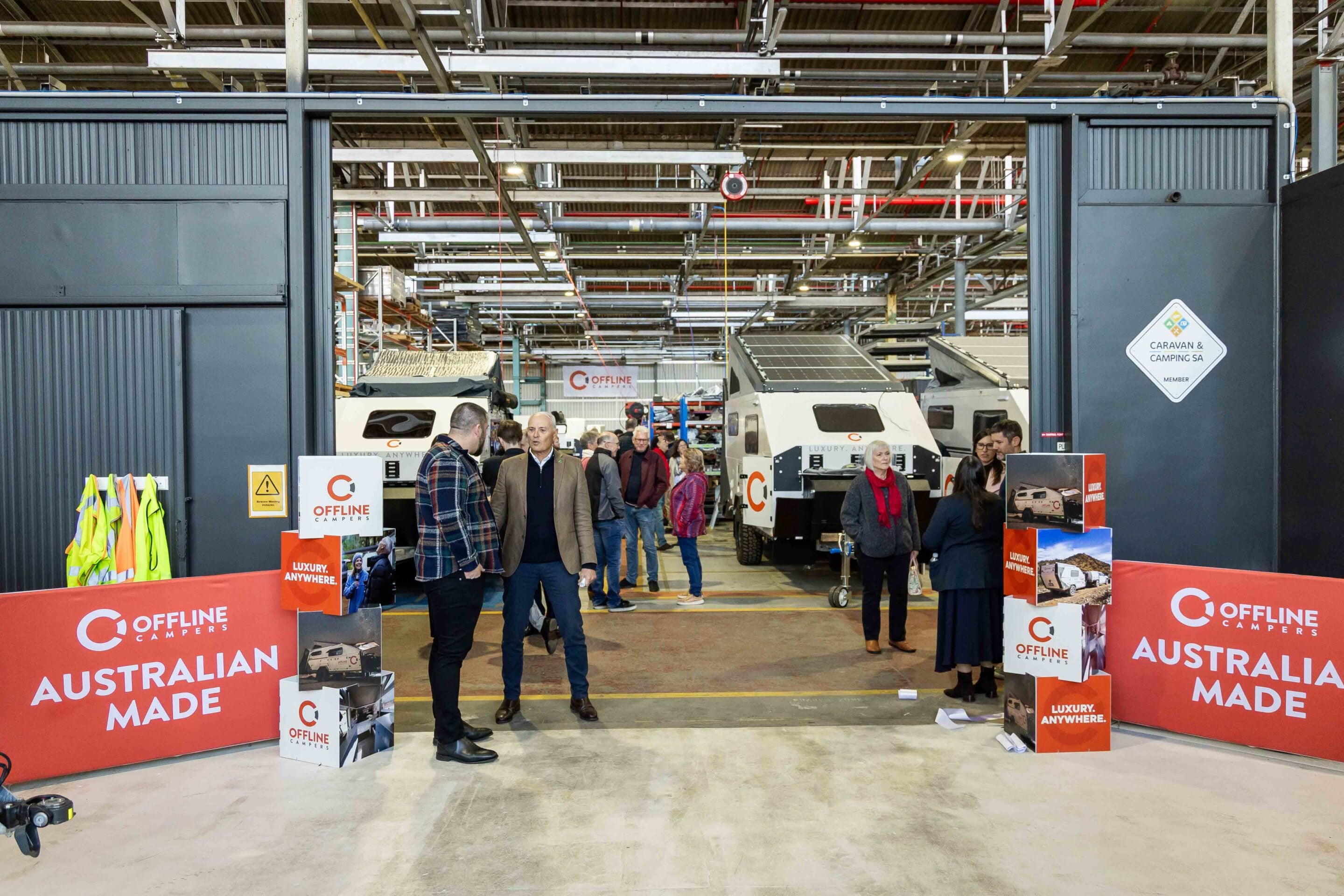
Offline Campers (↗) has moved into a bigger home at Lionsgate, the former Holden site in Adelaide’s north, quadrupling its floor space with a new facility.
The upgraded site opened officially earlier this month, with renovated factory and office space now giving the South Australian, family-owned company more than 4500sqm to work with.
Founded by Sam Reynolds in a backyard shed after a career as a mechanical engineer, the business has grown into a manufacturing operation now based at the Lionsgate facility, where more than 20 staff build its camper trailers.
“Offline Campers has been focussing on building the highest-quality campers, working with Australian suppliers to use locally-manufactured components such as steel and electronic fittings, aimed to withstand the harshest conditions of remote and off-grid locations,” said Sam Reynolds, now the company director.
“We’ve been listening to people who want to go further offroad and off-grid to meet their specific needs, whether that be the comfort of a shower, coffee machine and queen-sized bed or better dirt and dust protection for their dirt bikes while off the beaten track,” he said.
“Because we take the time to adapt each camper to our customers’ needs, we have forward orders until 2027 and we’ve had to expand our manufacturing capabilities. That means more jobs, more money being spent in Adelaide’s north, and ultimately more people touring through South Australia’s remote and incredibly beautiful outback.”
The Aussie company produces a range of camper trailers including the Solitaire, Raker, Domino and Ryder models, forming its hybrid and off-road touring lineup designed for extended remote travel and off-grid use.
Offline Campers (↗) is one of the few Australian manufacturers designing and building locally, using as many locally made components as possible in its camper trailers.
Suzuki Australia has confirmed the arrival of the Jimny Rhino, a special-edition variant based on the five-door Jimny XL, now available to order with deliveries expected from July 1.
Pricing starts at $44,990 (RRP) for the manual variant, with the automatic at $47,490 (RRP). Both figures include two-tone metallic paint and exclude on-road costs. Based on the Jimny XL, the Rhino introduces Kinetic Yellow paint to the five-door model for the first time, paired with a Pearl Black roof.
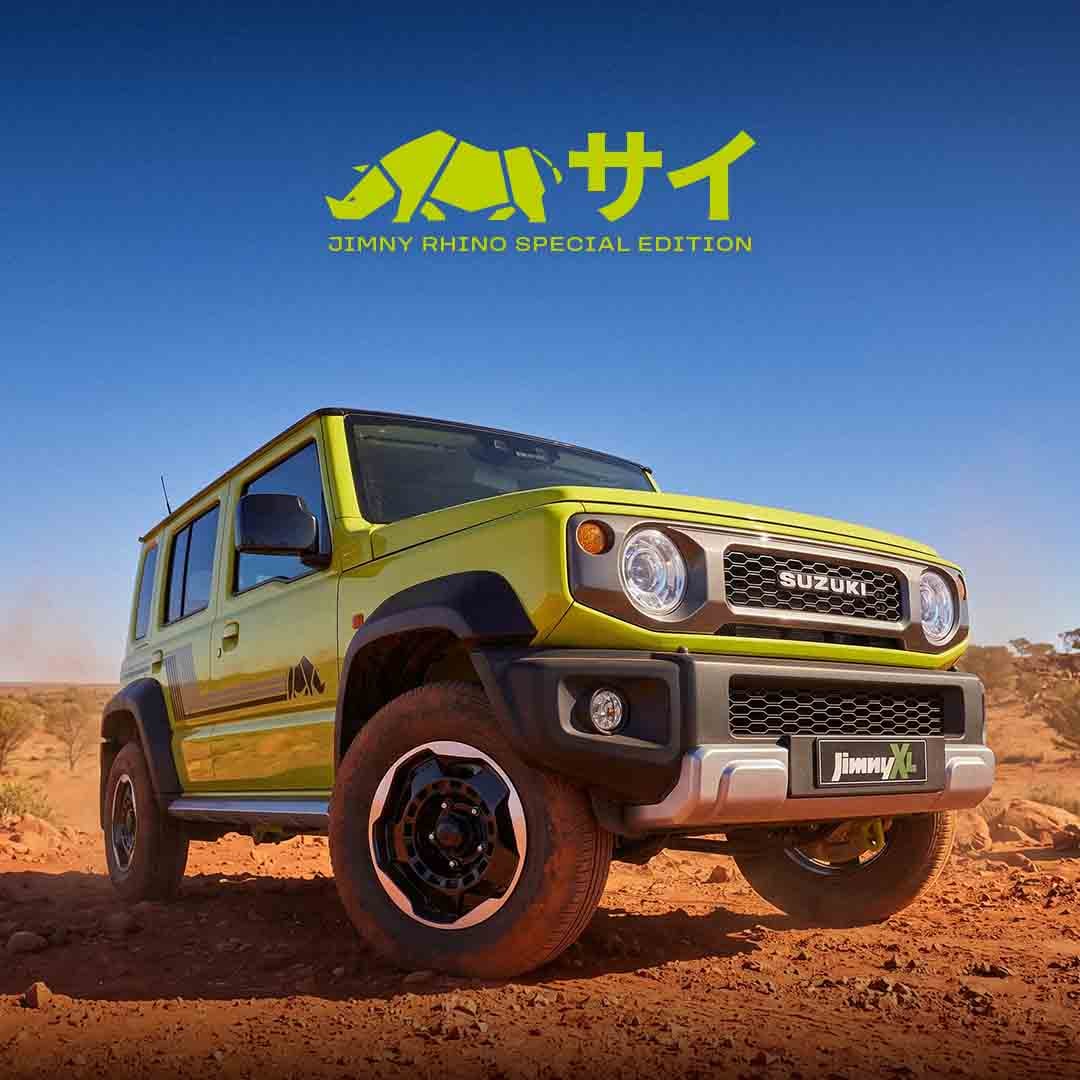
Other exterior highlights include a Rhino-themed decal package, a heritage Suzuki front grille, an exclusive Rhino tailgate badge, front and rear mudflaps, satin silver front bumper and side skirt garnishes, and 15-inch diamond-cut alloy wheels in a Shuriken-inspired design said to convey a sense of movement when stationary.
Inside, there’s diffused LED ground-entry lighting, satin silver air vent surrounds, and satin silver shift panel detailing (automatic only). Manual variants get a retro-style gearshift knob. Other cabin touches include black leather-wrapped door handles and passenger assist handle with Kinetic Yellow stitching, a laser-etched Rhino logo with a varying-opacity finish, eight-colour customisable footwell lighting (including a Kinetic Yellow option), upgraded Pioneer speakers, bespoke rubber floor mats with Jimny branding, and Rhino interior badging.
“In the interests of public order, we can confirm that the reported sightings of an elusive, and exclusive, five-door Kinetic Yellow Jimny with special markings are indeed an entirely new Jimny: The special edition Jimny Rhino,” said Michael Pachota, Suzuki Australia Automotive General Manager. “The Jimny Rhino has officially arrived. And in the interests of public pre-orders, we’re pleased to confirm it’s available to order through the Suzuki Australia Dealer Network.”
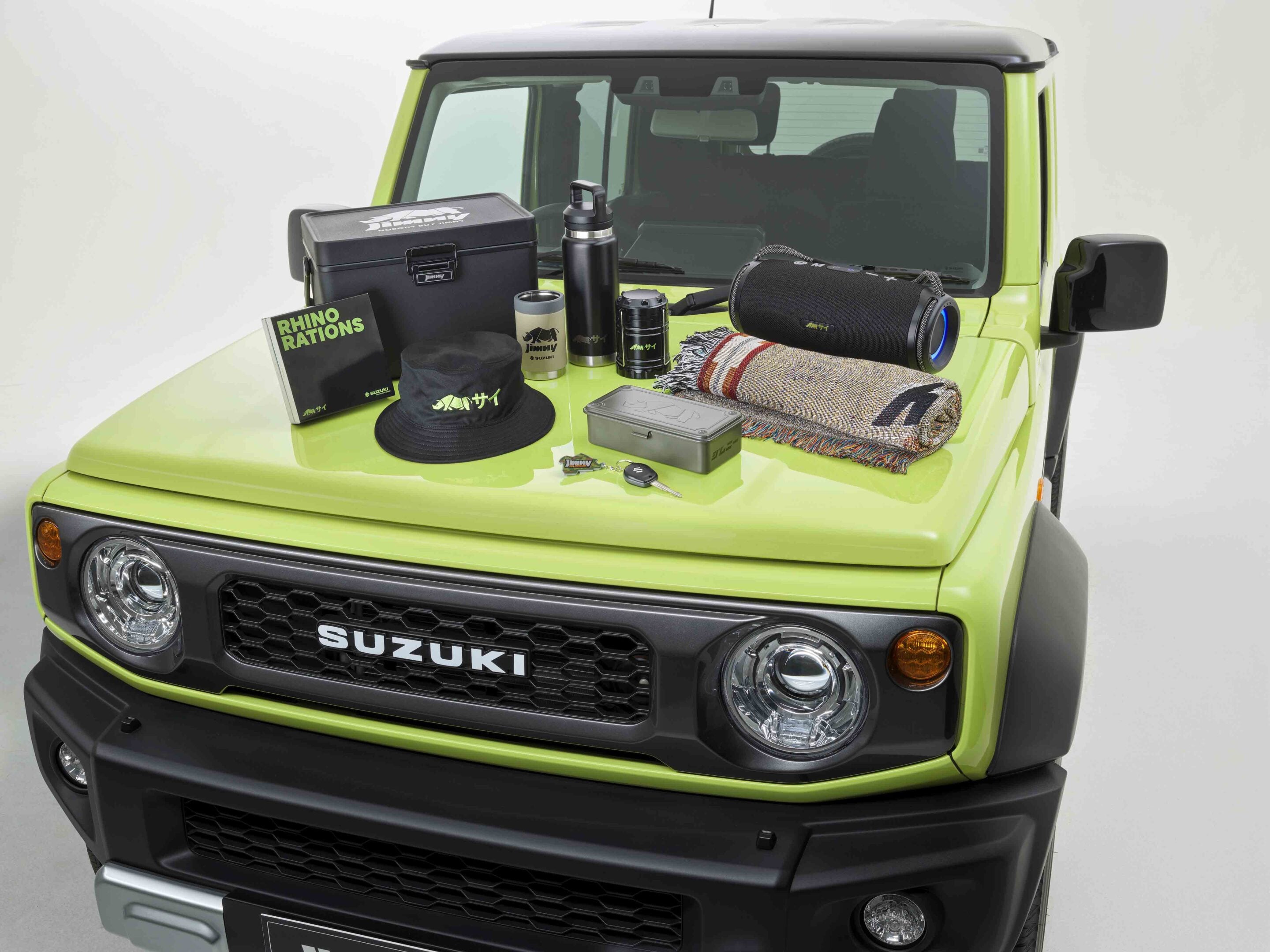
Each Jimny Rhino also comes with a Rhino Delivery Pack, which includes a metal key presentation case and keychain, embroidered bucket hat, portable lantern, drink bottle, blanket, thermos tumbler, cooler box, and a portable Bluetooth speaker.
The Suzuki Jimny is powered by a 1.5-litre naturally aspirated four-cylinder petrol engine that generates 75kW and 130Nm. It’s available with either a five-speed manual or four-speed automatic, paired to a part-time 4WD system with low-range gearing. It’s a straightforward ladder-frame setup that focuses on basic off-road functionality.
The Jimny Rhino is now available for sale at most Suzuki dealerships across Australia.
Exterior features
- 15-inch diamond-cut alloy wheels with Shuriken-inspired design
- Satin silver front bumper and side skirt garnishes
- Heritage Suzuki front grille
- Exclusive Rhino tailgate badge
- Front and rear Suzuki mudflaps
- Rhino-themed side decal design
Interior features
- Diffused LED ground illumination on entry
- Satin silver air vent surrounds
- Satin silver shift panel surround (AT only)
- Retro-style gearshift knob (MT only)
- Black leather-wrapped door and passenger assist handle with Kinetic Yellow stitching and laser-etched Rhino logo
- 8-colour customisable footwell lighting with Kinetic Yellow option
- Upgraded Pioneer speakers
- Bespoke rubber floor mats with Jimny logo
- Rhino special edition interior badging
After more than 20,000 submissions from across the country, Chery Australia has confirmed its upcoming diesel plug-in hybrid ute will be called the Stockman.
Rather than picking a name behind closed doors, Chery invited Australians to have their say. Tradies, families, regional communities and ute enthusiasts all had a hand in shaping it. The result is a name with genuine Australian heritage that fits right into the country’s fiercely contested ute market.
The winning entry came from Victorian Steve Kodikara, who’ll take home the keys to the first Stockman when it hits local showrooms later this year.
The naming competition generated thousands of entries before being whittled down to a shortlist of eight. Stockman ultimately secured more than 25 per cent of the public vote from over 12,000 Australians, edging out Outrider, Orca, Ironbark, Bushwalker, Longreach, Ridgeback, Terra and Mate.
Of the finalists, Stockman best captured what many Australians still associate with a ute: Dependable, capable and built for whatever gets thrown at it. Steve’s submission leaned into that, drawing on the legacy of Australia’s stockmen, the nation’s original workhorses, who earned trust through reliability, perseverance and the ability to handle tough terrain.
“I’m incredibly honoured that Stockman was chosen from the thousands of entries submitted to title Chery’s new ute,” said Steve Kodikara. “I felt the name captured the spirit of Australia’s original workhorse and everything a ute should represent: Reliability, capability and resilience. I’m glad it resonated with Australians, and I’m thrilled to see it become part of Chery’s story.”
Lucas Harris, Chief Operating Officer at Chery Australia, added: “Stockman stood out because it captured something uniquely Australian while reflecting the capability, reliability and innovation behind our upcoming ute. Steve’s submission brought the name to life through a compelling story, connecting Australia’s heritage with the next generation of ute technology.”
The Stockman name may sound familiar, as it was a name Suzuki used in Australia on a stripped-back, utilitarian 4×4 variant of the Sierra in the 1990s, aimed at rural and fleet buyers who wanted a simple, no-frills off-roader built for work rather than comfort.
The Stockman will be Australia’s first diesel plug-in hybrid ute, combining diesel power with plug-in hybrid technology. Specs, pricing and a firm launch date are still to come, with Chery promising more detail closer to the market introduction.
Steve’s full entry
The Australian stockman is more than a rugged icon, he’s a highly skilled worker shaped by an unforgiving history. Not a folk tale. A real person, doing a real job, across terrain that defeated every piece of equipment that wasn’t built specifically to handle it.
They covered Australia’s vast distances not because it was easy, but because the job demanded it, across stock routes stretching thousands of kilometres, through conditions that modern vehicles still struggle to manage. They delivered without fail, because failure wasn’t an option when the land and the livelihoods of entire communities depended on them getting through.
The Chery Stockman was built in exactly that spirit. Diesel power fused with electric drive. Old-world grit fused with next-generation engineering. The heritage of a working nation fused with the technology that will carry it forward. This isn’t a ute named after a legend. It’s a ute that is one. Chery Stockman. Built for the Australia that never stopped working.
Bluetti (↗) has rolled out a range of EOFY deals (↗) that will end on June 30, with up to 44 per cent off its range of portable power stations and home backup systems.
Headlining the EOFY deals are the Elite 300, the entry-level Elite 100 V2, and the versatile Apex 300. Buyers can also unlock additional discounts, gifts and exclusive offers through online activities. Plus, they can get an extra 5% off all Bluetti products using the code 4X4EOFY5.
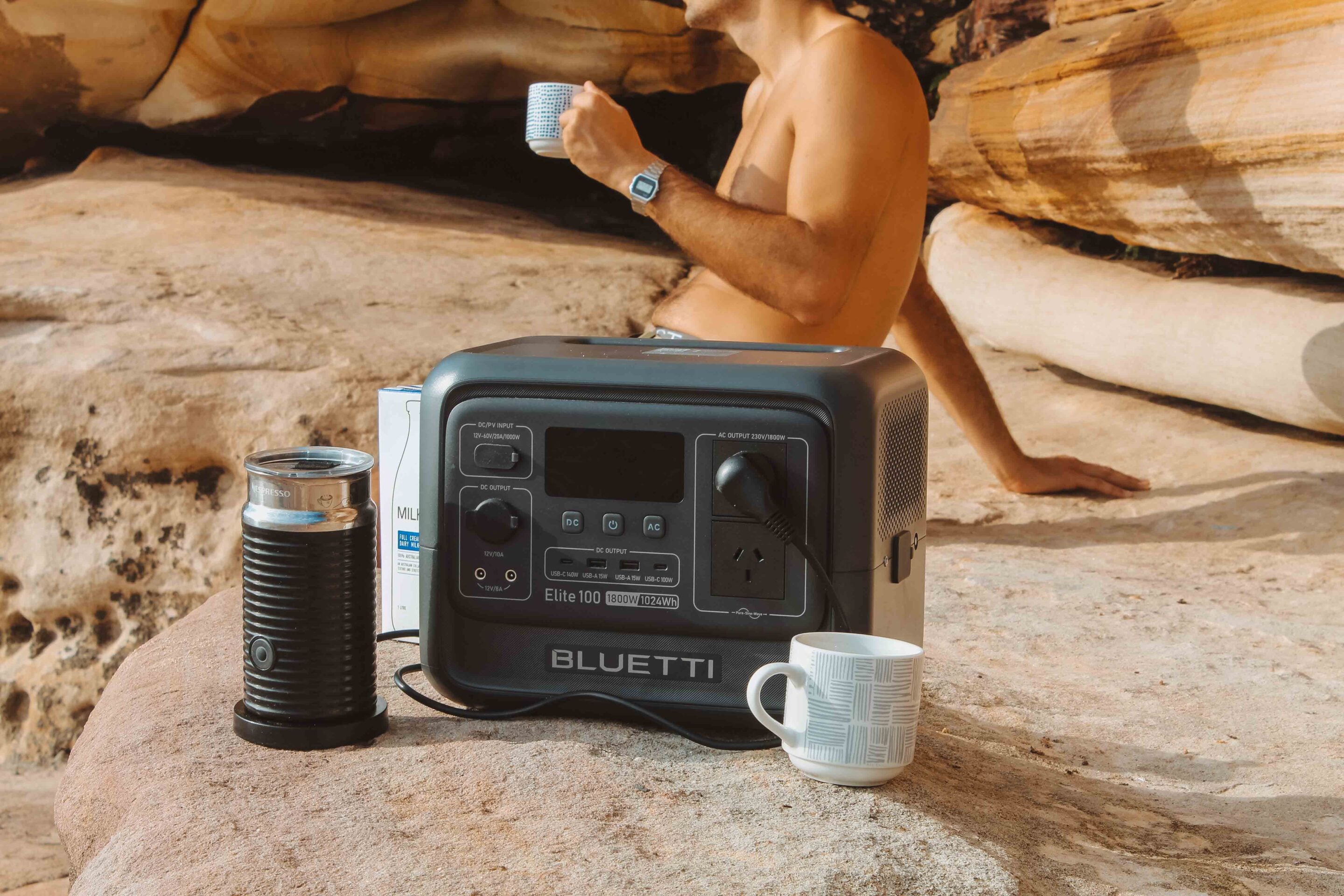
Elite 100 V2 (↗)
- RRP: $899 (was $1299)
Weighing just 11.5kg, it’s designed for easy transport between home and outdoor use, powering essentials like fridge-freezers, microwaves, and e-bike chargers.
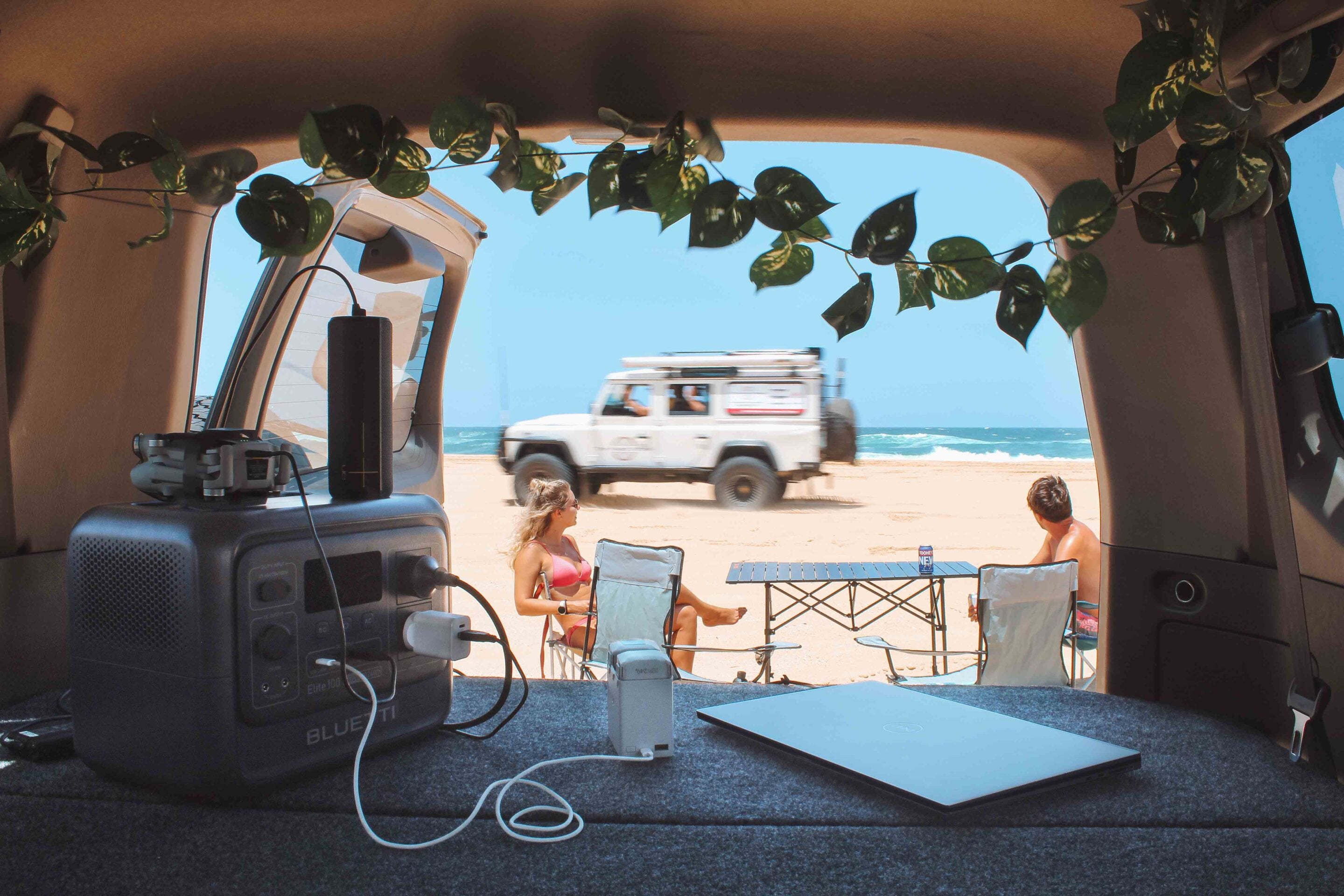
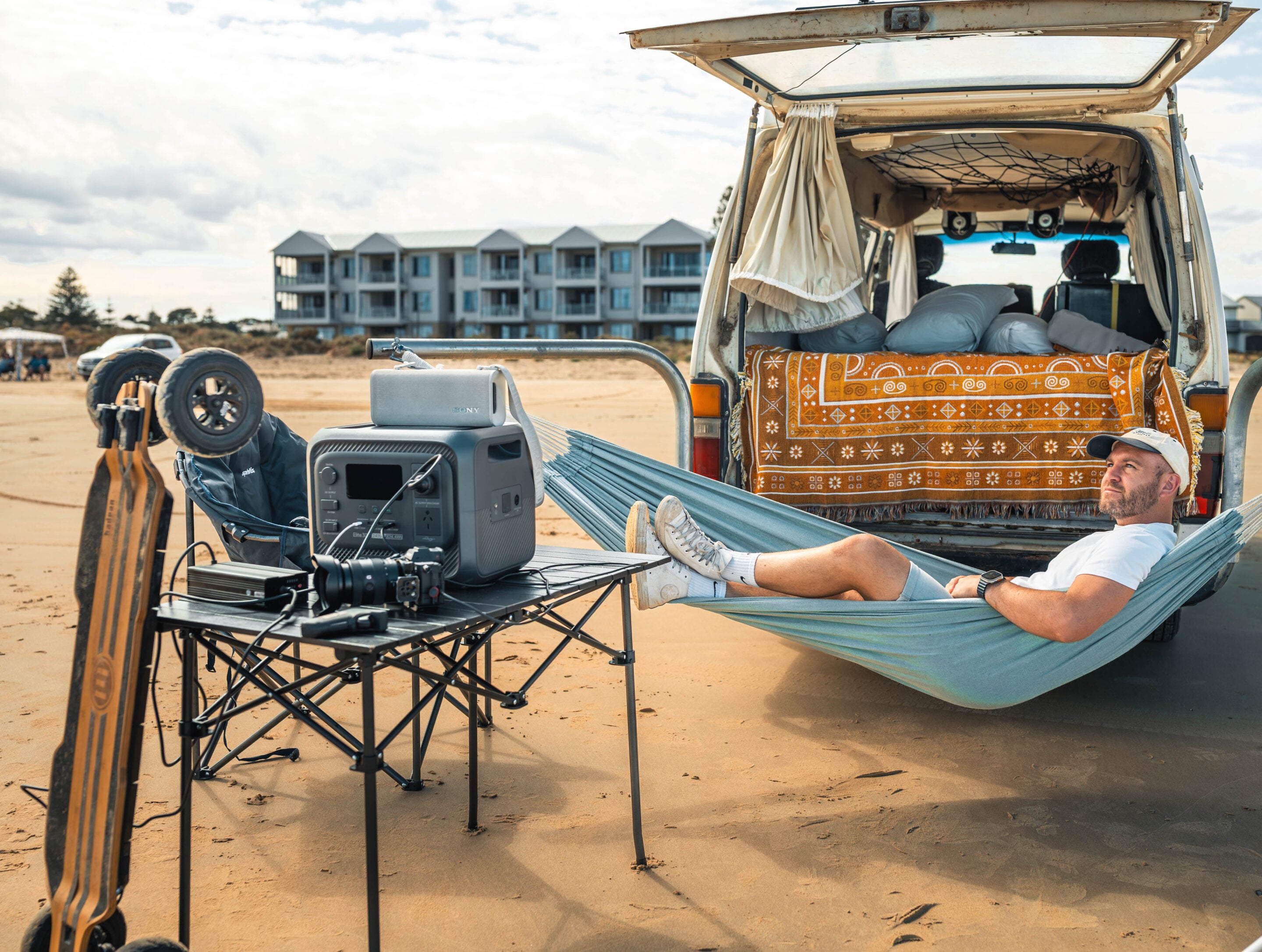
Built for road trips, camping, caravanning and emergency backup, the Elite 100 V2 (↗) combines a compact power station with Bluetti’s alternator charging system, allowing vehicle-based recharging while driving. It features a 1024Wh LiFePO₄ battery and 1800W AC output, balancing portability with enough capacity for everyday appliances. The Charger 2 enables significantly faster vehicle charging than standard 12V outlets, making it easier to top up on the move.
Ideal for:
- Camping and overlanding setups
- Caravan and RV travel
- Mobile workstations
- Emergency household backup
- Running fridges, electronics, and small appliances off-grid
Key features:
- Fast AC charging
- Solar compatibility
- Bluetooth app control
- UPS functionality for sensitive electronics
- Long-life LiFePO₄ battery rated for thousands of cycles
The combination of portability, fast charging, and flexibility makes the Elite 100 V2 one of Bluetti’s most travel-focused EOFY offerings.
Bundled with Charger 1 (↗), it forms a 560W car charging kit for $1199 (was $1699). With a 200W solar panel (↗), the bundle is also available for $1349 (was $1899).
Elite 300 (↗)
- RRP: $2499 (was $3199)
Despite its high capacity, it maintains a compact form factor, earning certification as “The World’s Smallest 3kWh Portable Power Station”.
It features eight outlets, including 12V/30A DC output, and supports multi-source charging for outdoor and home backup use. Designed for users who want serious backup without sacrificing portability. It delivers 2400W AC output and supports a wide range of household appliances. Paired with Charger 2, it can also be recharged on the move, making it well suited for extended travel.
Ideal for:
- Home backup during outages
- Caravan and RV travel
- Camping and off-grid adventures
- Remote work setups
- Emergency preparedness
Key features:
- Fast charging capability
- UPS functionality for critical devices
- App-based monitoring and control
- Multiple AC, USB, and DC outputs
- Long-life LiFePO₄ battery technology
The Elite 300 (↗) stands out as one of Bluetti’s flagship EOFY offerings, combining high capacity with portability and aggressive discounting.
The Charger 2 kit (↗) is reduced to $2899 (was $3799), while the Sora 500 solar bundle (↗) is $3499 (was $4898).
Apex 300 (↗)
RRP: $2999 (was $3,599)
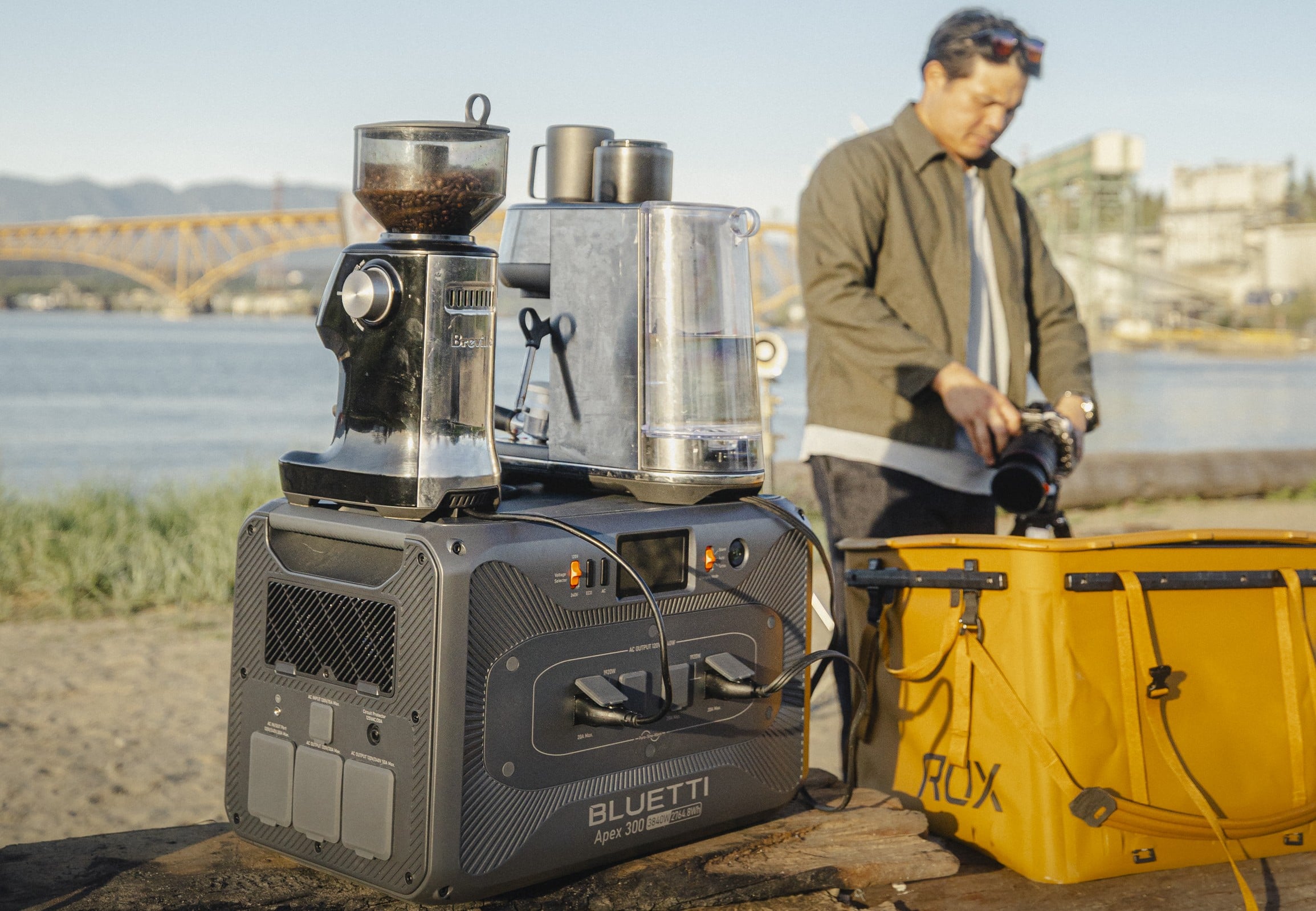
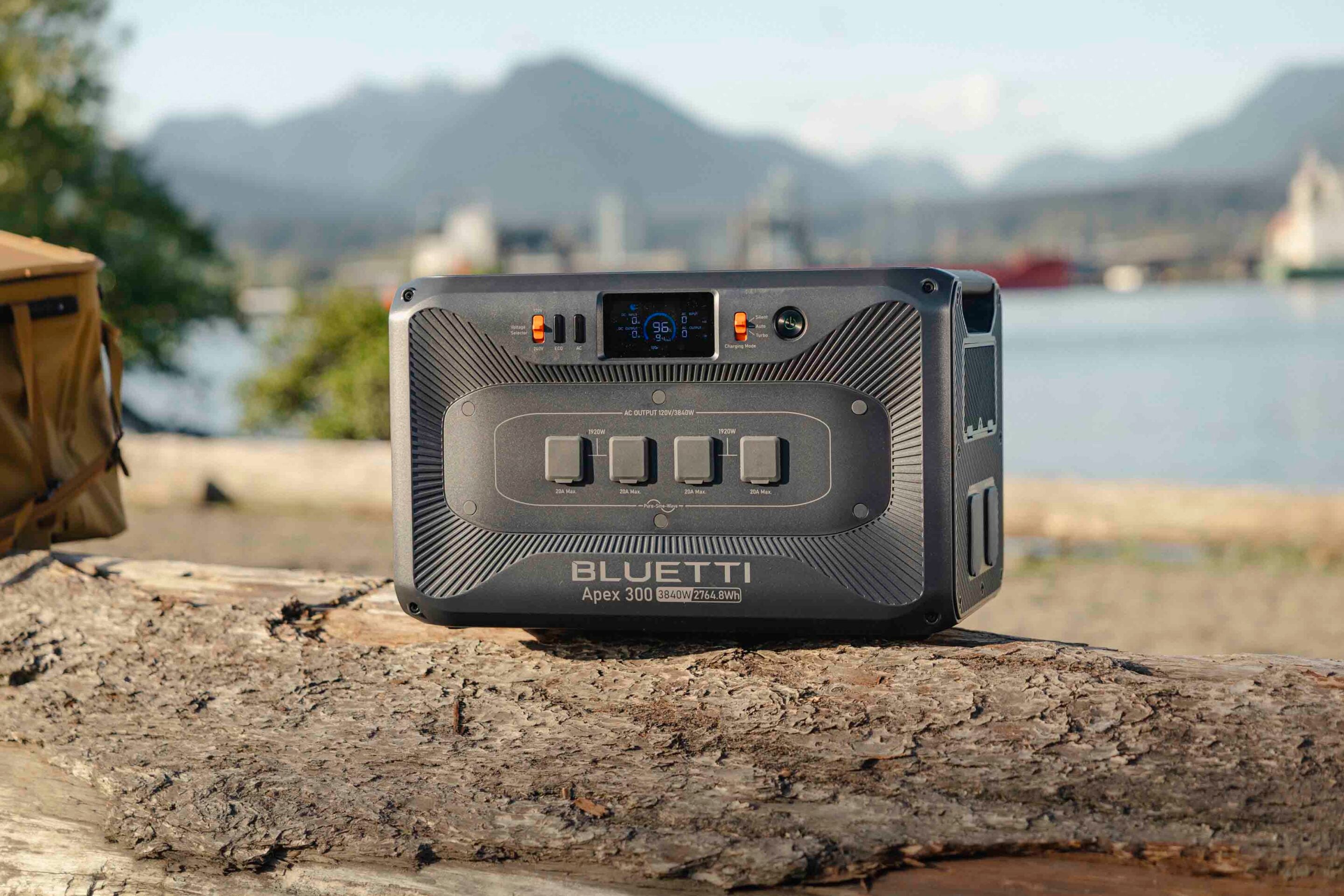
With modular expandability, it can scale into 58kWh of storage or a 19.2kW solar setup.
Positioned for home energy resilience, the Apex 300 (↗) supports larger household loads and expandable storage. As energy costs rise and extreme weather becomes more frequent, systems like this are increasingly considered for keeping essentials running during outages, including refrigeration, internet, and communications.
Portable energy systems have surged in popularity across Australia, driven by camping, van life, and the need for reliable backup power. Bluetti’s EOFY range reflects this demand, spanning compact travel units to scalable home backup solutions.
The Apex 300 + Charger 2 bundle (↗) drops from $3999 to $3299, delivering $700 in savings.
EOFY savings from BLUETTI
Beyond direct discounts, customers can stretch their EOFY budgets further through:
- Buy More, Save More: $80 off orders over $1500; $135 off over $2500; $240 off over $4000.
- Lucky Draws: Subscribe for a chance to win coupons, Bluetti Bucks or lifestyle gifts.
- Point Redemption: Redeem Bucks for cash-value discounts at checkout.
- Bluetti is also running bulk purchase discounts, social media giveaways, and member-only deals throughout the EOFY period.
Portable energy systems have become increasingly popular in Australia over the last few years as consumers look for alternatives to traditional generators and more reliable emergency backup options during storms and outages.
Camping, van life and off-grid touring have also helped fuel demand for compact, high-capacity battery systems that can run everything from laptops and lighting to fridges, induction cooktops and power tools. Bluetti’s EOFY lineup reflects that growing demand, with products ranging from lightweight portable units designed for weekend trips through to scalable home backup systems capable of supporting essential household appliances during blackouts.
From off-grid adventures to home backup, Bluetti’s EOFY Sale (↗) brings some of the year’s best deals on portable power solutions.
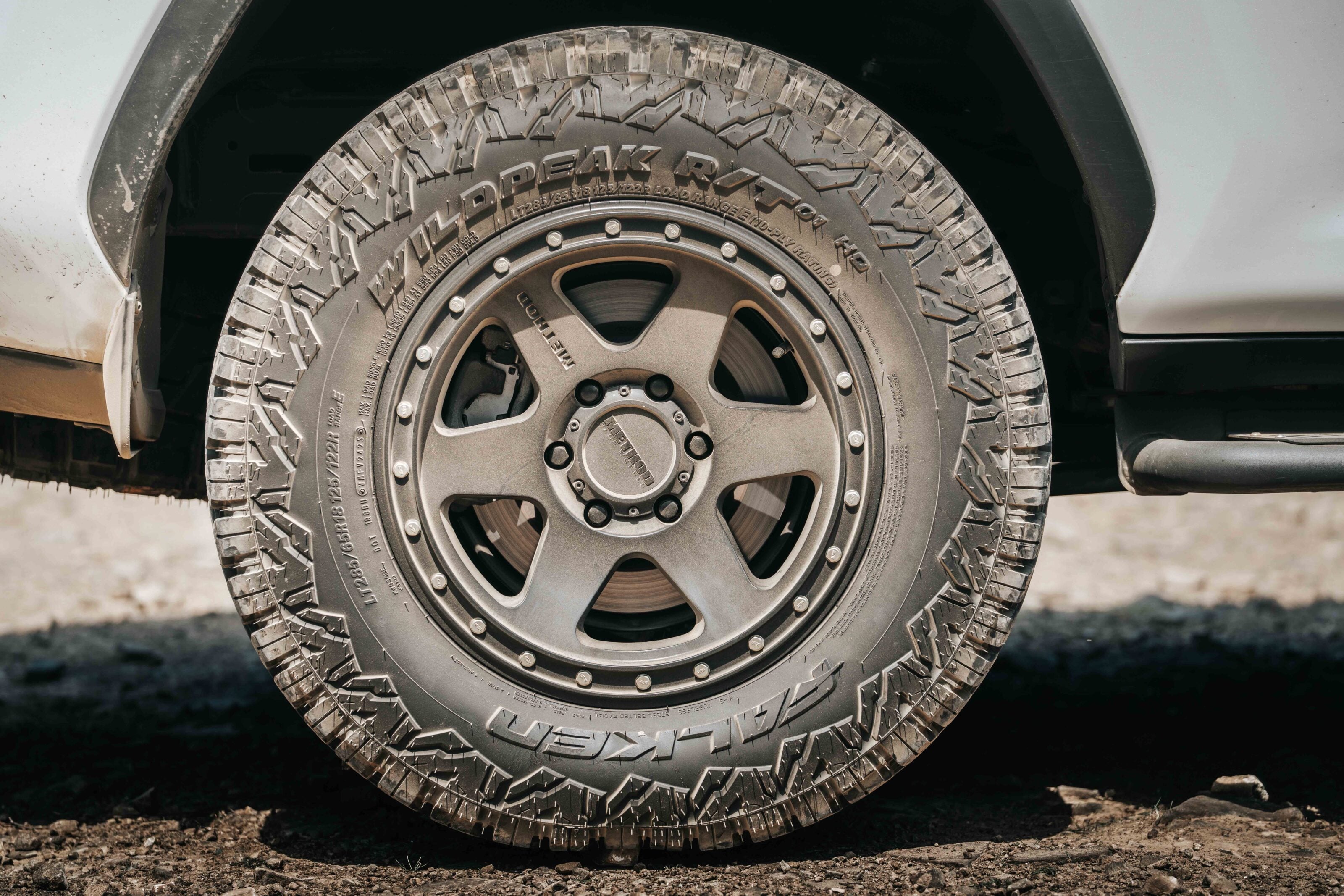
The Falken Wildpeak RT01 (↗) is a rugged-terrain tyre that sits between an all-terrain and a mud-terrain. It’s aimed at drivers who need more capability than a standard AT offers but don’t want the noise, wear and compromise of a full muddie.
It slots between the Wildpeak AT4W and MT in Falken’s range and is aimed at touring 4WDs, loaded utes and caravanning setups that regularly split time between highway driving and rough tracks.
It’s the sort of tyre that makes sense for the owner towing a caravan up the Stuart Highway, spending days on corrugated outback roads before peeling off onto rocky station tracks or muddy campsites. An AT might start to feel out of its depth, while a mud-terrain can become tiresome over thousands of kilometres of bitumen. The RT01 is designed to bridge that gap.

Rather than leaning heavily into off-road aggression or on-road comfort, the RT01 focuses on durability under load and added traction on loose surfaces, while still remaining usable on long highway runs. It suits towing, corrugated outback roads and mixed touring use where sealed and unsealed conditions regularly overlap.
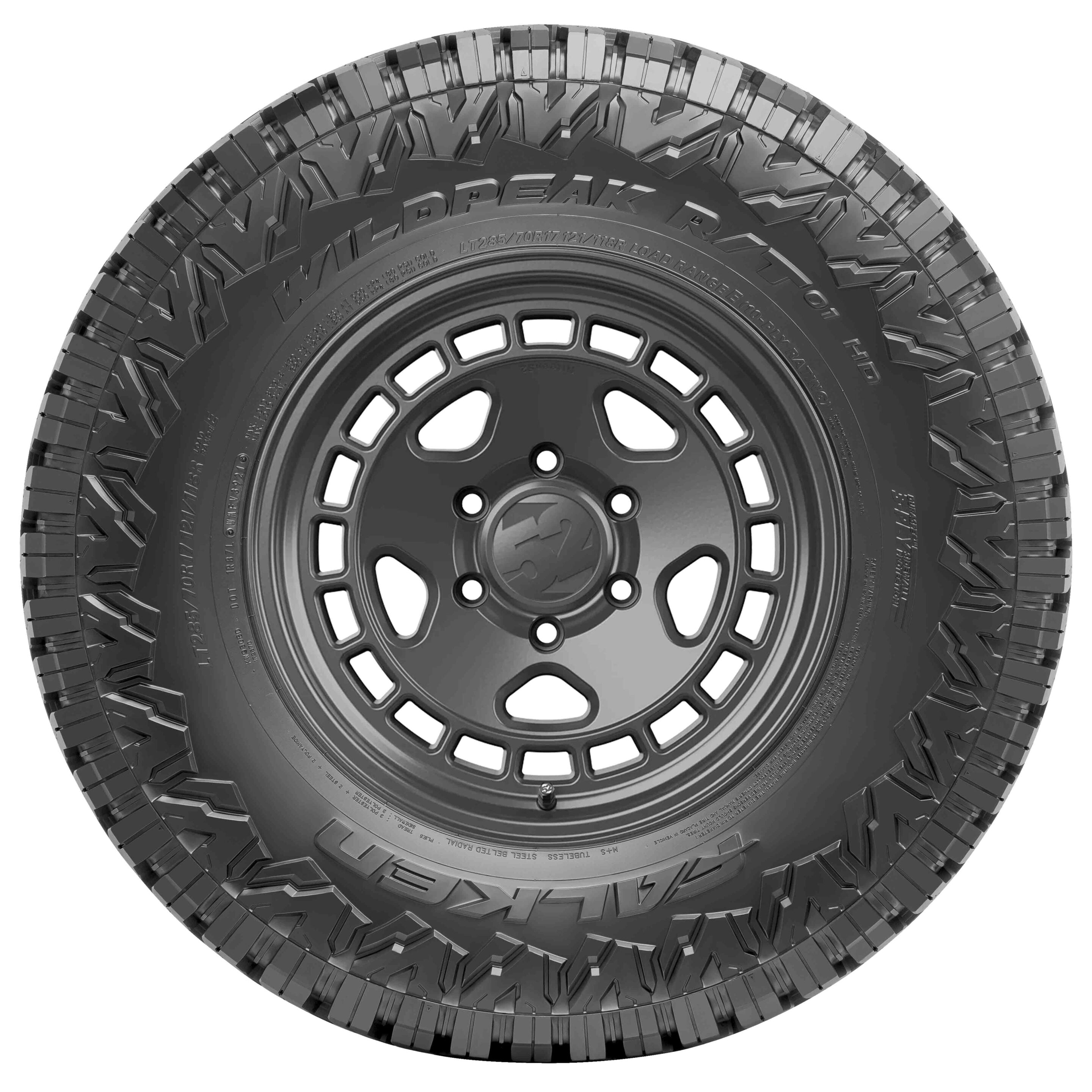
Construction varies by size, but the intent is consistent: More casing strength than an all-terrain, better road manners than a mud-terrain, and a load focus suited to heavier vehicles. Some sizes feature Falken’s DURASPEC 3-ply sidewall construction shared with the Wildpeak MT, while others use a 2-ply setup. All versions are LT-rated and built for towing and load-carrying rather than comfort.
Key design features
Hybrid rugged-terrain tread layout
The RT01 (↗) uses a more aggressive tread than a standard all-terrain, with larger voids and more open shoulder blocks. This improves bite on gravel, dirt, and mud without going to the extreme spacing of a mud-terrain. The trade-off is increased tread noise compared to an AT, particularly on coarse-chip roads.
DURASPEC 3-ply sidewall (select sizes)
Heavier-spec sizes use Falken’s DURASPEC 3-ply sidewall construction with a 2-ply turn-up, bringing mud-terrain-style casing strength into the rugged-terrain category. This improves resistance to cuts, rock damage, and impact at lower pressures. Other sizes use a standard 2-ply sidewall, so protection levels vary by fitment.
Tectonic tread blocks with load support
The centre tread is designed for stability under load. The blocks are supported to reduce movement under weight, which helps when towing or running heavy touring setups. This becomes more noticeable as vehicle load increases.
Open shoulder and mud-clearing layout
The outer blocks are widely spaced and angled to help shed mud, gravel, and debris. This reduces packing in softer terrain and improves edge bite when aired down or running uneven ground.
Chip- and tear-resistant compound
The compound is tuned for mixed-surface use, with resistance to damage from corrugations, gravel, and heat over long-distance driving. It prioritises durability over comfort.
LT construction across the range
All RT01 sizes are Light Truck construction, with load ratings suited to utes, wagons, and towing applications. Fitments cover common Australian 4WD platforms, including dual-cab utes and large wagons, as well as higher-load and GVM-upgraded builds.
Construction and behaviour
The RT01’s strength lies more in its casing than its tread design.
Compared to a standard all-terrain, the key upgrade is sidewall protection. Select sizes use a 3-ply construction that improves resistance to rock damage and impacts in rough terrain.
The shoulder blocks are open and relatively square-edged. This helps traction in mud and loose gravel, particularly at lower pressures, but it also makes the tyre more noticeable on sealed roads.
In the centre, the tread is more tightly packed. This improves stability under load, especially when towing or carrying weight. The tread blocks are internally supported to reduce movement, which becomes more noticeable as vehicle load increases.
On-road and off-road behaviour
On the road, the RT01 sits between an all-terrain and a mud-terrain.
It is not as quiet or refined as a standard AT, with noticeable tread noise on coarse-chip surfaces that increases with speed. In return, it feels more composed under load than most AT tyres, particularly on towing setups where rear stability matters.
Off-road is where it becomes more relevant. The open shoulder design and block spacing help it clear mud and loose gravel rather than pack up, while still offering enough edge bite for rocky climbs and uneven tracks. It does not rely on deep voids like a mud-terrain, but it is clearly more capable than a standard all-terrain in broken terrain.
Sidewall strength is a defining factor in rough conditions. In LT and 3-ply DURASPEC equipped sizes, it offers noticeably more resistance to cuts and impacts than a typical AT, particularly on sharp rock and corrugations. At lower pressures, the shoulder blocks maintain their shape reasonably well, which helps traction and stability on uneven ground.
Pros and cons
Pros
- More capable off-road than a standard all-terrain
- Strong sidewall construction in selected sizes
- Stable under load, especially for towing
- Works across mixed on-road and off-road use
- Strong braking performance in independent testing compared to similar rugged-terrain tyres
Cons
- Noisier than an all-terrain
- Heavier than standard AT tyres
- Not all sizes get the 3-ply sidewall
- Less refined on-road than comfort-focused AT tyres
Where it sits in the market
The RT01 competes with tyres such as the Nitto Ridge Grappler, Toyo Open Country RT, Yokohama Geolandar X-AT, and Cooper Discoverer Rugged Trek.
Its strengths are casing durability in LT/DURASPEC sizes and braking performance noted in independent testing. Where it falls behind some rivals is range depth, with competitors offering broader sizing in certain platforms. It is less suited to drivers prioritising quiet road manners or mostly urban use. It makes most sense for:
- Touring 4WDs carrying weight or towing caravans
- Utes used for both work and weekend travel
- Drivers who have outgrown all-terrains
- Builds needing more durability without moving to a full mud-terrain
The RT01 (↗) sits between an all-terrain and a mud-terrain rather than replacing either.
It is aimed at drivers who are putting more load, distance and rough-road use into their vehicles than a standard all-terrain is built for, but still need something that behaves on the highway.
FAQs: Rugged-terrain tyres explained
What exactly is a rugged-terrain tyre?
Think of an RT tyre as the middle ground between an all-terrain and a mud-terrain. It gives you more sidewall protection, a more aggressive tread pattern and better performance in loose conditions than a typical AT, without committing to the extra noise and compromises that come with running an MT every day.
Should I choose an RT over an all-terrain?
That depends on how you use your 4WD. If most of your driving is commuting, country roads and the occasional camping trip, a good AT is usually enough. But if you’re regularly towing, carrying touring weight, running corrugations or finding the limits of an AT on tougher tracks, an RT starts to make a lot of sense.
Are rugged-terrain tyres good for towing?
They generally are. Most RTs use LT construction and are designed with heavier vehicles in mind. The stiffer casing and stronger construction can provide a more stable feel when towing caravans, camper trailers or carrying a fully loaded touring setup. The trade-off is a firmer ride when the vehicle is unladen.
Do RT tyres wear out quickly?
Not if they’re looked after. Tyre life comes down to factors such as inflation pressures, wheel alignments, rotations and how the vehicle is used. A heavily loaded ute towing around Australia will wear tyres differently to a lightly driven weekend wagon. Modern RT compounds are far more durable than aggressive tyres of the past, but they still won’t match a highway tyre for outright longevity.
Are rugged-terrain tyres noisy?
Compared to an AT, yes. Compared to a mud-terrain, not usually. Most RTs produce a noticeable hum on coarse-chip country roads, but the level of noise varies between brands and tread designs. For many owners, it’s an acceptable trade-off for the extra off-road capability.
Can you air down RT tyres off-road?
Absolutely. In fact, it’s one of the easiest ways to improve traction and ride quality off-road. Lower pressures help the tyre conform to rocks, lengthen the footprint in sand and smooth out corrugations. The right pressure depends on the terrain, vehicle weight and tyre construction, but airing back up before returning to bitumen is essential.
What’s the real difference between AT, RT and MT tyres?
- An AT is the all-rounder. It’ll handle daily duties, dirt roads and touring without too much fuss.
- An RT shifts the balance towards off-road durability and traction. You give up a bit of refinement in exchange for stronger construction and better performance in loose terrain.
- An MT is built with maximum off-road grip in mind, particularly in mud and technical terrain. The downside is more noise, reduced on-road manners and, in many cases, faster wear when used primarily on sealed roads.
Are rugged-terrain tyres worth it?
If your 4WD spends most of its life in suburban traffic, probably not. But if you’re towing a van around the country, carrying a full touring setup or regularly heading into rougher country where an AT is starting to feel like a compromise, an RT can be the sweet spot. They’re not the answer for everyone, but for plenty of Australian 4WD owners, they’re the tyre that bridges the gap.
Is your 4×4 set up for the tracks you really want to tackle?
Whether you’re chasing tougher touring gear, better clearance, or just smarter storage, the right upgrades can make all the difference. We’ve rounded up the latest aftermarket gear hitting the Aussie market this month. If you’re planning your next trip or just looking to get more out of your rig, these are the products worth checking out! 👇
JUMP AHEAD
- Retract Canopy Systems (RCS)
- GME XRS Connect value packs
- Lovells Fusion Upgrade for Ranger Raptor
- AAA Suspension Ford Ranger Super Duty Xtra Leaf kit
- Projecta Intelli-Grid GEN III
- Bluetti FridgePower
- LightForce Beast 190 driving light
- Utemaster GearForce Hard Lid
- Tuff Terrain Tyre Pressure Monitoring System (5 sensor)
- Pedders GVM upgrade for 2026 HiLux
- MSA 4X4 integrated table solutions
- Custom Lithium Next Generation Ultra Slim XL lithium battery
Retract Canopy Systems (RCS)
- RRP: From $5890
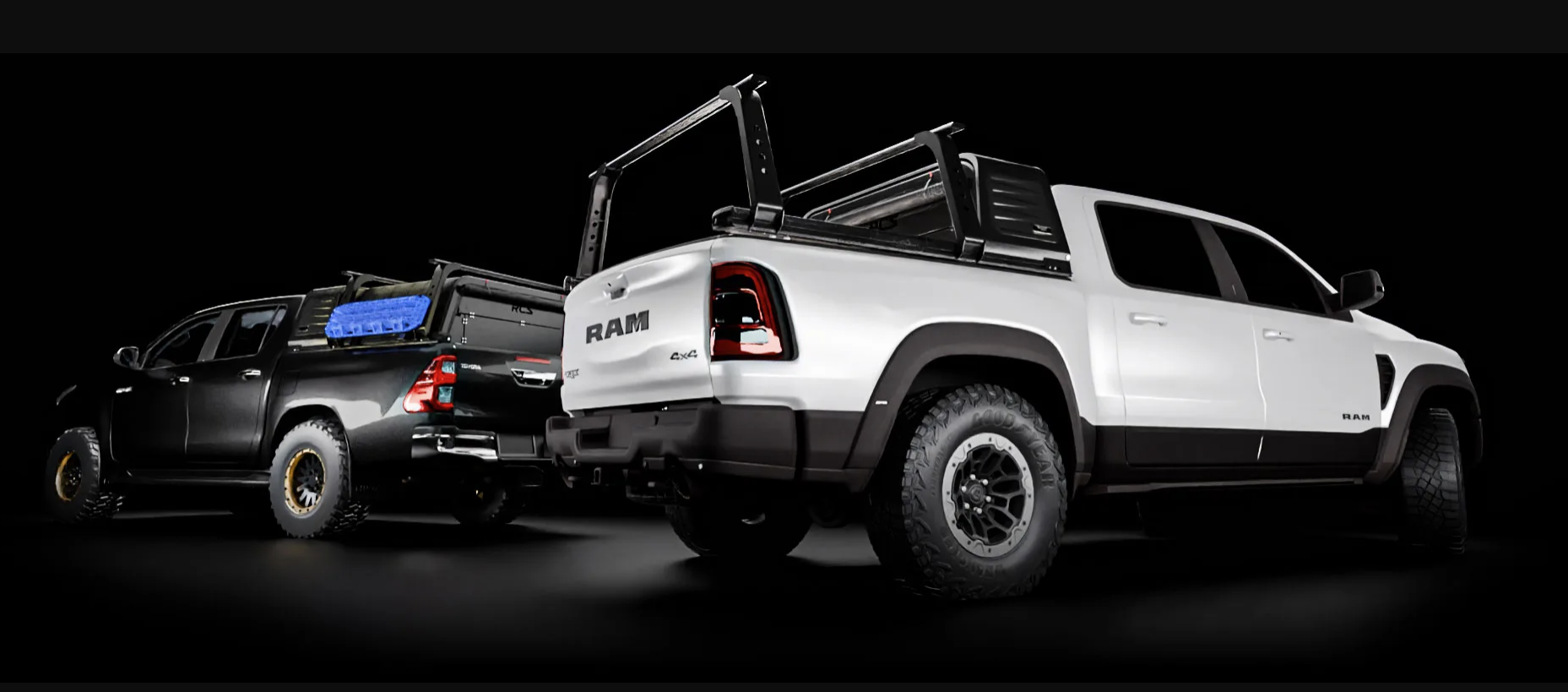
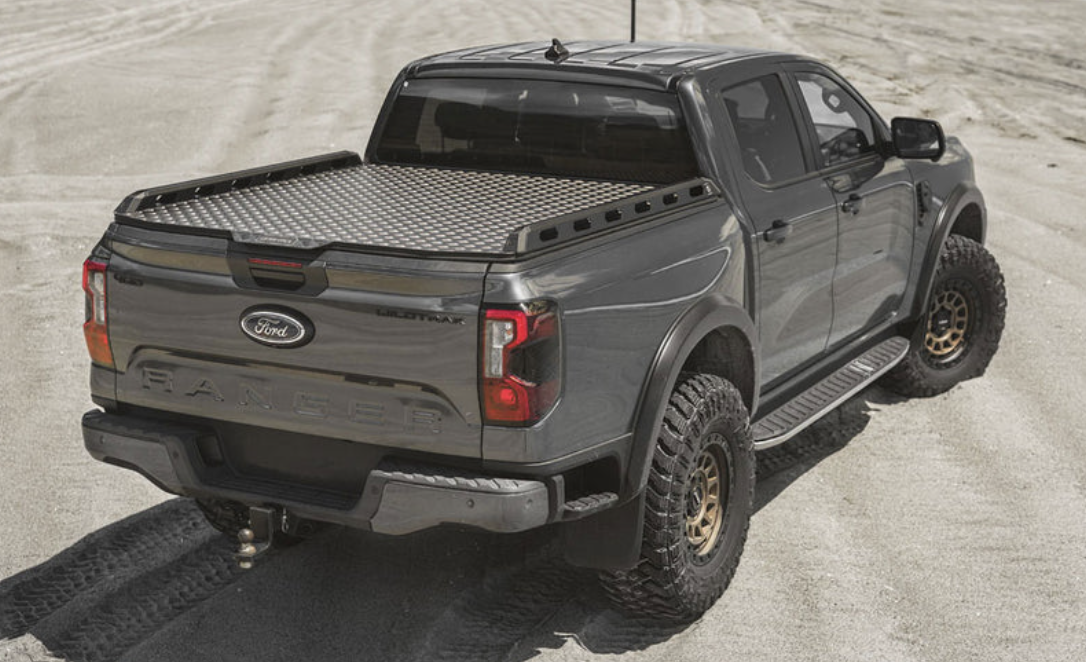
This versatile canopy system suits standard dual-cab utes and full-size American pickups. The remote-controlled retracting canopy locks securely when closed and opens to provide full access to your tub. Its modular T-slot rail system supports roof bars, 4×4 mounts and other accessories, while built-in LED lighting and a front window improve functionality. RCS adapts to a wide range of setups, with options such as security cages, recovery board mounts and automated mid-gates in development. 🔧 View product details
GME XRS Connect value packs
- RRP: From $779
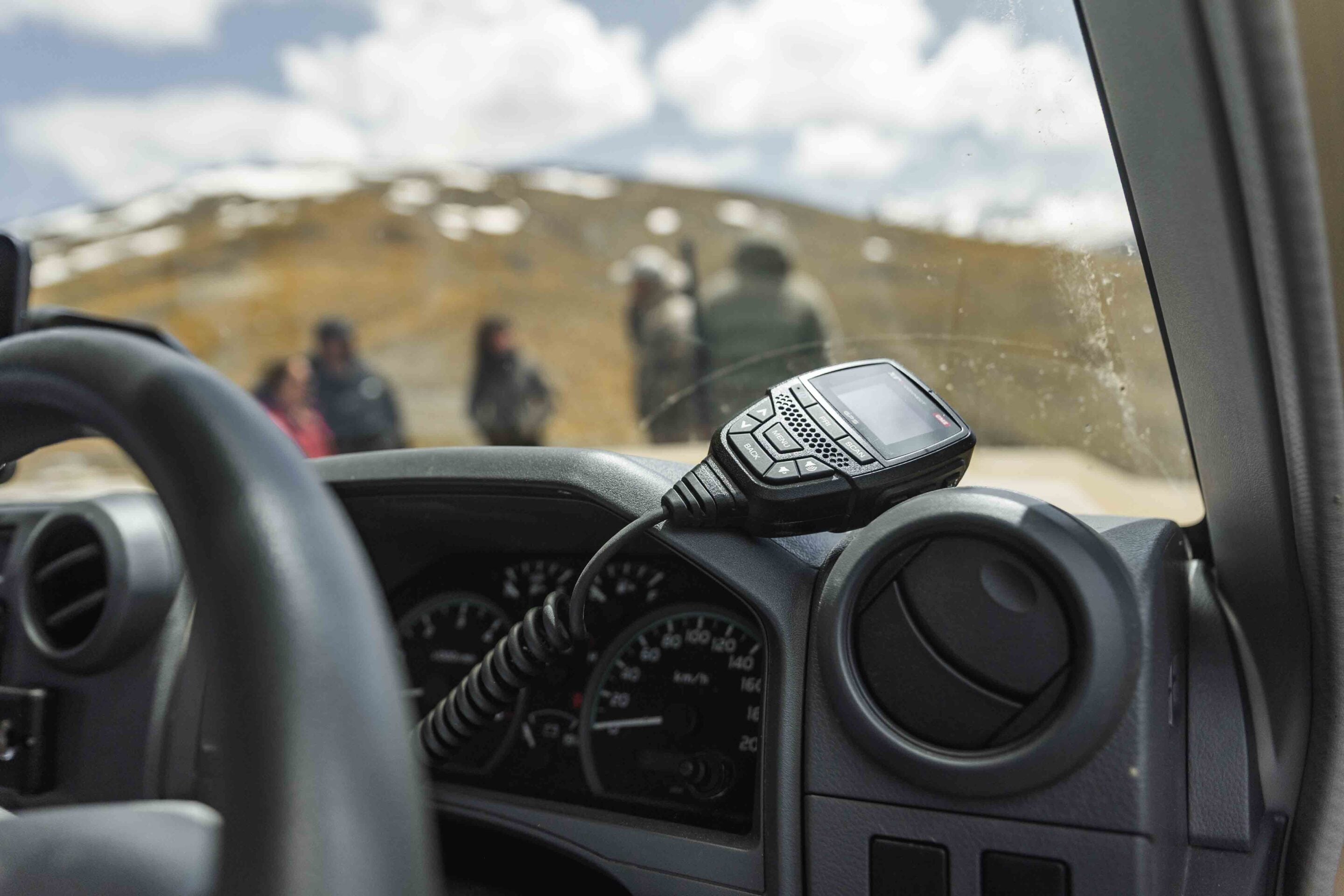
These Australian-made all-in-one communication kits for off-road adventures are designed for clear, reliable UHF CB radio communication. Each pack pairs GME’s latest radios with high-performance antennas and is tailored to different travel styles: Outback Pack (XRS-335COB) for remote, off-grid touring; Touring Pack (XRS-335CTP) for everyday touring; and 4X4 Pack (XRS-375C4P) for heavy-duty use in demanding conditions and commercial applications.
All packs feature Bluetooth, GPS, noise reduction, customisable controls and smartphone integration via GME’s XRS Connect for smarter, connected communication on the road. 🔧 View product details
Lovells Fusion Upgrade for Ranger Raptor
- RRP: $2600 +GST (fitted)
Aussie brand Lovells has introduced its Fusion Upgrade for the next-gen Ford Ranger Raptor, aimed at increasing load-carrying capability while retaining the factory FOX Live Valve dampers. The system integrates Lovells-developed, locally manufactured coil springs with the OEM suspension, maintaining the vehicle’s ride quality, handling precision and high-speed off-road performance.
Designed around real-world use cases such as accessories, touring setups and trade loads, the upgrade provides a compliant, tested and certified pathway to higher payload capacity without replacing key factory components. It raises GVM from 3130kg to 3550kg and GCM from 5370kg to 5900kg, while also increasing front axle capacity from 1520kg to 1650kg and rear axle capacity from 1700kg to 1900kg. GCM upgrade availability may vary by state for post-registration vehicles.🔧 View product details
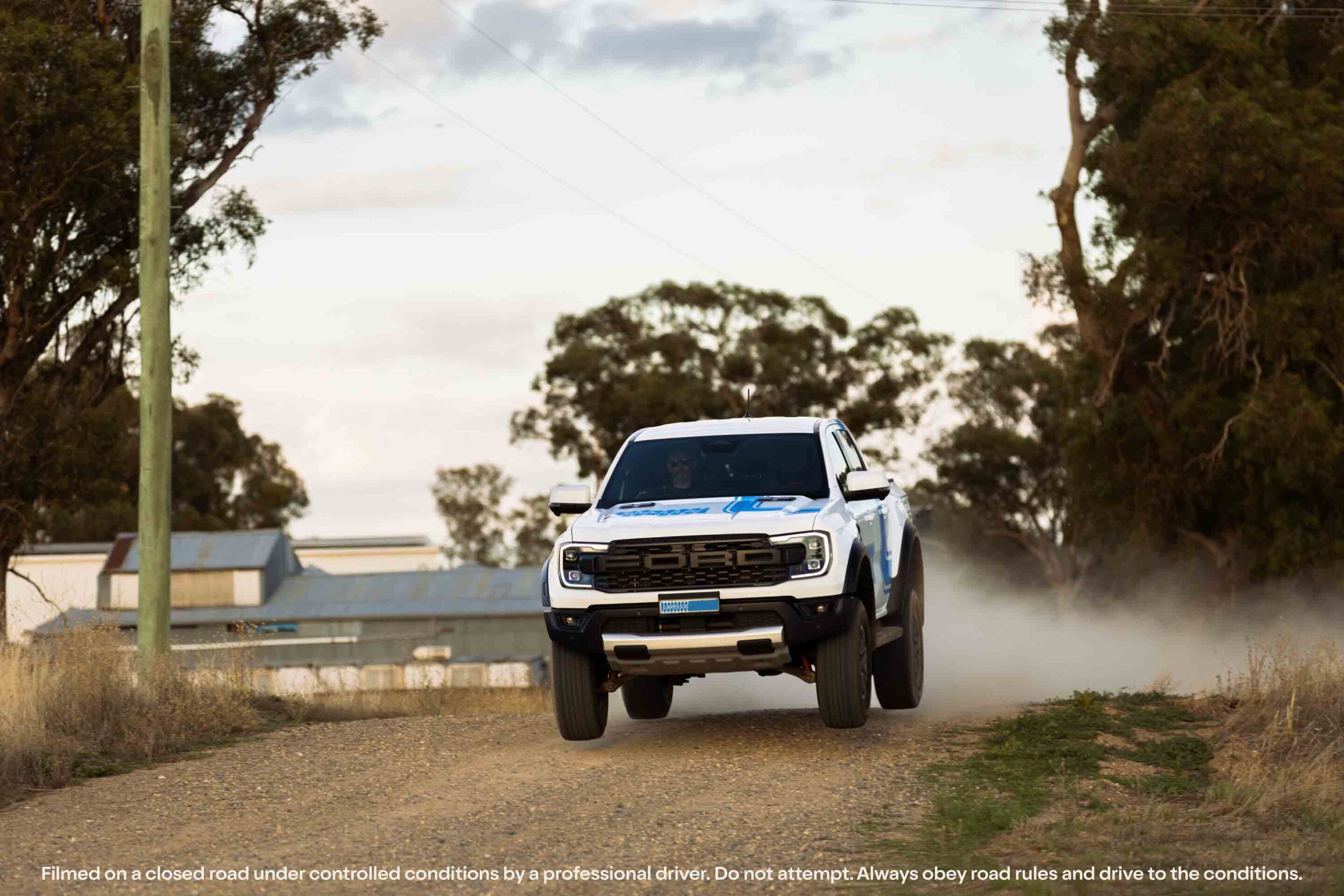
AAA Suspension Ford Ranger Super Duty Xtra Leaf kit
- RRP: $625
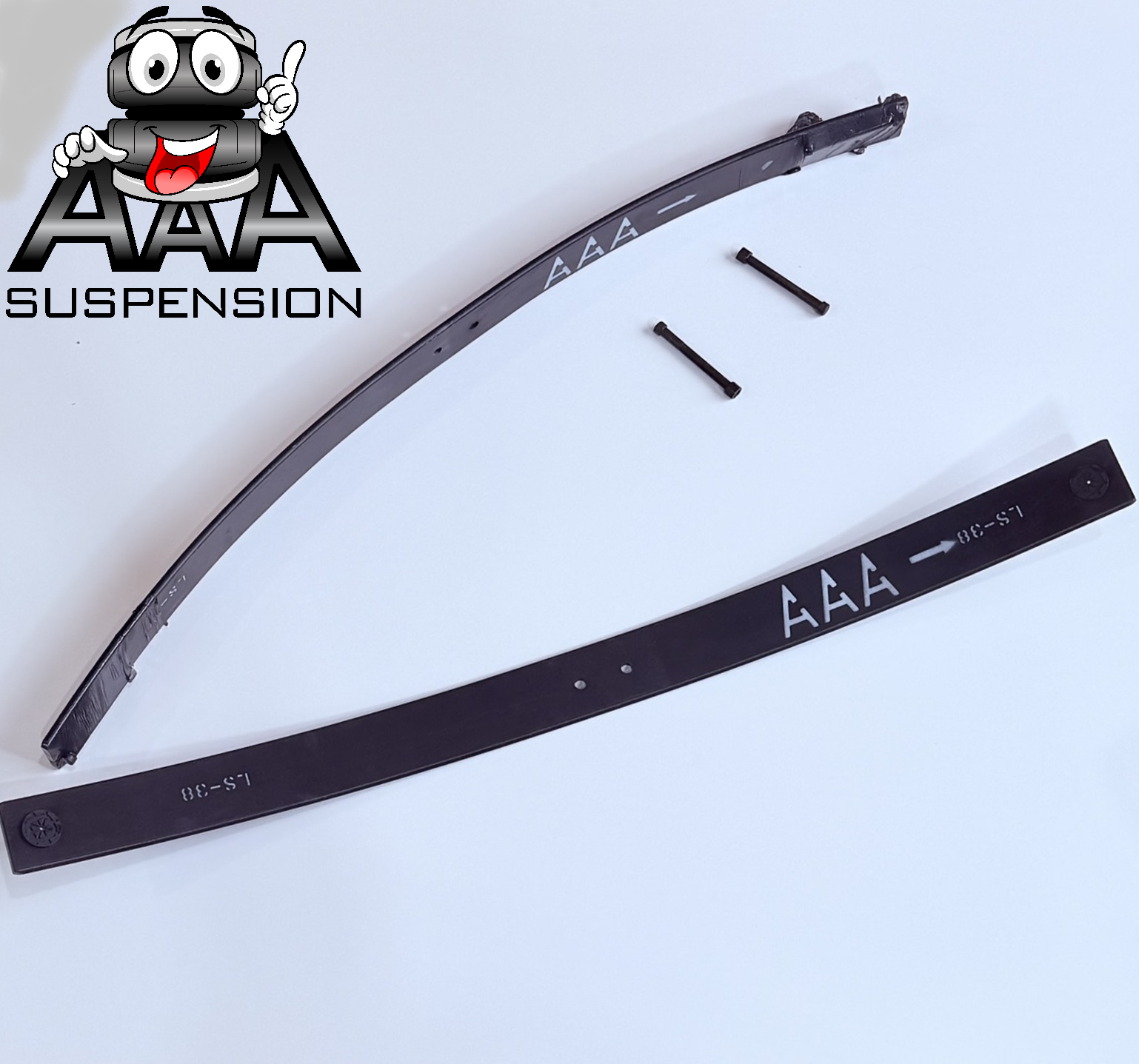
AAA Suspension has developed its XTra Leaf Assist kit specifically for the Ford Ranger Super Duty, designed to address constant rear-end sag in vehicles that regularly carry heavy loads. Rather than a universal solution, the kit adds an additional leaf to each side of the factory spring pack, increasing load support while retaining compatibility with standard components.
Engineered as a fit-at-home or workshop-install solution, the kit includes two XTra leaves, longer centre bolts, nylon silencer pads and factory-style spacer blocks. It delivers a +220kg constant load increase, making it suited to vehicles with trays, canopies or permanent payloads. The system is not intended as a lift kit, instead restoring ride height on heavily loaded vehicles while maintaining factory ride characteristics under load. 🔧 View product details
Projecta Intelli-Grid GEN III
- RRP: POA
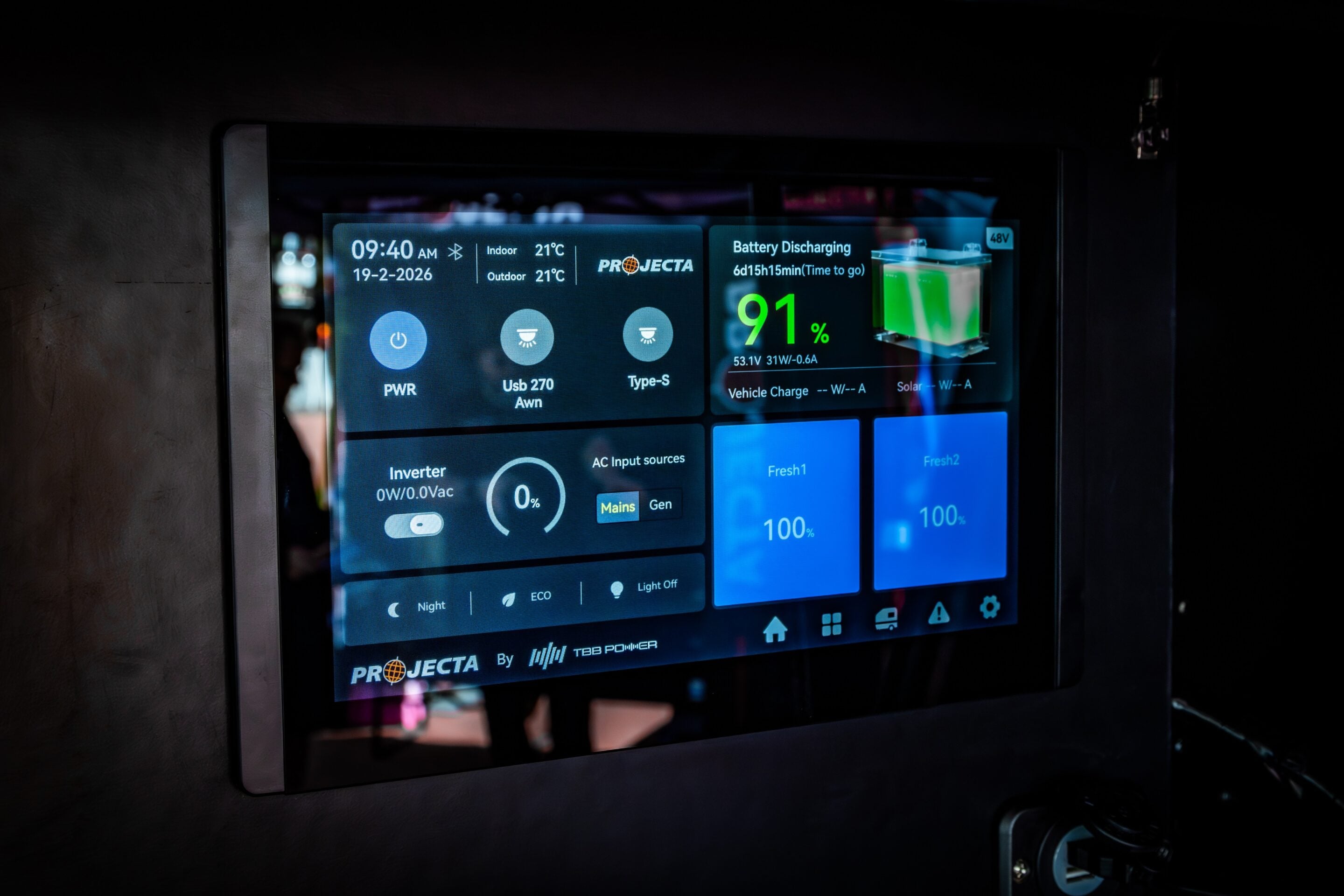
Projecta has launched its Intelli-Grid GEN III 12-volt power management system, combining charging, power distribution and monitoring into a single platform based around the PM535 and PM635 power management units. The system adds in-built DC-DC charging and allows inverter/charger integration, with further expandability via additional DC-DC or solar charging.
The PM535 provides 30A AC, 30A DC-DC and 30A MPPT solar charging, while the PM635 increases output with 45A DC-DC, 45A MPPT solar and a 60A AC charger. Both automatically select input sources and support lithium or lead-acid batteries with adaptive charging profiles.
GEN III enables control of up to 15 load outputs, offers display options in 3-, 4-, 7- and 10-inch sizes, supports Projecta inverter/chargers up to 3000W and includes smartphone monitoring via the Intelli-Grid app. It is available in four core kits and is backed by a five-year warranty.🔧 View product details
Bluetti FridgePower
- RRP: US$759 (standalone unit); US$1398 (FridgePower Plus bundle)
Bluetti has launched its FridgePower system on Kickstarter. While aimed at household refrigeration, it is also positioned for off-grid use where compact backup power is required. The plug-and-play system is designed to keep a fridge running during outages or remote travel, with 2016Wh capacity and 1800W output.
Bluetti claims up to 21.6 hours of fridge runtime and a 4W AC idle draw, with a 3600W surge rating for compressor starts. Capacity can scale to 8064Wh using three expansion batteries, extending runtime to around four days. It uses LiFePO₄ cells rated for more than 4000 cycles and includes a 10ms UPS switchover for seamless power transitions.
At 75mm thick, with flat or vertical mounting options, it is designed for tight installs. It also includes app-based control, multiple operating modes and optional display integration.🔧 View product details
LightForce Beast 190 driving light
- RRP: $499
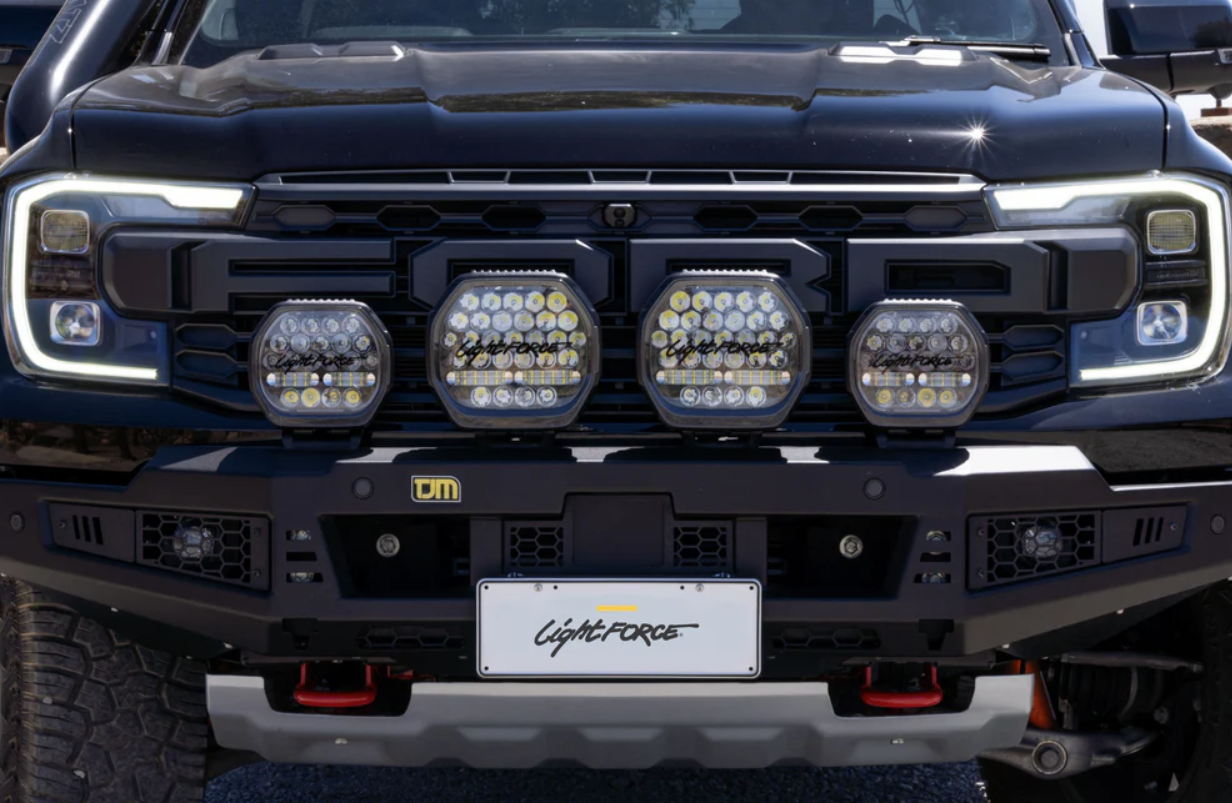
The LightForce BEAST 190 is a slimline driving light designed for modern bullbar fitment, with an 80mm profile focused on improved airflow and reduced sensor obstruction. It features an IP69K water-tight housing, protecting against dust, high-pressure steam and submersion to 1.5m. The unit is chemically resistant, including resistance to petrol, brake fluid and paint solvents.
Designed for extreme environments, it operates continuously from -40°C to 85°C, withstands spikes up to 125°C and features electronics rated for 200,000 power cycles. It also uses a UV- and solar-resistant lens.
The light carries IK16 impact resistance, MIL-STD-810H vibration and shock compliance and is tested against high-force impact scenarios. It is rated for 10,000 hours of continuous operation, with LEDs rated to 50,000 hours, and carries ROHS compliance along with RCM and FTC approvals for AU/NZ and USA markets. 🔧 View product details
Utemaster GearForce Hard Lid
- RRP: $3500 +GST
The Utemaster GearForce Hard Lid is a simple, heavy-duty ute tub solution backed by almost two decades of design and manufacturing experience. It uses a 5052-grade aluminium lid skin with a black powdercoat finish, supported by aluminium extrusion side rails and bracing built as a single rigid structure. The system is designed without loose bolts or rivets in the main frame for long-term stability.
Functionally, it uses gas struts for assisted opening and allows tailgate access while the lid is closed. Security is integrated via tailgate-based central locking, with no exposed locks. It is rated to 200kg dynamic and 400kg static load capacity.
The lid is designed for quick removal and refit via a quick-release system, enabling full tub access when required. Weather protection is handled through front and rear sealing, including a front seal designed to shed water away from the tub. It comes standard in black and is backed by a three-year warranty, with crossbars available as an optional accessory.🔧 View product details
Tuff Terrain Tyre Pressure Monitoring System (5 sensor)
- RRP: $299
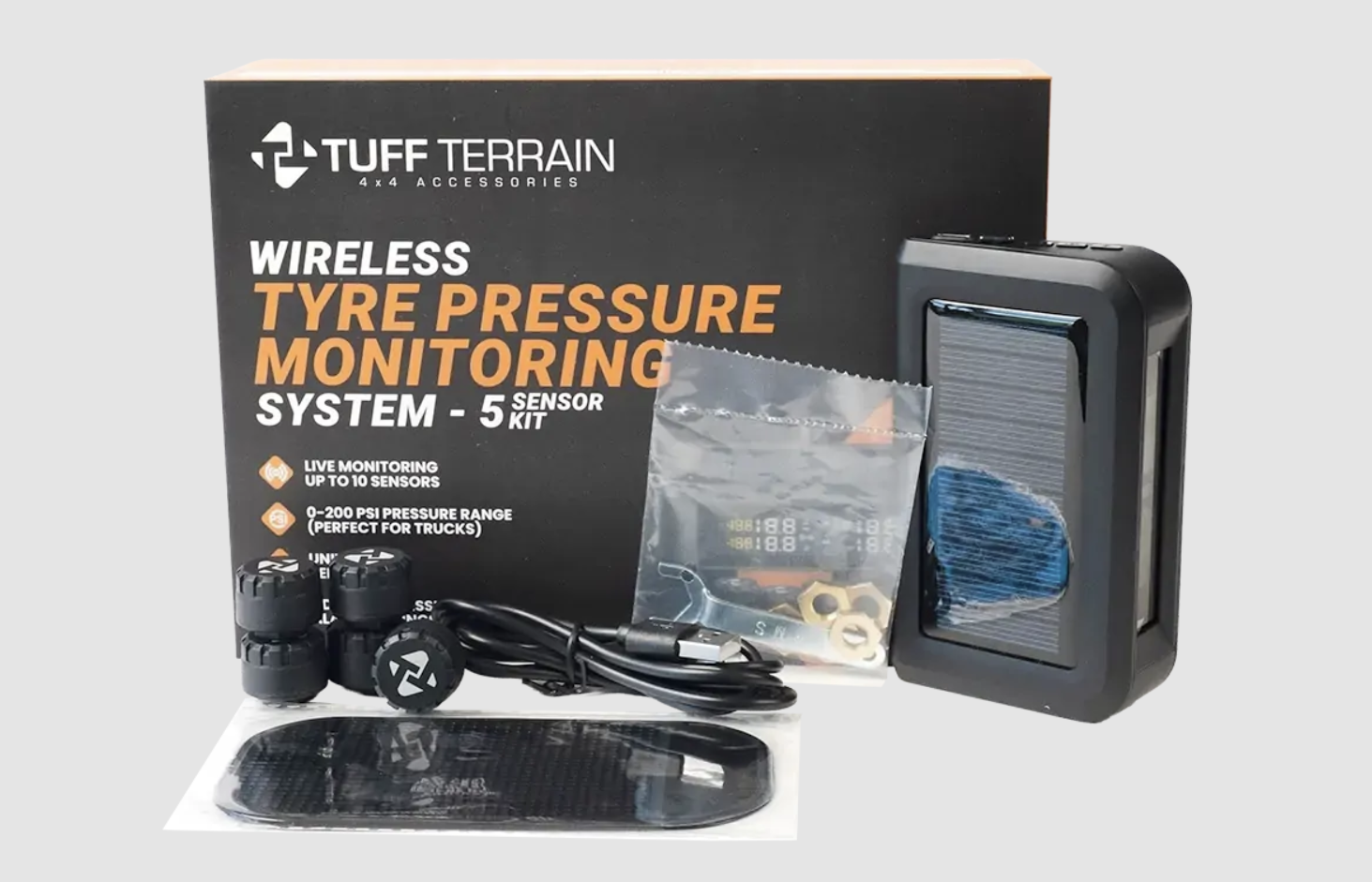
The Tuff Terrain Tyre Pressure Monitoring System (TPMS) is a five-sensor kit that provides real-time monitoring of tyre pressure and temperature across all five tyres, including the spare. It uses five pre-paired sensors for quick setup and displays live data on a full-colour LCD screen, showing pressure in PSI or bar and temperature in °C or °F.
The system provides instant alerts for slow leaks, fast leaks and over-temperature conditions to help improve safety, handling and tyre wear management. The display is powered by built-in solar charging or USB-C and includes a secure dash mount with anti-slip mat.
Sensors are rated up to 200psi for standard and heavy-duty applications. The kit includes the display unit, five sensors, USB-C cable, mounting mat, locking spanners and instructions, with an optional range booster available. It is backed by a two-year limited warranty.🔧 View product details
Pedders GVM upgrade for 2026 HiLux
- RRP: POA
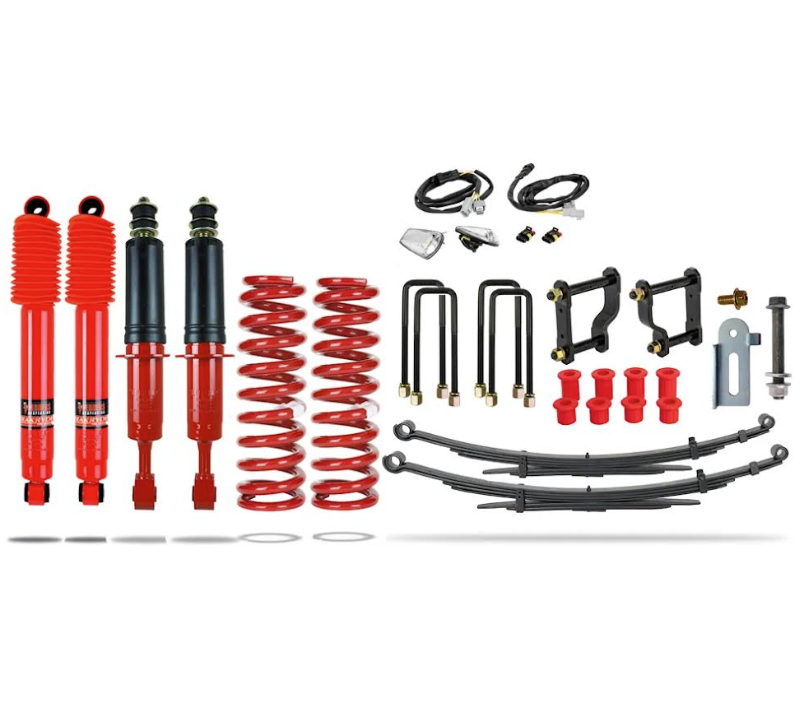
Pedders has introduced a full range of GVM+ Upgrade Kits for the ninth-gen HiLux. Developed specifically for the current HiLux platform, the kits are available in 3220kg, 3500kg, 3620kg and 3800kg (4X4 only) GVM ratings. Pedders is first to market with a GVM upgrade in the NB category (GVM >3500kg) for this model, expanding its range of ADR-compliant GVM solutions in Australia.
The kits are engineered as complete vehicle systems rather than standalone components, designed to maintain ride comfort, stability, braking performance and predictable handling under load. Each GVM+ kit is Federal Government-approved and compliant with Australian Design Rules, allowing legal increases in carrying capacity while maintaining safe vehicle dynamics. 🔧 View product details
MSA 4X4 integrated table solutions
- RRP: From $152 (Drop Slide Clip-On Table with Cutlery Roll); from $1235 (Drop Slide with table); from $1784 (Power Slide with table)
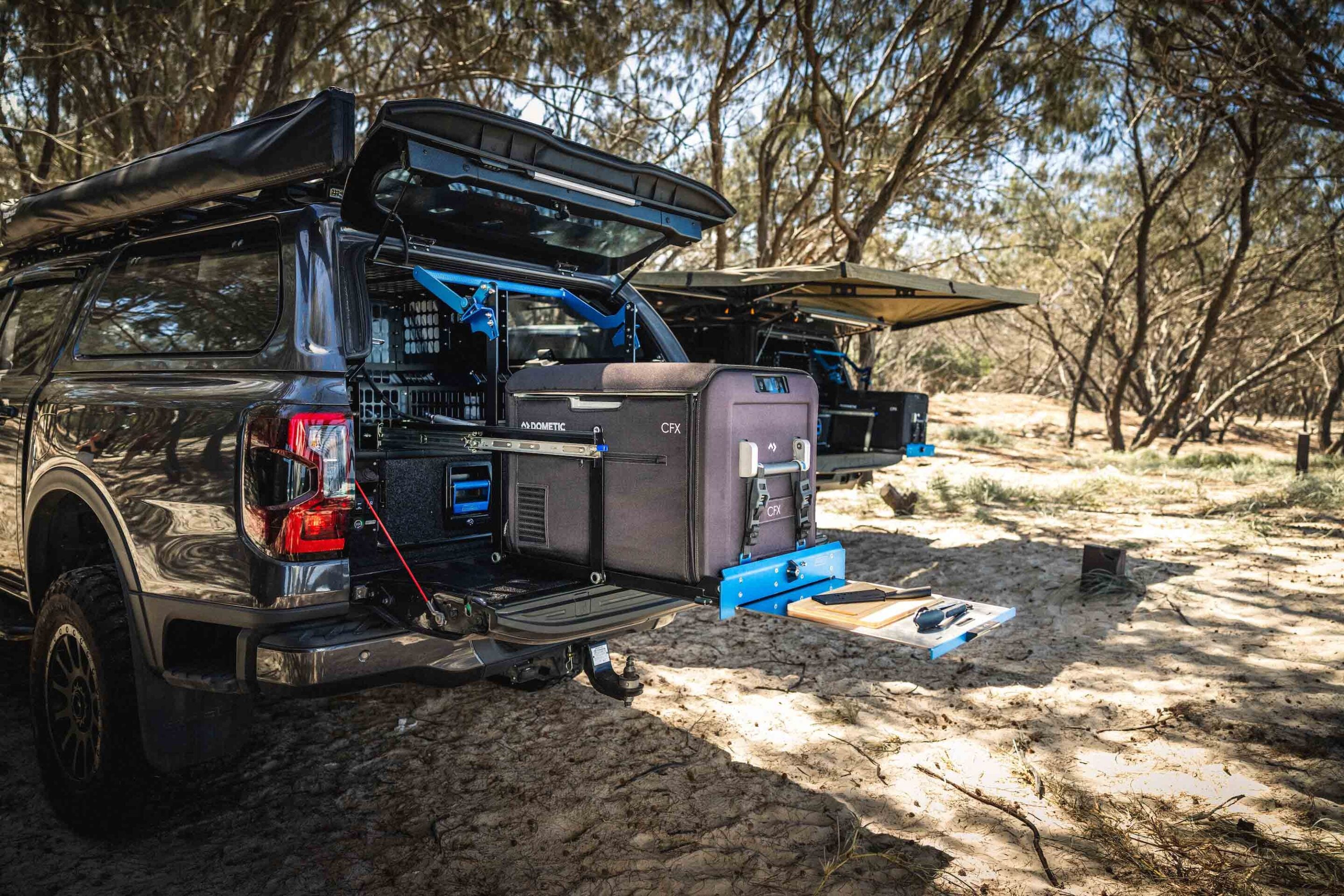
MSA 4X4 has expanded its camp kitchen solutions with integrated table systems designed for fridge slide setups, improving bench space and campsite functionality. For existing MSA 4X4 Drop Slide or Straight Slide owners, the Clip-On Table with Cutlery Roll provides a lightweight 304-grade stainless steel prep surface that attaches to the slide. It packs away flat and includes a 12-piece cutlery set in a compact roll.
For new builds, the MSA 4X4 Drop Slide and POWER SLIDE with Tables feature a built-in pull-out stainless steel bench integrated into the slide base, providing immediate prep space when the fridge is lowered. Both systems are engineered for tough conditions, featuring heavy-duty gas struts, a lock-in/lock-out safety system and a lifetime guarantee. 🔧 View product details
Custom Lithium Next Generation Ultra Slim XL lithium battery
- RRP: POA
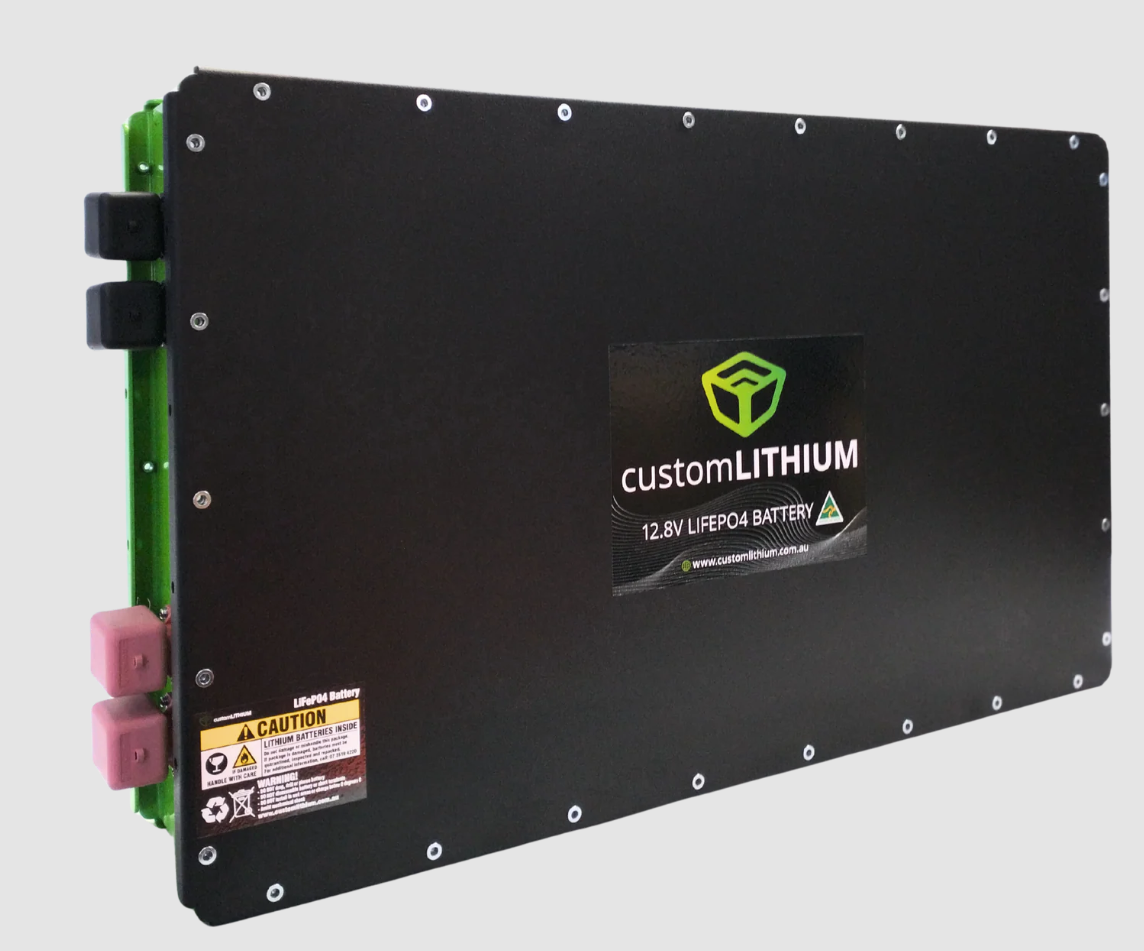
The Ultra Slim XL Lithium Battery from Custom Lithium is a compact, lightweight energy storage system designed for off-grid use, built to deliver reliable power for appliances such as induction cookers, fridges and tools. It features an ultra-slim design for tight installation spaces and is built in Brisbane using A-grade automotive LiFePO4 cells in a lightweight aluminium enclosure.
The battery includes a high-current BMS with a modified Heltech system and active balancer, providing protection against overheating, over-discharge and low-temperature cut-off. It is individually bench tested, offers a high discharge rate and is backed by a seven-year warranty. 🔧 View product details
The Ford Ranger Raptor is the most dynamic, high-performance ute on the market by a country mile.
It’s fast, it’s fun and it’s capable, so it ticks the boxes for many users, many of whom might not normally be interested in a 4×4 ute. This makes the Ranger Raptor a shining light in a field of boring beige work utes. But that’s not to say that you can’t make a good thing better.
74Weld (↗) is a California-based engineering company producing portal axle boxes for a range of off-road vehicles including Trophy Trucks, Ultra4 buggies and road-going 4x4s from Toyota, Jeep and Ford.
The Ford portals came out of the Ford Performance Ultra4 program that includes King of the Hammers race week, so these are made for the toughest off-road conditions. This partnership led to the company producing portal boxes for the current-model Ford Bronco which, of course, rides on the same T6 platform as our Ranger and Everest models.
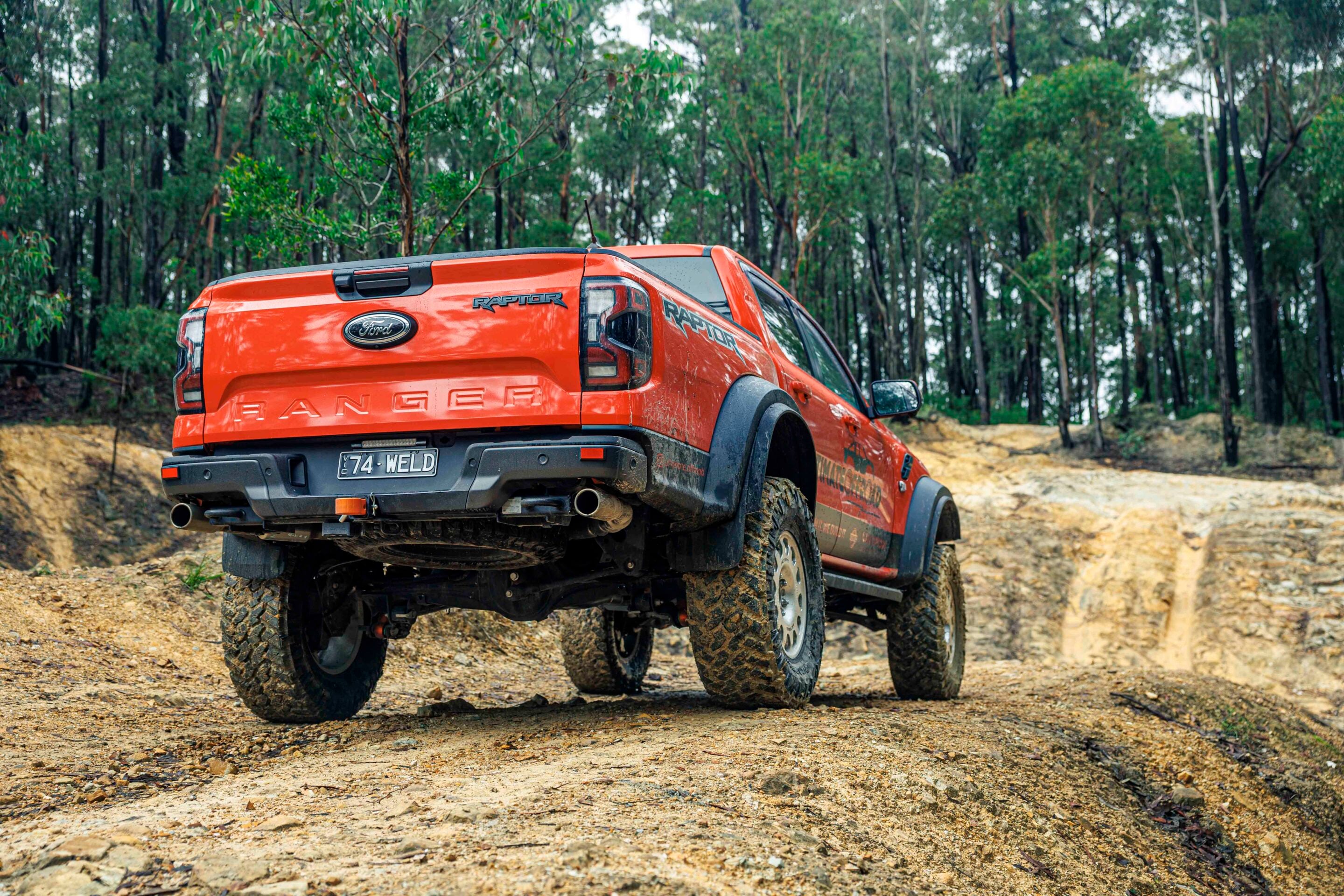
Ultimate Offroad (↗) is a 4×4 business with a couple of facilities in Melbourne’s south-east suburbs. They work on all things 4×4 and off-road but are known for their big builds on US pick-up trucks. When Ben from Ultimate saw the 74Weld portal products for the T6 Fords and 250 Series Toyotas, he knew there’d be interest in them here in Australia.
Ultimate Offroad caused a stir at the 2025 Melbourne 4×4 Show when the team rolled in with its 250 Series Prado riding on 74Weld portals and 37-inch tyres. The monster Prado was the star of the show!
The Prado was a standout but it wasn’t ready for the road in Australia. In the months since then, Ben and his team have been busy building and testing the vehicles, working with the relevant authorities and departments, and jumping through hoops to get the portal conversion tested, certified and approved for Aussie roads.
As part of the process, they built this Ranger Raptor on 74Weld portals and it has become the first vehicle to get Second Stage Manufacturer (SSM) approval here in Australia. And they were kind enough to let us take it out for a day in the forest to try it out.
JUMP AHEAD
- Inside the 74Weld portal conversion
- Driving the portal-equipped Ranger Raptor
- Final verdict: Portal-equipped Ranger Raptor
- Key portal-specific specs and features
Inside the 74Weld portal conversion
The key advantage of using portal axles over, say, a traditional suspension lift is that it allows you to raise the vehicle and increase ground clearance without resorting to tall, ungainly springs and the handling effects they have.
In fact, you can retain the factory-standard suspension on a 4×4 with portals and still enjoy the added height and clearance. When your starting point is the Ranger Raptor with its excellent Fox Racing Live Valve dampers, being able to retain them is a huge bonus.
The portal boxes raise the axle over the centreline of the wheels and hence the vehicle by 100mm. The Raptor kit is approved to run on 35-inch tyres, so you’re looking at around 150mm of increased height and, importantly, ground clearance over standard, but while retaining the standard suspension. The portal boxes are a bolt-on addition and don’t require any serious modifications, cutting or alterations to the base vehicle.
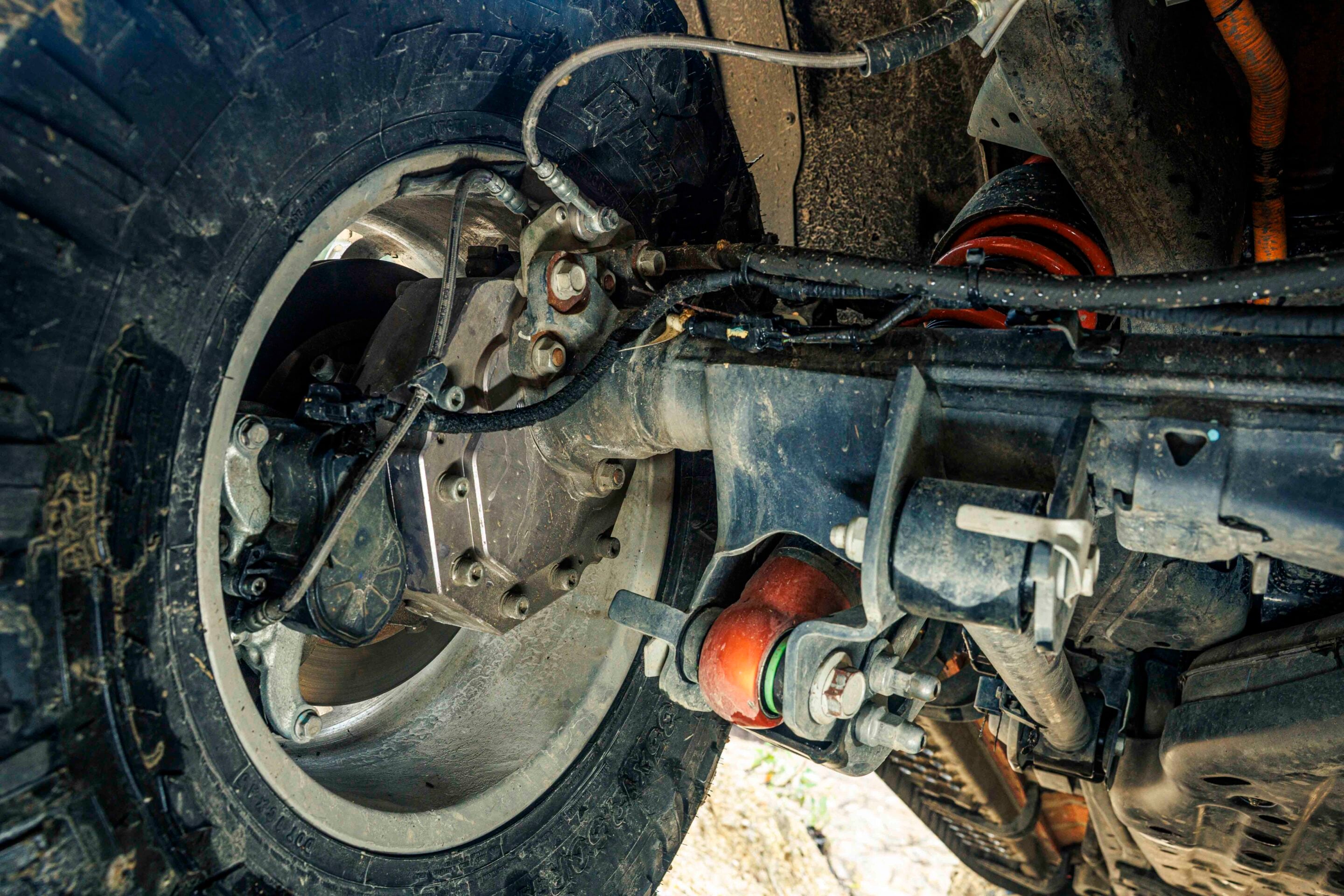
Inside the boxes are four gears that allow the axles to turn in the right direction, and they give an 82 per cent reduction at the hub, meaning you don’t need to change final-drive gears when running tall tyres. This also reduces a lot of the stresses on components like axles and CV joints from running bigger tyres, and eliminates any loss of performance that comes with taller tyres. As mentioned, the Raptor portal kit in Australia is approved to ride on 35-inch tyres, but the 250 Series Toyota kit will be approved for 35s and 37s – giddy-up!
If you’re worried about the strength of the portal components, just remember that these same parts are serving duty in the world’s toughest rock pit at King of the Hammers and, while the buggies might be lighter than your road-going Raptor, some of those buggies are running V8 engines and pushing 40-inch tyres.
The team at 74Weld has been having a lot of fun taking IFS Toyotas like the Tacoma and 4Runner along some of America’s toughest tracks that were previously the exclusive domain of big-tyred, live-axle Jeeps and Broncos, showing just what a portal-equipped IFS 4×4 can do.
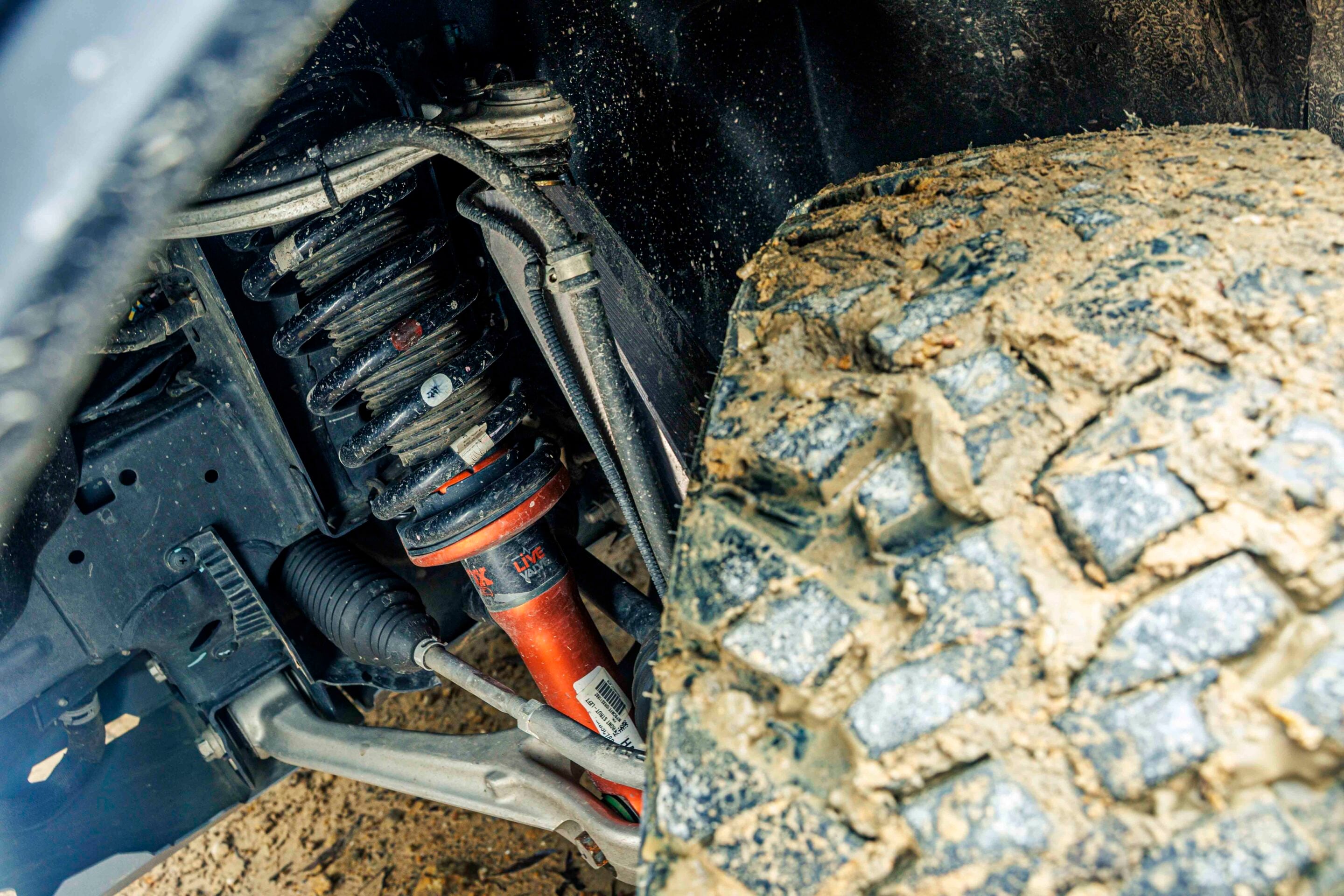
Ultimate Offroad has made some changes to the suspension as part of its development and approval. These include 25mm spacers on the front struts to level the vehicle out and revised rear springs that allow the portal-equipped Raptor a GVM increase to 3510kg, up from the standard 3150kg you get from Ford.
The only component missing from this Raptor was the 74Weld billet-alloy upper control arms, which will be part of the package sold in Australia. They will look sweet behind the beautifully made billet-alloy uprights that are part of the 74Weld package.
Another feature of this vehicle is the 74Weld-specific Method Race Wheels. These forged-alloy wheels feature Method’s innovative Bead Grip technology and are made with a positive offset specifically to suit the wider wheel track of the portal conversion. As mentioned, 35-inch Nittos are fitted on this Raptor. The portal axles are also set up to take a central tyre inflation system, which is another product to come from 74Weld in the future.
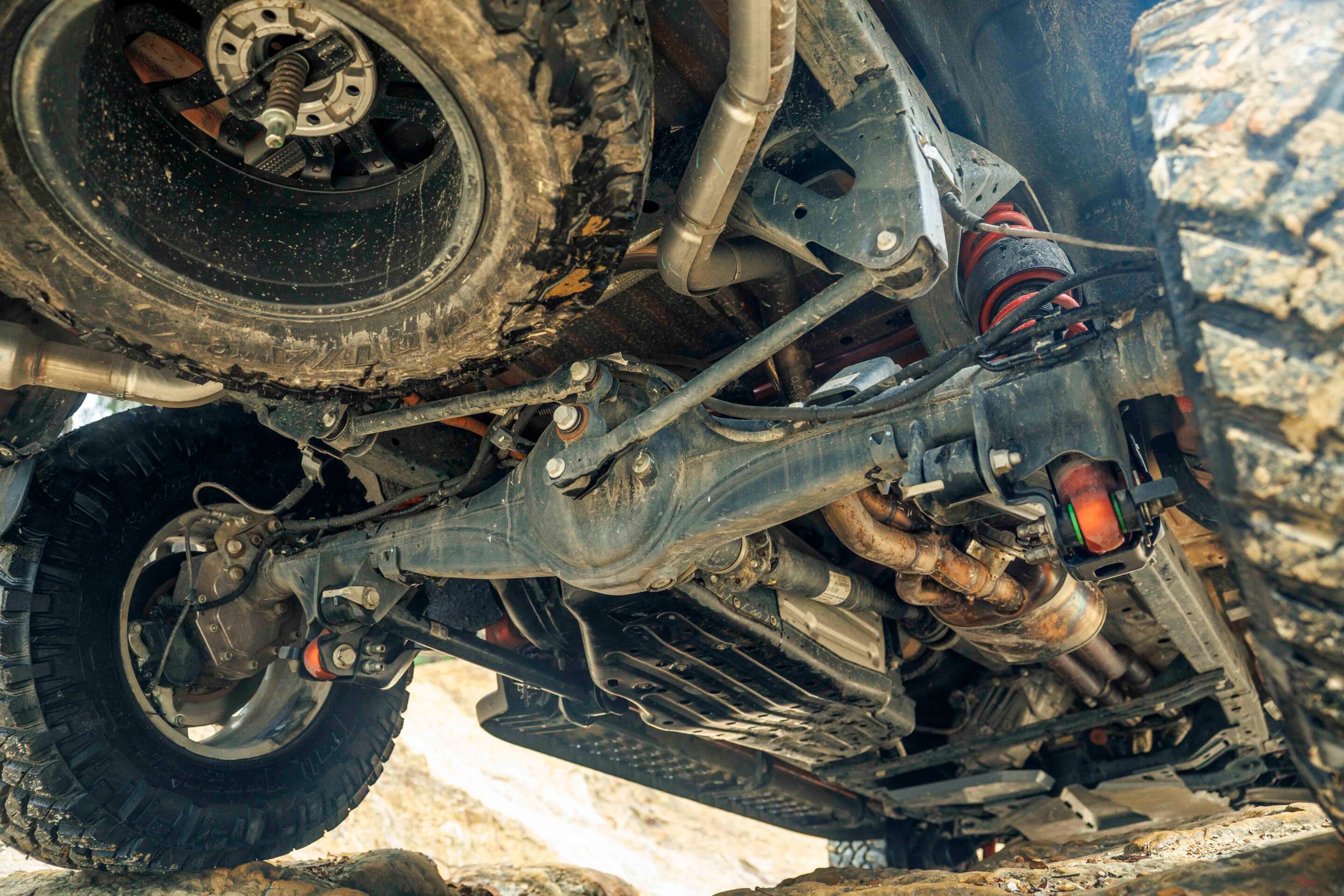
Driving the portal-equipped Ranger Raptor
It was a cold and wet Melbourne day when we picked up the 74Weld Raptor from Ultimate Offroad (↗), hardly ideal for photography, so we were thankful for its bright orange hue to contrast a gloomy day.
Getting into the vehicle required a little extra effort due to the height but once inside it was all regular Ford Ranger fare. The only real difference was the view over the bonnet to the road from the elevated cockpit. Through roundabouts and on to the highway the vehicle felt like any other Raptor not running the standard BFG tyres. This vehicle had 35-inch Nittos fitted and they are a bit noisier than the BFGs, but overall the experience was very familiar.
On rougher backroads I could feel the stiffer rear springs, again feeling like a modified vehicle, and they took away much of the Raptor’s compliance and soft ride. That’s the price you pay for the higher payload but otherwise the rear steered and drove like a regular Ranger Raptor – and that’s a good thing! It was still a fun rig to punt on the forest tracks, with that familiar Raptor ‘Brap’ echoing through the valleys, and plenty of sure-footed grip on the road.
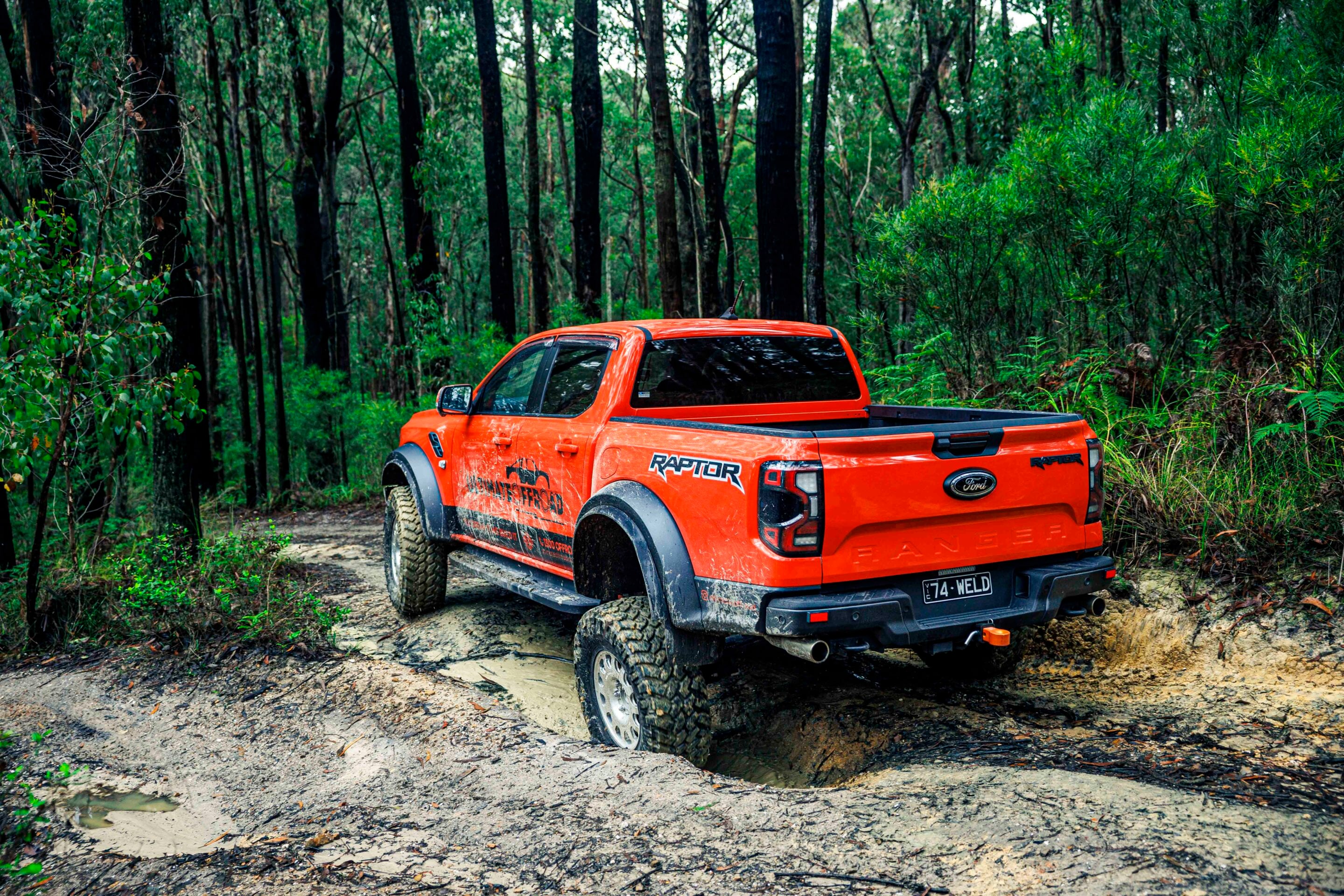
Ultimate Offroad will offer a softer rear spring for the conversion if that is what the owner is looking for. Other options include 74Weld billet upper and lower arms for the rear. There was no hint of the extra height or wobbly springs that you might get with a suspension-only lift. It was stable and compliant no matter what we threw at it.
We switched the transfer case to 4×4 Auto on the gravel road and it all worked as normal, and then locked high range once we peeled off to the muddy tracks. The ruts in these bog holes are deep but the clearance afforded by the tyres and portals made light work of them, with no scraping on the high crowns. Into the pit and we were into low range, all working just as Ford intended.
Again, the extra ground clearance afforded by the portals allowed us to crawl up and down the rocks with ease and not worry about clearance. The Raptor’s front and rear locking diffs still work as usual, providing loads of grip, although the wet rock meant we had to pick our lines.
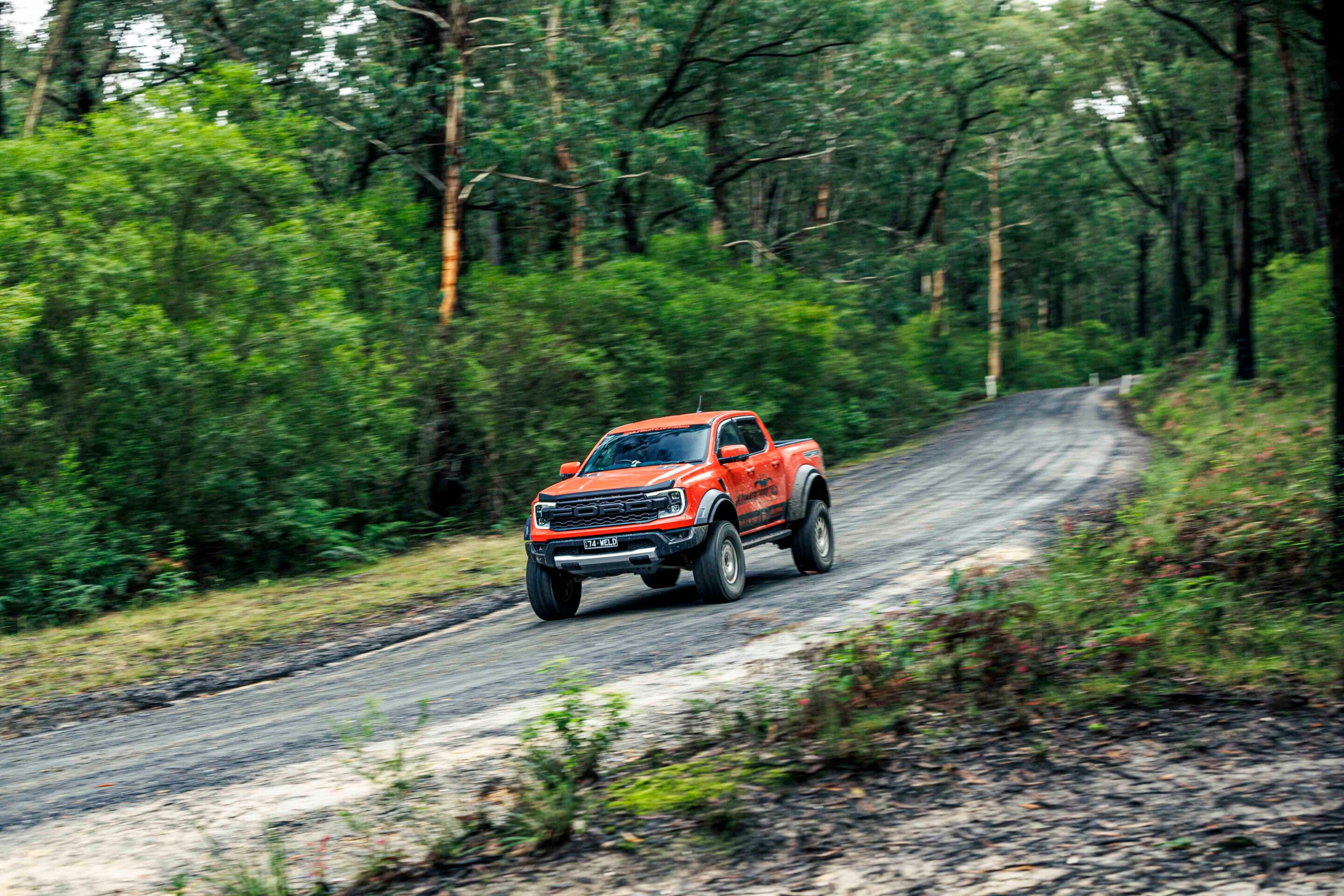
Final verdict: Portal-equipped Ranger Raptor
The 74Weld portal axle conversion (↗) on the Ranger Raptor takes what was already the leading vehicle in its segment and raises it up, both literally and figuratively.
It gives the donor vehicle considerable extra ground clearance, which you can’t get enough of in an off-road vehicle, without the compromises that come with a tall suspension lift. The downside, and there is one, is the cost of the conversion. Drive-in/drive-out owners will be looking at close to $55,000 for the portal conversion, but this includes the four portal boxes, billet uprights and UCAs for the front end, five 74Weld/Method Race Wheels shod in 35-inch Nitto tyres, upgraded brake rotors and ADR-approved brake lines, front strut levelling spacers, a 3510kg GVM upgrade, and a fully engineered and approved package ready for you to hit the tracks.
It’s not cheap but there’s a lot of beautiful mechanical hardware in there and it all works! Approval is via SSM and Ultimate Offroad has state approval for post-registration installs in Victoria. We look forward to seeing the Prado and more portal-converted rides from Ultimate Offroad soon.
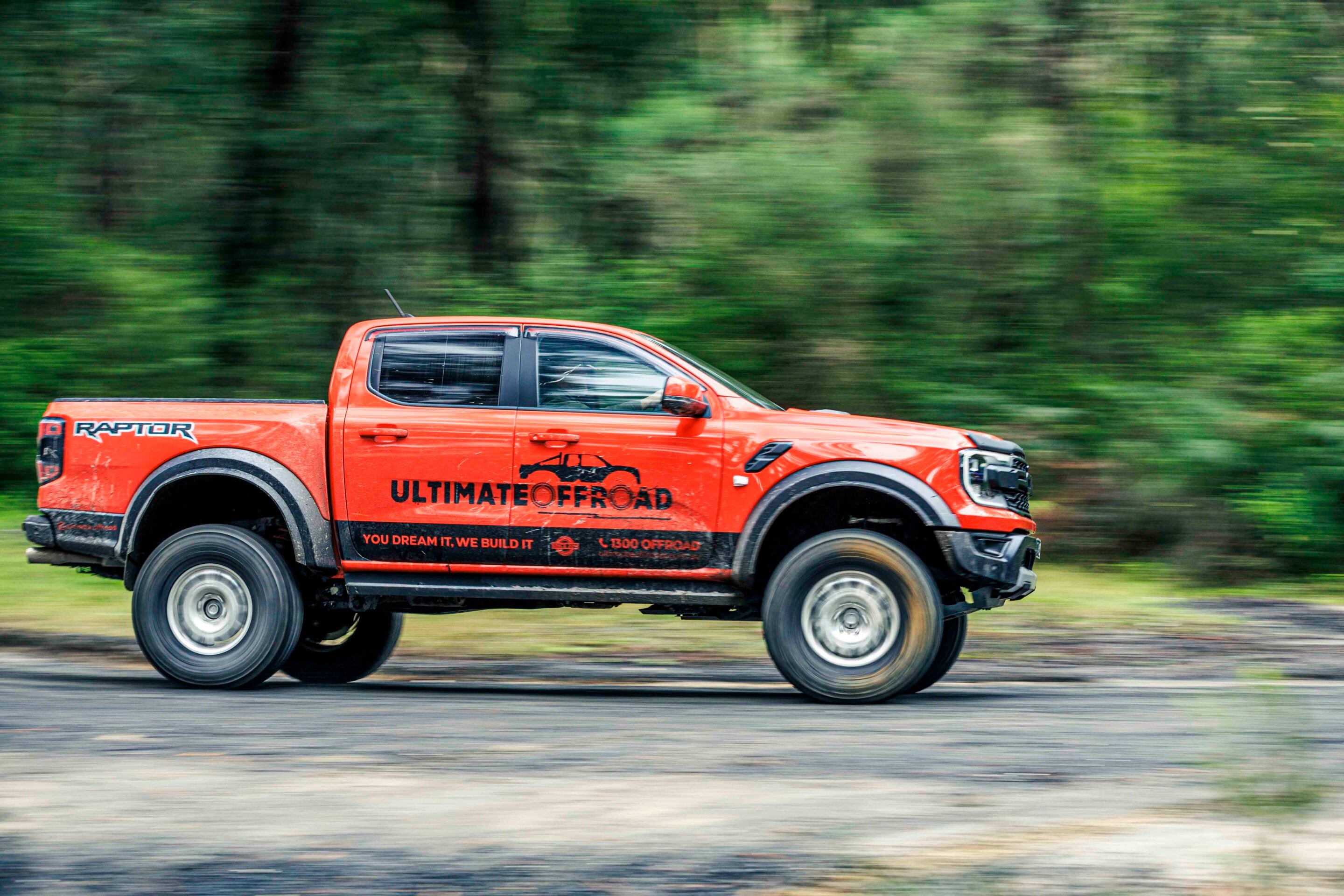
Key portal-specific specs and features
- Portal axle system delivers approximately 100mm lift at the axle centreline
- Adds around 150mm total ground clearance increase when paired with 35-inch tyres
- Internal four-gear portal hub design
- 82% gear reduction at the hub
- Allows retention of factory suspension geometry and Fox Racing Live Valve dampers
- Eliminates need for differential ratio changes with larger tyres
- Reduces stress on axles, CVs, and driveline components
- Bolt-on portal housings requiring no major chassis or suspension modification
- Designed for extreme off-road load and durability applications
- Compatible with 35-inch tyre package on Ranger Raptor specification
We’ve all got that one mate whose idea of trip preparation extends to “She’ll be right, I’ll chuck some fresh oil and a filter at it and call it good.”
This is usually hours before you’re due to leave on an adventure like the Canning Stock Route or a week in the High Country or anywhere with a lot of kilometres between you and the nearest mechanical workshop. You want to tell him he’s nuts. You want to call him an idiot. But the thing is, he’s not wrong, or at least not exactly. Keeping quality oil and filters up to the demands of your vehicle is rules 1, 2 and 3 for making your engine last.
That’s why when Penrite (↗), who have long been one of the premiere oil mobs in the country, told us it was bringing its own oil filters to market we thought we’d better check them out to see if they were up to the job of handling what Aussie 4WDers could throw at them.
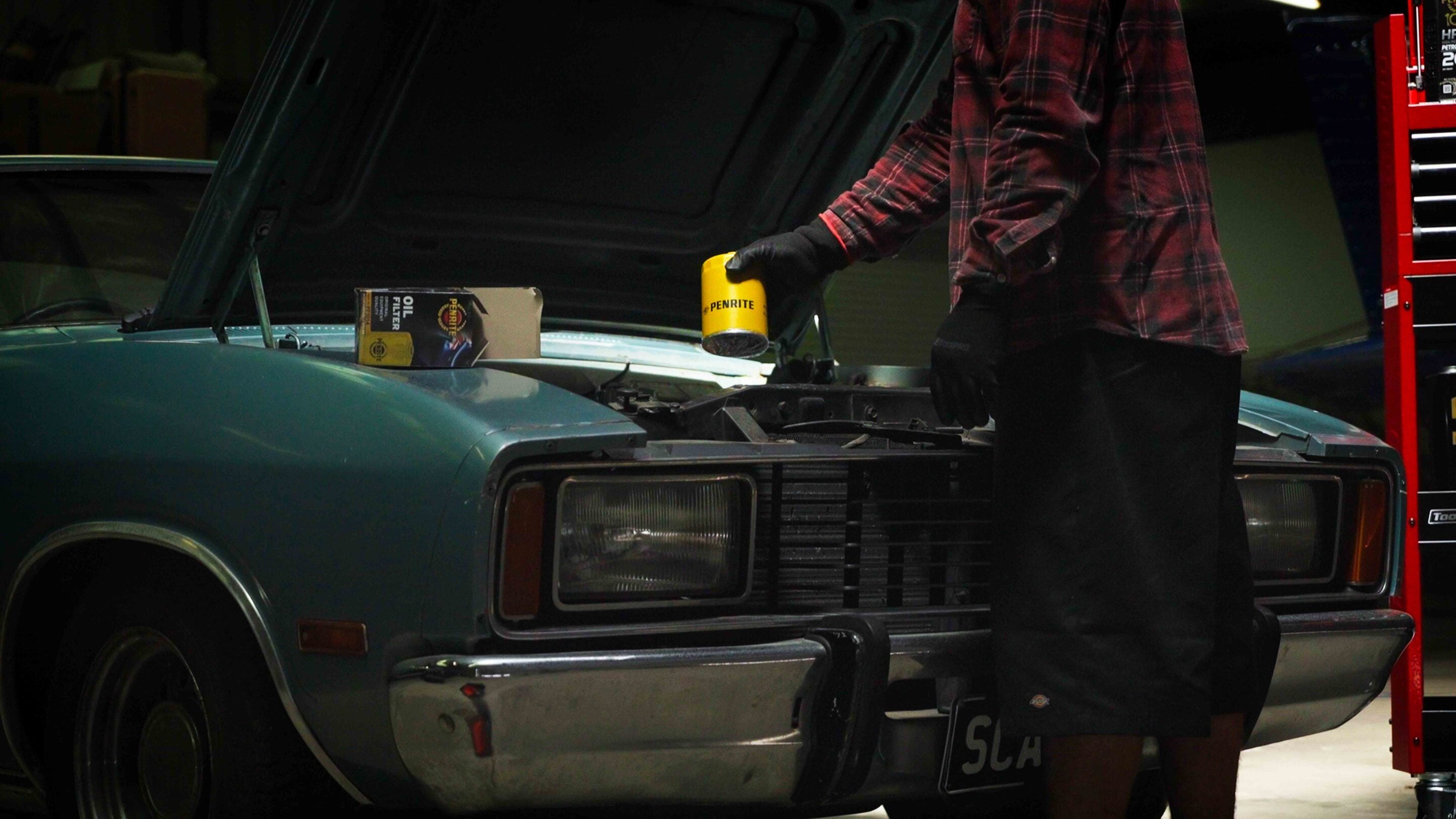
Cheap vs quality oil filters: Does it really matter?
I know what you’re thinking. “Oil filters are oil filters, they’re all the same,” but there’s actually a bunch of engineering and hard-won knowledge that goes into these things, and choosing the wrong one can cost you upwards of thirty-grand on a new engine.
Don’t believe me? A few years back, a customer showed up to a workshop I was at saying his fairly new 100 Series LandCruiser (upon reflection it may have been more than a few years ago) was running sluggishly. One thing led to another and before you know it the rocker cover was off and the thickest, greasiest, nastiest sludge this side of a Menai mud hole was discovered.
The cause: A distinct lack of servicing and using the cheapest possible oil and filters. Long story short, deeper inspection showed that his engine was cooked and was duly consigned to the big 4WD park in the sky.
The takeaway: Don’t scrimp on your fluids and filters if you want your engine to last. And that goes doubly for modern common-rail diesels that are as highly-strung as a soprano violin.
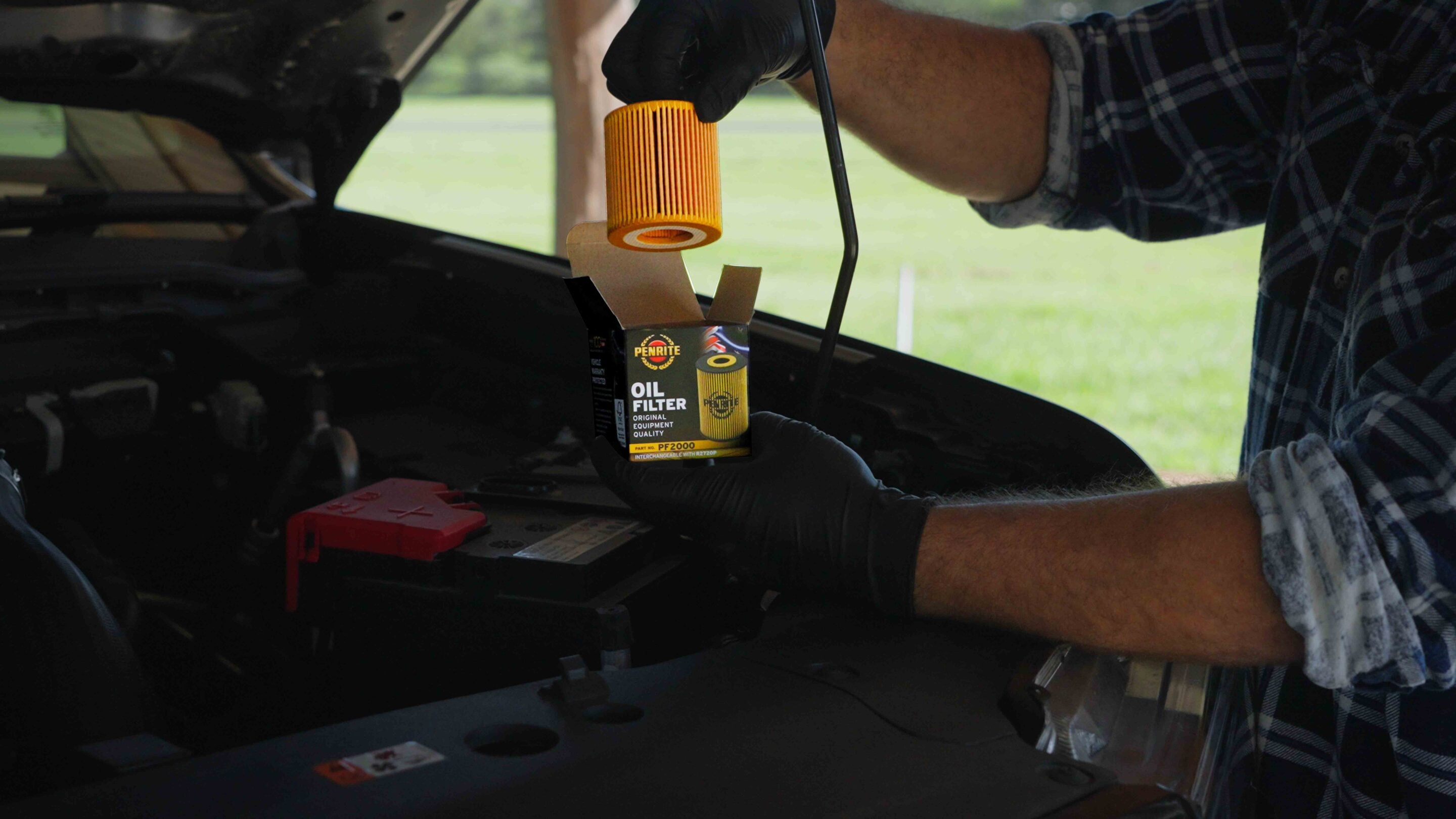
Why oil filters matter more when you’re 4WDing
Here’s the thing. The above example was an urban-driven vehicle that was able to limp in to a fully-kitted workshop.
The Australian bush is not nearly as forgiving and generally doesn’t come with the convenience of a mechanic and their tools to solve your problems. If something let’s go, you’re largely on your own.
They’re generally inexpensive so people think they hold little value, but their job is one of the most important in the entire engine bay. This is where Penrite (↗) has brought its expertise to the game. Not only does the filter do what it says on the box, it’s designed for use in harsh environments. You know, the places us 4WDers like to spend as much time as possible in.
What’s inside a quality oil filter?
Starting at the base of the filter, there’s a 4mm steel plate that’s tougher than Tyson-in-his-prime and there to stop your filter from bursting over ten billion Cape York corrugations.
From there they’ve fitted a silicone (as opposed to a cheaper rubber) anti-drain-back valve which keeps oil in the filter with the engine off to minimise damage on start-up.
Ever been to Tassie in winter? It’s the kind of cold that makes your ancestors shiver and your engine oil turn into thick sludge, which is why Penrite (↗) have included an internal pressure relief valve (PRV) that allows oil to bypass the filter if it becomes blocked or the oil is too thick to push through. A cheaply-made blocked filter can be a good way to starve the moving parts of lubrication, but not in this case.
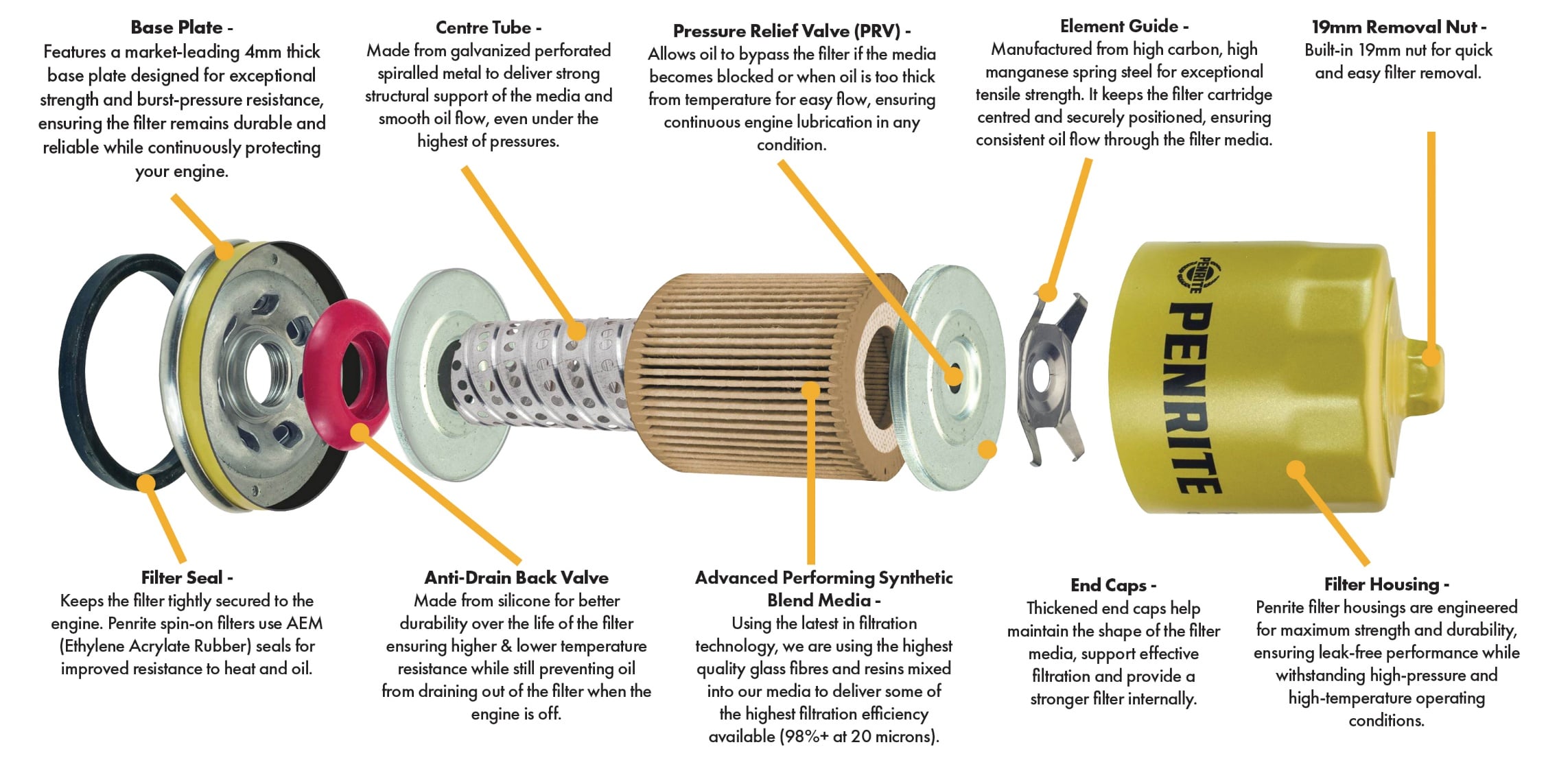
Then there’s Penrite’s glass fibre and resin filter element blend which they reckon offers over 98% filtration efficiency at 20 microns. In case you don’t wear a white coat and swan around a laboratory for a living, that’s pretty darn excellent and just the thing you want when barrelling through the bulldust along the Darling River Run.
The perforated steel centre tube keeps the oil flowing under pressure and prevents the element from collapsing, while the thickened end caps hold the media in shape and a carbon and manganese-heavy spring steel guide keeps everything centred. Just the thing for bombing over the Simpson Desert dunes at speed without a worry.
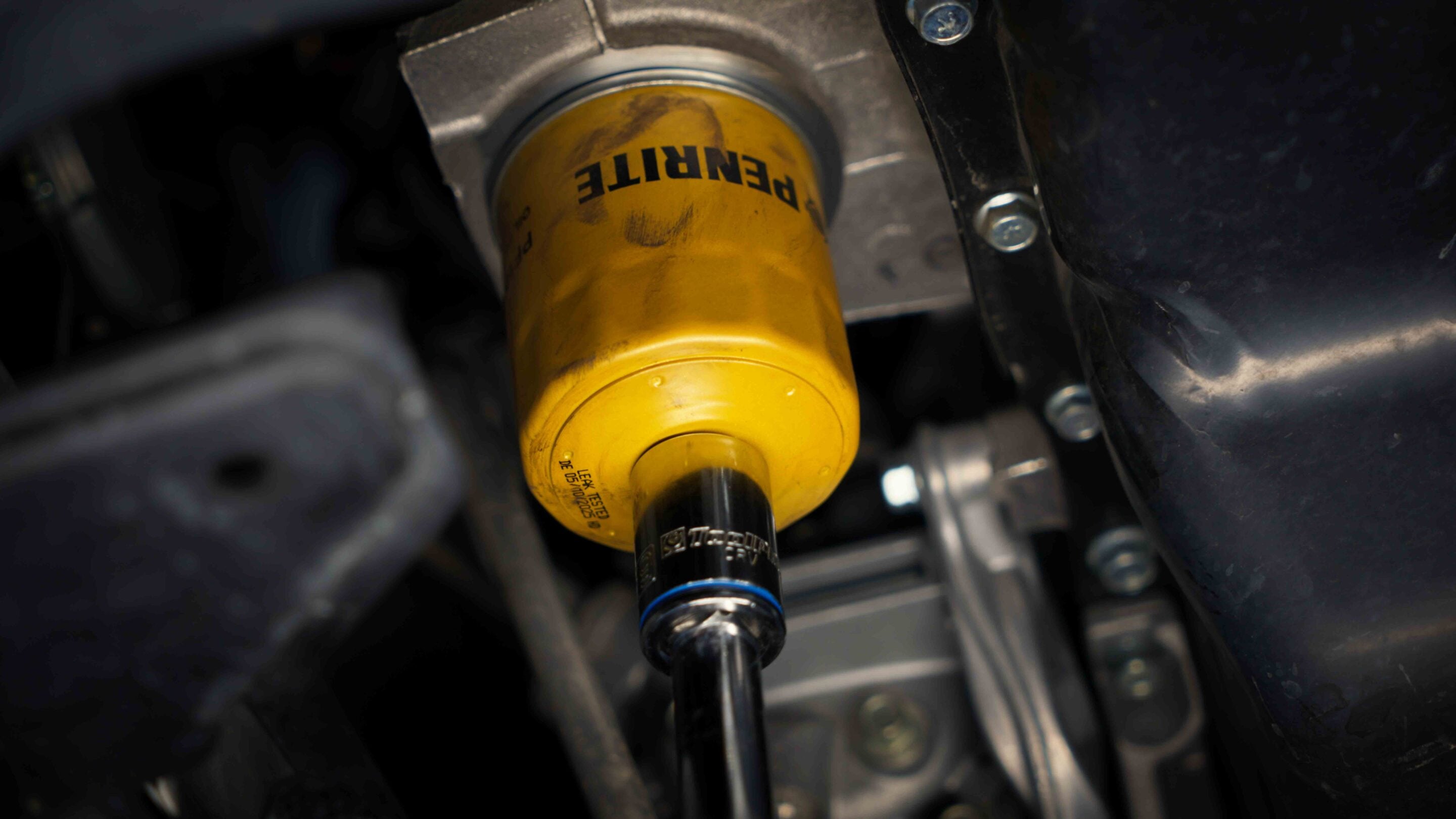
Oh, and my pick for the best thing about the Penrite filters? The 19mm hex nut on the spin-on housings. No more shaving your knuckles and giving yourself carpal tunnel on the driveway while cursing the last guy who definitely secured the last filter in place with a rattle gun and a lot of anger at his father.
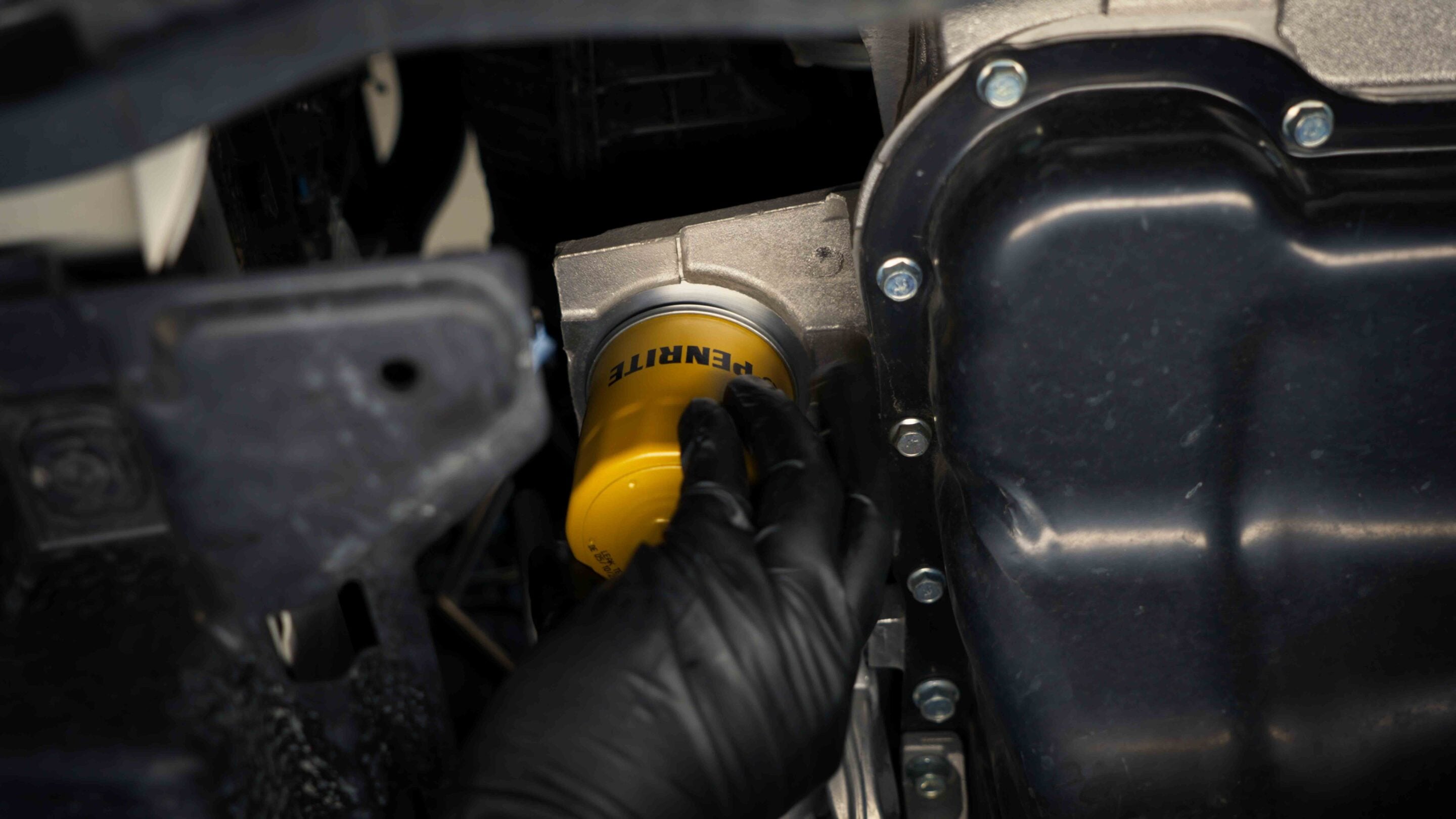
So, are quality oil filters worth it?
Look, nobody is saying an oil filter will save your engine from destruction.
There are simply too many variables for that to be true. But what we are saying is that having a high quality filter in place has to be the cheapest insurance money can buy. Plus, a good oil filter can save your engine from an early death from lubrication-based damage. On top of that, a filter that’s been designed from the ground up to handle the rigours of Aussie wheeling has to be one of the best first steps towards bulletproofing your rig against the terrain, the conditions and just plain old bad luck.
Your mate may not be the sharpest tool in the shed, but he’s onto something with his “fresh fluids and filters” thing.
Oil filter FAQs
Are premium oil filters worth it?
For a vehicle you plan to keep and drive hard, yes. A quality filter uses tougher materials and more efficient media, and it is about the cheapest insurance against lubrication damage you can buy.
What does an anti-drain-back valve do?
It keeps oil inside the filter when the engine is off, so the engine is not running dry for the first few seconds of a cold start, which is when most wear happens. Penrite uses a silicone one for better heat resistance.
What does a pressure relief valve (PRV) do in an oil filter?
It lets oil bypass the filter media if the media blocks up or the oil is too cold and thick to flow through, so the engine keeps getting oil. Unfiltered oil beats no oil.
Is 98% filtration efficiency at 20 microns good?
Yes. Penrite quotes that figure for its synthetic blend media, meaning it traps the large majority of particles down to 20 microns, far smaller than the eye can see.
What size socket fits the Penrite oil filter?
Penrite’s spin-on filters (↗) have a built-in 19mm hex nut on top, so a standard 19mm spanner or socket removes them without a cup wrench.
The BLUETTI FridgePower (↗) doesn’t just back up a fridge, it keeps it running for around 21 hours on a single charge, and can stretch that to two days with one expansion battery. Add three, and you’re looking at up to four days of runtime depending on load.
That kind of performance defines what the system is really about. The Bluetti FridgePower (↗) is built around a single priority: Keeping refrigeration alive when the grid goes down. It is not a general-purpose power station. Instead, it is a focused backup system designed specifically around fridges and essential household appliances, and that intent shapes everything from its design to how it operates in practice.
The base unit runs a 2016 Wh LiFePO₄ battery paired with 1800W of continuous output and 3600W of surge capacity, enough to handle compressor startup spikes without issue. Idle draw is rated at just 4W AC, helping minimise wasted energy when the system is on standby. When the grid drops, it switches over in 10ms, fast enough to keep connected devices running without interruption.
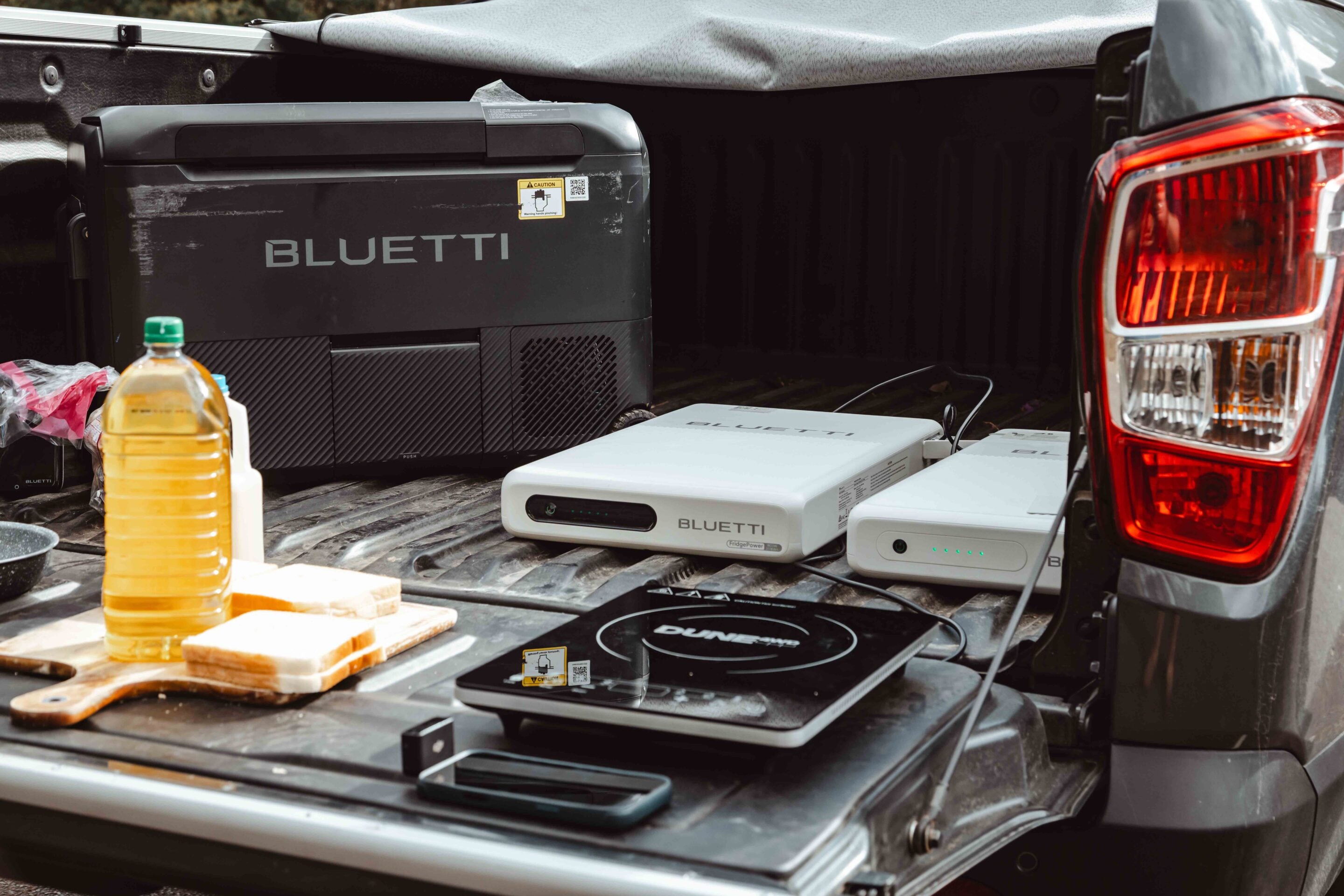
The physical design is one of its strongest advantages. At just 75mm thick, the FridgePower (↗) sits flush against a wall or tucks neatly into tight utility spaces, but its usefulness extends beyond the home. In a touring setup, it can also be mounted or carried in the back of a ute or SUV without eating into valuable load space, making it a practical option for extended trips or remote travel. Bluetti claims compatibility with 99 percent of fridge types, and installation is a claimed 10-minute DIY process. The result is a unit that blends into both home and vehicle setups.
Where things become less flexible is portability. The base unit weighs 19.7kg, which is manageable but not something you would want to move regularly. Each BlueCell 200 expansion battery adds roughly 20kg. In base form it can still be transported if needed, but once expanded to three batteries it effectively becomes a semi-permanent installation. The trade-off is runtime, with full configurations shifting the system from short-term backup into multi-day outage coverage depending on load.
Charging options include 1440W AC input, 1000W solar input, and a combined 2200W mode. Fast charging can take the system to 80 per cent in around an hour, with an alternator charging option also planned. The LiFePO₄ cells are rated for more than 4000 charge cycles, with 80 per cent capacity retention claimed after 10 years of use. Smart features are handled through the Bluetti app and an optional magnetic display, covering battery level, load draw, power flow, and maintenance prompts. Integration with Alexa, Google Home and Home Assistant is also supported.
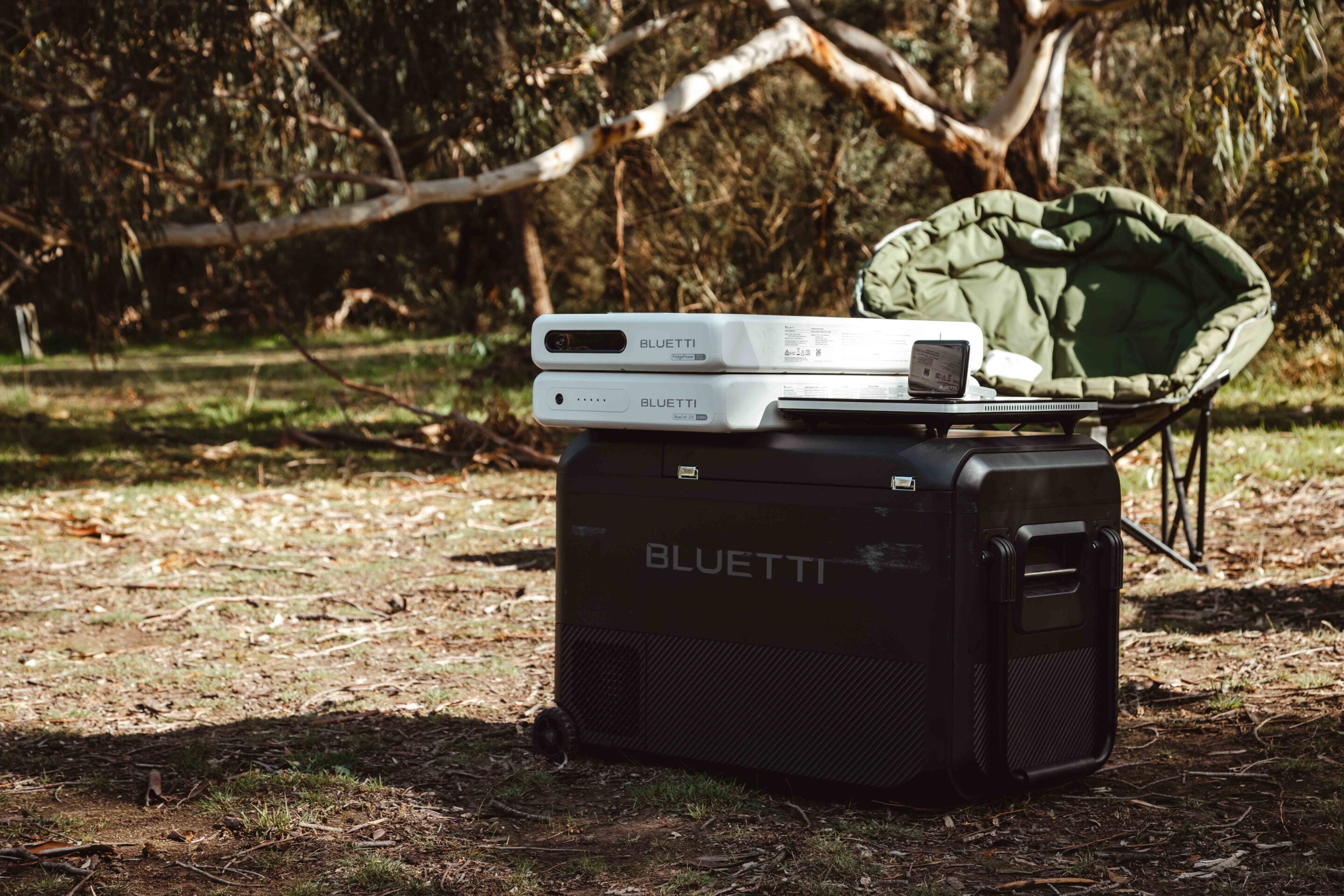
We connected the unit to a hot plate to feed the crew to see how it would fare as a portable power solution, and it handled this ancillary use without issue, which gives a practical sense of the headroom available beyond its core role. More importantly, it proved genuinely simple to live with in practice. Setup is straightforward, with a plug-and-play style installation that gets it running quickly without needing any technical tuning.
Once in use, monitoring is equally easy, with key information such as battery level, load draw and power flow clearly visible through the app or optional display at a glance. Operation is largely hands-off, with the system managing switching and power delivery automatically.
The Kickstarter campaign has officially ended, but the FridgePower remains available through a “Late Pledge” period until June 16 (↗). Pricing is a touch higher than the original early-bird offers (US$899, or roughly AU$1300), but it is still the most affordable way to buy a FridgePower before wider release.