Gear


Gallery 1
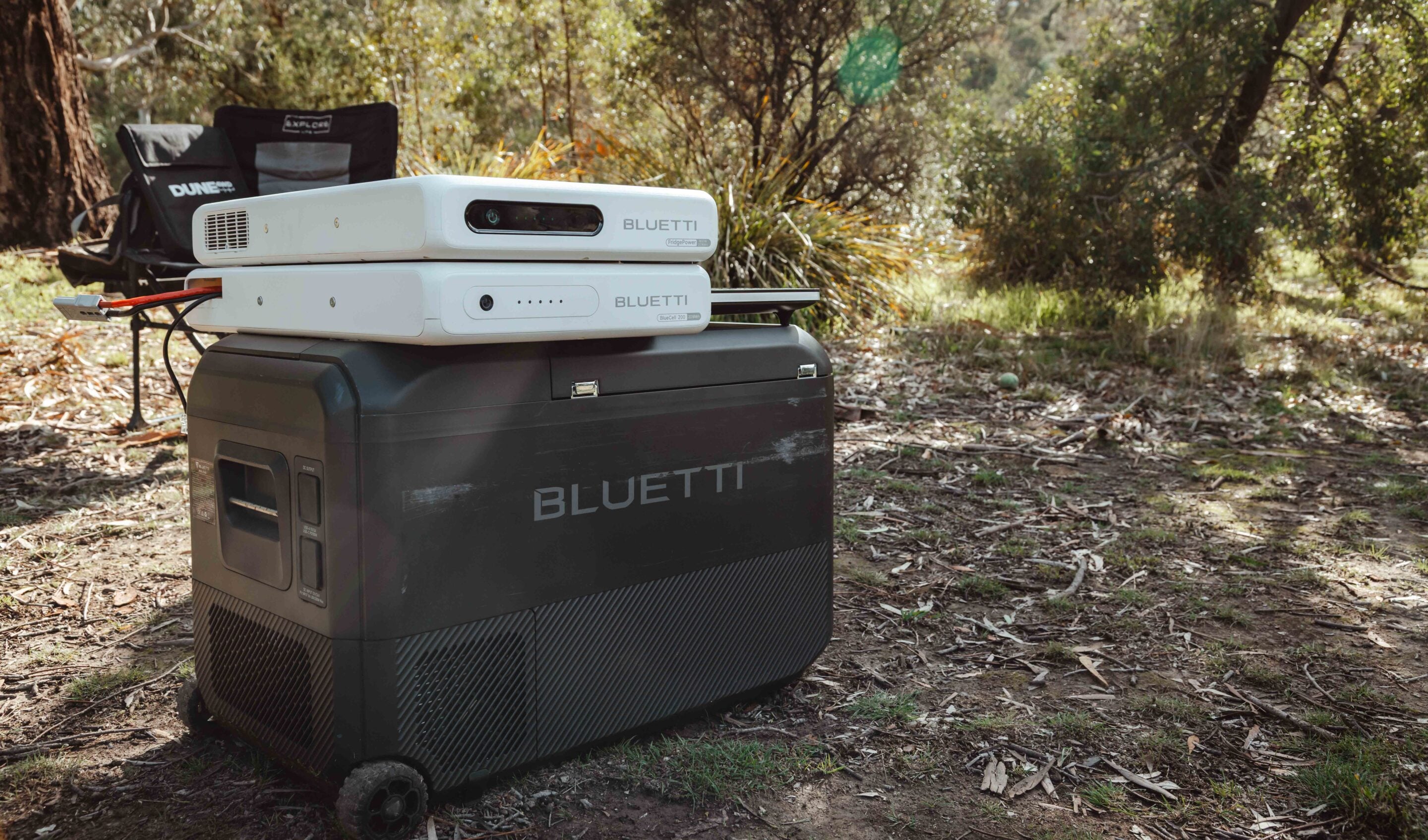
The BLUETTI FridgePower (↗) doesn’t just back up a fridge, it keeps it running for around 21 hours on a single charge, and can stretch that to two days with one expansion battery. Add three, and you’re looking at up to four days of runtime depending on load.
That kind of performance defines what the system is really about. The Bluetti FridgePower (↗) is built around a single priority: Keeping refrigeration alive when the grid goes down. It is not a general-purpose power station. Instead, it is a focused backup system designed specifically around fridges and essential household appliances, and that intent shapes everything from its design to how it operates in practice.
The base unit runs a 2016 Wh LiFePO₄ battery paired with 1800W of continuous output and 3600W of surge capacity, enough to handle compressor startup spikes without issue. Idle draw is rated at just 4W AC, helping minimise wasted energy when the system is on standby. When the grid drops, it switches over in 10ms, fast enough to keep connected devices running without interruption.
1
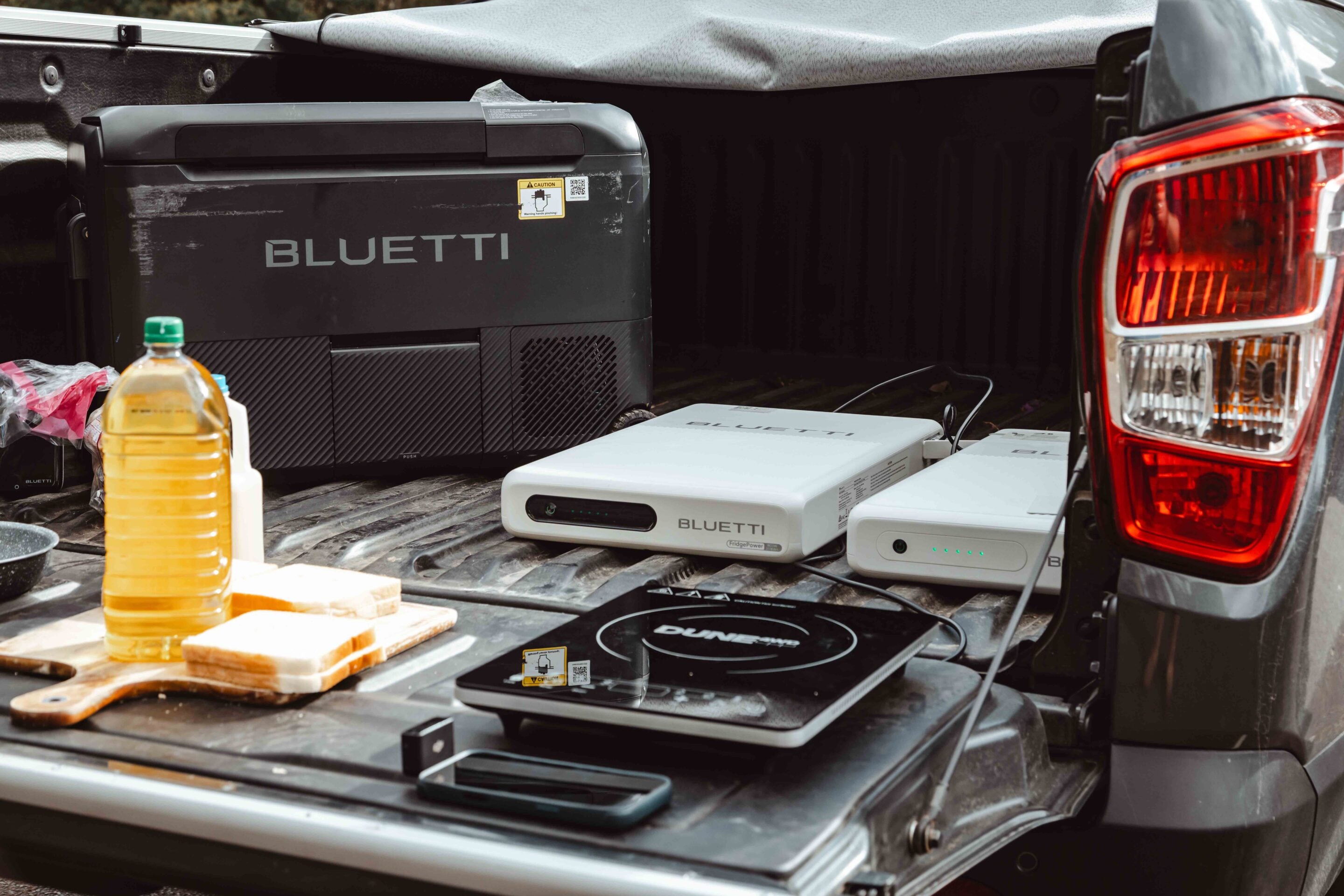
The physical design is one of its strongest advantages. At just 75mm thick, the FridgePower (↗) sits flush against a wall or tucks neatly into tight utility spaces, but its usefulness extends beyond the home. In a touring setup, it can also be mounted or carried in the back of a ute or SUV without eating into valuable load space, making it a practical option for extended trips or remote travel. Bluetti claims compatibility with 99 percent of fridge types, and installation is a claimed 10-minute DIY process. The result is a unit that blends into both home and vehicle setups.
Where things become less flexible is portability. The base unit weighs 19.7kg, which is manageable but not something you would want to move regularly. Each BlueCell 200 expansion battery adds roughly 20kg. In base form it can still be transported if needed, but once expanded to three batteries it effectively becomes a semi-permanent installation. The trade-off is runtime, with full configurations shifting the system from short-term backup into multi-day outage coverage depending on load.
Charging options include 1440W AC input, 1000W solar input, and a combined 2200W mode. Fast charging can take the system to 80 per cent in around an hour, with an alternator charging option also planned. The LiFePO₄ cells are rated for more than 4000 charge cycles, with 80 per cent capacity retention claimed after 10 years of use. Smart features are handled through the Bluetti app and an optional magnetic display, covering battery level, load draw, power flow, and maintenance prompts. Integration with Alexa, Google Home and Home Assistant is also supported.
5
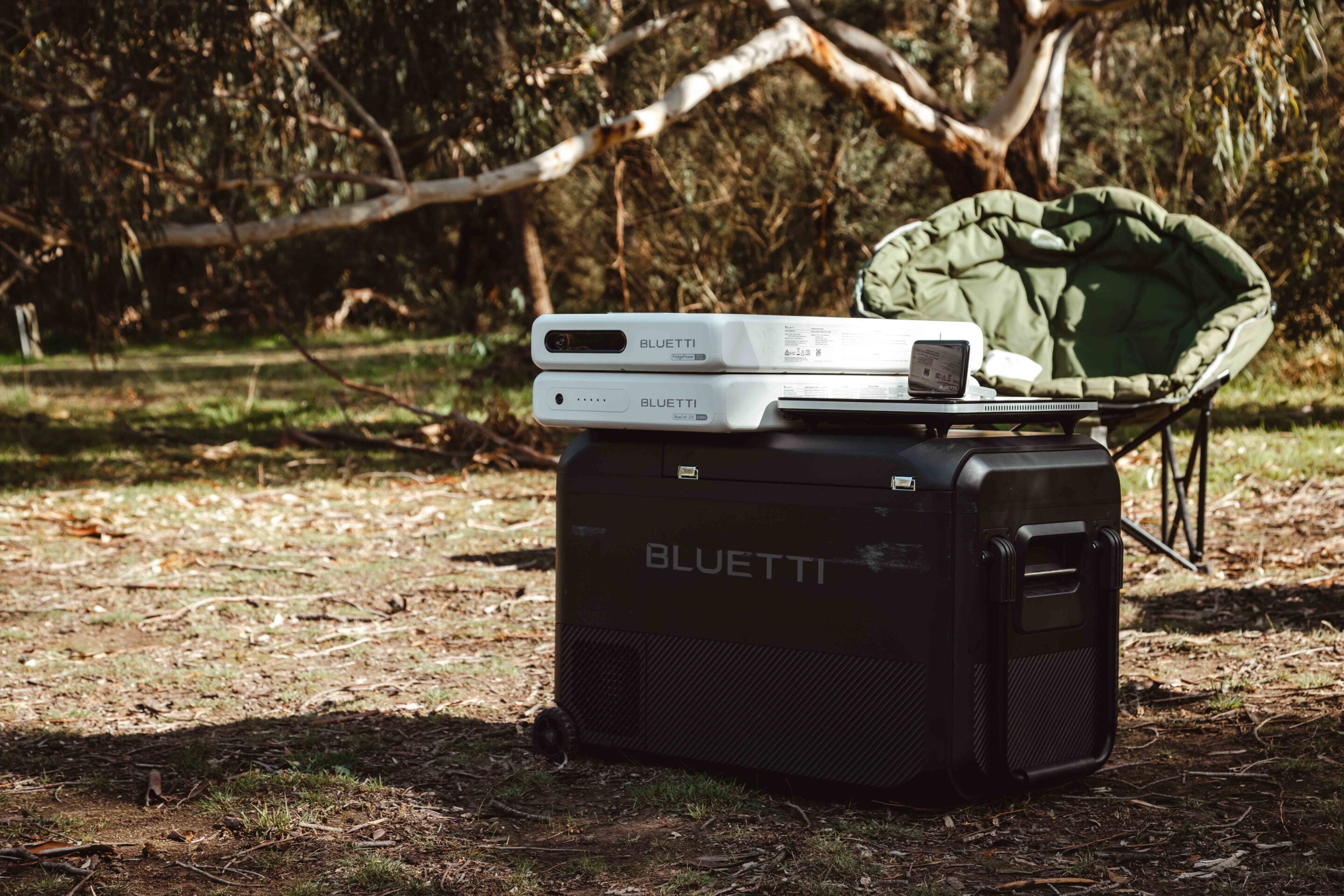
We connected the unit to a hot plate to feed the crew to see how it would fare as a portable power solution, and it handled this ancillary use without issue, which gives a practical sense of the headroom available beyond its core role. More importantly, it proved genuinely simple to live with in practice. Setup is straightforward, with a plug-and-play style installation that gets it running quickly without needing any technical tuning.
Once in use, monitoring is equally easy, with key information such as battery level, load draw and power flow clearly visible through the app or optional display at a glance. Operation is largely hands-off, with the system managing switching and power delivery automatically.
The Kickstarter campaign has officially ended, but the FridgePower remains available through a “Late Pledge” period until June 16 (↗). Pricing is a touch higher than the original early-bird offers (US$899, or roughly AU$1300), but it is still the most affordable way to buy a FridgePower before wider release.
For Australian customers, Kickstarter (↗) remains the only purchasing channel until June 16. After that, FridgePower will not be available through BLUETTI’s website or retail channels for some time.
Follow 4X4 Australia on Google
Get more 4x4 news, reviews and gear stories from 4X4 Australia in your Google feeds.