
- Put you rig on the Wiseman’s Ferry for the five-minute crossing of the Hawkesbury River
- Check out the historic Thomas James Bridge that was built from as early as 1830
- Learn about Surveyor-General Major Mitchell and his road-building skills
- Your kids will love the phantoms and the sculptures along the Great North Road walk
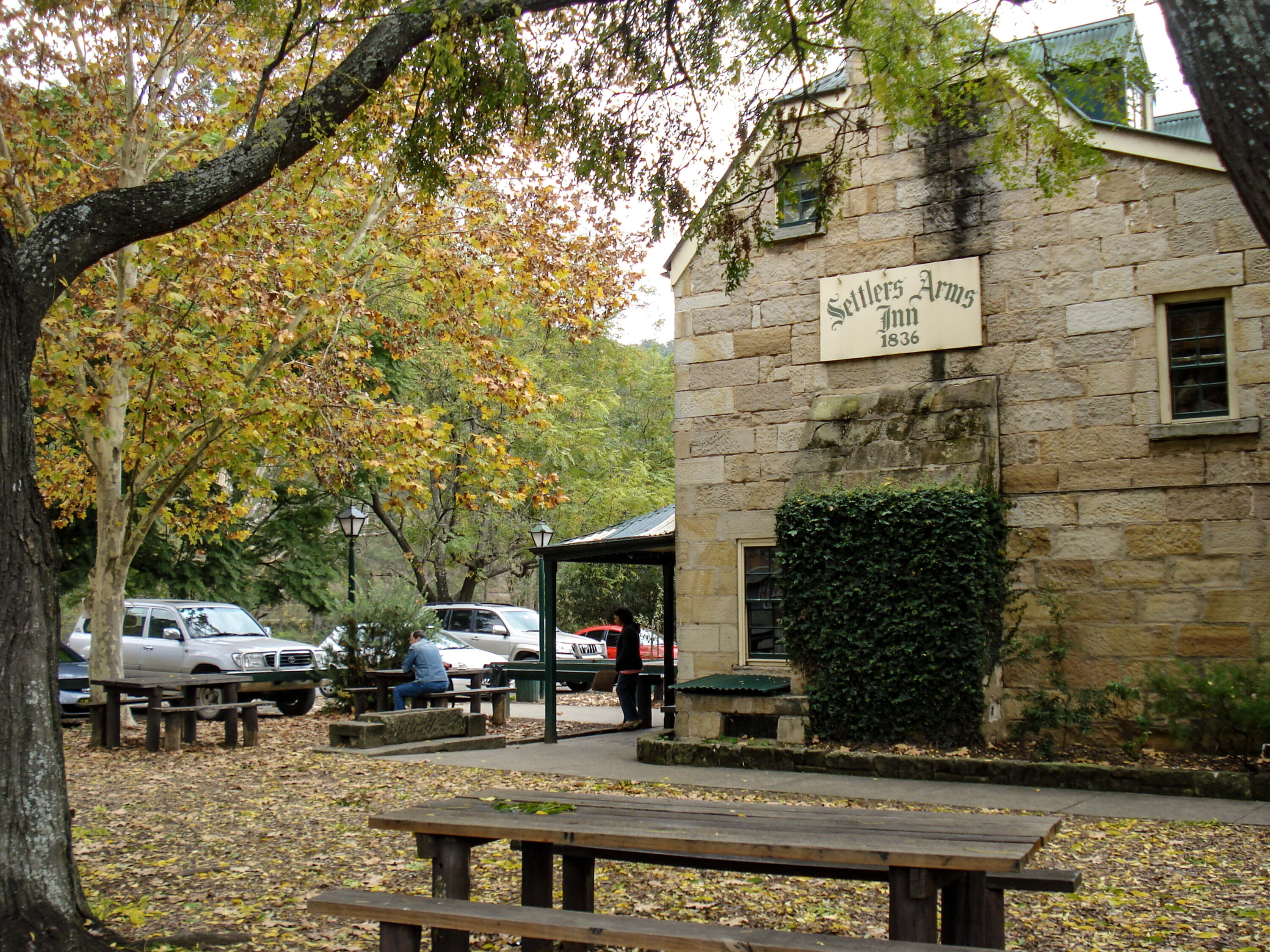
- Enjoy a beer and a feed at the Settlers Arms Inn above the Macdonald River
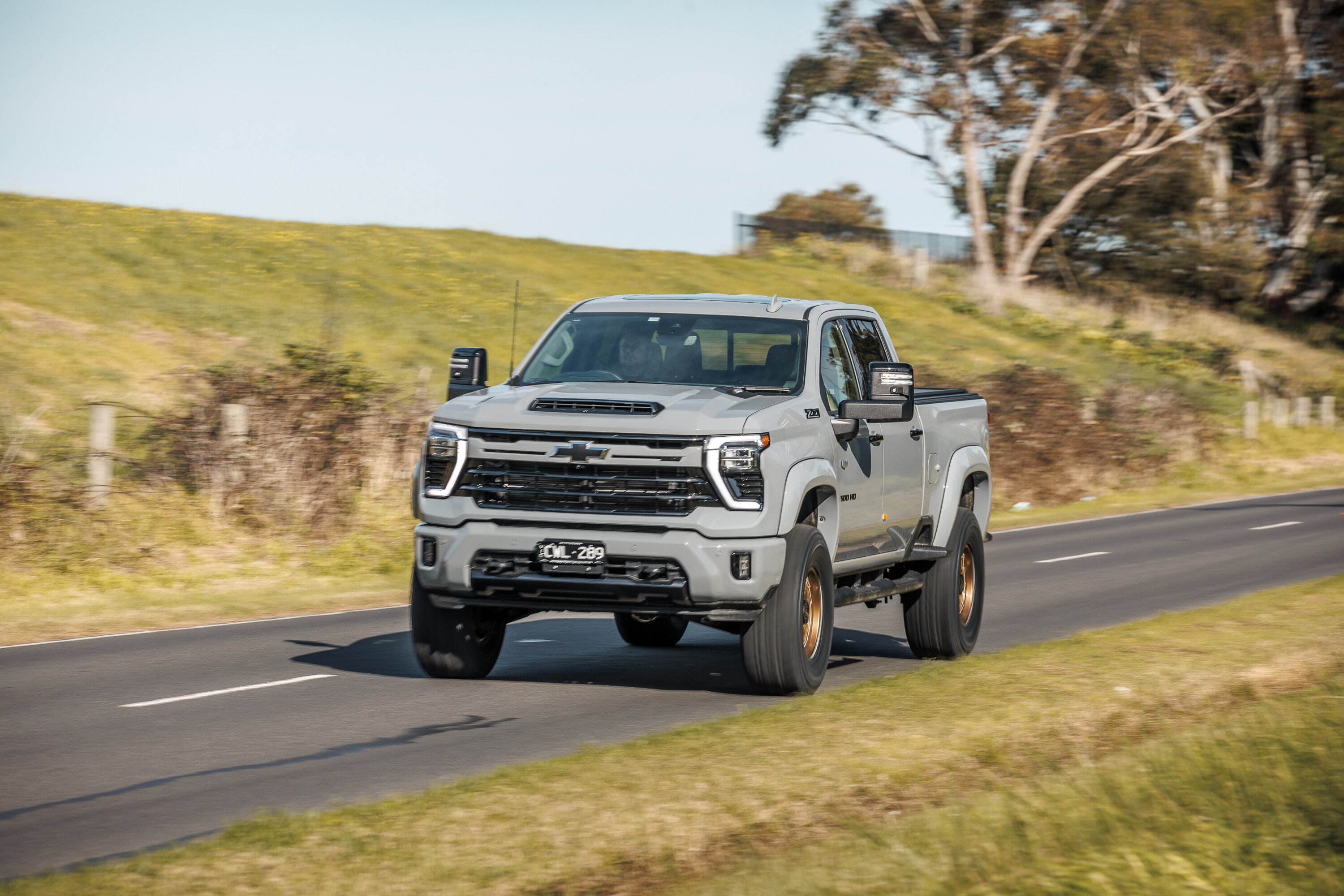
It’s hard to ignore the growing popularity of full-size American pick-up trucks on Australian roads and tracks. The numbers have grown over recent years and continue to do so with several new players in the market.
There have always been companies importing American trucks to Australia and converting them to right-hand drive, but Ateco paved the way with Ram Trucks Australia and a semi-factory operation to sell the RAM brand here. The success of RAM soon saw GMSV going down a similar route with Chevrolet trucks, Ford bringing in F-150s and we’ll soon see the Tundra here via Toyota Australia.
The volume of trucks coming into the Australian ute market has created a big demand here for accessories that will fit them, and like most things in America, the USA aftermarket for pick-up trucks is massive. Sorting through the junk from the quality equipment can be daunting, but thankfully one company has done all the hard work for Australian pick-up truck buyers and builders.
1
Melbourne’s Offroad Industries (ORI) saw the need for quality components for trucks in Australia and has focused its attention on the best brands to deliver high-quality products for your USA truck build. As the importer of brands such as Addictive Desert Designs, Baja Kits, BDS Suspension, Factor 55, Fox Suspension, Titan Fuel Tanks, Bushwacker and Stealth Lighting, among the products it keeps in stock, Offroad Industries has the best gear for your pickup, ready to go.
When we say that Offroad Industries has the products in stock, we mean it. The company’s 1000m2 warehouse in Melbourne is loaded to the rafters with stock, and James and his team at ORI pride themselves on having the products here rather than having to search for them overseas and worry about shipping them to Australia.
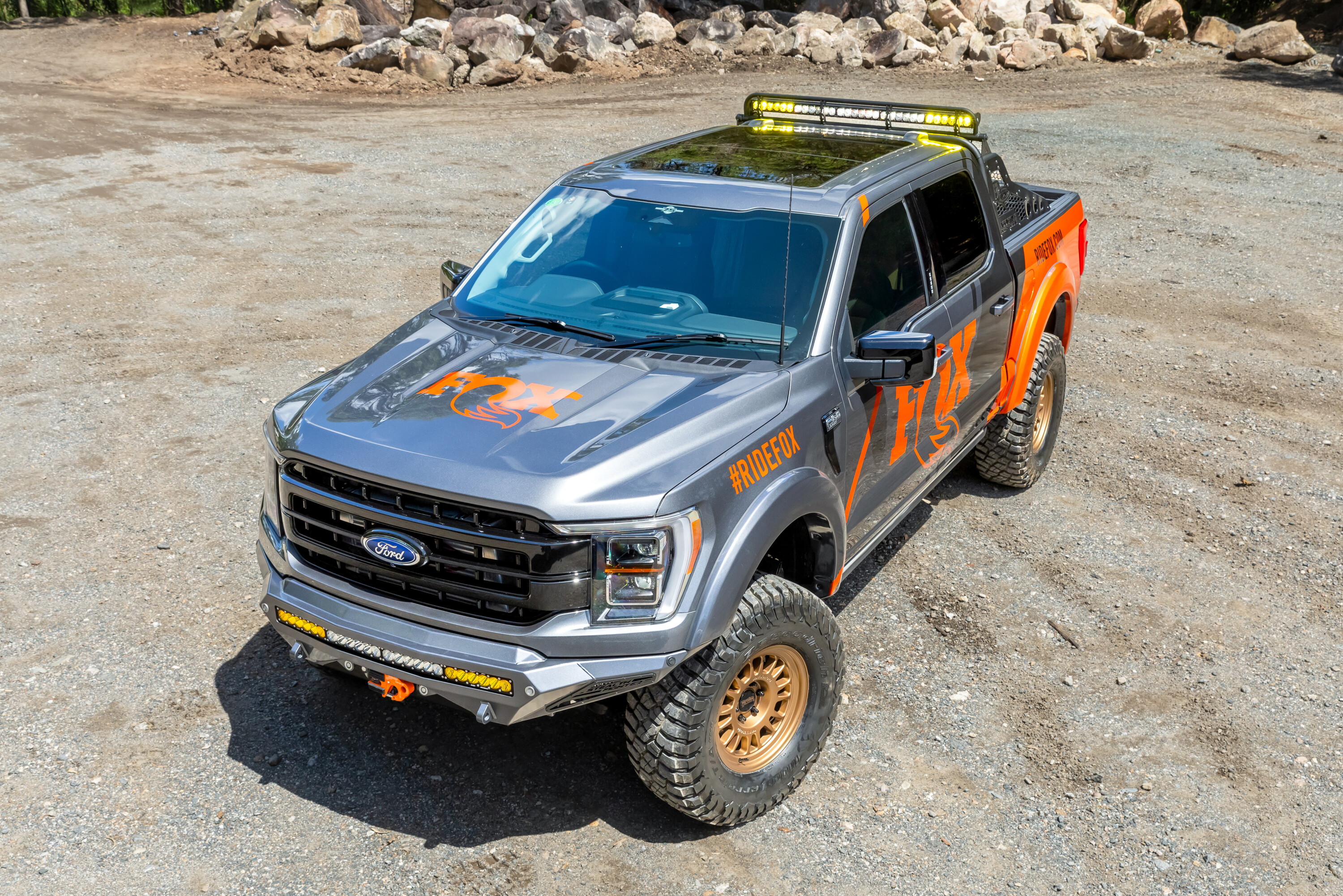
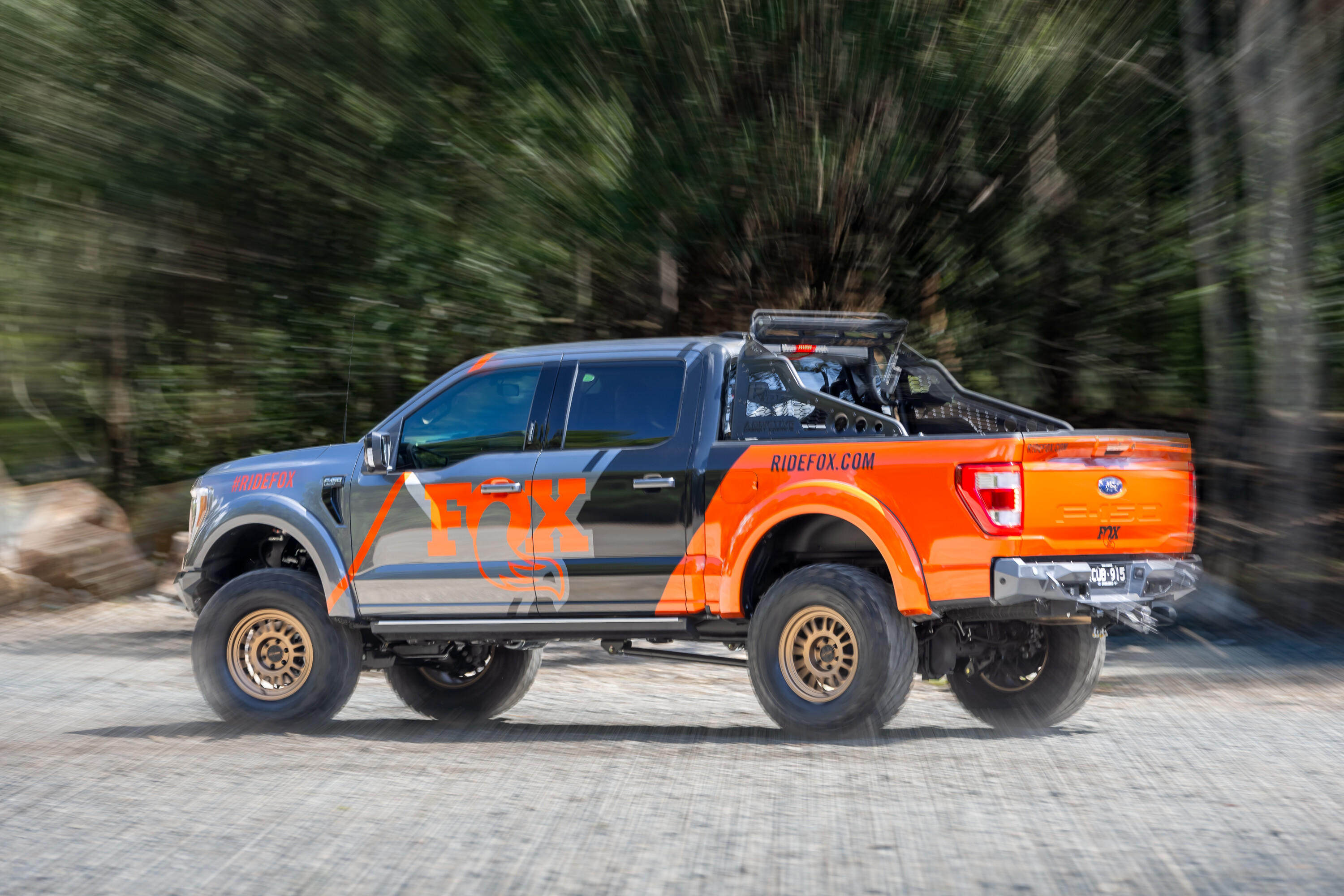
Offroad Industries is not a workshop and it doesn’t do vehicle builds, but the team does live the pick-up truck life, working with specialised shops and fitters to create incredible truck builds. ORI’s own F-150 and soon to be unveiled Silverado 2500 are testament to the effort James goes to in selecting the best parts for a build and tailoring them to owners’ requirements.
1
Kris Humphrys of Recre8 and Rambler fame has been dealing with James at ORI on a number of the company’s builds and he says, “The thing about dealing with James is that it’s not just about the products, it’s about the knowledge he has and ensuring that we get the right product for the build; and that he always has them in stock.”
James’s knowledge of the American truck accessories market comes from running ORI for the past 14 years, and during that time he has been dealing with USA brands directly, passing on what Australian owners want for their trucks to ensure he gets the best gear for his customers.
“We have been travelling to the States for 13 years and dealing directly with the guys at Addictive Desert Designs, Fox, BDS, Real Truck, and going to the SEMA Show every year for 13 years,” James says. “It’s this direct connection with the brands that allows us to get the right equipment for Australian buyers and have them in stock in our Australian warehouse.”
1
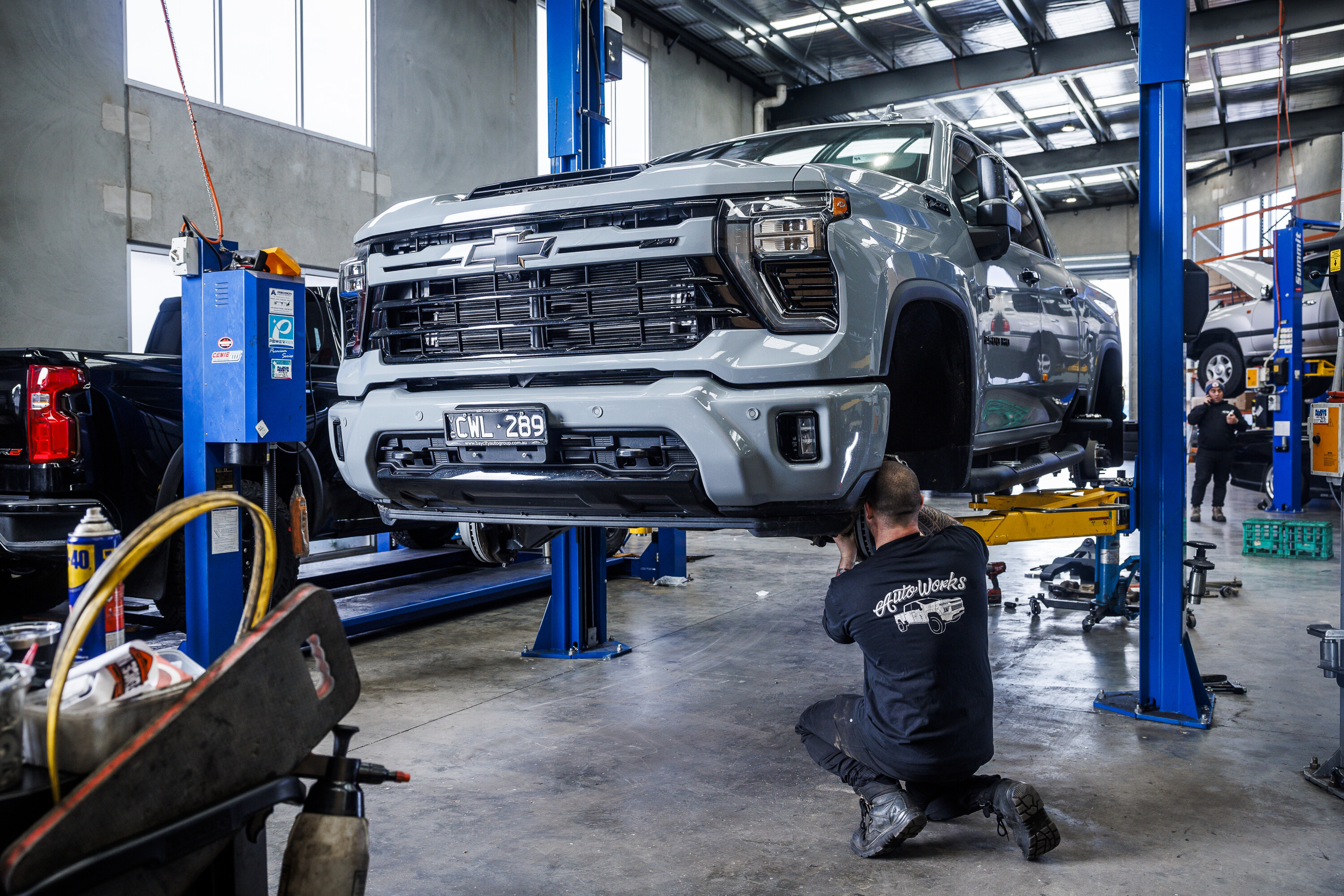
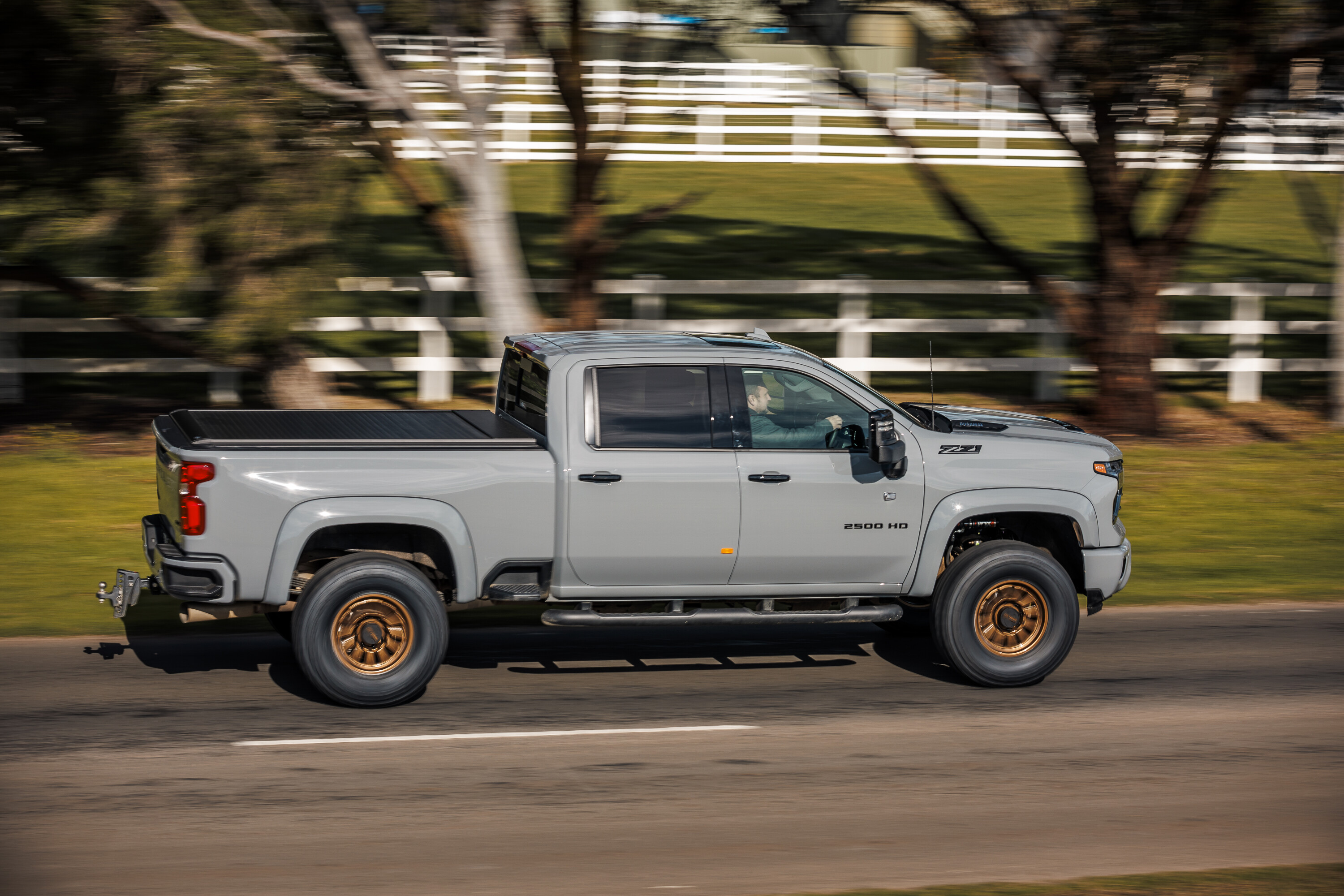
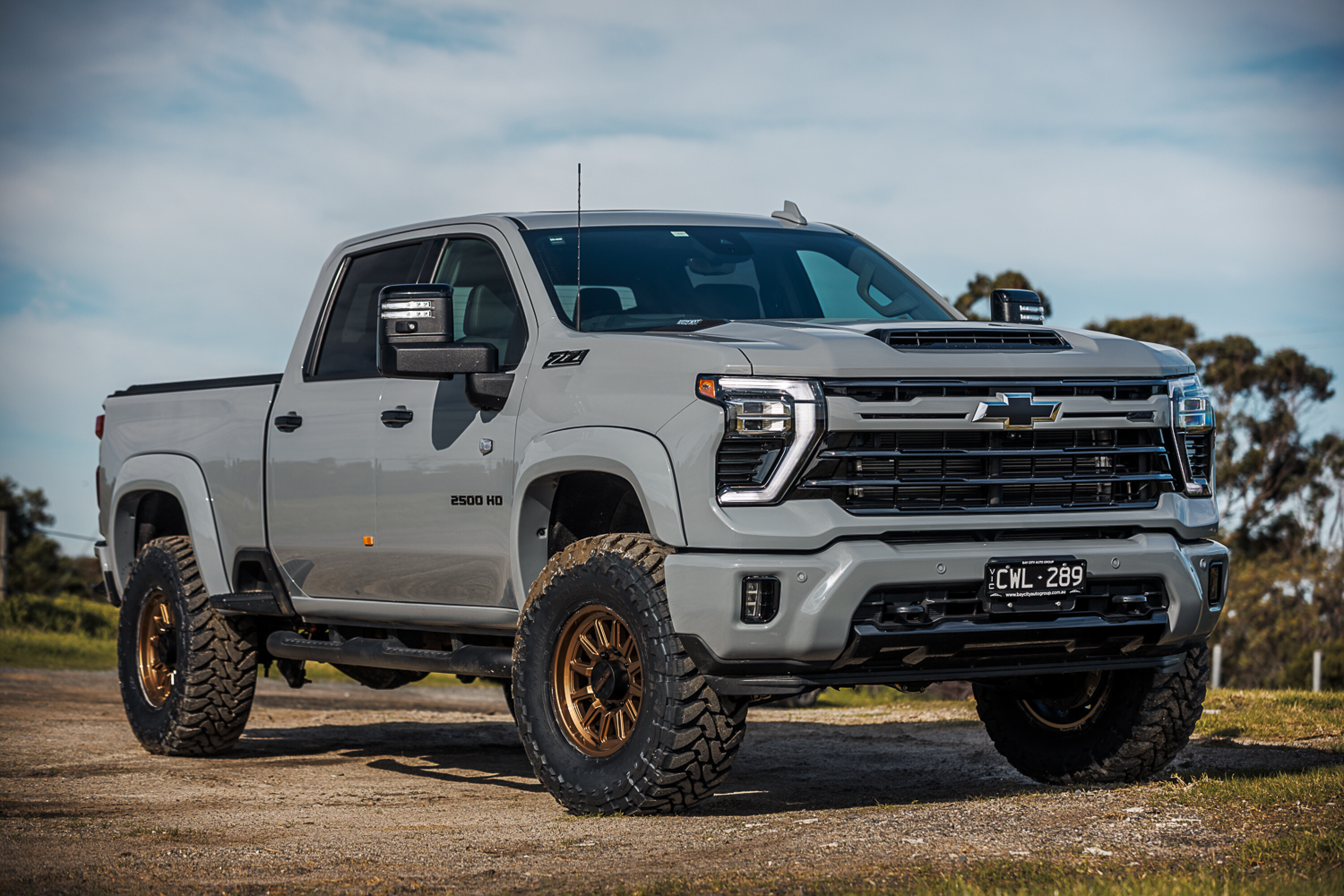
As well as Rambler/Recre8, ORI supplies the best gear to other leading workshops doing American pick-up builds including Autoworks Car Care in Melbourne and Big Dog Builds in Queensland. We dropped by the Autoworks shop where owner Morgan was outfitting ORI’s new Chevrolet 2500 with a full BDS/Fox torsion-bar delete suspension, using Fox Performance Elite 2.5 DSC shocks and Method wheels wearing 37×13.5-inch Toyo tyres.
The team has done plenty of such builds and James is looking to obtain SSM (Second Stage Manufacturer) approval for this suspension, wheel and tyre combination on HD trucks. This would allow owners to have the kit fitted to their new trucks pre-registration and have it nationally approved with a three-inch lift and 37s.
Other gear going on the grey Chev includes an Addictive Desert Designs Phantom Bar, Titan Long Range Fuel Tank, Bushwacker Extend-A-Flares, and ORI electric roller shutter, bed rack and rooftop tent over the tray. More than just a bunch of brand name parts being cobbled together and fitted to a vehicle, the gear selected again comes back to ORI’s knowledge of the products and what works best together.
1
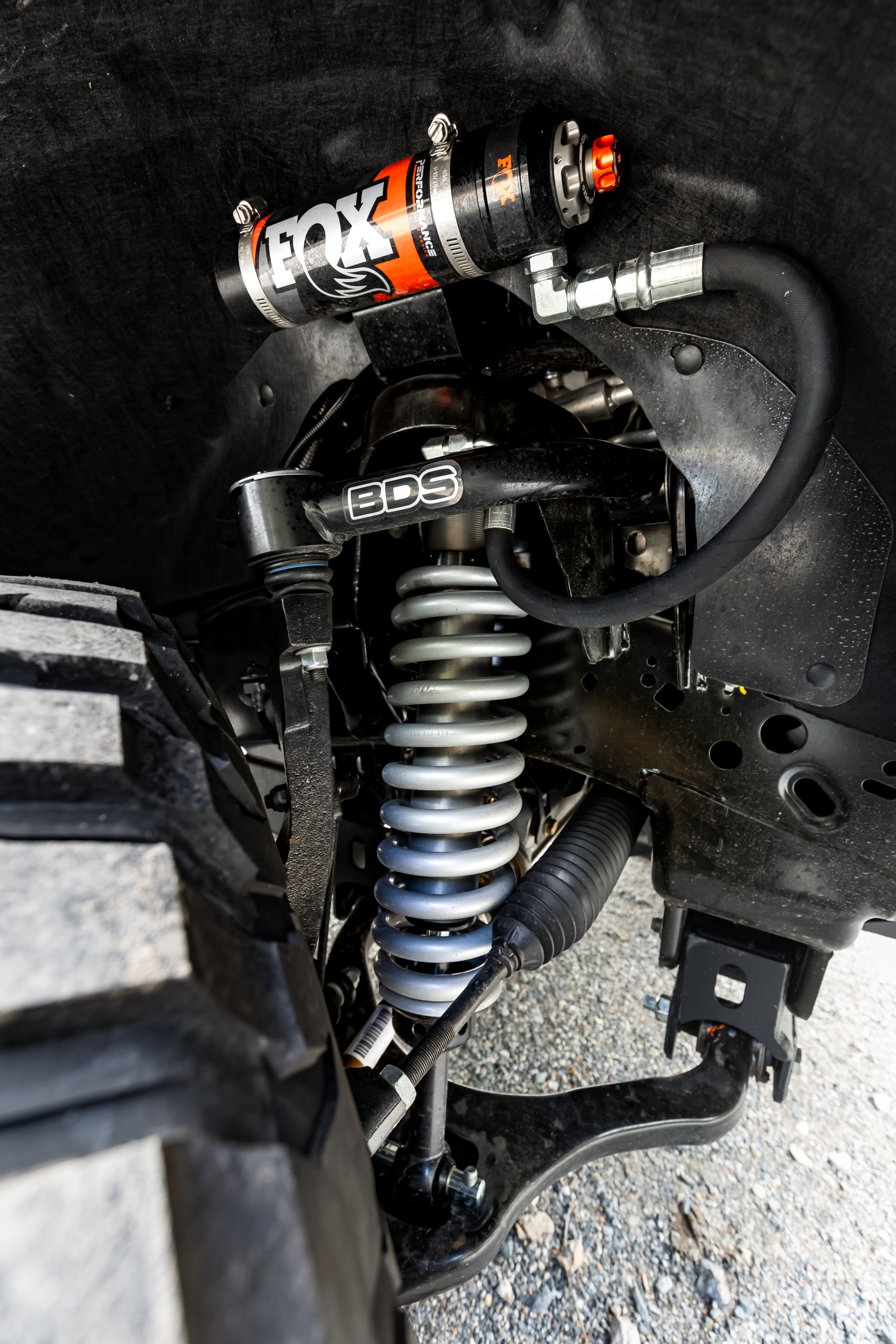
The BDS suspension kits combine the right hardware with the matching springs and shocks. As a division of Fox Shocks, the BDS kits are ideally calibrated to suit the vehicle and its application. Fox shocks can be found under Baja- and Finke-winning trophy trucks and buggies, the best off-road touring rigs as well as OE applications such as Ford Ranger Raptors, F-150s and Broncos.
It is this experience that gives the suspension specialist the knowledge to produce the perfect products for your vehicle, and again James has the relationship with Fox to get the best parts for you here in Australia. The BDS kit for the Silverado HD is so extensive that it does away with the factory torsion-bar front suspension and replaces it with Fox coil-over shocks and bespoke control arms.
Offroad Industries also carries its own range of products for the trucks it supports including the aforementioned bed rack and RTT, plus roller shutters and powered drop-down side steps. When you see some of the three- and six-inch lift trucks that ORI customers are running, you see why the drop-down steps are so popular.
1
The Chev will be debuting on ORI’s stand at the Melbourne 4×4 Show at the end of August, so be sure to get along to see this stunning rig. ORI will also have its well-known Fox Shocks F-150 on display at the show, showing off the extensive range of products the company carries for the Blue Oval brand, as well as for Chevy and RAM trucks.
Before embarking on your American pickup truck build, get in touch with Offroad Industries to see what they have to offer, and what makes them the go-to supplier for the best equipment and curated build packages.
Gear fitted to the F-150
1
| 6″ BDS suspension kit with Fox 2.5 Performance Elite shocks | BDS Upper Control Arms |
| ORI Electric Steps | Bushwacker Extenda flares |
| Method 318 18×9 rims | Addictive Desert Design Stealth Fighter winch bar |
| BFG KM3 37×13.5×18 | BAJA Designs light bars, front bar and chase rack |
| Addictive Desert Designs AFE front mount intercooler | Addictive Desert Designs Race Series chase rack |
| Addictive Desert Designs Stealth Fighter rear bar | BDS Traction Recol bars in the rear |
| S&B AIrbox | Switch Pro SP9100 control panel |
| Full black-out package by Autoworks |
2024 Chevy Silverado 2500HD
1
| Gear fitted | |
|---|---|
| 3″ BDS Coilover Conversion Kit Fox Performance Elite Suspension | Bushwacker Extenda Flares |
| Method 323 Bronze Wheels | ORI Electric Roller Shutter |
| 37×13.5×18 Toyo Mud Tyres | |
| Parts to be fitted | |
|---|---|
| AMP Research Power Vision Steps | ORI Roof Top Tent |
| ORI Awning | Kelderman Airbag 4 Link Suspension |
MORE
Everything Chevrolet
MORE
Everything RAM
Shadowy figures emerge from the bush to accompany walkers along a section of the first road northwards from Sydney.
This Great North Road is soaked in the blood, sweat and tears of the convict road builders and the spirits of the past are strongly felt here. Visitors in years past used their imagination to conjure up the phantoms of the road but now those phantoms are real, and they speak to us.
1
Exploring on foot
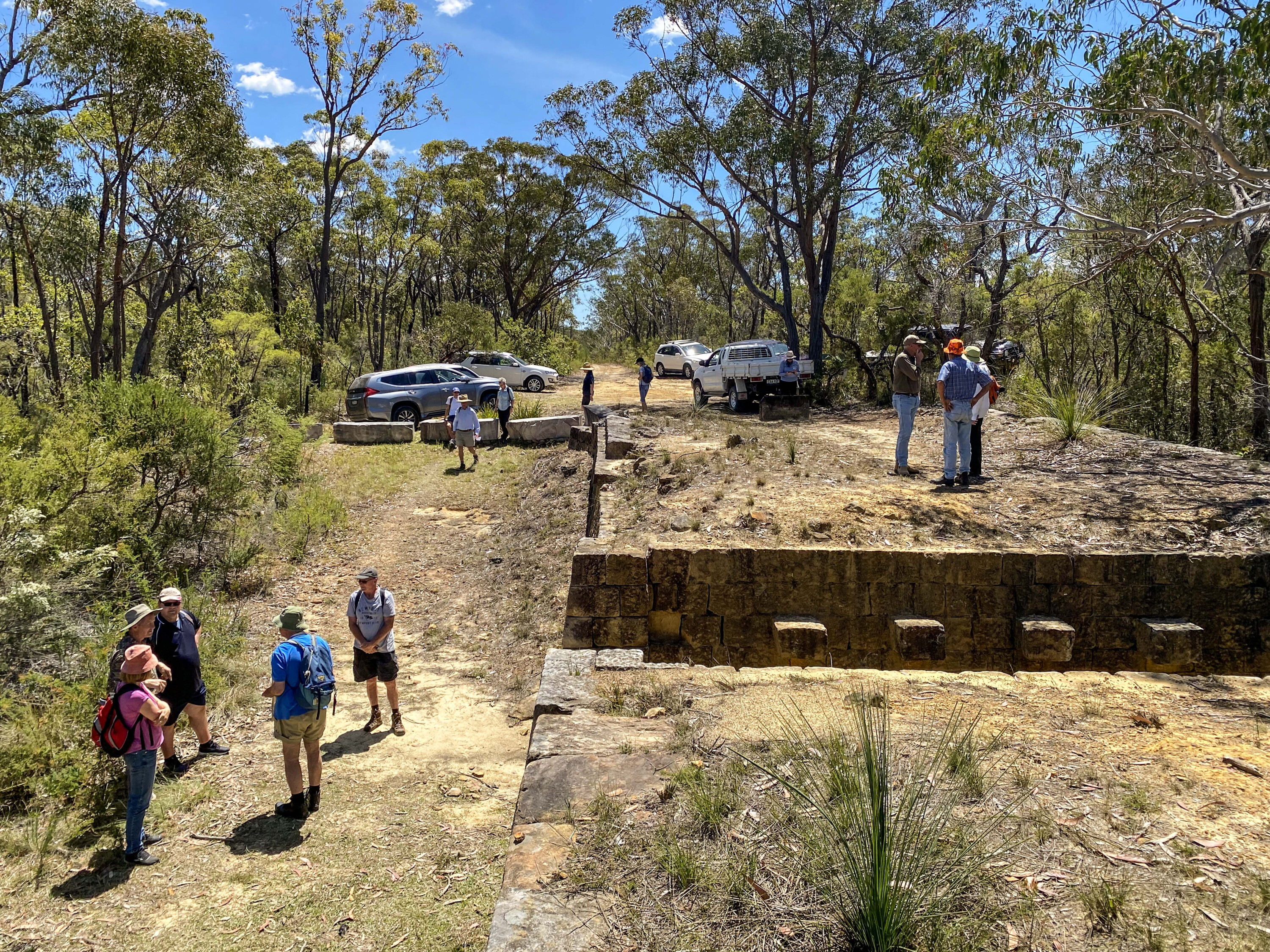
The walk up along the Heritage listed convict built, Great North Road on the northern bank of the Hawkesbury River at Wisemans Ferry, NSW has always been a popular family trek.
The convict engineering works on Devines Hill attract our admiration and wonder. Now, the National Parks and Wildlife Service has enhanced our experience with the inclusion of metal cutouts and sculptures which appear at regular intervals and speak to us by way of signboards.
The Great North Road from Sydney to the Hunter Valley was constructed with convict labour in the early 1830s. This section at Wisemans Ferry makes an excellent circular walk by ascending Devines Hill and descending via Finch’s Line with a 2km road walk back to the start.
1
If the whole day circuit is not to your liking, it is possible to sample the bottom of Finch’s Line and then drive along to Devines Hill.
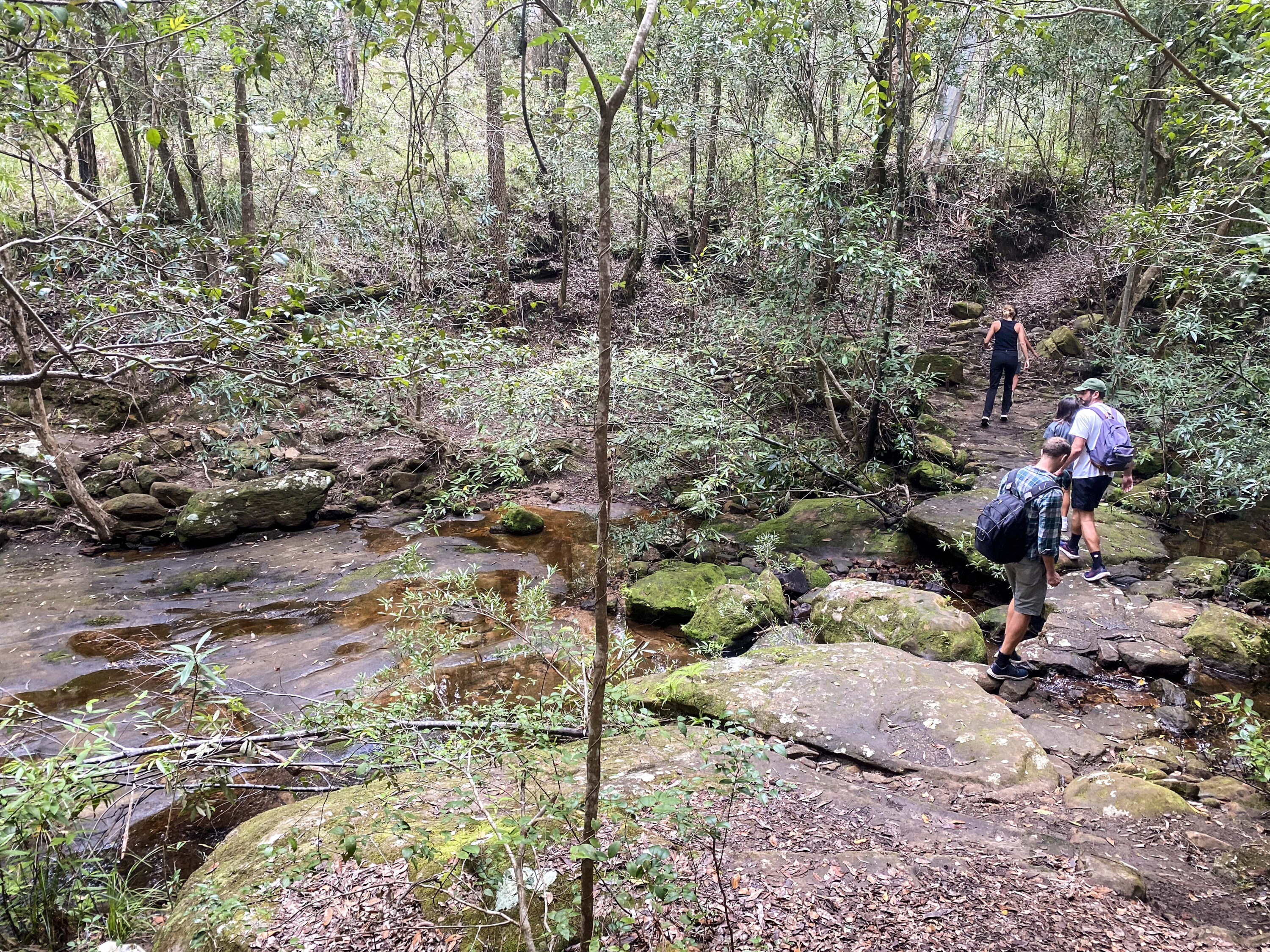
The small Finch’s Line roadside carpark, downstream from the ferry, has a metal entry sign. Not very far up the track you come to the first phantom figure which seems to emerge from a large mossy sandstone boulder.
This Dharug man offers us a welcome with ‘warami wellamabami’. He relates to us how his people had marked tracks and routes all over this country and how aboriginal families guided Surveyor General Thomas Mitchell on a route to survey his great road.
1
A little way on we meet Heneage Finch beside the track. He tips his hat to us and explains that as Assistant Surveyor, he built the first road up the escarpment.
When Governor Darling visited in 1829, he was not impressed and ordered Mitchell to find a better route. Finch was replaced and Mitchell surveyed his ‘better road’ up Devines Hill.
Today’s walkers can continue up Finch’s Line or return to the cars and drive to the upstream carpark from the ferry to the start of the Devines Hill walk.
Extensive modern roadworks are taking place between the ferry and the start of the walk at Devines Hill and delays could be encountered. Recent landslips took out this section of road as well as the convict built retaining walls and the historic Thomas James Bridge.
1
This bridge was the oldest still in use on the Australian mainland. It was begun in 1830 by the 25th Road Party under convict overseer Thomas James.
Reconstruction work began in early 2023 and included photographing and labelling each of the huge bridge and wall stone blocks and removing them for later reassembly as a façade in front of new concrete walls and foundations.
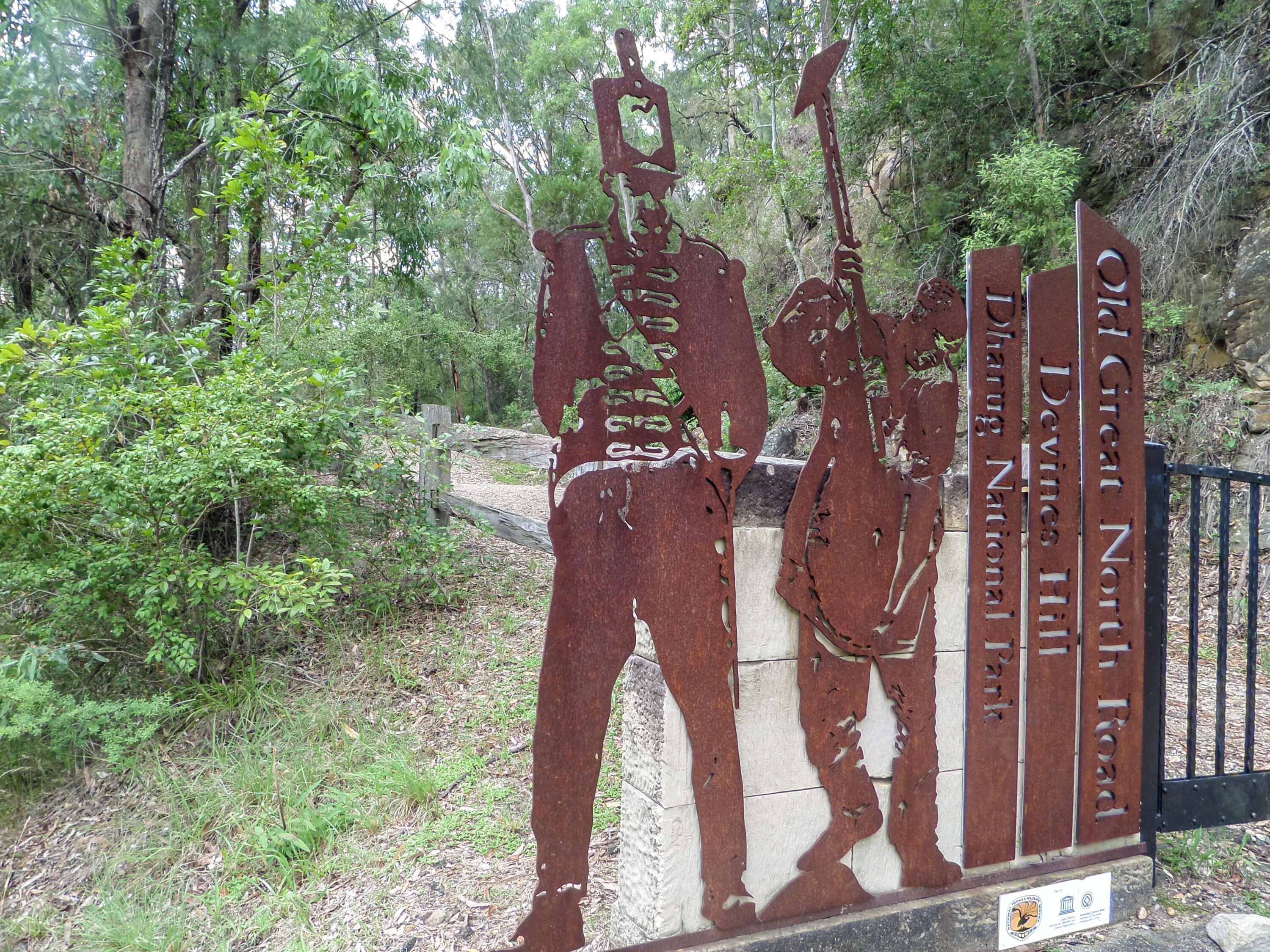
At the start of the walk, a menacing soldier and a sweating convict meet you at the gate. Just beyond the gate another Dharug man welcomes us to his country.
Soon after, Surveyor-General Major Mitchell himself appears from the bush at the edge of the road and tells us of his road-building skills. This section of road is still a marvel of design, construction and drainage systems and is recognised as a National Engineering Landmark.
1
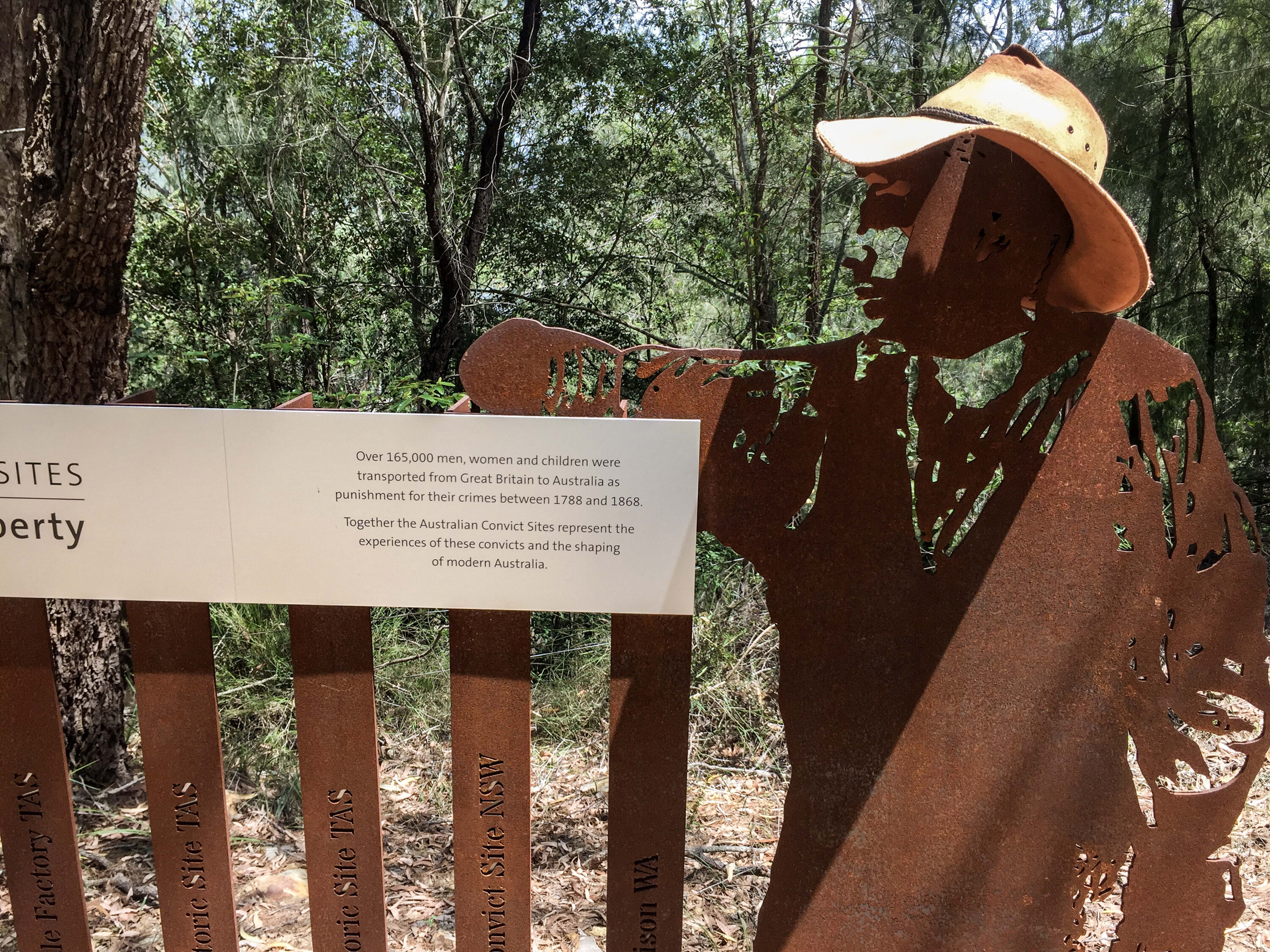
A convict soon appears to explain that this road joins other locations as World Heritage Australian Convict Sites representing 165,000 men, women and children who were sent to the colonies as convicts.
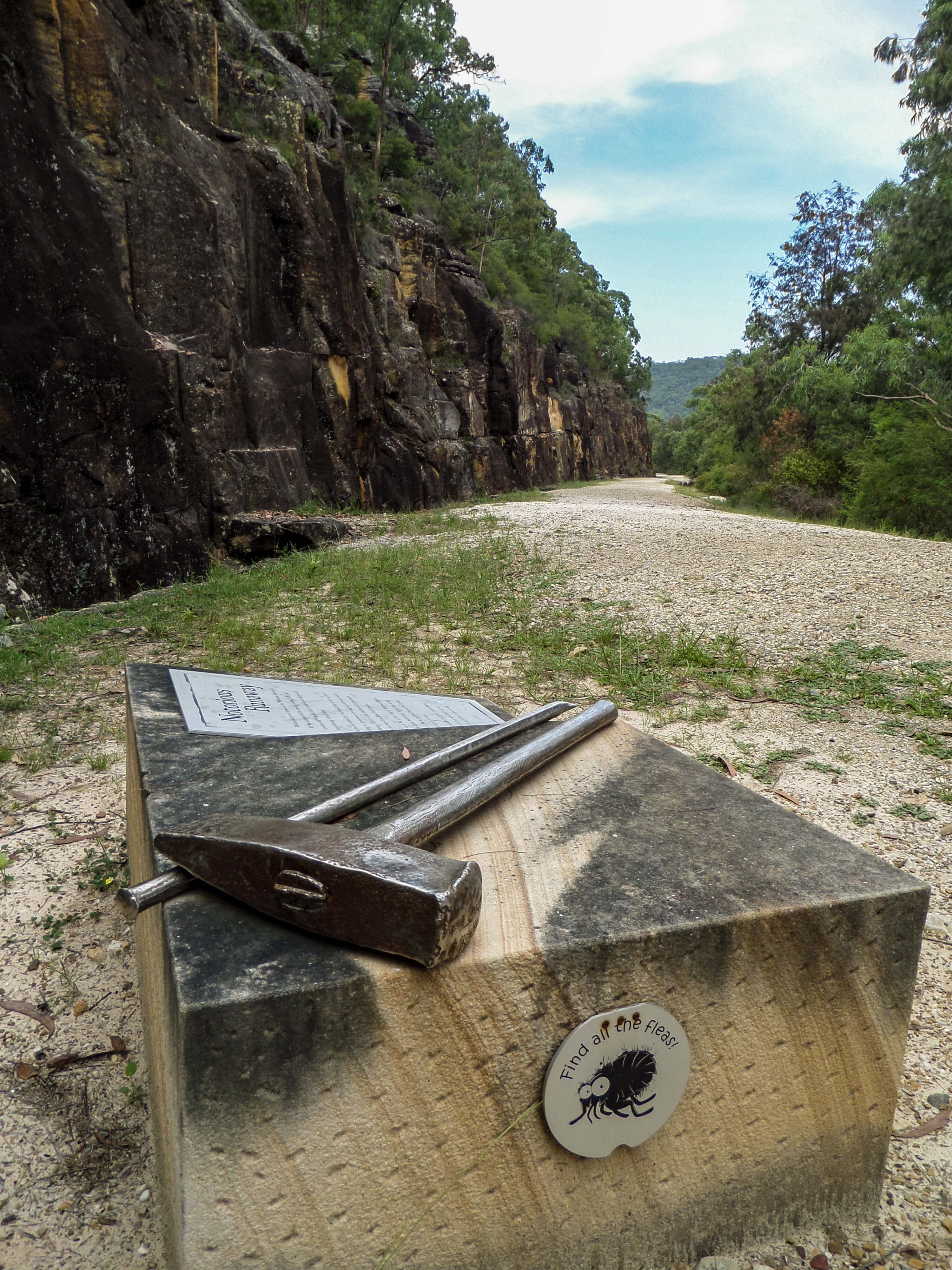
Two of those convicts were Owen and Mary Devine who eventually came to own the land where the road ascends the ridge. A sign here explains their story. This sign marks the first of the metal sculptures sitting on sandstone blocks. Metal leg-irons here can actually be worn.
Children will love this walk for the phantoms and the sculptures. An added bonus are the ‘flea doors’ that are attached to the blocks. Children can open them to find interesting and gross facts. Other metal sculptures along the way include a poignant boot, tools, cat-o-nine tails and clothing.
1
The quarry site above the road has always been one of the fascinating aspects of the walk but was often overlooked by visitors.
Now two convicts work with hammer and bar on the rocky ledge above our heads. When the summer heat is reflecting off those sandstone walls, we can almost see the sweat dripping from their tired bodies.
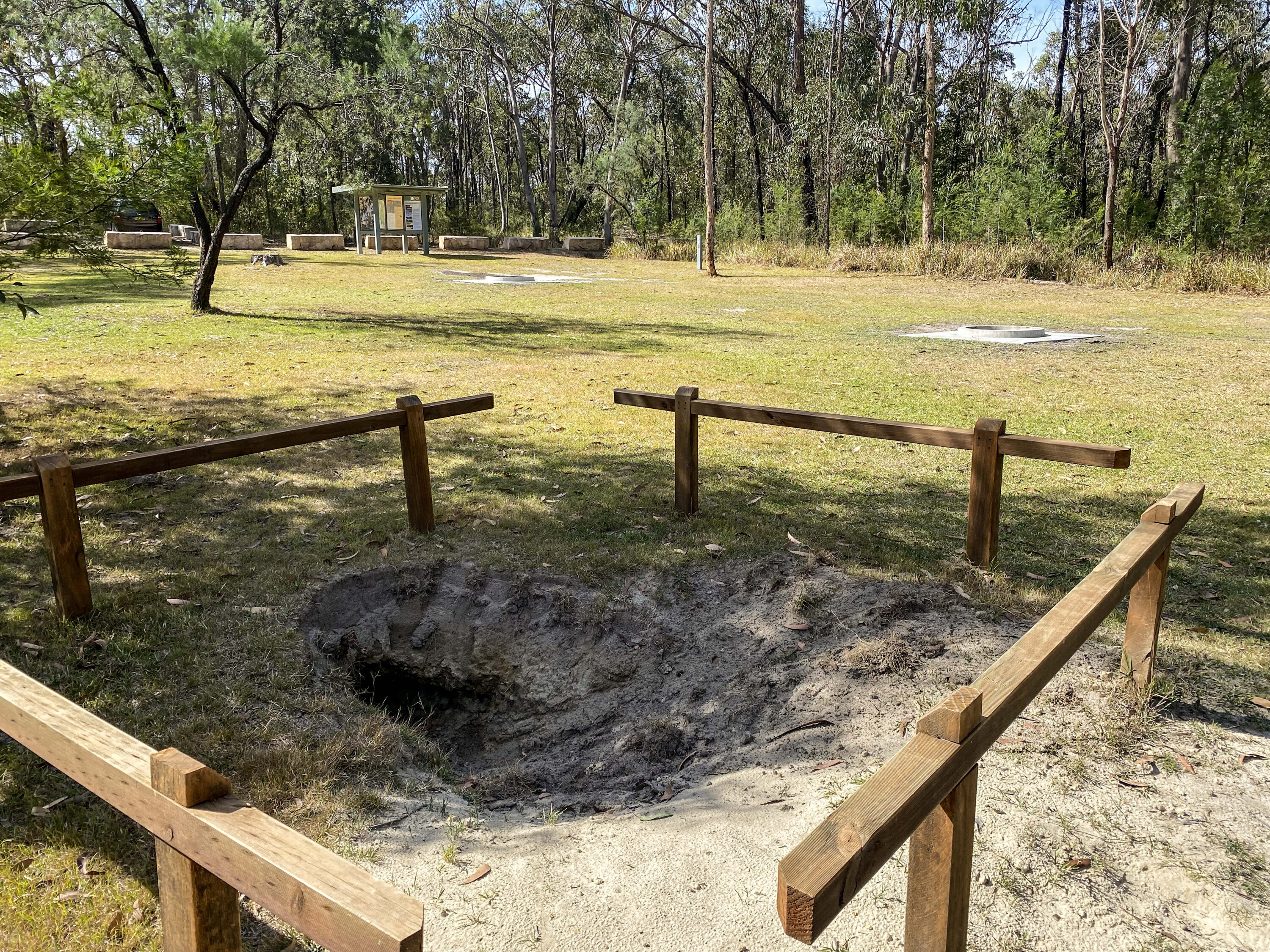
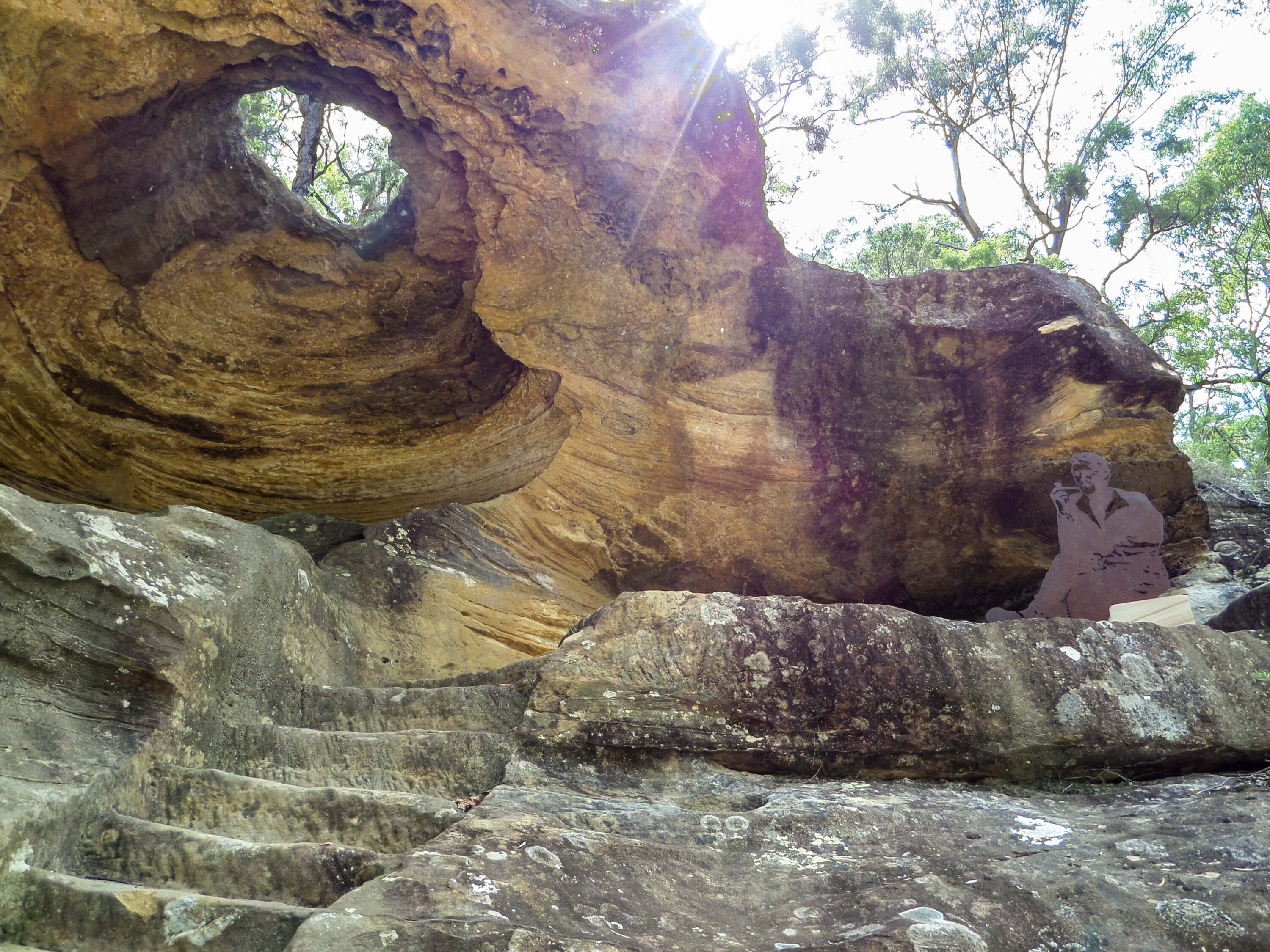
Around the bend is the ‘Hangman’s Cave’. The cave has a convenient hole in the top but was certainly not used for executions. Steps and a bench have been cut out of the sandstone here, possibly for storage or as an overseer’s observation post. We may never know what the cave was used for but look; there is an overseer sitting up there now smoking his long clay pipe.
1
Around the next bend we meet an Aboriginal mother, with her baby on her shoulders, and soon after, a side track to the right heads into the old convict stockade or campsite. A soldier stands guard here amidst stone ruins and information signs.
The top of the ridge is not far off where the return descent can be made or continue to the right-hand turn which will take you out and down Finch’s Line, which takes the best part of a day.
From the top of the ridge, it is possible to walk the rest of the non-trafficable length of The Great North Road. This is a two-to-three day trek with a camping area at Ten Mile Hollow and bush campsites at Frog Hollow and Hungry Flat. Water can be scarce in dry times.
There are numerous examples of convict stonework along the way for the observant walker. Ten Mile Hollow and adjacent Clare’s Bridge are particularly noteworthy. This entire section of the convict road is no longer available to traffic.
1
Vehicle access and camping
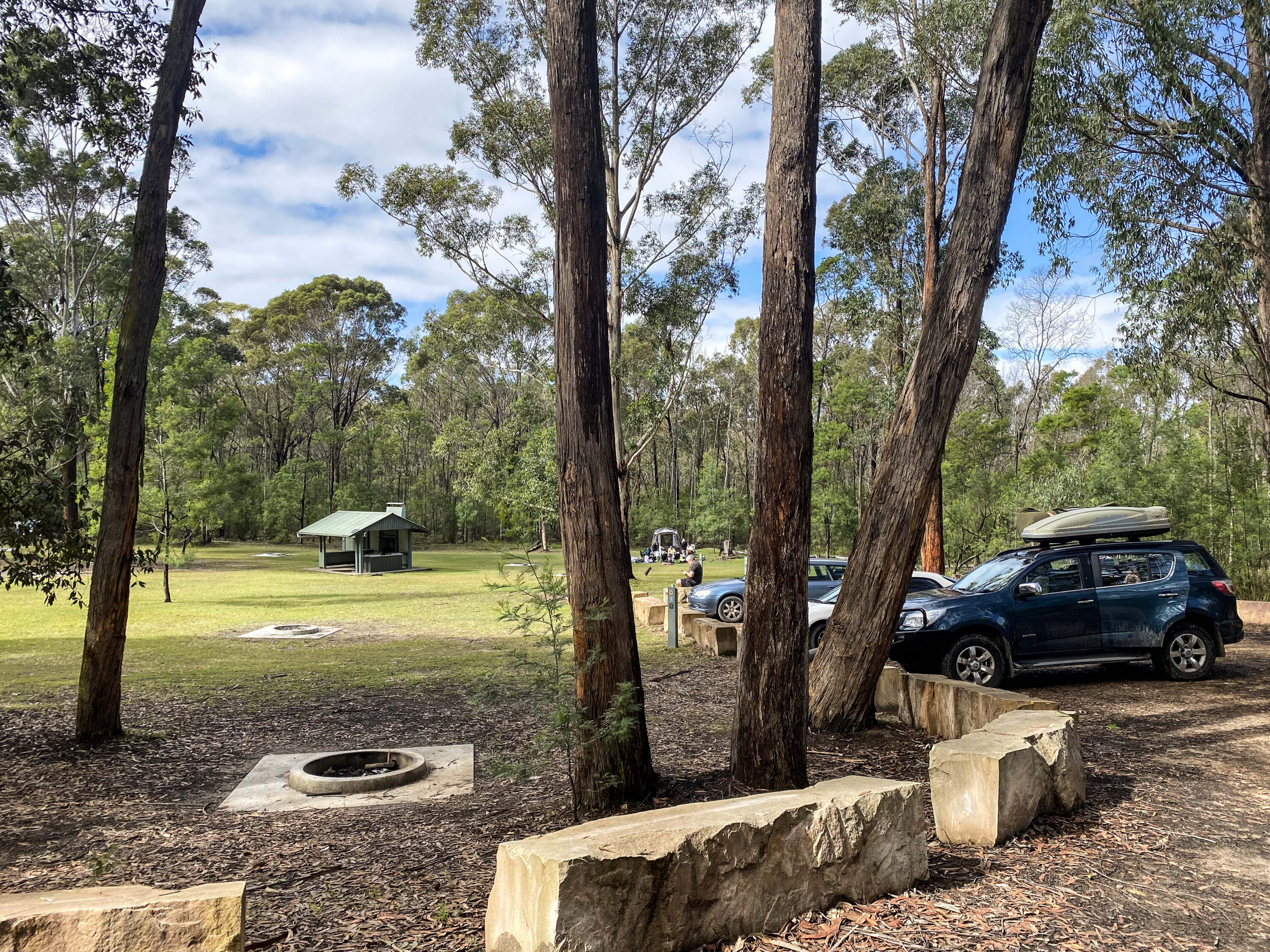
Vehicle camping is available in Dharug National Park at Mill Creek, downstream from the ferry at Gunderman. Bookings are essential and there is a camping fee. Contact National Parks NSW [↗️] or 1300 072 757.
The camping area and the separate picnic area have composting toilets, picnic shelters, firepits; bring your own wood and drinking water. There are also long and short walking tracks with splashing holes in the creek for warm weather.
Campsites 1-8 have no carpark barriers and are best for vans and trailers. Sites 9-20 are close to the carpark barriers but not suitable for turning vans or trailers. Sites 21-30 are a very short walk from the carpark barriers. There is also a separate large group camping area. While in the Gunderman area, call at the Wombat Café for a six-pack of fresh mega-scones!
1
Vehicles can travel from Wisemans Ferry to reconnect with the old road along the Settlers Road and St Albans Road to near Mogo Camping Area.
The historic village of St Albans has a free camping area opposite the Settlers Arms Inn above the Macdonald River. The camping area has picnic shelters, playground and flush toilets but no drinking water. The 1836 Inn is licensed and provides meals and accommodation. There is also a café nearby.
The old convict road emerges from the bush in the north near the Mogo Camping Area. Here is another wonderful daywalk, to inspect the Circuit Flat Bridge. No phantoms here though, but you might discover near the bridge, the roadside carving of naked ‘Collier out for a Dip.’ The walking track can be followed from the camping area, or the walk can be southward along the old road.
1
The walk is 5.5km and takes 1-2 hours return. This short section is drivable in dry weather but is more suitable for 4×4 vehicles. It is very rough and bush pinstripes are probable. The barrier at the bridge is as far as vehicles can travel southwards.
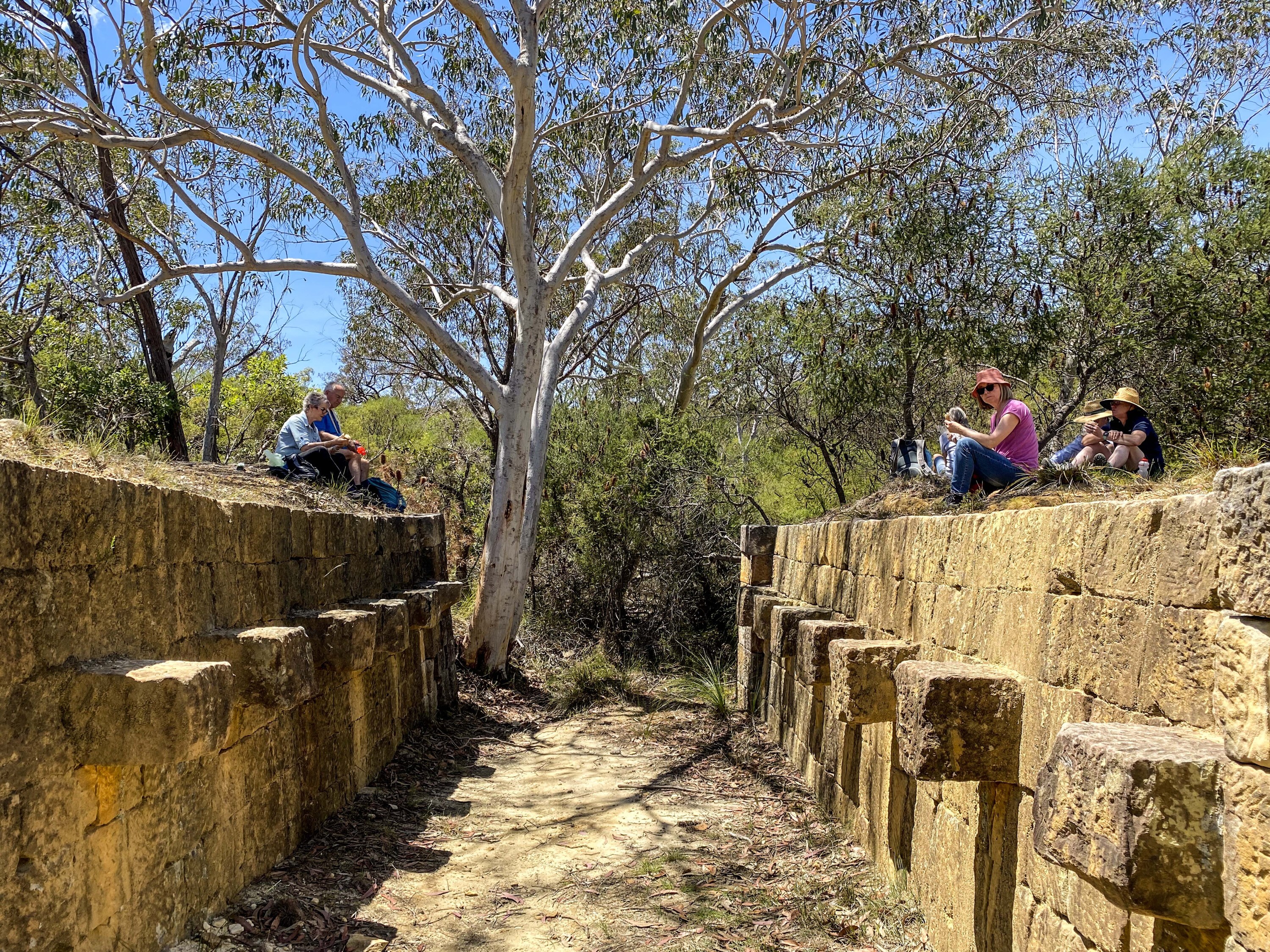
The walk to the bridge is flat and sandy, and wildflowers are a feature. The bridge has long stone abutments, but the wooden deck is now gone. The bridge was built by convicts in 1831 and is Australia’s fourth oldest bridge. The interesting features are the sandstone blocks that protrude from each face of the wall. These once supported the wooden struts that supported the deck.
If time allows, the road can be followed southward on foot, towards Sampsons Pass, taking note of stone carvings, gutters and walls along the way.
1
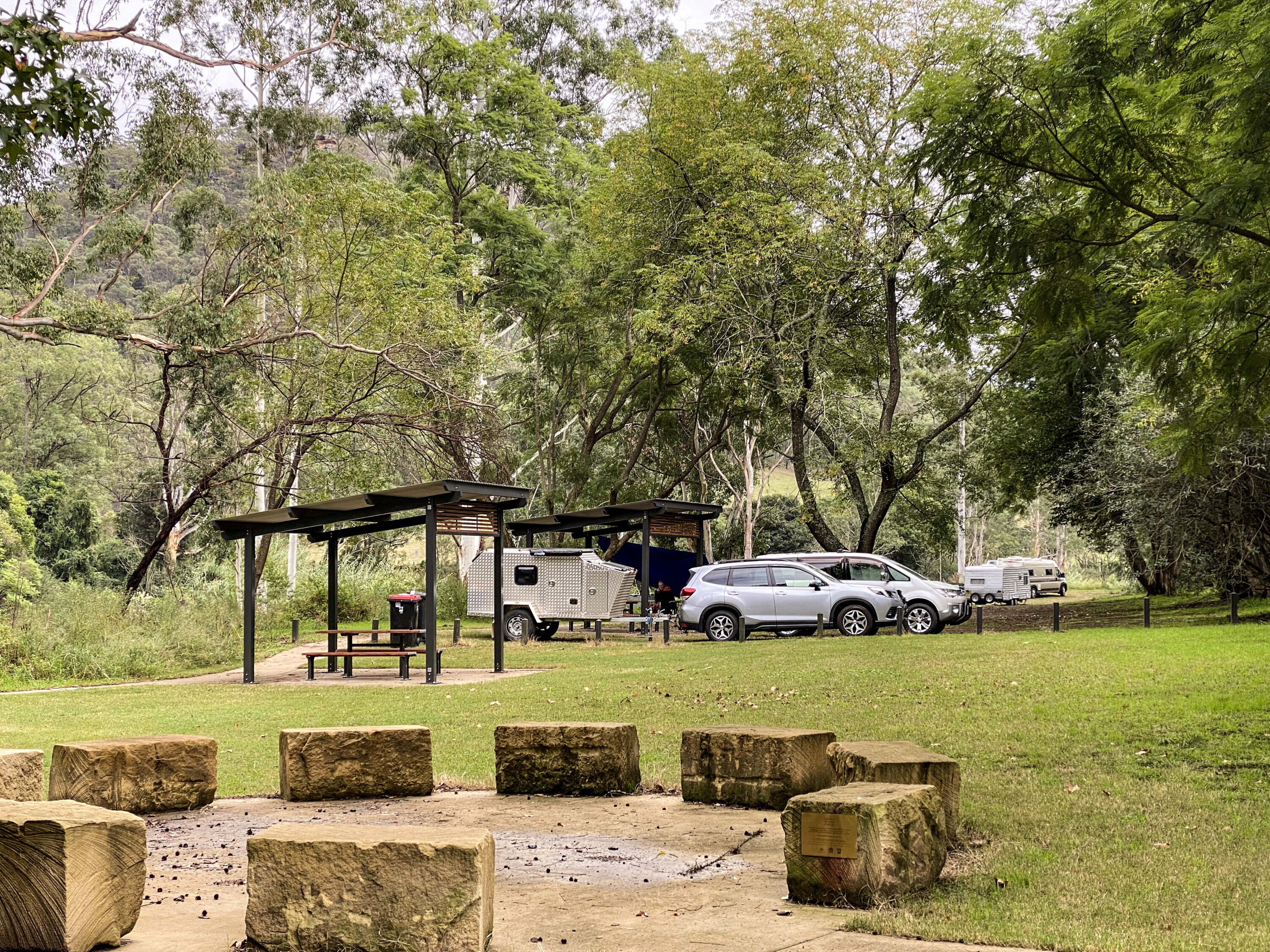
Back on the St Albans (Mogo Creek) Road, basic vehicle-camping facilities are available at Mogo Creek in the Yengo National Park.
Ten grassy camping sites are located in a circle beyond a barrier fence from the carparks. Sites 1-2-3-10 are closest to the car park barriers, while the other sites involve a very short walk. In spring, the wattles are magnificent.
There are wood firepits – (bring your own wood), camp kitchen shelter, picnic shelter with tables, information boards, non-flush toilets and a water tank (bring your own drinking water). Bookings are online and there is a camping fee.
1
Contact National Parks NSW [↗️] or 1300 072 757. From the camping area the road can be driven a short distance to the Bucketty Historic Precinct then on to Singleton or Maitland via the historic village of Wollombi.
For vehicle touring along the Great North Road see the free Cartoscope Map which is available in the area.
The Great North Road: Top 5
- Put you rig on the Wiseman’s Ferry for the five-minute crossing of the Hawkesbury River
- Check out the historic Thomas James Bridge that was built from as early as 1830
- Learn about Surveyor-General Major Mitchell and his road-building skills
- Your kids will love the phantoms and the sculptures along the Great North Road walk
- Enjoy a beer and a feed at the Settlers Arms Inn above the Macdonald River
Consumers will get their first hands-on impressions of the incoming JAC T9 Ute, with test drives of the Chinese ute commencing in August.
An immediate rival to the LDV T60, GWM Ute and SsangYong Musso, the value-focused JAC T9 will be available for test drives at more than 50 dealerships throughout Australia.
“We’re committed to Australian JAC owners. We’ve invested a considerable amount in developing both our product and our aftersales service. Our goal is to ensure that choosing a JAC remains a decision our customers feel good about long after their purchase,” said Danny Lenartic, Director of Sales and Distribution at JAC Motors Australia.
1
The JAC T9 will be available in two variants when it lobs locally later this year, a base-spec Oasis ($42,662 before on-road costs) and a top-of-the-range Haven ($45,630). The T9 will be powered by a 125kW/410Nm 2.0-litre single-turbo four-cylinder diesel engine matched to an eight-speed automatic and part-time four-wheel-drive system.
The JAC T9 will come with a 3000kg towing capacity; a 76-litre fuel tank; a suite of active safety technology; and plenty more listed here ?
Exterior inclusions
- Sports bar
- Rock rails; side steps
- Spray-on protective tub liner
- Full LED headlights and tail-lights
- 4×4 with rear diff lock
- 18-inch Titanium sports rims
- Tailgate lock with fob
- A full-sized spare tyre with steel rim
Interior inclusions
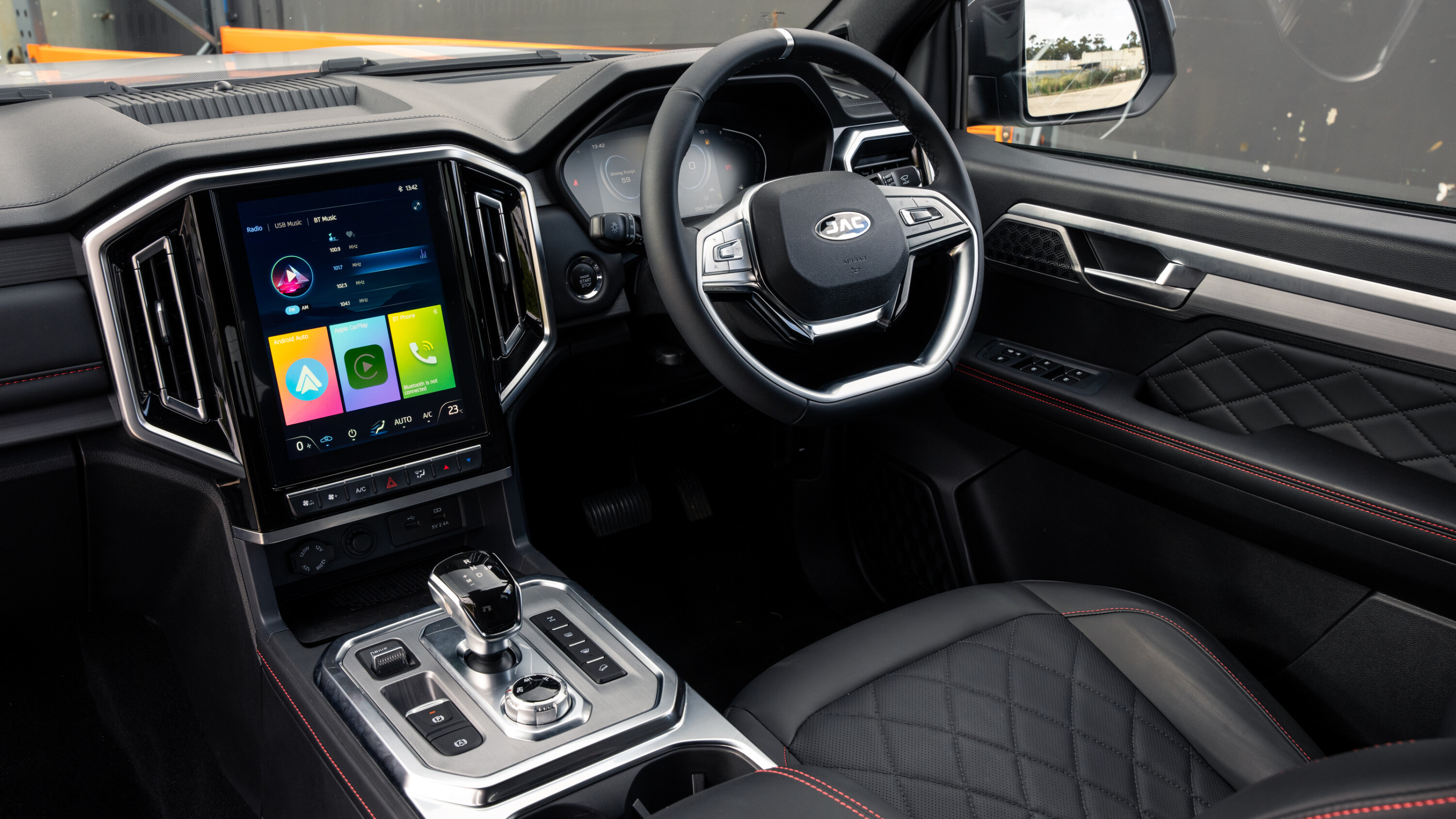
- 10.4-inch infotainment touchscreen
- Accented leather-quilted seats
- Front heated seats
- Wireless charging
- USB-C and USB-A charging
- Rear 220V power socket
- Rear air vents
JAC has also confirmed that an all-electric T9 will arrive in Australia in the future, and all JAC models will be covered by a seven-year/unlimited-kilometre warranty.
MORE
Everything JAC
Mitsubishi has expanded its Triton range to include two new payload options for its GLS and GSR variants.
Buyers now have the option to purchase a Triton GLS or top-spec GSR with payload capacities of less than 1000kg. Previously, the payload capacities of both variants were in excess of 1000kg – 1075kg for the GLS and 1030kg for the GSR.
Despite the payload discrepancies, prices across the model line-up remain unchanged, with the GLS and GSR – both under or over one-tonne options – priced at $59,090 and $63,840 respectively.
“We have taken on feedback from dealers, media and most importantly our customer base,” said MMAL CEO, Shaun Westcott. “The result is the introduction of an enhanced model range with the addition of variants that offer payloads of under 1000kg.”
The addition of these new variants is important, as vehicles with payload capacities above 1000kg do not qualify for novated leases. Mitsubishi has confirmed that all other specifications remain unchanged.
The sixth-gen Triton is powered by a 150kW/470Nm 2.4-litre twin-turbo diesel, with a six-speed automatic transmission standard across the range.
2024 Mitsubishi Triton GLS features
| In addition to GLX+ | |
|---|---|
| 18-inch alloy wheels | Wireless phone charger |
| Super Select II 4WD system with 2H, 4H, 4HLc and 4LLC | Tray bed liner |
| Standard-duty rear suspension | Heated, electrically-adjusted side mirrors with LED indicators |
| LED exterior lighting | Mitsubishi-embossed gloss black grille |
| Dual-zone climate control | Terrain control |
| Keyless entry and push-button start | Hill descent control |
| Auto-dimming rear-view mirror | Soft-padded interior surfaces with silver accented stitching |
2024 Mitsubishi Triton GSR features
| In addition to GLS Leather | |
|---|---|
| 18-inch alloy wheels (black) | Roof rails |
| Leather upholstery with orange stitching | GSR-specific carpet floor mats |
| Body-coloured grille | Two dash-mounted cup holders |
| Wheel arch moulding | u2018Dark titaniumu2019 interior accents |
| Styling bar | |
2024 Mitsubishi Triton pricing
Prices exclude on-road costs.
| Model | Pricing | Changeu00a0 |
|---|---|---|
| GLX 4×2 dual-cab pick-up | $43,690 | up $3250 |
| GLX+ 4×4 club-cab pick-up | $50,340 | up $4900 |
| GLX 4×4 dual-cab pick-up | $50,940 | up $6250 |
| GLX+ 4×4 dual-cab pick-up | $53,290 | up $6100 |
| GLS 4×4 dual-cab pick-up | $59,090 | up $7600 |
| GLS Leather 4×4 dual-cab pick-up | $60,590 | up $6100 (GLS Deluxe Option) |
| GSR 4×4 dual-cab pick-up | $63,840 | up $6900 |
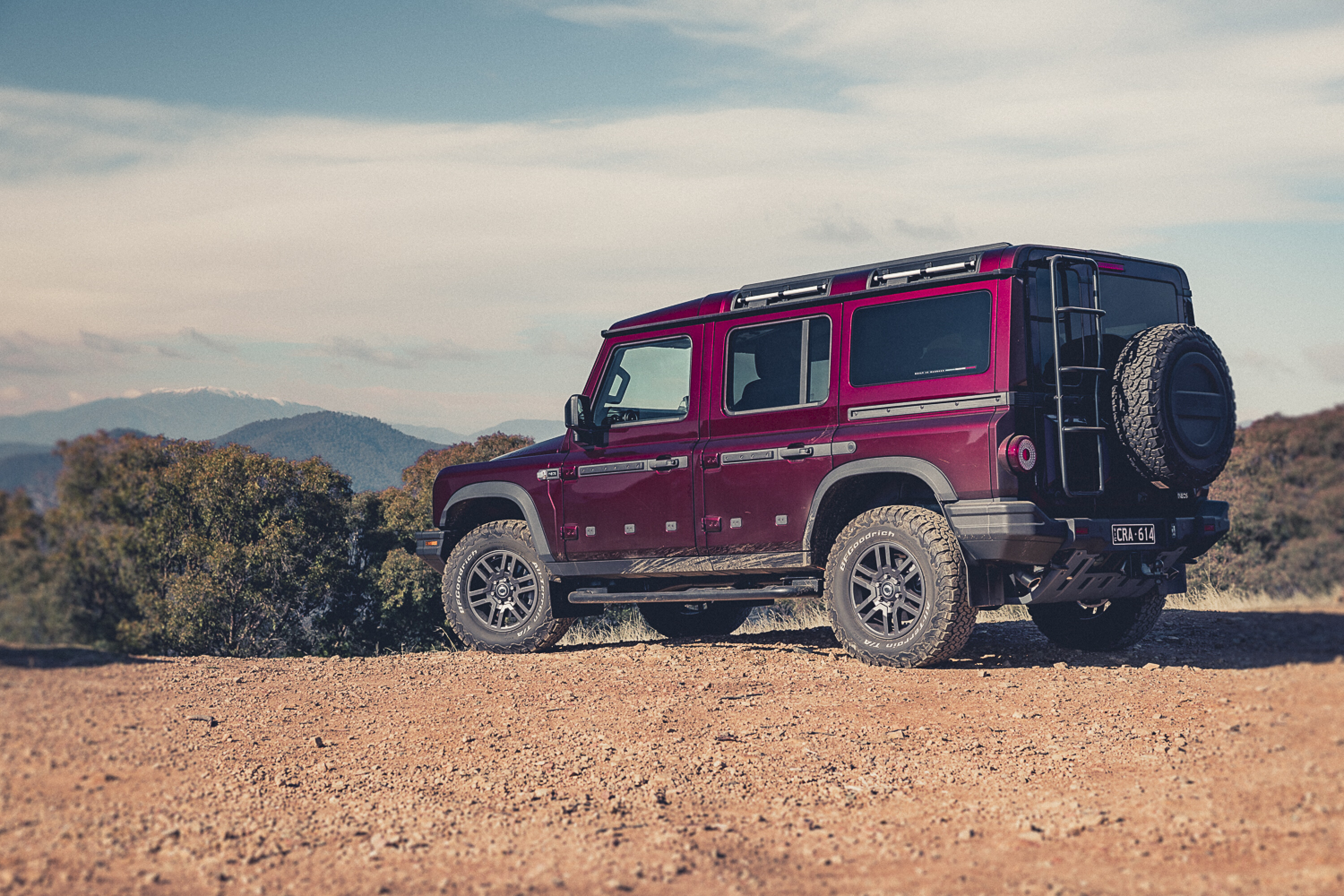
INEOS has slashed the prices across its 2025 Grenadier range.
The Grenadier line-up now starts from $104,000 for the two-seat Utility wagon, topping out from $123,600 for the Greandier 1924 edition. Both the Station wagon and Quartermaster models start from $105,000. All prices are before on-road costs are added.
The Utility wagon previously started at $109,000; and both the Station wagon and Quartermaster at $110,000. This represents entry-level savings across the board of $5000.
1
“These prices have reduced from MY24 thanks to INEOS being granted a Tariff Concession Order (TCO) in the Australian market,” INEOS said in a statement.
“INEOS Automotive ANZ will be passing this saving on to prospective customers, allowing a notable price reduction for the new model year for Grenadier Station Wagon and Quartermaster pickup models,” it said.
INEOS added that it is conscious of the higher prices paid by customers for the MY24 variants, claiming, “In a show of goodwill, INEOS’ agents will engage those customers to provide an accessories package of equivalent value”.
The Grenadier is available with either a 3.0-litre petrol or diesel straight-six from BMW, which is mated to a ZF eight-speed automatic transmission.
The Quartermaster is slated for release in Australia toward the end of 2024, with a chassis-cab version arriving soon after. Much like the wagon, the Quartermaster gets heavy-duty solid beam axles, two-speed transfer case and up to three locking differentials.
MY25 INEOS Grenadier pricing
| Model | Price |
|---|---|
| Two-seat utility wagon | From $104,000* |
| Station Wagonu00a0 | From $105,000* |
| Grenadier 1924u00a0 | From $123,600* |
| Quartermasteru00a0 | From $105,000* |
| *Before on-road costs | |
MORE
Everything Ineos
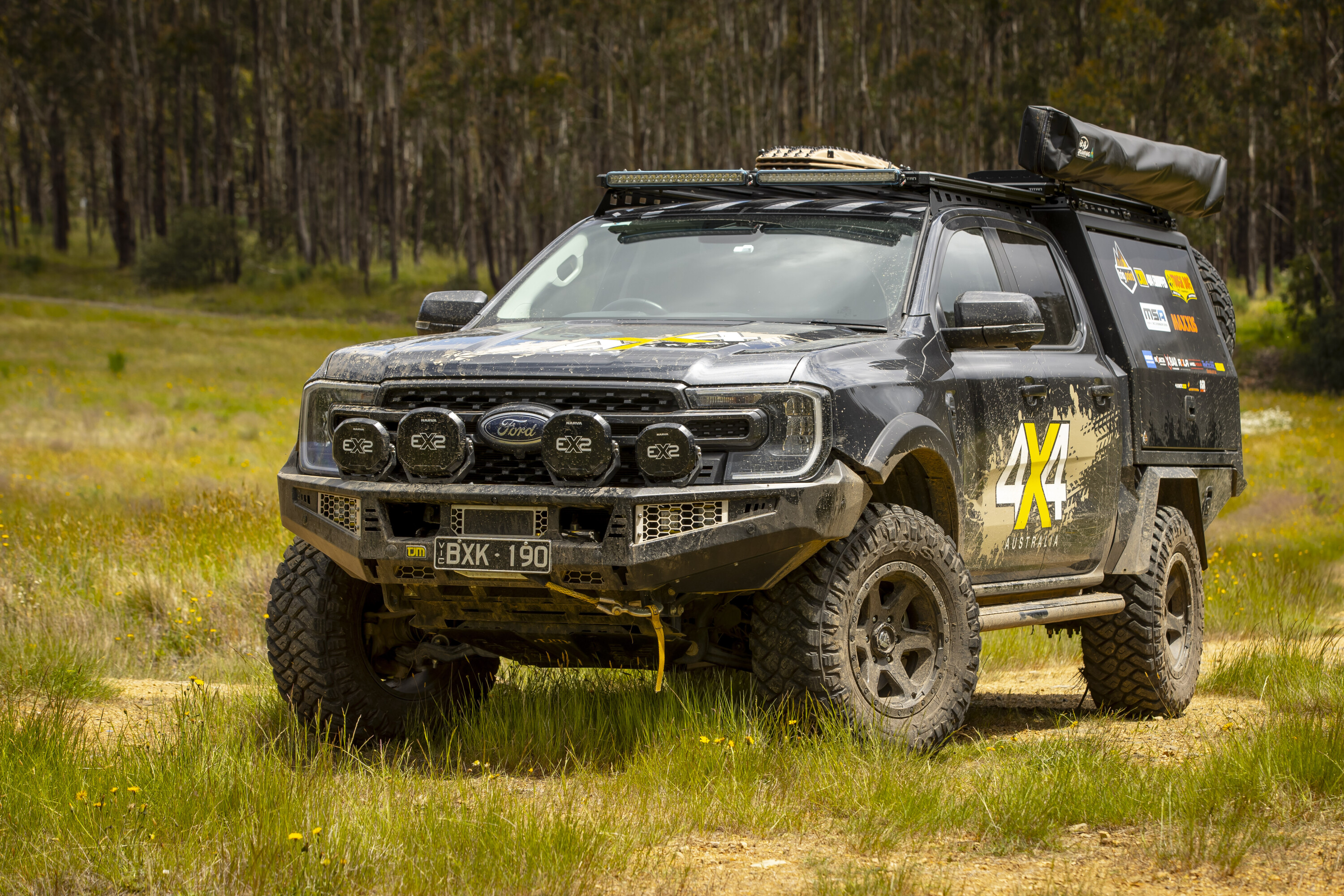
The Ford Ranger V6 Sport we’ve been customising for the best part of two years has officially been sold.
The Grays.com auction ended on Tuesday, August 6, with the winning bid coming from a punter in Liberty Grove, NSW. However, another of our project vehicles is currently under the hammer: Our Tradie Triton ute build!
The 2022 Ford Ranger landed at 4X4 Australia HQ at the beginning of 2023, and since then we’ve collaborated with some of the best aftermarket companies in Australia to build – what we reckon – one of the best Ford Rangers in the country.
The objective at the beginning of the process was to transform the vehicle into a remote-area tourer, something you could take away for months on end or even a lap of the map. And hopefully the new owner has grand plans for it.
We started by getting the folks at TJM to install a bar, winch and underbody protection, before we then added trusty Maxxis RAZR tyres wrapped around tidy Fuel Ripper wheels.
The immaculate Trig Point full service body canopy was next on the list, and the mighty impressive unit instantly took the vehicle to the next level. The colour-matched canopy is loaded with features including a water tank with electric pump, a rear trundle drawer, black-chrome LED tail-lights, spare wheel mount and a rear ladder.
2
Over the ensuing months, we then added a set of Narva EX2 driving lights, a King Brown DPF-back exhaust system; TruFit 3D floor mats; a Projecta 12-volt system to control all of our electrical needs; not one but two Rola MkIII Titan trays; a Hayman Reese X-Bar; and EGR fender flares.
With all that weight added, it was time to chat to the experts at Tough Dog, who overhauled the vehicle’s suspension system. With that done, we installed an Aussie-made Boss Aluminium 270-degree awning; a Trig Point slide-out kitchen; and secured a set of Maxtrax Xtreme recovery boards.
Just recently, to finalise the build, the Ranger received a GVM upgrade. And to prepare it for sale, we removed the 4X4 Australia wrap. It really is the perfect set-up to instantly take touring!
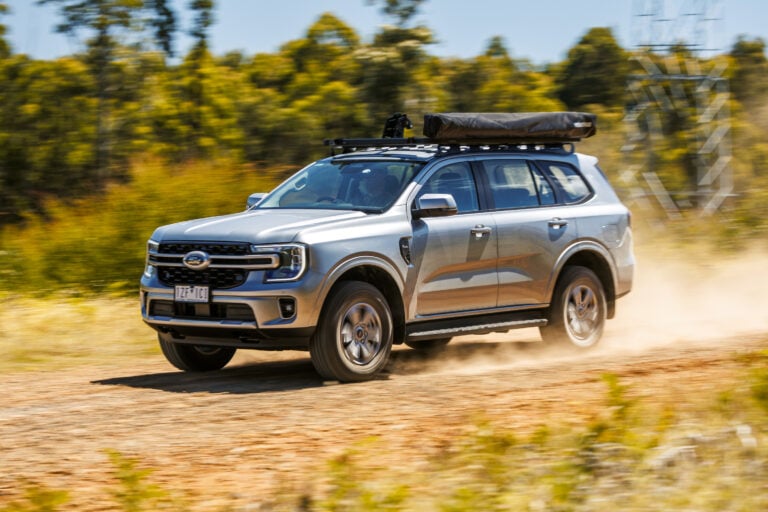
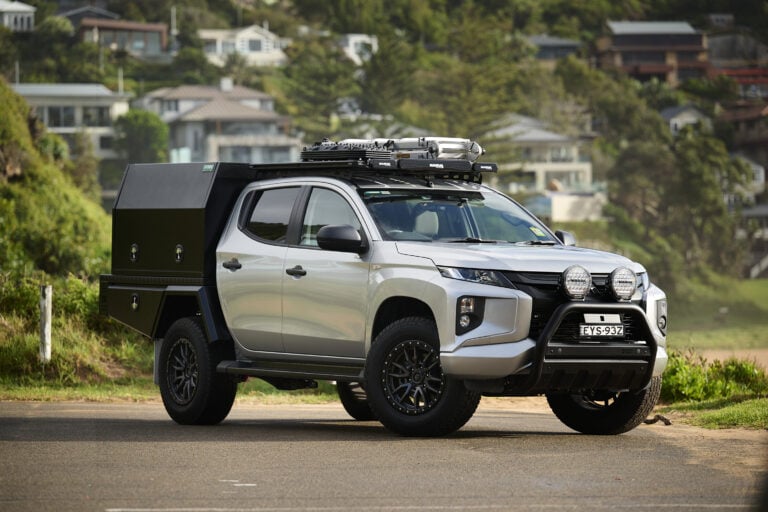
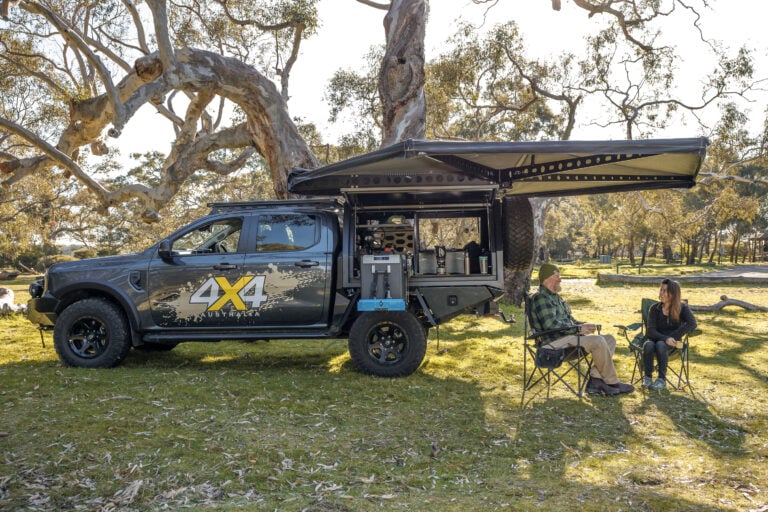
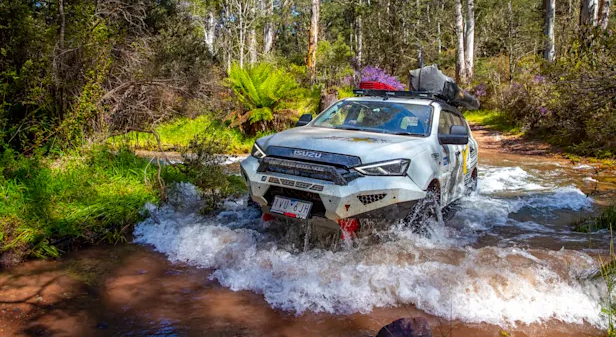
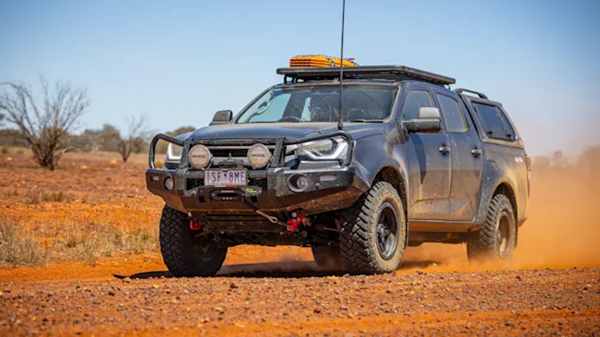
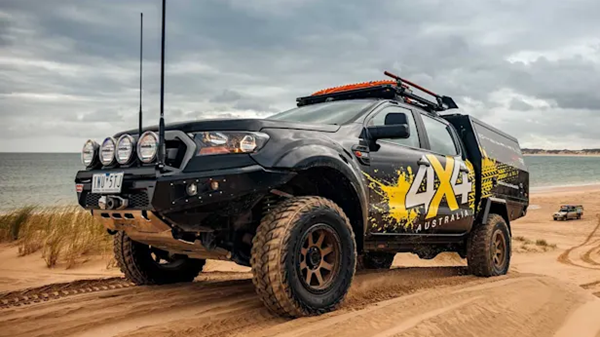
The rapid increase in the popularity of 4×4 and SUV vehicles on the market and on the roads has seen a new generation of drivers taking to the tracks to explore the capability of their vehicles.
While we generally recommend upgrading the highway tyres that come on your new 4×4 with a set of Light Truck (LT) construction tyres for durable dependability on harsh outback roads and terrain, LT tyres do come with some compromises that might not be for everyone.
While the heavier duty construction of an LT tyre, be it a mud-terrain (M/T) or an all-terrain (A/T) design, makes it stronger and less susceptible to damage and punctures, it also makes the tyre heavier, and that has a negative effect on the ride and handling of the vehicle. As LT construction tyres are heavier and stiffer in the sidewalls, this results in a firmer ride, more road noise and increased fuel consumption.
3
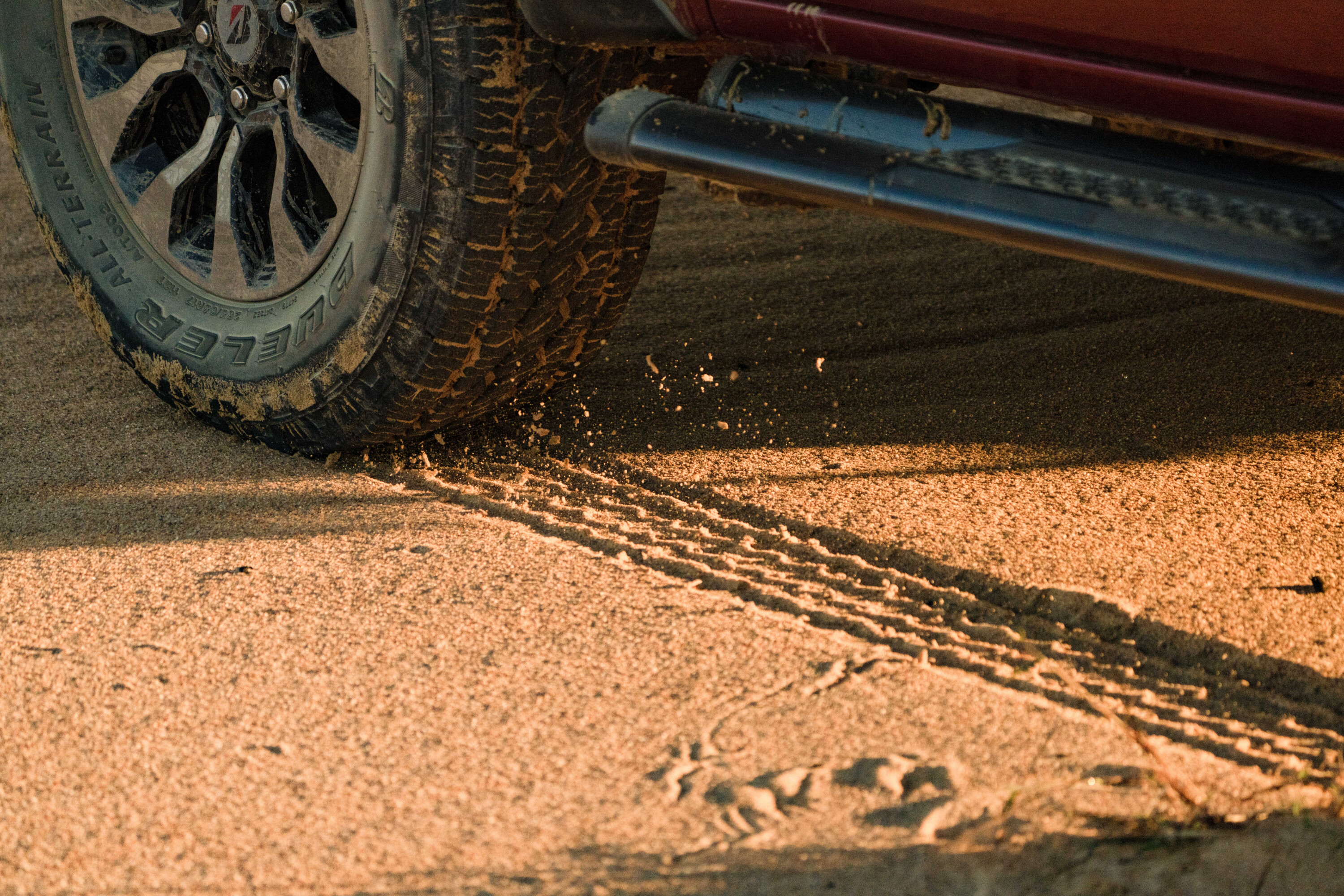
Bridgestone has recognised a gap in the 4×4 tyre market for an all-terrain tyre that offers a more rugged tread than OE highway tyres but retains passenger car (P) tyre construction to maintain lighter weight and OE levels of ride quality. As a result Bridgestone has introduced the A/T 002 tyre to its iconic Dueler range.
The Bridgestone Dueler A/T 002 is a tyre for users who want to upgrade to a more aggressive tread pattern for occasional off-road use but don’t want to sacrifice the ride and handling qualities of their vehicle. Bridgestone says it is designed for vehicles that see 80 per cent use on the road and 20 per cent use off road.
While it is a mild design in terms of off-road tyres, the A/T 002 features hexagonal tread blocks with an design that is optimised for good traction and braking performance on a range of surfaces, including on road, gravel, sand, and light to medium mud applications. Bridgestone says that the staggered shoulder tread design extends to the sidewall of the A/T 002, creating a seamless integration between the face of the tyre and sidewall to deliver better traction in sandy, snowy and muddy conditions.
3
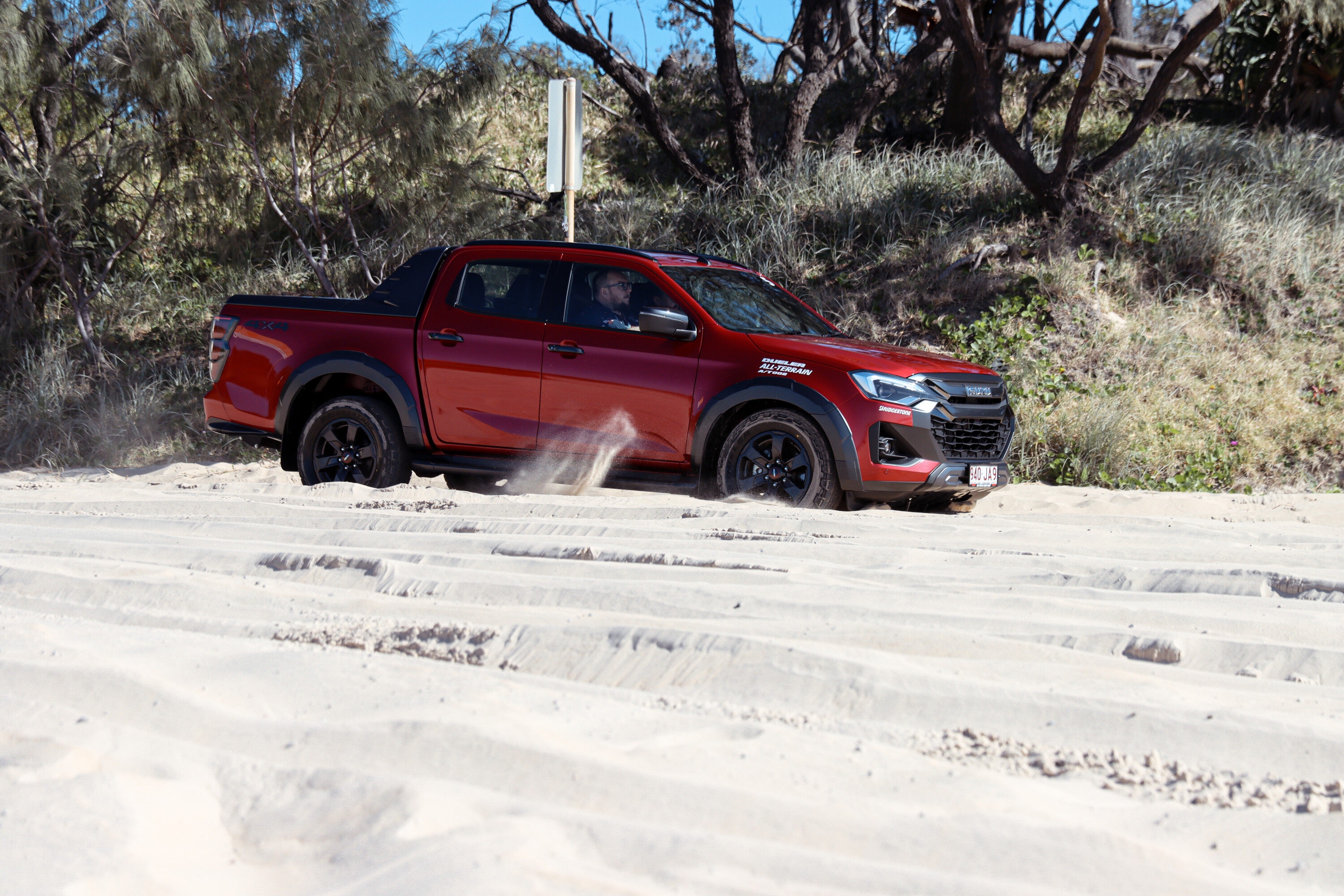
To put the Dueler A/T 002 to the test, Bridgestone equipped a fleet of Isuzu D-MAX and MU-X 4x4s with the new rubber and let us drive them through the streets and highways of Queensland’s Sunshine Coast, including a run along the spectacular Teewah Beach and back into town.
Around the suburbs any difference between the Dueler A/T 002 and the D-MAX’s OE tyres was impossible to pick; they were quiet and responsive, doing everything you would expect of a tyre around town. After dropping air pressures down to 22psi, we engaged 4×4 and hit the sand. The Dueler A/T 002-clad Isuzus made light work of the run, both on the hardpack sand and the softer sand further up the beach.
The drive back into town included some 100km/h highway driving and, just as it had performed when driving around the suburbs, the A/T 002 felt quiet and stable at higher speeds. For those who expect to do more than 20 per cent off-road driving, Bridgestone still offers its LT construction mud-terrain and all-terrain tyres, and the popular Dueler A/T 697 is now exclusively available in LT construction, with the passenger-spec version of this tyre now replaced by the new A/T 002.
Where so-called Rugged Terrain tyres have bridged the gap between all-terrain and mud-terrain tyres, Bridgestone’s new Dueler A/T 002 fills the space between the highway tyres that come on most new 4x4s and heavier duty LT all-terrain tyres.
Pricing
The Dueler A/T 002 is available in a wide range of sizes to suit most popular 4x4s and SUVs, initially in 19 sizes but growing to a range of 30 sizes in 2025.
The A/T 002 is priced between $270-$480 depending on size. For comparative purposes, a 265/65R17 A/T 002 is listed at $342 on the Bridgestone website, while the same size A/T 697 is $345 (fitted, balanced and including scrap fees).
The thing about 4×4 builds is that we all start with different budgets.
If money wasn’t a concern most of us would be rocking around in the latest and greatest with big engines, bigger tyres and a couple hundred thousand bucks worth of accessories bolted up.
Unfortunately, when suggesting such a course of action, our bank managers politely yet firmly ask us to leave their office and never return. So unless you’re Elon Musk, having a dollar-figure and sticking to it is pretty much a necessity.
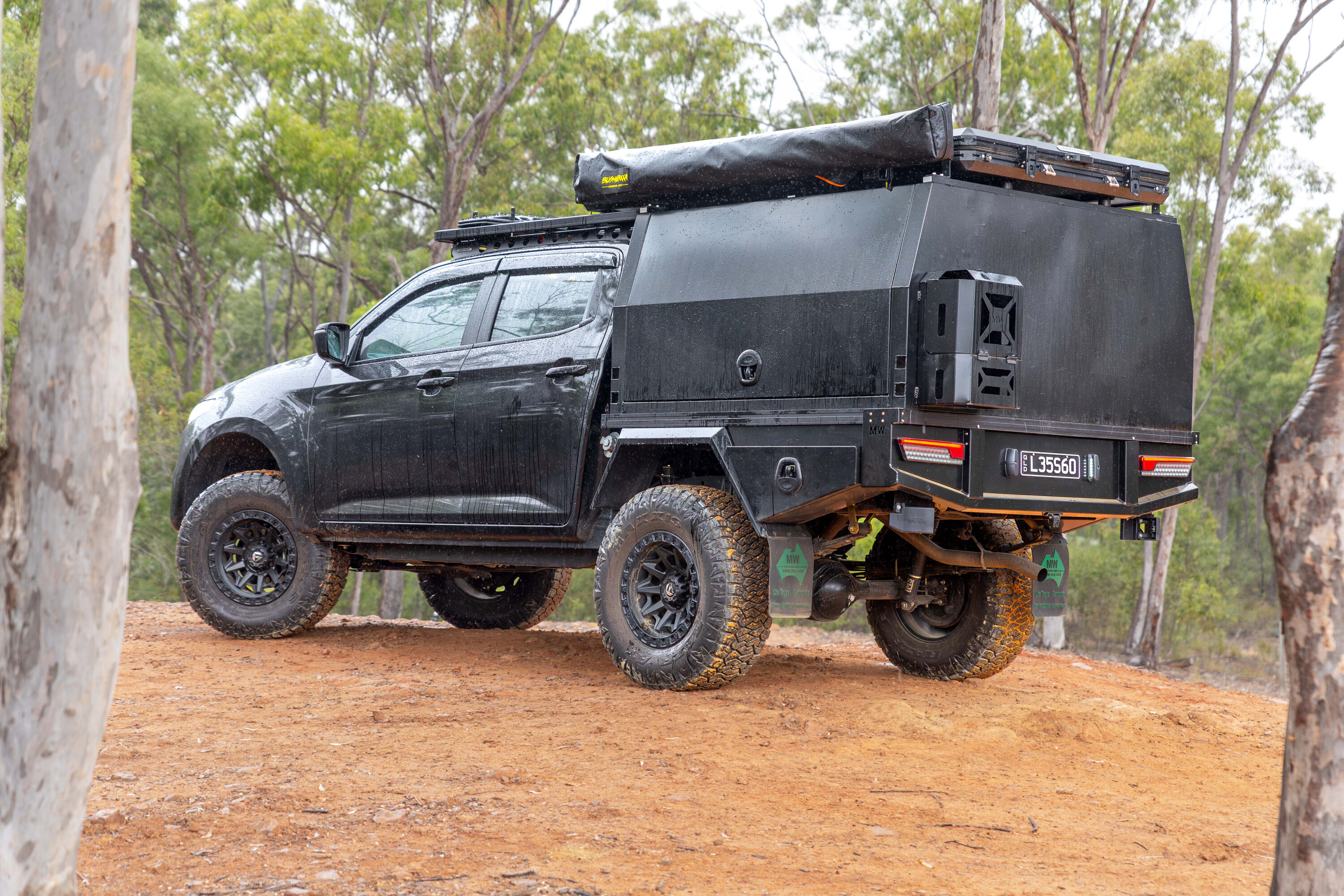
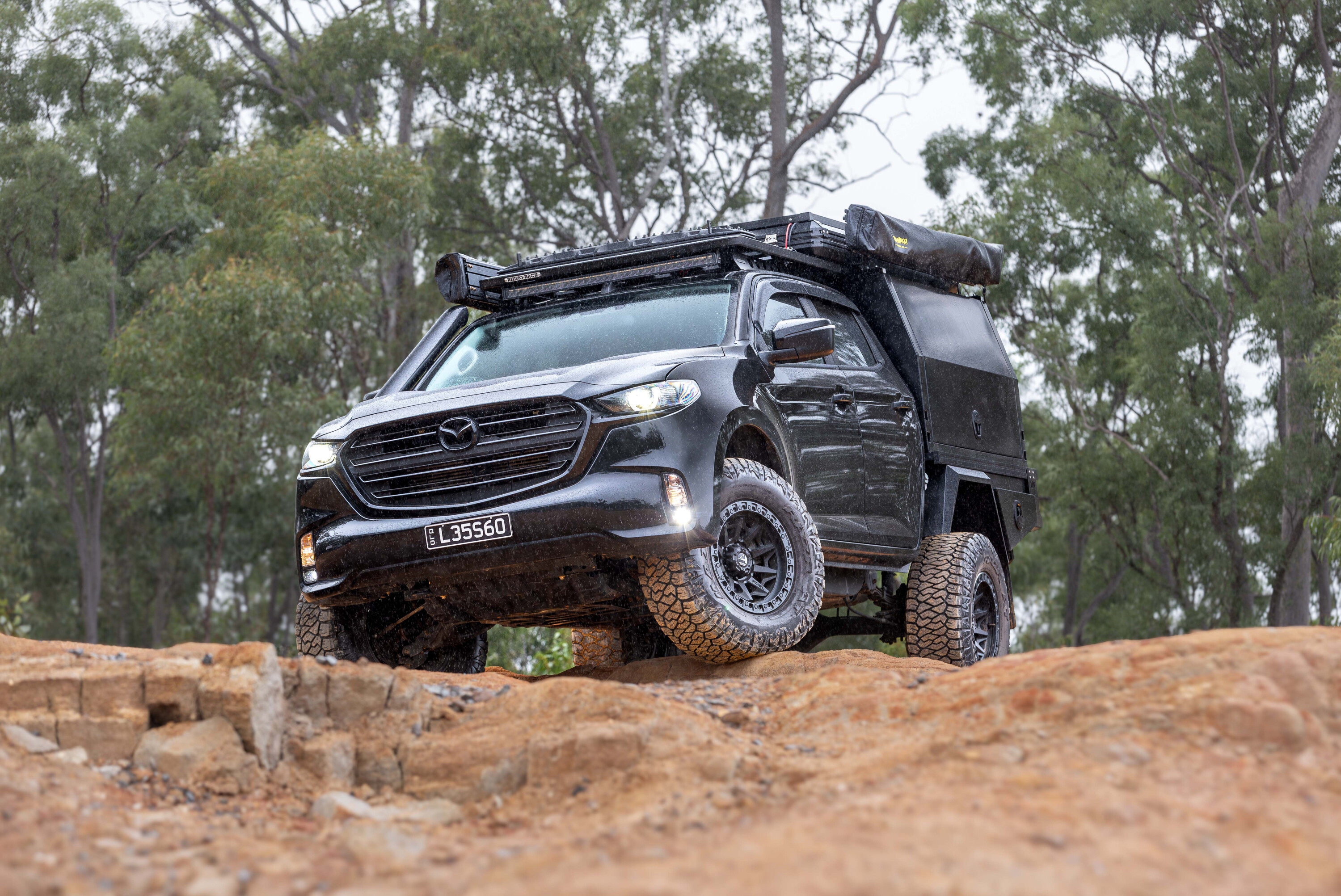
Regardless, having an economic ceiling is not a bad thing; it just necessitates that you think outside the box and get a little creative with how you go about modifying your fourby. Take Joe’s BT-50, for example. It’s been built to the highest possible standard, facilitating his and his wife Bianca’s trips away while keeping to strict fiduciary limits.
1
While it may seem impossible to blend a top-quality build with a sensible financial plan, seeing where Joe and Bianca have laid down their hard-earned and where they’ve tightened the drawstrings on the money bag is nothing short of inspirational.
Sure, they could have broken out the credit card and gone to town, but that’s not what this rig is for. With only a front bar left to add, their Mazda really is ready and able to handle any trip on the continent in comfort and style, with plenty left over for fuel and food. If that’s not what this lifestyle is all about, we don’t know what is.
Want to see how they did it? Yeah, you do. Let’s jump in.
1
JUMP AHEAD
The off-road stuff
The BeeTee is the culmination of a solid 18 months of planning and preparation. After getting around in a modded NP300 for a few years, Joe and Bianca started thinking about a newer dual-cab and how’d they go about improving it for their regular adventures.
When the time came, they signed on the dotted line for their brand-spanking MY23 BT-50… which then took another six months to be delivered.
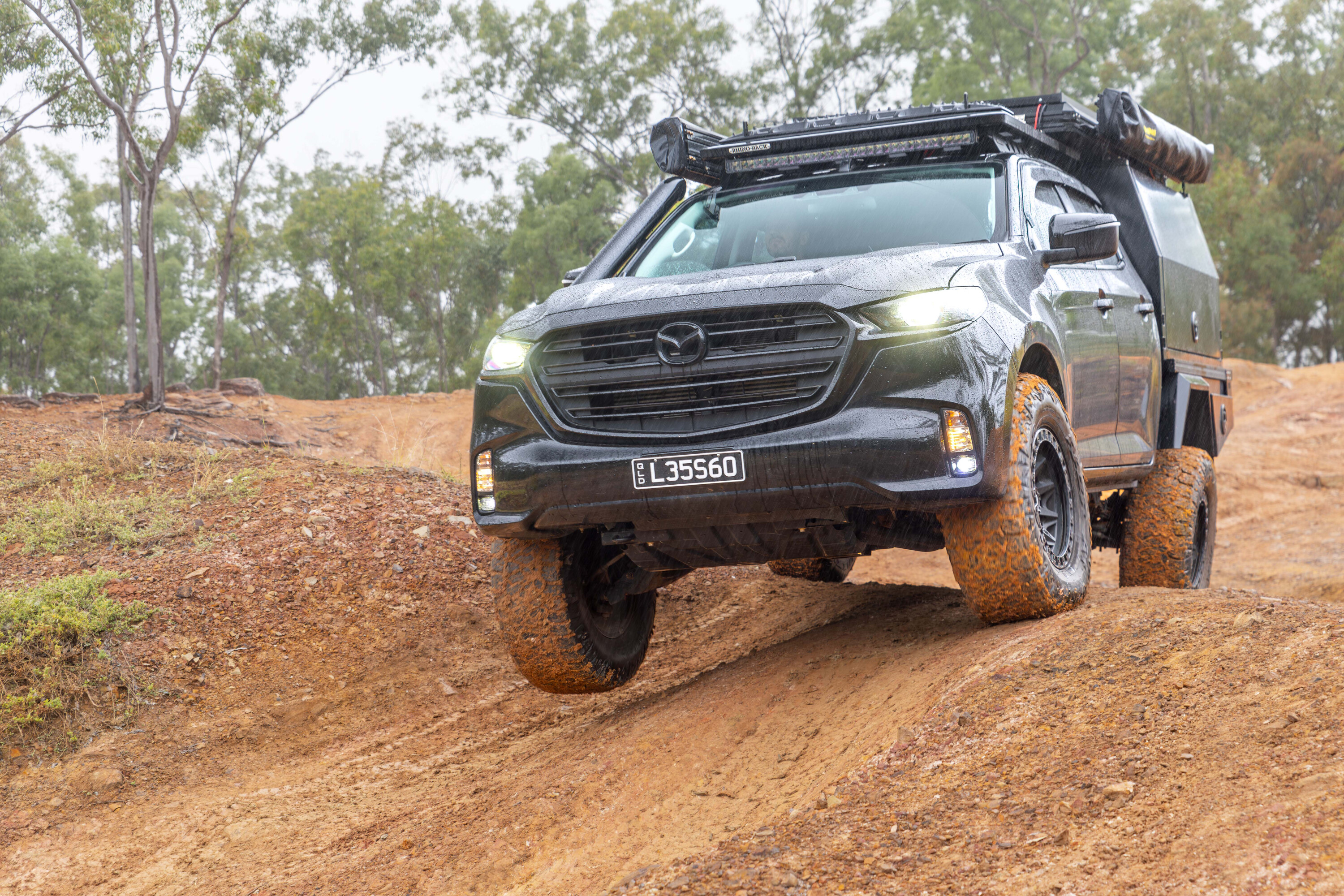
“We opted for the BT for the reliability of the 4J engine but with the refinement of the Mazda,” Joe tells us. “Subjectively, I also think they look better than the D-Max (even with the CX-5 front end), and are not as common as HiLuxes and Rangers, so it was an opportunity to do something a little different.”
1
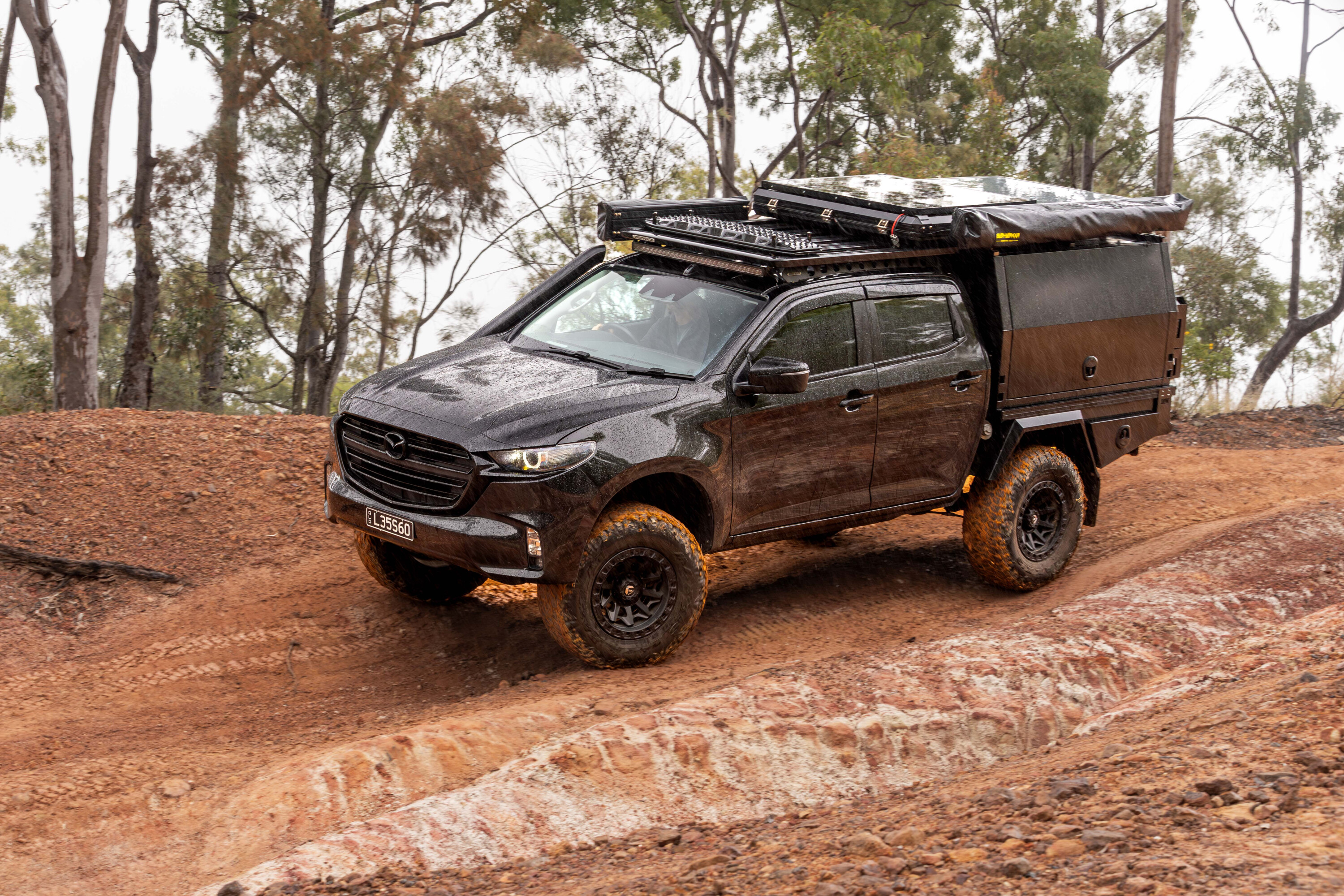
With the plan in place and the blacked-out (powder coated from the dealer) Mazda in the driveway, Joe and Bianca (along with a few enlisted mates) hooked in and started the modifications, with that new car smell providing the ambience.
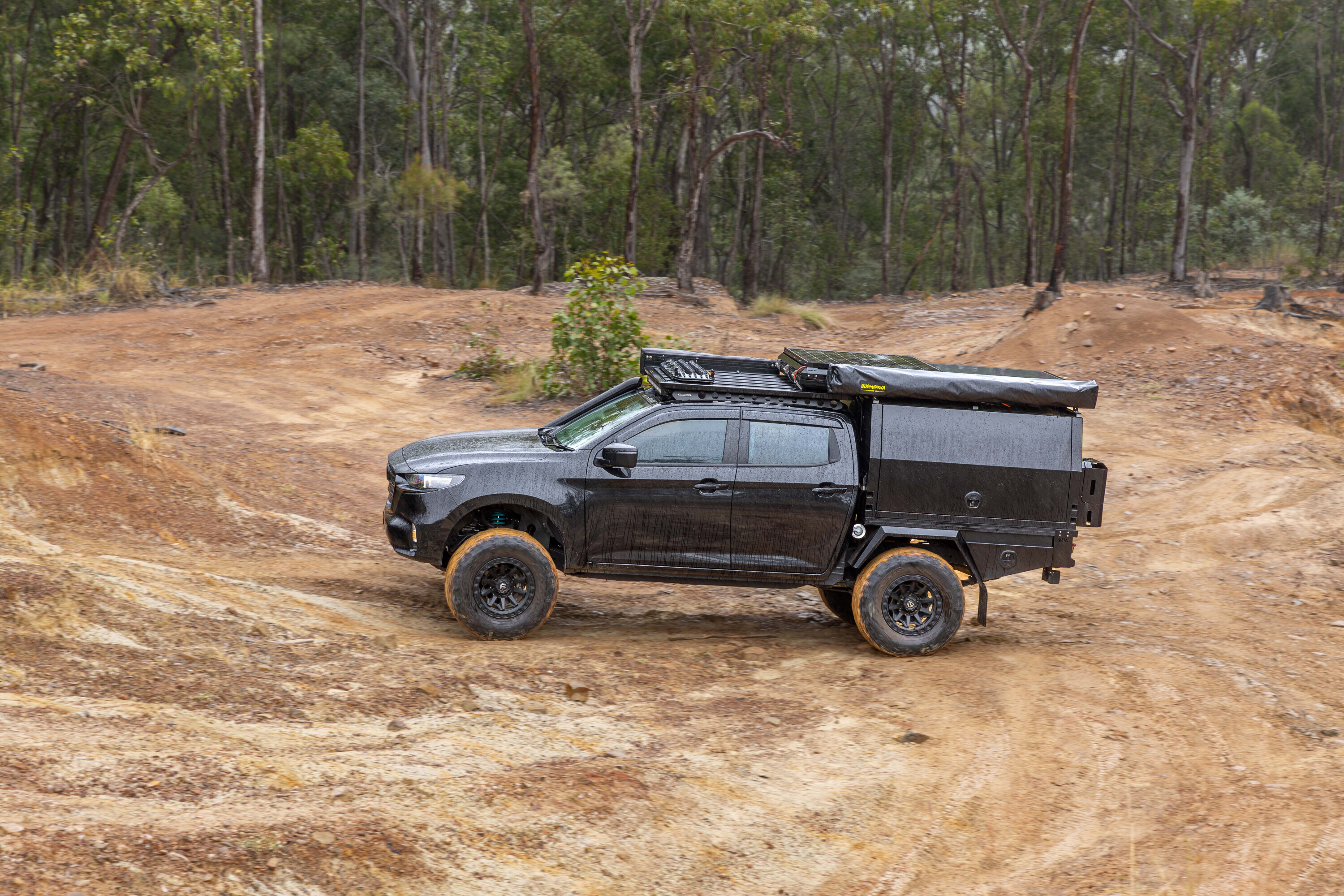
PSR struts and Blackhawk upper control arms sent the front-end three-inches skywards, while Dobinsons 500kg-static rated leaf springs were slotted in above the rear diff.
A set of 17×9 Fuel Covert rims increased track width with their zero offset, and Maxxis RAZR AT811 295/70R17 rubber walks the fine line between blacktop manners and off-road grip.
1
While the 3.0L turbo-diesel remains stock for now (at least until the warranty runs out) Joe did invest in a Fabulous Fabrications 4-inch short-entry snorkel, which he reckons is “the cleanest snorkel available – it follows the lines of the car perfectly.
A detail overlooked by most.” Given the touring nature of this vehicle, we don’t need to tell you why a snorkel makes sense, do we?
Until the colour-coded front bar goes on, forward lighting consists of a Roadvision Stealth light bar, which supplies plenty of lumens when the closest streetlight is several hundred kays behind you.
1
The camping stuff
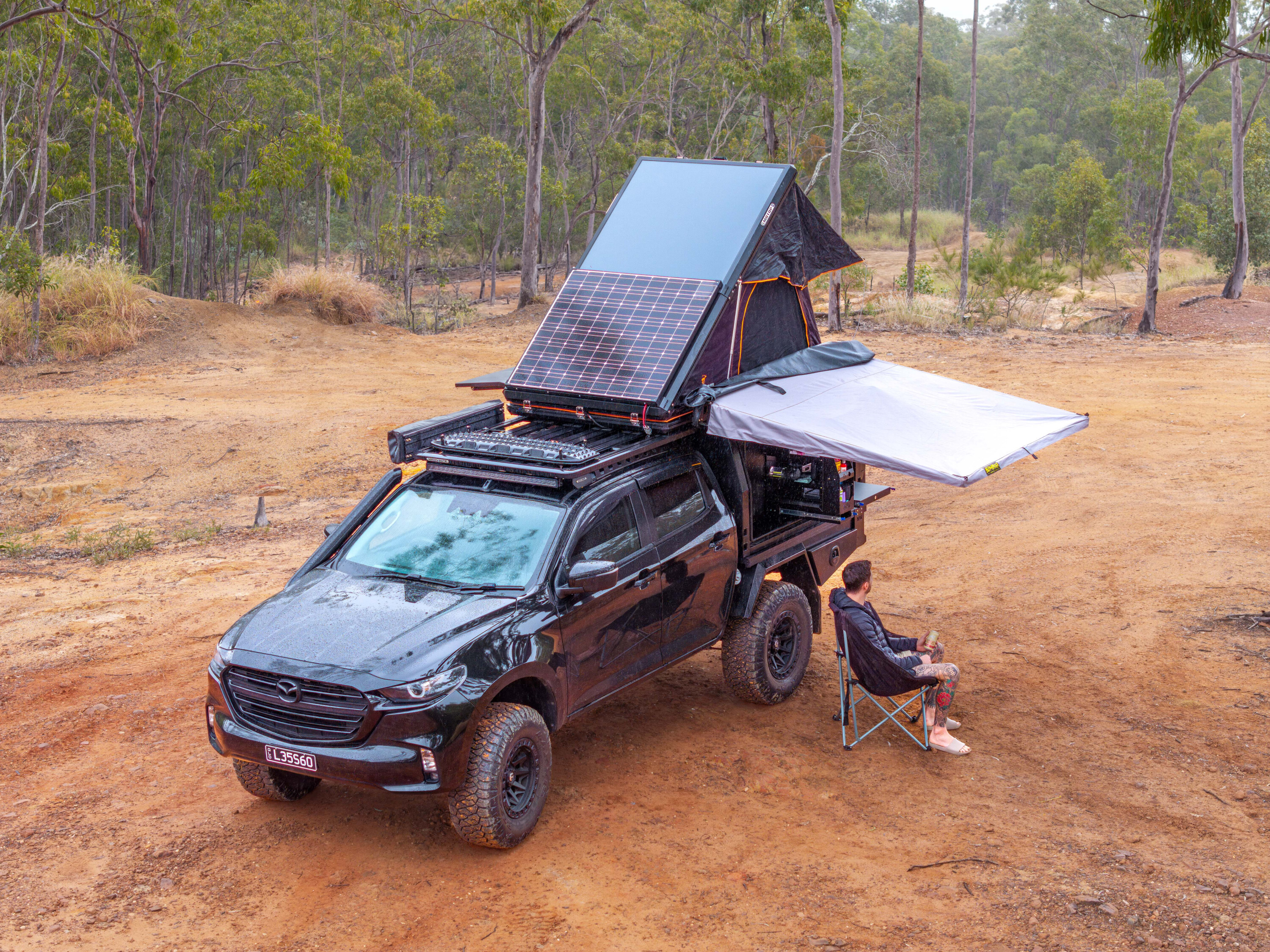
“The rooftop tent is a Motop MT-120,” Joe points out. “We opted for this because it was the thinnest available at the time.
The tent has 12v power and has a 120W solar panel flush-mounted on top.” Just the thing for when it’s electric blanky weather, eh mate?
The panel keeps the 120Ah lithium battery, stored in a Kickass battery box, topped up when they’ve put down roots for a day or three. There’s also a 1200W inverter for the coffee machine and induction cooker, so the essentials are well and truly taken care of.
1
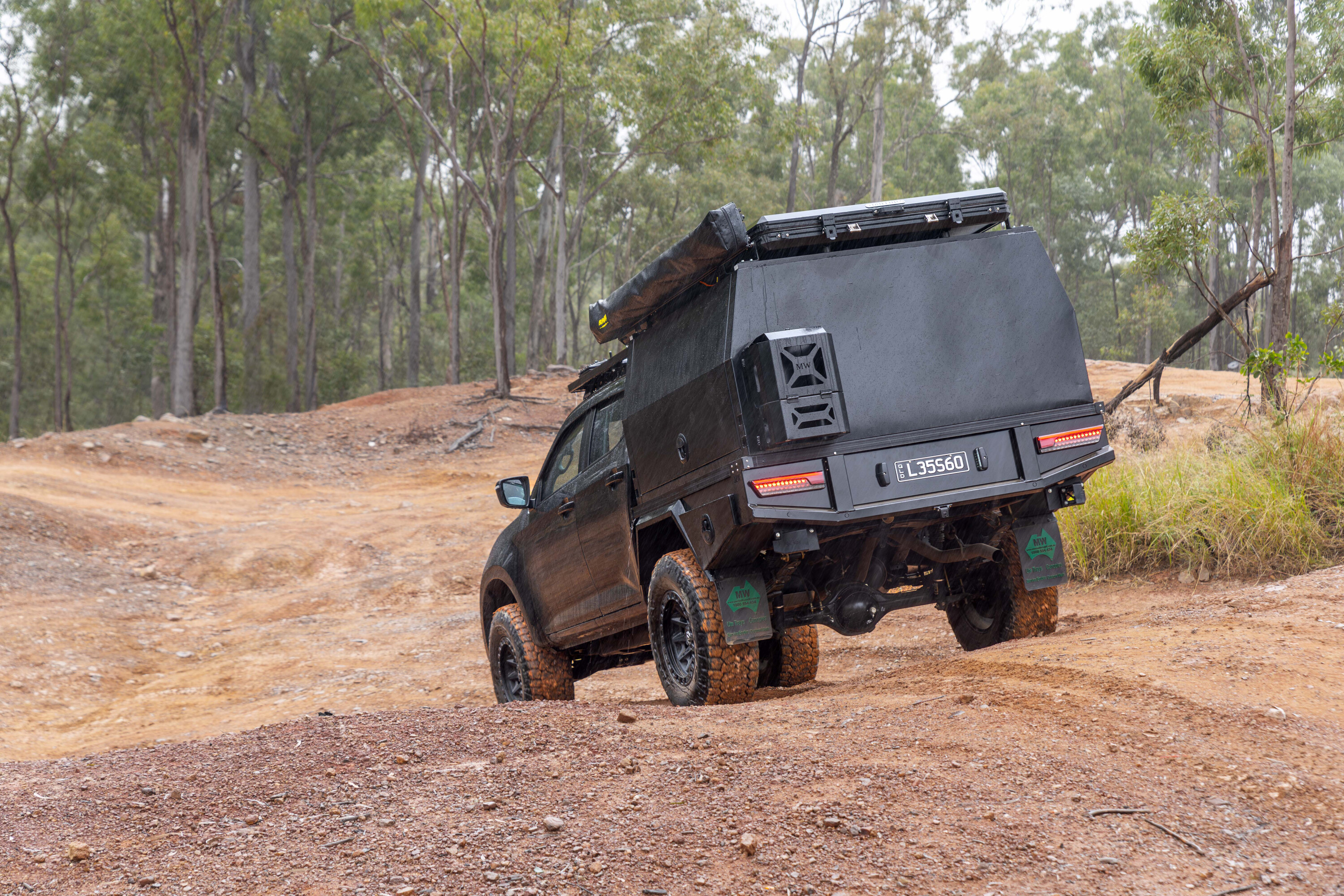
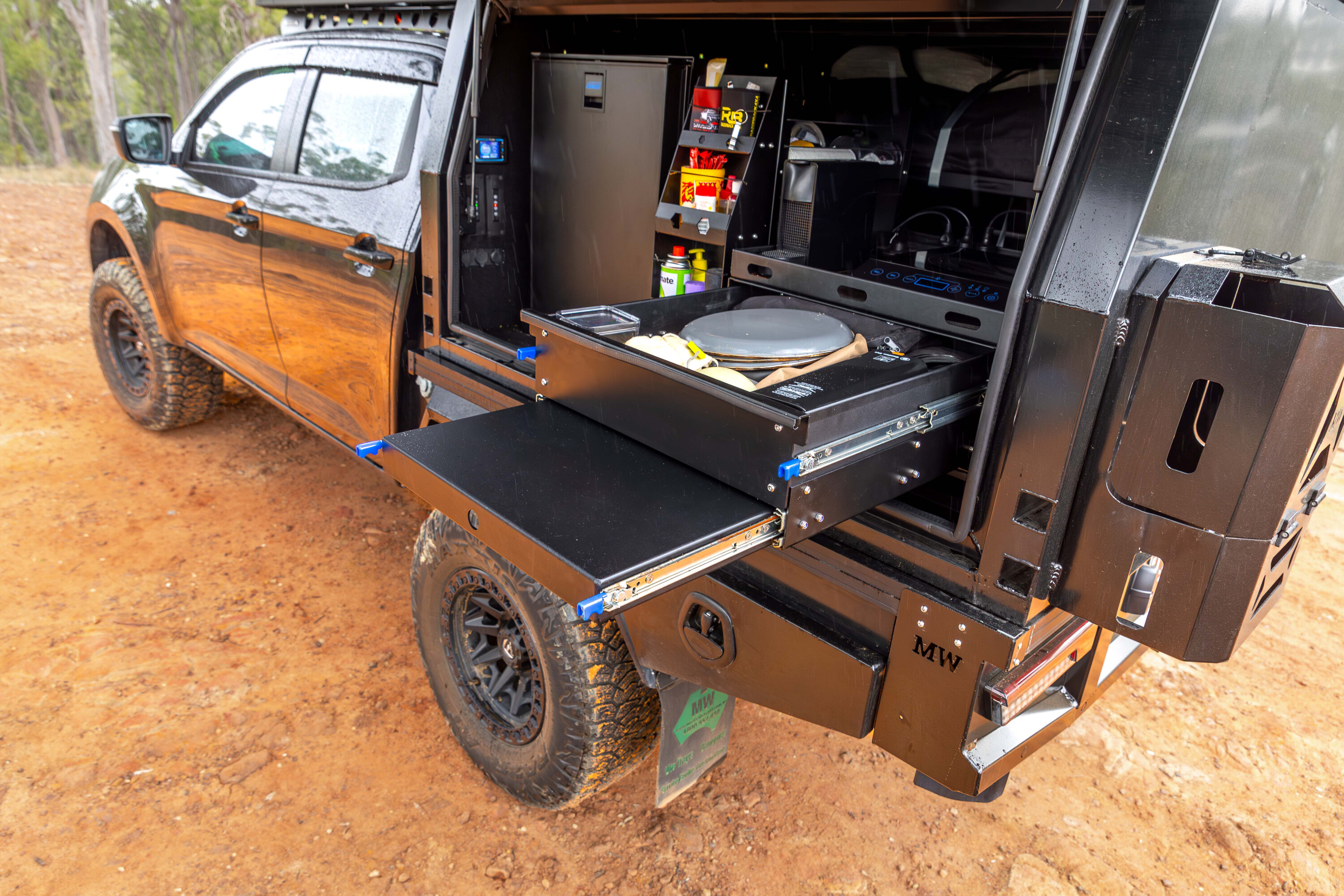
A 70L water tank, accessible via the rear wheel arch, runs to a Joolca hot water system for a shower after a long dusty day in the saddle. You may have already noticed the twin awnings hung off the Rhino-Rack.
A Bushwakka shower tent prevents Joe from sharing more with his fellow campers than he intended to, while the Bushwakka Extreme Square awning keeps the rain and UV rays at bay. “These don’t offer as much shade as the 270s,” Joe says, “but they weigh a heap less and are a good freestanding option.
We initially tried something even more basic but couldn’t stand the poles when camping with dogs, one more thing for their leashes to get tangled around. This has been really good and has some basic lights built into the arms too.”
1
The touring stuff
Now we’re saying this is a budget build, but you’re probably wondering how a rig with a custom canopy is “budget.” Well, that’s because the canopy isn’t a canopy, or at least not an expensive custom job.
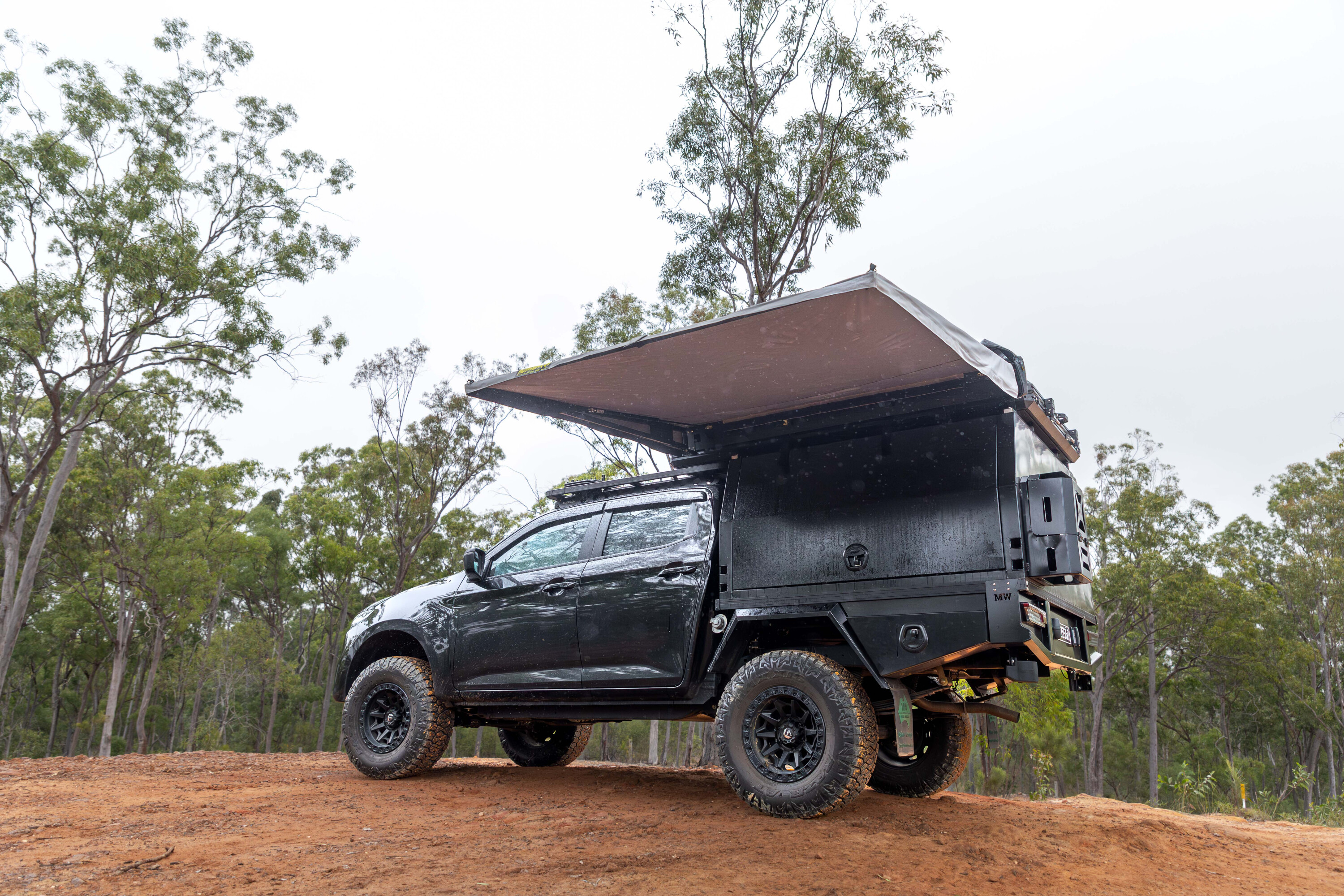
“It’s a standard flatbed tray from Duratray that they do off the shelf,” Joe explains. “We worked with MW Toolboxes to procure a canopy, toolboxes, flares and rear panel – we had it powder coated to satin black for a more stealth look and bolted everything to the tray ourselves to save budget on labour.”
Seems like a great way to save a fair chunk of change, we reckon. Inside the “canopy” MW Toolboxes also supplied a drawer system, slide-out pantry and hanging shelf to keep everything organised when touring for weeks at a time.
2
The whole tray needed to be raised on blocks by an inch for the RTT to clear the cab-roof, but other than that the whole rear end went on with a minimum of fuss.
A Kings upright fridge was added as a budget-conscious addition, but (touch wood) it hasn’t missed a beat so far.
“The whole build had to be something that we could comfortably live out of for weeks at a time for remote touring with our two French bulldogs,” Joe mentions. “But not be too heavy or tall for everyday use, as it’s my main vehicle for daily driving too.”
1
As for future plans, other than the bar work, Joe reckons they just want to enjoy their hard work.
“One of the first trips will be Fraser/K’gari,” he tells us. “We got engaged at Lake McKenzie, it’s a special place for me and my family as we’ve been going there for generations.
My grandad actually has photos there with his four-wheel drive from when they first started barging over cars to the island, and my dad took us camping there as kids. It’s something we aspire to do with our future kids hopefully one day too.”
Make sure you send the pics in when you do, guys!
MORE
Everything Mazda
Ford’s stranglehold as the best-selling car in Australia was weakened in July, with the Toyota RAV4 replacing it atop the monthly sales charts.
A total of 4915 Ford Rangers were sold, 1018 sales short of Toyota’s RAV4, which ended the month with 5933 new vehicles in customer hands. Interestingly, most RAV4 sales were hybrid variants, indicating a consumer shift from combustion to hybrid power.
“Consistent with trends in many overseas markets, sales of hybrid vehicles are up 88.4 per cent and plug-in hybrid vehicles are up 128.9 per cent compared with July 2023,” said FCAI Chief Executive, Tony Weber.
“The hybrid performance is highlighted by the fact that the Toyota RAV4 was the top-selling vehicle for the month ahead of Ford Ranger and Toyota HiLux. Most RAV4 sales are hybrids,” Weber added.
The Toyota HiLux (4747 sales), Corolla (2688) and LandCruiser (2464) rounded out the five best-selling individual models in July, highlighting a dominant month for the Japanese marque. In fact, Toyota ended with 22,705 overall sales in July, well ahead of Mazda (8476), Ford (7749,) Kia (6620) and Hyundai (6021).
Eliminate two-wheel drive variants from the mix, though, and the Ford Ranger remains the best-selling vehicle in Australia. With an accumulated total of 4610 sales in July, the Ranger 4×4 pipped its closest competitor, the Toyota HiLux, by 485 sales. The Ranger and HiLux were then trailed by the Everest (2162), Isuzu D-MAX (1859) and Toyota LandCruiser 300 Series (1540).
In a one-two punch for Ford, the Everest led the 300 Series and MU-X to be the most sought-after SUV wagon in Australia in July. The Nissan Patrol is also having a nice, little purple patch at the moment, sneaking into the top ten by registering 664 sales in July. That is an increase of 42.5 per cent compared to July 2023, and 37.9 per cent year-to-date compared to 2023.
Jeep slashed the price of its Gladiator in July, but it still could only muster 21 sales during the month – however, we might not see the result of the price deduction until the August results are in. Plus, Volkswagen’s Amarok once again resides behind the ten best-selling vehicles, with only 480 sales registered for the month.
The battle for best budget brawler was tight in July, with GWM’s Ute slipping ahead of LDV’s T60 by just 42 sales (596 versus 554) – SsangYong ended the month with 222 deliveries. At the opposite end of the price sheet, the Chevrolet Silverado (317) outsold both the RAM 1500 (249) and Ford F-150 (192).
Overall, sales in the LCV segment are up from 19,244 (July 2023) to 21,707 (July 2024). In particular, the PU/CC 4×4 segment has lifted from 15,079 to 16,193 sales.
Best-selling 4x4s in July 2024
| 1: Ford Rangeru00a0 | 4610 |
|---|---|
| 2: Toyota HiLuxu00a0 | 4125 |
| 3. Ford Everestu00a0 | 2162 |
| 4: Isuzu D-MAXu00a0 | 1859 |
| 5: Toyota LC300u00a0 | 1540 |
| 6: Isuzu MU-X | 1452 |
| 7: Mitsubishi Tritonu00a0 | 1055 |
| 8: Toyota LC70u00a0 | 924 |
| 9: Mazda BT-50 | 922 |
| 10. Nissan Patrol | 664 |
Best-selling 4x4s YTD
| 1: Ford Rangeru00a0 | 35,230 |
|---|---|
| 2: Toyota Hiluxu00a0 | 29,105 |
| 3: Isuzu D-MAXu00a0 | 14,300 |
| 4: Ford Everestu00a0 | 13,438 |
| 5: Isuzu MU-Xu00a0 | 11,535 |
| 6: Toyota LC300u00a0 | 9739 |
| 7: Mitsubishi Tritonu00a0 | 8681 |
| 8: Mazda BT-50 | 7161 |
| 9: Toyota LC70u00a0 | 7123 |
| 10: Nissan Navarau00a0 | 5714 |
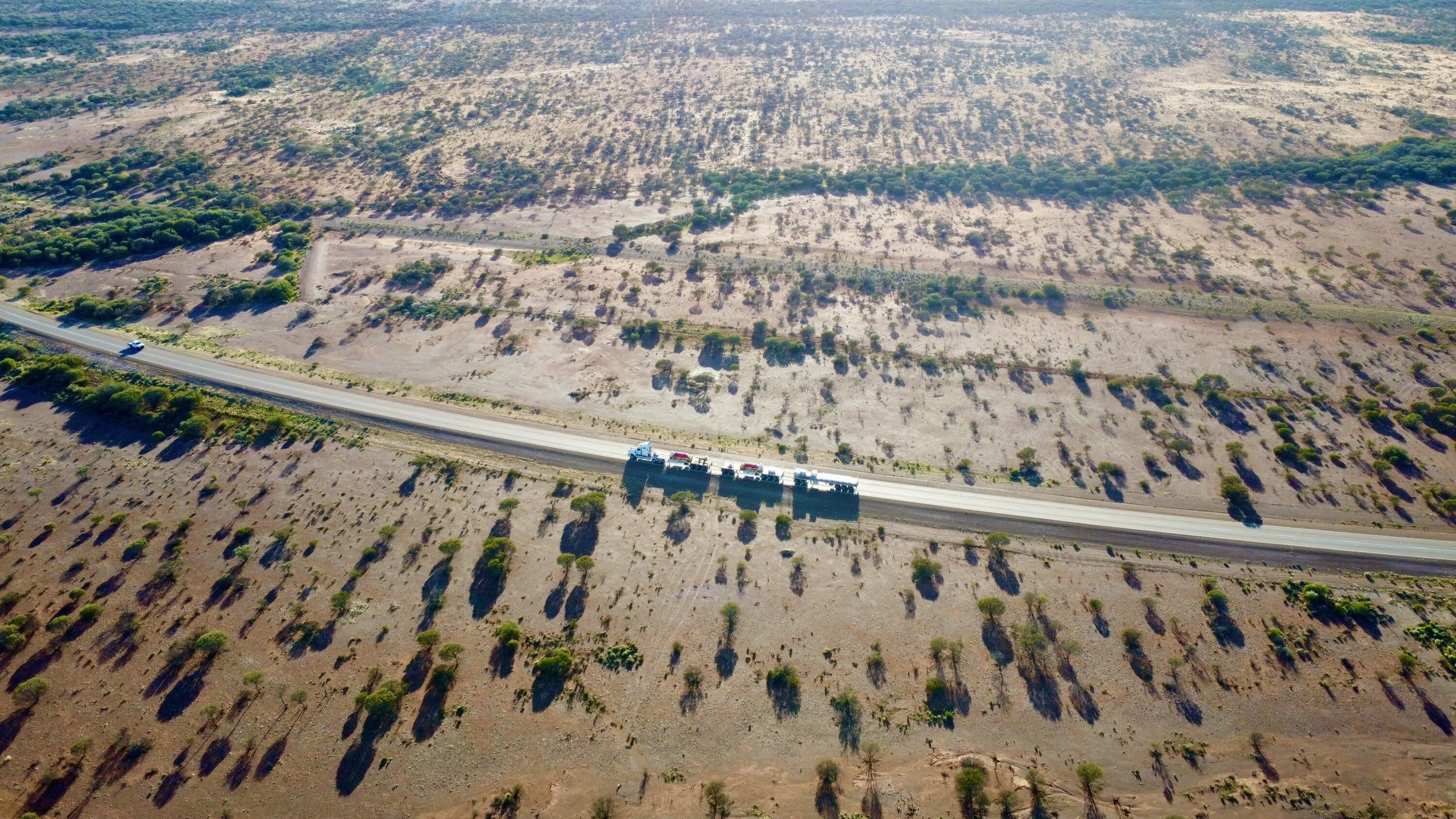
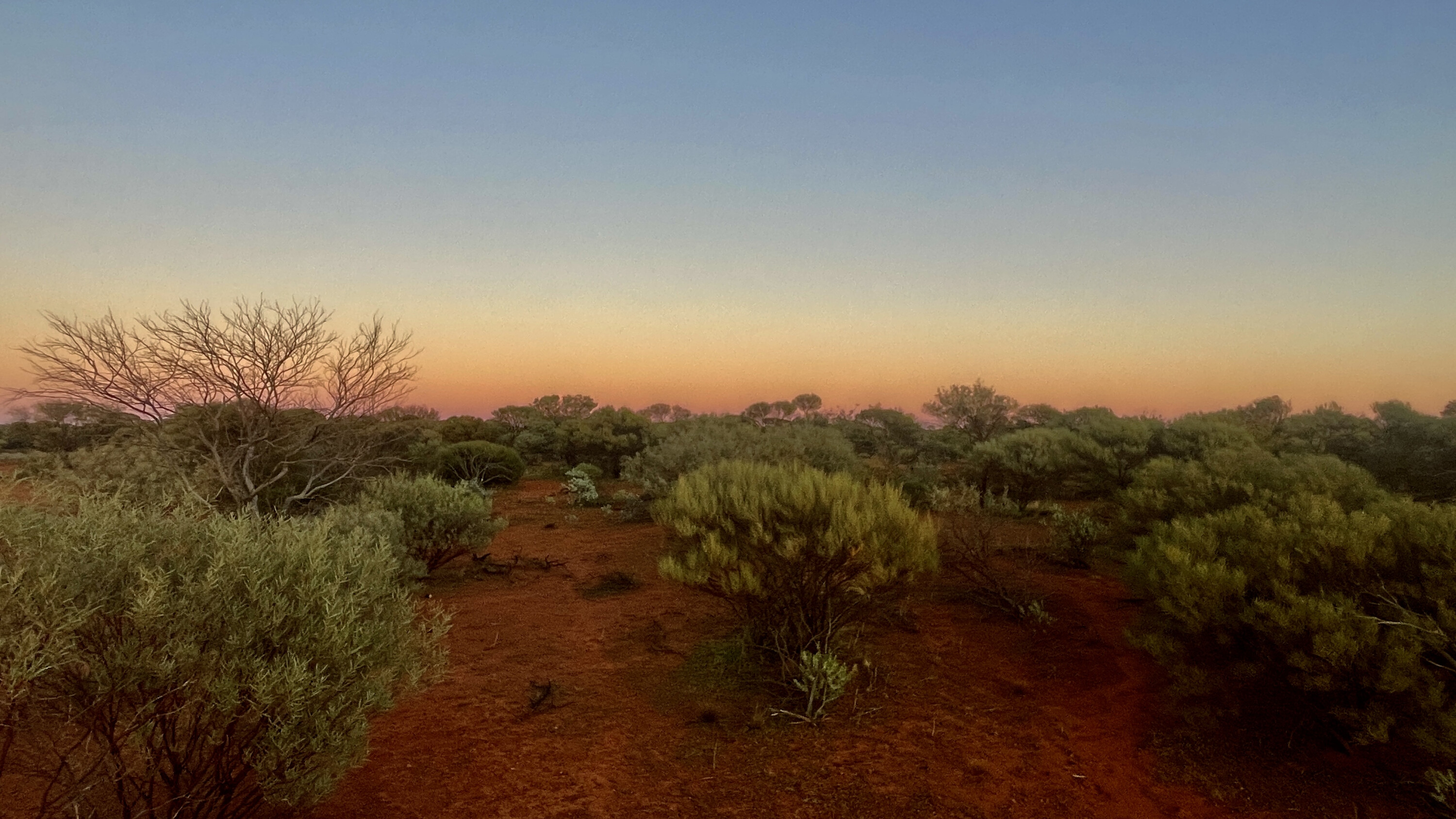
In this remote part of Western Australia the skies appear an iridescent blue for most of the year and the landscape shimmers through the warm daylight hours.
However, as the sun drops towards the horizon, this rugged, ancient place comes alive with a golden hue that hangs around until the sun disappears.
The landscape here dates back 4.5 billion years, making it one of the oldest on earth, where unique and ancient formations have created massive geological displays across the Murchison region. Combine this with meteorite strikes, thousands of years of human history and more than 20 culturally significant sites, I just had to head check it out for myself.








1
Mount Magnet
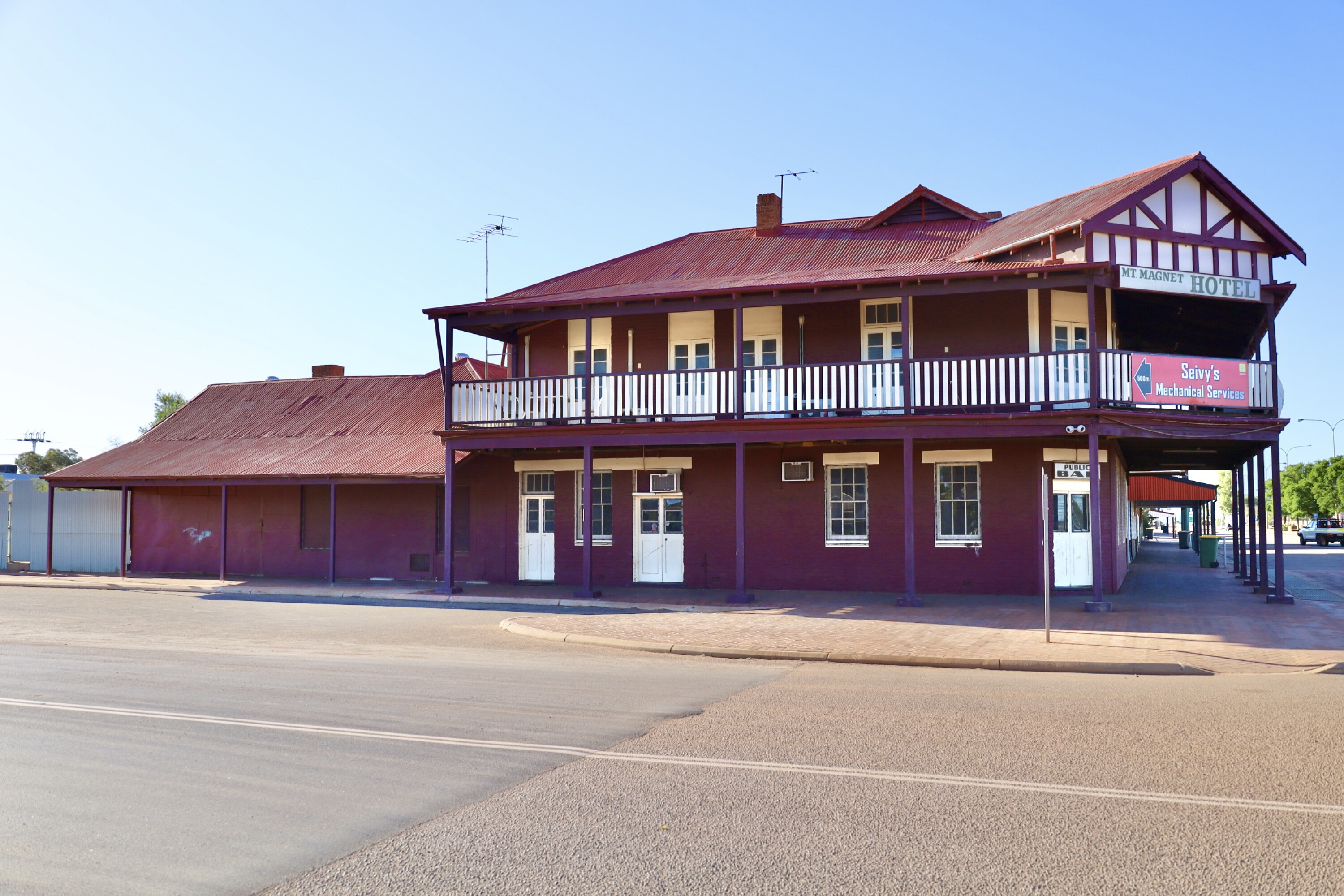
My trip started at the sleepy town of Mount Magnet, 350km east of Geraldton, which is the oldest continuous gold mining town in WA.
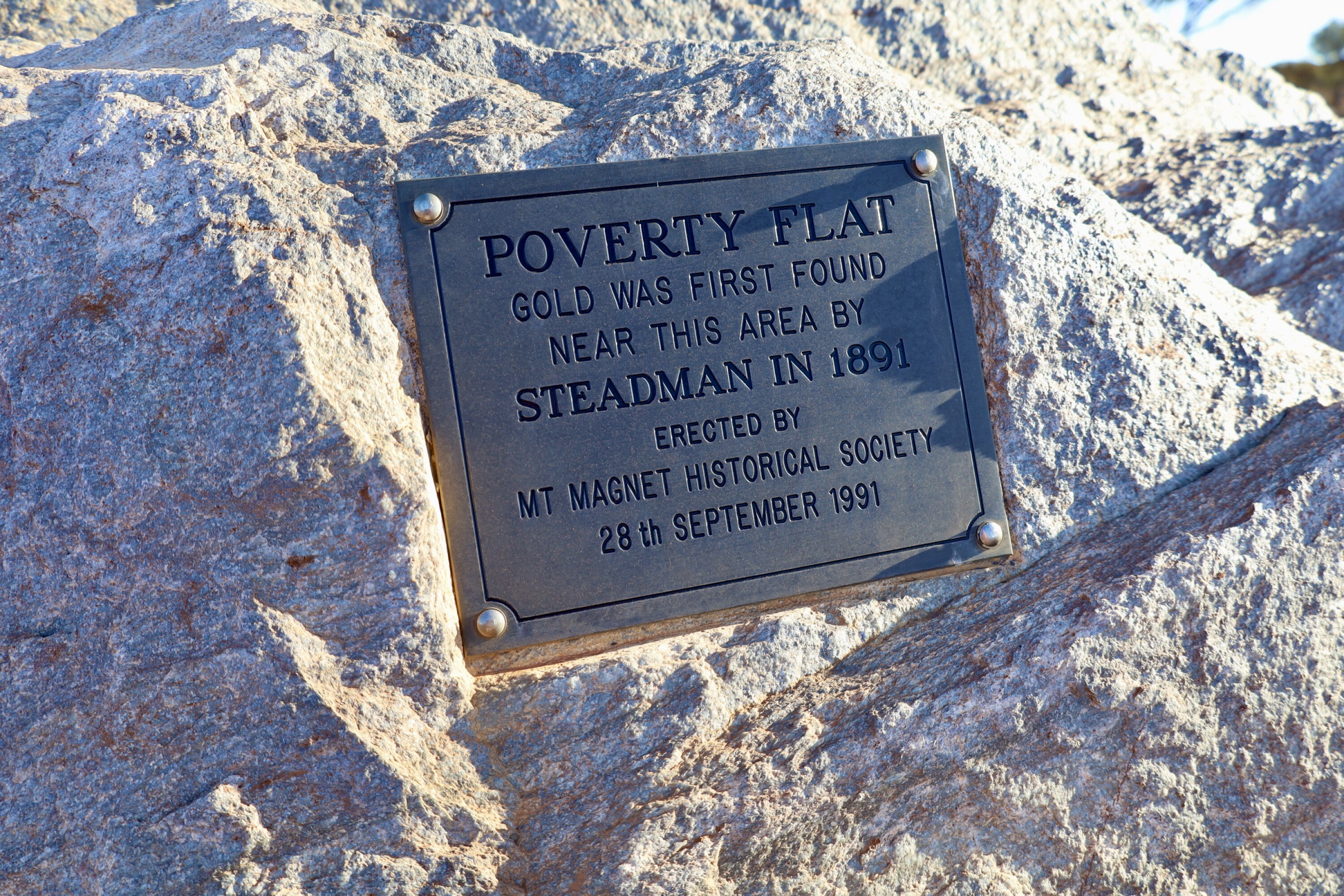
The town was named in 1854 by surveyor Robert Austin when ground rocks played around with his compass as he was passing through the area. Not knowing the wealth that the place had to offer, it wasn’t until 1891 when a bushy lost his swag that gold was discovered here… a lot of gold. There was so much found on the first day that it was said they were digging nuggets up like potatoes.
Poverty Flats was soon covered with prospectors who had heard of the new strike and from this the town grew rapidly with 14 hotels, two newspapers and more than 30 registered mines. The town quietened down during WWI when miners left for the war but soon raised its head when more gold was found some 20 years later.
1
In town you will find plenty of heritage buildings, a visitor information centre and a heritage walk that helps you get a feel for the place before heading out. Around town there’s a 40km self-drive tourist trail where outback travellers can explore the history and natural attractions of the area.
North of the town there is plenty to explore including The Amphitheatre, a cave where Archean Rocks have been weathered over 3 million years, and The Granites, where striking Aboriginal art has been found and where Aboriginal women should not view the rock paintings – this is of significant importance to the Badimaya People.
1
Up the road a sign displays where Lennonville once was, a rich gold area from 1897 to 1905 with a population of over 3000, but now consists of nothing more than a rail siding, scattered iron on the ground and bushes where buildings once stood.
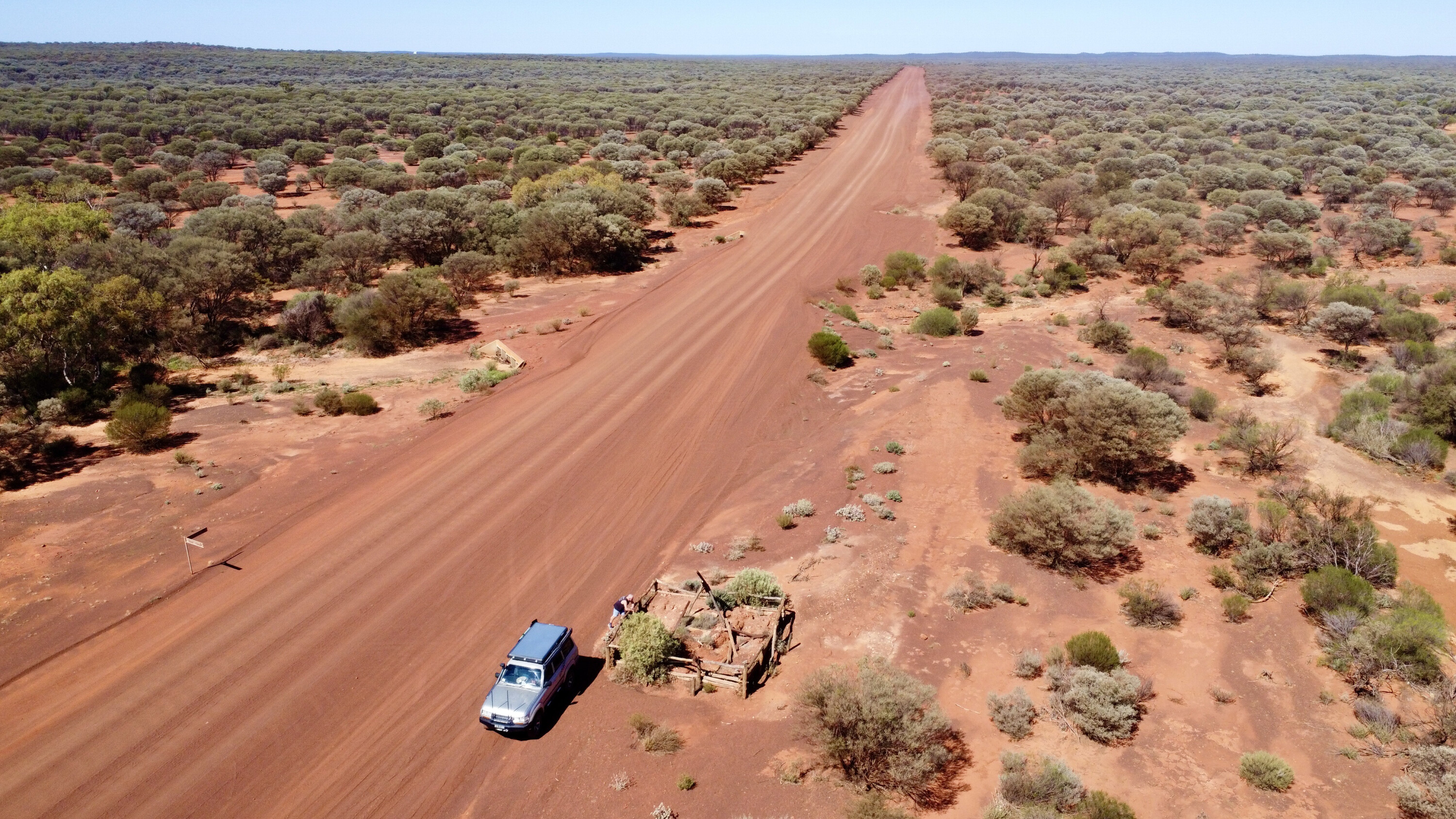
Leaving the Mount Magnet area, I headed nearly 200km north towards the isolated and historical town of Meekatharra. Along the way I was surprised to see a sign pointing towards a meteorite strike.
The Dalgaranga Crater is Australia’s smallest impact, where at 24m across and 3m deep it looks just like a divot in the ground. This was one of the first such strikes ever recorded in Australia when a stockman found it in 1921, and estimates suggest it is about 3000 years old.
1
I stopped in at Cue, which is known as the Queen of the Murchison and where more than 10,000 people once lived.
The town now is little more than a quiet reminder of the past. Beautiful old buildings are empty, the streets are quiet yet there’s a sense of pride where people have made their fortunes in the rich reefs that are now abandoned.
Around town there’s plenty to see and do, especially some stunning rock art that depicts white, square rigging sailing ships all with masts, portholes and men. Bear in mind, this art is more than 300km from the coast. This is also the location of the massive Wilgie Mia Aboriginal Ochre Mine, which has been used for over 1000 years and from which an estimated 40,000 tonnes of ochre has been mined.
1
Lake Nallan nature reserve is a desert lake that dries up each year but if you’re lucky enough to see it full, it will be thriving with birdlife.
Beyond Cue is the Big Bell mine site; the original town is now deserted and along its old streets rubble and relics lay strewn on the ground. A major attraction here is the derelict Big Bell mine hotel, with its multi-floor skeleton still standing today. A sign displays the old town’s street, shops and activities.
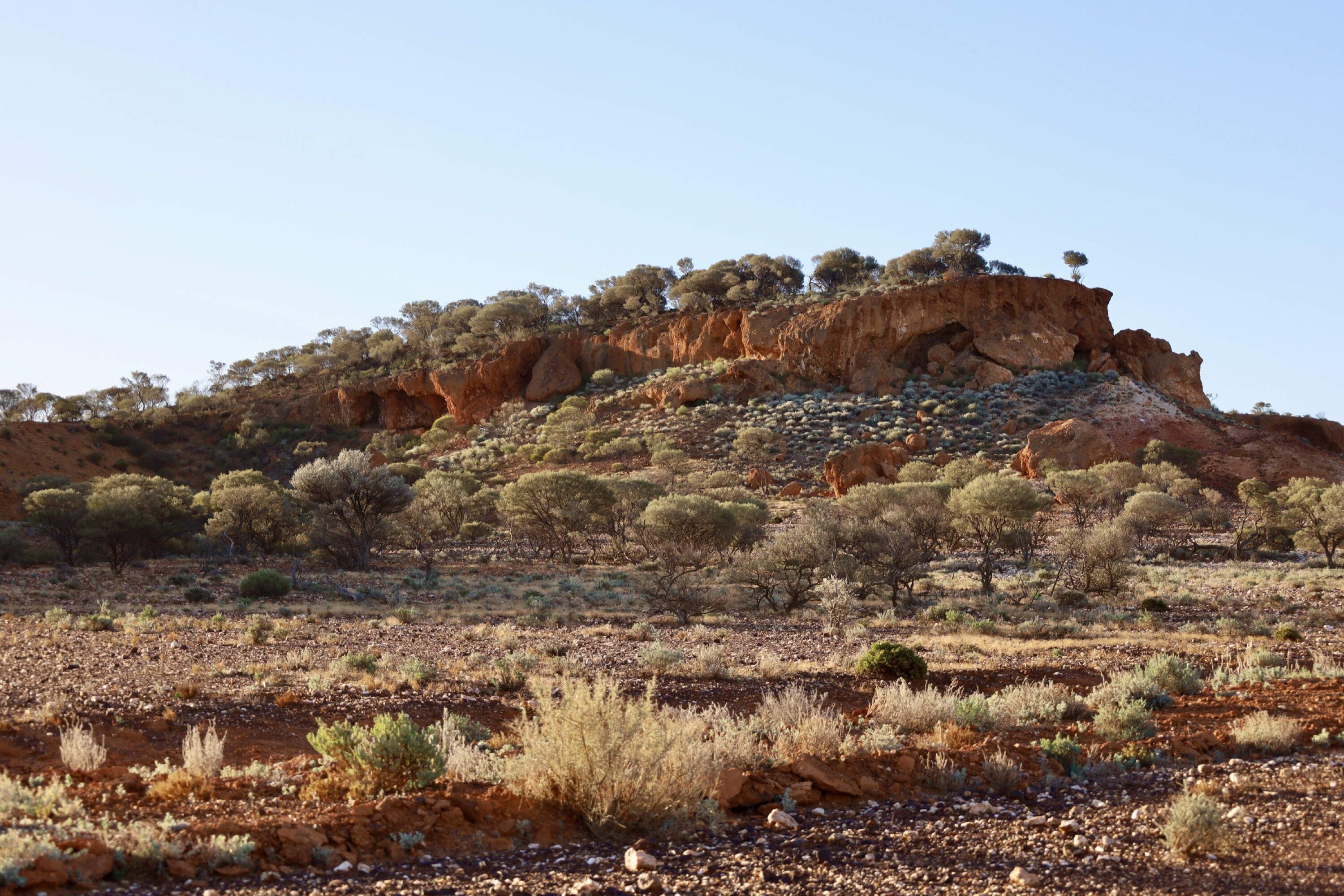
My next appointment was at Afghan Rock, which is a huge granite outcrop that rises 450m above sea level and I’d estimate to be more than 100m wide. The waterholes around the rock here were used by cameleers from 1894 to water their beasts.
1
Meekatharra
My next stop was at Meekatharra. A small amount of gold was found here in 1854 but it wasn’t until the 1890s that richer goldfields were discovered.
New settlements popped up in the surrounding area and huge stampers were set up to crush the hard rock, while pastoral stations were established.
A rail line was laid to town which helped to bring in supplies and passengers, and was used to ship wool and manganese out.
1
Meekatharra offers plenty to see and do with a heritage trail, old ghost towns to explore in the hills, a lookout where you can view the vast landscape towards the central desert, a gold stamper and a visit to the RFDS School of the Air.
A popular camping spot is 7km out of town at Peaceful Gorge that is situated between mountains of granite rocks. It’s here in the afternoon sun that these rocks glow a vibrant red.
Meekatharra is a dry town in a semi-desert area and it’s known as ‘the place of little water’. It’s also where a route was opened up in 1906 towards the East Kimberly, now known as the Canning Stock Route.
1
Sandstone
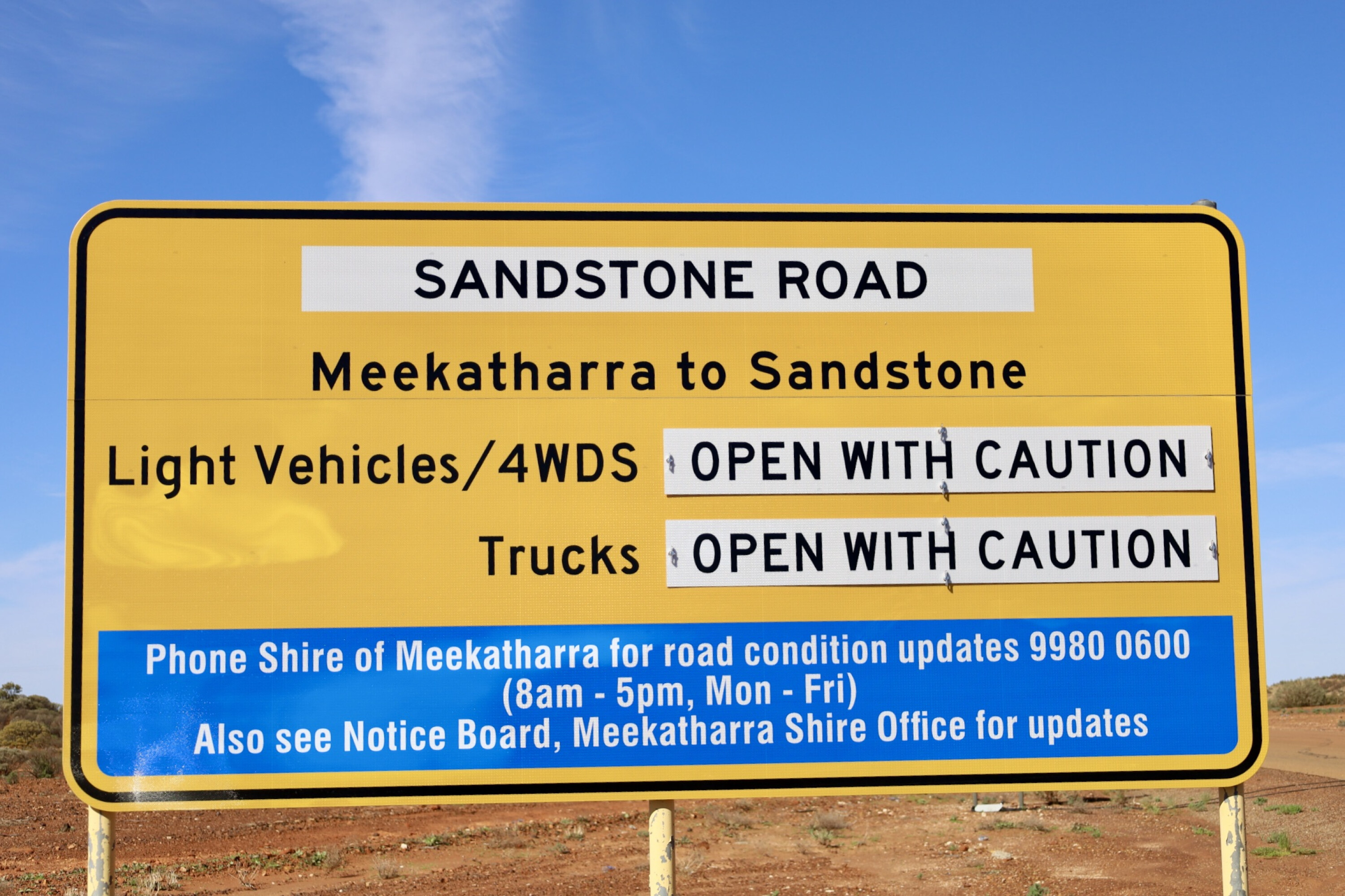
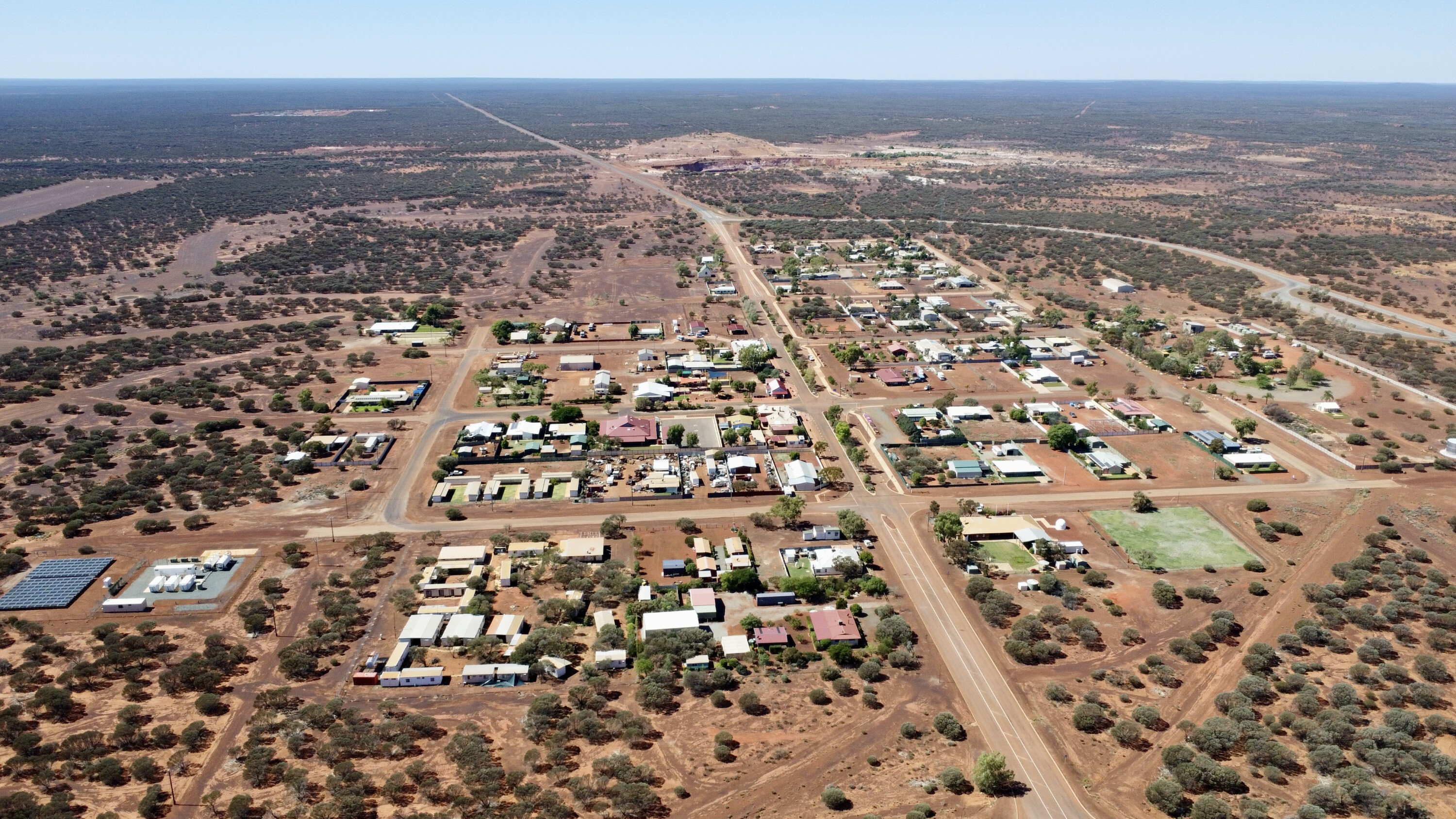
Leaving Meekatharra, travelled a further 200km down to Sandstone to explore the rich mining and natural history of this region.
The first known European to pass through the area was John Forrest in 1869 when he was out searching for explorer Ludwig Leichhardt’s remains, who was presumed dead somewhere in the area. In 1894 gold was discovered here, opening the area to other prospectors until commercial operations started just after the town was gazetted in 1906.
But when war broke out, many miners left and never came back, while others saw the town declining and simply just walked away. The town’s population quickly diminished to less than 200, and today it’s a service town for the huge stations that surround the area.
1
Called the Sandstone Heritage Trail, there is a self-guided drive around the town that takes in the amazing geological wonders and heritage sites to be found here.
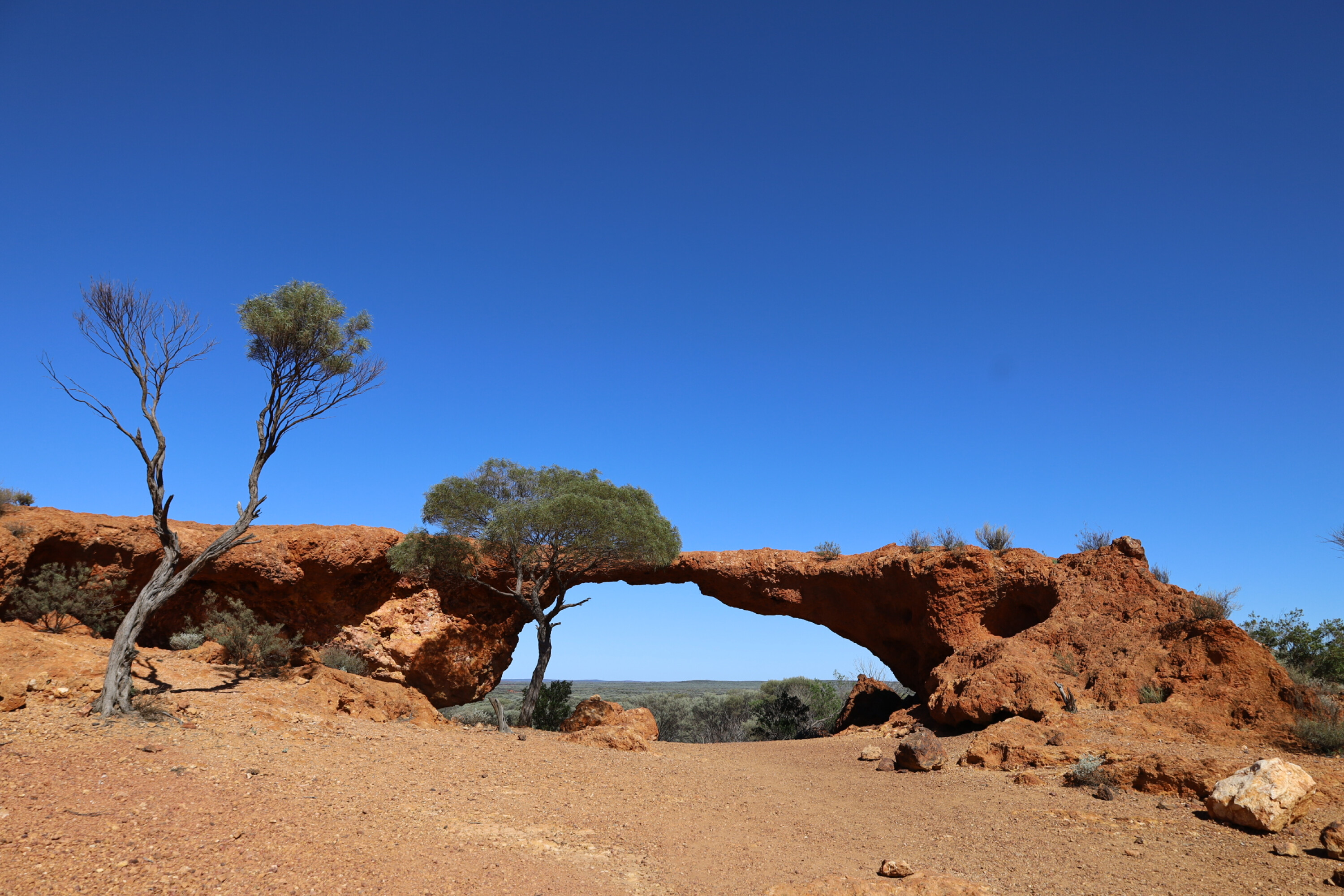
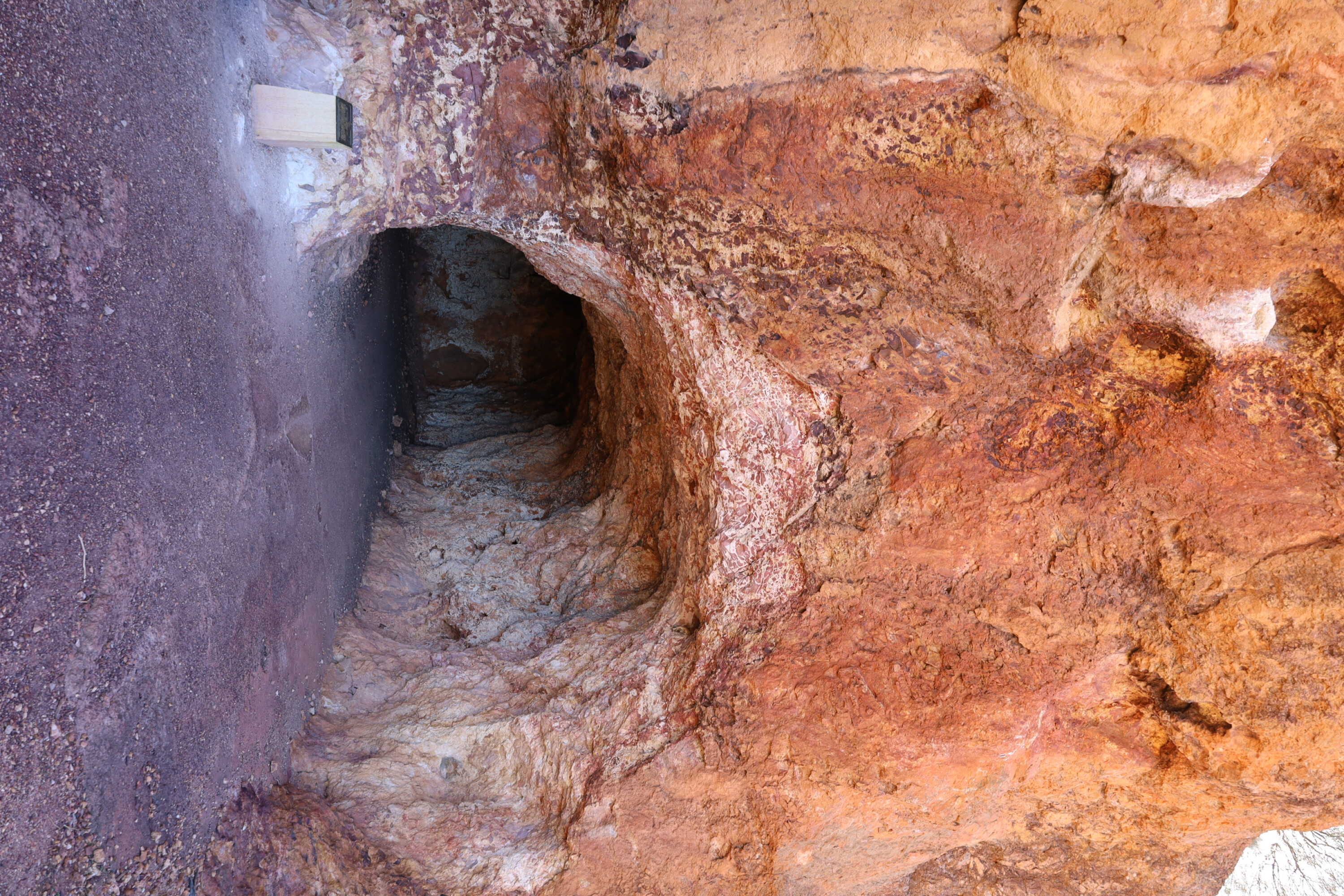
From London Bridge and its weathering archway, where views across the vast desolate plains shimmer all year round, to the old Sandstone Brewery, which was carved into the hard rock back in 1907.
The brewery was constructed by cutting a huge hole in the rock, which created a natural cellar, and another hole in the roof of the cave allowing for easy access to the hotel up the top.
1
This enabled the beer to be kept cool for the miners in even the hottest of summers.
A gold Battery that was dragged for hundreds of miles to the goldfields by donkeys and bullocks was set up nearby at Paynesville. It worked hard producing 115,800 ounces of gold right up until 1982.
The Murchison district is a vast area holding onto secrets from the past and with its natural history dating back 4.5 billion years I reckon there’s still plenty more to be discovered.
Fast facts
Where
The Golden Outback that includes Meekatharra, Sandstone and Cue is located nearly 800km northeast of Perth and 535km east of Geraldton in WA’s mid-west. It is the largest centre in the Murchison area.
What to see and do
This is a hot, dry and barren place where gold was discovered in 1896. Today, the area is still mined for gold, while large livestock properties cover the vast landscape. There are heritage walks, a discovery trail, cultural history, peaceful campsites to enjoy and prospecting for gold is permitted… with a permit.
Other information
Meekatharra, Cue and Sandstone are part of WA’s Golden Outback Road Trip where you can experience the unique and ancient landscape dating back some 4.5 billion years. All three towns have information centres where you can learn about the history of the area and explore relics from the past.
There’s a stack of information on the gold rush era, heritage sites, road conditions and more at www.australiasgoldenoutback.com [↗️].
Winter is the best time to visit thanks to cool nights and sunny days. During summer, daytime temperatures can become extremely hot and with that comes hordes of flies.