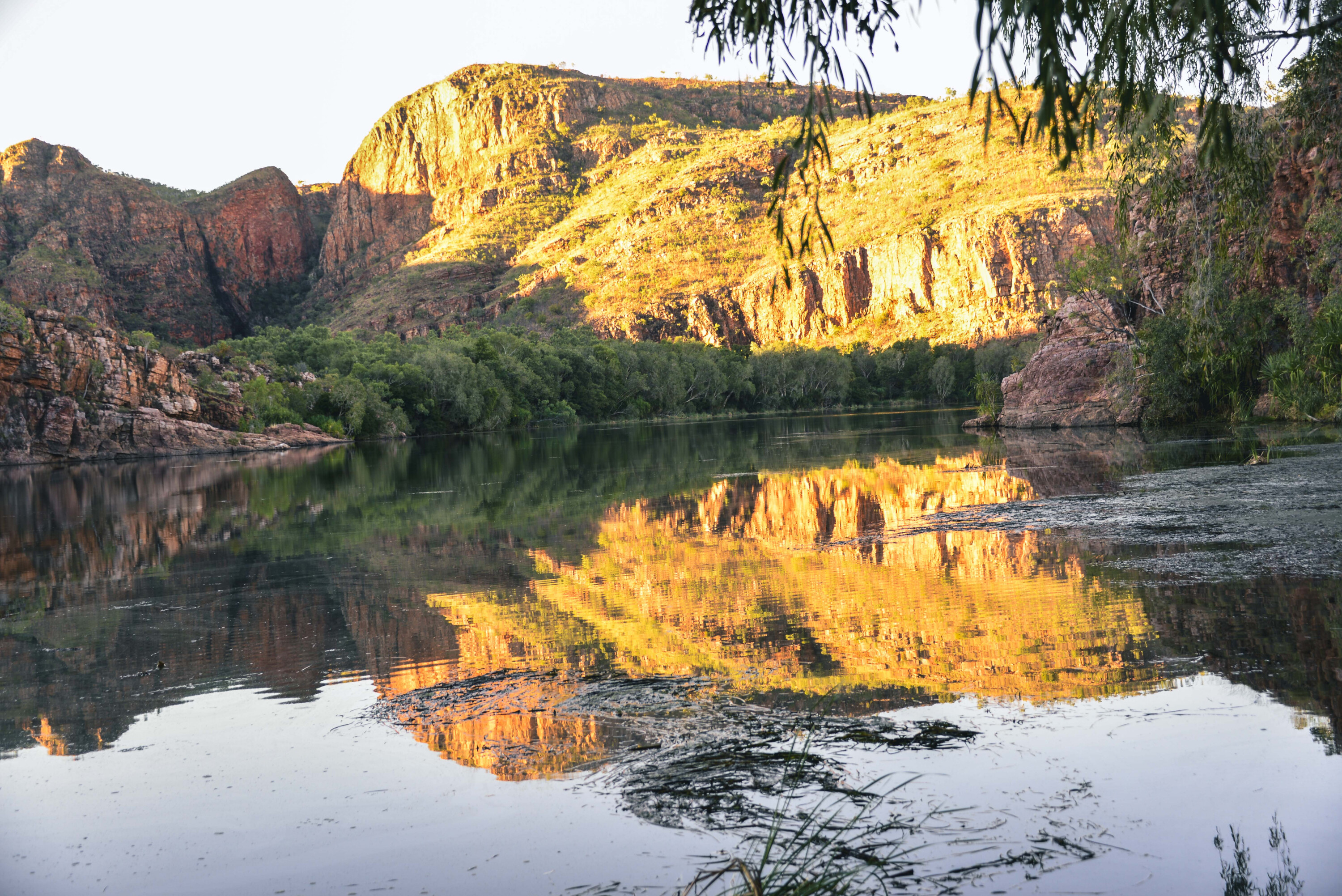
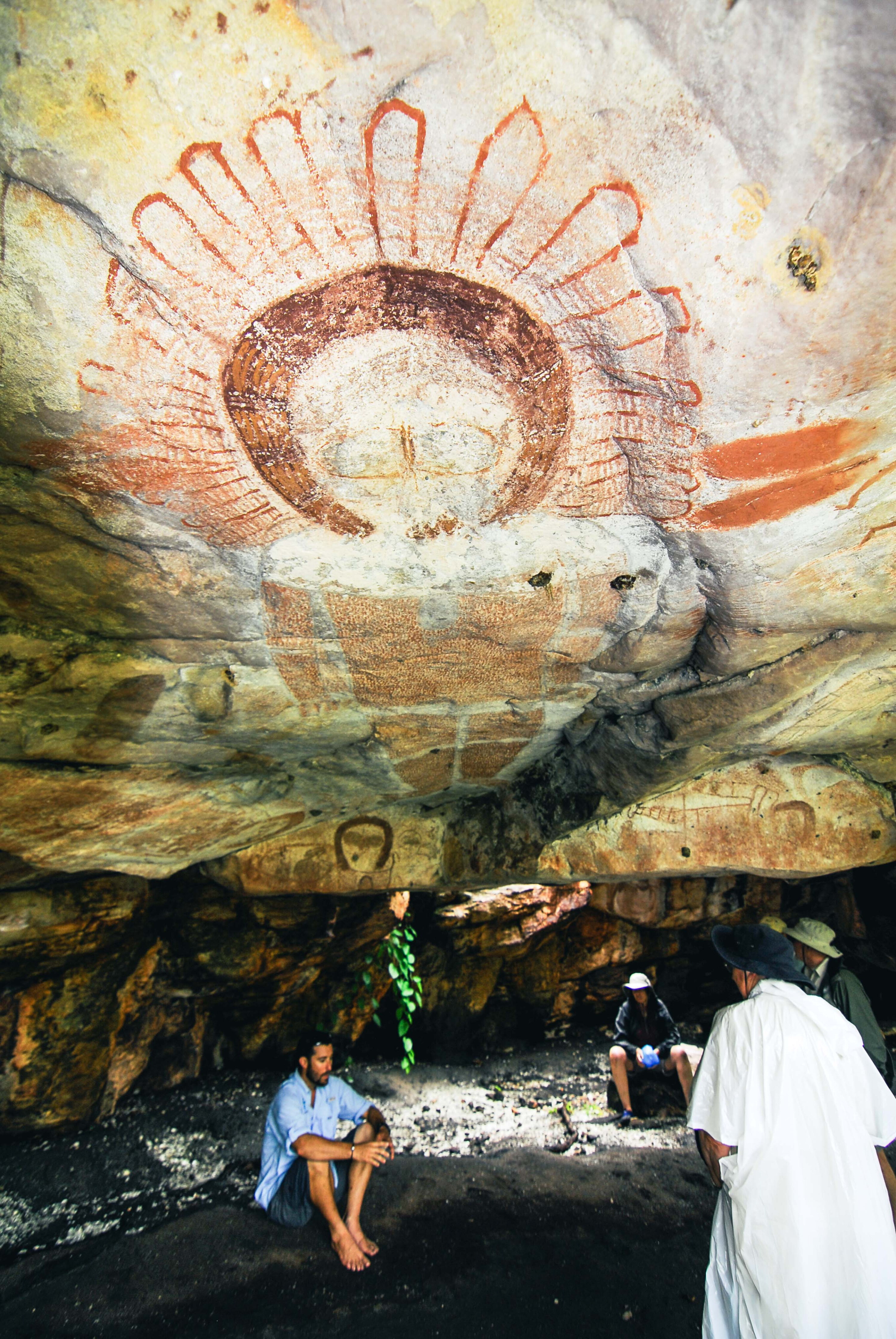
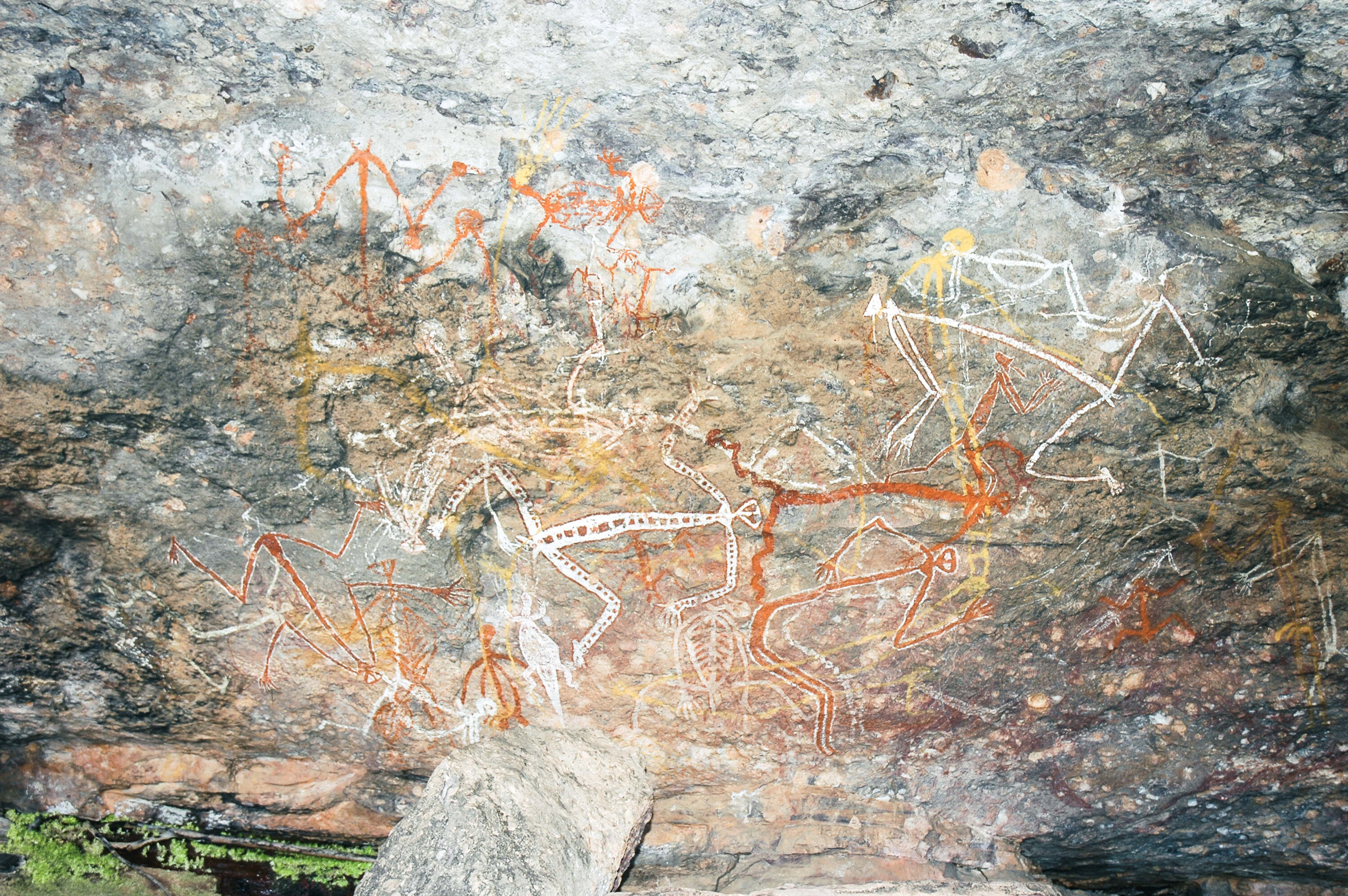
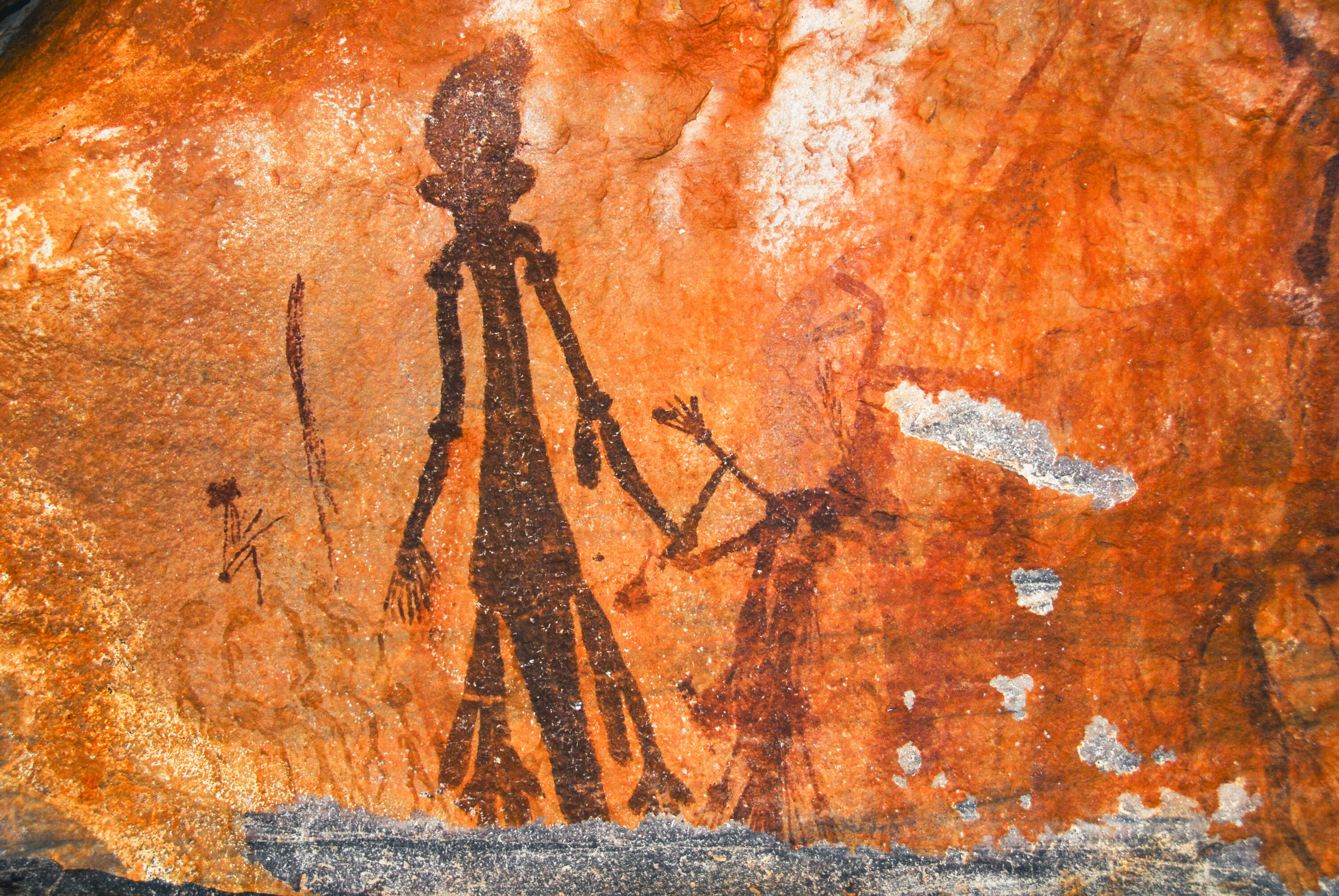
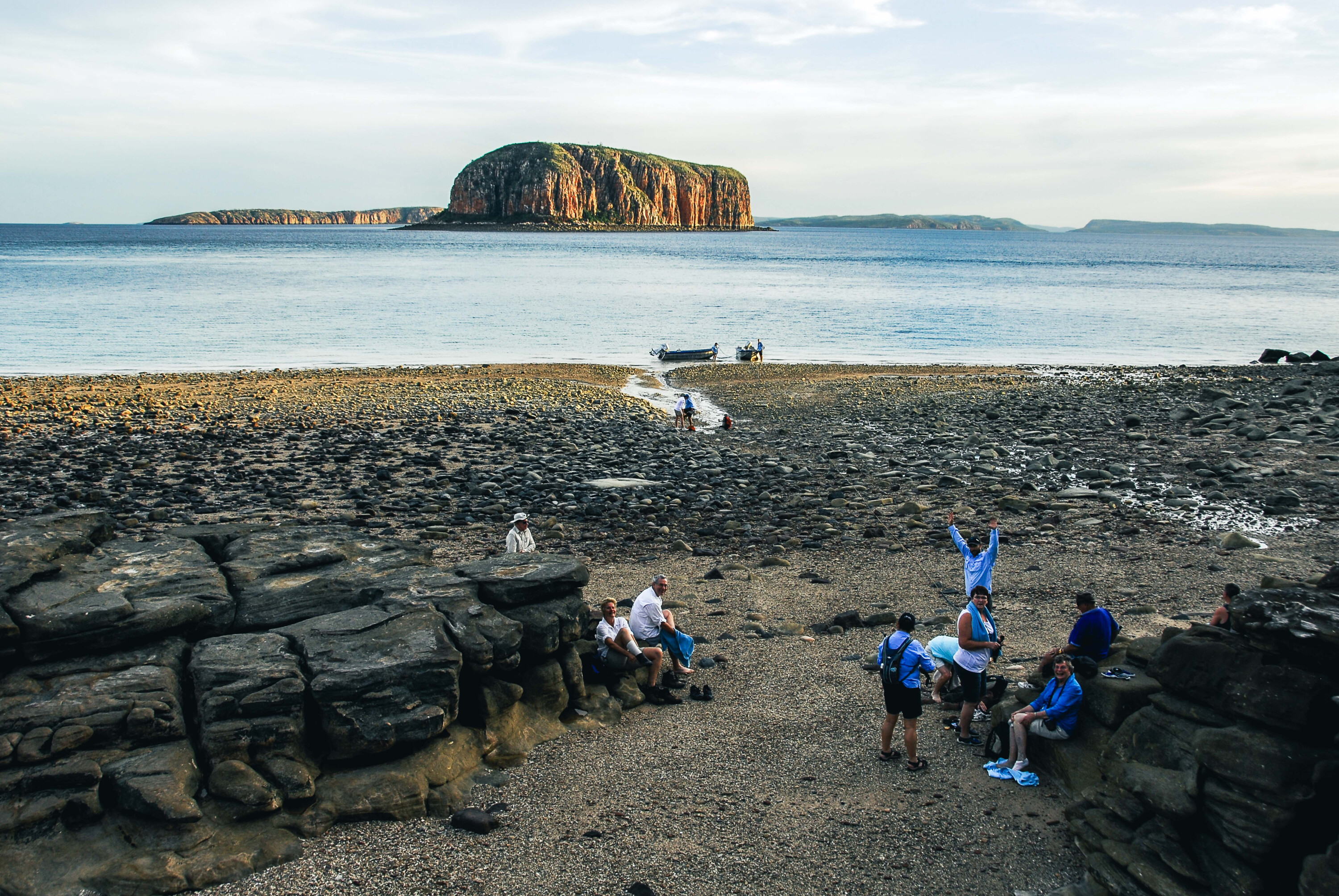
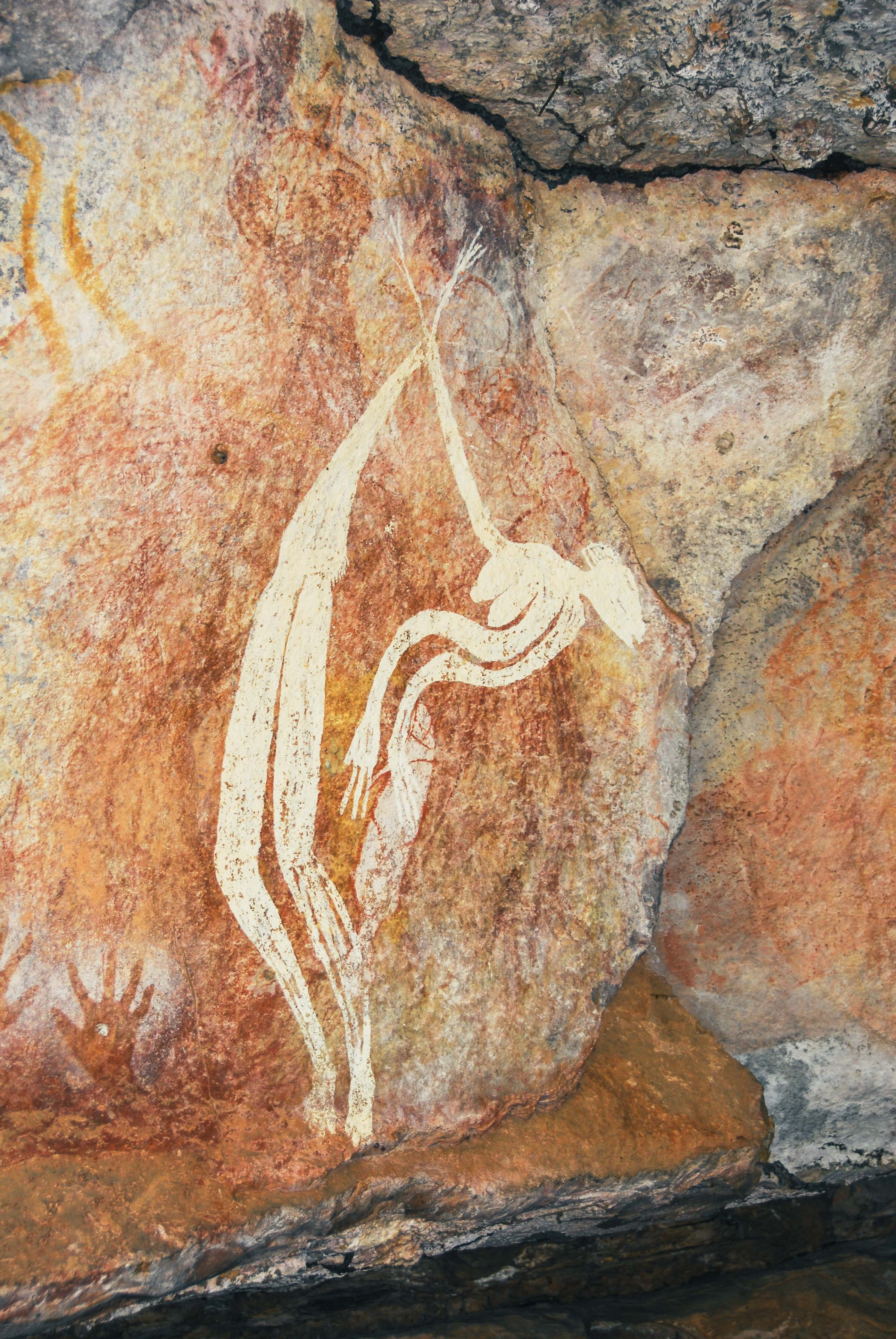
The whole of Australia, especially in areas with sandstone ranges, has hidden art galleries left behind by the first people who once lived here.
They created incredible undercover art galleries of their world including games, animals and dreamtime gods, and left behind the handprints of bored children in cave shelters when the rains tumbled down and the storm gods roamed the skies with displays of lighting and thunder that struck fear in the hearts of humans.
It’s all recorded in the art friezes, including one that I came across in western Arnhem Land depicting a lightning strike that killed a woman. But many are of hunters spearing animals, warriors engaged in battle with crocodiles, snakes and fish.
1
I have been fascinated by rock art since I first viewed one near Mount Isa in 1961.
The discovery led to others nearby and elsewhere in the ancient spinifex-clad ranges of the Cloncurry-Mount Isa mineral field, a region of sandstone ranges dating back to the Precambrian period that stretches into the western Gulf country and continues into the NT.
I lived in Kakadu for a decade, a place of legendary dreamtime beings that are well documented in hundreds of rock art galleries where the monsoon woodlands fringe the Arnhem Land Escarpment and its many outliers. None were open to the public in the early days, there was no policing with people exploring the region at will.
We respected the art of the ancients and none of it was damaged when Kakadu National Park was declared in 1979, which also signalled the go-ahead for the Ranger Uranium Mine where I was employed first as the Information and Housing Officer, and later in the emergency services section.
1
My spare time was spent fishing, hunting and exploring the hidden rock art sites where I took thousands of photographs, 35mm slides, now superseded by the digital age of photography.
I moved to the Daintree Rainforest in 1989 and operated my own tour operation out of Port Douglas before selling up and heading into semi-retirement, but when the chance came to conduct bird-watching operations for the Arnhem Land Barramundi Nature Lodge, south of Maningrida, I spent many dry seasons there taking birders into the monsoon woodlands and on the vast tidal rivers enjoying nature like nowhere else.
Conditions were such that a native guide would always accompany us to ensure we did not intrude into sacred places and other areas of significance. They were good years and under the guidance of my Indigenous brother, Stuart Aiken, I saw country that was out of bounds to others.
1
Stone country
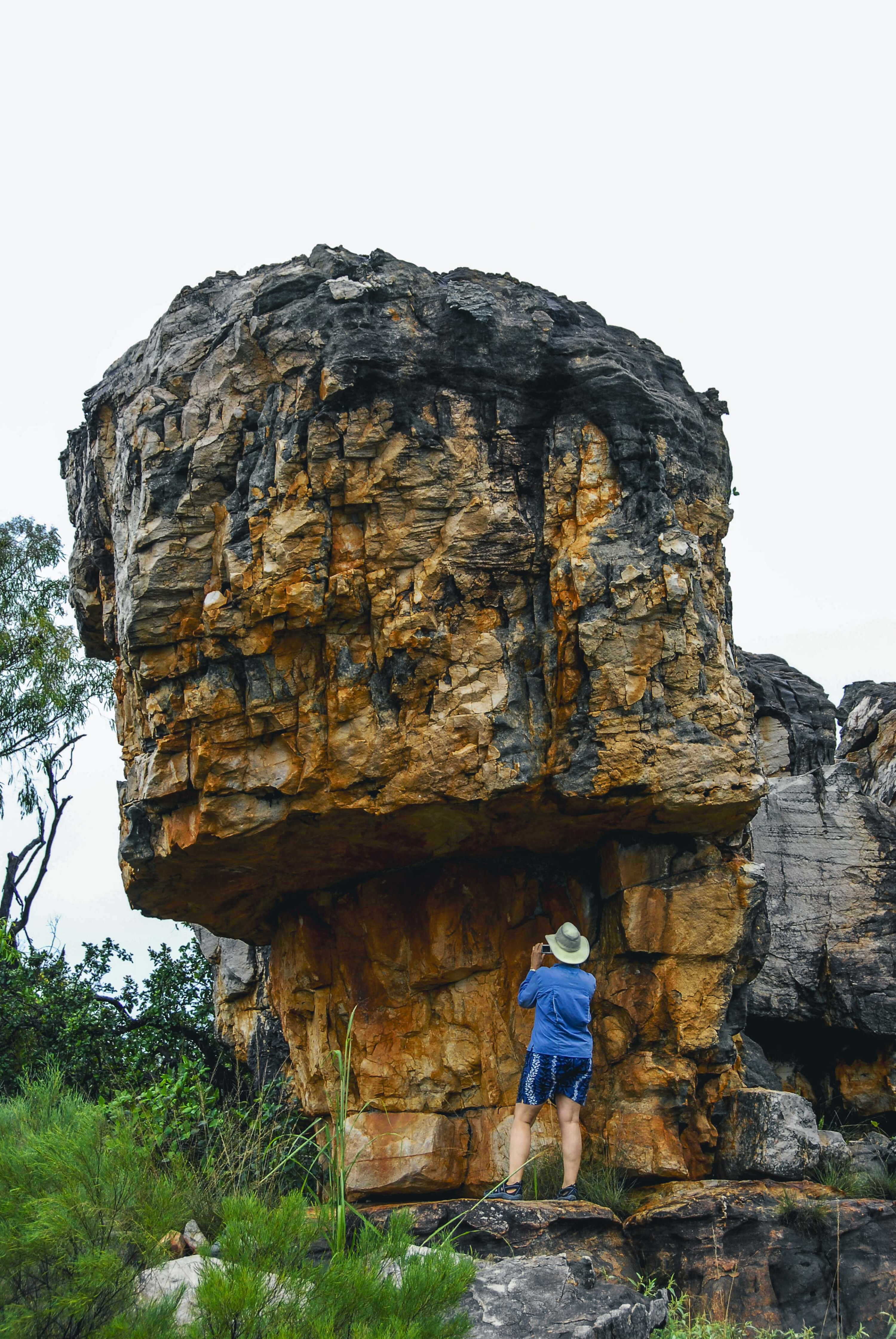
The Arnhem Land Escapement is a massive wall that is up to 100m high in sections and runs for hundreds of kilometres to the north from the Roper River, and west to Kakadu, before swinging south back to the Roper.
The sandstone massif has thousands of rock art sites, many that have never been seen by living humans because the natives moved away into missions from the 1900s onwards.
Few tracks turn onto the plateau and there is only one semi-permanent settlement on it. Like elsewhere in Arnhem Land, homelands, or outstations, are abandoned at the start of the wet season, and dogs and animals are left behind when people head to the permanent villages to outsit the tempest.
1
I had a scientist on one trip who was so impressed that he organised his own expedition to study the paintings.
Our early season tours were the best, when tracks were still damp and no one lived at the outstations where dozens of howling kelpie/dingo cross dogs would welcome us as we drove en route to the distant red-brown bastions of the stone country looking for rare birds. It beats me how the dogs survive months of abandonment.
Birdwatchers are interested in all things nature, thus the paintings that were under the overhangs and shelters of the sandstone outliers below the 80m high escarpment were often of more interest than the birds themselves. I had a scientist on one trip who was so impressed that he organised his own expedition to study the paintings. Typically, he claimed that he had discovered them in an article in the Bulletin magazine.
There were also burial caves where the bones of the deceased were stored in paperbark wraps and in hollow logs, and elsewhere the bones littered the cave floors.
1
Others were stacked up high in rock hollows. Oddly there were no restrictions on some of these sites, though they were highly respected by our guides and us.
I have seen similar sites on the Victoria River and in the Kimberley, some marked at the entrance by paintings of death adders in striking positions; those were out of bounds to all and required a special dance song for entrance. In Arnhem Land we were told to talk loudly when nearing some sites so as not to startle the spirits by our sudden appearance.
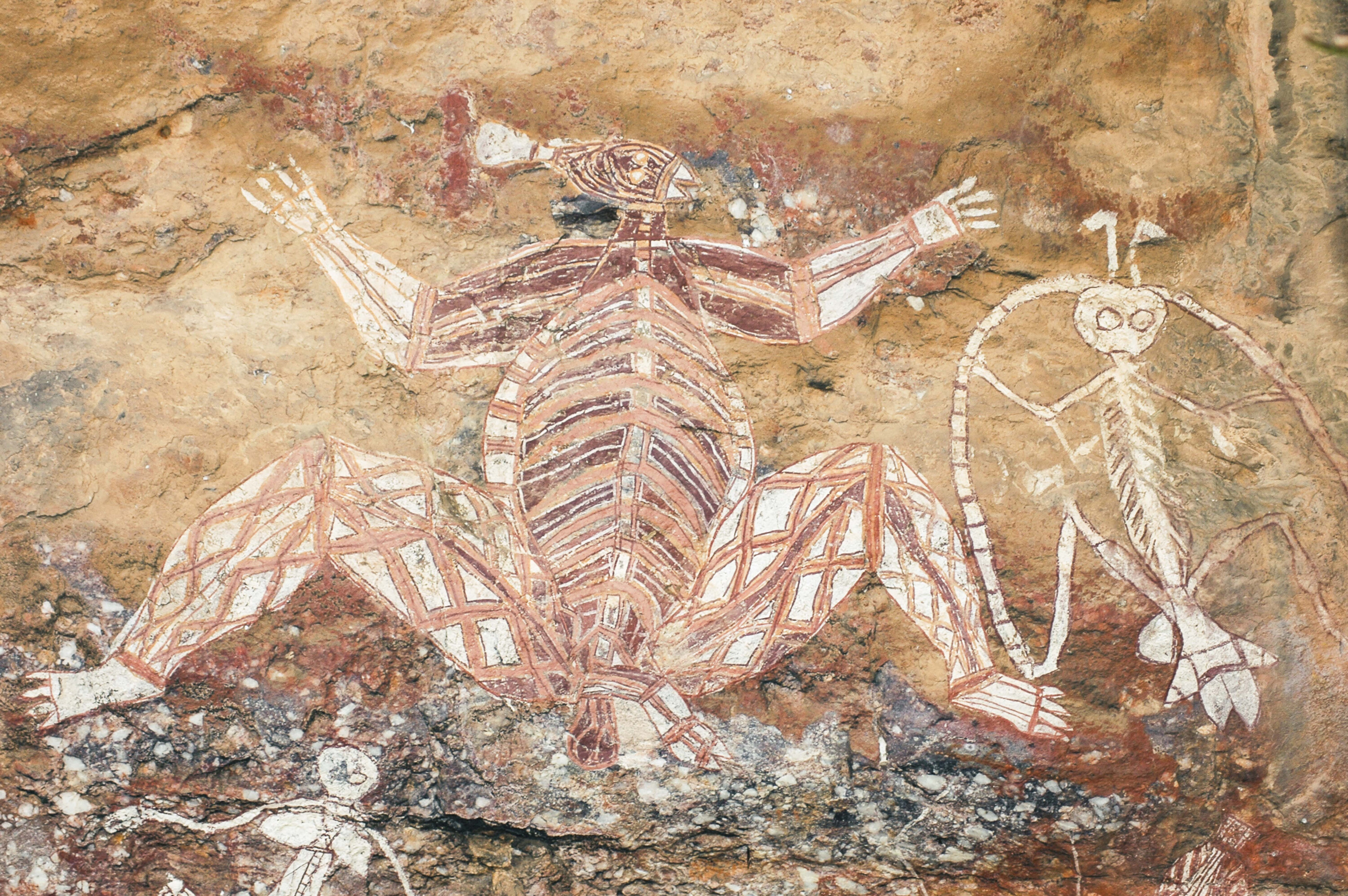
The Stone Country rock art is amazing and depicts animals, fish and reptiles that are of significance to the local clan or as a food source. Various ochre colours are used; the ochre is crushed and ground from rocks and mixed with water, fish and animal oils.
1
Fish oil is preferred – a dead fish is laid in a small depression on the rocks, covered so that the dogs won’t eat it, and left to decay, then the oils are gathered and mixed with the ochre and crushed into a paste and watered into paint.
It’s the fish oil that permeates into the porous sandstones and drags the ochre colours with it enabling the paintings to last for thousands of years.
The are few paintings in basalt country because it is continuously breaking down and peeling, while limestone shelters have few smooth surfaces and it is too hard for fish oil to penetrate. This is why sandstone hills have the best and most durable paintings.
1
Where to find rock art
If you head to the Cape York Peninsula take the inland route and visit Carnarvon NP, which has amazing rock art sites that are open to the public. There are others en route in the western outliers of the Great Dividing Range, with some of the best sited in the Laura Basin.
Several Laura Quinkan rock art galleries are open to self-guided tours, while others require the services of a local Indigenous guide. The galleries are amazing in their variety of subjects, size and locations. Elsewhere on the Cape you may find isolated sites in the sandstone ranges, but few have been registered.
The Cloncurry-Mount Isa region has many sites that are reached on rough bush tracks, while to the ancient sandstone ranges run northwest to Arnhem Land with Constance Range on Lawn Hill Station having wonderful art sites and burial caves, including the Lawn Hill NP, which includes Riversleigh Station.
1
The ranges cross the border where years ago I explored rock art sites on Calvert Hills and Robinson River stations.
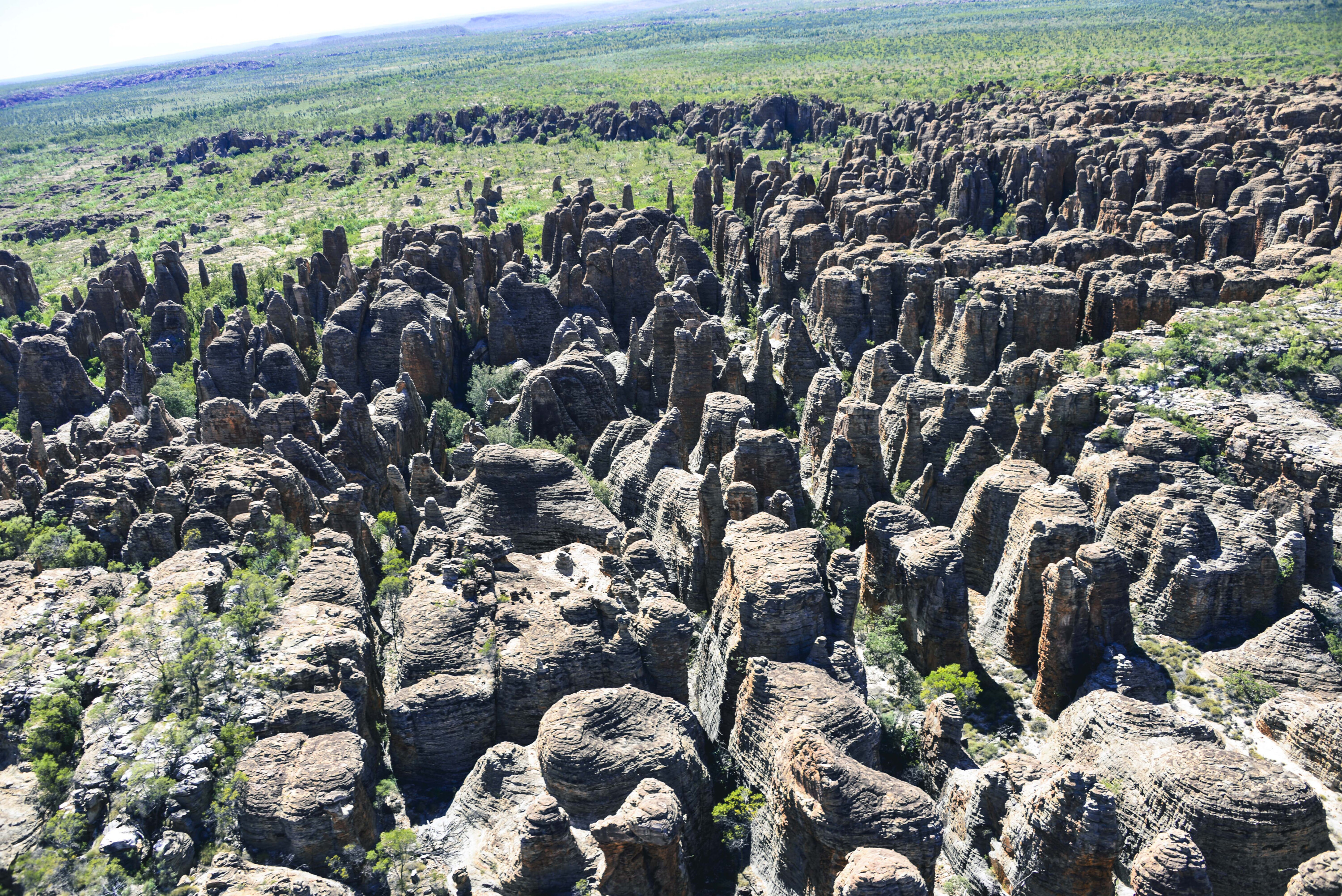
There is ‘lost’ art in the ‘Lost Cities’ south of Borroloola, and those in the Limmen Bight NP. In fact, most cave shelters here and to the north have art of some description, proof that the region had an abundance of food and water that once supported many people.
Arnhem Land is a pure wilderness and almost every rock overhang and every cave have paintings, including the southern outliers along the Roper River Highway and the roads leading into Arnhem Land proper. I have stopped near small rocky outcrops and found shelters that people once lived in, the walls blackened by smoke from campfires, others adorned with paintings and sketches.
1
The best is to the north of the stone country about the Liverpool River and Mount Borradaile, the eastern edge of Kakadu and farther south to Katherine.
Kakadu is arguably the best place to see cave art as many galleries are open to the public including the magnificent Ubirr and Nourlangie sites, while others require a guide.
En route to the Kimberley, the Victoria River region has a huge sandstone escarpment where the history of the people is well displayed in numerous galleries that spill all the way to Derby, but the best art is on the Kimberley Coast and can only be reached with a sea-going vessel.
1
However, for road travellers, Kununarra, the Gibb River Road, Halls Creek, Fitzroy Crossing and the Bungle Bungles have amazing rock art sites.
The Kimberly art is different from others and includes both Wandjina and Bradshaw styles, the latter spirit stick figurines somewhat similar to the Mimi stick spirit beings of Arnhem Land.
Some sources claim that the rock art of the Kimberley and Kakadu is over 65,000 years old, but this is not backed by academics, so don’t get carried away by the nonsense talk of some guides and other information sources when viewing art sites.
1
The oldest recognised art is of a Kimberley kangaroo that has been carbon dated to 17,100 years, but scientists remain at odds about reliable dating of the art.
I guess us laymen and lovers of all things nature will never know. Personally, I ignore the scientific data and just enjoy the moment and the artistic skills of an ancient people who lived in rock shelters and caves during the wet seasons, and who were bored to tears with little to do, so they painted to pass the time.
And that, my friends, is the gospel as told to me by several Indigenous mates.
Access to sites
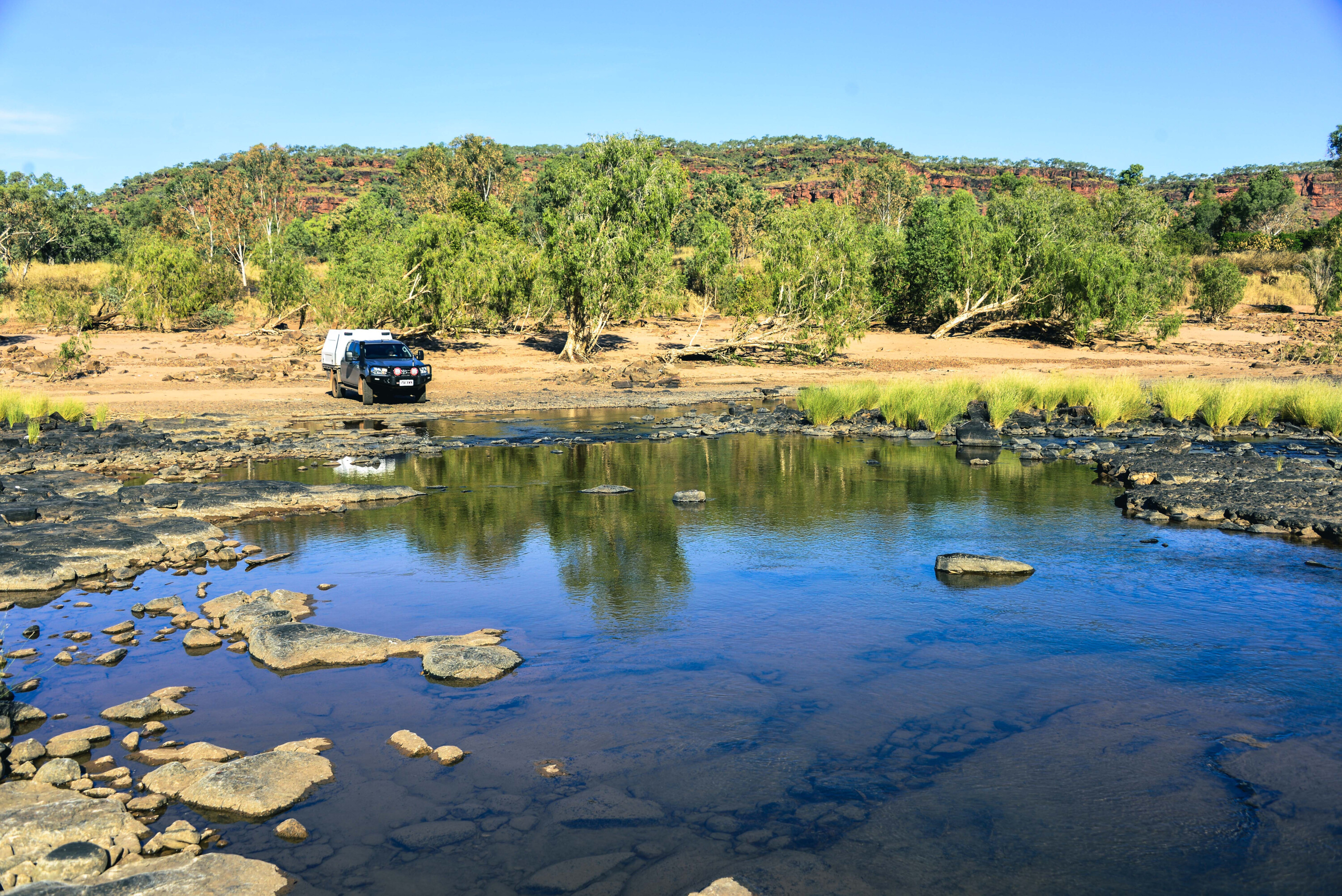
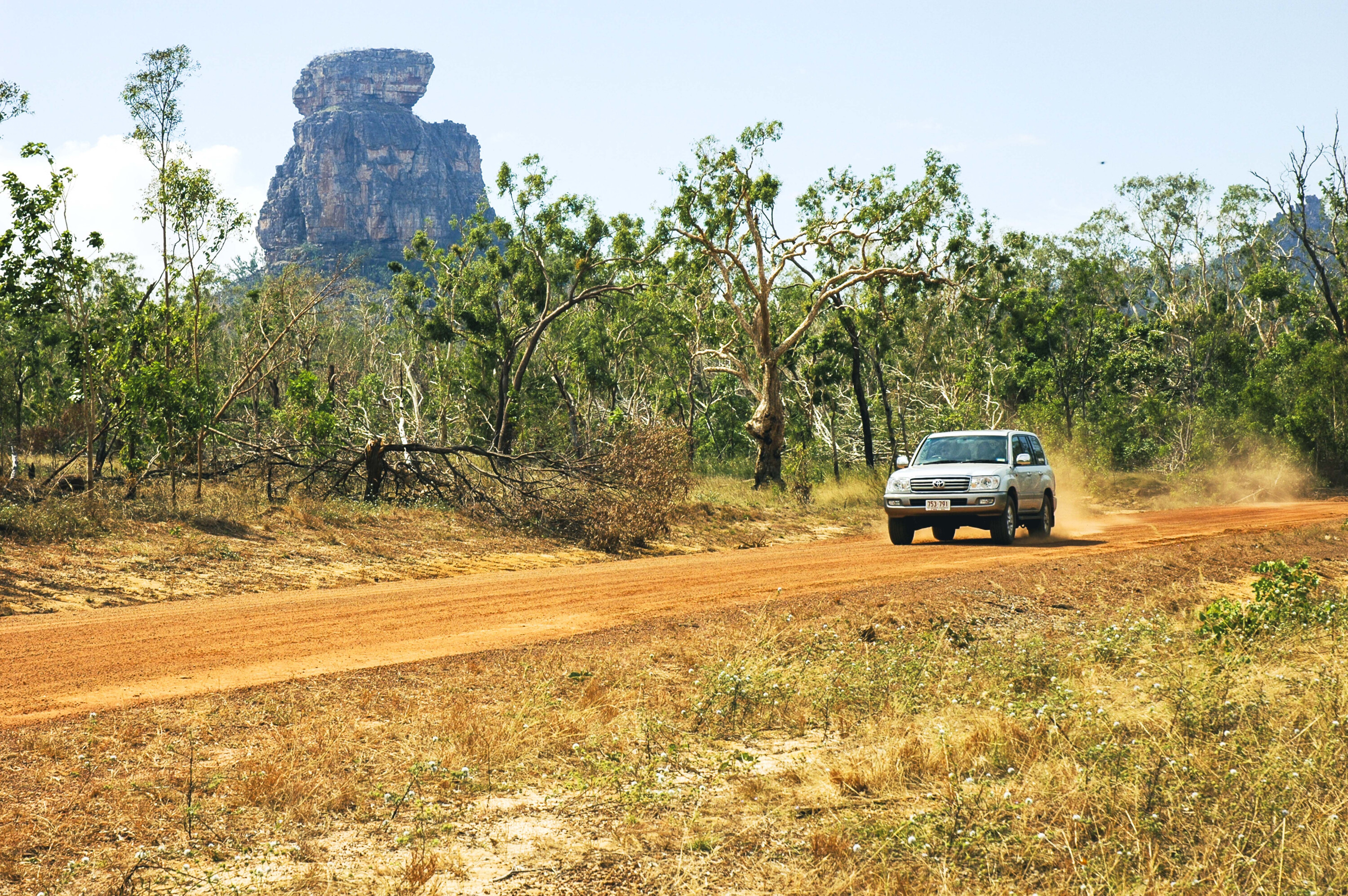
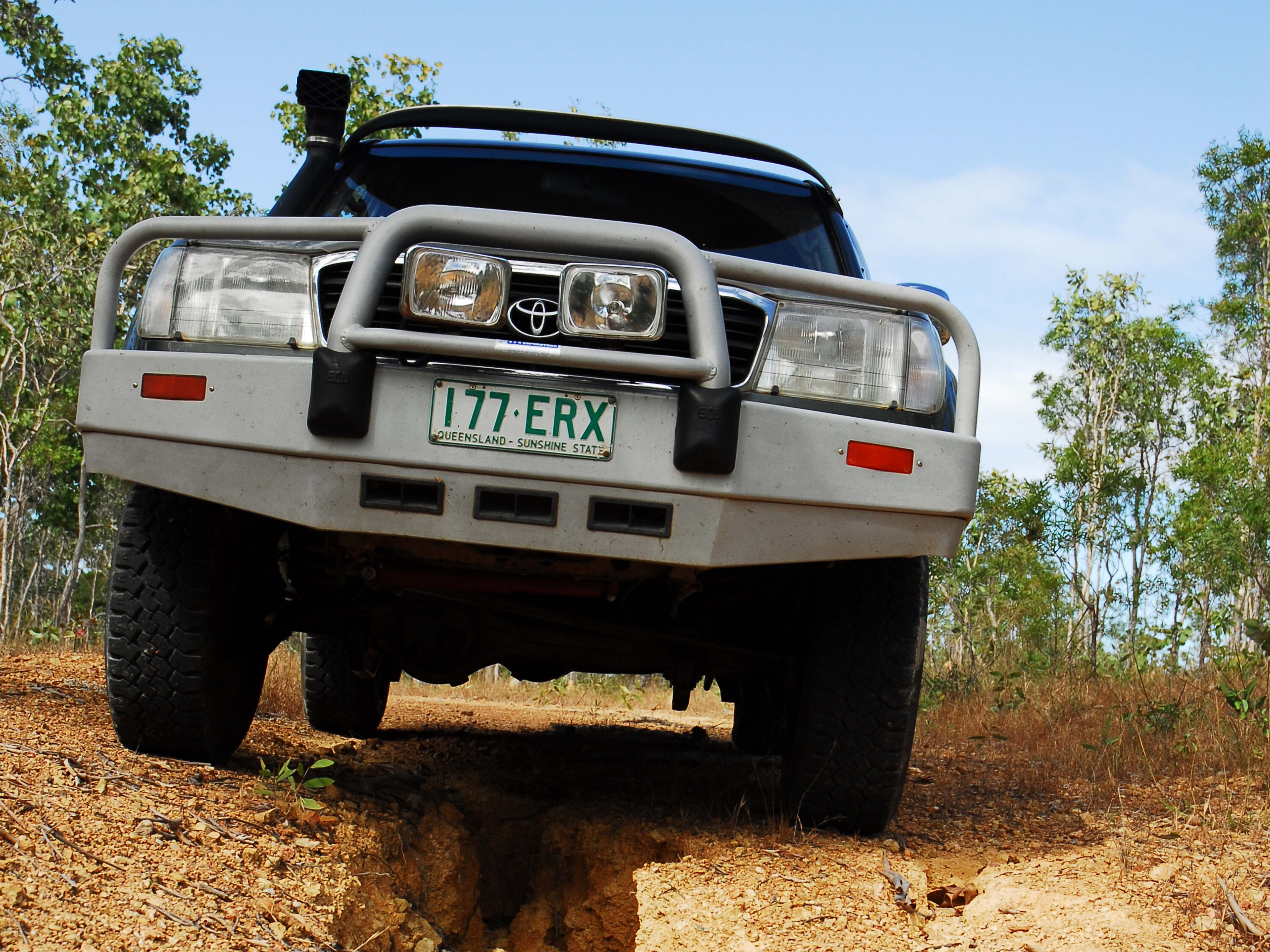
A reliable 4×4 is needed to reach most rock art sites, although some involve hiking long distances. Sites are generally located near permanent and semi-permanent waterholes. Some sites have extensive middens comprised of bones and shellfish, and are an indicator that people lived well.
Quadbikes and trailbikes are a good way to get about the rugged sandstone ranges that art sites are located in, with most under the lee of escarpment walls and in wild gorges. In many areas permission and permits must be sought from traditional owners and landholders, though rarely in national parks.
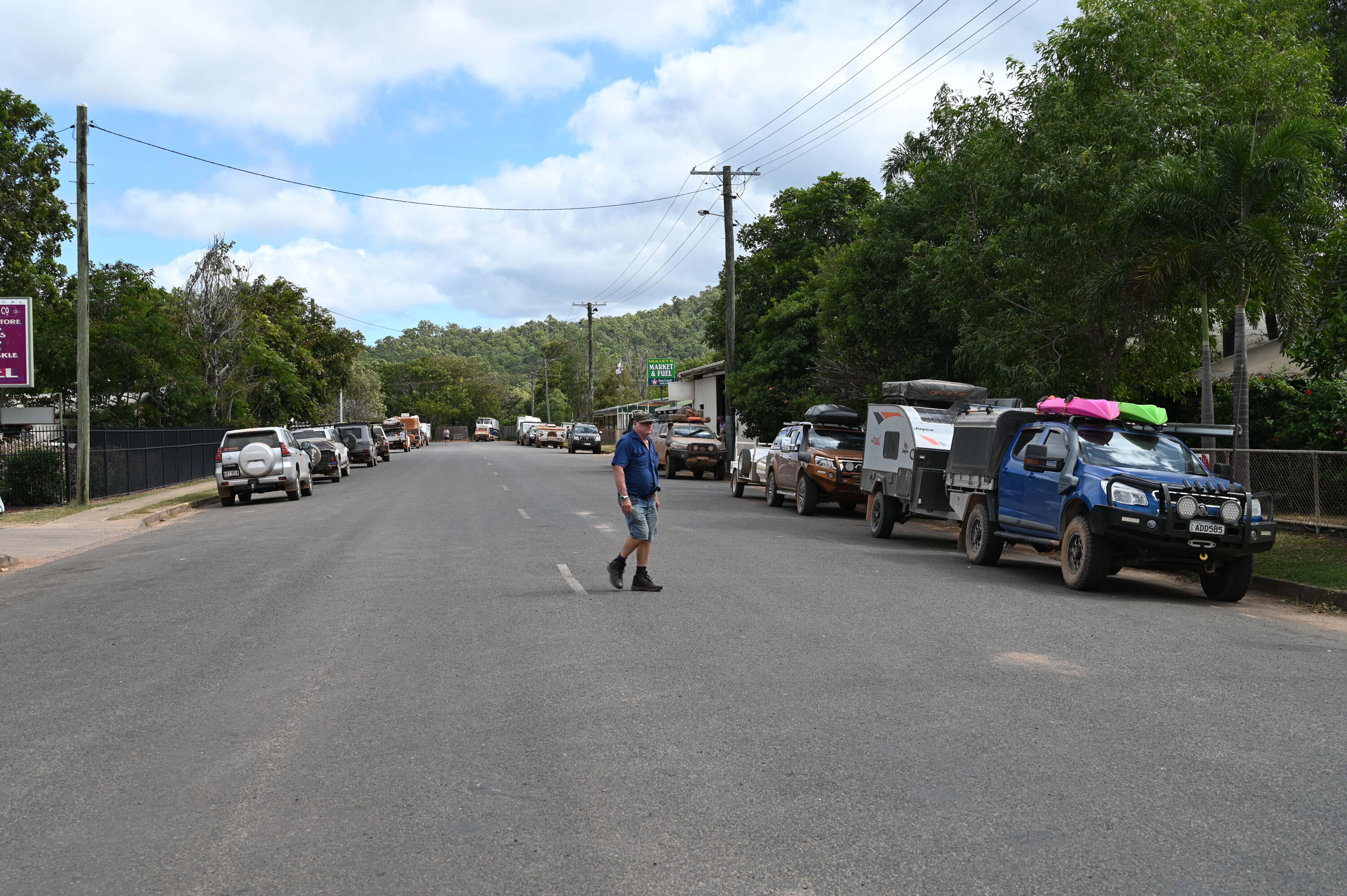
Coen is a laidback village where you can rest a little before continuing your journey north to the tip of the Cape York Peninsula.
There are several worthy attractions about this busy little town that is home to a population of 330 souls. It has accommodation, a store and fuel, mechanical repairs, a police station and other facilities.
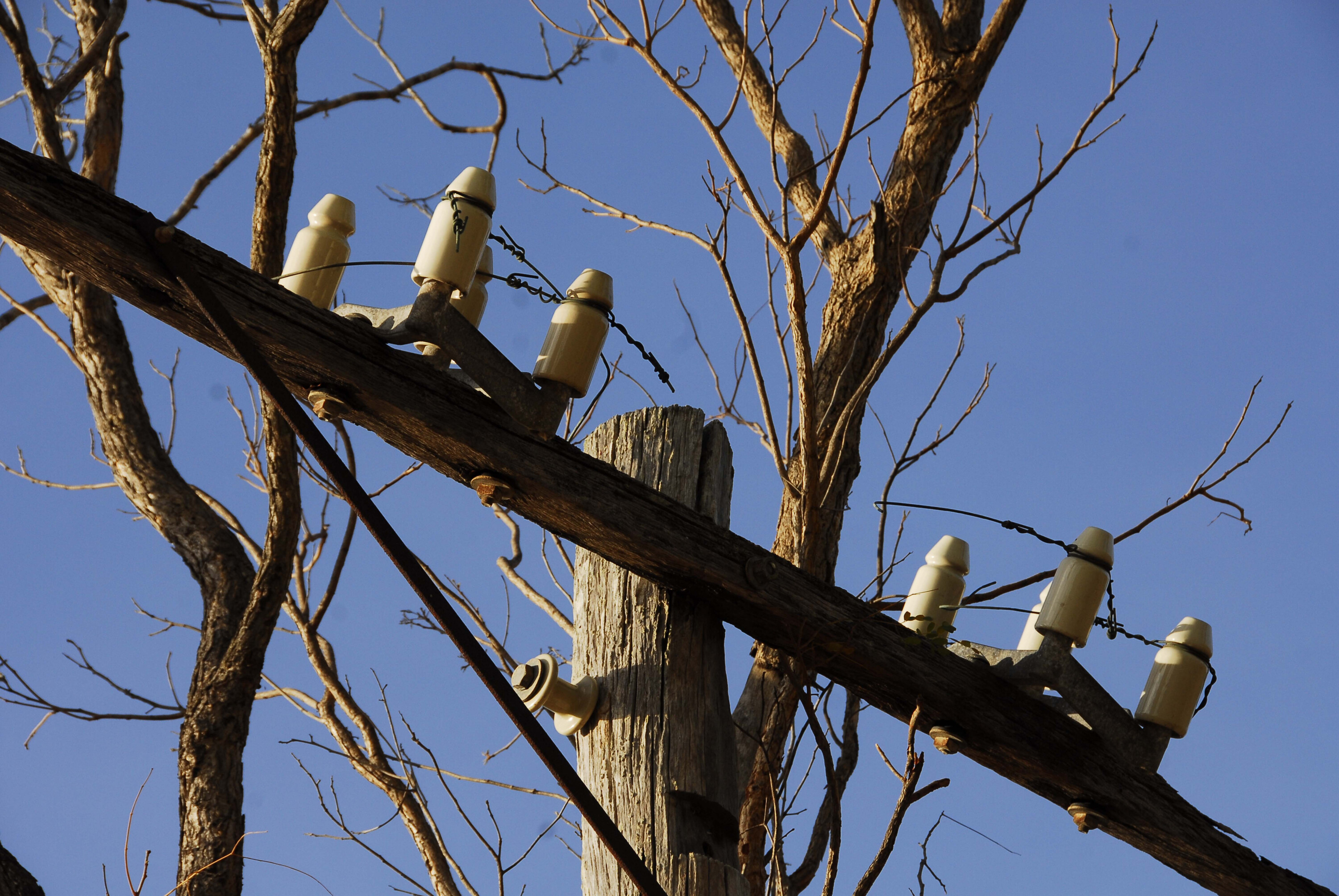
Like most other Cape York communities and roadhouses, Coen was originally a repeater telegraph station for the Overland Telegraph Line. It was of huge importance during WW2 when Japanese forces bombed the islands to the north. There is a persistent legend that the enemy landed a small force from a submarine on the east coast of the mainland with orders to blow up the telegraph station but it’s said that they got lost and perished in the rugged McIlwraith Range.
1
Cape York Heritage House has historic items from the old telegraph station and other memorabilia from the old days.
The heritage centre provides plenty of information on the local history and the days of yore when the district was a booming gold-rush town. You can even explore some of the old mines in the surrounding bush, including the four-head stamper at the gold mine site.
Continuing north is The Bend campground next to the Coen River. There are small pools and rapids here that are great for swimming, but the only facility is a drop toilet.
1
Living with nature
Coen is the gateway to the Oyala Thumotang National Park, formerly the Mungkan Kandju NP.
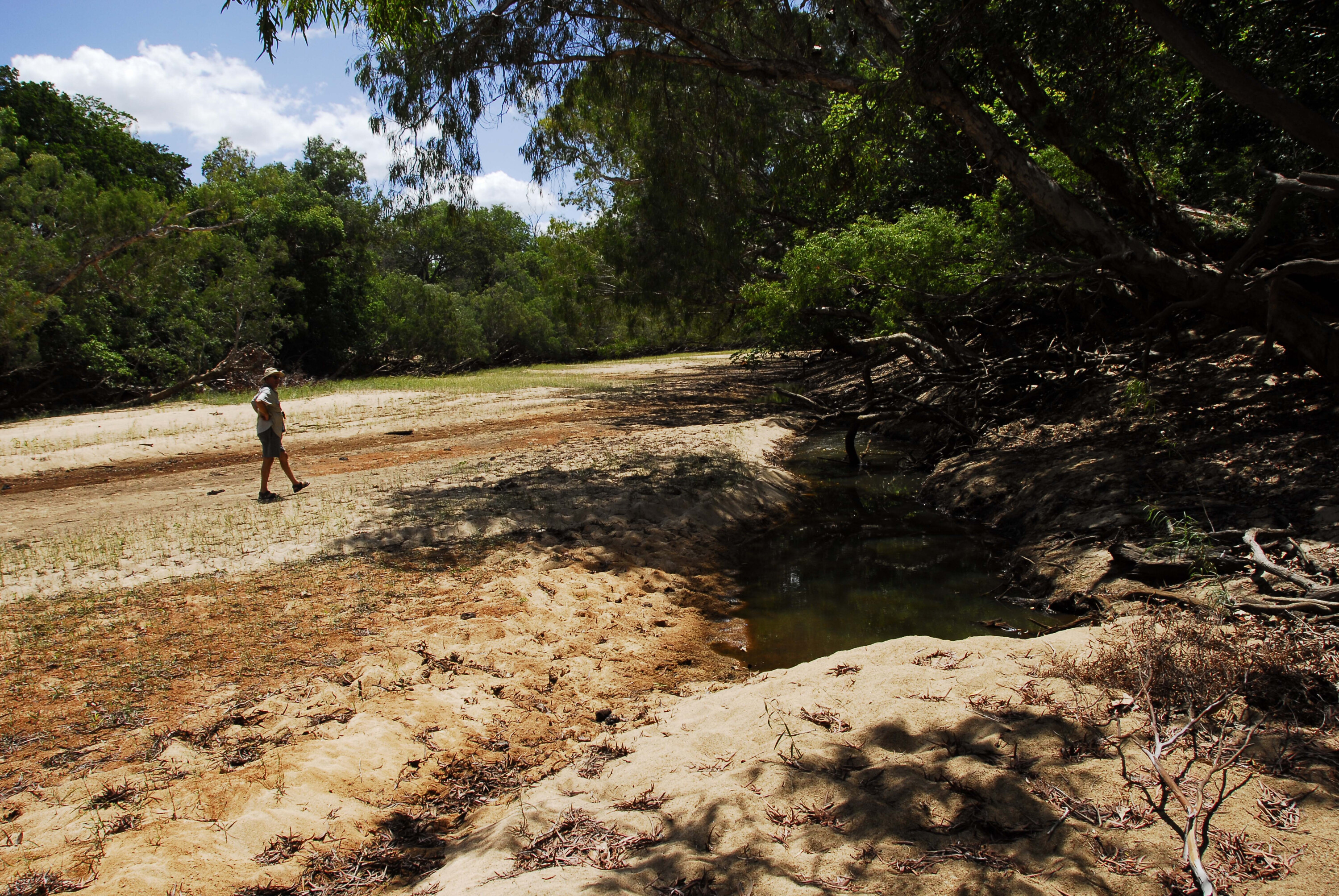
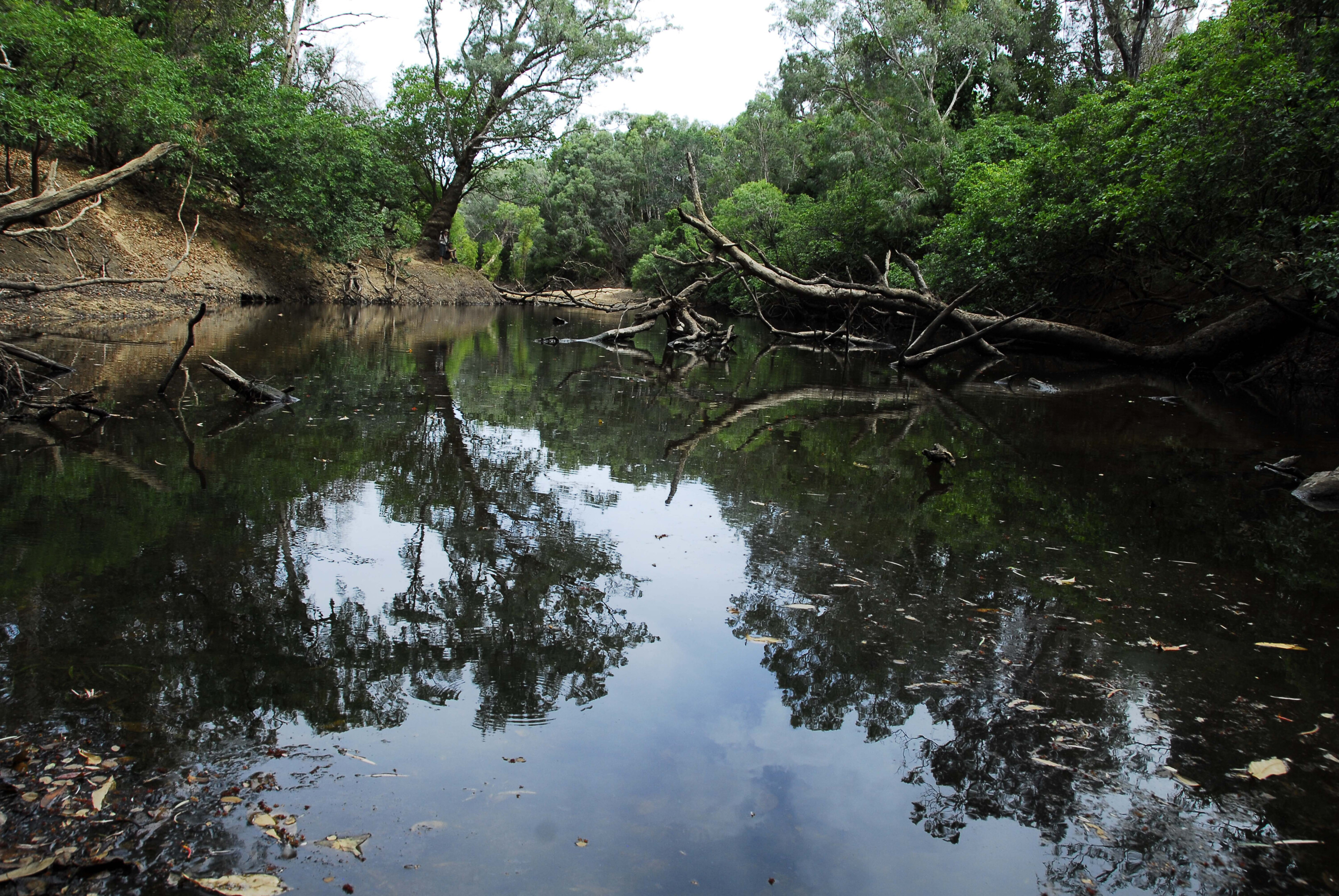
The turnoff is 25km north of town and the park is situated between the Coen River to the south and the Archer River to the north. Both stop flowing at the end of the dry season, leaving small pools and some enduring waterholes, rich in both fish and crocodiles.
Both rivers have verdant rainforest that house an amazing variety of birds, including fruit doves, white, palm and black cockatoos, trumpet manucodes, yellow-billed kingfishers, magnificent riflebirds, scrub fowl, scrub turkey and more. Fruit and insect bats fill the air at night.
1
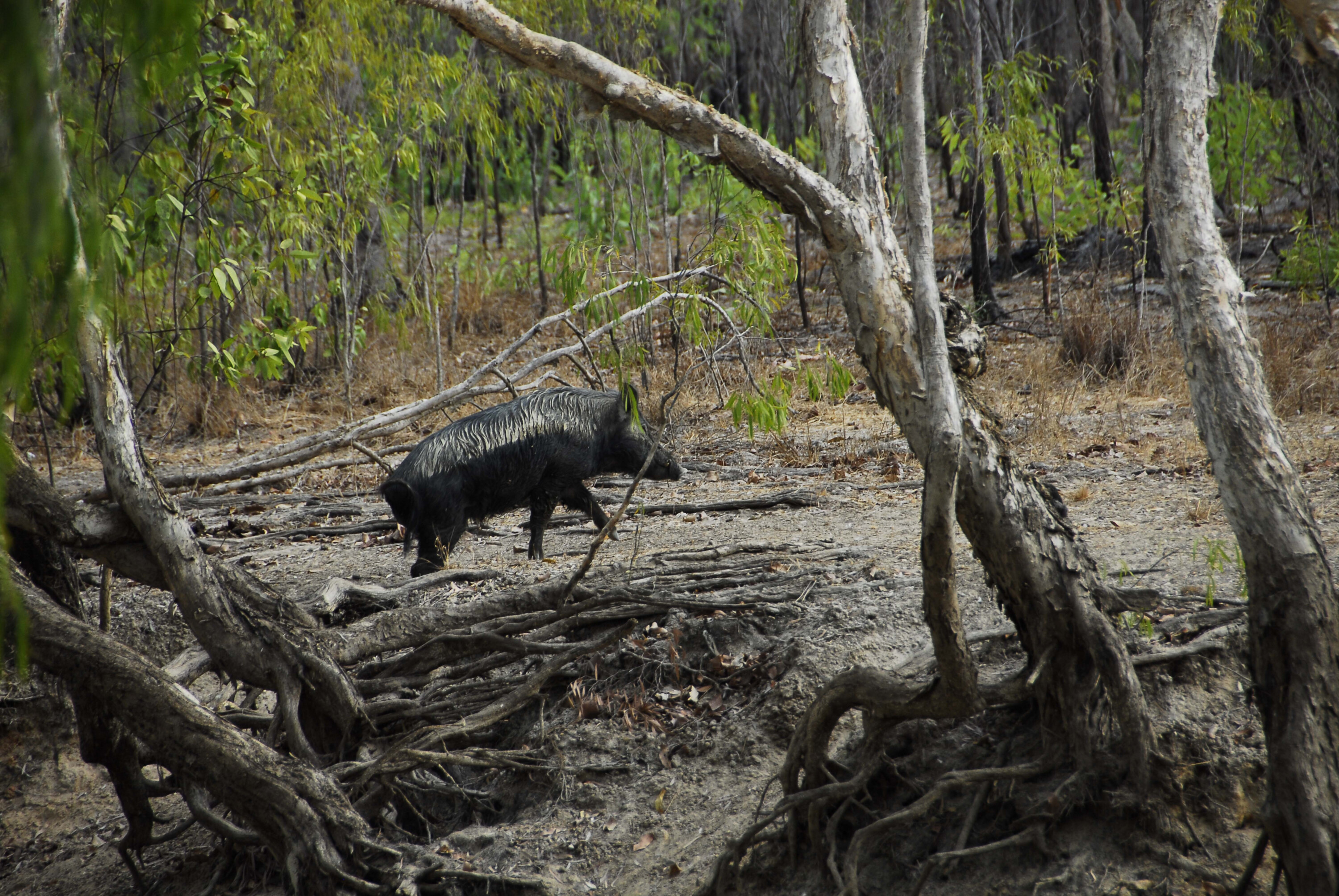
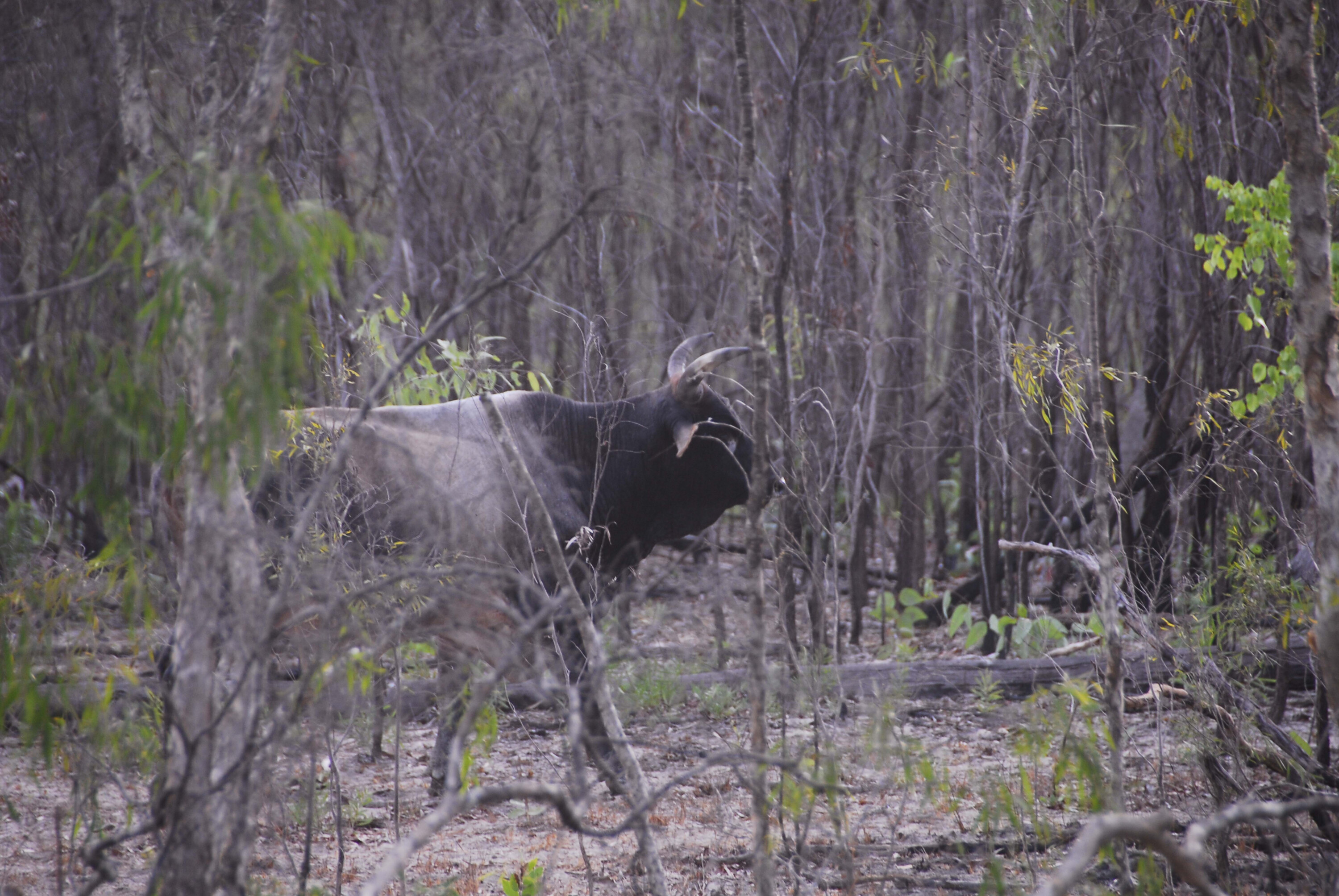
Most of the park features monsoon woodlands where sarus cranes, brolgas, emus, bustards, antilopine wallaroos, agile wallabies, and grey kangaroos share space with introduced wild pigs, cattle and brumbies.
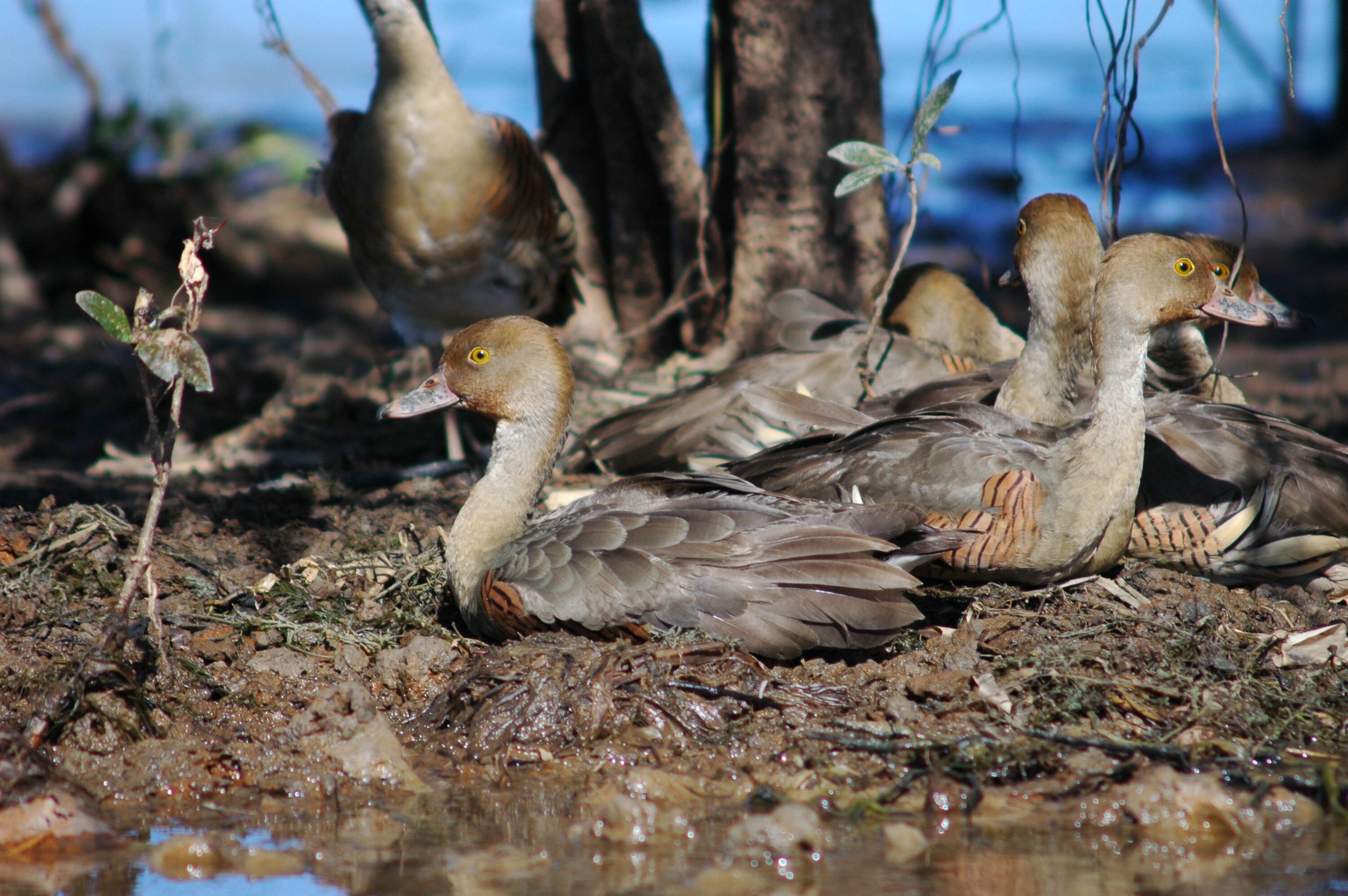
An abundance of permanent billabongs and small swamps, stream pools and springs are home to many species of waterfowl, pelicans, ducks, geese, jabirus, egrets and spoonbills.
The animals were once the food source for the Wik Mungkan, Southern Kaanji and Ayapathu people who retain important cultural links with the park they jointly manage with the Queensland Parks & Wildlife. The people observed the 1848 Kennedy Expedition and 20 years later saw the herds of cattle and horses when the Jardine Brothers drove them from Bowen to Somerset.
1
The Overland Telegraph Line placed Coen on the map, but it was the 1887 gold rush that saw the beginning of the end of a lifestyle that the people had lived by for thousands of years.
Cattle stations were established, and deadly skirmishes happened between the two races as they sought to establish ownership of the lands.
The park was gazetted in 1977 as the Archer River National Park when Archer River Station and later Rokeby Station (1981) was purchased by the Queensland Government.
It was declared a national park in 1994, under the names of two Aboriginal tribes, Mungkan and Kandju. Part of the land was returned to the traditional owners in 2010 which was followed by the transfer of the total area to the traditional owners in 2012, and the park was renamed to its current name meaning ‘people and river lands.’
1
Langi section
The park consists of four sections: Kulla, Langi, Coen River and Archer Bend.
Kulla is on the east side of the Peninsula Developmental Road (PDR), but few tracks are in the area.
Langi is 78km from the PDR-Rokeby Road junction. It borders on the gallery forest-lined Archer River. The Old Archer River Crossing was once the original crossing of the Overland Telegraph Track. Langi is very accessible and it’s amazing with its water lily-clad billabongs and swamps. The billabongs have good barramundi fishing and Jardine saratoga, as do the permanent pools in the Archer.
Both the Archer and Coen Rivers stop flowing at the end of the dry season, leaving enduring pools that attract a lot of wildlife and are rich in fish and crocodiles.
1
However, if you are looking for scenic places, this park, apart from the McIlwraith Range in Kulla, may not be for you as the country hereabouts is is considered plain by some visitors, but nature lovers will enjoy the serenity of bush and the wildlife, and that is what this nature park is all about.
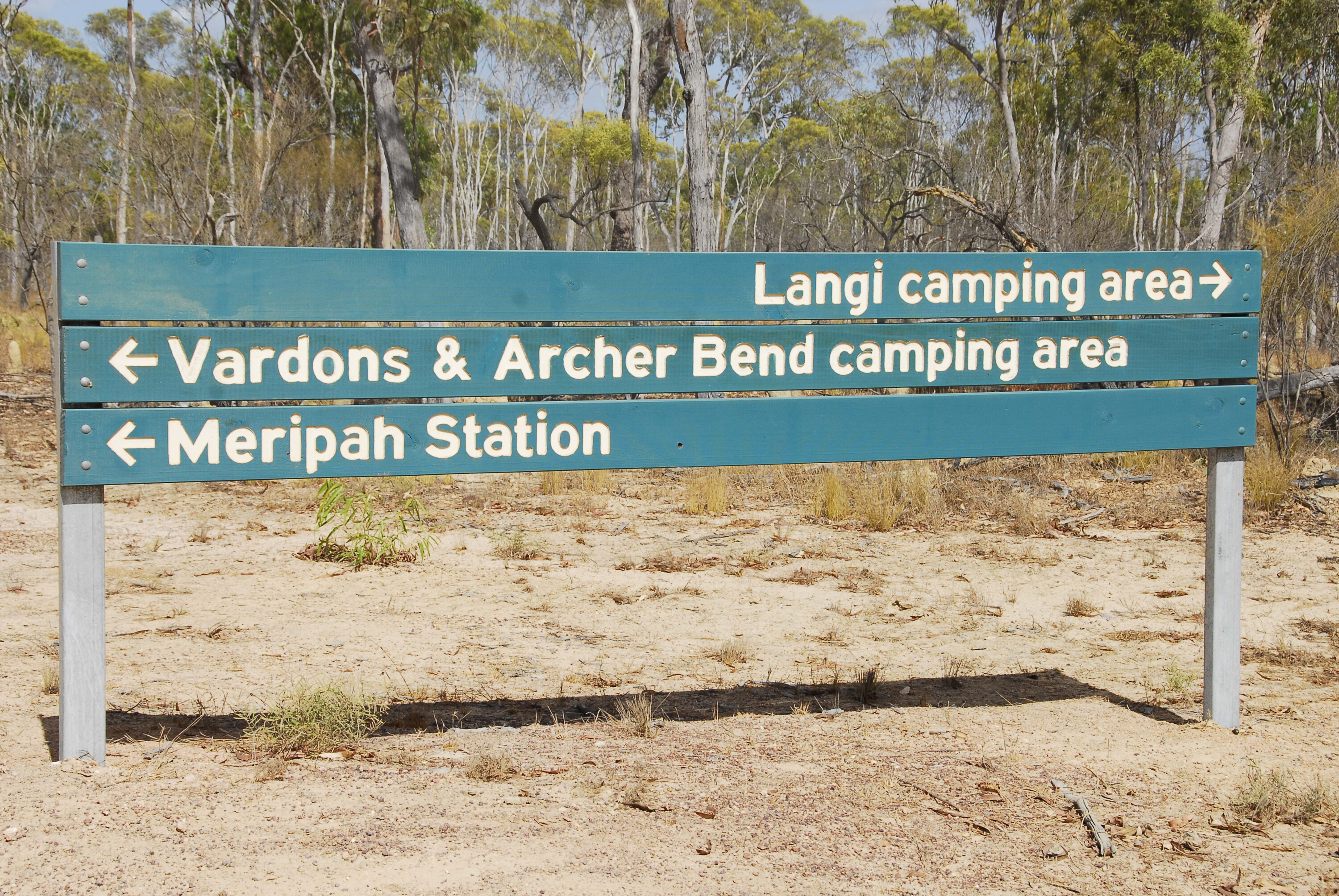
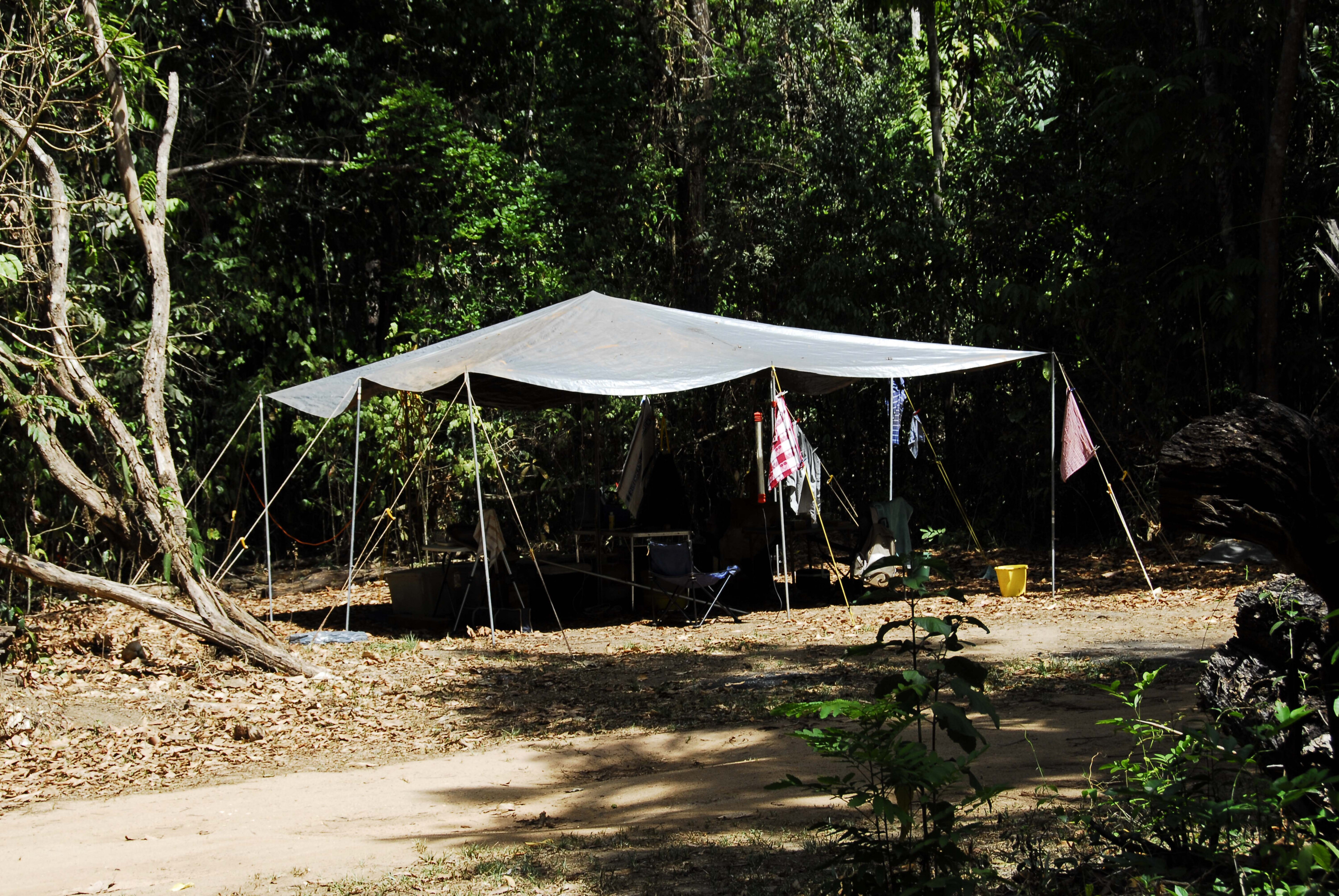
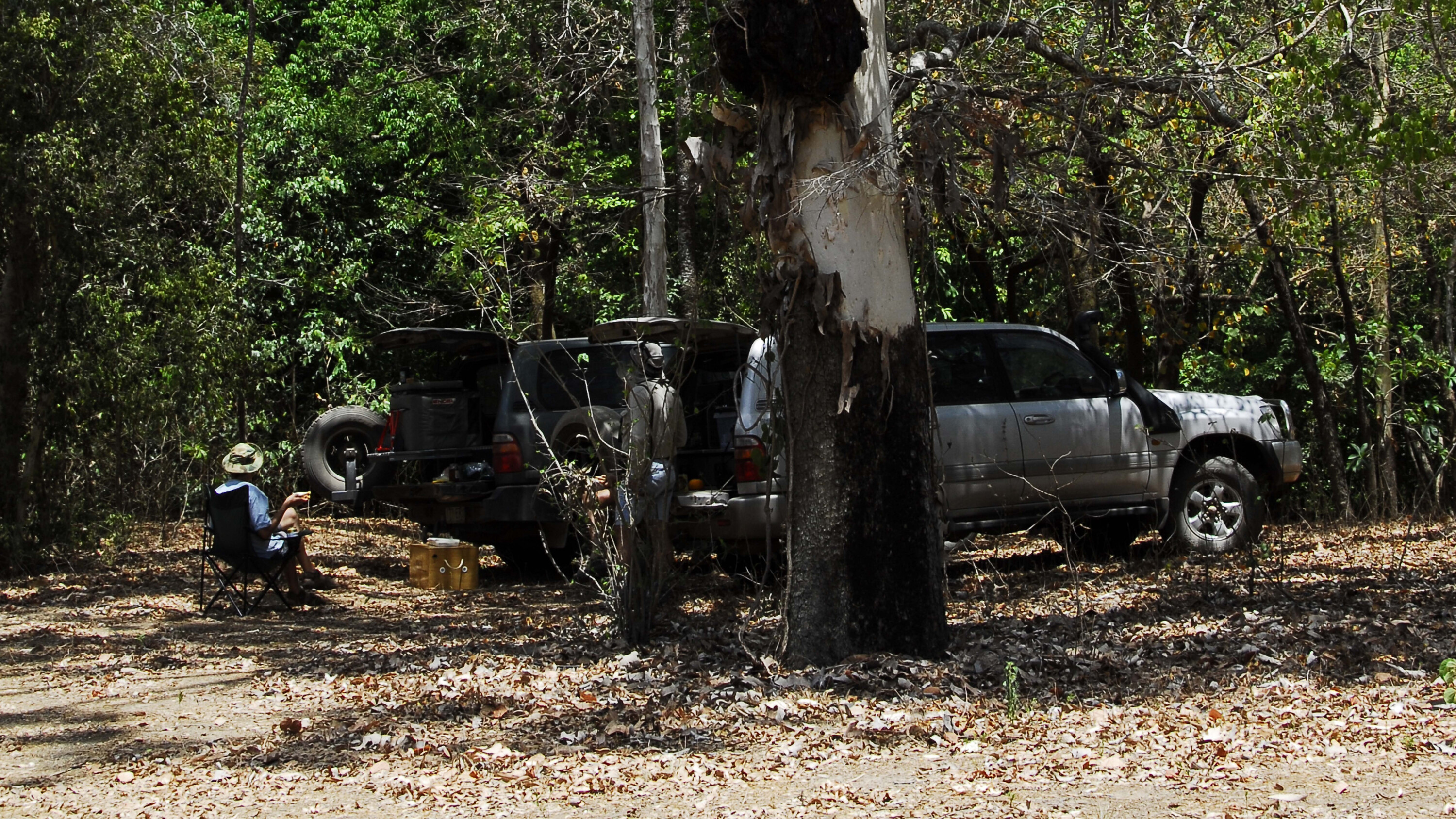
There are five campsites in the Langi Section: Old Archer River Crossing, Jerry Lagoon, Twin Lagoons, Twin Lagoons Two and 10-Mile Junction. It’s rough bush camping only with no facilities.
The park guidelines state that there is no fresh water available, but that applies to drinking water, as there is plenty for bathing, even cooking, in the area. You can boil bush water for five minutes to get rid of any impurities. Just be aware that both Johnstone and estuarine crocodiles are part of the scenery in this remote region.
1
Coen River section
This section is 74km from the PDR-Rokeby Road junction. It’s an interesting drive that tracks past termite cities, under monsoon woodlands, past billabongs and swamps, and dips into washed-out dry creek crossings fringed with vine thickets and scrub.
Stop over at the Pandanus Lagoon day area and enjoy the waterfowl spectacle and the agile wallabies. The billabong is fenced off to prevent wild pigs and feral cattle intruding on and damaging this fragile wetland environment.
There are several bush campsites: Mango 1, 2 and 3 Lagoons, First Coen River, Chong Swamp, Second Coen River and Vardons Lagoon. Also of note is that in Queensland, freshwater lakes are wrongly called lagoons (a tidal body of water), but in the Northern Territory similar bodies of water are known as ‘billabongs’ (ox-bow lake), which has a much nicer ring to it.
1
Archer Bend section
This section is 125km from the PDR-Rokeby Road turn-off, via the Coen River section.
The track crosses the Merapah Corridor, 8km north-west from Vardons Lagoon, an Indigenous-owned property. The Bend is a pretty spot as the river is lined with monsoon rainforest. Here, the river flows for most of the year, which is why it attracts those in search of remote fishing adventures.
Monsoon woodlands, low ridges, billabongs and swamps are a feature of the region. In turn the water attracts wildlife. Slow down and you will be surprised by its variety. There are two bush campsites: Governors Waterhole and Horsetailer Waterhole. Both fish well for barramundi and saratoga, but be crocodile-wise.
1
From old Rokeby Station the track continues to the western section of the park, which is separated by Merapah Station land.
It ends on the Archer River. It runs parallel to the Coen River in places and is over 80km in length. Where it follows the Coen River you can walk to fishing holes and catch a barramundi for tea.
Freshwater barra don’t taste that good but soak the fillets in a strong brine mix for 20 minutes, dry them out and most people will never know the difference. A permit is required for the Archer River section, which can be obtained from the Coen Ranger station.
1
The Archer has a long tidal reach and the track ends on its influence of high tides.
There is excellent fishing in the river for barramundi and saratoga, while the semi-permanent pools in both the Coen and the Archer also have good sooty grunter fishing.
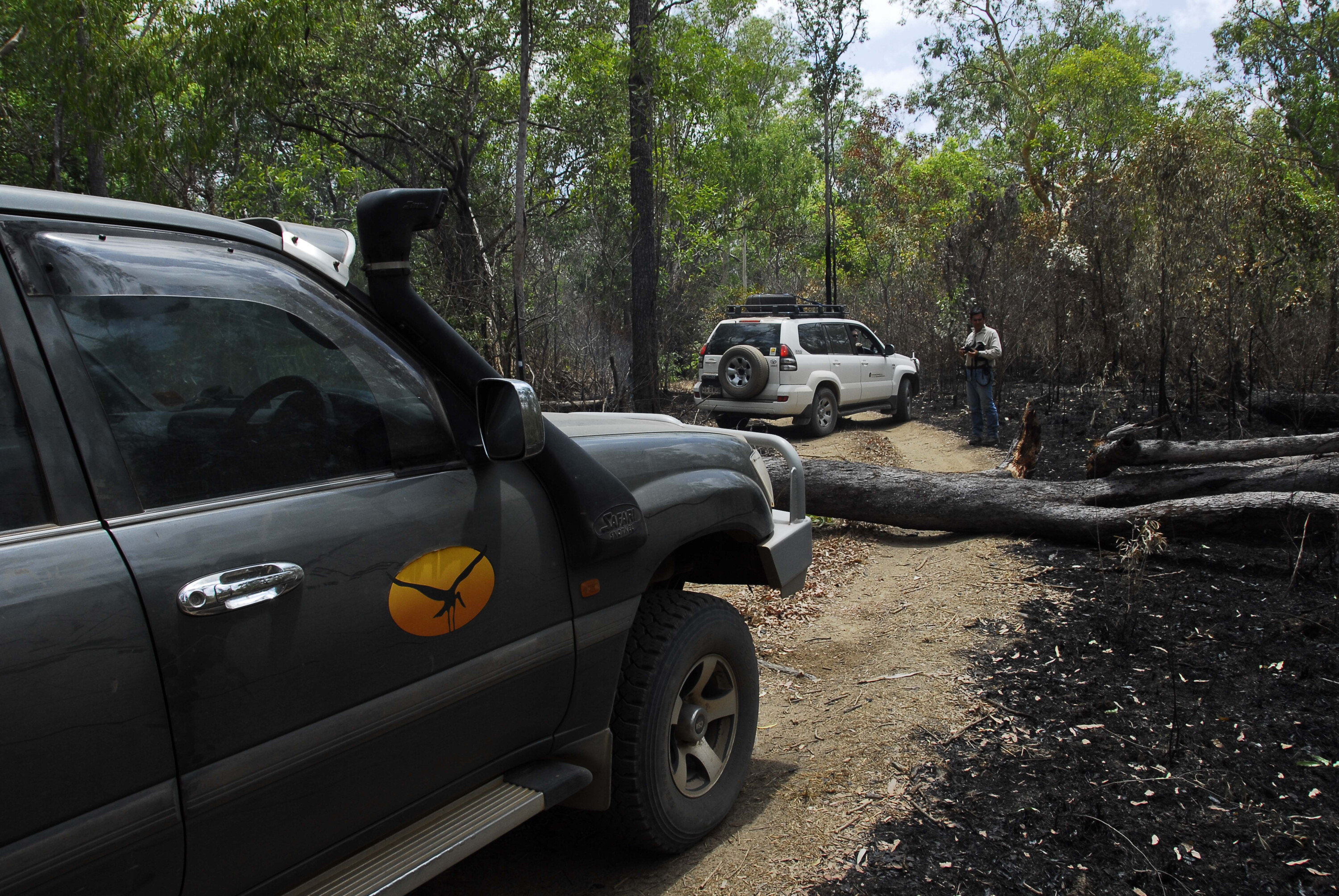
This track is difficult; on my last visit a few years back we were unable to drive on due to tree falls from a cyclone, while on later trip a bushfire had dropped many trees and branches on it, making it impossible to drive unless you had a gang armed with chainsaws along for the ride.
1
Things to do
The entire park is largely underrated and under-utilised by visitors, meaning it’s a great bush escape if you want to get away from the masses.
Walking about billabongs, fishing and bird watching are popular, but due to the sameness of the monsoon woodlands it’s easy to become disoriented and lost. Only recently in February, a pair of French visitors ignored ‘Park Closed’ signs and turned to the Old Archer River Crossing from the PDR and got bogged to the eyeballs.
They walked 60km for help. It was the height of the wet season, but luckily there was a break in the rains and the Coen RACQ managed to recover their vehicle.
1
Their excuse was that they were told that the PDR was closed at Archer River, so they chose an alternate route that was shown on their Google map – you know the rest.
This brings me to the best times to visit the park. Not the wet season as our French visitors did, but in the dry season when tracks have dried out. The park is closed from 1 December to 30 June.
It’s a recommended 4WD-only park, but unregistered vehicles like quad and trailbikes are not permitted, while some tracks may be closed. Fishing is permitted and regulated under the Queensland Fisheries Act. Stay well away from deep water when fishing, and keep children away, because, I hate to say this, they are the right size snack for crocodiles.
Permits and bookings
Camping permits apply in all Queensland national parks. You can pick them up at the Atherton Information Centre and on the Cape at the Moreton Telegraph Station. You can book online, but you need to plan your day of arrival.
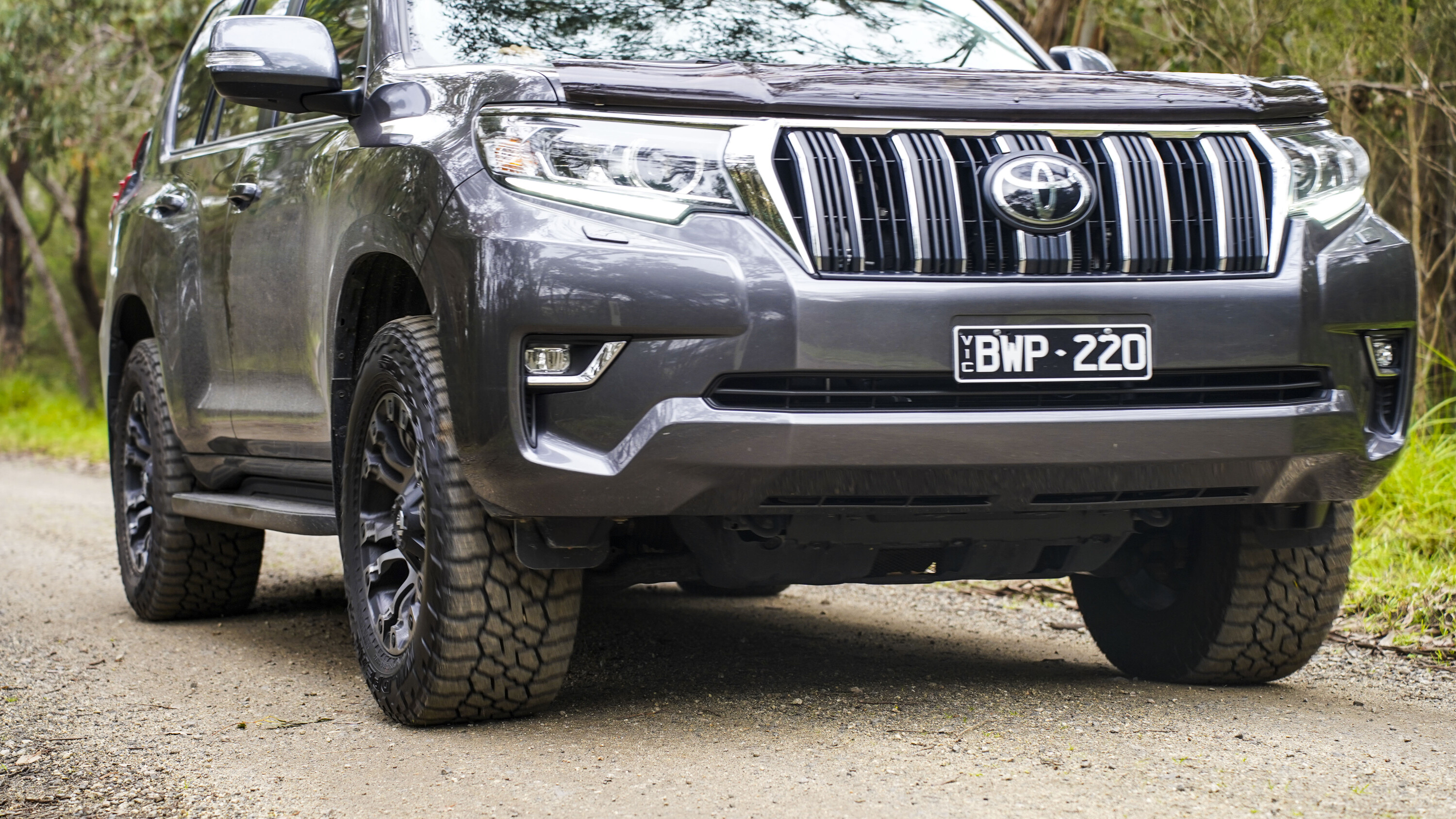
One of the first upgrades I have made to my 2022 LandCruiser Prado is to replace the standard OE tyres.
I live on the rural east coast of Victoria, so I wanted a tyre that offers a balance of on-road comfort with off-road traction, as the Prado sees service as a family wagon to take the kids to school but also needs to be equipped to handle summer camping trips.
I opted for a set of Falken Wildpeak AT3W tyres and from the first drive I noticed a slight noise reduction compared to the BFGoodrich all-terrains I had fitted on my previous 2016 Prado. Over the past few weeks, Victoria has experienced a deluge of rain, and while the Wildpeaks do hum a bit on wet roads, I’m happy to put up with that for the superb traction they provide in crook conditions.
1
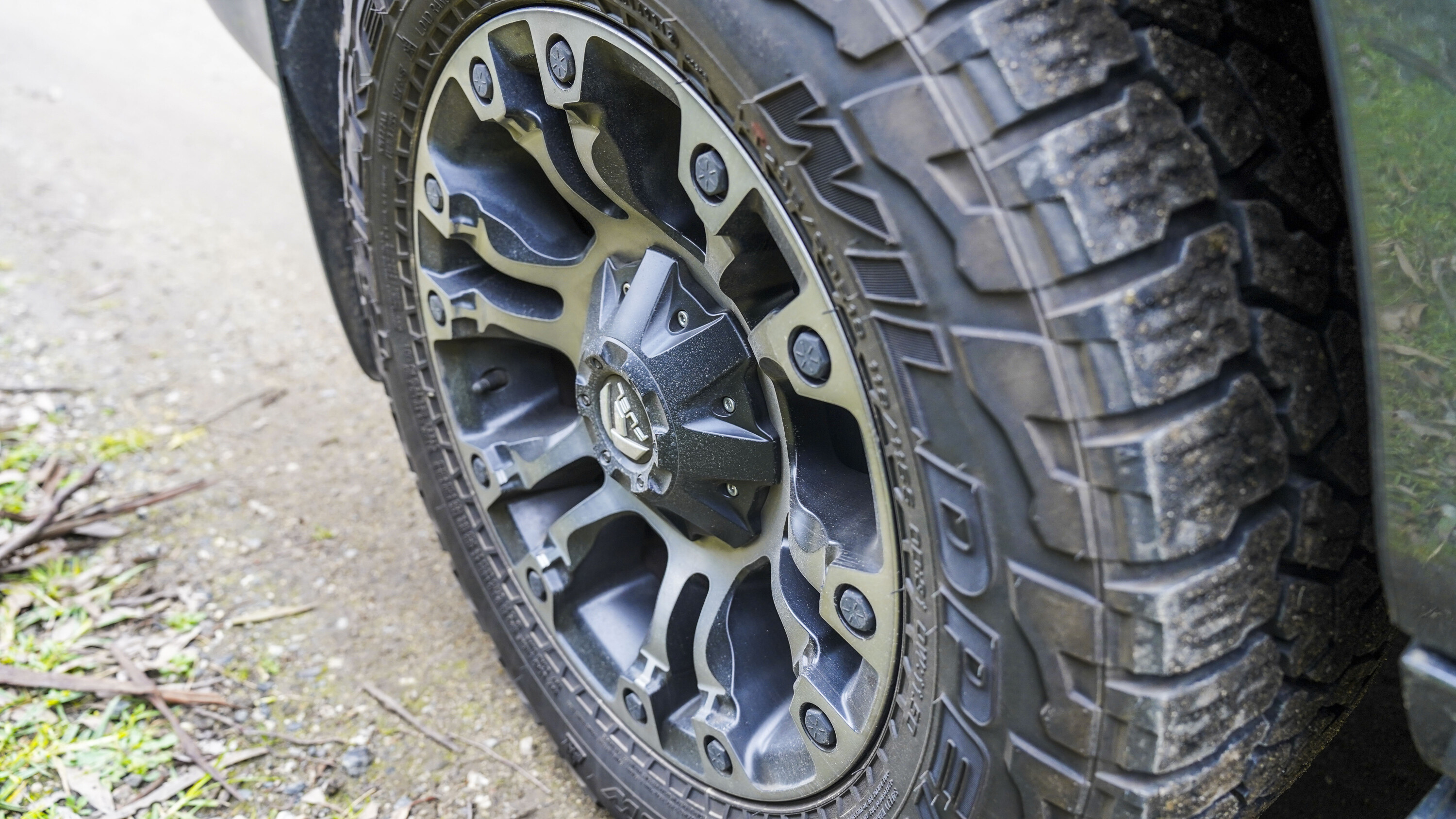
To complement the tyres, I also fitted a set of Fuel Off-Road Vapor alloy wheels. Among the Fuel range, the Vapor stands out for its rugged appearance, making it ideal for those seeking an aggressive look for their 4×4.
Crafted from high-quality cast aluminium, these specialised alloy wheels feature a dual six-spoke rugged concave design, and are available in matte black, black with machined spoke faces, and a dark tint finish.
With various sizes, widths and offsets, they are available to suit a range of vehicle applications; and whether you prefer the wheels to extend beyond your vehicle’s guards to complement your flares, or sit perfectly flush, you should be able to find the ideal configuration to suit your rig.
1
Of course, being high-quality alloys, the Vapors aren’t cheap at $535 a pop, but they look a lot better than steel wheels. There was also an extra charge for black wheel nuts.
With the new wheels and tyres fitted, I am impressed by the braking, handling and acceleration of the Prado, especially in dry conditions. There is excellent grip in the wet, too. And thanks to the light weight of the Vapor alloys, I expect a slight improvement in fuel efficiency.
With winter nearing its end for another year, we’ve included a heap of fun under the sun in our September 2024 magazine – which is out now!
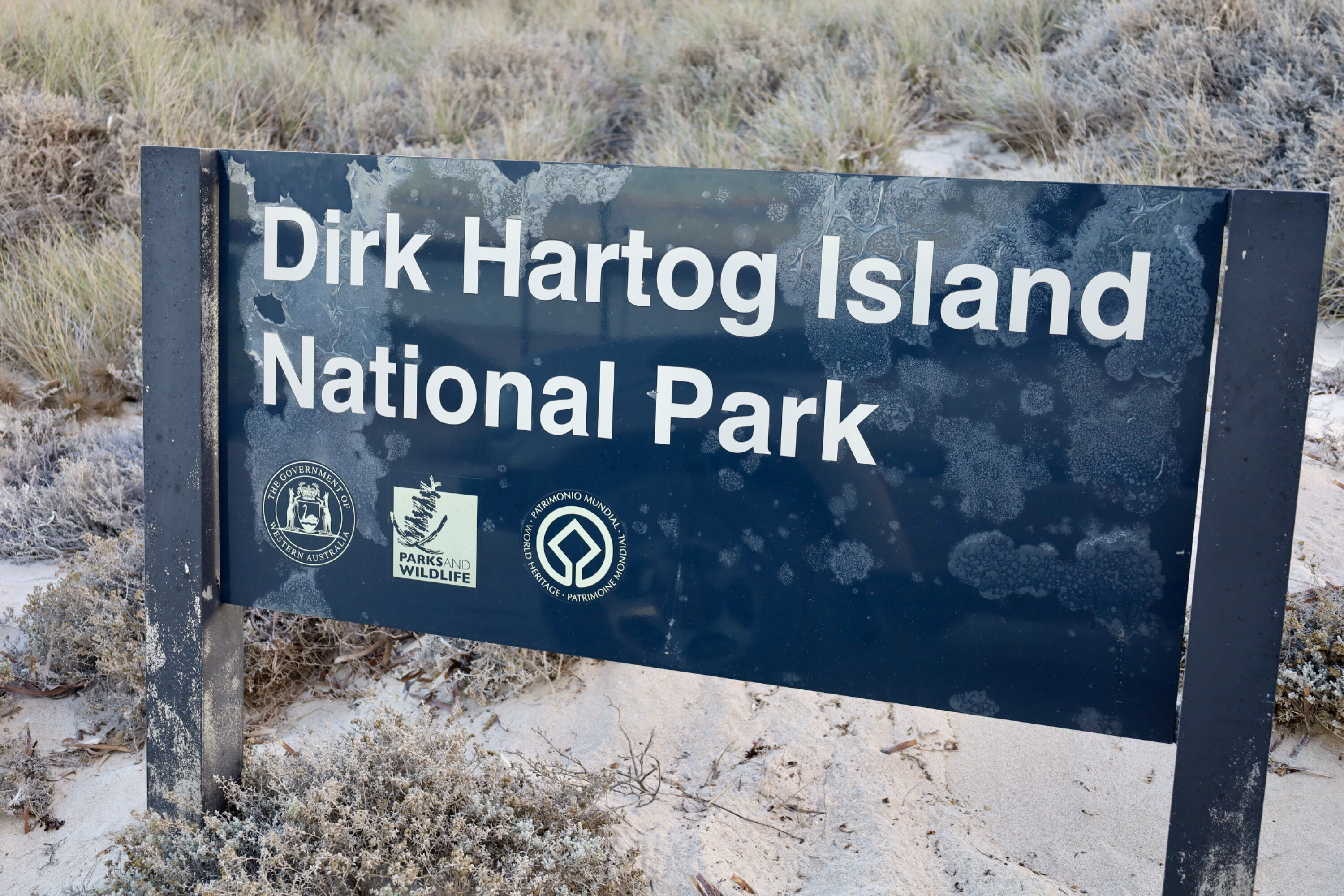
Nothing says ‘fun under the sun’ more than a 4×4 trip within Western Australia, and we’ve shortlisted the top five off-road adventures in Australia’s biggest state. From the Connie Sue Highway, to Dirk Hartog Island, and everything in between. There are so many memorable destinations within WA, that cutting it back to five was no easy task.
1
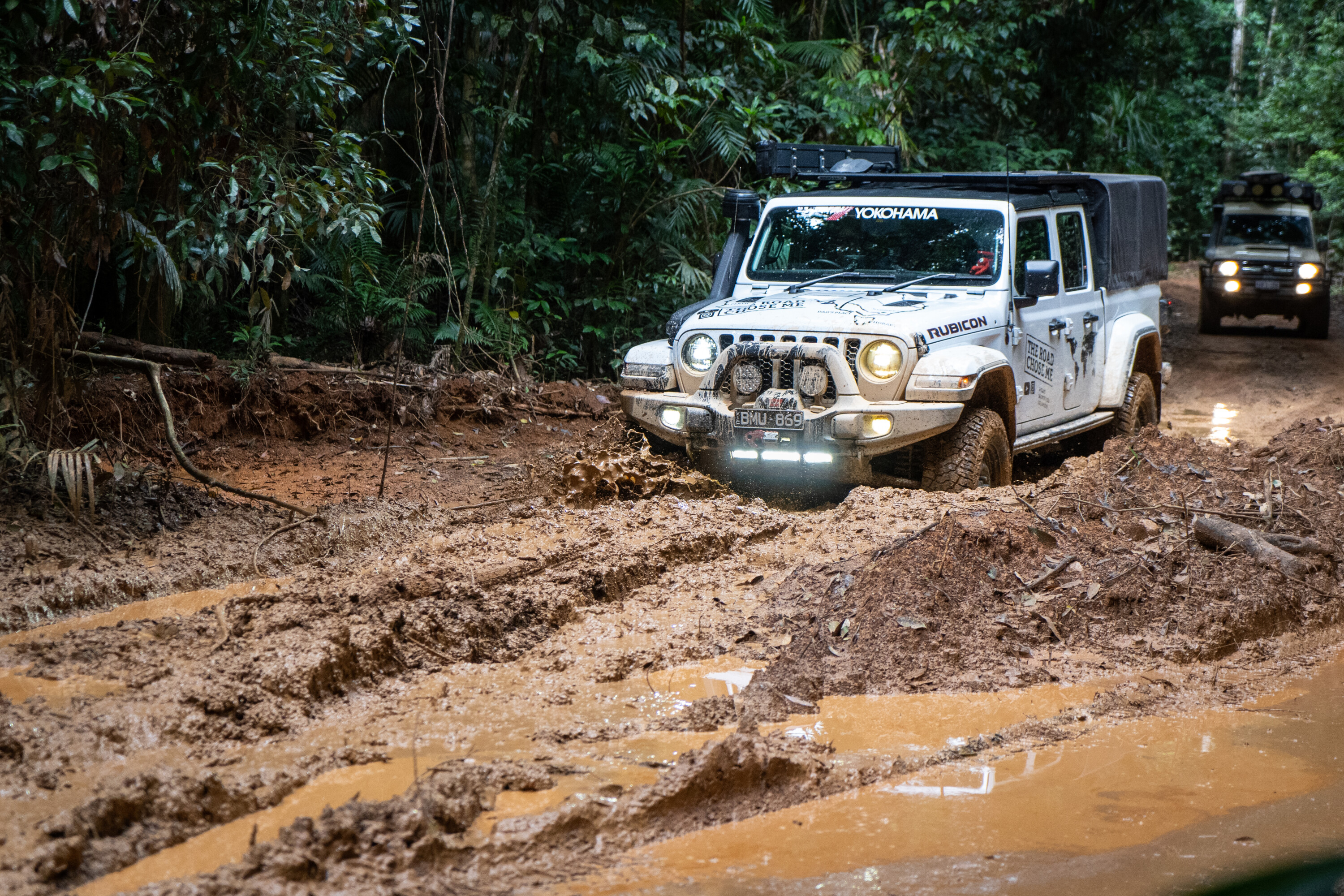
Also on the travel front, we explore the ancient rainforests along the daunting and challenging Creb Track in Far-North Queensland; and we wander the Oyala Thumotang National Park, which is situated between the Archer and Coen rivers on the Cape York Peninsula. Plus, we follow in the footsteps of Victoria’s most notorious bushranger, Ned Kelly, in the state’s north-east.
1
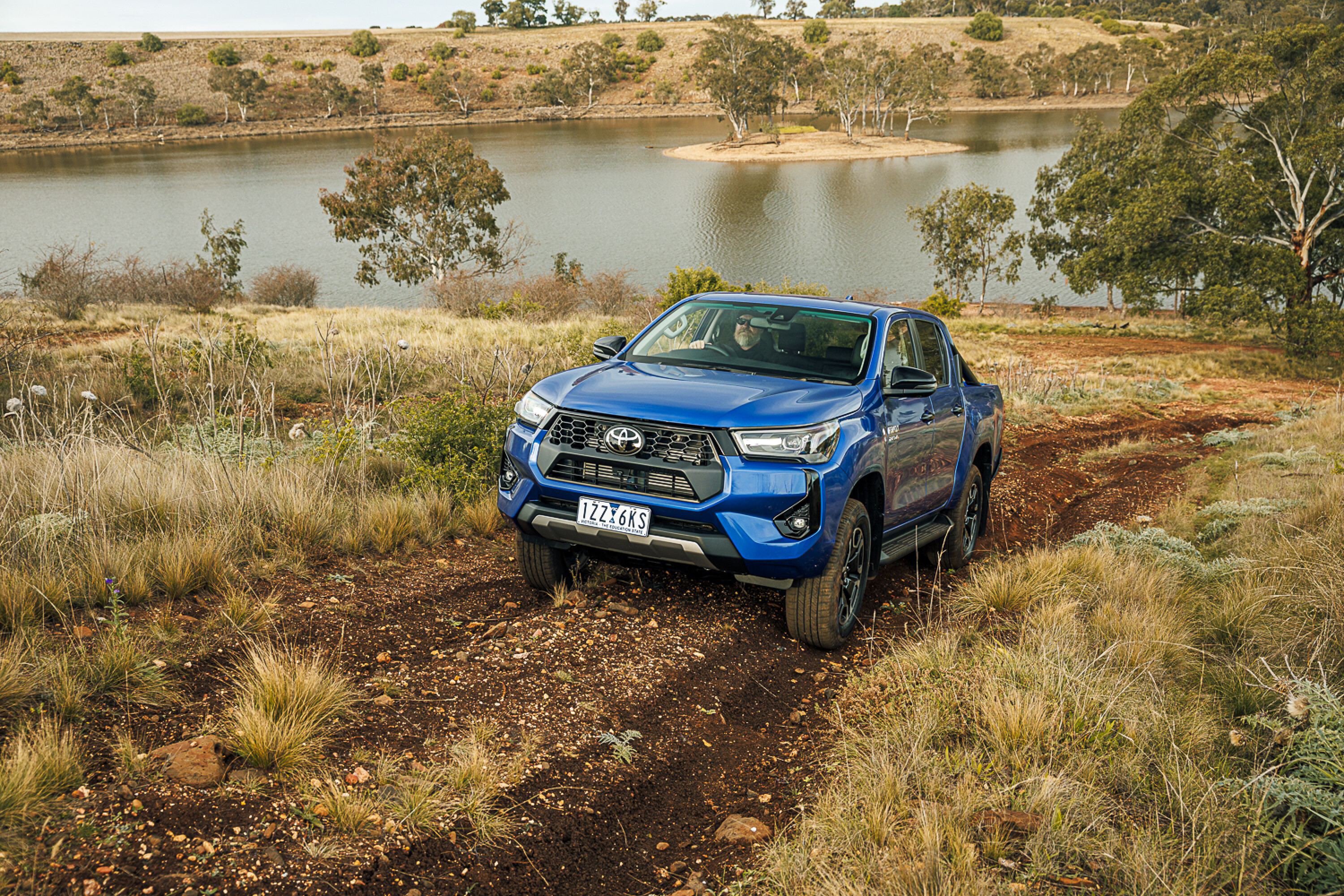
Matt Raudonikis spent some time in a HiLux SR5 with V-Active technology (just don’t call it a mild hybrid). The SR5 HiLux has always been a popular choice among buyers, but does the addition of 48V tech make it a better vehicle?
1
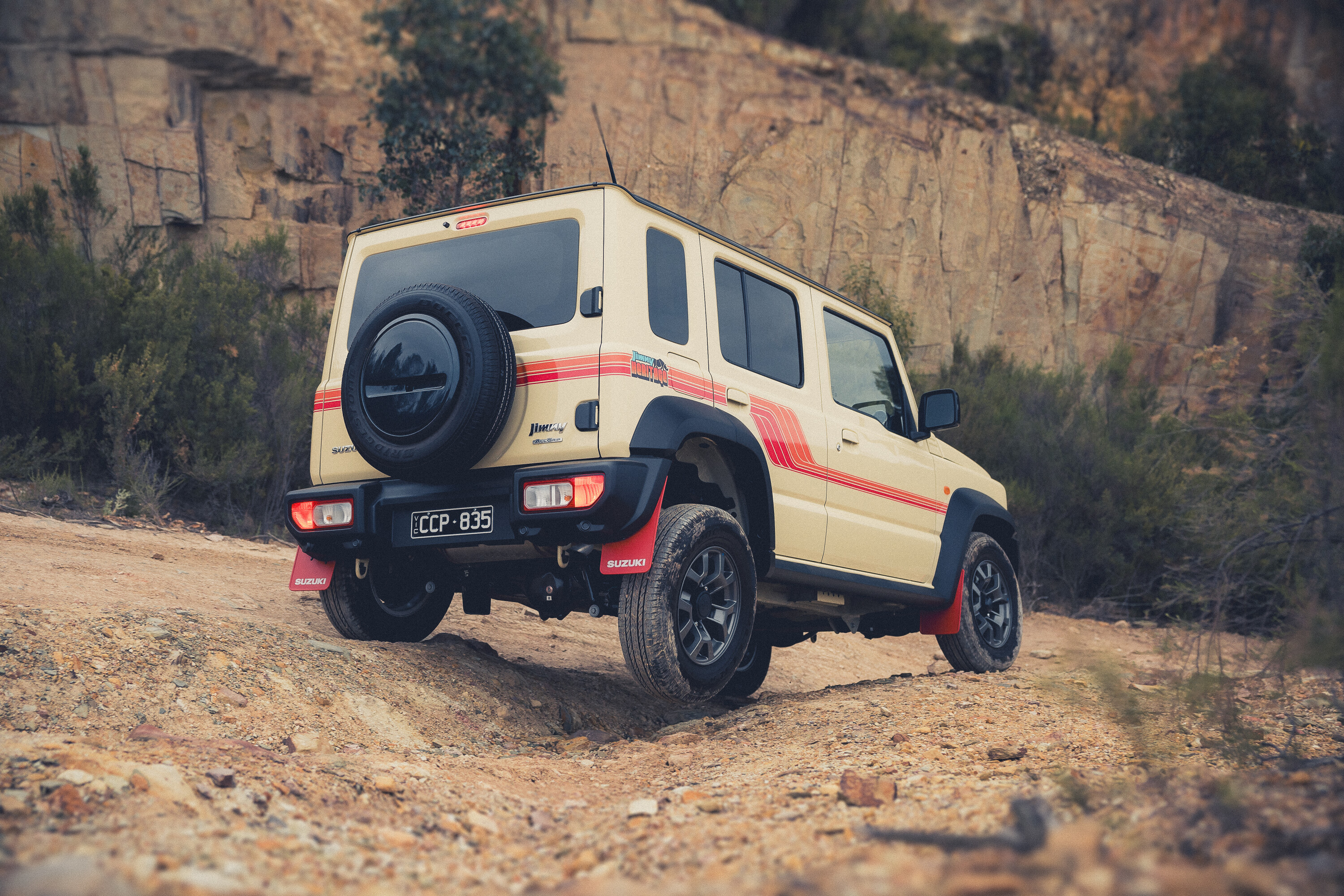
Matt then traded the HiLux for a Jimny XL in retro Heritage guise. The XL version adds more interior space and rides a bit better than the shorter-wheelbase Jimny, and its retro styling gives it a cool point of difference. There are only 500 XL Heritage models out there, so good luck getting your hands on one!
1
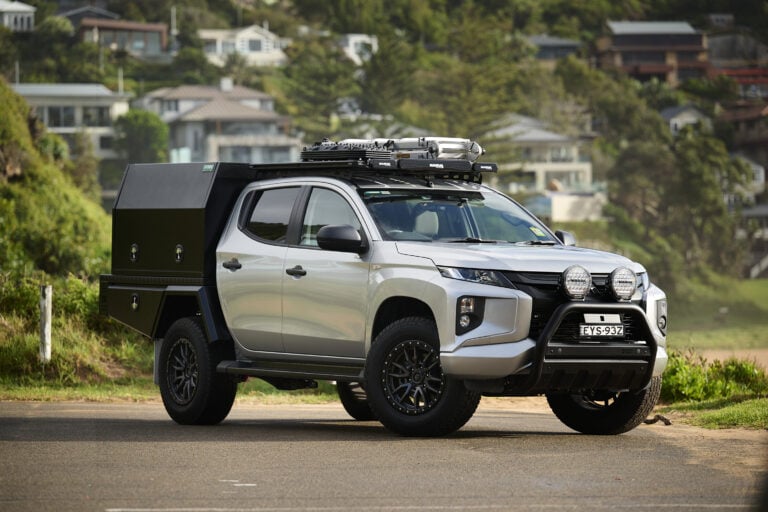
At 4X4 Australia HQ, Jamie Gray recently put the finishing touches on our Tradie Triton build, before selling it at auction! We’ve included a comprehensive run-down of the complete process, from go to whoa – and we reckon the end result is spectacular.
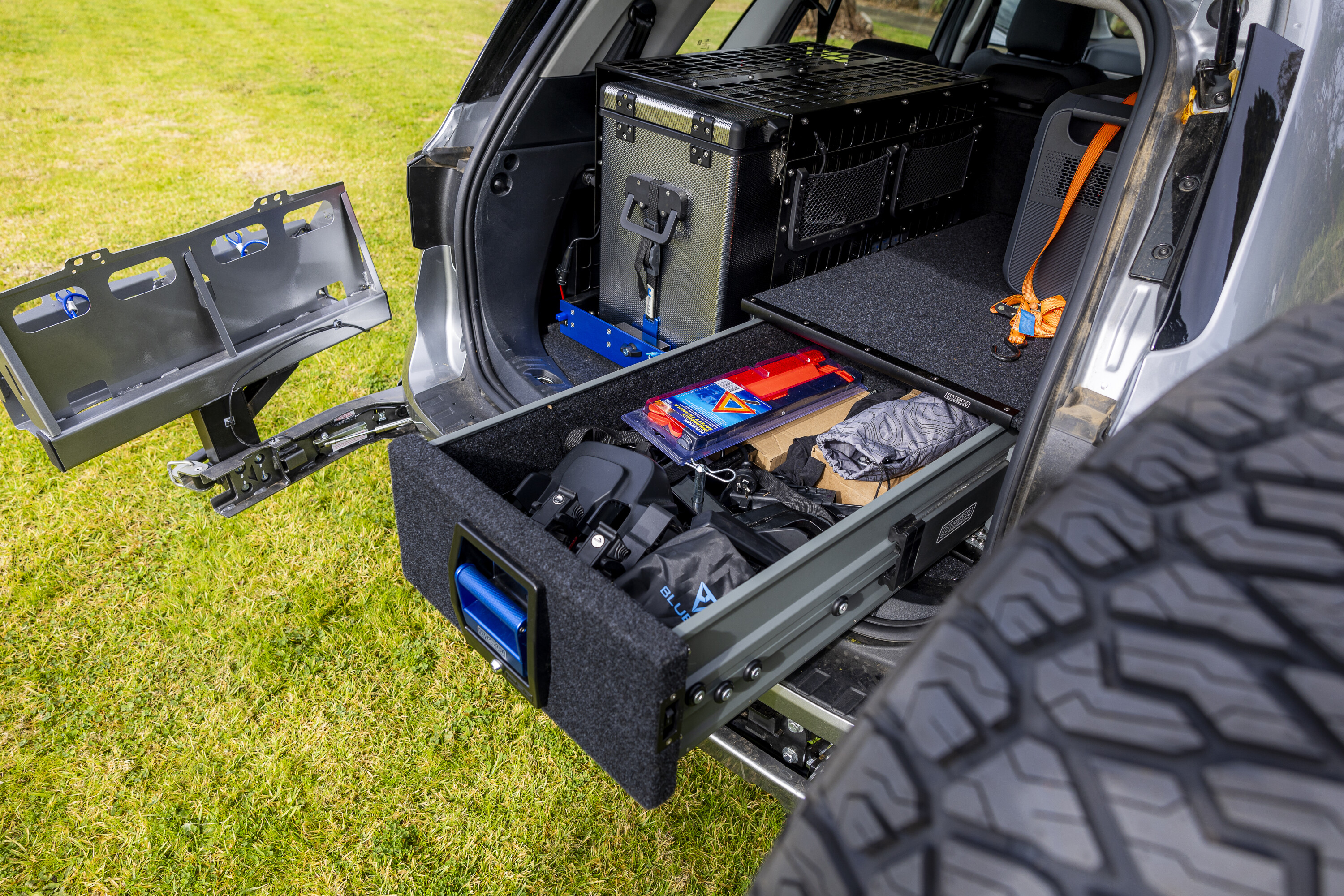
Our Ford Ranger is also in the hands of a new owner, so that leaves the Everest as the sole vehicle in the 4X4 garage at present. This month, we added an MSA 4×4 fridge slide, barrier and storage drawer, before installing a National Luna Legacy stainless-steel 50-litre dual-zone fridge-freezer.
1
Speaking of fridges, Dex Fulton has taken a close look at the different styles on the market – chest, upright and drawer – and explains what you should be looking for to suit your needs and requirements.
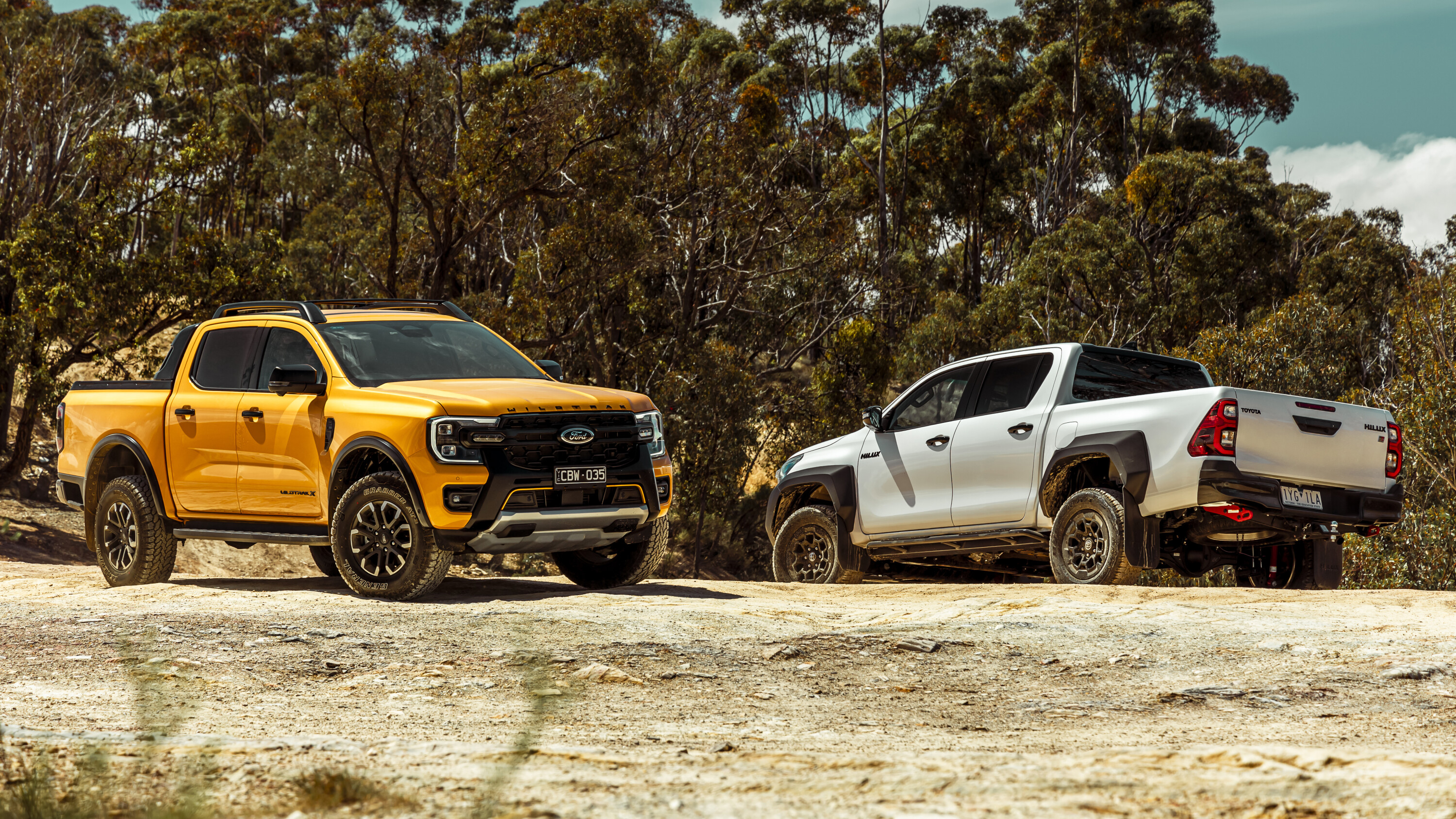
There was a time when the Australian automotive sector thrived on the Ford versus Holden battle but that has well and truly changed now. It’s not just that the Holden brand is dead and buried but also the changing tastes of Australian new car buyers.
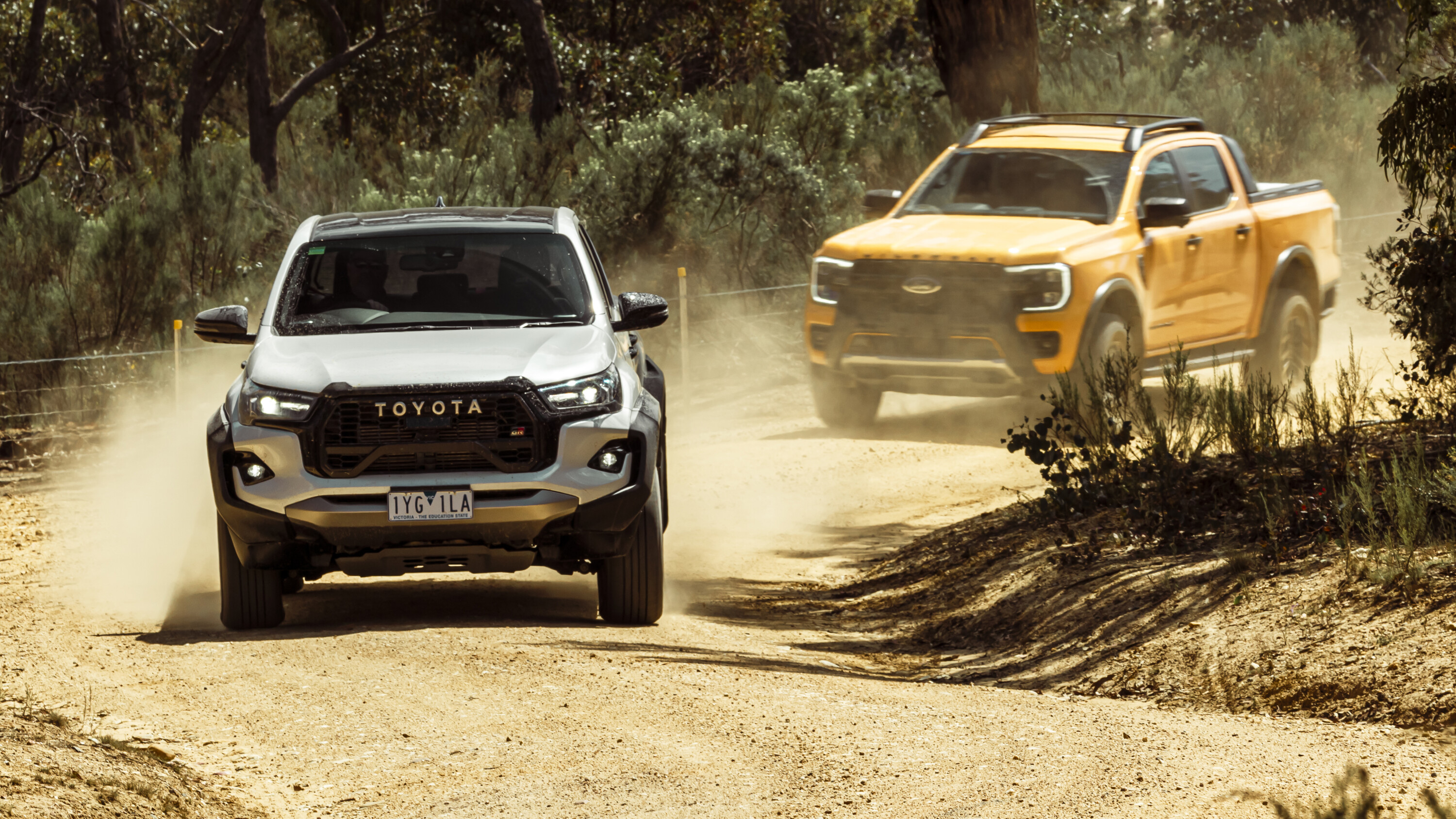
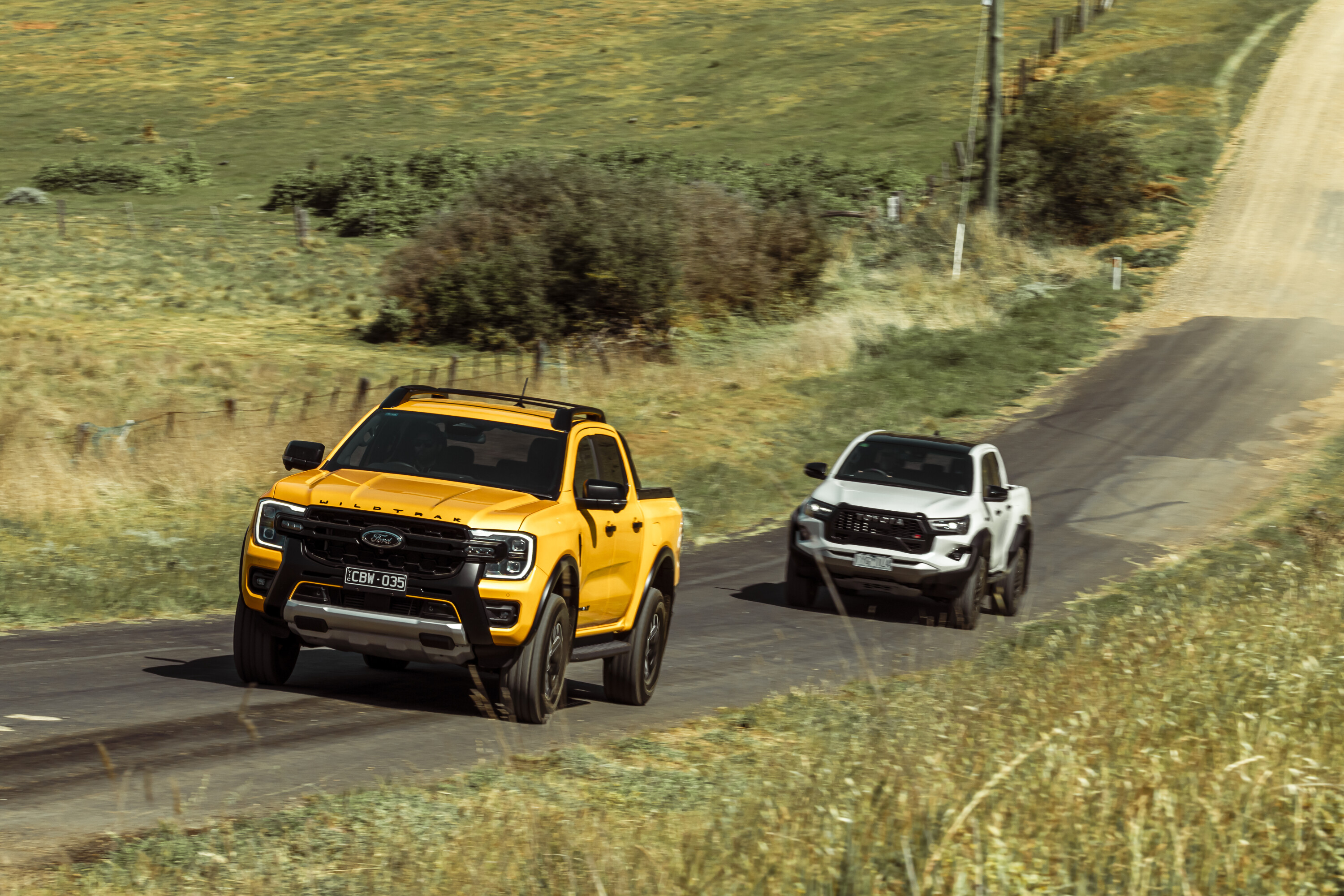
Today it is Ford versus Toyota at the top of the sales charts headed by the brands’ respective midsize 4×4 utes, the Ranger and HiLux. The HiLux was always the class champion but in recent years the Ranger has taken over as the most popular new 4×4 ute in the country.
As the battle rages on the manufacturers strive to offer new and different variants of their utes and, with strong demand at the top-end of the segment, the car companies are only too happy to bring out new high-spec models as this is where the big profit margins are.
1
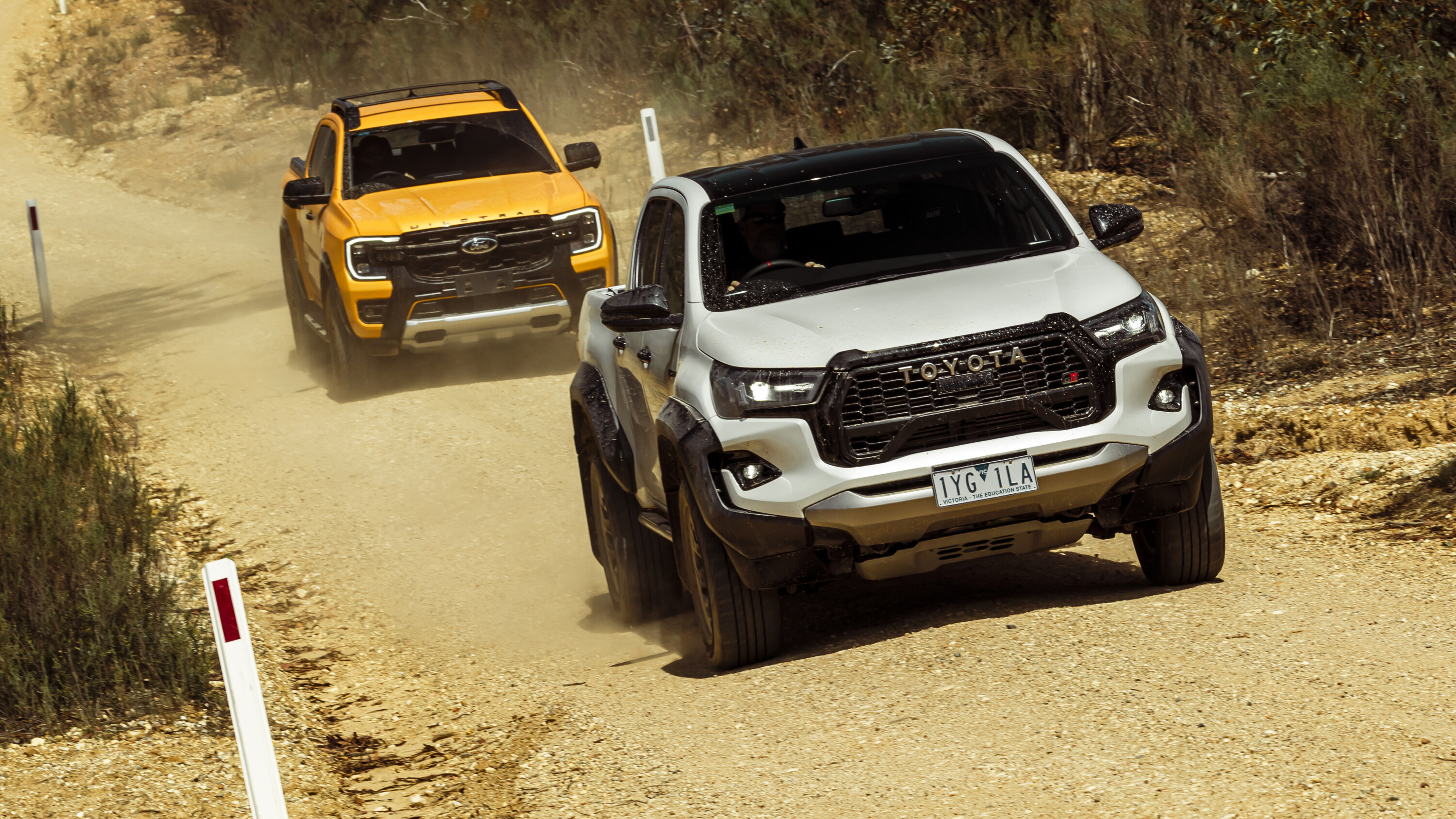
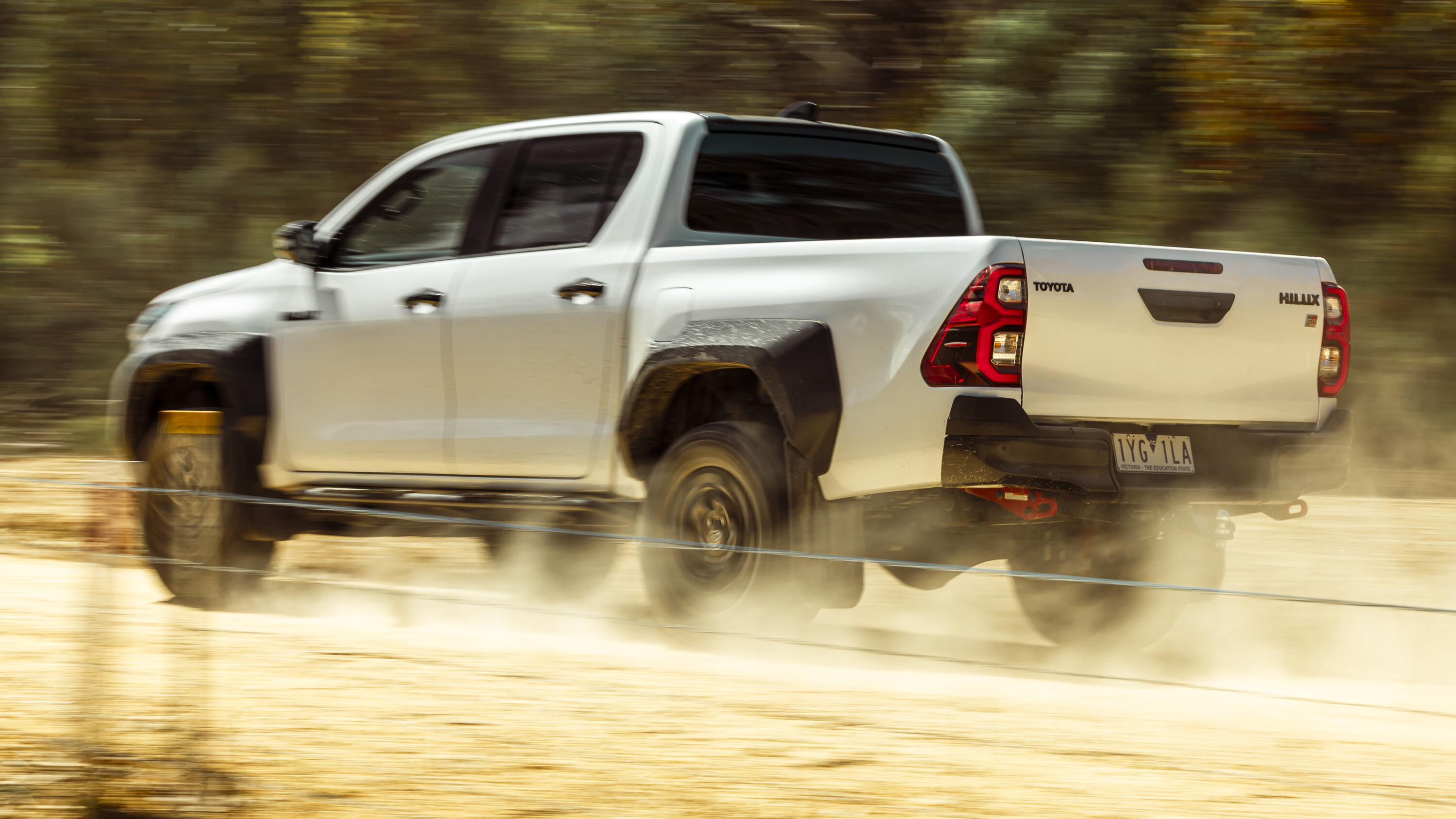
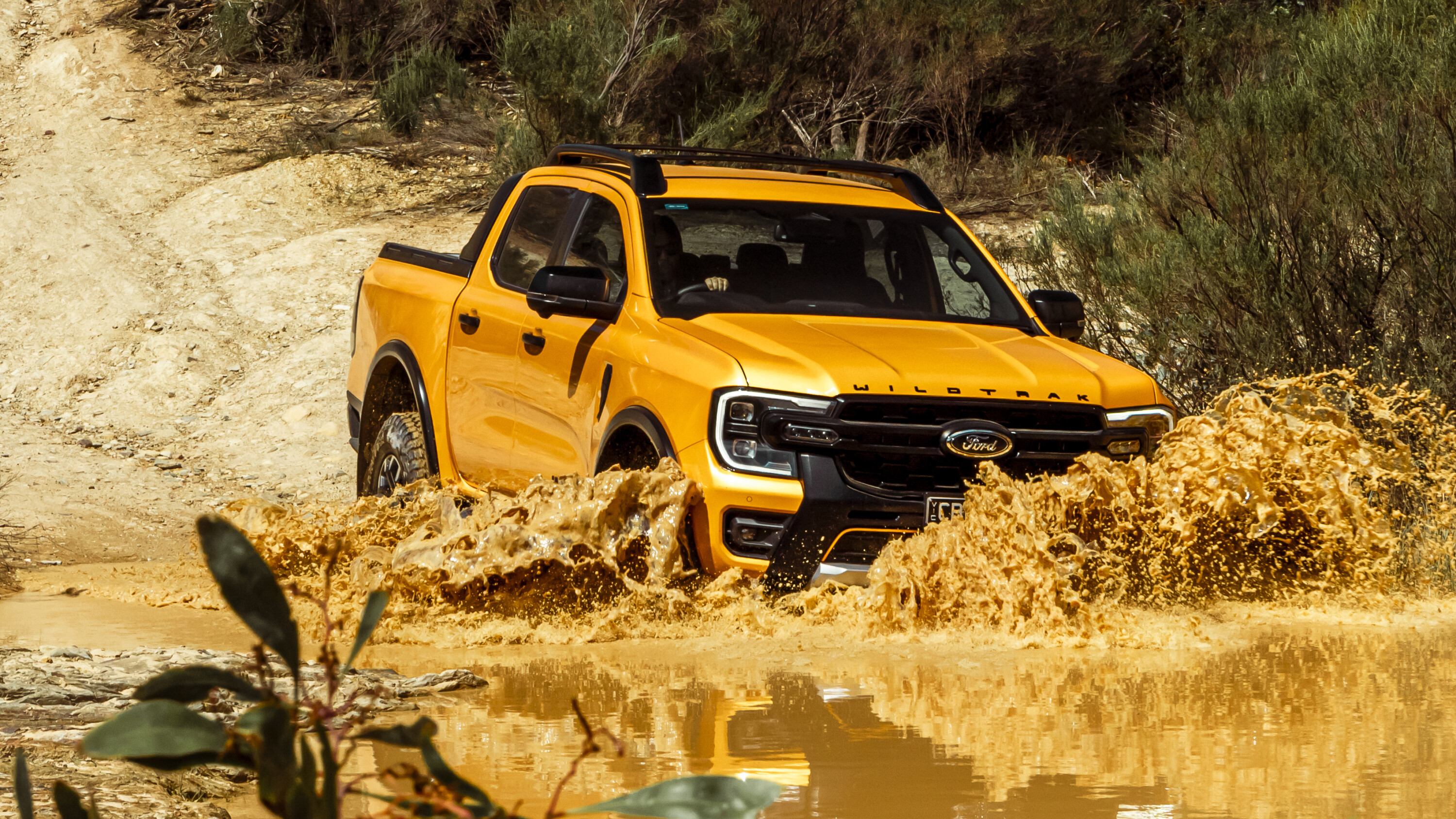
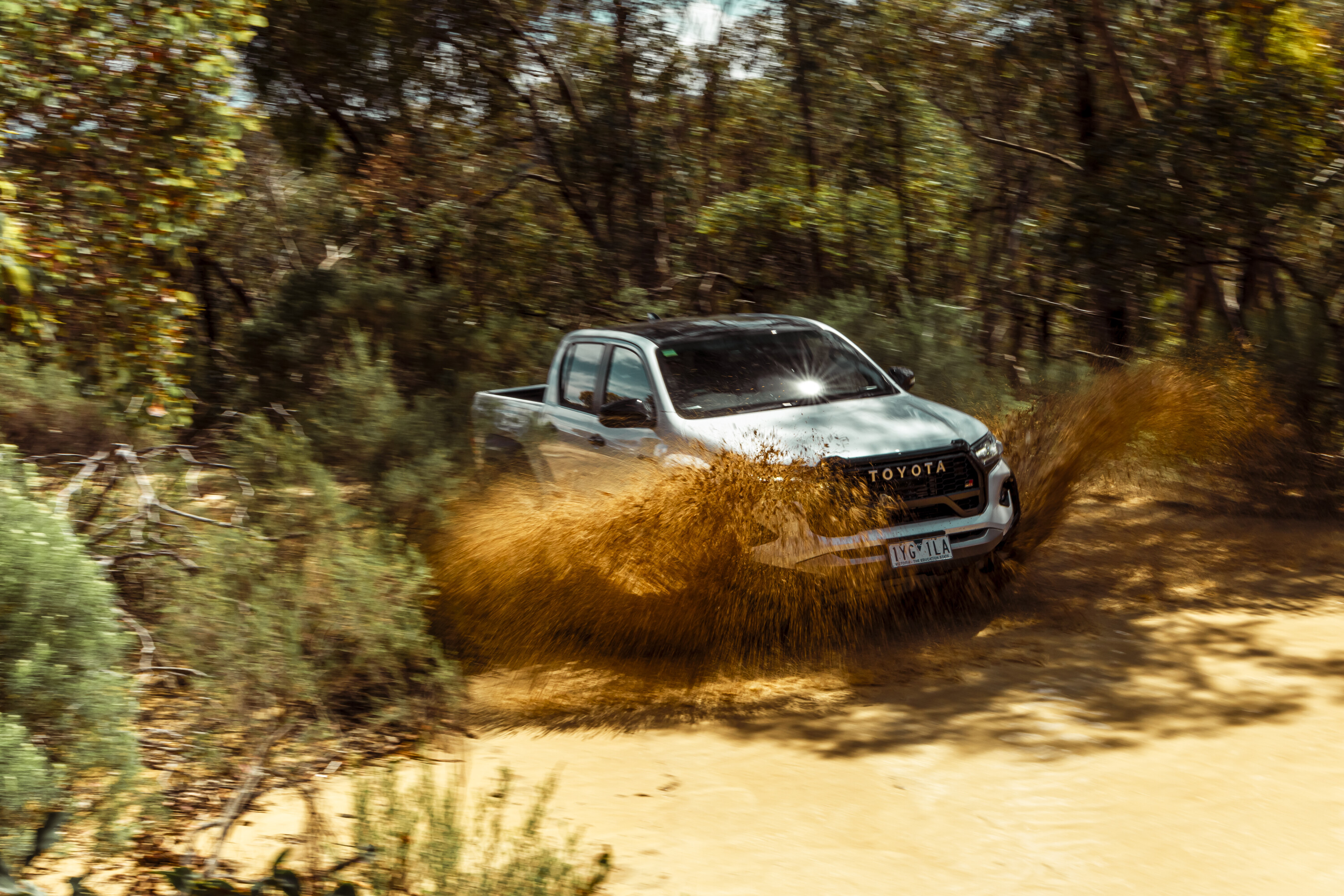
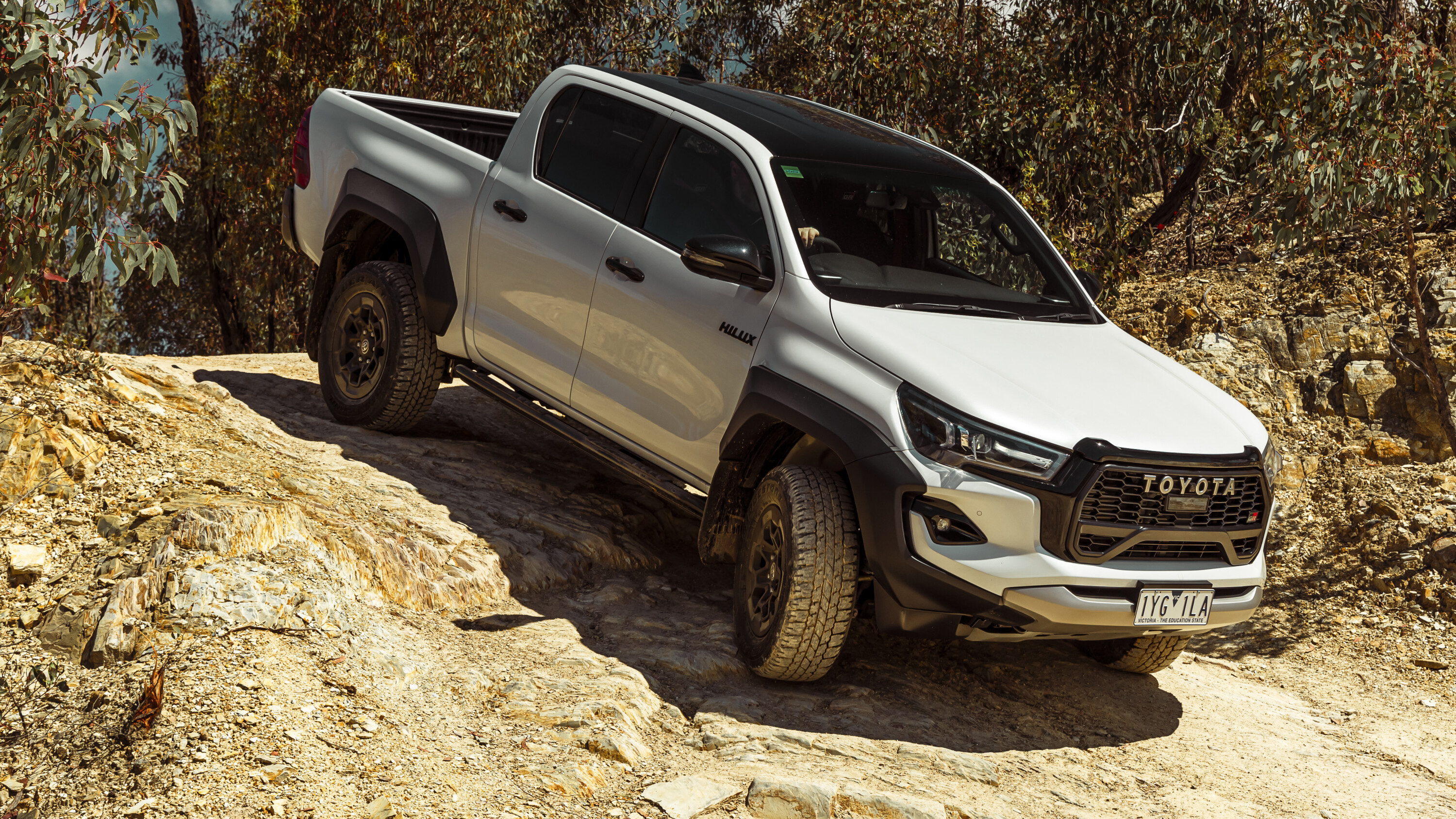
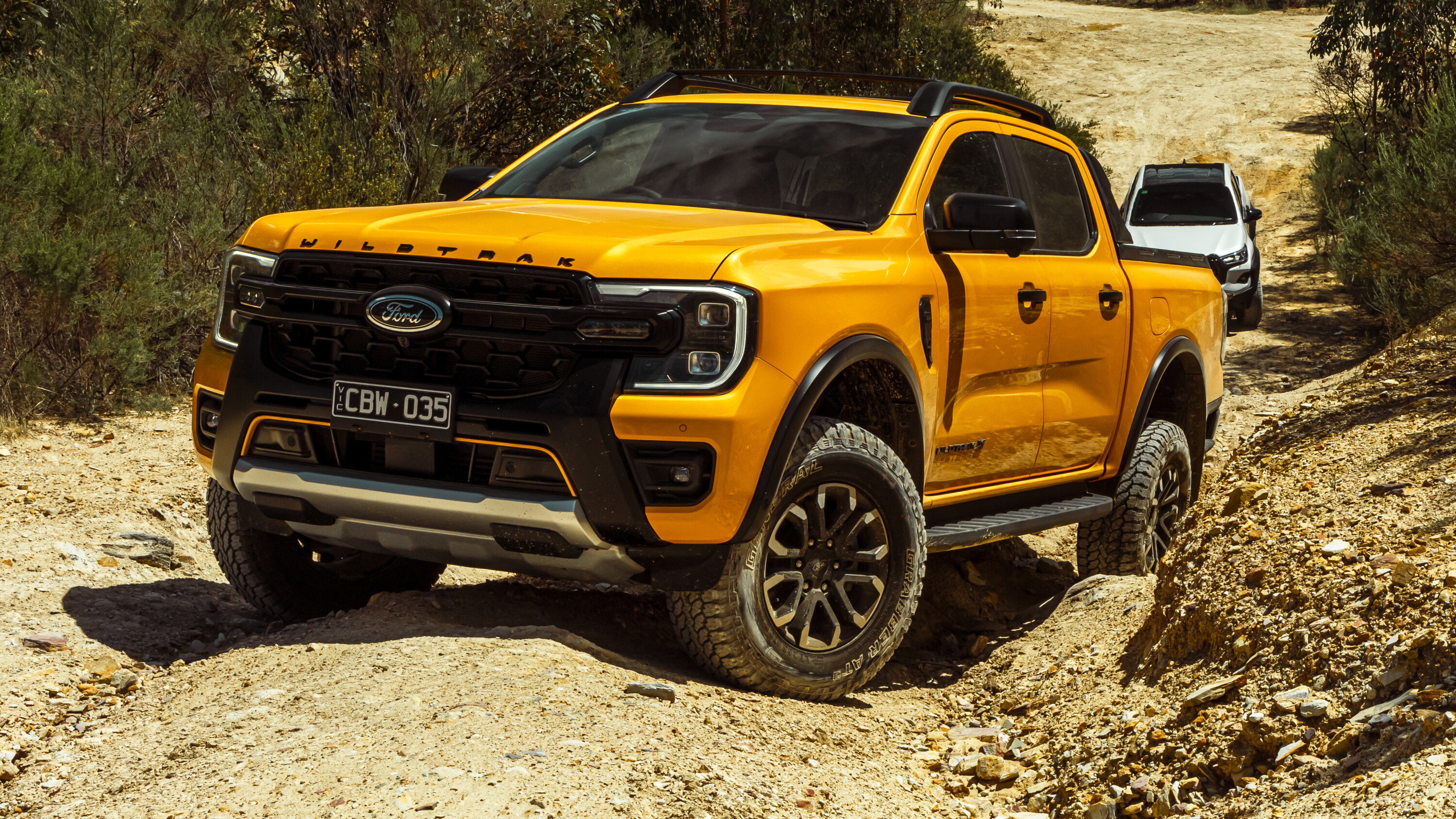
Toyota’s hero model is the HiLux GR Sport, which squares off evenly with Ford’s Wildtrak X model at $73,990 and $75,990 respectively (plus ORC).
While the GR Sport sits atop the HiLux list in terms of both price and equipment, the Wildtrak X is only the most expensive and best equipped of the four-cylinder Rangers, with the V6 Platinum and Raptor models sitting above it.
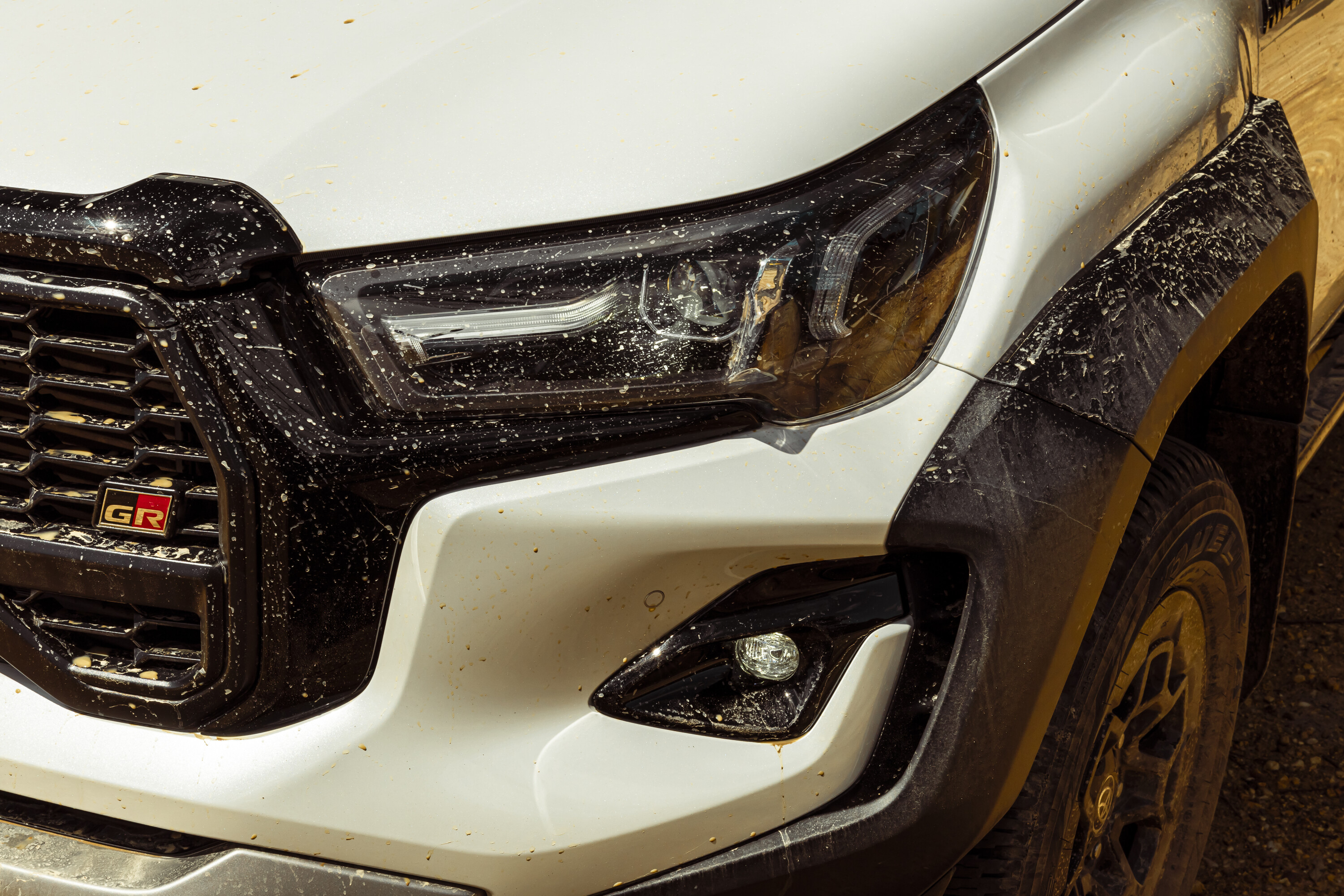
The HiLux GR Sport is based on the Rogue model which was previously the highest grade HiLux model.
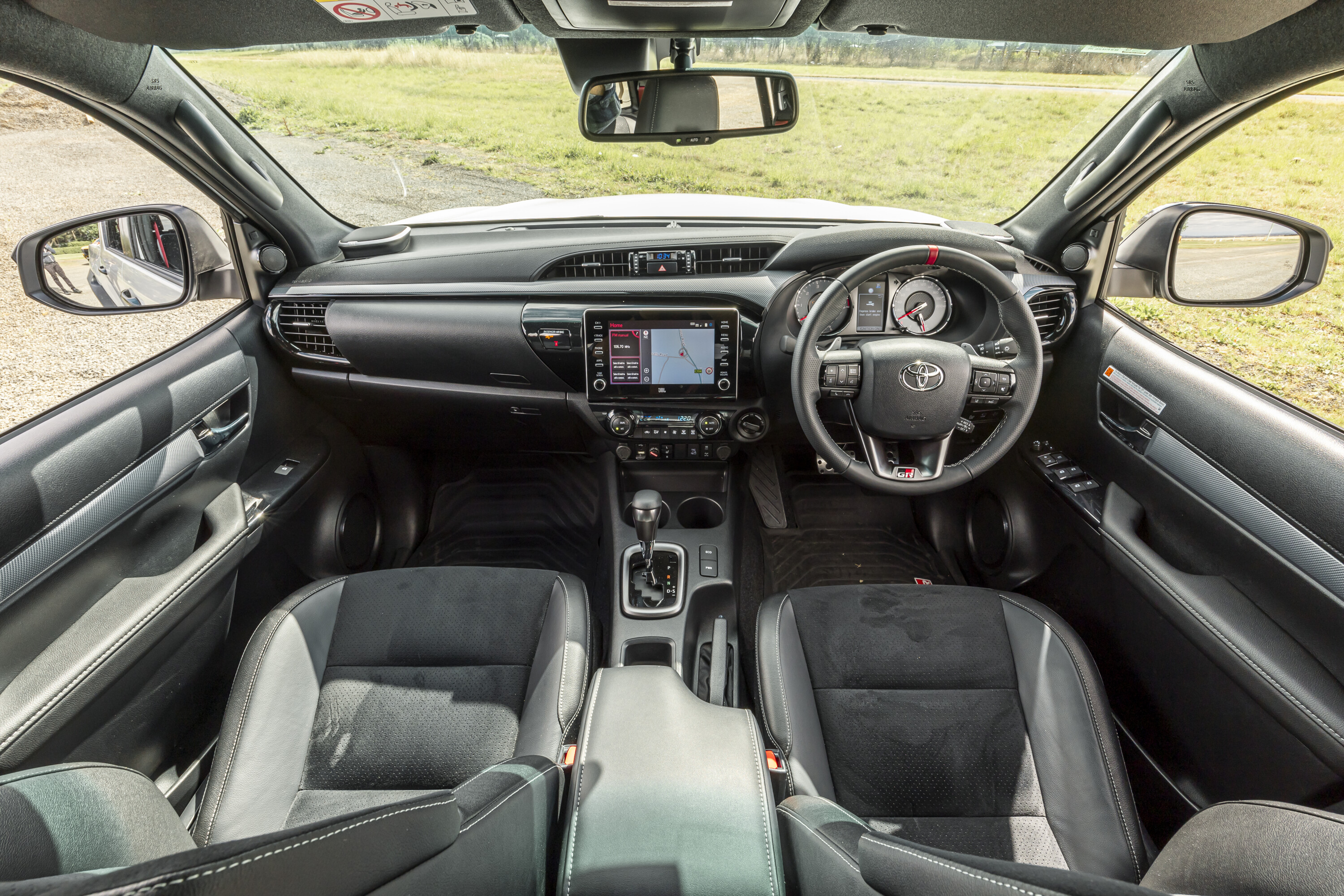
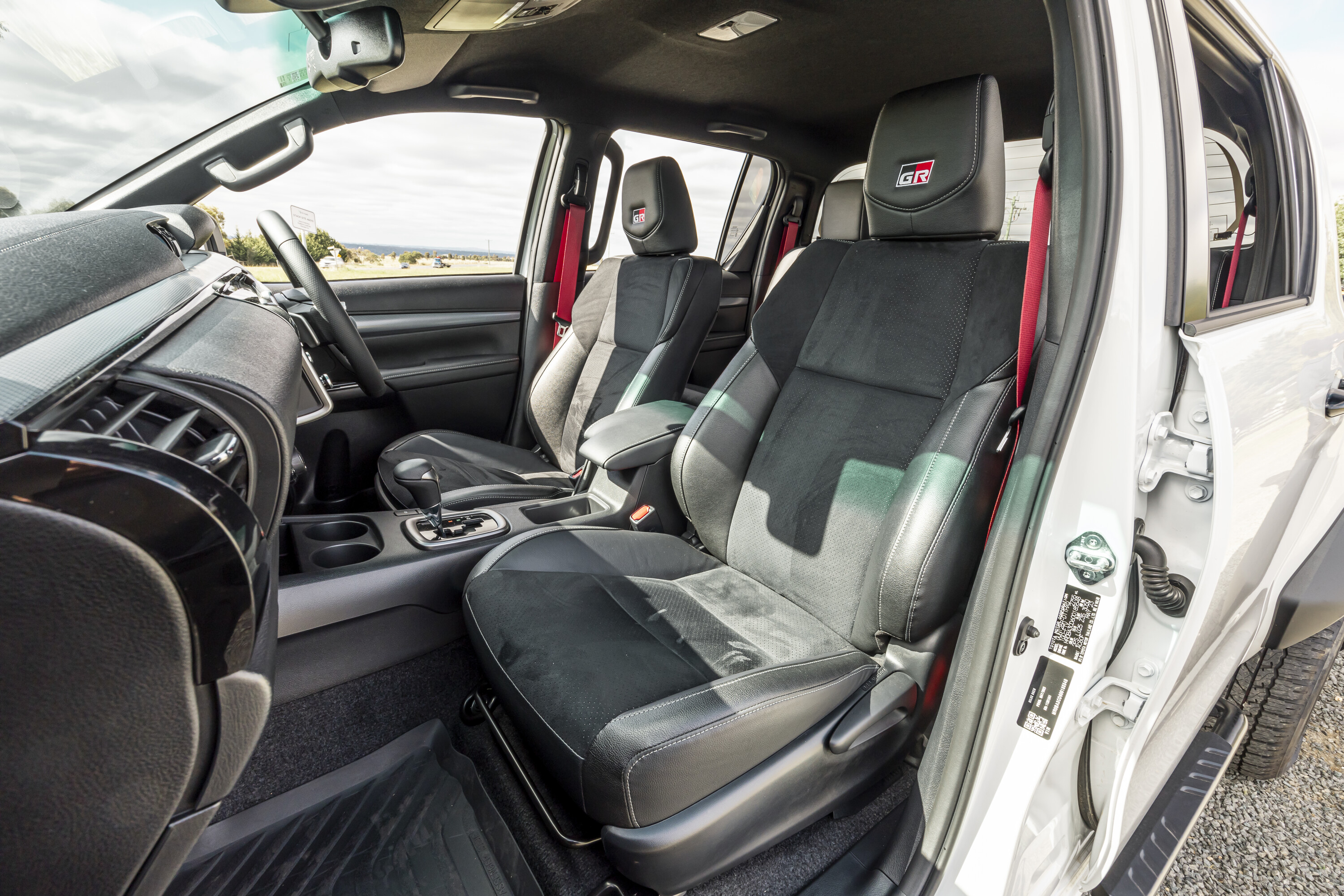
As such it gets heated leather front seats but with GR-S specific suede trim and colours, nine-speaker JBL sound system, an eight-inch screen with inbuilt satnav and audio controls, plus Apple CarPlay and Android Auto, and a 360° panoramic camera.
There’s aluminium driver’s pedals and red seat belts, which we guess will appeal to someone, but don’t really add anything to the driving experience.
1
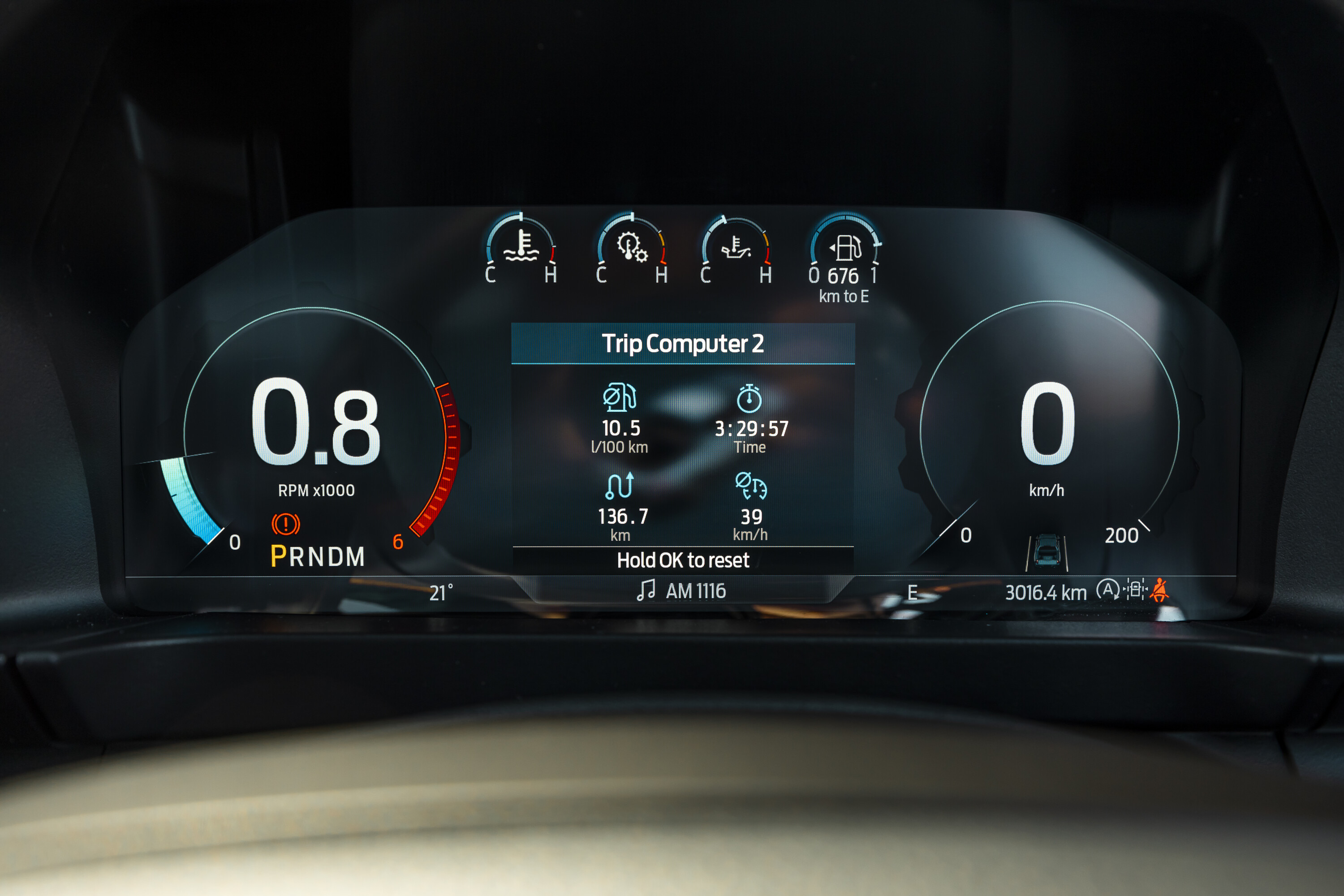
Toyota has dressed the HiLux interior in its Sunday best yet it remains basic and functional and that’s what we like about it. The only thing it’s really missing is reach adjustment on the steering column which is an indicator of the N80 HiLux’s age.
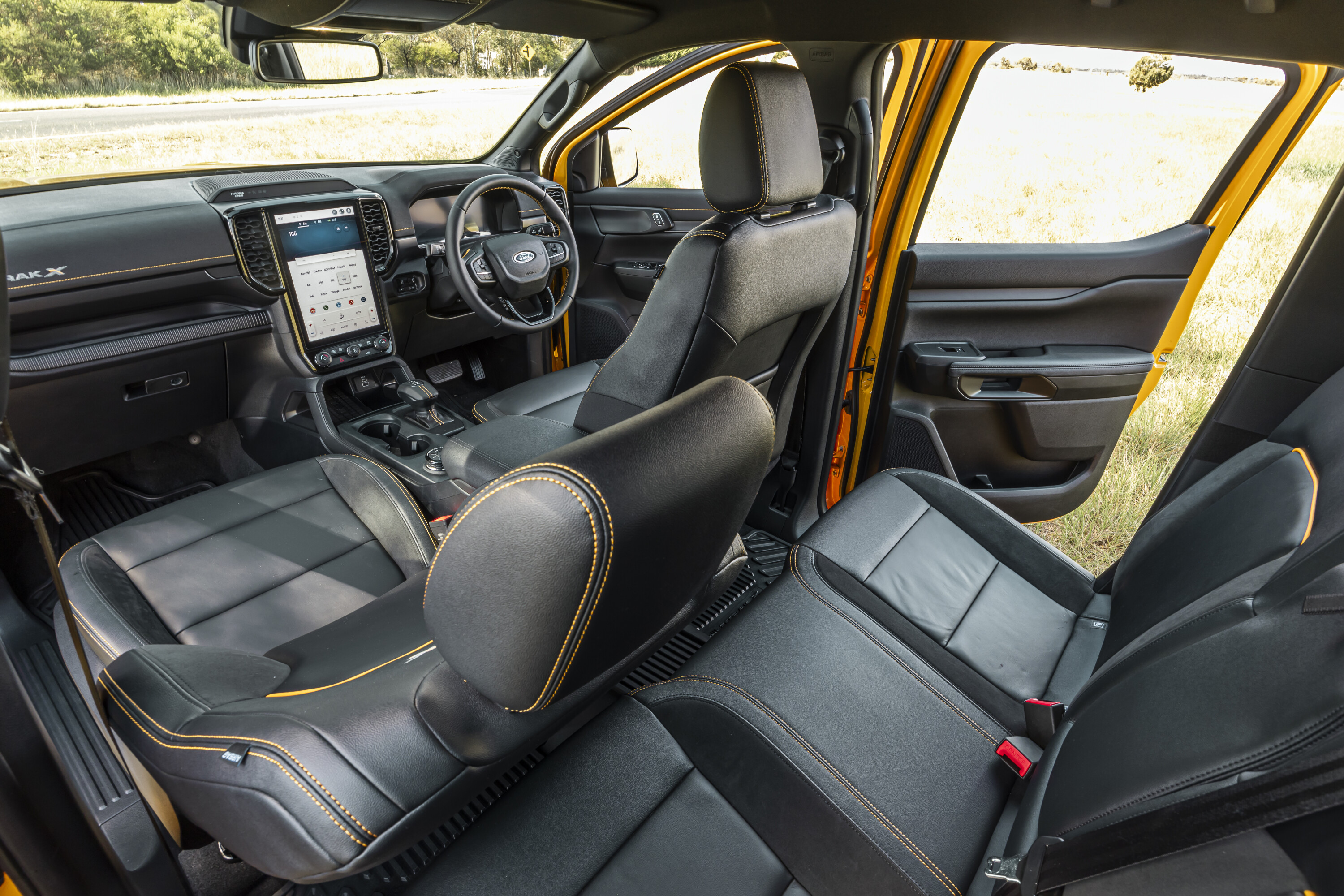
The Wildtrak X carries over the features you get in the V6 model Wildtrak including the big 12-inch centre screen, oversize configurable gauge screen, heated leather seats, wireless Carplay and Android Auto.
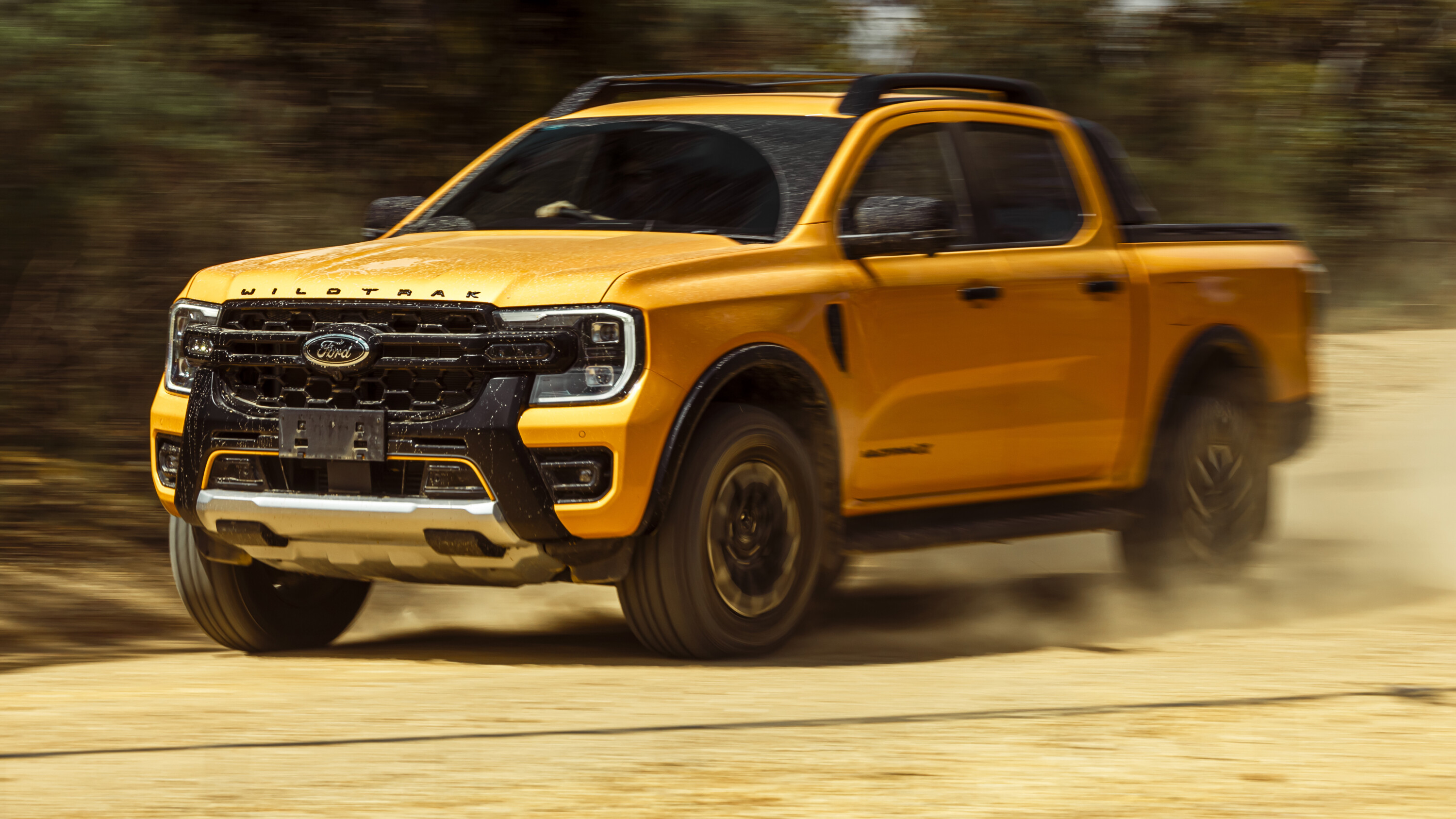
On the outside of the Wildtrak X you get matrix LED headlights up front and on the tub there is Ford’s new adjustable load bars that include a bar that slides back on the tub together with adjustable cross bars on the roof rails that combine to give a clever and useful, versatile load system for carrying longer items like surfboards.
The HiLux GR Sport has safety essentials like ABS, ESC, ETC, AEB, trailer-sway control, blind-spot monitors and rear cross-traffic alert and radar cruise control, but it’s lane-departure system relies on brake intervention and doesn’t offer proper steering correction.
The improved dynamics provided by the GR Sport’s uprated suspension and the excellent four-wheel disc brakes should do a better job of keeping you safe than all the chassis electrickery.
The Wildtrak X is likewise loaded with much of the same chassis safety sorcery but the dynamic safety of the on-demand four-wheel drive system shouldn’t be underestimated, and the inclusion of a tyre pressure monitoring system is a huge plus.
Both of these utes are propelled by four-cylinder diesel engines backed by automatic transmissions.
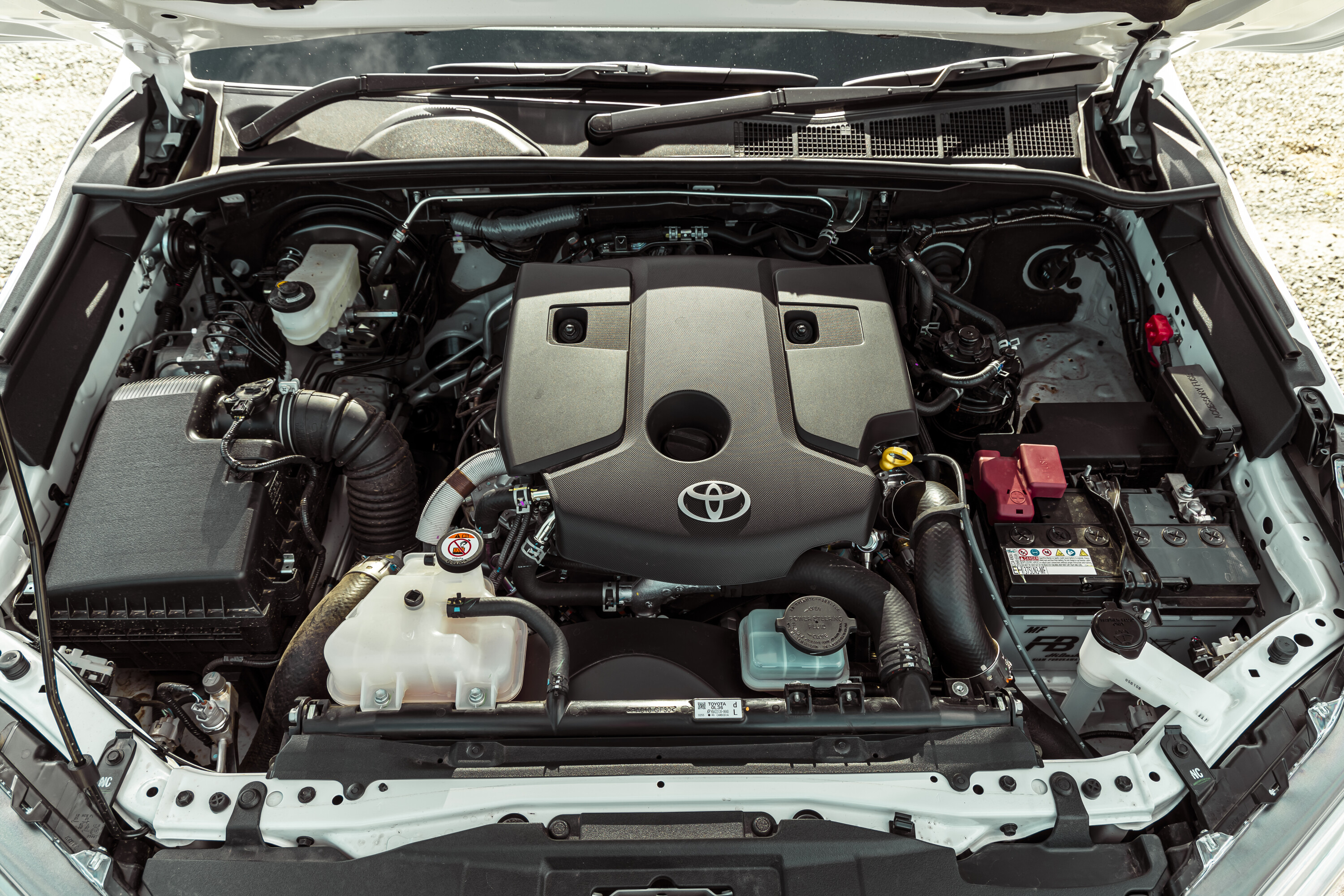
The HiLux GR Sport (GR-S) is powered by the widely used 1GD 2.8-litre single turbo engine as found across the HiLux range as well as in the Prado, Fortuner and soon the LC70 range of 4x4s, plus some van and bus applications. The GR-S exclusively gets the highest output version of the engine offered to date with claimed outputs of 165kW and 550Nm, up from the standard 150kW and 500Nm.
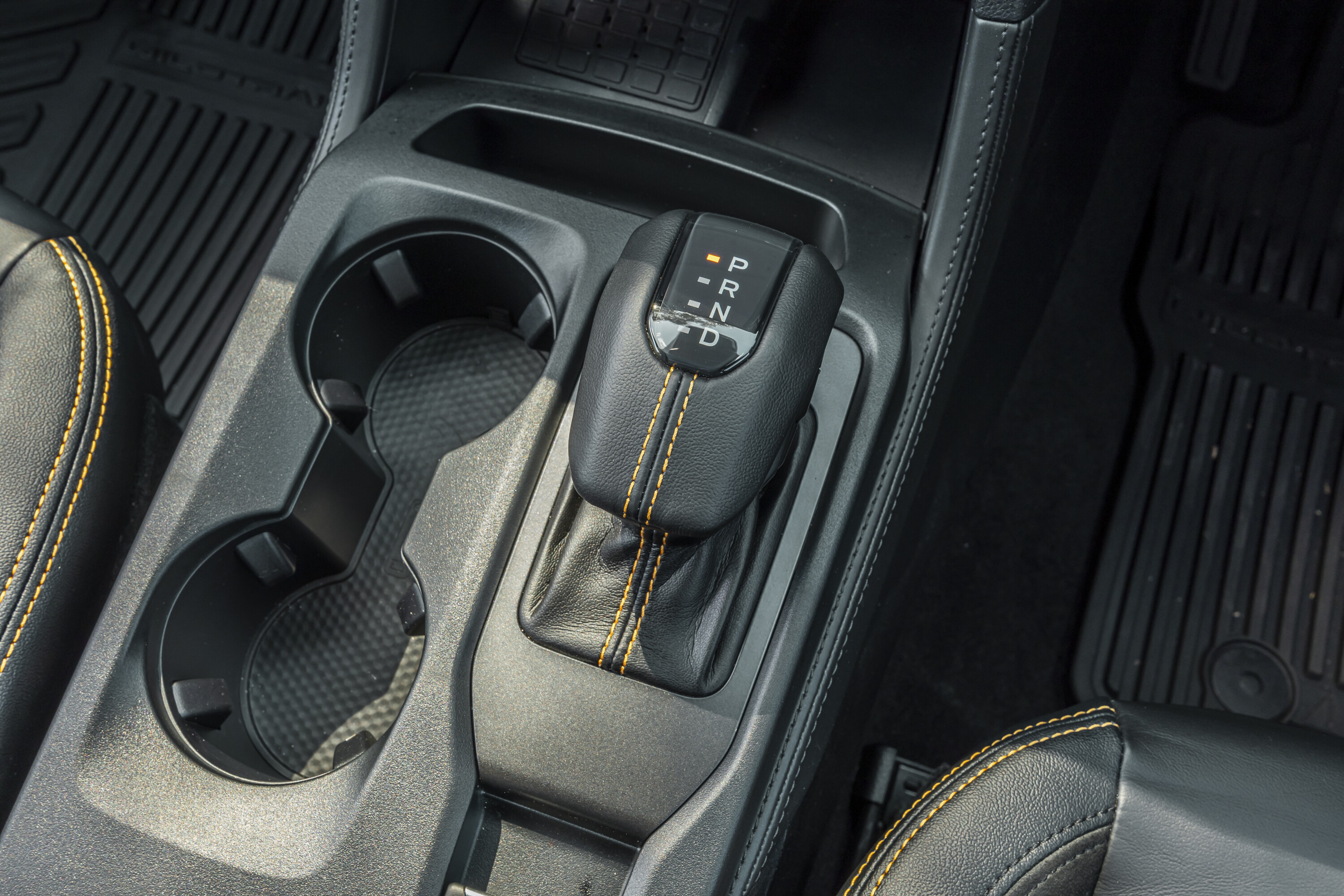
The Aisin six-speed automatic transmission has been tweaked to best match the enhanced outputs and the driver gets paddle shifters behind the steering wheel for easier manual gear selection.
1
On gravel tracks where it was possible to select 4×4 in the part-time transfer case, it was stable and sure-footed, encouraging enthusiastic driving.
The 1GD has never been a slouch but the uprated outputs don’t go astray giving the GR-S plenty of punch when you put your foot down, with sharp response from the transmission. It’s a noisy and relatively harsh engine compared to newer and smaller-capacity diesels but this is a light commercial ute after all.
With fewer ratios in the transmission you really feel it when it kicks down or youshift back to make the most of the engine’s outputs, delivering an engaging and exciting driving experience.
We only drove it in unusually dry Melbourne conditions but I reckon it could be a handful on wet sealed roads. On gravel tracks where it was possible to select 4×4 in the part-time transfer case, it was stable and sure-footed, encouraging enthusiastic driving.
1
The Ranger Wildtrak X gets no special tuning for its 2.0-litre bi-turbo diesel engine and 10-speed transmission, making do with the standard 154kW and 500Nm.
It’s a much smoother, quieter and refined combination than that found in the Toyota, and it gets along quite well, but lacks the spirited feel that the GR-S delivers.
The Wildtrak X does get a shorter 3.73:1 final drive than other Ranger models to compensate for its taller tyres but it still feels a bit lacking in pick up when driven alongside the GR-S.
1
The 10-speed auto is more seamless in its operation with shifts going unnoticed and the closer ratios giving a far less aggressive feel.
The Ranger’s transfer case offers the option of using 4×4-auto mode on all road surfaces which is handy on varied road surfaces, in wet weather and especially when towing in stop/start traffic.
I terms of fuel consumption, Ford quotes a figure of 8.7L/100km on the combined cycle while Toyota rates the GR-S at 8.1L/100km which, interestingly, is better than the 8.4L/100km quoted for the similar but less powerful HiLux Rogue.
Let’s cut to the chase here; the Ford Ranger is a far better on-road vehicle than the HiLux in any grade!
Its ride is more compliant and hence comfortable while also delivering superior dynamics and handling. It’s a more modern ute and feels more passenger car-like than the HiLux in every regard.
The HiLux GR-S, on the other hand, feels more like a traditional LCV in that it has a firm and sometimes jittery ride that can get tiresome on less than smooth surfaces.
1
Each of these models get specific suspension designed to make them better handling over all conditions than their lower grade siblings and, in that regard, they are both very successful.
The HiLux GR-Sport gets the wider wheel track with extended front control arms and a wider rear axle that include disc brakes, that we first saw in the latest HiLux Rogue last year.
The difference between the two top-spec HiLux models is that the GR-S loses the Rogue’s rear sway bar to give it more rear axle articulation for better off-road performance and it comes with GR-S specific KYB monotube shock absorbers. They are matched to stiffer springs in the front and rear.
1
This setup does a great job on rough tracks with excellent control and damping but is still very firm around town on Melbourne’s far from smooth streets.
The Wildtrak X also benefits from bespoke dampers calibrated to give better rough-road performance. They come from premium shock specialist Bilstein and are position and frequency sensitive to give the best performance over any terrain.
The Ranger has superior ride, control and handling compared to the HiLux on most road surfaces and this carries over with these two model variants, but the GR-S delivers better control than the lower-spec HiLuxes.
As in so many other aspects, the HiLux and Ranger are at the top of their class in terms of off-road performance and these two specced-up models take that advantage to the next level.
No they are not true competitors to a Ranger Raptor but they are considerably less costly and come with the more popular diesel engines.
Without a Raptor-like model in the range the HiLux GR Sport is the off-road hero for Toyota’s midsize ute. As always its key attributes are relatively good rear-axle travel to keep the wheels on the ground and sharply calibrated electronic traction control. It also has a rear differential lock but the ETC does such a good job you rarely need to use it.
1
The rear axle in the GR-S benefits from the wider track and the placement of the shock absorbers further outboard than on regular HiLux models, and the lack of rear sway bar allows full extension.
This helps the Toyota get over deep ruts and obstacles with little wheel slip or drama.
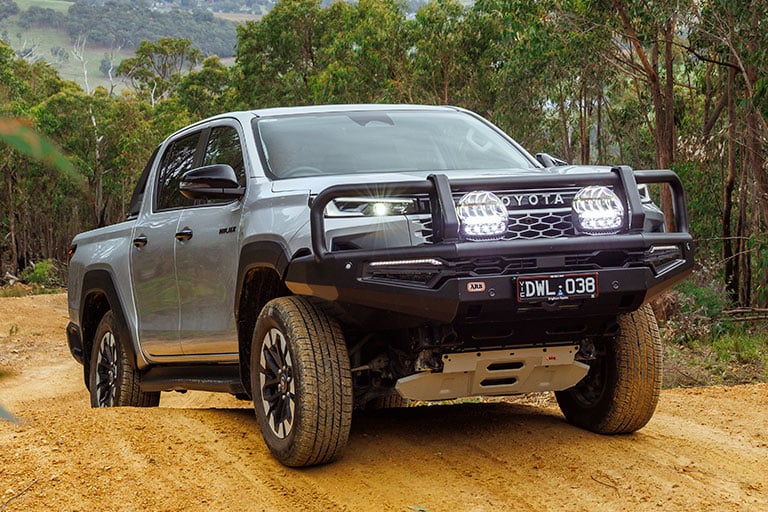
Additional off-road hardware for the GR-S includes a model-specific front bumper that offers more ground clearance, a 4mm-thick pressed aluminium front skid plate,2mm tube steel rock sliders in lieu of side steps, and front and rear recovery points.
1
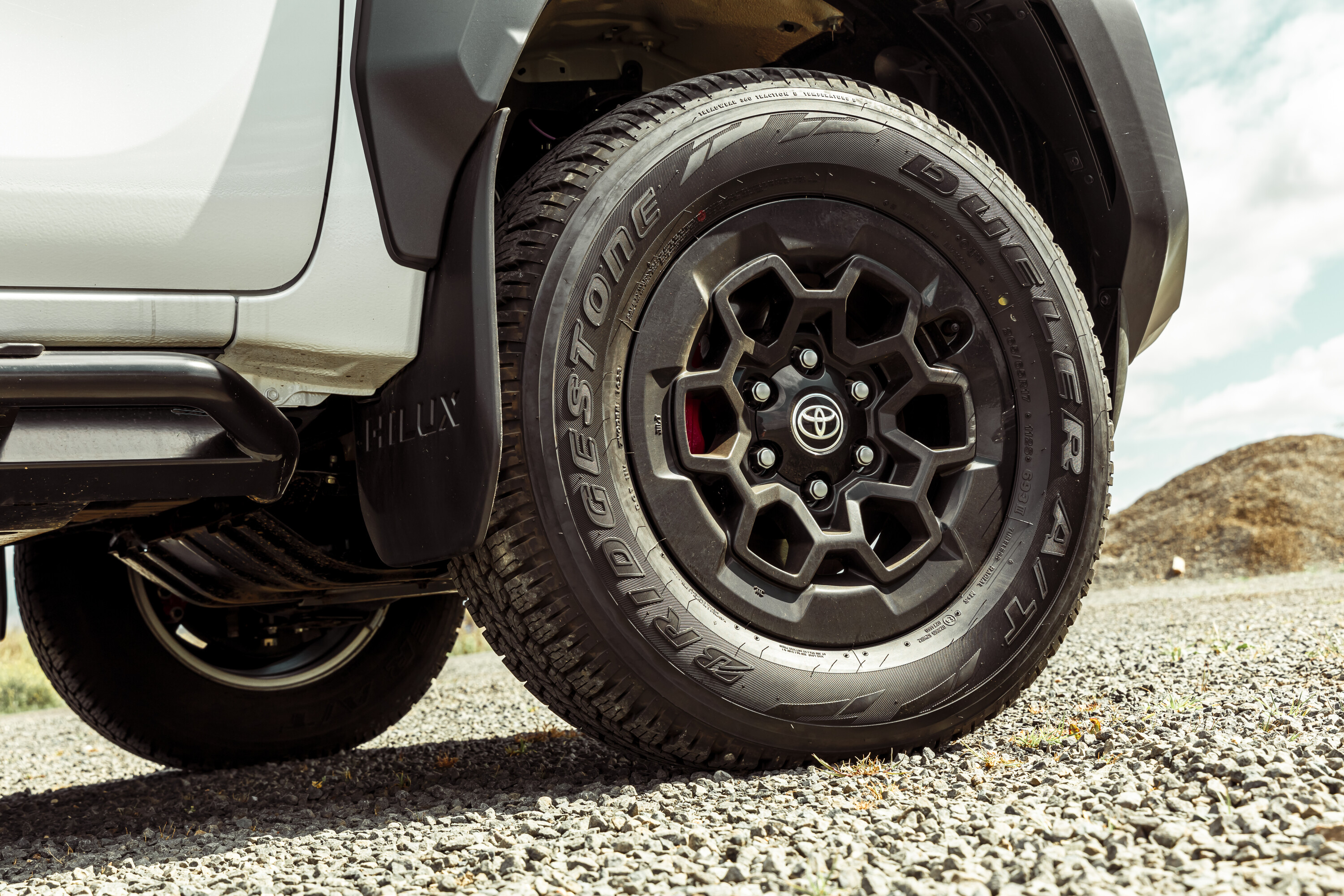
The GR Sport wears model-specific 17-inch alloy wheels wrapped in 265/65R17 Bridgestone Dueler all-terrain tyres. They are a relatively tame tread tyre, but quiet when on road.
The Wildtrak X Ranger also gets some off-road goodies on top of its bespoke Bilstein suspension.
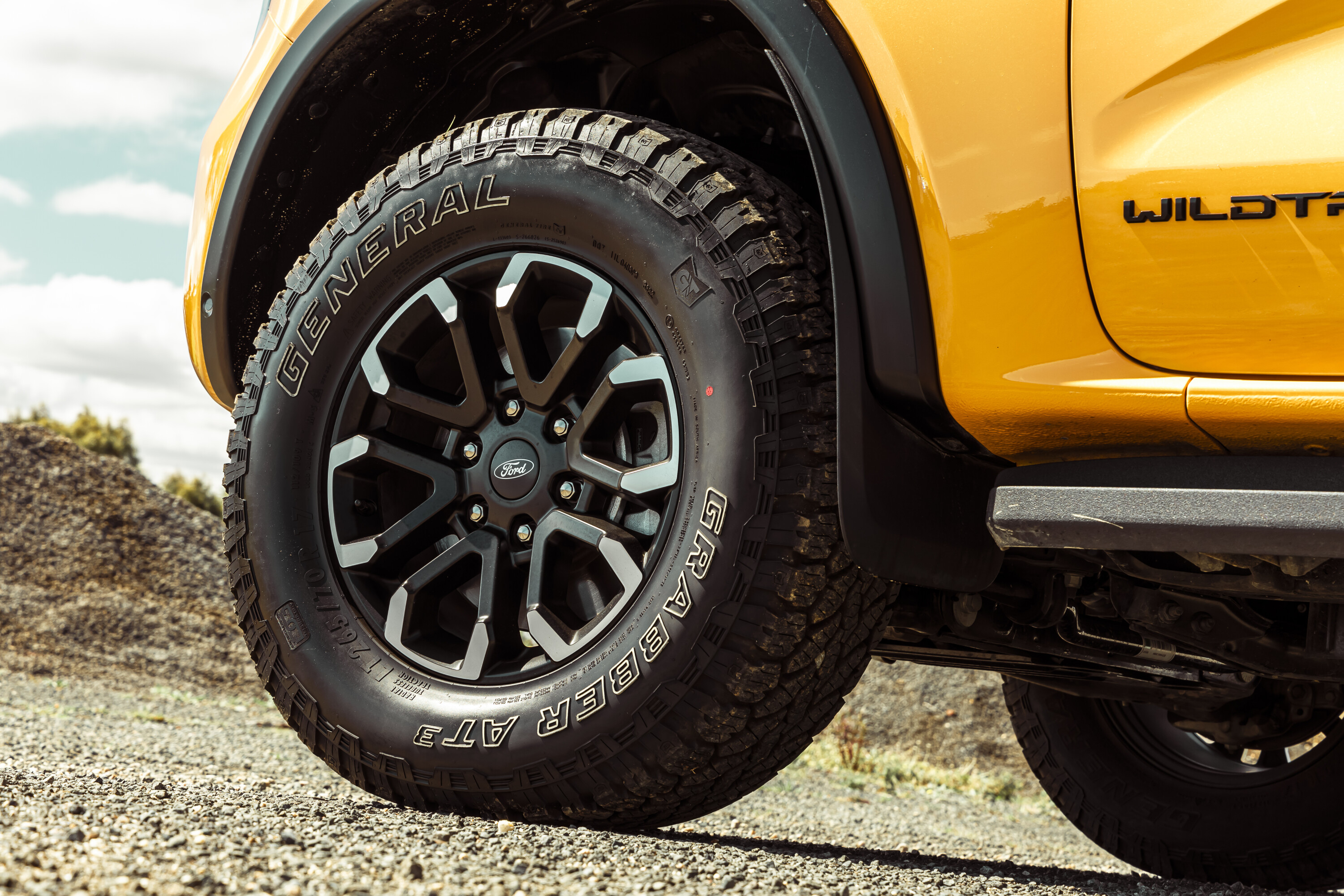
Immediately obvious are its 265/70R17 Grabber AT3 tyres on alloy wheels, with the more aggressive tyres and suspension combining to give a 30mm wider front and rear wheel track, and an extra 26mm of ground clearance when compared a regular Ranger Wildtrak, while a steel bash plate helps protect the undercarriage.
1
The Wildtrak X also benefits from some electronic extras to aid off-road performance including Trail Control and Trail Turn Assist.
The latter of these is new to Ranger and, as it does in LandCruiser 300 and GWM Tank vehicles, it locks the inside rear wheels to help decrease the turning circle when off road.
More useful than Turn Assist is Trail Control which like Toyota’s Crawl Control system, and one used by Jeep, works like low-speed cruise control for pedal-free progress over rough ground.
1
The biggest benefit of such systems is their ability to deliver micro throttle inputs calibrated to keep you moving at the set speed without too much throttle that could induce wheel spin.
It’s far more accurate in throttle application than the most experienced off-road driver’s right boot and it’s a shame Toyota hasn’t seen fit to add Crawl Control to the GR-S.
We set the Ford’s Trail Control to 2km/h when we pointed the X up a rutted climb and the Ranger edged its way up without a skerrick of tyre spin making light work of the drive much to the disappointment of photographer Al. Yes, the HiLux also drove up there using driver input on the accelerator but it wasn’t as smooth or controlled.
There’s no doubt that this is the best HiLux you can drive away from a Toyota dealer today.
The braking and suspension improvements to the GR Sport make it the best-driving production HiLux both on- and off-road, while the minor increases in engine output don’t go astray either.
There’s also no hiding the fact the N80 HiLux is a generation behind the Ford Ranger… but that’s not such a bad thing. The Toyota 1GD engine might be rough and noisy but it’s punchy, and the six-speed transmission lets you feel what’s going on beneath the car. Yes, the Ford’s engine and transmission are more refined, but they don’t deliver the connectivity with the vehicle that you get in the HiLux.
1
The same theme applies inside where the interior trim is less integrated and overall size is smaller, but sometimes less is more and the analogue driver’s gauges are simpler and easier to read and many of the systems are easier to navigate.
The HiLux does fall behind when you look at the payload in the highly equipped GR Sport model, and both of these utes retain their 3500kg rated towing capacity.
1
For most prospective buyers the Wildtrak X offers a much more appealing choice.
The Ranger’s newer design shines through in the interior space, the levels of equipment, safety features, on-demand four-wheel drive system, towing tech, dynamics and refinement. There’s no denying that this is the current leader in dual-sport 4×4 ute design with or without the V6 engine.
The GR Sport does bring the HiLux a lot closer to the Ranger in terms of modernity and ability but the Wildtrak X edges it out in this comparison.
The vehicle went under the hammer at Grays.com, with the auction ending on August 13. A total of 324 bids were registered for the Triton. Read all about the build below! ?
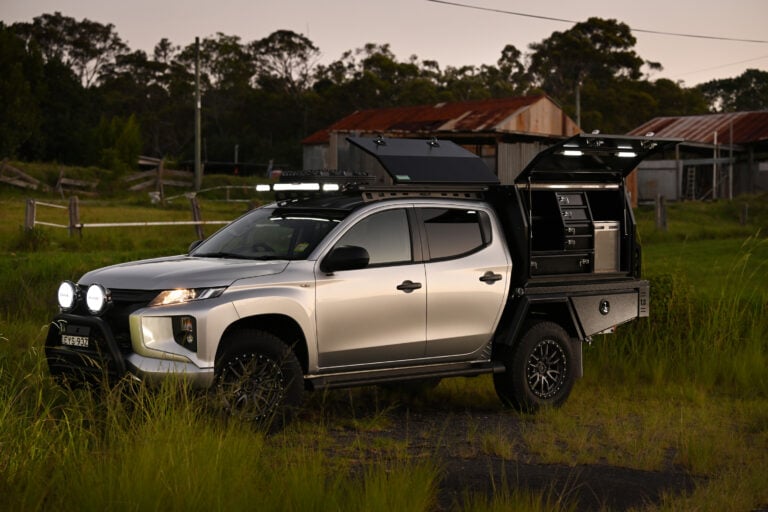
Watching each of them being transformed from factory standard vehicles into speciality equipped off-road beasts has been both inspiring and educational. The opportunity to work on this Triton build has been fabulous, especially as we not only wanted to not only transform it into the ultimate work ute, but also a rig that would fulfil the adventure/lifestyle role.
As a carpenter, I knew exactly where I wanted to start with this Triton build, and its ability to carry tools and materials safely was a priority.
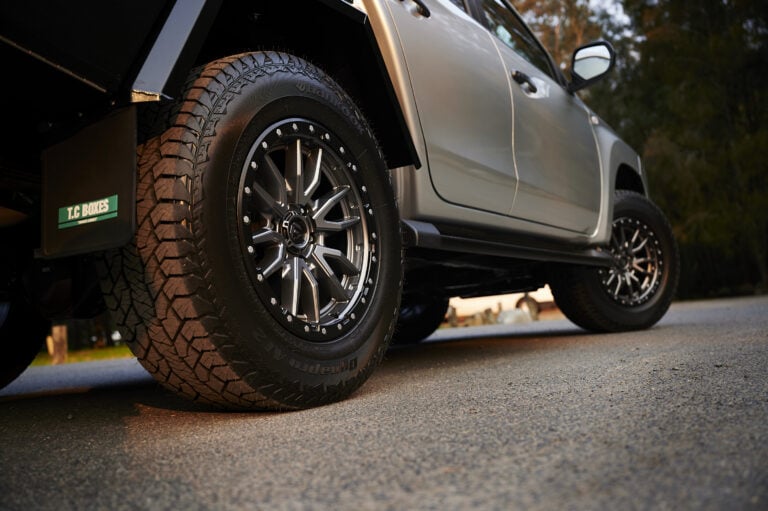
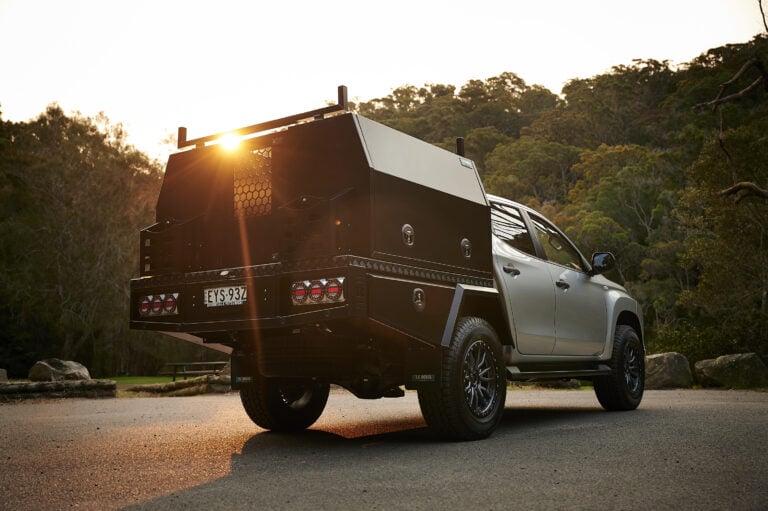
The first thing to come off the Triton was its factory tub with a visit to the talented team at TC Boxes, who have been producing and installing Tradies Choice trays and toolboxes since 2016.
Over the last eight years the TC Boxes range and quality has taken strides forward as the company has embraced the latest technologies, materials and design/construction techniques to produce some of Australia’s leading products in this space.
For the Triton we fitted one of TC Boxes 1650mm aluminium trays finished in a UV-stabilised black powder coat. Manufactured from rugged and lightweight premium grade aluminium, it features an 8mm aluminium C-channel main frame and a 40x40mm SHS subframe. The stylish appearance is enhanced by the flared guards that can accommodate up to 35-inch tyres. The tray also features a 1400mm trundle drawer.
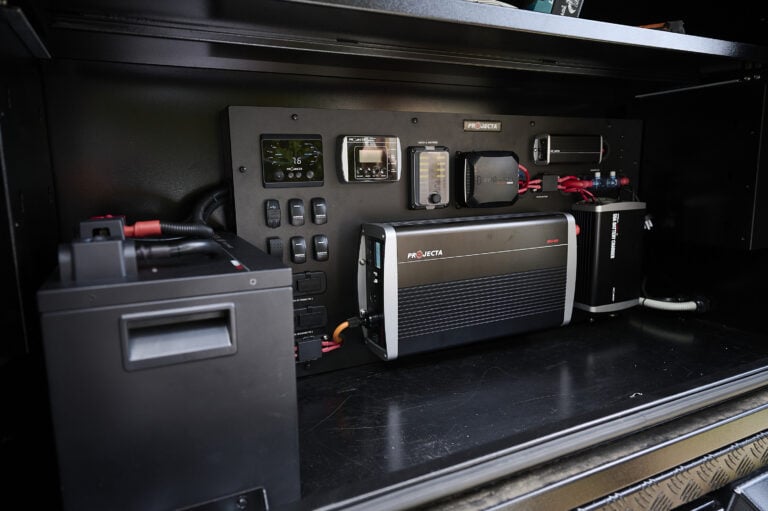
Sitting on top of the tray we have fitted two toolboxes to securely store tools, as well as somewhere for the Projecta 12V DC Power Management Board and the Dometic fridge. There is further storage thanks to additional under-tray toolboxes.
The tray features Maxilamp LED tail lights, and has facility for the retention of the Triton’s rear bar sensors and camera. A U Ladder Rack allows us to carry additional materials, tools and equipment on top of the toolboxes.
Loading up at the timber yard LVLs, sheeting and other heavy materials and equipment requires a heavy duty and roof racking system.
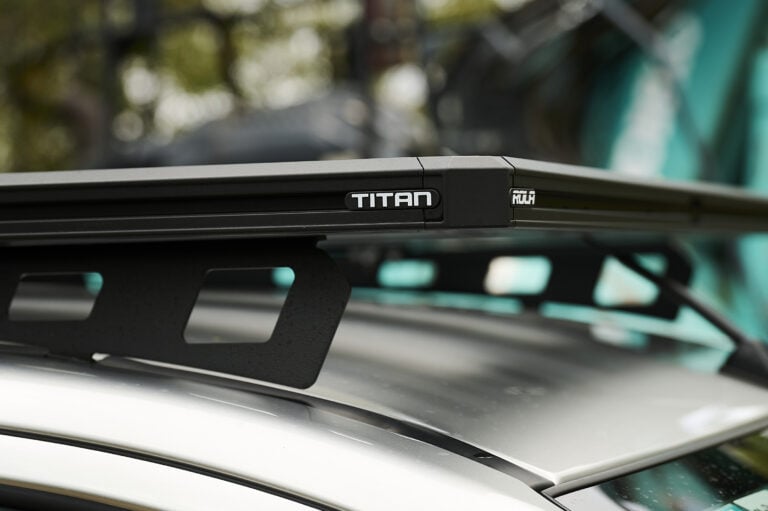
The Rola MKIII Titan Tray does the job on our Triton. It features a stylish low profile design, Rola’s versatile Ridge Mount System and a whopping 400kg capacity. The Titan tray features integrated channels, various entry points and an enhanced corner design to make adding accessories as easy as possible.
This makes crossing over from a midweek work setup to weekend lifestyle arrangement quick and easy so we can pack away the tools and load up the surfboards and canoes.
There’s nothing scarier than hitting the brakes on a fully loaded work ute and realising your load has pushed the factory brakes and suspension beyond their limits.
With our Pedders GVM and brake upgrades the Triton feels rock solid on the road and has plenty of stopping power, even when fully loaded.
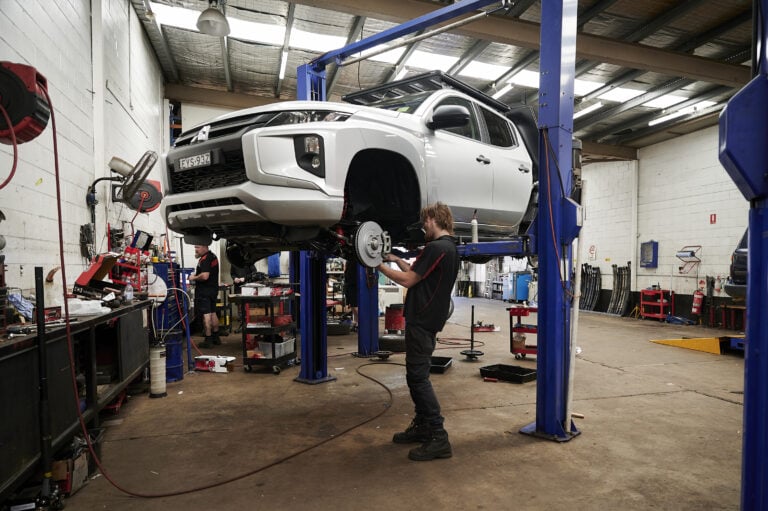
On our previous project vehicles, we have focused specifically on improving off-road capability with lift kits, air bags and the like, but for the Triton we wanted to focus more on load-carrying capability, so we opted to fit a Pedders GVM + suspension and rear disc brake upgrade kit. The upgraded suspension results in a GVM rating of 3200kg on the MR Triton 4×4, which is 300kg above standard.
The Pedders rear disc brake conversion kit offers increased stopping power, improved pedal feel, and includes new brake rotors and TrakRyder kevlar ceramic brake pads.
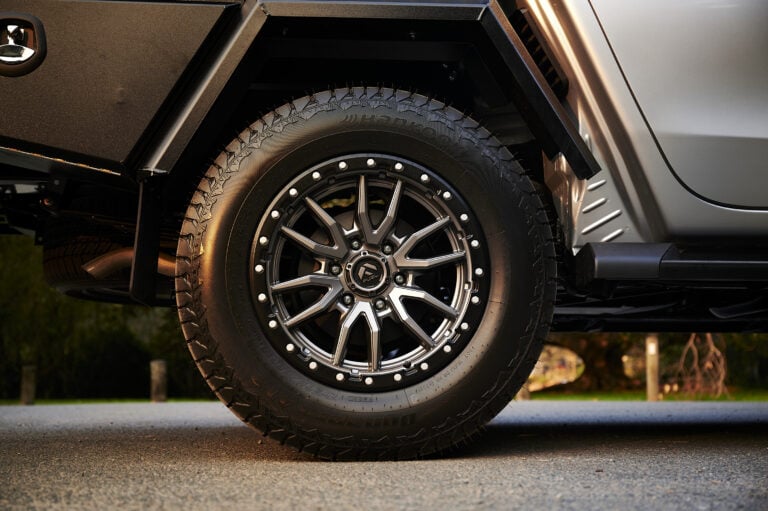
The Rebels are one the most popular wheels in Fuel’s extensive lineup and when you see the stance of the Triton it’s easy to see why. They feature high quality one-piece cast construction to minimise weight and maximise strength.
The Hankook Dynapro AT2s feature biting block edges and locking shoulder lugs that make them ideally suited to both work and play, whether that’s tackling rough, muddy worksites or driving on the road, or venturing off road and heading doing runs along the beach.
To test the AT2s in the field we headed north from Sydney to Stockton Beach near Newcastle, and tackled the notoriously soft sand there. The tyres performed well on the soft sandy trails and when driving along the beach, while on the highway heading up the coast the lack of road noise for this style of tyre was appreciated.
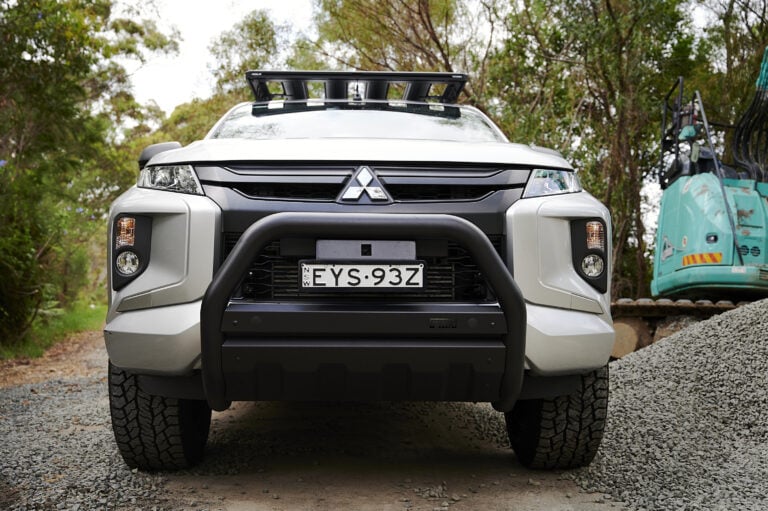
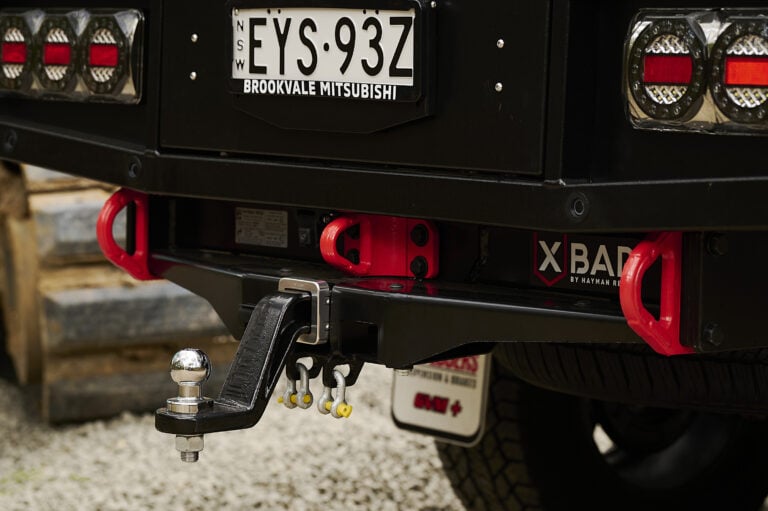
As with any build, the front and rear bars were always going to be an important part of our Triton project vehicle. Up front we have fitted a Piak nudge bar and down the back a Hayman Reese X-Bar.
The PIAK nudge bar is made from robust steel and has a 3.5kg carrying capacity, making it the ideal platform for fitting our two Ultima LED 215 MK2 driving lights. The bar has also enhanced the Triton’s aesthetics, not only adding flair, but offering some protection for the front end when parked in challenging work environments, especially on sites where every trade might be working at the same time and parking can be tight and people are in a rush.
Down the back end of the Triton, the Hayman Reese X-Bar works in well with the look and feel of the TC Boxes setup. It also allows the vehicle’s maximum tow rating to be utilised, which is important for tradies who might need to tow anything from trailers loaded with sand, stone or gravel to heavy machinery like excavators and loaders.
Of course, it allows us to also safely hook up the boat or jet ski on the weekend, or to easily access the rated recovery points when out on the sand dunes or trails.
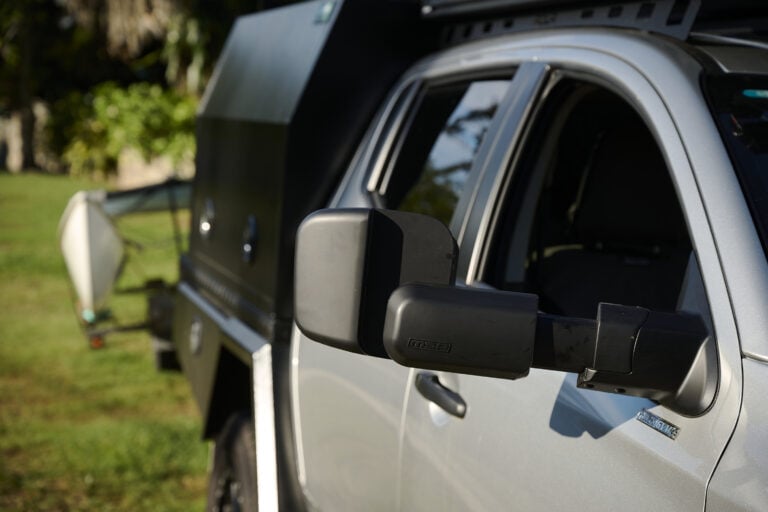
While on the subject of towing our MSA 4×4 towing mirrors are a must have for any tradie who tows regularly.
The functionality and design of these mirrors is fantastic; the extension and roll feature provides a full and clear view when towing that standard mirrors simply can’t match, and the fact that the electronic positioning is retained while in full extension only adds to their usability and appeal.
When towing a 45-foot outrigger canoe home from a regatta in Port Stephens the MSA 4X4 towing mirrors provided an entire view of the trailer and canoe, making the slightly stressful experience of towing such a long load considerably easier.
When not towing, the mirrors can be quickly and easily returned to the standard non-extended position, so they don’t stick out like many other towing mirrors.
Early mornings and late finishes for tradies when pushing hard at work often mean starting before sunrise and finishing after sunset.
So when looking for the ideal lighting system we considered one that would offer good visibility in a mix of driving conditions, from sealed suburban road use to highway and off-road driving conditions. After doing our homework we fitted a pair of Narva Ultima LED 215 MK2 driving lights.
As well as the driving lights mounted on the PIAK nudge bar, we have added an Ultima 24-inch LED light bar up above the windscreen, flanked by dual Ultima 8-inch LED light bars fitted using Narva’s innovative 40-inch joiner kit.
This front lighting setup can be controlled by the Ultima Connect+ system, which allows for easy adjustment of beam pattern and intensity to suit driving conditions, whether that’s on dirt roads, 4×4 tracks or the highway. The system is easy to use, and the controller fits neatly into the dash, and in the case of our Triton, the controller is situated in front of the gear lever where it’s easy to get at.
The brightness, range and spread of the Narva set up is impressive with more Lumens than you can poke a stick at to really light up those night time environments.
Both for work and play there is an ever-growing demand for in-vehicle power supply options, from charging power tool batteries to running 240V power tools and accessories.
With this in mind we decided to equip the Triton with a Projecta 12v DC power management board with 2000W inverter. While Projecta offers a setup with a built-in 200Ah Lithium battery designed to work in conjunction with the power board’s 2000W inverter, we opted for a larger capacity 400Ah battery for the Triton’s system.
The 400Ah battery has overvoltage, undervoltage, overcurrent, high/low temperature and short circuit protection, and features include a top-mounted battery indicator and battery isolation switch.
This system is big enough to power items like our Dometic fridge, additional lights, cooking equipment (think microwaves, toasted sandwich makers and coffee machines), all of which are high current draw devices that tradies and campers alike require. And with everything built into the one system, it takes the hard work out of the installation.
It’s not just the performance of this power system that will impress but also the inbuilt safety and charging technology that maximises lifespan of components for optimum performance that will provide peace of mind.
As every four-wheel driver knows it’s a good piece of advice to hope for the best but plan for the worst when driving in challenging off-road conditions.
So having reliable, safe and proven recovery gear is a must for those looking to keep themselves and their travel companions safe in off-road, bush or beach environments.
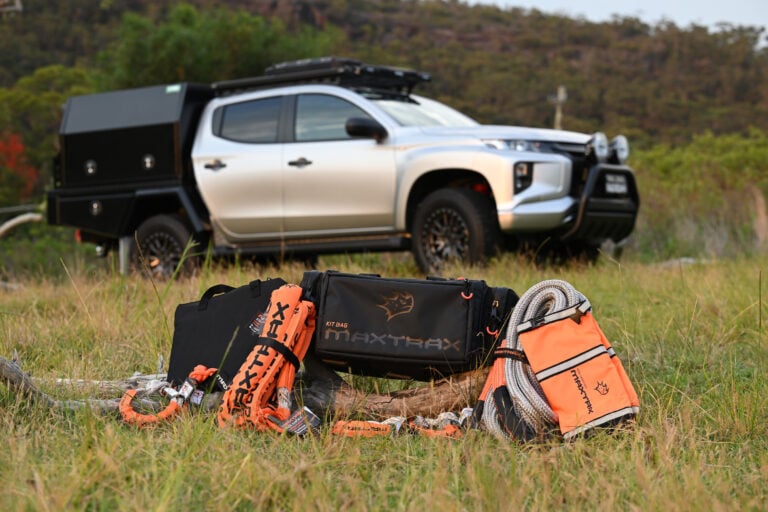
The MaxTrax Recovery Kit in our Triton has us covered. It is supplied in a bag to keep everything organised, and it includes two Fuse Shackles; five Core Shackles; three Kinetic Ropes (9.2m, 3m and 5m); a static rope; and a rope damper.
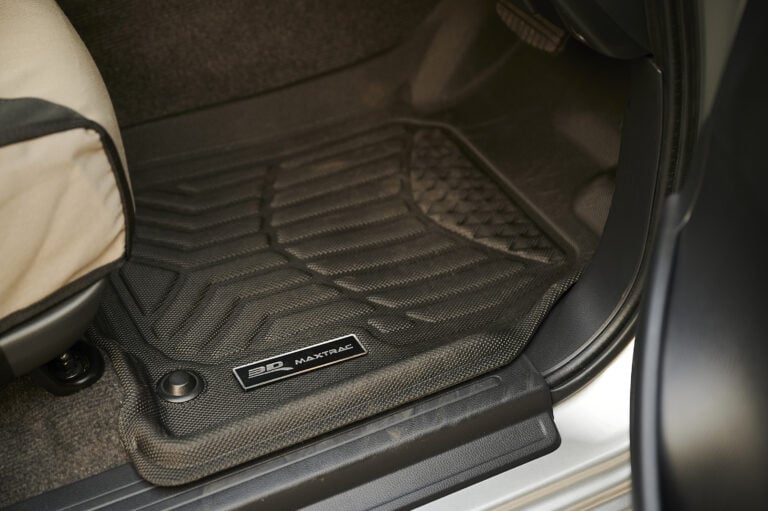
Whether on the sand dunes at Stockton Beach or when at muddy worksites over the last six months, our 3D Maxtrac rubber mats have really protected the floor of or Triton.
Their ability to fit like a glove and capture all the mud/sand is more than impressive. Made from a patented 3D-moulded rubber compound, these mats are designed to fit perfectly and capture everything, so they offer unparalleled protection and ease when cleaning the vehicle.
Every tradie knows how quickly you can trash new car carpets without a well designed and constructed car mat and these Truefit 3D Maxtrac Mats are some of the best we’ve used.
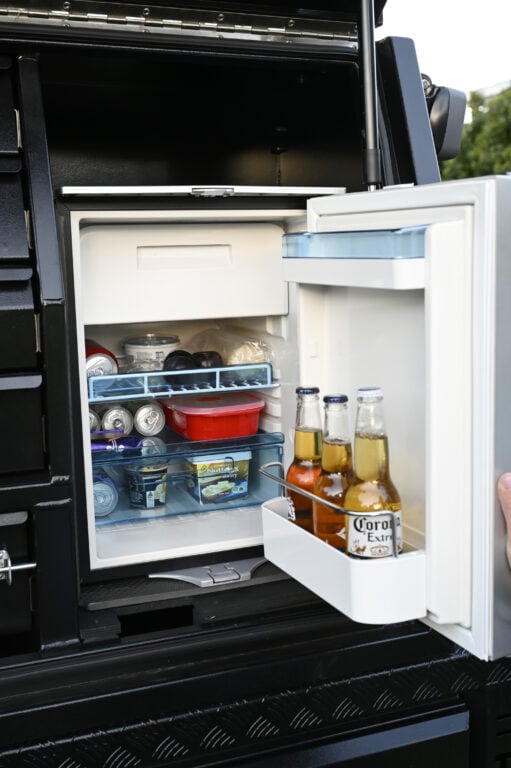
The days of carting the Esky to work with some lunch and a cold drink, and remembering to refreeze the ice packs for the following day, are thankfully long gone thanks to the Dometic CoolMatic CRX 50 we have fitted in the Triton.
With its stainless-steel effect front and generous 45 litres of cool storage, including an optional 4.4 litres of freezer space, this smart refrigerator is a gamechanger for hot work days and weekend getaways.
No matter where we are, we can keep the drinks cold and the milk fresh, and it’s all easy to access. Cold drink, anyone? This is the type of luxury that will greet the lucky tradie who buys the Triton when it goes to auction.
When on the hunt for improved mobile reception in our Triton, Powertec guided us to the all-new Cel-Fi GO, a 5G roaming vehicle cellular mobile signal booster/repeater amplifier.
While this system won’t provide a signal when there isn’t one, it will boost the signal in those areas where you’re on the edge of reception and you would likely experience dropouts.
The all-new Cel-Fi GO will allow you to make calls, pick up messages and send/receive emails where you previously would have dramas, so it really adds to the effectiveness of a mobile office that most tradies are looking for in a work ute these days. Being able to get in contact with contractors, or message/email clients/workers/architects, is simply a game changer when in poor reception areas.
It’s been a slow but steady approach for our Triton build over the last 12 months and we’re extremely happy with how it has turned out.
Over the build period the Triton has covered less than 5000km running around for equipment fitting and photo shoots, so it is still virtually a brand new vehicle. Keep an eye out on 4X4 Australia’s next build for 2024 which is just around the corner.
Despite all the advertising material telling you a vehicle can legally tow 3500kg, it doesn’t mean it’s any good at it.
One of the basic things that makes a vehicle tow heavy trailers well is if it is heavy itself, and has a long wheelbase.
That’s where a large US ute comes into play. These are utes that are rated to tow up to 4500kg, so on first blush would seem a shoe-in for the typical 3500kg maximum capacity caravan or even 4500kg maximum trailer boat. As we’ll see though, towing that much mass is still a compromise.
Not many tow vehicles permit a full trailer mass and full payload in or on the tow vehicle at the same time. Read more on this topic here:
Regardless, these utes have taken off in Australia, as buyers realise their metal-for-the-money value and, for some buyers, tax advantages.
These big North American utes have become a successful tradie’s work truck and family hold-all, as well as a solid, heavy basis for towing a heavy trailer. These are definitely not inner-suburb friendly trucks, with each about six metres long, two metres wide – on about four metres of wheelbase.
As you’d imagine, the turning circle of each ute is roughly a football field – well, around 14 metres – but large utes begin to make a lot more sense when their role includes lugging a heavy van or trailer boat.
1
The best thing about these beefy utes is that they each have a relatively high kerb weight, although some are not as much as you might think.
Arguably even better are some of their dimensions making them suitable for towing. Even in short wheelbase form (some are offered in a long-wheelbase version) these utes have acres between their wheelsets.
While not so good for turning circles, reversing a trailer in tight spaces or for sharp urban turns, a lanky wheelbase (and relatively short rear axle-to-towball measurement) goes a long way towards making a rig less prone to yawing or swaying.
1
Here we’re rating the officially backed large utes, where towing is the priority.
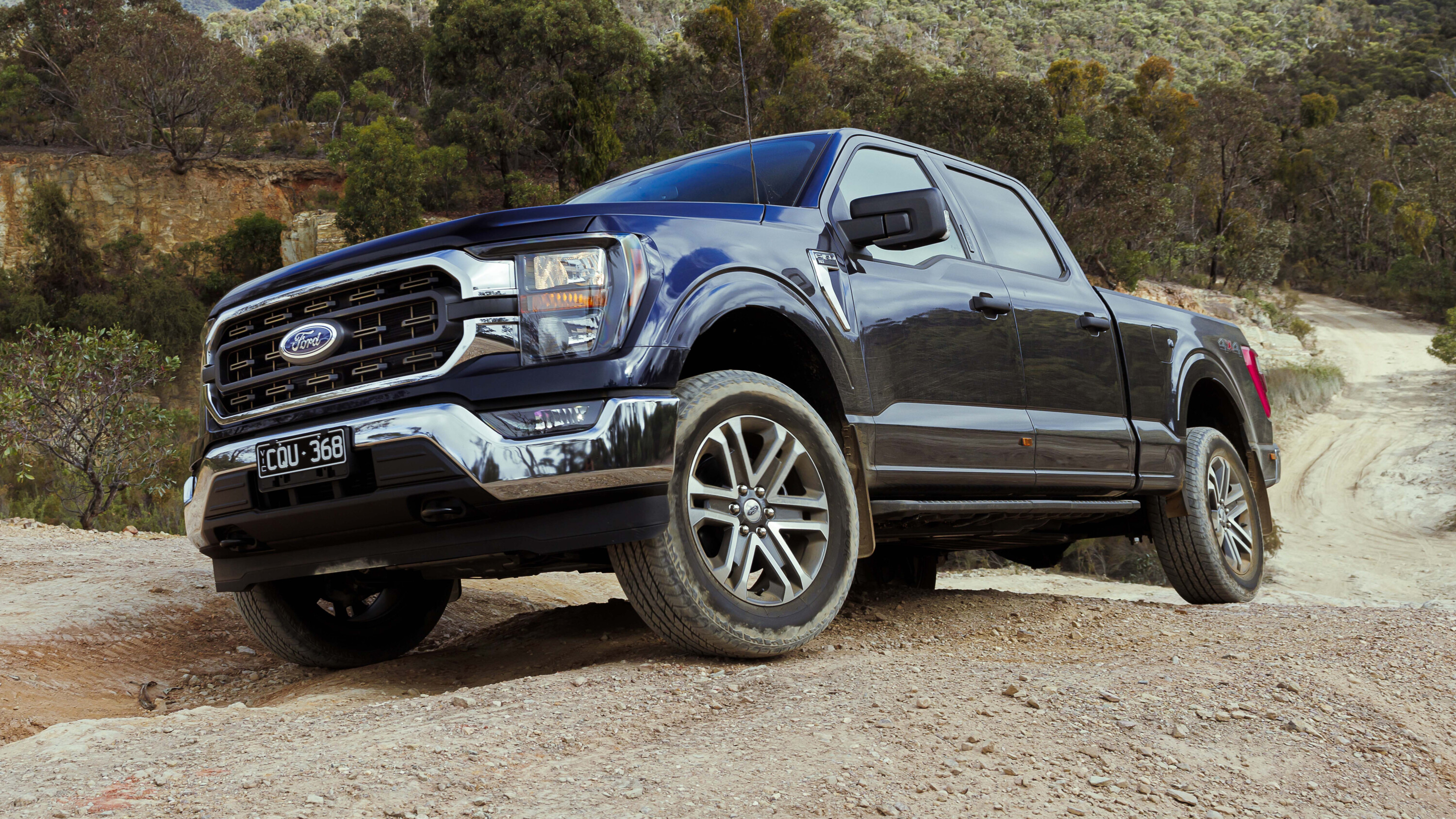
Even though there are bigger 2500 or 3500 variants of the Chev and RAM, we’re just rating the more popular, less load-capable (but smaller) Chevrolet Silverado, Ford F-150 and RAM 1500 – where a car driver’s licence is all you need. Even though we’ve rated these in order of the best, there is not a lot between these big utes.
We’re expecting the 325kW/790Nm 3.5-litre V6 petrol hybrid Toyota Tundra ute to arrive in early 2025, but it’s not officially on sale yet and we haven’t been able to properly tow test the big Toyota to know where it lands on the page here. It’s worth mentioning that the RAM 1500 will also see a new V6-powered model in 2025.
As a minimum, all these utes have a standard towbar and electric brake controller – they are built for towing in mind. Here’s our pick, in order, of the best large utes for heavy-duty towing.
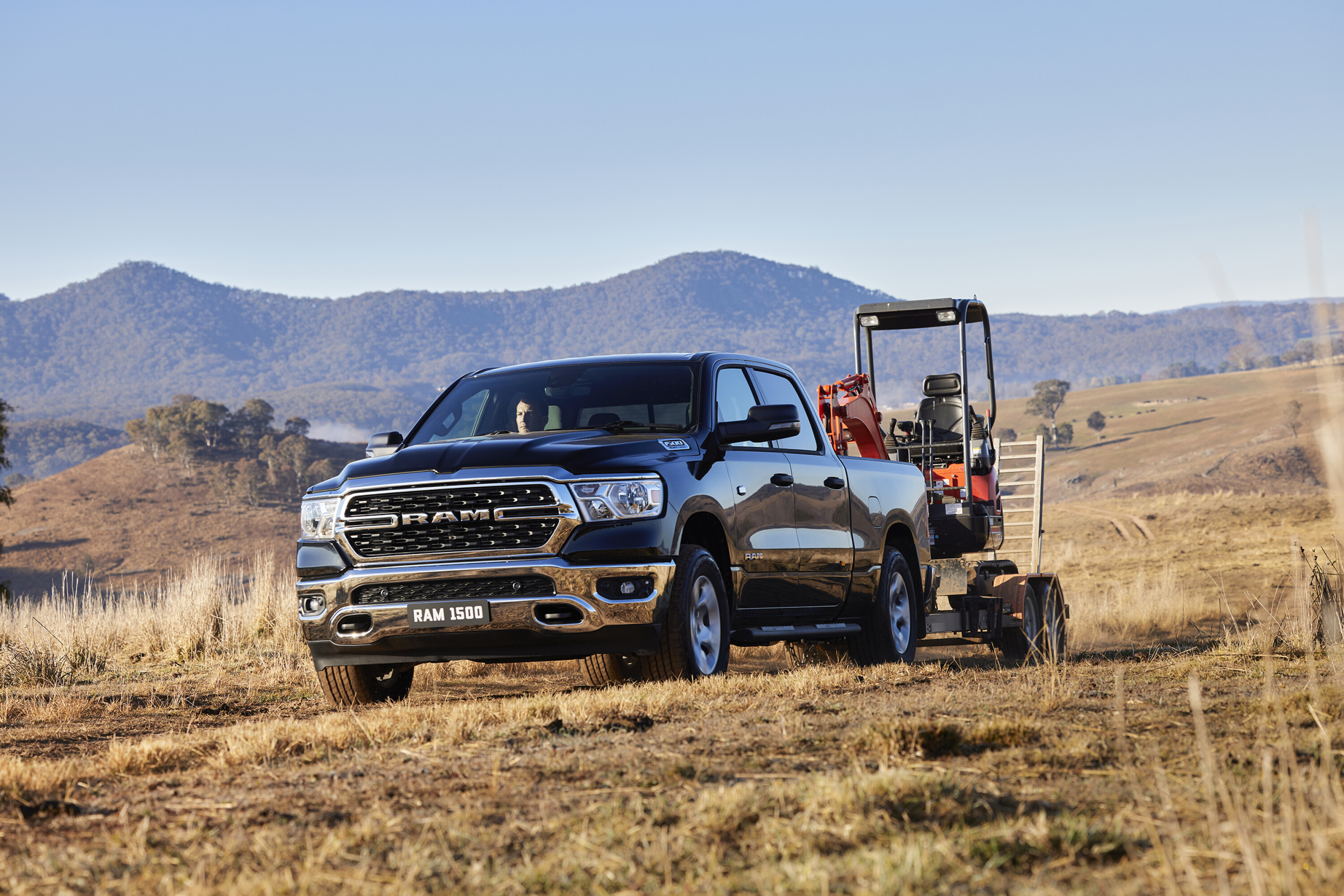
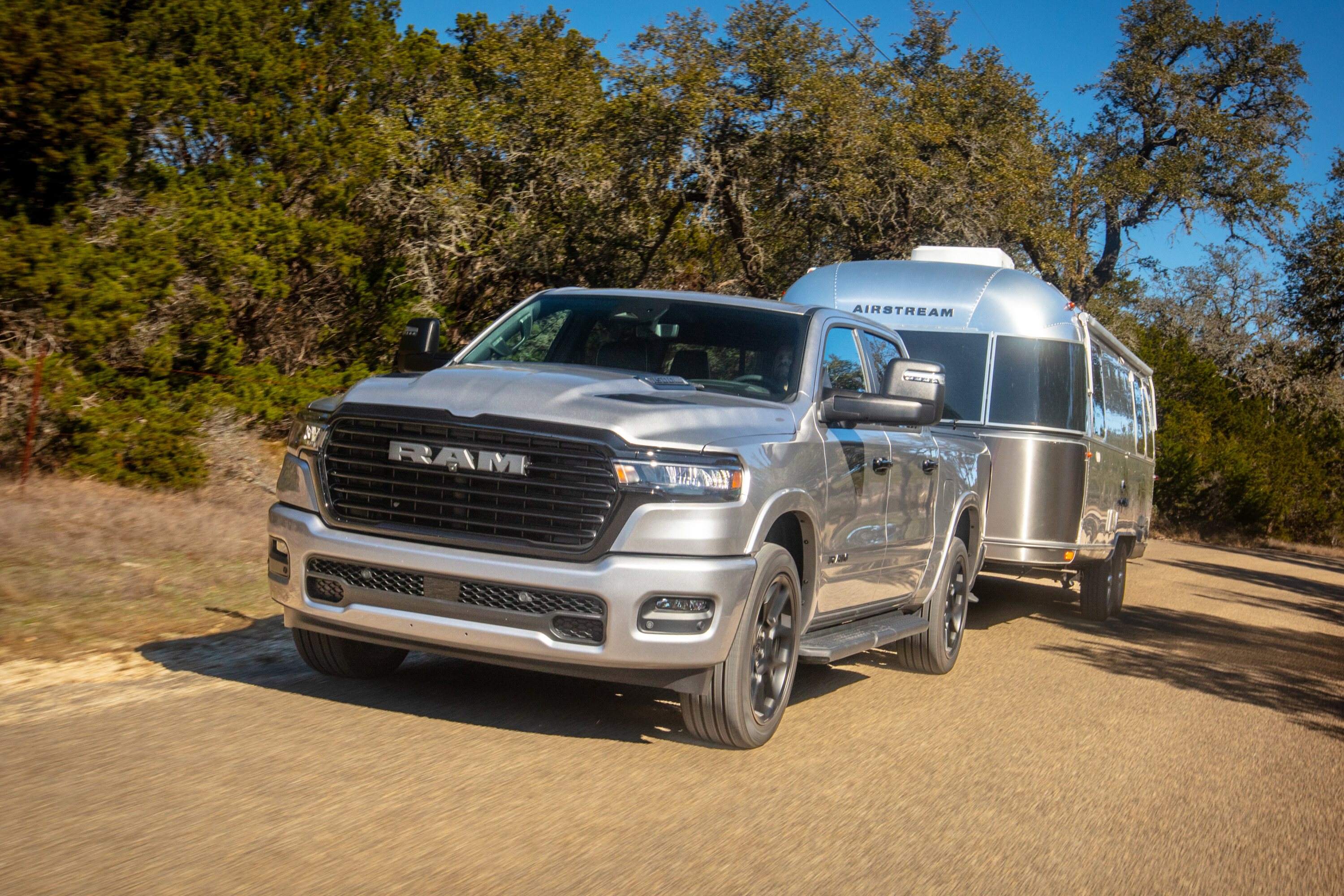
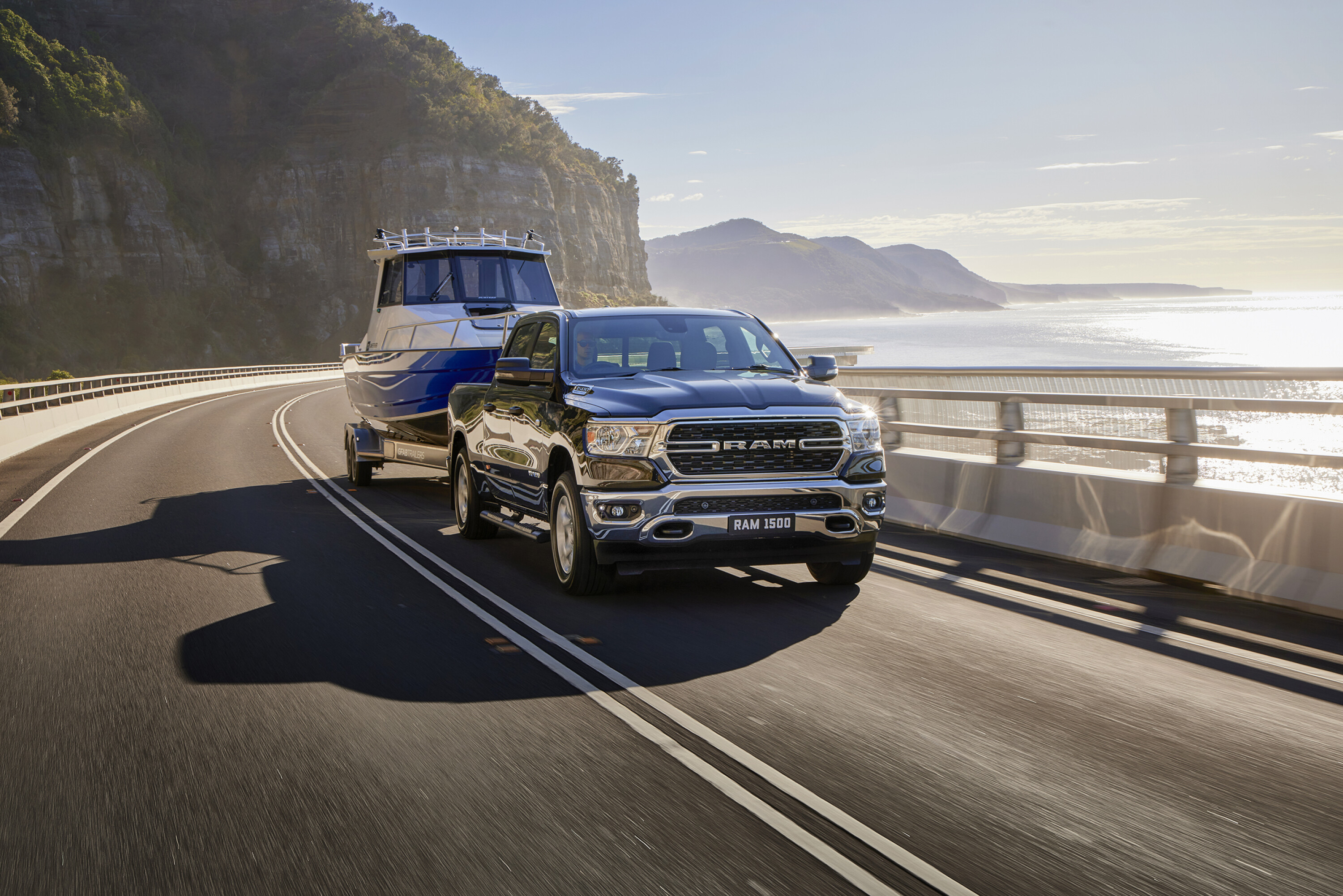
The RAM 1500 Big Horn is not the cheapest here with its $119,950 (plus on-road costs) ask, but you get a lot of towing metal for the money.
It has a solid kerb mass (2519kg), with the ‘short’ 1712mm tray (instead of the 1937mm long tray), it has the best payload here (931kg) and with a 3450kg GVM and 7713 GCM, you can theoretically tow 4500kg while having 481kg payload remaining available (assuming 10 per cent tow ball download).
If you’re ‘only’ towing 3500kg, you’ll have up to 581kg to spare as payload (again, assuming 10 per cent of trailer weight is on the tow ball).
1
With its 291kW/556Nm engine running through an eight-speed auto and an on-demand 4WD, there’s plenty of grip and get up and go for heavy towing duty.
An 87-litre fuel tank won’t get you too far when towing (where 20L/100km is a realistic fuel figure), but to get the 98-litre capacity offered elsewhere in the RAM 1500 range, you have to spend more but lose some payload.
Towing-assist features are a bit sparse here, compared to the trailer guidance/checks party tricks offered by the others.
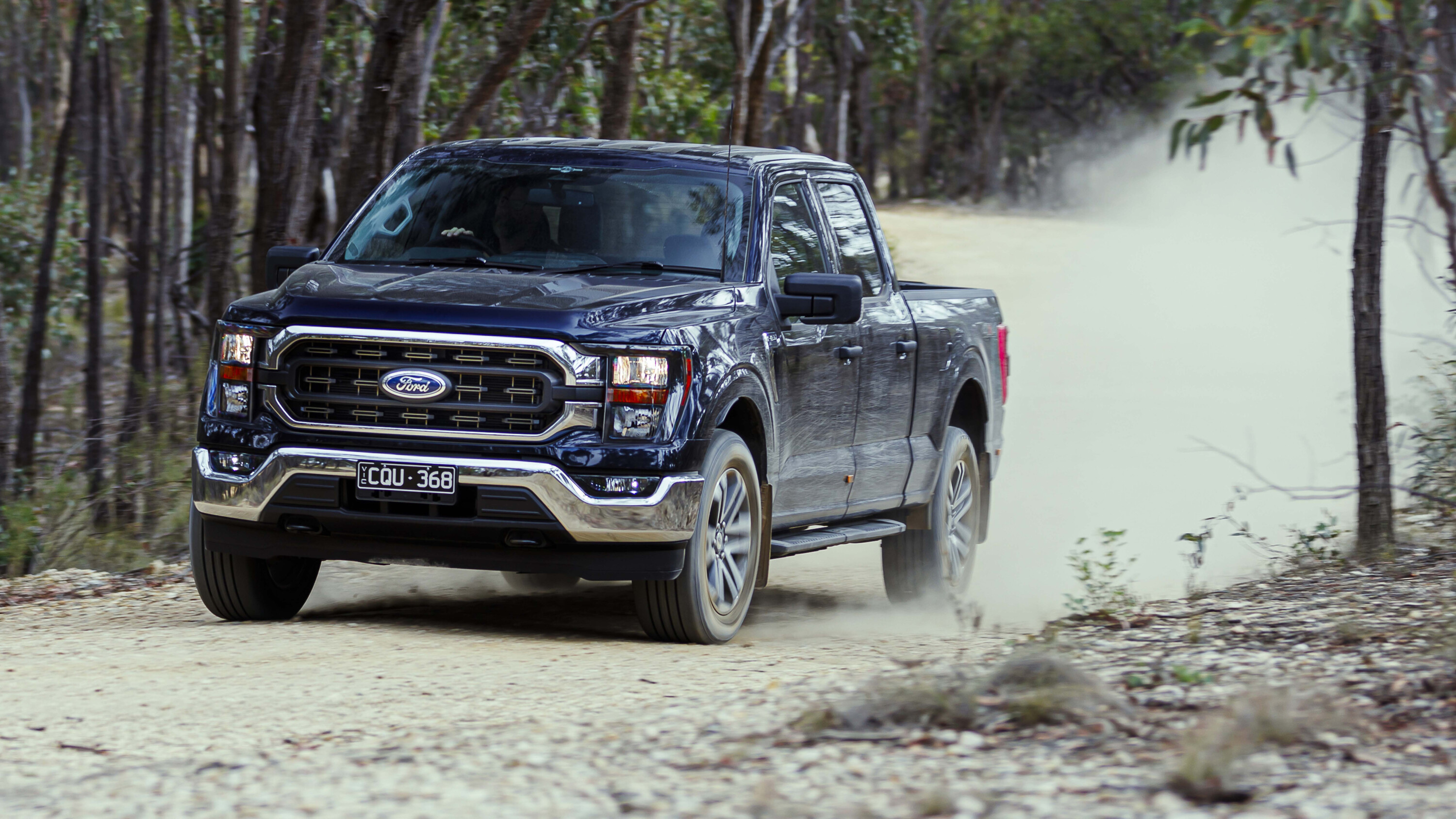
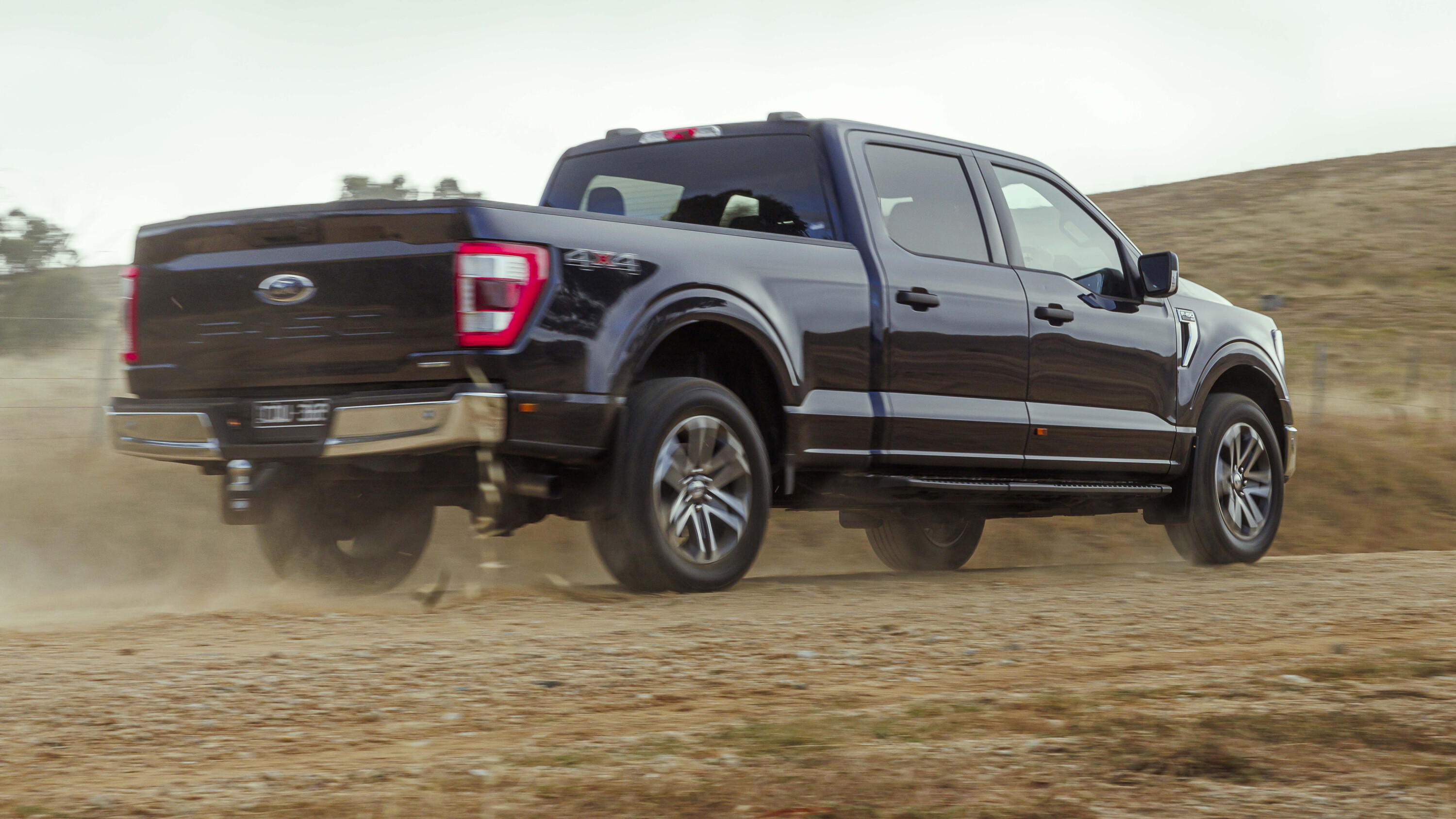
The recently arrived, ‘official’ Ford F-150 is a compelling case, with its lowest entry price ($106,950, plus on-road costs) and largest fuel tank (136 litres) giving it a gun touring range of at least 650km when towing a heavy trailer.
With a 2535kg kerb weight, 794kg payload, 3220kg gross vehicle mass (GVM) and 7720kg gross combined mass (GCM), you can tow up to 4500kg, but have just 235kg remaining for payload. That bounces up to 335kg, if you tow 3500kg with 350kg on the ball.
The Ford has a few towing tricks up its sleeve, with a trailer set-up menu to factor in trailer size for blind-spot warning and a trailer lights check mode. There’s also Pro-Trailer Back-Up Assist that, when set up, you twist a dial on the dash according to the direction you want the trailer to reverse.
1
The catch with this great feature is that yaw sensors have to be fitted to the trailer for it to work – not an issue if you tow just one trailer, but it’s not much use if you have more than one trailer you eventually have to tow.
Even though it doesn’t have the V8 bellow of the others here, the F-150’s twin-turbo V6 is a strong engine – it’s down slightly for outright grunt compared to the V8s in the RAM and Chevy but it trumps both for torque – and it pairs well with the 10-speed auto, which shifts through cogs smoothly and decisively.
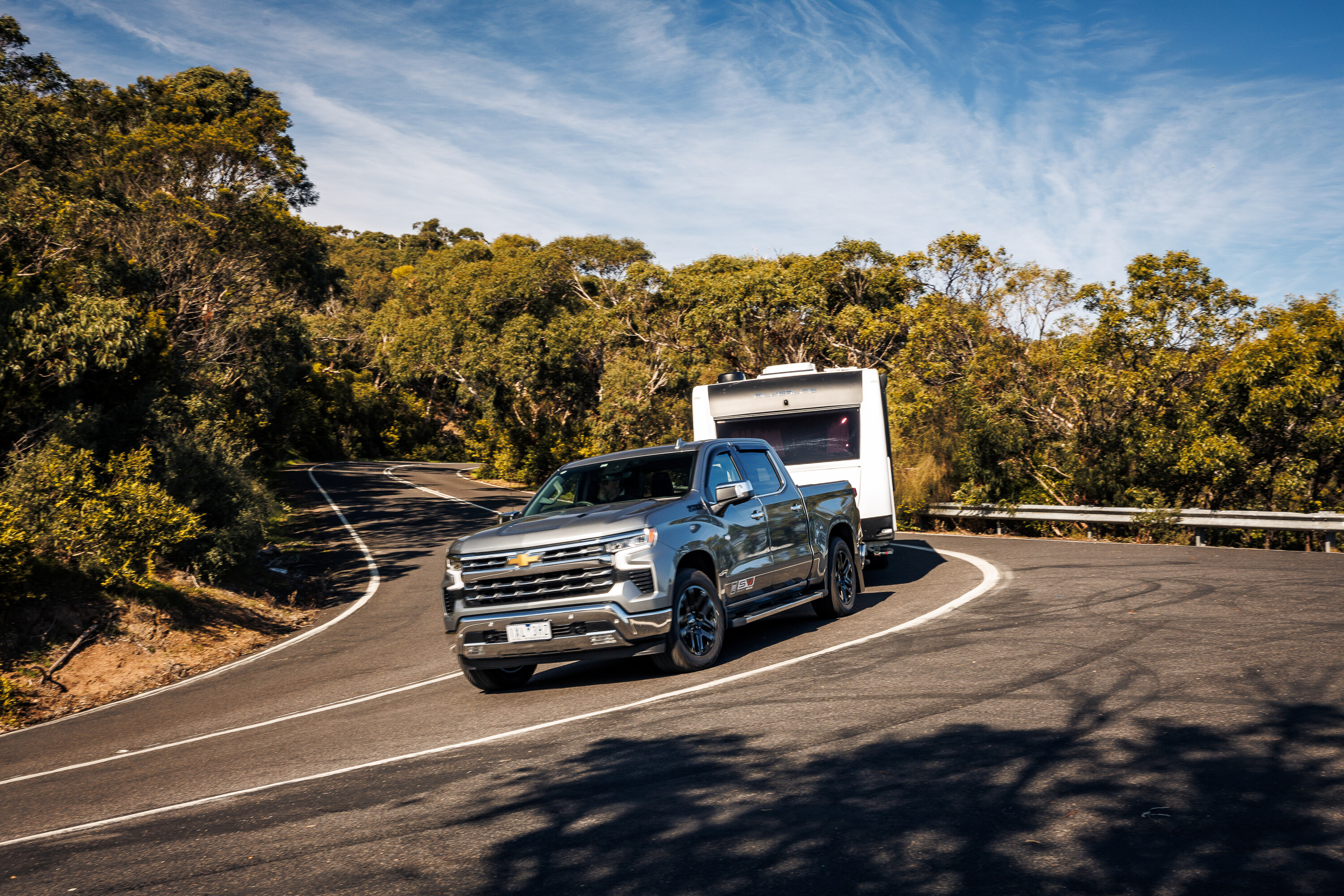
The $130,500 (plus on-road costs) Chevrolet Silverado LTZ has a heavy kerb weight and a petrol V8 that churns out 624Nm of torque through a 10-speed auto – all making for a strong argument for tow hauling.
The Chevrolet Silverado LTZ has plenty of power, torque and trailering cleverness, but fuel range on tour is compromised with its 91-litre tank.
Weight are 2543kg kerb mass, 3300kg GVM and 7160kg GCM. That means you have a 757kg claimed payload, that reduces to 117kg when lugging a 4500kg trailer.
While the other two here are restricted in available payload when laden according to their GVM, here it’s a case of a restrictive GCM, capped some 600kg or so less than the other two here.
On the bright side, there’s lots of towing tech. The Silverado has 12 camera views as standard, with optional cameras you can set up to give you a view behind the trailer and in the trailer from the centre infotainment screen. The centre screen displays the full side view down past the rig when you indicate.
The big Chev also has a phone app called Advanced Trailer System. The system includes a pre-departure checklist, light sequencing, maintenance reminders, security alerts and more. The system also offers towing reminders, trailer electrical diagnostics and monitors tyre pressures.
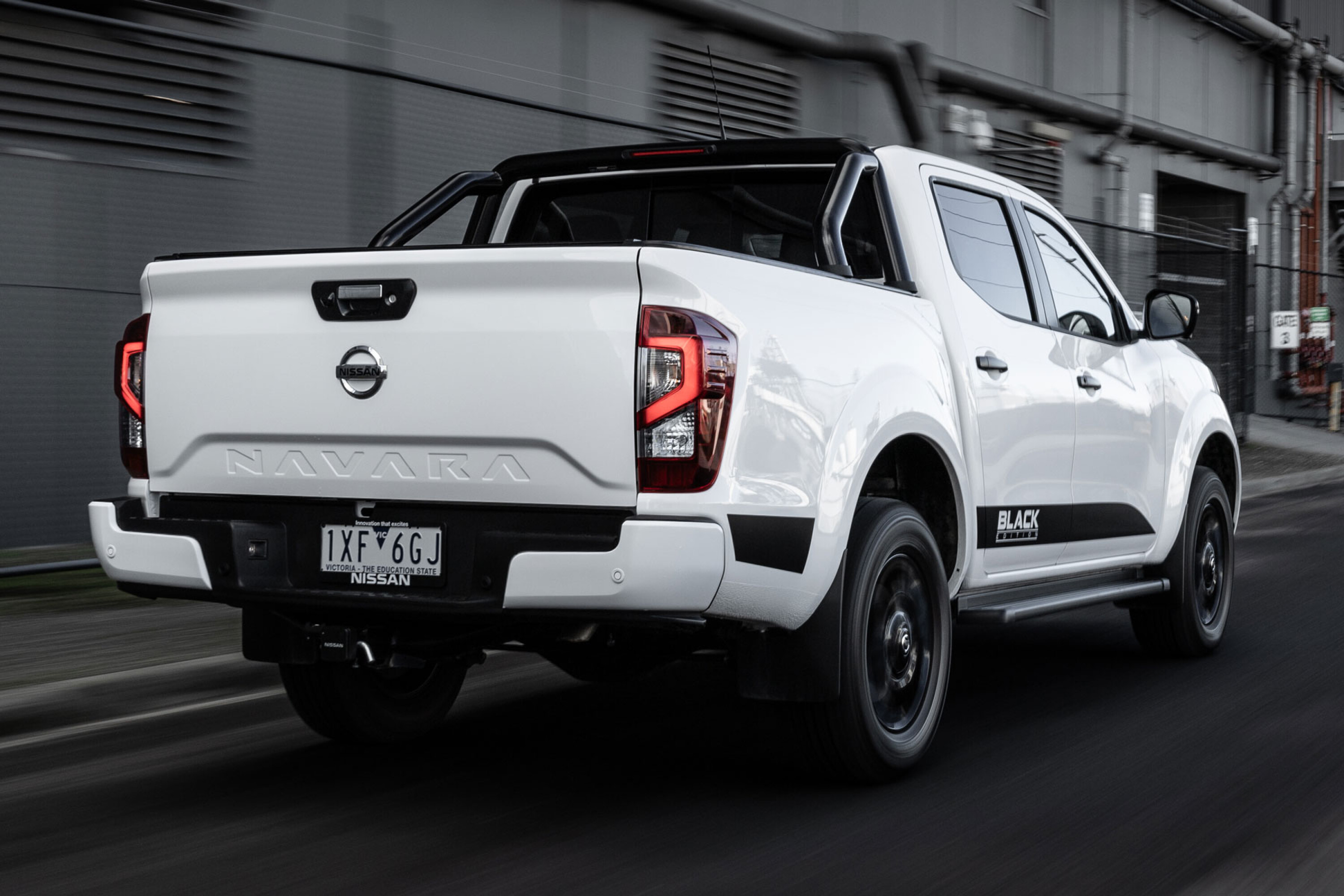
Black edition mid-size utes must be the trend at the moment. Just weeks after the announcement of a Black Edition model of the Blue Oval ute, Nissan has released details of its new Black edition Navara ST.
Black editions are nothing new and it seems that every manufacturer has had a crack at them but this latest offering from Nissan adds style and value to the hard working Navara.
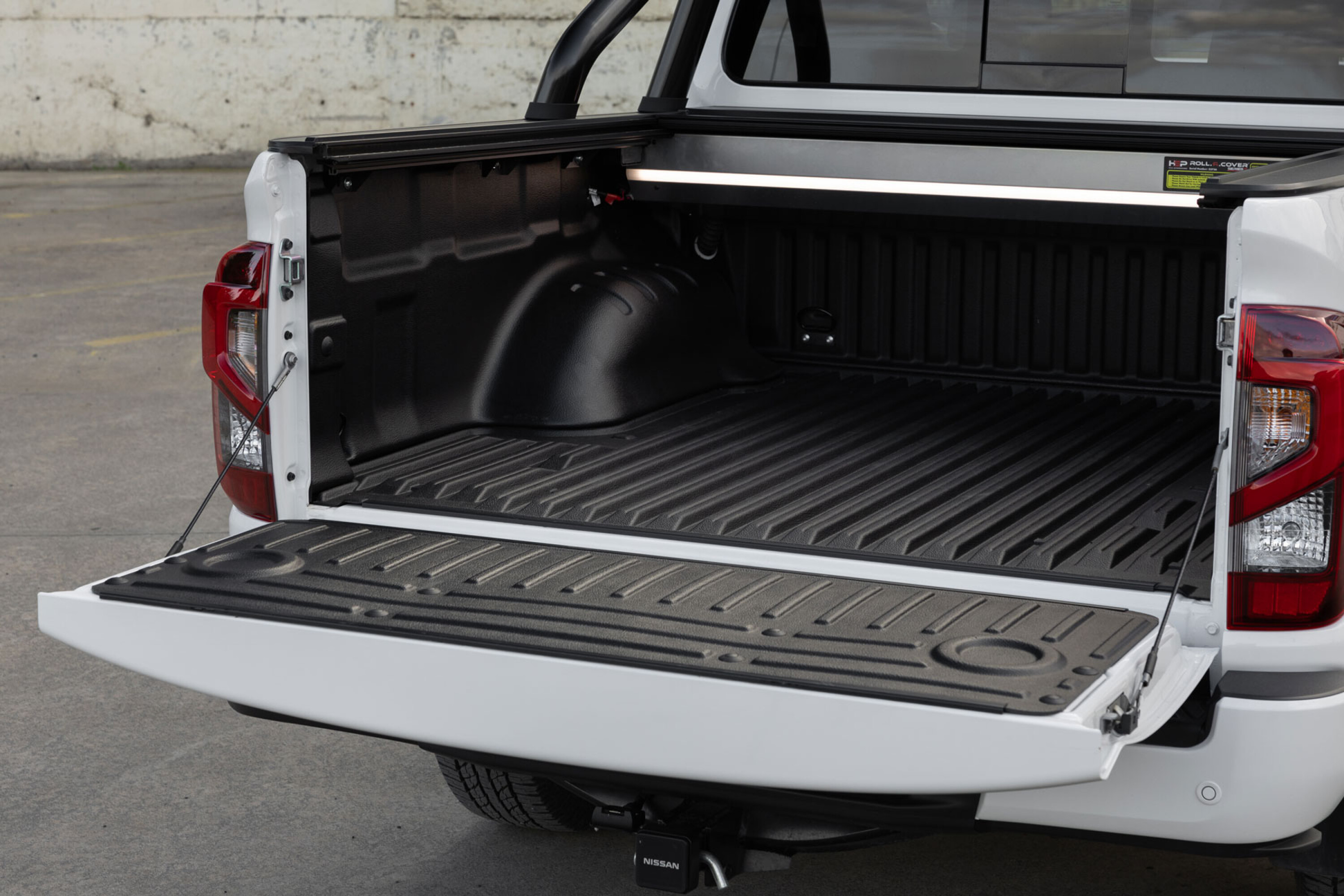
Nissan Navara 4×4 Black Edition sells for $60,455 RRP but is on offer from $59,990 drive away at the moment. It adds 17-inch black alloy wheels wearing Yokohama Geolander A/T tyres, black door handles and exterior mirror caps, a matte black radiator grille, black sports bar, soft tonneau cover, cargo tub liner and specific Black Edition decals.
1
If you’d like to replace the soft over with a powered HSP roller shutter and central locking on the tailgate, the price jumps to $60,490 drive away while a factory Nissan tow bar package adds a further $1,030.42 to the tally.
The Black package is only offered on the double-cab ST 4×4 Navara model which is the second up in the Navara range making it a genuine workhorse.
Starting at $55,455 RRP but on offer from $54,990 drive away for 2024 build models, the ST is well equipped with features including –
Full Size Spare Wheel (Steel)
LED headlights, tail lights, fog lightsand DRLs
Black side steps
A power sliding rear window
Tailgate Assist
8-inch multimedia screen with Apple CarPlay® and Android Auto phone mirroring
7-inch Instrument Cluster Display
Leather trimmed Steering Wheel and gear shift lever
Remote Keyless Entry
Air Conditioning including rear passengers vent
Hill Start Assist
Hill Descent Control (HDC)
Drive Mode Selector (Sport/Off-Road/Tow/Normal)
Off Road Monitor
Trailer Sway Control
Steel underbody protector (below radiator)
Around View Monitor with Moving Object Detection (MOD)
Anti-lock Braking System (ABS) and Electronic Brakeforce Distribution (EBD)
Vehicle Dynamic Control (VDC) with Brake Limited Slip Differential (BLSD)
Brake Assist (BA)
Seven airbags (Front, Side Seat, Curtain, Driver Knee)
Reverse parking sensors and camera
Forward Collision Warning (IFCW)
Emergency Braking (IEB)
Intelligent Driver Alert (IDA)
Lane Departure Warning (LDW)
Intelligent Lane Intervention (ILI)
Blind Spot Warning (BSW)
Intelligent Blind Spot Intervention (IBSI)
Rear Cross Traffic Alert (RCTA)
Central Locking (Speed Sensing with Anti-Lock Out)
Immobiliser & Alarm
Cruise Control
Power Adjustable Door Mirrors
Power Windows (Auto Up/Down for Driver)
High Beam Assist (HBA)
Automatic Headlights
Automatic rain sensing wipers
1
The Navara ST Black Edition is exclusively powered by Nissan’s 2.3-litre twin turbo-diesel engine that puts out 140kW and 450Nm, backed by a seven-speed automatic transmission, part-time-dual-range transfer case and a lockable rear differential.
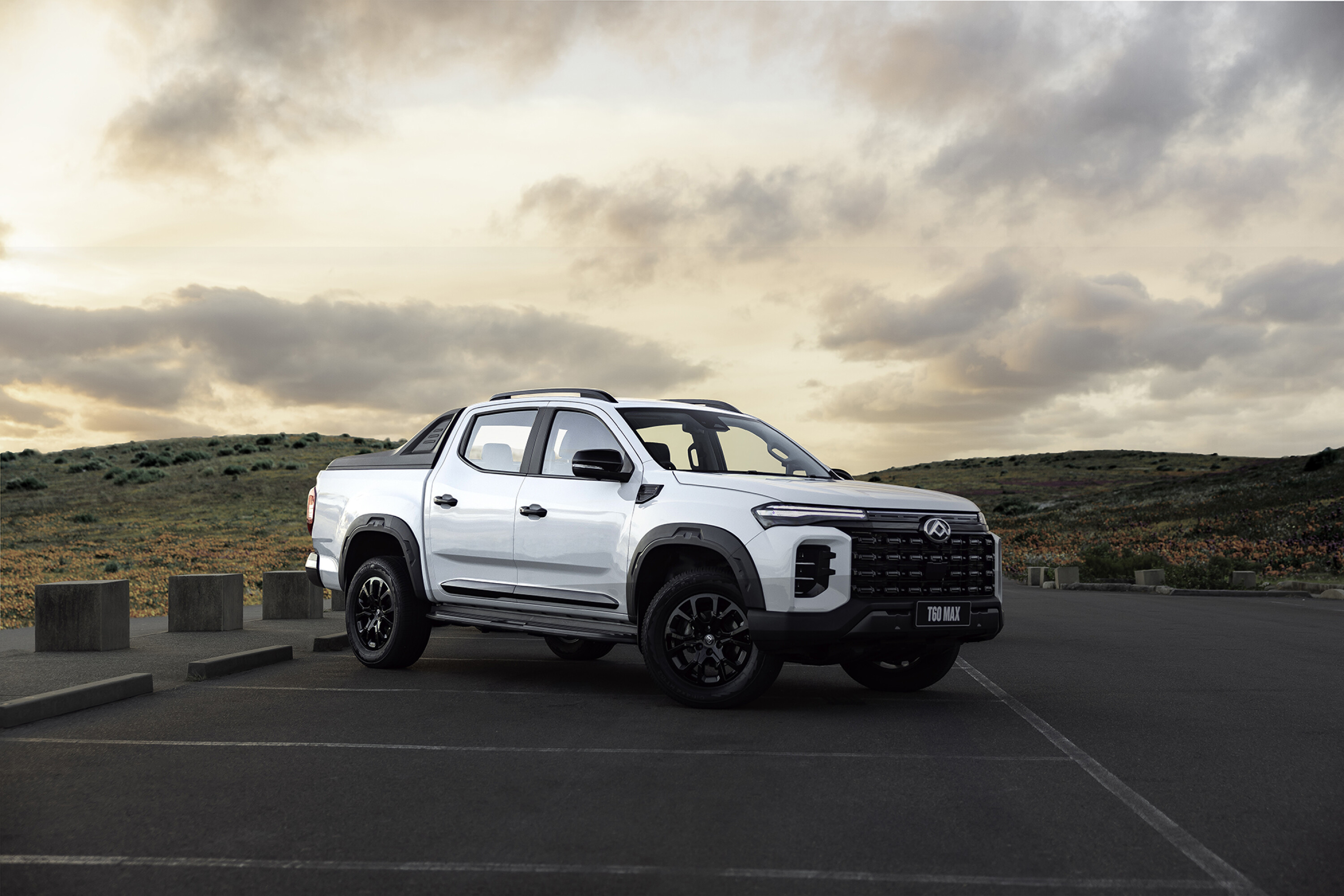
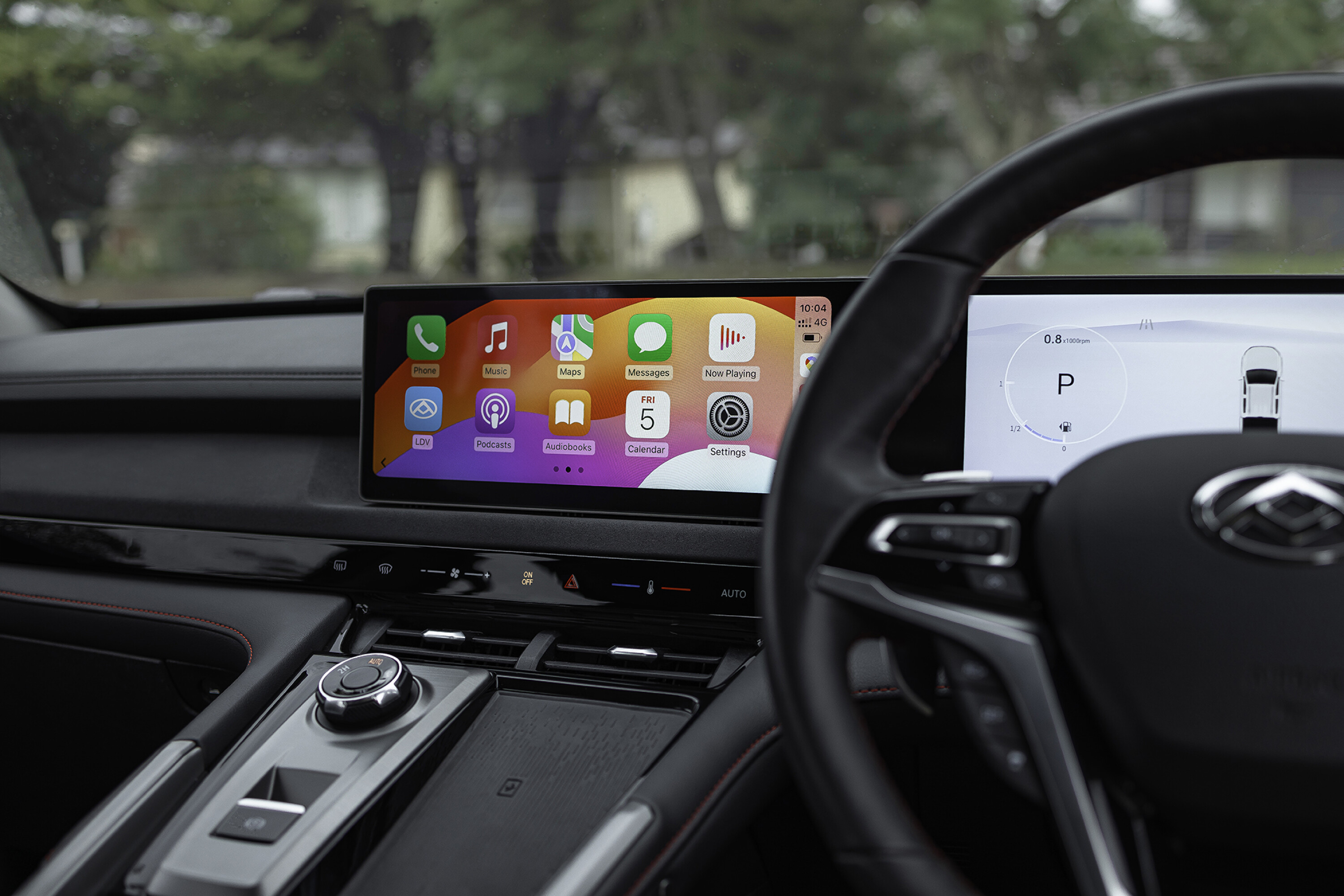
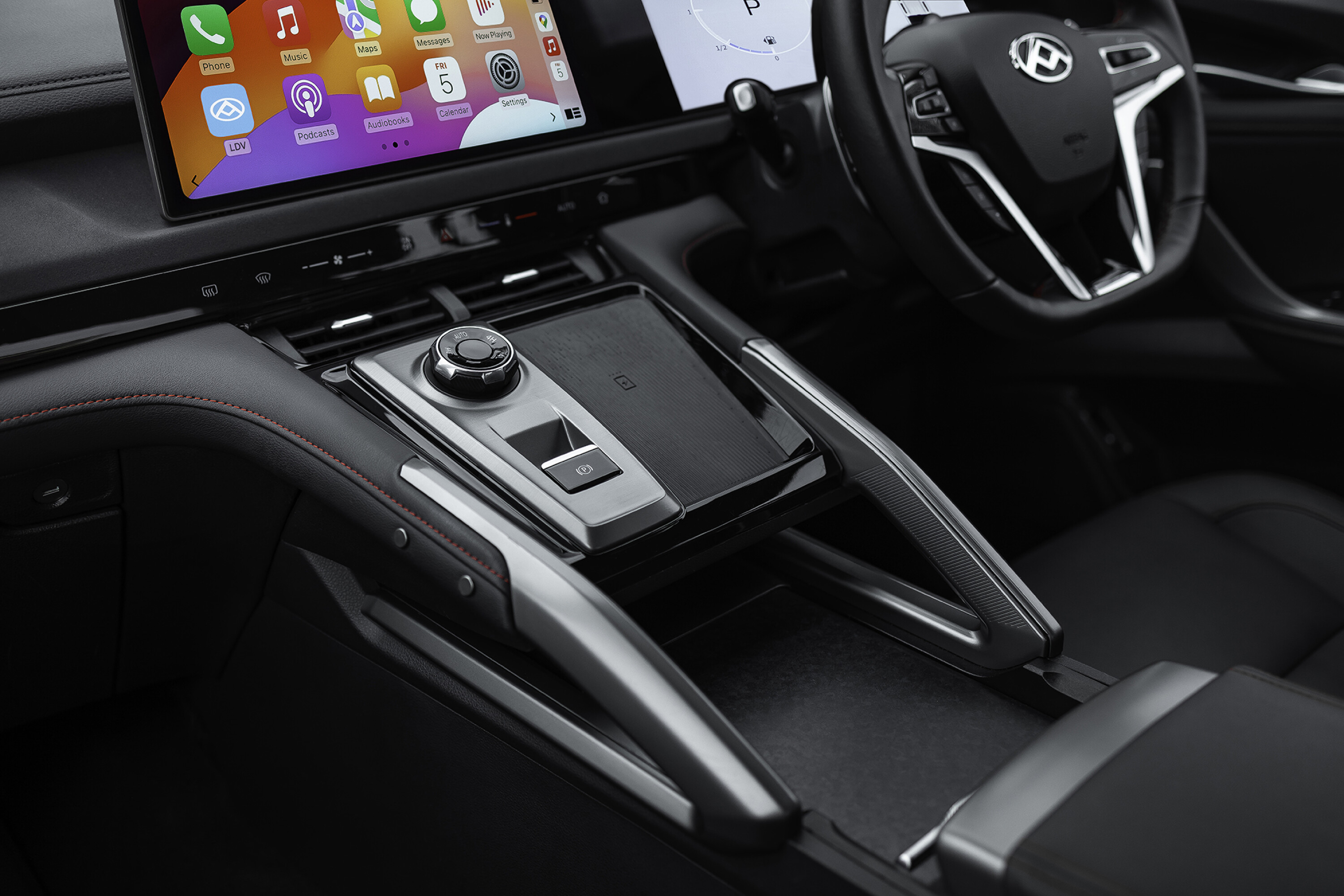
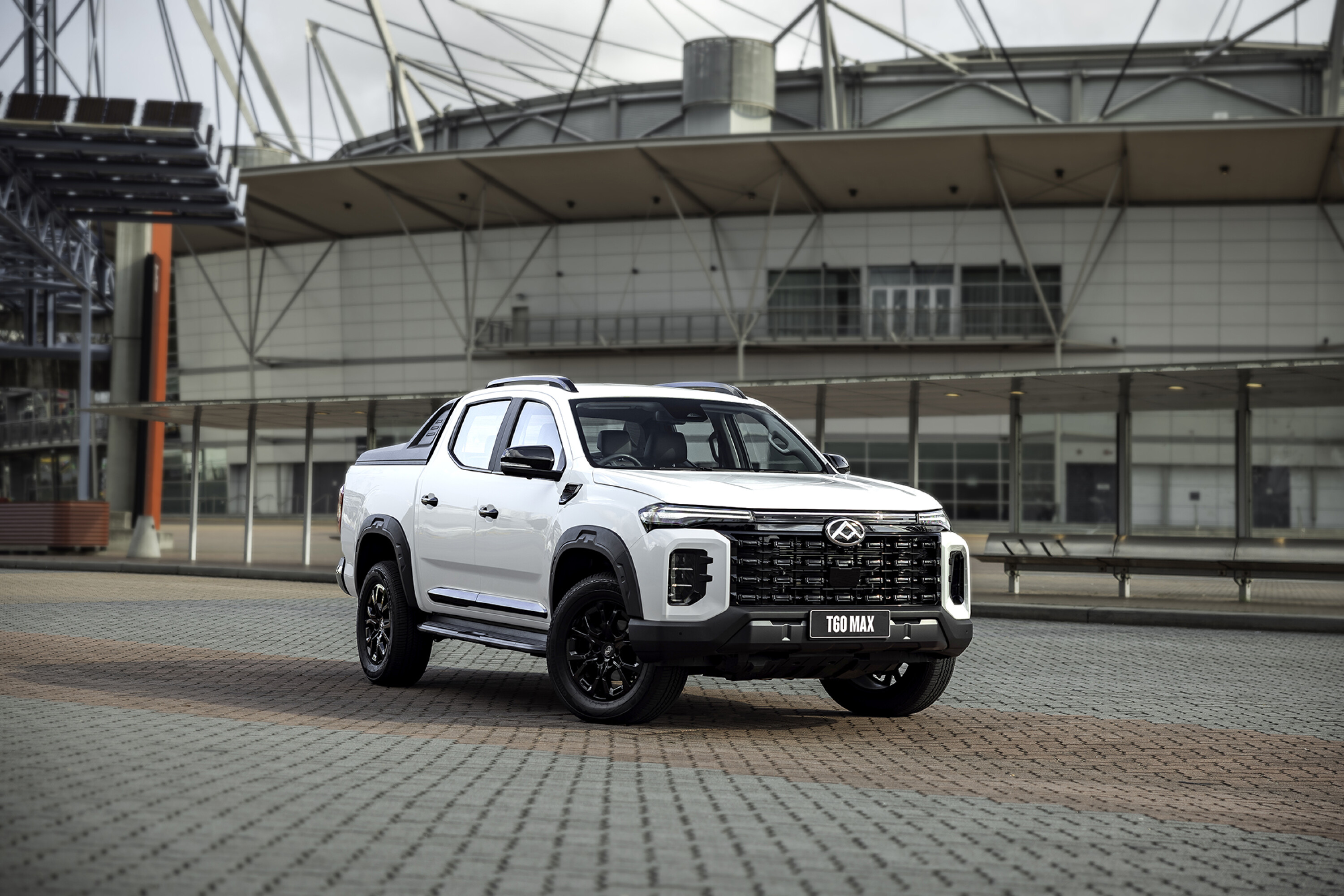
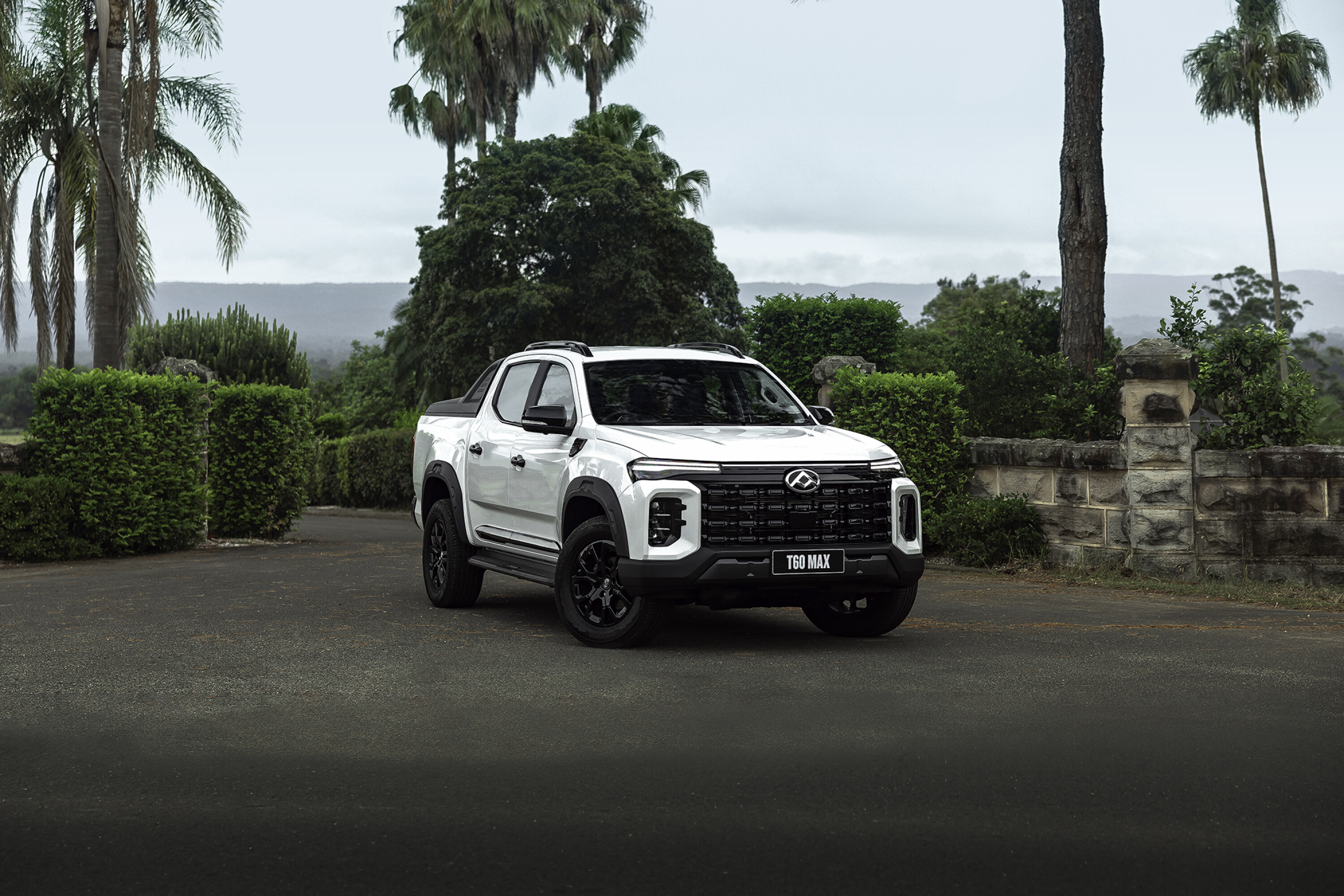
The LDV T60 Max Plus is the new range-topping dual-cab ute with a revised design, upgraded interior, added safety tech and new coil-spring rear suspension. Lots of changes, but it costs a bit more.
There are three LDV T60 Max Plus variants, which all sit at the top of the existing T60 Max range.
Private buyer drive-away pricing:
T60 Max Plus manual
$48,411
T60 Max Plus auto
$50,516
T60 Max Plus Mega Tub auto
$52,095
ABN drive-away pricing:
T60 Max Plus manual
$45,990
T60 Max Plus auto
$47,990
T60 Max Plus Mega Tub auto
$49,490
Without regurgitating an entire spec sheet, highlights include a revamped exterior design with new front-end styling. It comes standard with LED daytime running lights, LED headlights, 18-inch wheels (with Giti tyres, not the existing Continentals) and a steel spare wheel. Plus, there’s tyre pressure monitoring, a spray in tub-liner, a lockable tailgate (not connected to central locking), keyless entry and push-button start, auto wipers, auto lights, and auto high-beam.
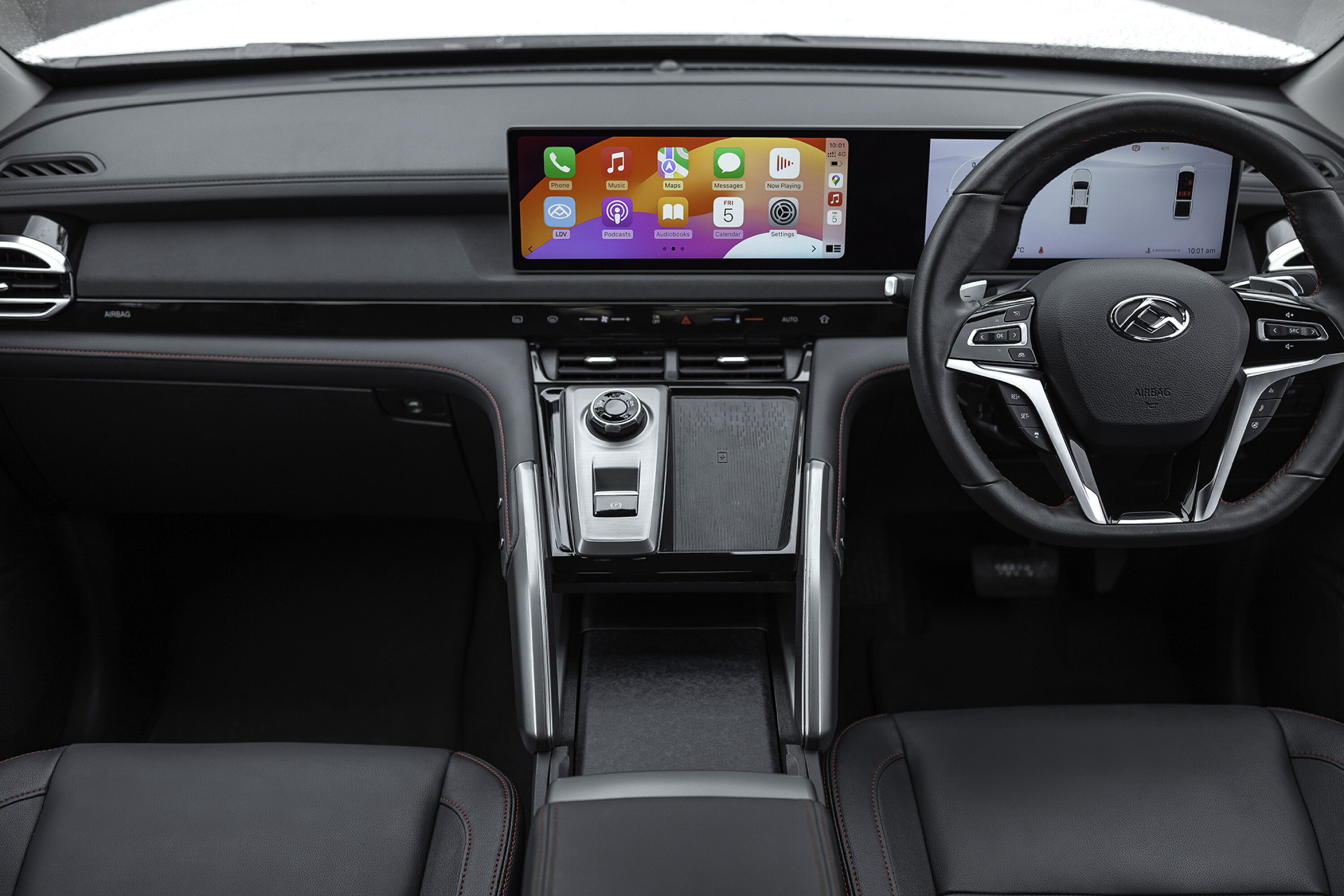
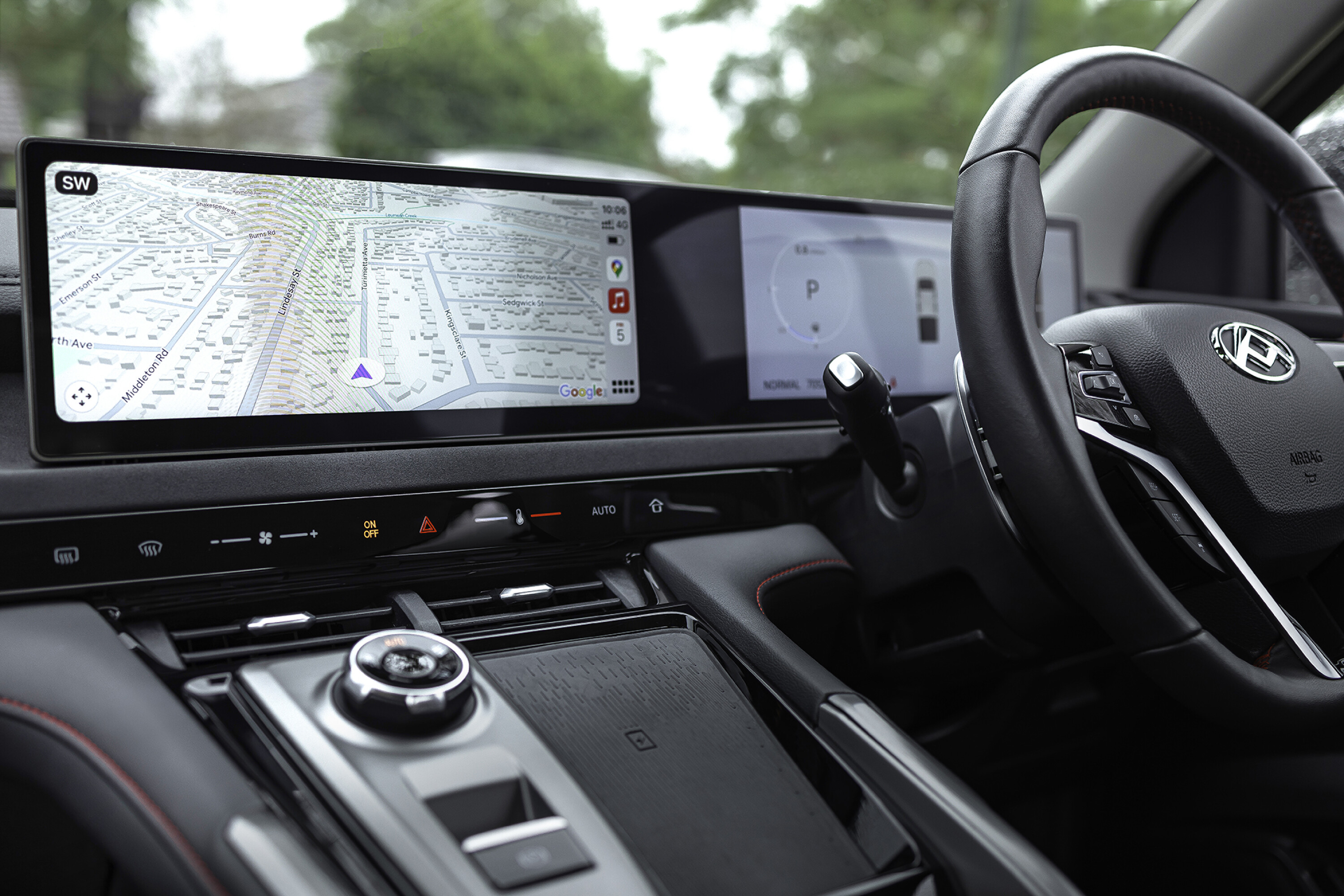
Inside there is a new 12.3-inch touchscreen including Apple CarPlay and Android Auto (wireless if you choose the auto ute; manual models get cable-connect). There’s also a wireless phone charger in the auto models that the manuals miss out on; plus another high-definition 12.3-inch screen for driver info.
There’s leather seat trim, power adjustable heated front seats, heated steering wheel, an auto-dimming rear-view mirror, and a poor quality surround-view camera – shadows throw it out badly.
Auto models finally get active safety tech including autonomous emergency braking and lane-keeping assistance. Manuals miss out.
There’s a surround-view camera, front and rear parking sensors, six airbags (dual front, front side and full-length curtain), hill descent control, hill start assist, stability and traction control, and an on-demand locking rear differential.
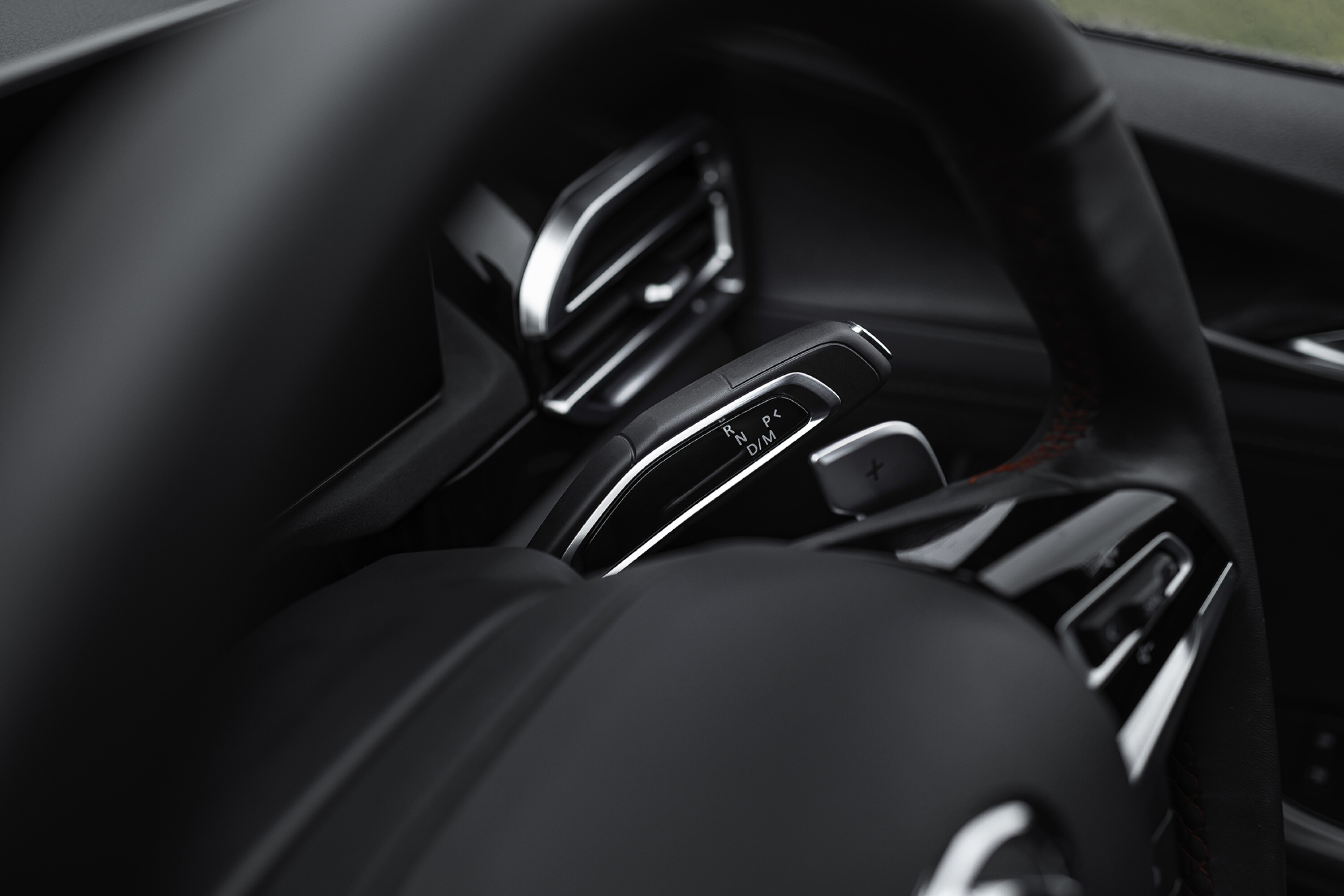
There are still some ergonomic issues such as the lack of reach adjustment for the steering wheel and a high seat-base height, and the auto models now feature a column-shift selector, similar to Mercedes-Benz, which requires some adjustment.
The ‘everything’ stalk on the left of the steering column controls high-beam lights, wipers and blinkers, while main lighting controls are accessed through the media screen. Really.
The haptic control panel for fan and air-con may be inconvenient for those who wear gloves. The 12.3-inch touchscreen media unit is a notable improvement, though it requires some learning. Seat heating is controlled through the screen, but there is a button for steering wheel heating.
1
There’s more centre console space and a marble-like textured lid between the seats.
The cabin offers impressive space, with good knee room and head clearance for those front and rear, and the rear seats include ISOFIX points, directional air-vents, a USB-A charging point, and fold-up bench seats for extra storage.
The Mega Tub variant is significantly longer than standard versions, with a 5710mm length and a 3470mm wheelbase (standard model has a 3155mm wheelbase; 5395mm total length). The Mega Tub length is 1760mm, compared to 1485mm in standard models, while other measurements remain unchanged.
The new model offers significant differences but doesn’t dramatically change the driving experience.
The new coil spring rear suspension still feels firm without a load, but provides a more predictable and more enjoyable drive. I put in 500kg of sandbags and the suspension felt surefooted and secure, handling speed bumps well with minimal rear-end sag. The steering and handling is enhanced by the better rear suspension, and the ute’s driving manners are better than before.
1
The engine still has the same outputs, but a software retune has had a noticeable but limited impact.
It’s smooth under light and mid-throttle and decent for overtaking, but struggles with stop-start driving, showing notable lag. The eight-speed ZF auto is well-tuned but sometimes holds gears longer than expected.
The engine is noisy, especially from a cold start and at low speeds, though quieter at highway speeds. With a load, the powertrain feels smoother and more responsive. The four-wheel disc brakes are better for non-loaded driving, with a squelchy pedal feel under extra mass.
If you’re sold on the idea of a LDV ute and want the best one there is, then it’s worth a look. It’s an improvement inside and out, as well as on the road.
Are you getting tired of online experts when it comes to what you need for a safe, comfortable, legal tow rig? Us too.
The sheer amount of bull-plop out there regarding GVM upgrades, GCM upgrades, air bags and weighbridges is, frankly, scary. And yet setting your vehicle up to tow a decent-sized van or camper remains one of the great mysteries to a lot of people out there. It’s also something that you can absolutely not afford to gamble with.
It seems like just as there’s a bum for every seat, there’s an armchair expert for every opinion. So let’s give the keyboard engineers a wide berth and actually talk to the folks who do this stuff for a living.
Let’s clear up any confusion over what GVM and GCM actually mean, why air bags are not necessarily the evil invention of chassis repairers, and why the weighbridge at the local council tip might land you in serious trouble.
1
Or worse. Oh, and whether you really do need a GVM upgrade and when you might be best to leave your rig well alone.
So let’s start with some house-keeping. How about a quick definition of GVM and GCM that doesn’t come from your mate down the pub. Gross Vehicle Mass (GVM) is, to put it as simply as possible, the most your vehicle can weigh and be legally driven on the road.
The important thing is that this number includes everything in or on the vehicle, including fuel, luggage, accessories and even passengers. If you’re towing anything, the GVM must also include the tow-ball down-weight.
Gross Combination Mass (GCM) on the other hand is the legal total mass of the vehicle and anything it’s towing. Which also includes not just the boat or van, but what’s in its water tanks, gas bottles, and storage areas.
1
Exceed either of these numbers, and you’re looking down the barrel of a fine, being put off the road and even having your insurance company ignore your pleas should anything go wrong while you’re over the GVM or GCM.
In the real world, that could mean having your van towed back home by a third party (at your expense) or a big hole in your wallet when the insurance company won’t cover damage caused by your inadvertently overloaded rig.
Even worse, you could be jailed if your overloaded rig causes injury or death in the case of a shunt.
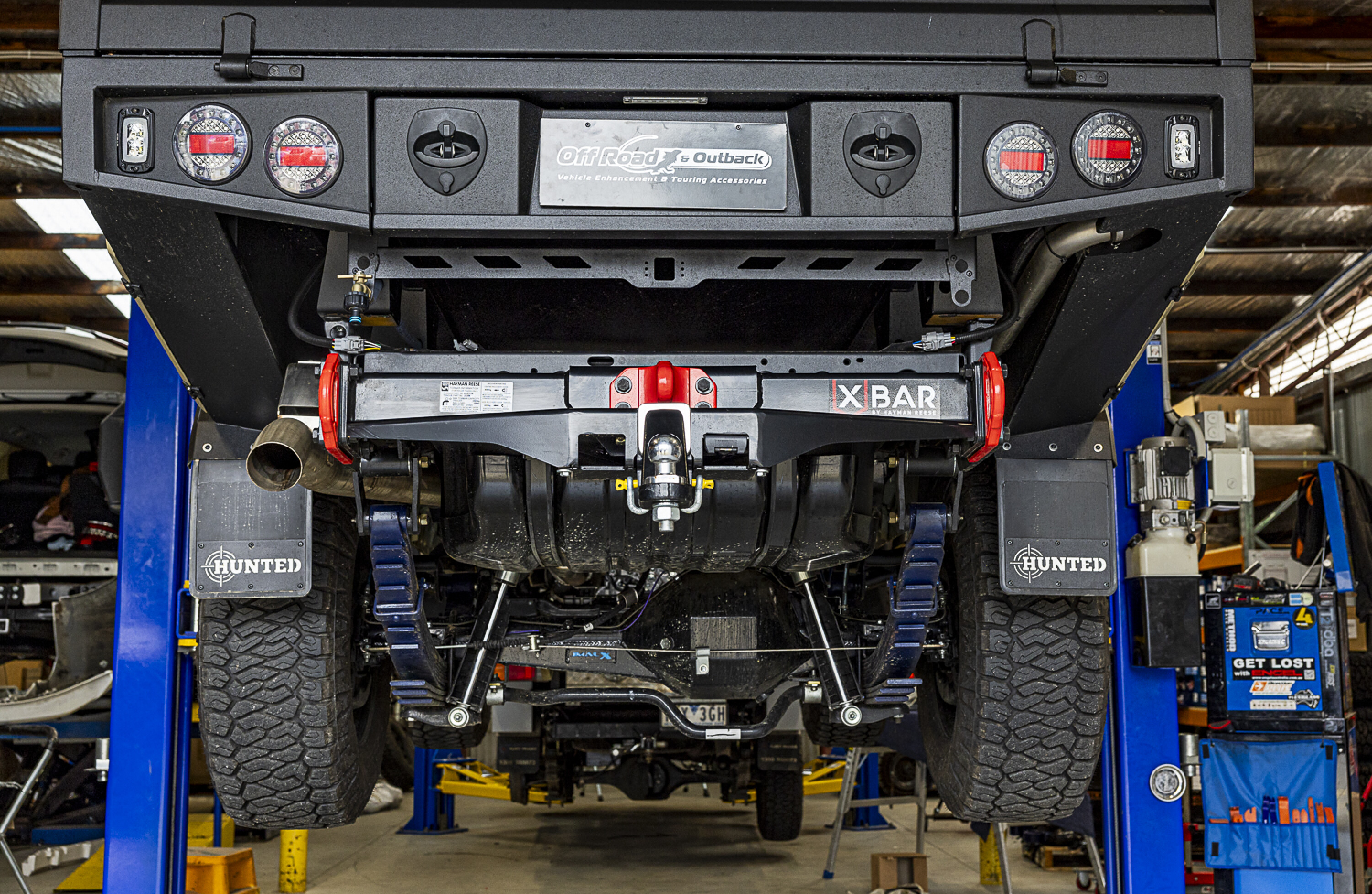
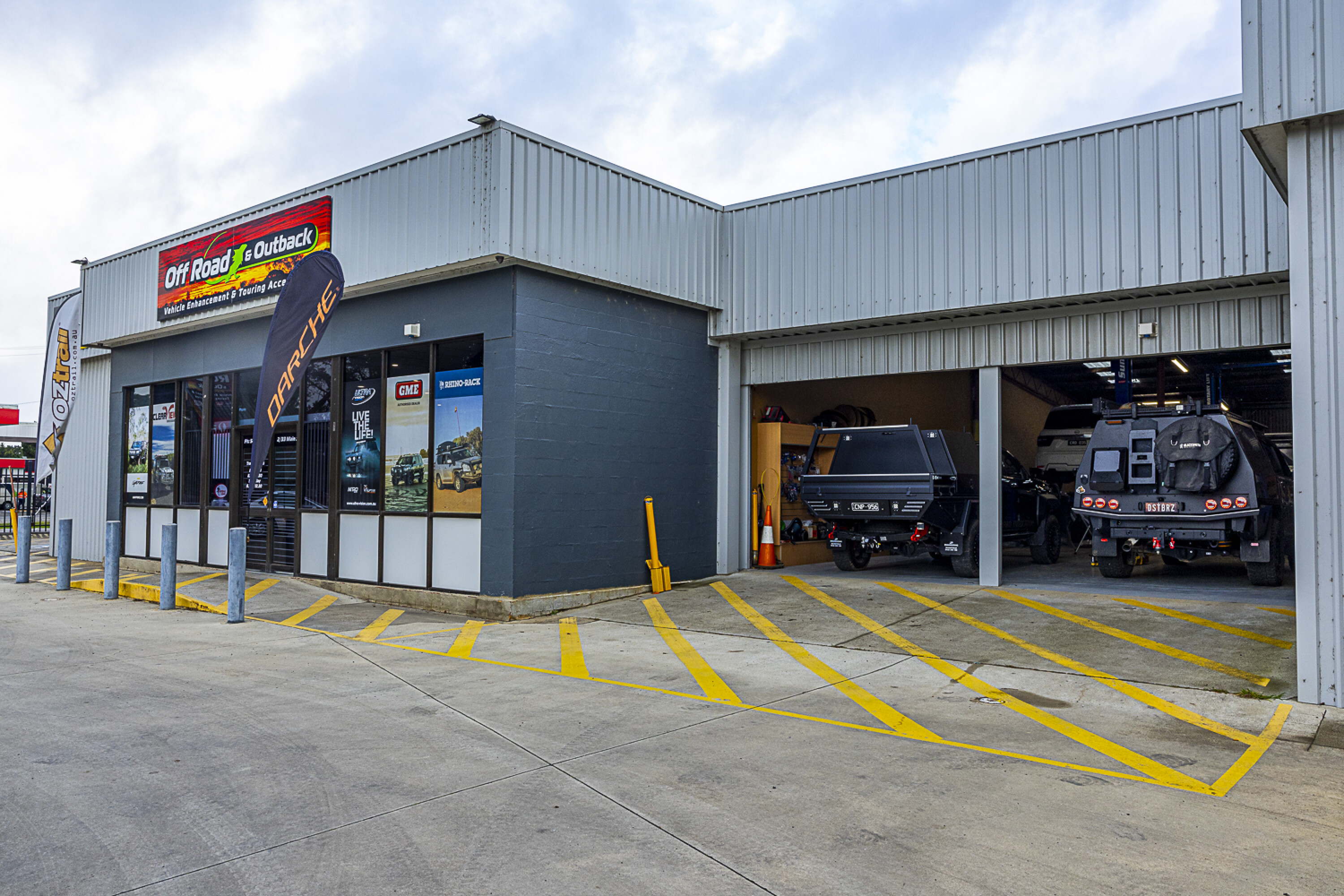
According to Off Road & Outback’s Bo Jackson, there’s a lot of confusion out there about the legalities as well as the best path to go down if you’re planning to tow big, heavy stuff. Bo understands that social media advice costs nothing, but reckons that in a lot of cases, that’s precisely what it’s worth. Or worse.
“There’s a lot of confusion out there,” she told us. “Some people – and it’s not necessarily their fault – have no idea, and social media isn’t helping at all. A lot of the advice you’ll see will be for a specific set-up that doesn’t even come close to suiting the next vehicle.”
1
“Some of the things I see people write (in the name of advice) scares me.”
Bo reckons the path to the right towing set-up is very vehicle-dependent and there’s absolutely no one-size-fits-all solution.
“Working out what people need is the first step. So we always recommend that they get their vehicle and van professionally weighed. Guessing weights is not a good idea.”
Even then, Bo says that the weighbridge (the usual online advice) at the local tip ain’t gonna cut it.
1
“We always recommend a professional weighbridge because it gives you the weight of the vehicle, the van, the weight on every axle and the tow-bar. It’s also accurate to 500g.”
Such weigh-stations are set up with four platforms, each operating as a separate set of scales. The first one measures the weight on the tow-vehicle’s front axle, the second one the rear axle, the third platform takes the weight of the jockey-wheel (and, therefore, measures towball down-weight) and the fourth weighs the caravan or trailer itself, regardless of whether it’s a single or tandem axle unit.
“We’ve seen cars where the GVM is fine, but the way the vehicle sits and is loaded, the rear axle is way over (it’s weight limit). If they’d just chucked it on the weighbridge at the tip, they wouldn’t know that.
1
So, go to a professional weigh-station, get the written report and we can work it out from there.”
Linda Hitch, director at Hitch Engineering Services (and coincidentally a technical engineering advisor to the Australian caravan industry) agrees, adding that options for having a rig properly weighed include commercial weighbridges operating from some large service stations as well as special weigh-in days carried out by the various state caravan associations.
“But there are also mobile weighbridges that will come to you,” she points out. “They’ll usually cost between $300 and $400, but you’ll get a written report and they’ll be able to explain everything for you.”
So what happens if you do need a GVM or GCM upgrade? Again, this can be a murky subject because different states and territories allow different modifications.
In some cases, the authorities will only allow a GVM upgrade on vehicles that have never been registered, and not on ones that already wear number plates. And the internet is full of statements that no state will allow a GCM upgrade under any circumstances.
But, depending on where you live, neither of those statements is 100 per cent correct.
Since Off Road & Outback is Victorian based, Bo Jackon’s expertise relates to that state. And she’s quick to point out that both GVM upgrades on both brand-new and secondhand vehicles are allowable, as are GCM upgrades. That catch is that you must use a Lovell’s GCM upgrade kit, because that’s the only one approved (in Victoria).
1
Clearly, you need to check the situation in your state but, again, that means talking to the authorities or a legitimate business involved in this type of work, not some galoot on a computer in his mum’s spare room.
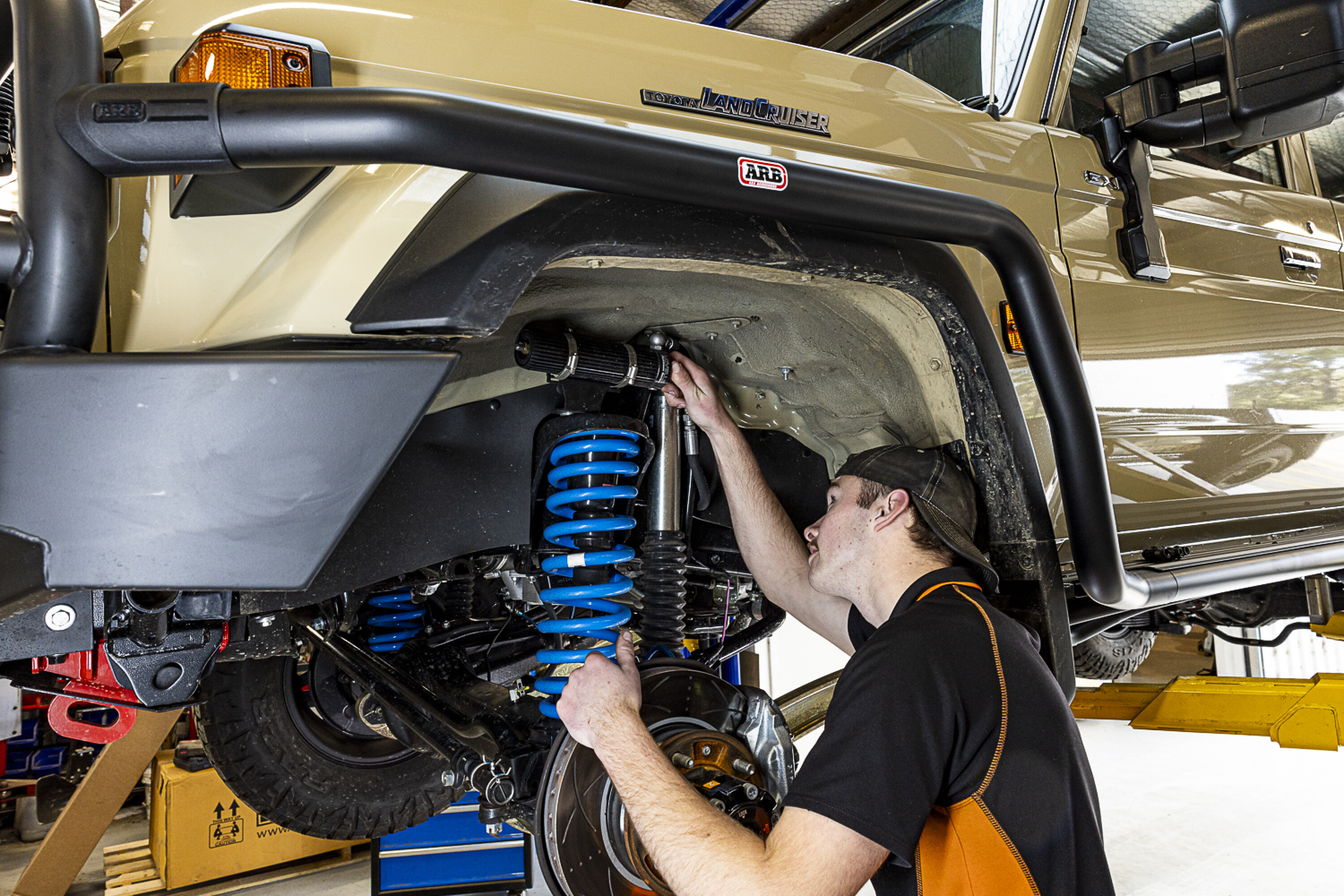
So, exactly what’s involved in a GVM or GCM upgrade? Fundamentally, it’s hardware. That amounts to heavy duty front and rear springs and new dampers all rated for the heavier load being carried. In some cases, you might find you need to add a different indicator-light on the front quarter panel.
But Bo’s advice is to be wary of a shop trying to upsell you to a set of bigger brakes because typically, you won’t need them; the approved kits have all been signed off with stock brakes. Unless you want bigger brakes, of course.
1
Linda Hitch is not so trusting of factory braking capacity and reckons this is one area of a GVM upgrade that is often overlooked by some suppliers.
“When vehicles are designed, they’re tested for load capacity and towing, but I sometimes think brake capacities are overlooked. Manufacturer testing is done at full GVM to make sure the vehicle is able to stop within the regulations, but when you do a GVM upgrade, are you sure it’s been tested for braking performance with that new, higher weight? Some kits have, some haven’t, but people need to be aware of that.”
Ultimately, this will be the difference in using a trusted, reputable upgrade service, or calling the first number that comes up on your google search.
So do you need both a GVM and GCM upgrade? Typically, it’s not as simple as that as Bo points out that even with a GVM upgrade, if you start using the extra margin, you’ll still need a GCM upgrade before you can tow the full 3.5-tonnes most dual-cabs are now rated to haul.
That’s because the vehicle might be able to carry extra weight on board courtesy of the GVM upgrade, but since the GCM stays the same, the towing capacity will actually be less if the tow-car is making use of that extra GVM allowance.
“Even then,” says Bo, “just because the weights are within legal limits, a lopsided vehicle is still not safe.”
1
Linda Hitch agrees: “We find the seasoned travellers and towers know their GVM and GCMs. But it’s a bit of a mystery to others and many are pretty nonchalant about it all.”
“In a lot of cases, they haven’t distributed the weight correctly. Too much in the rear of the trailer or van creates an unstable towing scenario, where you get sway at speed. Or they load the front too much and then ball-weight is excessive and goes beyond the legal limits. That will also lighten the front and overload the rear axle. And this is all an issue because people don’t look at individual axle loads. They’re printed in the owner’s manual but people don’t look at them.”
The golden rules, then: “Keep weight low and around the axles. And don’t forget left-to-right balance.”
1
Bo says she sees problems in this area when people are trying to future-proof their rigs.
“You can’t go too big on a GVM upgrade with plans to add a heap of accessories in six months’ time. Because, in the meantime, the vehicle will be unsafe. A 4.5 tonne upgrade on a 2.8 tonne vehicle, for instance, is going to be seriously over-sprung, because it’s not carrying enough weight right now. Bigger is not always better. In some cases, we advise people that they don’t need a GVM [upgrade] at all.
That said, Linda Hitch believes that for every 20 customers she sees roll into her business, 19 of them would benefit from a GVM upgrade.
“A lot of that is because people are repurposing vehicles they already own. They can’t afford a new one, so the idea is to upgrade the one they have.”
1
And let’s be honest, caravans are not getting any smaller, are they?
But Linda agrees that sometimes, a GVM upgrade and its expense could be avoided.
“If you don’t need it, don’t get it,” is her advice. “They’re expensive.”
“I always ask people if they really need to carry so much stuff in their caravan. Some do, others could do with leaving some stuff at home. If they did, they could avoid the 10 or 20-grand for an upgrade. It’s just not worth it sometimes. But when you see people who are going to be 200, 300 or 400kg over without it, then they definitely need it.”
Okay, so what about air bags? Depending on who you talk to, these are the work of the devil, not to mention we’ve all seen those internet pictures of a line of dual-cabs with broken backs, allegedly from having air-bag springs fitted.
Bo says: “Air bags are very debatable. You’ll find one person telling you air bags are dangerous and rubbish, and the next telling you they’re fantastic. The reality is that air bags run into trouble when people think they’re a complete fix. They think they can just crank up the air bags and it’s all good.”
“The reality is bags are purely for ride levelling if you have a removable load. They’re not to carry constant weight. The chassis cracking you hear about is about overloading; the bags are not designed to take that one-tonne payload on their own.”
1
“We still often put air bags in vehicles that have had GVM upgrades, too,” she says. “You add the tray canopy, the water tank and then the van and she’s maxed-out. That’s where the bags come in.”
According to Bo, helper springs are different again and are aimed at vehicles that constantly cart extra weight.
“We rarely use helper springs for a GVM upgrade, and for a stock vehicle they’re not as popular as air bags. But they’re great for when you’re constantly carrying extra weight. It’s application based; air bags are probably a bit nicer in the ride department, but if you’re looking for something you don’t have to touch, then a helper spring is a good option.”
Linda Hitch also reckons air bags have their place as they offer a tow rig more control over ride height and loading options.
“If they’ve been installed correctly, a lot of people swear by them, but others don’t like them at all. If it hasn’t been done properly, an air-bag instal can really affect stability.”
The other elements of a safe, legal tow rig that is actually enjoyable to use come down to the basics.
For starters, you’ve got to ask if you have got enough engine for what you’re towing. We’ve seen lots of dual-cab utes that are rated to tow 3500kg, but put anything like that mass on the towbar and, suddenly, they struggle with hills and headwinds. At that point, you can kiss goodbye to fuel efficiency and driving enjoyment… and you’ll be sitting behind a lot of roadtrains.
A car’s cooling system also gets a workout when towing, and regular radiator replacement is probably a better bet than having one go pop miles from anywhere. So, when was your radiator last replaced? And the coolant (it has a use-by date as well)? Are the hoses in good nick and the fan belts fresh?
1
Is your vehicle generally fit and healthy? Following on from Linda Hitch’s statement that a lot of people are cash-strapped and recycling their tow rigs, does your vehicle have enough life left in it to be reliable for the long haul?
Does it need new fuel-injectors? Is it time to rebuild that mechanical fuel pump? How’s the DPF situation? Are the dampers leaking? How much life is left in the tyres? Do the spare tyres actually have air in them? These are all regular maintenance considerations that can cause an inconvenience 48 weeks of the year, or totally ruin your holiday thousands of kays from home when you’re on tour.
Bo Jackson also points out that if you plan to run your van off the tow vehicle’s battery, you’ll need some extra wiring taken care of.
1
Yes, while the standard towing plug will run the trailer’s lights and electric brakes, you’ll need an accessory loom wired in to operate the van’s fridge on the run.
And do you know for certain that your brake controller is working properly? A dry run before you head off will let you know whether the controller is doing its thing and allowing you to adjust it to suit the load and conditions. But this is not something you want to be experimenting with on day one of the Big Lap.
And don’t forget about mirrors. Some vehicles have better standard mirrors than others, but all of them can do with a proper towing mirror when there’s a big van hitched up. The right mirrors take a lot of the guesswork out of carparks and traffic, and a lot of stress out of any other situation.
The various state caravanning associations often publish handy checklists you can use to make sure you haven’t missed anything.
The bottom line is that the authorities are getting really good at spotting overloaded or unsafe rigs and there’s pressure from government and lobby groups to do something about it.
Long gone are the days when you could afford to be a little bit overweight or have some other technical glitch, and run the gauntlet with little chance of being detected. That was then, this is now. Oh, and don’t forget to keep the weighbridge certificate in the glovebox.
Top 5 towing tips
Never exceed vehicle GVM or GCM
Run your setup over a profession weighbridge
If needed, only fit a reputable GVM upgrade
Air bags can be good for levelling a towing rig
Ensure your vehicle is in good nick before the Big Lap