
Dirt roads are part and parcel of four-wheel driving. After all, more than 60 per cent of all gazetted roads in Australia are still unsealed. That means there are hundreds of thousands of kilometres of unsealed roads and tracks on which you can drive, ranging from well-formed gravel roads through to rough bush tracks and everything in-between.
Driving on dirt roads is very different to driving on sealed roads and, when doing so, you need to take in to account all sorts of variables including differing levels of grip, obstacles, uneven surfaces, dust and, when it starts to rain, mud.
Not only is it important to adapt your driving style to suit the different conditions you’re likely to encounter when driving on dirt, but also to tailor your vehicle to suit the conditions. Oh, and you’ll also need some special equipment.
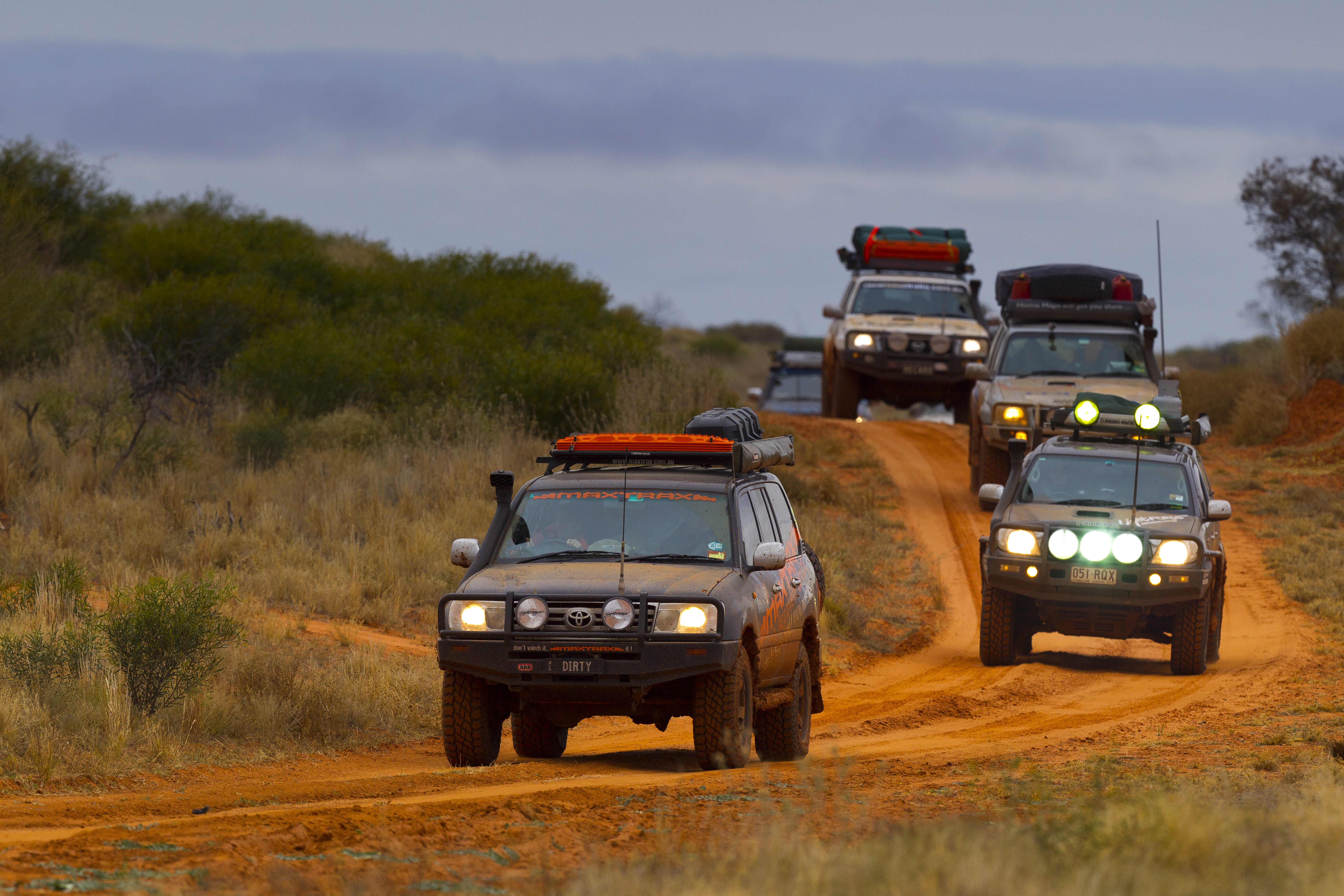
GETTING READY
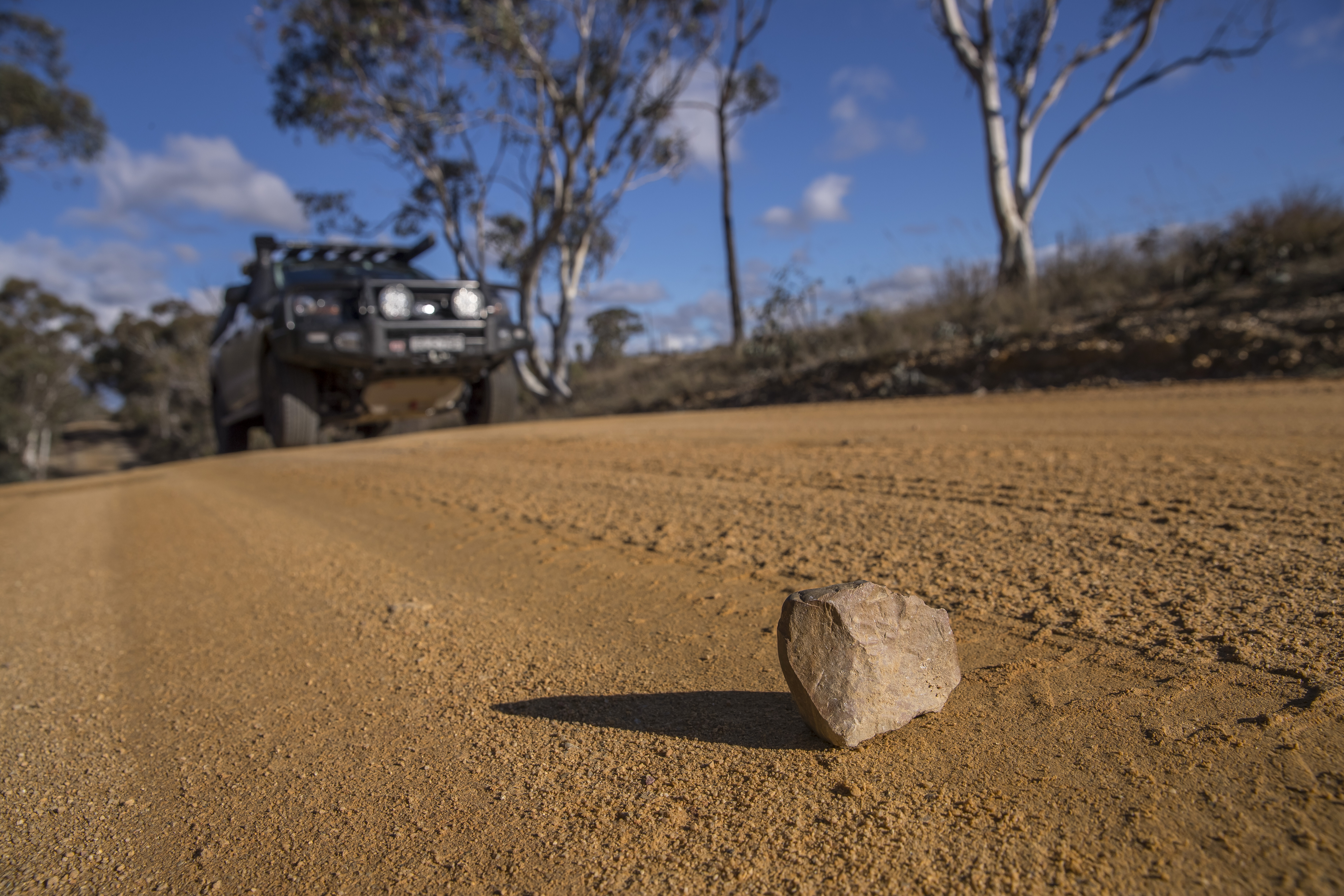
If you’re going to be regularly driving on dirt or you have a big outback trip planned, you’ll want to flick those standard Passenger (P) construction tyres fitted to your vehicle in favour of some Light Truck (LT) tyres. Dirt roads can be hell on tyres, with sharp stones being flicked up from the front tyres and fired into the tread faces of the rear tyres like a shotgun blast; while surface irregularities such as corrugations, cattle grids and sharp-edged causeways are all potential problems for tyre sidewalls.
The tougher construction of LT tyres means they have more rubber across the tread face and more plies in the sidewalls, so are better able to cope with the harsh conditions presented by dirt-road driving. No matter whether you opt for an all-terrain or a mud-terrain tread pattern, make sure there’s an ‘LT’ marked on your tyres. Another advantage of LT tyres is that, thanks to their tougher construction, you can reduce air pressures for dirt-road driving more so than with P tyres. More on that later …
The next thing you’ll want to ensure when driving on dirt is that your vehicle’s suspension is in good condition. Sagging springs and worn shock absorbers will not cope with big bumps, potholes and corrugations, and will adversely affect your vehicle’s handling, and therefore your ability to keep it on the straight and narrow when driving on dirt. A well-sorted suspension system with springs that match the load and good quality shock absorbers, will soak up bumps and handle big hits without throwing the vehicle off line – and the bonus is ride quality will be better which in turn minimises driver fatigue.
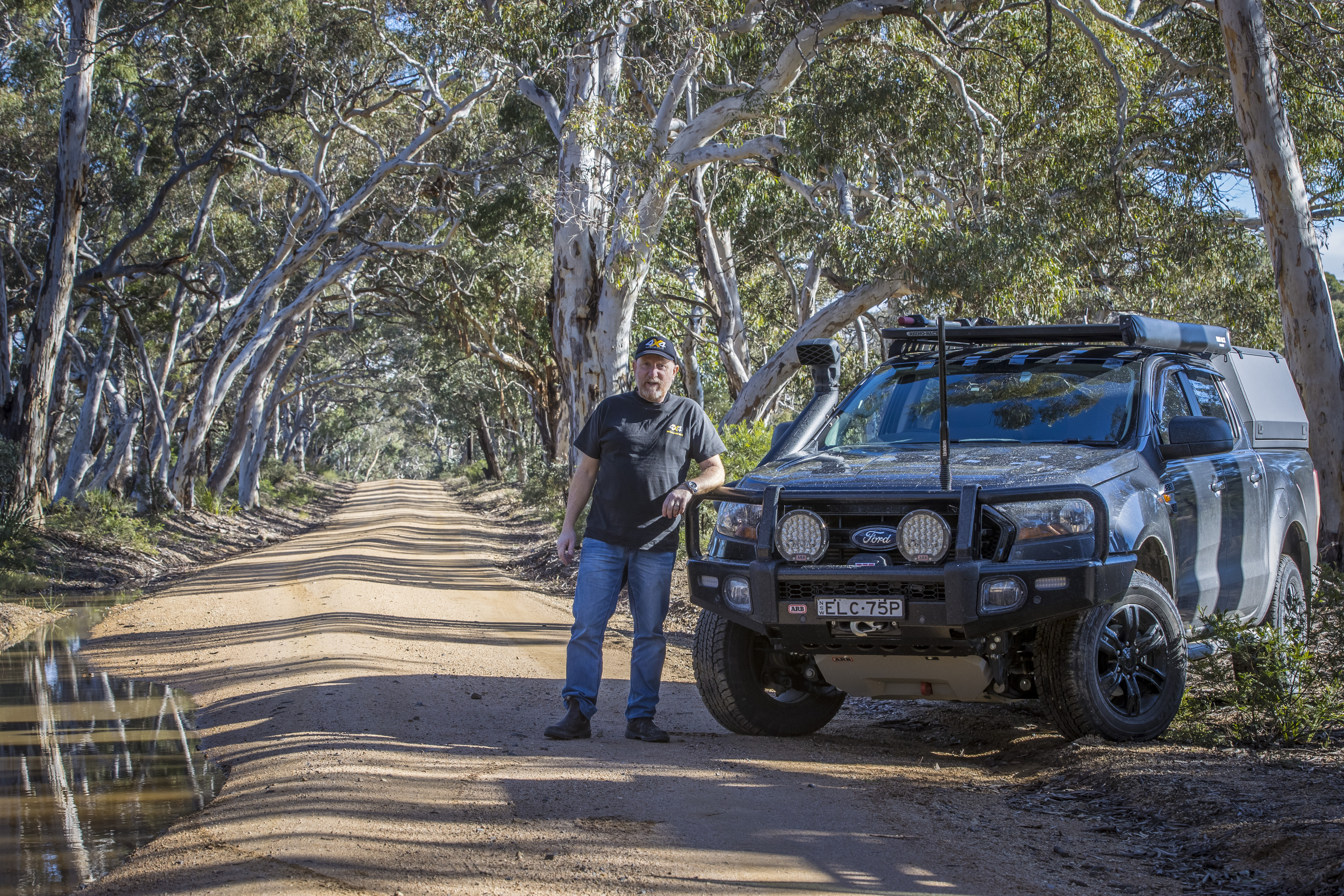
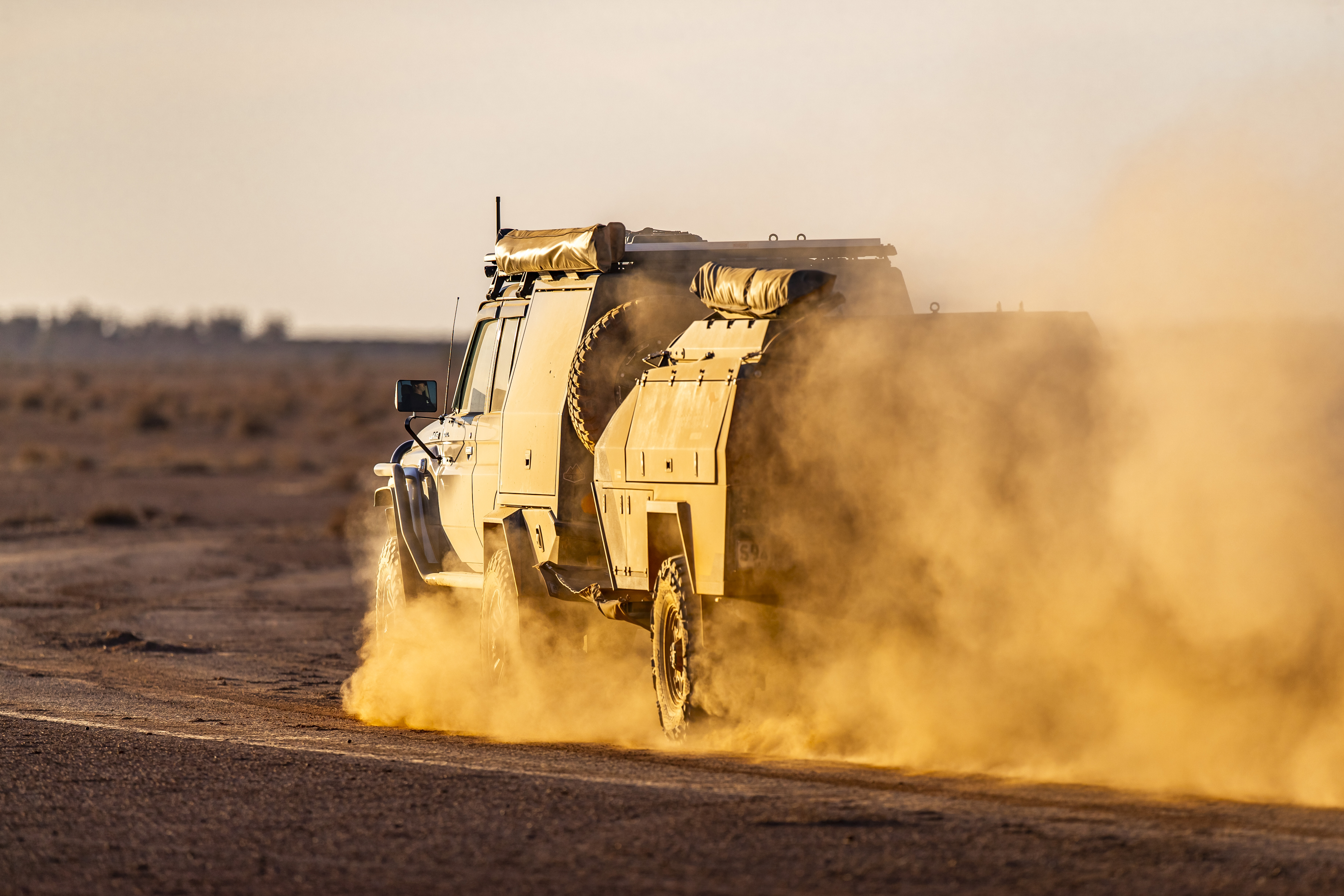
Dust ingress is another important consideration when driving on dirt. Keeping dust out of a 4×4’s cabin is usually pretty easy; run the air vents on ‘fresh’ when there’s no dust in front of you and flick over to ‘recirculate’ when you spot dust up ahead from preceding or oncoming vehicles. Running on ‘fresh’ will pressurise the cabin and stop dust from being sucked in through vents at the rear of the vehicle, while running on ‘recirculate’ when driving in a dust cloud will minimise dust ingress through the front vents.
For those who drive a ute, keeping the dust out of the tub is a more involved process. Even if you have a hard lid or canopy fitted, dust can still get in through the various holes in the tub and through the gaps around the tailgate. Plugging these holes and fitting a tailgate dust-sealing kit will help, as will fitting a roof vent for those with canopies. A vent will pressurise the canopy to keep dust out.
You also need to keep dust away from your engine’s air intake. Fitting a snorkel can minimise the dust entering the air intake; the theory is that a driver will allow the dust to settle below their line of sight so they can see where they are going, and that a snorkel draws clean air well above this point. Of course, in extremely dusty conditions, air can still be drawn down a snorkel, but the engine will still be breathing cleaner air than if no snorkel is fitted. In extreme conditions, a snorkel sock can be fitted over the snorkel head to further minimise dust ingress.
Don’t be afraid to regularly check the condition of your air filter; a dirty filter will not only reduce engine performance, it will also result in increased fuel consumption, so give it a blast with compressed air to blow some dust out, or replace it with a spare filter if it’s unserviceable.
Finally, make sure your wiper blades are in good nick and your windscreen washer bottle is full; after all, you need to see where you’re going.
HITTING THE DIRT
One of the first things to do when you hit the dirt is to lower tyre pressures. There is no one-specific dirt-road pressure to suit all vehicles and all roads, but as a general guide, if you normally run 35psi on your moderately loaded 4×4 on sealed roads, for example, you’ll want to drop this down to as low as 26psi or so for dirt-road driving, especially on rough and/or corrugated roads.
Lowering tyre pressures for dirt-road driving offers several benefits. Firstly, it allows the tyres to conform more easily to uneven surfaces, so they are less likely to be damaged (chipping or even puncturing) by protrusions such as sharp-edged rocks. Secondly, it lengthens each tyre’s footprint, which provides more grip when driving on slippery surfaces, resulting in better steering control when cornering and better stability when accelerating and braking. Thirdly, it makes the sidewalls more compliant which improves vehicle ride quality, and this is beneficial to both you and your vehicle.
How do you know what the ‘correct’ tyre pressure is? Trial and error. You’ll be able to feel when you get it right, both through the way the vehicle responds to steering, accelerator and brake inputs, and through overall ride quality.
One important thing to bear in mind when driving on lowered tyre pressures is that the tyres will generate more heat, so don’t go belting along at high speeds on low pressures. Also take care when cornering so that you don’t ‘peel’ a tyre off a rim or cause sidewall damage.
The next adjustment to make for dirt-road driving is to your vehicle’s 4×4 system. If you drive a vehicle with a part-time four-wheel drive system (such as employed on many 4×4 utes), engage ‘4H’ (high-range 4×4) when you hit the dirt. This will give you more grip, resulting in more control when accelerating, cornering and even braking. If your vehicle is equipped with a full-time four-wheel drive system, engaging the centre diff lock will also provide the aforementioned benefits through improved grip levels.
Many modern 4×4 wagons (and a few utes) feature driver-selectable modes that tailor the vehicle’s engine, transmission and chassis controls to suit different conditions. If your vehicle is so equipped, for dirt-road driving select the dirt mode, often labelled ‘gravel’. If you’re unsure, have a look in your owner’s manual.
LOOK AND PLAN AHEAD
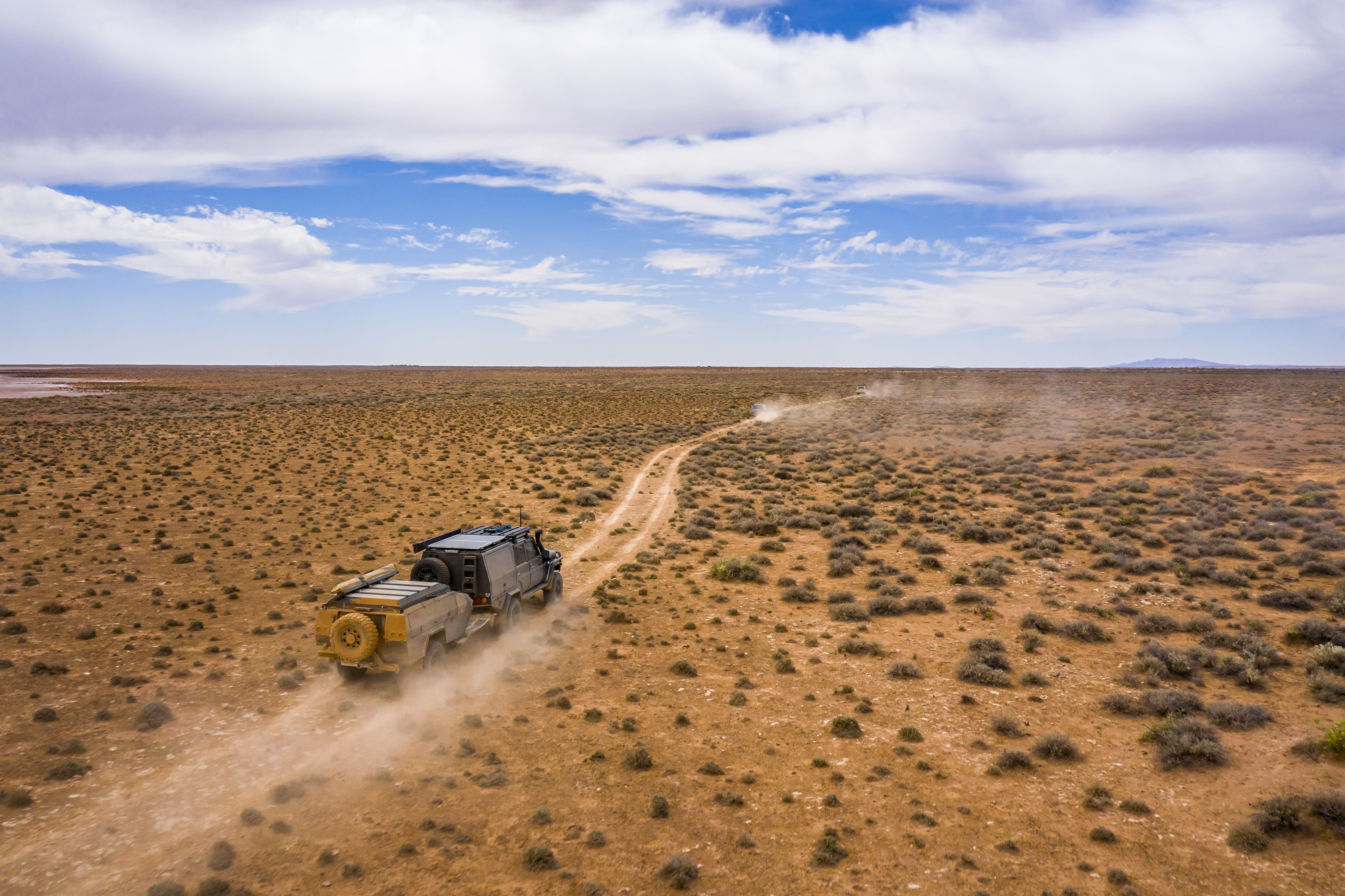
The key to driving on dirt roads is to look (and plan) well ahead. With reduced grip levels, braking distances will be longer and your vehicle won’t corner as well as it does on sealed roads. Keep an eye out for holes, rocks, washouts, deep wheel tracks, fallen branches and, of course, wildlife. If you see a potential hazard up ahead, adjust your speed accordingly so you’re prepared for it, either by avoiding it altogether or, in the case of unavoidable obstacles, driving over them at a reduced speed so as not to damage your vehicle.
By planning ahead you’ll be able to avoid having to make just-in-the-nick-of-time sudden manoeuvres that can result in a slide … or worse. Many drivers have veered off dirt roads trying to avoid impacts with road-surface irregularities and wildlife.
Gradually decrease vehicle speed when approaching corners rather than stomping on the brake pedal at the last second; the latter of these two approaches can upset vehicle balance when you most need it.
Modern vehicles equipped with electronic stability-control systems are much easier to drive on loose surfaces such as dirt than vehicles with no such systems. Even these have their limitations and, if you exceed them, you could still end up in a ditch if you don’t plan ahead.
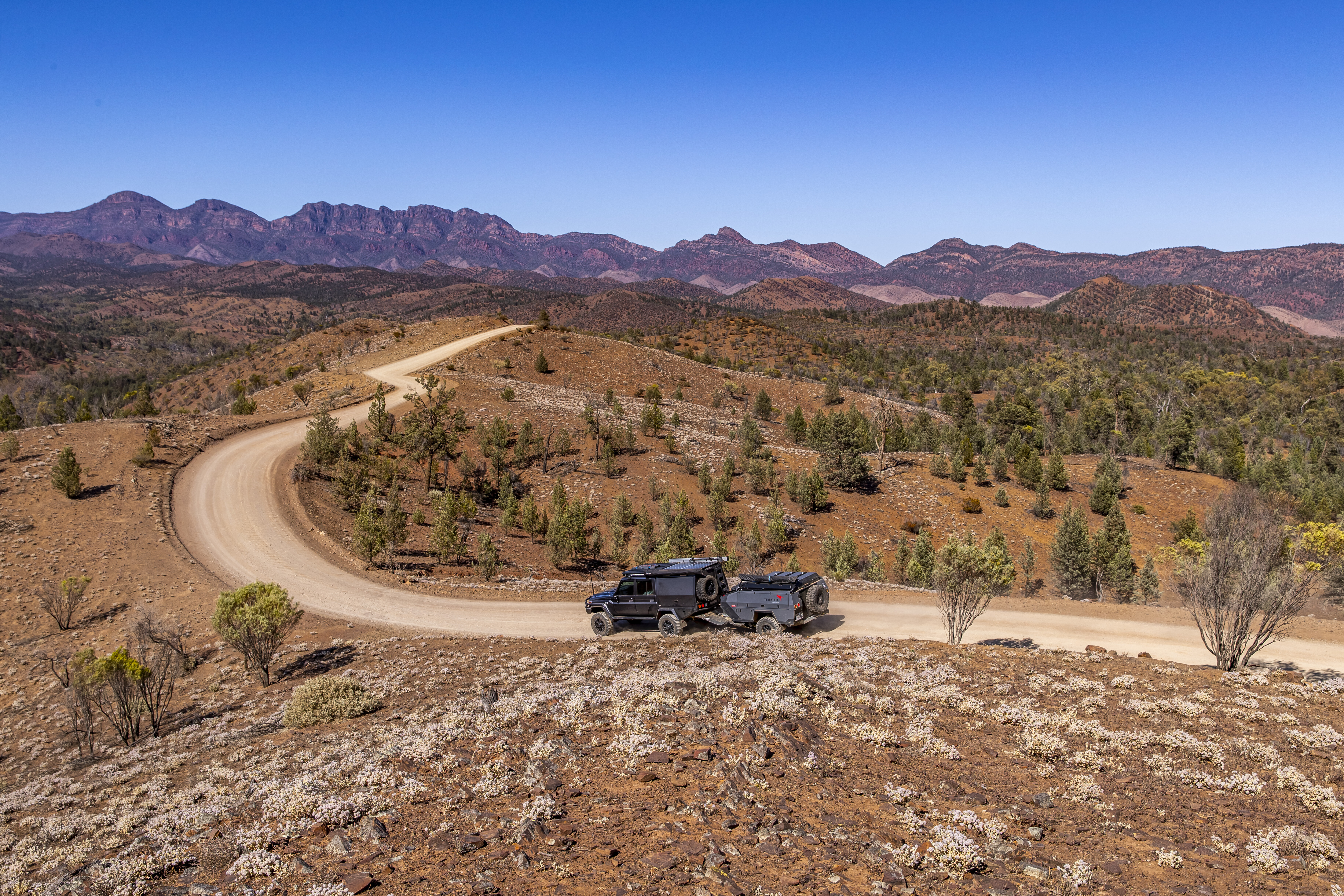
If you’re driving on outback dirt roads, chances are you’ll eventually be confronted with bulldust. Bulldust is essentially made up of dust particles with a consistency akin to talcum powder, and bulldust sections can be long and deep. You can usually spot bulldust sections as you approach them by looking for subtle colour variations in the road surface.
If you can safely avoid bulldust, it’s best to do so, but if not, slow down a bit on approach, keep the vehicle pointing where you want it to go and accelerate out the other side. But don’t fight the steering wheel in the middle of bulldust patches, and try to avoid sudden changes of direction and braking.
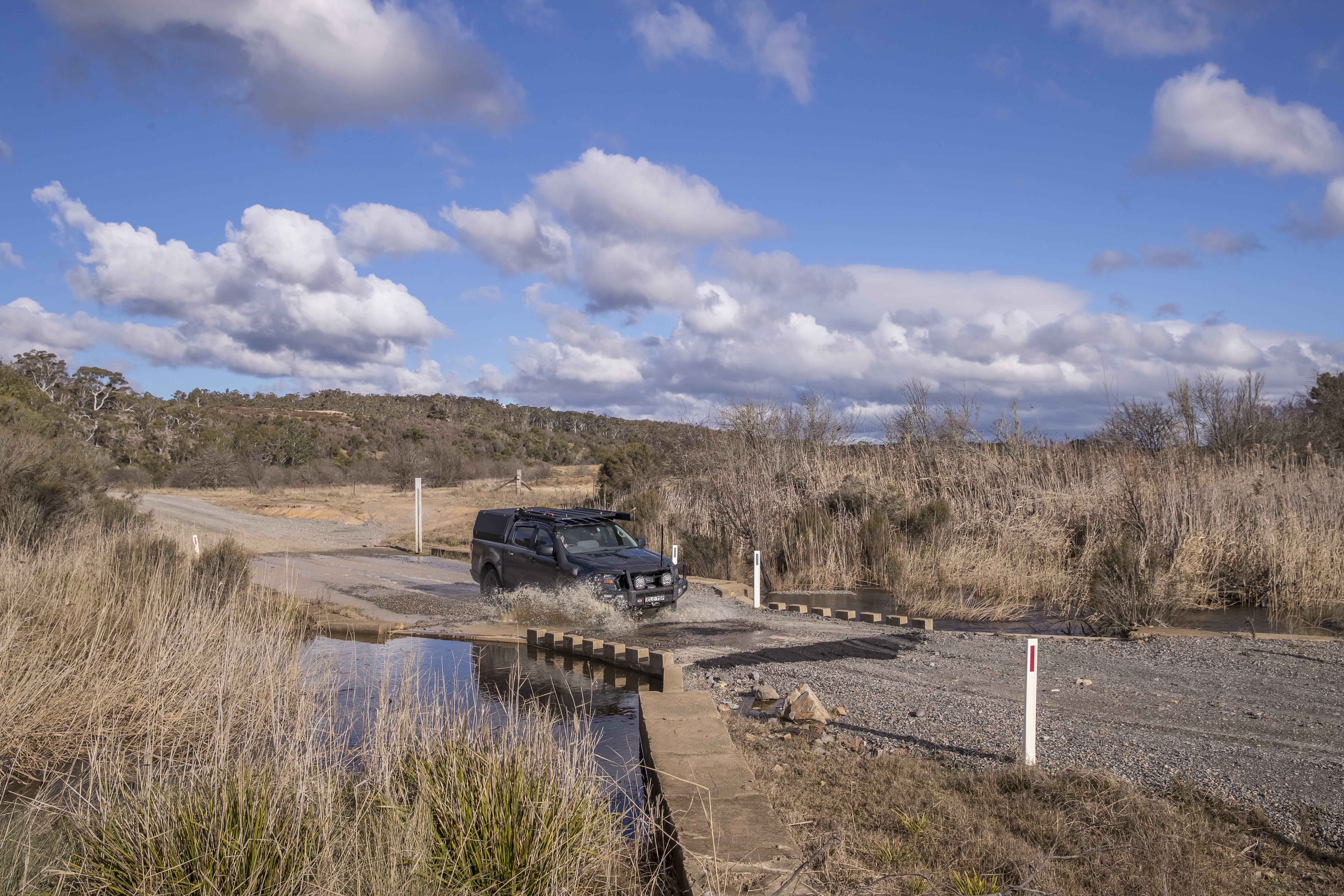
Cattle grids and causeways can also catch out unwary drivers; while you may have driven over several relatively smooth examples without problem, the next one could have a harsh edge on it that could damage a tyre or suspension component if you hit it too fast. Always err on the side of caution.
VISIBILITY
One of the biggest problems when driving in dusty conditions is reduced visibility, and this usually occurs when following other vehicles or when passing oncoming vehicles.
If you end up in the dust cloud of a vehicle ahead of you and you’re unable to see clearly, your best bet is to slow down enough so that you are back in clear air. If that vehicle is a large truck and it’s not travelling very fast but is generating a lot of dust, perhaps it’d be a good time to pull up for a cuppa rather than trying to blindly navigate through the dust cloud to overtake. If you can’t see where you’re going, you could end up leaving the road or hitting another vehicle.
When you’re confronted with an oncoming vehicle, reduce speed to prepare for limited visibility when driving through that vehicle’s dust cloud. Also try to move as far to the left as is safe to do so, to minimise the risk of windscreen damage to both your vehicle and the oncoming vehicle. In other words, drive courteously … and hopefully that attitude will be exhibited by other drivers to you.
DRIVING ON CORRUGATIONS
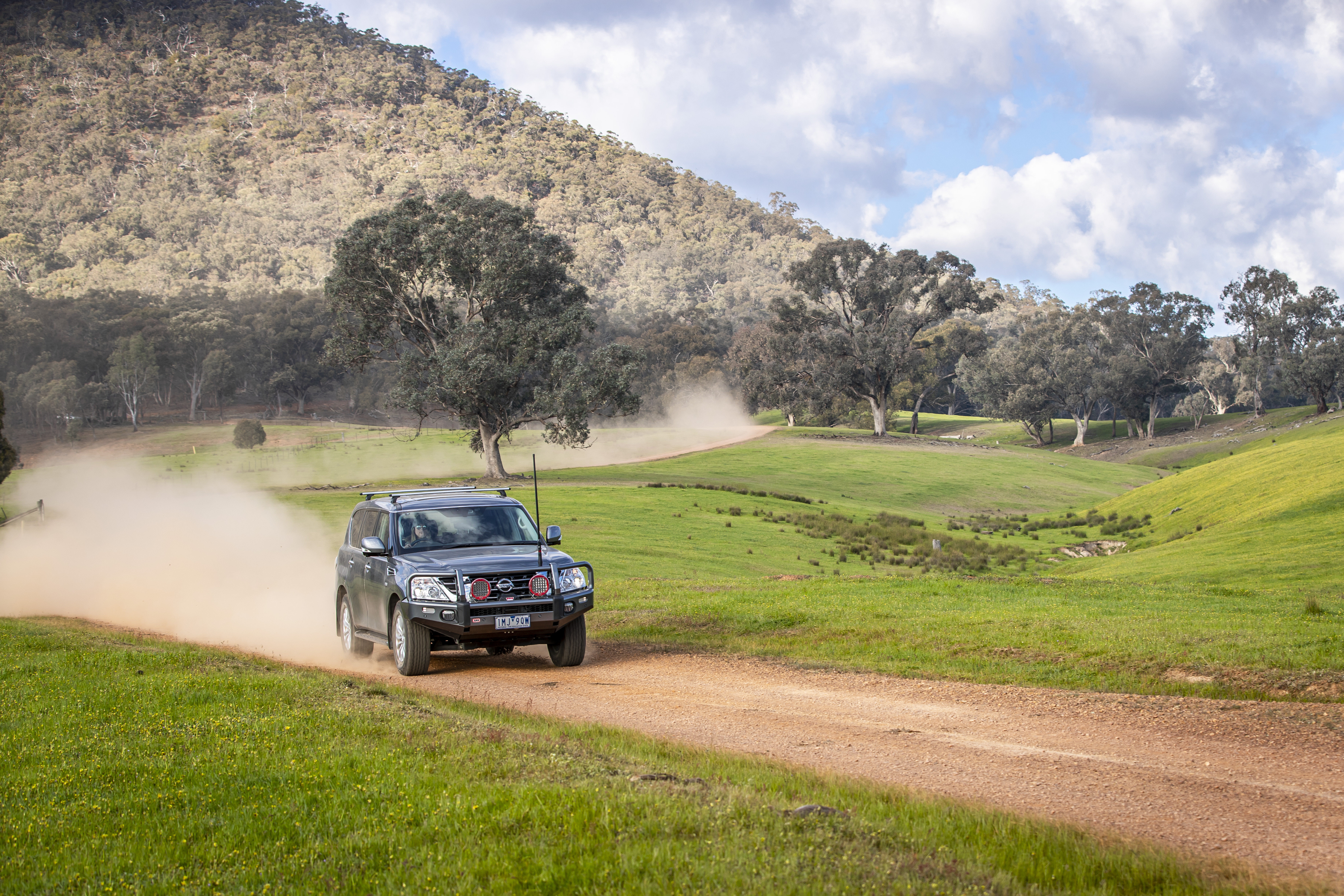
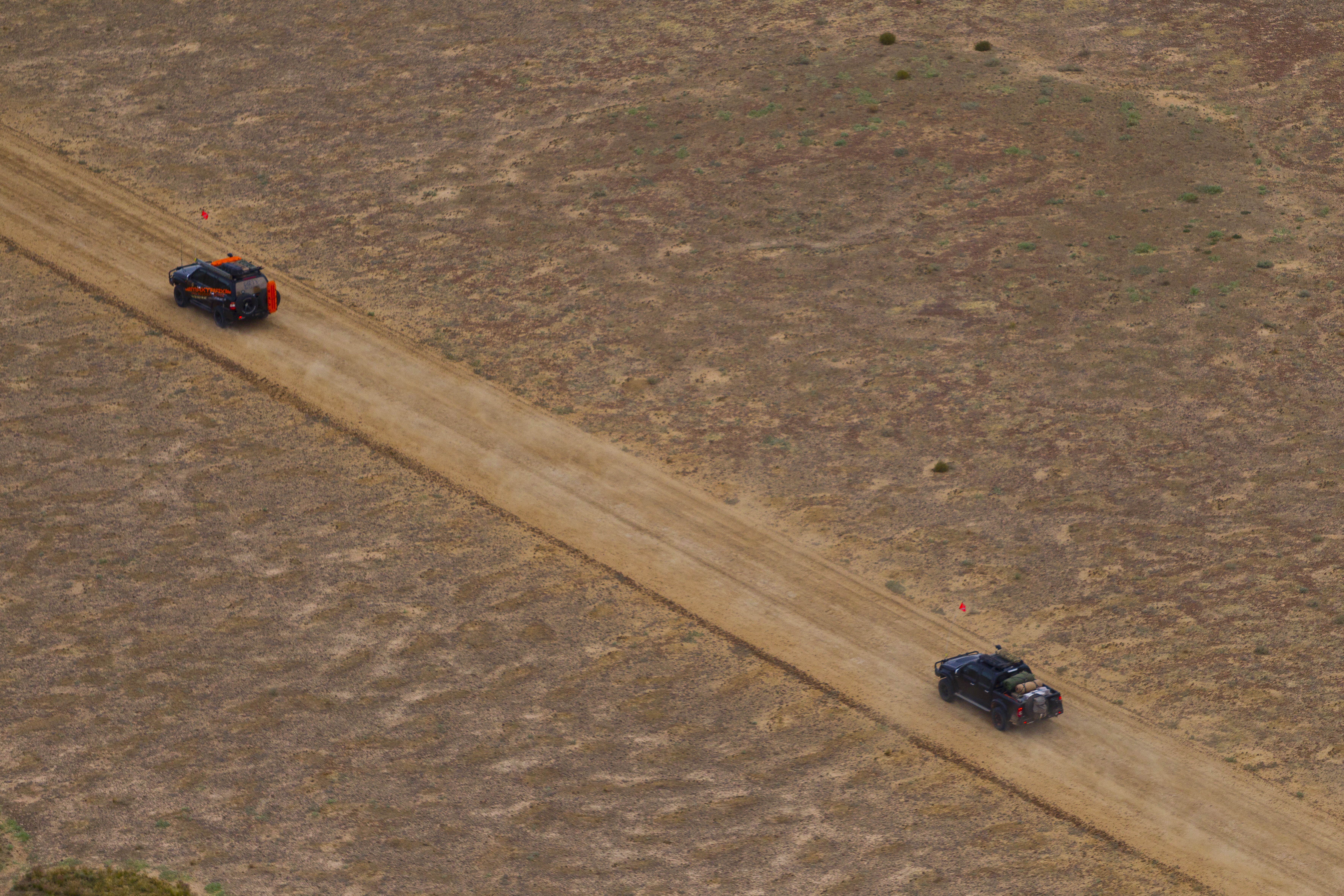
Some heavily corrugated dirt roads can be terrible to drive on, but there are ways to minimise the impact of corrugations on you and your vehicle.
First up, finding the right tyre pressures for corrugations is critical. The advantages of lowering pressures (longer tyre footprint for more grip and softer sidewall for more compliance) will make long stretches of corrugated dirt roads much more bearable.
The second major factor in how your 4×4 will behave on corrugations is vehicle speed. Corrugations vary in amplitude and frequency; the amplitude is the height of each corrugation and the frequency is the distance between each corrugation, and ideally you want your vehicle’s suspension to oscillate (move up and down) in tune with the corrugations.
Eh? Put simply, there will be a certain vehicle speed that will be the sweet spot, where your tyres will skip over the top of the corrugations, from one peak to another. This speed might be 80km/h, it might be 90km/h or even 100km/h, and you will know when you’ve hit the sweet spot because you will feel ride quality improve markedly when you get there.
But don’t go too fast in the hunt for the sweet spot, at least not to the point where you might damage your vehicle or lose control …
MUD
We talked about mud driving in greater detail in an earlier instalment of ‘4X4 Australia’s How To: Off-Road Driving Series’, but for now we still need to mention the obvious: add water to dirt and it turns in to mud.
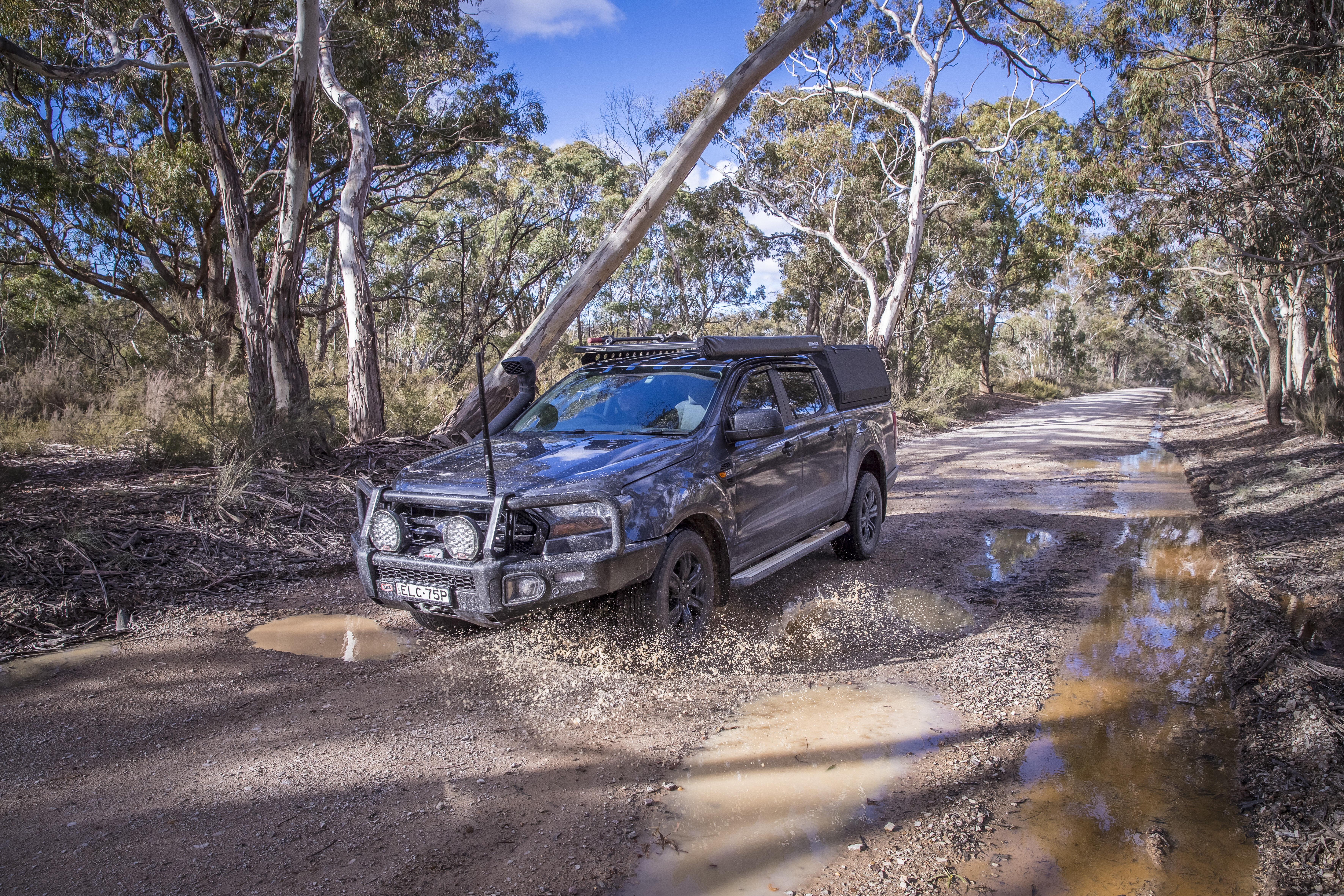
When dirt roads are wet, they can become even more slippery than when they are dry, so you will need to adjust your speed to suit the conditions. On outback roads in particular, rain can present some big challenges.
Many outback roads cannot be traversed in wet weather, and if conditions are sketchy you will need to check with local authorities to see if roads are open or closed. If a road is signposted as closed, or you have been informed by authorities that it is closed, you must not attempt to drive on it. Not only could you become hopelessly stuck, but you could also cause damage to said road … and cop a hefty fine in the process.
If you do happen to be driving on an open outback road and it starts to rain, conditions can deteriorate rapidly, with bulldust patches quickly transforming in to vehicle-sucking quagmires.
If you can’t avoid long, sticky stretches of mud, you’ll need to keep your momentum up; don’t drive so fast that you could lose vehicle control, but don’t back off the throttle in boggy mud either.
BACK ON THE BLACKTOP
Assuming you have tailored your vehicle to suit dirt-road driving, you’ll need to make a few adjustments once you get back on to sealed roads. Firstly, don’t forget to put part-time 4×4 vehicles back in to two-wheel drive, and disconnect the centre diff lock on full-time 4×4 vehicles. For vehicles with different drive modes, select ‘normal’ or ‘road’ mode.
You’ll also need to reinflate tyres to normal road pressures. If there are only a few kilometres of blacktop before you’ll be back on dirt again, you can leave tyres deflated, but don’t forget to keep your speed in check.
While you’re pulled up and reinflating the tyres, take the time to have a good look over your vehicle. Inspect the tyres for any damage such as nicks or cuts, check the windscreen and lights for chips or cracks, and make sure the licence plates are clean and legible.
DO
1. Adjust tyre pressures to suit dirt roads 2. Select 4X4/lock centre diff 3. Be smooth when cornering, accelerating and braking 4. Look and plan well ahead 5. Slow down for oncoming vehicles
DO NOT
1. Drive too fast for conditions 2. Perform abrupt cornering/braking moves 3. Drive in other’s dust clouds 4. Drive on closed roads 5. Forget to reset/reinflate for sealed roads
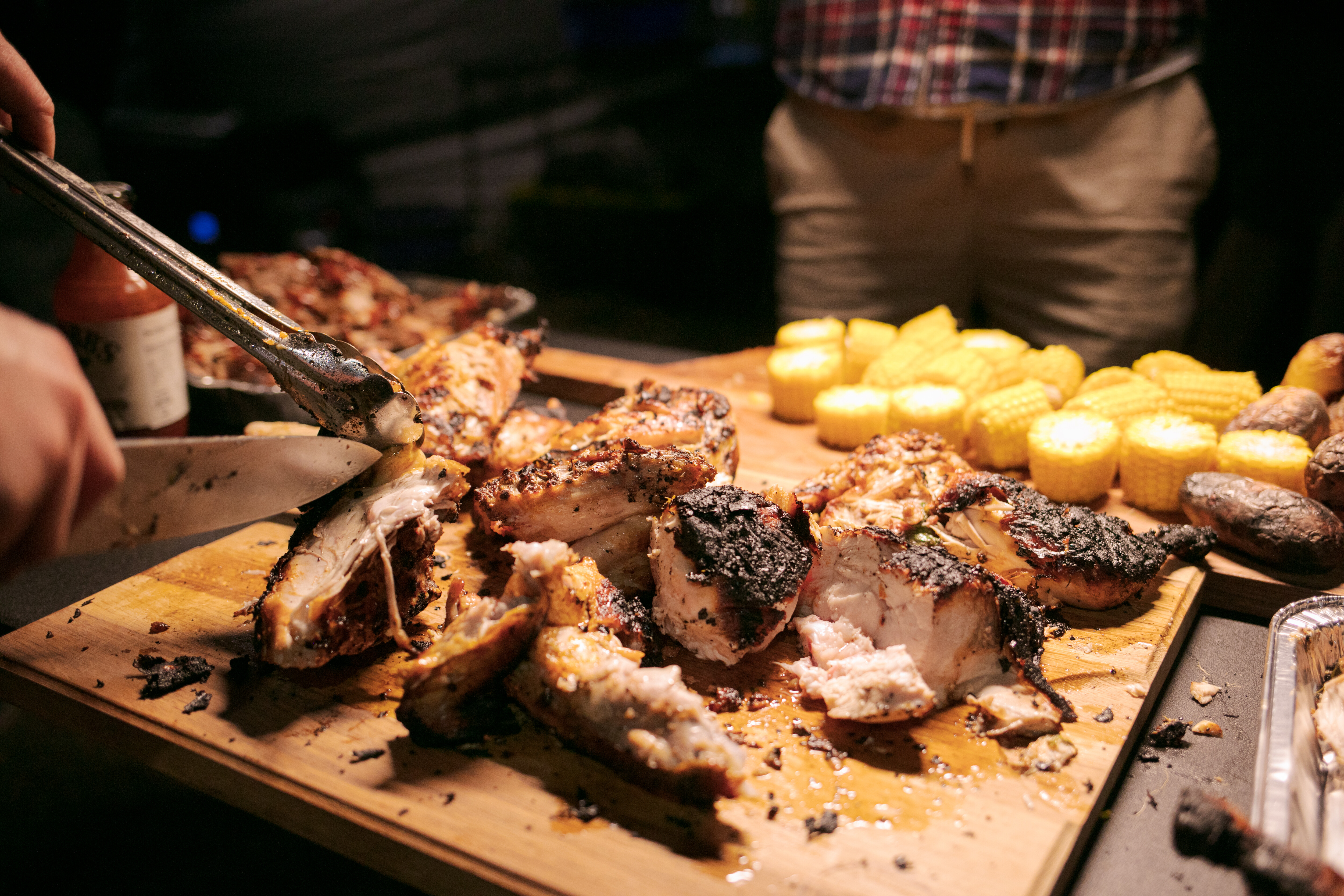
Use your favourite spice rub to create this simple and tasty barbecue chicken that can be cooked straight on the grill.
INGREDIENTS
• 1 family-size chicken
FOR THE RUB
• ¼ cup brown sugar • 2 tbs Paprika • 1 tbs black pepper • 1½ tsp chilli powder • 1½ tsp onion powder • 1½ tsp garlic powder
COOKWARE NEEDED
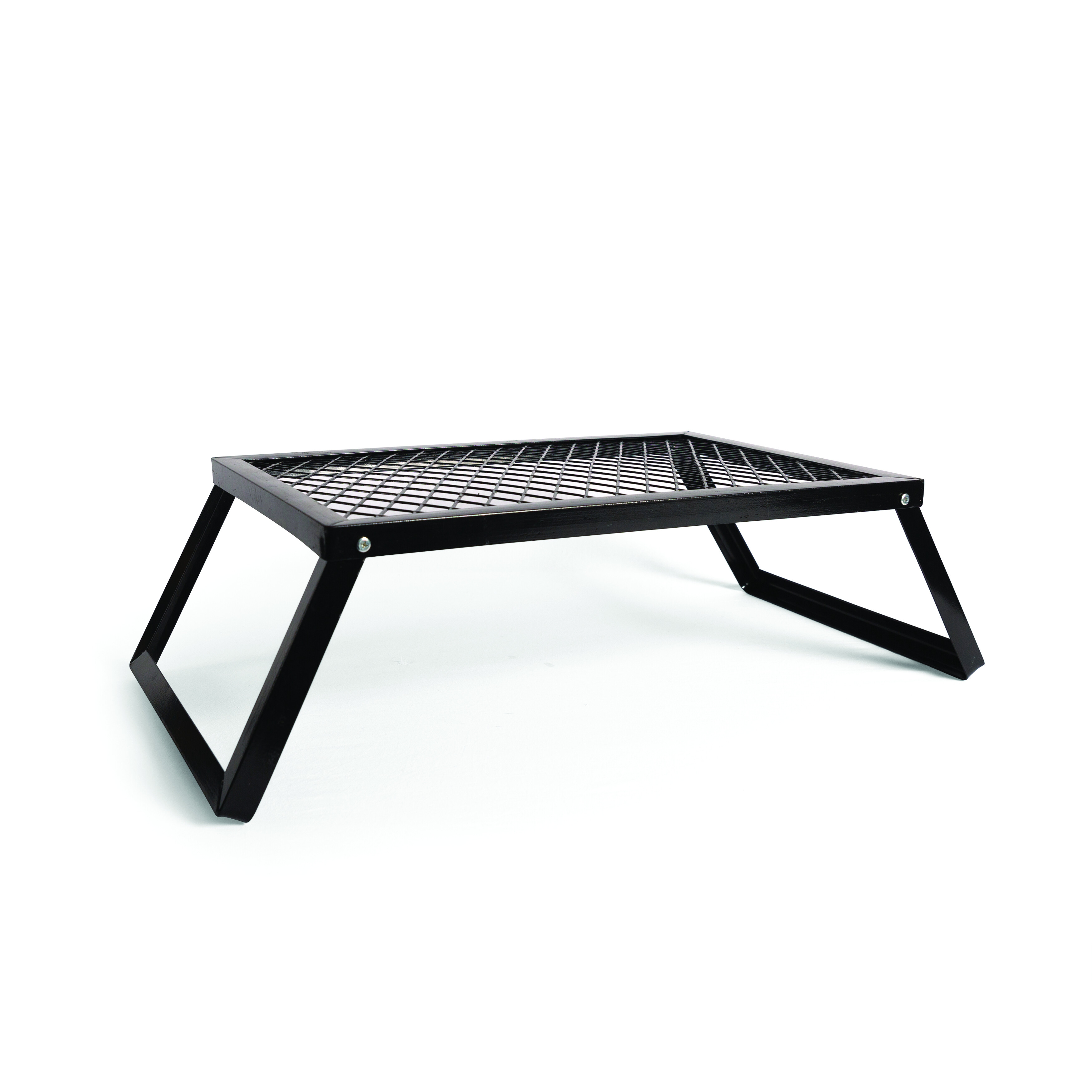
• Campfire camp grill
METHOD
1. Combine all rub ingredients in a bowl. 2. Place chicken into an airtight container or bag. Add the rub mixture and shake well. 3. Cook on camp grill away from flame to prevent rub from melting off and chicken skin burning. 4. Serve with veg of choice. *We recommend tin-foil potatoes, corn and pumpkin potato bale.
The battle to save weight on our 4×4 adventures is a never-ending one. For years I resisted the allure of a rooftop tent for several reasons: weight, ease of use, cost, or a combination of those.
The first generation of soft-tops were heavy, bulky and cumbersome to set up and pack down. The hard-shell generation solved the set-up issues, but still largely remained heavy and came with a hefty price tag to boot. Now we are starting to see another generation emerge and that’s a very exciting development for the adventurer.
The Wild Land unit is one of the first to solve all the above issues; it is lightweight, relatively inexpensive, simple to use and compact. I have had a 1.4 version mounted on my roof for five months now and it has seen about 15 nights of rain, three nights of snow and 10 nights of very high winds.
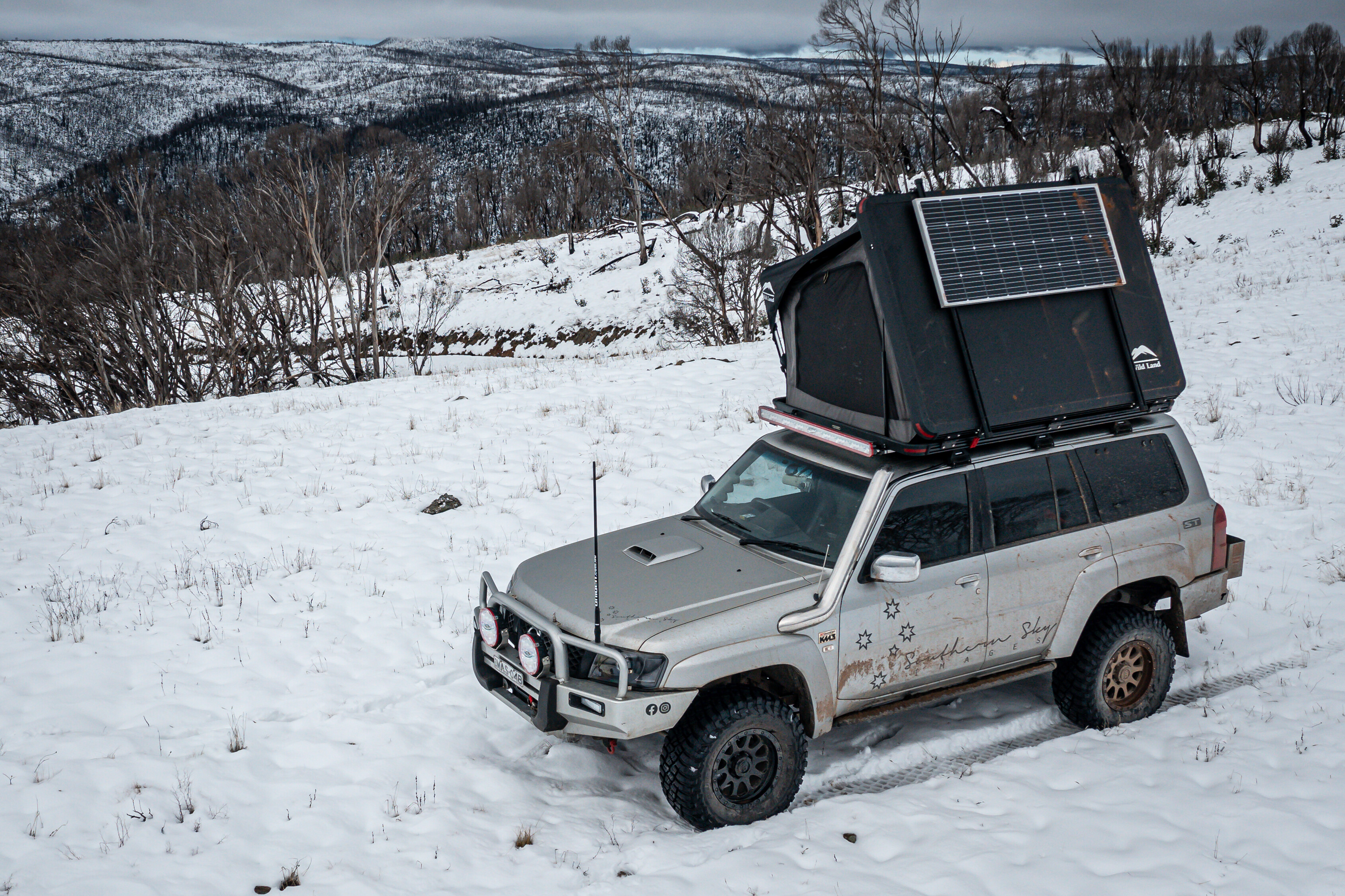
I’m happy to report it has been a completely leak-free affair, not a single drop has entered my sleep space and it has been rigid, even during extreme gusts.
The only time I’ve had moisture inside was after a wet pack-down where I left the front opening unzipped a little to allow the air to escape as I closed the shell, allowing water to soak in.
It has also seen some balmy nights, but there is plenty of ventilation available once you unzip the sides.
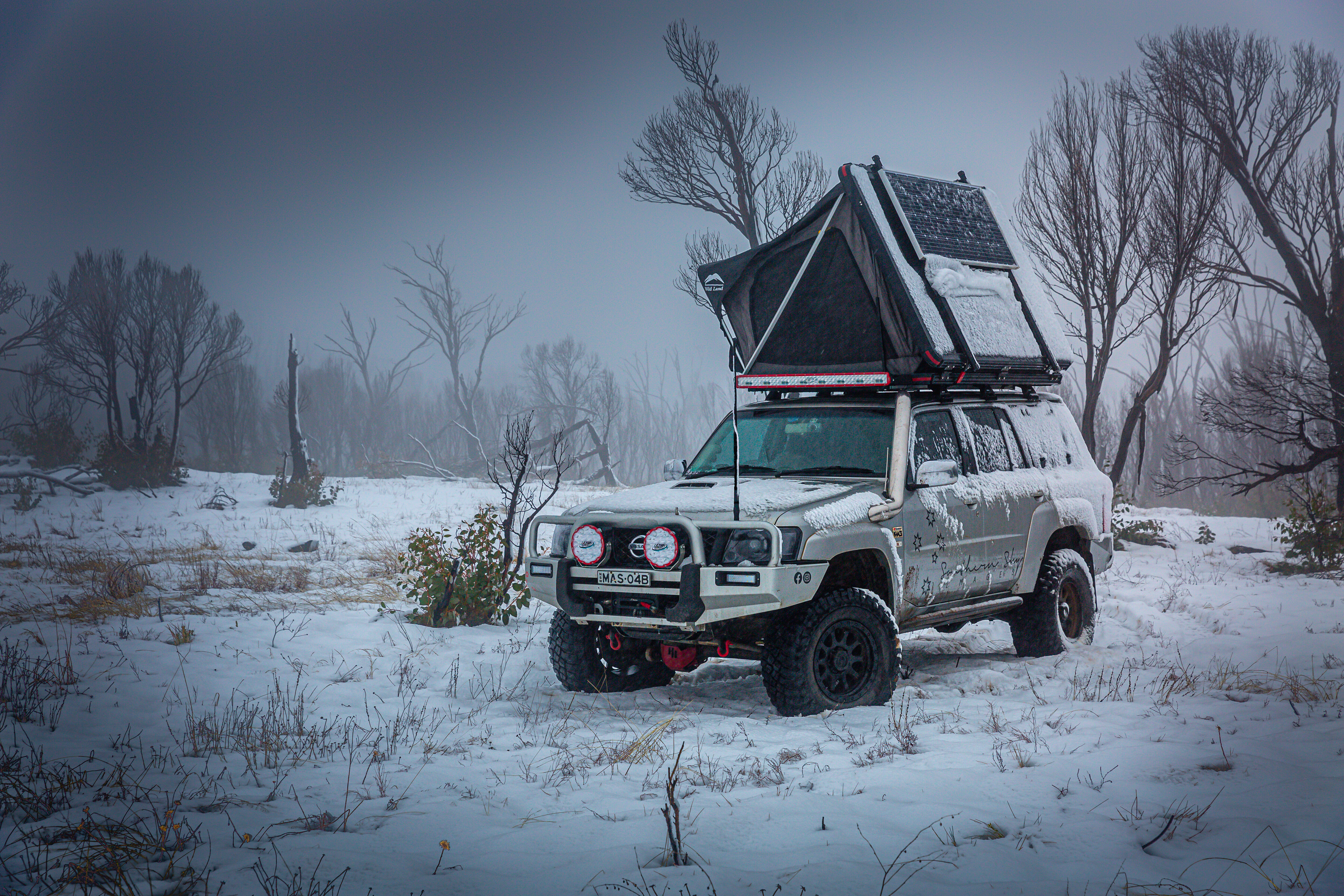
“It has been a completely leak-free affair, not a single drop has entered my sleep space”
As for road noise, it has been pretty good; it’s actually quieter than my old roof rack, but you may experience different results depending on your vehicle airflow.
The only negative I have found is rising cold; I could feel my body warmth disappear underneath me. I easily resolved this by adding a base layer of insulated builder’s sarking, about 3mm thick. It worked perfectly, added barely any weight and took up no room as it lives there now underneath the mattress. In fairness though, this is an issue with any sleep system; it is critical to insulate yourself from the ground.
I opted for the upgrade mattress and have found it comfortable. I also added the large awning which clips over the tent opening and adds valuable cover below, plus the step ladder upgrade kit that makes climbing a lot more comfortable. Finally, I added the rooftop bars to mount my solar panel. The weight of the panel has made the gas struts a little slower, but it still opens easily.
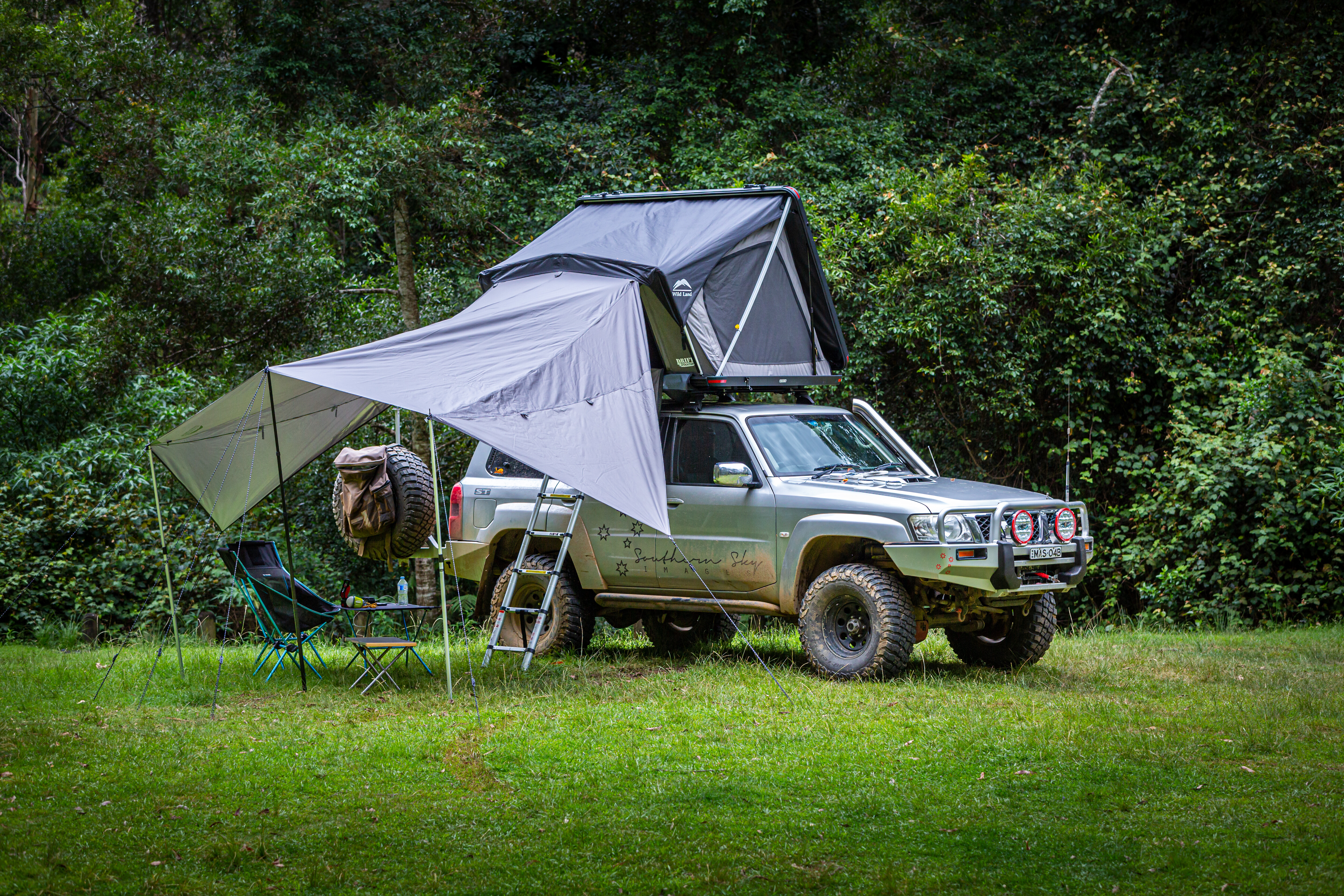
There are two models available: 1.2 and the 1.4. The 1.2 is suited to smaller vehicles, while the 1.4 is better suited for larger 4x4s and those that want a little extra room. Each will fit two adults.
The 1.2 refers to 1.2m width (internally), the external width is 1.3m, similarly the 1.4 is 1.4m internally (1.5m external width). Both versions are 160mm high and 2.2m long. Each unit comes with an inbuilt LED light strip overhead and two all-weather shoe storage bags.
As for weight, the 1.2 comes in at 57kg while the 1.4 is 64kg; pretty handy for roof load limits.
A Drifta Stockton free-standing 270-degree awning is also available to fit directly to the tent (hinge side), which is a very handy option.
AVAILABLE FROM: www.driftastockton.com.au RRP: $2990 (1.2); $3190 (1.4)
A tidy selection of reader-submitted 4x4s this month. To get involved, head to our Facebook page and post a photo of your rig – you could win a Wurth under-bonnet LED valued at $249.
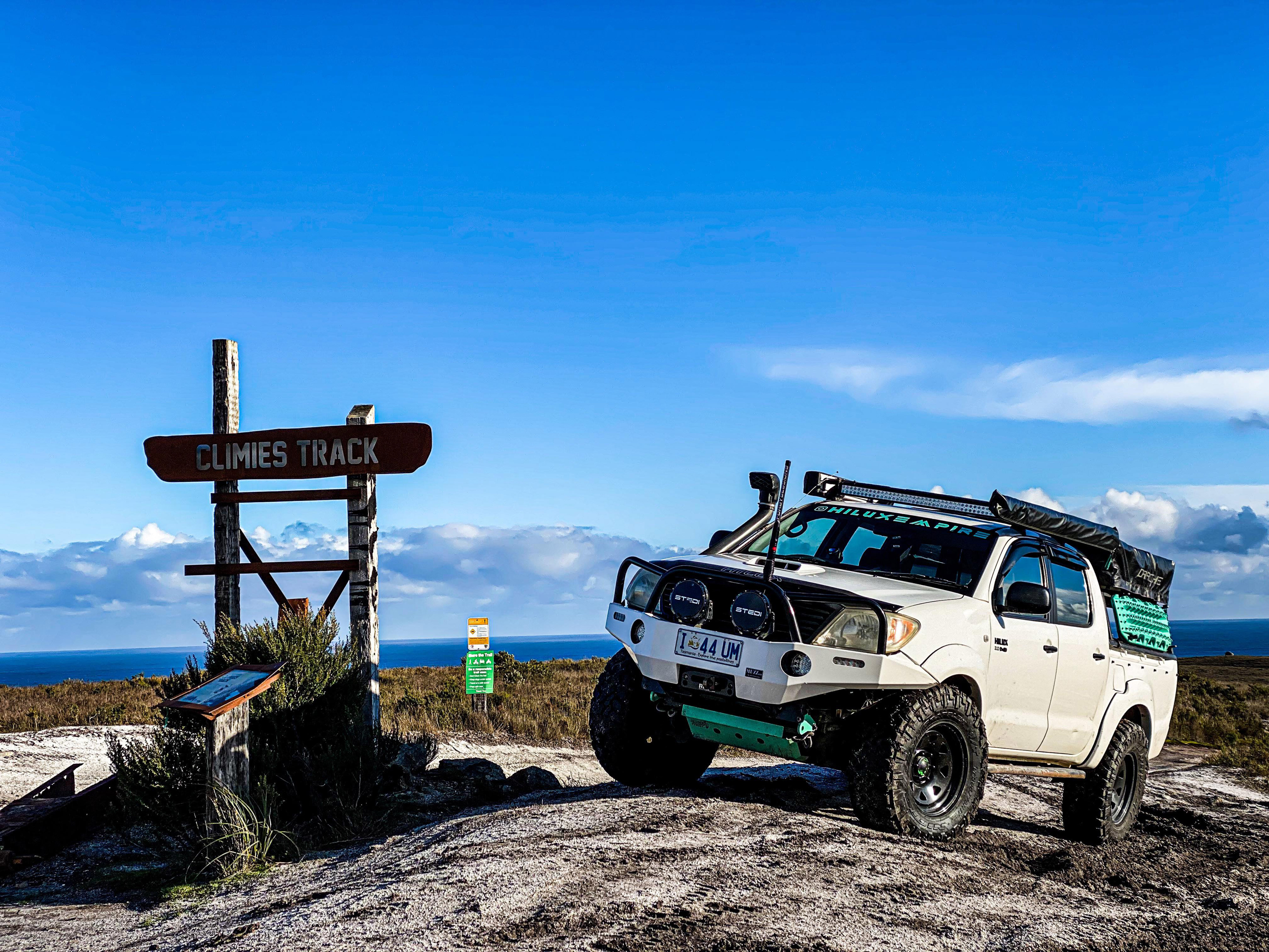
2007 TOYOTA N70 HILUX SR (Winner)
Here are some pics of my little Hilux on our most recent trip to Climies in Tasmania. Equipment includes 4:11 Prado diffs (keeping a rear LSD), SPC UCAs, 295 Nitto Trail Grapplers, custom sliders, Runva winch, Muzzbar, and the back seat has been deleted for a fridge. It’s fairly basic but I have a bit more in the works for it, including a 47 Fabrication rear bar and inversion bar for a new rear suspension set-up, an NPC clutch, and a tune. All of the above work (and heaps more) has been done by myself – it has only been in a workshop to check injector valves -Jasmine McLeod
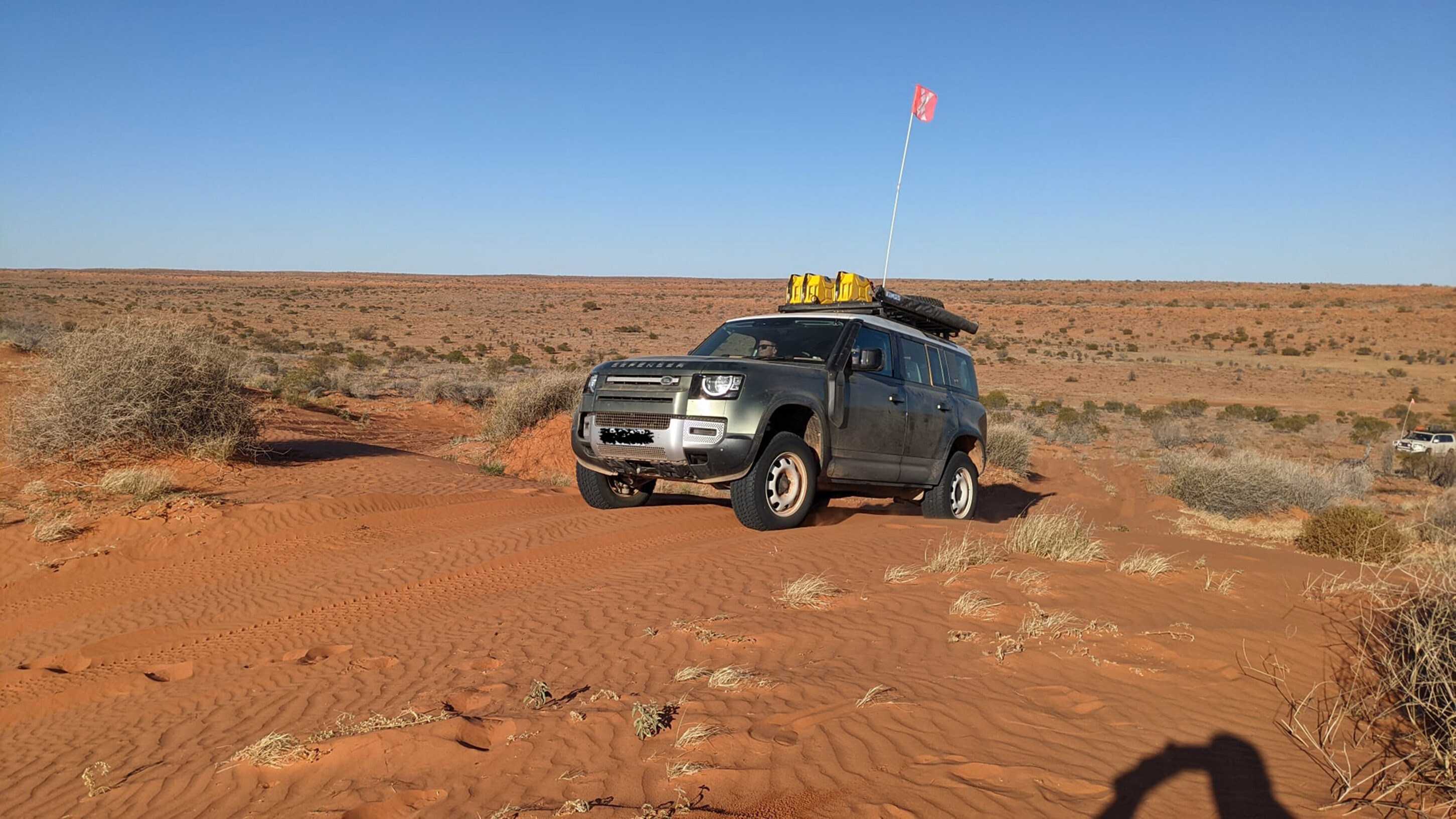
2021 LAND ROVER DEFENDER
I thought you might be interested in a photo of what I think is the first new Defender to cross the Simpson Desert (I wait to be proven wrong!). We crossed as part of a Great Divide Tour in the second half of May, 2021. The Defender was the only non-Toyota in a group of eight vehicles. It is as a stock D200. I added the Frontrunner roof rack, Land Rover snorkel and rear recovery points before departure. Tyres were also stock Goodyear All Terrain 70R18s. Pleased to report no issues and it never came close to getting stuck. From Mt Dare to Birdsville we used just under the equivalent of a full tank (85 litres) -Peter Vickery
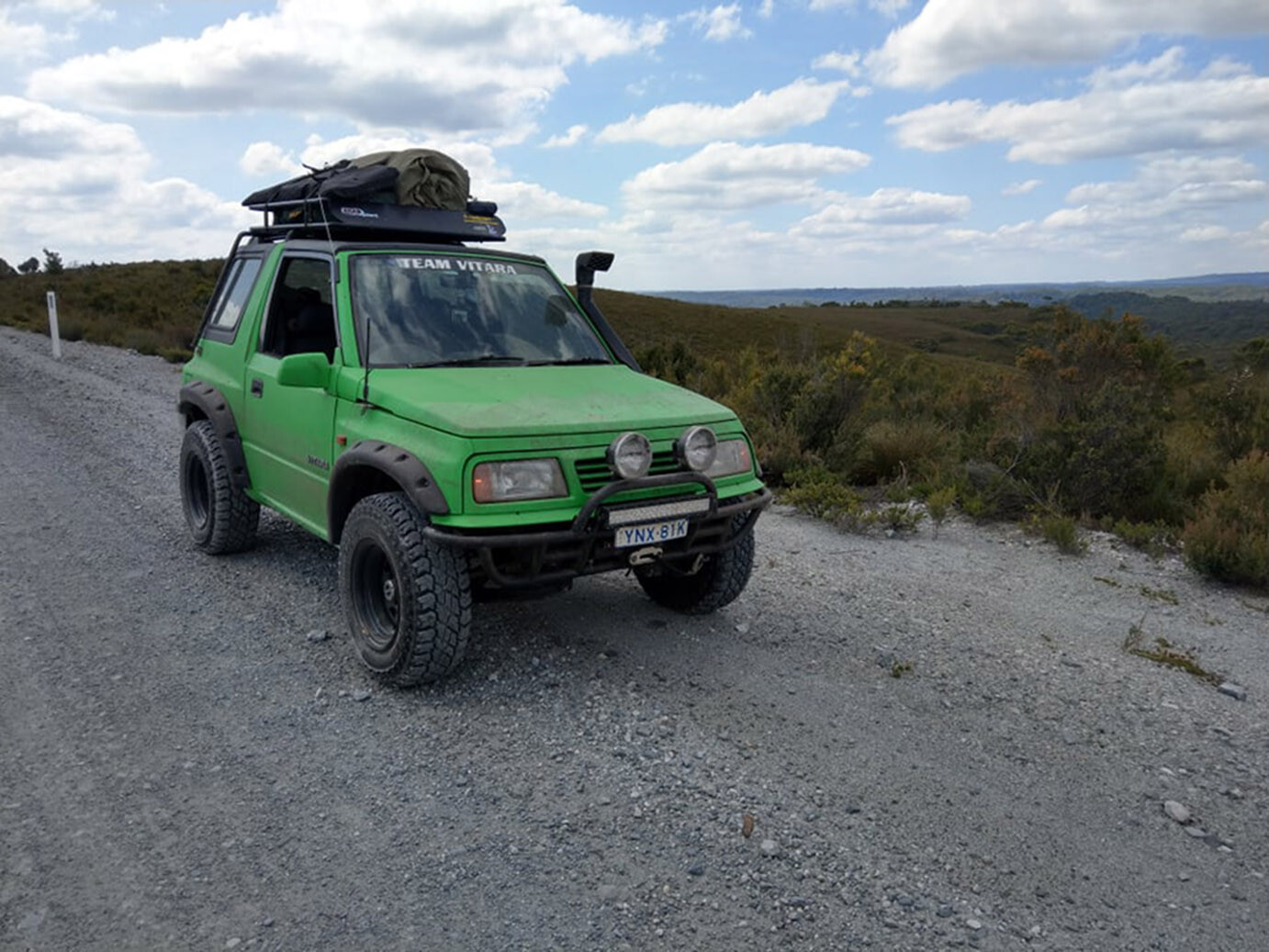
SUZUKI VITARA
My Vitara was built to do trips with my mates who all have Vitaras as well. This photo was in Tassie last year. I custom-made the front bar with a winch; the rear drawers have an ARB fridge; and it had a lift from Lowrange in the US, among a few other small tweaks. Painted in Raptor liner (spitfire green from an R8) -Rick Sammons
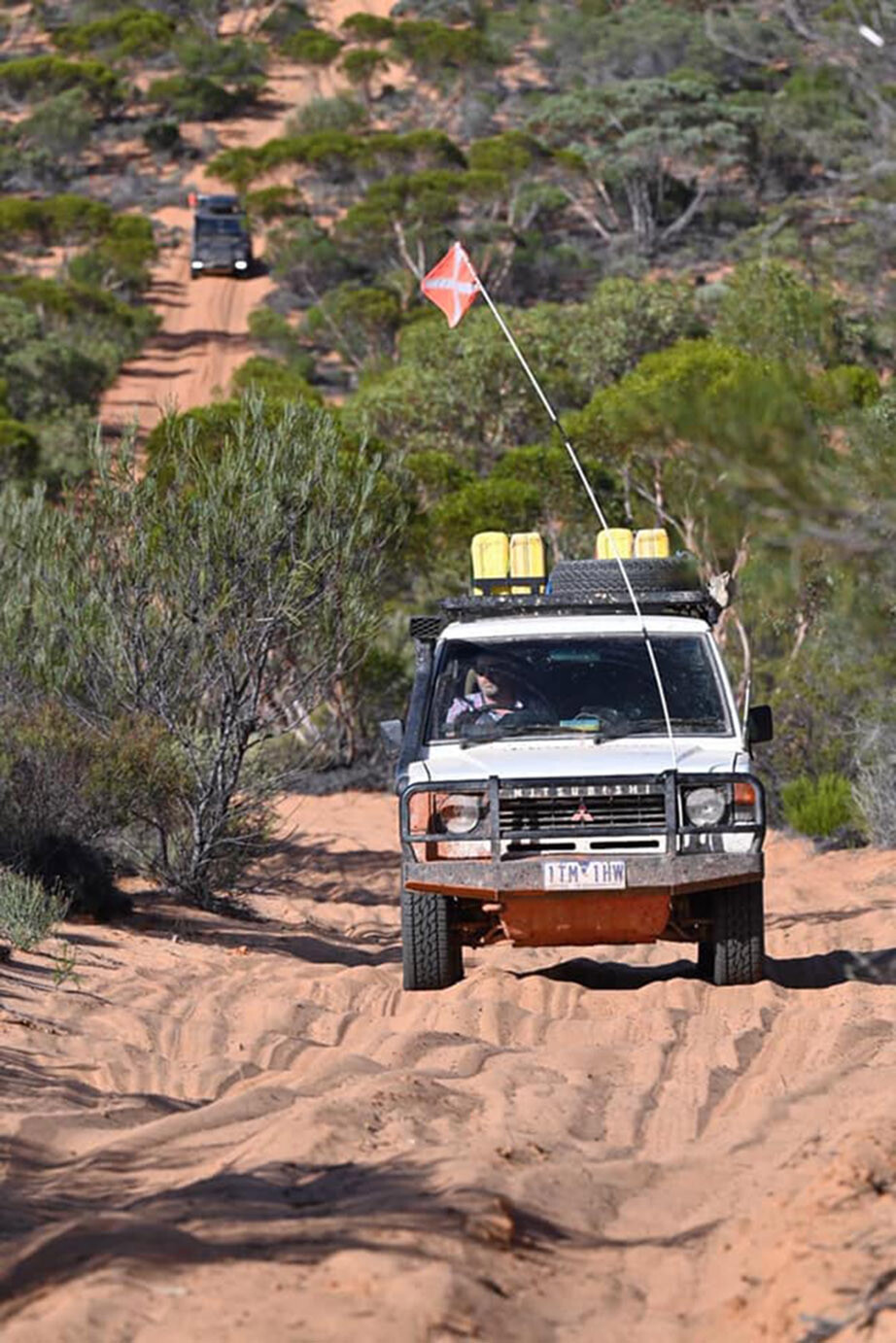
1988 MITSUBISHI PAJERO SWB
It has a Frontrunner roof rack and Ironman springs and shocks, but otherwise it’s pretty much stock standard. This photo was taken on Googs Track over Easter. –Robert Casey
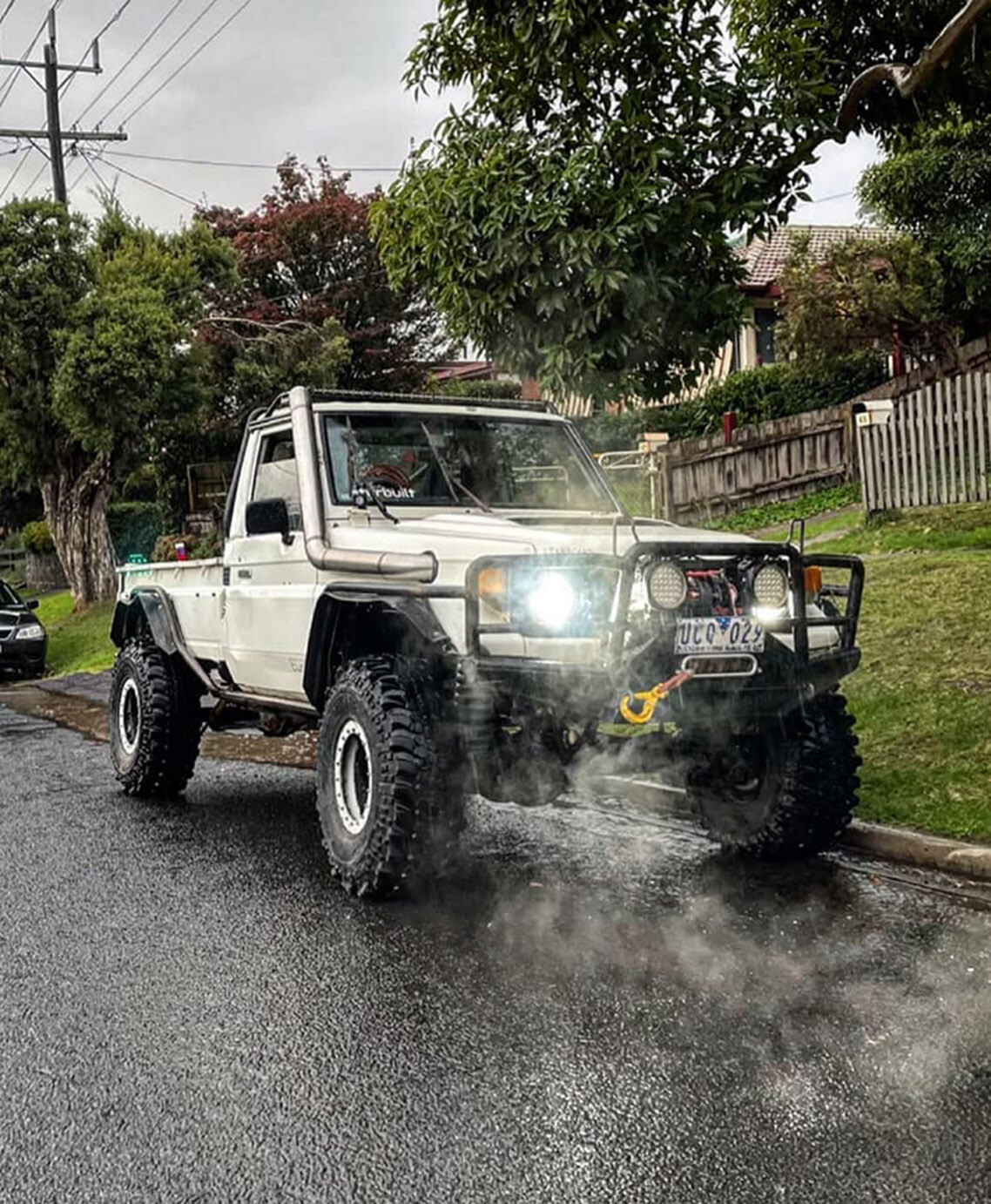
TOYOTA 75 SERIES LANDCRUISER
My coily 75 bus with a bit of fruit. It’s engineered in Victoria and has a 12H-T four-litre mated to a H150 V8 cruiser gearbox; GU Patrol front end and steer box; 80 Series rear-end (4 linked); and a 24V system for a twin-motor high-mount winch. It’s twin-locked. -Lachlan Storey
TOYOTA LANDCRUISER
NA HZ with twin-locked 35s (only extended shackles on stock leafs); dedicated 24V set-up to run the high mount; bar work front to back; a rear tyre that swings out instead of dropping down like a traditional tailgate; and of course, a fridge, freezer and travel buddy -Lach Quinn
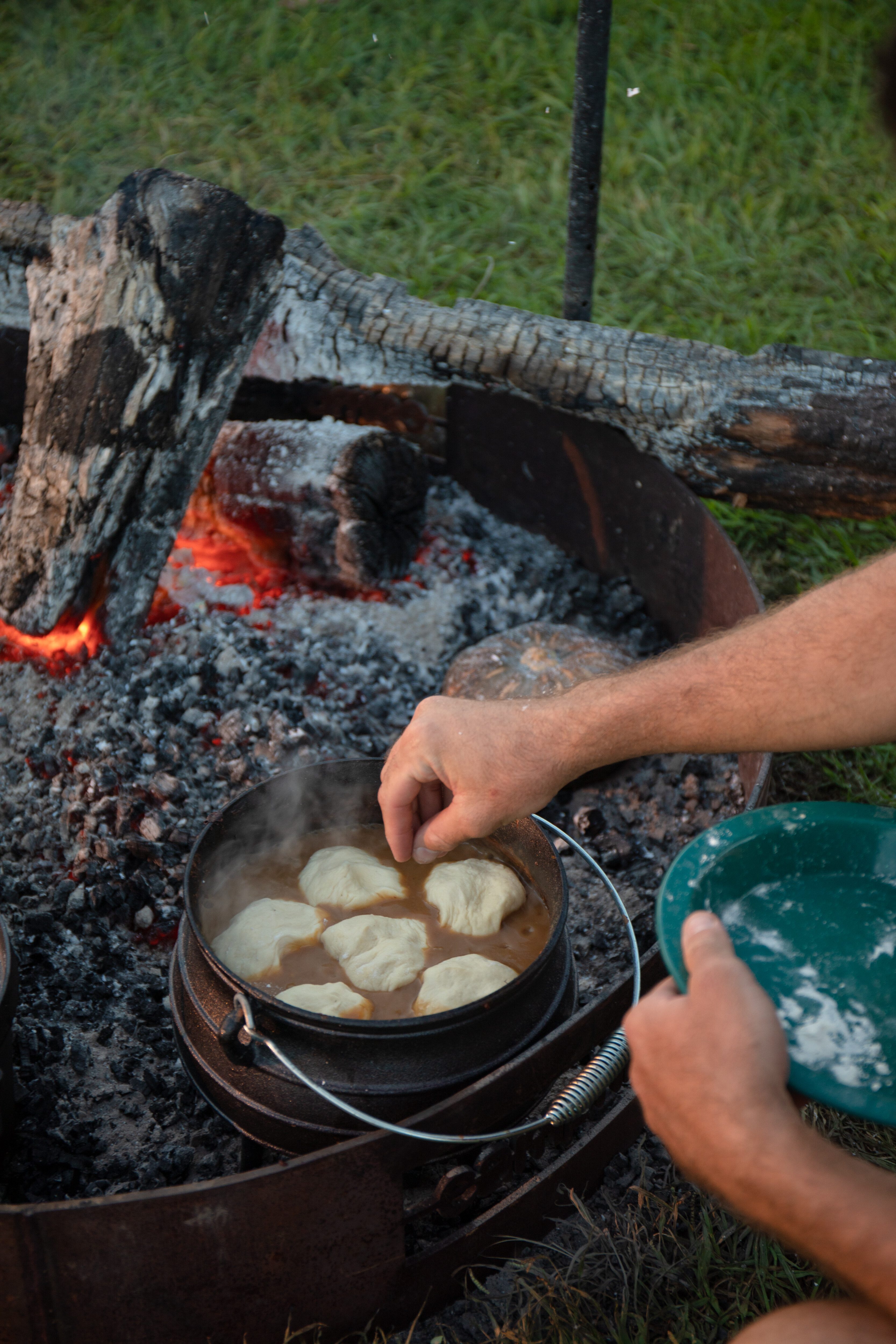
There’s nothing more warming after a long hard day out on the tracks than a hot stew cooked up in the camp oven or potjie.This classic recipe for beef stew with dumplings will warm you through, especially when it’s been simmering over the campfire throughout the afternoon.

INGREDIENTS
BEEF STEW • 1kg cubed beef • 1/4 butternut pumpkin • 1 turnip • 1 parsnip • 2 medium potatoes, diced • 2 zucchinis • 3 sprigs rosemary • 1 cup dry red wine • 2 cups beef stock • 2 celery stalks, diced • 2 carrots, diced • 2 tbsp plain flour • 2 tbsp olive oil • 1 medium brown onion, chopped • 2 garlic cloves, crushed • 2 tsp parsley
DUMPLINGS • 2 cups plain flour • 1 cup milk • 60g grated cheese of choice (we used parmesan) • ½ cup butter, melted • 1 tbsp baking powder • 1 tbsp sugar
COOKWARE REQUIRED • Camp oven or potjie pot
METHOD
1. Preheat camp oven or potjie pot. 2. In a medium bowl, coat beef in flour, shaking off any excessive crumbs. 3. Oil your pot or oven and cook the beef until browned all over. Remove from heat and set aside. 4. Using the same pot or oven, sauté onion, zucchini, turnip, parsnip, carrot and celery for 2 minutes, then add garlic and cook until fragrant. 5. Pour in wine and bring to the boil, stirring until reduced by roughly half. 6. Add stock, pumpkin, potatoes, rosemary, parsley and beef to the pot. Cover and cook low and slow for 2 hours. 7. While the stew is simmering make the dumplings by combining all ingredients in a bowl. Mix well and set aside. 8. Roll dumplings into balls and place on top of the stew in the last 10 to 15mins of cooking time (lid on). 9. Serve as is or with a side of damper!
If we look back at the history of the automobile as an epoch of time, one must admit that its brief 135-year story represents a mere sliver of our planet’s chronical. Yet when Carl Benz was issued a patent for a ‘vehicle powered by a gas engine’, he certainly could not have fathomed the impact it would have on the human race.
In 1903, Dutch brothers Hendrik and Jacobus Spijker took the concept further by incorporating a four-wheel drive system into their Spyker 60 roadster. Spin the clock forward through the next few decades and there were numerous brands that landed with a big splash, only to sink into oblivion. Those that survived were able to adapt to changing economies, overcome challenges, and reinvent themselves when needed.
This year marks the 80th anniversary of one such brand, whose four-wheel drive offerings have circumnavigated the globe, set Guinness World Records, fought in wars, and even been credited with helping to save the planet from tyranny. This month we are honouring Jeep, the seven-slot brand, by delving into its first eight decades and looking forward as it prepares for the hurdles of the future.
DEEP ROOTS
To understand the deep determination of a brand like Jeep, we need to go back more than a century and join two young entrepreneurs. In 1903, Claud Cox, an engineer with the Standard Wheel Company who had designed their Overland motorcar, launched his own business when his employer pulled the plug on its automobile endeavors.
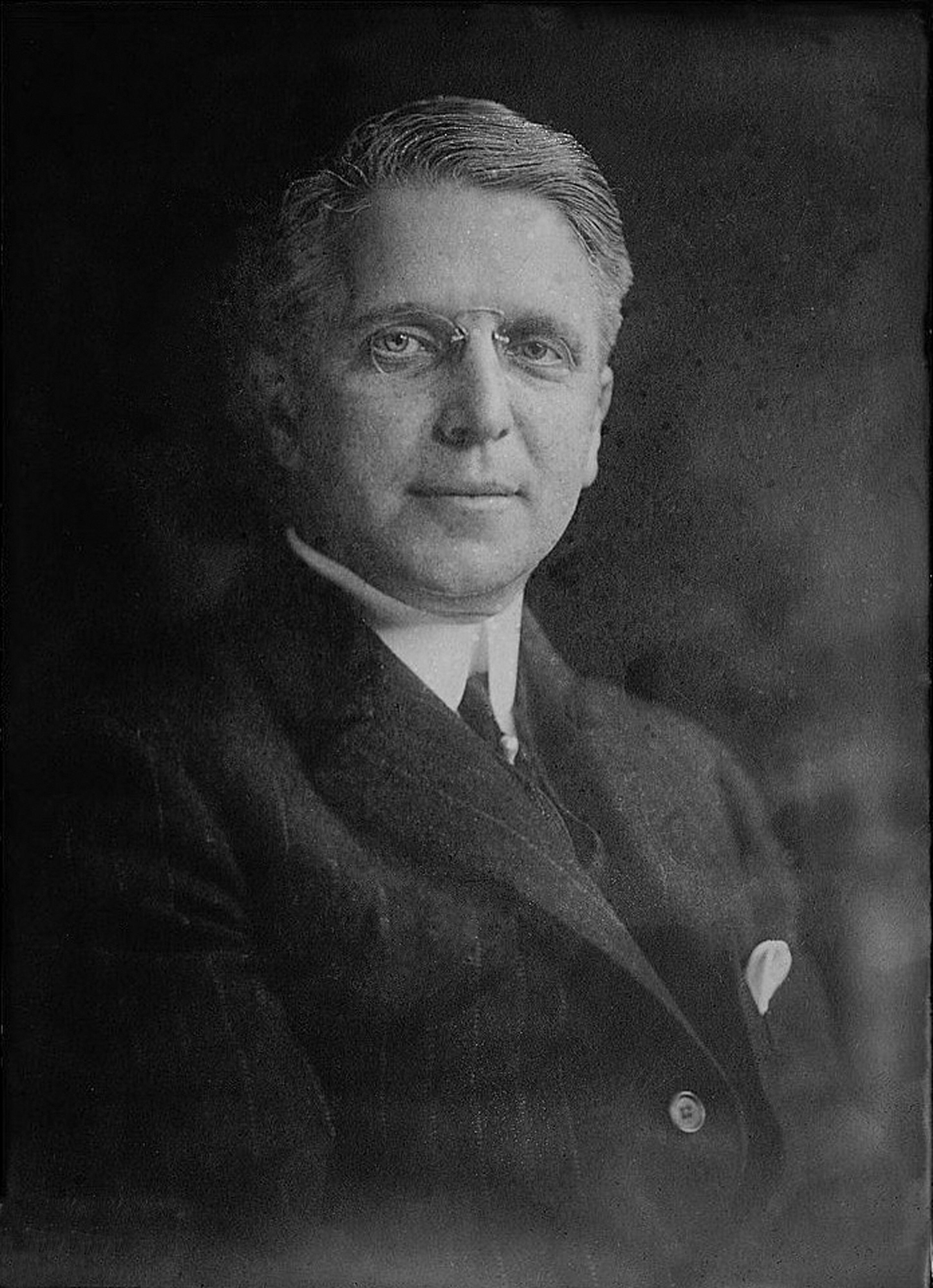
Struggling for several years, Cox was ultimately destined for bankruptcy. But in an event that would change the future of the world, a visionary bicycle salesman from New York named John North Willys intervened. After witnessing his first horseless carriage and the excitement it generated, Willys knew that the motorcar would eventually render the bicycle obsolete.
Willys struck a deal with Cox – paying $10,000 USD for 51 per cent of the company – and then worked his charismatic magic with creditors, employees and suppliers to keep them in the game. By 1908, the new Willys-Overland company had sold more than 500 automobiles and turned a handsome profit. In short order it had outgrown its building and needed a new home, landing in Toledo, Ohio. It was a decision that would not only change the future of the company but prompted Cox to resign.
By 1916, the brand’s reputation for quality positioned the Overland Model 38 as the second best-selling car in the country. Fast forward through the booming 1920s, tumultuous 1930s, and the passing of John Willys in 1933, and America was gearing up for its inevitable entry into World War II.
THE SEVEN-SLOT GRILLE
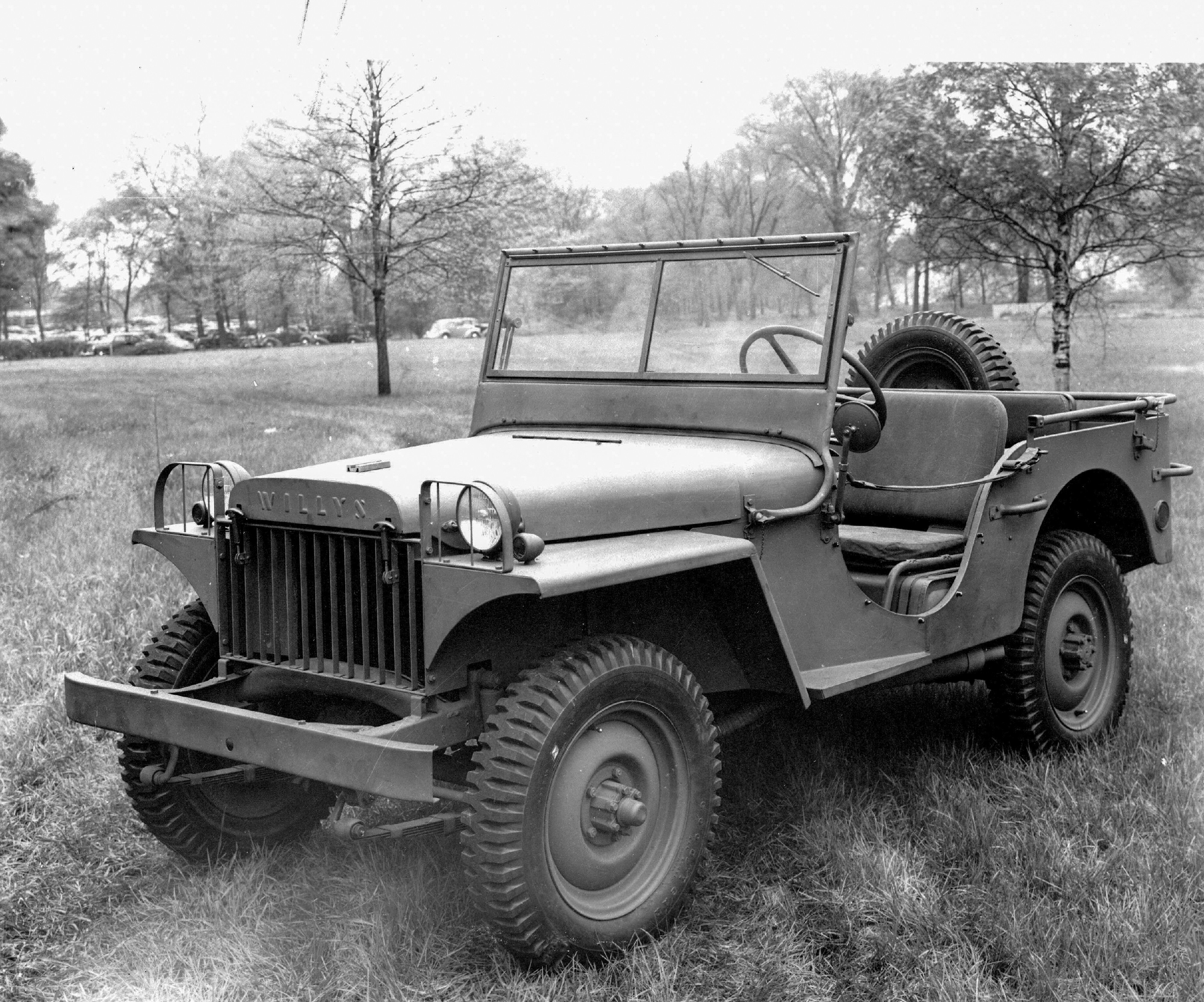
With technology running at a breakneck pace, the US Government knew the upcoming war would be like no other. Horse-drawn howitzers were a thing of the past and their ragtag fleet of modified Model Ts would be no match for Germany’s Wehrmacht.
They issued a request to all US auto manufacturers to produce a light reconnaissance vehicle that had four-wheel drive, a fold-down windshield, weighed less than 1300lb, and could carry a crew of three. And the kicker … they wanted fully functioning prototypes in just 50 days. Bantam Motors and Willys-Overland responded, followed by Ford under the urging of the government.
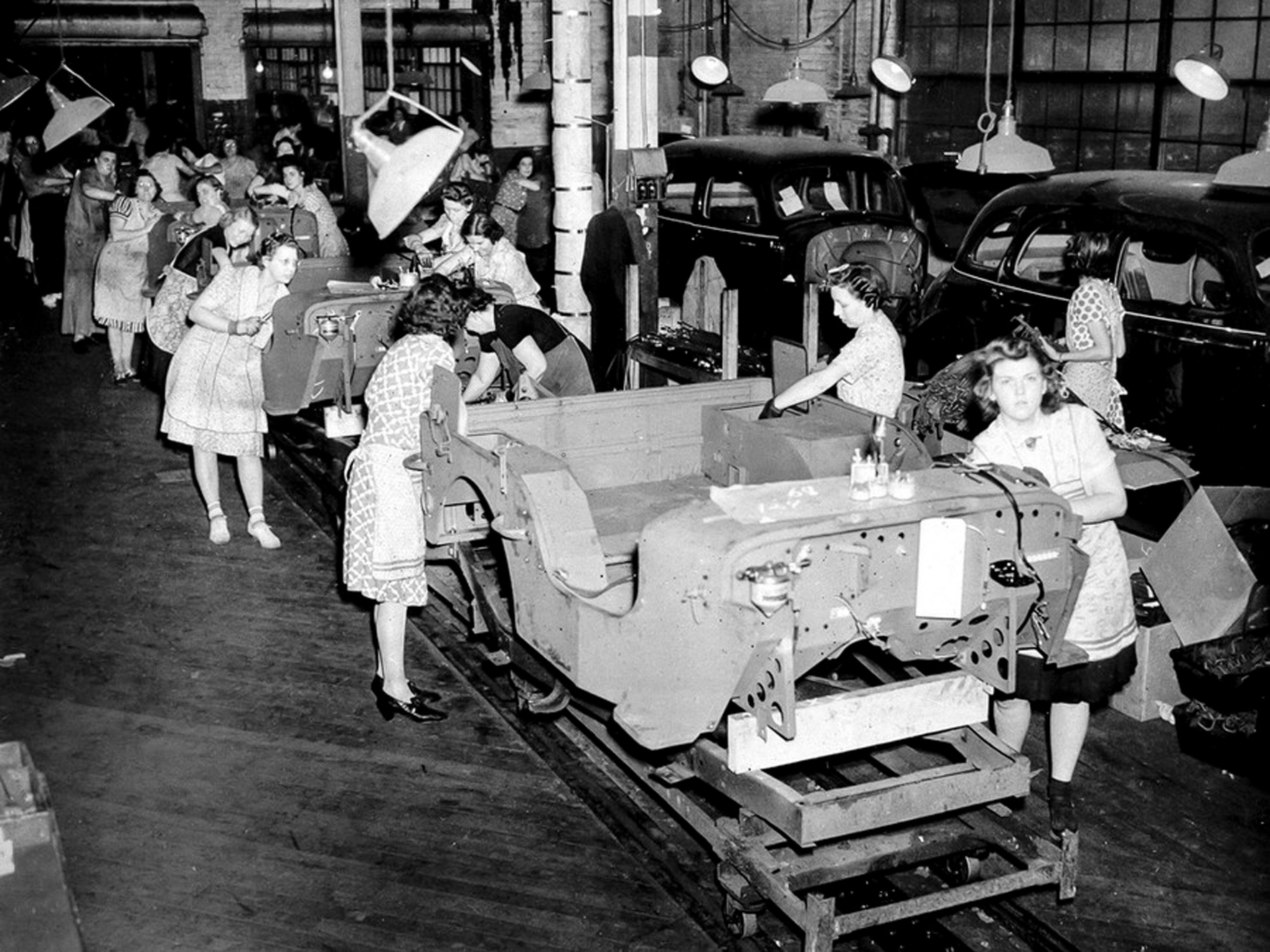
The fruits of their frantic efforts rendered the Bantam BRC, Ford Pygmy, and Willys Quad. Prototypes were evaluated in several rounds of tyre-to-tyre field testing, followed by an order for 1500 more units. When the dust settled, it was the Willys Quad and its powerful GoDevil engine – named so because it would ‘Go like the Devil’ – that received Uncle Sam’s nod of approval. During the war years, Willys produced 363,000 MA and MB models, while Ford, under US license using Willys specifications, manufactured more than 280,000 of their GPWs.
There have been many campfire debates on where the Jeep moniker came from. Some claim it was slang for General-Purpose vehicle (GP), while others argue it sprung from a gravity-defying character in the 1930s Popeye cartoon, Eugene the Jeep. Whatever the origin, by the end of WWII the world had embraced this nickname and Jeep quickly became part of the international lexicon.
PEACE TIME AND CIVILIAN JEEPS
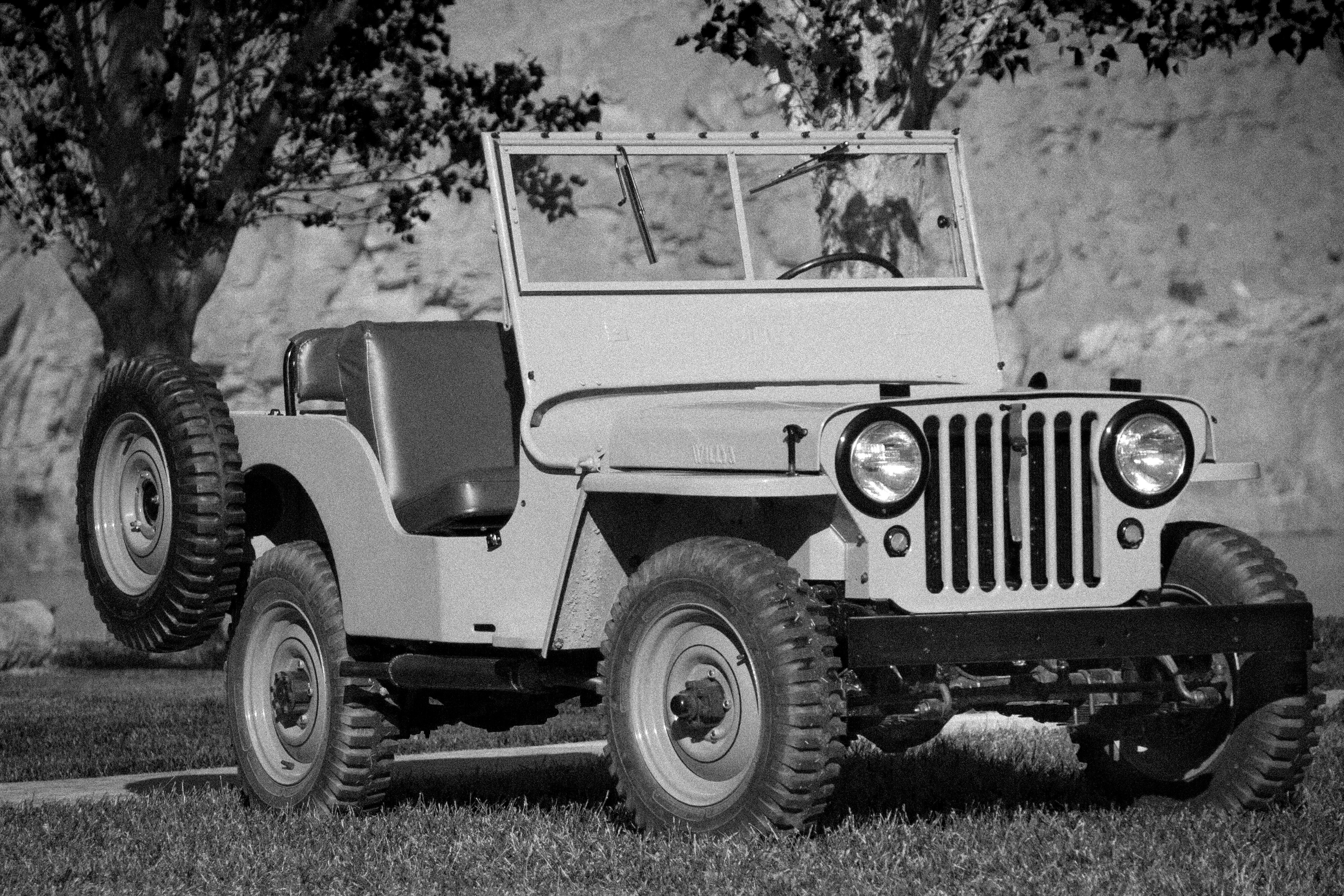
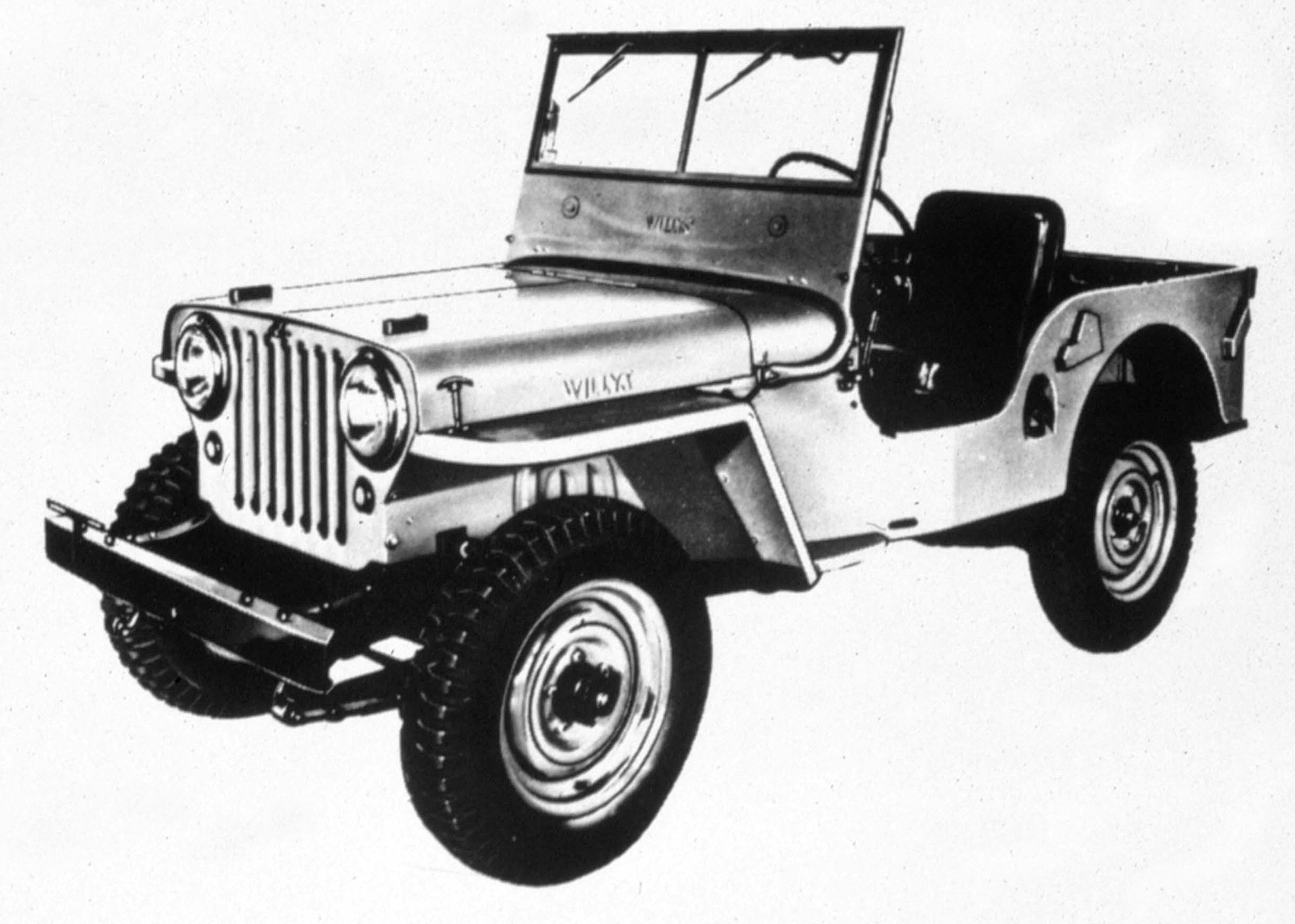
As peace settled over the planet, the venerable Jeep, which had been deployed on six continents, had become known as the vehicle that helped win the war. Surplus units were sold at auction to farmers, outdoorsmen and adventurers, and Uncle Sam authorised Willys to produce the MB for the consumer markets. It would be deemed the CJ-2A (civilian Jeep) and its agile suspension, open-air design and proven durability, made an easy transition from the front lines to field and stream. Looking back, the CJ-2A and its seven-slot grille would provide inspiration for dozens of Jeep models for the next 70 years.
Extending its reach in 1947, licensing was also granted to several international automakers, some of which continue to produce vintage-style Willys to this day. Its simple, utilitarian design and dependability also prompted several manufacturers to produce nearly identical knock-offs. But as they say, imitation is the finest form of flattery.
Spinning the clock forward to the late ’40s and 1950s when the brand was eventually purchased by Kaiser Automobiles, Jeep continued on its self-directed path. Focusing on the needs of the rugged individualist, it would develop vehicles for family camping, hard-working farm and fire trucks, and sporty beach cruisers.
THE SEVEN SLOT LINEUP
Although a detailed presentation of every Jeep model could consume several books, a celebration of Jeep’s 80th anniversary would not be complete without highlighting the vehicles that made it what it is today. Here we go, 1945 and the end of WWII to the turn of the 21st century.
1945 JEEP CJ-2A
After the end of WWII, the success of the MB prompted Willys to focus on Jeeps and drop its car line. The CJ-2A was born (aka Universal), featuring larger headlights, softer springs, a relocated spare tire, and multiple color options. By its phase-out in 1949 in lieu of the CJ-3A and 3B, more than 200,000 2As rolled out of the Toledo, Ohio, manufacturing plant.
1946 WILLYS WAGON
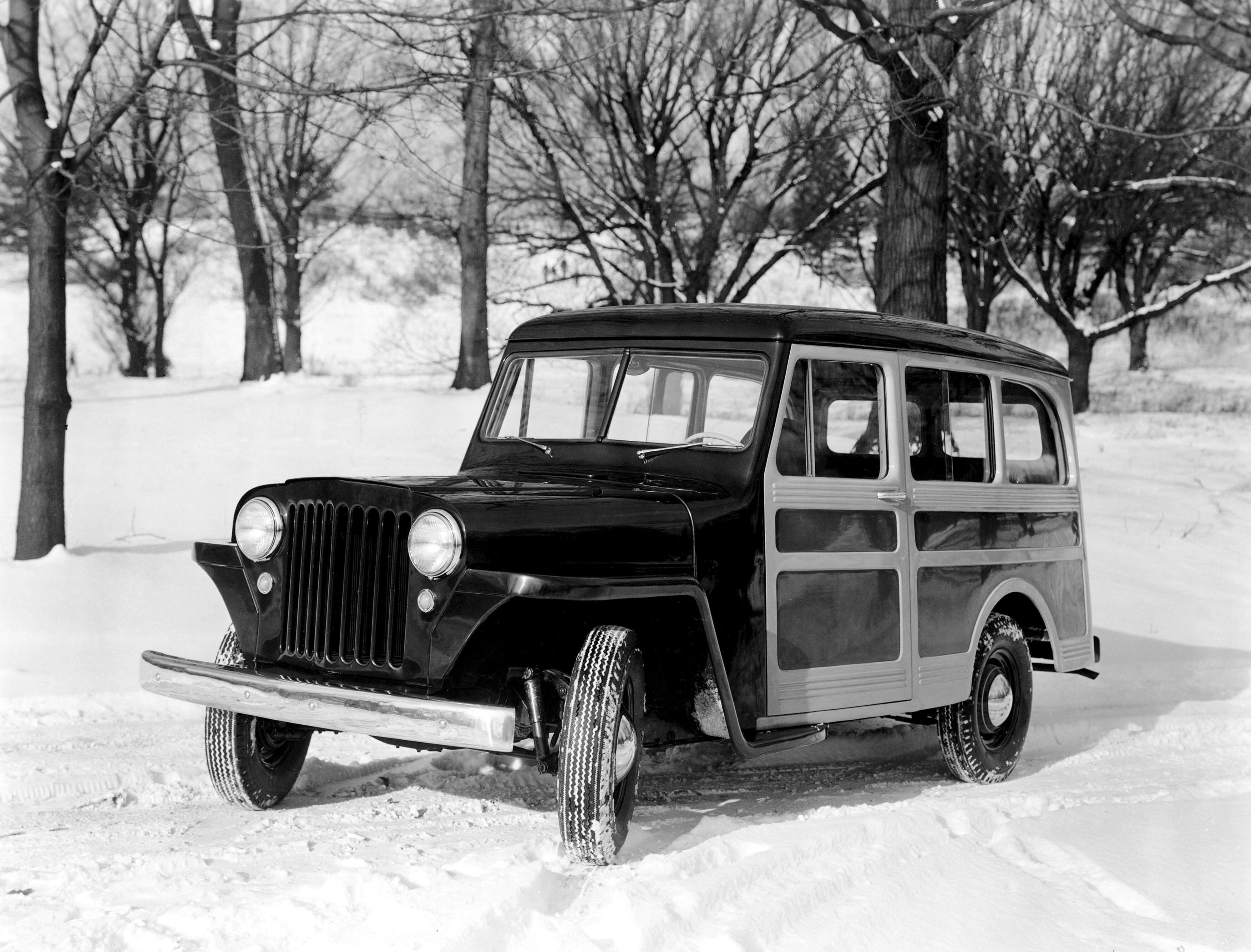
One can argue that the Willys Wagon, designed by the legendary Brook Stevens, was the first sports utility vehicle. It had two rows of seating, room for four, and cargo in the back. During the next 18 years (it was also manufactured in Argentina and Brazil through 1977) it underwent various design changes, engines and drivetrain systems, including 4WD in 1949. The Willys wagon became an American icon of backcountry family adventures.
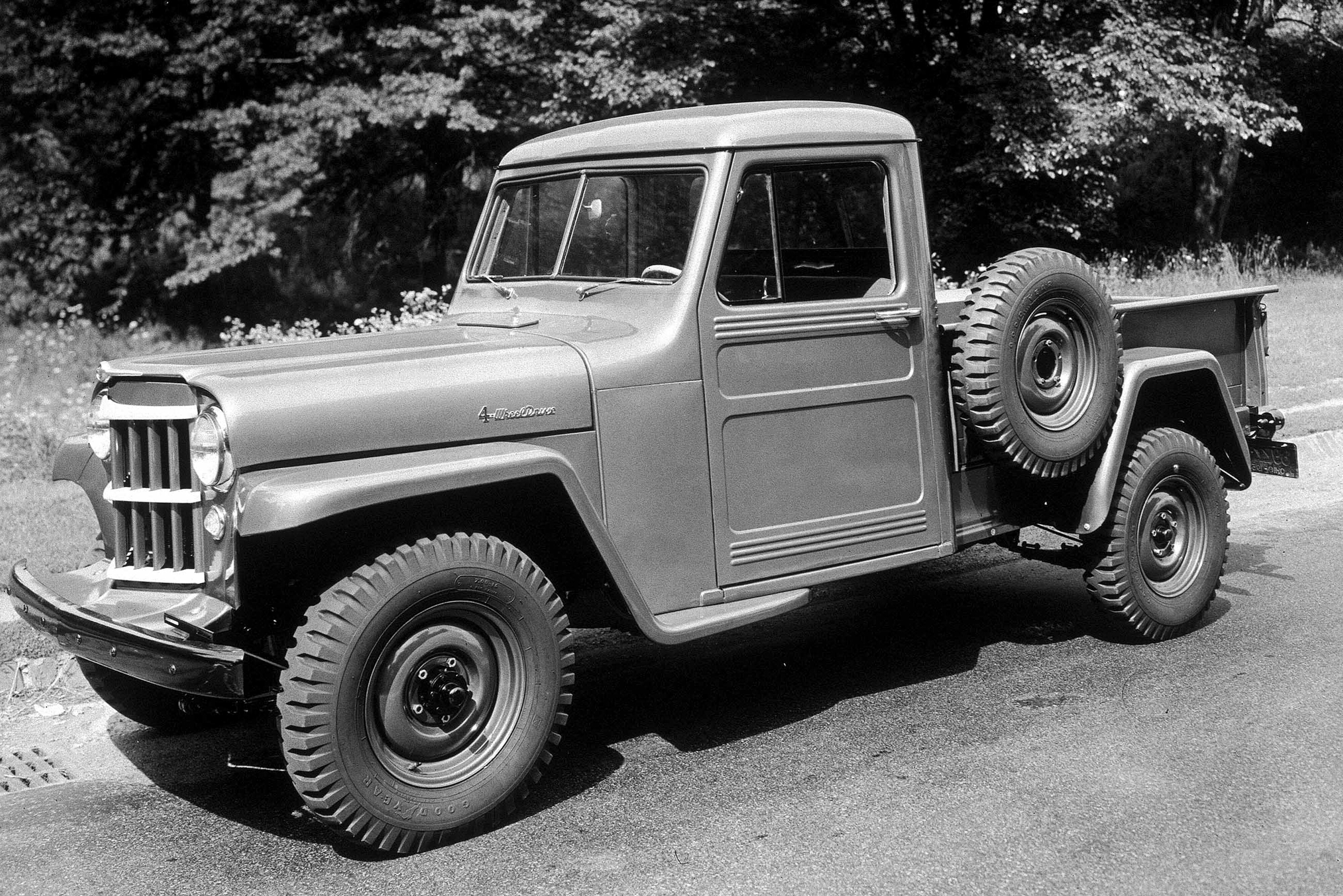
1947 WILLYS PICKUP
With pickups becoming ever popular, Willys introduced the Jeep Truck, which would enjoy an 18-year tenure before being retired in 1965.
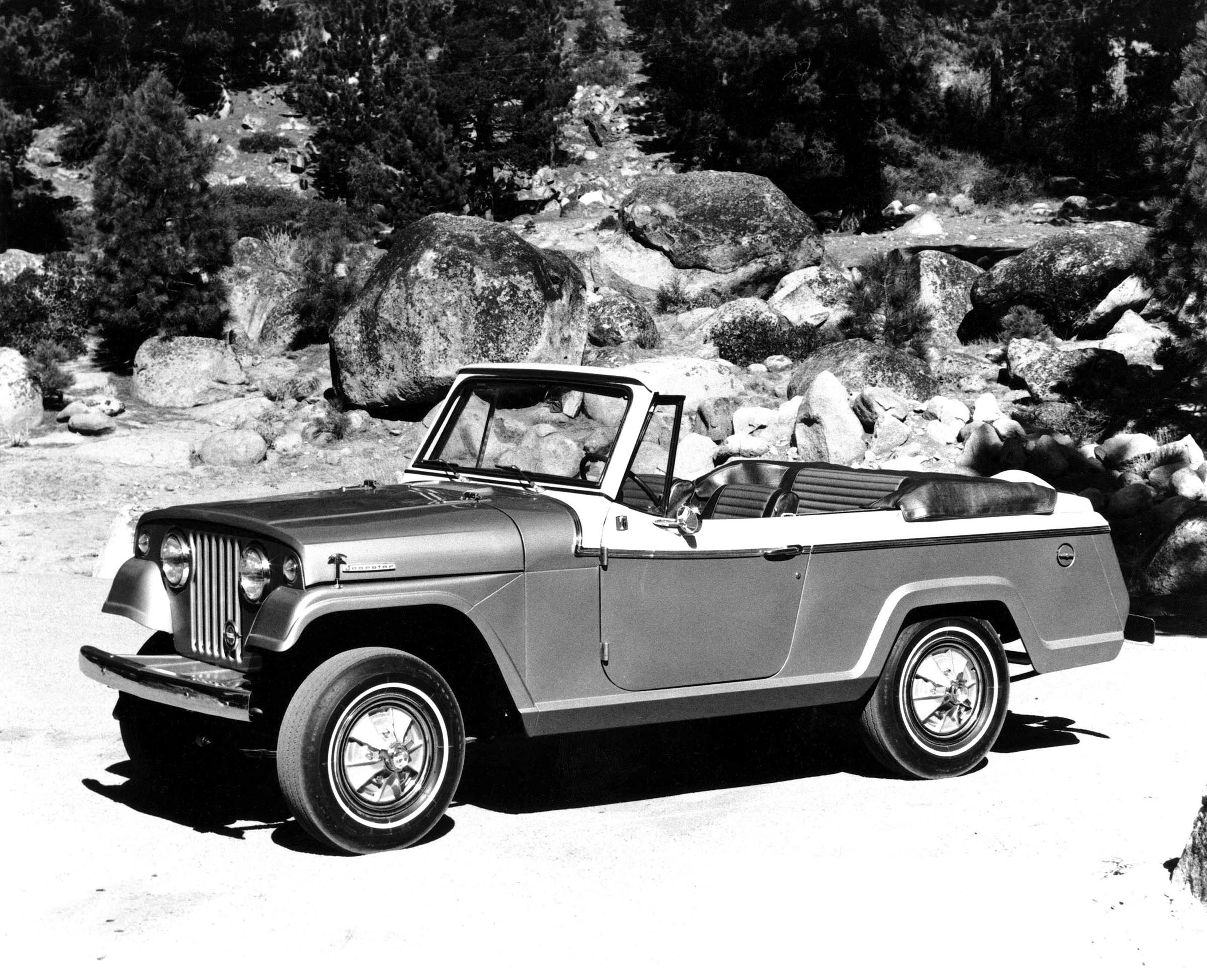
1948 JEEPSTER
Another Brook Stevens design, the Jeepster was a bit more luxurious, sportier, and car-like than its brethren, and targeted the beach cruiser and country club crowd. While its bones were borrowed from the Willys Wagon, it featured soft touches such as whitewall tires, sun visors, wind wings, and a convertible top.
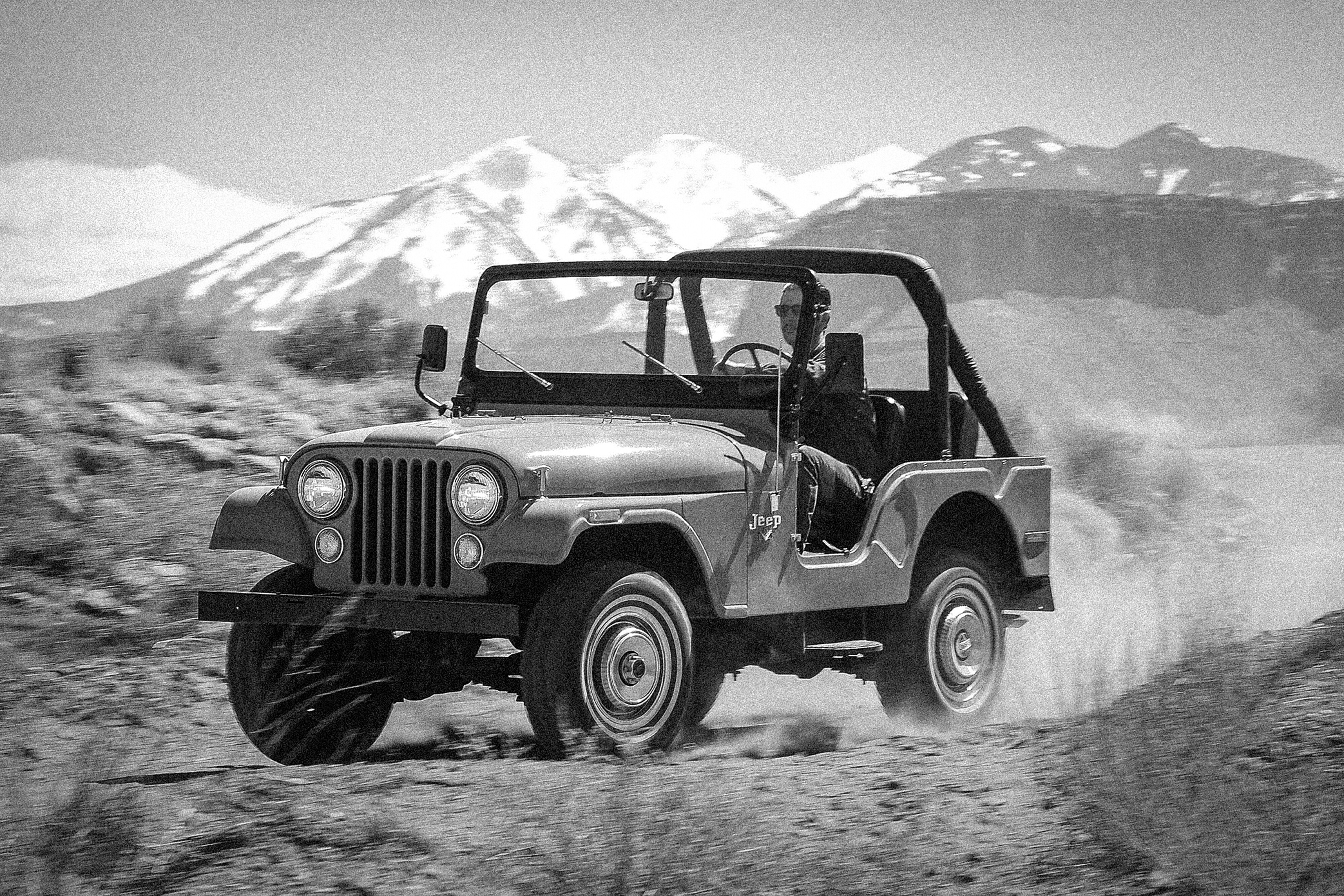
1955 CJ-5
After Kaiser purchased Willys-Overland in 1953, they rebranded the Korean War era M38-A1 for the civilian market. The beloved CJ-5 became the longest running Jeep to date, spanning 29 years, numerous wars, 4-bangers, 6-bangers and V8s, and chassis upgrades. By the end of production, more than 600,000 units had been delivered worldwide.
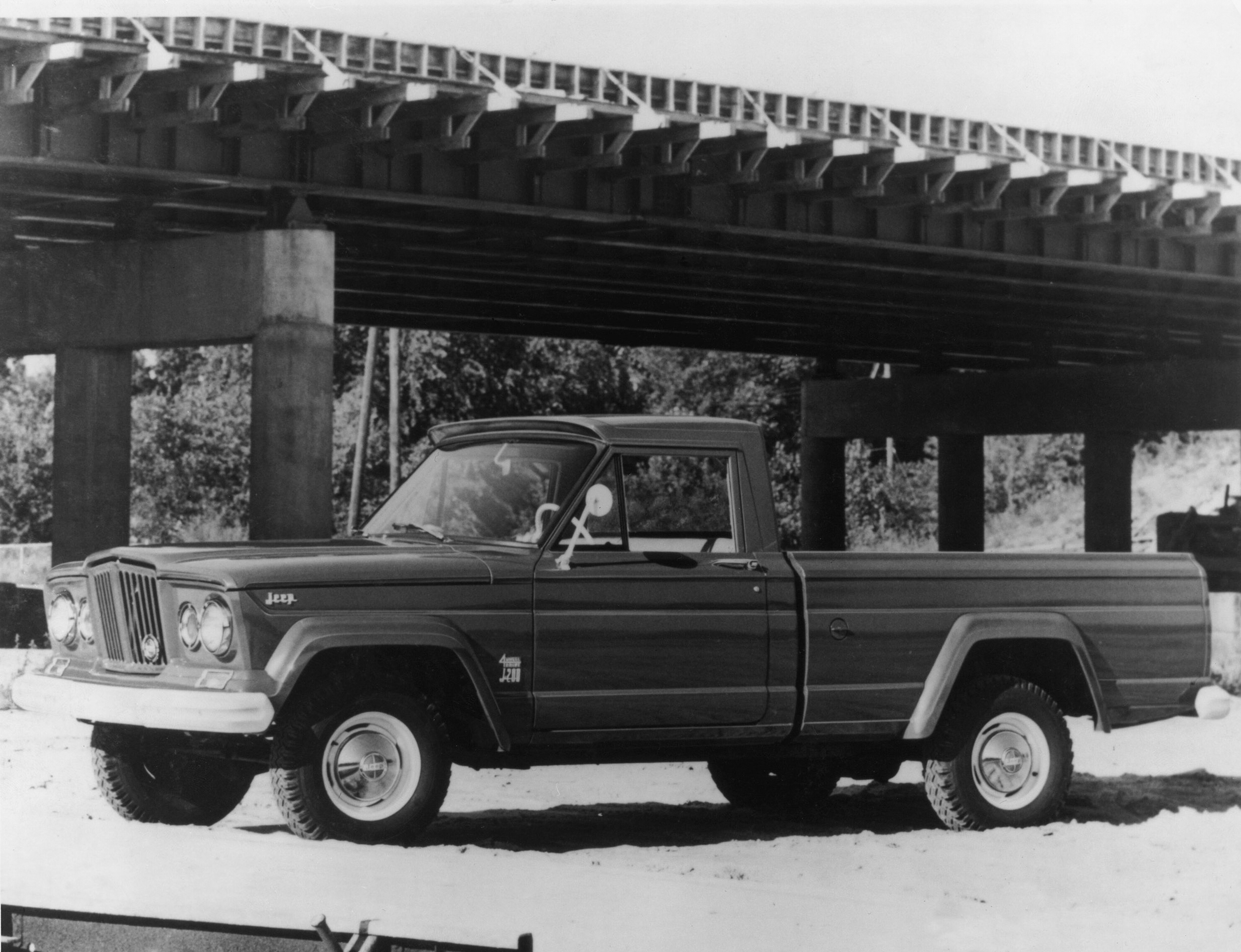
1963 GLADIATOR PICKUP
One of the most coveted Jeeps (if you can find one), the full-size J Series pickups became the workhorses of the farm, road and trail. Their aggressive forward-raked front clip may not have been aerodynamic, but it was pretty dang cool. It was also beefed up to a 1.25-ton (1.13-tonne) rating for military use and designated the M715.
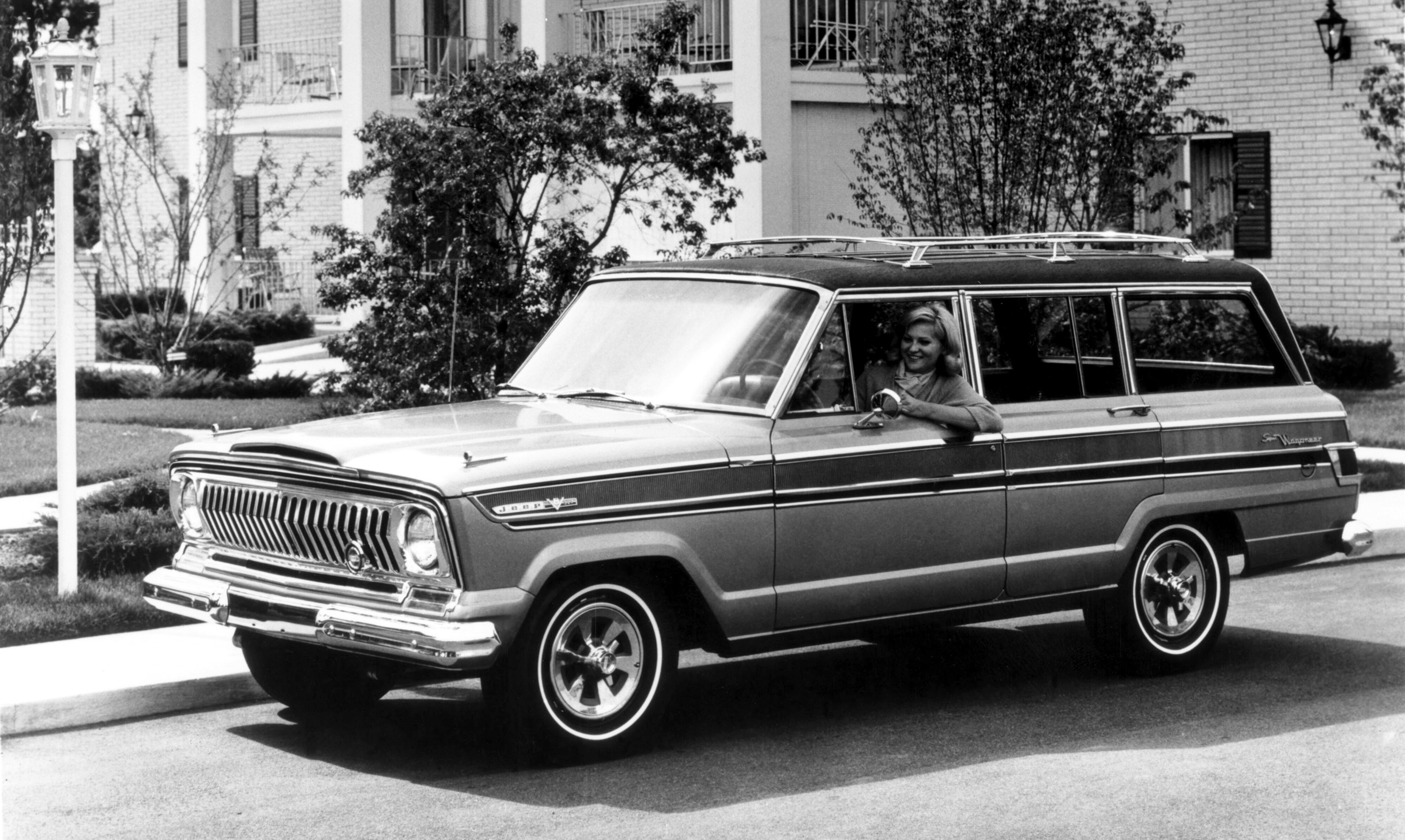
1963 WAGONEER
If the Willys Wagon was the first SUV, the Wagoneer took things to the next level in luxury. Sparing with the CJ-5, it too was produced for 29 years and had little competition. Based on the J series pickup chassis, it was available in two or four doors, accent lighting, woodgrain panels, an automatic transmission, and engines ranging from the Tornado 3.8-litre six-cylinder to a fire-breathing 401 cubic-inch V8. It would also be the inspiration for its smaller sibling the Cherokee XJ (1983-2001) and modern Grand Cherokee.
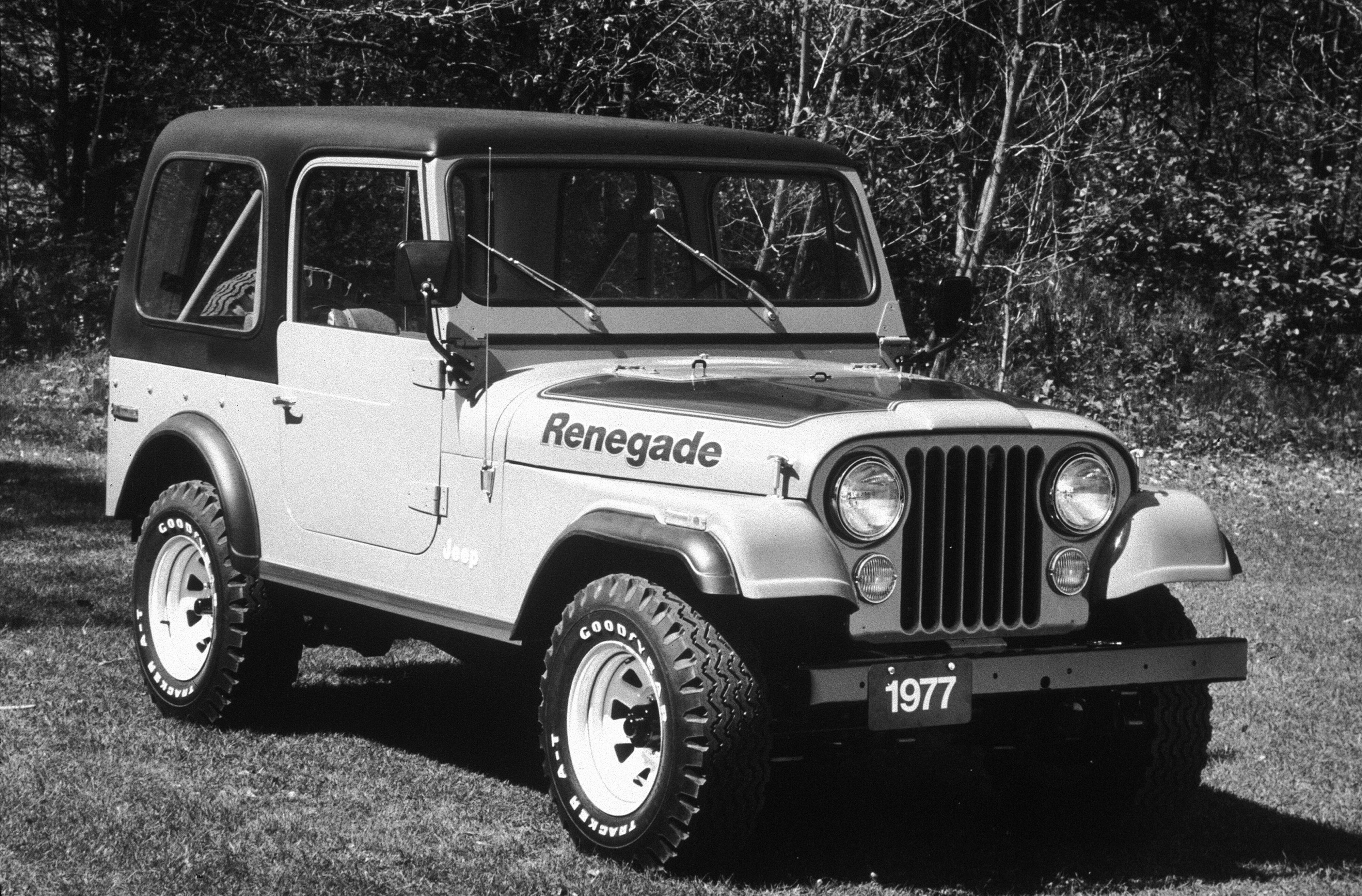
1976 CJ-7
As highway speeds increased and vehicles became bigger, the world wanted a more stable and larger Jeep. AMC followed suit by stretching the CJ-5 10 inches and rebranding it as the CJ-7. There were subtle changes to the chassis and powertrains, but it proudly carried the seven-slot flag until its retirement in 1986 as the last of the CJ line.
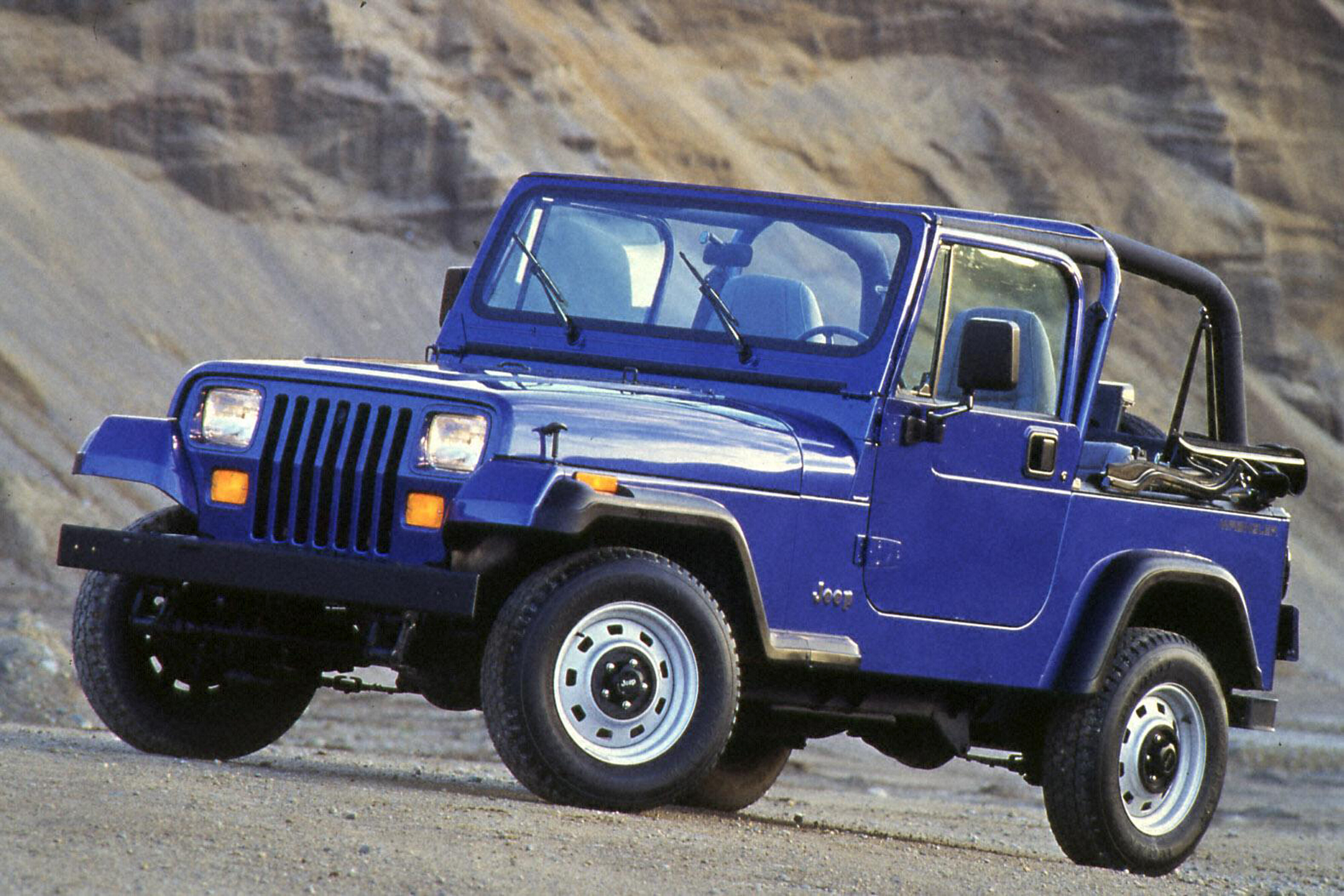
1986 WRANGLER
The Wrangler took over where the CJ left off, and has been with us in various forms for 35 years. Though variants have included the YJ, TJ, JK and the new JL, the most significant upgrade for the off-road minded was the introduction of the coil-sprung TJ in 1996, the Rubicon in 2003, and four-door in 2007.
ODDBALLS AND GOING POSTAL
As with any brand, Jeep has come out with a few humdingers. There were many from offshore licensees, but we’ll stick to US blunders.
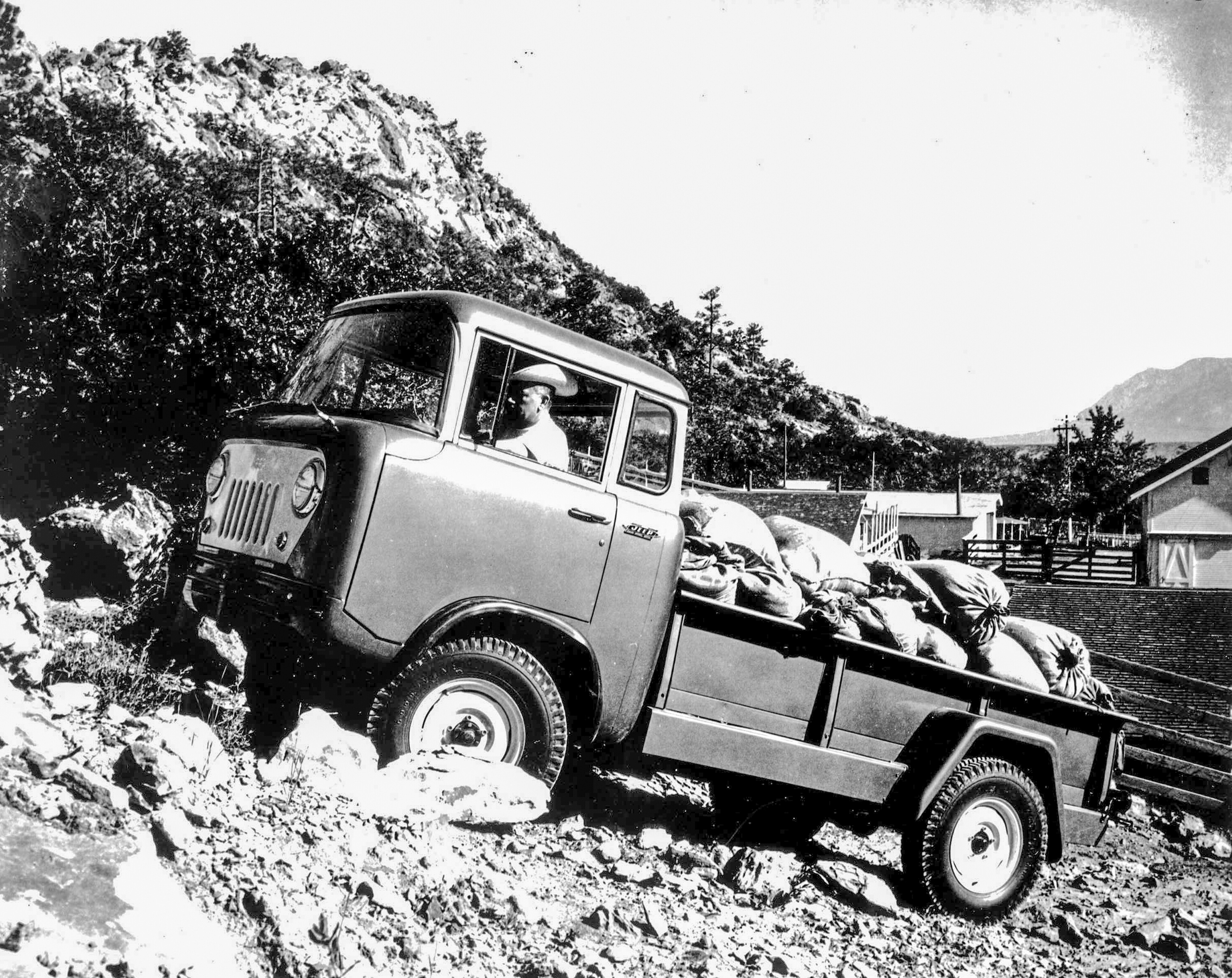
The Forward Control (FC) was another creation of the legendary Brook Stevens, but its cab-over design was unconventional for the day and received with mixed reviews. And lest we forget the FJ Fleetvan. Produced from 1961 to 1976, this pug-nosed van came in a variety of flavours and made its mark as a right-hand drive (RHD) postal delivery vehicle.
Jeep also went postal with the RHD DJ-5A, or dispatch jeep. Based on the CJ-5, it had a sliding side door and Powerglide automatic transmission and along with the Fleetvan, was the only RHD Jeep offered in North America.
SEVEN SLOTS DOWN UNDER
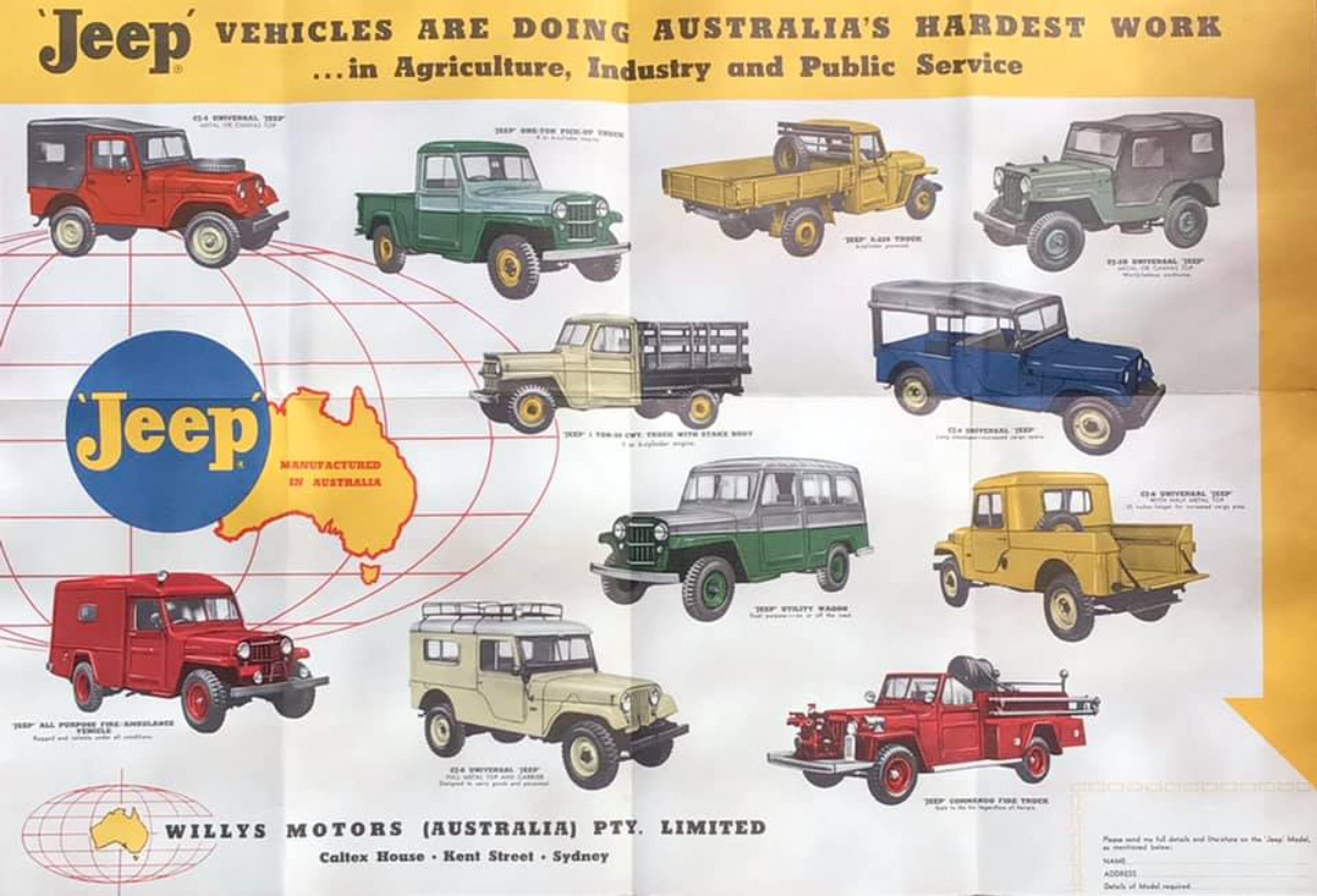
With thousands of surplus Willys MBs and Ford GPWs available after WWII, demand did not merit the importing or manufacturing of Jeeps in Australia until the late 1950s. When the supply of military Jeeps ran dry, they began to arrive in crates and were assembled at the MS Brooking facility in Perth, Western Australia, and later by Willys Motors Australia in Brisbane, Queensland.
“Jeep vehicles doing Australia’s hardest work” was the motto, and the line expanded to include Willys wagon, pickups, Wagoneers, Forward Controls, and even a solitary Fleetvan. At the time, many parts such as electrical systems, various body panels, engines and ute trays were sourced locally or redesigned for the needs of folks in the outback. This included the Overlander, which was produced as a ute and wagon.
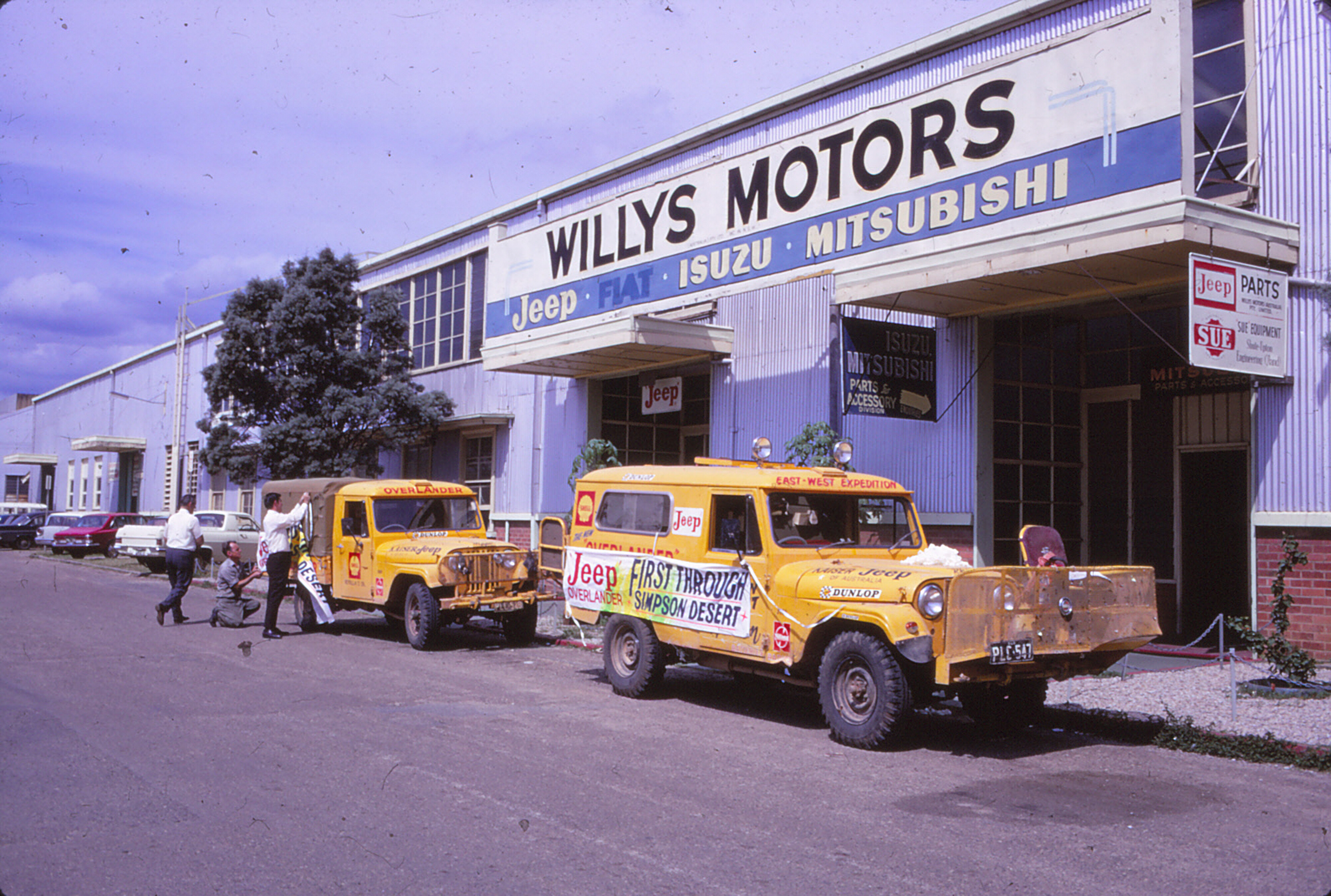
With AMC’s purchase of Jeep in 1970 and demand waning, it appeared that the seven-slot grille had seen its last day Down Under. But in the early ’80s AMC was back at the plate, establishing Jeep Australia to assemble the CJ-8, Overlander and CJ-10. All bets were off again in 1984, and on again in 1990. Exchange rates and other factors have contributed to this bumpy ride and while Jeep has not had the presence of other brands, it continues to have a strong and loyal following.
TUMULTUOUS TIMES
The Willys brand was eventually acquired by a long succession of parent companies ranging from Kaiser to Fiat. Each took their turn at amalgamating the brand with their own, but Jeep was different than anything they had experienced. It had true global identity, a devoted following and bulldog-stubborn management. Through recessions, oil embargos, market crashes, global economic pressures and wars, the brand continued to forge forward with relative autonomy.
Interestingly, if we look back to 1920, Walter P Chrysler had been commissioned by a group of bankers to help restructure Willys, which was heading for bankruptcy again. Although he left after a botched coup attempt to edge out founder John Willys, the company he later formed, the Chrysler Corporation, would eventually purchase American Motors and the Jeep brand from Renault.
JEEP EXPEDITIONS, EVENTS AND PEOPLE
While it is commonly accepted that the Willys helped win the war, Jeeps have undertaken some of the most incredible, inspiring and unlikely expeditions on record. They have traversed uncharted deserts of Africa, passed through countries many have never heard of, driven through the world’s densest jungles and even crossed oceans. We begin this journey of exploration with the legendary Long Range Desert Group.
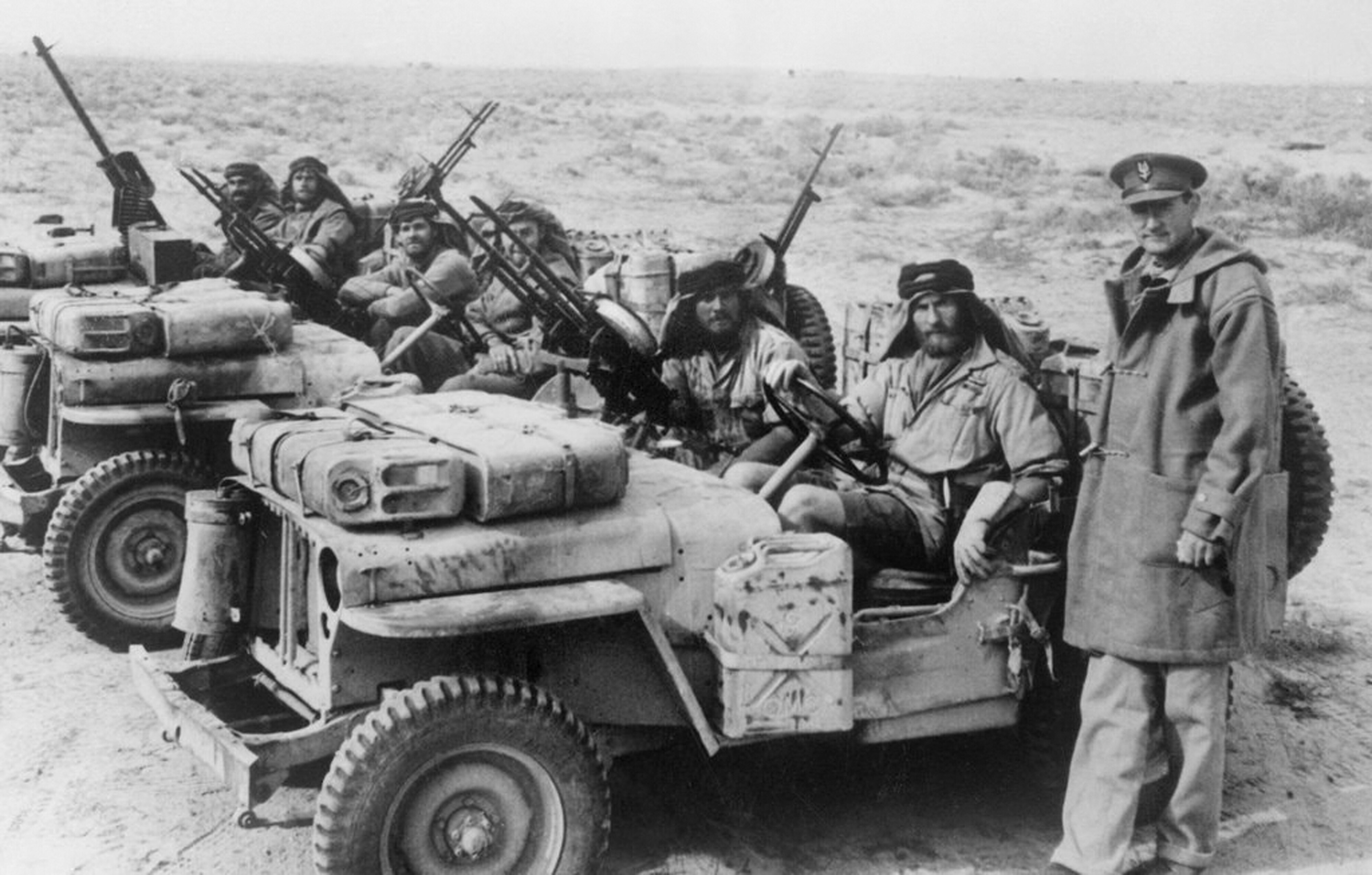
1943 Long Range Desert Group: As a product of the WWII efforts, the first Jeeps, or Ford GPWs, were deployed in Libya to battle the Axis Alliance. Laden with machine guns, heaps of ammunition and fuel, they sneaked in behind enemy lines for hit-and-run and recce missions.
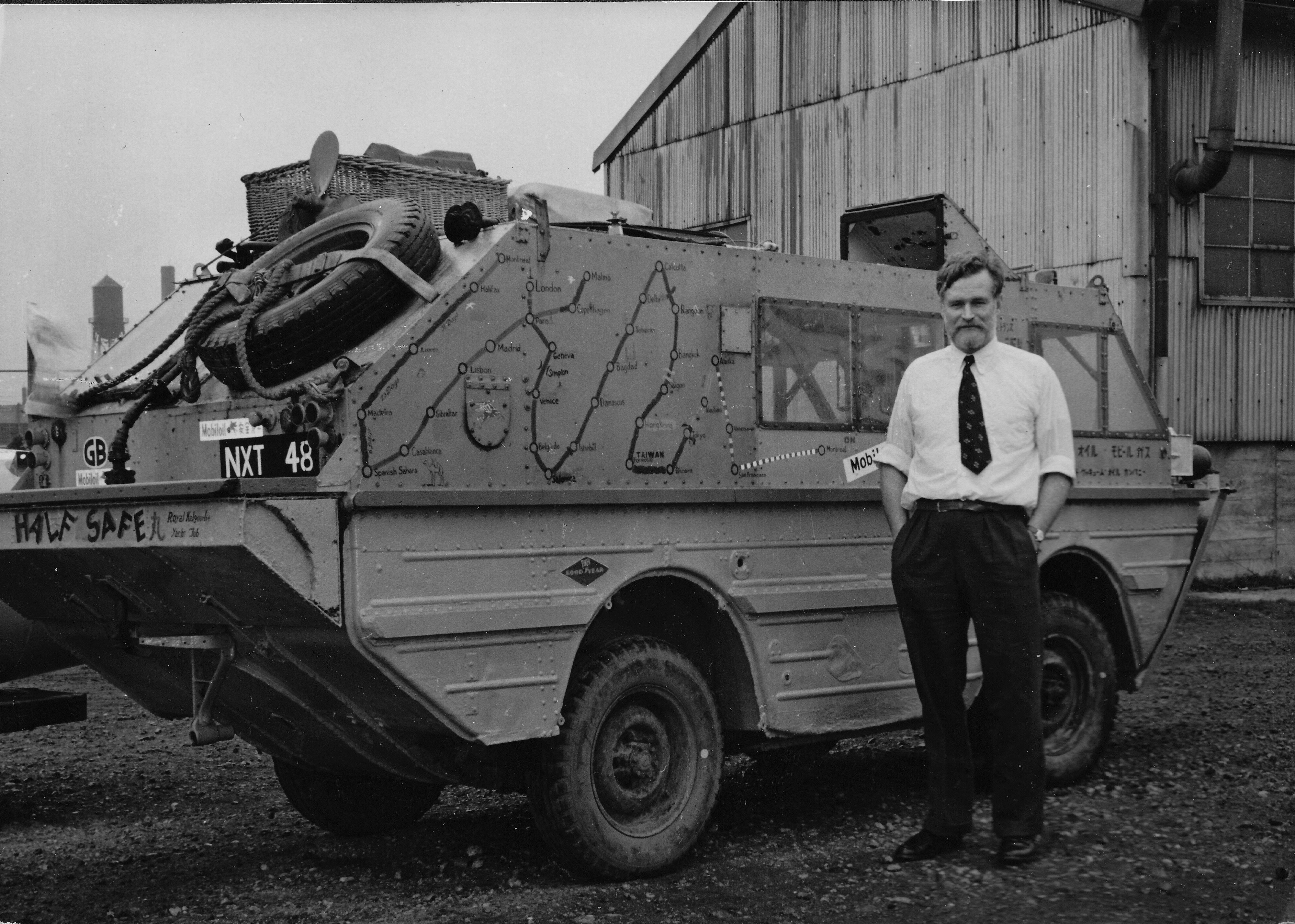
1948 Half Safe: One of the most impressive early Jeep expeditions was undertaken by Australian Ben Carlin. Piloting a 1942 Ford GPA amphibian, Carlin and his wife Elenore set off from Halifax, Canada, on a circumnavigation of the globe. It took Carlin three co-drivers and 10 years to complete a journey of 63,000 miles on land and 17,000 miles by sea.
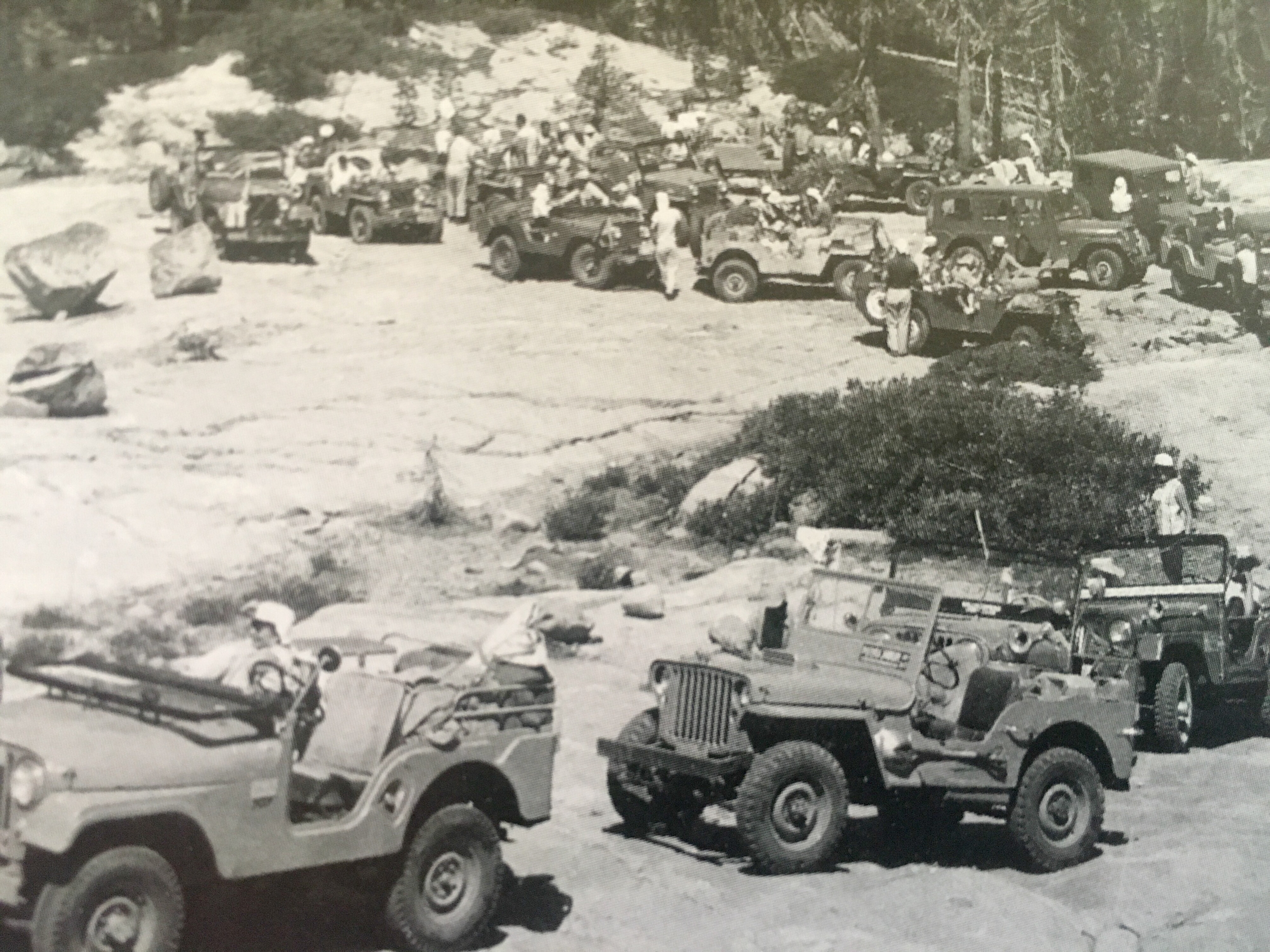
1953 Jeepers Jamboree: Mark A Smith and a group of friends in Georgetown, California, organised a Jeep trip on the Rubicon Trail to help boost the town’s sagging economy. Little did they know their fledgling event would be nicknamed ‘The Granddaddy of Jeep Trips’ and their hometown trail would become known the world over.
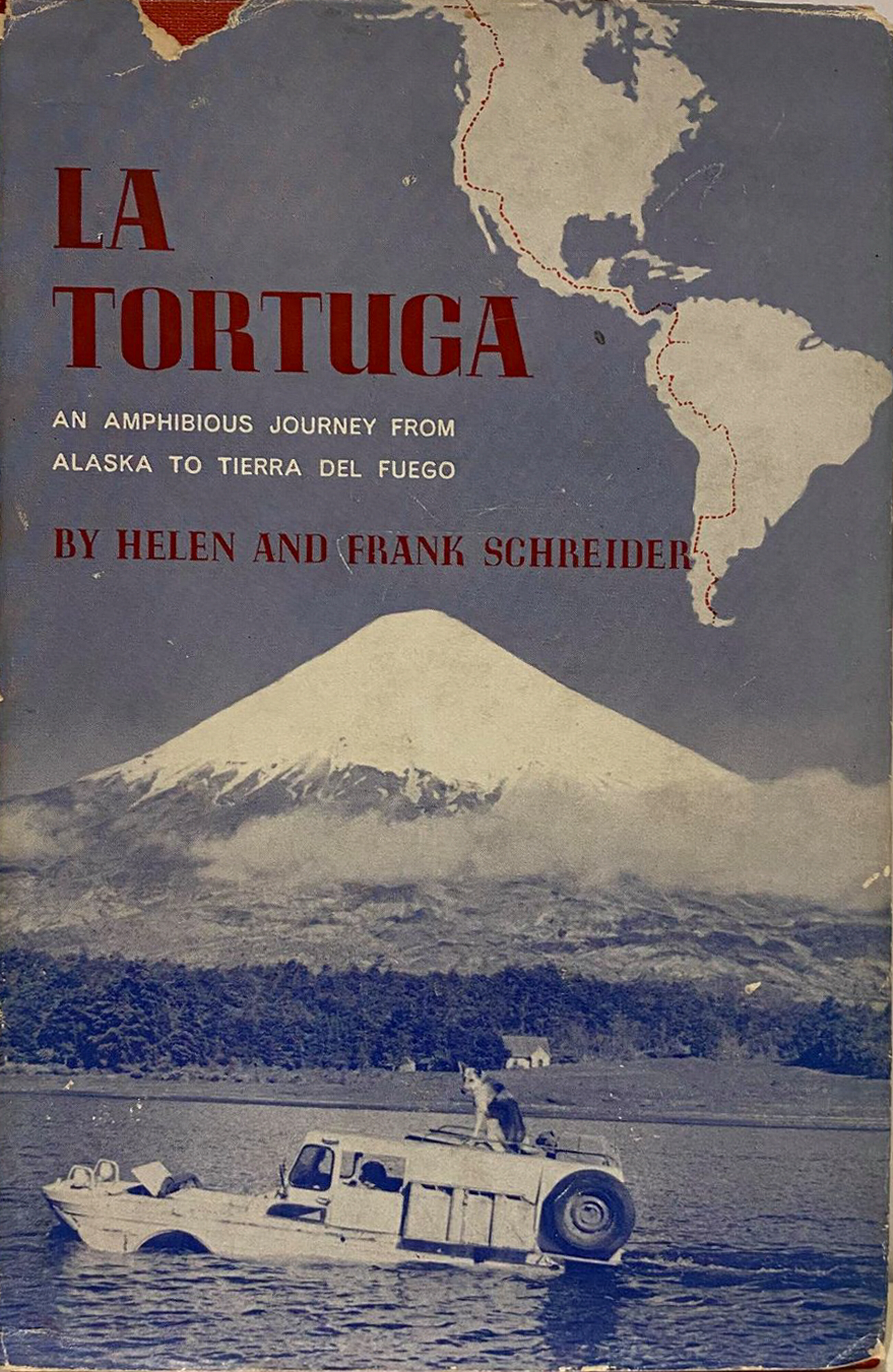
1954-55: Helen and Frank Schreider traversed the Americas from Alaska to the tip of South America in an amphibious Ford GPA named La Tortuga. They would go on to undertake numerous expeditions around the world for the National Geographic Society; usually at the helm of La Tortuga.
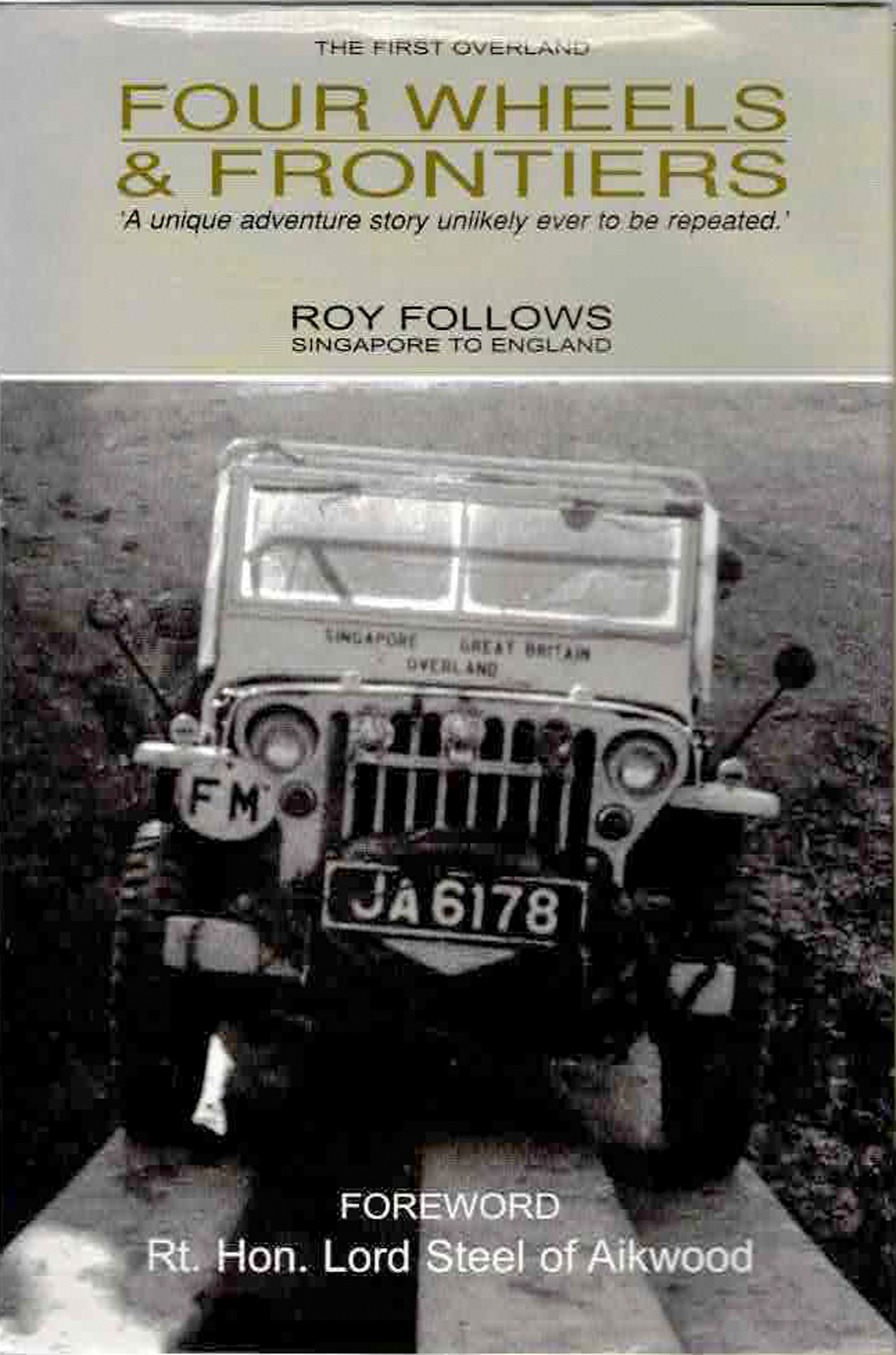
1958 Singapore to England Overland: Roy Follows and Noel Dudgeon spent a year piloting their British surplus Willys, utilised during the WWII efforts in Burma, from Singapore to London.
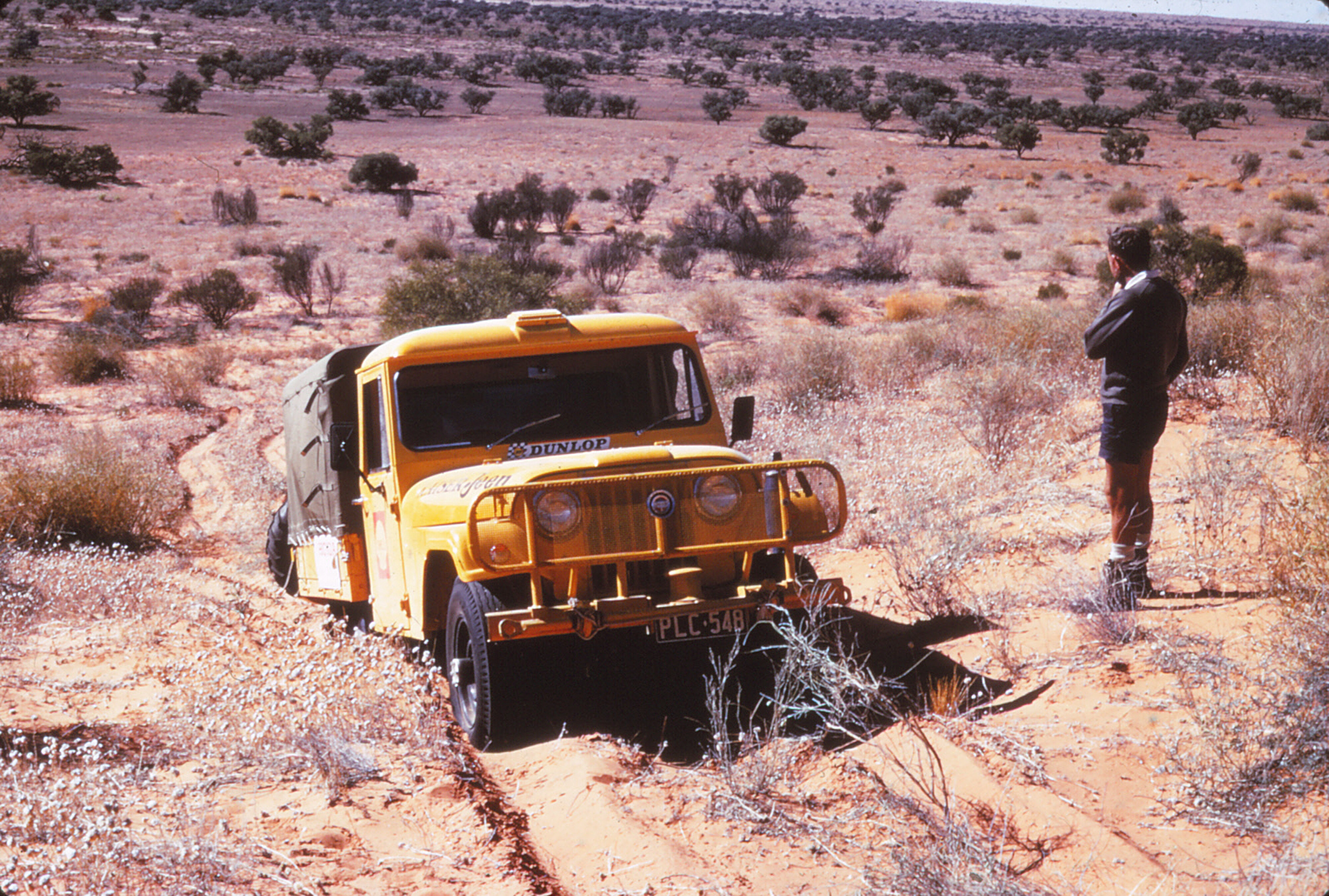
1969 East West Australia: Ian McDonald and his small team made the first east-to-west crossing of the Simpson Desert as part of a 6000-mile expedition from Cape Byron to Steep Point.
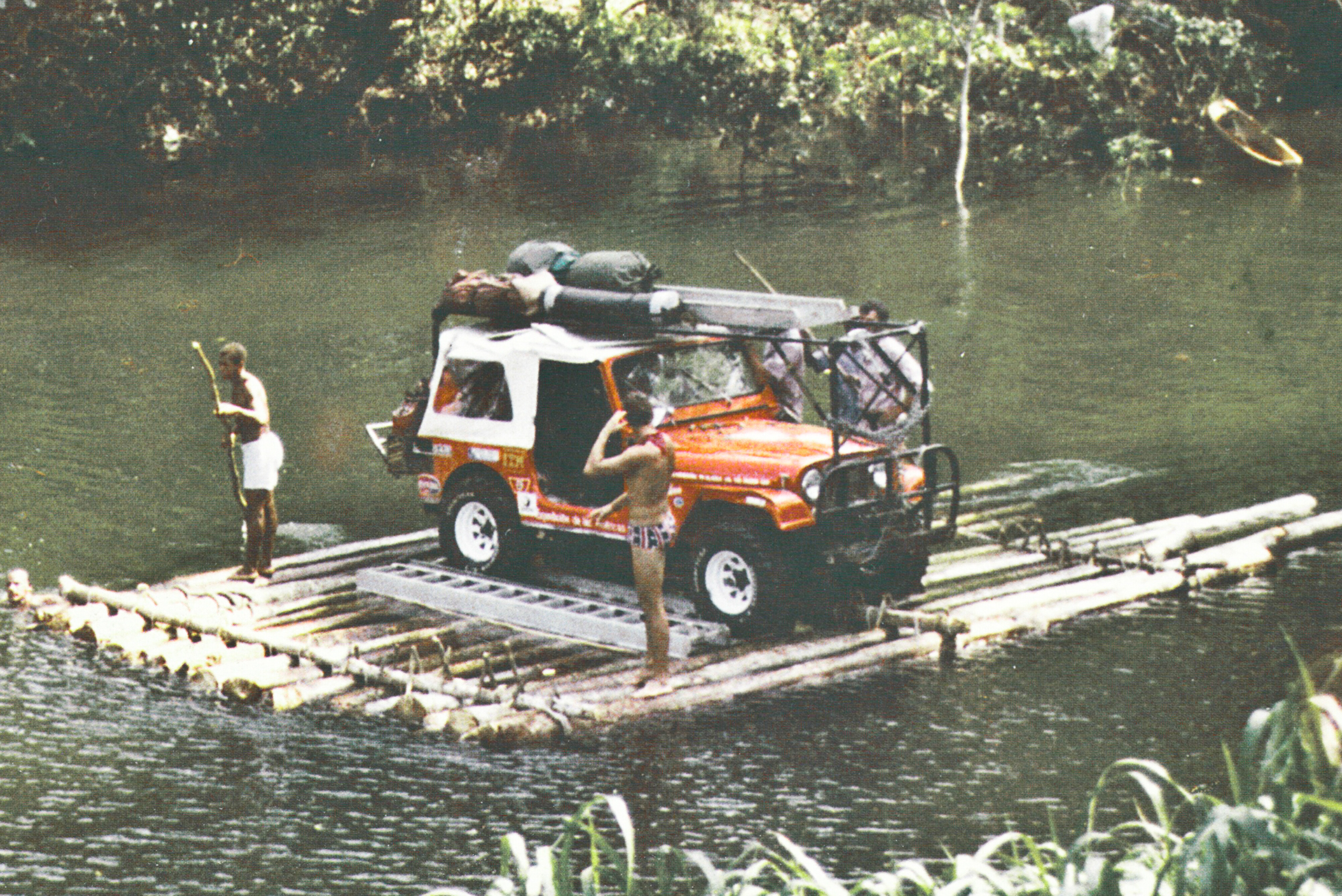
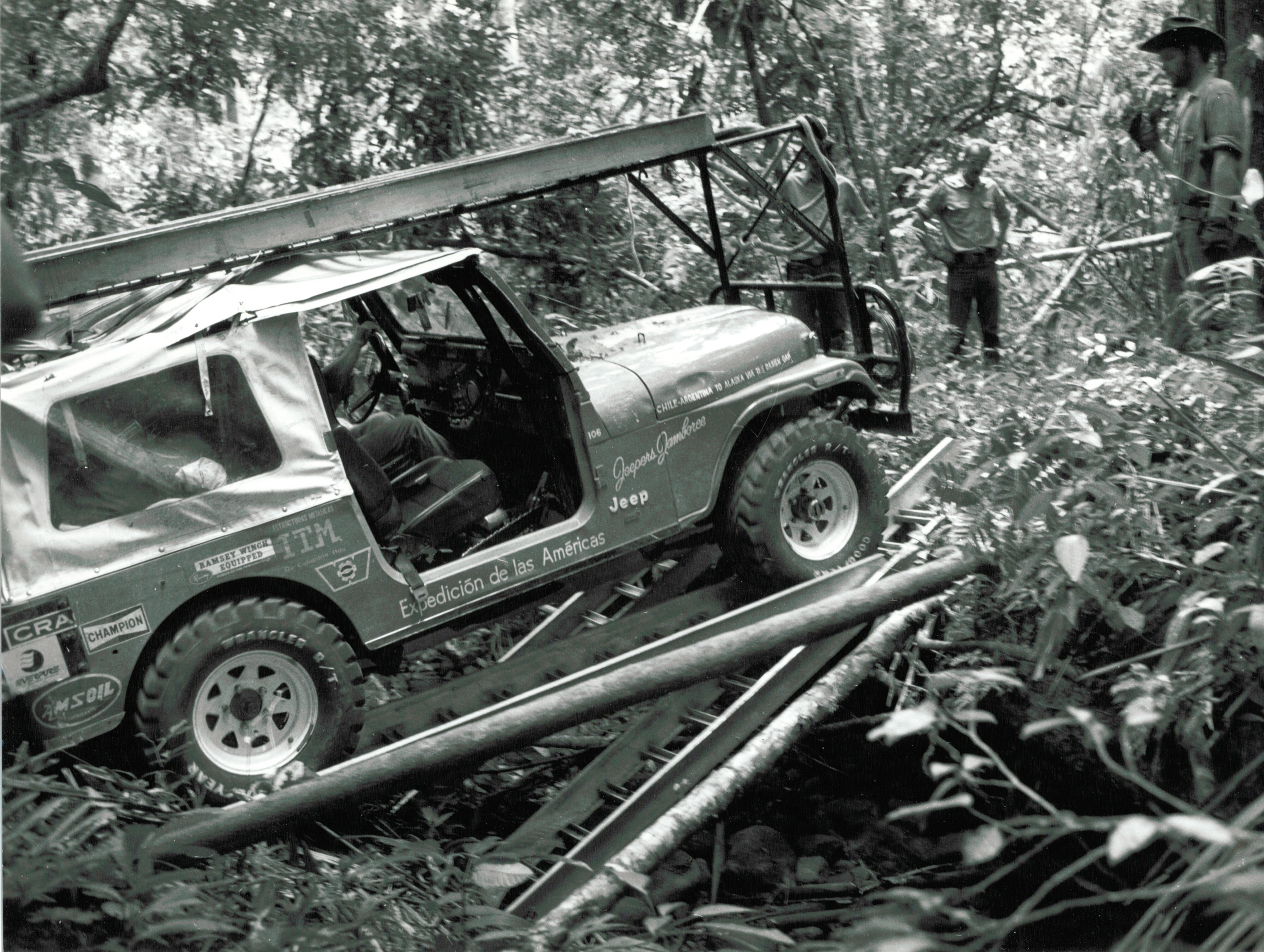
1978 Expedicion de las Americas: With five stock CJ-7s, Mark A Smith and a small team made the first unsupported crossing of the infamous Darien Gap between Panama and Colombia during their 21,000-mile trek from the tip of North America to the tip of South America.
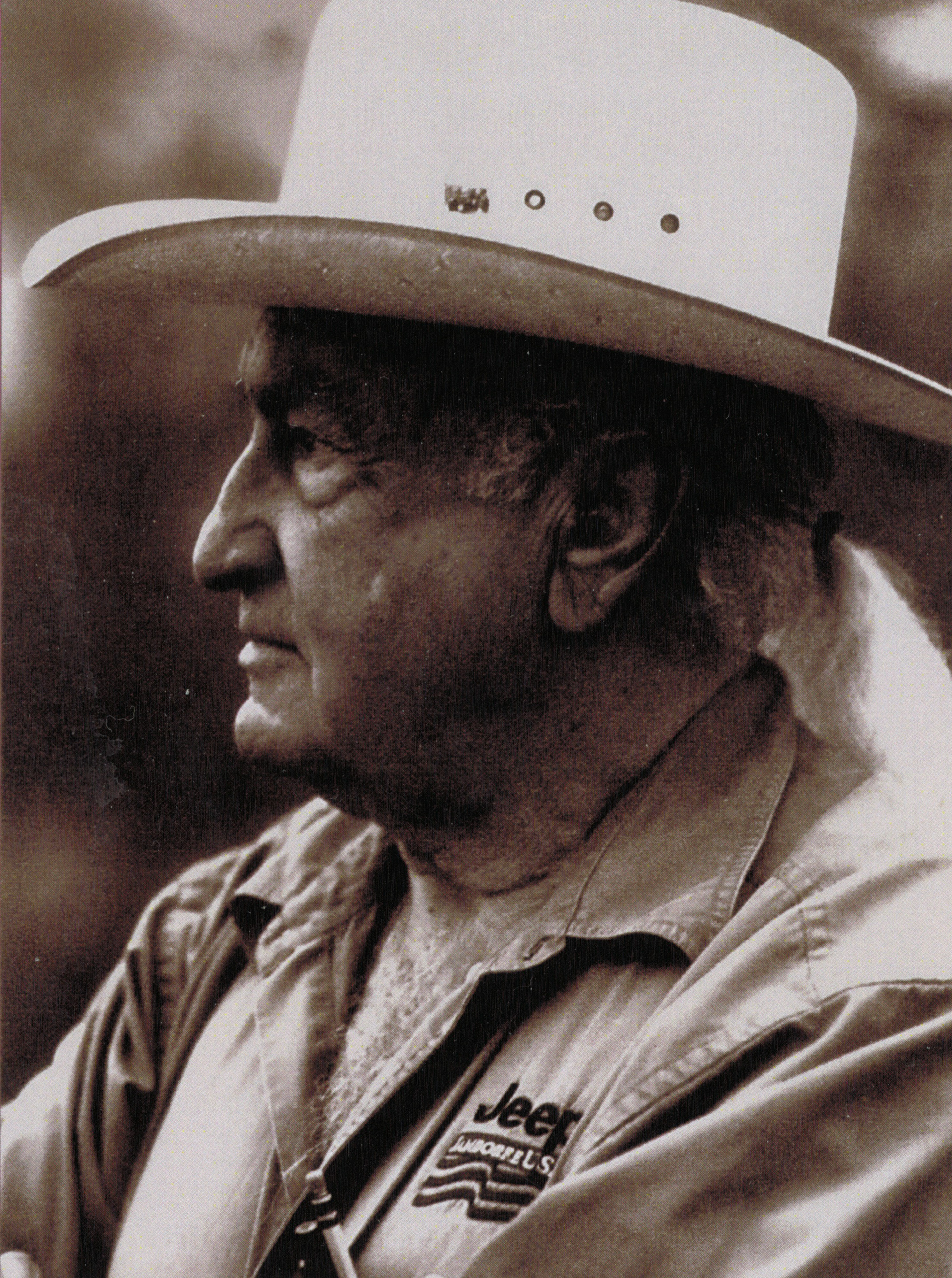
1982 Jeep Jamboree USA: Mark Smith’s vision to create an international Jeep culture prompted him to launch Jeep Jamboree USA. In the coming decades, he expanded the event roster to include dozens of Jamboree events around the world.
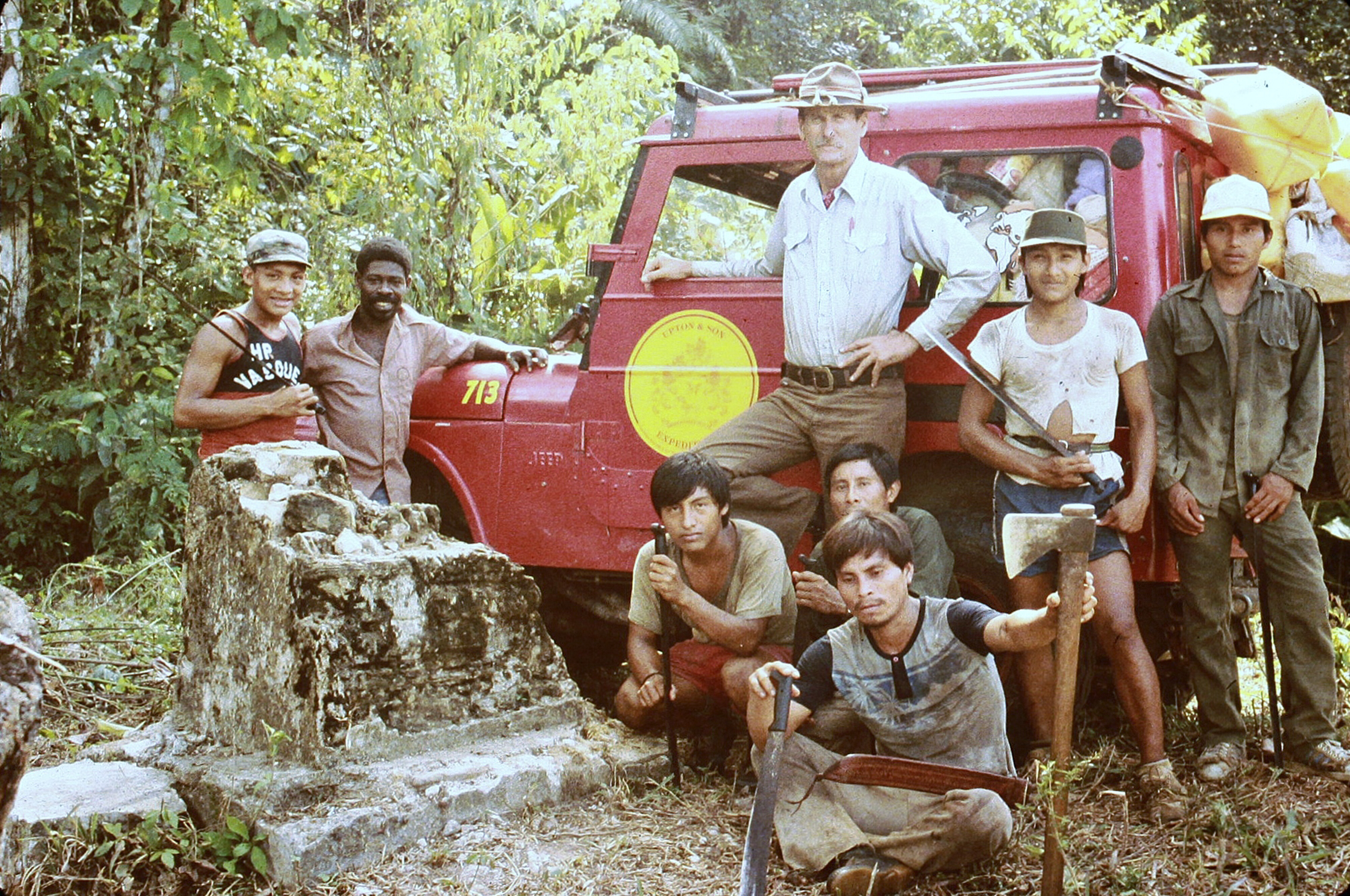
1984-89 A World Odyssey: Loren and Patty Upton set a Guinness World Record for the longest four-wheel drive journey by automobile in a 1966 CJ-5 called the Sand Ship Discovery. The journey included the first solo all-land crossing of the Darien Gap.
In 2019, author Chris Collard and publisher Ben Davidson successfully recreated East West Australia in celebration of its 50th anniversary, which included 1969 East West members Ian McDonald and John Eggleston.
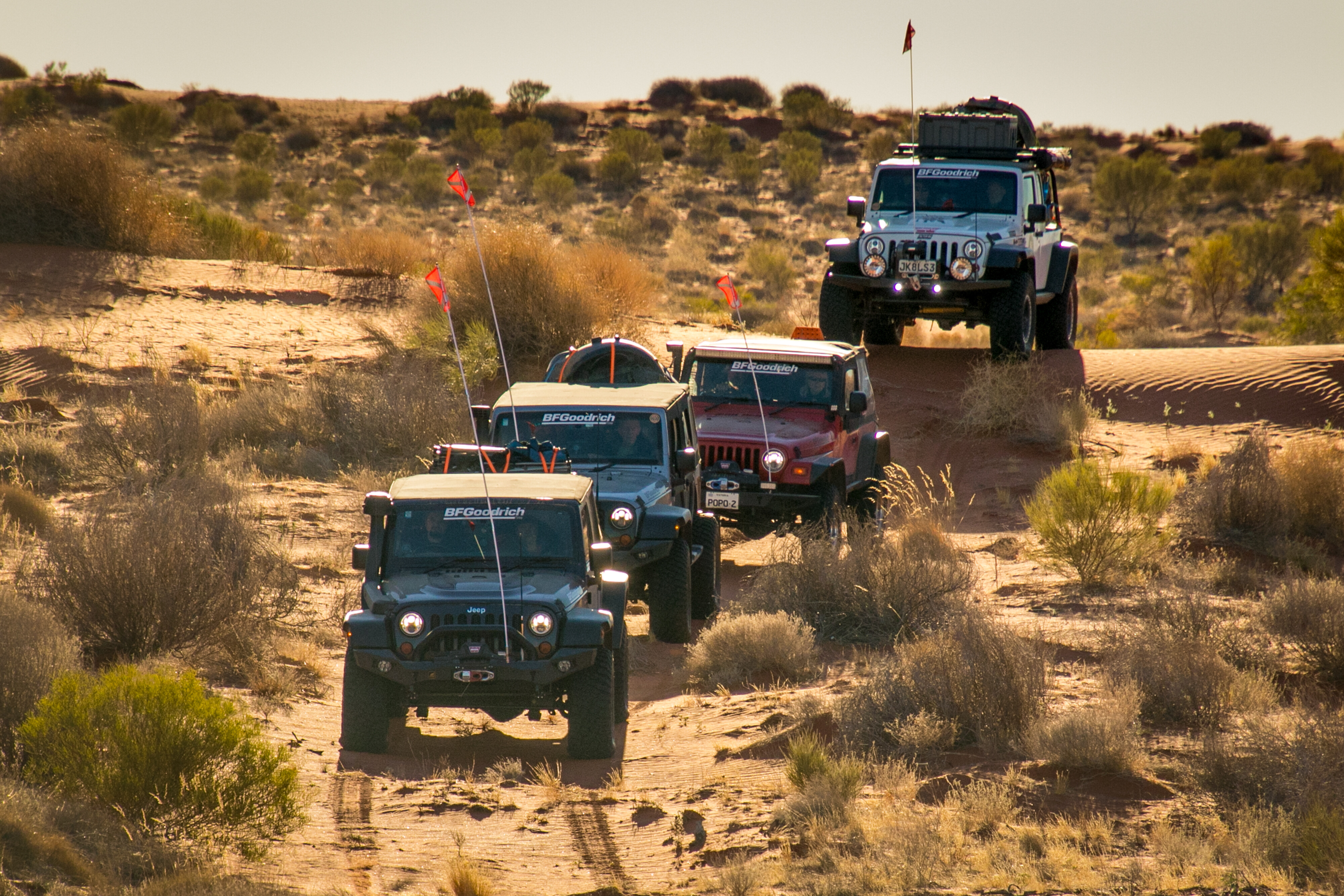
SURVIVAL OF THE FITTEST
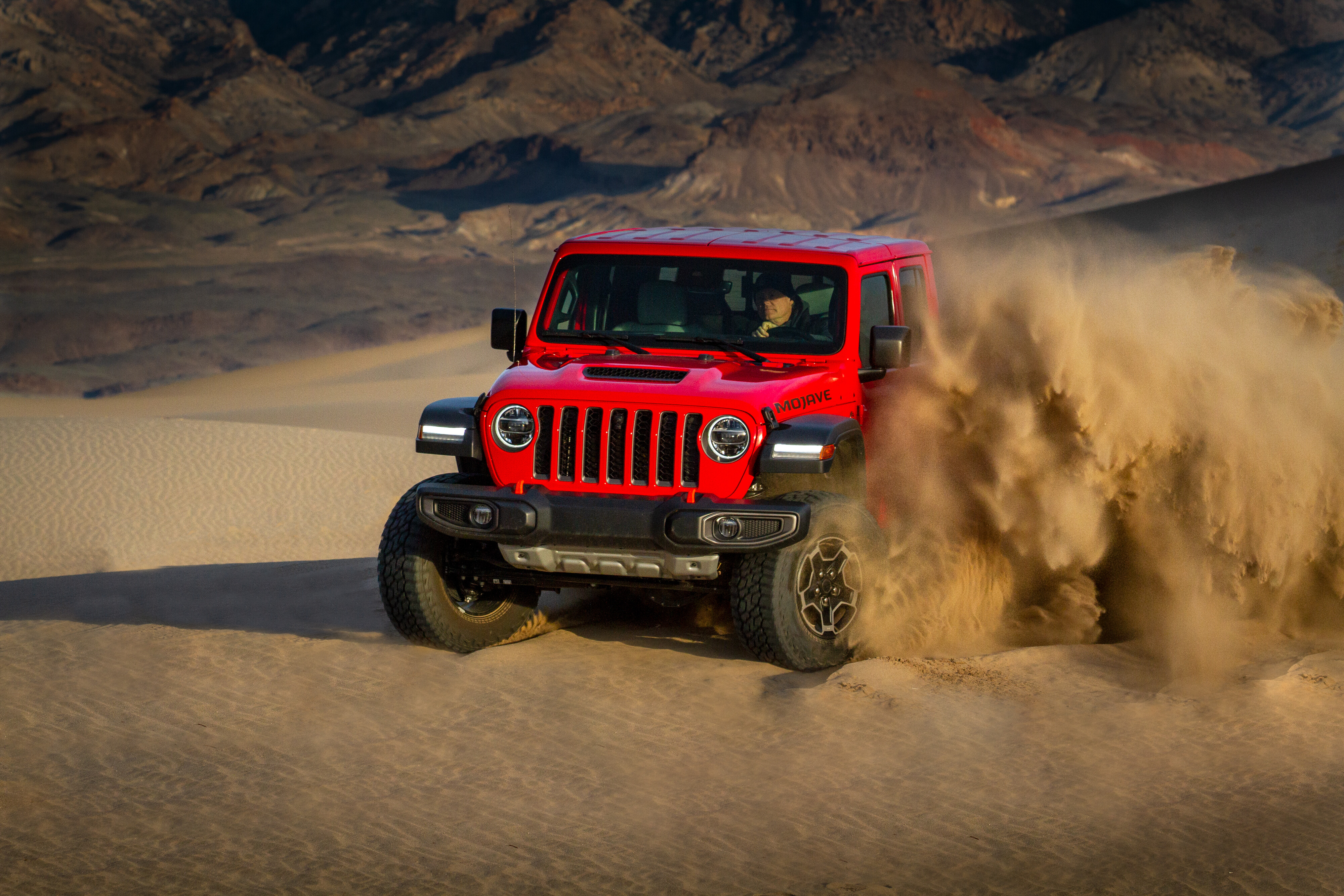
Our 80-year timeline puts Jeep under the umbrella of Kaiser, AMC, Renault, Chrysler, Daimler-Benz, Fiat, and now Stellantis. There have been some rough spells, but the brand prevailed in the presence of reorganisations, acquisitions, down-sizing, up-scaling, and global market meltdowns. Like the soldiers it has carried into battle the world over, it is a survivor, beholden only to its ethos of producing rough-and-ready machines and determination to prevail.While Jeep’s current offerings range from new uber-opulent Grand Wagoneer to the compact Renegade, we need to give a shout out to the Wrangler Rubicon, Gladiator Mojave and new Grand Cherokee L. In each case, these models have defined the upper boundaries of supreme capability, high-speed desert performance and luxurious appointments. The auto industry is currently in a state of flux, and will be in the foreseeable future. But how does that look for the brand that created the off-road genre?
RETRO-MODERN CONCEPTS
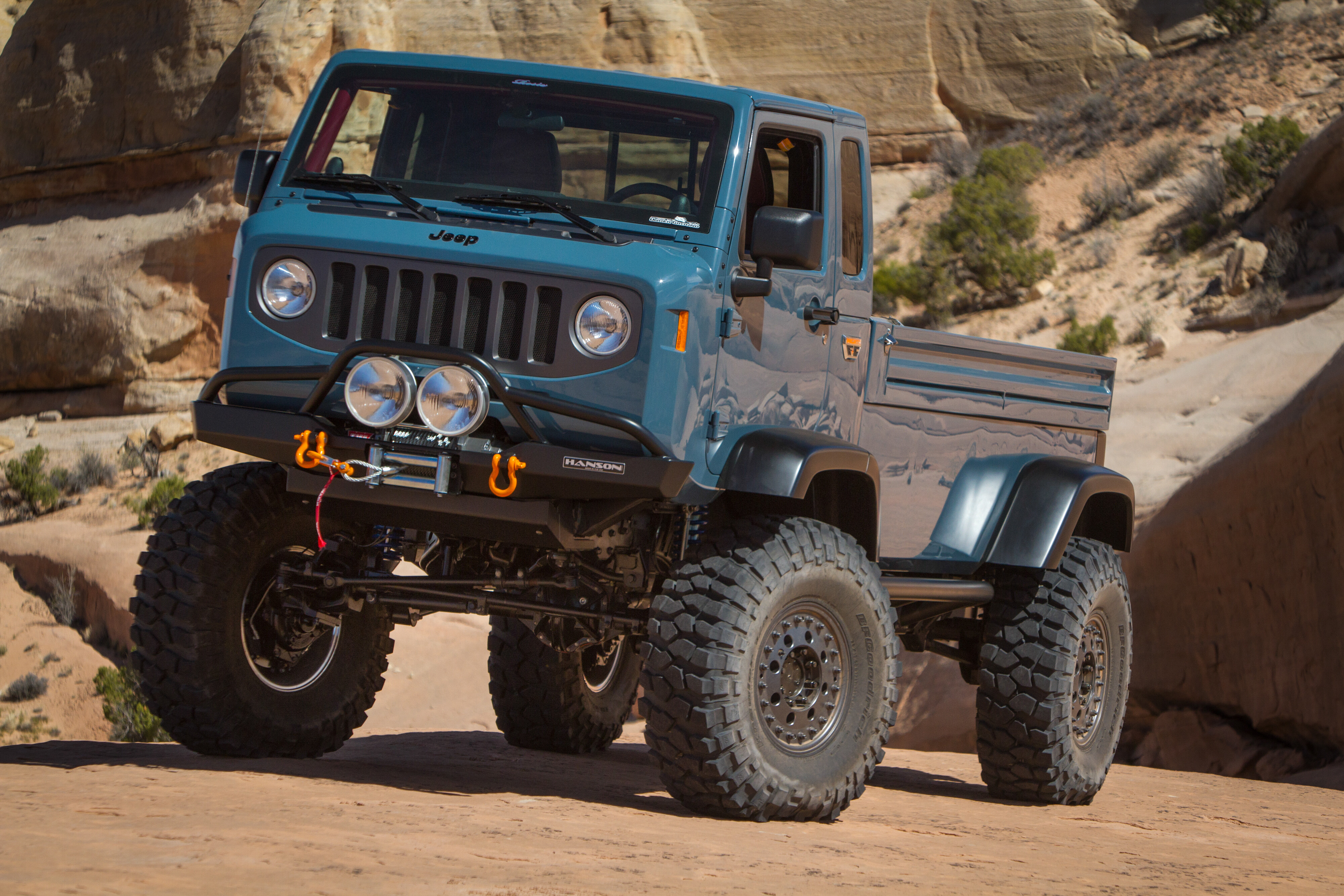
For more than a decade, the design team at Jeep has confirmed its dedication to the brand’s DNA via their annual fleet of Moab concepts. Each represents a model from a different era, melded together with modern powertrains and creative queues from their predecessors. Behold the Five-Quarter 715, Sarge J8, Mighty FC and Jeepster Beach Commando.
ELECTRIFYING FUTURE
We recently sat in on a meeting with Jeep’s top brass to hear what’s in store for the coming decades. Based on global energy and environmental concerns, it was no surprise when they confirmed the future will be electrifying … as in hybrids, full EVs and artificial intelligence. The 49-mpg (20.8km/L) Wrangler 4xe hybrid is rolling out as we speak, and the plan is to have zero-emission options for all product lines by 2025. Jeep is also dedicated to having 70 per cent of its sales worldwide be electrified in some way in the next four years.
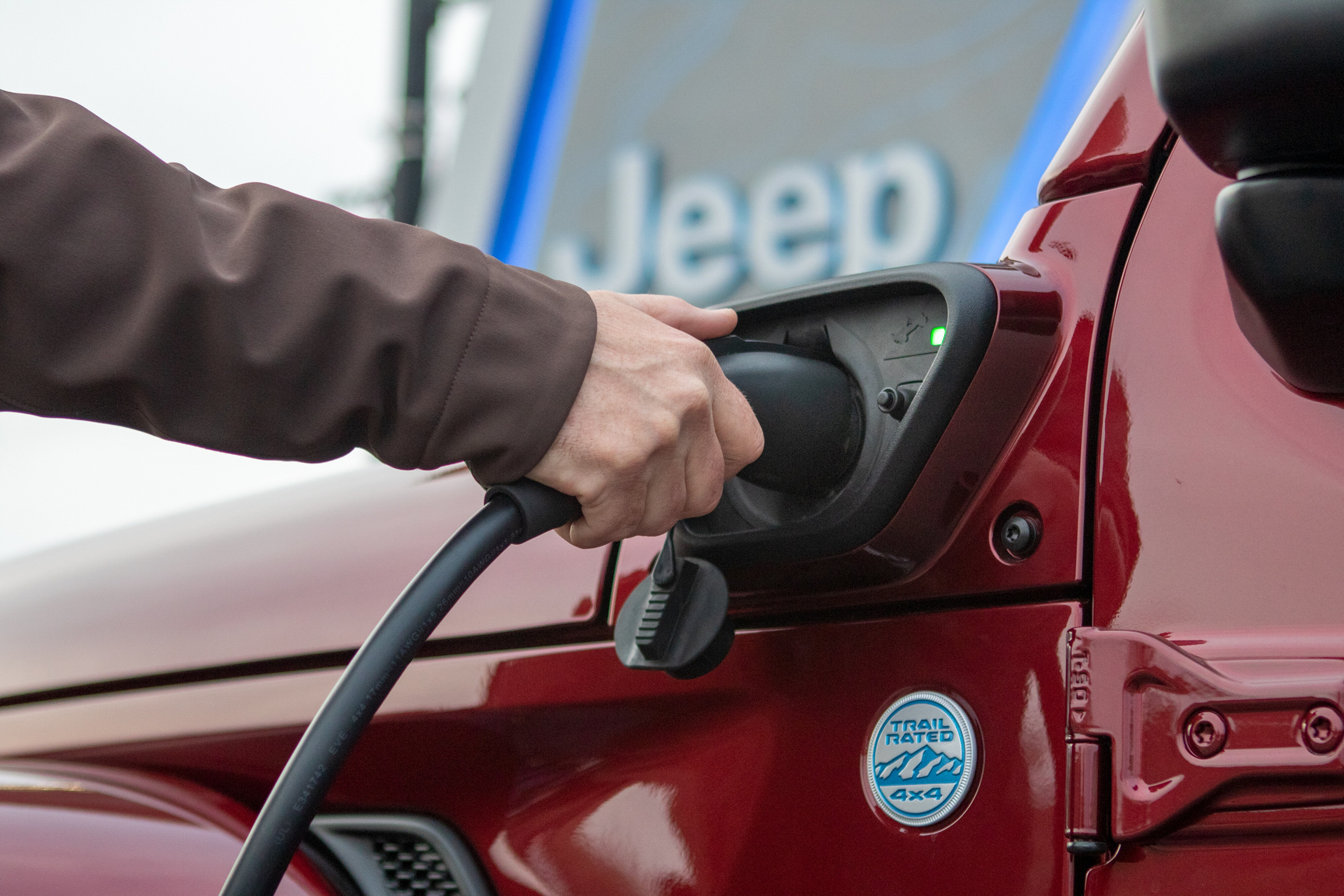
Other ambitious goals include autonomous off-road driving, biometric owner recognition, vehicle-to-vehicle charging, drone pairing (for the ultimate selfies), and dynamic tyre inflation (CTIS). This news of rapid developments in high-tech electrification begged the question … can they do all of this while maintaining its legendary capability? With an excitement in their eyes, they assured us that the future looks bright. The seven-slot brand will continue to be competitive and compliant, yet dedicated to maintaining the Jeep’s ethos as a premium off-road offering. Ambitious, we think so.
Jeep Taglines Through the Years
1945: Like a Bat out of Hell 1959: Anywhere, Anytime, Any Job 1963: Great Fun in a New Fashion 1965: The Unstoppable Jeep Gladiator 1970: Classic Beauty in a 4-Wheel Drive 1971: The One That Goes Where Others Can’t 1974: Built for the Fun of Real Adventure 1977: We Wrote the Book on 4-Wheel Drive 1983: Why Drive a Car When You Can Drive a Jeep 1990: There’s Only One Jeep 2004: Trail Rated
The mid-size 4×4 wagon battle has always been popular in Australia, and you can understand why. With the ability to accommodate a family on adventures all over the country at a purchase price considerably less than that of a LandCruiser, they can be the perfect vehicle for exploring this grand country.
The Toyota Prado is the peerless sales leader in this segment, but when you step down to the next rung on the sales ladder, Isuzu has held a firm hold on second place for a few years now with its MU-X. The next most popular wagon in this class is the Ford Everest and, while it is getting long in the tooth, it is still a great all-roads vehicle.
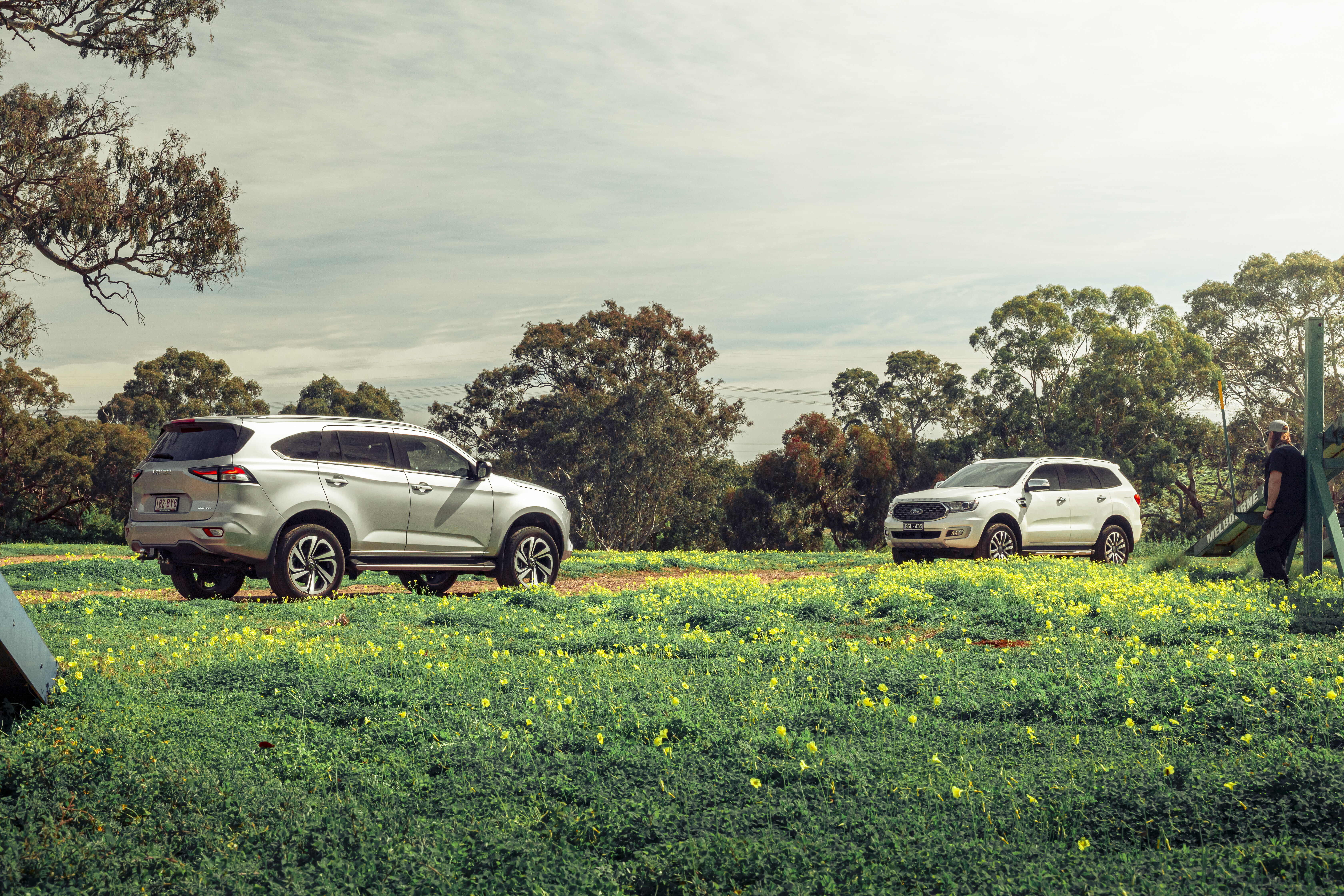
This year brought us an all-new MU-X that should appeal to a lot more buyers, as it delivers next-level safety and features in an edgy new body shell. We’ve grabbed a top-of-the-range MU-X LS-T and lined it up with the similarly top-spec Ford Everest Titanium to see how the two compare.
While the second-gen MU-X came with a considerable price rise over the previous model, in top-of-the-line trim it’s still almost $10K cheaper than the Ford Titanium – $73,190 versus $63,990. Ford has priced its Everest range closer to the Prado than the other ute-based wagons, but this hasn’t hurt its popularity, even if it doesn’t sell quite as well as the Isuzu wagon.
More 4×4 gear guides
ISUZU MU-X LS-T
POWERTRAIN & PERFORMANCE
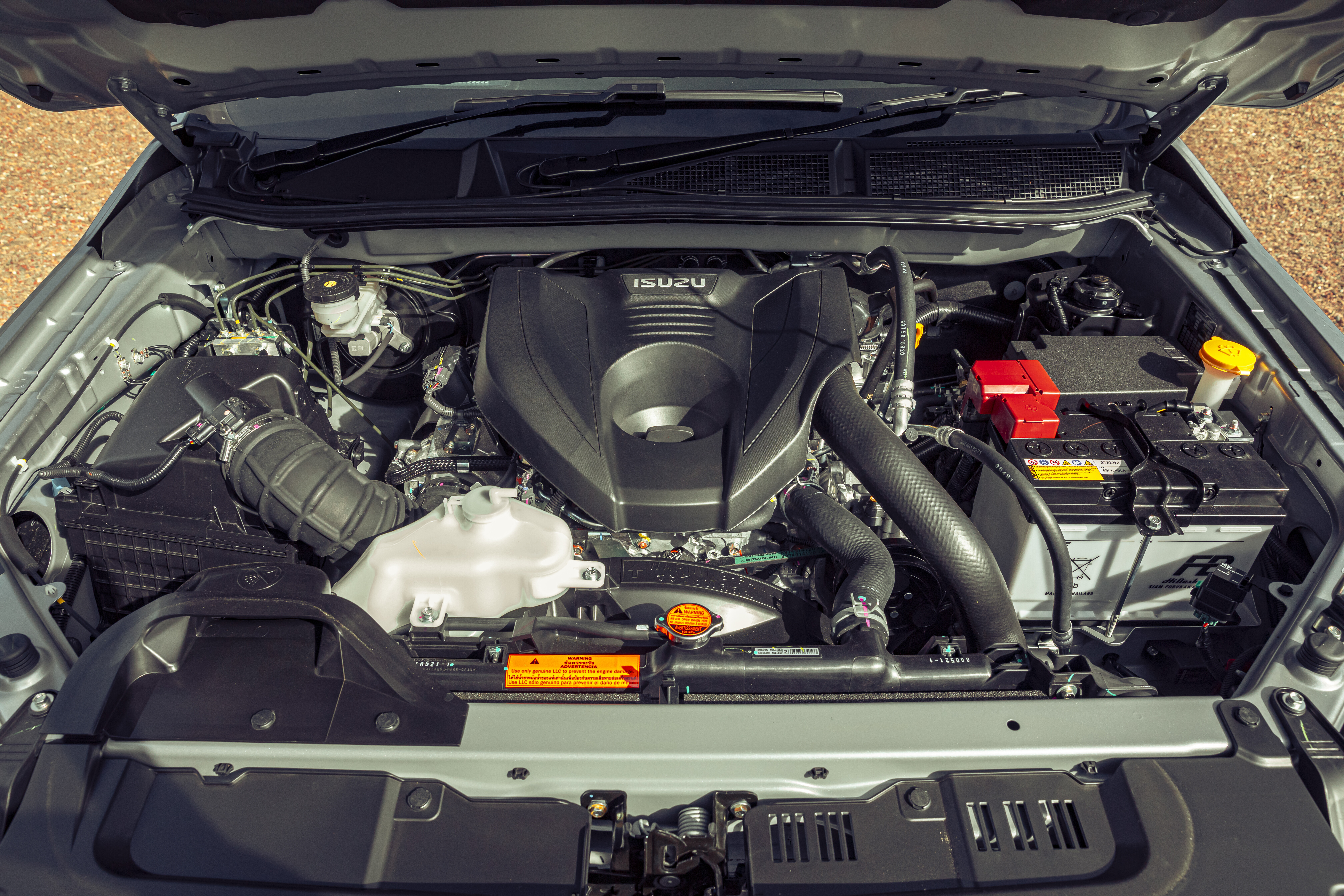
ALL 2022 MU-X variants get the latest version of Isuzu’s 4JJ3 3.0-litre four-cylinder engine. It now produces 140kW and 450Nm in line with the same engine in the current D-MAX ute on which the MU-X is based. Like the Everest, it is only available with an automatic transmission, in this case Aisin’s excellent six-speed unit which we’ve always been fans of.
The remainder of the driveline consists of a part-time dual-range transfer case splitting the drive to the axles, which are a live unit at the back and an IFS unit mounted up front. The rear axle has a driver-operated locking differential. The MU-X is also available as a 4×2 model.
Like any other four-cylinder diesel engine, the Isuzu unit is relatively harsh and noisy despite the company’s best efforts to quell the inherent attributes, but it’s never offensive. The increased performance from its uprated outputs is certainly appreciated in the wagon just as it is in the D-MAX ute, even if they fall short of the class leaders in this regard.
The MU-X doesn’t lack for power under everyday driving, although how it would cope at its rated 3500kg towing capacity remains to be seen. In our opinion, neither of these wagons would be particularly comfortable towing that weight and are best kept to less than three tonnes. The Aisin gearbox continues to deliver faultless and precise selection of ratios, never looking for or needing any more gears.
ON-ROAD RIDE & HANDLING
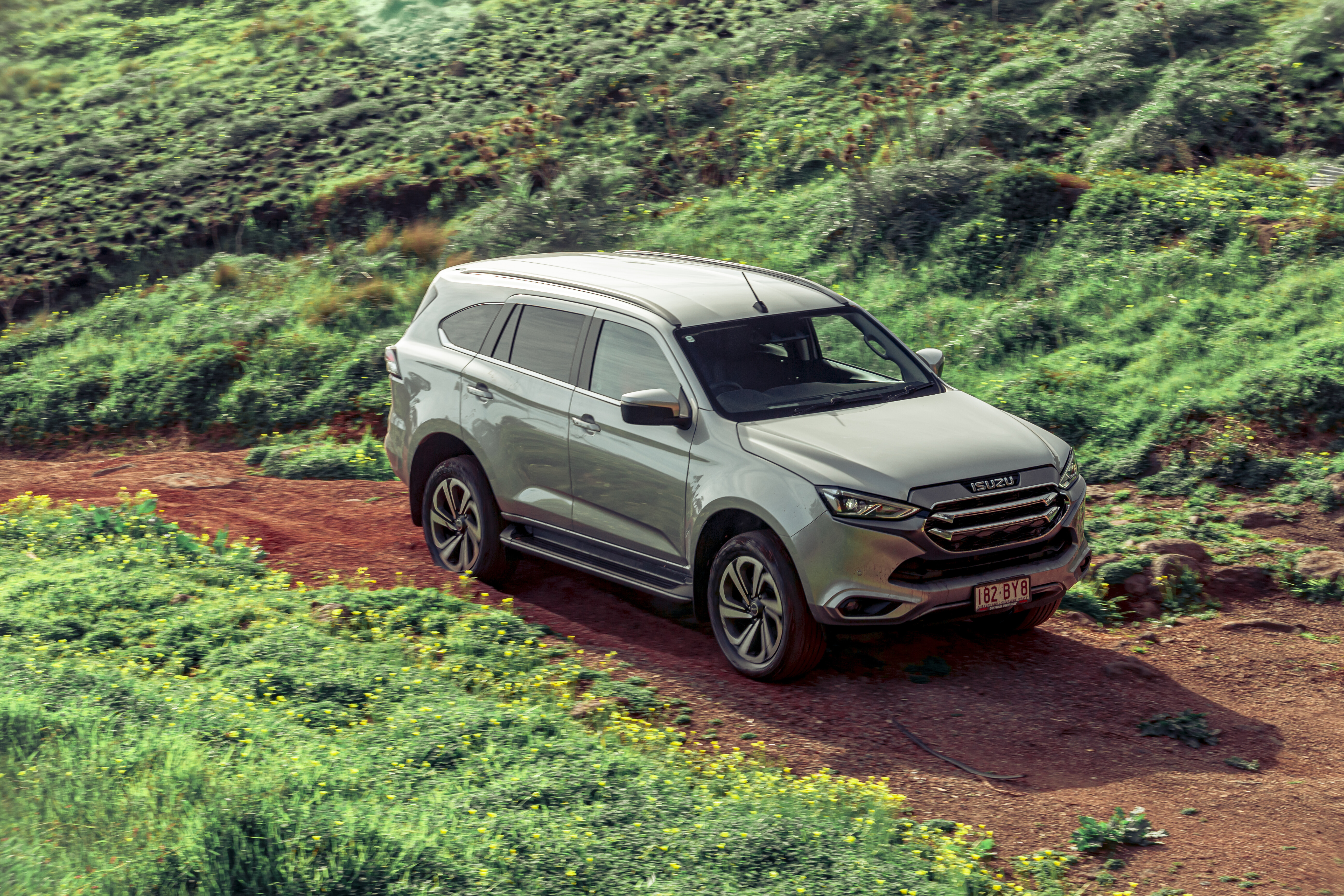
THE MU-X is derived from the D-MAX ute and, like other 4×4 wagons that share the same formula, the ute’s chassis has had its wheelbase shortened and its rear leaf springs replaced by coils to give a more passenger-friendly ride. The ute’s rear drum brakes have also made way for disc brakes.
For Isuzu the platform was an all-new chassis that debuted on the D-MAX in 2020 and was clipped to go under the 2022 MU-X. That includes the new-design double-wishbone front suspension, a stiffer frame and a full suite of safety features.
The suspension is soft and compliant, giving a comfortable ride at the expense of dynamics and steering precision. The chassis absorbs bumps and ruts well but lurches through corners, reflecting its high-riding family wagon design. The inclusion of low-profile tyres on the LS-T might aid the handling a bit but the MU-X is no sports car, nor is it meant to be.
OFF-ROAD
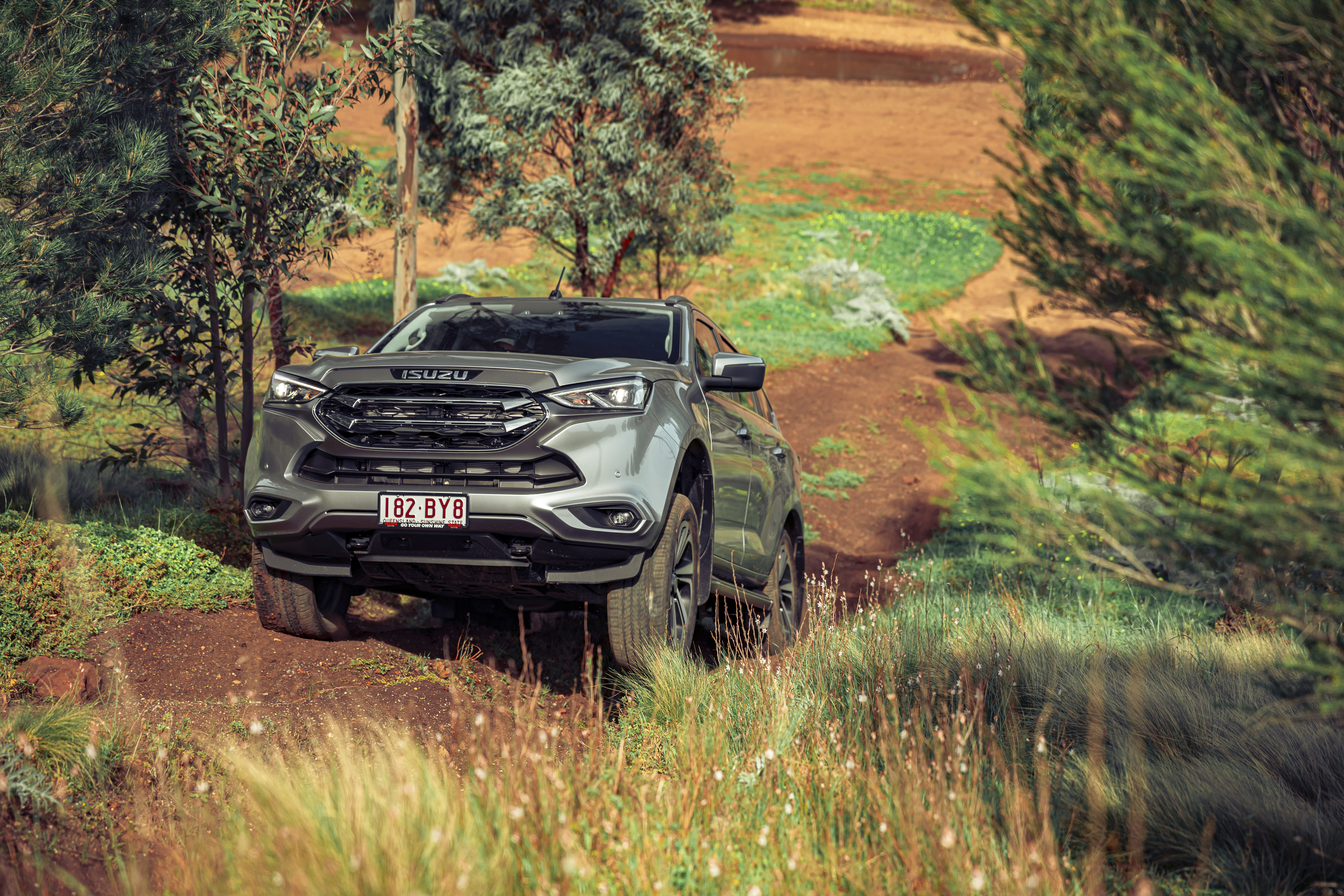
THE D-MAX underpinning means that the MU-X isn’t a bad off-roader by any standard; better in fact than the ute, thanks to the shorter wheelbase improving the ground clearance in between the axles and the coil springs giving a tad more travel in the rear suspension.
The four-wheel drive system is part-time, dual-range carried over from the D-MAX, and a rear differential lock is standard across all 4×4 MU-Xs. This simple system works well off-road, especially with the diff lock engaged. The LS-T struggled to get up our rutted hill without the diff lock in, but scrambled its way up with it engaged.
Controlling the transfer case is done via a dial on the console and, as with all of these electronic systems, you need to take your time when selecting the 4×4 modes. Even when taking all the usual precautions, the MU-X was hesitant to disengage from low range and took a bit of messing around.
The MU-X also has a Rough Terrain button that sharpens the calibration of the electronic traction control, and it works. Once again, pressing this button on the rutted hill helped the MU-X get up it, where otherwise it faltered once a wheel broke traction.
We are left wondering why Isuzu wouldn’t set the ETC calibration this way whenever low range is selected. Maybe the marketing team wanted another gadget to talk about.
CABIN & ACCOMMODATION
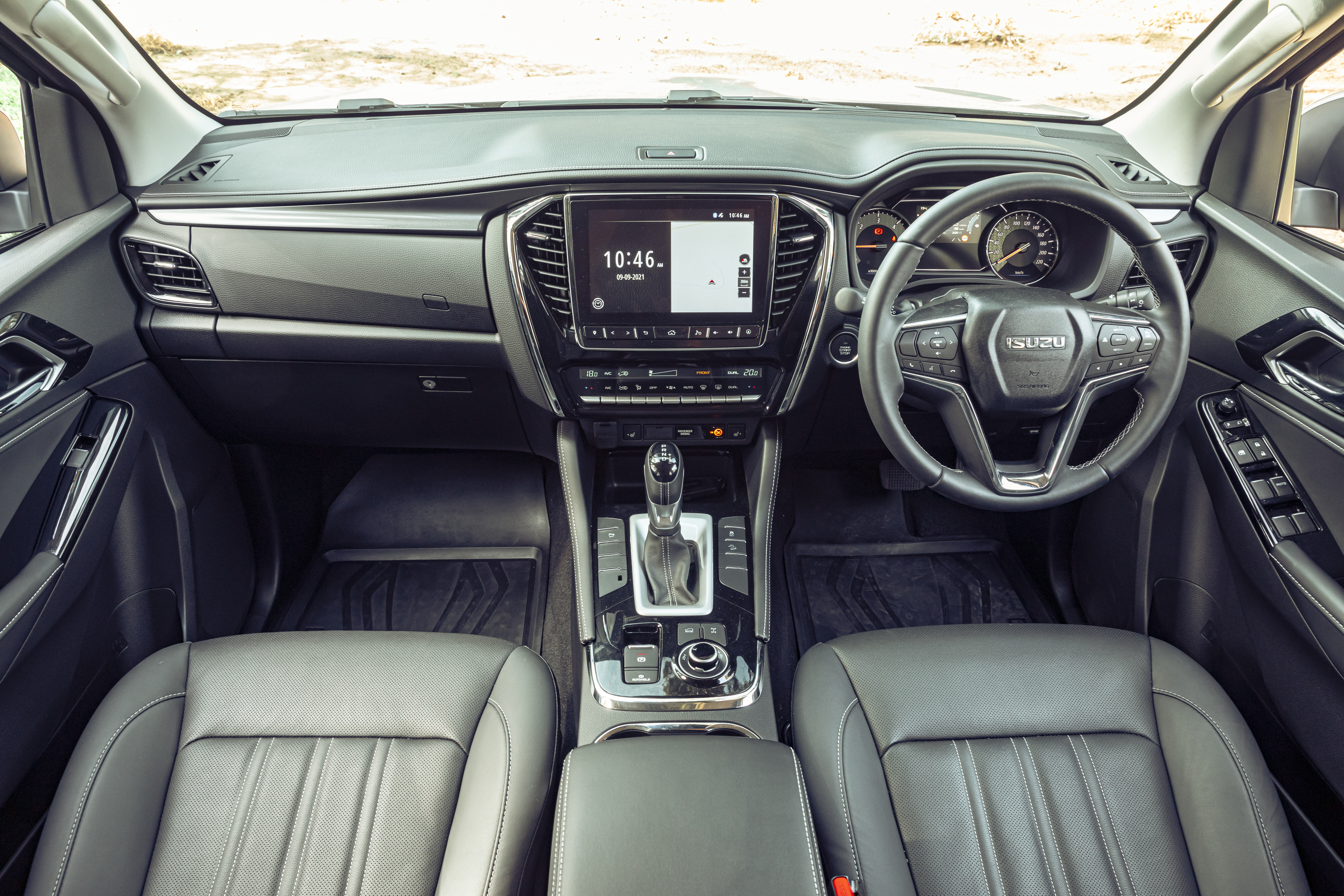
AS the top-of the-range variant, the LS-T comes very well-equipped. It gets the bigger AV screen, wireless CarPlay connection, dual-zone climate control, power adjustable leather seats, and it’s the only model in the range to get heated front seats and a tyre-pressure monitoring system (TPMS).
Most of the controls are simple enough and easy to use, but we still don’t like the use of slow-acting buttons for audio controls when tactile dials are easier and faster to use.
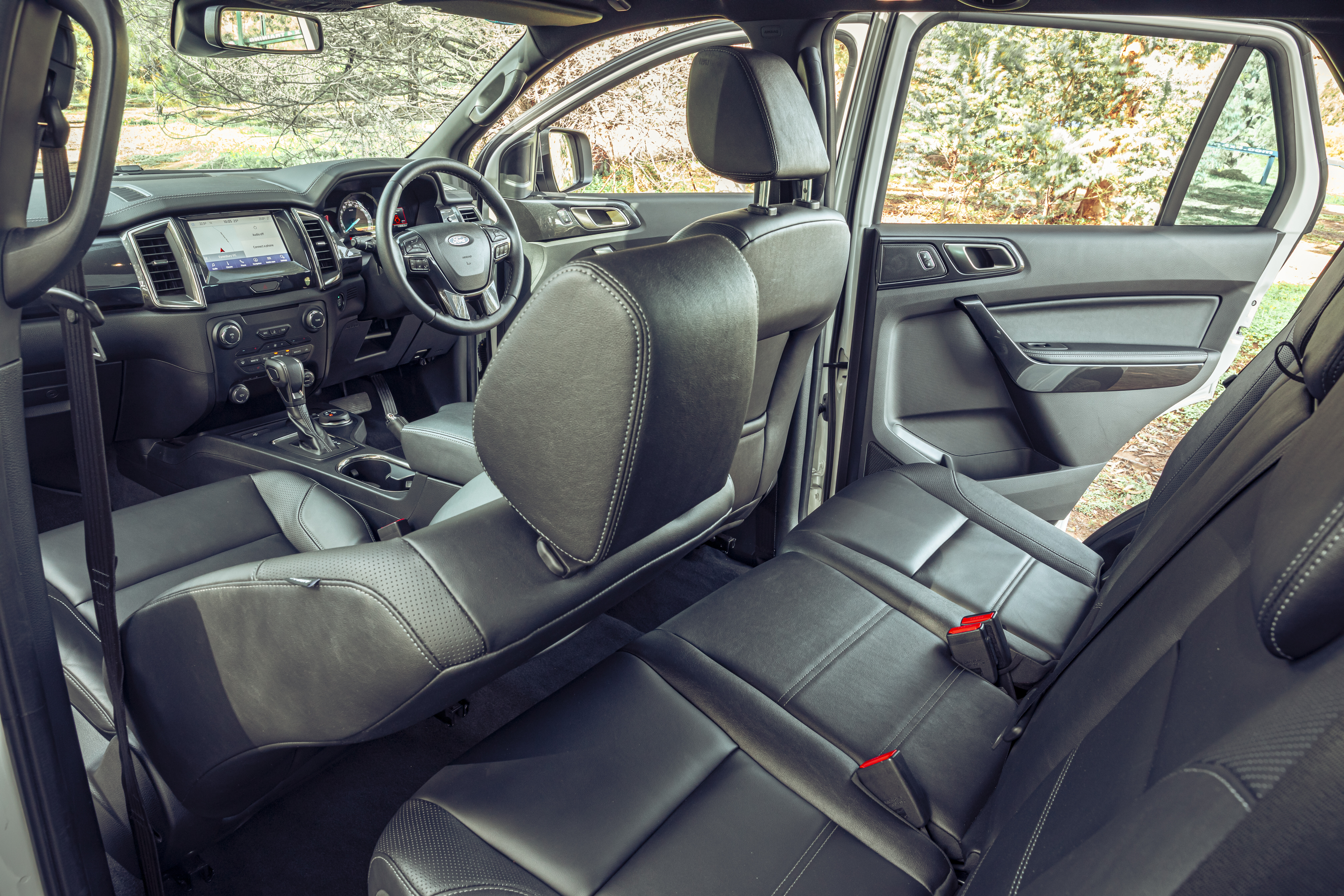
The seats are comfortable but the space is narrower than that in the Ford, which is certainly noticeable in the driver’s seat. The second row seat slides fore and aft and offers plenty of space for leg and headroom, while the third row is best left for the little-uns.
The LS-T gets a power tailgate, but there is no sunroof standard on the MU-X as there is on the Ford.
The MU-X gets the full IDAS safety suite including autonomous emergency braking, lane departure warning and prevention, rear cross-traffic alert, post collision braking, turn assist, lane keeping assist, automatic cruise control, traffic sign recognition, forward collision warning and the previously mentioned TPMS.
PRACTICALITIES
THE MU-X has a high 3500kg towing capacity and 5900kg GCM, meaning it’ll appeal to those who want to haul heavy trailers. The payload is also a healthy figure at 625kg, so it’s good for escapes with the whole family with a few accessories fitted to the car.
The LS-T’s low-profile tyres on 20-inch rims aren’t great for off-road use and probably had a bit to do with the MU-X struggling on our hill climb, but the size of the brake rotors are the same across the MU-X range, meaning you can fit 17- or 18-inch wheels from the lower grades to the LS-T if you want more off-road suitable tyres.
The 235mm of ground clearance and 800mm wading depth are both good for off-road use, but the engine draws its air from a forward-facing outlet above the headlight, so exceeding that wading depth could prove costly. Isuzu does have a factory snorkel available in a range of accessories for the MU-X, and it’s a model that is reasonably well-supported by the major aftermarket accessory manufacturers.
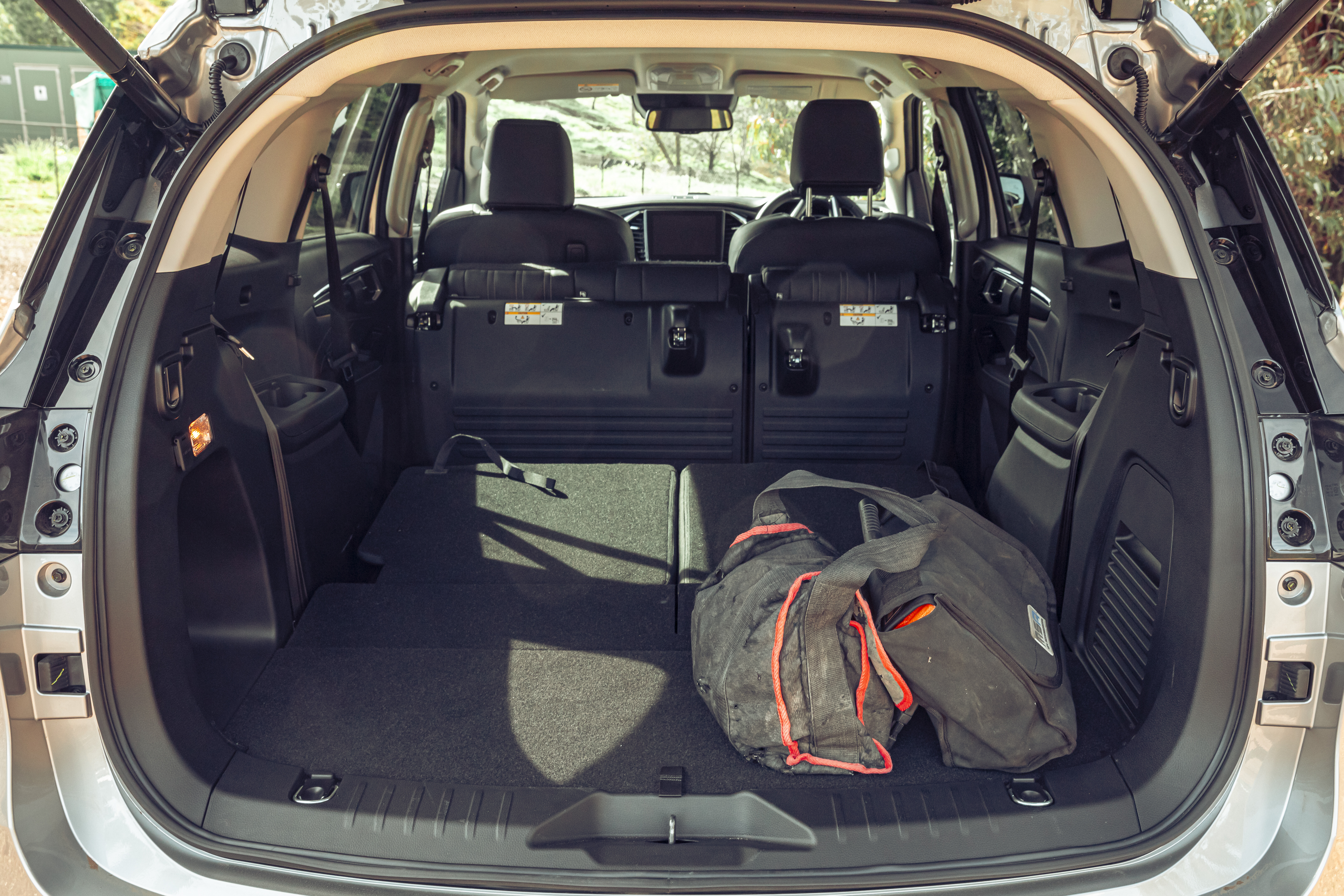
FORD EVEREST TITANIUM
POWERTRAIN & PERFORMANCE
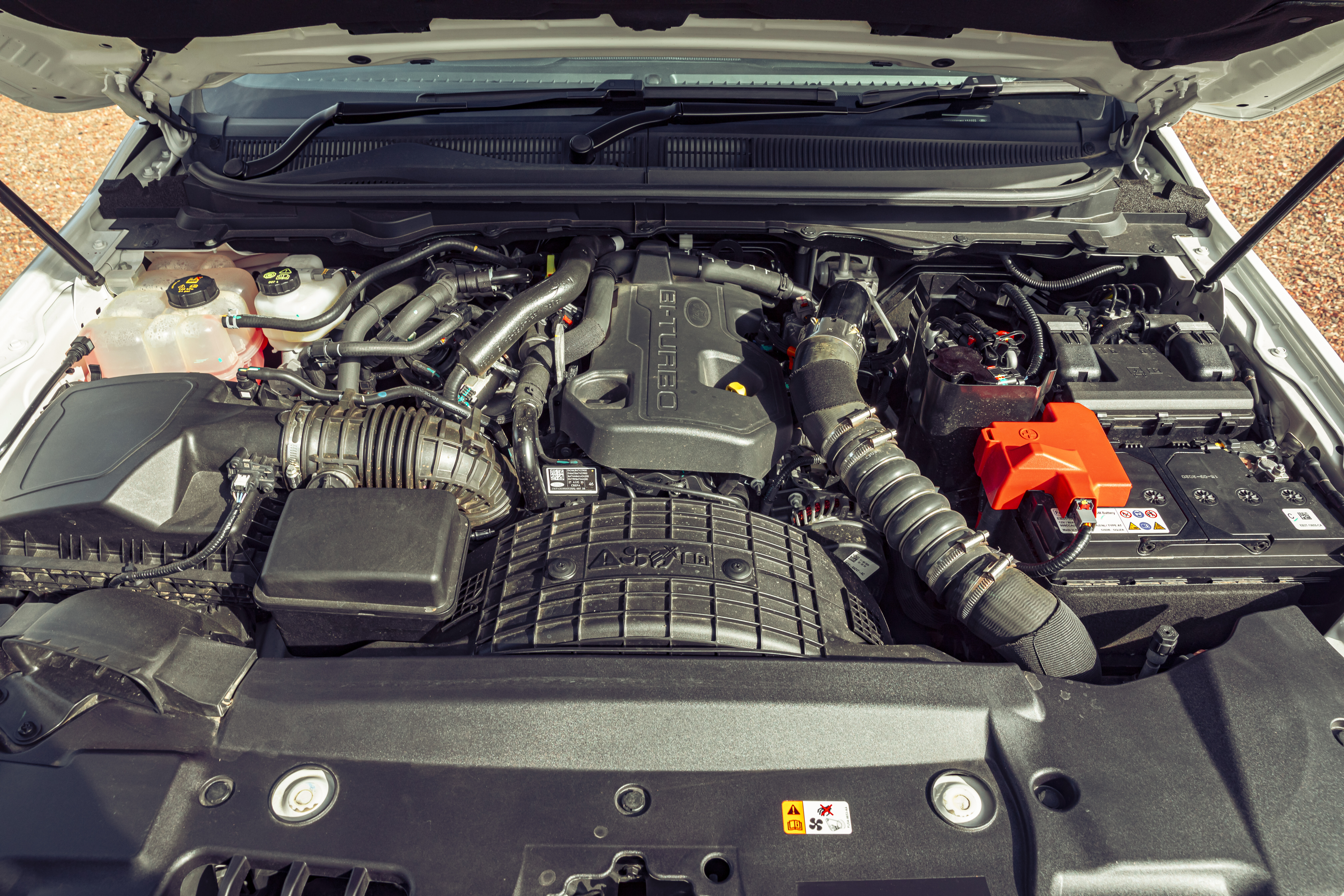
FORD offers a choice of two powertrains in its Everest wagon: the long-serving 3.2-litre five-cylinder diesel engine backed by a six-speed auto transmission, or the more powerful 2.0-litre diesel with a 10-speed auto. While we prefer the characteristics of the old 3.2 in the working-class Ranger ute, we think the higher level of refinement offered by the 2.0 work better in the Everest wagon, which, like the MU-X, is based on its ute stablemate.
The 2.0-litre/10-speed combination is the only one offered in the top-spec Everest Titanium, which we are driving here.
The two-litre engine may be small but it uses a bi-turbo arrangement to deliver some class-leading numbers, with 500Nm of torque on tap and 157kW of power. It’s a peakier power delivery compared to that of the bigger Isuzu engine, but the torque is higher across the rev range.
The 10-speed auto has a ratio for every application to match the engine’s characteristics, however we still found it a bit indecisive under low-throttle applications in suburban driving. This is something we have noted with this transmission in the past. Under full throttle there’s no such hesitation or fault and that 500Nm of torque is felt to the fullest.
Not only is the smaller of Ford’s diesel engines the more refined of the pair, but it’s also more refined than the three-litre mill in the MU-X. It is smoother and quieter when judged from within the cabin; this could possibly be attributed to the 50-per-cent smaller capacity of the four pots in a more modern engine. It also has a more frugal consumption rating – with 7.0L/100km compared to the Isuzu’s 8.3L/100km on the ADR combined scale.
ON-ROAD RIDE & HANDLING
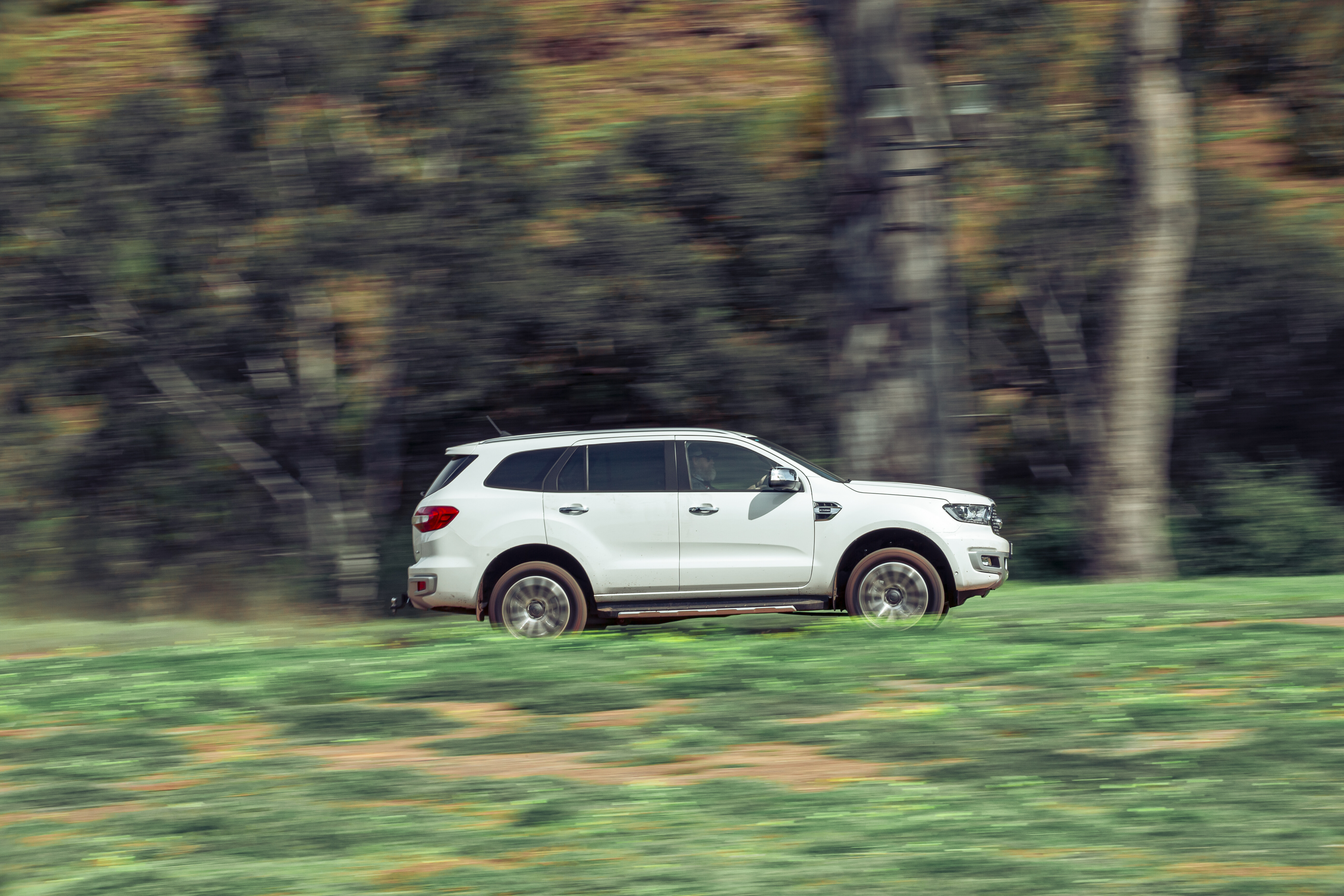
THE Everest hides its light-truck heritage better than the MU-X, delivering an experience that is both more dynamic and refined – something that is not always easy to achieve. You can thank the Australian engineering team for that, with their decades of experience setting up vehicles for Australian roads.
The Ford has a better hold of the road, feeling like it has a lower centre of mass than the Isuzu, and the Watts-link-equipped rear suspension does a superb job of controlling the live rear axle on corrugated dirt tracks.
OFF-ROAD
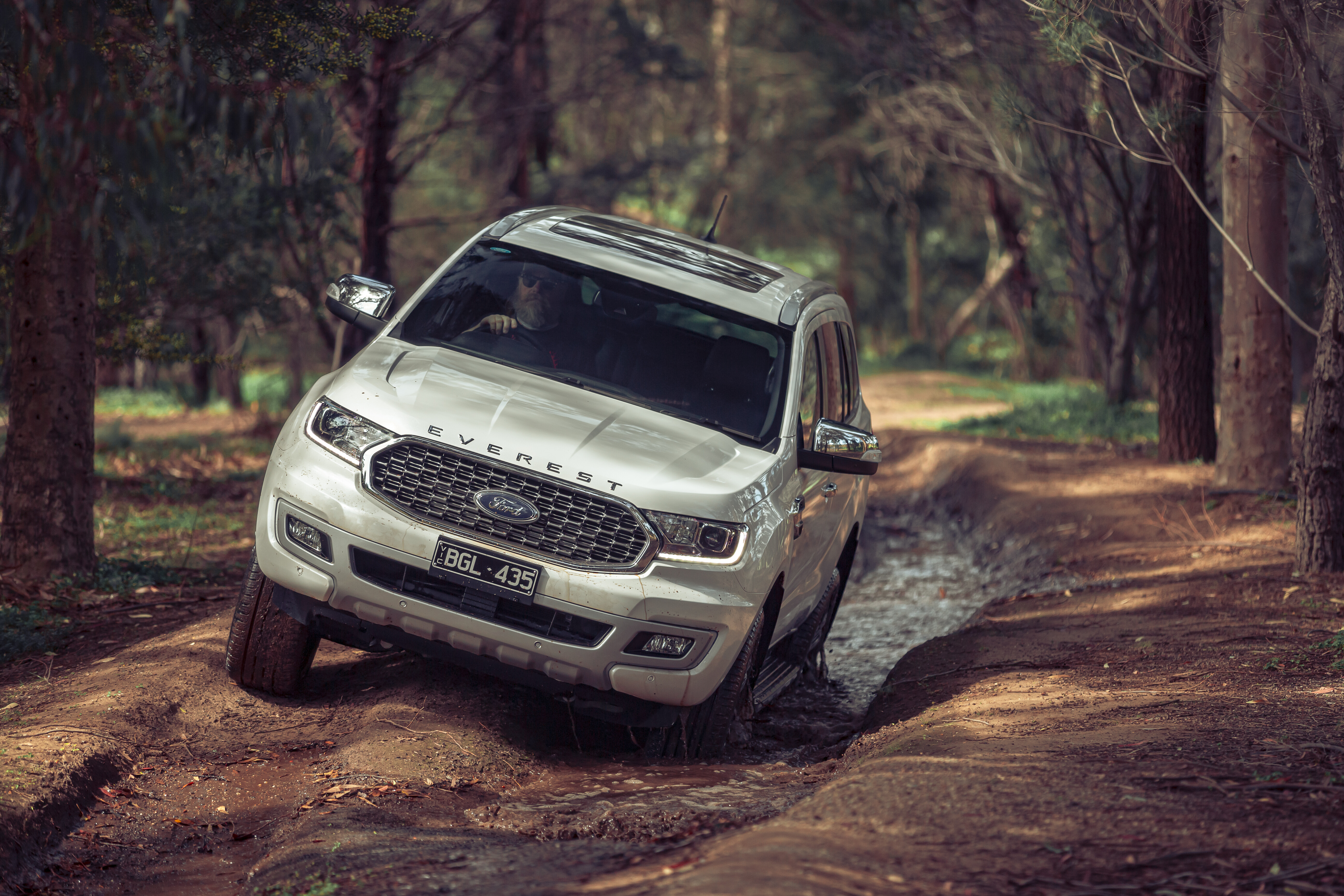
THE work the local engineering team for Ford’s T6 platform, on which the Everest, Ranger and Bronco all ride, comes to fore again when you head off-road in the Everest, with the excellent calibration of the traction control (ETC) system.
This remains active across the front axle when the rear diff lock (RDL) is engaged – not all 4×4 vehicles keep this function and it is most important. Even without the RDL engaged, the ETC did a great job of getting the Everest up our rutted hill climb.
The Everest’s 4×4 system is on-demand, meaning it is partially AWD all the time, with the amount of drive going to the front axle varied depending on the road-surface grip and the setting in the Multi Terrain system (MTS). This is great for driving on wet or varied surface roads, but a negative is that the centre differential can’t be fully locked to give 50:50 drive front to rear when off-road. Selecting the more aggressive ‘Rock’ setting in the MTS goes someway to address this, but when in the Rock setting, the transmission holds first gear and doesn’t upshift.
An advantage of Ford’s 10-speed transmission is its super low 4.696:1 first gear, which in turn gives a handy 42.32:1 overall crawl ratio for better off-road control and engine braking.
CABIN & ACCOMMODATION
THE Everest’s cabin is wider and the driver’s seat offers more space and comfort than the MU-X. However, the cabin does show the age of the Everest, with its AV screen being smaller than what we’ve become accustomed to in recent times. The steering column is also only adjustable for height and not reach, as is the case in the MU-X.
The Ford has nice, big, easy-to-use dials for the audio controls, but it still has miniscule buttons for the climate control temperature settings which are hidden away low in the centre stack. If you look hard enough you’ll also find the controls for the seat heaters tucked down here.
The CarPlay connection for Ford’s Sync system requires a USB cable, and you can remotely connect to the car via an app on your phone. A sunroof is standard on the Titanium, as are powered third-row seats; although, I can’t imagine why you would need them to be powered. Likewise with the power tailgate, which on the Ford can be operated hands-free with a wave of your foot beneath a sensor on the car.
Ford updated the Everest’s safety kit a couple of years back and it now includes Autonomous Emergency Braking (AEB) with pedestrian protection, emergency brake assist, hill launch assist, lane departure warning, trailer-sway control, lane keeping aid, TPMS, and traffic sign recognition. About the only safety feature that the MU-X has over the Everest is its rear cross-traffic alert.
PRACTICALITIES
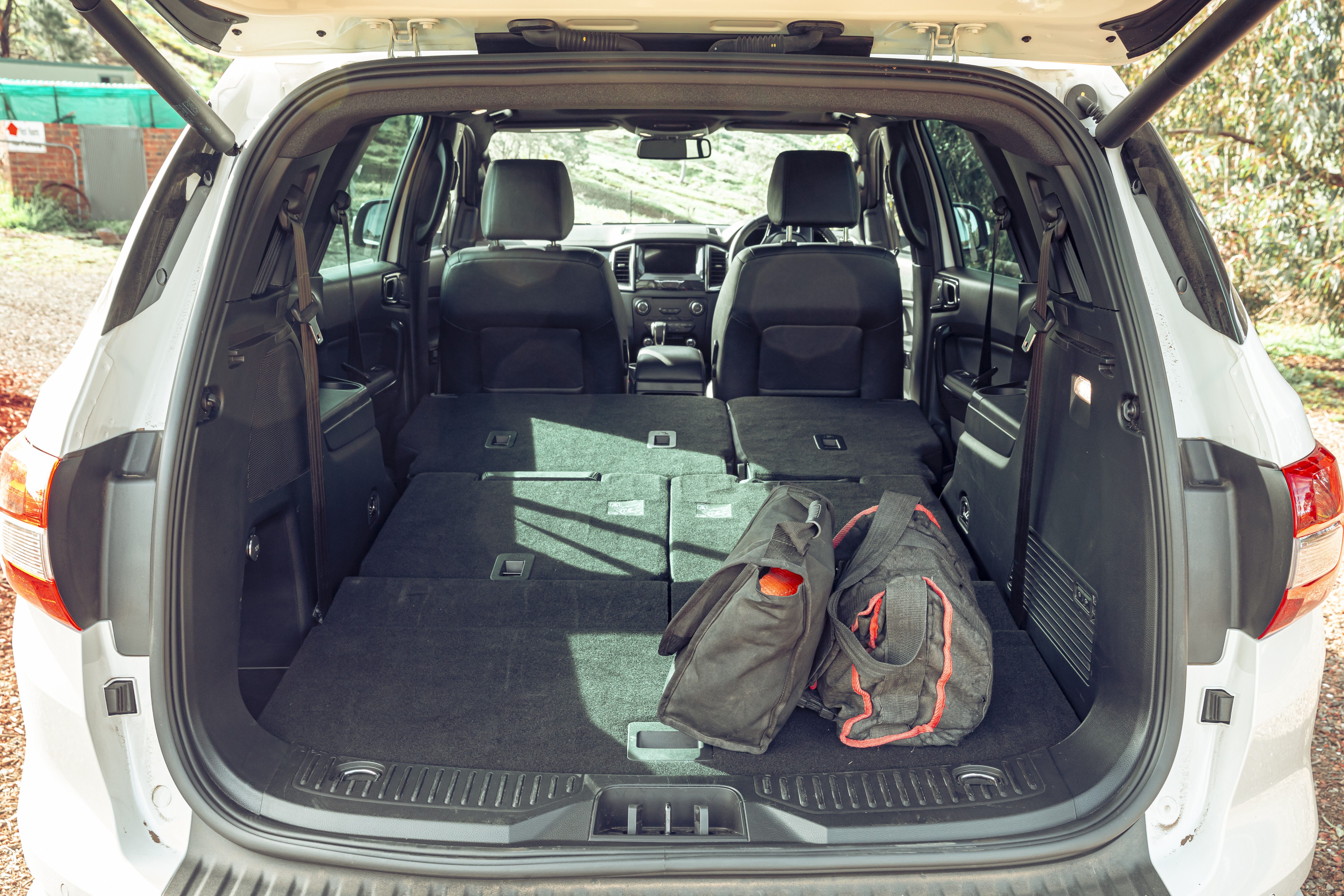
THE Everest’s more sensible 3100kg towing capacity won’t win it any friends in the big caravan brigade, but it’s more realistic as to what you should expect from cars this size. The 623kg payload is on par with the MU-X (just think how much better it could be without all those electric motors for the powered seats, tailgate and sunroof) so both carry a family or cargo equally as well.
Like the MU-X, the Everest has an 800mm wading depth and the engine takes its air from a forward-facing duct above the grille. We have heard of an instance where one of these engines copped a gutful of water crossing a creek, which is disappointing as the 3.2L engine gets its air in a better system from inside the ’guard.
Ford’s 2.0-litre diesel uses AdBlue/SCR as part of its emissions system, so that’s also something to be mindful of; although not considered a negative.
The Everest Titanium comes with the same size 265/50R20 tyres as on the MU-X, but like the MU-X, you can fit the smaller wheels off a lower grade Ford to allow more sensible tyre fitment. In fact, Ford even offers an 18-inch wheel with all-terrain tyres option for the smart buyer when ordering a Titanium. There is also a range of genuine Ford accessories available including snorkel, nudge bar, towing kit, and a range of Rhino-Rack roof-carrying devices. The Ford is well-supported by the aftermarket accessory mobs as well.
IN SUMMARY
AT the end of the day it’s going to be the drive-away price that swings you toward the Everest or the MU-X, and the $10K difference before you start dealing is a big factor.
The Ford does feel like it’s worth more money – it’s more refined, more powerful, bigger inside, and it never gives away its light-truck underpinnings as the MU-X does at times. The Ford feels more like a quality SUV than a wagon, riding on a ute chassis; but, again, it is feeling its age.
An all-new Everest is due from Ford in the back half of 2022, and spy photos of the new models out testing have already been seen.
The MU-X, on the other hand, reminds you that it’s based on the D-MAX pick-up in the way its cabin feels, and the rattle of the diesel engine is more evident within it. While it might not feel as luxurious, it does feel newer in terms of its design and levels of equipment, having a few features the Everest Titanium misses out on including reach adjustment for the steering wheel and safety tech like the rear cross-traffic alert system.
4X4 Australia's project builds
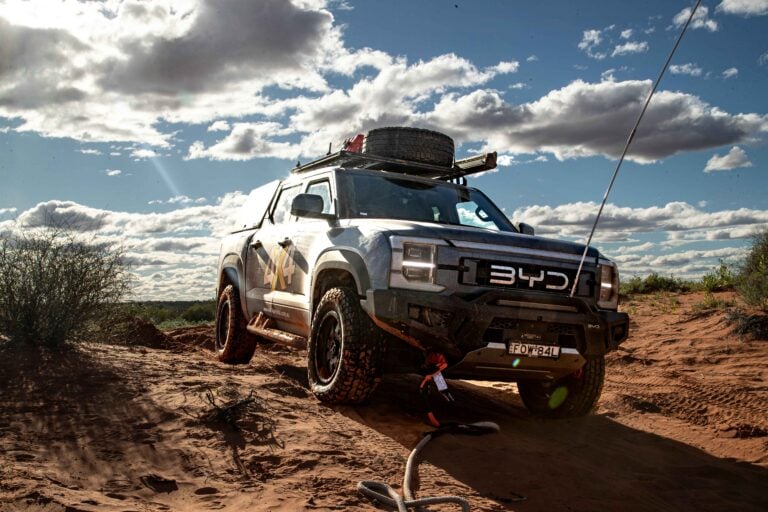
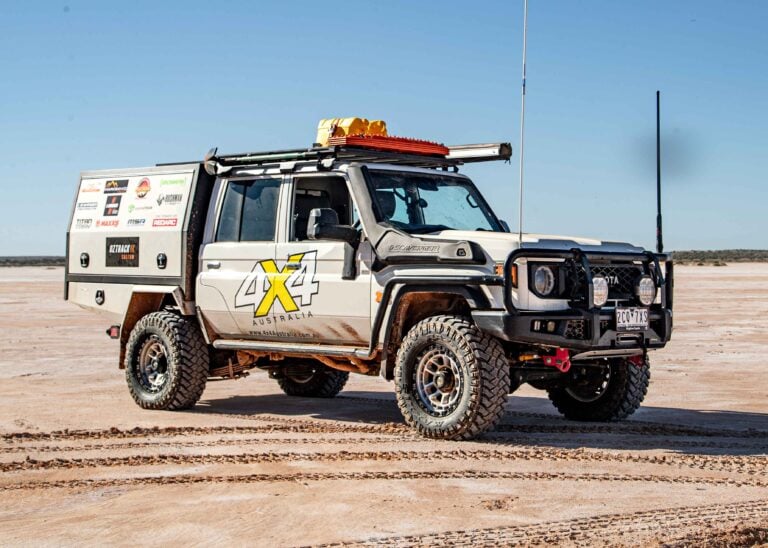
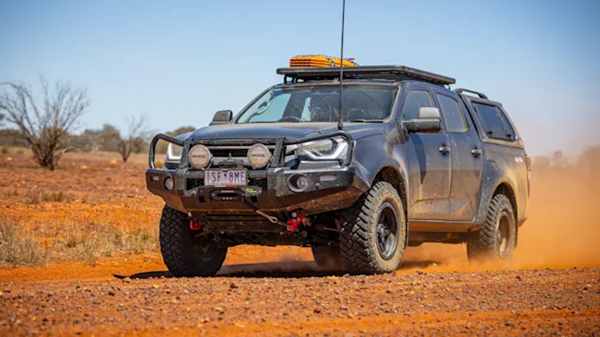
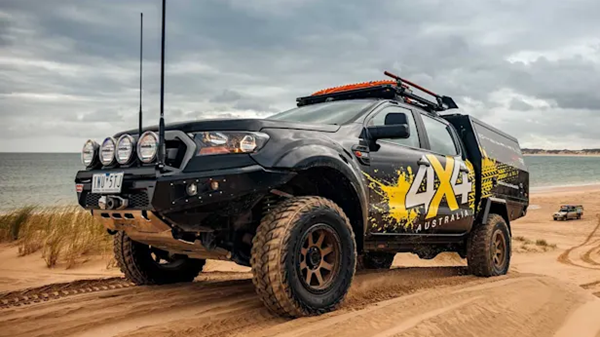
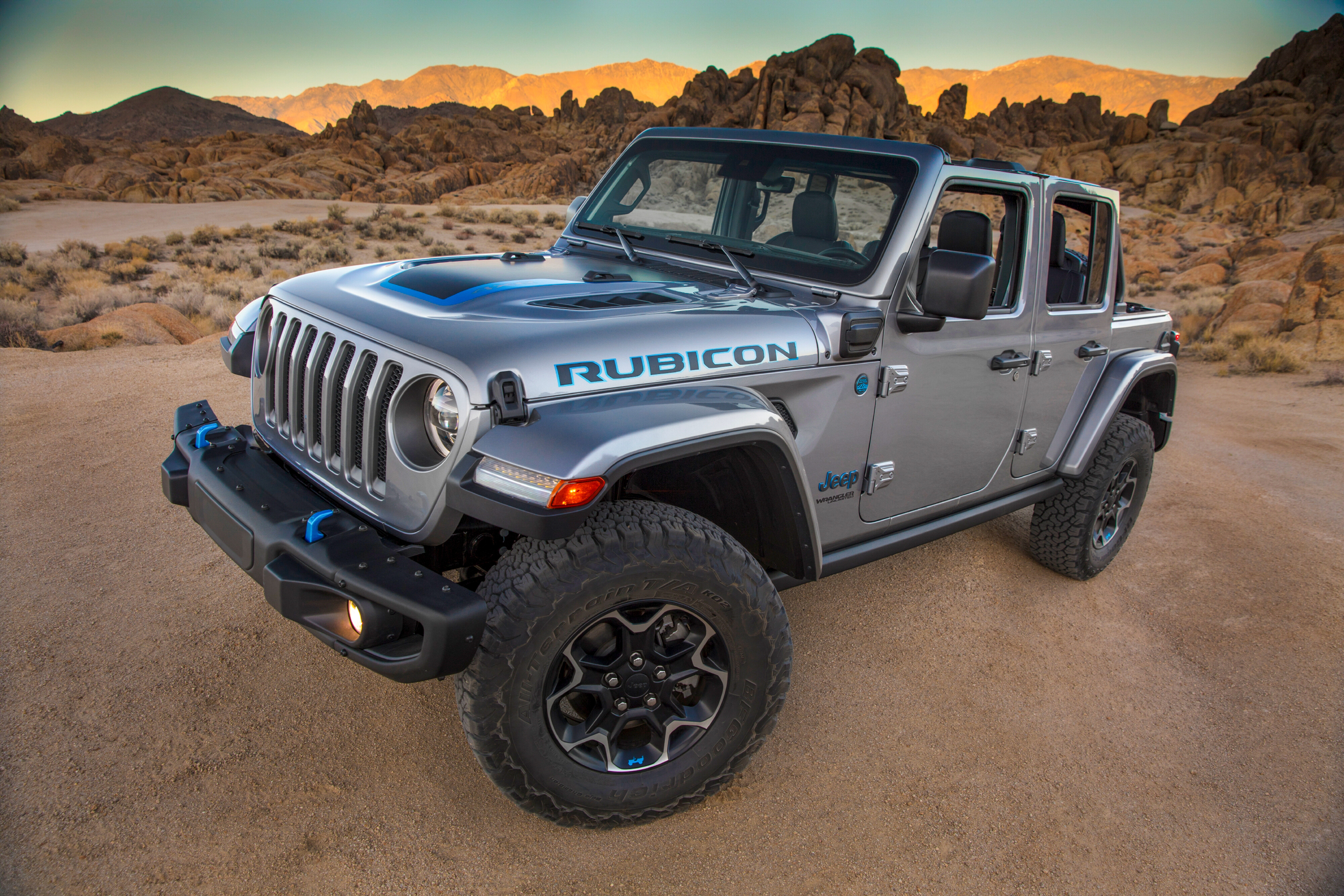
Jeep threw its hat into the white-hot Australian ute market in 2020, bringing us the four-wheel-drive Gladiator to much fanfare.
But while it’s standard practice for manufacturers to offer multiple body styles, Jeep is one of the few that offers its Gladiator solely as a dual-cab.
With Ford launching the Bronco sub-brand to compete directly against Jeep, what would happen if the latter decided to return the favour and compete with the recently-launched Ford Maverick pick-up?
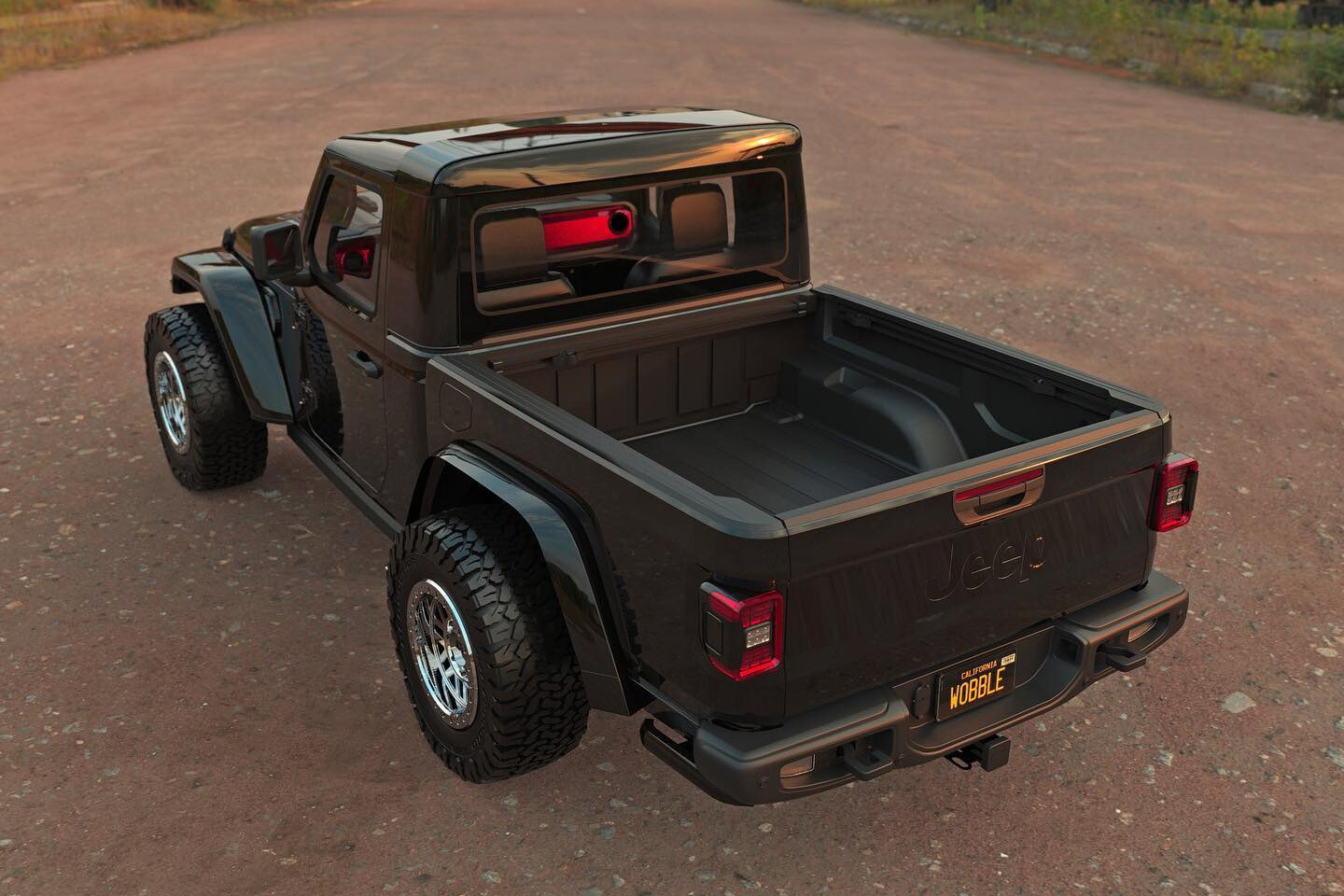
Abimelec Design has created a digital model of what a single-cab Jeep Gladiator could look like if the brand decided to expand its line-up – albeit with some modifications that wouldn’t be out of place at the SEMA motor show.
In place of the Gladiator’s petrol V6 is a V8 – but not the engine from the Jeep Wrangler Rubicon 392, instead a 7.3-litre ‘Godzilla’ big-block from Ford has been shoehorned in between the struts.
Abimelec has also given the Gladiator a slight lift and fitted the ute with some KMC alloy wheels clad in BFGoodrich rubber.
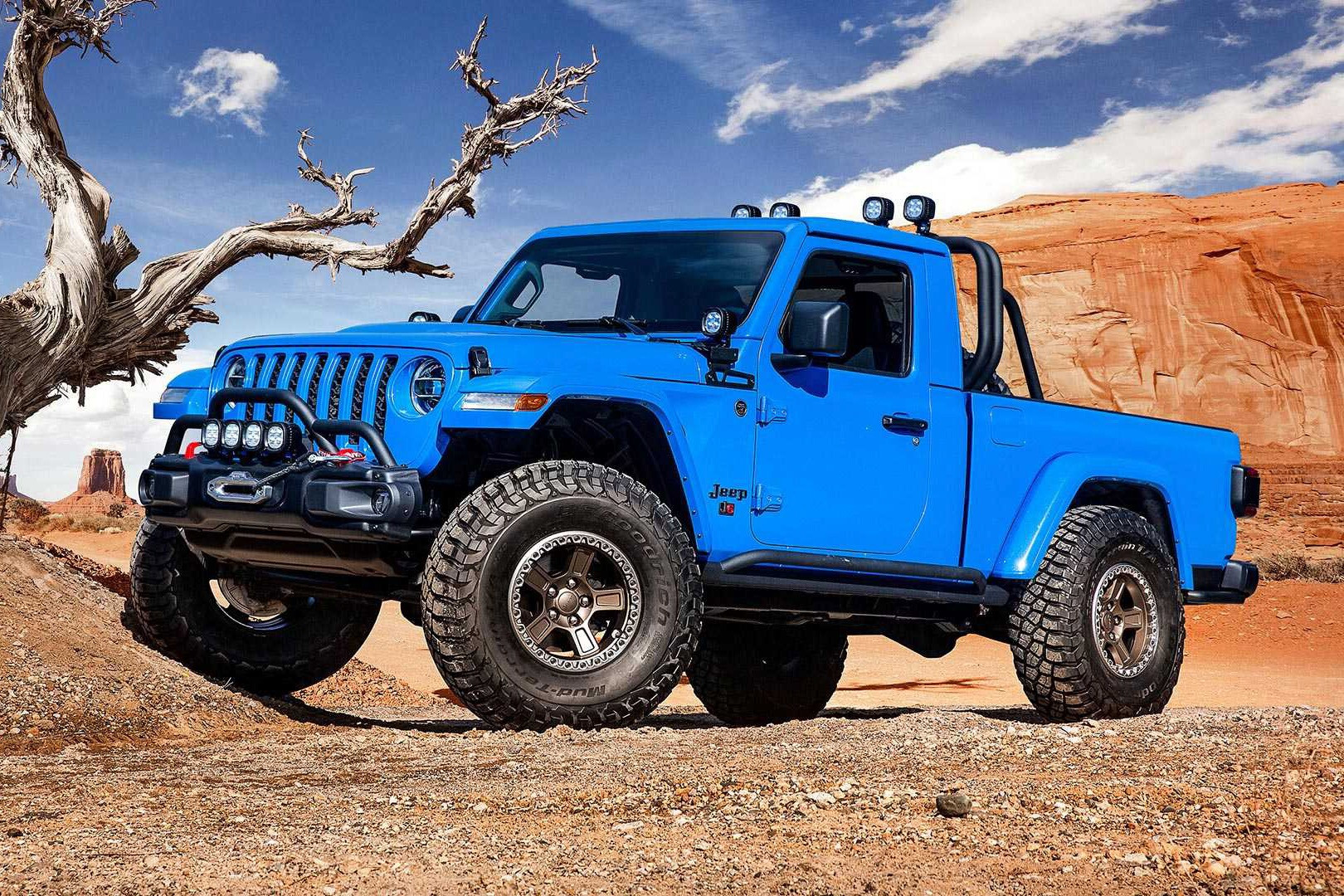
While it doesn’t look like a two-door Jeep Gladiator is on the horizon, the company did flirt with the idea back in 2019, building the Gladiator J6 concept as an homage to the Jeep Honcho of the late 1970s.
A single-cab Gladiator might not be arriving into your local dealership anytime soon, but it might inspire someone out there with an angle grinder who wants something unique.
Would you prefer a single-cab Jeep Gladiator over the dual-cab? Let us know in the comments section below.
Regular 4X4 Australia contributor Dick Eussen has lived and worked in the Top End of Australia for most of his life and knows the country better than most. His travel stories and guides are some of the best around, with first-hand experience of what visitors to Australia’s northern coastline can expect.
In a change of pace, Dick has turned his hand to a work of fiction with a 150-page paperback, Stone Country Justice.
Set in the stone country of the Territory’s Arnhem Land, it tells the tale of a young aboriginal man who goes on a killing spree through the remote region and the hunt by local policemen and a Kurdaitcha Man to track him down.
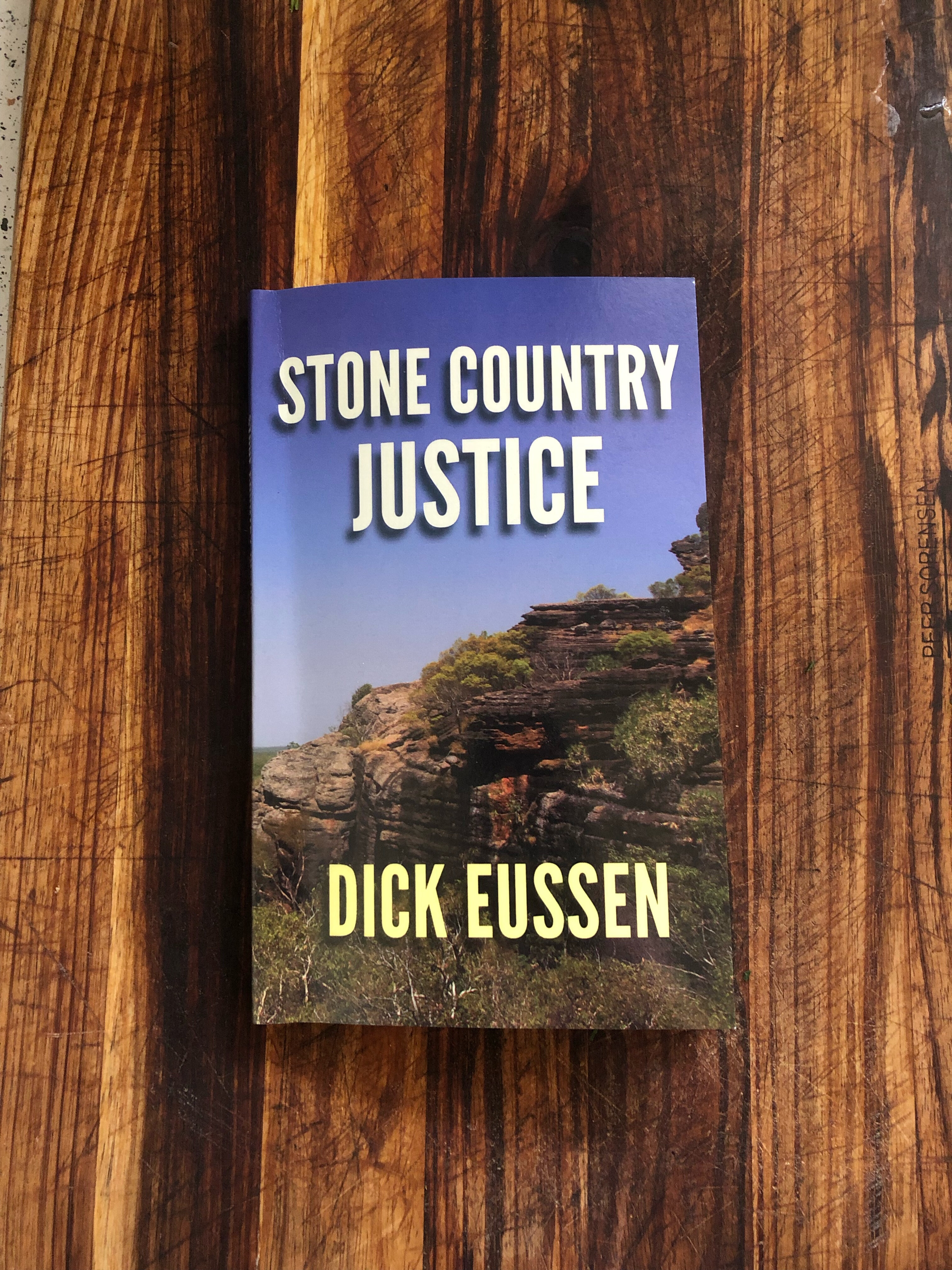
As the men trek though the country, Dick describes it with words that only someone with a true familiarity and understanding of the region and its terrain could use. Using language that takes the reader to these harsh places, conjuring vivid images of the stone country, its escarpments, plains, swamps and rainforests.
Dick describes scenes that anyone who has travelled to Arnhem Land or Kakadu would recognise and can relate to, making you want to head back there again.
“An easy and entertaining read that will be enjoyed by anyone with an appreciation of the Top End and traditional culture”
Stone Country Justice is an easy and entertaining read that will be enjoyed by anyone with an appreciation of the Top End and traditional culture.
It is available through selected bookstores or online at ozbookstore.com RRP: $16.90
Snapshot
- First held in 2009, Overland Expo is now one of the worldu2019s biggest adventure shows
- 400 exhibitors, and some 200 workshops, seminars, and skills classes
- Overland Film Festival
As we pulled in to the forested camp area for this year’s Overland Expo (OX), looking around prompted a moment of pause and reflection.
Back in 2009, I received a press release about an event in Arizona focused on expedition travel. Having just returned to the USA from a two-month trek across Southern Africa, this type of thing piqued my interest. Though turnout was quite small, maybe 400 people and a few dozen vendors, I loved the concept and knew it had potential.
Organisers Roseanne and Jonathan Hanson were passionate about backcountry travel, wanted to share their decades of experience with others, and were dedicated to see their dream come to fruition. Little did they know they were balanced on the tip of an arrow; the bow had been drawn, and their vision was about to take flight.
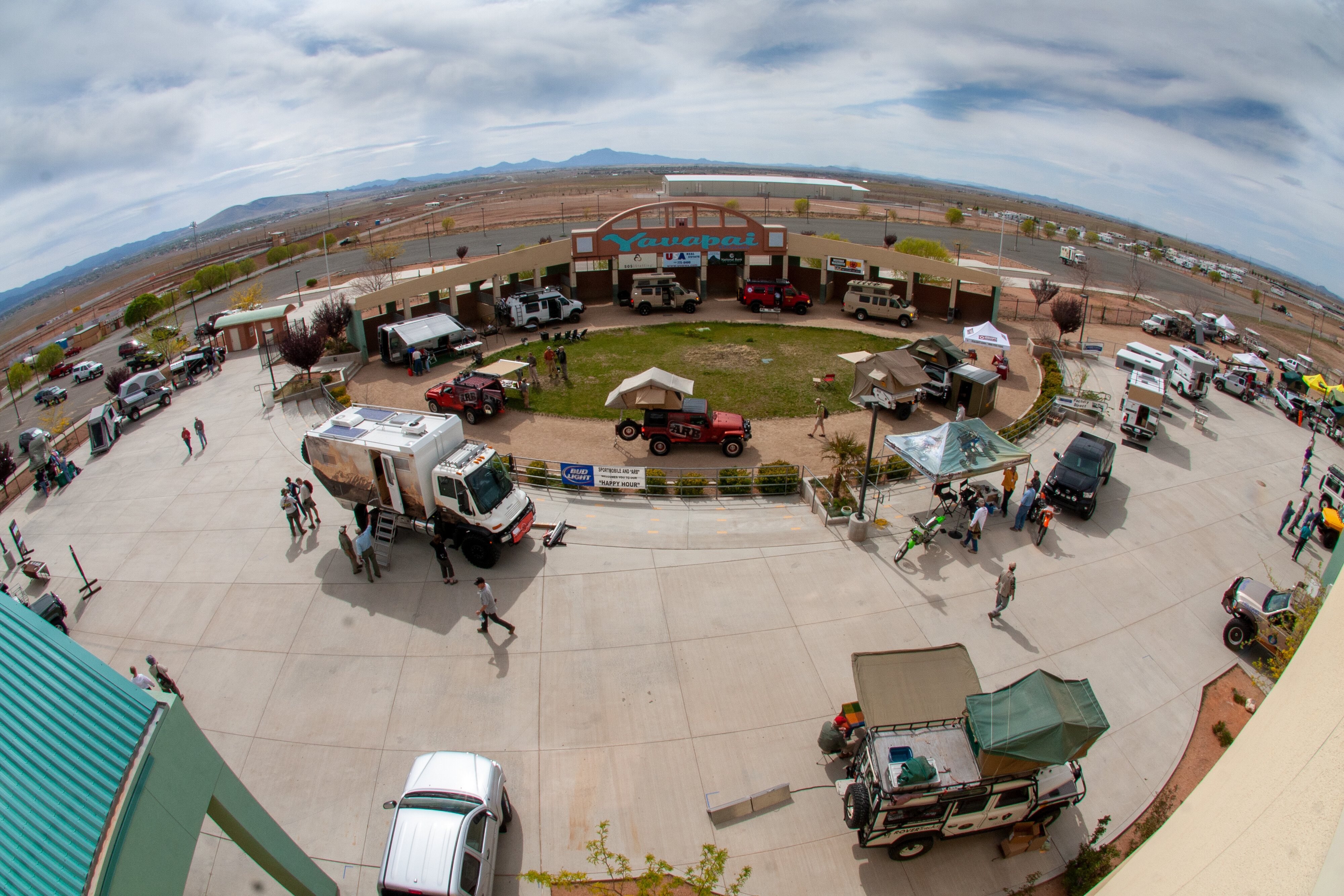
Attendance swelled over the years and the vendor show slowly expanded from a few sparsely placed E-Z UPs to row upon row of rooftop tents, camp-ware purveyors, and caravan manufacturers. We were impressed when it drew 10,000 participants, but this year nearly 30,000 people and 400 manufacturers filled its 2.4km² home near Flagstaff. With stats like this, it seems that OX has eclipsed Germany’s famous Abenteuer & Allrad as the planet’s largest overland-specific venue.
While the vendor show is impressive, what makes OX special are the nearly 200 workshops, seminars, and skills classes. Subjects included everything from digital navigation and knot tying, to safe winching techniques and third-world border crossings. The kids get in on the action as well, learning how to identify wildlife, camping skills, and how to safely rig a climbing harness.
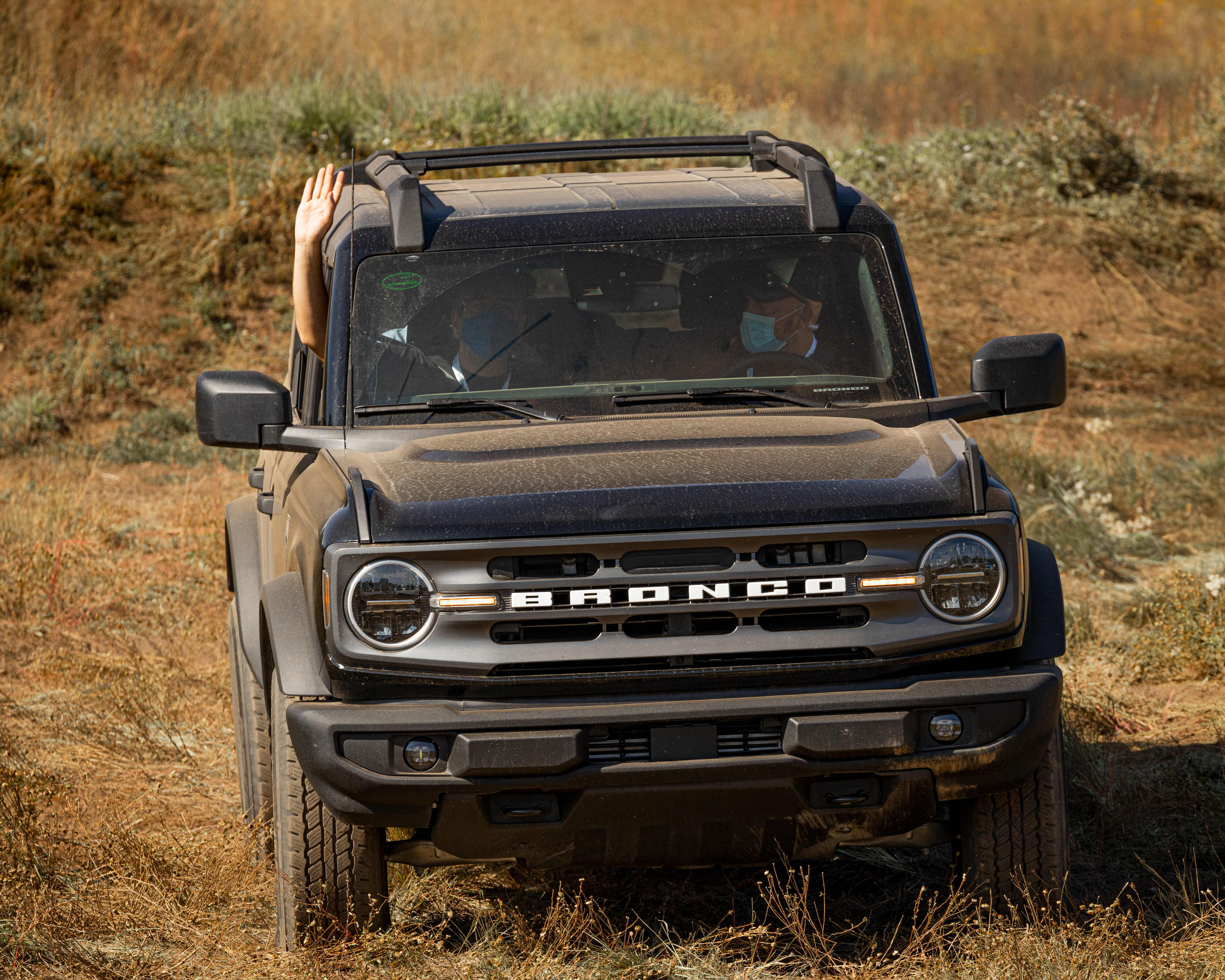
While the backcountry presents culinary challenges, few go hungry at Overland Expo. Dozens of vendors not only presented their newest mess kits and accessories, but also cooked up sizzling brats (bratwurst sausages), grilled shrimp (prawns), and veggies for famished attendees. There were also several off-road tracks, where participants received technical driving instruction from the 7p Overland Team (ex-Camel Trophy competitors) and took a spin in the new Ford Bronco.
BUSH MECHANICS
WE made our way out to the training arena, where participants were learning how to perform emergency field welds with 12V batteries, repair punctured tires, and recover a vehicle from a potential rollover. For those that wanted a more laidback experience, the Overland Film Festival is not to be missed.
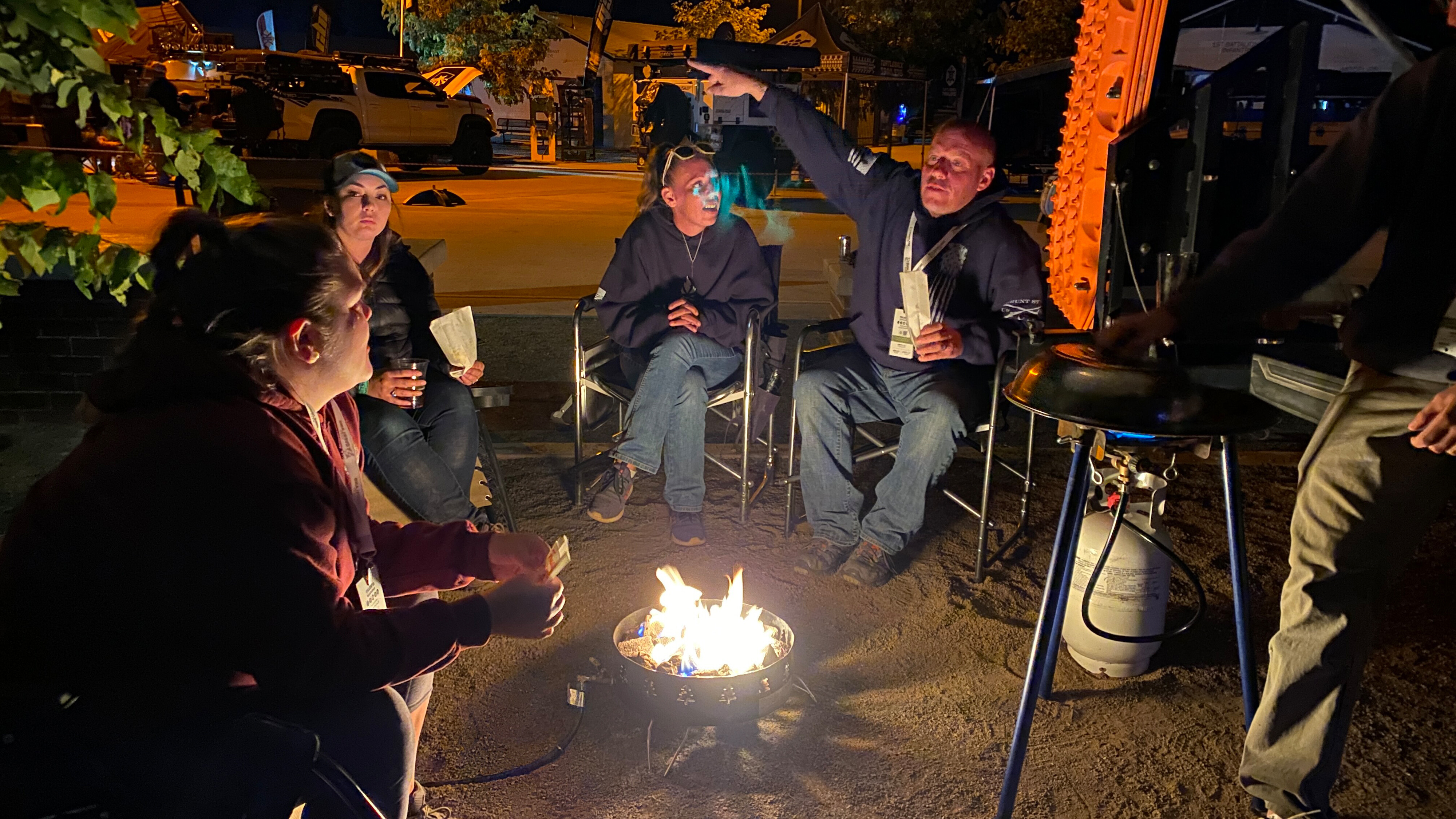
We dedicated a few hours each night to chilling out with a cuppa joe and watching presentations on everything from traversing Australia’s Simpson Desert to the joys of driving the Silk Road with the family stuffed in the back of a Land Rover.
Overland Expo’s motto has always been ‘Get outfitted, get trained, get inspired ─ get going’, and the Hansons have done a helluva job. After a decade of motivating others to turn off the television and hit the road, they have handed the reins over to Lodestone Events.
While Lodestone has lifted the venue to the next level, late Saturday night we old timers gathered around a keg of craft beer at Equipt Expedition Outfitter’s afterparty (part of the OG crew), and reminisced about the intimate nature of Expo in the good ol’ days.
As for Jonathan and Rosanne, they are planning to head back to Australia (when the welcome sign is reinstated) to explore the outback in their 78 Series Troopy.