
Upgrading the performance of turbo-diesel four-wheel drives is big business, with nearly every man and their dog offering a product or solution spruiking big claims of more power and better fuel economy. The good news though, is these days there is so much information and knowledge out there on this topic, however on the flip side, the bad news is it’s not always easy to find the right information or people to handle this task safely and reliably.It’s not all doom and gloom though, as we’ve enlisted the help of two extremely talented and experienced off-road specialists to cut through the bull and give you solid information to better make the right decision for your needs and vehicle.
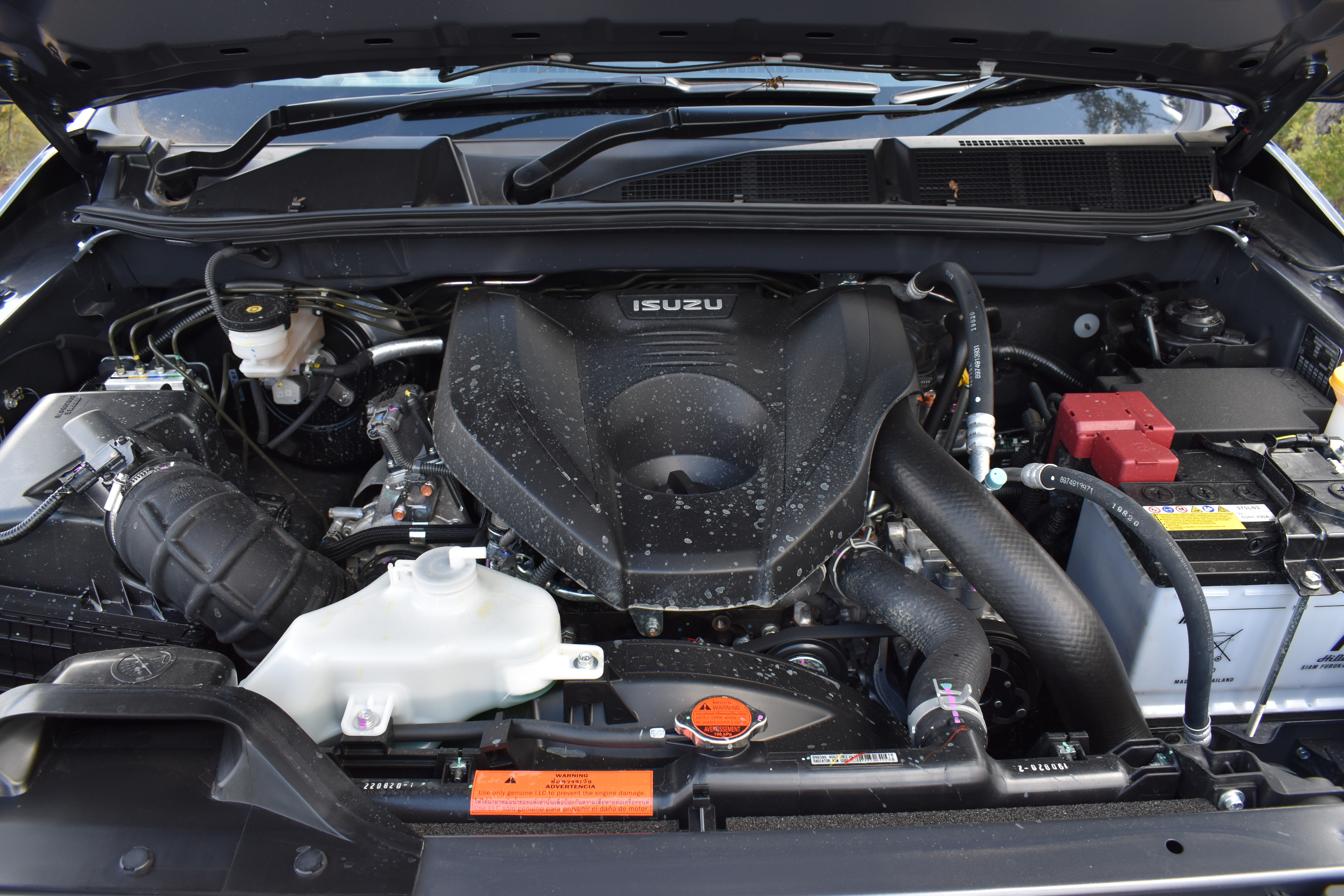
For this article, I tracked down two qualified mechanics who specialise in diesel tuning for a good old Q&A session. I know these fellas and have trusted them to work on my own vehicles. Giving us their pearls of wisdom, we have Stephen Houghton (Stevo as he’s better known), owner of Queensland’s Coolum Motors and CRDTech Tuning; and Steve Etcell, owner of AE-CO 4X4 in Riverstone (NSW) who specialises in everything 4×4 including diesel engine conversions, performance upgrades and custom fabrication.These aren’t keyboard warriors, these experts are super experienced in the field and practise what they preach by building and racing high-performance diesel-powered 4WDs. We sat down with these absolute champions who were kind enough to give us their time, and asked them the same questions to see what they feel works and what you should avoid, as well as seeing if they agree with each other on the right and wrong ways to make more power from your turbo-diesel 4×4.
What are performance chips, how do they work and what are their pros and cons?
STEPHEN HOUGHTON: “Performance plug-in chips come in a range of different options, most are basic and alter the signal back to the ECU to mainly raise fuel rail pressure. This is very old technology, and generally if something goes wrong in the chip, the ECU has no idea and will keep adding fuel until catastrophic failure occurs.”Pros: “Not many … they are easily removable I suppose, which is a pro.”Cons: “Lots.”STEVE ETCELL: “Performance chips are generally a plug-and-play item that requires no tuning and may have a small amount of user adjustability.”Pros: “They are easy to fit at home.”Cons: “Conservative performance gains, limited adjustability, not suited for high-power or heavily modified engine set-ups.”
What are performance modules, how do they work and what are their pros and cons?
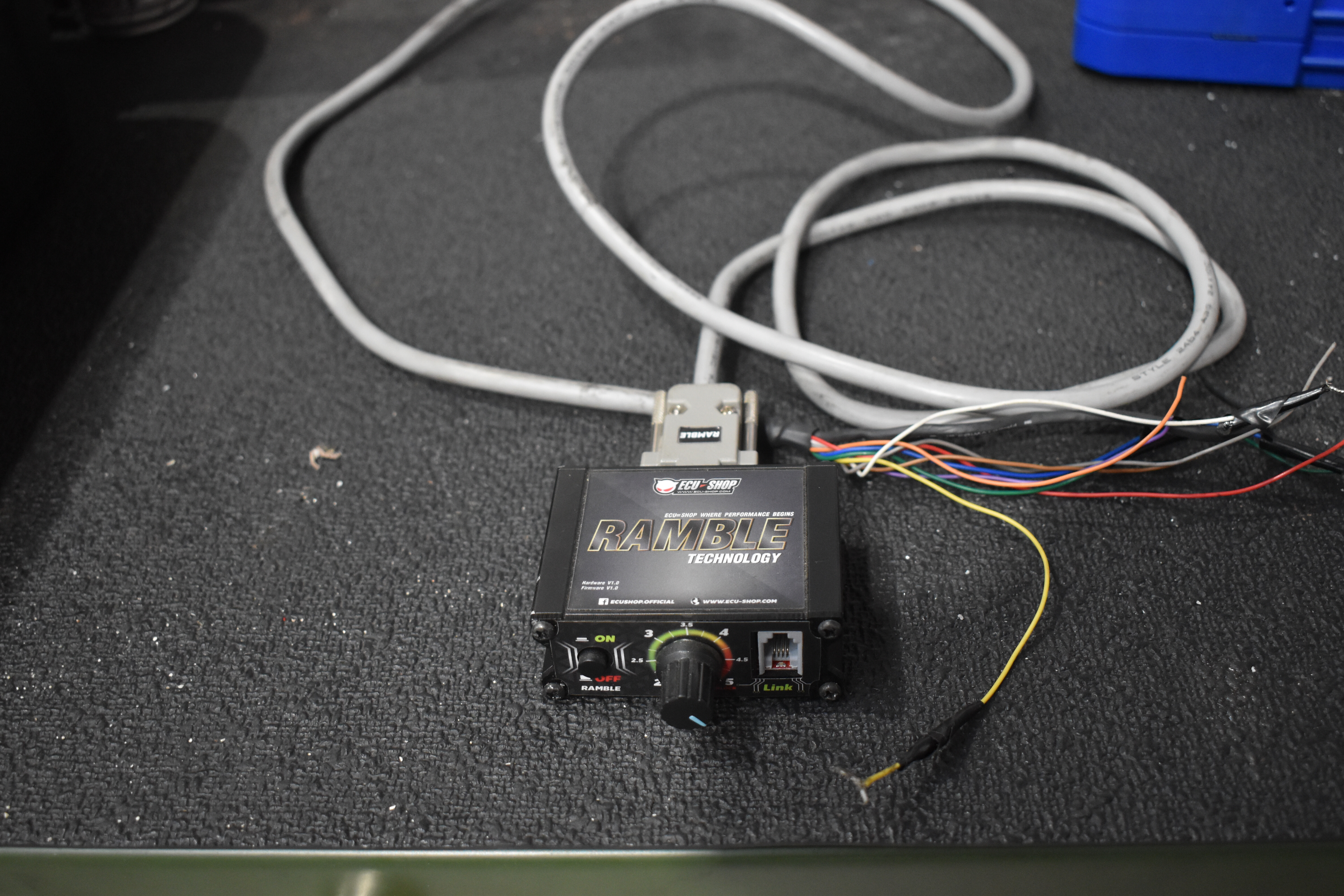
STEPHEN HOUGHTON: “Performance modules are mostly plug-and-play piggyback ECUs, they are either STS (Straight To Sensor) or some are hardwired. These units also mainly trick the ECU by altering the signals to and from the various sensors being utilised. They are mostly live-tuned on the dyno, which gives the tuner real live-control over the vehicle.”Pros: “Live tuning is heaps easier and quicker than altering the ECU software.”Cons: “You are limited in what you can change.”
STEVE ETCELL: “Performance modules are generally a tuneable device that is best installed and set up by a professional on a dyno, and then tuned to suit your specific vehicle and modifications.”Pros: “They are customisable depending on specific vehicle requirements, can offer significant safe gains.”Cons: “Slightly more expensive than a generic chip.”
What is a custom ECU tune, how do they work, what are the pros and cons?
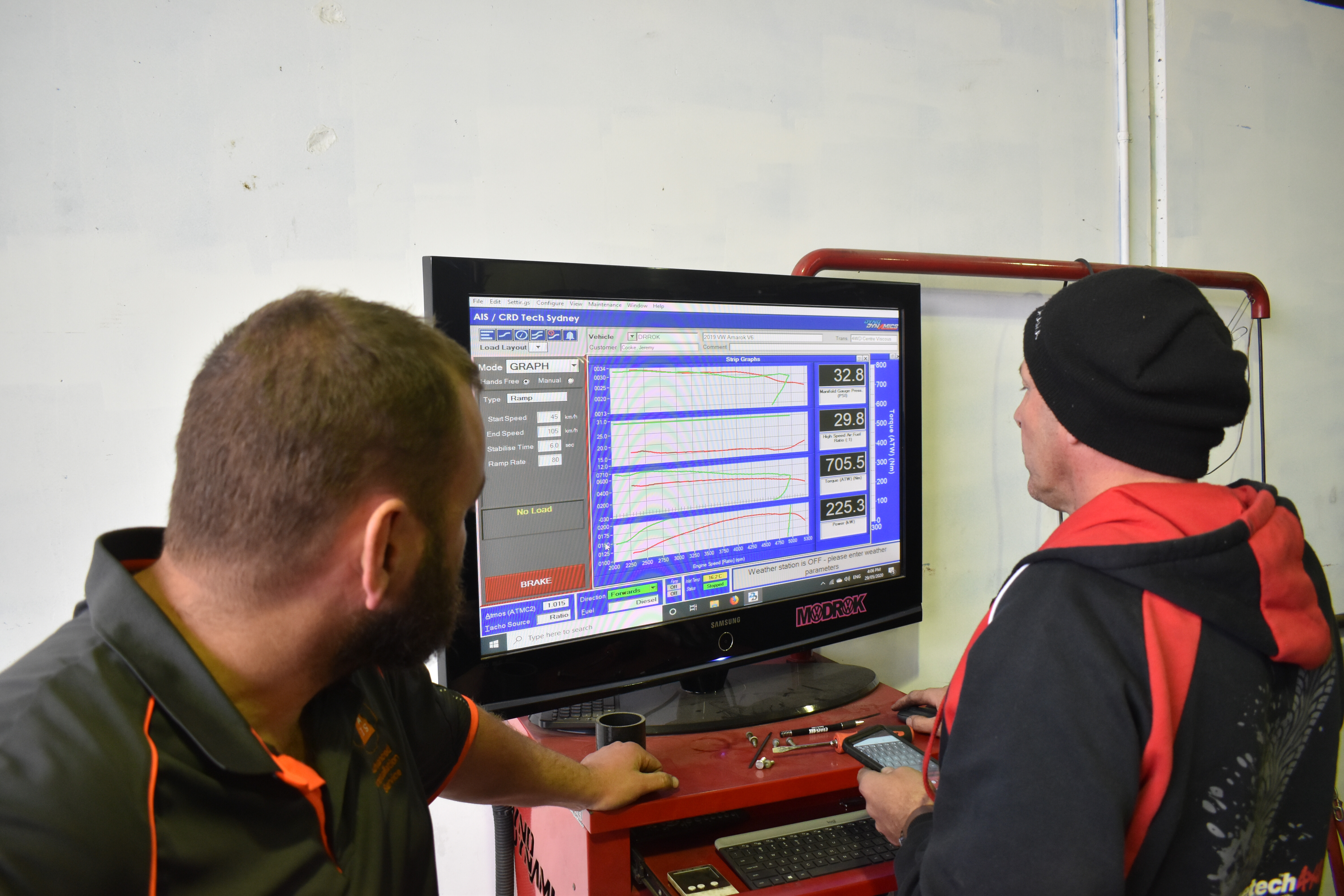
STEPHEN HOUGHTON: “Custom ECU tunes are where the vehicle is read either through the OBD port on the vehicle or by pulling the ECU out and reading on the bench. The file is then altered in a software program by changing a multitude of maps, then reloading on to the vehicle.”Pros: “Much better control over the vehicle mapping and power delivery, can custom tune for turbo or injector upgrades and so on.”Cons: “The file must be altered and reloaded on to the vehicle every change you make. There are also lots of cheap files being bought and loaded on to vehicles for ‘pub sheet dyno runs’ – it pays to use a reputable tuning expert who can back up their claims. It is also very expensive for the tuner if it is done correctly, there’s a huge cost of hardware and software required to do the job right.”STEVE ETCELL: “Custom ECU tuning is the modification of the factory vehicle’s Engine Control System using specialised programs that are able to read and write vehicle-specific code, allowing the tuner to change engine parameters and increase power and torque.”Pros: “Allows retention of factory engine safety features, with decent power increase results found with most vehicle makes and models.”Cons: “They can cause warranty issues on new cars, not easily reversed without a trace, they also aren’t suited as well for super high-performance applications.”
How much money should you expect to pay for each?
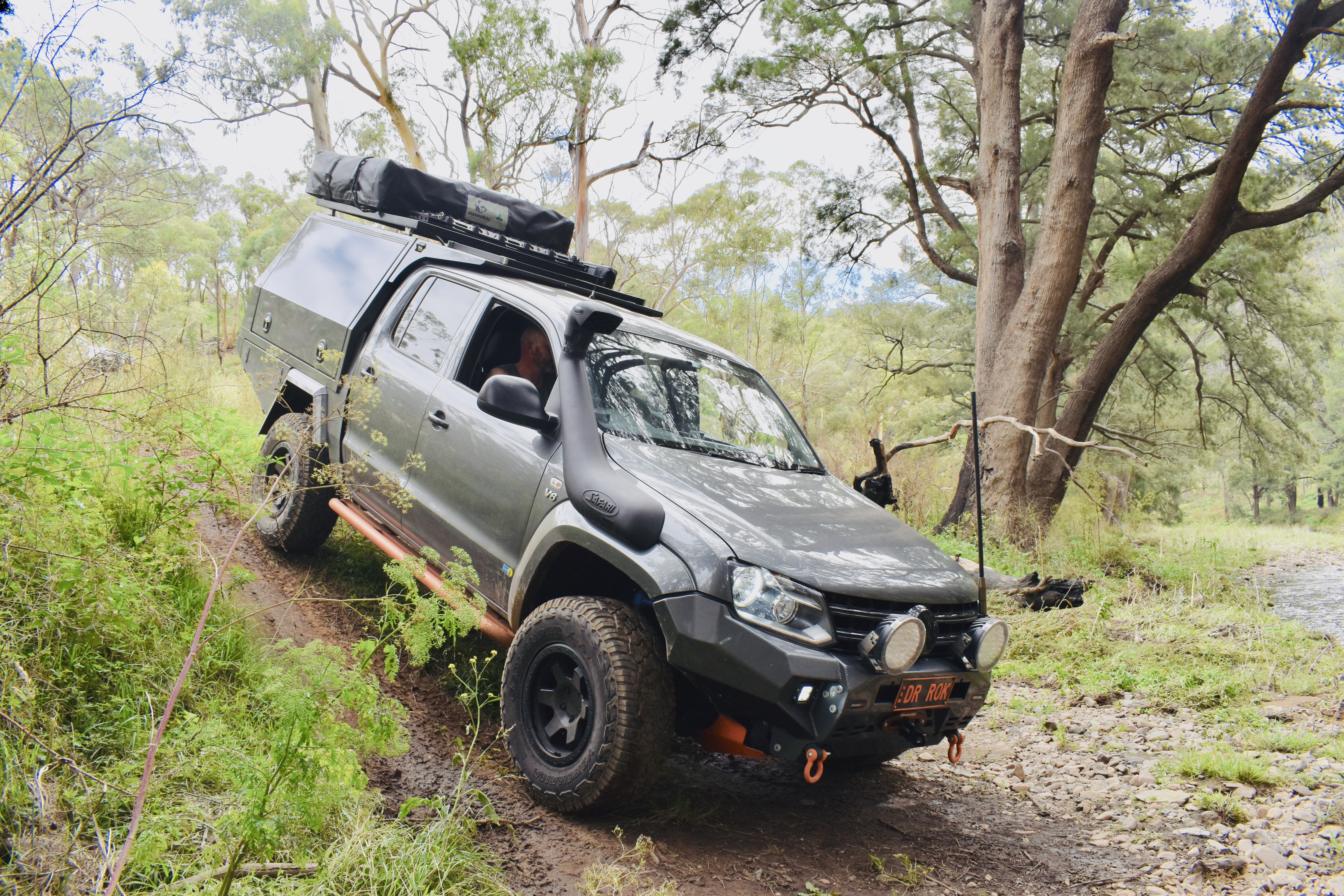
STEPHEN HOUGHTON: “For basic chips, expect to pay up to $1500 to $2000. Performance modules go for between $1800 and $3000. Dyno tunes will cost, from experience, between $1000 to $2000 for straight tunes I have seen and done; a full custom job with upgrades, turbo upgrades and injectors, expect upwards of $2000.”STEVE ETCELL: “From what I see, chips go for between $800 to $1500. Performance modules budget for around $1200 to $3000 and up. ECU remaps, depending on the work involved, budget $1200 to $1800.”
Are exhaust upgrades worthwhile. If so, when and why?
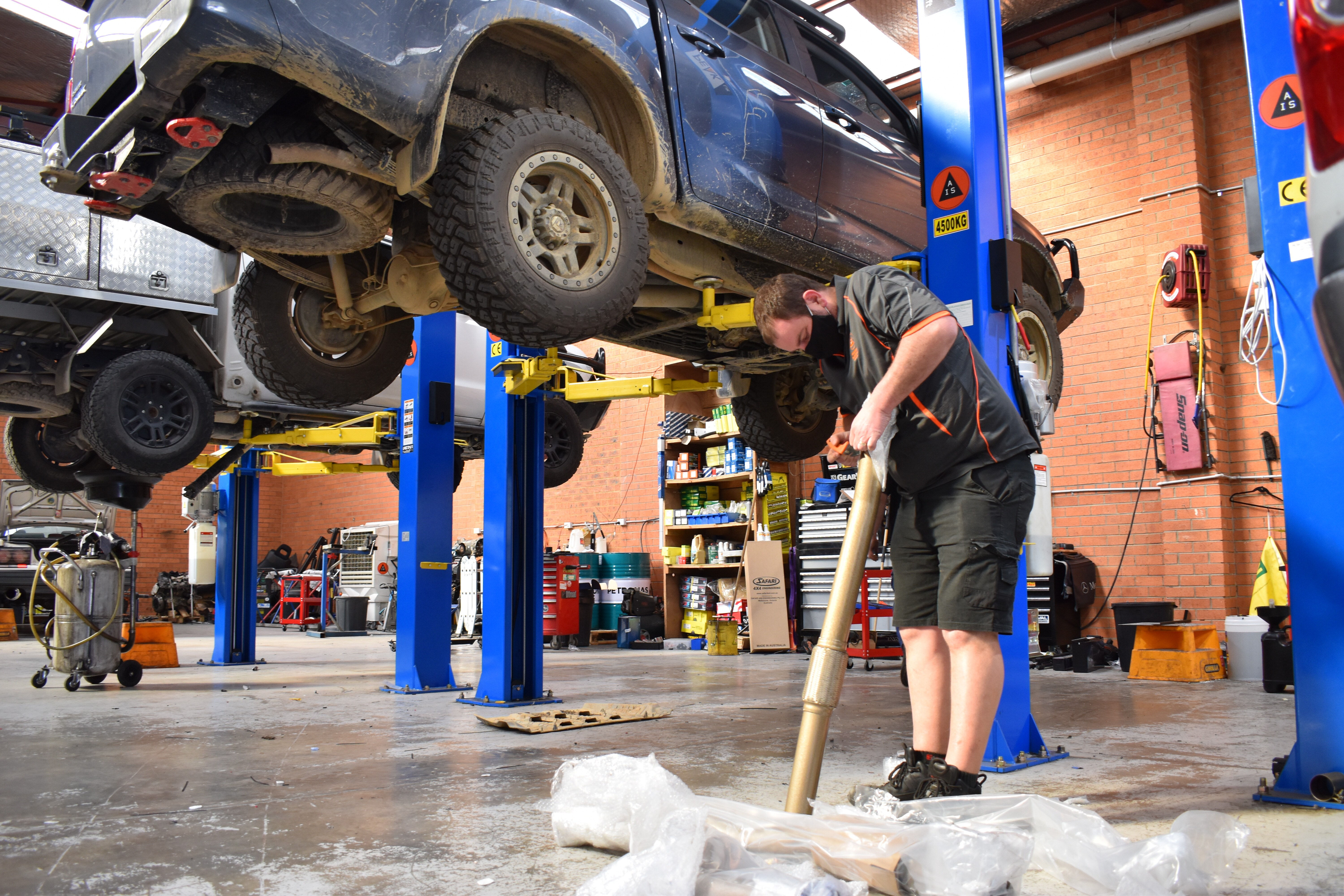
STEPHEN HOUGHTON: “On pre DPF (Diesel Particulate Filter) equipped vehicles, I say yes. Larger diameter free-flowing exhausts can help get heat out of exhaust system faster, lowering engine temps as well as EGTs (Exhaust Gas Temperatures), and you generally see gains in low-down torque from a full system when we put it on the dyno. Vehicles with DPFs, we don’t see big gains from fitting exhaust upgrades, these are mainly installed to change the sound of the exhaust.”STEVE ETCELL: “For standard set-ups, generally speaking an exhaust upgrade isn’t required. For more highly modified or custom set-ups where people are chasing higher gains though, generally speaking an upgraded exhaust system becomes worthwhile. This really is vehicle-and-needs specific though, as some vehicles come from the factory with decent exhaust designs and sizes, others are straight-up awful and we do see benefits when upgraded.”
Are turbo upgrades worthwhile. If so, when and why?
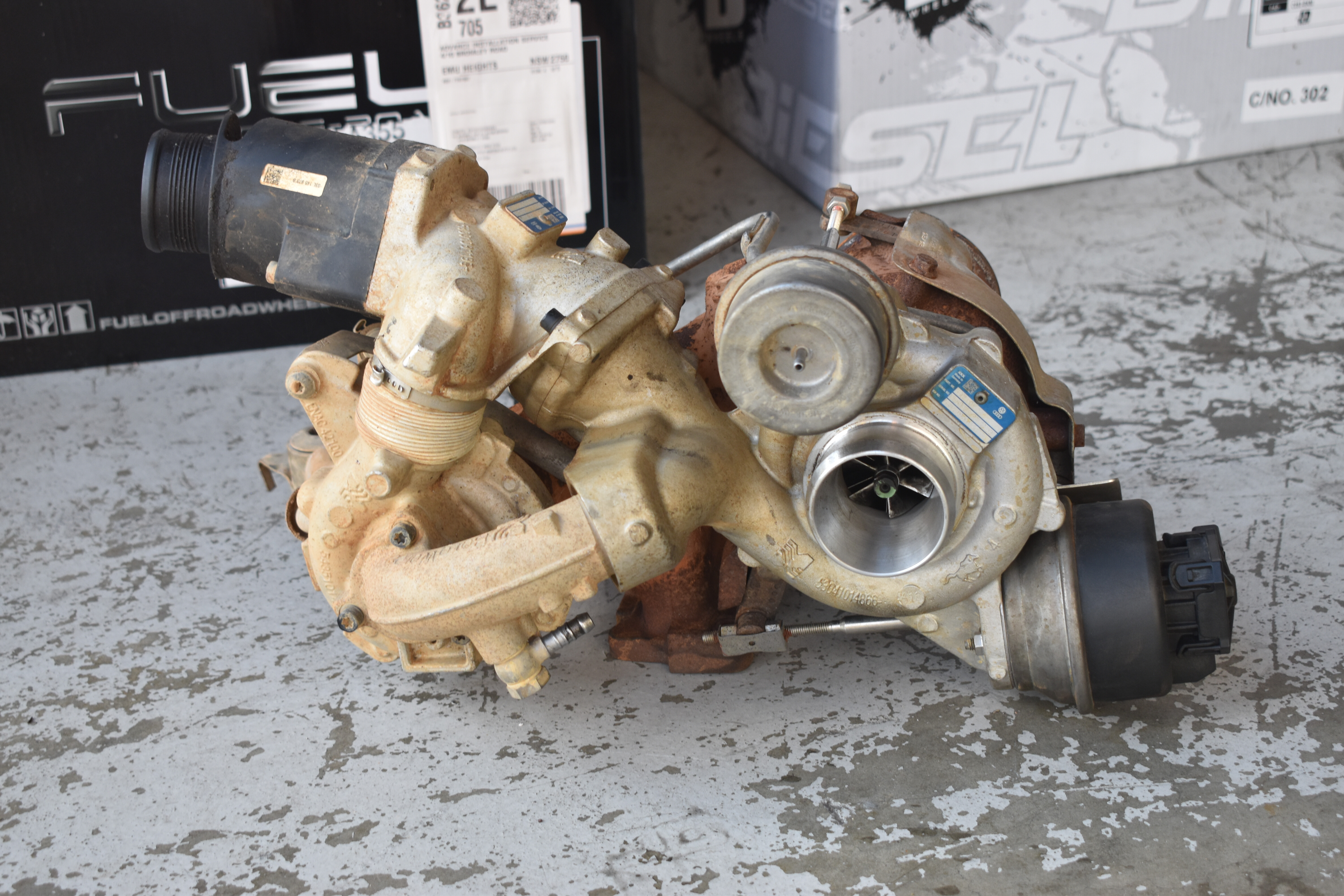
STEPHEN HOUGHTON: “Turbo upgrades are definitely worthwhile if you are towing heavy loads regularly, and if you want more torque and power than can be safely offered by the factory turbo. For vehicles that are used for towing, by installing a high-flow turbo you will see lower EGTs (Exhaust Gas Temperature – tuner and power output dependant) as the airflow in to the engine increases, in turn lowering AFR (Air Fuel Ratios). These are two very important aspects of engine tuning and performance upgrades to get right, and I definitely think there are advantages to fitting a turbo upgrade for those reasons.”STEVE ETCELL: “This really depends on the vehicle and end use of the vehicle. For a daily driver that doesn’t tow heavy loads or doesn’t need to work hard, I’d say, generally speaking, no. For a four-wheel drive that needs to make more power to do the job the owner requires, then yes. The best thing, these days most models have direct bolt-on upgrades from mild-to-wild, so it all comes down to your end use and goals.”
Are injector upgrades worthwhile? If so, when and why?
STEPHEN HOUGHTON: “Injector upgrades are really only worthwhile if you are chasing a lot more power over an ECU tune. Larger injectors work by mechanically allowing more fuel in to the engine rather than trying to hold the injector open longer in the software.”STEVE ETCELL: “Generally, injector upgrades are only done once a turbo upgrade is completed, if you have more air, you can add more fuel without causing yourself grief with engine failure. In some cases, depending on turbo size, injector upgrades actually become a requirement to help spin the bigger turbo.”
Are intercooler upgrades worthwhile. If so, when and why?
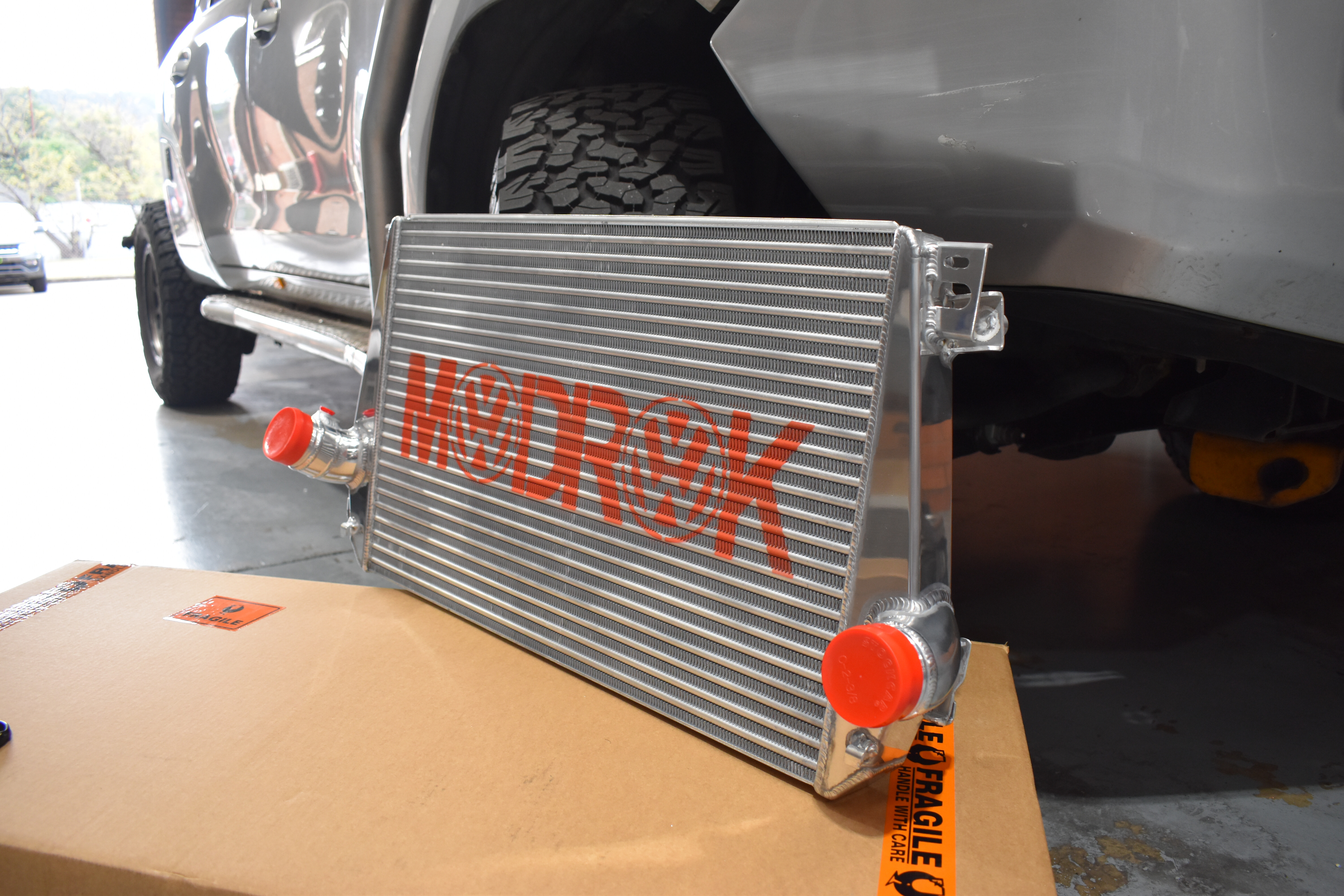
STEPHEN HOUGHTON: “Intercooler upgrades are good in many applications; towing and performance enhancing are the two most popular reasons we upgrade intercoolers. If towing, upgraded intercoolers will lower intake-air temps and provide denser air going in to the engine, which in turn results in lower temps all ’round. Performance wise, most aftermarket intercoolers have welded end tanks instead of weaker crimped end tanks, lessening the likelihood of them leaking.
“Intercooler upgrades will also allow you to push the vehicle harder, as the increase in air volume will lean out the extra fuel. Adding a larger intercooler without any tuning will not add an unbelievable amount of power to your engine, despite the increased oxygen and theoretical increase in performance. The charge air temperature will be lower resulting in denser air, but the larger intercooler can add a slight amount of drag which can somewhat negate any power gains. The real benefits come if you combine this intercooler system with some engine tuning.”STEVE ETCELL: “In factory applications, speaking generally, no. But with more power, you would be crazy not to upgrade to a larger intercooler. We have seen significant gains in torque and fuel economy from getting that intake-air nice and cold. With more boost comes more heat, and this heat increase needs addressing. Also, something to remember is where you regularly drive impacts how important this upgrade can be. Driving at 110km/h on the highway is very different to crawling at 20km/h fully loaded through soft sand at the beach. If you tend to work the car hard with no airflow, bigger is better when it comes to intercoolers.”
If undertaking these performance upgrades, what is the ideal order to install them?
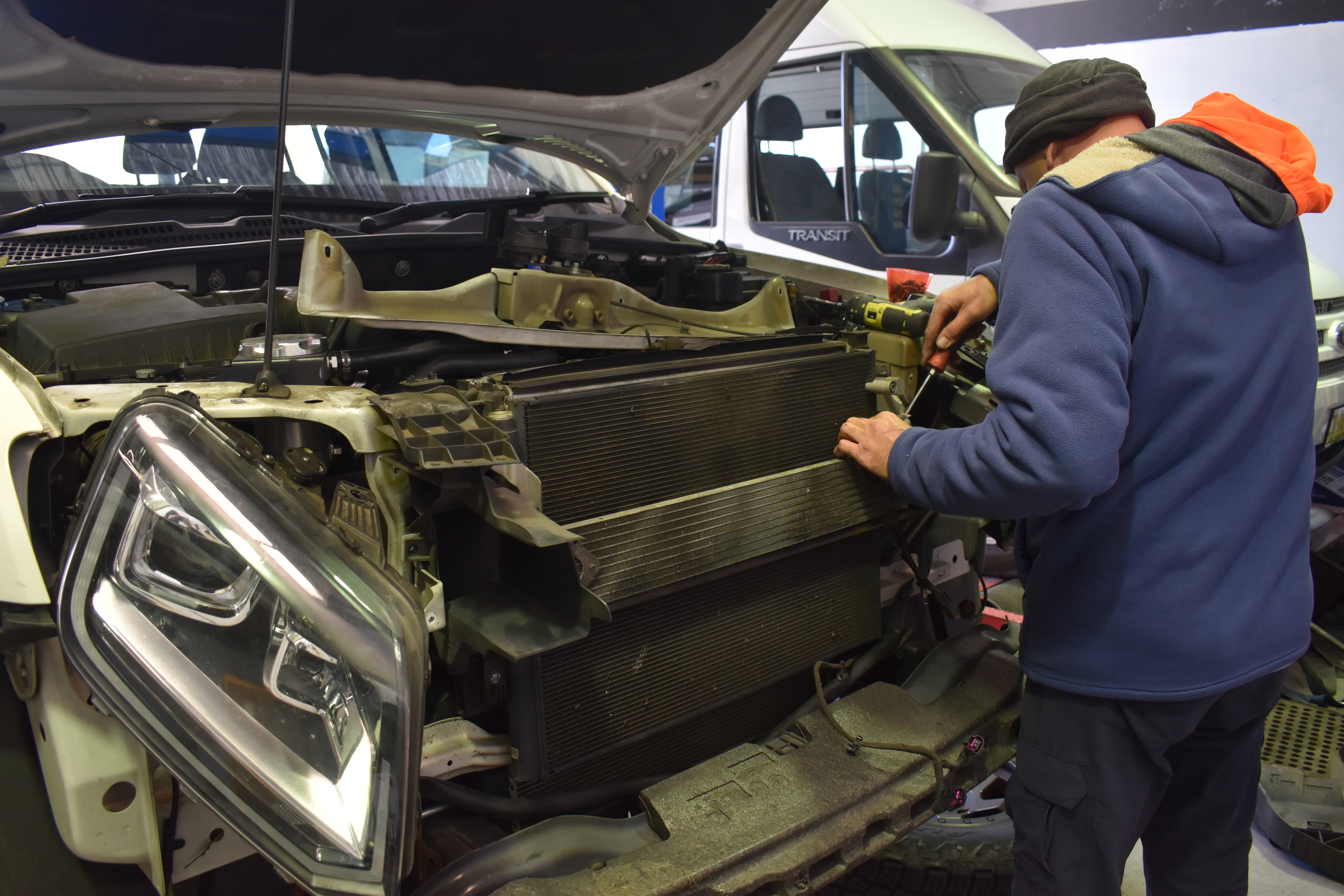
STEPHEN HOUGHTON: “This all depends on the modifications you are performing; however my advice is that it’s obviously better to do it at the same time so you are not constantly going back and forth having to install and remove items, this will cost you more in labour in the long run.”STEVE ETCELL: “In a perfect world, all at once – you buy once and cry once. By doing it bit by bit, this means paying for labour and tuning every time. If you can’t afford to do these upgrades at once though, this is the order I’d do them in:
- Intercooler: In preparation for more boost.
- Turbo: Intercooler is there ready for the boost, and the air-fuel ratio without the bigger injectors will be leaner (diesel, leaner = cooler = safer … the opposite of petrol).
- Injectors: The rest of the set-up is ready for these now.”
Should you get your car dyno-tuned?
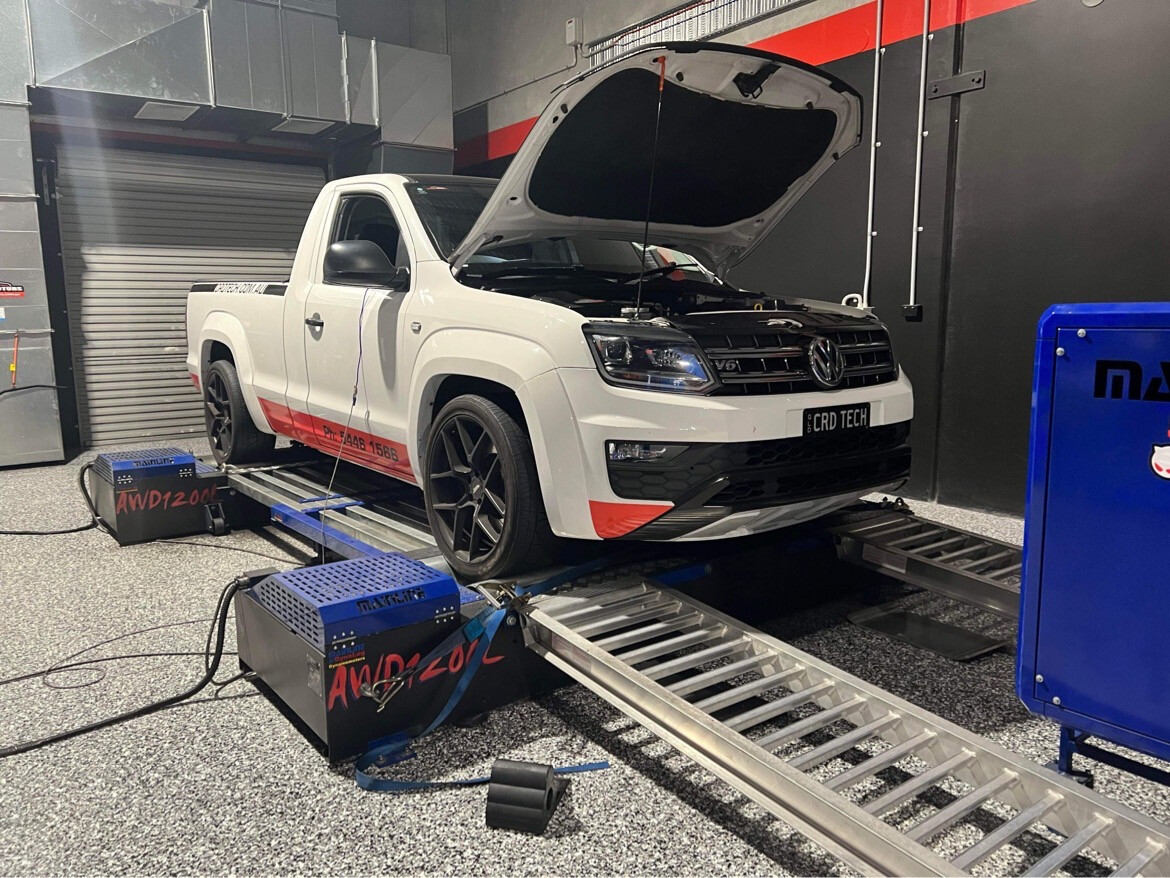
STEPHEN HOUGHTON: “Yes, absolutely, it’s the best practise. But, in saying that, I know heaps of really good tuners that are highly respected, that do both dyno tuning and road tuning.
“As long as the vehicle is being logged correctly on the road and AFR (Air Fuel Ratio) is monitored, you can successfully tune a vehicle on the road if required.”STEVE ETCELL: “Absolutely, definitely 1000 per cent required.”
Does fitting a snorkel change the tune and power figure?
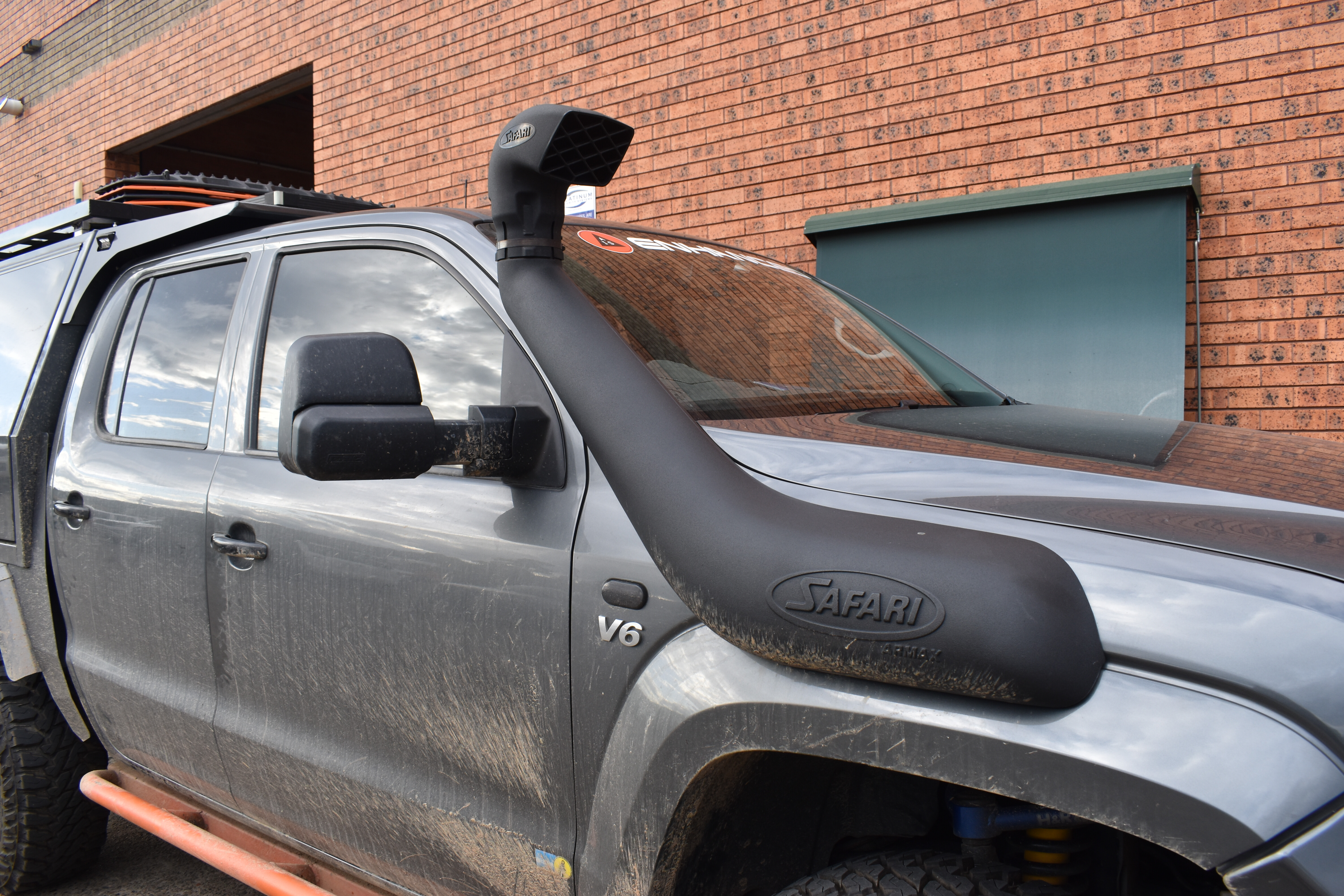
STEPHEN HOUGHTON: “No …”STEVE ETCELL: “Yes, but not significantly enough to warrant a retune. The added cold, higher flowing air will only lean out the air-fuel ratio, meaning everything will run cooler. It won’t be by much though; you will probably only just notice it on the dyno data.”“with vehicle engine mods you aren’t buying a product; you are paying for the knowledge and experience. A remap from XYZ mechanical repairs will be totally different to a specialist tuner that caters for your model”
What supporting mods should you do if increasing your vehicle’s power output? i.e. clutches, trans coolers, etc.
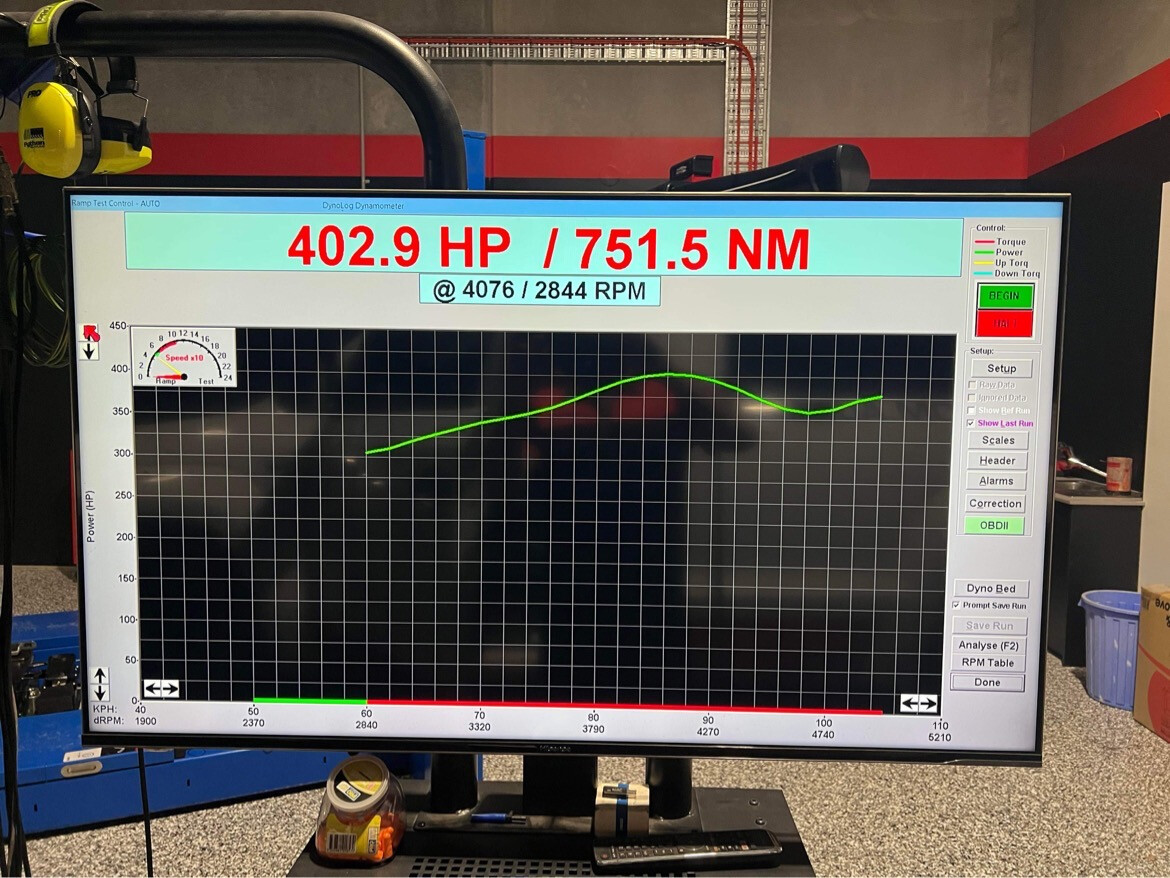
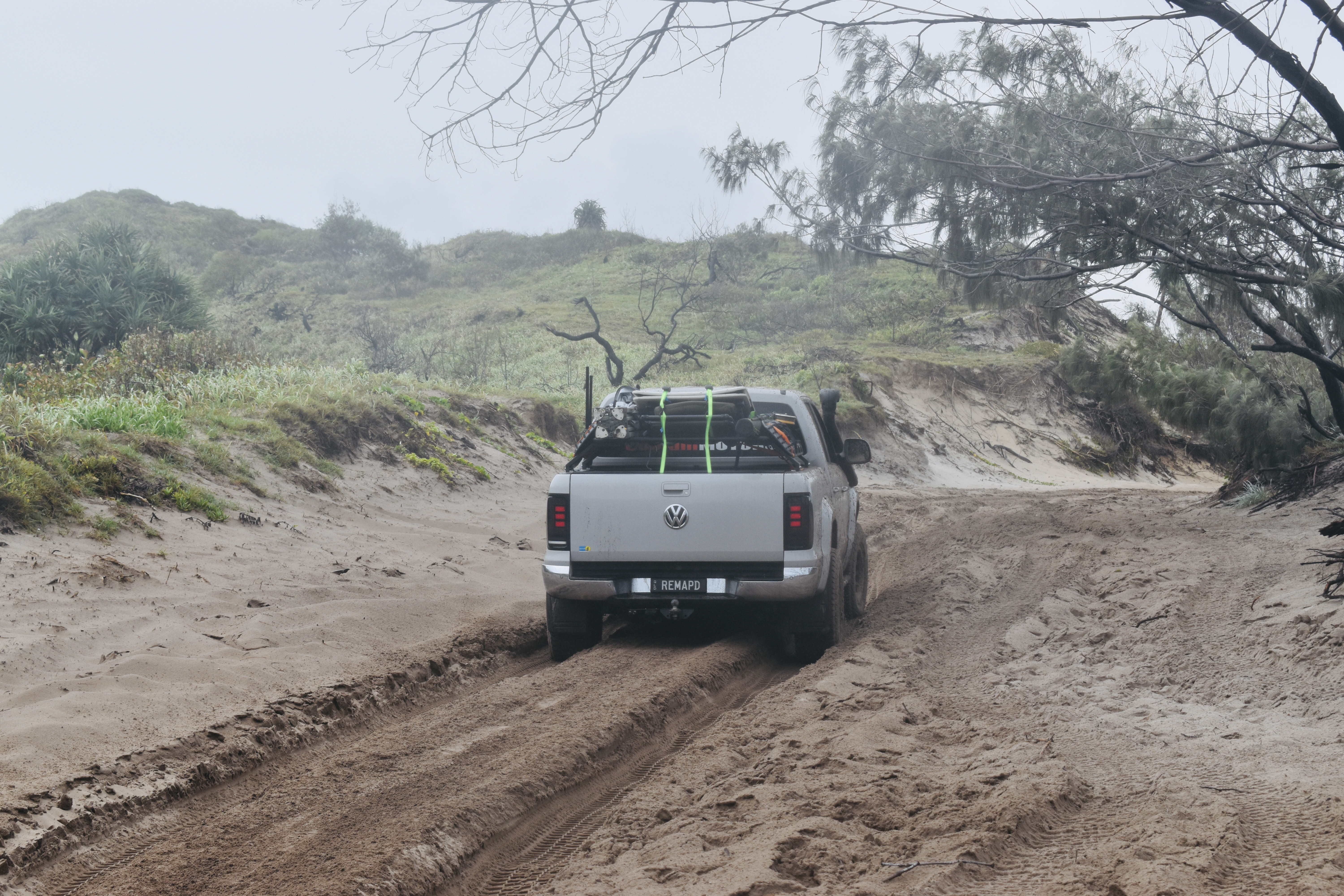
STEPHEN HOUGHTON: “This again is vehicle-dependant; for example, every Toyota 4×4 with a manual transmission we tune needs an upgraded clutch fitted before we tune it. Then if you look at my own V6-powered VW Amarok, it ran 402hp at all four wheels last week with the stock drivetrain, engine, transmission, etc. It made that power running a high-flow turbo, upgraded intercooler and a fuel-metering valve – otherwise stock engine internals, and stock injectors.”STEVE ETCELL: “This is very vehicle-specific, a 79 Series LandCruiser, for example, requires a clutch even with no modifications except for an ECU remap, as the clutch can’t hold the power. Many autos benefit from transmission coolers and transmission tuning but it depends what you have. The best piece of advice here is to find a reputable tuner with experience in your specific vehicle and consult them. Remember, with vehicle engine mods you aren’t buying a product; you are paying for the knowledge and experience. A remap from XYZ mechanical repairs will be totally different to a specialist tuner that caters for your model.”
SPECIAL THANKSA massive shout-out to these turbo-diesel power experts for their time and wealth of information. If you need anything done to your four-wheel drive, be sure to check them out.Stephen Houghton from Coolum Motors/CRD Tech Tuning: Phone: (07) 5446 1566 Website: coolummotors.com.auSteve Etcell from AE-CO 4X4: Phone: (02) 9627 9148 Website: www.aeco4x4.com.auAdvanced Installation Service/Sydney CRD Tech for letting us poke around and take pictures Phone: (02) 4739 9009 Website: www.advancedinstalls.com.au
UPDATE, SEPTEMBER 7: Jeep to reveal electrification plans on ‘4xe Day’, in the coming days.
Jeep is nearing its first major step towards the fast-approaching era of electric vehicles, set to reveal their roadmap going forward on ‘4xe Day’, tomorrow on September 8.
Initial details remain scarce, however we expect to learn more once the calendar turns once more. Taking into account the time difference from Jeep’s native state of Ohio, September 8 commences at 2pm Australian Eastern Standard Time.
Jeep last week teased 4xe Day with a mission statement of “accelerating toward Zero Emission Freedom”, promising a “series of announcements” on its forthcoming electrification plans.
A teaser posted to twitter states that “an electrifying new adventure begins” on 4xe Day, signing off by claiming “freedom is electric”.
Some of Jeep’s future EVs could be among the eight models previewed by parent company Stellantis in July 2021, to be based on Stellantis’ multi billion-dollar dedicated-EV STLA platform which is expected to debut by 2026.
In its native home of the United States, Jeep has already brought the Wrangler 4xe plug-in hybrid to market, the US’ top-selling PHEV so far in 2022, along with the Renegade and Compass 4xe.
Jeep Australia was previously believed to have been evaluating the Wrangler 4xe – currently produced exclusively in left-hand drive – for local release.
Jeep’s first global BEV (battery electric vehicle) is a small SUV, codenamed 516, and is due to be launched in North American and European markets in the first half of 2023. Australian availability is yet to be confirmed.
We’ll be watching 4xe Day tomorrow closely, so stay tuned for more on Jeep’s future steps towards electrification.
The story to now
Snapshot
- 70 per cent of global sales will be of some kind of electrified vehicle by 2025
- Autonomous 4×4 driving ambition for 2030
- Grand Cherokee 4xe coming to our region
Original story, July 16 2021: Jeep has celebrated its 80th anniversary this week by revealing more about its plans to electrify its line-up and what it means for the future of the brand’s iconic design.
Teasing a new video on its YouTube channel today, the carmaker outlined a raft of new features coming across its range over the next decade.
This year we can expect to see solar charging stations and the expansion of its 4xe electric range – following the reveal of the Jeep Wrangler 4xe PHEV which will be going on sale in the United States, China and Europe this year. No release date has been confirmed yet for Australia.
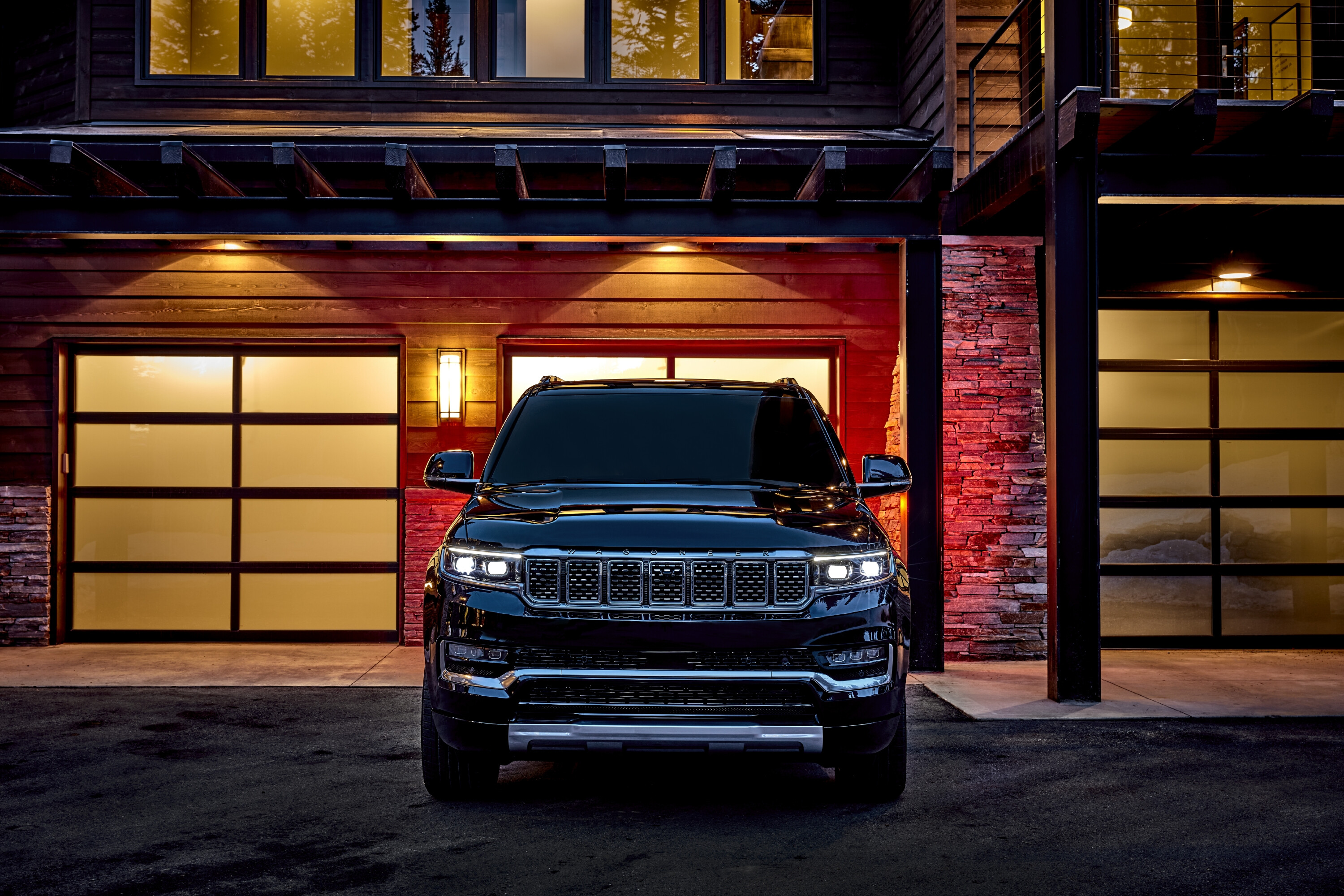
By mid-decade, Jeep claims its range will have; biometric configuration, dynamic tyre pressure, multi-power ports, be capable of peer-to-peer charging and drone pairing.
Then by 2030 its “dream of what is possible” includes; autonomous off-roading, remote vehicle tracking, flat-seat stargazing and even a nod to the possibility of full underwater driving.
This follows the news last week, revealed as part of parent company Stellantis’s EV Day, the company will offer at least one full-electric model in each of its SUV segments and 70 per cent of its global sales will be of electrified vehicles by 2025.
The caveat to the pledge being that in some markets the figure won’t be nearly as high, some might boast 95 per cent electric sales while others scrape 20 per cent, although it hopes most will achieve more than 30 per cent mild-hybrid, PHEV or BEVs by that time.
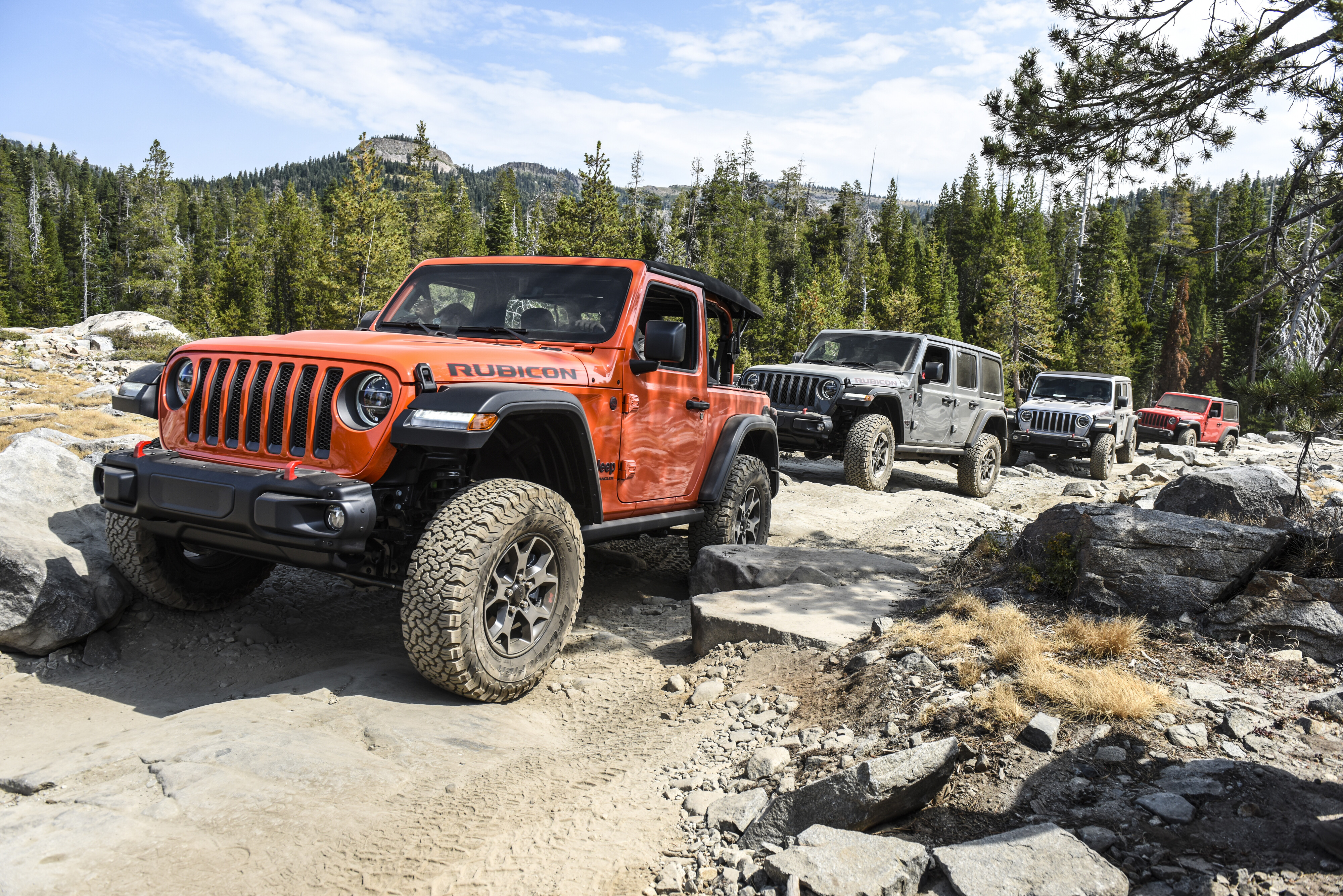
Claiming “4xe is the new 4×4”, the American marque discussed its transition from the internal combustion engine to electric, stating not only will the fifth-generation Grand Cherokee 4xe be coming to our region when it launches next year, but the Wagoneer premium SUV will also be offered as an EV by 2025.
Speaking at a roundtable event for the India and Asia Pacific region this week, Jeep CEO Christian Meunier would not be led on which 4xe models will be coming or in what order.
“Not every new electric model will be seen in every single market or region right away, it will gradually come and how soon will depend on the local market and if governments are willing to promote electrification and greater grid development,” he said.
“What I am convinced of is what we provide will be appealing to our customers. It will come as soon as possible, as soon as the market is ready for it.
“In Australia [enthusiasm for] electrification is happening very quickly. Of course it is far behind Europe and still a little bit behind the US, but we see the energy there.
“But basically these countries [including Australia] need to contribute to accelerating efforts towards electrification by evolving legislation and we’re now starting to see that. Instead of waiting for governments to tell us what they’re going to do and when, we like to have a practical approach and bring it [the technology] up front, we’re going to push for electrification as a leader, not a follower.
“We’re expanding our portfolio into new segments, with the 3-row Jeep Grand Cherokee L, while setting a strong foothold in the premium SUV market, with our all-new Wagoneer and Grand Wagoneer.”
So far this year we’ve seen the local arrival of the new Compass this month, a Gladiator entry-level variant in June and Sport S back in February, as well as the introduction of special edition Cherokees, Grand Cherokees and Wranglers Unlimited in honour of its 80th birthday – not to forget 130 Wrangler Unlimited Willys.

Over the past decade Jeep has expanded dramatically going from four plants in the US to 10 in six countries, and added new nameplates such as the Compass and Renegade which has allowed it to achieve one million sales annually over the last seven years compared to 300,000 in 2009.
Down Under the company is also going strong, performing well for the last 14 months with sales numbers up 67 per cent up on a Covid-hit 2020 and 36 per cent up on 2019, making it one of the top growing brands in Australia.
The CEO said Jeep EVs will “deliver open air freedom in silence” and electrification will “make off-roading even more fun and precise” signalling the brand will be exploring new design possibilities as part of its strategy over the next decade.
Jeep’s global head of design, Mark Allen, said his team is bringing back the design of the old Willys more and more into its nine-strong line-up, as the marque tries to preserve aspects which are important to the brand and connect new vehicles spiritually to their ancestors.
“Our new designs will focus on storage, torque, [being] quiet, and cooling in a different way. We’re making not just a new Jeep but a better Jeep in every way.
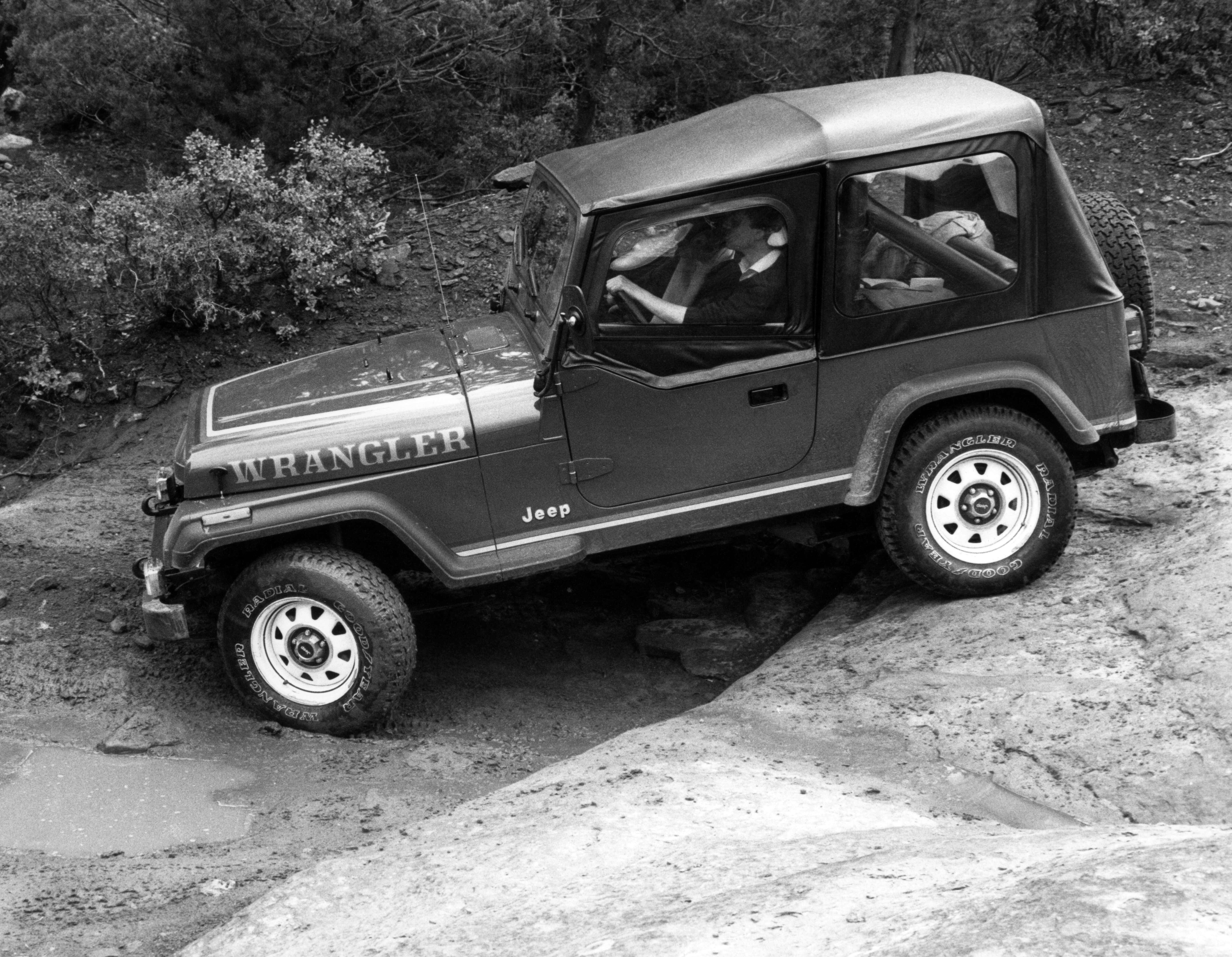
“What electric brings us is the chance to start moving things in a big way architecturally. One thing that will never change is the design being person-centric, the mechanics may shift because finally we’re able to move some of them around – such as creating a lower, shorter front overhang.
“Not having to do the cooling up front, we can move the wheels forward into a better position, and I like the idea of the torque being applied to the wheels in a different manner. It’s the beginning of being able to change some big nuggets around, which we couldn’t do before, to make a much more efficient package of vehicle.
“Battery packs too are something we’ve not worked with before and they are getting more and more efficient in terms of size, we might be able in future to break them up into pieces. There are lots of exciting things we could do with different powertrains.”
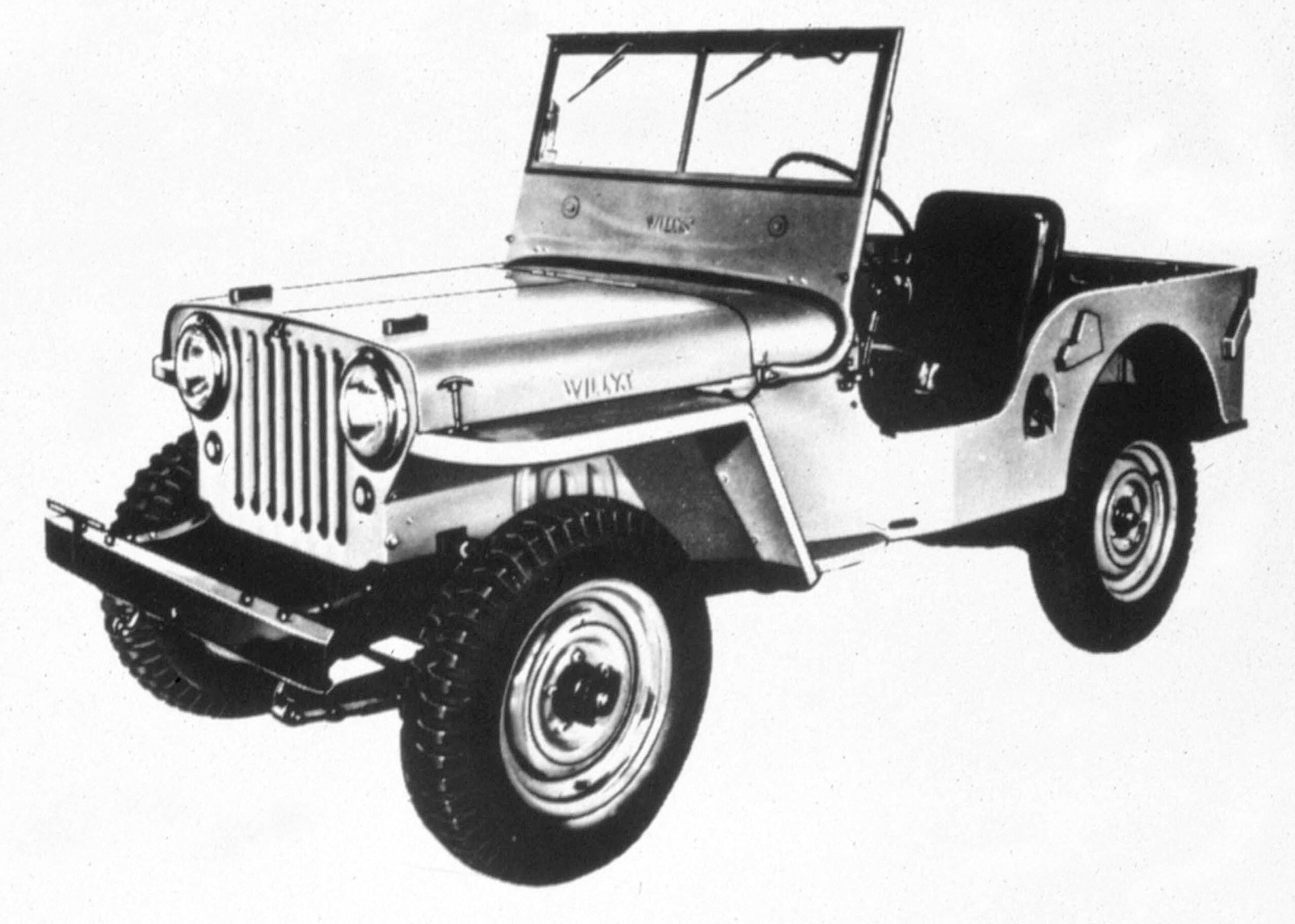
When asked if the Wrangler’s design will ever vary from its roots, the boss was vehemently opposed to taking the iconic styling in an entirely new direction.
“My vision is for the Wrangler to morph as we go forward but as for a total redesign and starting all over again? That’s not going to happen,” said Allen.
“It’s so important to me to have that language which has always been so familiar and connects us to the origins of Jeep in 1941, we’re not going to throw it out for a new theme. We tried square headlights once and people came for us with torches and pitchforks, and that was a small change and people were horrified. We learned our lesson. The Wrangler will adapt to modern powertrains but we will not re-theme it, not on my watch! It’s our 911 man!”
The idea of restomod vehicles is nothing new. It comes from hot rodders who take classic and vintage cars and equip them with modern drivetrains, chassis and suspensions to make them more practical, comfortable and improve their performance. In doing so they are prolonging the life of these classic vehicles and giving the owners something unique that they can enjoy on the road.
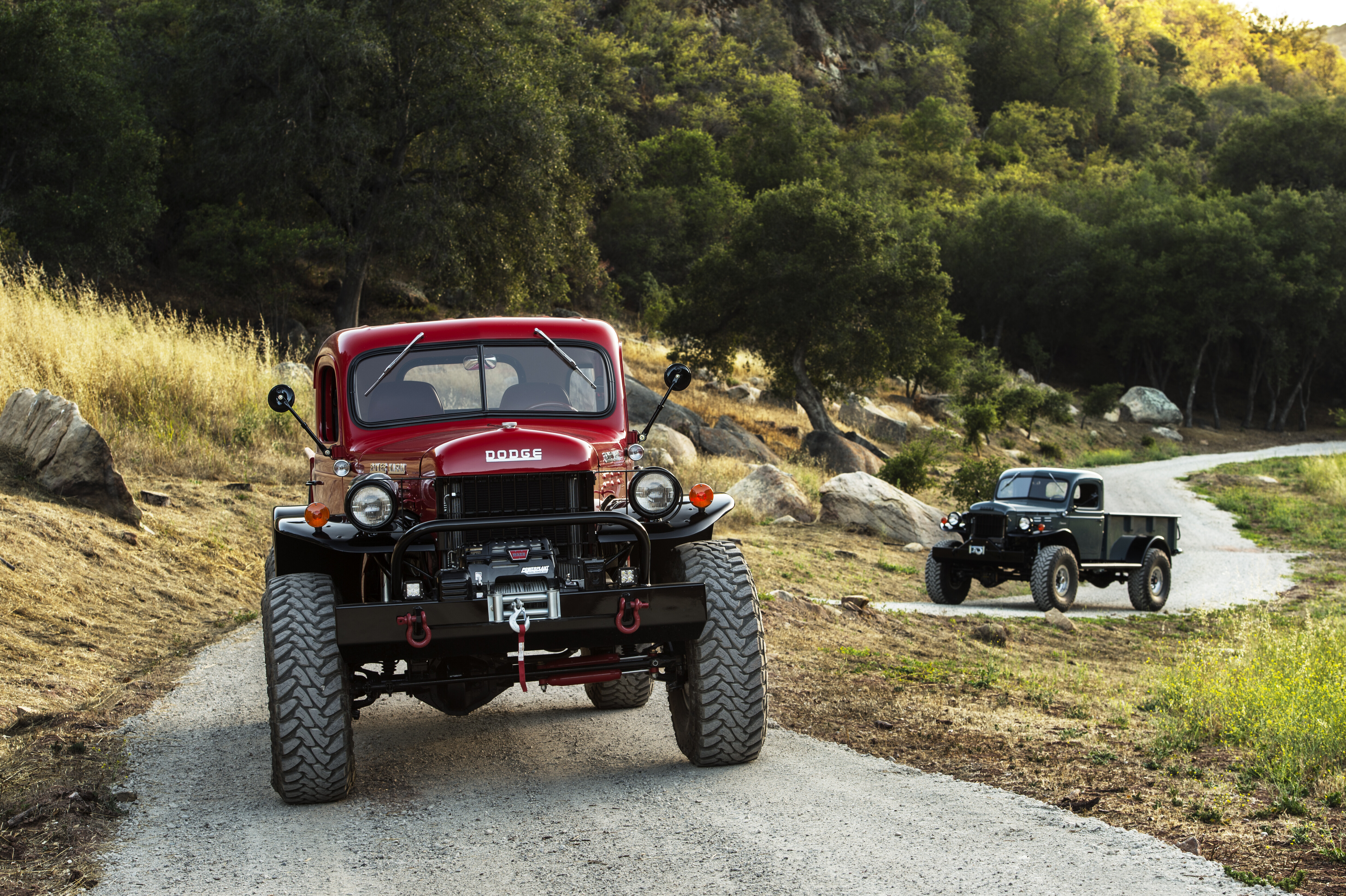
The concept has become popular with 4×4 vehicles, namely classic Toyota LandCruisers, Ford Broncos and older Jeeps that are given a new lease on life with rejuvenated underpinnings. Companies like ICON 4×4, Red Line Land Cruisers and The FJ Company are some of the best known, with their classic 4x4s selling for more than US$250,000 to discerning buyers looking for something cool to sit beside the Ferrari in the garage.One company doing something different to the relatively common restomodded LandCruisers and Broncos, is Wyoming’s Legacy Classic Trucks. Legacy restomods and restores all kinds of classic vehicles but specialises in trucks or, more specifically, pickups. There’s also a concept for a 4×4 ’32 Ford Roadster hot rod riding on beadlocked 40-inch tyres, but the company is probably best known for its Dodge Power Wagons.
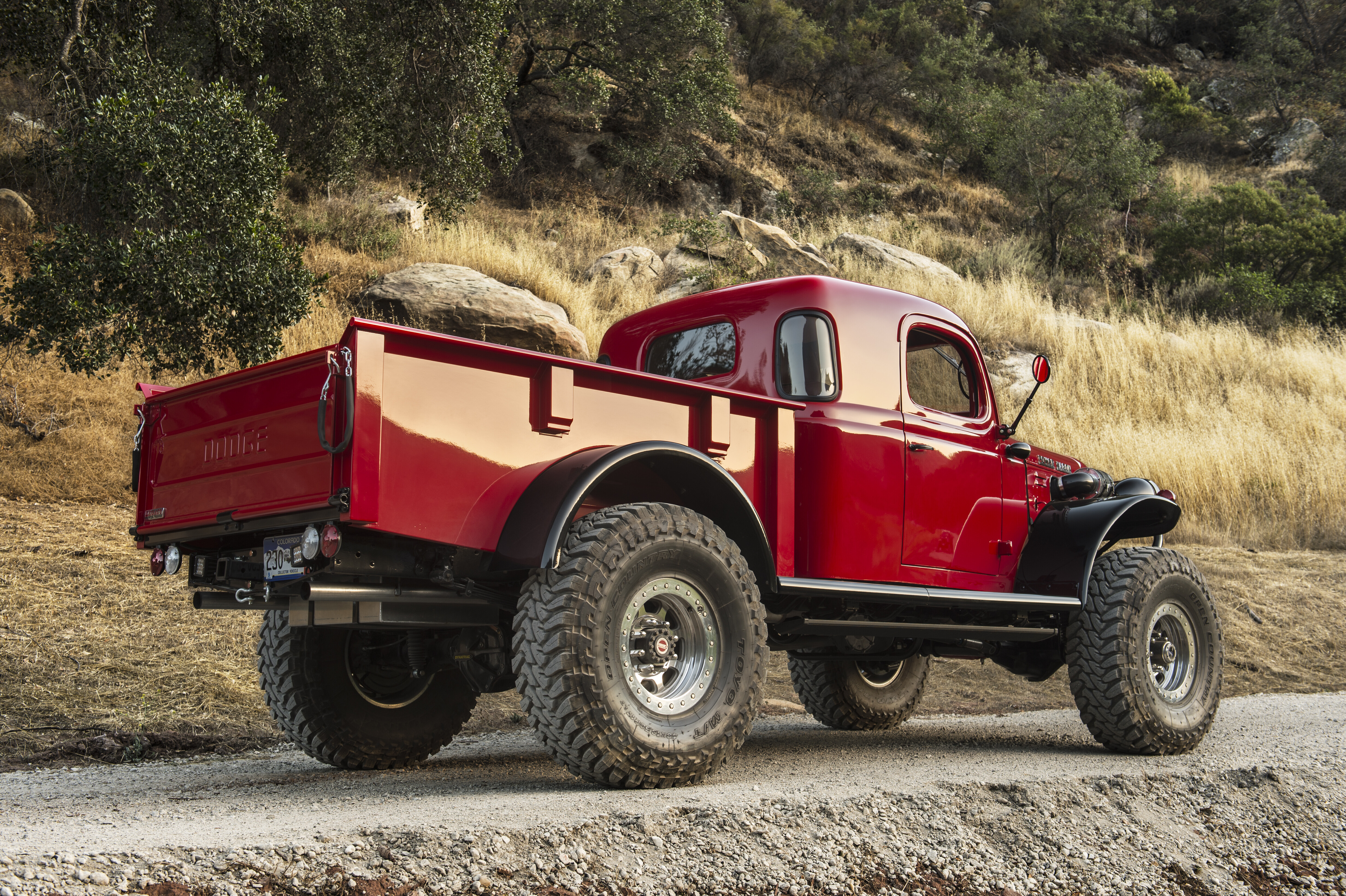
“The classic Power Wagons are just amazing trucks,” says Legacy Classic Trucks founder, Winslow Bent. “They are absolute smile magnets when other drivers see them out on the open road.”Bent knows a thing or two about classic trucks and spending time in 4x4s. His father had a manufacturing business back in Illinois and restored military vehicles in his spare time. Winslow learnt the trades of fabrication and engine building and, when he felt like going for a drive, he did the length of the Pan-American Highway, then came down south to complete a lap of Australia. So he doesn’t mind some time spent behind the wheel.
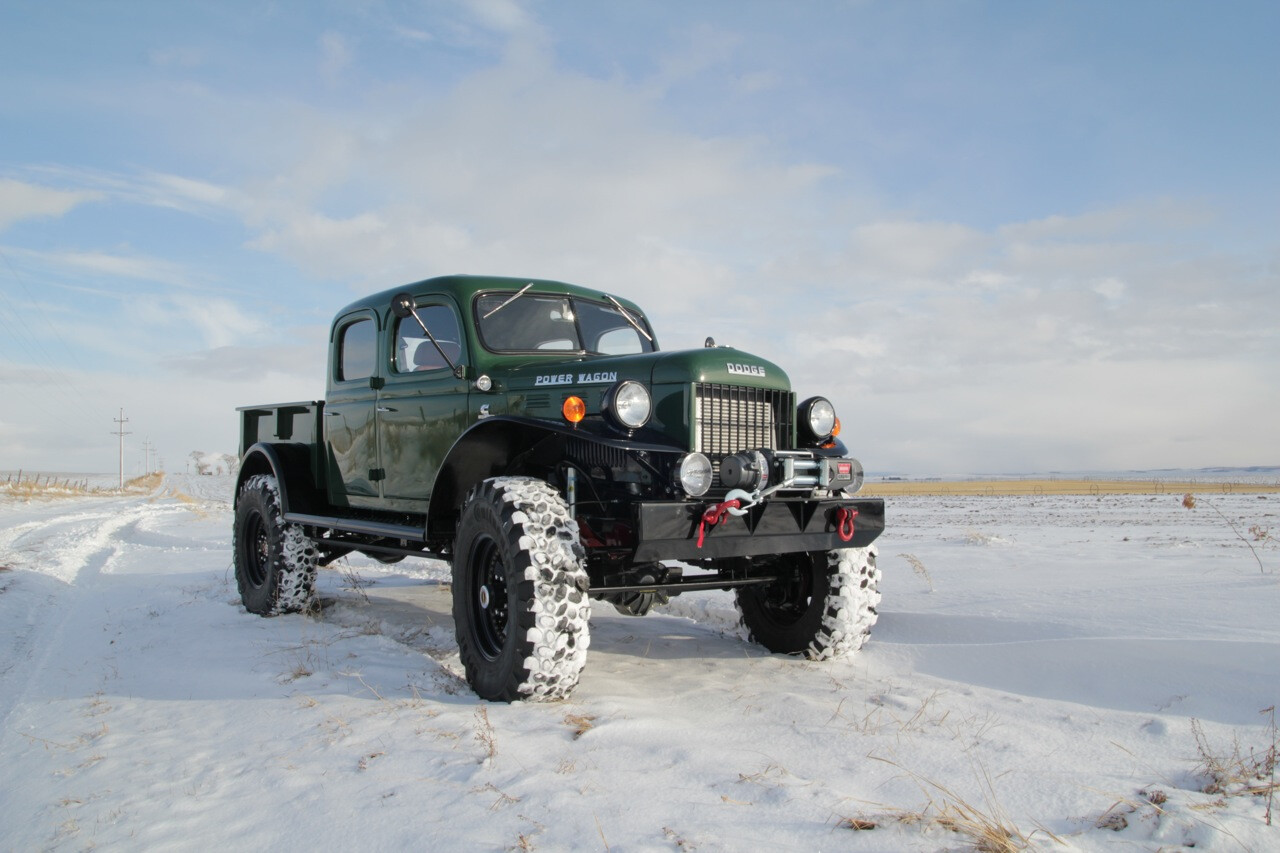
Legacy concentrates on the first and second generations of the Dodge Power Wagon that were available from the mid-1940s through to the mid ’50s. The Power Wagon was a workhorse, one-ton truck with four-wheel drive and dual-range transfer case. It was based on the brands’ military trucks of earlier years, with the Power Wagon name applying to the civilian versions and, including the third-generation, continued production in to the 1970s. It was brought back thr the Ram brand in the 2000s.As a simple truck, the Power Wagon was very versatile. Commonly used with a stake-side bed behind the cab, variants were also seen with service bodies for military radio vehicles, ambulances and even tow vehicles.
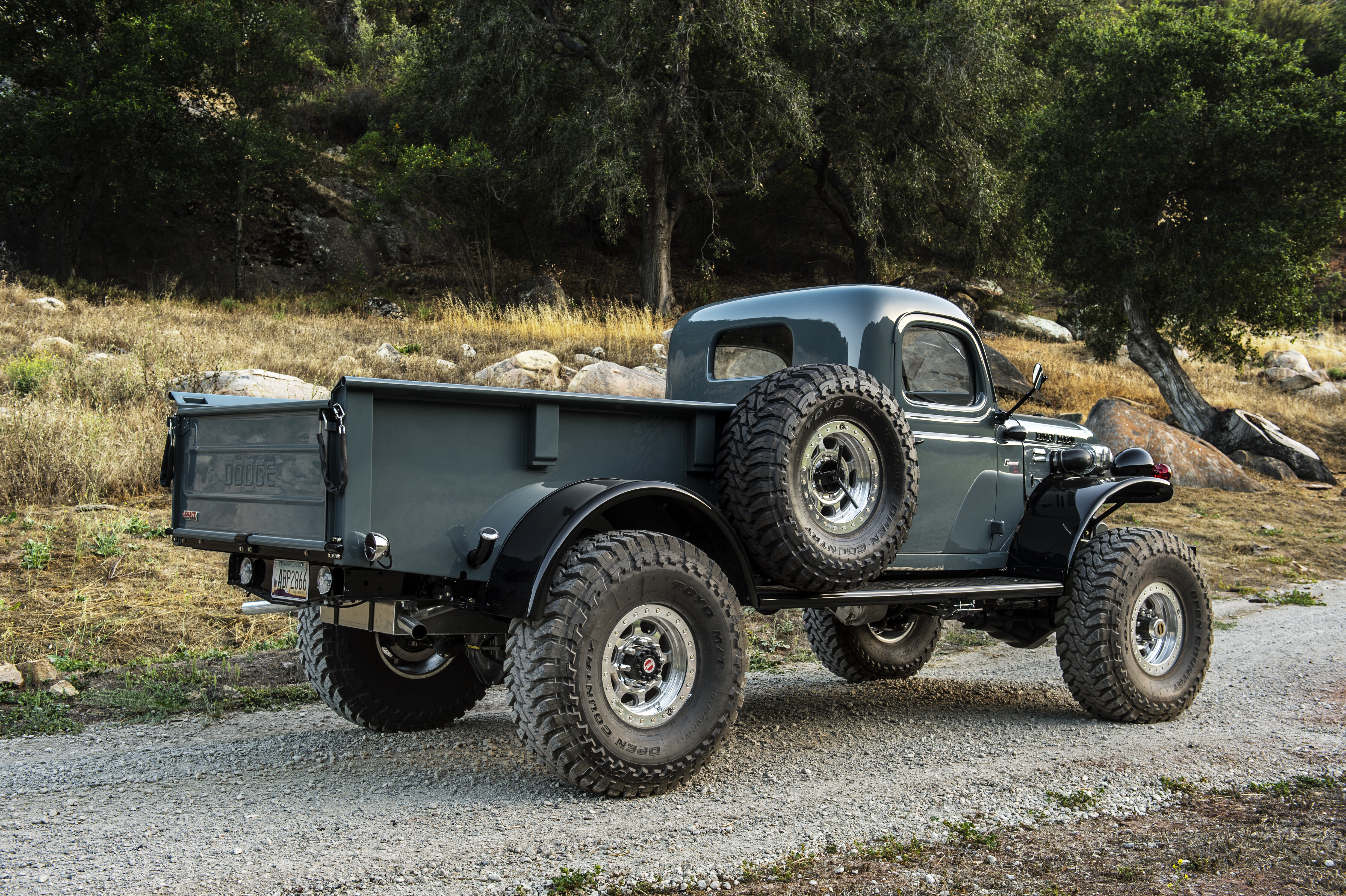
If you’ve checked out the photos here, you will have already noticed these Power Wagons are not all regular cab models, and this is just part of the rebuild process available from Legacy. They build the truck to customers’ desires including regular (single-cab), custom-made extended and double-cab bodies.Customers also have the choice of classic restorations or restomod conversions, which opens up a whole grab bag of options. Power choices can be in the form of the rebuilt original in-line six-cylinder side-valve engine, modern GM LS3 or supercharged LSA V8, Chrysler petrol V8 or Cummins diesel power from a twin-turbo Cummins 4BT eight-valve mill producing more than 800Nm of grunt.
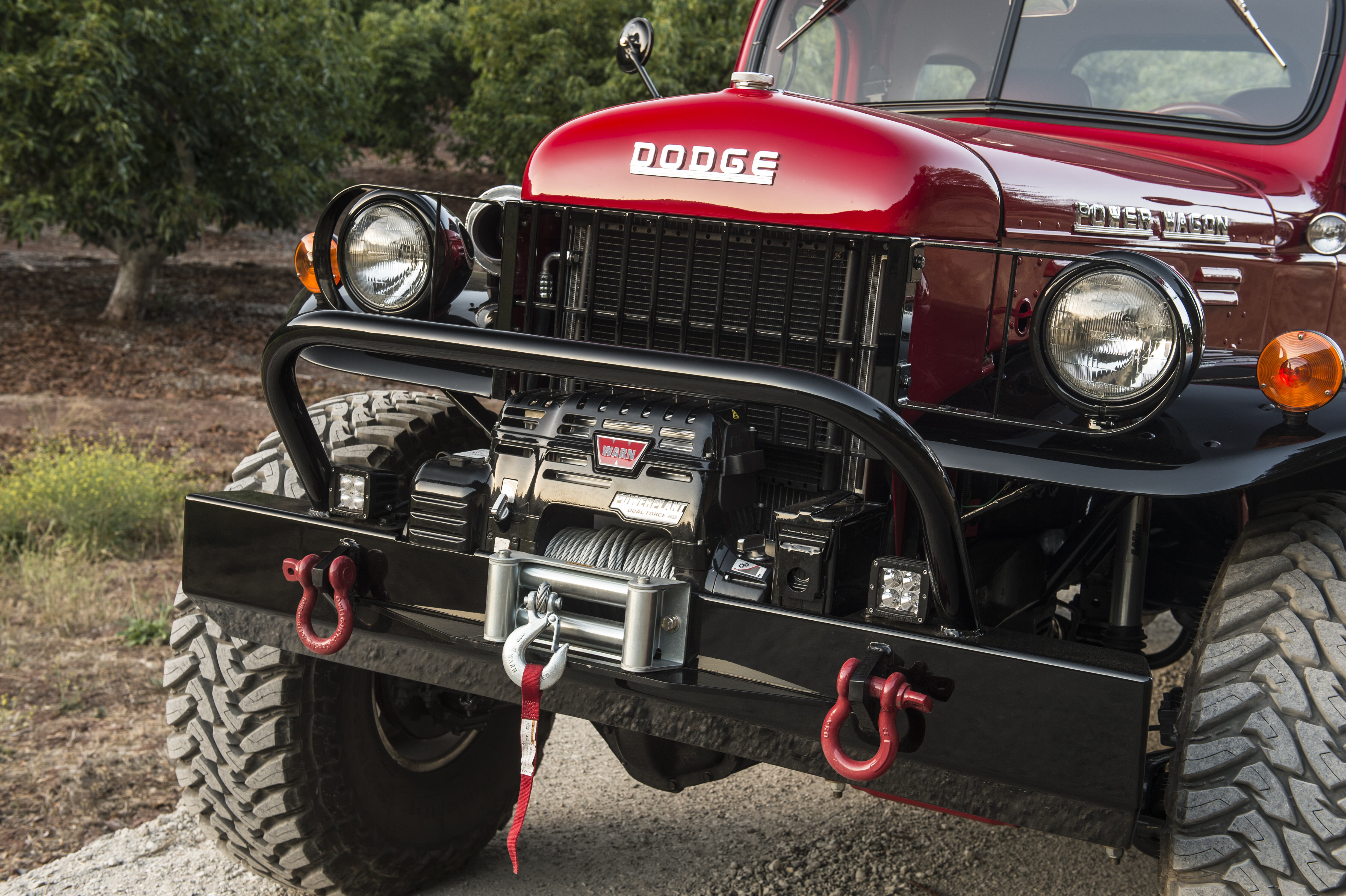
Manual or automatic transmissions are available, as is modern 4WD hardware including Atlas transfer cases and Dana 60 axles with ARB Air Locker differentials. Overall gear reduction can run as low as 100:1 for ultimate off-road climbing and low-speed control.Other modern off-road goodies include 37- or 40-inch Toyo tyres on a choice of bead-locked alloy wheels, and Warn electric or PTO winches. The suspension retains leaf springs, but they are aided by long-travel Bilstein shock absorbers.
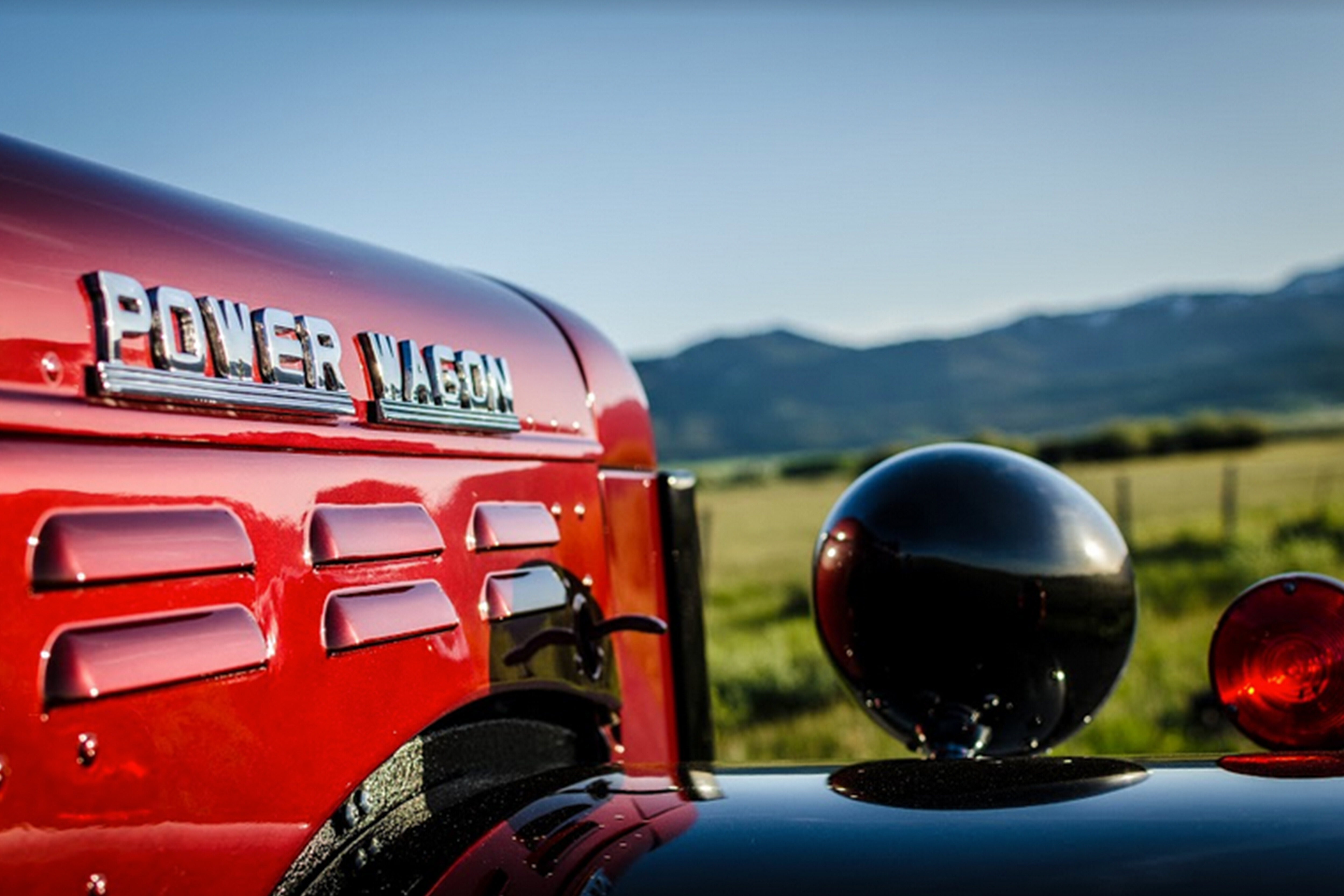
The restomod Power Wagon interiors can be equipped with modern comfort and convenience features including a contemporary HVAC system, bespoke leather seats, carpet floor mats, a retro-style wood steering wheel, vintage-style gauges, LED interior lighting, and a Bluetooth-enabled sound system and USB charging ports. Like the modern powertrains, the updated interior features make the Legacy Power Wagons more accommodating and liveable on the road.“The best part about a Legacy Power Wagon build is that drivers get all the good looks of a classic restoration without any of the hassles,” says Winslow Bent. “Drivers won’t have any trouble driving this truck out on the street, highway or off road. It can do anything!”
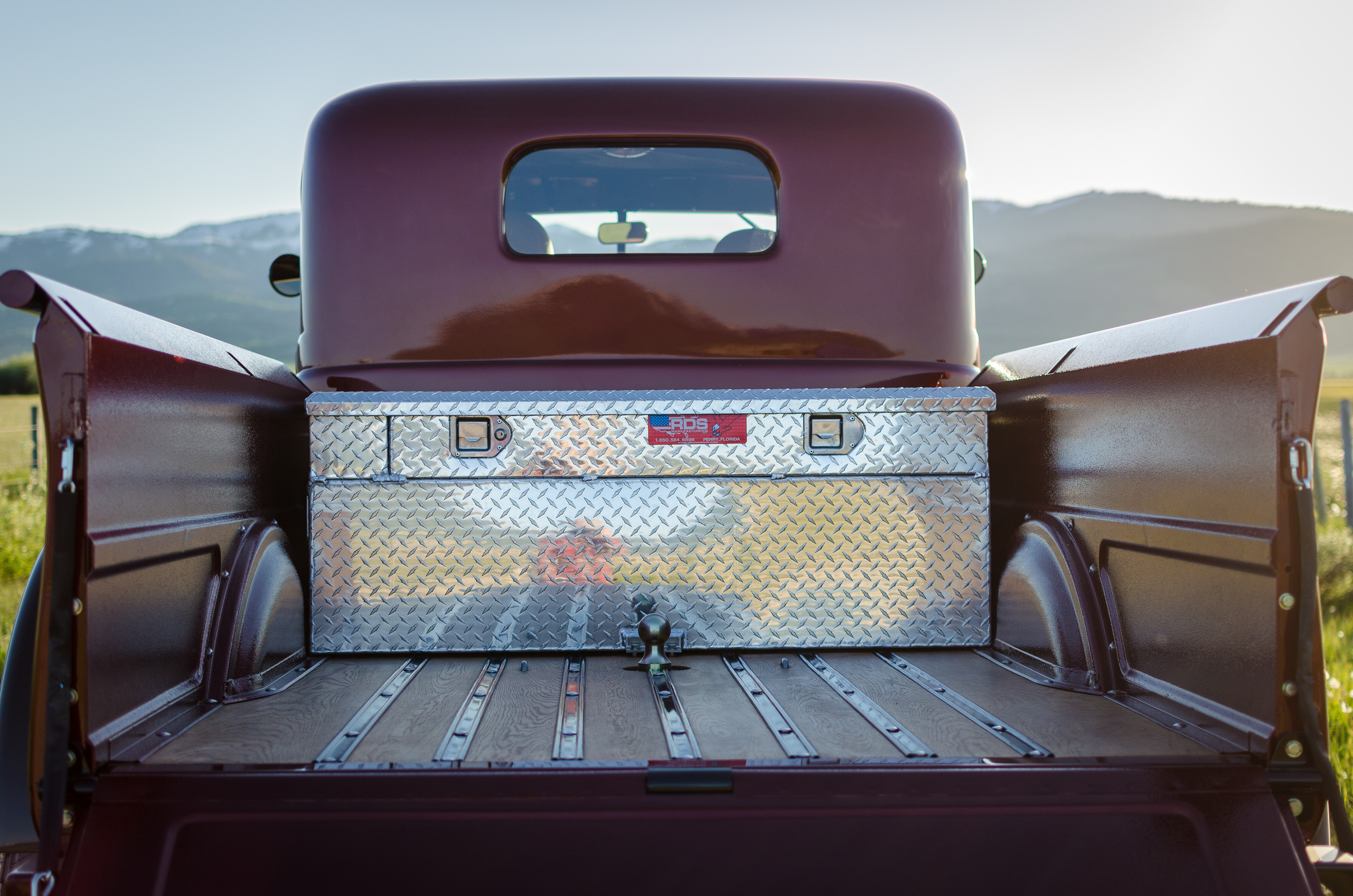
A Legacy Power Wagon might be able to do anything, but they are not for everyone. Prices start at US$200,000 and go up from there depending on the body style, powertrain and accessories. It wouldn’t be too hard to outlay half-a million Aussie dollars on one of these beauties, and for that money they might even build it in right-hand drive for you.Legacy also performs more traditional restorations on classic trucks, be it keeping a basic vehicle on the track right up to stunning collectables like the Power Wagon conversions. Another product of the business is a restomod Jeep CJ8 Scrambler that can be built on any CJ platform.
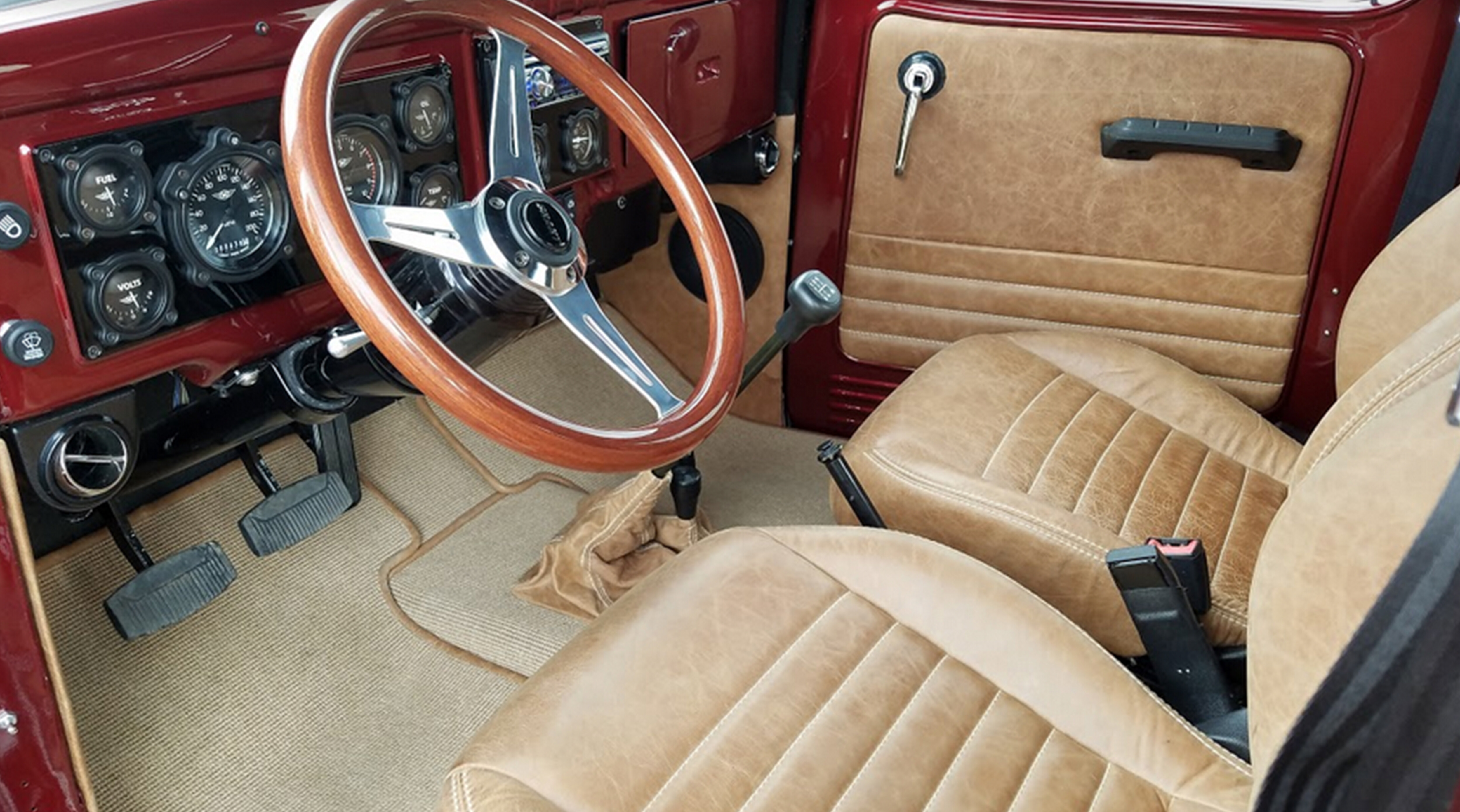
The Scrambler benefits from the same level of detail as seen on the Power Wagons but starts from a more affordable US$130,000. We’ll take one of each, and one of those roadsters while we’re at it!
The first piece of kit when preparing any showroom-stock car to something that is all-roads capable, is swapping out the showroom rubber for something more durable.
It’s not always about getting the biggest and chunkiest set of muddies you can fit, but your priority should be getting the right tyres for the use you have planned for the car.If you’re going to be leaving the black top, you want a tyre that is more durable than what car companies offer from new. Those highway tyres don’t like the torturous conditions found on Australia’s outback tracks – tracks strewn with rocks and roots and a million other little buggers just longing for a chance to tear a hole in the sidewalls or punch through the tread of your tyres.Whether you’re looking at all-terrain (A/T) or mud-terrain (M/T) tread pattern tyres, the simplest way to select tougher tyres is to choose one that has a Light Truck (LT) construction. LT tyres are made with more layers of tougher materials in the sidewalls and tread-face, to enable them to better stand up to the horrors of broken surfaces.
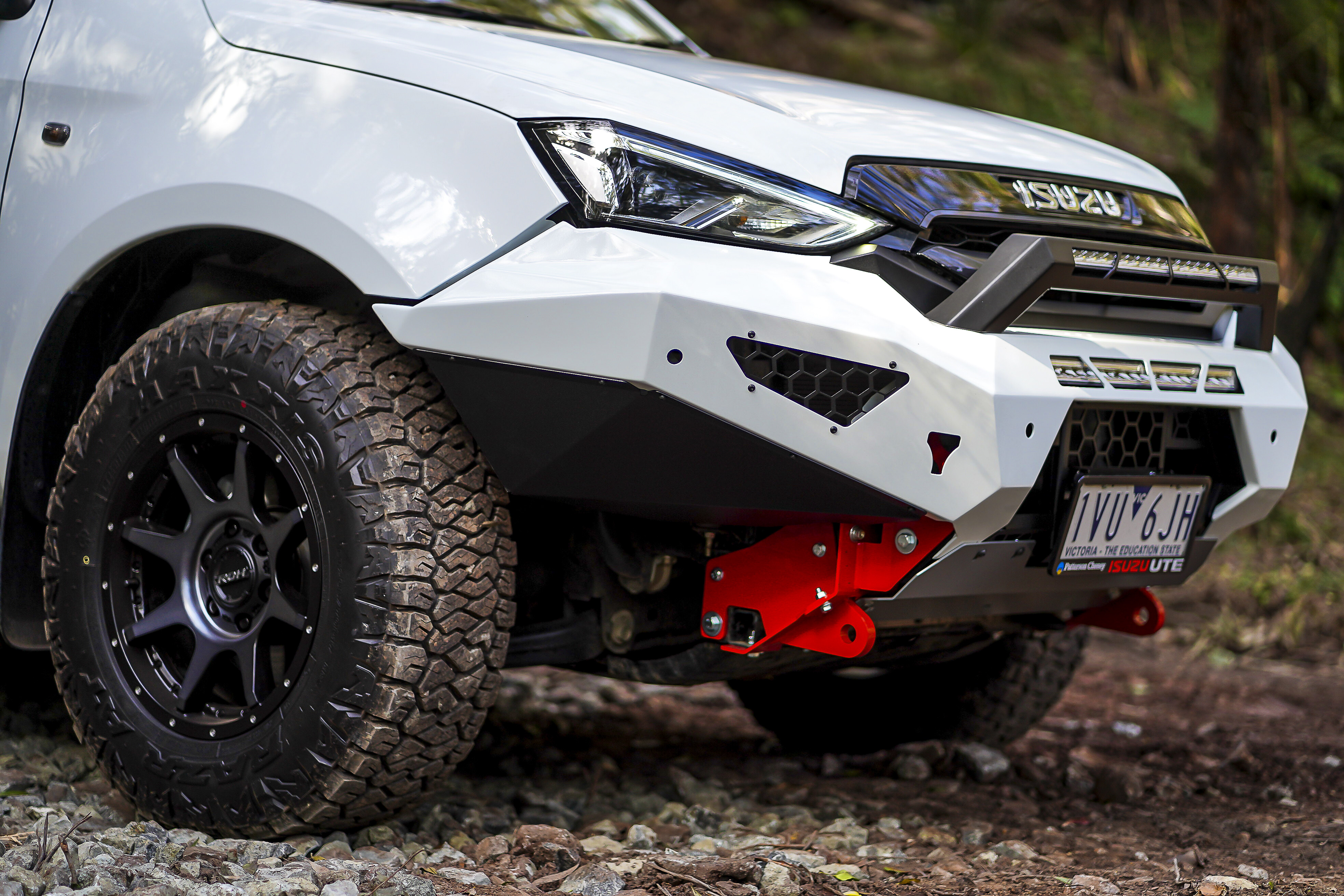
You can pick a light-truck tyre by the LT designation stamped in the sidewall next to the tyre size and ratings. This is opposed to the P designation of passenger-car tyres.On our MU-X, the side of the new Maxxis RAZR A/T tyres read LT265/70R-17. So not only have we stepped up to a light-truck construction, all-terrain tyre, we also stepped up a size to the slightly taller 70 aspect ratio 265 compared to the 256/65 highway tyres that come standard.
This keeps the tyre size nice and legal, while still allowing for a further ride-height increase with the Tough Dog suspension and giving us a more rugged-looking and importantly, durable tyre.We previously had a great run with the Maxxis RAZR AT811 tyres on the Musso ute we had a couple of years ago, so we were only too happy to try them again and put some more miles on them. The Maxxis RAZR MT772 muddies also served us well on both our previous D-MAX and Ranger builds.
We’ve found Maxxis RAZR tyres to be quiet on the road, have good wet-weather performance, and be durable and grippy on loose gravel, rocks and in mud. The AT811s are a great all-round tyre for any 4×4 vehicle that is going to spend time away from town.
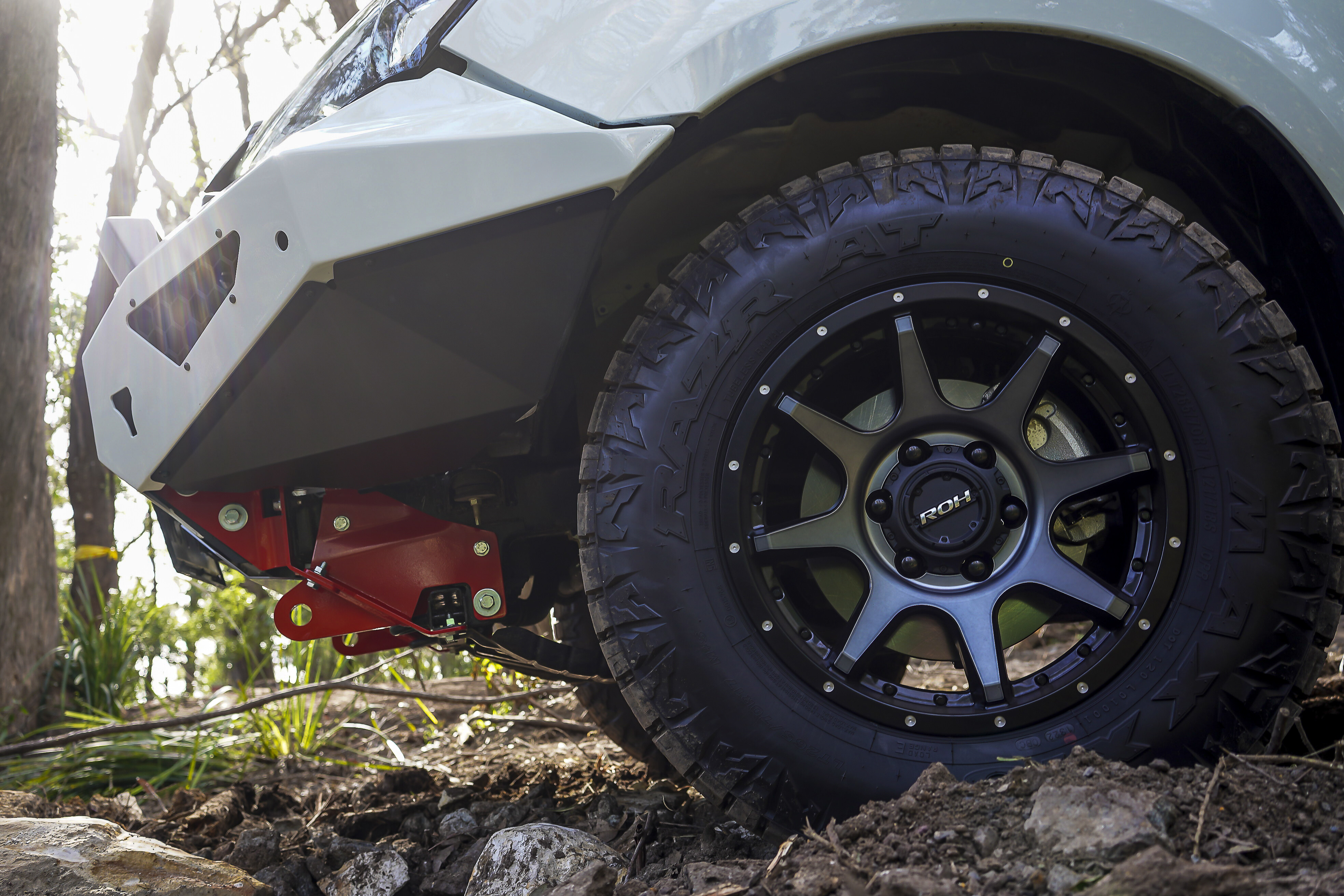
Wanting our MU-X to look better than the factory alloy wheels were ever going to be, we fitted our new Maxxis RAZRs to a set of ROH wheels. ROH has a great history of wheels in Australia and we chose the ROH ‘Trophy’ alloys in a 17×9-inch fitment.
We wanted wheels with a simple and open design so that they would be easy to clean; and the eight-spoke design of the Trophy wheels should make cleaning them simple. Making the job even easier, the Trophy features ROH’s Easycleans matte-black baked-enamel finish. This is said to provide superior salt-spray performance and anti-weathering durability, so they should be just as durable as our Maxxis RAZR rubber.
ROH’s range of off-road wheels are made for Australian conditions, which means carrying heavy vehicles over rough tracks – and the Trophy wheels are rated as such. The 17x9s we fitted are rated to 1100kg each, with some of the bigger sizes rated up to 1500kg.
This is something to keep in mind when selecting wheels for your 4×4, especially when you have gone for an uprated GVM and expect to be carrying heavy loads. Just like the weight of your car needs to be with its certified GVM, the wheels and tyres need to be rated to carry the load as well.
As we’ve done with most of our tyre fitments, we called on the team at Competition Tyres & More in Murrumbeena, Victoria, to fit, balance and bolt them on to the Isuzu. As always, they did a ripper job and our new rims and rubber not only look the part, but they roll smooth and quiet on the road.Now it’s time to put some miles on them on the highway and the gravel, to see how they perform.
FOR MORE INFORMATION www.maxxisrazr.com.au www.roh.com.au www.tyresandmore.com.au/stores/murrumbeena
The Toyota HiLux remains tough in the sales charts as it fended off the new-generation Ford Ranger for a second consecutive month to be Australia’s most popular vehicle.
Toyota registered 6214 Hilux sales for August, comfortably ahead of Ford’s ute rival with 4497 units.
Both utility vehicles grew sales significantly compared with August 2021. HiLux 4×2 and 4×4 sales were up 65 per cent and 30 per cent, respectively; Ranger 4×2 and 4×4 sales climbed 33 per cent and 12 per cent.
The results came in the best August for new-car sales since 2017, with the total market up 17 per cent on this month last year – to 95,256 units.

The Toyota HiLux is running away with the 2022 overall sales race, with its 44,626 year-to-date tally looking insurmountable with four months of the year left. In comparison, the Ranger has 27,225 sales to the end of August.
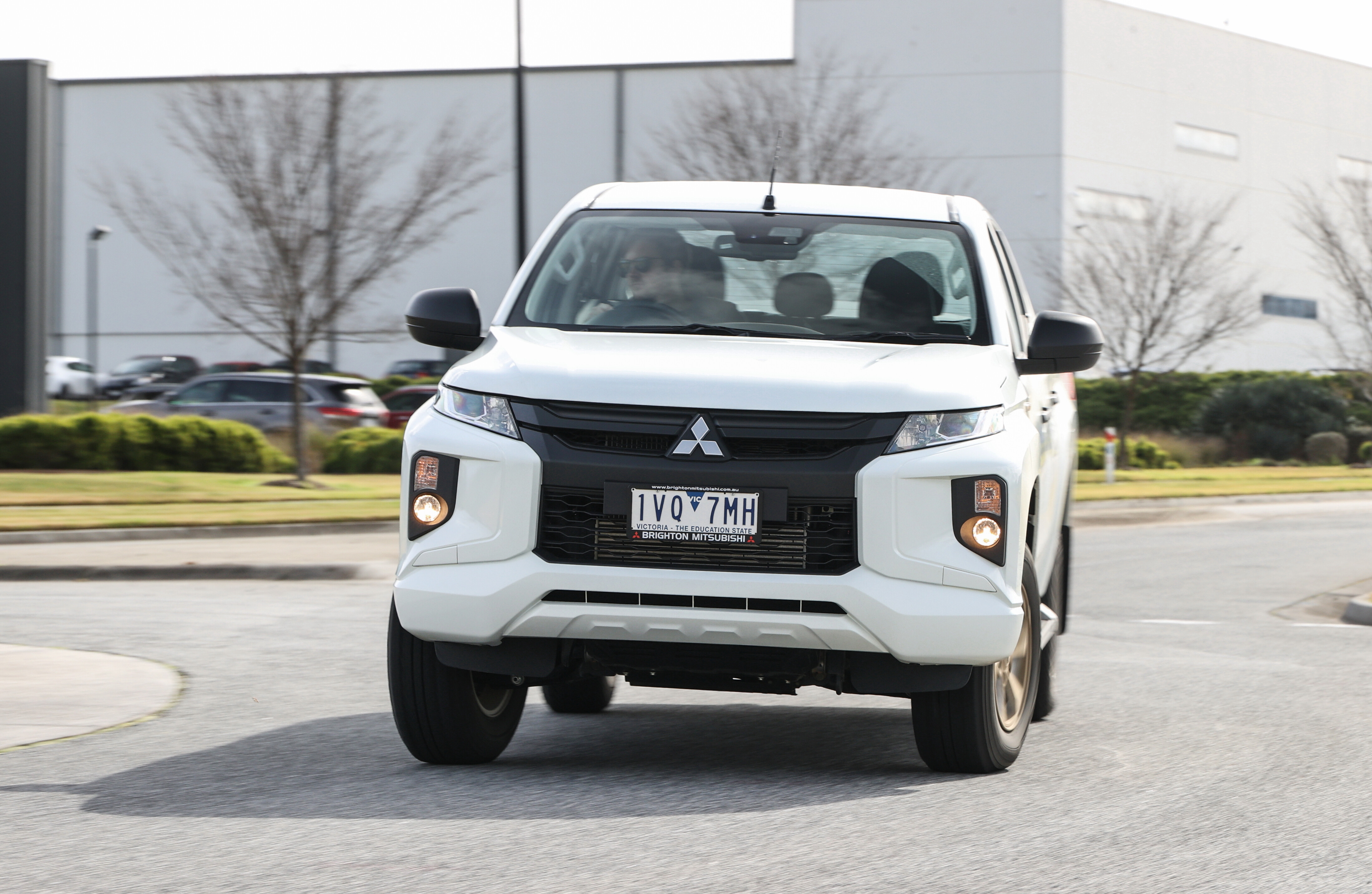
Mitsubishi’s Triton 4×4 had a bumper month, with 1757 sales representing a 182 per cent increase. Combined sales of 2087 placed the Triton eighth in the Top 10 sales chart.
The Isuzu D-Max also made it into 10th position with 1928 sales for August, helped by a 44 per cent increase in 4×4 variants.
There were positive results for the Ram 1500, which hit 499 registrations with a 44 per cent year-on-year increase, and the GWM Ute that increased sales on August 2021 by 58 per cent for 907 sales.
The Mazda BT-50 and Nissan Navara looked to be the victims of supply issues, with their 4×4 sales down 49 and 41 per cent, respectively, compared with this time last year.
Volkswagen has generally been suffering across its showroom with vehicle shortages, and its Amarok ute plummeted 70 per cent when comparing August 2022 and August 2021. VW’s ute is also in run-out phase, however, ahead of a new-generation model due in early 2023.
The 4×4 ute segment was up 15 per cent on August 2021, though down three per cent year to date. The 4×2 segment increased five per cent compared with last year’s result and is up 12 per cent year to date.
The Toyota HiLux and Ford Ranger continue to have a stranglehold on the 4×4 ute segment, accounting for 45 per cent of the market. HiLux completely dominates the 4×2 segment with half of sales.
Toyota will bolster its HiLux range towards the end of 2022 with an upgraded Rogue variant that will become the new flagship. A more powerful GR Sport variant is also coming, though not until the second half of 2023.
| August 2022: Top 10 New Car Sales | |
|---|---|
| 1. Toyota HiLux | 6214 |
| 2. Ford Ranger | 4497 |
| 3. Toyota RAV4 | 2482 |
| 4. Tesla Model 3 | 2380 |
| 5. Toyota Landcruiser | 2379 |
| 6. Mazda CX-5 | 2325 |
| 7. Toyota Corolla | 2115 |
| 8. Mitsubishi Triton | 2087 |
| 9. Hyundai i30 | 1975 |
| 10. Isuzu Ute D-Max | 1928 |
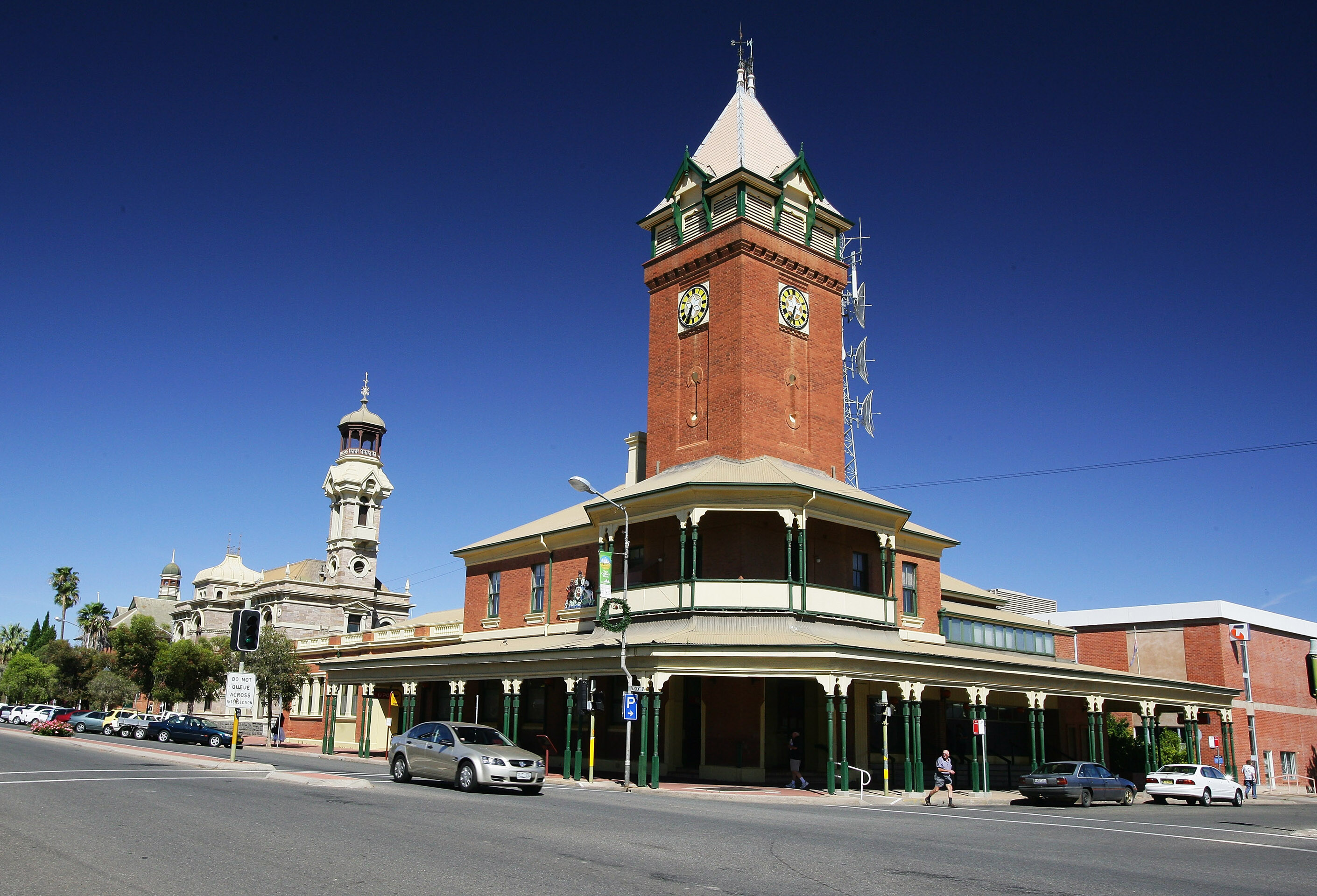
Broken Hill, some say it’s in the middle nowhere, where the real outback starts. Now, while I sort of agree with this, I reckon Broken Hill is in the middle of everywhere. There’s always plenty to do in the Hill, like exploring the historical mines, visiting the many galleries, exploring amazing Silverton, and of course seeing the Sunset Sculptures in the desert. Our recent visit was to check off all of these things, do a decent shop and head farther north.
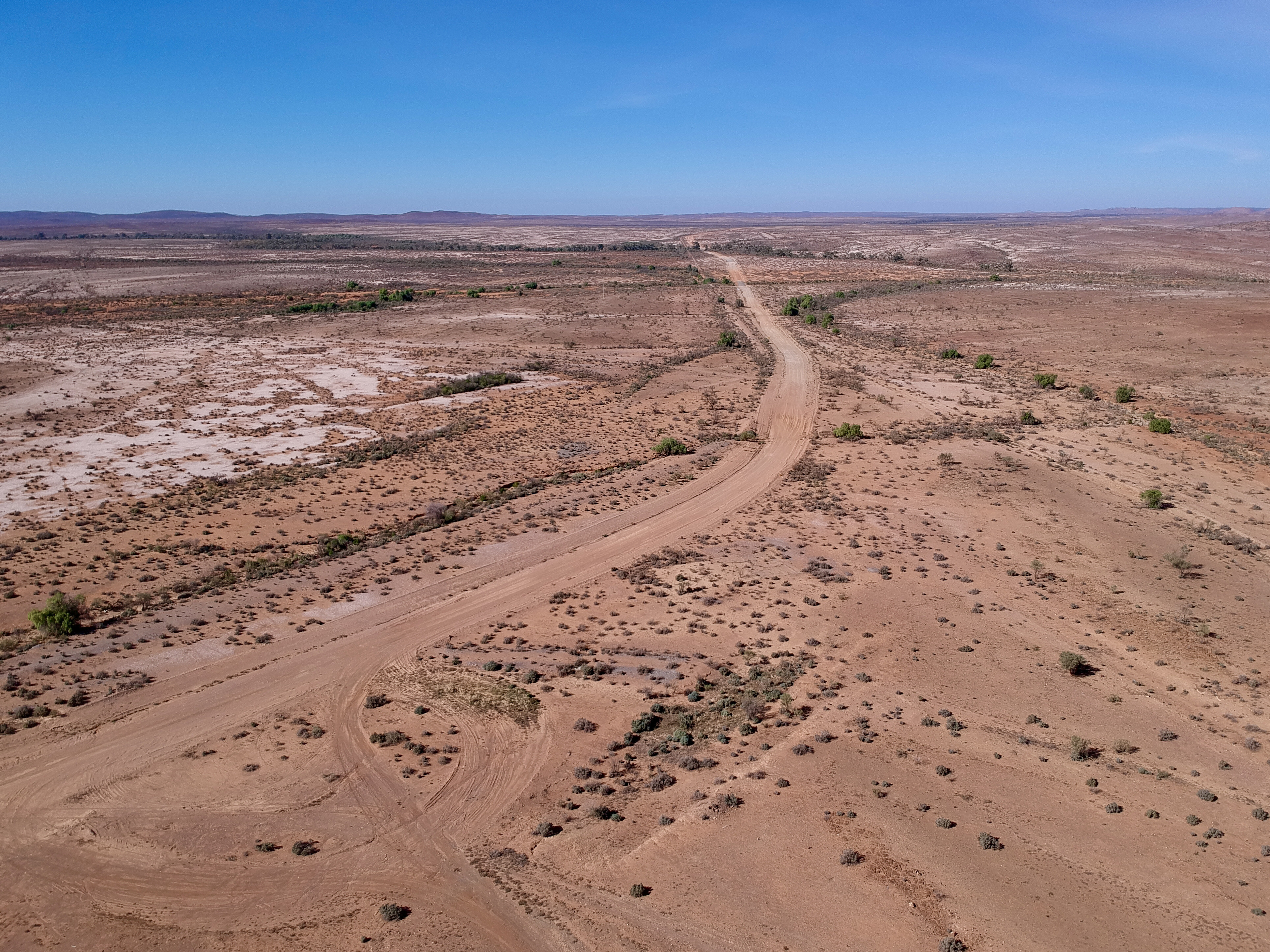
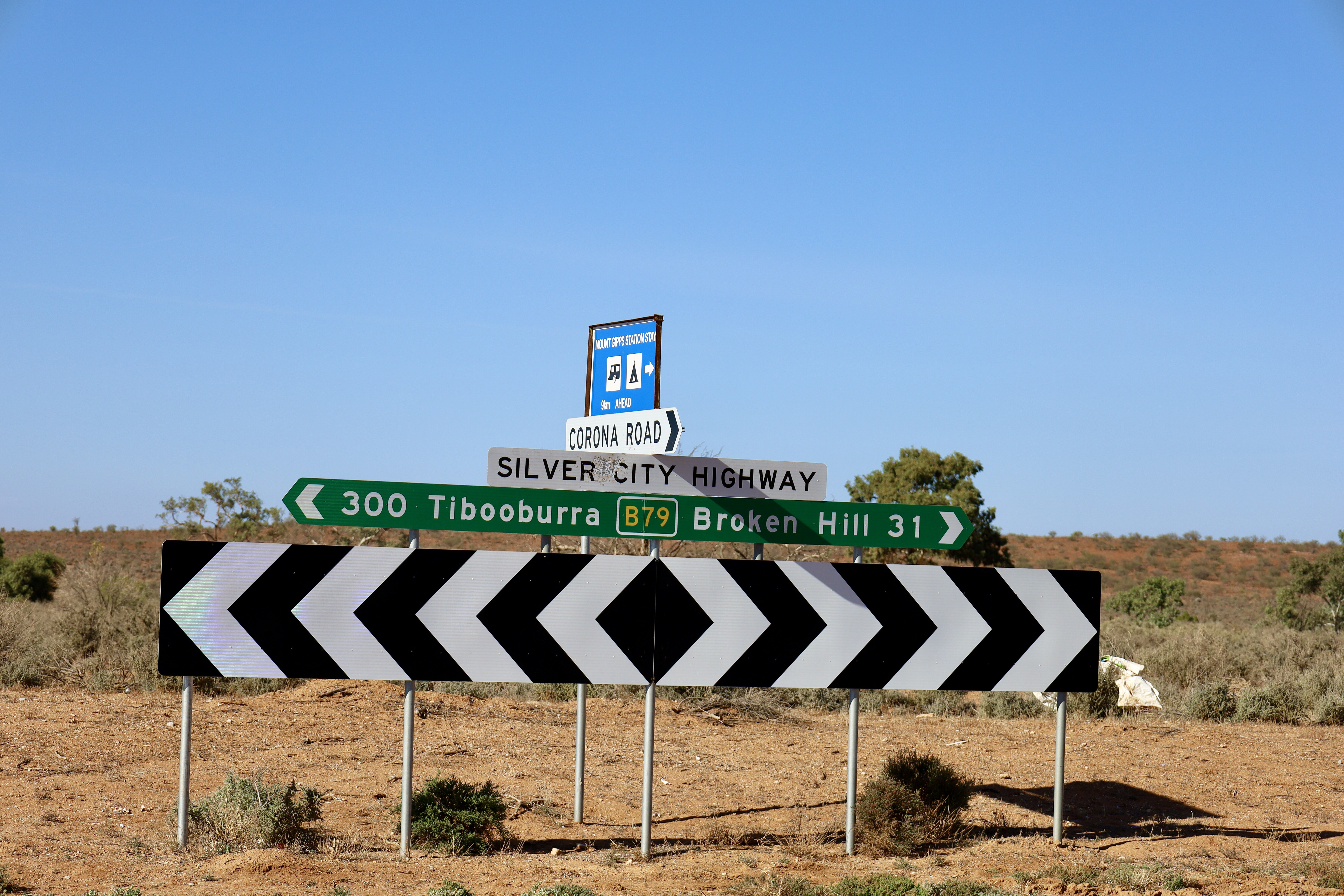
With the recent sealing of the Silver City Highway all the way north to Tibooburra, we really didn’t want to ride the bitumen for the four-hour trip. This gave us the chance to explore roads west of the stunning Barrier Ranges, across to the South Australian border along the world famous Dog Fence.Heading 30km north from the Hill towards Tibooburra we found the turn-off for Corona Road (a timely reminder of the current health crisis), and straight away we were in our element as the road went straight to dirt plus it was marked as ‘4WD only’ due to possible flooding.
Fading history
The country out here is pretty bloody amazing – endless plains and stunning views for as far as the eye can see. After spending time dropping tyre pressures we pottered along Corona Road with the sun in our eyes, passing through the Robe Range and the southern end of the always stunning Barrier Ranges.It wasn’t long until we noticed what seemed to be an old railway line that was following the road and marked on the maps we were using. Soon after, we stumbled across what seemed to be massive quarrying in the hills and ruins that seemed to be scattered across several miles.
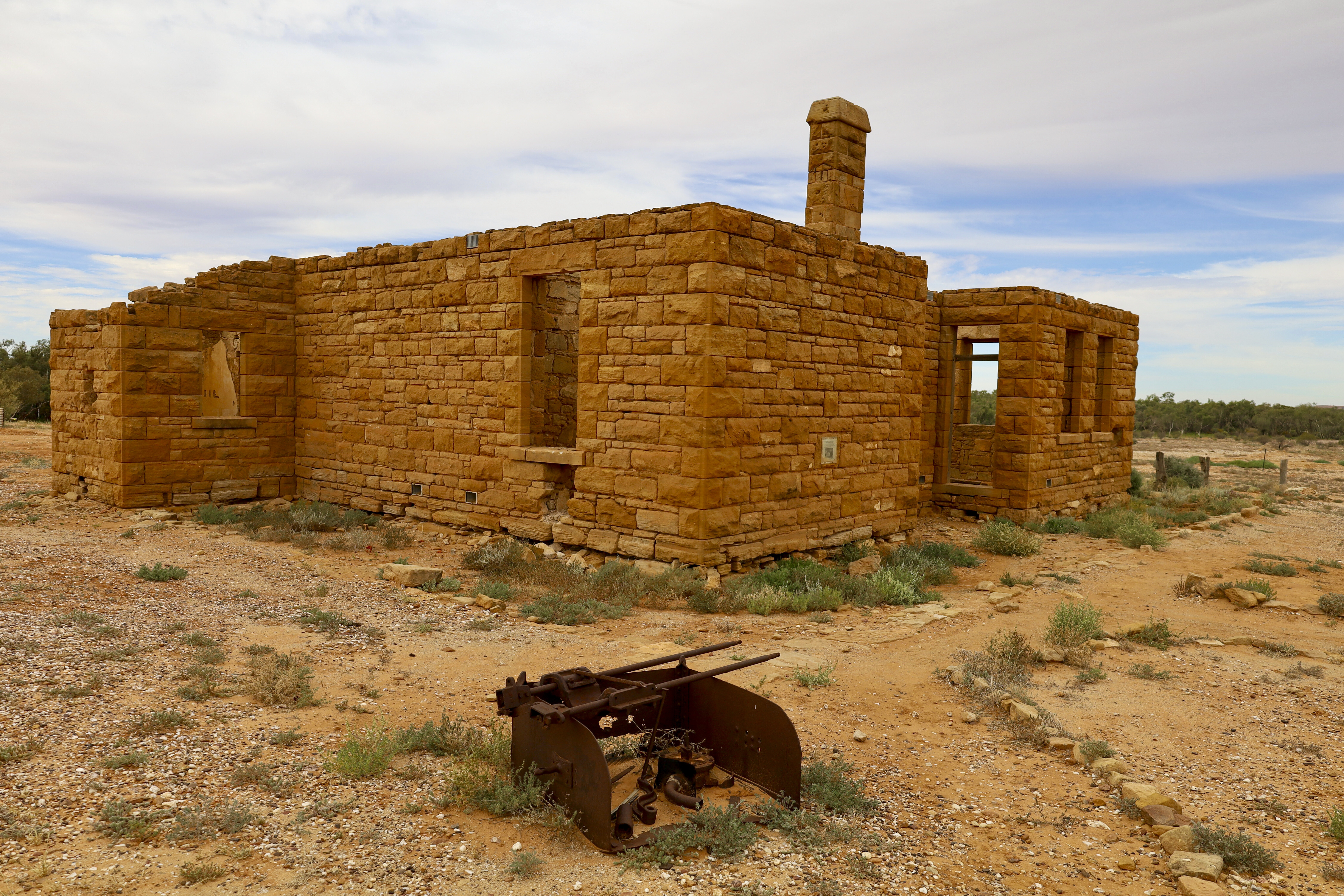
Poking around the ruins it was soon obvious that this was a pretty major operation. In fact, this was part of the Tarrawingee Tramway that ran from here south to Broken Hill via Stephens Creek, carting high-grade limestone suitable for use as flux in steel-making smelters. This three-feet six-inch narrow-gauge line separated into different areas at the head, but towards the four different quarries are several sidings, platforms, yards and an overhead loader where the line was reduced to two-feet.Spend time here and there’s a huge amount of relics to be seen, from building foundations, old wells, rail structures and implements; we even walked the raised sidings, spotting more relics spread across the land. The main quarry must be a hundred feet deep and half-a-mile long, with bins left behind. The views from the top of the quarry are nothing short of fantastic, looking down on the old town and to the Barrier Ranges in the east.
The Tarrawingee Tramway was constructed in 1891 and closed soon after in 1898 due to the loss of flux traffic, but it reopened following public outcry and ran for a further 30 years. Moving 25,000 tons of solid aggregate to Broken Hill, the tramways were dismantled in 1959.After leaving Tarrawingee, Corona Rd heads north through private stations where access is open to the general public – but gates need to be left as you found them, and stay on the main road.
Following Sturt
There are a few stations along the way that allow camping in designated areas such as Mount Gipps and Pine View, with pretty basic options. Our camp at Pine View was on an out-station where there were no facilities, which was fine. Interestingly, here at Pine View and indeed along the route we were taking, it was the same as the one taken by one of Australia’s greatest explorers, Charles Sturt. While on his way north to Tibooburra in 1845, he camped nearby at a drying waterhole.Being in the southern end of the Strzelecki Desert, it’s around the Pine View area where the road starts to get a sandy base, with more and more sand dunes appearing as you drive along. Pine View is very welcoming as soon as you pass through the station gate, with a scaled version of the homestead’s façade alongside an info board – plus there’s a bush book exchange inside an old beer fridge.
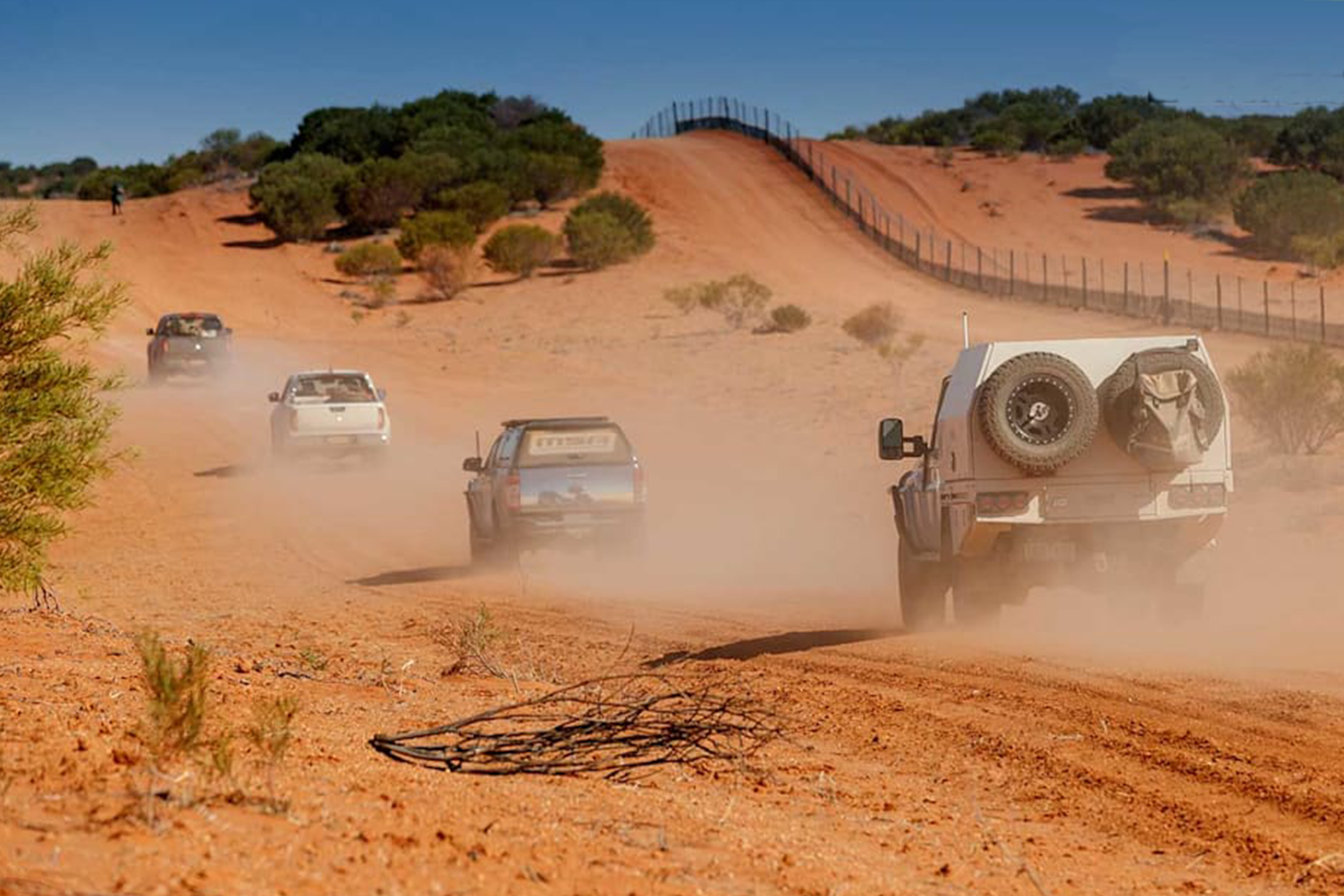
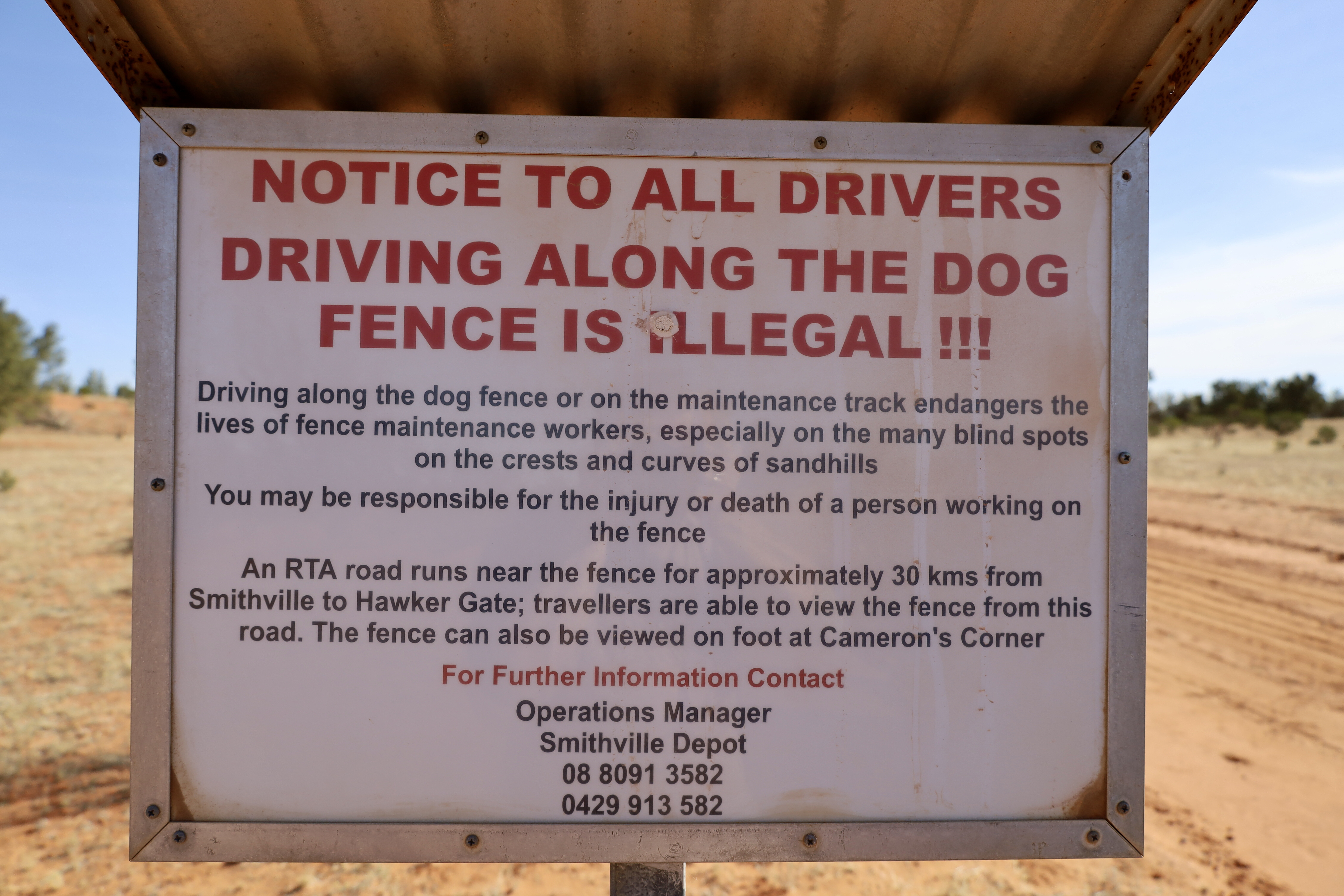
Border Downs is the next station we entered and it seemed like it was gate number 200 that we opened and closed for the trip. It was here we noticed the track was getting ever so closer to the iconic Dog Fence and the SA border. After crossing the dry Kuthajerri Plain, our track ran parallel to the fence just 50 metres away. Between us and the fence is the fence service road which is illegal to drive on, but we were pretty rapt to run parallel with the fence for nearly 50km – this is the only place on the fence’s entire 5300km length where this can be done. There’s no direct access to SA along the fence and huge fines apply if you drive along the service road or through Smithville outpost and Hawker Gate.Our trip swung to the east over the blistering white quartz-covered hills towards Milparinka, with a quick diversion to Depot Glen and Preservation Creek. Floods had swept through this area a month earlier, and we were among the first to gain access to the grave and memorial of James Poole. He was buried under a gnarly grevillea back in 1845 after dying of scurvy waiting for Sturt to return from his search for the inland sea.
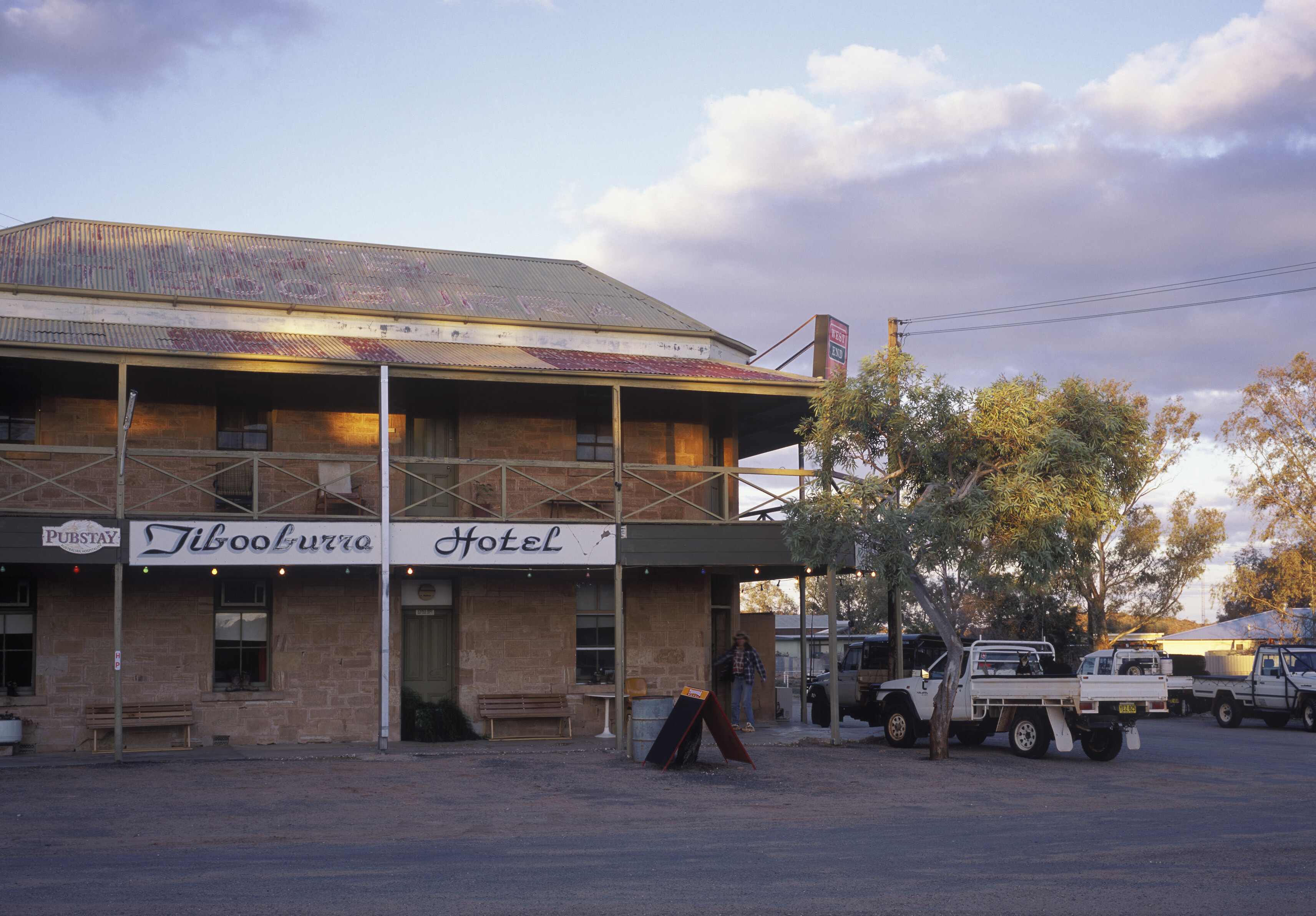
Not far away, the beautiful town of Milparinka was our next call. We walked around here in amazement at the restored sandstone buildings, ruins and the newly built history museum which gives you a glimpse in to the past and just how tough – yet, at times, how beautiful – this area once was.It’s easy to lose a few hours here, but our final destination was still a couple of hours away. The plan was to stay away from the tar, but with several roads closed nearby we had no option but to hit the bitumen and head through Tibooburra. Not a bad thing by the way, as it’s a port of call to get fuel and to top up on a few groceries. Tibooburra is a place built in and around the 450-million-year-old granite tors, which Aboriginal peoples call ‘heap of rocks’, and anybody who has been here can certainly agree to this.
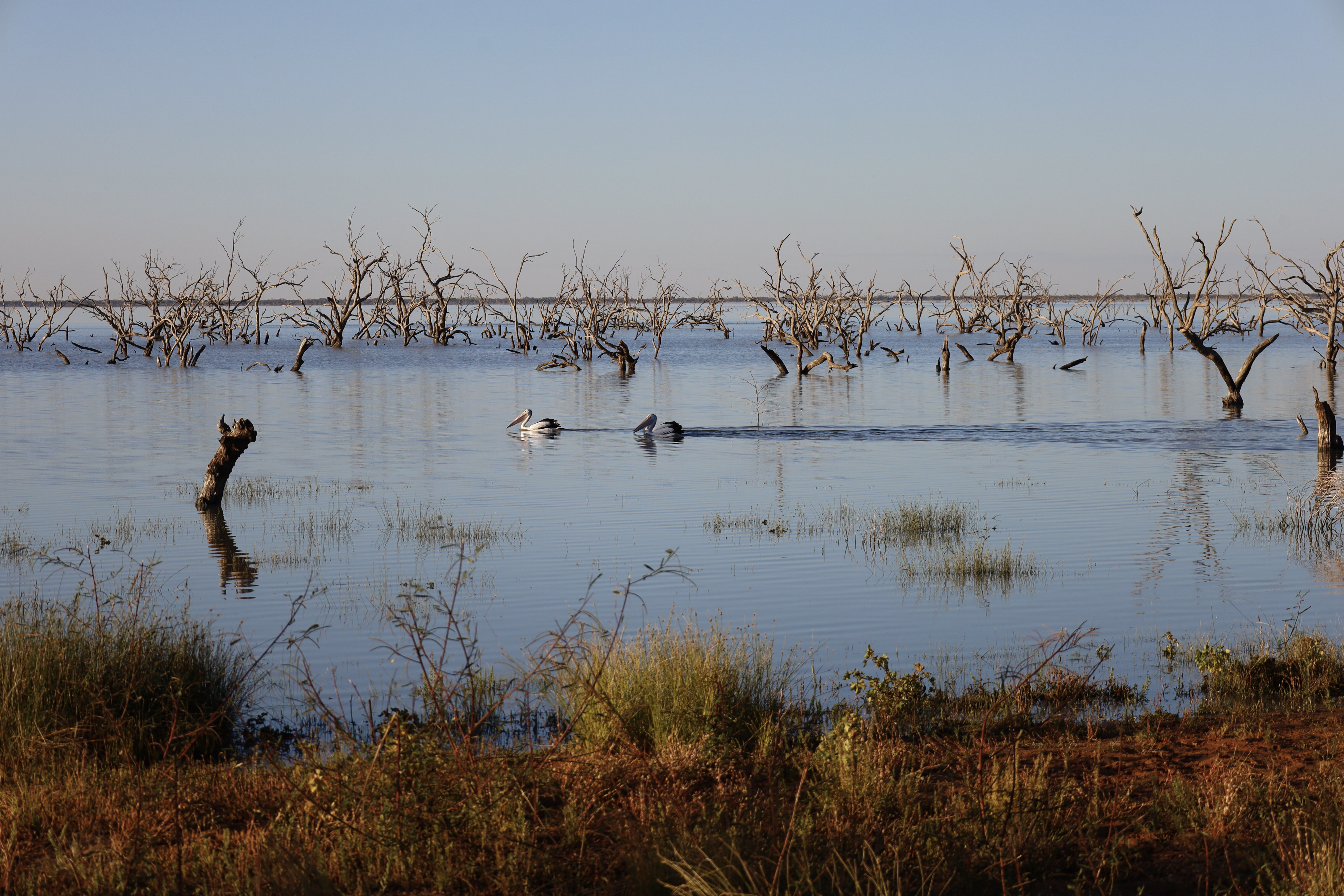
Heading west from Tibooburra, we were soon traversing treeless plains which looked dire. So just imagine the poor explorers who, with wagons, camels and stock, may have only travelled up to 40km per day through here. It must have been bloody tough.Passing through Sturt NP on its sandy and often corrugated roads, we wanted to check out Lake Pinaroo (Fort Grey Basin). I’ve been here a few times when these wetlands were full of water and alive with wildlife. I was also here a few years ago when it was totally dry, which gave us a chance to walk through to see the tree that Sturt had marked on his journey and check out the relics left behind when they sunk a bore looking for water.
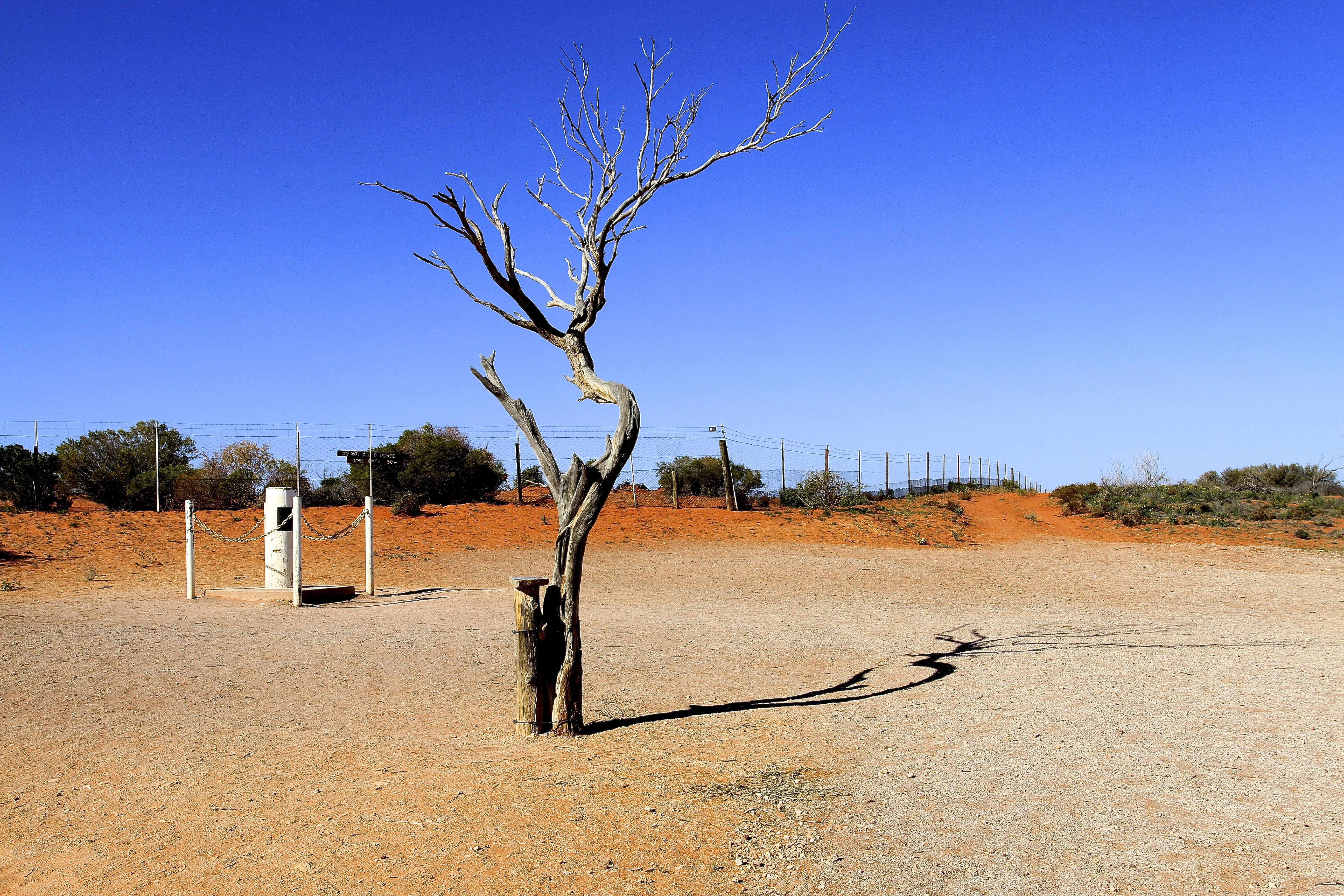
With the massive deluges this area received a few months ago, it was great to see the wetlands full of life. When full, Lake Pinaroo takes around six years to dry out and has the largest basin within the NSW part of the Simpson-Strzelecki desert system.It’s about a three-hour drive from Tibooburra to the north-west corner of NSW, to the aptly named Cameron Corner, where surveyor John Cameron spent several years – around 1880 – marking the borders between SA, NSW and Queensland. In his early days he sunk a post to mark the SA border, creating the tri-corner with NSW and Queensland – although correct at the time, with modern GPS technology it was found the corner was actually a few metres out. Today, a concrete pole marks the true spot.
Corner store
In true tradition we always stop at the Cameron Corner Store (in Qld) to enjoy a tasty pie or a coldie and to escape the hordes of flies that have bred during the past summer. We then continued west in to SA and towards the Strzelecki Track along the Merty Merty track, to camp some 95km away.While this is ‘just another dirt road’ it’s actually the start of ‘jump up’ country where there are more than a hundred dunes (or jump ups) to go over. Some of these are only slight rises, while others have either a sharp incline, decline and some with both. Chatting to the local copper, he said most accidents out here occur by foreign tourists who drift across to the other side of the ‘jump up’.
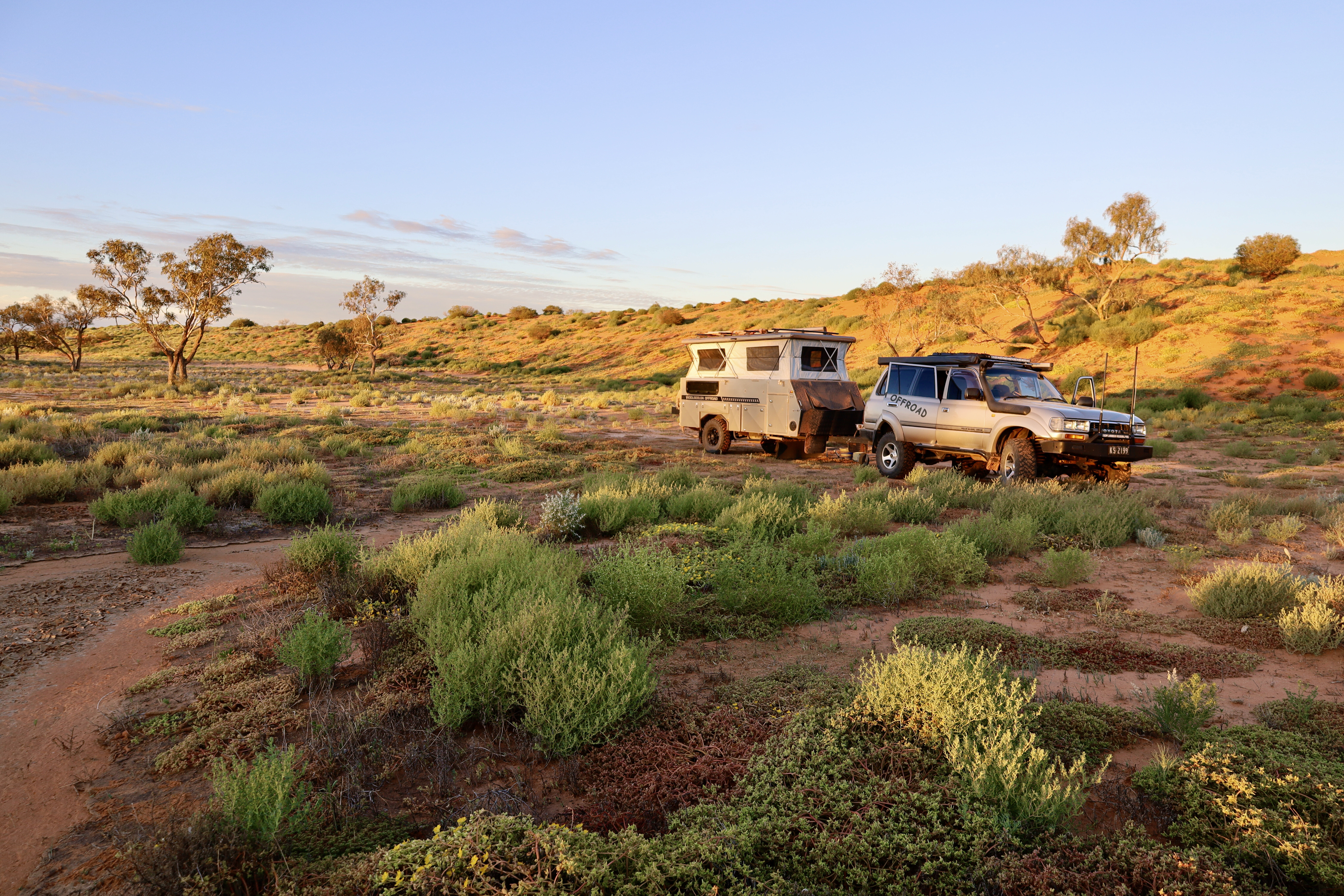
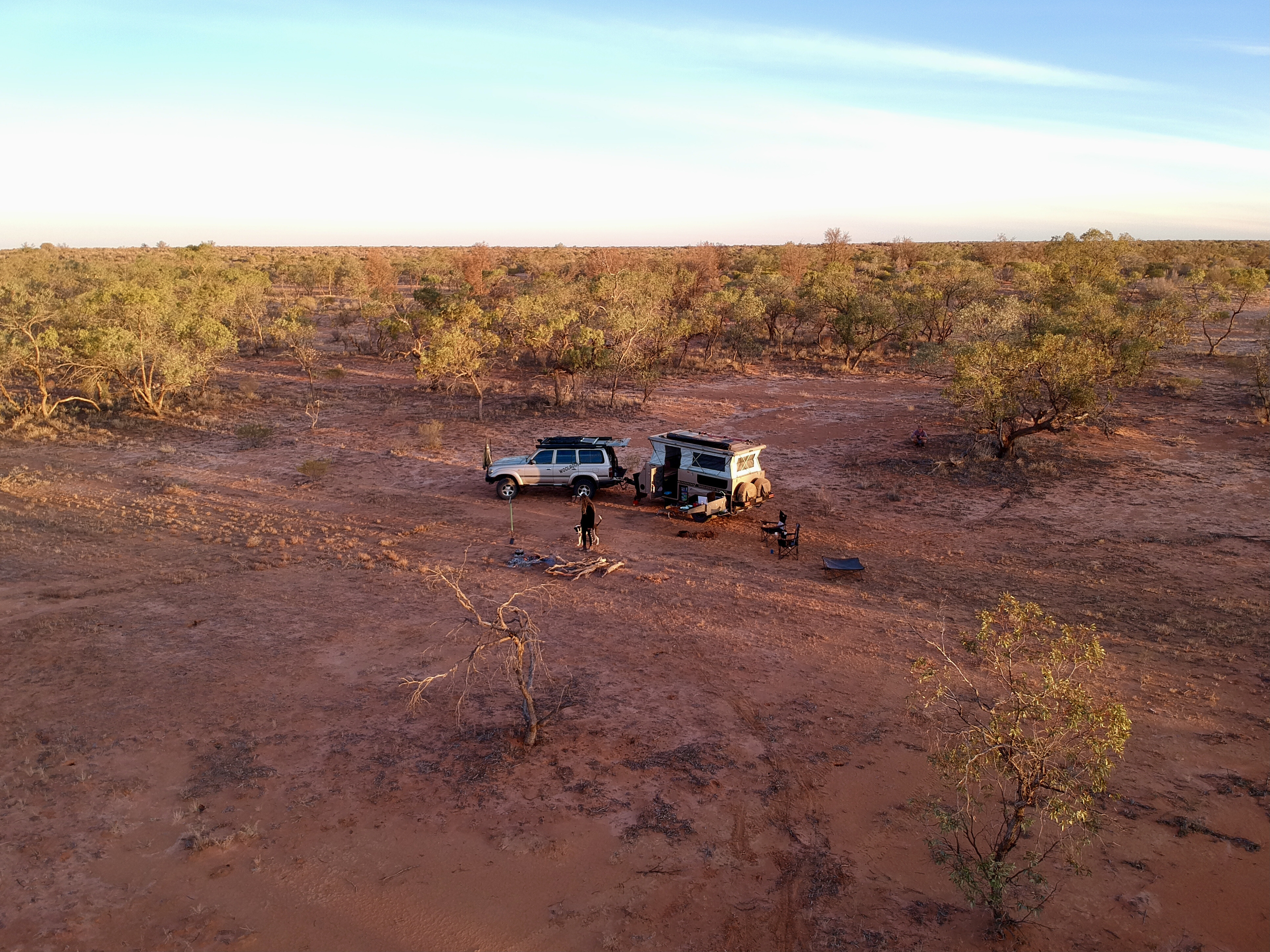
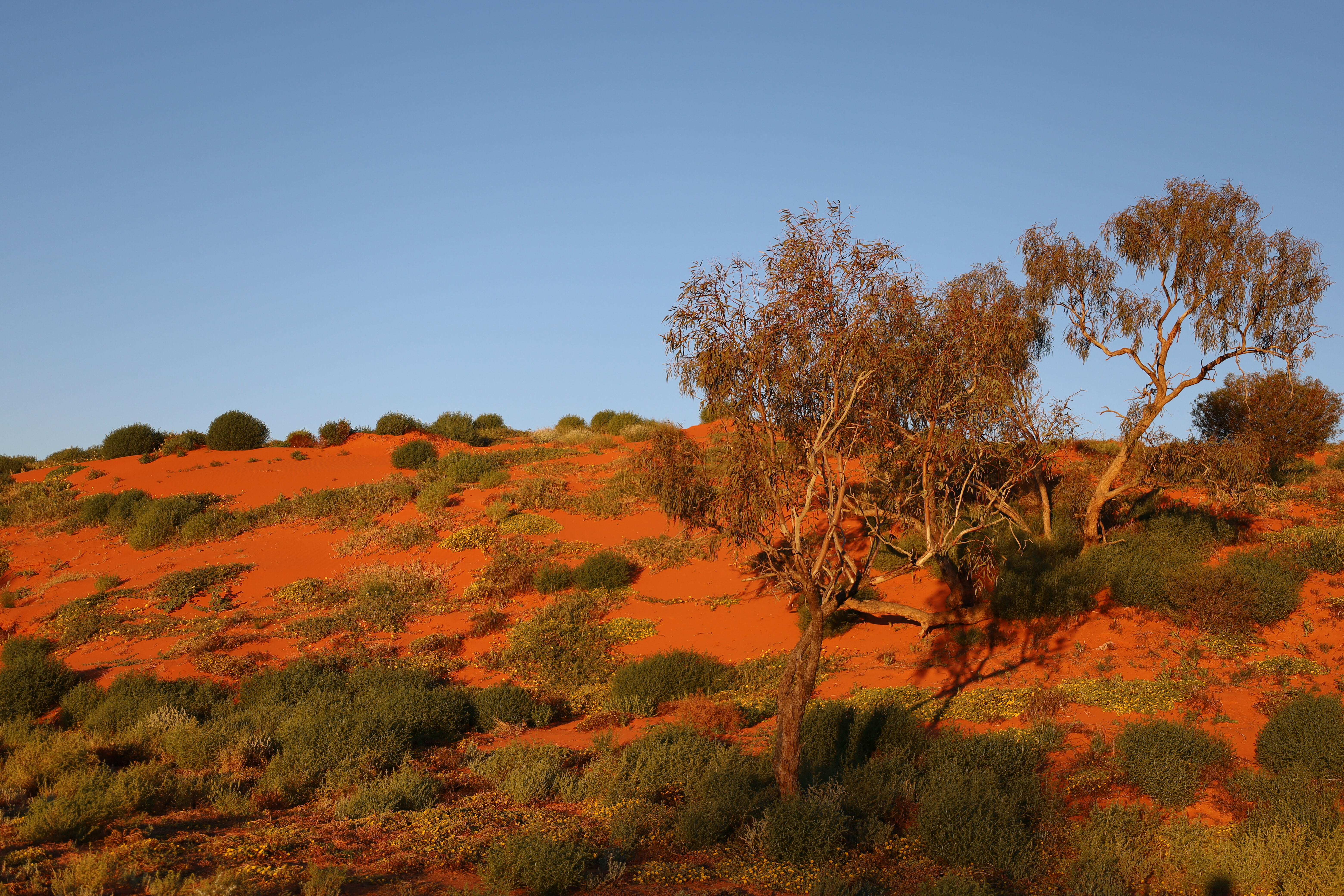
From the top the views from the taller ones are stunning, with the track snaking its way across the countryside and rich red sand sparkling in the distance – if you’re lucky, pops of colour will highlight the background. Our camp for the night was beside the dune just on the outskirts of Merty Merty Station, and as the sun was setting we were graced by another stunning outback sunset showing the true red in the nearby dunes.While this trip is not rated hard or extreme, you need to be comfortable with remote travel as there is no fuel, services or even a phone signal for nearly 500km. Some stations may help out, but always do the right thing and respect their land, and it wouldn’t hurt telling somebody your travel plans through this area.
5 things to see and do
1. Broken HillThe Hill is your typical Australian oddity, always ready to buck the East Coast norm and do things its way – like run on South Australian time. Plenty to see and do here at the home of mining giant BHP, atop the Barrier Ranges in classic desert country. The city retains a lot of its late 19th century architectural heritage with grand buildings and just about every type of accommodation, and it continues to be a magnet for artists and film-makers.2. Tarrawingee TramwaySome 60km north of Broken Hill is the ghost town of Tarrawingee, the remnants of its namesake limestone quarries and the tramway that brought the ore back to Broken Hill. At Tarrawingee discover building foundations, old wells, rail structures and implements, and raised sidings. Back in Broken Hill, visit the tramway’s terminus, now the Sulphide Street Railway & Historical Museum, and its superbly maintained 1905 railway building.3. Dingo/dog fenceThis pest-control fence was erected to keep the dingo from predating on sheep and cattle in western NSW and Queensland, its 5614km length slicing off South East Australia from the native dog when completed in 1885. It’s worth a look being one of the longest constructions in the world, and you can drive alongside it for 50km where it runs parallel with the NSW-SA border, between Silverton and Hawker Gate.4. Station staysOn the way from Broken Hill to Tibooburra are a few stations that provide accommodation and camping in designated areas, including Pine View, and Mount Gipps. Pine View is a family-owned organic sheep and cattle property (with 40km of the NSW-SA Dingo Fence as one its boundaries) 180km north of Broken Hill, offering travellers shearer’s style accommodation, campsites and a three-bedroom homestead for non-campers.5. Cameron CornerFrom Tibooburra it’s about a three-hour drive to Cameron Corner, where the states of SA-NSW-QLD meet amid the rolling red sand-dune country of the Strzelecki Desert. Here on the Queensland side you’ll find Cameron Corner Store providing fuel, food, accommodation, cold beer, hot showers and camping sites.
Toyota came up with a surprisingly high-tech diesel powertrain for the 300 Series and has done the same for the 300’s petrol powertrain, not that you can buy it here in Australia … yet.
Toyota Australia hasn’t offered the 300 Series’ petrol engine here because demand for petrol power in the 200 Series had dried up to the point where the 4.6-litre petrol V8 was no longer offered in the last two years of the 200’s showroom life, after dwindling to approximately two per cent of overall 200 Series sales.
The trouble with the 4.6-litre petrol V8 in the 200 was higher fuel use than the diesel, with no real performance advantage in its favour. It only offered an extra 28kW over the 4.5-litre V8 diesel’s 200kW, and its maximum torque figure of 439Nm was well short of the V8 diesel’s 650Nm maximum.
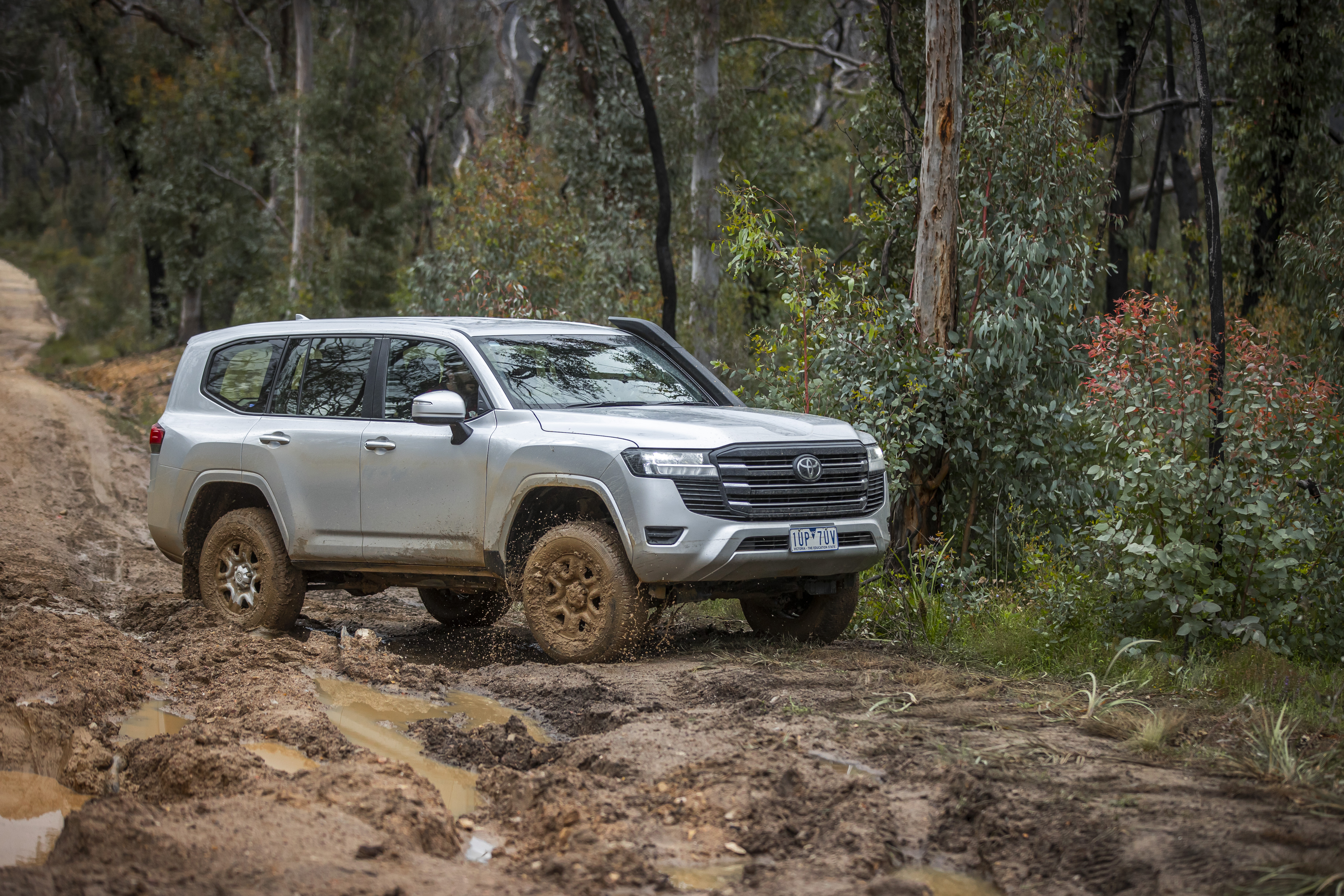
And where the V8 diesel needed just 1600rpm to reach its torque peak, the petrol V8 needed all of 3500rpm to get to its torque peak. On the road, in general driving, the 200’s otherwise amenable petrol V8 always felt less energetic and responsive than the diesel V8 and barely managed to shade the big oiler in a pedal-to-the-metal contest.
So, when we’ll see a petrol engine back in the LandCruiser in Australia is difficult to say, but the 300’s petrol engine as offered overseas does make a convincing argument for performance-oriented buyers, or those wanting extra reserves of power for effortless heavy towing; something the 4.6-litre V8 didn’t do for the 200 and something that would not have gone unnoticed at Toyota Australia.
The petrol engine in question is a twin-turbo 3.5-litre V6 with a sizzling 305kW no less, a significant 34 per cent jump from the still-very-handy 227kW of the new 3.3-litre bi-turbo V6 diesel. A difference you would definitely feel under your foot.
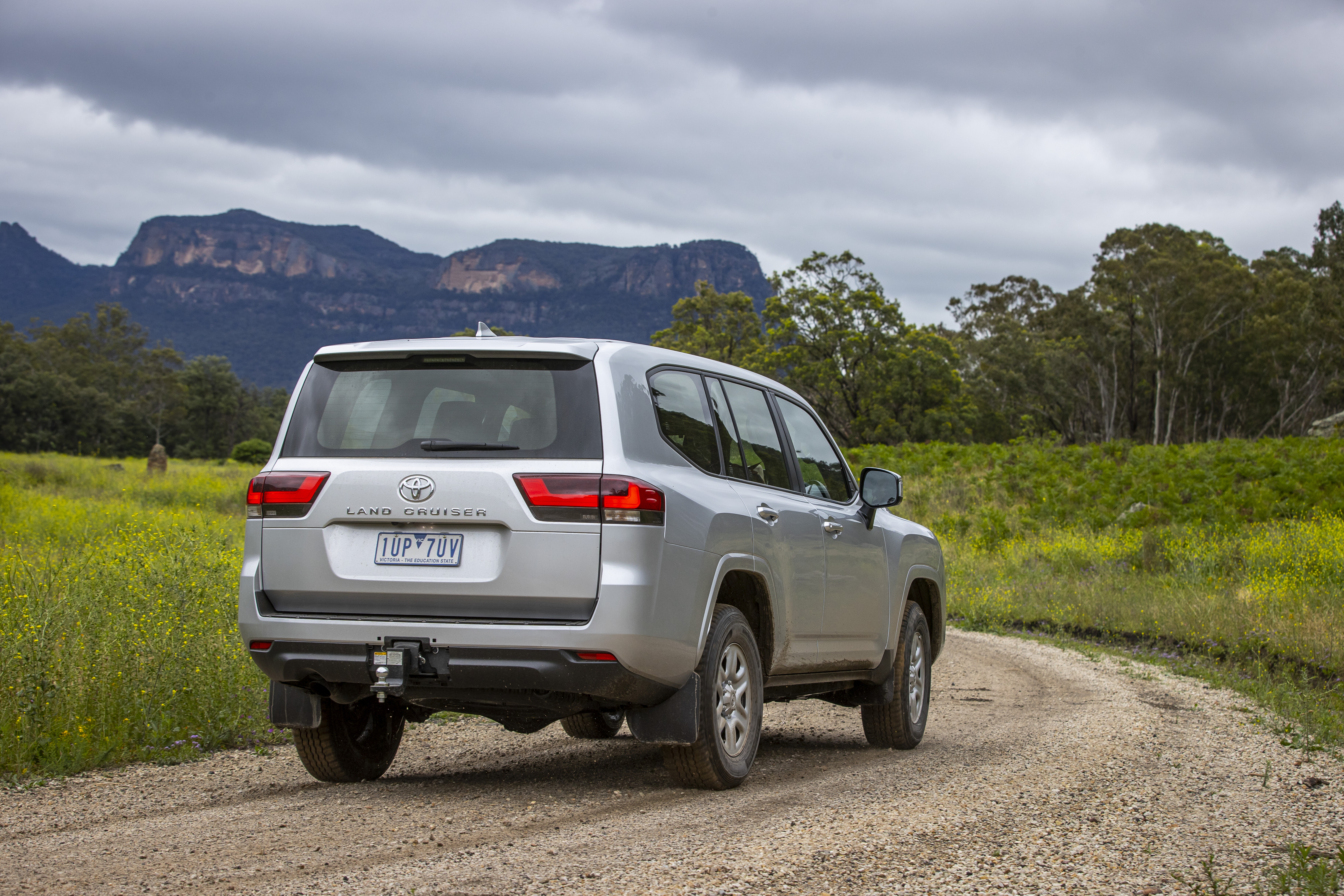
The 300’s turbo V6 petrol engine also makes the 5.6-litre V8 in Nissan’s Y62 Patrol look decidedly outmatched on paper. It may only shade the Y62’s V8 engine for maximum power (305kW vs 298kW) but the turbo V6’s maximum torque figure is 90Nm higher (650Nm vs 560Nm) and is already on tap by half (!) the engine speed – 2000rpm vs 4000rpm. That’s a serious torque curve and one that demonstrates these new-generation turbo-petrol engines are all about torque rather than power.
If we don’t see the petrol V6 in the 300 Series in Australia sooner or later, we will see it in a petrol-electric hybrid 300. Toyota has publicly announced that by 2030, if not earlier, there will be at least one ‘electrified’ variant in every model range.
Originally Toyota said this company-wide electrification milestone would happen by 2025, but has since pulled that back to 2030 saying that commercials, utes and 4x4s require extra development time compared to passenger cars, a field where Toyota is well abreast of the technology having made its first petrol-electric-hybrid passenger car, the Prius, some 25 years ago.
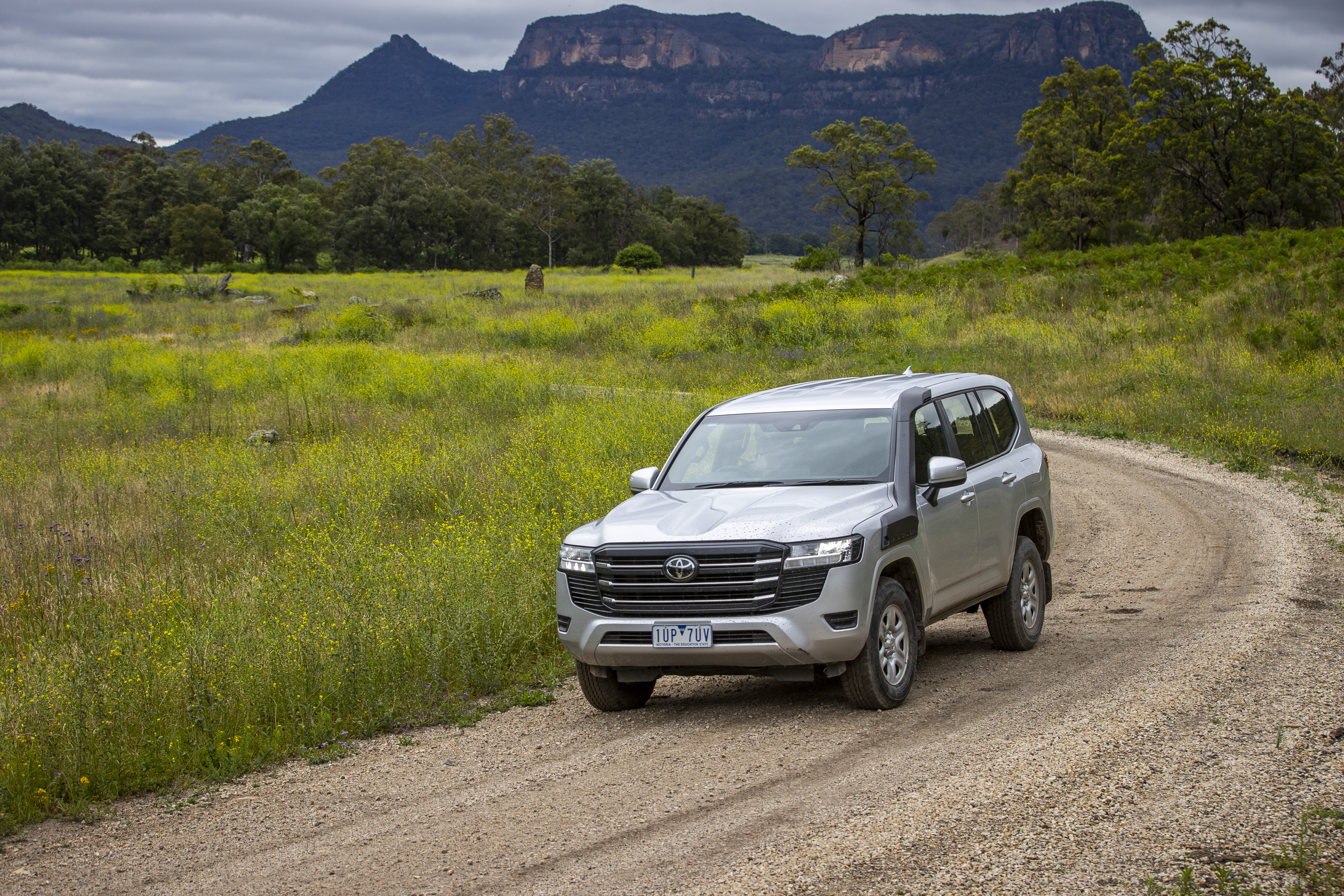
Of course, Toyota could always make a diesel-electric hybrid for the 300 and satisfy its electrification pledge, but it appears unlikely despite the rumours of a diesel-electric hybrid powertrain for Hilux and Prado. Diesels don’t hybridise nearly as well as petrol engines due to their higher pumping losses – less energy to recover – even if it has been done.
The 300’s petrol V6 exists in hybrid form in two North American models – the latest generation Tundra pickup and Sequoia SUVs – built off the same basic platform as the 300. In both cases there’s a 36kW electric motor tagged on to the 305kW V6, the combined system output climbing to 326kW (Note: with hybrids you can’t just add the component power outputs together to come up with the system total).
The LandCruiser may not get the Tundra/Sequoia hybrid system but one with a more substantial electrical component than the 36kW electric motor and the small 1.9kWh battery, by switching to a plug-in hybrid design where a bigger battery can facilitate a more powerful electric motor.
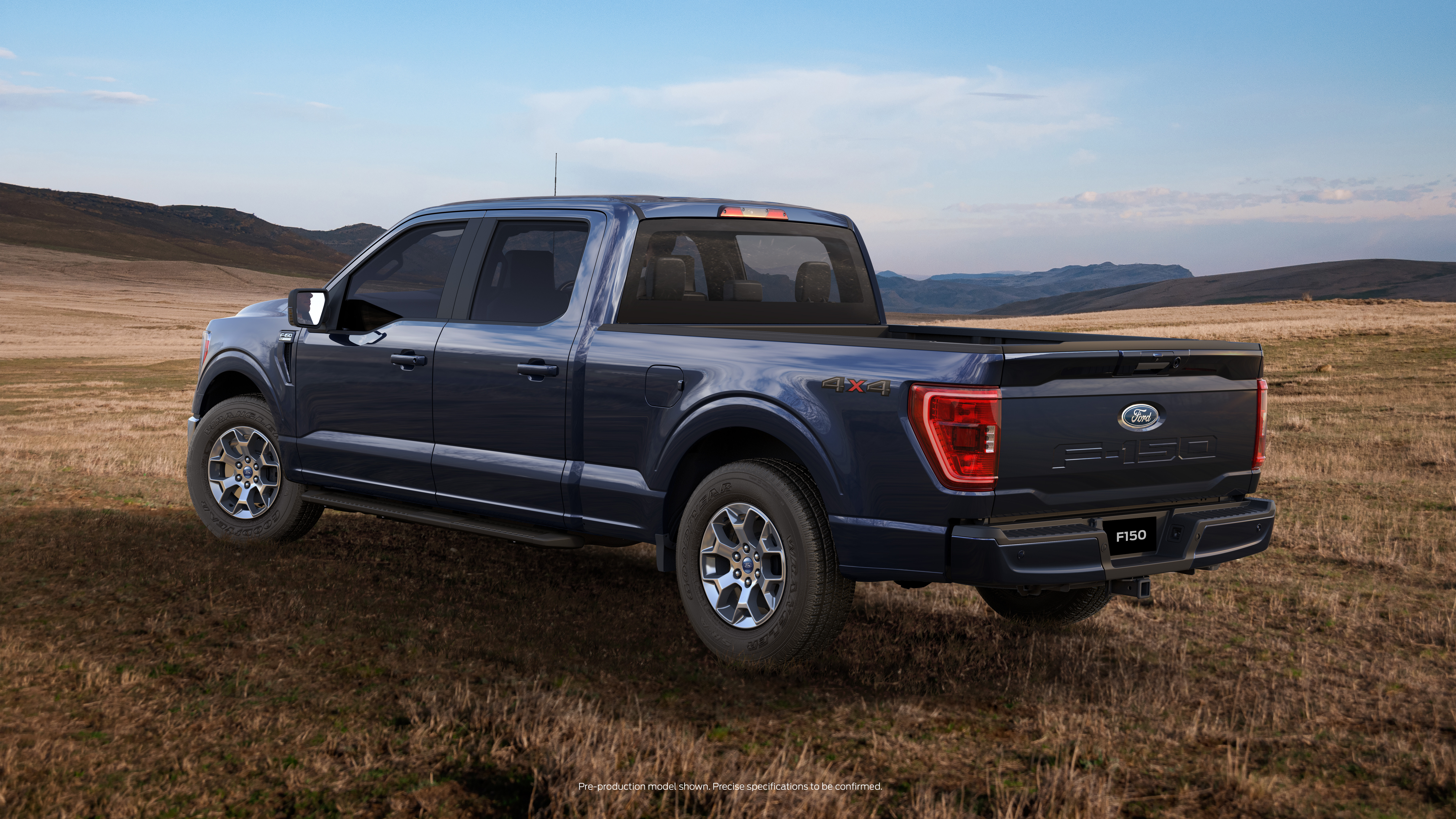
It’s an exciting time for lovers of larger four-wheel drive utes, with the recent announcements that we could expect to receive both the Ford F150 and Toyota Tundra in Australia in the near future.
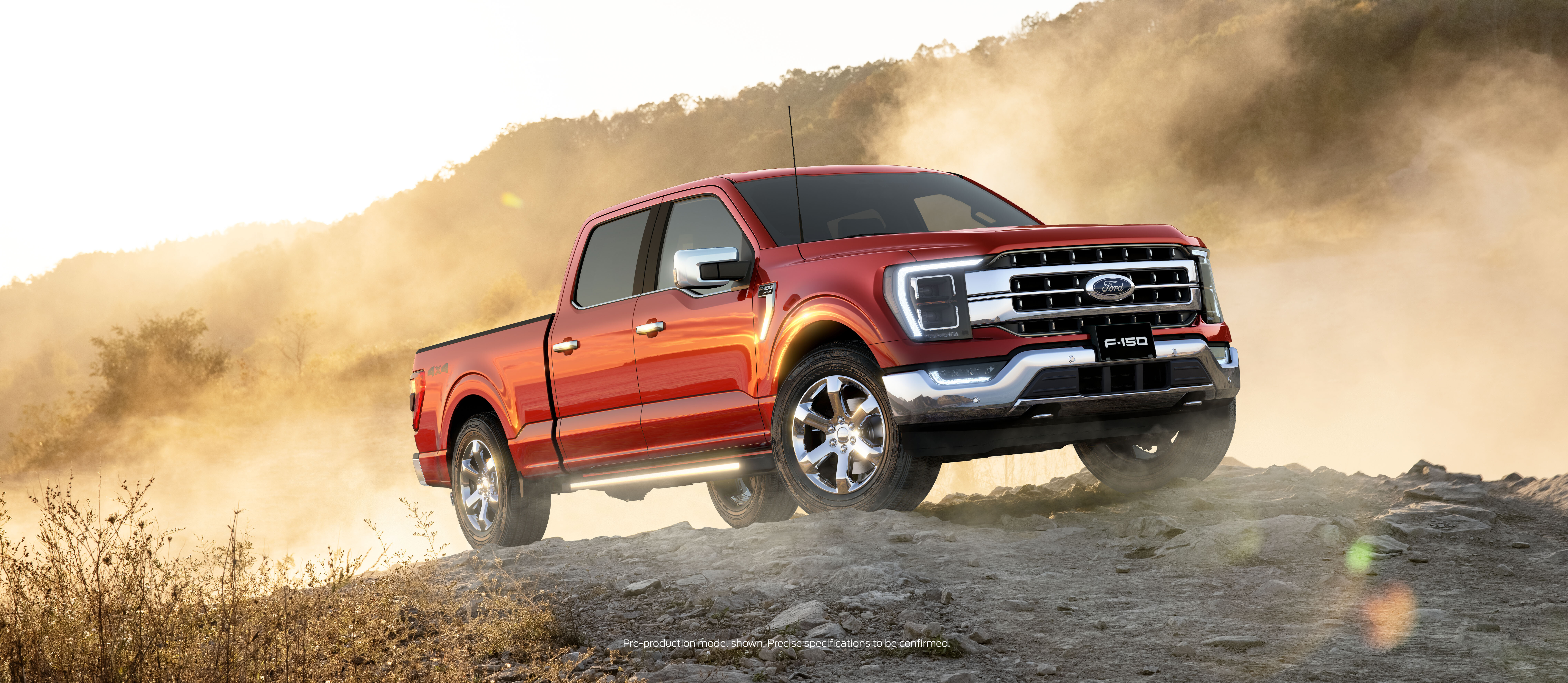
Ford has officially confirmed the news, and even has an Australian-based webpage with some key features of the F-150 listed.
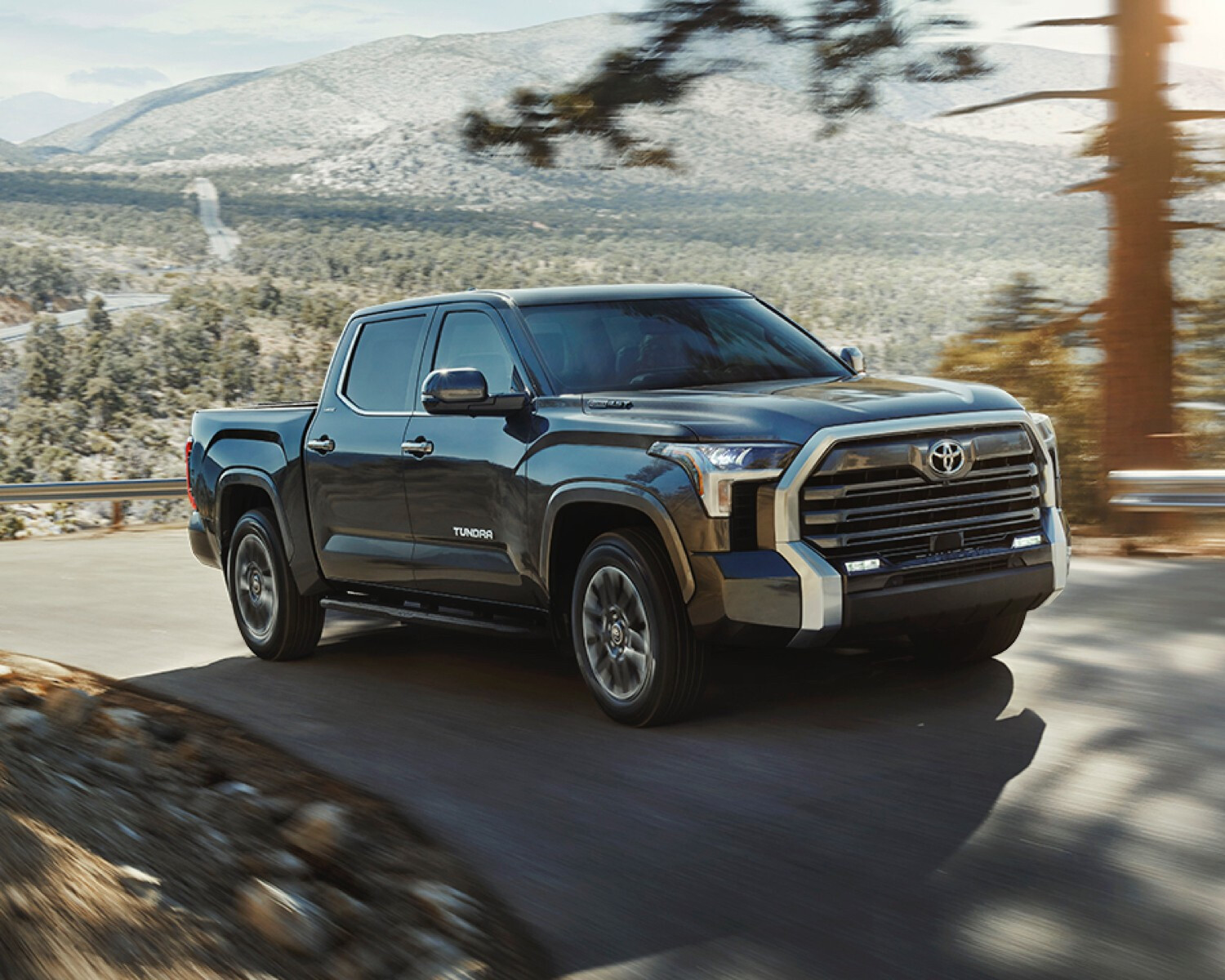
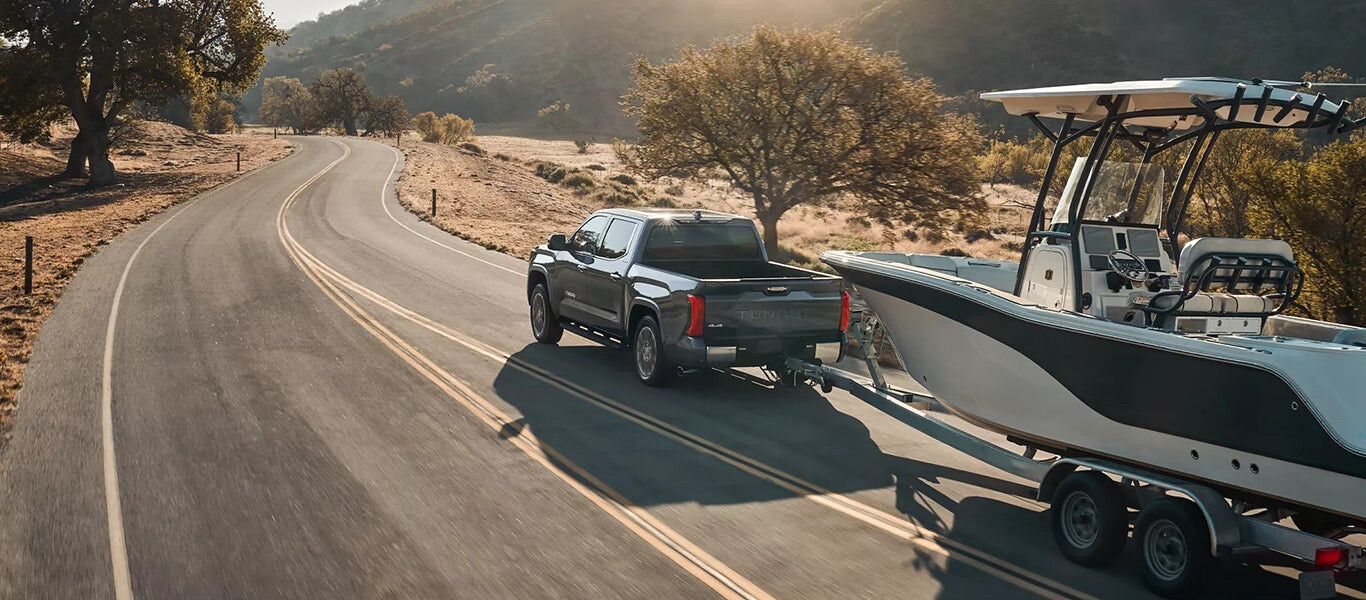
While Toyota hasn’t outright confirmed Australia will receive the Tundra, considering the fact they are developing a right-hand drive version, and the popularity of 4X4 utes in Australia, it’s a safe bet to assume it will be here as soon as 2024.
Ford has announced we can expect to see the F-150 in Australian showrooms next year, thanks to a partnership with Thai manufacturing company, RMA, offering the ute in right-hand drive for the Australian market.
Toyota is also outsourcing this process, and has teamed up with Australian firm Walkinshaw to manufacture the Tundra in right-hand drive.
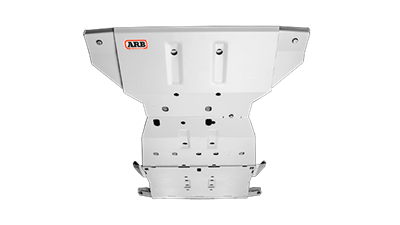
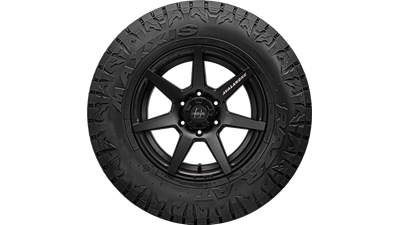
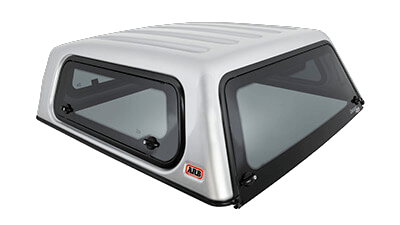
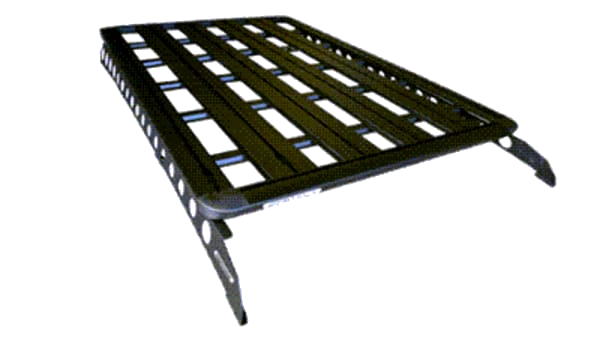
Upgrade your Ranger

This makes plenty of sense, considering Walkinshaw Automotive Group’s track record of handling such procedures for vehicles such as the Chevrolet Silverado, and RAM range. For more information on the Tundra, you can read this article by Jez Spinks.
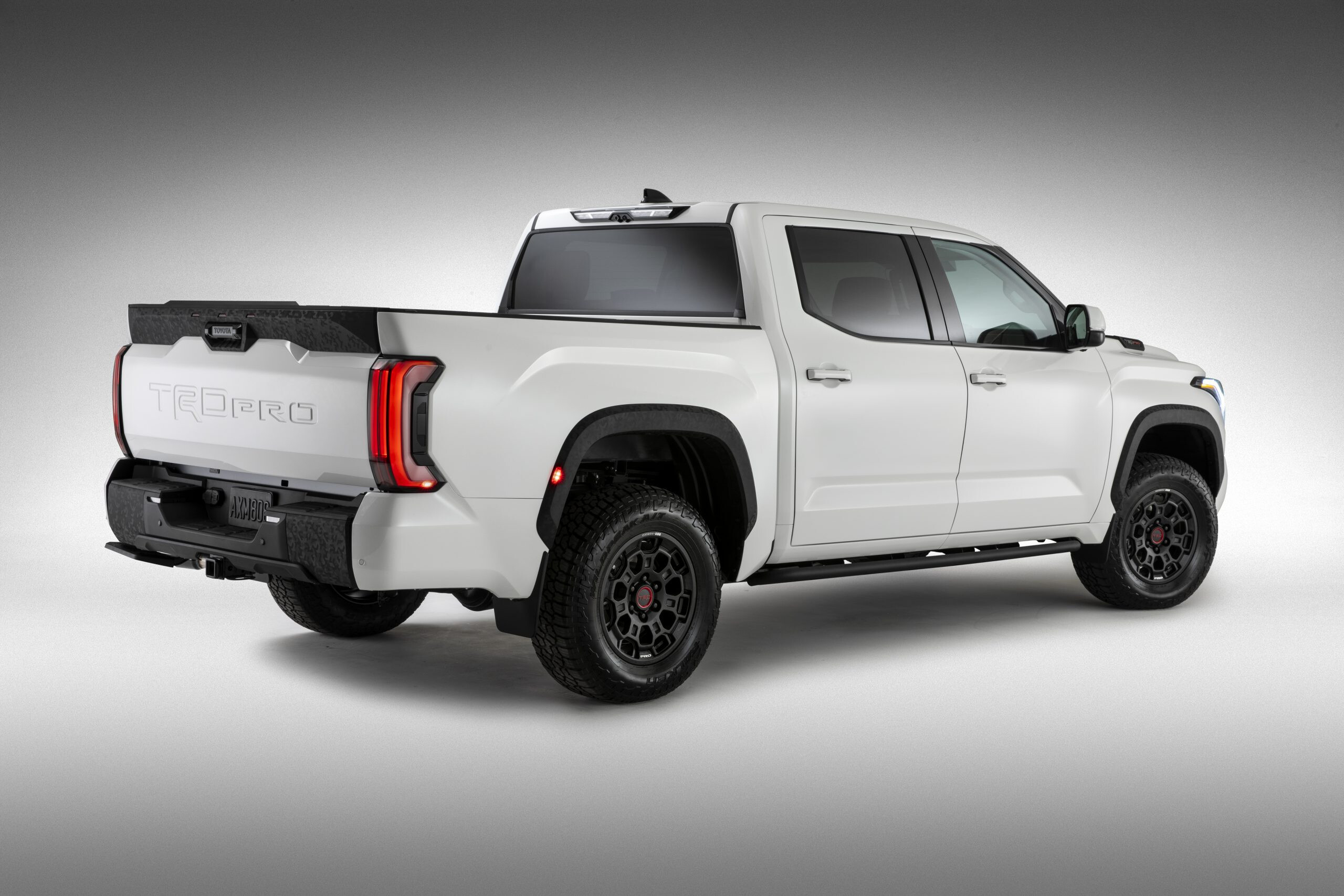
Parts used in producing the Tundra in right-hand drive will be largely borrowed from other vehicles Toyota already produces in this configuration. 300 Series LandCruiser brake pedal, gearshift lever, accelerator and steering column will be incorporated for example, keeping engineering costs down by using already established parts.
How do the Ford F-150 and Toyota Tundra compare for Australian buyers?
To answer that question, we’ve worked to break down the specs for each vehicle, to see if either offers a clear advantage over the other. A good old-fashioned specs battle, between the Ford F-150 and Toyota Tundra.
While it’s hard to know exactly what we will be seeing in the coming years, going from the US market, here are our findings for specifications on the Ford F-150 and Toyota Tundra.
Specifications overview
| FORD F-150 XLTu00a0u00a0u00a0u00a0u00a0u00a0 | TOYOTA TUNDRA | |
|---|---|---|
| LENGTH | 5885mm | 5933mm |
| WIDTH | 2030mm | 2037mm |
| HEIGHT | 1961mm | 1981mm |
| WHEELBASE | 3683mm | 3701mm |
| KERB WEIGHT | 2200kg | 2726kg |
| PAYLOAD CAPACITY | 800kg (USA Figures)u00a0u00a0 | 880kg (USA Figures) |
| TOWING CAPACITY | 4500kg | 3600-5443kg (USA Figures) |
| TRANSMISSION | 10-speed auto | 10-Speed auto |
| ENGINE | 3.5L V6 Petrol twin-turbou00a0 | 3.5L V6 Petrol twin-turbo hybrid |
| POWER | 298kW@6000rpm (USA Figures) | 326kW@5200rpm (USA Figures)u00a0 |
| TORQUE | 678Nm@ 3100rpm (USA Figures)u00a0u00a0 | 790Nm @2400rpm (USA Figures) |
Longer, wider, taller
The Toyota Tundra seems to be a bigger vehicle all round, compared to the F-150.
The Tundra is 5933mm in length compared to the F-150 coming in at 5885mm. It is also wider by 7mm, coming in at 2037mm vs the Ford at 2030mm.
Height of the Tundra is 1981mm vs 1961mm for the Ford F-150, and the wheelbase of the Tundra is 3701mm vs 3683mm for the F-150.
While that all might see a bit trivial, keep in mind the average size of a garage or car space in Australia, and these figures become very important. Make no mistake, these are both large four-wheel-drive utes, and the Tundra is bigger than the F-150 across the board – and also considerably heavier, which is no doubt why it has more power than the F-150, as well as a hybrid engine.
| FORD F-150 XLTu00a0u00a0u00a0u00a0u00a0u00a0 | TOYOTA TUNDRA | |
|---|---|---|
| LENGTH | 5885mm | 5933mm |
| WIDTH | 2030mm | 2037mm |
| HEIGHT | 1961mm | 1981mm |
| WHEELBASE | 3683mm | 3701mm |
Engines and transmissions
Both vehicles will feature 10-speed automatic gearboxes, which is hardly surprising these days.
It’s not clear if they will both use the same transmission manufacturer, however we know there will be 10-speeds, with the option of a manual gearbox highly doubtful for Australia.
Engine-wise, both the Ford F-150 and Toyota Tundra will feature 3.5-litre V6 petrol engines, with twin-turbo chargers. While this makes them sound similar, the Tundra will come with a hybrid unit that produces 326kW and 790Nm of torque.
Being a hybrid, we can expect the Tundra will achieve better fuel consumption figures than the F-150, and we look forward to the opportunity to test that in the future.
The 3.5L Ecoboost motor in the F-150 produces 298kW and 678Nm of torque, which are impressive figures. However, the Tundra takes the win in terms of overall power figures with its hybrid offering.
| FORD F-150 XLTu00a0u00a0u00a0u00a0u00a0u00a0 | TOYOTA TUNDRA | |
|---|---|---|
| ENGINE | 3.5L V6 Petrol twin-turbou00a0 | 3.5L V6 Petrol twin-turbo hybrid |
| POWER | 298kW@6000rpm (USA Figures) | 326kW@5200rpm (USA Figures)u00a0 |
| TORQUE | 678Nm@ 3100rpm (USA Figures)u00a0u00a0 | 790Nm @2400rpm (USA Figures) |
Towing and payload
Ford Australia has confirmed the F-150 will have a 4500kg towing capacity, which is a real boon for those with larger caravans.
No payload capacity has been listed on the Australian website for the F-150, however if we look to the States, a payload of 800kg is mentioned, so it’s safe to say we’d be looking at a figure close to that number.
The Tundra is listed in US Spec with a payload figure of 880kg, an 80kg increase over the F-150.
While that might not sound like much, it’s the combined weight of an electric winch and steel bull bar (for example), which many Australian customers would be sourcing and fitting from the aftermarket industry.
Towing capacities listed for the US Spec Tundra range from 3600kg to 5443kg, which is utterly impressive on paper.
| FORD F-150 XLTu00a0u00a0u00a0u00a0u00a0u00a0 | TOYOTA TUNDRA | |
|---|---|---|
| KERB WEIGHT | 2200kg | 2726kg |
| PAYLOAD CAPACITY | 800kg (USA Figures)u00a0u00a0 | 880kg (USA Figures) |
| TOWING CAPACITY | 4500kg | 3600-5443kg (USA Figures) |
Pricing
It’s too early to speculate on pricing on both of these vehicles, but a starting price well beyond $100,000 will be likely. As a point of comparison, the 2023 Chevrolet Silverado 1500 is priced from $121,000 in Australia.
We will update this article as more information becomes available.
Watch for more on both of these big trucks to come in the weeks and months ahead, and get our growing coverage at the links below.
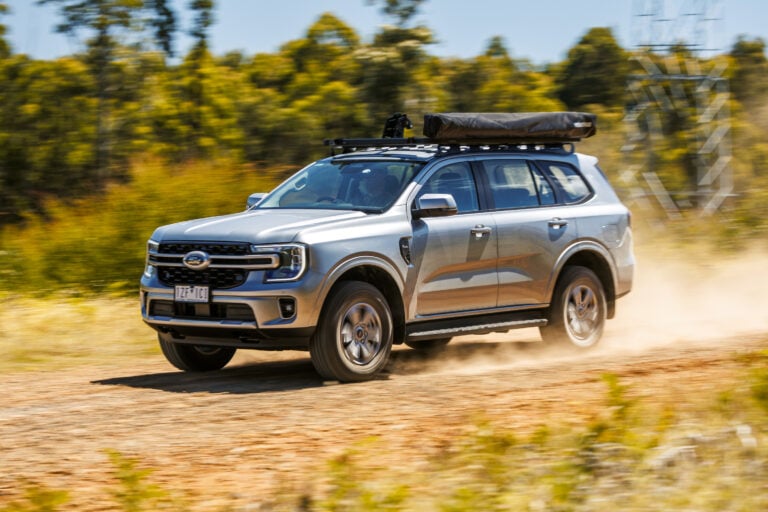
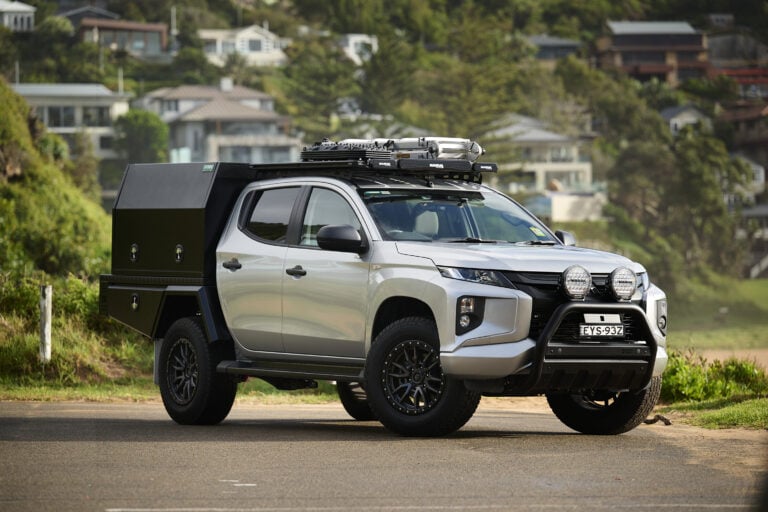
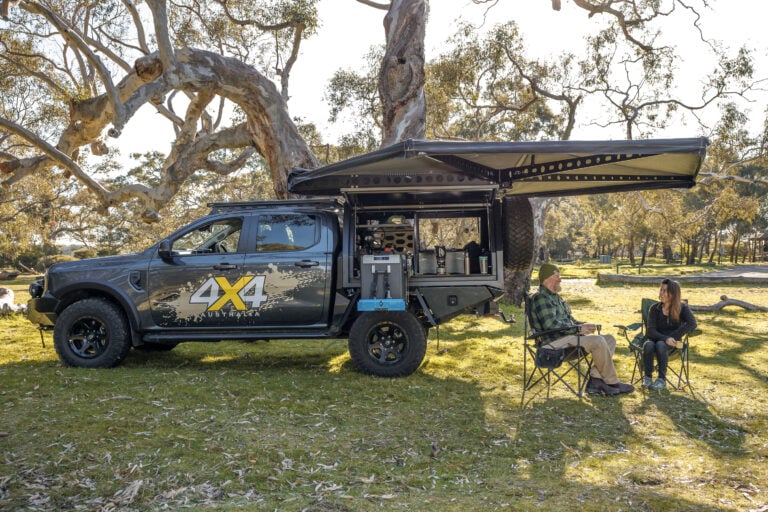
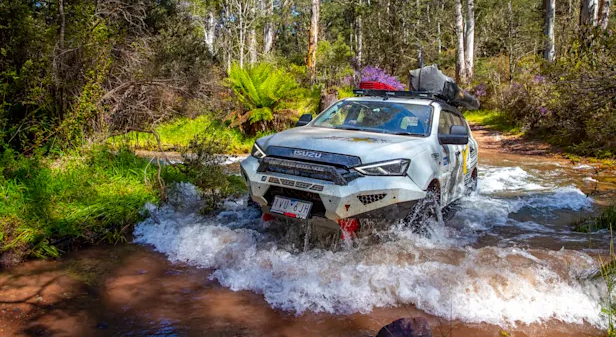
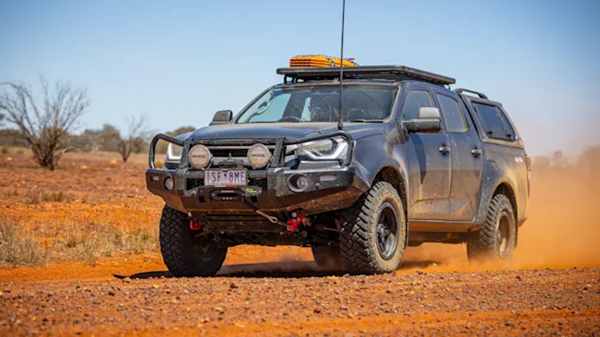
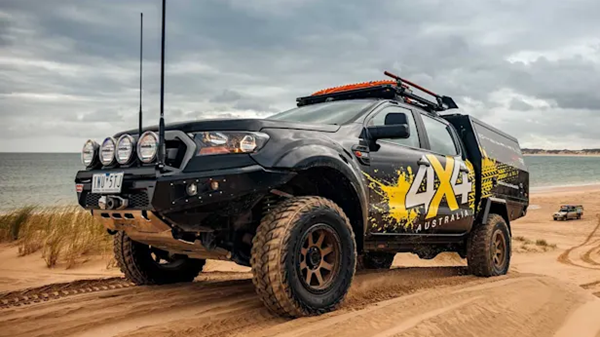
4X4 Australia project builds
Key Points
- New Ranger Raptor ready to race
- Ford Performance looking at racing in Australia
- Off Road Championship, Safari and Finke race all considered
Ford Australia has said it is very interested in competing with its new 2022 Ranger Raptor in off-road racing.
At the recent launch of the EcoBoost V6 powered Raptor, Ford Performance and Special Vehicle Manager, Justin Capicchiano said he is, “very interested in off-road racing wiht the new Raptor.”
While Capicchiano went on to say that they (Ford Australia) have not committed to anything yet, they are particularly interested in the production vehicle categories available in the off-road racing championships, as well as big events such as the Finke Desert Race held annually in the Northern Territory.
Production vehicles are not suited to most forms of off-road racing, as they are not made to cope with the demanding conditions faced on the tracks around Australia.
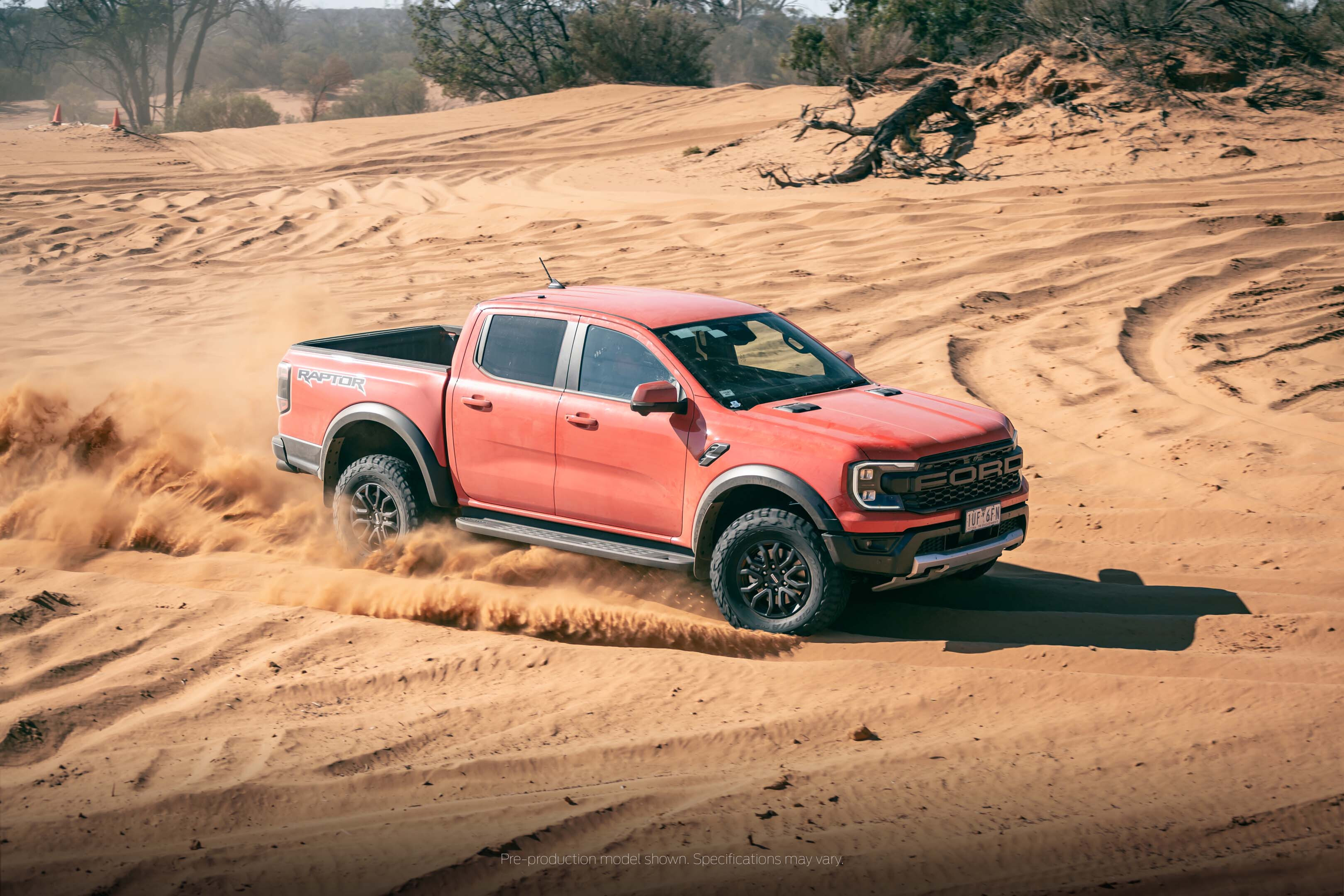
While there are classes for production vehicles, they are the slowest vehicles at any race, as the tracks are designed to challenge the bigger, more powerful racing buggies and trophy trucks – which are specifically built for racing with huge tyres, massive suspension travel and usually upwards of 800-horsepower engines.
Even the vehicles that regularly compete in the production categories are extensively modified beyond just the roll cage and safety equipment. Some employ cleverly-designed dual-shock absorber setups using big-brand racing springs and dampers that still maintain the standard car’s pick-up points to meet the class regulations.
The undisputed king of production-class off-road racing in Australia is Queenslander Geoff Pickering, who, with his well-aged and developed Mitsubishi NM Pajero, has amassed more than 13 national championships, countless, class event podiums and wins, and many class wins in the Finke Desert race.
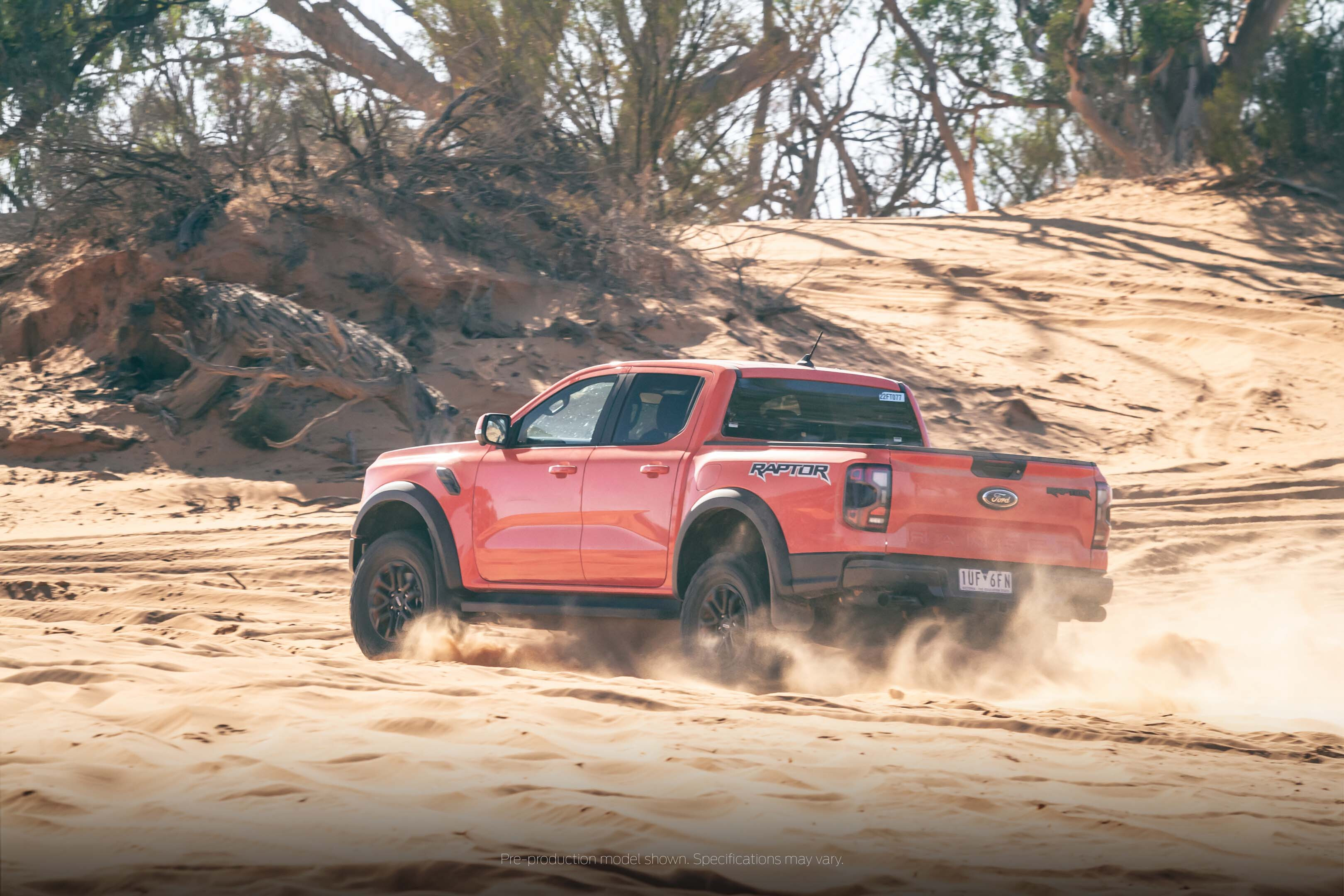
Capicchiano referenced Pickering’s long reign at the top of the class and the development of the Pajero over that time, when considering the new Raptor’s potential for racing in Australia.
Unike the family wagon Pajero, the Ranger Raptor is built from a history of such racing in the United States, where the F-150 Raptor has always been successful – and it’s why you see brands such as Fox Racing shock absorbers and BF Goodrich tyres used on the Raptor vehicles.
Ford Performance in the USA has used off-road racing in that country and on the Baja Peninsular in Mexico to develop its Raptor models, originally with the F-Series trucks and more recently with the Bronco Raptor R Baja racer.
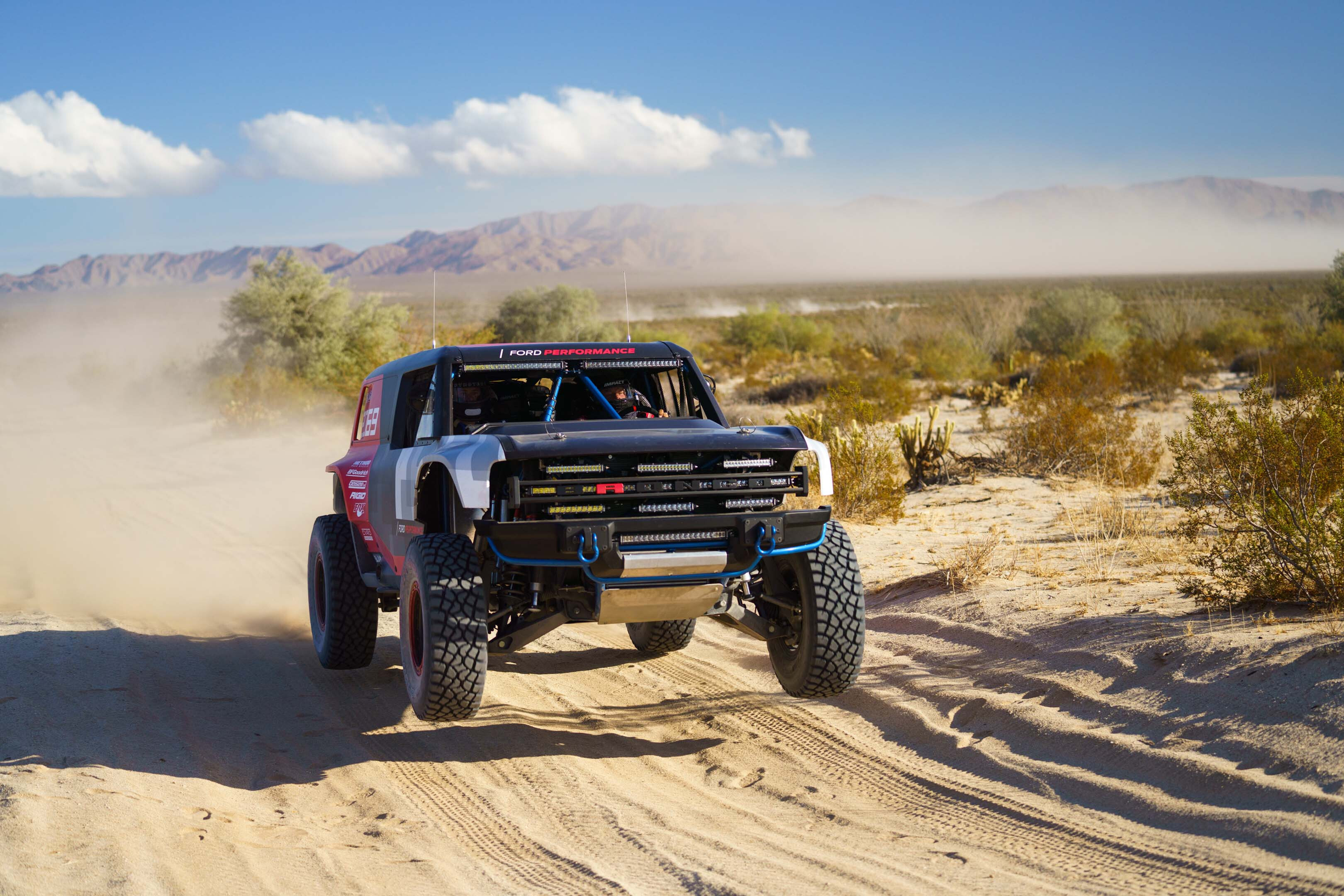
Across the other side of town, the team at Chevrolet Performance has run similar off-road racing programs with its various trucks over the decades and most recently, the ZR2 Colorado and Silverado trucks are the products of such development into production vehicles.
Here in Australia, Walkinshaw Performance is currently running a VW Amarok W580 in production-class off-road racing – although that project is yet to show its potential.
The Ranger Raptor is the best-placed production car to compete in off road racing without modifications beyond the required safety equipment. With its unique suspension setup using the Fox Live Valve adaptive shock absorbers, the 292kW EcoBoost petrol engine and BF Goodrich tyres, the new Raptor is the perfect platform for production racing.
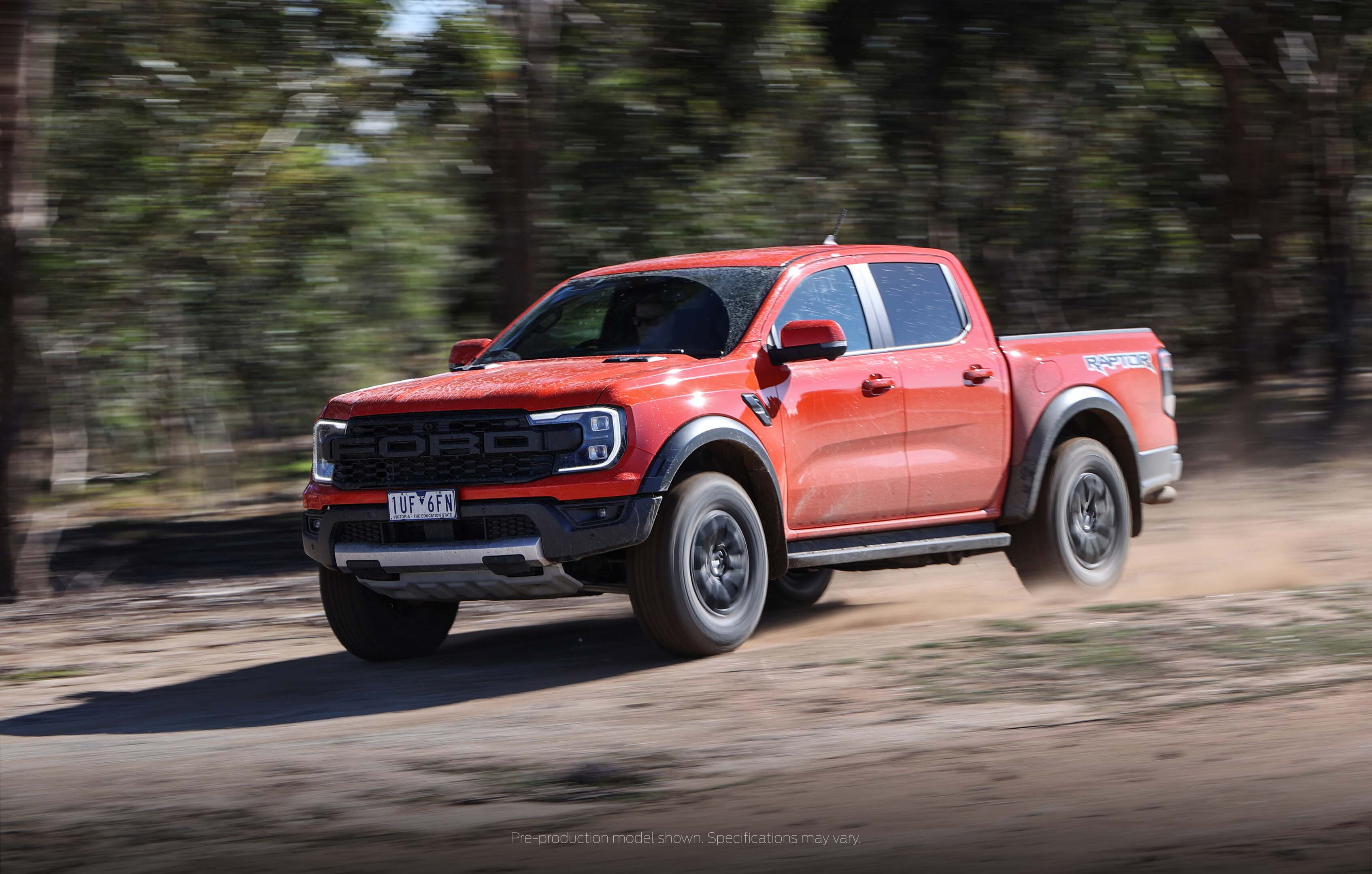
Along with the roll cage and other safety kit, a larger-capacity fuel tank would be the other improvement to maximise the Raptor’s racing potential. This would especially be beneficial for races like the Finke or cross country events like the Sunraysia Safari.
Having witnessed first hard the punishmet the Raptor prototypes were put through as part of their ‘Endurance testing’ here in Australia, we think the Raptor could make the ultimate proddie racer.
Could we be in for a new era in off road racing with the Ranger Ranger heading up production racing?It could boom in the category in much the same way Side x Side racing has for budget racing.
One of the joys of buying a second-hand four-wheel drive with a few kilometres under its belt, despite having a full-service history, is that there are bound to be issues regardless. While I’m happy so far with the FJ Cruiser, I noticed there was a bit of brake shudder when coming down the infamous Lapstone Hill in the Blue Mountains. On closer inspection, there was plenty of meat on the brake pads and the rotors hadn’t developed any lipping to indicate excessive wear – there was, however, plenty of heat spots on the front rotors, which explained the brake shudder.Now, I’m not one to do things by halves. My motto when it comes to 4WDs is: if you break it, you upgrade it. I was advised I couldn’t have the rotors machined due to the heat spots, so it was time for new front rotors. As I’m planning on further accessorising the FJ Cruiser, thus adding weight, this was the right time to upgrade the stock braking system to something that would better suit my needs. I’d much rather do this early on in the piece, rather than fit all the gear and then discover the factory brakes aren’t up to scratch when I need them most.
Enter the Ultimate 4WD Brake Upgrade Kit from Bendix, which I chose for a few key reasons. Firstly, they had them in stock and could get the parts shipped ASAP, something I found refreshing in this current climate. Secondly, the kit was complete, with everything required for Shannon, my mechanic at Advanced Installation Service in Emu Heights (NSW), to perform the installation. Lastly, the kit came in a sweet 60L icebox, and I’m a sucker for a good stubby holder.The rear brakes on the FJ were in good condition, so we opted to fit a front kit with extended braided brake lines all ’round; I’ll be raising the suspension soon, so it’s wise to think ahead if you are considering this upgrade.
Let’s take a look at what you get in the kit, and how the installation went.
What’s in the box?
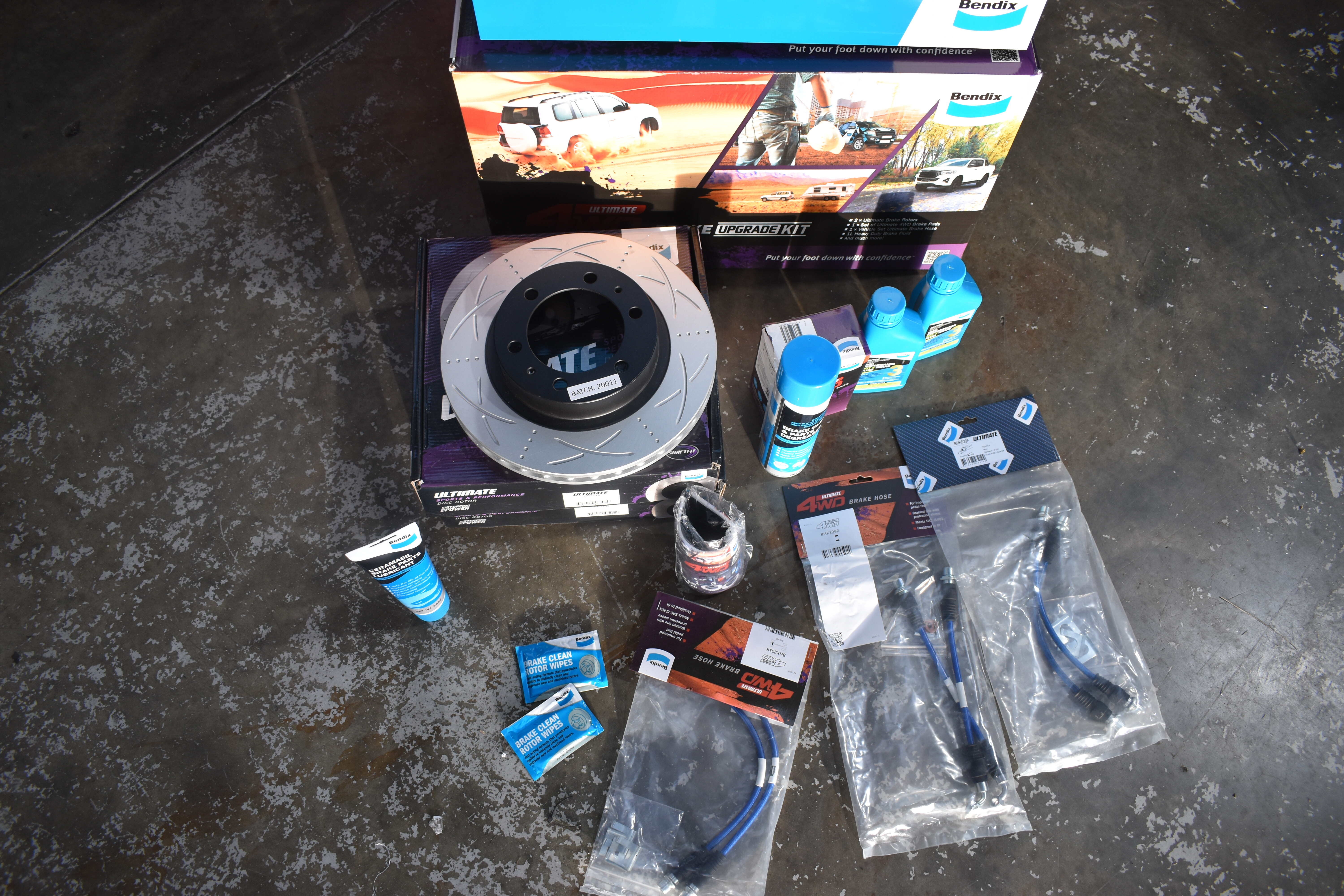
My mechanic and I were very impressed with the packaging and how complete the kit was when it arrived. Every component was included in the box, from the new upgraded rotors and pads, right down to new clips and pins for the front calipers, and even some rotor wipes to ensure they were clean before installation.
This is the gear included in the Ultimate 4WD Brake Upgrade Kit from Bendix:
- Bendix Ultimate brake rotors
- Front set of Bendix Ultimate 4WD brake pads
- Front and rear extended braided brake lines
- Two bottles of brake fluid
- A can of brake cleaner
- A tube of brake parts lubricant
- Bendix rotor wipes
- New clips and caliper guide pins
- A 60L icebox with stubby holder, as a cherry on top … sweet!
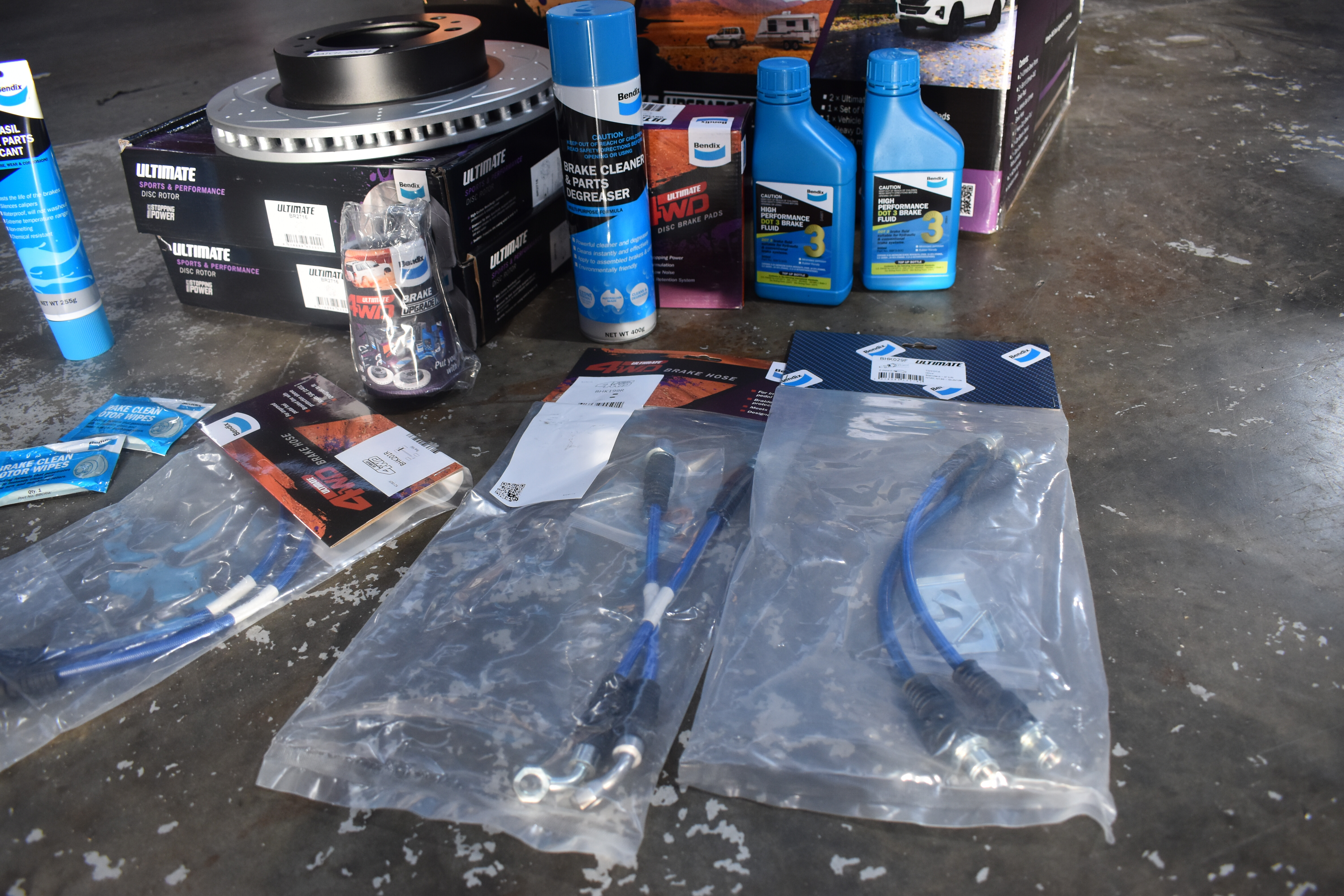
Installation process
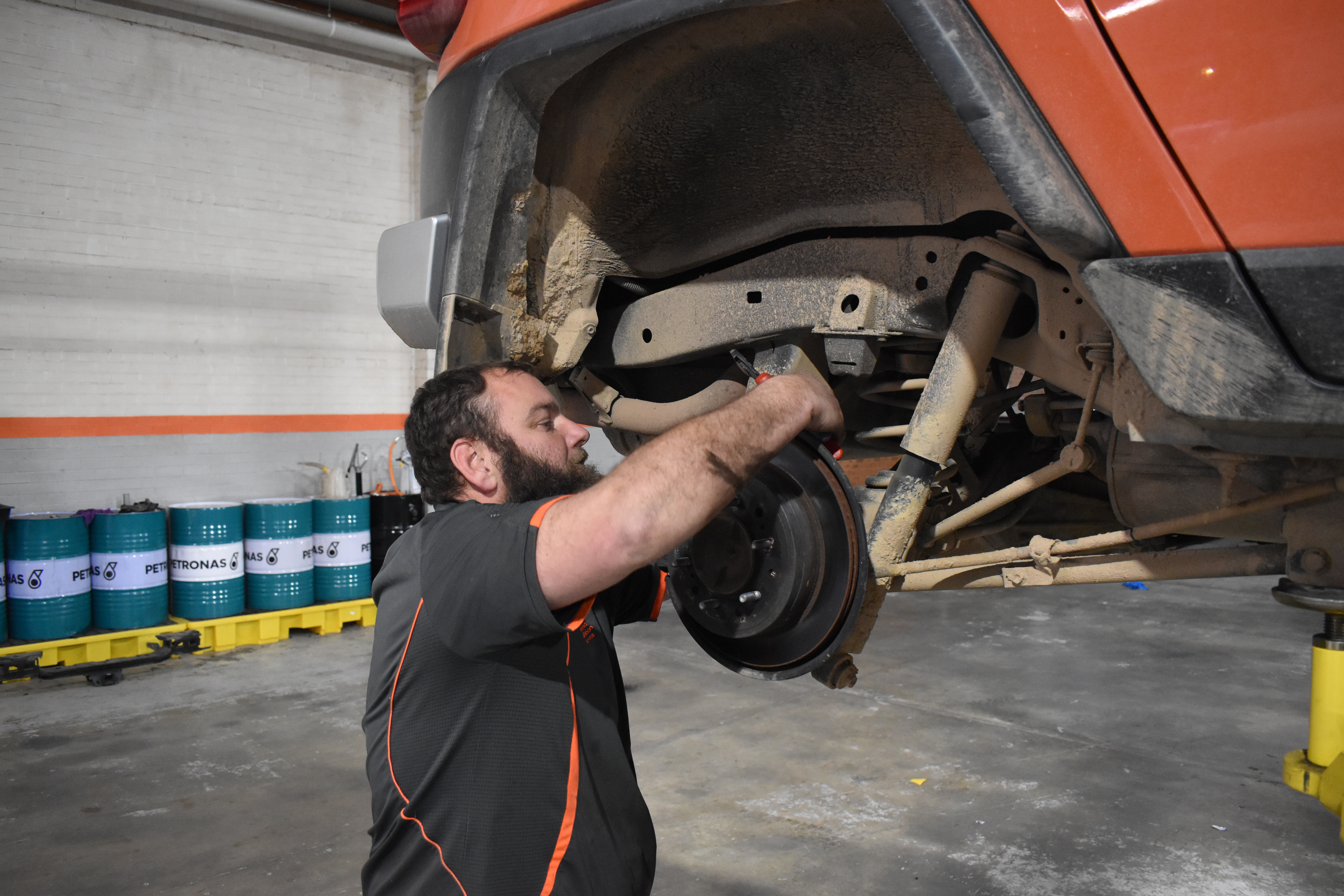
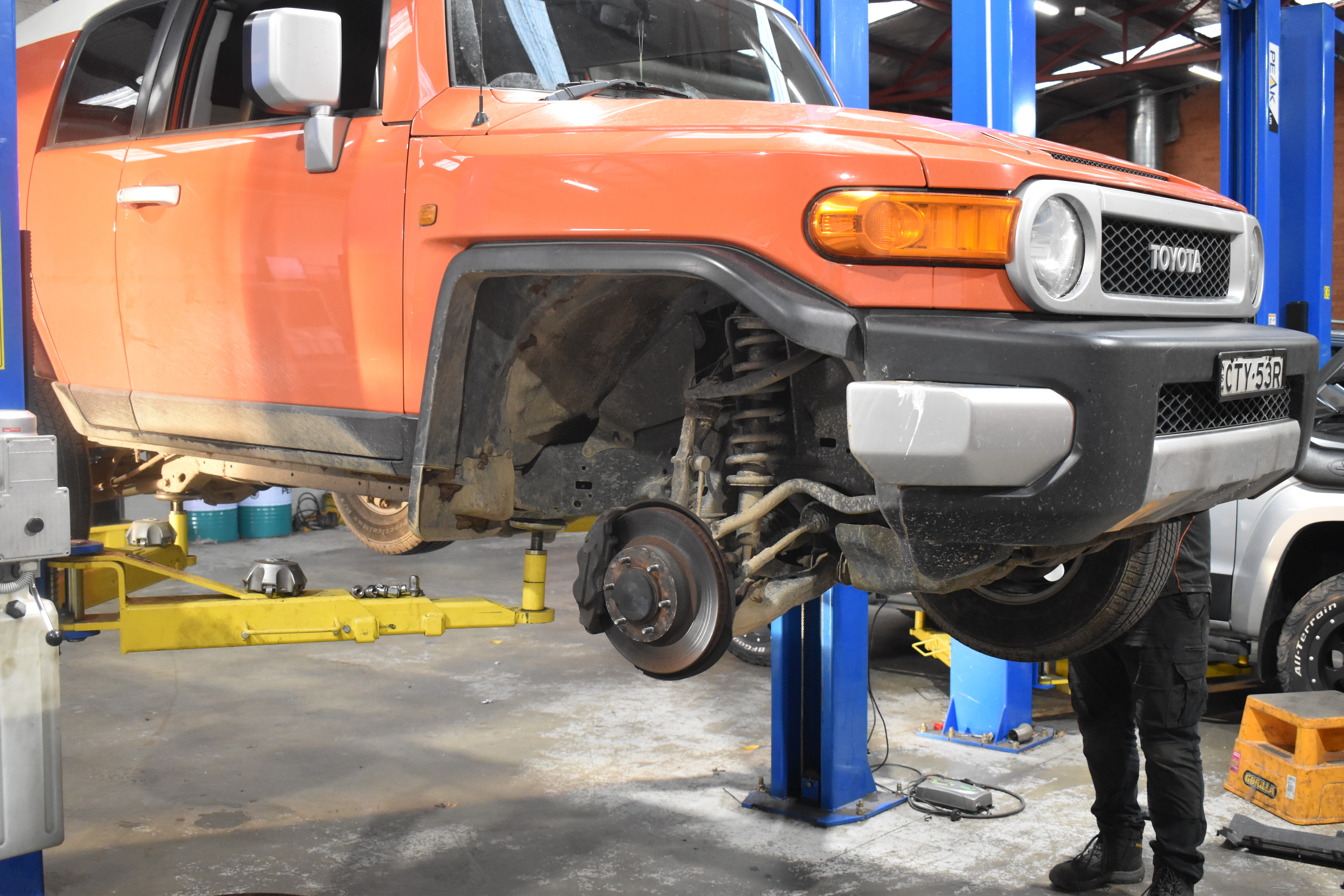
The installation was fairly straightforward, thanks to the expert touch of my mechanic Shannon. I asked at the start of the process if this was an easy job, and Shannon told me that, as far as brakes go, the FJ wasn’t a challenging job. It still took a few hours, as we had to stop for photography.Once the vehicle was up on the hoist and all four wheels were off, he hooked in to the front end. There are two 17mm bolts that hold each caliper on the vehicle; with those removed the calipers were tied up out of the way so the rotors could be replaced. While the rotor was off, Shannon took the time to wire-wheel the hub area, cleaning any rust and road grime, giving a much neater final finish. Shannon also mentioned the pads have to be installed in the right orientation, and to look at the part numbers to see which pad goes where.The brake lines were next to be removed and replaced with the Bendix braided lines. This took the most time during the installation, as there are six lines that need to be removed and replaced with the extended blue braided brake lines. With the lines replaced, it was time to bleed the entire system, which took a few goes to get spot on – I’m a fussy customer.All in all, it took a few hours to get the job done, but it would take much less time if you don’t have a photographer getting in the way. Now the brakes have been upgraded, it’s time for a road test to see how the brakes feel and if the shudder is gone.
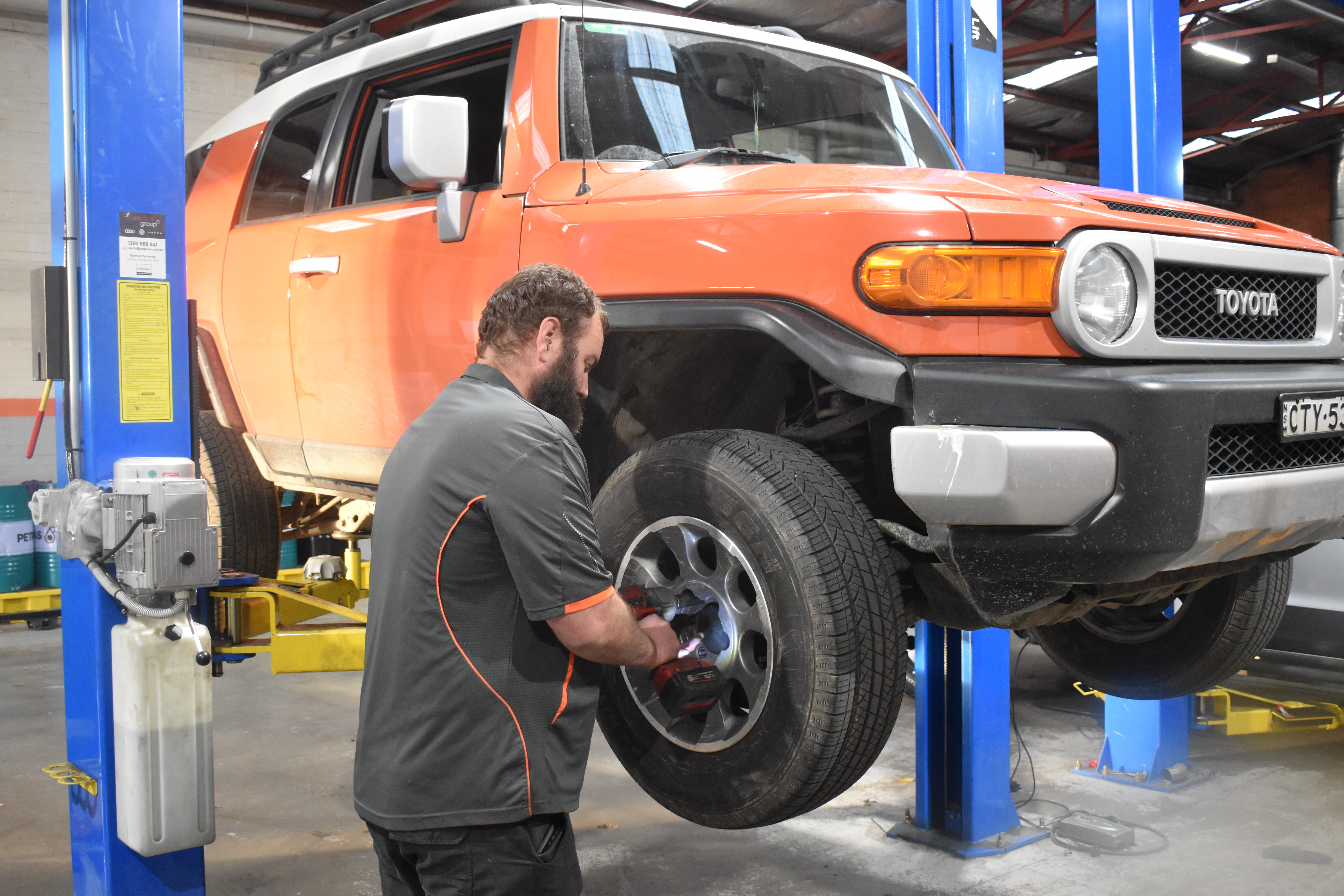
1. The first step is to jack up the car and remove all four wheels. It is possible to do this task on the ground; but if you have access to a hoist, it will make life so much easier when it’s time to bleed the brakes.
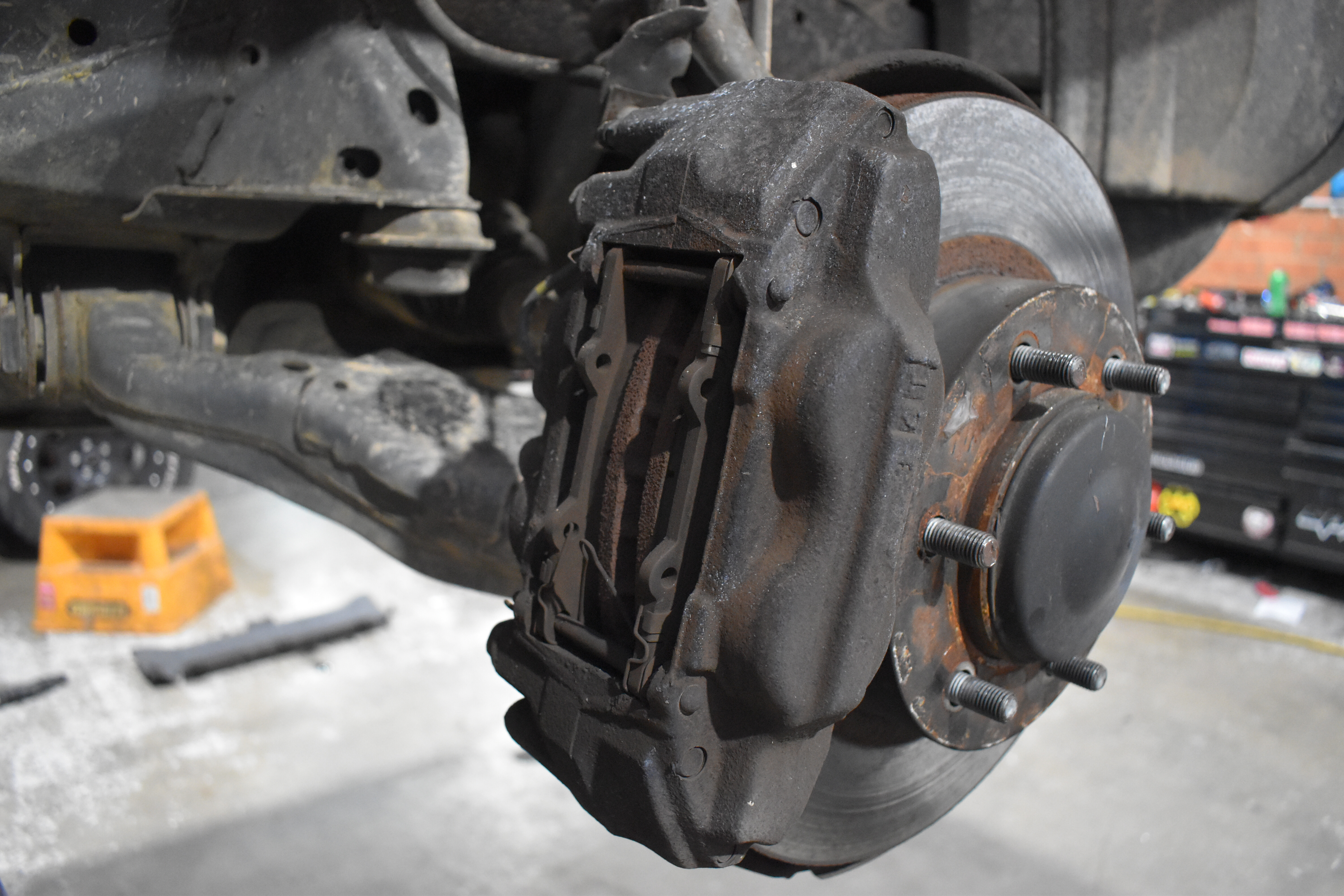
2. Here you can see the old rotors with heat spots; this is what was causing brake shudder, which has now disappeared thanks to the new Bendix gear.
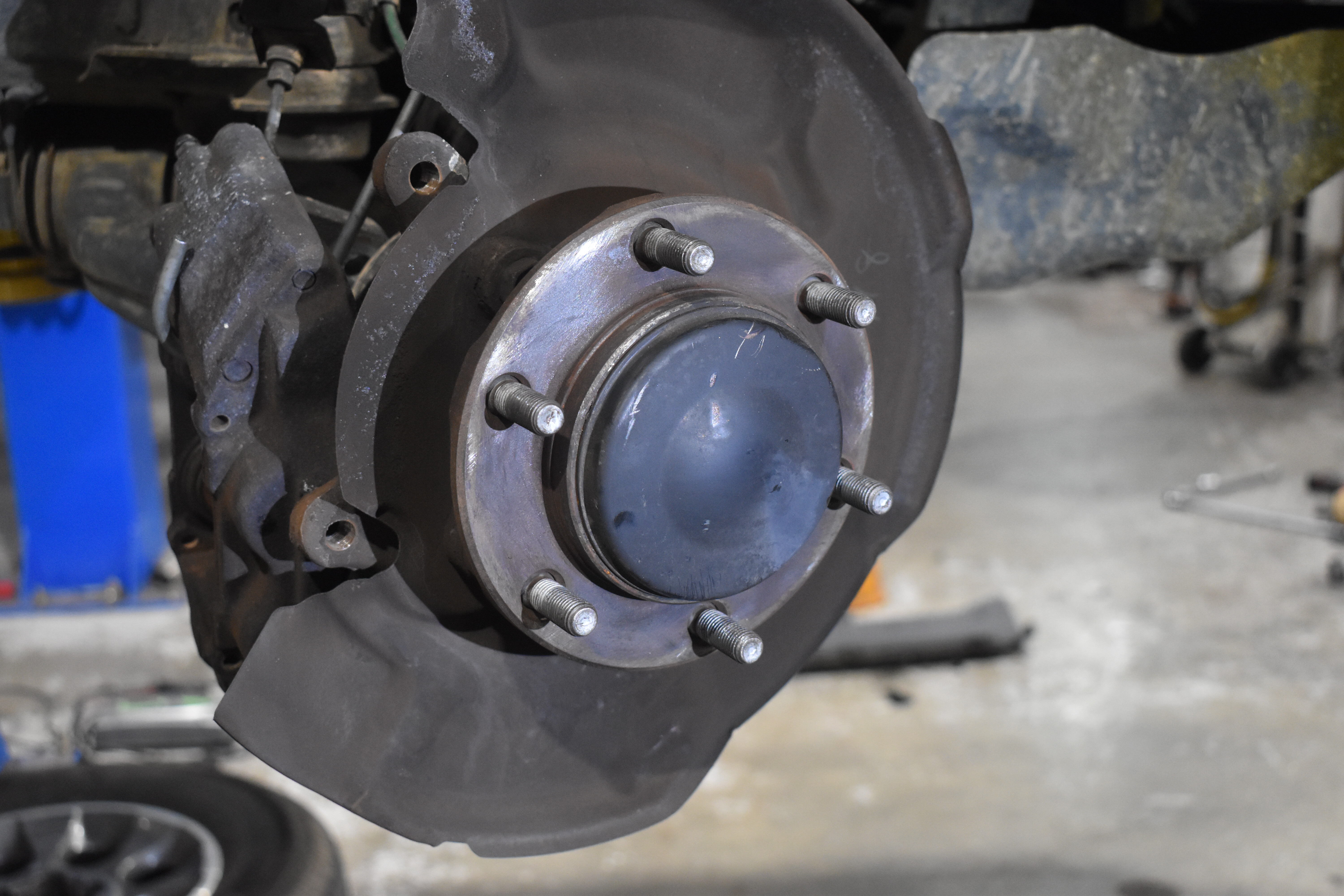
3. Shannon wire-wheeled the hub, removing 10 years of rust and road grime for a neat finish.
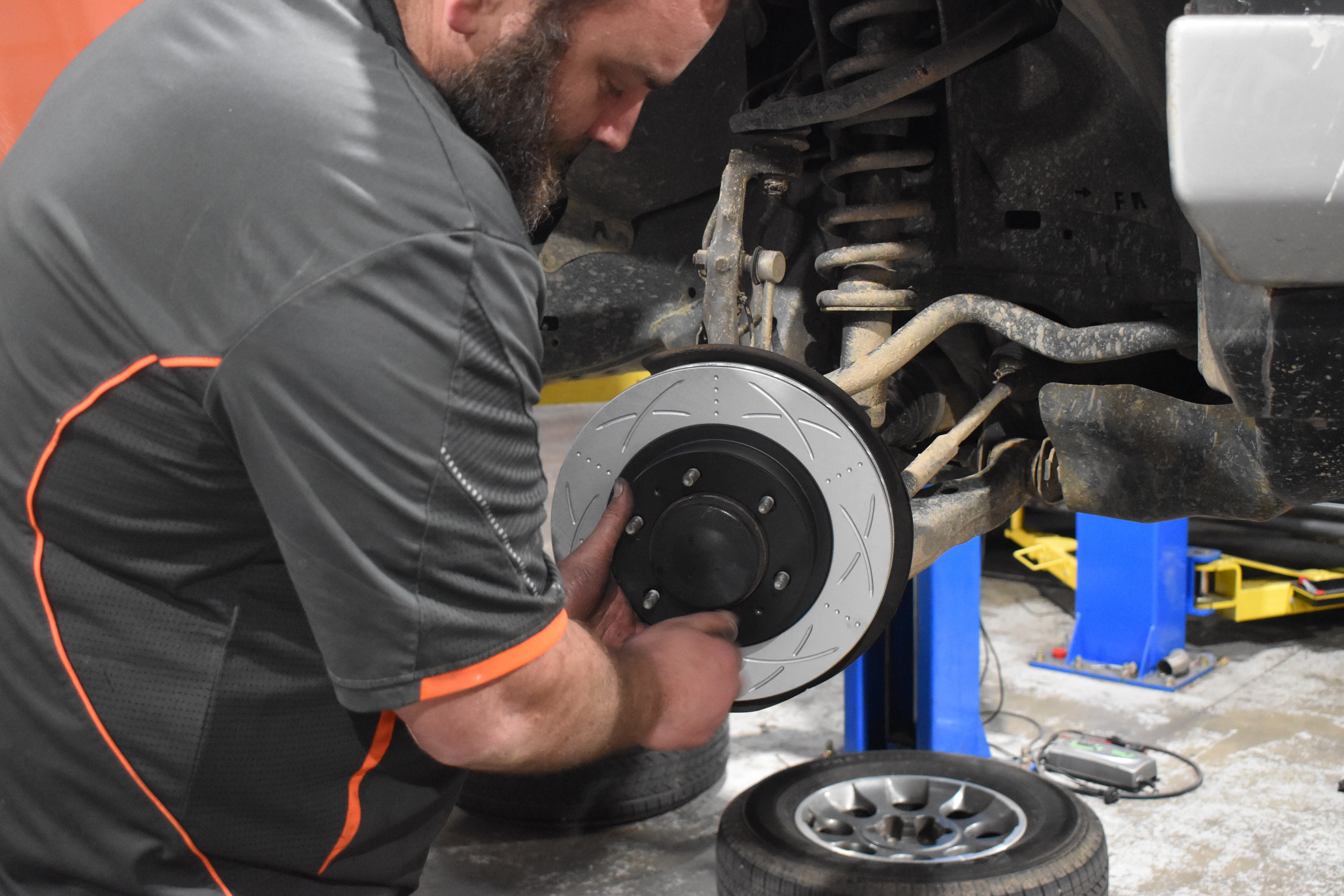
4. Out with the old and in with the new. The Bendix upgraded rotors look sensational and fitted as easily as you’d expect from a quality product.
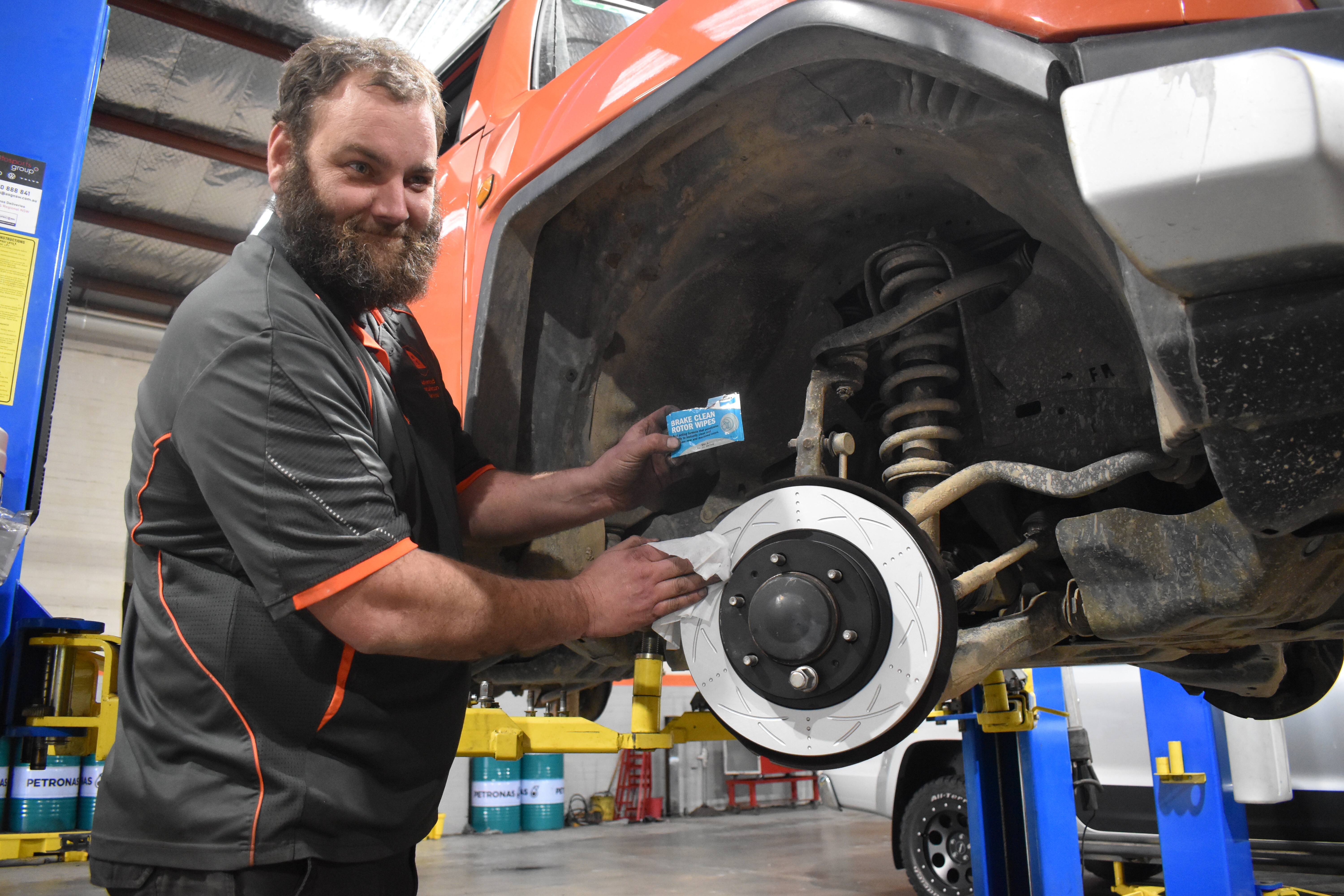
5. The kit even came with rotor cleaning wipes. This is a complete kit that actually bolts on, which tends to make mechanics happy.
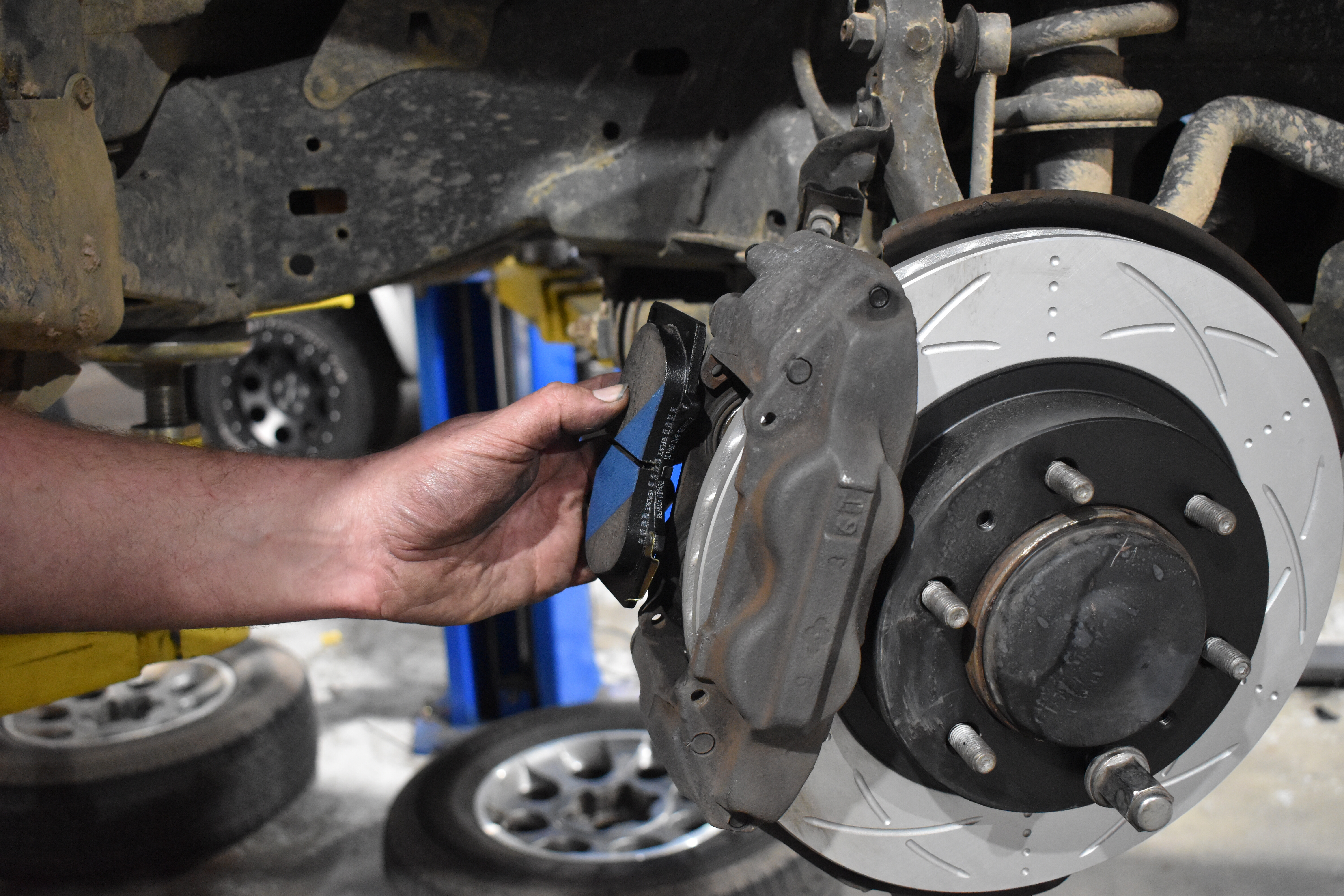
6. The new pads only fit one way, so it’s important to make sure you have them orientated the right way. You can identify them with the printed part numbers.
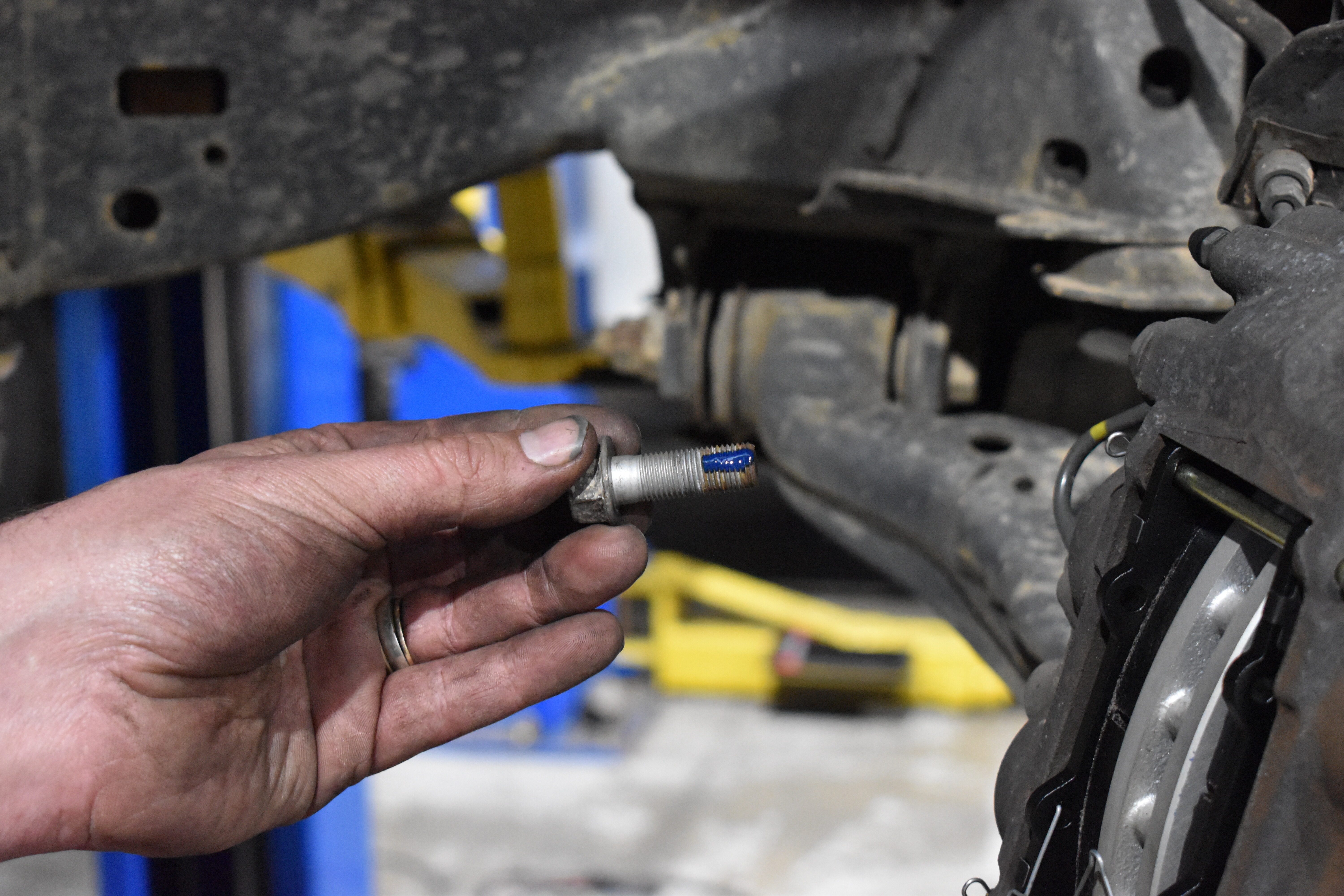
7. Shannon applied a small amount of Loctite to the caliper bolts before reinstalling them. Brakes are kind of important, you know …
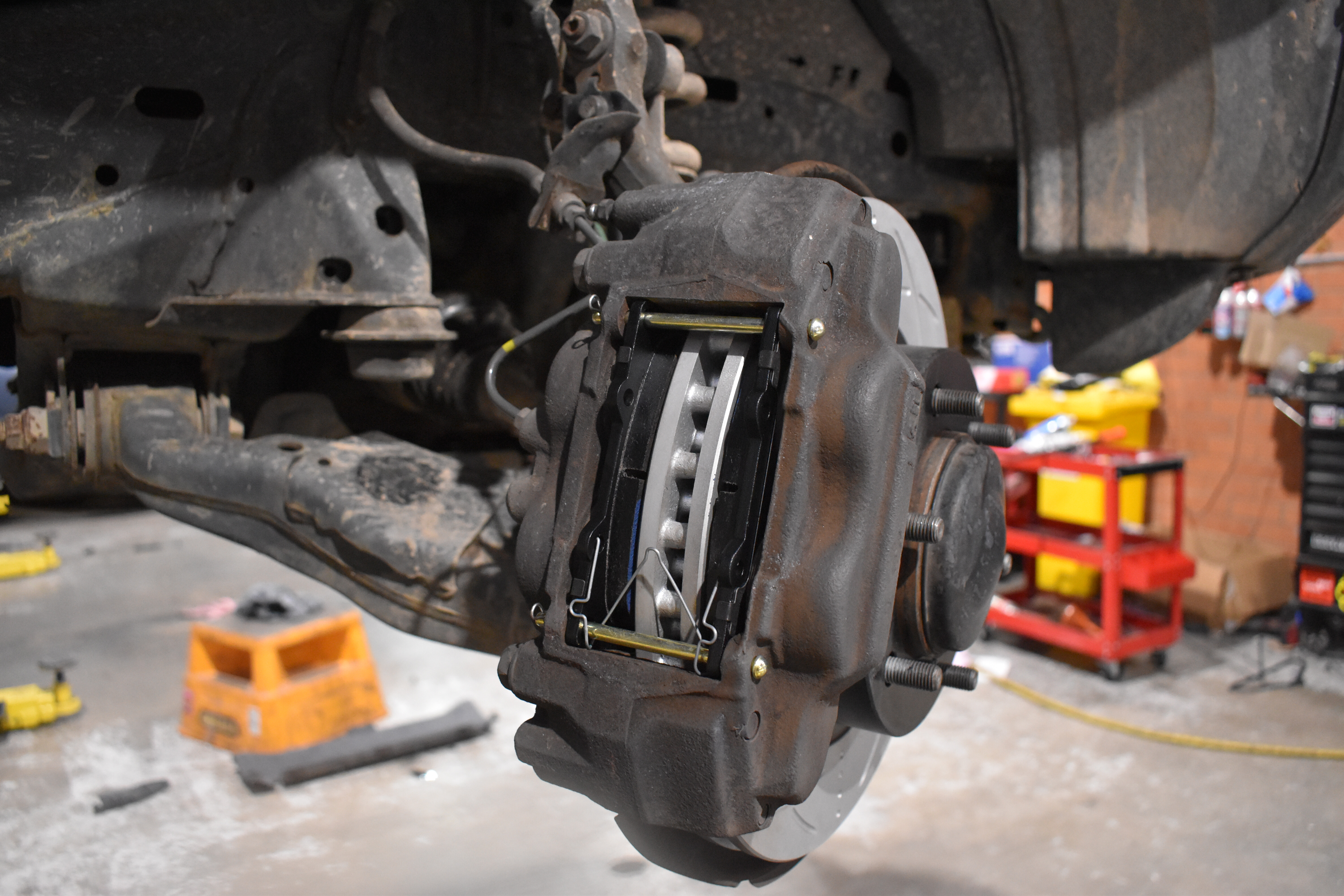
8. The finished product. It’s looking a million times better than when it drove in, and with a peace of mind knowing the job is done right.
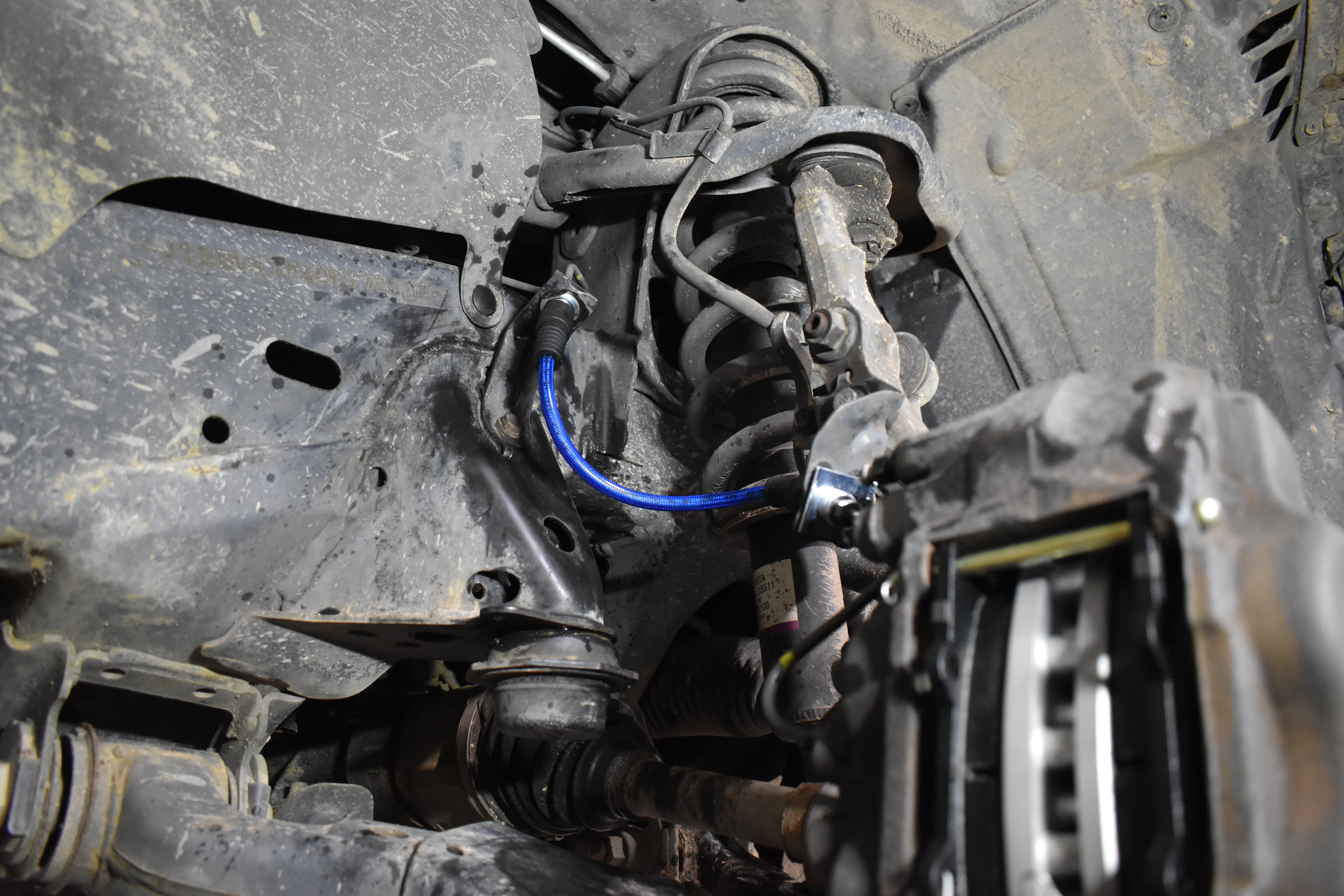
9. The front brake lines were then replaced with the Bendix braided lines, which look terrific and have absolutely improved the FJ’s stopping ability.
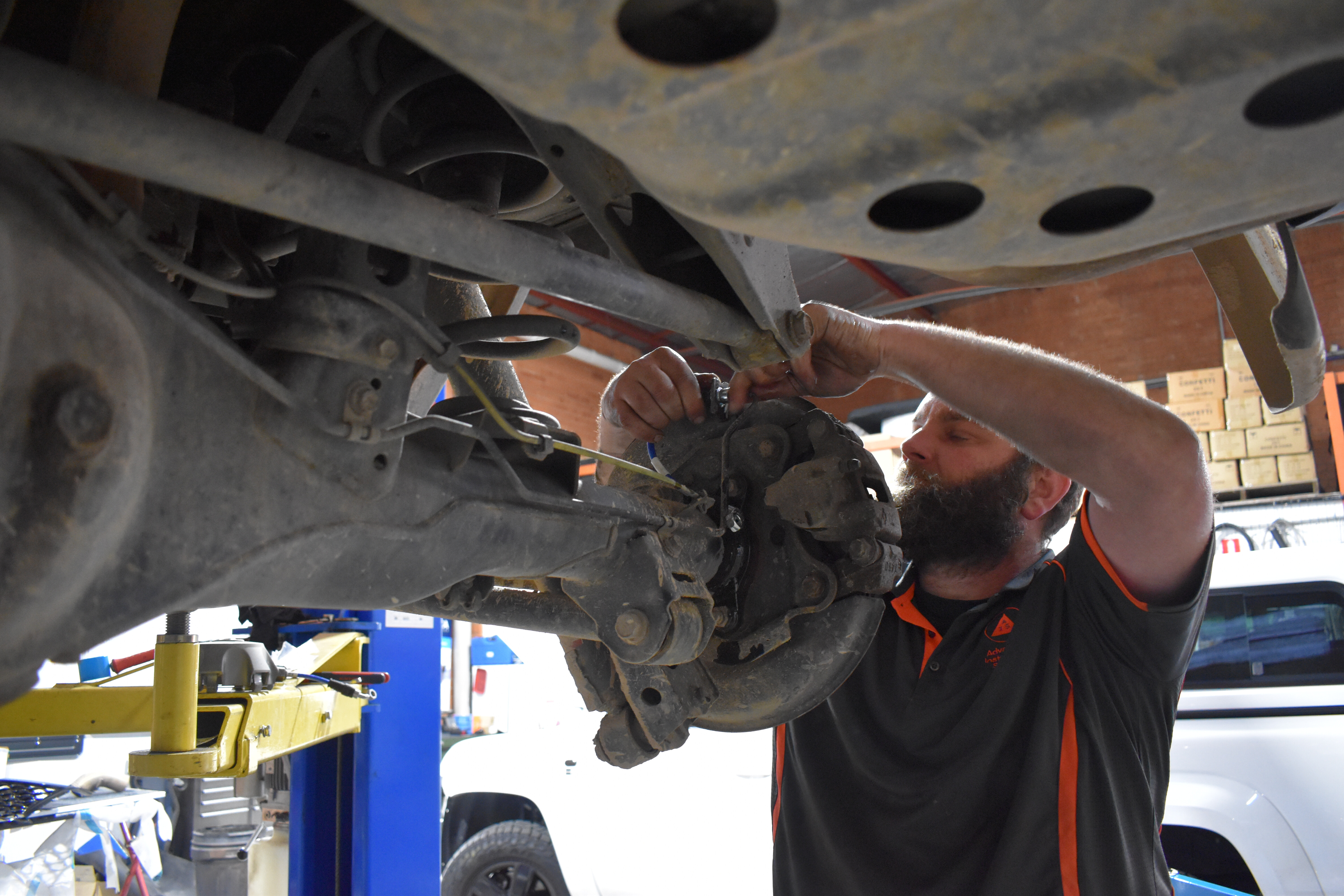
10. With the front end buttoned up, Shannon moved to the rear and installed the four braided brake lines supplied for the rear end. Luckily, this all came to bits without issue, and no knuckles were skinned in the process.
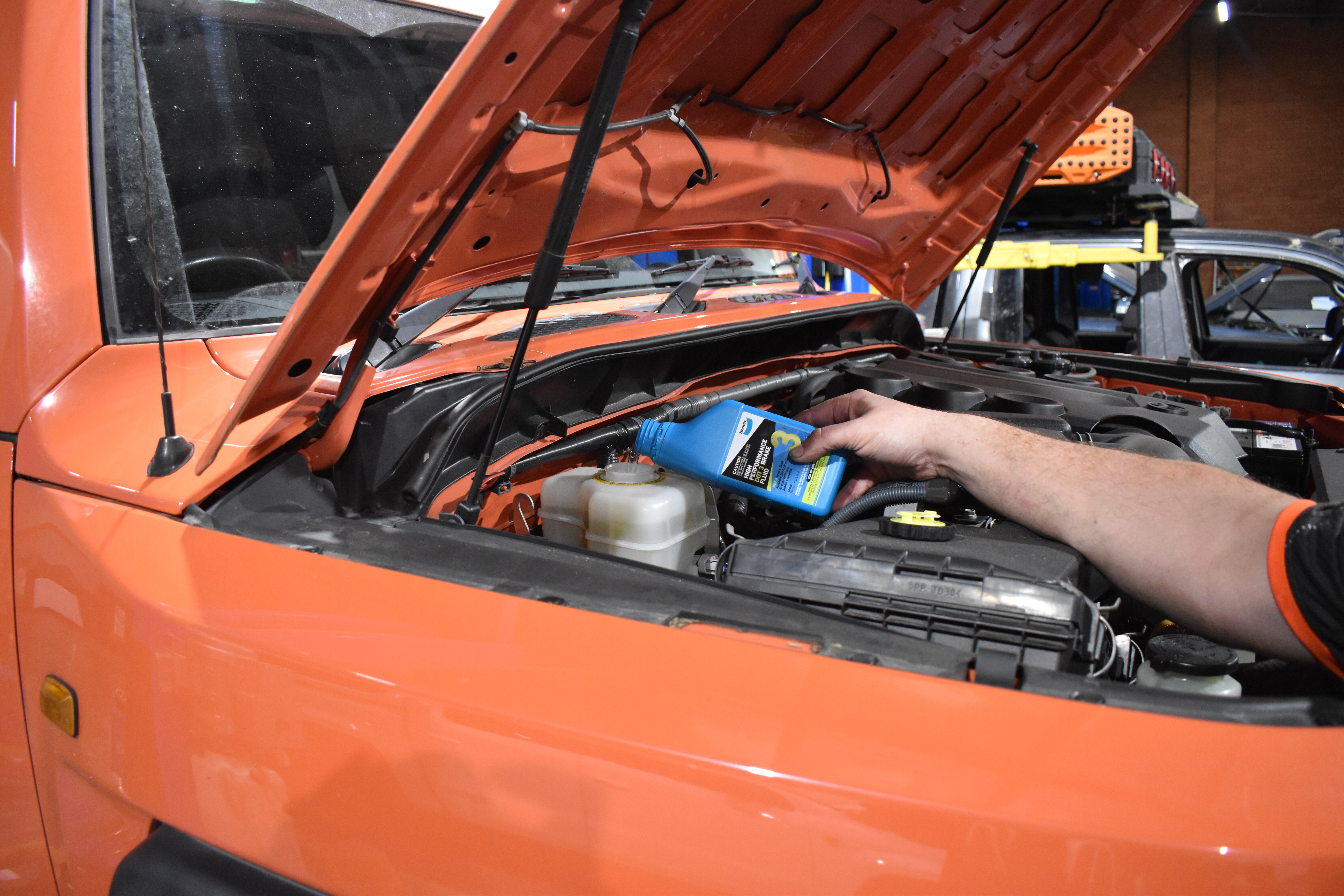
11. The last step is to bleed the entire braking system, topping the fluid reservoir up periodically. All fluids required are supplied in this Bendix kit, with plenty left over.
The verdict?
The brakes on the FJ Cruiser are pretty damn beefy to start with, so I wasn’t sure I’d notice a massive difference in performance – this was more to get ahead of the game when I added extra weight from accessories, and to get rid of the shudder by fitting these upgraded parts.However, I was pleasantly surprised, as there is definitely a noticeable improvement by upgrading to the Ultimate brake kit. Firstly, the shudder is completely gone, which is a massive relief. Secondly, the pedal feel is vastly improved. There’s an initial bite to the brakes that wasn’t there before, and this remains the entire way through brake pedal travel. I’m sure this is due to both fitting the Bendix Ultimate front rotors and pads, as well as the braided brake lines.
All in all, I’m stoked with the braking performance, and I’m happy I decided to upgrade these parts rather than replace them with stock gear. If you find yourself in a similar position, I’d definitely recommend spending a little more and opting for the Bendix Ultimate brake upgrade kit. As Shannon my mechanic said on the day, you’d be mad to not do this if you have the opportunity.Having such a complete kit also saves time and money in the long run when it comes time to install the brakes. I did have to fight him for the icebox, though.
Thanks to:
Special thanks to my mates at Advanced Installation Service for staying back late and installing the Bendix Ultimate 4WD Brake Upgrade Kit. If you need a knowledgeable 4WD mechanic or accessory installer in the Sydney area, give these guys a call. Phone: (02) 4739 9009 Web: www.advancedinstalls.com.au
RATED:
Available from: www.bendix.com.au RRP: From $1199 (sans installation – that cost me a case of Coopers Pale Ale and six fresh cinnamon donuts).
WHAT WE SAY: A comprehensive bolt-on brake upgrade, with everything required to do the job included.