
We’ve assembled six custom 4x4s sent in by our loyal readers. If you want to see your four-wheel drive in the next issue of 4X4 Australia magazine, send us a photo via our Facebook page or email us at: [email protected]
1993 Ford Maverick
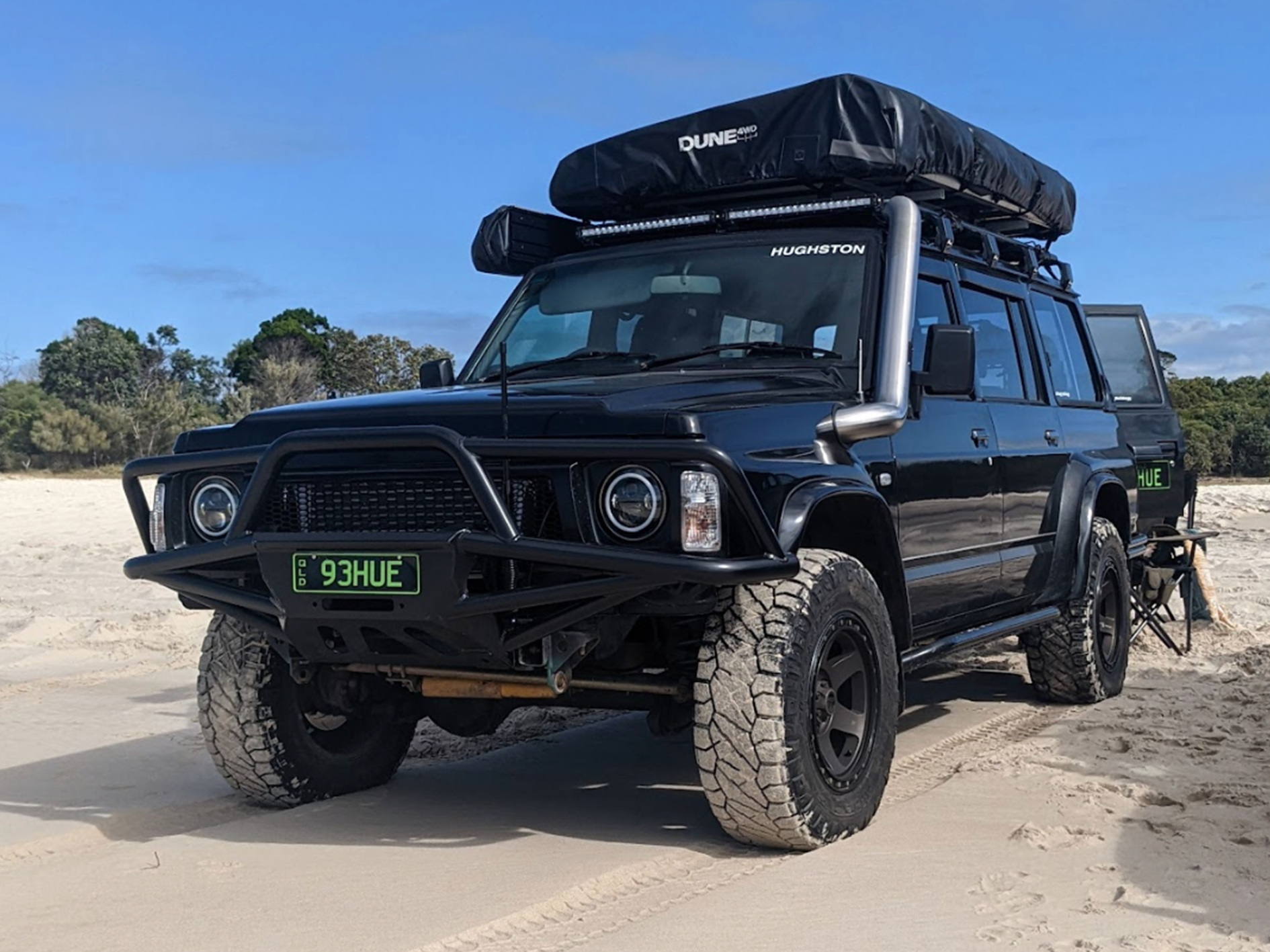
I just wanted to show you my 4WD and everything which has been done to it. I hope it encourages other women to get into 4x4s. Everything on this car has been done by myself, with the help of my dad!
Modifications include a rebuilt TD42 with UFI 16g turbo; 11mm boost comp injector pump; rear quarter chop; Patroldocta bullbar; custom rear bar; lithium battery and DCDC set-up; fridge slide with 75-litre ARB fridge and fridge cage; barn door table; on-board air compressor; two-inch Superior lift kit; long-range fuel tank; lights on roof rack; Bushwakka awning; custom dash fascia; and black-painted interior. My Instagram is @hugh_thefakegq – Delenn Sheppard
Nissan GU Patrol
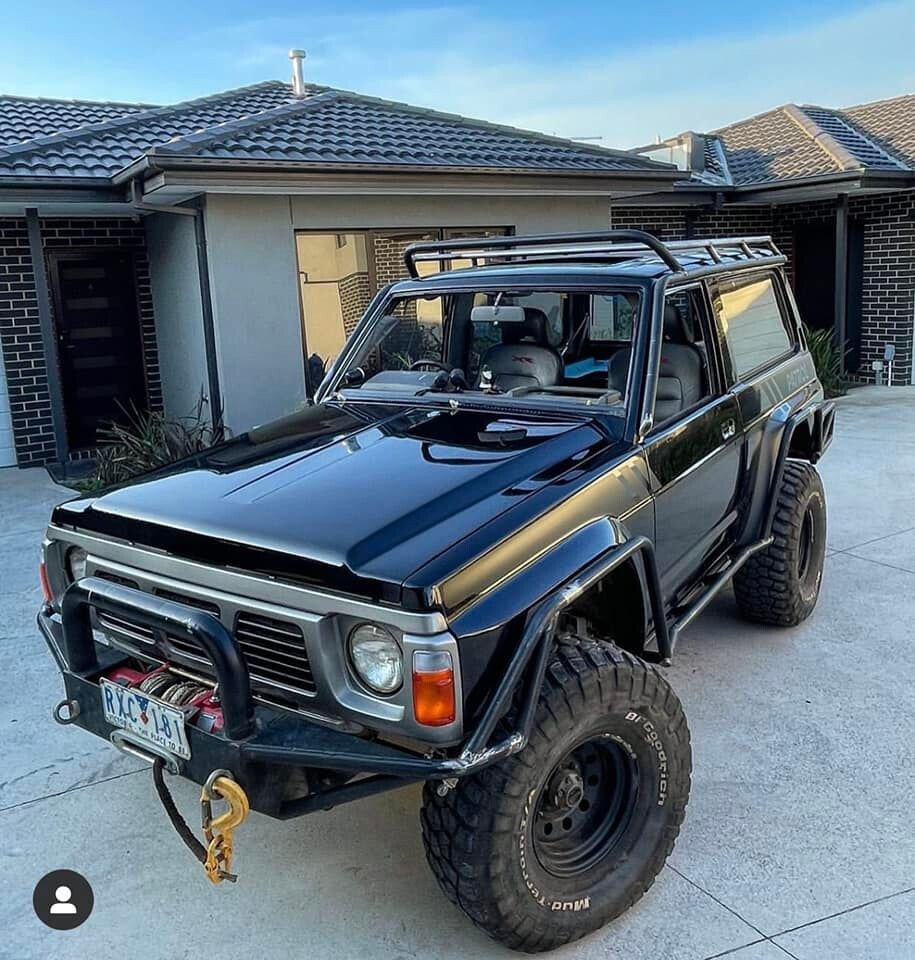
It’s fitted with all of the usual stuff: twin lockers, GU diffs, gears, HD everything, and a Holden 355 stroker in front of a built RE4. It’s wrapped in custom bar work, body work and paint. The rear has been set up for camping. I have done heaps of travel around Victoria and interstate over the years. – Darryl Kimmoe
1989 Suzuki Sierra
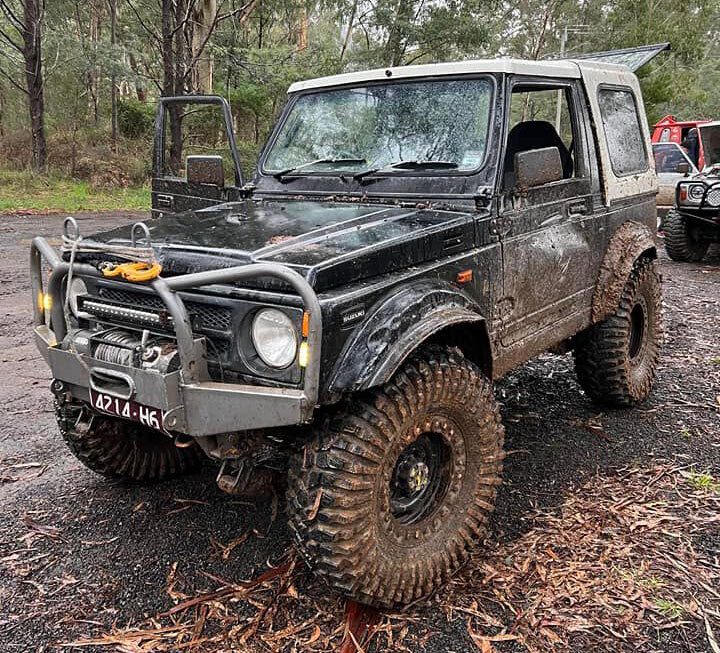
It’s a 1989 short wheelbase SJ70 with a 1.6 EFI from a Suzuki Baleno. It has reduction gears, twin lockers, 32-inch Maxxis Roxzillas, 24-volt Runva winch, roll cage, and home-made front and rear bars. I love Ellis Track in Gladysdale. Any creek driving around Gippsland in Victoria is great too. – Tyler Hunt
2002 Toyota LandCruiser HDJ79R
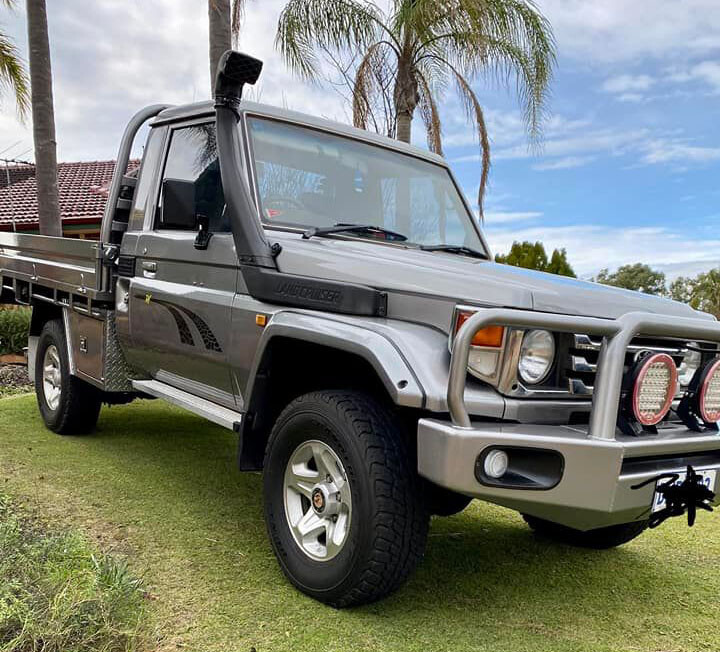
My beloved Cruiser started life in the Pilbara on a station, and after a few years she moved to the coast in the north-west of WA. I took her over about three years ago when she moved to Perth. After many years in the harsh Pilbara sun, I gave her a fresh coat of paint, new bullbar, a three-inch stainless-steel exhaust, and a three-inch lift. She now lives under cover, with the occasional caravan and beach trip. It has done 313,000km and the FTE engine hasn’t been touched. – Mark Pelling
2008 Mitsubishi Pajero
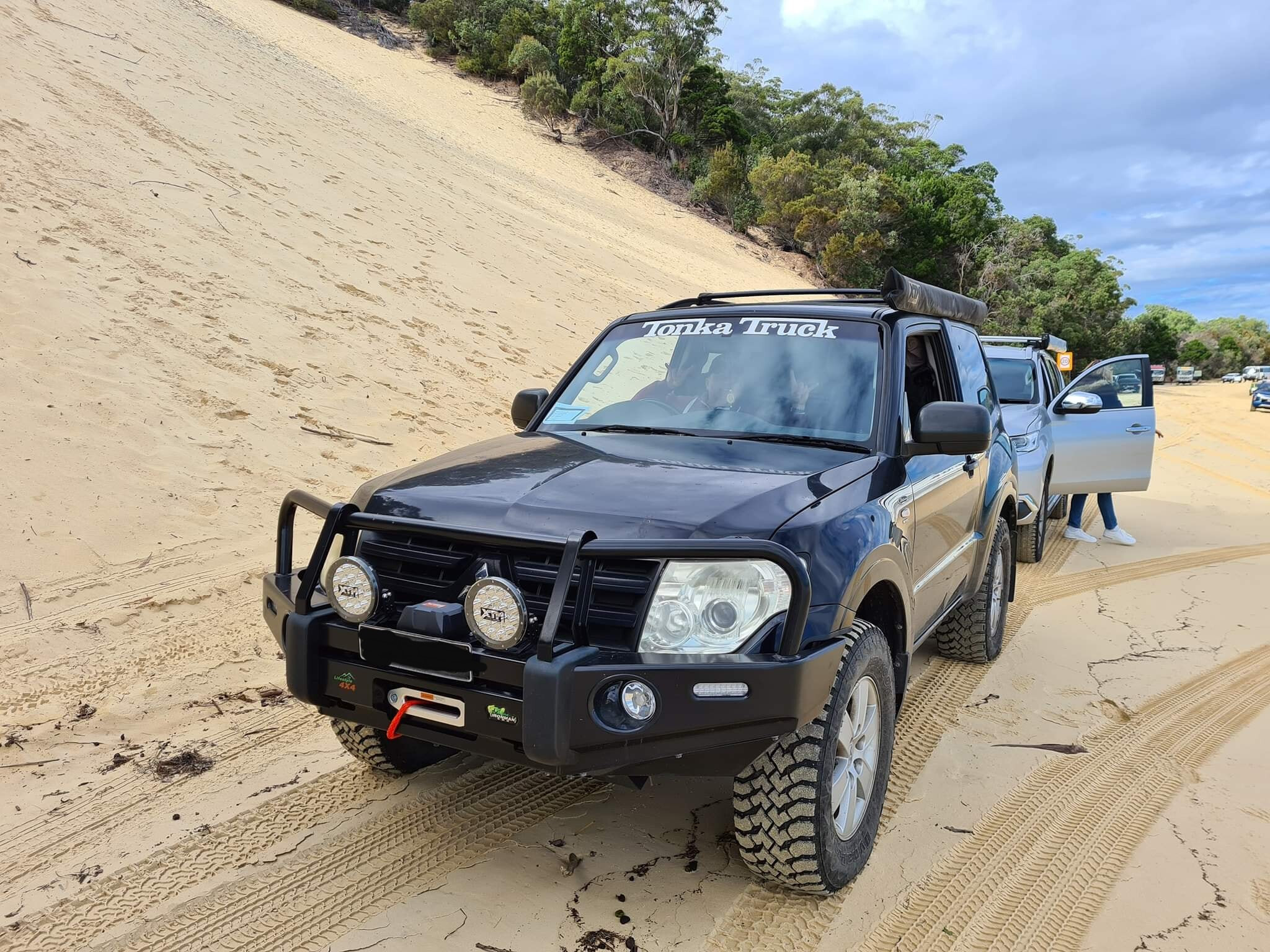
The Paj is running Hankook mud-terrains; Ironman suspension lift; Ironman Deluxe bullbar; Ironman underbody protection; XTM seven-inch driving lights; XTM winch; XTM recovery hitch; XTM 2.5m awning; and Rola aero roof bars. – Shaun Young
2007 Jeep JK Wrangler
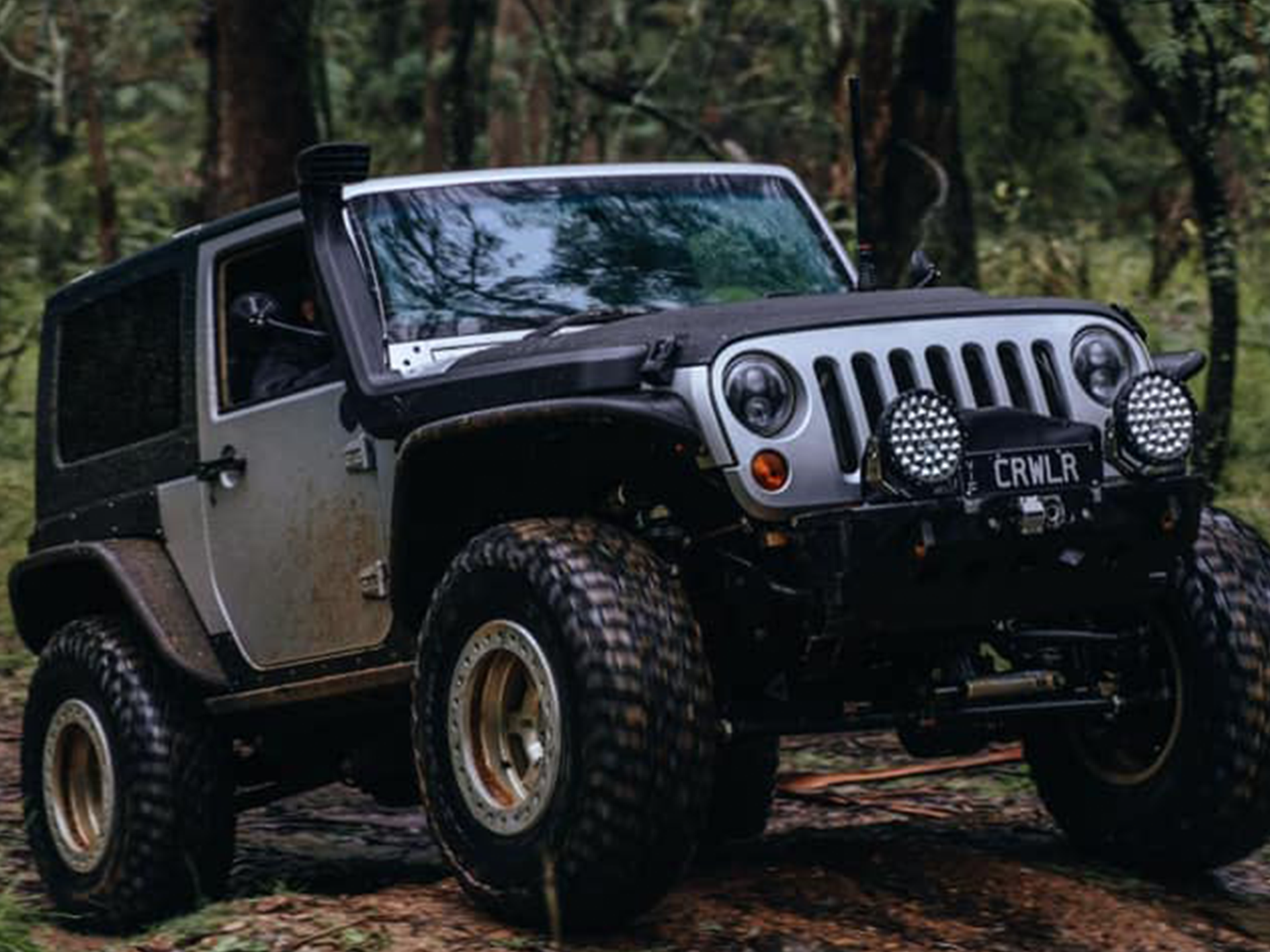
It’s the two-door 3.8L manual, with plenty of aftermarket kit including a Smittybilt XRC Modular front bar; Stedi Type-X PRO LED driving lights; Carbon 12,000lb winch; Smittybilt SRC Stingray vented hood; JW Speaker head- and tail-lights; Poison Spyder front and rear Crusher flares, inner fender kit and brawler rockers; JCR Offroad’s Crusader rear mid-width bumper; TeraFlex Alpha spare tyre carrier and mounting kit; and TeraFlex Prerunner three-inch Long Flexarm suspension system with Teraflex/Falcon 3.4 remote air-adjust piggyback shocks.
It also has TeraFlex Rzeppa CV kit; G2 Core 44 front and rear diff with ARB air locker 4.88 gears; G2 Mini Air Compressor for lockers and suspension; ARB breather extension kit; ATX Chamber Pro II beadlocks; BFG KM3 37/12.5×17 tyres; ARB high-performance twin on-board compressor; Subaru BRZ seats; Rugged Ridge A pillar switch pod; Smittybilt C-RES2 cargo restraint system; GraBars grab handles; and a custom rear drawer system. – Matt Ackley
With the summer season fast approaching, it’s time to prepare your 4×4 set-up so that it’s in tip-top shape for its next adventure.
To help guide you, we’ve assembled a selection of the best new products that have recently landed on aftermarket shelves.
Bendix Ultimate 4WD Big Brake Upgrade Kits
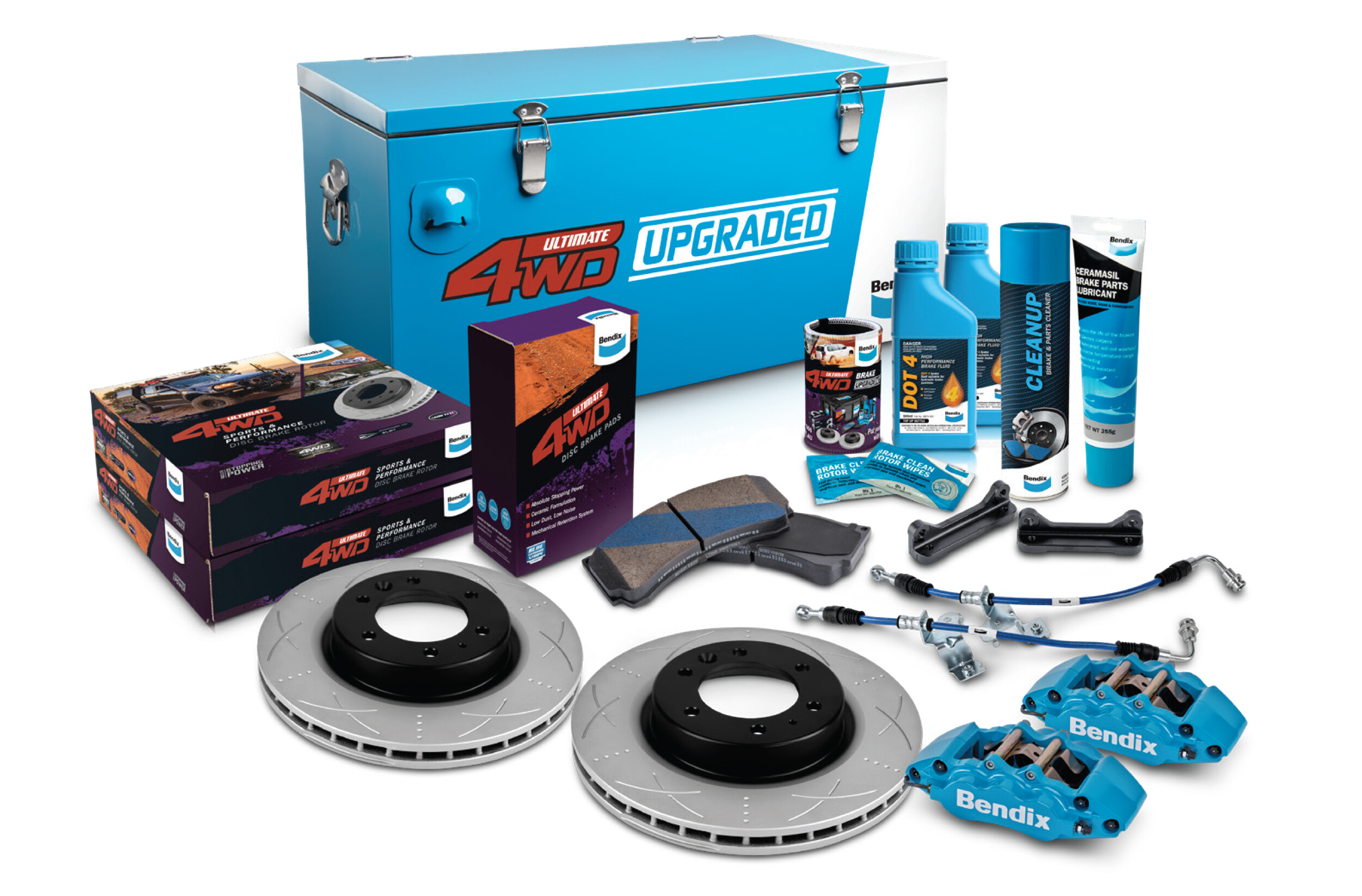
Bendix has announced a range of Ultimate 4WD Big Brake Upgrade Kits, designed to transform the braking performance for owners of popular 4WD dual-cab utes and wagons.
These kits are completely ADR-compliant, and available in two sets to suit either the front or rear (or both, if you want the biggest improvement) of a wide range of vehicles.
These kits arrive complete with everything you need to do the job, and if you decide to go with the Big Brake Upgrade Kit, you will receive beefy looking Bendix 6-piston monoblock calipers with bracket mounting kit, as well as braided brake lines, upgraded disc rotors and Bendix Ultimate 4WD brake pads.
If your 4WD is heavy with aftermarket accessories or you tow regularly, a brake upgrade such as this kit from Bendix is something you’ll appreciate every time you drive your 4×4.
MORE INFO: https://www.bendix.com.au/ BUY NOW: https://amzn.to/3WEpSTN
Clearview Next Gen Towing Mirrors
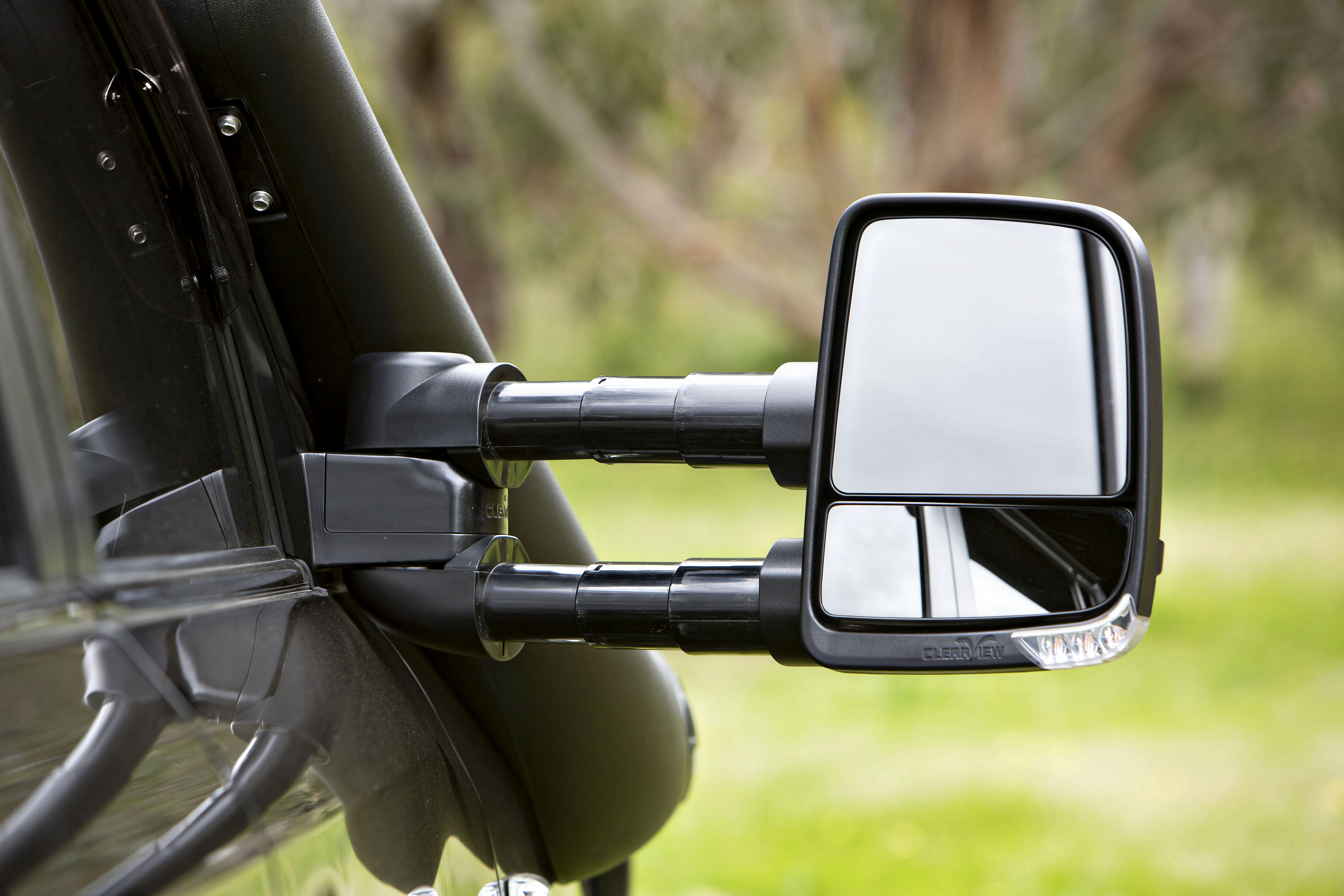
These new Clearview Next Gen Towing Mirrors extend out as far as the Clearview Original Mirrors, but retract to virtually the factory profile of the standard mirrors they replace. When set to their normal driving position, Clearview’s Next Gen Mirrors remain unobtrusive during your daily commute when you don’t need extended mirrors, or when you need to fit in tight spaces.
For a clearer view of your set-up when towing or reversing, Clearview’s Next Gen Mirrors extend a full 180mm, expanding your field of vision to help see you to your destination safely.
Clearview Towing Mirrors are designed to take the stress out of worrying about compliance, as towing mirrors are a legal requirement when towing anything wider than your vehicle. The Next Gen top mirror has a large, flat surface that can reflect vision directly down the sides of your caravan or trailer, and the bottom, smaller convex mirror reduces blind spots by allowing you increased vision out to the lanes beside your vehicle.
Clearview Accessories has been manufacturing towing mirrors since 2006 and offers a range of extendable towing mirrors available to suit more than 50 popular tow vehicles.
MORE INFO: https://www.clearviewaccessories.com.au/ BUY NOW: https://ebay.us/iw5JoB
GME Beyond Blue Edition TX6160XBL handheld UHF
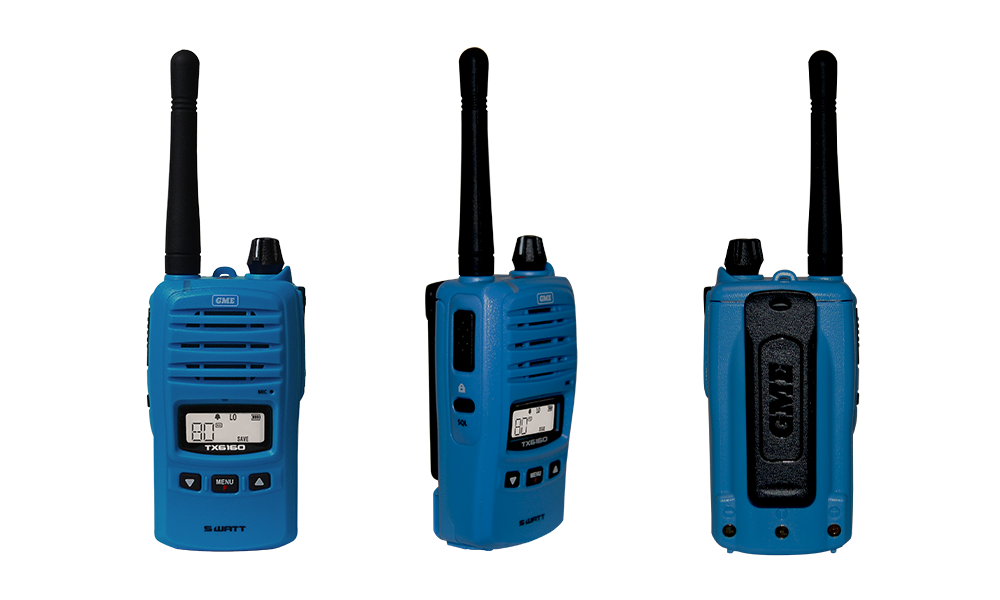
Communications leader, GME, has recently announced it is partnering with Beyond Blue with the introduction of its limited edition blue handheld radio, the TX6160XBL. The Beyond Blue 5W UFH CB handheld radio boasts an IP67 ingress protection rating, up to 30 hours of battery life, offers VOX hands-free mode and even an inbuilt LED torch.
Ten per cent from the sale of each radio will be donated directly to Beyond Blue to assist its ongoing efforts supporting people affected by anxiety, depression and suicide. This is an extremely worthy cause, so if you are in the market for a new handheld UHF radio, be sure to look into the Beyond Blue TX6160XBL from GME.
MORE INFO: https://www.gme.net.au/au/ BUY NOW: https://ebay.us/5hTsjA
YOKOHAMA Geolandar X-AT G016
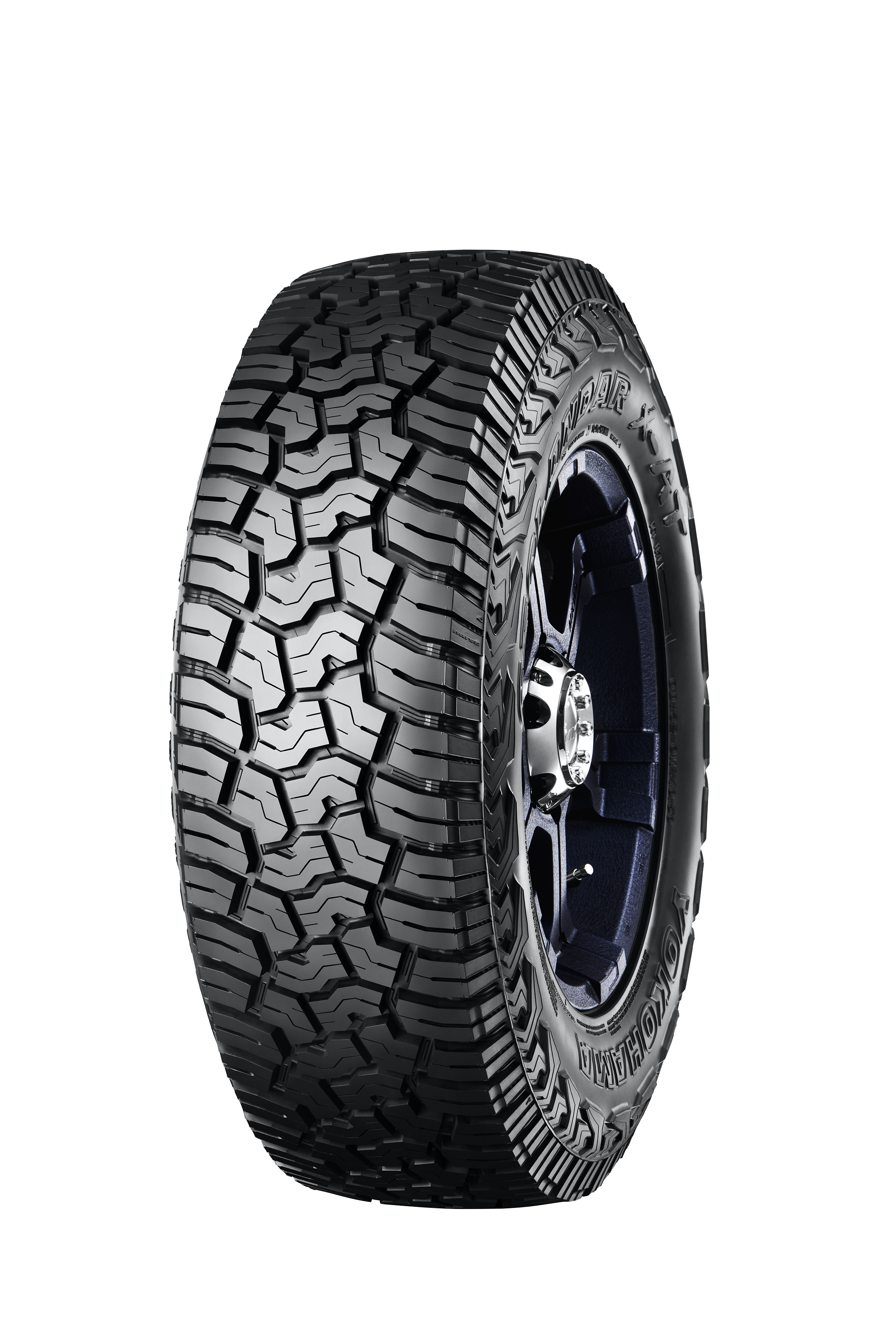
Yokohama’s Geolandar X-AT G016 has been designed to offer the strength of a mud-terrain tyre, with the tread pattern of an all-terrain tyre. Features include an aggressive tread design that Yokohama also says provides long tread life, off-road and wet-surface traction, excellent on-road handling, as well as low noise and a comfortable ride.
The Geolandar X-AT G016 is rated as a 70 per cent off-road tyre and 30 per cent on-road tyre, and is covered by their Road Hazard Protection plan for peace of mind. There are plenty of sizes available also, ranging in wheel diameter from 15-inch right up to 20-inch.
MORE INFO: https://www.yokohama.com.au/ BUY NOW: https://ebay.us/8IiWf2
Armadillo Bag
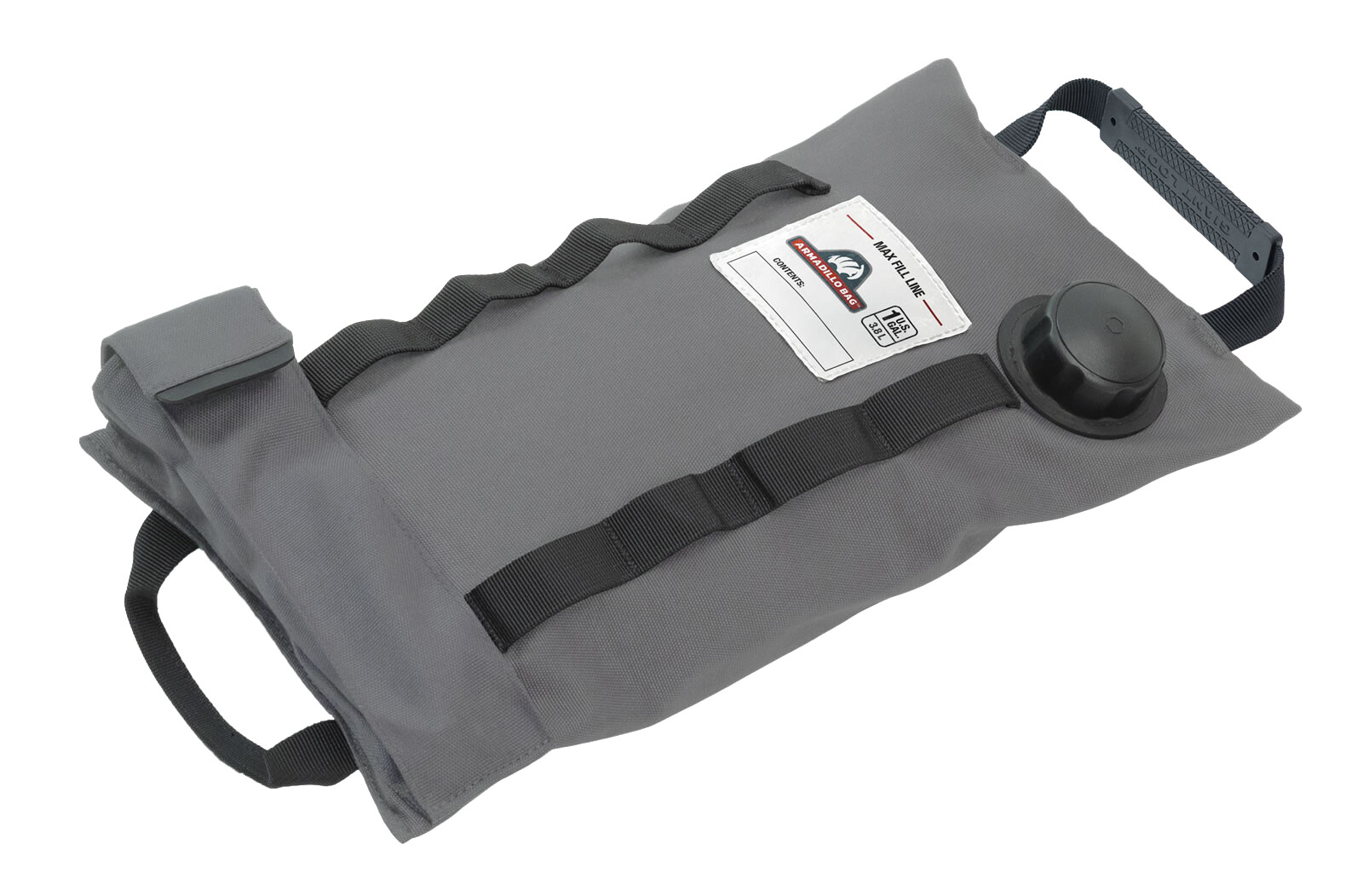
The Armadillo Bag is a flexible, collapsible, lightweight expedition-ready utility bladder designed around the safe transportation and storage of liquid hydrocarbon products and other automotive fluids.
Armadillo Bags weigh a fraction of what rigid containers do, and pack up small for ease of storage when empty. Each Armadillo Bag is pressure tested to ensure leakproof performance, and include a pour spout with a dedicated storage pocket. There are four sizes available, from 3.8L right up to 18.9L with the largest size weighing in at just 680g.
Please note: these bags do not meet local standards for portable or long-term fuel storage, their intended purpose is for temporary transport of permitted automotive liquids however.
MORE INFO: www.armadillobag.com.au BUY NOW: https://amzn.to/3UoeVnu
HULK 4×4 Tailgate Assist Kits
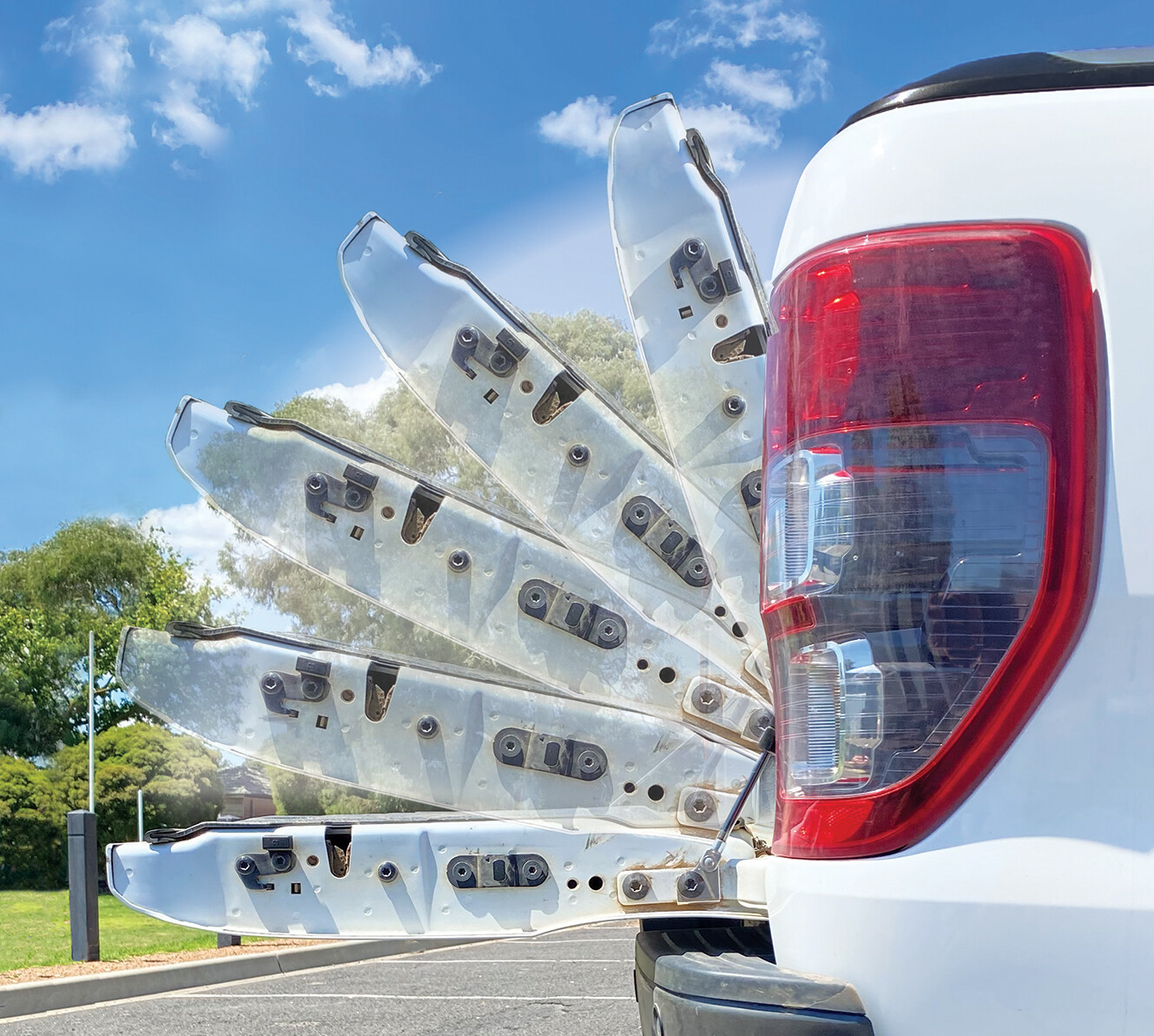
Hulk 4×4 has just beefed up its range of vehicle-specific fitment Tailgate Assist Kits, with a wide range of 4WDs now covered. These Tailgate Assist Kits have been designed to remove the inconvenience of operating a heavy tailgate found on many dual-cab utes.
All Hulk 4×4 Tailgate Assist Kits have been designed as an easy instal, with every component required supplied in each kit. Inside each kit, you’ll find two struts: one assists the soft and slow down-direction of the tailgate, while the other makes lifting it up again a breeze. By fitting a Tailgate Assist Kit to your 4WD, you’ll be able to open and close your tailgate with one hand.
Kits are available to suit many popular makes and models, including Ford Ranger, Isuzu D-MAX, Mazda BT-50, Mitsubishi Triton, Nissan Navara, Toyota Hilux and Volkswagen Amarok.
MORE INFO: https://hulk4x4.com.au/ BUY NOW: https://amzn.to/3WwnCxT
TAG Next-Gen Ford Ranger Towbars

TAG has just launched its most extreme range of towbars for the Next-Gen Ranger. The range of new towbars includes Heavy Duty (HD) and Extreme Recovery (XR) Towbars that have been designed to fit the Styleside, Cab Chassis and Extended Cab Chassis configurations, offering products to suit all needs for Next-Gen Ranger owners.
TAG’s towbars are a three-piece design for ease of installation, finished in a textured powder-coat for style and durability, all covered by the TAG Limited Lifetime Warranty. To sweeten the deal, all TAG towbars offered for the Next-Gen Ranger come with Tow Ball Mount, Pin & Clip and D-shackles.
MORE INFO: https://www.tagtowbars.com.au/ BUY NOW: https://ebay.us/loESaj
Invicta Hybrid Starter Lithium Battery
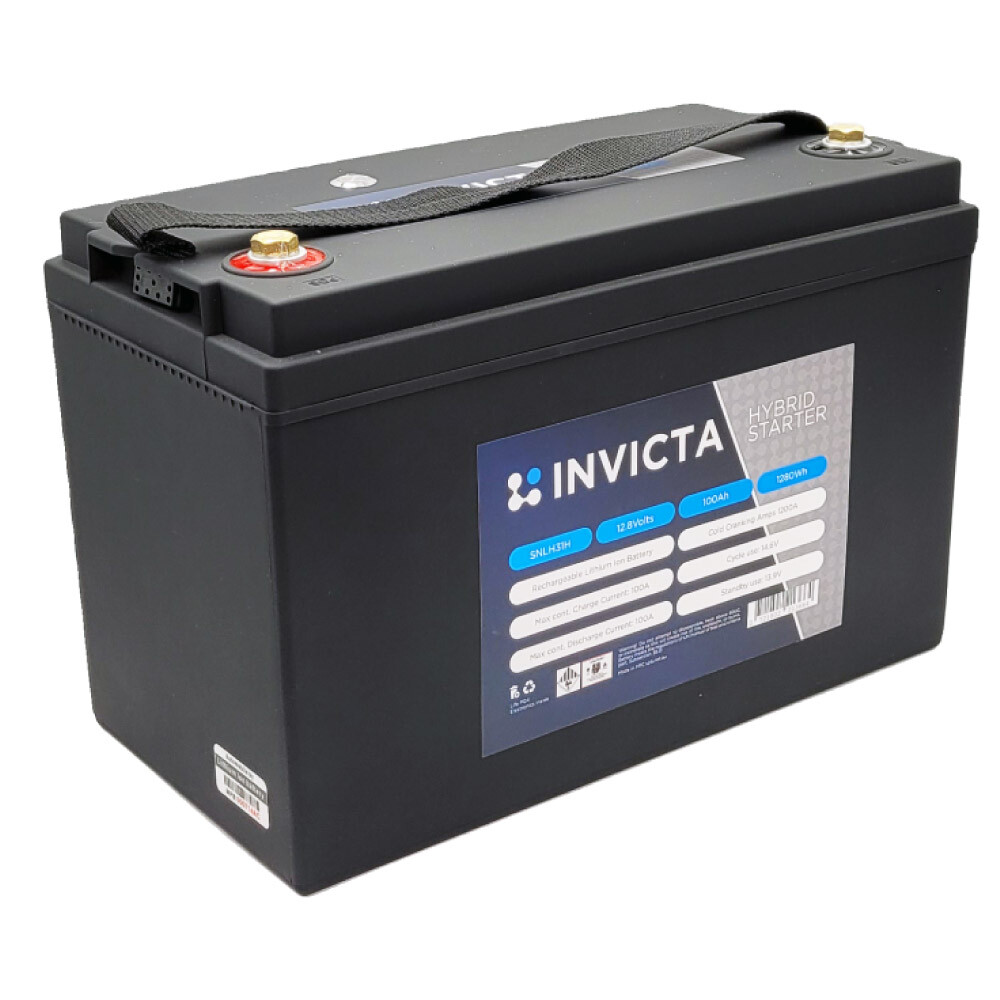
A recent addition to the Invicta Lithium Batteries range, is this Hybrid Starter battery that offers a dual purpose: it’s got enough grunt to start your vehicle, as well as power a 12V electric winch and to run your camp accessories such as a fridge or LED lighting.
The Invicta Hybrid Starter battery is made up of A123 pouch cells, with a claimed output of over 1400CCA depending on the size of battery selected. This is a drop-in battery replacement that is powered off your vehicle’s alternator for a painless installation, too.
There is a wide range of batteries in the Hybrid Starter range, with a size to suit most applications. One unique feature is a backup Jump Start function which allows you to safely start your vehicle if you run the fridge at camp for a little too long.
MORE INFO: https://www.invictalithium.com.au/ BUY NOW: https://ebay.us/ioPf9m
ScanGauge Three
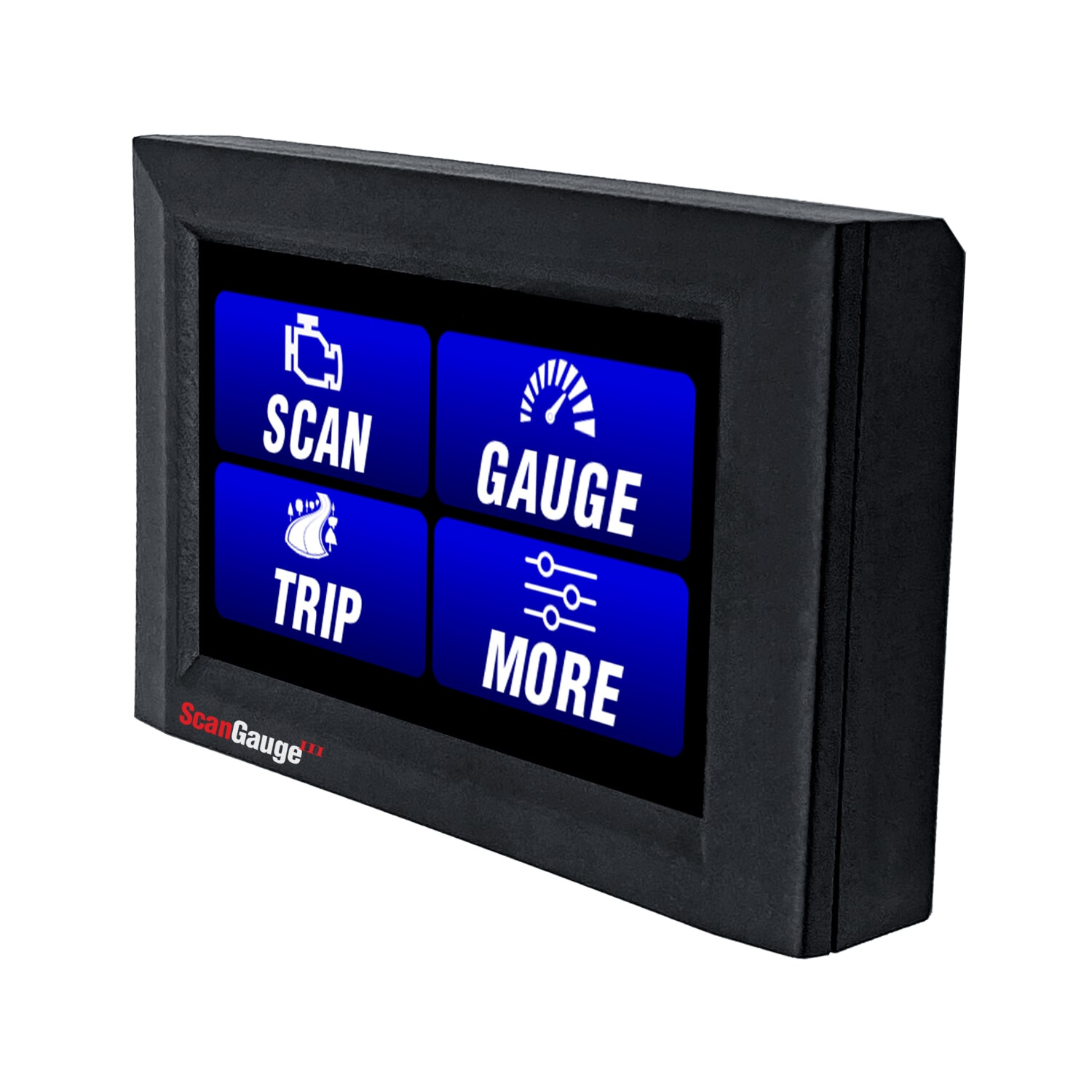
An all-new product from the ScanGauge team, is the ScanGauge Three, designed to monitor your vehicle’s vital systems and provide real-time data via the inbuilt digital gauges.
As well as monitoring vitals such as transmission temperatures, oil temperature, trip data and fuel economy information, the ScanGauge Three is also an OBD2 Scan Tool that allows you to read and clear trouble codes in the event of a ‘check engine’ light.
The ScanGauge Three is easy to instal, with no tools required and no batteries required either. Another neat feature is the ability to customise the coloured backlit display to match your mood or instrument cluster for a factory finish.
MORE INFO: https://www.scangauge.com.au/ BUY NOW: Outback Equipment
Projecta 12V Lithium Battery Range
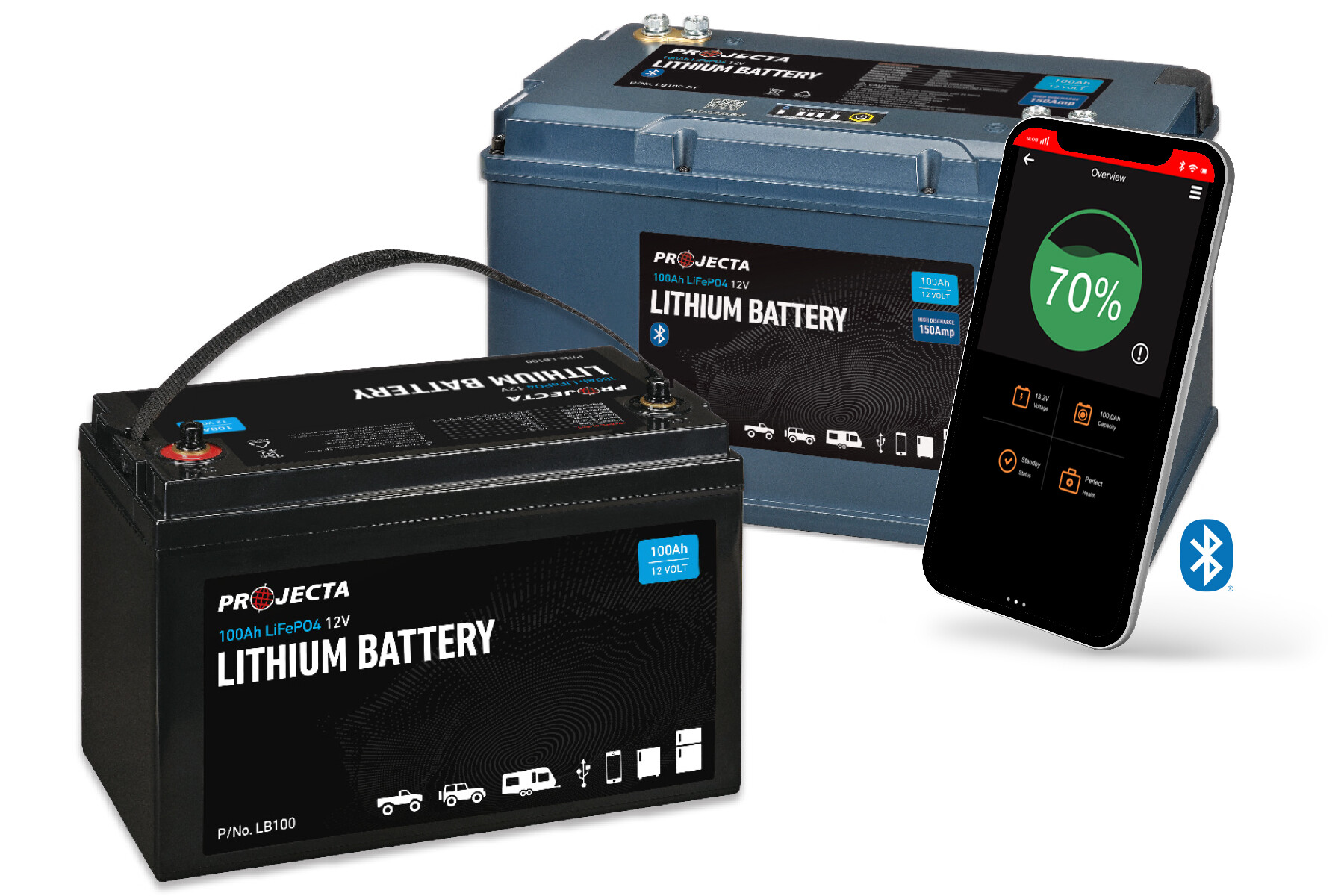
Projecta tells us its new range of 12V lithium batteries took three years of development and testing before release, and have since announced there are two new lithium batteries available. The first being an 100AH called the LB100, and the second being a high-discharge unit dubbed the LB100-BT.
The LB100 offers a true 100amp discharge ability, with enough power to run a 1000W inverter as well as a fridge. The LB1-BT takes things one step further, by having the ability to power up to a 2000W inverter, which from a 100AH battery is impressive stuff indeed.
Both batteries are housed in a traditional N70 casing for ease of installation, but it must be mentioned these, like most lithium batteries, are not suitable for under-bonnet installation.
MORE INFO: https://www.projecta.com.au/
Terrafirma Rugged Terrain RT tyres
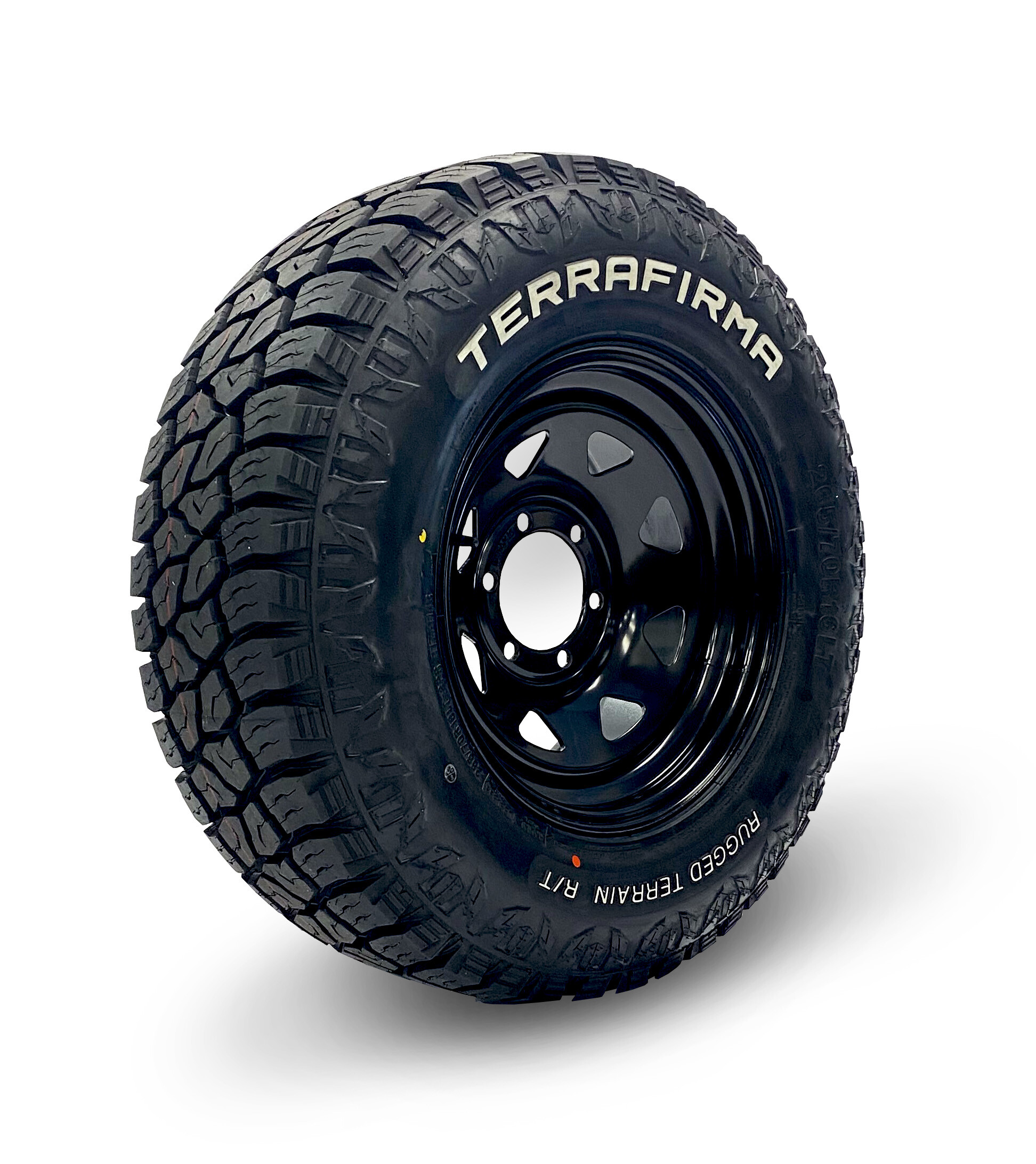
Hybrid tyres are all the rage these days, and here we have the latest release from Terrafirma Tyres, the Rugged Terrain RT.
This tyre is said to offer a sweet spot between the aggressive off-road traction found with mud-terrain tyres, as well as the stability and on-road handling characteristics of an all-terrain tyre. While aimed as a more budget-friendly tyre, there’s still plenty of features to talk about, such as a two-ply 1500 denier carcass with steel belts, and a chemically coupled silica compound for grip and resistance to damage off road.
The Terrafirma Rugged Terrain RT offers a claimed tread depth of 12.1mm, and can be found in sizes ranging to suit wheel diameters from 15-inch up to 17-inch.
MORE INFO: https://terrafirmatyres.com.au/
Hulk Professional Series Smart 8-way Switch Panel
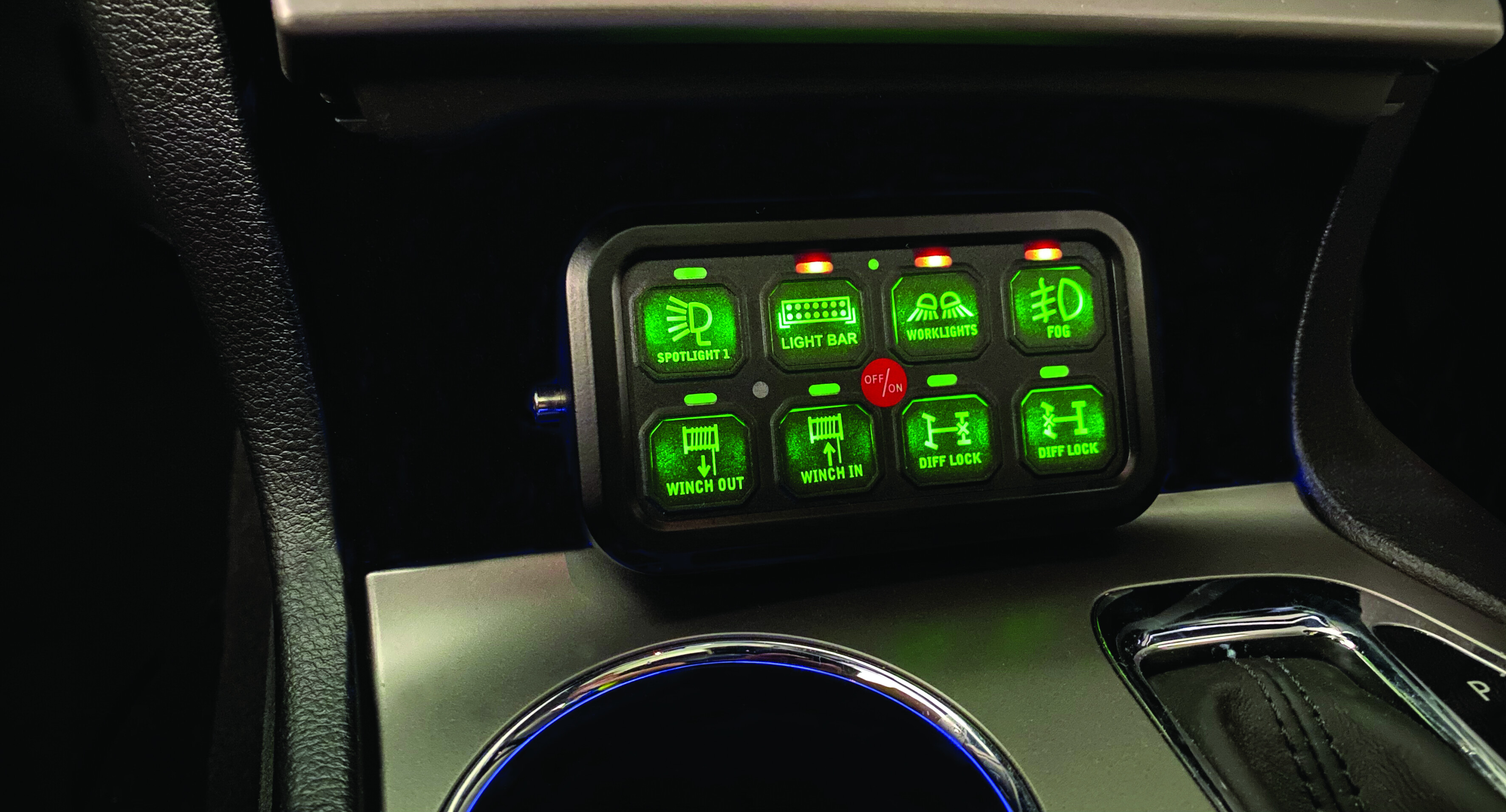
If you’re looking for a neat and reliable solution for wiring up to eight auxiliary accessories or electrical devices, and want the option of being able to control these accessories via an app on your phone or via a touchpad, the Hulk Professional Series Smart 8-way Switch Panel is for you.
You can customise the unit’s appearance via the app also, with the choice of up to 64 programmable backlit colours. The 8-way Switch Panel from Hulk 4×4 operates at both 12 and 24V DC and even comes with 70 decals to position on the actual switch panel, as well as spare 60amp fuses for the main power supply.
There are also three feature modes: on/off, momentary and pulsed, so you can set up the switch panel specifically to best suit your needs.
MORE INFO: https://hulk4x4.com.au/
Ironman 4×4 Club Lounge Quad Fold Camp Chair
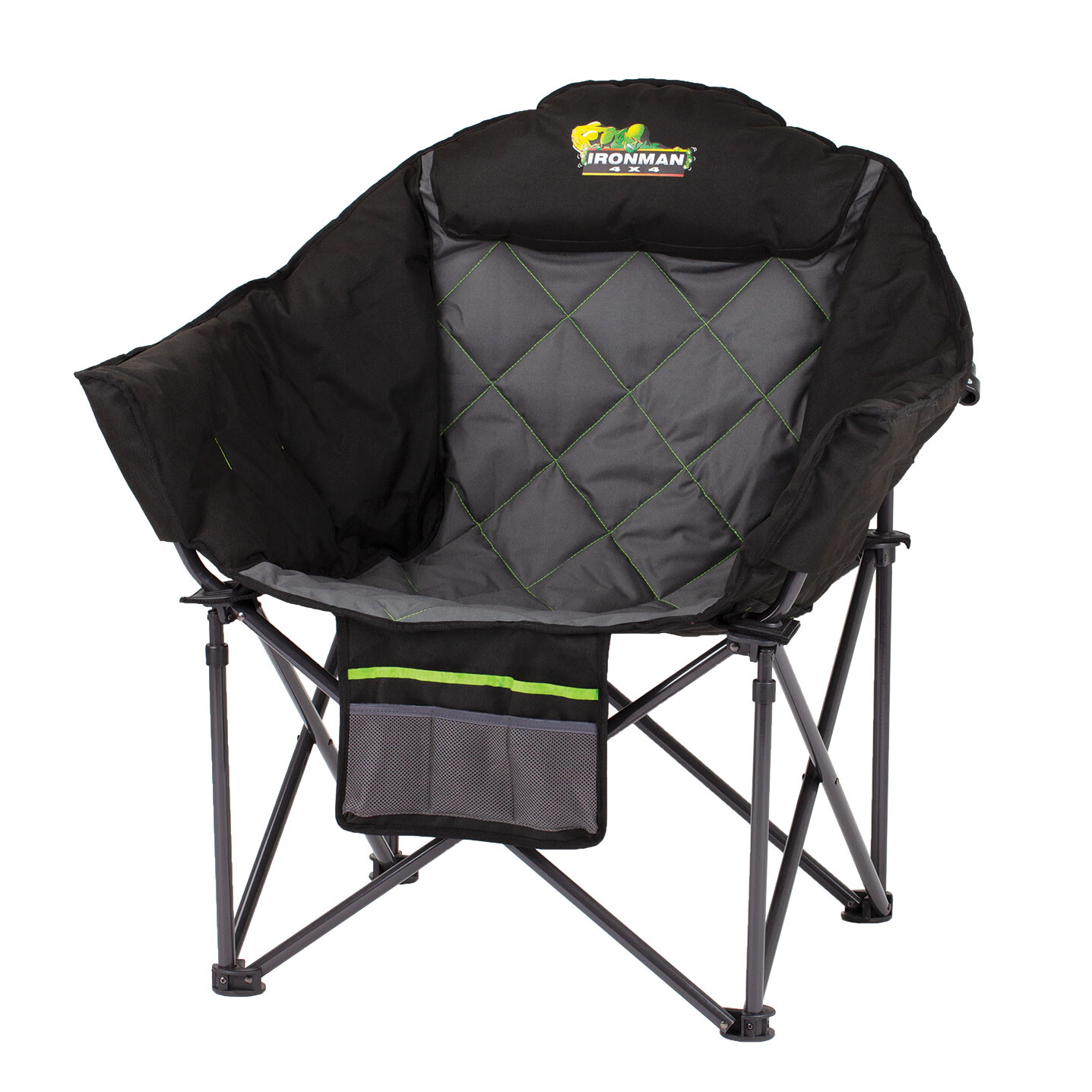
Ironman 4×4 has just released a new range of camping chairs, pet beds and tables, including this luxurious looking Club Lounge Quad Fold Camp Chair. It features a comfortable quilted padded seat, as well as a storage pocket and mobile-phone holder for the ultimate in campsite convenience and comfort.
This new camp chair is also supplied with a dust- and water-resistant carry bag, meaning your chair will be ready to go when you arrive at camp. With a 150kg load rating, you know this is a serious and well-made camp chair, as well as being comfortable.
MORE INFO: https://www.ironman4x4.com/
TJM 2022 Ford Ranger side steps and side bars
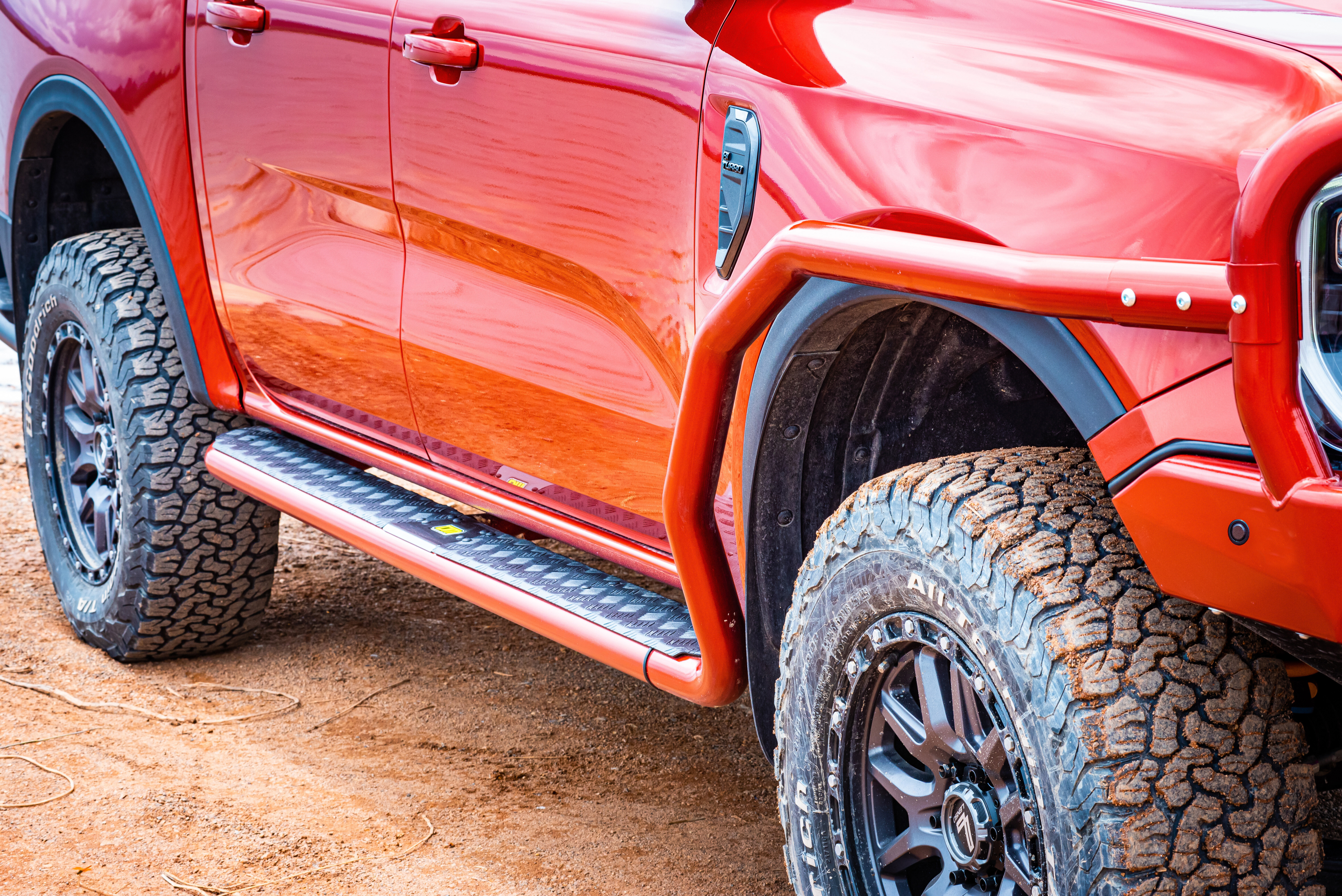
TJM has released a range of accessories to suit the new 2022 Ford Ranger, including these side-steps and side-bars. Not only do these side-steps and side-bars offer protection when off-roading, they also make accessing the cabin of the new Ranger much easier.
Constructed from 63mm steel tubing, these steps and bars arrive in a satin black powder-coated finish, which can also be colour coded to your four-wheel drive if that’s more your style. TJM’s side-bars are chassis mounted for increased strength, and are also a modular design meaning you have the option of fitting the side-steps first, and adding the side-bars at a later date.
MORE INFO: www.tjm.com.au
Autophix Outback 9360 Diagnostic OBD Scanner for Toyota
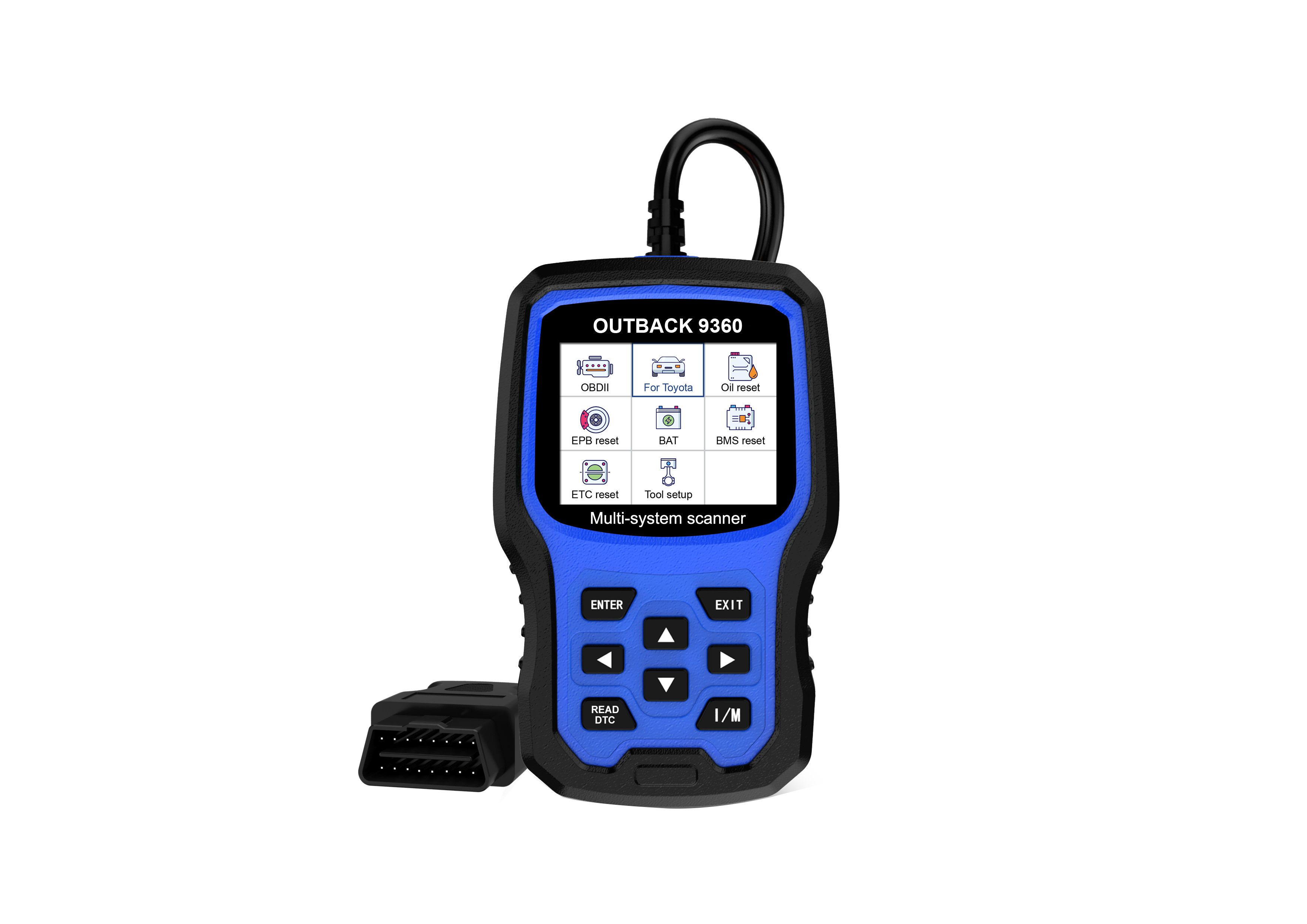
This is the latest release from the Autophix crew, their Outback 9360 diagnostic OBD scanner, designed specifically to suit the range of Toyota vehicles. The Autophix 9360 not only scans for potential fault codes or issues with your vehicle, it allows you to clear these fault codes and be on your way.
As most error codes are generally sensor glitches that won’t come back, being able to scan and clear any faults when travelling is a very inexpensive insurance policy. Don’t fear if you own another vehicle than a Toyota, the team at Autophix have a range of OBD scanners available, including their extremely popular 9000 series.
MORE INFO: https://autophixaustralia.com.au
ROH Assault machined-finished wheel
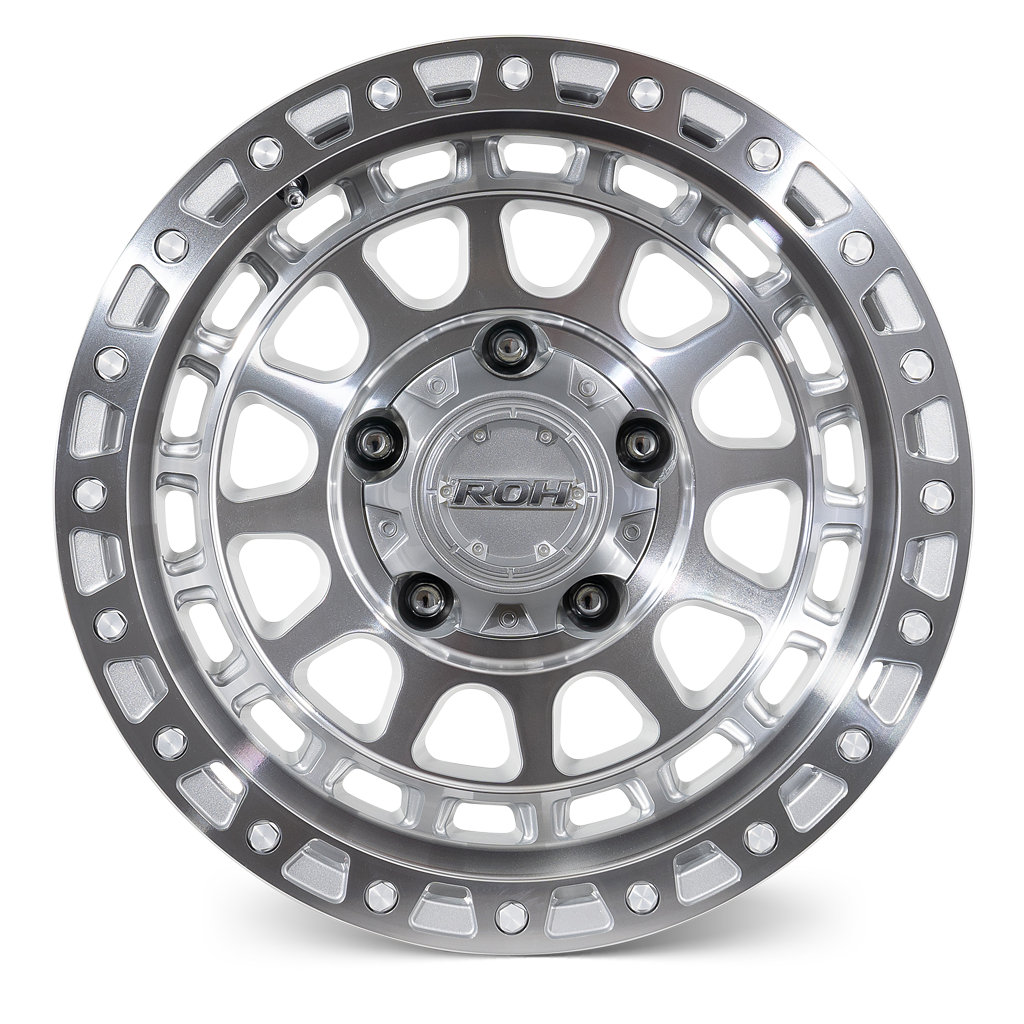
This is the latest and greatest wheel from Australian company, ROH, its Assault wheel in a machined finish. It is also available in a full matte black or a matte black with black bolts and graphite face, but these machined-finished wheels look stunning in our opinion.
Rim sizes available include 16, 17 and 18-inch, with a variety of offsets also available to suit a wide range of applications. Best of all, these wheels have a load rating of 1500kg per wheel, making them a perfect solution if increasing the GVM of your 4WD.
MORE INFO: https://www.roh.com.au/
OZtrail BlockOut 2.5M 270-degree awning
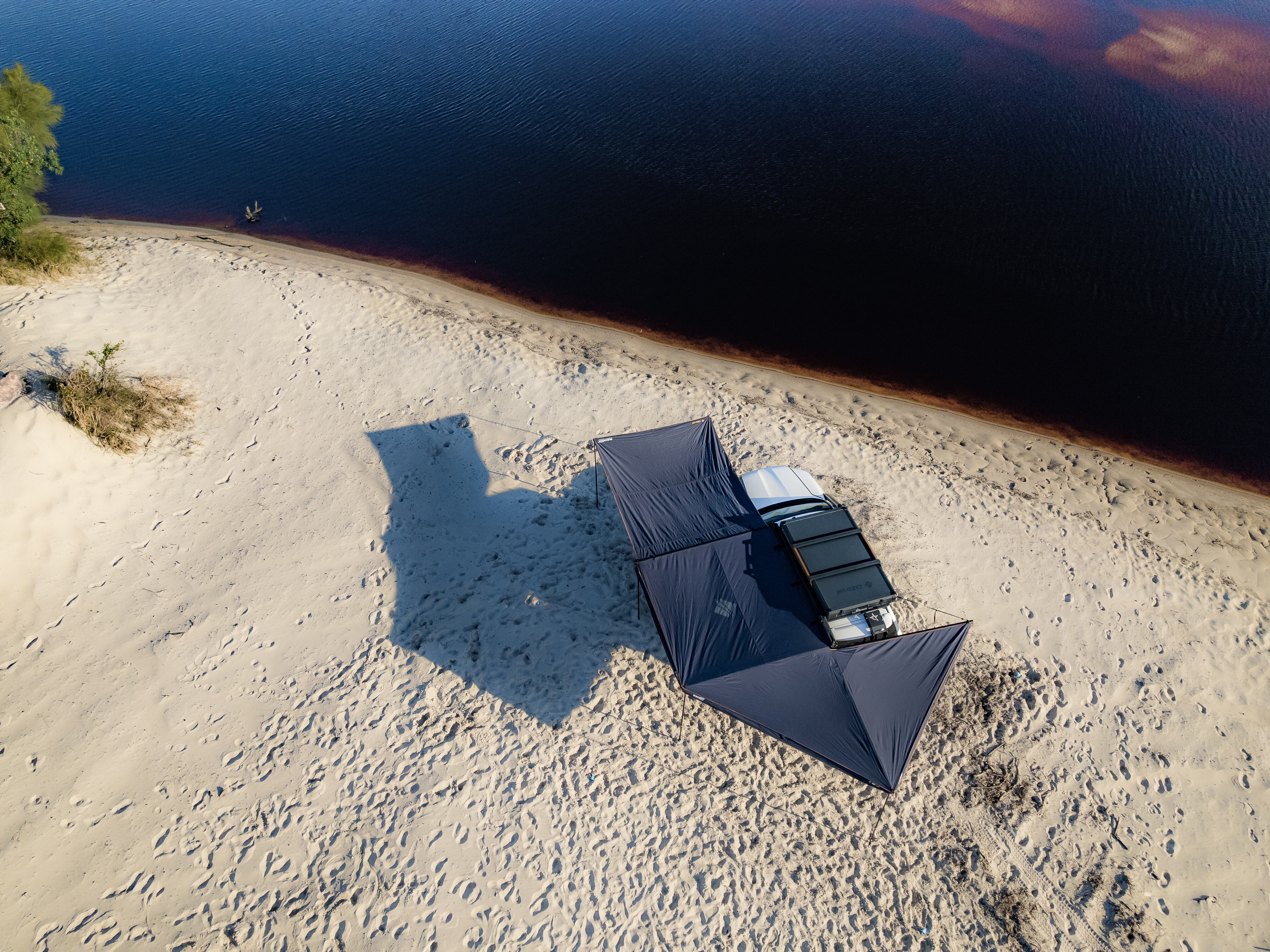
This is the new flagship in the OZtrail 270-degree awning range, and also its largest 270-degree awning, offering coverage that wraps around your four-wheel drive as well as extending forward. While it is massive when set up, OZtrail tells us the awning packs down to a compact size when not in use.
Constructed from heavy-duty 280gsm Ripstop polycotton canvas, with a 1500 waterhead rating, OZtrail also tells us by incorporating its BlockOut technology, 95 per cent of light is blocked out, providing a reduction in heat of up to 10⁰C.
The unique design with an extended width of 2.5m provides a generous 20.96m² of coverage, with the whole package weighing in at just 27.17kg.
MORE INFO: https://www.oztrail.com.au/
Thule Approach M Rooftop Tent
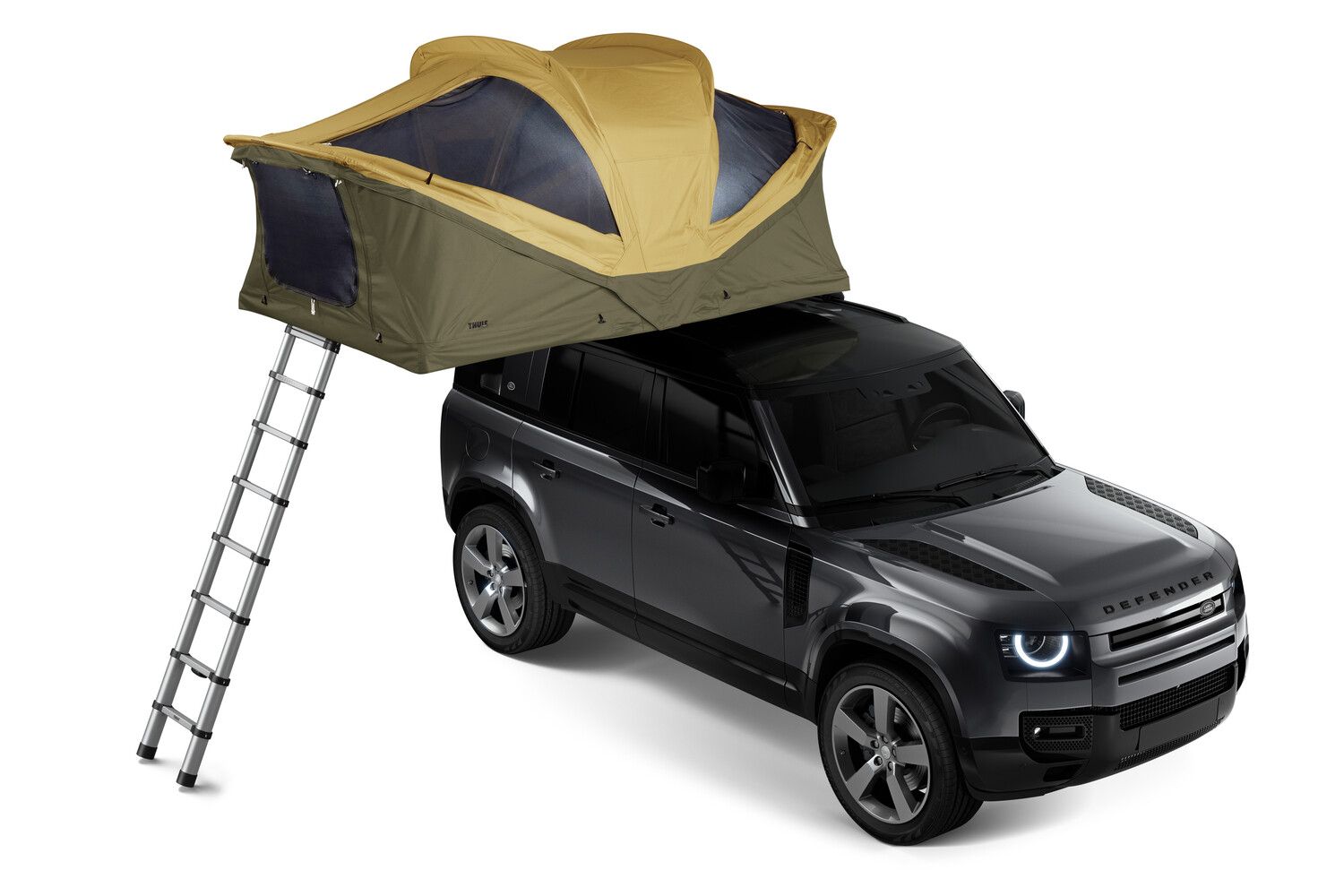
Thule’s new Approach M rooftop tent, has been designed from the ground up to offer a more modern and spacious rooftop tent design. It features massive windows for additional ventilation, as well as stargazing through the panoramic skylight.
Thule mentions these rooftop tents are quick to set up, taking approximately three minutes from start to finish. With more internal space than a traditional rooftop tent, it’s safe and easy to fit two adults and one child inside.
Mattress wise, there’s a thick dual-layer foam mattress with a bottom foam layer matched with a soft upper layer meaning you won’t need to upgrade this mattress. The included rain cover also offers three different set-up modes, making it more suitable for a variety of weather conditions.
MORE INFO: https://www.thule.com/en-au/
The sales trajectory of the budget dual-cab ute is on the way up, and has been for most of 2022. Put that down to the current economic climate and people’s hesitancy to outlay large wads of cash. Or, perhaps, maybe, the quality of ‘cheaper’ vehicles has improved to a level where people no longer hesitate before signing on the dotted line.
In September 2022, both the LDV T60 and GWM Cannon secured enough sales to stamp their place among the 10 best-selling 4x4s for the month (962 and 936 sales respectively). That’s more sales than the Mazda BT-50 and Nissan Navara.
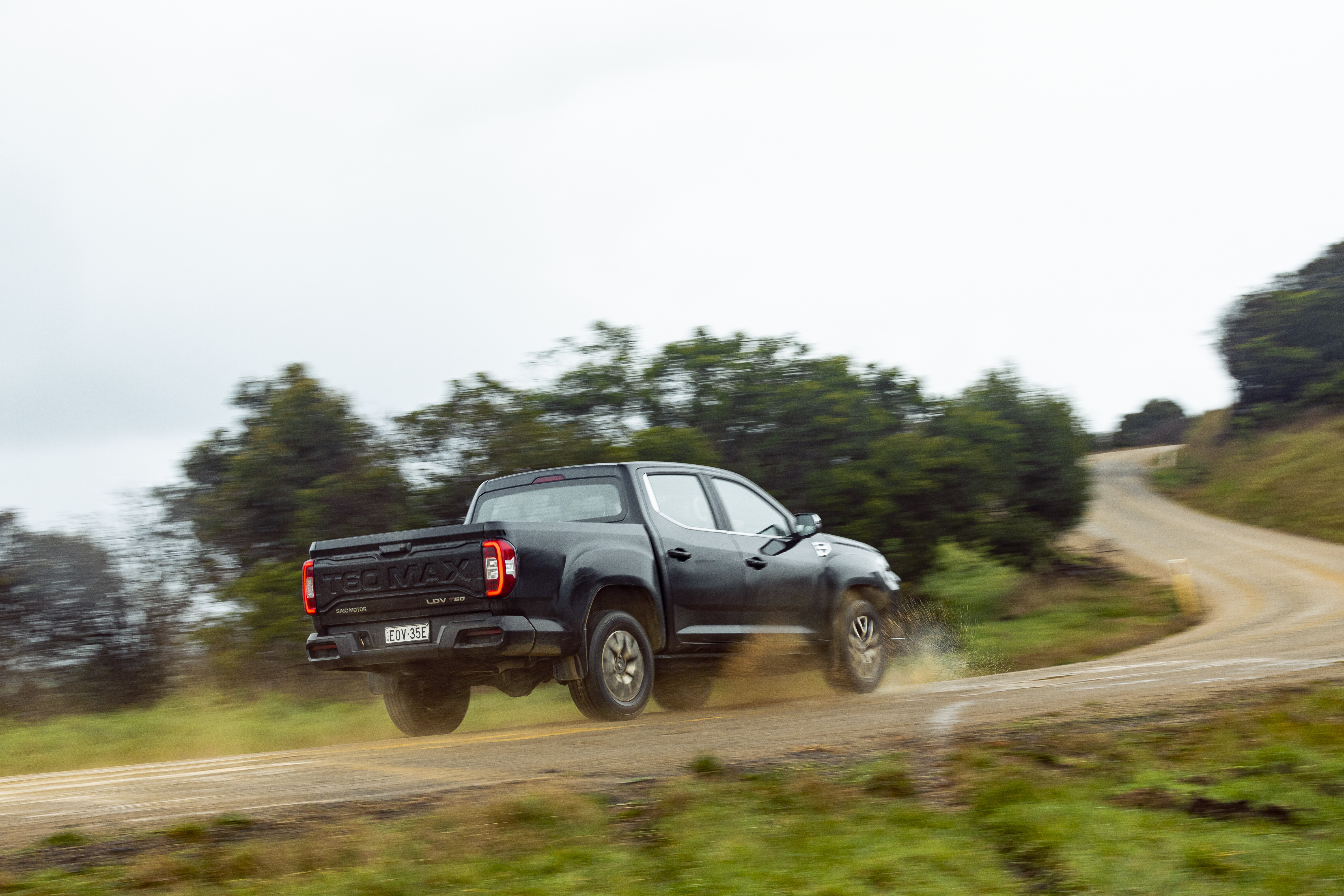
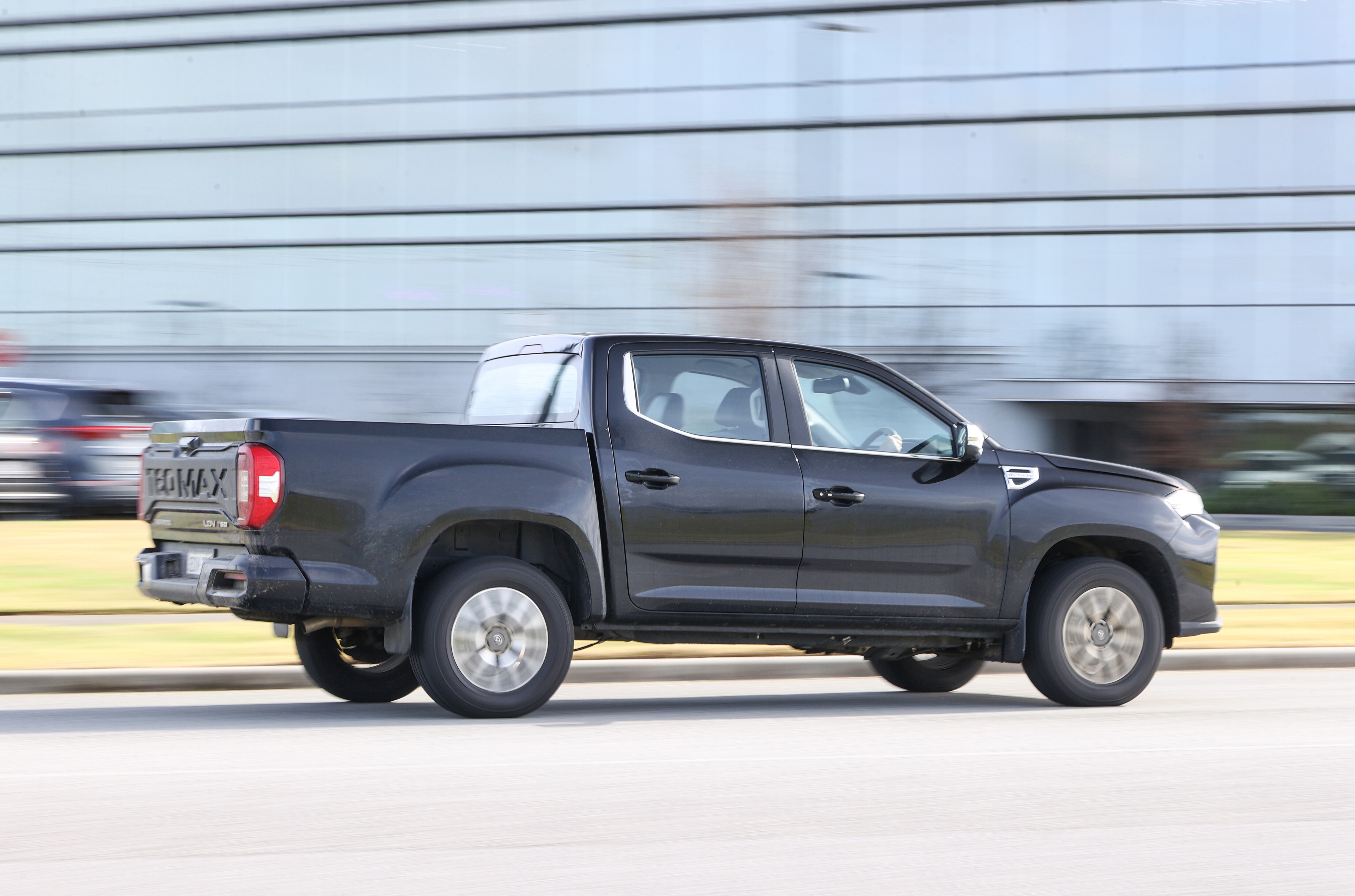
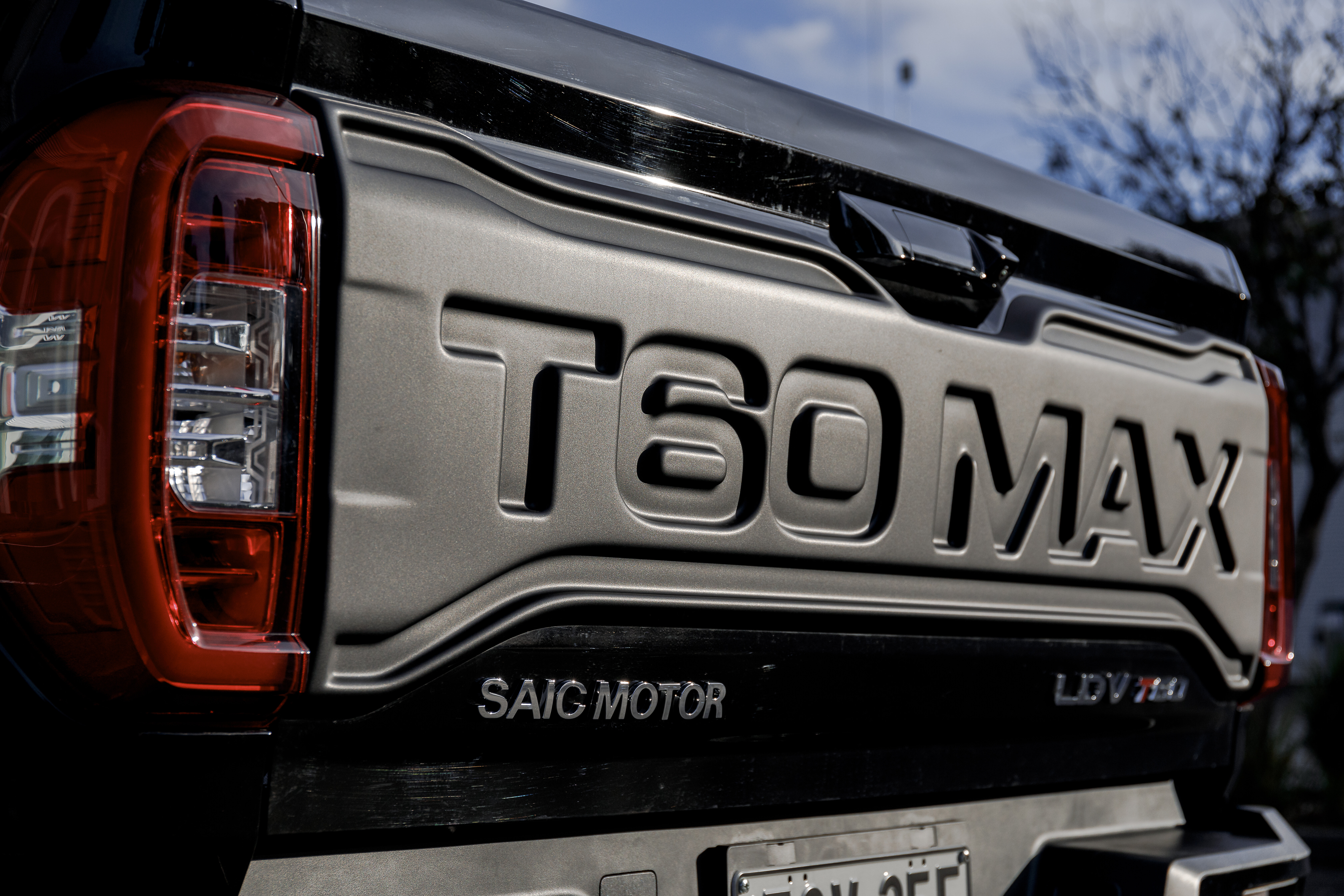
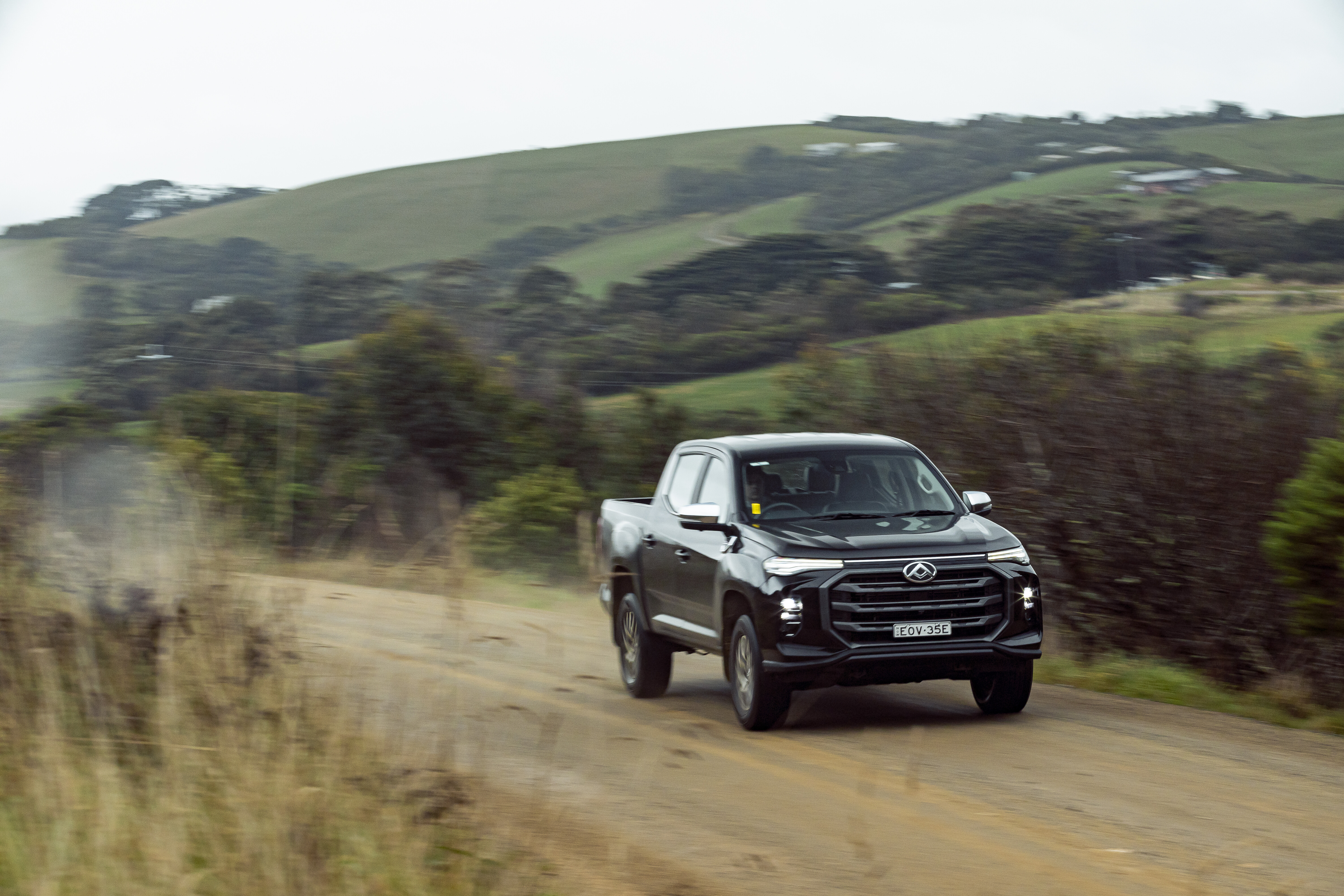
The Chinese-made LDV T60 Max, on test here in Luxe spec, is one of the most affordable dual-cab 4×4 utes available in Australia. It boasts an engine with outputs that matches the class-leaders (Ranger and Hilux), is loaded with features befitting more premium models, and it only costs a fraction over $40K – less if you opt for the Pro variant.
So, what’s the catch?
JUMP AHEAD
- How much is it, and what do you get?
- How do rivals compare on value?
- Interior comfort, space and storage
- How is it on fuel?
- How safe is it?
- Warranty and running costs
- VERDICT
- Specifications
How much is it, and what do you get?
As part of a mid-life update in 2021, LDV uprooted the 2.8-litre and 2.0-litre turbo-diesel engines previously found in its ute and replaced them with an uprated version of the four-cylinder bi-turbo diesel engine already residing in its D90 wagon.
The transplanted powerplant now generates 160kW and 500Nm. To put that in perspective, this means it’s slightly more powerful than both Ford’s 2.0-litre bi-turbo (157kW and 500Nm) and Toyota’s 2.8-litre turbo-diesel (150kW and 500Nm) engines, powering the Ranger and Hilux respectively.
Two models are available in the T60 Max range: the Pro and the Luxe (as tested here). The Luxe retails for $41,568 driveaway in six-speed manual guise, or $43,674 when paired with the ZF-sourced eight-speed automatic transmission.
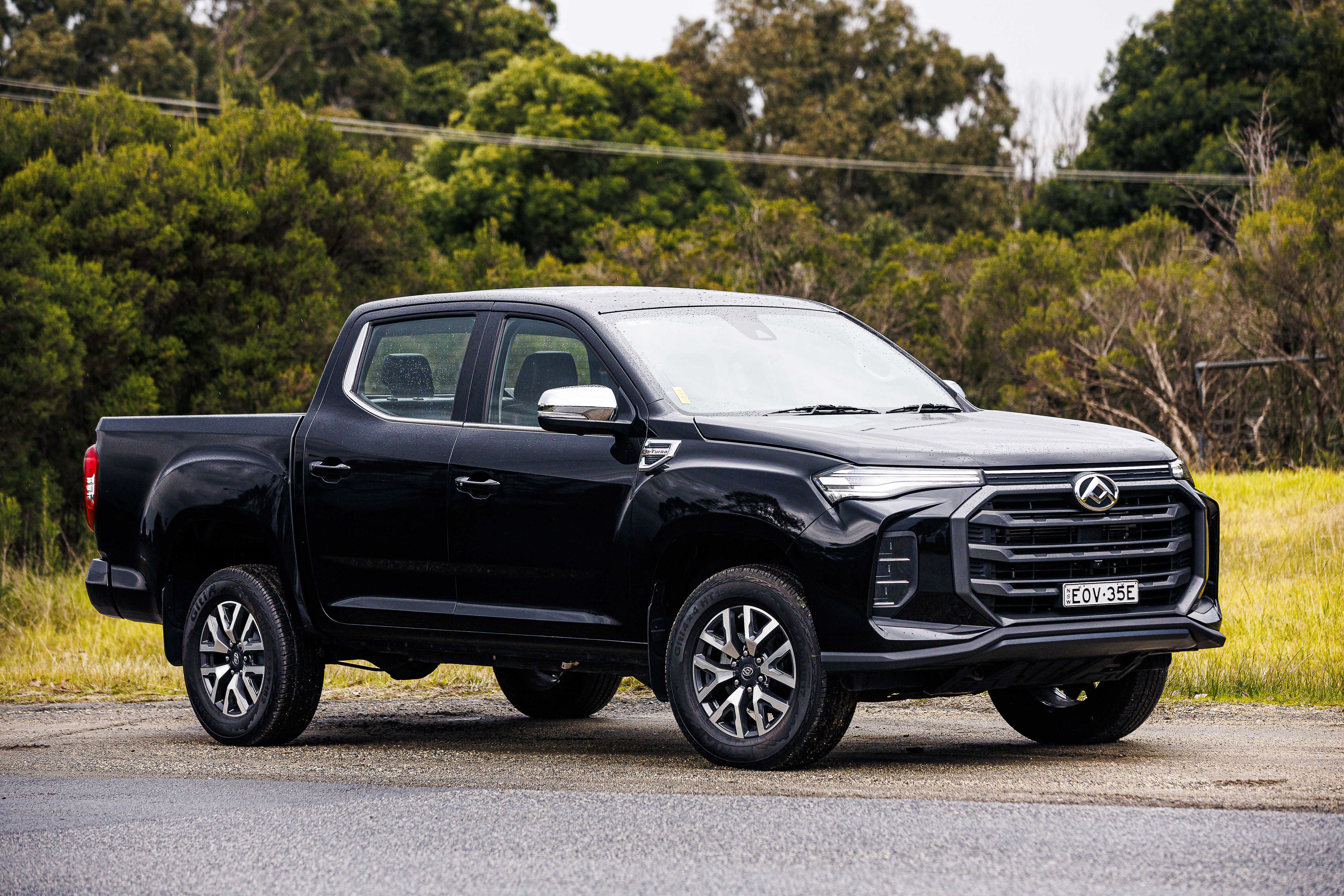
Further savings are to be had by opting for the trade-focused Pro variant, with buyers only having to spend $36,832 for the manual or $38,937 for the auto.
As part of its mid-life update in 2021, LDV also tasked its design team to refresh both the interior and exterior of the vehicle, focusing on making the ute more appealing to a thriving dual-cab market. To this end, 962 registered sales in September 2022 made it the seventh best-selling 4×4 in Australia for the month.
The T60 features a part-time 4×4 system, with an on-demand rear diff lock standard on the Luxe model. The suspension tune differs slightly between the Pro and Luxe models, with a heavy-duty focus for the Pro and a comfort-based tune for the Luxe.
2022 T60 Max Luxe features
| Automatic wipers |
| Automatic LED headlights |
| Rear parking sensors |
| Climate control |
| 10.25-inch touchscreen |
| Apple CarPlay and Android Auto |
| Reversing camera |
| 2x USB |
| Tyre-pressure monitor |
| Cruise control |
| Full-size steel spare |
| Spray-in tub liner |
| Keyless entry |
| Rear differential lock |
| Auto-folding mirrors |
| Automatic rear-view mirror |
| 360-degree camera |
| Leather interior |
| Electric front seats |
| Lane-departure warning |
| 750kg payload |
How do rivals compare on value?
Think of the LDV and most punters instinctively compare it to the GWM Cannon-X and SsangYong Musso, but the Triton GLX+ also needs to be considered at this price point.
The Cannon-X is listed at $44,490 and it comes with a trove of standard kit including a 360-degree surround-view camera, LED headlights and genuine leather, but its single-turbo 2.0-litre diesel is underpowered at 120kW and 400Nm.
Korea’s Musso asks for slightly more again, at $46,590 driveaway, and in XLV guise it boasts a 300mm-longer tub and a payload capacity of 880kg. Tick the Luxury Pack option and buyers gain dual-zone climate control and Nappa leather seats. At our recent mega dual cab test, the Musso was heralded for the refinement of its 2.0-litre turbo-diesel engine, and the fit-and-finish of its interior.
Perhaps the pick of the sub-$50K bunch is the Triton GLX+, which is listed at $48,990. It may lack Mitsubishi’s Super Select II 4×4 system – instead relying on the more rudimentary Easy Select 4WD system – but its competent 2.4-litre turbo-diesel engine and classy on-road composure ensures it’s a compelling choice at this price point.
As mentioned, the LDV’s powertrain matches the outputs of class-leaders Ranger and Hilux, but that’s where the similarities in performance end. Still, the LDV is considerably cheaper than both the Ranger and Hilux.
Interior comfort, space and storage
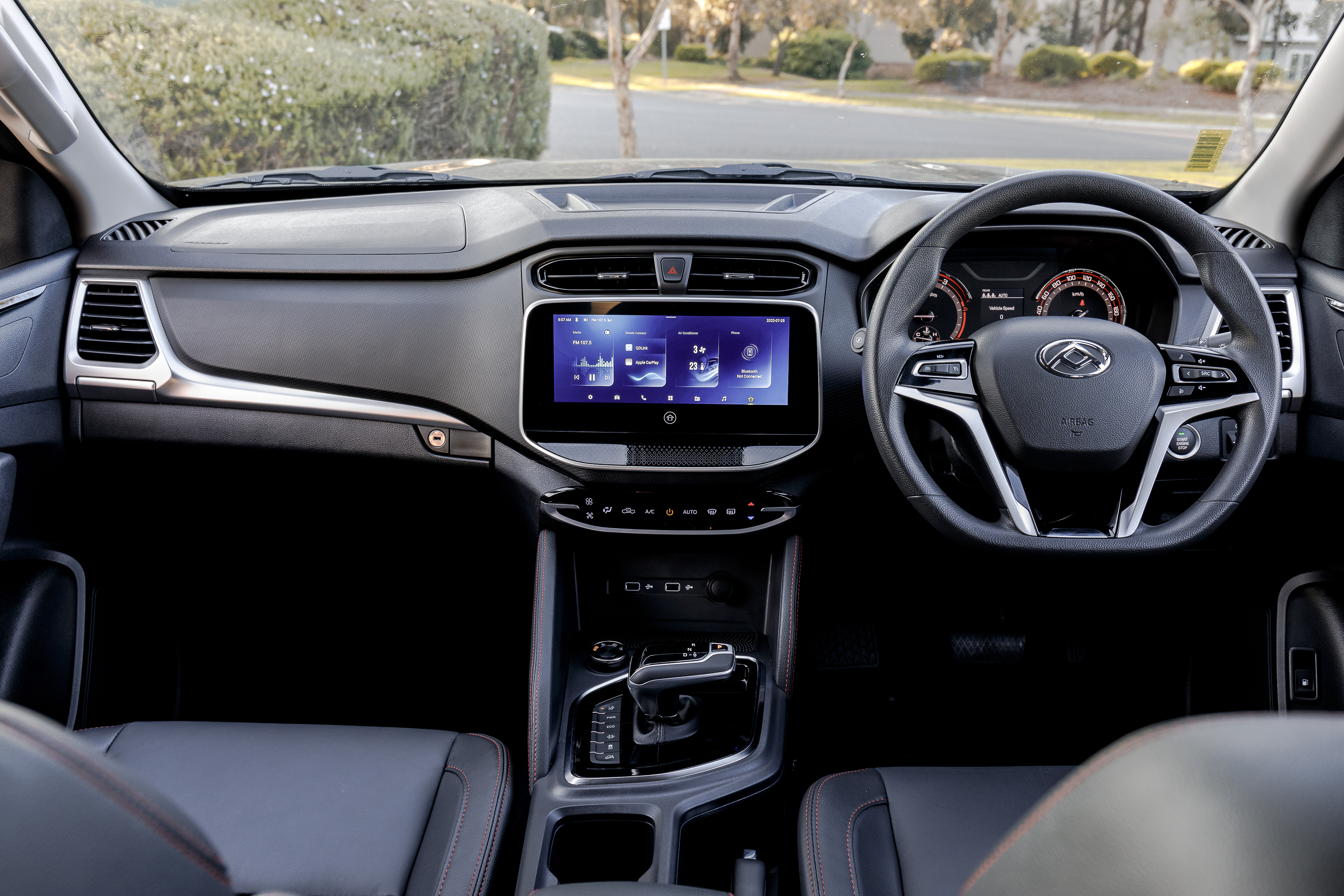
Despite its budget price tag, LDV hasn’t eschewed from sprinkling premium kit within the T60 cabin, including electric-powered front seats, the as-mentioned 360-degree panoramic camera, and a 10.25-inch centrally-mounted infotainment touchscreen.
The impressive touchscreen features crystal-clear graphics and myriad useful features including Apple CarPlay and Android Auto, and, best of all, it’s fast and intuitive in its operation.
Spend a bit more time in the T60, though, and LDV’s cost-cutting measures become more apparent. There is an abundance of cheap plastic everywhere, including on the steering wheel – which lacks telescopic adjustment. And the seats, fitted with hard cushions and clothed in fake leather, aren’t overly comfortable on longer trips – minimal under-thigh support doesn’t help in this regard, either.
A small thing, but a bigger issue for smaller folk, is that the LDV lacks a grab handle on the driver’s side. That there are no side-steps as standard exaggerates this omission.
A saving grace, perhaps, is that the T60 features ample storage and sitting space in both the front and rear pews. Storage options in the centre console are plentiful, and there are enough compartments throughout the cabin to keep drink bottles, iPads and sunglasses tidy. The glovebox is quite small, though.
Two USB-A sockets and a 12-volt point are provided for front-seat passengers, while those in the rear seats get a 12-volt outlet.
The Luxe variant gets a payload capacity of just 750kg, down from the Pro’s 935kg – so it’s quite restricted if you intend to load it up for a long camping trip. The tray is well-sized, though, at 1525mm (L) x 1510mm (W) x 530mm (H), and it features 1131mm between the wheel-arches plus four tie-down points.
What is it like to drive?
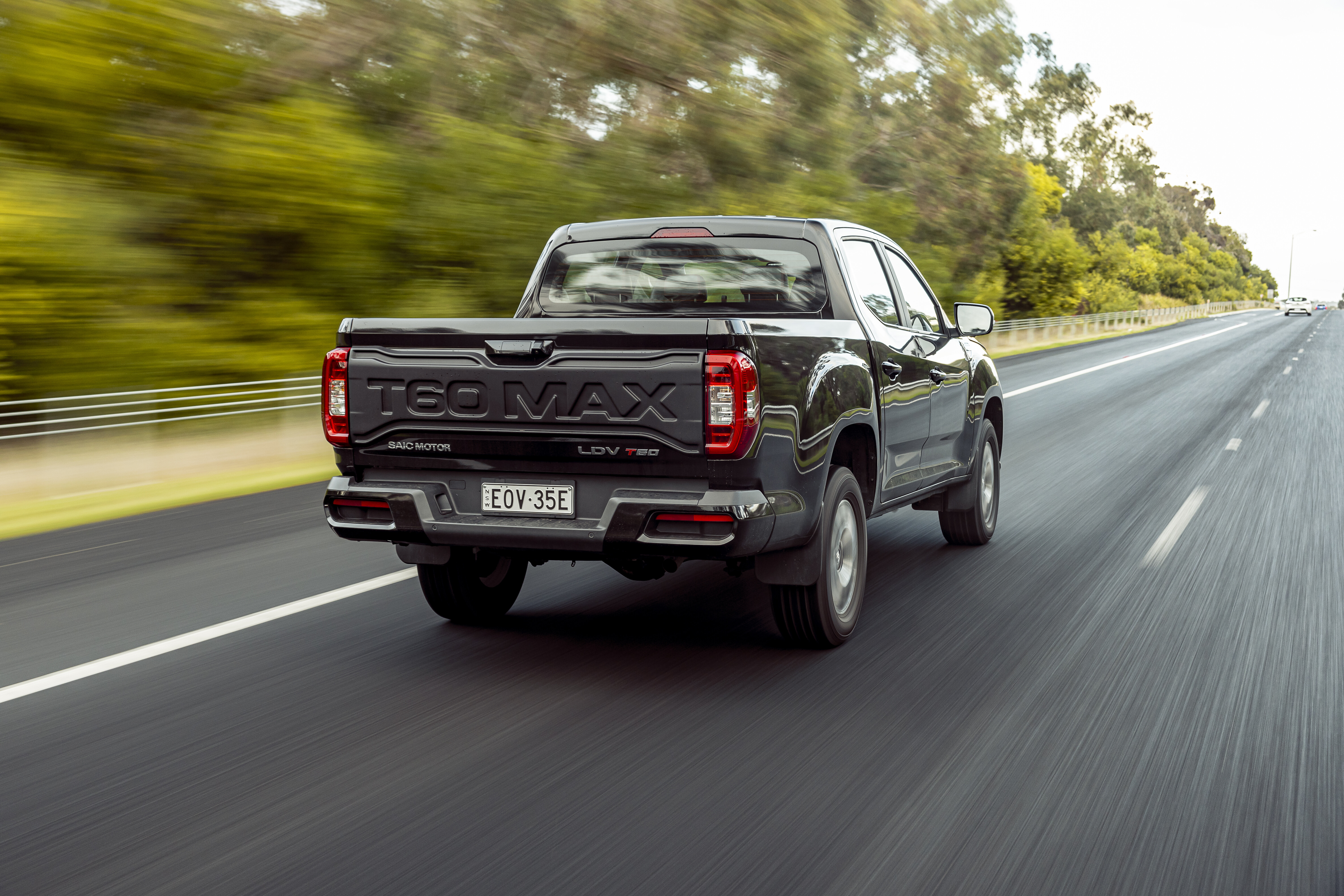
The four-cylinder bi-turbo diesel engine’s 160kW and 500Nm translates to spirited on-road performance, and it’s quite quick off the mark for a dual-cab ute – if you can overcome the prominent throttle lag.
The steering lacks feel and communication with the driver, and feels quite indirect as a result; and the so-called ‘comfort’ suspension tune tailored for the Luxe model is unrefined – it could use a few extra kilos in the tub to settle it down. As such, the ride is rather harsh and unforgiving.
The T60 rides on a double-wishbone arrangement with coil springs up front and leaf springs at the rear. Its 550mm wading depth is quite low for modern standards.
Its 4WD system offers 2WD, on-demand 4WD, 4×4 high and 4×4 low range, but this test didn’t involve an off-road component.
How is it on fuel?
LDV claims the T60 Luxe uses 9.3 litres of diesel per 100 kilometres. At our recent dual-cab mega test, on a route that consisted primarily of bitumen, it guzzled 10.37L/100km.
For comparison’s sake, on the same test route the Cannon-X drank 10.39L/100km, the Triton GLX+ 11.0L/100km, and the Musso 11.14L/100km.
How safe is it?
The LDV has a five-star ANCAP safety rating, but that test was conducted back in 2017.
Safety gear consists of six airbags, electronic stability control, traction control, rear parking sensors, reversing camera, electronic brake assist, electronic brakeforce distribution, and hill-start assist. Another nice touch is the luxury of a tyre-pressure monitoring system.
The Luxe model then adds lane-departure warning and a 360-degree panoramic camera.
Warranty and running costs
Service intervals for the LDV T60 are 12 months or 15,000km, with an initial service required within the first six months or 5000km. No capped-price servicing is offered.
All LDV vehicles have a five-year/130,000km warranty and roadside assistance, with a growing national dealer network.
VERDICT
The T60’s compelling price is a key reason why the Chinese brand has risen up the sales ranks in Australia – it’s hardly a surprise in today’s economic climate. Plus, you get an off-road-ready vehicle with plenty of premium features, excellent engine output, and a well-calibrated eight-speed automatic transmission.
However, the way said power is delivered, the unrefined on-road driving dynamics, and the distinct lack of steering feel are flaws which get in the way of the LDV T60 being an outstanding value-for-money proposition – despite its generous price tag.
2022 LDV T60 Max Luxe specifications
| Engine | I4 turbo diesel |
| Capacity | 1996cc |
| Max Power | 160kW @ 4000rpm |
| Max Torque | 500Nm @1500 u2013 2400rpm |
| Gearbox | 8-speed automatic |
| Crawl ratio | 50.84:1 |
| 4X4 System | Dual range on demand 4×4 |
| Construction | 4-door cab @ ute tub on ladder chassis |
| Front suspension | Double wishbone IFS |
| Rear suspension | Live axle on leaf springs |
| Tyres | 245/65-17 on alloy wheels |
| Kerb Weight | 2150kg |
| GVM | 2900kg |
| Payload | 750kg |
| GCM | 5000kg |
| Towing capacity | 3000kg |
| Seating capacity | 5 |
| Fuel tank capacity | 73L |
| ADR fuel consumption* (claim) | 9.3L/100km |
| On-test fuel consumption | 11.2L/100km |
| Approach Angle | 27u00b0 |
| Ramp Over Angle | 21.3u00b0 |
| Departure Angle | 24.2u00b0 |
| Ground Clearance | 215mm |
| Wading Depth | 550mm |
Toyota Australia says the final decision on whether the Tundra ute, effectively a 300 Series LandCruiser with a tub, will be sold in Australia is yet to be made but it seems more of a formality than anything else now.
To make things even more interesting, the Tundra’s petrol-electric-hybrid powertrain slotted into a 300 Series LandCruiser is also only a few years away from Australian showrooms.
Toyota Australia’s roll-out strategy with the Tundra seems to be cautious. Toyota’s concern would be that given the overwhelming preference for Aussie ute buyers has been for diesel for a good while now, going back to currently shunned petrol power, even if the petrol engine in question has a energy-saving electric sub-system attached (that’s the hybrid bit), would be a complete about-face in ute buyer preferences.
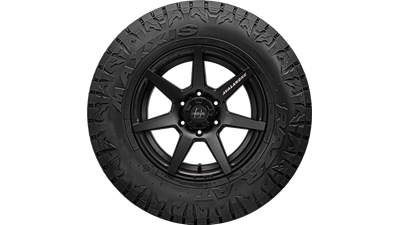
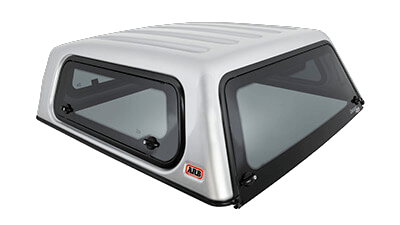
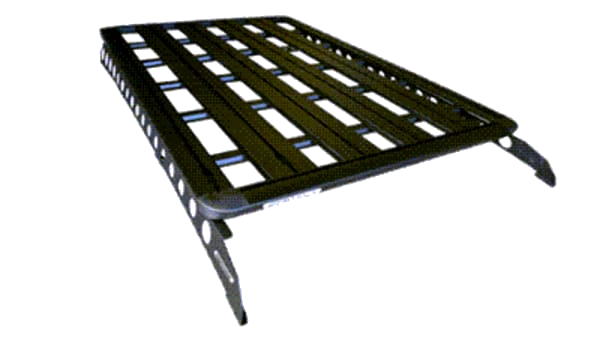
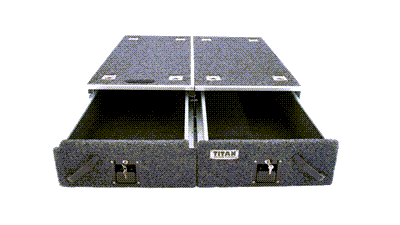
Upgrade your Ranger
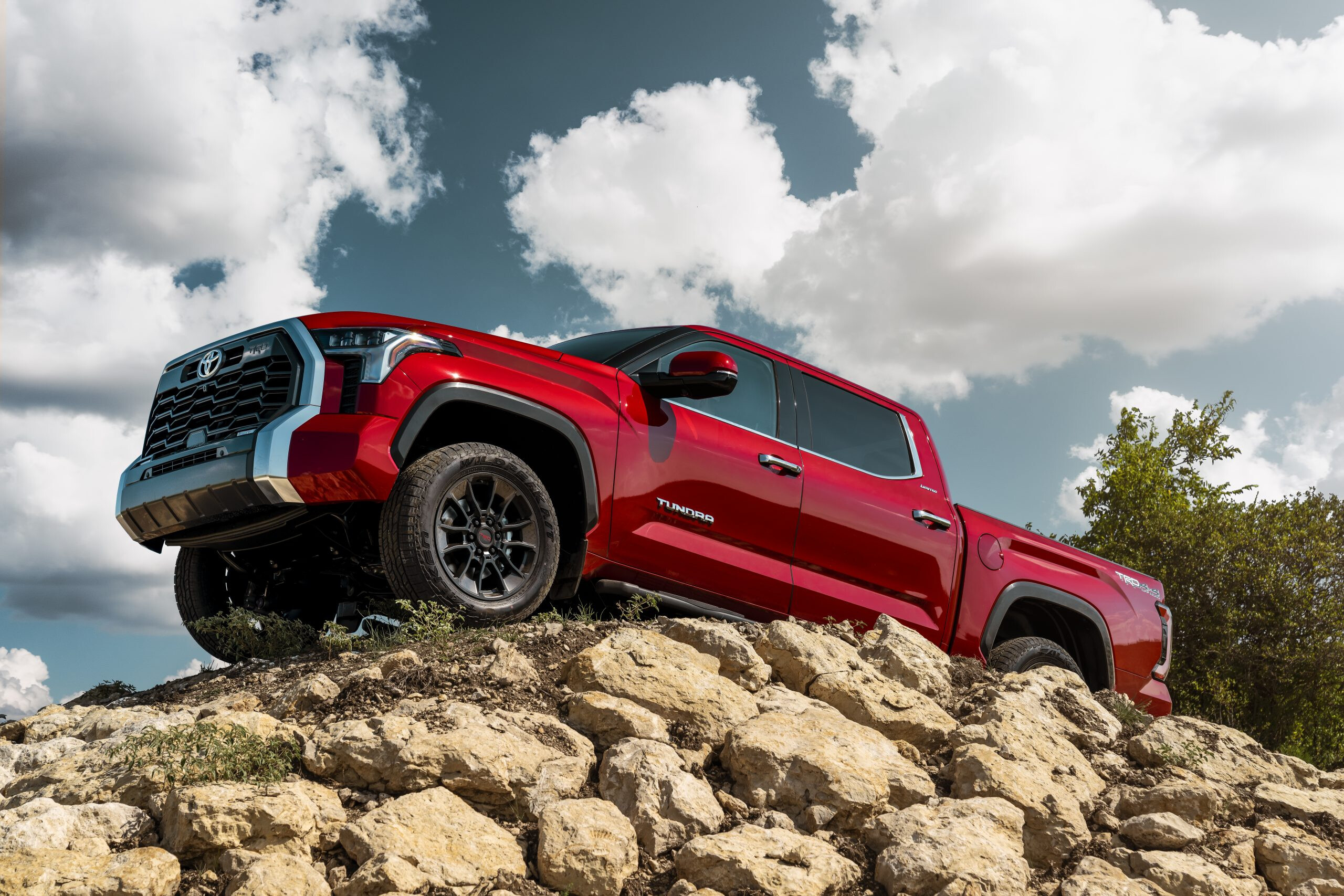
Further clouding the market appeal of the Tundra is that it will be notably bigger than the utes Australian buyers are most familiar with (Hilux, Ranger, etc) and it – obviously – won’t be cheap. Think $100K and north.
Currently, Tundra is built only in left-hand drive (LHD), essentially for the USA market. To develop a right-hand drive (RHD) model, Toyota Australia’s plan involves teaming up with the Walkinshaw Automotive Group, arguably the world’s leader in right-hand drive conversion for LHD USA-sourced utes given the work it has already done with the GMSV (Chevrolet) Silverado and Ram utes sold here.
If you’re not familiar with the Walkinshaw name think V8 Supercar Racing, HSV, pumped Amarok V6s and most things fast. These blokes are so clever that they turned the unruly handling – near-dangerous – LDV T60 ute – as it was when it first arrived here in Australia – in to something with decent handling with just one wave of their suspension tuner’s magic wand.
“The Tundra will impress in any demo drive given its sophisticated 3.5-litre twin-turbo petrol V6 is good for around 305kW and 650Nm”
As I write this, the first prototype RHD Tundras will already be on Australian roads undergoing testing. In 12 months time or so there will be 300 RHD Tundras built by Walkinshaw’s second stage manufacturing enterprise that currently turns out RHD Rams and Silverados in impressive numbers. According to Toyota Australia these 300 Tundras – and here’s the interesting bit – will be part of the “final stage of the RHD re-engineering program”.
For a vehicle that’s already fully developed in LHD form and has a RHD conversion done by one of the world’s best RHD-conversion practitioners using many factory parts from the RHD 300, rest assured that you don’t need 300 engineering validation vehicles! These 300 Tundras, or at least a good number of them will be dotted around the country at Toyota dealers to gauge public interest. According to Toyota Australia, they won’t be for sale.
To physically see a Tundra in the metal will be important for buyers as it will impress (and perhaps intimidate) with its size. It’s this public interest ‘validation’ and not further engineering validation that will determine if Toyota goes ahead and offers the Tundra for sale.
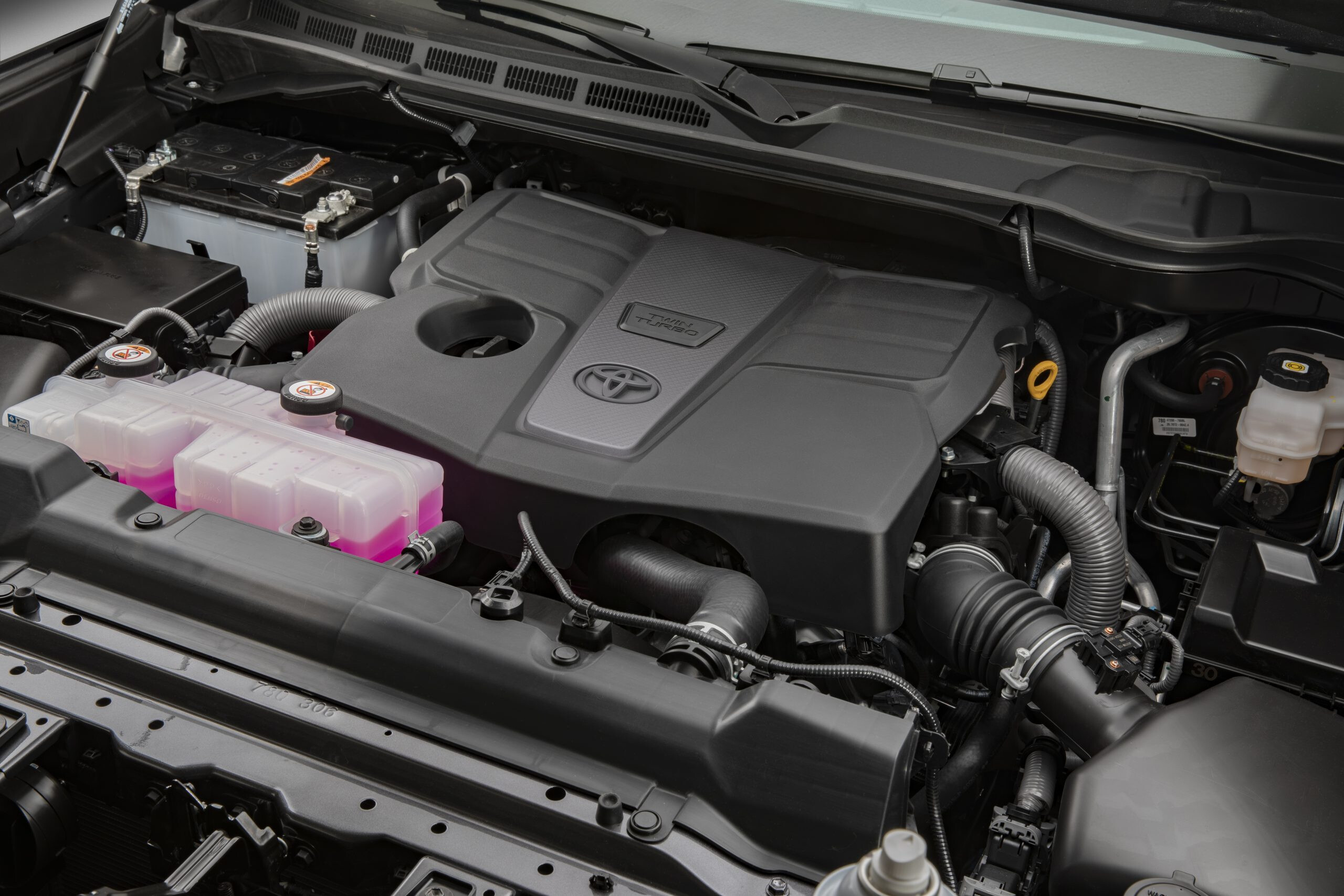
To tell the truth it’s probably a done deal, given rumour of Toyota Australia having already secured some 250-plus ‘expression of interest’ deposits for the Tundra. Perhaps the only decision to be made is whether Walkinshaw will keep building Tundras when they go on sale here or whether Toyota will switch to factory-built RHD models from the USA if there’s sufficient demand from Australia and other RHD markets to warrant such a move.
One thing’s for certain however. The Tundra will impress in any demo drive given its sophisticated 3.5-litre twin-turbo petrol V6 is good for around 305kW and 650Nm and that’s before the hybrid system’s 36kW electric motor bumps the power up to a combined total of 326kW and adds a big thrust of torque right from idle in the way that only electric motors can do.
Toyota USA quotes the Tundra’s combined maximum torque output at a very healthy 790Nm! (Note: Hybrid output figures aren’t necessarily the simple addition of the maximum outputs of the combustion engine and the electric motor.)
Not only will the Tundra offer impressive acceleration it will also be quiet, refined, roomy and comfortable in the LandCruiser way of things. In fact it will be so far removed from a four-cylinder diesel Hilux in every measure, that it will feel like it comes from an entirely different car company. If the price is right, it will be a sales winner.
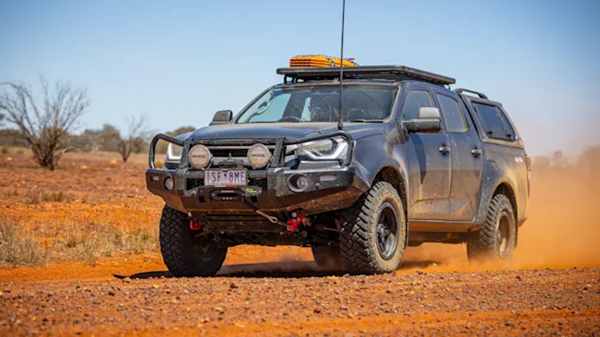
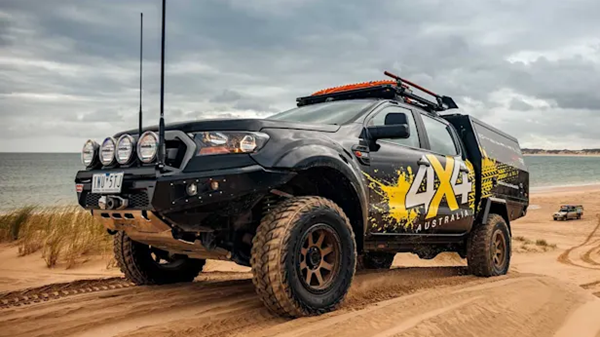
4X4 Australia's project builds
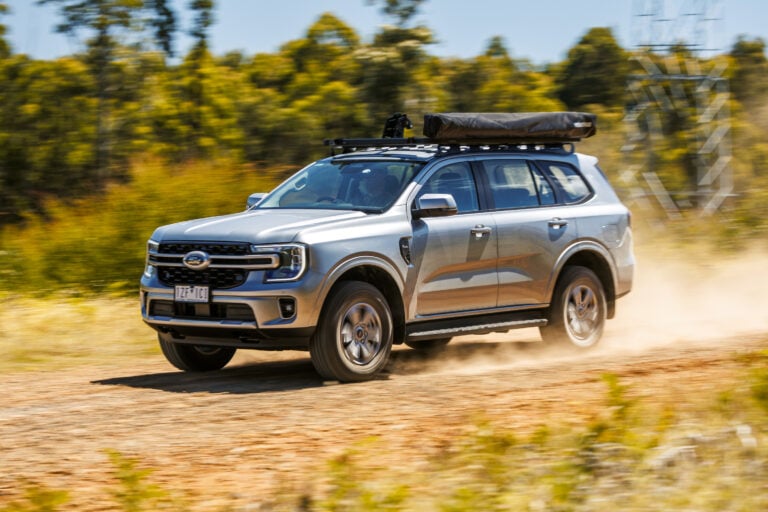
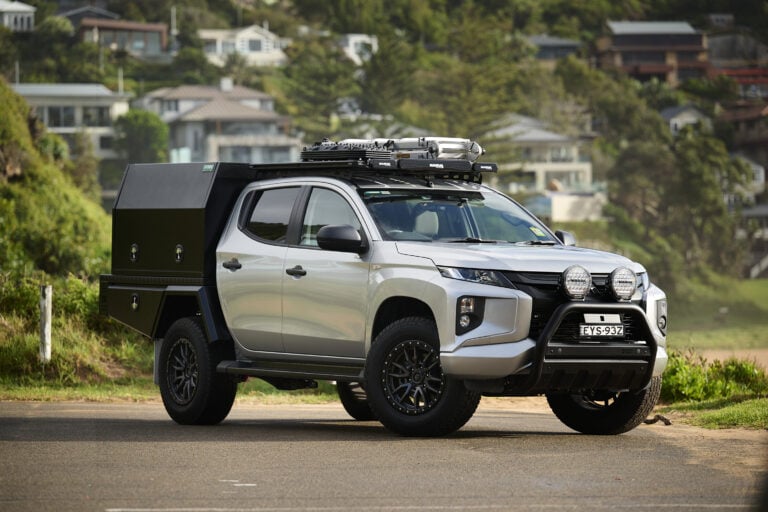
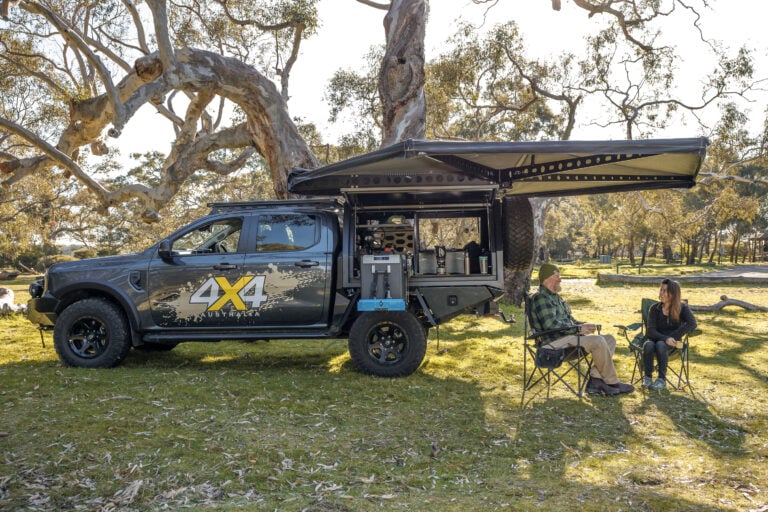
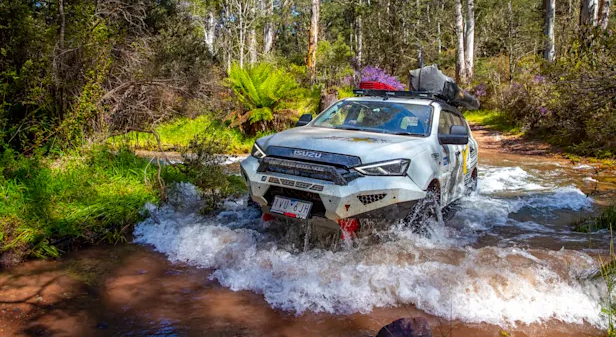
Snapshot
- Ranger is the best-selling vehicle in October
- LCV market remains strong
- LDV and GWM remain in top 10
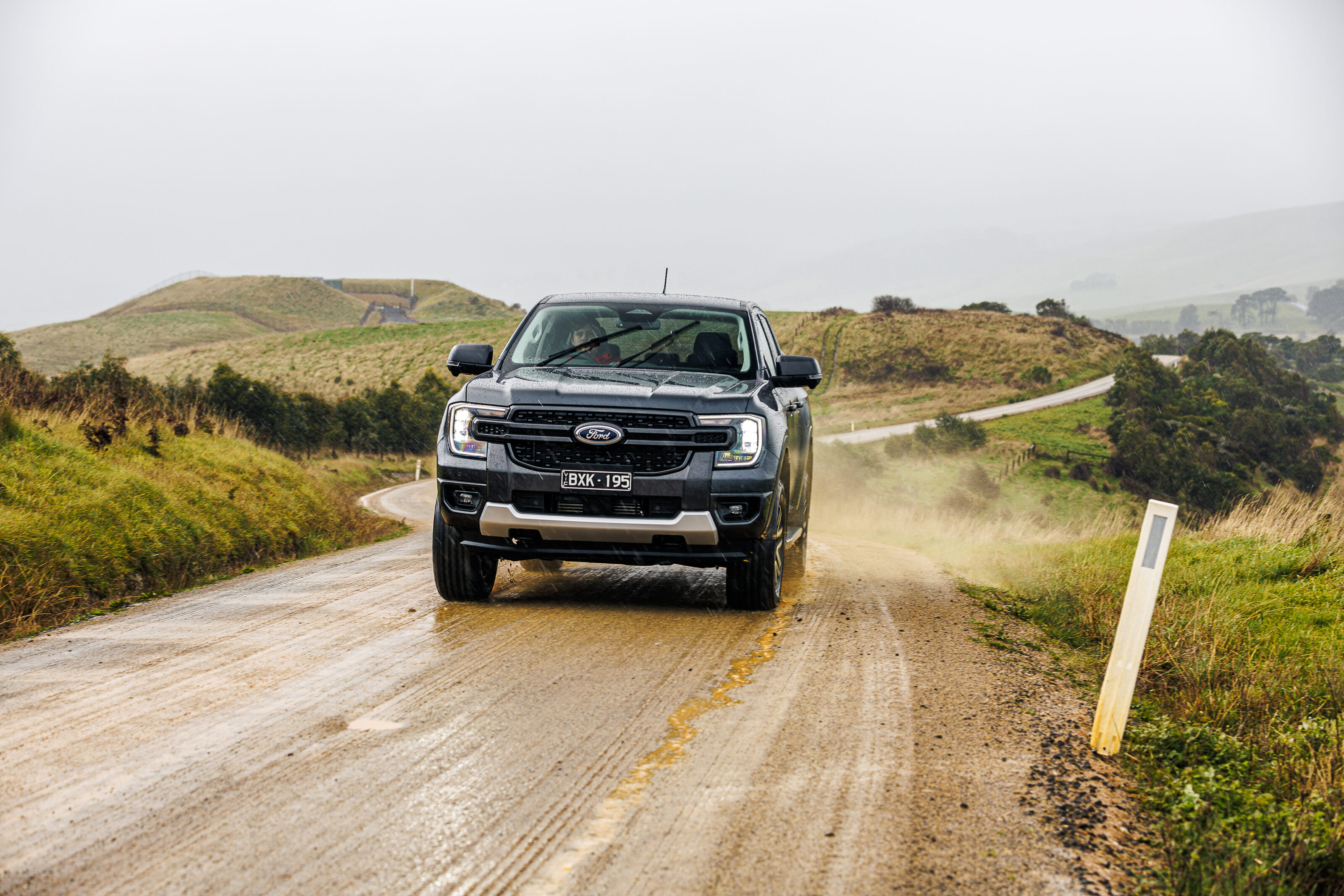
The all-new Ford Ranger remains the best-selling 4×4 in Australia, with more than 5000 next-generation models selling in October 2022.
Supply seems to be catching up to demand as 2022 draws to a close, with a total of 5147 Ranger 4×4 units sold for the month, giving it a staggering 30.8 per cent share of the total Light Commercial Vehicle (LCV) market.
The Toyota HiLux still holds a 20.9 per cent share of the LCV 4×4 market, shifting 3492 units for the month, which is consistent with its sales figures so far in 2022.
In further good news for the Blue Oval, the Ranger has waltzed past the Hilux on the overall charts to be the best-selling vehicle in October – a title consistently held by the HiLux in 2022.
When combining 4×2 and 4×2 units, a total of 5628 Ranger sales were registered in October. The ever-popular HiLux remained second overall, with 4890 sales recorded. Toyota’s Rav4 was third (3222 sales).
The HiLux still remains the best-selling 4×4 vehicle on the year-to-date charts, with 40,058 sales compared to the Ranger’s 34,536.
Australia’s thirst for light commercial vehicles doesn’t seem to be slowing down, either, with the LCV market up 10.9 per cent compared to October 2021 – that’s a total of 2103 more LCVs sold.
The SUV market is also booming compared to October 2021 – up 37.1 per cent in October this year. It’s the Passenger Vehicle market that’s consistently bearing the brunt of these consumer changes, with sales down 16.5 per cent for the month.
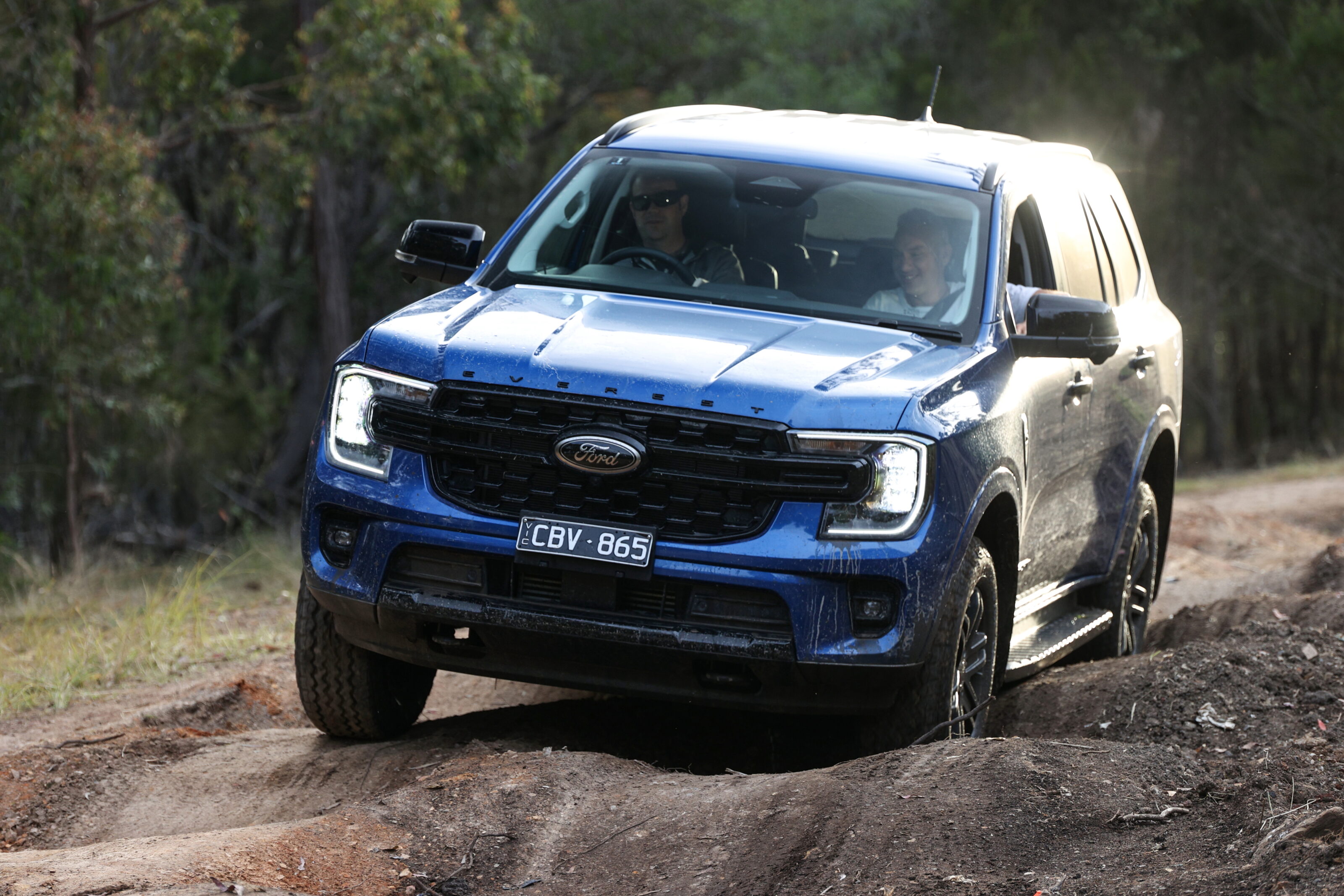
Within the SUV market, Ford recorded 1271 sales of its next-generation Everest, which is up from 801 sales registered in September 2022 due to stock filtering out to customers.
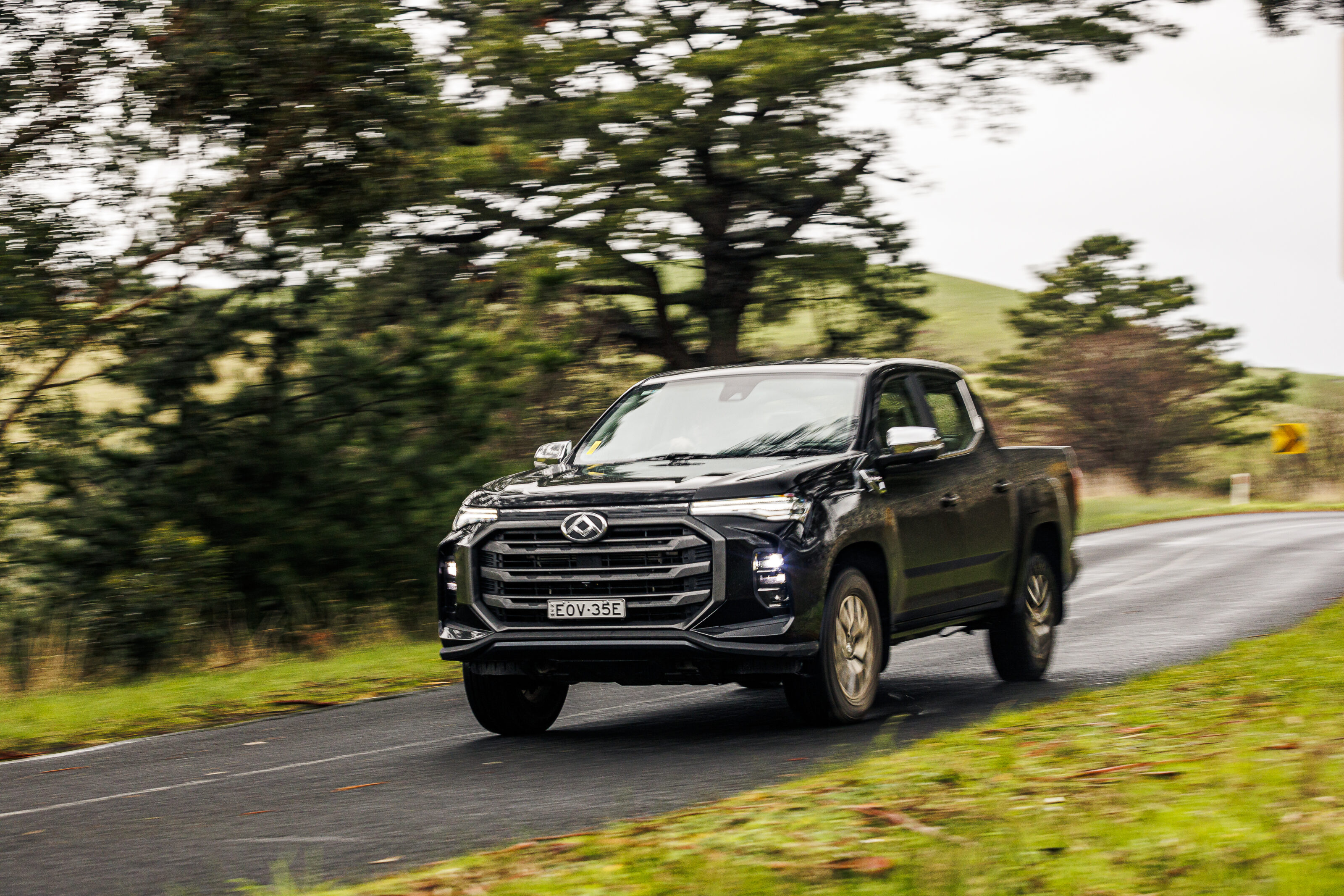
Plus, Toyota experienced a decent month for its 300 Series LandCruiser, selling 1217 units – up from 634 sales in September 2022.
Perhaps a sign of the current economic climate, but the budget utes from LDV and GWM continue to sell well and remain in the top 10 on the 4×4 sales charts.
The LDV T60 recorded 893 sales for the month, while the GWM Cannon registered 684.
October 2022: Top 10 New 4X4 Sales
| 1 | Ford Ranger | 5147 |
| 2 | Toyota HiLux | 3492 |
| 3 | Isuzu D-MAX | 1834 |
| 4 | Toyota Prado | 1461 |
| 5 | Mitsubishi Triton | 1446 |
| 6 | Ford Everest | 1271 |
| 7 | Toyota LandCruiser 300 | 1217 |
| 8 | Isuzu MU-X | 914 |
| 9 | LDV T60 | 893 |
| 10 | GWM Cannon | 684 |
Top 10 New 4X4 Sales: YTD
| 1 | Toyota HiLux | 40,058 |
| 2 | Ford Ranger | 34,536 |
| 3 | Mitsubishi Triton | 21,783 |
| 4 | Toyota Prado | 19,087 |
| 5 | Isuzu D-MAX | 17,322 |
| 6 | Toyota LandCruiser 300 | 10,131 |
| 7 | Toyota LandCruiser 79 | 9633 |
| 8 | Isuzu MU-X | 8825 |
| 9 | Mazda BT-50 | 8511 |
| 10 | Nissan Navara | 7880 |
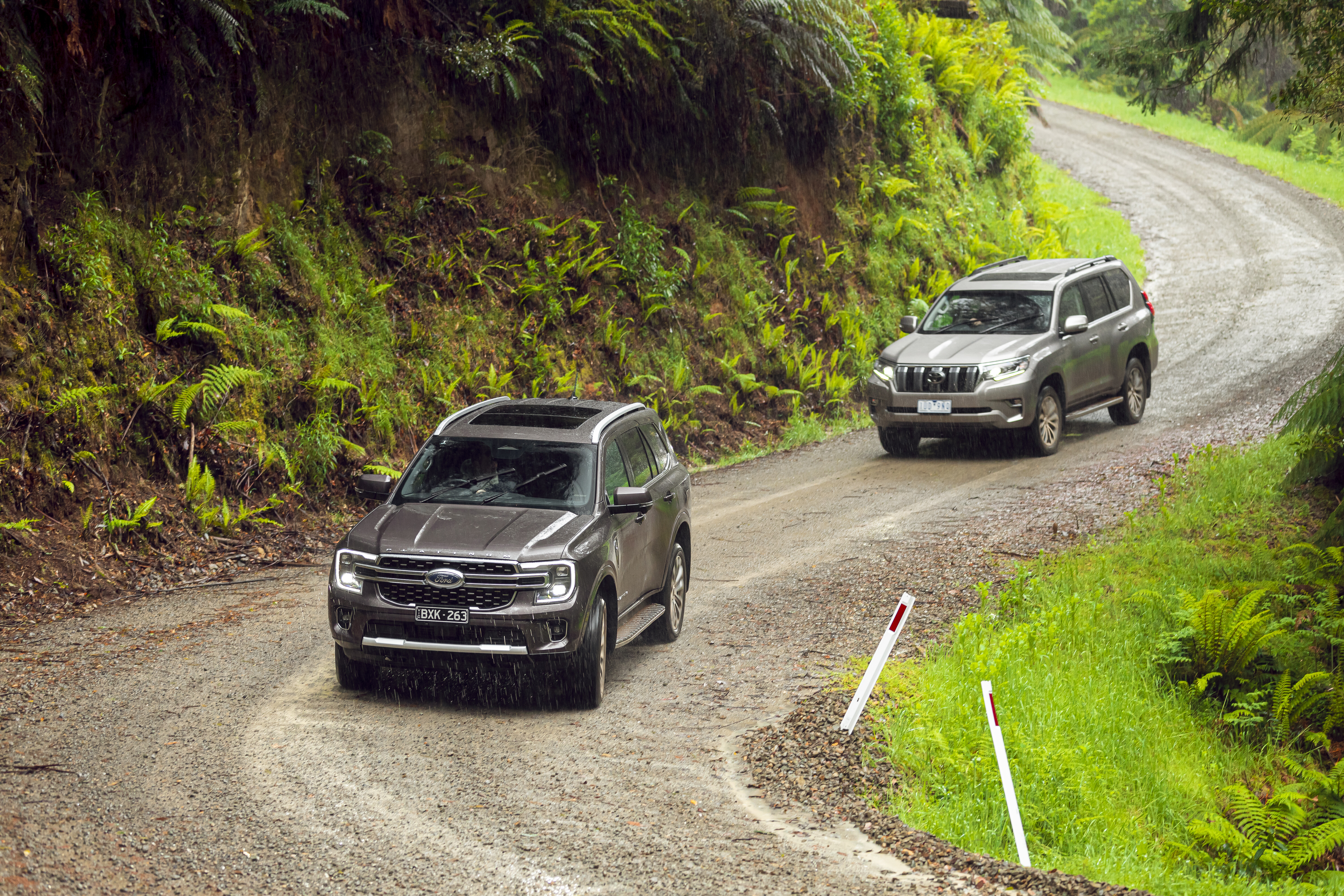
UPDATE, November 16: Ford Everest vs Toyota Prado
We’ve put the new-generation Ford Everest up against its most popular and obvious rival, the Toyota Prado. Get the full story at the link below.
Story continues: Ford Everest Trend review
If you’re looking for some truly riveting reading, we’d suggest diving into the sales split percentages of the previous-generation Ford Everest. Okay, that’s exaggerating things a bit – it’s actually about as interesting as plain Weet-Bix with no milk – but the data does hold some intriguing nuggets.
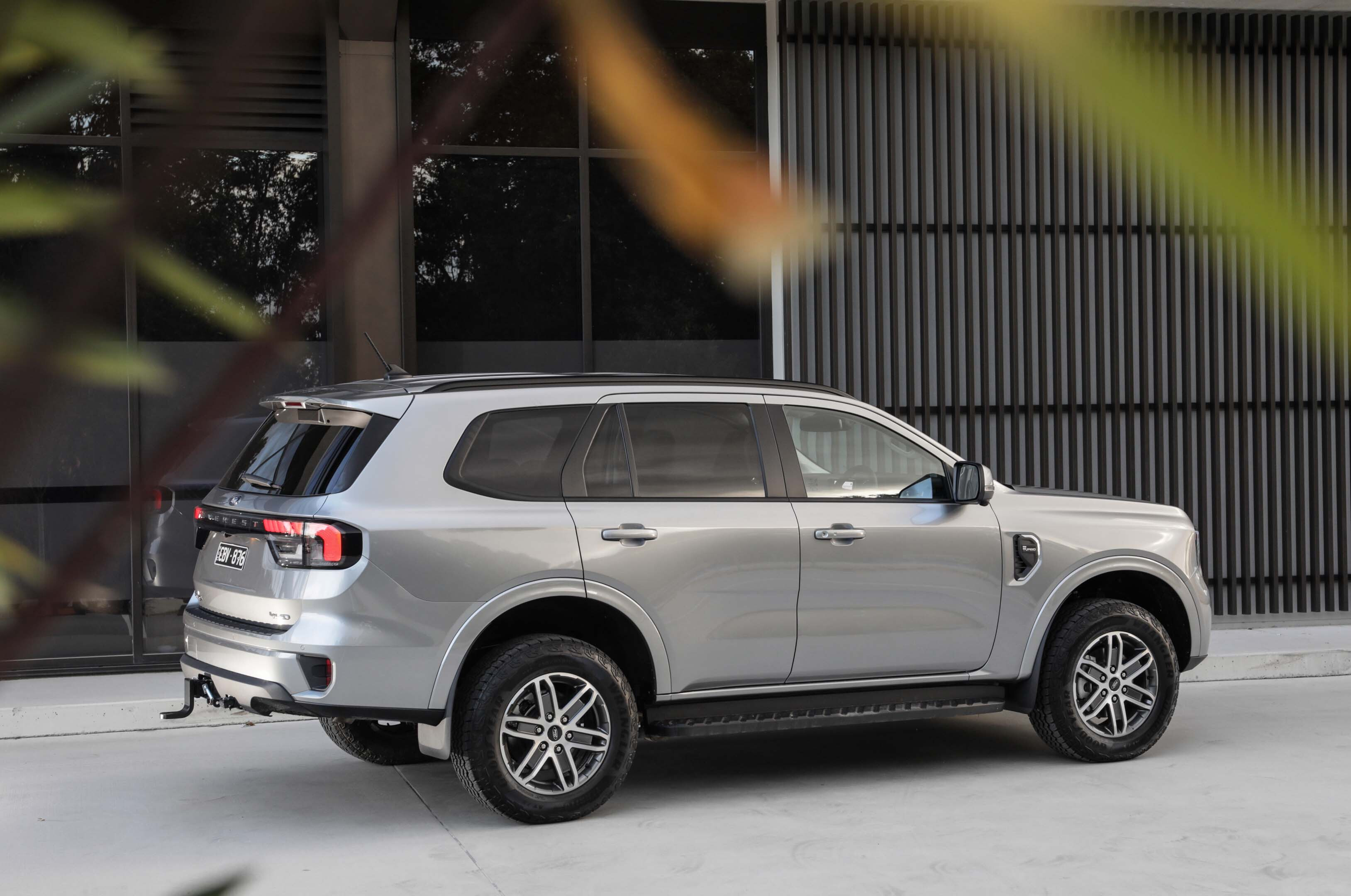
Within the figures you’ll discover that of the 40,000 or so Ford Everests sold since it was introduced in 2015, the variant most Aussies bought was the car we’re testing here: the mid-spec Trend. The attraction is obvious: more luxury than a base Ambiente and nearly all of the chassis goodness and off-road ability of the top trims without the additional cost.
Now that we have a new second-generation Everest, however, that logic starts to falter. This time around, Ford has bolstered the model range with a fresh engine – a more powerful 3.0-litre V6 turbo-diesel – which is only available on the two top model grades, the V6 Sport and flagship Platinum.
That’s left the Trend to make do with a (mostly) carryover 2.0-litre bi-turbo four-cylinder diesel, which is down on power and torque against the V6.
So, is the Trend still the Everest to buy? Or are the V6 models worth the extra spend? Let’s find out.
JUMP AHEAD
- How much is it and what do you get?
- How do rivals compare on value?
- Interior comfort & storage
- How safe is it?
- What’s it like to drive?
- Warranty & running costs
- VERDICT
- Specifications
How much is it and what do you get?
As before, the Trend makes an attractive case when it comes to value. Prices start at $60,290 for the Trend 4×2 and stretch to $65,290 for the all-wheel drive model we’re testing here (both before on-road costs).
That’s around $7000 more than the entry-level Ambiente but the Trend brings a noticeable uptick in luxury and equipment.
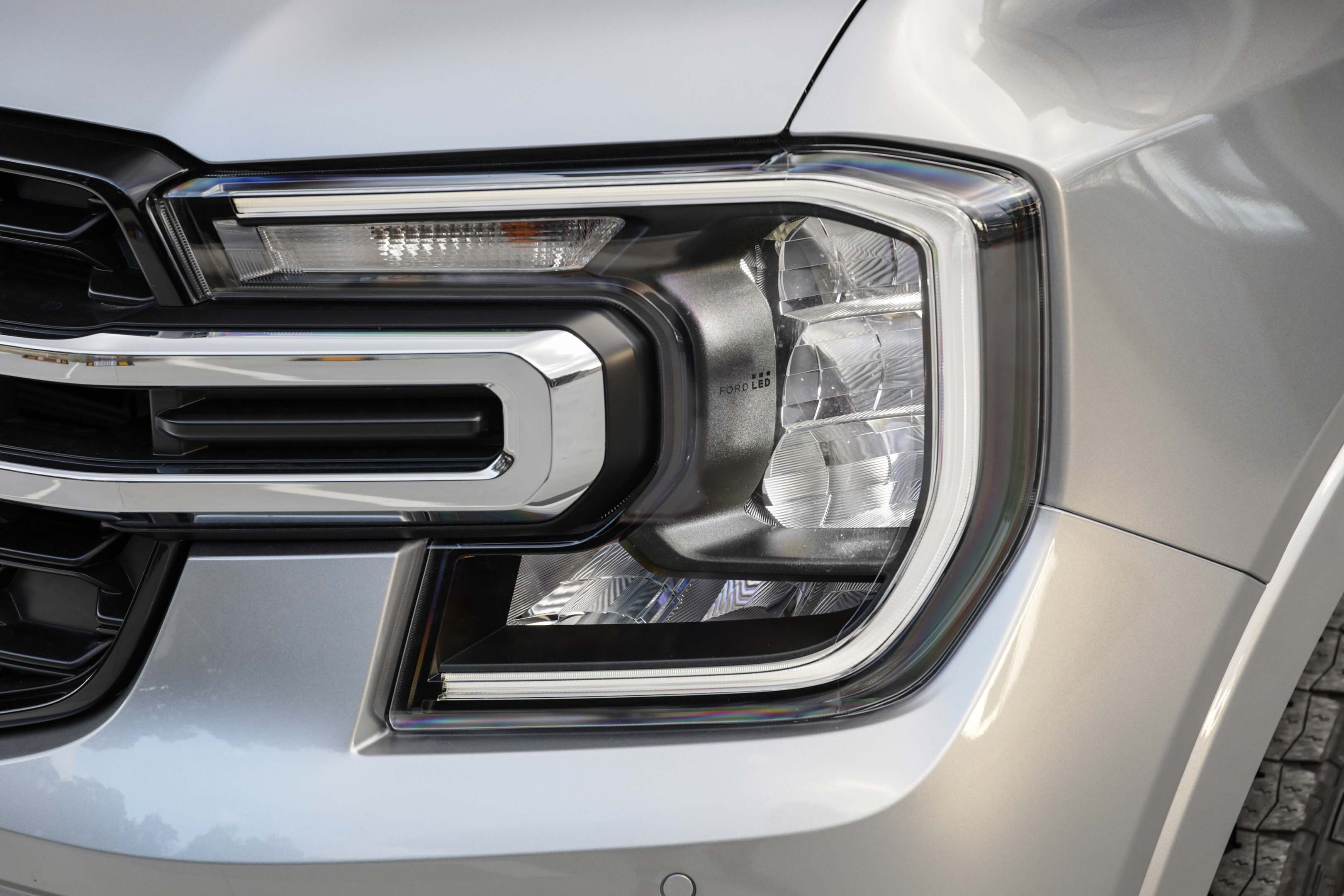
Every Everest scores LED headlights and tail lights, wireless Apple CarPlay and Android Auto, sat-nav, digital radio, rain-sensing wipers, keyless entry and power folding mirrors.
But where the Ambiente only comes with five seats as standard, the Trend adds a third row of seating to take that number up to seven. It also rolls on larger 18-inch alloys, adds rear privacy glass, a power tailgate and heated wing mirrors with puddle lamps.
The basics
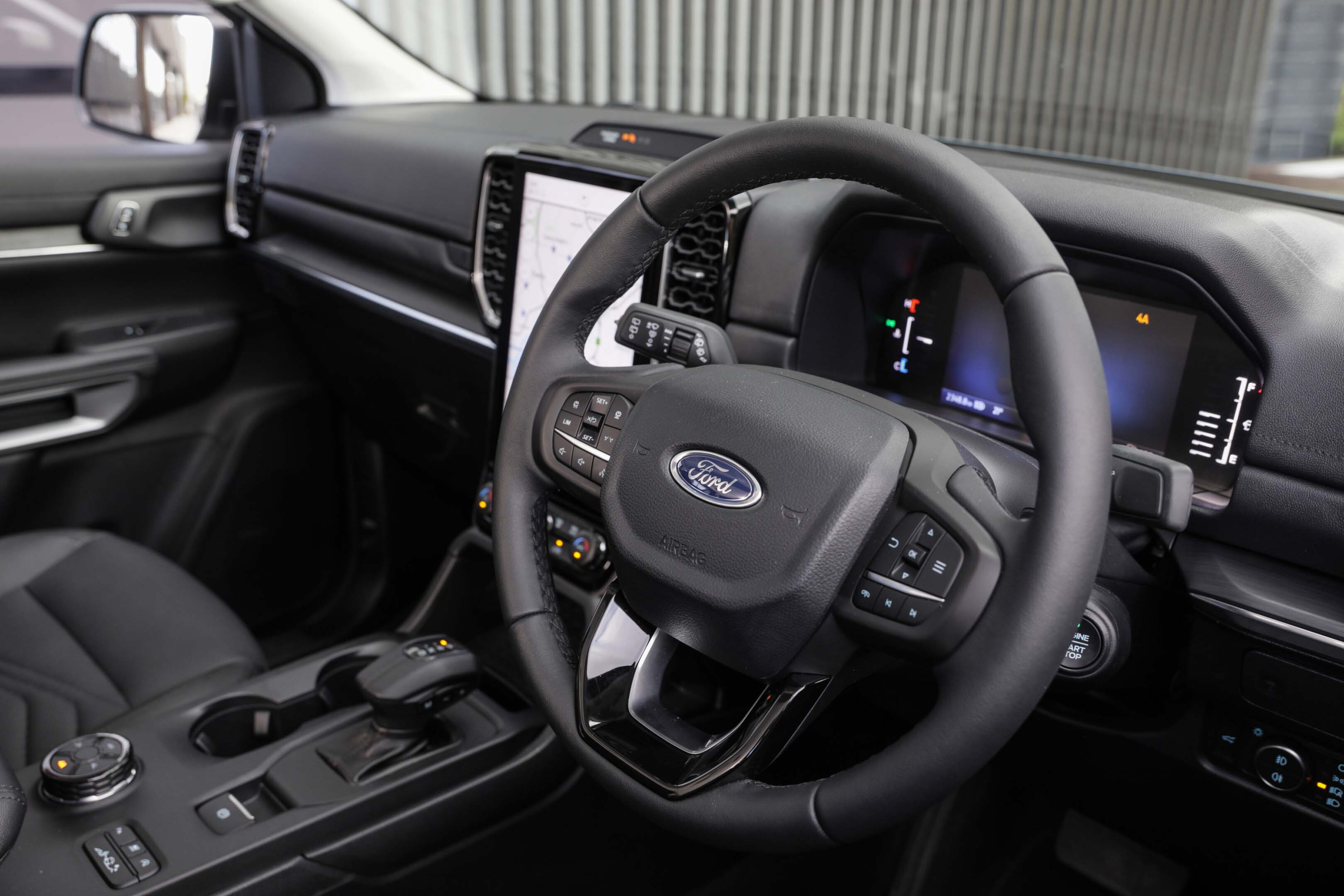
Inside, the Trend is considerably more upmarket thanks to leather upholstery (Ambiente has cloth seats), eight-way power adjustment for the driver’s seat, a leather-wrapped steering wheel and the central infotainment screen grows from 8.0-inches to 12.0in.
You also score a second glovebox in the upper section of the dash, and crucially, if you plan on taking your Everest off-road, 4×4 versions of the Trend gain two additional drive modes (Sand and Mud/Ruts) and a useful off-road screen that allows you to control key functions like locking the rear diff and see information like steering and pitch/roll angles.
It also provides a high-resolution video feed of what lies ahead, providing you are among the 85 per cent of customers Ford expects will option the $1950 Touring Pack that also adds a 360-degree camera, zone lighting and a tow bar with integrated trailer brake controller.
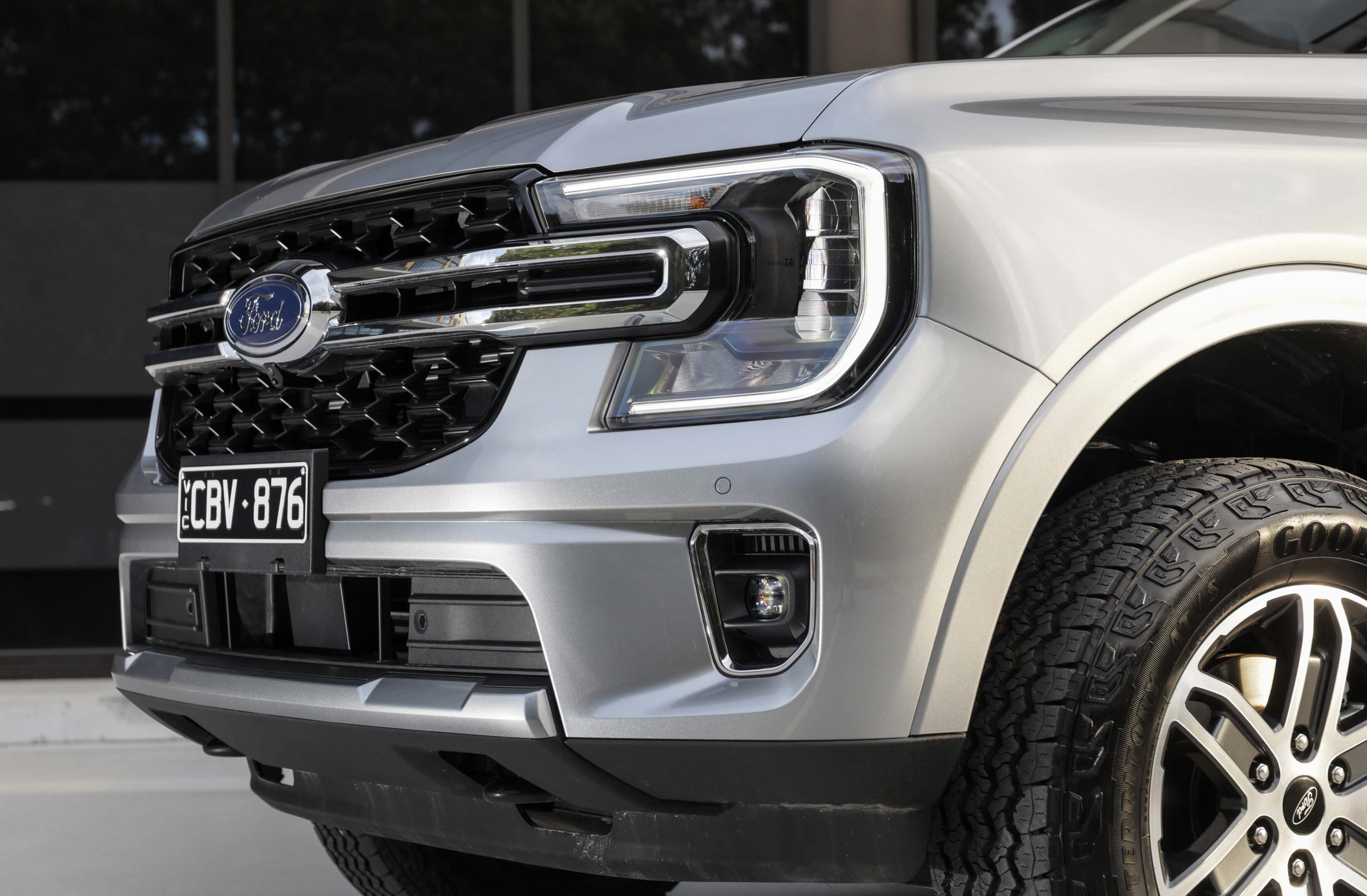
The front-facing camera feed is a clever piece of tech that doesn’t only take the stress out of creeping over crests and diving into deep pits but also projects virtual tyre tracks ahead of you, which makes straddling ruts and other obstacles much easier.
Where the Trend’s sense of value hits a hurdle, however, is when you line it up against the V6 Sport.
At $69,090 before on-road costs, the V6 Sport is the next rung up the Everest ladder but only commands a $3900 premium over a Trend 4×4. It gains the more powerful V6 engine and also benefits from larger 20-inch wheels, sharper looking black exterior accents, a more powerful 10-speaker sound system and both front seats are electrically adjustable, heated and ventilated. That’s money well spent in our book.
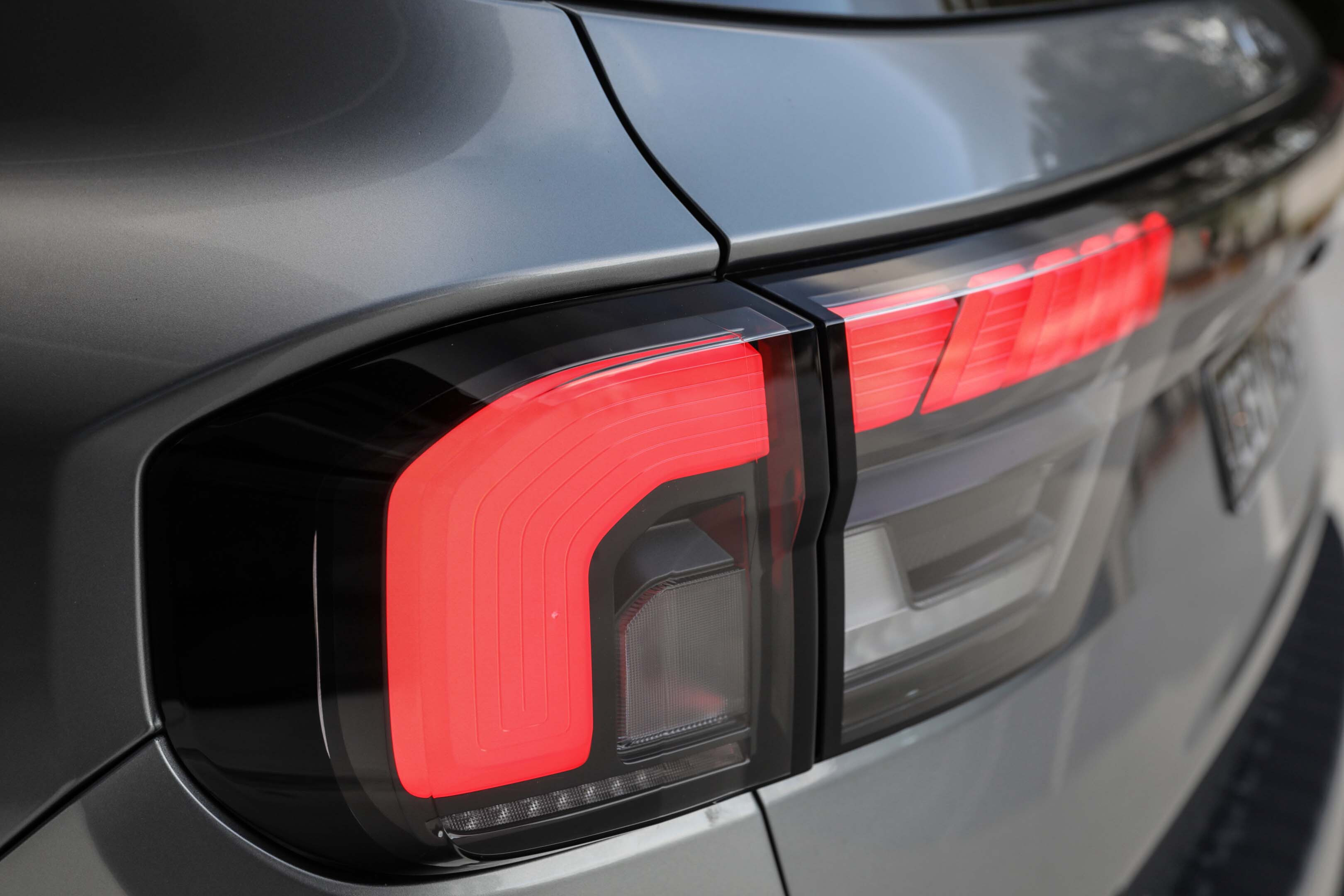
How do rivals compare on value?
Aussies love a workhorse that can tow, take the kids to school and also tackle the Birdsville track so it’s no surprise the Everest competes in a crowded and cut-throat segment.
Key ute-based rivals include the Toyota Fortuner, Mitsubishi Pajero Sport and Isuzu MU-X and on price alone, each of these rivals undercuts the Everest Trend 4×4 by a healthy margin.
An equivalent mid-spec GXL Fortuner or Pajero Sport GLX 4WD, for example, will set you back around $55,000 which is a $10K saving compared to the Everest. The Isuzu MU-X is closer to the Ford at $61,490 for an equivalent mid-tier LS-U 4×4, but that still represents a saving of $3800. All these prices are before on-road costs.
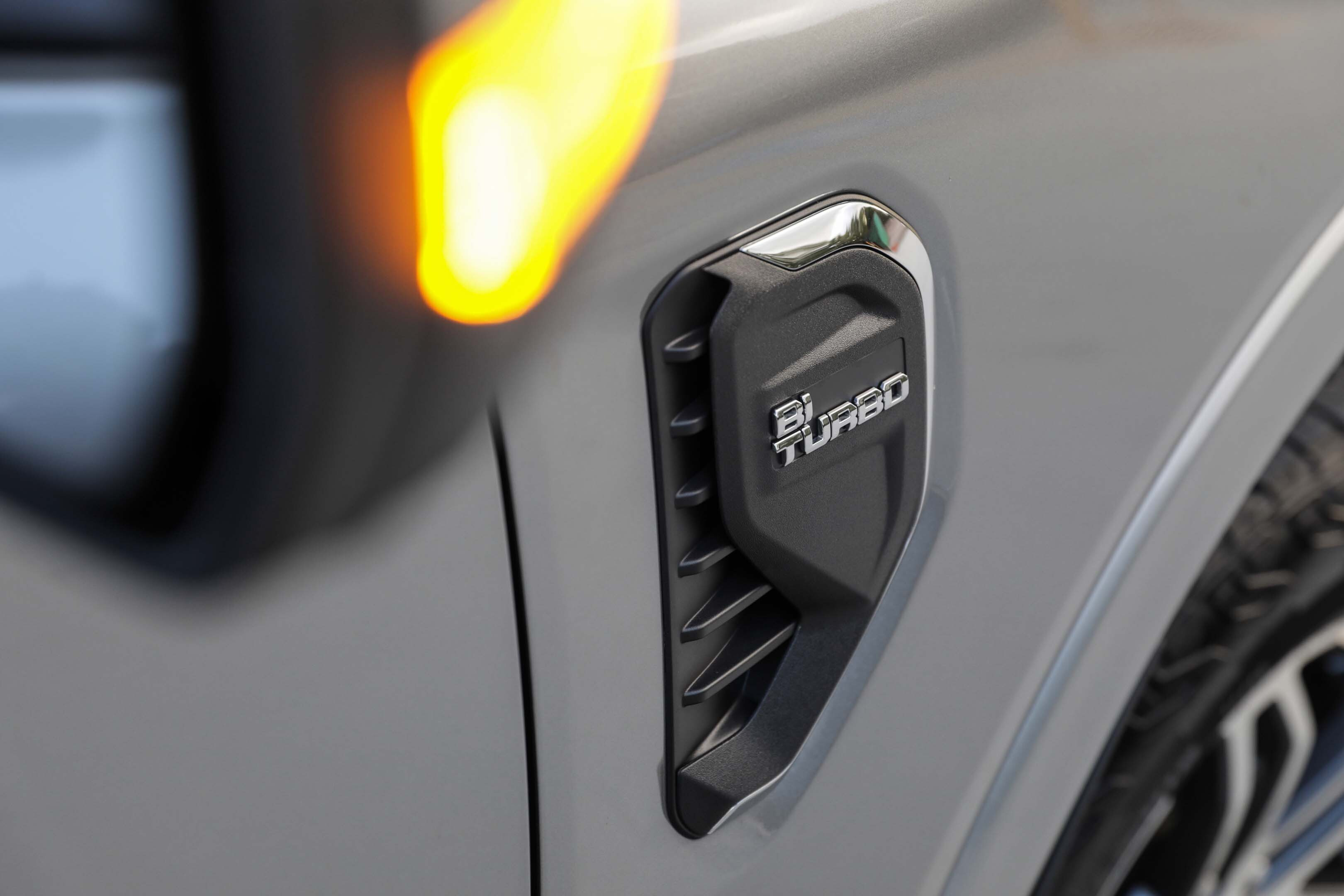
This price discrepancy doesn’t make the Everest poor value, however. While it can’t match its rivals on price, the Ford obliterates them for cabin comfort, standard equipment levels, interior tech, powertrain performance and driving dynamics.
Both the Toyota and Mitsubishi are also significantly older than the box-fresh Ford and while the Isuzu is the most modern alternative, the second-generation version having launched here in 2021, it’s still not in the same league as the Everest for refinement or road manners.
In fact, in pretty much every metric, the new Everest makes its traditional ladder frame competitor set feel a touch agricultural, which helps to justify its higher initial outlay.
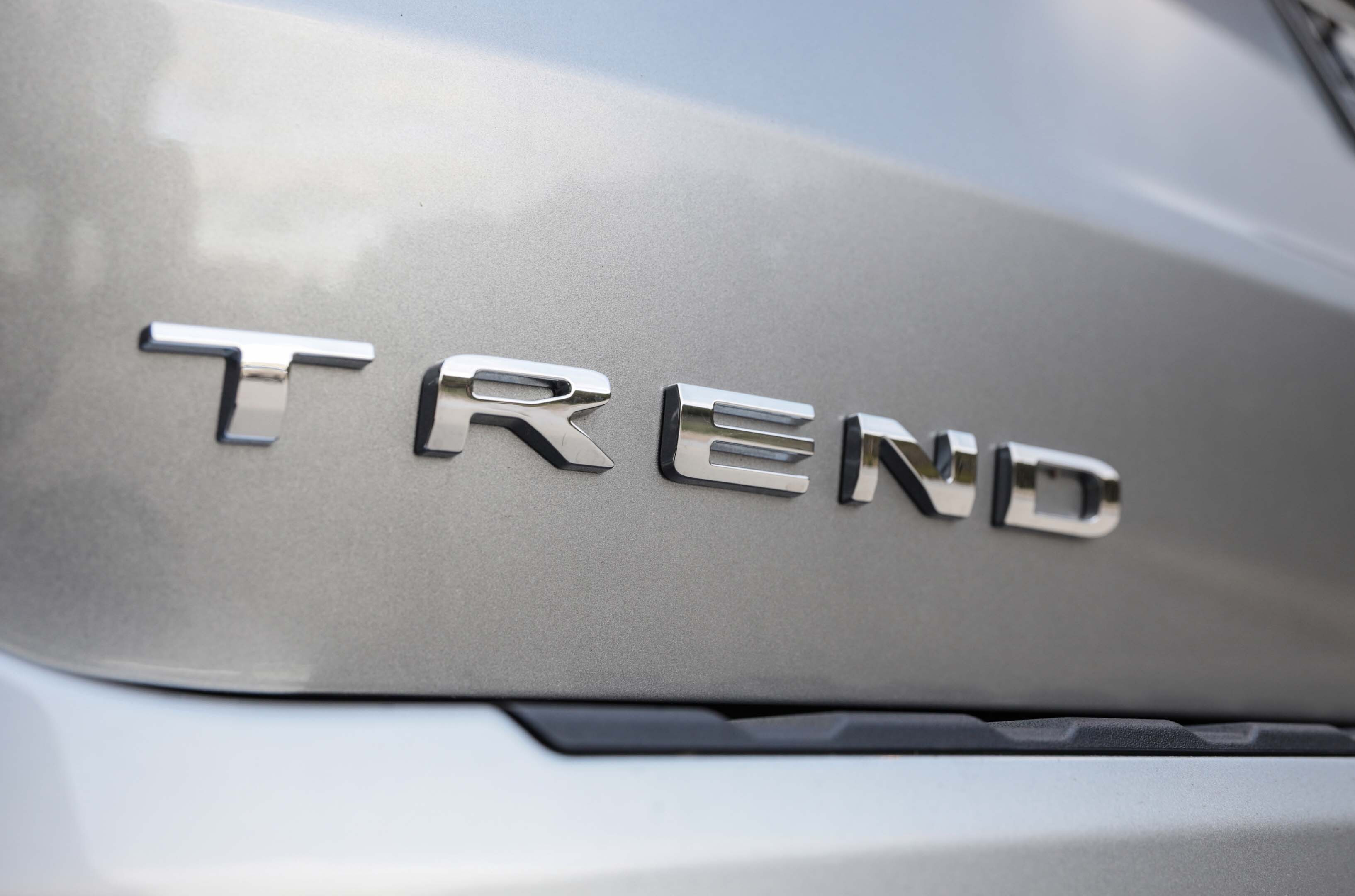
Interior comfort & storage
That sense of being a cut above continues when you slip inside.
In a segment plagued with dodgy driving positions, hard cabin plastics and ancient infotainment systems, it’s refreshing to jump into an interior that nails the basics.
Up front, the Trend’s leather-appointed seats are comfortable, the mix of materials strikes a nice balance between feeling premium and hardwearing, and there’s ample storage thanks to large cup holders, generous door bins and a deep centre console. The cabin design feels modern and premium, too, and the Everest trounces its rivals when it comes to infotainment.
The portrait-style 12.0-inch central screen is quick to respond and easy to navigate thanks to a logical menu structure and, mercifully, it retains a dedicated panel for the HVAC controls at the bottom so you don’t have to click through multiple submenus to adjust the temperature or fan speed.
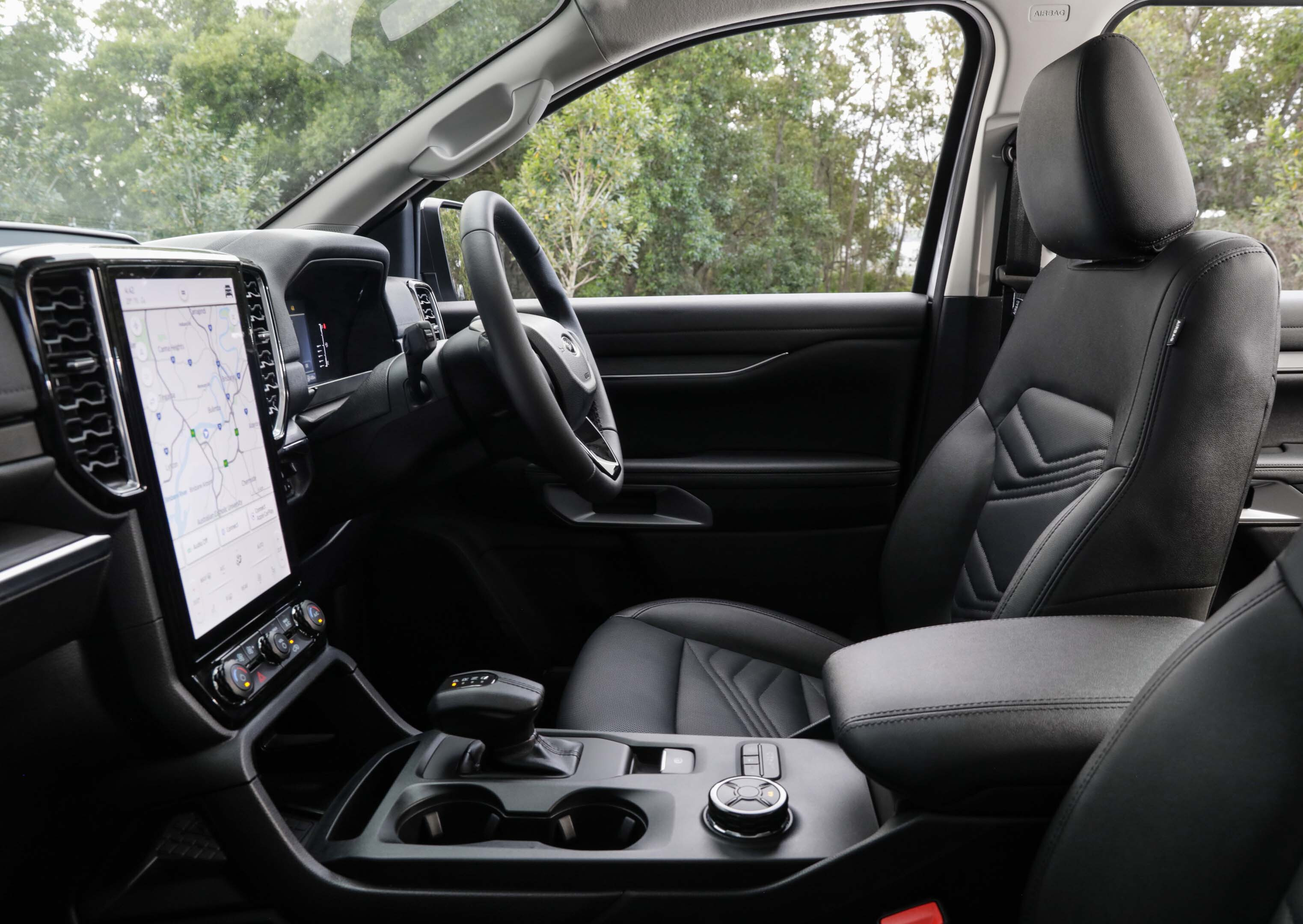
As for connectivity, Apple CarPlay worked faultlessly during our stint behind the wheel and there’s a wireless charging pad to go with three USB ports for front passengers.
There’s also plenty of room in all three rows. Like the new Ranger, the Everest is built on Ford’s heavily updated T6.3 platform and the wheelbase has been stretched by 50mm. Unlike the new Ranger, however, which has a slightly cramped rear seat, the Everest’s second row offers plenty of space.
Ford says the middle seat has been redesigned to improve passenger comfort and Trend variants and above also score an additional set of USB ports (to make a total of five), which is useful to keep the kids’ devices powered up.
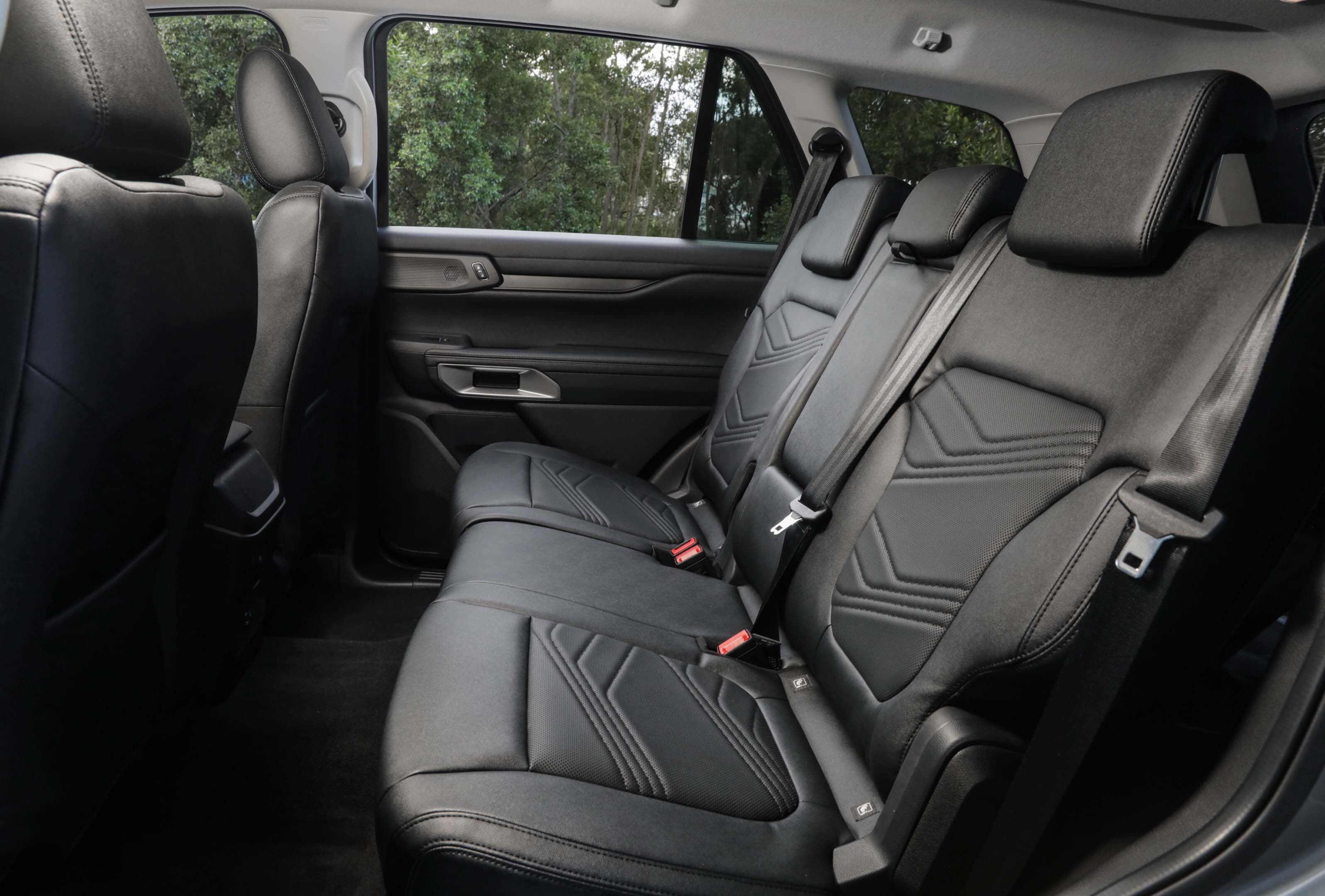
As before, the second row slides but its movement fore and aft has been increased this time around to improve access to the third row. Speaking of, those relegated to the very back seats won’t feel too hard done by thanks to improved shoulder room and decent vision out through large windows.
Taller adults might find it a touch squishy for knee- and headroom but there’s plenty in the way of amenity including two cup holders, a slot to store a tablet and dedicated air vents in the roof.
And importantly, curtain airbags cover all three rows of seats regardless of what Everest variant you choose. In fact, the level of standard safety equipment is impressively high across the entire Everest range.
2023 Ford Everest boot space
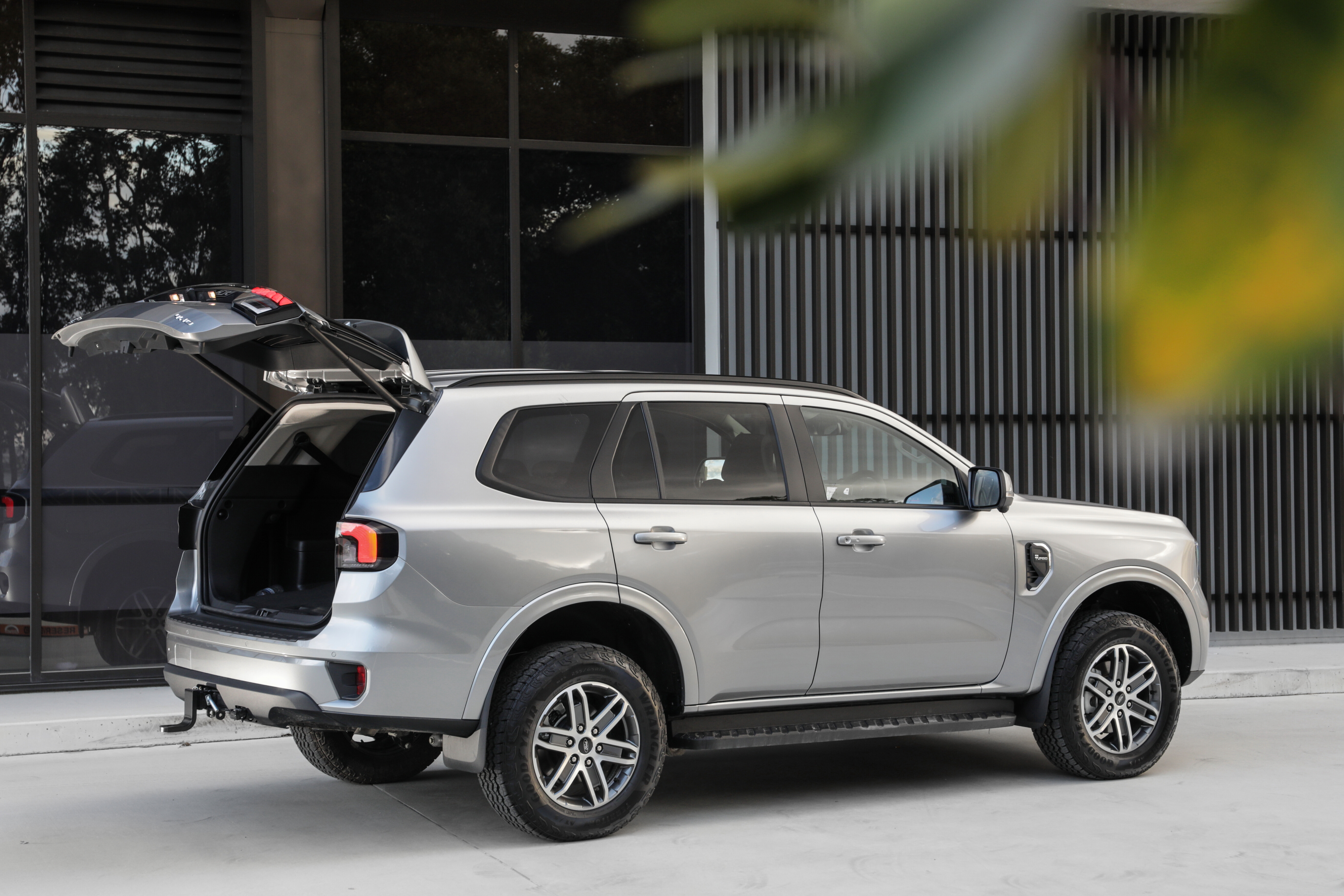
Boosting the wheelbase and fitting a boxier, more muscular body has also improved the Everest’s luggage space. With all three rows of seats in use, Ford says there’s 259L of boot space available which is large enough for a few golf bags stacked on top of one another.
Drop the third row and your boot grows to a generous 898L or with all the back seats folded you’ll have 1823L at your disposal. Need some context? A Fortuner offers 200L/716L/1080L so it’s a clear advantage to the Ford in the load-lugging stakes.
How safe is it?
Every version boasts a five-star ANCAP safety rating and the following safety equipment is included as standard
| Nine airbags |
| Autonomous emergency braking (forward and reverse) |
| Adaptive cruise control with stop & go function |
| Blind-spot monitoring |
| Rear cross-traffic alert |
| Lane-keep alert and assist |
| Parking sensors front and rear |
| Rear-view camera |
| Traffic sign recognition |
Even better is how well the active safety systems are calibrated. ESC interventions are smooth and unobtrusive, and the lane-keep system is one of the best we’ve encountered.
Unlike some lane-centring functions which can be overly sensitive or pull jerkily at the wheel, the Everest does a commendable job of keeping you smoothly in the middle of your lane.
What’s it like to drive?
This is the Everest’s biggest strength. In a segment that tends to feel fairly agricultural when it comes to steering feel and bump compliance, the Everest’s dynamics are remarkably polished. Our time with the Trend took in some tight and challenging mountain roads that would have made most large SUVs feel slow and ponderous, yet the Ford behaved more like a traditional monocoque family SUV than a ladder-framed wagon.
The steering is naturally weighted and a good speed at 3.2 turns lock to lock, plus there’s none of the vagueness off centre that you get with many rivals. The seating position is bang on, too, thanks to ample reach and tilt adjustment on the steering wheel.
Excellent visibility is aided by enormous wing mirrors and cabin refinement is class-leading. Ford went to great lengths to reduce wind noise and improve cabin insulation, and the result is a large off-roader that’s impressively quiet on the freeway.
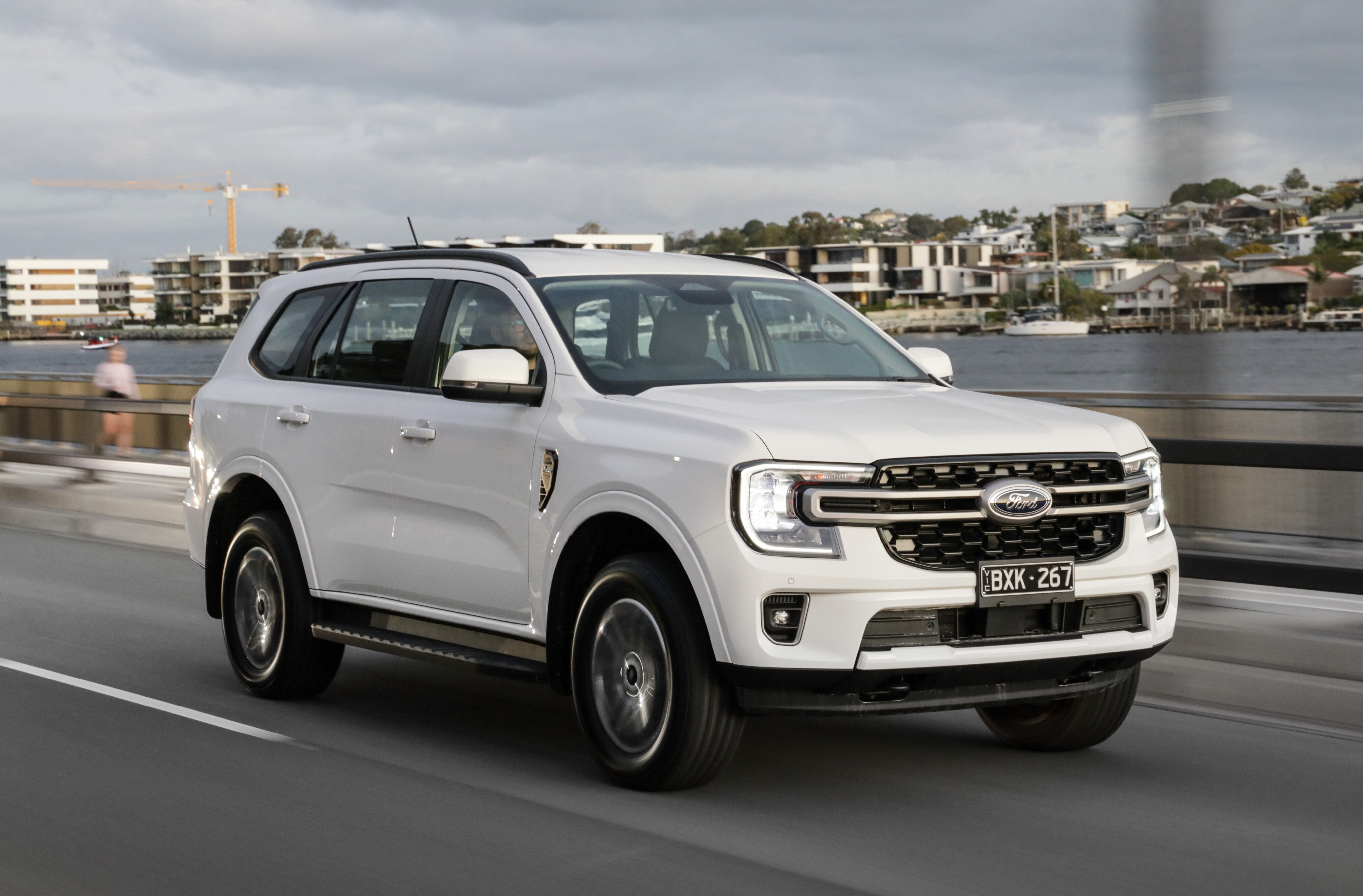
Body control is also nicely contained for such a big vehicle. On twisty sections, the Trend stayed commendably flat and unflustered despite several quick changes of direction. Happily, the ride is also relatively supple, despite the firm hand needed to keep the body in check, and the Trend’s 18-inch alloys do a decent job of ironing out all but the biggest of surface imperfections.
You do occasionally notice a telltale tremor or shake through the body that plagues all body-on-frame vehicles but for the most part, the Everest handles like a conventional SUV.
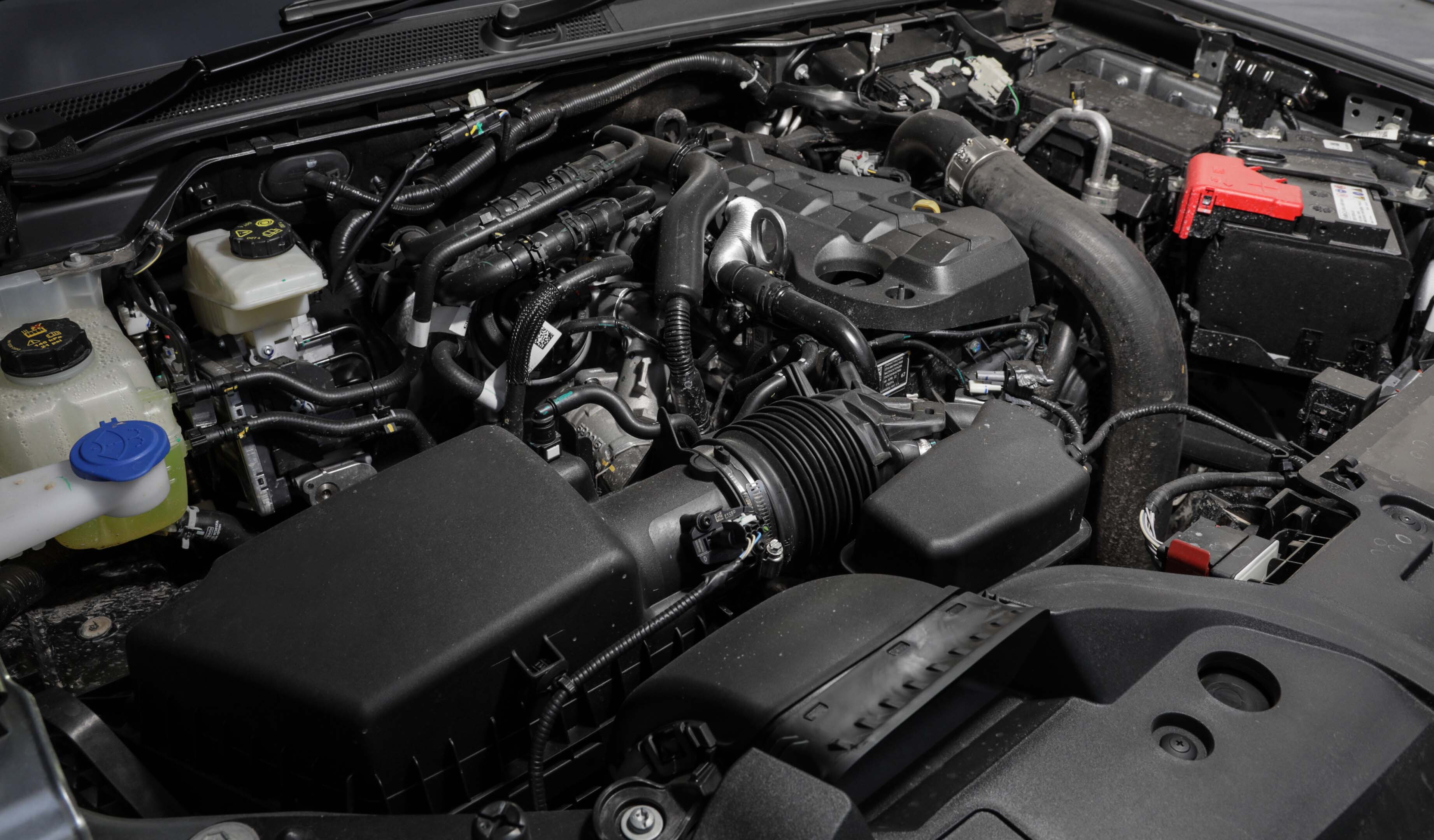
One thing that does erode the cabin’s sense of refinement, however, is engine noise. The 2.0-litre bi-turbo is impressively quiet on the freeway but it can get vocal at higher revs and under hard acceleration there’s noticeable diesel clatter to contend with.
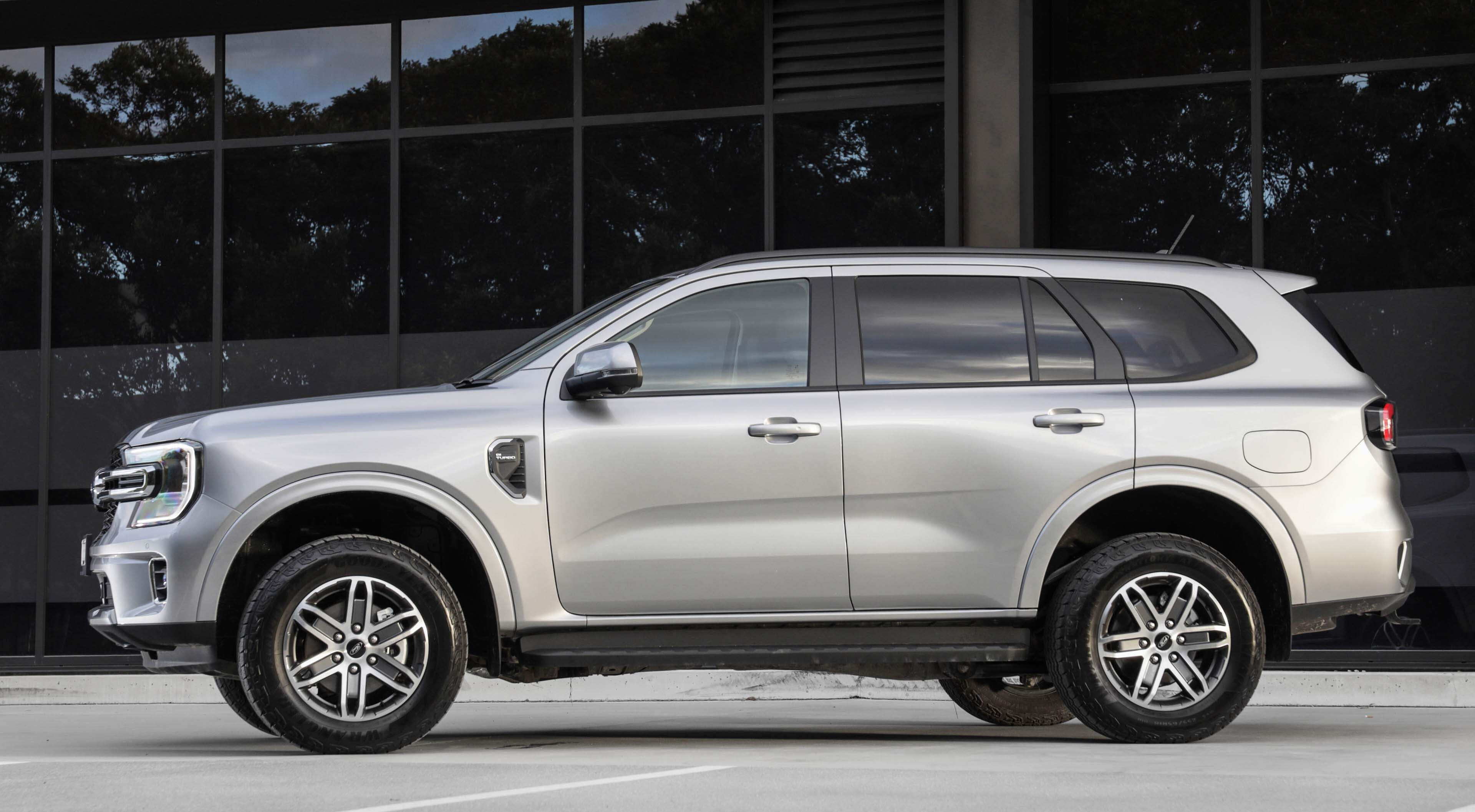
At least there’s plenty of performance to exploit. With 154kW/500Nm on tap, the diesel feels reassuringly muscular and while the engine is mostly carried over from the previous Everest, Ford’s engineers have made changes to improve reliability.
The 10-speed automatic transmission has also been improved. In the previous Everest and Ranger, it could hunt for the right ratio but this time around it’s more assertive. In saying that, the gearbox isn’t perfect. We felt the occasional bum shift and on a part throttle over hilly terrain, there was some driveline shunt.
Still, there’s no denying the 2.0-litre/10-speed combo is one of the strongest powertrains in this segment. It’s just a shame that there’s an even better engine within the Everest range…
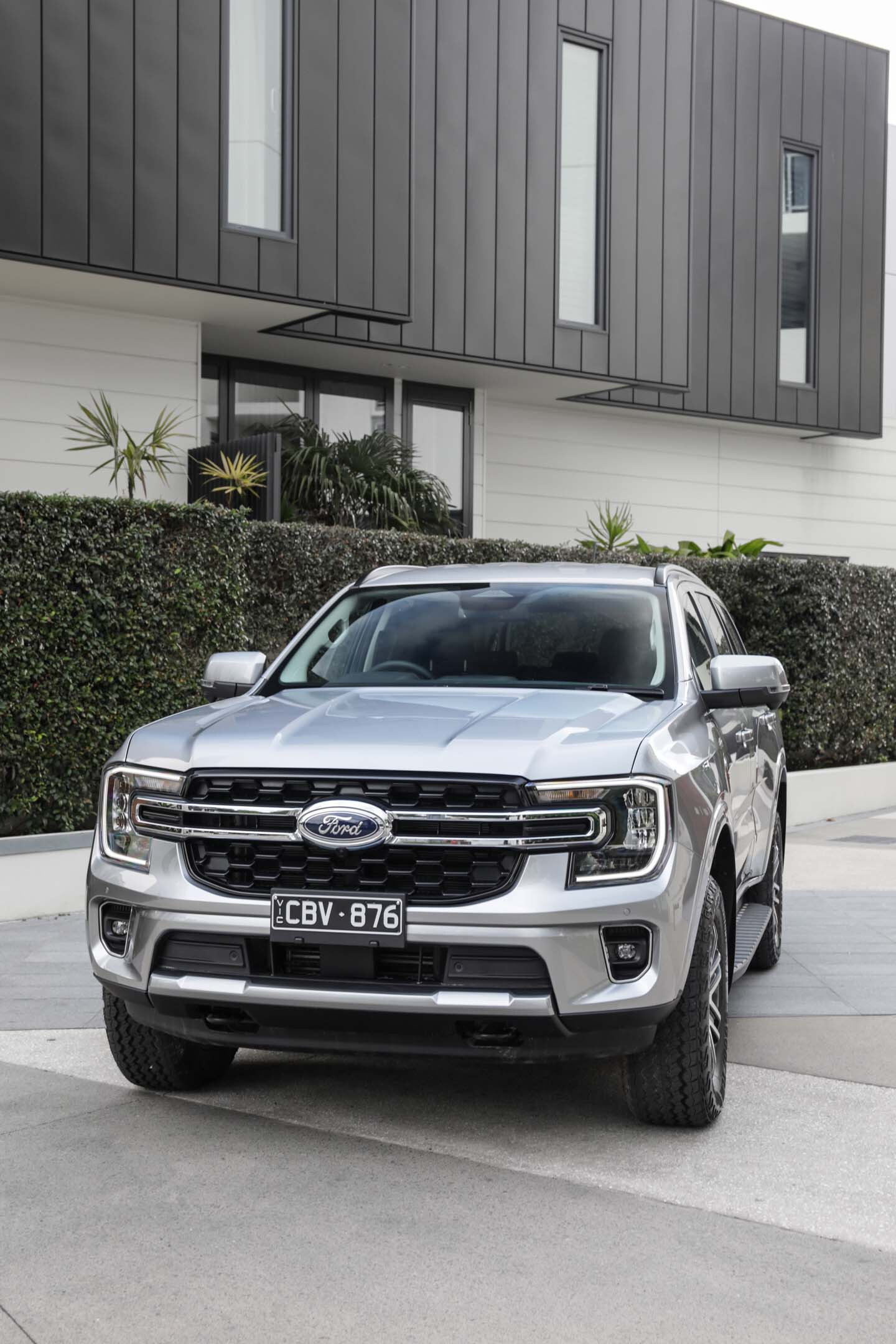
The 3.0-litre V6 is smoother, quieter and with 184kW/600Nm it’s also noticeably more muscular. Weirdly, the performance gap between the 2.0-litre and 3.0-litre engines feels wider than it does in the Ranger. In the Everest, the V6 is noticeably more urgent and while every Everest has a braked towing capacity of 3500kg, it’s the larger capacity engine we’d recommend if you plan to tow on a regular basis.
Away from paved roads, the Everest continues to be one of the most capable 4×4 wagons you can buy. Ford’s engineering team set a goal early in development that the second-gen Everest had to be better to drive on-road and off-road, not one or the other, and in several key metrics this new model is an improvement.
Moving the wheels closer to the corners of the body has increased wheel articulation and reduced head toss for occupants. Shorter overhangs have also improved the approach and departure angles, which now sit at 30.4 degrees and 25.3 degrees respectively. The ramp-over angle is also better than before at 22.2 degrees.
Warranty & running costs
The Ford Everest comes with a five-year, unlimited-kilometre warranty with 12 months of roadside assistance also included.
You’ll need to visit the dealer for scheduled servicing every 12 months or 15,000km, whichever occurs first, and the most you’ll pay for each of the first four visits is $329 under Ford’s capped-price servicing program.
VERDICT
Even at the end of its lifecycle, the previous-generation Everest was the best body-on-frame wagon you could buy. This second generation enhances Ford’s leadership in this segment.
It’s better to drive, more capable off-road and has a comfier, tech-laden cabin. It’s also miles ahead of its competition for on-road dynamics and refinement.
Where the plot thickens slightly is when it comes to which version of the Everest to buy. For years the Trend has been the logical choice and much of what made it so attractive continues into this second generation.
But the inclusion of the Everest V6 Sport, which is sharper to look at, better equipped and has a smoother engine that’s superior at towing for just $3900 more would make us think twice about opting for the Trend 4×4.
It’s close, and both variants make a compelling case, but to our minds the V6 Sport just edges it.
Reading the sales split percentages in a few years to see which way more Aussies jump might actually be genuinely interesting…
2023 Ford Everest Trend specifications
| Body | 5-door, 7-seat large SUV |
|---|---|
| Drive | four-wheel |
| Engine | 2.0-litre DOHC 4cyl bi-turbo diesel |
| Compression | 16.5:1 |
| Bore/stroke | 84mm x 90mm |
| Power | 154kW @ 3750rpm |
| Torque | 500Nm @ 1750-2000rpm |
| 0-100km/h | 9.5sec (claimed) |
| Transmission | 10-speed automatic |
| Weight | 2383kg (kerb) |
| Fuel consumption | 7.2L/100km (claimed) |
| Front suspension | struts, coil springs, anti-roll bar |
| Rear suspension | Watt’s link, coil springs, anti-roll bar |
| L/W/H | 4914/1923/1841mm |
| Wheelbase | 2900mm |
| Brakes | 332x32mm/twin piston (f) 332×13.5mm/single piston (r) |
| Tyres | 255/65 R18 Goodyear Wrangler |
| Wheels | 18-inch alloy |
| Boot space 3 / 2 / 1 row | 295L / 898 L / 1823 L |
| Toyota Fortuner: 200L / 716L / 1080L | |
| Price | $65,290 + on-road costs |
If, like us, you’re not sure whether to call it the Next-Gen Ranger, 2022 Ranger, T6.2 or P703, then chances are buying a roof rack for your brand-new Ford Ranger might get a little confusing. But fear not, we’ve assembled this buyers’ guide to simplify the process for you.
Roof racks are one of the more common and most useful modifications you can make to your four-wheel drive. Even in the ute market (or truck as our American friends call them) where massive amounts of storage are available through trays and tubs, roof racks have their place.
Start adding kitchens, fridges, drawers and any other thing you might fancy to the back of your ute and you might quickly find out that bulky items like swags and tents no longer fit. Or perhaps you just need somewhere to strap down some firewood, traction boards or even granny after you strike oil on the Clampett Farm and move to Beverly Hills.
More than carrying portable gear, roof racks can also be used to mount awnings or driving lights. Any way you look at it, roof racks should be one of the first additions to your touring vehicle set-up.
Before we dive into this guide, first let’s clarify the most confused aspect of roof racks and roofs in general: static vs dynamic load ratings.
The dynamic load rating is the more often quoted rating and refers to how much weight the roof or roof racks can carry when the vehicle is moving. This is typically in the vicinity of 70 to 100kg for most 4WDs, and in the case your brand-new Ranger it’s 85kg (an upgrade of 5kg over the previous generation).
This includes the roof rack itself and anything strapped or bolted on the roof rack. But what happens if you whack a rooftop tent on or just want to climb up on the roof to strap something down? This is where the static roof rating comes into play.
When the vehicle is stationary, your 2022 Ranger is rated to carry 350kg on the roof. So, a couple of people in a rooftop tent is no problem but turning your roof into a terrace bar is probably not advisable. Throughout this buyers’ guide we will typically refer to dynamic load when we compare roof racks.
One key aspect to get right straight up is the mounting options. The new Ford Ranger has rooftop channel mounts for roof racks and platforms, and in Wildtrak form also comes with roof rails.
For this buyers’ guide, we have ignored anything that doesn’t quote a dynamic load rating as a minimum. This does rule out some of the cheapest options, but we’re here to show you the best roof rack for your new Ranger, not the cheapest.
Product Details
For this comparison we have split the roof racks into two categories:
- Basic roof bars; and
- Full roof platforms or racks.
Basic Roof Bars
Thule WingBar Evo
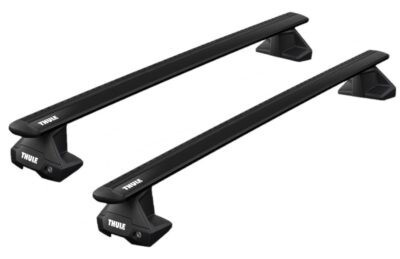
Specs:
- Dynamic Load Capacity: 75kg
- Weight: Approx 5kg
- Warranty: 2 years
- Mount Method: Rail or channel
- Dynamic Load Capacity: 75kg
- Weight: Approx 5kg
- Warranty: 2 years
- Mount Method: Rail or channel
The basic roof bars in this category are the lightweight option for those only wishing to carry smaller loads. The Thule WingBar Evo is a brilliant example and has been designed to imitate an aeroplane wing to make it one of the quietest and most aerodynamic roof racks on the market.
The Evo design extends beyond the mounting points to provide a larger loading area. The aerodynamic shape of the bars is very friendly to the hip pocket as it limits the impact on fuel consumption of adding a roof rack.
With a dynamic load rating of 75kg and weighing in at under 5kg themselves, these racks do leave some of the roof rating wasted but, given that this style of bars are not designed to carry large static loads, it’s not the end of the world.
The method of attachment to the roof varies from clamps over the roof rails on the Wildtrak, to direct roof mounting on other models. The T-tracks (a slot through the top of the bars to mount specialised bolts) allow easy mounting of just about any accessory.
The owner’s manual does state that under no circumstances should a vehicle fitted with these racks exceed 130km/h. Not generally a problem in Australia but worth noting if we ever get unlimited speed roads back in the NT.
Prorack HD Roof Bars T17
Specs:
- Dynamic Load Capacity: 65kg (on-road only)
- Weight: Approx 6kg
- Warranty: 3 years
- Mount Method: Direct to roof or clamp to rails
- Dynamic Load Capacity: 65kg (on-road only)
- Weight: Approx 6kg
- Warranty: 3 years
- Mount Method: Direct to roof or clamp to rails
With a slightly reduced weight-carrying capacity of 65kg dynamic load, these bars are another basic option for those without the need to carrying anything heavy.
The big advantage of these bars is the lockable mounts plus lockable end caps, meaning that they are the secure option for anyone that might leave expensive accessories mounted full-time. The aerodynamic design is based on an owl wing and reduces noise, drag and fuel consumption compared to square bars.
The bars themselves are rated to 100kg, so they should be built strong, but the reduced rating specific to the Ranger and the resultant waste of Ranger roof-load capacity is a bit of a let-down.
This does get worse off road, where Prorack recommends a 33 per cent reduction in load for off-road use on its heavy-duty models. This means your 65kg capacity drops to around 44kg as soon as you leave the tar.
This off-road recommendation is fairly common among manufacturers and is often in the fine print, so be sure to keep an eye out for it if you plan to carry anything close to the load-rating limit.
The bars include a T-slot to allow easy mounting of accessories and integrated tie-down points to strap down that swag. The method of attachment varies from clamps over the roof rails on the Wildtrak to direct roof mounting on other models.
Yakima LockNLoad TrimHD
Specs:
- Dynamic Load Capacity: 75kg
- Weight: Approx 5kg
- Warranty: 2 years
- Mount Method: Rail or channel
- Dynamic Load Capacity: 75kg
- Weight: Approx 5kg
- Warranty: 2 years
- Mount Method: Rail or channel
This is the one for avid off-roaders. Yakima claims that once they have built a rack, they beat the hell out of it on snow covered mountains to remote dirt roads to give you the toughest roof racks on the market. To back up the claim Yakima offers a limited lifetime warranty.
The TrimHD is another with a load capacity of 65kg and weight of around 5kg meaning there’s 15kg of Ranger roof-load capacity wasted. A common theme in this category, as you would have seen by now.
The racks include integrated mount point and a T-slot to allow mounting of accessories. There’s no fancy flying design on this one. It’s designed to work. The tie-down points at the end of each bar are a nice design feature and will make strapping down bulky items like swags and tents a breeze.
Full Roof Platforms or Racks
Unfortunately being so new, there are some details missing as manufacturers scramble to update their systems for the new Ranger. Nonetheless, we have some really great options in this category and time should bring even more.
Wedgetail Platform Roof Rack
Specs:
- Dynamic Load Capacity: 85kg
- Weight: Approx 24kg
- Warranty: Contact manufacturer
- Mount Method: Channel
- Dynamic Load Capacity: 85kg
- Weight: Approx 24kg
- Warranty: Contact manufacturer
- Mount Method: Channel
Designed and built by Tradesman Roof Racks in Melbourne, this rack is well-designed and built to last. The mounting system rivets into the factory channel and in the case of the Wildtrak, requires removal of the factory rails.
The clever design means that the rack can be removed and reinstalled as required, using only four bolts.
A series of crossbars allow for the mounting of tie-down points and at 1250mm wide and 1400mm long, this rack has plenty of room. It’s long enough to fit a full-size set of MaxTrax comfortably.
The wind deflector on the front reduces noise and drag, and the ‘Wedge-lock’ corners ensure a sturdy product.
There’s no off-road reduction here. The full load rating applies to any conditions. That means a handy 61kg (85kg roof rating less 24kg rack weight) of dynamic load capacity anywhere, anytime.
The bar-type design on this roof platform is relatively unusual and is what separates this from the rest. With its ‘unistrut’ bars rather than slats, the Wedgetail platform is ready to work during the week and play on the weekend.
Rhino-Rack Pioneer Platform
Specs:
- Dynamic Load Capacity: 85kg
- Weight: Approx 20kg
- Warranty: 5 years
- Mount Method: Rail or roof rail clamp
- Dynamic Load Capacity: 85kg
- Weight: Approx 20kg
- Warranty: 5 years
- Mount Method: Rail or roof rail clamp
Rhino-Rack’s backbone mounting system has suffered from a little bit of bad publicity regarding off-road load-rating reductions in recent times and, from an off-roaders perspective, that’s fair enough. But with this recent upgrade, the load rating is now totally uncompromised and applicable anywhere, anytime.
So, with a weight of around 20kg, the Rhino-Rack is ready to carry 65kg anywhere. The backbone mounting system will require removal of the factory rails on the Wildtrak, but there’s also a clamp mounting system for the rails available. The clamp system will require four RX100 feet, but is lightning fast to instal compared to the backbone system.
At 1528mm long and 1236mm wide, the platform is a decent size and ready to take a rooftop tent if required. There are optional wind deflectors available to help reduce wind noise and drag.
Yakima RuggedLine
Specs:
- Dynamic Load Capacity: 85kg
- Weight: Approx 21kg
- Warranty: Limited Lifetime
- Mount Method: Channel
- Dynamic Load Capacity: 85kg
- Weight: Approx 21kg
- Warranty: Limited Lifetime
- Mount Method: Channel
Coming in a little cheaper than others in this category, doesn’t mean the Yakima RuggedLine isn’t built to last. Yakima claims to torture test its products and as a result, can offer a limited lifetime warranty.
This is a no frills, tough roof rack that is ready to work. The platform is rated to 100kg and is, therefore, limited to 85kg by the Ranger roof load rating. Coming in at around 21kg, it leaves you with 64kg of load capacity ready to go anywhere.
At 1530mm long and 1240mm wide, this rack is on the larger size in this category and this, combined with the easy to use built-in perimeter channels, allows mounting of a range of accessories or a rooftop tent.
The RuggedLine is lacking some of the bells and whistles like wind deflectors and has a beefier design than some competitors, but if you’re actually using it to transport anything bulky, let’s be honest, a wind deflector isn’t going to help you.
But if the ute is just a work transport for 360 days a year, then maybe you will want something a little more efficiently designed.
HOW WE REVIEW PRODUCTS
4X4 Australia has been reviewing four-wheel drive vehicles and aftermarket products for more than 40 years.
When looking for the best roof racks for the Next-Gen Ford Ranger available in Australia we considered quality (value for money), efficiency of design and functionality. We compared features across hundreds of products split in two categories based on price point and simplicity: basic roof bars; and full rack systems.
Typically, we would look at users’ reviews, however, being such a new variant, there simply isn’t much experience out there. So instead, we have relied on user reviews and experience of previous models together with any relevant updates from manufacturers to make sure our recommendations are for the best on the market.
We’ve also included a few pointers on what to look for when purchasing a roof-rack system and how to avoid being ripped off or disappointed.
Disclosure: When you buy through our links, we may earn a commission. We also include products that we do not earn a commission from.
BUYERS’ GUIDE 2022 NEXT-GEN FORD RANGER ROOF RACKS
Storage space in just about any touring vehicle is at a premium. When we start adding canopies with fridge slides, drawers, kitchens and anything else to make life on (and off) road easier, we start to run out of space to store bulky items like swags, tents and recovery boards.
This is where roof racks come into play. They’re brilliant for transporting bulky but light items. The old square steel bars or big heavy steel racks are a thing of the past. These days we have bars based on aeroplane and bird wings.
Designed for aerodynamics and noise reduction, there’s no need to be driving down the motorway sounding like there’s a kettle boiling on the roof.
With the rising popularity of rooftop tents, roof pods and every accessory mount under the sun (shovels, high-lift jacks, traction-board quick releases), so comes improved mounting systems. It’s never been easier to strap down your gear and head bush.
The Next-Gen Ranger comes with an increased roof-load rating over the previous models (85kg vs 80kg) and, as a result, suits a roof rack even more.
Quality (Value For Money)
Have a quick search of the internet and you’re sure to find dozens of cheap roof-rack options. The problem is that most of them have been designed based on something as aerodynamic as a brick and don’t have any published load rating.
See that bloke driving along being chased by all the neighbourhood dogs? It’s either because he’s a butcher with sloppy packing skills or because his roof racks are whistling like crazy.
The lack of a published load rating is risky, not just for you and your Ranger, but for anyone that might be following you. Overload a roof rack off road and you’re asking for trouble. There’s plenty of stories around about entire racks coming free, load and all still attached.
For these reasons we’ve excluded anything without a published load rating and have stuck to reputable brands. Value adding features like clever accessory mounting systems and efficient designs have been highly regarded here. A solid warranty ensures peace of mind and adds to that value too.
Functionality
So, what is a roof rack for? To transport stuff, right? Every time you do this, you either need to use a purpose-built accessory carrier or you need to strap it down. Attaching accessories and strapping down anything else needs to be simple.
How easy this is to do will tend to govern how often you’re willing to use the racks. Modern roof racks include slots along the top ready to mount eyelets for strapping gear down or ready-to-bolt-on accessory carriers.
Roof racks that require straps and ropes to be tied around the bars or hooked into areas that aren’t designed for that purpose, are hard work and just make life difficult.
When considering what you will use your roof rack for, consider that platforms have the added advantage of a totally flat surface ready to take swags, tents, etc. at a pinch or have a rooftop tent mounted.
Racks that can be quickly removed are super handy for anyone that might use their vehicle for the shopping run or need to park in a low-height garage. The ability to undo four bolts and fit in your garage vs a 90-minute uninstal process, is super handy for those in that situation.
The key here is thinking about how you will use your roof rack and what type of system works best for your needs.
Efficiency of design
Every time we add something to our four-wheel-drives, we are effectively increasing weight and drag (wind resistance). Be it suspension lifts, bigger tyres, drawer systems or bullbars. They all work to do one thing. Make that little fuel gauge on the dash drop quicker.
So wherever possible, we want to limit this effect. This means roof racks with clever aerodynamic designs are highly valued. Added features like wind deflectors should be considered for Rangers that will spend a fair proportion of their life with an empty roof.
More than this, adding bolt-on accessories runs the risk or creating noise; square roof bars are famous for this. Designs that have considered noise reductions really do make the driving experience that much better.
How to avoid being ripped off
There are plenty of cheap roof racks on the market, but especially with a vehicle as new as the Next-Gen Ranger, you really want something that has been designed and built for this vehicle. Cheap racks without proper load ratings and testing are a big risk.
These things rarely go wrong five minutes from home. More often than not, it’s when you’re halfway across the Simpson Desert or part way around that once in a lifetime big lap.
Keep an eye out for limitations in the fine print like load reductions for off-road use or speed limits. Put your 60kg rooftop tent on a platform with 65kg load rating and think you’re all good? What about the 1.5 times reduction in load rating for off-road use the manufacturer has hidden in the fine print?
That 65kg is all of a sudden 43kg and you’re over weight. Goodbye warranty and worse, you could run the risk of ruining a trip. Thankfully, some manufacturers have sorted this issue out recently but many still include this. It’s often not an issue if you’re only throwing a swag up on top, but if you’re running anywhere near that load limit, it’s something to check.
After-sales support
More than confidence to actually get out there and use your shiny new Ranger with a rack full of gear, well-known and respected brands also typically have spare parts in the event anything does go wrong.
A good warranty means that if something does go wrong, hopefully, it’s not you paying for those replacement parts. Focus too much on price and chances are you will end up with a rack that disappoints, doesn’t last as long as it should and may come unstuck at the worst possible time.
Safety & Loading
Start travelling to remote areas of this wide, brown land and you will certainly come across roof racks that are a disaster waiting to happen. Overloading is the scourge of roof racks and it’s something that is easy to do if you’re not careful.
Think about the Ranger and it’s 85kg roof rating. Throw on a 20kg roof platform and you’ve got 65kg to play with. Put a 20L diesel jerry can (20kg), a 20L water jerry can (20kg), a side awning (10kg), a double swag (20kg) and you will find your at 70kg and overweight.
The number of times we’ve seen rows of four jerry cans, plus a gas bottle, plus tents/swags on the roofs of 4WDs is scary. That’s well over 100kg.
The worst is when you come across all of the above still strapped to a roof of a vehicle sitting on its side. Roof racks are super handy but like anything on a touring vehicle, they need to treated carefully or bad things happen.
Australia is blessed with some of the best 4×4 driving destinations on the planet. Iconic locations such at the Cape York Peninsula, Kakadu National Park, The Kimberley, the Simpson Desert, the Flinders Ranges and the Victorian High Country make up the bucket lists of many a 4×4 adventurer.
One of the most accessible (depending on where you’re coming from) bucket-list destinations has to be Queensland’s Fraser Island. Lying just off the South-East Qld’s coast just 3.5-hours north of Brisbane, Fraser Island, or K’gari is a must-visit place for any four-wheel driver, particularly if you like fishing and beach driving.
Fraser is the largest sand island in the world and as such is a World Heritage listed site, so we’re lucky that we can still drive on its hundreds of kilometres of beach and inland tracks.
? Hello from the future! You can continue reading this story, or you can visit our latest BT-50 Range Review linked below.
REVIEW CONTINUES…
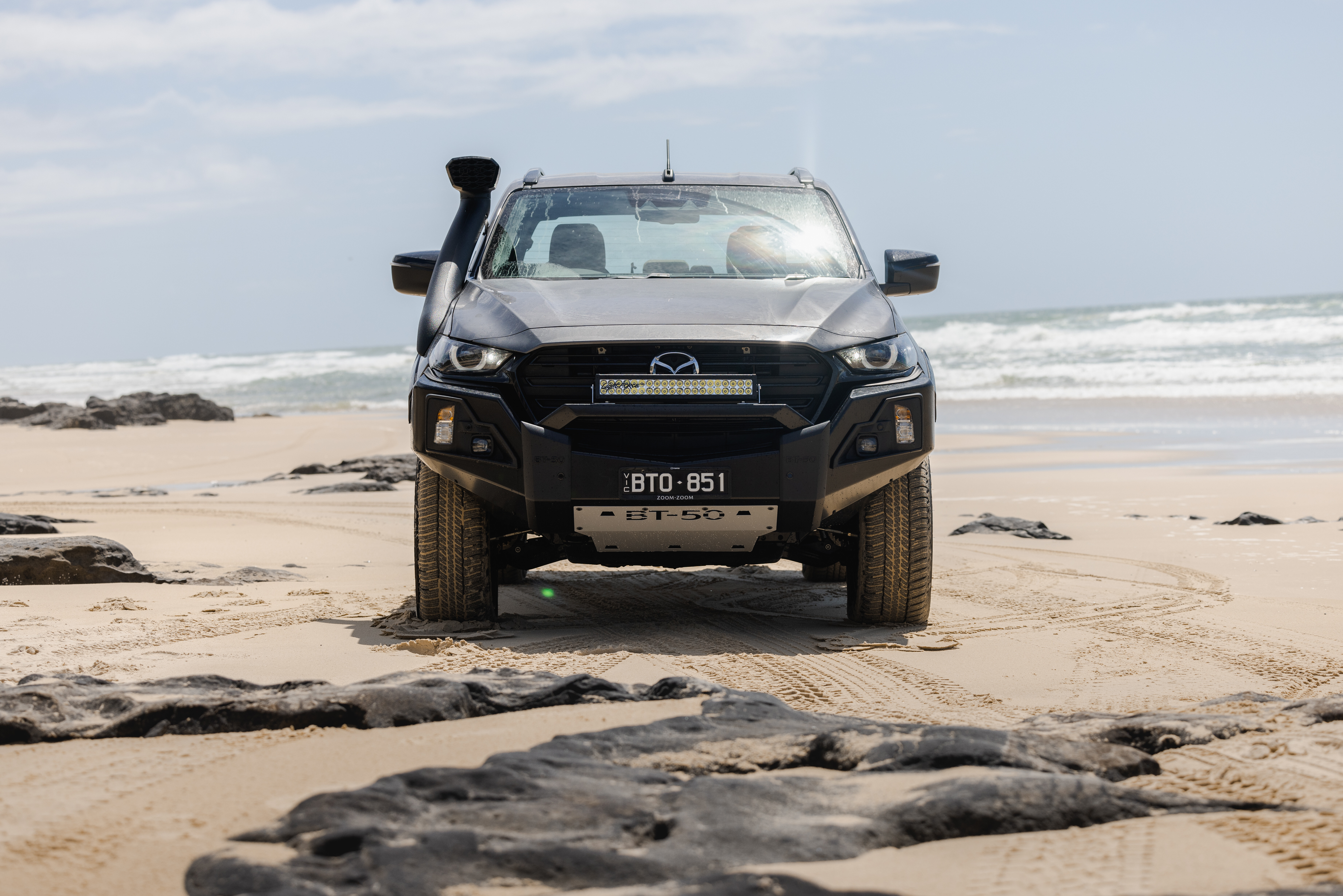
The main track, if you like, runs up the eastern beach of the island and is inaccurately called 75-Mile Beach. Then there are many tracks that criss-cross the island to reach the protected western side and many of the freshwater lakes that dot the island.
It’s a four-wheel driver’s island paradise and one of the best things about driving on it, is that you don’t need a modified or heavily accessorised vehicle to access its tracks and destinations. In fact, you can drive most of Fraser Island in a bone-stock 4×4 vehicle and that’s just what we’re doing on this short adventure.
Island time
We’re visiting Fraser Island with Mazda and the flying visit allows us a full day to explore just a few of the island’s delights. We’re driving the Mazda BT-50 ute, the brand’s only proper 4×4 model and more than up to exploring the sandy tracks. Most of the cars are showroom stock, while a few of them are fitted with factory accessories and packages to improve their capability.

Our steed was a BT-50 fitted with the Thunder Pack that includes a steel front bumper with a Lightforce light bar, all-terrain tyres and a sports bar in the cargo tray.
When we say that the BT-50 is a proper 4×4 vehicle, we’re referring to the fact that it has good ground clearance and dual-range transfer case. It’s not a soft roader like the many SUVs in the Mazda showroom and the BT-50 should have no trouble on the island.
Be prepared
While we say that you don’t need a heavily accessorised 4×4 to drive on Fraser Island, there are a few things you should carry to ensure your drive experience is as good as it could be.
You need to drop the tyre pressures for driving on sand. Doing this increases the tyre’s contact patch on the terrain and helps the vehicle ‘float’ over the soft sand easier than it would with high pressure you normally run on the road. Around 16 to 18psi is usually the magic number for sand driving, but you may need to drop lower for really soft sand or maintain a higher pressure if you are carrying a heavy load.
To make this job as easy as it can be, you’ll want a tyre deflator, a quality tyre-pressure gauge and a 12-volt air compressor to reinflate your tyres as needed or at the end of your trip.
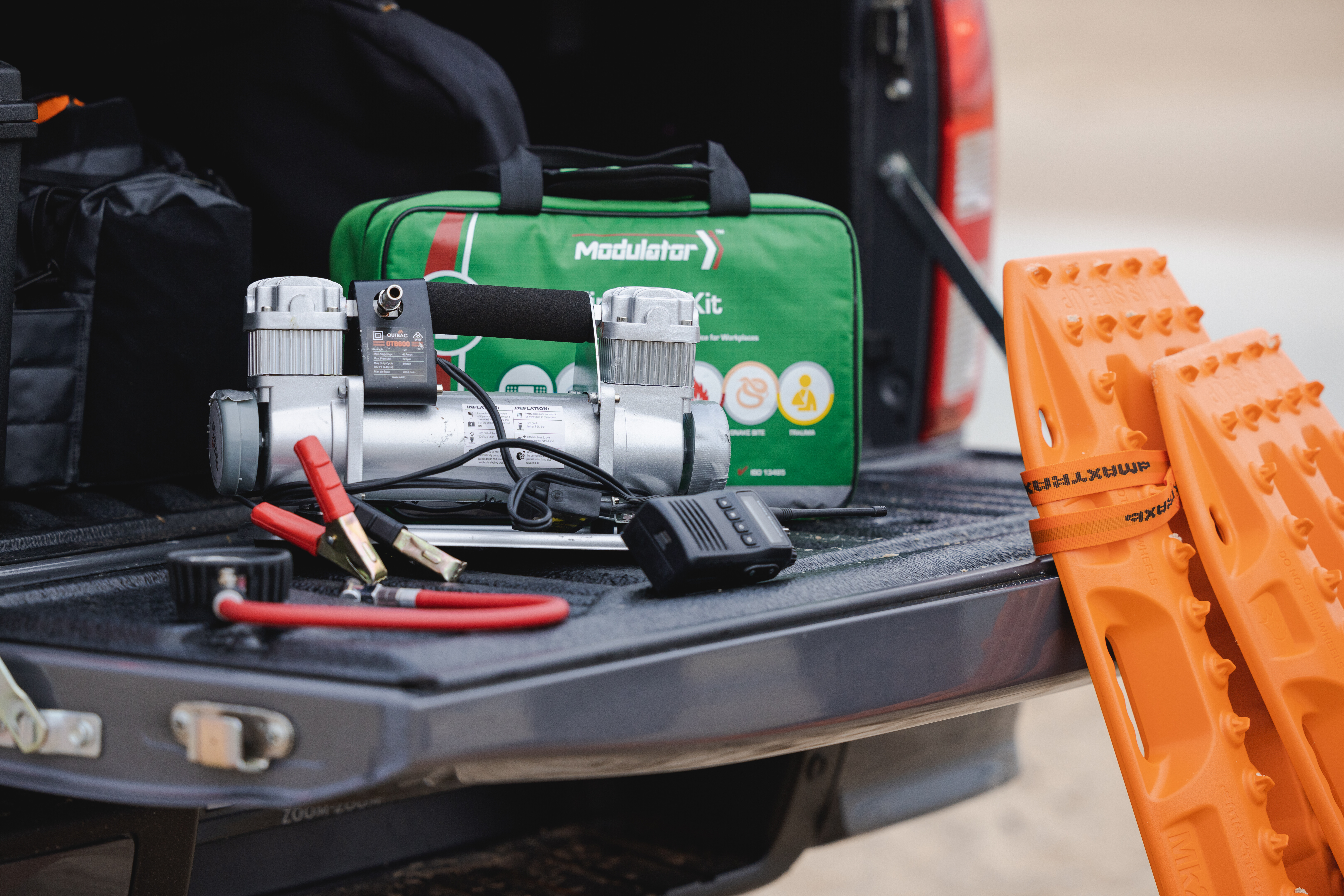
For our trip to Fraser Island, recent and ongoing rain had packed the sand relatively firm so the tyres were only dropped to 24psi.
No matter what you’re driving or how experienced you are, you’ll inevitably get bogged when driving on soft sand and you’ll want to be able to get yourself out safely.
A long-handled shovel is the first piece of equipment you’ll want to have on board to dig out any sand from around the bogged tyres or up around the chassis. Next a set of traction boards such as MaxTrax or Treds will help you out. At least two of them, but ideally four that you put under the wheels and drive on to, to get you up and out of the holes your tyres have dug in to the sand.

A snatch strap or kinetic recovery rope is also a handy piece of equipment to help you get pulled out of a sand bog. To use this piece of equipment safely, your car will need to be fitted with specific recovery attachment points that are rated to accept the load of a snatch recovery, and rated D or soft shackles to attach the strap to the bogged vehicle and the one pulling you out.
Finally, its worth leaning how to properly and safely use the recovery equipment, and your vehicle, before you set off on your Fraser Island adventure.
The BT-50
The current generation of Mazda BT-50 was launched in 2020, so it’s still a relatively new model and features all the latest safety and convenience equipment. It’s no secret that the BT-50 shares most of its engineering and drivetrain with the Isuzu D-MAX, and this is a good thing as the Isuzu is a well-proven and reliable ute.
The shared equipment includes Isuzu’s venerable 3.0-litre diesel engine which in this latest application, puts out 140kW of power and 450Nm of torque. It’s backed by a 6-speed automatic transmission and the aforementioned part-time dual-range 4×4 system with a rear differential lock. A 6-speed manual gearbox is also available in some models of the BT-50 range.
With the tyre pressures dropped, the transfer case in 4×4 high range and the electronic traction and stability controls switched off, the wet sandy tracks poses no obstacles for the capable BT-50 Thunder.
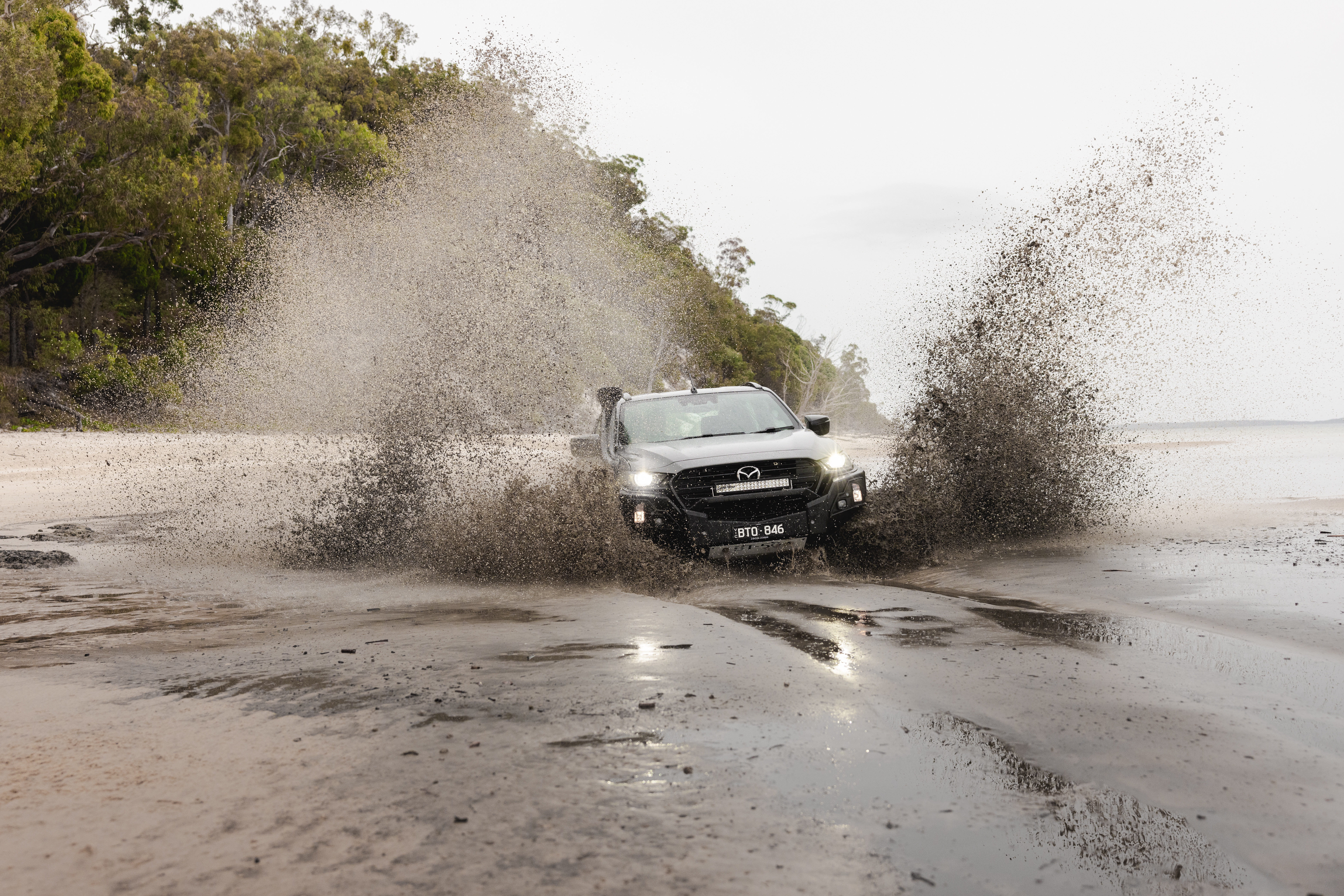
The internal tracks on Fraser Island can get very cut-up from vehicle traffic and become quite challenging, but not on this occasion. Roots extending from the massive trees that line the tracks create some deep holes and ruts on the tracks and these did stop a few drivers, requiring a change of line or a bit more momentum to make it across, but we managed to avoid needing any vehicle recoveries.
Venturing from our base at Kingfisher Bay Resort, we traversed the island to the eastern beach and turned north, passing Eli Creek and heading up to Happy Valley before we turned left and traversed back to the western beach at Woralie Creek.
Backtracking to the eastern beach, we turned south and stopped to check out the wreck of the SS Maheno which is slowly rusting away on the sand. Eli Creek provided a water crossing that required some well-judged timing on the way back, but nothing to challenge the BT-50’s 700mm wading depth. Eli Creek was also a great spot for a lunch stop, even if the weather wasn’t playing nicely.
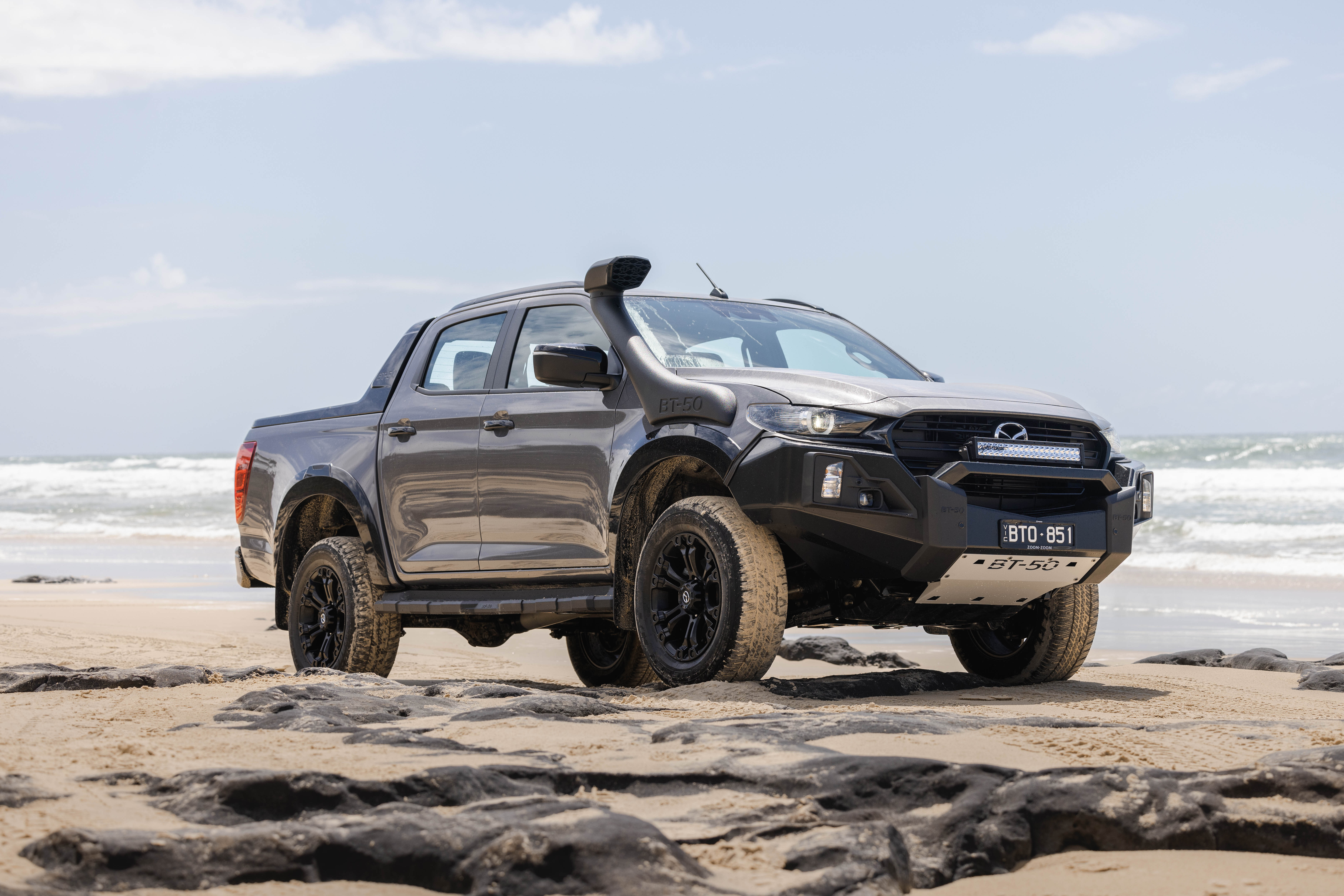
The gloomy and wet conditions also kept Lake McKenzie from looking its glorious best but, like Eli Creek, this is another must-see location on Fraser Island. The ultra-white sand and freshwater usually provides the perfect place to while away a few hours swimming and enjoying the Queensland sun.
Our visit to Fraser Island was essentially a day trip and as such, we only touched on a few of the island’s must-see locations. Previous experience tells me you want to plan your visit to K’gari to give you at least three entire days to explore and a week or more if you have time to spare.
The island has ample places to camp along the beach or in fenced-off campgrounds, or even staying in a resort or house accommodation if that’s more your thing.

More time on the island will allow you to explore more of the many sandy tracks and take you to places like Sandy Cape with its lighthouse on the northern tip of the island, the Champagne Pools which are stunning rock pools for swimming in or checking out many of the inland freshwater lakes. And that’s before you get in to the renowned fishing all along the beach.
Fraser Island is a national park so you will need to pay access fees and vehicle permits to drive on it. Accessing the island with your 4×4 is done by vehicle ferry from either Inskip Point near Rainbow Beach on the mainland, or Riverheads near Hervey Bay.
Gear to go
As mentioned, Mazda offers a huge range of accessories to customise the BT-50 and better equip it to your needs, be it for touring or tradie use.
Some of those products come from brands well-known in the 4×4 business like the Lightforce LED lights and light bars, but something we didn’t realise until now was that Mazda has also partnered with ARB 4×4 Accessories to offer suspension packages for the BT-50.

The suspension package is based around ARB’s excellent remote reservoir, internal bypass, adjustable BP-51 shock absorbers with matched coil and leaf springs to suit 0 to 300kg or 300 to 600kg loads depending on your requirements.
The products were co-developed by ARB and Mazda Australia to deliver optimal calibration and performance and would make an excellent factory-approved addition to any BT-50 that heads off road. The ARB BP-51 suspension kit for the BT-50 starts at $6720 when ordered via your Mazda dealer.
2022 Mazda BT-50 Thunder specs
| Model | Mazda BT-50 Thunder |
|---|---|
| Engine | 3.0L turbo-diesel |
| Capacity | 2999cc |
| Transmission | 6-speed automatic |
| Poweru00a0 | 140kW @ 3600rpm |
| Torque | 450Nm @ 1600-2600rpm |
| 4×4 system | Part-time 4×4 |
| Front suspension | Double wishbone |
| Rear suspension | Leaf |
| Kerb weight | 2213kg |
| GCM | 6000kg |
| GVM | 3100kg |
| Payload | 887kg |
| Towing capacity | 3500kg |
| Seating | 5 |
| Fuel tank | 76 litres |
| ADR fuel claim | 8.0L/100km |
| Wading depth | 800mm |
| Approach angle | 25.8 |
| Departure angle | 24.2 |
| Rampover angle | 23.8 |
| Ground Clearance | 240mm |
| Price | $68,290 |
Snapshot
- Electric Jeep for the future of off-road exploration
- u2018Electromodu2019 takes old CJ and modernises powertrain
- 200kW of power, 4WD, Copper Canyon paint
- Mopar knows EV onslaught wonu2019t stop modding
Jeep has shown off its CJ Surge ‘electromod’ concept at the 2022 Sema Show in Las Vegas alongside a host of other vehicles including modified RAM utes.
The Surge takes the CJ Jeep platform and retrofits it with an electric four-wheel drive powertrain with 400-volt electrics and 200kW of power.
The result is rad: Squat, short, with an absurdly wide track hidden under broad fender flares – this is undoubtedly a cool EV.
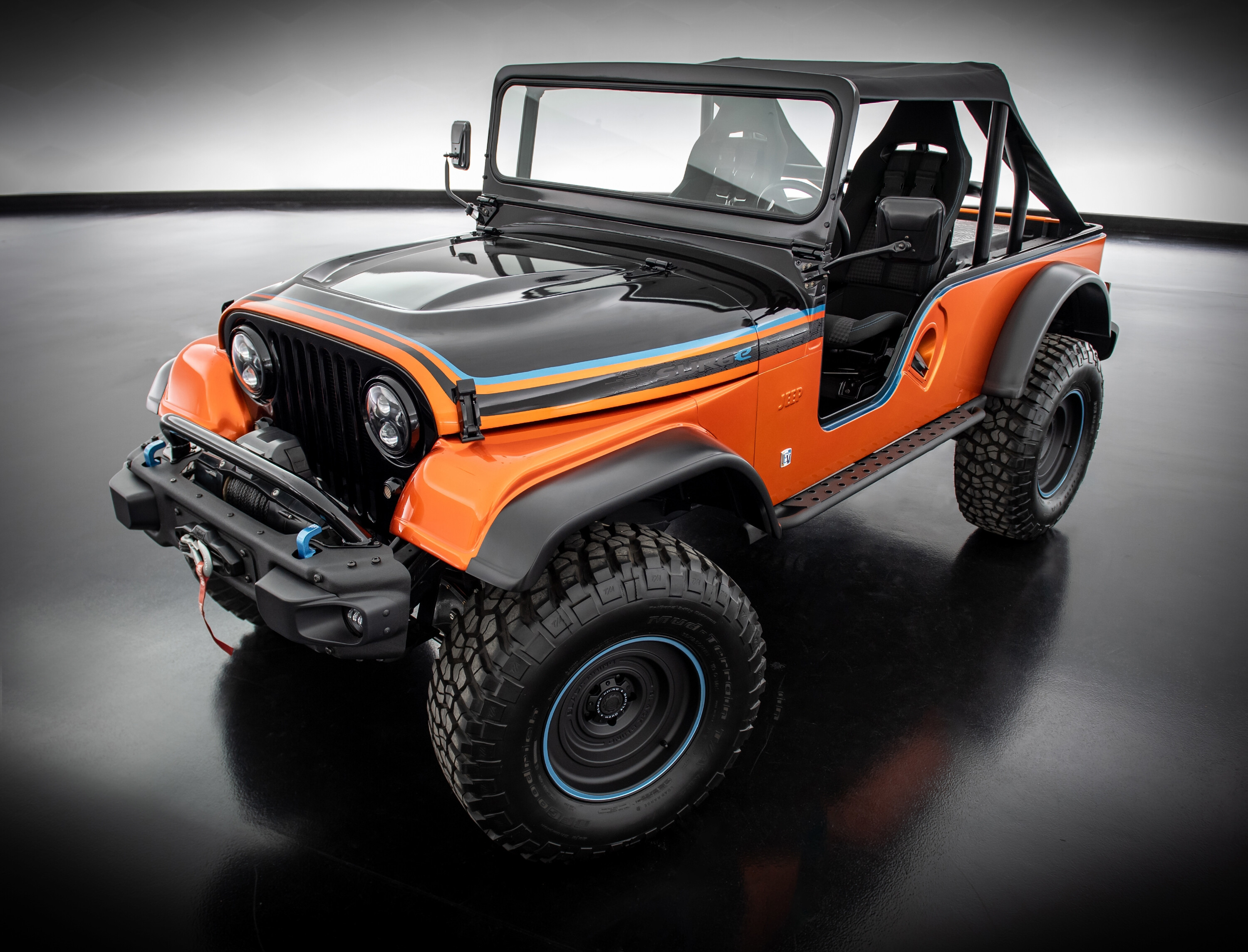
Jeep says the CJ Surge is an exercise in looking to the future of modification in an electric era; opening up avenues for enthusiasts to enjoy the look, feel and experience of classic cars without the pollution or hassle of carburetors and distributors.
This is unlikely to become mass market, but for those out there interested, Jeep is surely looking for buyer feedback.
The electric CJ Surge is a Mopar project that uses factory parts, and senior VP of Mopar service, Mark Bosanac, said: “The Jeep CJ Surge concept explores a future zero-emission propulsion system kit and supports the Jeep brand’s mission to become the leading electrified SUV brand in the world.”
What is the CJ Surge?
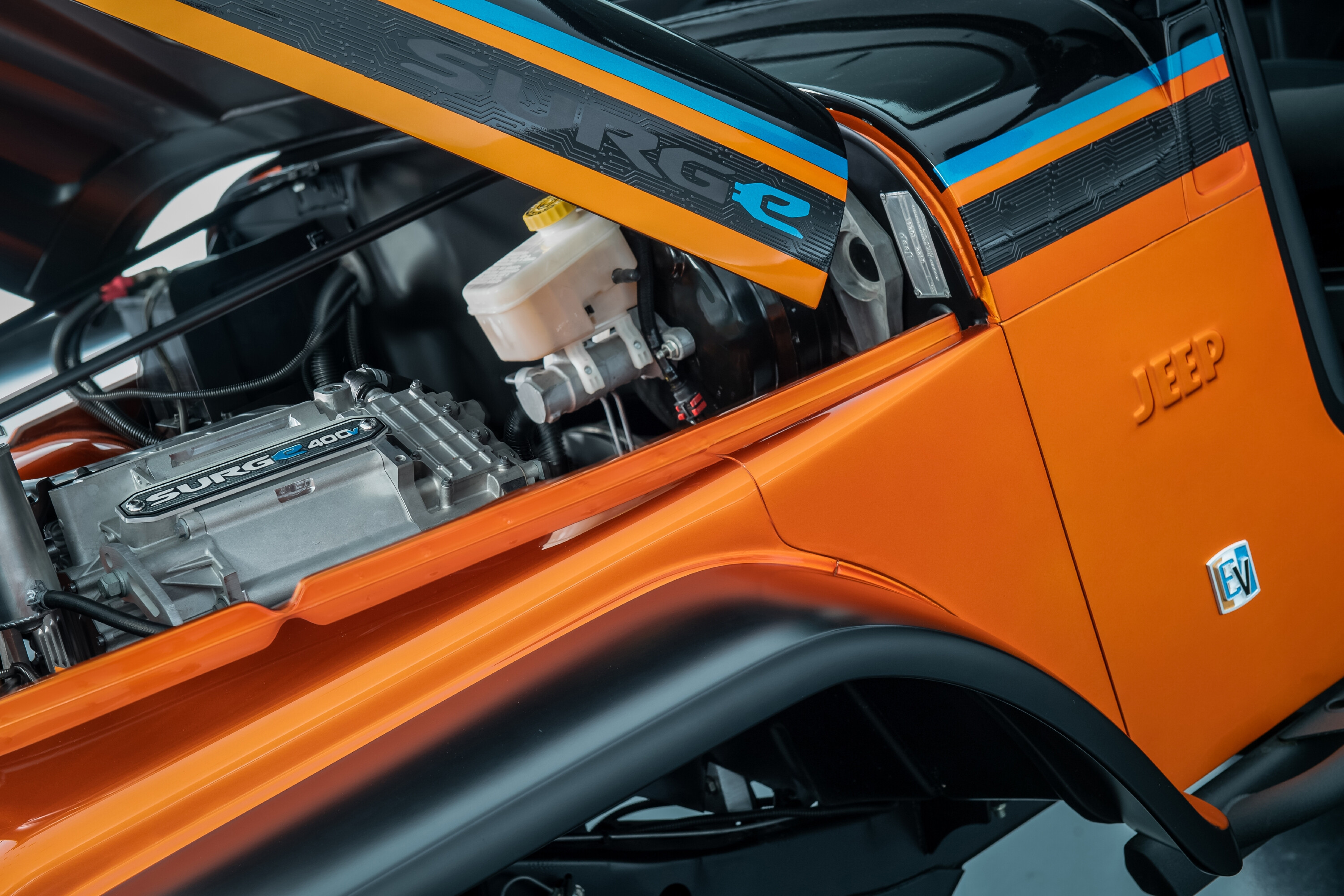
Underneath, it’s a CJ Jeep, a vehicle that was produced as a new vehicle in various forms from 1944-1986 from Willy’s War Jeeps to the late model CJ-7.
The power module is a custom-built unit with 24 lithium-ion cells, a 200kW electric motor mounted solidly to the ladder frame chassis powering all four wheels via a two-speed transfer case for high and low-speed driving.
Far from a home-job, though, the electric powertrain is mounted beautifully under the bonnet, with all the chrome trimmings you expect from a classic car. There’s art to how the Mopar Jeep Performance Parts team have put the Surge together.
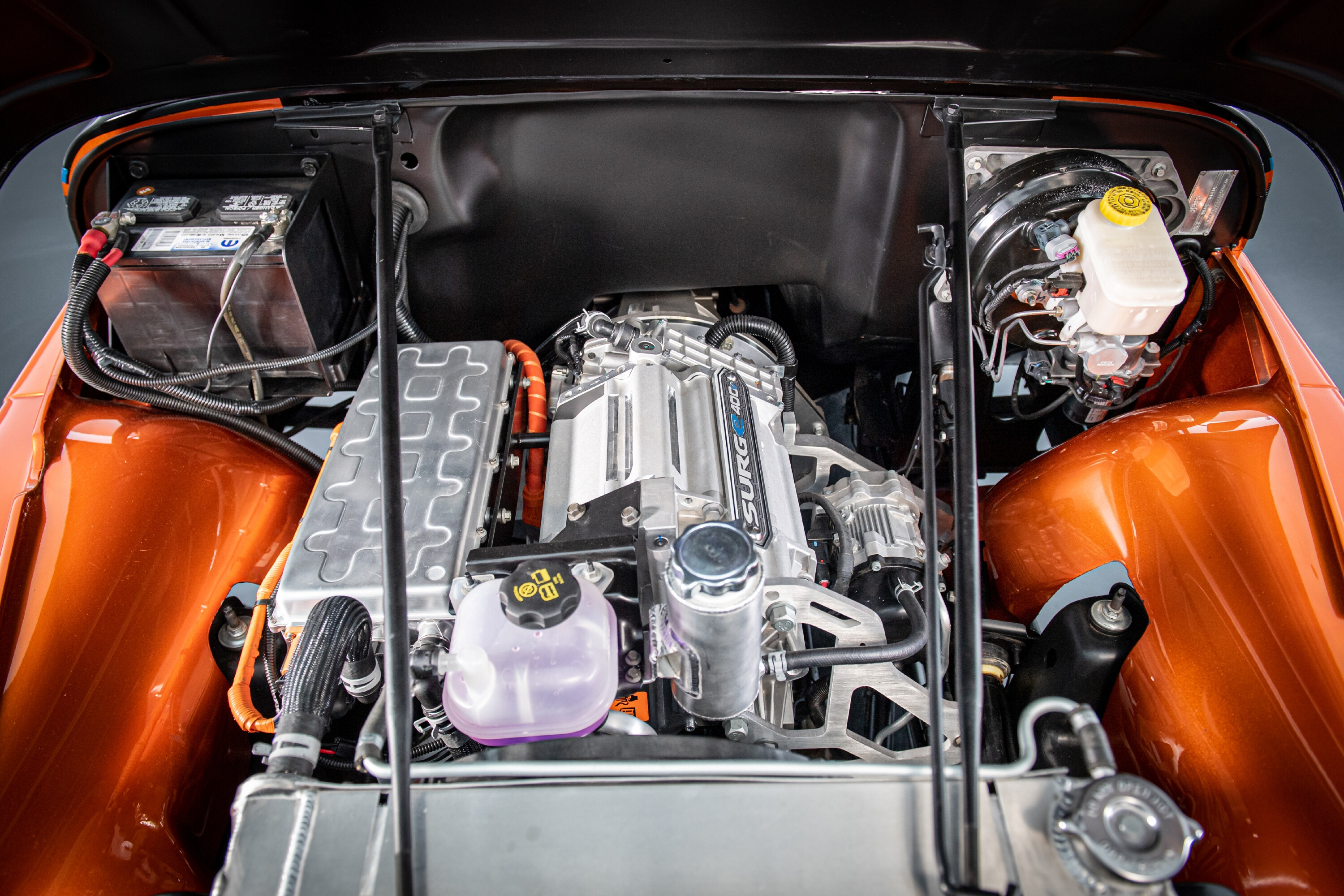
To enhance its off-road ability a two-inch lift kit has been thrown at the Surge, as have 18×9-inch Black Rhino wheels shod in 35-inch BF Goodrich tyres.
There’s also a set of Jeep Performance Parts Dana 44 solid axles for maximum articulation, and the front bumper is from a JK Wrangler Rubicon with a winch installed.
For enhanced off-road protection, more Wrangler parts are used with skid plates and rock sliders form the JK Rubicon as well.
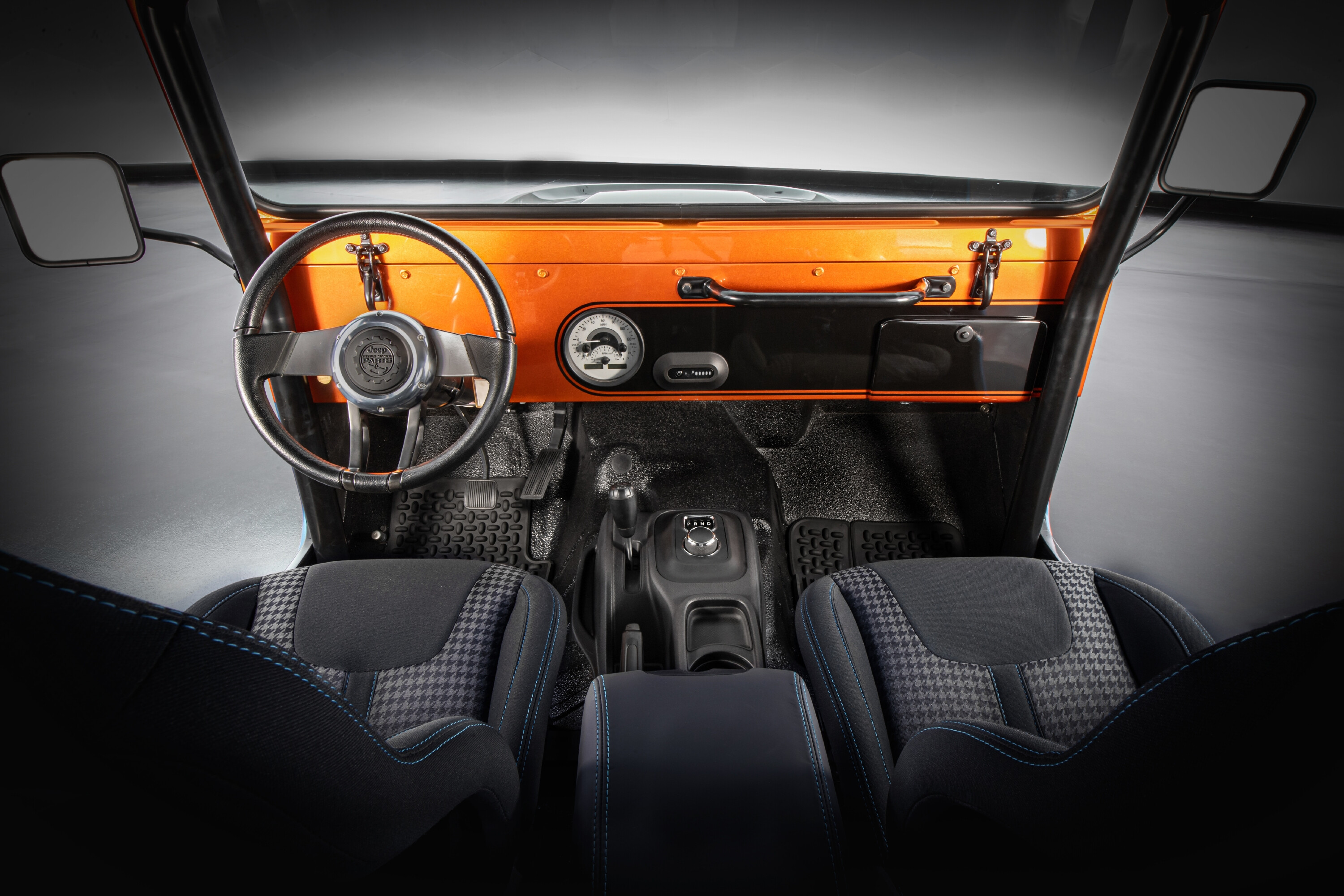
The interior isn’t pure CJ, utilising a home-made looking mix of Wrangler upper dash and instrument cluster with Mopar gauges, custom steering wheel with JPP horn badge, centre-mounted rotary shift knob and all-weather floor mats.
There are also custom bucket seats rocking houndstooth and Sedoso cloth upholstery, a custom two-inch cropped windscreen and a roll cage fabricated for the CJ Surge.
Finished in Copper Canyon paintwork with Surf Blue and black contrasting decals, the CJ Surge is a mean looking beast with only the EV charge port located on the left flank giving away its electric propulsion.
Snapshot
- Pair of tough trucks show off Moparu2019s latest creations
- TRX Gold Shot built for Motocross racers
- Backcountry X takes RamBox to the next level
RAM is showing off two Mopar-fettled concepts at the 2022 SEMA show in Las Vegas: The TRX-based 1500 Gold Shot and touring focused 1500 Backcountry X.
Both concepts take the 1500 model as a base, but go in separate directions. The TRX is already very capable off road, so a set of wheels and some protection is all that’s needed.
The Backcountry X blends innovative, everyday practical touches with enhanced touring ability and interior tweaks.
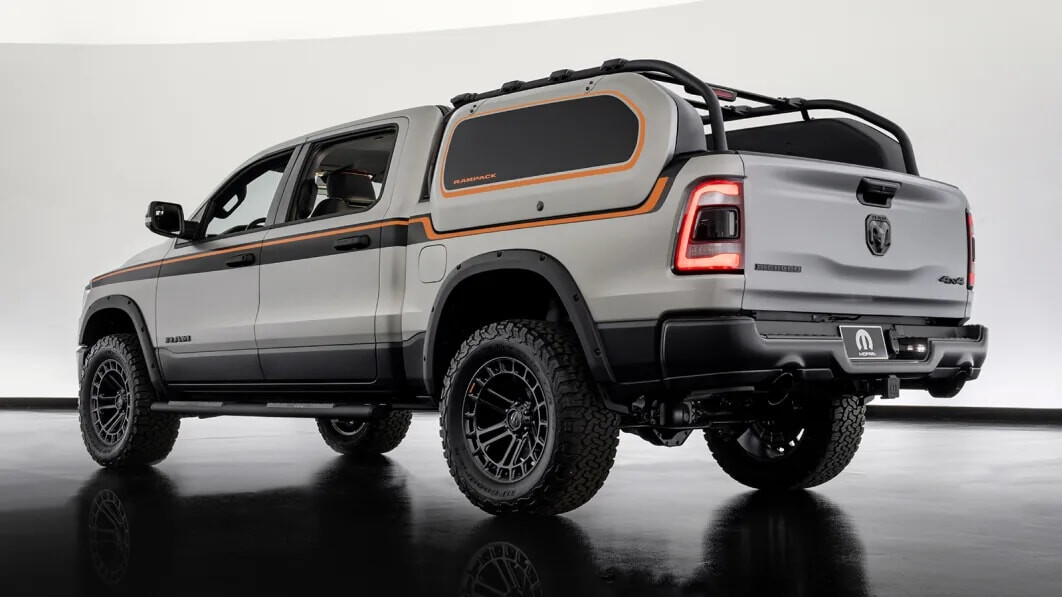
The Gold Shot, meanwhile, is targeted at Motocross racers, with its integrated sports bar and moto rack on the back.
“Our Ram 1500 Backcountry X and TRX Gold Shot concepts showcase a truckload of innovative Mopar accessories for our award-winning full-size trucks”, said North American Mopar president Mark Bosanac.
The RAM 1500 concepts are joined on the stand by a host of other Mopar products including an electric Jeep C Surge concept, Wrangler Rubicon 392 and more.
RAM 1500 TRX Gold Shot
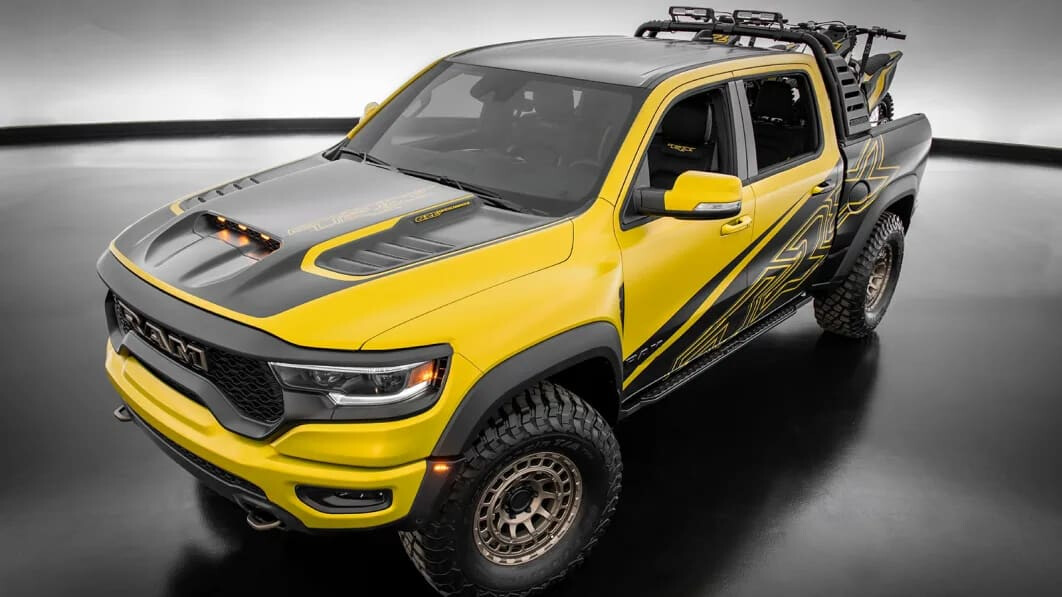
Already one of the most serious trucks ever, the AU$200K RAM 1500 TRX has been made even wilder with the Gold Shot concept.
The 6.2-litre supercharged Hemi V8 petrol engine still develops 523kW, making it the fastest ute in the world, now with larger five-inch exhaust tips.
Mopar’s Gold Shot concept is designed for Motocross racers. In the tray there’s a custom metal sports bar and spray in bedliner for protection and security.
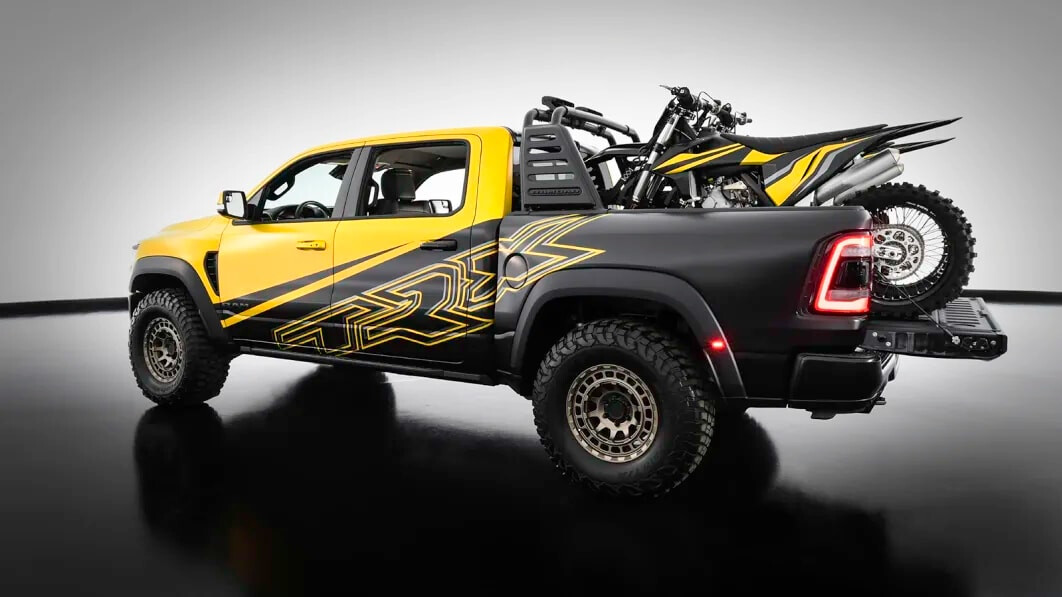
The Gold Shot gets a wheel upgrade to 18-inch by 9.5-inch wide Black Rhino Chamber wheels shod in 37-inch BF Goodrich rubber. A custom front bashplate with laser-etched Mopar logo and the bigger rubber improve approach angle to 32.5 degrees (from 30.2). Rock sliders further protect the TRX Gold Shot off-road.
Inside, instead of carpets the Gold Shot gets easy-clean rubber flooring from the 1500 tradesman. The seats, though, are premium. Appointed in ‘Capri’ leather with Alcantara bolsters and contrast Alaska gold stitching they feature power adjustment.
Finishing the package off is a set of 14-inch LED spotlights mounted in the tray able to give off 4300 lumens of light.
RAM 1500 Backcountry X
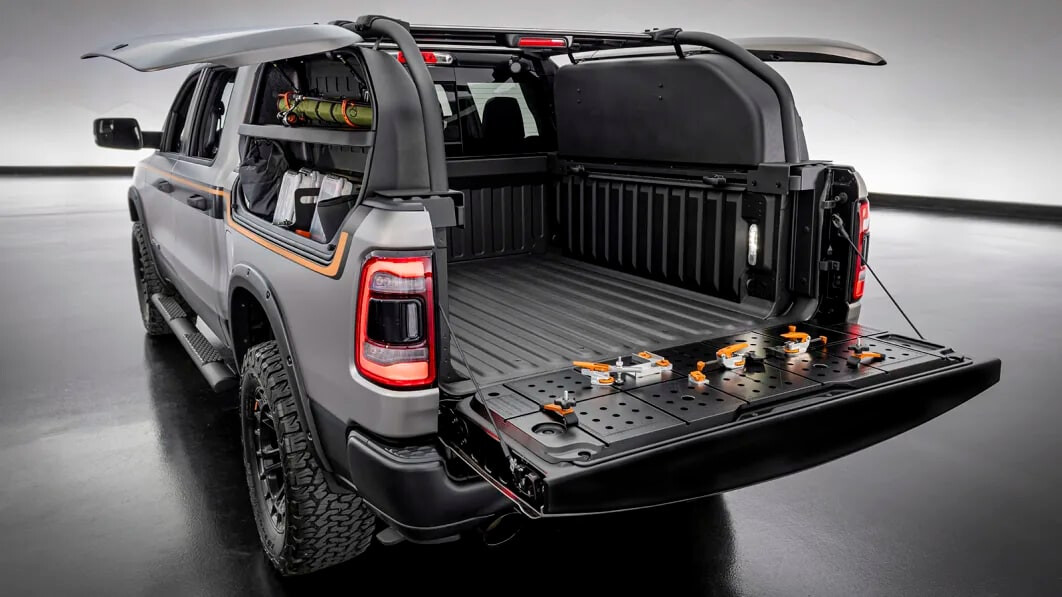
If the TRX Gold Shot is for going fast, the Backcountry X is about showing off RAM’s next iteration of integrated storage with the pictured ‘RamPack’ kit.
Add to that the Backcountry X’s Matte Iced Silver Titanium paint and contrast anodised orange, were RAM to produce something like this it’d surely be a hit with the mountain biking crowd.
The innovative RamBox has proven a hit with buyers, but the vertical storage – that almost appears as a canopy in profile – levels the game up with 350 litres more storage than before. The RamPack doors are carbon fibre on this concept to keep weight down.
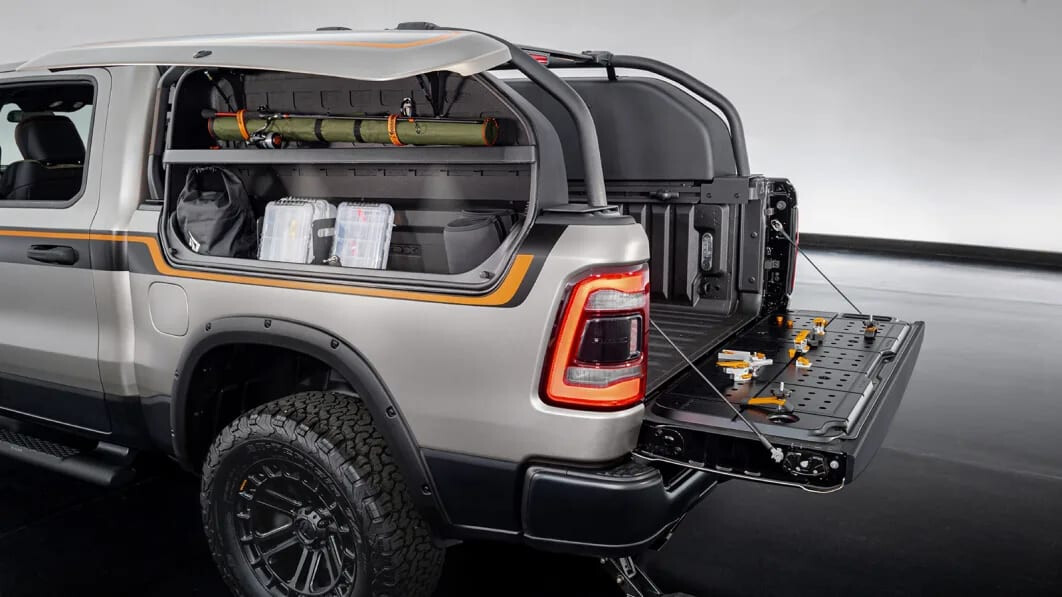
Whether we’ll see the RamPack make production in this form is yet to be seen, but it is a clever way to improve storage without compromising the utility of the truck bed.
Aside from the storage, the Backcountry X also gets a two-inch Mopar suspension lift backed up by Fox dampers and 20 by 9-inch alloy wheels wrapped in 37-inch BF Goodrich tyres.
Other exterior changes include a pair of five-inch LED spotlights, black tubular side steps and integrated Mopar rear bed step.
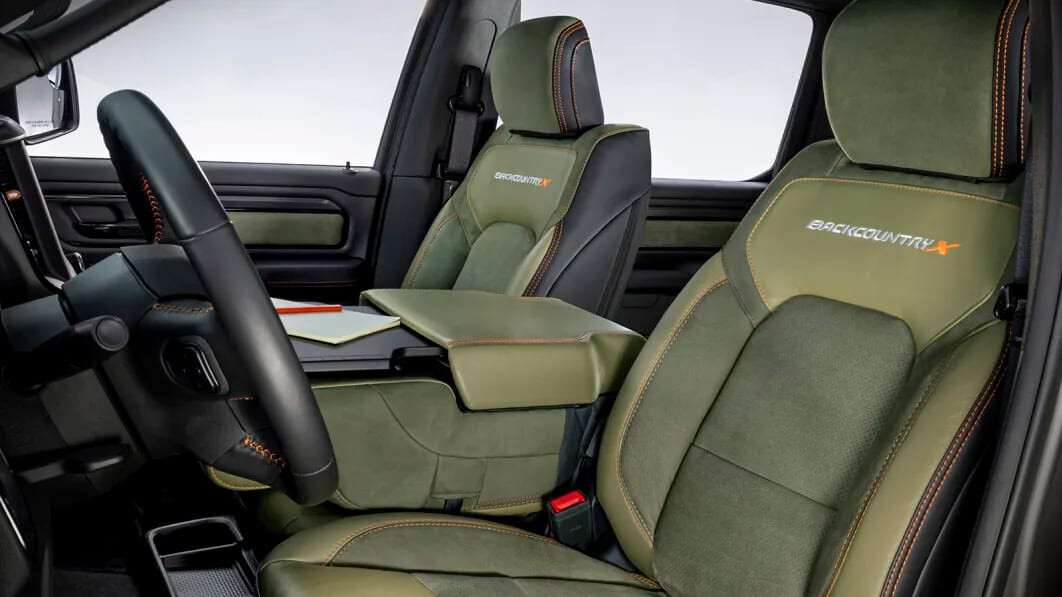
The wildness doesn’t stop inside with green leather upholstery on the power-adjust bucket seats that get Backcountry X and Mopar embroidery. The contrast orange theme continues inside with stitching, piping and anodised air vent controls.
Further clever touches inside include a deployable workbench with built-in measuring tools and a vacuum cleaner hidden under the rear seat for easy cleaning of the truck or worksite.