I took the high-lift jack off the Patrol the other day, after returning from a long desert and Cape York jaunt. It’s the first time I’ve removed the jack from its roof-rack mount in a year or two, maybe even more.
It’s not that I’m fed up with carrying it and not using it much (a typical lament about high-lift jacks from many I’ve heard), it’s just that I’ve come across a couple of better pieces of kit. But anyway, for a start, let’s go back to the basics.
JUMP AHEAD
Bottle jack
Most good 4WD vehicles come with a bottle jack for lifting a vehicle to change a tyre, and in most cases they are the basic screw-type jack that are simple, strong and reliable.
They aren’t particularly user friendly and the fold-in-half or two-piece handle that comes with them can be frustrating to use. Most people, from the short survey I did, carry more than one.
Still, they have a place in our tool kit even though one of the major disadvantages of a bottle jack – whether screw or hydraulic – is their height when depressed. They are often too tall to slide under an axle at the preferred spot when you have a flat tyre. At the other end of the game, their fully extended height often isn’t high enough to remove a flat tyre or fit a fully inflated tyre.
One thing you really need for a jack (of near any sort), for those situations off-road, is a jacking plate, which can be as simple as a piece of milled timber – say about 300 x 200mm and 15mm or so thick. Or you can buy a custom-made base plate that a bottle jack can lock in to. For years, I’ve just carried a piece of wood and it works fine.
Latest Gear Guides

A lot of people (from the survey I carried out), myself included, have added a hydraulic bottle jack to their jacking repertoire. These jacks are easier to use than the screw-type jacks but after a few years use, they can leak fluid to the stage they can’t lift any heavy weights.
For the last few years, I’ve also carried a supplementary kit for my bottle jacks: a Safe Jack Bottle Jack Recovery Kit. These are available through Pro-Quip International in Melbourne. An American sourced kit, it comes complete with a six-tonne bottle jack, a six-inch (15cm) extension, a three-inch extension, an 8.5- to 12-inch (21.6-30cm) extension, a flat jack pad and an axle jack pad (the most handy of all the items), all in a heavy-duty Husky bag.
I opted for everything but the bottle jack itself, as I had a few of these at home. Mind you, a couple of the jacks weren’t suitable for the other accessories as their lifting ram was not the right size – 18mm is the magical diameter of the ram.
Price wise you’ll pay between $40 and $150 for a good four- to eight-tonne bottle jack. If you are adding an hydraulic to what you already have, get one with a different profile and minimum height; you’ll find that offers flexibility when the time comes to sliding it under an axle to change a tyre.
Some vehicles come with a scissor-type jack. They are not my favourite, as they are unstable at the best of times. My advice is to replace them with a bottle jack, at least.
High-lift jack
The high-lift jack (‘Hi-Lift’ being a brand as well as now a style of jack) was the second most common jack mentioned and used by my fellow four wheelers in my survey.
A couple of people reckoned that’s all they carried, but most people who had a high-lift also carried a bottle jack of some sort, or maybe two or three. Certainly, my preferred jacking equipment has, for a long time, consisted of a screw-type bottle jack, at least one hydraulic bottle jack and a high-lift jack.
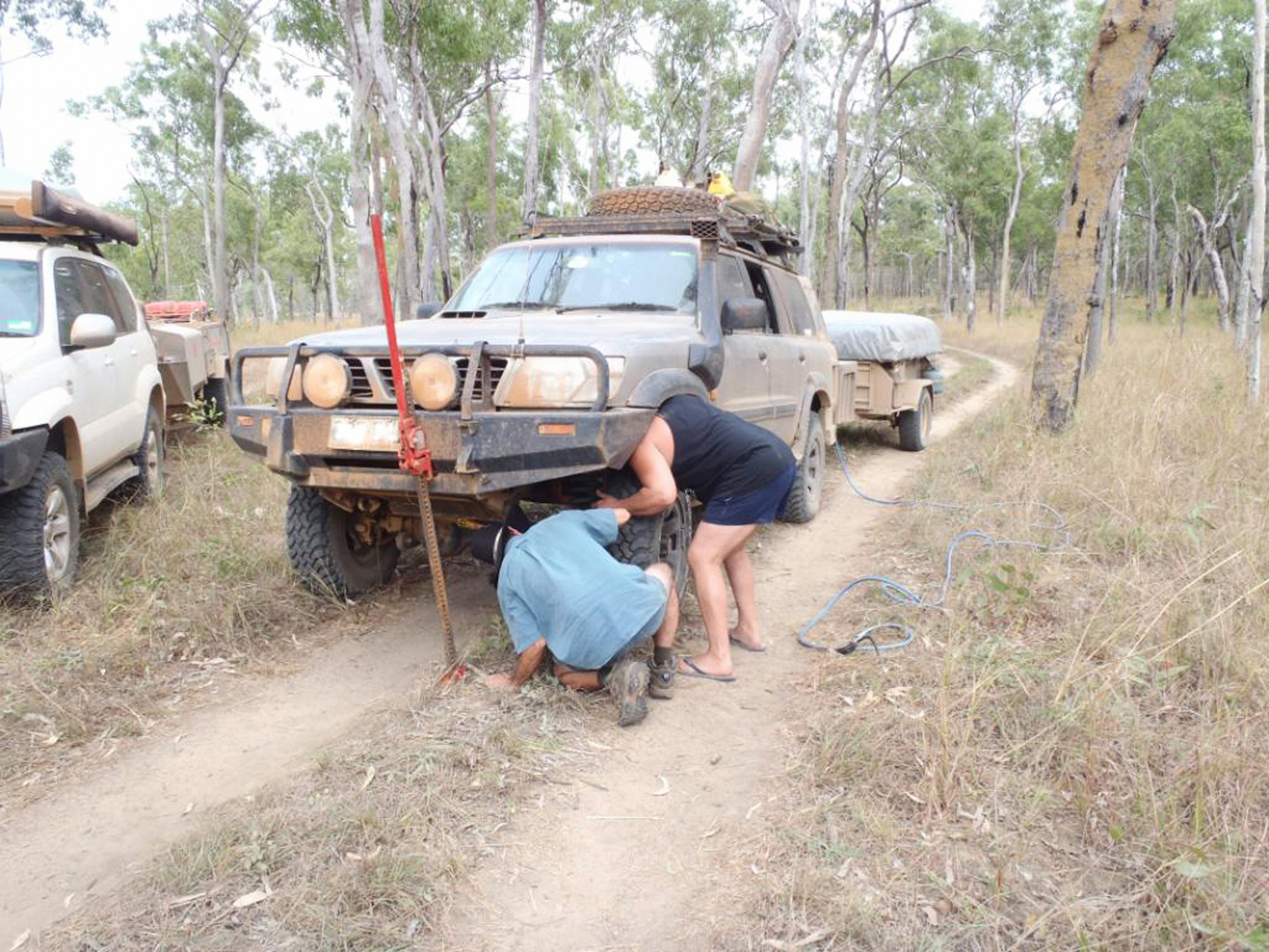
The high-lift jack is a pretty flexible piece of gear – for not only jacking but winching and spreading – but it demands a lot of respect, as any careless misuse can result in somebody getting hurt … or worse. As well, modern vehicles don’t lend themselves to being jacked up with a high-lift jack. At the very least you’ll need side rails, aftermarket rear steps and a bullbar – all with provision to take the tongue of the jack – to make full use of its lifting potential.
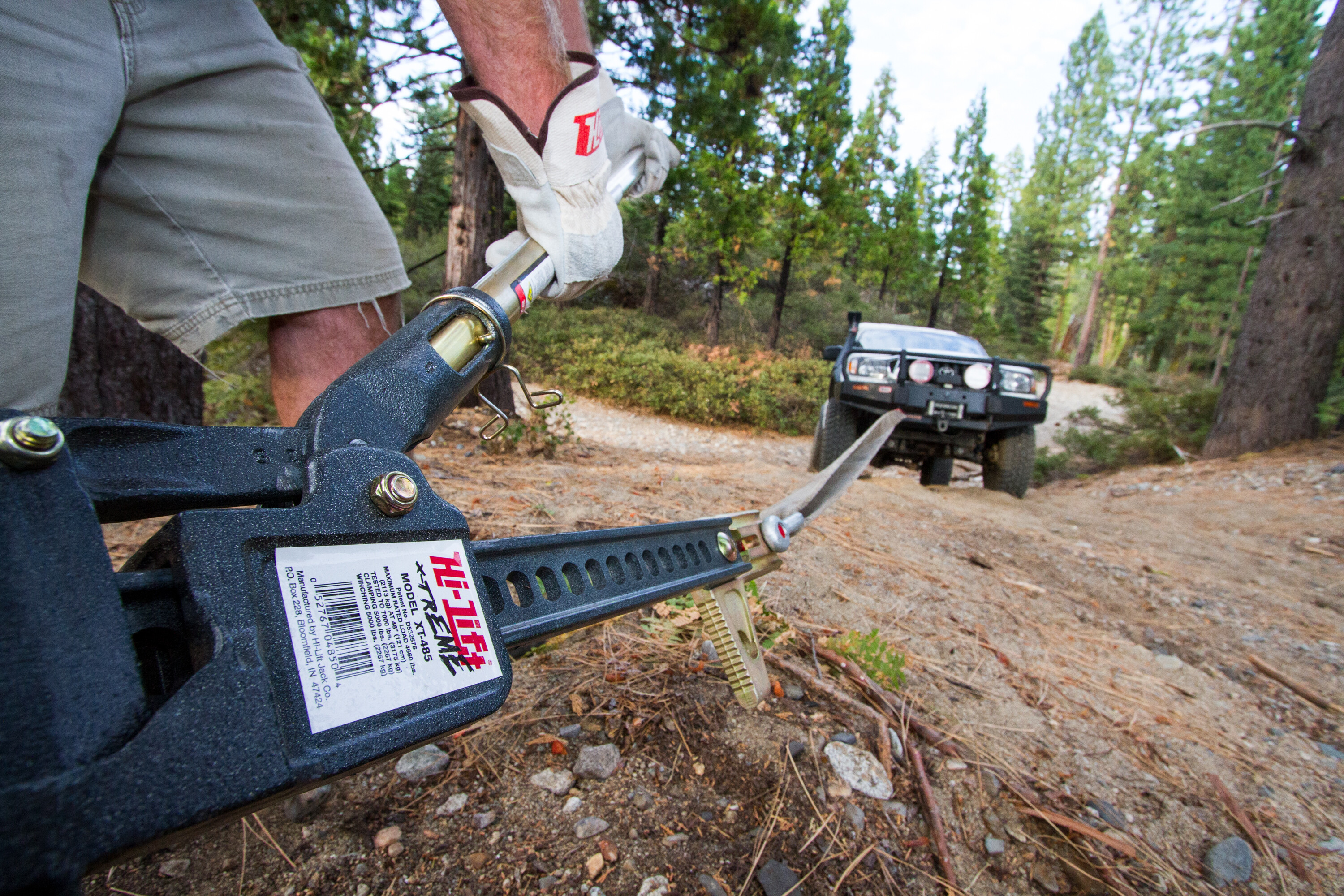
High-lift jacks are pretty unstable and need a bit of muscle power, especially when jacking a fully loaded vehicle. Pro-Quip has a stabiliser system and base plate that makes the high-lift jack safer to use when jacking, while ARB has a range of custom accessories to make the jack safer and more usable in a number of roles. They are worth checking out if the high-lift jack is your preferred piece of jacking equipment.
One thing I noticed when researching for this article is the wide disparity of pricing when it comes to high-lift jacks, with prices ranging from $90 to well over $300, for something that looks very similar. Something used for jacking a vehicle up, itself fraught with danger, demands equipment that is made to the highest standard, which by its very nature would exclude the cheapest brands on the market.
Exhaust jack
Before we move on to some of the later players in the jacking field, we’ll mention exhaust jacks here.
I’ve used a number of brands on numerous occasions and in many different situations. I’ve found they work best in sandy situations, but, even at the best of times, they can be fiddly and frustrating.
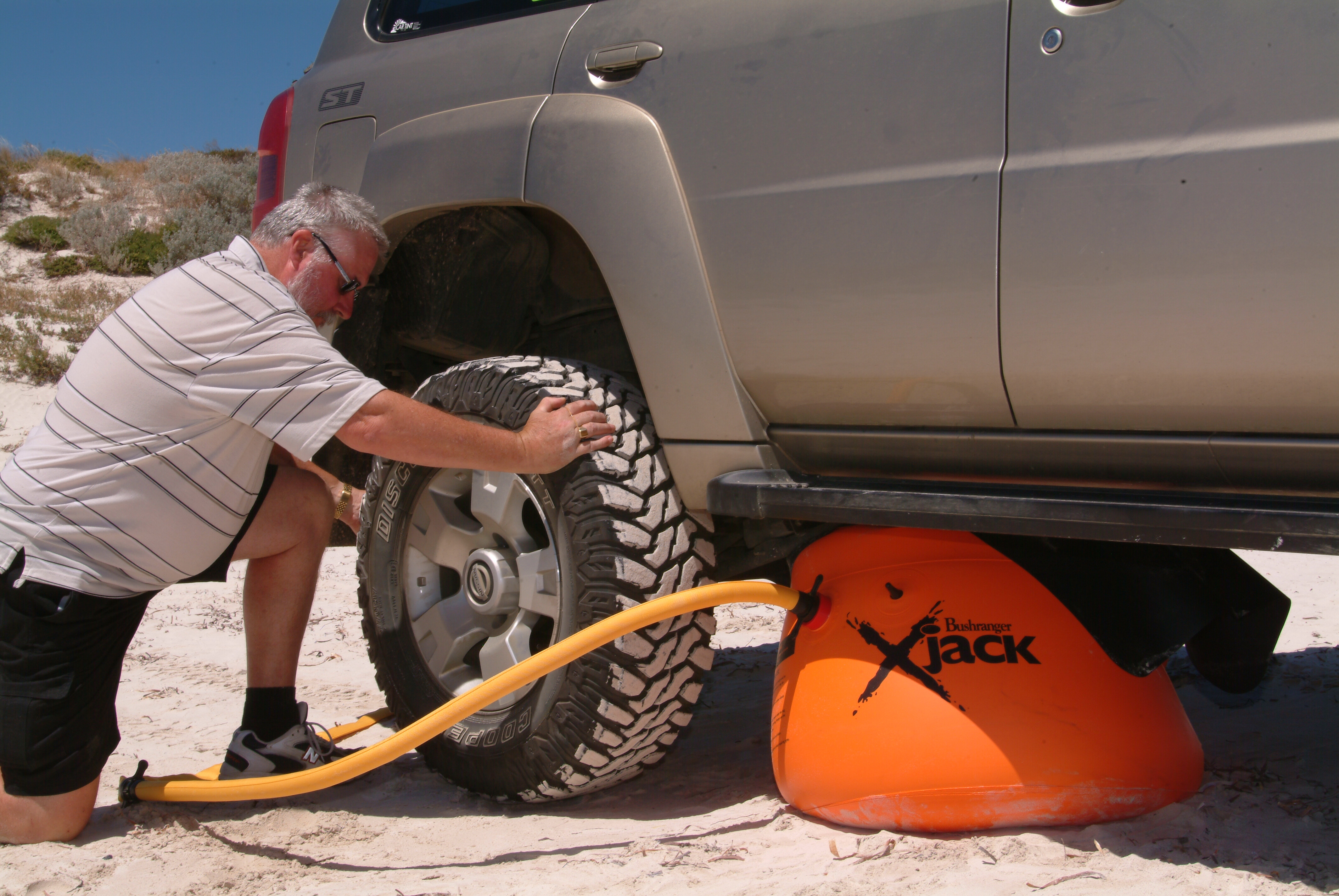
You need to be very careful where you fit them and what you lay them on as they are easily punctured which results in rapid – very rapid – deflation. Once punctured, they are irreparable and over the years I’ve thrown a number away. In recent times, I’ve basically given up carrying them, even on beach trips, even though I have a near brand-new one in the shed. You’ll pay $250 and up for a quality exhaust jack, but are they really worth it?
ARB jack
That brings us to some of the later players in the jacking arena … and the most expensive.
A few years back ARB came out with its jacking masterpiece, simply called, Jack, when it released its all-new hydraulic version of what is essentially a high-lift jack. With a body made from aircraft-grade T6 aluminium, this unit is capable of lifting two tonnes from a minimum lift height of 160mm to a maximum height of over a metre.
The all-up weight of Jack is 10.5kg, while the hydraulics allow easy and controllable lifting and lowering without many of the hassles or dangers lurking with a normal high-lift jack. Still, to make it more stable on rough ground, there is a plastic jack base to suit it and, once again, like any high-lift jack, you really require side rails, bullbars, etc, to make the most of its capability.
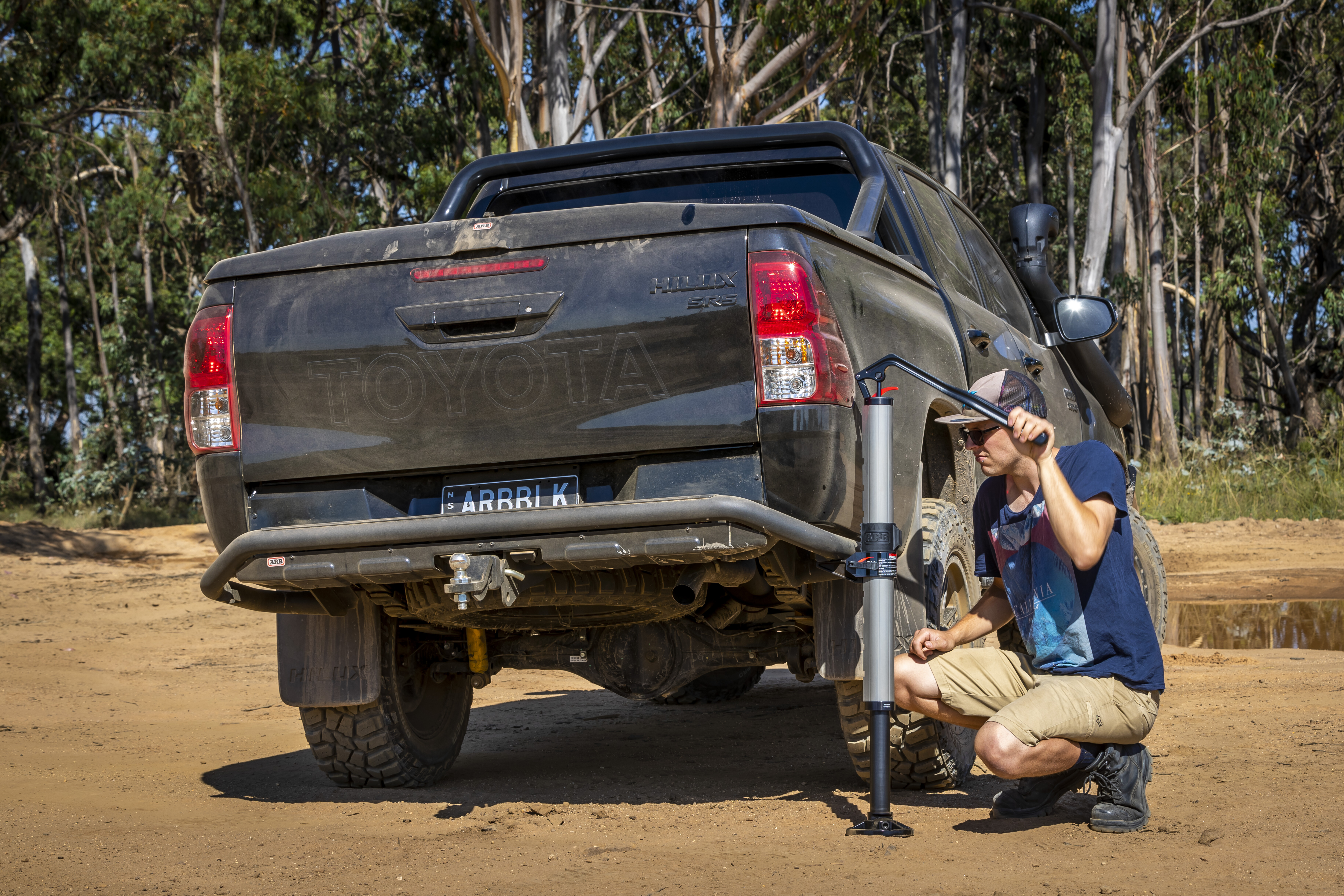
When I first saw this unit, priced at over $1000, I was sceptical about how good it could be and whether I’d trade my old high-lift for it.
Over the last four months, I’ve been away with my son on his Moon Toursa expeditions wandering the Simpson Desert, Central Australia, the western deserts and Cape York, and we’ve used Jack quite a few times in different situations. I’m now impressed with its ease of use, its jacking ability, the amount of control you have when lifting and lowering, along with its inherent safety compared to a normal high-lift jack. Is it worth its grand price tag? I’ve gotta say, yes!
Pro Eagle trolley jack
The last jack is the trolley jack from Pro Eagle Australia. I’d never heard of one of these units until one of Trent’s clients rolled one out for a repair job on his Cruiser while on our Cape York jaunt.
Now don’t compare the Pro Eagle with your normal trolley jack from Autobarn or Supercheap, which I have a couple in my shed. Some (many) years ago, we took one of these trolley jacks on an off-road trip, but they were so difficult to handle they never went on another.
The Pro Eagle is a different can of capabilities. Made in the good ol’ US of A, it exudes precision and quality and comes in three different models and lifting capabilities up to three-tonne; I bought the big-un. Priced at just under a grand for this top-of-the-line model, it’s not cheap and if you need a custom mounting kit, or the tool kit (aka, a wheel-nut socket set) you’ll add a few more hundred to the bill. If there is a drawback to the Pro Eagle, it is its weight, with the three-tonne unit I have weighing in at 27kg.

The Pro Eagle, though, is designed for off-road work and its big wheels make it easy to use in rough terrain, while its belly plate gives it a huge flat base that doesn’t sink in to sand or mud, even if the wheels tend to. It makes lifting, even the back end of my Patrol or a 2500 Ram, a cinch, and it can slip under an axle even easier than any of my bottle jacks – and lift the vehicle higher. The Pro Eagle comes with a standard eight-inch extension for those vehicles that sit on portals or the like.
The lifting and the lowering of the jack, even when fully loaded, is easy and well-controlled with the hydraulics. What is also a great safety point is that, even when it’s at its highest jacking position, it is much more stable than any of the units mentioned earlier.
As a relative newcomer to the Aussie market, my survey only turned up a couple of people who have the Pro Eagle jack, but, like me, they are rapt in the unit, its capability and how easy they are to use.
Finally, whenever and with whatever jack you are using, make sure you play it safe (see below for safety tips). The last thing you need is a jack slipping and falling and hurting or trapping someone!
10 steps to minimise the risks
Research by the ACCC has shown that more than 120 Australians have died as a result of DIY car maintenance accidents in the last 20 years, while hundreds have been hospitalised due to injuries.
Most of these incidents happen when working under a vehicle and using gear incorrectly, with many of the fatalities involving vehicle jacks.
The risks of jacking and working under a vehicle in the bush and on uneven surfaces are greatly increased, so you need to take extra care.
- Never get under a car that is only supported by a jack.
- Always place safety stands, or at the very least, a spare tyre under the axle or chassis.
- Apply the handbrake, with the vehicle in gear or Park.
- Always ‘chock’ the wheels on a raised vehicle.
- Never place any part of your body under a vehicle unless it is sitting securely on some form of safety stand.
- Never allow a person or pet to remain in the vehicle.
- Never exceed the weight capacity of the jack.
- On sand, mud or soft surfaces, use a jacking plate.
- Always perform jacking, where possible, on steady ground. If on rocky, rough ground, level the ground before placing the jacking plate and jack in position.
- If using makeshift supports in the bush, such as blocks of wood, rocks or a spare tyre, be extremely careful and ensure their stability.
Those angular lines of the HiLux certainly look tough, but that does leave the bonnet especially vulnerable to damage.
Little stones can chip the paint, and the first time you get caught driving in the country at night you will wish you had something to deflect all those pesky bugs. That’s where a bonnet protector becomes a wise investment.
We’ve taken a closer look at the different types of bonnet protectors available for the HiLux, as well as dissect their features, benefits and drawbacks, to help you choose the right one for your needs.
- What it is: A protective barrier that covers the front lip of the bonnet, which is a common area struck by stones or covered in bugs.
- Why you need it: To provide a layer of protection to stop minor damage that can build over time and affect your vehicle’s resale.
- Buying tips: There’s plastic and then there’s plastic. Remember, these things are designed to deflect rocks and sit in the sun.
JUMP AHEAD
| Material | Tinted | UV-resistant | |
|---|---|---|---|
| Toyota | Acrylic | Yes | Yes |
| OCAM 4×4 | Acrylic | Yes | Yes |
| BushWrapz | Optically clear protective film | No | Yes |
| Bossco | Acrylic | Yes | Yes |
Toyota OE bonnet protectors
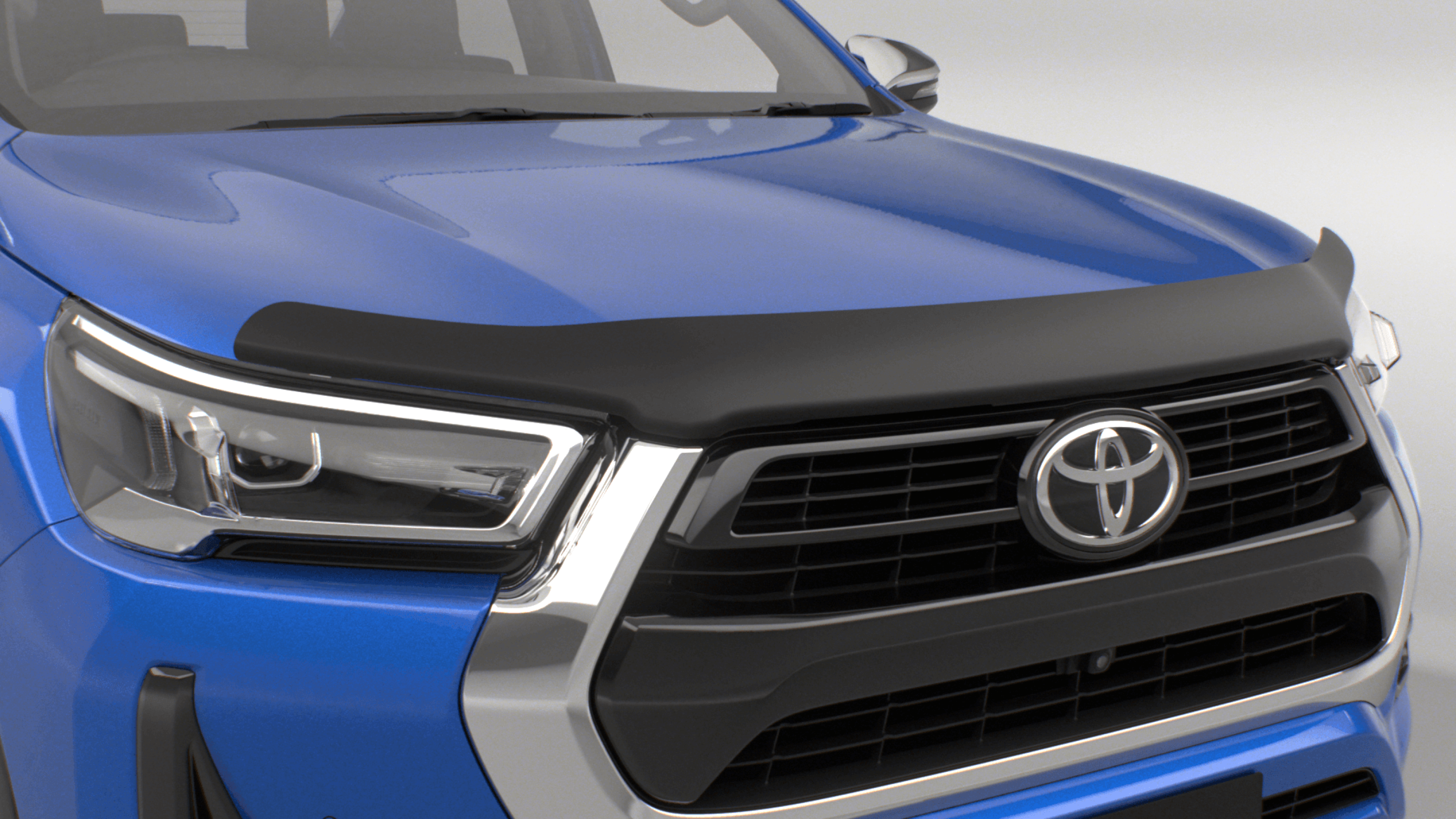
With clear, matte black or tinted options, this factory bonnet protector certainly looks the part. Constructed with high-strength acrylic, this bonnet protector is resistant to cracking and UV discolouration, and easily removable for cleaning.
Specifications
- Material: Acrylic
- Tinted: Yes, with clear or matte black options
- UV-resistant: Yes
Pros
- Looks factory because it is
- UV-resistant and designed to last
- Removable for cleaning
Cons
- N/A
OCAM 4×4 bonnet protectors
This OCAM Industries bonnet protector guards the leading edge of your hood from stones and other airborne debris. It’s made from 2.5mm acrylic for long-lasting durability. This bonnet protector is carwash-safe and designed for easy cleaning, but brush-style car washes are not recommended.
Specifications
- Material: Acrylic
- Tinted: Yes
- UV-resistant: Yes
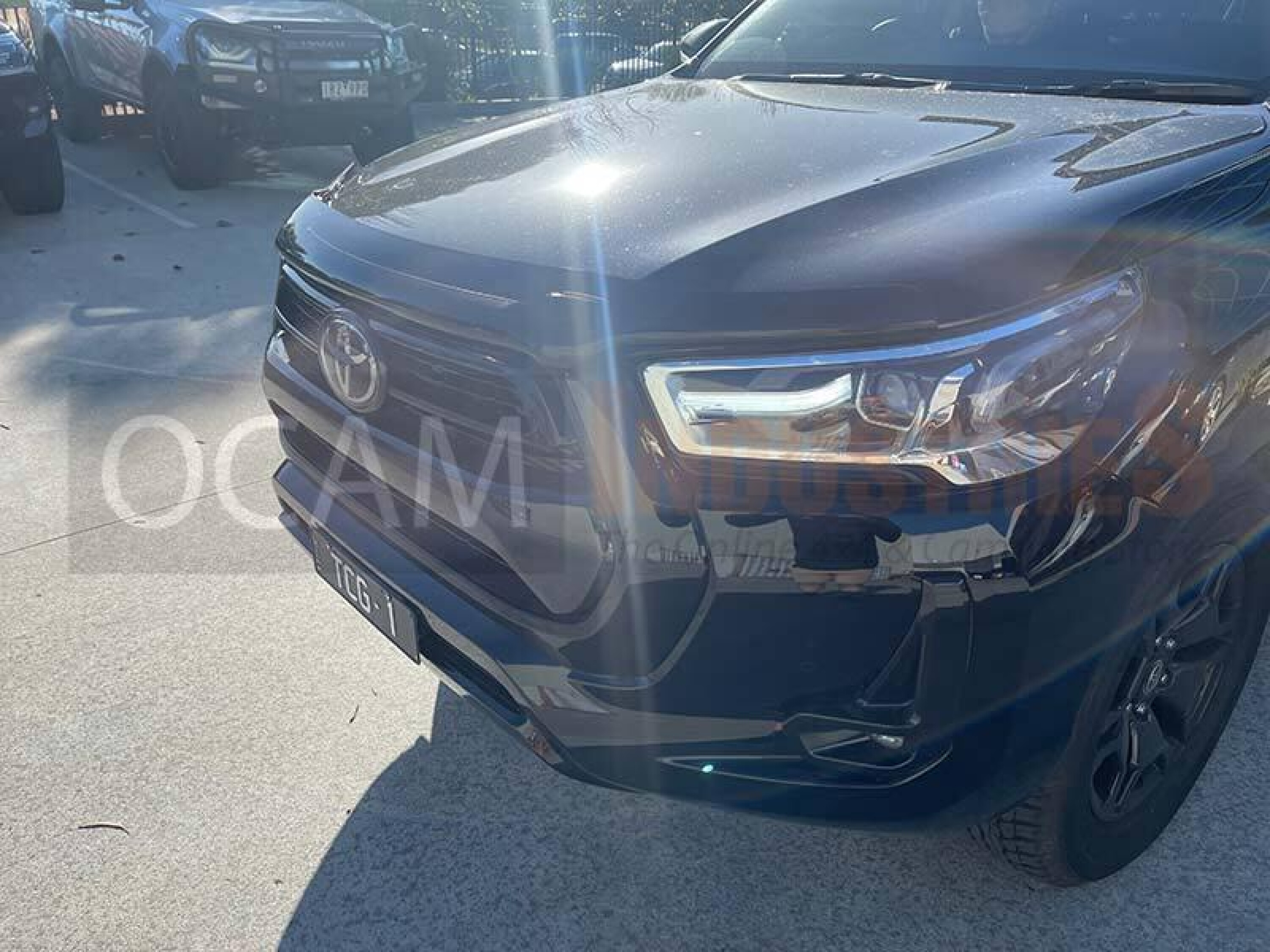
Pros
- No drilling required
- UV-resistant and designed to last
- Elevated design allows cleaning underneath
Cons
- Only the one colour option
BushWrapz bonnet protectors
This is not a clip-on or bolt-on bonnet protector; rather, think of it as a tough piece of tape designed specifically for the front of your HiLux bonnet. More aerodynamic and less obtrusive than your standard bonnet protector, this wrap provides a real alternative for those that don’t like the look of bonnet protectors.
Specifications
- Material: Optically clear protective film
- Tinted: No
- UV-resistant: Yes
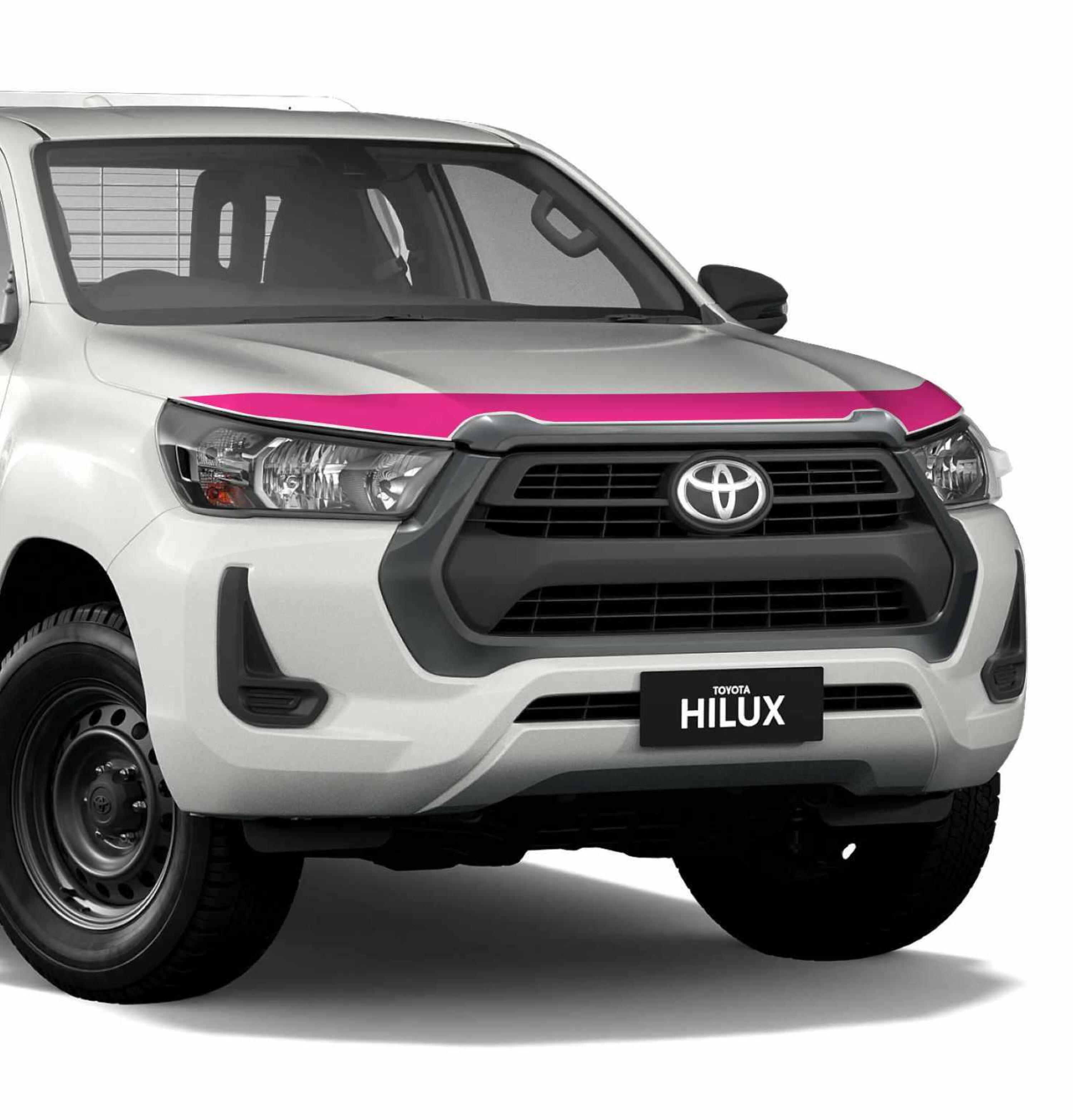
Pros
- Flush finish that you wouldnu2019t even notice is there
- By far the easiest to clean
- Five-year warranty
Cons
- As tough as this film is, itu2019s not going to compete with elevated acrylic for protection
Bossco bonnet protectors
Constructed with 2.5mm acrylic, this bonnet protector from Bossco is UV-resistant and built to protect your HiLux bonnet for years to come. It features a dark tint colour and no drilling is required during installation.
Specifications
- Material: Acrylic
- Tinted: Yes
- UV-resistant: Yes
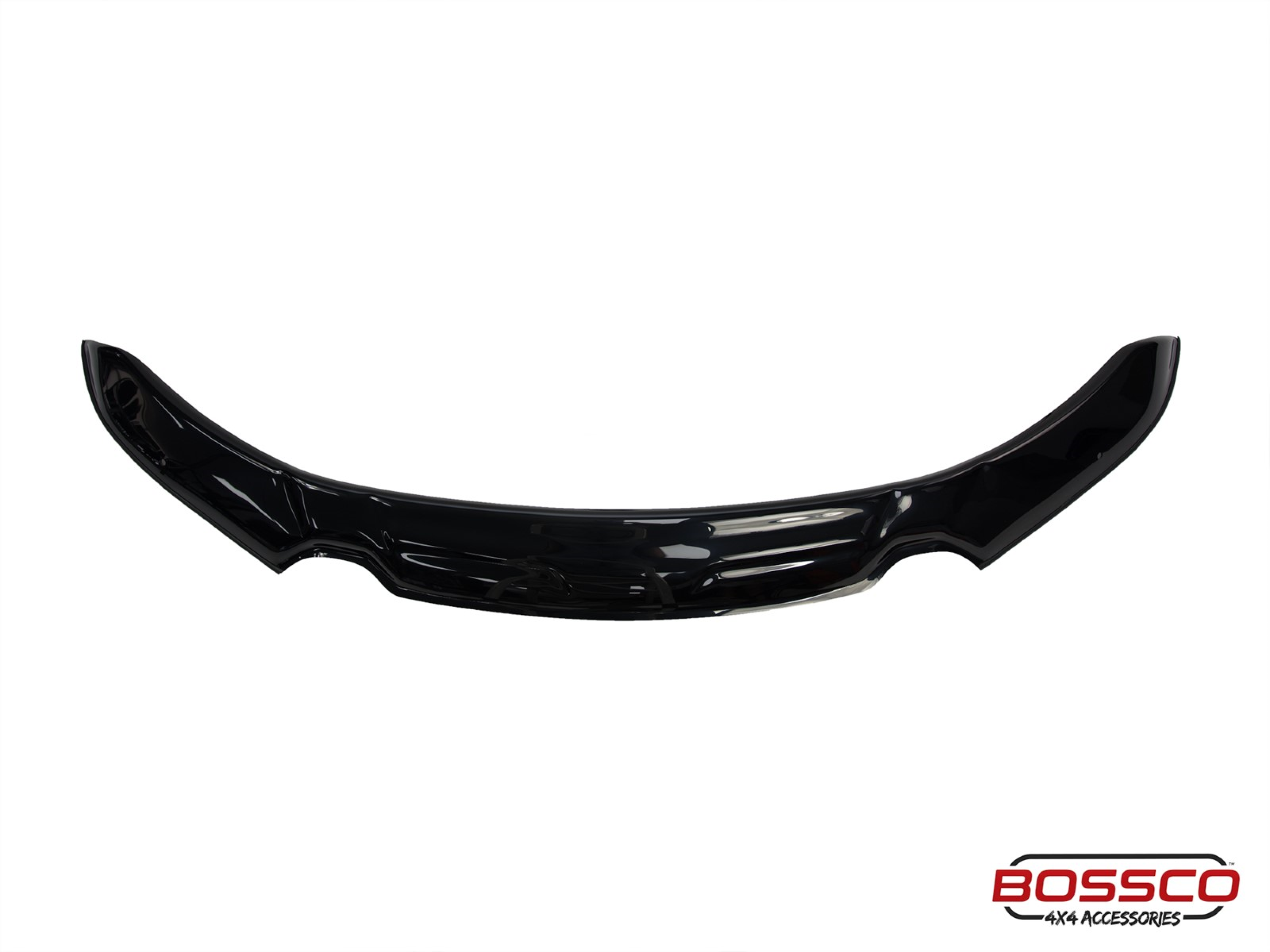
Pros
- One of the cheaper options
- UV-resistant and designed to last
- Clips on and off for cleaning
Cons
- If you have headlight protectors fitted, this product may not fit
How we review products
4X4 Australia has been reviewing four-wheel drive vehicles and aftermarket products for more than 40 years. When looking for the best accessories for your make and model of 4WD, there are some things essential to making sure you have the best off-roading experience.
When we compare products, here are some of the things we consider:
- Warranty
- Build quality
- Value for money
- Time and ease to set-up/install
- Weight
- Fit and finish
- How well it gets the job done
- What materials they’re made from
- Corrosion/UV resistance
- Coatings
- Compatibility with other accessories
- Compliance with ADRs and vehicle safety systems
- Country of manufacture
- Load ratings, to determine what’s the best product across each price point.
Disclosure: When you buy through our links, we may earn a commission. We also include products that we do not earn a commission from.
Load a 4×4 for trips and then bolt on accessories like bull bars and winches and you will quickly use up the HiLux‘s available payload.
The two options to overcome this scenario are to either reduce the amount of gear you’re carrying or increase the vehicle’s GVM. Apart from the legalities, a GVM upgrade will also allow you to carry heavy loads more comfortably and safely.
GVM upgrades typically involve reworking the suspension by fitting stronger springs and upgraded shock absorbers, and it may even include upgrading the brakes to ensure the vehicle can safely handle the increased load capacity.
- What it is: Increases the available carrying capacity (payload) of your HiLux.
- Why you need it: To stay legal and safe, as well as keep your insurance valid. Vehicles that exceed their GVM limit may be deemed unroadworthy.
- Buying tips: Obviously the key parts in a GVM upgrade are suspension components, so consider your lift requirements and get a lift and GVM upgrade done simultaneously.
JUMP AHEAD
| Upgraded GVM | Increased payload | Pre- or post-rego | |
|---|---|---|---|
| Pedders | 3500-3620kg | 500-690kg | Either |
| ARB | 3150-3465kg | 150-465kg | Either |
| Terrain Tamer | 3150-3465kg | 150-465kg | Either |
| Tough Dog | 3510kg | 510kg | Either |
Pedders GVM upgrade
Pedders has two GVM upgrade kits, with either 500kg or 690kg increase over the factory GVM. The 500kg kit includes suspension upgrades plus headlight angle adjustment and a front brake pad upgrade. The 690kg kit includes the obvious suspension upgrades plus headlight angle adjustment, indicator upgrade and a front brake pad upgrade.
Specifications
- Upgraded GVM: 3500-3620kg
- Payload increase: 500-620kg
- Pre- or post-registration: Either, but post-registration will require engineering certification
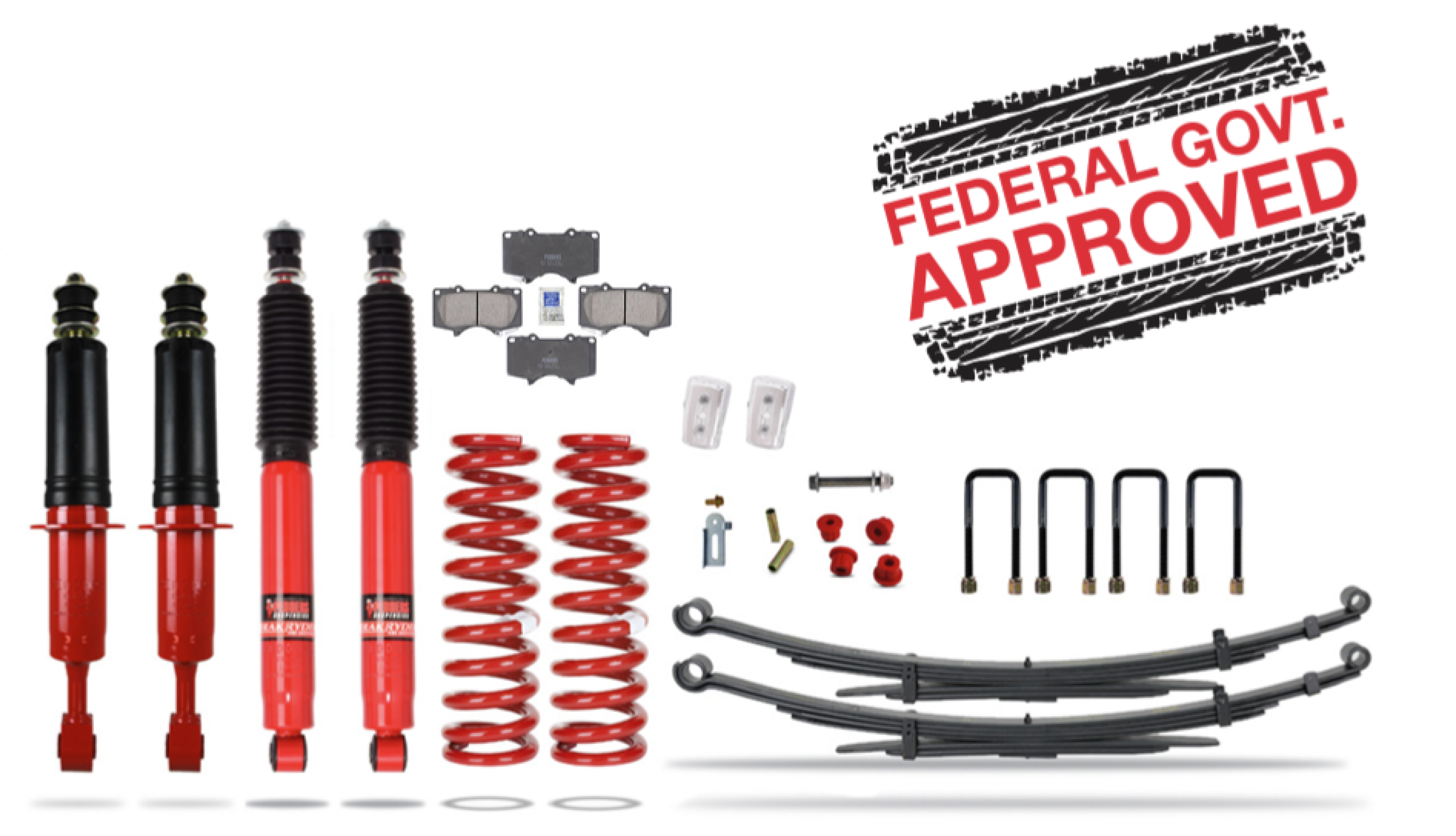
Pros
- Options available depending on your load requirements
- Support network of more than 120 outlets Australia-wide
- Two-year/40,000km warranty
Cons
- Brake pads are part of the upgrade, which means youu2019re locked into those particular pads
ARB GVM upgrade
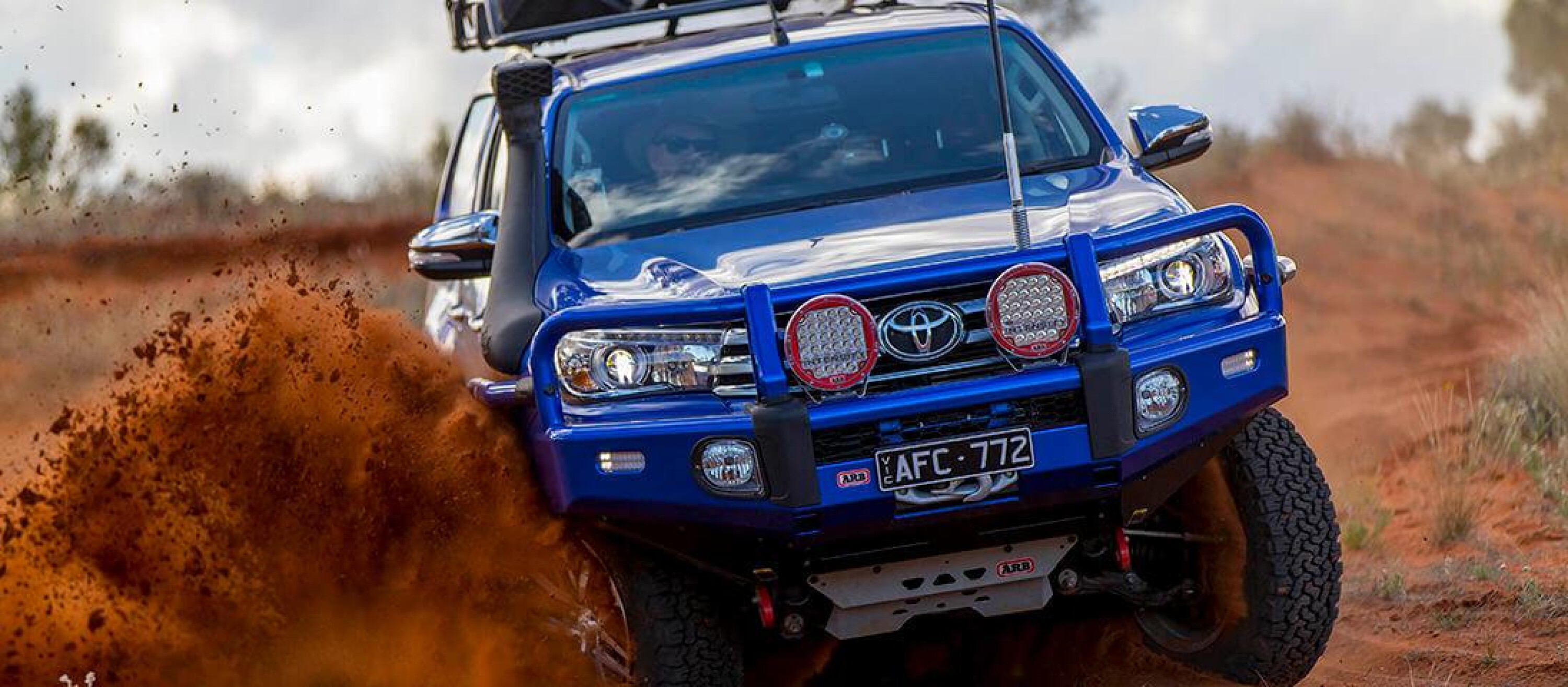
ARB has two upgrade options available to cater for different applications. A Stage 1 upgrade will increase the HiLux’s GVM to 3150kg, and a Stage 2 will increase the GVM to 3465kg.
However, there is a special condition that comes with the heavier GVM upgrade: a minimum of 600kg must be permanently carried in or on the vehicle at all times. This requirement is part of the ARB approval when fitting a Stage 2 upgrade and is essential to maintain the vehicle’s handling performance.
Specifications
- Upgraded GVM: 3150-3465kg
- Payload increase: 150-465kg
- Pre- or post-registration: Either, but post-registration will require engineering certification
Pros
- Options available depending on your load requirements
- Utilises quality Old Man Emu components
- Stage 1 offers a mild upgrade when only a slight increase is needed
Cons
- Stage 2 upgrade requires 600kg of constant load
Terrain Tamer GVM upgrade
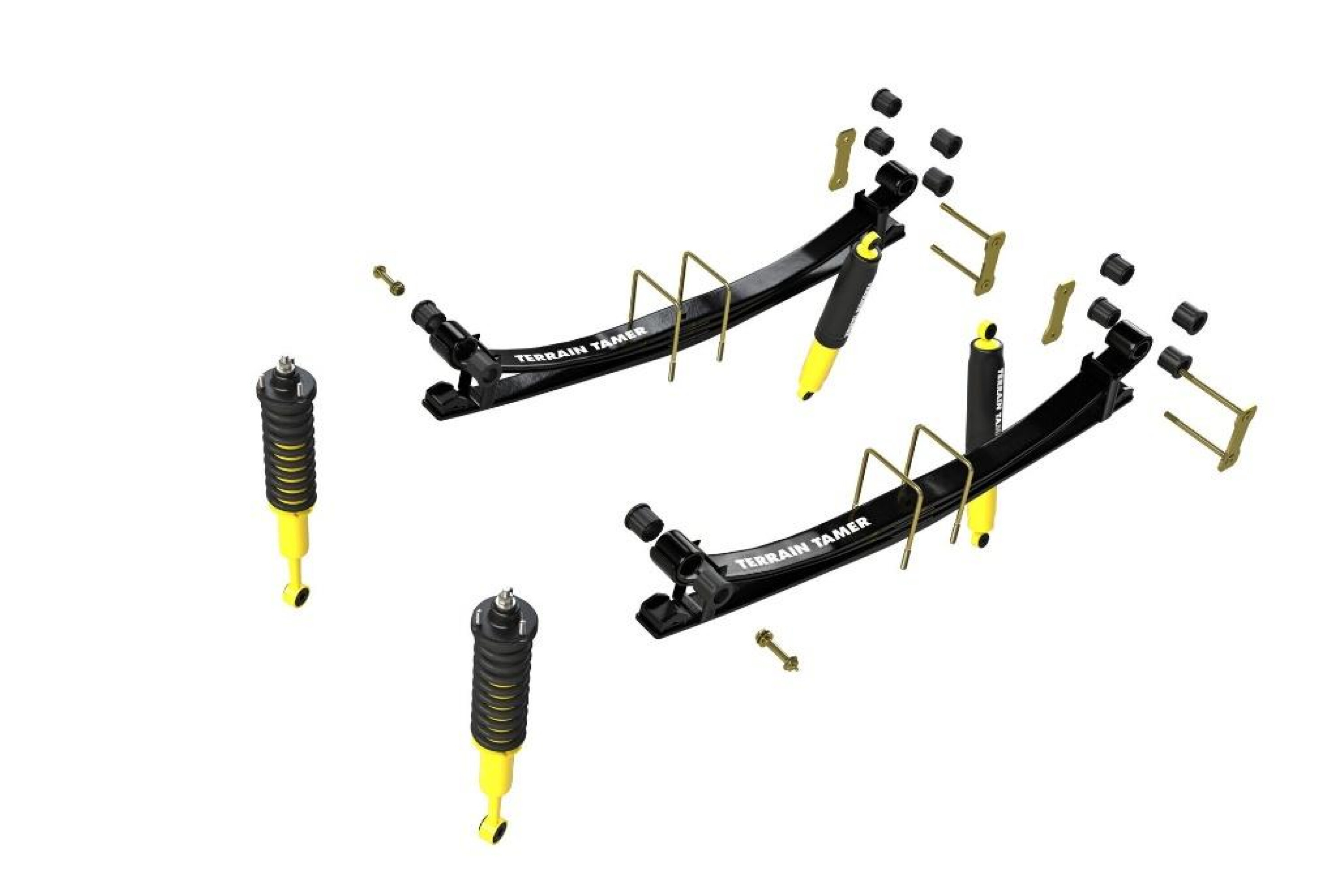
Consisting of exclusive Terrain Tamer suspension components, these HiLux GVM upgrade options have been thoroughly tested and analysed to reach Secondary Stage Manufacturer’s approval and can be installed either prior to registration or on existing registered vehicles at approved workshops, and following state-level modification processes.
Specifications
- Upgraded GVM: 3150-3465kg
- Payload increase: 150-465kg
- Pre- or post-registration: Either, but post-registration will require engineering certification
Pros
- Parabolic spring options for extra comfort
- Backed by years of research and development
Cons
- Not a one-stop shop like some others, so you need to locate an installer
Tough Dog GVM upgrade
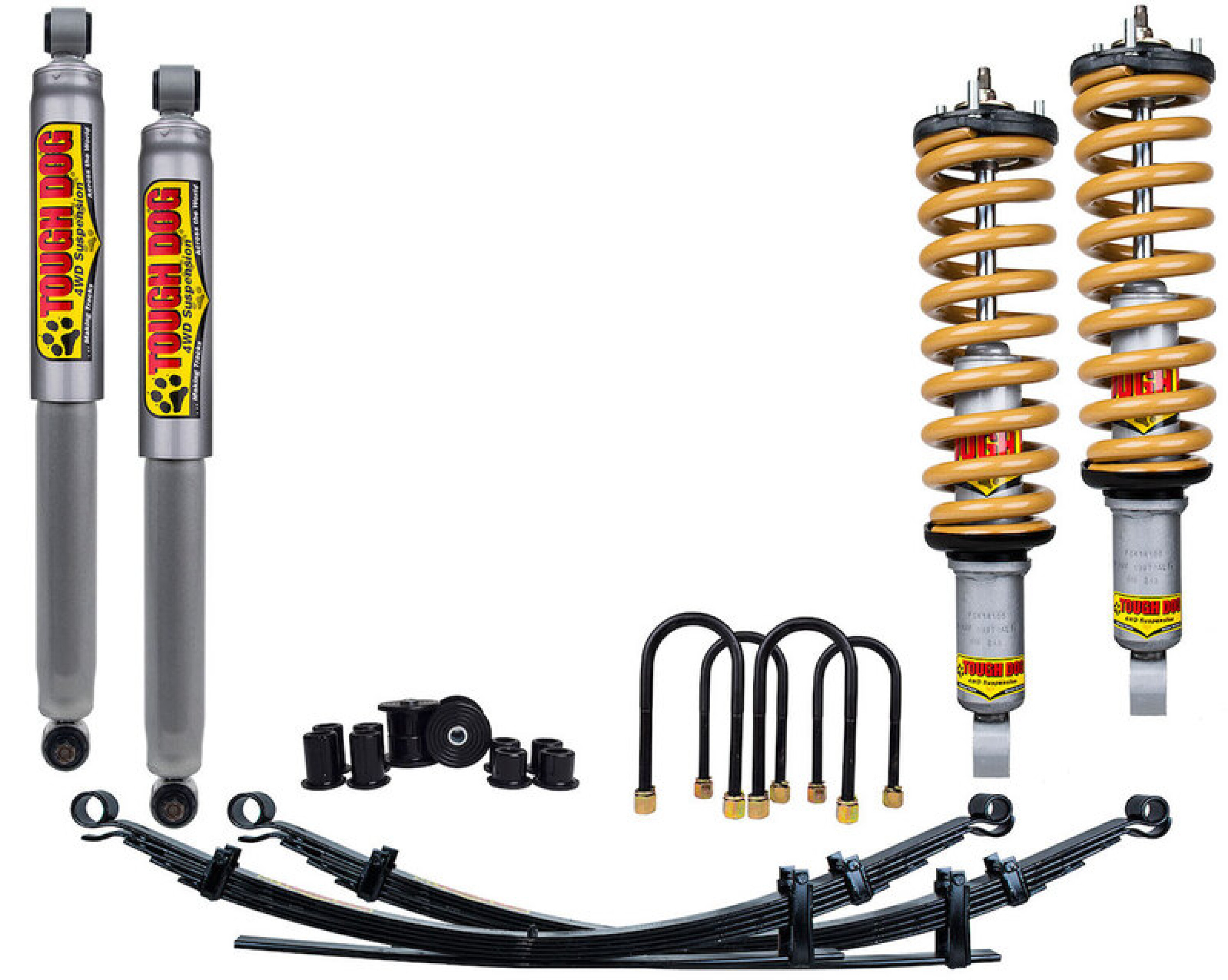
Tough Dog GVM upgrades allow a vehicle to be certified to carry a greater amount than the original manufacturer, without breaching applicable ADRs or laws. You can upgrade the GVM of a vehicle using either Federal approval or State-based approval, depending on whether the vehicle has been registered or not.
Specifications
- Upgraded GVM: 3510kg
- Payload increase: 510kg
- Pre- or post-registration: Either, but post-registration will require engineering certification
Pros
- Solid payload increase
- Quality foam cell shocks
- Can be done in conjunction with your suspension lift
Cons
- Very basic option, although thatu2019s probably an advantage to most
How we review products
4X4 Australia has been reviewing four-wheel drive vehicles and aftermarket products for more than 40 years.
When looking for the best accessories for your make and model of 4WD, there are some things essential to making sure you have the best off-roading experience.
When we compare products, here are some of the things we consider:
- Warranty
- Build quality
- Value for money
- Time and ease to set-up/install
- Weight
- Fit and finish
- How well it gets the job done
- What materials they’re made from
- Corrosion/UV resistance
- Coatings
- Compatibility with other accessories
- Compliance with ADRs and vehicle safety systems
- Country of manufacture
- Load ratings, to determine what’s the best product across each price point.
Disclosure: When you buy through our links, we may earn a commission. We also include products that we do not earn a commission from.
With an all-new frame beneath the Triton ute, surely a Pajero Sport follow-up is on the way?
Snapshot
- Next-gen Pajero Sport imagined! Could be revealed next year
- Wider tracks and longer wheelbase bring tougher proportions
- Details influenced by Mitsubishi’s current design language
Mitsubishi has all but confirmed a new Pajero Sport is likely to launch next year or in early 2025, so we asked rendering guru Theottle [↗] to have a stab at imagining a next-gen Pajero Sport – these are the results.
Utilising the Triton ute’s new interpretation of the ‘Dynamic Shield’ front grille and wide-track frame, our imagineered Pajero Sport is much more imposing than the slightly awkward current model.
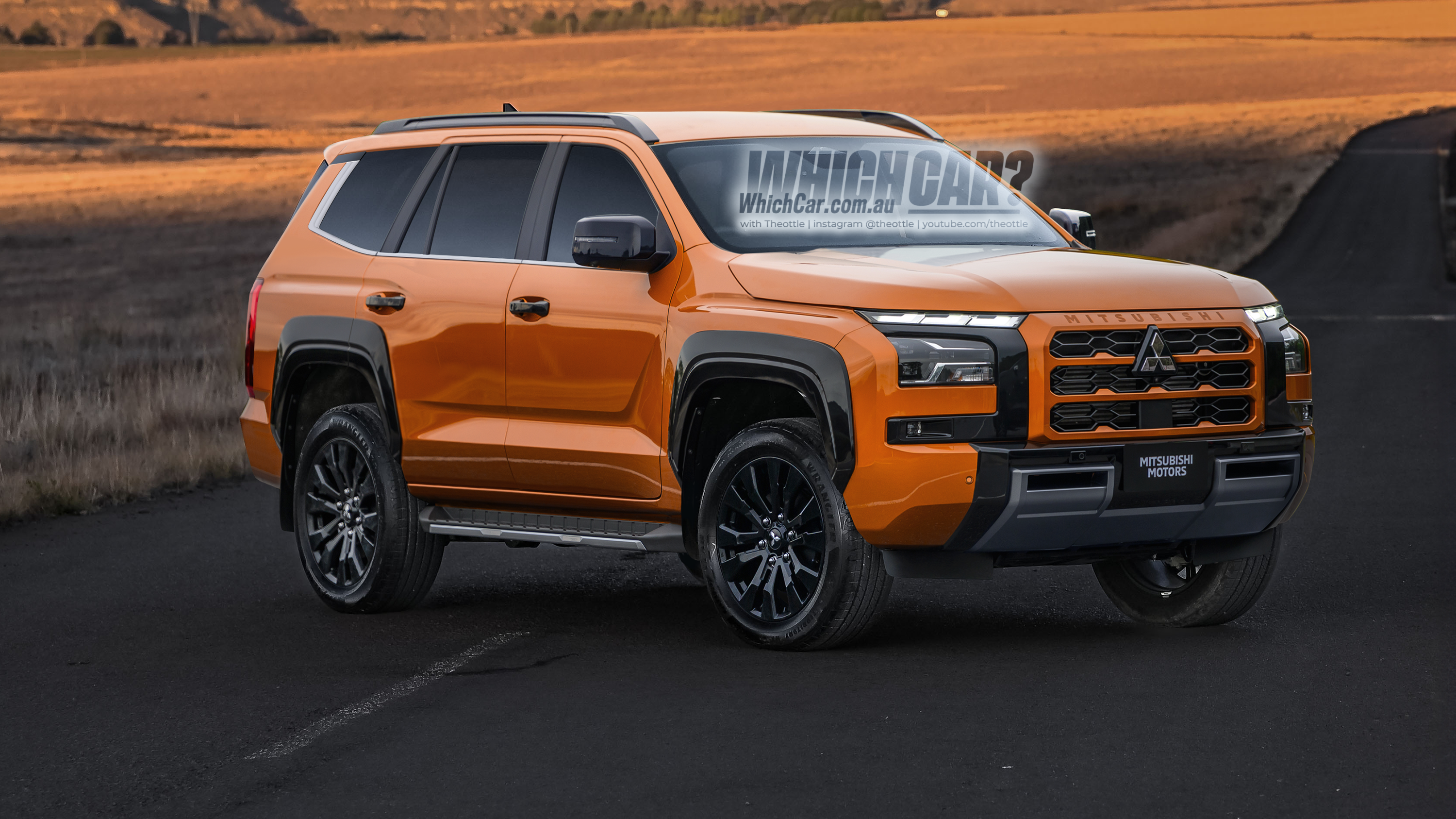
It’ll be bigger, too. Mitsubishi pushed the Triton’s wheels out 50mm compared to the outgoing model and gave it a 130mm longer wheelbase.
Expect a new Pajero Sport to benefit from the extra track and wheelbase. This will aid control and stability both on and off-road – and it certainly doesn’t hurt the looks.
At the rear, Theo has integrated details from the Outlander SUV’s tailgate and the new Triton’s lighting signature, while the overall shape is influenced by the Ford Everest’s rear end – one of the Pajero Sport’s key rivals.
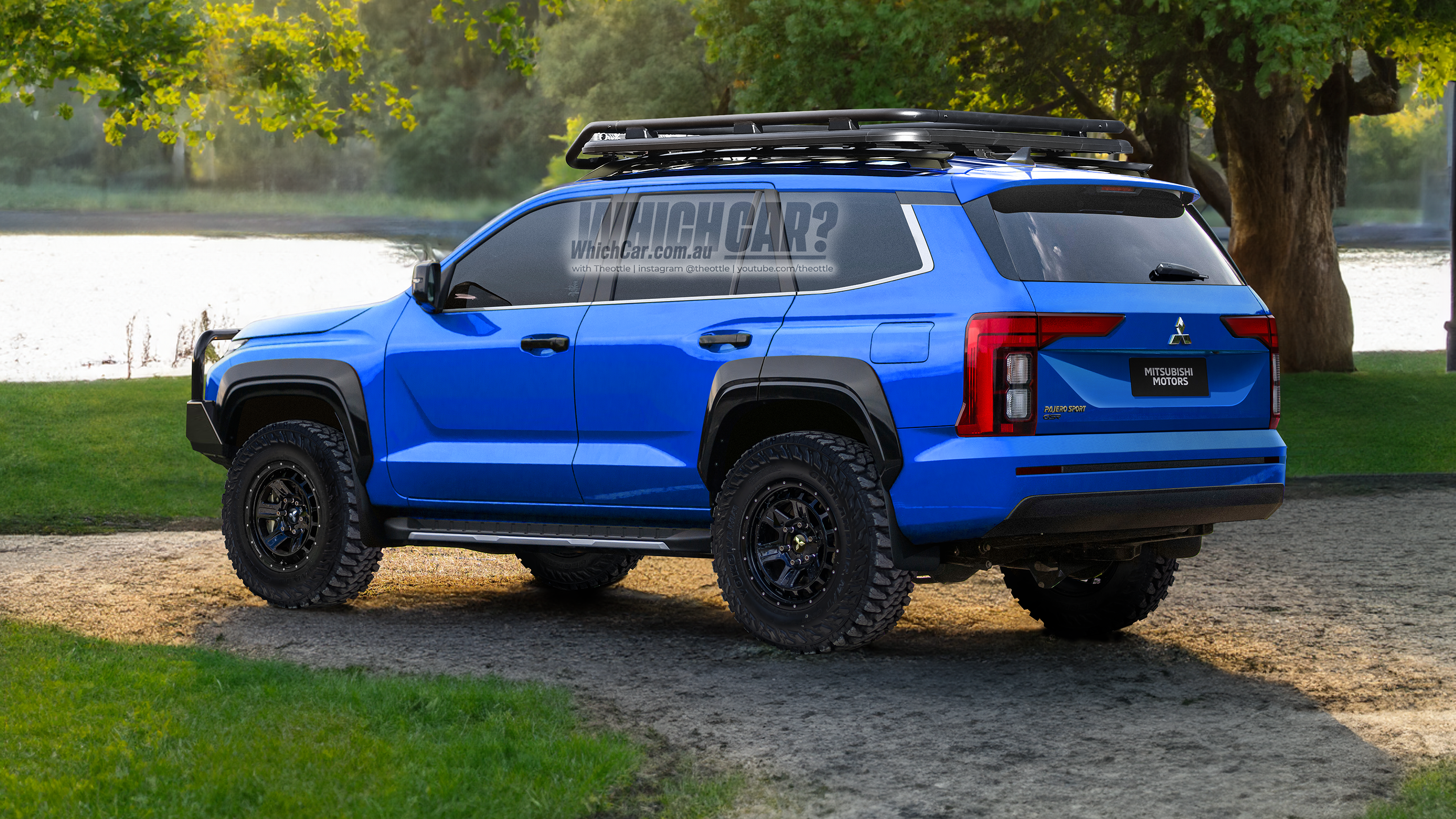
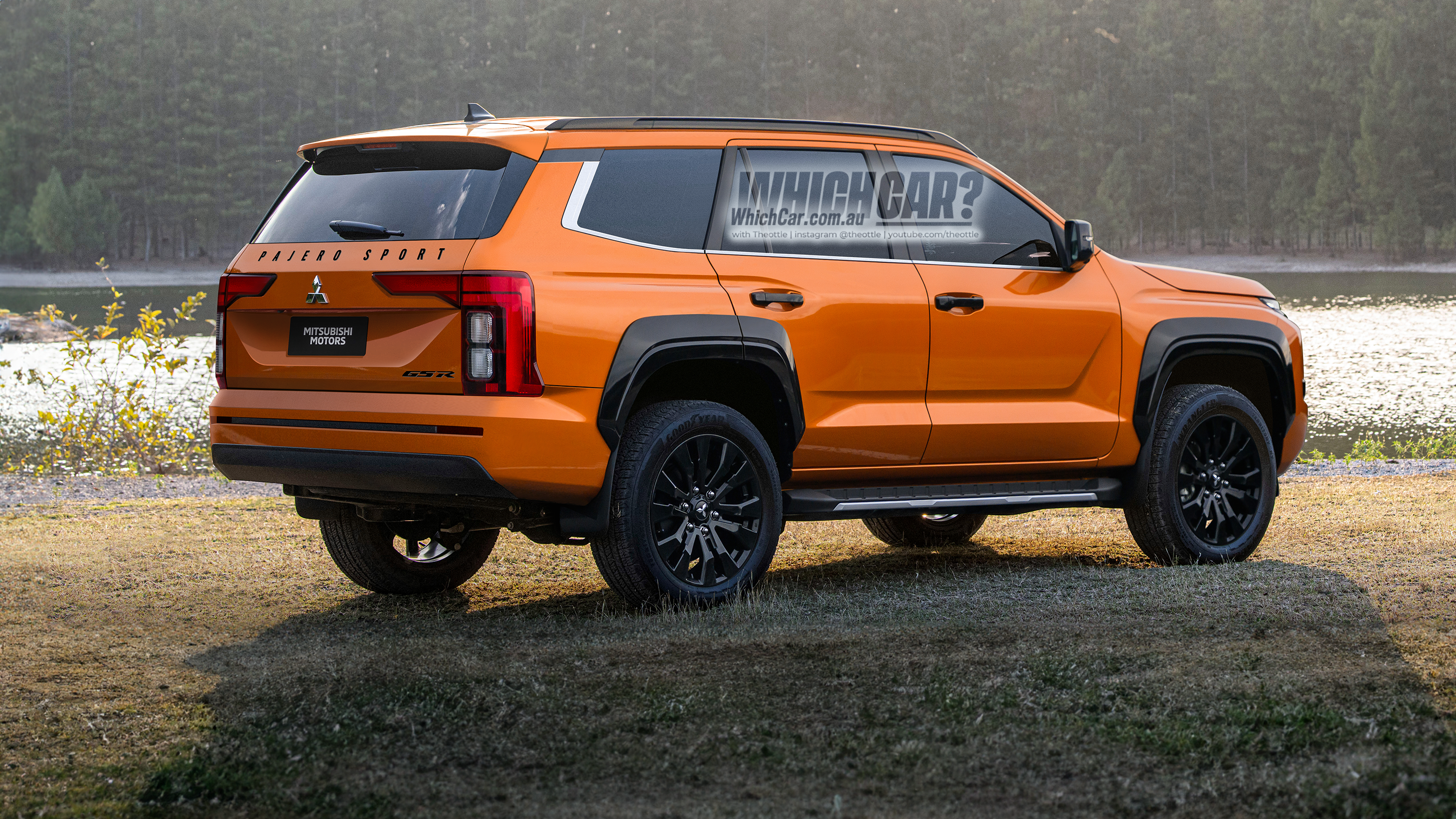
Broad shoulders and defined wheel arches give our Pajero Sport an imposing stance in what we’re imagining in two forms: One as a top-level off-road focused ‘GSR’ trim that would likely cost a little over $60K in Australia, the other as a GLS with off-road accessories bolted on.
We expect the new Pajero Sport to employ the upgraded twin-turbo 2.4-litre diesel four-cylinder that appears in the Triton ute. There, it’s paired with a six-speed automatic and develops 150kW and 470Nm.
As with the current Pajero Sport, we can expect an eight-speed automatic in place of the Triton’s six-speed unit.
Expect improvements in braked towing capacity (from 3100kg to 3500kg, just like the Triton) and higher payload figures thanks to the stronger frame.
As it does currently, the next-gen Pajero Sport will likely ditch the Triton’s rear leaf springs in favour of coils for better occupant comfort.
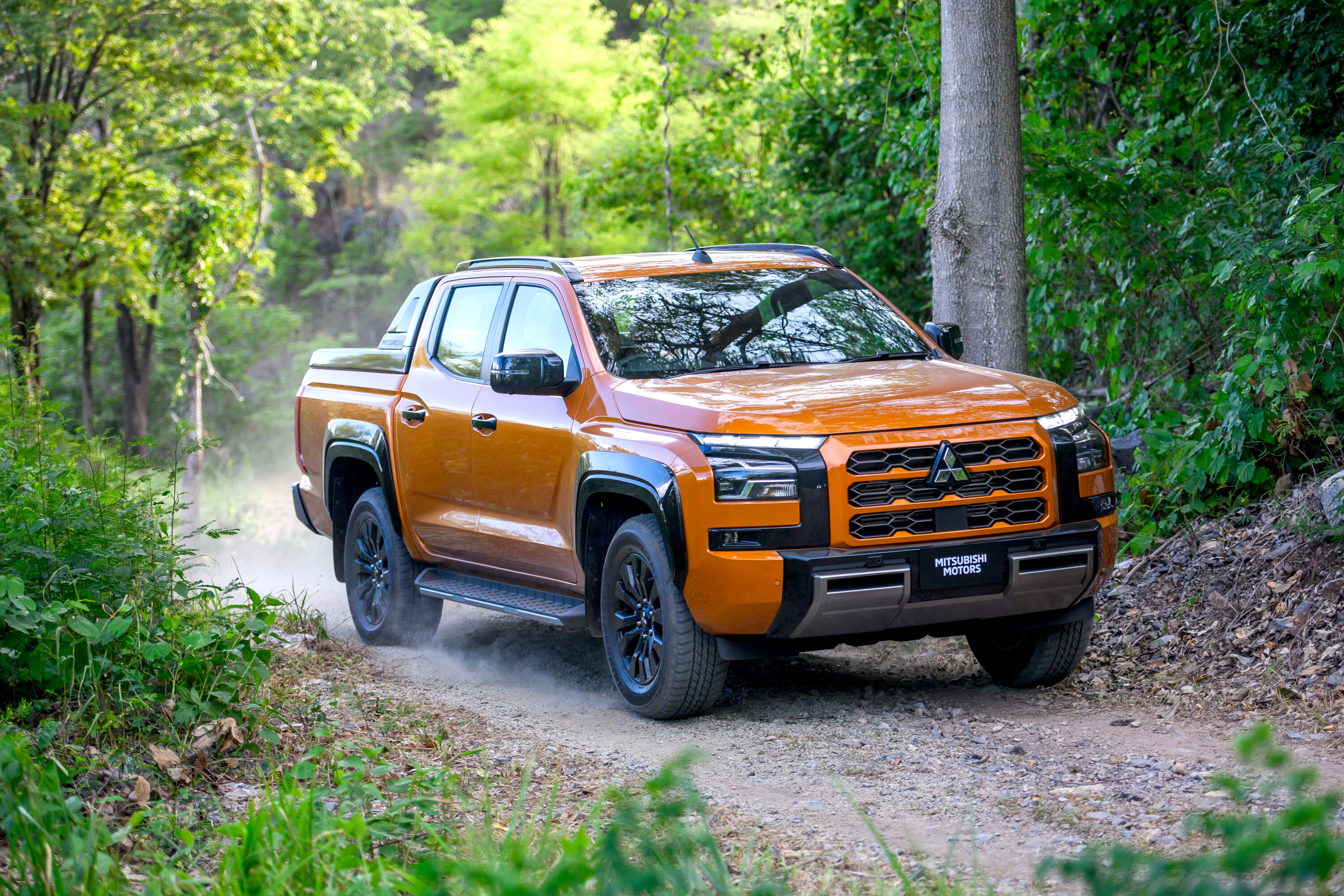
In March, Mitsubishi hinted at another generation of Pajero Sport when it detailed a mid-term plan with vehicle silhouettes and category names.
The Triton ute was an obvious move, but in the plan, there’s also a ‘PPV’, the ASEAN region’s name for pick-up-based passenger vehicles such as the existing Pajero Sport.
Mitsubishi executives are also interested in developing a new monocoque Pajero off-roader as a flagship for the brand. However, there’s clearly an awareness that any follow-up to the hallowed nameplate needs to be a serious performance machine.
Previous discussions with Mitsubishi indicate that the Pajero Sport (or whatever the new PPV will be called) was developed – like Triton – with the Australian market in mind, and should pass ADRs and safety testing with no major issues.
Is our next-gen Pajero Sport on the money? Share your thoughts in the comments below!
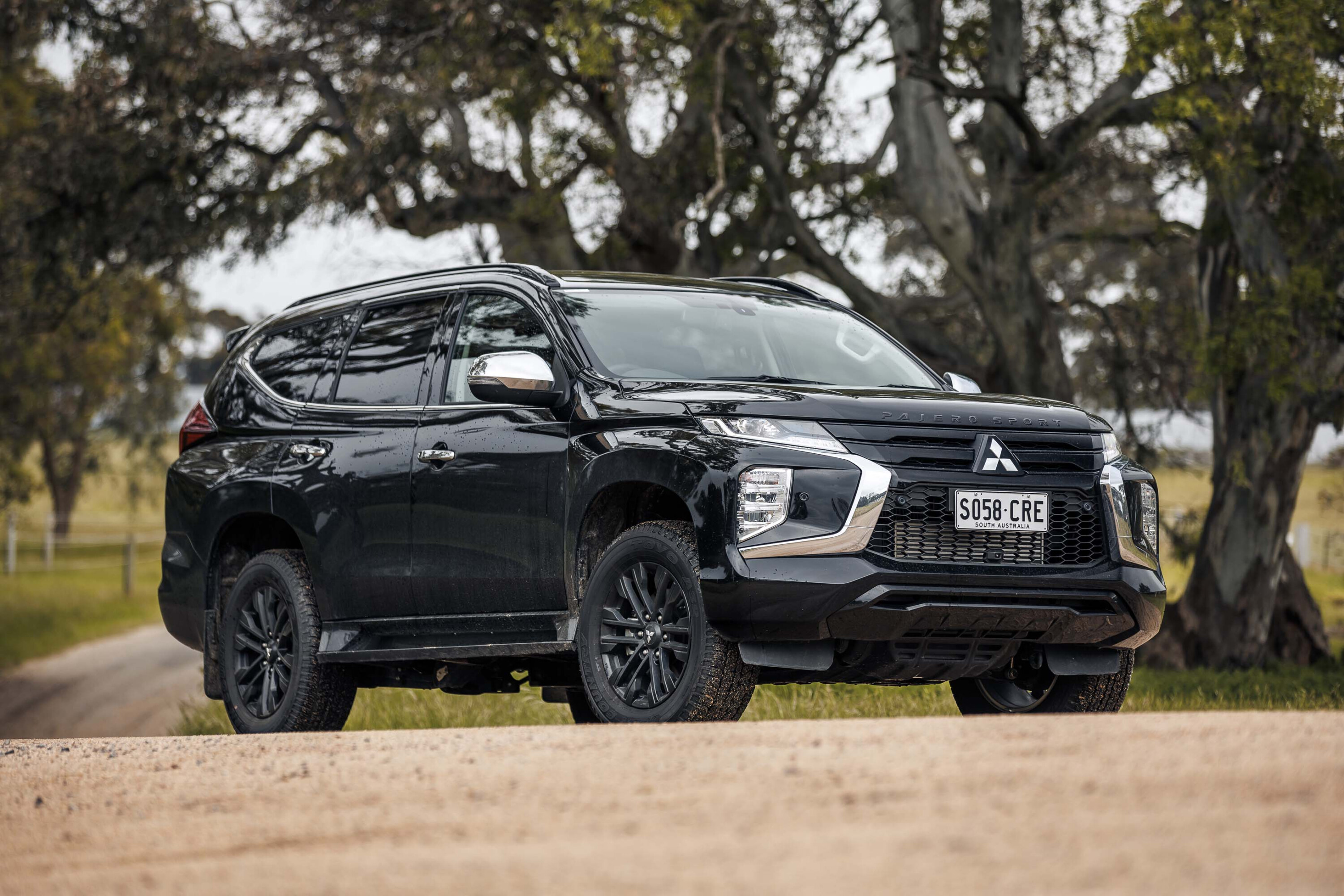
The Pajero Sport in its current form
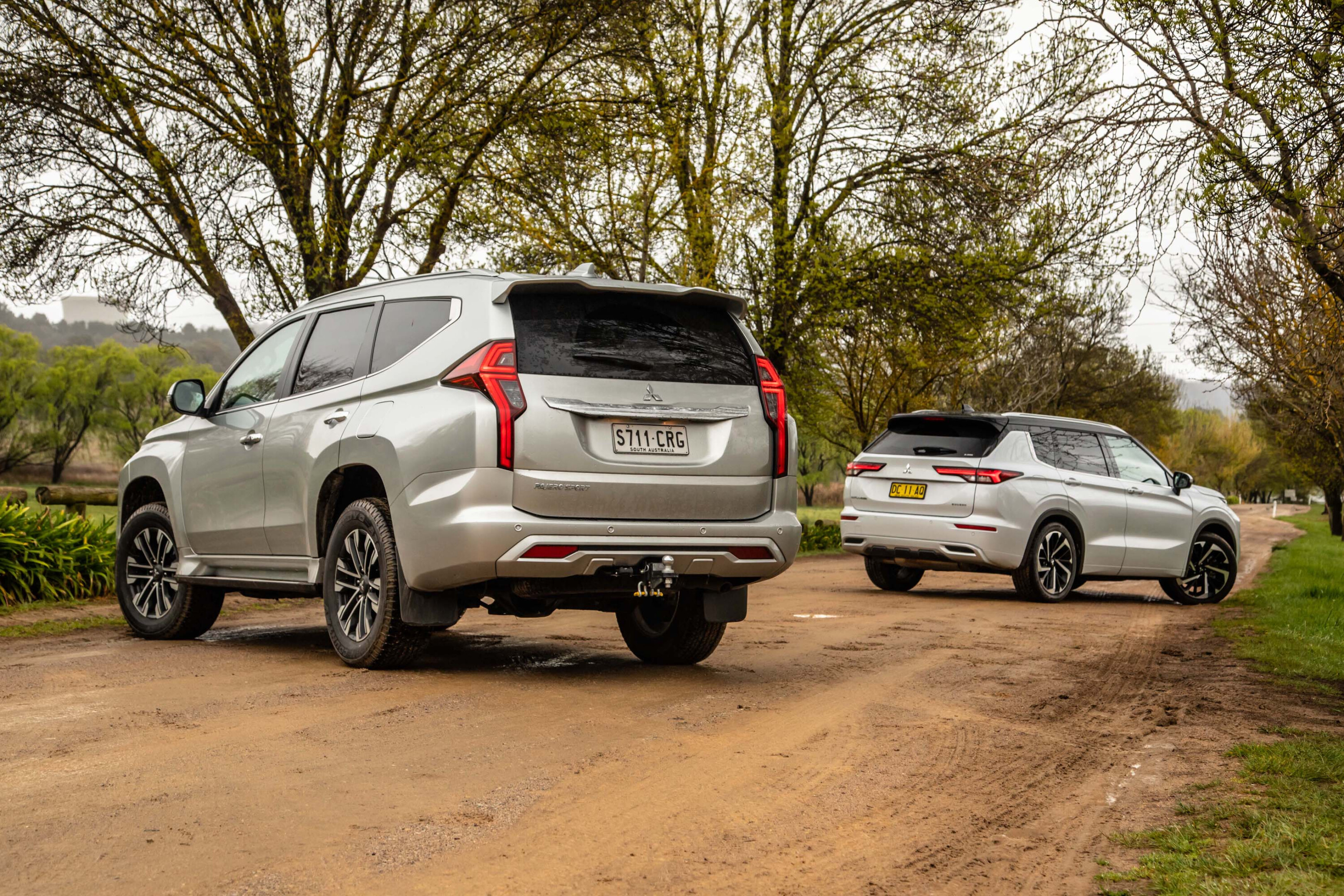
ARB’s suspension brand, Old Man Emu, has released a new shock absorber line that has been designed specifically for the demands of off-road travel.
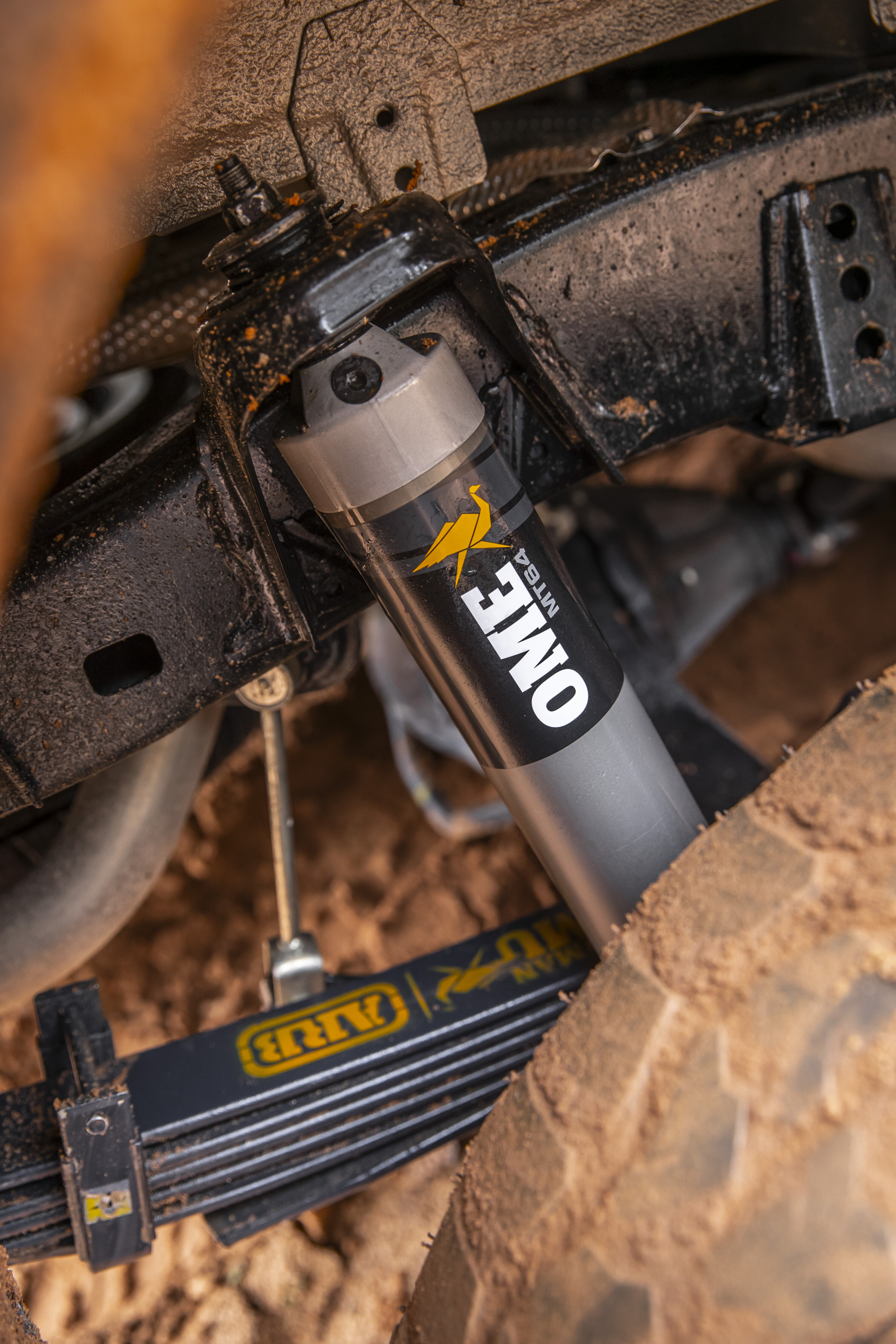
The MT64 slots perfectly between the brand’s iconic Nitrocharger and the ultra-high-performance BP-51.
Touring the expanses of Australia often means covering long distances and carrying heavier loads, so Old Man Emu has taken features from 45 years of Nitrocharger manufacturing and 10 years of high-performance BP-51 production and combined them into the MT64.
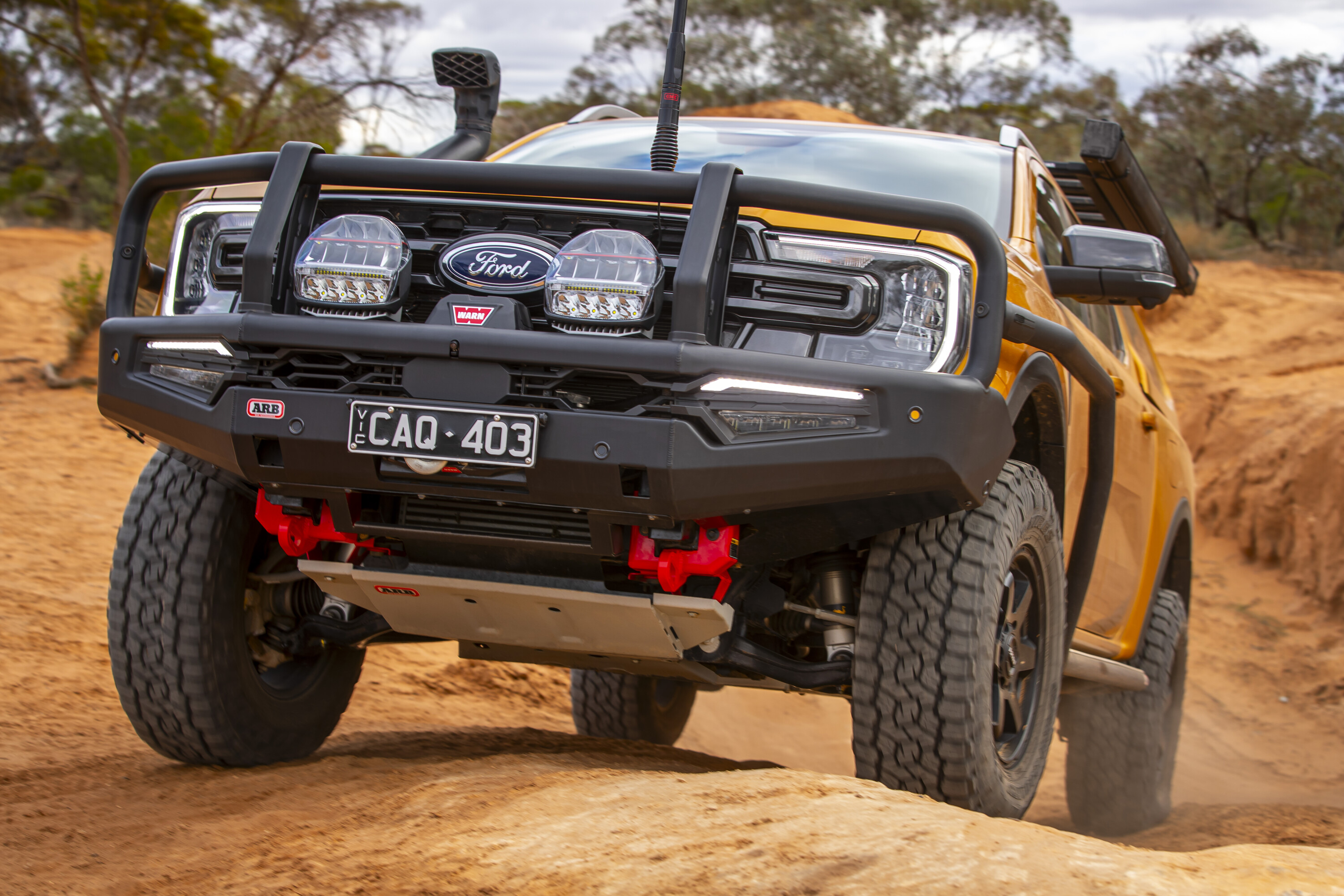
By taking attributes from both and combining them into a single monotube shock absorber, the MT64 has reset the bar on everyday comfort and provided exceptional responsiveness whether towing on the blacktop or tackling tough terrain.
The development of the MT64 included extensive off-road simulation using Finite Element Analysis on a computer. This highlighted any weak points so that the design could include maximum strength and durability from the beginning.
A wide range of data was also collected during field testing and testing of prototype shock absorbers, which ran through millions of cycles to simulate real-world scenarios.
Latest Gear Guides
“This shock is suited to the daily driver that doesn’t have lots of accessories, and we’ve tuned it specifically for that, but it will also suit the guys that are fully loaded up with all the accessories and all the gear who want to spend days or even months away in the 4WD,” said Stuart Fooks, OME Head Engineer.
“That’s the really big advantage of this shock, you can spend all day in the 4WD, just eating up the kilometres comfortably,” Fooks added.
Showcasing the same solid 6061 aluminium construction as the BP-51, as well as a hard-anodised finish to protect the shock’s surface, these monotube shocks have 72mm bodies and 64mm internal bores. The larger bores allow more oil in the shock which increases heat dissipation and responsiveness, perfect for severe corrugations and desert driving.
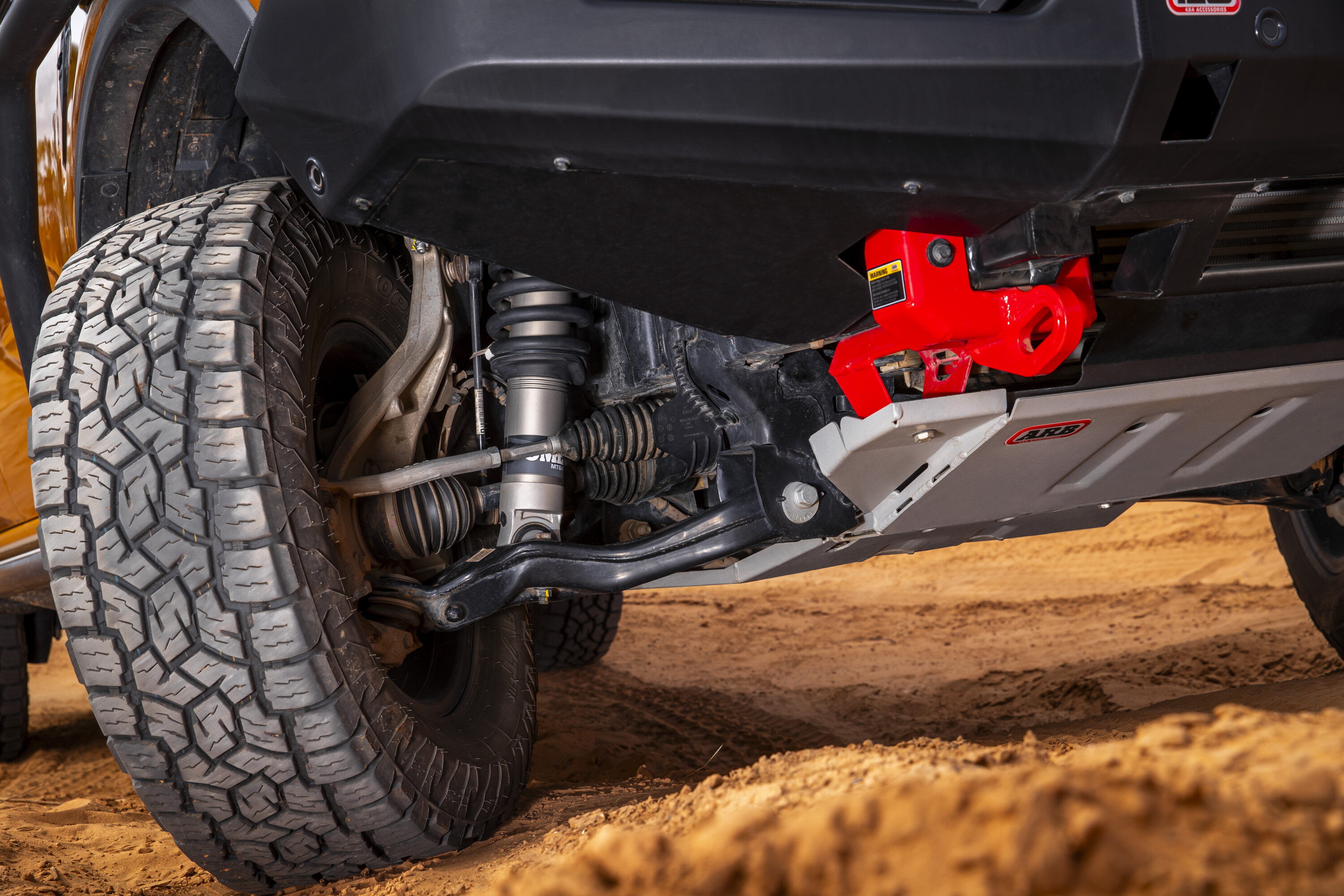
With unmatched comfort and reliability, MT64s will keep performing as the road gets rough and the tracks get tough. The MT64 is also designed with a hydraulic end zone top-out, which provides added padding at their shock’s full extension, to compensate for any unexpected bumps. For $500 per shock, this is good value for money.
The MT64s are height-adjustable using sap-ring grooves in the body that allow different spring seat positions. Lifts up to 50mm can be achieved where the geometry allows and adjusts lift to suit models that suffer from droop. The spring seat is made from ultra-strong forged aluminium for maximum durability.
The MT64 features an adjustable snap ring which allows installers to pre-load the spring for heavier applications while still achieving the same advertised lift. This makes stocking far easier with only one spring part number, and it means if a customer changes their setup all they have to do is adjust the preload to suit, not buy a new spring.
This also means the groove of the MT64 can be used for height trimming without the need for a separate trim packer where required. If necessary, the MT64 is rebuildable.
The MT64 dampers are engineered to handle heavy loads, long distances, rough roads and heat, which makes them ideal for off-road adventures.
The Chevrolet Silverado full-size pick-up has been coming into Australia via GMSV for a couple of years now and while not matching the sales of the RAM 1500 with its more extensive model range, its sales have been ticking along solidly.
For 2023 the Silverado has received a minor refresh with a new-look front-end and bigger changes inside that bring the tech up to expected levels.
The local model line-up has also been adjusted with the previous entry-level LT Trail Boss axed from the range and the higher-performance ZR2 added alongside the LTZ Premium model. These two models are now much closer in price with the LTZ Premium opening at $128,000 and the ZR2 starting at $133,000.
For this test we’re focusing on the ZR2 as it is the newest variant but we also nabbed an LTZ to see how well these trucks tow a trailer.
JUMP AHEAD
- How much is it, and what do you get?
- Interior
- Safety
- Powertrain and suspension
- A week in the ZR2
- LTZ Premium tow test
- Weights and payloads
- Specs
How much is it, and what do you get?
The ZR2 is billed as the performance model in the Silverado range and it’s equipped and styled as such.
While the driveline remains the same as the LTZ, the ZR2 gets suspension that is improved for both on- and off-road performance, and blacked out styling to give it a more aggressive appearance.
The ZR2 swaps out the Silverado’s standard chrome grille for a black one and the Bow-Tie badge is opened up to increase airflow to the engine bay; some inside GM call this badge the ‘Flow-tie’. The grille surrounds LED headlights that were revised for ’23 while the ZR2 also gets a shortened front bumper that is specific to this model.
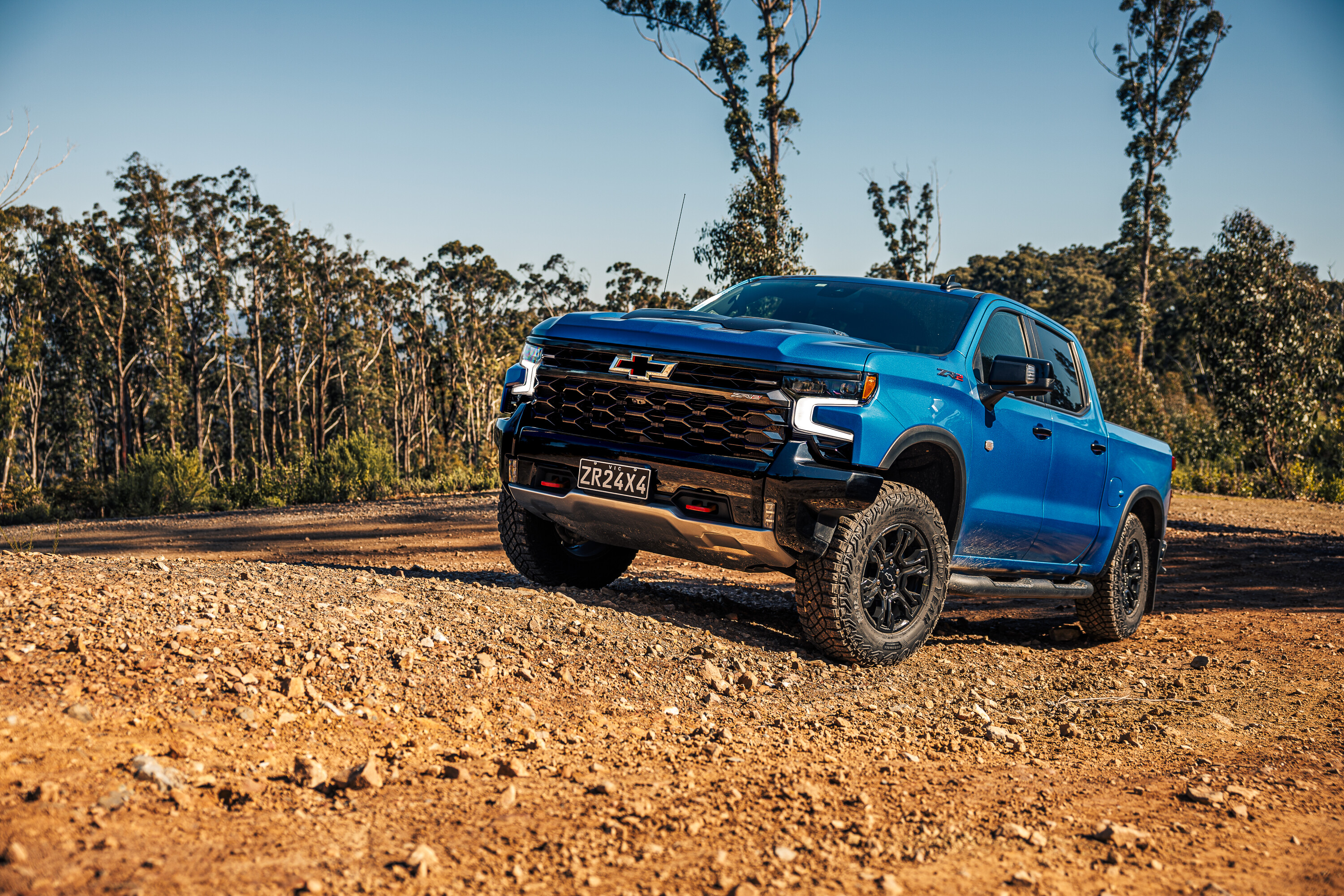
The ZR2’s alloy wheels also cop the black treatment and are 18-inch rims as opposed to the 20s fitted to the LTZ. The ZR2 wears all-road suitable 275/70R18 mud-terrain tyres.
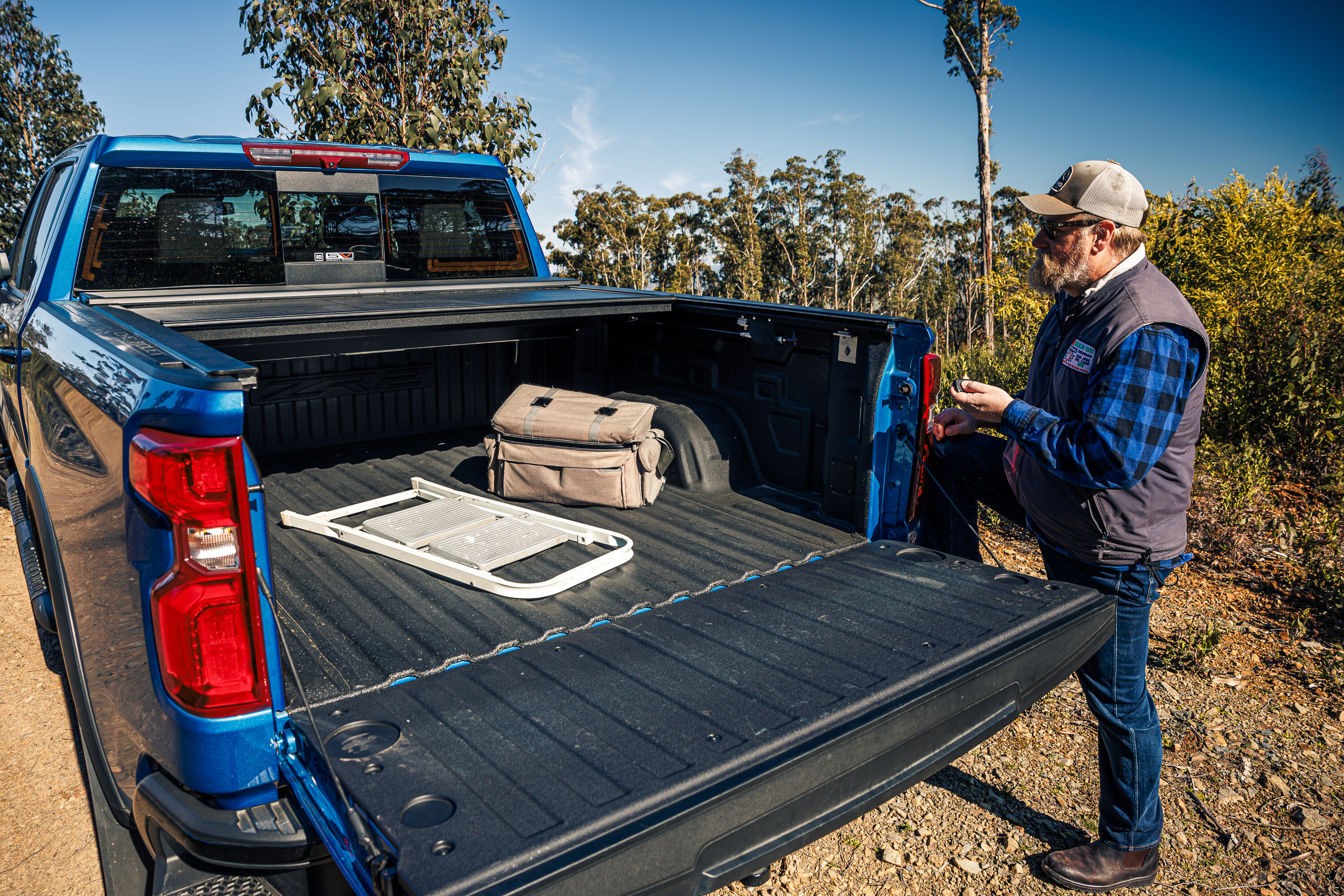
This particular ZR2 was also fitted with optional Premium Paint ($1500), Electric Tonneau Cover ($3970), Round Side Steps ($1330), Black Chevrolet Tailgate Lettering ($290), and a tow hitch with 50mm ball ($310), which takes the price as tested up to $140,150 plus on-road costs.
Interior
While heavy towing might be the drawcard for many full-size truck buyers, one of the best things about them is the interior space.
Both the front and rear seats deliver plenty of space no matter what direction you want to measure it in – legroom headspace, shoulder room – a full-size pick-up has it all.
For anyone with teenagers using a midsize ute as a family car, your children might be more inclined to travel with you if you upgraded to a full-size ute. The rear seat offers space and comfort that no existing midsize ute can come near.
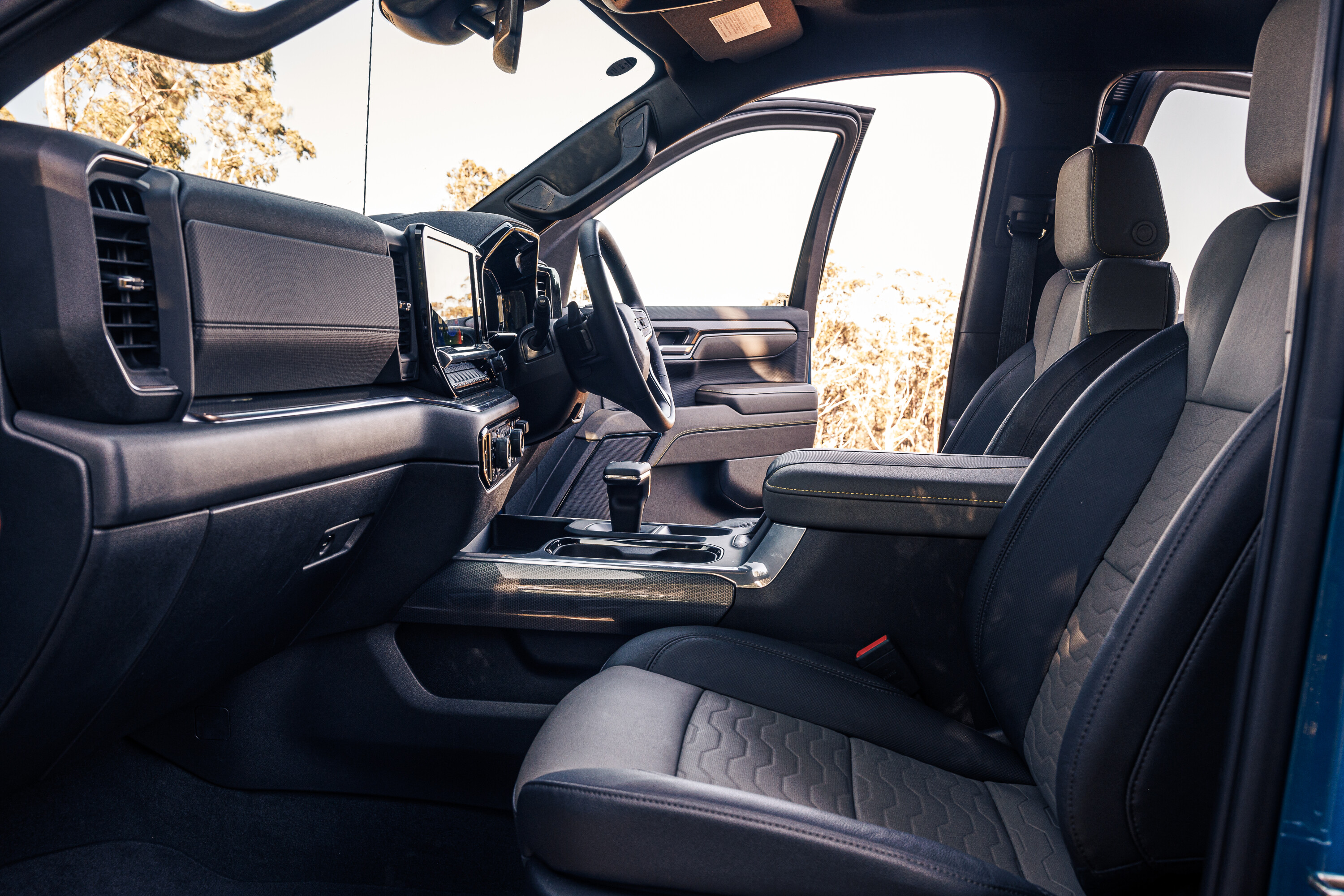
Even with three adults across the back seat of the ZR2, there’s heaps of space, although the higher squab in the centre seat of the Silverado isn’t the most comfortable position to ride in on longer trips.
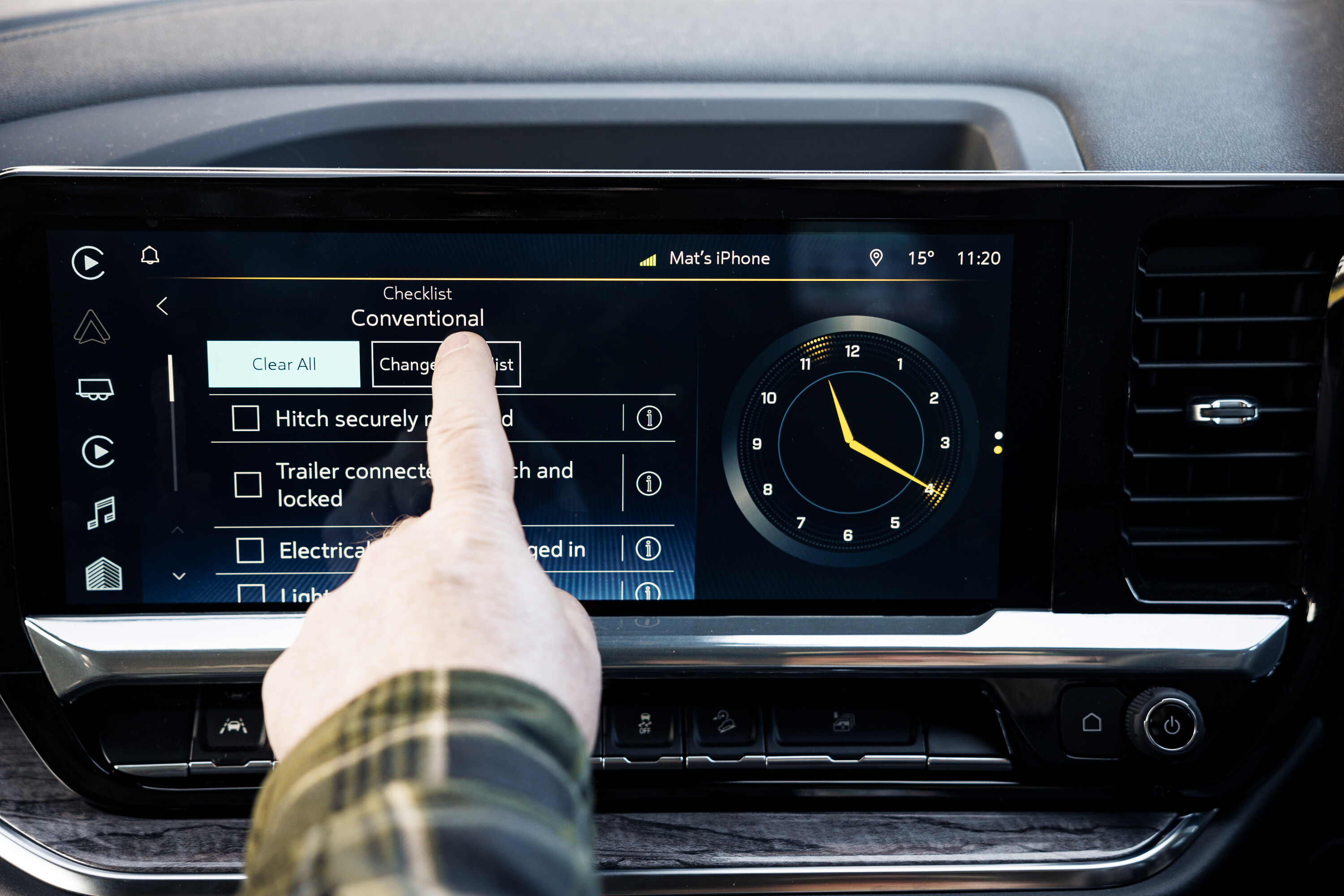
The cabin is very well appointed with leather seats featuring heating and cooling, and an automatic mode in the front, power adjustment on the front and heating for the large back seat. For front-seat travellers there’s a new-for-’23 dash with a 13.4-inch colour touchscreen and a 12.3-inch configurable instrument cluster giving the driver more information than they could ever need.
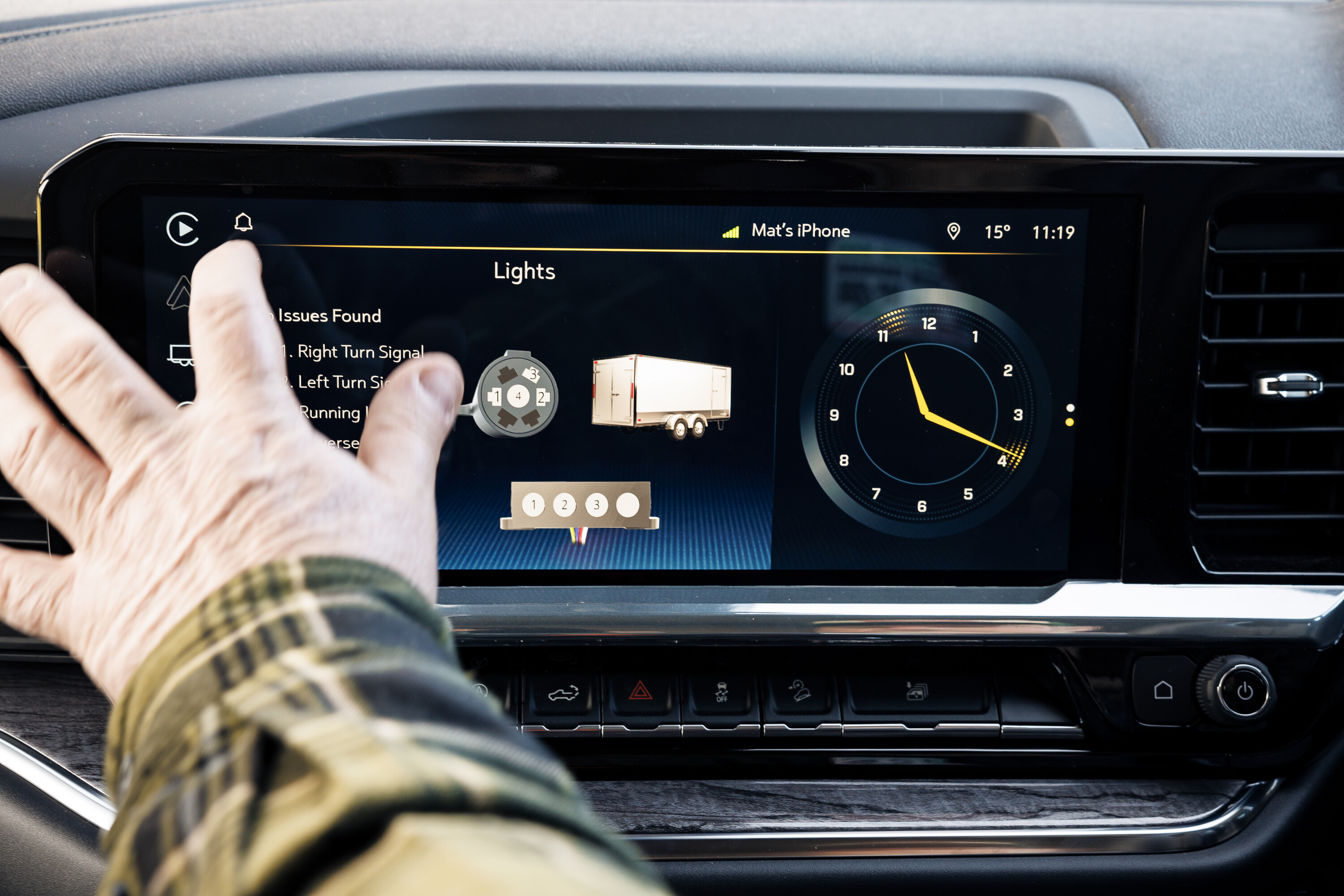
The centre screen also includes some clever towing information including a checklist for your hook up, and a trailer-lights check mode.
Safety
Safety-wise, passengers are protected by low-speed AEB (up to 80km/h), TPMS, rear cross traffic alert, ESC, ABS, ETC, lane keeping alert and a swag of exterior cameras.
We prefer the subtle seat vibration warning in the Chevrolet and other American vehicles over annoying beeps for the lane departure warning as found in many other vehicles.
The two Silverados we tested each felt like premium products backed with loads of features and equipment and quality fit and finish. The ZR2 is definitely the pic of the two for off-road use and styling, however the lower ride height of the LTZ could make it more appealing for those looking solely for a capable tow vehicle.
Powertrain and suspension
While the two models share the same 313kW/624Nm 6.2-litre V8 petrol engine, the ZR2 performance edge comes thanks to its clever and very effective suspension package which centres around DSSV shock absorbers from Multimatic.
These high-end shocks were originally developed for sports cars but were reengineered to suit off-road trucks by General Motors with plenty of input from Hall Racing in the USA. Chevrolet also uses them under its ZR2 Colorado midsize trucks, as well as some high-end Camaro models.
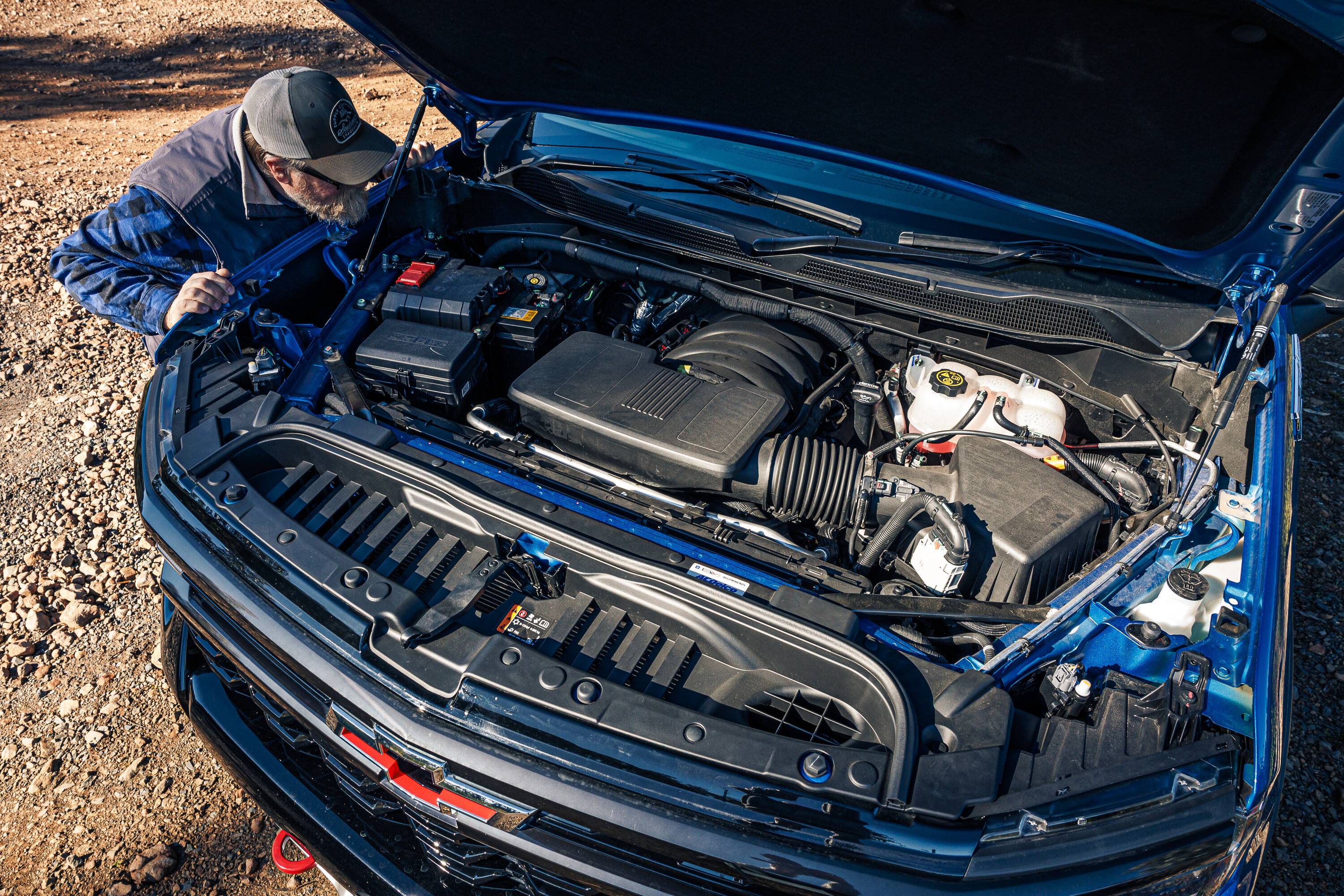
The dual spool valve Multimatic shocks do an incredible job of controlling the mass of the vehicle when driven at speed over rough terrain. The performance is akin to that of high-end bypass remote-reservoir shock absorbers but they come in a more compact package that is easier to fit in a production vehicle. The ZR2’s suspension eats up ruts and rocks and the more you push it the better it feels.
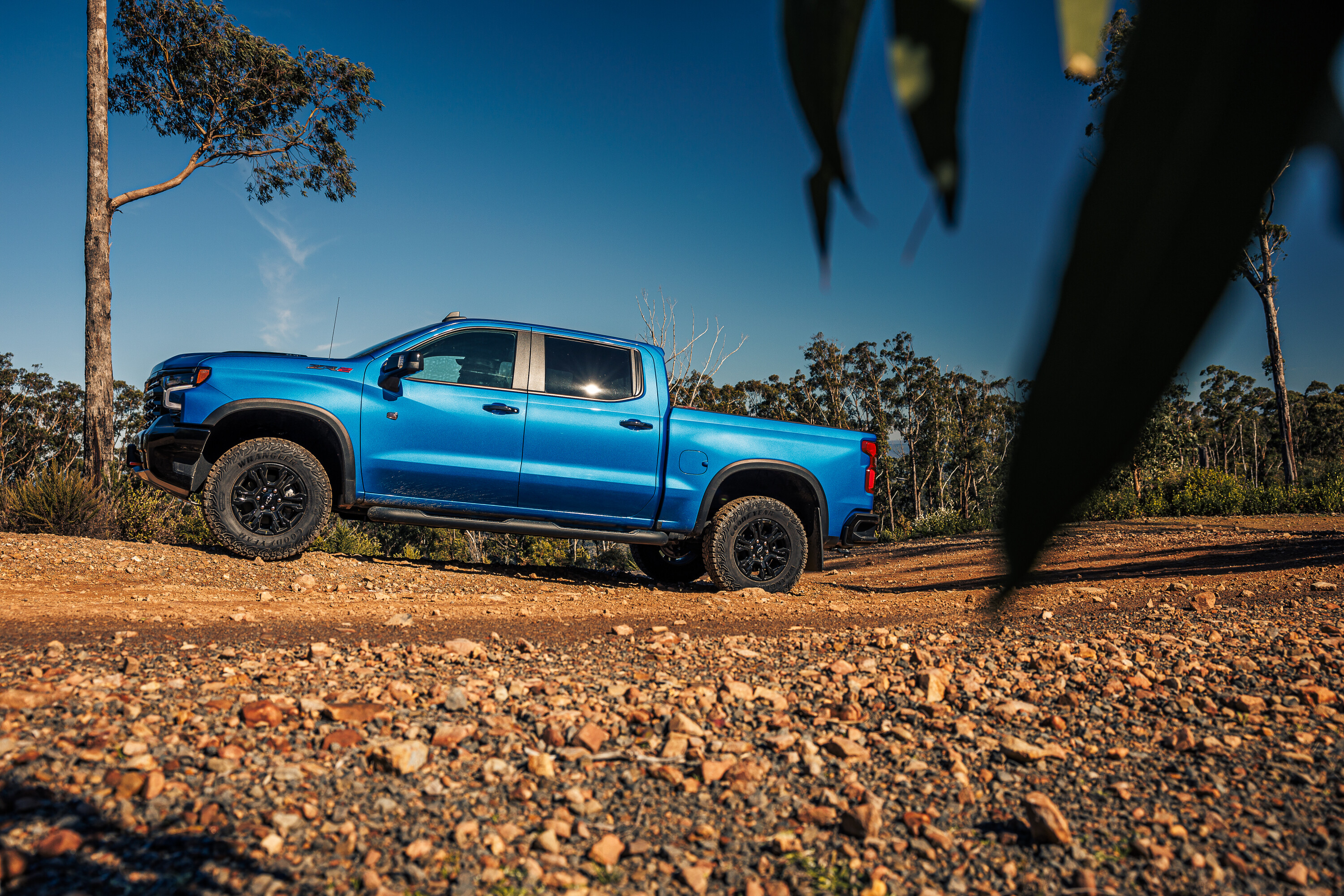
The ZR2 suspension also gives it a 67mm ride height advantage over the LTZ resulting in more ground clearance for off road use. The short front bumper also helps here thanks to an improved approach angle.
A week in the ZR2
We can confirm that the suspension does what it claims to do, and not only is the ZR2 incredibly well mannered at speed on dirt tracks, but it rides better than the LTZ under all conditions, whether on- or off-road.
The mud pattern tyres should give more traction in slippery conditions but more notable than that is they give the driver confidence in their durability over rough and rocky tracks.
The V8 engine delivers plenty of punch and a surprisingly torquey feel in the way it accelerates, but there is no disguising the near-2600kg heft, and even with the standard performance on offer, you can understand why people fit superchargers to these rigs.
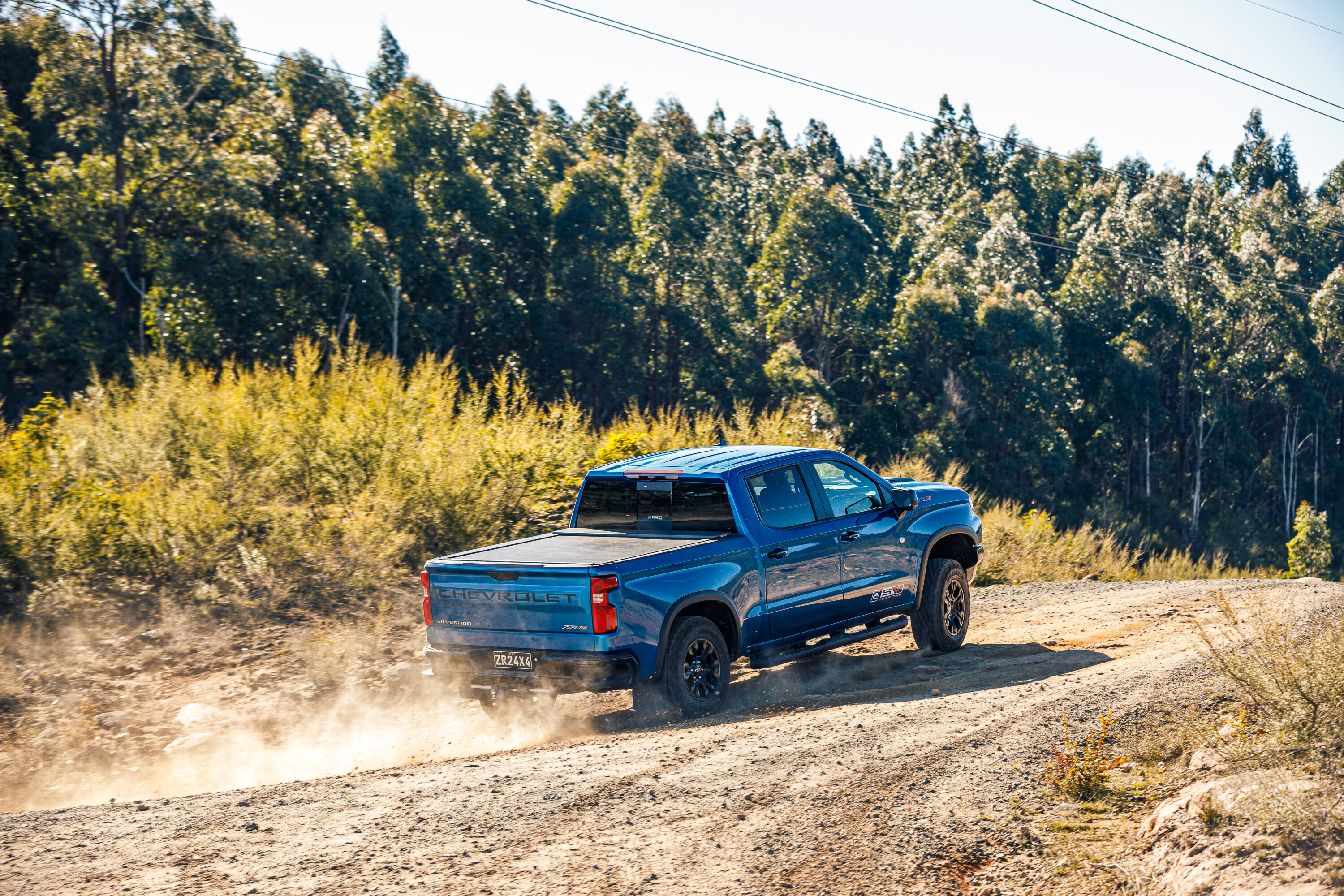
The V8 experience is intoxicating and leaves you wanting more, even if more is just a big-bore exhaust system to give that big V8 burble. Walkinshaw Performance, who does the left to right hand drive re-engineering on these Aussie-market Silverados, also offers such powertrain improvements for these vehicles.
The 10-speed automatic transmission does its thing without giving cause for comment; it’s unfussed when left to its own devices and easy enough to manually shift using the steering wheel-mounted paddles.
GMSV quotes an official combined fuel consumption of 12.2L/100km for the ZR2 while over our week of on- and off-road use it recorded a more realistic 16.4L/100km, which given the size and weight of the vehicle, and the performance on offer, we thought was very reasonable.
For off-road use the ZR2 has selectable front and rear locking differentials and multiple drive modes including one that acts like low-speed cruise control. The 4×4 system offers part-time 2WD and high- and low-range locked 4×4, plus all-wheel drive for general driving on any road surface.
LTZ Premium tow test
A lot of people buy these trucks for their towing capacity so we took this opportunity to sample it for ourselves.
For this part of the test we were in the Silverado LTZ Premium and our friends at Page Brothers RV loaned us a Jayco Silverline 24-foot caravan that came in at around 2800kg. The Silverline range from Jayco is a premium line of caravans offering luxury features and equipment to make touring a pleasure.
The first thing you notice when switching from the ZR2 Silverado to the LTZ is how low the latter is. Sliding in and out of it is more akin to the height of a sports car than a truck compared to the more off-road oriented ZR2.
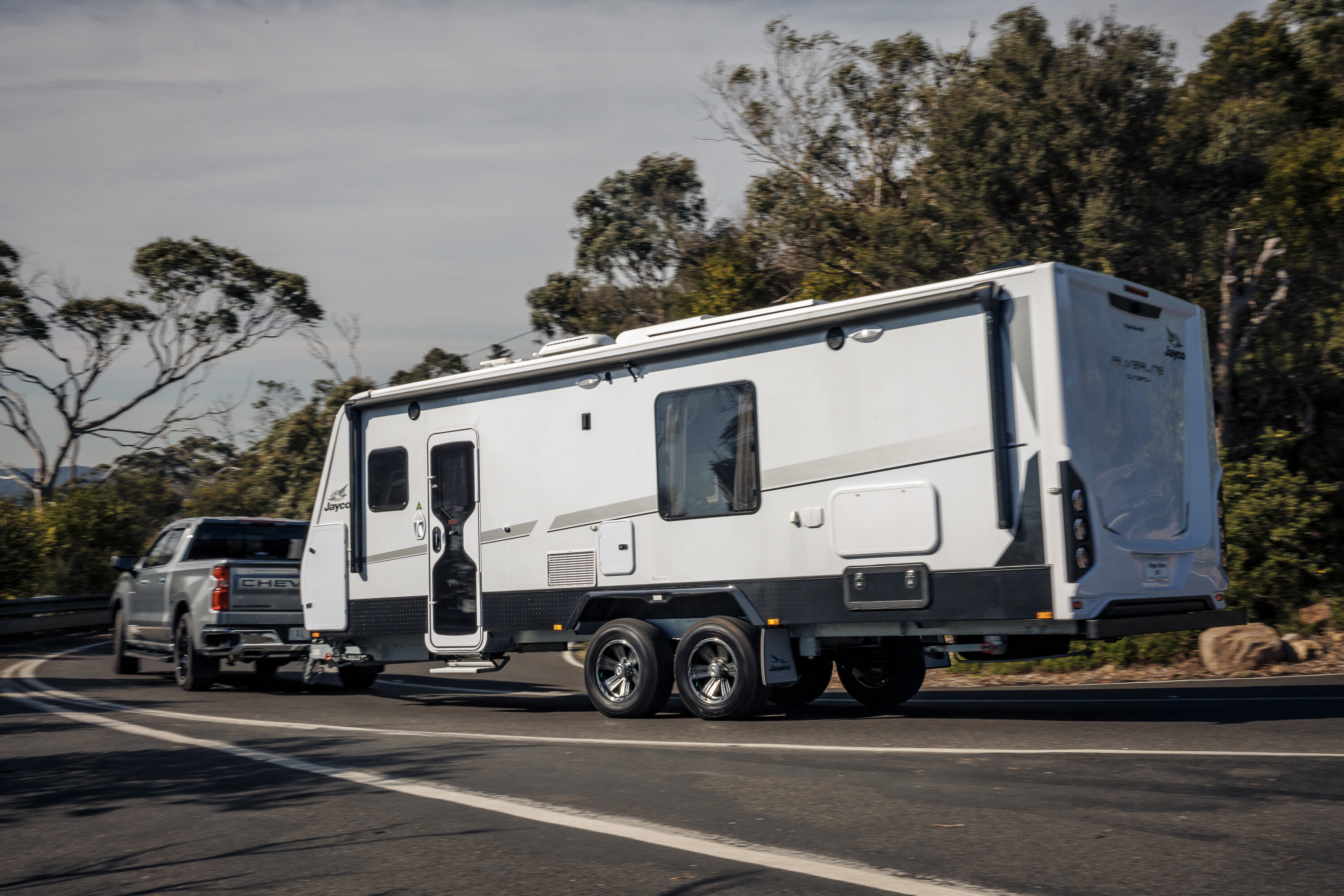
Inside the LTZ gets a couple more interior features such as a Bose sound system and powered sunroof, but essentially the cabins and equipment are the same. And as mentioned the powertrains are identical, but the LTZ’s lower suspension doesn’t benefit from the ZR2’s DSSV dampers.
Hooking the Jayco up to the Silverado at Page Brothers’ Moorabbin facility was made easy using the inbuilt trailer light checker and the standard integrated electronic brake controller. There was minimal drop in the rear and the weight on the back barely had any effect on the Chev when pulling out onto the highway.
The Silverado 1500s standard mirrors are quite small for a full-size truck and are not ideal for towing. Taller extendable mirrors such as those on the 2500 and readily available from the aftermarket would be better options when hauling a wide trailer like the Jayco Silverline.
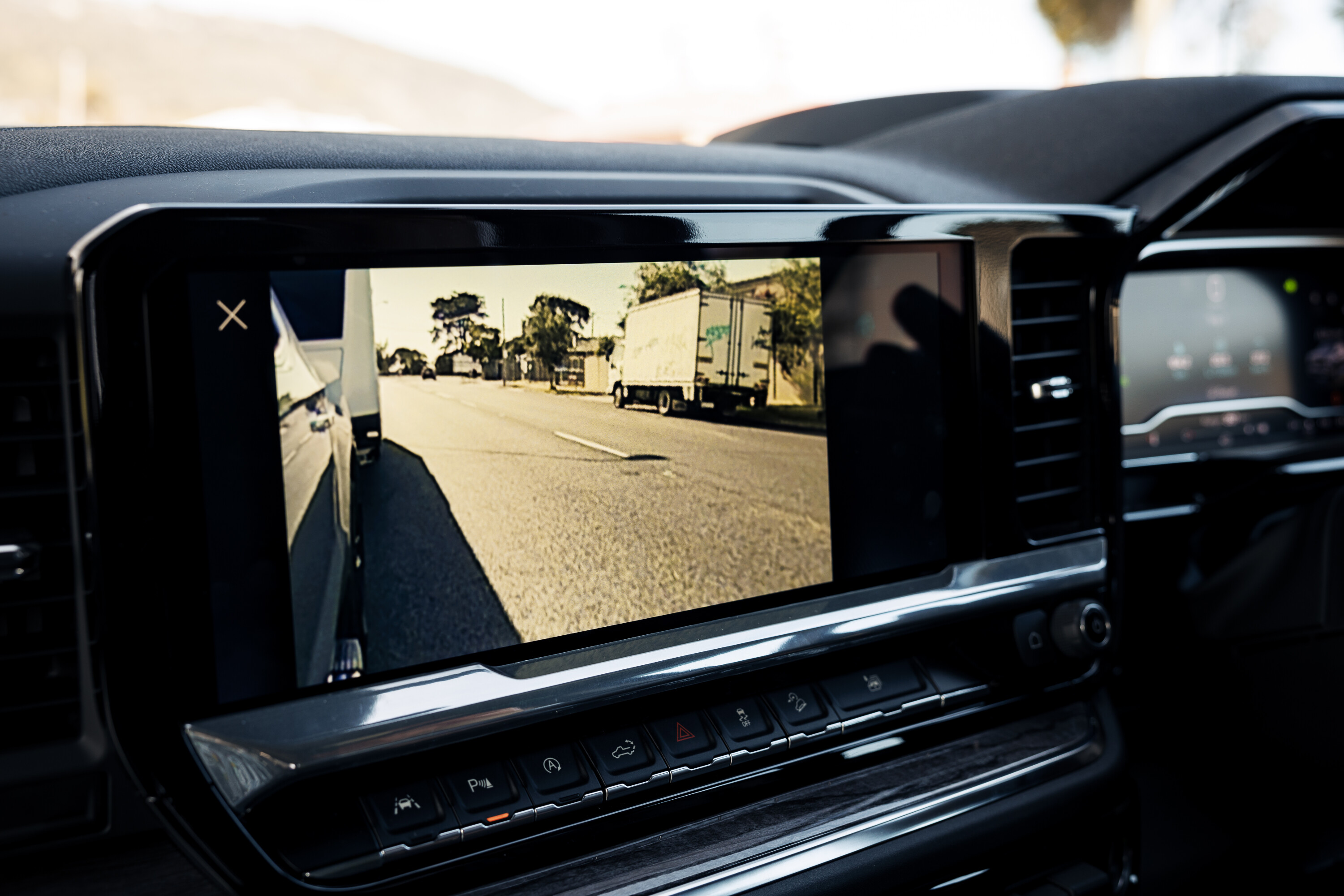
The view down the sides is made a bit easier when you engage the indicator and the side cameras display that side of the vehicle on the centre screen, virtually eliminating any blind spots. We found this more natural for left-side checks when you instinctively turn your head to look down that side of the vehicle and you spot the centre screen, rather than the right when you instinctively look to the right-side mirror.
The Silverado LTZ had no problems travelling at 100km/h when towing on the highway but it felt somewhat floaty over bumps and undulations. It would benefit from better quality shock absorbers than the ones fitted as standard, as evidenced by a brief tow test using the ZR2 in the past that revealed no such floatiness from the suspension.
We pulled the Jayco around for a morning covering around 170km of various roads and have to say that it did the job easily in terms of power, but could definitely benefit from a suspension upgrade if you were towing anything heavier than the Jayco we used.
Remember, you can tow up to 4500kg with the Silverado when using a 70mm tow ball, but we think the standard LTZ suspension would struggle with this mass. The fuel consumption over our towing loop was 22.7L/100km.
We owe a special thanks to the team at Page Brothers RV for the loan of the Jayco Silverline. I have to admit that at one point I was tempted to take off on an extended trip as we sat there in the morning sun with the van hitched up to the Silverado.
Weights and payloads
While these full-size pick-up trucks are nice and big and able to tow heavy trailers, the payloads in the 1500-class are relatively small, and certainly not what you would expect of their massive cargo and passenger compartments.
The ZR2 has a 771kg payload, a 3300kg GVM and 6851kg GCM. Hook up a trailer weighing close to the 4500kg limit you can haul, (when using a 70mm tow ball) and you barely have enough capacity left to put a driver behind the wheel, let alone any passengers or cargo.
The aftermarket fix comes from a GVM and GCM upgrade, and Queensland’s Rambler Vehicles teamed up with Touring Solutions Australia to develop a suitable kit that gives the Silverado 1500 an approved at 4499kg GVM and a 8999kg GCM.
To achieve the higher capacities, a heavier duty suspension package was developed using a kit from Rough Country. The suspension upgrade includes Rough Country’s premium Vertex 2.5-inch, adjustable remote reservoir shocks, struts and upper control arms at the front, and a rear leaf pack from EFS with airbags for load management.
While this upgrade is a godsend for anyone wanting to haul heavy roads with these trucks, the catch for ZR2 owners is that you would lose the excellent Multimatic suspension if you fitted the GVM upgrade kit; not that there’s anything wrong with the suspension in the upgrade kit. But it would certainly be a massive improvement to an LTZ, whether towing or not.
2023 Chevrolet Silverado ZR2 specs
| Engine | 6.2L V8 |
|---|---|
| Max power | 313kW |
| Max torque | 624Nm |
| Transmission | 10-speed automatic |
| Transfer case | Dual range with electronic selectionu00a0 |
| Suspension | ZR2 package |
| Kerb weight | 2583kg |
| GVM | 3300kg |
| Payload | 717kg |
| Towing capacity | 3500kg (50mm ball); 4200kg (70mm ball) |
| Fuel tank capacity | 91Lu00a0 |
| Departure angle | 23.3 degrees |
| Rampover angleu00a0 | 23.4 degrees |
| Approach angleu00a0 | 31.8 degrees |
| Ground clearanceu00a0 | 296mmu00a0 |
| Price | $133,000 + on-road |
2023 Chevrolet Silverado LTZ Premium specs
| Engine | 6.2L V8 |
|---|---|
| Max power | 313kW |
| Max torque | 624Nm |
| Transmission | 10-speed automatic |
| Transfer case | Dual range with electronic selectionu00a0 |
| Suspension | Z71 off-road package |
| Kerb weight | 2543kg |
| GVM | 3300kg |
| Payload | 757kg |
| Towing capacity | 3500kg (50mm ball); 4500kg (70mm ball) |
| Fuel tank capacity | 91Lu00a0 |
| Departure angle | 21.0 degrees |
| Rampover angleu00a0 | 20.0 degrees |
| Approach angleu00a0 | 21.0 degrees |
| Ground clearanceu00a0 | 228mmu00a0 |
| Price | $128,000 + on-road |
Snapshot
- Nissan exploring u2018lightu2019 electric ute
- Could use battery-only, plug-in hybrid, E-Power hybrid power
- Key challenges remain for electric utes
Nissan is exploring a ‘light’ electric ute that could debut after 2030.
According to Automotive News [↗], as automakers from General Motors, Ford and Rivian launch electric pickups in North America, Nissan wants to compete, too.
The Japanese company – most famous in the EV space for the Nissan Leaf hatchback – is reportedly considering a full battery-electric, plug-in hybrid, and even its E-Power series hybrid system for the electric ute.
As it has done with the platform-sharing X-Trail medium SUV, Nissan could also tap into its alliance with Mitsubishi and Renault.
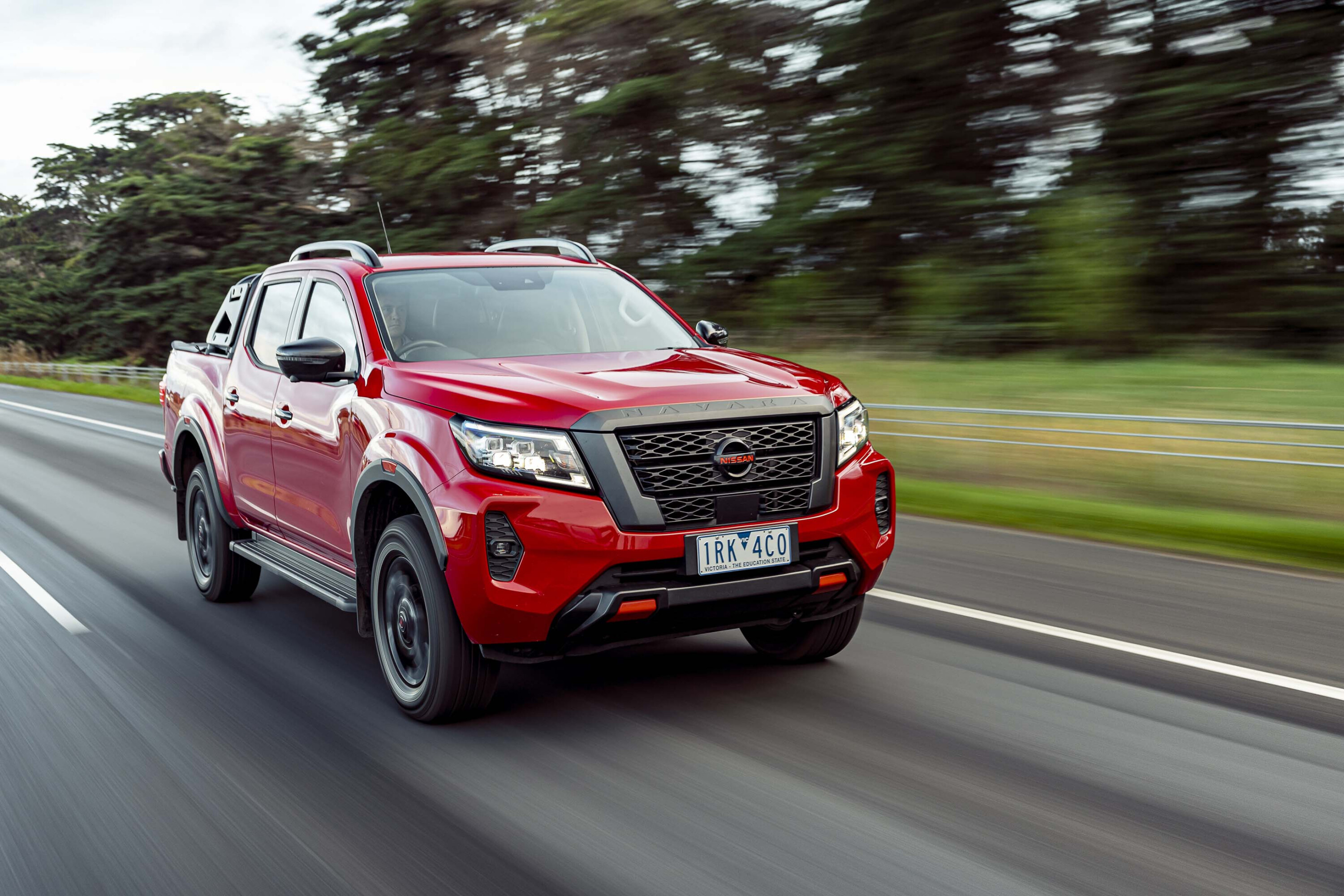
Nissan dealer board chairman Tyler Slade said the automaker will aim to be in the ‘affordable’ US$40,000 (AU$63,000) range, rather than competing with the more premium Rivian R1T and Tesla Cybertruck.
For now, Nissan’s global product strategy and planning head Ivan Espinosa said the company will prioritise introducing electric SUVs first, as hinted by its ‘Hyper’ concepts.
“We are looking at electrifying many segments… The key here is to read the customer requirements accurately and jump on the wave at the right moment,” said Espinosa.
“The good thing is we have this diversity of technical offerings to match with the customer requirements.”
Currently, Nissan’s electric offerings only include the Leaf hatch and Ariya SUV globally.
The electric ute challenge
As automakers look to electrify their ute offerings, key challenges remain.
Besides the marketing barrier to convince diesel ute buyers to make the switch, battery-electric utes simply can’t offer the same driving range (especially when loaded), payload and towing capabilities today due to large and heavy battery packs.
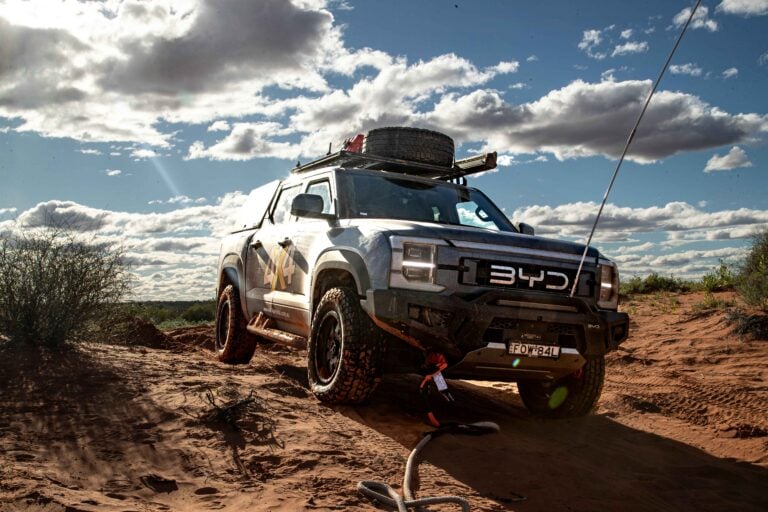
The Australian distributor of BYD electric cars, EVDirect, has even opted to sell a unique hybrid powertrain first when the BYD Ute lands by the end of 2024, followed by an all-electric battery-powered version about a year later.
“We want vehicles that Australians can actually afford,” EVDirect chief executive Luke Todd previously told 4×4 Australia.
“The reality is a full EV ute at the moment would be over $100,000 just of the battery size, to power, to get enough range.”
For context, the only new electric ute on sale in Australia is the two-wheel-driven LDV eT60.
It is priced from $92,990 before on-road costs with up to 330 kilometres claimed WLTP range, 1000kg maximum payload with a 100kg towball download, and 1000kg braked towing capacity.
Full disclosure: I’ve never driven a ‘soft-roader’ SUV in my life.
I’ve spent my personal and professional life driving four-wheel-drives, and four-wheel-drives alone. Yet, I’ve always been curious to see just how far you can take an SUV off-road. Can the lack of low-range gearing and diff locks be overcome with clever traction control systems and modern technology?
The opportunity to conduct this experiment presented itself when we found ourselves with a Mitsubishi Pajero Sport and Mitsubishi Outlander in our test fleet at the same time.
The only logical thing to do was to grab a photographer to document the occasion as well as new Wheels Media teammate John Law, and head for the hills with both vehicles. Here’s my summary of how the two performed off-road – spoiler alert, the results probably won’t surprise you…
(Psst, when you’re done here, get into John’s on-road comparison.)
JUMP AHEAD
The basics
| Outlander | Pajero Sport | |
|---|---|---|
| Power & torque | 135kW / 245Nm | 133kW / 430Nm |
| Gearbox | CVT auto | 8-speed auto |
| Weight | 1760kg | 2080kg |
| Fuel/tank | 91 RON / 55 litres | Diesel / 68 litres |
| Economy | 9.2L/100km (tested) | 8.8L/100km (tested) |
| Approach angle | 18.3u00ba | 30u00ba |
| Departure angle | 22.2u00ba | 24u00ba |
| Ground clearance | 210mm | 218mm |
| Weight | 1760kg | 2080kg |

Mitsubishi Outlander off-road
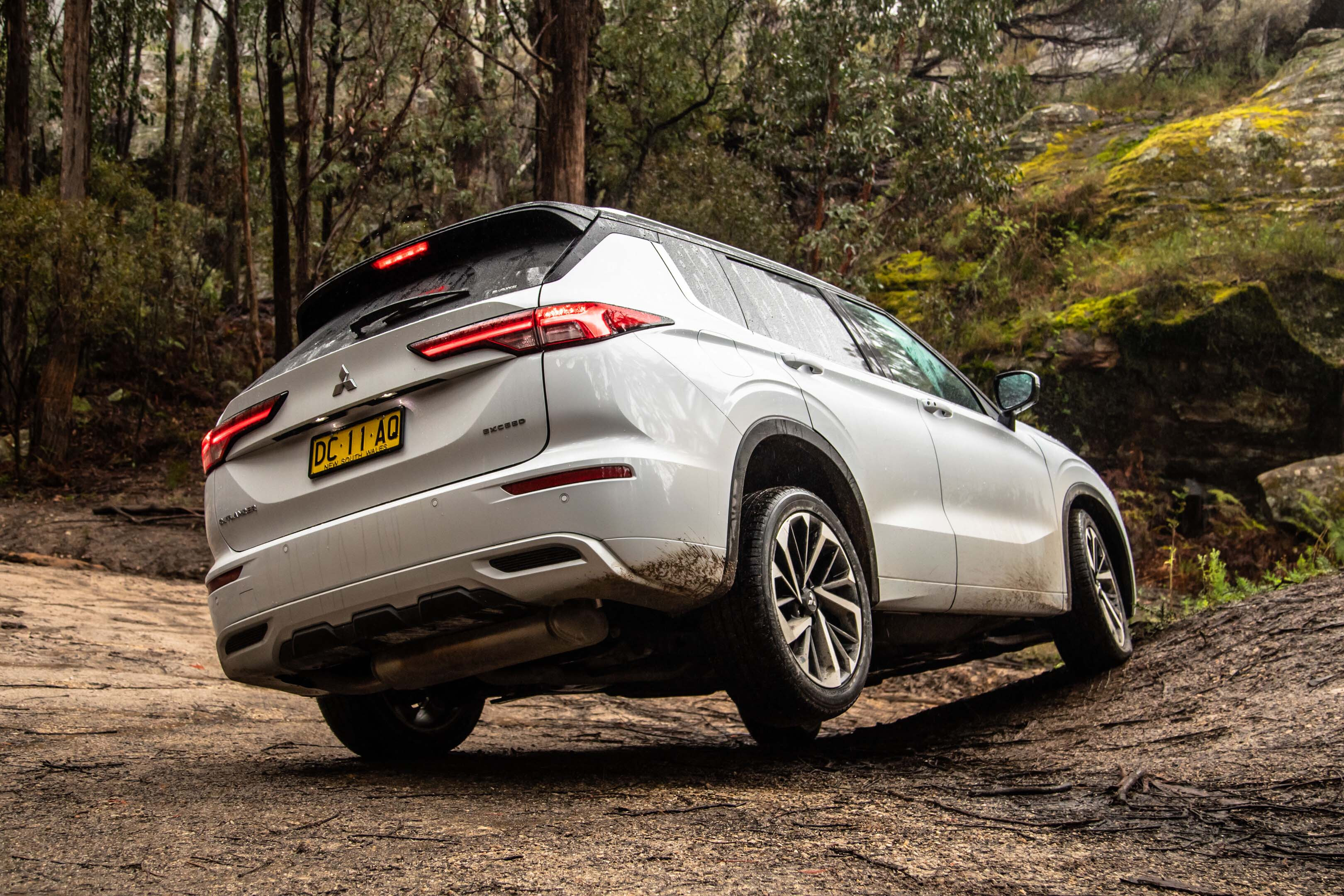
Straight up, the ground clearance – in particular the approach angle of the Outlander – is what will catch you out first.
Even on mild tracks to get to tougher sections, I had to drive at a snail’s pace to avoid damaging the front end of the Outlander.
Next, the suspension isn’t suited to corrugated dirt roads as it simply doesn’t offer enough suspension travel to absorb bumps in a controlled manner; it also rides quite firm.
Speaking of suspension travel, there’s not much down travel in particular, with the Outlander picking up a wheel without effort. In some ways it was fun as even simple obstacles required a bit of thought on how to best attack them.
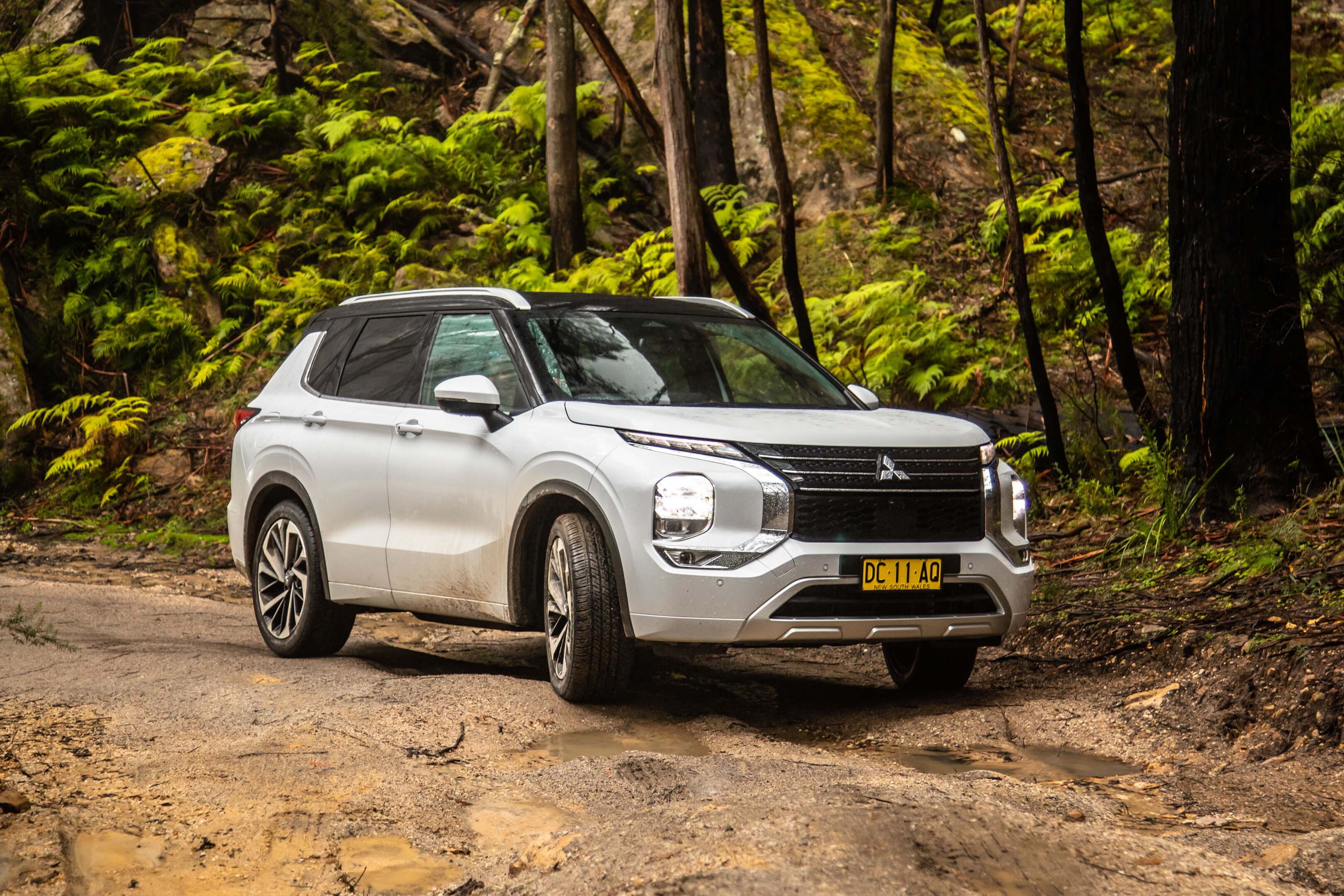
It’s clear to see this also offers a sportier ride on-road compared to the Pajero Sport, which is softly sprung in comparison. Which ride you prefer will be up to your individual taste, but for me I prefer a softer ride especially on poorly maintained roads and on the dirt.
Hill Descent Control in the Outlander is not terribly effective; you can hear it working but it’s no match for the low-range reduction gearing found in the Pajero Sport. Off-road traction control modes seem to mainly alter throttle response, as they are all loose-traction surfaces ie gravel mud sand and snow. It’s nice to see they are there, though, and will provide a confidence boost to those new to off-road driving.
In terms of positives, the turning circle of the Mitsubishi Outlander is fantastic, which makes picking a suitable line off-road much easier. Braking feel is also first rate, as is the interior design which I really liked.
Pajero Sport off-road
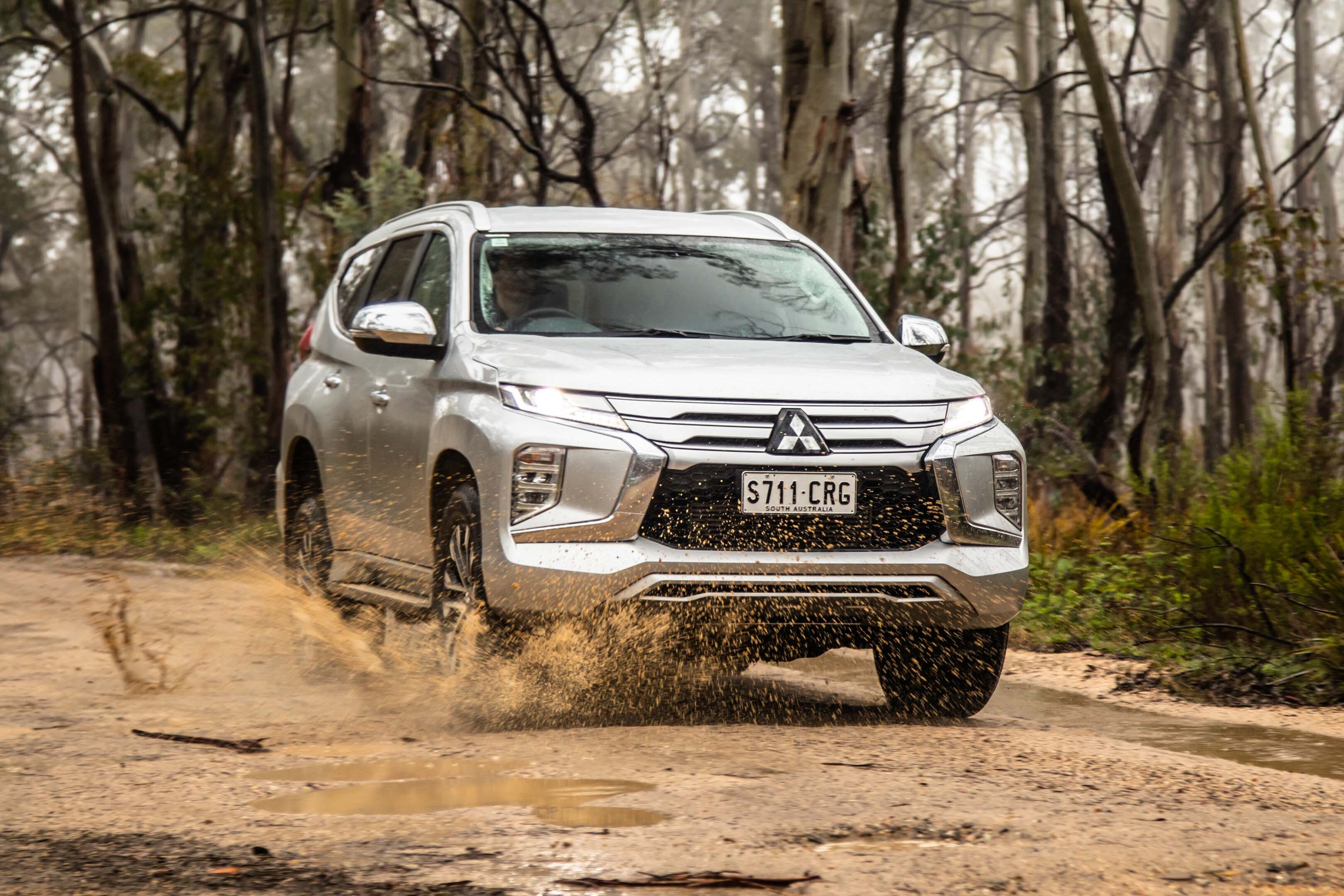
The Pajero Sport is a little tractor when it comes to off-road work, with excellent low-range gearing reduction.
While the traction control system isn’t class leading, it proved effective on our test drive, as well as the inclusion of a rear differential lock that boosts off-road capability significantly.
Ground clearance on the front end is a limiting factor with the Pajero Sport, however it is nice to see the front is protected by factory fitted bask plates, which took impacts in their stride.
Rear suspension travel is decent thanks to the solid rear axle and coil springs, however the front end felt like it offered significantly less wheel travel, with a more road-biased suspension tune. It’s a compromise many people will be happy with, as this is a vehicle that is suited to daily duties as well as being an adventure machine.
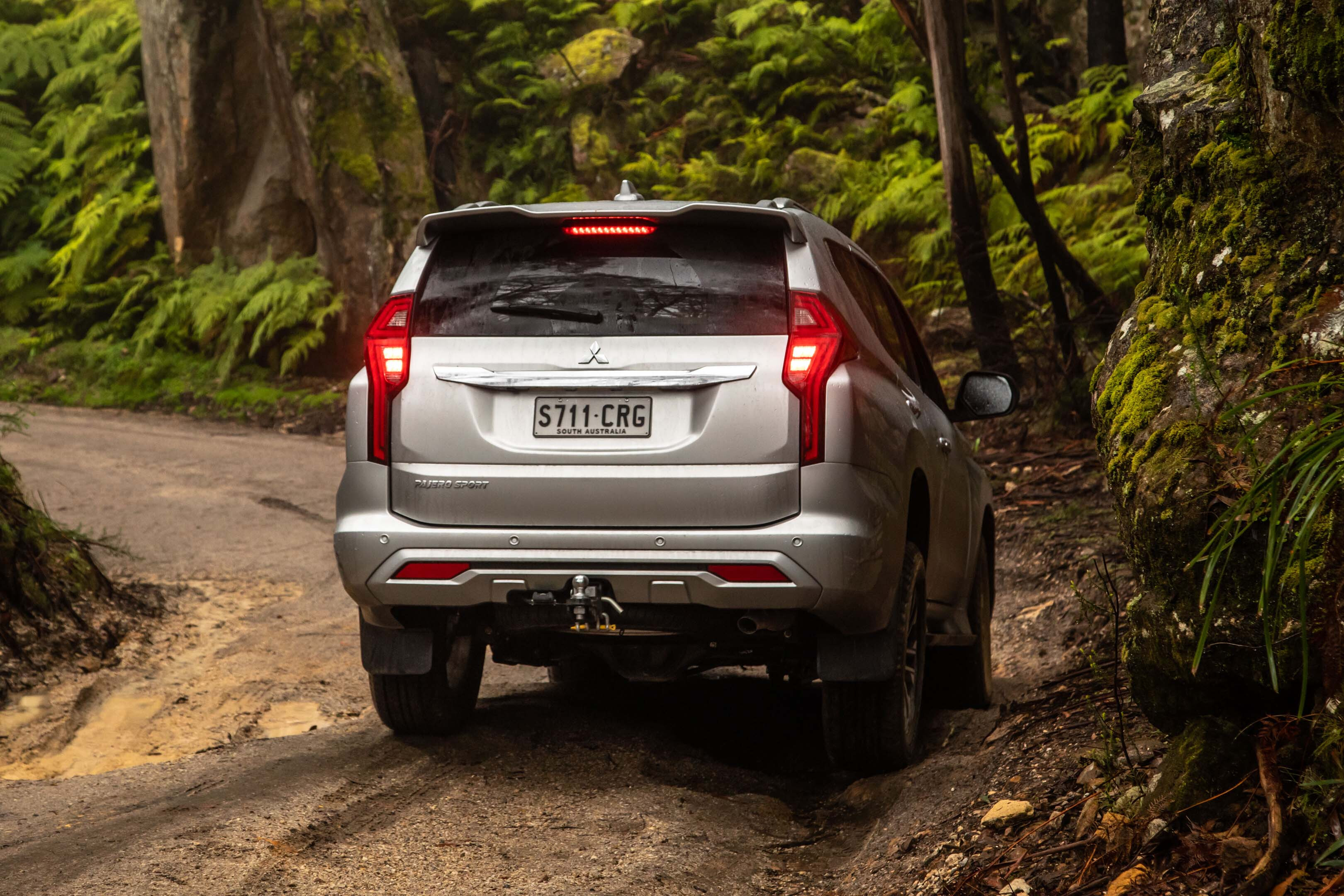
The 2.4L turbo-diesel engine found in the Pajero Sport is lumpy at idle (well, it’s a diesel, after all) but very tractable in low-RPM settings. You are able to inch forward in low-range four-wheel drive with plenty of control.
We found ourselves in one particular spot where the front wheel of the Pajero Sport lifted ridiculously high, but the vehicle just kept climbing, easily making its way to the top of the track, with the only issue being a slight tap on the front bumper.
In comparison, the Outlander couldn’t make it to the summit – spinning opposing wheels while the traction control system cut power to the vehicle without making forward progress.
VERDICT: Off-road conclusion
It’s an easy call for me to make – and it was a foregone conclusion, really – because I will use the additional capability of the Pajero Sport off-road. It is a much more capable vehicle than the Outlander.
But who is the Outlander for? Who should buy it?
I see it as being a vehicle to drive to the snow once a year and, of course, use as a family vehicle during the week. Mild dirt road driving is definitely in its wheelhouse, so if you want to go camping in a National Park, it should be up for it – if you take it easy.
I wouldn’t want to take it on soft sand, though, as it just doesn’t have the ground clearance.
Basically, if you are ever planning on heading to, say, Fraser Island, buy the Pajero Sport. If you are only planning on a snow trip or run through a dirt road to get to a nice camping spot, have a spin of the Outlander.
For me, the Pajero Sort is a much more versatile vehicle, and is the one I’d be spending my money on. But I’m glad I can now say I’ve tried a contemporary SUV.

The Victorian High Country is one of those must-visit destinations that should be near the top of any four-wheel driver’s bucket list.
Not only does it deliver spectacular scenery, unforgettable campsites, a rich history of mountain life and legends, and seemingly endless tracks through the steepest terrain, but just about all of it is free for you to roam and camp in. It’s no wonder it’s one of our favourite destinations for a weekend get-away or an extended stay.
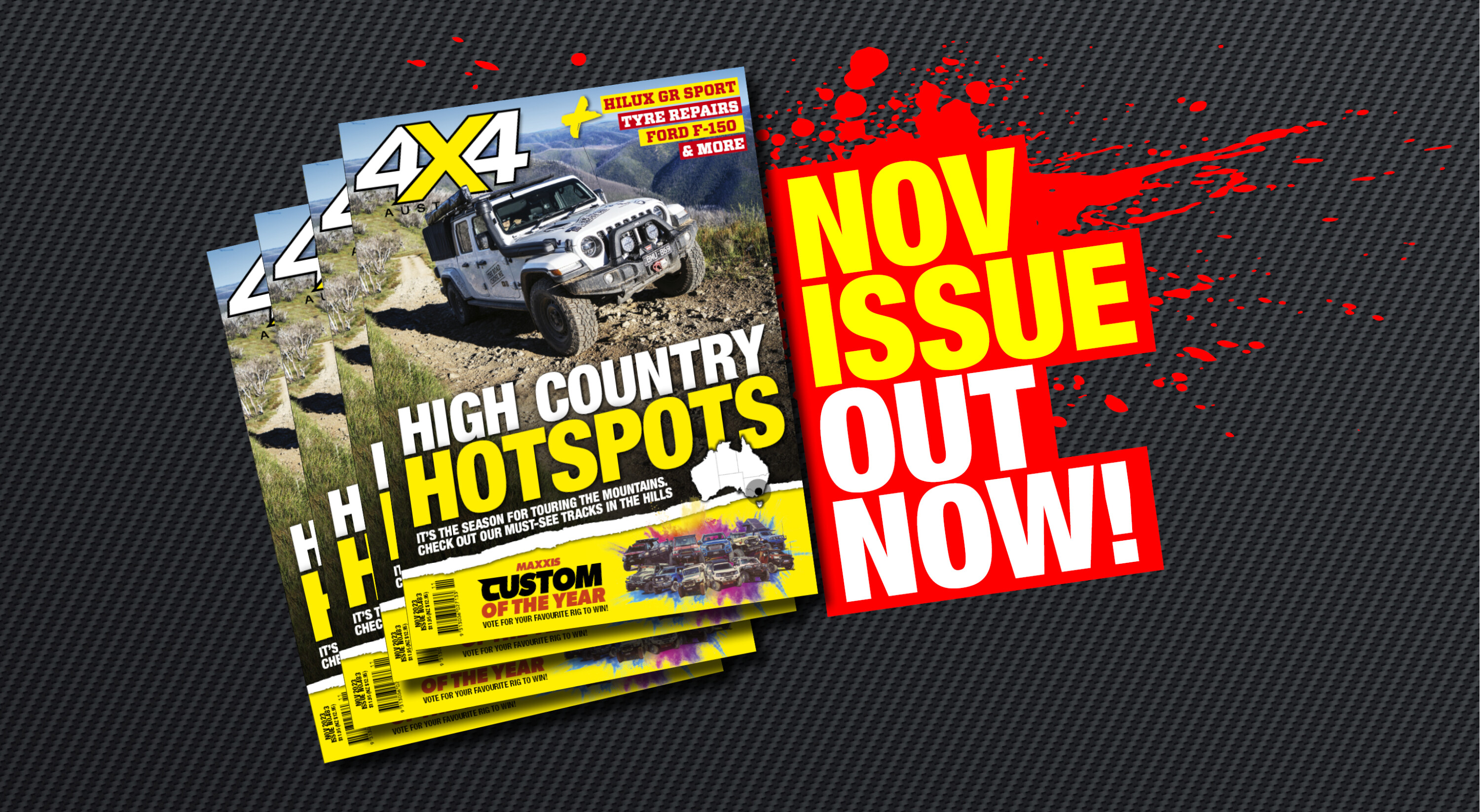
If you haven’t already got yours, grab a copy of the November 2023 edition of 4X4 Australia magazine to discover some of our favourite High Country locations.
Each year in November the tracks of the High Country reopen after being closed for the winter, and it’s time to get back up to the Alps and explore the tracks in your 4×4.
Buller Road Brewery is in Mansfield, in the foothills of the High Country, making it the perfect place to stop and fill up the car fridge before heading to your campsite.
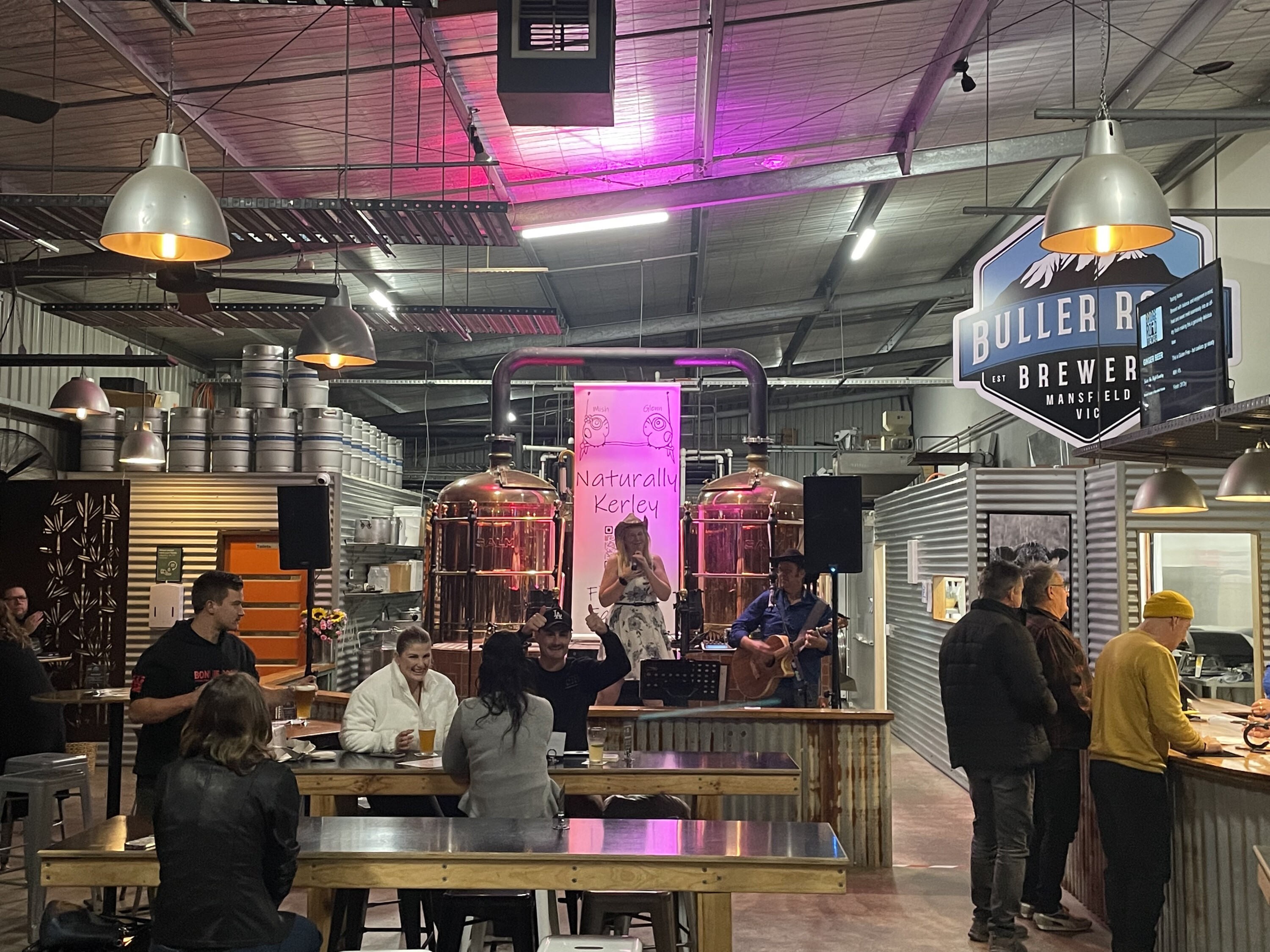
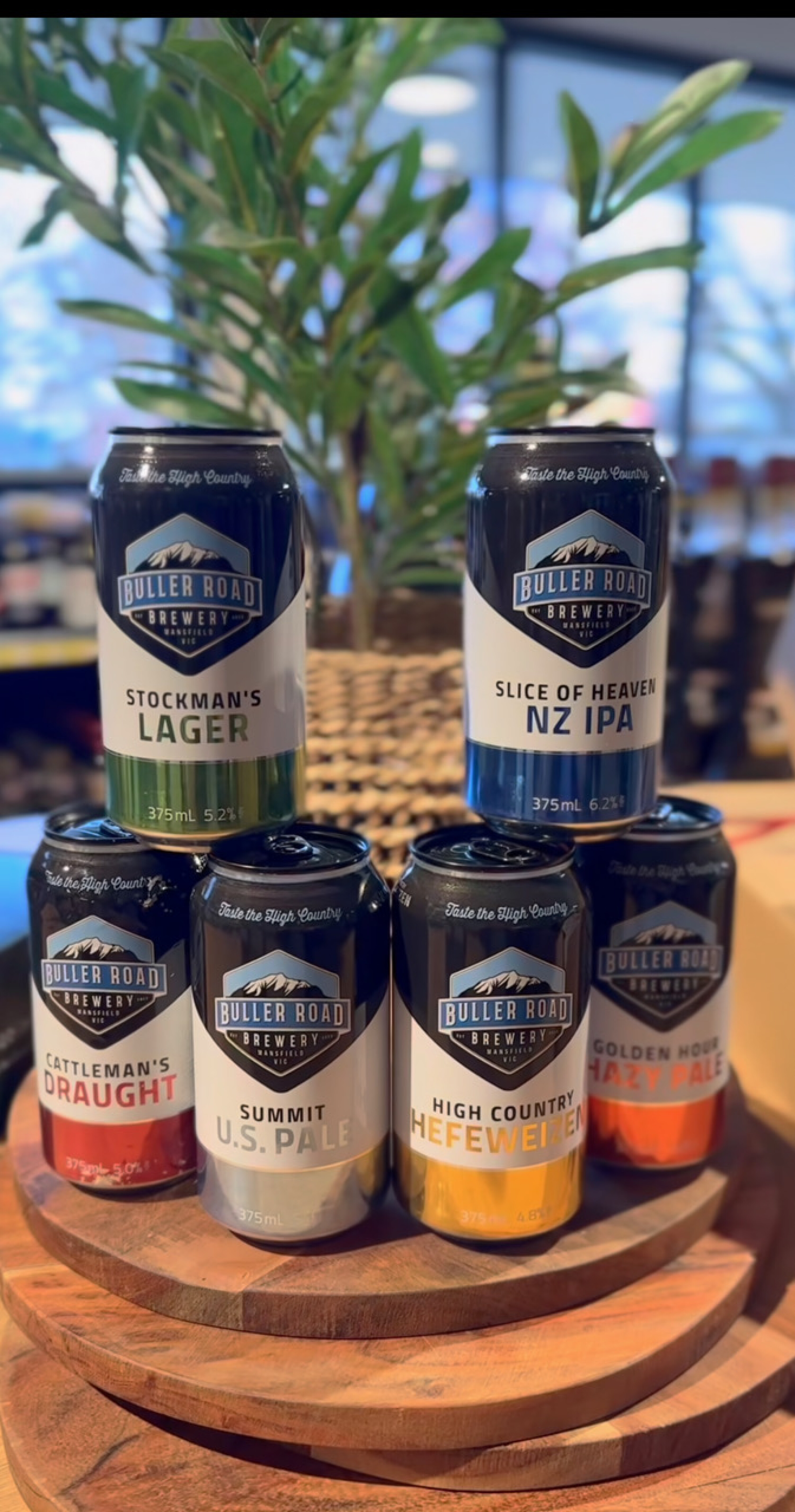
The team at Buller Road Brewery brew all their beers on site and have a fine range available on tap, as well as delicious bar food. Using only the best ingredients they produce a range of lagers, draughts, pilsners, pale ales and craft beers that truly capture the taste of the High Country.
To mark the opening of the High Country tracks, Buller Road Brewery has four cases containing a selection of its signature brews up for grabs. All you have to do to be eligible to win one of these cases is send us a photograph of your High Country 4×4 adventures.
On November 12 , renowned High Country photographer Emily McCormack will select the four photos that best capture the essence of the High Country, and the team from Buller Road will be in touch to send out your prize.
Follow Buller Road Brewery on social media and plan a stop there on your next High Country trip.
For a chance to win a case, add your pics to this post on our Facebook page and tag a few friends you intend to share the brews with.
*You must be at least 18 years of age to enter this competition.
Throw a caravan or camper trailer behind your HiLux and rear visibility will be extremely limited.
There’s not much you can do about the rear-view mirror, but you can certainly upgrade your side mirrors with a set of quality towing mirrors to increase visibility for the driver and ease manoeuvrability.
With many different types of towing mirrors on the market, there’s bound to be a mirror that suits every HiLux owner, and we’re here to help you pick the right one.
- What it is: Towing mirrors that replace the OE mirrors are larger and can be adjusted for width, so you can use them with wider caravans and trailers.
- Why you need it: To stay legal and safe, otherwise you’ll have dangerous blind spots when towing wide trailers. Government guidelines state the driver is required to see 20 metres past the widest point of the towed vehicle.
- Buying tips: Keep in mind the functionality of your factory mirrors, as quality replacement mirrors will include the same functions. You can buy cheaper clip-on mirrors, but they’re simply not as functional as replacement mirrors and don’t provide the same level of visibility. Add to this they will bounce or vibrate and can be easily forgotten or stolen.
JUMP AHEAD
| Mirrors per side | Extendable | Powered | |
|---|---|---|---|
| Clearview | 1-2u00a0 | Yes u2013 3 position | Yes |
| MSA | 1 | Yes u2013 4 position | Yes |
| OCAM | 2 | Yes | Yes |
Clearview towing mirrors
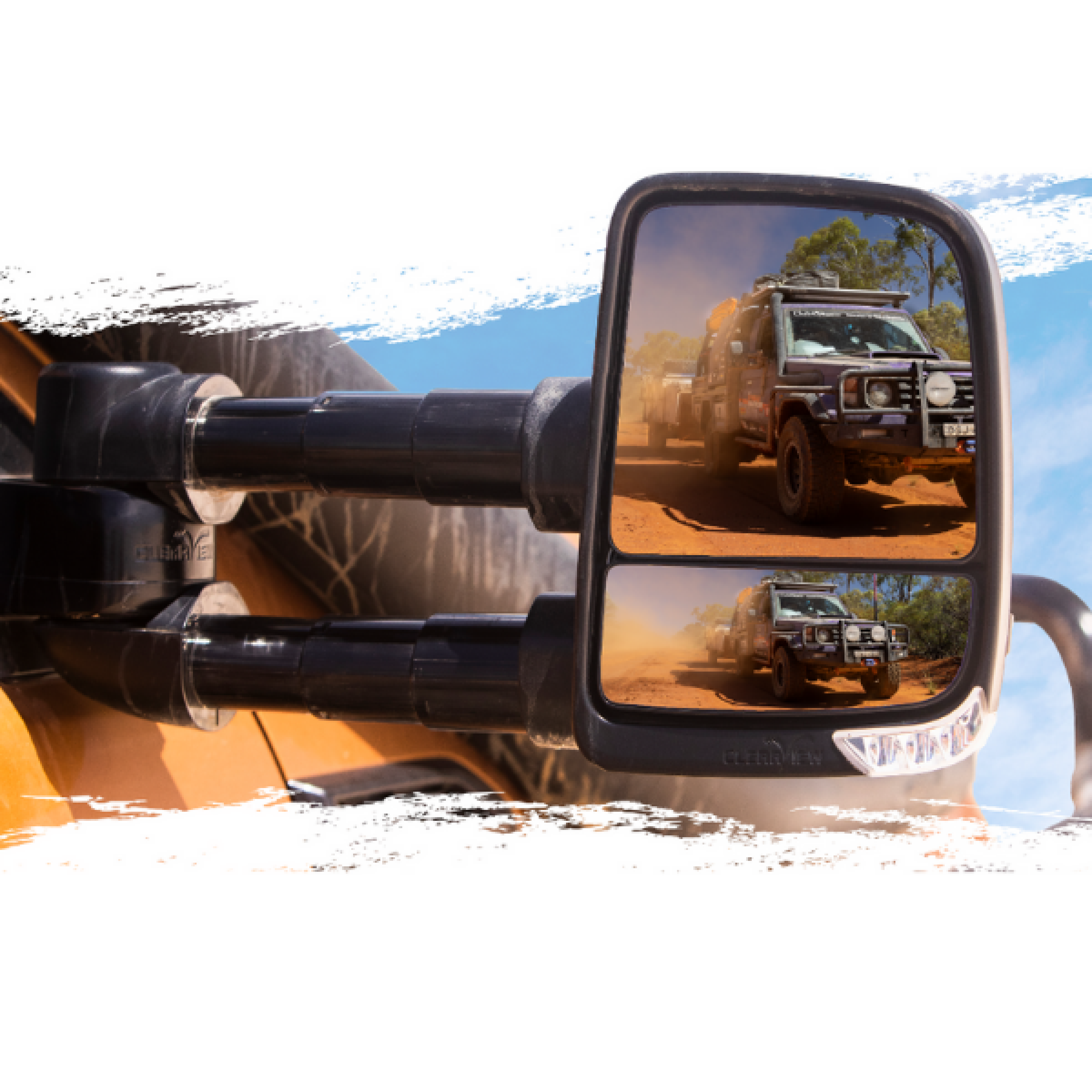
Clearview Accessories has a few different options: Compact; Original and Next Gen. The Compact mirrors are designed to be a comparable size to OEM mirrors and include a single mirror per side. Original and Next Gen mirrors are taller and include a flat mirror and convex mirror on each side. Both types have three levels of extension. Compact models are recommended for vehicles with large canopies or for towing anything under 15ft.
Specifications
- Mirrors per side: 2 (one flat, one convex)
- Extendable: Yes, 3 position
- Powered: Yes
Pros
- All three mirror types include powered options and indicators
- Two-part mirror on Original and Next Gen for increased visibility
- Raw finish option for those who want to colour-code
Cons
- N/A
MSA 4X4 towing mirrors
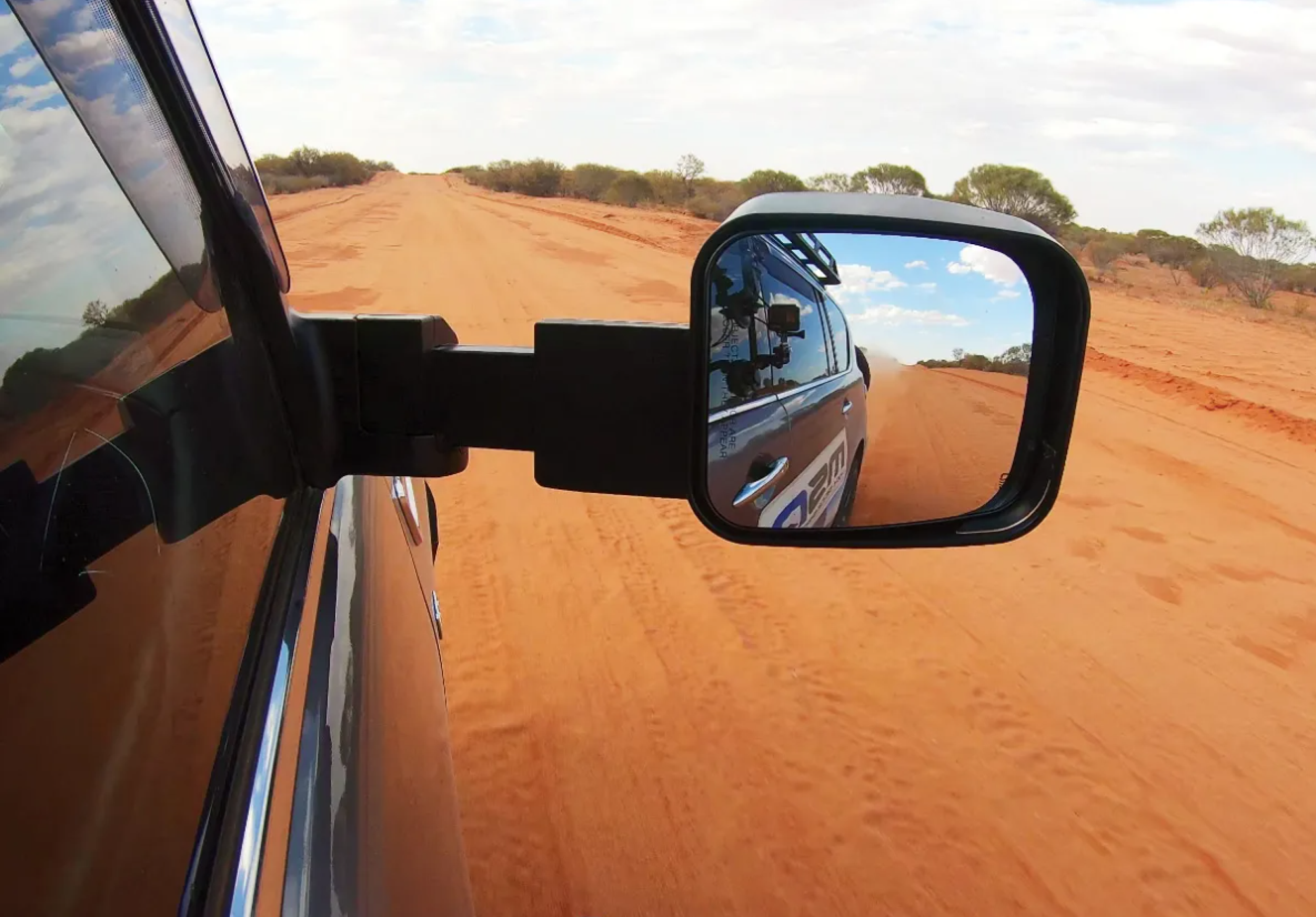
MSA 4X4’s patented, SEMA award-winning Towing Mirrors feature a large single mirror that pivots on a heavy-duty extension slide and allows the mirror to extend when towing and return to a normal driving position when not towing. Featuring four extension positions and a unique pivoting design, these mirrors are highly versatile.
Specifications
- Mirrors per side: 1
- Extendable: Yes, 4 position
- Powered: Yes
Pros
- Includes powered options and indicators
- Market-leading five-year warranty
- Unique pivot design
Cons
- Only the single option, so missing some functions of competitors
OCAM towing mirrors
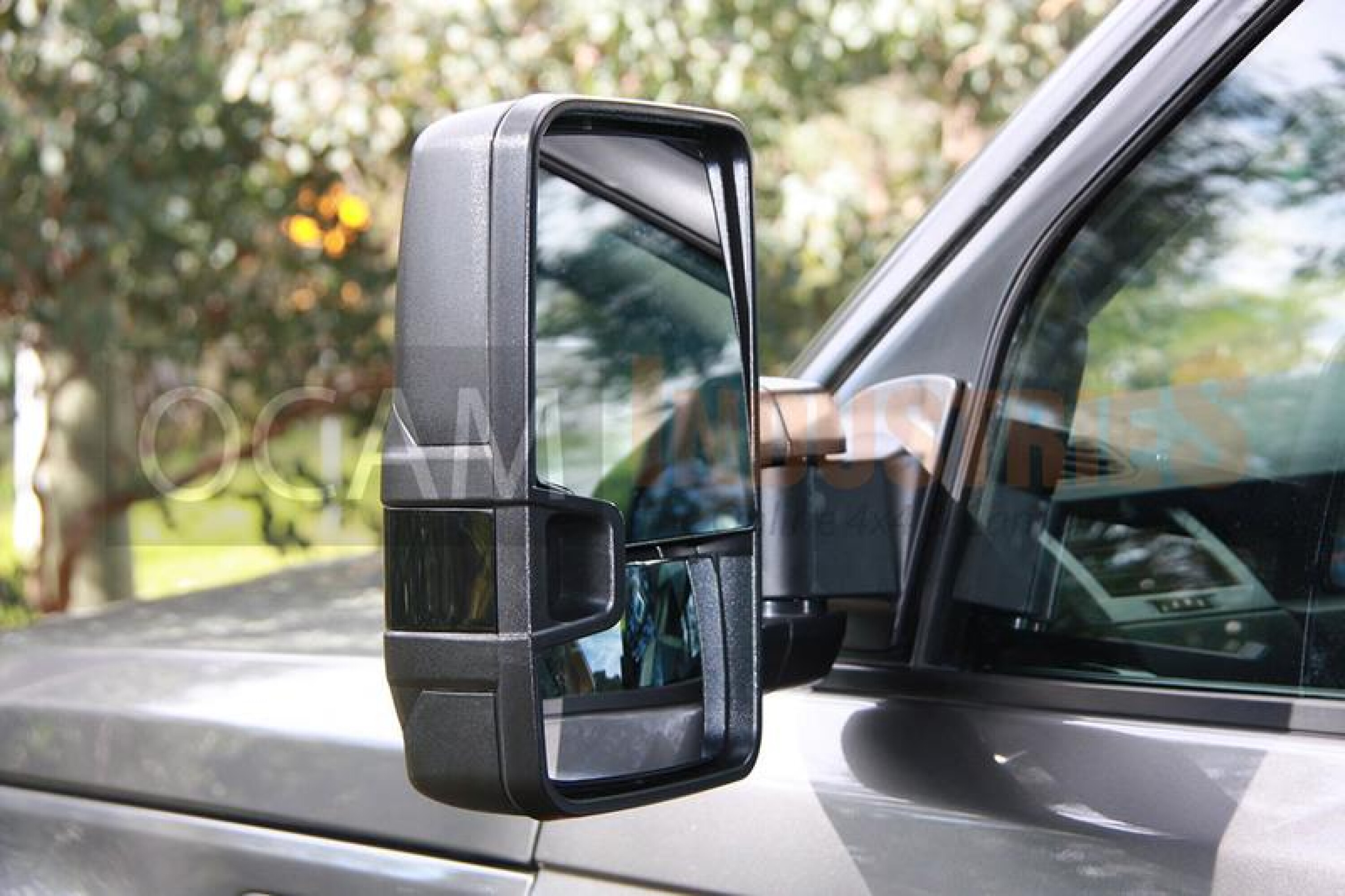
A budget option without losing too much functionality over competitors. These mirrors feature a two-mirror-per-side design for fantastic visibility and extend a whopping 200mm compared to OEM mirrors. These mirrors come in a black or chrome finish and include indicators.
Specifications
- Mirrors per side: 2 (one flat, one convex)
- Extendable: Yes
- Powered: Yes
Pros
- Bargain pricing
- Two-part mirror for increased visibility
- Huge 200mm extension over OEM
Cons
- Fewer positions than competitors
How we review products
4X4 Australia has been reviewing four-wheel drive vehicles and aftermarket products for more than 40 years.
When looking for the best accessories for your make and model of 4WD, there are some things essential to making sure you have the best off-roading experience.
When we compare products, here are some of the things we consider:
- Warranty
- Build quality
- Value for money
- Time and ease to set-up/install
- Weight
- Fit and finish
- How well it gets the job done
- What materials they’re made from
- Corrosion/UV resistance
- Coatings
- Compatibility with other accessories
- Compliance with ADRs and vehicle safety systems
- Country of manufacture
- Load ratings, to determine what’s the best product across each price point.
Disclosure: When you buy through our links, we may earn a commission. We also include products that we do not earn a commission from.