Advice


Gallery 1
For most 4WD owners, NB2 is irrelevant.
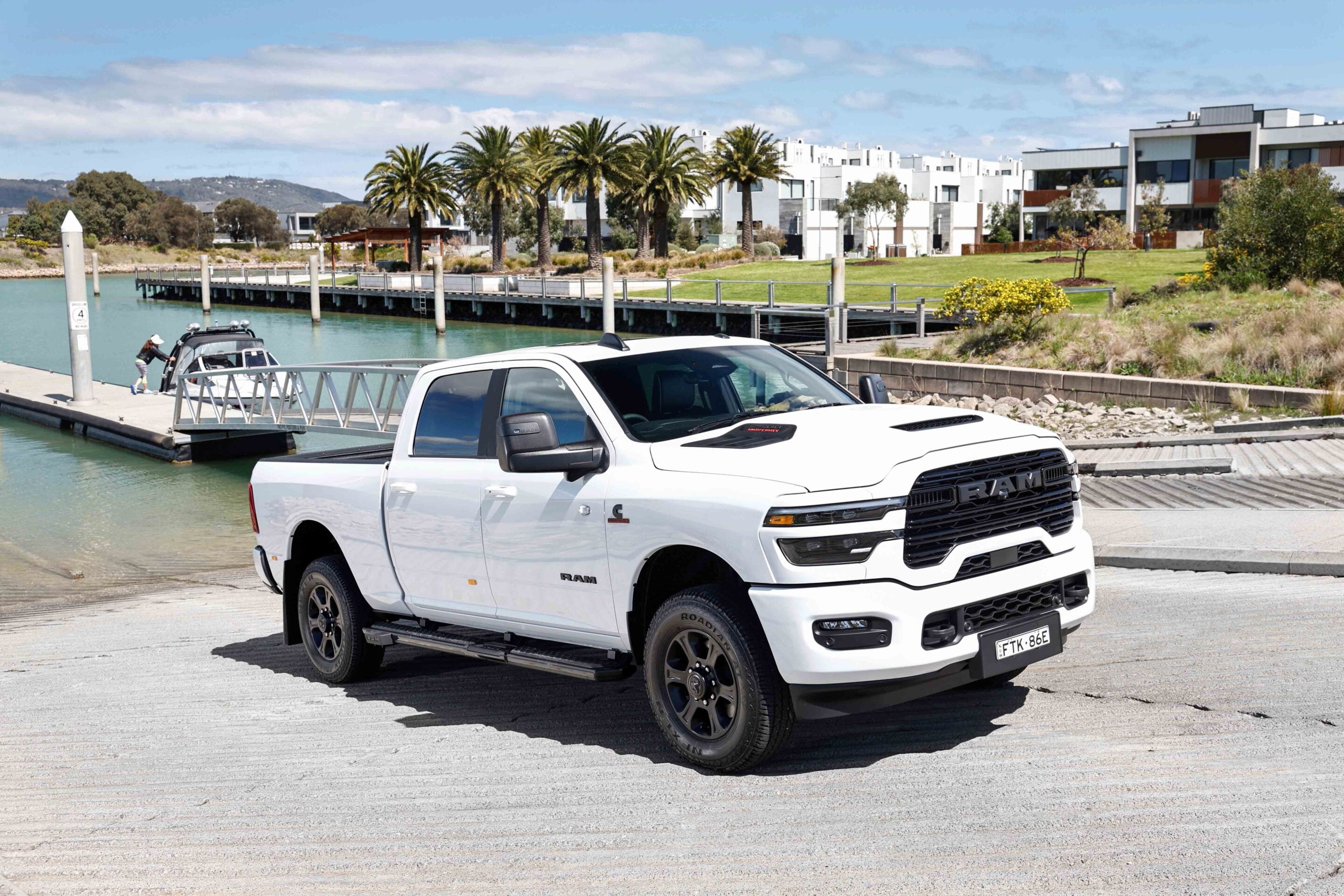
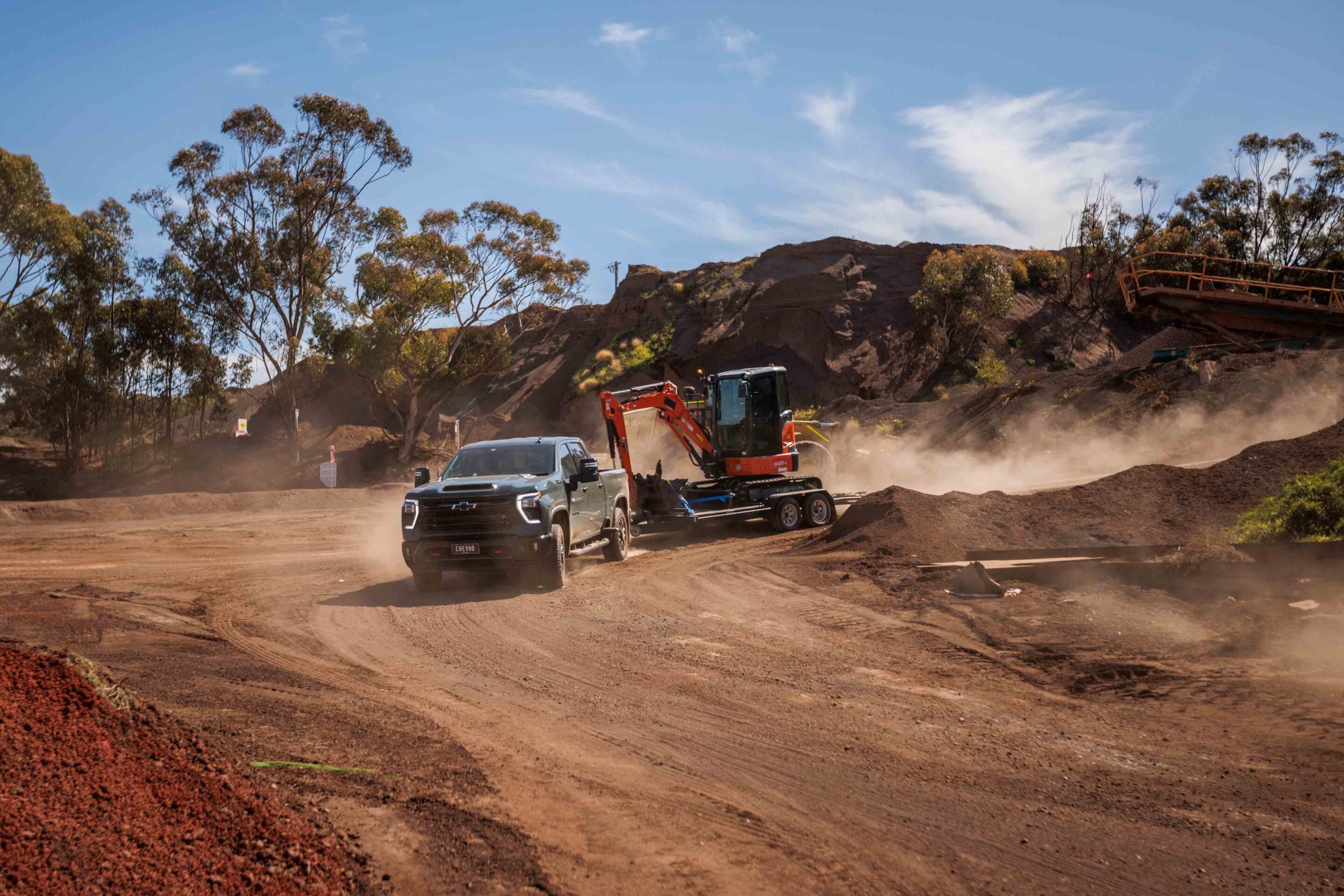
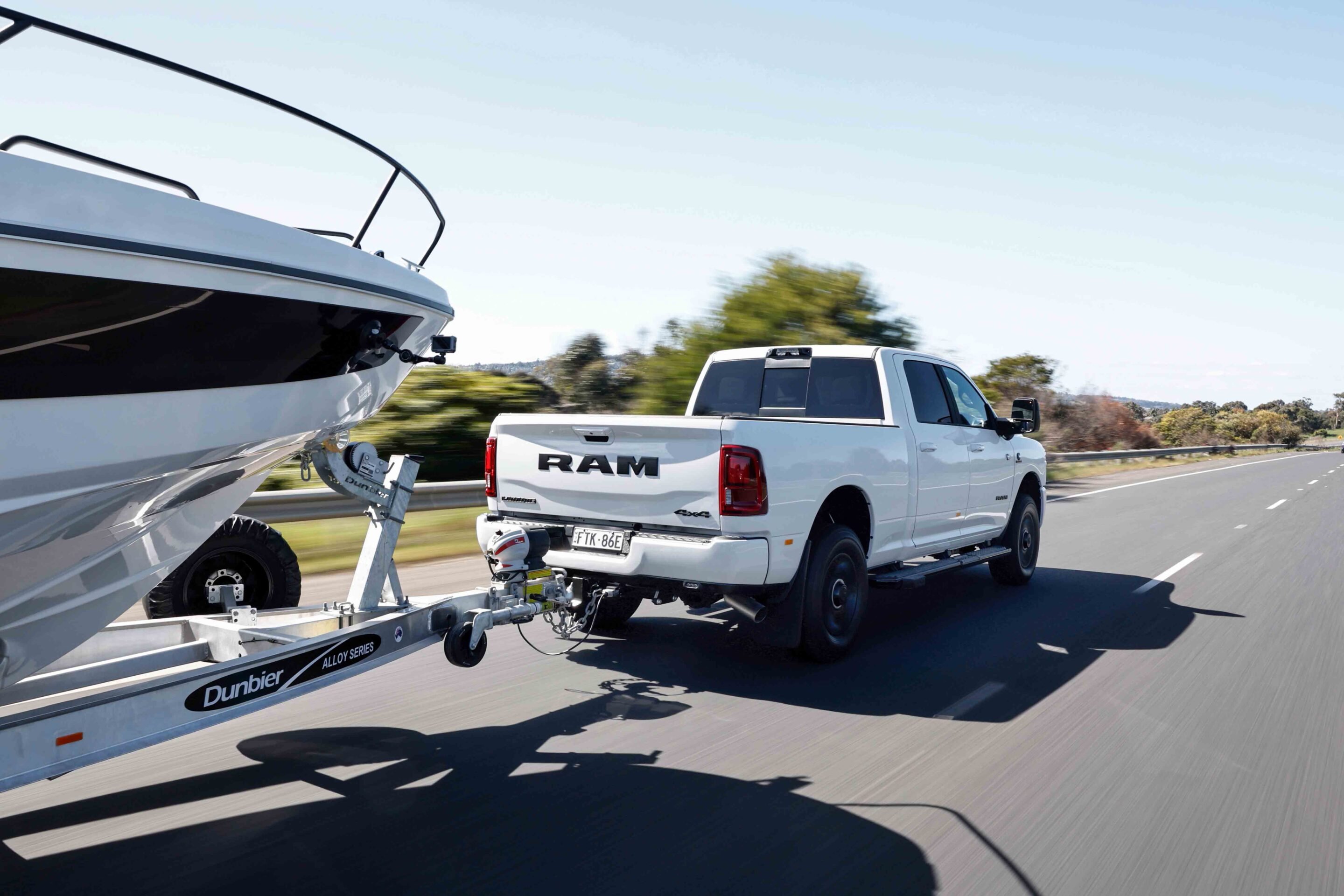
A well-sorted LandCruiser or Patrol build, even one kitted out for a serious run up the Gibb River Road or across the Simpson, will never get close to the weight threshold that triggers it. But for owners pushing larger American platforms like the Chevrolet Silverado 2500 and Ram 2500 into full expedition territory, NB2 is something worth understanding before the build starts, not after.
What does NB2 actually mean?
NB2 is an Australian vehicle classification under the Design Rules for goods vehicles with a Gross Vehicle Mass greater than 4.5 tonnes and up to 12 tonnes. The full breakdown looks like this:
- NA: up to 3,500kg GVM. Where most touring 4x4s live.
- NB1: 3,500kg to 4,500kg GVM. Where some heavily engineered builds end up.
- NB2: 4,500kg to 12,000kg GVM. Commercial and expedition territory.
- NC: above 12,000kg GVM.
A stock LandCruiser 300 Series sits well inside NA. Even a comprehensively built Patrol wagon with a long range tank, dual batteries and a REDARC power system stays there comfortably. NB2 is a different world.
When does a build cross into NB2?
The trigger is the certified GVM, not the actual loaded weight on a given trip.
Once a vehicle is formally engineered and certified above 4,500kg GVM, it moves into NB2 classification. That certification covers the chassis, suspension, braking system and tyres, and it has to be signed off by a qualified engineer. You cannot simply add weight to a Silverado 2500 HD or Ram 2500 and assume the vehicle is compliant at that mass. The engineering approval has to come first.
In Australia, many of these larger American platforms are imported and registered within NB1 or at the top of NA. Others, particularly those converted into full slide-on expedition rigs or fitted with substantial aluminium touring bodies, are engineered and certified into NB2 territory once the final build weight is calculated.
1
Why these platforms end up in the conversation
Weight accumulates fast on a serious touring rig.
A typical long range setup might include a steel bullbar, winch, dual spare wheels, an ARB or MSA canopy, drawer system, Engel or Dometic fridge, long range fuel tank, dual battery system, REDARC management, solar panels, water storage and a full recovery kit. Each item is manageable. Together, they add up to several hundred kilograms before anyone has packed a bag.
On a Silverado 2500 HD or Ram 2500, owners building for extended remote travel often go further still. Slide-on campers designed for the Tanami or the Old Telegraph Track, full aluminium expedition bodies, satellite communication gear, Lazer Lamps lighting setups, the kind of kit that makes Cape York in the wet season a realistic proposition rather than a gamble. At that point, staying within 4,500kg GVM can become genuinely difficult, and NB2 classification becomes the only compliant path forward.
What changes once a vehicle is NB2?
Compliance requirements step up considerably.
The engineering certification process is thorough and non-negotiable. Every major system gets assessed: chassis integrity, suspension load ratings, brake performance at the certified GVM, and tyre load ratings. A Ram 2500 fitted with a substantial expedition body cannot simply be assumed capable of handling that weight without a qualified engineer confirming it on paper.
There are licensing implications as well. In most Australian states and territories, a vehicle over 4,500kg GVM requires at least a Light Rigid licence to drive legally. For touring builds where more than one person might be getting behind the wheel, that is a practical consideration worth sorting out well before the rig heads north toward the Kimberley.
Why some builders accept the complexity
The straightforward answer is payload.
Operating inside NA or NB1 on a heavily built rig means constantly managing weight against the legal limit. NB2 certification gives the builder more room to work with. Greater water capacity for remote crossings. Larger fuel range for runs across the Nullarbor or into the Simpson. More substantial power systems without the anxiety of sitting at the edge of a payload figure.
For the right build, NB2 is not a compromise. It is what the build actually requires to operate safely and legally.
1
The practical trade-offs
Larger vehicles cost more to run, more to maintain and more to engineer correctly.
Moving into NB2 adds cost and complexity at every stage: the initial certification, the ongoing compliance, the Light Rigid licensing requirement. Heavier rigs are also harder work on tighter tracks. The Munja Track and the more technical high country routes reward lighter, more nimble platforms. A fully laden NB2 expedition truck is not the right tool for every job.
Is NB2 worth considering?
For most 4WD owners, no. A properly planned LandCruiser, Patrol or Ranger build handles the vast majority of Australian touring without approaching 4,500kg GVM, provided weight is managed sensibly from the start.
For owners building a Silverado 2500 HD or Ram 2500 into a serious long range expedition rig, the answer is more nuanced. NB2 is not a shortcut or an upgrade. It is a compliance framework for heavier vehicles that are genuinely built to carry more. If the build demands it, the classification exists for exactly that reason. The key is understanding it early, because designing a compliant NB2 build from scratch is a very different proposition to trying to certify one that was never planned that way.
Follow 4X4 Australia on Google
Get more 4x4 news, reviews and gear stories from 4X4 Australia in your Google feeds.

We recommend
-
 Gear
GearWhat is a GVM upgrade and do you really need one?
The ins and outs of upgrading the GVM of your 4WD, and why it might be a bad idea for some
-
 Custom 4x4OTY
The 10 best custom 4x4 builds of 2025
We saw plenty of killer 4x4 builds in 2025, and these are our 10 favourites
-
 Advice
10 essential 4x4 touring mistakes to avoid
Common touring mistakes that can turn a great 4x4 trip into an expensive or dangerous exercise