Advice

Gallery 1
Modern four-wheel drives are equipped with an impressive arsenal of 4×4 systems and traction aids designed to make them more capable and easier to drive off-road. To get the most out of your vehicle, though, you need to know what devices are at your disposal and how to correctly operate them.
When it comes to 4WD systems, there are part-time, full-time and on-demand systems. Many vehicles with genuine off-road capability are also equipped with two-speed transfer cases (high and low range) to allow for slow driving over obstacles and better performance in steep terrain. Some modern systems offer an automatic 4WD mode that varies the drive sent to the front wheels according to conditions, while others require the driver to select four-wheel drive manually.
As for traction aids, modern 4x4s are equipped with a combination of mechanical and electronic devices. Mechanical components that influence traction include the gearbox, transfer case, differentials and brakes, while electronic aids include electronic traction control, stability control, selectable drive modes and hill descent control. Some newer vehicles also feature low-speed trail-control systems that automatically manage throttle and braking to help maintain a steady pace over difficult terrain. Of course, all these 4×4 systems and traction aids won’t be of much use unless you know when and how to use them.
1
How 4×4 differentials work
Before we get stuck into the electronic stuff, let’s look at the mechanical equipment that dictates how well a vehicle might perform off-road.
Early 4×4 vehicles such as the Willys Jeep and old Land Rovers, and later Japanese wagons such as the Nissan Patrol and Toyota LandCruiser, often featured live axles front and rear with open differentials and relatively limited wheel travel.
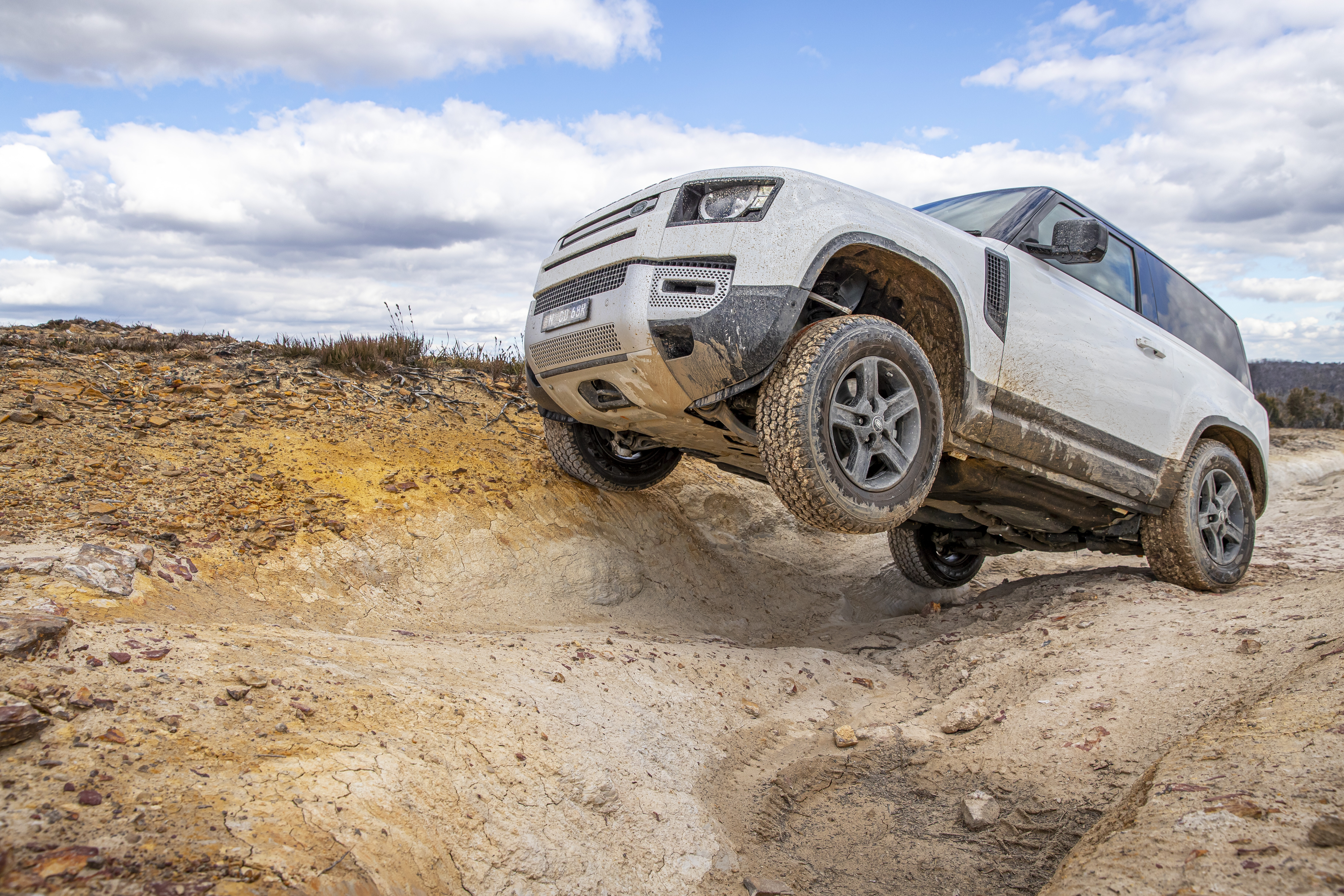
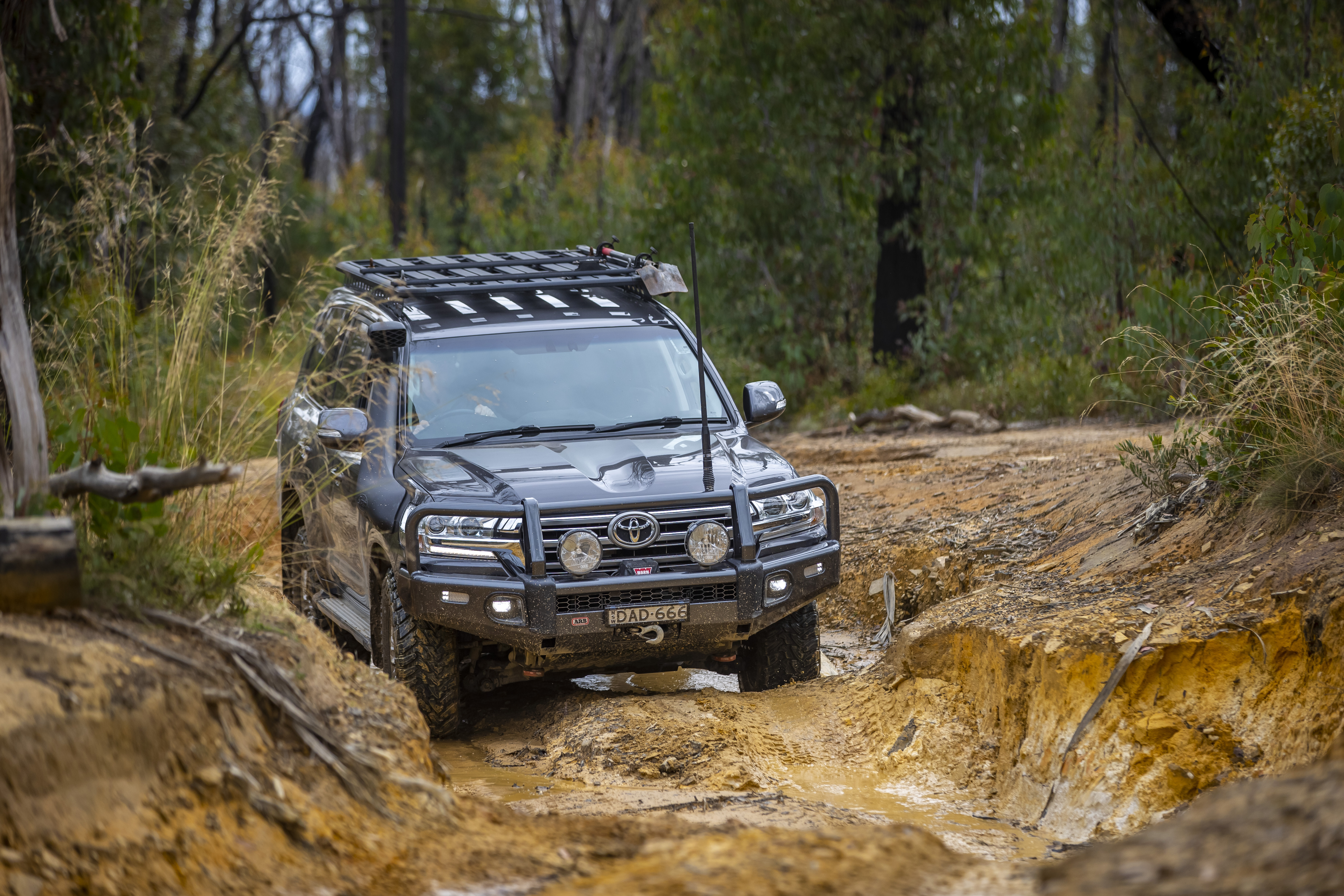
When driven in undulating off-road terrain, if the vehicle’s wheel travel was exceeded, engine power could be fed through the open differentials to the wheels with the least resistance, including those lifted off the ground, rather than those with traction. As a result, the wheels in the air would spin while those on the ground might not receive enough drive to maintain forward progress.
One way to prevent a wheel in the air from spinning freely is to apply brake pressure, which can help direct drive to the wheels with grip. In effect, this is how electronic traction control works, using a modern vehicle’s wheel-speed sensors to detect wheelspin and automatically applying braking pressure to a spinning wheel so drive can be transferred through the differential to a wheel with traction.
1
Another mechanical device employed to minimise across-axle wheel-speed differences is the limited-slip differential (LSD), which many manufacturers have fitted to the rear differentials of their 4×4 models. As its name suggests, the LSD is designed to limit slip, although its effectiveness depends on the type of differential and the amount of traction available.
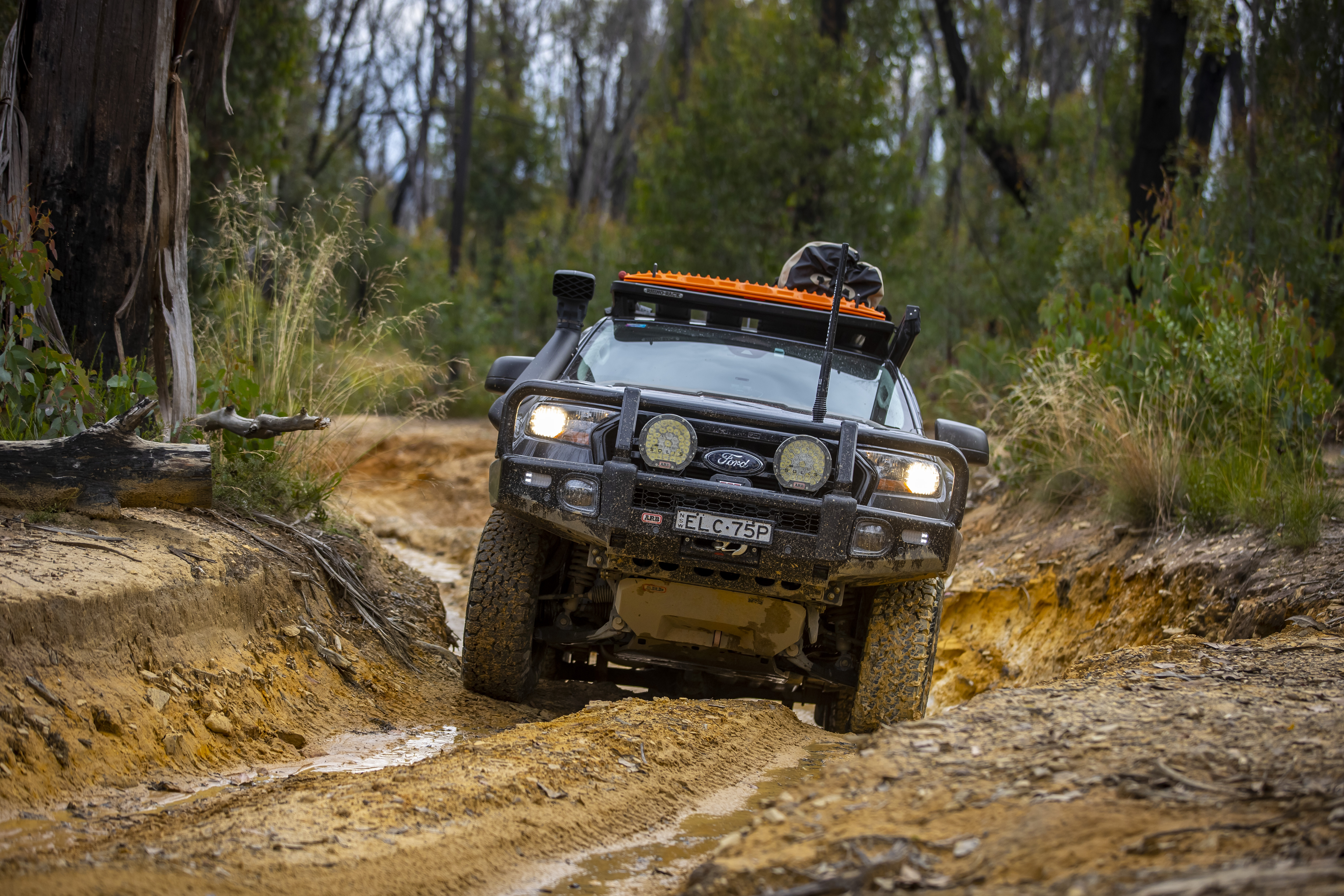
Going a step further is a driver-selectable differential lock, which locks the wheels on an axle together so they turn at the same speed. When engaged, a rear diff lock can help maintain drive when one rear wheel has little or no traction. Many modern 4×4 wagons and utes are available with standard rear diff locks.
Manufacturers are generally more reluctant to fit locking differentials to the front axle because, when engaged, they can make the vehicle harder to steer. However, front diff locks are available on some vehicles, including through the 4WD aftermarket.
With diff locks fitted to the front and rear axles, and the centre differential locked on a full-time 4×4 where applicable, all four wheels are mechanically linked to rotate at the same speed relative to the driveline. This can be an effective set-up for maintaining forward progress in extreme off-road terrain, although it can affect steering and vehicle handling.
1
Know your 4×4 systems
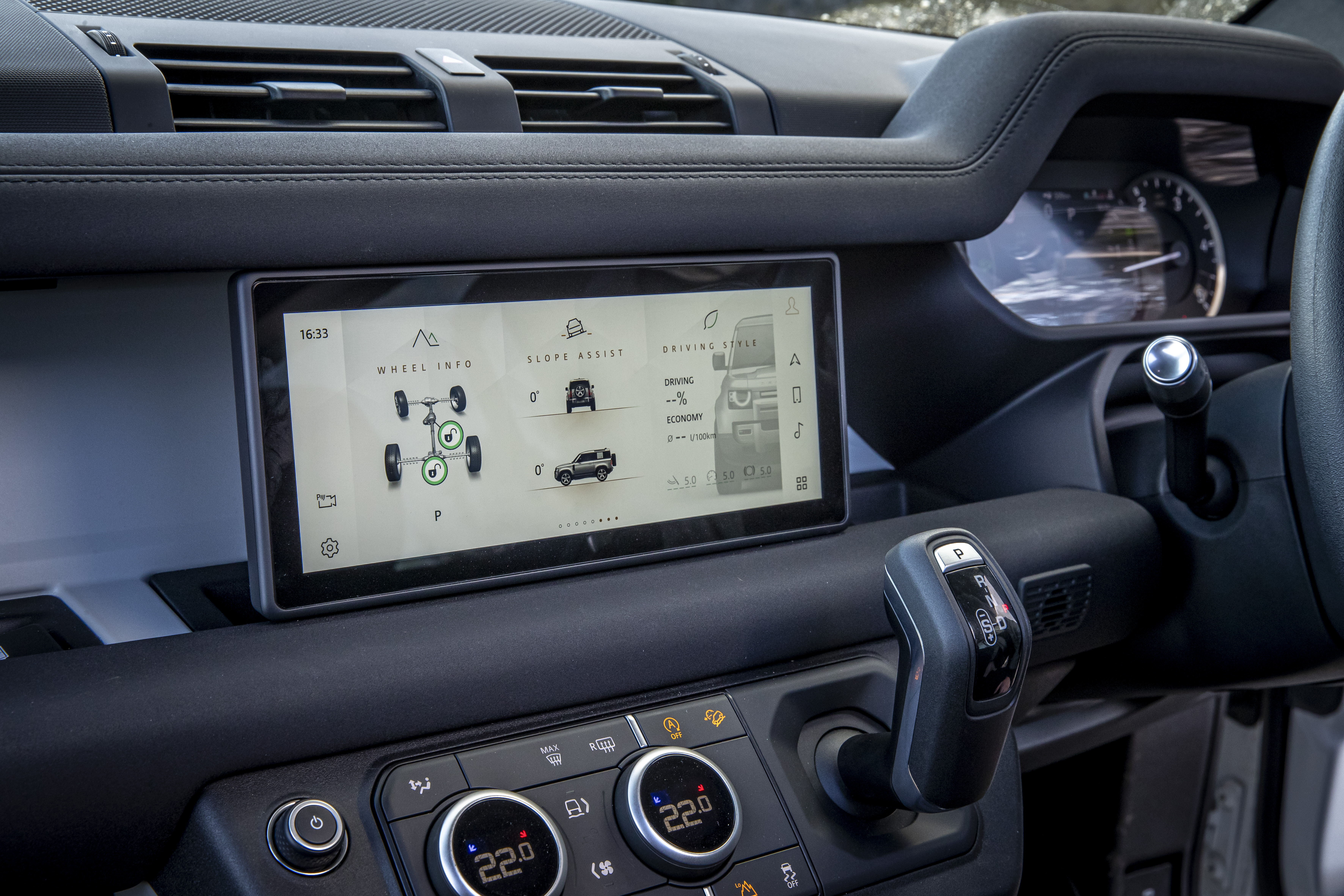
Different 4×4 vehicles are equipped with different types of traction aids, and these can be engaged via a wide variety of levers, buttons and dials, or even through touchscreens. The controls can be located in different places around the dashboard and centre console.
When you’re driving in tricky off-road terrain, the last thing you want is to be searching through the cabin to engage a diff lock or select a specific drive mode, rather than focusing on the terrain ahead. Take some time to familiarise yourself with your vehicle’s 4×4 systems and traction aids before you need to use them.
Electronic 4×4 systems and traction aids
While automatically engaging diff locks are available, manually operated diff locks are common because they can be engaged and disengaged when needed at the flick of a switch. The driver still needs to know when and how to operate them, and when it is appropriate to disengage them.
To reduce the need for drivers to manage traction mechanically, vehicle manufacturers have increasingly turned to electronic traction control (ETC). In simple terms, ETC uses wheel-speed sensors and the vehicle’s braking system to detect and control wheelspin.
With ABS, the vehicle’s electronic control unit receives information from wheel-speed sensors and, if it detects a wheel locking under braking, an ABS modulator rapidly adjusts braking pressure to help prevent the wheel from locking. This results in the familiar pulsating feeling through the brake pedal when ABS is activated.
1
ETC uses wheel-speed sensors to detect excessive wheelspin under acceleration and applies braking pressure to individual wheels to help transfer drive to wheels with more traction. The effectiveness of ETC varies between vehicles and conditions, particularly when multiple wheels lose traction or the system is working hard for extended periods.
These days, just about all modern vehicles are equipped with vehicle stability control (VSC), which uses sensors to detect when a vehicle is not travelling in the intended direction. The system can intervene by applying the brakes to individual wheels and reducing engine power to help restore stability. Many systems allow the driver to reduce or disable certain interventions, although the available settings and their effects vary between vehicles.
Another system that uses ABS hardware and software is hill descent control (HDC). When engaged, it applies braking pressure to help maintain a controlled speed on steep descents without locking the wheels. Most HDC systems are operated by pressing a button, and some allow the target speed to be adjusted using controls on the steering wheel. HDC is an aid rather than a substitute for selecting a suitable line and maintaining control.
1
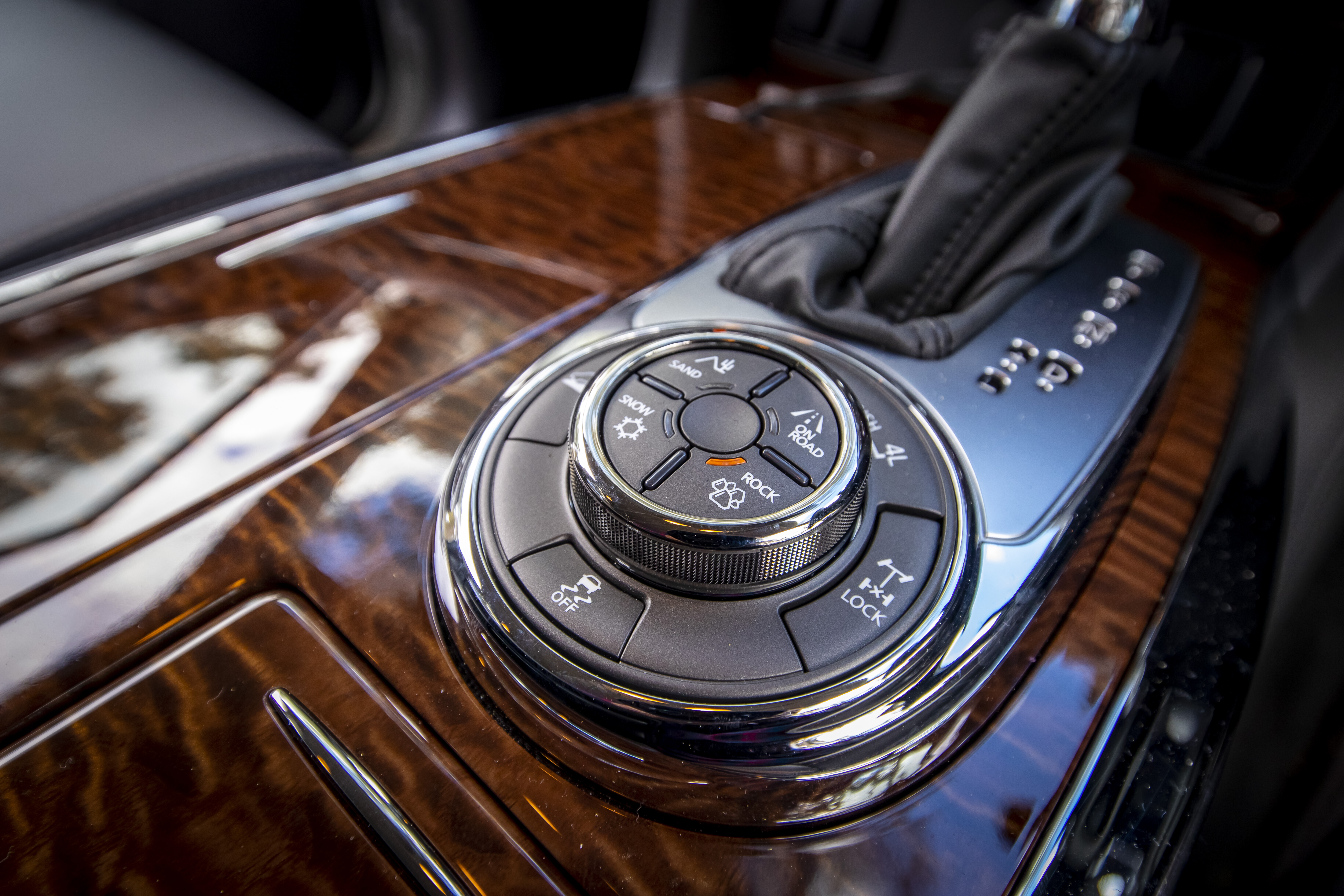
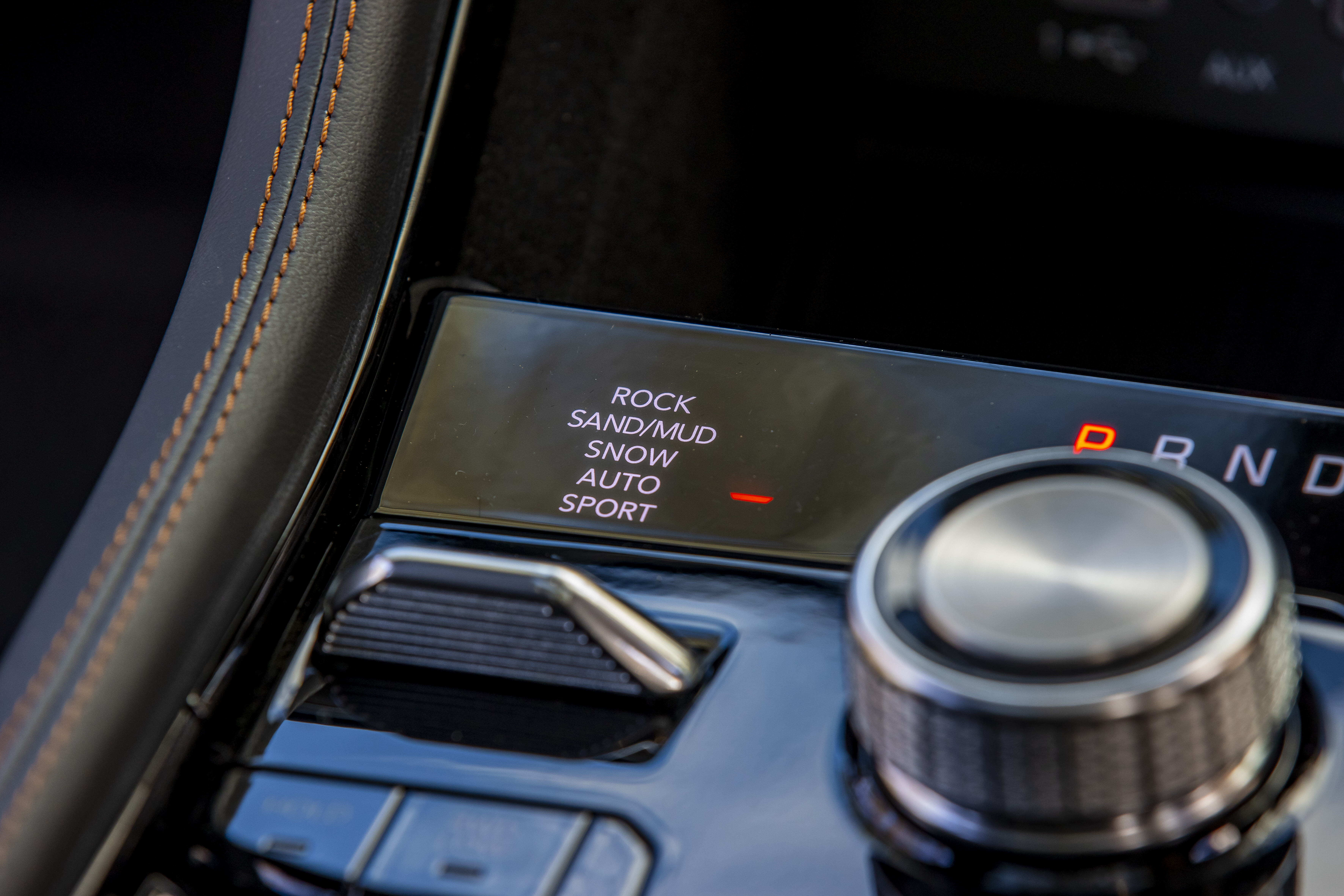
Different levels of electronic traction-aid intervention might be required depending on the terrain, so some vehicles feature selectable drive modes to suit conditions such as road driving, sand, grass, gravel, snow, mud, ruts and rocks. These modes tailor the vehicle’s systems to different surfaces.
For example, Sand mode may sharpen throttle response, change transmission behaviour and reduce stability-control intervention, while Rock mode may soften throttle response to help prevent unwanted surging over obstacles. The exact changes depend on the vehicle and its calibration.
Some selectable drive modes also alter the operation of electronic traction control, automatically engaging or changing the behaviour of differential locks where fitted, or adjusting suspension height on vehicles with adjustable suspension. Always check the owner’s manual to understand what each mode changes and when it should be used.
Low-speed trail-control systems take some of the work out of crawling over difficult terrain by automatically managing engine torque and braking to maintain a selected speed. They can help the driver concentrate on steering and choosing a line, but their operation and availability vary between vehicles.
1
Tyre pressures and off-road traction
Setting tyre pressures to suit the terrain is one of the most important considerations when driving off road.
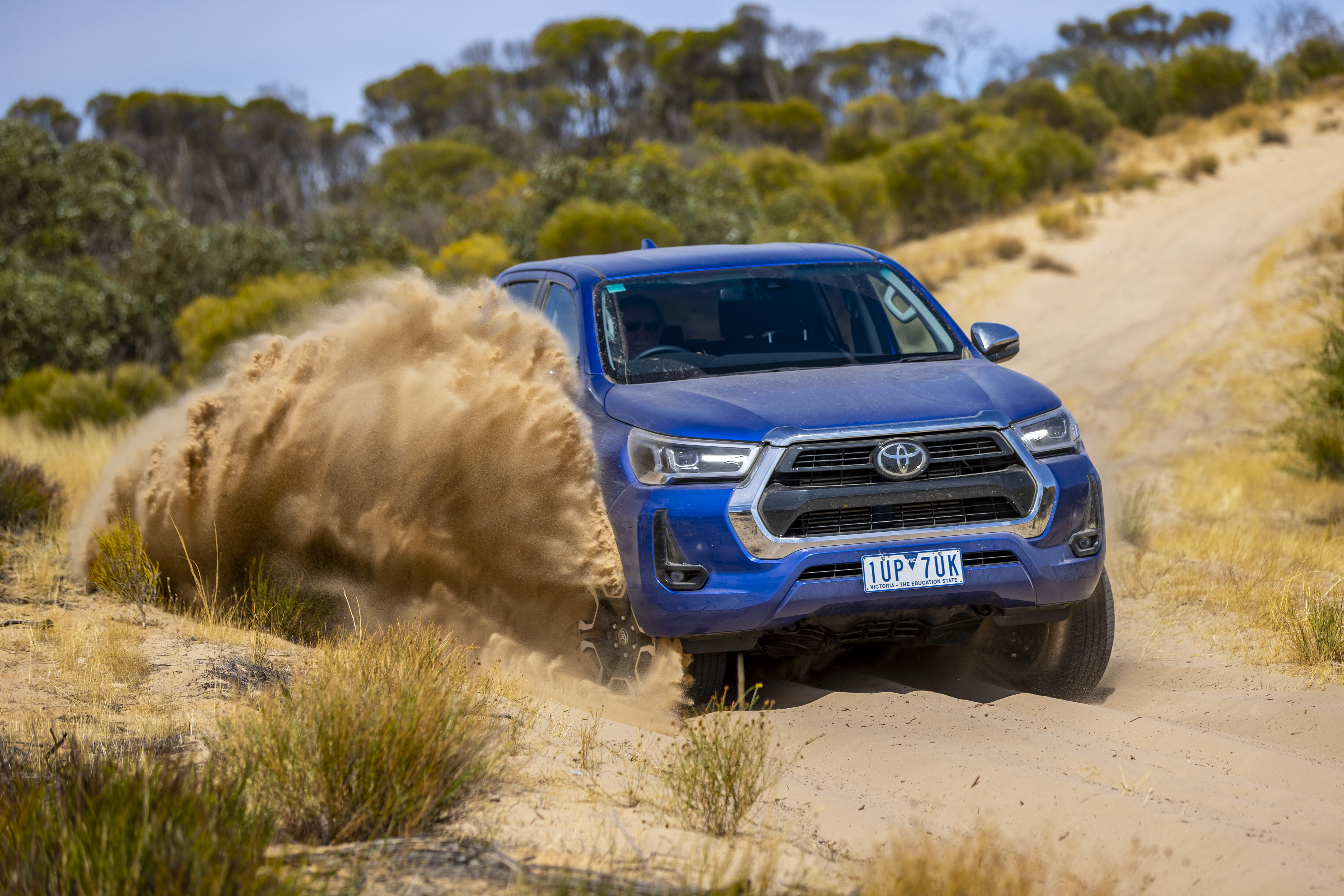
No matter how advanced the 4×4 systems and traction aids your vehicle is equipped with, it will generally perform better off-road when tyre pressures are adjusted to suit conditions. Lower pressures can increase the tyre’s contact patch and help it conform to uneven ground, improving traction and ride comfort while reducing the effort required from mechanical components and electronic traction aids.
The right pressure depends on the vehicle, tyre construction, load, terrain and speed. There is no single pressure that suits every vehicle or situation, and pressures should be reduced progressively while considering the risk of tyre damage or the tyre coming off the rim. Lower pressures also require lower speeds and more careful driving.
Always carry a suitable compressor and pressure gauge so you can reinflate your tyres before returning to sealed roads. Driving at highway speeds on pressures intended for low-speed off-road use can increase the risk of tyre damage.
1
How to use your 4×4 off road
The key to getting the most out of your vehicle when driving off-road is to know what 4×4 systems and traction aids it’s equipped with, and when and how to use them.
If you drive a part-time 4×4, for example, you’ll generally use two-wheel drive on sealed roads and select four-wheel drive on suitable loose surfaces, following the manufacturer’s instructions. In steep terrain, low range can provide the gearing needed for slow, controlled progress.
Other vehicles offer full-time four-wheel drive or an automatic 4WD mode. Full-time systems allow for differences in front and rear wheel speeds through a centre differential or another mechanism, while on-demand systems can automatically vary the drive sent to the front wheels. The way these systems operate on sealed roads and off road differs, so check the owner’s manual before selecting a mode.
1
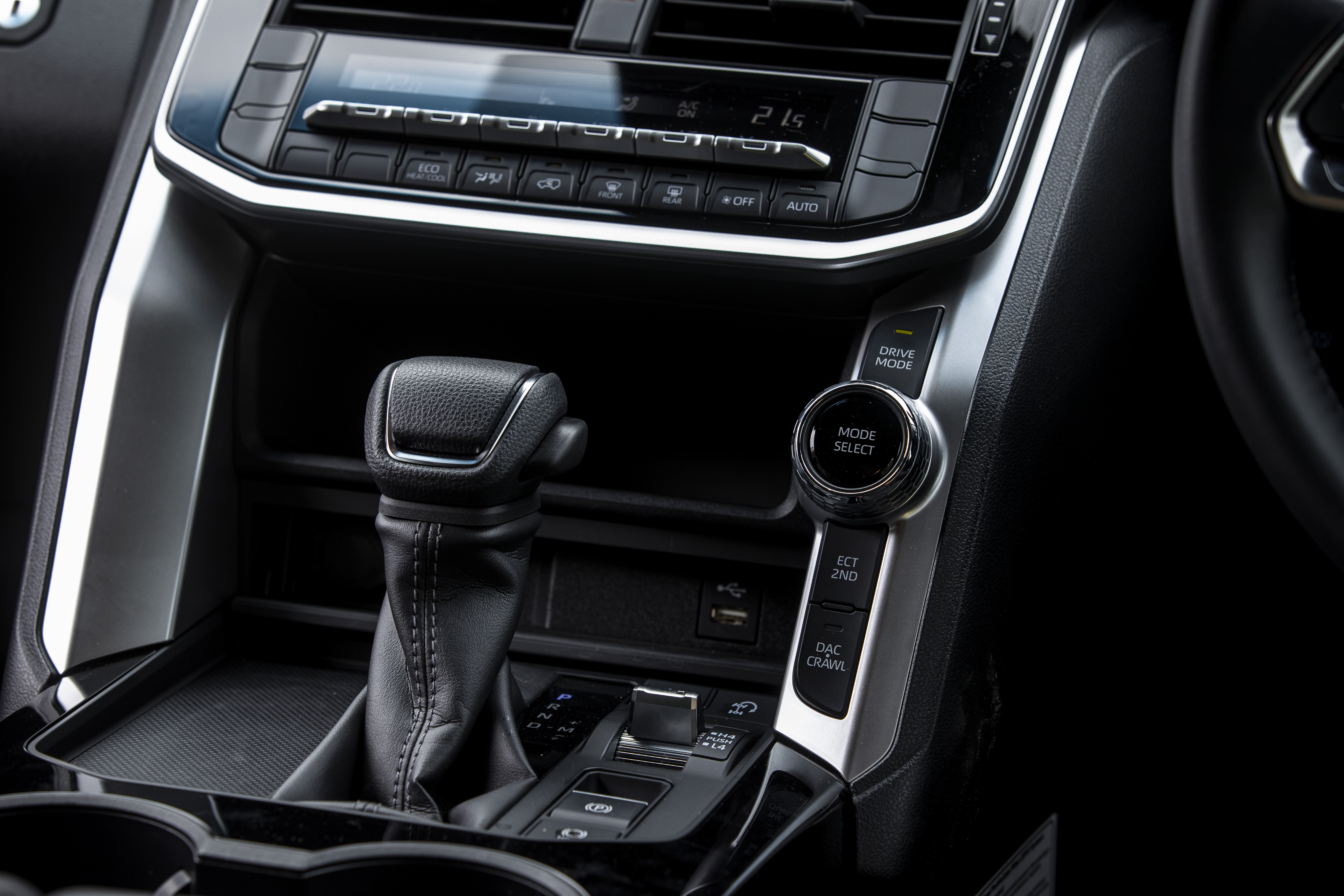
Engaging four-wheel drive might be via a lever, button or dial located on the dashboard or centre console. You need to know where the control is and how to operate it. The same applies to low range, which is selected differently depending on the vehicle, sometimes through a lever connected to the transfer case and sometimes through an electronic switch.
While just about all modern 4×4 vehicles have electronic traction control, some systems are more effective off road than others. This depends on the vehicle’s hardware and the calibration of its electronics. You might need to engage the rear diff lock for a particularly difficult section, or select the drive mode that best suits the terrain.
The way rear diff locks interact with other vehicle systems also varies between models. Engaging a diff lock may change or disable some electronic traction-control and stability-control functions, so don’t assume that every system will continue operating in the same way. Familiarise yourself with your vehicle’s specific behaviour before tackling difficult terrain.
1
If your vehicle has selectable drive modes, choose the one that best suits the conditions. For example, select Mud and Ruts mode before tackling a muddy climb, or Sand mode before driving onto a sand dune, if those modes are available and recommended for the situation.
Low-range gearing is beneficial on steep climbs and descents, allowing you to make the most of your vehicle’s engine braking. Relying on the brakes alone to control speed on long, steep descents can cause them to overheat and become less effective.
You’ll also have more control when using engine braking to help manage speed. If your vehicle has a manual gearbox, select a suitable low-range gear that provides a good compromise between speed and control. Do likewise in an automatic rather than simply leaving it in Drive. Many modern automatic transmissions allow you to select or hold lower gears.
You might be surprised at just how capable your 4×4 is once you’re familiar with its systems and traction aids, and know how and when to use them.
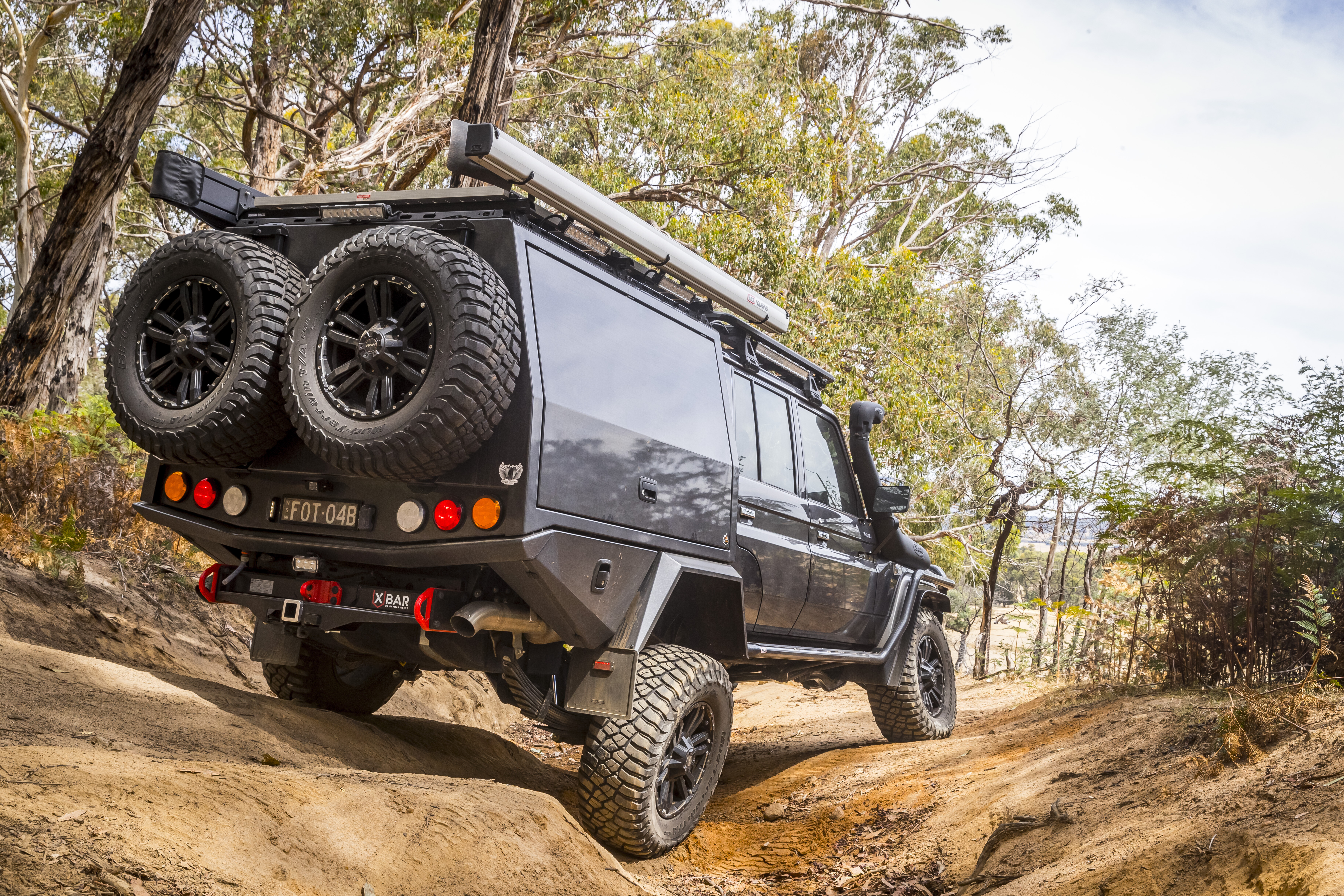
1
Essential driving tips
What to do
- Familiarise yourself with your vehicle’s equipment
- Know how to operate different systems and traction aids
- Engage the correct settings prior to tackling terrain
- Engage low range for climbs and descents
- Lower your tyre pressures to suit terrain
What not to do
- Assume your vehicle will look after everything
- Assume rear diff lock will improve off-road performance
- Rely on brakes alone for steep descents
- Forget to reinflate tyres when back on road
- Forget to select 2WD/disengage centre diff lock when back on road
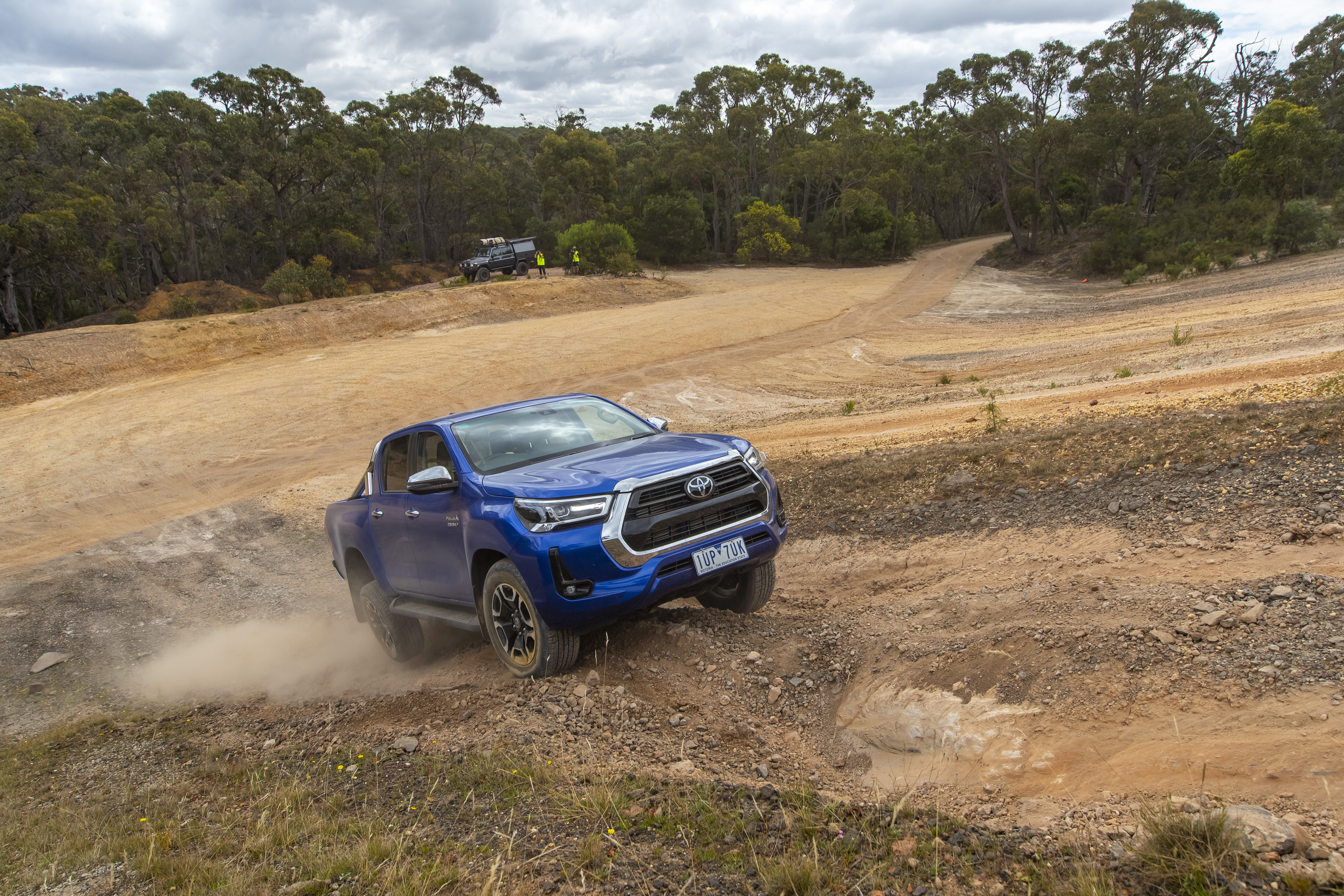
1
4×4 systems and traction aids FAQs
What is electronic traction control?
Electronic traction control (ETC) uses wheel-speed sensors to detect wheelspin and applies braking pressure to individual wheels to help direct drive to wheels with traction.
What does a differential lock do?
A differential lock eliminates across-axle wheelspin by locking the wheels on an axle together so they turn at the same speed. This can help maintain forward progress when one wheel has little or no traction.
What is the difference between high range and low range?
High range is generally used for normal driving on suitable surfaces and faster off-road travel, while low range provides additional gearing for slow, controlled driving over steep or challenging terrain.
What is the difference between part-time and full-time four-wheel drive?
Part-time 4×4 systems allow the driver to select two-wheel drive or four-wheel drive, while full-time systems can generally be used on sealed roads because a centre differential or another mechanism allows the front and rear axles to rotate at different speeds.
What does hill descent control do?
Hill descent control (HDC) uses the vehicle’s braking system to maintain a controlled speed on steep descents without locking the wheels, allowing the driver to concentrate on steering.
How do selectable off-road drive modes work?
Selectable drive modes tailor the vehicle’s systems to different terrain. Depending on the vehicle, they can adjust throttle response, transmission behaviour, traction control and other systems to suit conditions such as sand, mud, gravel or rocks.
Why should you lower tyre pressures off road?
Lower tyre pressures can increase the tyre’s contact patch and help it conform to uneven ground, improving traction and reducing the risk of tyre damage. The appropriate pressure depends on the vehicle, tyre type, load and terrain.
When should you use low range?
Low range is useful when you need slow, controlled progress, including steep climbs, steep descents and negotiating obstacles at low speeds. It also helps make better use of engine braking on descents.
Should you use a diff lock every time you drive off road?
No. Differential locks are useful when traction is limited, but their effect depends on the terrain and vehicle. Engaging a rear diff lock can affect how electronic traction control operates, so it is important to understand how your particular 4×4 is configured.
Why is it important to know how your 4×4 systems work?
Different vehicles use different traction aids and control systems, and these can operate in different ways. Familiarising yourself with the controls and understanding when to use four-wheel drive, low range, diff locks and selectable drive modes can help you get the most out of your vehicle off road.
Should you reinflate your tyres after off-road driving?
Yes. Carry a suitable compressor and pressure gauge so you can reinflate your tyres before returning to sealed roads.
Follow 4X4 Australia on Google
Get more 4x4 news, reviews and gear stories from 4X4 Australia in your Google feeds.

We recommend
-
 Advice
How to drive in a 4WD convoy
Heading out in a 4WD convoy? Here’s how to keep the group together, communicate clearly and make sure everyone gets there safely
-
 Advice
Rock crawling: How to conquer rocky terrain
The best techniques to safely and successfully drive over rocky terrain
-
 Advice
How to safely tackle water crossings
From assessing depth and water flow to setting up your vehicle and recovering safely, here’s what you need to know before hitting the water