Advice

Gallery 1
We all have our own house rules, and it’s simple etiquette to respect those of others.
Some are standard fare, like taking off muddy boots before walking inside or flushing the dunny after use. They’re obvious and fair requests to make of anyone visiting my castle. Others might seem a little strange to some folk but, given the homeowner rules the roost, what they say goes. The way I see it: like it or leave!
But it seems many homeowners forget their own rules, whether standard or strange and left-of-field, as soon as they head bush. Why? A lack of respect for public or other people’s land, regardless of whether they’re paying for the privilege of using it or soaking up a freebie. Some folk seem to figure that if no one’s watching, they don’t have to worry about the mess they leave behind. Maybe it’s laziness or just downright self-righteousness, but they reckon the usual rules don’t apply to them. These are the people who will eventually have us all locked out of our own public and private backyards.
Bush etiquette rules every 4×4 owner should know
Just like at home, many of the rules we must abide by are unwritten.
Most are common sense; some are learned from parents and friends when you first go camping; some are picked up by observing what others do and realising what should be done to look after our land; and some are learned from publications like 4X4 Australia.
Don’t trot out the old furphy that if something isn’t written on a big, fancy signpost planted in front of you, you don’t have to abide by a particular rule, request or reasonably well-known etiquette. Nope, ignorance and disrespect are no excuse.
Read on for a few standard and not-so-common examples of etiquette we regularly see disregarded. Some are in the not-too-bad basket, others are annoying, while some are downright disgusting – to the point that some grubs shouldn’t be allowed out in our great outdoors, judging by some of the things we’ve witnessed over the years.
1
Dispose of toilet paper and human waste properly
Leaving toilet paper to blow around in the breeze, lying on top of the ground for animals to scrounge or presuming it’ll magically disappear when you leave is the number-one problem we see while travelling around Australia.
Remoteness is no barrier to people leaving their poo tickets behind for all who follow to see. Nope, we’ve witnessed plenty of dunny paper, from easy-to-reach coastal campsites to remote central Australian desert scenes, rolling along the ground. Proof that it’s not just city folk in cars having a weekender, but also four-wheel drivers with all kinds of setups who are able to reach our far-flung, beautiful spaces.
No, it’s not just the crap and skid-marked dunny paper we see floating around campsites – ladies and gentlemen, you’re all to blame. Yes, I know we all need to dump a load (almost) every day, but have the decency to discard it properly.
Then there’s the odd piece of toilet paper scattered around the bush, even when there’s no sign it was used for anything more than a quick toilet stop. Whatever the reason, if you use toilet paper, take it with you or dispose of it properly. Leaving it behind because you think a small piece doesn’t matter is still littering, and it quickly spoils an otherwise pristine campsite. Come on, people, it’s not that hard to clean up after yourself in the bush. You keep your own home clean of crap and dunny paper, so have the decency to do the same while out in the bush.
Perhaps, along with the calls from some for mandatory towing licences for all those who travel with caravans, all travellers, campers, tourers and people who wander beyond their front doorstep should complete a course in ‘How to Crap in the Bush’! If you don’t follow simple bush toileting etiquette, don’t jump up and down whinging when once-pristine places keep getting locked up.

1
Never leave broken glass behind
Nothing ticks me off more than walking on broken glass and having my feet slashed because of someone else’s ignorance and stupidity.
Yeah, I wear appropriate footwear most of the time, but there are occasions when I’m barefoot at camp, on the beach or while swimming, and having to deal with broken glass is a surefire way to turn me into a cranky pants with a foul mouth.
Fair enough, accidents happen. If you bust a glass bottle, pick up every piece. Don’t throw it in the fire; glass generally won’t melt or burn away in a campfire. Badly cut feet can mean a trip to the local hospital for stitches – if there is one anywhere near you.
Extinguish campfires properly and prevent bushfires
We all love a campfire; it’s mesmerising, good for the soul and a great place to have a long yarn with mates.
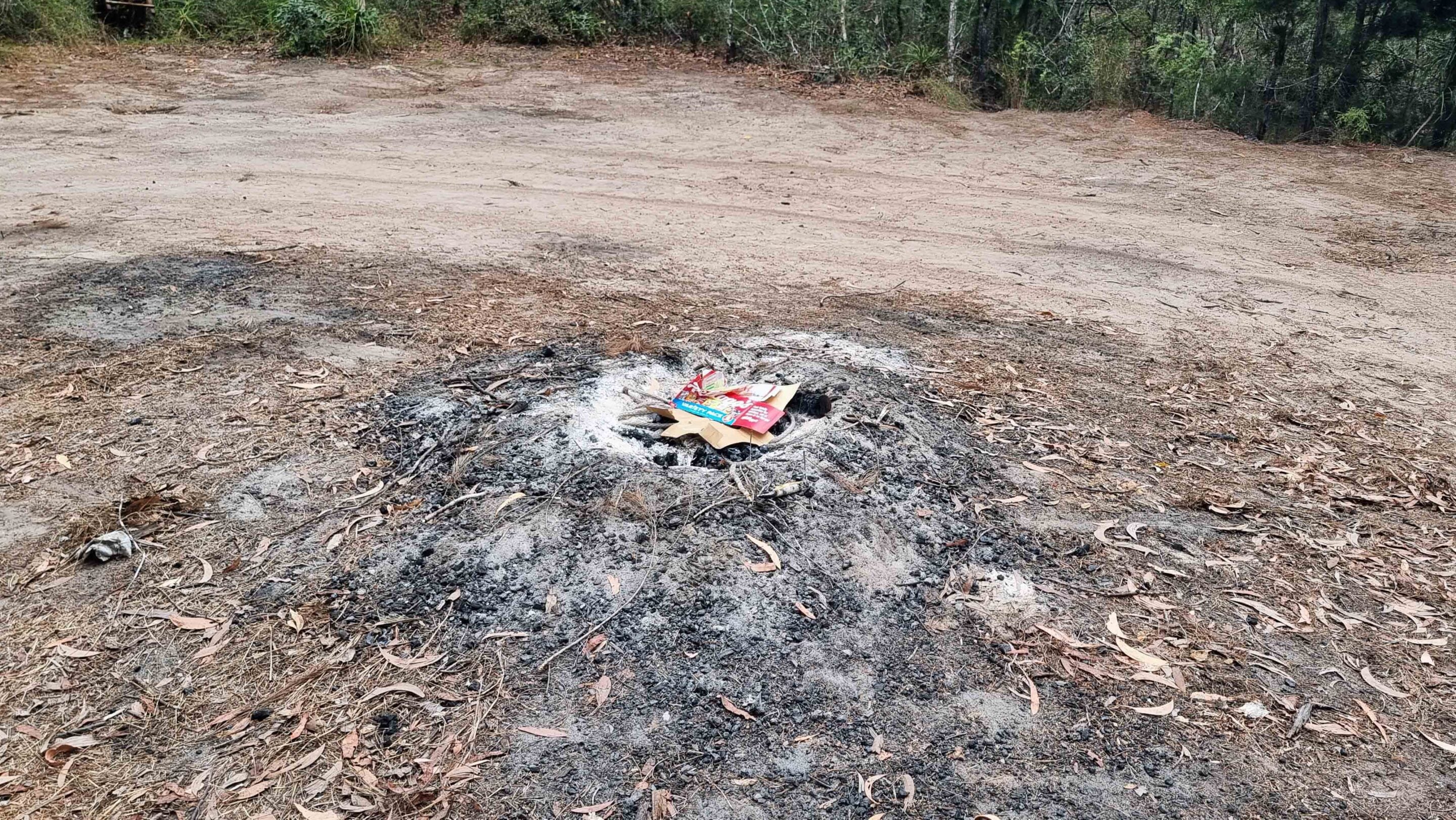
A campfire also has the ability to attract strangers, turning them into potential mates, whether temporary or lifelong. That same fire can help ward off biting insects and other prowling nighttime critters. Here’s the kicker: Most people presume that once the flames have died down and the coals have turned black, that’s the end of the heat. No siree; that third-degree, foot-scalding heat can linger for hours, particularly if the coals have been covered with dirt or sand.
The best way to quickly and safely extinguish your campfire is with plenty of water. Spreading the coals and leftover timber over a wider area can help them cool more quickly, but make sure there’s no residual heat before you leave the site.
Regardless of the time of day or night, if you have a fire, keep an eye on it and make sure it can’t spread into surrounding grass or scrub and start a bushfire. Embers can travel surprisingly high and far and start spot fires, so be especially vigilant in windy conditions. If there’s a total fire ban, don’t light up. It’s that simple.
1
Take all your rubbish with you
Simply put: If you take it in, be prepared to take it out.
Plenty of remote areas don’t provide rubbish bins, so take it all with you and dispose of it appropriately. Sure, some food scraps will break down, but consider what wildlife might try to eat them and whether they could cause harm.
And I can assure you, it’s not always travellers passing through who leave rubbish behind. Some of the filth I’ve witnessed on recent trips has included food tins, nappies and drink containers scattered around campsites and surrounding bush, with no attempt made to clean it up or take it away. Whoever you are and wherever you come from, that sort of behaviour has no place in the bush.

1
Don’t let drinking ruin the campsite
Yep, I love a cold drink or two at the end of a hot day, sitting around the campfire and chilling out in the evening.
But those who can’t control their drinking and get loud, obnoxious and disrespectful need to think about the consequences of their actions. No one wants to hear loud-mouthed yobbos swearing, carrying on like tossers and thinking they can out-drive everyone as they stagger over to their vehicle and give it a heroic rev. Your half-cut driving skills serve no purpose and impress no one. Don’t drink and drive on public or private land – the consequences could be life-ending.
Respect other campers and keep the noise down
I love my music at home, while driving and at the campsite. The volume varies depending on a few factors, including who’s watching and listening to me sing.
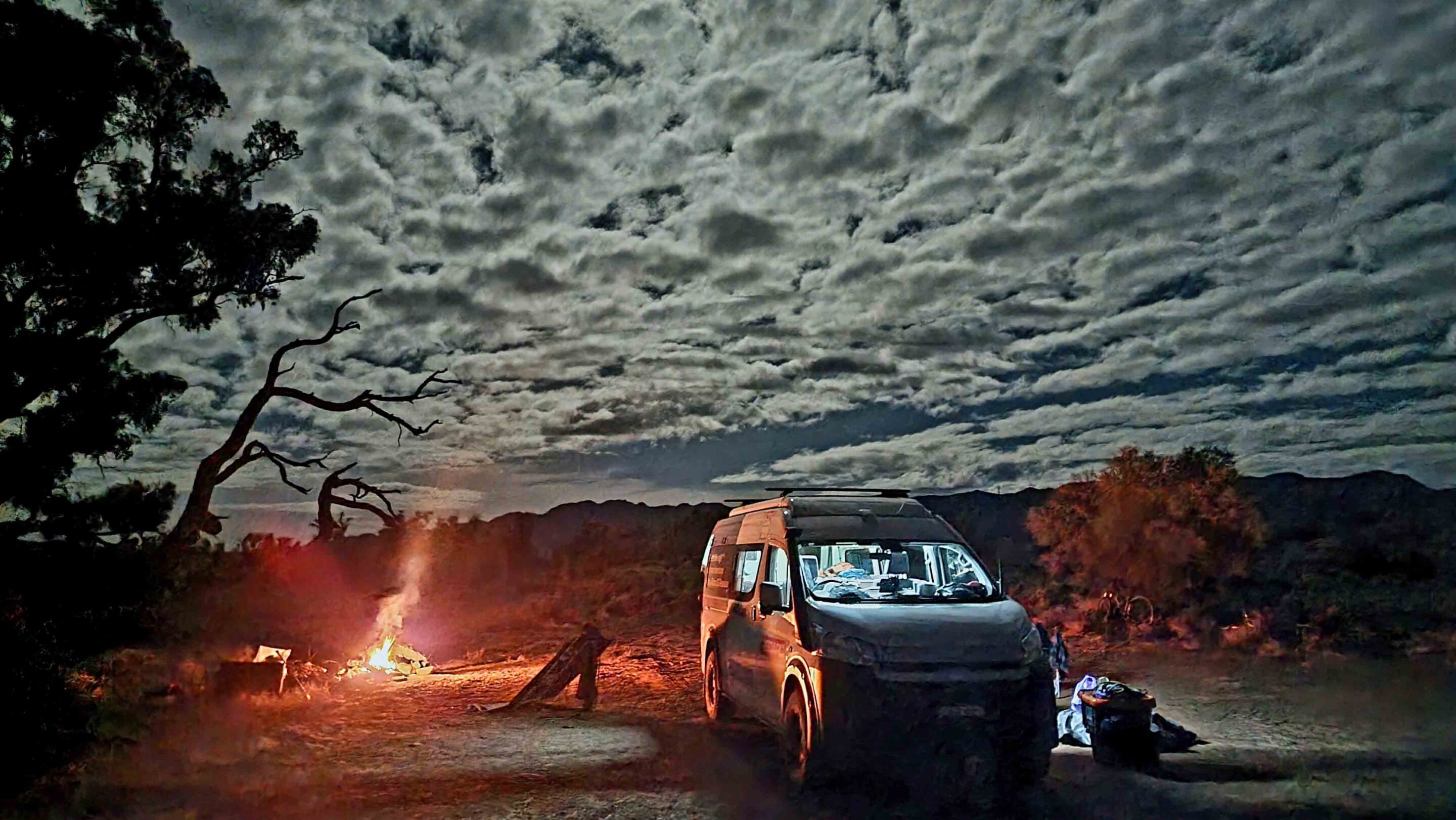
Seriously, though, no matter what your musical taste, keep the volume down at campsites so you don’t disturb fellow campers. Sound can travel a long way at night and over water – especially when your neighbours don’t share your taste in music. While caravan parks often have noise curfews, use your common sense at free camps, national parks or anywhere else out in the wilds of our great country.
Respect other people’s personal space. Sure, wave and say g’day as you wander past someone else’s campsite, but don’t assume you can wander in unless you’re invited. You wouldn’t walk uninvited into someone else’s home in the suburbs, would you?
If space permits, don’t set up camp right beside someone who’s already there. I’ve politely asked people to move on when they’ve decided to set up right next to me. Give each other the space we all head bush to enjoy.
1
Follow basic 4×4 driving and track etiquette
Written and unwritten, there are plenty of simple procedures and techniques to follow when driving away from the city lights – without getting too dictatorial or bossy about it.
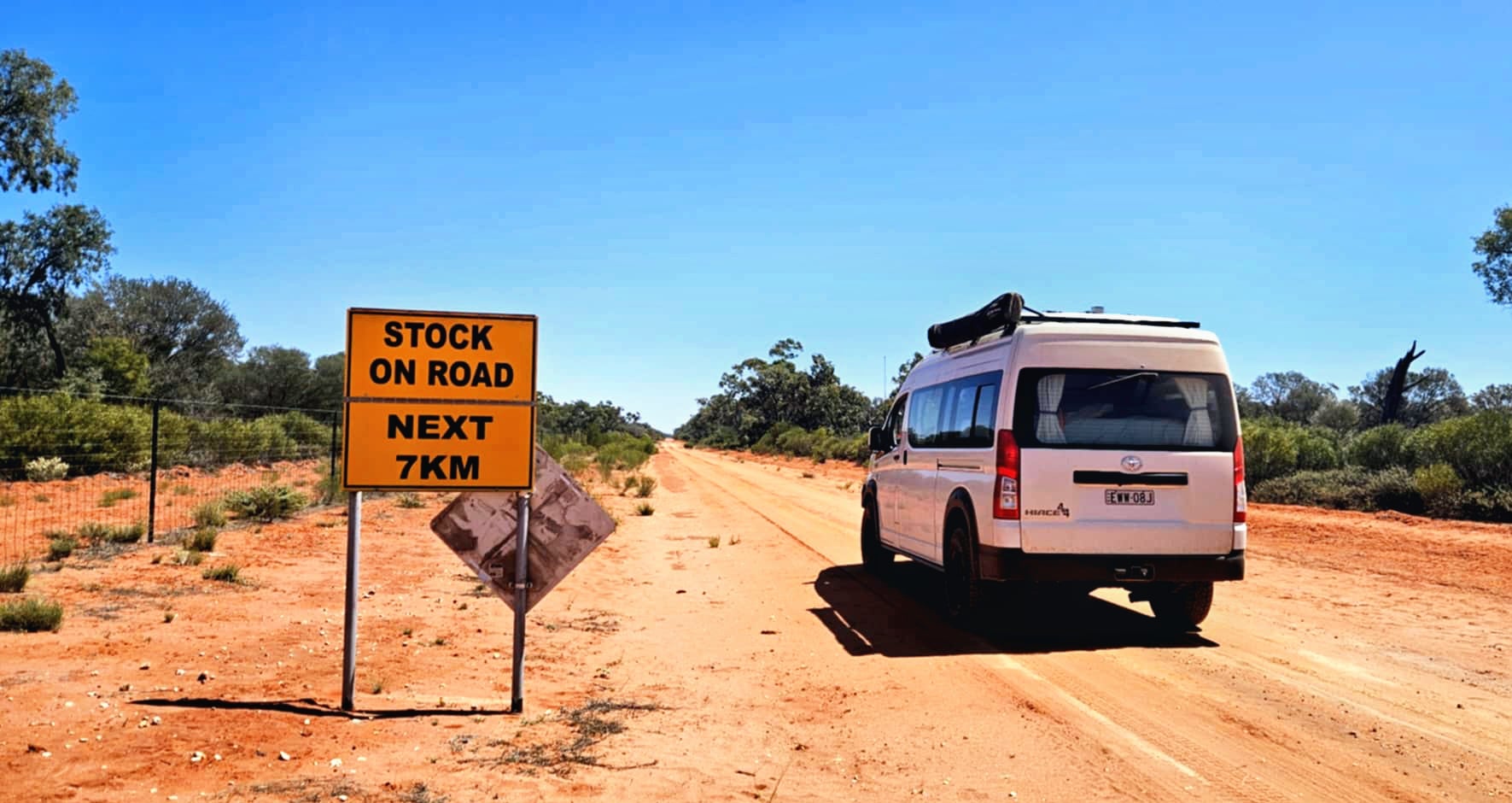
When approaching oncoming traffic on dirt roads, slow the hell down and move over to your left to avoid dusting fellow road users and throwing stones at their windscreens. The number of times I’ve had my windscreen hit by stones flicked up by drivers travelling at full tilt is frustrating as hell. I get it, you want to maintain an optimal speed over corrugations, especially when towing a caravan, but don’t think for one moment that you automatically have right of way or that you won’t be flicking stones hell west and crooked.
I’ve been pelted with stones a few times lately by drivers towing caravans who refuse to slow down. Let’s just say the offenders are usually well down the road by the time they get to miss what I have to say about their disrespectful, nonchalant driving skills … or lack thereof. Maybe you have no idea of the damage you’re causing or simply don’t care. Either way, if you see other drivers furiously waving their arms at you, take a moment to wonder what you might be doing to upset them.
It’s not just out on the faster dirt roads, either. When you’re cruising into a campsite, have the decency to slow down so you don’t spread dust over other campers. Sure, if the wind is blowing in an unfavourable direction you can’t totally prevent it, but keep an eye on the conditions and your rear-view mirrors to see where your dust trail is going.
No, I don’t wave to every driver while in towns or cities unless I know them. But out bush and in remote areas, it’s standard etiquette to wave to oncoming vehicles. It’s also common for vehicles tackling rougher sections of track very slowly to come to a complete stop, wind down the windows and have a chinwag for a minute or … ten. It might just be a general g’day, or you might swap track conditions, let each other know if other vehicles are following in a convoy or pass on interesting information about something worth seeing up ahead – bush telegraph-style info.
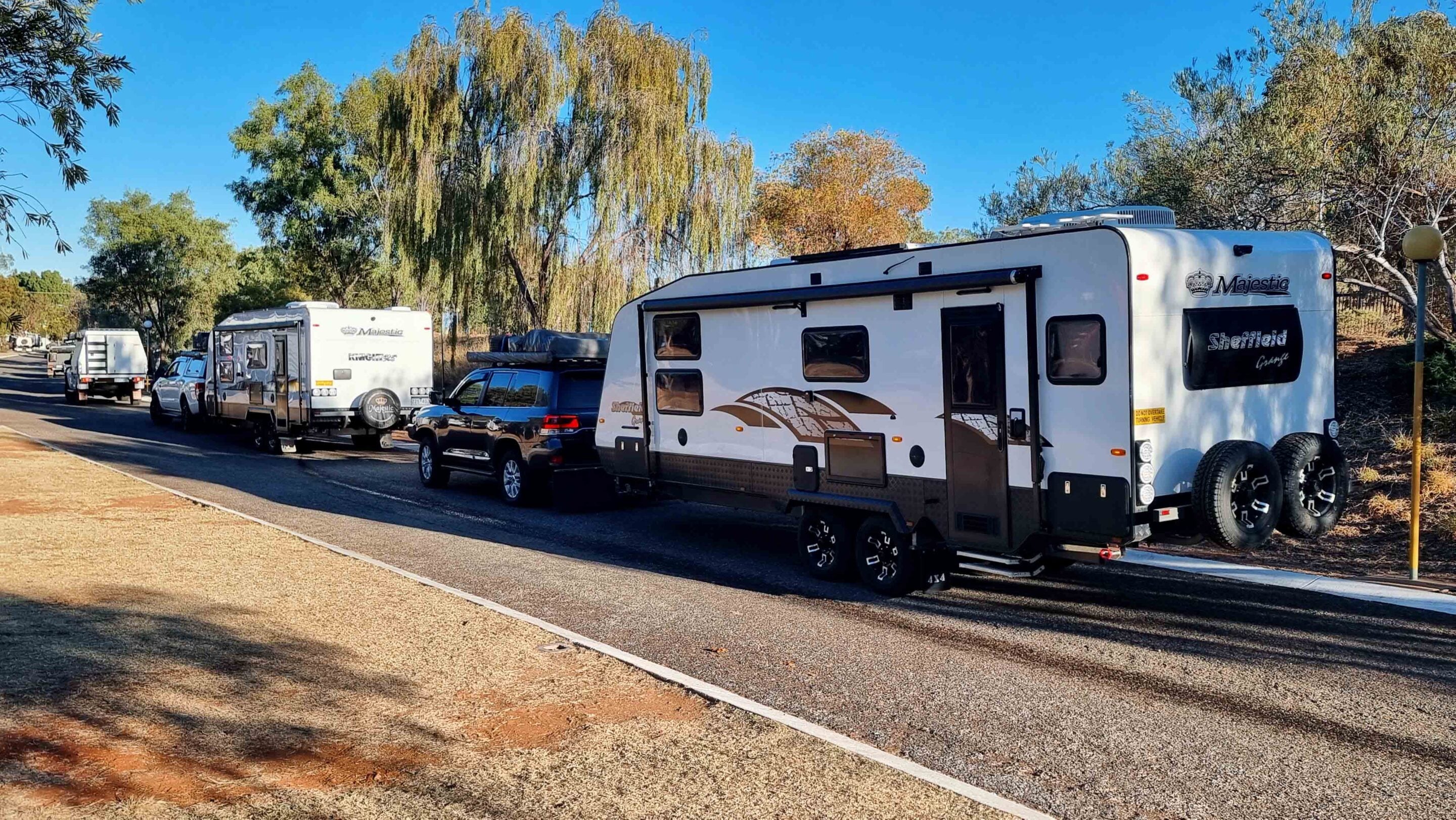
On narrow or single-lane tracks, two 4x4s obviously can’t pass each other unless one or both move off the track. While there are no set rules as to who should move over, much of it comes down to common sense: Whichever vehicle can most easily find a suitable space to pull aside is the one that moves. In general, if you’re heading downhill, give way to those coming uphill. There are plenty of situations where this may not be practical, though, so each encounter should be judged on its merits and handled with a bit of common sense and courtesy.
1
Don’t be that pig-headed driver who barges ahead, stays in the middle of the track and expects everyone else to move for them. Sometimes size matters; larger 4×4 RV trucks and 4x4s towing caravans can’t get off the track as easily as smaller vehicles. Trucks and road trains need plenty of room, so when it’s safe to do so, pull well over and give them space. You’ll reduce the chance of stone strikes and dust ingress in your 4×4, and the truckie will appreciate your help in keeping the big rig rolling.
On beaches, in general, keep left just like you would on a road. Using your indicator is a great way to let others know which side you intend to pass on. Many beaches are gazetted roads, so road rules apply. When approaching pedestrians, slow right down and avoid driving too close to them. It can be hard, if not impossible, to hear an approaching vehicle over the crash of the waves, so expect unpredictable behaviour from pedestrians, especially kids. For safety’s sake, give them plenty of space.
Don’t drive like a tool. Ripping up tracks, tackling challenging obstacles in 2WD, hooning, chucking doughnuts or doing circle work will damage the area and could see us all locked out. The damage you do to your own vehicle, or the risk of hitting others, is inexcusable. Take it easy out there and everyone will get to enjoy the place.
Leave gates the same way you found them. If they’re shut, close them after you go through. If they’re open, leave them open. You should have a UHF radio fitted to your 4×4, so use it when approaching other vehicles in less-than-favourable situations. Talk to people and let them know your intentions, or ask what theirs are.
1
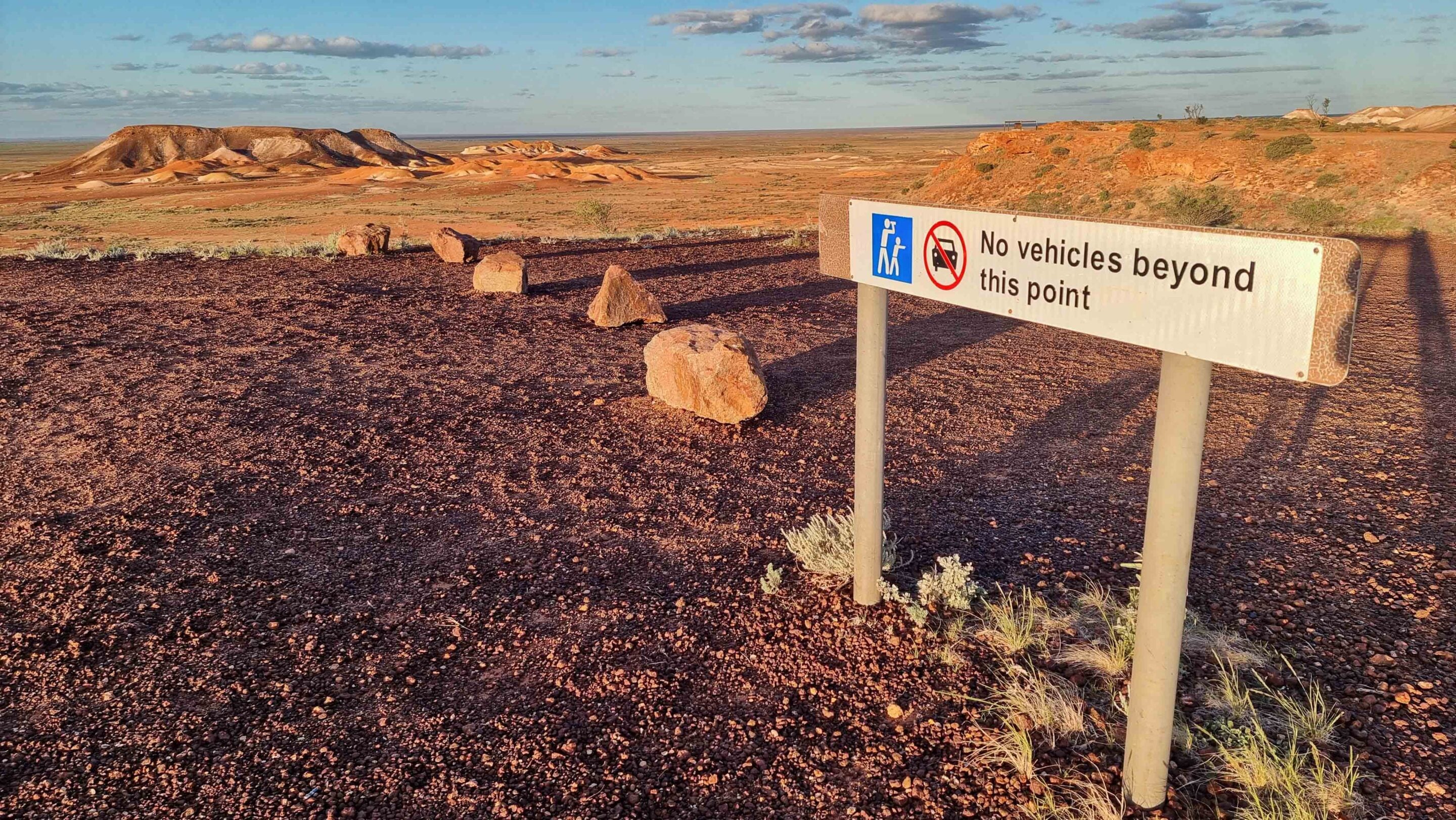
Stay on designated tracks and resist the temptation to create new ones. If there’s a tree down, try to remove it if it’s safe to do so. If there’s a bog hole or a stretch of slop you need to traverse, get out and walk it first to work out the best way through. Most of the time, staying on the existing track is best.
Watch out for and give way to horse riders, pushbike riders, walkers and motorcyclists. You’re in a mostly air-conditioned armchair on wheels, so it makes sense to show some respect by slowing down, giving them plenty of room and passing at a safe speed.
Smokers: Yes, it’s your right to smoke. It’s my right not to have to suck your second-hand fumes into my lungs. And it’s everyone’s right not to have the bush set alight by the ignorant flick of a cigarette butt out the window. Stub your butt out properly in an ashtray, or another suitable container, make sure it’s completely extinguished and keep it in your own vehicle until you can dispose of it properly.
Be prepared to help when things go wrong
Not everyone is mechanically minded, a bush mechanic or capable of spinning spanners to fix a mishap when they’re a long way from the safety of home or the nearest roadside assistance.
But carrying adequate tools, spares and assorted odds and ends to help repair your vehicle is a must. Don’t expect others to break out their gear to help you. If someone does offer to lend a hand, pitch in where you can rather than sitting back and watching. Offer payment in cash or liquid gold. Most folk won’t accept it, but always make the offer.
The same goes for recoveries. If you get stuck, be prepared with your own recovery equipment. Don’t presume others will pull out theirs and, if their gear gets damaged helping you, offer to pay for it. Snatch straps, winch ropes and other recovery gear can easily be damaged and aren’t cheap.
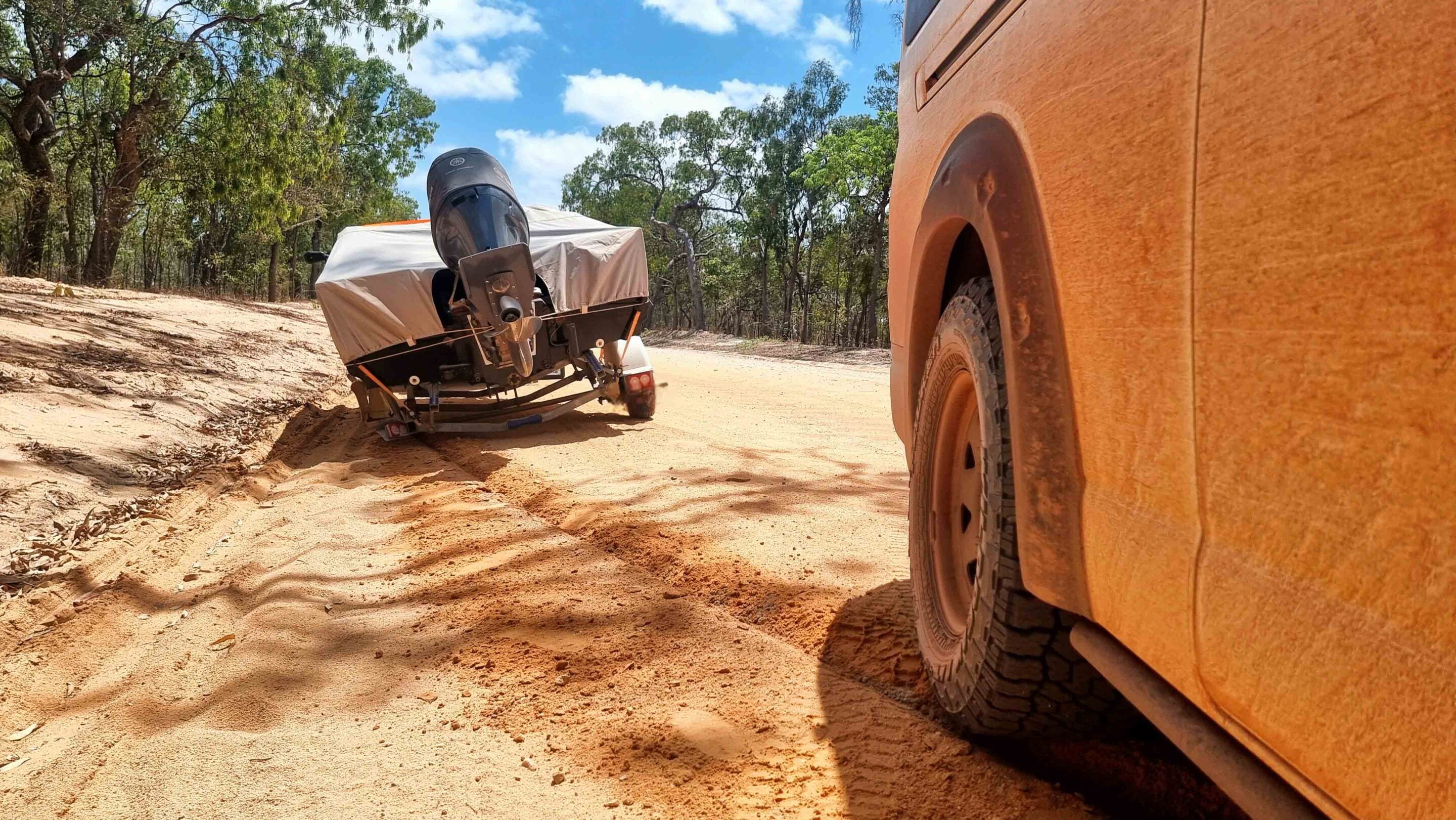
If you see someone broken down, bogged or otherwise in trouble, stop and offer help. Even if you can’t fix the problem, it’s always reassuring to have someone on your side when you need it – even if all they can offer is communication, a cold drink or advice on how to get to the next town.
1
Slow down and watch out for wildlife and livestock
Slow down and keep an eye out for animals – wild or livestock.
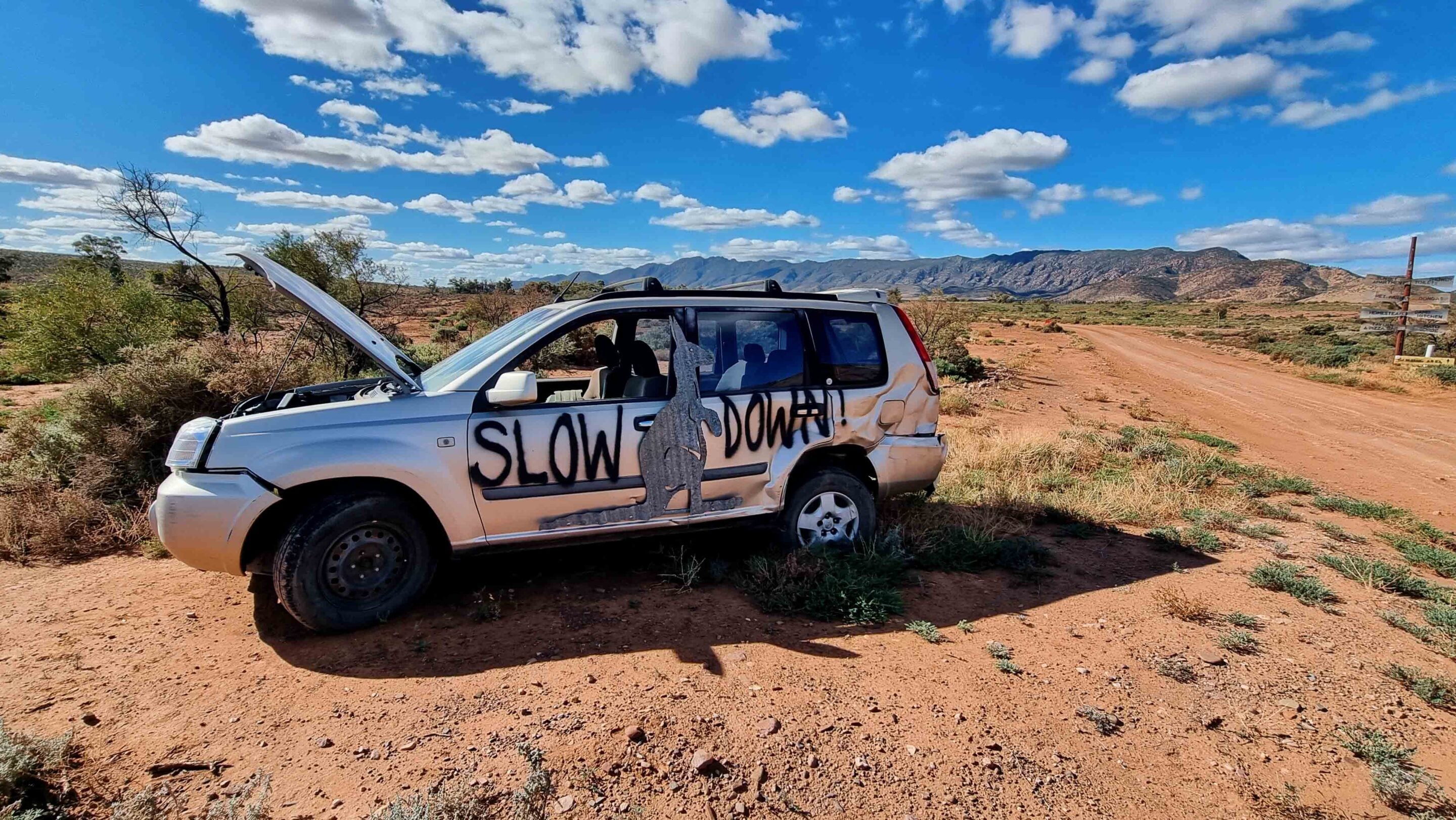
Regardless of signage, time of day or night, hot or cold, drought or flood, there’s always a danger of an animal strike while driving our outback roads and tracks. Don’t rely on your bullbar, driving lights or perceived driving skills to magically prevent you from coming head to head with a beast. The faster you go, the greater the chance you’ll hit something sooner or later.
Follow the rules and keep the bush open to everyone
There are dozens more unwritten rules of the bush, caravan parks, camping areas and beaches.
Don’t walk through other people’s campsites, don’t do an oil change straight into Mother Earth, don’t crap near a waterway, don’t encroach on farmers’ land, don’t chase or disturb livestock and don’t litter the highway, bush, beach or anywhere else like a disrespectful grub.
If you’re up for travelling our great land without destroying it, observe a few basic rules and a bit of simple etiquette, then get out there, explore, have an adventure and enjoy all Australia has to offer. If not, your stupidity, ignorance, selfishness and disrespect will eventually have us all locked out.
It all comes down to common sense, which seems to be in short supply with some people these days. So, if you can’t follow a few basic rules of the bush, stay at home instead of buggering it up for the rest of us.
1
Rules to remember
- Dispose of toilet paper and human waste properly
- Never leave broken glass behind
- Extinguish campfires properly
- Take all your rubbish with you
- Drink responsibly
- Keep noise down and respect other campers
- Follow on- and off-road etiquette
- Help others when things go wrong
- Slow down and watch out for animals
Frequently Asked Questions
Can you leave toilet paper in the bush?
No. Take used toilet paper with you or dispose of it properly. Leaving it behind is littering and spoils campsites.
Can you throw glass bottles into a campfire?
No. Glass generally won’t melt or burn away in a campfire. If you break a bottle, collect every piece and dispose of it properly.
What’s the best way to extinguish a campfire?
Use plenty of water. Spreading coals and leftover timber can help them cool faster, but make sure there’s no residual heat before leaving.
Who gives way on a narrow 4×4 track?
Generally, whichever vehicle can most easily find a suitable spot to pull aside should move. Vehicles travelling downhill should usually give way to those coming uphill.
Should you slow down when passing other vehicles on dirt roads?
Yes. Slow down and move left when approaching oncoming traffic to avoid throwing stones and dust at other road users.
Should you help other drivers who get stuck or break down?
Yes. Stop and offer assistance where possible, even if it’s just a cold drink, communication or advice.
Follow 4X4 Australia on Google
Get more 4x4 news, reviews and gear stories from 4X4 Australia in your Google feeds.


We recommend
-
 Advice
10 convoy rules every 4WDer should never ignore
Convoy travel works best when everyone follows a few simple, often-overlooked rules
-
 Advice
10 essential 4x4 touring mistakes to avoid
Common touring mistakes that can turn a great 4x4 trip into an expensive or dangerous exercise
-
 Advice
10 unwritten rules every 4x4 driver should know
No handbook comes with your 4x4, but the rules out on the tracks are pretty clear