Advice

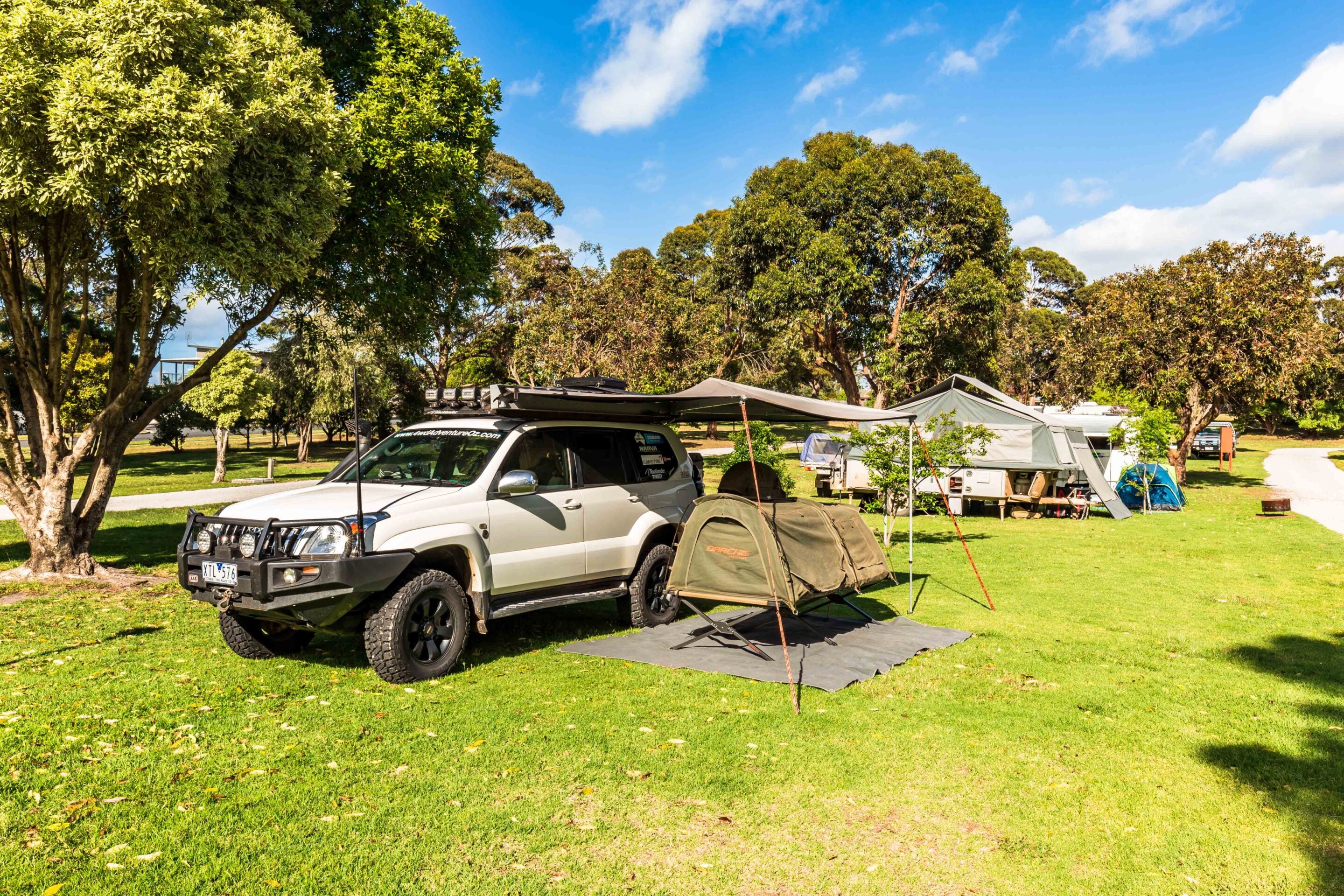
Gallery 1
Camping in the bush is about spending quality time with family and friends, but it’s also about immersing yourself in the sights, sounds and solitude of nature.
It’s the chance to escape the city, tackle challenging tracks in your 4×4, and unwind under the stars. But even in the most remote locations, your actions have an impact on fellow campers, wildlife and the fragile environment around you. Small lapses in behaviour can turn a peaceful campsite into a frustrating experience for others, or even create safety hazards.
Following a few simple etiquette rules not only keeps your trip running smoothly but also ensures that everyone in the 4WD community can enjoy the outdoors responsibly, safely and respectfully.
1. Keep noise to a minimum
Campsites are shared spaces, and loud music, shouting or engine noise can ruin the atmosphere for everyone. Generators, in particular, can be surprisingly disruptive if left running for hours, especially early in the morning or late at night. Many campers rise early or enjoy a quiet evening under the stars, so respecting quiet hours – usually around 10pm to 7am – helps everyone sleep well and keeps the bush peaceful. Headphones, low-volume music and careful use of generators go a long way toward maintaining a calm campsite.
2. Respect campsite boundaries
Crowding neighbours’ sites creates tension. Make sure your tent, awning, chairs and gear stay within your allocated space. Overcrowding a small campsite with multiple rigs or excessive equipment not only infringes on others’ privacy but can make the site unsafe and uncomfortable. This applies on formal sites and informal bush pads alike. Giving other campers enough room ensures everyone can enjoy their site peacefully without encroachment.
3. Take all rubbish when you leave
Even biodegradable items like food scraps can attract wildlife, and non-biodegradable litter pollutes tracks and campsites. Always take everything you brought in, including packaging, cans and broken gear. Leaving your campsite spotless preserves the environment and prevents authorities from restricting access due to litter problems.
4. Manage campfires responsibly
Campfires are a classic part of bush camping, but they’re high-risk if mismanaged. Check for fire bans or restrictions before lighting a fire, use established fire rings if possible, and keep a bucket of water nearby. Never leave a fire unattended, and fully extinguish it before going to bed or leaving the site. Avoid burning plastics or treated timber, as this pollutes and produces toxic smoke.
5. Keep pets under control
Dogs and other pets can enhance a trip, but they need to be under control at all times. On-lead pets prevent disturbance to wildlife, other campers and livestock. Be considerate: Not everyone is comfortable with pets wandering through their site, and uncontrolled dogs can cause safety issues, especially around campfires or children.
6. Minimise light pollution
Bright lights and floodlights can ruin other campers’ night vision and interrupt the sense of wilderness. Headlamps, low-power lanterns or dimmed camping lights are usually sufficient. Avoid pointing lights into neighbouring tents or the track; it keeps the night calm and preserves the bush experience for everyone.
7. Respect shared facilities
Many campsites have toilets, picnic shelters, water taps and bins. Leaving them messy or monopolising them frustrates others and can quickly turn a pleasant campsite into an unpleasant one. Always clean up after use, avoid leaving personal items behind, and take turns politely. Even small actions – like wiping down a bench, properly disposing of waste, or ensuring bins aren’t overflowing – help keep facilities usable and pleasant for everyone.
8. Keep vehicles tidy and accessible
Parking can become a source of tension. Avoid blocking other campers’ cars, pathways, or emergency access roads. Keep your rig, trailer, and gear within your site footprint, and ensure any recovery or setup equipment is neatly stored. Consider how others might enter or leave the site without difficulty.
9. Avoid damaging vegetation
Bush campsites are fragile ecosystems. Stick to established tracks and pads, avoid creating new clearings, and don’t drive over shrubs or grass unnecessarily. Don’t cut down trees for firewood or construct permanent structures. Even small impacts can add up over time, so minimal disturbance is key to keeping sites sustainable.
10. Be friendly and considerate
Politeness goes a long way in shared spaces. Greet fellow campers, offer help if needed, and communicate clearly about shared areas or track usage. A friendly approach reduces tension, prevents misunderstandings, and contributes to a positive 4WD camping community.
Special mentions
- Late arrivals setting up in the dark. Pulling in after sunset and noisily unpacking can disturb already-settled campers.
- Leaving tents or gear unattended for long periods. Can block other campers from using facilities.
- Ignoring track rules around campsites. Some sites are one-way access; follow signage.
- Ignoring wildlife. Keep a safe distance, and don’t feed native animals.
- Flying drones recklessly. Drones can spook wildlife and annoy fellow campers if flown too close to campsites.
- Overusing single water sources. Filling multiple containers at once or leaving taps running can inconvenience other campers.
- Excessive vehicle cleaning or washing. Spraying mud or water near other sites can be disruptive and damage fragile ground.
- Hoarding picnic tables or firewood piles. Taking more than you need prevents others from using shared resources.
- Using permanent markers or graffiti. Leave nature as you found it.
Follow 4X4 Australia on Google
Get more 4x4 news, reviews and gear stories from 4X4 Australia in your Google feeds.