
Nissan has once again joined forces with Premcar, the Australian engineering company behind the Warrior-spec Patrol and Navara, to develop and test the next-generation Navara for local conditions.
As can be seen in the video (below) released today by Nissan Australia, the program covered a wide range of real-world scenarios and tested the Navara both unladen and at full payload, including towing.
“In Australia and New Zealand, the ute is just part of life – the weekday workhorse, the weekend adventurer, even the school drop-off,” said Tim Davis, Senior Manager Local Product Development and Enhancement at Nissan Australia. “So we can’t just take a ute from another market and assume it’ll fit. It has to be fine-tuned because the conditions we face are totally unique to this part of the world.
“We were co-operating with Premcar to make sure all the ride and handling performance we want from the new Navara is delivered,” added Davis. “They’ve put it through a brutal local tuning and testing program right here in Australia. The aim is simple – to deliver a ute that excels in all scenarios.”
“For almost four decades, we’ve been engineering and thoroughly evaluating cars locally, including generation on generation of utes and off-roaders,” said Warwick Daly, Deputy Director Marketing and Mobility at Nissan Australia. “It’s about ensuring Australians and New Zealanders can have complete confidence – knowing your vehicle will perform when and how you expect it to.
“The new Navara is the product of local engineering experience and know-how. It’s tuned and tested for our customers,” added Daly.
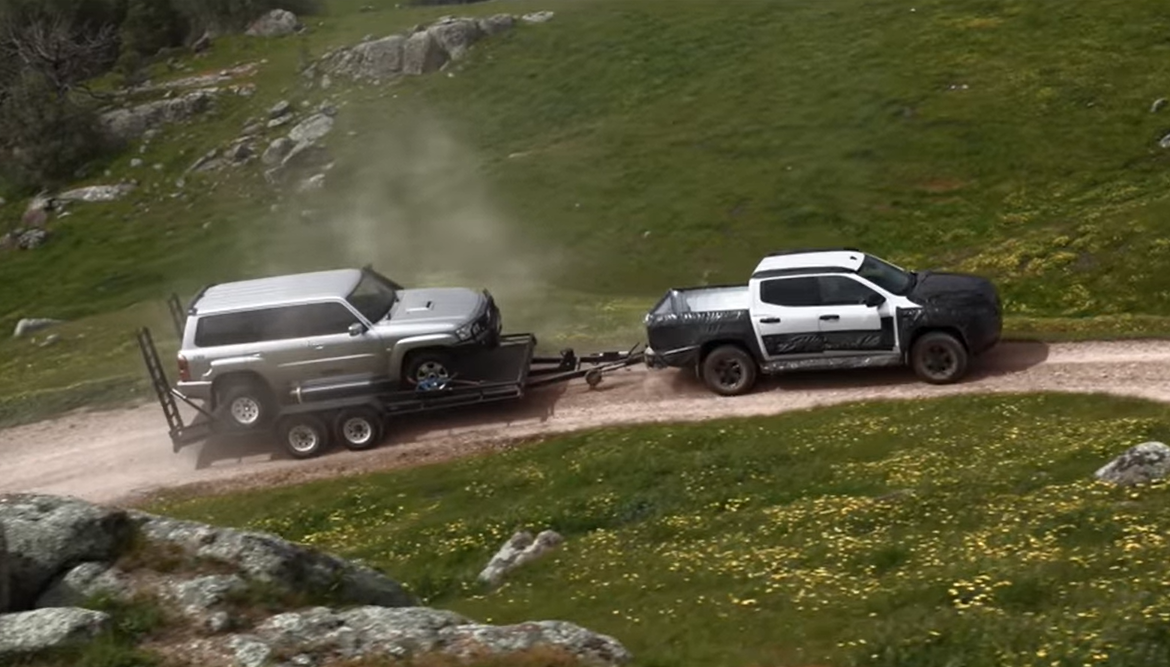
Reports indicate the new model will use a ladder-frame chassis shared with the current Mitsubishi Triton, with both utes assembled at the same plant in Thailand as part of the Renault-Nissan-Mitsubishi Alliance.
Engine choices are expected to focus on diesel, following the Triton’s lead, which delivers 150kW and 470Nm from a four-cylinder turbo-diesel, paired with either a six-speed automatic or manual gearbox. Nissan is also reportedly considering a plug-in hybrid variant for the new Navara.
The next-gen Navara is set for a global reveal on November 19, 2025, with Australian and New Zealand sales expected in the first half of 2026.
Pricing and grade info for the ninth-generation Toyota HiLux has been unveiled, with the 4×4 line-up starting with the Workmate single-cab at $45,990 plus ORC.
Officially revealed earlier this week, the entire new HiLux range will be powered by a 2.8-litre 1GD-FTV diesel engine, with both the 2.4-litre 2GD version and 2.7-litre petrol engines discontinued. The range consists of single-, extra- and double-cab bodies; 4×2 and 4×4 drivelines with manual or automatic transmissions; and WorkMate, SR, SR5, Rogue and Rugged X grades.
The only real point of interest around the loss of the lower-grade engines concerns what the inclusion of the 1GD 2.8 will mean to the price of the basic models like the always popular 2WD single-cab, back tray back traffic-controller-spec variants at $33,990 entry price.
All new Hiluxes ride on the same wheelbase and wheel track as the previous generation and there will initially be no wide-track models such as the GR Sport offered.
4×4 model line-up
HiLux WorkMate
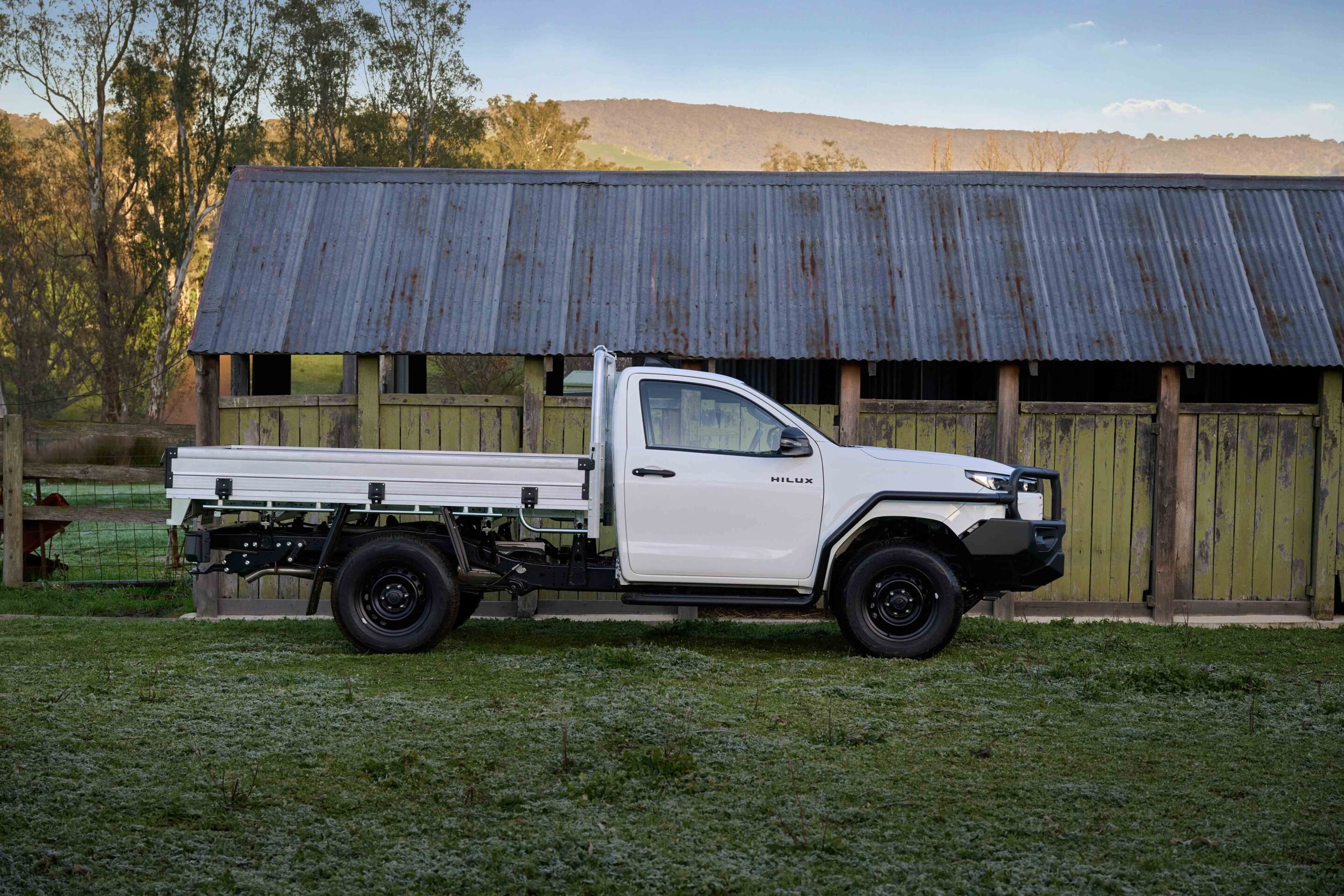
The WorkMate is distinguished by 17-inch steel wheels, and comes with LED manual-leveling headlights, body-coloured front bumper and grille, electric exterior mirrors with integrated turn signal, sharkfin antenna and the choice of four exterior paint colours. The WorkMate double-cab pick-up adds front and rear mud guards, four tie-down hooks in the tub and a tailgate damper with lift assist for easier opening.
Inside the cabin, the WorkMate has manually adjustable front seats with cloth trim, urethane steering wheel with tilt and telescopic adjustment, all-weather floor mats, power windows, manual air conditioning, and a manual parking brake.

Hilux SR
Stepping up to the HiLux SR brings 17-inch alloy wheels, silver-painted lower front bumper, black-painted door handles, side mirrors and hood moulding, LED front fog lamps, locking rear tailgate, side steps, and six exterior colour choices.
The interior gets additional bolstering for the front seats, high-grade cloth trim upholstery, leather-accented shift knob and steering wheel, rear-seat air conditioning vent, 300W inverter, smart entry and start, wireless smartphone charger, eight-speaker audio system, a panoramic view monitor, tyre pressure monitoring system, a locking rear differential, Multi Terrain Select, and downhill assist control.
SR 4×4 double-cab automatic models (and those above it) come with Toyota’s V-Active technology to boost the 2.8L engine. This includes a 48-volt system with an 8.5kW/65Nm electric motor generator and DC/DC converter for improved driving feel during take-off.
HiLux SR5
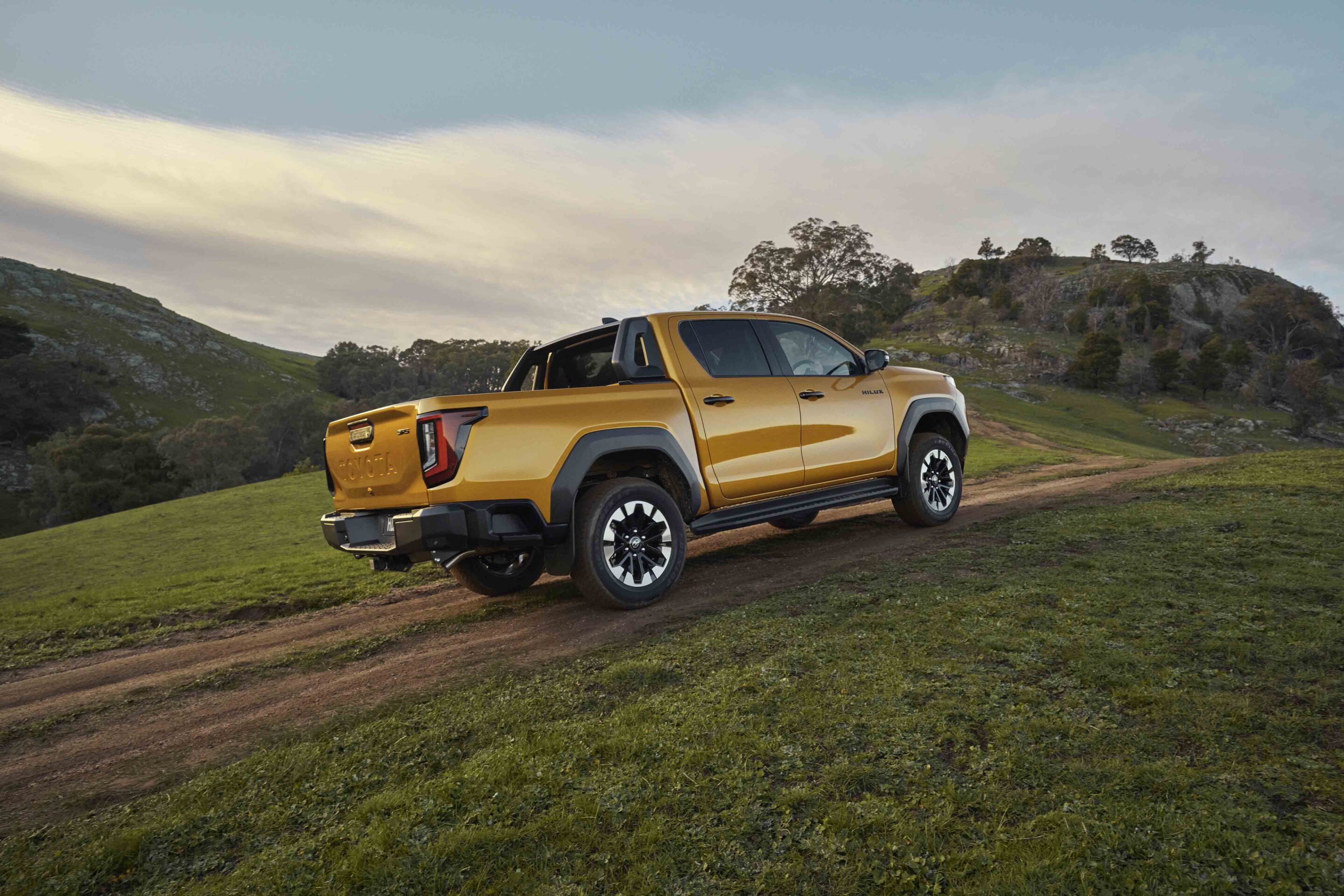
The HiLux SR5 is available as a manual pick-up, or with the V-Active automatic in cab-chassis or pick-up body styles. It adds 18-inch alloy wheels with larger front disc brakes and ventilated rear disc brakes, integrated towbar, high-grade auto-levelling LED headlights, LED tail-lights and rear fog lamp, sports bar, privacy glass, and auto folding/heated exterior mirrors.
Inside, the SR5 gets dual-zone automatic climate control, cooled glove box, heated front seats and steering wheel, a larger 12.3-inch digital instrument cluster, electro-chromatic rearview mirror, all-weather mats, and an electric park brake. Customers with automatic versions will also be able to remotely activate their air conditioning via the Toyota Connect+ feature.
As was available in the previous model, The SR5 can be optioned with the Premium Interior package, which, for $2500, bundles black leather-accented upholstery, eight-way powered driver’s seat with lumbar support, and a nine-speaker JBL sound system.
SR5 and above HiLuxes also get the comfort-oriented rear leaf suspension tune designed to provide a more compliant and supple ride compared to the working-class lower grades. This suspension retains the HiLux’s load-carrying and towing capabilities but is designed to deliver a more comfortable ride.
HiLux Rogue and Rugged X
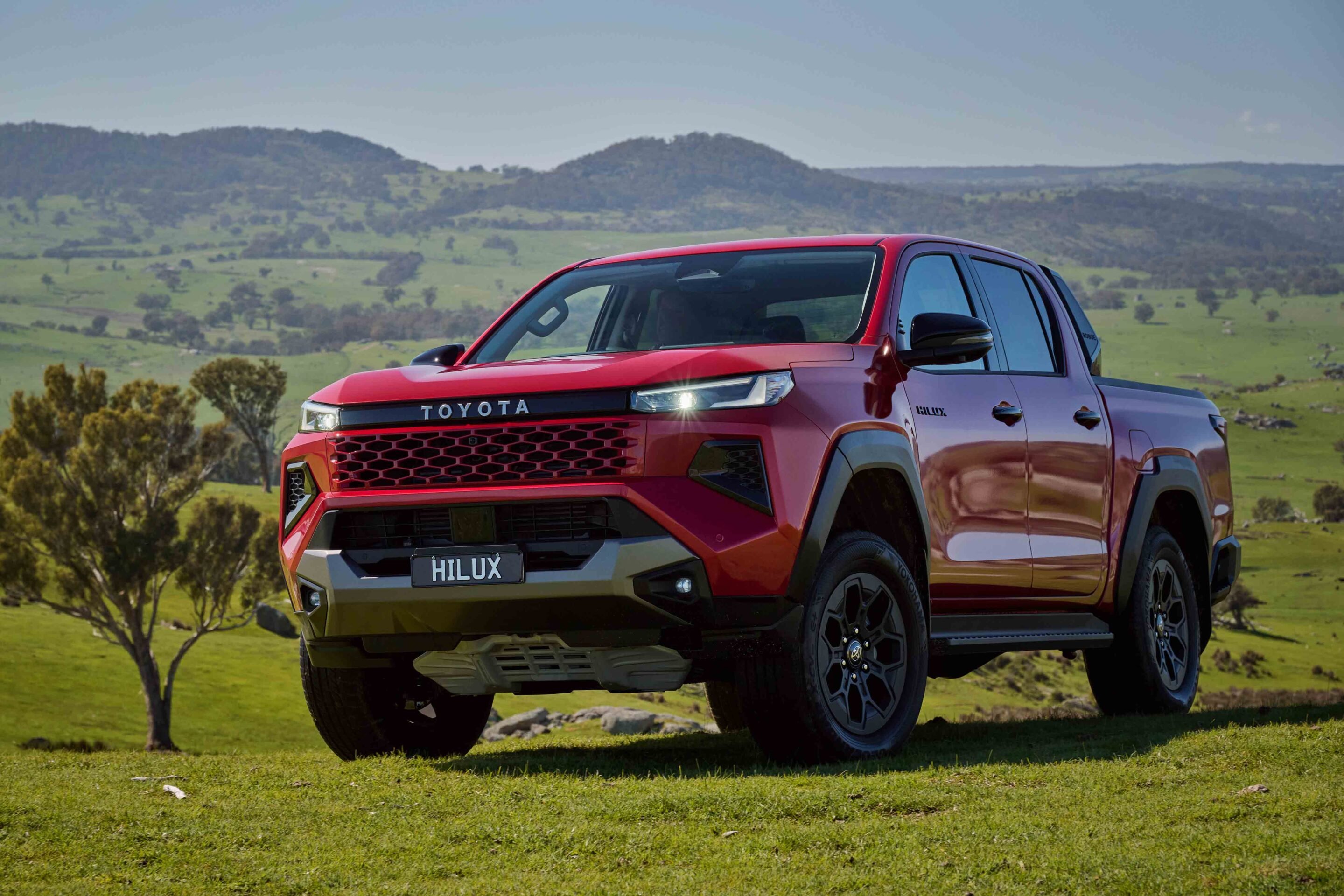
The two range-toppers are built on the SR5 Premium package but add a range of features designed to appeal to different buyers.
The Rogue adds black 18-inch alloy wheels, tailgate badging, unique sports bar and front bumper, marine-grade carpet bedliner with electric roller cover, deck rail with two sliding tie down points, 12V tub power outlet, central locking tailgate, mineral-coloured upholstery and a fully fitted towing package including tongue and ball, trailer wiring harness, and electronic brake controller.
The new Rugged X variant is claimed to improve off-road capability with the inclusion of a Toyota hoopless metal front bumper, front and rear recovery points, an LED light bar, decal package, sports bar, bezel, tow-pack, bedliner, and mineral upholstery colour.
Toyota HiLux 4×4 pricing
| Variant | 48V | Transmission | Price |
|---|---|---|---|
| WorkMate single cab-chassis | No | AT | $45,990 |
| WorkMate double cab-chassis | No | AT | $52,490 |
| WorkMate double cab pick-up | No | AT | $53,990 |
| SR extra cab-chassis | No | AT | $54,990 |
| SR double cab-chassis | No | MT | $54,990 |
| SR double cab-chassis | Yes | AT | $57,990 |
| SR double cab pick-up | Yes | AT | $59,490 |
| SR5 double cab pick-up | No | MT | $63,990 |
| SR5 double cab-chassis | Yes | AT | $64,490 |
| SR5 double cab pick-up | Yes | AT | $65,990 |
| Rogue double cab pick-up | Yes | AT | $71,990 |
| Rugged X double cab pick-up | Yes | AT | $71,990 |
Options
- Premium paint: $675
- Premium Interior pack: $2500*
Tyre size has a major impact on your 4WD’s performance, safety and reliability.
Oversized tyres can stress suspension, alter gearing and affect braking, while undersized tyres reduce clearance and off-road capability. Checking tyre size before upgrading ensures the tyres suit your vehicle, driving style and – importantly – legal requirements.
The starting point is always the tyres’ factory specifications, which can be found on the tyre sidewall, in the owner’s manual, or on the tyre placard inside the driver’s door frame. These numbers, whether metric (265/70R16) or imperial (33×12.5R16) indicate width, sidewall height and rim diameter, helping you compare tyres and choose the right fit.
Choosing the wrong tyre size can throw off speedometer readings, affect ABS and traction control, increase fuel consumption, and cause excessive wear on suspension and driveline components. Correct sizing maintains performance, safety, and comfort.
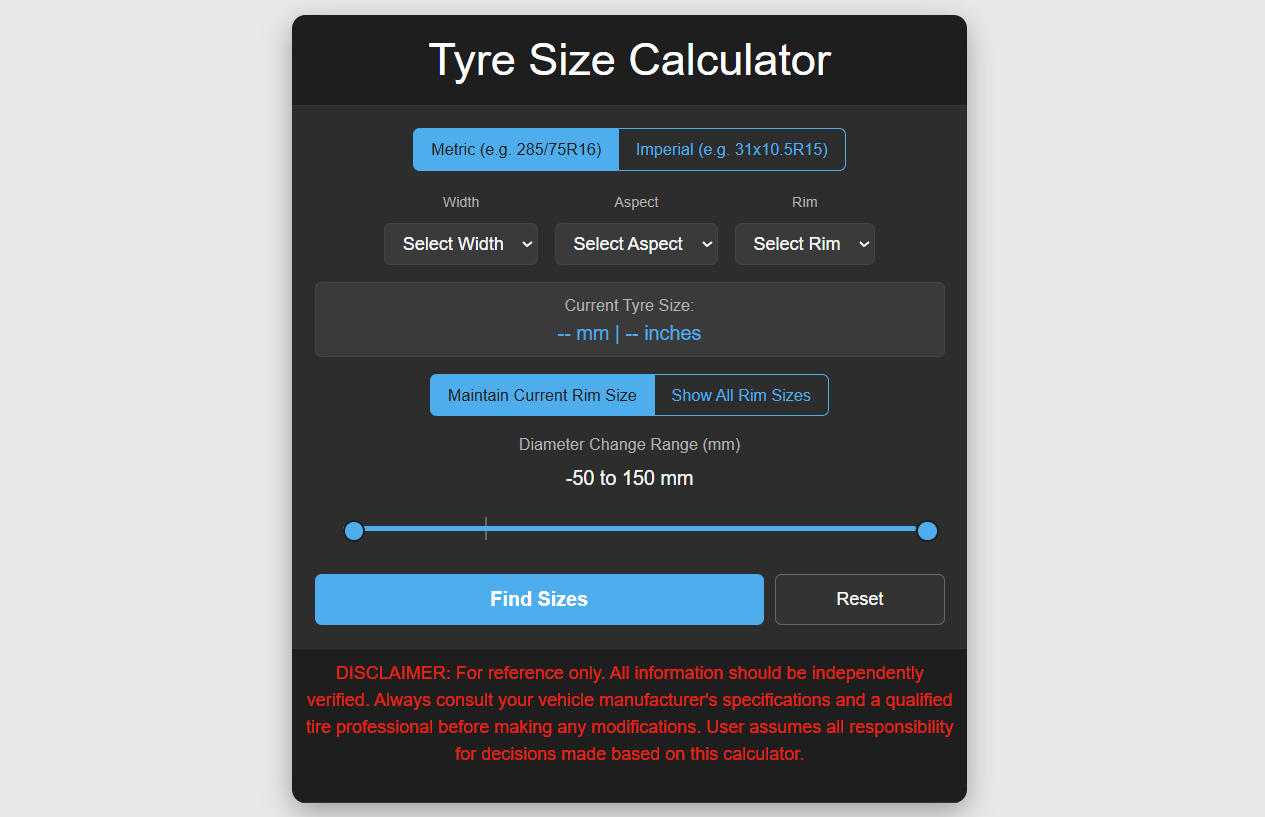
Superior Engineering’s Tyre Size Calculator is a free, easy-to-use tool that makes planning tyre upgrades simple. It allows you to compare your current tyres with potential upgrades, showing differences in overall diameter, width and sidewall height, while helping you ensure compliance with Australian regulations.
While changing tyre size is a common upgrade to improve clearance and off-road grip, there are limits, and larger tyres may cause guard rubbing, altered gearing and reduced braking. Each state has legal limits on tyre increases, so planning carefully is essential.
How the calculator works
- Enter current tyre dimensions.
- Select a new tyre size.
- Review the comparison: See differences in diameter, width and other key metrics to visualise how your vehicle will perform.
Beyond the calculator
Upgrading to bigger tyres can affect your speedometer accuracy, but Superior Engineering offers plug-and-play speedo correctors for popular 4WD models, allowing you to recalibrate your speedo and stay compliant.
Superior also provides suspension upgrades, GVM upgrades and engineering advice to ensure modifications are safe and legal. Using factory specs, understanding size codes and utilising the Tyre Size Calculator ensures smarter, safer tyre upgrades that balance performance, safety and comfort.
Plan your upgrade
Visit Superior Engineering’s Tyre Size Calculator today to start planning your 4WD upgrade. For personalised advice and product options, contact their sales team at (07) 5433 1411. Remember, while the calculator is a valuable planning tool, always confirm your tyre choices with a qualified tyre fitter, engineer or your vehicle manufacturer to ensure safety and compliance.
Thrifty, one of Australia’s major vehicle rental brands, has expanded its Northern Territory fleet with 25 Mitsubishi Triton GSR 4×4 campers, giving travellers another option for exploring remote country.
Each Triton camper is supplied with a pop-up rooftop tent for two, with an extra three-person ground tent available on request. The vehicles come equipped with an off-grid kitchen setup including an 85-litre Bushman fridge, 30-litre fridge/freezer, induction cooktop, nomadiQ BBQ and cooking gear for four.
A 200Ah lithium battery managed by a Redarc system powers the setup, and Starlink internet is fitted for remote-area connectivity. An onboard compressor with a four-wheel inflator/deflator kit is included, as is a 270-degree freestanding awning. The camper also comes equipped with sleeping bags, pillows, folding chairs and table, a first-aid kit, and fire extinguisher.
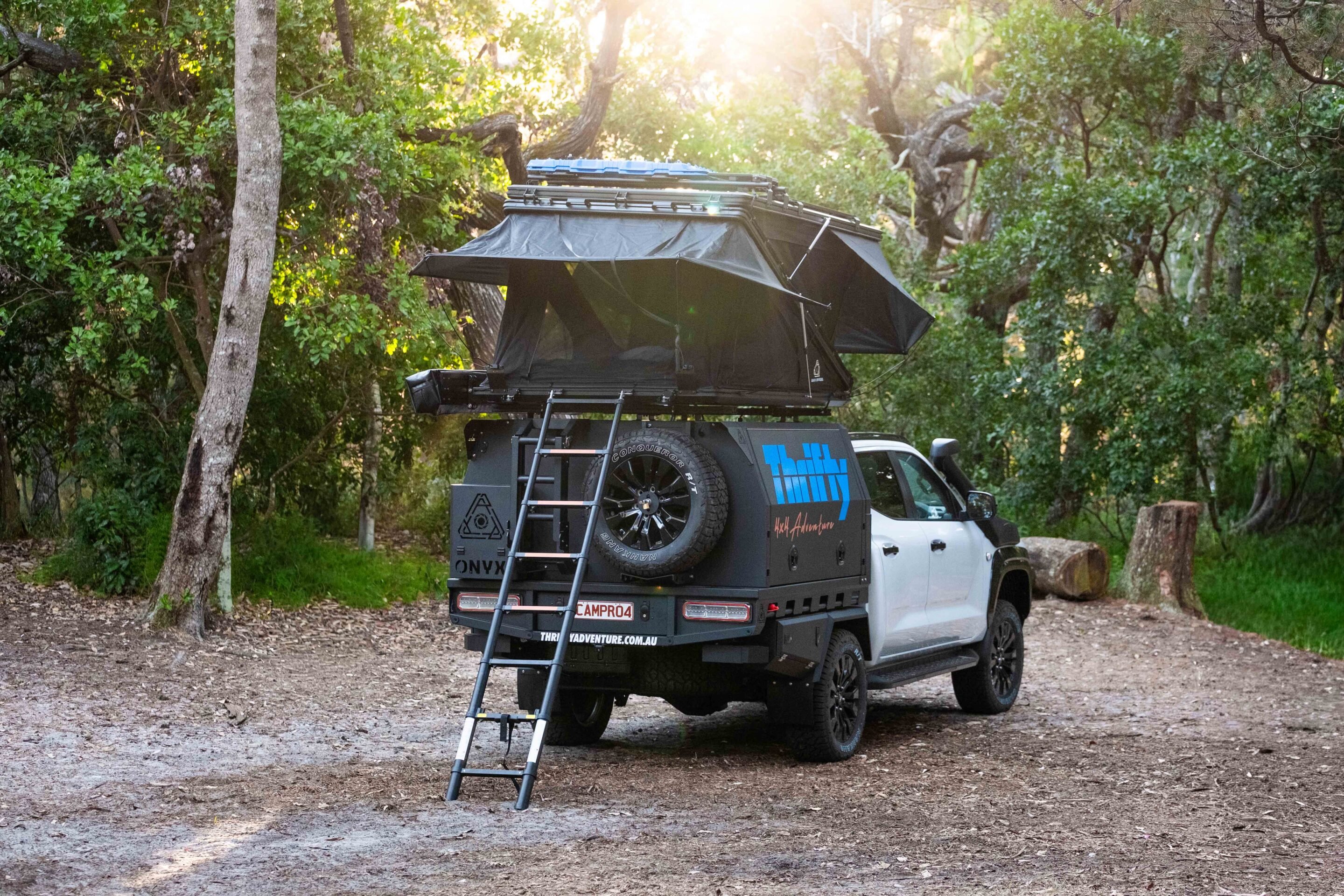
“With these new Triton campers, travellers can comfortably reach some of the most spectacular and remote locations in Australia,” said Damien Shaw, Vice President at Thrifty APAC. “Whether you’re exploring the iconic landscapes of the Red Centre or Kakadu National Park, we’ve made it easier than ever to combine rugged adventure with creature comforts.”
The Triton GSR 4×4 campers are available now at selected Thrifty locations across the Northern Territory.
Toyota has dropped the Fortuner, and no replacement has been planned for the wagon.
While it never set the sales charts alight, the Fortuner has been a steady performer for Toyota, shifting 2617 units to September 2025. By comparison, Toyota’s own Kluger found 6596 buyers in the same period, while the Prado dominated with 21,840 sales.
Like many midsize 4×4 wagons, the Fortuner is built on a ute platform but uses coil-spring rear suspension instead of the ute’s leaf springs. Unfortunately for Toyota, rivals such as the Ford Everest, Isuzu MU-X and Holden Colorado 7 offered more interior space and consistently outsold the Fortuner.
Toyota is no longer importing the Fortuner into Australia, so whatever stock remains in showrooms will mark the end of the line for the model. Toyota’s Sean Hanley told us there are no plans to replace the Fortuner locally, but there are alternatives within the Toyota line-up that could fill the gap 👇
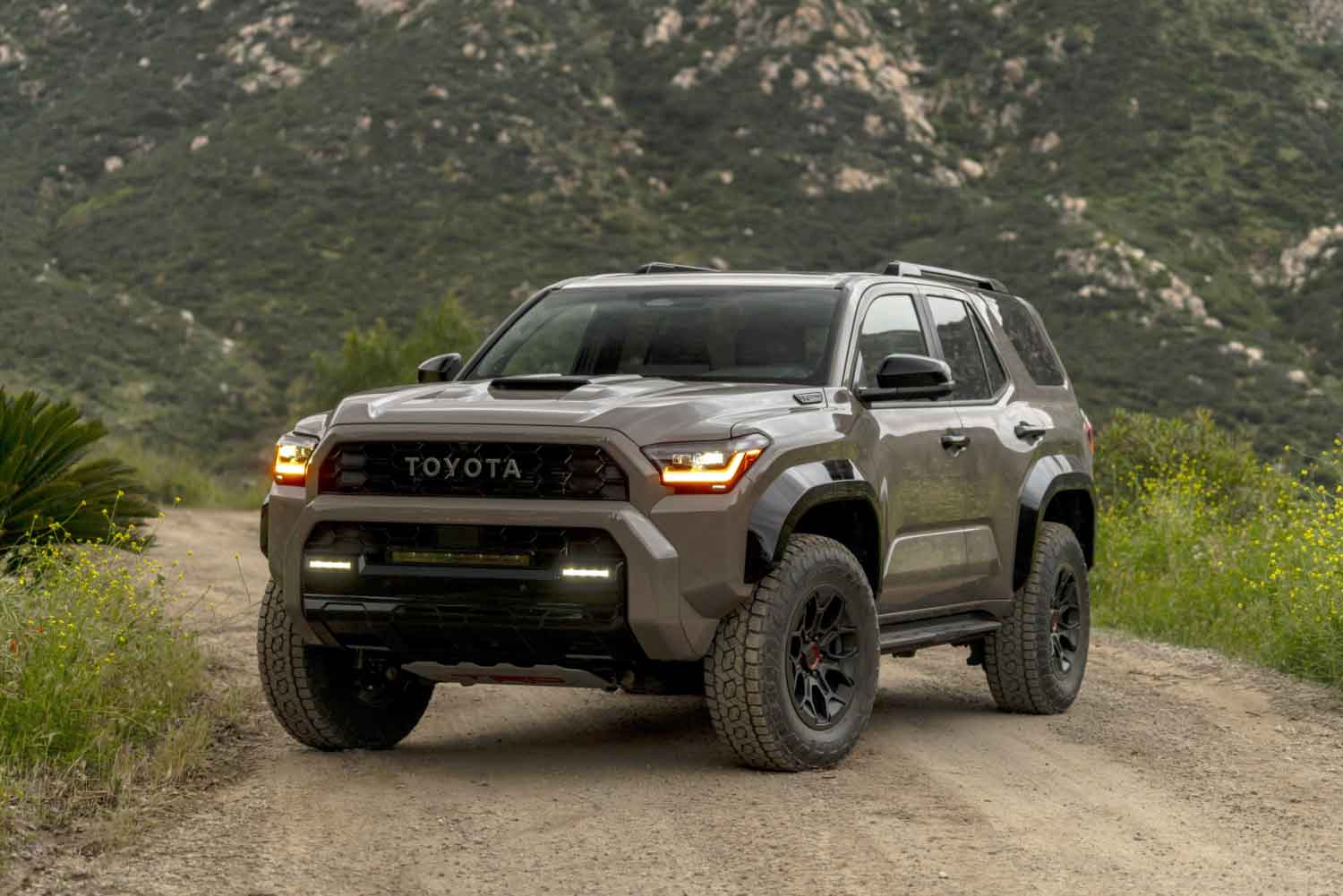
Toyota 4Runner
The 4Runner is a familiar name to Australian 4×4 fans, but it was discontinued here decades ago. In the USA, the current 4Runner is to the Tacoma pick-up what the Fortuner was to the HiLux in Australia.
The sixth-generation 4Runner is a tough-looking wagon that rides on the same TNGA-F platform as the Tacoma, Prado 250, LandCruiser 300 and Tundra – so we know it could work as a right-hand-drive vehicle. It’s offered in the US in multiple model grades, with a choice of five or seven seats.
With 4×4 heritage dating back to the mid-’80s and an enthusiastic following still in Australia, the 4Runner would be a welcome addition to Toyota’s local line-up. The big question is whether TMCA could bring it here at a price low enough to slot it comfortably below the Prado.
Toyota FJ
The other option is a five-seater only, coming in the form of the new Toyota FJ. Already ruled out for Australia, the new FJ rides on the same IMV platform as the HiLux and Fortuner, so it should offer solid off-road capability – and its styling is spot on.
Toyota claims the FJ has wheel articulation on par with the 70 Series (not something to brag about, mind you), while its wheelbase is 270mm shorter than the Prado 250’s. Ground clearance and approach angles are said to be close to those of the 70 Series, meaning it should perform well on technical terrain.
While the Fortuner was a wagon aimed at Asian markets and therefore offered with diesel engines, both the 4Runner and new FJ are petrol-only for now. However, Toyota is exploring more powertrain options than any other manufacturer, so there’s every chance one of them could suit our market.
New Toyota HiLuxes don’t come along every year, and now, as the ninth generation of HiLux is being launched, we’re still left waiting for an all-new one.
It seems crazy – and no other manufacturer, other than Toyota, would be prepared to continue with such an ageing model, even if it has been heavily revised and refreshed. No matter how much tweaking and refining you do to an existing platform, chassis and body shell, the fundamentals of the structure remain the same.
By that, I mean the hard points where the body and suspension mount to the chassis, and the overall dimensions of the passenger cell, remain relatively unchanged – and that’s exactly what we’re getting with the “new” 2026 HiLux.
Sure, it looks different and has more tech and features, but essentially it’s the same vehicle it’s replacing – and when it comes to the HiLux, that’s not a bad thing.
Having spent time recently driving a dozen of the latest and most popular midsize 4×4 utes sold in Australia, the previous HiLux was still up there as one of the best despite its age and lack of some features. To me, the HiLux still feels like the most solidly constructed and best put-together ute in this class – the one least likely to start falling apart after years of hard work and rough use.
Punt any ute over harsh terrain a bit quicker than you really should and you soon get a feel for how solid it is and how it will stand up to the test of time. In my experience, and to this day, the HiLux still feels like the toughest option out there.
The HiLux might not be the biggest, most comfortable or most tech-laden ute on the market, but it feels like the one that will do the job the longest, leaving the others in its wake.
Is this perceived toughness enough for Toyota to keep its position at or near the top of the sales charts in Australia? We’ll have to wait and see. With the tsunami of new and refreshed ute models coming to market in recent years – and more on the way – many of them bigger, plusher and more feature-packed than the Toyota, it’s likely to be a hard road ahead.
But the HiLux has been putting hard roads behind it for more than 50 years, and I reckon it’ll still be doing it long after many of these new utes have fallen by the wayside.
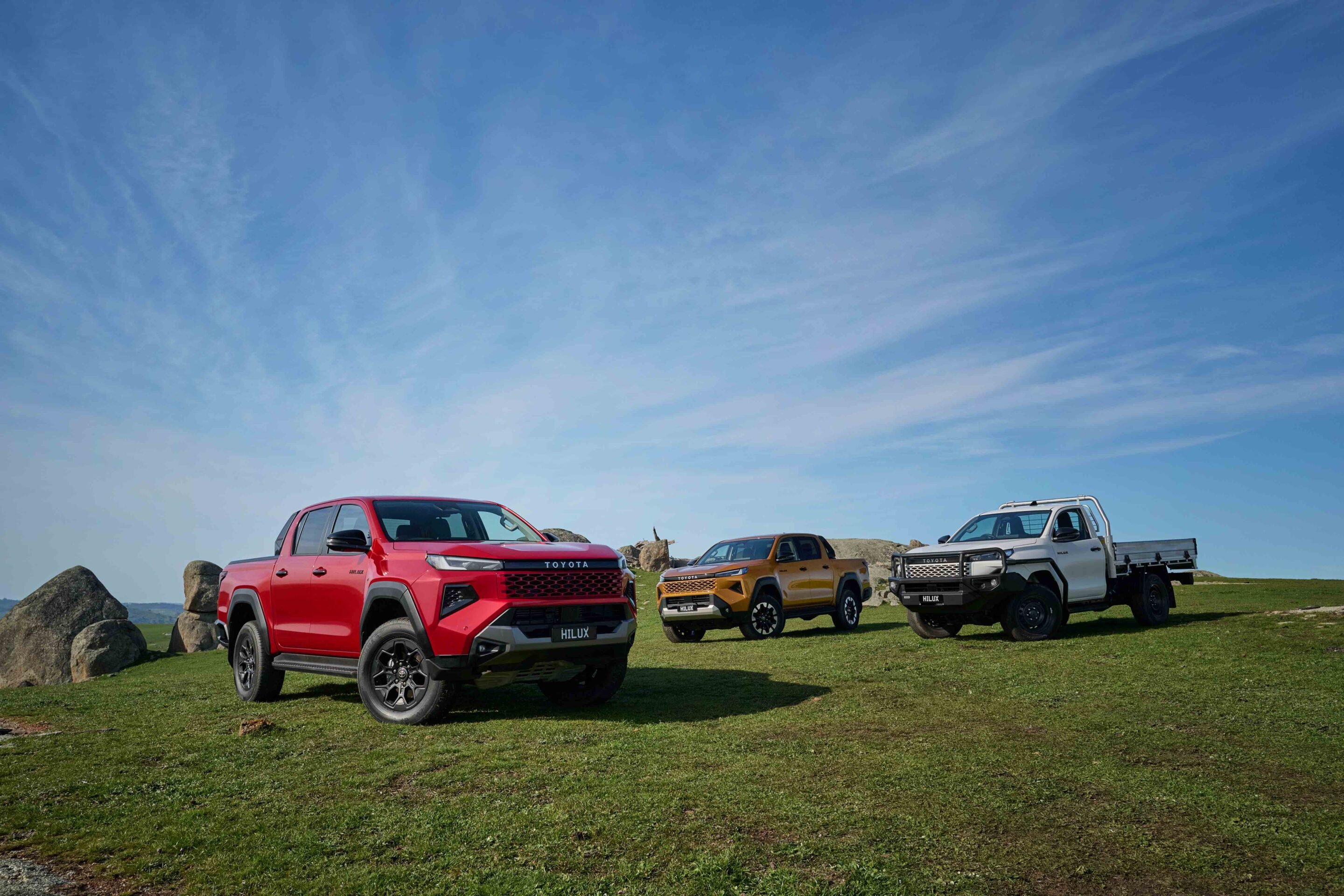
The ninth-generation Toyota HiLux has been unveiled with a 16 model line-up, 12 of which are 4×4.
The range includes single-, extra- and double-cab bodies; 4×2 and 4×4 drivelines with manual or automatic transmissions; and WorkMate, SR, SR5, Rogue and Rugged X grades. All 4×4 models come with an automatic transmission, with no manual offered.
The 2.8-litre 1GD-FTV diesel engine is now the only engine offered with the new HiLux, meaning the 2.4-litre 2GD version and the 2.7-litre petrol engine have been discontinued – the 2.8 will be offered across the entire range. The only real point of interest caused by the loss of the lower-grade engines is what it will mean to the price of the basic HiLux models.
Higher-spec models will come with Toyota’s V-Active technology to boost the 2.8L engine. This tech uses a 48-volt system with an 8.5kW/65Nm electric motor generator and DC/DC converter for improved driving feel during take-off.
All new HiLuxes ride on the same wheelbase and wheel track as the previous generation, and there will be no wide-track models such as the GR Sport offered, for now at least. Upper-spec variants also get the comfort-oriented rear leaf suspension tune designed to provide a more compliant and supple ride. The comfort suspension retains the HiLux’s load-carrying and towing capabilities but is designed to deliver a more comfortable ride.
New but not new
Despite what many predicted and hoped for, the 2026 HiLux is not an all-new car. There were credible reports doing the rounds that the next HiLux would ride on the same TNGA-F platform that underpins the Toyota LandCruiser, Prado and Tundra, as well as Toyota USA’s mid-size HiLux equivalent, the Tacoma pick-up.
Instead, Toyota has continued with its conservative ‘don’t fix it unless it’s broken’ mantra and retained the current chassis, suspension design and powertrain as the outgoing vehicle that was commonly known as the N80 HiLux.
Refreshed chassis
The ninth-generation HiLux rides on the ladder-frame chassis that is essentially a carry-over item with all the same hard-points and mounts, but it has been significantly modified with extra welding and strengthening at key points such as suspension and body mounts, plus modifications at the front to accommodate the latest crash and safety equipment.
The adoption of electrically assisted power steering (EPS) has allowed TMCA to employ proper lane keeping and collision avoidance technology into its Safety Sense suite of ADAS functions, which are standard across the HiLux range. On models with multiple drive modes, drivers are able to change the feel of the EDS by switching between the Comfort and Sport modes.
The suspension mounted to the chassis retains the coil-sprung IFS at the front and a live axle over leaf springs at the rear, but these components have also been revised – the spring and damper calibrations, in particular, with a choice of two suspension settings available depending on the model grade.
Battery Electric HiLux
While most expected the new HiLux to offer a hybrid variant to join the many other hybrids in Toyota’s new car range – and a growing number of PHEV 4×4 utes in the category – there will not be a hybrid HiLux at launch. While Toyota’s 48-volt V-Active technology comes standard on higher-spec variants, the company doesn’t call this a hybrid, even if other manufacturers call their similar system hybrid or mild-hybrid.
Instead, Toyota will launch a full battery electric (BEV) HiLux in the near future. BEV HiLuxes will be powered by electric motors driving each axle, paired with a lithium-ion battery. We didn’t get a look at the BEV so can’t comment on its tray and load-carrying capabilities, but with its fleet focus we expect them to be uncompromised in this regard. More details on the BEV HiLux and its powertrain will be revealed closer to its launch.
The HiLux BEV will be aimed at fleet operators when it goes on sale in the first half of 2026, with Sean Hanley, Toyota Australia’s Vice President of Sales, Marketing and Franchise Operations, saying he has received considerable interest in the BEV and orders from existing Toyota fleet customers.
Locally developed design
Toyota entrusted the design and engineering of the new HiLux to the team at Toyota Australia, following their good work on vehicles like the GR Sport and development of models such as the Rogue and Rugged variants.
The main cabin section of the body remains essentially unchanged, but the team at TMCA Altona gave the front and rear ends a thorough going over. So much so that the team says this is the most Australian HiLux ever in the 57-year history of the nameplate.
“Over the past 10 years, we have been working on significant HiLux updates, special models and of course accessories for global HiLux family models, alongside our partners at the technical centre in Thailand,” said Nic Hogios, Toyota Design Australia, Senior Manager, as the new car was unveiled at the design centre in Altona.
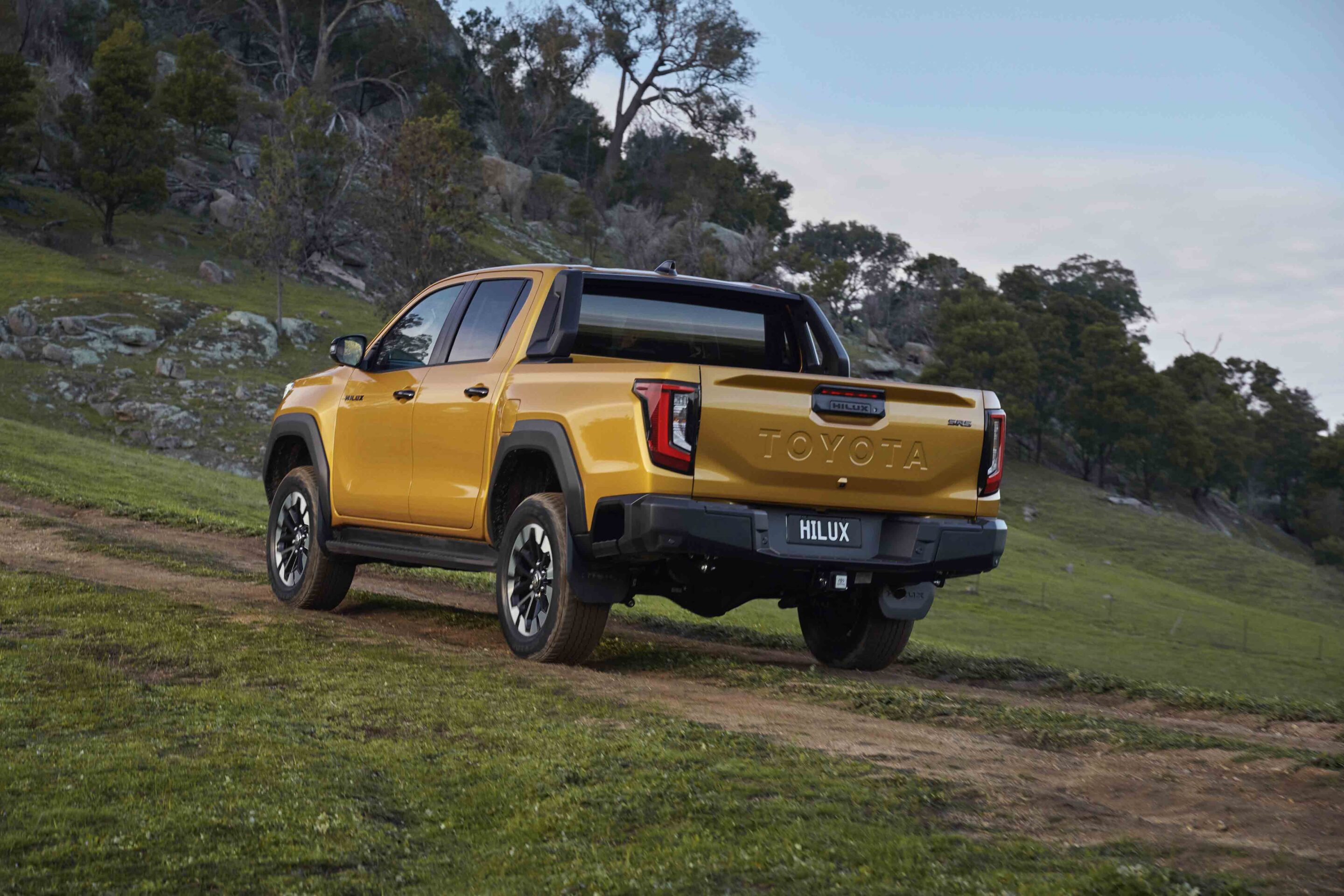
“So, it was only natural that Toyota headquarters selected us to design the exterior for the next generation, again in close collaboration with the teams in Japan and Thailand and our global Head of Design and Chief Branding Officer, Simon Humphries.
“Not only that, we have more recently been building our interior design capability to match our exterior design output. Our interior theme was designed to complement the exterior direction, ultimately selected as the target for production design – our interior lead designer supporting in Japan on a two-year assignment,” added Hogios.
The all-new front end was designed to give the HiLux a more modern look with a rounder nose, slim headlights and body-coloured grille. The team was challenged to adapt the fresh front-end design with the existing A-pillars which are a carry-over from the previous model along with the rest of the passenger cabin, but they made it work.
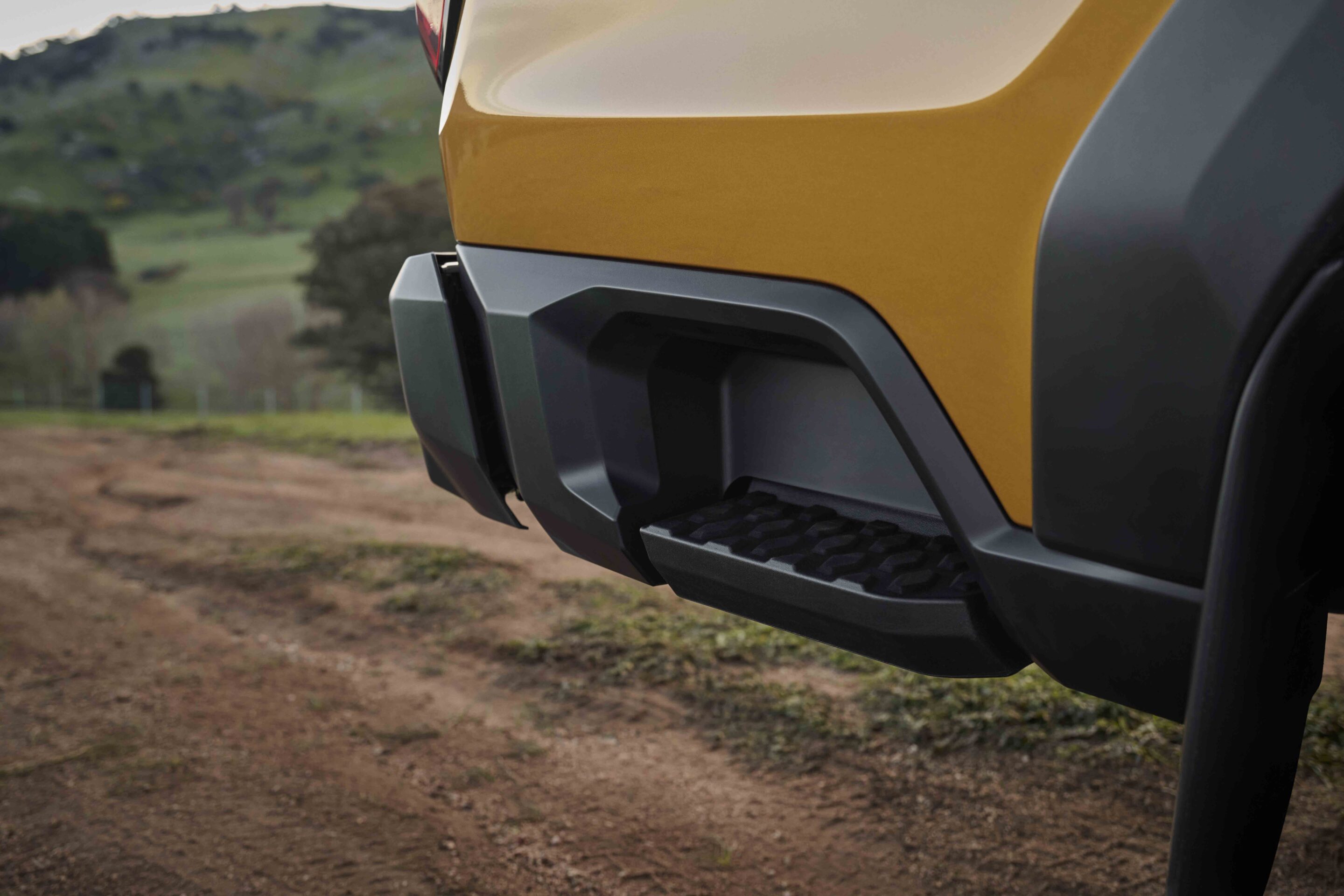
The cargo tub has also been refreshed with new sheetmetal and tail-lights. There’s now a step in the rear bumper which is a trend we are continuing to see on utes, while the sports bar/sail plane is also a new design on models that have them.
The Australian team was also kept busy designing and developing a range of accessories for the new HiLux including items like bull bars, underbody protection, side steps, rock rails, sports bars, a winch mounting, roller covers and more. The new front end design and revised cargo tub required new accessories to fit and look right on the car as well as being compatible with ADAS systems. A lot of thought was put into the design of these accessories in an effort to get buyers loading their HiLuxes with Toyota genuine accessories and not spending all their money with the aftermarket.
The interior redesign was also handled by the Australian team and includes a new dash and multimedia screen, new console and transmission shifter and new model-dependent trims. All 2026 HiLux models get a new 12.3-inch multimedia screen well placed high in the centre of the dash. The latest generation multimedia system offers compatibility with wireless Apple Car Play and Android Auto, Toyota’s embedded satellite navigation and voice command.
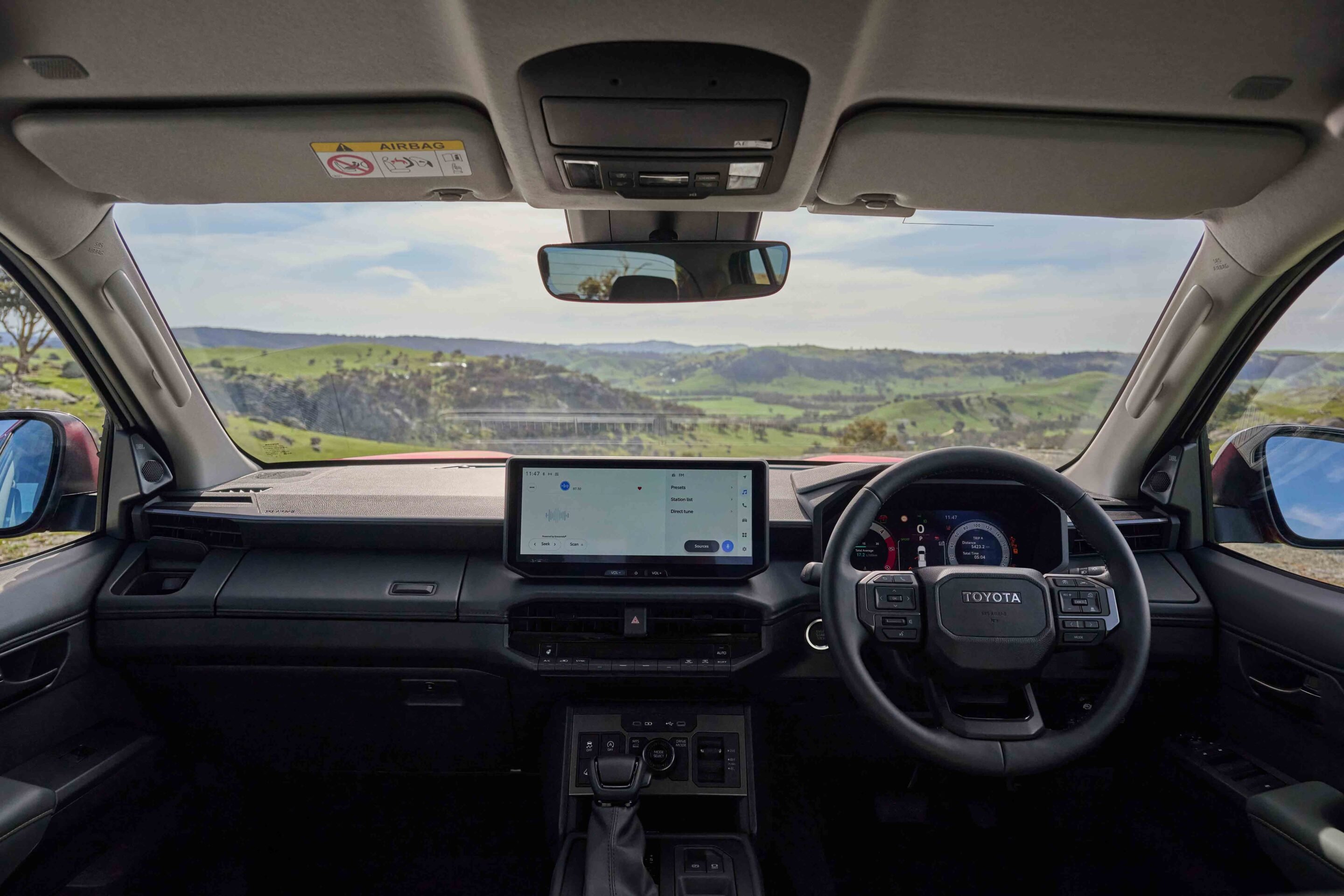
The console hosts the 4×4 functions including the transfer case activation, newly included MTS and drive modes but still there’s no option of full-time or on-demand 4×4 driving. Like the engine and transmission, the transfer case is carried over from the old model and Toyota is really falling behind other utes in this segment in this regard.
Also behind other utes is the size of the cabin, with the carried-over body only offering the same proportions as the outgoing model. We’re seeing more mid-size utes increase the size – particularly the width of their cabins – and this has been greatly appreciated by consumers.
Time will tell how those consumers feel about the heavily revamped HiLux. Has Toyota done enough to make gains on the Ford Ranger while staving off the growing pack of new utes chasing its tail?
Lexus Australia has recalled approximately 789 vehicles across its LX and GX ranges due to a potential engine defect that could cause an engine to stall.
Lexus says the recall only affects vehicles equipped with a specific V35A twin-turbo petrol V6 engine that contains crankshaft main bearings. The recall notice says affected engines may contain machining debris that wasn’t fully removed during manufacturing. This debris can contaminate the crankshaft’s main bearings, which allow the crank to rotate inside the engine.
If the debris sticks to the bearings and the engine is used under higher loads, the bearings may wear out and fail. Drivers may notice knocking noises, rough running or a no-start condition. In more severe cases, the engine may stall, which leads to a sudden loss of power and increases the risk of a crash, especially at higher speeds.
Lexus is still developing a fix and will repair all affected vehicles free of charge once the remedy is confirmed. The company will contact owners directly and encourages customers to keep their details up to date.
Owners can continue driving their vehicles for now, but anyone who notices warning signs should pull over when safe and contact a Lexus dealer. Those unsure whether their vehicle is affected can check with a dealer or call the Lexus Customer Assistance Centre on 1800 023 009 with their VIN.
I can’t believe it’s taken me more than 30 years to finally set foot on K’gari and experience its natural beauty, rich history and spectacular scenery.
To be honest, I’d been avoiding the island, imagining huge crowds and endless sand recoveries – but I couldn’t have been more wrong. Sure, tackling a new destination with a global reputation can be daunting, and my early research had me convinced the only way across was via Inskip Point, where the barge drops you on the island’s southern tip. Like most of us, I’d heard the stories of crowds gathering to watch 4x4s bog down before reaching the barge – not exactly how I wanted to make my debut.
That’s when I discovered another option – the River Heads barge, which runs across the Great Sandy Strait and lands directly at Kingfisher Bay Resort on K’gari’s western side. The 40-minute crossing is an enjoyable cruise through crystal-clear waters teeming with marine life, from turtles and dugongs to dolphins and schools of fish. Normally I’d choose camping over resort living, but I booked a few nights at Kingfisher to explore the western side of the island before heading east for my planned camping dates.
Western exploration
After checking in, I pointed the rig south to Ungowa, a spot best known for the shipwrecks wedged into its mangroves.
Ungowa offers bush camping as well as a handy day-use area near the old boat sheds. In fact, 23 shipwrecks have been recorded around K’gari, and from the cliffs here you can spot two logging barges – the Ceratodus and the SS Palmer, abandoned in 1942. The old jetty at Ungowa is barely standing these days, but once it was the hub for loading timber onto barges bound for the mainland. On their return run, those same barges carried gravel back to the island.
Next on my list was a historical gem I’d heard about from friends – Postons’ Logging Camp. The walking track to the old site isn’t marked, but with a bit of online research you can track it down. Back when timber was in hot demand, K’gari was dotted with logging camps. Operations kicked off in 1863, long before the island was protected, with massive Kauri, Hoop and Cypress pines taken, along with Blackbutt, Tallowwood and Satinay (a type of turpentine) trees. Thankfully, logging finally ceased in 1991, just before K’gari was listed as a UNESCO World Heritage site.
Today, Postons’ camp feels like a step back in time. Dozens of old machines, log trucks, dozers and even an abandoned bus are slowly rusting into the landscape. The remains of workshops lie with their roofs collapsed, concrete slabs and service pits scattered about, while a few cottages still stand just as they were left when the workers walked away. Wandering through the relics, I couldn’t help but wonder – should this gear have been moved and preserved, or is it better left here to slowly return to nature?
The camp itself was built high on a hill, well away from the mozzies and midges that plagued the lower ground, and to catch the cooling summer breeze.
Central Station and East Coast
After a few days exploring the western side of the island – and sampling a bit of resort life – it was time to head inland towards Central Station.
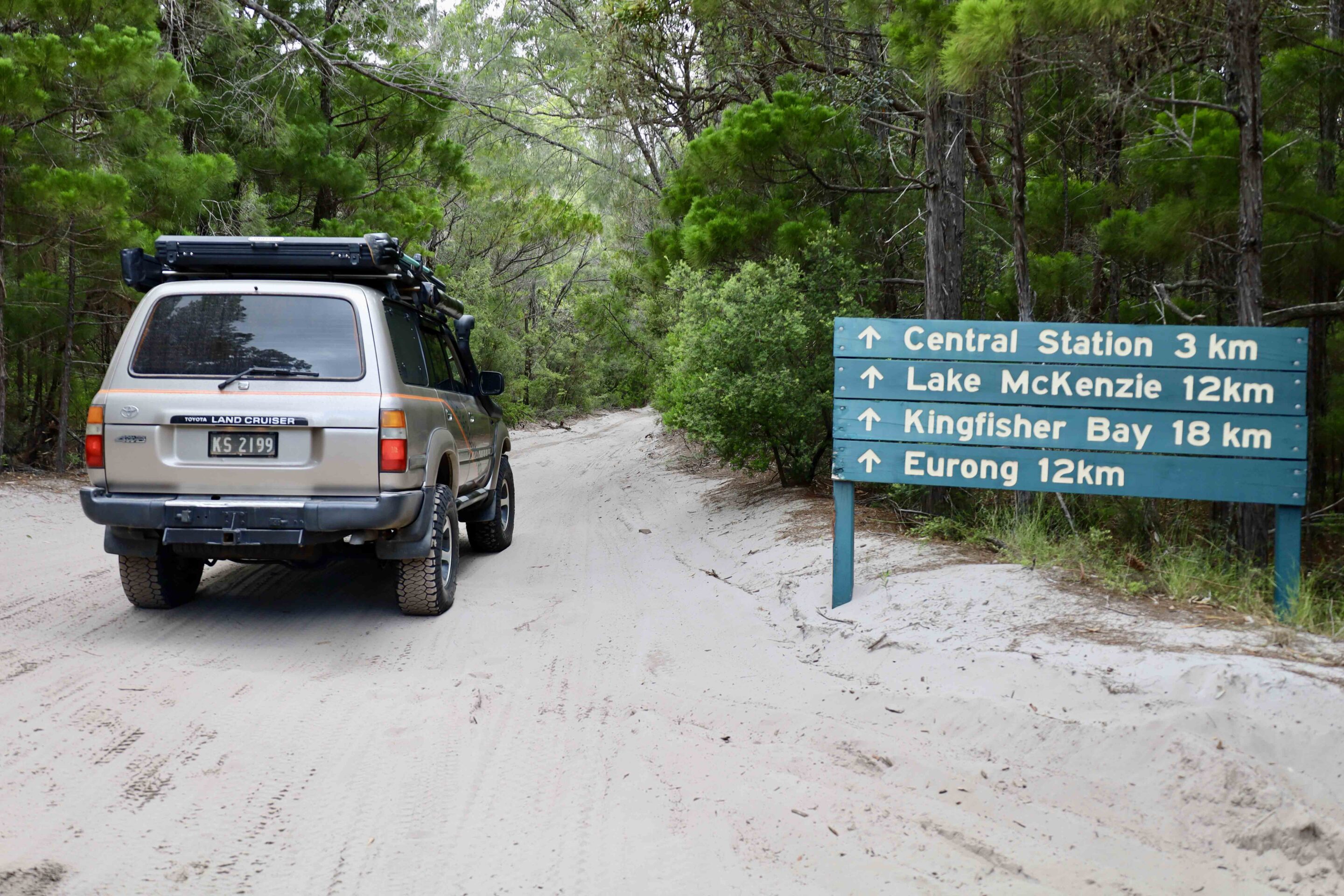
Driving the sandy tracks beneath towering trees that were spared when logging ceased is a mind-blowing experience. Today the forests are dense and thriving, with lush undergrowth and giants that somehow draw enough nutrients from the sand to not only survive, but flourish.
Central Station is a fascinating spot that was once the island’s main hub. From the 1920s through to the 1950s it was home to nearly 30 houses, a school and machinery sheds. When logging finally ceased in 1991, the site was reborn as a visitor hub, with boardwalks along the creek, informative signage and a few relics still hiding among the trees.
With a campsite booked on the east coast, I pushed on after exploring Central Station. Crossing the island via its sandy tracks is no race – the surfaces can be rough after heavy traffic, especially on the main routes. One thing I quickly noticed is that the big 4×4 tourist buses aren’t keen on sharing the track, so it’s often best to pull over and let them lumber past.
Lakes and camping highlights
K’gari is dotted with more than 40 freshwater lakes, some more famous than others.
I made a beeline for the stunning and ever-popular Lake McKenzie, with its warm waters and blindingly white sand – easily one of the island’s top five must-see spots. For something quieter, Lake Allom is worth a visit with its thriving turtle population, Lake Birrabeen rivals McKenzie for its crystal-white sand, and Basin Lake offers a unique setting perched high on a sand dune.
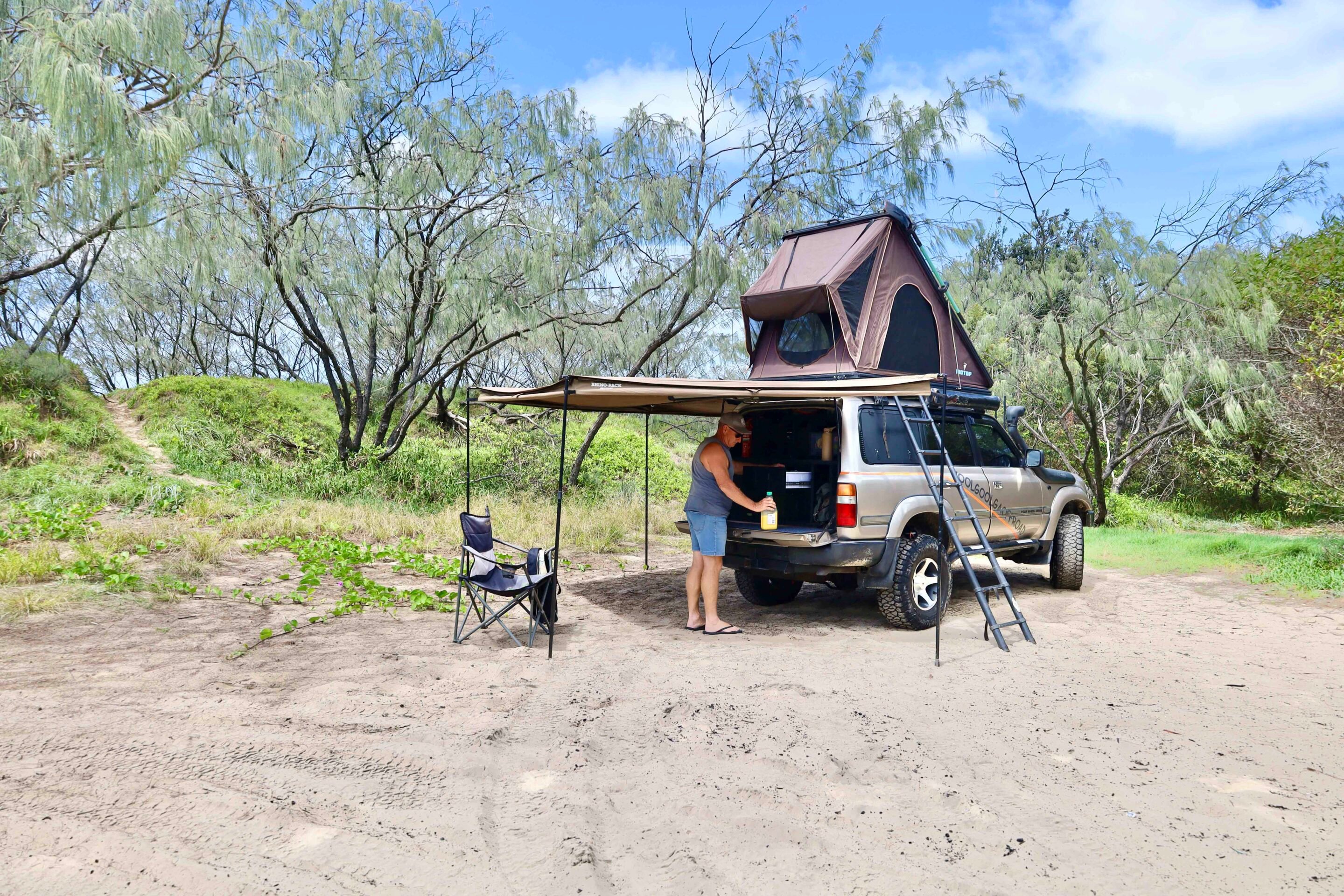
Camping options are spread right across K’gari, including Central Station, but most visitors gravitate to the east coast. I set up in Camping Zone 1, tucked behind a dune to take the sting out of the easterly winds. The only let-down is that fires aren’t permitted anywhere on the island, but the location more than made up for it – just a short stroll over the dune each morning to watch the sunrise and the steady stream of 4×4 traffic racing north and south to meet the barges.
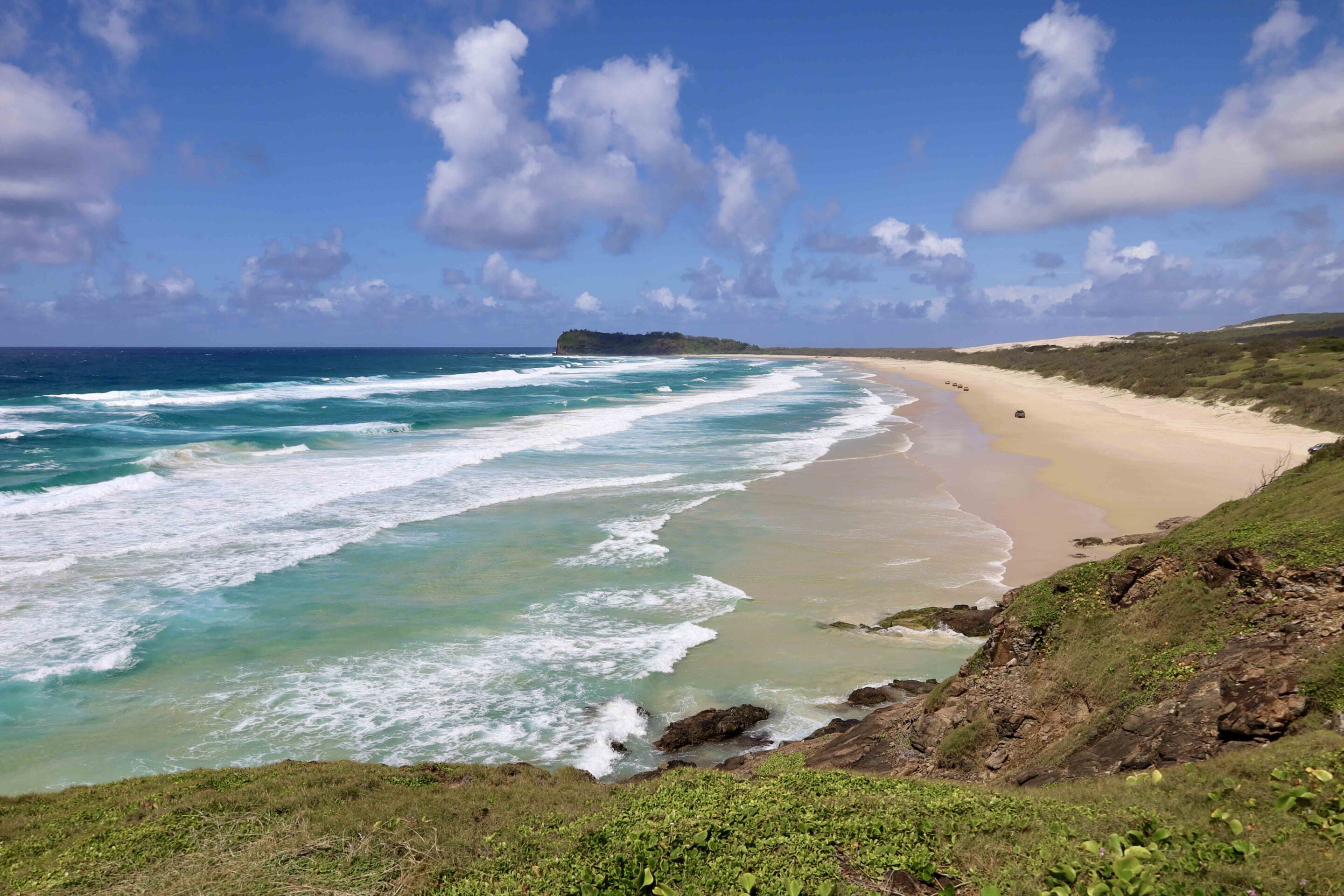
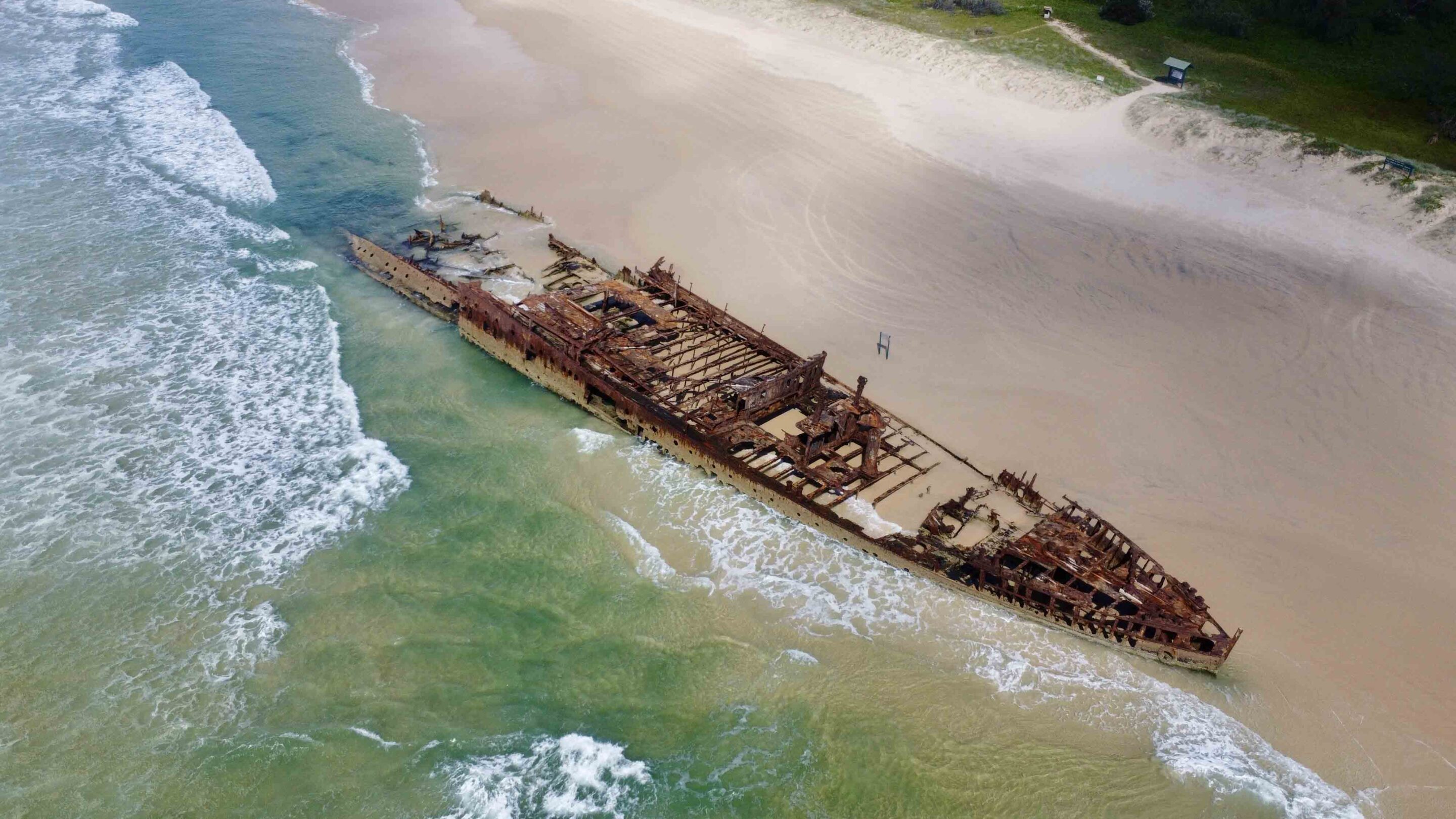
After a peaceful night listening to the ocean, I headed north along the east coast to explore the island’s busiest side. Things get pretty hectic here, with road rules enforced much like the mainland. Highlights along the strip include the rusting hulk of the Maheno wreck, a dip in the Champagne Pools, a lazy float down Eli Creek and a bite to eat at Orchid Beach. For the keen, you can push all the way to the tip and camp at Sandy Cape. Dingoes are a common sight on this side, especially around tourist hot spots – when I visited, they showed little fear of people while scrounging for food.
I’ve only scratched the surface of what K’gari has to offer. Beyond the driving and scenery, there’s the island’s fascinating natural history, its European discovery and, most importantly, the enduring presence of the Butchulla people, who have called this place home for thousands of years. One thing’s for sure – I’ll be back.
Essential questions
Where is K’gari?
About 360km north of Brisbane, K’gari is the world’s largest sand island and a UNESCO World Heritage site. Home to the Butchulla people for thousands of years, its name means ‘paradise’ – a reflection of the island’s culture, natural beauty and deep history. Formerly known as Fraser Island, K’gari is accessible by 4×4 via two barge services: one from Inskip Point in the south, and the other from River Heads near Hervey Bay.
What to do on the island?
A better question might be: what can’t you do on K’gari? The island is famous for its swimming holes – both salt and freshwater – along with challenging inland 4×4 tracks and epic beach driving. Add to that a wealth of Indigenous culture, plenty of European history and some of the best beach and offshore fishing you’ll ever find.
Accommodation options range from the two island resorts to multiple campgrounds scattered across the coast and interior. No 4×4? No worries – hire one locally or join an organised tour to tick off the highlights.
Any permits?
With the amount of traffic K’gari sees each year, there are rules and regulations in place to keep both visitors and residents safe. A Queensland Parks and Wildlife permit is required to take your 4×4 onto the island, and all road signs must be obeyed.
How to reach the island?
The Inskip Point barge crossing – tide dependent – is where the true adventure begins, delivering you straight onto the beach for that iconic run north. From River Heads, the barge lands at Kingfisher Bay Resort, where you’ll find accommodation, food outlets, fuel and resort facilities.
Ford’s Ranger once again maintained its grip on the Australian 4×4 market in October, selling 4195 units and holding the top spot for the month – but is that about to be flipped on its head with the launch of the all-new HiLux?
Not that the impending launch of the new-generation model has slowed demand for the outgoing HiLux, with the fan favourite registering a total of 3793 4×4 sales, placing it ahead of the Ford Everest (2435 sales) – which outpaced Toyota’s Prado (1458) and 300 Series (1138) – and Isuzu D-MAX (1462 sales).
In fact, when combining 4×2 and 4×4 variants the HiLux edged out the Ranger as Australia’s top-selling vehicle for October, with 4444 sales versus 4402. Rounding out the top five were the Toyota RAV4 (4401), Ford Everest (2435) and Toyota LandCruiser (2090), collectively representing nearly 18 per cent of total vehicle sales.
Kia Tasman 4×4 sales were low compared to its immediate competition, with 570 sales registered in October and a total of 2935 since it was launched. Still, it outsold both the Navara (304) and Amarok (295) for the month.
BYD Shark sales remained consistent, with 1070 registered for the month and 15,181 so far this year. Hybrids now account for 17.8 per cent of the market, plug-in hybrids 4.7 per cent, and battery-electric vehicles 7.3 per cent. Compared to October 2024, hybrid sales have grown 25 per cent, PHEVs surged 95 per cent, while BEVs remained steady. Year-to-date, hybrids are up 12 per cent and PHEVs have jumped 137.4 per cent.
“The October results confirm that Australians are increasingly choosing hybrid and PHEV models as a practical path towards lower emissions,” said Tony Weber, Federal Chamber of Automotive Industries chief executive. “Hybrids are delivering strong growth right across the market, while PHEVs are also gaining momentum. Petrol-only vehicles, on the other hand, continue to lose ground. These shifts underline the pace of change in consumer preferences.”
Across broader segments, passenger vehicle sales fell 21.6 per cent versus October last year, while the SUV segment grew 9.4 per cent. Light commercial vehicles remained largely unchanged, down 0.6 per cent. Within the PU/CC 4×4 category, year-to-date sales reached 179,259 units – up 3.5 per cent on the same period in 2024. Diesel models dominated October LCV sales (18,990), with petrol (1502) and PHEVs (1426) representing smaller shares.
The GWM Cannon led the budget 4×4 segment in October, with 698 sales. The JAC T9 moved 106 units, the LDV Terron sold 157, and the KGM Musso recorded 189 sales.
| Best-selling 4x4s in October 2025 | |
|---|---|
| 1. Ford Ranger | 4195 |
| 2. Toyota HiLux | 3793 |
| 3. Ford Everest | 2435 |
| 4. Isuzu D-MAX | 1462 |
| 5. Toyota Prado | 1458 |
| 6. Mitsubishi Triton | 1447 |
| 7. Toyota LC300 | 1138 |
| 8. BYD Shark | 1070 |
| 9. Toyota LC79 | 952 |
| 10. Mazda BT-50 | 925 |
| Best-selling 4x4s YTD (as of October 2025) | |
|---|---|
| 1. Ford Ranger | 43,924 |
| 2. Toyota HiLux | 38,168 |
| 3. Toyota Prado | 23,298 |
| 4. Ford Everest | 21,915 |
| 5. Isuzu D-MAX | 17,905 |
| 6. BYD Shark | 15,181 |
| 7. Mitsubishi Triton | 13,702 |
| 8. Isuzu MU-X | 12,499 |
| 9. Toyota LandCruiser 300 | 10,026 |
| 10. Mazda BT-50 | 9864 |