
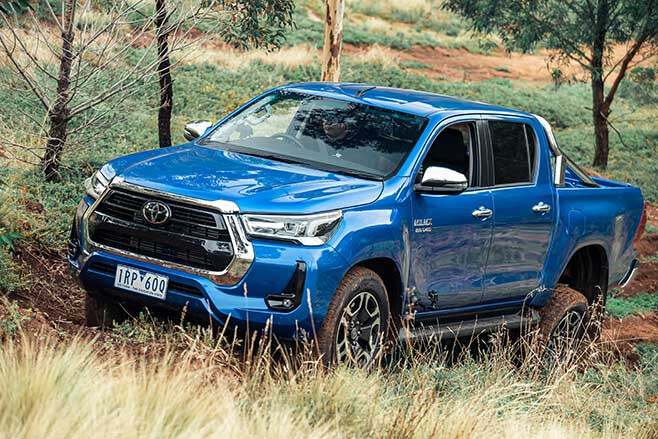
THE eighth-generation Toyota Hilux has been around for five years now and, after the first facelift came in 2017, this second one arrived in September 2020.
4X4OTY CONTENDERS 2021 ISUZU D-MAX MAZDA BT-50 XTR JEEP GLADIATOR RUBICON LAND ROVER DEFENDER
More than just a facelift though, the update came with significant changes to the 1GR engine to improve output and performance.
For 4x4OTY we have an SR5+ on the test. This starts at $59,920 for Double Cab Pickup SR5 Automatic, but add $600 for premium paint and another $2500 for the premium (leather seats) interior and we’re up to $63,020 (plus ORC).
POWERTRAIN & PERFORMANCE
TOYOTA replaced its 3.0-litre four-cylinder 1KZ series of diesel engines with the all-new 2.8-litre four-pot 1GR series with the introduction of the eighth-gen back in 2005, and it disappointed drivers with lacklustre performance and frustrated them with an ongoing series of problems around the diesel particulate filter (DPF) which is part of the mandated emissions control system.
The fact that Toyota claims to have fixed the DPF issues in Hilux and other diesel-fuelled Toyota vehicles is something we can’t substantiate in our testing, except to say we had no problems with it. What we can say is the upgrades to the 1GR-FTV engine have made a world of difference to it, bringing life to what was the most mundane of powerplants.
WINNER: How the Hilux won 4X4OTY
The 2020 changes includes a new cylinder head, turbocharger and higher pressure fuel-injection system among other new components. These changes improve the power and torque from a best of 130kW and 450Nm (pre-September 2020) to 150kW and 500Nm with the updates. The 500Nm of torque is up there with the best four-cylinder engines in its class, and you can really feel the changes in the Hilux.
ON-ROAD RIDE & HANDLING
The upgrades to the 2.8 engine are well-appreciated on road where the noticeable extra pick-up in the middle of the rev range makes overtaking and powering through corners both easier and more comfortable. It brings performance where there was nothing before and is chalk and cheese over the previous engine.
4X4OTY ROUTE: Vic High Country and beyond
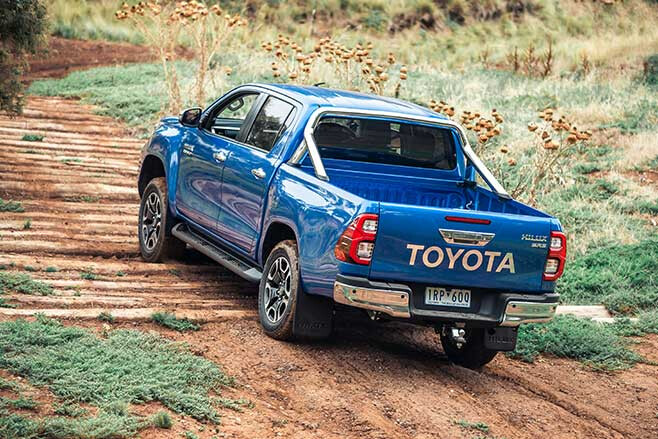
But it’s not all about grunt. Revisions to the suspension see the rear leaf springs lengthened to make them more compliant and mounted farther outboard on the chassis to improve stability. The longer springs have softened what was widely regarded as too stiff a ride – not a lot, but definable – and their placement makes the chassis feel more planted on mountain roads and gravel corners.
OFF-ROAD
THOSE longer rear leaf springs work just as well off-road, improving the Hilux’s already impressive (by OE standards) rear-axle travel. This lets the rear wheels walk in and out of ruts and holes in the track to maintain tyre contact and hence traction.
The front end impresses with its compliance as well, yet it was still firm enough to keep the skid plates from grounding out on the long, steep descent down the Billy Goat Bluff Track. That’s pretty good for an OE IFS ute.
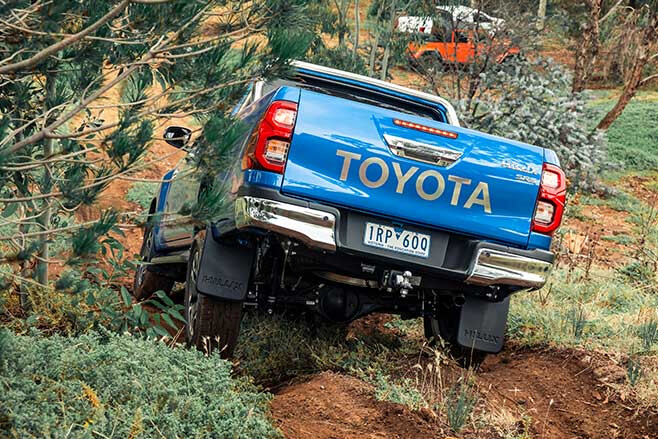
Combine this with the Lux’s excellent ETC calibration and this SR5 walked smoothly up our set-piece hill climb. As we’ve found on this hill in past experience, the Hilux climbs better using just the ETC than when engaging the RDL. With the RDL in the ETC is fully cancelled, making your front axle basically a single-spinner; and as soon as you lift a front wheel, you’re going nowhere. There might be other off-road situations where the RDL would be more beneficial than the ETC on the Hilux, but we haven’t found them yet.
CABIN & ACCOMMODATION
THE Hilux cabin has always been a comfortable place to ride, but it was let down by a few niggles with some components. It sounds like Toyota listened to the complaints and addressed them with the 2020 upgrades.
The AV screen is a new eight-inch unit that integrates better into the dash. It has an excellent factory sat-nav system that shows more High Country tracks than Google Maps does, but the system also includes Apple CarPlay and Android Auto if you prefer Google. Best of all, Toyota has fitted a nice, big volume dial to the unit – so full marks there.
The leather seats are a nice upgrade as part of the optional premium interior package, while the new gauge binnacle is clear and easy to read and scroll through the information menus.
The Hilux does fall short of some newer utes in the class in terms of safety kit. It still has ABS, ETC, ESC, AEB and a lane-departure system that uses the brakes to prevent wandering rather than the steering as most vehicles do. This makes this system less intrusive for the driver and is due to the Hilux retaining hydraulic power steering assistance in lieu of electric. The valuable rear cross-traffic alert is not offered on Hilux.
PRACTICALITIES
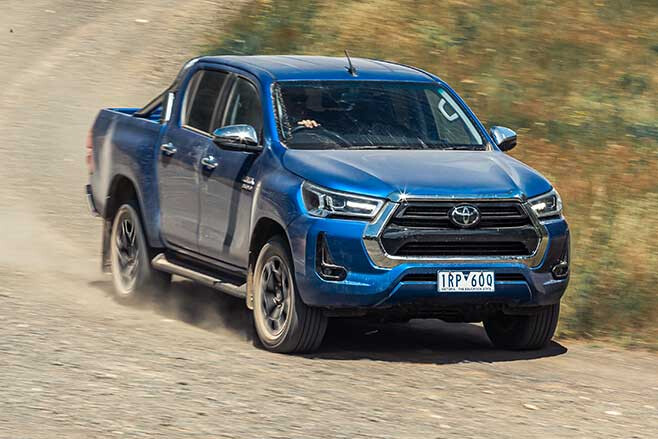
IN SR5+ spec the Hilux has an 1105kg payload and 3500kg towing capacity. It has a 700mm wading depth and good air-intake placement inside the fender. Toyota offers heaps of factory-backed accessories and, being the best selling car in Australia, it is massively supported by the aftermarket off-road gear businesses The OE tyre size is a 265/60-18, although you could fit 17s as on the lower grades.
SPECS
ENGINE: 2.8-litre 4-cyl turbo diesel MAX POWER: 150kW at 3400rpm MAX TORQUE: 500Nm from 1600 to 2800rpm TRANSMISSION: 6-speed automatic TRANSFER CASE: Part-time 4×4 w/ high/low range STEERING: Hydraulic-assist rack and pinion FRONT SUSPENSION: IFS w/ upper and lower control arms, coil springs REAR SUSPENSION: Live axle, leaf springs, stabiliser bar TYRES: 265/60-R18 KERB WEIGHT: 2093kg PAYLOAD: 1105kg (cab-chassis) TOWING CAPACITY: 3500kg GVM: 3050kg GCM: 5850kg FUEL TANK CAPACITY: 80L ADR FUEL USE: 7.9L/100km TEST FUEL USE: 12.96L/100km APPROACH ANGLE 29° RAMPOVER ANGLE n/a DEPARTURE ANGLE 27° WADING DEPTH 700mm GROUND CLEARANCE 216mm
MAZDA ended its decades of one-tonne-ute product sharing with The Ford Motor Company in 2020, but didn’t want to give up on the popular sales segment.
With Ford gone, Mazda partnered with Isuzu early on in the development of the new D-MAX to share the platform, powertrain and most of the vehicle.
4X4OTY CONTENDERS
2021 ISUZU D-MAX TOYOTA HILUX SR5+ JEEP GLADIATOR RUBICON LAND ROVER DEFENDER
Mazda has added its own styling to the interior and exterior to give the BT-50 its family face, feel and style.
The third of four BT-50 specifications, the XTR variant was supplied for 4x4OTY. This lists at $57,210 but floor mats, a tow bar, electric brake controller and black alloy wheels took the price as tested up to $60,780 (plus ORC).
? Hello from the future! You can continue reading this story, or you can visit our latest BT-50 Range Review linked below.
REVIEW CONTINUES…
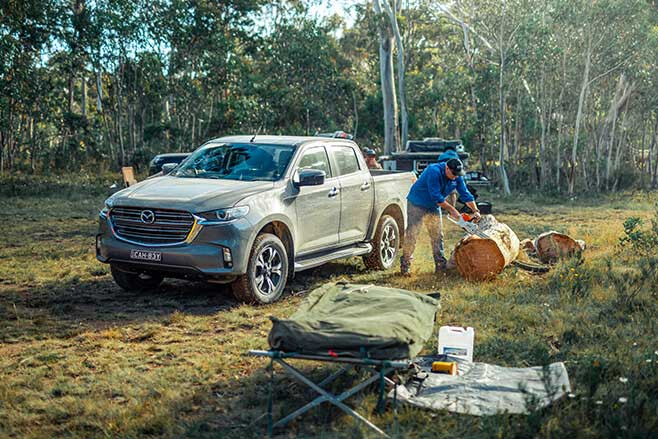
POWERTRAIN & PERFORMANCE
THE BT-50 shares its full drivetrain with the new D-MAX, so that means an updated 3.0-litre diesel engine and six-speed auto transmission. While the power and torque of the Isuzu engine are down on the old Ford 3.2-litre five-cylinder that was in the previous generation BT-50, the new generation is marginally lighter overall, so any performance deficit is negligible.
2021 4X4OTY: Hilux wins the title
The BT does miss the loping, lazy mannerism of the five-pot Ford engine, while the new four-cylinder is more buzzy and noisy. The transmission does everything you ask of it, giving nothing to comment on.
ON-ROAD RIDE & HANDLING
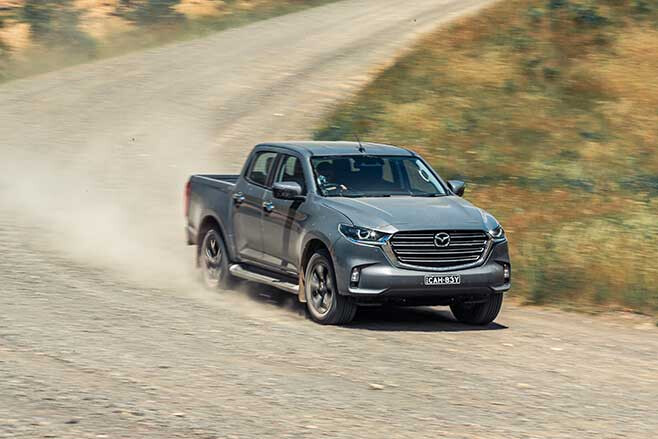
WITH the shared chassis and suspension, the performance of the BT closely mimics that of the D-MAX. The XTR Mazda does feel a bit softer in the ride suggesting that it uses the lighter rear leaf pack, and it rides on the 18-inch alloy wheels as opposed to the 17s on the Isuzu LS-M. However, any differences in ride and handling are marginal.
OFF-ROAD
AGAIN the hardware here is all shared with the Isuzu D-MAX, so you would expect very similar performance. We were surprised then when the BT-50 struggled more on the set-piece hill climb, failing to get beyond the first rut in the right-side wheel track without the RDL activated.
4X4OTY ROUTE: High Country and beyond
It soldiered on and went up the hill with the RDL in, but made more of a show of it than any other vehicle on the test.
The only thing we can put this difference in performance to is the 18-inch wheels and 265/60 tyres on the Mazda compared to the 255/65-17s on the Isuzu; unless there’s a difference in the calibration of the traction control between the two cars that we don’t know about.
CABIN & ACCOMMODATION
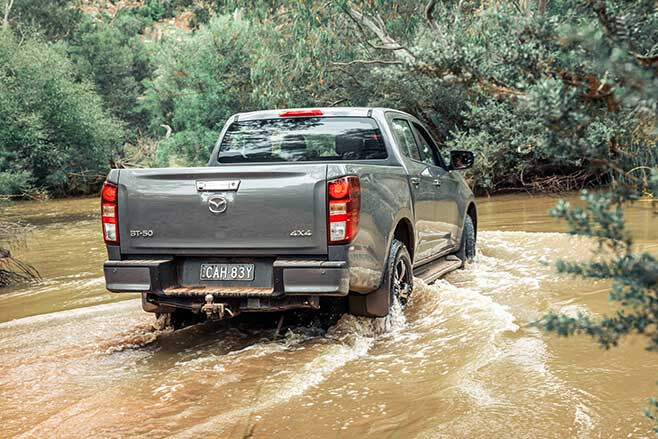
THE difference in specification between the D-MAX LS-M and the XTR seems more significant than the few thousand dollars in price, making the Mazda feel like a better value-for-money package. This isn’t just because of the level of equipment the Mazda has, but because the stylish way Mazda does things. It just feels a lot better and more complete.
Significantly noted by our judges were the comfortable seats and the improved feeling of the switchgear over the Isuzu. The fact that this more expensive spec has dual-zone climate control over the old manual air-con in the lower grades was appreciated, as it gives a feeling of higher quality in its tactility. Still no volume control dial, though!
The BT-50 gets the same class-leading level of safety equipment as the D-MAX, which is a huge plus over any previous Mazda ute. Unfortunately, all the same annoyances with warning beeps and chimes are carried over from the Isuzu.
PRACTICALITIES
THE BT-50 XTR has a 1070kg payload, a 3500kg towing capacity and large cargo tub. You could say it loses points for having carpet over vinyl floors, but that’s up to personal preference. The difference in performance on the hill climb when compared to the Isuzu would suggest the 18-inch wheels and lower profile tyres are definitely less practical.
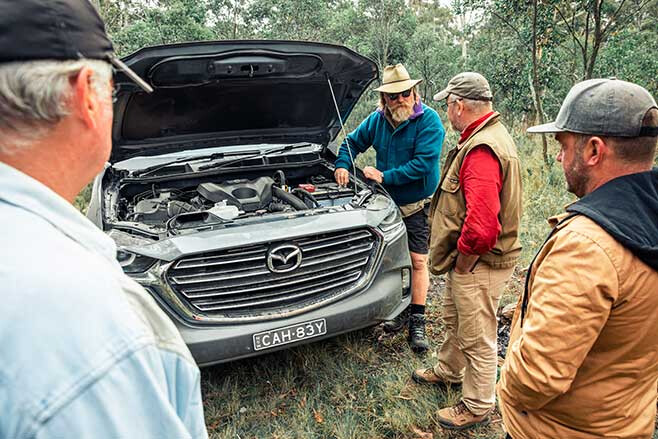
Something that became a significant problem was the push-button start in the Mazda. This is only in the XTR and GT grades of the BT-50 range, while the lower spec has key-in-ignition starting. When the BT-50 failed to start on the morning of day three of our test because the vehicle systems wouldn’t recognise or find the remote key, it was game over for the Mazda, requiring a tow-away from our High Country camp.
The car had power and everything else apart from the starter not working, and it was diagnosed as the key not being found or recognised. A situation where technology failed the car in the bush could have been a lot more costly if it were in a remote outback location.
SPECS
ENGINE: I4 3.0L diesel MAX POWER: 140kW at 4000rpm MAX TORQUE: 450Nm from 1600 to 2600rpm TRANSMISSION: 6-speed automatic TRANSFER CASE: Part-time 4×4 w/ high/low range CRAWL RATIO: 33.3:1 STEERING: Electro-hydraulic FRONT SUSPENSION: IFS w/ upper and lower control arms, coil springs, stabiliser bar REAR SUSPENSION: Live axle under leaf springs, stabiliser bar TYRES: 265/60-R18 KERB WEIGHT: 2030kg PAYLOAD: 1070kg TOWING CAPACITY: 3500kg GVM: 3100kg GCM: 5959kg ADR COMBINED FUEL USE: 8.0L/100km TEST FUEL USE: N/A FUEL TANK: 76L DEPARTURE ANGLE: 24.2° RAMPOVER ANGLE: 23.8° APPROACH ANGLE: 30.4° WADING DEPTH: 800mm GROUND CLEARANCE: 240mm
WITH international travel halted, more people than ever are preparing for a lap of the map, so it’s a great time to update your off-road arsenal with the latest and greatest 4×4 gear.
SUBSCRIBE TO 4X4 AUSTRALIA NOW
To this end we’ve just released the 2021 4X4 Australia Gear Guide, and it’s loaded with new products, reviews, advice from folks with plenty of touring experience, and a handful of custom 4x4s to inspire your own build.
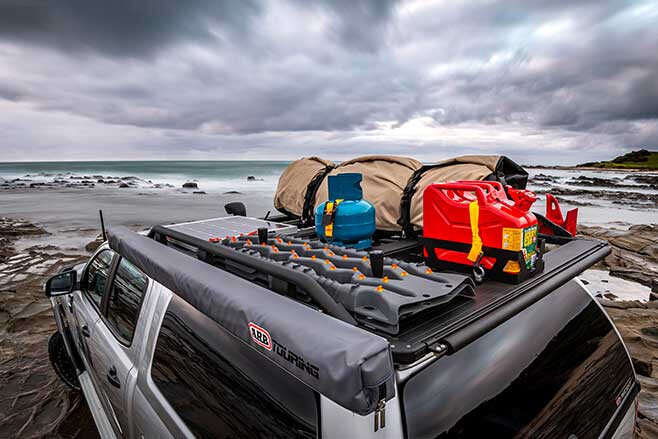
Fact: Packing for a 4×4 trip is one of the least enjoyable experiences of said trip. Also a fact: it doesn’t have to be. We’ve included a comprehensive guide on how to load up a 4×4 for both a weekend escape and a multi-month sojourn.
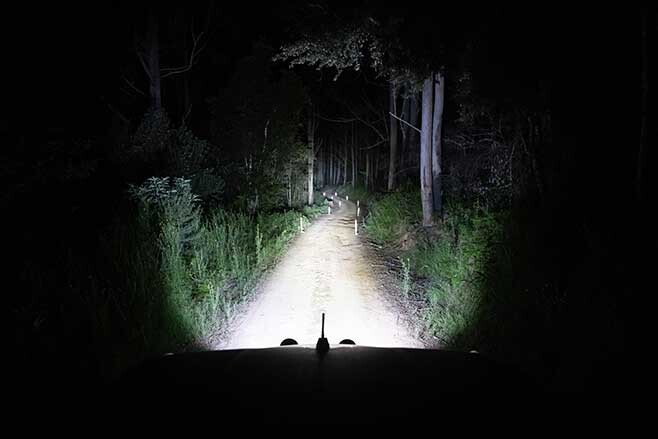
We analyse the humble tent: if you need one, why they’re still so popular, and what to look for. Plus, we take an in-depth look at awnings, dual-battery systems, air compressors, mud-terrain tyres and lithium batteries. Evan also puts nine seven-inch LED driving lights to the sword in a real-world comparison.
We’ve sampled plenty of new gear recently, so the 2021 Guide is loaded with plenty of product reviews, including a close look at Maxxis’ Razr muddies, Yakima’s LocknLoad platform and Jackson’s Carry Me Camper.
On the custom front, we’ve run the microscope over a behemoth 79 Series and Bruder EXP-6 combo, as well as one of the toughest Ford Rangers on the planet.
To read all about it – and much more – pick up a copy of the 2021 4X4 Australia Gear Guide. Out now!
ISUZU delivered an all-new D-MAX one-tonne ute early in 2020 and it is a huge step up from the previous generation.
4X4OTY CONTENDERS MAZDA BT-50 XTR TOYOTA HILUX SR5+ JEEP GLADIATOR RUBICON LAND ROVER DEFENDER
With a new chassis, suspension design, vastly upgraded engine, class-leading safety equipment, new exterior and interior; this is the ute that Isuzu Ute Australia (IUA) hopes will take the fight to the crowd favourites Toyota Hilux and Ford Ranger.
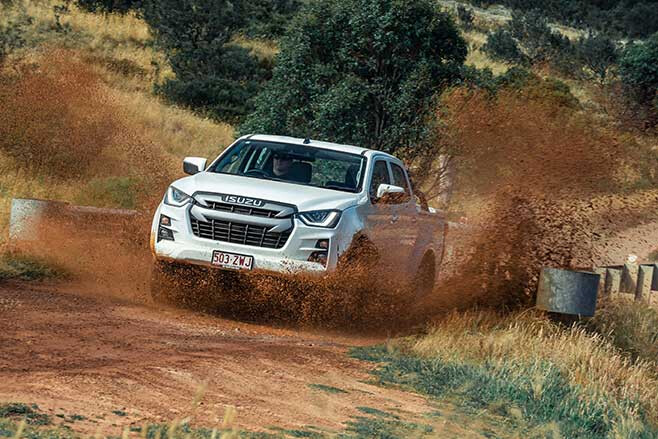
IUA supplied us with a $55,970 LS-M specification D-MAX for 4x4OTY testing, the second up from four specification grades. The LS-M is a model which we find particularly appealing as it comes with all the mechanical upgrades and new hardware, but you’re not paying for bling or add-ons you don’t really need.
2021 4X4OTY: The route
This vehicle is fitted with the optional tub liner, satin black sports bar, hard tonneau, tow bar, 12-pin plug and electronic brake controller, bringing the drive-away price up to $64,574.
POWERTRAIN & PERFORMANCE
ISUZU’S venerable 4JJ 3.0-litre diesel engine has always been a strong selling point for its cars in Australia.
It might be getting on in years and unable to match the latest engines in outright performance but it has a great reputation for durability and fuel economy and, in this age of diminishing engine capacities, the 3.0-litre is considered one of the larger engines in this class of car.
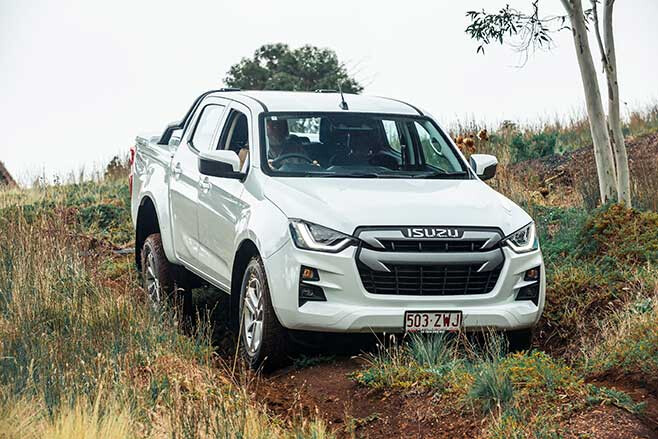
Isuzu gave the mill a thorough working over for this latest generation of the 4JJ, called the 4JJ3-TCX, with a new cylinder head, engine block, turbocharger, fuel injection system and a raft of upgrades that really make it all-new.
These changes up the power and torque to 140kW and 450Nm respectively, which, while still short of the 500Nm some of its competitors are claiming, helps get the now heavier new D-MAX along. It’s also slightly more refined with less of that four-cylinder NVH reaching the cabin.
ON-ROAD RIDE & HANDLING
THE suspension changes made to the 2020 D-MAX totally revise the front-end design for a more-planted and direct feeling on road. As a result, it steers and handles much better than the old model.
The rear end retains a unique three-leaf spring pack which is firm and jittery in the unladen ute, but expected of a vehicle designed to carry a tonne or 3.5-tonne in tow. The LS-M gets a heavier-duty rear spring pack than the two upper-spec models.
2021 4X4OTY: And the winner is…
The new interior in the D-MAX makes it a much nicer place to be for long hours behind the wheel, especially the new front seats. It’s better at isolating road and wind NVH, gives more relaxed touring and the standard equipment is well-appreciated. Some might feel the LS-M with its vinyl floor coverings, manual air-conditioning and small AV screen are a bit too working-class, but there are always the better equipped LS-U and X-Terrain variants for those folks.
OFF-ROAD
THOSE chassis and suspension changes also work well to improve the off-road performance of the D-MAX, notably a bit more wheel travel at the rear, but still not a lot. More significant is the inclusion of a rear differential lock (RDL) as standard across the 4×4 D-MAX range, something not offered in the past.
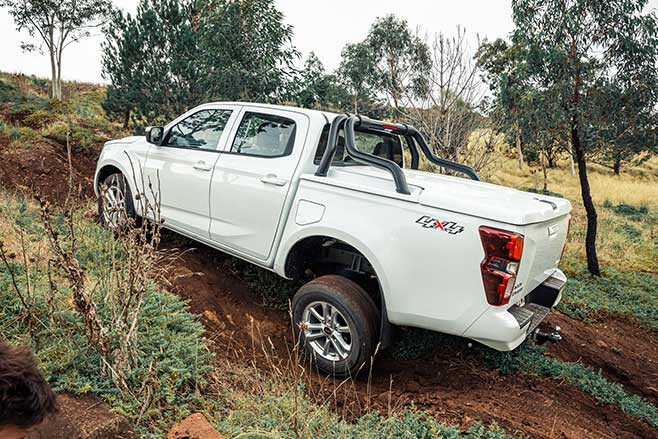
The Isuzu needed that diff lock on our rutted set-piece hill climb which has deep holes placed in the wheel tracks designed to test tractive ability. The standard electronic traction control (ETC) struggled to keep the D-MAX moving once the front wheels lifted as it’s slow to react, but enabling the RDL got it there without too much trouble; although it disables the ETC.
CABIN & ACCOMMODATION
AS mentioned, the interior of the D-MAX is all-new and a big improvement over the previous model. The level of standard equipment is up and the front seats are more supportive, while the rear seats are best for two adults or three kids at best.
While the LS-M model as tested does feel very sparse and workmanlike, the upper-spec models are not so. Notable here is that the LS-M has an old-school key that you have to put in the ignition barrel and turn to start the car, while the LS-U and X-Terrain models have keyless entry and push-button starting.
The D-MAX boasts one of the most extensive lists of safety equipment in this class of ute and it is standard across all models. Most of them go unnoticed but we do like the rear cross-traffic alert setup. Lane keeping correction and self-steering is intrusive at times and when you least expect it, so it pays to be ready for it.
Also intrusive is the number of chimes and bells the D-MAX has, not just from the driver’s aids but even things like unlocking the doors. It double-beeps when you unlock the doors to put something in the passenger side or rear seat, double-beeps again as it self locks while you walk around to the driver’s door, requiring you to unlock it again with more beeps. It all becomes more than a bit annoying for you and your neighbours.
Another annoyance is the lack of volume dials on the sound system and only slow-responding small buttons for adjustments.
PRACTICALITIES
WITH its wipe-out vinyl floors and 17-inch alloy wheels, the LS-M is more practical than some of the upper-spec D-MAX variants, with upwards of a one-tonne payload, 3500kg towing capacity, a deep, long tub with tie downs (no 12-volt outlet) and 800mm wading depth.
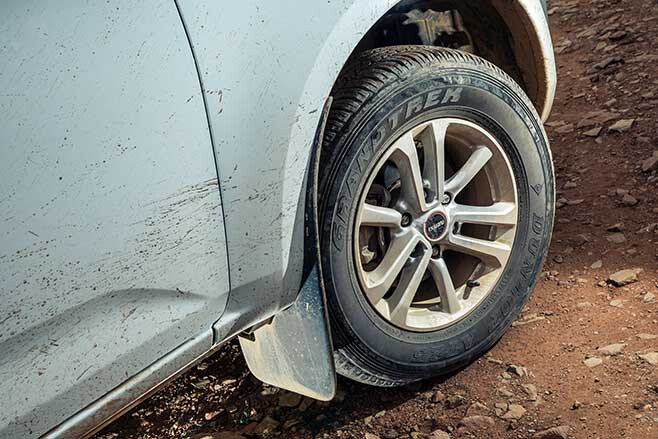
It is a working-class model but doesn’t miss out on any essentials, which is what we’re looking for in a 4×4 ute.
SPECS
ENGINE: 3.0-litre 4-cyl turbo diesel MAX POWER: 140kW at 3600rpm MAX TORQUE:450Nm at 1600 to 2600rpm TRANSMISSION: Six-speed automatic 4X4 SYSTEM: Dual-range part-time CRAWL RATIO: 33.3:1 CONSTRUCTION: Separate-chassis FRONT SUSPENSION: Independent/coil springs REAR SUSPENSION: Live axle/leaf springs WHEEL/TYRE: 265/60R18 110S KERB WEIGHT: 2131kg GVM: 3100kg PAYLOAD: 970kg TOWING CAPACITY: 3500kg TOWBALL DOWNLOAD: 350kg (max) GCM: 5950kg FUEL TANK CAPACITY: 76L ADR FUEL CLAIM: 8.0L/100km TEST FUEL USE: 11.2L/100km GROUND CLEARANCE (CLAIMED): 240mm APPROACH ANGLE: 30.5⁰ RAMPOVER ANGLE: 22.7⁰ DEPARTURE ANGLE: 23.8⁰ WADING DEPTH: 800mm
THE automotive segment is leading the economic recovery in 2021, with new vehicle sales continuing an upwards trend.
The Toyota Hilux is storming towards reclaiming its top-selling 4×4 status for the year after the Ford Ranger took the mantle in 2020 and 2019 – year-to-date, the Hilux is up 39.8 per cent on where it was this time last year.
2021 4X4OTY WINNER: Toyota Hilux
Ford might be rolling out new variants and special edition Rangers, but with the all-new Ranger not due until the end of 2021 it’s hard to see the Ranger retaining the title.
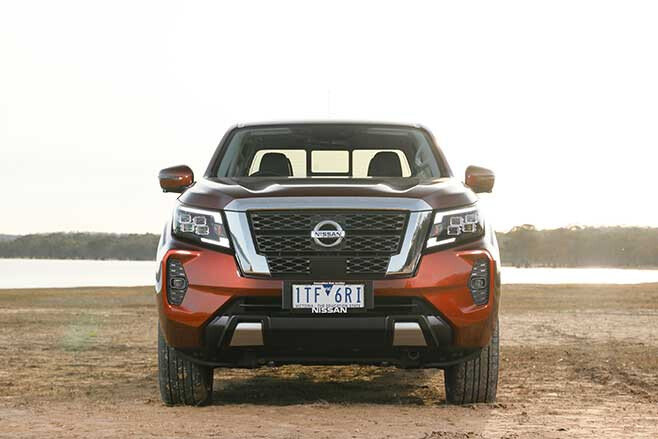
Another model eagerly awaiting its new update is the Nissan Navara, which languishes as the poorest-selling of the ‘popular’ 4×4 utes. It’s only just ahead of the LDV T60, which sold 809 units in March. The facelifted Navara went on sale in March, so it will be interesting to see if it can work its way up the tables.
There’s an updated LDV due soon too, so Nissan cold be in for a run for its money.
If you believe everything you read then they’ve stopped making LandCruiser 200s in Japan and the replacement is only months away from being unveiled. With the prospect of no more V8 Cruisers being made – aside from the 70 Series – LC200s have become hot property and you’ll be hard-pressed to find a 2021 LC200 available new.
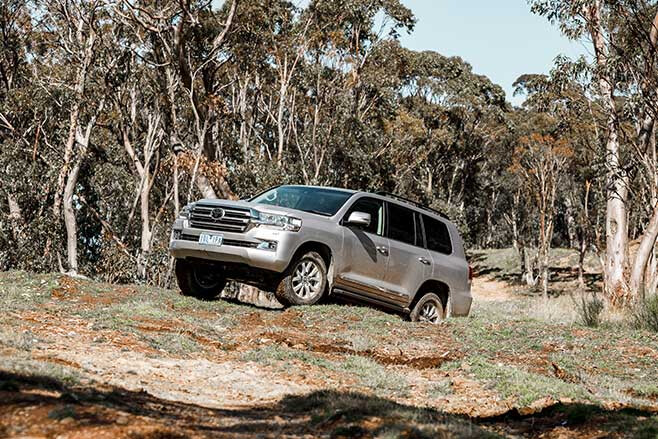
LC200 sales are up 60.7 per cent on where they were at the same time last year, and even prices of second-hand ones have gone through the roof. Even sales of the commercial 70 Series Cruisers are up 62.5 per cent on the first three month of 2020
We wait with baited breath to see what the new Cruiser wagon brings, but the prospect of no new Cruisers on sale for a few months might even give the Nissan Patrol a look in. For the record, just 878 Y62s have been sold to the end of March against the LC200’s 5069.
TOP 4X4 SALES: MARCH 2021
- Toyota Hilux: 4086
- Ford Ranger: 3710
- Toyota LC200: 2244
- Mitsubishi Triton: 2223
- Isuzu D-MAX: 1338
- Toyota Prado: 1211
- Isuzu MU-X: 1179
- Mazda BT-50: 1177
- Toyota LC79: 1148
- Nissan Navara: 909
TOP 4X4 SALES SO FAR IN 2021
- Toyota Hilux: 10,876
- Ford Ranger: 9,115
- Mitsubishi Triton: 5506
- Toyota LC200: 5069
- Isuzu D-MAX: 4034
- Toyota Prado: 3977
- Toyota LC79: 3232
- Mazda BT-50: 3083
- Nissan Navara: 2495
- Isuzu MU-X: 2465
GMC has pulled the wraps off its 2024 Hummer EV SUV (wagon), which will join the Hummer EV pick-up on sale in the USA in 2023.
While the wagon shares the same electric drivetrain and off-road kit as the pick-up, it does get some impressive off-road specifications and tricks – including four-wheel steering – thanks to its shorter wheelbase, particularly when equipped with the Extreme Off-Road pack.
While four-wheel steering is nothing new to production cars, the Hummer EV’s system not only turns the front and rear wheels in opposite direction to decrease the turning circle and hence maneuverability on tight tracks, but it can also steer them in the same direction to allow the vehicle to ‘crab’ its way sideways. Hummer first showed this feature, which it calls Crab-Walk, on the EV pick-up last year.
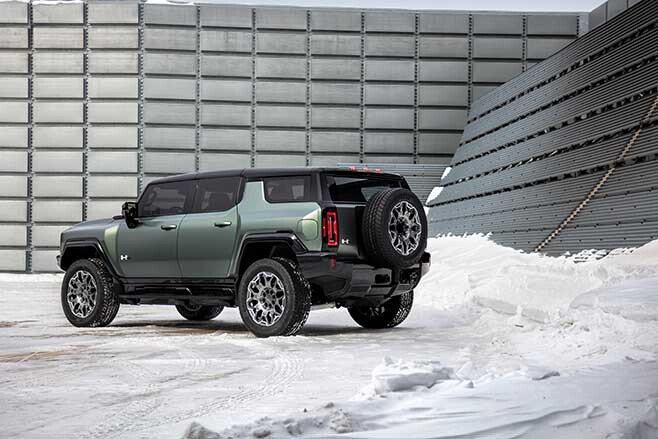
The shorter wheelbase and overall length of the wagon will make it easier to manoeuvre when compared to the longer pick-up truck.
Both Hummer EVs boast impressive off-road credentials, with off-road packages offering 35-inch all-terrain tyres on 18-inch wheels over the standard 22-inch road rubber, height adjustable suspension, an Extract Mode for getting un-bogged, and around-vehicle cameras including underbody cameras so that the driver can always see the terrain.
There is an eLocker for the front axle, and the rear axle features independent motors which can individually send their drive to a single wheel with the most traction.
Both variants of the GMC EV Hummer are powered by a three motor system that can deliver up to 619kW. Exclusive to the Hummer SUV is a power station generator that allows the operator to use the Hummer’s battery pack to run power tools when on site, but we expect this feature to also become available on the pick-up when production versions arrive.
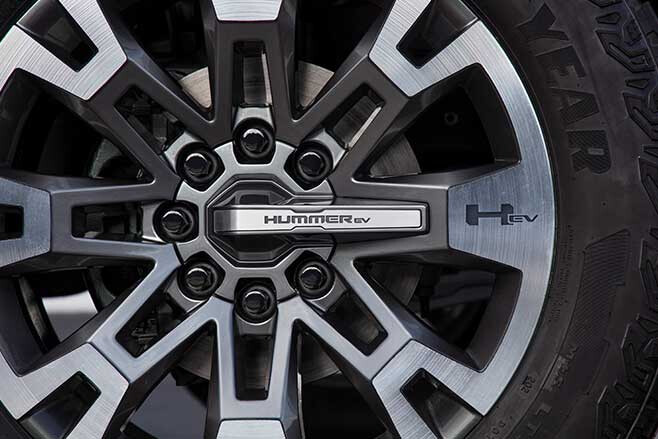
The Hummer EV Pick-Up is due to go on sale in the US later this year; although, the first year production run is sold out and it will be 2022 before Americans can get one.
The SUV will hit GMC showrooms in 2023; although, some models won’t make it to market until 2024. They will be built at GM’s refurbished Plant Zero alongside the Chevrolet Silverado EV and other EVs from GM. There is no mention of right-hand drive production, so we can assume that is off the cards.
The Hummer EVs could be imported, converted and sold in Australia by GMSV which currently markets the Silverado and Corvette here; although, they would be very expensive vehicles priced upwards of AU$150,000.
Who knows, come 2024, EVs could offer the driving range and charging infrastructure to make them feasible touring and off-road vehicles in this country.
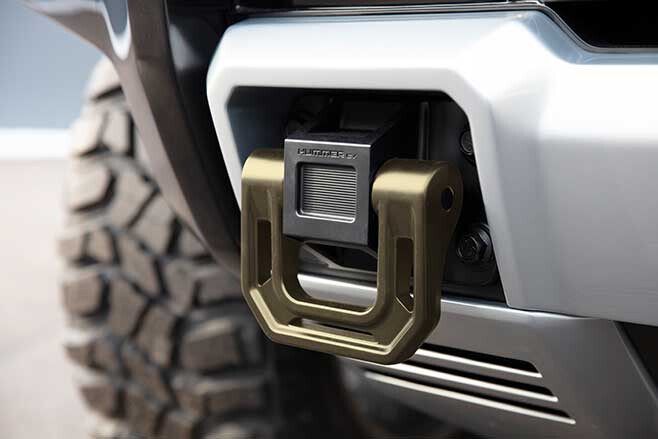
HUMMER EV WAGON SPECS
Wheelbase: 3218mm Vehicle length w/o spare: 4999.5mm Width w/o mirrors: 2196mm Max ground clearance: 406mm Front overhang: 881mm Rear overhang w/o spare: 900.5mm Max approach angle: 49.6° Max departure angle: 49.0° Max breakover angle: 34.4° Max water fording depth: 813mm Turning circle, with 4-Wheel Steer: 10.8m Suspension travel: 330mm
HUMMER EV PICKUP SPECS
Wheelbase: 3445mm Vehicle length w/o spare: 5507mm Width w/o mirrors: 2201mm Max ground clearance: 404mm Front overhang: 881mm Rear overhang w/o spare: 1181mm Max approach angle: 49.7° Max departure angle: 38.4° Max breakover angle: 32.2° Max water fording depth: 813mm Turning circle, with 4 Wheel Steer: 11.3m Suspension travel: 330mm
OUR annual get-together for 4X4 Of The Year may have been delayed a little because of COVID restrictions, but when it finally happened in the first week of February, we started out, as normal, at the Melbourne 4×4 Training & Proving Ground in Werribee.
4X4OTY CONTENDERS 2021 ISUZU D-MAX MAZDA BT-50 XTR TOYOTA HILUX SR5+ JEEP GLADIATOR RUBICON LAND ROVER DEFENDER
It’s a top spot to put the vehicles through a set of fixed obstacles, where you can compare each and every vehicle’s performance and capability over a standard course. After a few hours spent driving up steep hills, through a series of steps and obstacles, as well as across fast-flowing but shallow creeks, the vehicles were already settling into some semblance of hierarchy as far as four-wheel drive ability was concerned.
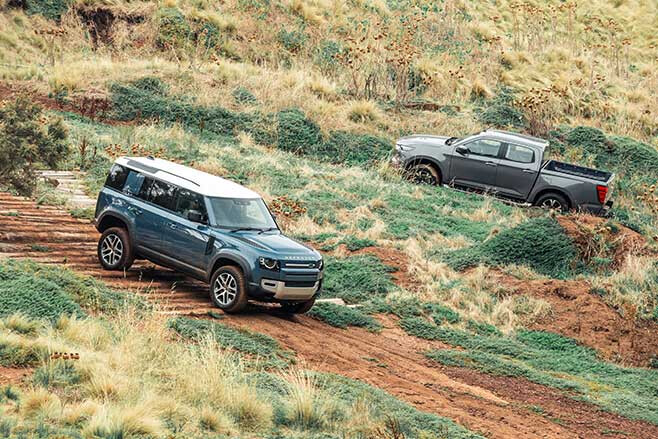
Day two saw us head east on the blacktop to Moe and into the mountains and the Moondarra Reservoir, finding our way to Coopers Creek and an easy crossing of the Thomson River. From there we climbed the range, taking the Maiden Town Track along the ridge above the historic mining settlement of Walhalla.
2021 4X4OTY: How the Hilux conquered all-comers
Meeting with the Binns Road we pushed north on this good gravel road to the old townsite of The Springs and on to the Burgoyne Track, for the steep but relatively easy descent to cross the Macalister River in the Macalister Gorge Natural Features and Scenic Reserve. This is an impressive spot with a couple of cracker camps, but we had already slipped behind on time so we pushed on, the climb out of the Macalister River valley being a bit of a scramble in places.
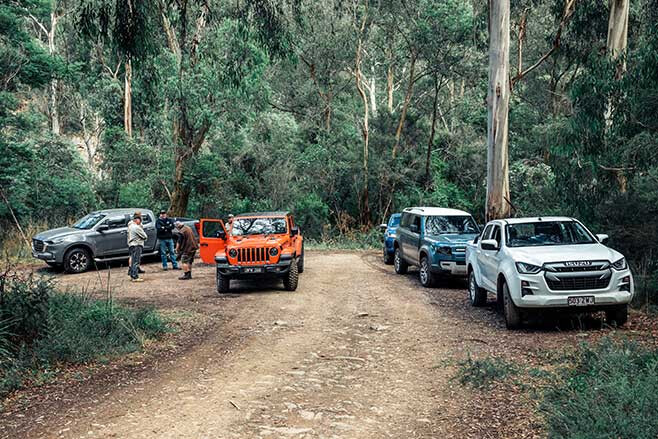
The all-new Defender was setting the pace by now, both on-road and in the tougher off-road sections, but the Jeep Gladiator wasn’t far behind. And of the other three vehicles in the test mix – more conventional dual-cab utes – the new Hilux was pulling ahead of the similar Mazda BT-50 and Isuzu D-MAX.
On the Licola Road we turned north into the mountains, bypassing Licola and taking the Tamboritha Rd to Tamboritha Saddle, where we threw down the swags for the night.
It was a disappointing start to day three when the BT-50 didn’t start. After an hour or so of fault-finding and mucking around, all to no avail, the catering crew stayed behind and organised a recovery for said vehicle.
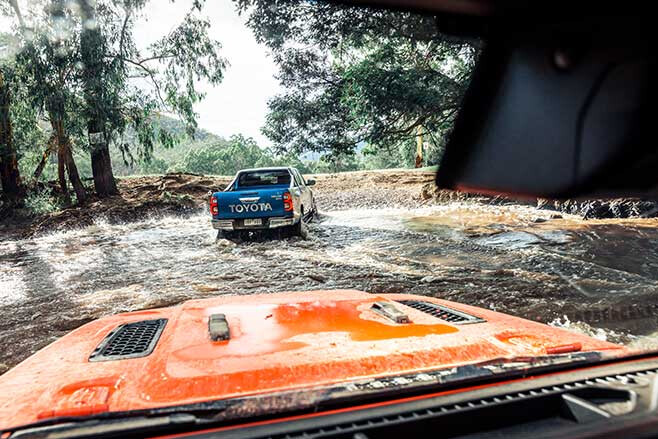
Our now depleted group of four vehicles under test – along with our video and camera crew in the magazine’s long-term Musso, which was pretty jam-packed with three young fellas and a heap of photographic and video gear – headed off along the Dingo Hill Track.
FIVE PEAK CHALLENGE: Vic High Country
This route starts off easy enough but after crossing a mountain stream on a relatively new concrete bridge, the route gets more challenging, dropping through several switchbacks to the Caledonia River.
We splashed across the river a few times at a series of shallow, rocky fords before taking Butcher Link Track over a steep, rocky ridge to the acclaimed Butcher Country Track. From the track junction it’s a 22km drive to Howitt Plains Road, the route clinging to the ridge line as it descends some steep sections only to scramble upwards again to another high point.
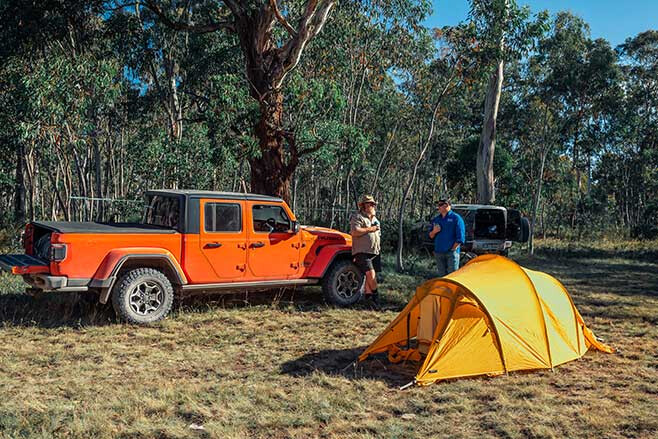
Meeting up with our catering crew at Howitt Hut, the daylight was slipping away as we took Moroka Road to the top of one of the most famous and at times challenging tracks in the High Country – the Billy Goat Bluff Track. This is a beauty, offering some of the most exposed and challenging driving in the entire mountains, whichever way you choose to drive it! While downhill may be less demanding than scrambling upwards, the expansive views over the bonnet, along the narrow ridgeline with sheer drops on each side and across the steep-sided valleys and the distant ridgelines and high peaks, is truly unforgettable.
That evening we set up camp on the grassy flat beside the Crooked River at Kingswell Bridge, the night being much milder than our previous camp at the much higher Tamboritha Saddle.
4X4 ADVENTURE SERIES: Vic High Country
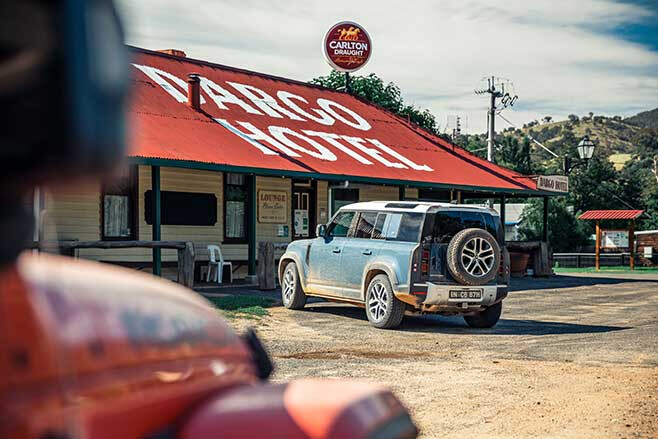
By now the petrol-powered Jeep and Land Rover were running on fumes, taking some fuel from a generator before heading along the Crooked River Road to Dargo where we stopped for fuel, a pie and a coffee. Then, with full tanks, we climbed to the Dargo High Plains and took the scenic drive out to the Blue Rag trig point.
Along the way, the Jeep – with the best off-road rubber of any of the vehicles – picked up a puncture through the tread, so we stopped to plug the leak and were soon on our way again. The lesson being that there is always a bit of luck, or lack of it, regarding punctures!
Blue Rag is one of the official ‘iconic drives’ in the Victorian High Country and, while the route wanders along a ridgeline for its entire length of seven kilometres from the Dargo High Plains Road, giving great views to the north and south, the view from the trig point is even better and more expansive, taking in 360 degrees of mountain splendour! The route is steep in places, with a few scrabbly sections thrown in to keep you on your toes as you get close to the highest point.
TOP 10: Best 4×4 tracks in Australia
Time was again our enemy and our planned camp that evening at Lake Cobbler was way too distant, so we backtracked and took the Basalt Knob Track south to the now burnt-out remains of Basalt Knob Hut. This old hut had been a bit rough around the edges for a few years, having been made out of an old cooler-box railway carriage, but the recent fires that had scoured much of this area (again) in 2019 had seen its total demise.
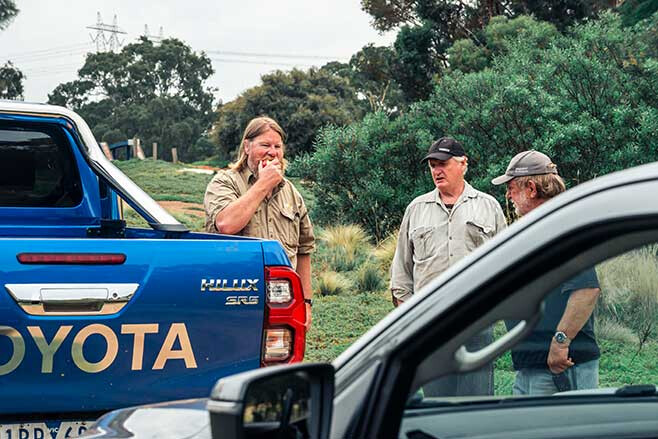
From there we took Ritchie Road to Brewery Creek Track where the now-steep hills, cleared of any intervening scrub, allowed uninterrupted views off the edge of the road down near-sheer drops to the creeks below. We’ve driven this route a fair few times but have never felt so exposed before, especially where the track narrowed to a point that the driver’s side wheels were just millimetres from the edge. After some steep descents we reached the bottom and crossed the Crooked River into the old townsite of Talbotville, where we made camp for the evening on the southern edge of this large, grassy flat. It’s a top spot popular with many and it’s one we always enjoy.
On day five it was a short drive with a few river crossings along the Crooked River Track that brought us to Kingswell Bridge, where we turned along the good gravel road for our last dirt-road section before meeting with the Bairnsdale Road south of Dargo.
The trip was nearly over but the judges had to burn the midnight oil, assessing their scores and writing their reports while the film crew retreated to their edit suites to cut a video of our testing times in the Victorian High Country. But it was worth it!
PREVIOUS WINNER: Wrangler Rubicon
TWENTY-TWENTY was a memorable year, mainly for reasons we’d rather put behind us and forget. However, through the turmoil the auto industry delivered a small but solid group of new four-wheel drive vehicles that are worthy contenders for our 4X4 Of The Year crown.
4X4OTY CONTENDERS 2021 ISUZU D-MAX MAZDA BT-50 XTR TOYOTA HILUX SR5+ JEEP GLADIATOR RUBICON LAND ROVER DEFENDER
The vehicles are a mix of all-new models and some updated ones, the revival of an old name, a few utes and a single wagon. It’s an interesting spread across a broad price range and different styles of cars.
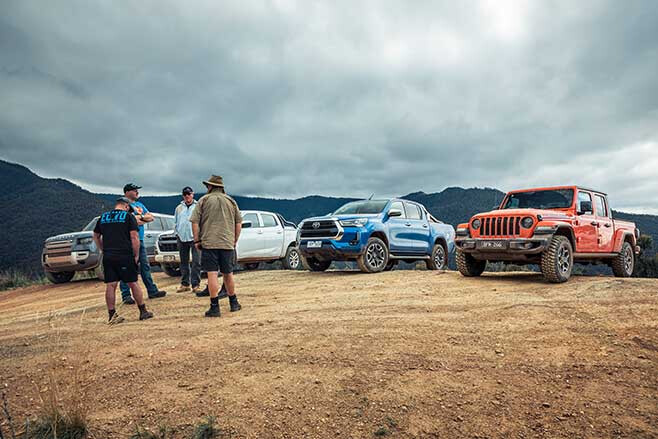
4X4OTY comes to you a bit later this time as, due to the opening and closing of borders and lockdowns, we couldn’t get our testing done at the usual time in December. Even now, we had to shoot-out with a limited field of finalists to find a winner.
PAST 4X4OTY WINNERS: 1980s
As always, the vehicles are judged not against each other but against a long-established set of criteria. This is what allows us to test and score a $40,000 work ute alongside a $100,000-plus luxury four-wheel drive.
4X4OTY JUDGING CRITERIA
VALUE FOR MONEY is judged according to a vehicle’s equipment level, safety features and price relative to its direct competitors. Just because a vehicle has a high price doesn’t mean it’s not good value, in the same way a cheap car doesn’t always represent good bang for your buck.
BREAKING NEW GROUND refers to advancements in technology and design. How a vehicle has raised the bar in the class it fits in and taken 4x4s to a higher level. If a vehicle has the latest safety features, worthy engine technology or an advanced driveline, it will score well here.
BUILT TOUGH refers to how strong a vehicle is and how well it will cope with the rigours of tough off-road driving environments. Will it be up to the task of carrying loads and outback travel, or fall apart at the first hurdle?
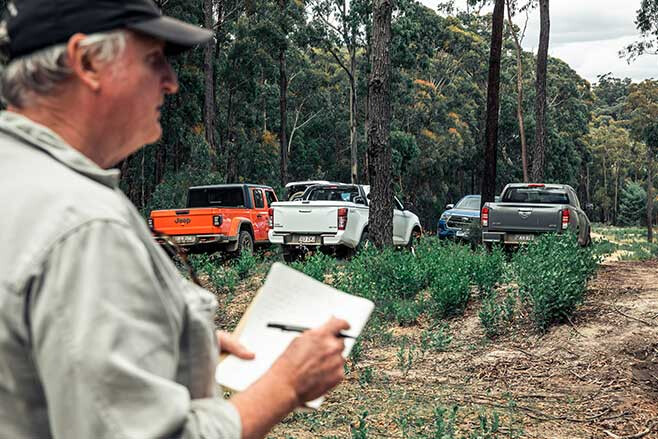
BUSHABILITY is how well a vehicle is equipped for off-road travel. Suitability of the standard tyres for rough roads, touring range, available accessories and underbody protection are just some of the factors considered here. Is this a vehicle you would choose to drive around Australia the rough way, or is it best left to the suburbs?
DOING THE JOB is judged according to a vehicle’s design brief. Does a luxury vehicle have all the latest in comfort and convenience features and do they work in the real world? How well a ute carries a load, or a seven-seater accommodates a family will all come in to play here.
At the end of a week of testing both on- and off-road, our team of testers score each of the vehicles against the five criteria to give each car a score out of 50. The car with the highest combined score wins – nothing else comes into the outcome.
JUDGES’ THOUGHTS
AFTER five days of testing and with only four cars left after day two (read about that later this week), there was no obvious winner, yet each of the drivers had shared their opinions, likes and dislikes on each car.
They agreed that the new D-MAX is a step up over the previous model but questioned whether or not it has strayed away from its dependable, value-for-money selling point now that it has more tech and its prices are higher. They agreed the working-class LS-M has everything you need in a touring or working 4×4, but all thought it was priced high when compared to other vehicles in its class.
Ron Moon commented: “The D-MAX is a solid, reliable dual-cab ute but seemed expensive with the accessories added.” That pretty much summed-up all the opinions.
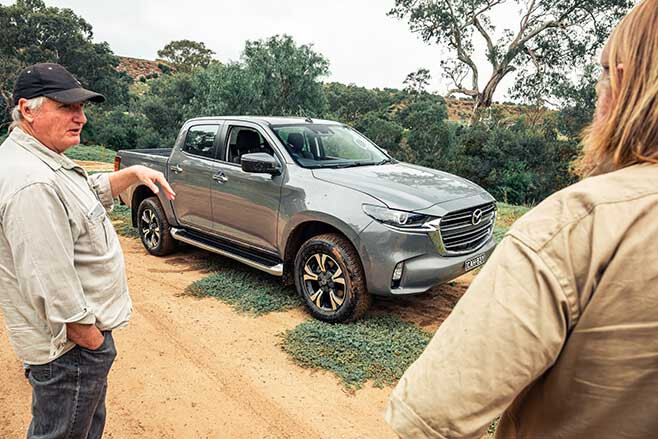
The Isuzu’s Mazda brother appeared better priced for the equipment included, even though it was one spec level above the D-MAX. One tester mentioned it felt better put together and more solid, and that he’d happily pay the extra money for it. Even though it failed to proceed on day three of the test, the drivers rated it better value-for-money and better priced among its competitors in the dual-cab ute class.
“I’ve never been so impressed with a Hilux before,” said Ronny at the end of day five of testing. “It ticked all the boxes, whether you want it for work or play.”
This echoed the judges’ opinions of the Toyota with one saying, “This is what the Hilux should have been when it was released five years ago; it’s taken Toyota this long to get it right.”
The Hilux SR5 wasn’t the highest scorer in any criteria but it scored consistently across the group.
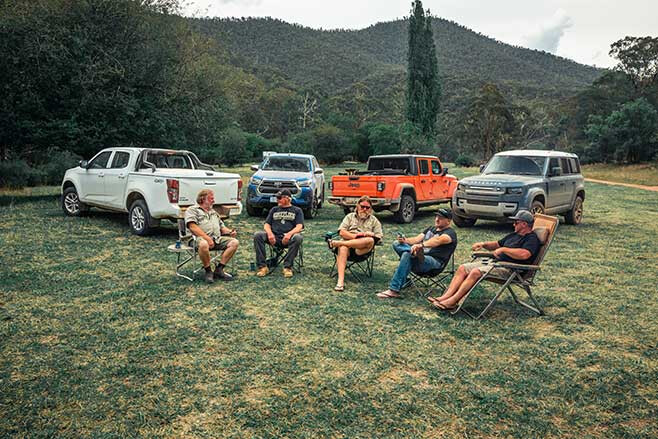
Throughout the week it was obvious that each of the drivers loved getting behind the wheel of the Gladiator, but they all complained about the cramped space in the driver’s footwell as well as some other ergonomic grievances. However, there was no questioning its off-road ability, even if it was widely agreed that it needs a raise in ground clearance. The $80K price of the Rubicon model and the lack of a diesel engine variant were also causes for concern for the Australian market.
The high purchase price was again in question when we spoke about the Defender, especially when you consider the last one was almost half the price. Sure, the new model is nothing like that last one and has the latest tech features in it to make it more capable, safer and easier to live with, but is it worth twice the price of the old one? The complexity of accessing some of the Defender’s user controls was also a bit much for some.
All agreed that the Defender was very capable and nice to drive no matter the terrain or road surface. A few mentioned the poor ride quality when you have the suspension jacked up to its highest level.
FUEL FIGURES
HILUX SR5 Litres: 80.45L Average: 12.2L/100km
D-MAX Litres: 84.15L Average: 12.9L/100km
GLADIATOR Litres: 120L Average: 18.2L/100km
DEFENDER Litres: 123L Average: 19.3L/100km
BT-50 Litres: DNF Average: DNF
WINNER: TOYOTA HILUX SR5
THE Toyota Hilux SR5 took out our 4X4 Of The Year award with consistently high scores across the criteria from each of our judges. Scoring 181 from a possible 250 points, the Hilux edged out the Defender (175), the Gladiator (172), the BT-50 (153), and the D-MAX (145 points).
The Hilux didn’t put a foot wrong all week, simply getting on with the job at hand as any working ute should do. Its available wheel travel and excellent ETC calibration make it very capable off-road, while leaving nothing off the table on it. The level of standard features in the SR5+ grade make the Hilux great value-for-money at $63K (+ORC), especially when you line it up against the many other utes in its category.
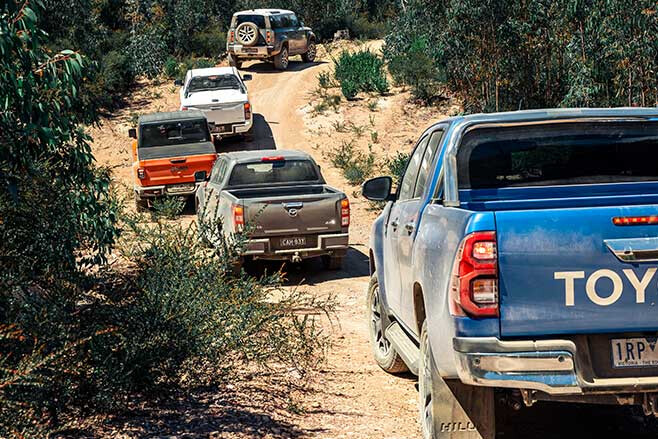
The extra performance and driveability Toyota has tuned out of the 2.8-litre engine gives the Hilux a new lease on life, waking up what was described as a lacklustre performer in the past. When you add that it recorded the lowest average fuel consumption on this test, the value-for-money aspect looks even better.
Toyota has listened to the market and made the changes to make the Hilux great again, and its sales number since the updated model was launched in September reflect as much.
READ NEXT: All the winners from the 1990s, 2000s and 2010s
105 Series LandCruiser leads latest batch of Readers’ Rigs.
Head to the 4X4 Australia Facebook page and send us a photo with a brief description of your fourbie. You could win a Wurth under-bonnet LED valued at $249!
TOYOTA LC105
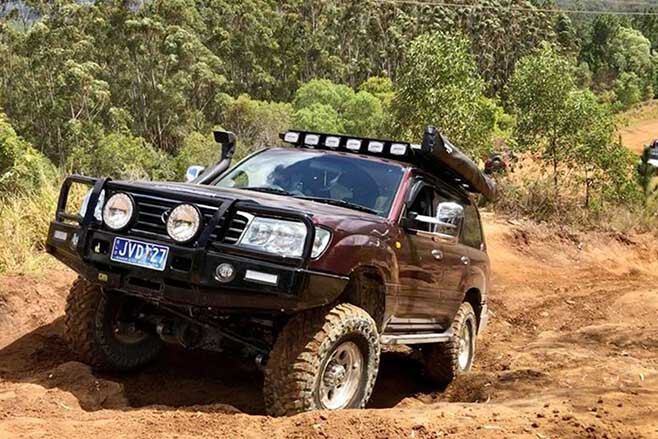
It’s my daily drive as well as a weekend play 4WD. She’s a 105 Series LandCruiser with the 4.5-litre petrol engine. Gear includes a TJM T13 Outback bullbar; Lightforce HTXs; six Lightforce LED Strikers; Rhino-Rack Backbone with 2128 x 1436 platform; Rhino-Rack Batwing; Kaymar OzBar rear bar; 175-litre Brown Davis auxiliary tank; dual batteries running a Projector IDC45; myCOOLMAN 69-litre fridge-freezer; a three-inch lift with EFS coils, Superior remote res shocks, Superior front lower control arms, Roadsafe panhards, Roadsafe rear upper and lower control arms, and extended brake lines; five 16×8 -20 Allied Thunder wheels; 315/75-R16 Toyo Open Country MTs; Safari snorkel; an ARB twin-compressor mounted in the rear quarter panel; and a rear TJM Pro Locker -Joe Van Deurse
2018 NISSAN NAVARA NP300
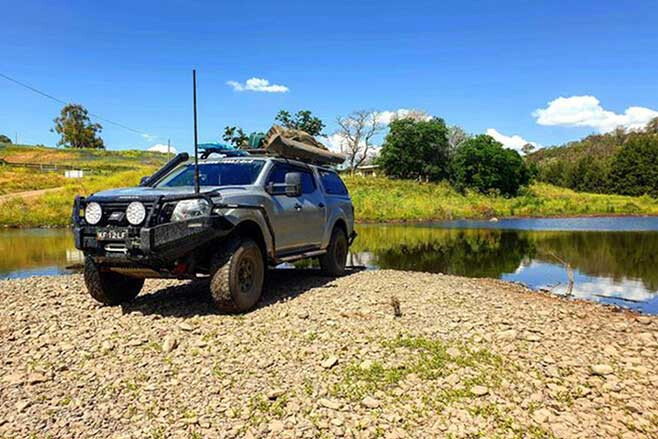
It has been set up for touring. Kit includes Outback Armour suspension; Ironman bullbar, rails and side-steps; Ironman rear bar and canopy; Titan drawers with wings in the back; Kings Domin8r winch; Kings nine-inch spotties; GME UHF whip; 33-inch ATs; a stainless-steel snorkel; custom airbox; an ECU=SHOP Cube Smart chip; and a DCM 4×4 270-degree awning. An upgraded intercooler is next -Kody Freeman
NISSAN ‘DRTY40′ NAVARA
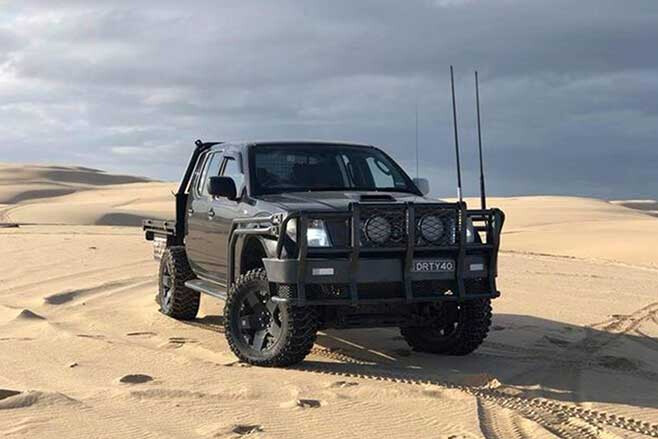
Here are a few photos of our Navara, dubbed the Drty40. It has a six-inch lift and features 18-inch wheels wrapped in MT 33s. It also has plenty of wildlife-friendly barwork, a few engine mods and a wicked tune. Something a little different -Cooper James Arthur
LANDCRUISER PRADO
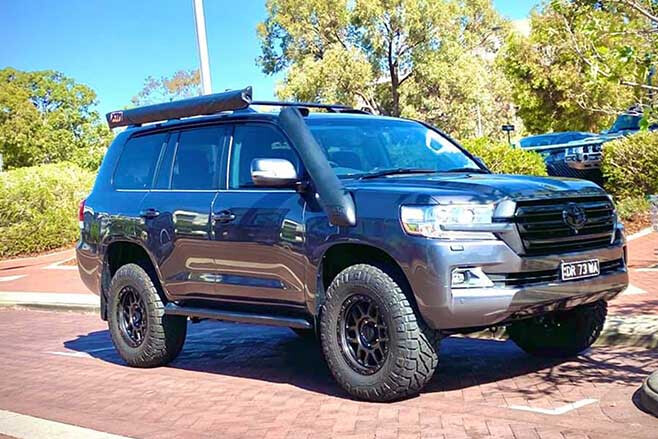
ARB BP51s for a two-inch lift; Blackhawk UCAs; a GVM 3650kg upgrade; KMC Mesa 18×9-inch +20 wheels; Manta DPF back twin-exit stainless steel; Rhino Evolution bar with light holder; Stedi Type-X Pros; 12V wiring; Tow-Pro Elite brake controller; Provent Catch Can; pre fuel filter; TPS tyre monitoring; TJM HD compressor, air lines and hoses, and Airtec Snorkel; Hardkorr rear-mounted battery box; 100amp/h lithium battery with CTEK charger; Uni Filter; ceramic tint; 3D trufit mats; 12V rear setup with self-made custom drawers; Rhino roof rails; SQP ECU and TCU tune; and a KDSS relocation kit -Daz Man
STOCK GQ PATROL
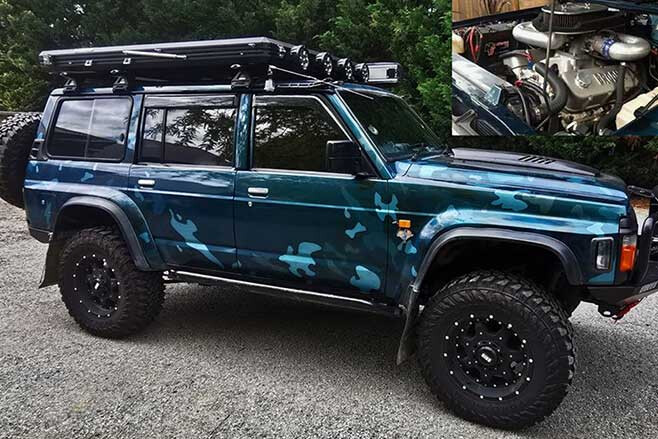
It has factory Camo paint, and a 454 Chev upgrade package with GU five-speed VIP option -Brad Anthony
2003 NISSAN TB48 PATROL
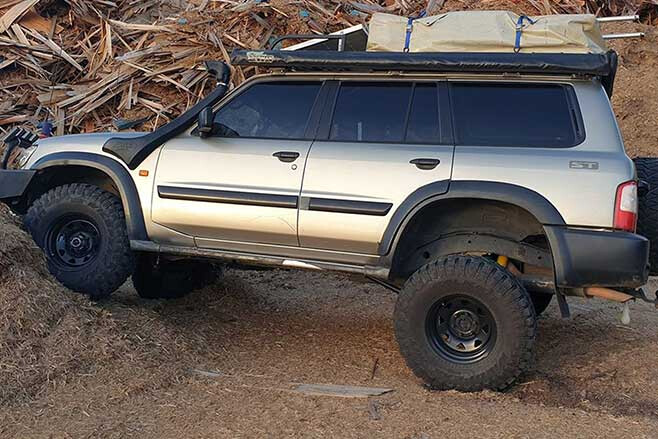
It has done 36,500km. Mods include a three-inch lift; 35-inch muddies; dual batteries; rock lights; rear drawers; and plenty more -DG Brooke
OUR route, once past the rubbish dump and where we had dumped air from our tyres, wound for a short distance through the dunes to a sandy track junction.
From past experience I knew going right would drop me quickly onto a short, soft – very soft – beach where on numerous escapades I had always got bogged. Knowledge and discretion being the better part of valour, we turned left and wound our way south behind the first line of dunes that border this impressive coast and crossed the unmarked boundary into the Little Dip Conservation Park.
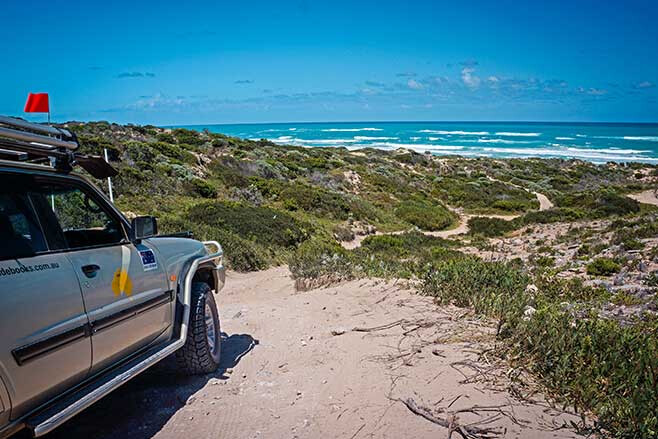
A few hundred metres and another track took us to the beach where we cruised along the sand – still soft – to a string of low, rocky headlands known as the Stony Rises. The track swings inland here to skirt these bluffs, but there is plenty of opportunity to stop and wander down to the small beaches that are somewhat protected from the full force of the sea by the offshore reefs that are such a part of this wild, turbulent coast.
Nearby, the Stony Rises access track leads away from the beach to a carpark and camping area and then another kilometre or so to the main access track that leads back into the coastal village of Robe.
POPULAR ROBE
ROBE, where our morning adventure had started from, is fast becoming a bit of a trendy tourist destination with some 50 historic buildings and classy cafes along with a couple of good pubs. However, it has long been a haunt for fisherman, divers and four-wheelers wanting to explore the nearby coast, while its protected marina shelters a small but important crayfishing fleet. We first went there back in the 1960s chasing abalone (before licences) and crays, not that we were very successful in either as the untamed seas often laid waste to the best-laid plans.
This stretch of coast though, has long been inhabited by Aboriginal people and you’ll see signs of their feasts in the many shell middens that are scattered, mainly on the rocky headlands, above the sea. For the most part the Bungandidj clan took in the country from around Robe south to the Victorian border, while the Meintangk group took in the country north to around Cape Jaffa.
In 1802, Guichen Bay, on which Robe lies, was named by the French Baudin expedition after a French Admiral, while the Baudin Rocks, at the northern end of Guichen Bay, were named by Matthew Flinders in 1802 after Nicolas Baudin who he had met at Encounter Bay some time previously. For the next 30 odd years the bay was frequently visited by sealers and whalers, and their relationship with the original inhabitants of the area, you’d have to say, wasn’t the best.
In 1846 the town was officially settled and within 10 years was the second busiest port in South Australia, with the town’s famous obelisk on Cape Dombey, used to help guide ships into the port being built in 1852. A couple of years later, the first of the Chinese gold miners, trying to dodge the taxes imposed at Victorian ports, landed here and walked to the Victorian goldfields. Two years later, around 15,000 Chinese disembarked while some 32 foreign ships from the USA, Holland and England also arrived.
In the 1930s the town had become an important crayfishing base which it remains today and along with tourism, its prosperity is ensured and with its couple of picturesque and ideally located caravan parks, makes for a fabulous base to explore the coast and hinterland.
BISHOPS PATE
OUR journey south of the Stony Rises continued, sometimes on the beaches and sometimes just behind the first line of dunes as we skirted around and over a rocky headland, the limestone bluffs and reefs becoming ever more common as we got closer to the Bishops Pate.
TOP TRACKS: Best 4WD tracks near Adelaide
This prominent headland and bay, where another track heads east and out of the park, skirts around the edge of the relatively large Lake Robe and is a popular access point for many. While the lake is officially a game reserve, its shallow saline waters attracts a lot of waders and waterbirds while the surrounding melaleuca scrub, the dense border of rushes and samphire flats is a haven for other smaller bush birds. It’s a top spot for birdwatching and there is always a few ’roos around along with the occasional emu to add variety to the nature viewing.
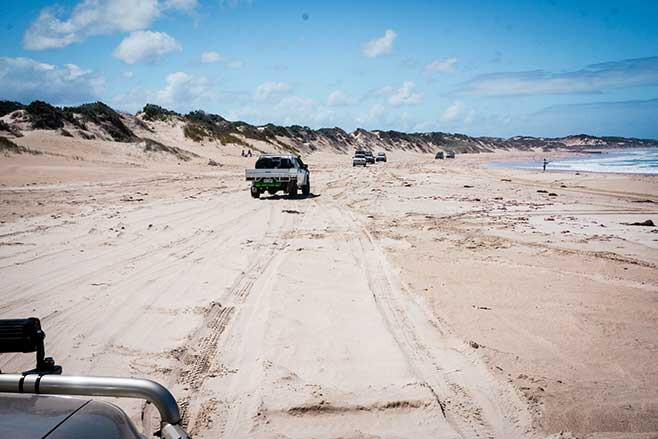
The route south continues much the same as before with a few steep pinches and some puckering side slopes amongst some of the dunes, where it’s easy to misjudge a gear change or the required momentum to get you through easily. On these steep slopes, once stopped it’s difficult to get going again, the wheels digging down through the soft sand. Then you are in for a heartrending reverse back down the dune to start all over again.
About 20km from Robe you come to Errington Beach where you need to swing east along the southernmost access track and head out to the main dirt road which takes you a few kilometres to the small protected bay of Nora Creina. This bay has a small settlement of fishing and holiday shacks close by and once you’ve enjoyed the protected waters of this bay, the route south leads onto Stinky Beach for the long challenging drive south to the seaside town of Beachport. By the time you get there, with luck the sun will not have set and you can enjoy a beer and/or a meal at the pub before returning to Robe via the main road.
Of course, there’s more beach and sand driving south of here, with one of the most challenging sections being south of the small community of Southend though the Canunda National Park to the even smaller hamlet of Carpenter Rocks. The beaches through this section remain very soft all year and we’d recommend you not chance your luck unless you are very experienced, have all the right gear and travel in the company of others.
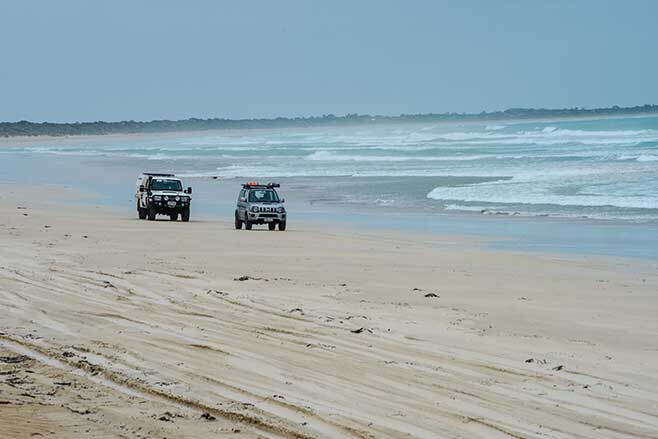
For something a little different we headed back to Robe and next day on to the town’s favourite stretch of sand, Long Beach. This beach is popular with many people as its firm sand stretches away to the north for quite some distance and its relatively protected waters makes it ideal for swimmers and kite boarders.
As you close in on the northern end of the beach, about 10km from the Robe access point, you’ll find the sand is softer and you’ve left the crowds far behind. Just south of the small beach hamlet of Boatswain Point, a low bluff marks an exit point from the beach. We later found out you can cross the headland just inland from the sea and continue along a short beach to the small township. We headed inland and on dirt roads found our way north to Wright Bay where a small farmer-owned camping ground is popular with those in the know.
CAPE JAFFA
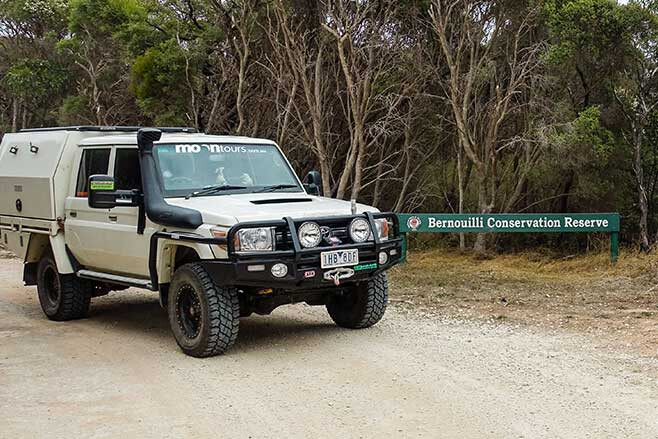
FROM Wright Bay a farm road heads north just inland from the beach which after a few kilometres, degenerates into a sandy bush-lined track as it heads into the Bernouilli Conservation Reserve. This narrow strip of bushland leads to Cape Jaffa, and amongst the scrub and low dunes near the tip of the headland you will find the remains of the Cape Jaffa Lighthouse cottages.
These cottages were built in 1872 for families of the lightkeepers who actually lived on the Cape Jaffa Lighthouse platform eight kilometres offshore on the Margaret Brock Reef. It was, and still is, a wild and unprotected reef and the seas that swept in and around the manmade platform just above the reach of the tide would have been a little intimidating. Still, the posting here for the men and their families was considered pretty easy and acted as a trial for new staff to see how they coped with the isolated life and the duties of a lightkeeper.
The cottages were abandoned in 1929, while the light remained in active service till an automatic light was installed on this treacherous reef in the early 1970s. Then, in a mammoth undertaking, the original light and its structure was dismantled and taken to the mainland where it was erected and now acts as the centrepiece for the Cape Jaffa Lighthouse Museum in Kingston SE. Its striking steel structure is well-worth a visit.
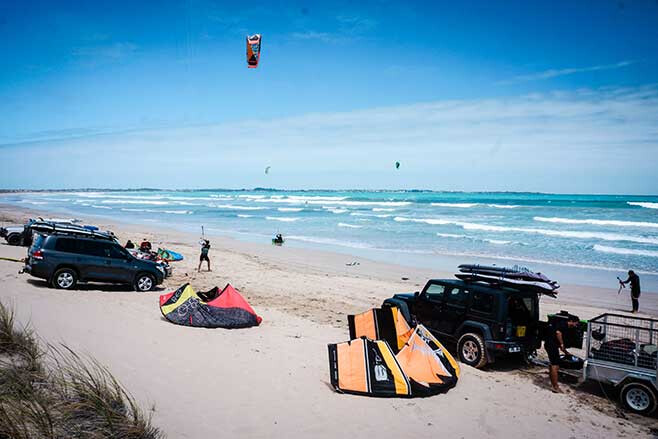
From the remains of the cottages you can drive along the beach northwards – or at least just behind the beach – but the deep seaweed along this stretch put us off and we headed inland on better tracks, then dirt road before meeting the bitumen just south of the small town of Cape Jaffa. The short wooden jetty here has been superseded by a big, new marina which has kind of proved to be a bit of a white elephant with few boats using it and the surrounding blocks of land unsold and unattended.
We headed on to Kingston SE quickly finding the bakery in this pleasant seaside town where we enjoyed a coffee and reminisced about our latest adventure, one we hadn’t done before in all the many times we have been to Robe.
That’s one of the great attractions of the beaches around Robe – there is always something new to discover and places to explore. I know we’ll be going back!
TRAVEL PLANNER
For info on Robe and its accommodation and facilities go to www.robe.com.au
The Little Dip Conservation Park covers 2150ha and offers four very separate camping areas all of which demand you book a camping spot online.
To check out what the small town of Beachport has to offer see: www.beachportsa.com.au
The Canunda NP protects 9625ha of coastal dunes south of Southend. It has five separate camping areas.
The Cape Jaffa Lighthouse is maintained and operated by the National Trust of SA. For more info see: www.nationaltrust.org.au/places/cape-jaffa-lighthouse