
Climbing back in to the 4X4 Australia D-MAX after a week in the RAM 2500 had me feeling a little bit sad, if I’m honest. I love that D-MAX, but after you experience a vehicle like the big RAM 2500, it changes you. I almost thought there was something wrong with the D-MAX … what do you mean it won’t spin the tyres at just above idle?
Rewind a week, and I was feeling a bit hesitant when picking up the RAM. It’s an imposing beast; long, wide, heavy and powerful, and it’s incredibly expensive at $157,950 before on-road costs. However, within 30 minutes of driving it I felt right at home, and damn was I enjoying that engine as well as the comforts and features offered by the plush interior.
With all that said, I also really wanted to get the RAM 2500 on dirt, to see if it’s physically able to fit on local 4WD tracks. We know it will tow like a freight train, and we know it can fit plenty in the tray space-wise.
We certainly didn’t go looking for the hardest technical tracks we could find, but I wanted to know if it is any good as a touring four-wheel drive platform. This was to be an eye-opening experience.
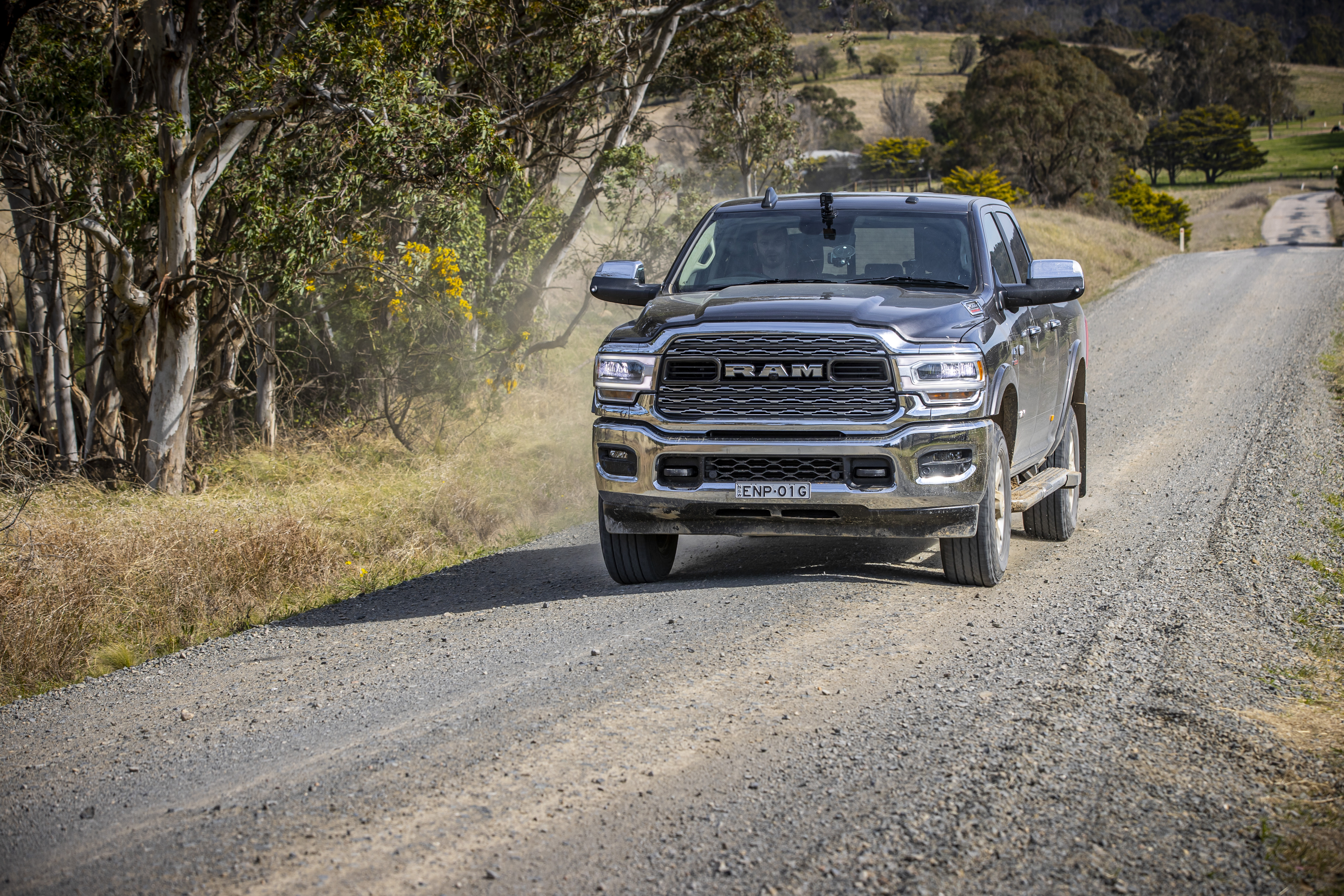
POWERTRAIN & PERFORMANCE
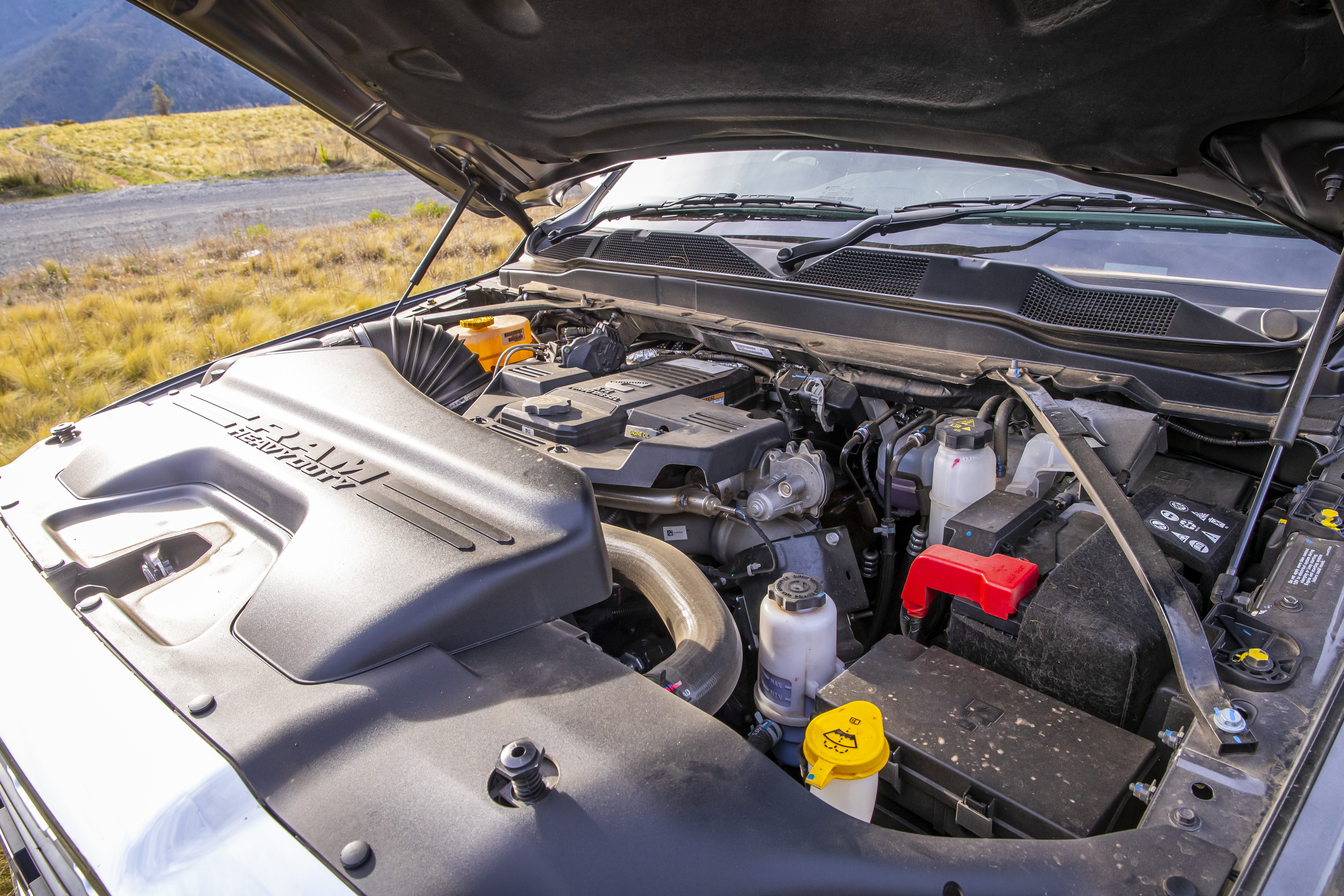
The 6.7L Cummins turbo-diesel engine is the heart of this vehicle, and it’s simply glorious. There’s so much torque available, with a lovely burble that’s quick to remind that you are steering something with serious numbers.
Sure, modern four-cylinder motors are making big power figures these days, but they don’t have the sound or feel of a big six. I almost prefer them to a V8 … almost. It’s a nice-looking engine too, highlighting RAM’s close attention to detail. There’s also a 220amp alternator, which is an impressive inclusion and allows you to build a significant electrical system if you were to add additional auxiliary batteries.
The six-speed gearbox is well-matched to the engine – when you have 1152Nm of torque available, the engine is able to push through without the need to shift constantly. Simply slide it in to drive via the column shifter, put your foot down and this thing moves like a rocketship.
The RAM 2500 consumed 12.7L/100km of fuel when lazily cruising on the highway, which increased to more than 15.0L/100km off-road or when pushing hard on the accelerator … can you blame us?
ON-ROAD RIDE & HANDLING
Once you get over the sheer size of the RAM 2500, it’s a really easy vehicle to drive. The steering is well-weighted, though the turning circle is poor for such a large 4×4. The brakes are also a bit of a let-down, with a surprisingly spongy feel. Maybe it’s just because I’ve skipped leg day for the last 36 years, as the braking specs on paper are seriously impressive.The coil-sprung suspension is very firm when unladen, but this is fine around town. The 2500 tracks true and doesn’t have much body roll, which is a good thing for a big vehicle. With so much power available, it’s a struggle trying to sit on the speed limit – cruise control and self-control will help to retain demerit points.
The 2500’s impressive interior design and layout, power on tap and wide stance make it a genuinely enjoyable on-road driving experience.
OFF ROAD
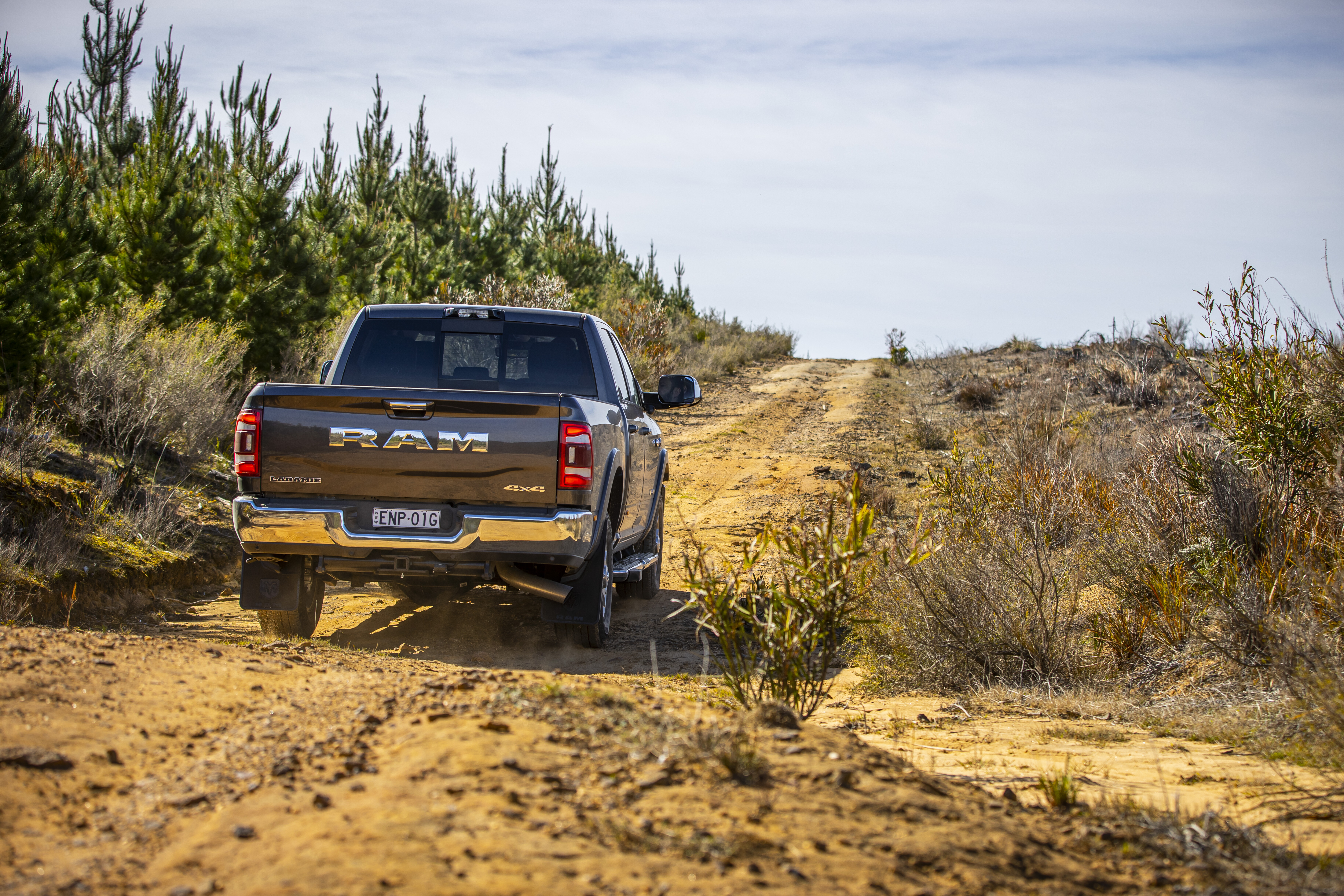
The two biggest off-road limitations of the RAM 2500 are ground clearance and its obvious plus-size external dimensions. The front bumper sits really low, as do the factory fitted side-steps – it’s begging for a big lift kit and some massive tyres, and thanks to the solid axles and coil springs, there’s plenty of potential to untap.
Low-range gearing is excellent, offering great control when punting along tight tracks. It would also come in very handy when trying to back up a heavy trailer on uneven ground. Engaging 4×4 is as easy as it gets, simply push a dash-mounted button. It engages quickly and easily every time. Other manufacturers, please take note.
With all that torque and no weight in the tray, it’s a challenge to get power to the ground − as soon as we were on dirt, 4×4 high-range needed to be engaged.
The choice of tyres fitted to such an expensive and powerful beast is also questionable, and both the turning circle and ride quality could be better. It rides really firm, which is fine for on road, but on rough tracks I was getting tossed around a bit too much for my liking.
Here I was expecting lounge-chair-like ride comfort … I was wrong.
CABIN & ACCOMMODATION
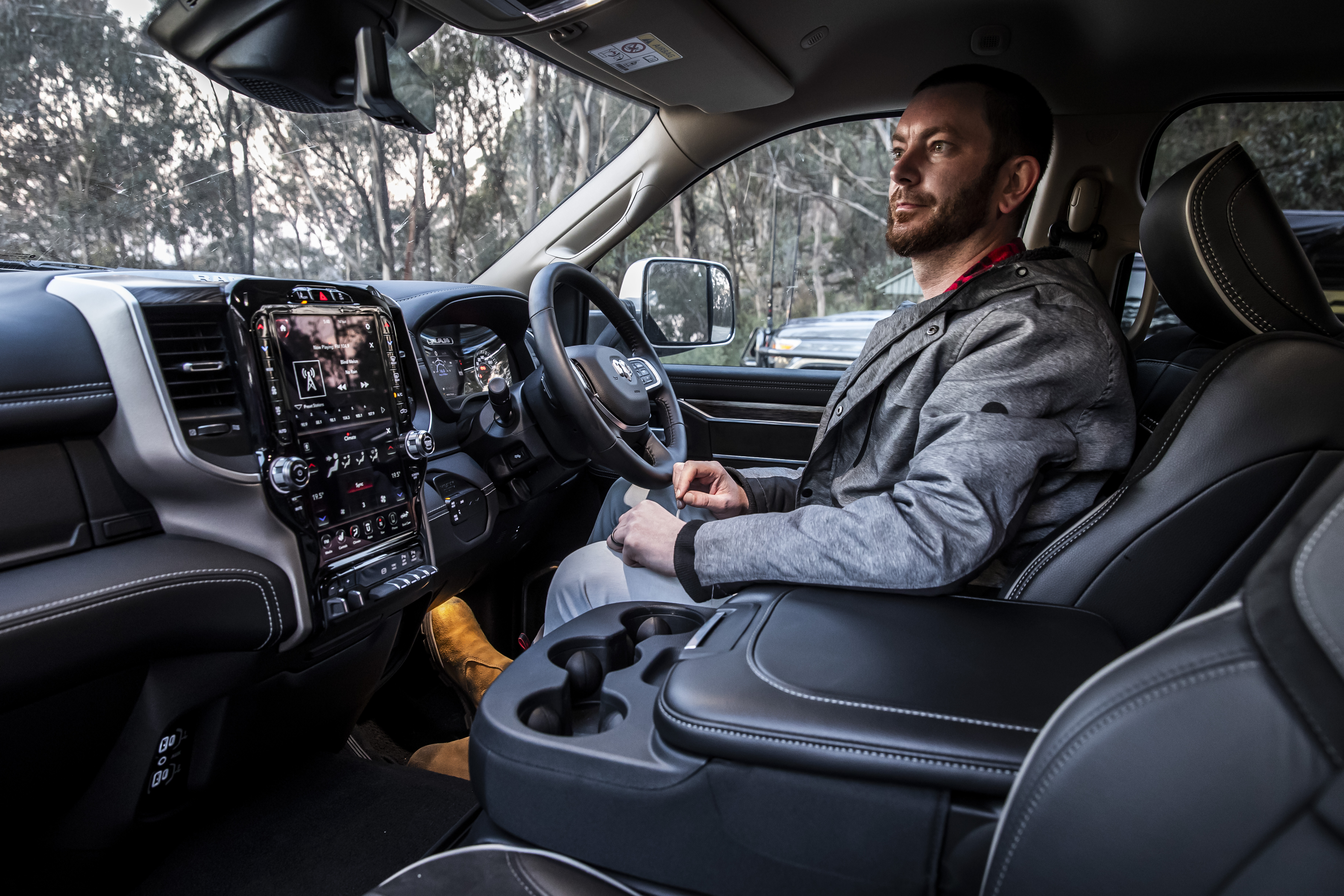
It’s intimidating climbing in (and you do have to climb in) the cabin of the RAM, but it’s surprisingly easy to pilot. The interior layout is unique, featuring six seats instead of the traditional five, and the centre console simply lifts up to enable three people across the front row.
The front seats feel flat, though, and I found myself with a sore back after a few hours, even after using the adjustable lumbar support. This is more likely a me problem – curse my lanky frame.
The seats are heated and ventilated, and the steering wheel is heated as well. All of this is controlled via the massive control screen in the centre of the dash, which is quick and easy to navigate, even for a luddite like myself. The infotainment system is the brains of the interior and is easy to use and connect devices to. Again referencing the attention to detail, simple dials control radio and volume functions – this should be mandatory, as it’s so much easier and safer than pushing a button while driving.
There’s storage for days including the centre console, a slide-out tray in the dash area and the traditional glove box. Cupholders are ample and vary in size, so there’s space for larger bottles as well as coffee cups. There are plenty of USB points, including a USB-C on the dash.
PRACTICALITIES
This is a tricky category, because for some people the RAM 2500 just isn’t practical at all, while for others there’s not much else like it that will do the job. This thing is built to tow. If you own horses or a big caravan and want to live said lifestyle in comfort and luxury, the RAM is for you.
As tested, the 2500 is set up to lug 3500kg, something it would do with ease. If upgraded to a 70mm tow ball, RAM says the 2500 can tow 4500kg. RAM also mentions it can tow up to 8000kg, but you’re going to have to look at the fine print there – you’ll need air brakes on the trailer and a full gooseneck-style towing system. Payload is listed at 835kg.
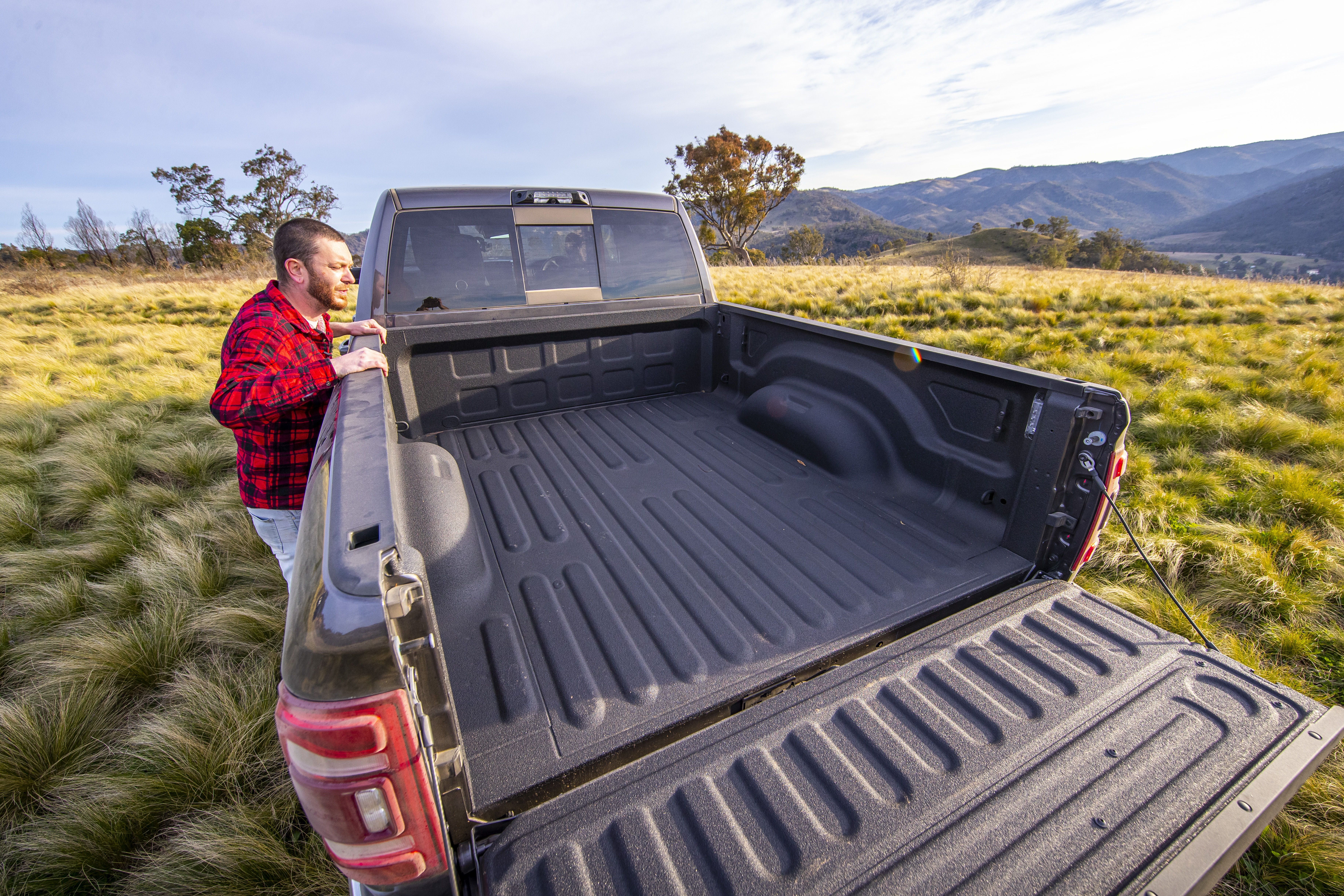
The tray is enormous, and in this case was covered by a spray-on liner – my preferred method of protecting a tub. There’s a sliding rear window like the Nissan Navara, which is a neat touch, as is external lighting in the tray area. You can even drop the tailgate from inside the cabin, with a simple push of a roof-mounted button. Plus, it’s nice and light to lift when the time comes to close it up.
SUMMARY
It’s big, powerful, comfortable and expensive, but if you need something like the RAM 2500 in your life for work or play, there’s not much else like it in Australia. Sure, there are full-size pickups, but it’s hard to go past brutal diesel grunt combined with the glamorous interior of the RAM.
In saying that, Chevy is set to offer its updated Silverado towards the end of this year, which will provide some glorious competition in this space. We can’t wait to compare the two of them side by side.
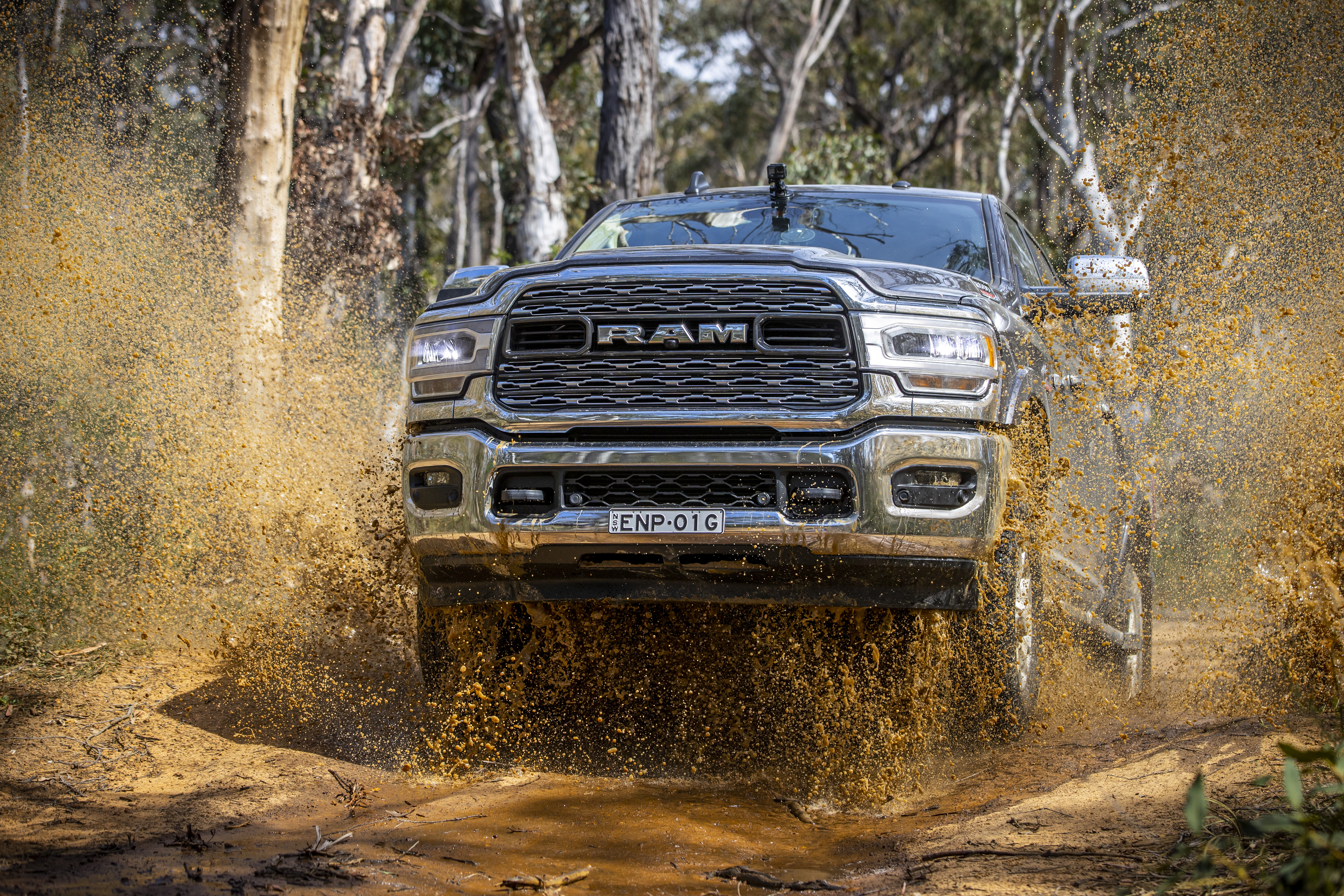
So, is the RAM 2500 too big for Aussie tracks? Well, that depends how much you are prepared to scratch it. As a dirt-road tourer or long-distance explorer, it’s fit for purpose. For something to drive tight, tough tracks through the forest, it’s going to get beat up. However, we were able to push it through forestry tracks without doing any damage or getting it stuck, so it’s definitely possible.
You’re going to need better tyres, as the ones fitted stock aren’t much chop for off-road work. Plus, you’re going to need to lift it to improve the approach and ramp-over angles.
Let’s be realistic, though; this is a hauler designed to pull large loads in comfort, and that is a task it will handle with ease. Long live the RAM.
2022 Ram 2500 Laramie Specs
| ENGINE | Cummins in-line six-cylinder turbo diesel |
|---|---|
| CAPACITY | 6690cc |
| MAX POWER | 276kW at 2800rpm |
| MAX TORQUE | 1152Nm at 1700rpm |
| TRANSMISSION | 6-speed automatic |
| CRAWL RATIO | 38.81:1 |
| 4X4 SYSTEM | Part-time shift on the fly 4×4/2WD-4WD high – 4WD low |
| CONSTRUCTION | Four-door ute body on ladder chassis |
| FRONT SUSPENSION | Three-link solid-axle coil springs |
| REAR SUSPENSION | Five-link solid-axle coil springs |
| TYRES | 275/70R18 |
| KERB WEIGHT | 3660kg |
| GVM | 4495kg |
| PAYLOAD | 835kg |
| TOWING CAPACITY | 3500kg (50mm tow ball); 4500kg (70mm tow ball) |
| SEATING | 6 |
| FUEL TANK | 117L |
| ADR FUEL CLAIM | N/A |
| TEST FUEL USE | 12.7L/100km (on road); 15.6L/100km (off road) |
| DEPARTURE ANGLE | 25.8u00b0 |
| RAMPOVER ANGLE u00a0u00a0u00a0u00a0u00a0 | 22u00b0 |
| APPROACH ANGLE | 22.9u00b0 |
| GROUND CLEARANCE | 237mm (F); 222mm (R) |
The 2022 Toyota LandCruiser 300 Series has arguably been the biggest story of 2021 so far, but if there’s one vehicle Australians love more than a LandCruiser, it’s a dual-cab ute.
Brazilian artist Kleber Silva created this rendering, which stitches together the front of a 300 Series onto the body of a full-size pick-up, creating a dual-cab LandCruiser ute with a bit more comfort and tech than Toyota’s iconic 79 Series.
While Silva named his creation the 2024 Toyota HiLux TRD, the possibility of a 300 Series dual-cab is not completely out of question.
UPDATE, October 14 2021: The LC300 has now made its proper Australian debut, and you can read and watch our full first-drive review here.
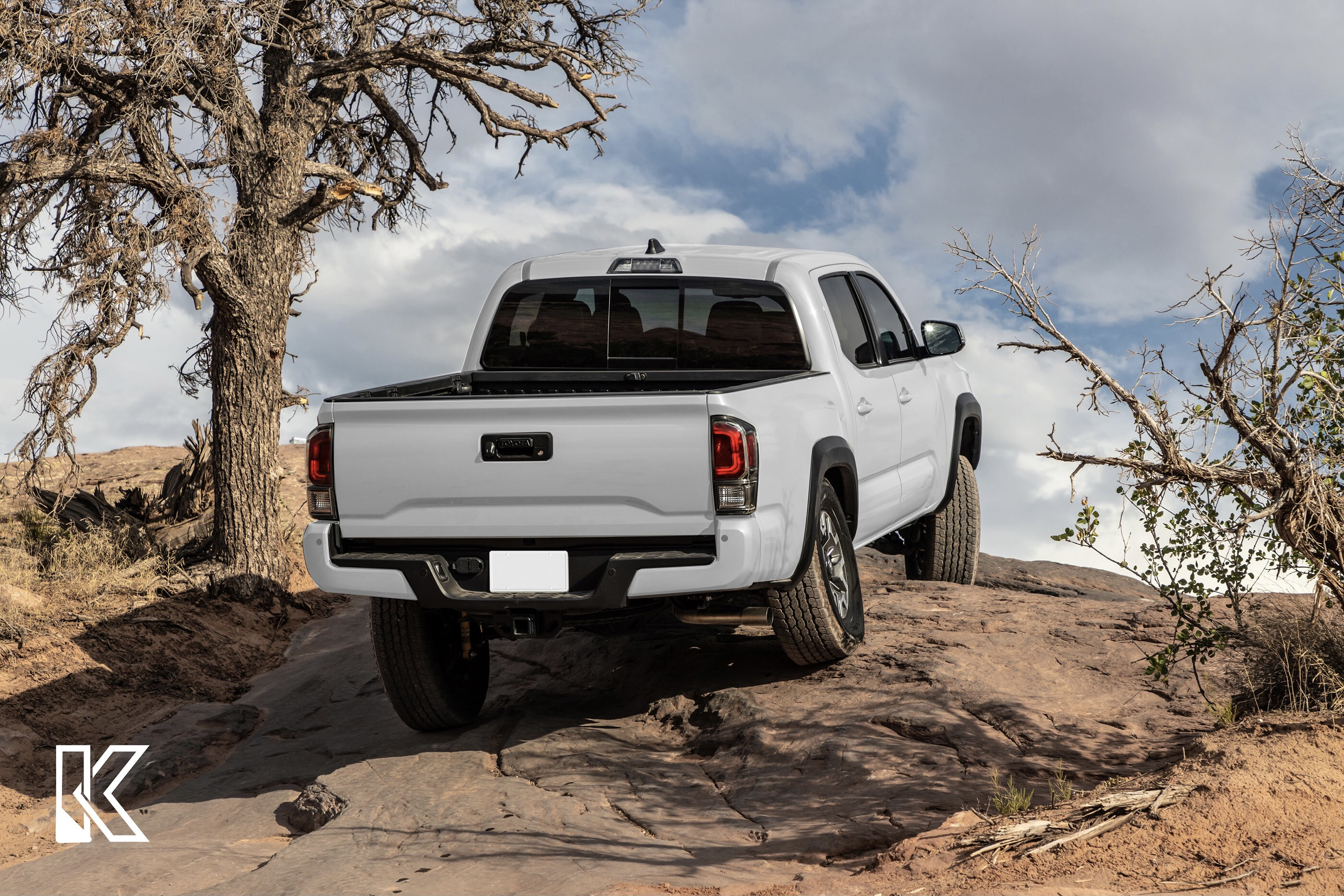
In recent days, the 2022 Toyota Tundra was revealed in the US, with the pick-up sharing the same powertrain and under-body architecture as the new LandCruiser.
“Toyota Australia is aware that the large truck segment in Australia has grown in popularity over the last few years and it is a segment we are continuing to study and we are interested in generally,” a spokesperson for the carmaker told 4X4 Australia in May 2021.
While a Tundra built in right-hand-drive for markets like Australia is more likely to see the light of day, Toyota could eventually choose to leverage the LandCruiser’s good name and offer a pick-up body for the 300 Series globally.
What do you think of the Toyota LandCruiser 300 Series dual-cab ute? Let us know in the comments section below.
Manufacturers try their hardest to make a wide range of 4x4s to suit every possible taste. They make ’em big, they make ’em small. All different colours, all different engines, all different prices.
But what if when Goldilocks was trying out the different bowls of porridge there was one too hot, one too cold, but none just right? Well, if you’re the owner of one of the most respected 4×4 shops in Victoria you grab a little from each bowl and make your own to suit your exact tastes.
Stephen Booth, the man behind the magic at Power Torque in Victoria was getting nostalgic over the original BJ74 LandCruiser of his youth when the model before you came up. Unfortunately, the old B series engine, leaf springs and drum brakes were also feeling very nostalgic too. It simply wouldn’t do.Rather than waste time mucking around with the old gear, Stephen fired up the plasma cutter and set to work removing everything under the old Cruiser that wouldn’t cut the mustard for a modern day 4×4.
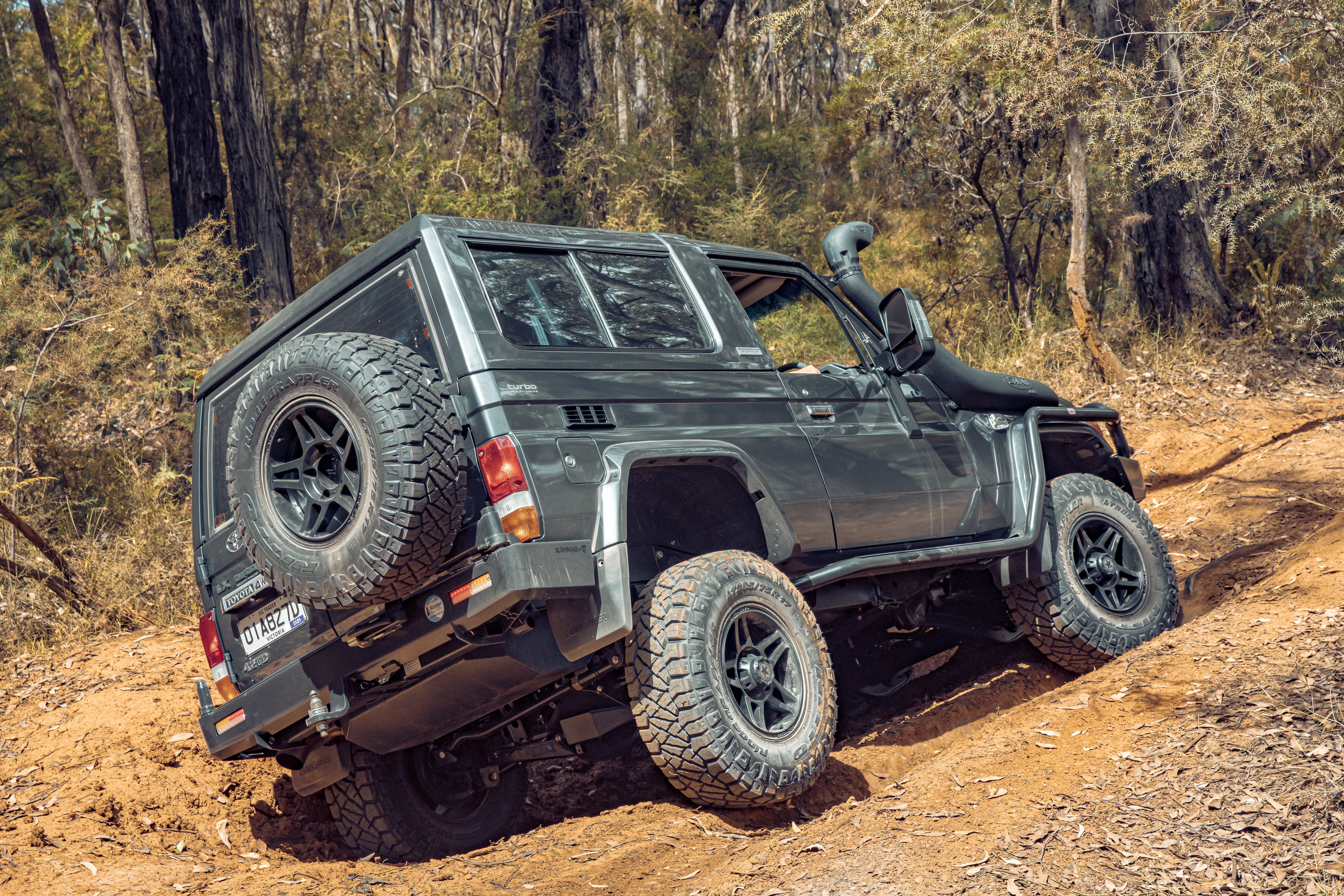
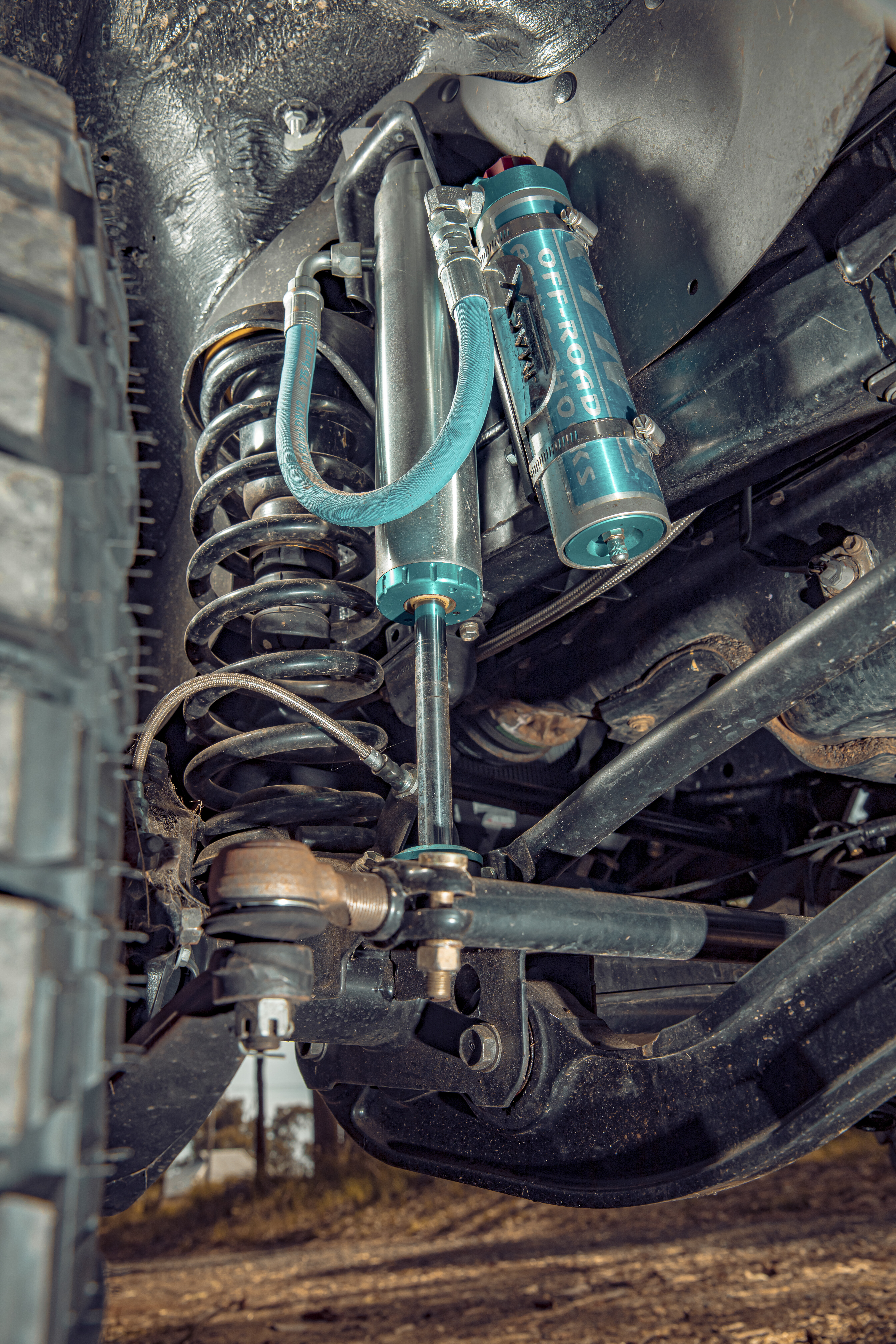
First on the chopping block was the old front axle. The leaf springs and ’80s steering box simply weren’t going to cut it. Stephen sliced and diced the old leaf-spring mounts off and pushed the whole lot into the bin before sliding in a complete set-up from a coil-sprung HDJ79 LandCruiser. The new set-up including a later model diff with better brakes, tighter steering, coil mounts, radius arms and even a fancy modern swaybar.
While the spanner set was out, Stephen spec’d up the front end as well. The full replacement mounts allowing for a bolt-in lift-kit to work perfectly. The 3-inch taller coils help with the altitude adjustment, while remote reservoir King shocks help the mid-wheelbase Cruiser ride like it’s on clouds.
Moving back and Stephen opted for a coil-spring arrangement from JMACX. The full bolt-in set-up utilises an adjustable 5-link with four adjustable forward links holding the diff in and allowing for fine tuning of pinion angles, with an adjustable Panhard bar ensuring the rear diff stays centred no matter how much ride height is dialled in.
The whole affair holds in a JMACX diff housing that bumps the rear track width out to match the front and throws in later model disc brakes as part of the upgrade. The set-up is complemented with a matching set of 3-inch lifted coils and adjustable King shocks, although this time in-coil airbags have been fitted for further adjustability.
HEART TRANSPLANT
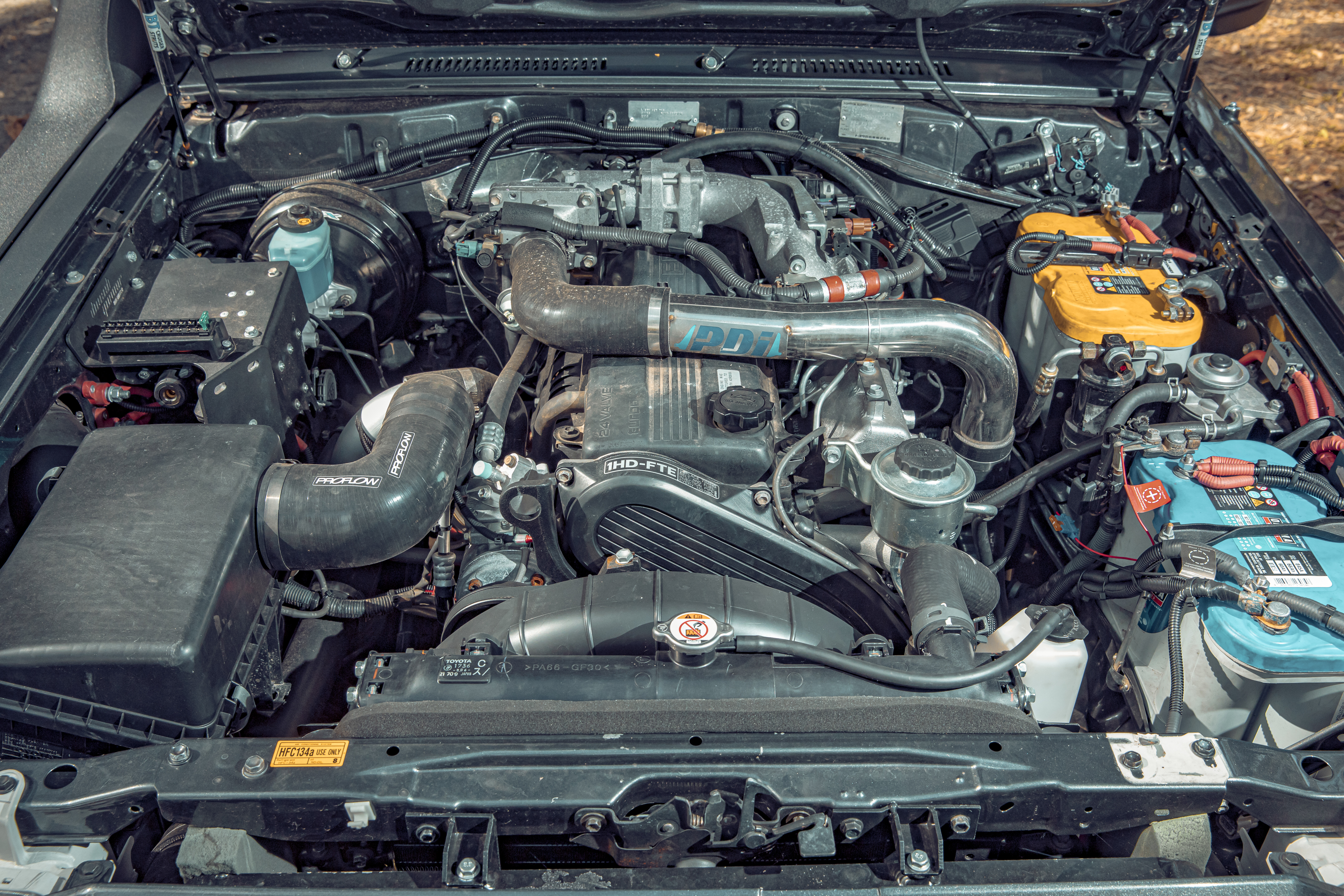
MOVING back to the front and Stephen has also given the Cruiser’s heart a serious working over too. Where an outdated 4-cylinder turbo-diesel engine used to live, Stephen has shoehorned in what some would call the greatest diesel Toyota ever built, the might 1HD-FTE.
For those not in the know, the 1HD-FTE is a 4.2L six-cylinder turbo diesel found in 100 Series LandCruisers and the short-lived HDJ79. What makes it so special is the multi-valve head and electronic diesel injection creating the perfect combination of old-school tough, and new-school power.
With comfortable practicality, the design moto Stephen also chose was to back the new donk with an A750F automatic transmission pilfered from a top-spec 100 Series. The transmission is backed with a HDJ79 transfer case and driveshafts sending power into front and rear ARB air lockers to ensure maximum traction in all situations. Stephen had to swap and change a couple of cross members and mounts to get the new arrangement in, but has had the whole affair successfully engineered to be 100 per cent road legal.In case you haven’t noticed, Stephen’s not the kind of bloke to leave things half done so it’s no surprise the 1HD-FTE motor isn’t in stock form either. The high-flowing Safari Armax snorkel feeds down into a Red Wheel ‘Bad Boy’ turbo from GTurbo. The bolt-on replacement forces bulk air through the front mounted PDI Intercooler and hard-pipe kit before finding its way into the combustion chamber.
The +50 injectors and an in-house tune have the Cruiser pushing out 200kw and 800Nm at the rear wheels – a far cry from the 89kw and 217Nm it would have made when it first rolled off the production line. The final piece of the powertrain puzzle is a set of modern looking PCOR alloy wheels, punching in at 17×9 with a +25mm offset, Stephen’s wrapped them with Nitto’s Ridge Grapplers in 285/75R17.
FACELIFT
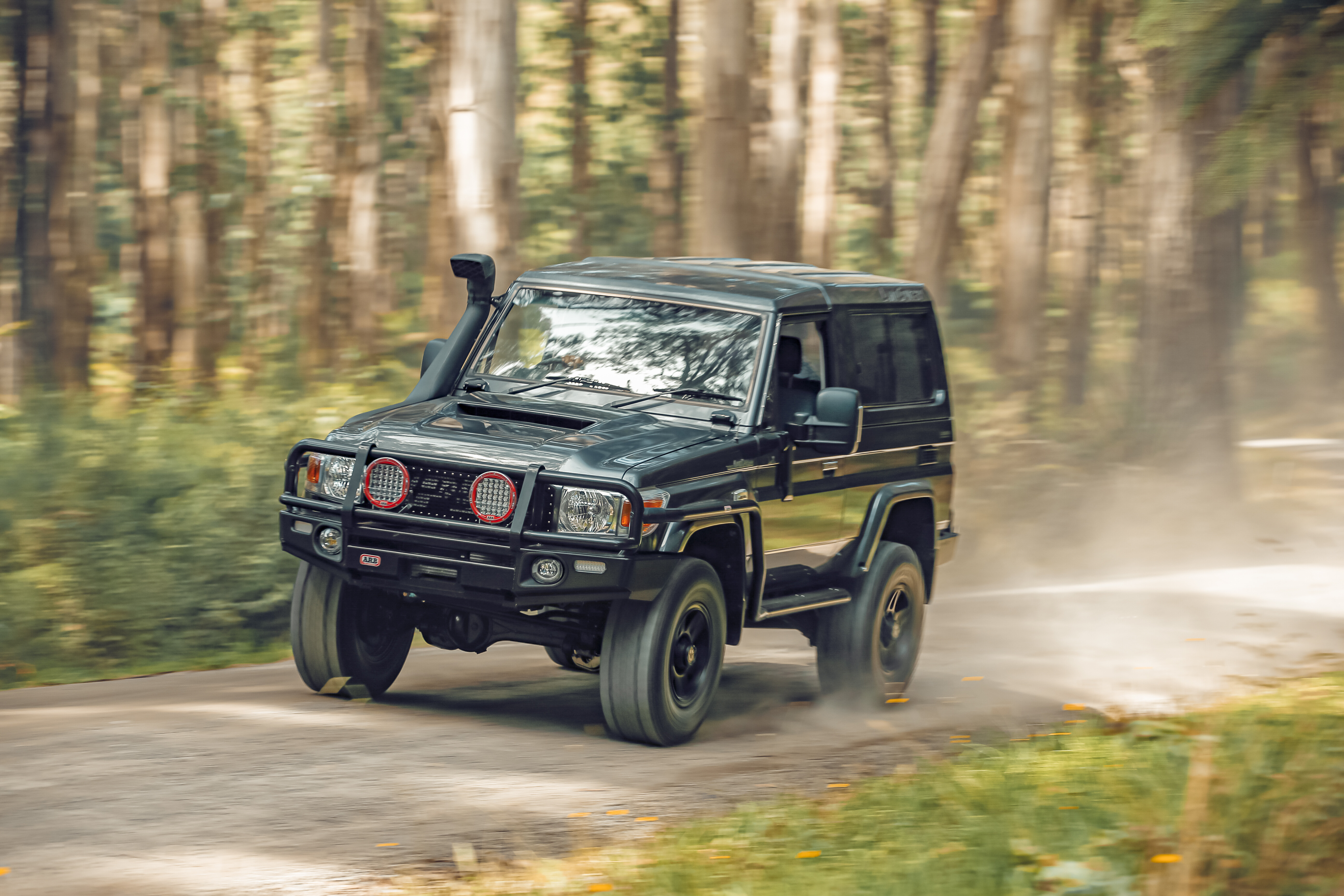
BACK on the outside and Stephen’s continued the resto mod theme with a full front clip from a current generation VDJ79 ute. Making sure that fancy front end stays in tip-top shape, Stephen’s optioned up a Deluxe bar from ARB with full hoops providing full protection, it also provides a home for twin ARB Intensity LED driving lights. There’s twin Optima batteries under the bonnet ensuring the lights can run with the power of a thousand suns for as long as Stephen wants them too.
Moving along the flanks and there’s a full scrub bar and rock slider combo from ARB with a set of Clearview’s Nextgen towing mirrors above them. The armour packaged is rounded out with a Kaymar rear bar protecting the rear quarters and a single swing-away spare-tyre carrier.Moving to the interior and it’s easy to see just how many man hours have gone in to building Stephen the Cruiser of his dreams. No stone has been left unturned, with a full interior restoration getting it looking factory fresh, although of course, there’s a few upgrades thrown in for good measure.
Tucked in-between the two front bucket seats is a full-length centre console housing the auto shifter and a couple of cupholders. There’s also matching EGT and boost gauges for Stephen to monitor engine vitals, and an OBD scanner for any deep dives on engine data on the road. Last but not least, is a full set of tunes thanks to a Kenwood head unit and Morel speakers.
From an outsider’s perspective, Stephen’s BJ74 could be mistaken for a neat classic 4×4, but for those in the know the longer you look at it, the more details you find showing not only the impeccable workmanship that’s gone in to the build, but the clear vision Stephen had in his mind for the perfect classic Cruiser.
HOT AIR
AIRBAGS are becoming more and more common in the custom 4x4s we feature, so we figured it was high-time we have a quick look at exactly why people are fitting them, and why they may be suitable for your rig too. Forget all the fancy stuff like on-board air systems and self-levelling doo-dads, airbags themselves are essentially a spring with an adjustable spring rate.
The more air you pump into the bag, the stiffer it’ll be. It’s that adjustability that makes them so handy. If you’re driving around in a work ute that has 300kg of tools on it every day and they never come off, then 300kg constant-rate heavy-duty springs are the right choice.
But if you load it up with 300kg worth of tools, then pull them off every Friday arvo and use it as a family car, you’re going to be horrendously over-sprung, it’ll be an incredibly bumpy ride unladen. By using a lighter duty spring and matching it with an airbag you can pump your effective spring rate up the same as a 300kg constant when you’re loaded, then let the air out and drop the rate for around town.
You can do the same to counteract towball weight if you occasionally tow a camper or boat, or even to counteract long-range fuel tanks and on-board water tanks in tourers. More complex systems allow for increased ease of use, but even a simple airbag makes a massive difference.
The 2022 Ineos Grenadier will go on sale in March 2022, but local buyers will be able to reserve their place in the queue from next month.
An email sent out by Ineos has announced Australian customers will be able to place a reservation for the Grenadier from mid-October, 2021.
However, a select group of local enthusiasts have been offered early access, with VIP access beginning from September 30.
Buyers will have to lay down $800 for the opportunity to order their own Ineos Grenadier.
The fully-refundable reservation fee will provide early access to the British off-roader when the vehicle goes on sale in early 2022.

While the exterior of the Grenadier is clearly inspired by the first-generation Land Rover Defender, the interior is a mix of modern and simple, with its switchgear taking design cues from aeroplanes.
Ineos is offering a choice of either petrol or diesel 3.0-litre turbocharged six-cylinder engines from BMW, mated to an eight-speed ZF automatic transmission with low-range.
Pricing for the 2022 Ineos Grenadier has yet to be announced, but it’s expected the vehicle will rival the current Land Rover Defender.
Snapshot
- Scored more than 80 per cent in three out of four categories
- Some D-Max results carry over to the SUV
- Adult occupant protection rated as MU-X’s strength
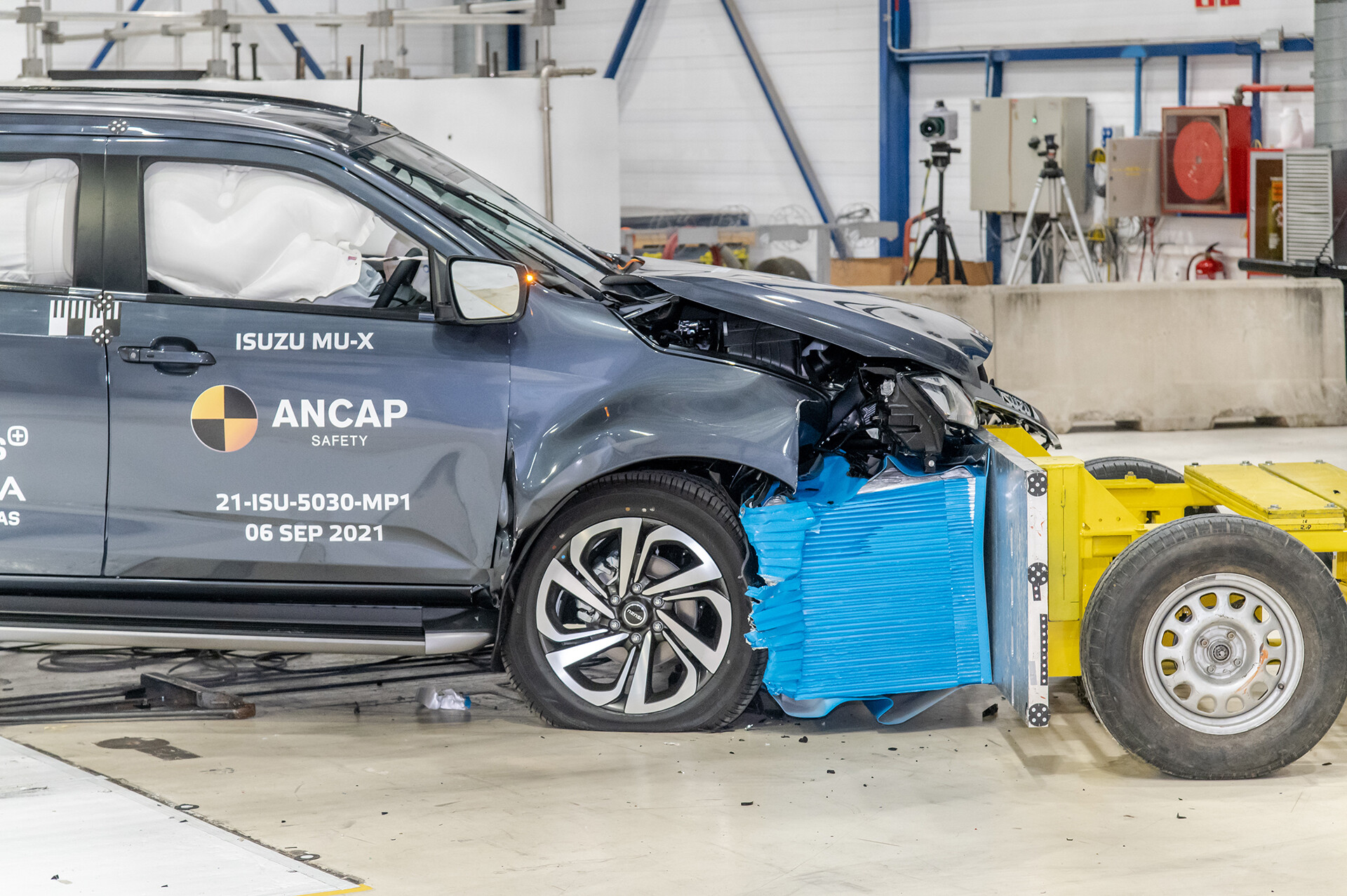
Isuzu’s 2022 MU-X has passed ANCAP’s safety test with flying colours, taking five out of five stars to give it the top rating alongside its D-Max utility sibling.
Based on the same platform as the recently-updated D-Max, a large amount of the MU-X’s scores were based on the ute’s previous results – although the seven-seat SUV did perform better in certain categories of the independent crash tests.
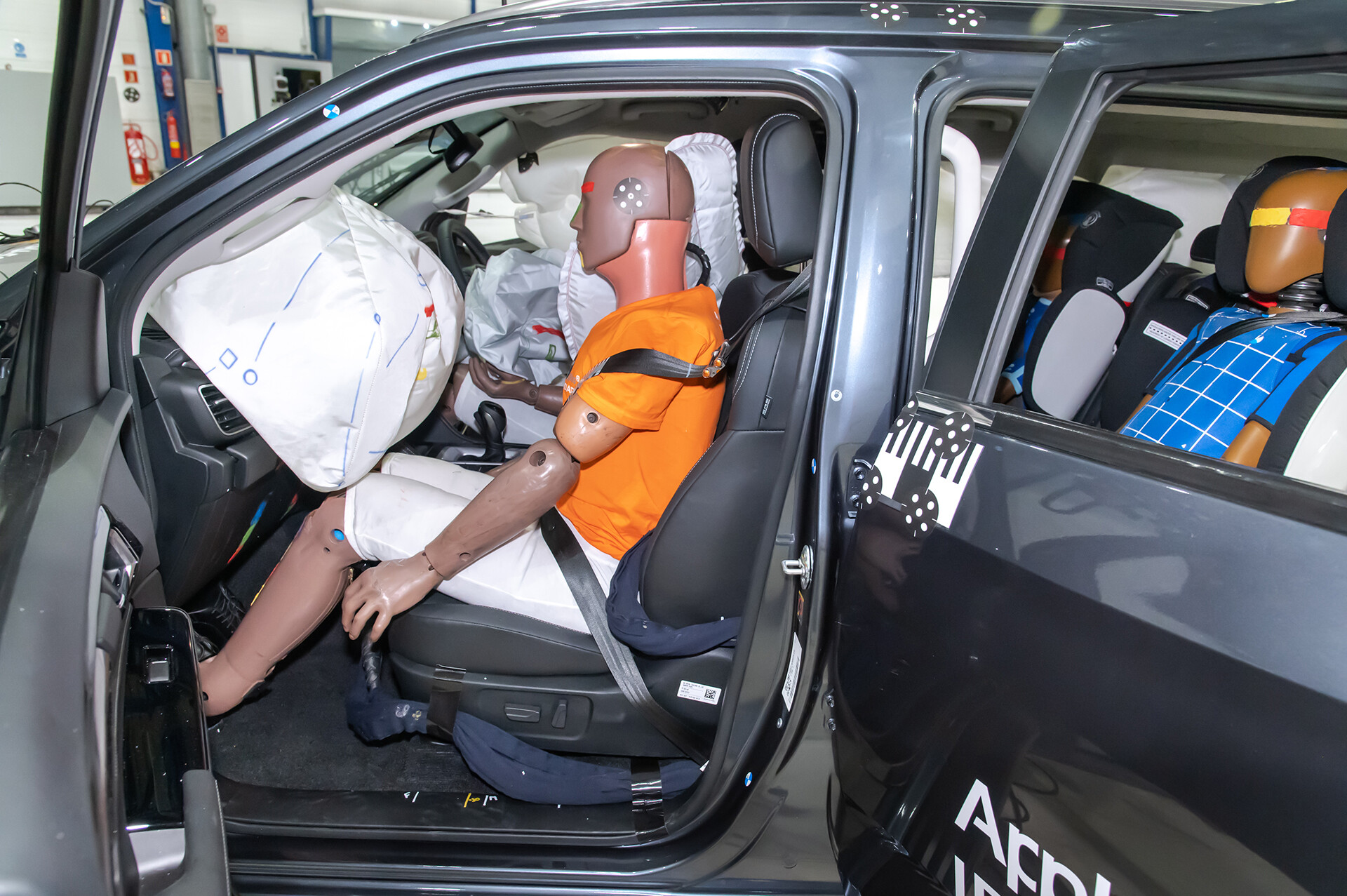
Starting with its best category, MU-X scored 87 per cent for adult occupant protection, with full marks given in the side impact, oblique pole and rescue/extraction tests. It only dropped the most amount of points (getting 4.63 out of eight) in the frontal offset impact, while every other segment was within 0.5 of a perfect score.
Child occupant protection in the second row also scored well, resulting in a total of 41.99 points from 48, giving it 85 per cent.
Full marks were awarded for the side dynamic test and restraint installation, although five out of 13 were dropped for on-board safety features.
Just one per cent behind was the MU-X’s score for its safety assist systems, its 84 per cent total coming from 13.49 out of 16 points available. Occupant status warnings were given perfect scores, although its junction assist features couldn’t quite make the grade – with 0.89 out of two points awarded.
As is understandable for a high-riding SUV, the MU-X’s pedestrian protection wasn’t fantastic, nor was it horrific, as 37.63 points from 54 available gave it a total of 69 per cent.
Letting it down was the autonomous emergency braking (AEB) for pedestrians backover test (zero points scored), its AEB recognition of cyclists (3.89 out of nine) and head impacts – the latter of which saw the vehicle manage 17.78 points from 24 on offer.
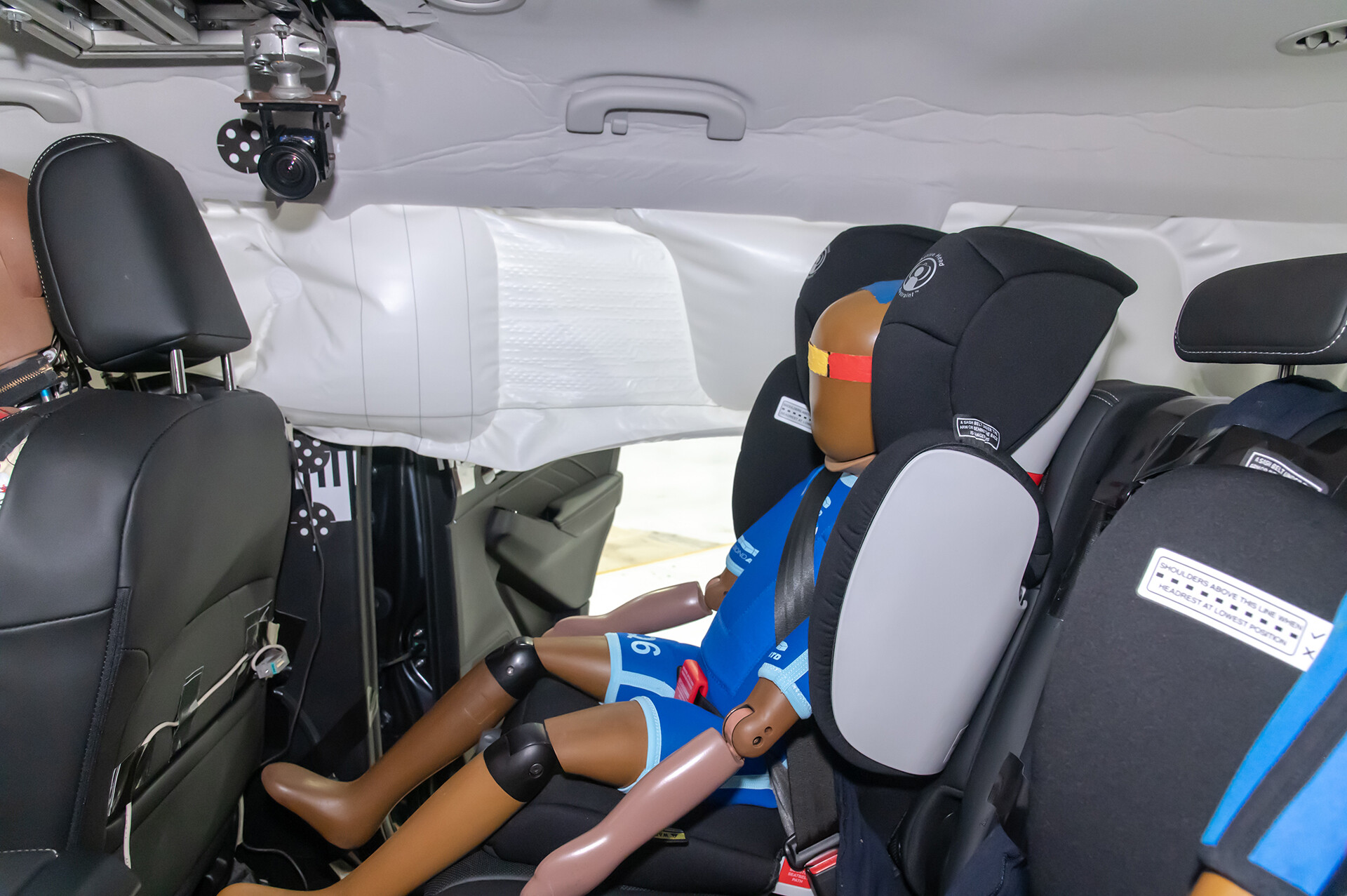
ANCAP CEO Carla Hoorweg said the MU-X presents itself as a strong, safe candidate for SUV buyers, thanks to the full suite of airbags for first and second row occupants.
“The MU-X takes advantage of the safety features already demonstrated in the D-Max, and it is pleasing to see this strong performance carried over into the Large SUV segment,” said Hoorweg.
“Safety is a must for those in the market for a seven-seat family vehicle, and the MU-X provides a safe choice for active families.”
There will be a battery-powered successor to the Volkswagen Amarok in the coming years, a senior company figure has confirmed.
Volkswagen Group of America’s Chief Operating Officer Johan De Nysschen has revealed a VW-badged ute would eventually be offered as an electric vehicle (EV).
While the upcoming Amarok isn’t expected to see any kind of electrification in the foreseeable future, the executive confirmed a zero-emissions Volkswagen ute was in the pipeline.
“We will, in the fullness of time, switch 100 per cent from [internal-combustion engined] entries to EVs,” De Nysschen said in a statement issued to US publication Motor Trend.
“And as the VW Group looks at its global product portfolio, this means that successors to popular models such as Atlas and our Amarok truck, will eventually be electrified.”
While a spokesperson for Volkswagen Australia declined to comment on the possibility of an electric Amarok, it’s believed the statement is the first time an electric Volkswagen ute has been confirmed by a company representative.
The German carmaker has previously downplayed the possibility of the Amarok morphing into a battery-electric vehicle (BEV).
“It’s a difficult discussion, to have an Amarok or a similar car using BEV technology,” Volkswagen Group board member for electric mobility Thomas Ulbrich told Autoblog in August 2020.
“We are looking at what Rivian is doing, because normally it is difficult to believe that a car like the Amarok, for example, could be electrified. But, nevertheless, step by step our investigation and research makes us think it becomes more possible,” he said at the time.
“By making this technology more and more robust, an Amarok-type of car would be BEV.”
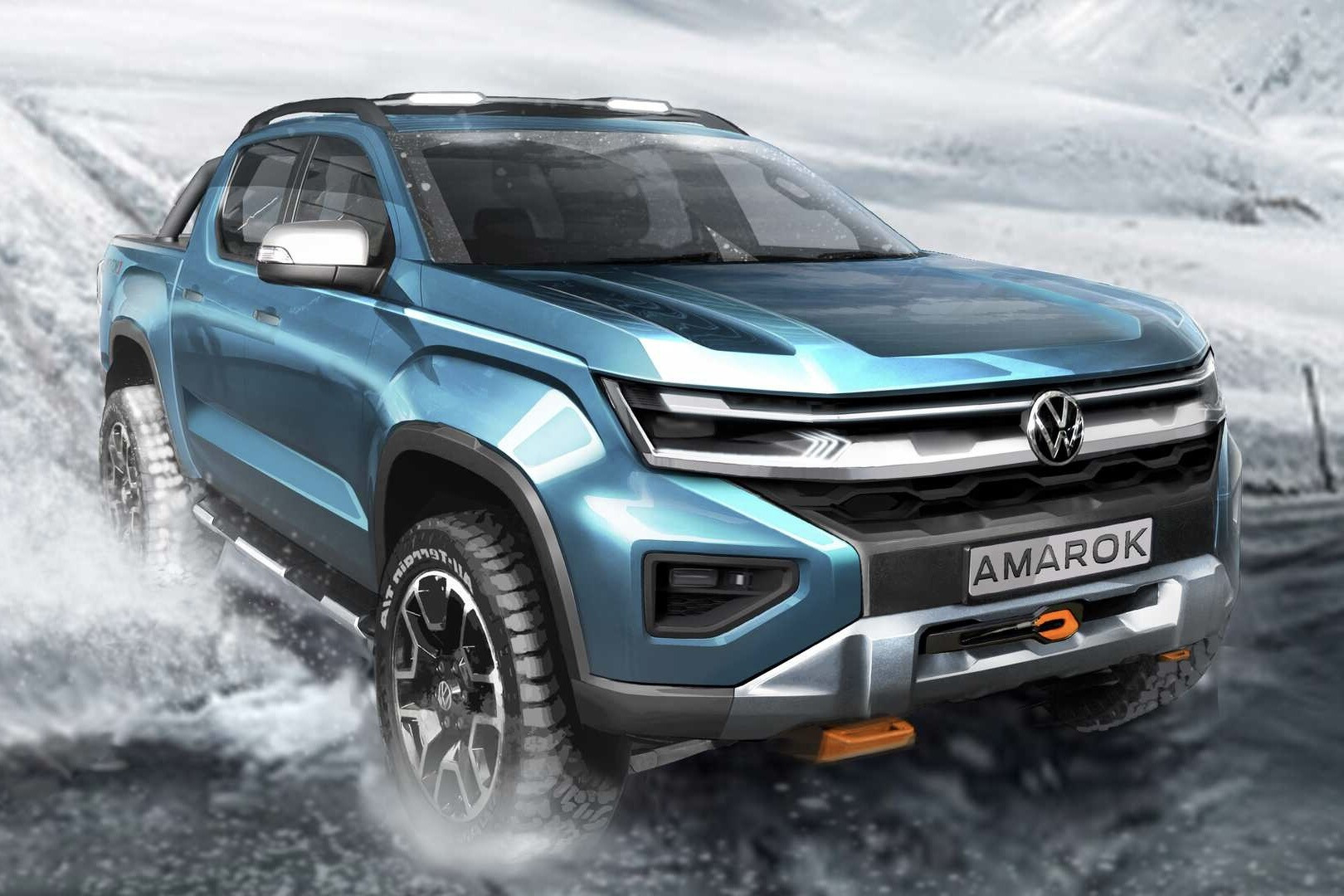
But with the 2023 Volkswagen Amarok being based on the next-generation Ford Ranger – and the two automotive giants joining forces to share commercial vehicle platforms – it’s likely the job of electrifying the Amarok is being left to Ford.
The Blue Oval is already pushing ahead with battery-powered versions of the Transit van and F-150 pick-up, and the company has a long-term partnership in place with electric carmaker Rivian.
Before an all-electric Volkswagen ute becomes a reality, it’s likely we’ll see a plug-in hybrid version of the Ranger and Amarok, given Ford has dropped hints regarding the likelihood of a zero-emissions-capable model line-up by 2023.
The International Harvester Scout may be making a comeback as an all-electric off-road brand, under a new plan reportedly being considered by Volkswagen Group management.
According to US publication Motor Trend, Volkswagen America COO Johan De Nysschen told media the company was considering reviving the Scout name, likely to compete with the Jeep Wrangler and Ford Bronco.
Before the Bronco was introduced in 2020, the Wrangler had arguably no direct competitors – but it appears carmakers have woken up to the popularity of smaller, square-bodied off-road vehicles.
The mere possibility of a Volkswagen-derived Scout is the result of a number of corporate acquisitions. In July 2021, Traton, Volkswagen Group’s truck division, merged with Navistar – which was created from the ashes of International Harvester when it went under in 1985, and which owns the rights to the Scout nameplate.
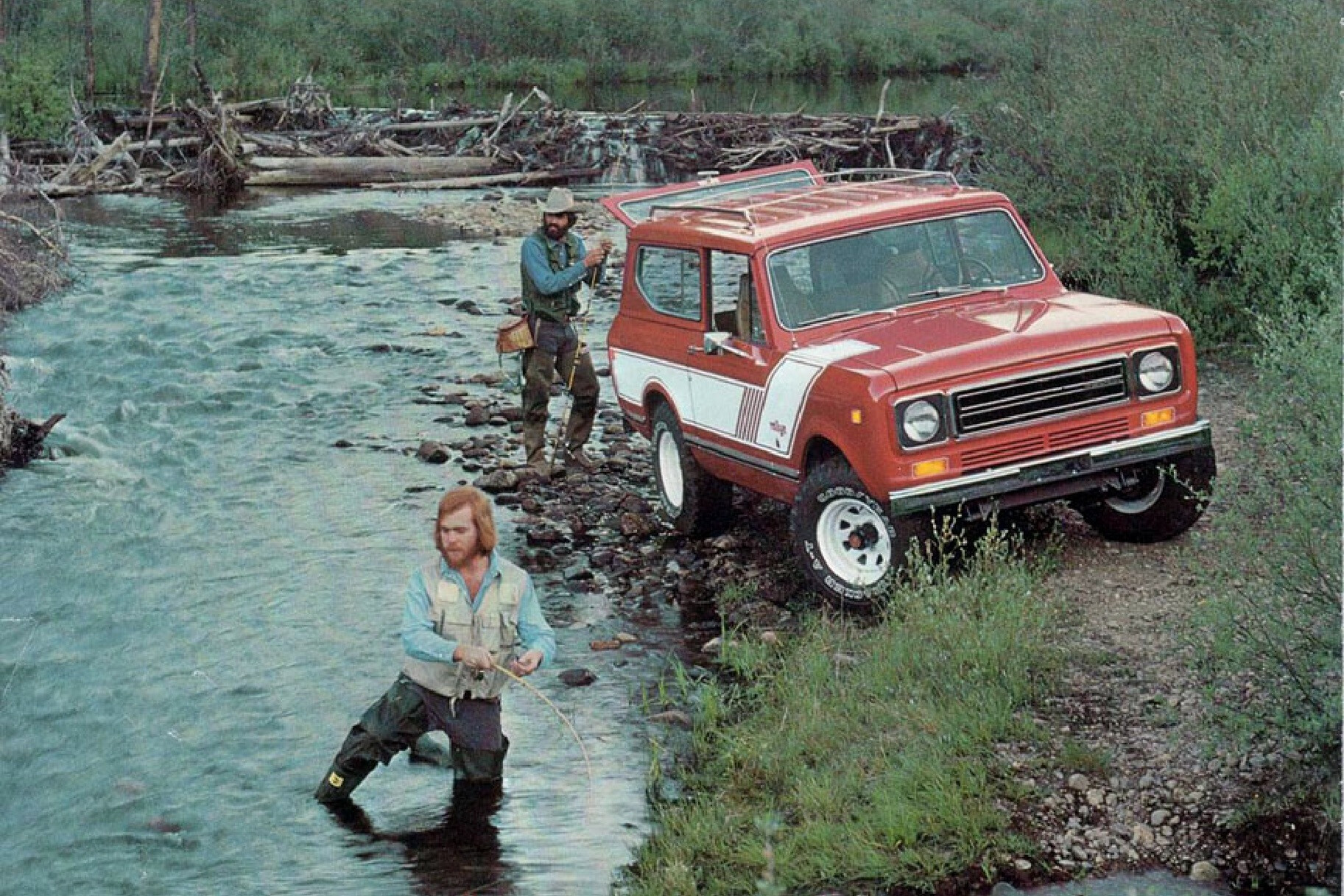
What isn’t clear is whether the International Harvester badge would be able to be used, with the brand having been bought by Case IH when the company was divided up – though it’s understood Case IH does not own naming rights for passenger vehicles.
International Harvester had a history of manufacturing commercial vehicles dating back to 1907, but the company was best known for the Scout, produced from 1961 to 1980 – predating the Ford Bronco by four years.
While the Scout name is a revival from the past, it seems Volkswagen is looking beyond the current crop of models to the future, envisioning the Scout as an electric vehicle – more akin to the upcoming Rivian R1S SUV, according to De Nysschen.
But the Scout isn’t the only battery-powered off-roader with proper heritage, with Mercedes-Benz showing off a fully-electric version of the G-Class earlier this month.
However, De Nysschen was quick to throw cold water on the idea, with the Volkswagen America boss issuing a statement after the story was originally published, which read: “The notion of launching a new product line under the Scout nameplate, is truly speculative and at this time, not reflective [of] any plans, real or imagined.”
A 1994 Toyota LandCruiser 80 Series has sold in the US for just shy of US$79,000 overnight – equating to almost AU$109,000.
Despite having nearly 230,000 kilometres on the clock, the LandCruiser is in particularly good condition, and attracted more than 68 bids from American Toyota enthusiasts on auction website Bring a Trailer.
The 80 Series features a 4.5-litre six-cylinder engine and four-speed automatic transmission, grey leather, Old Man Emu suspension, and an ARB bull bar.
At nearly AU$108,900, the vehicle sold for more than a range-topping LandCruiser Sahara did in 1994, enjoying a price tag of $96,580 in Australia when new. However, adjusted for inflation, the Sahara would cost around $180,500 in today’s money.
While it’s a good outcome for the seller, the US$78,777 didn’t come close to surpassing the top auction result for a LandCruiser 80 Series – which sold in June 2021 for US$136,000. In Australian dollars, the figure is nearly $190,000.
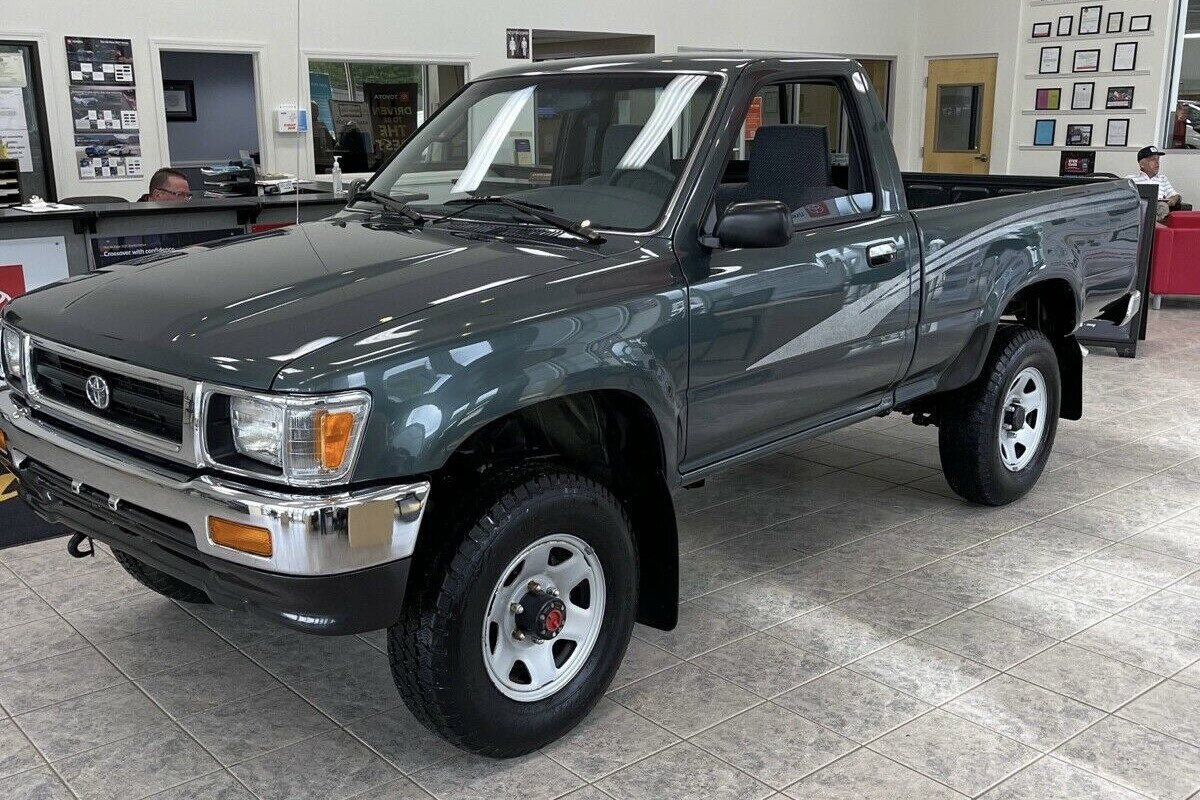
The news comes a month after a LandCruiser 60 Series sold at auction for US$134,400, or nearly AU$190,000 before a buyer’s premium was applied.
It seems Americans can’t get enough of older Toyota four-wheel-drives, with bidding for a single-cab 1994 Toyota HiLux (badged as a pick-up in the US) currently sitting at US$35,700 – or just shy of AU$50,000 at the time of writing.
The eBay listing says the ute travelled just 135km before the vehicle was parked in a barn and left unused.
Late in 2020 the Australian Government announced the deployment of Advanced Mobile Location (AML) technology for the Triple Zero Emergency Call Service.
AML is a technology built into the operating system of Apple and Android telephones – as long as you have the latest or near latest operating system – which will provide greater location accuracy to Triple Zero during an emergency call from a mobile telephone. It has the potential to save lives and improve outcomes for mobile callers in Australia, as it is doing in the countries in which it has already been deployed. You can find out more about AML here.
At this time however, AML does not work in Australia when a caller is ‘camped-on’ to another mobile network. Emergency camp-on, for those that have never heard the term before – like me, up until I researched this article – may occur when a caller is outside of their own mobile carrier’s network coverage, but is within the coverage of another mobile carrier. This allows a caller to make a Triple Zero call whenever in the range of a mobile network.
While callers who are camped-on another mobile network can still provide their location to Triple Zero and the relevant state Emergency Service organisation by using the Emergency+ app; this app now includes a ‘pin drop’ function, and also includes ‘what3words’ for location clarification.
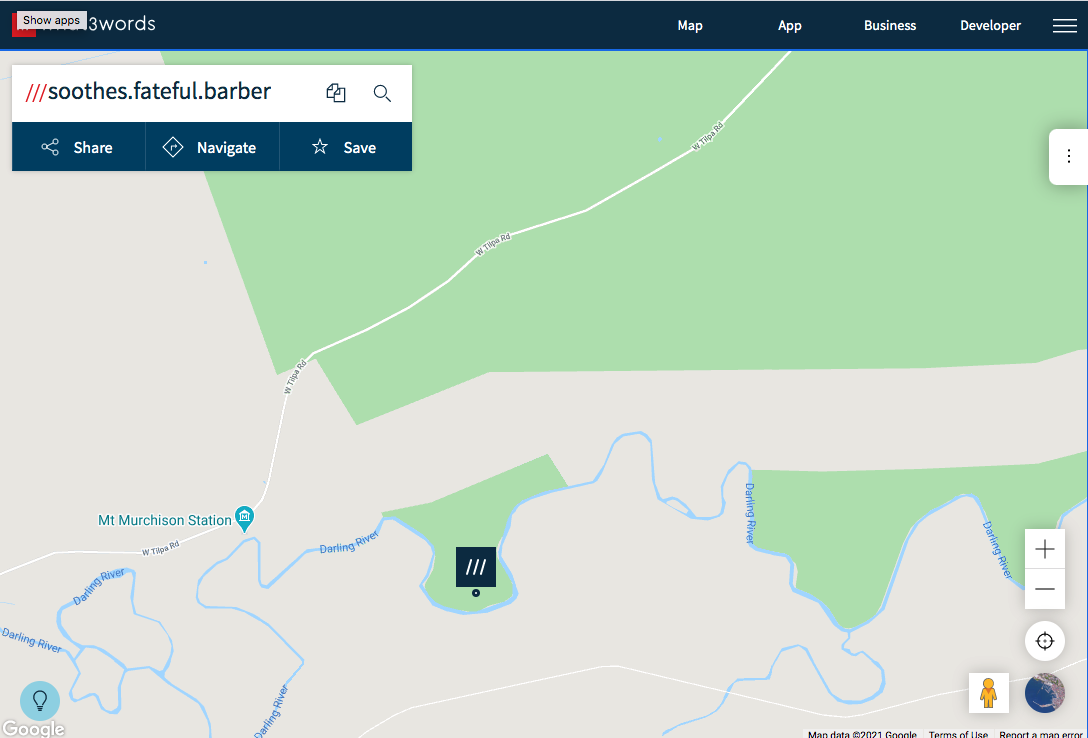
Importantly for four wheelers and others wandering the outback or remoter areas of Australia, is that calls made over a sat-phone, via a HF radio, a UHF repeater network or from a landline, also do not have the ability to generate an AML position and do not have a pin-drop function. Once again it is what3words which can come to the rescue.
So, what in the hell is what3words?
Well, many people have trouble wrestling with the idea of latitude and longitude and even more with degrees, minutes and seconds as far as describing a particular location on the planet is concerned. And in the last few years, emergency service providers here in Australia have been grappling with a quick and easy way for callers to provide them with an easy-to-understand way to accurately describe their location.
Now, what3words has divided the whole world into 3×3-metre squares, with each square having a unique, sometimes seemingly crazy, three-word address. For example, the three-word address for the junction of the road into the Mungeranie Hotel on the Birdsville Track is, ‘///participants.always.buzz’. Yep, it doesn’t make sense and nor do most of the addresses, but it doesn’t matter. Now, if you want to go to that road junction, you just call up those three words on the what3words app which will then show you the location and you can then navigate your way there.
“Give it a go, you may be surprised at how versatile it is!”
Already such leading guidebook publishers such as Lonely Planet are using what3words addresses for people to help find places of interest, restaurants, etc, while here in Australia, Hema Maps are now including what3words addresses in their guidebooks, etc.
And many navigation apps are compatible with what3words, meaning you can find a what3words address in the what3words app and then use it in your favourite navigation app, with just one tap. More info.
While what3words may not be the complete answer to your navigation woes or queries, it’s yet another tool in the navigator’s toolbox for finding your way across our vast continent or just finding your mate at the footy. Give it a go, you may be surprised at how versatile it is!
The European market could get its hands on the Ford Bronco ahead of Australia, with the manufacturer’s CEO hinting at talks to sell the 4×4 outside of North America.
Speaking to Auto Express, Ford boss Jim Farley said it would be up to the European division of the company to decide whether it wants the off-roader.
“I’m just waiting for these guys [Ford of Europe] to make up their mind,” said Farley.
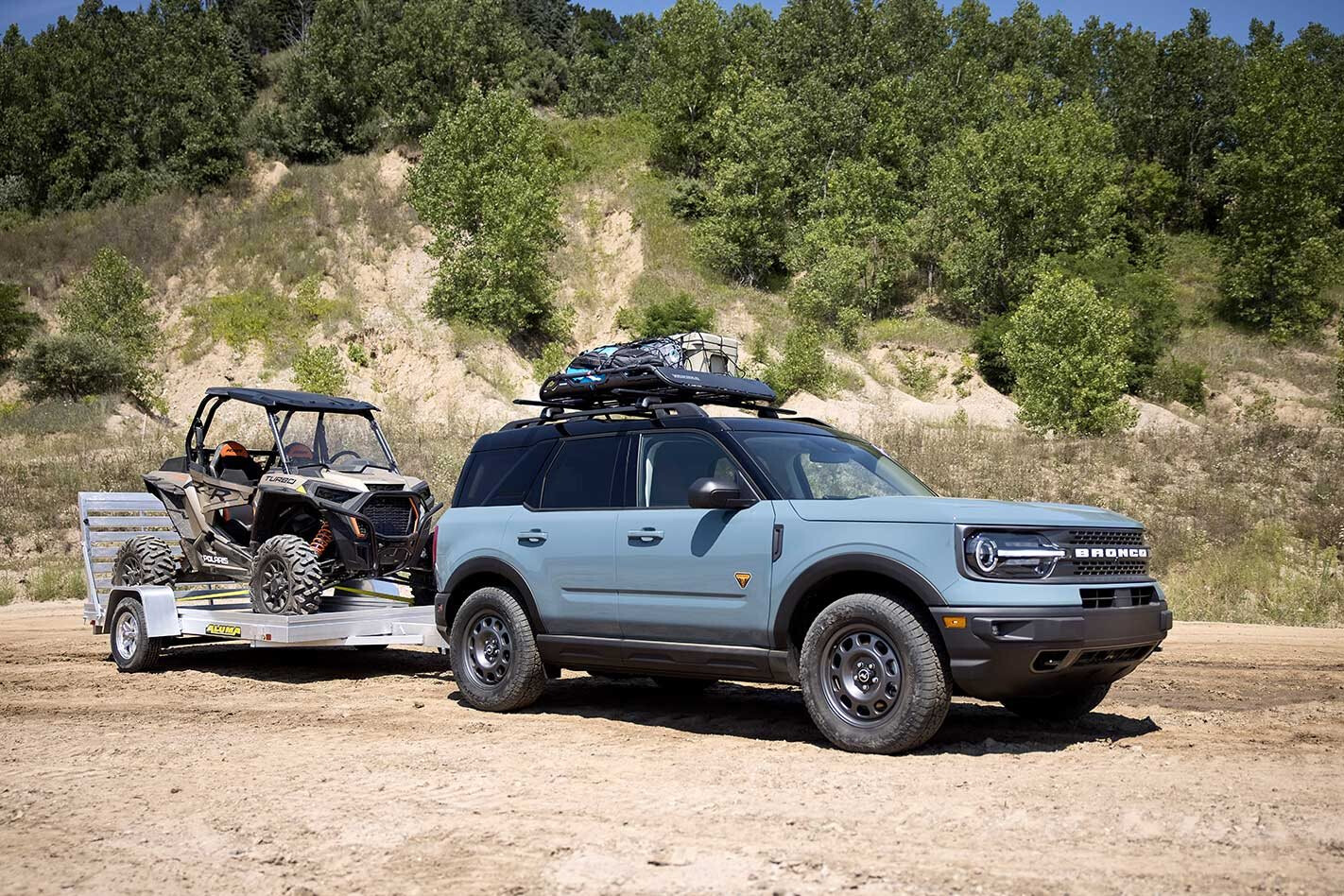
When asked if it would be viable in Europe, Farely compared the Bronco to Land Rover’s own iconic nameplate, which has recently been revived, saying: “Absolutely, it works. I see all these Defenders around – absolutely. I think it would work fine.”
Although Europe might be in the frame to get the Bronco, the UK market could miss out due to it being produced in left-hand drive only, focused for the North American market rather than Ford’s global operations.
This unfortunately means the Bronco will also remain out of reach for Australia, despite it being spied in mule form locally while under development, as well as riding on the T6 platform which was developed by Ford Australia for the Ranger and Everest.