Mazda has released a teaser image of its new-look BT-50, ahead of the vehicle’s global reveal later this week.
Limited information regarding the updated model has been released to date by Mazda, but the brand revealed in a statement that the refreshed ute will benefit from, “a major new update for 2025, ushering in a comprehensive redesign inside and out, as well as significant enhancements to the Human Machine Interface (HMI), associated safety and assistance systems and additional functionality”.
The teaser image reveals revised headlights and prominent Mazda badge in the middle of the grille.
As a twin of the Isuzu D-MAX, the new BT-50 is expected to gain the same interior spec as found in the Isuzu, including the new nine-inch infotainment screen and a more comprehensive seven-inch multi-information gauge display as found in high-spec models.
It’s also likely to carry across the D-MAX’s suite of safety features including less intrusive driver aids and a new forward-facing 3D stereo camera. The full range of ADAS and safety features across the D-MAX range now includes ?
Eight airbags (dual front, dual seat side, dual full-length curtain, front knee and centre)
AEB with Turn Assist
Forward Collision Warning
Updated Adaptive Cruise Control
Speed Limiter
Mis-acceleration Mitigation
Driver Attention Assist
Traffic Sign Recognition
Lane Departure Warning
Lane Departure Prevention
Updated Lane Keeping Assist
Emergency Lane Keeping
Blind Spot Monitoringu00a0
Rear Cross Traffic Alertu00a0
Trailer Sway Control
Updated Adaptive Cruise Control
Rear Cross Traffic Brake
Digital reversing camera
The exisiting 110kW/350Nm 1.9-litre and 140kW/450Nm 3.0-litre powertrain options are expected to be carried over.
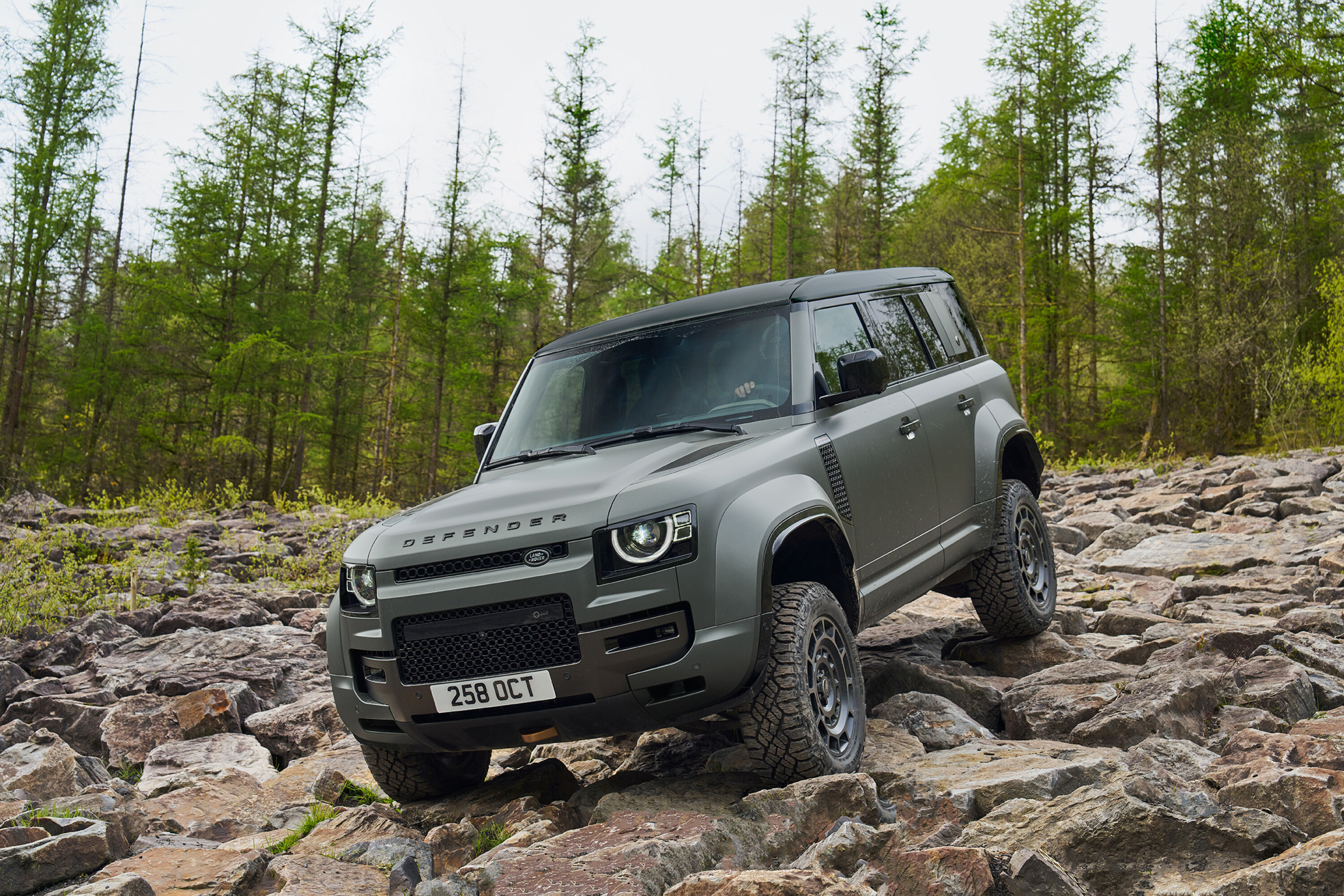
Following its global debut at the 2024 Goodwood Festival of Speed in July, the twin-turbo V8-powered Land Rover Defender OCTA will make its Australian debut this week.
The high-performance hero variant will officially make its local debut at SXSW Sydney (South by Southwest), an annual conference and gathering of tech visionaries and emerging talents from the Asia-Pacific region, from October 17-18.
Attendees to the conference will find the OCTA at the Defender House, where sensory experiences and panel discussions will provide an in-depth look at the new off-road SUV. The Defender range will also be showcased at Tumbalong Park, within the SXSW precinct, from October 14-20, where guests will be able to test drive the Defender.
“We are excited to showcase the new Defender OCTA at SXSW Sydney, the essential destination for global professionals that celebrates the convergence of tech, music and culture,” said Penny Ferguson, Managing Director, JLR Australia. “Defender OCTA is the definition of breadth of capability and the ultimate companion for the urban jungle with capability to take on nature’s most epic adventures.”
The Defender OCTA comes with a price tag nearing $300K in Australia, starting at $291,542 (plus on-road costs). Under the hood, it boasts a 4.4-litre twin-turbo V8 mild-hybrid engine paired with an eight-speed automatic transmission, delivering an eye-watering 467kW and 750Nm. The OCTA can accelerate from 0-100km/h in just four seconds.
An innovative hydraulic suspension system, dubbed 6D Dynamics, is designed to provide superior on-road comfort and enhance off-road performance. This technology is comparable to systems found in luxury SUVs like the Porsche Cayenne and Audi RS Q8, featuring longer wishbones and specialised active dampers.
1
The OCTA also includes a performance-oriented off-road mode with Off-Road Launch. It retains familiar Terrain Response modes like Sand, Mud and Ruts, and Rock Crawl, plus ClearSight Ground View for improved visibility in tough terrain.
Measuring 28mm higher and 68mm wider than the standard 110, the Defender OCTA is equipped with 400mm front brake discs and Brembo callipers. It features 33-inch Goodyear all-terrain tyres, the largest ever on a production Defender, along with new performance seats that incorporate advanced audio technology. These seats can be experienced at the SXSW Sydney event.
SXSW Sydney will take place within Central Sydney and its surrounding neighbourhoods, from October 14-20, 2024.
Some of Australia’s most stunning 4×4 destinations are located within the state of South Australia. Here are five sensational SA experiences for the adventurous four-wheeler ?
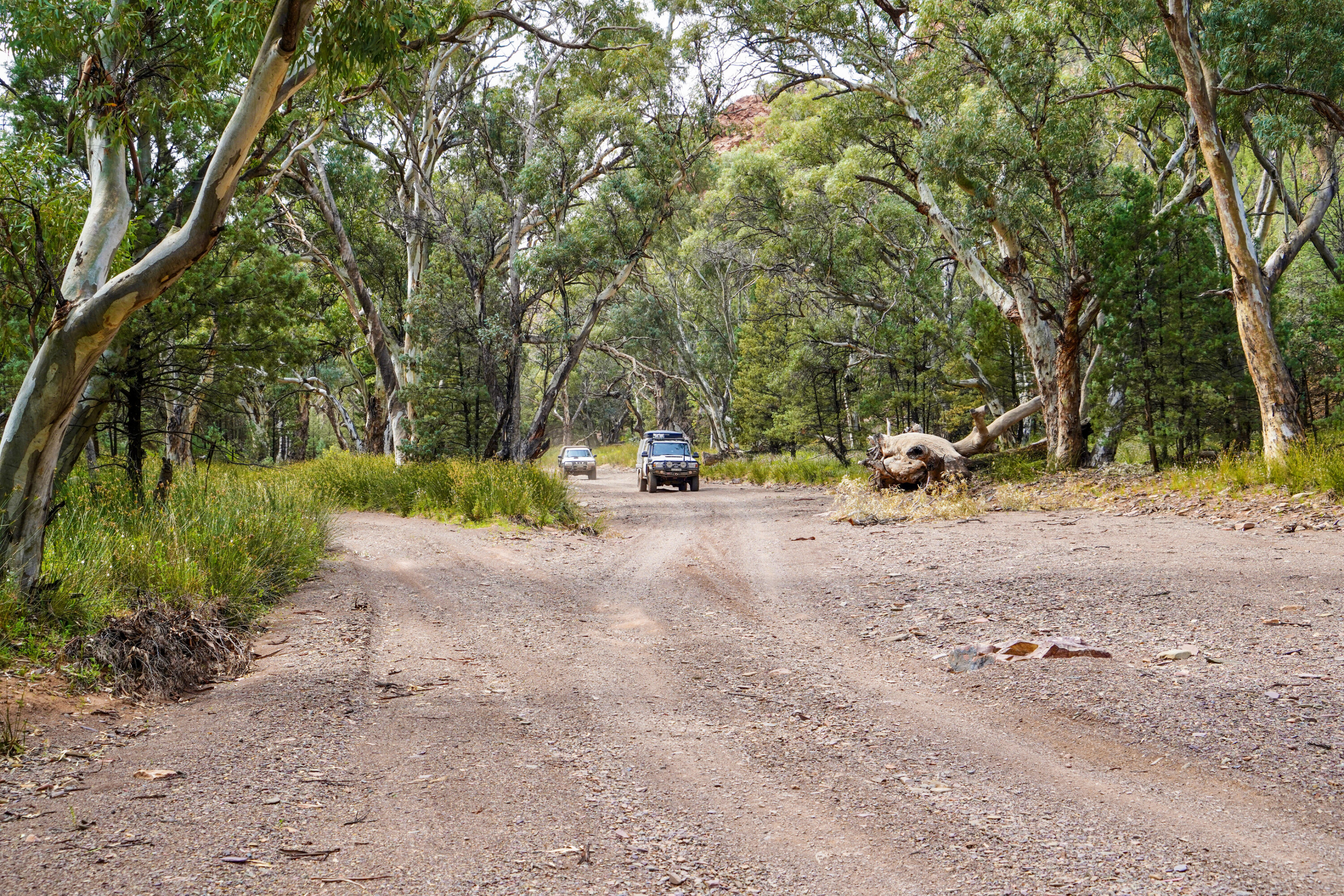
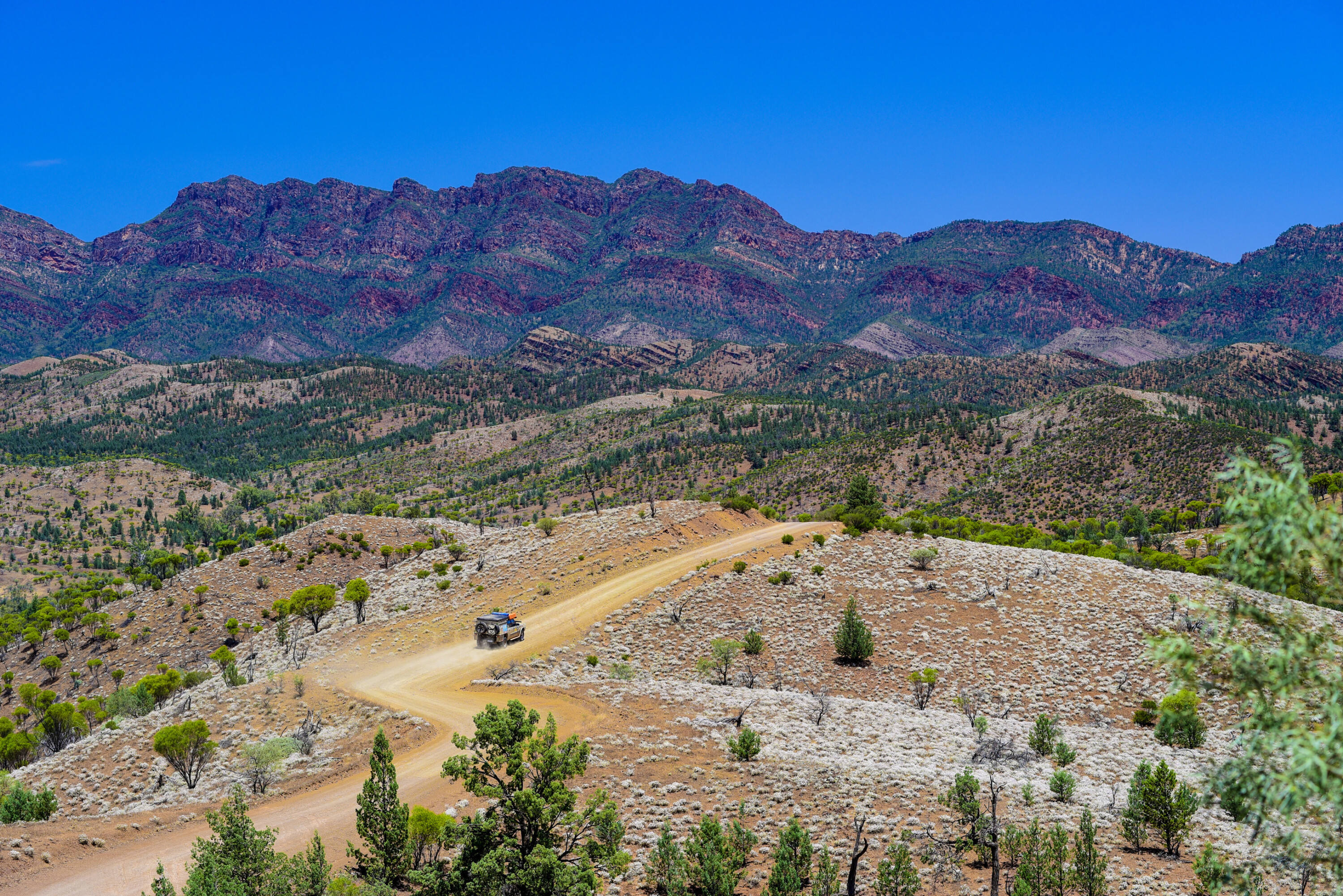
A 4×4 tour through the spectacular Flinders Ranges offers a rich tapestry of modern and ancient history
A Flinders Ranges adventure can begin from the north, as you turn off the Strzelecki Track and cross the low, rocky plains at the northern fringes of the range. Mt Hopeless, the northernmost point of the Flinders, will barely be visible among the gibber-strewn hills.
Heading south, the ranges grow closer and more rugged near Balcanoona Homestead, now the headquarters of Gammon Ranges National Park. From here, you can continue to Arkaroola Wilderness Sanctuary, nestled in rugged mountains north of the national park.
1
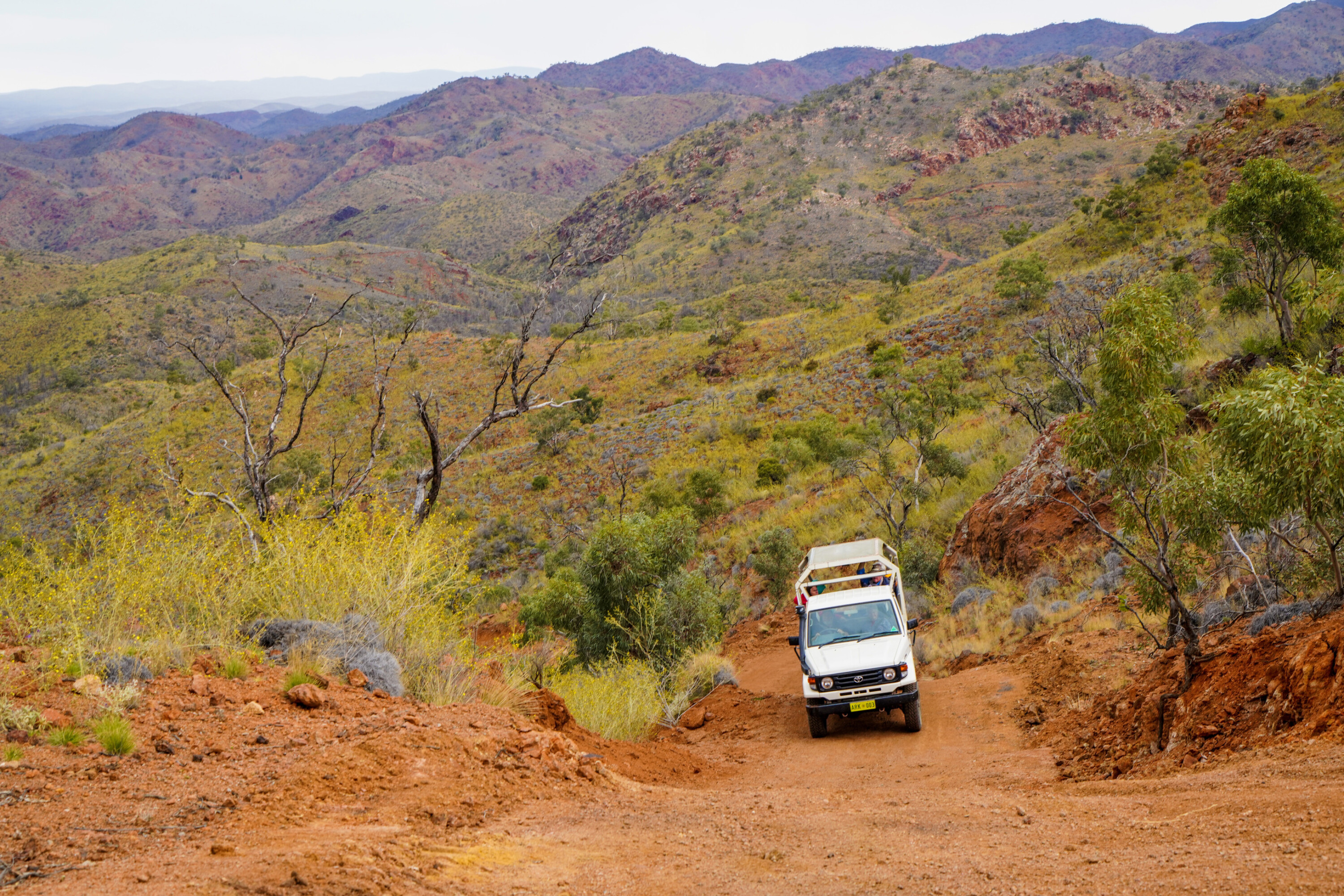
One of Arkaroola’s highlights is the Ridgetop Tour. Driving through expansive, craggy terrain, including the Mawson Plateau and Freeling Heights, you’ll arrive at Sillers Lookout.
From here, sweeping views include Mt Painter Creek’s radioactive source, East Painter Gorge, and the distant flat plains with the glistening Lake Frome.
Spend a few nights at Arkaroola and then head south, taking a lesser track into Mount Chambers Gorge. Here, splash through shallow creek crossings and stop at a bluff overlooking the creek bed. A short walk up a narrow feeder creek leads to what is considered the best Aboriginal rock art site open to the public in the Flinders Ranges. The petroglyphs, pre-dating painted art, feature hundreds of designs and provide a glimpse into a once vibrant society.
1
Returning to the main road, continue to Blinman and camp near the creek. There’s also a pub offering camping and accommodation, a nearby cafe, and the Blinman Underground Mine Tour experience, which is a tour of the old mine workings, and well worth doing.
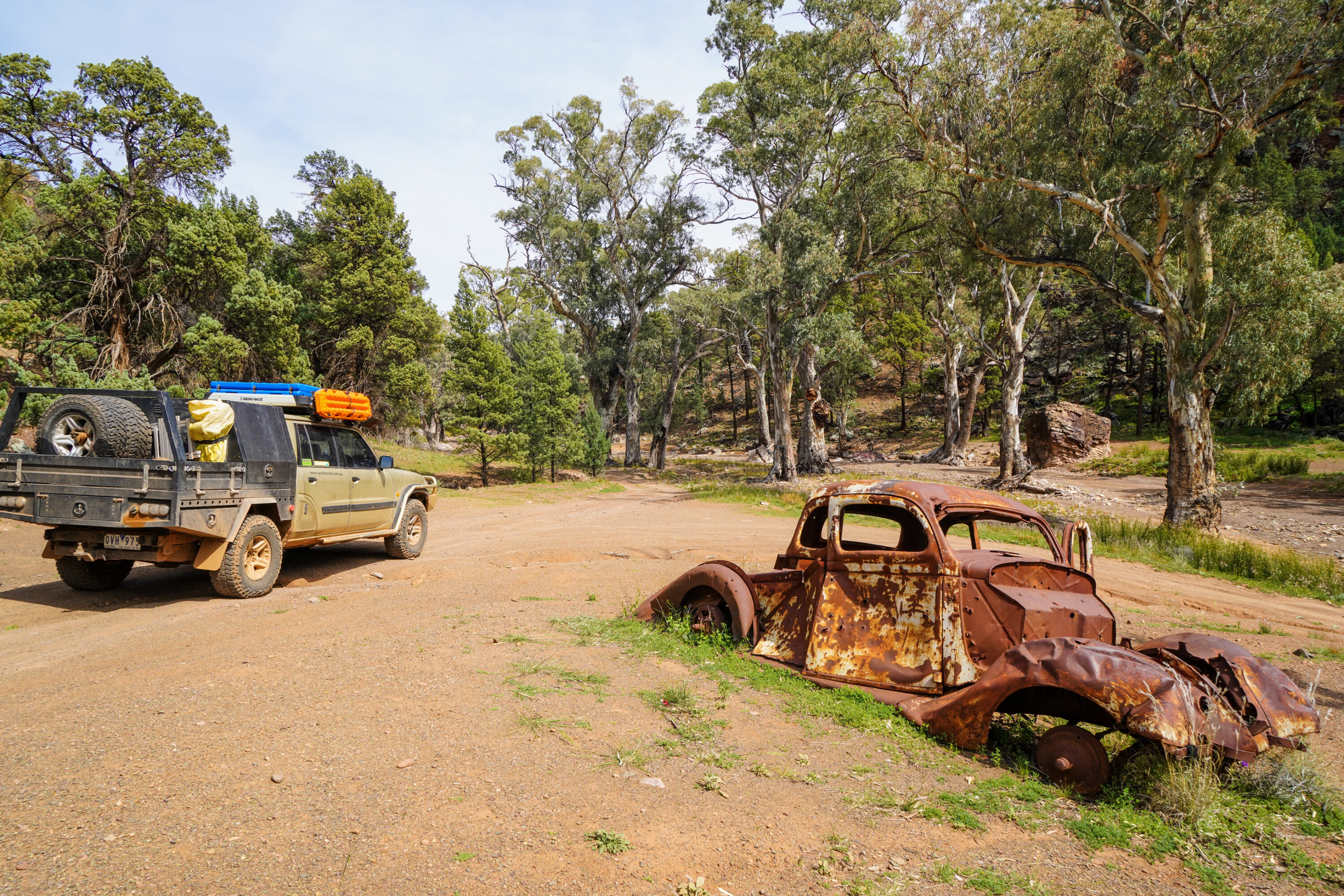
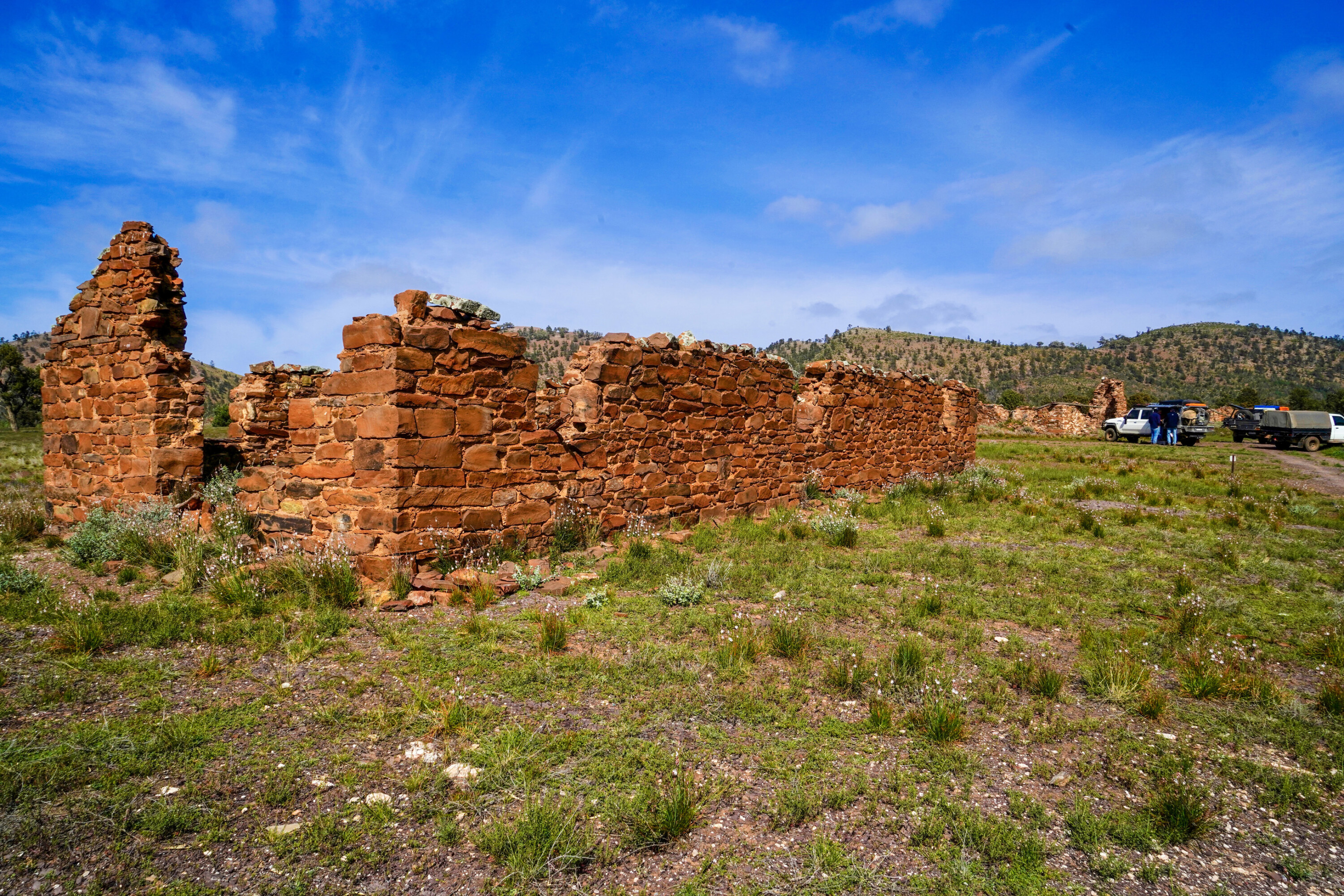
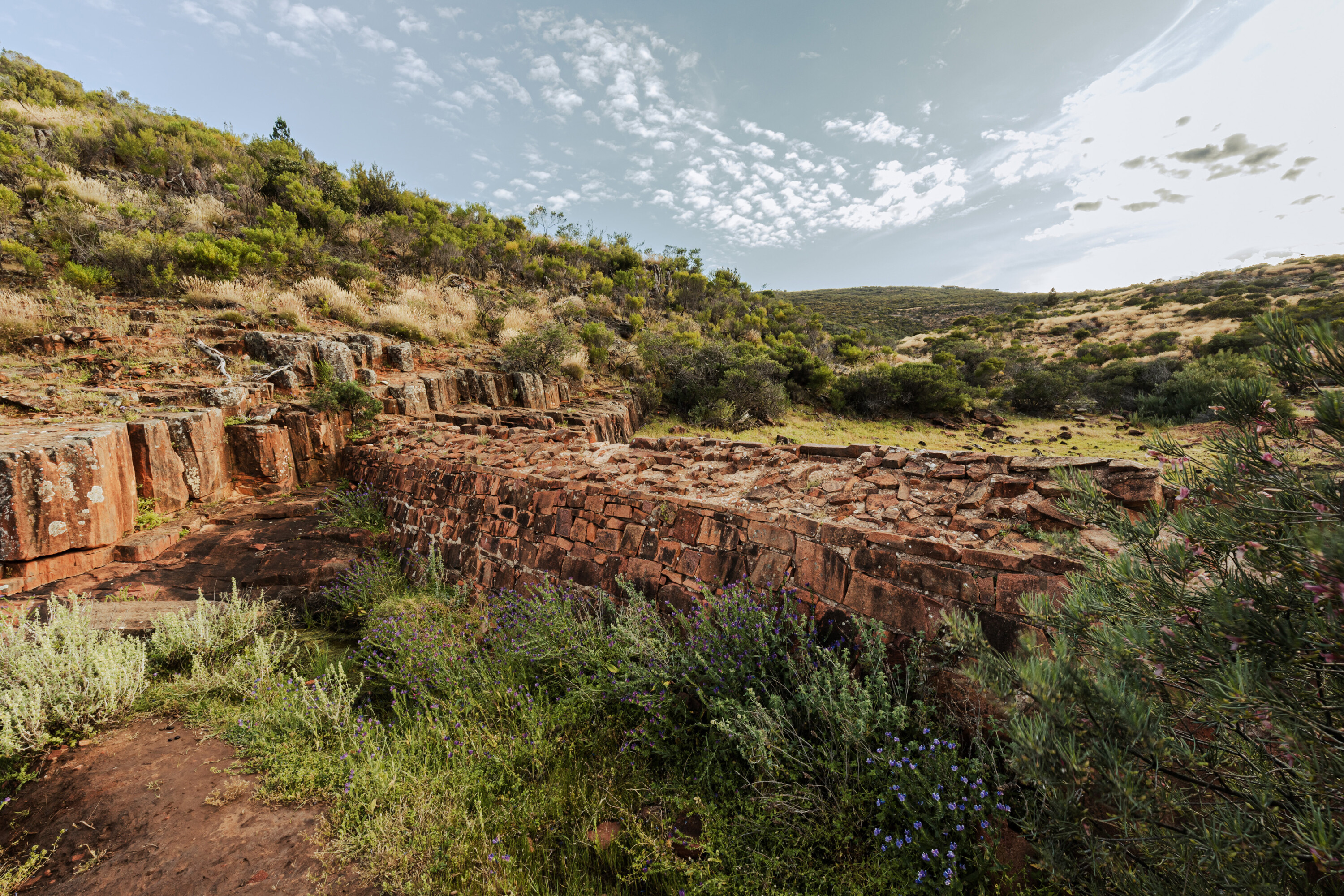
Next on the agenda, explore the Public Access Route, a unique South Australian arrangement allowing access through pastoral properties to points of interest including the historic Artimore ruins. Artimore sheep station, once prosperous, lies in a secluded valley dominated by Patawarta Hill, famously depicted in Hans Heysen’s 1929 painting The Land of the Oratunga, displayed at the Art Gallery of South Australia.
The track to Artimore is usually in reasonable condition but can be challenging after rain, with small but sharp run-off gullies and steep, eroded creek banks. The drive is worth it for soaking in the history and views of Patawarta Hill. Unfortunately, invasive native cypress pine is overtaking the region, depriving it of its former open valleys.
1
From the ruins, continue through picturesque country, zig-zagging through Hannigan Gap and passing south of Moolooloo Hill before reaching the Glass Gorge Road. Then head south through Flinders Ranges National Park.
Spectacular drives through Bunyeroo and Brachina Gorges remain breathtaking, and once back on the blacktop, you can visit the impressive grave of Douglas Bruce, who died in 1873 when his horse fell on him. His friends erected a grand tomb near Wonoka Creek, once a busier area than today. Nearby are other graves re-interred in Adelaide when the town of Wonoka was abandoned.
Further along Wonoka Creek lies the site of Hookina, a small town established in the late 1850s on the route between Blinman’s copper mines and Port Augusta. By 1862, it had a blacksmith shop and a 12-room inn. The town declined when the railway bypassed it in 1896, leading to Wonoka’s rise. Nearby are more lonely graves.
1
From Wonoka, head west to skirt the range’s edge or south on Bobby Creek Road, passing deserted homesteads like Wild Dog Glen, which begs for further exploration.
The route south crosses Kanyaka Creek and leads to the ruins of Simmonston, another failed venture of the 1870s, established for the railway that ultimately passed eastward. Nearby, Hugh Proby’s grave marks the spot where he died while mustering cattle in a flooded creek. Proby’s expansive Kanyaka run, which once covered 94,500ha and employed over 70 families, is worth visiting.
After paying respects to Proby, continue south and the dirt road improves as you near Warren Gorge. This favourite spot, popular with tourists, has been enhanced with fences, a camping fee, and added amenities, but the grandeur of the rugged red bluffs and occasional yellow-footed rock wallabies at dawn or dusk remain unmatched.
Nearby private properties offer 4×4 trails through spectacular country, including Mount Arden, named by Matthew Flinders in 1802.
Gawler Ranges National Park is located 40km north of the Eyre Highway, accessible from Iron Knob, Kimba, Wudinna or Minnipa. The cooler months from April to September are the best times to visit, but access can be restricted after rain.
A vehicle entry pass is required, costing $13.50 per vehicle per day, and camping fees are $21.60 per night. All fees must be paid online before entering. Essential items to bring include an air compressor, tyre gauge, tyre repair kit, first aid kit, firewood, food and water. A 4×4 is recommended to fully explore the park, although the roads are generally well-maintained.
1
The trip can begin at Kingoonya, a remote one-pub town. The caravan park here is charming and well-managed, perfect for refuelling before or after tackling Googs Track.
The Kingoonya Hotel is a welcoming spot with friendly owners, locals and fellow travellers. The beer is cold, and the food is excellent. It’s also an ideal starting point for exploring Lake Gairdner and the Gawler Ranges.
Heading south along Gawler Ranges Road, and after crossing a few dunes, will reach Skull Camp Tanks Road, where you can check out the old wells at the junction before continuing along the side road. Skull Camp Tanks Road is smooth and comfortable, reminiscent of a bitumen road.
1
Within 90 minutes or so you’ll reach Waltumba Campground beside Lake Gairdner, where a drive to the end of the track and a hike up a nearby hill will lead to spectacular views over the lake.
Continuing south on Skull Camp Tanks Road will lead to the Pondanna Ruins, where there are remnants of a shearing shed, quarters and cookhouse from around 1880. The harshness of life in this remote area is evident. Following Hiltaba Road towards the Gawler Ranges, the flat plains give way to hills. Turning southwest will lead past the homestead and enter Gawler Ranges National Park, where you can settle at Yandinga Campground.
Within the park, venture to the Organ Pipes, famous for their rhyolite columns formed over 1.5 billion years ago from volcanic eruptions. The easy 1.4km walk from the carpark provides a chance to see these geological wonders, with an optional climb for panoramic views. Yandinga Falls also offers several walking trail options along the watercourse at the right time of year.
1
Peterby Rockhole is an important Indigenous site for hunting kangaroos and euros. Nearby Stone Dam, a relic of early 1900s European water-trapping techniques, provides some historical context.
Old Paney Homestead, built in the 1870s by William Crawford, is also a fascinating visit. Once prosperous, it fell into decline due to drought, low wool prices, and other hardships, and Crawford abandoned it by the 1900s. Exploring the site and its informative boards offers insights into pastoral life and its challenges.
Continuing along the Old Paney Scenic Route, divert onto Mattera Track to see Mattera Campground and the steep, unmarked route to Mattera Bluff. The bluff offers extensive views across the ranges.
1
The easier base walk is popular with bird watchers. The dispersed campsites at Mattera are flat, with fire pits and a clean drop toilet.
Mattera Track ends at the LP Track junction. Turn right and cross the plains before climbing over the range near Kolay Mirica Falls. The Kolay waterhole is hard to spot, and Mirica Falls is spectacular when flowing well. Nearby shelter can be had at Mt Ive Station, a comfortable refuge with accommodation options and a bar.
Gawler Ranges National Park offers a great experience, especially with running creeks and flowing falls. An excellent time to explore is after rainfall, and it’s a visit you won’t regret.
Bendleby Station is a must-visit destination for anyone keen on polishing their off-road driving skills
Bendleby Station, a sprawling 15,000ha property near South Australia’s Flinders Ranges, has evolved from a sheep-grazing station into a premier destination for 4×4 enthusiasts. Located about 50km north of Orroroo, it has been under the ownership of the Luckcraft family for more than 50 years. In the past five years, the fourth-generation owners, Charlie and Kylie Luckcraft, have transformed it into an award-winning adventure spot.
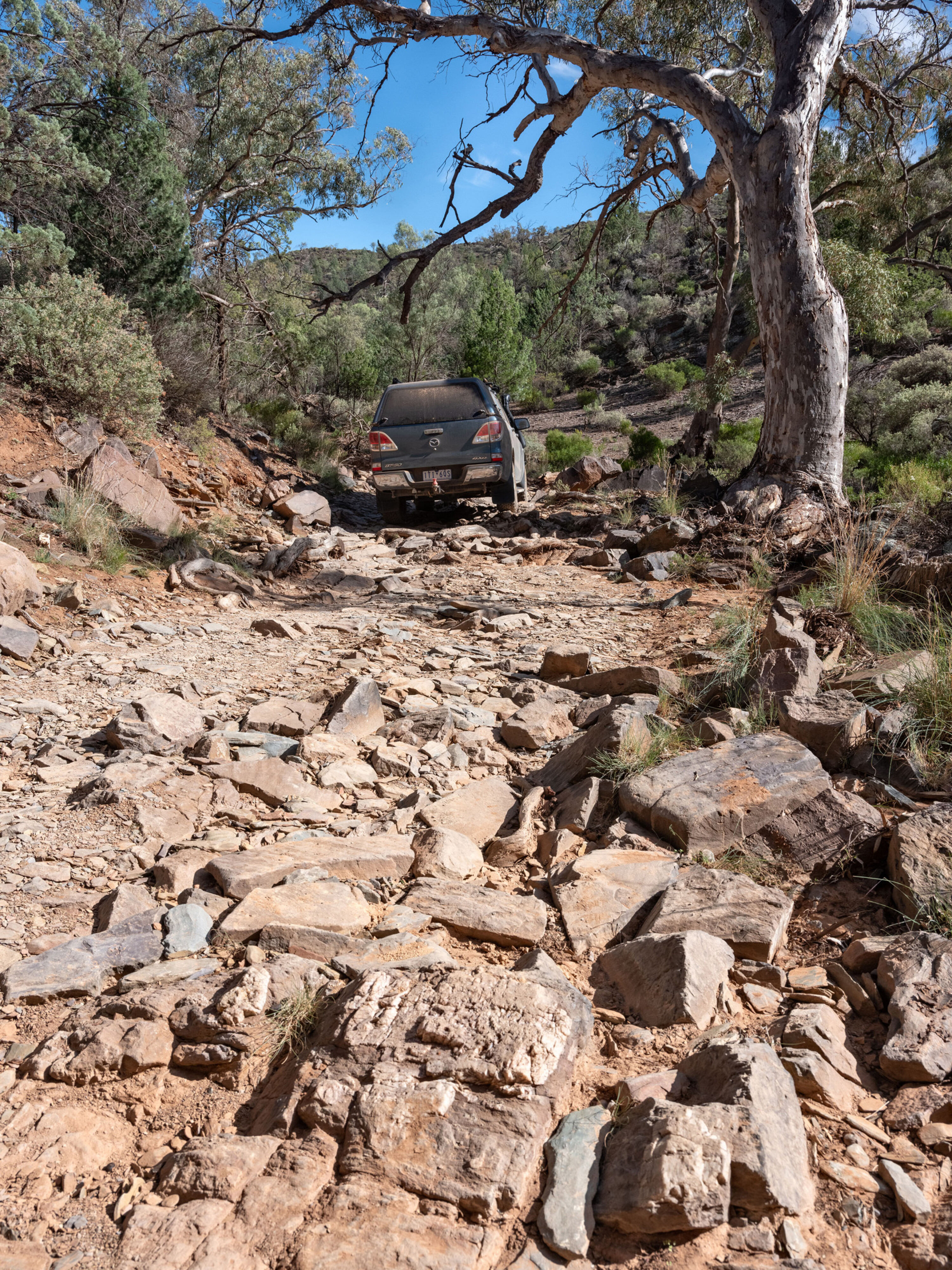
The station’s main attraction is its 200km of diverse 4×4 tracks, catering to all levels of experience from novice to expert. Each track has a difficulty rating, and Charlie and Kylie personally welcome guests, providing maps and advice on which tracks suit their vehicle and skill level.
1
The difficulty ratings are accurate, so a track rated 10 out of 10 is extremely challenging.
Visitors should be prepared for potential mechanical issues, which are usually the result of inadequate vehicle maintenance or overconfidence. The station offers emergency recovery services at a cost, so a thorough vehicle check before setting out is advisable.
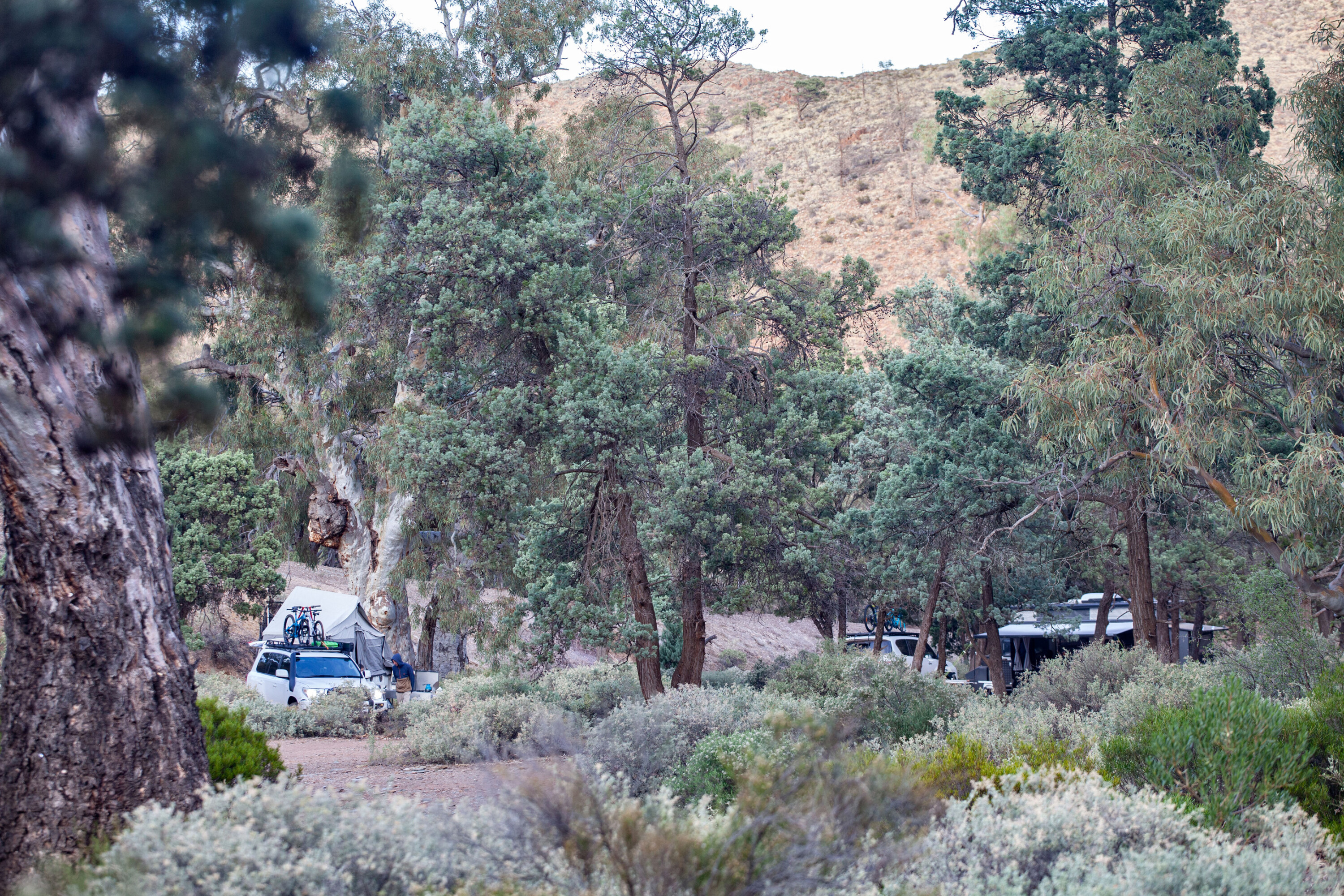
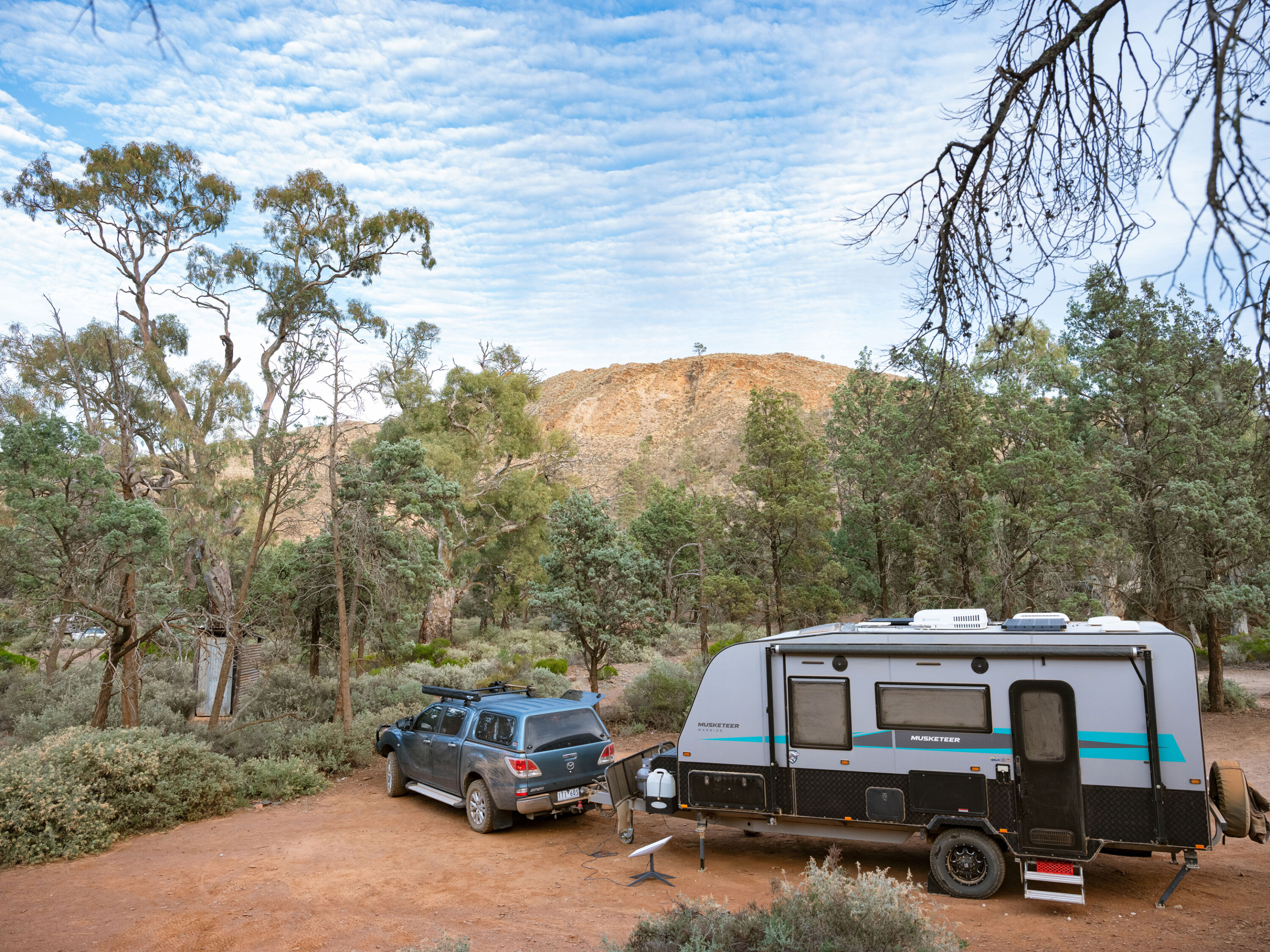
Camping at Bendleby requires a 4×4 vehicle. The Hidden Valley area, in particular, offers some of the most picturesque campsites, nestled along a dry creek bed surrounded by ancient red gums. The sites are secluded and come with complimentary firewood. After a long drive, the serene environment is perfect for relaxing and enjoying the natural beauty, which includes rolling foothills and rugged ranges.
1
Camper trailers are popular among visitors, though there are also options for caravans.
Bendleby Station is pet-friendly, allowing dogs on leads, and offers activities like mountain biking, bushwalking, and horse riding. The walking trails vary in difficulty, with some following narrow gorges and others climbing into the surrounding hills. Guides are available at the station’s reception.
Historical ruins of the original Gumdale Homestead from the 1800s provide insight into the property’s past. Initially used for cereal growing and dairy cattle, the land’s agricultural potential diminished due to droughts and changed weather patterns. This led to a shift from cropping to grazing and the amalgamation of properties. Nearby, Johnberg, a ghost town with a population of just two, offers a glimpse of the area’s history.
1
The buildings are in varying states of repair, and a stop here provides a chance to see original structures from a bygone era.
Bendleby’s tracks include a variety of experiences. The Gum Creek Drive, rated medium, features steep climbs, rocky sections, and beautiful scenery. It culminates in a lookout with panoramic views. North South Ridge Track starts with a challenging climb to Sunset Lookout, offering stunning vistas and ends with the one-way Kokoda Trail back to Hidden Valley.
Gum Gorge Road is a gentler drive, following a wide gum-lined creek and connecting to Monument Loop. This track offers scenic views and some steep ascents and descents. Monument Loop ultimately leads back to Kokoda Trail.
1
For more challenging terrain, the Hungry Ranges to the south provide rugged tracks. Lantern Gate and Back Track are particularly rough, with rocky sections and expansive views.
Back Track meets North Fence Track, which features rocky conditions and significant elevation changes. The difficult Billy Goat Ridge should only be attempted by those with highly capable vehicles and advanced driving skills.
The East Fence Track and Aeroplane Gorge, named for a forced landing by a Flying Doctor in 1927, add historical interest to the visit. The challenging tracks and rugged landscapes make Bendleby a destination for those seeking both adventure and natural beauty.
1
Whether you’re a seasoned 4×4 driver or an occasional enthusiast, Bendleby Station offers a range of experiences. From challenging tracks and scenic drives to serene campsites and historical insights, it’s worth the drive, despite its remoteness.
With its focus on providing a memorable experience, Bendleby Station has earned its place as a top 4×4 destination, reflected in its numerous tourism awards and accolades.
Wandering the dunes and beaches of the south-east of South Australia.
Robe is evolving into a trendy tourist destination with around 50 historic buildings, stylish cafes, and several good pubs. Historically a haven for fishermen, divers, and four-wheel drivers, Robe’s protected marina supports a crucial crayfishing fleet. The area was visited in the 1960s for abalone and crayfishing, though the challenging seas often thwarted plans.
Aboriginal people have long inhabited this coastline, with shell middens scattered on rocky headlands marking their historical presence. The Bungandidj clan lived from Robe south to the Victorian border, while the Meintangk group lived north to Cape Jaffa.
1
The town was officially settled in 1846 and quickly became South Australia’s second busiest port.
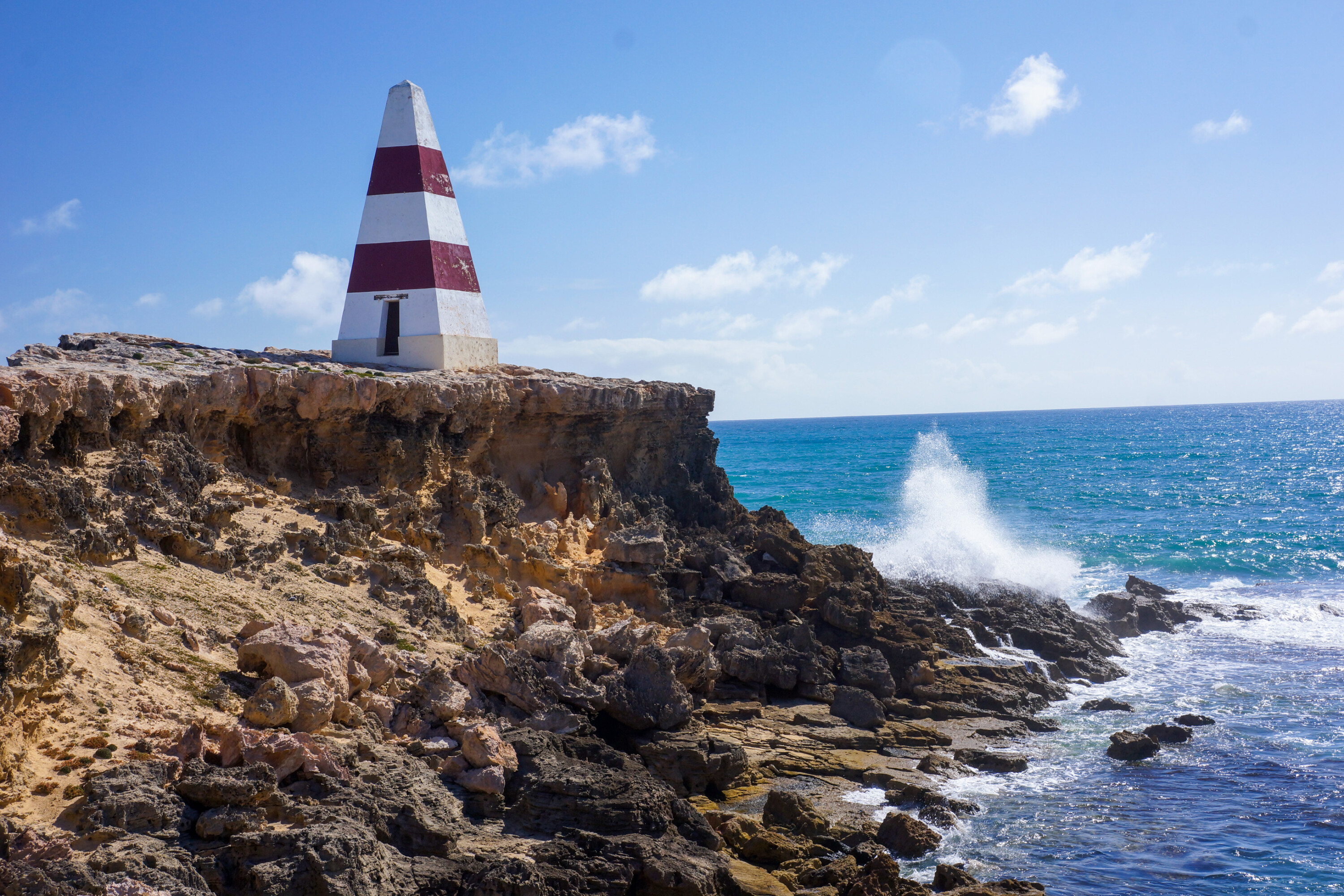
The famous Cape Dombey obelisk, built in 1852, guided ships into the port. Chinese gold miners began arriving around 1854, bypassing Victorian taxes, and the town saw significant activity with 15,000 Chinese and 32 foreign ships from the USA, Holland, and England.
By the 1930s, Robe had become a key crayfishing base, a role it continues to play. Tourism and a couple of well-situated caravan parks make it an ideal base for exploring the coast and hinterland.
1
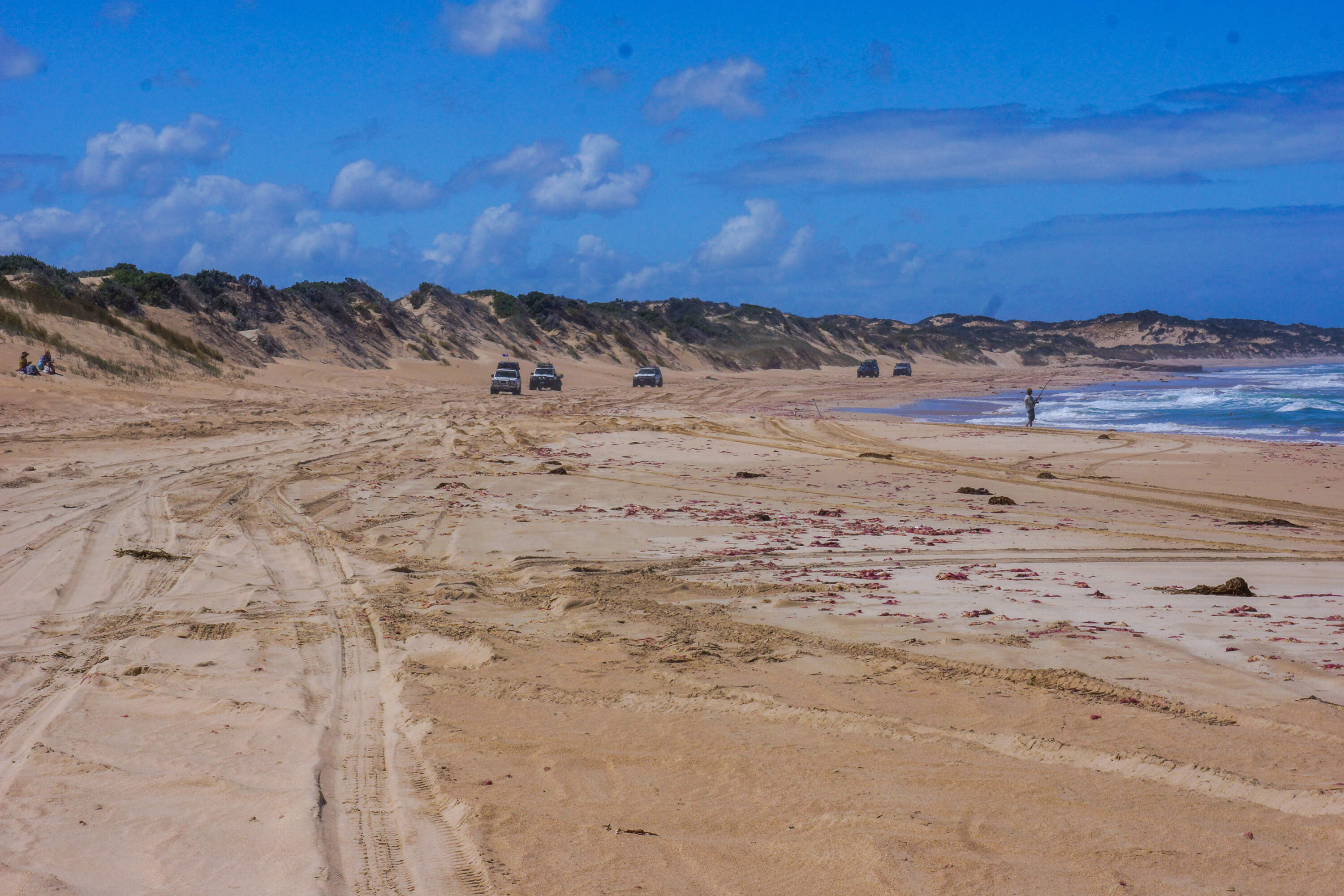
South of the Stony Rises the route alternates between beaches and dunes, passing over rocky headlands, with limestone bluffs and reefs becoming more frequent as the Bishops Pate area approaches.
Bishops Pate is a prominent headland and bay with a track leading east out of the park. This area includes Lake Robe, a game reserve attracting waders, waterbirds, and other wildlife. The melaleuca scrub and samphire flats are ideal for birdwatching, with kangaroos and occasional emus adding variety.
The southern route mirrors previous conditions with steep pinches and tricky side slopes. On these slopes, stopping can lead to difficulties in regaining momentum, often requiring a reverse down the dune to start over.
Errington Beach is located about 20km from Robe. Here, turning east along the southern access track leads to the main dirt road and Nora Creina, a small bay with fishing and holiday shacks. The route then continues to Stinky Beach for a challenging drive south to Beachport. With luck, arriving before sunset allows for a drink and meal at the pub before returning to Robe.
1
Further south, the challenging beaches continue through Canunda National Park to Carpenter Rocks. The soft sand here demands high experience, proper equipment, and travelling with others for safety.
The nearby Long Beach is known for its firm sand and ideal conditions for swimming and kiteboarding. The northern end of the beach, about 10km from Robe, offers a quieter experience. Just south of Boatswain Point, a low bluff marks an exit point from the beach. Inland, dirt roads lead to Wright Bay, where a popular campground offers a serene spot for those in the know.
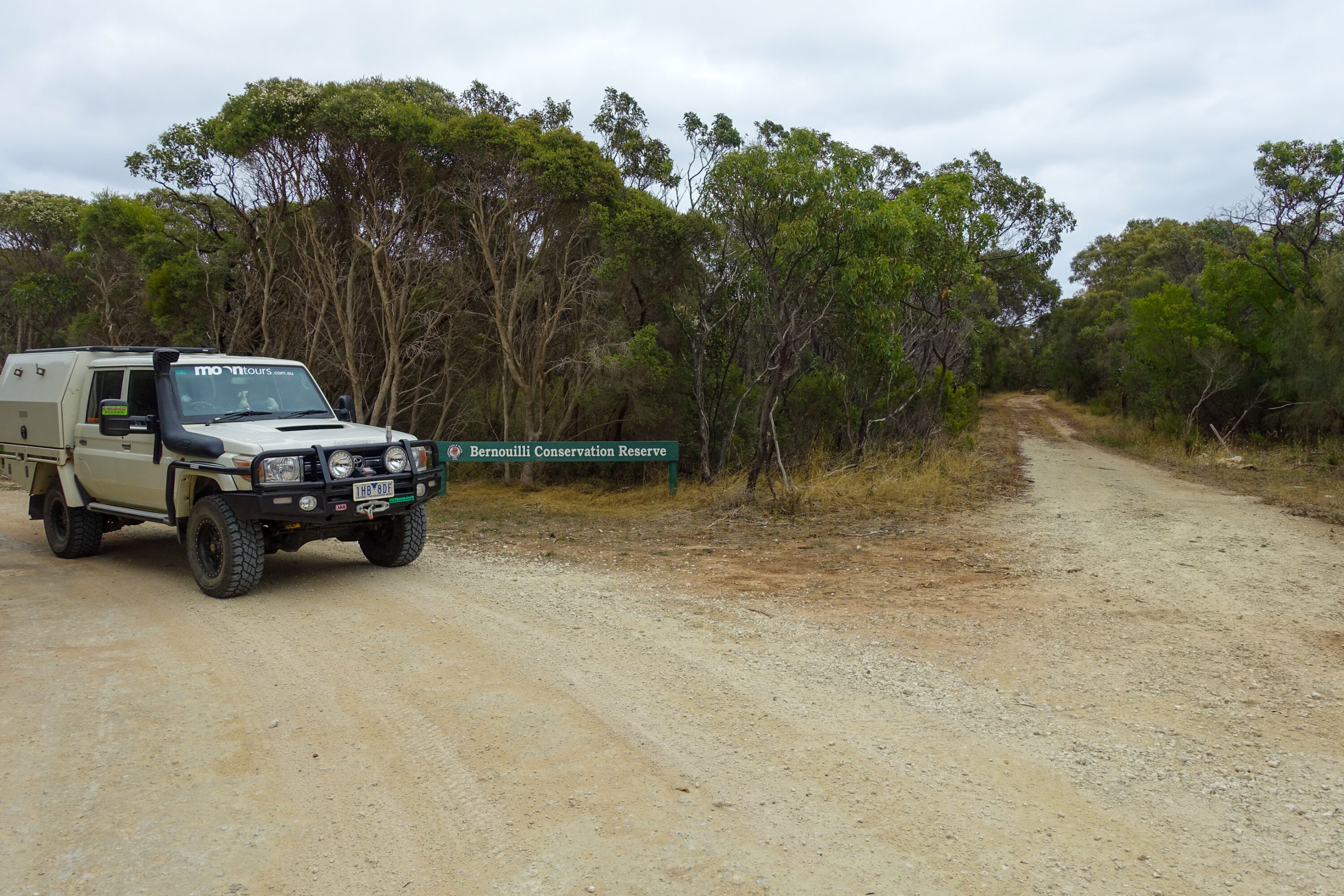
From Wright Bay, a farm road leads north into the Bernoulli Conservation Reserve, eventually becoming a sandy track toward Cape Jaffa. Near the tip of the headland, the remains of the Cape Jaffa Lighthouse cottages can be found. Built in 1872 for lightkeepers’ families, the cottages were abandoned in 1929.
1
The lighthouse continued operating until the 1970s when it was replaced by an automatic light on the reef and the original structure was moved to the Cape Jaffa Lighthouse Museum in Kingston SE.
From the cottages, a drive along the beach northward is possible, but deep seaweed can make it impractical. Opting for inland tracks will lead to Cape Jaffa’s small town, where a new marina has struggled to attract boats and activity.
A stop in Kingston SE should include a visit to the bakery for coffee. That’s one of the great attractions of the beaches around Robe: there is always something new to discover and places to explore!
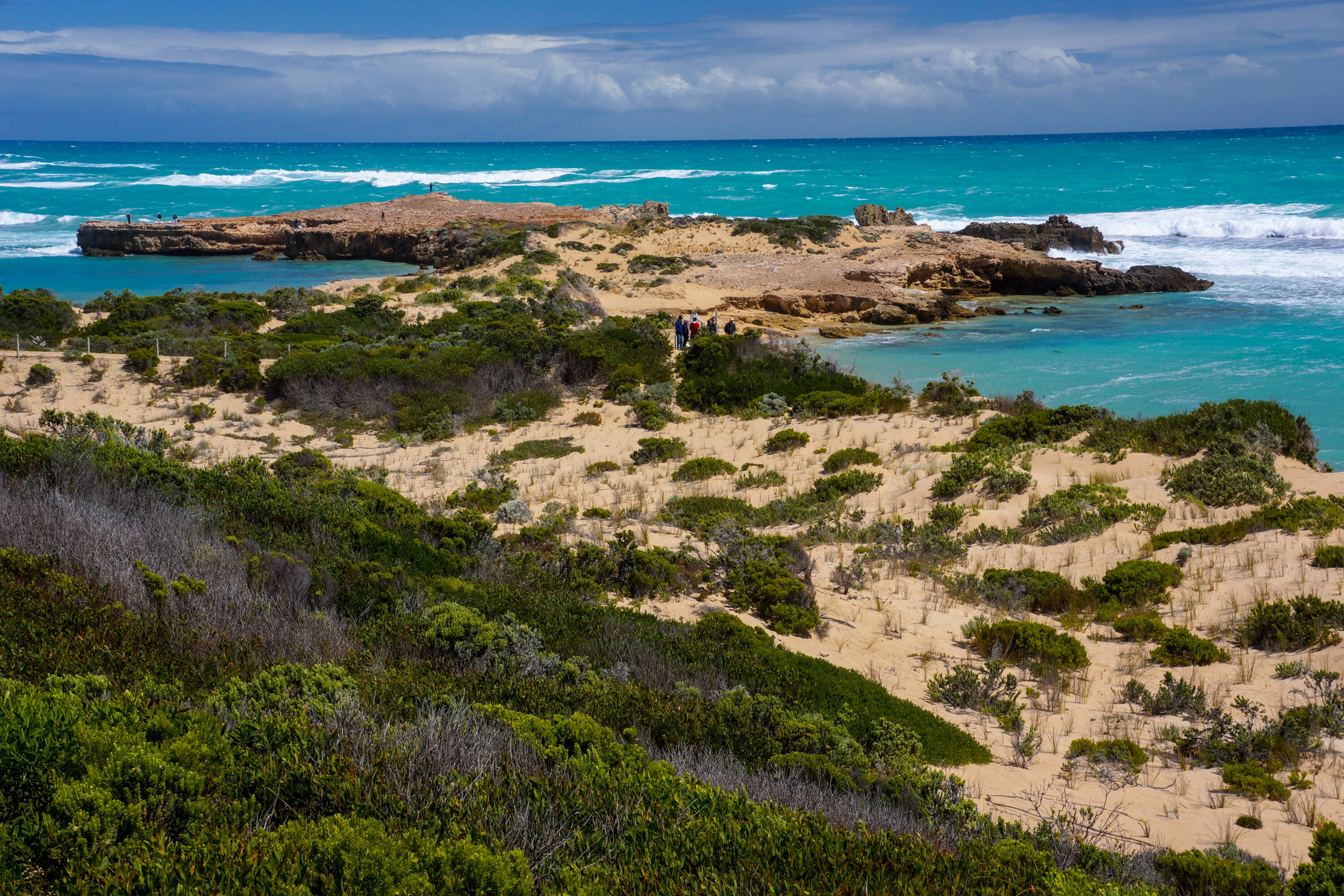
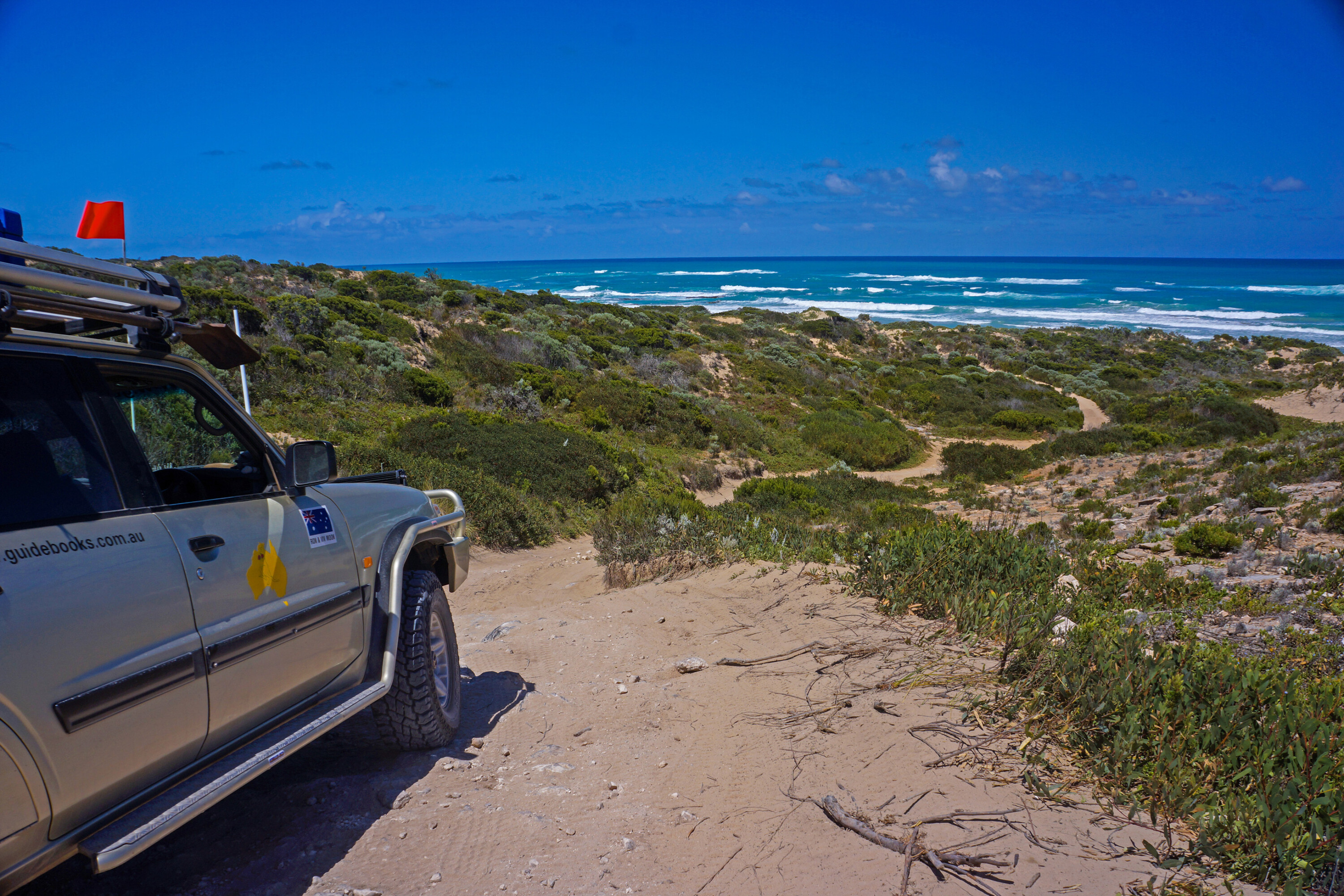
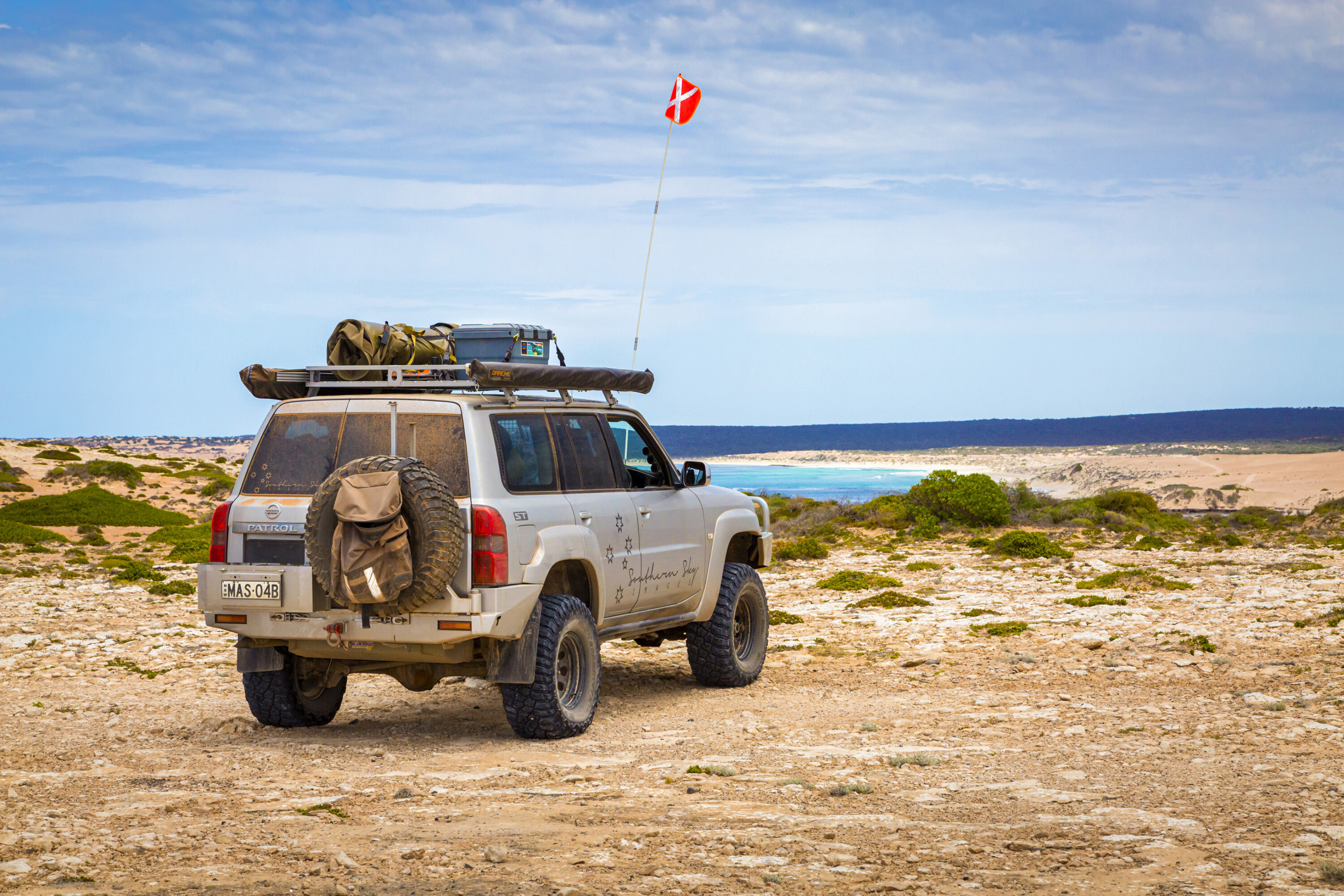
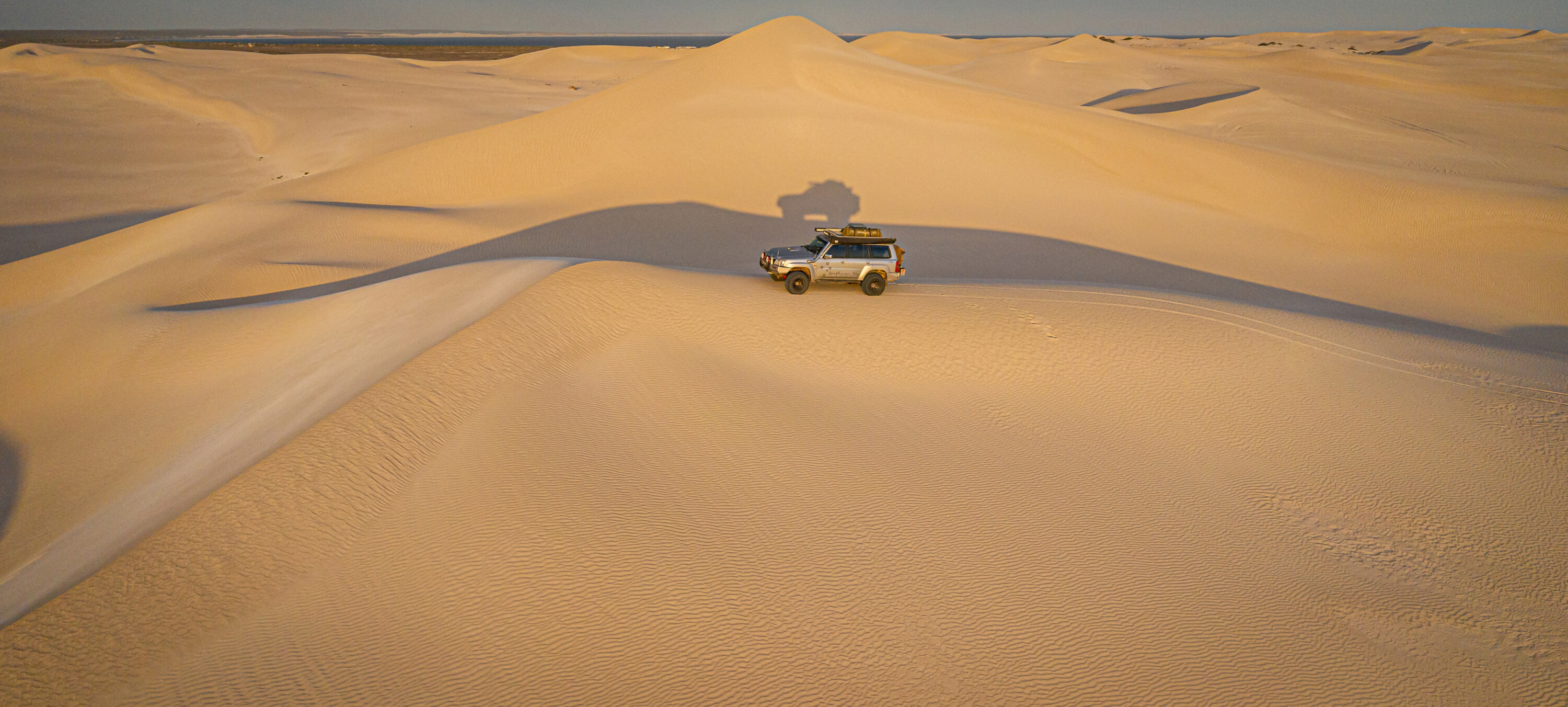
With isolated beaches, cliff-top single tracks and stunning dunes, Fowler’s Bay is home to some of the best hidden off-roading in Australia.
Crystal-clear water, stunning beaches teeming with fish, secluded coves, rocky headlands with cliff-top tracks, and some of the best sand-dune driving imaginable – without the crowds. Fowlers Bay is a near-perfect four-wheel-drive destination that should definitely be on any adventurer’s list.
A drive along the Eyre Highway leads to the small township of Fowlers Bay. The area offers little more than a basic caravan park, a small store, and a cafe, while the long jetty is famous for southern right whale watching tours. However, the ascent into the dune system behind the town marks the start of an incredible 4×4 adventure.
1
Within minutes of starting, the camera will be out to capture panoramic views from the dunes above the town. This is a prime example of why owning a 4×4 is so rewarding.
The route continues through the dunes and soon reaches a stunning beach. To get to the first camp, the entire length of this beach has to be travelled. A crucial warning here: seasonal ribbon seaweed can blanket the shore, creating a deceptive thin crust over rotting seaweed.
It may appear as hard-packed sand, but underneath could be a treacherous layer prone to bogging down vehicles. A well-worn beach track above the high-tide mark is safer but can be hard on a 4×4 and may disturb nesting shorebirds. This is quite different from driving on the more stable beaches of Fraser Island.
1
Once past this challenge, you’ll reach a golden beach with stunning water clarity and no other people in sight.
Campsites behind the next beach offer basic facilities, and the Great Australian Bight’s coastline lacks tall trees due to frequent high winds, so bringing a sturdy shelter for hot months is essential.
The clifftop, beach and dune driving in the area is some of the best off-roading to be experienced, ranking among the top three touring experiences in Australia. The absence of other travellers adds to the charm.
Secluded beaches surrounded by steep headlands provide opportunities to fish or relax in the sun.
32
Each evening brings the reward of an idyllic bush camp, often found along inland tracks among thicker vegetation for wind protection, though always close to the coast.
From here, punters can travel to the end – or start – of the Dog Fence, a historical landmark tracing back to the late 19th century. Initially constructed by pastoralists to keep dingoes out, the fence was later extended following a Royal Commission on vermin’s impact on grazing lands.
With this endpoint in mind, the journey continues past one final notable landscape: the Wanginya Sandhills. This area, rarely visited, features overgrown tracks and fallen timber. Clearing the path through dense vegetation and shifting sand can be challenging but rewarding, with one last stunning bush camp before reaching the famous fence.
Fowlers Bay always leaves a lasting impression. It truly is incredible.
The adventurous P-plater in his GU Patrol probably wasn’t expecting to see anyone in his rear-view mirror this far off the beaten track.
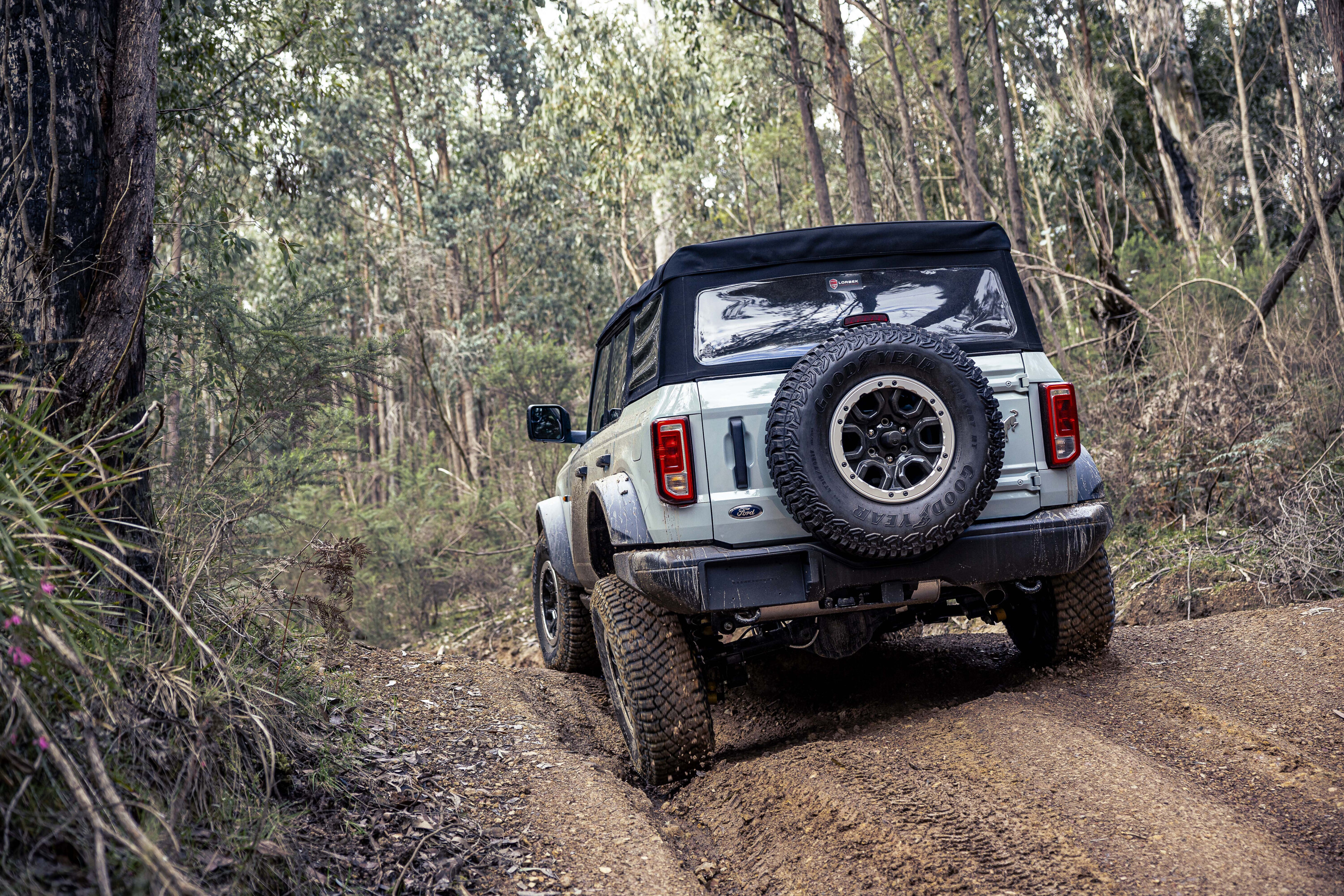
Even if he was, you could have given him 1000 tries and he wouldn’t have guessed he’d spot the round-eyed retro face of a new Ford Bronco. And who could blame him? There are currently just two right-hand drive Broncos in Australia – Ford Australia has a few left-hook engineering cars – so you’ve almost better odds of winning Powerball as coming across one on the road, let alone crawling through a Victorian forest.
Both RHD Broncos are the work of Melbourne’s Crossover Car Conversions. One has gone to a customer and this one is still for sale at the time of writing for $199,990 plus on-road costs. That’s obviously a huge amount of money but when you consider this spec costs around A$90,000 in its homeland and then has to be transported, converted, engineered and complied, it’s easy to see how the cost stacks up.
1
According to CCC, that price can be sharpened slightly, but you’re still looking at around A$150,000 for a base model up to around A$250,000 for the range-topping Bronco Raptor.
Choosing a Bronco is no easy task. There are nine different variants: Big Bend, Black Diamond, Outer Banks, Heritage Edition, Badlands, Everglades, Wildtrak, Heritage Limited Edition and Raptor, with the further options of two- or four-door and hard or soft top.
Raptor aside, there’s also the choice of a 224kW/440Nm 2.3-litre turbo four-cylinder petrol with a seven-speed manual or 10-speed automatic, auto-only 246kW/562Nm 2.7-litre twin-turbo V6 petrol and Mid, High, Lux and Sasquatch equipment packages. Not all options are available on all variants but you get the point – there are many ways to cut the Bronco cake.
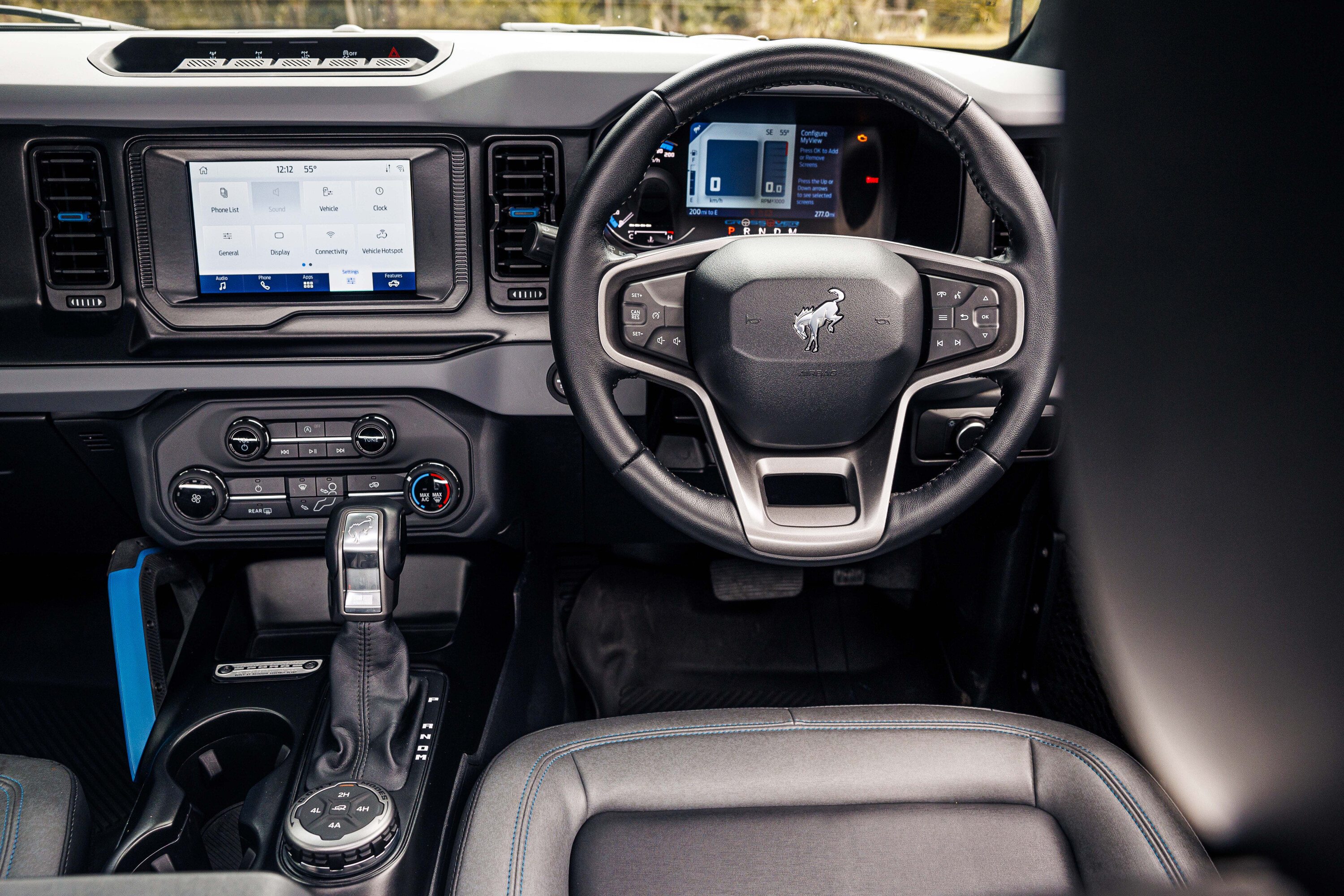
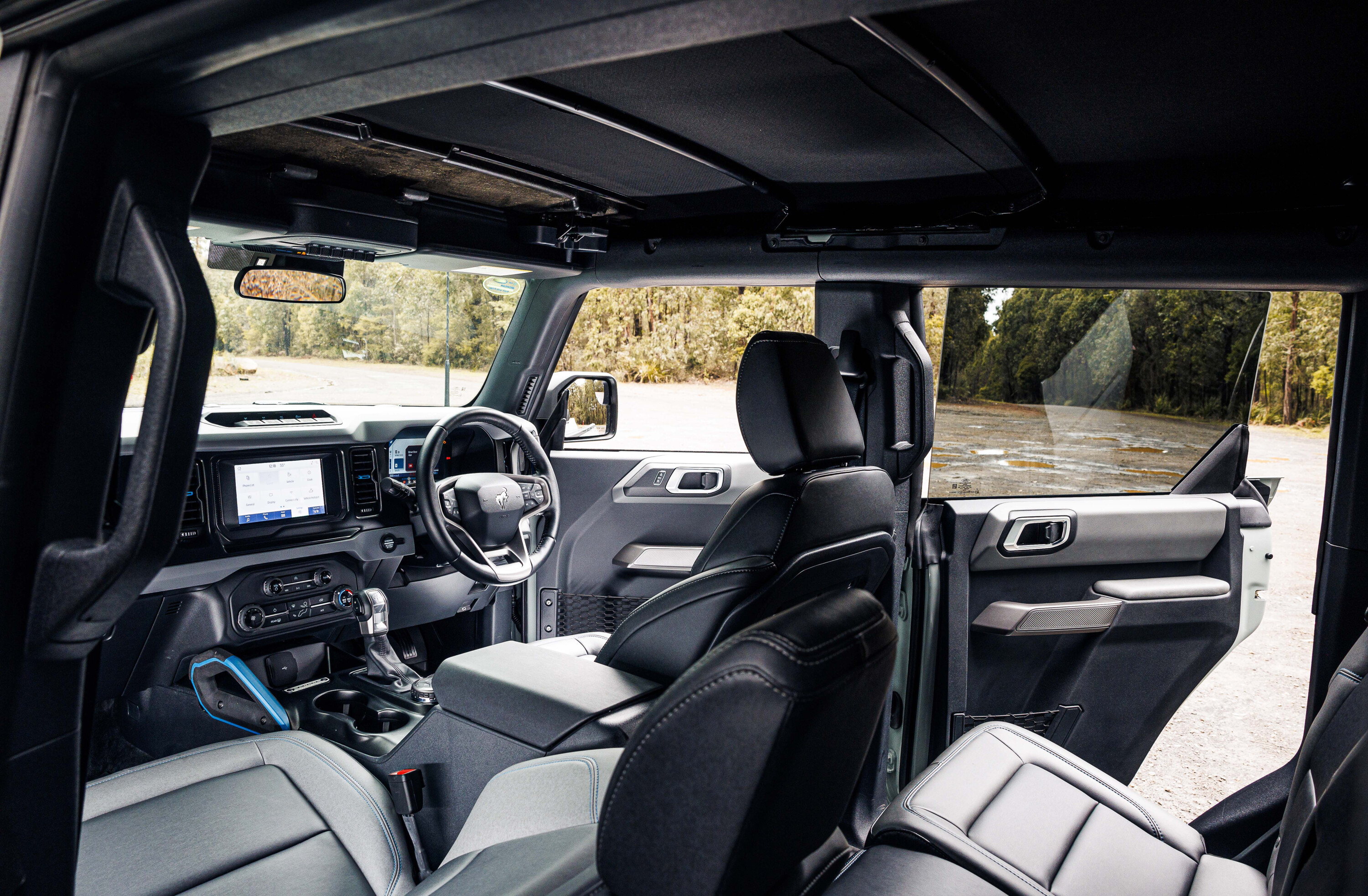
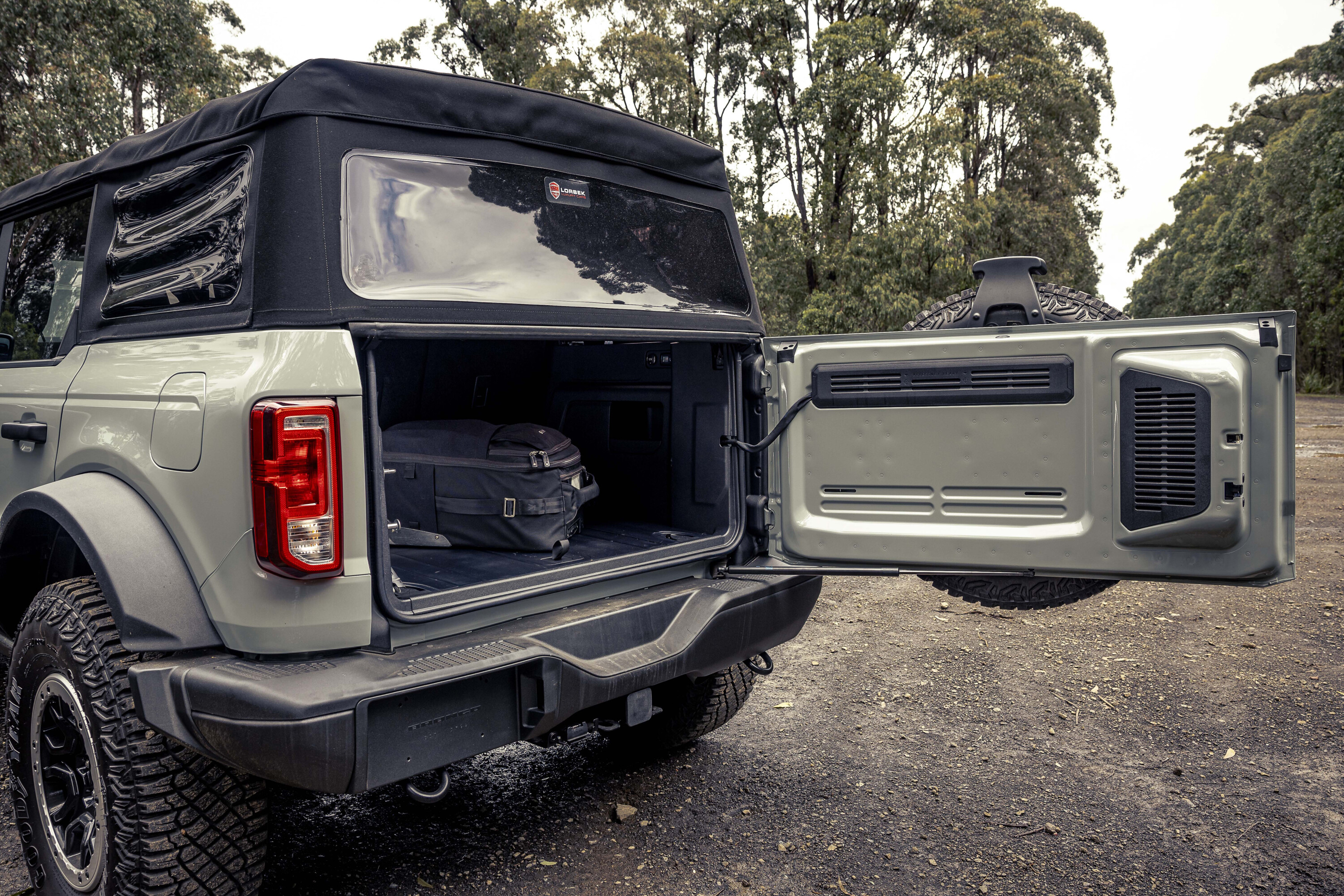
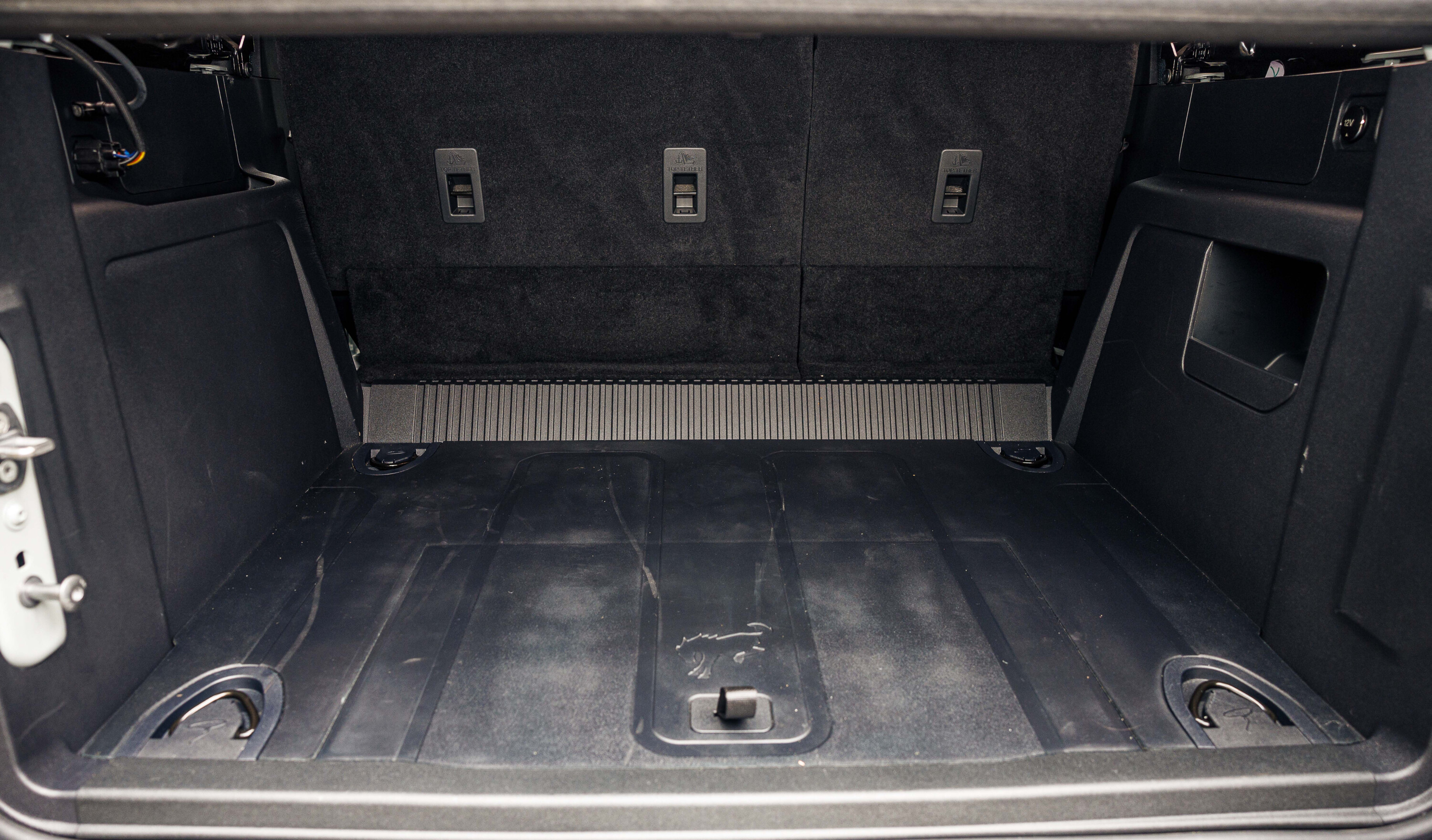
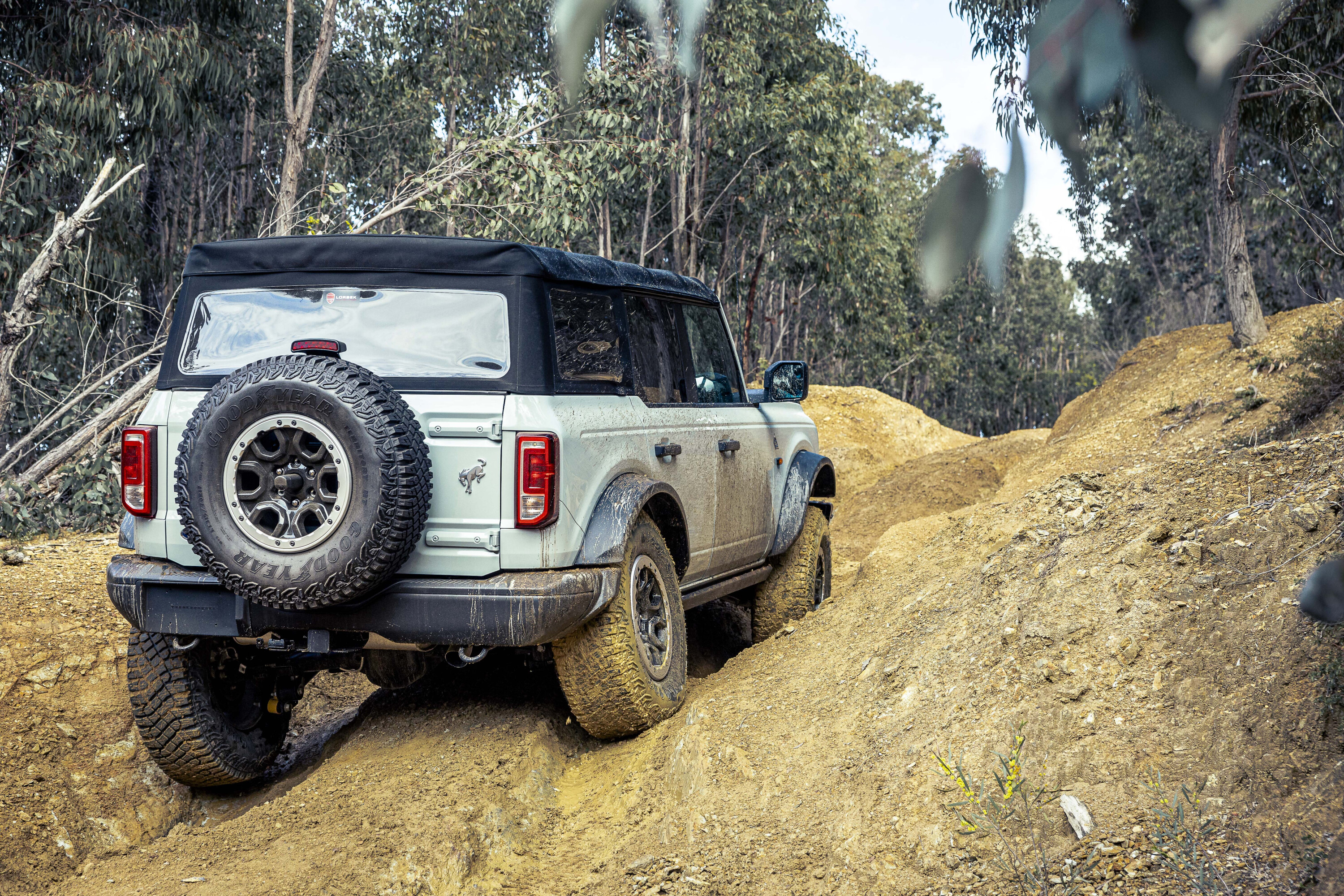
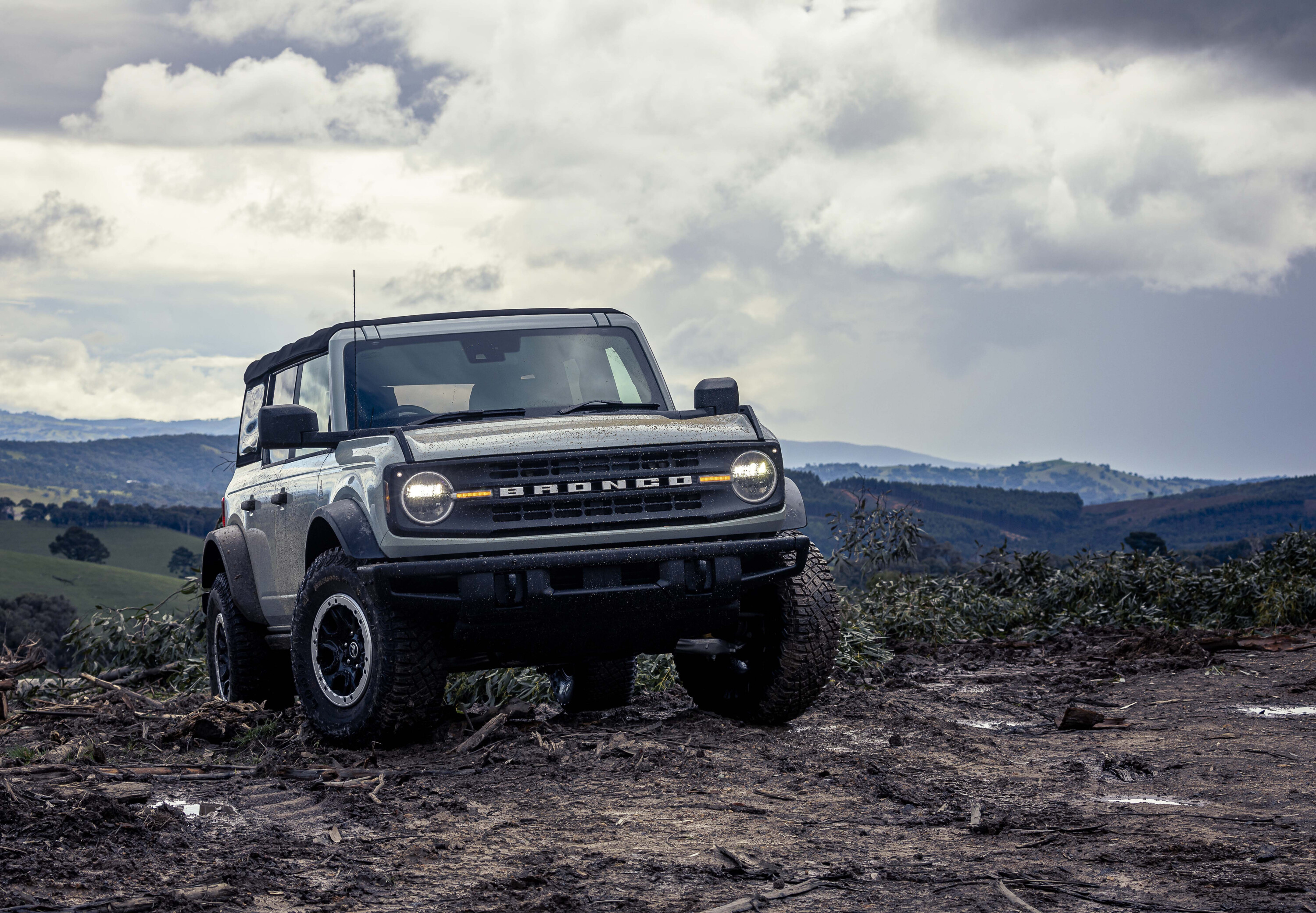
The vehicle you see here is a four-door, soft top Black Diamond with the V6 and Sasquatch Package. It’s aimed at hardcore adventurers, with marine-grade vinyl seats, rubber mats and drain plugs in the floors to allow the interior to be hosed out.
This is not a luxurious vehicle. Higher spec variants like the Wildtrak have leather accenting, a bigger infotainment screen and more active safety equipment, but the basic Black Diamond is a no-frills package. Adding the Mid Package brings heated front seats, keyless entry, reversing sensors and more – helpful stuff.
1
It’s the Sasquatch Package that is of more interest here, though. At US$8995 it’s not a cheap box to tick, but it turns the Bronco into an absolute off-road monster. Top of the list is automatic 4×4 engagement when you select one of the G.O.A.T (Goes Over Any Terrain) modes, a system familiar from the local Ranger and Everest. It works exactly the same, select Sand or Mud/Ruts etc. and the car will set everything up of its own accord.
The 17-inch wheels become beadlock-capable and wear enormous 315/70 BF Goodrich Mud Terrain boots, which combine with a suspension lift to increase ground clearance from 210 to 292mm.
Three-position, remote reservoir Bilstein shocks are joined by a 20mm thicker front axle, shorter 4.7:1 diff, a rear anti-roll bar and front diff lock to give it lockers at both ends. So equipped, the specs tell their own story of its capability: 850mm wading depth, 67.8:1 crawl ratio and 43.2°/26.3°/37° approach/rampover/departure angles.
Being very similar in size and weight and based on the same T6 platform, there’s an expectation that the Bronco will feel like an Everest, but this couldn’t be further from the truth. Refinement is not a Bronco strong suit, at least with the soft top. Anything over 80km/h has the wind howling through the cabin, but that’s also kind of the point.
Not only does the roof come off but the doors as well, which is no doubt fantastic cruising Santa Monica Boulevard, but not a realistic course of action on a wet Melbourne winter day.
1
The ride is as you’d expect of a live-axle, separate-chassis vehicle, with poor surfaces setting up some shimmy, but otherwise it’s comfortable enough. Where the Bronco really differs from its T6 siblings is its steering, being much quicker – part of this will be down to the smaller steering wheel – but also differently weighted. A bit more heft is required.
It’s certainly not lacking under the bonnet, the 2.7-litre twin-turbo V6 providing plenty of punch and making light work of the 2230kg kerb weight. There’s an equivalent thirst, but you could imagine a reasonable takeup of this engine were it offered in the Ranger like it is in the States.
Our destination today is Wandong Regional Park, hitting the tracks that criss-cross the forest just north of Mount Disappointment, about 40 minutes from Melbourne.
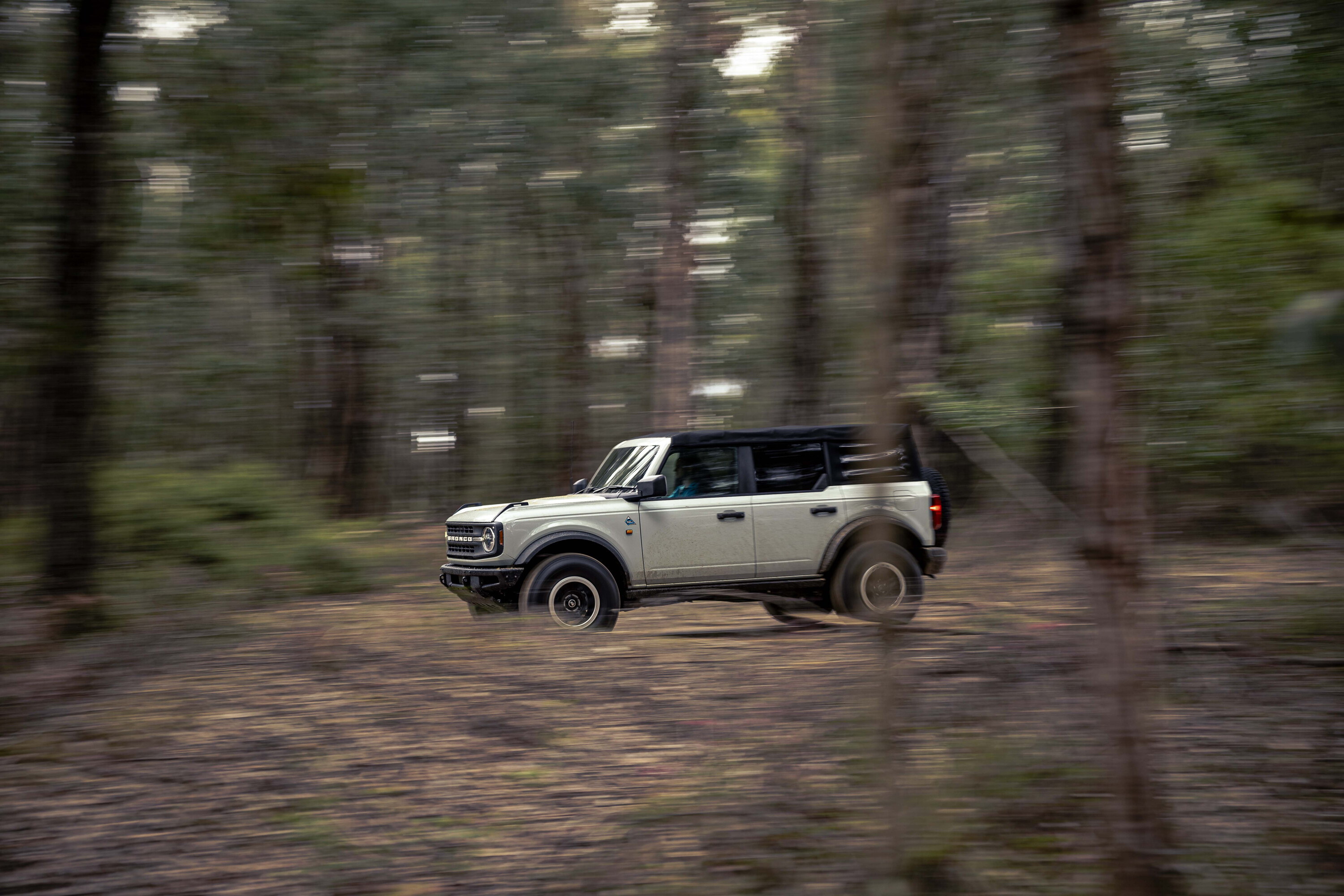
Taking into account the vehicle’s rarity and value, the plan is to take it quite easy, but it turns out the Bronco has other plans. On the fast, flowing forestry roads that are the bread and butter of the locally-developed Ranger/Everest, the American Ford isn’t quite at home.
The quick steering and soft, long-travel suspension requiring smooth, measured inputs to avoid upsetting the apple cart, but there’s a certain feeling of invincibility that comes from knowing you have the hardware to tackle virtually any terrain. And software, too, the Bronco featuring some cool off-road toys.
A couple we are relatively familiar with. Trail control, effectively off-road cruise control, is becoming commonplace, though Ford’s system is excellent in its ability to control speed on even steep inclines/declines and it’s a breeze to activate using the regular cruise control buttons.
1
We’ve also seen Trail Turn Assist in the Ranger Wildtrak X, Tremor, LandCruiser and GWM products, the inside rear wheel heavily braked while turning to drag the front end around and substantially reduce the turning circle.
Trail one-pedal drive, however, is a new one. Standard on all V6-equipped cars, it effectively turns the Bronco into an EV – sort of. Just like an electric car with the regenerative braking turned up to maximum, release the throttle and the car will swiftly bring itself to a stop, a handy feature that eliminates the need to dance between the throttle and brake in tight spots.
It turns out this feeling of invincibility is misplaced. While climbing a very easy track a rear wheel lifts crossing a rut and flummoxes the traction control. A quick press of the rear locker has us on our way again but it’s a situation a Ranger or Hilux would’ve clambered out of without drama.
1
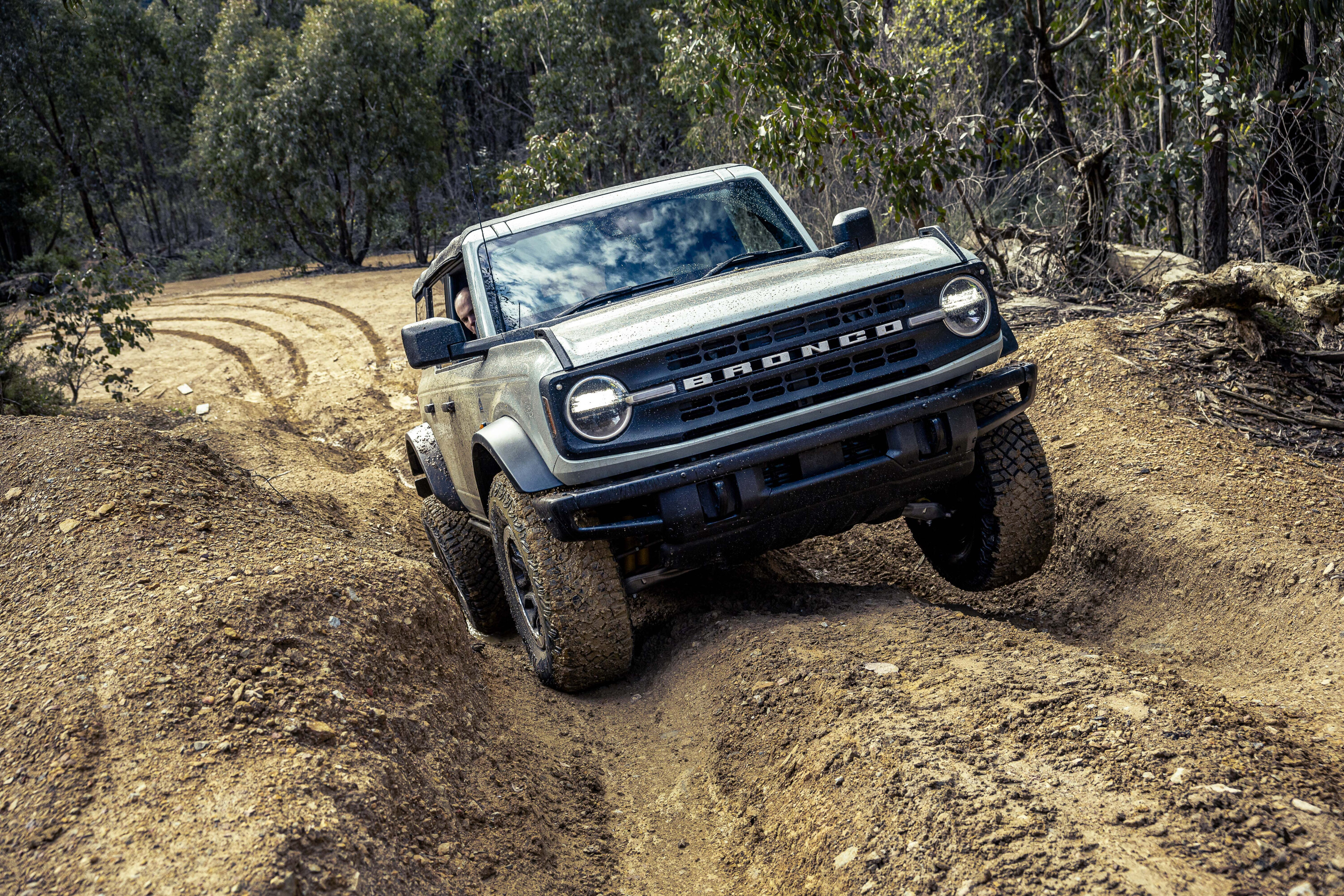
But the tougher the terrain becomes the more the Bronco shines. If you’re familiar with the Wandong forest you might be aware of ‘The Moguls’ at the bottom of Escreets Road. It’s a relatively gnarly set of offset holes and today is extremely slippery.
As mentioned earlier, given the need to protect this car we agree to just edge it onto the first ‘mogul’ to get the flex-photo done and then back out. Low range engaged, both diffs locked, the Bronco scales the first mogul without fuss. And the second. And the third.
As far as off-the-shelf off-roaders go, it’s incredibly impressive.
It seems determined to get to the top so who am I to argue? This is not an impassable section of track, but whereas a Nissan Patrol Warrior does it with lifted wheels and some V8 mumbo, the Bronco clambers up without a scrape and barely a hint of wheelspin. As far as off-the-shelf off-roaders go, it’s incredibly impressive.
The number of people who are going to sign over well into six figures for a Bronco are relatively few and those who do probably aren’t going to drop it up to the door sills in a mud hole.
Even if it were to come to Australia officially it wouldn’t be cheap, but this drive has proved the capability and appeal of Ford’s icon and if it reaches these shores, you’ll be a lot more likely to see one in forests all over the country.
1
Building a RHD Bronco
Sharing its T6 underpinnings with the Ford Ranger and Everest, you might think that switching a Bronco to right-hand drive is a relatively simple process. Yes and no.
Installing a Ranger steering rack means the mechanical side of things isn’t particularly arduous, but making a Bronco look like it came out of a factory with the wheel on the right-hand side is a lot more difficult.
The interior might be relatively simple, but the fact there’s nothing like it in the RHD world means a lot of the parts and trim need to be constructed from scratch. Even Ford doesn’t mirror the handbrake location and many of the buttons in the factory Mustangs.
Crossover Car Conversions will source, import and supply any Bronco you wish, but the real opportunity is if the car is introduced locally, with an enormous array of upgrade parts available, both factory through Ford Performance and aftermarket from brands like RTR.
We say it every year, but this year has flown by. Yep, our November 2024 issue of 4X4 Australia is already in stores and en-route to letterboxes.
As always, the new mag is loaded with quality off-road content. This month we take a closer look at the recently revealed seventh-gen Nissan Y63 Patrol, which wears a strikingly different design compared to its predecessors, employs a V6 twin-turbo engine paired with a nine-speed automatic transmission, and features customisable adaptive air suspension. It won’t land locally until 2026, though.
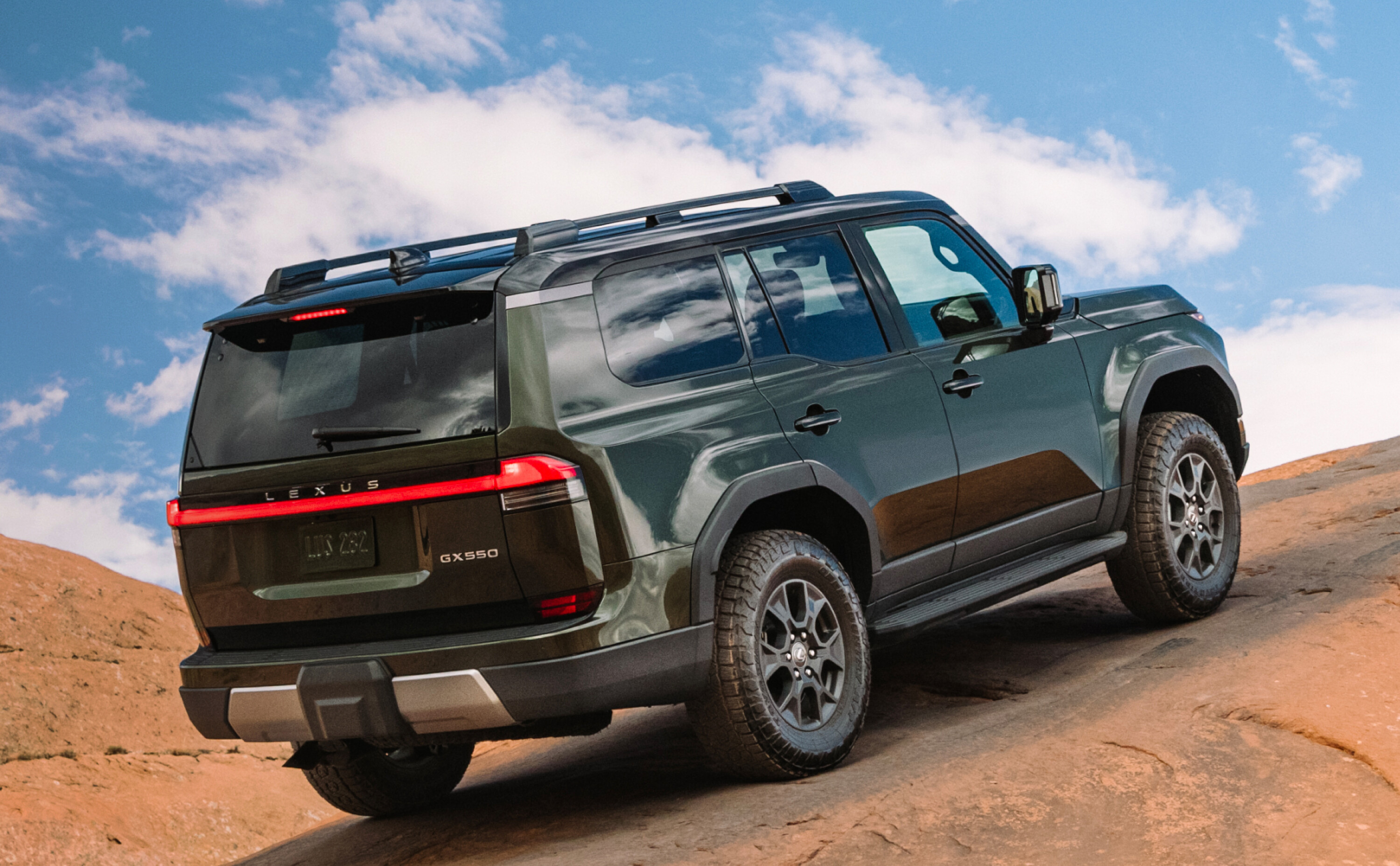
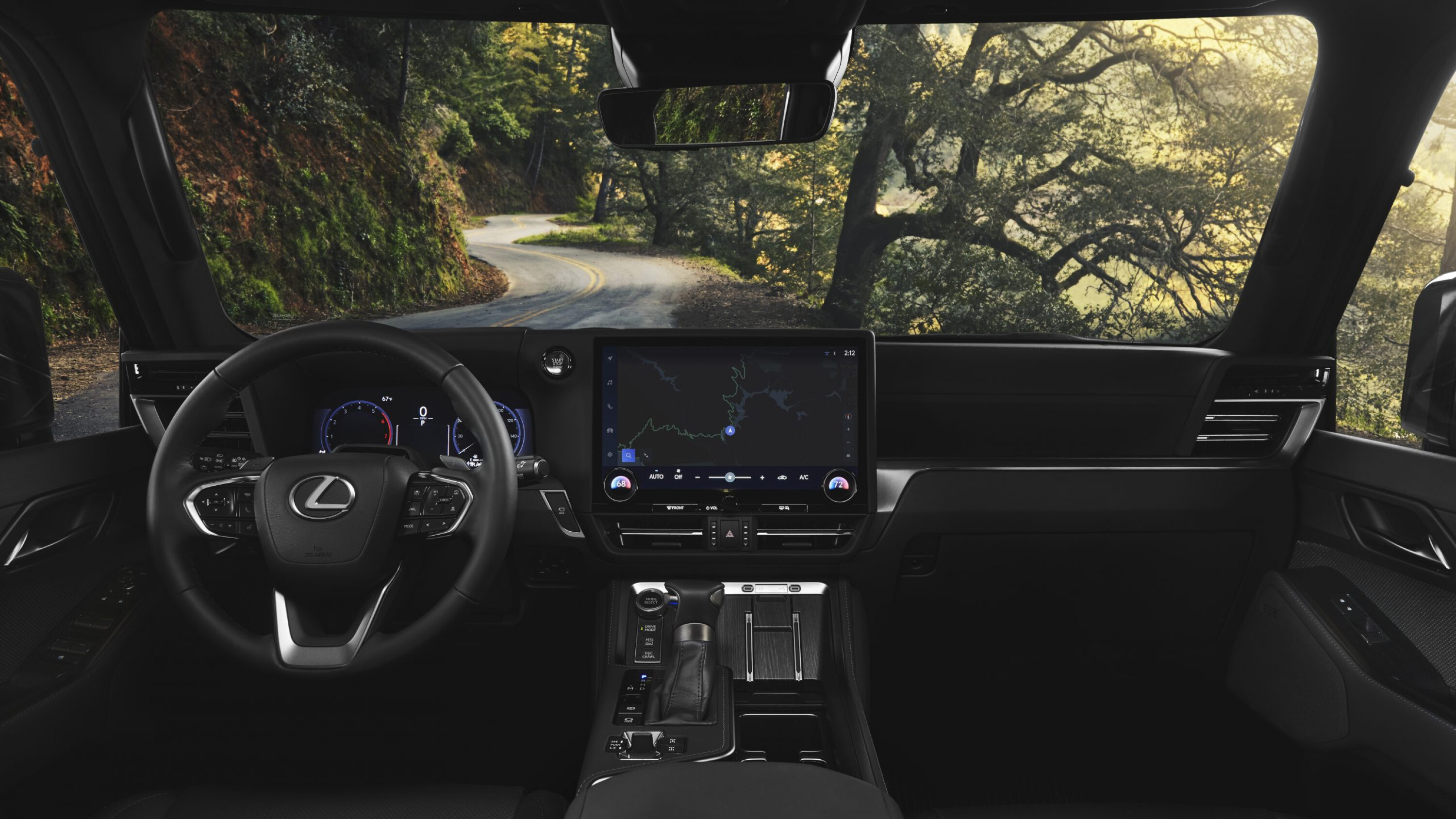
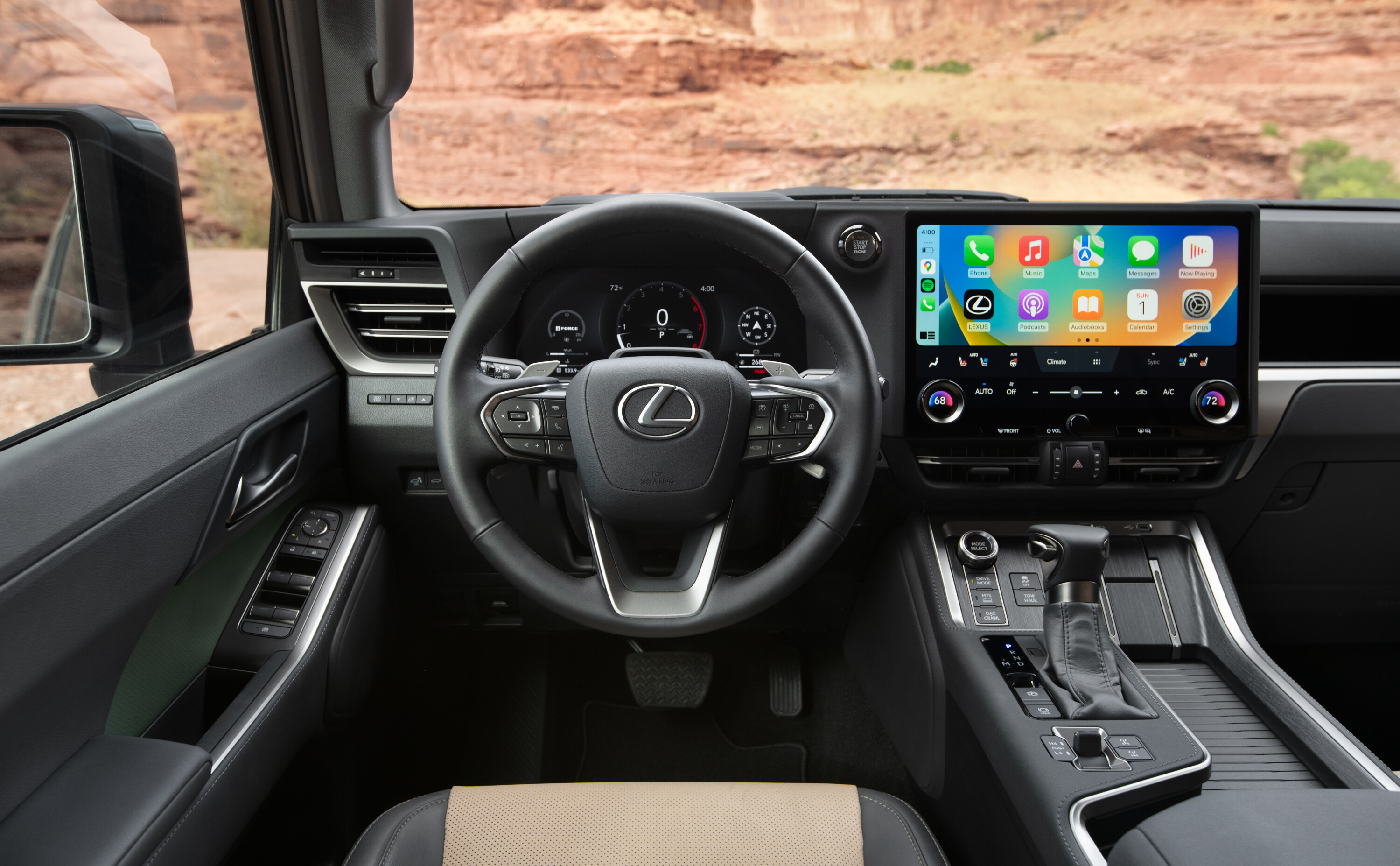
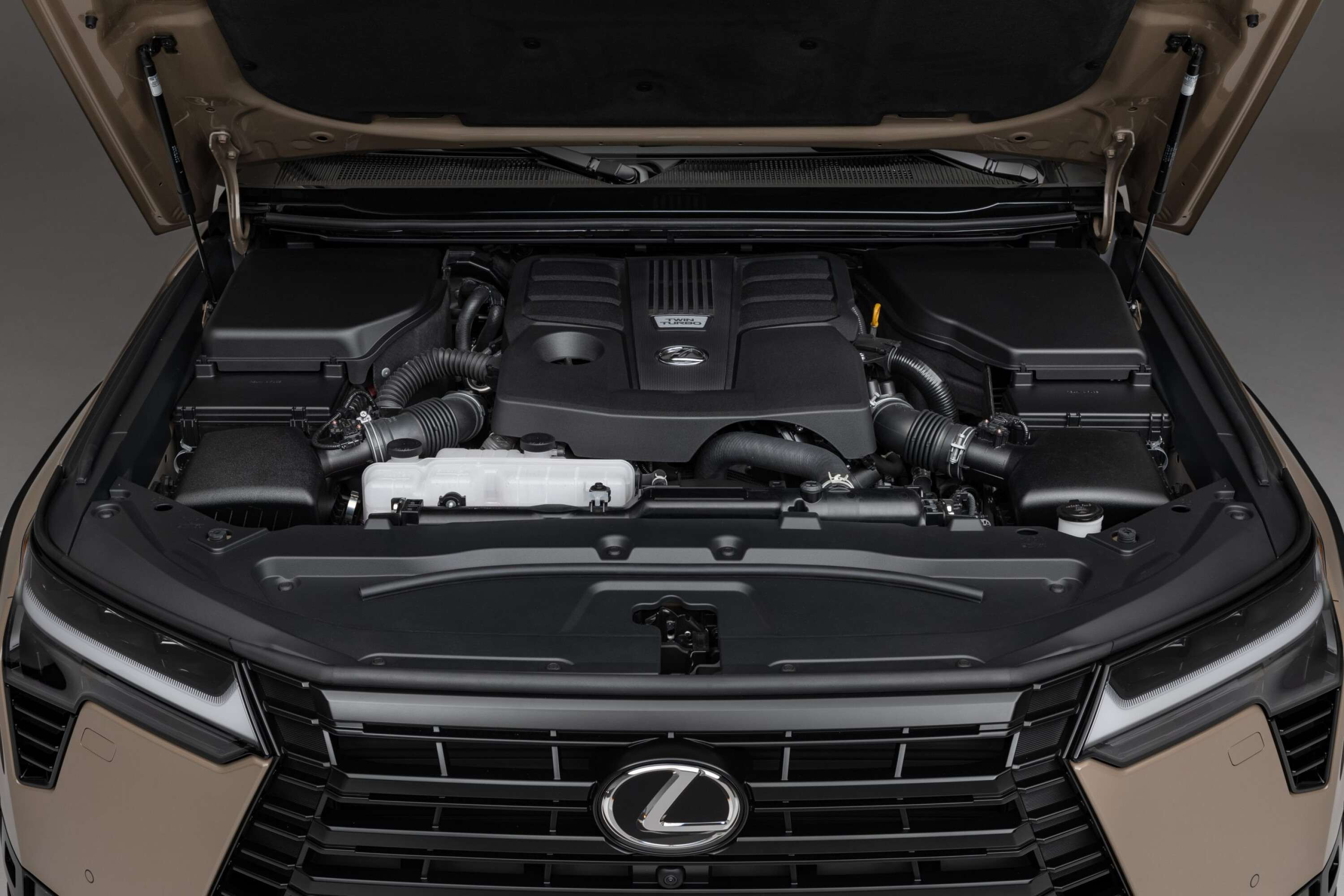
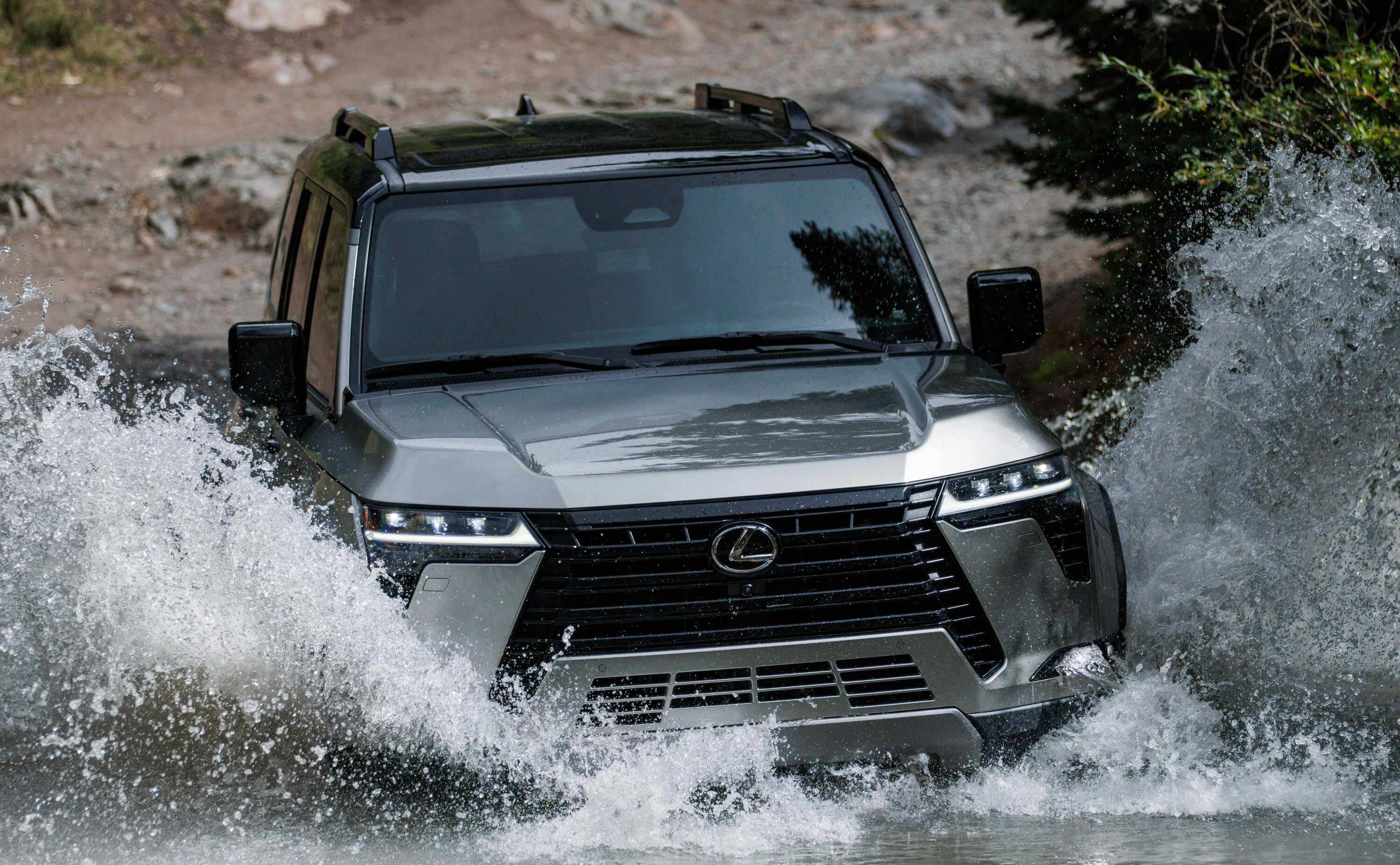
The new Prado 250 will arrive much sooner than that, but before it officially arrives in Australia we’ve spent some time in its Lexus twin: the GX550 in Overtrail guise. The luxury Lexus isn’t cheap, but does its 260kW/650Nm 3.5-litre twin-turbo petrol engine make it a viable alternative to the diesel-only Prado?
Sitting in a similar segment is the Ford Bronco, and while you can buy a RHD Bronco in Australia, you’ll need very deep pockets. The variant we tested off-road for this issue – a Black Diamond edition – is a touch under $200K plus on-road costs once it has been transported from its homeland and then converted, engineered and complied. It’s highly capable, but how many people will actually buy one?
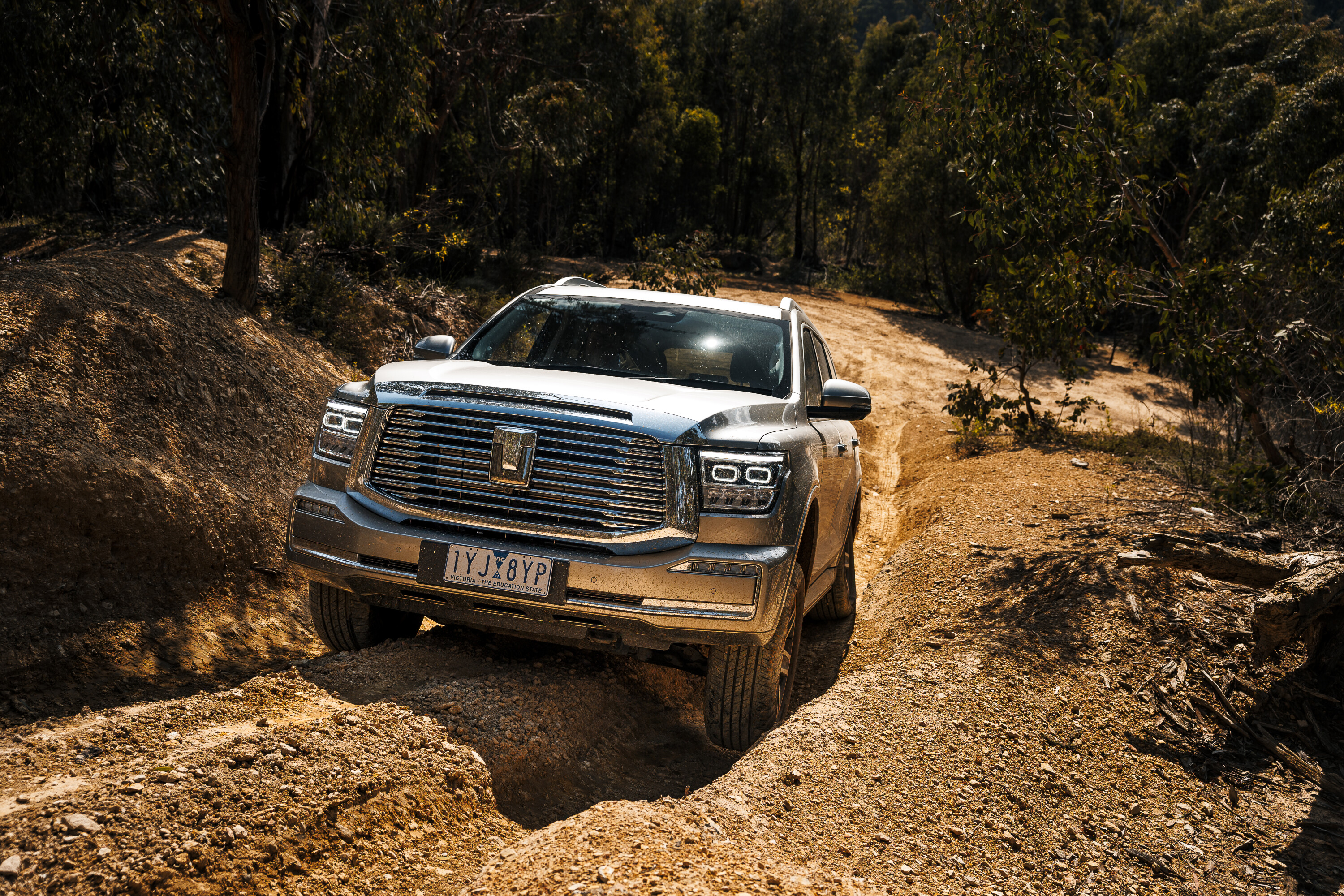
Matt was impressed following the launch of the Tank 500 earlier this year, so he decided to spend a more sizable chunk of time behind the wheel of the well-equipped large 4×4 wagon. After a week testing the $74K Ultra edition which puts out a meaty 255kW and 642Nm, Matt reckons it delivers the goods on- and off-road at a very reasonable price.
1
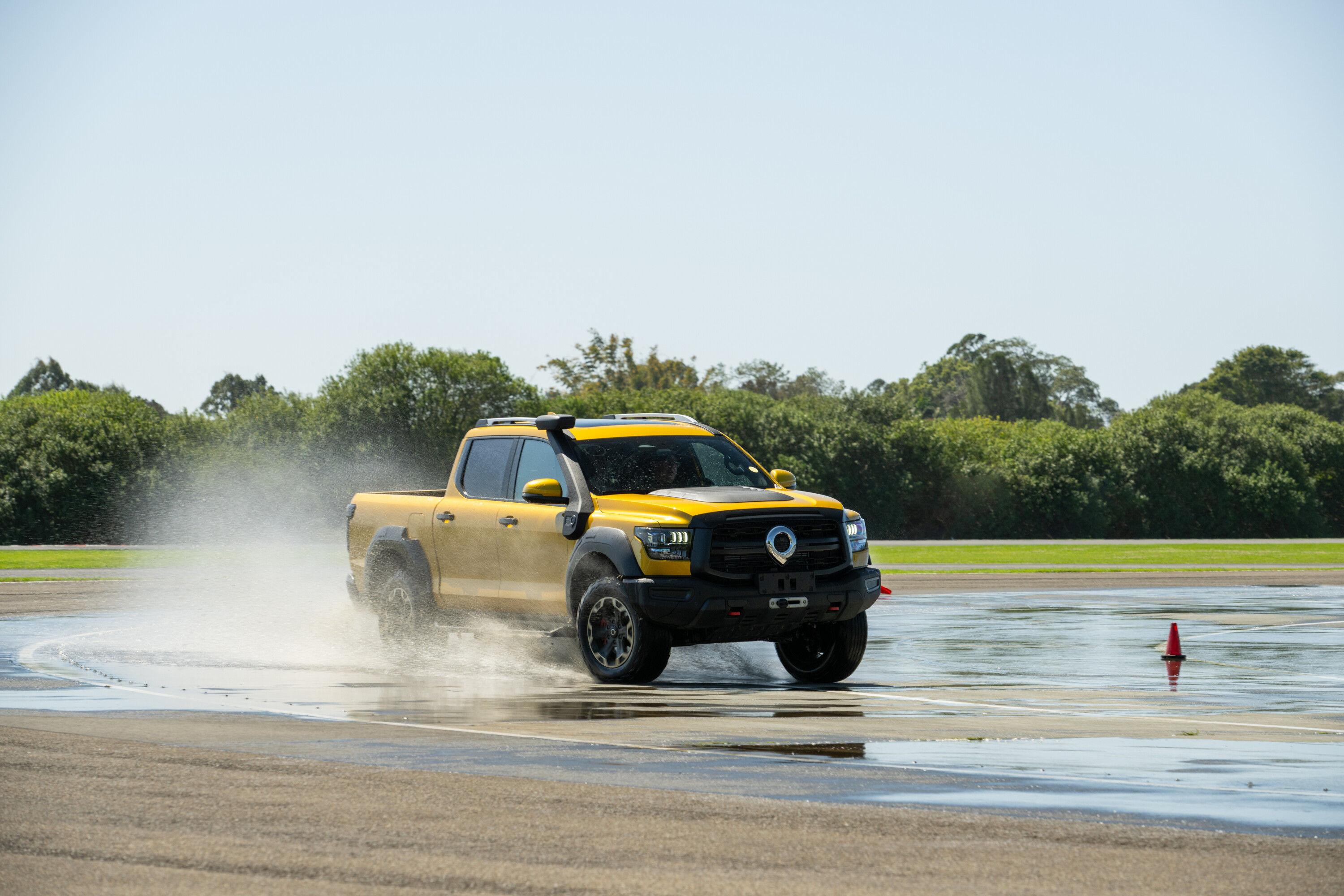
Also from GWM, we put two left-hand drive evaluation units using the brand’s Hi4T PHEV system – fitted to Cannon Alpha and Tank 500 models – to test on a closed road circuit and off-road track. These PHEV variants are still under evaluation for Australia, but they’re expected to be added to the GWM line-up in the not-too-distant future.
1
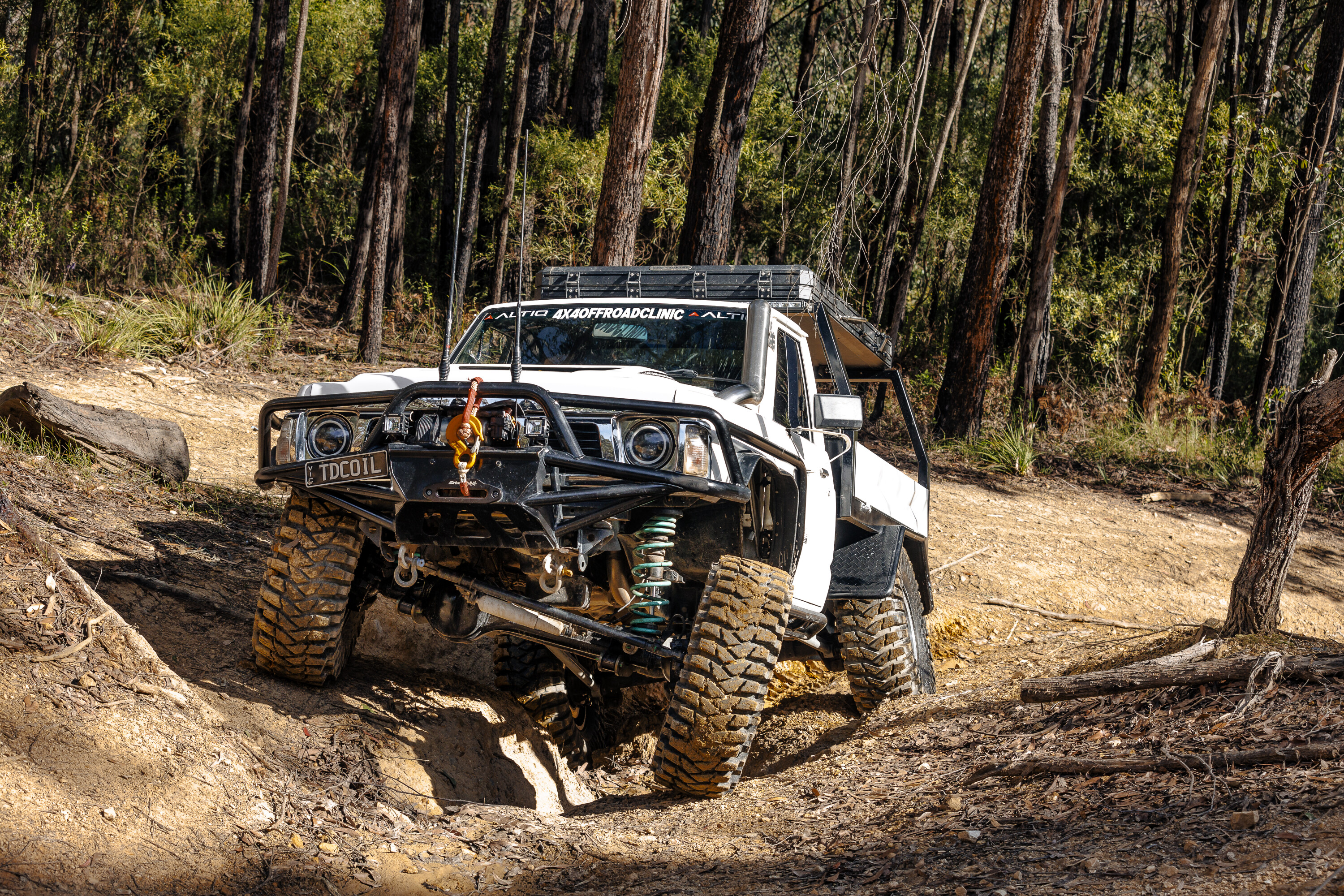
We’ve pointed a microscope at two inspiring custom 4×4 builds this month: a GQ single-cab with all the fruit, and a top-of-the-line LandCruiser 300 Series GR Sport that stands out from the crowd and is the perfect camping rig.
1
On the travel front, we’ve listed five of the best off-road destinations in South Australia. From the spectacular Flinders Ranges and the nearby Bendleby Station, to the wider Robe area along the coast, SA is home to some of the country’s best 4×4 destinations. Plus, we follow Kev Smith as he follows the trail from Herberton to Petford in Far North Queensland.
1
And don’t forget to vote for the 2024 Maxxis Custom 4×4 of the Year, for a chance to win a Maxxis Tyres voucher valued at $1000. Voting ends November 8.
The new Lexus GX550 is on sale in Australia, with the three-model range starting from $116,000 and powered by a 260kW/650Nm 3.5-litre twin-turbocharged V6 petrol engine. The five-model LandCruiser Prado range isn’t too far off, either.
The GX550 range starts with the Luxury ($116,000), then Overtrail ($122,250) and finally Sports Luxury ($128,200) variants (all plus on-road costs). All GX550 models use the same twin-turbo petrol V6 powertrain and a 10-speed torque-converter automatic with second-start function, while full-time four-wheel-drive with low-range and a locking centre differential are also standard.
The all-new seven-seat Lexus GX550 (five seats only in the off-road oriented Overtrail) promises a versatile blend of performance and passenger accommodation capabilities with off-road and towing ability thrown in.
This is the first time the GX is offered locally, having been in markets previously such as the US where it’s gained sustained popularity.
We also have confirmed prices and most specs for Prado. Five Prado models will be offered: the five-seater GX ($72,500) and Altitude ($92,700), and seven-seater GXL ($79,990), VX ($87,400) and finally the $99,990 Kakadu (all prices plus on-road costs), all powered by HiLux’s mild-hybrid 150kW/500Nm 2.8-litre four-cylinder turbo-diesel linked in new Prado to an eight-speed automatic transmission (and full-time, dual range 4WD with Torsen centre diff).
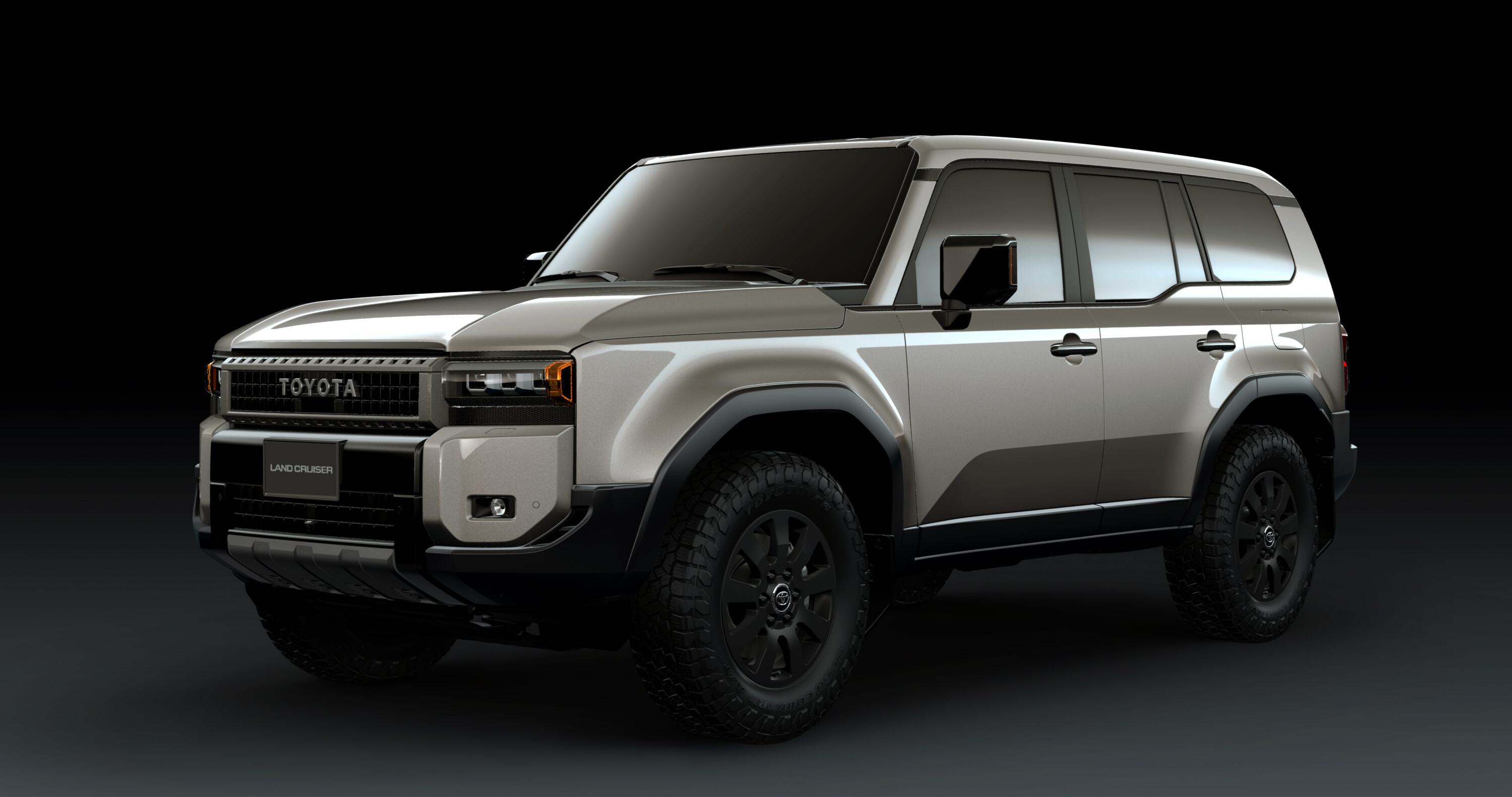
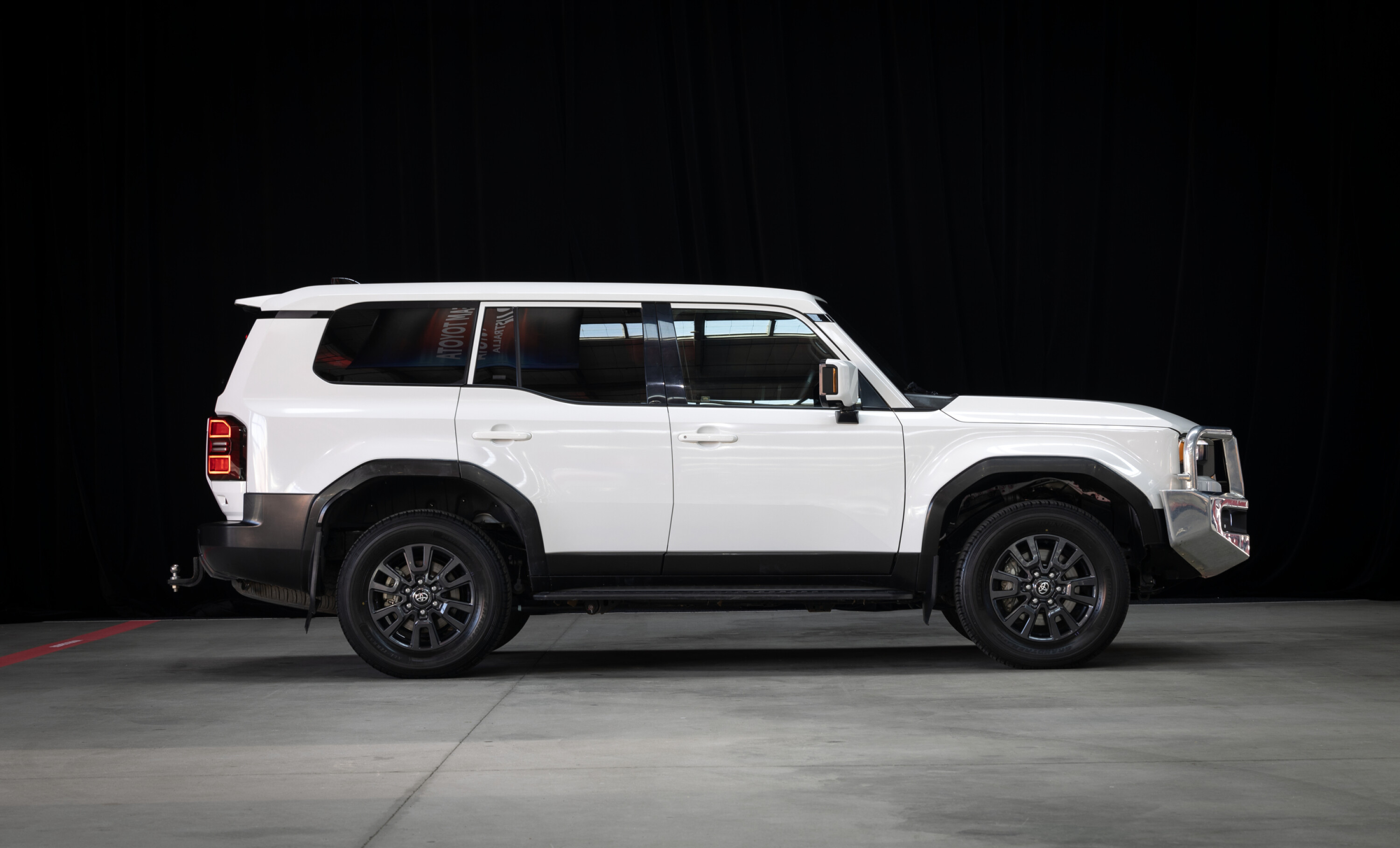
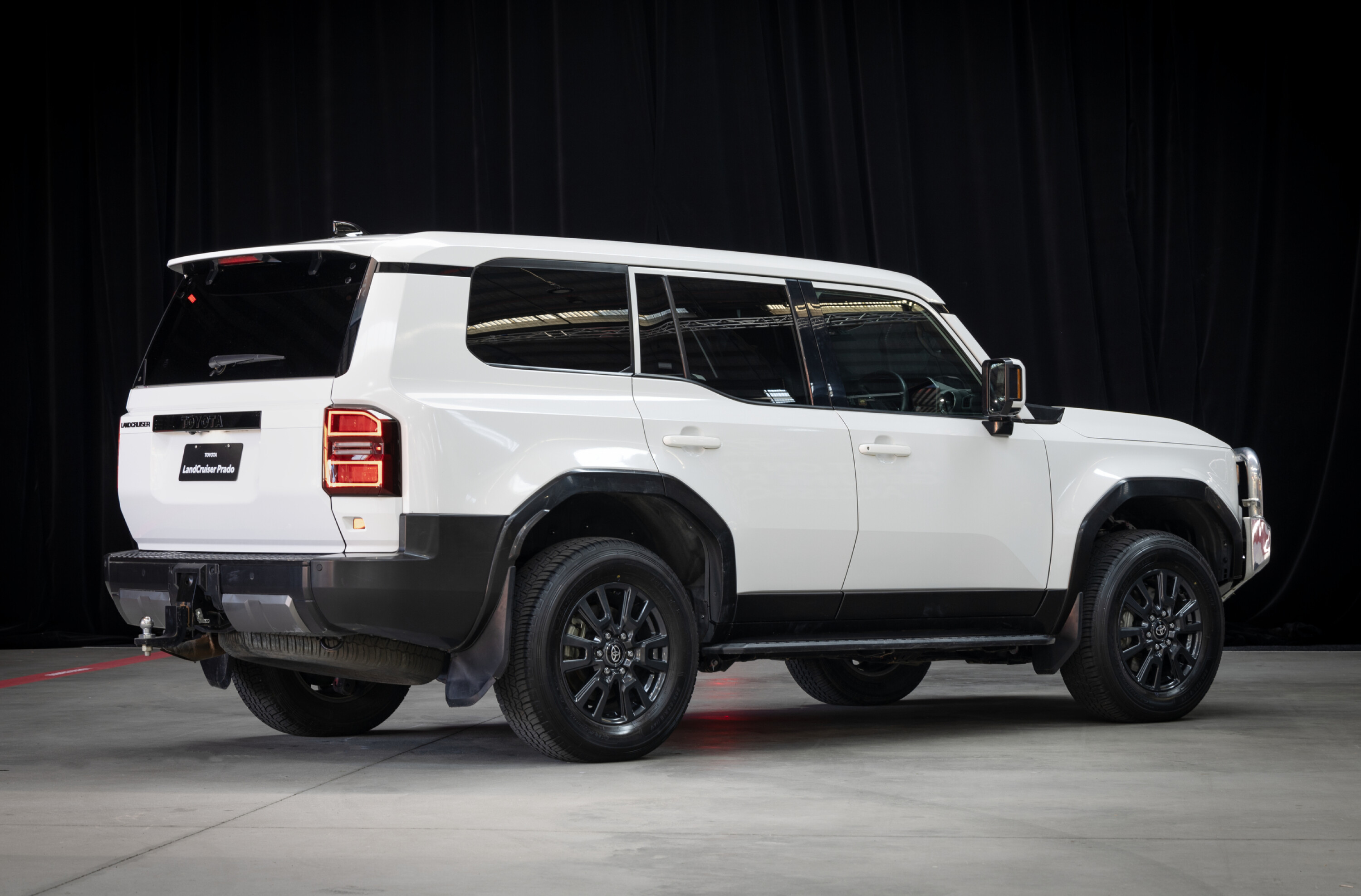
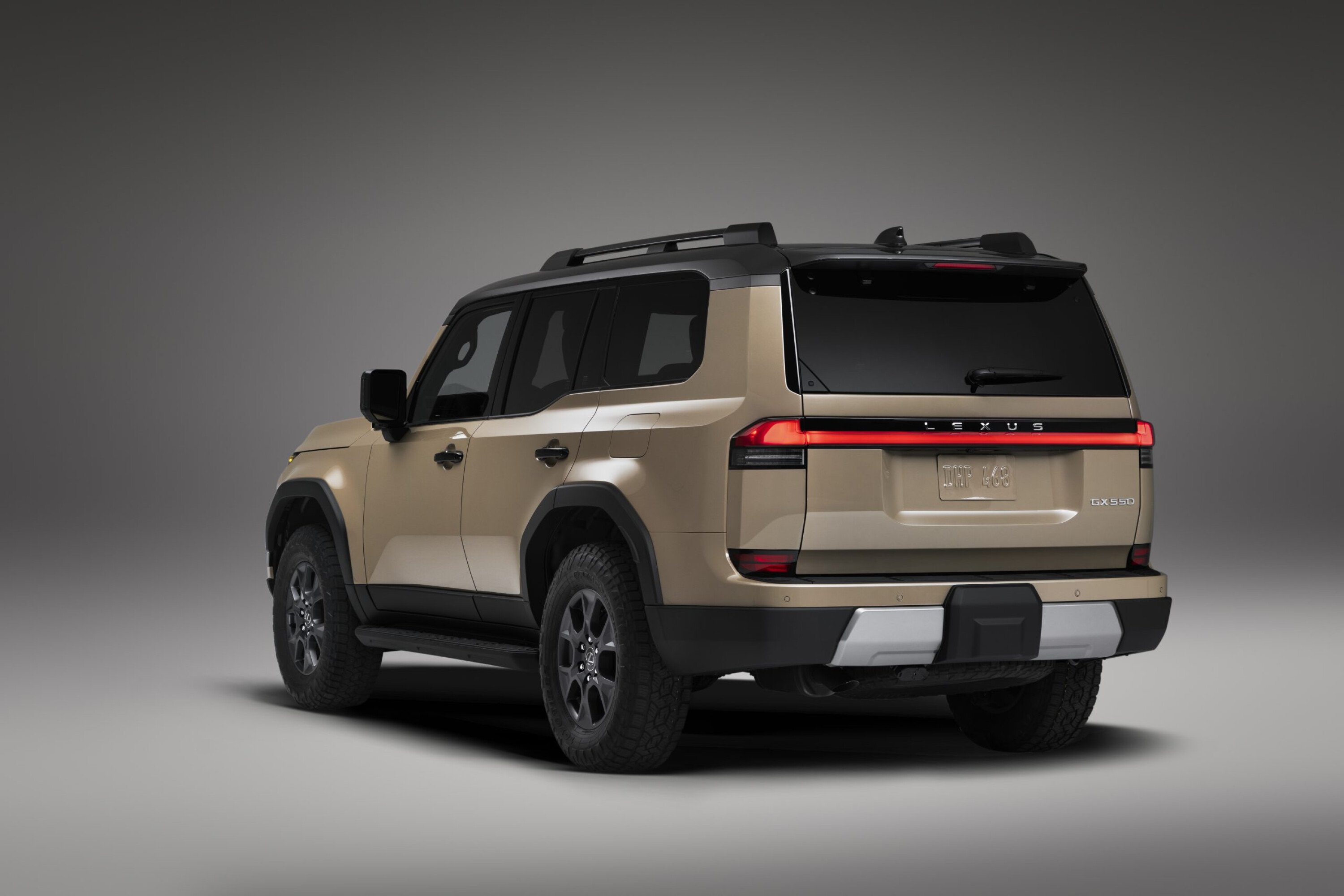
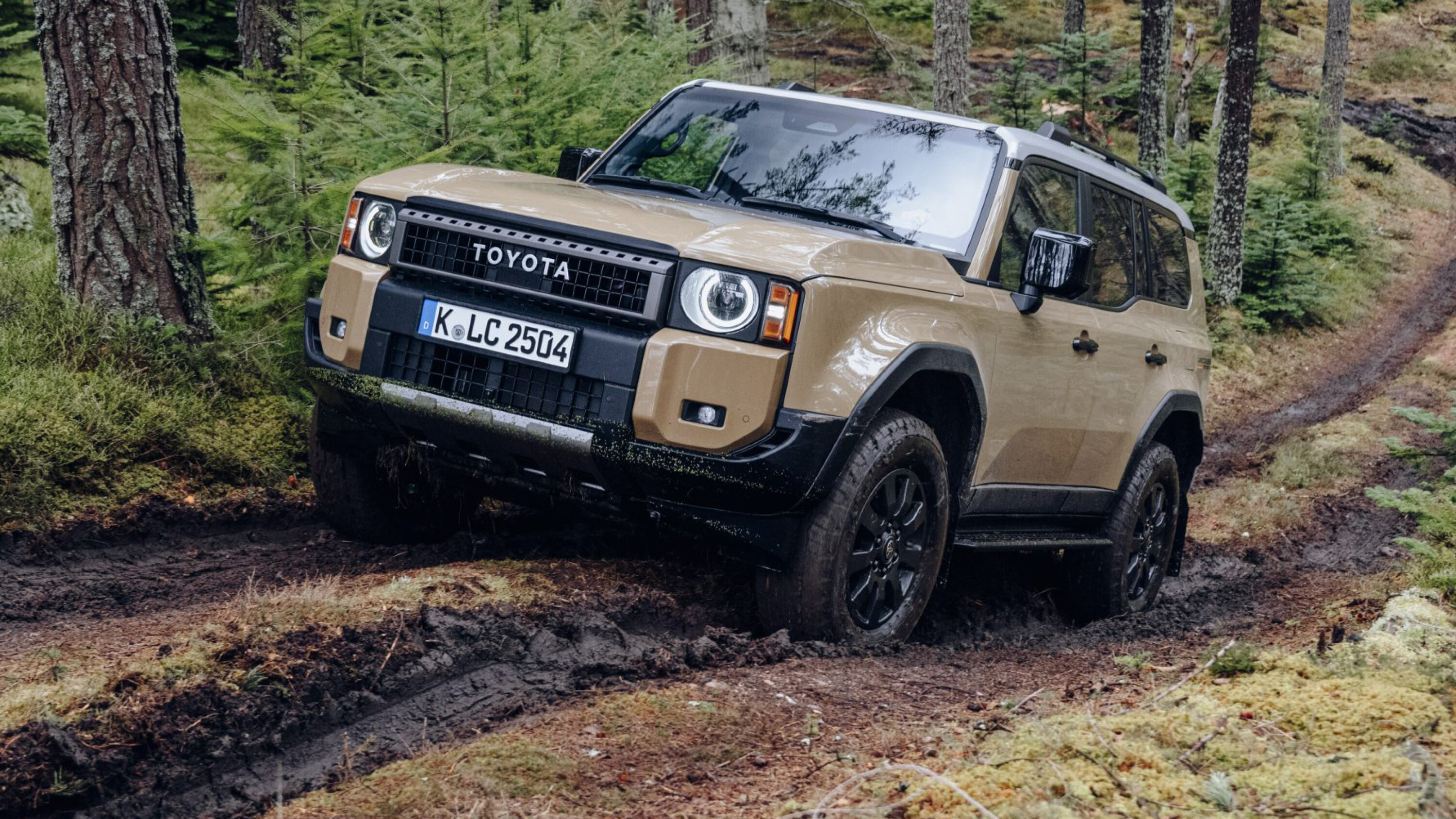
As we edge closer to the Prado’s imminent release, we run the ruler over both the upmarket Lexus GX550 and its close cousin, the more affordable Toyota Prado, to see what differences exist between the pair.
1
Positioned between the new RX and larger 300-based LX in the Lexus SUV range, the new seven-seat Lexus GX promises a versatile blend of performance and passenger comfort with off-road and towing ability thrown in.
It launched in May 2024, and it is the first time the GX is offered locally, having been kept from Australia in its previous form. Ideal for a family of adventurers, the GX is once again based on the iconic Toyota LandCruiser Prado – also entering its next generation.
1
Obviously the Lexus GX550 and Toyota Prado will not be direct competitors, rather the GX550 will be a premium offering from Toyota Corporation’s luxury brand, with the Prado is less a luxury offering, and more a mainstream choice for a family wagon or even fleet workhorse.
In this story, we run the ruler over both the upmarket Lexus GX and its close cousin, the more affordable Toyota Prado, to see what differences exist between the pair. ?
Both the Lexus GX and Toyota Prado will share similar dimensions and, given they are built off an identical platform, they have an identical wheelbase.
Both the Lexus GX and 250 Series Prado have the spare tyre fitted under the floor, finally dispatching the old-school backdoor position still used by the current 150 Series Prado. This likely means a loss of fuel capacity for Prado, down from the current Prado’s 150 litres on tap – especially given that we know that new GX550 in some markets has only 80-litre capacity.
Dimension
Landcruiser Prado 250 Series
LandCruiser Prado 150 Series
Length
4925mm
4995/4825mm (flat tailgate)
Width
1980mm
1885mm
Height
1870mm
1850mm
Wheelbase
2850mm
2790mm
Ground clearance
221mm
220mm
Approach/breakover/departure angles
31/22u00ba
30.4/23.5u00ba
New Prado boasts larger measurements all around: it is longer than the existing model and is also wider, slightly taller and rides on a longer wheelbase (which is shared with the 300 Series).
Lexus has not published dimensions for the GX, except for wheelbase. Given that the two models share a platform, and the Lexus wheelbase measurement is identical to Prado, you can assume that the other dimensions will be similar, if not the same.
The new GX and Prado will share their underpinnings with the 300 Series, meaning they use the TNGA-F ladder-frame chassis which Toyota claims is 50 per cent more rigid than the existing Prado 150, and overall vehicle rigidity is improved by 30 per cent.
Toyota also says that the new, stiff platform allows for better suspension performance, with the new model offering more wheel travel for off-roading and better on-road handling and ride comfort.
The Prado will also have better wheel travel off-road because of Toyota’s stabiliser-bar disconnect system at the front. There will also be the multi-terrain select and multi-terrain monitor systems we’re already familiar with from Toyota.
1
Electric-assist power steering will make its way to new Prado, and presumably also the GX.
Toyota notes this technology allows the inclusion of safety systems such as lane trace assist.
The Lexus will have double-wishbone front and four-link rigid axle rear suspension like the Prado, but the GX will have adaptive variable suspension (AVS) – a feature that may stand it apart from new Prado.
1
Electric-assist power steering will make its way to new Prado and the GX550. Toyota notes this technology allows the inclusion of safety systems, such as lane trace assist.
The Lexus has double-wishbone front and four-link rigid axle rear suspension like Prado Both GX550 and Prado (depending on trim level) will have adaptive variable suspension (AVS).
The Lexus GX550 is out now, with the Overtrail the first time Lexus has made a departure into a more off-road oriented model. These further enhances the GX’s off-road credentials with a range of features that give the new SUV better off-road capability.
1
Toyota has announced Prado’s extensive safety features.
All Prado variants will be fitted with a full suite of active safety technology, including front and rear autonomous emergency braking, lane-trace assist, blind-spot alert and adaptive cruise control.
It also has nine airbags – up from seven – along with trailer sway control, active traction control, downhill assist control, and ‘crawl’ off-road cruise control with five selectable speed settings.
Under the bonnet of new Prado will be a 2.8-litre turbo-diesel four-cylinder mild-hybrid engine producing 150kW of power and 500Nm of torque. This is the same 48-volt system going into upcoming Hilux models next year.
Power is sent to the wheels through a new ‘Direct Shift 8AT’ eight-speed automatic transmission, and launch with the choice of five or seven seats.
Meanwhile we know that the new Lexus GX550 is offered with a 3.5-litre twin-turbo V6 petrol engine mated to a 10-speed automatic transmission.
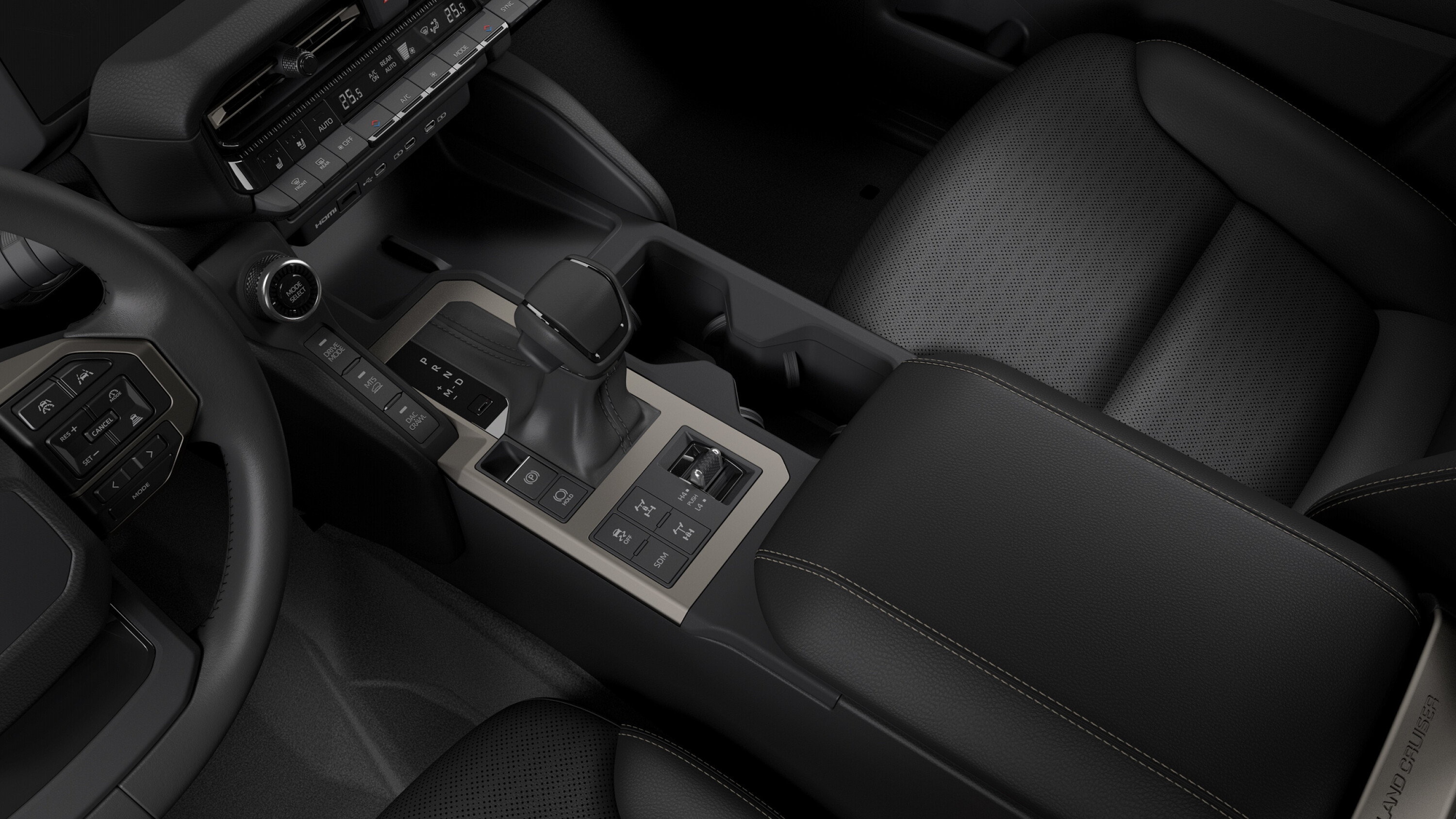
Both Prado and GX550 powertrains use a full-time four-wheel drive system with dual-range transfer case providing off-road gearing and also a locking centre differential.
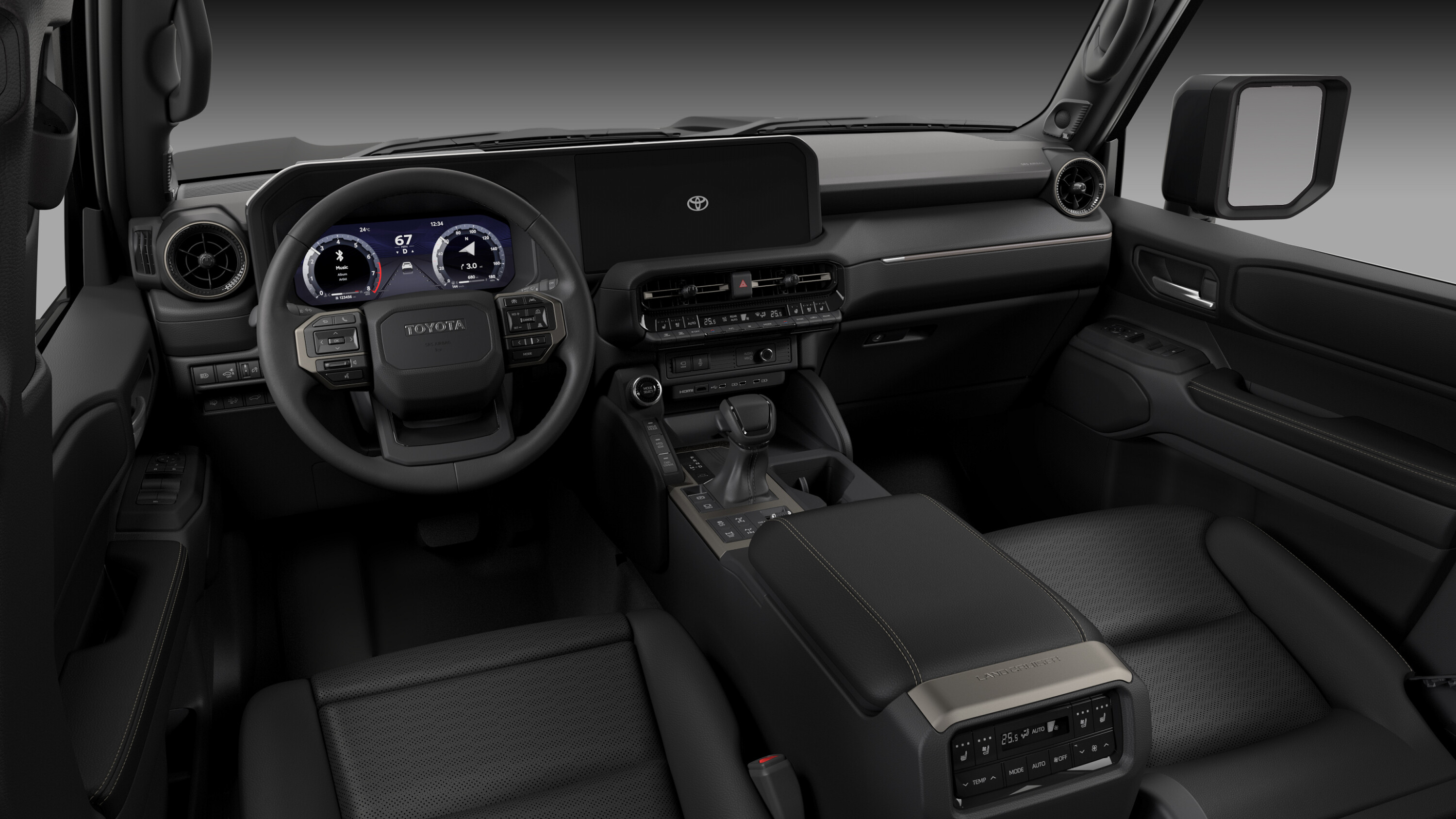
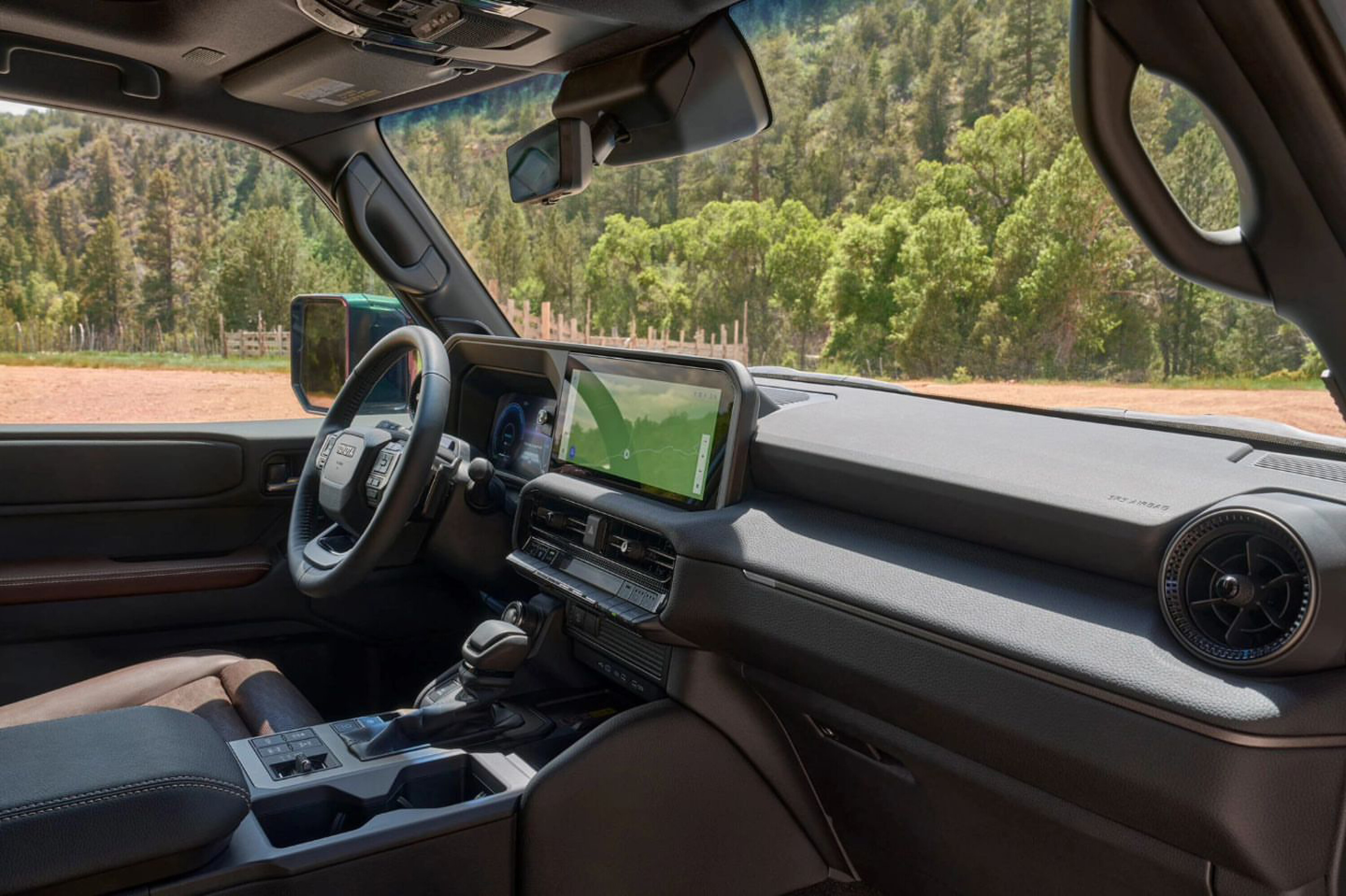
A big lift in cabin design sees the Prado offer a large centre console and a dash dominated by large screens.
The Prado, it will share a similar interior design to GX550. Toyota has paid attention to criticisms that manufacturers have included too many touch ‘buttons’ to be safe for drivers to use without causing distraction, so there are still plenty of actual button controls.
The Prado will be offered in a five- or seven-seat configuration, depending on model. Meanwhile we know a lot more about the Lexus.
1
All models will have a 14-inch touchscreen multimedia system with wireless Apple CarPlay and Android Auto, 10-speaker audio system, five USB-C ports, wireless phone charger, head-up display, 360-degree camera system and a 12.3-inch digital instrument cluster.
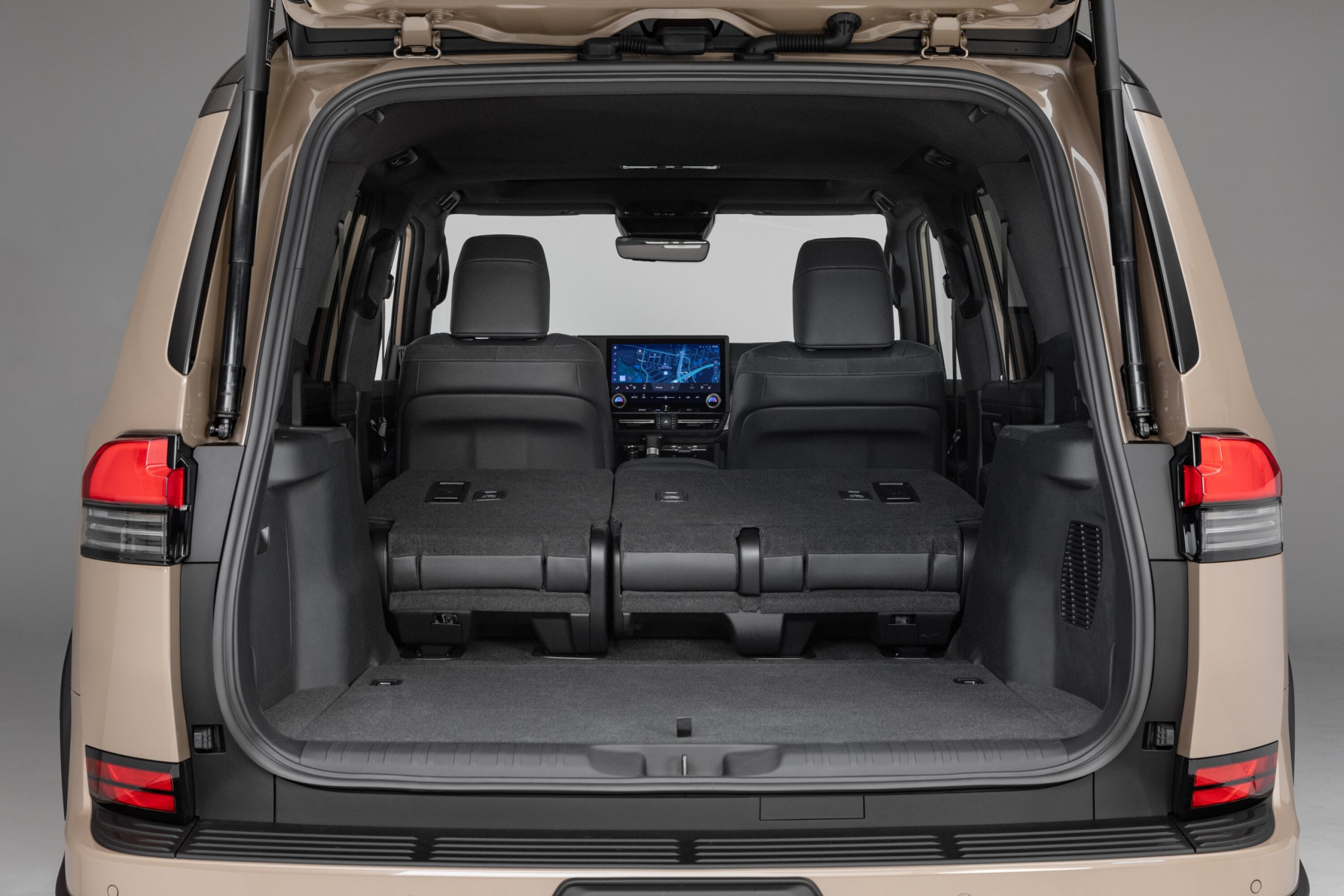
The GX550 is offered with seven seats available across three rows, with the second row able to be configured as a trio of bench seats or individual captain’s chairs.
Standard on all models from the Luxury up includes leather interior, eight-way power-adjustable front seats with lumbar and memory functions, heated and ventilated front seats, heated outer second-row seats, and power-folding third-row seats (for Luxury and Sports Luxury).
Toyota has announced new Prado 250 prices: $72,500 before on-road costs for the entry-level GX to $99,990 for the top-of-the-range Kakadu.
With price rises between $9670 and $12,432 across the line-up, this still leaves enough clean air between the new Prado and the Lexus GX550, which kicks off at $116,000.
The GX starts at $72,500, the GXL $79,990, VX is $87,400, Altitude is $92,700 and Kakadu is $99,900 (all prices plus on-road costs).
New features across the LandCruiser Prado line-up include a larger 12.3-inch infotainment system, a 7- or 12.3-inch instrument cluster display (up from 4.2-inch), wireless Apple CarPlay and Android Auto, Toyota Connected Services, a 360-degree camera system, front and rear parking sensors, USB-C ports, a 220-volt power outlet, and standard climate control.
1
The GXL adds an electric tailgate – which is now flat on all models with the spare wheel mounted underneath – standard leather-accented upholstery, an auto-dimming rear-view mirror, and a wireless phone charger over the outgoing model.
The VX now features 20-inch alloy wheels (up from 19-inch), a full-digital instrument cluster, adaptive variable suspension, a power-adjustable steering wheel, multi-terrain select, and a Toyota-first multi-terrain monitor to view the vehicle’s underfloor while driving. The “adventure-focused” Altitude is a new permanent variant in the line-up, borrowing its name from limited edition Prado models offered between 2012 and 2017.
It replaces adaptive variable suspension with a stabiliser disconnect mechanism to provide “an extra 10 per cent of wheel articulation to help maximise traction on uneven surfaces” and reverts to 18-inch alloys with all-terrain tyres.
1
Topping the new Prado range is the Kakadu, which now sports a digital rear-view mirror, a heated steering wheel, heated and ventilated rear seats, a panoramic moon roof, illuminated side steps, a head-up display, and a rear torque-sensing limited-slip differential.
As for the Lexus, it has been confirmed that the entry model the GX550 Luxury has a power tailgate with hinged glass, tow bar and wiring, roof rails, auto-levelling LED headlights, rear privacy glass, 20-in alloy wheels, tyre pressure monitoring and a rear spoiler.
Meanwhile, the off-road oriented Overtrail key features includes off-road assistance systems used in LandCruiser GR Sport such as electronic Kinetic Dynamic Suspension System (eKDSS), front swaybar disconnect, Multi-Terrain Select (MTS) off-road traction control, Multi-Terrain Monitor, multi-stage Crawl Control, Downhill Assist Control and a locking rear diff.
1
There’s also aluminium skid plates unique black bumper design and wheel arch surrounds, and 18-inch wheels shod with all-terrain tyres.
A larger alternator, refrigerated centre console storage unit card-shaped smart key while seats are upholstered with olive green stitching and Ultrasuede accents.
Finally, the top-spec GX550, the Sports Luxury, is equipped with adaptive variable suspension, five configurable drive modes 22-inch alloys, adaptive high-beam headlights, auto-extending side steps, a fixed panoramic roof, semi-aniline leather-accented trim, unique dashboard finish, digital rear-view mirror, multi-colour ambient interior illumination, massaging front seats, refrigerated centre storage unit, 21-speaker Mark Levinson audio system and a heated steering wheel.
The stories below will give you a guide to everything we learned about the new Prado when it was unveiled. All fresh stories published since then will be found on our Toyota Prado model page here.
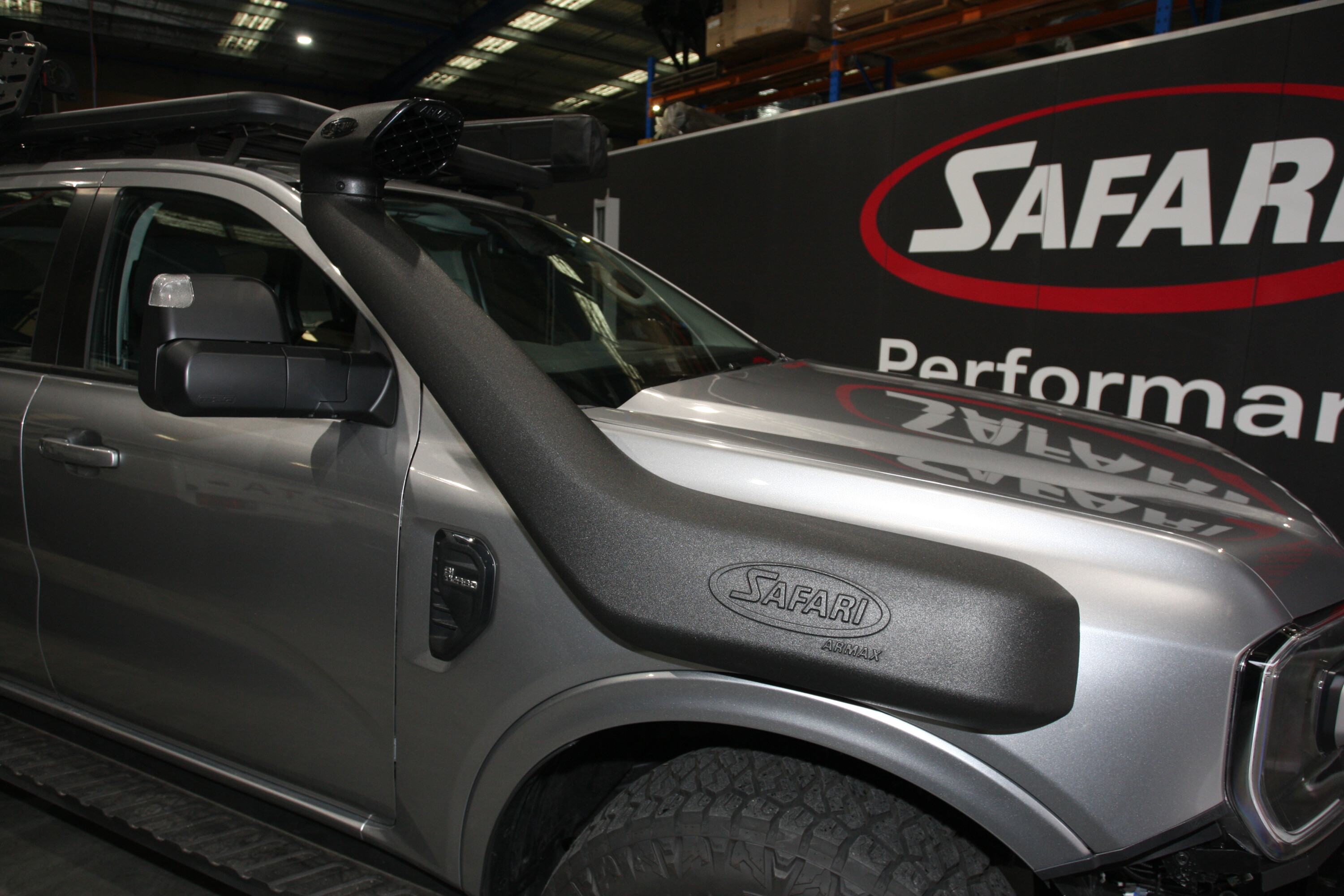
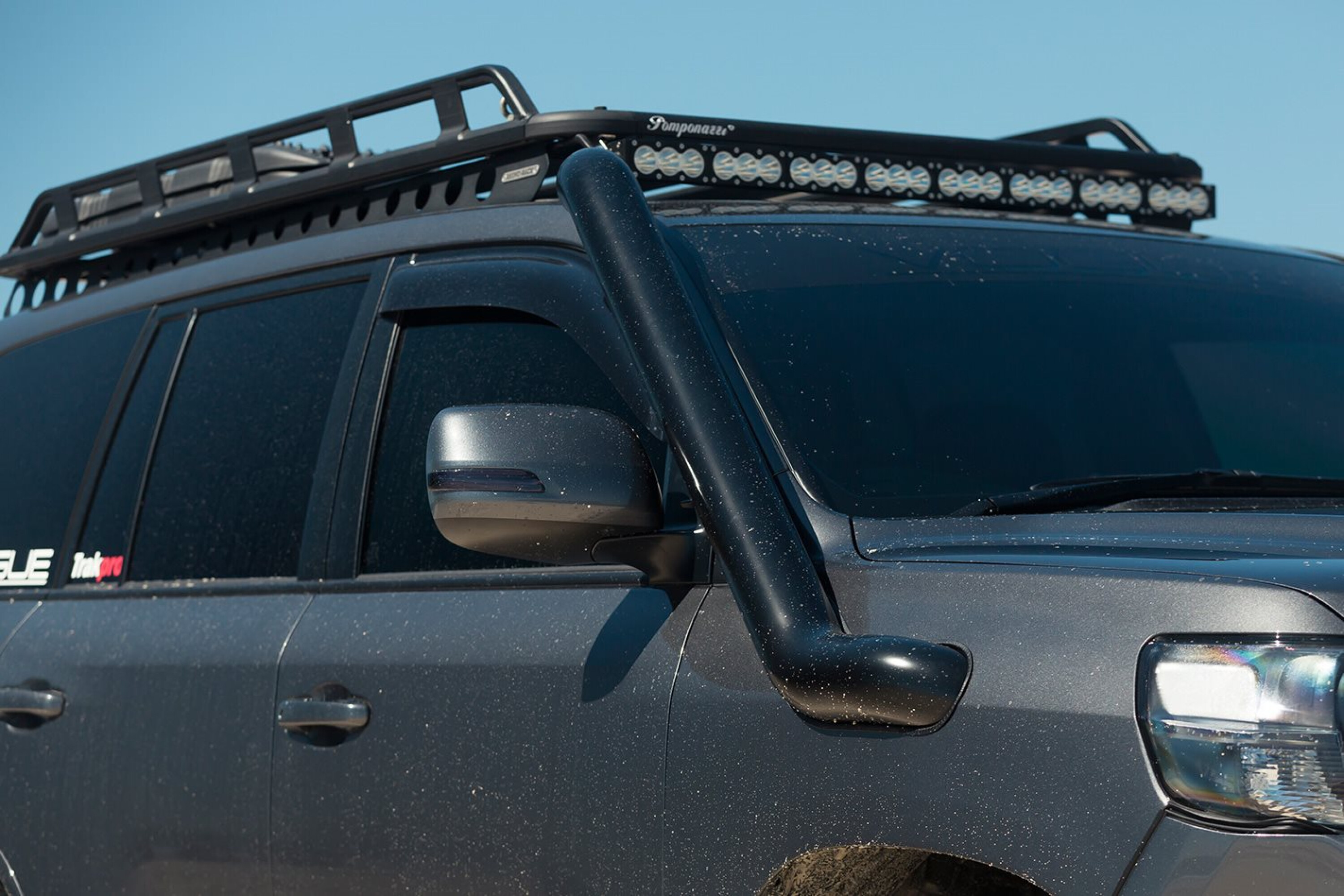
Every serious off-road vehicle needs a snorkel. This essential tool not only helps vehicles navigate deep water crossings but also elevates air intake, allowing cleaner, dust-free air to reach the engine.
In a typical vehicle, the air intake is often located in the inner wheel arch or under the hood. These positions can expose the intake to dust, heat, and water, which can hinder engine performance. By installing a snorkel, the air intake is raised to a higher, cooler position, reducing the chances of dust contamination. Cooler, cleaner air is vital for optimal engine performance, making it easier to tackle challenging terrains like Big Red.
A well-sealed snorkel system protects your engine from water and dust ingress while ensuring a constant supply of cleaner air. Additionally, a well-designed snorkel enhances the vehicle’s appearance – so as an affordable upgrade, a snorkel improves both aesthetics and functionality, making it especially valuable for those planning off-road adventures.
1
Essentially, sealed snorkels prevent water and dust from entering the engine, while unsealed options prioritise air intake but lack water and dust protection. As a result, serious off-roaders typically choose a sealed snorkel over an unsealed one, as the latter struggles in dusty or wet conditions.
The market is generally covered by stainless steel and plastic (poly) options, with plastic ultimately being the most popular for its wider range and cheaper price point. Plastic units typically sit more flush against a vehicle and are quieter; stainless steel snorkels are tougher, and will withstand damage more than plastic models. In the end it’s personal preference when it comes to construction.
Quality aftermarket snorkels are designed for specific vehicles, while cheaper alternatives may not fit properly. Investing in a high-quality snorkel from a reputable supplier can be one of the best decisions for your off-roading endeavours, ensuring your engine remains protected during your travels. Remember that extensive testing and development goes into a quality snorkel, so purchasing from a trusted brand ensures reliability and minimal impact on your vehicle’s performance.
Manufacturers usually provide detailed installation instructions for DIY enthusiasts. Those with tool-handling experience can fit snorkels in a few hours. However, cutting into your vehicle’s body can be daunting, so it’s wise to consider professional installation if you’re not comfortable with metalwork. It’s also crucial to follow the manufacturer’s guidelines to maintain your vehicle warranty regarding water wading and general use. During installation, make sure to treat all holes for rust protection and ensure that all parts are properly sealed.
A more detailed guide to 4×4 snorkels ?
It’ll take you 24 hours to drive from Perth to Broome, so there’s no doubt WA is gigantic! But there are some ripping 4WD tracks not too far from the state’s capital.
Day-trippers can bask in the beauty of Walyunga National Park, only 50km northeast of Perth, or weekenders can venture a tad further to a bunch of the state’s other great National Parks. All of these parks are worth the journey and will certainly warrant a return visit. Have you got a favourite track we missed? Add it to the comments below.
Barely an hour from Perth, this 1800-hectare national park is a popular day-trip destination for Perth residents, but it really deserves at least two days if you’re a keen bushwalker, paddler or angler.
Off-roading is at a minimum, but the park’s main feature is the Swan River which runs through the park and offers great swimming, fantastic paddling (kayak or canoe), and the chance to explore the river’s edge on foot.
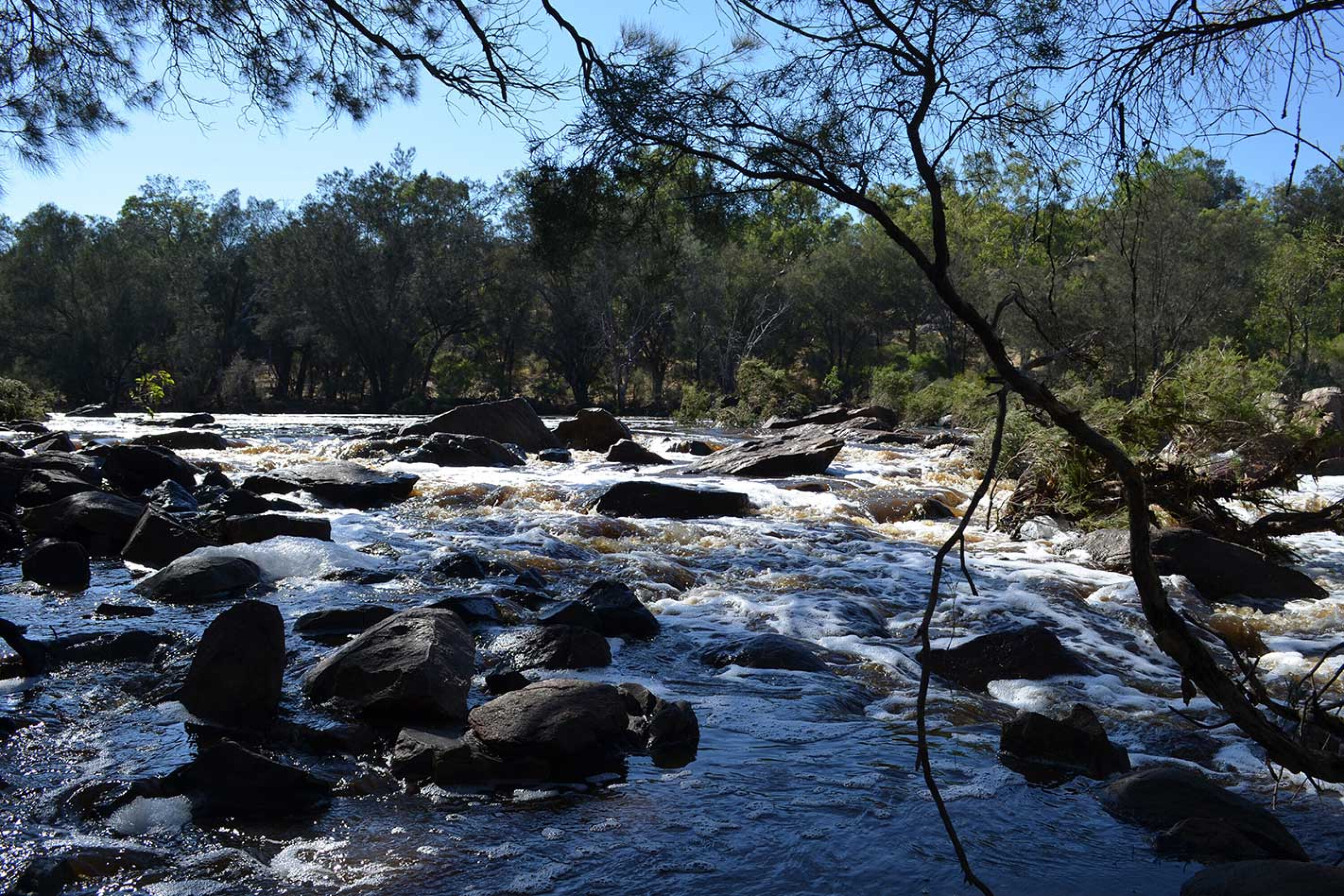
In the winter months the water level is higher, resulting in some cracking sections of rapids to negotiate (the famous Avon Descent – a white-water paddling event – is held each August). In summer, when the river is generally lower, the park’s three deep pools – Syd’s Rapids, Walyunga and Boongarup – are popular swimming holes.
You can float around them on a Lilo, or take a leisurely canoe trip downriver. For anglers, the river offers the chance to throw a line in for trout, which isn’t a bad way to bag a feed for the night’s camp.
The national park is characterised by spectral flooded gum trees running along the side of the river. As you move up the valley slopes the vegetation changes to more open wandoo (white gum) woodlands, before you encounter impressive examples of jarrah trees up on the ridgelines. For lovers of wildflowers, springtime sees the landscape transform into a kaleidoscope of colour as the numerous varieties of wildflower bloom.
According to WA National Parks, Walyunga NP contains one of the largest aboriginal campsites and one that was still used by the local Nyoongar people late last century – there are claims it has been used as a meeting place for more than 6000 years. This site is located at the western end of Walyunga Pool, which is located at the end of the road of the same name.
For bushwalkers young and old, the park’s tracks are ideal. For families, the flat 5.2km Syd’s Rapids Trail (leaving from Boongarup Pool) leads to some of the sections of rapids used in the Avon Descent, which can be seriously challenging in high-water conditions. The Echidna Trail – an 11km loop that will take three to four hours, and starting from Walyunga lower pool – is more of a challenge for experienced bushwalkers.
The rewards of this walk are the chance to stroll through fields of wildflowers (when in season), as well as along the Swan River’s banks, before you ascend through heathlands on the way to the steep summit of Woodsome Hill (the views over the Avon Valley are brilliant). Keep an eye out for the park’s rich birdlife (black-faced cuckoos, parrots and galahs) while you take a breather before the descent.
Other walks include the Kingfisher and Kangaroo trails, with the Kangaroo Trail (4km; easy grade) involving some rock-hopping across creeks, while the Kingfisher – at 8.5km and a medium grade, longer alternative to the Kangaroo – travels through wandoo woodlands.
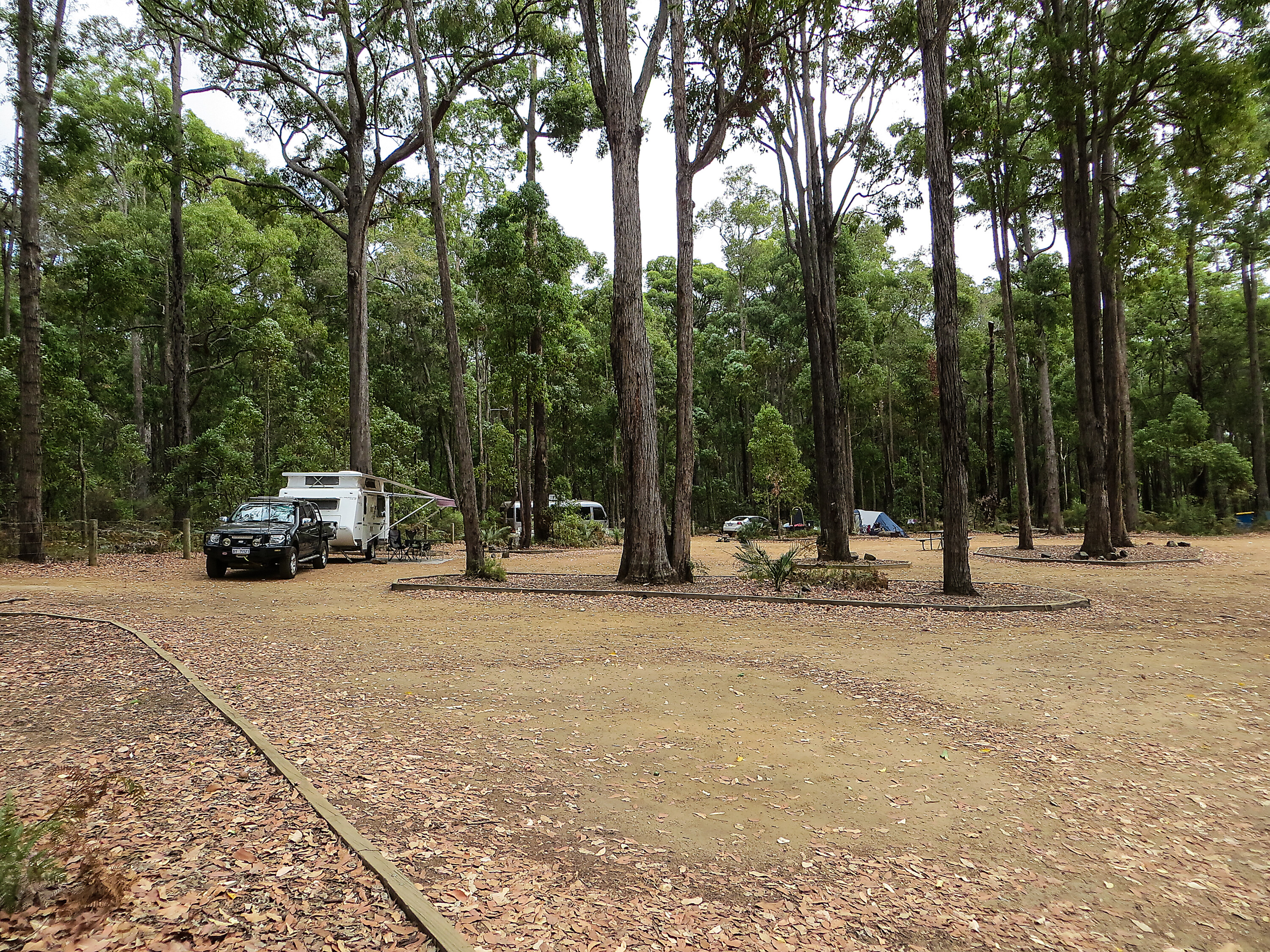
The campground here is a first-come, first-served arrangement and is around two kilometres from the Swan River and is a small site that has fire-rings and basic bush camping facilities – in other words, the perfect spot to escape the popular visitor sites within the park.
Walyunga NP may be a small ‘blip’ on the radar of off-road tourers, but it offers all we love in regards to tranquil bush camping settings, oodles of bushwalking and some fantastic swimming and paddling opportunities. Plus, it’s all within an hour of the bright lights of Perth!
It’s a weekender goldmine south of Perth, and Wellington National Park, around 2.5 hours’ drive away, is yet another example.
The 17,000-hectare park contains the ubiquitous jarrah, marri and blackbutt timber, as well as the spectacular Collie River valley gorge, Wellington Dam, and – in season – up to 300 species of wildflower. The park is packed with adventure and leisure opportunities including camping, swimming, paddling (raft/canoe/kayak), fishing, swimming, cycling and bushwalking.
Wellington NP has two campgrounds: Honeymoon Pool, which lives up to its name in terms of being pristine; and Potters Gorge, which has just been upgraded.
Honeymoon Pool campground is set right beside the pretty Collie River and has 20 tent-only sites, along with wood barbecues (there are gas-operated jobbies in the day-use area next to the campground), as well as picnic tables and toilets. It’s a great camp location for the beautiful river views and surrounds, and also for a swim in warmer months.
Potters Gorge has copped a redevelopment, the result of the WA government’s Parks for People caravan and camping initiative which has seen $21 million invested in getting people outdoors and camping in national parks (NSW, take bloody note).
The result is impressive, with 55 sites within the campground that cater for small, medium and larger camper-trailer/vans and caravans, or you can just set up your tent on the tent pads at each site.
The campground includes a mountain-bike pump track, walk paths designed for “mobility-impaired visitors” and direct access to the Sika Trail, a dual-use (MTB and walking) track that links to other tracks in the park as well as to the park’s kiosk (drinks, food and MTB hire is available here), located at the nearby Wellington Dam. Unsurprisingly, with all these facilities and an encouraging attitude to outdoor activities in the park, the campground is very popular.
The activities are many, with mountain biking popular thanks to the pump-track, the fire trails to explore and the 40km Mt Lennard Mountain Bike Trail Circuit. Smartly, the circuit offers six trail loops for all levels of riders, starting at a 4km loop and going through to the longest, at 11.5km, so definitely load up the MTBs for this weekend destination.
A more MTB touring-oriented trail is the section of the long-distance Munda Biddi Cycle trail (this links Perth to Albany), which makes for a great few hours riding if you have younger kids.
The Collie River (and to a lesser extent, Wellington Dam itself) offers tons of water-based activities, with canoes and kayaks the best way to explore this waterway and/or the dam.
The nearby Preston River is also worth a paddle, but be aware of that river’s rapids (or just portage around them). You can also fish in the river and dam, with trout (rainbow and brown) and cobbler two prevalent species. There’s also the chance to catch marron (freshwater crayfish), but only in season (January-February).
For those who like to get vertical, there’s some climbing and abseiling at The Quarry. When Wellington Dam was built during the 1930s, The Quarry was the source for the rock that would make up the dam’s wall. Now, it’s a cracking climbing destination (you will need to book beforehand) and is located just below the Dam’s cafe.
Off-roading in the park is relatively straightforward on the main tracks and roads, but there is a sweet loop that takes in the 4×4-only Lennard Track, Sailors Gully and the Jump-ups, with Lennard Track in particular a great drive as it follows alongside the Collie River.
Bushwalking is popular in the park; tackle Jabitj Trail if you’re up for a challenge. This 12km-return jaunt takes you from the Dam kiosk to Honeymoon Pool and then back. It’s a relatively straightforward jaunt, but make sure you take water and swimmers (for a cooling swim in the Collie River).
Kurliiny Tjenangitj Trail is, at 9.5km, a shorter loop and leads to a lookout that offers great views across the valley. The Sika dual-use trail is another 9.5km loop that winds through stands of jarrah on its way north from the kiosk to Potters Gorge. Again, don’t forget the swimmers.
In terms of weekend escape bang for your bucks, Wellington NP is hard to beat, especially at it’s only 2.5 hours’ drive from the city. Being able to go for that last morning swim and still have plenty of time to pack before returning to town is the icing on the cake.