
WE RECENTLY delved deep into the world of satellite messengers, the trusty little devices that’ll keep you in contact with loved ones and emergency services when you’re beyond the range of phone reception. A similar device, albeit one that packs even more features into its compact size − and with a few more dollars tacked on too − is the satellite phone.
“With large areas of Australia’s land mass not covered by traditional mobile networks, including many popular travel destinations, satellite phones are a cost-effective communication option for coverage right across Australia,” said Kieran Blakemore from Pivotel, an Australian owned and operated company that specialises in remote communications.
The most obvious benefit of a satellite phone when compared to a satellite messenger is that, in addition to sending and receiving SMS messages, users can now (quite clearly) make and receive calls.
Much like messengers, most sat phones also have an inbuilt, monitored SOS facility for emergencies, because, as Reiny Gajewski − the VP of global sales for Beam Communications (a leading Australian developer of satellite communication solutions), as well as the general manager of the online business, the SatPhone Shop − reminds us: “Many roads and tracks across Australia are frequently visited and, should you break down, it could be days or even weeks before someone passes. Also, Australia has some of the world’s most dangerous animals, so emergencies can happen quickly.”
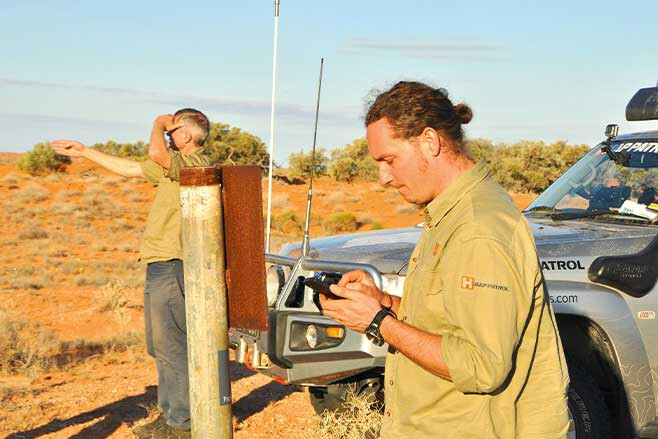
In addition to communicating with family and friends, as well as staying in touch with emergency services, a sat phone is also a great tool to stay up to date on weather reports, as well as to stay on top of emails … not that we’d be checking emails out beyond the black stump.
They’re easy to use and set up, too, with a common misconception by the public of being hard to operate. In fact, satellite phones have come a long way in recent years and they are now as easy to use as a mobile phone.
“When you’re in a remote area a satellite phone really does provide you with peace of mind knowing if you need it, you have it,” Blakemore said. “Satellite phones allow you to keep in touch with family while you’re off the beaten track, let your family and friends know that you’re okay, keep them up-to-date with your latest plans and adventures, or, if the worst should happen, allow you to contact emergency responders, all from one device.”
COVERAGE
LOOK at a mobile phone coverage map and you’ll notice that most of Australia miss out on network coverage from the big telcos. In fact, as Reiny Gajewski explained, mobile carriers talk about coverage with regard to population, not land mass. So with most of Australia’s population in the big cities and regional centres, nearly 80 per cent of Australia has no mobile coverage at all.
Considering the important tidbit of info that mobile networks only cover around 20 per cent of the landmass of Australia, it’s important to opt for a satellite phone if you end up venturing to the ‘other 80 per cent’.
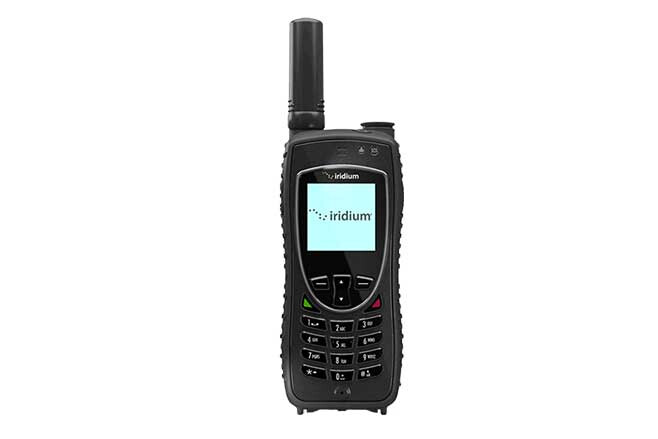
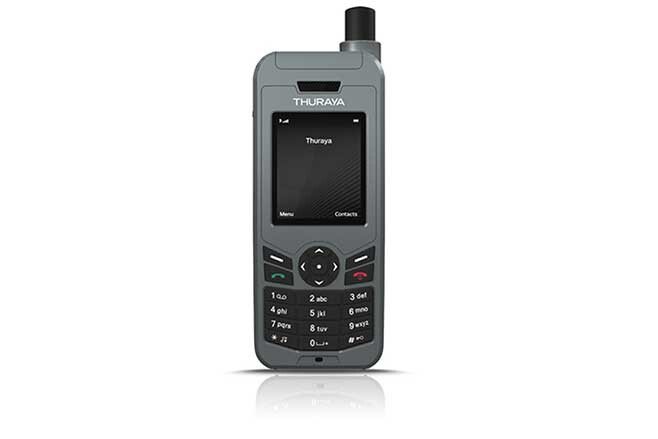
When looking at satellite coverage, there are multiple networks in Australia including Iridium, Inmarsat and Thuraya, with the Iridium and Inmarsat networks providing 100 per cent coverage in Australia.
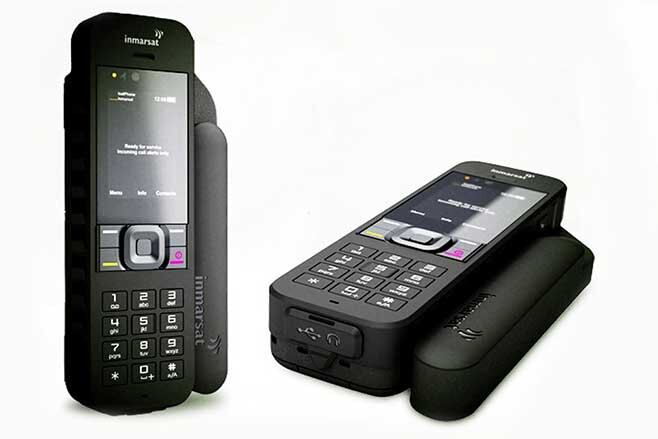
“The Iridium system uses 66 Low Earth Orbit (LEO) satellites 800km above that are constantly moving as the earth turns,” Gajewski said. “So, the satellite footprints overlap one another, to ensure that you have a connection always.”
Blakemore added: “LEO satellite networks are made up of a constellation of small satellites that orbit the Earth in a series of planes. In each plane a number of satellites follow each other as they orbit the Earth, and the planes run parallel to each other to provide the radio coverage that is used for the services.
“The orbiting pattern of LEO satellite networks means that the individual satellites in the constellation are constantly moving relative to the Earth’s surface. From most locations it is possible to see one or more LEO satellites at any time.”
As satellite communication requires a direct line of sight between the satellite and the sat phone, having satellite footprints overlapping each other will ensure a constant connection, despite physical barriers like mountains that block the signal.
As Blakemore explained though: “As LEO satellites are always moving, the satellites may move out from behind the physical barrier after a few seconds or minutes providing a clear radio path between the user terminal and the satellite.”
Due to this, the Iridium network is the only network that provides complete global coverage, which means it’s also quite a bit dearer.
The Immarsat and Thuraya networks both operate Geostationary (GEO) satellite networks – a smaller number of satellites than the Iridium network, with each satellite providing coverage to a fixed area.
GEO satellites are larger but are located some 36,000km above earth, so there is greater voice delay than LEO satellites. “When using GEO satellite phones they must be pointed in the correct direction relative to where the satellite it positioned, it is preferable to have a high elevation angle,” Blakemore said.
What about UHF radios, we hear you ask? “A UHF radio only goes a max of around 18km, so if there is no one else in that range, then you are on your own,” Gajewski said.
That leaves satellite as the only reliable communication platform across Australia, for when the tracks get seriously remote.
KEY FEATURES TO LOOK FOR
INDIVIDUAL budgets will dictate the extent of the features embedded within the satellite phone, but non-negotiables should include a long battery life; inbuilt SOS functionality; and a rugged, durable and water-resistant construction.
BEFORE you sign on the dotted line for a new satellite phone, it’s important to establish where you intend to travel to and ensure said device is on the correct satellite network for your chosen course. It’ll be as useful as a brick if it can’t find a network. Also decide whether you intend to make phone calls to the outside world when on a trip. If not, perhaps a satellite messenger is a cheaper alternative.
GETTING a sat phone with an Australian number (if feasible) instead of an international satellite number is highly recommended, too. “Australian ‘04’ numbers, and all of the benefits associated with this feature, can be more important than the hardware itself,” said Kieran Blakemore. “This can ensure your monthly costs are kept low.”
OTHER features to look for include internet connectivity for specific applications, smartphone connectivity, whether the product supports a range of accessories (docking units, external antennae, etc.) and good deals on plans come purchase time.
SMARTPHONES
THERE are particular satellite phones available − the Thuraya SatSleeve and Iridium GO!, for example − that basically turn a user’s smartphone into a satellite device. Commonly known as ‘smartphone extenders’, the satellite device connects to a smartphone via WiFi, allowing the phone to act as a satellite device via an installed phone application.
“These devices have additional features like email and have other useful features like accessing certain low bandwidth apps, as well as your existing contact list from your mobile phone, making it easier to call without having to re-enter phone numbers into another device,” said Kieran Blakemore.
WHAT TO AVOID
SAT phones have aged poorly, so it’s important to avoid purchasing an old, outdated phone, as it probably won’t do what it’s meant to do when you need it most.
This also applies to buying a second-hand phone from the World Wide Web that’s out of warranty, as you’ll be cursing the gods when you’re axle-deep and there’s no help within cooee. Plus, it’s considerably harder to find replacement parts − e.g. batteries − for older phones.
With more than 20 years of experience in the satellite industry, Reiny Gajewski, as mentioned, also told us to avoid buying international satellite numbers (if you can), as the phone bill becomes very expensive for people who call you.
“Telstra offer a local ‘01471’ prefixed number which means all incoming calls and SMS are free to receive and the caller pays substantially lower rates to call you compared to a full international satellite number. The Telstra number also gives you access to call 13, 1300 and 1800 numbers from your satellite phone.”
Kieran Blakemore reiterated that point: “The benefits or purchasing a device with an Australian ‘04’ mobile number cannot be dismissed,” he said. “The ‘04’ mobile number means incoming calls and SMS are charged at standard Australian mobile rates, which means the calls are usually free to the caller as most mobile phone and landline bundles provide unlimited standard mobile phones calls. They’re also a lot easier to dial.”
With plans − called Airtime Plans − and prepaid options available, Gajewski advises to avoid buying the wrong plan: “Try to work out over a 12-month or 24-month period how many times and for how long in each instance will you need the phone.”
HOW MUCH COIN ARE YOU LOOKING AT?
TO GET on to the Iridium network you’re looking at about $45 to $60 per month, with hardware (Iridium GO!) priced at $1145 to $1299. Telstra offers a Mobile Repayment Option, so be sure to research before you buy.Opting for the Immarsat network starts at $37 per month, with the Immarsat IsatPhone 2 priced at $1249. While the Thuraya network starts at $15 per month, with hardware (Thuraya XT-LITE standalone smartphone and the Thuraya SatSleeve) priced at $899.
DUAL-MODE SATELLITE SMARTPHONE
THERE is also a dual-mode satellite smartphone available on the market, which can hold a cell SIM card and a satellite SIM, and it’ll automatically switch to the network that has coverage. “This means you only need one device instead of both a mobile phone and a seperate satellite phone,” Blakemore said.
THEY don’t build them like they used to. It’s a phrase heard in 4×4 land far too often. The axles aren’t as good as they used to be. You can’t work on them yourselves. They’re not as good off road.
The complaints are endless, but they’re just not true. Like most things in life, when it comes to building vehicles you get out what you put in.
Older 4x4s are easier to build, sure, but they offer less in return. The simpler engine means higher fuel consumption and less power, the agricultural suspension means poorer ride quality, and the low-tech interiors mean a low-tech driving experience, but hey, it was easy.
Upgrade your Ranger
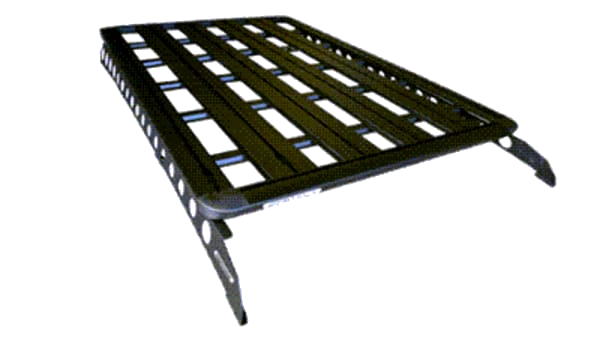
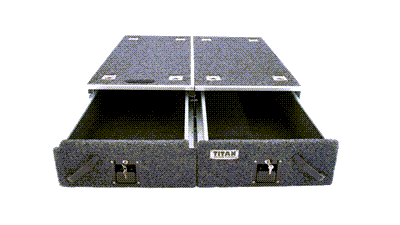
Modern 4x4s by comparison are far more complex, but reward you for your troubles, sometimes you’ve just got to roll up your sleeves to reap the rewards.
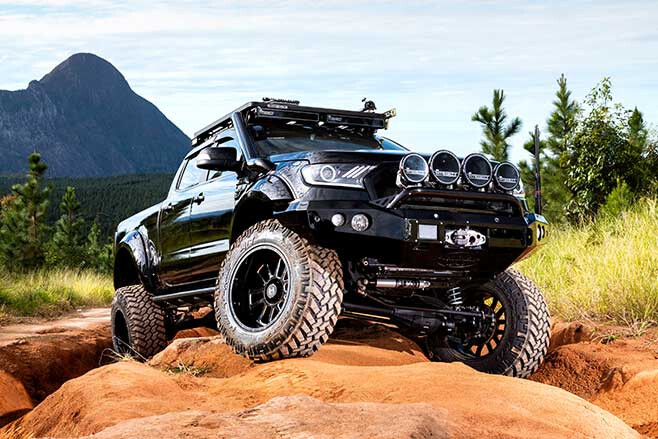
The goliath of a Ranger you’re looking at now is a shining beacon of that mentality, offering every creature comfort of a modern rig, with all the capabilities of an older setup.
Owners Claire and Sean knew exactly what they were after when the Rangers plans were first sketched out. It had to be unique, it had to be capable, it had to be the Ranger that all others look up at, and it had to do it all without compromise.
CHASSIS CHANGES
IT’S important in any build to start from a solid foundation, and while the Ranger T6 platform is unarguably one of the biggest conventional utes in Australia, it wasn’t quite big enough.
The call was made to Chris at Drag Tec Customs, south of Brisbane, Qld, to give the Ranger a size a little more fitting for the build. Some 300mm of chassis was added between the wheels of the Ranger, kicking the rear axle even farther back and allowing the fitment of a space-cab tray where a dual-cab tray once lived.
From here, the rails were cut clean of all their suspension mounts, the stock setup so far removed from the end goal that starting from a clean slate was the best option.
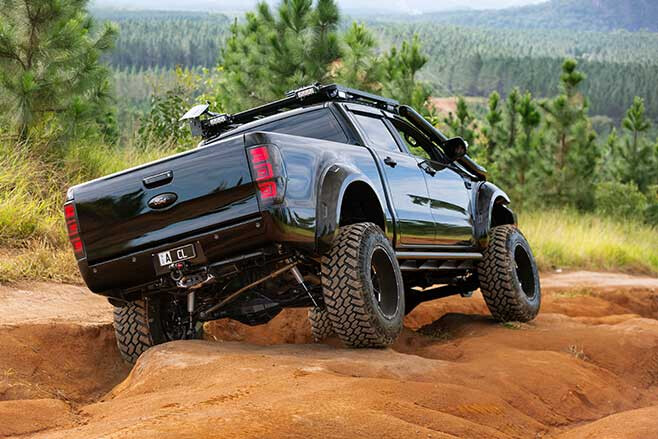
Up front where an independent suspension system once lived you’ll now find a hand-built front axle based off Nissan Patrol components. Hanging off custom mounts front and rear, a typical radius-arm style suspension maintains reasonable handling, while still allowing the live axle to walk its way through challenging articulating tracks.
Stuffed inside the sheet metal diff is a factory Nissan diff centre with 4.33:1 ratio gears mated up to an ARB air locker. The whole affair kept under control by a combo of Fox 2.5 shocks and steering dampener.
Moving rearwards with the plasma cutter and welder ready and raring to go, Chris binned the archaic leaf-spring arrangement and opted for a second coil setup. Another hand-fabricated diff is shoehorned full of Patrol componentry with a second air locker inside.
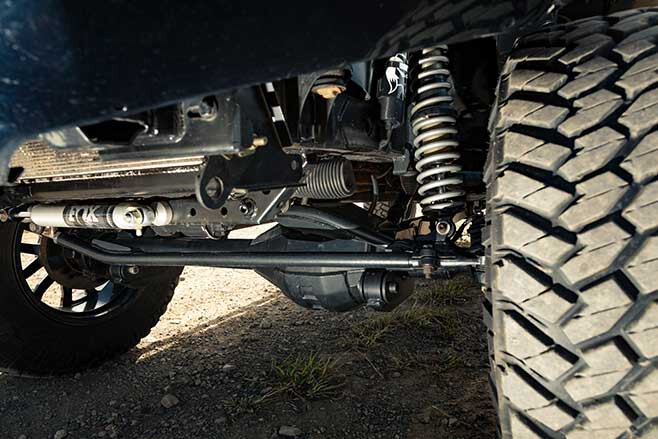
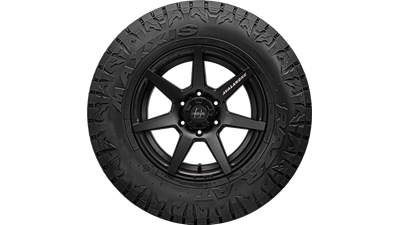
The rear axle is located with an easy flexing 5-link arrangement typical to what you’d find in an older coil-sprung LandCruiser or Patrol. A glint of silver underneath hints at a matching pair of Fox 2.5 shocks in the rear. The whole combination not only juggles old-school articulation with new-school ride and handling, but also gives huge amounts of room for the 37in Nitto Trail Grapplers on each corner to work off-road, they’re wrapped around suitably giant 20×12.5 Hostile Gauntlet wheels.
LIGHTEN UP
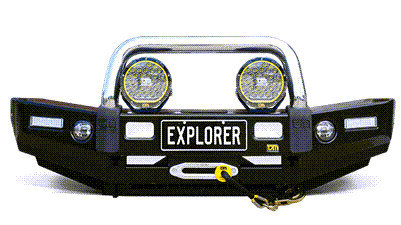
WHEN your radiator is higher than even the biggest ’roos can jump, the bar options start getting a lot more friendly. Claire and Sean have opted for the oh-so-sleek ‘Rocker’ bar from MCC4X4 in a neat colour-matched finish. Straddled atop the radiator hoop bar is not one, but four suns worth of LED lighting with a huge combination of heavy-hitting ARB Intensity lights. Twin AR32 Intensity’s take pride of place in the centre, with a set of AR21s taking up the flanks. Nestled in the bar beneath is a 12,000lb Warn Platinum Zeon winch.
Moving along the Ranger’s flanks the lighting is pushed to the limit. Running the length of the Ranger’s larger-than-life frame is a full suite of under-body lighting courtesy of Stedi, there’s a further six Stedi camp lights mounted up on the Rhino-Rack by Brisbane’s A Grade Auto, with two more forward-facing driving lights in the shape of ARB’s AR40 Intensity spot/flood light bars.
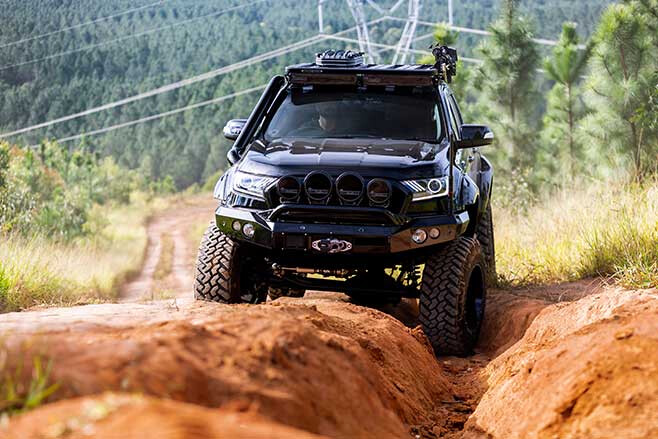
Right at the back where you’d typically find a matching rear bar, Dragtec brought a little minitruck to the party with a custom roll pan tidying up the rear end, a second Warn Zeon winch hidden underneath, hinted at only by the Factor 55 winch hooking poking out beneath the tray.
Following the plus-sized 5in diameter Meredith Metal Works snorkel down through the Ranger’s guard leads to a whole bunch more party than originally intended by Ford. The snorkel sends air towards the motor through a Meredith Metal Works airbox before an upgraded high-flow turbo winds up the boost and really gets things moving. A Plazmaman intercooler dials the temperatures back to safe levels, with higher flow rate injectors and a custom tune making the whole lot sing.
A 3in DPF back stainless-steel exhaust helps get rid of the spent gases and keep EGTs down without running afoul of the law. The factory six-speed auto still has a home in the Ranger but is now fed by an upgraded torque converter with a Drivetech 4×4 external transmission cooler keeping it happy.
WIRED FOR SOUND
MOVING inside the Ranger and it’s clear pushing the limit is a way of life for Claire and Sean. A full onboard-air arrangement has been installed with a twin-piston air-compressor pumping in to a permanently mounted air-tank for running power tools or inflating tyres. A second battery also found its way underneath the tray, helping run a 1000W Redarc inverter.
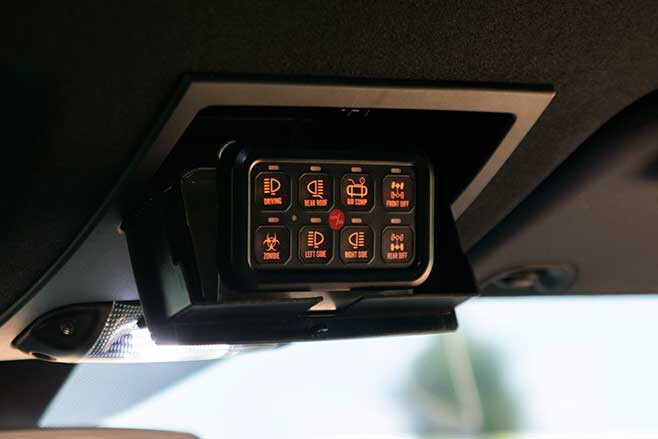
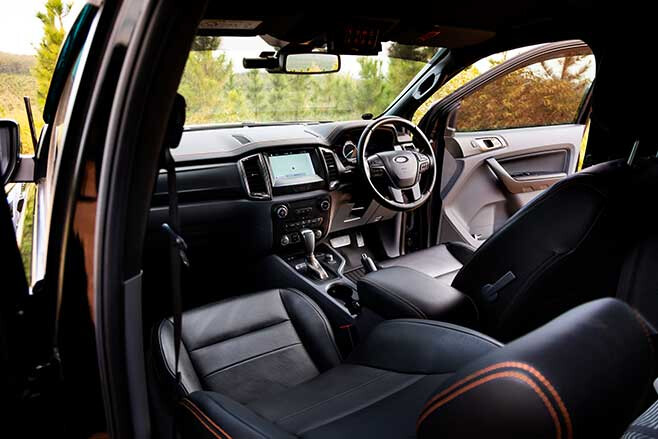
The factory stereo has had a significant overhaul too with a 1500W Alpine amplifier running a 6in split in each door as well as a 10in sub under the rear seat, while the tub has been filled to the brim with high-tech low-weight drawers from Decked giving bulk storage space without sacrificing load carrying ability.
They don’t build 4x4s like they used to, and that’s a damn good thing, Claire and Sean’s Ranger is the perfect mix of new and old and just proves that you get out what you put in, and they both put in a hell of a lot into this one of a kind build.
PLUS SIZE
There’s plenty of things to be proud of Australia over America for, but when it comes to vehicle choice our Seppo mates have got us beat red, white and blue. Walk in to just about any pickup truck dealership and you’ve got your choice of what size tub you want with what size cab. Here? You get what you’re given.
So why exactly would someone fork over money to add a longer tub to a typical ute? There are a few reasons why, and all of them perfect for serious tourers. The first is the additional tray space freed up is entirely in front of the rear wheels making it perfect for weight distribution, and less likely to bend a frame, especially with the additional strengthening when the stretch is done.
Secondly, just like a long wheelbase Jeep rides better than a short wheelbase Jeep, adding 300mm into your wheelbase gives a more compliant and less ‘twitchy’ ride, perfect for eating up thousands of kays of corrugations. While a long wheelbase option might not be available at the dealership, it’s something every new-ute owner should absolutely consider adding themselves.
More 4×4 gear guides
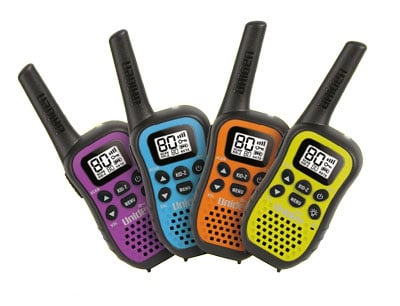
ANY TIME we’re out and about in the 4x4s or just in the bush, we like to keep in touch with the other vehicles and people in our group. As a lot of the cars we drive are new vehicles owned by the manufacturers they don’t have UHF radios fitted to them so we rely on handheld radios for convoy comms.
And when we have some one joining us on a trip or road test, we insist they bring a handheld and that it should be a 5-watt unit as the lower powered, cheaper units just don’t cut it for reliable communications. For us this is a safety issue as we’re photographing or filming cars often on narrow dirt roads and we need to communicate with other drivers or the photographers that might be over a rise or around the next bend.
I’ve used plenty of handheld UHFs over the years, but I’ve got to say that the latest unit I’ve got, GME’s 6160XO, is the best yet.
The 6160XO is the Blaze Orange version of GME’s popular 6160X which is usually black in colour. You can also get the black ones in a twin pack or as a pair of bright yellow ones in the 6160YTP. The bright colours are handy for finding them if you drop one in the car, in the bush or wherever. They are compact and could easily be lost in the scrub. There’s even a bright pink 6160 available.
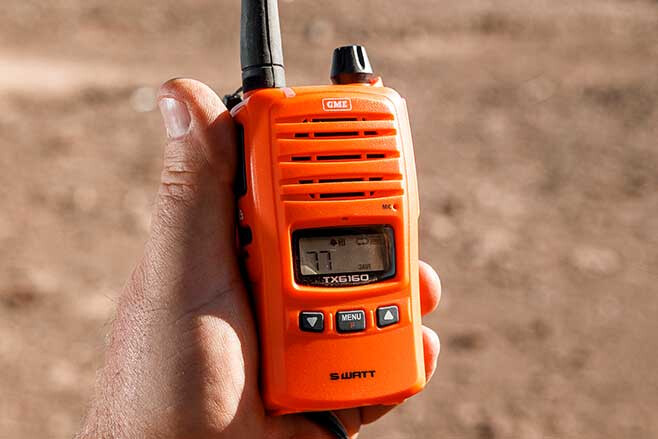
The 6160 feels good in your hand. It’s solid and has a bit of weight to its die-cast body giving it a feel of quality and durability. The unit has an IP67 rating against dust and water ingress and should survive a quick dip in a creek should you drop it (up to one-metre depth) or in heavy rain.
The housing is simple to use with a on/off/volume dial and scan button on the top; push to talk and squelch buttons on the left side; menu and function up/down buttons on the front under the illuminated LED screen. There’s even a little LED torch built in to the top for use at night that has a strobing mode for attracting attention.
Five-watt radios use more power than lower wattage units but the 6160’s 2600amp/h Li-Ion battery gives up to 30 hours of life. I’ve found I’m getting three to four days of use when using the 6160 in road test convoys where we’re on the road and using the radios most of the day.
The 80-channel 6160 comes with a desk charger and belt clip and accessories like a 1-volt charger, case and multi-chargers are all available from GME. The housing has an attachment point for a lanyard which I use to keep the radio close by all the time. The 6160 comes with a 2-year factory warranty and being an Australian company you get great aftersales service if needed.
GME’s 6160XO has proven to be a powerful and reliable handheld UHF for use in convoys or in camp and has become my personal go-to radio when ever I need one.
ESSENTIAL INFO: GME6160XO
AVAILABLE FROM: www.gme.net.au RRP: $249.95 WE SAY: Compact and reliable UHF for everyday use.
AS lithium batteries have grown in popularity, they have inadvertently created a significant issue that could rob consumers and businesses of thousands of dollars.
Fuelled by a lack of regulation by Australian Standards, a technology that is widely misunderstood and globalised has allowed battery cowboys to import cheap, inferior products that are faulty and potentially dangerous.
These products understate the usable capacity and are sourced from manufacturers with questionable procedures and parts in their construction, in some cases even using second-hand or low-grade cells.
Zac Page, technical advisor at Sealed Performance Batteries, said: “We started hearing whispers of cheap lithium batteries working its way into the Australian market some years ago, and we were always questioning the quality of them.
“We even managed to independently test some and were surprised at how inaccurate their claimed performance was.”
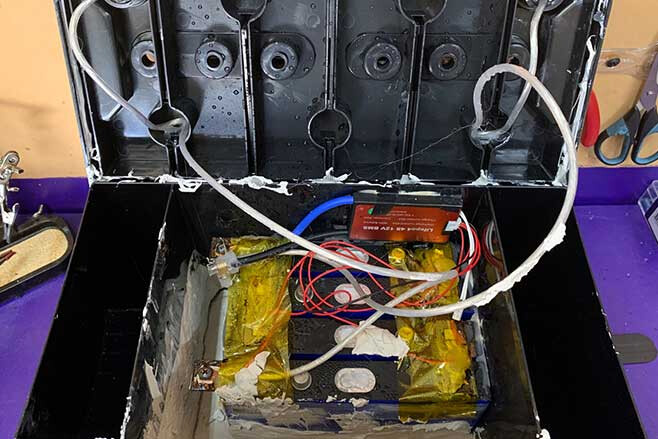
Understandably, consumers are hesitant to lift the lid on their battery as this would void the warranty of a product (we recommend you never dismantle a battery case). However, with a recent picture circulating on social media, it has exposed a shocking truth to what is in a cheap battery.
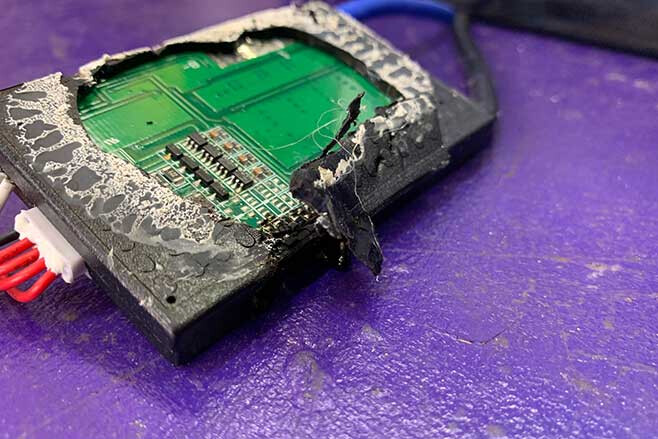
“After we saw those photos on social media, we had to analyse what was happening there, and we were shocked at the actual internal quality, even if you were to ignore the damage,” he said.
The examination noted: • A cheap BMS (battery management system) overheated and melted, potentially causing fire and damage to any electrical component connected to the battery, including the vehicle. • Moisture has penetrated the case, from either poor sealing or user abuse, which would allow rust to develop internally. This can lead to a higher internal resistance that restricts power and generates heat. • The cable used is likely to be inadequate for the current passing through it. Further restricting power and generating more heat. • The connectors, if not properly terminated, could cause shorting. • Overall poor construction of the case, which could lead to the cells coming loose from even small vibrations.
“It’s important to remember that Lithium Iron Phosphate (LFP) is different from other lithium chemistries and is actually a really safe and reliable technology, but when a (generic) product like this is released to market it has potential to damage its (technological) reputation,” Page added.
REFUNDS AND EXCHANGES
CONSUMERS are usually within their rights to request a refund or exchange in the case of a failed battery. However, consumers may be at risk if the battery was bought from an overseas supplier, as Australian Consumer Law can get complicated when dealing with international suppliers. If purchasing from a foreign supplier, check if it is covered by a third-party insurer.
Australian businesses should also be wary of international suppliers, as consumer law does apply to the retailer when supplying goods. If a company has an influx of genuine warranties, they would be obliged to provide a refund or replacement. If those warranties are not being honoured from the manufacturer to the retailer, this could put their business at significant financial risk.
There have also been reports of local businesses that ignore consumer claims or provide no help due to closure or just an unwillingness to cooperate. This forces the consumer to seek answers from more reputable suppliers and makes receiving a refund (if any) painful and drawn-out.
“I believe that the businesses providing these batteries should be as transparent as possible about what they are selling,” says Page.
“For our Invicta product, we supply detailed spec sheets, internal photos, webinars and videos. Anything that isn’t provided, customers can call us to get an answer.
“We even provide this service to our distributors and resellers that may not have the knowledge, so there is no excuse for an answer to not be provided in a timely manner.”
WHAT TO LOOK FOR
TO avoid disappointment, only buy from a reputable business or supplier and arm yourself with knowledge and a list of questions that verify the quality of the product.
Considerations include: • A 100amp/h LiFePO4 battery should weigh between 12 and 13kg. • The BMS should protect against short circuit, high voltage, low voltage, high current and high/low temperature. • Achieved an IEC Certification of some sort and ideally covers the whole battery or at very least the cells. This guarantees the safety, reliability and claimed capacity of the battery. • Always ask for photos of internals or spec sheets. • Be aware of your system’s needs and compare to the battery (if your system requires 10amp/h, then a 100amp/h would last 10hrs – give or take). If these do not match, speak to the supplier, there could be a fault in your system, a fault in the battery or the capacity was overstated.
SEALED PERFORMANCE BATTERIES
SPB has more than 25 years of experience in the energy storage industry and is a distributor of products including ACDelco, Bosch, Invicta Lithium, Garo EV Chargers, and Spectrum Energy Storage Solutions.
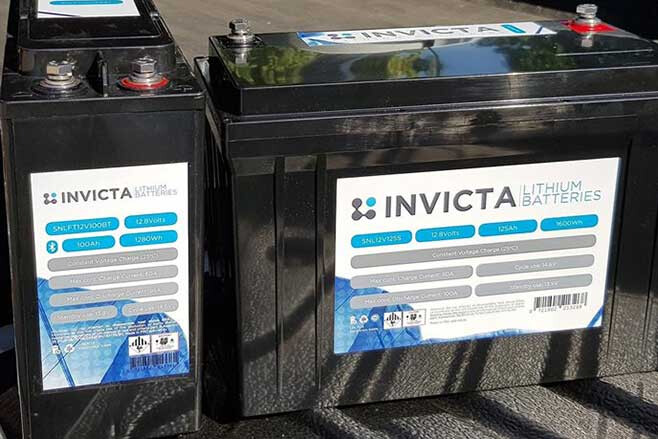
Located in a modern warehouse complex south of Brisbane and with warehouses in Melbourne and Sydney, SPB says it provides customers with the world’s best portable energy storage products throughout Australasia and Pacific regions, and only sources products from companies who manufacture to the ISO 9000 quality management system or above.
For more information, email [email protected] or visit www.spb.net.au
SAYING goodbye to the white sand and turquoise waters of the Friendly Beaches was difficult, but our schedule was tight as our wounded Cruiser limped towards a repair shop, while the rest of our convoy headed through Sorrell and across the wide expanse of the Pitt Water for a quick visit to the heart of Hobart.
We spent that time wandering Salamanca Place and the old wharves of the celebrated port that has seen some of the first ships to sail to Australia, as well as some of the latest and slickest watercraft on the planet in the annual Sydney to Hobart sailing classic.
With our quick capital city foray over, we headed out to the Lark Distillery (there’s a retail outlet in Hobart’s Salamanca area), situated just outside Cambridge. Lark had been established in 1992 when the state relaxed its distilling laws, after having banned such evil pursuits back in the 1850s!
We tasted a wee dram and wanted to try their rum as well, but sadly it’s no longer produced as whisky and the odd bottle of fine gin are taking up all the plant’s capability.
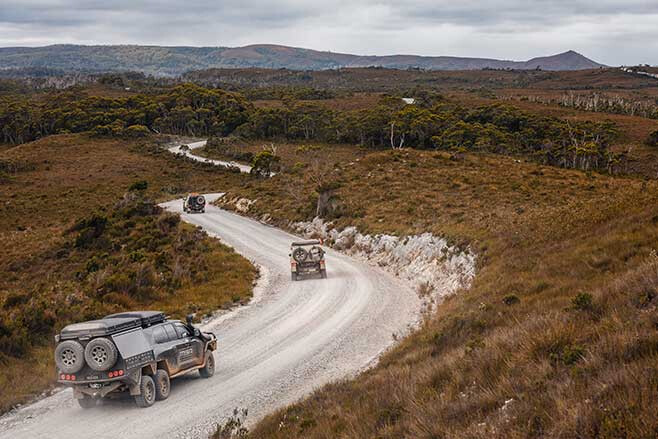
‘WILD’ RICHMOND
FROM there we headed to Richmond and the delights of this picturesque 1820s town situated on the Coal River, where amongst a plethora of fine old buildings, the bridge over the river is the pièce de résistance. We checked the old bridge out while grabbing a bite to eat and in that short time, two separate bingles occurred in the car park, albeit a small and busy carpark; we were lucky to escape the carnage!
Next day our wanderings continued and with a permit and key from the national parks people in Glenorchy we headed for the Montrose 4WD Trail that cuts up behind the Wellington Range which dominates the backdrop to Hobart and passes through Wellington Park.
The park is known for its 500 native plant species and 67 bird species while also being home to the long-nosed potoroo, the ubiquitous pademelon, the rarer bettong, and southern brown and eastern barred bandicoots. Other natural inhabitants include eastern quolls, echidnas and swamp rats, along with various species of bats.
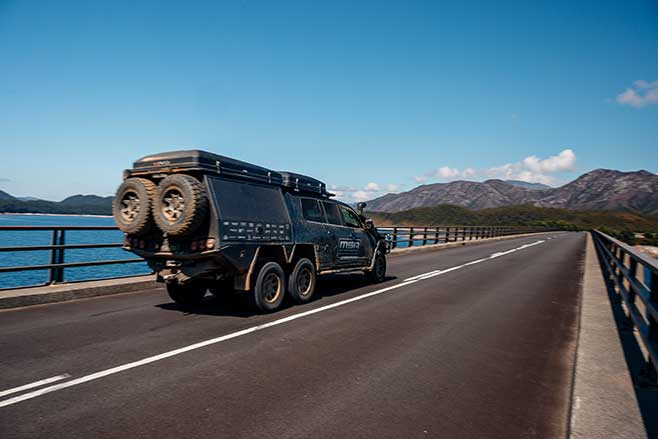
Still, in the often dense forest that surrounded us, we hardly saw a bird or any living creature although one of us near sat on a small, very black scorpion; they can sting, but they are rarely dangerous … or so we’re told.
Once beyond the gate the track is rough and rocky and had only been recently reopened after extensive dozer and grader work. Still, it’s not technically difficult but with many sharp-edged rocks disturbed by the dozer work, I did manage to slash a tyre on one of the bloody things along the way.
The Montrose Trail becomes the East-West Trail and skirts around the rocky prominent bluff of Collins Bonnet where you can get great views of the surrounding country. From there it descends to Jeffreys Track which leads south through some eroded corners and smallish bog holes to the small farming community of Crabtree where a group of Scottish Highland cattle inquisitively watched us from behind their fence as we sorted gear and reinflated tyres to highway pressures.
HUON RIVER CAMPING
THAT night was spent at what turned out to be everyone’s favourite campsite, at Rivers Edge Camping Ground, on the magical Huon River near Lonnavale. With platypus in the river, pademelons and quolls in the bush and a multitude of birds chirruping in and around every camp, it would be a delightful place to pull-up for a few days.
Sadly, all we had was overnight before we hit the road again to wander through the forests to the southernmost road accessible point in Australia. Or at least, that was the plan!
Back in January 2019 this region of forest was devastated by some big fires which among other things closed down the famous Tahune AirWalk. For us it made a frustrating morning as we headed down forest roads only to find them closed, clogged by fallen trees or blocked by ongoing forestry work.
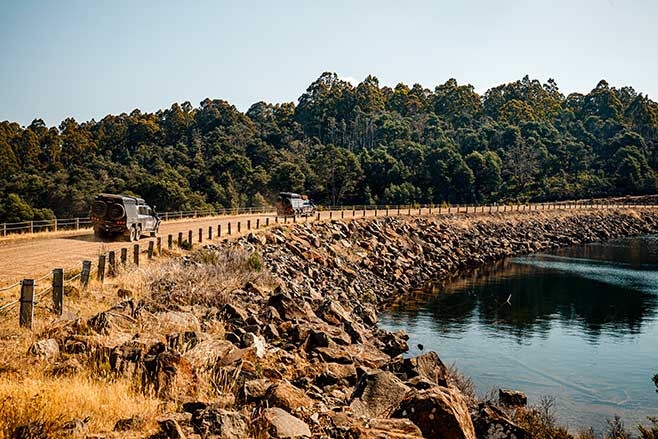
In the end we gave up on our forest jaunt, headed to Geeveston, had a coffee and drove south on the main road, which was open. At Dover our little party got sidetracked when the local garage owner was discovered to be a closet car nut and had a pretty good car collection – some outside, some hidden in a shed.
Not far south of Dover the road changes to dirt as it hugs the coast, skirting some magical white sandy beaches that are a delight to the eye before arriving at Cockle Creek. As you rattle across the bridge here you are at the southernmost point you can drive to in Australia. True, the road continues for another 500m, but it swings north as it does so and finishes just a short distance from the Whale Sculpture on the picturesque shores of Recherche Bay.
This beautiful bay was named after one of the ships of the 1792 French expedition led by Bruni d’Entrecasteaux. In all, this expedition spent 50 days camped here and among the scientific endeavours and studies they planted a garden, the site of which has also been rediscovered and the area is now listed on the National Estate.
As most of the camping areas along the coast near here were pretty crowded, we headed back up the road taking the 4WD track into Southport Lagoon where amongst the scrub and close to the shores of the lagoon is a small camping area.
The track into the lagoon was once a tough and boggy one, but it’s a bit of a doddle now, although you’d need an SUV at the very least to get into the camping area and boat launching spot. And there’s not much to do here unless you have a kayak or a boat, which would make the place a whole lot more attractive to staying longer.
CENTRAL HIGHLANDS
Next morning we rolled out of our swags, packed and headed off back the way we had come before finding our way through Hobart and turning west. The main road then follows the Derwent River Valley through the quaint and historic villages of New Norfolk and Hamilton, both established before most of Australia’s mainland cities and towns had even been thought of.
On reaching the small enclave of Ouse we turned onto the more minor C173, climbed through some low, rounded hills where the bitumen gave way to gravel as we climbed up onto the Central Highlands of the island state.
The Central Plateau, as it is otherwise known, is centred around the Great Lake, but includes dozens of other smaller bodies of water and takes in about 12 per cent of the land mass of Tassie. It’s worth more than a cursory look, which sadly was all we got on our quick jaunt around the state. The waters of these lakes have been harnessed for hydro-electricity generation and, in fact, were the site of Australia’s first hydro power station at Waddamana on the Great Lake in 1916.
Once we got to Dee Lagoon we set about finding a spot to camp. The lagoon itself was created in 1955 as a water storage for the Tungatinah hydro power station situated farther south with water from the Dee River being diverted via a tunnel to Bradys Lake just to the west, before plunging through the turbines of the power station.
Dee Lagoon is an excellent trout fishing location (as all of the lakes of the Central Highlands are) with a self-sustaining population of brown trout, while rainbow trout are regularly released to keep the population sustainable. There are four boat ramps around the lagoon and these are pretty basic you gotta say, but even so there were a couple of boaties out chasing a trout or two.
We first checked out the eastern shore along Lake Echo Road but there wasn’t any spot that proved to be inviting for a large camp so we backtracked, crossed over the Dee dam wall and headed along the southern shore through the hamlet of Dee itself, which is nothing more than a few fishing shacks close to the lake.
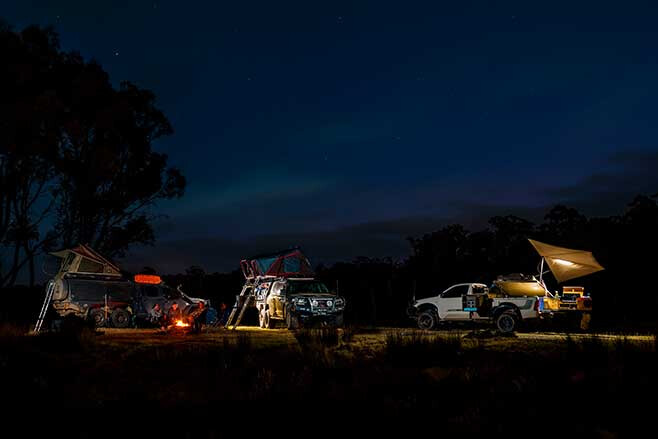
Just west of Dee we found a great little spot for our five vehicles to set up camp on a bit of a low bluff overlooking the water and a kilometre or so off the main road. Nearby was the manmade outlet of the lake and the inlet for the tunnel, a big wire fence keeping us well away from the downdraft of water feeding through to Bradys Lake and the power station. A few scattered gums provided shade during the rest of the day, while that evening a campfire kept the chill at bay.
From there we wandered along the blacktop (there’s little choice really) through Derwent Bridge, stopping to admire ‘The Wall’, a modern masterpiece depicting the history of Tasmania in carved and sculptured Huon pine. No photos are allowed of ‘The Wall’, the artist adamant that cameras be left outside and phones in pockets while publicity is purely, word of mouth; it seems to work!
West of Derwent Bridge the road winds across button grass plains and crosses the headwaters of the famous Franklin River before traversing Burbury Lake, yet another hydro dam famous for its trout fishing. The road then climbs the Coast Range, more famous for Mt Lyell and Mt Read and all part of the 200km-long 500-million-year-old Mt Read Volcanics, which has made this stretch of mountains a world-class ore body.
IRON BLOW LOOKOUT
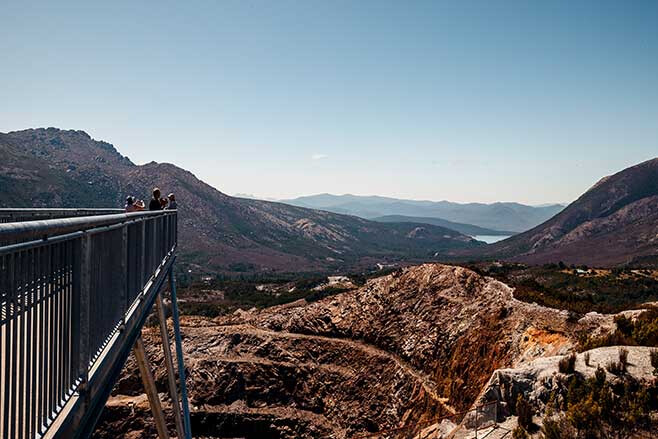
Near the crest of the range and just off the main road is the Iron Blow Lookout, which gives an expansive view of the surrounding mountains and the scars wrought upon it by man’s never ending quest for the rich lodes of copper that the earth hides here.
The Mt Lyell Copper Mine was once the richest in the area, having been worked for more than a 100 years between 1893 to 1994. Sadly, during that time, the mine wastes and tailings were disposed of directly into the King River, the environmental consequences of which are still being felt today.
Nowadays though, the Prince Lyell mine produces a wealth of copper from its 1000m deep operation, the ore being crushed underground before being lifted to the surface, while waste material is disposed of much more effectively and in a much more environmentally thoughtful manner.
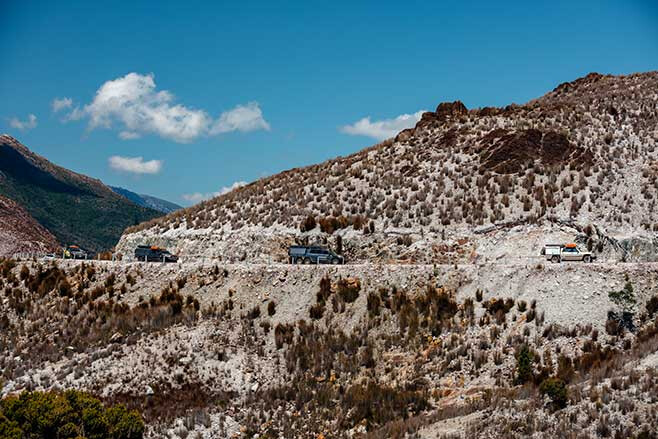
From the Iron Blow the main road descends steeply to Queenstown, with impressive views over the surrounding country, more picturesque since the smelter closed in 1994 and stopped belching poisonous fumes and denuding all the hill for miles around.
When I first visited this area in 1984, the smelter was still operating and the hills were stained different shades of yellow, orange and brown and were denuded of absolutely all vegetation by the belching sulphur fumes; it was a macabre sight. Nature has now reclaimed much of the manmade devastation and the green of vegetation is slowly covering the hillsides once more.
Queenstown was our next stop, this historic mining town one I always enjoy visiting. Born out of hard work and a tenacity to survive this town, perched on the edge of Tassie’s famous south-west wilderness, caters for an ever growing band of tourists as well as its more rugged mining roots.
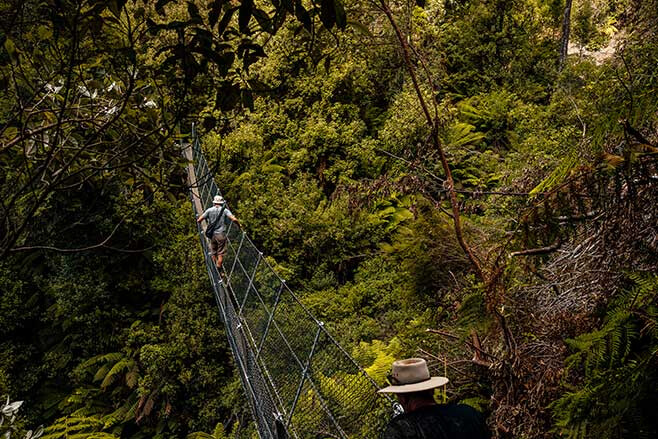
When you are there, take the time to enjoy the West Coast Wilderness Railway which runs between Queenstown and Strahan. This famous and unique steam-powered Abt train, chugs through delightful rainforest and across numerous streams, following for much of the way the much maligned King River.
It then comes to the shores of Macquarie Harbour the whole unique experience giving a comprehensive appreciation of the history and endeavours of the early pioneers to this wild west coast of Tasmania. Kids, steam buffs … everyone … will love the trip!
For our group of modern-day adventurers the route down the mountain to the shores of the vast harbour was a little less spectacular but still enjoyable as we made our way to Strahan, the tourist ‘capital’ of the West Coast. We weren’t planning on staying long as more remote and obscure places were beckoning … as we were to discover.
TRAVEL PLANNER
In and around Hobart there are many delights and some good 4WD tracks to hold you for a week or more. The best guide to 4WD touring/camping in Tassie is, 4WD Tracks in Tasmania, by Chris Boden.
HISTORIC HOBART: www.discoverhobart.com/hobart/historical_buildings.html
LARK DISTILLERY: larkdistillery.com
RICHMOND: www.richmondvillage.com.au
MT WELLINGTON PARK: Permits and key from Tassie P&WS, Glenorchy. Phone: (03) 6233 6560.
RIVERS EDGE CAMPING, LONNAVALE: riversedgecamping.com.au
TAHUNE AIRWALK: tahuneadventures.com.au
COCKLE CREEK: www.campingtasmania.com
SOUTHPORT LAGOON: parks.tas.gov.au/explore-our-parks
THE WALL IN THE WILDERNESS: thewalltasmania.com.au
QUEENSTOWN: westcoasttas.com.au/field-guide/queenstown
TODAY’S new kit includes a turn-key TJM Rambler 200 Series package, a huge Helan daypack from BlackWolf, and a Transchill Transmission Oil Cooler kit from Direction-Plus.
TJM RAMBLER 200 BUILD
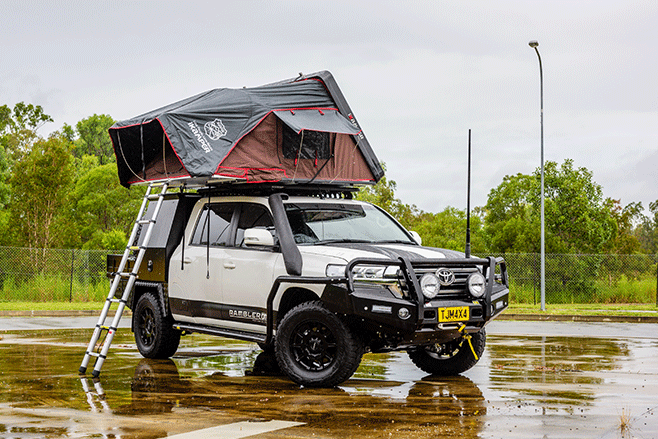
Readers of this magazine will be familiar with TJM’s Rambler builds, and the Aussie brand now has turnkey packages available for both the 79 and 200 Series LandCruisers. The 200 Series Rambler Edition includes TJM barwork, suspension and snorkel, a Spinifex Manufacturing rear body, and a load more amazing kit. Nationwide shipping is available. RRP: From $156K (200 Series) Website: www.tjm.com.au
BLACKWOLF HELAN DAYPACK
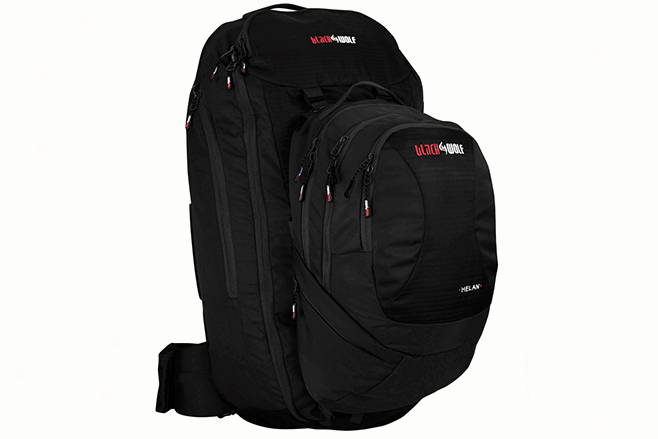
Like long walks along the beach? Then BlackWolf’s new Helan daypack is the addition to your campsite arsenal. The Helan comes with 65L and 25L packs, weighing just 2.64kg and measuring 71 x 34 x 25.5cm. The daypack utilises the BlackWolf Origins 3D EVA comfort foam harness and features plenty of clever storage solutions including a laptop sleeve. Designed so that accessing gear from the main pack is simple, the bag features full landscape opening with internal mesh pockets. RRP: $369.99 Website: www.blackwolf.com.au
DIRECTION PLUS TRANSMISSION COOLER
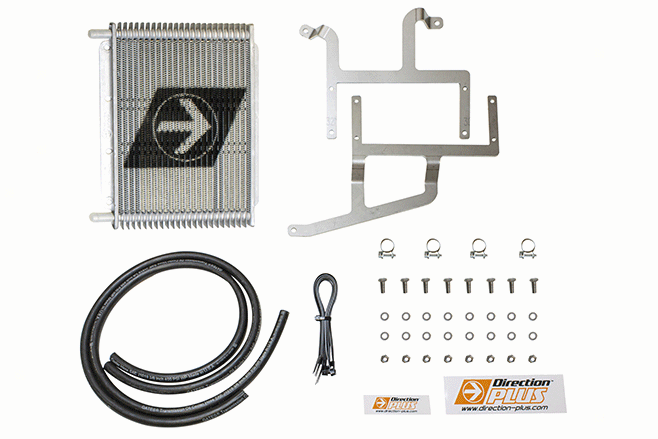
The Transchill Transmission Oil Cooler kit from Direction-Plus is designed to protect your Holden Colorado with “the ultimate defence”. The Direction-Plus cooler can reduce the temperature of the vehicle’s automatic transmission fluid (ATF) by as much as 33C, which can double the life expectancy of the transmission, transmission fluid and all internal components. The kit comprises of vehicle-specific mounting brackets, stainless-steel fixing hardware, ATF hoses (400psi) and all installation instructions. Website: www.directionplus.com.au
A CLOSER look at some new 4×4 products released by Narva, Hella and ARB.
NARVA AEROMAX
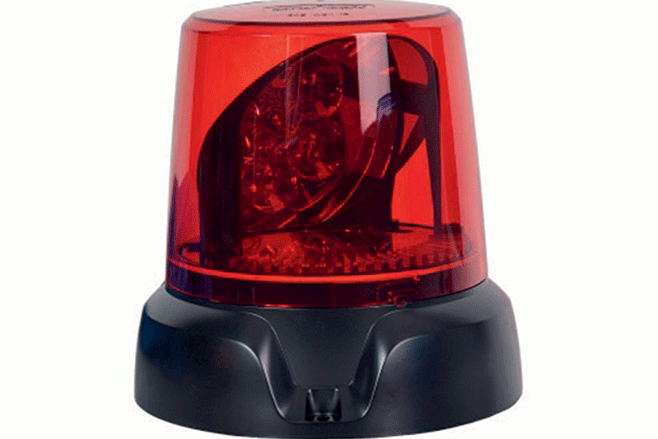
A great idea for construction sites, Narva Australia has released the 12/24V Aeromax LED rotating beacon. The beacon comprises six high-powered LED lights, a Stepper motor for quiet operation, and has an extremely low current draw. It’s constructed with a die-cast aluminium base that helps to dissipate heat and resist vibration. The polycarbonate lens is said to be “virtually unbreakable” and the unit is fully sealed and waterproof (rated to IP67). Website: www.narva.com.au
HELLA RALLYE 4000 LED DRIVING LAMP
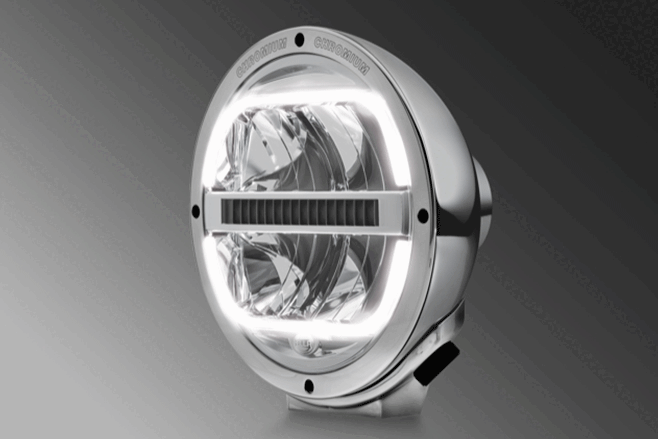
HELLA Australia has released the Rallye 4000 LED Driving Lamp, which is said to offer superior long-distance performance. The lamps weigh 2.7kg each and are housed in a metal casing, to increase robustness for off-road travel. The lights can use either 12- or 24-volt DC electrical supplies, and are water and dust-resistant. The LED comes with either a spread beam light distribution (with a range of more than 800m), or a pencil-beam pattern (1.3km range). Website: www.hella.com.au
ARB SUMMIT WINCH BAR FOR RAM 1500
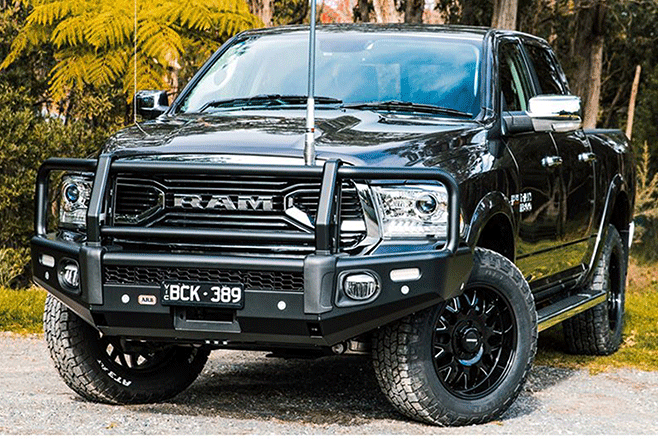
Bigger is better, right? Well, soon you’ll be able to dress up you RAM 1500 with a Summit winch bar from ARB. The bar is finished in a matte-black powdercoat, but optional colour-coding is also available. The bar is compatible with the 1500’s front parking sensors, and it can accommodate low-mount electric winches up to 16,500lb. It also accepts ARB halogen and ARB LED fog light kits, which are sold separately. The ARB Summit winch bar for the RAM 1500 is available now to pre-order. Website: www.arb.com.au
FEAST your eyes on this month’s selection of Readers’ Rigs. Want to get involved? Head to our Facebook page and send us a snap and a brief description of your 4×4.
2018 MITSUBISHI MQ TRITON
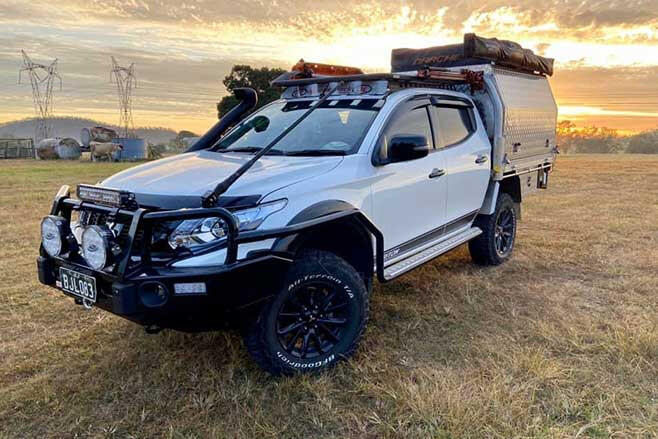
Gear fitted includes MAX 4×4 bar, scrub bars and steps; VRS winch; Ultravison light bar and spots; Rhino-Rack platform; lift-off MRT canopy set up as a camper; false floor triple drawers; water tanks; slide-out kitchen; twin fridges; Brown Davis long-range tank; triple-battery system; rooftop tent; batwing awning; Outback Accessories skid plates; Diesel Care catch and second fuel filter; Airtec snorkel; BFG A/Ts; RidePro/Outback Armour suspension; Airbag Man airbags; Superior chassis plates; and more -Ben Lawley
TOYOTA LANDCRUISER
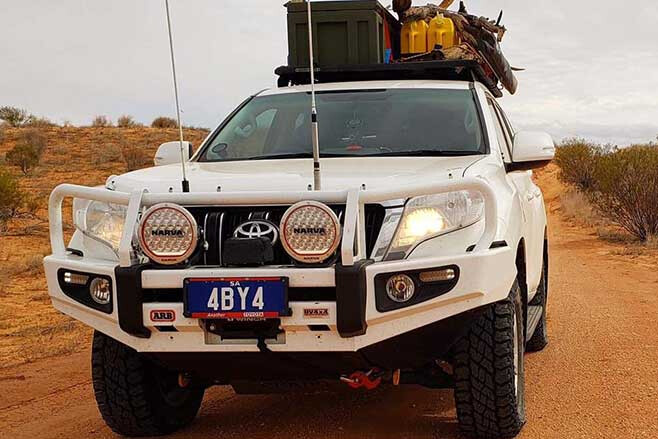
It’s our main car for @traveloutbackaustralia and has a Dobinsons two-inch lift, Carbon Winch, Cooper STT Maxx tyres, Rhino-Rack and an ARB bar. I have removed both the middle and rear seats and customised it with drawers in the rear and two shelves in the middle, offering various load-out capabilities. The diesel motor is standard but has a Catch Can Pro and secondary fuel filter fitted. It also has a Redarc BCDC charger and Tow-Pro Elite brake controller. It has been driven extensively throughout the outback including the Simpson, Red Centre and northern and western SA -Gary Weir
2016 TOYOTA FJ CRUISER
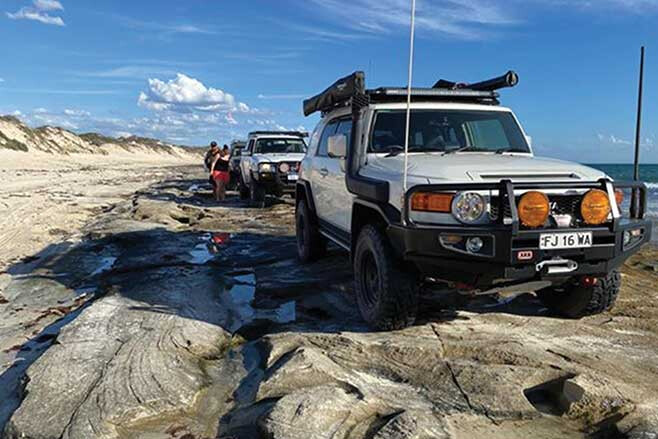
ARB gear includes a winch, bullbar, UVP and recovery points, rock sliders, dual-compressor with tank, and diff breathers. Redarc kit includes BCDC 1225D charger, 300W inverter, 120W solar panel, and a Tow Pro Elite. Other kit includes a Rhino-Rack pioneer platform with the 270⁰ awning, Lightforce 30-inch LED light bar, GME XRS 330C, Warn Xeon platinum 10,000lb winch, OME BP-51 suspension, Scangauge, Torqit Bluetooth throttle controller, a dual-battery setup and Nolathane Upper control arms -John Clifford
2002 MITSUBISHI PAJERO EXCEED
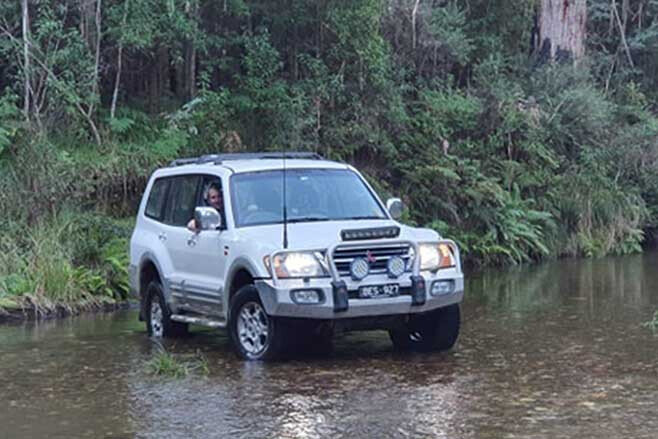
It’s my first 4WD, and I try to get out as much as I can. Best $4200 for my favourite car. It has a two-inch lift, airbags assist in the rear, UHF, and 27MHz CBS -Rick Groom
2000 TOYOTA SR5 HILUX
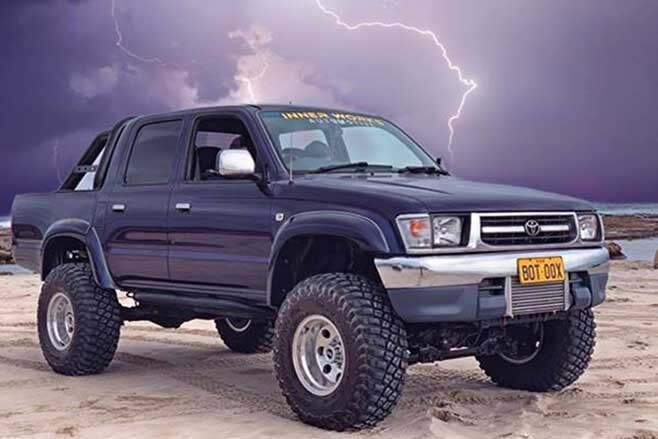
Powered by 3RZ turbo, the truck is currently making 300hp tuned by Unigroup Engineering on 33-inch BFGoodrich KM3s. Some of the key components include a Haltech ECU, Haltech digital dash, Garrett GTX3076 Gen2 turbo, Turbosmart 45mm wastegate, and custom stainless-steel intercooler piping. Making the outside stand out from rest is the custom purple mix and American Racing rims -Thomas Danilidis
TOYOTA 80 SERIES LANDCRUISER
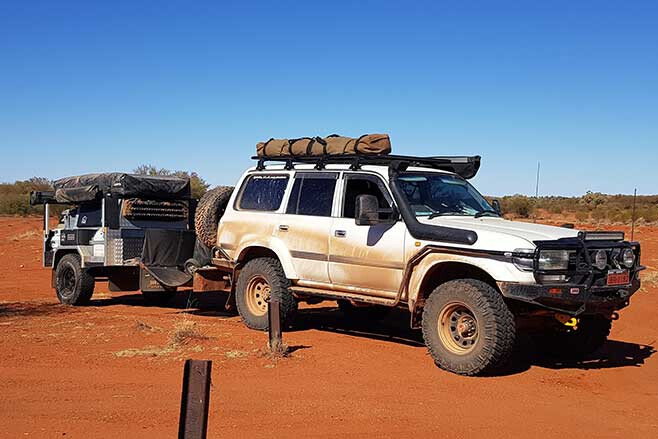
Gear includes an ARB bar, side rails/steps, Carbon winch, three-inch lift, Dobinsons springs, BP-51 shocks, Superior arms, 35-inch Nittos, MHM rear bar, Lone Ranger sub tank, Drifta drawers, 80L Engel, Recaros, 11L Waeco centre-console fridge, Redarc 12v and gauges, and Drifta Dot 6 camper -Brendon Richardson
THE MONSTER August 2020 issue of 4X4 Australia lands on shelves today.
Dominating the issue is a coiled Ranger – the one you see plastered on the cover – which boasts a 300mm chassis stretch, a Fox suspension overhaul, and plenty of select aftermarket goodies. Toughest Ranger ever? It’s right up there!
This custom Ranger got us reminiscing all past modified Rangers we’ve run under the microscope, so we’ve compiled a list of the best Ford custom builds roaming tracks around Australia – we’ve even thrown in a couple of epic F-250s and a tidy Everest. Reckon your build is better? Send us a snap!
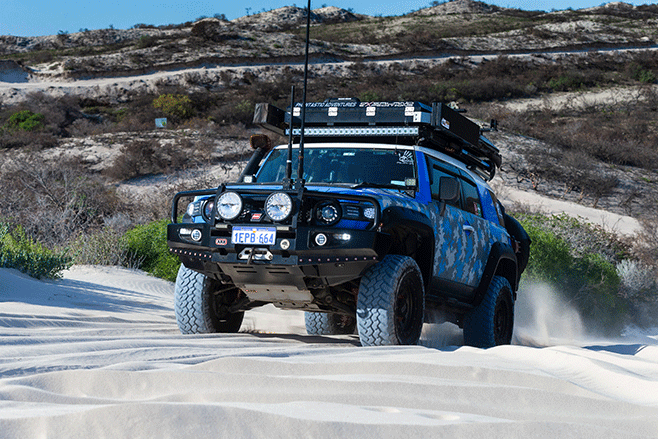
Our coverage of custom metal doesn’t end there, though. We also head west to unravel a unique FJ Cruiser build that has taken its owner up the length of the west coast, from Albany to Broome. The mouth-watering FJ is loaded with quality kit and packs a mighty, head-turning punch.
We also wrap up our three-part Tassie adventure, with the 4X4 Adventure crew trading sand for mud along the wild Apple Isle’s scenic coast – from Macquarie Harbour to Sandy Cape.
Plus, we speak to the industry experts to understand why you need a 4×4-specific satellite navigation system. We unpack why you need one for off-road travel, what to look for when buying a unit, what to avoid, and how they work.
WHAT ELSE IS THERE?
– Gladiator Overland driven in Australia. – Gladiator Mojave dune-surfing in the States. – How to prepare for a desert trip. – Plenty of new 4×4 product reviews. – Readers’ Rigs and long-term shed updates.
The August 2020 magazine is OUT NOW!
TWISTED Automotive, a UK-based mob famous for its customised takes on classic Land Rover Defenders, is forging its way into the US market, with the all-electric NAS-E 4×4 leading the charge.
Founded in the UK, Twisted Automotive’s boffins have been throwing their spanners at Defenders for more than 20 years, churning out re-engineered examples of the British marque. Now Twisted has its sights honed at the American market, with its limited run of open-air NAS-E 4×4 electric luxury SUVs aimed at sparking international interest.
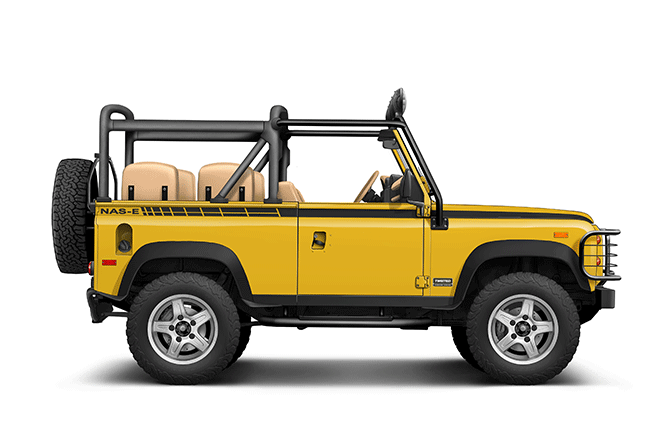
“As the world moves steadily toward mass electrification, the Californian market has been missing a uniquely stylish electric 4×4 option that can stand out at the beach, off-road and at stoplights with a level of exclusivity and prestige that can only come from the timeless British Defender form,” said Bruce Riggs, COO of Twisted North America.
Each vehicle, hand-built and individually numbered, maintains the classic Defender 90 SWB soft-top look – it’s designed with the original North American Specification (NAS) short wheelbase Soft-Top 90 body type in mind – but adds a distinct “California” vibe – as Twisted puts it, a “head-turning beach, off-road and street presence”.
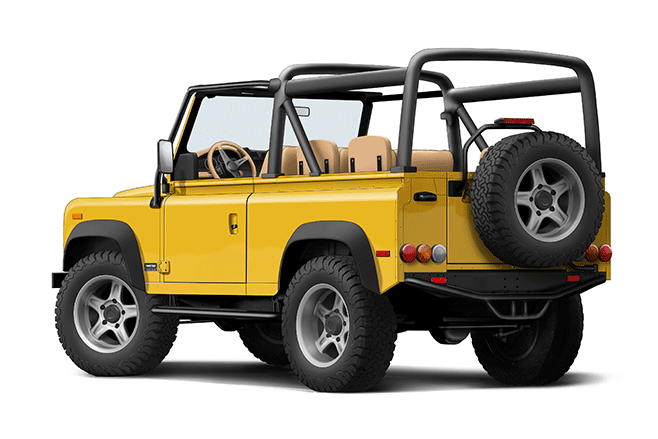
Limited to just 30 vehicles, the NAS-E will be available in two trim levels – NAS-E and NAS-E Plus – and three Californian-inspired hues: Malibu, Yosemite and Tahoe.
“With colour schemes reflecting the natural beauty of California, a removable soft top shape to fully live the elements, advanced electric powertrain engineering exclusive to Twisted, zero-emission power, practical battery range and luxuriously modern interior touches, the Twisted NAS-E is the ultimate expression of the American coastal lifestyle,” said Riggs.
The hero of the build is the fully electric, zero-emissions powertrain, which consists of a US-made Remy Borg-Warner motor capable of 160kW and more than 380Nm in NAS-E trim. Up-spec to the NAS-E Plus and performance improves to 239kW and 420Nm.
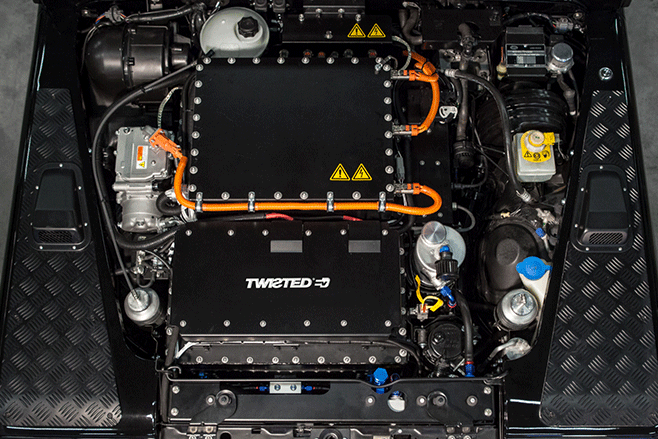
The powertrain is bolstered by a 4WD gear-reduction direct transmission, which features a step-down transfer case for high- and low-range use. Suspension is designed for off-road work, with componentry including custom-valved dampers.
Keeping the whole shebang operable is a 60kW/hour battery pack, which provides a 322km range, and a 22kW/hour charging system. Fast charging is also available.
In addition to all the kit you get with the NAS-E (including leather seats with Alston Alcantara inserts; three-seat bench across the front row; roll cage; full infotainment system; and an EV management system) the NAS-E Plus adds a brush bar, side steps, roll-bar spotties, stripe decals and black side stills.
Pricing starts at US$185,000 (AUS260,000 approx.) for the NAS-E and US$210,000 (AUS295,000 approx.) for the NAS-E Plus.
We contacted Twisted Automotive to find out what the process would involve to get one here, so stay tuned and we’ll let you know when we find out.