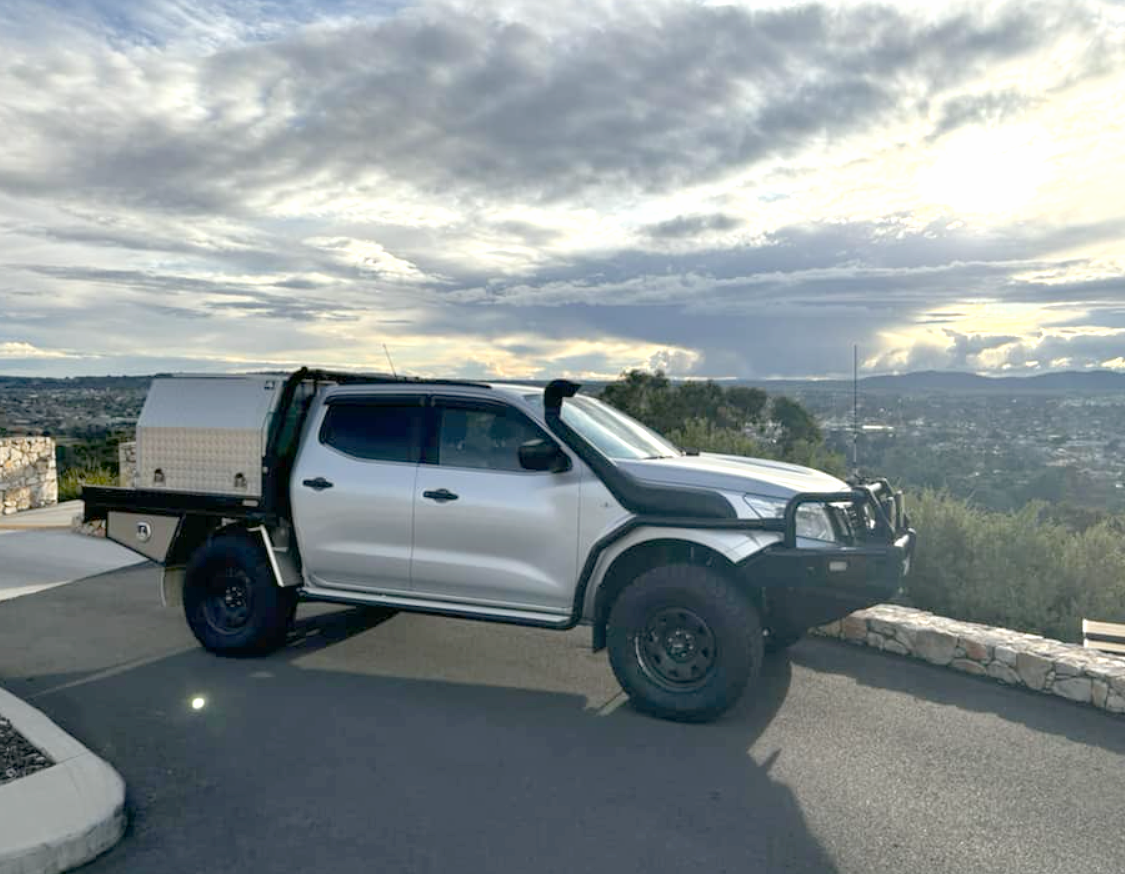
Most folk want top-of-the-range everything if they can afford it.
I’m in the same boat. I generally choose top-tier accessories where possible. The more features, the better. The more whiz-bang buttons, specs and mind-boggling high-tech wizardry, the better. Right? Well, not this time. I’ve got two other 4x4s fitted with high-spec Uniden UHF radios with repeater functions and the like, so I figured that when it came time to fit a UHF to my N70 HiLux, I’d go the same route.
I literally sat in my other 4x4s and pondered how often I’d used some of those extra features. The answer: a surprisingly big fat zero! Not that there aren’t worthwhile features to have at times, but I’ve simply never used them. So, for the HiLux, I figured I’d go low-spec and buy a boxed kit with an antenna included. Nothing fancy, just a well-built, solidly engineered UHF radio.
I ended up buying the Uniden X76 kit with a 5.5dB-gain antenna (↗). Yeah, I know that sits between my usual 6.5dB setup and the more mountain-oriented 3.0dB option, but I had my reasons – read on.
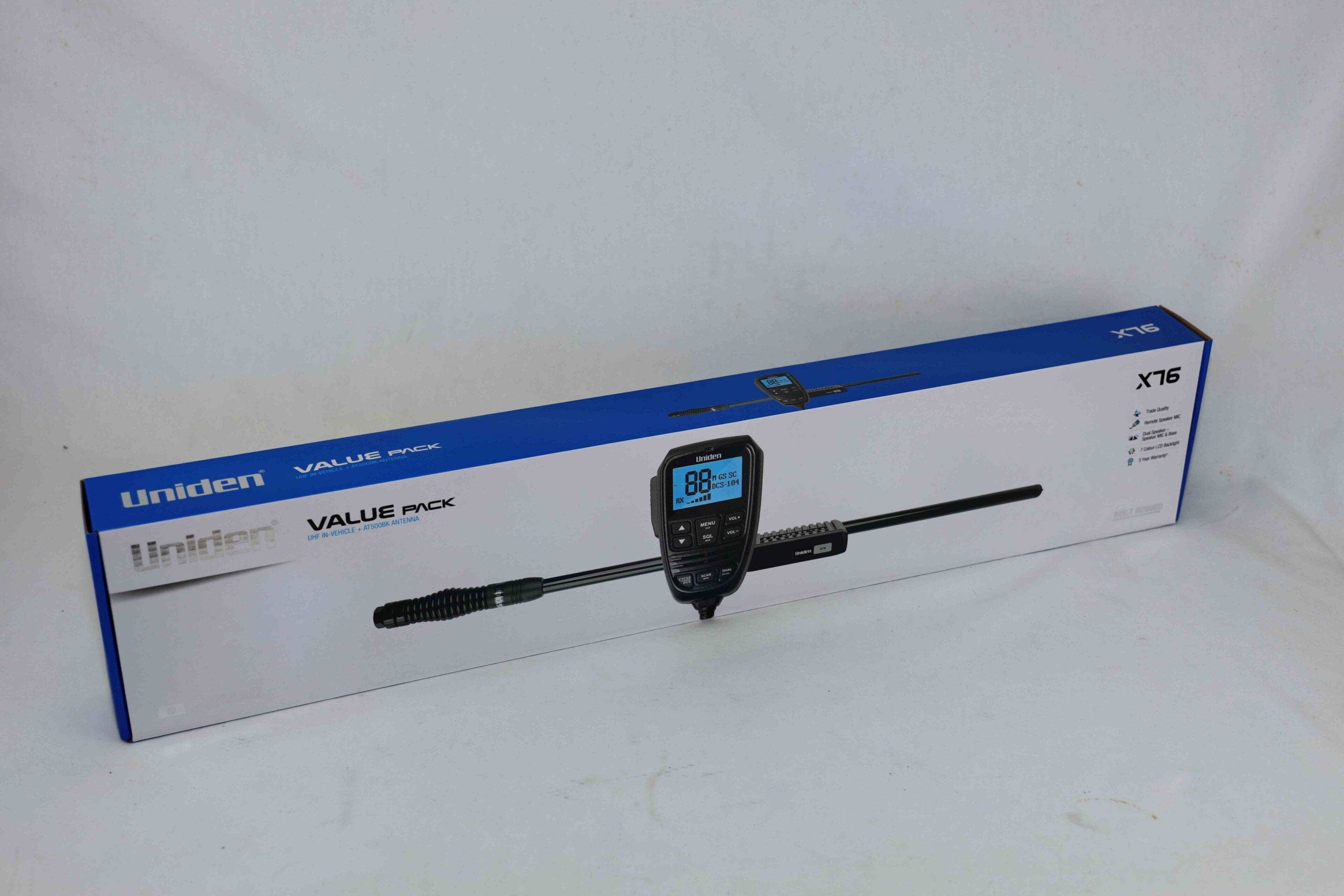
The antenna and mounting setup
Generally, the higher the antenna gain (say 6.5dB), the better suited it is to open, flat terrain. The lower the gain (say 3.0dB), the better suited it is to hilly terrain. The kit I purchased included an all-purpose 612mm, 5.5dB radome antenna with a spring base.
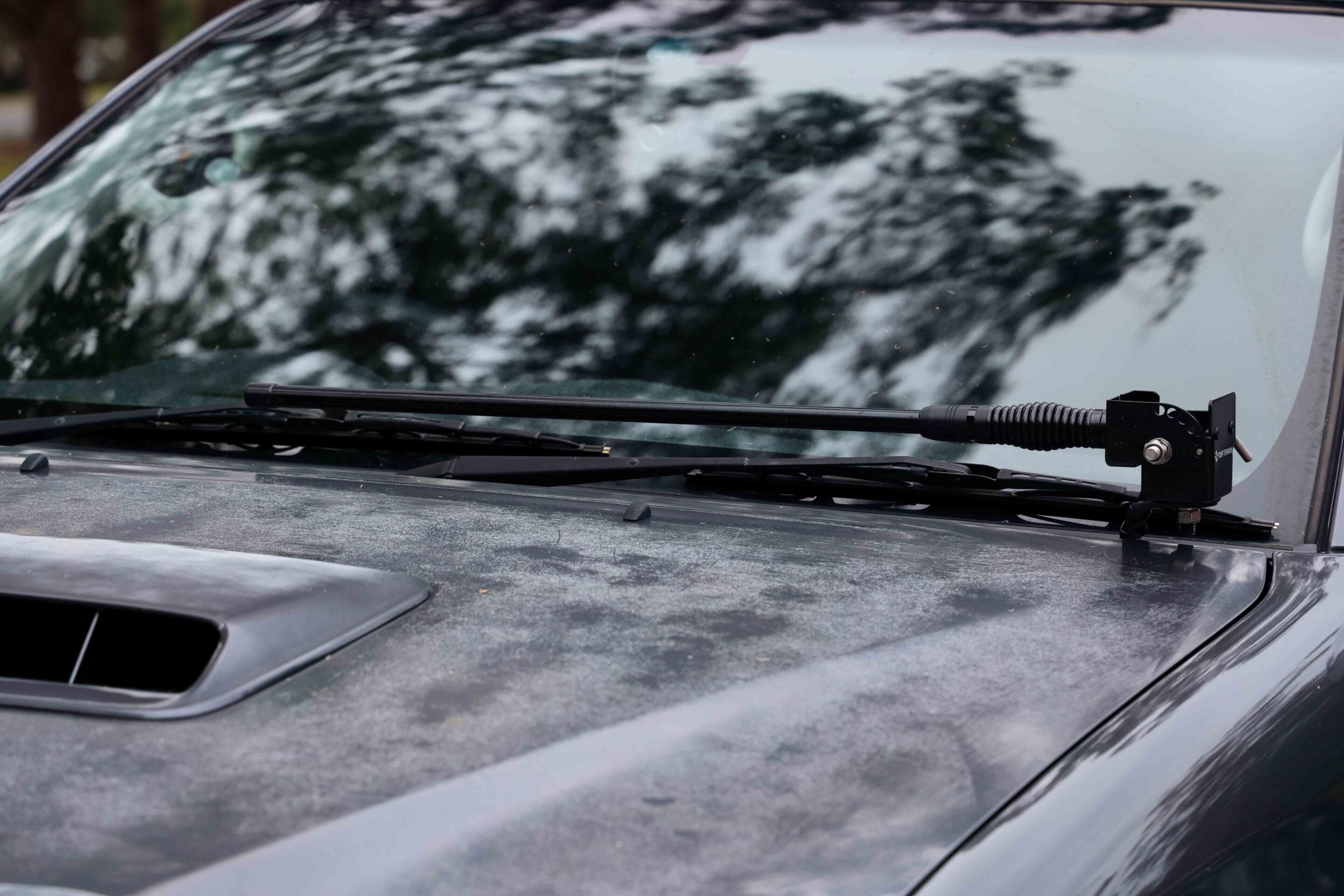
My usual antenna mounting point is on a bullbar tab, with a tall 6.5dB antenna that pokes above the cabin roof. But given I was trying something different with the radio, I figured I’d go with a different mounting position too. I purchased a bonnet-mounted bracket that fits at the base of the windscreen, plus a folding bracket for when I don’t want the antenna up. This allows me to fold it across the windscreen without hitting the glass, bonnet or wipers – different, eh!
This allows the antenna to sit either vertically or horizontally while still allowing the bonnet to open without fouling on anything. It also removes it, for the most part, from the passenger’s field of view, for which she is eternally grateful.
With the mounting bracket, which sits higher than the bullbar, the folding bracket and the antenna, the tip still reaches above the HiLux roofline for a relatively unobstructed field of view.
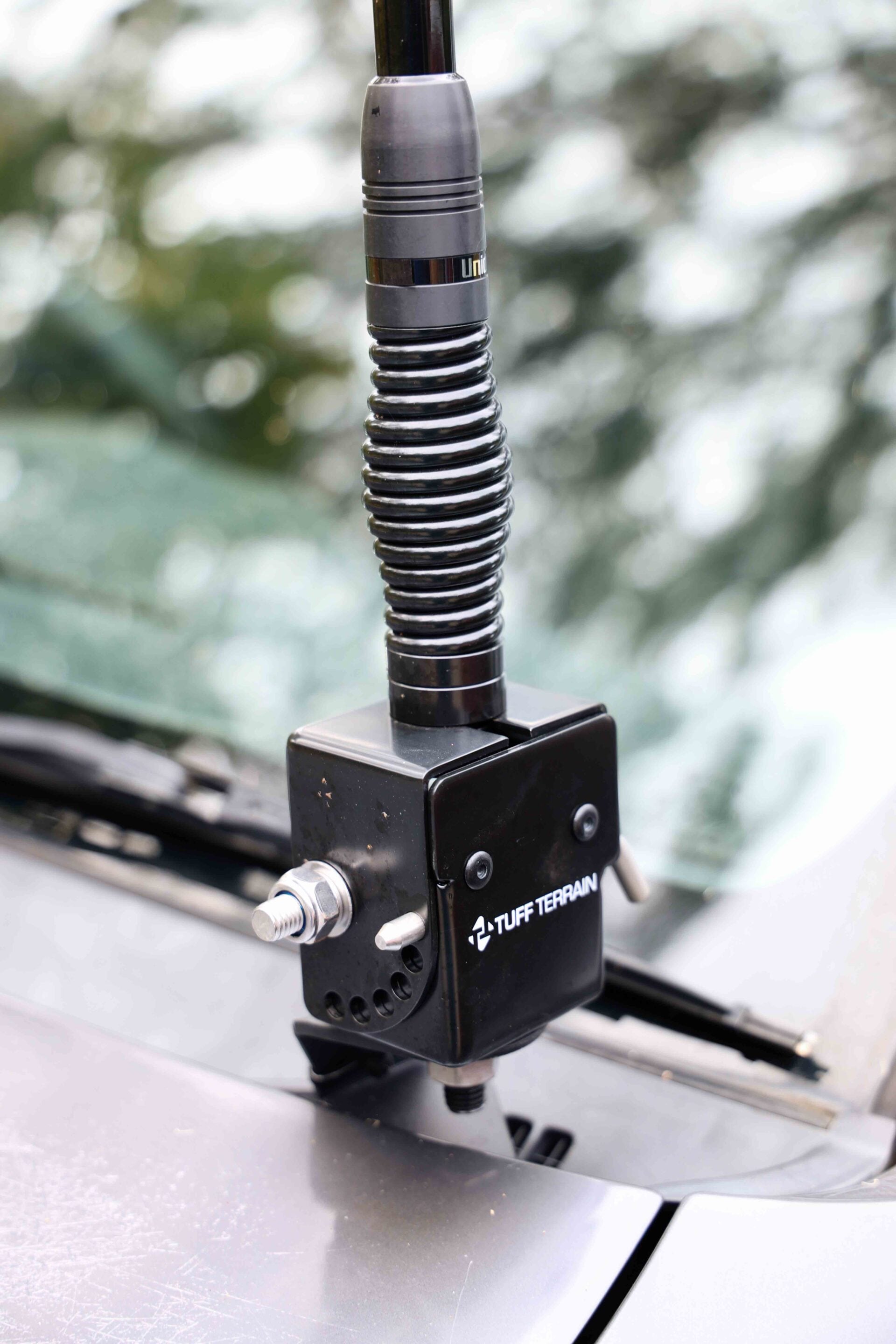
Specs and missing features
Nope, I don’t get the repeater function, GPS tracking, dual scanning or a coffee-making facility. Do I care? Not one little bit. The saving of a few hundred folding ones kept the wallet a little more padded, which put a smile on my dial.
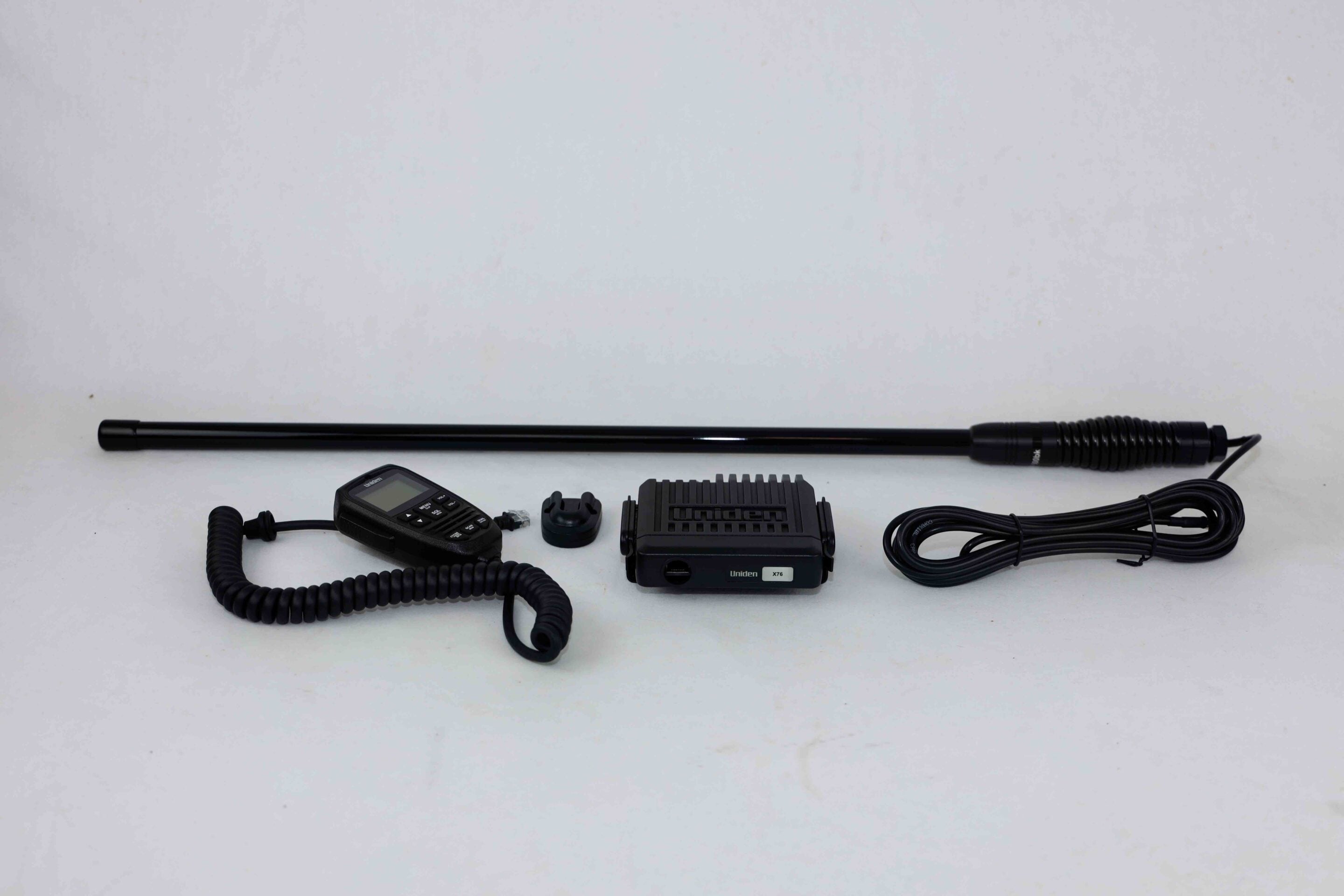
I still get a top-notch, Japanese-manufactured, quality-engineered, trade-quality, 5W, 80-channel UHF radio with open and group scan functionality, a seven-colour display, dual speakers in the handpiece and base unit, duplex, squelch, volume and channel controls, along with a host of standard adjustments and basic features. The ground-independent 5.5dB antenna sits on a heavy-duty spring base, comes complete with 4.5m of cable and measures 612mm long.
My kit also came with a magnetic mounting option for the handpiece, which I’ve attached to the HiLux dash. While it’s a handy feature, I’d be just as happy with the old-style hook. To date, the magnetic mount has proved strong and easy to use, so I’ll stick with it.
Verdict
All up, I’m as happy as a dusty camper with my latest Uniden UHF radio.
I can clearly hear and speak to others in convoy, and I’ve listened to highway chatter on the East Coast – that’s a whole eye-opening, ear-pounding learning curve in Aussie-English vocabulary for those who haven’t mastered the vernacular. Don’t listen in if you’re easily offended!
I’m impressed with the antenna placement and folding bracket. It’s sturdy enough not to attract the attention of either driver or passenger, and the whole kit performs as well as any I’ve had in the past.
While I understand the advantages of the latest electronic features offered by higher-spec Uniden models, which I’ve trialled in my other 4x4s, I’m confident I’ve made the right decision for my HiLux.
FAQs
How much does the Uniden X76 kit cost?
The kit was purchased directly from Uniden online (↗) for $309 on special, but has since increased to $439.
What are some alternatives to the Uniden X76?
Similarly featured units from GME and Oricom are worth considering, including the GME XRS-330CTP (↗) and Oricom UHF390PK (↗). Prices can vary significantly depending on where and when you buy, as well as the exact kit and antenna specifications.
Where can I buy the folding antenna bracket and bonnet mount?
The folding antenna bracket was purchased from Outback Equipment for $39 (↗), while the dedicated N70 bonnet mount cost $49 (↗).
JAC is adding a Cab Chassis version of its Hunter PHEV to the Australian range, with the new workhorse due here in early 2027.
The Cab Chassis gives tradies, farmers and fleet operators a flexible platform for different body configurations, including a tray, canopy, toolbox setup or specialised body.
“More than half of the prospective fleet customers we are speaking with want a Cab Chassis. That is a clear signal that Australian businesses are looking for a more flexible PHEV work platform,” said Ahmed Mahmoud, Managing Director of JAC Motors Australia.
The announcement comes as the Hunter PHEV dual-cab begins arriving at JAC dealerships in Australia. Final specifications for the Cab Chassis haven’t been confirmed, but JAC says it is expected to use the same core powertrain as the dual-cab.
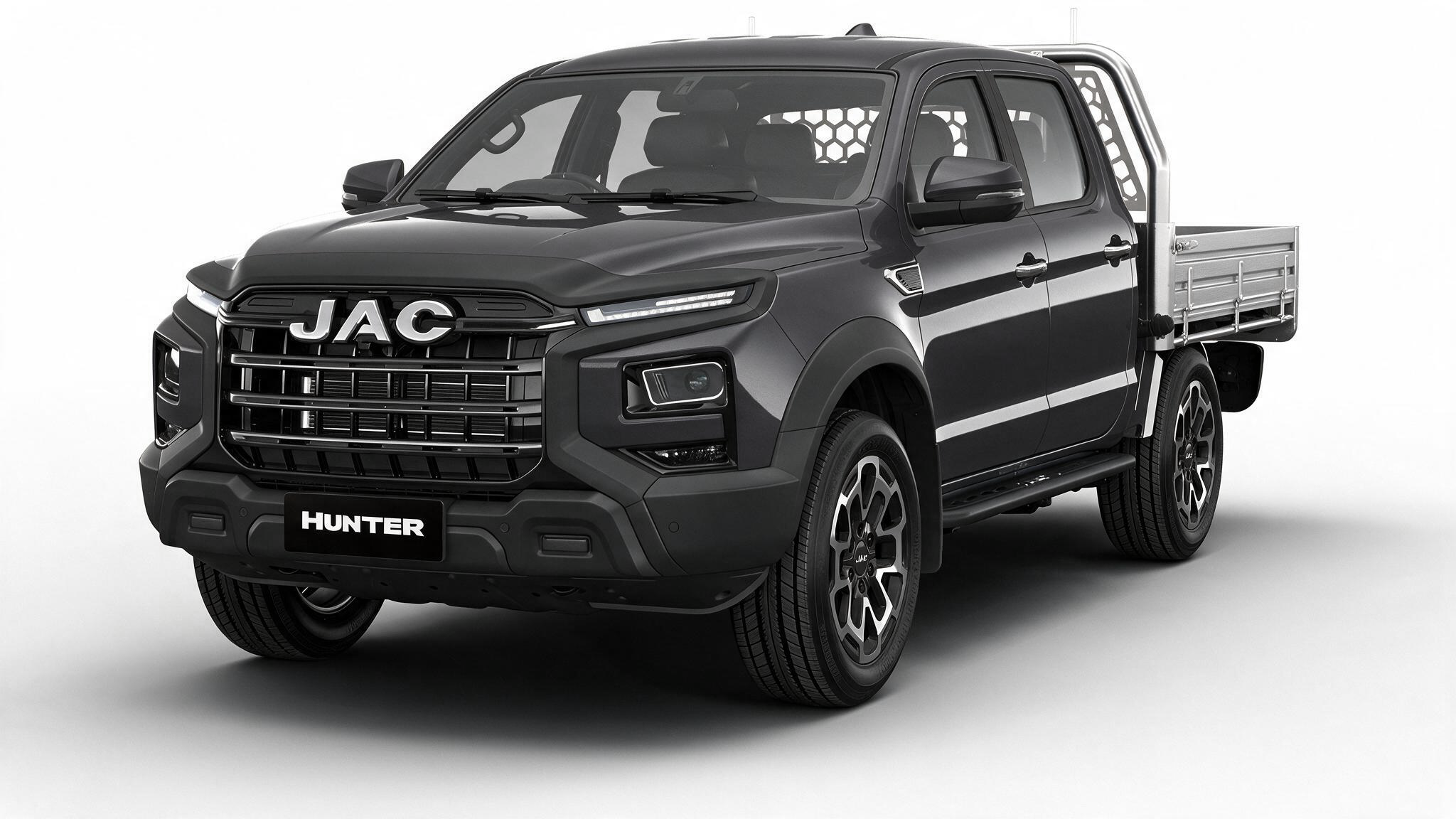
The Hunter PHEV offers up to 100km of pure-electric driving range, with an E10-compatible petrol engine and 77-litre fuel tank. The PHEV system also has 3.3kW Vehicle-to-Load capability, allowing compatible tools and equipment to be powered directly from the vehicle. Idle Charge can use the petrol engine to replenish the battery while the vehicle is stationary, while HEV mode balances electric and petrol power according to driving conditions and energy requirements.
For touring, the V2L system could also be useful for powering equipment when the vehicle is parked away from mains power. However, JAC hasn’t confirmed the Cab Chassis’ towing capacity or off-road specifications.
“With 360kW of power, 3.5-tonne braked towing capacity, 1.6L/100km fuel consumption (NEDC), 38g/km CO₂ emissions, and up to 1,005km of combined range (based on NEDC), the Hunter brings together the capability and efficiency businesses need,” Mahmoud said.
“Its plug-in hybrid powertrain also gives fleets the opportunity to complete suitable daily journeys using electric power, helping to reduce fuel use, running costs and emissions. Features such as Vehicle-to-Load and Idle Charge further enhance its versatility as a practical mobile work platform,” he added.
JAC will back the Cab Chassis with a seven-year, unlimited-kilometre vehicle warranty covering commercial use, seven years of capped-price servicing and seven years of roadside assistance. Eligible owners will also have access to JAC’s Ute-for-Ute Warranty Loan Program, which provides a T9 Ute during warranty repairs. The high-voltage battery is covered by an eight-year, 150,000km warranty.
For context, the Hunter PHEV dual-cab is priced from $49,988 plus on-road costs for the Pro, rising to $54,844 for the X. Both variants have a 915kg payload and 3500kg braked towing capacity, while JAC has also carried out local suspension tuning for Australian conditions.
Pricing, final specifications, available configurations and the confirmed launch date for the Cab Chassis will be announced closer to its arrival in Australia.
Key info
- Vehicle: JAC Hunter PHEV Cab Chassis
- Australian arrival: Early 2027
- Electric range: Up to 100km
- Fuel: E10-compatible petrol
- Fuel tank: 77 litres
- Vehicle-to-Load: 3.3kW
- Warranty: Seven years, unlimited kilometres, including commercial use
- Battery warranty: Eight years/150,000km
- Body options: Tray, canopy, toolbox or specialised body
The Stuart Highway has no shortage of iconic stops, but few have the reputation of Daly Waters Hotel (↗).
Famous for its memorabilia-covered walls, nightly entertainment and legendary Beef and Barra Feast, it’s one of those places travellers plan entire itineraries around. It’s not subtle or polished, but that’s exactly the point.
For owner Tim Carter, the attraction was never about creating a boutique outback experience or chasing a polished tourism formula: “I’ve always loved the outback,” he says. “Simple as that.”
What started as a challenge has become one of the Northern Territory’s most recognisable road-trip institutions. When Tim and his family took over, the pub had just seven rooms. Today, there are 66 rooms alongside a sprawling caravan park, campground and one of the most famous pub experiences in Australia. “We only had seven rooms when we started,” Tim says. “Now we’ve got 66. It’s been a bit of a journey.”

That sense of evolution is visible everywhere you look. Daly Waters has never stood still. It grows, shifts and accumulates stories the same way it accumulates memorabilia – layer upon layer, year after year. Tourists don’t simply pass through here; they leave something behind.
Step inside the front bar and it’s sensory overload. Bras hang from walls alongside faded banknotes, number plates, old signs and decades of traveller memorabilia. Above the bar, the famous “ME-AN-YOU” sign presides over proceedings, while quirky outback humour decorates almost every available surface. The temptation is to keep looking around because every corner seems to reveal another story.
When asked about the strangest item ever left behind, Tim doesn’t hesitate. “Just a dildo,” he says matter-of-factly.
The collection itself is not really the point. It’s the accumulation of people. Every item tells you someone stopped here, had a drink and became part of the pub’s ongoing story. Each year the walls are cleaned and refreshed where needed, but there’s only so much control you can have.
“You don’t know how much gets added,” Tim says. “People have their own craziness, I suppose.”

The history of Daly Waters
The stories on the walls are only part of the pub’s history.
While the original Daly Waters pub operated across the road from 1893, the current building began life as a general store before receiving its hotel licence in 1930. Today, Daly Waters Hotel proudly holds the distinction of being the Northern Territory’s longest continuously licensed hotel.
The pub’s location has always been important. Situated near the famous Stuart Tree, where explorer John McDouall Stuart camped in 1862, Daly Waters later became a key stop on the Overland Telegraph Line and one of Australia’s earliest aviation hubs. The nearby airstrip, established in 1930, became Australia’s first international airport and played a significant role during the pioneering years of outback aviation.

Yet despite its remarkable history, Daly Waters has never felt like a museum. The past is everywhere, but the pub remains firmly focused on the travellers rolling through its gates today.
The bar is a snapshot of Daly Waters itself. Spirits, wines and packaged drinks sit beneath decades of memorabilia and traveller keepsakes. The taps pour a mix of favourites, including Hahn Super Dry, Hahn Super Dry 3.5, XXXX Gold, Great Northern Super Crisp, Great Northern Original, Coopers Pale Ale, Tooheys New, Stone & Wood Easy Pale Ale, James Squire Ginger Beer and James Squire Orchard Crush Cider.
Combined with a full range of wines, spirits and RTDs, there’s no shortage of options when it’s time to pull up a stool.
Happy hour and live entertainment
By mid-afternoon, the campground is already coming to life.
From around 3pm, 4x4s and caravans roll in, and campsites begin filling for the evening. A staff member patrols the grounds on a quad bike while bookings are relayed from the bar via UHF radio. At this time of year, the campground is dominated by grey nomads making their way around the country. During school holidays, families and younger travellers arrive in greater numbers, bringing a different energy to the grounds.
From 4pm, happy hour kicks things into gear. The beer garden fills quickly as travellers gather after a day on the road. Dusty LandCruisers sit beside caravans, motorhomes and motorcycles, while conversations drift from road conditions and fuel prices to where everyone is heading next. As the afternoon light softens and the Territory sky begins its nightly show, it’s easy to see why so many travellers plan their journey around an overnight stop at Daly Waters.
Entertainment begins with a support act before the main performer takes the stage. On the night of my visit, country musician Cameron Mason entertained the crowd from 6pm until 9pm. As the sun dipped lower and drinks continued to flow, Smokie’s Living Next Door to Alice turned into a full crowd singalong.
One youngster stole the show entirely. Still in nappies, he danced with more rhythm and confidence than most of the adults watching, earning smiles from everyone nearby.

Beef and Barra Feast
The nightly Beef and Barra Feast is the centrepiece of the Daly Waters experience.
What began as a small barbecue has grown into one of the Northern Territory’s best-known pub dinners. “It started small, but it just grew,” Tim says.
By dinnertime, the pub transforms. Tourists, station workers, grey nomads and four-wheel drivers gather beneath the Territory sky. Plates are piled high with beef, barramundi and salads, while stories from the road flow as freely as the drinks. The Beef and Barra Feast might be what Daly Waters is famous for, but it’s not your only option. If buffets aren’t your thing, simply order from the bar menu instead. From pub classics to hearty meals designed to satisfy hungry travellers, there’s no danger of going hungry here.
When the pub is at its busiest, especially during events such as the annual rodeo, the numbers tell their own story. “We’ve had more than 2000 people here,” Tim says. But even on quieter nights, the atmosphere remains the same. There’s always music. Always conversation. Always someone recounting an adventure from the road.

An outback icon on the Stuart Highway
Merchandise is another reminder of the pub’s status as an outback icon.
Singlets, work shirts, caps, stubby holders and T-shirts fly off the shelves. For many travellers, taking home a Daly Waters shirt has become as much a tradition as hanging a bra on the wall or settling in for the Beef and Barra Feast.
Across the road sits another attraction worth exploring. Tim’s Junkyard is exactly what it sounds like – a sprawling collection of vehicles, machinery and curiosities gathered over decades. To say Tim likes collecting things would be an understatement.
Accommodation ranges from motel rooms and cabins through to powered sites and camping areas. Most visitors aren’t here for luxury. They’re here for the atmosphere, and many find themselves extending their stay once they settle into the rhythm of the place.
Daly Waters sits deep in cattle country and has long served as a meeting point for travellers crossing the continent. That isolation is part of its appeal rather than a drawback.
When asked what most visitors say as they leave, Tim keeps it simple: “They can’t believe it.” And that might be the most accurate summary of Daly Waters Hotel there is. Sure, it’s famous for the bras, the memorabilia and the Beef and Barra Feast. But beneath the quirks is something much more important: a genuine outback pub that still brings people together.
In a country full of long roads and small towns, Daly Waters (↗) remains one of those rare places travellers remember long after the dust has been washed from their vehicles.

FAQs
Where is Daly Waters Hotel located?
Daly Waters Hotel (↗) is located on the Stuart Highway, Daly Waters NT 0852.
How can I contact Daly Waters Hotel?
- Phone: (08) 8975 9927
- Email: [email protected]
What accommodation is available at Daly Waters Hotel?
Daly Waters Hotel has 66 motel-style rooms, along with powered and unpowered camping sites and a large caravan park. It’s an ideal overnight stop on the Stuart Highway and is popular with grey nomads, caravanners and 4×4 travellers.
What beers are on tap?
- Hahn Super Dry
- Hahn Super Dry 3.5
- XXXX Gold
- Great Northern Super Crisp
- Great Northern Original
- Coopers Pale Ale
- Tooheys New
- Stone & Wood Easy Pale Ale
- James Squire Ginger Beer
- James Squire Orchard Crush Cider
What food is available at Daly Waters Hotel?
The famous nightly Beef and Barra Feast is the main food highlight, while classic pub meals are also available from the bar menu.
Why should I stop at Daly Waters Hotel?
- Northern Territory’s longest continuously licensed hotel
- Iconic outback pub atmosphere
- Live music and nightly entertainment
- Tim’s Junkyard opposite the pub
- Rich history linked to the Overland Telegraph and early aviation
- One of Australia’s great road-trip experiences
Melbourne-based automotive engineering and manufacturing company Premcar turns 30 today, marking three decades of developing and building vehicles for major global carmakers.
The company started life as Tickford on 11 September 1996, producing special-edition cars for Ford in Australia, including performance-enhanced versions of the AU Falcon and re-engineered, right-hand-drive-converted Ford Mustangs.
The company later became Prodrive Automotive Technologies after Prodrive acquired Tickford overseas. It subsequently established Ford Performance Vehicles (FPV) in a joint venture with Ford Australia, creating a range of high-performance models.
In 2012, the company became Premcar following a management buyout. Owners Bernie Quinn and Jim Jovanovski have since grown the Australian company into an engineering and secondary vehicle manufacturing specialist working with major carmakers from Japan, the USA, China and Europe.

“Today marks 30 years of Australian know-how delivering world-class cars,” said Bernie Quinn, CEO of Premcar. “Since 1996, this Australian operation has been the go-to for carmakers looking to create exciting new cars for passionate customers. After 30 years, Premcar is busier than ever – and we have big future plans.”
Premcar’s body of work comprises more than 200,000 new vehicles and more than 55,000 performance engines since it began local operations under the Tickford name in 1996. Its more recent work has included Nissan’s Warrior range and, most recently, the Mitsubishi Triton Raider.
That work is continuing with Chery, which has engaged Premcar to locally test and validate its first ute, the Stockman, ahead of its Australian launch. Premcar will tune the Stockman’s suspension and driver-assistance systems for Australian conditions.
The company opened its manufacturing and engineering centre of excellence in Epping in 2019, followed by a second engineering and manufacturing facility in Epping in 2023. Premcar built its 10,000th Warrior in 2024.

Premcar’s key milestones include:
- 2014: FPV GTF launched with Premcar powertrain engineering
- 2015: Helicopter development program for a major Japanese OEM
- 2016: Ford Sprint XR8 and XR6T launched, showcasing Premcar’s powertrain engineering
- 2018: High-performance Premcar Holy Grail package released for final-build Ford Falcons
- 2018: First engagement with Nissan to develop the Navara Warrior
- 2019: Premcar manufacturing and engineering centre of excellence opened in Epping
- 2019: Nissan Navara N-Trek Warrior by Premcar launched
- 2020: Premcar co-developed an EV platform for a large Chinese OEM
- 2021: Nissan Navara PRO-4X Warrior by Premcar launched
- 2022: Nissan Navara SL Warrior by Premcar launched
- 2023: Premcar launched a Bronco restomod at Monterey Car Week
- 2023: Nissan Patrol Warrior by Premcar launched
- 2023: Premcar opened its second engineering and manufacturing facility in Epping
- 2024: Premcar built its 10,000th Warrior
- 2025: Premcar won the SAE-A Australia Leader in Innovation – Overall Award
- 2026: Mitsubishi Triton Raider launched
With the Bossco canopy in place and a couple of large rainstorms under its belt, it has officially been certified leak-free. This meant it was time to sort out the tray’s internal layout, starting with some drawers.
Ironman 4X4 has recently released a range of alloy drawers that has been completely redesigned for greater strength, reduced weight and smoother operation. It was therefore an easy choice to book in and have a pair of roller drawers fitted to our HiLux.
Several configurations are available, and we chose a standard-height drawer for the passenger side and a low-profile drawer on the driver’s side, with a slide-out top providing easy access to our future fridge.

Why we chose Ironman 4×4 drawers
The guys at Ironman 4X4 in Cardiff (↗), a couple of hours north of Sydney, had the job knocked over by lunchtime, and the drawers themselves are nothing short of excellent.
They’re lockable for security and open and close with minimal effort. In fact, we should talk more about the drawer operation. The rollers are whisper-quiet and as smooth as a Botox fiend’s forehead. They’re part of a newly designed and patented roller-bearing slide system with lockouts at full extension, so the drawers stay open even on inclines. The system is also basically maintenance-free, which is handy for people like us who usually remember to maintain things right after they stop working.
The frame is constructed from 6051-T5 alloy, so it is lightweight yet strong, while the fibre-bonded polypropylene carpet is both hard-wearing and non-slip. T-slots run down each side of the drawer tops, making channel nuts and tie-down points super-simple additions if required.
Probably our favourite feature is the internal LED strip lighting. It is powered by AA batteries, can be switched on and off manually, and won’t flatten the vehicle’s battery if you forget to turn it off. The wing kit fits perfectly and provides plenty of space down the sides for future modifications such as batteries or hard-mounted compressors.

Our first impressions
Gotta say, we’re pretty stoked with these.
Drawers are one of those mods that can make or break a tub area. Get it wrong and you’ve got something heavy and cumbersome that seems to take up more space than it saves. Get it right and you’ve got a beaut spot for all your gear, spares and tools – and, in this case, your fridge too. We reckon Ironman 4X4 has absolutely nailed it for us.
Pricing
- Mixed height drawers (↗): $3549 (RRP)

Key features
- Configuration: Standard-height passenger-side drawer and low-profile driver-side drawer
- Fridge access: Slide-out top for easy access to a future fridge
- Construction: 6051-T5 alloy
- Drawer system: Patented roller-bearing slide system
- Security: Lockable drawers
- Lockouts: Full-extension lockouts keep drawers open on inclines
- Lighting: Internal LED strip lighting powered by AA batteries
- Drawer tops: Fibre-bonded polypropylene carpet with T-slots
- Tie-downs: Channel nuts and tie-down points can be added to the T-slots
- Wing kit: Provides space down the sides for future modifications such as batteries or hard-mounted compressors
- Maintenance: Roller-bearing system is basically maintenance-free
Around 13,000 Canberra seatbelt fines are in doubt after an administrative error left AI traffic cameras operating without the correct legal authorisation.
The issue was first reported by the ABC (↗), which revealed the legal problem affecting thousands of seatbelt infringements issued in the ACT since November 2025.
The ACT has been using AI-assisted cameras to detect seatbelt offences, but the legal instrument covering the camera system was not updated to specifically authorise it to detect seatbelt offences. That has left the legal status of thousands of infringements in question.
Around 13,000 fines are in doubt
The issue affects about 13,000 seatbelt infringements issued since the ACT began using the cameras for seatbelt enforcement.
Around 6500 of those fines had already been paid or otherwise resolved when the error was discovered. The fines aren’t automatically cancelled, but the legal error means their validity can be challenged. Drivers with outstanding infringements can pay them, seek to have them withdrawn or dispute them. The ACT Government paused the issuing of seatbelt fines after the problem was discovered.
It wasn’t the cameras that got it wrong
Importantly, the issue isn’t necessarily that the cameras incorrectly identified people who weren’t wearing their seatbelts.
The problem sits with the legal authority behind the camera system. The relevant document allowed the cameras to be used for traffic enforcement but had not been properly updated to cover seatbelt offences. That has created uncertainty over whether camera evidence can be relied upon when enforcing the affected infringements. The ACT Government has since corrected the legal instrument and resumed issuing seatbelt fines.
WA has already had problems with AI seatbelt fines
The ACT isn’t the first state to face questions over AI-assisted seatbelt enforcement.
In Western Australia, thousands of AI-generated seatbelt infringements have been challenged, with a significant share subsequently withdrawn following reviews. More than $1 million in fines had been cancelled within six months of the system’s introduction.
That case involved the accuracy and circumstances surrounding individual seatbelt detections rather than the legal-authorisation issue now affecting the ACT, but it adds to the scrutiny surrounding Australia’s growing use of automated road enforcement.
What happens to the old fines?
The ACT Government is now seeking to deal with the affected infringements retrospectively, with legislation being considered to validate fines issued before the legal paperwork was corrected.
That means the thousands of earlier infringements won’t simply disappear, with the outcome dependent on how the legal process plays out.
Victoria has the worst car theft problem in Australia, with new insurance data revealing more than 12,300 vehicle theft and break-in claims in the state over the past year.
Insurance Statistics Australia data released by the Insurance Council of Australia (↗) shows those claims cost insurers $244 million during 2025-26, with the majority coming from metropolitan areas.
Melbourne is copping the worst of it, with more cars stolen or broken into in the Victorian capital than in every other Australian capital city combined. Victoria was also the only state or territory to record an increase in car theft and break-in claims over the period, with every other state and territory recording a decline.
“In Victoria a car is stolen or broken into every 43 minutes, and a home is broken into every two hours,” said Andrew Hall, CEO of the Insurance Council of Australia.
Manufacturers are taking the front foot as vehicle theft continues to evolve. Toyota has launched a $1735 factory-approved secondary immobiliser for current-generation LandCruiser 300 and Prado 250 models, adding another layer of protection to the factory security system. The system requires a dedicated immobiliser fob to be within range before the vehicle can be started and also includes an independently powered siren with battery backup. The move follows Toyota’s introduction of a physical steering wheel lock for the LandCruiser 300 earlier this year.
Victoria also tops property theft claims
Newly released ISA data shows Victoria is also leading the country for property theft and burglary claims, with insurers receiving almost 3900 claims worth more than $56 million over the past year.
The Insurance Council says the figures highlight the need for stronger action on vehicle theft and property crime across the state. As part of its election platform for the next Victorian Government, the Insurance Council is calling for a statewide strategy to reduce car theft and property crime, including stronger intelligence sharing, targeted prevention measures and investment in specialist law enforcement capabilities.
The organisation has also called for changes to disaster recovery arrangements and the removal of stamp duty on insurance products, among other measures.
Five ways to protect your 4×4 from thieves
1. Add a second immobiliser
A quality aftermarket immobiliser gives thieves another hurdle to clear rather than relying solely on the vehicle’s factory security system.
2. Lock up the spare wheel
A full-size spare hanging off the back of a 4×4 can be an easy target. A quality locking wheel nut or other anti-theft device can make it harder to remove.
3. Secure your aftermarket gear
Recovery equipment, winches, tools, fridges and other expensive kit can make a 4×4 more attractive to thieves. Where possible, keep valuable gear locked away rather than loose in the tub or cargo area.
4. Fit a physical deterrent
A steering wheel lock adds another physical barrier to a vehicle and is particularly useful alongside electronic security measures.
5. Park somewhere difficult to target
A locked garage is the obvious option, but a locked gate, CCTV or a well-lit area can also make a vehicle less appealing to thieves.
You’ll find plenty of online stories and advice on air filtration for your 4×4. Some of it might even be factual, but a lot of it centres on modern Toyota vehicles used in the outback and claims of dusted engines.
A dusted engine is one that has somehow allowed dust and grit from the outside air to get past the air filter and into the engine, where it scores and damages the cylinder bores to the extent that the piston rings no longer seal. This can result in oil getting past the rings, reduced performance and potentially a destroyed engine, leaving the owner with a very expensive repair bill.
There are plenty of online theories as to how and why dust gets past the OEM filters, ranging from incorrect fitment and using the wrong product to the filter and airbox flexing under load or vibration and allowing grit past the seal of the OE-style panel filter.
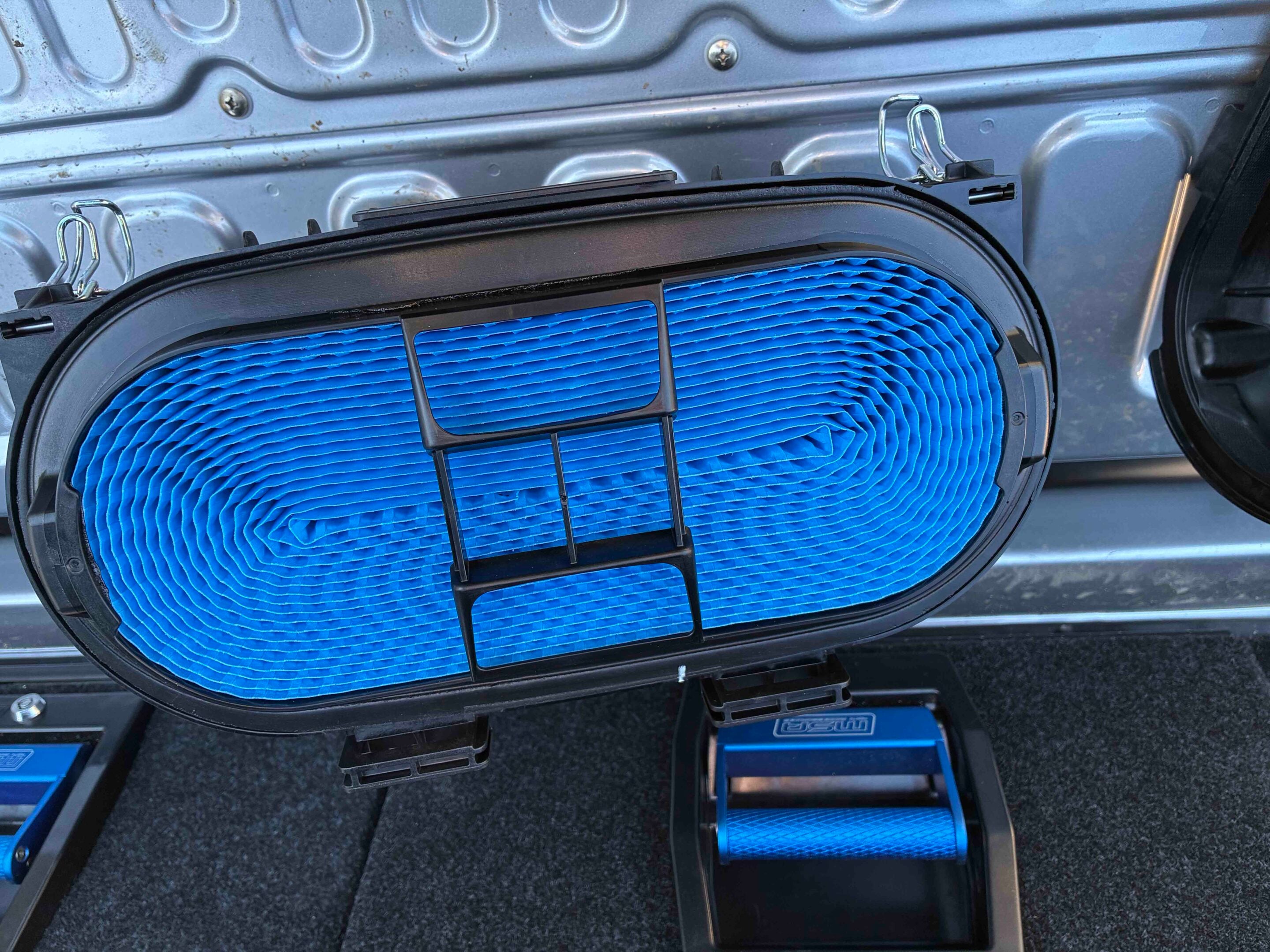
This has led to a huge aftermarket in replacement airboxes for popular 4x4s. These replacements tend to use a non-genuine filter element housed in a fabricated airbox that is claimed to improve filtration and airflow for increased engine longevity and performance. These systems are often paired with intake snorkels fabricated from stainless steel tubing of various dimensions.
While most of these intake systems look great and some are superbly made, I find it hard to believe they can do a better job than an OE product that has had millions of dollars of development behind it. But there have been plenty of claims of dusted engines and, as the old saying goes, where there’s smoke, there’s fire – or in this case, dust!
If you were looking for an aftermarket solution to improve air filtration and extend the life of your internal-combustion engine, wouldn’t it make sense to go with a product from a company with decades of experience in the field of filtration and a reputation for quality and performance?
The Donaldson difference
Many older four-wheel drivers will know the Donaldson brand from the cyclonic pre-filters you used to see perched atop the intake snorkels of old LandCruisers, Land Rovers and G60 Patrols.
There are plenty of folks who still swear by them in harsh and dusty conditions. Those in the heavy-vehicle industry will know Donaldson from its use in big trucks running the length and breadth of Australia, on and off sealed roads, protecting engines worth a lot more than whatever is under the bonnet of your 4×4. It’s a known and respected brand, and one that fleet operators depend on over thousands of kilometres travelled.
So when the folks at Donaldson heard about the problems four-wheel drivers were having with their engines, they decided to have a look at it, and the result is the Donaldson PowerCore 4×4 air cleaner.
The PowerCore air cleaner
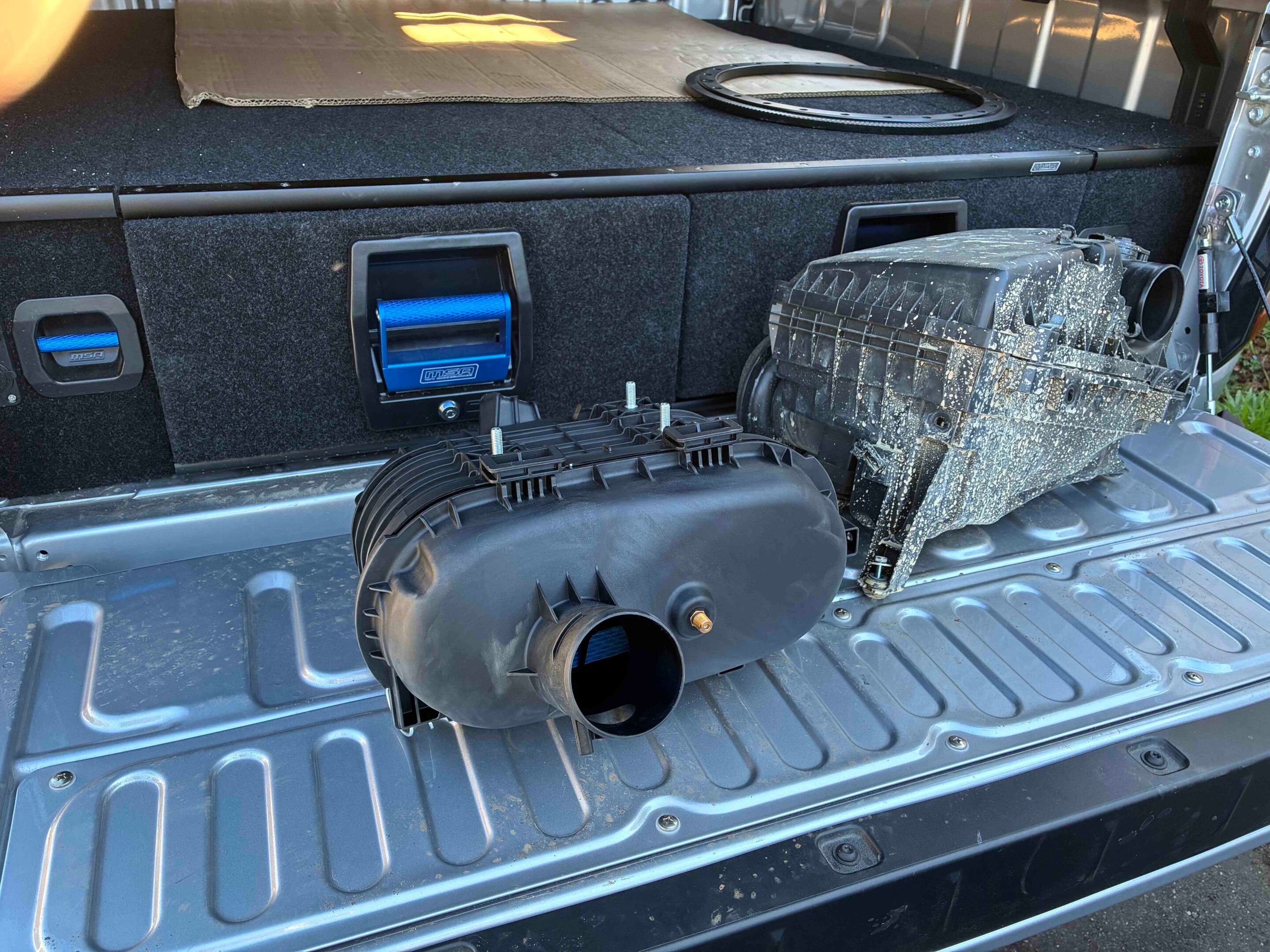
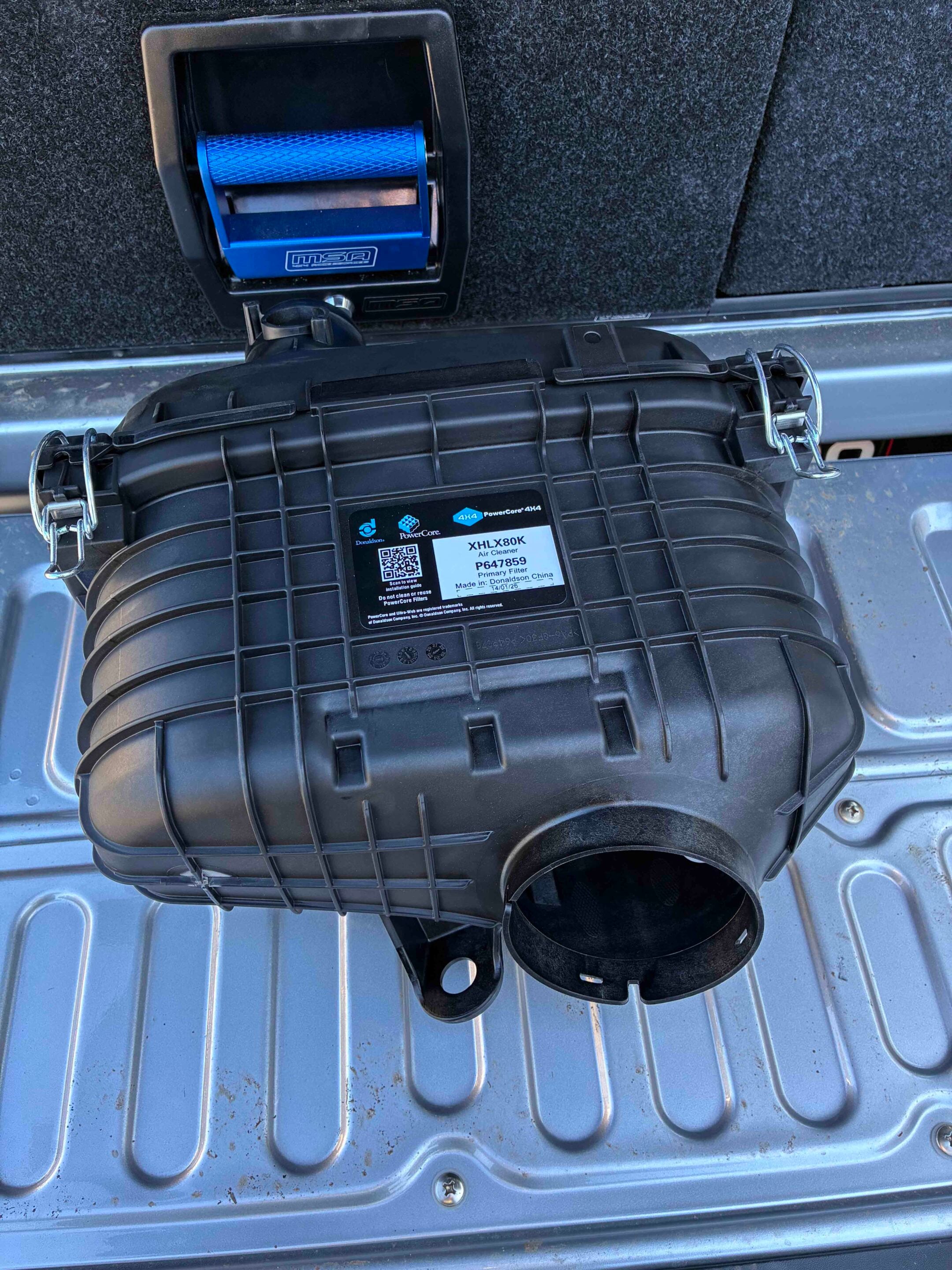
The Donaldson PowerCore air filter is a direct bolt-in replacement unit that anyone handy with a spanner can easily install at home using a few basic tools.
It centres on Donaldson’s PowerCore filter element, which uses proprietary Ultra-Web media to provide higher filtration efficiency, superior dust-holding capacity and longer filter service life. The rounded-end design of the filter and housing should also provide a more secure seal than the usually rectangular OE filters, with their long straight edges and 90-degree corners that may be more prone to flexing and allowing air past.
The filter element sits in a rugged two-piece, vibration-resistant housing that is designed to resist flexing, bending and anything else that might allow dirty air to slip past the filter itself. The housing is made from a tough, heat-resistant material designed for long life in the confines of a hot engine bay.
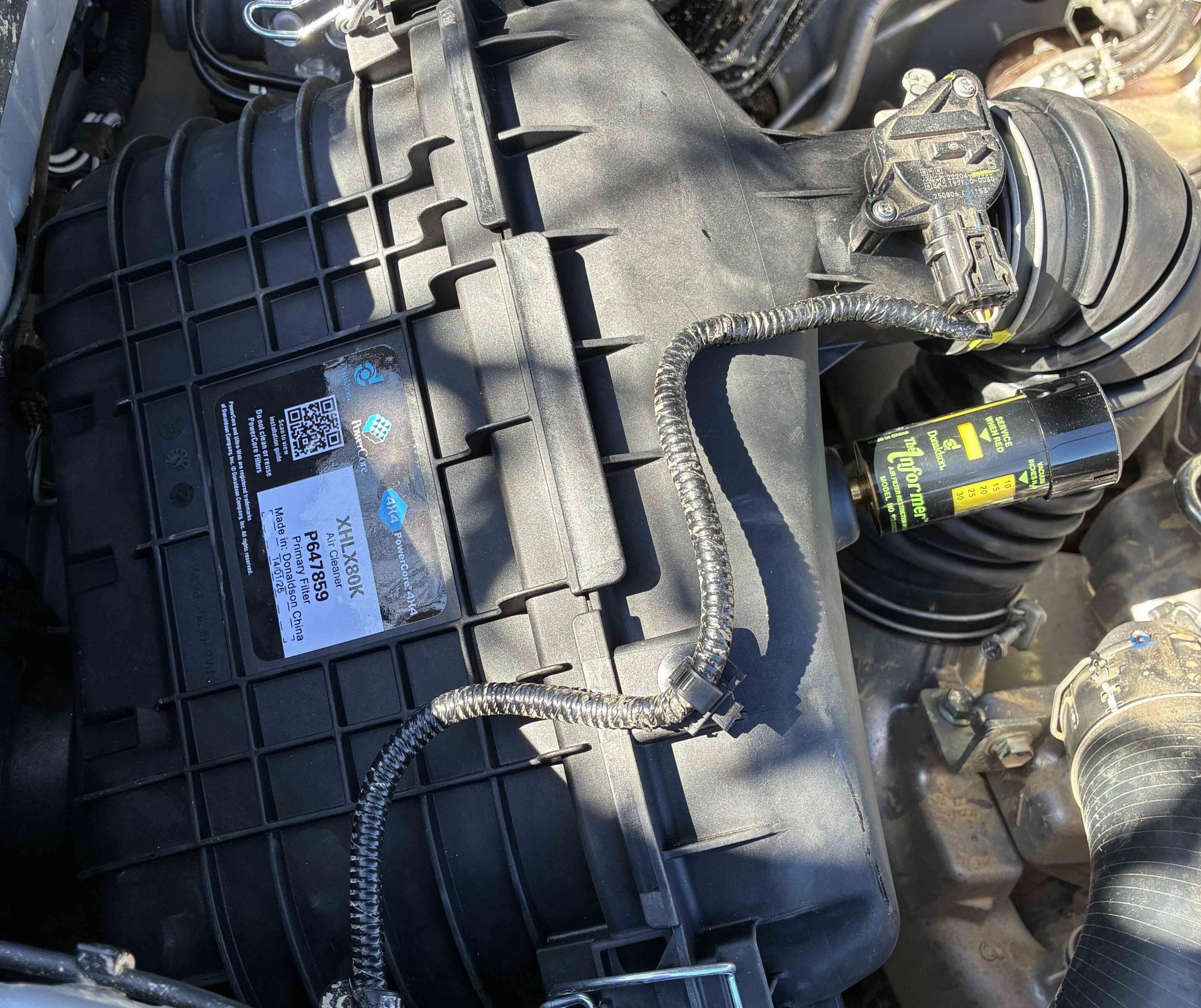
The PowerCore filter housing is supplied with a sturdy powder-coated mounting bracket that is specific to each vehicle model and, in the case of our HiLux, fits into the space where the OE filter was located. All additional hardware, clamps and cable ties needed for installation are also included, along with detailed but easy-to-follow instructions.
Also included in the package is an air-restriction indicator that screws into the airbox housing and lets the operator know, via a simple visual check, when the filter needs servicing or replacing due to restricted airflow.
All in all, the PowerCore replacement airbox is a quality product from one of the most reputable brands in the filtration business, improving air filtration to the engine and helping extend engine life. It’s a simple replacement for the OEM airbox, and replacement PowerCore filter elements are available nationwide through Donaldson’s extensive dealer network.
Donaldson offers a range of PowerCore replacement filters for most popular four-wheel drives. Donaldson doesn’t set an RRP for its PowerCore kits, instead leaving individual distributors and retailers to set their own prices. As a result, prices can vary between stockists, so it pays to shop around.
FAQs
What is a dusted engine?
A dusted engine is one that has allowed dust and grit past the air filter and into the engine, where it can score and damage the cylinder bores and cause the piston rings to stop sealing properly.
What is the Donaldson PowerCore air cleaner?
The Donaldson PowerCore air cleaner is a direct bolt-in replacement for the OEM airbox. It uses a PowerCore filter element with Ultra-Web® media, housed in a rugged two-piece, vibration-resistant housing designed to improve filtration and resist flexing and bending.
How do you know when the PowerCore filter needs servicing?
The PowerCore kit includes an air-restriction indicator that provides a simple visual check to show when the filter needs servicing or replacing due to restricted airflow.
What happens if you neglect your 4×4’s air filter?
If an air filter is neglected, restricted airflow can occur, and dust and grit can potentially get past the filter and into the engine. This can score and damage the cylinder bores, cause the piston rings to stop sealing properly and potentially lead to a destroyed engine.
Pricing
- Air cleaner housing and filter kit (↗): Around $1350
- Replacement filter element (↗): Around $225
At an event this week Ford Australia gave us a taste of what it has in store for us in 2027 but for the 4WD and off-road drivers, there was very little to get excited about.
You might think that confirmation that the iconic Ford Bronco will be released in Australia would get us excited but this is not the T6-based sixth generation Bronco that we’d love to see here.
Instead, the Bronco Basecamp is a Chinese-made light-duty PHEV SUV.
The compact wagon doesn’t have proper 4×4 as such instead it is driven by electric motors on the front and rear axles and the battery is charged by a 1.5-liter petrol engine. It can also be charged using home or commercial chargers. Ford says that the Bronco Basecamp should have a combined touring range of around 800 to 900 kilometres.
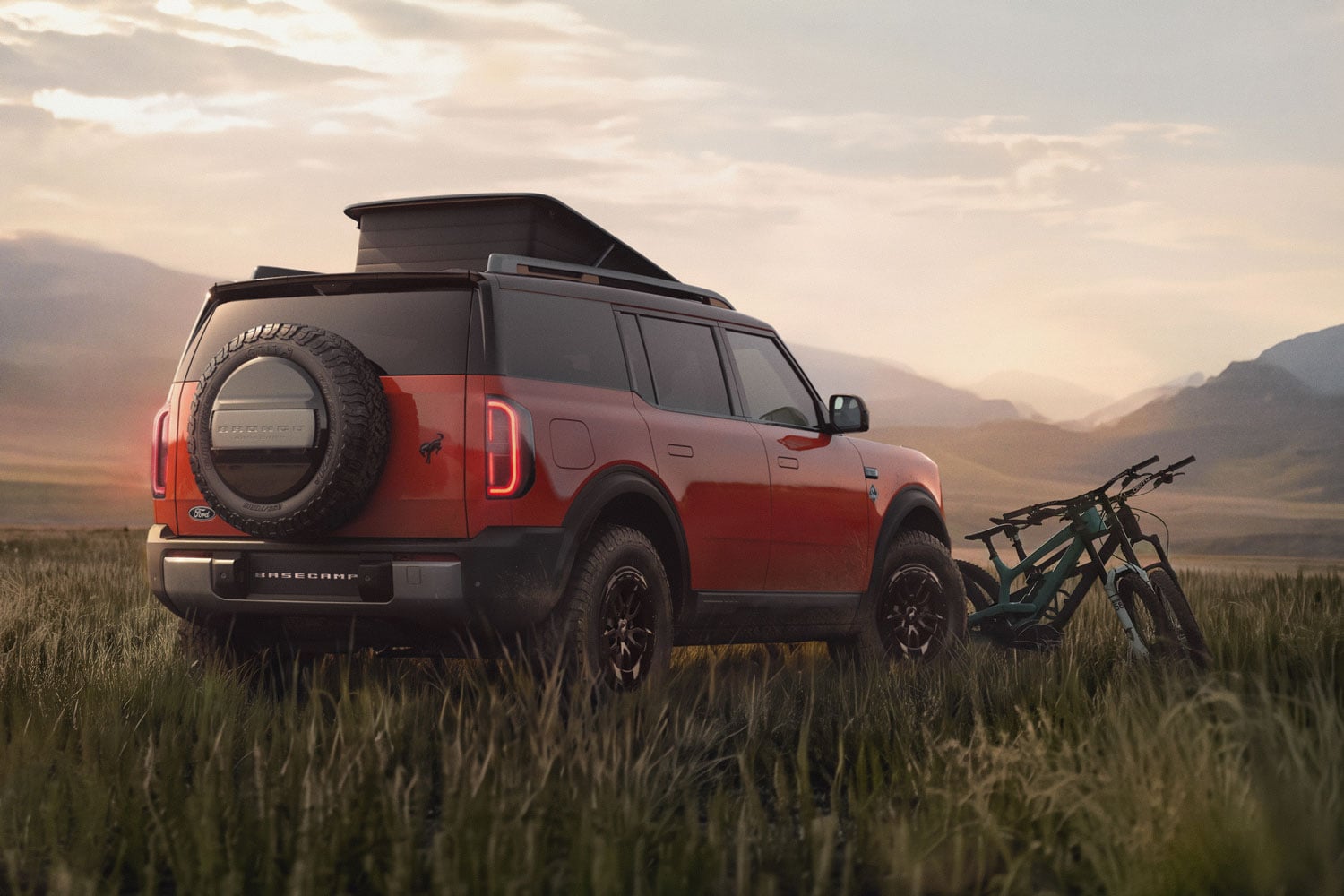
While disappointing for 4WD enthusiasts and Bronco fans, the Bronco Basecamp does have some cool features including vehicle to load power for appliances and power tools, an induction cooktop built into a mini kitchen in the tailgate, a food heater/chiller box, seats that fold flat to form a double bed and a pop-up roof for ventilation and to allow occupants to sit upright if and when camping in the vehicle.
This vehicle is not the Bronco light duty SUV Sport that is available in the USA and some other markets but it is a part of a joint venture with JMC in China. It takes styling cues from both the Bronco Sport and the sixth-gen Bronco including the traditional round headlight front end and Bronco grille.
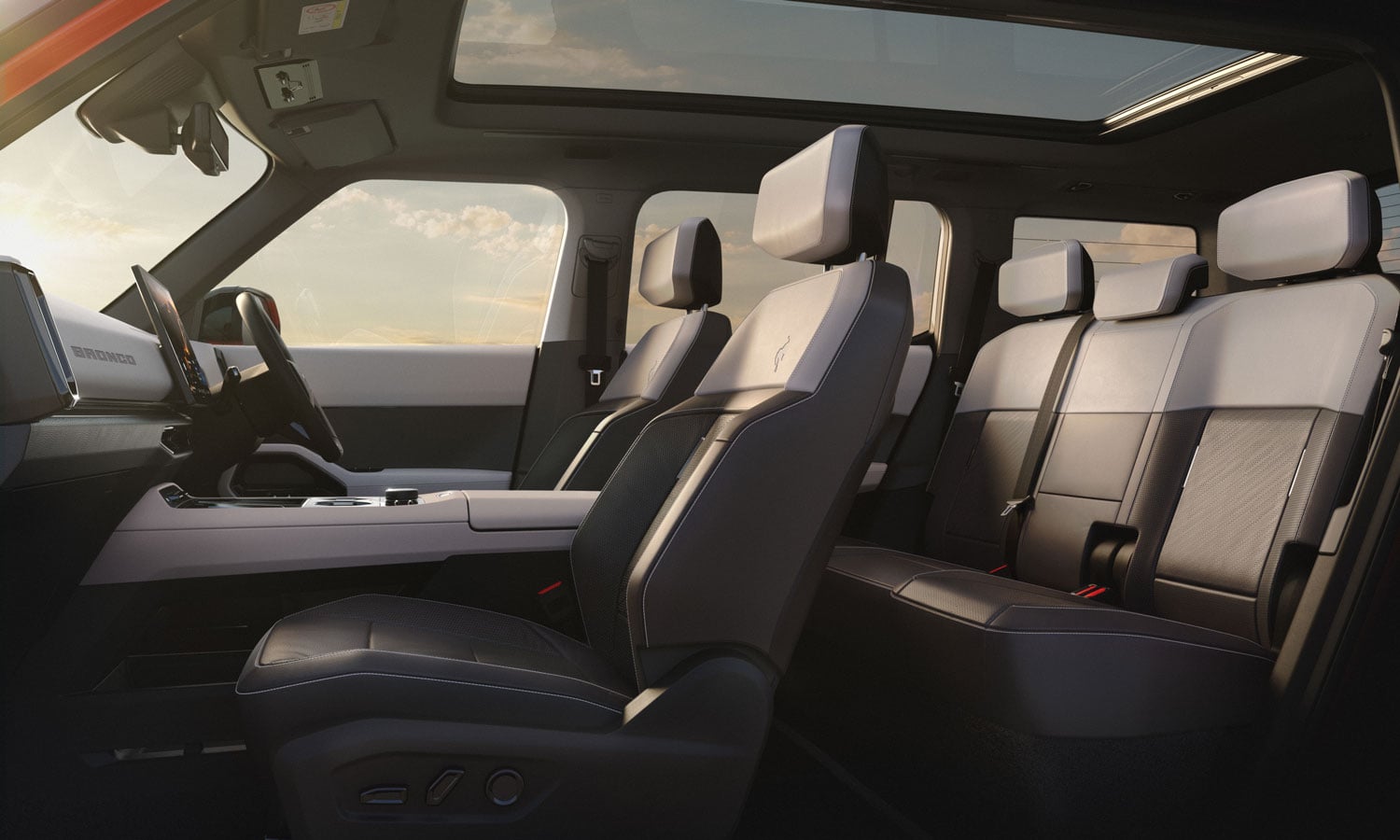
Ford wasn’t ready to talk about pricing and model range of the Bronco Basecamp only saying that it will be available in showrooms in the second half of 2027.
Other news from the event that will be of interest to Ranger owners, particularly fleet managers and trade users, is the expansion of the Ford Pro program in Australia. Already in operation in other countries, the Pro program has been seen here with the Pro-fitter program adopted for the Ranger Super Duty giving approved aftermarket companies access to data and details to develop accessories for the Ranger SD.
The expansion of the program will help buyers from the outset of purchasing a vehicle with finance, vehicle customisation, service scheduling and software to make managing a fleet no matter how big or small simpler.
It was also announced that from September 2026, Ford commercial customer vehicles in Australia and New Zealand would be covered by a 7-year, unlimited kilometres warranty when serviced within the Ford Dealer network.
Other vehicles shown on the night were an EV Transit City van which also comes from JMC along with the Bronco Basecamp, and a Triple Eight Racing enhanced Mustang Dark Horse, both of which will also be available in 2027.
The Navara has carved out a solid reputation as a capable and versatile 4×4, with generations from the D40 through to the current NP300 proving popular with owners who want a ute that can work hard and play harder.
That versatility is clear across these builds. Some are set up for long-range touring with drawers, fridges, lithium batteries, solar and rooftop tents, while others lean heavily into off-road capability with big lifts, lockers, winches, upgraded bar work and 35-inch mud-terrain tyres.
These Navaras have also covered plenty of ground, from the Victorian High Country and Blue Mountains to Cape York, Shark Bay and the Old Telegraph Track. One even managed to pull two stuck Patrols out on the Telegraph Track, while others are still being built with big trips already in the works.
SUBMIT YOUR NAVARA BUILD
Want to see your Navara build here and in the mag? Jump on over to the 4X4 Australia Facebook page and show us your rig!
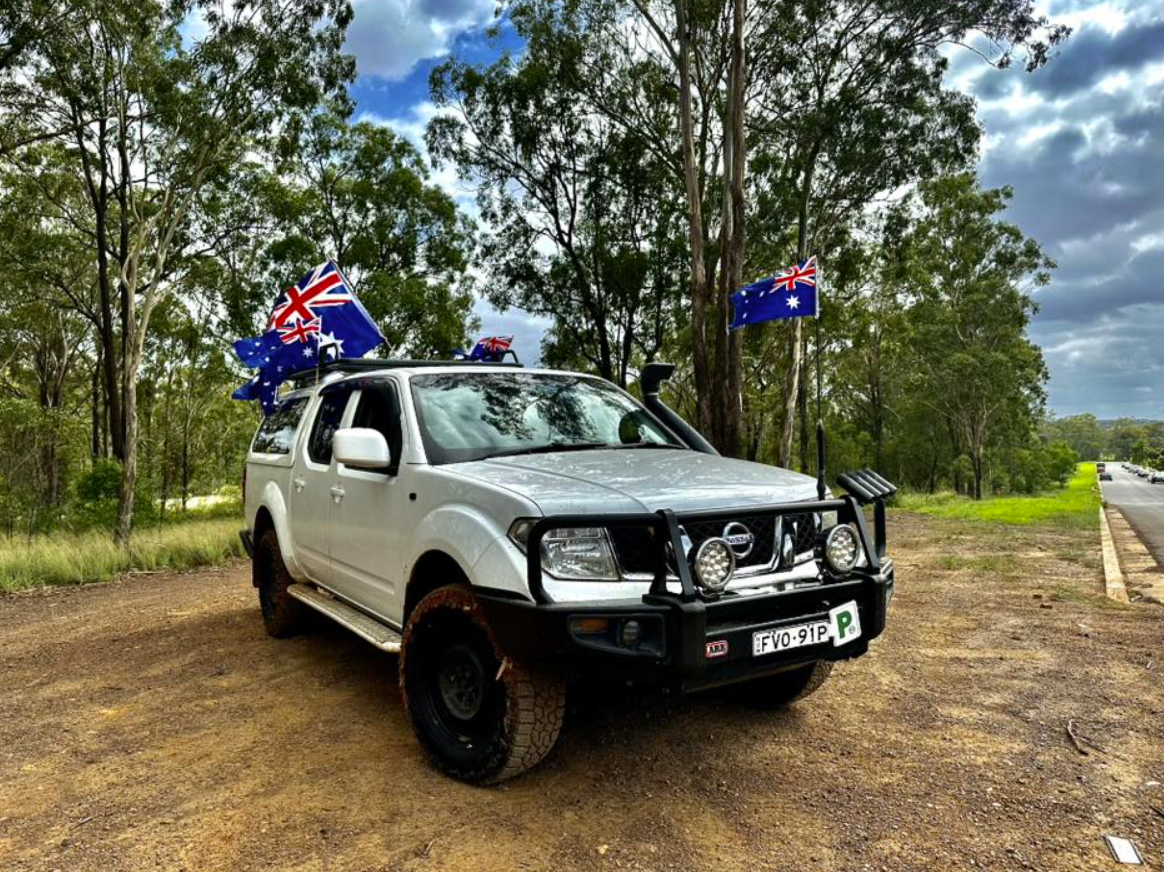
2011 Nissan Navara STX-550
Submitted by Richard Skinner
Richard Skinner’s STX-550 is built for comfort and capability in equal measure, and the Victorian High Country has already put it to the test.
The Navara runs a two-inch suspension and body lift, full drawers, a 12-volt setup in the rear tub, a front-mounted rooftop tent, rear air lockers, and an upgraded aftermarket stereo. Richard’s first and best trip in the rig was through the Victorian High Country, taking in beautiful scenery and some genuinely challenging tracks.
2009 Nissan Navara ST
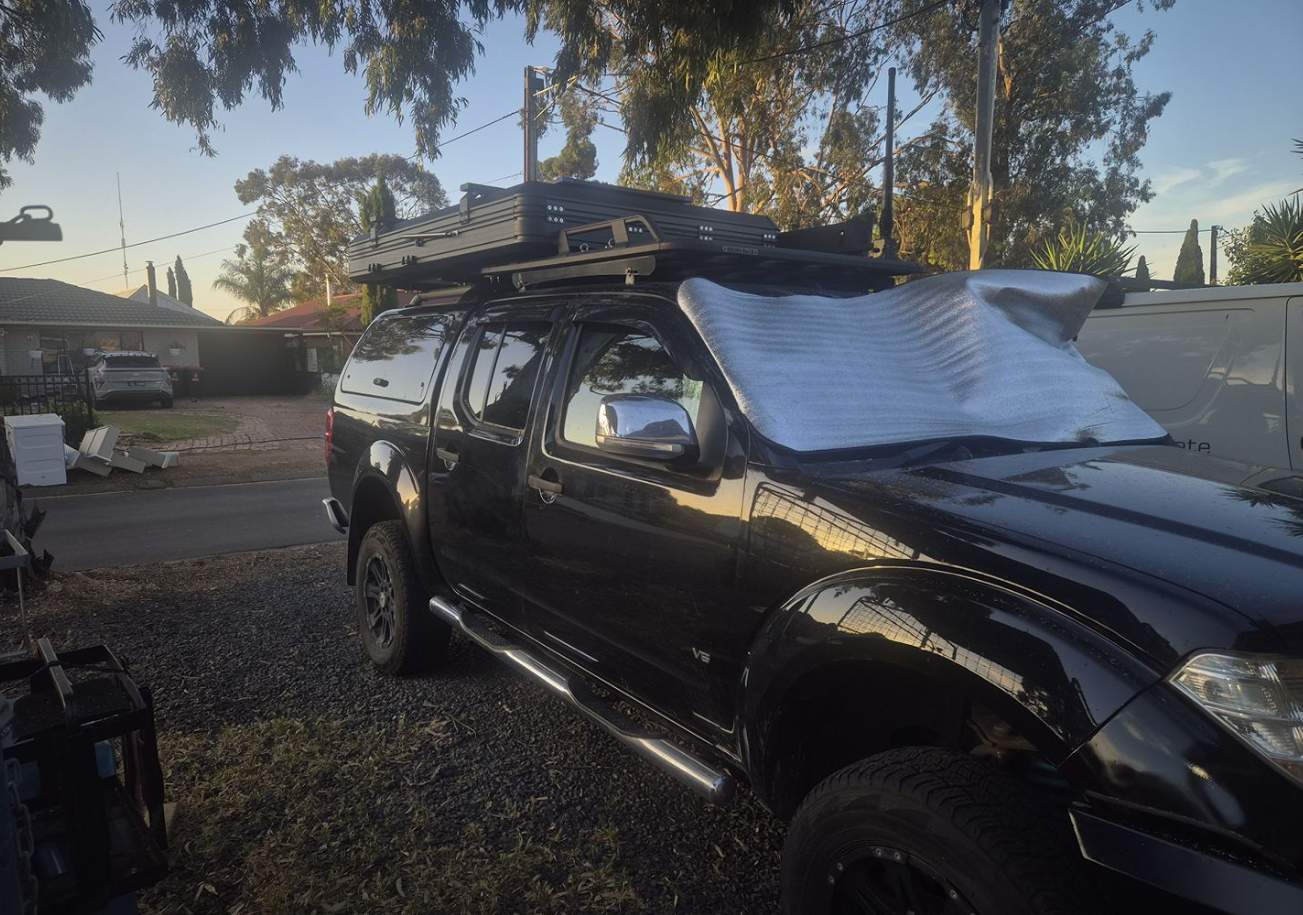
Submitted by Daniel Lizzio
Just two months into ownership, Daniel Lizzio’s 340,000km ST proves a high-kilometre Navara still has plenty left in it.
Up front sits an ARB bull bar and rear bar with a snorkel, sitting above a two-inch suspension lift. A three-inch straight-pipe exhaust, front and rear cameras, and spotlights round out the exterior work, while inside there is a UHF, a three-drawer storage system, and a second battery setup with solar panels and a fridge in the rear. A front rack and 270-degree awning complete the touring fit-out.
It is Daniel’s first four-wheel drive, and in its short time with him it has already tackled a handful of 4×4 tracks around his part of New South Wales, as well as tracks through the Blue Mountains.
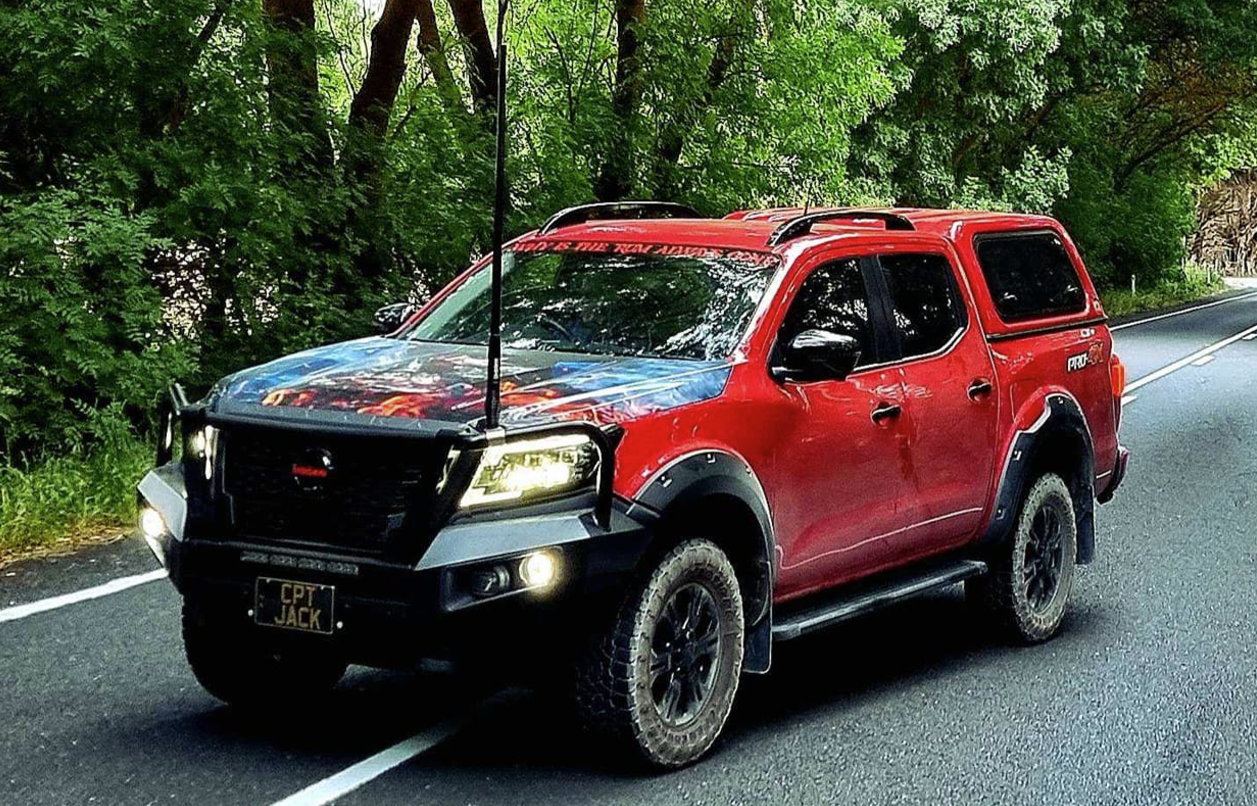
Nissan Navara PRO-4X
Submitted by Michelle Warncken
Known as CPT JACK, Michelle Warncken’s PRO-4X does double duty as a family off-roader and a pirate-themed drawcard at South Australian ute musters.
The build, carried out by Kapunda 4×4, includes a two-inch lift kit from ARB, a genuine Nissan bull bar with an inbuilt LED light bar, and 17-inch wheels running 265/70R17 tyres. A 40-litre fridge, custom drawers, an ARB canopy, and a Front Runner rack with an added slimline LED bar handle storage and touring duties. Solar panels, a winch, and a side awning are next on the list.
CPT JACK is a regular at ute musters for kids to enjoy, and while it is yet to head properly off-road, it has already covered tracks around Kangaroo Island.
2016 Nissan Navara
Submitted by Lucy Eaton
Lucy Eaton’s Navara has covered serious ground, headlined by a solo run up Cape York on the Old Telegraph Track.
Up front, a TJM Chaser Bar sits alongside an In-House Fabrication snorkel and airbox, with Blackhawk diff breathers protecting the diffs. Underneath, a Bilstein 3+2 lift kit works with Cooper 285/75R16 tyres and sliders by Legendex.
Recovery and power come from a Runva winch, a Redarc 12-volt system with a Redarc TowPro Elite, a 95-litre Waeco fridge, a UHF, and OCAM side mirrors. Out back, a Piranha Offroad alloy tray houses a TC Boxes gullwing dogbox, while a Stoney Creek Nugget rooftop tent rides on the trailer.
The standout moment came at Gunshot Creek on the Old Telegraph Track in May 2021, part of a solo trip that dragged the Nugget from Brisbane up to Cape York and home again through central Queensland, 8134km covered in 32 days.
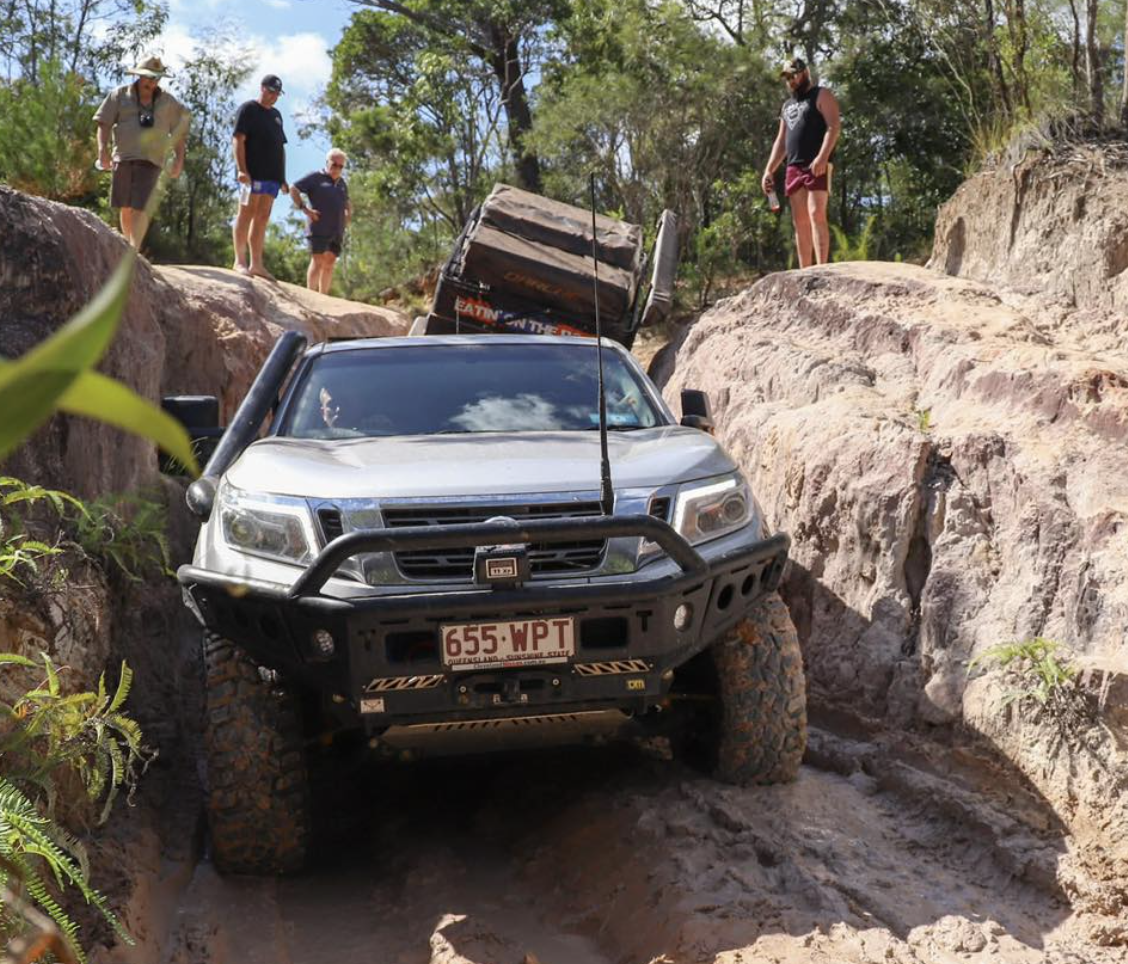
2012 Nissan Navara ST-X 550
Submitted by Simon Faulkner
Simon Faulkner’s retuned D40 has already out-performed his expectations, and a couple of Nissan Patrols along the way.
The 3.0-litre V6 diesel has been retuned and paired with a three-inch turbo-back exhaust for a crisper note. A TC Boxes tray and canopy setup and a 3.5-inch Superior remote-res lift sit above a fresh set of 33-inch Kenda Klever KR601 tyres.
The standout test came on the Old Telegraph Track, where the Navara surprised Simon, a driver with a background in Patrols and old Land Rovers, by pulling out two stuck Patrols on the same trip.
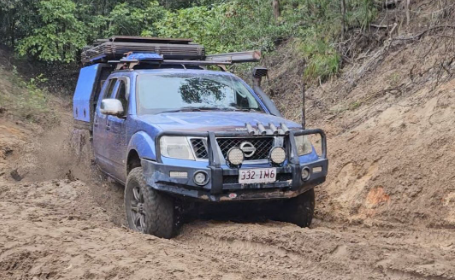
2018 Nissan Navara NP300
Submitted by Neesh Truscott
Neesh Truscott’s NP300 blends serious off-road hardware with a fully personalised interior, and it gets used across Perth’s best-known tracks.
Underneath, the drivetrain has been freed up with a DPF delete and a PPD Performance three-inch turbo-back exhaust. Ride height comes from a four-inch Superior Engineering lift with remote-res shocks and a two-inch body lift, rolling on 35-inch Toyo Open Country muddies. Up front, an Ironman 4×4 Deluxe bull bar and Ironman winch are matched with a custom grille insert and Stedi Type X pros for lighting.
Inside, custom embroidered Superfit seat covers, an Extnix 10-inch head unit, an engraved gear shifter, and a tyre pressure monitoring system from OBD2 Australia finish the personalisation.
The NP300 is a regular on tracks including Julimar, Brunswick, the Mundaring power lines, Lancelin, Wilbinga, and Waroona Dam, but this year’s standout was a touring trip to Shark Bay, around to Steep Point and through the surrounding national parks.
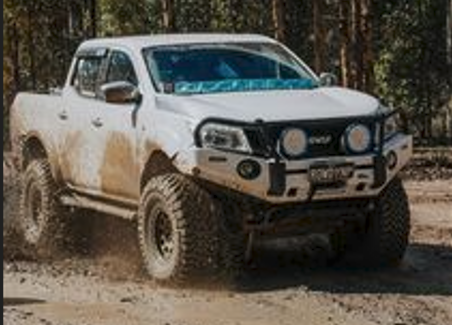
Nissan NP300 Navara
Submitted by Max Hill
Max Hill’s NP300 is the product of 12 months of planning and a three-month build, with the finishing touches now underway.
Under the bonnet, CRG Fab intercooler, exhaust and intake pipes work alongside a Fabulous Fabrications airbox and snorkel, backed by a long-range tank. Ride height and rolling stock come from a Dobinson lift with airbags and KMC Bully rims wrapped in KM3 285/70R17 tyres. A lithium starter battery and Stedi and Lightforce lighting cover power and visibility. For touring, the build carries a MITS Alloy tray and canopy, TJM bar work, a CampBoss 270-degree awning and shower tent, and a Darche rooftop tent.
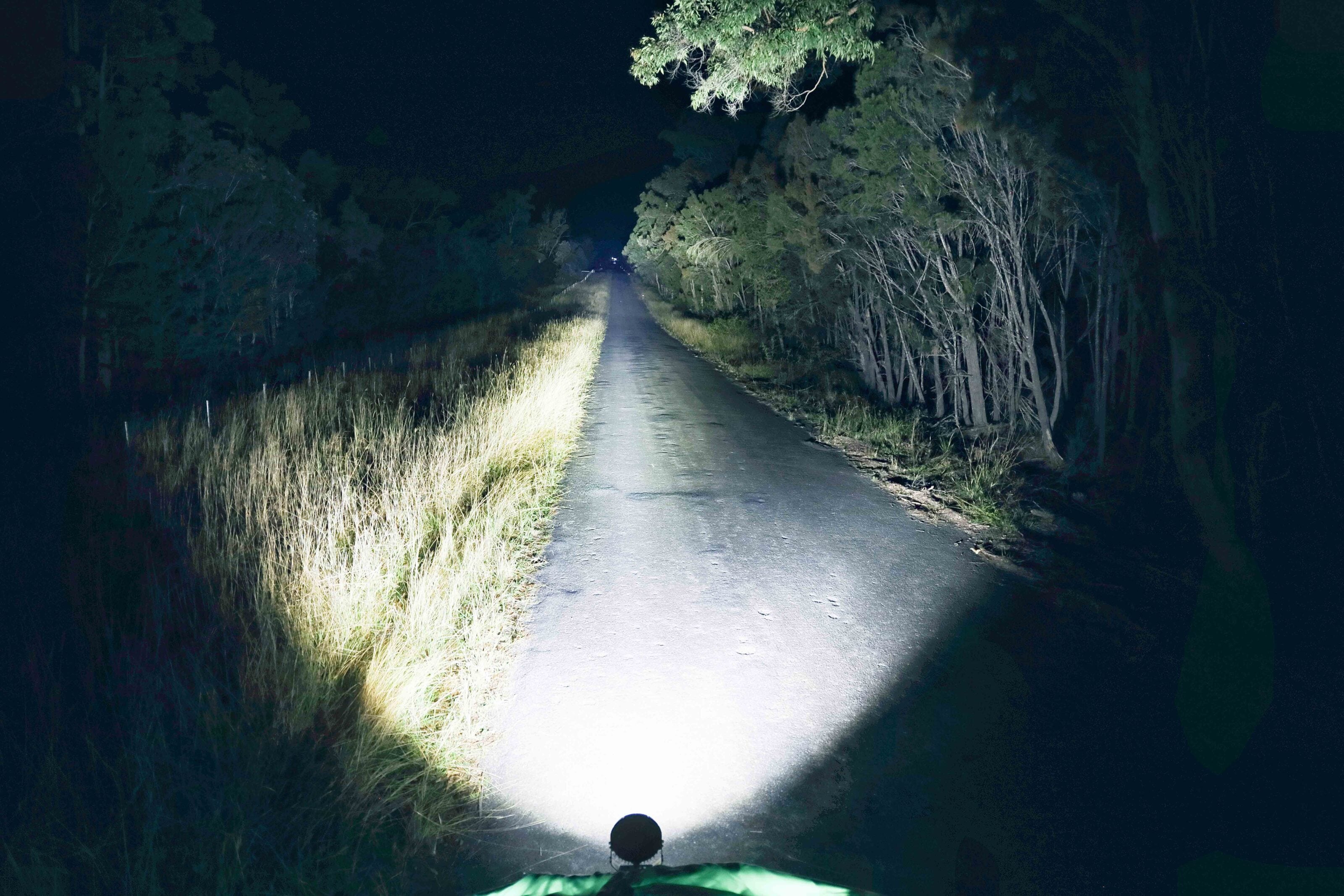
Built to handle work and play in equal measure, the NP300 already has a 10-week trip in the planning once the build is finished.
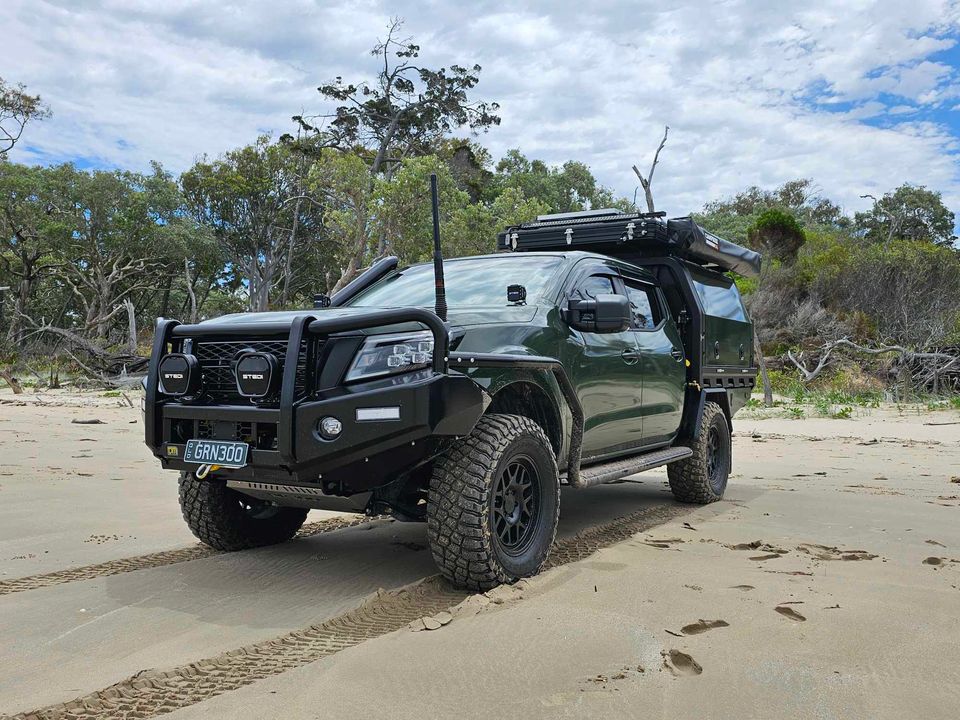
2023 Nissan Navara STX
Submitted by Jimmy Graham
Jimmy Graham’s STX has racked up serious interior Queensland kilometres, and it is still adding more.
The 2.3-litre twin-turbo diesel provides the base for a build focused on long-range touring. Ride height comes from a 2-inch lift, Superior suspension and upper control arms, ROH alloys, and Falken Wildpeak A/T tyres. Power and recovery are covered by a Mits Alloy canopy tray with an Enerdrive lithium system, a 125Ah second battery, a 2000W inverter, and a Redarc brake controller. For touring, an 80-litre Bushman fridge, a 30-litre water tank, and a side awning round out the setup.
The STX has already taken Jimmy to Fraser Island (K’gari), Longreach, Winton, and Boomi, plus a major run through the interior of Queensland via Julia Creek and Carnarvon Gorge, back to Bundaberg and down the coast, with more trips planned.
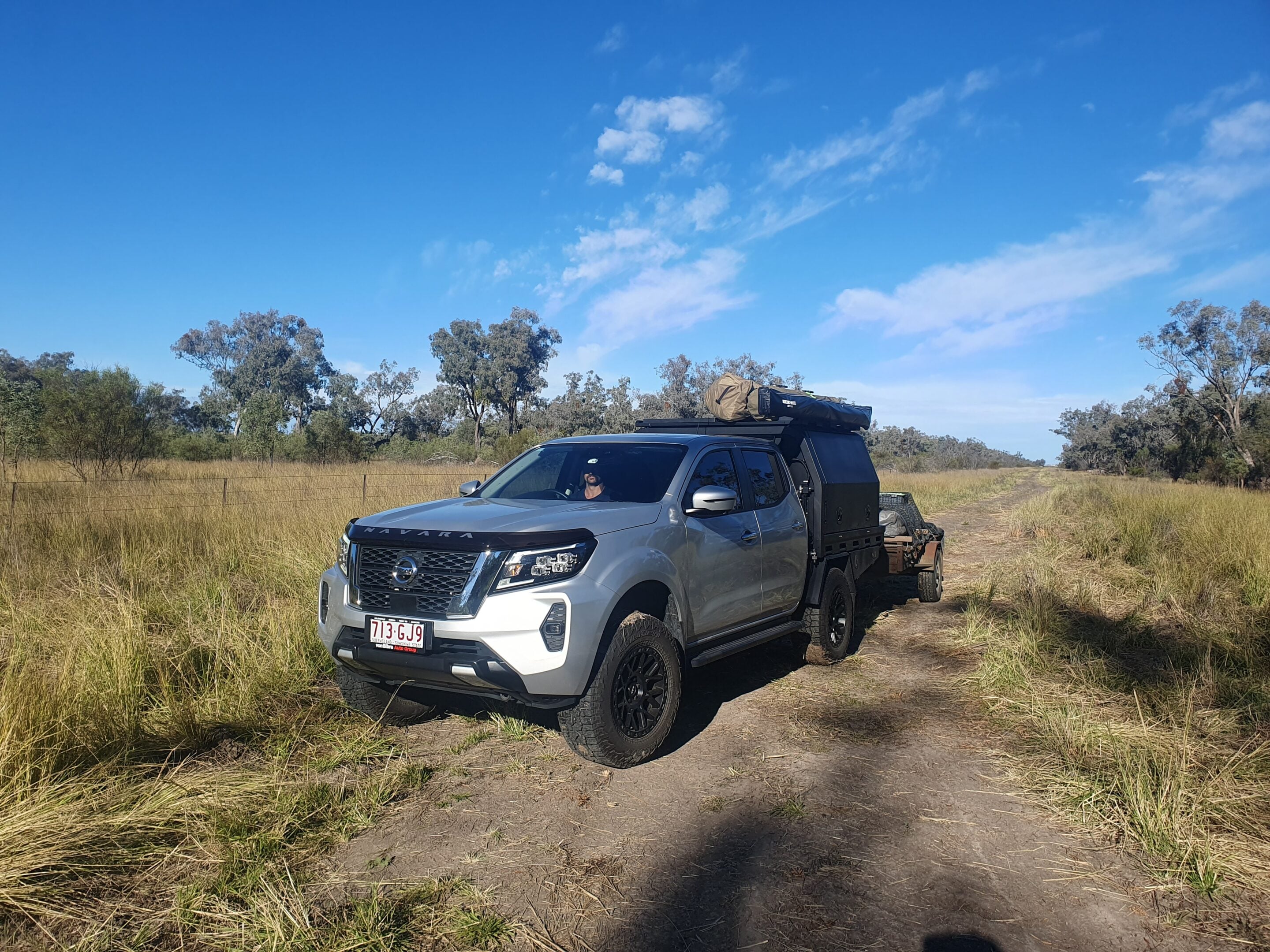
2017 Nissan Navara
Submitted by Toz Baker
Toz Baker’s Navara is set up as a practical, no-fuss tourer, built around a solid mix of protection and self-sufficiency.
Up front, an ARB bull bar and brush bars sit ahead of a Safari snorkel, with 285/70R17 Predator New Mutant tyres on steel rims handling the rough stuff. A three-inch front lift and two-inch rear lift kit from PSR sort out the suspension, while a Bronco tray carries the load out back.
A secondhand canopy with a solar panel on top keeps the fridge and other electronics charged, with the fridge, spotlights, and most electronics sourced from Kings and the control box from XTM, rounding out a rig built to run comfortably off-grid.