4x4 Comparisons

Gallery 1
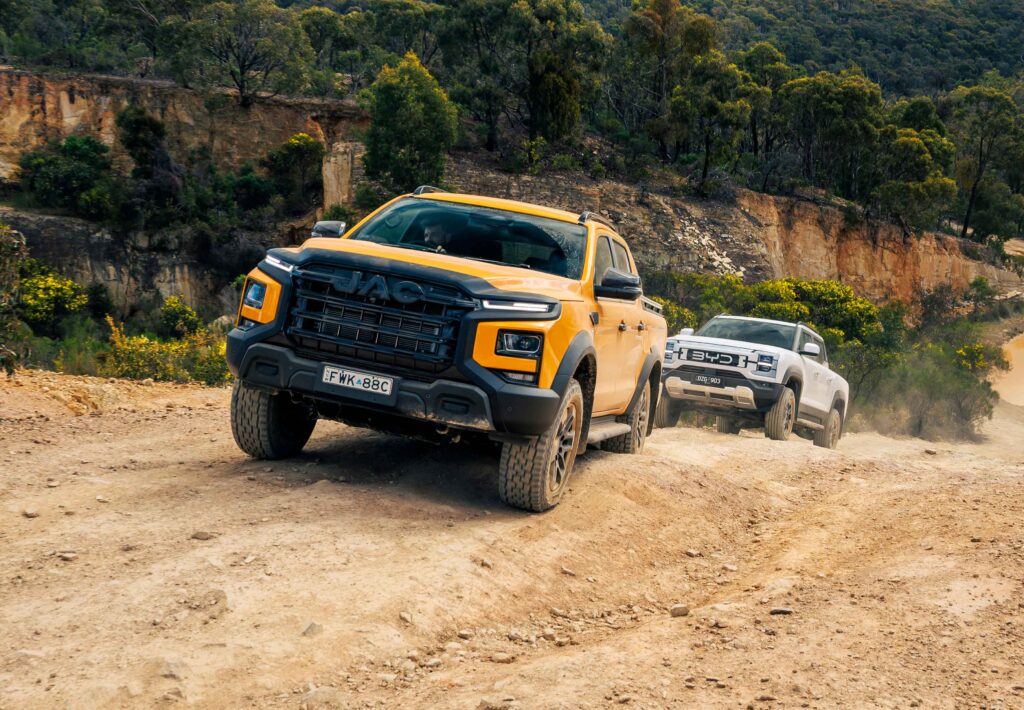
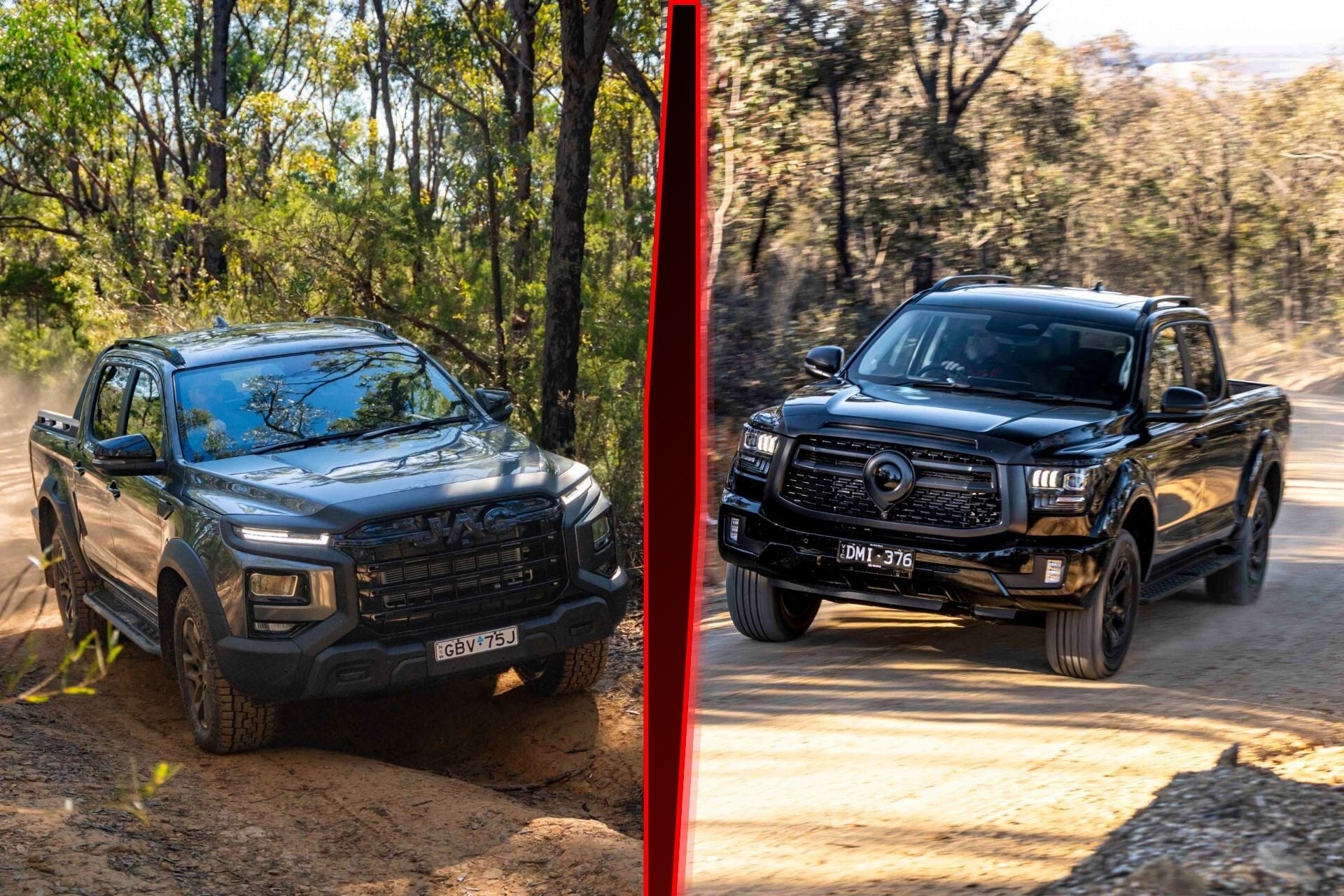
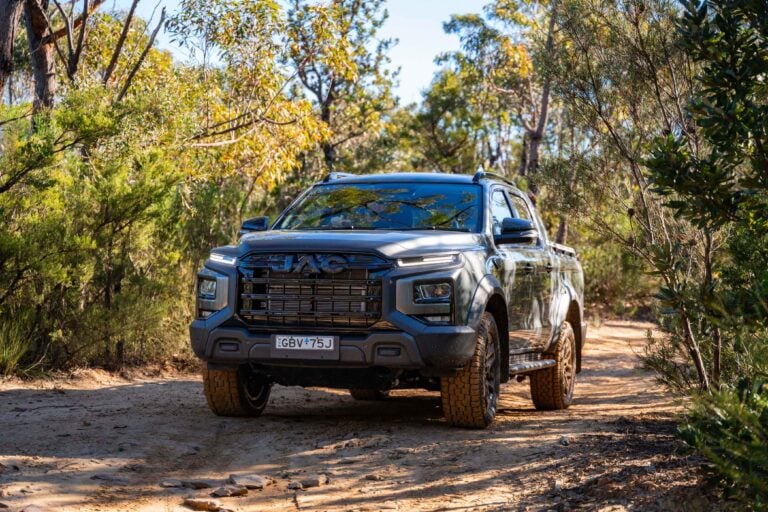
Plug-in hybrid utes are still a relatively new proposition in Australia, but the JAC Hunter X and GWM Cannon Alpha PHEV show how differently manufacturers are approaching the technology.
Both combine turbo-petrol power with electric motors, offer 3500kg braked towing capacity and can provide power to external appliances through vehicle-to-load (V2L) outlets. Their specifications, however, reveal some important differences.
The GWM has a larger battery, a longer claimed electric driving range and a conventional low-range transfer case. The JAC delivers higher quoted combined outputs, more payload and standard front and rear differential locks. There is also a sizeable price difference, with the JAC undercutting both GWM grades. Here’s how the two plug-in hybrid utes stack up.
| Specification | JAC Hunter X | GWM Cannon Alpha PHEV |
|---|---|---|
| Price | $54,844 + ORC | Lux $61,490; Ultra $67,990 |
| Engine | 2.0L turbo-petrol | 2.0L turbo-petrol |
| Engine power | 160kW | 180kW |
| Engine torque | 370Nm | 380Nm |
| Electric motor output | Front: 130kW/300Nm; rear: 150kW/340Nm | 120kW/400Nm |
| Combined system output | 360kW/1010Nm | 300kW/750Nm |
| Transmission | Not specified in supplied specifications | Nine-speed hybrid transmission |
| Drivetrain | Electric all-wheel drive | Mechanical 4WD |
| Battery | 31.2kWh LFP | 37.1kWh ternary lithium |
| Claimed EV range | 100km NEDC | 110km NEDC |
| Claimed combined range | 1005km NEDC | 880km NEDC |
| Claimed fuel consumption | 1.6L/100km NEDC | 1.7L/100km NEDC |
| Fuel tank | 77L | 75L |
| Maximum braked towing | 3500kg | 3500kg |
| Payload | 915kg | 685kg |
| GVM | 3470kg | 3495kg |
| GCM | 6430kg | 6745kg |
| Kerb weight | 2555kg | 2810kg |
| Ground clearance | 200mm | 224mm |
| Wading depth | 550mm | 800mm |
| Approach angle | 28 | 28.5 |
| Departure angle | 23 | 23 |
| Rampover angle | 23 | 19 |
| Low range | No conventional low range | Yes |
| Differential locks | Front and rear | Lux: centre and rear; Ultra: front, centre and rear |
| V2L output | 3.3kW | 3.3kW |
| Maximum DC charging | 46kW | 50kW |
| Maximum AC charging | Not specified | 6.6kW |
| Vehicle warranty | Seven years/unlimited kilometres | Seven years/unlimited kilometres |
| Battery warranty | Eight years/150,000km | Eight years/unlimited kilometres |
Specifications are based on manufacturer information supplied for this comparison. Equipment and figures can vary by grade. NEDC figures are laboratory test results and should not be treated as guaranteed real-world range or fuel consumption.
Quick verdict
- Power and payload: JAC Hunter X, with 360kW/1010Nm and 915kg payload, against the GWM Cannon Alpha’s 300kW/750Nm and 685kg.
- Electric range: GWM, with a 110km NEDC claim and 37.1kWh battery, compared with the JAC’s 100km and 31.2kWh.
- Off-road ability: GWM has low range, greater ground clearance and deeper wading capability, while the JAC has the better rampover angle and standard front and rear lockers.
- Value: The Hunter X is priced $6646 below the Cannon Alpha Lux, its closest price equivalent, with the GWM Ultra sitting $13,146 above the JAC. The JAC price is before on-road costs.
Price and equipment
The JAC Hunter X is priced at $54,844 plus on-road costs, while the GWM Cannon Alpha PHEV is priced at $61,490 for the Lux and $67,990 for the Ultra.
That puts $6646 between the JAC and GWM Lux on their listed prices, before accounting for the JAC’s on-road costs. Stepping up to the GWM Ultra increases the difference to $13,146.
The Cannon Alpha is available in Lux and Ultra PHEV grades. The Lux includes 18-inch alloy wheels, dual-zone climate control, a 12.3-inch driver display and touchscreen, wireless Apple CarPlay and Android Auto, leatherette upholstery, electric front-seat adjustment and a 360-degree camera. It also gets a centre and rear differential lock, along with a suite of driver assistance and safety equipment.
The Ultra adds the front differential lock, a panoramic sunroof, a larger 14.6-inch touchscreen, a 10-speaker Infinity sound system, head-up display and leather-accented upholstery. It also brings heated, ventilated and massage functions for the front seats, heated and ventilated outer rear seats, a heated steering wheel and additional convenience features.
The JAC Hunter X is the higher-specification version of the Hunter PHEV range, with its twin differential locks included as standard. The lower-priced Pro is listed at $49,988, but this comparison uses the X grade.
1
Power and performance
The two utes take different approaches to their plug-in hybrid systems, and the JAC has the advantage on the combined output figures.
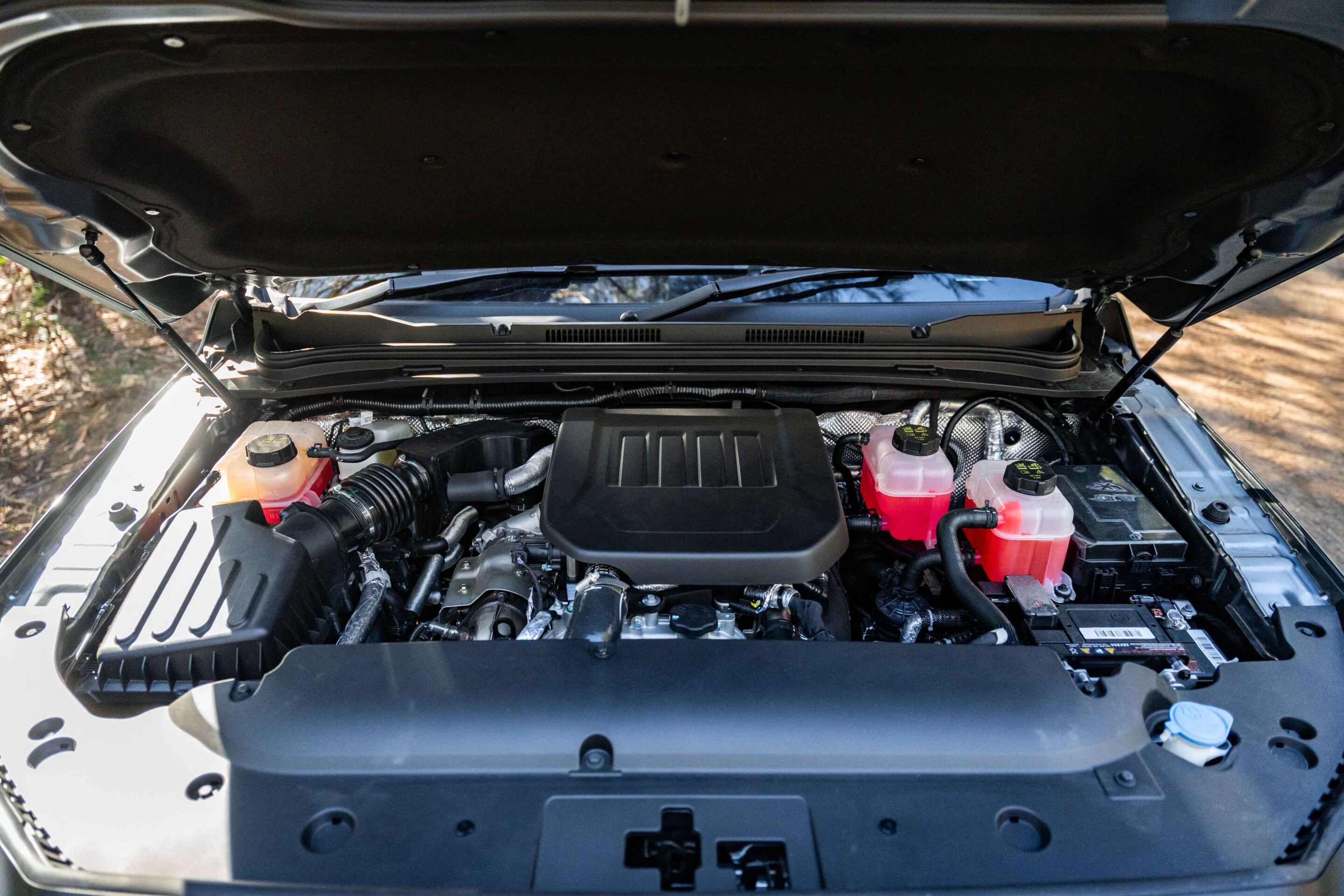
Its 2.0-litre turbo-petrol engine produces 160kW and 370Nm, while separate front and rear electric motors produce 130kW/300Nm and 150kW/340Nm respectively. JAC quotes combined system outputs of 360kW and 1010Nm.
The GWM’s 2.0-litre turbo-petrol engine produces 180kW and 380Nm, working with a 120kW/400Nm electric motor. Combined system output is quoted at 300kW and 750Nm, with power sent through a nine-speed hybrid transmission. The GWM Cannon Alpha therefore has the stronger petrol engine on its own, but the JAC has the higher quoted combined system output. The figures are manufacturer-claimed system totals and should not be interpreted as a direct comparison of individual motor outputs or torque delivered at the wheels.
Both systems can operate as plug-in hybrids, allowing the battery to be charged externally and used for electric driving before the petrol engine becomes more involved.
1
Towing and payload
Both utes are rated to tow up to 3500kg braked, but their payload figures and remaining weight allowances differ.
The JAC Hunter X has a 915kg payload, comfortably ahead of the Cannon Alpha PHEV’s 685kg. That’s a 230kg advantage for the JAC before a trailer is attached. GCM is also important when assessing how much weight each ute can carry while towing at its maximum rating. Using the formula below:
GCM − trailer weight − kerb weight = remaining allowance
- Hunter X: 6430 − 3500 − 2555 = 375kg
- Cannon Alpha PHEV: 6745 − 3500 − 2810 = 435kg
On these figures, the GWM has a 60kg advantage in remaining allowance when towing 3500kg. However, this is a theoretical calculation, not an additional payload figure. Occupants, luggage and accessories must still be accounted for, and neither vehicle can exceed its GVM or axle limits. Towball download also needs to be factored into the actual load. The JAC carries more when not towing, while the GWM has a slight advantage in its calculated remaining allowance at maximum towing capacity.
Electric range and battery
The GWM has the larger battery and the longer claimed electric range.
Its 37.1kWh ternary lithium battery is claimed to provide up to 110km of electric driving on the NEDC cycle. The JAC uses a 31.2kWh LFP battery, with a claimed NEDC range of 100km. That gives the Cannon Alpha a 10km advantage on the quoted figures, although both claims are based on the NEDC test cycle and real-world range will vary with speed, load, terrain, temperature and driving style.
The combined range figures favour the JAC. It is quoted at up to 1005km on the NEDC cycle, compared with 880km for the GWM. The claimed fuel consumption figures are close, at 1.6L/100km for the JAC and 1.7L/100km for the GWM.
The JAC has a 77L fuel tank, while the GWM has a slightly smaller 75L tank. The claimed combined range figures therefore favour the JAC despite the GWM’s larger battery and slightly longer electric-only range.
As with all plug-in hybrids, those fuel consumption figures depend heavily on regular charging and the amount of driving completed using battery power. They should not be treated as representative of long-distance driving with a depleted battery.
Off-road capability
This is where the GWM Cannon Alpha has a clear mechanical advantage, although the JAC has some useful figures of its own.
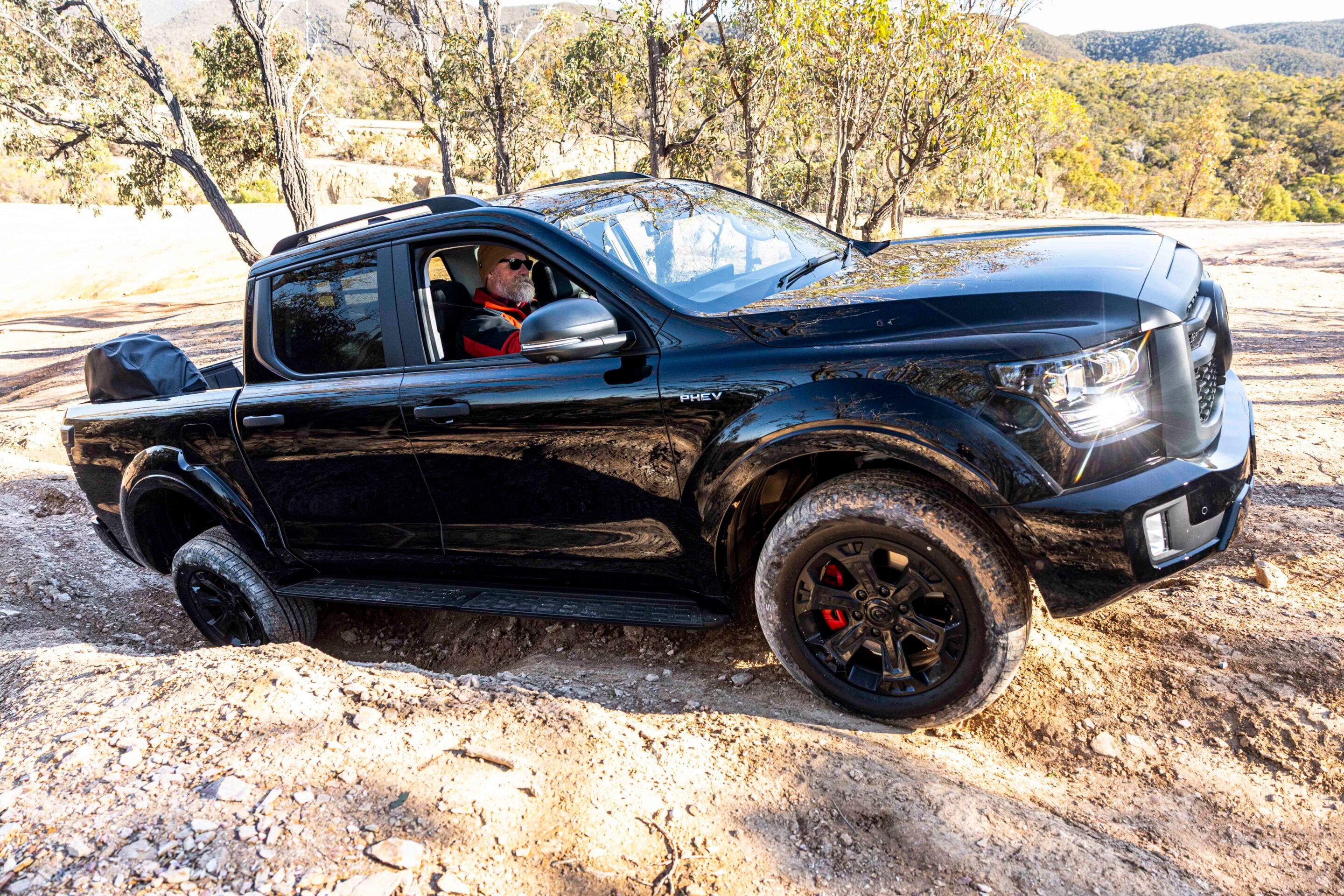
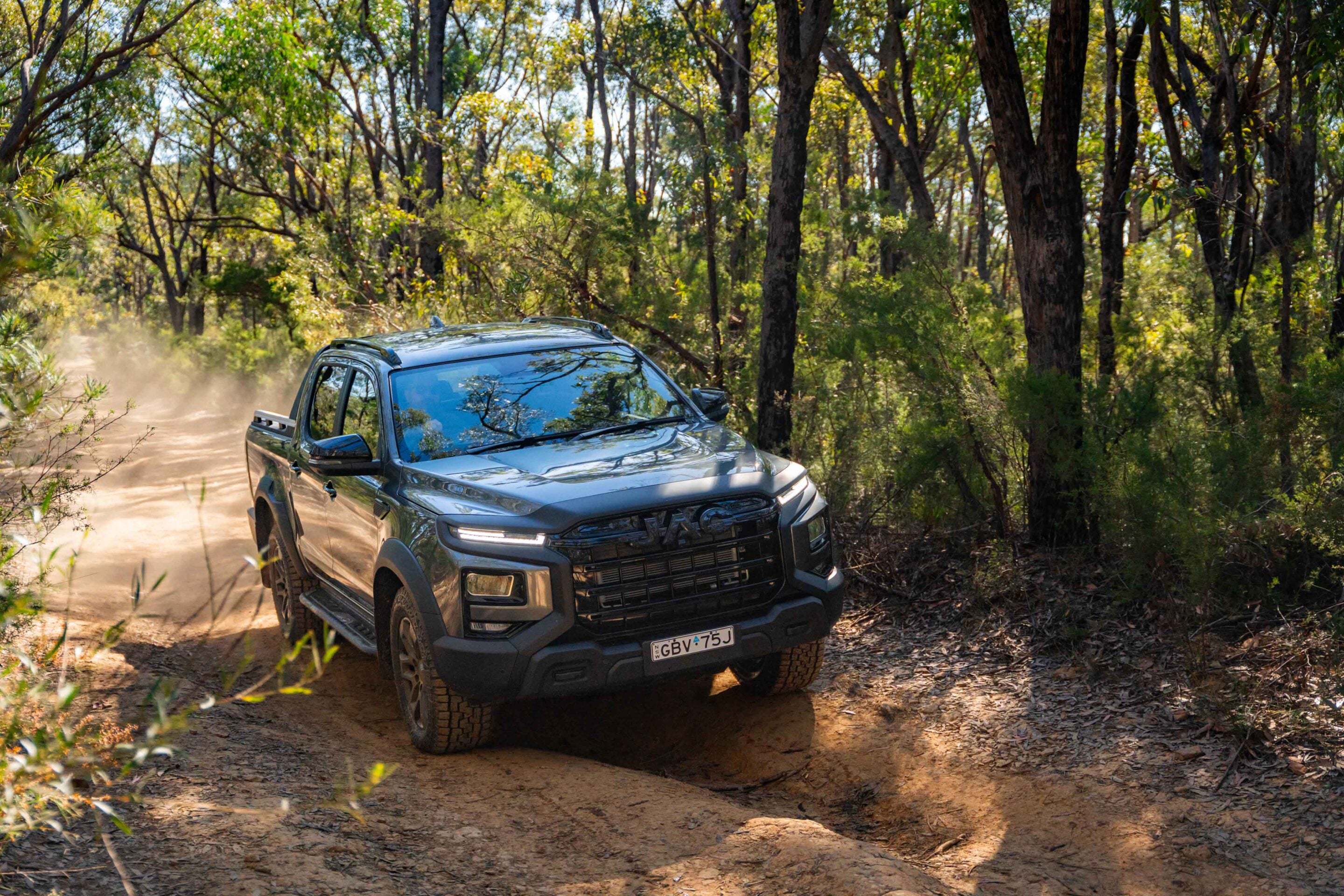
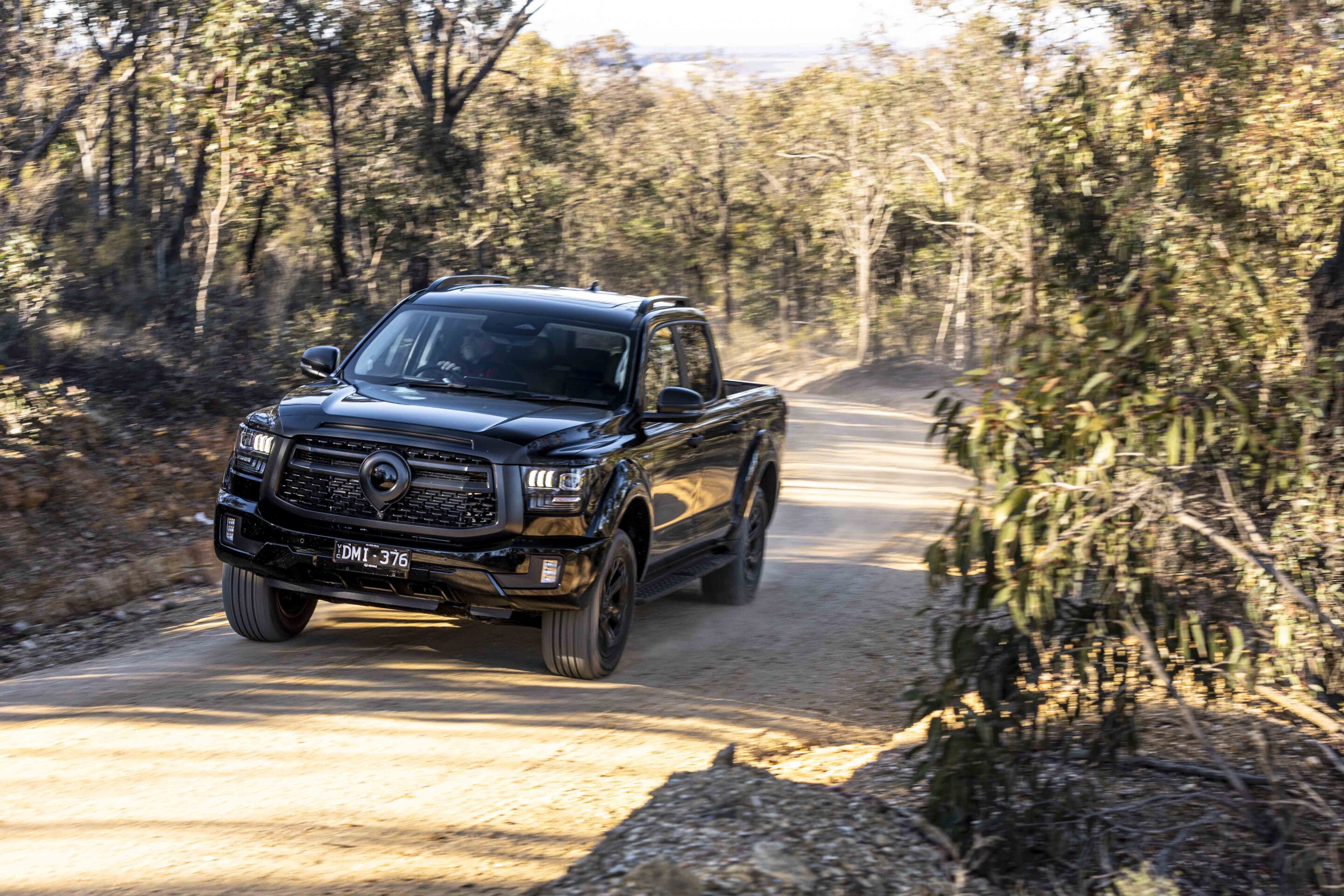
The Cannon Alpha PHEV uses a conventional mechanical four-wheel-drive system with a selectable high- and low-range transfer case. It also has a centre differential lock and rear differential lock in Lux form, with the Ultra adding an electronic front differential lock. That gives the GWM a familiar set-up for low-speed off-road driving, particularly when negotiating steep climbs, rocky tracks and difficult terrain where low range is useful.
The JAC takes a different approach, using separate electric motors to drive the front and rear axles. The Hunter X has front and rear differential locks as standard, but it does not have a conventional low-range transfer case.

1
The GWM has 224mm of ground clearance, compared with 200mm for the JAC. Its quoted wading depth is also greater, at 800mm against 550mm. The approach and departure angles are close. The GWM quotes 28.5 degrees for approach and 23 degrees for departure, compared with 28 and 23 degrees respectively for the JAC. The JAC has the better rampover angle, at 23 degrees against 19 degrees for the GWM.
That gives the JAC an advantage when cresting sharp rises where the underside could otherwise make contact. The GWM’s extra ground clearance and wading depth are useful advantages, but its lower rampover angle is worth considering for buyers tackling uneven tracks.
For those who regularly tackle technical terrain, the GWM’s low range and mechanical 4WD system will be a significant consideration. The JAC’s twin lockers are useful equipment, but they do not replace the gearing advantage of a low-range transfer case.
1
Charging and campsite power
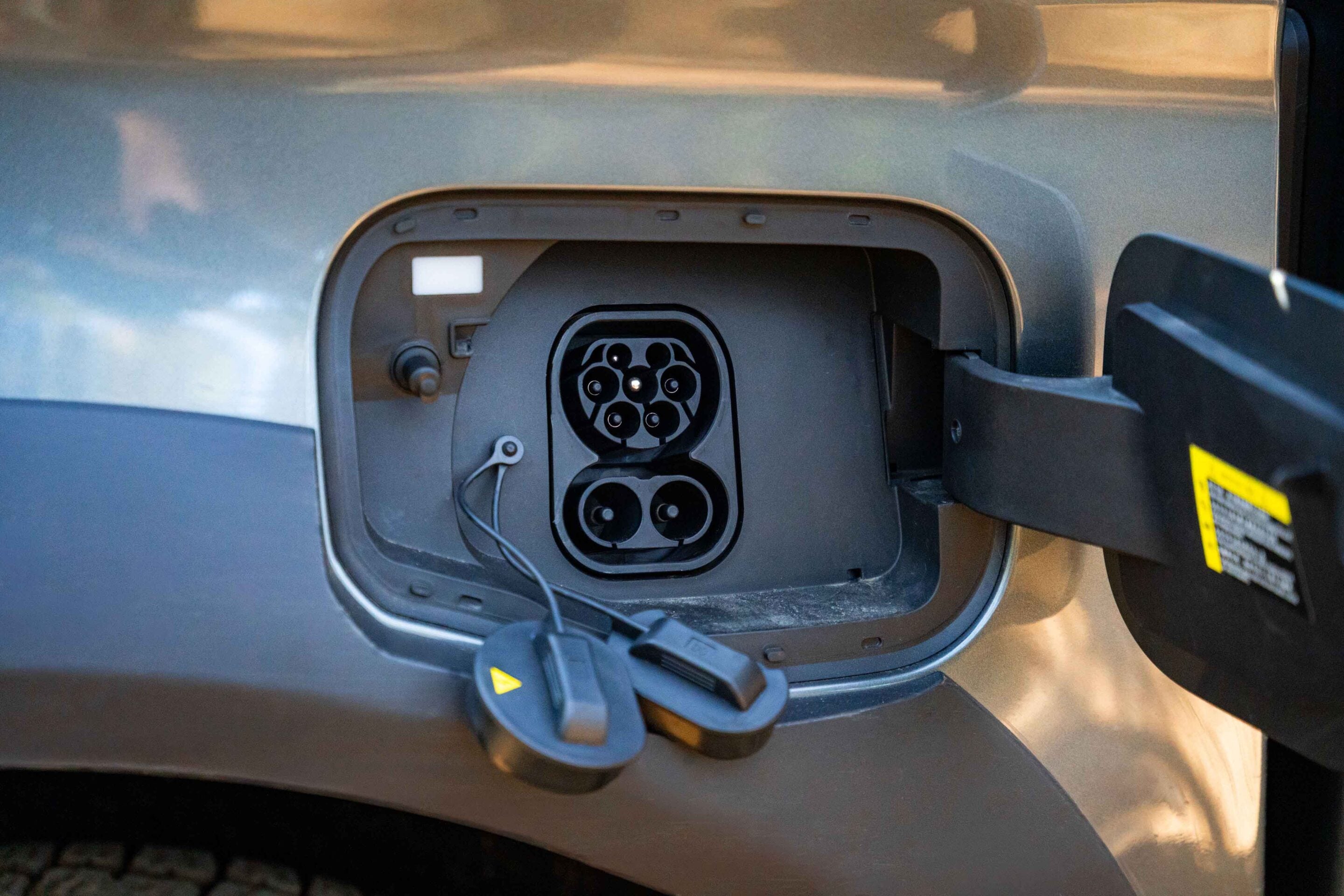
Both utes offer vehicle-to-load functionality, with a maximum external power output of 3.3kW. That allows compatible appliances and equipment to be powered from the vehicle’s battery.
The GWM Cannon Alpha has a maximum DC charging rate of 50kW and supports AC charging at up to 6.6kW. GWM quotes approximately 26 minutes for a 30 to 80 per cent DC charge and around 6.5 hours for a full AC charge. The JAC Hunter’s maximum DC charging rate is 46kW. Its AC charging rate and corresponding charge time were not specified in the information supplied for this comparison.
The difference in maximum DC charging speed is relatively small on paper, but the GWM has the advantage of a published AC charging rate and charge-time claim. Both provide the same quoted 3.3kW V2L output for camping and touring use.
1
Warranty and ownership
Both manufacturers offer a seven-year, unlimited-kilometre vehicle warranty.
The battery warranties differ. JAC covers the Hunter X battery for eight years or 150,000km, whichever comes first, while GWM lists an eight-year, unlimited-kilometre battery warranty. JAC also offers seven years of roadside assistance and capped-price servicing, covers commercial use under its seven-year vehicle warranty, and provides a Ute for Ute loan program. GWM includes seven years of roadside assistance and seven years of capped-price servicing.
Warranty conditions and exclusions apply, so buyers should check the relevant manufacturer’s terms, particularly for battery coverage and vehicles used for towing or commercial work.
Which plug-in hybrid ute should you buy?
The JAC Hunter X and GWM Cannon Alpha PHEV have the same headline towing capacity, but they are aimed at buyers with different priorities.
The JAC makes a strong case on paper with its higher combined power and torque figures, 230kg payload advantage and longer claimed combined range. It also includes front and rear differential locks as standard on the X grade. Its main off-road compromise is the absence of a conventional low-range transfer case.
The GWM counters with a larger battery, slightly longer claimed electric range, greater ground clearance and wading depth, and a more traditional mechanical four-wheel-drive system with low range. Its approach angle is marginally better, although the JAC has the advantage on rampover angle. The GWM’s payload is lower, and its Ultra is considerably more expensive than the JAC on the listed prices.
1
For buyers prioritising payload, quoted system output and value, the JAC Hunter X is the stronger specification proposition. For those who want conventional low-range 4WD hardware, a larger battery and a longer claimed electric range, the GWM Cannon Alpha PHEV is the more complete fit.
The deciding factor is likely to be how the ute will be used. A high payload and strong system output won’t compensate for the lack of low range if technical off-road driving is a regular part of the plan. Equally, the GWM’s extra off-road hardware may be less important to buyers who spend most of their time touring on formed roads.
FAQs
Which has more power, the JAC Hunter X or GWM Cannon Alpha PHEV?
The JAC Hunter X has the higher claimed combined system output, at 360kW and 1010Nm. The GWM Cannon Alpha PHEV produces 300kW and 750Nm.
Which has the longer electric range?
The GWM Cannon Alpha PHEV has a claimed NEDC electric range of 110km, compared with 100km for the JAC Hunter X.
Which has the higher payload?
The JAC Hunter X has a quoted payload of 915kg, which is 230kg more than the GWM Cannon Alpha PHEV’s 685kg.
Can both utes tow 3500kg?
Yes. Both the JAC Hunter X and GWM Cannon Alpha PHEV have a maximum braked towing capacity of 3500kg. Buyers should also check GCM, GVM, axle limits and towball download when calculating how much they can carry while towing.
Does the JAC Hunter X have low range?
No. The JAC uses an electric all-wheel-drive system and does not have a conventional low-range transfer case. It does have front and rear differential locks on the X grade.
Does the GWM Cannon Alpha PHEV have low range?
Yes. The GWM has a conventional selectable high- and low-range transfer case, along with a centre and rear differential lock in Lux form. The Ultra adds a front differential lock.
Which has the bigger battery?
The GWM Cannon Alpha PHEV has a 37.1kWh battery, compared with the JAC Hunter X’s 31.2kWh battery.
How much does the GWM Cannon Alpha PHEV cost?
The GWM Cannon Alpha PHEV is priced at $61,490 for the Lux and $67,990 for the Ultra.
- Specifications and pricing are based on information available at the time of writing. NEDC range and fuel consumption figures are laboratory claims and will vary in real-world use. Always confirm vehicle specifications, pricing and warranty terms with the manufacturer or dealer before purchase.
- Sponsored by JAC Motors Australia
Sources
Follow 4X4 Australia on Google
Get more 4x4 news, reviews and gear stories from 4X4 Australia in your Google feeds.

We recommend
-
 4x4 Comparisons
JAC Hunter X vs BYD Shark 6 Performance: Is the Shark worth $8000 more?
The JAC Hunter X undercuts the BYD Shark 6 Performance by more than $8000 and brings more traditional 4x4 hardware. But is value enough to topple Australia's PHEV ute benchmark?
-
 Reviews
JAC Hunter X review: Is this 1010Nm ute set to change the game?
The JAC Hunter Plug-In Hybrid takes aim at the big dogs
-
 Reviews
GWM Cannon Alpha PHEV 2025 review: Shark hunter is a gem
GWM adds to its Cannon Alpha range by introducing a PHEV variant, and it’s a beauty!