Advice

Gallery 1
A lift kit might look like a straightforward purchase: Pick a lift height, choose your springs and shocks, and get it fitted.
However, raising a 4WD affects more than ride height. Other components must still operate safely and correctly once the vehicle is lifted. Some kits include only the main suspension components, while others include additional parts to maintain clearance, correct alignment or reduce strain on the driveline. That’s one reason two kits advertised at the same lift height can have quite different prices.
Not every 4WD needs every extra part. The key is knowing what your vehicle requires, what’s included in the kit and whether anything else needs to be addressed before fitment. Suspension specialists such as Superior Engineering (↗) can help identify which supporting components are needed for a particular vehicle and lift height.
Start with springs and shocks
Springs and shock absorbers are the core components of most suspension lift kits. Springs support the vehicle’s weight and establish ride height, while shocks control suspension movement over bumps and uneven ground.
Depending on the suspension design, a 4WD may use coil springs or leaf springs with separate shock absorbers. Some vehicles use struts, which combine the spring and shock absorber into one assembly.
These components need to suit the intended lift height, vehicle weight and type of driving. Spring selection also needs to account for permanent accessories and typical loads, but fitting heavier springs doesn’t automatically increase the vehicle’s legal payload or gross vehicle mass (GVM).
A spring and shock package might fit without trouble, but that doesn’t guarantee the rest of the suspension, steering and driveline will work correctly throughout their range of movement.
Which extra parts might you need?
The parts list depends on the vehicle and the finished setup. Some components are essential for a particular lift, while others are only needed when the height or suspension design calls for them. Superior Engineering (↗) offers suspension components and lift kit solutions, but the parts required will depend on the vehicle and the finished setup.
Extended brake lines
Brake lines need enough length to accommodate suspension movement, including when the wheels drop to full extension. A lift can leave the original lines too short. If a line becomes stretched, strained or caught as the suspension moves, it can be damaged and compromise braking. Extended lines may be needed to provide sufficient length and clearance. ABS wiring and other cables also need to be checked to ensure they aren’t stretched or damaged as suspension travel changes.
A small lift doesn’t automatically require longer lines, but the originals must be checked at full suspension extension. If they become taut or interfere with other components, the setup needs correcting before the vehicle is driven.
Sway bar links
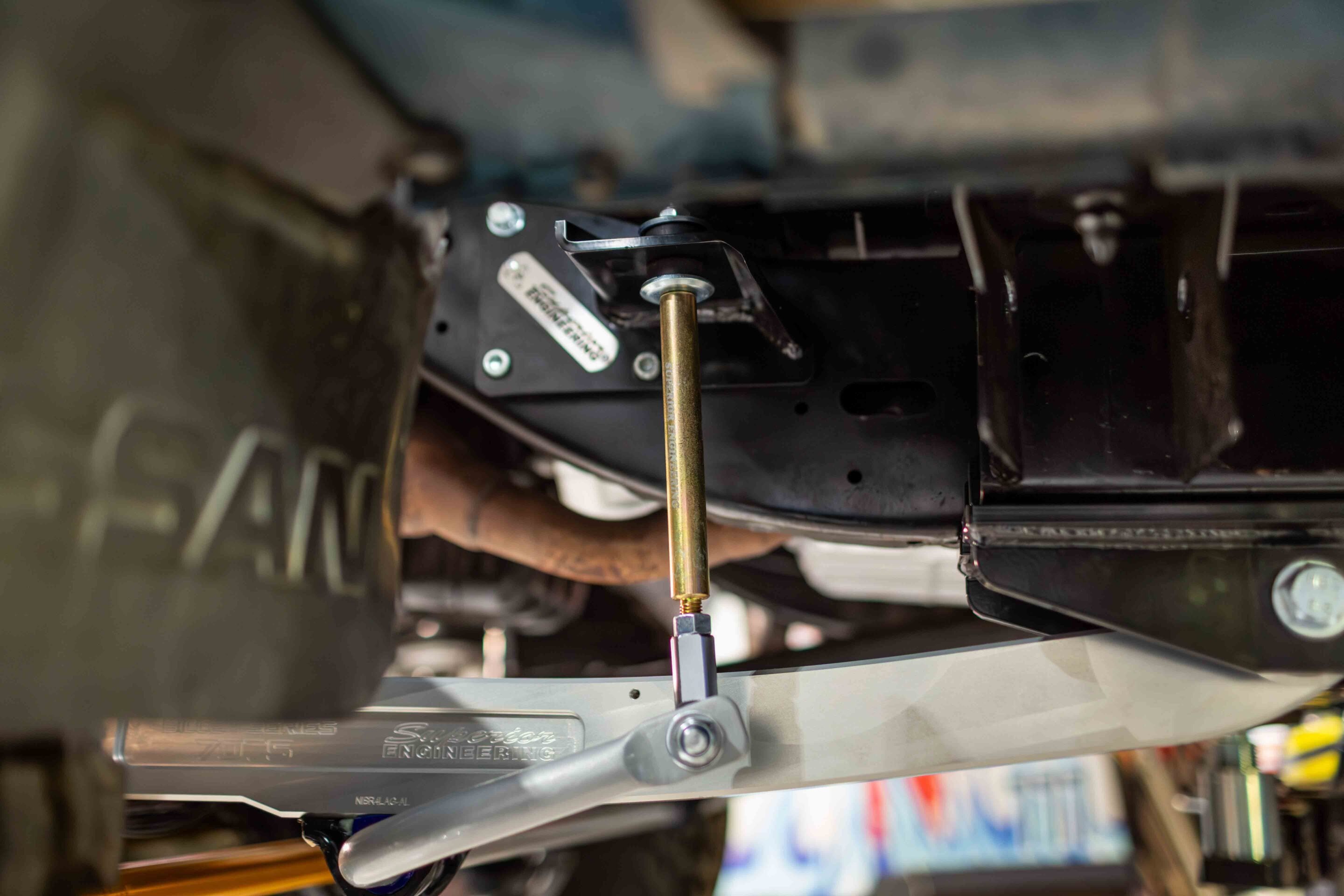
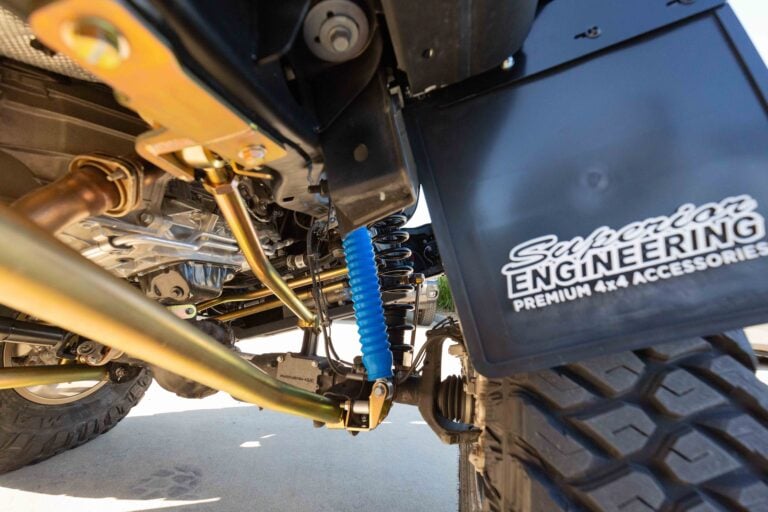
Sway bars help control body roll through corners by linking the suspension on opposite sides of the vehicle. A lift changes the bar’s position and the angle of its links, which can affect how the system operates. Depending on the vehicle and lift height, extended or adjustable links may be needed to maintain suitable geometry and prevent binding or interference throughout suspension travel.
Camber and caster correction
Lifting a 4WD can alter wheel alignment, particularly on vehicles with independent front suspension. Camber is the inward or outward tilt of a wheel when viewed from the front. Caster is the steering axis angle when viewed from the side, influencing steering stability and how the wheel returns towards centre. Toe describes the direction the wheels point relative to each other when viewed from above.
If the lift pushes alignment outside the required specifications or beyond the factory adjustment range, correction parts may be needed. These can include adjustable upper control arms or replacement bushes designed to change alignment angles.
A wheel alignment after fitting is essential. If the settings can’t be brought within the appropriate specifications using factory adjustments, additional correction may be required to maintain predictable steering and limit uneven tyre wear.
Diff drop kits
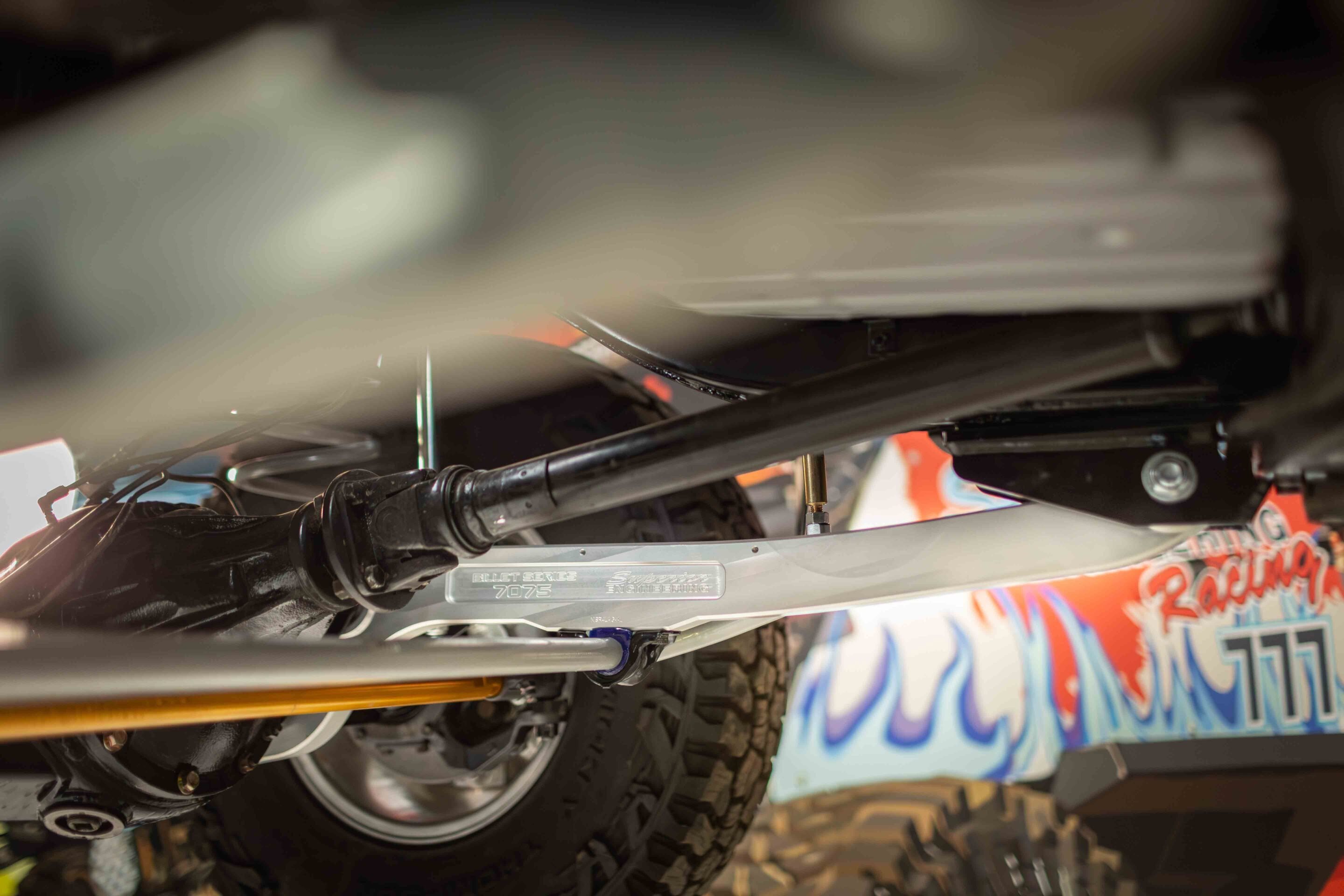
A diff drop uses brackets or spacers to lower the front differential slightly relative to the chassis on some independent front suspension 4WDs. This can reduce front CV shaft angles after a lift, potentially reducing strain on their joints. A diff drop isn’t necessary or suitable for every 4WD, and it won’t correct every driveline issue. Its suitability and effectiveness depend on the vehicle, lift height and resulting CV angles.
1
CV shafts and driveshafts
CV shafts transfer drive from the differential to the wheels while allowing suspension and steering movement. Driveshafts transfer power between the transmission, transfer case and differentials. A lift can push these components beyond their intended operating angles or available movement, leading to increased wear, vibration or binding. Taller lifts make these issues more important to check.
Depending on the vehicle, the solution may involve geometry correction, different shafts or other changes to the setup. Replacement CV shafts or driveshafts aren’t automatically required for every lift, but the standard components must remain within their operating limits.
Bump stops and extensions
Bump stops limit suspension compression, helping prevent tyres and suspension components from contacting parts of the vehicle they shouldn’t. They also help keep shocks and other components within their intended range.
Depending on the lift and suspension design, extensions or other changes may be needed to maintain clearance at full compression. The suspension must have enough room to move without the tyres hitting the bodywork or components binding. Bump stops are part of the system that controls suspension travel, so changing or removing them without checking the effects can create problems elsewhere.
Steering components
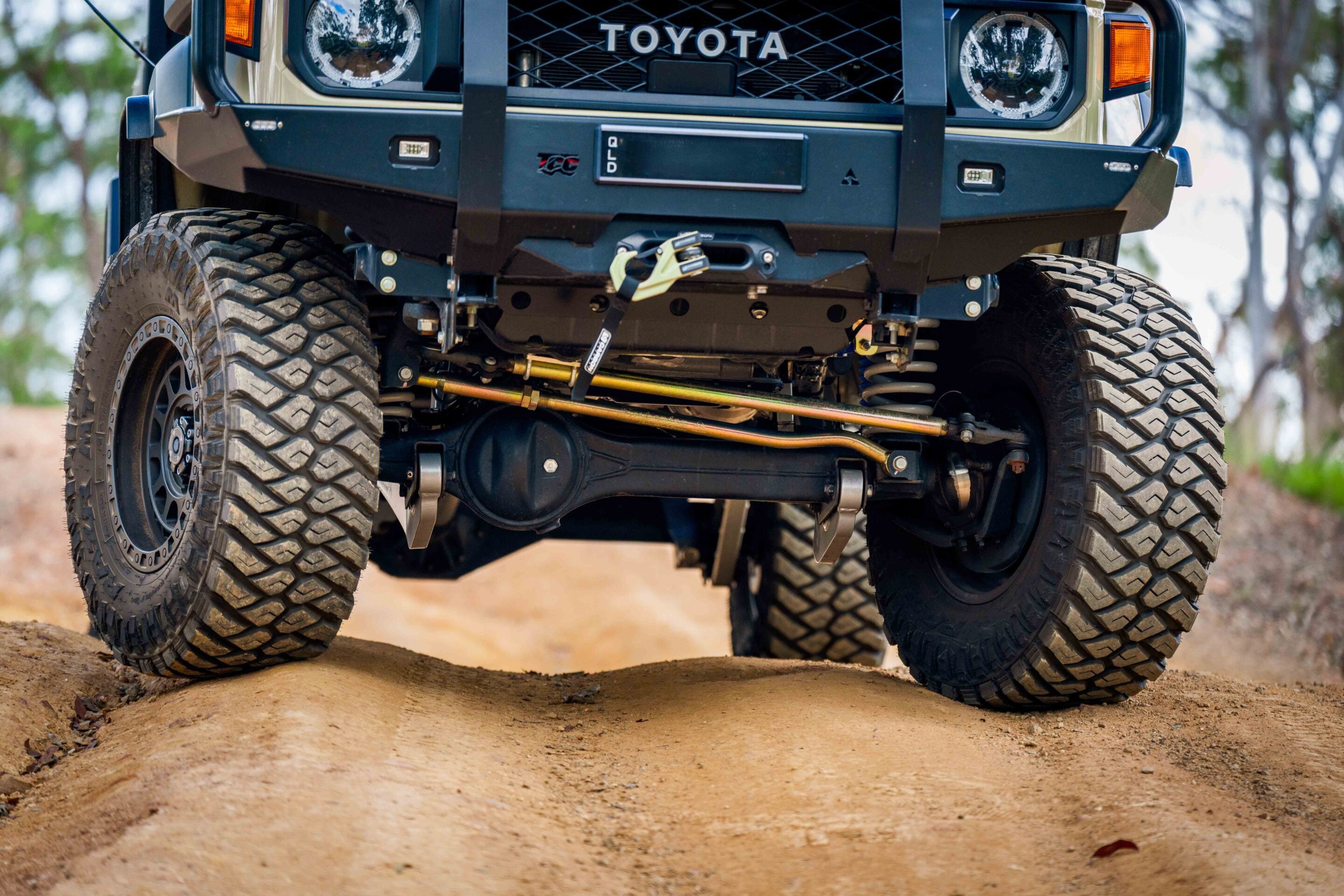
Some 4WDs need steering changes when lifted, particularly at greater heights. Depending on the design, this may involve a drag link, track bar or other components.
A drag link transfers steering movement to the wheels. A track bar, also known as a Panhard rod, is used on some solid-axle suspension designs to locate the axle sideways beneath the vehicle. If lifting changes how these components move relative to the suspension, the vehicle may develop bump steer, where suspension movement causes unwanted changes in steering direction.
Some solid-axle setups may also need a corrected or adjustable track bar to keep the axle properly centred. Not every lift requires replacement steering parts, but the system needs to be checked for correct operation throughout suspension travel.
1
Does a two-inch lift need fewer parts than a three-inch lift?
Generally, a taller lift is more likely to need additional correction parts, but height alone doesn’t determine what’s required.
A two-inch lift on one 4WD may work with a straightforward spring and shock package, while another may need alignment correction, different sway bar links or extended brake lines. Vehicle design and suspension travel also influence the parts list. At three inches or higher, it’s particularly important to check CV and driveshaft angles, steering geometry, brake line length and suspension clearance. Some vehicles may need more substantial correction or replacement components.
Spacer lifts need similar scrutiny. A spacer raises ride height without necessarily replacing the original springs, but it doesn’t automatically correct suspension geometry or provide additional suspension travel. There’s no universal rule that every two-inch lift needs the same extras, or that every three-inch lift needs a particular set of upgrades. The parts list should match the vehicle and finished setup, not just the number on the box.
Why are some lift kits so much cheaper?
Price differences don’t always come down to brand or spring and shock quality. One kit may include only the main suspension components, while another includes supporting parts selected for that vehicle and lift height.
A cheaper kit isn’t automatically a bad buy if it suits the intended setup. The problem is comparing kits as though they’re identical when one may leave out parts your vehicle needs.
Before buying, check exactly what’s included. Ask whether the price covers everything required for the intended lift or whether brake lines, sway bar links, alignment correction or other components will cost extra. When comparing options, ask suppliers such as Superior Engineering (↗) to clarify what’s included in the kit and whether any additional components are required for your vehicle.
Factor those costs into the comparison. A lower advertised price can become less attractive if several additional parts are needed later. The more expensive kit isn’t automatically better either; what matters is whether its components are appropriate and the finished setup is complete.
Get the parts list right before fitting
The supporting parts you need depend on the vehicle, lift height, suspension design and how the 4WD will be used.
Before buying, ask for a parts list that identifies what’s included, what’s required for your setup and what’s optional. If you’re comparing quotes, make sure you’re comparing the same lift height and components, not just the headline price.
After fitting, have the wheel alignment checked and make sure brake lines, ABS wiring, steering and driveline components have adequate clearance and movement throughout suspension travel. Complete any necessary corrections before driving, and check the applicable state or territory modification requirements to ensure the finished setup is compliant for road use.
The aim isn’t to buy the biggest kit or bolt on every available extra. It’s to make sure the suspension, steering and braking systems work properly once the vehicle is lifted.
Follow 4X4 Australia on Google
Get more 4x4 news, reviews and gear stories from 4X4 Australia in your Google feeds.

We recommend
-
 Gear
How to choose the right suspension for a loaded 4WD
Your loaded 4WD needs suspension matched to what it actually carries, not what it says in the brochure
-
 Gear
Two-inch vs three-inch lift kits: Which 4WD suspension lift is right for you?
Choosing between a two-inch and three-inch lift comes down to how you use your 4WD, the tyres you want to run and how much suspension complexity you're prepared to take on